
























Edited by Mikkel Hyldebrandt
Photos: Kylie Watt
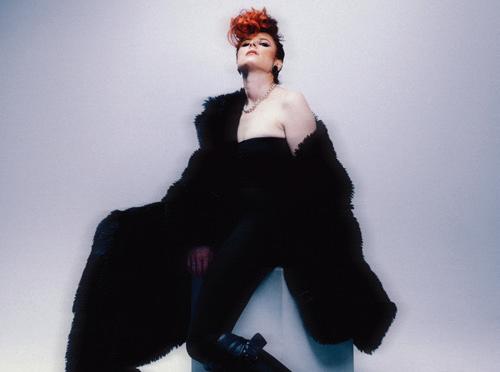
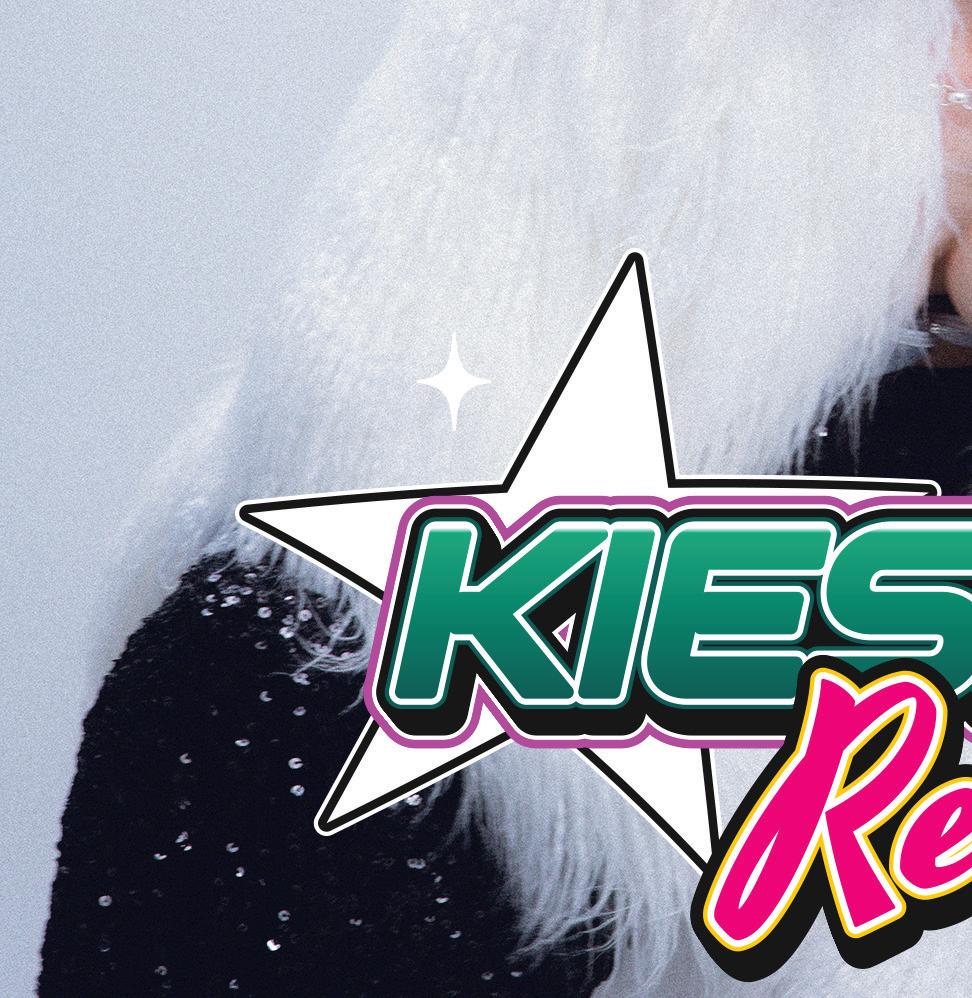
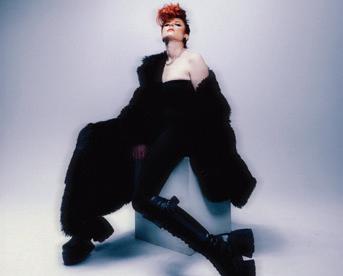
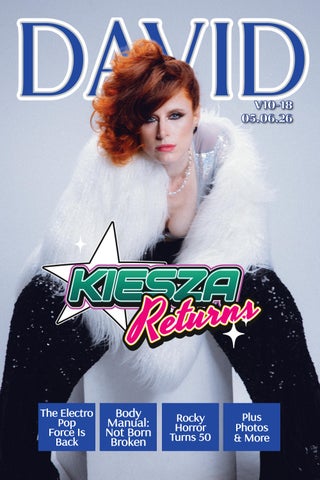
Electro-pop artist Kiesza continues to build momentum in her latest era with the release of “When I’m Dancing,” a euphoric, emotionally layered new single that arrives on the heels of last month’s “Good Morning America” featuring KYLIE. The track is a shimmering continuation of her evolving sound, pairing smooth, technically refined vocals with hypnotic production that feels both intimate and expansive. Accompanied by a vibrant new music video, the song captures a deeply personal truth: the dancefloor as both escape and emotional release.
Drawing directly from her years living in New York City, Kiesza frames the track as a reflection on solitude and survival in a city that never stops moving. “The struggles and tears led me to find solace on whatever New York dance floor was speaking to me that night, solo raving through the doubts and uncertainty that words failed to comfort. ‘When I’m Dancing’ is about allowing your body to cry in ways that go beyond tears. Dancing has always been my crying, my refuge. I go back to that time in this song. In so many ways, dancing has saved my life,” she explains on the story behind the song. The idea of movement as emotional processing sits at the heart of the track, transforming club culture into something deeply therapeutic.
The sense of reflection is mirrored in Kiesza’s broader perspective on her journey. “I wish I could go back in time and tell my younger self how much there was to look forward to. That everything she was afraid would break her would eventually shape her and lead somewhere beautiful. Not only the woman who thought her dreams were over in a split-second car crash, but the girl fresh out of college, willing to bet on herself in a city that swallows both the dreamer and their dreams alive,” says Kiesza, which underscores both the personal resilience behind her artistry and the lived experience that continues to inform her music.
“When I’m Dancing” not only places Kiesza back strong and right in the middle of the dancefloor, but also inserts her as part of the female-led brigade of pop icons proving that the dancefloor is indeed not dead. “It feels like the highest compliment when people let loose on the dance floor to my music and I love how many women are owning the dance space in 2026. I’ve been connected with a lot of female DJs and producers in the space recently and it’s truly amazing how much talent is out there. Women really love to take risks and push boundaries, which makes the dance space so much more refreshing than it was back
when I was one of very few women in the space.”
Expanding further on the creative process, Kiesza highlights the collaborative nature of the track’s development. “The journey that led to this song is a testament to the path that brought me to this moment. None of it was created alone. Jess Cake and Bradley Spence began this track in the UK before it evolved further in their Toronto Airbnb basement suite, where the song was written. The production was later brought to life in the most inspiring analog studio, thanks to Al-P letting us all go wild in his musical treasure chest. The song itself became a journey, mirroring the story embedded in the lyrics. The pain, the love, the hope, and the belief that our most fragile moments become the seeds of our greatest strengths. I can truly say that of all my songs, this is one of my favourites.” The result is a track that feels both meticulously crafted and emotionally raw, balancing studio precision with lived-in vulnerability.
Visually, the “When I’m Dancing” video – directed by Shiraz Higgins and filmed in Victoria, BC on the traditional and unceded territory of the lək̓ʷəŋən, W̱SÁNEĆ and W̱SĺḴEM peoples – extends that emotional palette into a kaleidoscopic world of color, choreography, and theatrical styling. The result is a high-energy, visually rich piece that amplifies Kiesza’s signature fusion of performance art and pop spectacle, while also acknowledging place and cultural context.
The single also sets the stage for the final chapter of her dance trilogy, with Dancing and Crying: Volume 3 arriving May 8. The project continues Kiesza’s exploration of joy, grief, movement, and self-reinvention, solidifying the series as a defining statement in her independent catalog.
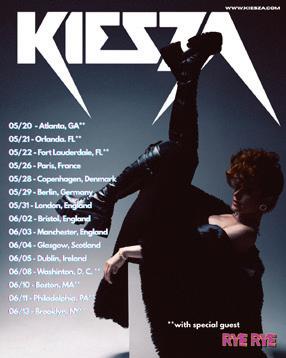
Looking ahead, Kiesza will launch the continuation of her Dancing and Crying Tour on May 20 in Atlanta, GA at Terminal West, bringing her high-voltage live show to 15 cities across the United States and Europe. Select dates will feature American rapper and singer Rye Rye as support. Kiesza describes her concert experience as “a HUGE dance party from start to finish, so definitely prepare to sweat!” The main focus will be on the dance music, and specifically on the Dancing and Crying collection. “But I, of course, made sure to include some of the classics. I really love the energy that fills the room during my shows. My supporters and I have such a deep connection, and nothing compares to these 3D moments we share”, says Kiesza in anticipation of the upcoming world tour.
“When I’m Dancing” is available now on all major streaming platforms, with Dancing and Crying: Volume 3 releasing May 8 and tickets for the upcoming tour available via Kiesza’s official website kiesza. com and major ticketing outlets.
Edited by Mikkel Hyldebrandt
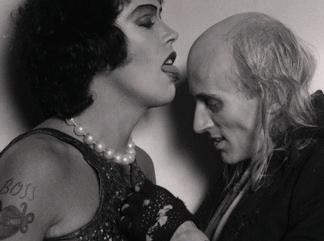
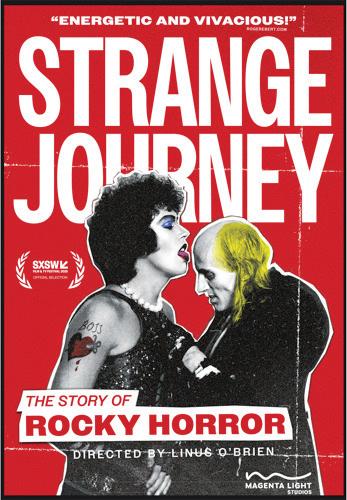
Fifty years after fishnets first flickered across a midnight movie screen, The Rocky Horror Picture Show remains less a film than a full-blown cultural ritual. And with Strange Journey: The Story of Rocky Horror, director Linus O’Brien delivers a lively, affectionate deep dive into how this once-scrappy oddity became the longest-running theatrical release in history – and a lifeline for generations of outsiders.
The documentary arrives at the perfect moment, commemorating the 50th anniversary of that first legendary midnight screening at New York’s Waverly Theatre. What began as a quirky adaptation of Richard O’Brien’s London stage musical has since evolved into something far more radical: a participatory, queer-coded rebellion wrapped in corsets, camp, and call-backs. Strange Journey captures that evolution with infectious


enthusiasm, charting the film’s unlikely trajectory from box office disappointment to global phenomenon.
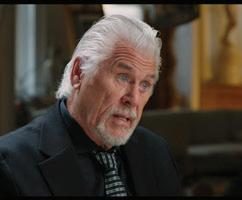
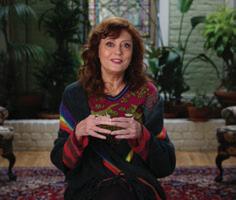
What makes Rocky Horror endure isn’t just its iconic performances – though hearing from the original cast, including Tim Curry, Susan Sarandon, and Barry Bostwick, is a genuine delight. It’s the way the film shattered norms long before mainstream audiences were ready. In the mid-1970s, its gleeful embrace of sexual fluidity, gender play, and unabashed weirdness felt revolutionary. Today, it reads as both a time capsule and a still-radical manifesto.
The documentary wisely centers that cultural impact over simple nostalgia. Yes, there’s joy in revisiting the music, the performances, and the behind-the-scenes stories, but the real heartbeat here is the community that formed in the aisles. Midnight screenings became more than showings; they became sanctuaries. For queer audiences especially, Rocky Horror offered something rare: visibility, validation, and permission to be loud, messy, and entirely themselves.
That legacy echoes throughout Strange Journey
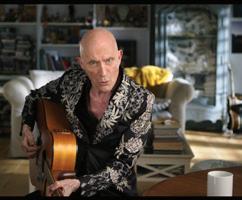
Contemporary voices like Jack Black and Trixie Mattel help underline just how far the film’s influence stretches, from comedy and drag to music and fashion. But the film never loses sight of its core truth: Rocky Horror didn’t just influence culture – it created space for people, who had never seen themselves reflected anywhere else.
Visually and structurally, the documentary mirrors its
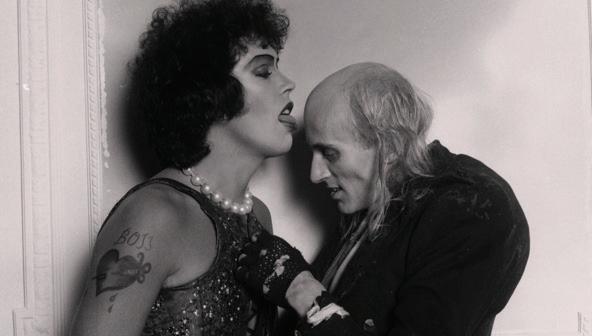
subject’s exuberance. It’s fast-paced, celebratory, and occasionally chaotic in the best way, echoing the anything-goes spirit of a midnight screening. While it doesn’t linger too long on any single thread, that breeziness feels intentional – this is less a lecture and more an invitation to join the party.
And what a party it continues to be. In an era where queer rights and self-expression once again feel under pressure, Rocky Horror’s mantra – “Don’t Dream It, Be It” – lands with renewed urgency. Strange Journey doesn’t just remind us why the film mattered; it makes a compelling case for why it still does.
Strange Journey: The Story of Rocky Horror opened in select theaters starting April 24. After its theatrical run, the film is expected to expand to major digital and on-demand platforms, making it accessible for audiences ready to do the Time Warp all over again. And this time with a deeper appreciation for the revolution behind the rhinestones.
















































































































































































By Dr. Zachary LaVigne Any Spine Chiropractic & Massage Studio

The story we tell about chronic disease goes like this: it runs in the family. Your genes loaded the gun and time pulled the trigger. It is a narrative that feels honest and lets everyone off the hook. The problem is the science does not support it. Most of what is killing Americans right now was not inevitable. It was built, by the lives we are living and the world we built to live them in.
Here are the ten leading causes of death in the United States right now: heart disease, cancer, unintentional injury, stroke, chronic respiratory disease, Alzheimer’s, diabetes, kidney disease, liver disease, and suicide. Ten categories. Millions of deaths every year. And for the biggest chronic killers on that list, inherited genetic mutations account for only about 5 to 10 percent of cases. Roughly 5 percent of heart disease. Around 5 to 10 percent of the most common cancers. As few as 1 to 5 percent of Alzheimer’s. For liver disease, kidney disease, and chronic respiratory conditions, the genetic contribution is even smaller. The rest, in nearly every case, traces back to environment, behavior, chronic stress, and the slow mismatch between ancient bodies and modern life.
Chronic stress sits underneath nearly every condition on that list. When your nervous system is stuck in threat mode, it drives inflammation, disrupts blood sugar, degrades sleep, strains the cardiovascular system, and suppresses immune function. The body handles acute stress well. A chase, a loss, a confrontation. It was not designed to sustain decades of financial anxiety, social exclusion, and low-grade dread.
For LGBTQ+ people, this is not abstract. Research consistently shows that minority stress, the chronic load of navigating a world that has treated your existence as a problem, produces measurable damage to physical health. The heart does not distinguish between a predator and a hostile culture. It responds the same way.


Heart disease, stroke, type 2 diabetes, and most metabolic disorders were essentially unheard of in pre-industrial populations. Not because those people were lucky, but because their environments demanded things from their bodies that ours no longer do: daily movement, real sunlight, social belonging, and genuine rest. When you remove those inputs, the body does not simply adapt. It accumulates damage quietly, over years, until the damage has a name.
Chronic respiratory disease tracks closely with air quality and decades of smoking. Liver disease and kidney disease are overwhelmingly driven by alcohol, metabolic dysfunction, and high blood pressure left unmanaged. Alzheimer’s is now being linked to sleep deprivation, chronic inflammation, and cardiovascular health. Cancer is the most complex on the list, but environmental exposures, diet, and lifestyle remain the dominant drivers for most types. Even unintentional injuries and suicide, which look different on the surface, are outcomes of a society under sustained pressure. They are not random. They follow stress, poverty, isolation, and despair.

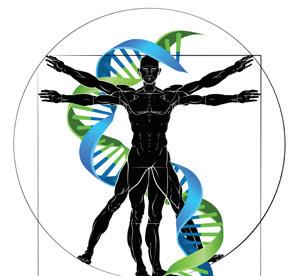
Your DNA is less a fixed blueprint and more a set of switches. What flips those switches is called epigenetics, shaped by sleep, movement, food, relationships, and stress. Genetic risk adjusts the odds. It does not write the outcome.
If environment drives 90 percent of chronic disease, then the failures of a sick population are not personal failures. They are structural ones. Bad food is cheaper. Green space is unevenly distributed. Rest is undervalued. Belonging is harder to find than it should be.


Most of what is killing us was never inevitable. That is not a small thing to know.
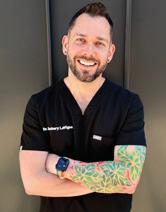

Dr. Zachary LaVigne Owner of Any Spine Chiropractic & Massage Studio

























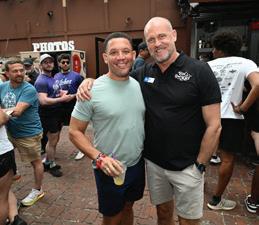
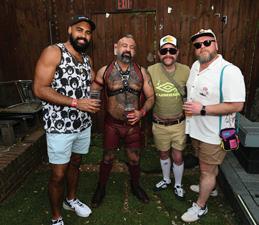
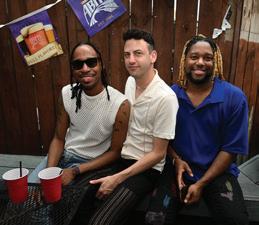
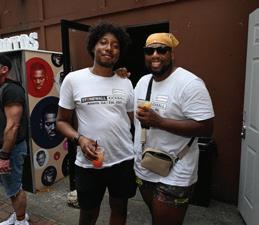
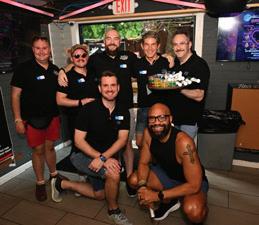
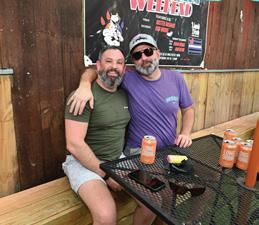

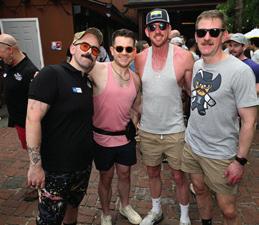
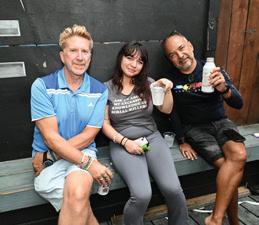
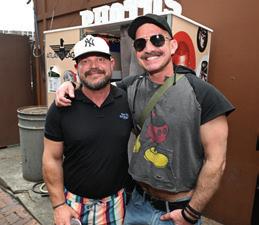
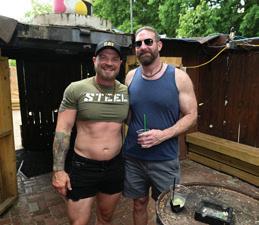
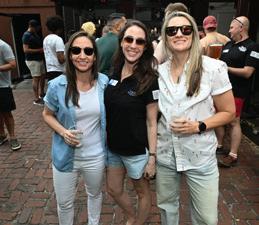
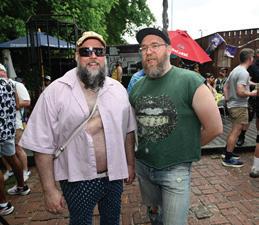













































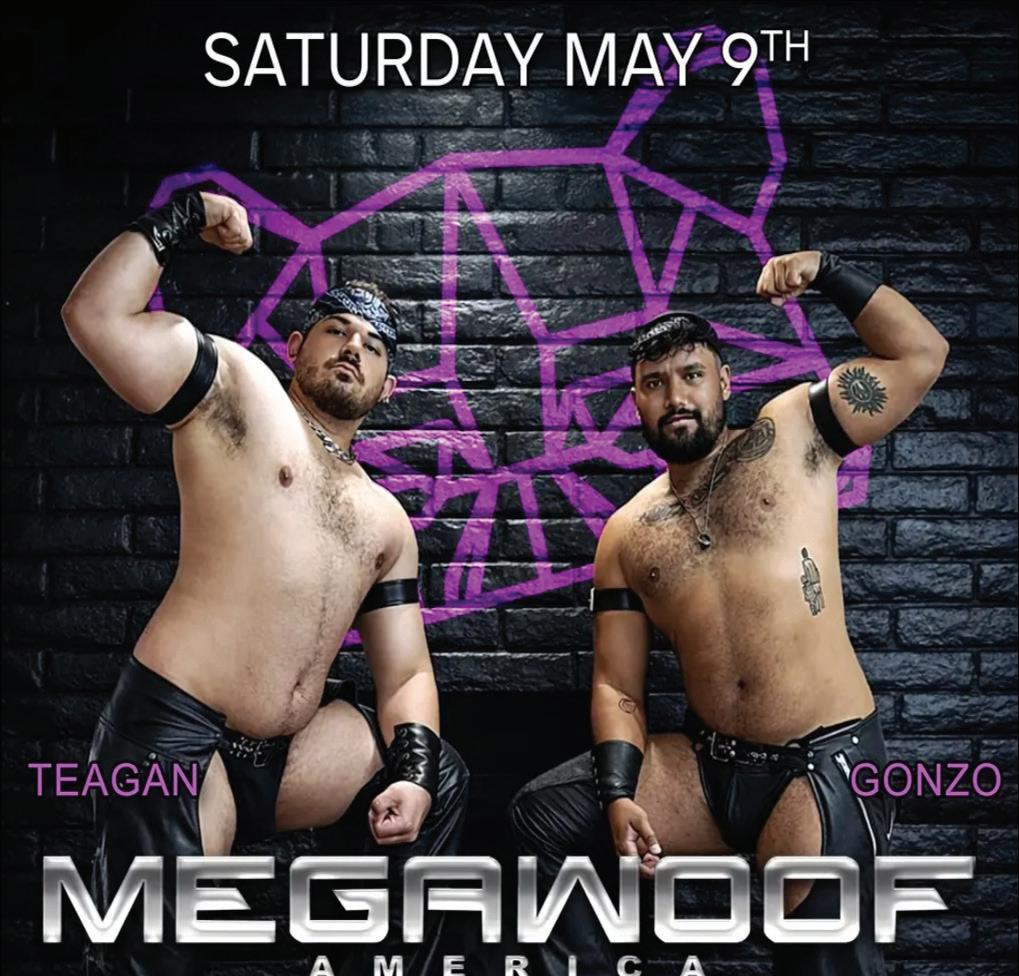
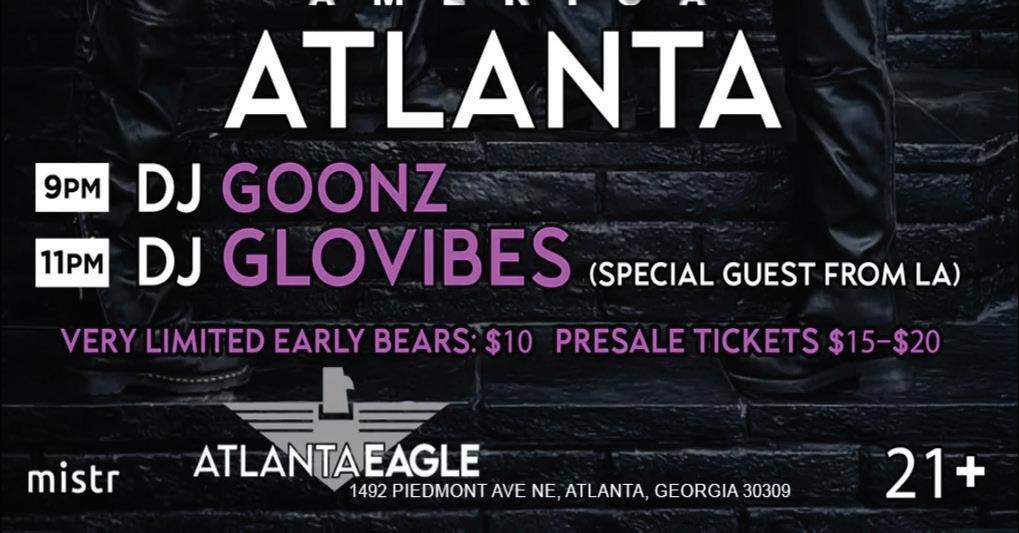



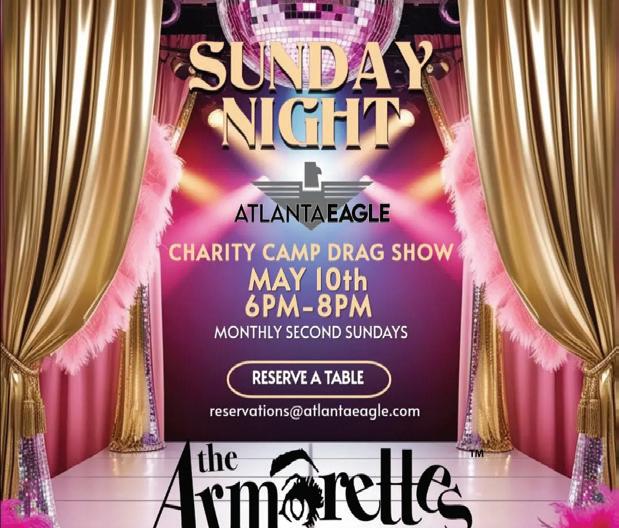






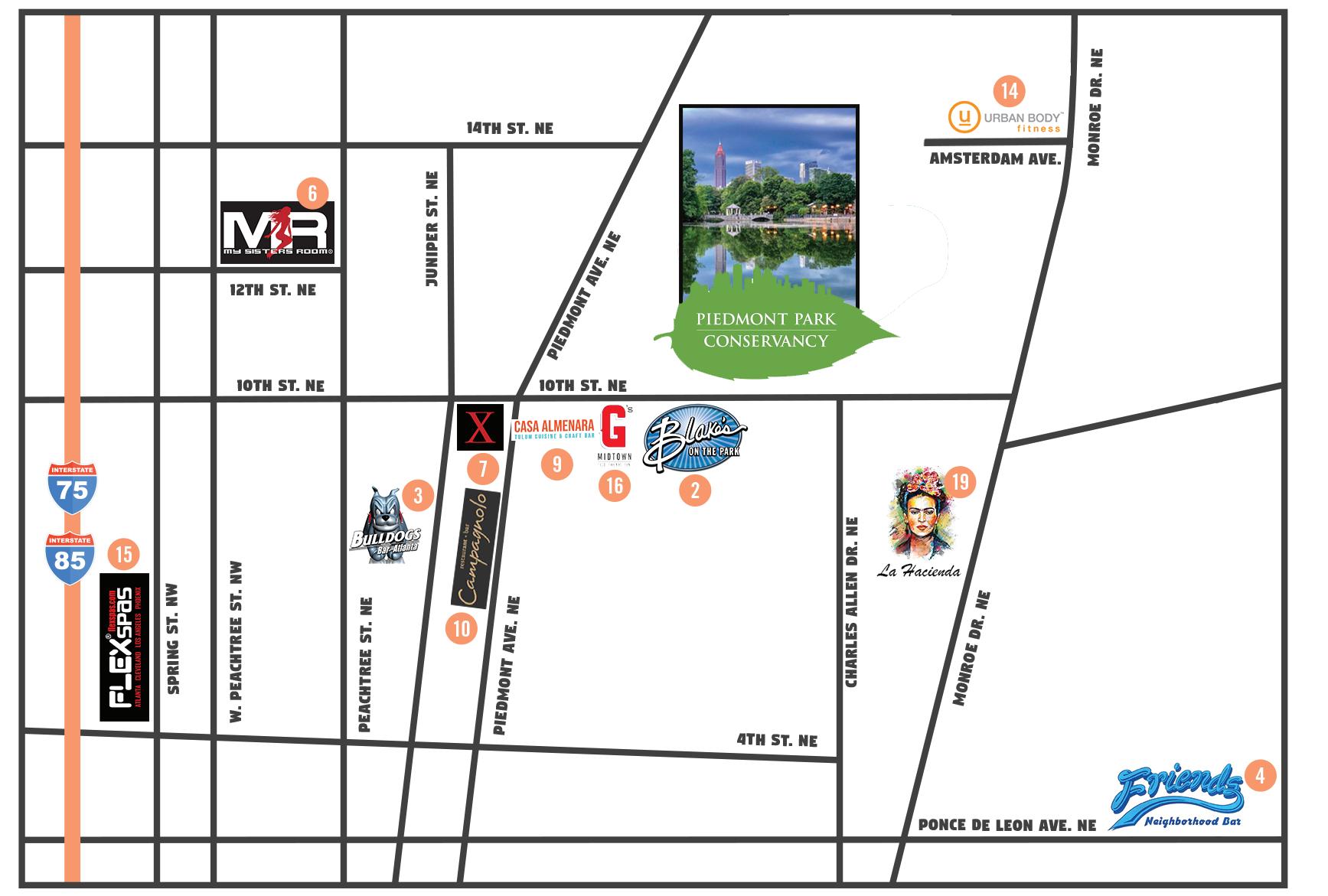























BARS & CLUBS MIDTOWN
BLAKE’S ON THE PARK blakesontheparkatlanta.com 227 10th St NE
BULLDOGS 893 Peachtree St NE
FRIENDS NEIGHBORHOOD BAR friendsonponce-atl. com
736 Ponce De Leon Ave NE
MY SISTER’S ROOM mysistersroom.com 66 12th St NE
X MIDTOWN xmidtown.com 990 Piedmont Ave NE
THE T modeltatlanta.com 465 Boulevard SE
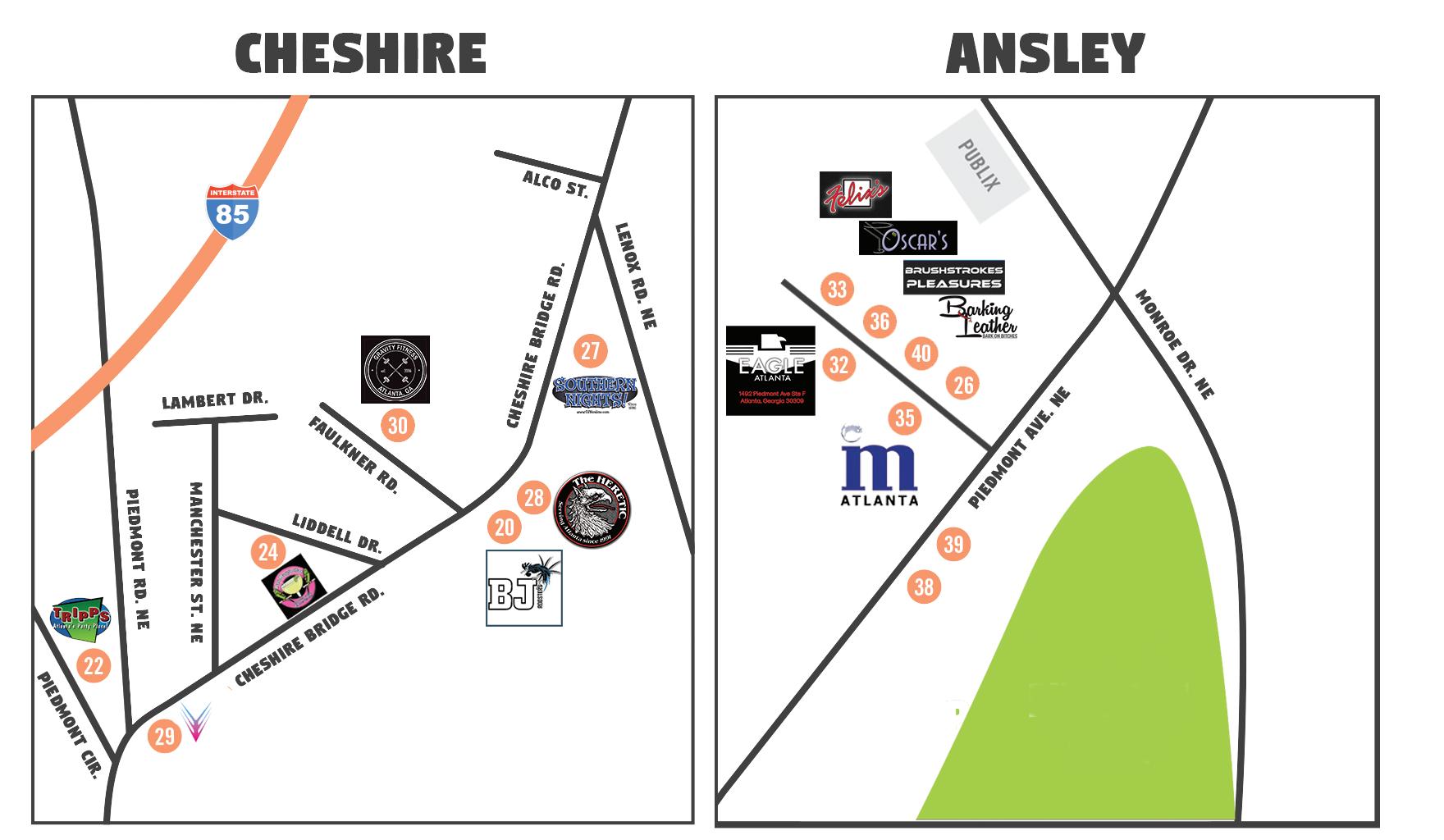
CHESHIRE
HERETIC hereticatlanta.com 2069 Cheshire Bridge Road
BJ ROOSTERS bjroosters.com 2043 Cheshire Bridge Road NE
WESTSIDE
MARQUETTE 868 Joseph E. Boone Blvd NW
840ATL 840 Ralph David Abernathy Blvd
BOGGS SOCIAL & SUPPLY 1310 White St. SW Atlanta, GA 30310 boggssocial.com
ATLANTA EAGLE 1492 Piedmont Ave NE
FELIX’S 1510 Piedmont Ave NE
MIXX mixxatlanta.com 1492 Piedmont Ave NE
OSCAR’S
oscarsatlanta.com 1510 Piedmont Ave NE
WOOFS woofsatlanta.com 494 Plasters Ave NE
TRIPPS
fb: tripps-bar 1931 Piedmont Cir NE
EAST ATLANTA, GRANT PARK & EDGEWOOD
MARY’S marysatlanta.com 1287 Glenwood Ave SE
LORE ATLANTA loreatl.com 466 Edgewood Ave loreatl.com
DINING
MIDTOWN
CASA ALMENARA 991 Piedmont Ave NE casa-almenara.com
LA HACIENDA lahaciendamidtown. com
900 Monroe Dr NE
TUK TUK THAI FOOD LOFT TUKTUKATL.COM 1745 Peachtree Rd NW
DEKALB
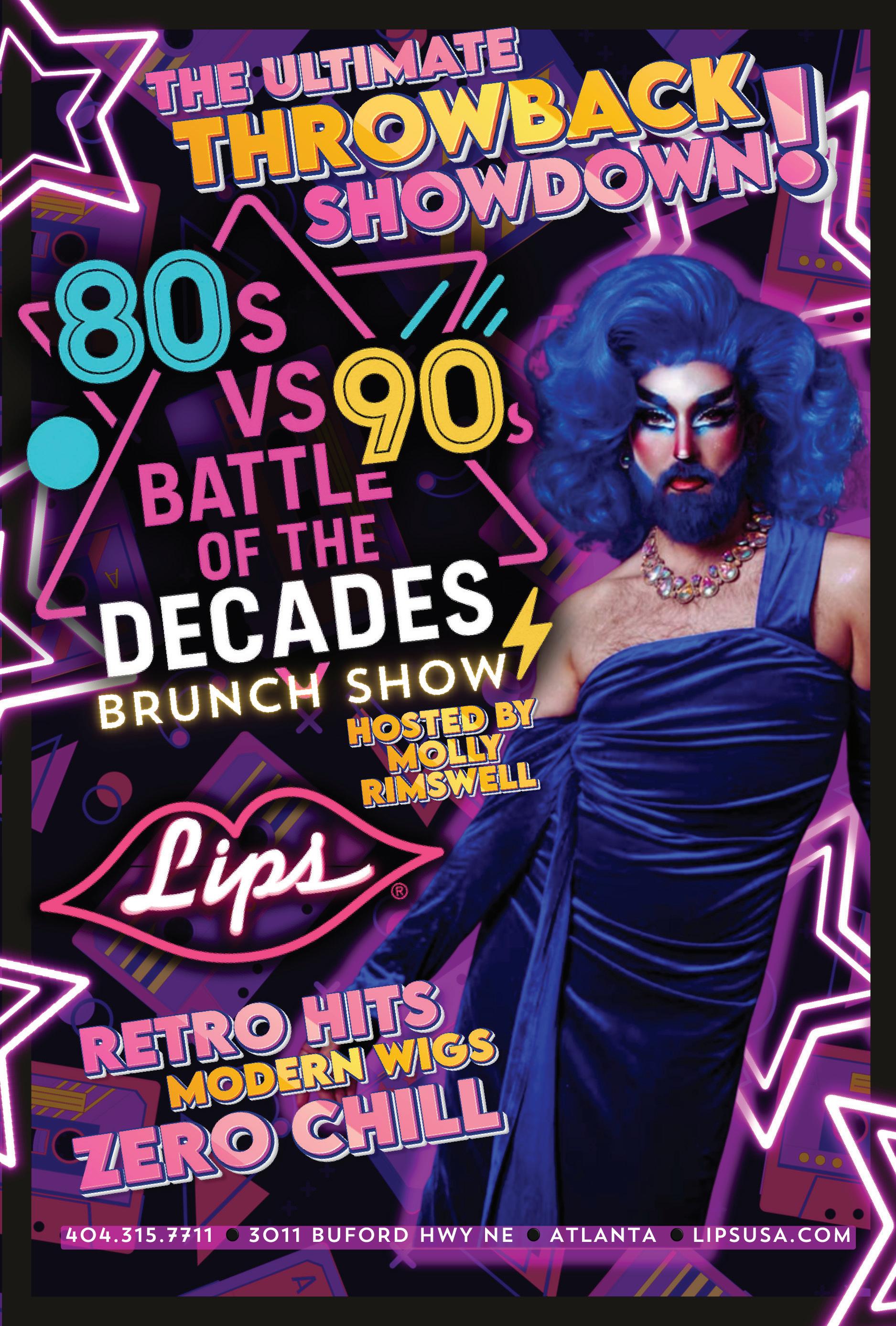
LIPS ATLANTA atldragshow.com 3011 Buford Hwy NE
RETAIL MIDTOWN
BOY NEXT DOOR MENSWEAR boynextdoormenswear.com 1000 Piedmont Ave NE, Ste A
BARKING LEATHER barkingleather.com 1510 Piedmont Ave NE
GCB & PLEASURES brushstrokesatlanta. com
1510-D Piedmont Ave. NE
FITNESS MIDTOWN
URBAN BODY FITNESS urbanbody tness. com
500 Amsterdam Ave N
CHESHIRE
GRAVITY FITNESS
gravity tnessatl.com 2201 Faulkner Rd NE
SPAS/BATHS ADULT
FLEX SPA exspas.com 76 4th St NW
SOUTHERN NIGHTS VIDEO 2205 Cheshire Bridge Rd NE































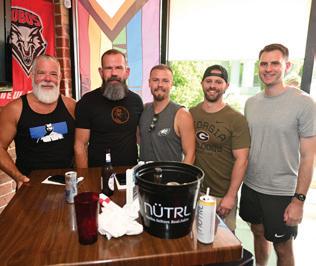
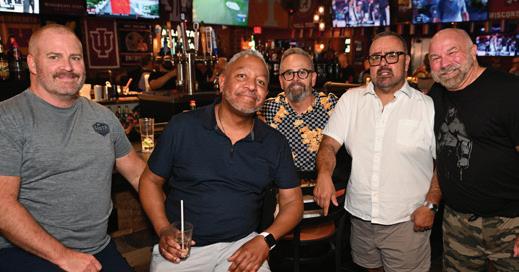









We all have those moments of ‘wait, did they just say that?’ Lucky for you, we compile the best of the best right here on this page. Want to join in on the b*tch session? Submit your own nuggets to info@davidatlanta.com.



Everybody is ready to go on that trip until you say “send the money”…
Why are people so ashamed of their ho phase? I had a ball!




I’m a sucker for deep talks. Yes, I want to know why your cousin got her kids taken away!
Love when the speed limit is 55. Nice try! Atlanta be going 80!

Being kind to myself sometimes feel like the stripper loves me.
Being alive is just so expensive. Can I just be a cherry blossom floating around?

Only joining this Teams meeting so I can stare at myself.
AI is getting scary. Just saw a video of me at the club after I said I was going to bed!




Music Videos and Requests