



















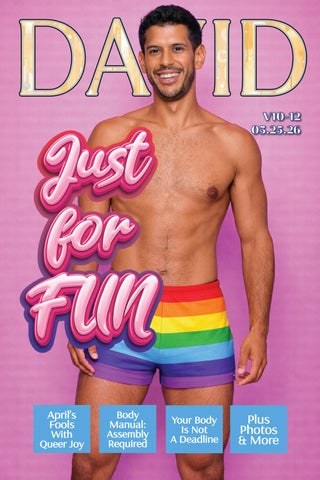

Edited by Mikkel Hyldebrandt
For many of us in the LGBTQ+ community, April Fools’ Day isn’t always harmless fun. Growing up, it could be a confusing—or even painful— experience. The “joke” might have been someone pretending to be gay for a laugh, throwing around stereotypes, or saying something just believable enough to make your heart race if you were still figuring yourself out. In a world where authenticity can already feel risky, a day built around deception can hit differently.
But like so many things, queer people have a way of reclaiming what once felt uncomfortable and turning it into something joyful, affirming, and ours. April Fools’ Day doesn’t have to be about trickery that punches down or leaves people questioning their safety. Instead, it can be a chance to celebrate humor that uplifts, connects, and maybe even flirts a little with fabulous absurdity. The key? Keep your pranks rooted in kindness—and make sure everyone involved is in on the joke by the end.
One approach is the “Glow-Up Fakeout.” Post a dramatic before-andafter transformation on social media— except the “after” is hilariously over-thetop. Think: you “joined a monastery,” “became a bodybuilder overnight,” or “married a mysterious European royal.” The joke isn’t about identity; it’s about exaggeration and camp. Bonus points if your friends play along in the comments, building a whole fictional narrative.
Another crowd-pleaser is the “Chosen Family Switch.” Coordinate with friends to temporarily “swap personalities” online. The gym rat suddenly posts about astrology and crystals, the introvert becomes a nightlife promoter, and the friend who’s always early is suddenly “running fashionably late.” It’s playful, harmless, and celebrates the many facets of queer identity without mocking any of them.
For couples, April Fools’ Day can be a chance to lean into shared humor. Try a “Relationship Plot Twist” post—like announcing you’re “taking a break” because one of you refuses to watch the same show, only to reveal the real
punchline a few slides later. It keeps the drama fictional and the love very real.
Workplaces can also get in on the fun— carefully. If you’re in a queer-friendly office, consider lighthearted pranks like renaming shared Slack channels with inside jokes or staging a fake “important announcement” that turns into a celebration (free snacks, anyone?). The rule here is simple: never joke about someone’s identity, job security, or anything that could create real anxiety.
And then there’s the art of the “Reverse Prank”—arguably the most wholesome option. Instead of tricking someone, surprise them with something unexpectedly kind. Send flowers “from a secret admirer” and reveal yourself later. Leave affirming notes for friends or coworkers. Build someone up so
thoroughly that the only “fool” is anyone who thought April 1st had to be meanspirited.
Of course, it’s also perfectly valid to opt out altogether. Not everyone enjoys pranks, and in a community where many have experienced bullying or emotional whiplash, choosing peace over participation is more than fair—it’s selfawareness. At its best, queer humor has always been about resilience, wit, and finding light in unexpected places. April Fools’ Day is just another opportunity to practice that—on our own terms.
So go ahead, be playful. Be a little chaotic. Be delightfully extra. Just don’t be cruel. That joke’s been tired for years.

Edited by Mikkel Hyldebrandt
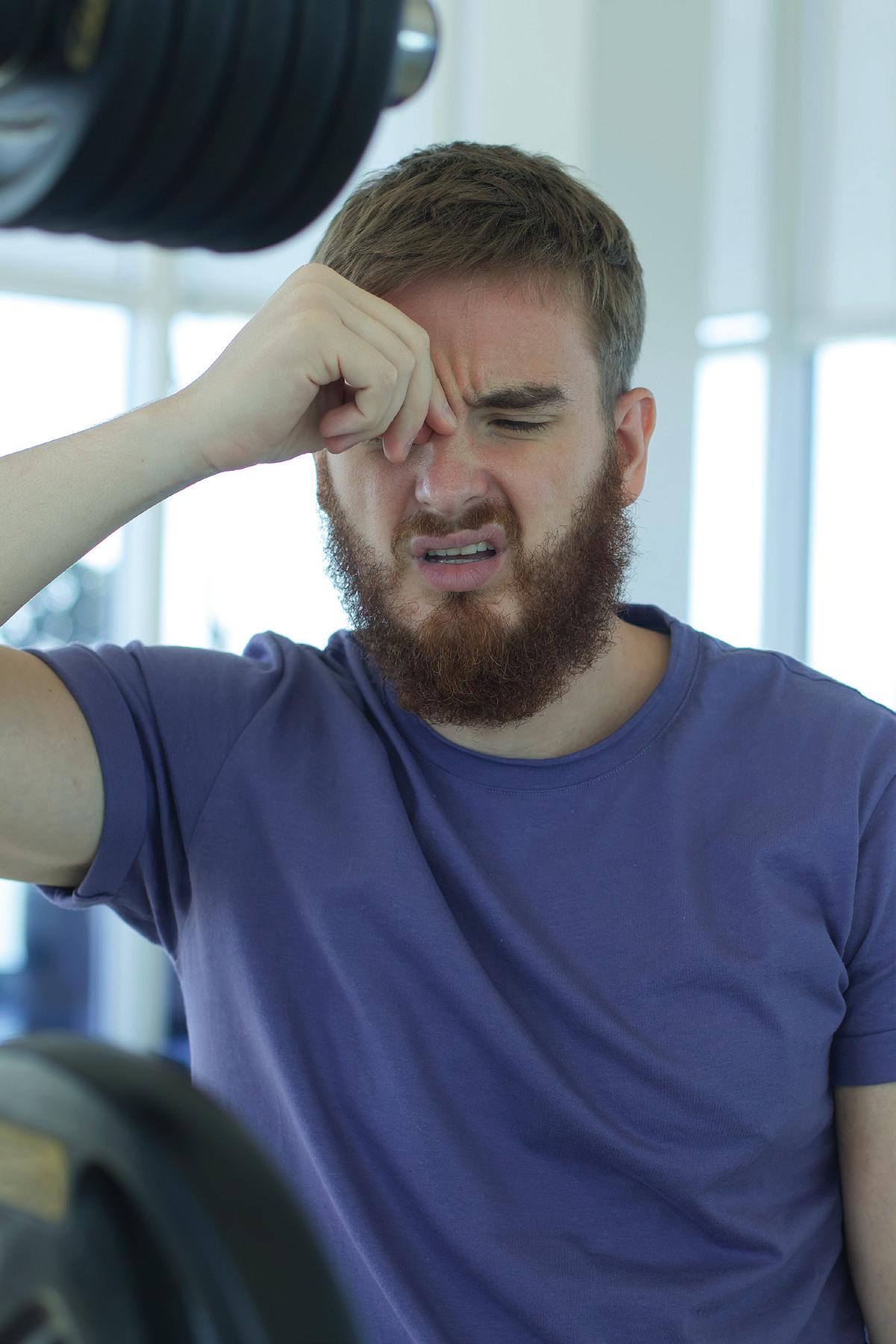
but real self-love is a little more grounded – and a lot more radical. It’s choosing not to bully yourself into belonging. It’s deciding that your body, as it exists today, is already worthy of being seen, desired, and celebrated.
That doesn’t mean you can’t have goals. Wanting to feel stronger, healthier, or more energized is valid. Moving your body, eating well, and taking care of yourself are acts of respect – not punishment. But there’s a difference between caring for your body and trying to control it into submission. Ask yourself: are your goals coming from a place of curiosity and care, or from fear and comparison?
There’s a particular kind of pressure that creeps in as the weather warms. It shows up in group chats, on gym floors, in Instagram thirst traps, and in those quiet, nagging thoughts when you catch your reflection just a little too long. Summer is coming – and with it, the expectation that your body should somehow arrive, too. Leaner. Tighter. Different.
Let’s be honest: for many in the LGBTQ+ community, “summer body” culture isn’t just background noise. It can feel like a full-blown identity requirement. The parties, the pool days, the circuit events – they often come with an unspoken dress code, and that dress code is your body. There’s an assumption that you should be working toward something, shrinking something, sculpting something, fixing something.
Because if your motivation is rooted in “I’ll finally be confident when…” or “I just need to look like that guy,” then the finish line is always going to move. There will always be another standard, another ideal, another version of you that feels just out of reach. What if, instead, this summer was about showing up as you are?
Imagine going to the pool without negotiating with yourself first. Wearing the outfit you actually like, not the one that hides you best. Letting your body exist in the sun without apology or performance. That kind of freedom is far more magnetic than any six-pack.
But here’s the truth that doesn’t trend nearly enough: your body is not a deadline. It is not a project with a due date of Memorial Day weekend. And it certainly isn’t a measure of your worth, your desirability, or your place in this community.
The idea of a “summer body” is built on an impossible premise – that you can and should transform yourself into a more acceptable version in just a few short months. It’s rooted in comparison and often fueled by images that are filtered, curated, and, let’s be real, sometimes chemically assisted. Chasing that ideal can quickly turn into a cycle of restriction, overexertion, and disappointment. And for what? So you can feel temporarily “enough” in spaces that were supposed to celebrate you in the first place?
And let’s not ignore the deeper layer here: many queer people have spent years learning to accept themselves in other ways – coming out, claiming identity, building chosen families. You’ve already done the hard work of saying, “This is who I am, and I deserve to be here.” Why should your body be the exception?
So this season, consider opting out of the pressure. Not in a grand, declarative way – but in small, intentional choices. Skip the crash diet. Mute the accounts that make you feel less-than. Compliment your friends without comparing yourself. Take up space, even if your brain tells you to shrink.
You don’t need to become someone else to enjoy your life. You don’t need to earn summer. You’re already invited.
This is where self-love gets misunderstood. It’s often packaged as bubble baths and affirmations,





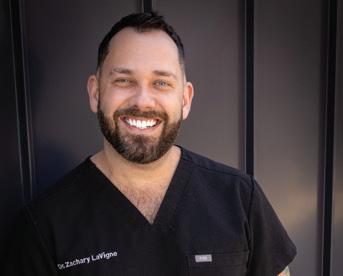
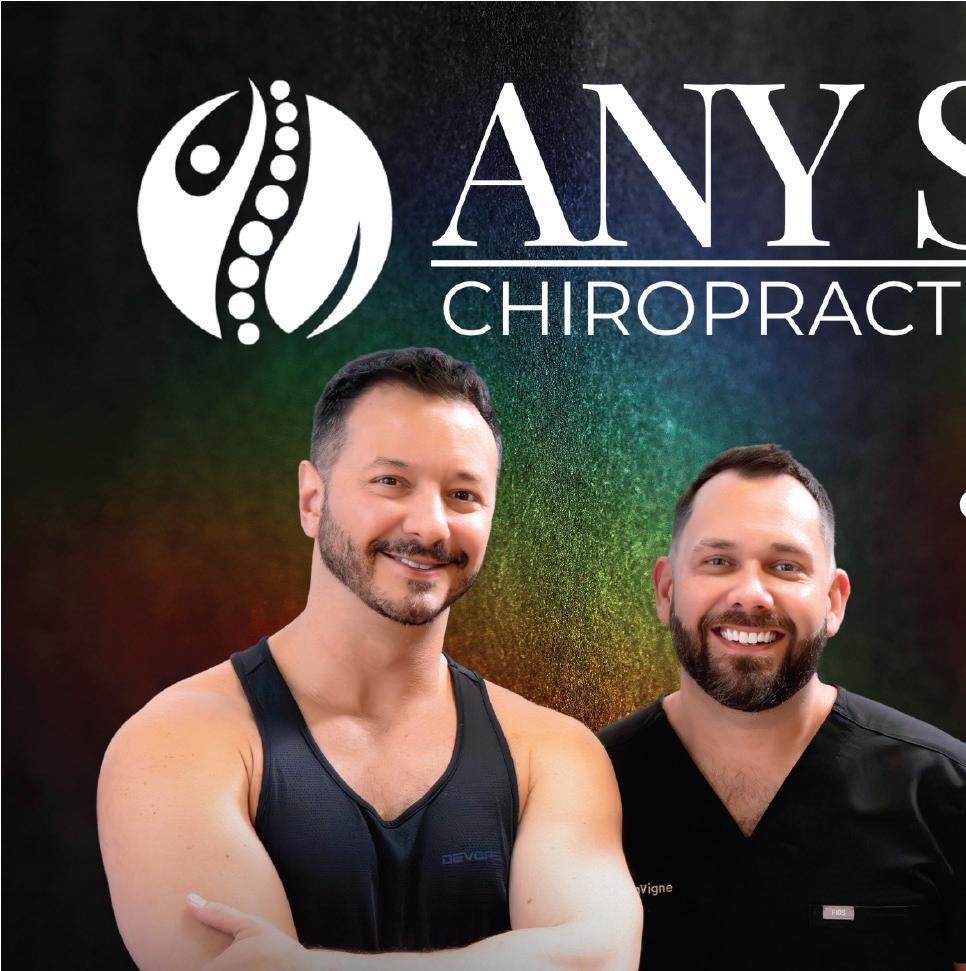
By Dr. Zachary LaVigne, B.S., D.C
We are currently living through a biological mismatch of epic proportions. Your body is the result of millions of years of engineering designed for a life of perpetual, low-intensity motion. We are the ultimate persistence hunters, built to walk, reach, squat, and carry. Yet, for most of us in Atlanta, the primary physical demand of our day is resisting gravity while staring at a glowing rectangle.
Our ancestors didn’t have lumbar support, and they certainly didn’t have “tech neck.” They had movement. When we spend eight hours a day folded into a chair, we aren’t just resting; we are putting our biology on strike.
Think of your body as a system of pulleys and levers. When you sit, your hip flexors—the muscles that connect your legs to your spine— stay in a constant state of contraction. Over time, they shorten. When you finally stand up to head out to Piedmont Park, those tight muscles pull on your pelvis, tilting it forward and putting an unnatural arch in your lower back.
This isn’t a “bad habit.” It’s your fascia—the connective tissue that wraps around your muscles—literally remodeling itself to fit the shape of your chair. We are essentially “casting” ourselves into a seated position. This structural stagnation is why that dull ache in your lower back or the tightness in your shoulders feels like a permanent resident.
you’re fully hunched over, your neck is trying to support a fifty-pound weight.
Your nervous system, which lives inside that spinal column, doesn’t appreciate the squeeze. Chronic compression can lead to more than just a stiff neck. It can trigger headaches, digestive sluggishness, and even a persistent sense of lowlevel anxiety. Your brain is constantly scanning your physical state; if your posture is collapsed, your nervous system often assumes you’re defeated or under threat.
The solution isn’t necessarily a standing desk or a more expensive chair. The solution is variety. Our joints are lubricated by movement. Since they don’t have their own dedicated blood supply, they rely on the “pump” of motion to bring in nutrients and flush out waste.
Sometimes, your body needs an external intervention to break the cast. This is where manual therapy—like a targeted massage or a chiropractic adjustment—comes into play. These aren’t just luxuries or “spa days.” They are essential recalibrations. They help unstick the fascia and realign the levers so your nervous system can stop shouting in the form of pain.
We evolved to be elegant, upright creatures. In a world that wants to fold you in half, the most radical thing you can do for your health is to remind your body how it was meant to stand.
Then there is the head. The human head weighs about ten to twelve pounds. For every inch you lean forward to read an email or a text, the effective weight on your neck doubles. By the time
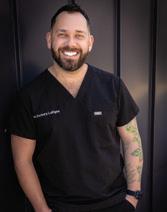


Dr. Zachary LaVigne, B.S., D.C
























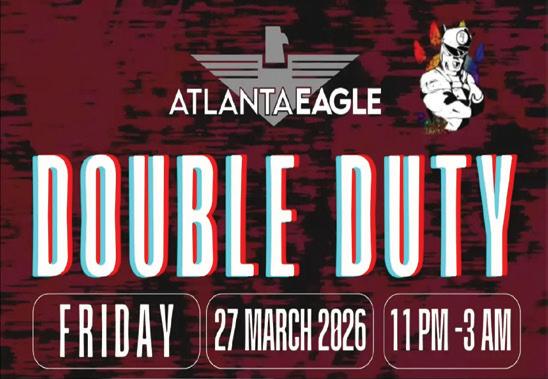
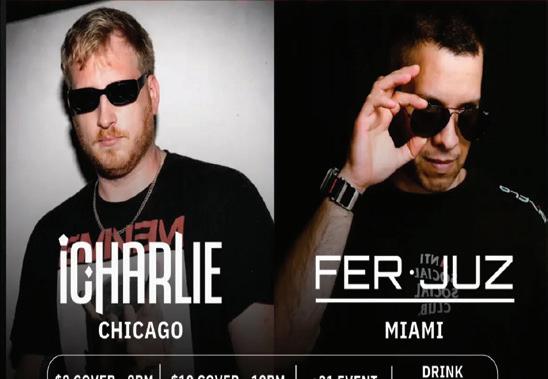


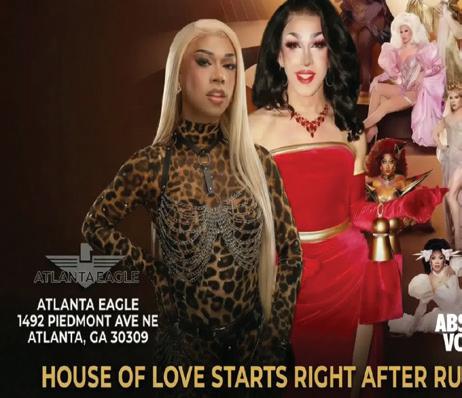

















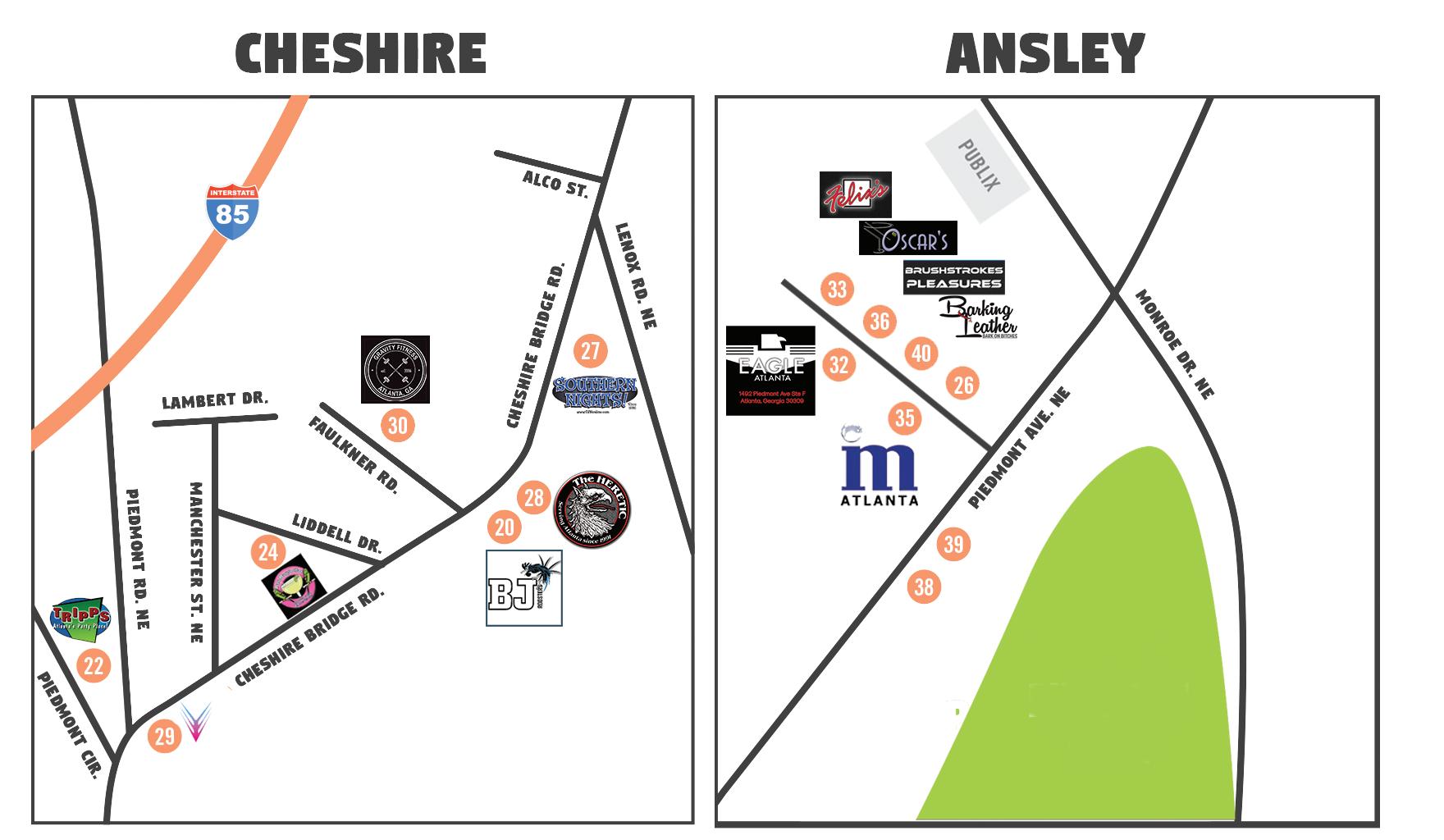
BARS & CLUBS MIDTOWN
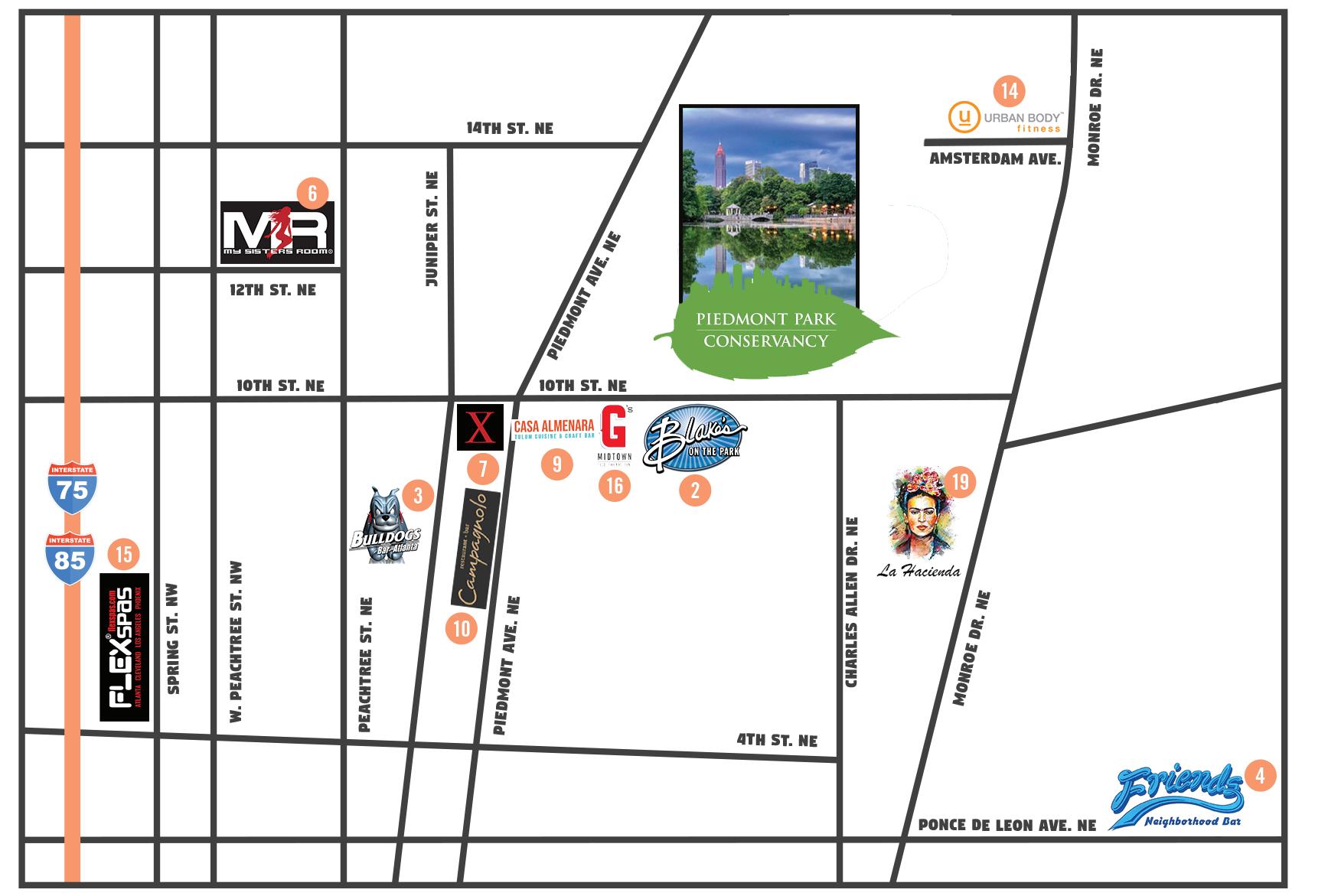
BLAKE’S ON THE PARK blakesontheparkatlanta.com 227 10th St NE
BULLDOGS 893 Peachtree St NE
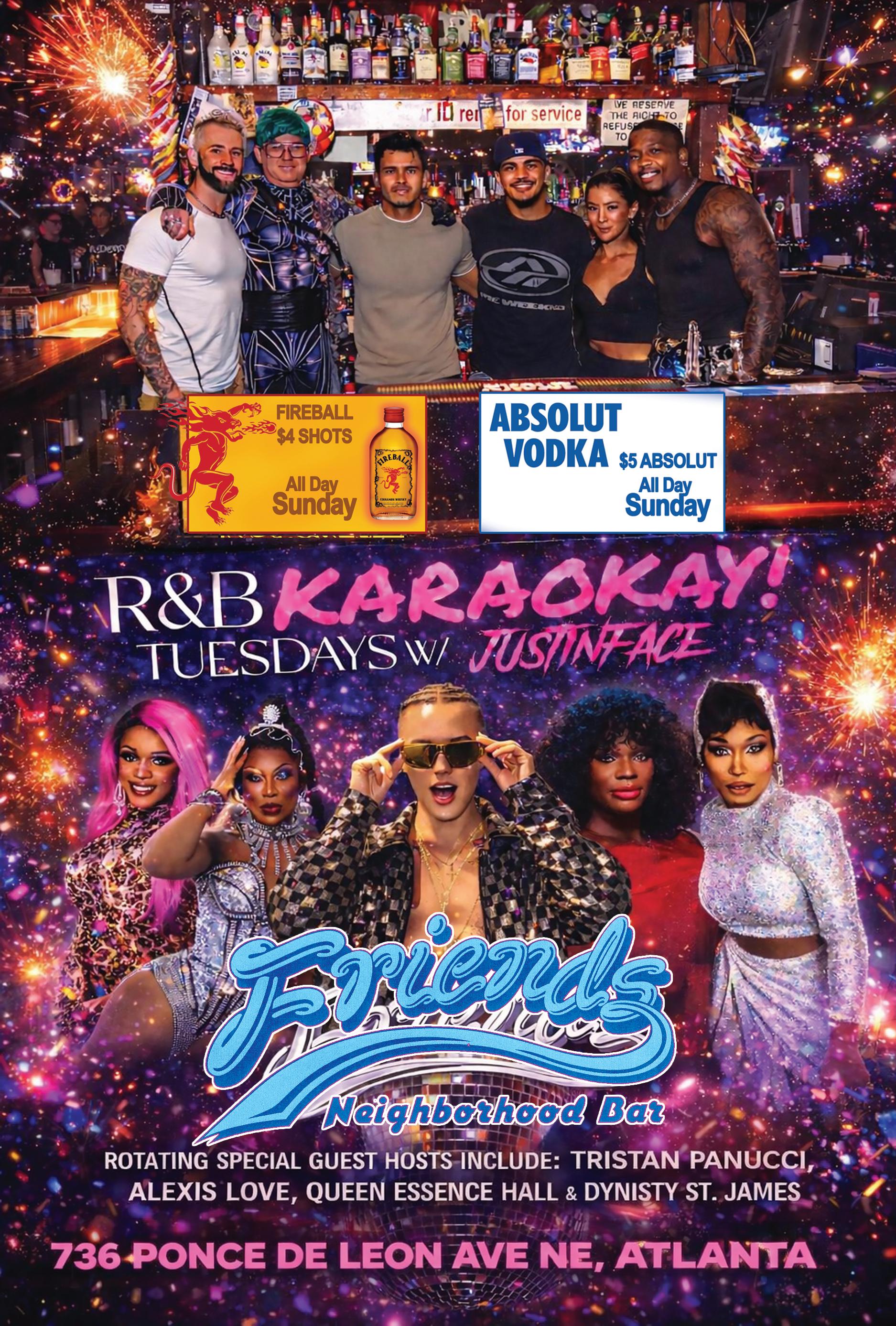
FRIENDS NEIGHBORHOOD BAR friendsonponce-atl. com
736 Ponce De Leon Ave NE
MY SISTER’S ROOM mysistersroom.com 66 12th St NE
X MIDTOWN xmidtown.com 990 Piedmont Ave NE
THE T modeltatlanta.com 465 Boulevard SE
CHESHIRE
HERETIC hereticatlanta.com 2069 Cheshire Bridge Road
BJ ROOSTERS bjroosters.com 2043 Cheshire Bridge Road NE
WESTSIDE
MARQUETTE 868 Joseph E. Boone Blvd NW
840ATL 840 Ralph David Abernathy Blvd
BOGGS SOCIAL & SUPPLY 1310 White St. SW Atlanta, GA 30310 boggssocial.com
ATLANTA EAGLE 1492 Piedmont Ave NE
FELIX’S 1510 Piedmont Ave NE
MIXX mixxatlanta.com 1492 Piedmont Ave NE
OSCAR’S oscarsatlanta.com 1510 Piedmont Ave NE
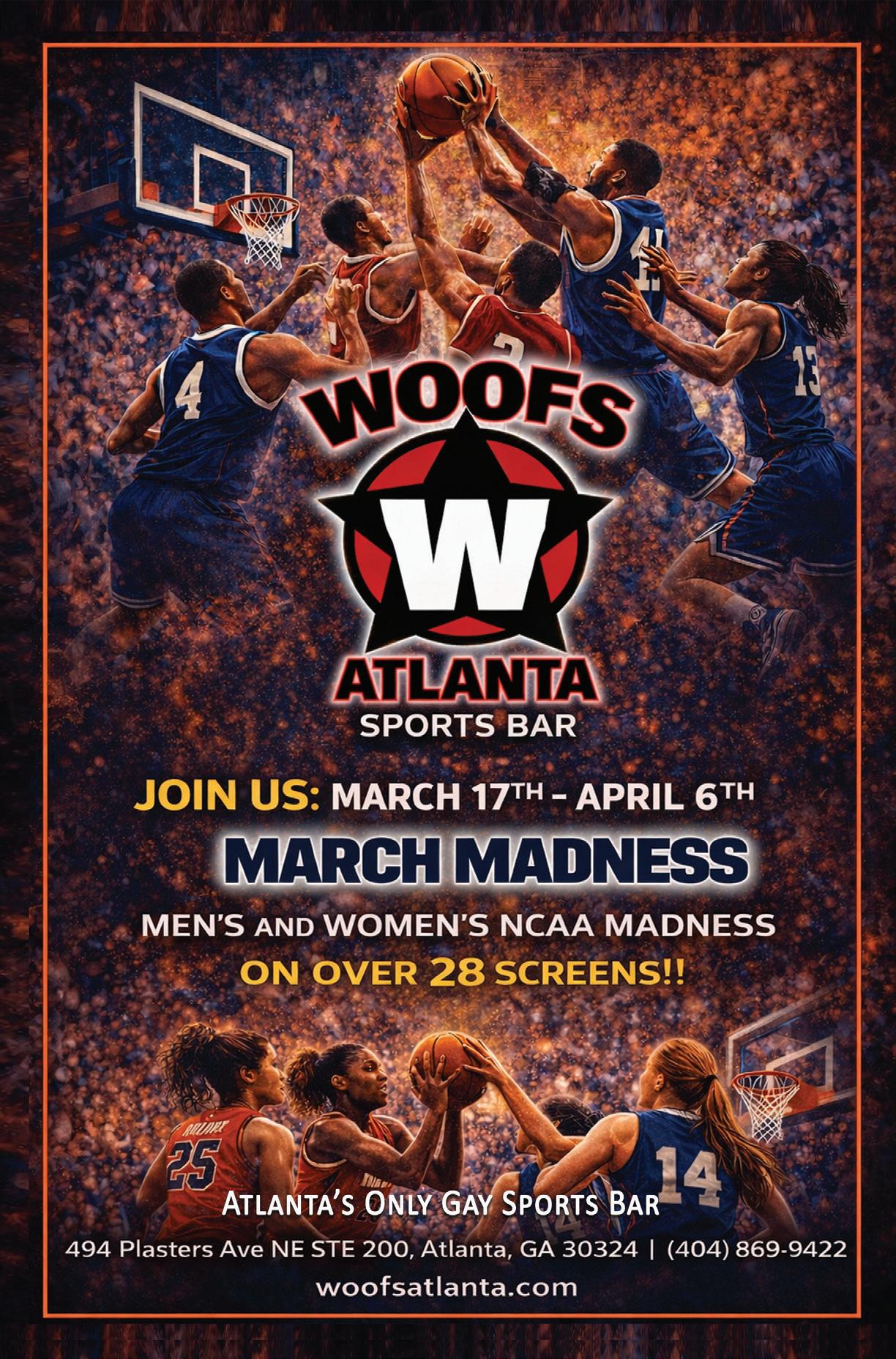
WOOFS woofsatlanta.com 494 Plasters Ave NE
TRIPPS fb: tripps-bar 1931 Piedmont Cir NE
EAST ATLANTA, GRANT PARK & EDGEWOOD
MARY’S marysatlanta.com 1287 Glenwood Ave SE
SISTER LOUISA’S CHURCH sisterlouisaschurch. com 466 Edgewood Ave SE
LORE ATLANTA loreatl.com 466 Edgewood Ave loreatl.com
DINING
MIDTOWN
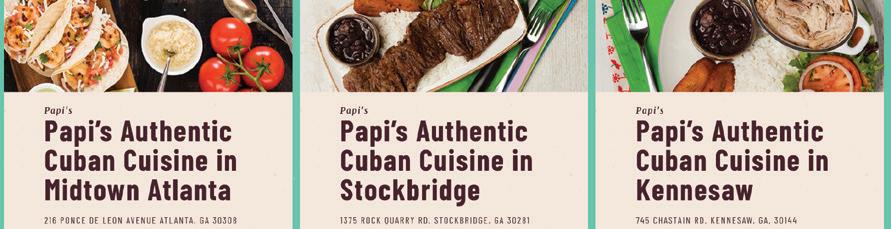
CASA ALMENARA 991 Piedmont Ave NE casa-almenara.com
LA HACIENDA lahaciendamidtown. com
900 Monroe Dr NE
TUK TUK THAI FOOD LOFT TUKTUKATL.COM 1745 Peachtree Rd NW
DEKALB
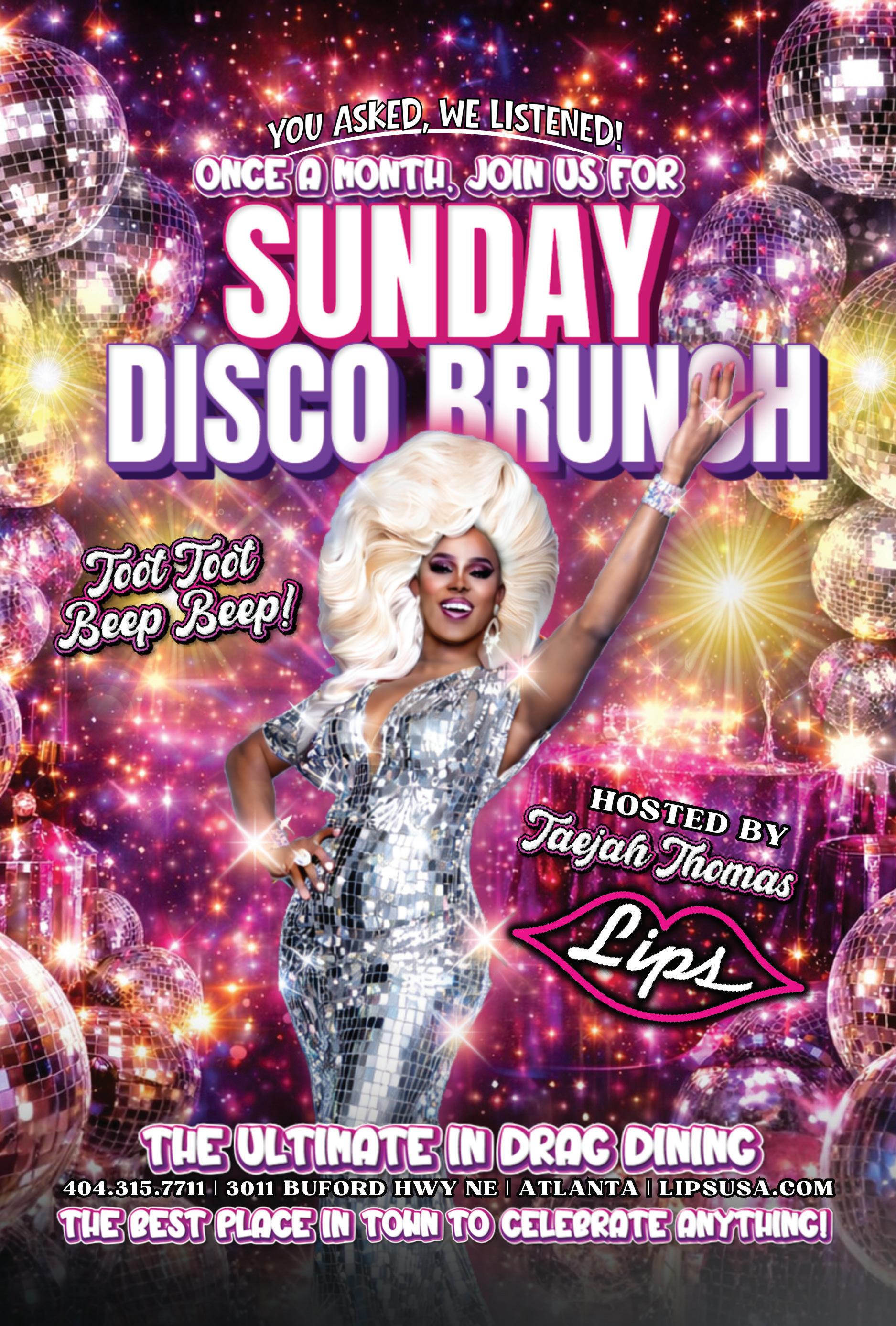
LIPS ATLANTA atldragshow.com 3011 Buford Hwy NE
RETAIL MIDTOWN
BOY NEXT DOOR MENSWEAR boynextdoormenswear.com 1000 Piedmont Ave NE, Ste A
ANSLEY
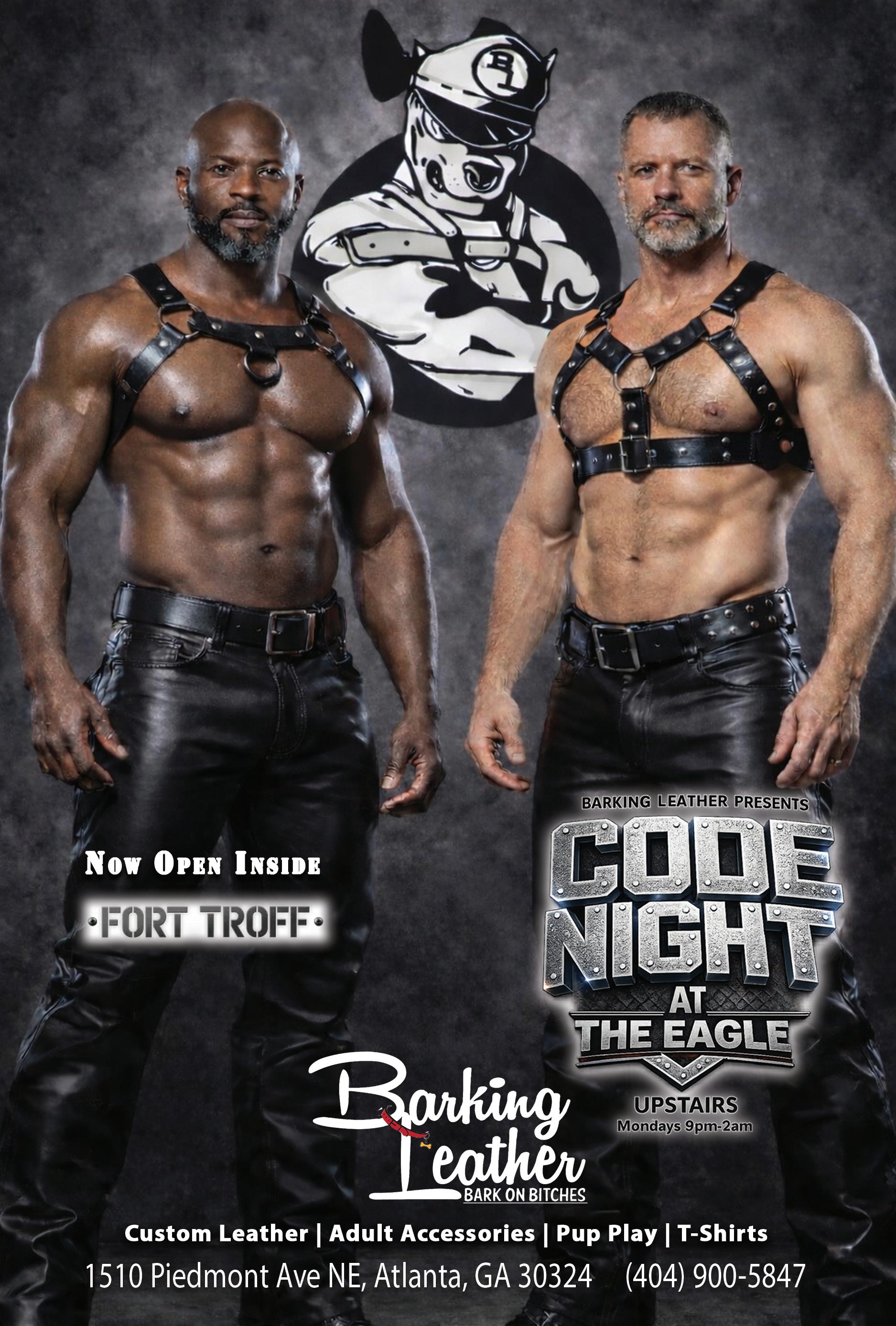
BARKING LEATHER barkingleather.com 1510 Piedmont Ave NE
GCB & PLEASURES brushstrokesatlanta. com
1510-D Piedmont Ave. NE
FITNESS MIDTOWN
URBAN BODY FITNESS urbanbody tness. com
500 Amsterdam Ave N
CHESHIRE
GRAVITY FITNESS
gravity tnessatl.com 2201 Faulkner Rd NE
SPAS/BATHS ADULT
FLEX SPA exspas.com 76 4th St NW
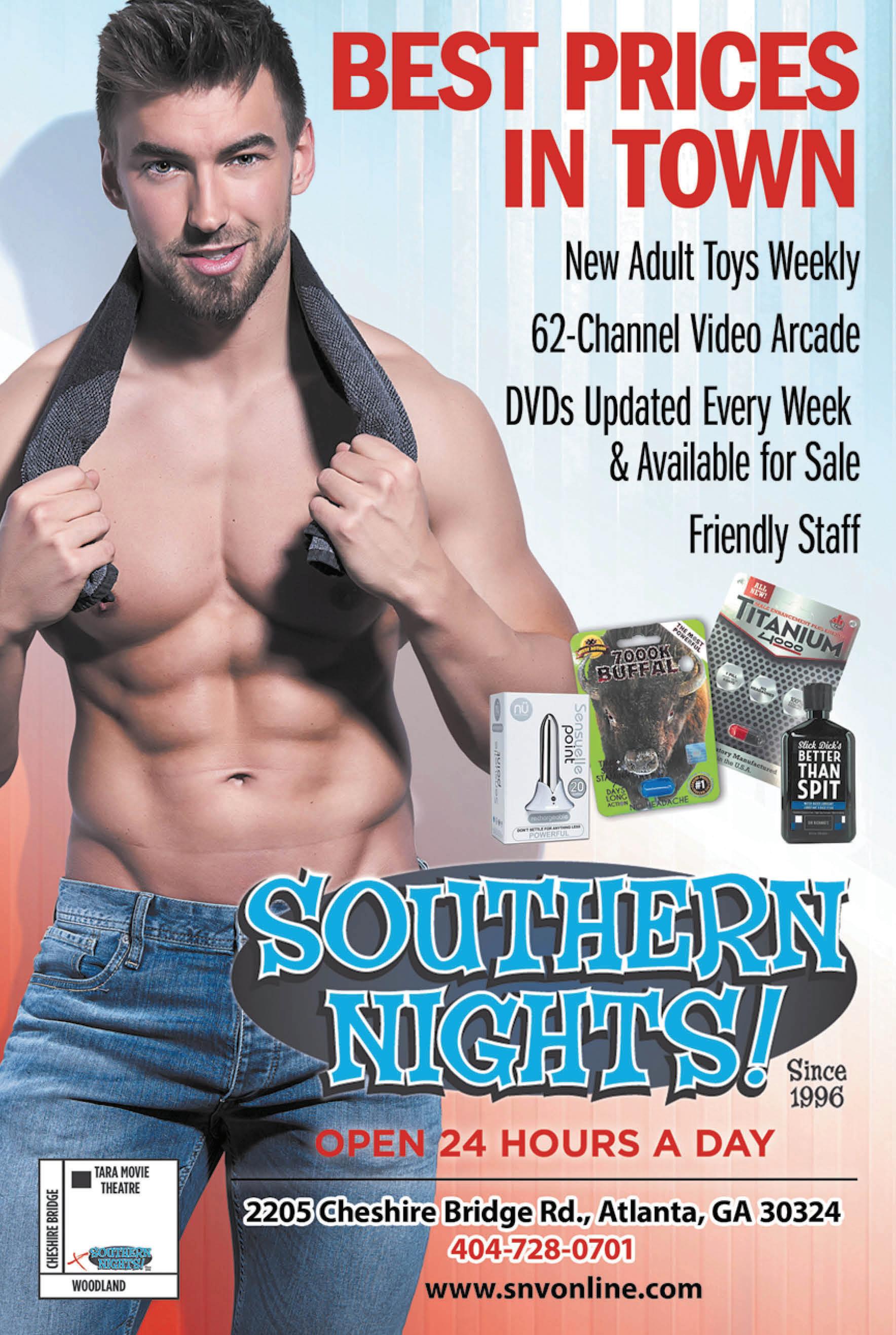
SOUTHERN NIGHTS VIDEO 2205 Cheshire Bridge Rd NE
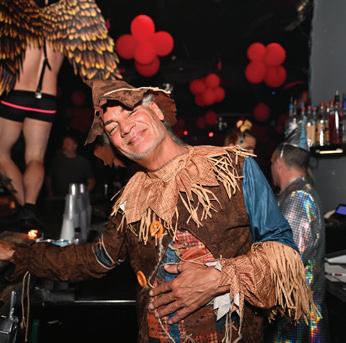
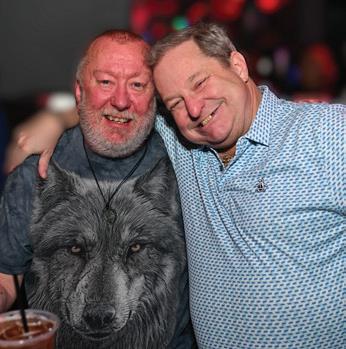
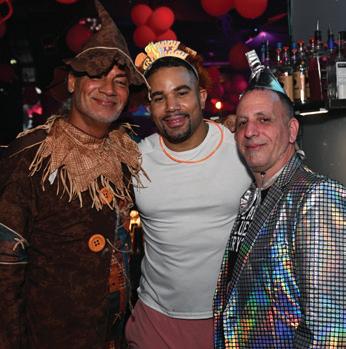
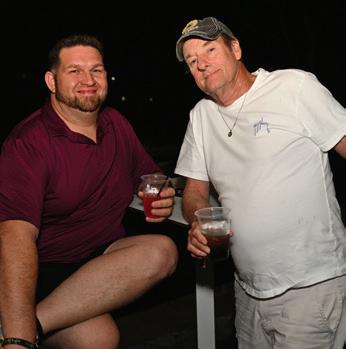
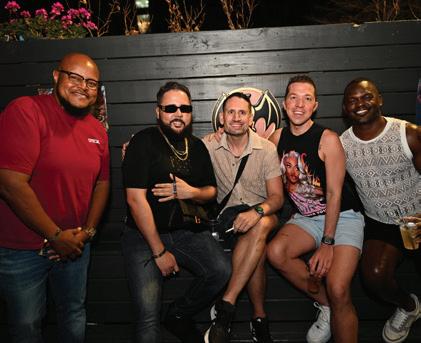
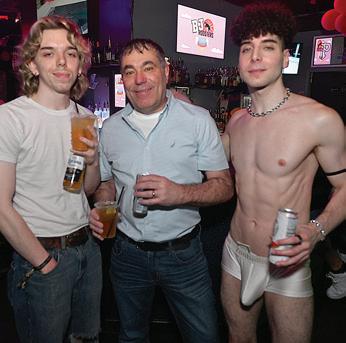
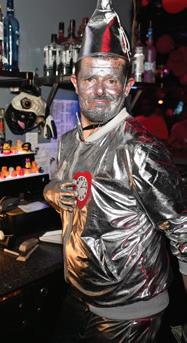
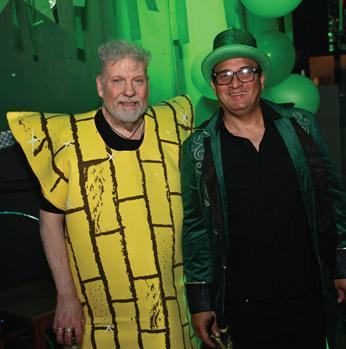
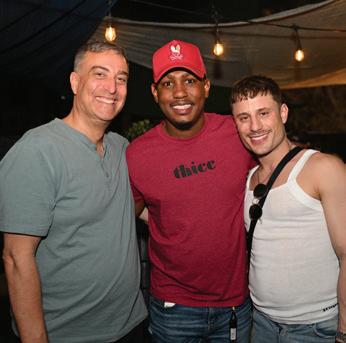
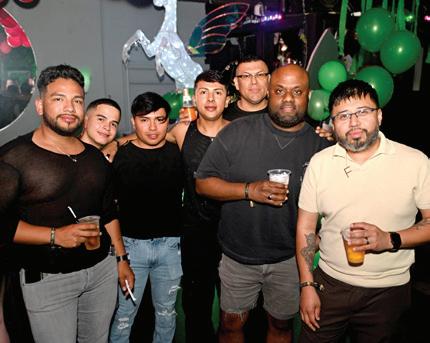
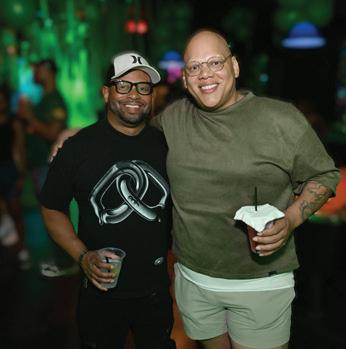
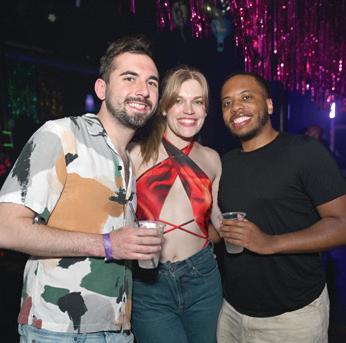

































































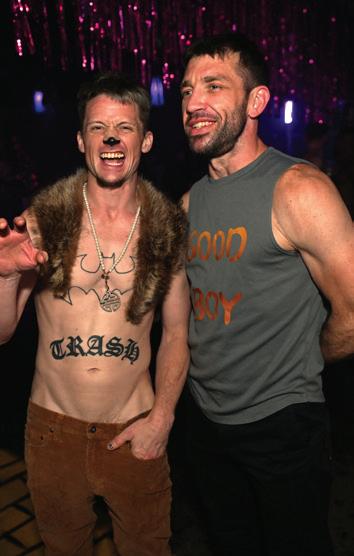
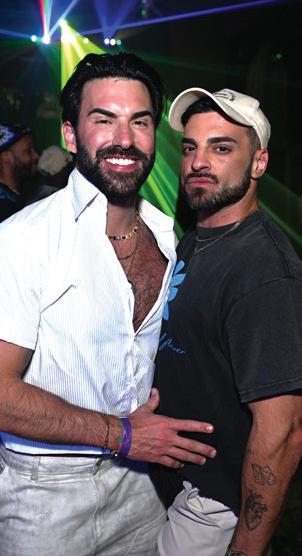

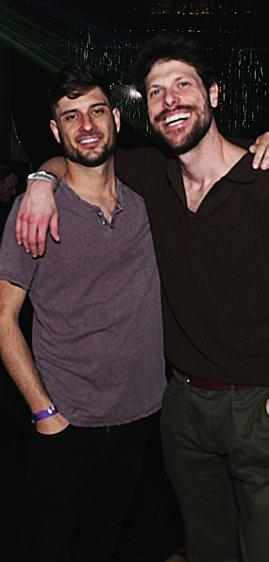
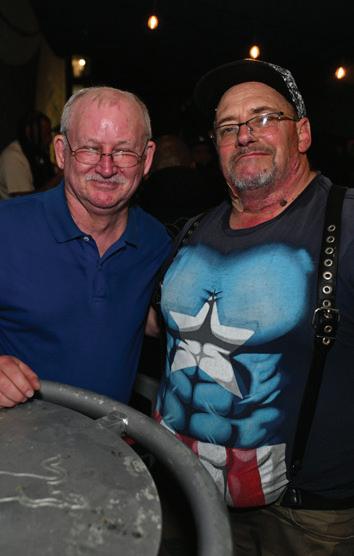
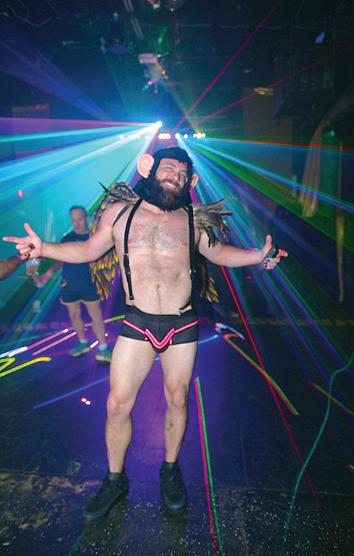
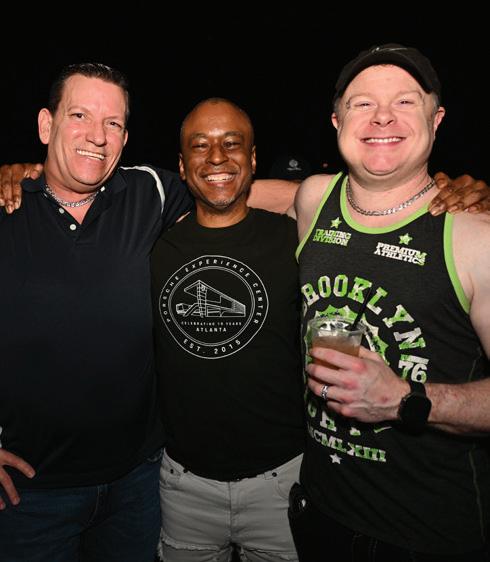
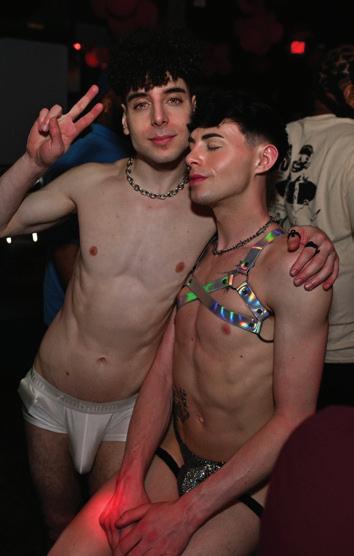
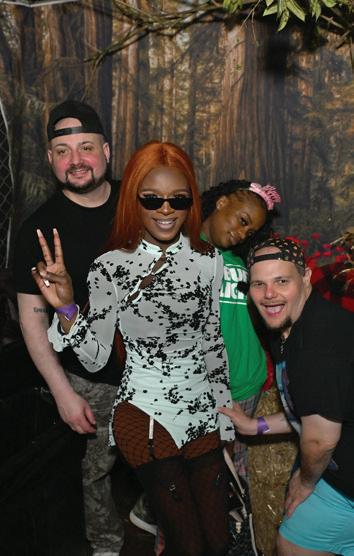
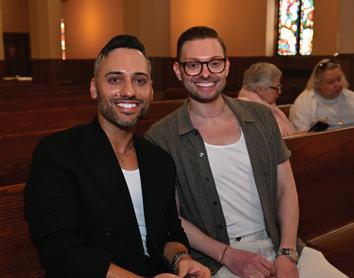
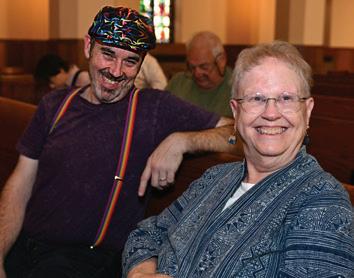
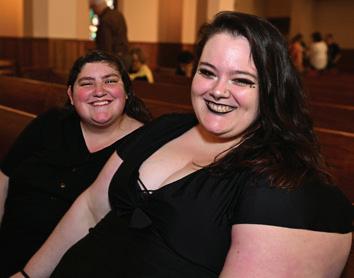
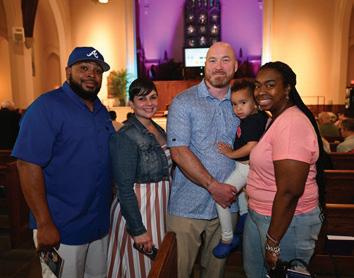
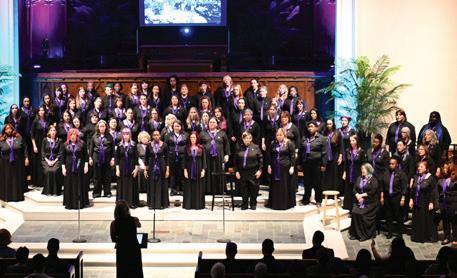
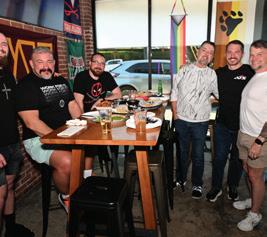
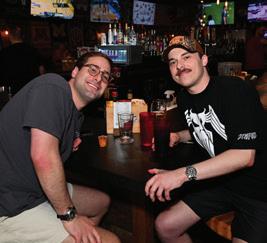
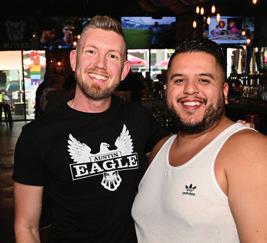
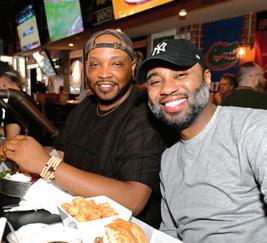

We all have those moments of ‘wait, did they just say that?’ Lucky for you, we compile the best of the best right here on this page. Want to join in on the b*tch session? Submit your own nuggets to info@davidatlanta.com.




We used to be at the club past 2 am, and now we need flashlights to read the menu.
As long as you donʼt need gas, groceries, or retirement savings. Things arenʼt so bad.

Weekends are a scam. You spend one day exhausted and the other day anxious.


Where’s my Oscar for acting like everything is fine?
Don’t be part of the problem, be the whole problem.
“Can you hop on a quick call?” Can you hop off a quick bridge…

The way Atlanta is doing fifteen years worth of roadwork at one time is making people resent the World Cup.

Do I run? Yes, my mouth…