



























Edited by Mikkel Hyldebrandt
Photos: Apple Music, @badbunnypr, Eric Rojas
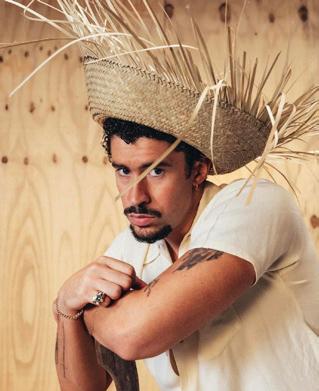
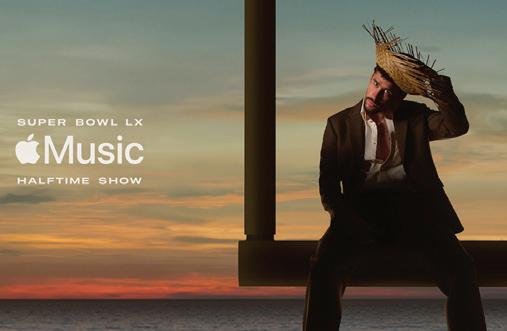
There are moments in pop culture that feel bigger than entertainment – moments that quietly signal a shift in who gets to be seen, celebrated, and centered. Bad Bunny headlining the Super Bowl halftime show is one of those moments. Not because he’s the first Latin artist to command that stage, and not because he checks a particular identity box, but because of how he occupies space—and who he makes room for while doing it.
For the LGBTQ+ community, representation has often been framed narrowly: visibility must come from artists who are openly queer, whose identities mirror our own. That representation matters deeply and always will. But Bad Bunny’s presence complicates – and expands – that narrative in powerful ways. He is not a gay artist, yet his career has been marked by radical sexual freedom, playful gender expression, and unapologetic allyship. In a culture still obsessed with labels and binaries, his visibility says something profound: queerness is not only about who you love, but about how you refuse to be constrained.
Bad Bunny has consistently challenged rigid ideas of masculinity in a genre that has historically policed it. He paints his nails, wears skirts, embraces softness, and expresses vulnerability without apology. He does so not as a provocation, but as an extension of self. That matters. For queer people – especially queer youth and queer people of color – seeing a global superstar reject hypermasculine expectations without having to explain himself is affirming in ways that statistics and slogans can’t capture.
out against homophobia and transphobia, paid tribute to victims of anti-trans violence, and consistently aligned himself with LGBTQ+ causes – especially within Latinx communities, where machismo culture has often made queerness more dangerous. His allyship isn’t abstract; it’s visible, embodied, and sustained.
That matters in a political and cultural moment where LGBTQ+ lives – particularly trans lives –are increasingly under attack. To see a non-gay artist use his platform not to distance himself from queerness, but to stand adjacent to it, sends a message that solidarity doesn’t require sameness. It requires courage.
Bad Bunny’s Super Bowl moment isn’t about claiming queer identity – it’s about expanding cultural permission. Permission for men to be soft. Permission for Latin artists to lead without translation. Permission for sexuality to be expressive without being exploitative. Permission for queerness to exist without justification.
The Super Bowl halftime show is one of the most watched cultural events in the world. It is corporate, mainstream, and often conservative in its choices. To place an artist like Bad Bunny at its center is to normalize a kind of freedom that queer people have long been told is risky, niche, or inappropriate for mass consumption. His presence doesn’t ask permission. It simply exists—and in doing so, it shifts the baseline of what audiences accept as “normal.”
For LGBTQ+ audiences, that normalization is quietly radical. It means our aesthetics, our values, and our fluidity no longer have to live solely on the margins or within explicitly queer spaces to be valid. When Bad Bunny stands on that stage, adorned in fashion that blurs gender lines and lyrics that celebrate pleasure and autonomy, he brings a version of queerness into living rooms that may never tune into a drag show or Pride parade. And he does it without spectacle or explanation.
There’s also power in his allyship being active rather than performative. Bad Bunny has spoken
In a world obsessed with categorization, Bad Bunny reminds us that liberation is often found in refusal. Refusal to conform. Refusal to explain. Refusal to choose between strength and sensitivity. His halftime show isn’t just a performance – it’s a signal. And for queer audiences watching, that signal is clear: visibility doesn’t always arrive wearing our exact reflection. Sometimes it arrives wearing a skirt, painted nails, and a global spotlight – and changes the culture anyway.


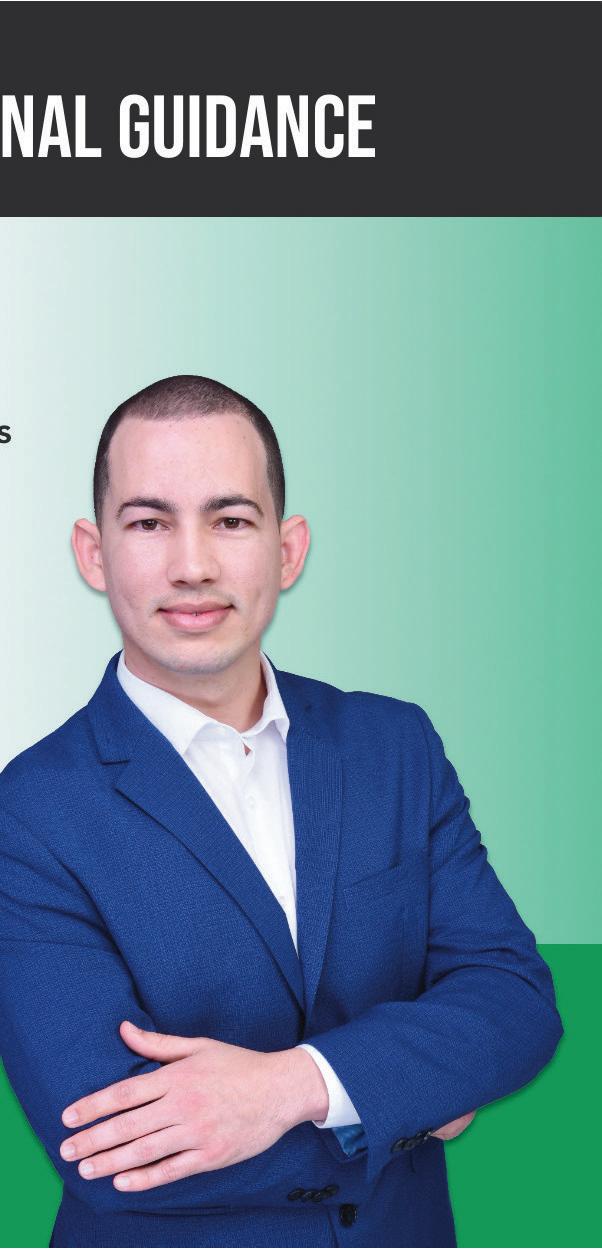
By Cesar Ochoa, President, Ledger Guardian
Tax season doesn’t have to be stressful or unpredictable. The best tax results usually come from preparation and planning, not lastminute filing. For individuals, couples, families and business owners, in our community, understanding how life events, income sources, and financial structures affect taxes can make a meaningful difference. As a member of the LGBTQ+ community myself, I understand how important it is to feel respected, safe, and supported when discussing personal finances. My goal is to help our community feel informed and confident, so you can claim every deduction and credit you qualify for, stay compliant, and avoid surprises.

In recent years, tax laws have evolved significantly. In 2025, Congress approved new tax laws, which introduced new deductions and expanded existing benefits that could positively impact many taxpayers this tax season.
Get organized early and understand your filing and family structure
Start by gathering key documents such as W-2s, 1099s, investment statements, and records of major life changes like marriage, relocation, adoption, or new dependents. Organized records help ensure that valuable deductions and credits are not missed. Filing status, shared assets, and household arrangements can significantly impact taxes. Individuals, couples, blended families, and business owners should review how their structure affects eligibility for deductions and credits.
rules, and for those in the service industry that receive Tip income may deduct up to $25,000 per year. These provisions can provide meaningful tax savings for workers in industries where overtime and tips represent a significant portion of income, since it lowers your taxable income.

The cap on the federal deduction for state and local taxes (SALT) was also increased, allowing itemizers to deduct up to $40,000 of state income tax and local taxes, such as property taxes, mortgage interest, and some medical expenses.
In addition, interest on qualifying loans for new vehicles with final assembly in the United States may be deductible, up to $10,000 per year, unlike many traditional deductions, this benefit may be available even to taxpayers who do not itemize, making it accessible to a broader range of individuals and families.

Tax software can be helpful sometimes, but it does not replace professional tax planning. A qualified tax professional can help identify opportunities related to business structure, timing of income and expenses, and long-term tax strategies. Even taxpayers who normally file on their own may benefit from professional guidance to ensure they are not missing deductions or credits they may be entitled to.
Take advantage of family-related credits
For many LGBTQ+ families, adoption-related tax benefits can be substantial. The federal and state adoption tax credit allows eligible taxpayers to claim qualified adoption expenses, with a maximum federal credit of $17,670 for tax year 2026. Proper planning and documentation are essential to maximizing this benefit.
Some newer tax provisions may allow eligible taxpayers to claim new deductions for qualified overtime compensation and tips:
Overtime compensation may be deductible up to $12,500 ($25,000 for married couples filing jointly), subject to income limits and eligibility

The best tax return is built throughout the year, not just during tax season. With the right planning and guidance, taxpayers can turn tax season into an opportunity rather than a challenge.
At Ledger Guardian, we support our clients year-round, not just during tax season. We are proud to be part of the LGBTQ+ community, and member of OUT Georgia, and our mission is to help individuals and businesses with their accounting needs while providing clear, strategic guidance on tax and financial planning.


Please contact Cesar Ochoa and Ledger Guardian for all your tax and financial planning needs. Visit ledgerguardian.com, email cesar@ledgerguardian.com, or call 404-606-3685.











By Mikkel Hyldebrandt






The Super Bowl is, in its own way, quietly queer. It’s campy. It’s dramatic. It’s excessive. It invites everyone – die-hard fans, casual viewers, and people who couldn’t name a single player – to gather around the same screen for wildly different reasons. Some of us are there for the football, some for the commercials, some for the queso dip, and some – let’s be honest – for the halftime show. And with Bad Bunny commanding that stage, bringing unapologetic sexual freedom and allyship, gender-blurring sensuality, and Latin pop mastery to the biggest platform in American sports, the queer energy is undeniable.



Whether you’re screaming at the TV, flirting across the bar, or just waiting for the next performance moment, where you watch matters. Here are some great spots to take in the big game.
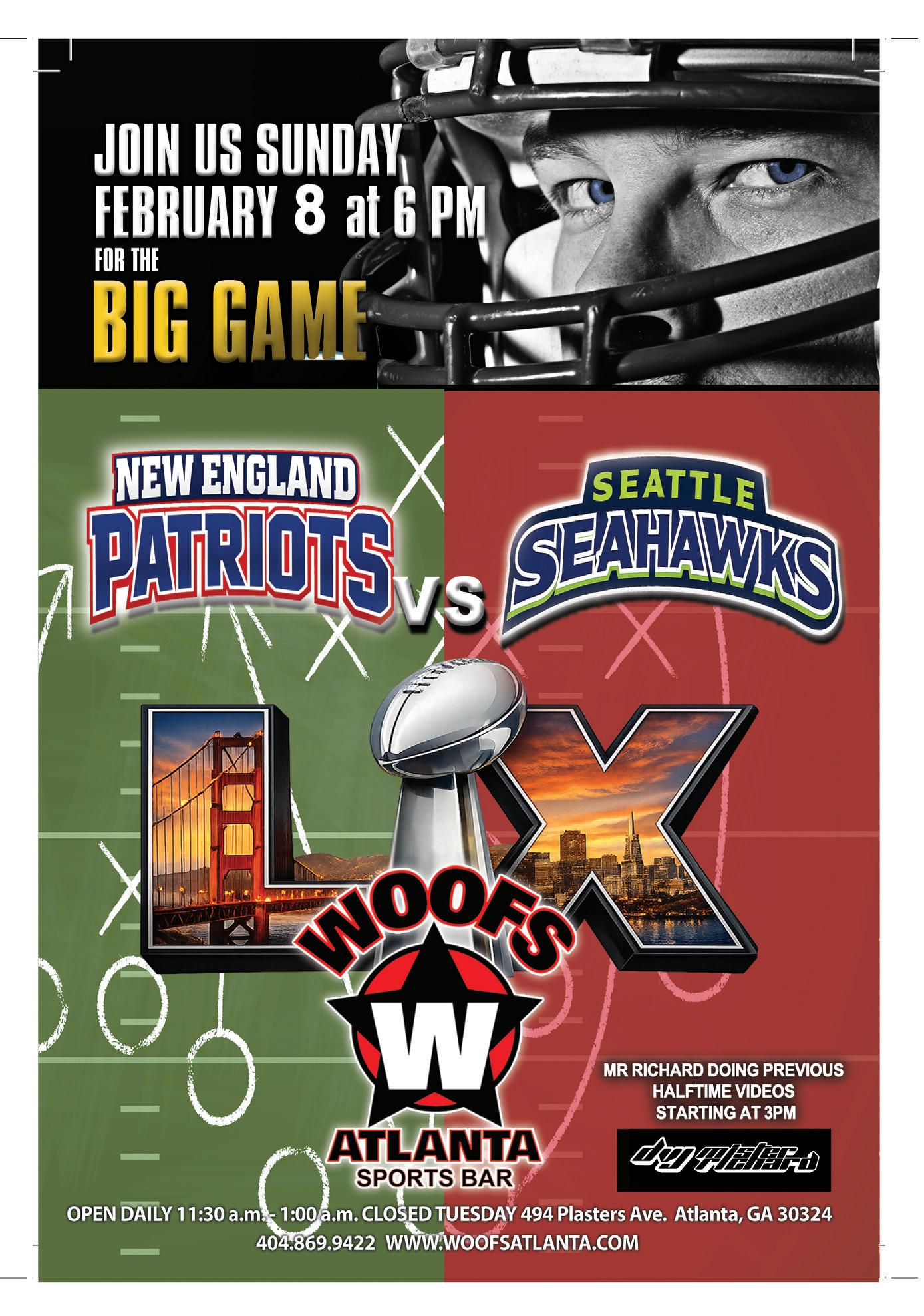
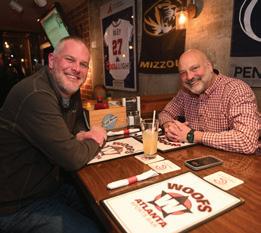
The Big Game at Woofs Atlanta

The Super Bowl viewing party has been at the top of the list for many on game day. DJ Mister Richard kicks things off at 3 PM, spinning tracks and showing iconic halftime shows to get you in the mood. For the 6 PM kickoff. And as usual, you can enjoy lots of food options, great drinks, and a crowd of sports happy patrons.
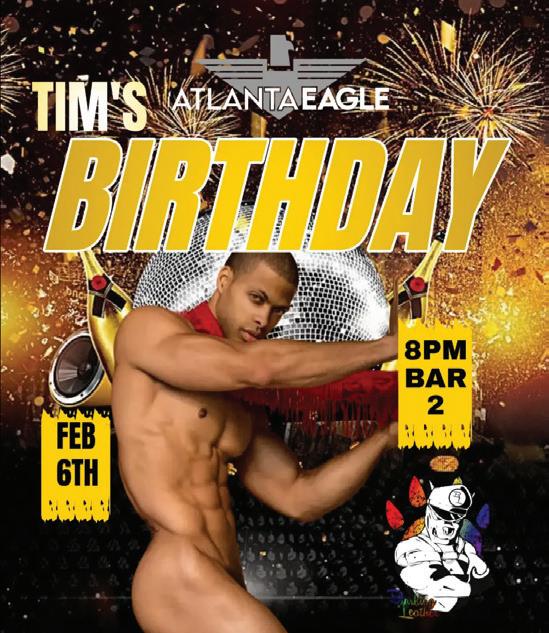
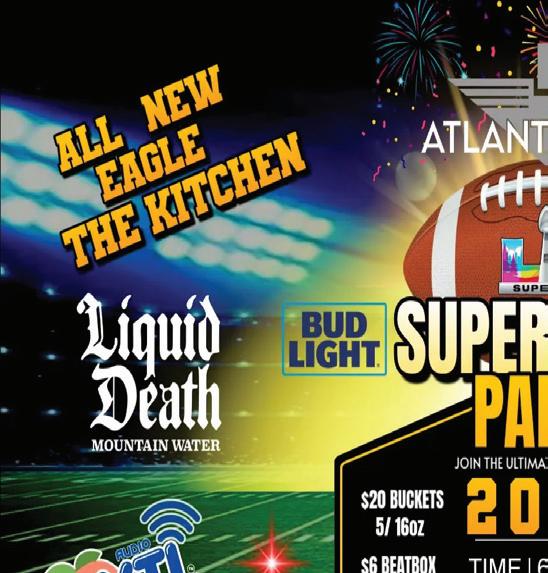
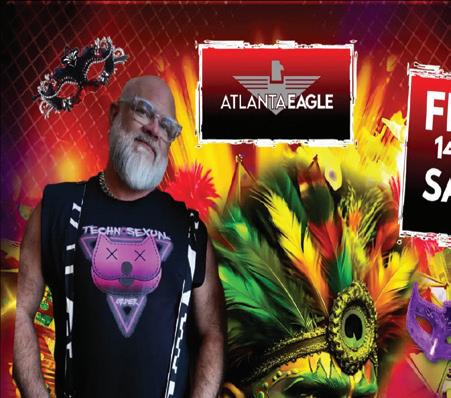
Super Bowl Party 2026 at the Atlanta Eagle


Super Bowl Sunday: The Benito Bowl Halftime Bad Bunny Show at Blake’s on the Park


Go sports! Join your friends and family for cold beers, amazing cocktails, and the electrifying halftime performance from the one and only Bad Bunny! $6 well drinks poured all night.

Super Bowl Watch Party at X Midtown
Here you will find the perfect blend of a Sunday funday and a Super Bowl party. Step into X Midtown for the game – and all-important halftime show –on all screens, and enjoy the drinks, bartenders, and crowds at the same time.

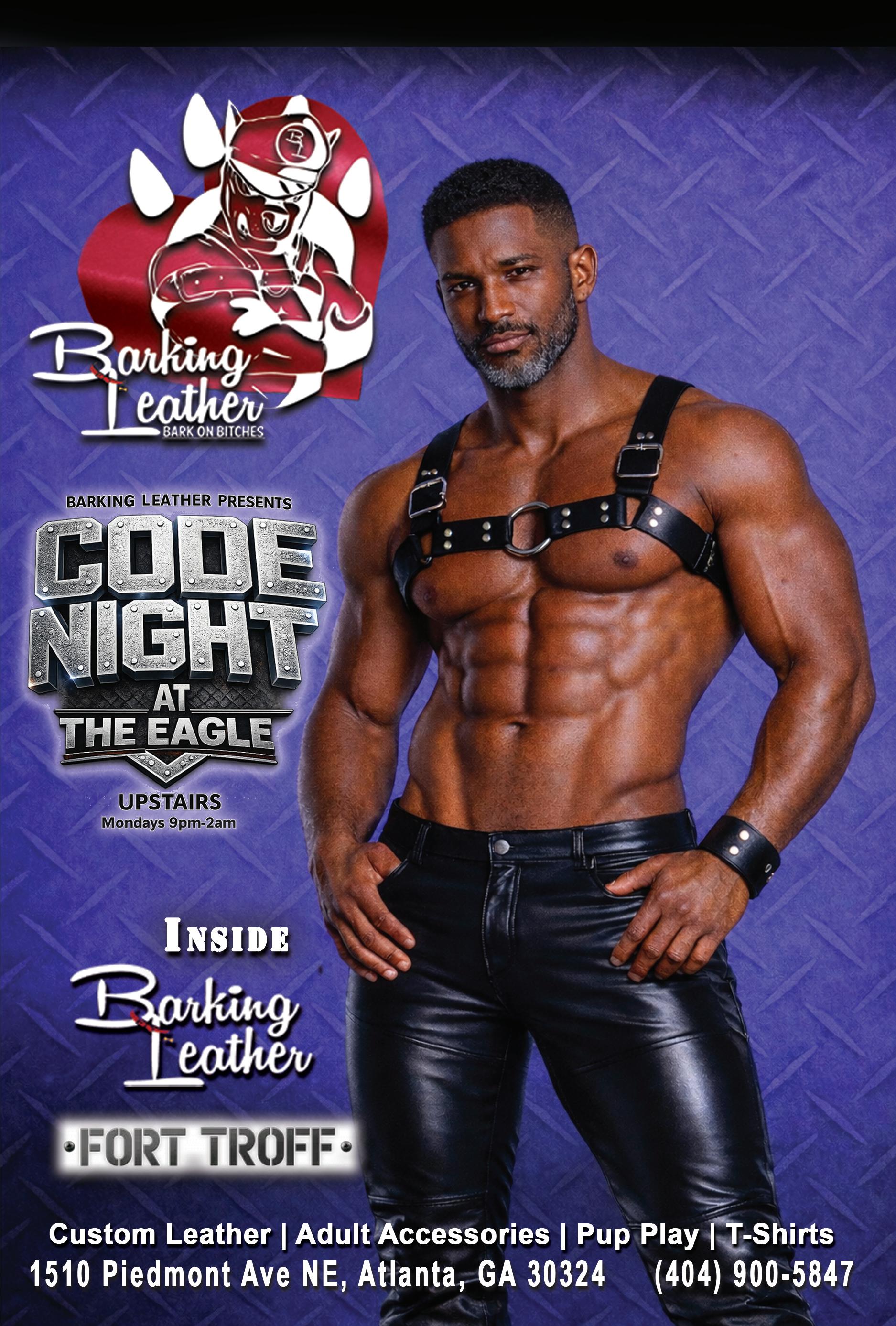
Gather at the Eagle for the 6 PM kickoff that you can watch on the upstairs big screen. Enjoy game day specials like $20 buckets, dollar wings, and other great food options from the newly updated menu.






















Pain has a branding problem.


By Dr. Zachary LaVigne, B.S., D.C
We treat it like a villain, something to defeat, eliminate, or silence as fast as possible. A headache means you failed. Back pain means something is wrong with you. Knee pain means you’re broken, aging, or doing life incorrectly. The goal becomes quiet at any cost.
Biologically, that framing doesn’t hold up.


Pain evolved as a communication system. It exists to get your attention, not to punish you. Long before scans, specialists, and pain scales, pain was how the body said slow down, change course, or protect this area for a while. It’s information, not a verdict.
Modern culture struggles with that idea because we’ve trained ourselves to interpret pain morally. If you hurt, you must have done something wrong. Sat too much. Exercised incorrectly. Slept the wrong way. Didn’t stretch. Didn’t foam roll. Didn’t hydrate. Pain becomes evidence of personal failure instead of feedback from a living system.

live in bodies that are overstimulated and underrecovered. Poor sleep, constant cognitive demand, financial pressure, social stress, and nonstop digital input raise baseline threat levels in the nervous system. When that baseline is high, the body becomes more protective. Muscles guard more easily. Joints feel tighter. Sensations register faster and louder.
In that state, pain shows up sooner and sticks around longer. Not because the body is fragile, but because it’s cautious.

That mindset creates urgency and panic. It pushes people to shut the signal off before understanding what triggered it.
Historically, pain wasn’t meant to be erased immediately. It was meant to be interpreted. Is this pain sharp or dull? Sudden or gradual? Local or spreading? Does it change with rest, movement, heat, cold, or time? Those questions matter because pain rarely appears at random. It reflects load, recovery, stress, and perception interacting in real time.


The problem is how we respond. We’re taught to override signals instead of interpreting them. Numb it. Push through it. Ignore it until it forces your hand. That strategy makes sense in emergencies. It falls apart as a long-term approach.
Silencing pain without listening often keeps the underlying pattern intact. The body adapts by bracing, compensating, or avoiding movement altogether. Over time, those adaptations harden into habits. Pain then feels chronic, confusing, and unpredictable, reinforcing the belief that something is fundamentally wrong.

The nervous system sits at the center of this process. Pain is not produced in tissues alone. It’s generated by the brain based on incoming sensory information and perceived threat. That means pain can increase even when tissues are relatively healthy, and it can decrease even when structural changes are present. This doesn’t make pain imaginary. It makes it adaptive.
Modern life complicates this relationship. We
A more useful question than “How do I get rid of this pain?” is “What is this pain responding to?”
That shift invites curiosity instead of fear. It creates space to notice patterns, loads, stressors, and recovery gaps. When the nervous system feels safer, pain often turns the volume down on its own.

Pain isn’t a moral failure. It’s feedback from a system trying to protect you with the information it has.
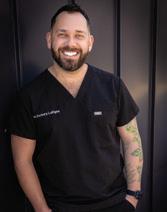


When we listen instead of panicking, pain stops being an enemy and starts becoming a guide.

Dr. Zachary LaVigne, B.S., D.C















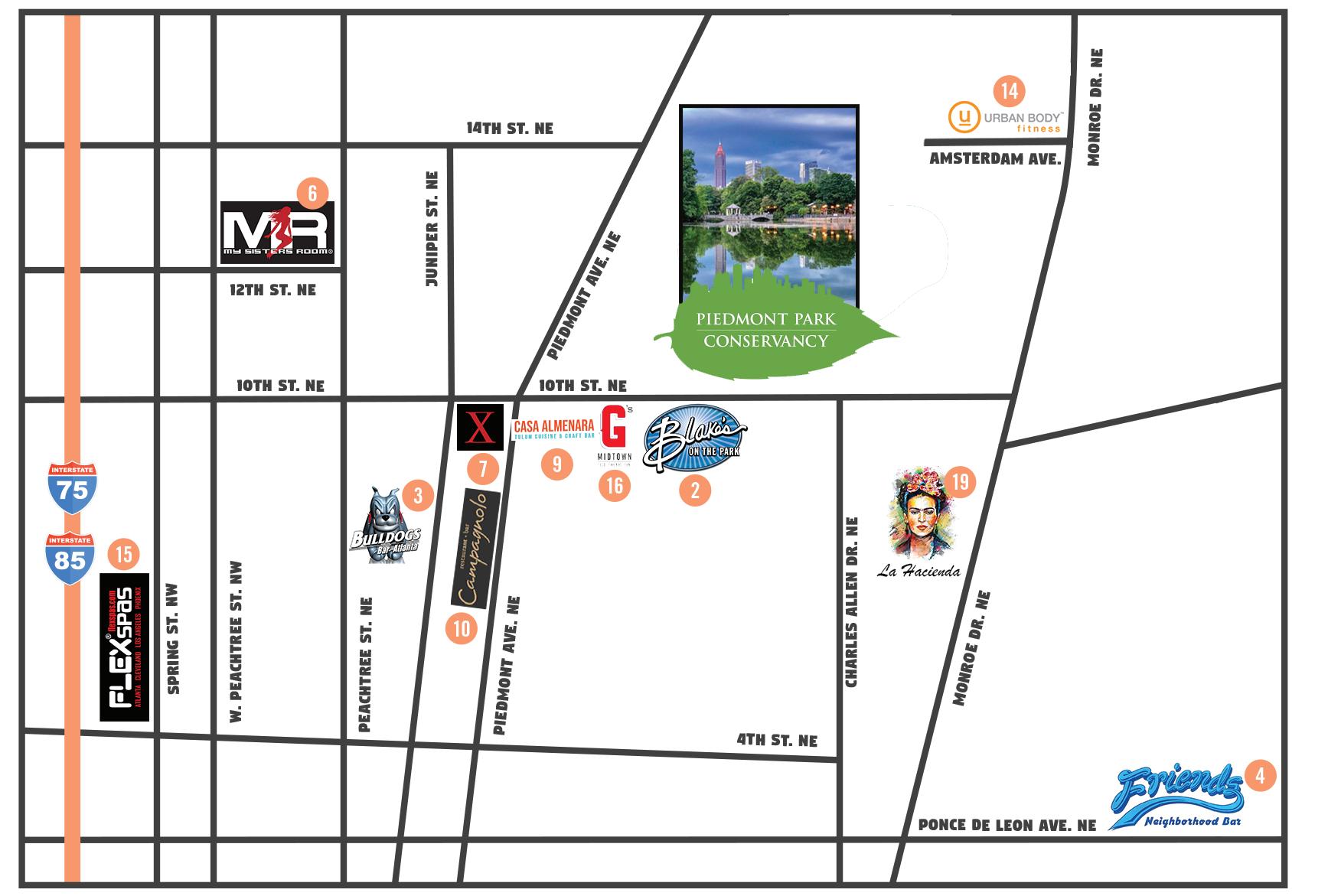












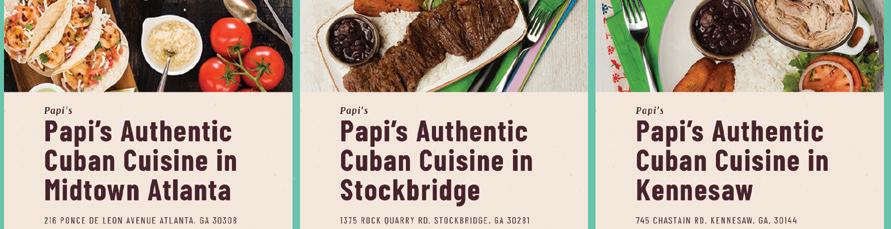





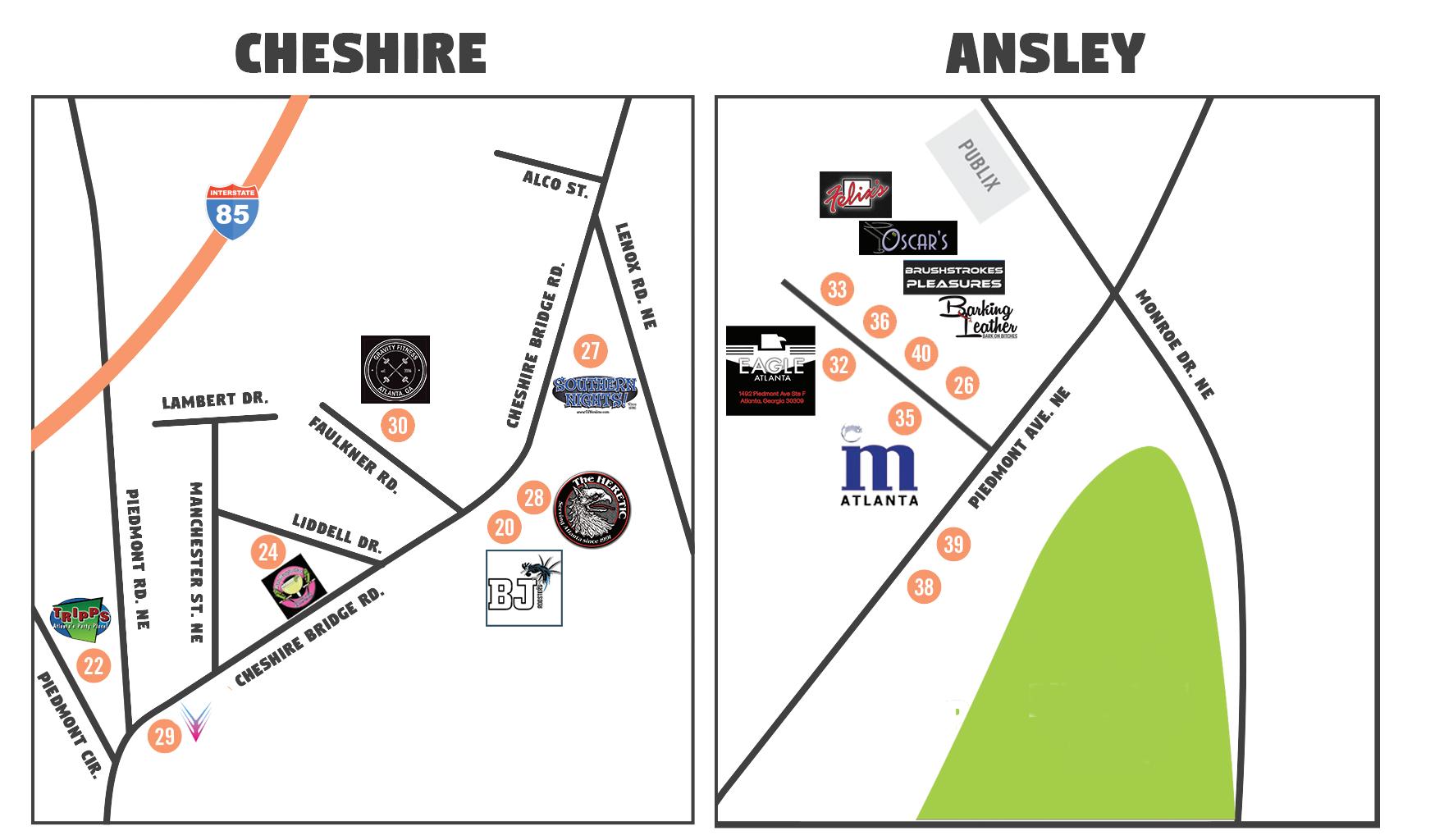



BARS & CLUBS MIDTOWN
BLAKE’S ON THE PARK blakesontheparkatlanta.com 227 10th St NE
BULLDOGS 893 Peachtree St NE
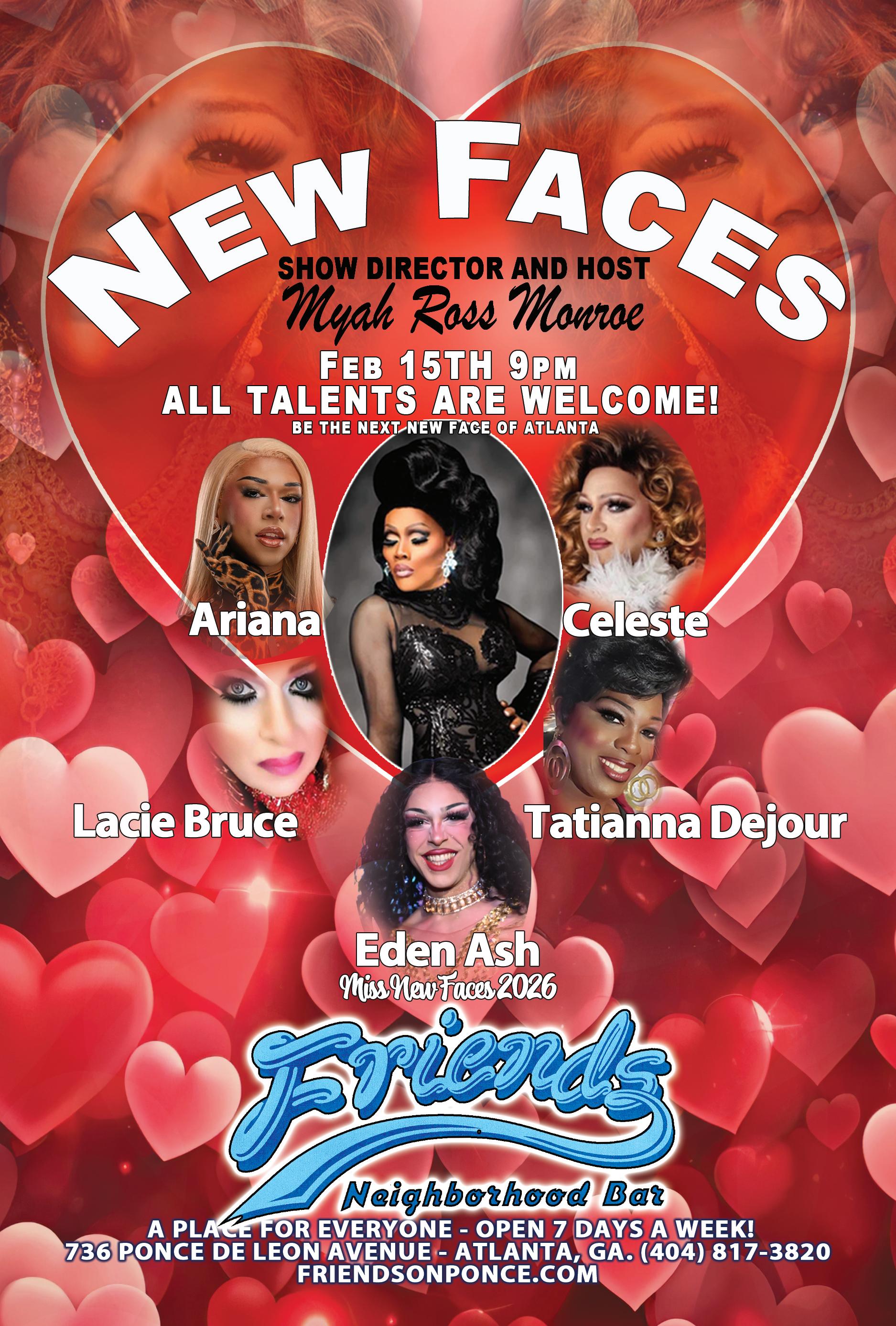
FRIENDS NEIGHBORHOOD BAR friendsonponce-atl. com
736 Ponce De Leon Ave NE
MY SISTER’S ROOM mysistersroom.com 66 12th St NE
X MIDTOWN xmidtown.com 990 Piedmont Ave NE
THE T modeltatlanta.com 465 Boulevard SE
CHESHIRE
HERETIC hereticatlanta.com 2069 Cheshire Bridge Road
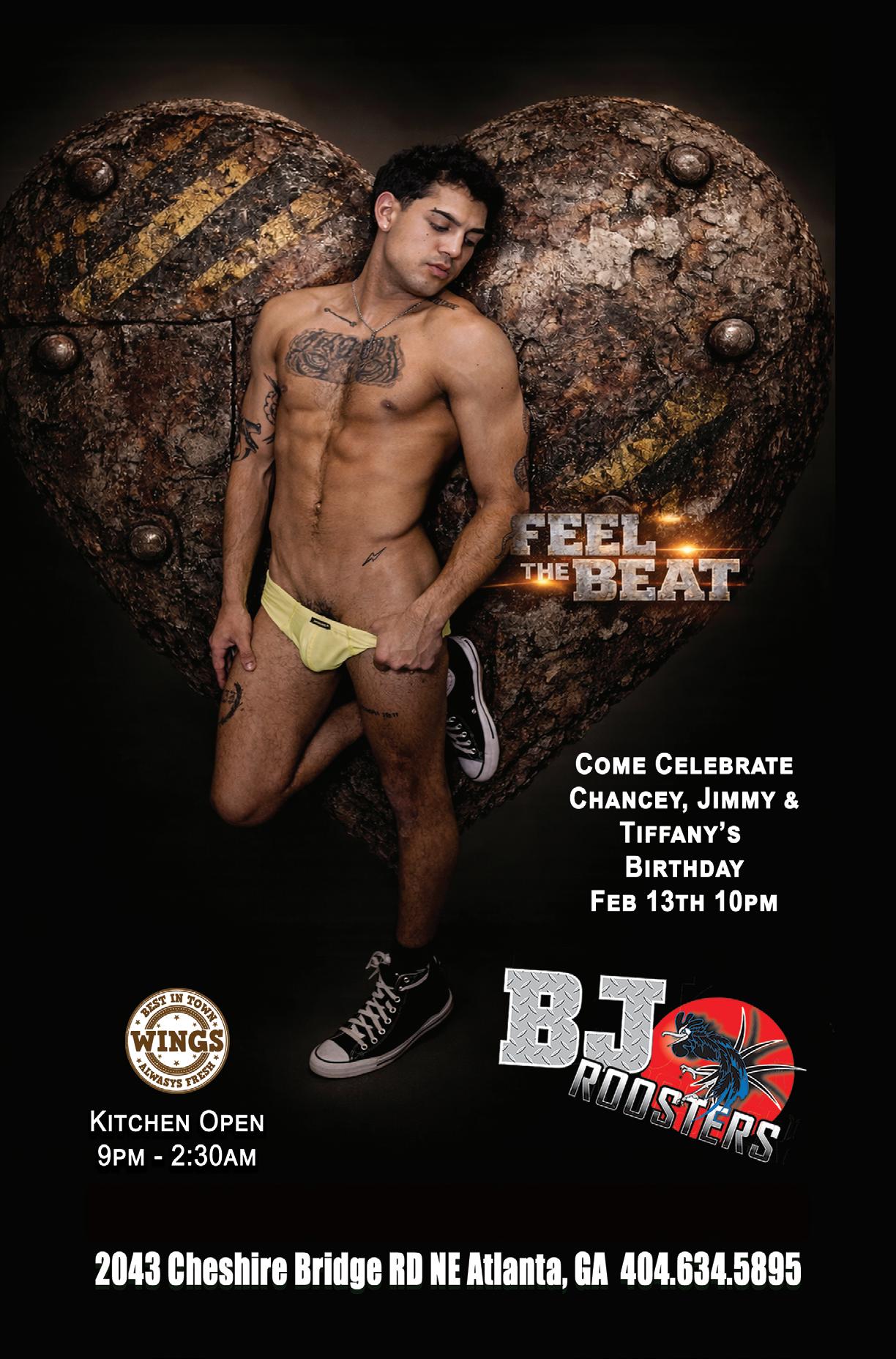
BJ ROOSTERS bjroosters.com 2043 Cheshire Bridge Road NE
WESTSIDE
MARQUETTE 868 Joseph E. Boone Blvd NW
840ATL 840 Ralph David Abernathy Blvd
ATLANTA EAGLE 1492 Piedmont Ave NE
FELIX’S 1510 Piedmont Ave NE
MIXX mixxatlanta.com 1492 Piedmont Ave NE
OSCAR’S oscarsatlanta.com 1510 Piedmont Ave NE
WOOFS woofsatlanta.com 494 Plasters Ave NE
TRIPPS fb: tripps-bar 1931 Piedmont Cir NE
EAST ATLANTA, GRANT PARK & EDGEWOOD
MARY’S marysatlanta.com 1287 Glenwood Ave SE
SISTER LOUISA’S CHURCH sisterlouisaschurch. com 466 Edgewood Ave SE
LORE ATLANTA loreatl.com 466 Edgewood Ave loreatl.com
DINING
MIDTOWN
CASA ALMENARA 991 Piedmont Ave NE casa-almenara.com
OLIVE BISTRO olivebistro.com 1050 Juniper St NE #4
LA HACIENDA lahaciendamidtown. com
900 Monroe Dr NE
TUK TUK THAI FOOD LOFT TUKTUKATL.COM 1745 Peachtree Rd NW
DEKALB
LIPS ATLANTA atldragshow.com 3011 Buford Hwy NE
RETAIL MIDTOWN
BOY NEXT DOOR MENSWEAR boynextdoormenswear.com 1000 Piedmont Ave NE, Ste A
ANSLEY
BARKING LEATHER barkingleather.com 1510 Piedmont Ave NE
GCB & PLEASURES brushstrokesatlanta. com
1510-D Piedmont Ave. NE
FITNESS MIDTOWN
URBAN BODY FITNESS urbanbody tness. com
500 Amsterdam Ave N
CHESHIRE
GRAVITY FITNESS gravity tnessatl.com 2201 Faulkner Rd NE
SPAS/BATHS ADULT
FLEX SPA exspas.com 76 4th St NW
SOUTHERN NIGHTS VIDEO
2205 Cheshire Bridge Rd NE
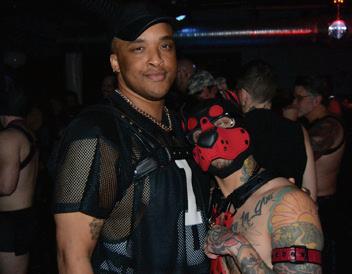
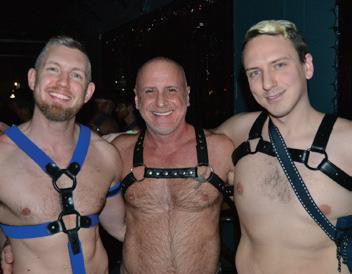
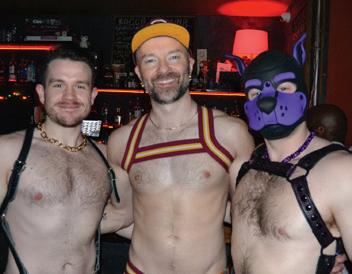
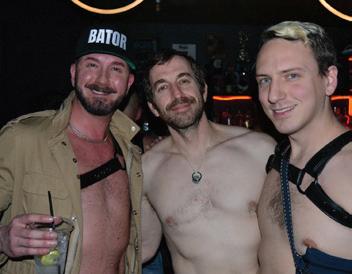











































































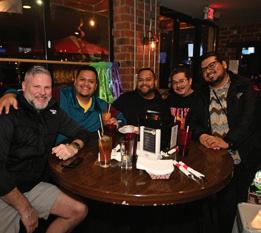
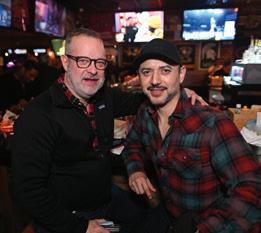
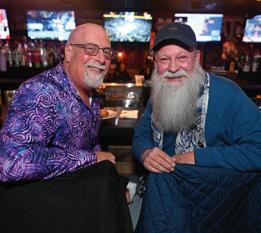
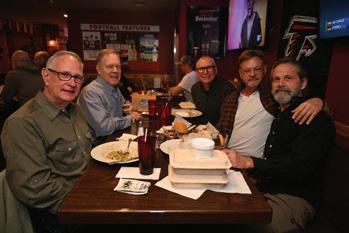

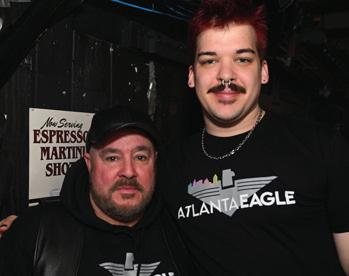
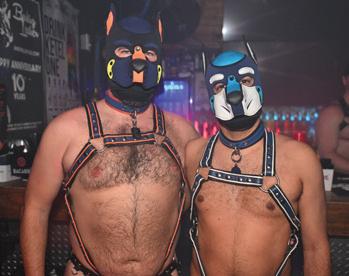
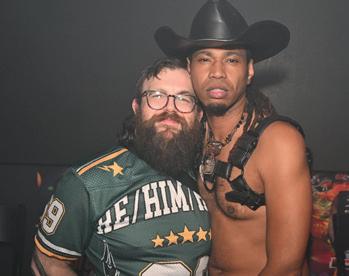
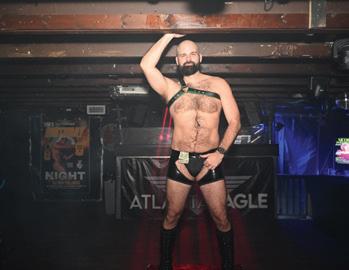





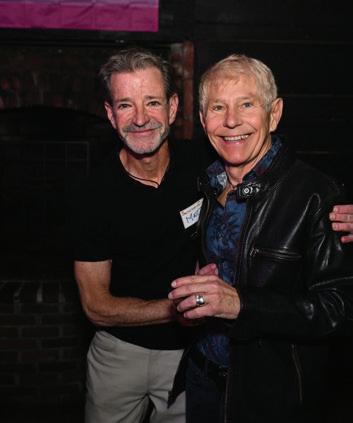
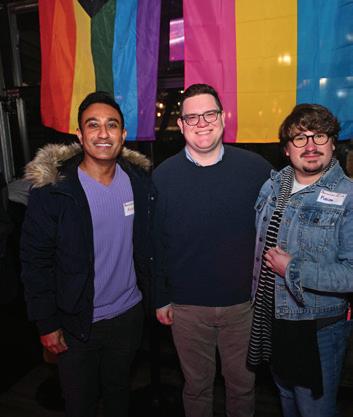
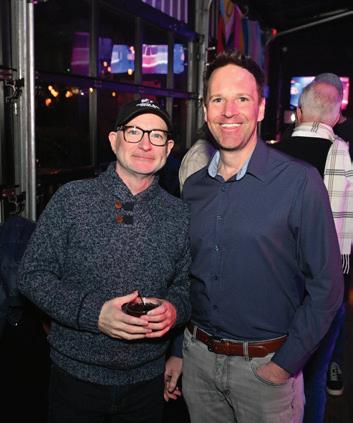
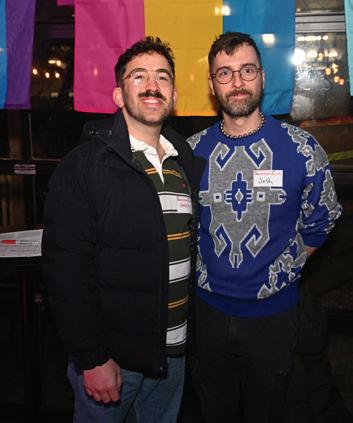

We all have those moments of ‘wait, did they just say that?’ Lucky for you, we compile the best of the best right here on this page. Want to join in on the b*tch session? Submit your own nuggets to info@davidatlanta.com.




Dry January? Yes, if youʼre thinking my lips, hands, and skin.

The first 75 years of January are always the hardest.


Mastub8 first and see if you still want to see him. Sometimes, you’re just ovulating and thirsty, sis.

Bo oms just want to make you mad, so you’ll top them…

Yeah, I'll get up soon. I just need to look at the internet first. Yes, the whole thing.
The only blizzard conditions I am interested in from now on are from Dairy Queen.
Can’t wait for you to stop complaining about the cold weather and start complaining about the hot weather.



Sending a 1099 to anyone who was up in my business this year.