No. VIII
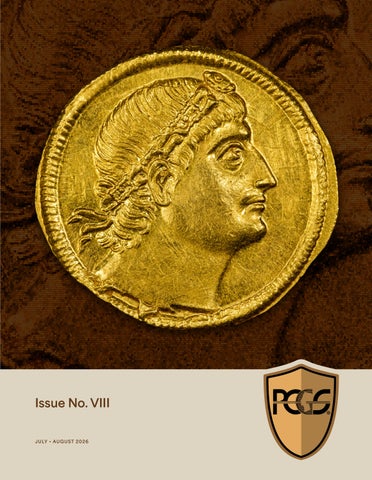
No. VIII
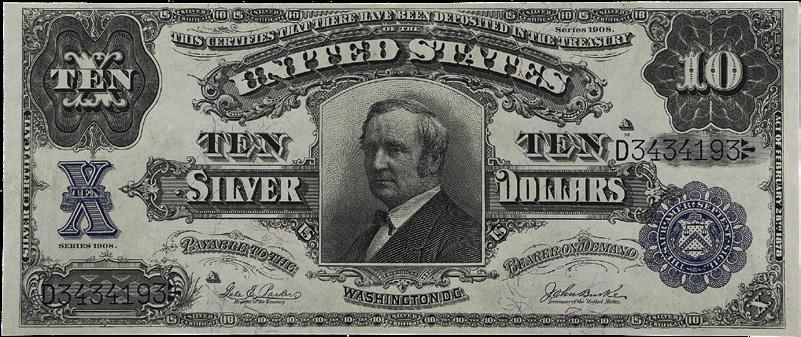
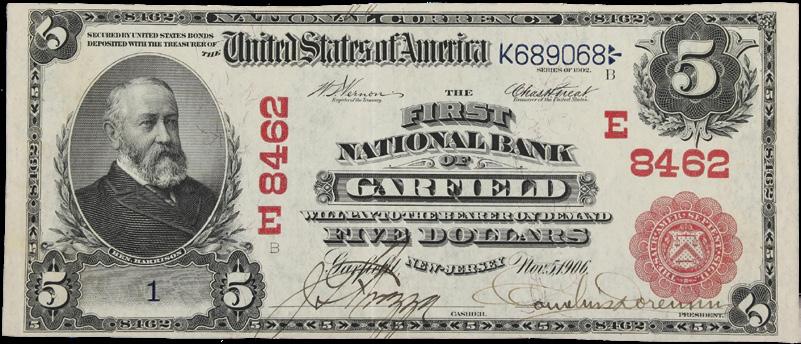




Featured in the October 2026 Hong Kong (SAR) Showcase Auction October 19-26, 2026
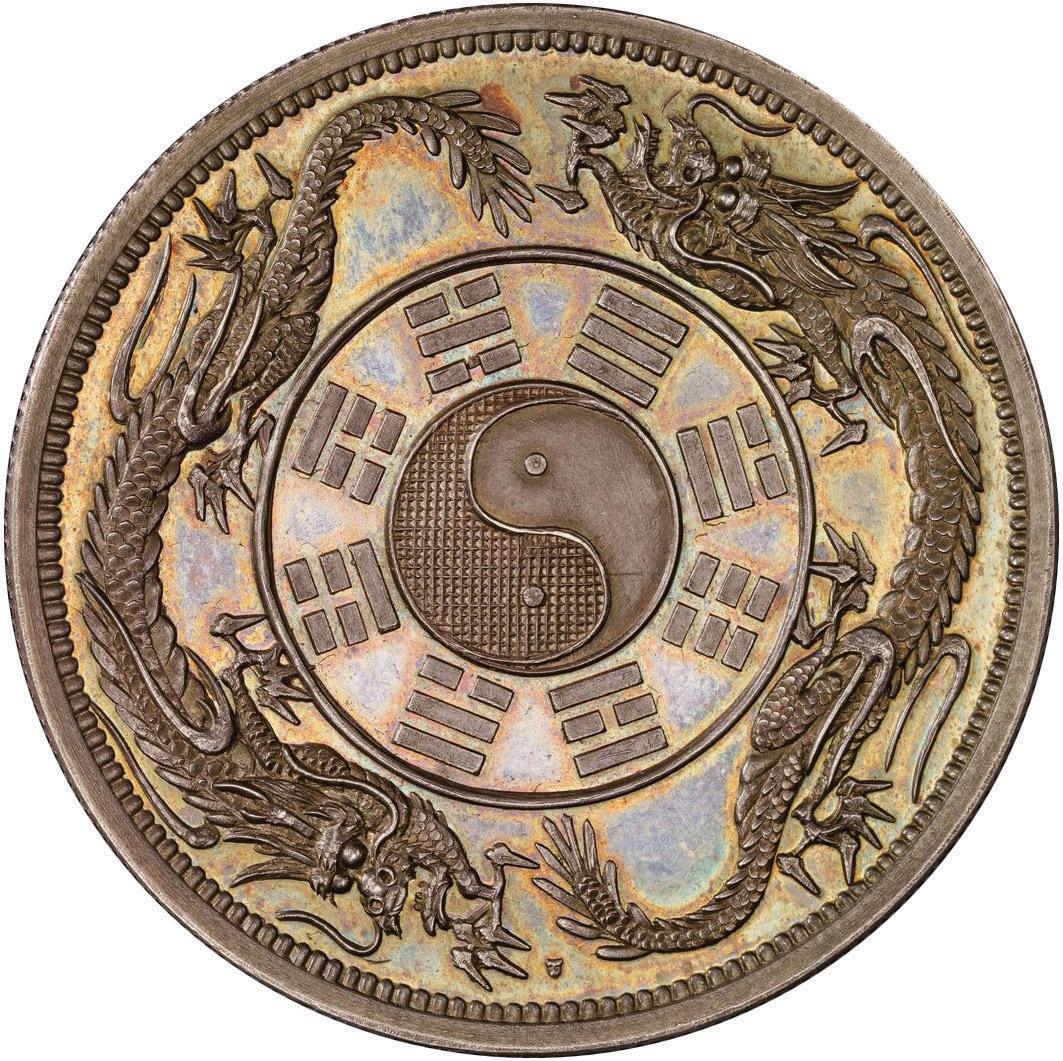
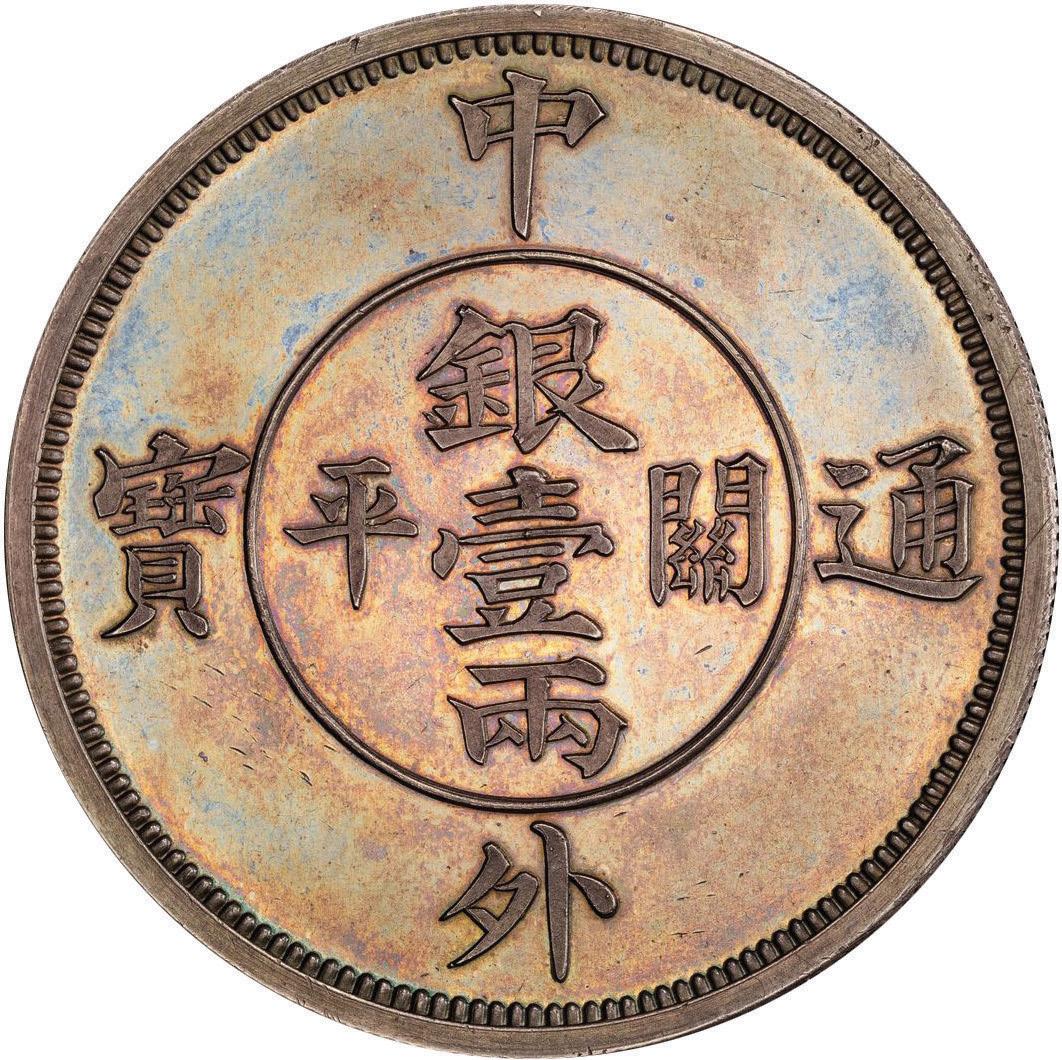
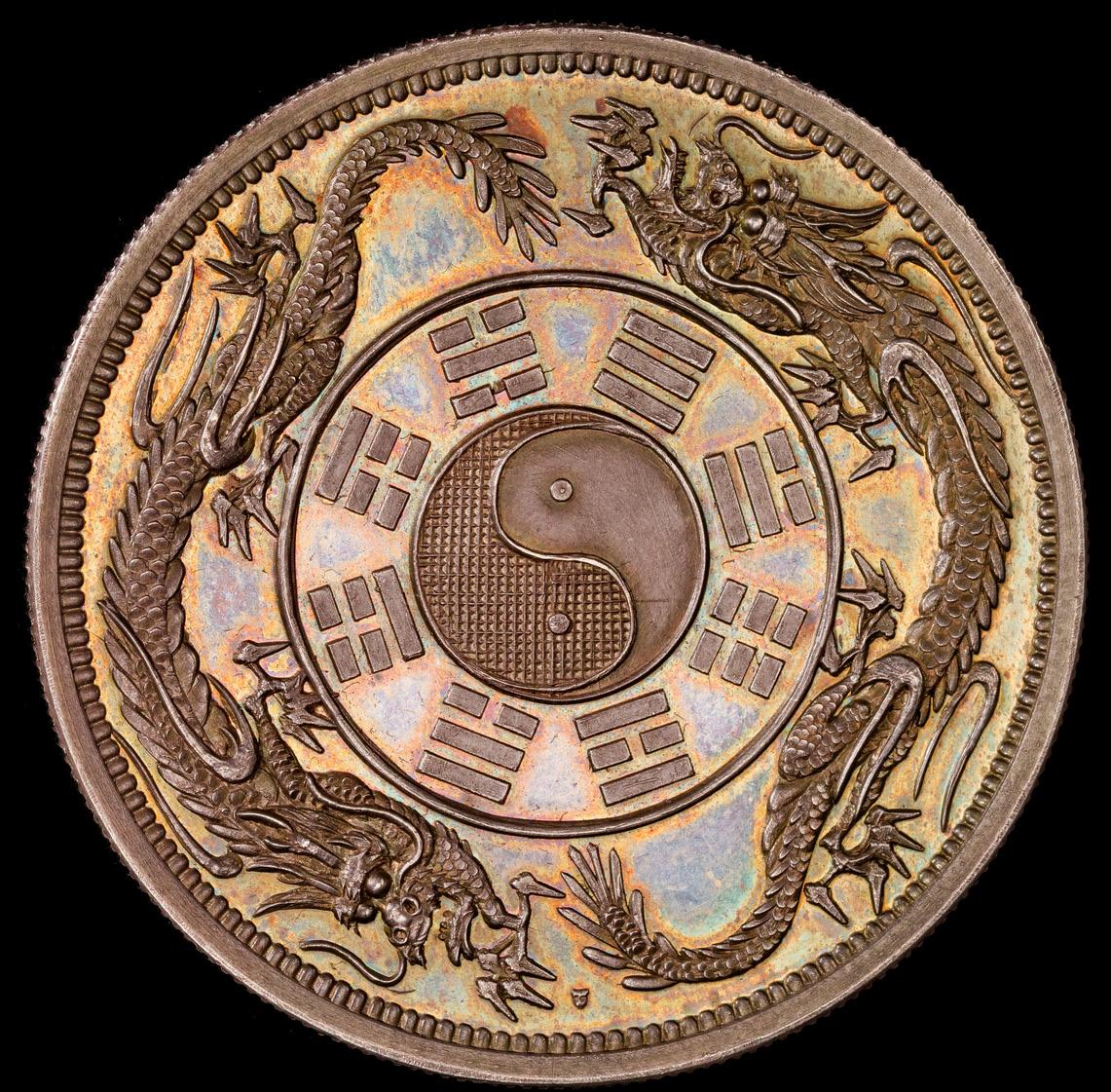
CHINA. Silver Kwan Ping
“Chinese-Foreign Circulating Coin” Tael Pattern, ND (Ca. 1868). PCGS SP-66. Ex Chang.
The L.M. Wang Collection, an incredible cabinet of extremely rare, historic, and high quality Chinese coins assembled many decades ago, will be offered in the October 2026 Hong Kong (SAR) Showcase Auction. Our presentation of the L.M. Wang Collection to the modern numismatic marketplace will rewrite the record books. We invite you to be a part of the action! There is still time to consign alongside this (and many other) amazing coins! Contact a Consignment Director Today!
Consignment Deadline: July 20, 2026

We are thrilled to dedicate this very special issue of PCGS Insider to one of the most influential numismatists of the 21st century: Dan O’Dowd, a collector whose “Tyrant” moniker has graced some of the finest coin sets ever built. Perhaps you have even had the opportunity to visit some of his awe-inspiring exhibits at coin shows around the United States in recent years.
O’Dowd enjoys collecting a variety of coins from many different places and periods. His venerable sets are among the most important not just of our time but all time. They span from the vintage types of the United States and Great Britain to the ancient realms of Constantinople, Greece, and beyond. These are among the numismatic terrains we are exploring in this issue of PCGS Insider
Meet The Tyrants of the Golden Horn – rulers of yore who shaped the world we live in today. See the coins that powered economies of ancient civilizations, and discover the mystique of the numismatic milieu from millennia past.
This issue of PCGS Insider places these and many other exquisite coins in the limelight, and on center stage is none other than “The Tyrant” himself, Dan O’Dowd. We introduce you to a man who, for so long, many knew only by his formidable alias, “The Tyrant.” Find out who he is and why he has dedicated decades to building one of the world’s most significant and influential coin collections.
In this issue, we survey the expanse of ancient coins and share many of the key secrets that empower successful collectors of ancient coins. We also explore corners of the hobby that have intrigued collectors since the days when early royalty really made coin collecting “the hobby of kings and queens.”
I also hope you’re going to see some of these magnificent coins in person for yourself when Tyrants of the Golden Horn goes on exhibit at the American Numismatic Association World’s Fair of Money, which is being held August 25-29, 2026, in Pittsburgh, Pennsylvania. Please check out Pages 32 and 33 for more information about this incredible opportunity to see some of the Tyrant’s collection before your very eyes.
With many numismatic regards,
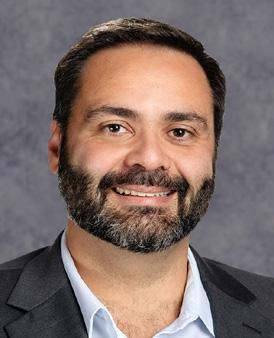
Joshua McMorrow-Hernandez PCGS Insider Editor-in-Chief
Editor-in-Chief
JOSHUA MCMORROW-HERNANDEZ
Creative Director
JACK ARCHER
Art Director
GEOFF PARRISH
KEITH DEWALD
Designer
JAMES DAVIS
Production Artist
CHRIS WILSON
Staff Writers
VIC BOZARTH
SANJAY C. GANDHI
KYLE C. KNAPP
CHARLES MORGAN
JAY TURNER
EDWARD VAN ORDEN
ABIGAIL ZECHMAN
Contributing Writer
RONALD BURNETT
UTE WARTENBERG KAGAN
MICHAEL MARKOWITZ
Advertising
TARYN WARRECKER
ARIANNA TORTOMASI
PCGS INSIDER
PCGS Insider Magazine USPS Pending Periodical #226, Copyright © 2026 by The Collectors Universe is published bimonthly by The Collectors Universe, 1610 E St Andrew Pl, Santa Ana, California, 92705. Application to Mail at Periodicals postage is Pending at Santa Ana, CA and additional mailing offices. Printed in Canada.
Nothing herein is intended to provide financial advice. Past sales do not guarantee future results.
POSTMASTER
Send address changes to Collectors Universe, 1610 E St Andrew Pl, Santa Ana. California, 92705.
BUSINESS & EDITORIAL OFFICES
1610 E St Andrew Pl
Santa Ana, CA 92705
(949) 567-1234
ACCOUNTING & CIRCULATION OFFICES
1610 E St Andrew Pl
Santa Ana, CA 92705 (949) 567-1234
Call (949) 567-1234 to subscribe. Periodical postage is paid at Blaine, WA.
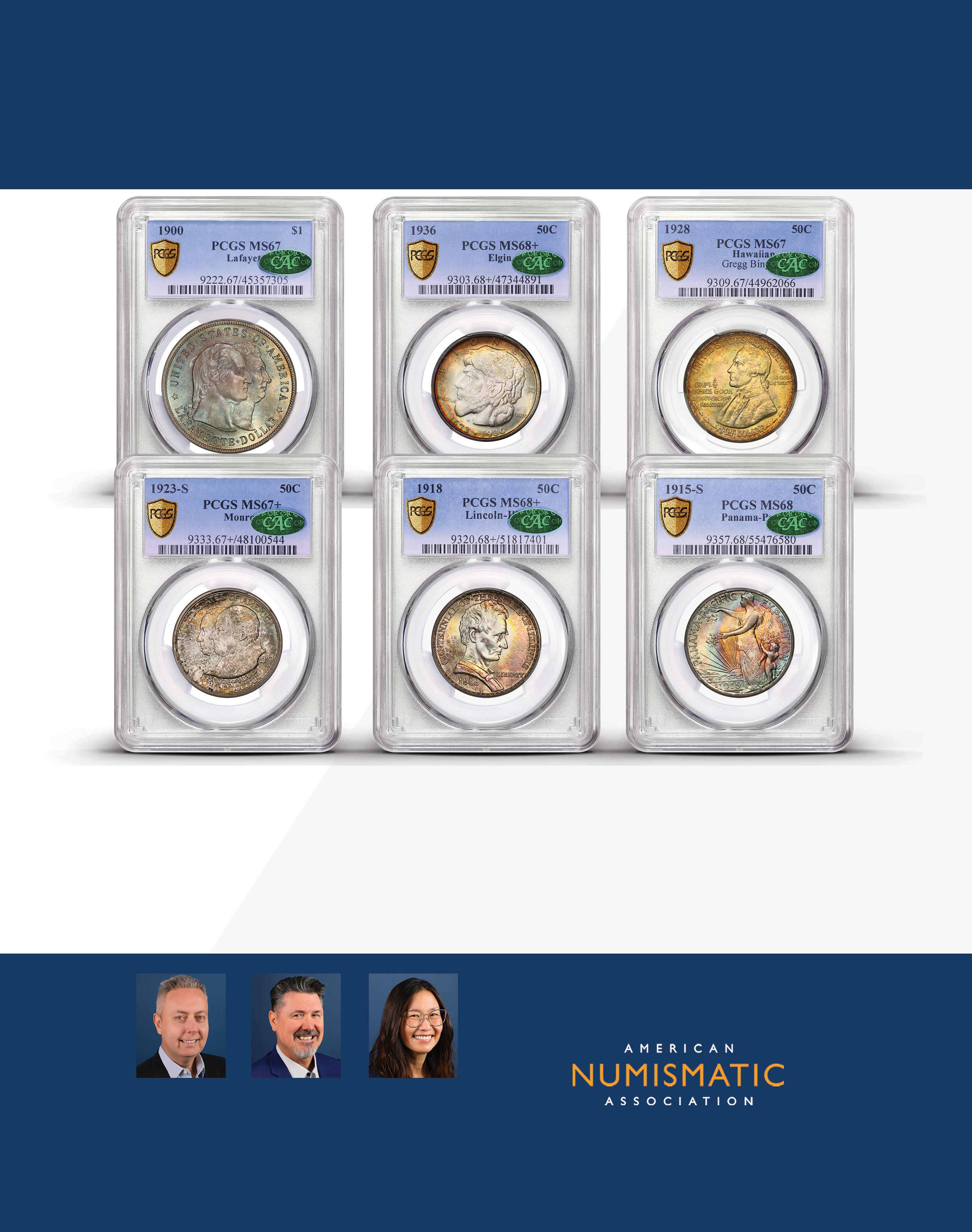
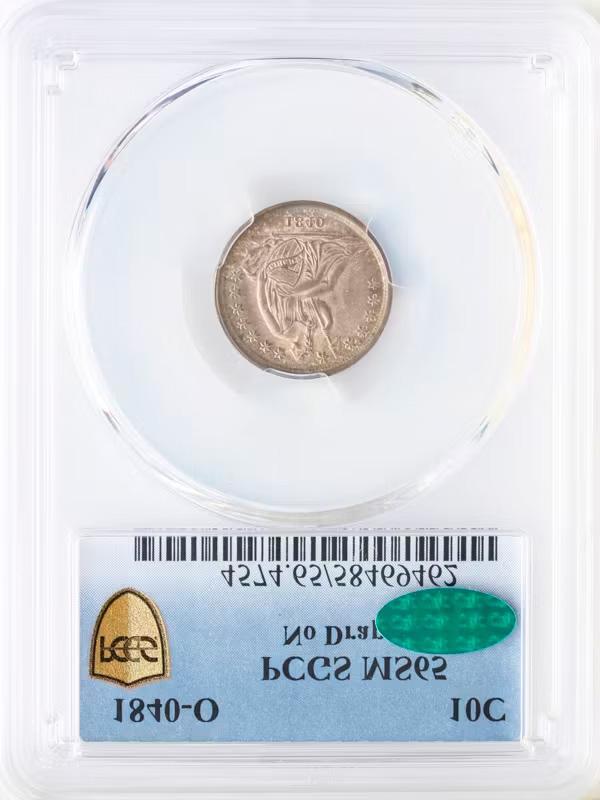
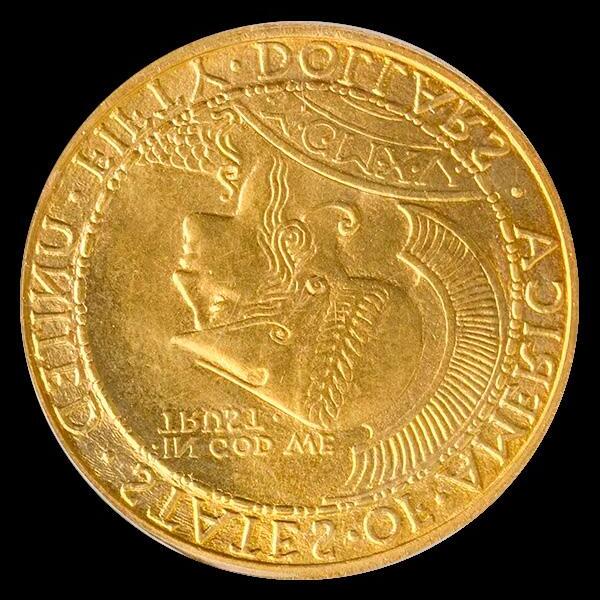
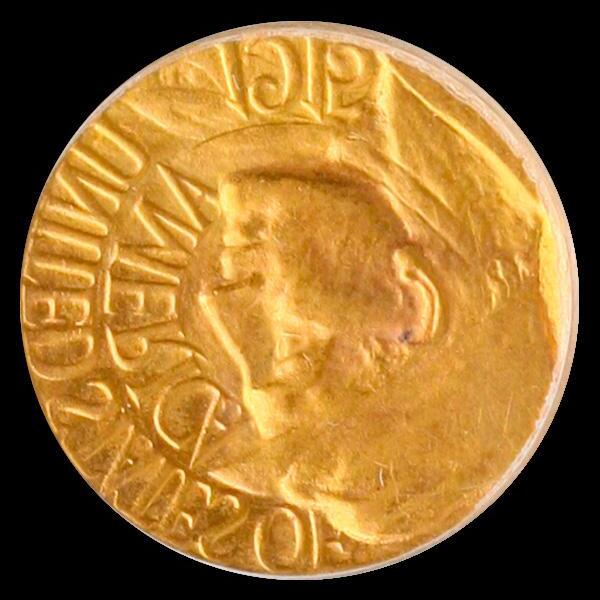
The JFM57 Top Registry Set of Silver Commemoratives
144 Coins - All PCGS Certified & Approved by CAC









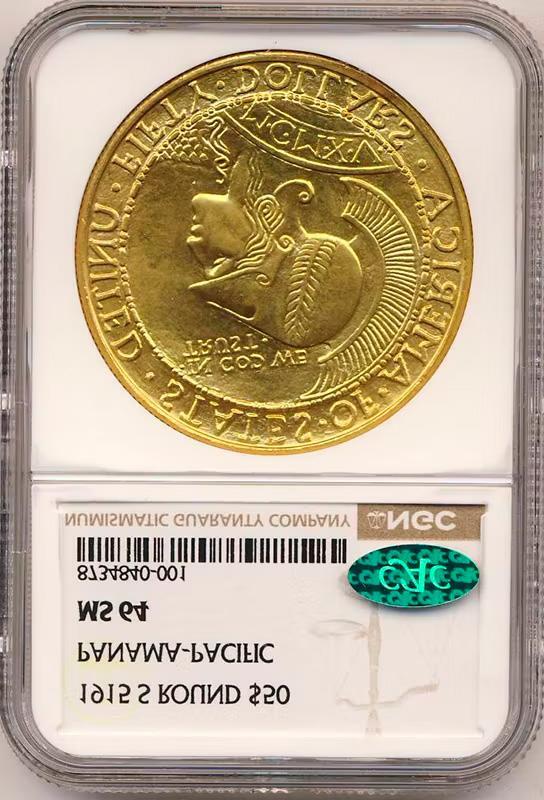


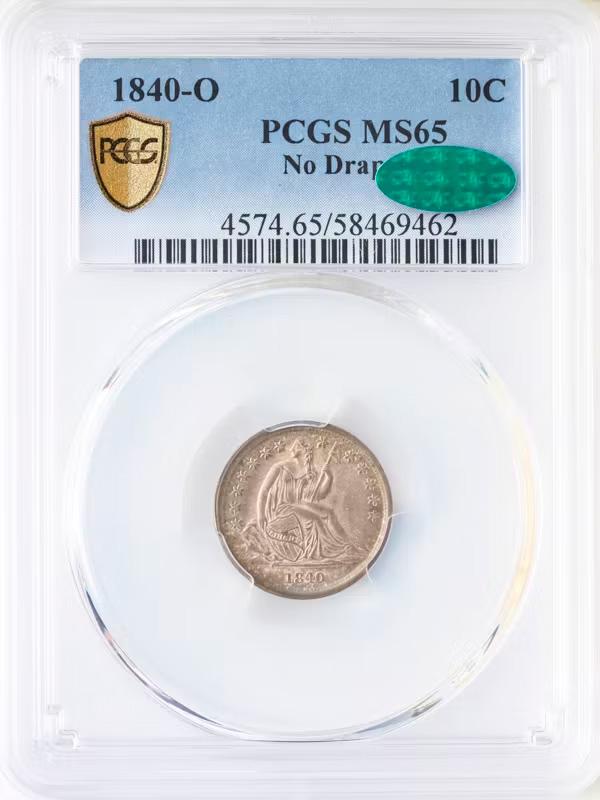

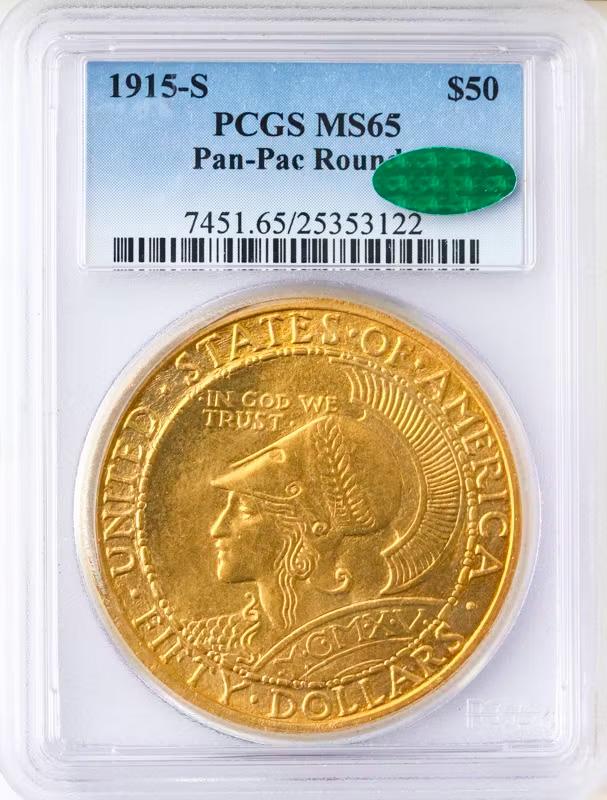
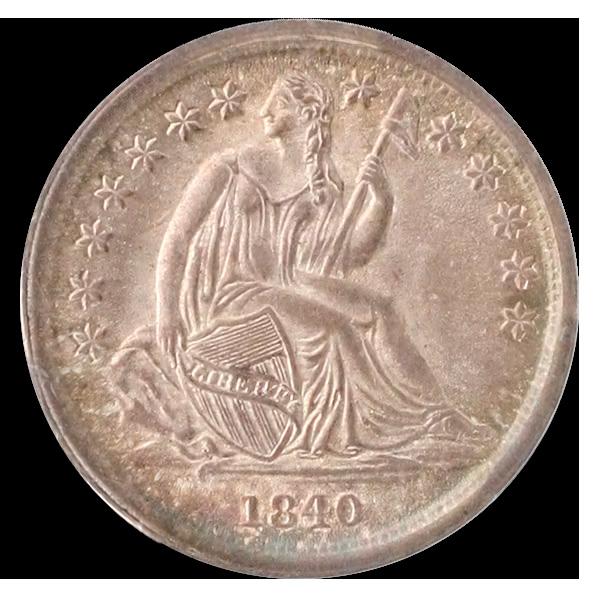



By Kyle C. Knapp
Following Constantine’s consecration of the city in 330 CE, Constantinople reigned for more than a millennium as the economic and cultural center of the Western world. Through the city’s ports and counting houses, the streets pulsed with vast quantities of silver and gold, which was mined from the farthest reaches of the empire. The metals were accumulated by bartering with visiting traders and taken from conquered enemies. Coinage underwent significant changes throughout the period, starting recognizably as Romanic in form, and ending with an entirely new set of denominations. Motifs and physical forms also were transformed in the early medieval period.
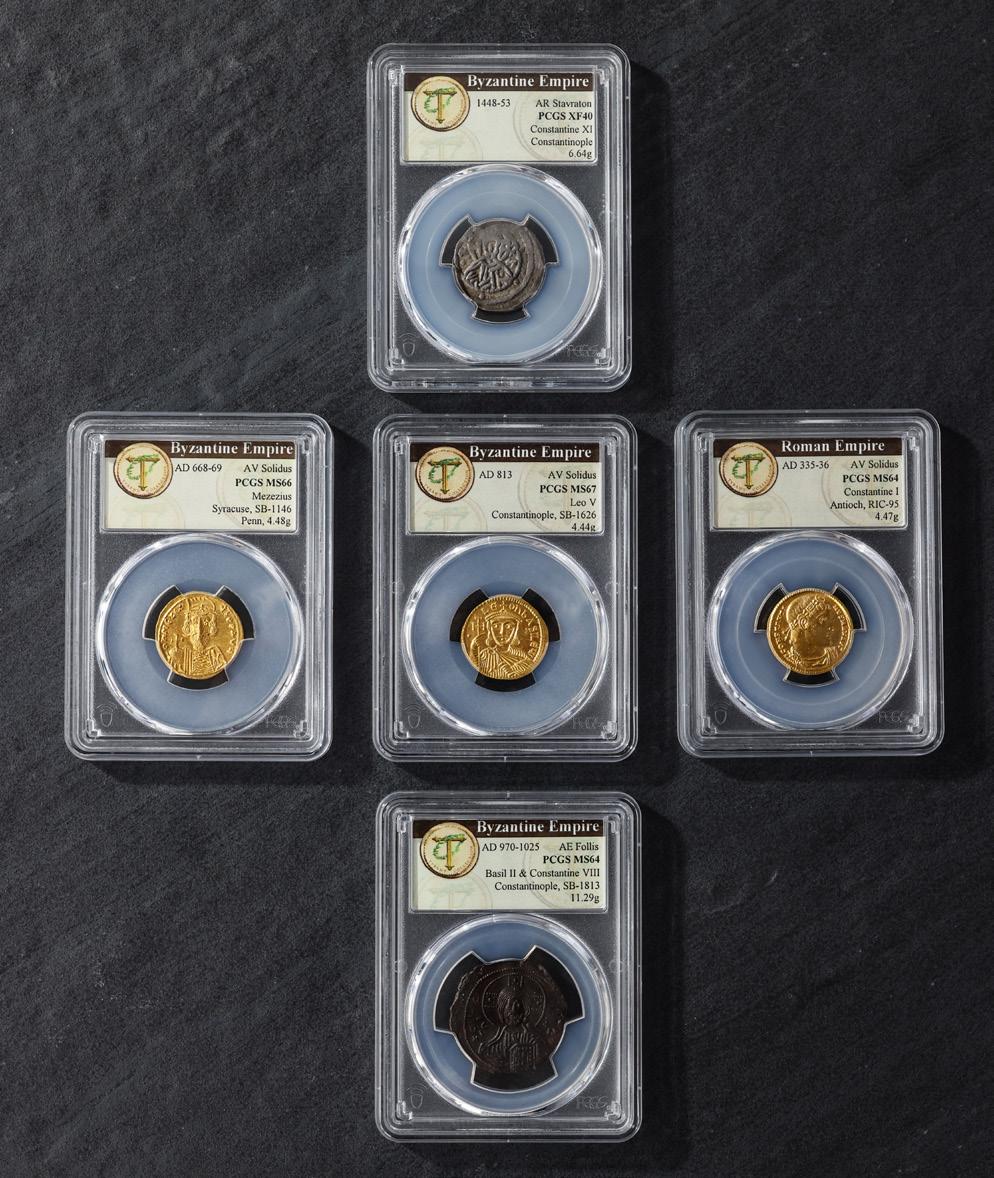
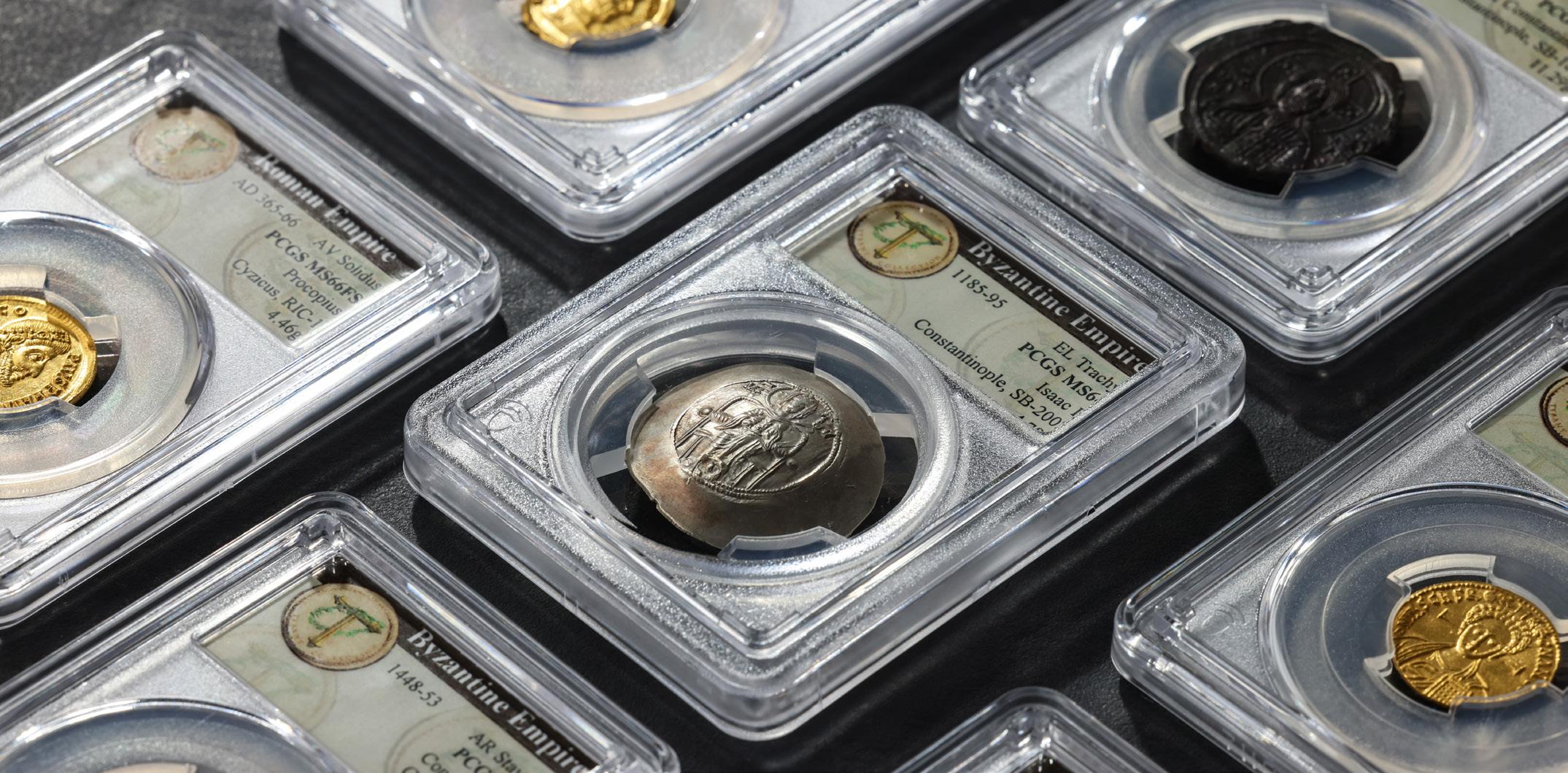
The Tyrant Collection chronicles this remarkable period with superb examples of the aureii, solidi, and hyperpyra. These coins serve as the ultimate artistic relics of their issuers and the times in which they commanded humanity’s greatest urban marvel. PCGS has certified a selection of these remarkably well preserved pieces to be displayed at the American Numismatic Association World’s Fair of Money in Pittsburgh, Pennsylvania. A few appetizing selections are presented herein to illustrate innovations in portraiture, religious iconography, and planchet style over the course of this period.
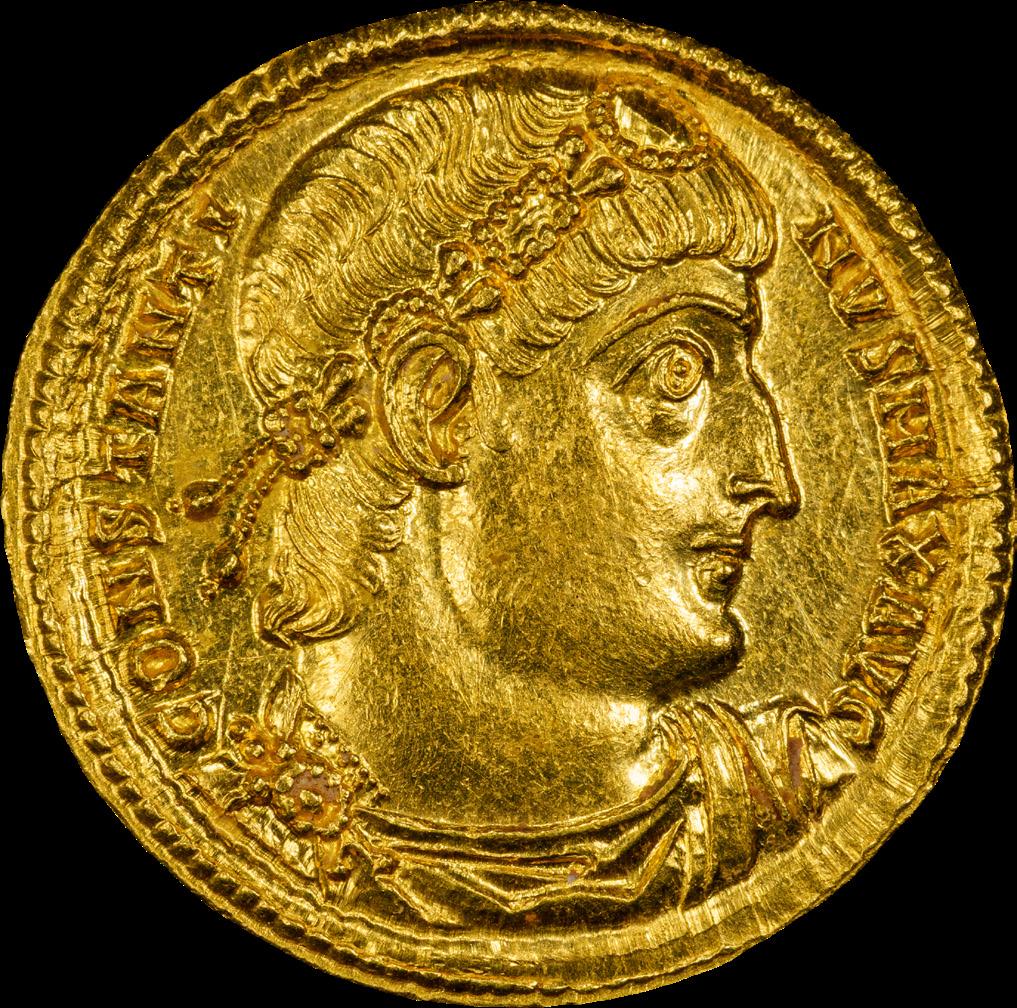
The Byzantine Empire reached its greatest territorial extent during the nearly four-decade reign of Justinian I (527-565). The newly conquered lands of Africa and Italy added mints at Carthage, Rome, and Ravenna to supplement already extant operations in Constantinople, Nicomedia, and other central locales. His ambitious administrative and architectural reforms would leave us with the Corpus Juris Civilis (which went on to form much of the foundation of European civil law) and the Hagia Sophia, the quintessence of Byzantine architecture, which to this day remains one of the world’s most visited historic sites.
Numismatically, Justinian transformed obverse empirical portraits from profile to front-facing on his gold solidi and copper folles. He moved the symbol of the cross from the back of the coins to the front, emphasizing the inextricable bind of empirical and ecclesiastical power. Along with his empress Theodora, Justinian maintained an energetic interest in the proliferating religious debates of the empire, several of which would leave their mark on its coinage.
The veneration of religious icons was widespread and, at various points, highly controversial during the middle period of the empire. A dramatic stylistic change was visited upon Byzantine coinage by Justinian II (no relation to his cognominal predecessor), who placed an image of Christ on the obverse of solidi for the first time. The coinage would alternate between this style and that of traditional imperial portraiture over the succeeding two and a half centuries as the iconoclast debate played out and Christian imagery again became the norm. Surviving pieces from these turbulent, early years are highly coveted today for their beauty and historic significance to the church.
Economic turmoil in the 11th century transformed the Byzantine monetary system, and the gold solidus was replaced by the scyphate (cup-shaped) hyperpyron. Divisions between the Constantinopolitan elite and military rulers of the provinces led to a deterioration of territorial security in later years. This culminated into a devastating capture and destruction of the city by the Crusaders in 1204. Though the empire was restored by Michael VIII in 1261, the 13th and 14th centuries saw continued struggle and decline of Constantinople eventually fell to Mehmed II in 1453 which ushered in an era of Ottoman rule.
For more than a thousand years, the Byzantine Empire carried on the civilizational triumph that had been Rome. Today, the remarkable coinage of Constantine, Justinian, Michael, and their peers survives as a means to connect us to and teach us about this
extraordinary period bridging the ancient and medieval worlds. We are thrilled to have had the privilege of certifying many of the exemplary pieces in the Tyrant Collection, and we invite you to see them in person at the World’s Fair of Money this August.
By Ute Wartenberg Kagan of the American Numismatic Society
People made and used money long before coinage was invented more than 2,600 years ago. Abraham, believed to have lived around 2000 BCE, bought a burial plot for some 400 shekels of silver, which he weighed and paid to Ephron, a landowner in Hebron. If people in antiquity were paying with weighed pieces of silver, why was coinage invented? This question has occupied scholars since the 19th century, and ultimately, we still do not have a definitive answer.
In 1904, British archaeologist David G. Hogarth unearthed a large number of the earliest coins from the ancient Western world in the remains of the temple of Artemis (Diana) at Ephesus. Hogarth had been sent by the British Museum to excavate what was once one of the seven wonders of the ancient world, a temple greatly admired in antiquity for its size and architectural beauty.
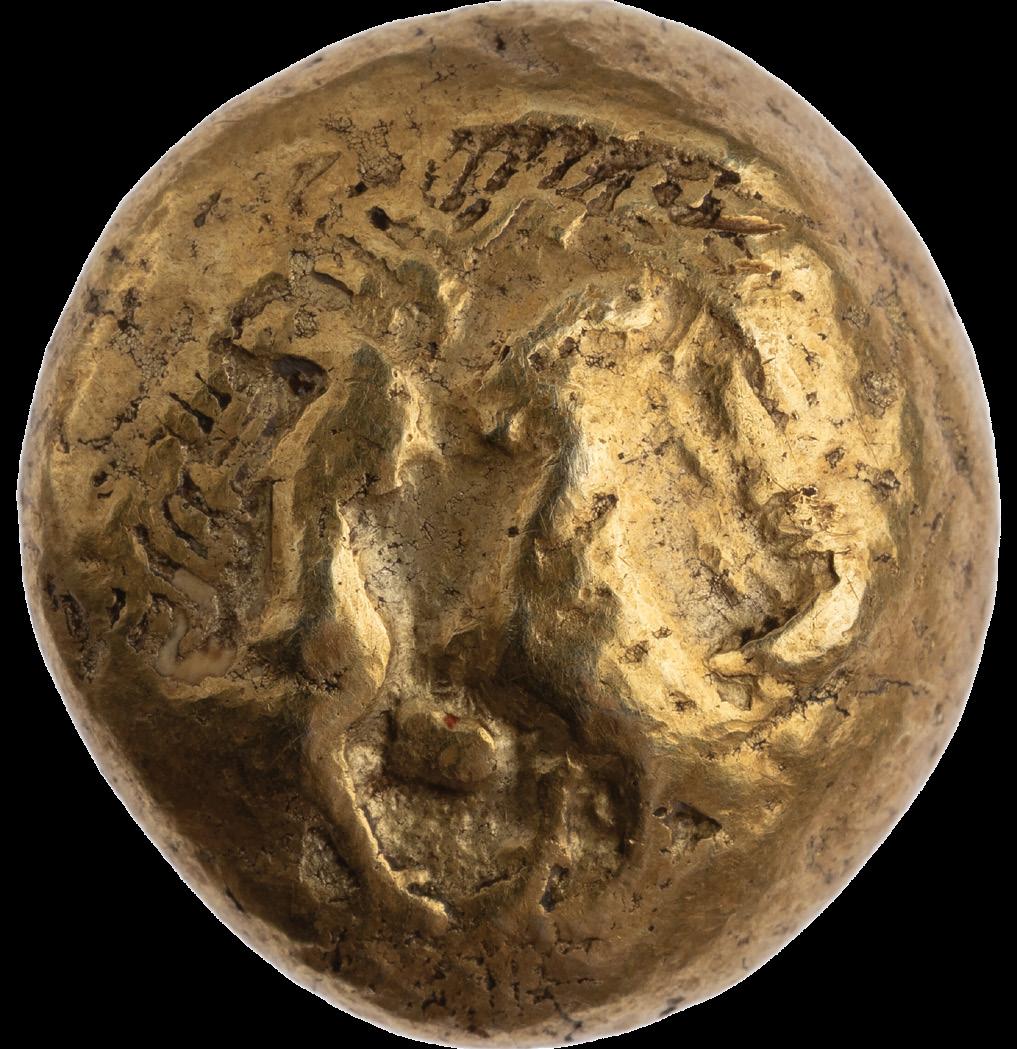
The early coins he found there look deceptively primitive. They are made of an alloy of gold and silver known as electrum, bearing simple designs on the obverse, often animals or geometric patterns, while the reverse has one or more deep punches. The coins were struck in many different denominations, from a full stater down to a tiny 1/192nd division of one weighing just 0.06 grams. What is astonishing about these very small coins is that they carry a fully engraved design and are often precisely produced to a weight standard.
While it was long thought that electrum was chosen simply because it occurred naturally in the rivers of Lydia, metallurgical studies during the last decade have established that the alloy was in fact manufactured specifically for these coins. These early electrum coins from Lydia and Ionia, regions in what is now western Turkey, clearly fulfilled a major need in the economy of the Archaic Greek world. It was a period that also saw other bold innovations, such as the first monumental stone temples and large-scale sculpture, advances in which the influence of Egypt and Babylonia are evident.
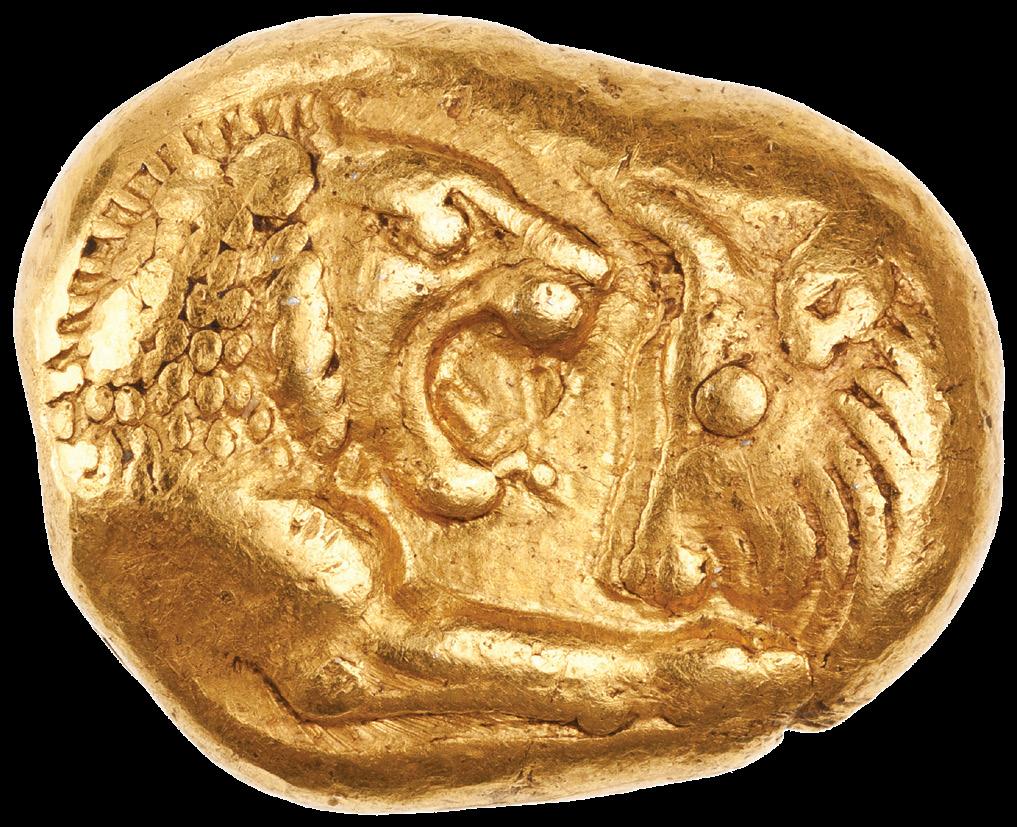
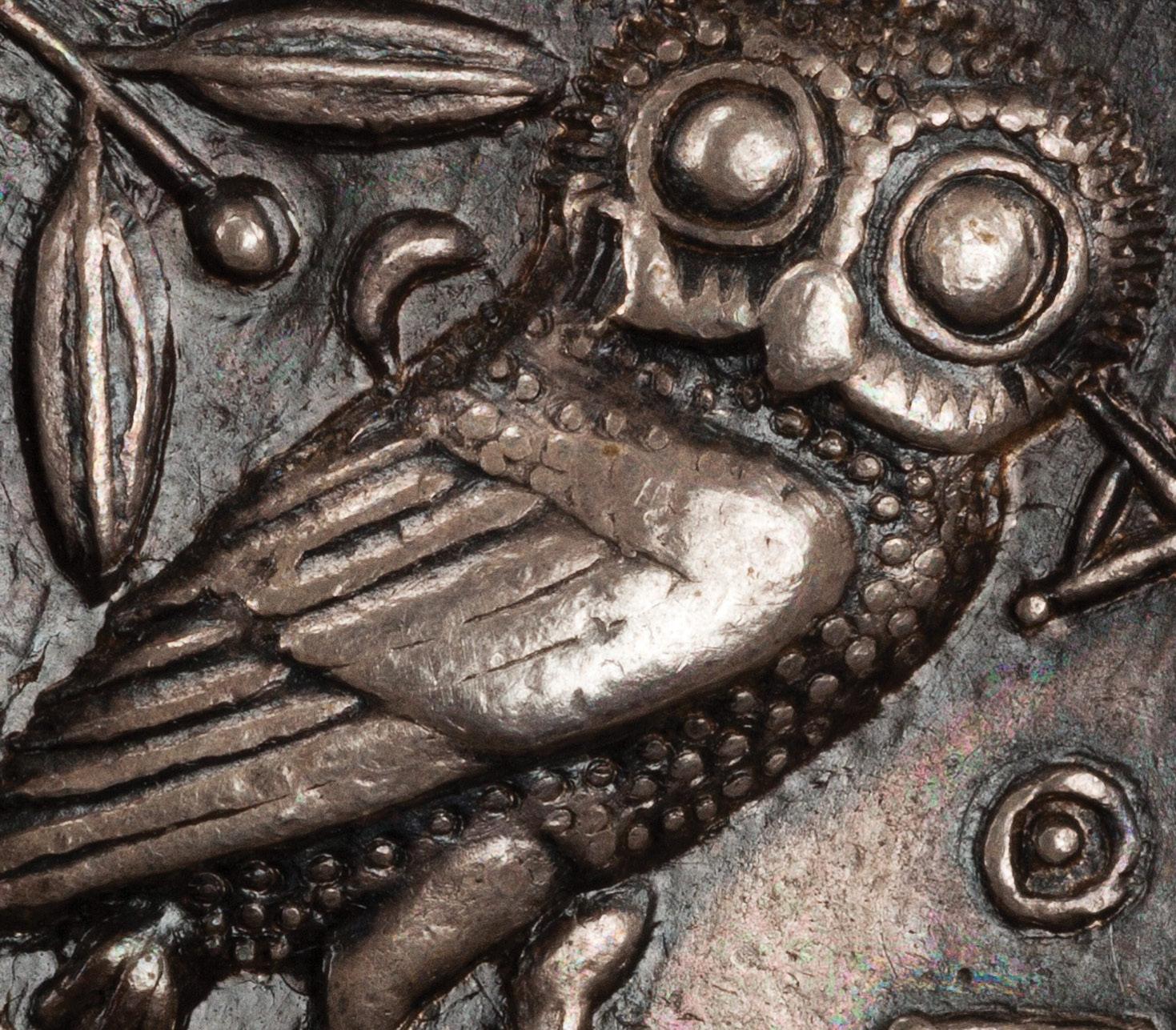
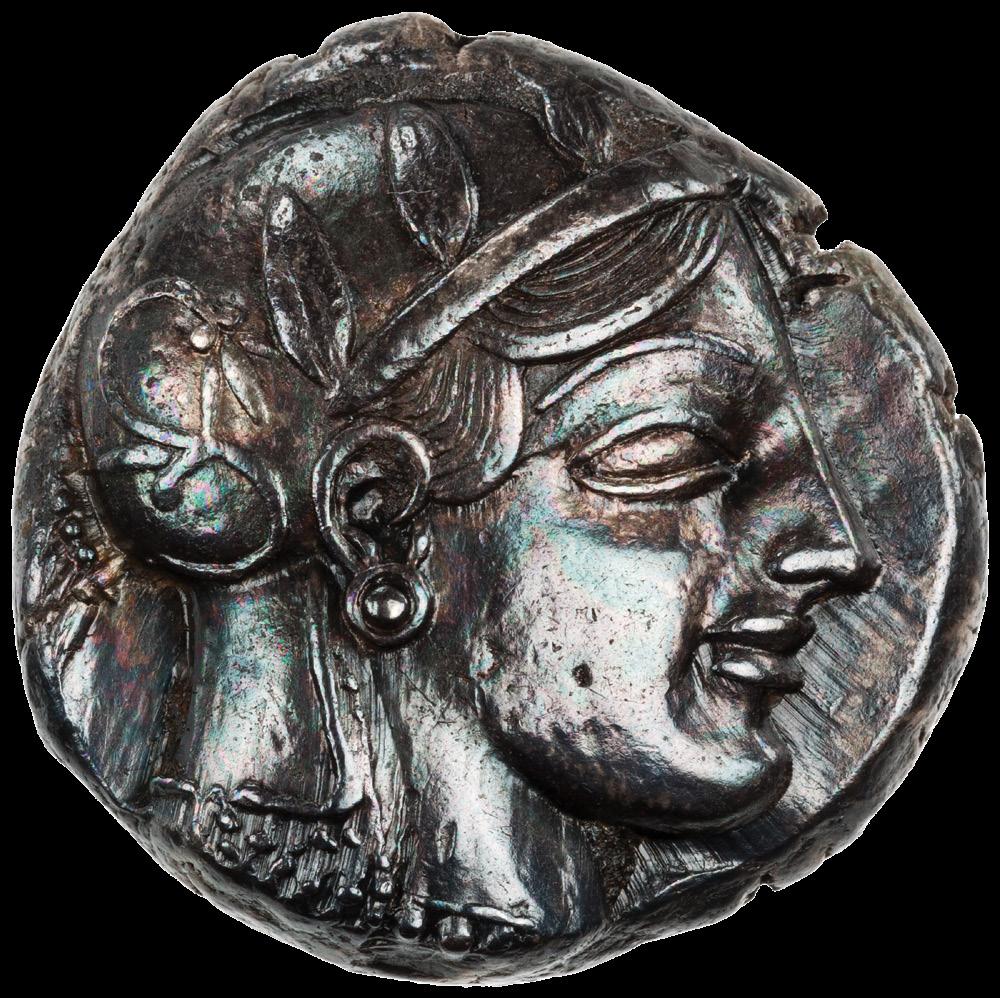
The earliest electrum coins were made by the early Lydian kings, under their last king, Croesus, and ancient coinage took a major step forward. Around 560 BCE he introduced the first separate gold and silver coins. This development allowed the production of coins of lower value. Within a few decades, hundreds of Greek cities minted their own currency. They used coins to trade with one another, paying for wars, constructing public buildings, and supplying citizens with currency for the local markets. Among these cities was Athens, which rose to become a major power of the ancient world. Athens’ most famous silver coins are known as “owls” (Athenian Tetradrachm) which refers to the bird on the reverse of the coin. This type of coin became widely trusted internationally unlike the dollar today.
Just as the U.S. dollar’s dominance was underpinned by the California Gold Rush of the late 1840s and 1850s, Athens owed much of its economic transformation to the discovery of a particularly rich vein in the nearby silver mines at Laurion. Initially, that silver windfall served a more urgent purpose: in the final years of the war against Persia, it helped Athens and its Greek allies to build a fleet that defeated the enemy at the sea battle of Salamis in 480 BCE.
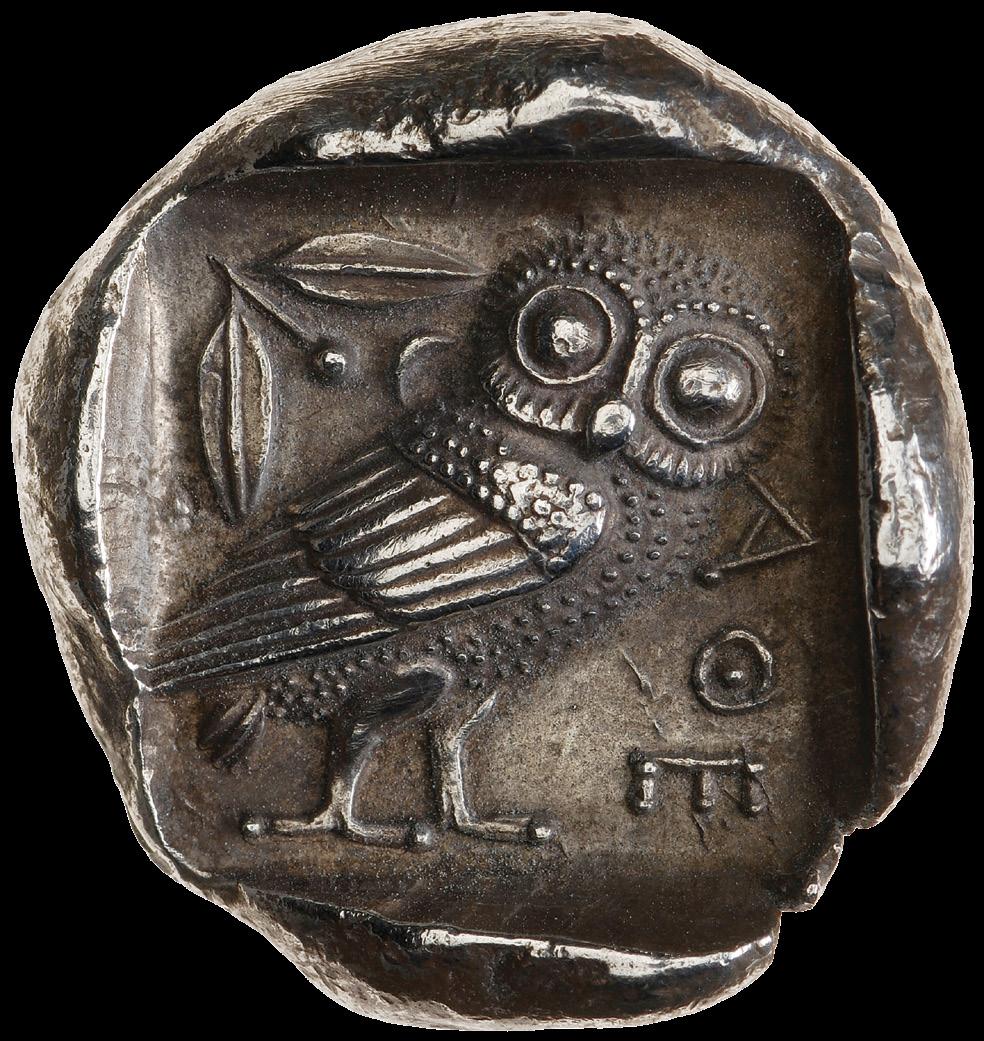
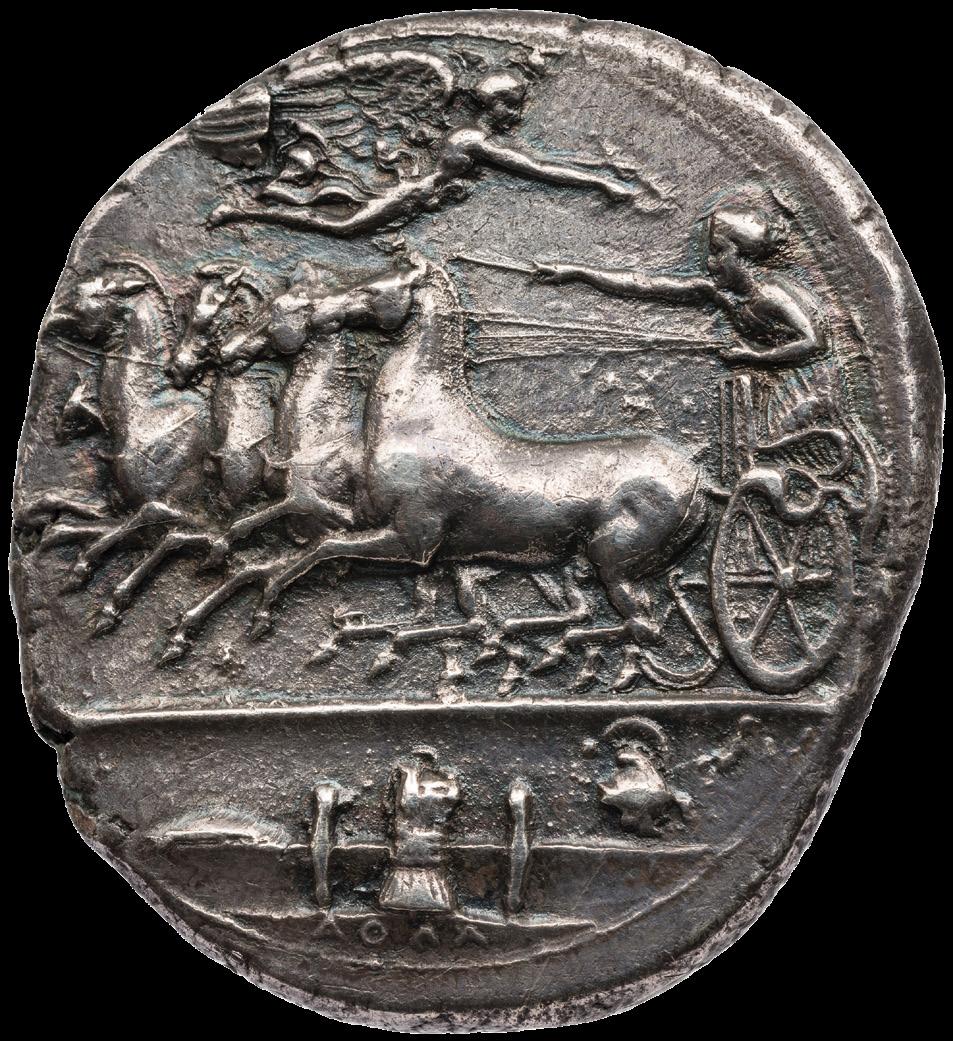
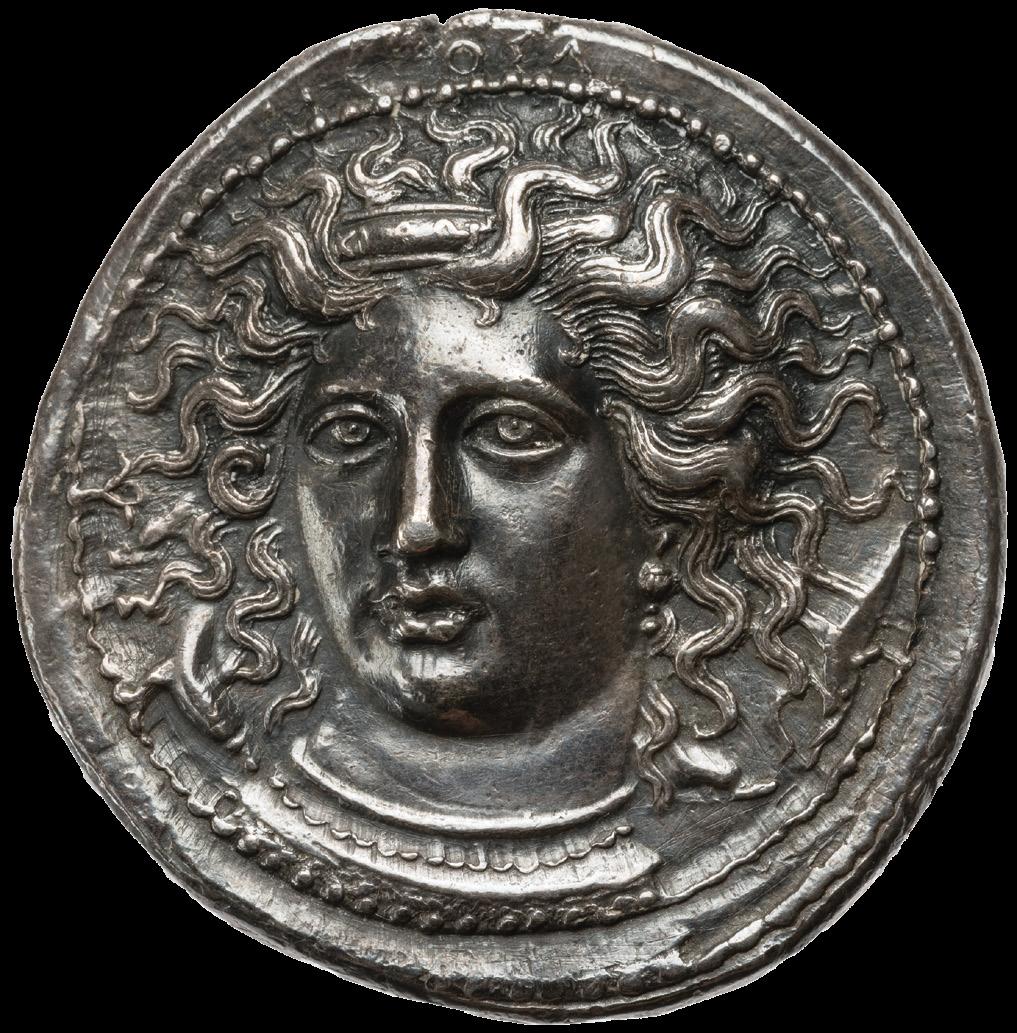
Coinage of the Classical period (480–332 BCE) is characterized most notably by beautiful designs, which have attracted collectors since the Renaissance when ancient coinage was rediscovered by scholars. The designs are often of a deity, an animal, or a plant associated with the city that struck the coin. Through these images numismatists and historians may learn about a coin’s history. In Sicily, the city of Syracuse minted some of the most beautiful coins of antiquity, signed by the artists Euainetos and Kimon.
A racing chariot drawn by four horses is the main theme on the obverse of a silver decadrachm engraved by Euainetos. Such sporting competitions were commonly held at the Olympic and other venues like the Colosseum in Rome, Italy. These sporting events allowed rulers to display their wealth and the winners were celebrated with special honors by their respective cities upon returning home. The nymph Arethusa, a water deity whose spring was crucial to the survival and well being of the inhabitants of Syracuse, is depicted on a spectacular silver tetradrachm.
Not all coins were large silver tetradrachms. Small silver denominations such as the obol and drachm became more widespread for payments. In Athens, jurors were paid initially two obols per day to attend trials to make up for lost income during their jury duty, which was raised in 425 BCE to three obols. Cities therefore needed to forecast and supply coinage for these types of payments. Around 400 BCE, a further innovation made coinage more useful: the introduction of bronze coins. Bronze, not being a precious metal, was of significantly lower value than silver and allowed smaller denominations to become more commonly used in commerce.
During the 4th century BCE, Greece and many of its cities came under the influence of Macedonian King Philip II. The city of Macedonia, Greece is located in the northeast part of the country, which played a significant economic and political role during the wars against Persia in the first two decades of the 5th century BCE. It was under the rule of Philip II’s son, Alexander III, also known as Alexander the Great (356–323 BCE), that the ancient world was transformed. He conquered the vast Persian Empire and seized its extraordinary wealth, thereby opening up immense gold, silver reserves, and much of it was turned into coinage.
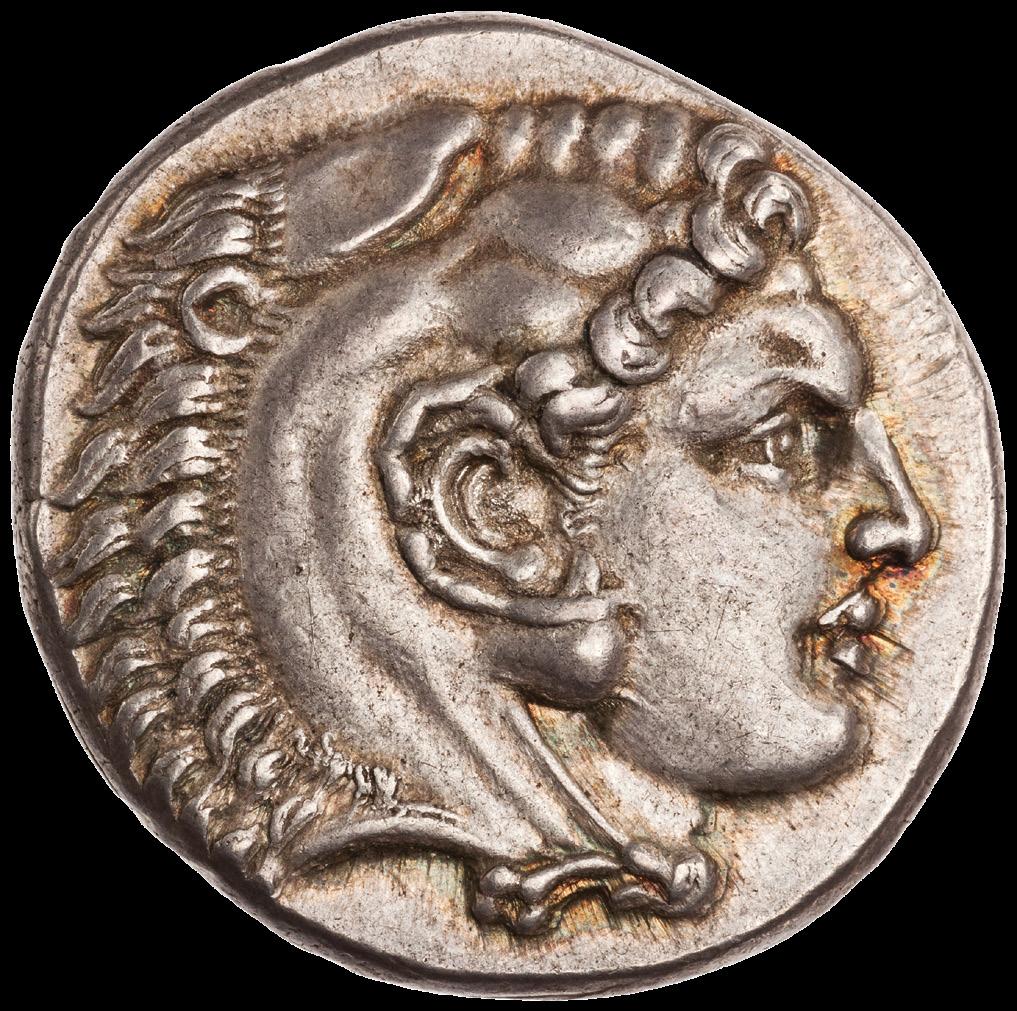
After Alexander III conquered many territories across Asia and Europe, coinage took on a different look. The coins under his rule seemed to carry a message expressed through the images on the coins themselves. Herakles, whom Alexander considered his ancestor, was on the obverse of the silver coins known as tetradrachms. Zeus, who is the father of all Greek gods, is on the reverse. The reverse of the gold stater coinage displays Nike who is the Greek goddess of victory. These coins became very popular and continued to be minted by Greek cities well after Alexander III’s death in 323 BCE.
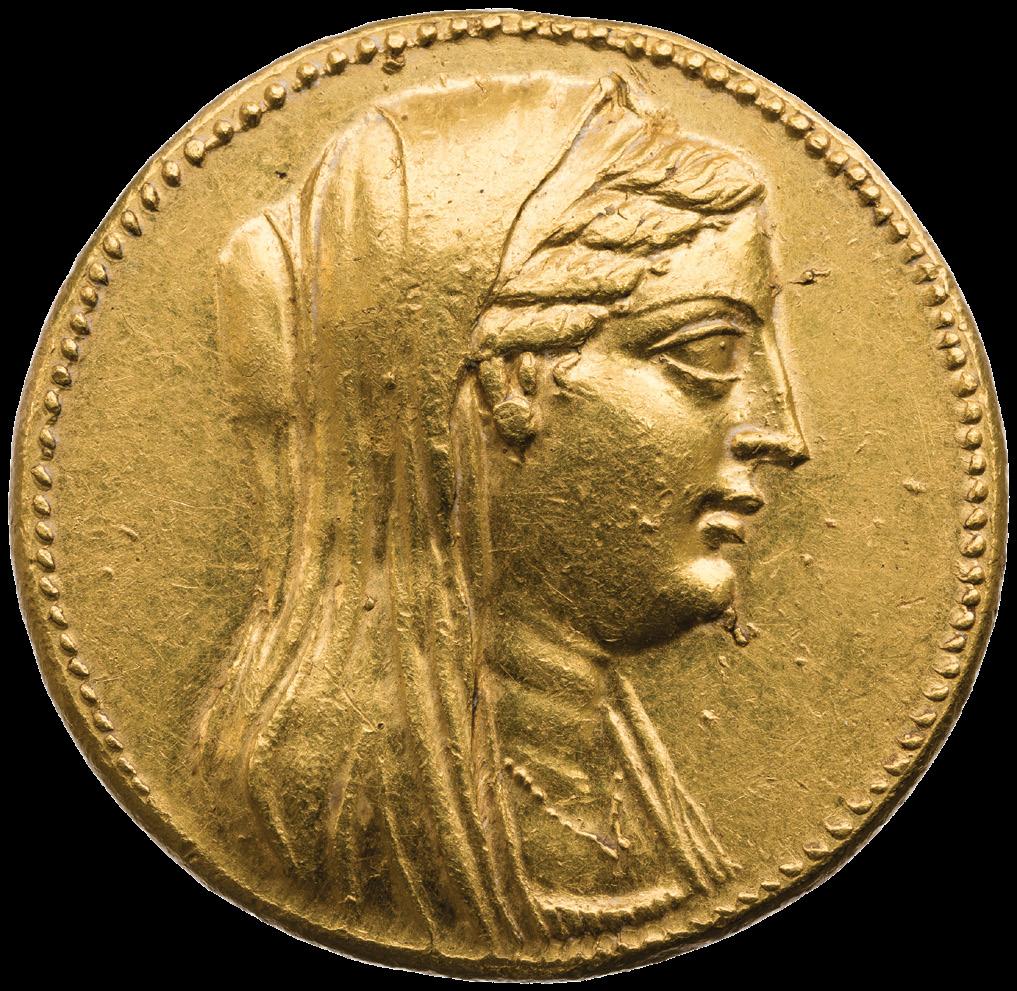
Greek cities like Athens and Syracuse during the Hellenistic period (323–31 BCE) lost much of their influence to large kingdoms. These cities were ruled by dynasties of Macedonian origin such as the Ptolemies in Egypt and the Seleucids in Syria and the Near East. Although these cities still produced coins, kings – now almost always using their portraits – issued coins to pay for military and other expenses. The queens of Egypt also issued coins, such as the powerful Queen Berenice II, who issued a spectacular gold decadrachm with a veiled head from 246–221 BCE.
When Rome began minting its own coins around 300 BCE, it was still a modest Italian city-state, and far from its greatness that it would soon achieve. Rome’s earliest coinage clearly showed this: the aes grave, heavy cast bronze lumps, were made of cumbersome pieces of metal to carry. Although these objects served as currency, they reflected a society deeply rooted in its agricultural origins.
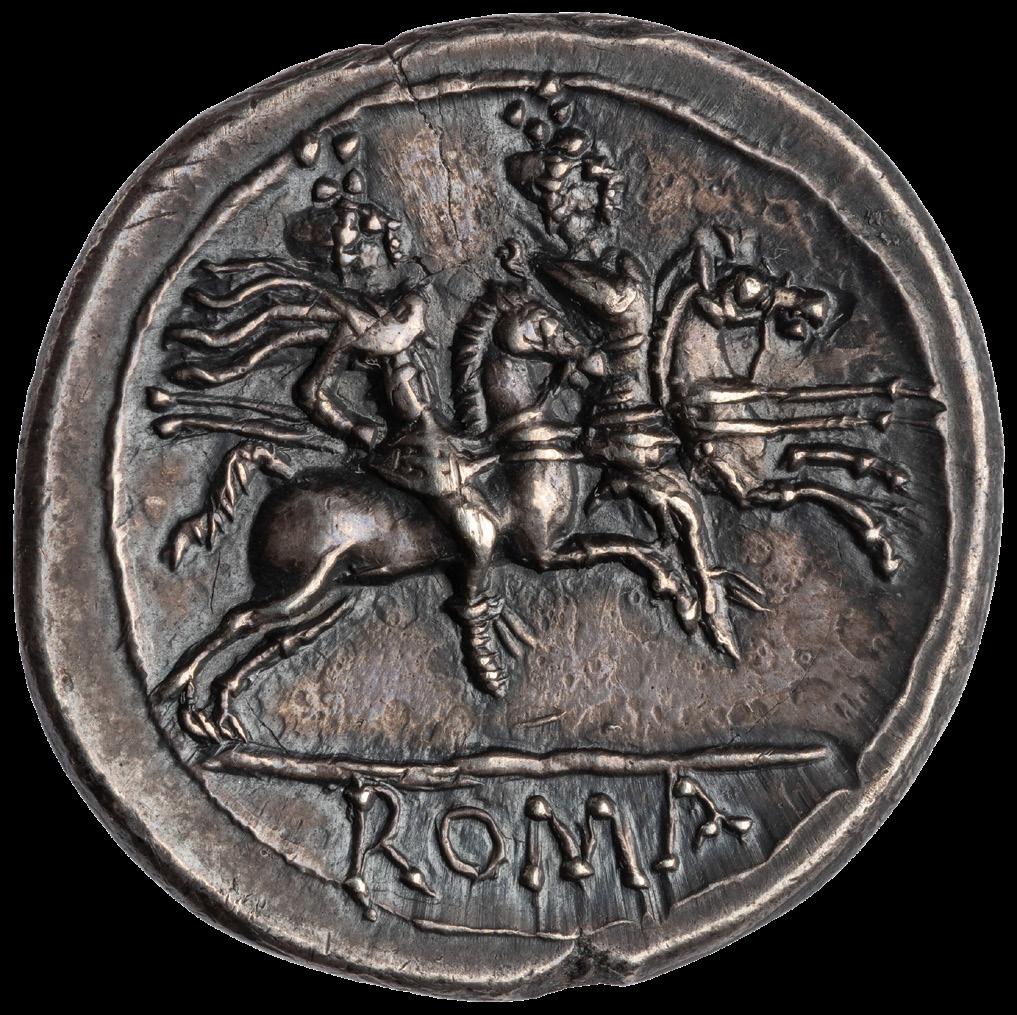
By the late 3rd century, Rome’s aggressive, expansionist wars changed this picture. As its armies advanced across the Mediterranean against her enemy Carthage in North Africa, and the republic needed silver to finance the war efforts. In about 211 BCE, the first Roman silver coin known as the denarius was minted. This denomination would secure Roman currency for more than four centuries while influencing other currencies throughout history like the dinar, denier, and denaro. The first denarii featured the helmeted portrait of Roma on the obverse with the twin horsemen, Castor and Pollux on the reverse.
Unlike Greek city coinage, which often featured the same god or image for decades or even centuries, Roman coinage differed in its imagery. Young aristocrats, often relatives of the elected consuls of the Republic, were chosen as a moneyer (an official chosen for minting money). Republican denarii often show images of historical battles, monuments, and myths related to an aristocratic family of a serving moneyer.
Julius Caesar took this idea of messaging through coinage a step further than conventional standards. In the winter of 44 BCE, he became the first living Roman whose portrait appeared on a coin. His enemies viewed this as the act of a king, which the Romans would not tolerate.
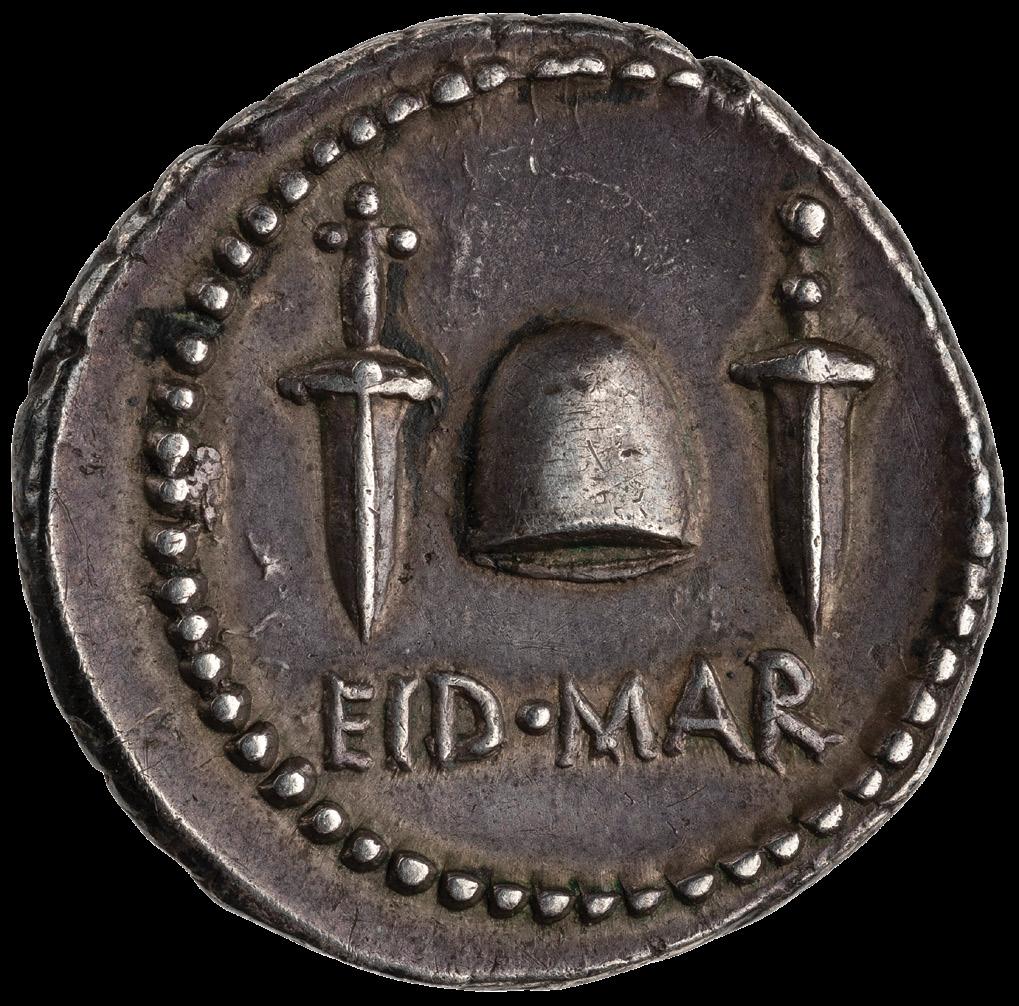
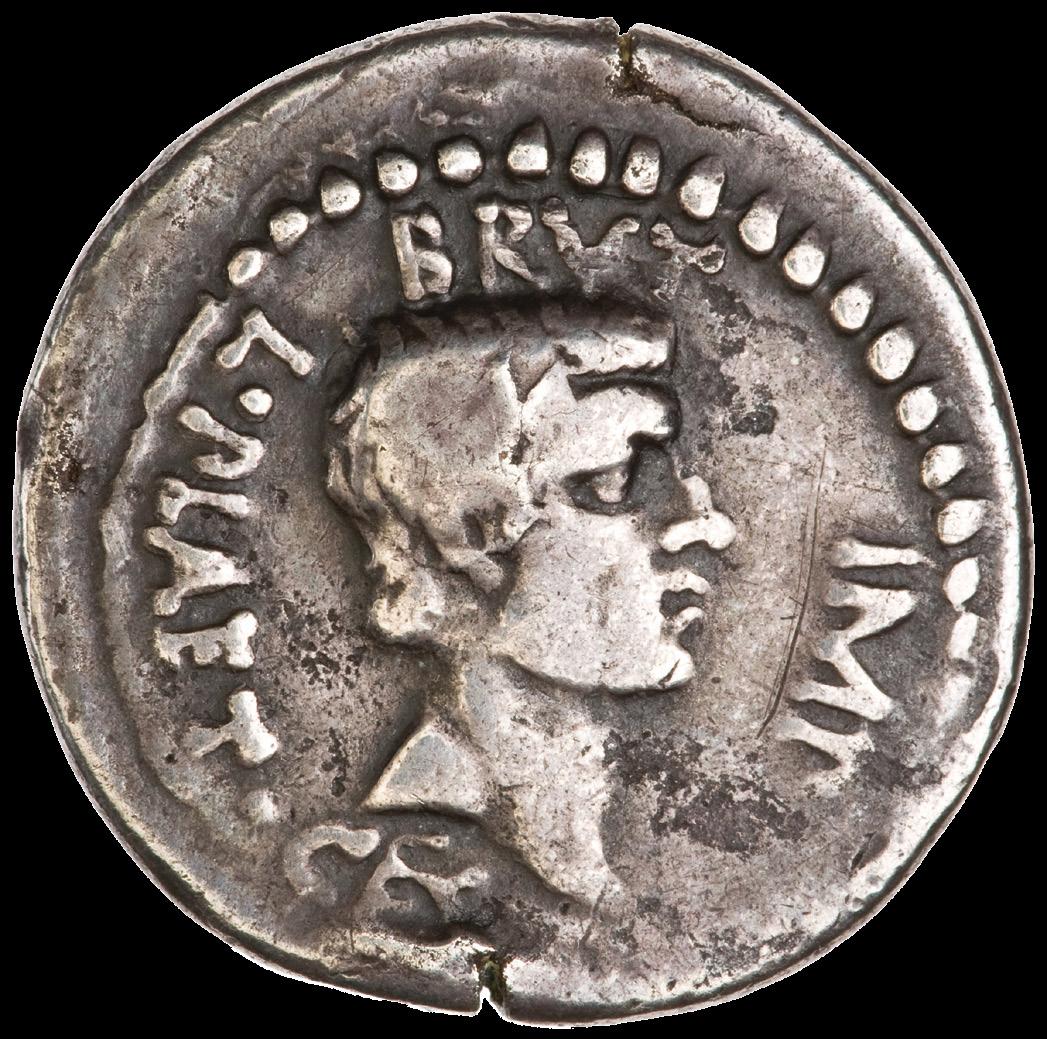
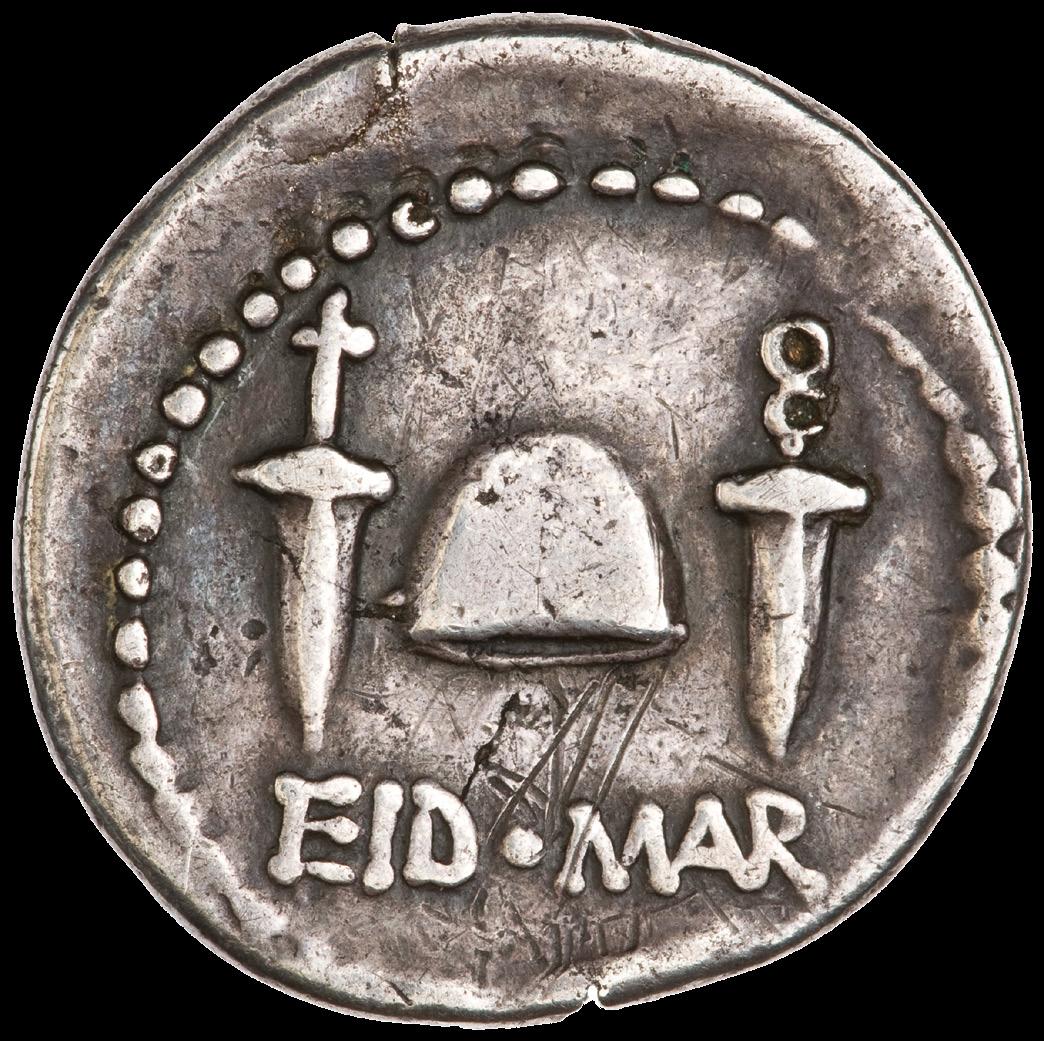
A few weeks later, on the Ides of March, which is recognized on the 15th of the month, Caesar was assassinated by approximately 60 senators. The assassins’ numismatic response was equally explicit. Brutus issued a coin showing two daggers, a liberty cap, which was given to freed slaves, and the inscription “EID MAR,” symbolizing their declaration of having killed Caesar to free the republic.
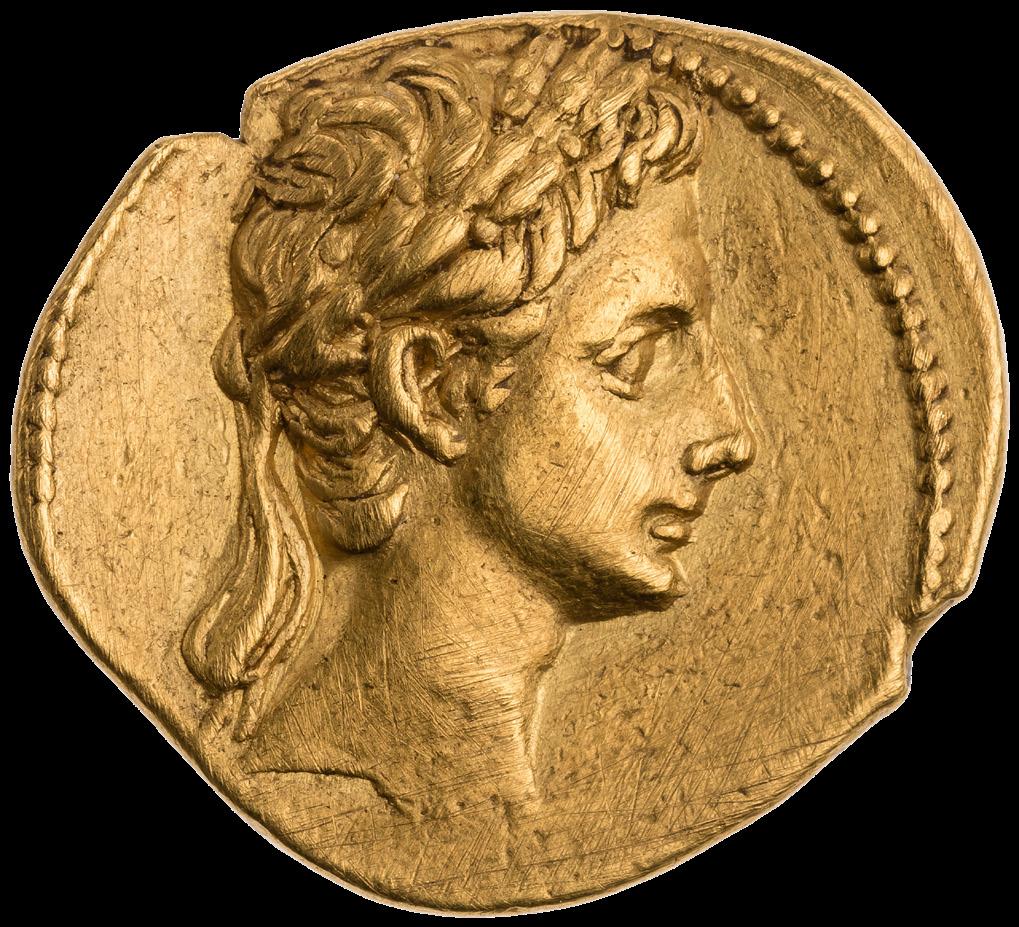
Caesar’s heir, Augustus, who reigned as emperor from 27 BCE to 14 CE, understood the power of coinage and its imagery. After decades of civil war, his coins projected images that suggested peace and restored order within the Roman Empire. The beautiful gold aureus shown here depicts Augustus in an idealized profile, looking calm, ageless, and serene, suggesting stability. Augustus also changed the production of coinage under his rule. Gold aurei and silver denarii were now brought under the control of the emperor. A new system of brass and copper coins for everyday transactions was introduced, which featured the large letters “S C,” Latin for “by decree of the Senate.” This reformed currency gave the empire a unified monetary system stretching from Britain to Syria, enabling well-organized tax collection, military payments, and economic activity across the empire.
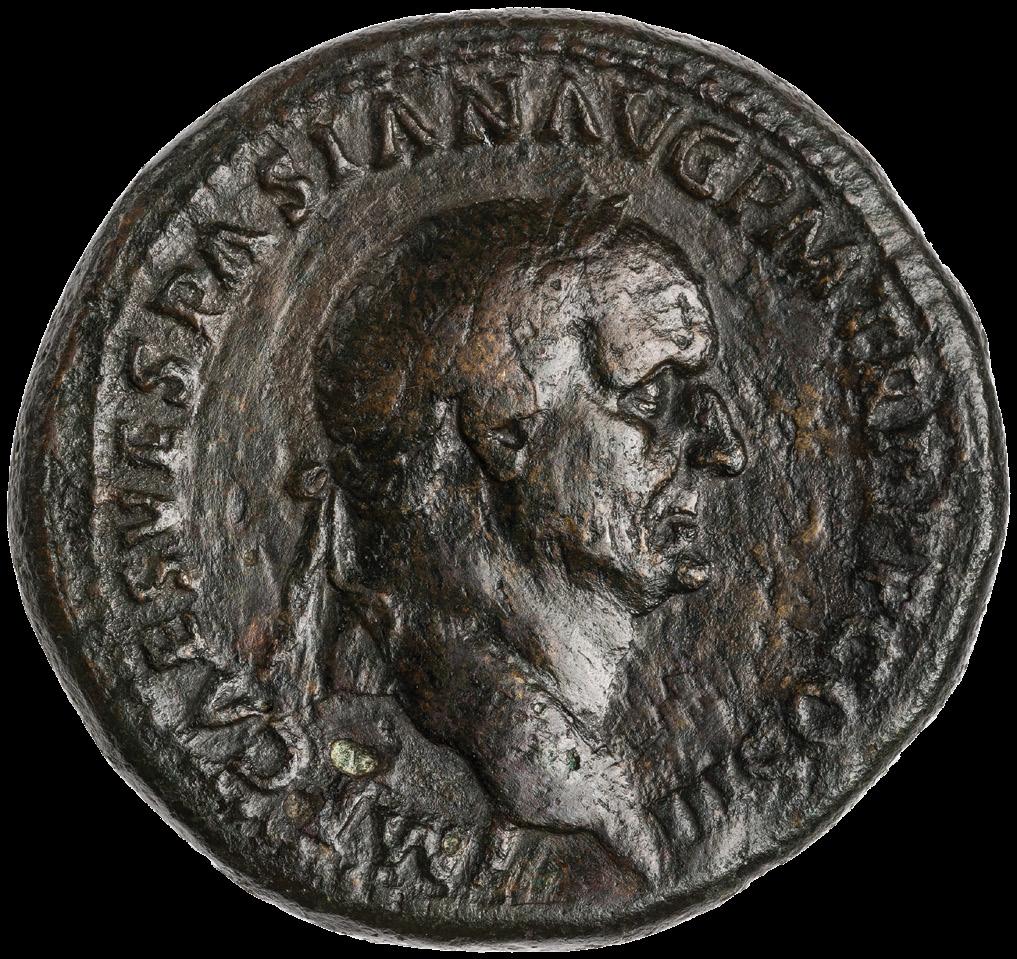
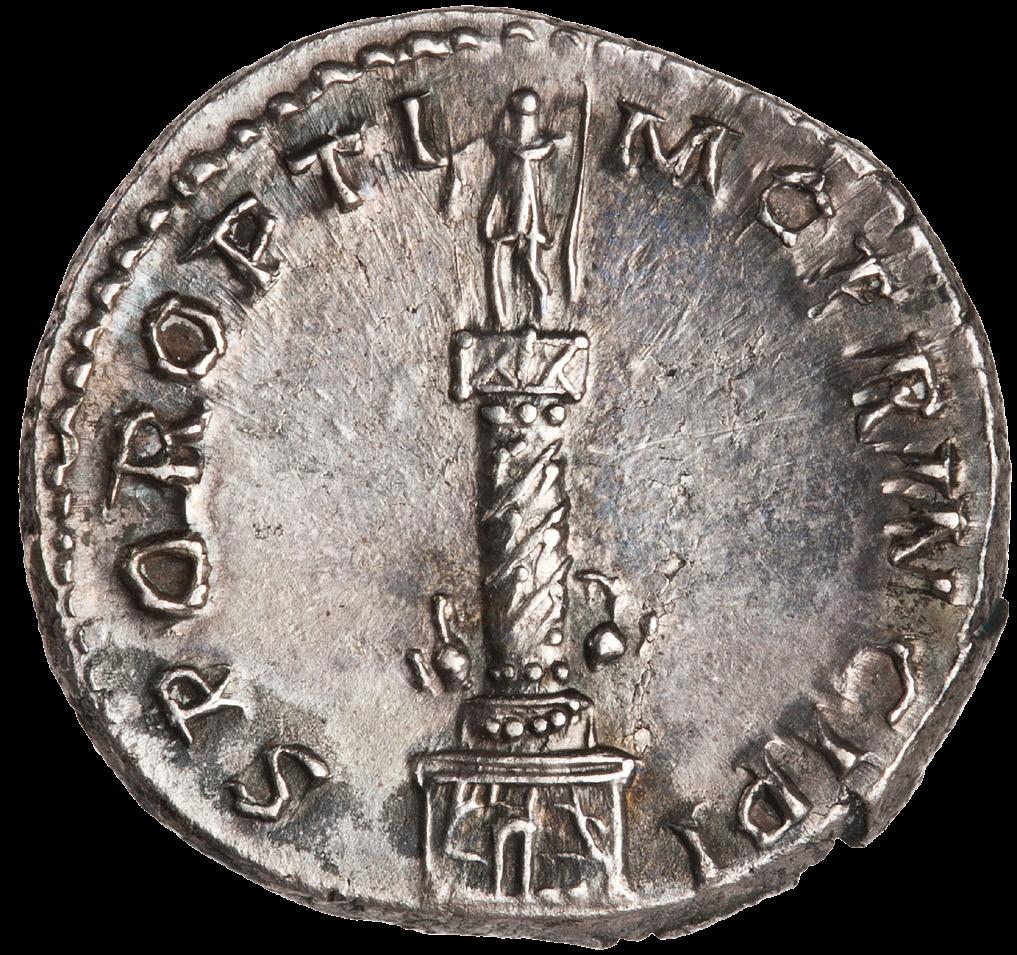
Unlike earlier Greek city coins with city emblems, Roman coins have various designs that reflect current events, such as wars and building projects. They also depicted social and moral values, which were shown as personifications. When the emperor Vespasian crushed the Jewish revolt and sacked Jerusalem in 70 CE, his coins announced: “the famous Judaea Capta sestertius showed a mourning woman seated beneath a trophy of arms, a blunt image of conquest was broadcast across the empire.”
When Emperor Trajan built his great forum in Rome, his coins depicted its column. A military victory, a new building, and an emperor’s munificence all appeared on coins. Cultural interests such as the latest women’s fashion in hairstyles also found their way onto the Roman imperial coinage.
When Rome conquered Asia Minor (present-day Turkey), it took control of the Greek-speaking world where coinage was originally invented. Interestingly, Rome allowed hundreds of cities to continue striking their own coins. This fascinating category of coinage, now called Roman provincial coinage by modern scholars, includes coins issued not by Rome but by cities across the Roman empire. These coins were struck under Roman authority, generally featuring the portrait of the reigning emperor and sometimes an empress. These coins were struck to local weight standards, often in bronze, and only circulated locally. The legends were usually written in Greek rather than Latin and their imagery drew on local traditions such as religious cults. Sometimes historical stories about a city’s founding or similar themes were used. A coin from Ephesus, which existed in modern-day Turkey, might depict the great temple of Diana.
Center: Silver
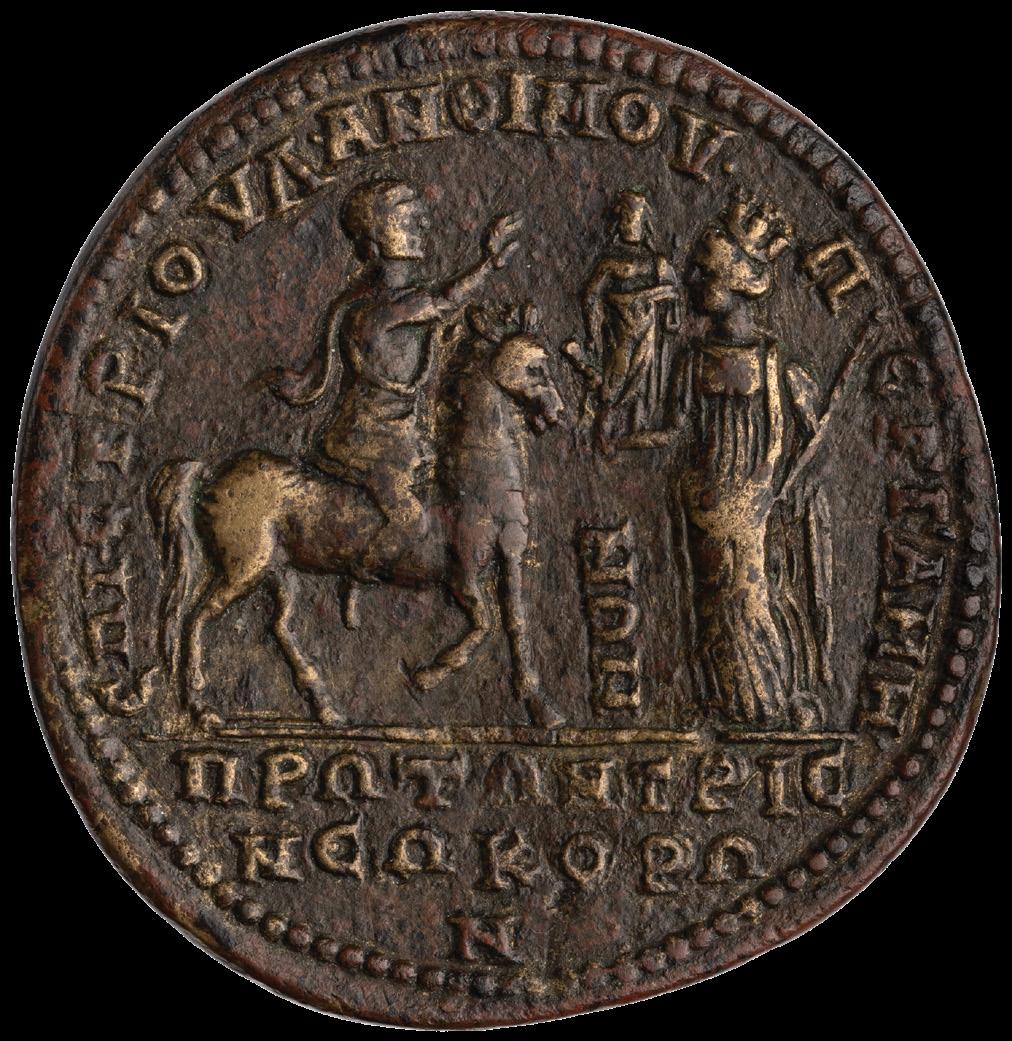
Bottom: Bronze Coin of Caracalla, Pergamum, 211–217 CE / Courtesy of American Numismatic Society
A visit from Emperor Caracalla to the city of Pergamon in 214 CE was commemorated by a bronze medallion. He was said to be a major follower of Asclepius, the god of healing, and the visit might have been a pilgrimage. We see the emperor on horseback, greeting a female figure who personifies the city and holds a small statue of the local god Asclepius in her hand. As this medal illustrates, such provincial medals served a dual purpose: they declared loyalty to Rome and the emperor, while also celebrating local identity or events such as an imperial visit.
The variety of designs on such Roman provincial coins is vast. Hundreds of cities across Asia Minor, Syria, Egypt, the Balkans, and North Africa produced their own coins. The different types of reverse designs that exist may be well into the thousands. Some cities struck coins prolifically over several centuries; others issued only a few. Provincial coinage ended in the late 3rd century CE as the Roman Empire centralized its monetary system under Diocletian’s reforms. The last major provincial city issues date to the 270s, after which the patchwork of local mints was replaced by a network of imperial mints.
As the empire faced increasing pressure from civil war, economic decline, and military invasions in the 3rd century, so did its money. Successive emperors debased silver coinage, reducing its precious-metal content until it was barely more than a bronze coin with a thin silver coating.
During the time of Emperor Gallienus in the 260s, the currency had nearly completely collapsed, along with public trust in the money, and the economy. Diocletian attempted a radical reform of the empire by dividing authority between two emperors and two junior colleagues in 293 CE. This was known as the tetrarchy, a Greek term meaning “the rule of four.” Diocletian and Maximian held the senior titles of Augustus governing the east and west respectively. Also during tis time, Galerius
and Constantius Chlorus served as their Caesars, who were junior partners and also designated as future successors. Each ruler was based in capitals close to the empire’s frontiers, in Nicomedia (Turkey), Milan (Italy), Sirmium (Serbia), and Trier (Germany). This strategy ensured that imperial authority could respond quickly to outside threats without relying on military support from Rome.
Coinage was also changed by introducing a heavier gold aureus, a silver coin known as an argenteus, and a large bronze piece known as the nummus. These new denominations were introduced to restore consumer confidence after decades of precious metal debasement. Alongside the monetary reforms, the famous Price Edict of 301 CE established prices for roughly 1,200 goods and services, which included grain, teachers’ wages, and even enslaved individuals.
Despite its wide-ranging goal, the edict proved largely unenforceable and was abandoned within a few years. Nevertheless, it is of great interest to modern scholars as it provides an overview of the late Roman economy.
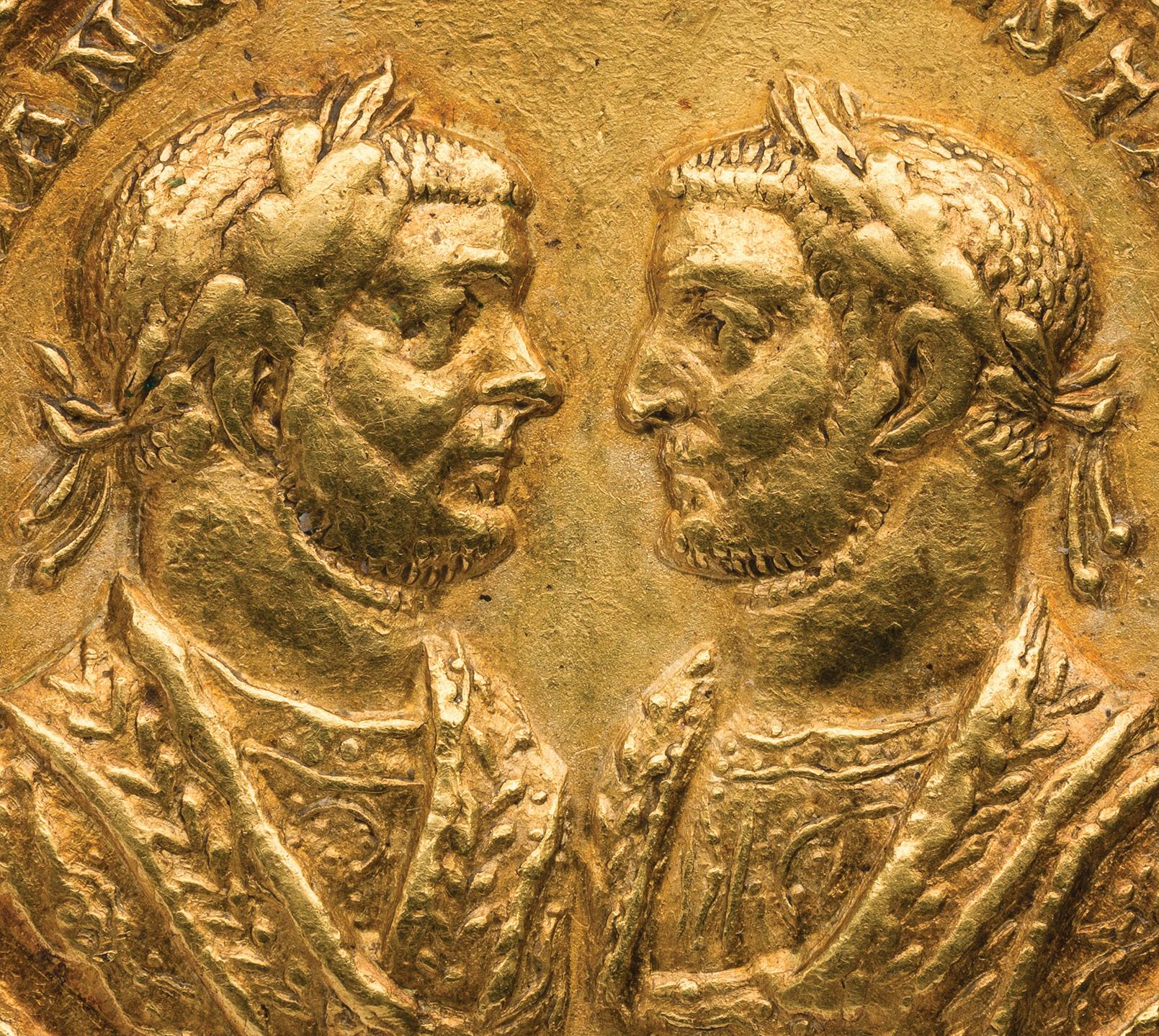
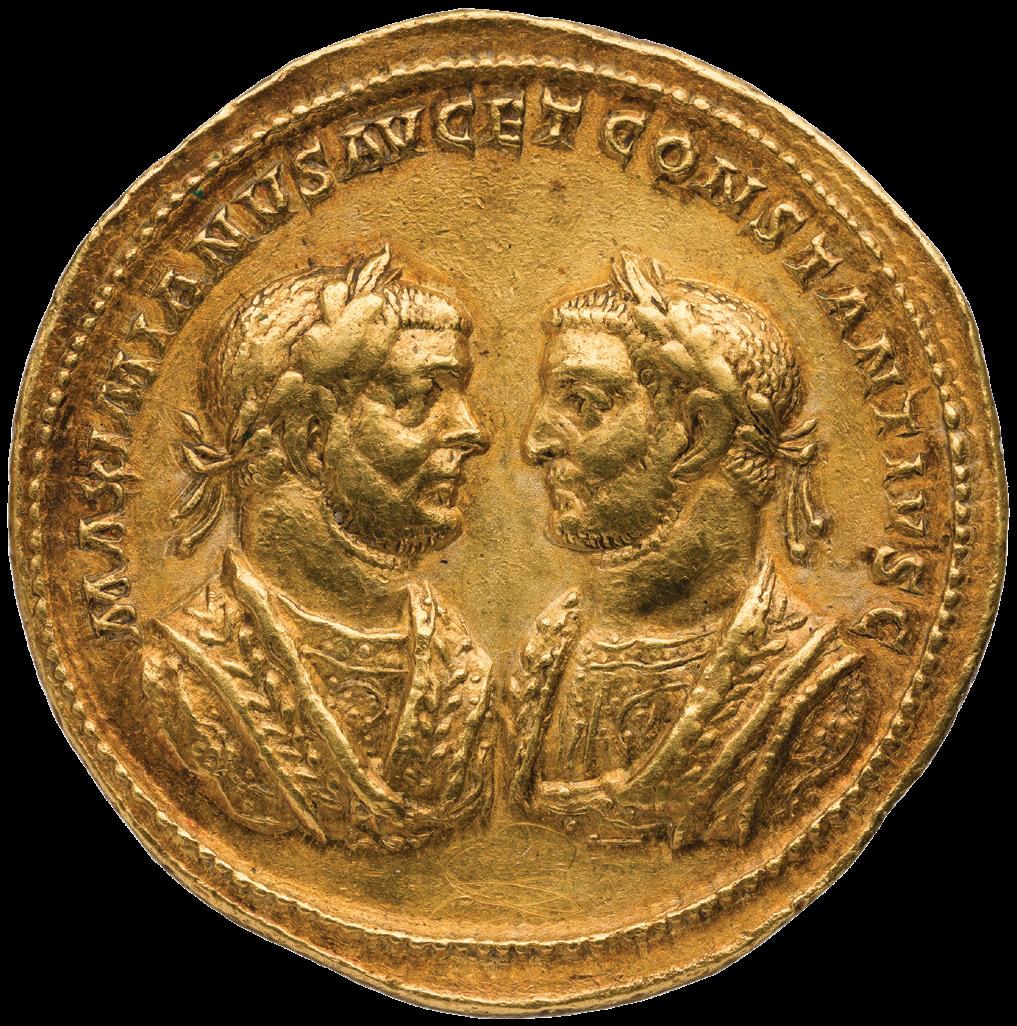
Apart from coins being used for payments, so-called medallions, which are large coin-like pieces often made from gold, survive today from the late Roman period. These medals were originally used as gifts given to officials and other people in the imperial court. A notable example of this medallic issue that weighs almost two ounces of gold was discovered in a famous hoard unearthed in 1922 near the Belgian town of Arras. It probably represented the property of a senior officer who was involved in the recapture of Britain from the usurper Carausius. The piece today resides in the American Numismatic Society and displays double portraits of the members of the tetrarchy, facing each other on obverse and reverse.
It was Constantine 307–337 CE, who found a lasting solution to the monetary problems by creating new gold coinage. The first Christian emperor abolished the aureus and replaced it with the solidus, which weighed approximately 4.5 grams of pure gold. This new denomination became the stable currency of the late empire and lasted for centuries. The solidus outlived Rome and became the foundation of the Byzantine monetary economy.
Having converted to Christianity, Constantine plundered the vast reserves of gold in the old pagan temples, and this partially funded the minting of the new gold coinage. Silver played a much smaller role in the economy. Bronze denominations continued to shrink in size, and value throughout the 4th century that reflected persistent inflationary pressures on everyday transactions.
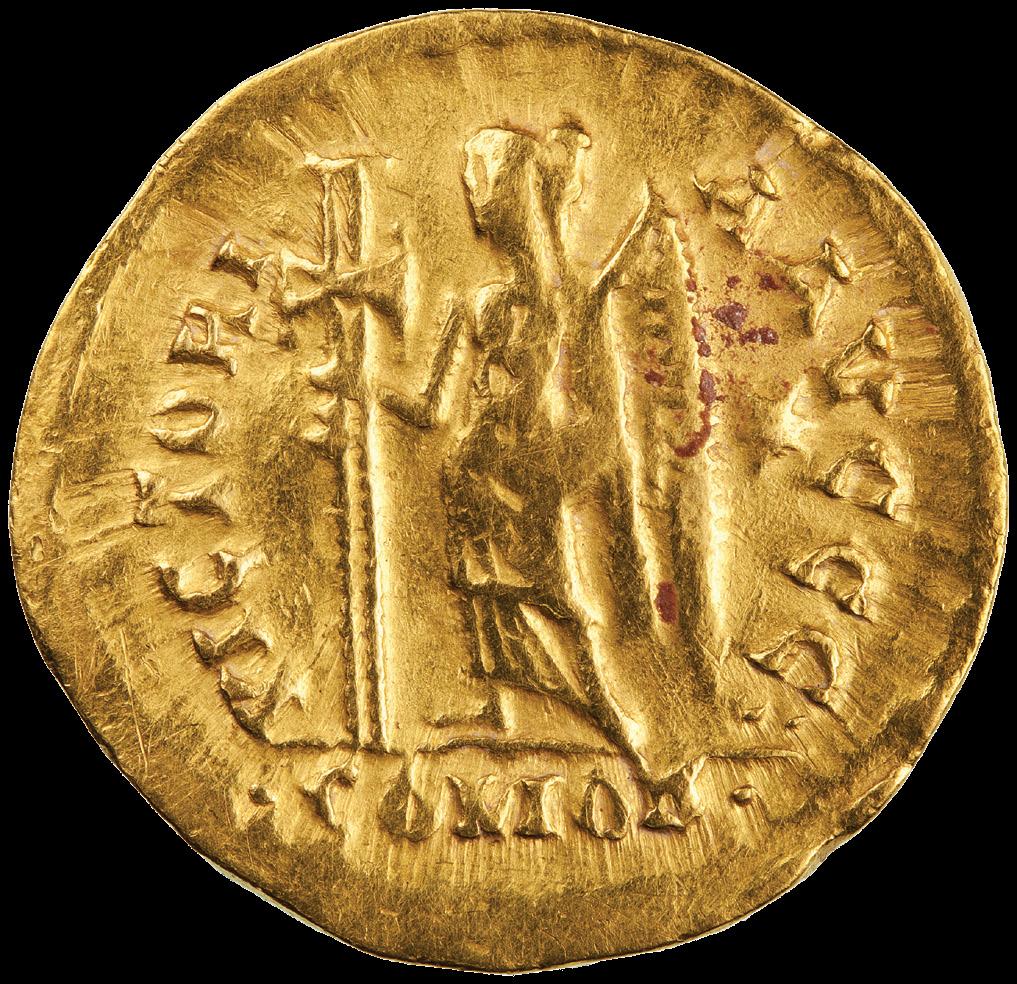
As the Western Empire became fragmented in the 5th century, coin production became increasingly irregular. Barbarian successor kingdoms such as the Ostrogoths, the Visigoths and the Franks initially imitated imperial types to lend their currencies legitimacy before gradually developing their own tradition. The last Western emperor, Romulus Augustulus, was deposed in 476. A solidus in the American Numismatic Society collection shows Victory holding a cross that illustrates the end of Roman imperial coinage.
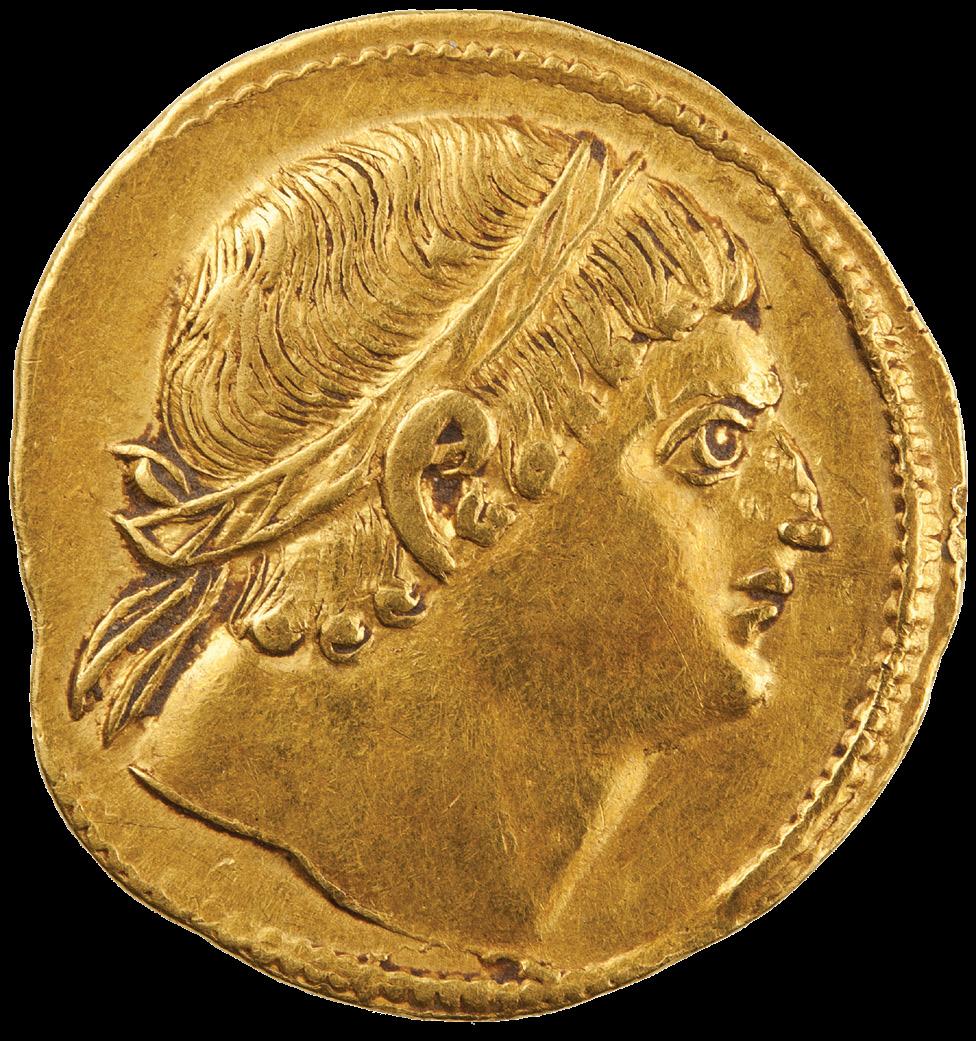
of
Augustulus, Mint of Mediolanum, 475–476 CE / Courtesy of American Numismatic Society
By Sanjay C. Gandhi
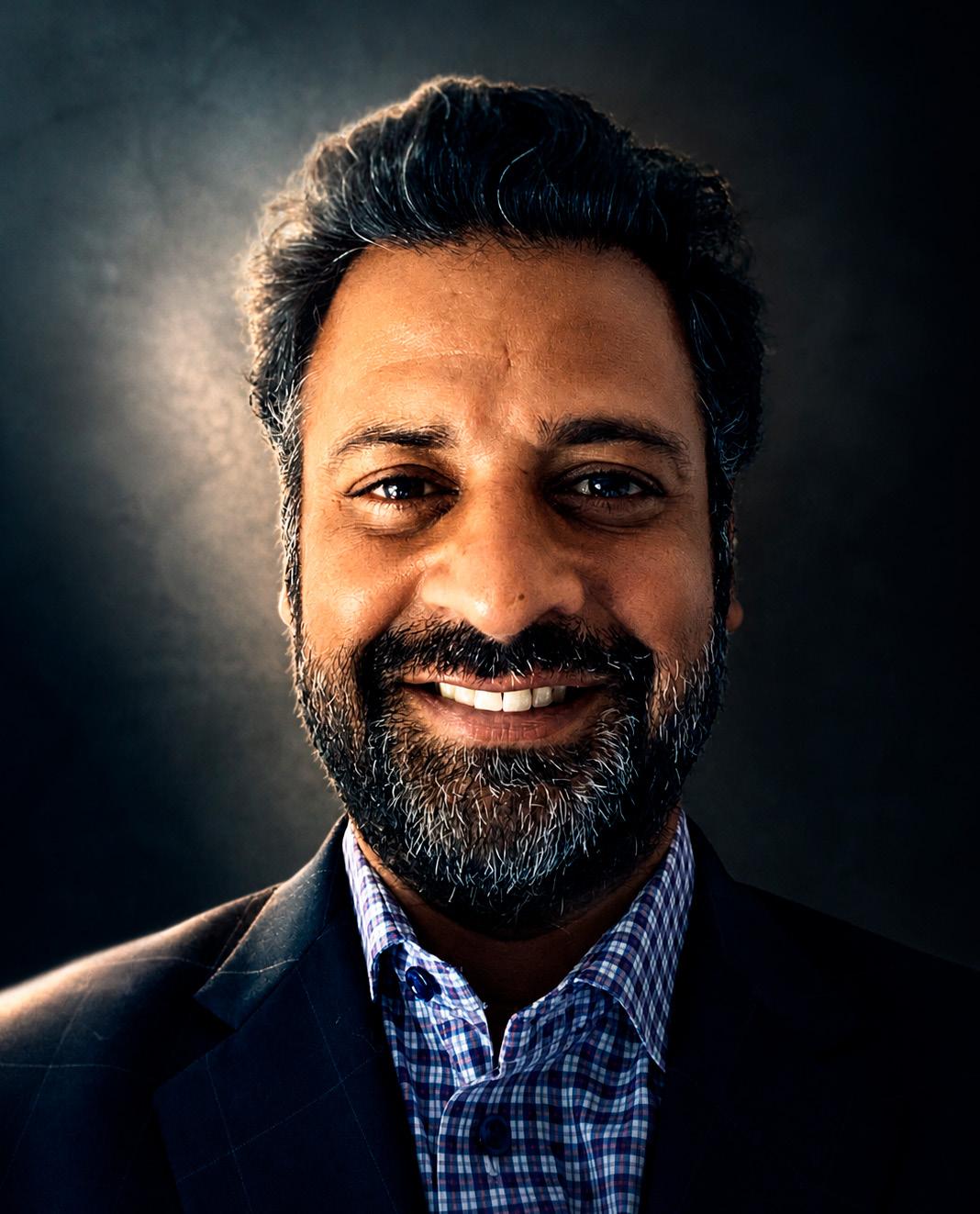
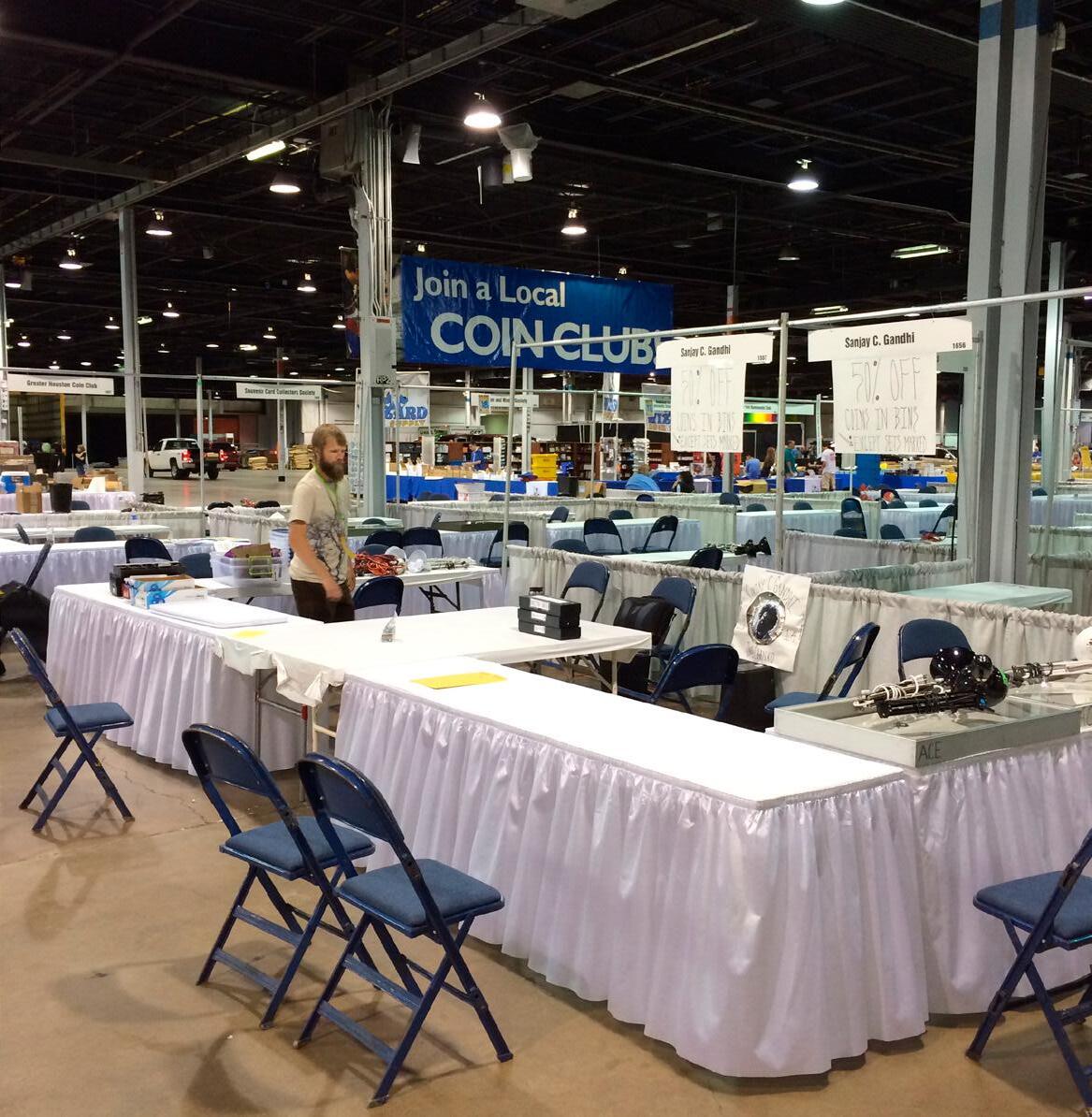
The first connection I had with coins was at the age of six. My dad received a brochure from a company that promoted gold coins. He never bought any gold coins from the marketer but ended up putting a down payment on a house in June of 1978. In December of that year, our family took a trip to India, and my father returned to the United States two months later. My mother and I got stuck in India for almost a year due to issues with our visas. During that time in India, we lived at my grandfather’s house, which was in the inner city of Ahmedabad. There are 28 states in India and Ahmedabad is in the state of Gujarat. It was at my grandfather’s home that I received a coin or token from one of
my cousins as an eight-year-old. I became fascinated by this coin but couldn’t read the date as it was in Arabic numerals. I showed it to my grandfather, who said, “This is dated 1666.” I thought, “Wow, that’s so old and neat!” This encounter sparked my interest in coins.
In November 1979, our visas cleared and we departed from Bombay, India, to head back home to Bridgeville, Pennsylvania, 16 miles southwest of Pittsburgh. I came back to South Fayette Elementary School, named after French General Marquis de La Fayette, and advanced to third grade. The last vivid memory I had from second grade was listening to the soundtrack
from the movie Grease and imitating John Travolta singing “Greased Lightnin’” with classmates. Music has deeply resonated with me from a young age, as my father was always listening to music in our home. Also, my boyhood classmates and I were smitten with singer-actor Olivia Newton-John, who was Travolta’s co-star in Grease. Somewhere between second and third grade, cursive writing was introduced, which I had not learned and therefore reading the chalkboard was not possible. You could say I was illiterate. Mrs. Abruzzi recognized I couldn’t read cursive and wrote in print for me so I could comprehend lessons on the chalkboard.
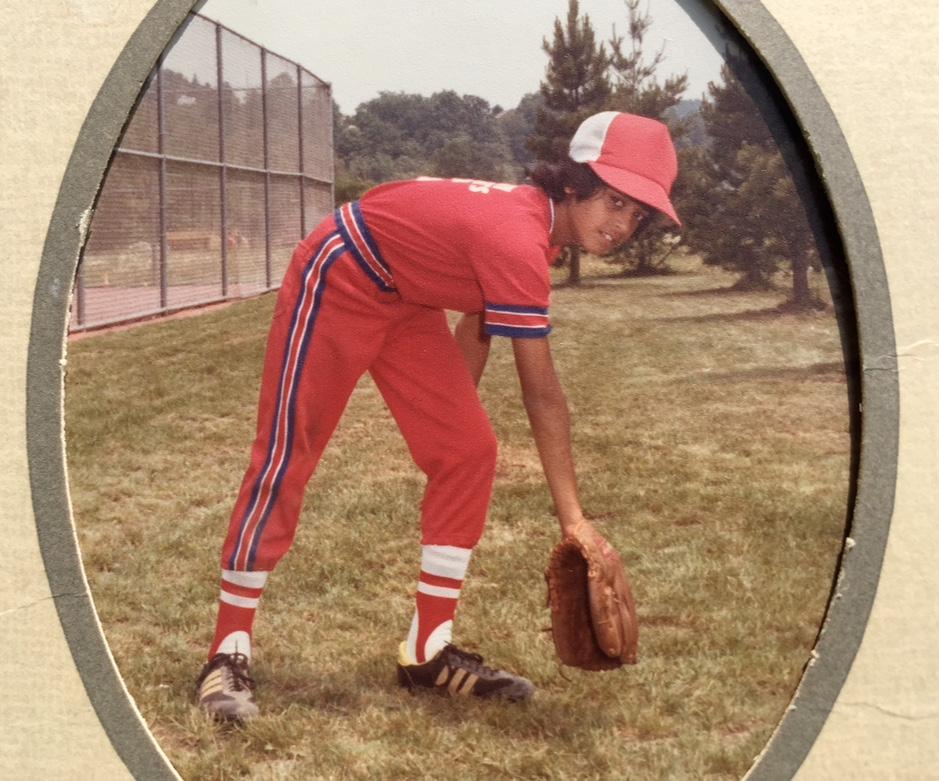
Most of my days in India were spent shooting marbles, playing cricket, lighting fireworks, eating ice cream, and doing everything but being studious. In the spring of 1980, at the age of nine, my father signed me up to play baseball in a league called the Mighty Mites. I had never played baseball. My father bought me a lefthanded glove, and my coach happened to be left handed as well. Coach Bill Eckman tried to teach me to bat left-handed but was unsuccessful. He then realized that I was better at batting right-handed, just like baseball great Rickey Henderson. I played centerfield, first base, and on one rare occasion I pitched.
Baseball became my passion – as did collecting baseball cards, playing tackle football without pads, riding my Huffy bike, eating newly introduced candy like Nerds, and playing my Atari 2600 videogame console. Studying took a back seat to all of the above activities and the only thing
I studied intensely was the video game Donkey Kong. But baseball was my sanctuary, as was art class. I was never a good artist but liked perspective, colors, history, and design. I always stayed in art class for extra time and listened to music.
In 2023, my dad randomly said to me, “By the way, you had a scholarship to play baseball at Edinboro University in Erie, Pennsylvania.” I replied, “Dad, why didn’t you tell me?” He said, “You wouldn’t have studied.” I replied, “Dad, I didn’t study anyways!” He retorted, “Yeah, that’s true.” The truth is that I didn’t have the discipline or the talent to be a professional baseball player. My applications for college landed me at a Penn State University satellite campus for two years and then the school’s main campus in State College, Pennsylvania. At the end of my second year of college, I decided to pursue a degree in marketing, as my grades were too low to choose finance. Studying was never one
of my strongest points during my college years. I was more interested in volleyball, tennis, dancing, music, fashion, comedy, and shooting pool. I graduated in January of 1994 with a 2.52 grade point average (GPA), meaning I was a “C” student. My grades were average, but my GPA in my marketing classes was above 3.40 in total. For some reason, I enjoyed classes about buyer behavior, product cycles, aesthetics of package design, and marketing in general. Within the subjects of pizza and chocolate, I acquired my PhD many years later.
Once I left college, the realities of finding a job hit me, and soon I was working at a TGI Friday’s restaurant for a few months. In January 1995, I was hired by PNC Bank in Pittsburgh, Pennsylvania, as a call center representative wearing a suit and tie. By 1997, I was with PNC Brokerage as a customer service representative, and passed my Series 6 and Series 7 licenses, meaning I could execute trades for customers who called into our service center. I was also announcing what the daily Dow Jones and NASDAQ closings were on a recorded telephone line. In April 1999, I was let go by PNC Brokerage and my career path changed.
In 2000, I found myself back in the restaurant business as a bartender-waiter. One day at the restaurant, I made a partnership with a co-worker listing items on eBay to try making extra money. Karl Salvini photographed the items I purchased, and I would list them on the site. The first item I bought was a leather jacket from “WU-Wear,” which was designed by the rap group WU Tang Clan from New York City. The jacket was a little gaudy but well made and it sold for three times what I paid for it! This sparked a new venture for me, and I started selling men’s clothing on eBay. All of my auctions started at one cent and included dress shirts, belts, pants, boots, tie clips, and neckties – all new. I sourced
from many stores like Neiman Marcus and TJ Maxx, and put my marketing skills to use that I learned in school with my eBay listings. The photographs I posted were all shot by me using a Sony 3.2 megapixel digital camera. Neckties were a failure at first but quickly became my specialty, and I sold over 12,000+ over an eight-year span! I don’t wear ties myself often but absolutely love colors and there are certain patterns that visually enamor me. I became well versed in luxurious-feeling fabrics like cashmere as well as fine wools and cottons selling pieces with fancy labels such as Hermes, Dunhill, Charvet, Emenegildo Zegna, Kiton, and Duchamp.
Another designer I sold was Giorgio Armani and I would write a short paragraph about him in my eBay descriptions. For example, Armani went to medical school and ended up becoming a fashion designer. Auction website eBay was where the start of my career as a writer began. I would learn about some of the struggles these artists faced as well and these stories would inspire me. My father, mother, and brother helped me run this micro business while I was working in a restaurant. I didn’t make much money from this business but it allowed me creative freedom and I loved shooting picturesque photography. It was in 2007 when I bought my first graded world coins from eBay, and I didn’t know anything about world coins. The pictures of the coin were cool so I bought them for myself. I knew my father was occasionally still buying U.S. Mint products but I didn’t know a market existed for graded coins. When I managed the eBay clothing business, I always wondered how I could increase the average selling price of my products, and clothing seemed to be capped. Coins would soon become “The Answer,” like professional basketball star Allen Iverson.
I started dabbling in coins from British India between 2008 and 2009 while I was
working in the restaurant business. By 2010, I was out of money, and I wanted to leave the food service industry. I took a position with ADP (Automatic Data Processing) to sell workers’ compensation insurance, and I got the job in September 2010. Later that September I got lucky with the sale of a coin in an auction, it changed my fortunes somewhat, and that piqued my interest in coins even further. Shortly after this sale, I passed both of my insurance exams with a score of 72%, 70% is passing, and the perpetual “C” student’s journey continues. I found myself bringing my graded coins into work and showing them to my colleagues. Ironically, the head of the department, Denise Biehl, her father, was a numismatist! After six months, I made the decision to become a full-time coin dealer by resigning from ADP with the encouragement from my coin mentor Stephen Corvin. For several years, I sold coins on eBay, sold coins through Heritage Auctions, and by 2016 I was out of money, again. During this time, my friend/mentor Ron Milcarek encouraged me to stick with coins at my darkest hour. I started cataloging for Heritage Auctions in 2016 and reported to Matt Orsini, who is now the director of world and ancient numismatics at Stack’s Bowers Galleries. In 2017, I started a new position as a coin trader with World Numismatics LLC, which was spearheaded by Kent Ponterio.
I continued cataloging for Heritage Auctions on occasion and Stack’s Bowers as well. In 2019, I parted ways with World Numismatics LLC, and started at a new position with an alternative grading service as a vintage world coin grader for 11 months. By April 2020, I was back in the job market, and I was referred to PCGS by a friend. After a few interviews, in July of 2020, I was hired by PCGS as a senior world content manager. My career started in the PCGS Set Registry, Cosetta Robbins helped me transition into this role and I am immensely grateful to her for her patient
guidance. I was given the opportunity to write for PCGS by Editor-in-Chief Joshua McMorrow-Hernandez! Josh’s support, encouragement, and professionalism has allowed me to continue my growth as a writer at PCGS. Soon, more opportunities would arise to collaborate with Senior Manager of PCGS Marketing Heather Boyd, Director of Sales Taryn Warrecker, and PCGS President Stephanie Sabin, as well as many others at PCGS.
I don’t play baseball anymore but you might find me at Payne Park Tennis Center in Sarasota, Florida. Or maybe I’ll be dancing salsa and bachata, which is a hobby for me just like coins. I also appreciate toned coins and collect them when I can find colorful examples that appeal to me. What I have learned in numismatics the past 15+ years is immeasurable. I’ve been able to learn more about the arts, music, history, and sharpen my marketing skills. My knowledge base of coins has grown beyond British India from my earlier years in coins.
Because of coins, my interest in reading has increased exponentially, and I read books to my dad at night. Relationships that I have had in the past continue to grow and I get to meet new people as well. My mentors, which there are too many to name, have guided me properly, and I’ve been lucky to have them in my life. Mom still gets to hear about my coin stories, which she tolerates, and so does my dad’s caretaker Adela. The journey in numismatics continues, my knowledge base grows, and I get to work with exceptionally talented folks at PCGS. Had it not been for my co-workers’ support, I would not have been able to make the contributions I have made to PCGS so far. Working alongside folks at PCGS has also allowed me to grow in many respects and for that I am grateful. In addition, I was able to turn my hobby into a career — which is pretty cool!
By Michael Markowitz
Money existed for centuries before the invention of coins. Ancient Egypt, Mesopotamia, the Indus Valley civilization, and ancient China developed sophisticated economies without coinage. Egyptian workers who built the pyramids were paid in loaves of bread, jars of beer, and other commodities.
Economists define “money” in terms of three functions:
• A store of value: You can save it
• A medium of exchange: You can trade it for other things
• A unit of account: You can use it to compare what different things are worth
Cows, cowrie shells, bronze tripods, bolts of cloth, and many other things served as cash in various ancient societies. Ancient Aztecs prized chocolate (cacao beans) as money. But cattle on the hoof and perishable foods were not very practical “stores of value.” The earliest cash transaction in Western literature is recorded in the book of Genesis (23:16), wherein patriarch Abraham needs to buy a cave to bury his wife, Sarah, an event traditionally dated around 1850 BCE:
“[A]nd Abraham weighed to Ephron the silver, […] four hundred shekels of silver, current money with the merchant.”
Israel’s modern currency is still called the shekel, but the shekels Abraham carefully weighed out on a pan balance were not coins, but bits of broken ingots. Archaeologists use the German word hacksilber to describe these chunks. There were various weight standards in the ancient Near East, but Abraham probably used the Babylonian shekel, which is about 11.5 grams. Abraham’s 400 shekels of silver represented 148 troy ounces (US$10,784 as of this writing) and the buying power of silver mined with hand labor was vastly greater in the ancient world than it is in the present day. Exodus 21:32 set the value of an enslaved male at 30 shekels.
The U.S. Mint’s Coin Term Glossary offers this definition: “A coin is a flat piece of metal issued by the government as money.”
A widely accepted numismatic definition is: A coin is a piece of money that bears a stamp and conforms to a standard.
We expect coins to be metallic, but coins have been made from other materials, including porcelain, cardboard, leather and, most recently, plastic.
Ancient coins are similar in terms of compositions like Olympic medals and are generally made from gold, silver, and bronze. Actually, the earliest coins in the Western world, around 650 BCE, were made of electrum, an alloy of gold and silver in varying proportions. These coins were minted in Lydia, a kingdom in the southwest corner of Anatolia. These coins are neither round nor flat but crudely produced with a deep punch mark on one side. The other side exhibits rough striations on the other and they were weighed with great precision. The standard unit of weight was the stater, which weighed about 14 grams. Since the metal was so valuable, fractions were issued in 1/2, 1/3, 1/6, 1/12, and the smallest pinhead-sized denomination known as the 1/96 stater.
Lydian king Croesus, whose wealth was legendary, ruled between 565 and 546 BCE. He introduced pure gold and pure silver coins in various denominations. Standardized coinage proved to be so convenient in trade that they soon caught the attention of Lydia’s neighbors: the Greeks, Phoenicians, and Persians. Coins began carrying designs, mainly of animals, and inscriptions. The earliest known coin inscription, “I am the badge of Phanes” in Greek letters, appears on an electrum stater from the city of Ephesus, dated about 600 BCE. We don’t know who Phanes was, though perhaps they were an official or a merchant.
Athens controlled one of the richest ancient silver deposits known as the Mines of Laurion about 37 miles southeast of the city. Wealth extracted by enslaved workers made Athens a mighty cultural, economic, military, and political power. On its coinage, the city stamped its patron goddess, Athena, and her companion, an owl, is on the reverse. Millions of owl tetradrachms containing about 17.2 grams of nearly pure silver were struck between 485 and 404 BCE. These coins circulated widely and have been found in hoards across the ancient world. One tetradrachm would have been several days’ pay for a laborer.
Rome adopted the idea of coinage from its Greek neighbors. Lacking local sources of silver, the Roman Republic cast massive bronze coins during the 3rd century BCE, which are called aes grave (“heavy bronze”) by numismatists. A typical example displayed the head of the god Janus, with one face looking backward to the past, the other forward to the future. The reverse shows the prow of a warship, below a bold Roman numeral “I” indicating the denomination, and these coins weighed up to 276 grams. These coins proved to be impractical and were gradually reduced to a more convenient size that were struck and not cast.
The most famous ancient coin, by far, is the “Eid Mar” denarius issued to pay the army of Brutus, Julius Caesar’s assassin. Struck in 43 or 42 BCE in Greece, the coin bears a stern, bearded portrait of Brutus on the obverse, and two daggers, flanking a felt cap on the reverse. The cap is a pileus, given to enslaved Romans when they were freed. The inscription, “EID MAR,” abbreviates a Latin phrase Eidibus Martiis (“on the Ides of March”) referring to Caesar’s murder on March 15, 44 BCE. Brutus is saying, in effect, “with daggers we gained our freedom from a dictator.” About 100 genuine examples of this coin are known in silver and three that were struck in gold.
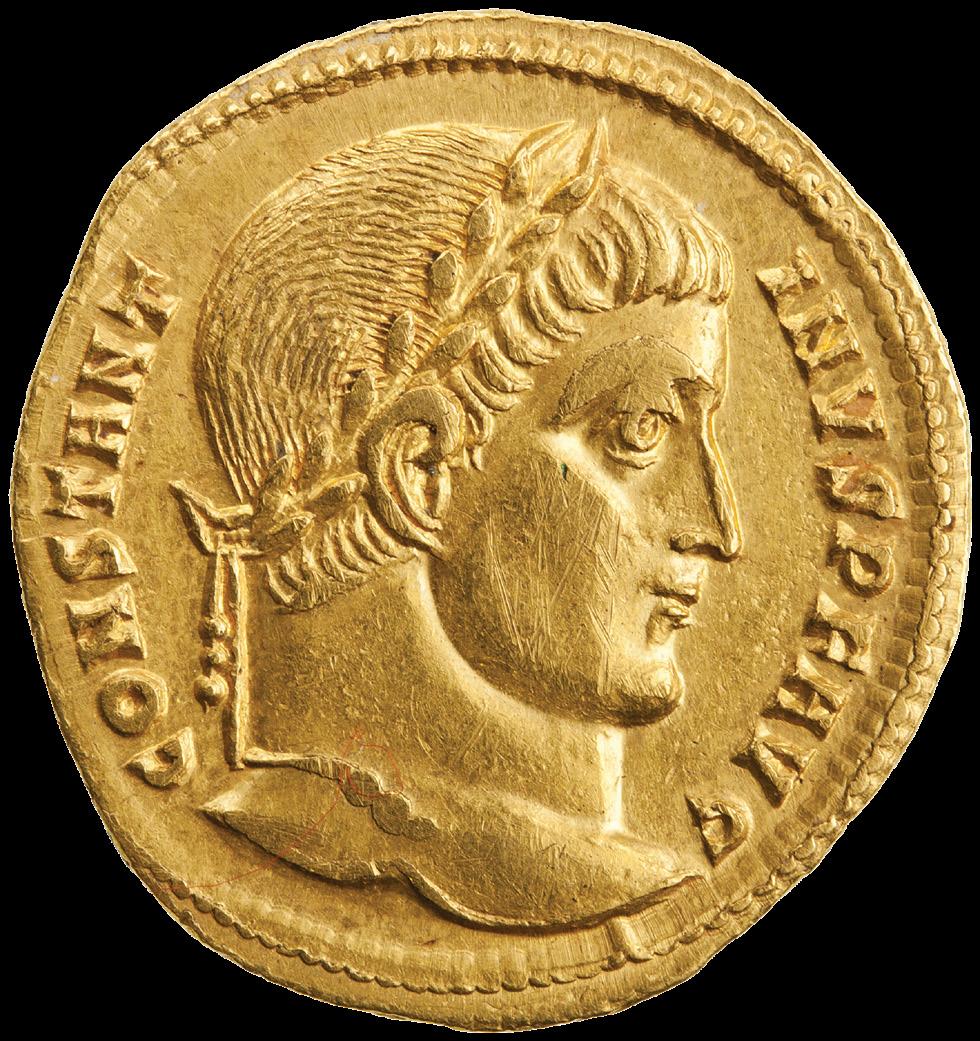
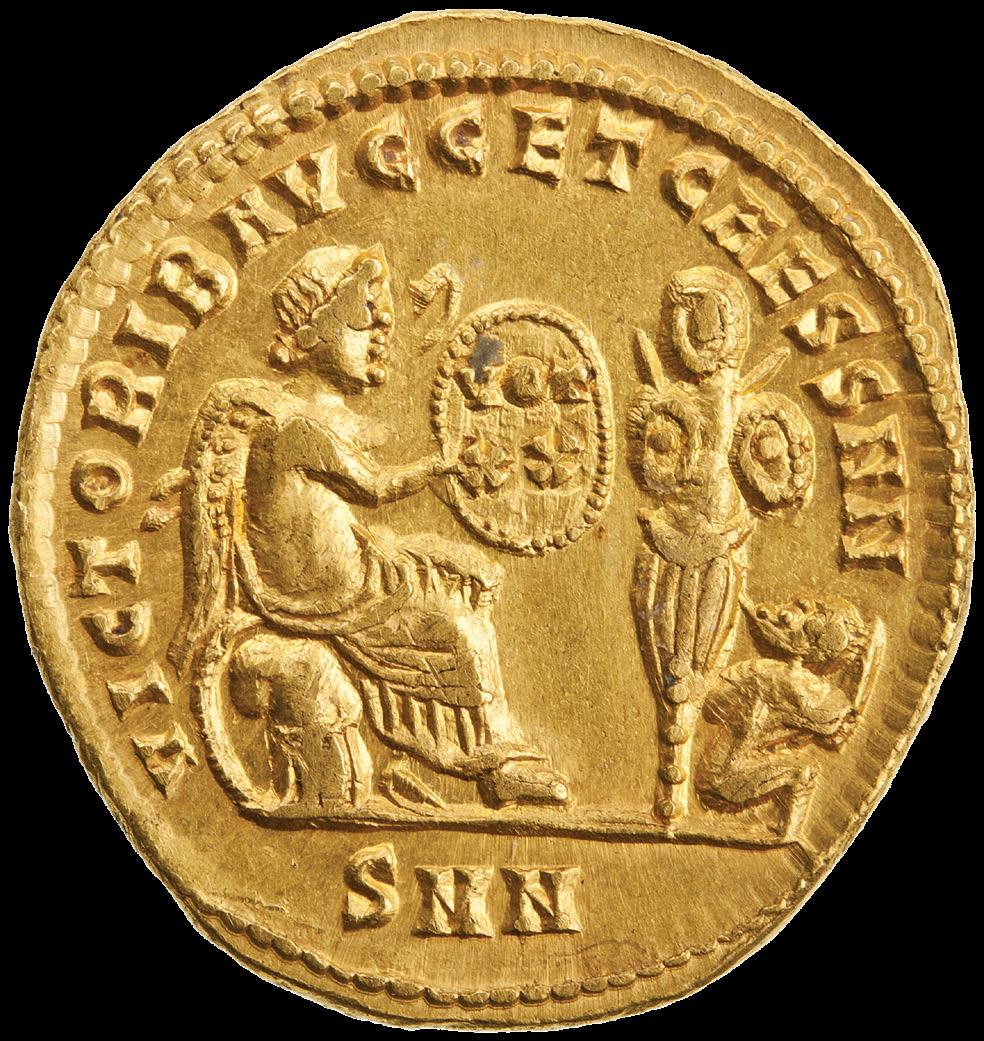
A radical transformation of Roman coinage came in 312 CE when the emperor Constantine at the time introduced the solidus, which weighed 4.5 grams. The coin was almost pure gold and struck to a standard of 72 coins to a 12-ounce Roman pound. On some solidi, Constantine appears to be gazing upward and this pose is described as “eyes to God.” Constantine ended the official persecution of Christianity but waited to be baptized when he was on his deathbed in 337 CE. Pagan imagery, such as the winged goddess of Victory, remained on the coinage for generations.
During the 8th and 9th centuries, conflicts over religious images troubled the city Constantinople. Believing that veneration of icons was idolatry forbidden by the First Commandment, a series of “Iconoclast” emperors tried to suppress the practice. On imperial coinage, a plain cross replaced portraits of Jesus, the Virgin Mary, angels, and saints. Emperor Theofilos (or “Theophilus”) who had ruled from 829 to 842 was the last Iconoclast. The reverse of his gold solidus coin bears a doublebarred “Patriarchal” cross on three steps, surrounded by a Greek inscription: “Lord, Help Thy Servant.” After about a year, Theofilos added a portrait of his son, future emperor Michael III, beside him on the obverse. This “sole reign” solidus is therefore scarce. When he came to the throne, Michael III ended Iconoclasm, restoring the image of Christ to the solidus denomination.
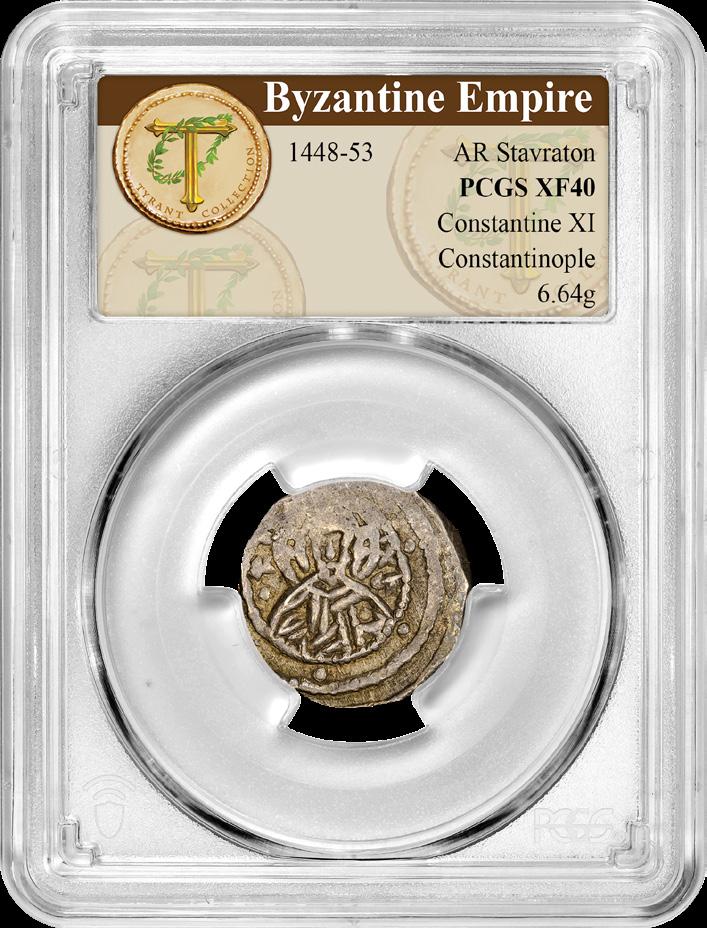
A good candidate for the title of the “last medieval coin” is during the starvation of Byzantine Emperor Constantine XI. He died fighting the Turkish assault that captured Constantinople, and this coin was struck during the siege of the city. Out of desperation improvisational methods were used, and crudely engraved dies on metal from church altar vessels produced coins to pay mercenaries defending the city walls. These coins were unknown until a small hoard turned up in Istanbul around 1974. The obverse bears a stick-figure image of Christ, the reverse carrying an equally crude bust of the emperor with a nearly illegible inscription: “Despot Constantine Palaeologos, by the Grace of God Emperor of the Romans.” (“Despot” to Byzantines simply meant “sole ruler” without implying tyranny.)
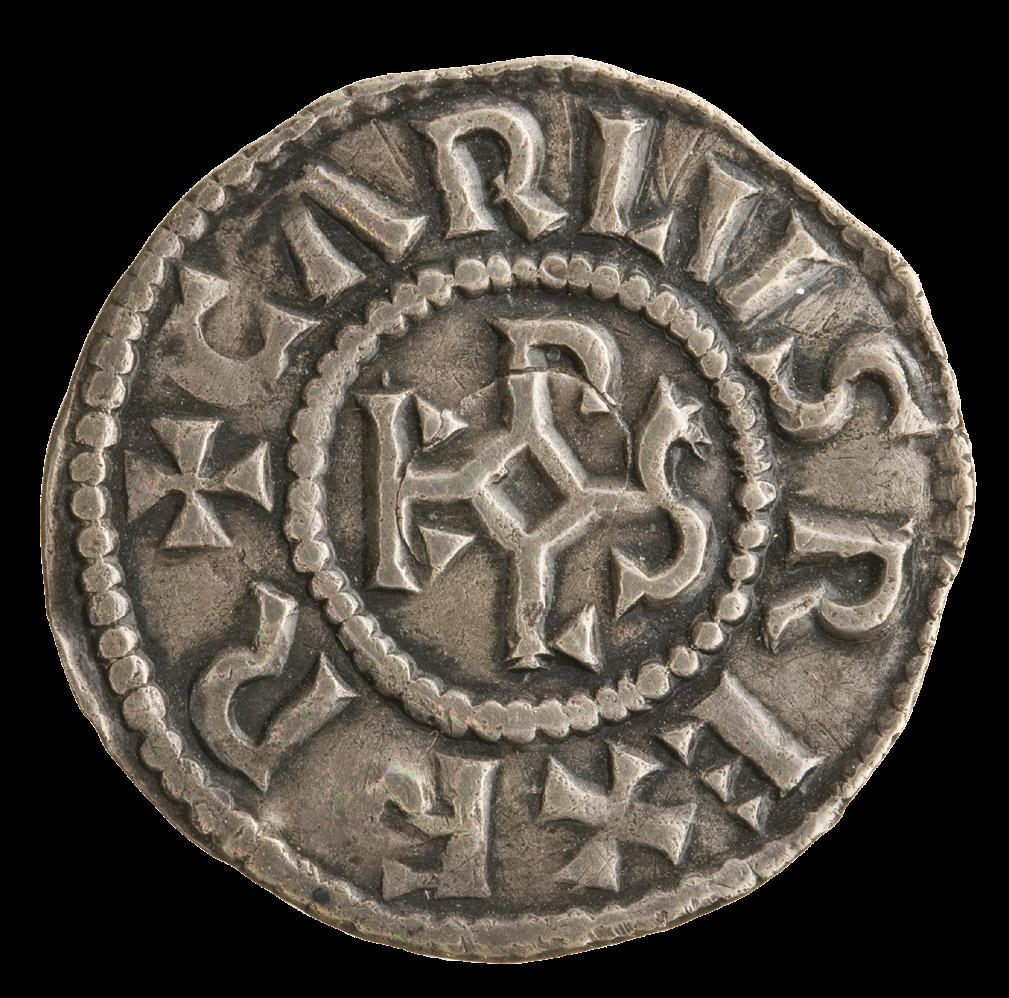
The first question most collectors ask when encountering medieval coins is, “Why are they so crude?” As the Roman Empire disintegrated, the skill of rendering a realistic human figure on a coin die was lost and did not re-emerge until the Renaissance period. Medieval coins were often struck by forprofit contractors using temporary unskilled labor. Inscriptions were cut with simple punches by engravers who may have been illiterate. Frankish king Karl “the Great,” better known by his French name, Charlemagne, lived from 748 to 814. He reformed coinage, issuing a standardized 1.6-gram silver denier or “penny” from mints across his empire. For centuries, his successors continued to strike coins bearing the monogram of his name, KARLVS.
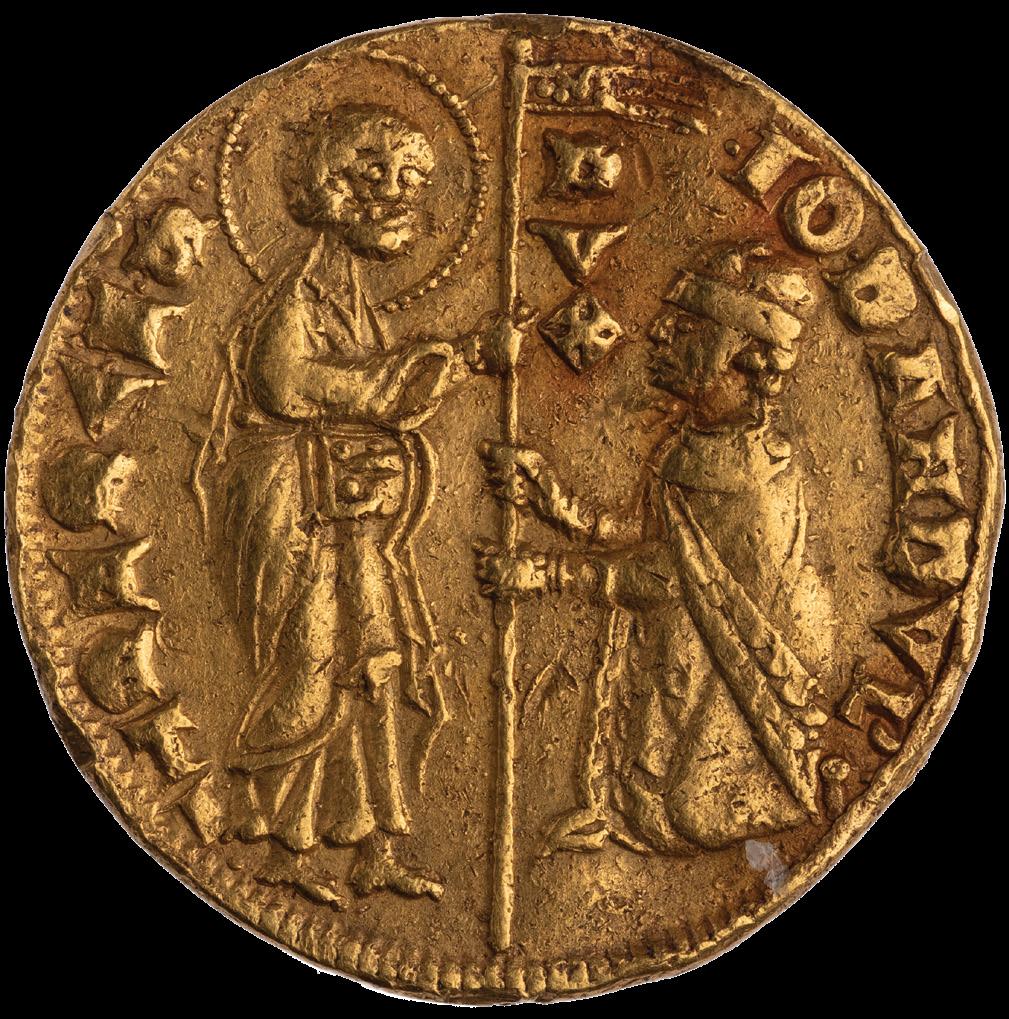
Venice created one of history’s great commercial and maritime empires. Venetians wrecked the Byzantine Empire, fought Ottoman sultans to a standstill, and defied popes and German emperors. They adorned their city with masterpieces of art and architecture that leaves tourists amazed in wonder to the present day. The quality and integrity of Venice’s medieval coining operation was a big factor in the city’s success. Introduced
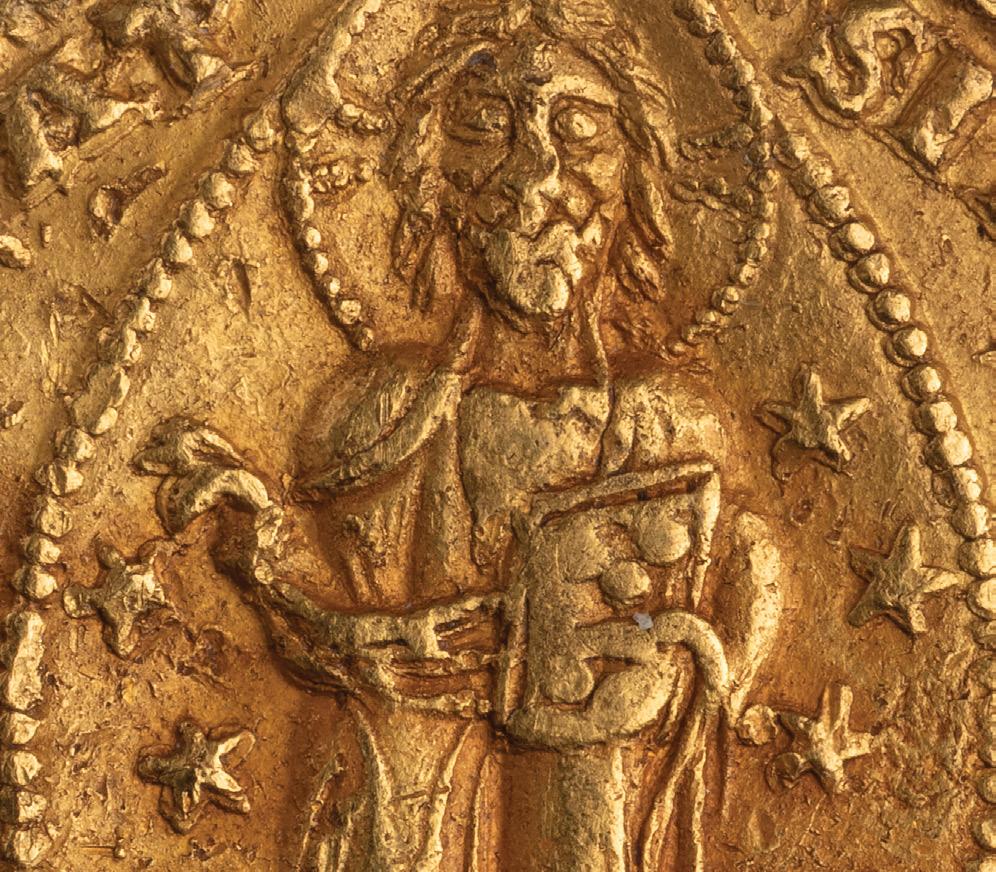
in 1284, the gold ducat of Venice became the most important international trade coinage of the Middle Ages. The obverse shows the Doge or “Duke” kneeling to receive a banner from the city’s patron, Saint Mark. The reverse bears a standing image of Jesus surrounded by an abbreviated Latin inscription: “Sit Tibi Christe Datus Quem Tu Regis Iste Ducatus” (May it be Thine, O, Christ, this Duchy which You rule). The design, weight, and purity of the coin remained unchanged until the end of the Republic in 1797.
The defining difference between medieval and modern coinage is the use of machines to replace hand-hammering. This was a slow process, often bitterly resisted by mint workers. In 1506, Italian architect Donato Bramante (1444-1514) created the first muscle-powered screw press for coins. Leonardo da Vinci’s notebooks contain a design for a “blanking press” which was a machine to punch perfectly round coin blanks from sheet metal. Unfortunately, it was never built.
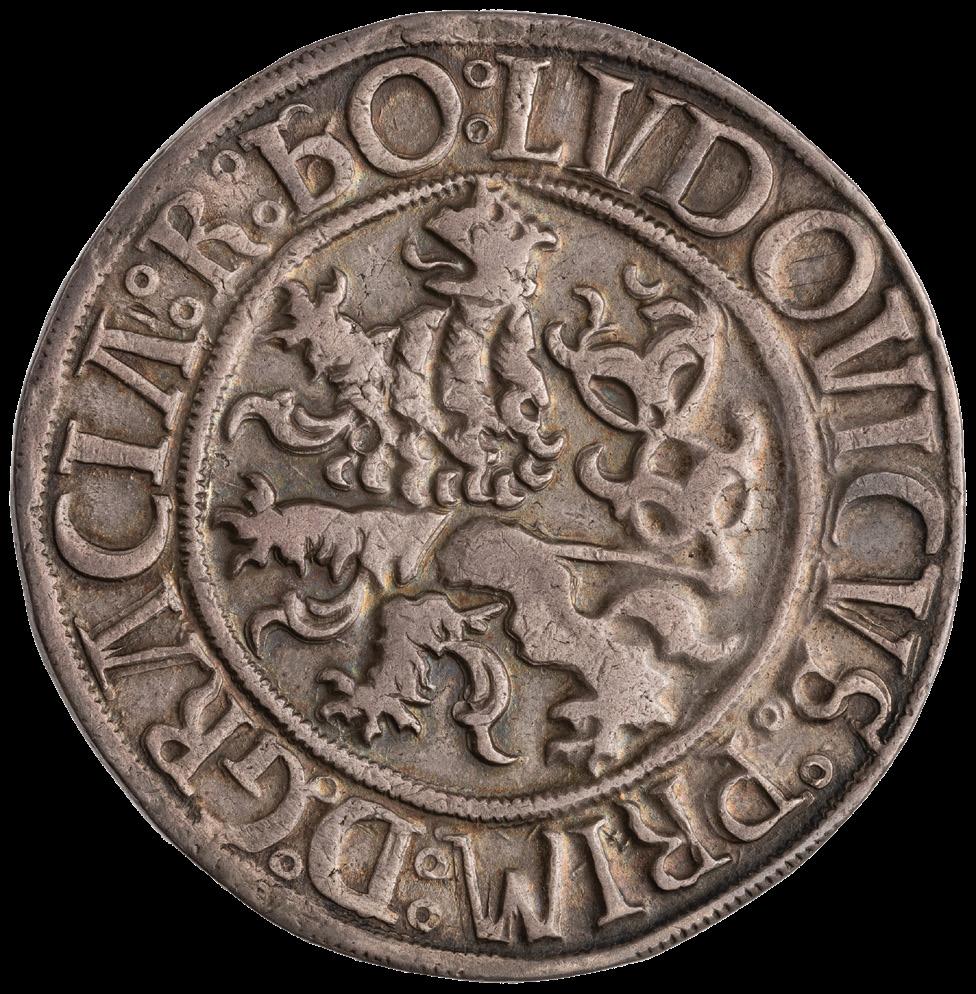
In 1512, a vast silver deposit was discovered at Joachimsthal in Bohemia, which is the modern day town of Jáchymov, Czech Republic. Minting of one of history’s most influential coins soon began, the one-ounce silver “Joachimsthaler,” shortened to thaler, taler, daler, and eventually the dollar. Widely imitated, the coin was struck in .800-fine silver. The obverse bears the image of Saint Joachim, who is the father of the Virgin Mary, and the arms of a local noble, the Count of Schlick. The reverse bears Bohemia’s crowned rampant lion and the name of Ludwig I, king of Hungary, Croatia and Bohemia (1506-1526). Spain’s thaler-sized eight real coin, known as the “Spanish milled dollar,” inspired the first U.S. dollar in the 1790s.
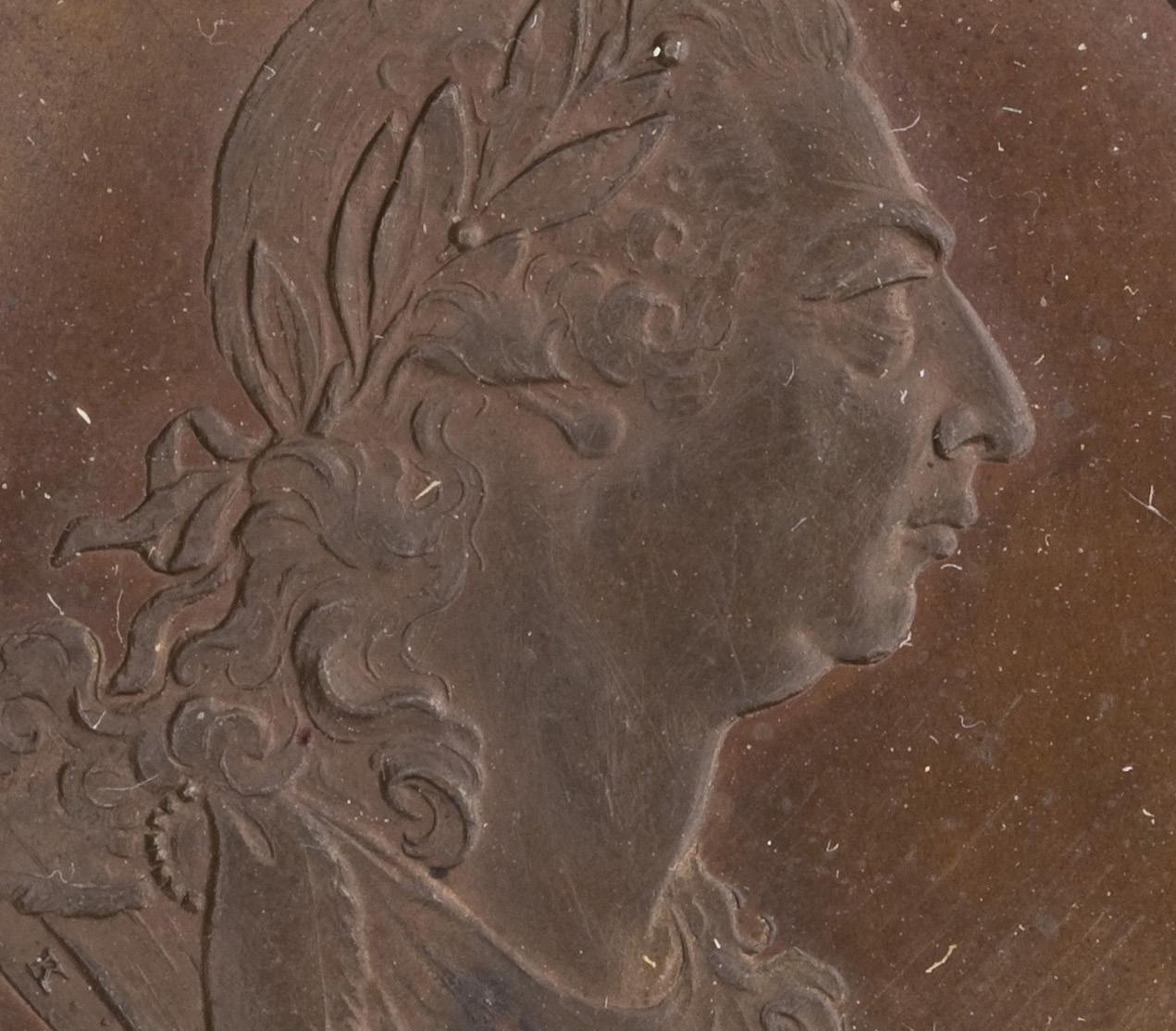
In 1696, mathematician-scientist Sir Isaac Newton became warden of the Royal Mint as Britain’s coinage was in a sorry state. Coins were badly worn, damaged, and heavily clipped, meaning people cut away portions of the metal. Newton supervised a Great Recoinage securing the currency by introducing high-quality, milled coins, such as the shilling of William III. The “reeded edge” discouraged clipping while the raised rim helped to protect against wear.
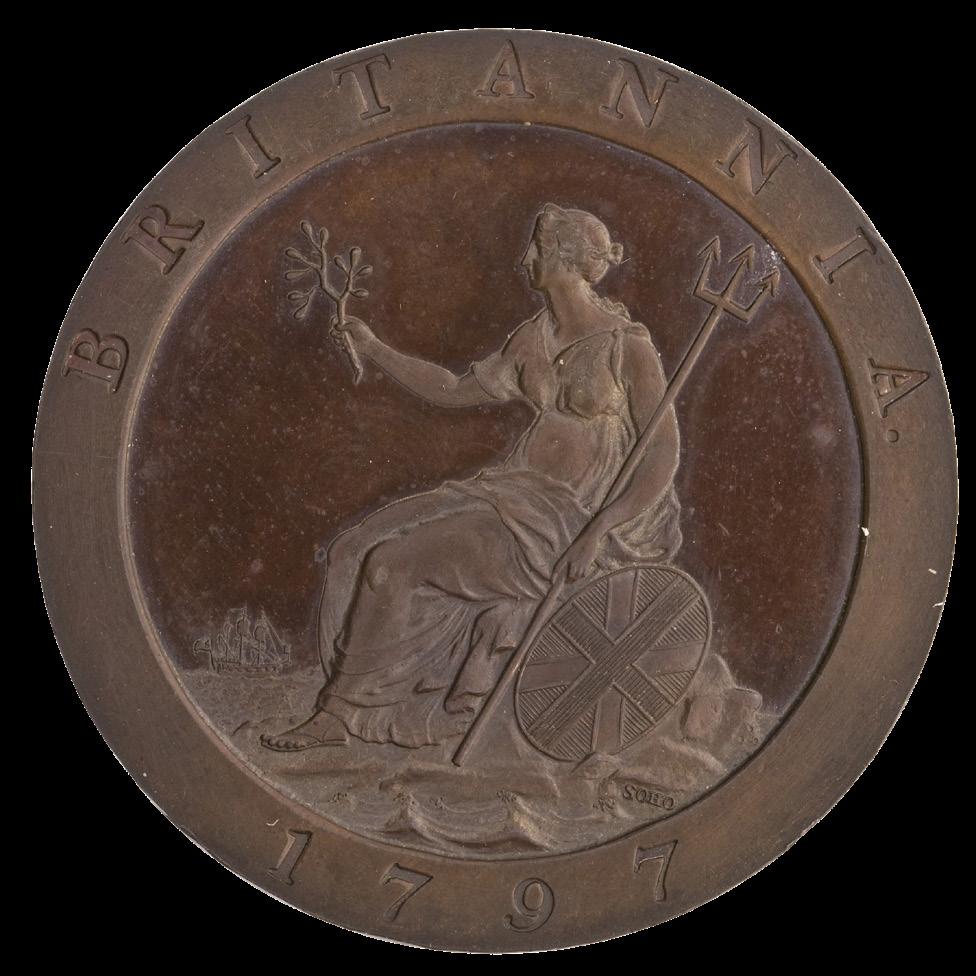
The Industrial Revolution came to minting in 1797 with Great Britain’s “Cartwheel” penny. Containing an ounce of copper, Boulton’s penny was struck in a “collar” that pressed lettering into the edge. This large-diameter coin was struck at the Soho Mint, which was established by industrialist Matthew Boulton (1728-1809). He partnered with James Watt, who was the inventor of the steam engine. Boulton perfected a steampowered coining press that could crank out 70 to 80 coins per minute. At one time, the Soho Mint shipped over 20 million copper blanks to the Philadelphia Mint to be struck into U.S. cents and half-cents.
Another characteristic of modern coinage is the disappearance of precious metals from circulation. Copper-nickel alloys, brass-plated steel, zinc, and other “base metals” replaced gold and silver. Minting of the United States one cent coin ended in 2025 as production costs rose to 3.69 cents to manufacture each cent. Many countries abandoned their smallest denomination as inflation rendered their value negligible and costs to produce these coins became prohibitive. Across the world, electronic fund transfers at points of sale increasingly make cash seem obsolete. However, investor demand for precious-metal bullion coins remains strong, and some small nations profit from the sales of novelty “non-circulating legal tender” coins to collectors. All this points to the conclusion that the end of the age of coins is not yet upon us.
By Joshua McMorrow-Hernandez
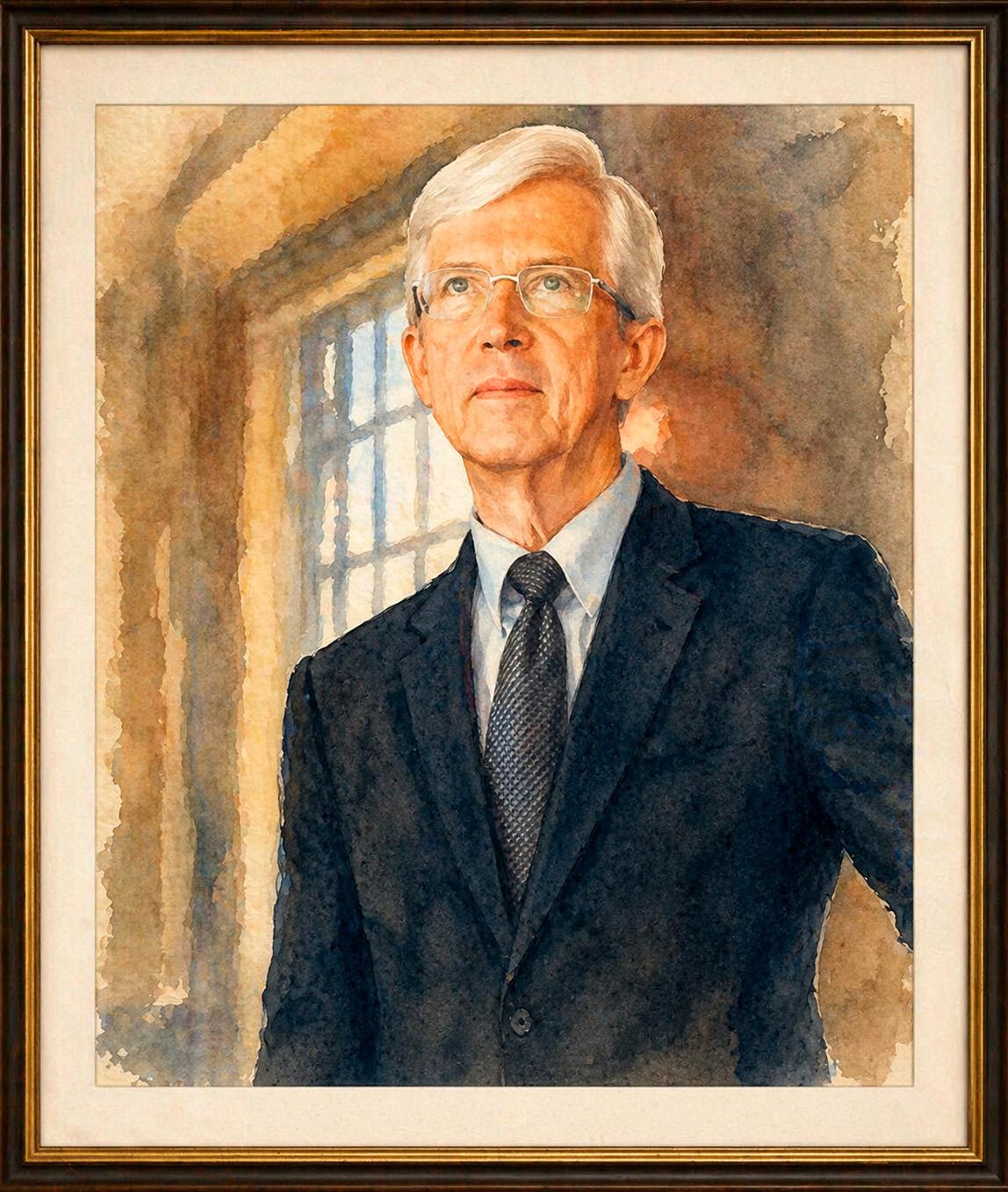
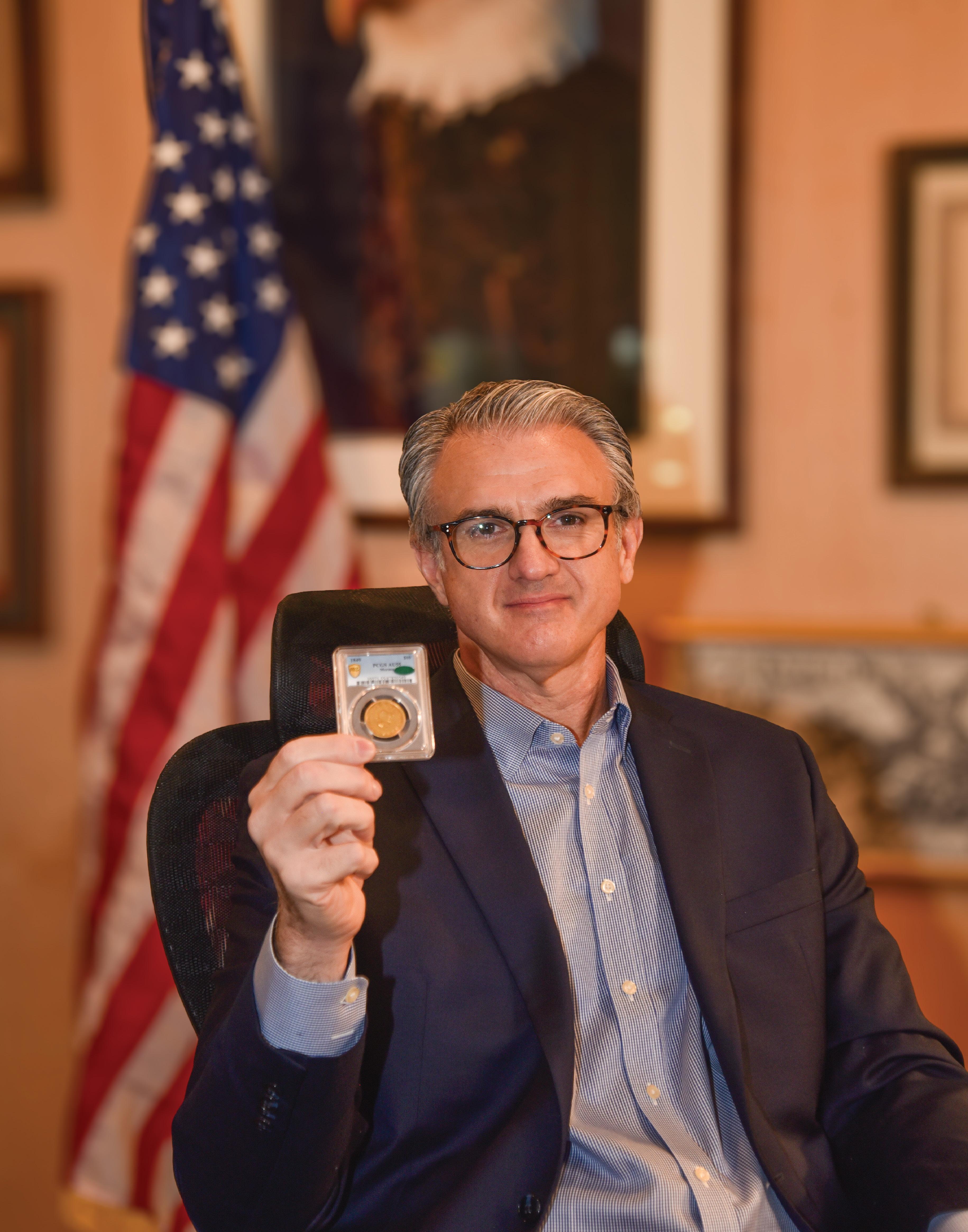
Dan O’Dowd didn’t start collecting coins for the limelight. In fact, for many years he was known to the public merely by a handle – an alias. However, as his collection grew, the man who came to be known as “The Tyrant” became a figure of numismatic mystique. As the numismatic world pondered the identity of the peerless collector, countless people lined up to see the Tyrant coins during their headlining exhibitions at coin shows around the United States and beyond.
So, just who is Dan O’Dowd, the person behind one of the greatest coin collections ever assembled? He’s a tech billionaire who designs some of the most important computer software around. “I have spent 50 years figuring out how to write software that never fails and can’t be hacked,” explains O’Dowd. “Almost 30 years ago, I won the contract to incorporate my INTEGRITY operating system into the B-1B intercontinental nuclear bomber. Since then, my operating system has been used in the B-2 and B-52 bombers; the F-16, F-22, and F-35 fighter jets; helicopters; and top-secret encryption devices.”
O’Dowd explains that INTEGRITY is also employed in commercial aircraft such as the Boeing 787 and Airbus A380 as well as in cars manufactured by most of the major automakers. “For 30 years, the INTEGRITY operating system has never failed and has never been hacked.” It’s a sobering reality that O’Dowd paints. “These days everything our lives depend on is controlled by software: the power grid, water treatment plants, banks, planes, trains, and automobiles. If these systems fail or are hacked thousands or even millions of people could die.” He adds, “My job is to make computers safe for humanity.”
Many individuals of great monetary wealth spend their money living as recreational daredevils, some flying high in experimental planes or diving deep into the ocean blue near shark-riddled reefs. Tyrant curated a numismatic cabinet of historic proportions, though it didn’t begin with millennia-old rounds of gold and silver bearing portraits of leaders referenced in sacred tomes. “I started collecting U.S. $10 gold coins in 2004. I researched all the denominations of U.S. coins, and I concluded that the U.S. $10 gold coin series was the most undervalued.”
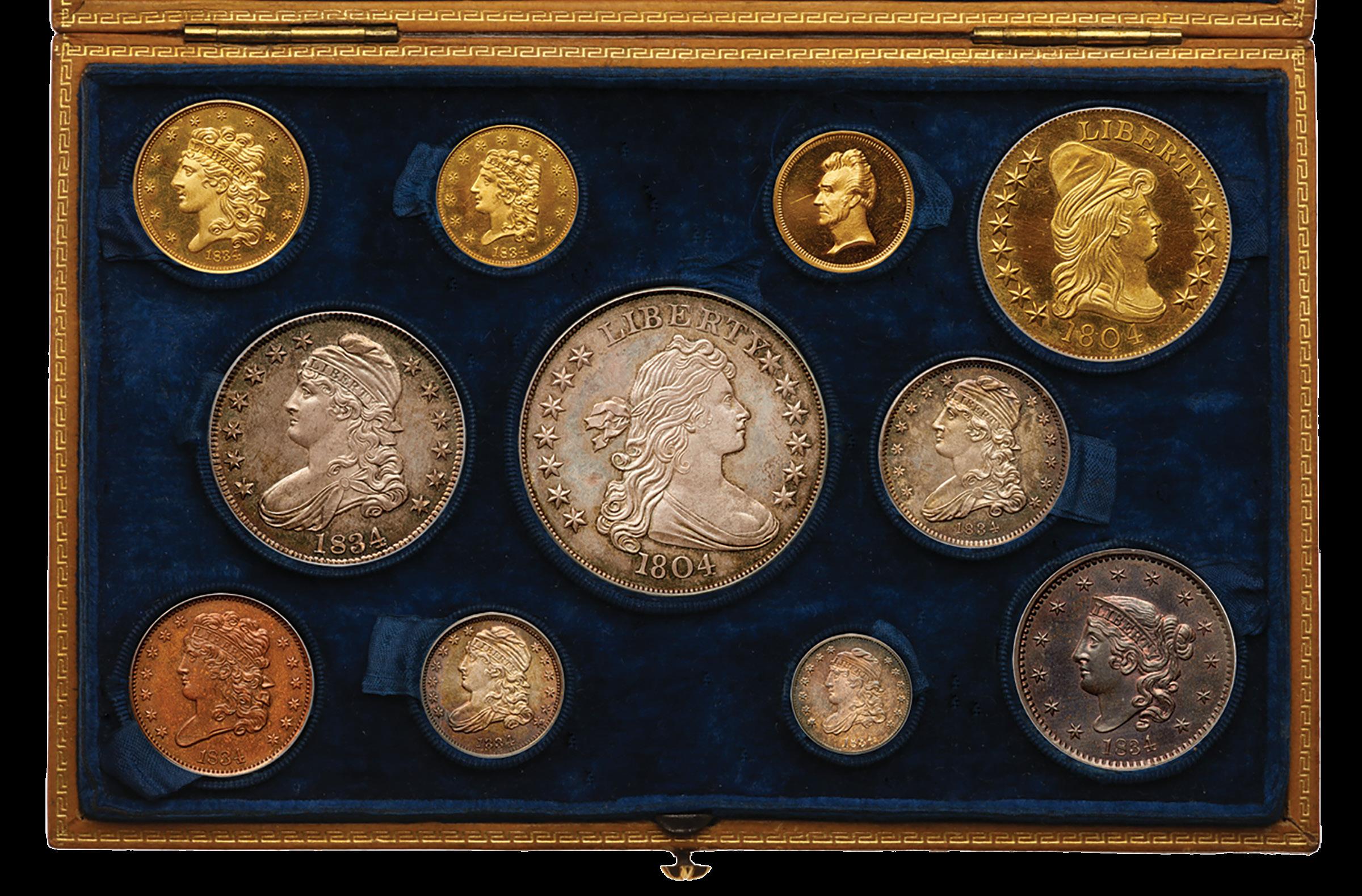
Above: One of Dan O’Dowd’s most valuable and recognizable of all numismatic treasures – the incomparable King of Siam Proof Set, a world-renowned assemblage of United States coinage including several notable trophies such as the “King of American Coins,” the 1804 Draped Bust Dollar / Courtesy of Dan O’Dowd
He was impressed by the breadth and history of the gold eagles, noting that the run also didn’t have any “super-expensive stopper dates” like other denominations boast. “The 1875 is the closest thing to a stopper in the whole series,” he clarifies. “I officially started the collection the day I purchased the highestgraded 1875 $10 for about $80,000. It was all downhill after that. Over the last 20 years U.S. $10 gold coins have become much more widely appreciated, with an 1875 recently selling for over $1,000,000.” His magnificent eagle collection spurred a conversation that led him into more diverse numismatic pursuits.
“One day I proudly showed my wife my finest-of-all-time U.S. $10 gold coin collection. Her comment was: ‘why do they all look the same?’ I didn’t have any answer for that, so I built the finestof-all-time U.S. type set, in which the coins all look different.”
Before long, O’Dowd’s numismatic horizons took him further away from the United States – and deeper through the mists of time. “One day I was walking the floor of the Long Beach Expo and I stopped in to talk to one of the few lonely ancient coin dealers. I bought a beautiful artistic 1,700-year-old gold aureus for far less than I had been paying for 100-year-old U.S. coins. As I studied Roman gold coins, I realized that each one is a unique, handmade piece of art, unlike modern machinemade coins which are all almost identical. That led me to collect Roman gold coins, at least one for every tyrant (emperor) from Augustus to the last Roman emperor Constantine XI in 1453.”
O’Dowd’s growing collection of coins bearing kings, queens, autocrats, and martinets of yore led the collector to adopt the “Tyrant” banner for his numismatic cabinet. “My coin collection is called the Tyrant Collection because it is a collection of tyrants,” O’Dowd remarks. “The first thing any tyrant does after seizing power is issue coinage to declare the territory they rule and make sure everyone knows what their new boss looks like.”
The portraits seen on the coins in the Tyrant Collection include the likenesses of Alexander the Great, Caesar, Brutus, Antony and Cleopatra (on opposite sides of a single coin), Augustus, Caligula, Nero, William the Conqueror, George III, Henry VIII, Elisabeth I, Mary Queen of Scots, and Napoleon. “Coins are available for almost every tyrant who ruled over a significant territory for as little as a few weeks in the last 2,000 years.”
The little portraits on the coins represent some of the best metallurgical art of their time. “Often the finest artists were commissioned by tyrants to make coins for them. A coin is a contemporaneous authorized portrait of a famous person that extends their fame for thousands of years.”
It’s not just the coin that’s important to O’Dowd; it’s also the history that matters. He believes every significant coin has a
story to tell. “When I acquire an important coin, I learn its story. There can be a story about the tyrant who issued it; or a story about the famous collectors who have previously owned it; or a cloak-and-dagger story of how it made its way to the collector.” O’Dowd eventually began exploring other periods in history and regions of the world, staking out new avenues for his evolving collection. He has since expanded his efforts out to most major European and Islamic empires and some Asian and Latin American countries. “I found that for a similar age, rarity, and quality English coins were much less expensive than U.S. coins. So, I decided to collect English coins by tyrant (king) from 7th century Anglo-Saxons to the present. Recently the price of the best large English gold coins has skyrocketed.”
French coins also presented their own nuanced opportunities for O’Dowd. “I discovered that French coins of a given era were usually of higher quality and lower price than English coins. When I had the opportunity to purchase Dr. Terner’s French gold coin collection, I bought it intact. Interestingly, there has been no great increase in the price of French gold coins since I started collecting. Perhaps sometime in the future the relatively low prices for beautiful French gold coins of the Middle Ages will be recognized more widely.”
Regardless of the set he pursued, O’Dowd was deliberate and discreet on his marketplace journeys at every twist and turn to minimize pricing friction and other challenges when seeking
coins for his incredible cabinet. “I built my collection in secret. I worked through many dealers. Many people knew who I was, but they only knew how much I had bought through them – not the full extent of my collection.” This is why O’Dowd masqueraded under the Tyrant moniker for some two decades.
He adds that dealers didn’t know his true objectives or progress, so they didn’t know what he still needed to purchase when completing sets. “Coin dealers are positioned to become aware of new coins coming to market before me. If they know what I need, they can step in and buy it then turn around and mark it up for sale to me at an exorbitant price. If they are uncertain as to what coins I have and need, stepping in front of me is a big risk. If I pass on their coin, they are left with a white elephant with no one to sell it to.”
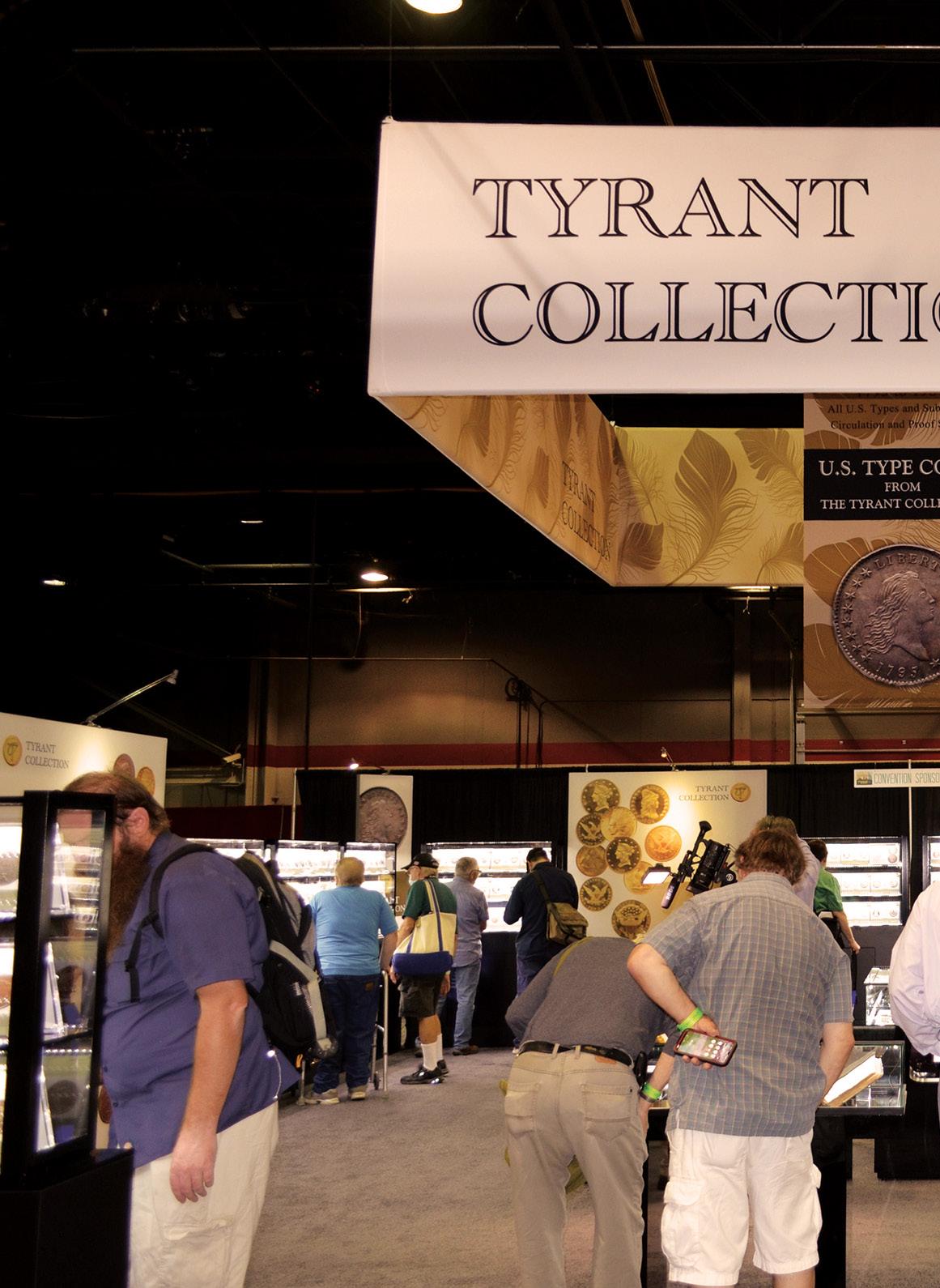
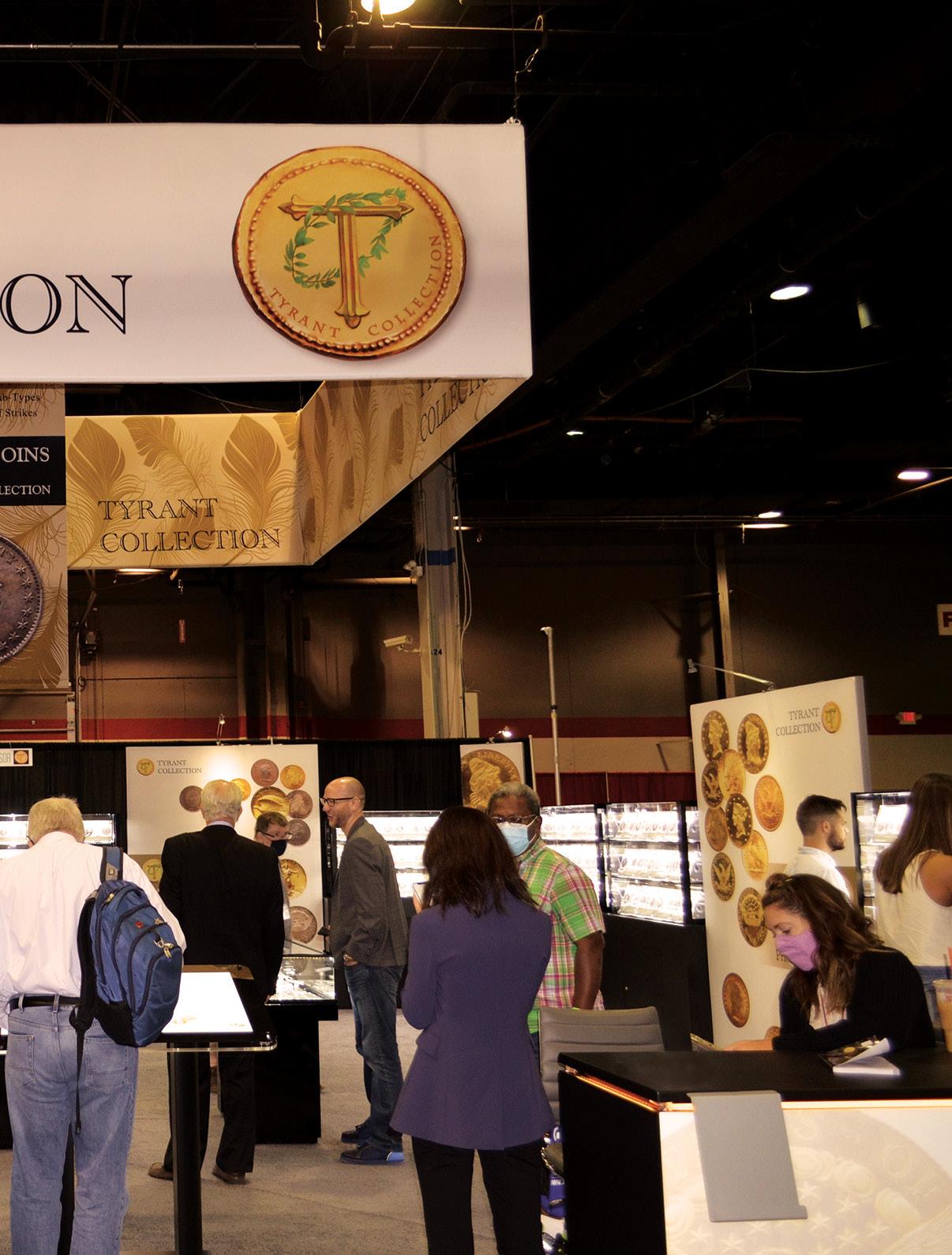
While his collection is still growing, O’Dowd achieved goals for several of his major sets by 2017. That’s when he began musing on the next chapter of his numismatic legacy. “I started to think ‘what should I do with all these collections? Let them sit in safe deposit boxes and go visit them occasionally?’ I realized that there were so many coins in each collection, that it was impossible to properly appreciate the collection one coin at a time.” He wanted to exhibit his collection, so he commissioned the construction of a 30-foot by 30-foot tradeshow booth that could accommodate 17 display cases capable of displaying 400 coins; each coin would be accompanied by enlarged images of their obverse and reverse alongside descriptions of each displayed specimen.
“It didn’t seem worth doing all this work if only I could see the full collection. I needed to display it so that everyone could appreciate it.” However, he said there was a downside to this approach. “Every dealer would know what I had and what I needed, so they could front-run me for the coins that I needed. To avoid this problem, I decided I wouldn’t display any collection until it was ‘complete.’ The test is that I can honestly say that I would not feel bad about turning away any overpriced coin that was offered to me for that collection.”
But for O’Dowd there were other motivations for displaying his menagerie of rare and exotic coins. “I wanted to encourage other large collectors to do the same, so everyone can see the rarest and most beautiful coins. As it was for me when I started collecting, many collectors only know about U.S. coins. If they get a chance to see the most beautiful and historically relevant coins of other countries, it might open their eyes to other possibilities.”
By PCGS Staff
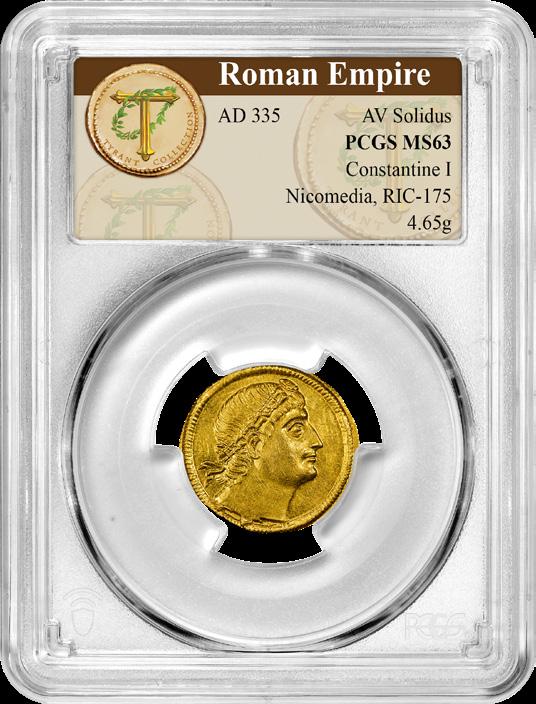
A previously unexhibited portion of the historical rare coins in the unparalleled Tyrant Collection (www.TheTyrantCollection. com) will be publicly displayed together for the first time at the American Numismatic Association (ANA) 2026 Pittsburgh World’s Fair of Money, August 25-29, 2026.
“The multi-million-dollar exhibit of over 250 significant coins is entitled Tyrants of the Golden Horn. It will include gold coins of virtually every Byzantine emperor, up to Constantine XI in 1453, from the late Roman period to the collapse of the Byzantine Empire,” announces Ira Goldberg, president of Goldberg Coins and Collectibles, Inc., in Los Angeles, California. Goldberg is one of the numismatic professionals guiding the assembling of the wide-ranging Tyrant Collection of superb-quality, historic U.S., world, and ancient coins. “The
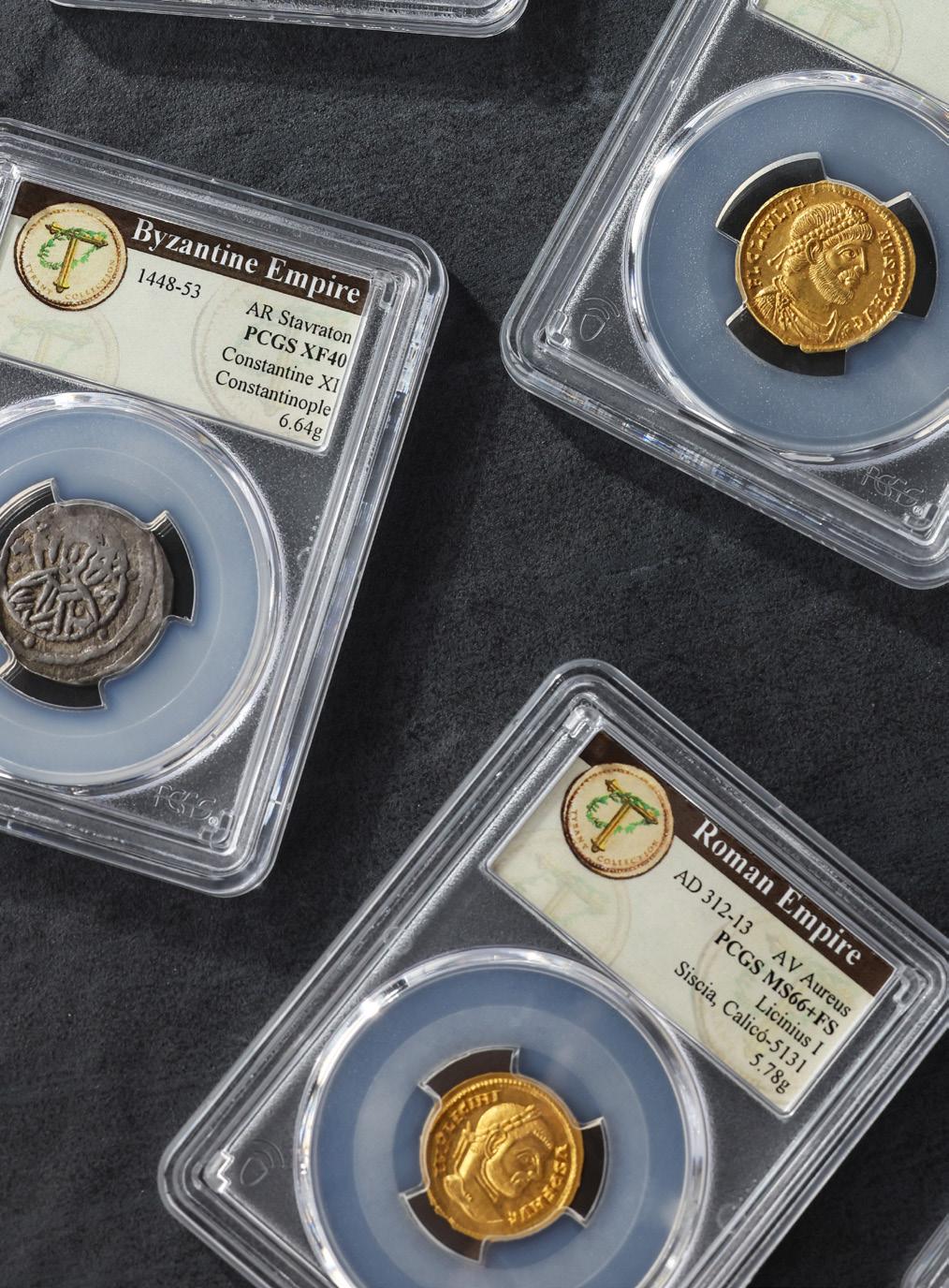
earliest coin in the exhibit is a gold Aureus of Diocletian, struck in 290 CE in Cyzicus (in what is now modern-day Turkey), and the last coin is a 1943 Turkish 500 Kurush. This is more than 1,700 years of remarkable numismatic history,” says Goldberg.
This portion of The Tyrant Collection is named after the Golden Horn, a horn-shaped natural waterway and primary inlet of the Bosphorus Sea strait that divides the European side of Istanbul, Turkey. For over 2,000 years, it was the principal harbor for trade ships for Byzantium, Constantinople, and the Ottoman Empire.
“I have been collecting Eastern Roman, Byzantine, and Ottoman coins for nearly 20 years,” explains Dan O’Dowd, the Southern California collector who owns the extensive Tyrant
Collection that is described as the world’s most valuable rare coin collection in private hands. “The Tyrants of the Golden Horn consists of coins of the emperors and sultans who ruled Constantinople from its founding in 324 by Constantine the Great to the abolishment of the Ottoman Sultanate in 1922,” reveals O’Dowd. “Through most of this period, Constantinople was the largest and wealthiest city in Europe, and the capital of its most powerful country. Its wealth was so vast that hundreds of years later, I can assemble a collection of spectacular coins of every emperor and sultan, most of which are pure gold and look like they were minted yesterday,” he says.
One of the many highlights of the exhibit will be a solidus of Mezezius, 668-669 CE, graded PCGS MS66. It is the finest of only seven known examples, including one in the British Museum. An Armenian nobleman and General in Sicily, Mezezius, became emperor after the assassination of Constans II in Syracuse, and was executed seven months later.
“This pure gold coin is a spectacular and extremely rare example from this emperor. With only seven known, it is twice as rare as an 1804 Draped Bust Dollar and six times older, but looks like it was made today,” declares O’Dowd.
Among the many other important coins in the exhibit will be:
• Procopius, 365-366 CE, gold solidus struck at Cyzicus in the current Balıkesir Province of Turkey. A major rarity and without question the finest-known example. Interestingly, this coin was struck in Cyzicus when Procopius was on his way to Constantinople, where he was to rule – and stay alive – for only eight months as the western portion of the empire was collapsing.
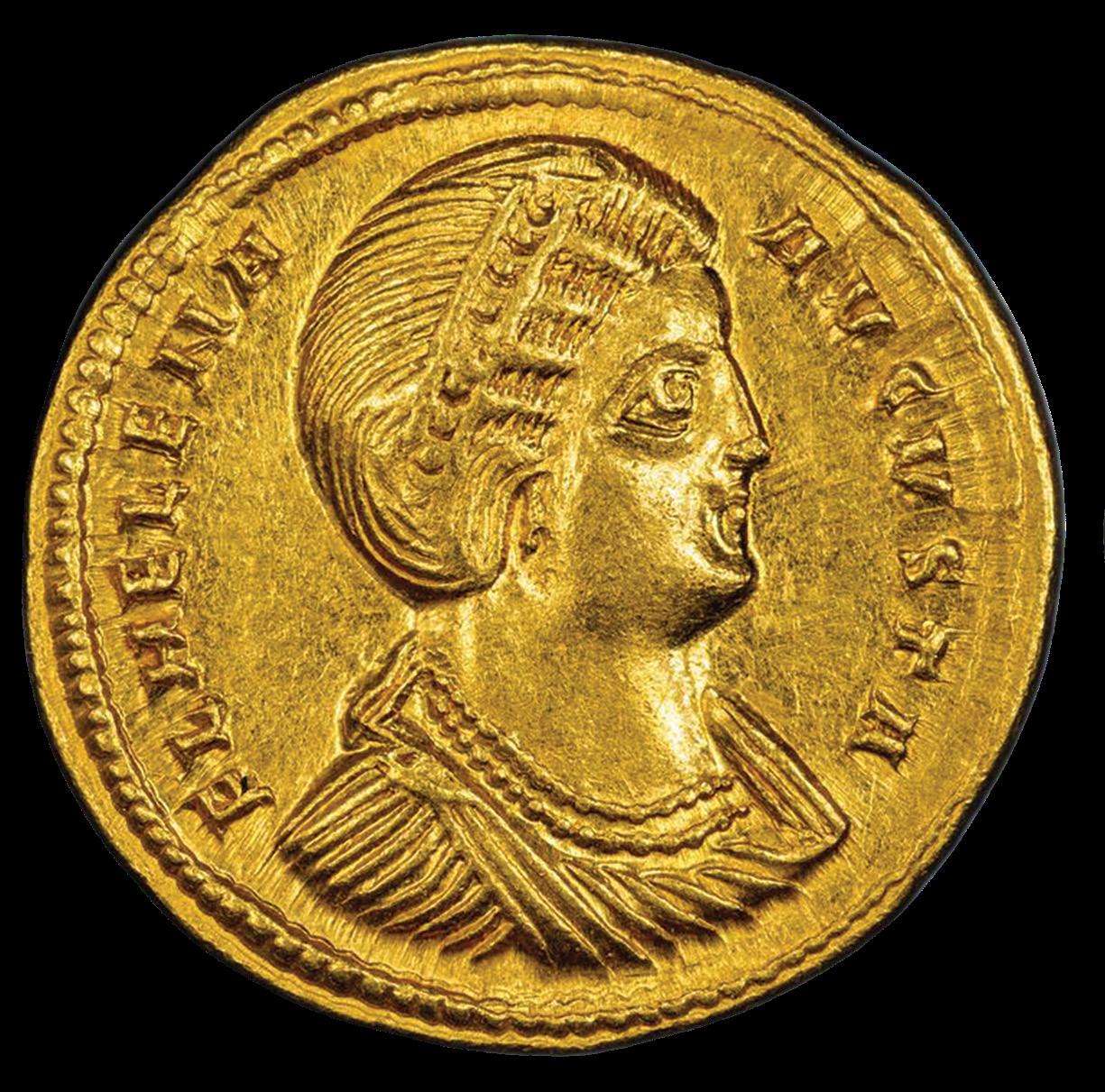
• Helena gold solidus that stands out in both quality and rarity. One of the most important women of all time, she was the mother of Constantine I (Constantine the Great) and is credited with discovering the True Cross. She was converted to Christianity by her son.
The display at the 2026 ANA convention will be the latest in a multi-year series of educational, museum-quality exhibits revealing different portions of the extensive and unprecedented Tyrant Collection.
“The collection is not only focused on Byzantine, but also more on a numismatic narrative of Constantinople, modernday Istanbul, Turkey. Beginning with the reforms of Diocletian and the Tetrarchy in the late 3rd century, the story follows
the transformation of the Roman world into the Byzantine Empire. Coins from the age of Constantine the Great — founder of Constantinople — through the reign of Justinian I and later dynasties reflect shifting imperial authority and the growing role of Christianity,” explains Goldberg. “Following Constantinople’s conquest in 1453 by Mehmed II, Ottoman coinage introduced new artistic and cultural traditions rooted in Islam. The exhibition concludes with the early Turkish Republic and the leadership of İsmet İnönü. If you remember our exhibition Tyrants of the Tiber, this is more of a parallel concept to that exhibition, but this time we will go farther east,” he says.
O’Dowd began collecting in 2004, starting with United States coins and then expanding to include ancient and world coins in what he labeled The Tyrant Collection. “The focus of the collection is tyrants of every age and culture. Tyrants go by many titles: kings and queens, emperors and empresses, czars and czarinas, dictators, regents, popes, caliphs, sultans, and khans. But what defines them is their absolute power over a territory containing millions of people,” explains O’Dowd.
By 2017, he had achieved several of his major goals for his incomparable collection. That’s when he decided to have a series of exhibits to share the magnificent sets of coins with the public. “I started to think, ‘What should I do with all these collections? Let them sit in safe deposit boxes and visit them occasionally?’ I decided I wanted to see each collection fully displayed. I had a large professional 30’ x 30’ trade show booth built with 17 display cases that could beautifully showcase up to 400 coins at each exhibit. Every coin is displayed along with enlarged obverse and reverse images, along with a description,” says O’Dowd.
For additional information about The Tyrant Collection, visit www.TheTyrantCollection.com.
For additional information about the ANA 2026 Pittsburgh World’s Fair of Money, visit www.WorldsFairofMoney.com.
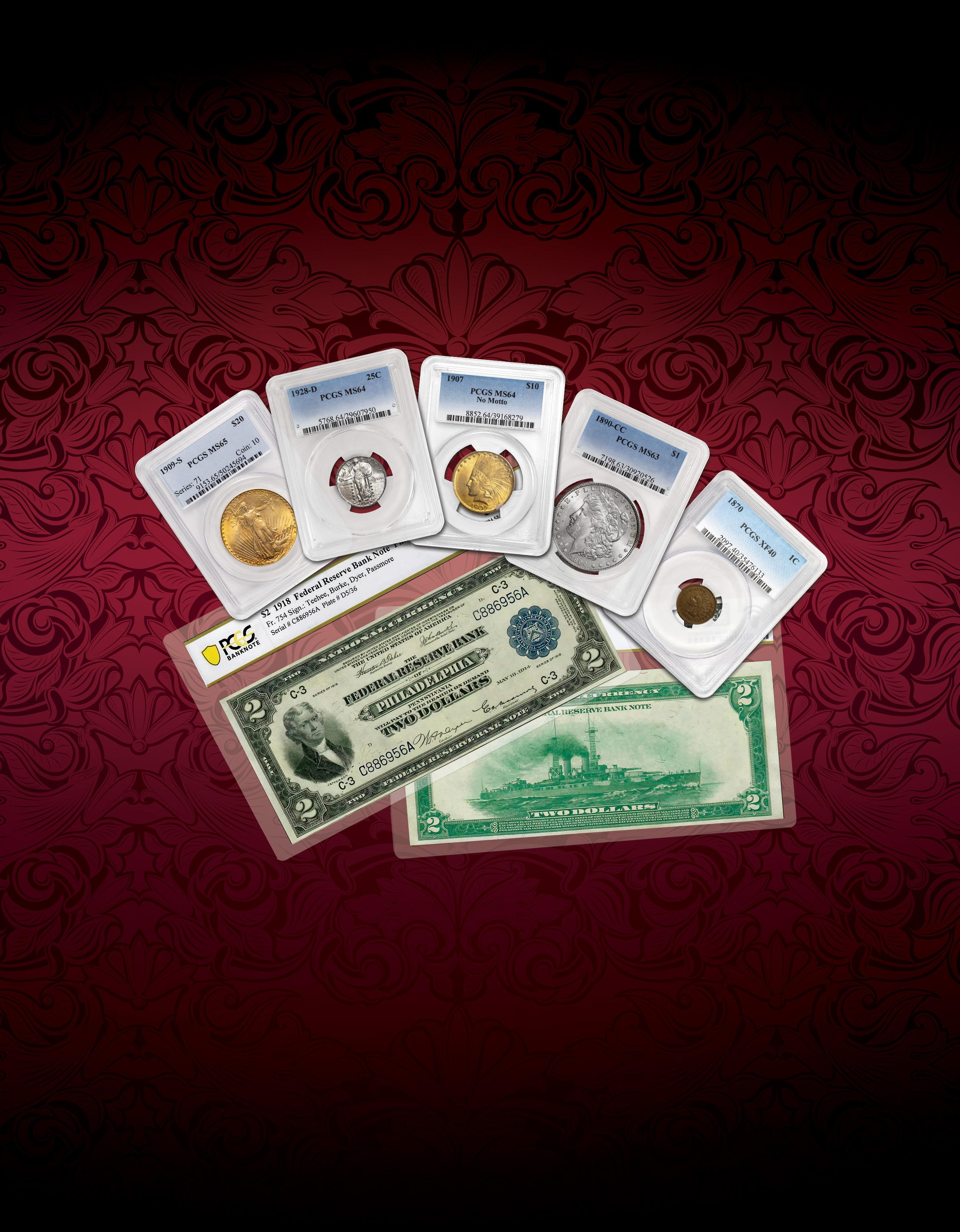
Every PCGS-certified coin we sell is professionally graded, sealed, and guaranteed — no guessing, no seller opinions, just verified authenticity collectors can trust.
APMEX offers one of the widest selections of PCGS-graded coins, supported by a long-standing partnership and a return policy that backs every purchase. With over 25 years in the industry and millions of customers served, we make collecting smarter, safer, and more transparent.
Scan the QR code or visit click.apmex.com/pcgs-rare-picks to shop certified coins you can trust. View our prices and contact us at: 800.375.9006

By Abigail Zechman
Flavia Julia Helena, better known as Helena Augusta, was best known as the mother of Constantine the Great. She is also a canonized saint in both the Catholic and Orthodox churches for her role in spreading Christianity.
Helena and Constantine’s father met when she was young and lived together for about 19 years. However, he left her to marry an emperor’s daughter and raise his social status. Because of this status change, Constantine also climbed the social ranks, but he and his mother stayed close, and she remained the most influential woman in his life, even after he married. When Constantine became co-emperor in 306, he honored Helena with the title of nobilissima femina, and when he became sole emperor in 324, she was further honored with the title of Augusta. The title Augusta was the female form of the title held by emperors. An emperor could bestow the title on the women in their family, but only if they saw fit. This was not an automatic title, so it was an honor for Helena to have received it.
It is believed that Constantine converted Helena to Christianity; however, after her conversion, she worked zealously to spread her faith. She went on a pilgrimage to Palestine, constructed beautiful churches, and is even credited with finding the True Cross. Helena Augusta was clearly a woman deeply loved and respected by Constantine, as he had many coins minted in her honor. This coin was minted in 324 to mark her change in status upon being granted the Augusta title. This is one of the rarest varieties known as RIC 149. On the obverse is a beautiful portrait of Helena Augusta herself. She is wearing a diadem with her hair in an updo, and you can see her elaborate drapery and double necklace. The reverse features a standing image of Securitas, the Roman personification of security and wisdom.
When she appeared on coins, she was typically a symbol of peace and stability. She is veiled, holding a branch with one hand while raising her skirt with the other. This coin, being struck in gold, highlights Helena’s high status and authority, an honor not always awarded to women related to the emperors of the time.
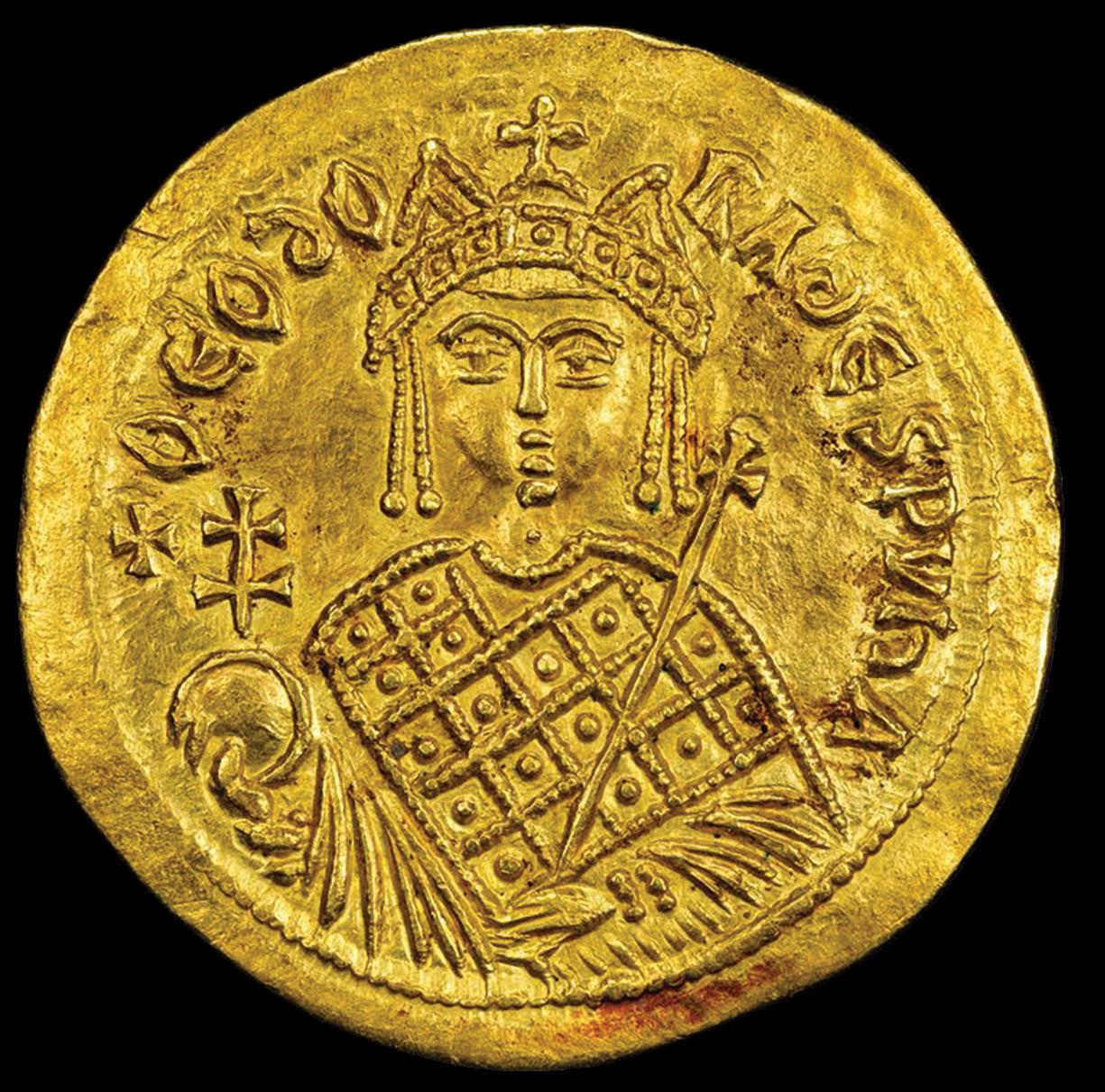
Theodora was an empress in the Byzantine Empire who served as regent to her son, Michael III. She is recognized as a saint in the Eastern Orthodox Church for ending the second Byzantine iconoclasm. Interestingly, even though she was an iconophile, she was chosen to marry the emperor who was an iconoclast. After her husband died, she became regent, focused on religious importance, and restored many religious practices. Her late husband had appointed advisors to guide her in her role of power, but they often butted heads due to different ideals. Theodora never remarried after her husband died, so she maintained her authority until her son took the throne. Despite the fact that she had had a very successful reign, Michael III was wary of her power and upset that she wouldn’t let him marry his mistress, so he had her deposed and banished to a convent.
Thedora assumed the role of regent alongside her eldest surviving daughter, Thecla. We know this is true because you often see the two of them together, standing over Michael III on the coinage of the time. Her mother secretly taught her to venerate religious icons because her father opposed the practice. She took on the role of co-empress alongside her mother when she became regent and was banished to the convent with her as well.
This gold solidus is a perfect example of Theodora and Thecla both being portrayed as leaders. On the obverse is a portrait of Theodora. She is wearing a crown adorned with pendilia, the strings of pearls and jewels hanging down from the crown, to signify her status and authority. She is also wearing the loros, a long, embroidered, jeweled scarf that was the most formal garment of Byzantine rulers. She is seen holding the cruciform scepter and globus surmounted by the patriarchal cross, which are important imperial Byzantine symbols of authority. On the reverse, Thecla is featured wearing the same. Next to her is a smaller Michael III, wearing a crown but no royal garments. This coin shows how powerful these women were during their reign.
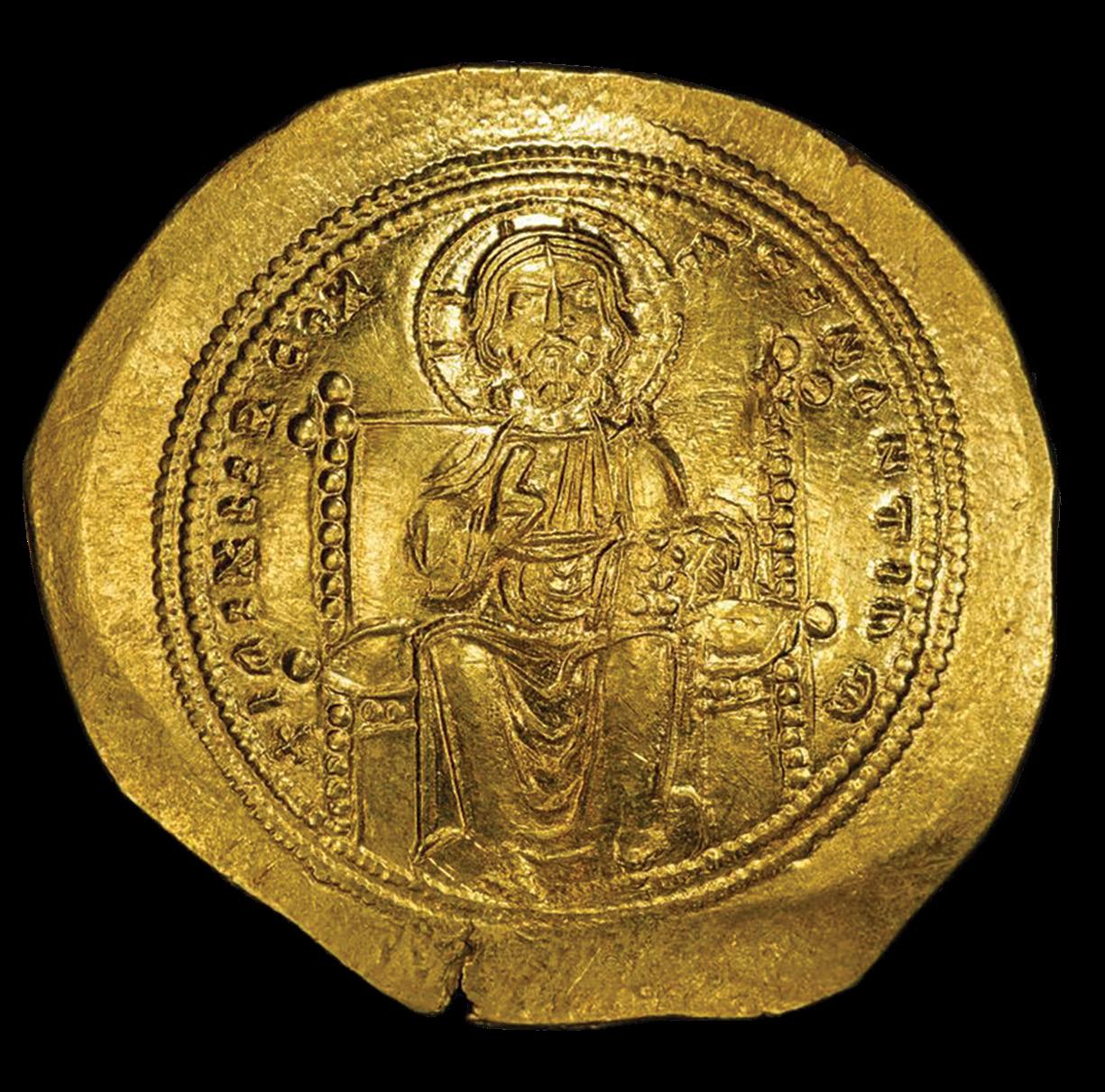
Eudocia Makrembolitissa was a Byzantine empress twice during her life. Eudocia married Constantine X Doukas before
he became emperor in 1059. When he ascended, she was given the title of Augusta. On his deathbed, her husband made her swear an oath that she would never remarry. When he died, she became regent for their sons. Technically, her son Michael VII was old enough to rule, but she assumed total control of the empire. She had a successful reign while also assuming the educational duties of her sons.
After a few months, she realized her position of power could be in jeopardy if she continued to reign alone, so she broke her oath and remarried. It was clear from the coinage of the time that she did not consider her second husband a ruler. He wasn’t always called emperor, and he was often depicted as inferior to Eudocia and her sons. In 1071, her second husband betrayed the Byzantine army and was deposed. This led to Eudocia and her sons being named joint rulers. However, by this point, Eudocia had lost the trust of her people and was exiled to a monastery a month later.
This coin was struck in 1067, after Eudocia became empress for the first time. The obverse features a Byzantine iconographic depiction of Jesus, Christ Pantocrator. He is sitting on a throne holding a book of gospels. The reverse of this coin highlights Eudocia’s power. She stands in the center of the coin, flanked by two of her sons, Michael VII and Constantius. She is wearing a crown and the traditional saccis and loros, holding an imperial scepter. She is standing on a stool to highlight her might and position of power, even over her sons.
By Joshua McMorrow-Hernandez
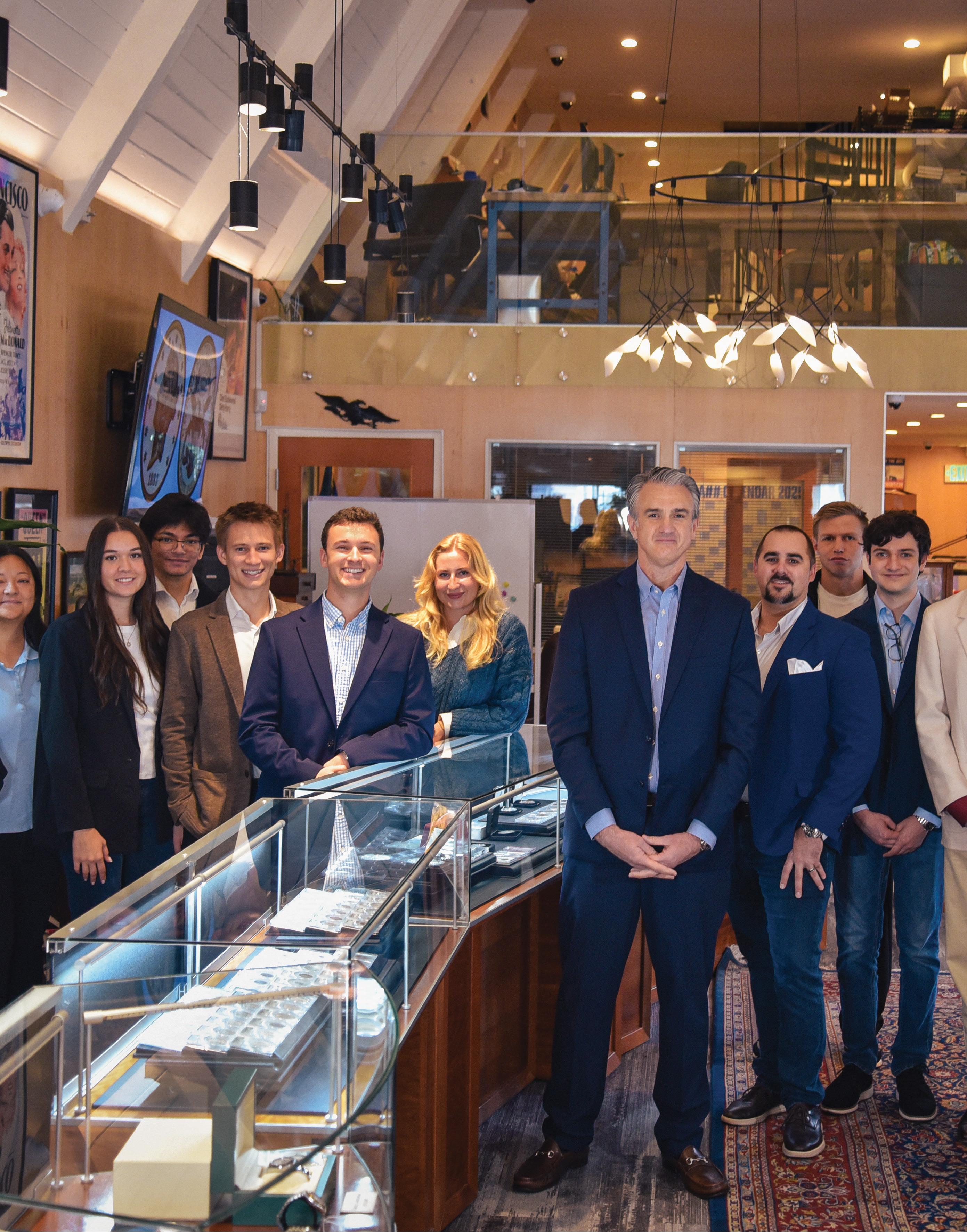
Marc Vazsonyi may be all about ancient coins, but he didn’t start off collecting coins struck during the millennia of yore. When he started his numismatic journey at the age of seven, he was focused on building a collection of Lincoln Wheat Cents. “I was fascinated by their unusual design and the concept of rarity across different years and mints. During this time, I acquired them through both circulation and coin roll hunting.”
Vazsonyi says his grandmother was very influential on his early numismatic explorations. “From when I was a young age, she showed me old silver and gold coins when I visited her in Switzerland, which sparked my interest in world coins.” Now 21 and a senior at the University of Kentucky, the intern for legendary numismatic researcher and dealer Jeff Garrett at Mid-American Rare Coins has become fully immersed in the exciting world of ancient coins. “I have become more involved with dealing in ancient coins on my own and attend a handful of coin shows each year to conduct business. Last year, I gave a talk at my local coin club on ancient coins.”
But why ancients? “My interest in ancient coins began after receiving a late-Roman bronze as a Christmas gift from my sister. It was a small, crude coin, but I was amazed by the fact that I was holding a nearly 2,000-year-old coin! After this, I was hooked and began my journey studying and collecting Roman coins.” After spending a while collecting U.S. and world coinage, Vazsonyi says he “found ancient coins

to be the pinnacle of art and history in numismatics.” He goes on to add that the history and artistry of ancient coins is fascinating, providing what he calls a tangible link to some of the most notorious rulers and civilizations in all of history.
“I consider ancient coins an integral part of the hobby as they are the foundation of everything numismatic related!
Ancient coins are a tangible connection to the dawn of money and have been collected for thousands of years.” Ancient coins also represent the first days of the numismatic hobby. “One of the earliest accounts of an individual collecting coins was the Roman Emperor Augustus, who was known to gift rare and foreign coins (likely Greek) during festivals.”
Coins of the ancient realm are referenced in everything from the Holy Bible to action and adventure films, and they are also used or depicted in various art mediums and even household and commercial décor. “Ancient coins are appealing to noncollectors due to their remarkable artistry and fascinating history. They serve as a tangible link to the ancient world and offer an unusually accessible way to hold history in your hands. For anyone interested in history or art, ancient coins become a direct link to the stories and people that resonate with them the most.”
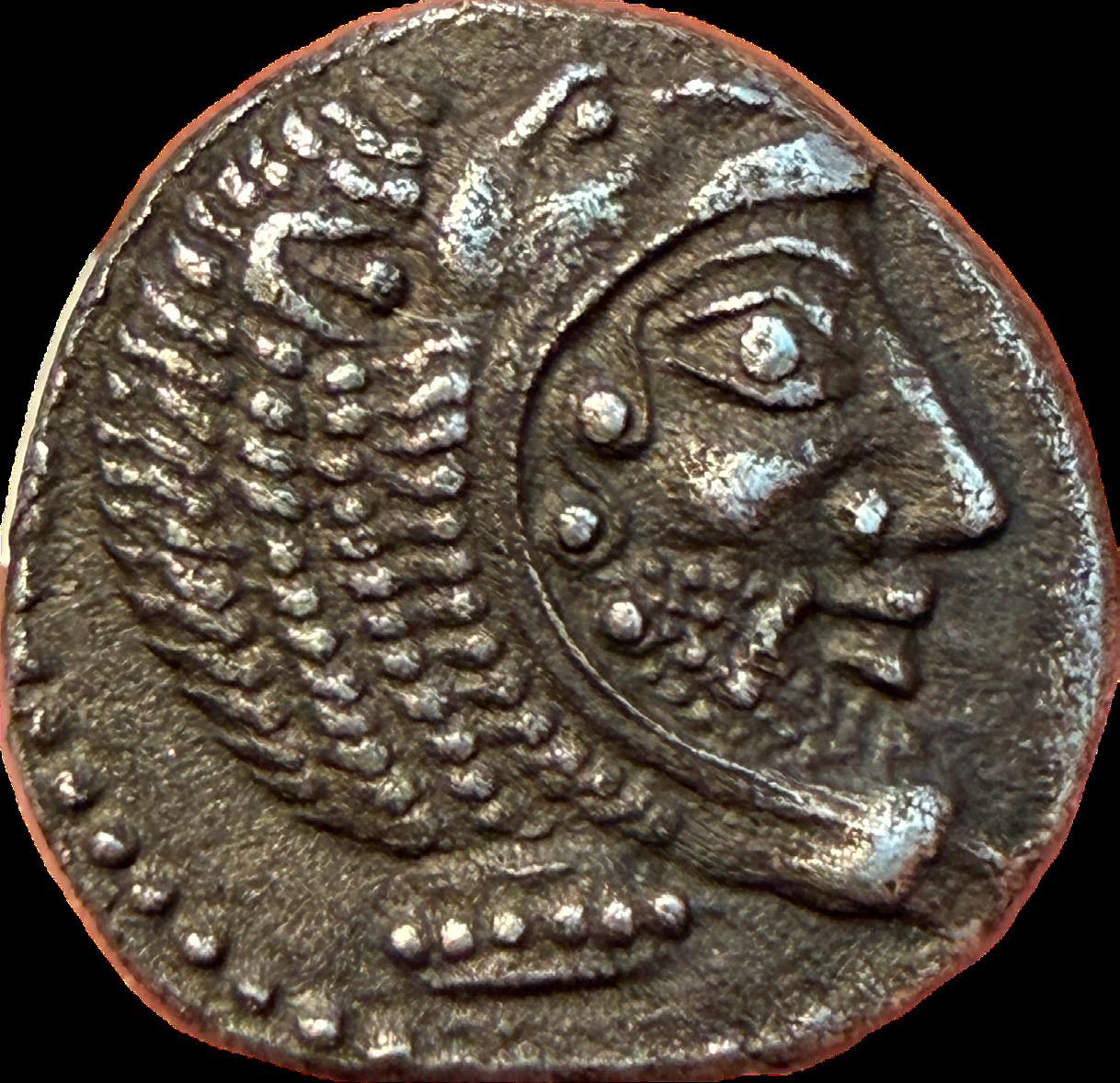
The realm of ancient coinage is vast, with coins from Greece representing a large share of the catalog. “My favorite area of ancient coins is Greek coinage, particularly that of the archaic period. I find the highly stylized artistry of this time to be very charming.” One of Vazsonyi’s favorite coins is his hemidrachm from Dikaia, which was struck circa 490-475 BCE. “The archaic depiction of Heracles on the obverse exhibits the typical ‘archaic smile’ of the period. To me, this coin is a miniature work of art from 2,500 years ago!”
As many would imagine, to really get into collecting ancient coins, you also must know some stuff about the ancient world to understand the designs, symbols, and messages on coinage of the period. “Ancient coins do require having more knowledge than modern coins. However, I find this to be the fun of collecting ancient coins.” Vazsonyi admits that he was intimidated by ancients before he began collecting them, but he found studying them to be enriching and rewarding. “In my experience, jumping in head first is the best way to get started!”
Even those who feel they have the inclination and curiosity to study and explore an-
cient coins might wonder if they have the pocketbook to match. But it’s a misnomer to believe that all millennia-old coins are automatically expensive. “Ancient coins are also surprisingly affordable, with lateRoman bronze coins readily available under $5. Additionally, silver Roman denarii and Greek drachms can be easily had for less than $100. These are great ways to get started in the hobby without breaking the bank.”
He advises other young numismatists who want to get started in ancient coins to simply start looking at them. “Whether in a book, online, or at a coin show, any exposure is the best way to start.
When I started out, I began by flipping through the pages of Handbook of Ancient Greek & Roman Coins (by Zander H. Klawans, Whitman Publishing) and researching types I found to be interesting.” He also recommends checking out videos on ancient coins that can be found on YouTube and the American Numismatic Society digital project known as Online Coins of the Roman Empire (https://numismatics.org/ocre), among a multitude of other websites. He explains, “We are very fortunate to have an abundance of excellent resources available online that aid in learning and research, but these are free and easy to access.”

By Jay Turner
The Tyrant Collection is one of the most impressive collections of coins ever assembled. The breadth and scope of this cabinet is terrific from all numismatic aspects, including condition, value, and historical importance. As the next part of this magnificent collection is graded, displayed, and unveiled to the world, I want to look back at one piece from this collection that I have had the honor of grading twice in my career.
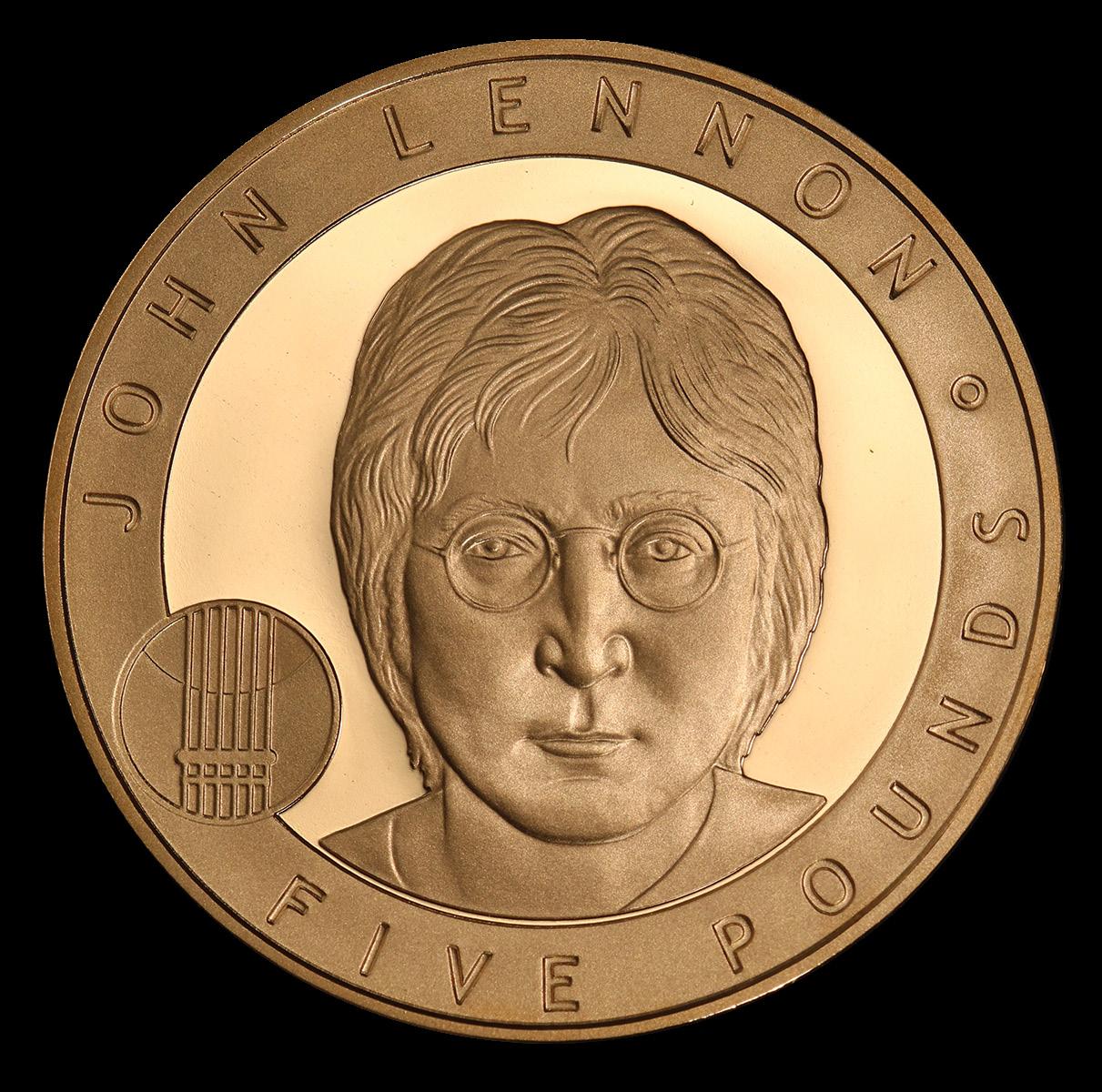
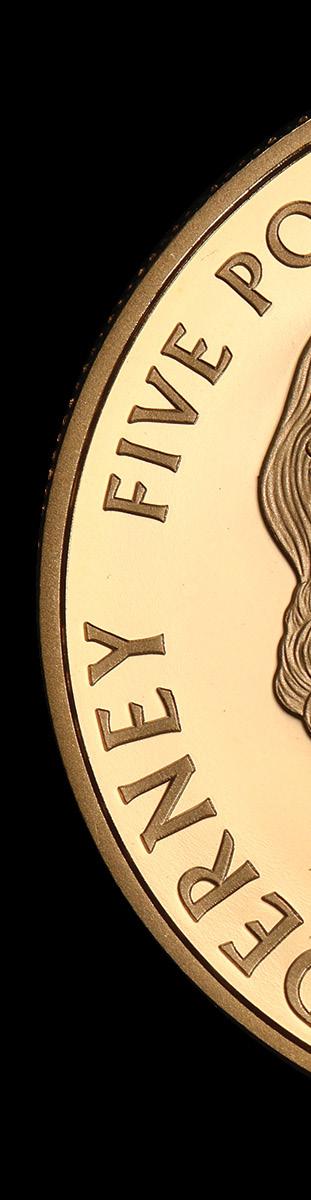
The Royal Mint in England produces coins for Great Britain, including coinage for the nation’s dependencies. While most of these coins are non-circulating commemoratives intended for numismatic sales, they are nonetheless coins. One commemorative issue series, “Great Britons,” was a commemorative series that began in 2006.
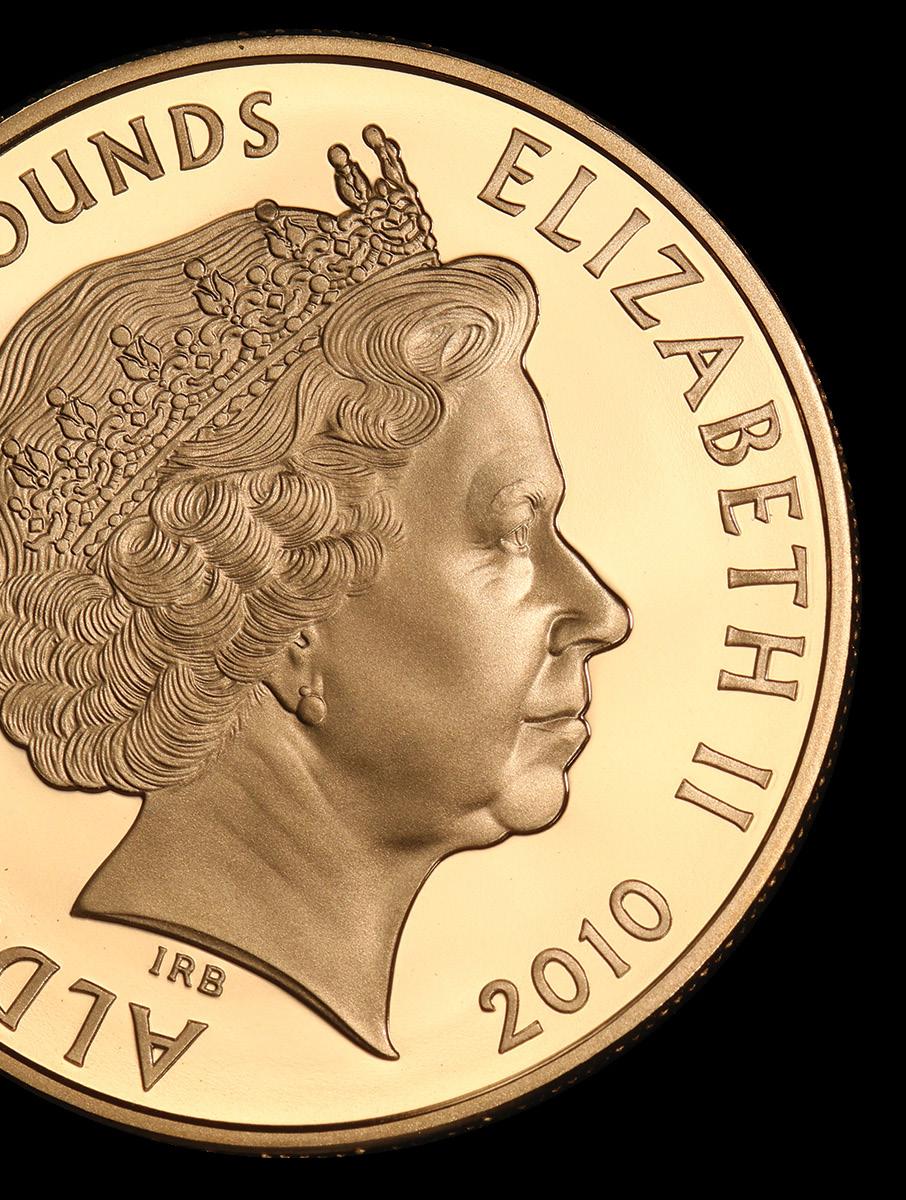
Historical figures such as British Prime Minister Winston Churchill, revolutionary scientist Charles Darwin, English playwright and poet William Shakespeare, and medical pioneer Florence Nightingale have been honored on coins in this series. The Royal Mint offered the public an opportunity to vote for who the next “Great Briton” would be on the upcoming commemorative coin. With 27,874 votes tallied, 92% voted for John Lennon, the one-time Beatles musician and famous social activist who was assassinated near his New York City home in 1980 at the age of 40. While not the first John Lennon coin, this was the first crown-size issue. The commemoration was perfect timing, marking what would have been John Lennon’s 70th birthday in 2010. The coin was issued in both coppernickel (mintage 5,041) and silver (mintage 5,000).
A single example of this coin was minted in gold. This unique piece was presented to the John Lennon Estate and received by Yoko Ono. The coin was soon auctioned for the benefit of Alder Hey Children’s Hospital in Liverpool, England, where in 2010 it sold for £72,000 (or $121,500 USD at that time). The coin resurfaced when I graded it for an alternative grading company as part of the Tyrant Collection. I saw the coin once again years later when I certified it for PCGS as a PR69DCAM again for the Tyrant Collection as part of the Tyrants of the Thames Collection.
So, of all the pieces from the fantastic Tyrant Collection, why feature this modern coin here? For me, it’s a testament to the collection and what it has accomplished. Among the thousands of coins spanning from ancient times to today, one of the most modern coins helps tell the story of this collection of important and historical pieces – a collection that recognizes coins of modern rarity and importance.
The John Lennon coin was incredibly popular in 2010, and the unique gold version made international news upon being handed to Yoko Ono and again when it was sold for charity. The coin was ahead of its time, with Great Britain issuing its own John Lennon commemorative in 2025. When telling the story of one impressive coin after another, this coin ranks as one of the most historically exciting alongside older coins from centuries and even millennia past.
By Edward Van Orden
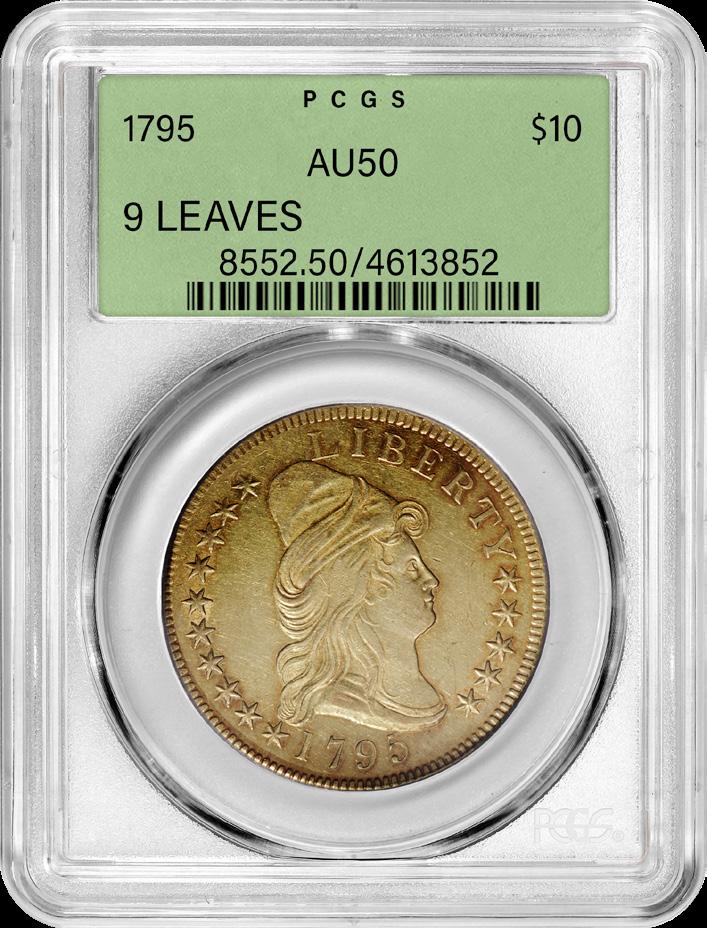
The mission of The Tyrant Collection is to obtain a coin with the name and likeness of every tyrant who ever ruled. This includes a coin from every major territory or country of each major civilization. A feat that has been meticulously accomplished for the tyrants of the Thames, Tigris and Eurphrates, Tyrrhenian and Adriatic Seas, Tiber, Seine, and Nile civilizations. United States coinage has generally not been struck with the name and likeness of presidents while they were in office. This collector opted to obtain one of every circulation strike (branch mints included) and nearly every proof of the earliest, largest, and most valuable U.S.-struck denomination, the $10 gold coin known as the eagle, which was struck from 1795 to 1933 and consists of over 300 issues in total.
Collecting early U.S. gold coin by die variety is one of the greatest challenges in all of American numismatics. Many U.S. gold coins dated from 1795 to 1834 (also referred to as “old tenor gold”) were exported or melted for bullion as their gold content was undervalued on the world markets. The Tyrant Collection’s United States set includes all 33 BD (BassDannreuther) and T (Taraszka) varieties of 1795 to 1804. This set also includes later dates such as the ultra-rare 1838, 1839, and 1857 Liberty Head proof issues, as well as both 1907 No Motto Indian Head proofs and the unique matte finish 1909. However, for the purposes of this column, we are going to focus on the Draped Bust 1795 9 Leaves, 1798/7 $10 7x6 Stars, and the famous King of Siam 1804 Plain 4.
The 1795 Nine Leaves (or 9 Leaves) Draped Bust Eagle (BD3, T-3) is among the rarest and most famous early gold die varieties. Overlooked until the first published description of its distinctive reverse in May 1934, this first-year issue features nine leaves in the palm branch below the eagle on the reverse (the other four 1795 Small Eagle die pairs have 13 leaves). The design of this rarity is mysterious in terms of origin, however. Perhaps it was an experiment, an artistic whim of the engraver, or simply an error. Regardless, only 20 to 22 examples exist of this sought-after die variety. The Tyrant Collection’s specimen has lovely peripheral copper toning with a sharp strike and is graded PCGS AU50.
Another rare and coveted variety in American numismatics is the 1798/7 $10 Stars 7 Left, 6 Right (BD-2, T-10). Overdates have been struck since the earliest years of the U.S. Mint, when the manufacture of steel coining hubs and dies was a laborious, time-consuming, and expensive process. The 1798/7 Draped Bust Eagle (BD-2, T-10) was created when an “8” was repunched over the “7” of an unused 1797 die. Additionally, this die is the only Draped Bust Eagle obverse with seven stars on the left and six on the right. Only 20 to 30 examples are believed to exist. The Tyrant Collection’s PCGS-graded AU58 specimen with its wonderfully toned original surfaces is among the finer examples known.
The 1804 Plain 4 Draped Bust Eagle is one of the rarest coins ever struck by the United States Mint; in the words of John Dannreuther, co-founder of PCGS, it is “one of the most spectacular gold rarities in the entire American series.” This first [proof eagle], however, was not struck in 1804 but as a special strike in 1834-1835 for diplomatic proof sets as gifts to the King of Siam, the Sultan of Muscat, and the Emperors of Cochin China and Japan to establish trade relations. These four coins were struck using an unused 1800-1804 obverse die with only the first three digits of the date impressed to which a “Plain 4” was added. (For the reverse, an unused half dollar die from around 1805-1806 was used.) In addition to its majestic stature, what makes the 1804 Plain 4 issue also a variety? Until 1834, the only other 1804-dated eagles ever issued were struck with a Crosslet 4.
This Plain 4/Crosslet 4 variety pair also exists for a number of other U.S. denominations:
• 1804 Draped Bust Half Cent
• 1814 Classic Head and 1842 Braided Hair Large Cents
• 1834 Capped (Small) and Classic Head Half Eagles
• 1842 and 1842-O Liberty Seated Half Dollars
• 1842 Liberty Head Eagle
• 1843-C and 1843-O Liberty Head Quarter Eagles
The Tyrant Collection’s PCGS-graded PR64CAM specimen is not only numismatically magnificent but the very coin included in the internationally historic 11-coin set gifted to Rama III, King of Siam from 1824 to 1851.
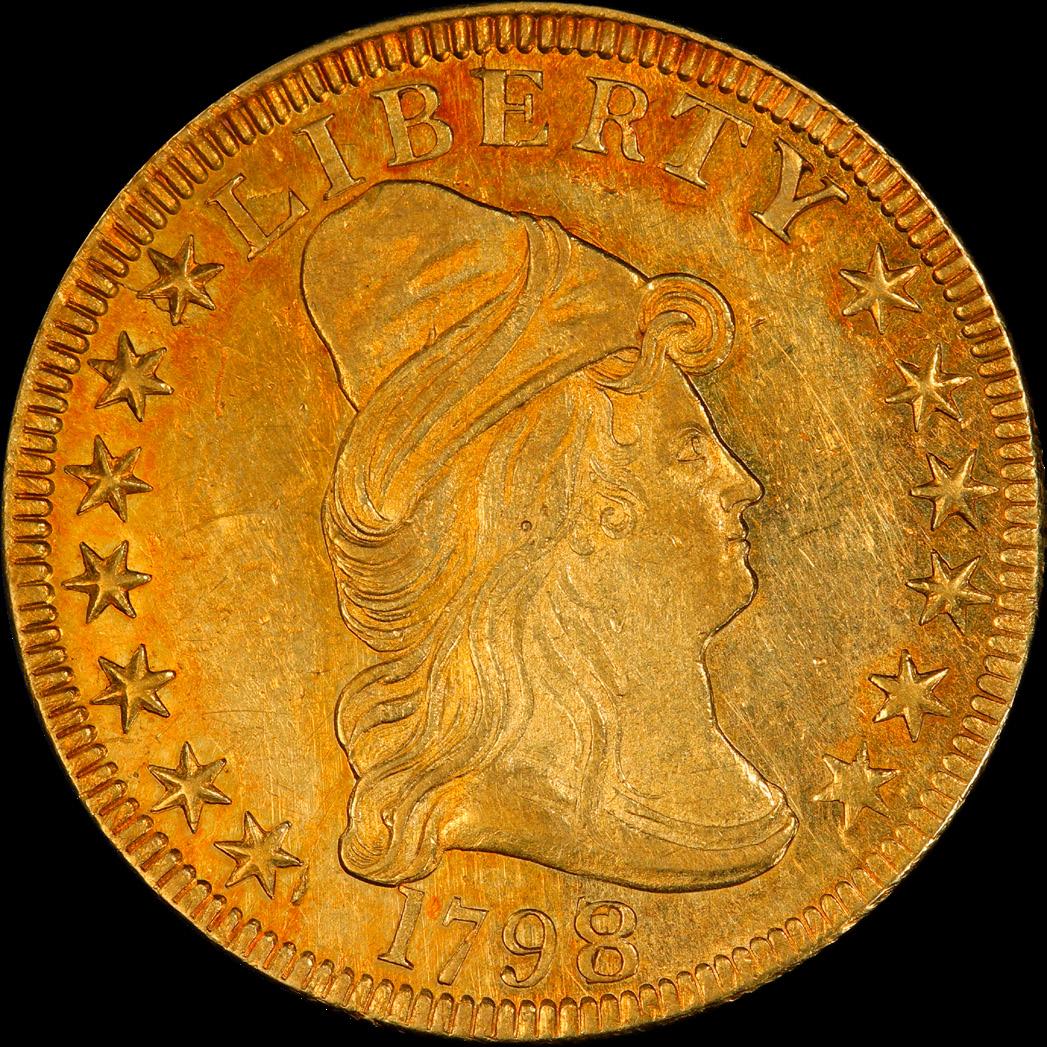
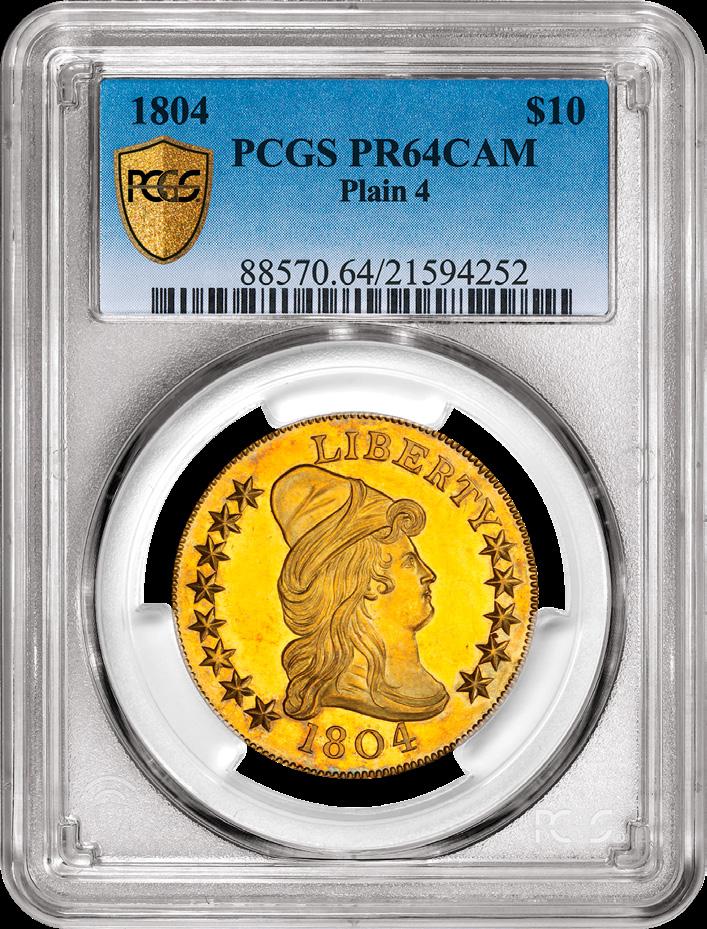
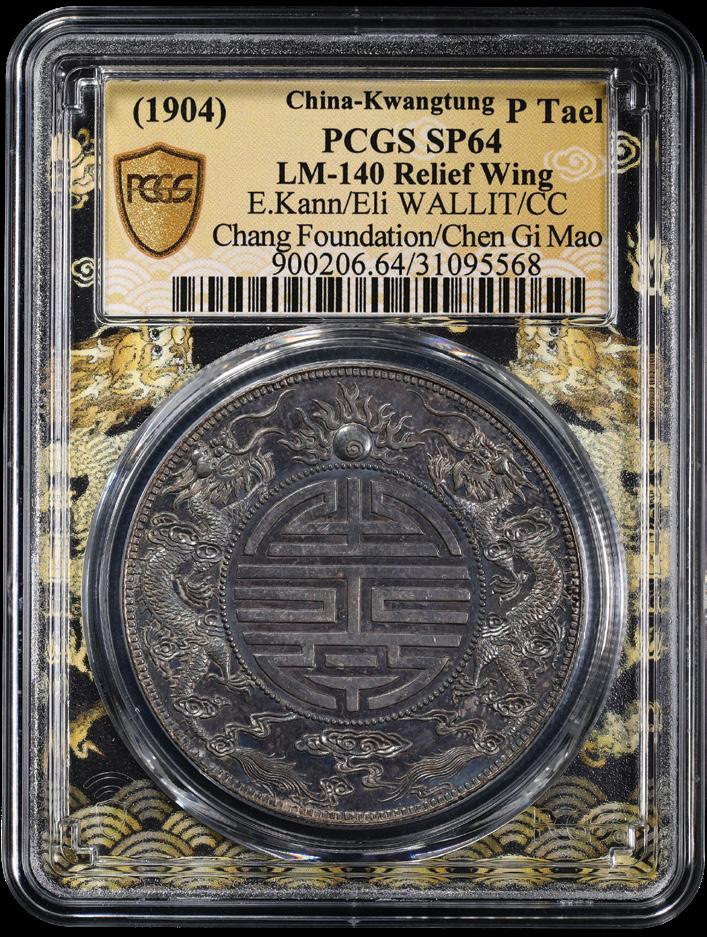
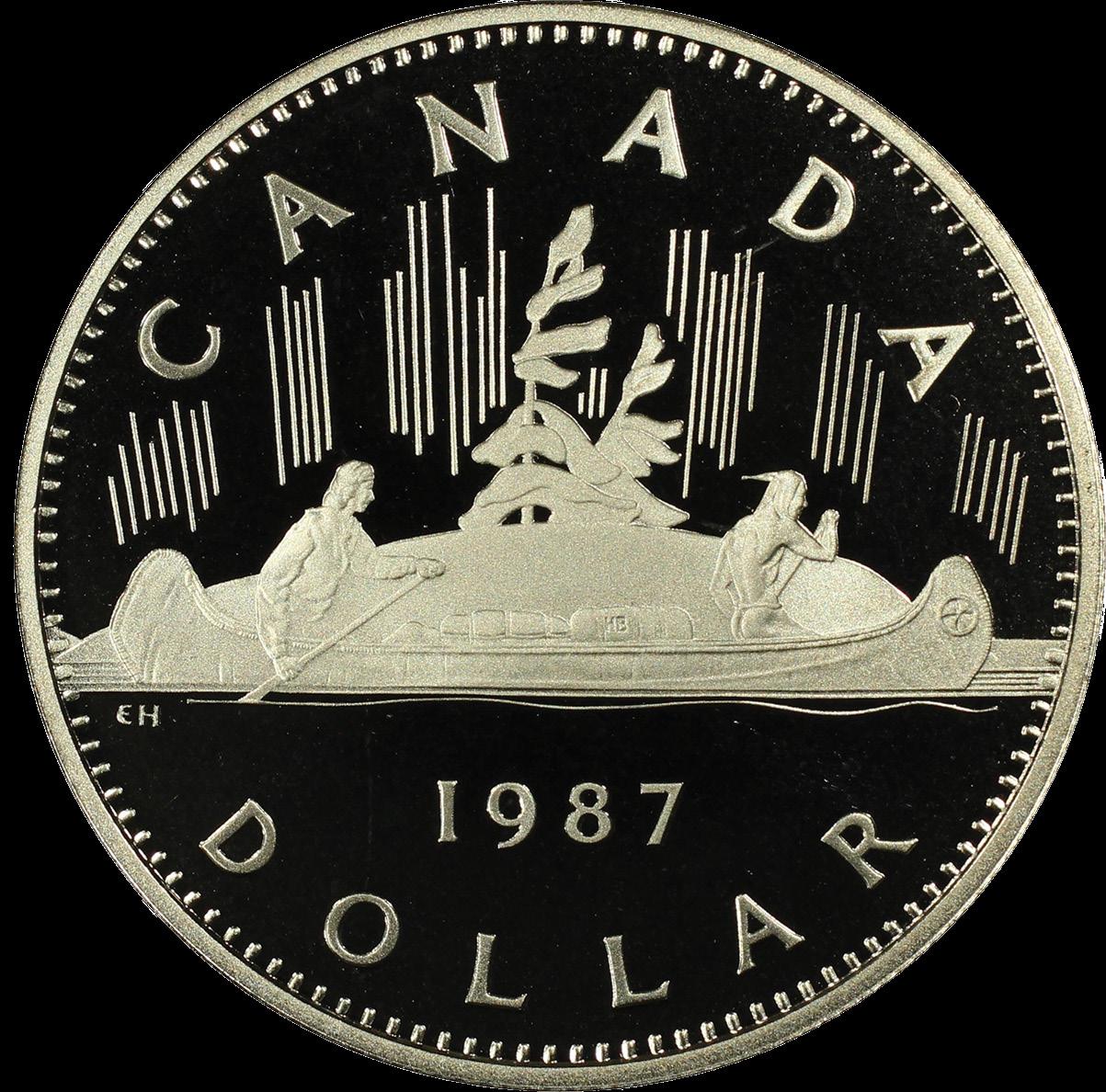
By Joshua McMorrow-Hernandez
When PCGS began its operations in 1986, its focus was primarily authenticating, grading, and encapsulating United States coins of rare stock as well as “blue-chip” coins, like high-end Walking Liberty Half Dollars and Morgan Dollars. However, attention soon shifted abroad as interest among American collectors continued expanding beyond the numismatic borders of the United States.
PCGS began grading Canadian coins in 1987, coincidentally the same year that Canada transitioned from striking its largersize Voyageur Dollar coins and introduced its culturally iconic, small-sized dollar coins known as “Loonies.” In short order, Swiss coin grading entered the picture and by the early 1990s PCGS was grading a menagerie of other coins from around the world.
While PCGS has been providing a full range of grading services for world coins since its earliest days, the company expounded upon its commitment to world grading in the 2010s. It kicked off the decade by opening its office in Paris in 2010, a move that expanded on-site grading and a wealth of other services to collectors and dealers throughout Europe.
Two years later, in 2012, PCGS held its first on-site grading event in Hong Kong – the same year PCGS opened its office in Shanghai, China. PCGS held its first Shanghai grading event in 2013, and among the coins it graded was the magnificent Longevity Silver Tael, a Chinese rarity with an exceptional pedigree.
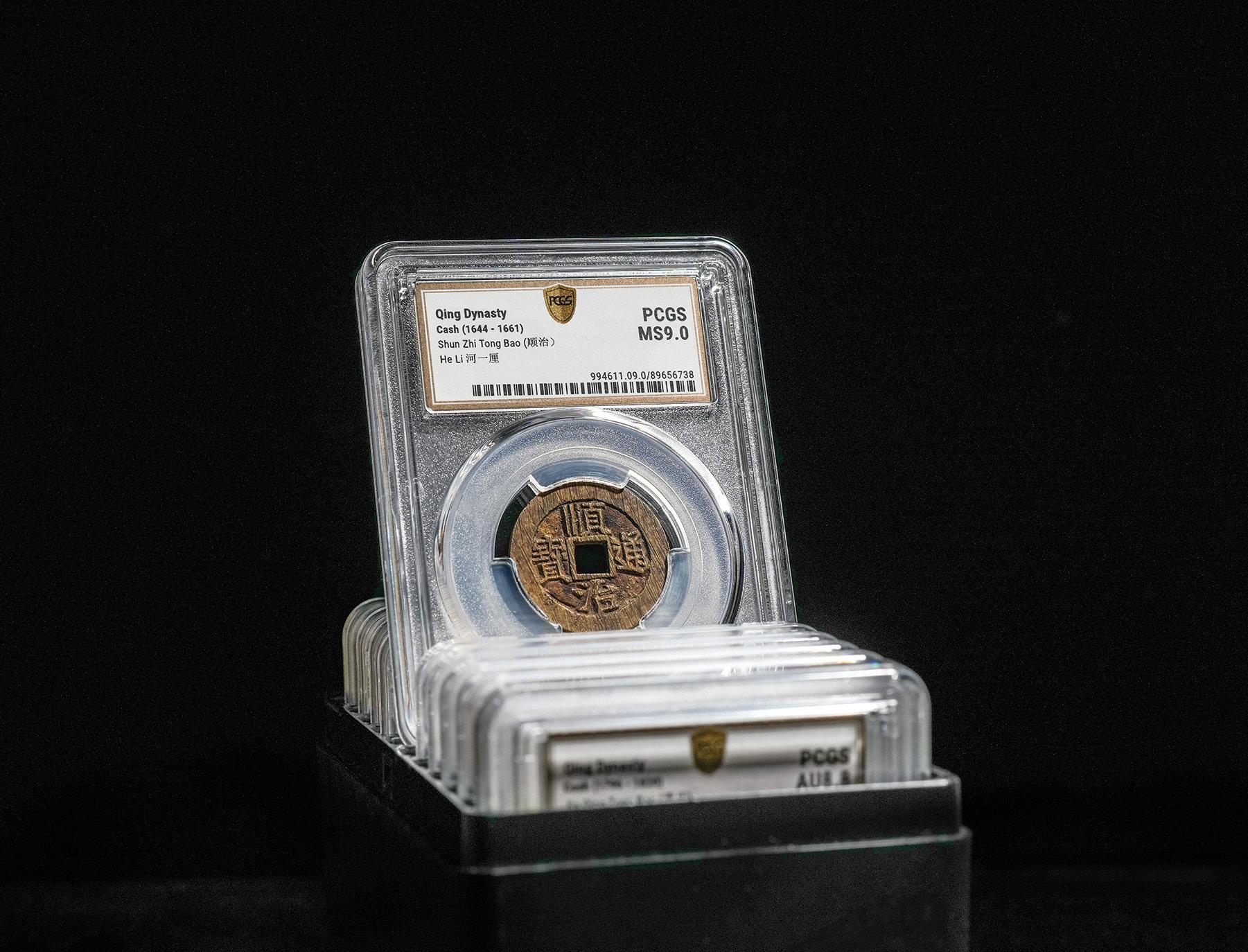
Three of the most valuable world coins PCGS has graded all hail from China. They are the Republic Chang Tso-lin silver Specimen Pattern Dollar Year 16 (1927) graded PCGS SP63, which sold for $4,320,000 in a December 2025 Heritage Auctions event; the silver “Long Whisker Dragon” Dollar Pattern, Year 3 (1911) from the Tientsin Mint graded PCGS SP63+, a Stack’s Bowers Galleries headliner that hammered for $3,000,000 in May 2022; and the “Mukden Tiger” Silver Dollar Pattern, Year 17 (1928), a PCGS-graded SP64 showstopper that also crossed the block at Stack’s Bowers Galleries and garnered $2,280,000 in an April 2021 sale.
As Asia has seen especially pronounced growth in the numismatic hobby, it’s little wonder that China is where PCGS
selected to chart its newest grading horizon: ancients grading. In August 2025, PCGS unveiled grading for Qing Dynasty Chinese Cash coins exclusively for qualified pieces submitted at the PCGS office in Shanghai.
“Since PCGS began over 40 years ago, it has been a progression to achieve what has been accomplished today,” says longtime PCGS Senior World Grader Jay Turner. “PCGS has opened multiple international offices, has graded millions of world coins, and has seen many record-setting auction results, yet it feels like we have only begun the journey. At PCGS we will continue leading the hobby into the future committed to accuracy, trust, and innovation.”
By Vic Bozarth
Imagine the means and wherewithal to build and complete virtually any set of coinage ever produced… Indeed, Dan O’Dowd, a well-known tech mogul, did almost that. He built many phenomenal collections under the auspices of his “Tyrant” alias with little fanfare and in nearly complete confidentiality until a 2017 British news source revealed his identity. Most of the larger auction firms, especially in the U.S., respected his privacy while he spent more than 17 years building his sets quietly. Mr. O’Dowd’s goal was to prevent possible competitors from understanding or realizing his goal until his collection was nearly complete.
Ultimately, although Mr. O’Dowd was willing to spend whatever it took to obtain the items he desired, he did not want to unnecessarily spend extra money on the endeavor. “Nobody knew there was even a collection being built, so I managed to get it without being taken advantage of,” stated Mr. O’Dowd on coin-collecting forum Coin Talk when his connection to the famous Tyrant collection was revealed.
PCGS is grading coins from the Tyrants of the Golden Horn Collection, which incorporates the coinage of Constantine I through the Ottomans. “The Tyrant Collection is divided into sections, one for each of the major civilizations which issued coins for an extended period of time,” O’Dowd told CoinWeek in 2017. “Civilizations require access to water for irrigation and transportation, so they tend to develop around bodies of water, such as rivers, lakes, and seas. Each section of The Tyrant Collection is named after a body of water it dominates.” Explaining that his “Tyrant” moniker relates to the rulers who led these lands, O’Dowd said when a “tyrant” had sufficient power they often issued coinage bearing their image.
Thankfully for a curious and enthusiastic numismatic public, many of these wonderful coins in O’Dowd’s collection have been placed on exhibit to help educate, enrich, and inspire the public. Just as the menagerie of coins from the storied Louis Eliasberg collection awed crowds upon their display during
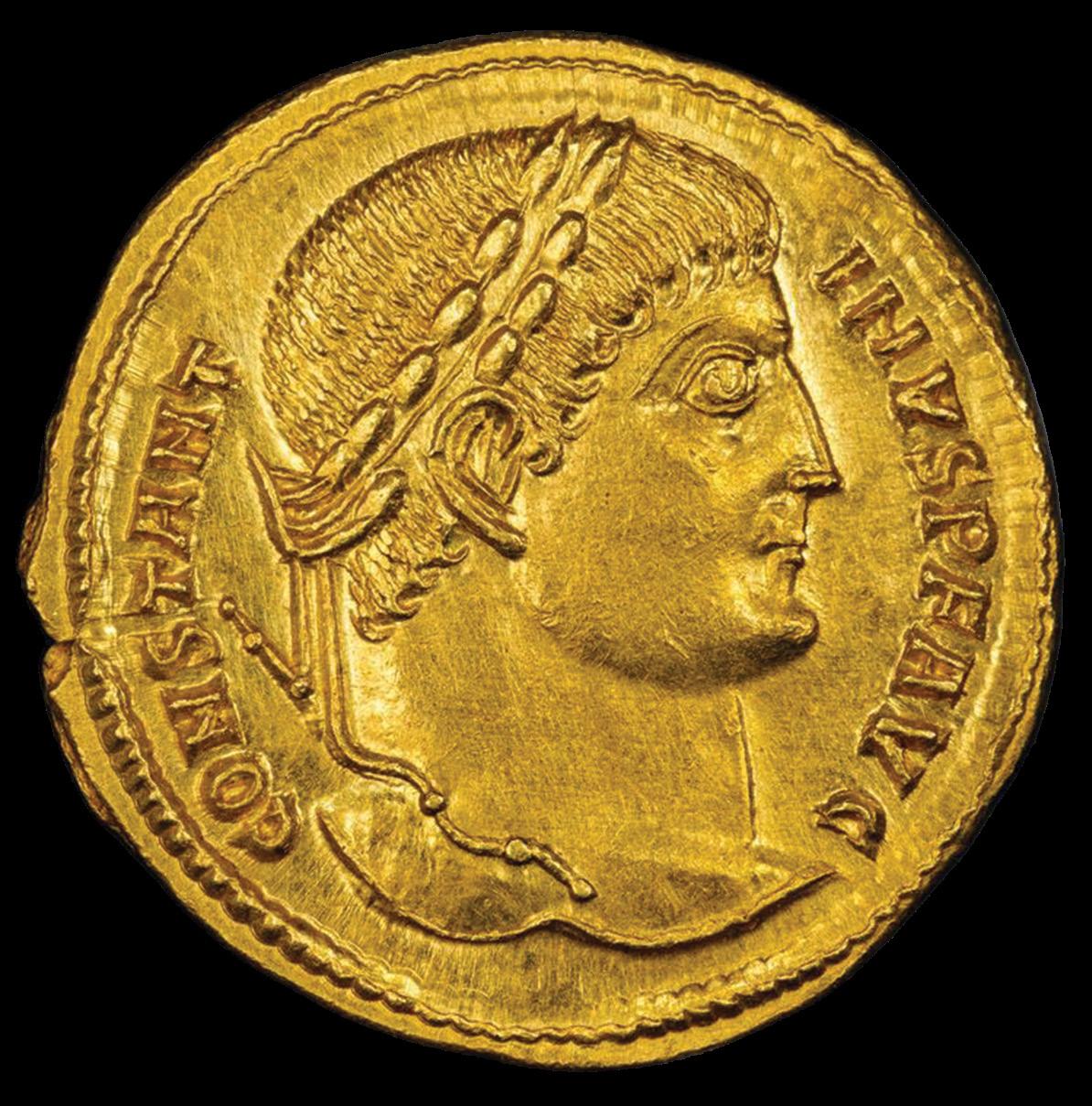
the Bicentennial celebrations in 1976. O’Dowd has shared his coins from his diverse collection in a series of fabulous engaging exhibits at coin shows around the country for almost a decade now. Mr. O’Dowd has presented the numismatic world with a whole new take on collecting with unprecedented scope and breadth of the coins included. I myself have had the opportunity to tour some of these Tyrant exhibits and was mesmerized by not just the variety but also the quality of his coins.
Even as a youth with a small budget, I strove to acquire the best coins available. The inventory at dealers’ shops and in bourse floor showcases were my textbook, so to speak. I did further research in any and all numismatic publications – especially those with full-color images like major auction house catalogs. However, I was always left wanting more. Today we are blessed with a myriad of sources for numismatics. Indeed the PCGS information platforms are second to none in this field. Highresolution images for many coins are available at our fingertips. Not only are images of Tyrant Collection coins available, but O’Dowd has put them on display for all of us to enjoy!
By Charles Morgan
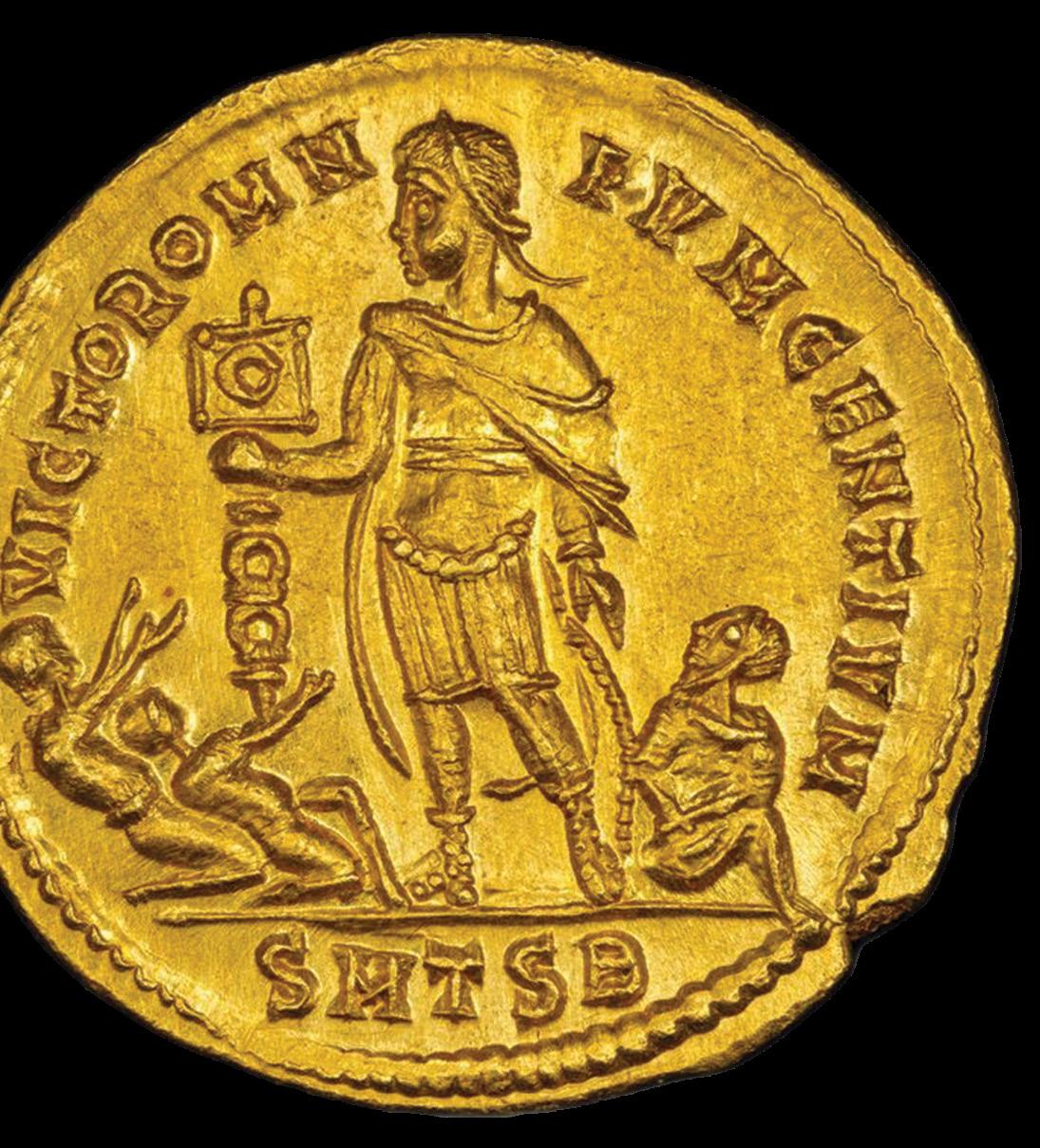
Greetings, friends of numismatic art! It is a pleasure to introduce myself in PCGS Insider on such a momentous occasion for both PCGS and the community of ancient coin collectors.
The “Tyrant Collector,” tech mogul Dan O’Dowd, has dazzled the hobby with a series of museum-quality exhibitions, highlighting the intersection of individual personality, the projection of state power, and the propaganda value of numismatic art. In doing so, he upholds the finest traditions of our hobby: sharing coins, sharing knowledge, and sharing the passion for pursuing and preserving these “tiny treasures.”
PCGS has been proud to partner with The Tyrant Collection by providing our industry-leading authentication, grading, and labeling services. In this issue of PCGS Insider, we celebrate the expansion of this partnership as we break new ground: grading and encapsulating timeless treasures from The Tyrant Collection, featuring ancient coins from the European continent.
This is not a sudden development; our entry into this field has been a long time coming. Indeed, collectors and dealers have repeatedly requested that we grade ancient coinage. In 2025, PCGS opened submissions in our Shanghai office for Chinese cash coins from the Emperors Shunzhi to Daoguang. In doing so, PCGS became the first grading service to offer a comprehensive guarantee for these issues.
We now bring that same level of expertise and surety to the coins of Caesar and Alexander, the Byzantines and the Ptolemies, the Frankish kings, and the ancient peoples of the Levant. Holding one of these coins is like holding history in your hands. With the added security of PCGS encapsulation, collectors can enjoy the peace of mind that their coins are authentic, accurately graded, and protected for generations to come.
Also in this issue is the PCGS debut feature by my longtime friend and professional colleague, Michael Markowitz. I have worked with Mike for more than 10 years, and few contemporary writers have had a larger impact on introducing a new generation of collectors to ancient coins.
Mike is a specialist in Byzantine coinage and has built an impressive collection, but his numismatic curiosity spans the entire continent. As his longtime editor, I can’t tell you how many “curveball” topics I’ve thrown his way — and Mike has never disappointed. As a fan, I can’t wait to see which side streets our editor-in-chief, Joshua McMorrow-Hernandez, asks Mike to take us down in the future. Enjoy his article in this issue on the transition of coinage from ancient to modern. I know, I will. Until next time, happy collecting!
WALK-IN WEDNESDAY
Every Wednesday Collectors Lobby Santa Ana, California
July 1 / August 5 / September 2
Harborside Office
Jersey City, New Jersey
JULY
July 9 - 11
Summer FUN Convention
Orange County Convention Center Orlando, Florida
AUGUST
August 6 - 8
Blue Ridge Coin Show
Dalton Convention Center
Dalton, Georgia
August 25 - 29
ANA World’s Fair of Money
David L. Lawrence Convention Center
Pittsburgh, Pennsylvania
September 9 - 11
Long Beach Expo: The Collectibles Show
Long Beach Convention Center
Long Beach, California

ACROSS
2. The method of manufacture for the collection’s 1804 Dollar and 1834 $10 Eagle (the “Diplomatic” coins).
6. The 1794 silver dollar in the collection is the “_____ Hair” variety, widely considered the first dollar struck by the U.S. Mint.
9. The moniker chosen for the collection to reflect that, historically, only absolute rulers had the wealth and power to strike gold.
11. Along with the Euphrates, this river defines the “Tyrants of the Ancient Near East” exhibit.
14. The river associated with The Tyrant’s exhibit of ancient Egyptian and Ptolemaic coinage.
15. The “Tyrants of the ____” exhibit covers 1,000 years of history across Carthage, Sicily, and Rhodes.
16. The professional grading service that certified the $100 million+ “Tyrants of the U.S.” type set.
1.The Tyrant Collection’s U.S. strategy focuses on this kind of set, requiring one representative of every design ever made.
3. The Silicon Valley entrepreneur and software pioneer who spent years anonymously assembling the collection.
4. The 1907 Saint-Gaudens $20 in the collection is the famous “_____ High Relief” specimen.
5. Ira and Larry; the Los Angeles-based numismatists who serve as the primary curators for the collection.
7. The Southern California coin expo that has served as the primary venue for unveiling new exhibits of The Tyrant.
8. The famous 19th-century pedigree (_____ Hawn-Queller) associated with The Tyrant’s Class I 1804 Silver Dollar.
9. The river representing the “Tyrants of Rome” exhibit, spanning from the Republic to the Fall of the Empire.
10. The river used to title The Tyrant exhibit featuring one of the most complete sets of English coinage in private hands.
12. The legendary “King of_____ ” proof set, a diplomatic gift from 1834, is the crown jewel of the collection.
13. The river that titles the exhibit focusing on French coinage from the Merovingians to the Republic.