Driving the Just Transition:
Perspectives by Truck Drivers and Community Members on the Trucking Just Transition


Lead Author: Fernando David Márquez Duarte, PhD Main Collaborator: Keona Winkler Collaborators: Rachel Perez, Pedro Freire
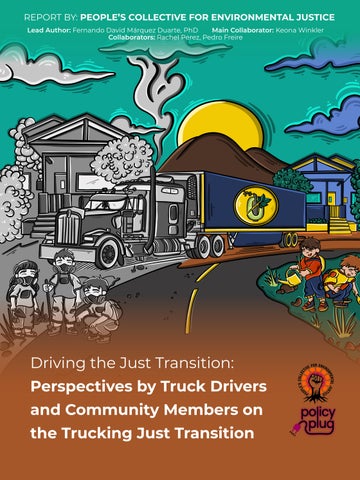
Angel, Basoul Creates
Artwork featured on the front and back cover
Report Design & Layout
Abigail Medina, A-Projex, LLC
A to Z Printing Co., Riverside, CA
Photography and Publication
People’s Collective for Environmental Justice (PCEJ), November 2025
This report is the result of a community based participatory research project conducted with local truck drivers and community members in the Inland Empire of California. The study was conducted by the People’s Collective for Environmental Justice (PCEJ) over the lapse of more than 10 months, with the help of several individuals. However, it is central that we acknowledge that without the truck drivers and community members that agreed to be surveyed and interviewed, this study wouldn’t be possible. They are who made this study a reality and we thank them for their time and knowledge. The results shown in this community-based report are for the community, both truck drivers and community members. This report can also be used by policy makers, government officials and industry stakeholders. There are specific people that deserve special acknowledgement and appreciation for their help on this study. First off, huge appreciation to Keona Wilker, who, at the time of the study, was graduating from Riverside City College with an undergraduate degree in Anthropology. She was a policy intern with PCEJ since October 2024, and was a central part of the study. Thank you for your help and great job Keona! A huge appreciation also goes to Rachel Perez, who at the time of this study, was graduating from the University of California, Riverside with a Bachelor’s in Environmental Studies. Rachel was a policy intern with PCEJ since January 2025 and did invaluable work for this report. Another individual that deserves appreciation is Pedro Freire, a PhD student in Ethnic Studies at the University of California, Riverside who helped us with the truck study from January to March 2025, thank you Pedro!
Additionally, it is worth recognizing the work that Paolina Ochoa did in the beginning of the truck study as a 2024 summer intern with PCEJ, who, at the time of the last stage of this study, was graduating at the University of California, Riverside with a Bachelor’s in Political Science. Thank you Paolina! Other individuals worth recognizing are Athena Tan, who helped conceptualize the study and helped us make it a possibility. Lastly, Elvira de la Torre, thank you for your feedback and support.
We also need to shout out our colleagues on PCEJ’s policy team who supported this study from the beginning with valuable feedback, planning, designing and canvassing: Andrea Vidaurre and Gem Moon Montes, thank you for your help and support!
This report is made possible through the Clean Truck and Bus Voucher Incentive Project (HVIP), a program of the California Air Resources Board, in collaboration with CALSTART, and funded by California Climate Investments. We also acknowledge Riverside City College and the University of California, Riverside as secondary sources of funding for this study, covering stipends and salary for our intern Keona, and collaborator Pedro, respectively. Additionally, University of California Riverside helped with funds for the interviews and surveys.
Last, but not least, we want to thank everyone that showed interest and made the study -and this report- possible. It is important for us to continue to raise awareness about the issues that affect our communities, from the perspective of those impacted.
The logistics industry has been exponentially growing for the last 30 years, especially since the exponential growth of internet and online shopping. Currently, the Inland Empire (IE) moves over 40% of goods in the United States1. It has the largest concentration of warehouses on the West Coast - with over 1 billion square feet of warehousing. Moreover, it has the largest warehouse in the world: The World Logistics Center in Moreno Valley, that can fit 700 football fields. Additionally, 90% of Southern California’s warehouse growth in the past decade occurred in Riverside and San Bernardino counties2. Due to the huge number of warehouses, over half a million trucks drive in and out of the IE every day with the majority being fueled by diesel.
The IE has become one of the largest logistics hubs in the US due to the cargo coming in through trucking and rail from the nearby ports of Long Beach and Los Angeles. Cargo activity at the ports is expected to rise by 57% from 2021 to 20323. This will most likely continue the trends we have seen of warehouse, railyard and trucking growth in the region. The impacts caused by diesel truck emissions primarily impact residents living near freight hubs, ports, railyards, and warehouses, disproportionately affecting marginalized communities of color4 . Most of the polluting emissions are caused by Medium and Heavy Duty Trucks (MHDV). Even though nationally
MHDVs comprise only 13% of on-the-road vehicles, they are responsible for most of the air pollution in the nation.
They generate the following emissions, just to mention a few5:
• 30% of climate-warming emissions
• 52% of PM 2.5, fine particles responsible for causing lung illnesses.
• 58% of smog-forming nitrogen oxides (NOx)
For the State of California, even though only 12% of all Medium and Heavy Duty trucks (MHDV) are Class 7 or Class 8 tractor-trailer trucks, these heavy duty trucks alone are responsible for generating 35% of the state’s total Nitrogen Oxides (NOx) emissions and over 70% of statewide NOx emissions from on-road mobile sources6.
Around 85 to 90% of MHDVs traverse within 100-mile ranges of one another 7 . Thus, in areas with high concentrations of warehouses and trucks, like in the IE, truck emissions can cause even higher cumulative impacts.
To address the increasingly high levels of air
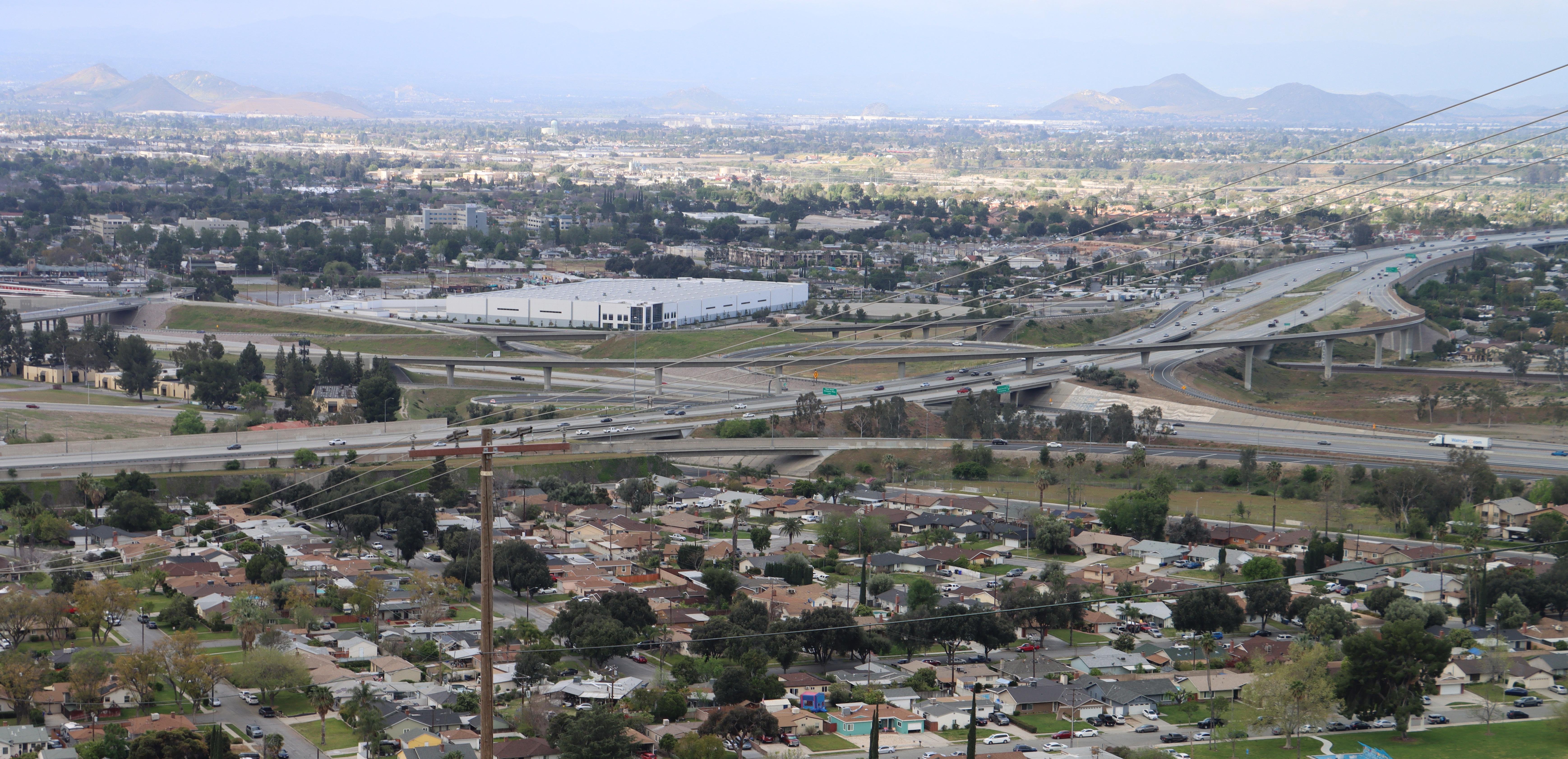
The Inland Empire moves over 40% of goods in the United States.
pollution, environmental agencies in California have been issuing regulations in order to reduce polluting emissions of mobile and indirect sources of air pollution, such as trucks, trains, warehouses and railyards. Recent efforts at the California Air Resources Board (CARB) have established targets of Zero-Emission (ZE) vehicles production and sales in order to phase out diesel-powered trucks in the near future. This has given a much needed impulse to the energy transition in order to achieve ZE vehicles.
Due to the anticipated transition to zero emission freight vehicles, the People’s Collective for Environmental Justice (PCEJ) found it necessary to conduct a research study to better understand the experiences and perspectives of truck drivers especially considering the transition to Zero Emission (ZE) trucks . Additionally, diesel trucks significantly contribute to harmful emissions that generate negative health impacts in marginalized communities, which has led to many neighborhoods in the IE to become sacrifice zones. It is important to note that for us, ZE trucks are electric battery trucks , and not other “alternative” fuels, such as hydrogen. The study consists of both surveys and in-depth interviews with truck drivers and community members in the area of Colton, Bloomington, and San Bernardino. The surveys and interviews were conducted to gather data about truck drivers as well as a small number of community members that live in communities that are impacted by truck pollution to learn about their perspective on diesel versus electric trucks and any concerns and needs they have about the transition to electric trucks. While the transition to ZE vehicles is a necessity, it is important to have a transition that is fair for everyone (including truck drivers that are owneroperators and run small fleets (<10 trucks)).
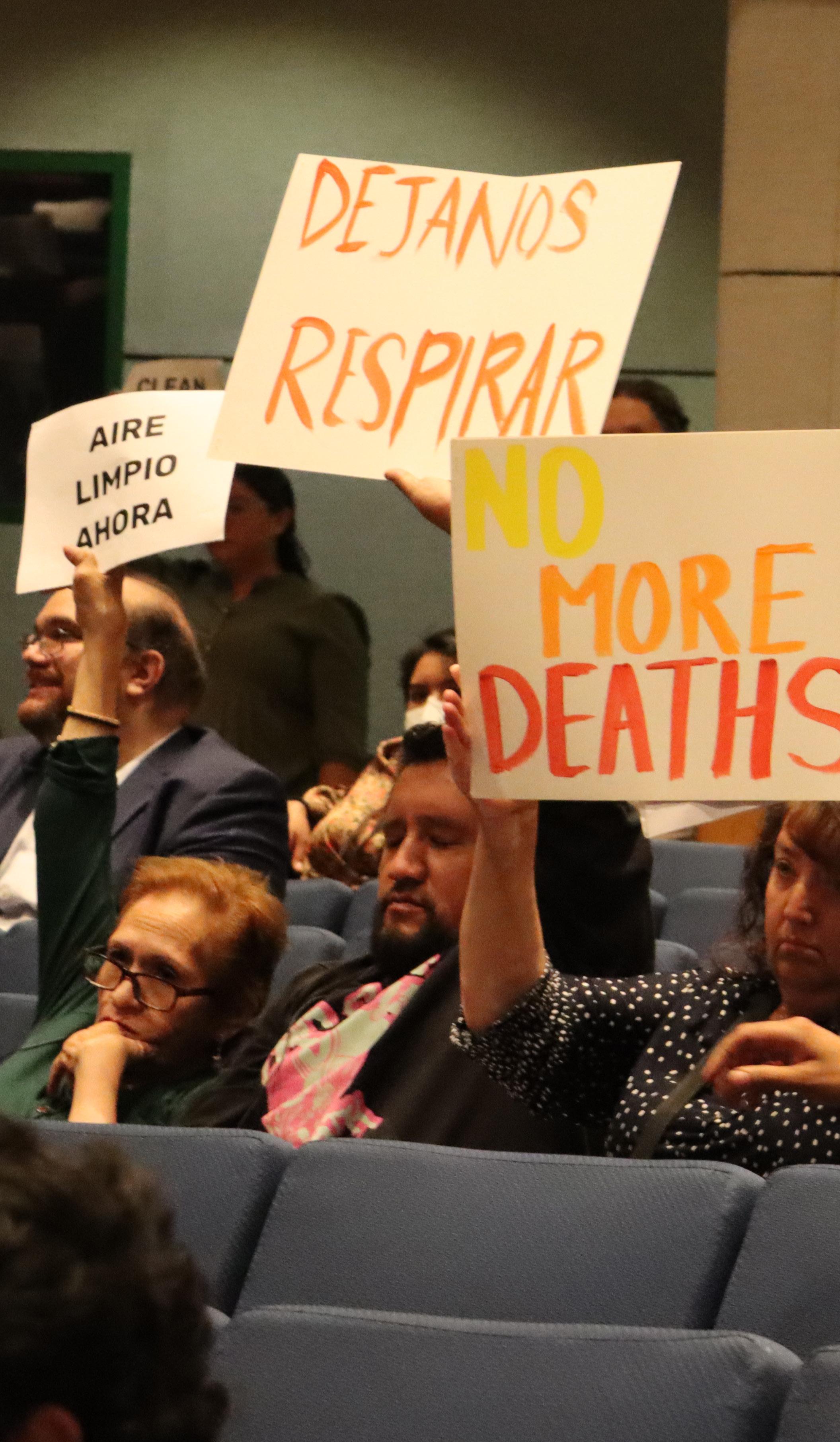
Many neighborhoods in the IE have become SACRIFICE ZONES.
The end goal of this report is to show the results of the study, in order to make recommendations to elected officials, other public-decision makers, truck drivers, and community members. Thus, we present the recommendations before going in depth with the data analysis. It is suggested to read the whole report to better understand the data that leads to these recommendations and the context.
The recommendations are presented by issues that were salient throughout the study. The recommendations are regarding information & outreach, costs of electric truck, the infrastructure needed for the transition, regulations needed, and future research avenues.
One of the main takeaways from truck drivers is that they are not aware of the information, requirements and processes to apply for incentives and other programs that different environmental public agencies have in place for the ZE transition.
• There is an important need for better ways and channels to share information about the different elements of the transition for both truck drivers and community members. Agencies like SCAQMD, CARB, as well as state, county, and city governments need to make information more accessible for the people that are more concerned about the transition and would be more benefitted by the improvements in the environment and health that the transition is projected to deliver in our communities.
Regarding the costs of the transition , there are several incentives (we listed 9 of them in Table 3) that currently exist to make it more accessible for
truck drivers to get/lease an electric truck, and for developers/facilities to build/get electric charging stations. Moreover, the ports of Los Angeles and Long Beach received millions of dollars in grants to build and get charging stations and equipment necessary for the transition, as well as different cities.
• Whereas all these incentives and grants exist, truck drivers that have tried to apply for incentives share that the application requirements (such as permits needed), as well as the application process itself are too complicated, such that only one of the truck drivers surveyed has finished an application for incentives (fortunately the trucker got it). Applying for incentives is especially burdensome for owner-operators and micro companies that have 10 trucks or less, because they don’t have the time and/or expertise to apply themselves and don’t have enough funds to hire accountants and/or attorneys to fill the applications. Although CARB has a program to help people apply, only one trucker was aware of it (and stated that it was very helpful).
• It is also important to note that electric truck companies’ price gouging increases the cost of these trucks. In Europe, the same manufacturers sell electric trucks with more range sometimes at a lower cost. It is relevant that the US government develops a strategy to help address the cost issue, which is one of the key concerns shared by truck drivers.
Another salient topic in the section on the transition to ZE trucks was the availability of the infrastructure needed. Most truck drivers’ concerns were having enough charging stations throughout the routes they use, and on each stop, to prevent having to wait long periods of time to charge electric trucks. Another concern was the charging capacity of each charging station and the time.
• Although we have shown data that there are fast chargers, and that most chargers have an important capacity to charge up to 100 trucks daily, the truth is that there is a serious delay in building enough public charging stations in Southern California. This is not only caused by the costs -because as mentioned before there are multimillion dollar incentives and grants that different governments and facilities have received-, but there is resistance from industry in general, as well as ports and other facilities, to build and develop enough charging stations. The fossil fuel industry has shown that they are not willing to invest in the transition. They block any attempt to advance the transition, as they want to keep profiting by polluting and harming the health and environment of our communities.
• For infrastructure deployment it is important to further study the timeline of deployment, the funding available for it, and the specific obstacles to comply with the proposed timeline. An important element to consider in this point is the Ports Indirect Source Rule (ISR) that has been due for years now. It is concerning that SCAQMD has paused the regulation process in lieu of a “cooperative agreement” with no enforceability or emissions reductions, by the time of finishing this report (September 2025). We recommend SCAQMD to work towards enforceable emission reductions.
• Additionally, it was noted that it is important to consider where these charging sites are located. Primarily, to help assist with routes that already exist for truck drivers but also to ensure that residents nearby are not impacted. Ensuring that new truck charging stations are located in areas that will not impact residents is a way to ensure we do not repeat past behaviors of land use discrimination.
In California, we have truck regulations established by environmental agencies such as CARB and SCAQMD , with targets of Zero-Emission (ZE) vehicles production and sales , to phase out
diesel-powered trucks in the near future. However, the current stance of the federal government is to attack all environmental regulations and roll back all the hard-earned policies, regulations, and incentives.
Despite the federal government’s attacks on environmental regulations, policies, and incentives, the state of California should continue to lead the ZE transition, with regulations and policies regarding Environmental Justice and the transition to ZE vehicles and technology.
• This attack on environmental policies will have serious consequences on the health of our communities if not stopped. It is important that the community is aware of these actions and their potential impacts, and to mobilize to defend these hard-earned policies, regulations, incentives, and government actions.
• It is important that the state government in California, as well as cities and counties continue the support of the ZE transition and have contingency plans for any potential affectation on funding and regulations. It is also important that public funds for the ZE transition are used for technologies that don’t release polluting emissions to the air. We suggest that the focus should be in electrification instead of hydrogen, biodiesel, and/or natural gas.
Finally, it is worth highlighting that this is an exploratory study to understand qualitatively the perceptions of truck drivers and community members. Thus, there are future research avenues to continue this study: the future of the deployment of infrastructure for the transition, the impacts of
“alternative” fuels that are presented as “zero emission” but do have several negative impacts (like hydrogen, biogas, etc.), and the impacts of lithium mining for the ZE truck batteries.
• Regarding “alternative” fuels, it is relevant to conduct research on the impacts on the environment and health of technologies like hydrogen, that are being pushed by industry for vehicles instead of battery electric. Most hydrogen production in the US is conducted with “dirty” hydrogen that generates polluting emissions and consumes a huge amount of water. However, there is an important amount of public funding to push for it, funds that should go to the electric transition instead.
• Finally, it is important to analyze the impacts of all the supply chain of electric trucks, including the lithium extraction necessary for batteries. As mentioned in this report, we need to make the transition to electric vehicles, because it will greatly reduce polluting emissions that affect the health and life expectancy of our communities, especially low-income communities of color. However, this transition needs to be just, which implies not having sacrifice zones for the sake of the transition. The transition needs to be conducted in such a way that benefits the most marginalized communities, the most affected by pollution and climate change, not just to create new ways for industry to profit at the expense of our communities.
These recommendations are presented before the data analysis to highlight urgent community concerns. We encourage readers to review the full report for context and supporting evidence.
• Truck drivers lack awareness of incentive programs and application processes.
• Agencies (SCAQMD, CARB, state/local governments) must improve outreach and accessibility.
• Truckers need reliable, fast-charging stations along routes and at stops.
• Despite funding, infrastructure rollout is delayed due to industry resistance.
• SCAQMD’s pause on the Ports ISR is concerning; enforceable emissions reductions are needed.
• Charging station siting must avoid harm to nearby residents and prevent land use discrimination.
• Incentives exist but are hard to access, especially for owner-operators and small fleets.
• Application processes are burdensome; support programs are underutilized.
• Price gouging by manufacturers must be addressed through federal strategy.
Regulatory Landscape
• California leads in ZE truck regulations, but federal rollbacks threaten progress.
• State and local governments must defend and expand environmental justice policies.
• Public funds should prioritize electrification over hydrogen, biodiesel, or natural gas.
• Study infrastructure deployment timelines and barriers.
• Investigate environmental and health impacts of “alternative” fuels like hydrogen and biogas.
• Examine the full supply chain of electric trucks, especially lithium extraction.
• Ensure the transition is just and does not create new sacrifice zones.
The truck study was conducted from July 2024 to May 2025, conducting the fieldwork from August 2024 to February 2025. The fieldwork consisted of surveys and in-depth interviews . In total 58 questionnaires were applied: 24 surveys were applied with truck drivers, 6 surveys were applied with community members affected by trucking pollution, 22 in-depth interviews were conducted with truck drivers, and 6 in-depth interviews were conducted with community members. We decided to include community members in the study to also understand the impacts that trucking generates in the communities. Most of the truck drivers that responded to the survey also responded to the interview; only two of the truck drivers surveyed chose not to participate in the interview. Most surveys and interviews were conducted in-person, and some of them were conducted over the phone. Although most surveys and interviews were conducted in English, some surveys and interviews were conducted in Spanish, since there are truck drivers and community members that are more comfortable with Spanish.
The recruitment of truck drivers for the surveys and interviews was conducted through canvassing at different truck stops, truck parts shops and repair centers, as well as restaurants that truck drivers typically use, in Colton, Bloomington and San Bernardino. We also used the snowball technique, where the truck drivers we surveyed recommended fellow truck drivers to reach out for the study.
The demographics of the participants in the study were the following:
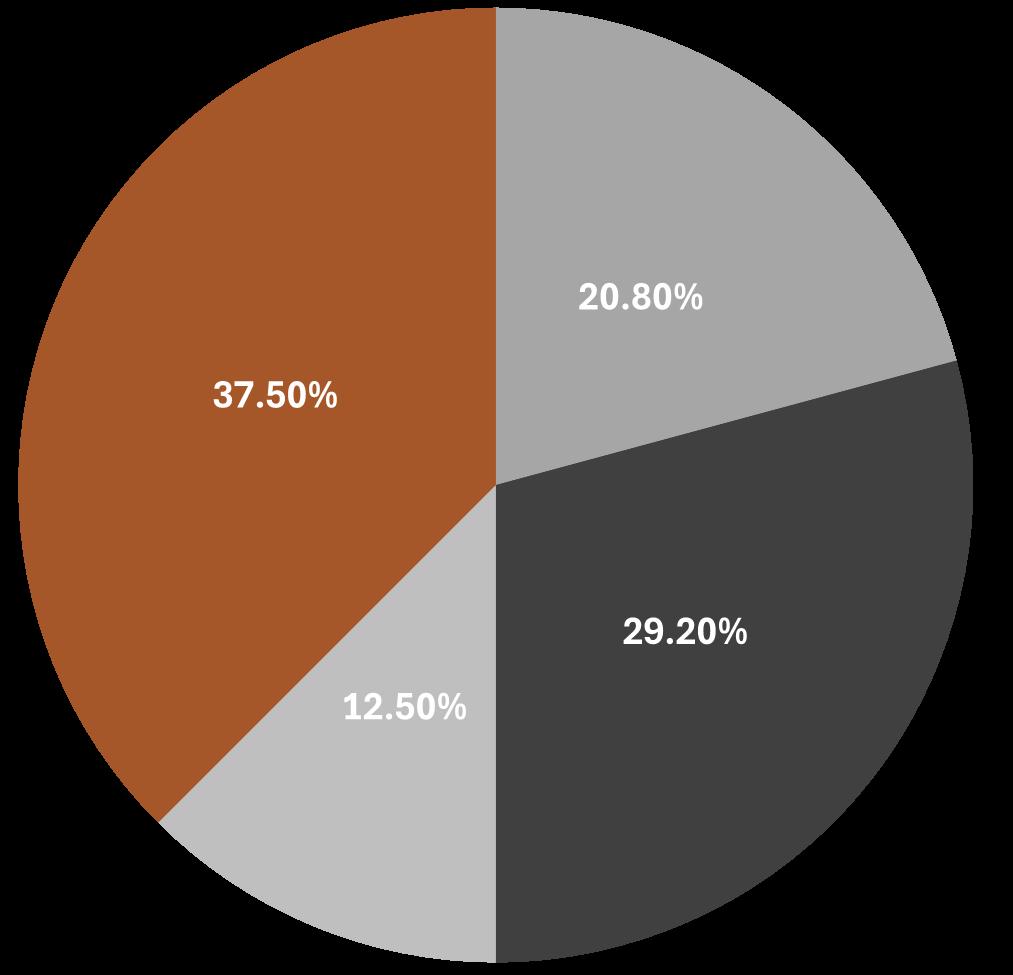
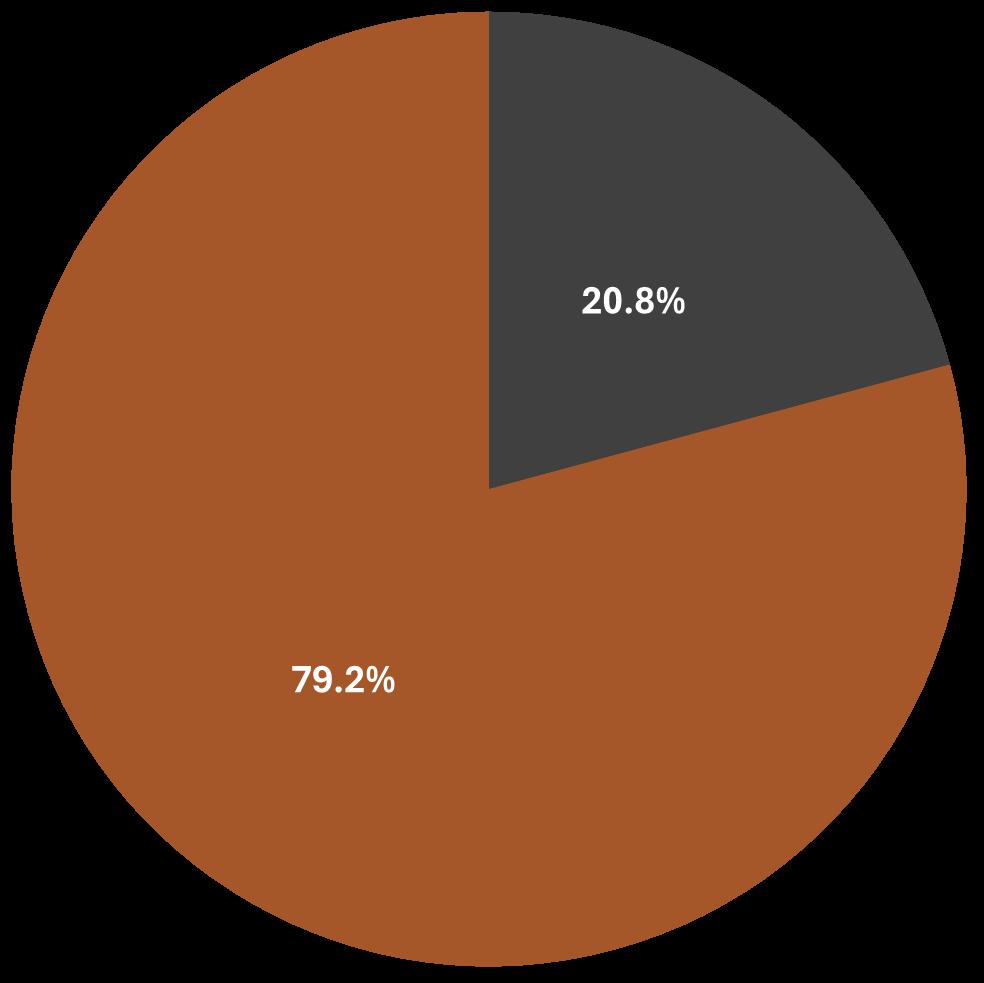
Figure 1: Age of truck drivers surveyed. Source: created by the authors.
For truck drivers, 9 participants were 50 or older and represented 37.5% of our responses. In second place we had 7 participants that were 30 to 39 years old, representing 29.2%. Following this age range, there were 5 truck drivers in the 30 or younger group which made up 20.8% of the respondents. Finally, we had 3 truck drivers surveyed in the ‘40 to 49’ age demographic (12.5%). Regarding community members that participated in the study, 4 of the individuals surveyed were 50 or older, while the other 2 participants were ‘30 to 39 years old’.
Regarding ethnicity, we have the following data:
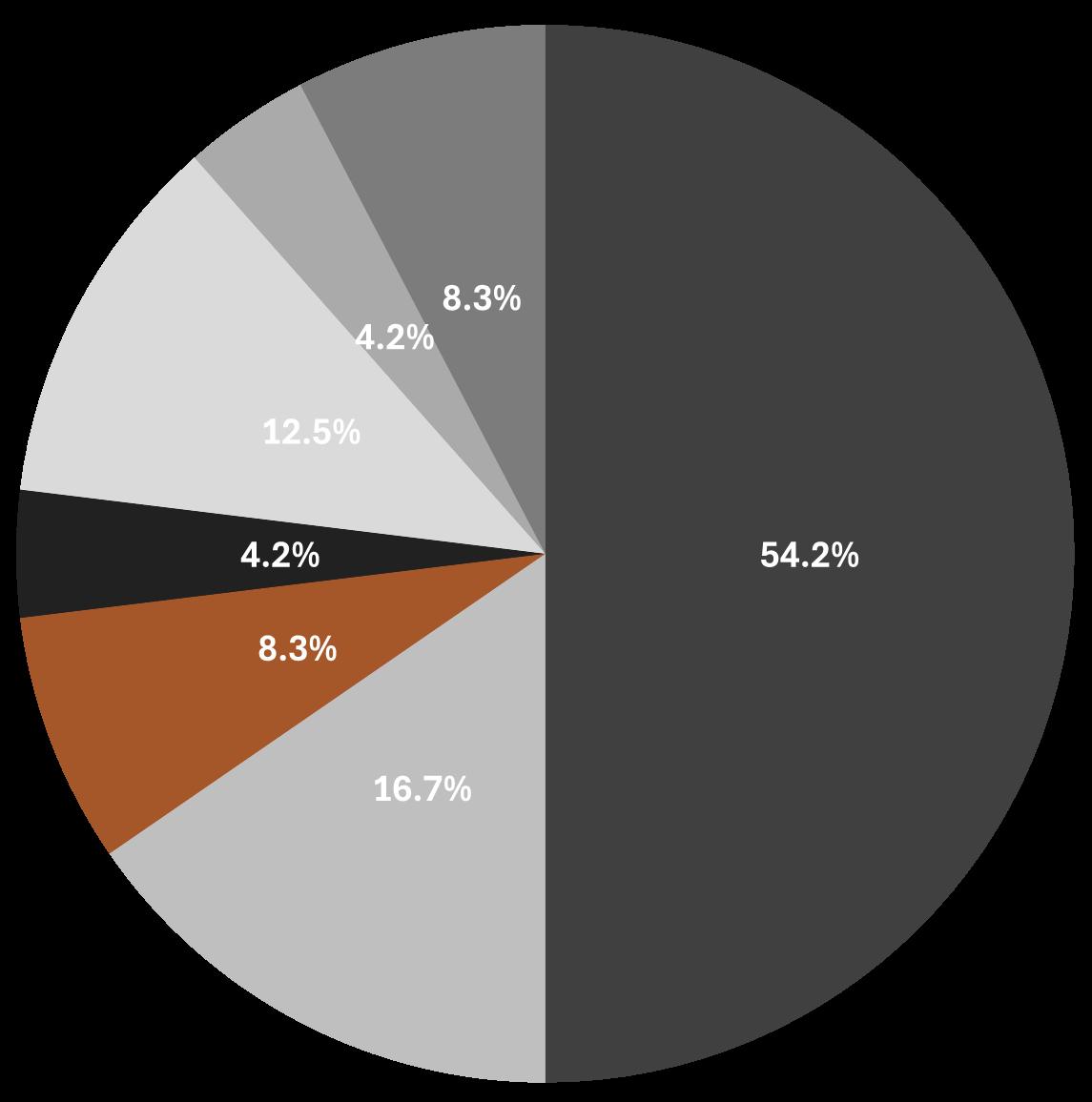
Figure 2: Ethnicity of truck drivers surveyed. Source: created by the authors.
The majority of truck drivers identified as ‘Hispanic, Latino/a.’ This group represented 54.2% of the truck drivers surveyed with 13 individuals. The second largest race/ethnic group was ‘Mexican or Chicano/ a/x’ at 16.7% with 4 respondents. There were 3 ‘White/Caucasian’ participants, representing 12.5%. Two truck drivers were ‘Black or African American,’ representing 8.3% of the survey. In the “other”
category on the survey option list, 2 truck drivers responded as ‘Asian Indian’ representing 8.3% of the survey. There was only 1 individual who chose ‘South Asian’ and 1 individual under ‘Mixed Race.’ Regarding community members, 3 participants identified as ‘Mexican or Chicano/ a/x’, 1 as ‘Hispanic, Latino/a’, and 1 person chose both of these options. Additionally, one person identified as ‘White/Caucasian’.
Regarding gender, 91.7% of truck drivers (22 truck drivers) identified as male and 8.3% (2 truck drivers) as female . As for community members, there were 2 male respondents and 4 female respondents. In total, 6 women and 24 men took the survey.
We also asked them about their schooling level. Three truck drivers had an ‘11th grade or lower’ education, representing 12.5%. There were 9 participants with a ‘High school diploma’ representing 37.5%. Five truck drivers had ‘some college, no degree’ (20.8%). Three individuals had a ‘2-year degree’(associate’s) (12.5%). There were 2 respondents with ‘4-year degree’ (bachelor’s), and 2 truck drivers with ‘Advanced degree’ (master’s or higher).
In this report we show the results of the study, concluding with recommendations about how to make the zero emission transition a just transition. The analysis of the surveys and interviews is divided by topics. In each of the following sections we intertwine the results of our study with data of published sources regarding pollution and health impacts, labor implications, issues around the electric transition, etc.
The Inland Empire (IE), comprising the counties of San Bernardino and Riverside in southern California, has some of the worst air quality and air pollution levels in the nation. The State of the Air report of 2024 published by the American Lung Association (ALA) shows that the counties of San Bernardino and Riverside came in first and second place nationally for worst ozone pollution levels. On average, San Bernardino has 175 days in the year of unhealthy air ozone pollution, almost half of the year. San Bernardino and Riverside counties also came in at 10th & 12th place, respectively, in the worst annual particle pollution levels based on national ambient air quality standards. Additionally, the report also shows that over 170,000 individuals suffer from asthma in San Bernardino, and over 190,000 individuals in Riverside8 . The trend of having the worst air quality nationally has been going on for quite a few years; the State of the Air report of 2023 published by the ALA also showed that San Bernardino and Riverside came in first and second place nationally for worst ozone pollution levels, and had on average 177 days of the year with unhealthy air ozone pollution
in San Bernardino, again almost half of the year. Both counties also came in 7th and 8th place in the nation, respectively, for worst annual particle pollution levels. More than 98% of Californians live in an area that has failed to meet national standards on at least one measure of air quality.
As mentioned in the introduction, trucks release different polluting emissions into the air that have serious negative health impacts, like NOx, NO2, PM 10 and PM 2.5:
• Nitrogen oxides (NOX) can irritate people’s eyes, nose, throat, and lungs, possibly causing people to cough and experience shortness of breath, tiredness, and nausea. An estimated 4,401 tons of NOX are released annually.
• Nitrogen dioxide (NO2) can cause Asthma, COPD, unconsciousness, cardiovascular diseases and even death. Long-term exposure can lead to infertility.
• Particulate matter 10 microns or less (PM10) is inhalable into the lungs and can cause cardiovascular effects such as cardiac arrhythmias and heart attacks, and respiratory effects such as asthma attacks and bronchitis.
• PM (Particulate Matters) 2.5 microns or less is associated with premature mortality, increased hospital admissions for heart or lung causes, acute and chronic bronchitis, asthma attacks, emergency room visits, respiratory symptoms, and restricted activity days9 . It is also associated with heart disease, stroke, influenza and pneumonia. Researchers also found a similar association between exposure to PM pollution and an increased risk of death from lung cancer among never-smokers10.
The emissions that vehicles release into the air cause much of the general air pollution. Trafficrelated pollution continues to increase especially due to the expansion of the logistics industrial complex, land use policies , and zoning that prioritize logistics infrastructure over community health and wellbeing, disproportionately affecting communities of color. A 2023 study on air pollution exposure disparities showed that communities of color in the U.S. are exposed to NO₂ levels 15–50% higher than the national average, whereas nonLatinx white populations experience 5–15% lower levels. Moreover, a 2024 NASA study shows that areas near warehouses experience, on average, a 20% rise in NO₂ levels. It is also important to consider that in Black, Indigenous, People of Color (BIPOC) and low-income communities the impacts on health of pollution accumulates
with other factors such as poverty, inadequate healthcare access and other social stressors, exacerbating health effects and mortality levels11 . BIPOC low-income communities have the most warehouses and trucks in the IE.
It is estimated that the total transportation sector pollutant and carbon dioxide (CO2) emissions reductions in the Zero-Emission (ZE) vehicles ideal transition scenario would avoid approximately 150,000 premature deaths and equate to nearly $1.3 trillion in health and environmental savings through 205012 . Moreover, the unequal distribution of emissions inside the county of San Bernardino is acute. The following figure shows the distribution of emissions studied through satellites in 13 counties where ground monitors do not exist. These 13 counties represent the top counties, out of 15, plagued by NO2 pollution, like San Bernardino:
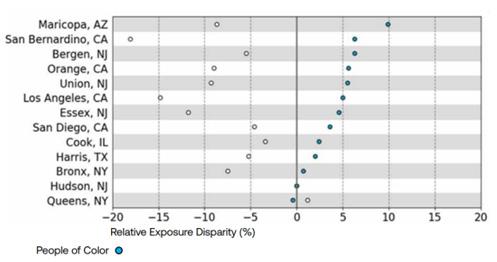
Figure 3: NO2 exposure disparities i n select counties. Source13:
To better illustrate the impacts of pollution in the IE, we have used Cal Enviro Screen 4.014, which is a screening tool used to help identify communities disproportionately burdened by multiple sources of pollution and with population characteristics that make them more sensitive to pollution effects. With this tool we generated several screen shots of the IE regarding pollution impacts and related indicators. The first map shows environmental cumulative impacts in general in the IE:
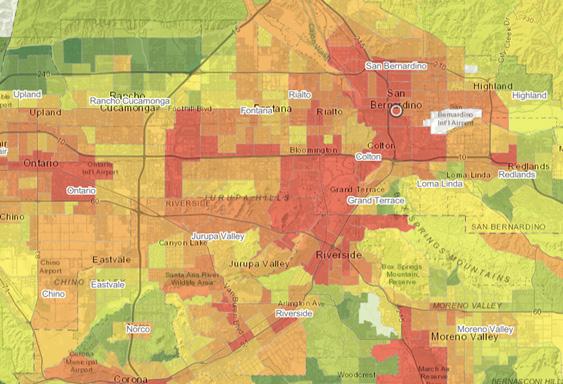
Environmental cumulative impacts map of the Inland Empire. Source: Created by the authors using Cal Enviro Screen 4.0
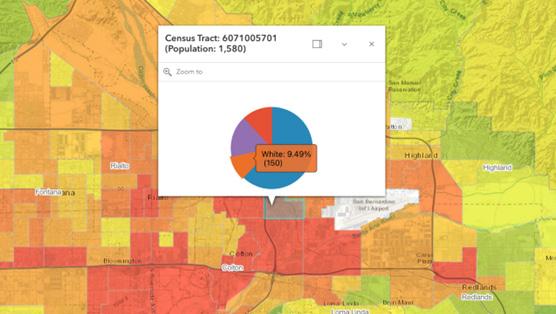
Created by the authors using Cal Enviro Screen 4.0
In the maps above, the areas closer to red have more environmental cumulative impacts, and the areas closer to green have less environmental cumulative impacts. As it can be seen, the cities of San Bernardino, Bloomington, Colton, Moreno Valley, Ontario, and part of Riverside have more impacts. Most of the communities in these cities are composed of low-income BIPOC. This is visible in figure 5, where it shows that there are less than 10% of white people in the most polluted census tract. On the other hand, cities like Highland, Redlands, and Loma Linda have less impacts, and a higher percentage of white and wealthy population. To compare environmental impacts with other indicators, the following map shows the concentration of poverty in the Inland Empire:
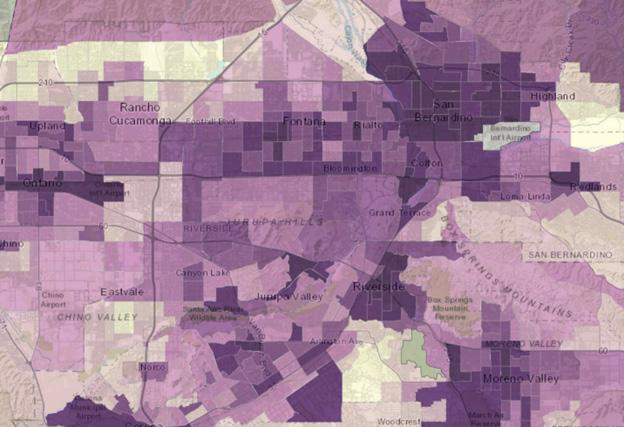
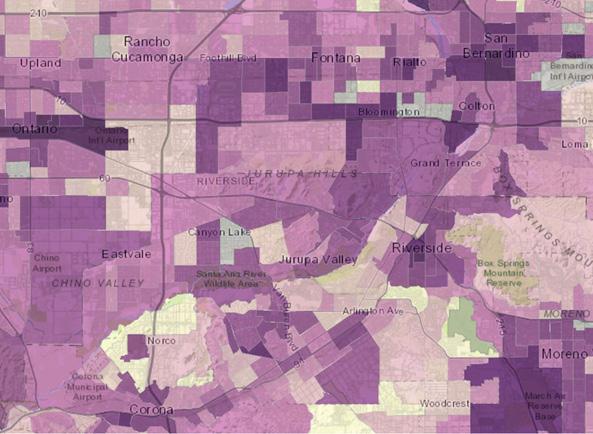
In figure 6, the darker the shade of purple the more poverty is concentrated in a specific census tract. Comparing figure 6 with figure 4, it is clear that the cities that have more environmental impacts also show high concentrations of poverty: San Bernardino, Bloomington, Colton, Moreno Valley, Ontario, and parts of Riverside. This data confirms what we have discussed in previous pages: BIPOC and low-income communities suffer most of the negative environmental impacts.
Added to that, the following map shows linguistic isolation in the IE. This is also relevant because this indicator is high in low-income communities of color, where a significant population of immigrants live:
As seen in figure 7, the cities of San Bernardino, Bloomington, Ontario, Moreno Valley , parts of Riverside and Colton show high linguistic isolation , which means that an important percentage of people are not fluent in English, making them linguistically isolated since public and accessible interpretation and translation services are not available for most of the population. This generates significant barriers to education and job access. It is worth highlighting that the areas with high linguistic isolation are very similar to the areas with high poverty concentration, and environmental cumulative impacts.
BIPOC and low-income communities suffer most of the negative environmental impacts.
On the other hand, it is important to show maps that indicate the prevalence of diseases caused by pollution impacts. In the following figures, a map of asthma, as well as a map of cardiovascular disease prevalence, are shown:
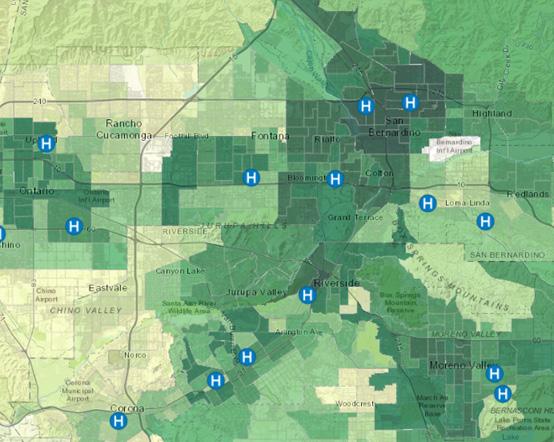
8: Asthma prevalence map of the Inland Empire. Source: Created by the authors using Cal Enviro Screen 4.0
In figure 8, the darkest shades of green are the areas with higher asthma percentiles. As explained in the previous pages, asthma is a disease caused by air pollution impacts. The areas with more asthma prevalence are San Bernardino, Colton, Bloomington, Ontario, Moreno Valley, and parts of Riverside.
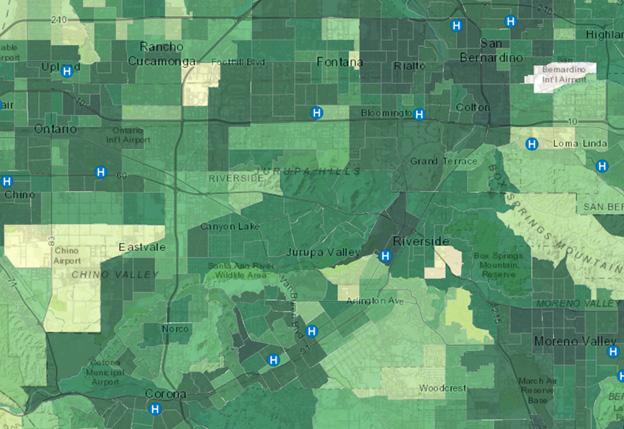
9: Cardiovascular disease prevalence map of the Inland Empire. Source: Created by the authors using Cal Enviro Screen 4.0
In figure 9, the darkest shades of green are the areas with higher cardiovascular disease prevalence. Similar to asthma, cardiovascular disease is heavily influenced by air pollution impacts. The areas with more cardiovascular disease are San Bernardino, Colton, Ontario, Moreno Valley, and parts of Riverside. The color of the maps in figures 8 and 9 are very similar, and they also show similar distribution to the maps shown in figures 4 to 7. This data clearly illustrates that air pollution has a very serious impact on the health of lowincome communities of color in the IE. Finally, the map below shows traffic density in the IE:
Asthma and cardiovascular disease prevalence are highest in the same communities most burdened by pollution.
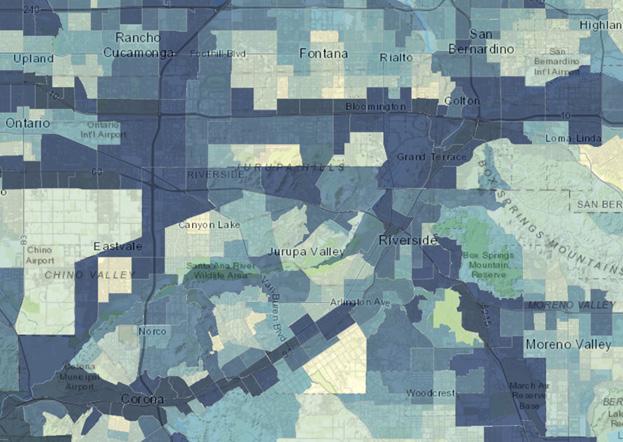
the author using Cal
In figure 10, the census tracts that have a darker shade of blue present more traffic density and impacts. As it can be seen, the areas around freeways and warehouses have higher traffic density and impacts. Cities like Colton, Bloomington, Ontario, Moreno Valley, and parts of Riverside show high traffic density.
All of the maps shown speak to the very serious situation of negative environmental impacts in low-income communities of color, where traffic is more concentrated, and where diseases like asthma and cardiovascular disease are more prevalent.
The data on pollution impacts is further supported by the survey we conducted with community members. We asked community members if they lived or worked near places of high truck traffic, and to specify what areas (if they did). Every individual in the survey responded yes, with 3 people living right next to freeways, 1 person working in warehouses, and 2 people living in the city of San Bernardino- which is known for heavy truck traffic. The specific locations mentioned by individuals living near freeways were in South Fontana, getting off on Sierra, Citrus, and Center Street.
Additionally, we asked questions in both surveys and interviews with truck drivers and community members regarding pollution and health impacts. One of the questions we asked truck drivers in the survey was the following:
How concerned are you with the impact of truck pollution in your community?
This question aimed to understand whether or not truck drivers were informed about the effects that truck pollution generates in their community. 3 truck drivers stated they were ‘very concerned’, another 3 responded they were ‘extremely concerned’ . 11 truck drivers shared they were ‘somewhat concerned’ and 7 truck drivers mentioned they were ‘not concerned’. The data gathered with this question is interesting, because it would be logical to assume that since trucks
generate serious polluting emissions, truck drivers wouldn’t be concerned because they are exposed every day to these emissions. However, most truck drivers are concerned to some degree with the impact of pollution generated by trucks.
Regarding the specific impacts that trucks generate, truck drivers responded to the following question in the interview:
What impacts on the environment do you know that trucking generates in the community? Please be as specific as possible:
For this question, air pollution was the most common response, relating it to the smog that trucks release, which releases polluting emissions into the air that result in higher risk and spread of respiratory issues, and other health problems. Traffic congestion was the second most common, as it makes commuting to work, school, etc., much harder.
Furthermore, many responses pointed out high noise pollution ; trucks idling disrupts neighborhoods and communities. They also mentioned oil and diesel spills ; 1 trucker mentioned witnessing other drivers dump oil on the side of the road because it was most convenient. Another impact mentioned is garbage dumping, specifically bottles of urine.
To recap, most of the responses revolved around the following impacts:
• Air pollution - smog
• Traffic congestion
• Noise pollution
• Oil and diesel spills
• Trash in the streets
• Dumping of urine bottles
To have the whole picture, we asked community members the same question. In the following table, the responses of community members are summarized:
“Big rig trucks destroy the pavement…” 3
“Un impacto muy malo, mucho humo, mucho ruido, a la hora que sea están pitando.” = “A very negative impact, a lot of smoke, a lot of noise, they are beeping at all times.”
“The smell of the pollution and industrial contamination”
5 Traffic Congestion
Respiratory Issues/Asthma
“Congestion on freeways, lanes are filled with high trucking traffic creating dead zones, where if I need to get to basic resources (food, gas) I have to cross areas of construction or where mainly trucks pass through…”
2
“Asthma, a lot of eye issues, nasal problems, lung issues.” 2
Table 1
Community members’ responses about environmental impacts of trucking.
Source: Created by the authors
By comparing the responses of truck drivers and community members, for both sectors interviewed, air pollution was the most common response. Another response that both sectors gave was traffic congestion. Both sectors also pointed out noise pollution.
Both sectors were also asked about the health impacts of trucking with the following question: What impacts on health do you know that trucking generates in the community? Please be as specific as possible:
Regarding truck drivers’ responses, almost every trucker mentioned how trucking affects air quality, resulting in lung issues, asthma, or cancer. 14 out of 22 truck drivers expressed that there are higher risks of respiratory issues and other health problems because of poor air quality.
Additionally, truck drivers also mentioned the negative effects that trucking has on their own health. 9 out of 22 truck drivers mentioned that the physical and mental toll of driving long hours generate stress, loneliness, unhealthy diets, and physical impairments. 5 out of 22 said they did not know much about their impact on health. In one interview, a trucker mentioned a personal story about his health complications from truck driving. He had been driving for a long time and when he arrived home at the end of his trip, one of his legs went numb and he fell out of the truck:
• Trucking is really bad for your health because you can get a lot of blood clots, like in your legs, which I had one 2 years ago… One day I got up, and I couldn’t feel my left leg. I literally fell 4 times trying to get inside the house. I had to call the ambulance and they took me to the hospital…the doctors said ‘you’re so clogged up in your main arteries in your legs, I don’t even understand how you’re walking right now’…they replaced all the veins in my legs.
“14 out of 22 truck drivers said trucking increases risks of respiratory issues and other health problems.”
When asked about the recovery process, he said it took about 5 months to recover, but he had to return to work right after because he needed the money to keep paying the bills.
The responses from community members had significant overlap with truck drivers’ responses. All 6 community members mentioned respiratory/ cardiovascular problems in their answers such as asthma, nasal and eye damage, lung issues, and cancer. One community member also mentioned the high level of stress that comes with trucking.
Additionally, community members were asked to rate the government’s work on reducing truck pollution. On a scale of 1 to 3, 1 being ‘poor, the government has done nothing’ and 3 being ‘great, the government has effectively reduced pollution.’
Five community members rated the work of the government to reduce truck pollution as 1, and one person rated it as 2. No community member rated the government’s work to reduce truck pollution as satisfactory. This shows that community members have a deep dissatisfaction and distrust on the government’s work to reduce pollution.
To follow up on the previous question, community members were asked if they could solve truck
pollution, how would they do it. Of the 6 community members, 5 mentioned solutions such as: less trucks overall, shorter distances/routes, consumption reduction, more local ecosystems, regular filter checks, improving transparency, community pressure and awareness , and stopping neighborhoods from serving as truck stops. Only one community member didn’t have any ideas to solve the issue. The responses shared by community members show that they are informed about the issue, and have interesting ideas of how to address it, indicating that they care about protecting their communities.
Moreover, the community members interviewed were asked about their experience in advocacy and public actions to address air pollution. Their responses are shown in the following figure:
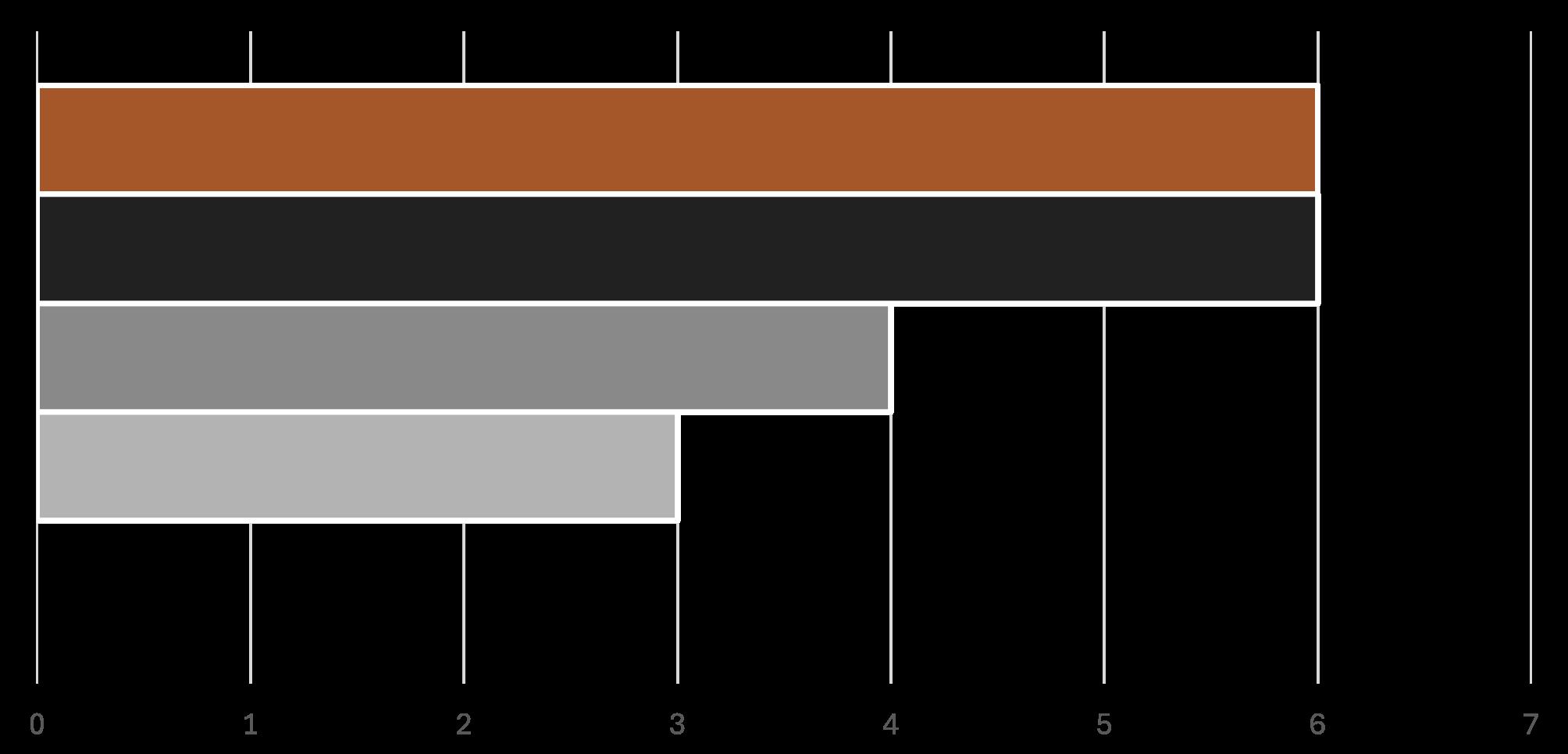
Source: Created by the authors
It is worth highlighting that all community members have participated in at least 2 actions. 3 people have participated in rallies/protests against truck stops, and 4 have participated in rallies/protests against warehouses. All 6 respondents have made public comments as well as participated in art build actions/artivism. There was also 1 person who attended a toxic tour to learn more about the impacts that warehouses have on their communities. These responses show that the community members interviewed not only complain about the issues but have taken action to address them on different occasions.
Part of what we wanted to know with this study was the job implications of the energy transition in trucks. The Inland Empire (IE) within the logistics sector currently employs 250,000 workers , making up 16.4% of the region’s workforce ; this figure pertains to job and occupational roles such as warehouse workers, truck drivers, rail workers, and delivery drivers, essentially encompassing all transportation workers. Statewide, California had more than 193,000 jobs in the automotive industry alone as of 2019. Only 4 out of 10 people earn a truly livable wage in this sector15.
The Energy and Environmental Research Associates estimate that about 60,000 job-years 16 will be required from 2021 to 2031 to effectively support California’s ZE goals and charging infrastructure needs. Another study conducted by the Economic Policy Institute underscores the potential creation of 150,000 jobs if domestic auto sales surpass 50%. Finally, a report from UC Berkeley estimated that while 500,000 direct jobs associated with fossil fuel industries could be lost between 2020 and 2035, approximately 800,000 could be created, thereby offsetting job losses with the potential to increase to over 2 million new jobs17.
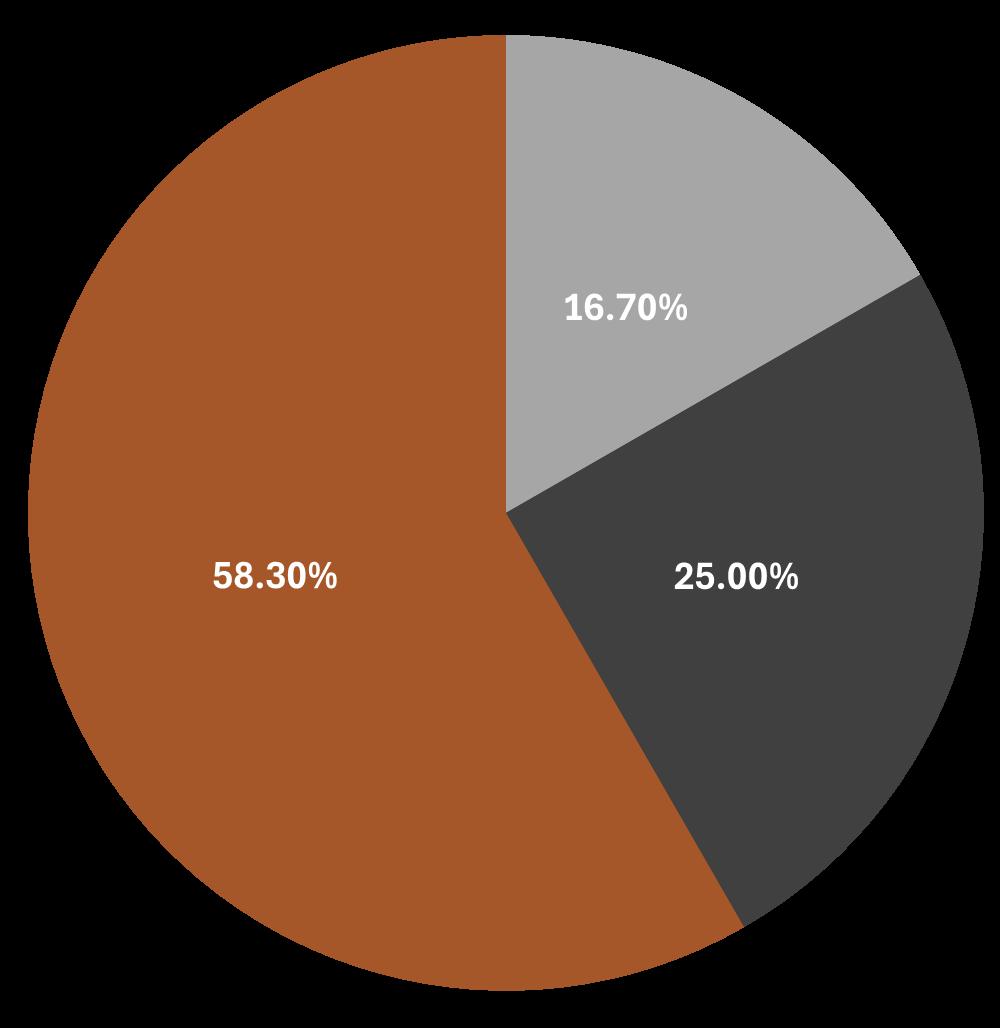
The first question related to jobs in the truck drivers’ survey was whether they were owner-operators, or if the company they work for provides the truck. Out of 24 participants, 14 responded that they were company drivers, and the other 10 responded that they were owner-operators. Company drivers
made up 58.3% of the survey, while owner-operators made up 41.7%. We also asked truck drivers if they own or lease their truck, or if the company they work for owns or leases the truck. 8 individuals reported they own their truck, making up 33.3% of the survey. 4 truck drivers lease their truck, representing 16.7% of the survey. Most of the company drivers did not own or lease their truck, as they drove the truck provided by their company, comprising half of the truck drivers surveyed. It is worth noting that there is a discrepancy between the responses of these two questions, which may indicate that some of the truck drivers that responded being owner-operators lease their truck. The responses to this question also might indicate that some of the companies lease trucks, not all the companies that employ truck drivers own all their trucks.
We also asked truck drivers if they employ other drivers or not. There were 21 truck drivers (87.5%) who responded they did employ other drivers, and 3 truck drivers (12.5%) responded they didn’t. Moreover, we asked truck drivers what size their fleet was. Half of the truck drivers responded that their fleet had ‘more than 10’ trucks, whereas 41.7% of the truck drivers had ‘less than 5’ trucks in their fleet. Only two truck drivers mentioned there were ‘5 to 10’ trucks in their fleet. In contrast, it is estimated that 95.5% of truck companies operate 10 trucks or less nationally, and 99.6% operate 100 trucks or less18.
Regarding the specific data about their job as truck drivers, we asked them how long they have been truck drivers. The responses are as follows:
How long have you been driving trucks professionally?
What is your average yearly income from driving? Please do not count other sources of income.
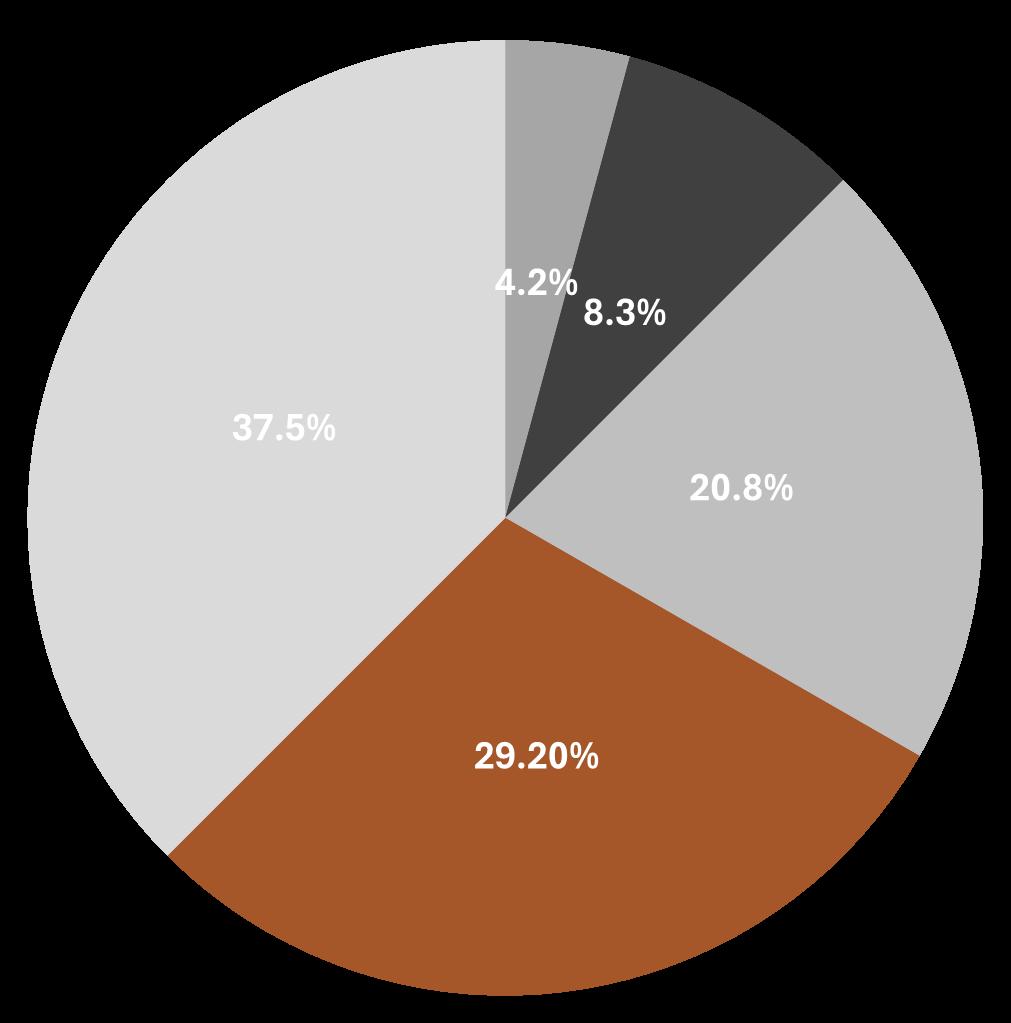
Figure 12: Survey responses for the question: How long have you been driving trucks professionally? Source: Created by the authors
14 truck drivers said they had been professionally driving for over 6 years . Six truck drivers had only been driving 3 to 6 years, while four truck drivers had been driving for less than 3 years. Most of the truck drivers surveyed were well-experienced in the field, as 83.3% of the respondents had been driving professionally for over 3 years.
Moreover, we asked truck drivers if they could share what their average yearly income was, as well as how many hours per week they worked, on average. The responses were the following:
Figure 13: Average yearly income of surveyed truck drivers. Source: Created by the authors
Regarding income, nine of the respondents made over $90,000 annually, representing 37.5% of the total participants. 7 truck drivers (29.2%) made between $70,000 and $89,000. Five truck drivers made between $50,000 to $69,000 yearly, which is 20.8% of truck drivers surveyed. Two individuals had an annual income of $30,000 to $49,000, and only 1 trucker reported earning less than $30,000 in a year. This data shows that most truck drivers have a high income compared with other jobs available in the region. Regarding how many hours truck drivers work per week (on average) -including standby and on-call hours-, 17 truck drivers, a large majority (70.8%), worked
over 40 hours a week, working as much as 60+ hours. 3 truck drivers reported working between 21 to 40 hours a week (12.5%), and 4 truck drivers worked 20 hours or less (16.7%). As it can be seen, even though the income that truck drivers get from their jobs is high, a majority of them work overtime (over 40 hours a week), which makes this an exhausting job.
Finally, we asked truck drivers and community members if they had concerns about job security with the transition to electric trucks. Out of the 24 truck drivers, 11 said ‘no’, 10 said ‘yes’, and three said ‘maybe’. Almost 50% of truck drivers surveyed said they were not concerned about their job security with the transition, because they believe truck drivers will always be needed to transport goods. Of the truck drivers concerned about job security/stability, some mentioned how the shift to electric trucks would be harder for smaller companies and owner-operators because they might not have enough resources to afford the expenses associated with the transition. On the other hand, four community members said they were not concerned about job security with the transition, one community member said they were concerned, and another one chose the option “maybe”. However, it is worth highlighting that one of the community members that said they were not concerned, mentioned that small owner-operator businesses would be the most affected. One individual said they were concerned because of the lack of transparency in the transition.
In order for the energetic transition to be just, jobs have to be considered, including the creation of green jobs, with family-sustaining income, with labor rights , and health and safety protections. One of the strategies to make this job transition just, is to develop High Road Training Partnerships (HRTPs). It is important that public and private initiatives to electrify MHDVs combine high environmental standards with principles of equity and good labor standards. State-led, industry-driven HRTPs offer a model of equitable workforce development and one possible path to fulfilling these goals. HRTPs emphasize systemic change through worker-centered job training, linking disadvantaged workers to high-quality jobs through collaborative training programs that facilitate upskilling and industry-community collaboration . To promote greater equity in logistics electrification, policymakers, workforce trainers, and employers must integrate gender and racial equity principles into workforce development and labor policies. Ensuring that historically underrepresented workers have access to high-quality jobs in the ZE transition requires intentional strategies that address systemic barriers to entry and advancement19.
An additional topic to consider is union membership. We asked truck drivers if they were currently a member of a labor union . Surprisingly, only 1 trucker answered yes. This truck driver belonged to Local 798 , the San Francisco Firefighters union and is an owneroperator who is interested in transitioning to
electric trucks. We also asked truck drivers if they were interested in joining a union. Since this question was optional, only 11 truck drivers responded. 5 truck drivers said they would like to be part of a union, while 6 said they were not interested. There is a clear gap in union membership in the truck drivers surveyed.
Data shows that a majority of unionized workers have higher salaries and working benefits than non-unionized workers. Total compensation costs among all U.S. union workers averaged $53.20 per hour in September 2022. Wage and salary costs averaged $31.95 and accounted for 60.1% of total compensation costs, while benefit costs averaged $21.24 and accounted for 39.9%. Total compensation costs for workers not represented by unions averaged $38.37 per hour. Wage and salary costs averaged $27.56 and accounted for 71.8% percent of total compensation costs. Benefit costs for nonunion workers averaged $10.81 and accounted for 28.2% of total compensation. Within the transportation sector, for union workers nationwide, the average of total compensation is $52.07 per hour, with $31.92 for wages and salary, contrasted with total compensation for nonunion workers of $30.95 per hour, with $22.88 for wages and salary per hour20.
As mentioned in the introduction of this report, there is a clear need for a transition to Zero EmissionZE) vehicles, especially trucks, due to the impacts that truck pollution have on the environment, and thus, in our communities’ health. In the surveys and interviews for both truck drivers and community members we included questions that were directly aimed at knowing their perspectives about the transition to ZE trucks. The first question we asked about the transition to electric trucks for truck drivers was: Are you interested in transitioning to an electric truck?
For this question, 18 truck drivers said they were not interested, while 6 truck drivers answered they were interested. We also asked truck drivers if they have conducted test drives of electric trucks. Only 6 truck drivers answered yes to this question. It is worth noting that of the 6 truck drivers that said they were interested in transitioning to an electric truck, 3 had already test-drove an electric truck. This implies that the other 3 truck drivers that have had test driven electric trucks were not interested in transitioning to an electric truck.
To gather more information about the experience truck drivers have had driving electric trucks, we asked them an open-ended question during the interview. All 5 truck drivers had a positive experience, mentioning how “impressive, nice, and smooth” they were. One driver said it felt comfortable, really light weight, and slightly faster. Another respondent said, “I think it was a little smoother, you don’t have as much jerking because of the acceleration.” The shaking in diesel trucks was an issue for some
truck drivers, so this improvement is relevant too.
Truck drivers were also asked about the potential benefits they see in using electric trucks. Their responses are summarized in the following table:
Table 2
Truck drivers’ responses regarding potential benefits of using electric trucks.
Source: Created by the authors
This question had five options to choose from. Respondents could pick more than one. In this question we included the following response options: ‘Lower fuel cost’, ‘Reduced emissions’, ‘Less maintenance’, ‘Cleaner’, and ‘Other’. As can be seen, several truck drivers chose ‘Other’. Most of the truck drivers that chose ‘Other’ mentioned they didn’t see any benefits. The second most popular response was
‘Reduced emissions’, and the third most popular response was ‘less maintenance’ and ‘lower fuel cost’.
We also asked the truck drivers a question that is closely related to the previous one:
What are your main concerns about transitioning to electric trucks?
Since this was an open-ended question, truck drivers mentioned several concerns. Here is a summary of their responses:
• Affordability- truck price, expensive maintenance, and insurance costs
• Limited replacement parts and specialized EV mechanic services
• Lack of infrastructure- charging stations, overnight lot space, EV repair shops
• Long charging times that could delay routes
• Productivity/viability/functionality of electric trucks- limited mileage ranges
• Weight and load capacity
• Lack of transparency/information- regulations, subsidies, training
• Safety hazards- battery explosions, motion sickness
The most popular concern was the cost of electric trucks compared to diesel trucks. Other concerns regarding costs were maintenance services, insurance, and battery replacements. Many participants had questions such as “Are there specific mechanics who specialize in electric trucks, or can a regular mechanic handle the work? What are the costs associated with maintaining an electric truck, particularly when it comes to the battery?”
The most popular concern was the cost of electric trucks compared to diesel trucks.
Secondly, there was concern over the lack of charging stations and overnight parking space. In addition, none of the drivers were aware of how long charging electric trucks would exactly take, so they were worried about potential downtime and delays.
Regarding data on chargers available: As of August 2024, California had 178,549 public and shared private electric vehicle charges. Public chargers refer to parking spaces available to the public while private chargers are located in parking spaces that are privately owned and operated. There are two different types of chargers including DC Fast Chargers and Level 2 Chargers. DC Fast chargers use direct current (DC) electricity at 480 volts to recharge a battery electric vehicle. DC Fast chargers charge 80% capacity in 30 minutes. On the other hand, Level 2 chargers use alternating current electricity to charge a plug-in electric vehicle up to 240 volts. Level 2 chargers provide between 14 and 35 miles per hour of charge21. Moreover, as of early 2025, California had developed over 16,300 charging and fueling points specifically for MHDVs. However, to meet 2030 clean transportation targets, the state will require approximately 98,000 MHDVs charging ports, with at least 6,000 of those being publicly accessible22.
It is also relevant to understand the charging capacity of each charging station. High-capacity electric charging stations for MHDVs, especially those equipped with multiple DC Fast Chargers (DCFC) rated at 250 kW or higher and supported by 20 MW of total power, can charge up to 100 trucks per day. This estimate depends on factors such as truck battery size, charger availability, and how long each vehicle is parked at the station (dwelling time). One class-8 semi-truck is estimated to need at least 350 kilowatts of power to charge. If multiple heavy-duty trucks need to be charged quickly and simultaneously, a charging station would need approximately 20 megawatts of power. DCFCs are the most suitable chargers for MHD trucks because
“Electric trucks can only travel
up to 400 miles per charge, whereas [his] diesel truck right now can drive 1400 miles.”
they deliver fast, high-power charging, enabling most vehicles to reach 80% charge within 20 minutes to 1 hour. In contrast, level 2 chargers, which are slower and typically used for lightduty vehicles, would not be efficient or feasible for large commercial trucks due to their limited power output and long charge times. Currently the National Renewable Energy Laboratory is conducting a project called High-Power Electric Vehicle Charging Hub Integration Platform (eCHIP) , in collaboration with Argonne National Laboratory and Oak Ridge National Laboratory, to develop low-cost and high-power charging23.
Another concern that truck drivers shared was about productivity and the viability of electric trucks because they have more limited ranges. One participant shared that “electric trucks can only travel up to 400 miles per charge, whereas [his] diesel truck right now can drive 1400 miles”. Owner operators expressed that parking at home would only complicate things more: “Ideally it would be great to charge while at home, but this isn’t going to happen,” since most truck drivers won’t buy/install a charger at home because it is too expensive.
Lastly, transparency/information issues and safety hazards were other concerns in the transition of electric trucks. Many individuals were hesitant to even consider transitioning because there was not enough information on electric trucks regarding new regulations, subsidies, or training. Additionally, truck drivers are concerned about electric trucks catching fire due to exploding batteries.
To understand the elements that most appeal to truck drivers in considering a transition to electric trucks, we asked the following open-ended question:
Name the three most important factors that made you or would make you consider transitioning to electric trucks:
The top responses were
• Financial subsidies
• Reliable infrastructure & maintenance
• Practicality
• Environmental benefits
• Aesthetics/comfort
With this question, we asked the truck drivers to name the three most important factors that made them or would make them consider transitioning to electric trucks. The top factors from this list included financial subsidies, reliable infrastructure and maintenance, functionality, environmental benefits, and aesthetics/comfort. 50% of the truck drivers would consider switching to electric trucks if there were accessible financial incentives for them to be able to get an electric truck. Other factors were if the charging costs were cheaper than diesel fuel prices, and if the access to charging
stations and electric mechanics were both widespread and guaranteed. Another factor from truck drivers was less charging time per stop.
Moreover, a majority of truck drivers expressed that they would transition to electric trucks mainly because of the benefits it would bring to their environment and families’ health , lessening pollution and respiratory diseases. A few truck drivers said that a different shape and appearance could make electric trucks more appealing. Others shared that less noise and shaking are important for them.
If we compare the responses to both questions, there is significant overlap between the concerns and the factors that would make truck drivers make the switch to ZEVs. This can especially be seen in the issues of cost of trucks and financial incentives to make them more accessible, and the availability of charging stations. The only differences between responses were that truck drivers mentioned transparency and accessibility of information about the transition as an important concern, but they didn’t mention it as a factor that would make them shift to electric trucks. The same applies to the concern about safety and risks ; having more safety wasn’t mentioned as a reason to make them shift to electric trucks. Another difference is that while environmental benefits were mentioned by a majority of truck drivers as a factor that would make them switch to electric trucks, truck drivers didn’t mention that as a concern of the transition. This dissonance between the responses in those two questions are worthy to explore in future research projects, to understand what is behind that issue.
Continuing with the questions about the transition to ZE trucks, we asked truck drivers the following:
How do you see that the transition to electric trucks would affect or benefit the environment?
Out of 22 respondents, 5 truck drivers said they do not see the transition benefiting the environment, while another 5 said the transition will definitely have many benefits. Those who said it would be beneficial consider that the decrease of fuel emissions would cause better air quality and result in better public health . On the other hand, 5 truck drivers said it would have negative impacts due to undeveloped infrastructure, lithium mining, battery explosions, etc. There was only one trucker who said they did not know how the transition would influence the environment.
Additionally, 11 out of 22 drivers said the transition to electric trucks would have both positive and negative effects . These truck drivers claimed that reducing emissions and alleviating pollution would certainly benefit the environment , but it would create more burdens for drivers. These 11 participants highlighted how electric trucks raise challenges such as charging stations, overnight lots, and costs. Some truck drivers mentioned that electric trucks would be best in a local setting, as the charging time and load would not complicate a short route. The 5 individuals that said the transition would have negative impacts on the environment talked about the environmental disadvantages of mining for lithium batteries (used by electric trucks).
We also asked truck drivers about how the transition would affect health. We asked truck drivers how the transition to electric trucks would affect or benefit the health of our communities. 14 out of 22 drivers said it would be completely beneficial, mainly discussing how emission reductions bring cleaner air and less respiratory problems . One trucker expressed how less noise pollution could bring more neighborhood peace and less stress. Additionally, electric trucks could be more comfortable, helping with truck drivers’ mental health. One trucker simply said it will only have a small effect.
7 out of 22 truck drivers stated that the transition would not benefit the health of the communities. One trucker believed that trucks
don’t affect communities because “communities are not standing on the sides of the roads while driving and trucks don’t go inside residential homes.” Another trucker mentioned lithium mining and how the transition would only cause more destruction to communities in other countries (sacrifice zones). One participant said electric trucks could be a hazard if they are too quiet, possibly running people over.
The previous two questions were also asked to community members. Their responses are as follows:
For the question on how it would affect or benefit the environment, every community member said it would benefit the environment. However, one participant said it would also harm a different environment instead. That individual was a scientist who studied the effects of mining for lithium batteries used for electric trucks and was concerned because the process is not environmentally friendly, especially around water usage. Another participant mentioned that “the health of kids that go to schools around the warehouses with asthma and allergies [would] improve… [and] truck drivers could do their job with more liberty knowing they are not polluting”. Many expressed how the shift would reduce air pollution, resulting in cleaner air and less health problems.
For the question on how it would affect or benefit health, similar to the previous question, all respondents said it would benefit the air quality and decrease the risk of respiratory issues, but one of those participants additionally expressed
that it would benefit her local community, yet simultaneously be “detrimental to the health of miners and their communities”.
Comparing the responses by truck drivers and community members on the environmental effects of the transition to ZE trucks, most truck drivers acknowledged there are benefits to health, especially due to the decrease in air pollution resulting from the transition, thus reducing the negative health impacts on respiratory health. All community members highlighted the positive effects of the transition , reducing asthma and allergies . However, some truck drivers and one community member also mentioned that there could also be negative effects, due to the lithium mining required for the batteries of electric vehicles, which deserves further exploration in future studies. The responses to the question on effects of the transition to health were very aligned with the responses to the question on effects on the environment. However, there was an important difference between truck drivers’ responses about benefits for the environment and benefits for health: more truck drivers recognized that the transition would bring important benefits to the health of communities , especially regarding respiratory health , compared to environmental benefits. Some truck drivers also mentioned how ZE trucks could also improve their health , reducing noise pollution and increasing comfort, thus, improving mental health.
Truck drivers recognized that the transition would bring important benefits to the health of communities.
A relevant topic we wanted to gather information about was the knowledge both truck drivers and community members had on the incentives and requirements for this transition, and the accessibility of the application process for incentives. We asked truck drivers and community members if they knew of any regulatory requirements for electric trucks. The responses of truck drivers were the following:
Do you know of any regulatory (government) requirements you need to follow with electric trucks?
14: Truck drivers’ knowledge or regulatory requirements for electric trucks.
Source: Created by the authors
Most of the truck drivers surveyed (19) reported they didn’t know about regulatory requirements. The few who responded ‘yes’ knew that government requirements existed, but didn’t know any details of the specifications because they did not drive or were not planning to drive electric trucks. On the other hand, none of the community members knew about any regulatory requirement regarding electric trucks. This concerned most of the community members surveyed “because politicians are the ones saying that San Bernardino does not have the expenses to support regulations [and yet] they are spending money on things with no transparency to the public”.
Regarding the knowledge of financial incentives available for the transition, 11 truck drivers said they were aware of the incentives and 13 said they didn’t know about them. However, of the truck drivers that responded they were aware, they didn’t know of any details on specific incentives. Of the
community members, 4 didn’t know about the incentives, one person said they believed tax credits for electric vehicles possibly applied to trucks as well. Another person knew financial incentives existed, but didn’t know any details about them.
We also asked truck drivers if they had applied for any incentive for electric trucks, and only 1 trucker had applied. When asked how accessible they found the application process for the incentives, 4 truck drivers that chose the option ‘not accessible’ mentioned they tried to apply but couldn’t. The trucker that did apply chose the option ‘Somewhat accessible’. The remaining 19 truck drivers have never tried to apply for the incentives.
To gather more information on the issue of incentives for the ZE transition, we asked truck drivers to describe the application process. This question was only responded by 1 trucker; the only one who had applied. This trucker expressed that “the process needs to be simplified to make it more manageable, as obtaining the necessary permits can be cumbersome, so streamlining this step would significantly improve efficiency and ease of implementation”. The c omplex language of these applications is better understood by larger corporations, as they have a specialized team of people who handle the process for them. Whereas small owner-operators are not trained to apply for government incentives. We asked this trucker a follow-up question about what particular requirement or document was difficult to obtain, for which he responded that the application is “incredibly time-consuming as obtaining permits from the city involves a lot of effort. The current system is disorganized…with requests for
information that seem out of order and difficult to navigate”.
These responses show that there is a lack of transparency and diffusion of regulatory requirements and financial incentives for electric trucks, for both truck drivers and community members. There is a clear need for more information about the transition in channels and formats accessible for both truck drivers and community members. Moreover, there is a need to make the application process for incentives more accessible, so owner-operators and small businesses can apply for the incentives. Based on these responses, we needed to know where truck drivers and community members get updates on trucking topics, so we asked them about it.
For this question, most truck drivers responded with multiple answers, expressing that they use more than one website to stay informed in the industry. Truck drivers shared 20 different websites and apps for trucking news. In the social media category, there were five apps mentioned: TikTok, Twitter (X), Instagram, Youtube, and Facebook. One trucker followed TikTok and one followed Twitter, while 2 other truck drivers followed the same educational trucker news account on Instagram, @muthatruckernews.
There were 3 truck drivers who used Youtube, 1 trucker only used Facebook, and 1 trucker used both Facebook and Youtube.
Regarding news sources, ‘CDLLife: News’, ‘Government websites’, ‘Word of mouth’, and ‘Google search’ had 2 respondents per category. One individual followed up on California’s policy and legislation, others spoke to fellow truck drivers, and some simply searched for trucking news on Google. However, there were 3 truck drivers who did not follow any trucking
news websites, for they were never routinely updated on the trucking industry. Other sources mentioned were the DMV, the company they work for, CB radios, trucking magazines, and the National Private Truck Council (NPTC).
On the other hand, we asked both truck drivers and community members how they would prefer to receive information about electric trucks. The responses were the following:
COMMUNITY MEMBERS: How would you prefer to receive information about transitioning to electric trucks (including government regulations, incentives, subsidies, and required training)?
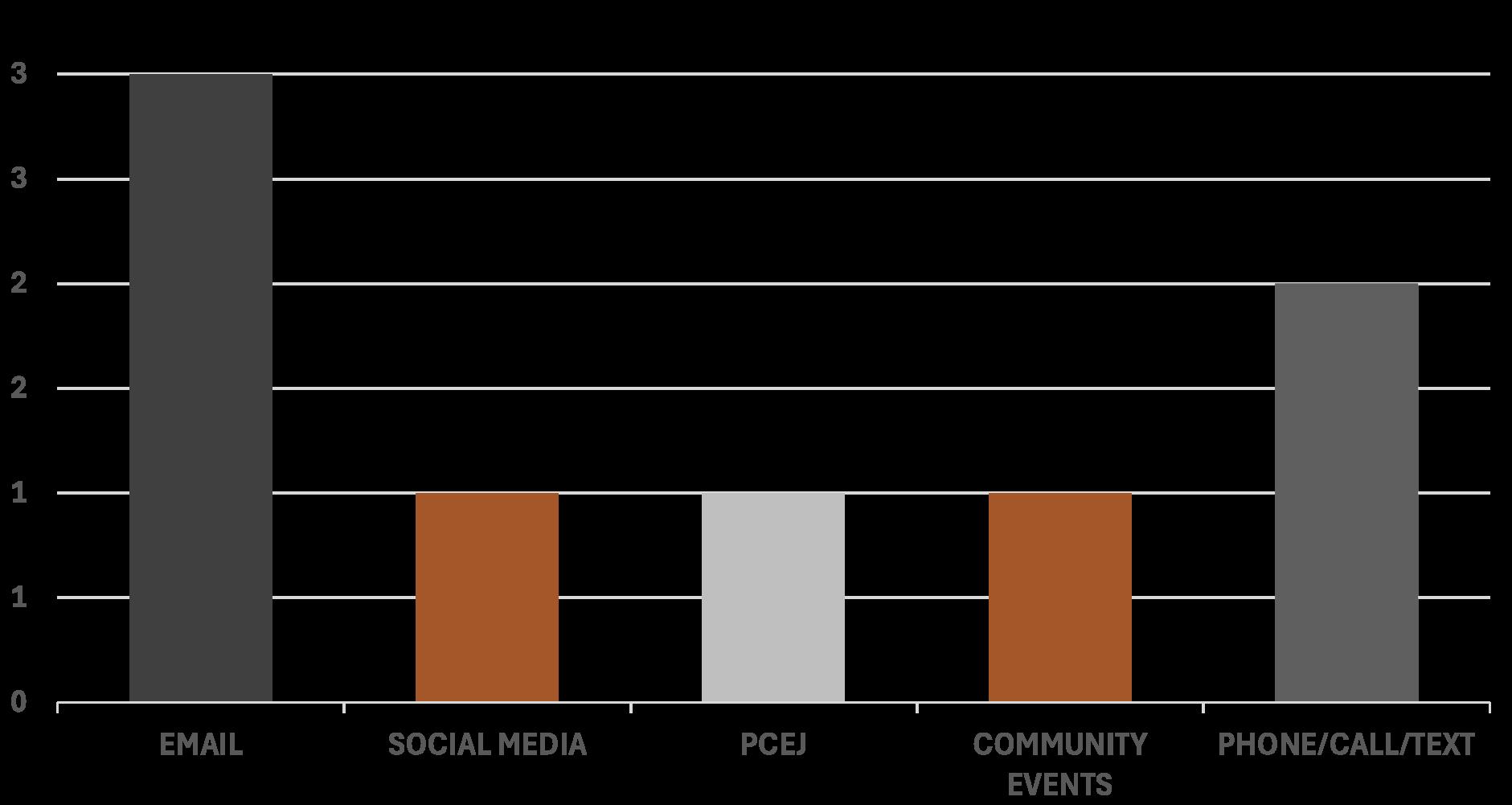
Figure 15: Community members preferred sources to get information about the ZE transition.
Source: Created by the authors
Community members mentioned different sources they would prefer to receive information about the transition, like email, call/text, social media, community events and organizations like PCEJ.
On the other hand, truck drivers’ responses were the following:
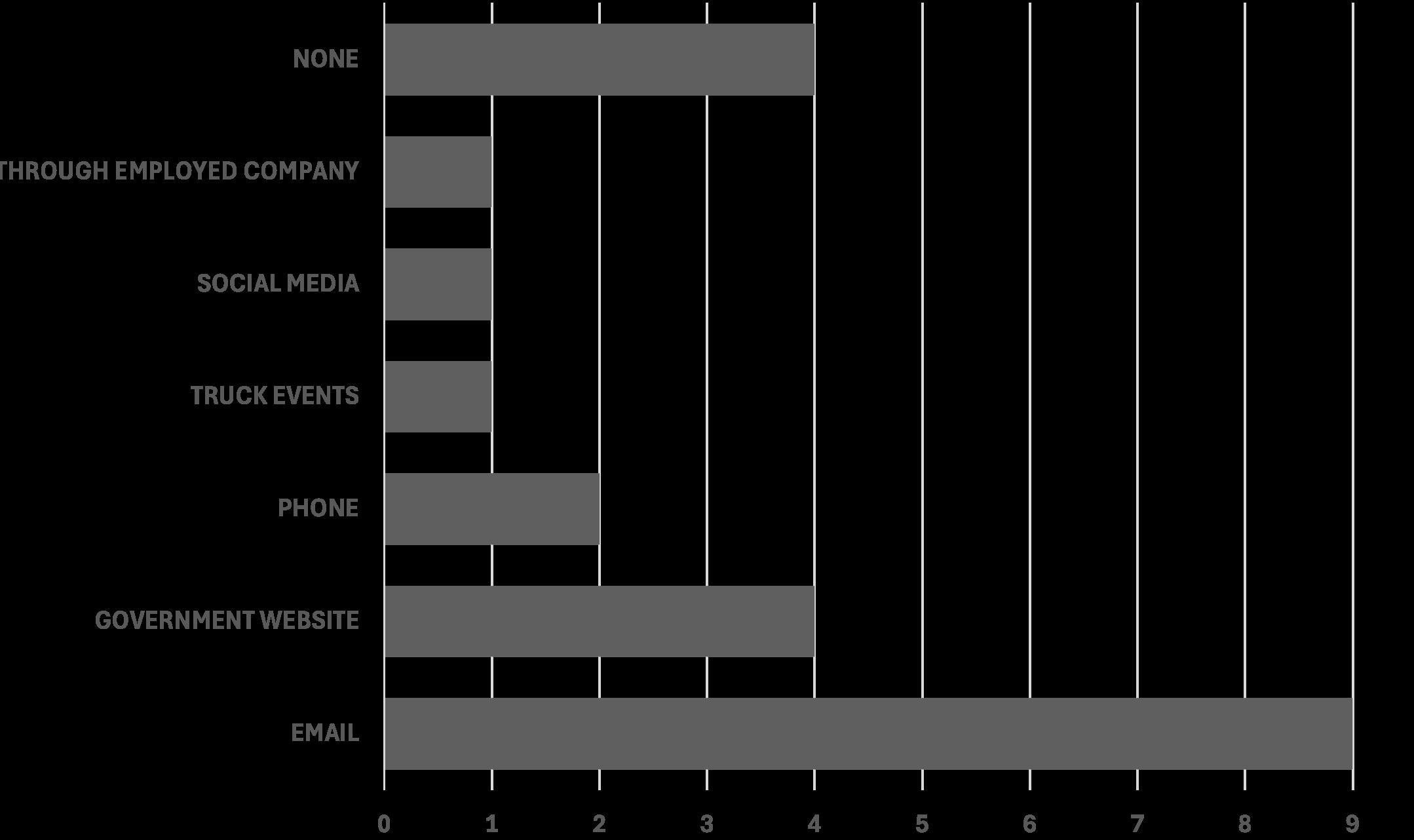
DRIVERS: How would you prefer to receive information about transitioning to electric trucks (including government regulations, incentives, subsidies, and required training)?
the authors
Similar to community members, most chose emails. The second most common option chosen was government websites so that the general population has access to it. Some of the truck drivers chose multiple options to have more sources to rely on. Two of them chose to receive updates by phone, whereas another trucker said they wanted to learn through truck events. One person said social media, because it can reach everyone and is easily accessible. Finally, 4 truck drivers said they didn’t want to receive information about the transition.
Even though CARB, SCAQMD, and other government agencies hold events about electric trucks and have newsletters, most participants of this study didn’t know of these resources , because they don’t know about these government agencies.
Additionally, through the survey we found out that truck drivers’ associations are not a useful or reliable source of information for this transition; of the surveyed truck drivers, only one trucker mentioned to be a member of a truck drivers’ association and said that their association did not provide resources or information about electric trucks.
All of this indicates that there is not an adequate reach out process for truck drivers and community members from government agencies. It is important that the reach out for these kinds of events and resources is conducted through community organizations that have strong connections with community members and truck drivers. If these events continue to be held without truck drivers and community members knowing of them or attending, then they are not fulfilling their goal.
Continuing with the analysis of the concerns that truck drivers shared about the transition to ZE trucks, we asked questions to have a better understanding. One of the concerns that truck drivers shared was the costs related to the transition. Thus, we asked truck drivers the following question: What expenses do you anticipate in transitioning to an electric truck?
The largest expense that truck drivers anticipated was the cost of purchasing an electric truck compared to diesel trucks. One truck driver shared that “an electric truck costs around $300,000, while you can get a regular truck for $30,000 to $40,000”. Another concern was about the cost of batteries and replacement parts, as well as the cost to repair electric trucks. One of the truck drivers expressed that “only the monopoly corporations have the money to employ these trucks”. Another truck driver mentioned that “one of the challenges with electric trucks is that their tires are significantly heavier, which adds extra wear and tear to the vehicles and infrastructure”. He also added the cost of installing charging stations. On the other hand, there were two truck drivers who said fuel will be less expensive with electric trucks.
As it can be appreciated, the biggest cost anticipated is the cost of the truck itself. To contrast what truck drivers perceive with current real data, we researched the costs of electric trucks vs diesel trucks:
• The 2024 cost of a Class 8 truck (heavy duty) – day cab, was in average $435,839, with data from purchase orders from HVIP voucher request documents.
• The 2024 cost of a Diesel Class 8 truck (heavy duty) – day cab, was on average $155,902, based on Truckpaper.com retail sales site across several hundred-day cab truck models that match models used for ZETs24
Even though the price of electric trucks is definitely higher than diesel trucks in the US currently, due, largely, to price gouging of manufacturers25, the data shows that the difference between the upfront cost of electric vs diesel trucks is not as high as truck drivers think and what they shared in interviews. Diesel trucks are not as cheap as stated by one of the truck drivers interviewed.
Moreover, it is estimated that considering all expenses, not only the cost of the truck, by 2030 the total cost of ownership of electric heavy-duty trucks will likely be lower than that of diesel heavyduty trucks in several states. Despite their higher upfront cost, electric trucks have lower operational expenses26. To better illustrate this, the following figure shows the total costs estimated in different states in the US by types of trucks by 2030:
Figure 17: Total cost in different states by 2030 of different types of trucks by mile.
Source: Basma et. Al. (2023).
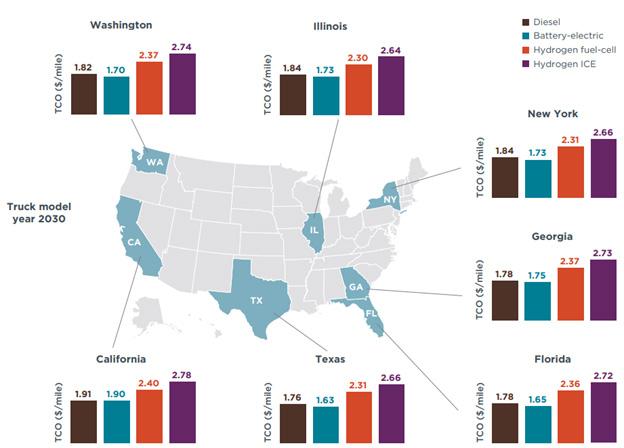
As shown on the figure above, in California it is estimated that by 2030 the total cost of HD trucks per mile for electric trucks will be lower than diesel trucks, and lower than hydrogen trucks. This situation is also applicable to other states like Texas, Florida, New York, etc. Moreover, there are different financial incentives that public agencies have launched to make electric trucks and vehicles more accessible. In the following table we share all the incentives existing in California:
California’s Hybrid and Zero-Emission Truck and Bus Voucher Incentive Project (HVIP)
The Hybrid and Zero-emission Truck and Bus Voucher Incentive Project (HVIP), launched by the California Air Resources Board (CARB) in 2009, provides point of sale incentives to help offset the upfront cost of cleaner medium and heavy duty vehicles. Funded through California Climate investments and supported by cap-and-trade revenues, HVIP delivers a direct discount to vehicle purchasers, typically ranging from $20,000 to over $240,000 per vehicle, depending on the model and technology. Additional bonuses are available for fleets operating in disadvantaged or low-income communities, and for vehicles that reduce emissions in areas heavily burdened by freight activity. As of 2024-2025 the program remains active with continued funding. Updates include adjustment to voucher amounts and added prioritization for fleets in disadvantaged communities, with a focus on equity and simplified access27.
California Clean Vehicle Rebate Project
The California Clean Vehicle Rebate Project offers utility incentives, air district incentives and state incentives, depending on the area of California. Utility incentives go from $1,500 per Level 2 charger from Sacramento utility district to $75,000 per DC fast charger. The air district incentives go from $2,000 in the Feather River air district to $50,000 in the Eastern Kern air district. The state incentives offer $80,000 per DC fast charger. For the 2023-2024 period, this program had $1.49 billion. A total of more than 590,000 vehicles were funded in total. It is reported that 42% of funding benefits priority populations; more than 11 million metric tons of carbon equivalent reductions CO2e; More than 1,100 tons of oxides of nitrogen reductions NOx; More than 460 tons of particulate matter reductions; more than 456 gallons of fuel usage avoided28
California’s Joint Electric Truck Scaling Initiative (JETSI)
California’s JETSI was designed to deploy 100 Class 8 battery electric trucks (BETs) across Southern California to demonstrate strategies to successfully scale market penetration of zero emission technologies. The JETSI project is part of California Climate Investments. The project is funded by CARB and the California Energy Commission (CEC), which together awarded the project $27 million. Additional funding was provided by South Coast AQMD, MSRC, the San Pedro Bay Ports and SCE. As of April 2025, JETSI fleets NFI and Schneider have collectively surpassed 11 million zero-emission miles drives. NFI operates 70 ZETs with new high-powered chargers and plans to add solar and battery storage, while Schnieder runs 50 JETSI ZETs and 42 additional trucks, supported by a large charging depot. Workforce development continues with students and faculty from Rio Hondo College and LACI attending ACT Expo 202529.
The program allows older MD/HD on-road diesel truck fleets to participate in AB 617 communities to try zero and near-zero emission technology at low costs. The program enables these truck owners and operators to determine the suitability of cleaner technologies without committing to a full-scale truck purchase. Further, the program provides education on the benefits of cleaner technologies (part of AB-617). Communities participating include Muscoy and San Bernardino (in San Bernardino County) as well as various communities located in Los Angeles County (East Los Angeles, Boyle Heights, West Commerce, Southeast Los Angeles, Wilmington, Carson, and West Long Beach).
2023
2023
Innovative Small e-Fleet Pilot Program
Medium- and Heavy-Duty ZEV Fleet Purchasing Assistance Program
This program grants flexible Zero-Emission Truck funding for small fleets with 20 Trucks or fewer and an annual revenue of less than $15 million. Its funding allows small fleets to access financing, lease, rental, and truck-as-a-service options with enhanced incentives and fueling support (part of SB-372).
As of 2024-25 the Innovative Small e-Fleet (ISEF) Pilot Program has $14.97 million in new funding for this year’s cycle. For eligibility purposes, the program also includes fleets with 20 or fewer trucks; only for-profit applicants must meet the $15-million revenue cap. The program continues offering flexible funding for leases, rentals, and truck-as-a-service options to support small fleet electrification under SB-37230
Provides financing tools and nonfinancial support available to operators of MD/HD vehicle fleets to transition to ZETs (part of SB-372). A minimum of 75% of financing products must be directed towards operators of fleets that directly impact, or operate in, underserved communities. Key tools include loan and lease assistance, support for truck as a service models, and credit enhancements through loan-loss reserve mechanisms. For FY 2024-2025, CARB is also piloting tools like the Cal Fleet Advisor and a Used Truck Voucher concept to support ZEV planning and create a viable secondary market.
A CARB program reducing exposure and improving public health in communities most impacted by air pollution, including grants to community-based organizations for technical assistance (part of AB-617). Since 2017 the California Legislature has allocated $1.4 billion to support the Program. The projects have to comply with California Climate Investments Requirements. In 2024, CARB expanded eligible project types to include school air filtration, farm equipment upgrades, vegetative barriers, and community greening. CARB is also developing “Blueprint 2.0”, an updated implementation strategy. Local air districts continue to implement Community Emission Reduction Programs (CERPs) and Monitoring Plans in close coordination with community steering committees31.
Carl Moyer Memorial Air Quality Standards Attainment Program
Creates the Greenhouse Gas Reductions fund and other grants to offset the cost of eligible projects that reduce emissions from vehicular sources (Part of SB-513). The projects have to comply with California Climate Investments Requirements. The grants are issued locally by air pollution control districts and air quality management districts. Implementing air districts determine local funding and availability of projects. The proposed budget is $43.4 million from the CMP funds and AB 923 Match Funds32.
This initiative aims to assist small fleets defined as those with 20 or fewer vehicles- in acquiring new or used Class 2b-8 zero-emission trucks. The program operates through a loan-loss reserve account. In the event of a default, lenders can recover eligible losses from this reserve, thereby reducing their financial risk and facilitating more favorable loan terms for small businesses. This program is funded by $10 million from the Greenhouse Gas Reduction Fund and the Air Quality Improvement Fund. It also includes a pilot for zero-emission infrastructure loans, developed in coordination with the CEC has contracted with CPCFA to operate a similar loan-loss reserve pilot program for fleets within its service territory. To participate, small fleet owners can apply through participating CalCAP lenders, with interest rates capped at 20%. The program emphasizes support for underserved communities and collects data to assess its impact on small fleet electrification33.
Source: Created by the authors
Another of the concerns was about the lack of infrastructure necessary for the transition. To gather more detailed information on this issue we asked them:
What infrastructure adjustments are needed for this transition, such as the availability of charging stations?
Since this was an interview question, it was open-ended. We got various responses, so we summarized them in the following topics:
• Further expansion of charging stations
• Faster charging speed/time per charge
• More rest stops and parking spaces at each stop
• More Incentives for charging stations at home
• Training programs for EV specialized mechanics
• Repair shops for electric trucks
Of the truck drivers interviewed, every single respondent mentioned the need for more charging stations overall. One trucker explained that Amazon has its own stations, but the public does not have access to them. There needs to be widespread availability of charging stations for electric trucks in both cities and rural areas so that truck drivers are not going out of their way, wasting time and energy to find a charger. Many truck drivers added that the time per charge would need to be improved , as most of their concerns were based on the limited mileage range of electric versus diesel trucks.
Another adjustment truck drivers suggested were more chargers per station because “they will always be busy or crowded if people are charging their trucks for long periods of time.” Many of the truck drivers also said more rest stops would
be crucial in this transition because “now there are very few, and they are quite expensive”. A couple truck drivers mentioned that there should be financial incentives to help owner-operators and any drivers that are interested in installing charging stations at home. Several truck drivers also brought up the need for repair shops and maintenance services, as well as training and certifying more professionals in electric truck mechanics.
According to California Energy Commission, as of mid 2025, the county that has the most chargers in California is Los Angeles (LA). In LA there are currently 69,673 type 2 chargers, with 25,337 being public and 44,336 shared privately. Riverside county had a total of 2,270 level 2 chargers; 1,887 public and 392 shared private. San Bernardino county had a total of 2,014 level 2 chargers; 1,447 public and 567 shared private. Regarding DC fast chargers, LA county has 3,159; 2,944 are public and 215 are shared private. San Bernardino county has 1,169 public and 34 shared private. Riverside county has 738; 721 public and 17 shared private34. Type 2 chargers are slower than DC chargers, but both type 2 and DC chargers are used for MHDVs. Type 2 normally is used for overnight charging, since it takes hours to charge a MHDV.
Truck drivers’ concerns are legitimate, since as can be appreciated in the data on the current number of chargers, the deployment of charging stations is far from meeting the needs of the transition to electric trucks. It is necessary that cities, public agencies, counties, the state of California, and the federal government ramp up the construction and deployment of charging stations that are strategically located and accessible for all truck drivers.
In our study, we also wanted to know the different types of cargo that the truck drivers handle, and how the transition could affect that:
How will switching to an electric truck impact the type of routes and cargo you handle?
The responses are summarized in the following:
• Shorter routes/more local routes
• Limited cargo capacity
• Weight affecting efficiency/performance
• More charging stops
• Difficulty in finding charging stations
For this question, most truck drivers said it would likely result in shorter routes and more local drivers because of electric trucks’ limited mileage ranges and longer charging times. One trucker mentioned that certain routes have big hills for long periods of time: “if the electric trucks don’t have enough power driving uphill, they will give out and be detrimental. I would have to end up taking more local routes so that it doesn’t waste my time and money or put me at risk”.
Many truck drivers mentioned that the weight of the truck could affect cargo capacity. However, some truck drivers said the opposite, that there will not be any difference in cargo and would only impact routes. Similar to previous questions, several truck drivers mentioned the issue of availability of sufficient charging stations. It is important to note that most truck drivers were aware that the electric truck industry is underdeveloped and unpublicized. Therefore, an important number of truck drivers were not sure how the transition would actually impact their routes/cargo, since they don’t have complete information.
We also asked them about what routes and cargo they normally drive and handle. The responses were the following:
• Dry van- 16
• OTR- 5
• LTL- 3
• Reefer- 2
• Intermodal- 2
• Flatbed- 1
• Tanker- 1
• Drayage- 1
The most common route among the truck drivers interviewed were local routes within Southern California: the Inland Empire, San Bernardino, Los Angeles, and San Diego. Several individuals drove regional routes going to Las Vegas or Arizona. 5 truck drivers mentioned OTR (over the road) routes, meaning long-hauls across multiple states or regions and they drove either dry van or reefer freight. All OTR truck drivers drove at least 1000 miles during trips, and one driver was traveling from Florida at the time. One truck driver only drives train routes and railway containers. The responses were not limited to one route/cargo so truck drivers had multiple answers.
Regarding the type of cargo, dry van was the most common answer with 16 responses, they hold non-perishable goods and are one of the most versatile types of freight. These drivers mentioned having loads of UPS/ FEDEX packages, Walmart merchandise, clothing, furniture, diapers, etc. Most of these truck drivers carried random cargo that changed with every load. There were 3 drivers who handled LTL (less than truckload) cargo, carrying partial loads from multiple businesses with tighter scheduling and more stops. 2 truck drivers drove reefers which transport perishable goods, so their timing on the road is also carefully monitored. Flatbed and tanker were each only mentioned once as they are more specialized types of trucking freight. As an open trailer, flatbeds need more training on securing large or oversized loads, weather exposure, and more permits. Tankers hold liquids, gases, or hazardous substances which also require more safety training and extra endorsements on truck drivers’ driver licenses. 2 truck drivers drove intermodal (the containers moving between trucks, trains, and cargo ships) and 1 trucker drove drayage (port-related).
One of the most relevant existing incentives for the ZE transition is the Hybrid and Zero-emission Truck and Bus Voucher Incentive Project (HVIP) that is funded by CARB. This statewide program in California has allocated millions of dollars in vouchers for trucks and charging stations. Thanks to data provided by CARB as of July 2025, we conducted an analysis of the vouchers that have been approved in the SCAQMD region, comprising San Bernardino, Riverside, Los Angeles, and Orange counties.
Since the beginning of the program, a total of 6629 vouchers have been approved for the region. Of this total, 4614 vouchers have been redeemed. Moreover, 4668 vouchers have been approved for fleets based on Disadvantaged Communities in the region. The amount of the vouchers goes from $2,605.5 to $1,680,000 dollars, depending on the specific truck/equipment that the voucher is going for. The median average of the amount granted by vouchers is $66,000.00 dollars, which is a significant amount. Since the beginning of the program a total of 605,150,497 dollars has been allocated for the vouchers.
It is worth mentioning that even if a vast majority of the vouchers have been for trucks, the program has also allocated vouchers for electric charging stations for electric trucks. A total of 109 vouchers has been allocated for charging stations, which represent 1.6% of total vouchers.
However, not all of the vouchers have gone to electric trucks. There is an important number of vouchers that have gone to “alternative” fuels that emit polluting emissions to the air. It is relevant that this and other programs are reviewed so that the impacts of these alternative fuels are researched
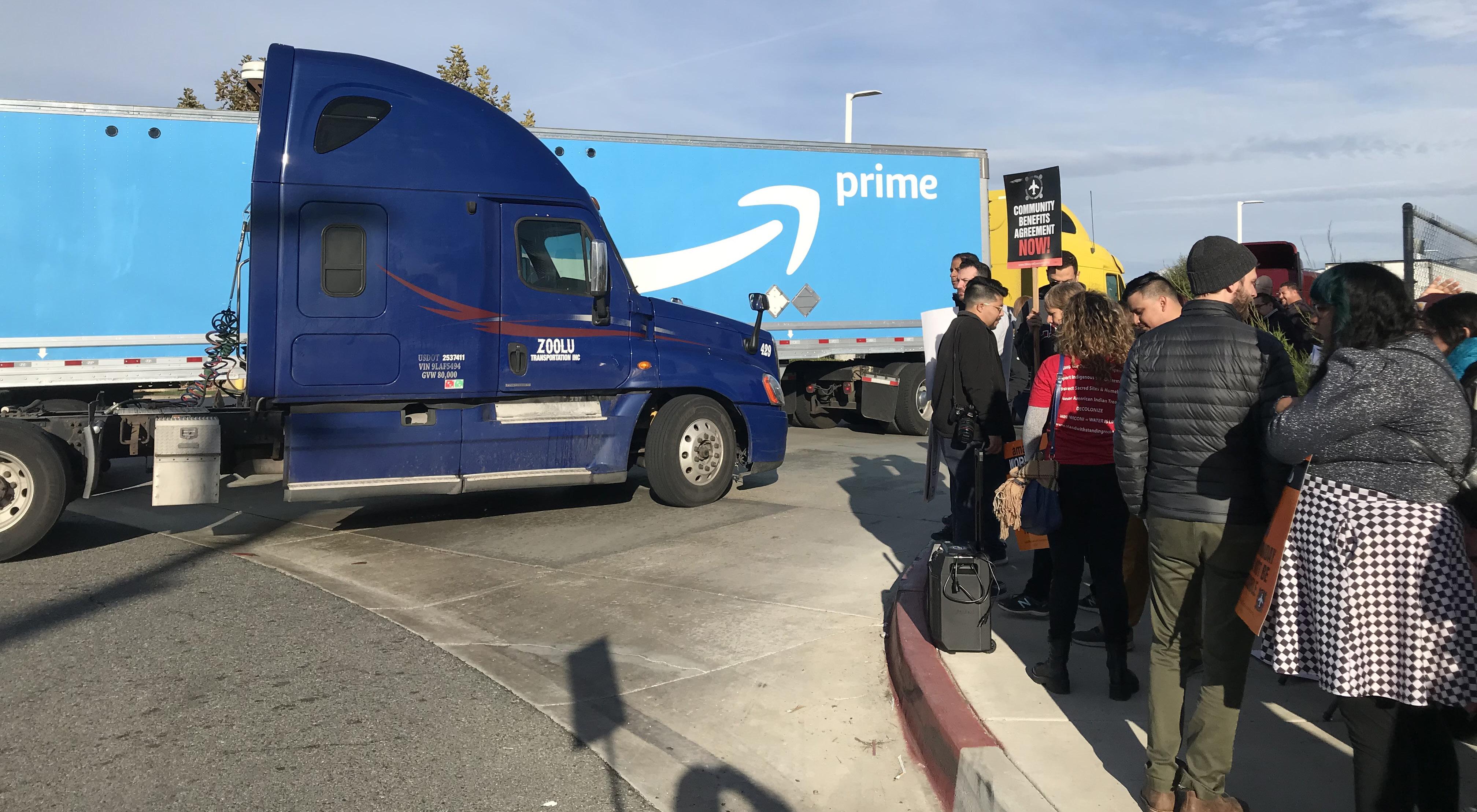
and the funds go to technologies that do not emit polluting emissions to the air. Of the total vouchers approved, 1,389 have been for Natural Gas trucks which represent 21% of the vouchers approved for trucks, and 189 have been for Hydrogen trucks which represent 2.8% of the vouchers approved for trucks, 1258 have been for Hybrid trucks which represent 19% of the vouchers approved for trucks.
The rest of the vouchers have gone to electric trucks, including battery electric trucks and trucks with electric auxiliary systems. 3548 have been for battery electric trucks (ZEV-BEV) which represent 54% of the vouchers approved for trucks, and 136 have been for trucks with electric auxiliary systems (like lifts) (e PTO) which represent 2% of the vouchers approved for trucks. This means that 56% of truck vouchers have gone to electric trucks, which is the majority.
Of the total vouchers, 1,269 have gone to fleets based in the county of San Bernardino representing 19.1%, and 743 based in the county of Riverside representing 11.2%, which means that a total of 2012 vouchers have gone to fleets based in the Inland Empire. This represents 30.3% of total vouchers. Most vouchers in the region have gone to the county of Los Angeles (4265), representing 64.3%, which is understandable considering the amount of population in the county, and the fact that both the Port of Long Beach and Los Angeles are in that county. That leaves 5.4% to Orange county.
Since this report focuses on medium and heavy duty trucks, we wanted to know the specific data for these types of trucks. Medium Duty (MD) trucks include Class 3 to 6 and Heavy Duty (HD) trucks include Class 7 & 8. This program is for all medium and heavy-duty trucks’ classes, but only for one type of light duty trucks: Class 2b.
For the county of San Bernardino , a total of 276
vouchers has been redeemed for MD trucks, and a total of 445 vouchers have been redeemed for HD trucks. For the county of Riverside, a total of 131 vouchers has been redeemed for MD trucks, and a total of 129 vouchers has been redeemed for HD trucks. However, it is important to note that all the truck fleets that are based in the 4 counties region travel to and from the Inland Empire, due to the logistics hub that is located in the region.
Finally, we gathered data for the number of vouchers that have been approved in the last 5 years (2021-2025) 128 are from 2025, 1887 are from 2024, 483 are from 2023, 566 are from 2022, and 402 are from 2021.
In the last 5 years, most of the vouchers have gone to electric vehicles. However, in 2024, 93 vouchers approved (4.9%) were for Hydrogen vehicles (FCV), and in 2023, 92 vouchers (23.5%). In 2025 and in 2022 only 2 vouchers approved, respectively, were for Hydrogen vehicles. No vouchers requested in the last 5 years were for Natural Gas or Hybrid vehicles.
“Since the beginning of the HVIP program,
6,629 vouchers have been approved in the SCAQMD region, totaling over $605 million.”
The current federal government has demonstrated a staunch defense of pollution and a rollback on efforts to address environmental impacts and climate change, disappearing any language on Environmental Justice. Some of the detrimental actions that this government has done are the following:
In March 2025 , the federal Environmental Protection Agency (EPA) published a press release announcing a series of major deregulatory actions about environmental policies. One of these actions is the reconsideration of the 2024 National Ambient Air Quality Standards (NAAQS) for fine particulate matter (PM2.5), which had set the annual standard at 9ug/m3. If these standards are revised or delayed, it could postpone nonattainment designations and the rollout of the 2027 Air Quality Management Plan (AQMP), especially impacting regions like the South Coast Air Quality Management District (AQMD). In addition, EPA is reassessing Greenhouse Gas (GHG) emissions standards for vehicles, including its Clean Trucks plan. This review could result in relaxed emissions requirements for HMDVs, which would slow the progress to cleaner technologies and put pressure on state-led zero emission initiatives. Another major action is the reopening of the 2009 endangerment finding , a critical legal foundation that gives EPA the authority to regulate GHGS under the Clean Air Act . This action will have tremendous implications for federal climate actions. The EPA is also revisiting the Exceptional Events Rule, which allows regulators to exclude air quality data affected by extraordinary events like wildfires. Changes to this rule could weaken enforcement in areas that are frequently impacted by such incidents, including much of California35.
These deregulatory shifts introduce significant regulatory uncertainty for automakers, fleet operators, and state governments. With key
federal standards in flux, many may hesitate to invest in new electric vehicle (EV) technologies, slowing the pace of innovation and market transformation. The potential delay or weakening of PM2.5 and GHG standards could also hinder improvements in public health, particularly in communities already burdened by air pollution. Without robust national standards, the urgency to transition to cleaner vehicles may be reduced, undermining efforts to cut transportation-related emissions. Additionally, state-level initiatives such as California’s EV mandates and air quality goals—may face legal and logistical challenges if federal standards are rolled back. This situation could lead to regulatory conflicts between state and federal agencies, complicating compliance for manufacturers and fleets.
Additionally, the Trump Administration issued an Executive Order (EO) on April 8 that would “stop the enforcement” of state climate regulation , with California, New York, and Vermont as specific targets 36. This EO gives a blank check for polluting industries (such as diesel, natural gas, coal) to not only keep polluting, but allowing them to pollute even more without any consequences, blocking the advancement of adoption of ZE technologies nationwide.
It is important to note that any deregulatory action must undergo a formal rulemaking process, which includes public notice and comment periods. Moreover, the EPA cannot override the foundational requirements of the Clean Air Act without congressional action. However, the ruling party, who controls the presidency and Congress, is using the Congressional Review Act (CRA) to overturn regulations that have passed in California, even though these are not bills, and the Parliamentarian stated that these regulations shouldn’t be subject to CRA, since CRA jurisdiction is on bills. The specific regulations that are being attacked by Republicans (joined
even by some Democrats) through a CRA as the following California regulations: ACT (Advanced Clean Trucks), HDO (Heavy-Duty Omnibus) and ACCII (Advance Clean Cars II) . By the time this report was written, the House and the Senate voted in favor of overturning these regulations. Using the CRA to attack environmental regulations that have already been passed and are in effect in California is a violation of the filibuster and is also a violation of the Constitution. These actions will have an extremely negative effect on the health and lives of the communities that are most impacted by pollution, which as noted in earlier pages are mostly low-income communities of color, such as the communities in the Inland Empire. Moreover, these attacks on environmental regulations could affect the following financial incentives for the ZE transition in California:
2 3 1
California’s Hybrid and Zero-Emission Truck and Bus Voucher Incentive Project (HVIP)
HVIP is a cornerstone of California’s zero-emission freight strategy and is highly dependent on the state’s air quality and climate goals. If federal PM2.5 and GHG standards are delayed or weakened, California may have to rely even more on its state-level mechanisms to meet its environmental targets. This could lead to increased pressure on CARB to expand HVIP funding and access.
California Clean Vehicle Rebate Project (CVRP)
CARB’s California Capital Access Program (CalCAP)
The federal Plug-In Electric Drive Vehicle Credit (PEDVC) remains in effect, offering $2,500–$7,500 for eligible vehicles. However, if federal emissions goals lose momentum, the national push for Zero-Emission Vehicle (ZEV) adoption could weaken, especially outside California. While CVRP itself would remain operational, the lack of federal push may slow the nationwide EV transition, making it harder for California to influence automaker timelines.
CalCAP provides loan assistance for small fleets investing in clean vehicles. In a deregulatory climate, financial institutions may grow wary of investing in emission-reduction projects, especially if perceived enforcement risks decline. As a result, CalCAP may need greater state-level subsidies to remain attractive and viable for lenders and borrowers alike.
On the other hand, current president Donald Trump signed an executive order on April 28, 2025, mandating stronger enforcement of English proficiency requirements for all truck drivers. The order instructs that commercial truck drivers who are found non-compliant and do not meet the language requirements will be removed from the service and fined for $500. The implementation of this policy is meant to take effect on June 27, 2025, allowing time for federal agencies like the Department of Transportation (DOT) and the Federal Motor Carrier Safety Administration (FMCSA) to enforce these guidelines37.
However, this action only promotes racial rhetoric and xenophobic attitudes and would detrimentally affect truck drivers and trucking companies. The United States is already facing a driver shortage, and this regulation could disqualify a significant amount of the workforce, especially immigrant or minority drivers.
These EOs, rollback of regulations, and other harmful actions are affecting the transition to ZE vehicles in general. Nonetheless, the state of California should still lead the actions, regulations and policies regarding Environmental Justice and the transition to ZE vehicles and technology. It is important that the state government in California, as well as cities and county governments continue the support of the ZE transition, and have contingency plans for any potential affectation on funding and regulations.
The transition to ZE trucks is an ongoing process that requires a significant amount of resources, both financial and institutional, like financial incentives, regulations, laws, and industry willingness. However, there is no denying that this transition is a necessity. The polluting emissions released by trucks are very harmful to the health of the communities that are most impacted by pollution, which are mostly lowincome communities of color, as shown in the earlier pages of this report.
In the People’s Collective for Environmental Justice (PCEJ) we have conducted this study to better understand the experiences and perspectives of truck drivers, and community members , regarding the transition to Zero Emission (ZE) trucks (battery electric trucks), contrasting the data gathered through surveys and interviews with data on pollution, on its impacts, on work implications, on incentives, costs, infrastructure, and other elements of the transition. The study consisted of both surveys and in-depth interviews with truck drivers and community members in the area of Colton, Bloomington, and San Bernardino. We include an important focus on achieving a just ZE transition, that doesn’t generate more negative impacts and/or sacrifice zones.
As discussed throughout this report, in the Inland Empire (IE) we have serious pollution impacts on marginalized communities, due to the high concentration of warehouses, railyards, truck stops, and HMDVs . These impacts are not only suffered in communities next to highways, but in all areas, especially the cities of Bloomington, San Bernardino, Colton, Ontario, and Moreno Valley. This is seen in the figures that show the concentration of pollution, poverty, asthma, truck traffic, and cardiovascular disease , to mention a few. Moreover, most truck drivers and
community members have shared their concerns on pollution and health impacts generated by trucking in their communities. They have highlighted impacts on respiratory health, mental health, and general health.
On the other hand, we addressed some responses from truck drivers and community members on jobs regarding this transition. There is concern among truck drivers that the transition may affect their job stability and income, due to the costs of electric trucks, the availability of charging stations, and the time that charging electric trucks take. However, we have also shown the incentives that exist for this transition, and the ZE infrastructure goals in California. If the funding for ZE job training, for obtaining electric trucks, and for ZE infrastructure continue, this transition won’t be detrimental for truck driver jobs but could be beneficial.
The most robust section of this report focuses on the responses by truck drivers and community members about different elements of the transition to ZE trucks, such as costs, infrastructure, financial incentives, and perceived impacts. According to truck drivers’ responses, most of their concerns with the transition are the costs associated with it, the infrastructure needed, and the information in general about electric trucks, regulations, and financial incentives available. We also found that most truck drivers lack information about all aspects of the transition and have negative perceptions of the transition based on misinformation and on the lack of information. Most truck drivers don’t belong to trucking associations or unions, and the trucking associations according to truck drivers that belong to one, haven’t been helpful in sharing legitimate information about the transition.
1 Márquez Duarte et al., Plug In IE: A Dialogue on Sustainable Logistics.
2 Horseman, “Inland Empire Warehouse Moratorium Pitched to Gov. Gavin Newsom.”
3 Petrow-Cohen, “Ports of Los Angeles and Long Beach Set New Cargo Records.”
4 Torres, Victoria, and Klooster, “Warehouses, Pollution, and Social Disparities: An Analytical View of the Logistics Industry’s Impacts on Environmental Justice Communities across Southern California.”
5 Wilson, “Ready for Work 2.”
6 Leyva, SB-372 Medium- and heavy-duty fleet purchasing assistance program: zeroemission vehicles.
7 Wilson, “Ready for Work 2.”
8 American Lung Association, “State of the Air 2024.”
9 American Lung Association, “Nitrogen Dioxide and Community Health”; Flaming and Burns, “Demolishing Homes for Air Cargo.”
10 American Lung Association, “State of the Air 2024.”
11 American Lung Association, “Nitrogen Dioxide and Community Health,” 9.
12 Phadke et al., “2035: The Report. Transportation,” 4.
13 American Lung Association, “Nitrogen Dioxide and Community Health,” 14.
14 To learn more about Cal Enviro Screen and explore their interactive map, follow this link: https://experience.arcgis.com/experience/11d2f52282a54ceebcac7428e6184203/page/ CalEnviroScreen-4_0
15 Allen et al., “Taking the High Road in the EV Logistics Transition: Workforce development strategies for the Inland Empire and beyond”
16 This means that 60,000 jobs for the entire 10-year period will be required.
17 Allen et al., “Taking the High Road in the EV Logistics Transition: Workforce development strategies for the Inland Empire and beyond”
18 American Trucking Associations, “Economics and Industry Data.”
19 Allen et al., “Taking the High Road in the EV Logistics Transition: Workforce development strategies for the Inland Empire and beyond”
20 US Bureau of Labor Statistics, “Median Weekly Earnings of Full-time Wage and Salary Workers by Detailed Occupation and Sex.”
21 California Energy Commission, “Electric Vehicle Chargers in California.”
22 California Energy Commission, “MDHD ZEV Station Development in California.”
23 Squires, “The Dawn of Electric Trucking Calls for High-Power Charging | NREL”; US Department of Energy, “Alternative Fuels Data Center”; US Department of Transportation, “Charger Types and Speeds | US Department of Transportation.”
24 CARB, “Zero-Emission Class 8 Truck Pricing Comparisons – EU & US.”
25 Cooke, “Trucking Industry Disinformation Will Cost Lives.”
26 Basma et al., “TOTAL COST OF OWNERSHIP OF ALTERNATIVE POWERTRAIN TECHNOLOGIES FOR CLASS 8 LONG-HAUL TRUCKS IN THE UNITED STATES.”
27 California HVIP, “Clean-Air Vehicles at a Fraction of the Price.”
28 California Air Resources Board, “Outcomes and Results for Clean Vehicle Rebate Project.”
29 JETSI, “JETSI Fleets, NFI and Schneider, Have Collectively Surpassed 11 Million ZeroEmission Miles Driven.”
30 Truckinginfo.com, “California Updates Zero-Emissions Incentive Plan to Focus on Small Fleets.”
31 California Air Resources Board, “About CAP Program.”
32 California Air Resources Board, “Carl Moyer Memorial Air Quality Standards Attainment Program.”
33 California Air Resources Board, “Zero-Emission Truck Loan Pilot Project.”
34 California Energy Commission, “Electric Vehicle Chargers in California.”
35 Environmental Protection Agency, “EPA Launches Biggest Deregulatory Action in U.S. History.”
36 White House, “Protecting American Energy From State Overreach.”
37 Carpenter, “Trump’s Executive Order For Trucking Revives a Rule Nearly 90 Years Old.”
References Section 07
Suggested citation: Márquez Duarte, F. D. (2025). Driving the Just Transition: Perspectives by Truck Drivers and Community Members on the Trucking Just Transition. People’s Collective for Environmental Justice.
Allen, K., Barnard, C., Brookes, M., De La Torre, E., Marquez Duarte, F.D., Flores, J., Hutchins, G.B., Joyner, C., Khan, S., Mickey-Pabello, D., Reese, E. (2025). Taking the High Road in the EV Logistics Transition: Workforce Development Strategies for the Inland Empire and Beyond. Riverside, CA: Inland Empire Labor and Community Center, University of California Riverside.
American Lung Association. “Nitrogen Dioxide and Community Health.” Something in the Air. Chicago: American Lung Association, 2025. https://www.lung.org/getmedia/21af76e6b204-4566-837a-d24de122b73c/Something-in-the-Air-Report-nitrogen-dioxide.
———. “State of the Air 2024.” State of the Air. Chicago: American Lung Association, 2025. https:// www.lung.org/research/sota.
American Trucking Associations. “Economics and Industry Data.” American Trucking Associations, 2024. https://www.trucking.org/economics-and-industry-data.
Basma, Hussein, Claire Buysse, Yuanrong Zhou, and Felipe Rodríguez. “TOTAL COST OF OWNERSHIP OF ALTERNATIVE POWERTRAIN TECHNOLOGIES FOR CLASS 8 LONG-HAUL TRUCKS IN THE UNITED STATES.” Washington, D.C.: The International Council on Clean Transportation, April 2023. https://theicct.org/wp-content/uploads/2023/04/tco-altpowertrain-long-haul-trucks-us-apr23.pdf.
California Air Resources Board. “About the CAP Program.” Government. California Air Resources Board, 2025. https://ww2.arb.ca.gov/capp/ab/about-cap-program/about.
———. “Carl Moyer Memorial Air Quality Standards Attainment Program.” Government. California Air Resources Board, 2025. https://ww2.arb.ca.gov/our-work/programs/carl-moyermemorial-air-quality-standards-attainment-program
———. “Outcomes and Results for Clean Vehicle Rebate Project.” Government. CARB, 2024. https://ww2.arb.ca.gov/our-work/programs/clean-vehicle-rebate-project-cvrp/outcomesand-results-clean-vehicle-rebate.
———. “Zero-Emission Truck Loan Pilot Project.” Government. California Air Resources Board, 2025. https://ww2.arb.ca.gov/our-work/programs/zero-emission-truck-loan-pilot/about
California Energy Commission. “Electric Vehicle Chargers in California.” Government. California Energy Commission. California Energy Commission, 2025. https://www.energy.ca.gov/datareports/energy-almanac/zero-emission-vehicle-and-infrastructure-statistics-collection/ electric
———. “MDHD ZEV Station Development in California.” Government. California Energy Commission. California Energy Commission, 2025. https://www.energy.ca.gov/data-reports/energyalmanac/zero-emission-vehicle-and-infrastructure-statistics-collection/mdhd-zev.
California HVIP. “Clean-Air Vehicles at a Fraction of the Price.” Government. Hybrid and ZeroEmission Truck and Bus Voucher Incentive Project | California HVIP, 2025. https:// californiahvip.org/purchasers/.
CARB. “Zero-Emission Class 8 Truck Pricing Comparisons – EU & US.” California Air Resources Board, December 2024. https://ww2.arb.ca.gov/sites/default/files/2024-12/Zero%20 Emission%20Class%208%20Tractor%20Pricing%20Comparisons_ADA.pdf.
Carpenter, Rob. “Trump’s Executive Order For Trucking Revives a Rule Nearly 90 Years Old.” FreightWaves (blog), April 28, 2025. https://www.freightwaves.com/news/trumps-executiveorder-for-trucking-revives-a-rule-nearly-90-years-old
Cooke, Dave. “Trucking Industry Disinformation Will Cost Lives.” The Equation (blog), October 30, 2024. https://blog.ucs.org/dave-cooke/trucking-industry-disinformation-will-cost-lives/
Environmental Protection Agency. “EPA Launches Biggest Deregulatory Action in U.S. History.” News Release. EPA, March 12, 2025. https://www.epa.gov/newsreleases/epa-launchesbiggest-deregulatory-action-us-history.
Flaming, Daniel, and Patrick Burns. “Demolishing Homes for Air Cargo: San Bernardino International Airport Gateway Plan.” San Bernardino, CA: Economic Roundtable, 2023. https://www. researchgate.net/publication/375034125_Demolishing_Homes_for_Air_Cargo_San_ Bernardino_International_Airport_Gateway_Plan.
Horseman, Jeff. “Inland Empire Warehouse Moratorium Pitched to Gov. Gavin Newsom.” Press Enterprise, January 31, 2023, sec. Local News. https://www.pressenterprise.com/2023/01/30/ inland-empire-warehouse-moratorium-pitched-to-gov-gavin-newsom
JETSI. “JETSI Fleets, NFI and Schneider, Have Collectively Surpassed 11 Million Zero-Emission Miles Driven.” Government. JETSI, April 14, 2025. https://www.jetsiproject.com/jetsi-fleetsnfi-and-schneider-have-collectively-surpassed-11-million-zero-emission-miles-driven/.
Leyva, Connie. SB-372 Medium- and heavy-duty fleet purchasing assistance program: zeroemission vehicles, Pub. L. No. SB-372, Senate Bill (2021). https://leginfo.legislature.ca.gov/ faces/billTextClient.xhtml?bill_id=202120220SB372
Márquez Duarte, Fernando David, Ellen Reese, and Marissa Brookes. Plug In IE: A Dialogue on Sustainable Logistics. Summary Report 2. CREATE-IE. UCR Inland Empire Labor and Community Center, 2023. https://ielcc.ucr.edu/document/create-ie-workshop-report
Petrow-Cohen, Caroline. “Ports of Los Angeles and Long Beach Set New Cargo Records.” Business. Los Angeles Times (Los Angeles), November 15, 2024. https://www.latimes.com/business/ story/2024-11-15/ports-of-los-angeles-and-long-beach-set-new-records.
Phadke, Amol, Nikit Abhyankar, Taylor McNair, and David Wooley. “2035: The Report. Transportation.” Berkeley, California: UNIVERSITY OF CALIFORNIA BERKELEY GOLDMAN SCHOOL OF PUBLIC POLICY, April 2021. https://www.2035report.com/transportation/
Squires, Anna. “The Dawn of Electric Trucking Calls for High-Power Charging | NREL.” Government. National Renewable Energy Laboratory, January 15, 2025. https://www.nrel.gov/news/ features/2025/the-dawn-of-electric-trucking-calls-for-high-power-charging.
Torres, Ivette, Anthony Victoria, and Dan Klooster. “Warehouses, Pollution, and Social Disparities: An Analytical View of the Logistics Industry’s Impacts on Environmental Justice Communities across Southern California.” Working paper. University of Redlands, April 2021. https:// earthjustice.org/sites/default/files/files/warehouse_research_report_4.15.2021.pdf.
Truckinginfo.com. “California Updates Zero-Emissions Incentive Plan to Focus on Small Fleets.” Truckinginfo, November 27, 2024. https://www.truckinginfo.com/10232267/californiaupdates-zero-emissions-incentive-plan-to-focus-on-small-fleets
US Bureau of Labor Statistics. “Median Weekly Earnings of Full-time Wage and Salary Workers by Detailed Occupation and Sex : U.S. Bureau of Labor Statistics.” Government. Labor Force Statistics from the Current Population Survey, January 2023. https://www.bls.gov/cps/ cpsaat39.htm.
US Department of Energy. “Electric Vehicle Charging Stations.” Government. Alternative Fuels Data Center, 2025. https://afdc.energy.gov/fuels/electricity-stations
US Department of Transportation. “Charger Types and Speeds | US Department of Transportation.” Government. Charger types and speeds, January 31, 2025. https://www.transportation. gov/rural/ev/toolkit/ev-basics/charging-speeds.
Vidaurre, Andrea, and Ivette Torres. “People’s Collective for Environmental Justice.” Workshop presented at the CREATE IE, Riverside, CA, June 1, 2023.
White House. “Protecting American Energy From State Overreach.” Government. The White House, April 8, 2025. https://www.whitehouse.gov/presidential-actions/2025/04/protectingamerican-energy-from-state-overreach/ Wilson, Sam. “Ready for Work 2: On the Road to Clean Trucks.” Cambridge, MA: Union of Concerned Scientists, February 18, 2025. https://doi.org/10.47923/2025.15779.

Driving the Just Transition: Perspectives by Truck Drivers and Community Members on the Trucking Just Transition explores the environmental and economic dimensions of transitioning to Zero Emission (ZE) trucks in the Inland Empire. Through surveys and interviews with truck drivers and residents in Colton, Bloomington, and San Bernardino, the study highlights deep concerns about pollution, health impacts, and job stability.
The report underscores that low-income communities of color bear the brunt of trucking-related emissions, and that misinformation and lack of access to resources hinder truck drivers’ understanding of the transition. While challenges like infrastructure gaps and high costs persist, the report also identifies opportunities for a just transition, one that includes equitable funding, job training, and community engagement without creating new sacrifice zones.
Contact Us
To learn more about our community-led research, environmental justice campaigns, or to connect around a just transition to Zero Emission trucking, please reach out to the People’s Collective for Environmental Justice (PCEJ). We welcome collaboration with residents, advocates, and partners committed to building healthier, more resilient communities across the Inland Empire. Visit pc4ej.com to explore our work and get involved.
Suggested Citation
Office

Phone: 909.248.3885
Email: media@pc4ej.org
Website: www.pc4ej.org