Building a Better Community for Older Adults
Philadelphia Corporation for Aging State of the Agency Report 2026-2027 (Anticipated)

Building a Better Community for Older Adults
Building a better community for older adults begins with a simple but powerful idea: everyone deserves to age with dignity, stability, and connection.
Across Philadelphia, that vision is being tested every day. Rising housing costs, economic pressures, social isolation, and access to care continue to shape the experiences of older adults in our city. These challenges are complex and growing. But they also present an opportunity: an opportunity to rethink how we support aging and to build solutions that reflect the real needs of the people we serve.
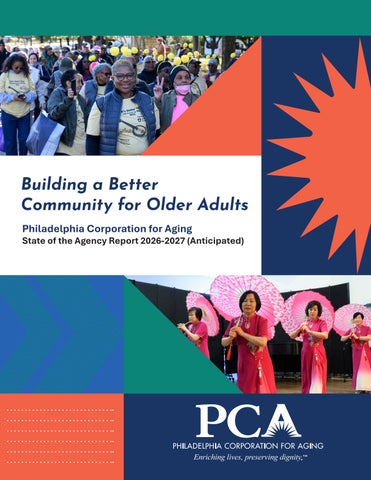
At Philadelphia Corporation for Aging (PCA), our work is grounded in listening, responding, and acting. This year, we deepened our commitment to community-driven solutions through the “Make Your Voices Heard” initiative. We engaged over a thousand residents in neighborhoods across the city. Through their input, we gained insight into what older Philadelphians need to remain safe, healthy, and connected. Their voices are shaping our programs and guiding the future direction of aging services in this city.
At the same time, we are expanding how we think about support. As highlighted in this report, PCA is exploring new approaches that go beyond traditional services. From reimagining how we can address affordable housing, to responding rapidly in times of crisis through our Emergency Fund, to creating opportunities for connection through programs like the Community Café, our work reflects a broader understanding of what it means to age well.
These efforts are united by a common goal: helping older adults remain independent while strengthening the communities around them. We also recognize that innovation does not happen in isolation. Partnerships with community organizations, government leaders, funders, and private-sector collaborators are essential to expanding our reach and deepening our impact. Whether through new technology that enhances safety or programs that support caregivers, these collaborations allow us to respond to emerging needs with flexibility and purpose.
As we look ahead, the need for thoughtful, coordinated action has never been greater. Philadelphia’s older adult population continues to grow, and with that growth comes both challenges and responsibility. We must continue to invest in solutions that are not only effective today but also sustainable for the future.
The stories in this report reflect more than programs or initiatives. They represent people, neighbors, caregivers, and communities, working together. Their efforts create a stronger, more supportive environment for aging.
We are proud of the progress we have made, but we know there is more to do.
Together, with the support of our partners and the voices of the community guiding us, we can continue building a Philadelphia where every older adult has the opportunity to live with dignity, independence, and connection. Join us by participating in our programs, advocating for older adults, or supporting our initiatives to help make this vision a reality.
Sincerely,

Najja R. Orr, DBA, FCPP President and CEO Philadelphia Corporation for Aging
PCA’S MISSION
To improve the quality of life for older Philadelphians and people with disabilities and to assist them in achieving their maximum level of health, independence and productivity.
PCA is a private, nonprofit organization, serving as the Area Agency on Aging (AAA) for Philadelphia County, and the first place for older Philadelphians and adults with disabilities turn to for information and services to improve their lives. Established in 1973, PCA provides vital programs that allow individuals to remain engaged in their communities and empowered in their homes, while giving special consideration to those who have the greatest economic and social needs.
With more than 50 years of experience caring for older adults, PCA touches the lives of 140,000 Philadelphians each year with programs and services.
Home@642: Transforming a Vacant Building to Accessible Living
For many older adults in Philadelphia, the greatest threat to independence is not health, but housing.
Across the city, thousands of older residents are living on fixed incomes that have not kept pace with rising housing costs (Sullivan & Phue, 2025). According to the U.S. Census Bureau, more than 1 in 3 Philadelphia households headed by someone age 65-plus spend over 30% of their income on housing, the threshold considered “cost-burdened.” For many, the financial margin is even thinner (Sullivan & Phue, 2025). The National Low Income Housing Coalition reports that Pennsylvania faces a severe shortage of affordable rental homes for extremely low-income residents, including older adults living on Social Security (Gap Report: Pennsylvania, 2022).
For older adults who have spent decades building their lives in Philadelphia, the result is an increasingly precarious reality. Many face difficult choices between paying rent, buying groceries or affording medications. Others live in aging homes that are difficult to maintain or navigate as mobility changes. And far too many experience growing isolation as neighborhoods change and long-time community ties weaken (Rajwani-Dharsi, 2022).
Housing instability for older adults is a public health issue. Research from AARP and Harvard’s Joint Center for Housing Studies links stable, affordable housing to better health, fewer hospitalizations and stronger social connections (Molinsky & Harrell, 2020).
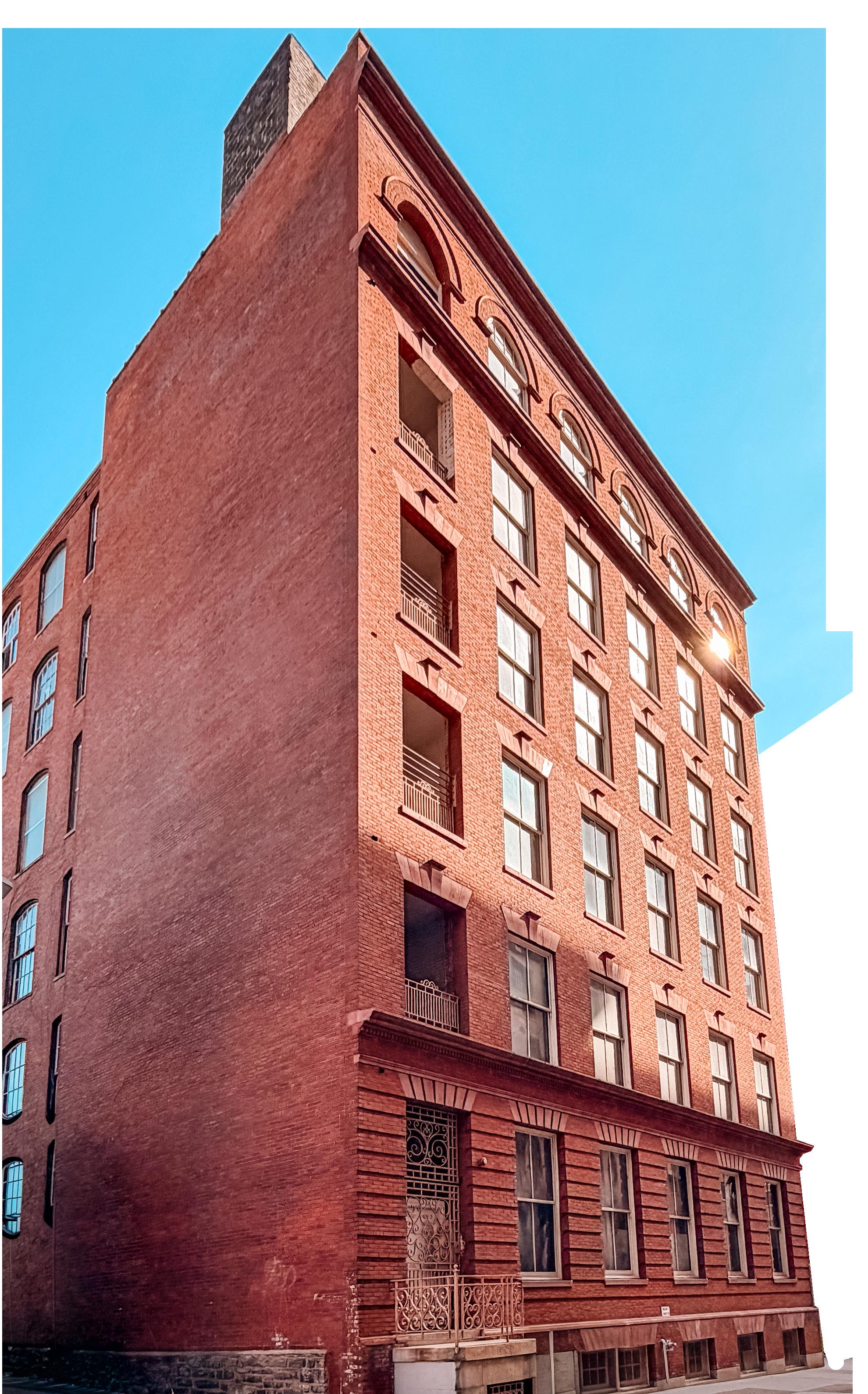
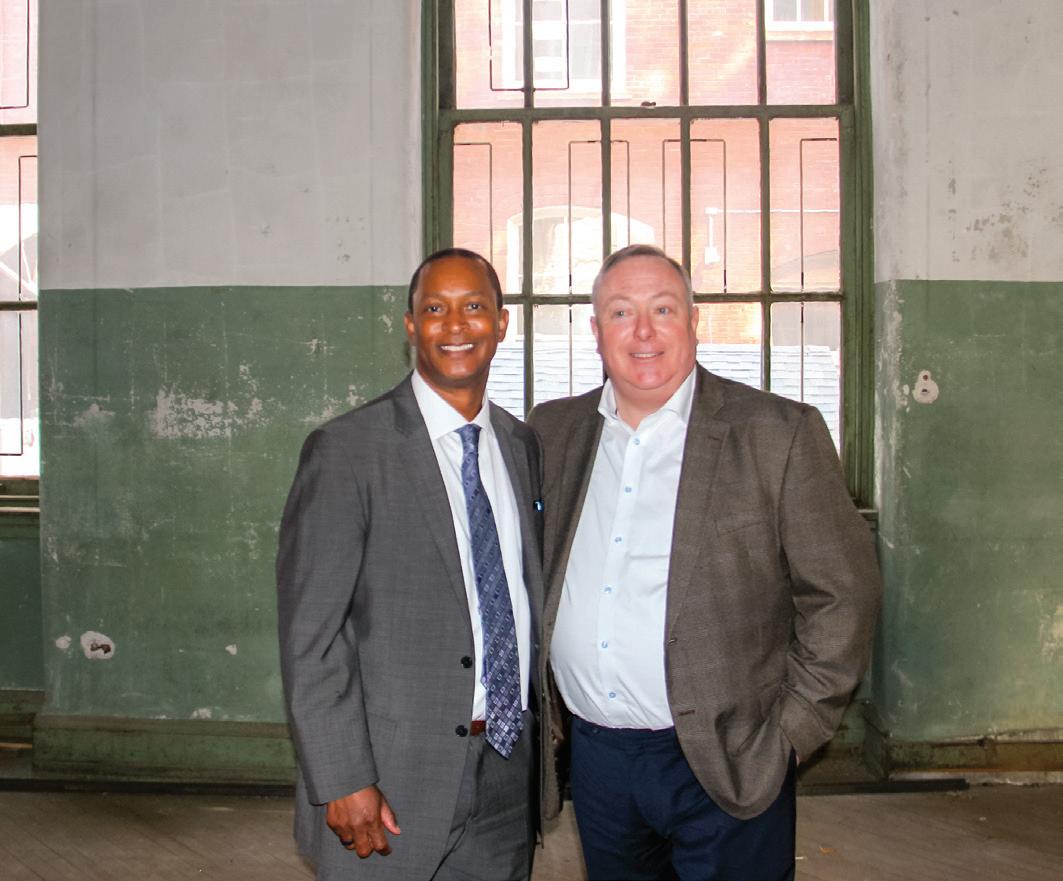
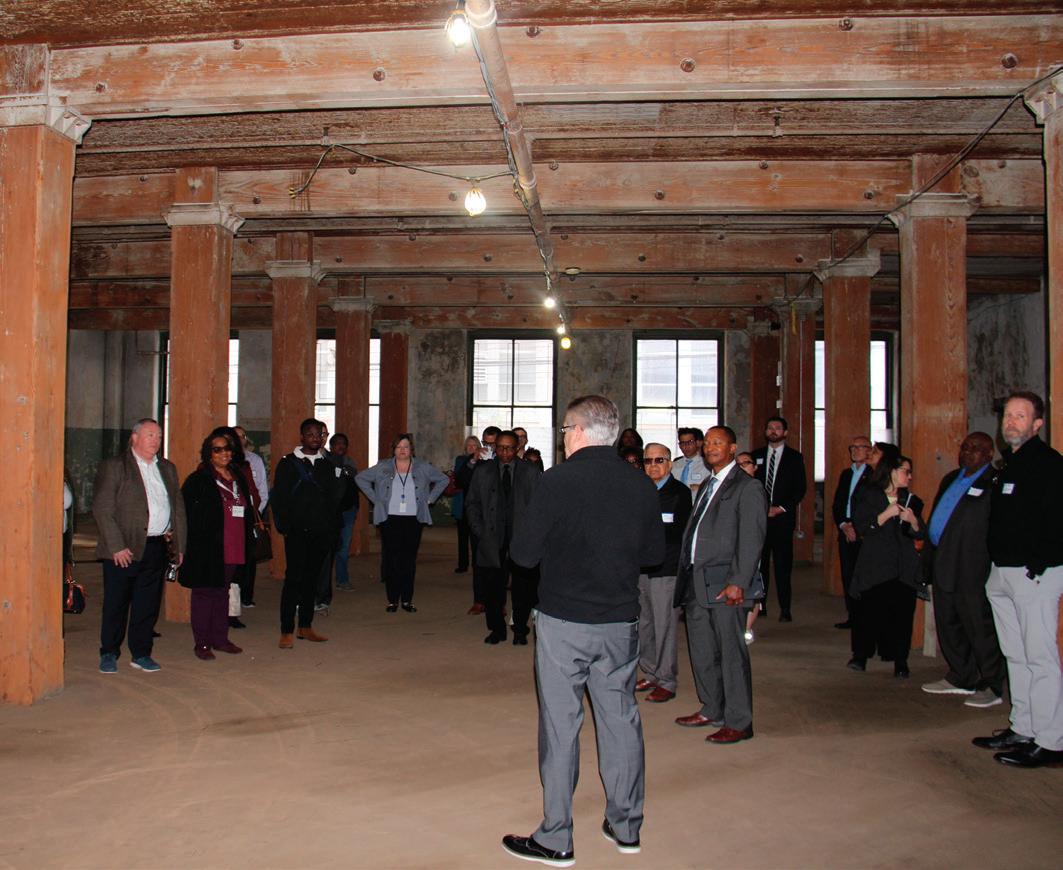
That is why PCA is exploring an ambitious new opportunity: transforming a vacant building connected to its main office building into affordable housing designed specifically for older adults.
This project would place housing next to services older adults rely on, offering safety, affordability, and access to programs and community.
For older adults living on fixed incomes, that kind of stability can be life-changing.
Housing connected to community services can reduce isolation, improve health outcomes and help older adults remain independent longer. Residents benefit from integrated support for daily needs, easier access to health care, opportunities


for social engagement and help maintaining their homes – all of which contribute to dignity and stability.
The need for solutions like this is growing. The Pennsylvania Department of Aging reports that the state’s older adult population continues to rise rapidly, and Philadelphia is home to one of the largest senior populations in the Commonwealth (Philadelphia’s Senior Population is Growing, 2024). Exploring the development of affordable housing represents a natural extension of this focus on older adult wellbeing, recognizing that stability, health, and dignity all begin with having a place to call home.
While planning and partnerships are still developing, the vision is clear: a future where older adults in Philadelphia are not forced to leave the neighborhoods they helped build simply because housing has become unaffordable.
Now is the time to act. We invite community members, partners and stakeholders to join PCA in shaping solutions. Together, we can create affordable housing and support systems so older adults can thrive. Let’s come together and turn this vision into reality.

Programs Offered Through PCA
Community & Connection
Community Outreach
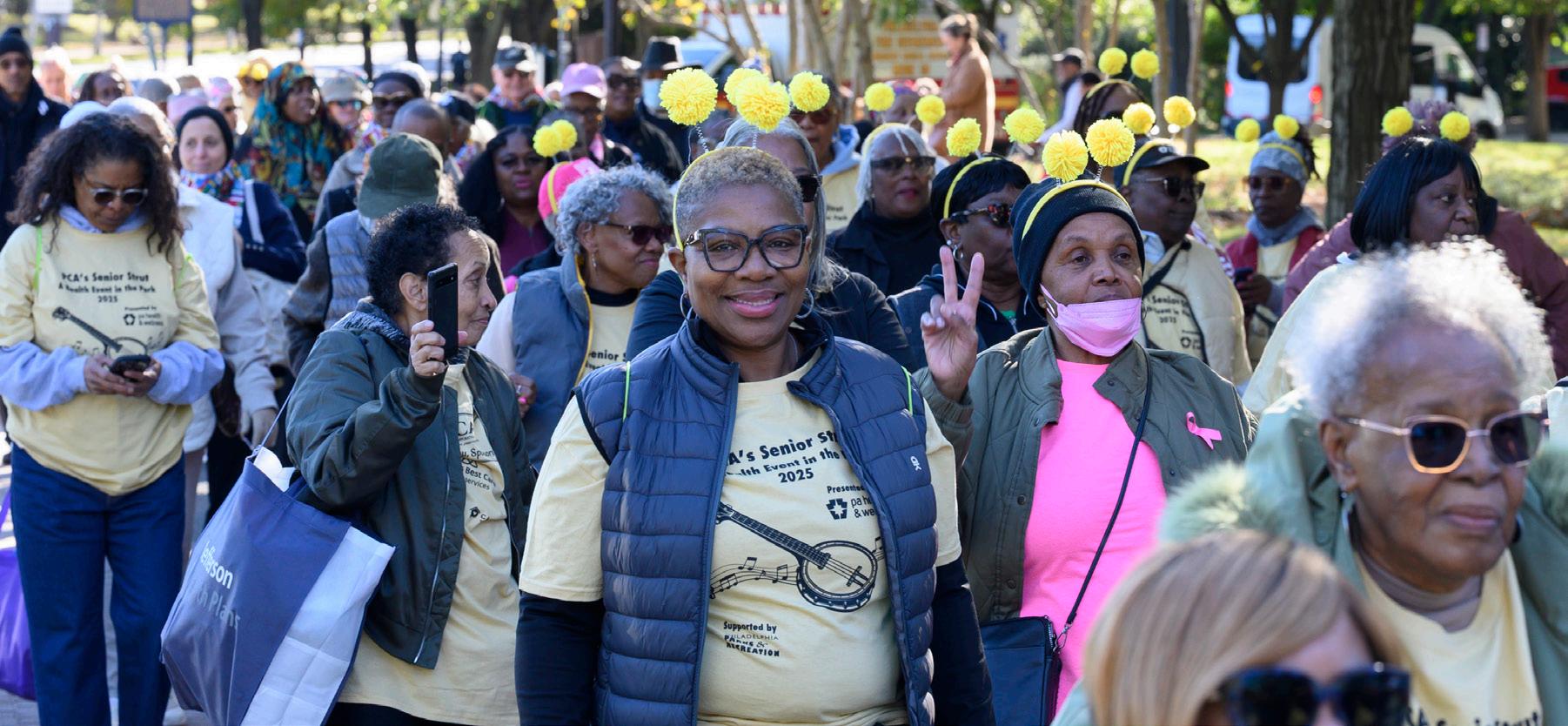
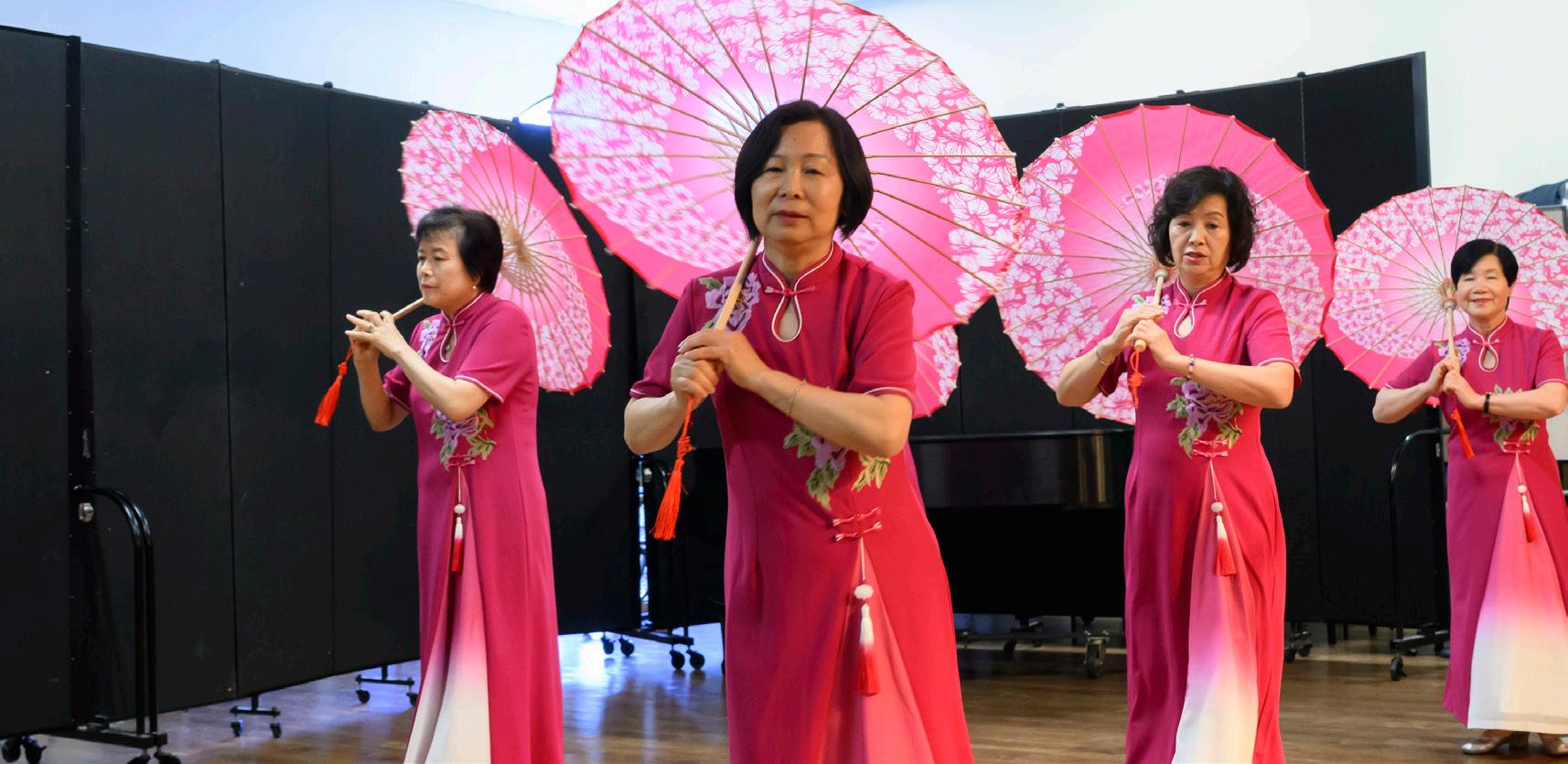
PCA engages directly with diverse communities to ensure programs meet real needs. Special advisory councils and partner organizations engage with older adults in the Latino, African and Caribbean, Asian, clergy/interfaith, and LGBTQ+ communities. Staff participate in outreach events, including health fairs, senior expos and faith-based gatherings.
Senior Centers
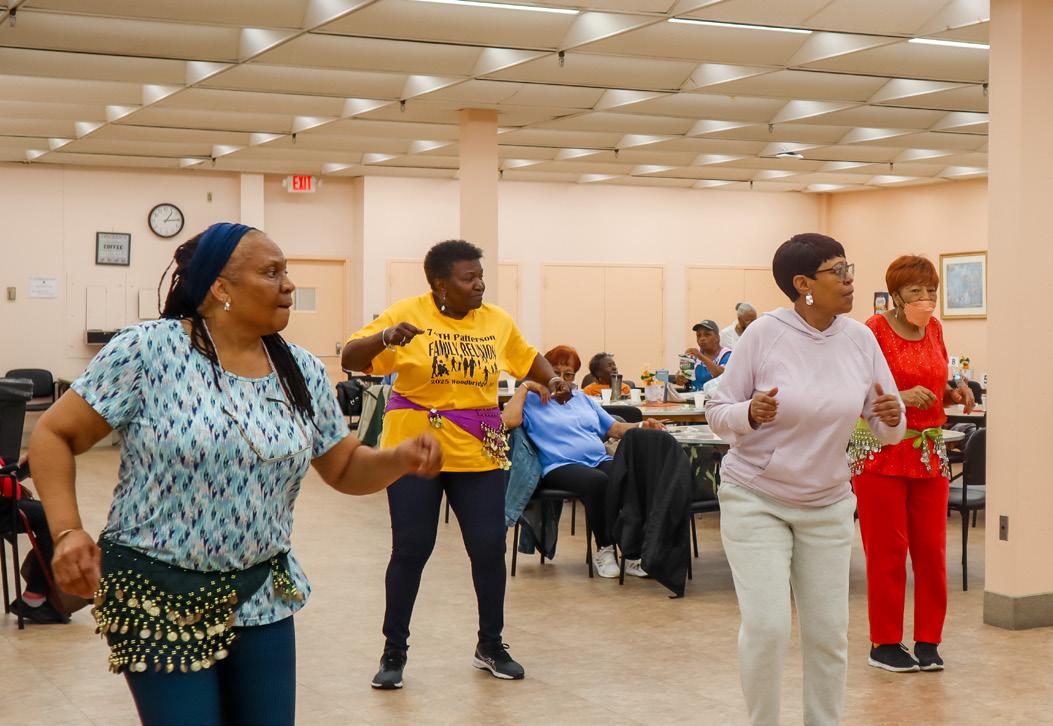
PCA funds 28 senior centers and satellite meal sites offering social, recreational and educational programming. Older adults can connect to a variety of programs and services at a senior center, including transportation, benefits counseling, legal assistance and volunteer opportunities.
Transportation
PCA coordinates rides through SEPTA’s Access Program (formerly CCT Connect) for older adults and adults with disabilities who cannot use fixedroute transit. Participants receive door-to-door transportation to medical appointments and other essential activities, including senior centers and supermarkets.
Health & Wellness
Evidence-based programs help older adults manage chronic conditions, reduce their risk of disability, and build skills for healthier living. Programs include educational workshops, health screenings, exercise and support groups.
PCA Helpline
The PCA Helpline connects older adults, adults with disabilities and their caregivers to resources that help them live safely and independently. Services are offered in every language, including English, Spanish, Russian, Chinese, Hindi, Korean and Vietnamese. The PCA Helpline is available by telephone, TDD for deaf and hard-of-hearing callers, email, and website “Request Assistance” form.
Senior Companion Program
Volunteers aged 55-plus provide companionship and support to homebound older adults. Senior Companions provide socialization and assist with daily tasks, including light meal prep, errands and accompaniment to medical appointments.
Senior Farmers Market Nutrition Program
This annual summertime program provides income-eligible older adults with free vouchers for Pennsylvania-grown produce, redeemable at certified farmers markets. It helps participants eat healthier while supporting local agriculture.
Employment & Job Training
PCA funds employment programs to help older adults thrive in the workforce. Mature workers gain skills through on-the-job training to help them find and maintain permanent employment. These programs support self-sufficiency, financial independence and career success for older adults.
Help in the Home
Assessments
PCA conducts in-home assessments to determine eligibility for long-term care services, which can be provided within the home, community or a residential facility. These evaluations are used to determine a level of care that focuses on the person’s functional abilities. The assessment identifies an individual’s needs to guide service planning and support.
Care Management
PCA helps older adults age in place with highquality care management tailored to each person’s needs. Trained care managers provide personalized coordination of services for people who need longterm support to remain safely in their homes. These services include home- and community-based supports to prevent unnecessary hospitalization or institutional care.

Home-Delivered Meals
PCA delivers nutritious meals to older adults and people with disabilities who struggle to afford delicious, balanced meals, cannot cook or shop for themselves, and have no one to help prepare meals. Trained drivers provide individuals with regular, caring contact and remain alert to changes in their needs.
Home Repairs & Modifications
PCA provides minor home repairs and modifications to improve safety and independence for incomeeligible homeowners. PCA can install or repair exterior doors, intercom systems, electrical fixtures, wooden basement steps, stair railings, tub grab bars, and leaky faucets or toilets. All work meets city building codes and is guaranteed.
Veterans Program
The Veterans-Directed Care program, a collaboration with the U.S. Department of Veterans Affairs, empowers local U.S. military veterans to manage their own care services and live independently in their communities. PCA provides guidance and support to help veterans maintain dignity and control over their own care.
Protection & Advocacy
Older Adult Protective Services
PCA helps to prevent and investigates all forms of elder abuse, including physical, sexual and psychological abuse; self-neglect or caregiver neglect; and financial exploitation. Reports can be made 24/7. The program ensures safety and peace of mind for vulnerable individuals.
Ombudsman
PCA gives residents of long-term care facilities a voice in their own care. Ombudspeople advocate for rights by responding to complaints, making qualityassurance visits to facilities, and consulting with families and staff. Areas of concern that are addressed include finances, quality of life, professional care and residents’ rights.
Health Insurance Counseling
Pennsylvania Medicare Education and Decision Insight Program (PA MEDI) provides free, unbiased, confidential counseling to help older adults understand their health insurance options and make informed decisions. Older adults can get advice on Medicare, Medicare Advantage, supplement and drug prescription plans, Medicaid, Medigap and more.
Legal Services
PCA provides legal assistance, advocacy and education to older adults on a variety of matters, including consumer protection, benefits and entitlements, housing and real estate, probate and estates, fiduciaries, and domestic matters.
Crisis Assistance
The Emergency Fund for Older Philadelphians helps older adults meet basic needs – like food, utilities, rent and medicine – when other resources are exhausted. The program provides critical support to maintain health, safety and stability.
Caregiver Support
Caregiver Support
PCA provides a wide array of resources, education and financial assistance to unpaid, primary caregivers supporting older adults or young relatives. Through PCA, caregivers may receive education and training, financial assistance, respite care, support groups, and other resources. The program helps caregivers manage responsibilities and maintain their own well-being.
A New at the Table
PCA supported older Philadelphians through the PCA Community Café, a pilot program designed to improve access to nutritious meals while creating opportunities for social connection. Funded through a grant from the Sarah Ralston Foundation, the program reflected PCA’s commitment to meeting older adults where they are and addressing everyday challenges affecting health, well-being, and independence.
The PCA Community Café served adults ages 60 and older living in 19135 and surrounding ZIP codes, including 19137, 19124, 19149, 19136, and 19152. Through the program, eligible participants dined at approved neighborhood restaurants and received up to 10 meals per month using a PCA-issued card, with meals covered by PCA. By partnering with local restaurants, the initiative provided a practical
and welcoming option for older adults who may have had limited access to senior centers or other meal programs.
The program’s impact extended beyond food. For many older adults, social isolation was as serious a challenge as hunger. Sharing a meal in a neighborhood restaurant offered a sense of routine, dignity, and community while helping participants stay engaged with the world around them. The Community Café was developed not only to address food insecurity, but also to reduce isolation by making it easier for older adults to gather in familiar community spaces.
Throughout the pilot, PCA staff supported participants and collected feedback to better understand the program’s impact and participant experience. Community members and participating restaurants helped support the effort and expand access to meals and social connection for older Philadelphians.
Community Voices Guiding the Future of Aging in Philadelphia
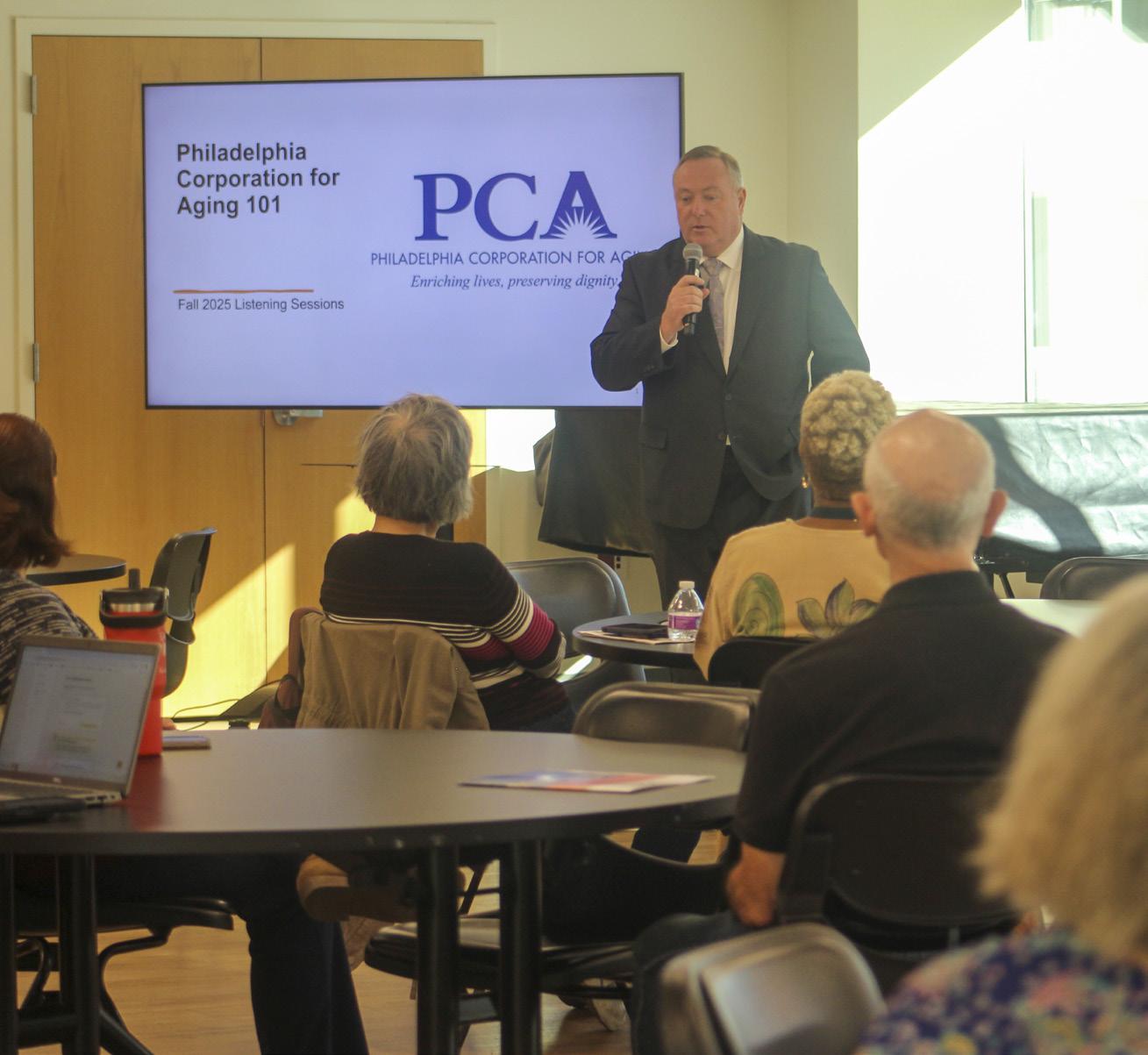
For more than 50 years, Philadelphia Corporation for Aging (PCA) has partnered with the community to support older adults and adults with disabilities. As PCA plans for the future, community voices lead the way.
This commitment led to “PCA 2.0: Make Your Voices Heard,” a citywide effort to gather ideas, experiences and perspectives about aging in Philadelphia.
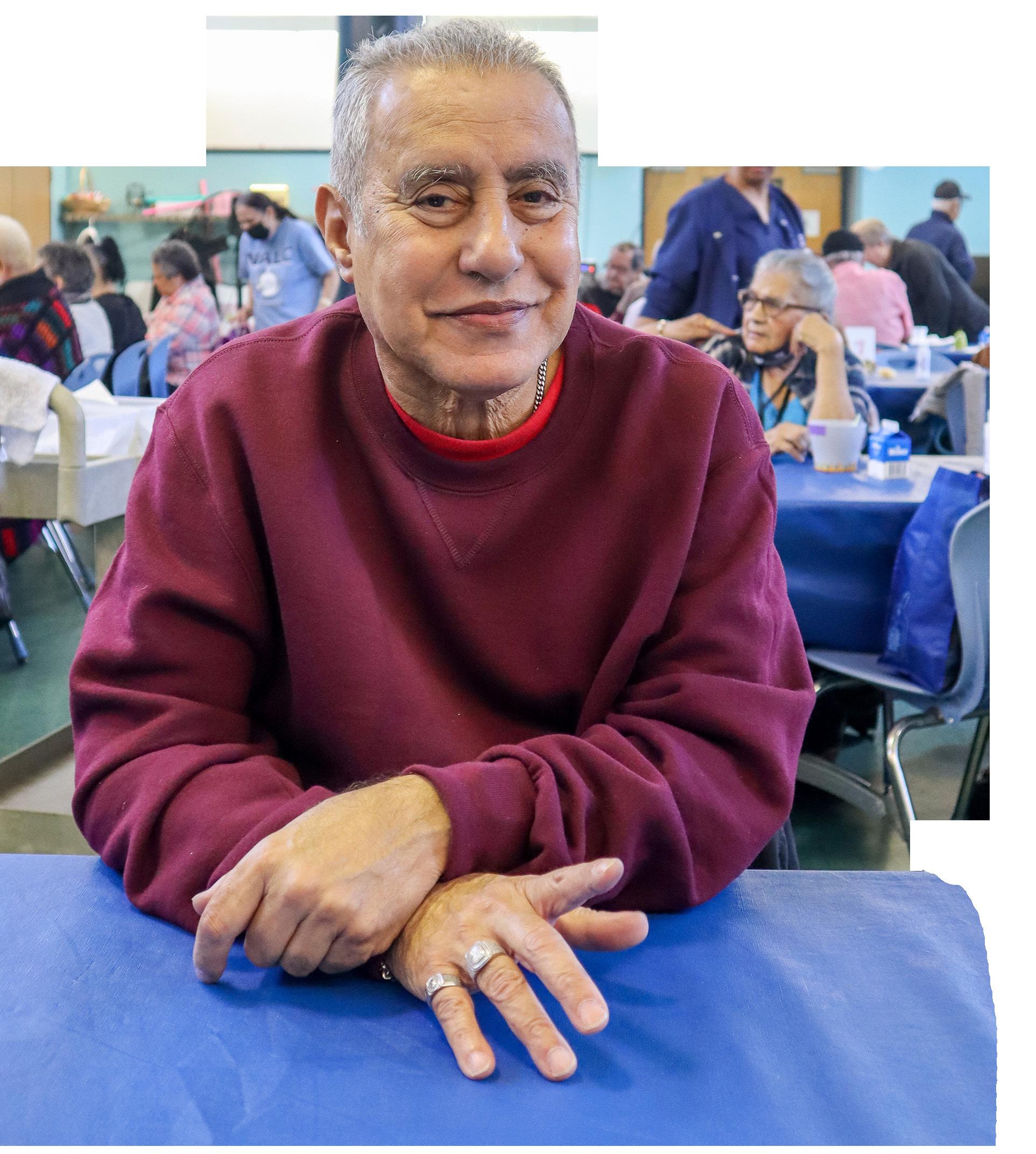
PCA connected with community members through listening sessions and an online survey. More than 50 sessions were held across Philadelphia neighborhoods. These gatherings created welcoming spaces where residents could share what matters most in their daily lives and communities.
625 neighbors attended the sessions, and nearly 800 people shared their perspectives through the survey. Participants contributed 1,041 pieces of feedback during the listening sessions, offering valuable insight into aging in Philadelphia.
While each conversation was unique, consistent themes emerged. Participants stressed the need for safe neighborhoods, reliable transportation, affordable housing and supportive homes as they age. Many also valued clear communication about services, easier ways to access resources, and health and wellness opportunities. These discussions showed how much community members care about their neighborhoods.
Philadelphia is home to more than 1.58 million residents, including approximately 322,258 people age 60-plus – representing 20.4% of the city’s population. With a median household income of $60,700, many residents — particularly older adults living on fixed
incomes — face economic pressures that affect housing stability, health and access to essential resources. These figures illustrate the scale of the community PCA serves and underscores the importance of hearing directly from residents of all ages to better understand the challenges and opportunities surrounding aging in Philadelphia (Big Cities Health Inventory Data Platform, 2023).
The feedback gathered through “Make Your Voices Heard” will guide PCA’s next steps. This effort has been an important step in shaping the next 50 years of PCA’s ongoing work, which will continue to be guided by the community’s voices.
The message is clear: When communities share their stories and ideas, they help build a stronger path forward for everyone. By listening and learning together, Philadelphia can continue to grow as a place where residents feel supported and connected.
Greer
Help in the Home
1.1 million home-delivered meals served
480,330 personal care service hours
2,350 home modifications and repairs
6,150 older adults receive care management and coordinated services
Protection & Advocacy
$156,500 in emergency grants provided to 820 older adults in crisis
135 adults connected to home sharing through PCA’s Domiciliary Care Program
850 home-support visits
11,760 reports of suspected elder abuse
65,660 hours of legal assistance provided
690 caregivers receive financial reimbursement and support services
1,820 resident complaint resolutions, facility visits & staff training sessions provided by Ombudsman
Community & Connection
716,900 total services provided at senior centers
84,200 assessments for long-term services and supports
297,900 meals served in group settings
79,300 people helped with information & referrals through the PCA Helpline
120,000 rides to vital appointments and important activities
92,325 vouchers for free produce distributed to 18,465 older Philadelphians
4,150 people received individual assistance from PA MEDI
1,750 people attended health information sessions
14,700 hours of Senior Companion services provided to homebound older adults
11,500 people received information through 325 community outreach events staffed each year
230 mature job seekers received employment assistance
Program and service data reflects the most currently available figures for the fiscal year. These numbers are subject to ongoing review and refinement as reporting is finalized through 6/30/26, and may be updated as additional information becomes available. All numbers are estimates.
Navigating the Caregiving Journey with Growth, Love, Community and Support
Caregiving requires an incredible amount of love, growth and patience. That’s why all caregivers need both practical help and emotional support. PCA’s Caregiver Support Program (CSP) was created to provide multi-faceted support.
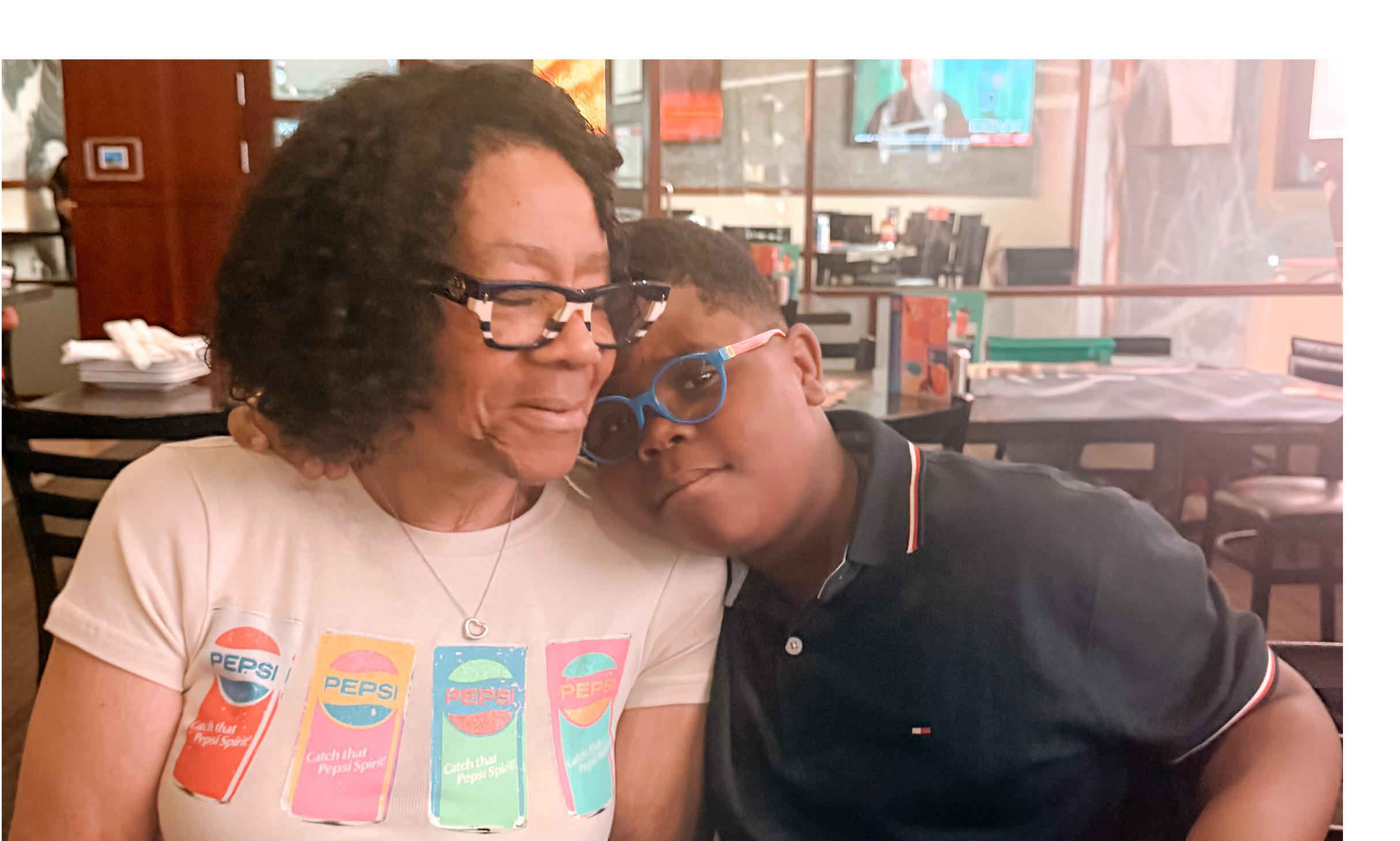
For caregivers, like 68-year-old Celeste Williams, the program has made a lasting difference. At first, she struggled to balance her own responsibilities with the constant demands of caring for her 8-year-old grandson, Avery. Between managing medical appointments, preparing meals, and keeping up with household tasks, there were moments when it felt overwhelming.
“There were days when I felt completely overwhelmed,” Williams said. “I didn’t know how I was going to manage everything.”
After connecting with PCA’s Caregiver Support Program, things began to improve for Williams. The program provides both practical assistance and emotional relief. “Having help with supplies, or even just a break to rest, made such a difference,” Williams said. “But even more than that, it gave me peace of mind to know I wasn’t alone.”
The reassurance of a supportive care manager is especially meaningful. “When I reached out, they responded quickly and made me feel like I could handle things again,” Williams said. “Just hearing someone say, ‘We’re here for you,’ meant the world.”
PCA’s program is more than a list of services. It is a partnership in one of life’s most demanding roles. “This program gave me strength and reminded me I could keep going for my loved one,” Williams said.
Another kinship caregiver, Ollie Tansimore, has received support through PCA since last year. He has been caring for his 11-year-old granddaughter for most of her life.
“My life is around her, and being around her,” says Tansimore. “And we have a good relationship. “She is very good, very good at track and field. I try to keep her motivated.”
Tanismore says caregiving was very stressful before he learned about PCA. “We made an appointment. A care manager came to my house and then she helped me out with the paperwork.
“She made sure I have my will. That’s very important,” says Tansimore of his care manager. “And then I like the reimbursement. (The program has been) very positive in both our lives.”
Technology Supporting Safety and Independence for Older Philadelphians
For many older adults living alone, a knock at the door can bring uncertainty. Concerns about scams, unwanted visitors, and neighborhood safety are increasingly common among seniors, particularly those who wish to remain independent in their homes.
PCA is working to address these concerns through practical solutions that help older adults feel more secure where they live.
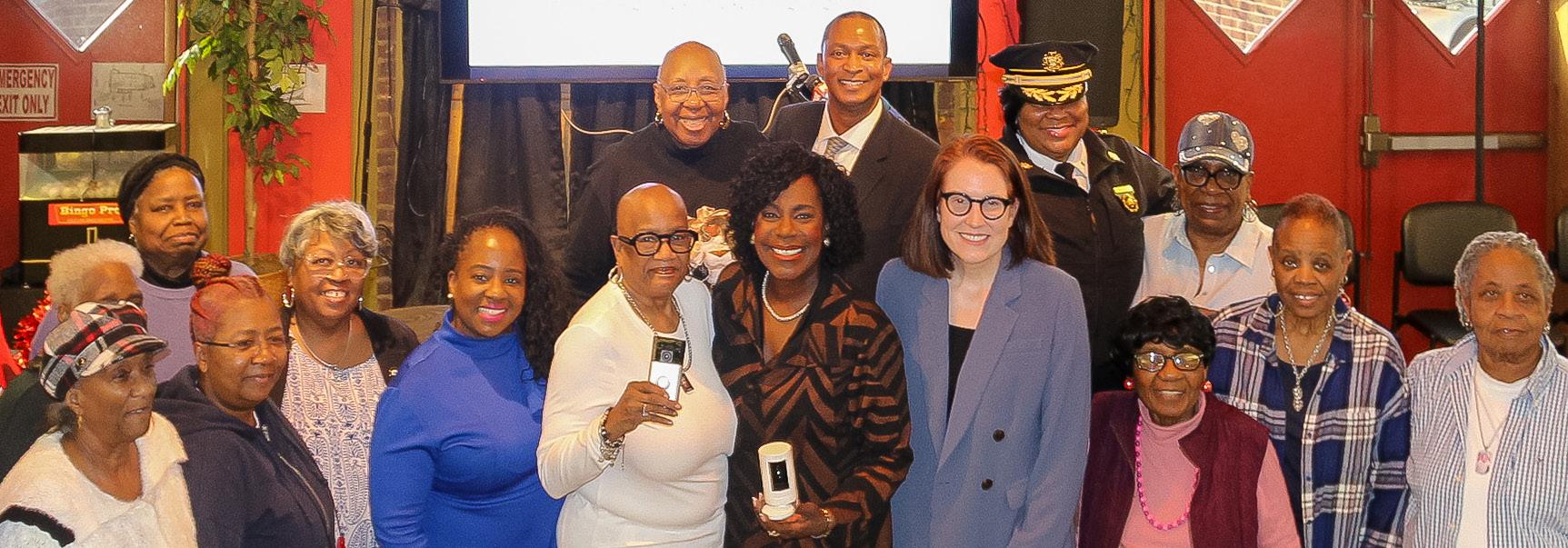
Through a new partnership with USAging and Ring, an Amazon company, PCA launched an initiative designed to strengthen safety and confidence for older Philadelphians aging in place. As part of the program, PCA received 1,000 Ring devices, each with a lifetime Ring Protect Basic subscription, along with a $20,000 contribution to further support services for older adults across the city.
While the devices themselves are simple, their impact can be significant. Video doorbells allow older adults to see who is at the door and communicate with visitors before deciding whether to answer. For someone living alone, or managing health or mobility challenges, that added layer of visibility can reduce fear of scams or unwanted visitors and provide greater peace of mind. The initiative reflects PCA’s broader commitment to helping older adults remain safe,
connected, and independent in their homes and communities. As more seniors choose to age in place, tools that strengthen personal safety and confidence can play an important role in maintaining independence.
The program also highlights the power of partnerships. With support from national organizations, private-sector innovation, and local leadership, PCA connects older Philadelphians with resources that make everyday life safer and more manageable.
For Patricia Clark, a member of the Firehouse Active Adult Center and one of the program’s early participants, the technology proved valuable quickly. Being able to see who was at her door, speak with visitors through the app, and decide whether to answer gave her greater confidence when she was home alone.
Her experience reflects the initiative’s broader goal: when the right tools are paired with trusted community support, even small changes can make a meaningful difference. By helping older adults feel safer and more connected, programs like this support the dignity and independence that PCA works to protect every day.
PCA LEADERSHIP
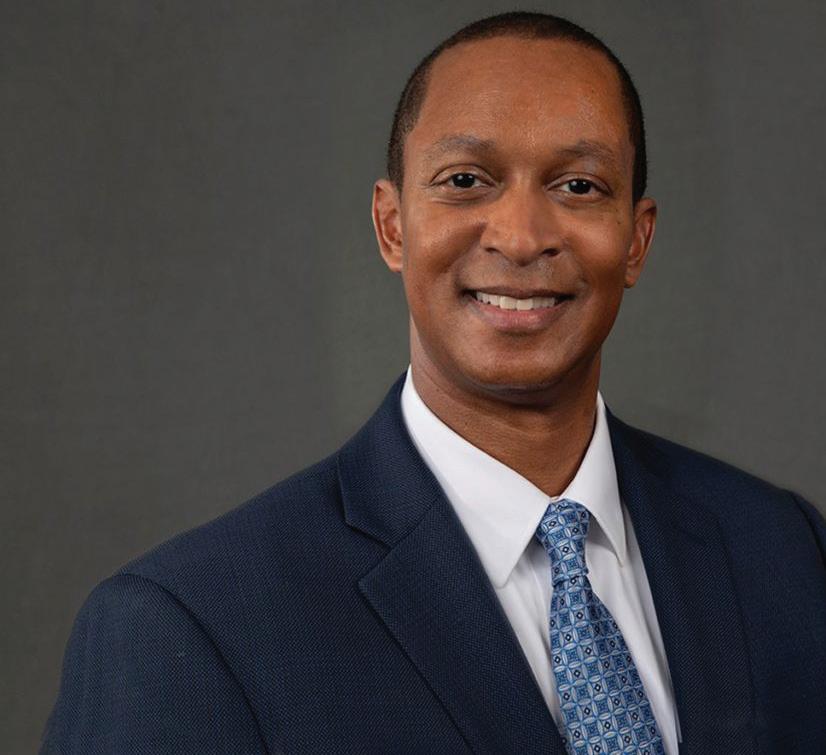
Najja R. Orr, DBA, FCPP President and CEO
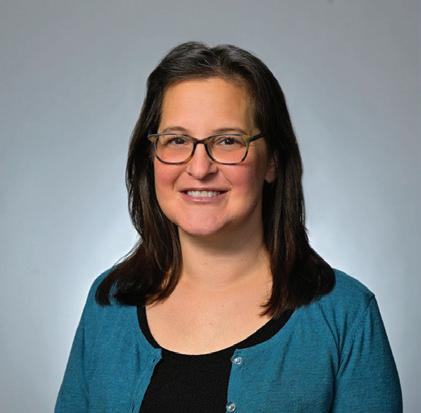
Laura I. Weinbaum, MBA, MGA Chief Operating Officer
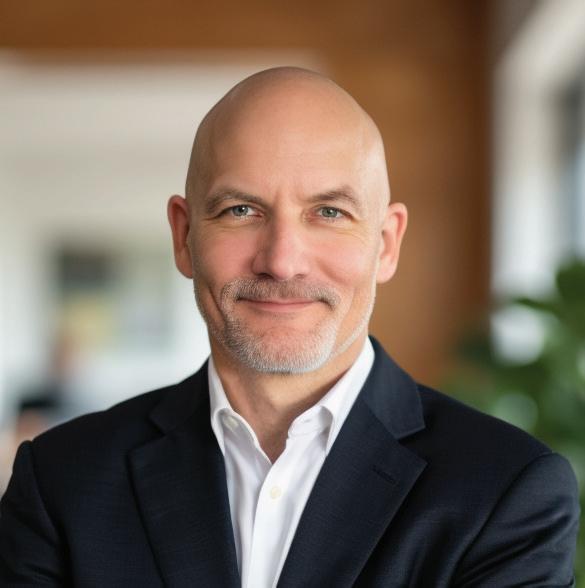
Mark Meade, MBA Chief Financial Officer
Sandra McNally, Chair
Linda Tyler, Vice Chair
George J.S. Choe
Joseph J. DiMeo Jr.
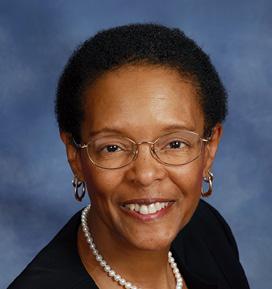
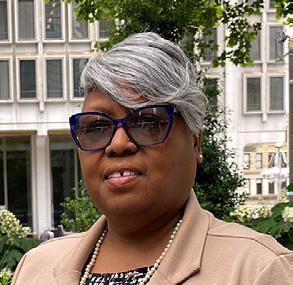
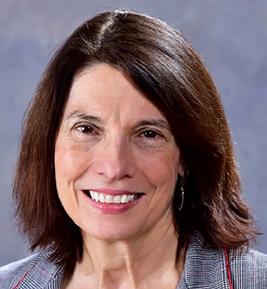
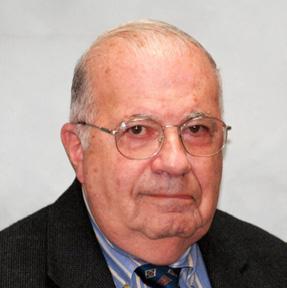
PCA BOARD OF DIRECTORS 2026
PCA is governed by its board of directors, which guides the development and administration of agency programs, the Area Plan for Aging Services and the annual budget. An advisory council provides input to the board and acts as an advocating body.

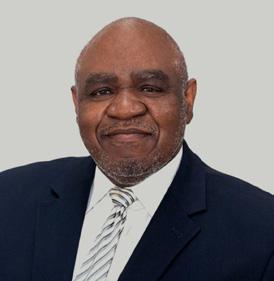


PCA ADVISORY COUNCIL
Teresa Elliott
Florence Gallagher
Nida Imperial
Frederick Lewis
Susan
Vera Tolbert
Glenn D. Bryan Chair
Louis G. Colbert Co-Chair
Satya B. Verma, OD Immediate Past Chair
Denise Adamucci Treasurer
Sandra McNally Norma D. Thomas, D.S.W.
Jacqueline S. Zinn, Ph.D. Secretary
Patricia Canela-Duckett
Cheryl Croxton
Sharlene Waller
Lynette Killen
David Nevison
Shifrin
Art Helfand Board Chair Emeritus
When Crisis Strikes, Help Cannot Wait
For many older adults in Philadelphia, a single unexpected expense can trigger a crisis. A tank of heating oil runs dry in the middle of winter. A utility shutoff notice arrives after a medical bill drained a month’s income. A prescription or hearing aid becomes unaffordable on a fixed budget.
For older adults living on limited incomes, emergencies rarely come with a safety net. That is where PCA’s Emergency Fund for Older Philadelphians steps in.
The fund exists for older adults who have exhausted all other options. When traditional programs cannot move quickly enough, or when someone falls through the gaps, PCA can act immediately. Eligible older adults are referred by trusted community partners, such as social service agencies and the clergy. Once a referral is made, assistance can reach someone in need within hours or days. That speed can be lifesaving.

Through the Emergency Fund, PCA can pay home heating oil companies directly to deliver fuel, sometimes in as soon as one day. The fund can also make emergency payments to prevent the shutoff of gas, water or electricity, or to restore service when it has already been disconnected.
Other needs are just as urgent. For an older adult living alone, a pair of eyeglasses or a hearing aid is not a luxury; it is the difference between independence and isolation. In these moments, the Emergency Fund can also purchase medication, assistive devices, food and other basic necessities.
The Emergency Fund has quietly helped tens of thousands of older Philadelphians navigate these critical moments. PCA estimates that the fund has distributed approximately $4-5 million. More than 22,000 emergency requests from older adults who had nowhere else to turn have received responses.
The need remains constant.
PCA responded to 820 emergency requests in Fiscal Year 2026 alone. More than $156,000 helped older adults keep the lights on, heat their homes, obtain medications and cover other basic needs.
These numbers tell an important story: the difference between stability and crisis for many seniors can come down to a relatively small amount of money — delivered at the right moment.
For older Philadelphians living on fixed incomes, emergencies are inevitable. What should not be inevitable is facing them alone.
You can make a difference. Support the Emergency Fund today to ensure older Philadelphians never face a crisis alone. Your help provides immediate relief when it’s needed most. Visit our website (pcaCares.org/donate) or contact PCA to donate or learn more about how you can help.

Public Support:
FISCAL YEAR 2027 FINANCIALS
Projected Revenue
PA Dept. of Aging: Aging Block Grant
Other State Sources (Title XIX)
Federal Awards
City of Philadelphia
Subtotal
Other Revenue:
In-Kind Contributions
Foundation and Other Revenue
Subtotal
Total Revenue
(Title XIX)
$62,554,000 782,000 5,241,000 94,000 $68,671,000 $96,000 25,253,000 $25,349,000 $94,020,000
FISCAL YEAR 2027 FINANCIALS
Projected Expenses
Long-Term Care: 63%
Adult Day Care
Assessments
Care Management
Consumer Reimbursement
Domiciliary Care
Guardianship
Home Delivered Meals
Home Support
Medical Equipment & Supplies
Ombudsman Service
Personal Assistance
Personal Care
Professional Evaluation
Protective Services
Subtotal
Community Services: 14%
Congregate Meals
Employment Services
Legal Assistance
Senior Companion
Senior Community Center Services
Volunteer Services
Subtotal Access Services: 8%
and Assistance
11% Total $159,000 7,829,000 9,390,000 3,167,000 792,000 577,000 10,171,000 212,000 255,000 668,000 5,616,000 7,940,000 92,000 12,711,000 $59,579,000
Modifications: 4%
$5,834,000 1,169,000 409,000 377,000 5,676,000 3,000 $13,468,000 $209,000 4,536,000 2,277,000 $7,022,000 $3,549,000 $10,402,000 $94,020,000
Thank You, Donors!
We are grateful for the diverse funding sources that allow PCA to remain impactful and strategic in challenging times. Thank you to our donors, grantmakers and corporate partners for their support and generosity. PCA is pleased to acknowledge the individuals, foundations and companies that made contributions in fiscal year 2026. Every effort was made to ensure proper recognition of each donor.
$50,000+
MKM Foundation
PA Health & Wellness
$20,000-$30,000
Always Best Care
Independence Blue Cross
The Sarah Ralston Foundation
$10,000-$19,999
BTC Foods
Grandom Institution/Friends Fiduciary
Highmark Wholecare
Lindo Foundation
The Elmer R Deaver Foundation
The Nutrition Group
$5,000-$9,999
CareChoice
Mendoza Group,Inc.
Pegasus Technologies
Willis Towers Watson
$1,000-$4,999
Anthony Adamucci
Alert Medical Alarms
America’s Charities
A-Team Home Care
Ballard Spahr
Richard Boardman
C. Eugene Ireland Foundation
Cardinal USA Fuel Oil
Ambler Carter
Cary Carter
Charities Aid Foundation of America
Disney Company/6ABC
Dunleavy & Associates
Exude
F.O.P. Senior Citizens, Inc.
Fidelity Charitable Gift Fund
Katherine Galluzzi & Kevin Bogan
David & Linda Guendelsberger
Teresa Heavens
Mary Hugues
HumanGood
James Branch Cleaning Service
Holly Lange
Kristin Long
Loving Care Senior Services
Meals on Wheels America
Anthony & Patricia Mendicino
MFR Consultants
On Lok House
Najja R. Orr, DBA, FCPP
Norma Thomas, D.S.W.
Cyana & Jeffrey Perry
St. John Neumann Rehabilitation &
Healthcare
Stair Ride
Saul Sternberg
The Labov Plumbing & Heating Supply, Inc.
Truist
VitaCare Home Health
Ellen Weiser
William Liu & Pearl Huynh Giving Fund
Wojdak & Associates
$500-$999
All American Home Care
Monika Briggs
Patricia Canela-Duckett
Cigna Healthcare Committee of Seventy
Cheryl Croxton, Esquire
Teresa Elliott
Richard Eynon
Shani Gilmore
Humana
Robert Krebs
Local Initiatives Support Corporation (LISC)
Lyquix
Martin Law
Miracle Makers Home Care
Mom’s Meals
North City Congress
PASSi
Patriot Home Care
Rebecca Snyder Phillips
Gerald Porter
Reliance Family Care Services
Lissette Sarfraz
Thomas Snedden
Christopher Miller & Dr. Danielle
Snyderman
Kreg Spiers
Martha Takats
The O Insurance Group LLC
TruCare Home Care
Unitarian Universalist House
Sharlene Waller
Laura Weinbaum
Bea Winn
Jacqueline Zinn, Ph.D.
$200-$499
Denise Adamucci
Alan Fulkman & Marsha Neifield
American Online Giving Foundation
Belfield Advisory Group
Blackbaud Giving Fund
Kevin Brown
Diane P. Brown
Glenn Bryan Chime
Louis Colbert
Joseph Dougherty
Michael Drzik
Nancy Dwyer
Jennifer Engelbrecht
Grant Frame
Irene Garner
Shivankur & Rashmi Goel
Greater Kansas City Community
Foundation
Adele Hamilton
Albert & Theresa Humes
Anntenetta Jones
Constance Jones
Jennifer Kappen
Joseph Leonardo
Teresa Lundy
Eugene Mathis
Carol-Ann Merritt
Denise S. Morris
Earl Murray
Emily Nichols
Barbara Nickels
Jennifer Norman
Safiyyah Okoye
Barbara Oldenhoff
Karen Paulus
Kyle Perez
Jessica Poltavskiy
Candice Ray
Jennifer Russell
Yun Shan
Tom Shea
Christine Shiffer
Morton Simon
Southwest Senior Center
Shaunise Spivey
Satya B. Verma, OD
The Wawa Foundation
Ryan & Tiffany Wiggins
Tia Wilson
Erika Wong
$100-$199
Winfield Akeley
Laura Angelone
Julie Bamberger-Herrmann
Jerry M. Belew
Janet Burnham
Joanne Butler
Francis & Anna Byrnes
Ida Chen
Karen Chenoweth
Jung Choe
Eileen Chopnick
Maureen Clarke Sweeney
Maria Colavita
Alicia Colombo
Juanita Copeland
Larry Daniels
Ben Davisson
Michael DiGregorio
Vincent P. Durso
Jane Eleey
Mary J. Fallon
Firehouse Active Adult Center
Patricia Funaro
LaToya Gilmer
Lizzie Goddard
Timothy Graham
Brian Gralnick
Charles Groshon
Erik Gudmundson
Joanne Hajoway
Charles Hammes
Amelia Harris
Derek Hayward
Penny Hazelton
Margot Horwitz
Yolanda Houston
Kristine Huminski
Jacqueline Jefferson
Danielle Jeffries
Jaime Karnilaw
Eleanor Kazdan
Seamus Kearney
Mulvey Kerry
Jacqueline King
Joseph Klein
John & Lydia Krzeminski
Nolan Lawrence
Sue Ann Leary
Joseph Lee
Debra Levy
Theodore Lieverman
Mary A. Lockley
Lutheran Settlement House
Shanta Mann
Richard & Patricia McCabe
Kathleen McDermott
Amanda Mcintyre
Linda Mill
Wanda Mitchell
Danae Mitchell
Nancy Morrow
Darlene Mosley
Joan Mower
Mark Myers
Mason Noble
Northeast Older Adult Center
Carole & Kenneth Parker
Lynda Pickett
Sherry Pirillo
Edward Powell
Sadie Rivers
Kenneth & Linda Romanowski
Kelli Ryan
Evelyn Ruth Sachs
Deena Schneider
George Searight
Alex Seltzer
Stephanie Shepard
Ellen Shire
Richard Spector
Dudley & Joan Sykes
Michelle Tepper
Faith Thomas
Elissa Viscelli
West Oak Lane Senior Center
Venice Williams
CHARITABLE FUNDS
Contributions to PCA’s two charitable funds have allowed us to expand our reach, even during times of crisis and limited funding.
Rodney D. Williams Philadelphia Fund for Seniors allows PCA to direct support to areas with the greatest need. The RDW Philadelphia Fund for Seniors was established in 2014 to supplement public funding that has not kept pace with the growing needs of older Philadelphians.
Emergency Fund for Older Philadelphians provides crisis assistance to at-risk, low-income older individuals who are facing severe financial hardship. The Emergency Fund Coalition, which consists of 22 organizations, founded this fund in 1979 to meet urgent, unmet needs.
Donations can be made to PCA’s charitable funds by visiting www.pcaCares.org/donate.
PCA FUNDING & GRANTS
PCA is funded primarily through federal and state sources. Government grants are received primarily through:
• Administration for Community Living
• AmeriCorps
• Pennsylvania Department of Aging
• Pennsylvania Department of Human Services
• Philadelphia Office of Behavioral Health & Intellectual disAbility Services
• U.S. Department of Agriculture
• U.S. Department of Housing & Urban Development
• U.S. Department of Justice (via the Pennsylvania Commission on Crime & Delinquency)
• U.S. Department of Labor
MAIN OFFICE
642 N. Broad St. | Philadelphia, PA 19130-3409
Main phone: 215-765-9000 Fax: 215-765-9066
PCA HELPLINE
Call us weekdays, from 8:30 a.m. to 5 p.m., for general inquiries or 24/7 to report suspected elder abuse: 215-765-9040
1-800-482-9060 (toll-free, outside Philadelphia) 215-765-9041 (TDD for hearing impaired)
FIND US ONLINE
pcaCares.org
pcacares.org/contact
Read more about PCA’s programs, services and accomplishments at pcaCares.org. © June 2026. Philadelphia Corporation for Aging. All rights reserved.