





Philadelphia Corporation for Aging (PCA) is the Area Agency on Aging for Philadelphia County and is dedicated to serving Philadelphia’s older adults and adults with disabilities.
PCA publishes Milestones and offers:
• Care in the home
• Caregiver & grandparent support
• Employment & volunteer programs
• Health education
• Home-delivered meals
• Home repairs & modifications
• Information & referral
• Legal services
• Ombudsman services
• Protective services
• Senior centers
• Transportation
• Veteran-directed care
Najja R. Orr, DBA, FCPP
President and CEO
PCA Board of Directors 2026
Glenn D. Bryan, Chair
Louis G. Colbert, Co-Chair
Jaqueline S. Zinn, Ph.D., Secretary
Denise Adamucci, Treasurer
Satya B. Verma, O.D., Immediate Past Chair
Cheryl Croxton
Patricia Canela-Duckett
Lynette Killen
Sandra McNally
Norma D. Thomas, DSW
Sharlene Waller
Arthur E. Helfand, DPM, Board Chair Emeritus

Report suspected elder abuse 24/7 to the PCA Helpline: 215-765-9040.
For general inquiries about PCA or aging services, email AskHelpline@pcaCares.org or call 215-765-9040.
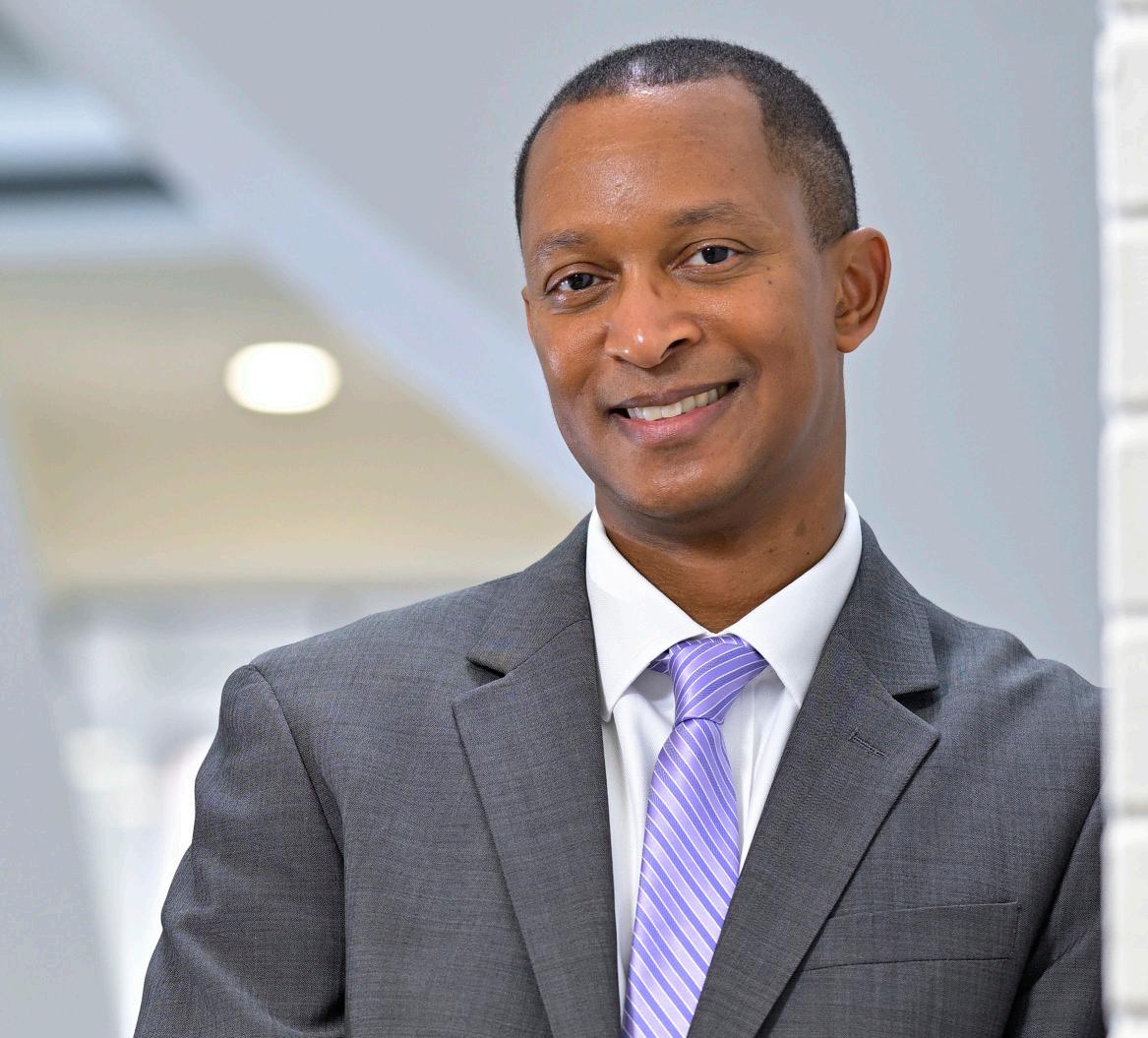
By Najja R. Orr, DBA, FCPP PCA President & CEO
Milestones is published monthly and distributed at more than 800 locations throughout Philadelphia.
Check us out online: pcaCares.org
Editorial & Distribution: Alicia M. Colombo 267-507-2168 MilestonesNews@pcaCares.org
Advertising: Kristin Long 215-606-7310 Kristin.Long@pcaCares.org
Subscriptions: Home delivery: $12/year MilestonesNews@pcaCares.org
The views expressed in Milestones are not necessarily those of Philadelphia Corporation for Aging (PCA). Milestones will not knowingly accept or publish fraudulent or misleading advertising. Milestones reserves the right to edit, revise or reject ads. Milestones assumes no responsibility for errors, misprints, omissions or misinformation; for failure to publish an ad; or for any damages of any kind. Neither the publisher nor any other party is rendering expert advice in this publication. No part of this newspaper may be reproduced without the permission of PCA.
LGBTQ+ Pride Month is a time to celebrate. Inclusive communities, where everyone is respected and supported, is a guiding theme at PCA. We are dedicated to ensuring dignity, independence and quality of life for every older adult. This means making sure LGBTQ+ older adults can easily access care, respecting their life experiences, and making all services welcoming and inclusive.
As people age, they may feel more isolated. For LGBTQ+ older adults, these feelings can be stronger. They may face barriers to care, fear discrimination or struggle to find services that understand their needs. It is important to keep building environments where everyone feels safe to be themselves. This builds confidence that they will be treated with dignity and respect.
Philadelphia has a long history and a rich culture in the LGBTQ+ community. This city was the site for many early demonstrations for equality. It is now home to vibrant Pride celebrations. Philadelphia has been a place where advocacy, visibility and community flourish. Pride Month is not just a celebration but a call to action. It is an opportunity to
reflect on the progress made while recognizing that work remains. Ensuring that all communities in our city are honored and respected is not a one-time effort. It requires ongoing commitment. Programs, partnerships and services should reflect the diversity of the communities we serve. We can all take steps to foster inclusive spaces. This includes supporting staff training and awareness, and working with community partners who share our commitment to equity.
Every month and every day, we can all shape a more inclusive, supportive environment.
Our language, respect and actions contribute to a culture of belonging. This month, we dedicate ourselves to ensuring dignity and respect for all older adults. Together, we actively build a stronger, more inclusive community where everyone can age with pride.
To create a truly inclusive community for all people, we must look out for and protect our most vulnerable citizens.
World Elder Abuse Awareness Day on June 15 shines a spotlight on elder abuse. Philadelphia Corporation for Aging (PCA) works to prevent and stop the abuse of older adults. PCA’s Older Adult Protective Services unit investigates more than 11,700 reports of elder abuse each year.
We need your help to stop elder abuse. If you suspect abuse, neglect or exploitation of someone age 60-plus in Philadelphia, call the PCA Helpline 24/7 at 215-765-9040. (See pages 4-5 to learn how to spot and report elder abuse. See page 11 to learn how to prevent scams and fraud.)


By Bill Conallen
Every year on June 15, communities around the world observe World Elder Abuse Awareness Day. The observance is dedicated to recognizing, preventing and responding to the mistreatment of older adults. It serves as an important reminder that elder abuse can happen anywhere. Locations include private homes, health care settings and living communities. Everyone has a role to play in helping older adults live safely, with dignity and respect.
Elder abuse can take many forms:
• Physical, emotional, sexual or psychological abuse
• Neglect or self-neglect
• Abandonment
• Financial exploitation
Abuse may be committed by family members, caregivers, trusted individuals, strangers or others in positions of responsibility. In some cases, abuse is obvious. But it can also be hidden, gradual or difficult for an older adult to report.
Philadelphia Corporation for Aging’s (PCA’s) Older Adult Protective Services (OAPS) unit is a key
resource to protect older Philadelphians. OAPS receives and investigates reports of suspected abuse involving adults age 60 and older. Staff work to connect at-risk individuals with services and supports designed to help ensure their safety and well-being.
“Protecting older adults is central to PCA’s mission,” said Shani Gilmore, PCA’s executive administrator of long-term care. “World Elder Abuse Awareness Day reminds us that safety, dignity and independence are not just individual concerns. They are community responsibilities. Through programs, like Older Adult Protective Services, PCA works every day to ensure that older Philadelphians have someone to turn to when they may be experiencing abuse, neglect or exploitation.”
Financial exploitation is among the most common forms of elder abuse. It may involve the following activities:
• Misuse of an older adult’s money, property or benefits
• Pressure to change legal documents
• Unauthorized use of bank cards
• Fraud or scams
• Theft by someone the older adult knows and trusts
Emotional abuse, such as threats, humiliation, intimidation or isolation, can also have a serious impact on an older adult’s health and well-being.
Recognizing the warning signs is an important step in prevention. While one sign alone does not always indicate abuse, changes that
raise concern should not be ignored. Signs of possible abuse may include:
• Unexplained injuries
• Sudden changes in mood or behavior
• Fearfulness around certain individuals
• Poor hygiene
• Untreated medical needs
• Missing belongings
• Unusual bank activity
• Unpaid bills
• Sudden isolation from friends and family
Older adults may be reluctant to report mistreatment for many reasons. They may fear retaliation, worry about losing support, feel ashamed or want to protect a family member. Others may not recognize that what they are experiencing is abuse.
“Elder abuse often remains hidden because the person experiencing it may be afraid, isolated or unsure where to turn,” said Tamikia Morris, PCA OAPS director. “When someone makes a report to Older Adult Protective Services, they are helping open the door to support. A report can be the first step toward safety, stability and connection.”
Preventing elder abuse starts with awareness. Community members can help by staying connected with older relatives, friends and neighbors. Listen without judgment. Encourage older adults to remain involved in social activities. Be alert to sudden changes in health, finances or living conditions. Caregivers can also reduce risk by seek-
ing support, taking breaks when needed and asking for help before stress becomes overwhelming.
PCA also encourages older adults and caregivers to learn about available programs before a crisis occurs. In addition to OAPS, PCA connects older adults with care management, caregiver support, home-delivered meals, senior centers, health and wellness programs, and other home- and community-based services to reduce isolation and support independence. These programs help strengthen the network of protection around older adults. Strong support networks make it easier to identify concerns early.
“Awareness is one of the most powerful tools we have,” said Gilmore. “When communities know the signs of elder abuse and understand how to report concerns, we are better able to protect older adults and preserve their dignity.”
Anyone who suspects that an older adult is being abused, neglected, exploited or abandoned should speak up. In Philadelphia, reports of suspected elder abuse involving adults age 60 and older can be made to the PCA Helpline, 24/7, at 215-765-9040. Reports can be made confidentially.
World Elder Abuse Awareness Day is more than a date on the calendar. It is a call to action. Learn the signs. Check in on older adults. Report suspected elder abuse. By doing this each of us can help create a safer, more caring Philadelphia for people of all ages.
If you suspect abuse, neglect, or exploitation of anyone, you can file a Report of Need (RON). Please note: Philadelphia Corporation For Aging can only investigate if the individual is over 60 and physically in Philadelphia. Reports made on individuals who do not meet these criteria will be referred to the appropriate agency.
Common signs of abuse include injuries, changes in physical appearance, behavioral changes, and unusual financial activity.
• A report of need can be made to PCA 24 hours a day, 7 days a week at 215-765-9040.
• Reports can be anonymous, and reporter information is always kept confidential.
• Abuse, neglect or exploitation can be self-reported. Reports of abuse or abandonment can also be made on behalf of any person.
• A report can be made regardless of where the individual is residing, including nursing home, hospital or other care facility.
• Reporters have legal protection from retaliation, discrimination, and prosecution.
A report is made over the phone:
• Callers should provide as much information about the individual as possible, including address, date of birth, details of their situation, and physical and mental state. However, all of this information is not required to complete a report.
• Due to confidentiality, once a report is submitted, no one, including the reporter, will be able to receive follow-up information, such as status or outcome. If additional information is to be shared, a new report can be made.
• A report of need does not trigger an automatic investigation. The complaint must first be reviewed to determine if an investigation is warranted.
a sign of an inclusive, welcoming city
By Jay Nachman
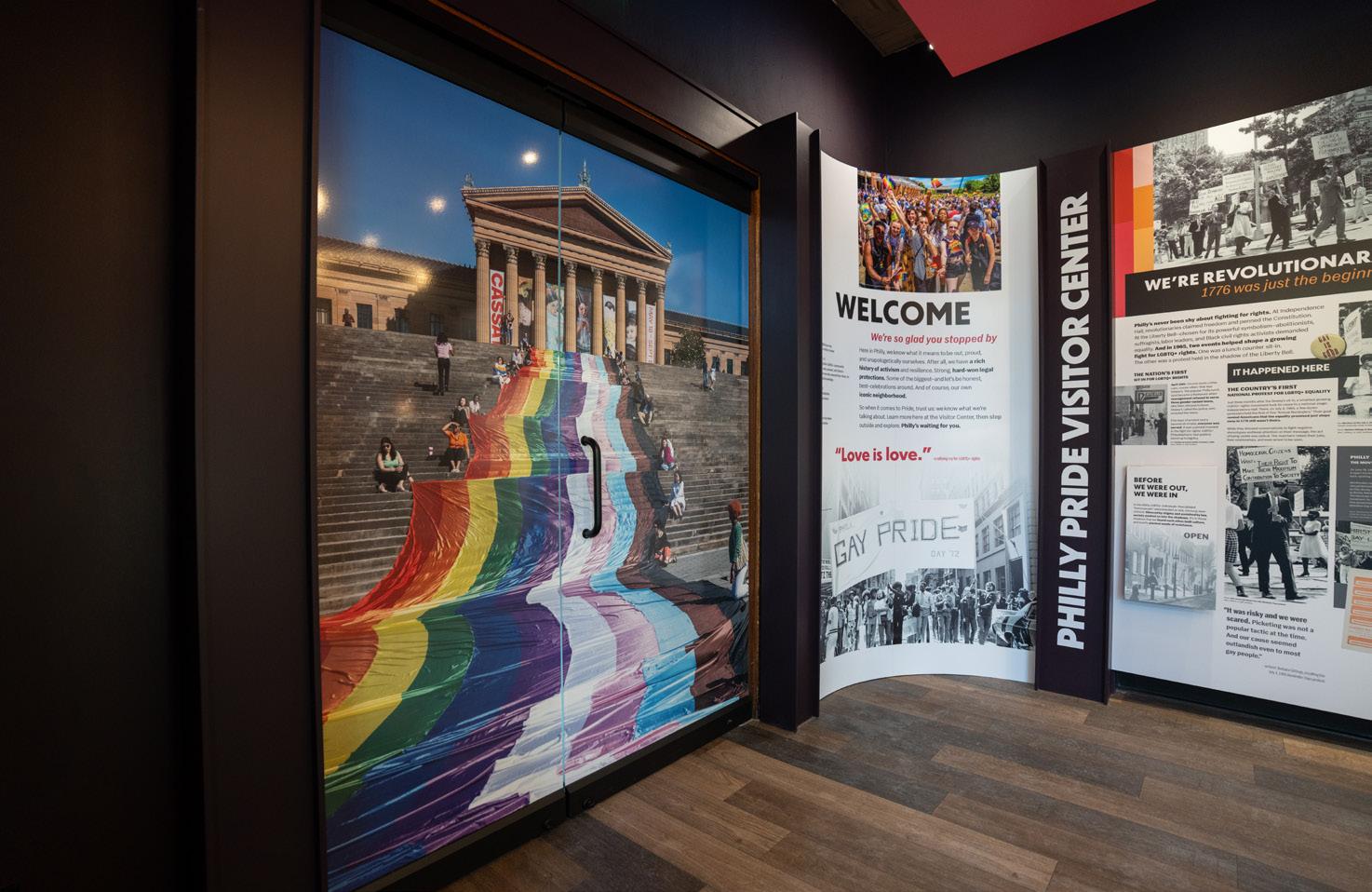
The Philly Pride Visitor Center is a welcoming hub for LGBTQ+ resources and travel-planning services. Located in the Gayborhood at 12th and Locust streets, it is one of the nation’s first LGBTQ+ visitor centers.
The center highlights Philadelphia’s role in the fight for equal rights and offers practical visitor help. Resources include maps, itinerary planning, and queer activities across Philadelphia and Pennsylvania.
“This year, being the 250th anniversary of the country, we expect a lot of LGBTQ+ visitors to Philadelphia. Most other visitor centers don’t speak to those visitors,” said Mark Segal, founder of the Philadelphia Gay News. “They want to come here, and they want to learn about colonial history, of course. But they also want to learn about what is their part of that colonial history. They also want to learn about our present LGBTQ+ com-
• Kiyoshi Kuromiya, Japanese-American author and activist
• The nation’s longest continuously operating LGBTQ+ bookstore
• Barbara Gittings, LGBTQ+ and women’s rights pioneer
• Controversies of racism in the Gayborhood
• Gloria Casarez, civil rights leader and Philadelphia’s first director of LGBTQ Affairs
national efforts to commemorate the nation’s founding by honoring the diverse communities that have shaped it.
The center includes material about other tourism sites in Philadelphia and the state. “We give LGBTQ+ visitors, and those allies, another place to come, that is centralized in Center City Philadelphia to get all that information,” Segal said.
munity and more about that history. While they’re here, they might want to discover other places they can go, such as businesses in the area that are LGBTQ+. And that’s what we’ve done,” said Segal.
The Mount Airy native, who now lives in Queen Village, is also a longtime LGBTQ+ activist. Segal participated in the Stonewall riots and helped found the Gay Liberation Front. He also served as curator of the Stonewall National Monument Visitor Center in New York, which opened June 2024. Segal joined with Neil Frauenglass, chief marketing officer of Visit Philadelphia, to create something similar in Philadelphia.
About 25% of the people who come to the Philly Pride Visitor Center are LGBTQ+ allies and those who want to learn about the queer community.
One of the offerings at the center is a Gayborhood LGBTQ History Tour. Its topics and sites include:
• The evolution of Pride: from protest to parade
The center has information about Baron von Steuben, a Prussian army officer who organized and trained the Continental Army for battle. These efforts ensured his legacy in the cause of American independence. Benjamin Franklin, the colonies’ ambassador to France, recommended von Steuben to George Washington. There is some dispute about whether von Steuben was a gay man. Segal noted the army officer never dated a woman and always lived with men. His will “is a love letter to the two people he lived with, who are men, of course,” said Segal.
According to www. History.com, “Historians also think he was homosexual — and served as an openly gay man in the military at a time when sex between men was punished as a crime.”
The Philly Pride Visitor Center joins
The Philly Pride Visitor Center is a partnership between the Philadelphia Visitor Center, Visit Philadelphia, Visit PA and the Philadelphia Gay News. Located at 1139 Locust St., it is open Thursday-Monday, 12 p.m. to 6 p.m. For more information about the Philly Pride Visitor Center, call 267-514-4759 or visit www. PhlVisitorCenter.com.
(See page 15 for crossword)

By Sarah Greer
Language plays a critical role in shaping how people understand identity. This includes disability and LGBTQ+ experiences. The words we choose can support inclusion and respect. Our words can also reinforce misunderstanding and stigma. For many, language is not just descriptive. It is tied to identity, community and pride. Within both disability and LGBTQ+ communities, language has evolved over time. It has changed in response to how people see themselves and how they want to be seen. Terms that were once widely used may no longer feel accurate or respectful. New language emerges to better reflect lived experiences. This evolution is not about trends. It reflects a shift toward self-definition. This allows individuals and communi-
ties to choose words that affirm who they are.
Pride is a key part of that process. Within disability communities, there is an ongoing conversation around person-first and identity-first language. Some individuals prefer person-first language to emphasize the individual. An example is the term “person with a disability.” Others may choose identity-first language to recognize disability as a core part of their identity. An example is the term “disabled person.” In LGBTQ+ communities, words that were once used negatively have been reclaimed. These words have been transformed into affirming language. In both spaces, language becomes a way to express identity openly and without apology.
For individuals who are part of both communities, language car-
Here are some examples of inclusive language:
• Asking and respecting preferences rather than assuming how someone identifies
• Using current, widely accepted terminology, avoiding outdated terms and recognizing evolving LGBTQ+ language
• Avoiding assumptions about abilities, identities, or experiences based on appearance or limited information
• Reflecting inclusive language in materials and communications, such as brochures and websites
ries more weight. Using accurate and affirming terms can support visibility and belonging. Outdated or incorrect language can feel dismissive or exclusionary. Identity is personal and shaped by individual experience. There is no single “correct” term that applies to everyone.
That is why it is important to ask and not assume. Assumptions based on appearance, age or experience can lead to misrepresentation or discomfort. So, ask someone how they identify -- and respect their answer. This creates space for people to express themselves in ways that feel authentic to them.
For organizations and service providers, using inclusive language is not just about intention. It requires specific, consistent practices.
• Providing options in forms or surveys, such as inclusive gender fields
• Training staff to use respectful language and respond appropriately when mistakes happen
Language will continue to evolve as communities grow, change and define themselves on their own terms. Staying open to change is part of creating inclusive environments.

June 2026
THIS MONTH:
• LGBTQ+ PRIDE MONTH
• JUNE 14: FLAG DAY
• JUNE 15: WORLD ELDER ABUSE AWARENESS DAY
• JUNE 19: JUNETEENTH
• JUNE 21: FATHER’S DAY
JUNE 6
‘WHAT WE HOLD SACRED’ ART EXHIBIT
Mixed media, paintings & posters by Firehouse Older Adult Center art class. 5 p.m. Urban Art Gallery. 267 S. 52nd St. 215919-2424 | Free
JUNE 7
PHILLY PRIDE
Celebration of LGBTQ+ community. 10:30 a.m. Benjamin Franklin Parkway & Eakins Oval. 215-398-5003 | $10
JUNE 8
STRETCH & SHAKE EXERCISE CLASS
12:45 p.m. Philadelphia Senior Center –Allegheny, 1900 W. Allegheny Ave. 267286-1455 | Free
JUNE 9
LINE DANCE CLASS
9:30 a.m. Martin Luther King Older Adult Center, 2100 Cecil B. Moore Ave. 215-6852715 | Free
JUNE 11
QUILTING CLASS
Noon. Martin Luther King Older Adult Center 2100 Cecil B. Moore Ave. 215-685-2715 | Free
Send your calendar items two months in advance to: MilestonesNews@pcaCares.org Questions? Call 267-507-2168.
JUNE 11
PCA’S CAROUSEL OF TALENT
Older adults perform by singing, dancing & more. 1:30 p.m. Philadelphia Senior Center – Avenue of the Arts, 509 S. Broad St. 215546-5879 | Free
JUNE 12
GIRLS WITH PEARLS & GUYS WITH TIES
Dress to impress. Enjoy live music, prizes & food. 4-7 p.m. Philadelphia Senior Center – Avenue of the Arts, 509 S. Broad St. 215546-5879 | Free
JUNE 15
MAT YOGA
4 p.m. Lutheran Settlement House, 1340 Frankford Ave. 215-426-8610 | Free
JUNE 16
ENHANCE FITNESS
9 a.m. Center in the Park, 5818 Germantown Ave. 215-848-7722 | Free
JUNE 17
BILLIARDS
9 a.m. Martin Luther King Older Adult Center, 2100 Cecil B. Moore Ave. 215685-2715 | Free
JUNE 18
CHAIR ZUMBA
9:30 a.m. KleinLife: Northeast Philadelphia, 10100 Jamison Ave. 215698-7300 | Free
JUNE 23
CARD GAME HOUR
Noon. Lutheran Settlement House, 1340 Frankford Ave. 215-426-8610 | Free
JUNE 26
SILVER SNEAKERS
9 a.m. Center in the Park, 5818 Germantown Ave. 215-848-772 | Free
JUNE 29
COOKING CLASS
10 a.m. Lutheran Settlement House, 1340 Frankford Ave. 215-426-8610 | Free




By Alicia M. Colombo
Older adults reported fraud losses of more than $7 billion last year, according to the FBI’s Internet Crime Complaint Center (IC3). In 2025, more than 7,000 older Pennsylvanians (over age 65) reported nearly $216 million in lost money due to fraud. That’s more than $30,000 per person.
“Seniors are being targeted every single day,” said Patrick Duffy, supervisory special agent with FBI Philadelphia. “Year upon year, the losses are growing.”
Over the past 12 months, FBI Philadelphia has seen an increase in government impersonation scams. This is when a scammer pretends to be an FBI agent, Social Security administrator or other official. Contact can be initiated in a variety of ways – by phone, text message or email.
“Scammers are using scare tactics to get seniors to pay fees,
pause to think is all that people need to not become a victim.”
Investment scams
Cryptocurrency (also called “crypto”) is digital money that can be purchased and sold over the internet through an online exchange, peer-to-peer platform or direct trade with other users. Crypto is not controlled by a bank or the government. In terms of money lost, cryptocurrency investment fraud schemes have skyrocketed recently.
for any strange activity. Log onto your online banking account or app regularly. Review your bank and investment accounts and credit card statements.
fines or taxes that just aren’t real,” Duffy said. “No federal government agency will ever reach out to individuals and ask for any type of payment over the telephone. They also won’t ask for payment via gift card. If you are asked to pay a government debt with a gift card, that is a scam. You should hang up the phone immediately; no questions asked.”
Other common fraudulent messages include E-ZPass violations and missed jury duty. These messages often use official-looking seals, website URLs and logos.
“If you doubt the legitimacy of a claim, trust your instincts,” Duffy said. “Do some research on your own. Call someone you trust for advice. A legitimate organization or company will not object to you wanting to do your own fact-finding. When someone is contacting you, unsolicited, and asking for money or personal information, it is a huge red flag. Often, a slight
“If someone you do not know or who you have never met in person, contacts you online and invites you to participate in a cryptocurrency investment ‘opportunity,’ it is likely a scam. Any time a stranger tries to pressure you, it should be heavily scrutinized or avoided altogether.”
Do your own research if you are interested in any type of investment. Contact someone you know and trust to verify the information you are receiving. “If you’ve already invested some money and later deem that investment to be fraudulent, do not pay any additional fees towards it. Scammers often ask for more money to withdraw funds or to pay taxes and fees. They might even offer services to recover lost money.”
To avoid getting scammed, keep your personal and financial information private. Shred any statements and documents that contain your Social Security or bank account numbers. You should also monitor your financial accounts
“You’d be surprised how many seniors reach out to the FBI for help recovering money from fraud who haven’t looked at their account in months,” Duffy said. “Timely reporting of fraud is essential to helping you collect money lost or stop further losses. Contact the FBI as quickly as you can to report fraudulent activity. We have teams in place that can work with financial institutions who can put stop payments into place. There is a 60% recovery rate if it’s reported to us from 0-72 hours within the wire transfer.”
If you think you are a victim of an online scam, file a report with your local law enforcement agency and the FBI’s Internet Crime Complaint Center at www.ic3. gov. You can report other suspicious activity to FBI Philadelphia at 215-418-4000.
If you suspect financial exploitation of an older Philadelphian, contact Philadelphia Corporation for Aging’s Older Adult Protective Services 24/7 at 215-765-9040.
By Jay Nachman
Philadelphia’s celebration of the 250th anniversary of the U.S. Declaration of Independence is underway. Events to honor the Semiquincentennial, known locally as “Philly 250,” will continue through the end of 2026. Read on to learn about just some of the activities taking place this year.
This yearlong citywide series of free public events highlights groundbreaking ideas, inventions and milestones that began in Philadelphia. Some “firsts” are wellknown, while others may surprise even lifelong Philadelphians. Info: 1-800-537-7676 | www.VisitPhilly.com/52-weeks-of-firsts
“The Free Library’s participation in Philly 250 brings this historic milestone into communities across the city,” said Kelly Richards, president and director of the Free Library of Philadelphia.
voice and passion in their democratic actions.
The tour begins at the site of the First Continental Congress in 1774: Carpenters’ Hall of Philadelphia at 320 Chestnut St. Info: www.VisitPhilly.com/pathto-democracy
The City of Philadelphia is making efforts to ensure Philly 250 events are accessible to all residents and visitors.
Americans used and reproduced the document during its first 50 years. Exhibition highlights include a first printing of Thomas Paine’s famous pamphlet “Common Sense,” the chair Thomas Jefferson sat in while writing the Declaration of Independence, John Binns’ 1819 printing of the declaration, and William James Stone’s 1823 printing of the declaration.
“Across our neighborhood libraries, we’re hosting free events where people of all ages can connect with Philadelphia’s history, engage with one another, and reflect on what freedom and community mean today.”
The Free Library of Philadelphia’s 54 library branches will host 250 events celebrating Philly 250. Info: 1-833-TALK-FLP (8255357) | www.FreeLibrary.org/250
Philadelphia’s Historic District offers “The Path to Democracy,” which connects 19 inspiration points in the historic district and beyond. These points share the stories, people and ideals related to the birth and expression of democracy in the United States. This self-guided tour highlights some of Philadelphia’s famous historic landmarks, including the Liberty Bell and Independence Hall. It also includes little-known examples of how everyday citizens, like Betsy Ross and Samuel and Elizabeth Powel, found their
“As the birthplace of modern democracy, Philadelphia has a unique responsibility and opportunity during the nation’s 250th anniversary,” said Angela Val, president and CEO of Visit Philadelphia. “Visit Philadelphia is working to amplify the full range of celebrations and events taking place this summer, as we want visitors and residents from all walks of life to be able to share in this experience and feel included in this historic moment. Getting the word out on offerings that are affordable and accessible for everyone is an essential part of how our city welcomes the world.”
Here are just a few historic attractions in Philadelphia that are accessible. A full list of Semiquincentennial activities can be found at www.Visitphilly. com/2026-philadelphia.
The American Philosophical Society (APS), also in the city’s historic district at 104 S. 5th St., presents the free exhibition, “These Truths: The Declarations of Independence.” It explores how
The exhibit is open through Jan. 3, 2027. Admission is free, but donations are encouraged. The museum has an elevator and wheelchair lift for those with mobility needs. Info: 215-440-3440 | www. amphilsoc.org/visit-museum
Admission is free to the Weitzman National Museum of American Jewish History, 101 S. Independence Mall East, the core exhibition and “Only in America” gallery. Admission ($18 for seniors) is required only to enter the new exhibition, “The First Salute.” It tells the tale of America’s fight for freedom, where Jewish faith, courage and persecution collided on the high seas to change the course of history.
The museum has an elevator and is wheelchair accessible. Standard wheelchairs are available for use onsite on a limited basis at the Admissions Desk. Info: 215-9233811 | www.TheWeitzman.org
Historic Germantown 2026 celebrations include historic walking tours with a look into the history of some of the most iconic sites across Germantown. Walks in-
(Continued on page 13)

clude “Northern Migration – African Americans 1940-1970s” and “Souvenir of Germantown,” presented by the Black Writers Museum and Historic Germantown.
The majority of walking tours, which continue through November, are free. Donations are encouraged. Visitors are encouraged to contact Historic Germantown to see which tours are most accessible for older people and those with mobility issues. Info: 215844-1683 | www.HistoricGermantownPA.org/2026-tours
One of the most convenient and inexpensive ways to see some of the city’s top attractions is aboard the colorful Philadelphia PHLASH. Rides on the easily identifiable purple buses are just $2 for a single ride or $5 for an all-day pass. SEPTA Key holders, older adults and children under 4 ride for free.
The PHLASH service follows
a loop from Penn’s Landing to the Philadelphia Museum of Art, with over a dozen other visitorfriendly stops along the route. The PHLASH runs seasonally. Daily service is available April through September. Weekend service runs through December. All buses are wheelchair accessible.
Info: 1-800-537-7676 | www. RidePhillyPhlash.com
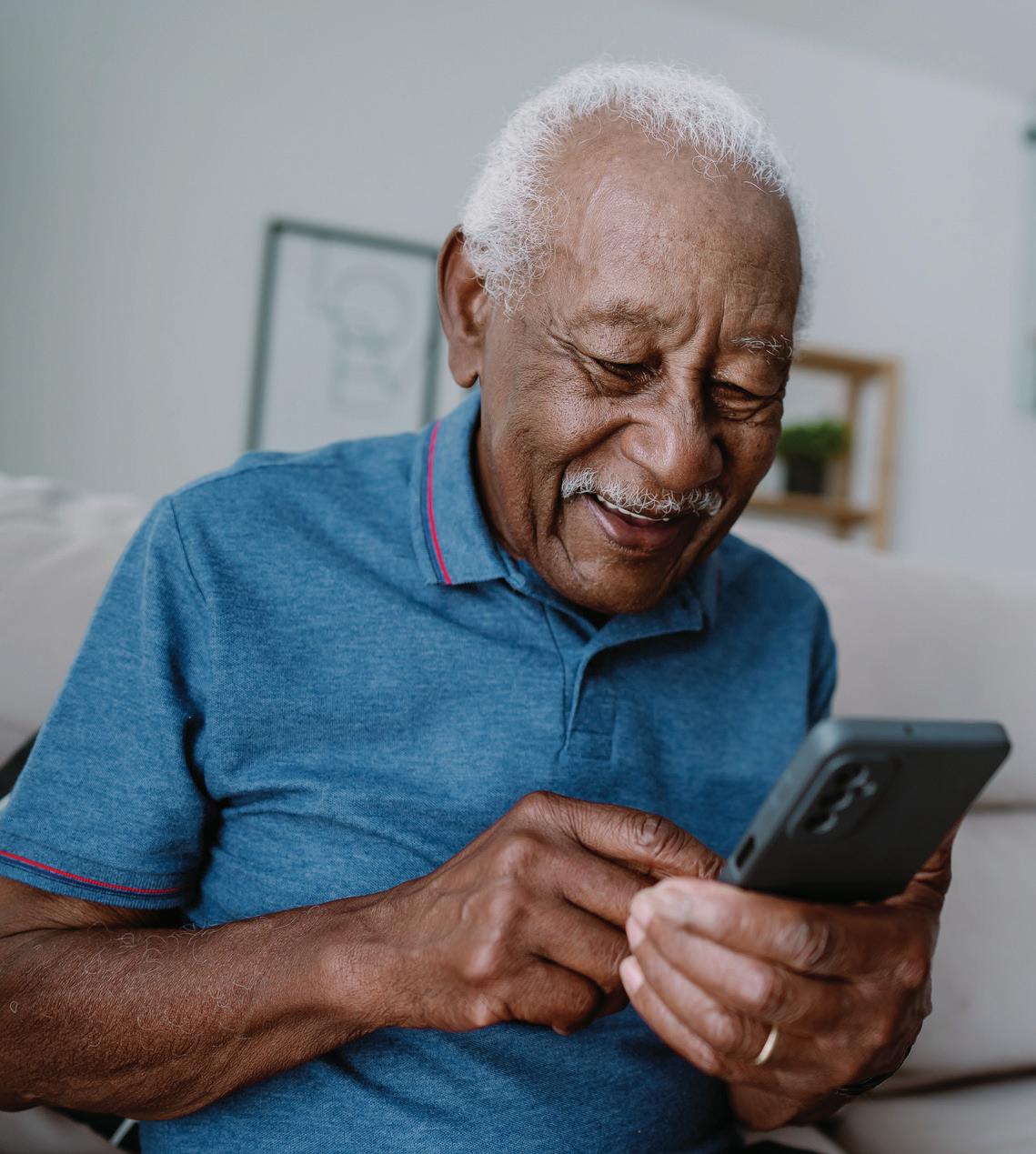
Contact us for information and resources to assist older adults, caregivers and adults with disabilities in Philadelphia.
PCA Helpline: 215-765-9040 | AskHelpline@pcaCares.org Call to report elder abuse 24/7.
Learn about our services or request assistance online: www.pcaCares.org
Milestones e-news: Receive Milestones newspaper by email for free.
Email MilestonesNews@pcaCares.org to sign up for the e-news or to share ideas for Milestones.

Sources: National Institute on Aging
There are endless medical websites and articles that provide health news and resources. Choosing trustworthy sources is an important first step to accessing reliable information.
When searching online, you will find websites from multiple health organizations. The following questions can help determine which sites are trustworthy. Many of the answers can often be found in the website’s “About” section.

What is the purpose of the website? Who owns or sponsors it?
Understanding the motive of the website can help you better judge its content. The goal of any trustworthy health information website is to provide accurate, current and useful information.
If a for-profit company pays for the site, the health information may favor that business’ products or services. Sometimes, the website address is helpful for identifying the type of agency or organization that owns the site. For example:
• .gov identifies a U.S. government agency
• .edu identifies an educational institution, such as a college or
university
• .org usually identifies nonprofit organizations, such as social service or research groups
• .com identifies commercial websites, such as businesses and pharmaceutical companies
Many commercial websites provide accurate health information. But it can be hard to distinguish this content from marketing and promotional materials. Any advertisements on a site should be clearly marked as such. Watch out for ads designed to look like neutral health articles.
(Continued on page 15)
We listen first, then bring the right care to you. We help seniors stay safe and independent, all while receiving medical and social support services at our wellness center. At Mercy LIFE, empathy leads the way and experience gets you where you want to be.
Contact us to learn if you or a loved one qualifies. Call 215-339-4747 or visit mercylife.org.
Who wrote the information? Who reviewed it?
If the author and/or contributor is listed, are they an expert in the field? Look for health care professionals or scientific researchers with in-depth knowledge of the topic. Does the author work for an organization. If so, what are the goals of that organization? A contributor’s connection to the website, and any financial stake they have regarding the information on the website, should be made clear.
Dependable health information websites will share sources and citations.
Trustworthy websites will also have contact information — an email address, phone number and/or mailing address. Look for this information at the bottom of web pages or in a separate “About Us” or “Contact Us” page.
There is a big difference between information written by a single person interested in a topic and a website developed by professionals using researched and peer-reviewed scientific evidence. Online information, even if it is accurate and trustworthy, should never replace seeing a health care professional who can thoroughly evaluate your unique situation and provide specific advice.
When was the information written and updated?
Look for websites that stay current with their health information. You don’t want to make decisions about your care based on out-of-date content. Often, the date the information was created and reviewed or updated will appear at the bottom of the page. Older information isn’t useless, but using the most current, evidence-based information is ideal.
Does the website offer quick and easy solutions to your health problems?
Be cautious about websites claiming any single remedy will cure many different illnesses. Also be wary of sites suggesting simple or unproven treatments for a disease. Question dramatic writing or promises of cures that seem too good to be true. Look for other websites with the same information. Even if a website links to a trustworthy source, it doesn’t mean that the site has the other organization’s endorsement or support.
Use your good judgment when gathering health information online. There are websites on nearly every health topic. Use the information you find online as one tool to become more informed. Don’t count on any one website. Discuss what you find with your doctor before making any changes to your health care.
For reliable health information, see the following sources:
• Centers for Disease Control and Prevention: 1-800-232-4636 | www.cdc. gov
• National Library of Medicine: www. medlineplus.gov
• U.S. Office of Disease Prevention and Health Promotion: 240-4538280 | https://odphp.health.gov
• USA.gov, the official guide to government information and services: 1-844-872-4681| www.usa.gov
• Your health care provider can also suggest ideal sources of online information. If your doctor’s office or health system has a website, it may include a list of recommended links.
• PA MEDI is a federally funded health insurance counseling program for Pennsylvanians who are eligible for Medicare: PCA Helpline - 215-7659040