
Introduction to Bullet Casting Alloys
Introduction to Bullet Casting Alloys
Bullet casting is a popular method among shooters who prefer custom ammunition. Choosing the right alloy is essential for accuracy, consistency, and durability. Various alloys are used in bullet casting, each with its own advantages. Understanding their properties helps in selecting the best material for specific needs.



Common Bullet Casting Alloys
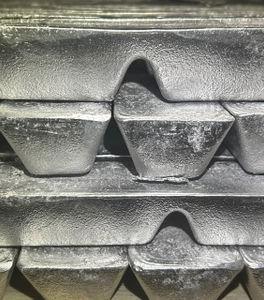
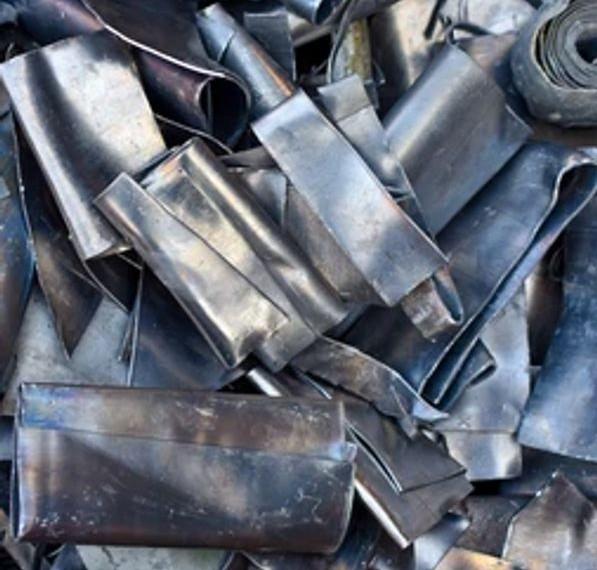
Pure lead is the softest metal used in bullet casting. It is ideal for low-speed shooting, such as muzzleloaders and black powder firearms. The softness of pure lead allows bullets to expand significantly upon impact. However, the downside is that it leads to excessive barrel fouling at higher velocities.
Since pure lead lacks hardness, it is often mixed with other metals. For hunters using black powder rifles, pure lead provides excellent penetration and weight retention. Its flexibility makes it a good choice for creating hollow-point bullets. Despite its advantages, it is not suitable for high-speed cartridges.
Choosing the Right Alloy for Your Needs


Hunters require bullets that expand on impact while maintaining sufficient penetration. Lead-tin alloys are a popular choice for this purpose. The soft nature of these bullets ensures effective energy transfer to the target. For large game, bullets with moderate tin content provide deeper penetration without shattering.
For high-velocity hunting rounds, lead-antimony alloys work well. Their increased hardness prevents excessive expansion and maintains bullet shape. Hunters using revolvers and rifles prefer these alloys for their superior performance. Experimenting with different ratios can help in finding the best blend for specific hunting needs.
Conclusio
nBullet casting alloys play a crucial role in ammunition performance. Choosing the right alloy depends on shooting needs, firearm type, and desired bullet properties. Pure lead works for low-velocity applications, while lead-tin and lead-antimony alloys offer enhanced hardness and accuracy. Understanding different alloys helps in making better choices for hunting, target shooting, and competitive shooting. By using the right techniques, shooters can produce high-quality bullets that perform reliably. With proper temperature control, quality molds, and customized alloy ratios, bullet casters can achieve precision and consistency. Experimentation and testing ensure the best results for every shooter’s needs.