Digital Marketing Course: A Complete Guide to a Successful Career
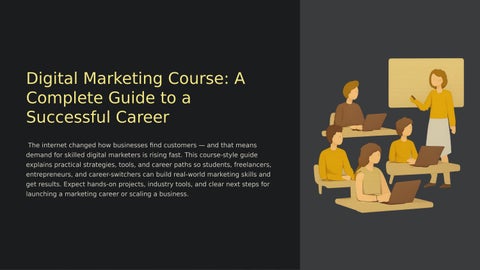
The internet changed how businesses find customers — and that means demand for skilled digital marketers is rising fast. This course-style guide explains practical strategies, tools, and career paths so students, freelancers, entrepreneurs, and career-switchers can build real-world marketing skills and get results. Expect hands-on projects, industry tools, and clear next steps for launching a marketing career or scaling a business.
What Is a Digital Marketing Course?
A Digital Marketing Course is a professional training program combining marketing theory with practical projects. You will learn how businesses promote products through digital channels, build campaigns, measure performance, and optimize for growth. Core topics covered in a comprehensive course include SEO, SEM (paid search), social media, content, email, analytics, PPC, mobile marketing, affiliate marketing, and reputation management.
SEO
Keyword research, on-page and technical SEO, link building, and local optimization to increase organic visibility.
SEM / PPC
Google Ads fundamentals: campaign setup, bidding, budgets, and conversion tracking for paid traffic.
Social Media
Platform strategies for Facebook, Instagram, LinkedIn, X, YouTube, and Pinterest to build engagement and reach.
Content, Email & Analytics: The Engine That Powers Growth
High-quality content and data-driven follow-up are essential. Content Marketing attracts and nurtures audiences through blog posts, videos, landing pages, and infographics. Email Marketing converts visitors into customers with segmented campaigns, automation, and measurable funnels. Web Analytics (Google Analytics and similar tools) measure traffic sources, user behavior, and campaign ROI so you can optimize continuously.
Analytics
Set KPIs, track conversions, and use data to improve campaigns.
Email Automation
Welcome sequences, segmentation, and A/B tests increase retention and LTV.
Content Strategy
Audience-first content that answers searches, builds authority, and supports funnels.
Why Choose a Digital Marketing Course?
A course gives structure, tools, and feedback — accelerating learning and employability. Key benefits include better job prospects, higher earning potential, freelancing opportunities, and practical skills for growing a business. Courses that emphasize live projects, tool practice, and mentorship deliver the fastest path from learning to earning.
Practical Training
Work on live campaigns to build a portfolio.
Industry Tools
Hands-on with Google Ads, Analytics, SEO tools, and email platforms.
Expert Guidance
Mentors review your work and share hiring-ready practices.
Who Should Join?
This course is designed for a wide range of learners: students building jobready skills; professionals pivoting careers; entrepreneurs promoting their businesses; freelancers offering services; and job seekers who want competitive, modern marketing abilities. No prior experience required — modular learning lets beginners start with fundamentals and progress to advanced tactics.
Students
Gain practical skills before entering the job market.
Working Professionals
Upskill for promotions or new roles in marketing. Entrepreneurs & Freelancers
Promote offerings and win clients online.
Core Modules: What You'll Learn
The course curriculum balances foundational knowledge and tactical execution across modules that map to real marketing roles. Each module contains practical assignments, scaffolded projects, and a capstone that ties everything together.
SEO: Organic Growth
Keyword research, on-page optimization, site structure, technical fixes, and local SEO best practices.
SEM / PPC
Campaign setup, bidding strategies, conversion tracking, and performance optimization.
Social & Content
Platform-specific tactics, content calendars, short-form video, and repurposing frameworks.
Email & Automation
Segmentation, journeys, trigger-based messaging, and deliverability best practices.
Skills and Tools You Will Master
A complete digital marketer blends technical and soft skills. This course teaches: SEO, Google Ads, social media strategy, content creation, email marketing, Google Analytics, keyword research, CRO, and basic HTML/CSS for marketers. Soft skills include communication, creativity, analytical thinking, and time management.
Technical Skills
• SEO & keyword strategy
• Paid media setup & optimization
• Analytics & tracking
Soft Skills
• Clear communication
• Creative storytelling
• Data-driven decision making
Course Features & Outcomes
Look for programs that provide live projects, mentorship, certifications, and placement assistance. Real outcomes include a portfolio of campaigns, measurable improvements on live accounts, and a clear job or freelanceready roadmap. Employers value demonstrable impact: campaign results, case studies, and proficiency with industry tools. 1
Live Projects
Work with real briefs to build measurable results. 2 Tool Training Hands-on practice with Ads platforms, Analytics, SEO software, and email tools.
3
Career Support
Interview prep, resume reviews, and placement guidance to transition into roles or clients.
Suggested Learning Path & Timeline
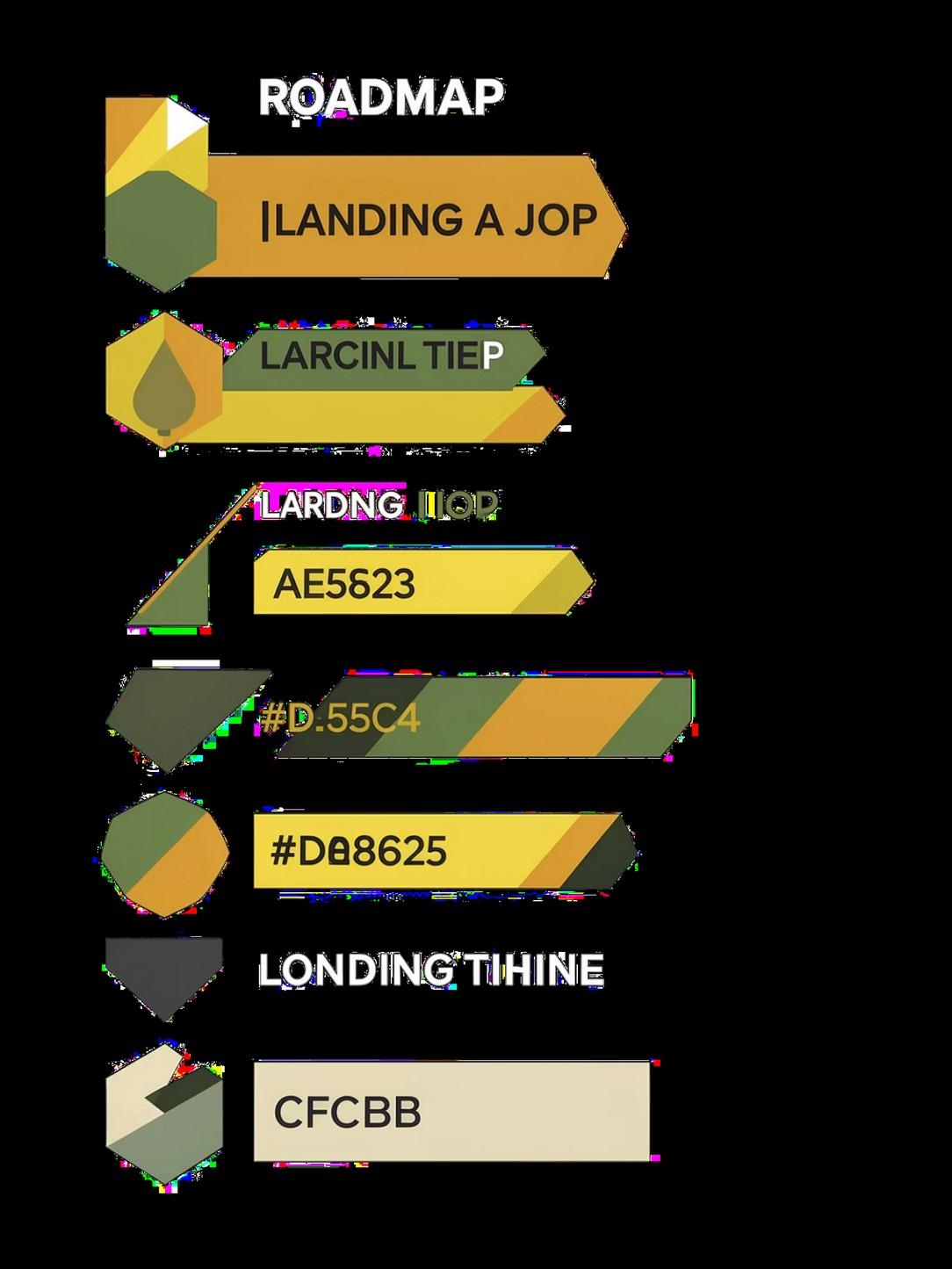
Beginners can follow a 4-phase path: Fundamentals (4–6 weeks), Tools & Campaigns (6–8 weeks), Specialization (4–6 weeks), and Capstone & Job Prep (2–4 weeks). Each phase combines lessons, hands-on tasks, and assessments so you graduate with a portfolio and confidence to apply for roles or start freelancing.
Learn Fundamentals
Core concepts and theory
Practice with Tools
Hands-on tasks and campaigns
Specialize in a Channel
Focus on one marketing channel
Launch Capstone
Project showcase and job prep
This structured progression builds skills steadily while producing work samples you can show employers or clients.
Next Steps & Key Takeaways
Digital marketing is a practical, fast-changing field where demonstrable skills win. Start with fundamentals, practice on live campaigns, use analytics to iterate, and build a portfolio of measurable work. Suggested next steps: enroll in a project-based course, complete a small paid campaign, publish a case study, and start applying or pitching clients.
Use these theme colors in your materials: #eee27dff and #F4E883 for emphasis, and #0D0D09 for headlines and body text.