The laughter that carried us through LAFF with Your Love
We leaned into Emotional Wellness recognizing that feelings are not weaknesses, but messengers.
Now March gently whispers a deeper question: WHATISSHAPINGTHOSEEMOTIONS?
Because sometimes the anxiety is not just internal
Sometimes it is environmental.
The room you wake up in The news you consume
The pace of your workplace. The clutter on your counter.
The tension in a relationship.
The silence in a once-busy home.
Emotions are waves.
Environment is the tide.
If February helped us understand the water, March invites us to examine the shore.
Environmental Wellness
Curating the Conditions Where We Bloom
Environmental Wellness is not simply about recycling or spring cleaning
It is about aligning our surroundings with the person we are becoming.
It is about asking:
Does my space support my healing?
Is my digital life overwhelming my nervous system?
Do I feel safe in my community?
What needs to be removed, restored, or reimagined?
And in the PAUSE way we ask this without shame
Some of us are blooming where we are planted
Some of us are realizing we may need to replant
Both are sacred.
This month, we will explore how to curate environments that protect our peace, support our resilience, and reflect our purpose
Because growth does not happen in chaos alone
It happens in tended soil.
And together we are tending.
With love and intention, Dahria
PAUSE ~ A Movement for a Moment ��
From Emotional Waves to Environmental Roots
In February, we explored Emotional Wellness the waves, the resilience, the tug on the heart We laughed together at LAFF with Your Love, finding healing through humor and community.
Now in March, we gently ask: What environments are shaping those emotions?
Sometimes the wave is not the problem
Sometimes it is the room
The noise.
The clutter
The people
The digital feed.
The air
Environmental Wellness invites us to examine the soil around our roots
It is also the recognition that access to safe, healthy environments is not equally distributed.
Environmental Wellness is personal.
Environmental Wellness is social justice.
Environmental Wellness is sacred.
The Science Behind It
Research consistently shows:
Natural light increases serotonin.
What Is Environmental Wellness?
Environmental Wellness is the intentional awareness and alignment of:
Physical spaces
Natural surroundings
Digital environments
Social climates
Workplace culture
Community access
Financial stability
Internal atmosphere
It recognizes that our surroundings shape our nervous system, productivity, and emotional health.
Green spaces reduce anxiety and depressive symptoms
Clutter raises cortisol. (stress hormone)
Chronic noise disrupts emotional regulation
Noise pollution impacts emotional regulation
Environmental toxins disproportionately impact minority and under-resourced communities
Community design influences longevity
The body keeps score not only of trauma but of environment
Your nervous system knows when you are safe
Wellness is not only personal
It is structural.
Environmental Grief
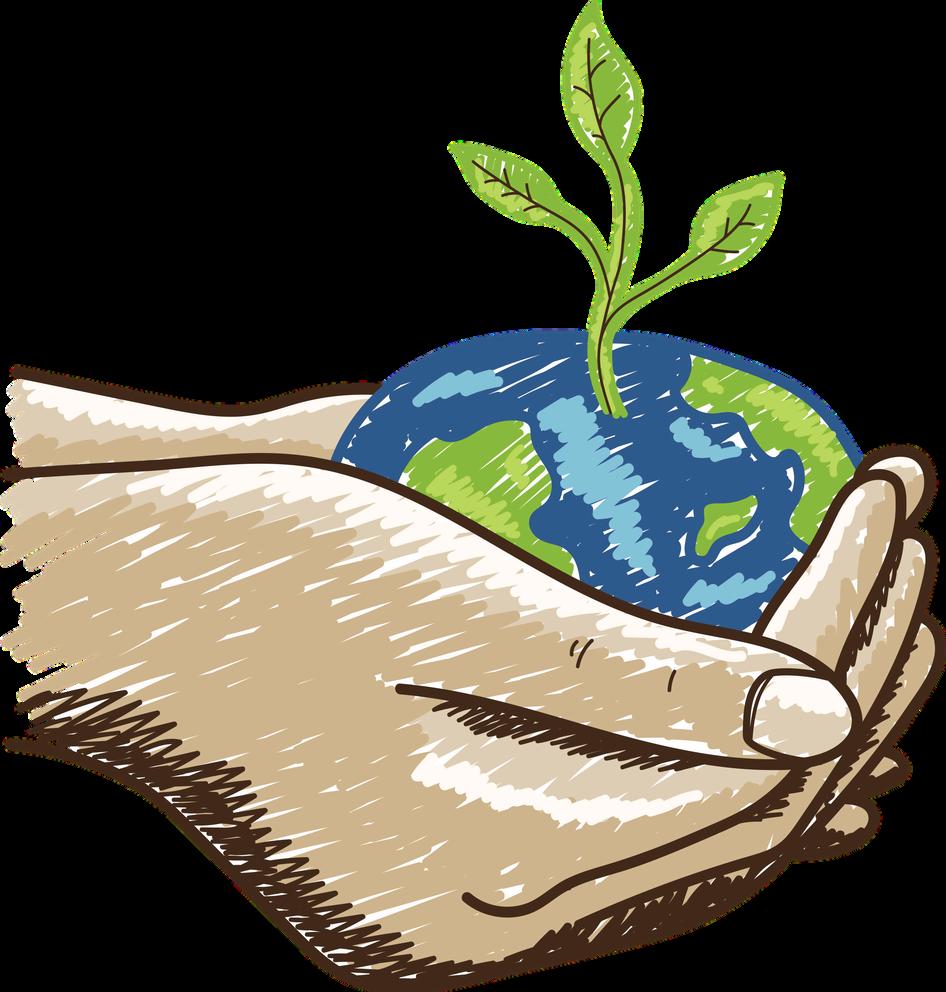
�� Art Therapy Moment
“Design
Your Inner Garden”
�� March
Micro-Resets
Small shifts Sacred outcomes
Open windows 10 minutes daily.
Clear one drawer.
Add one living plant.
Turn off notifications for 24 hours
Walk outside without headphones
Remove one draining commitment
What needs pruning?
What needs watering?
What needs sunlight?
What weeds need removing?
Optional group share during our next Wellness Check.
Create a sacred corner in your home. OR
Draw JOURNAL
�� Water Access Disparities
Water access disparities occur when certain communities do not have safe, clean, affordable drinking water
Climate Vulnerability
Climate vulnerability refers to how certain communities are more at risk during climate events like heat waves, floods, hurricanes, or poor air quality
Clean water is foundational to wellness yet not equally accessible.
Generational Lens: Environment Across Time
�� Riddle of the Month
(To be revealed at our next Wellness Check Moment)
I have roots yet cannot move I provide shelter but never leave. I breathe for you, though you rarely notice me.
What am I?
(Answer revealed live)
Boomers may value stability and physical order.
Gen X often balances work-home integration stress
climate anxiety
Environmental wellness looks different across generations yet impacts all of us
“I intentionally create environments that support my peace, growth, and purpose.”
Cultural & Community Awareness
Environmental wellness must acknowledge:
Urban heat islands
Redlining and housing segregation
Food deserts
Water access disparities
Climate vulnerability
Access to clean air and green space is a wellness issue And wellness is equity.
Redlining & Housing Segregation
Redlining was a discriminatory housing practice that labeled certain neighborhoods (often communities of color) as “high risk,” making it difficult for residents to get home loans or insurance.
The long-term effects include:
Underinvestment in neighborhoods
Poor housing conditions
Limited green space
Higher pollution exposure
Environmental wellness is directly tied to housing equity
Urban Heat Islands
Urban heat islands are areas in cities that are much hotter than nearby neighborhoods because of concrete, asphalt, buildings, and limited trees
Without enough green space, these areas absorb and trap heat increasing:
Heat-related illness
Energy costs
Air pollution
Stress on the body
Communities with fewer trees often experience higher temperatures
Food Deserts
Food deserts are areas where residents have limited access to fresh, affordable, healthy food especially fruits and vegetables
Instead, communities may only have access to: Convenience stores
Fast food
Processed options
This impacts physical health, emotional wellness, and long-term disease rates.
MONTHLY MOMENTS
Explore personal well-being through our dimensions of Wellness. We create a safe environment for learning and growth in our 12 sessions together
Classes are conducted monthly for 2 hours via Zoom with a live instructor, various guest speakers, and more These moments include a rich curriculum with in-depth discussion and experiential, well-rounded learning, including innovative coaching and instructor feedback. Each month, we will come together for a Wellness Check that focuses on the "Dimensions" of you
Monthly, we will spotlight one dimension of wellness as well as explore key areas of behavior change and personal growth.
You will learn to cultivate a wellness mindset, deepening your sense of self-efficacy in creating change and improving your level of personal well-being
Deepening of your own personal well-being - a transformative journey
TOTAL WELLNESS
2026 A YEAR OF CONTINUOUS ACCESS: JANUARY - DECEMBER
ON THE 28TH DAY OF EACH MONTH
7:30 - 9 ET 6:30 CT, 5:30 MT 4:30 PT
IF THE 28 FALLS ON A SATURDAY OUR MOMENT WILL BE HELD IN THE MORNING AT 9AM
COURSE FEE: $150 00 TO ACCESS FOR A YEAR NEED FLEXIBLE PAYMENT OPTIONS?