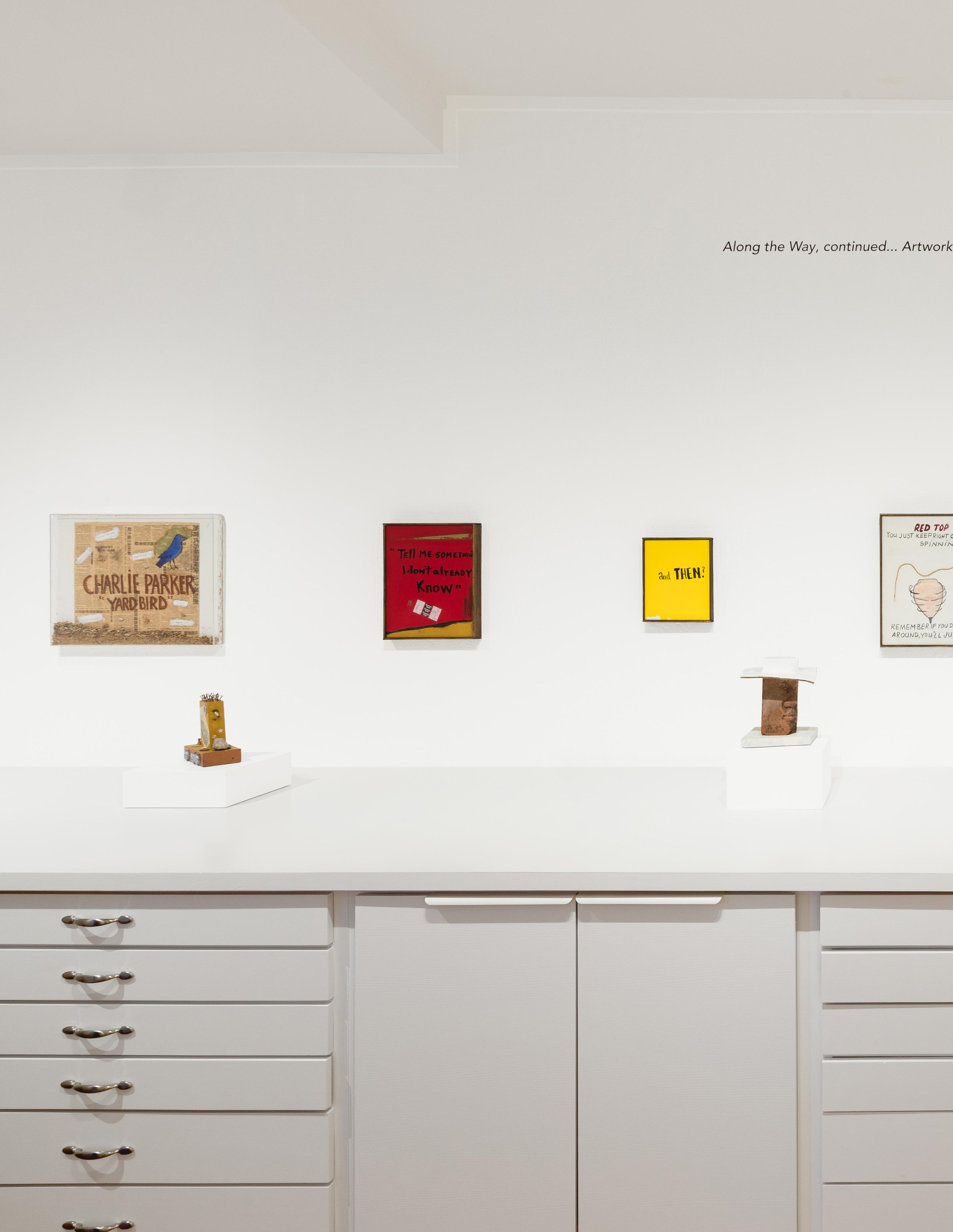
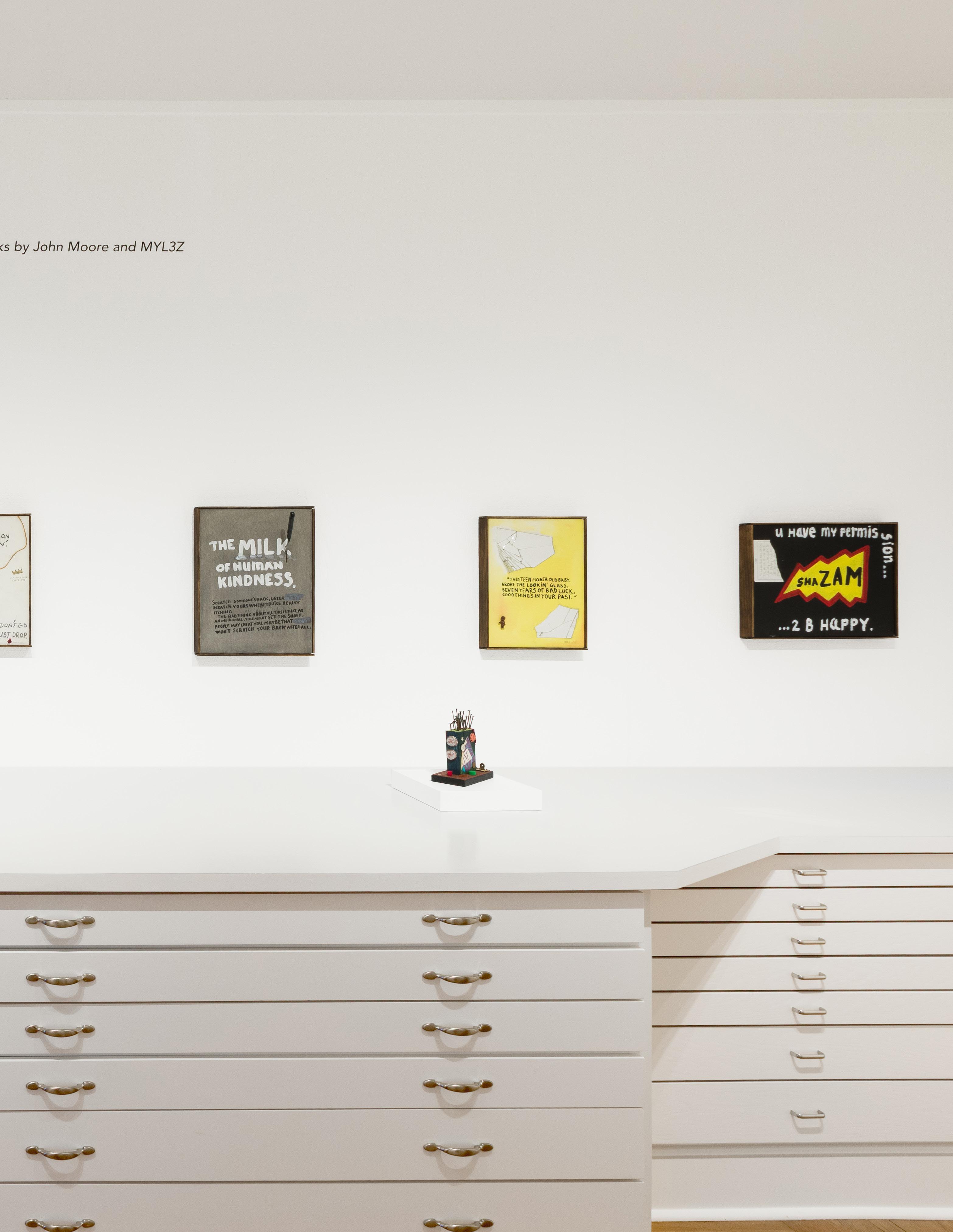
Along the Way, continued…
By William Miller
“Why does an artist do what they do?” is one of the oldest questions there is among the fine, decorative, performance, literary, and craft arts, and for which there are as many answers as there artists and makers. There is no single unifying answer that adequately encompasses the query satisfactorily for everyone. The best response I have come across is that it is a desire for expression that comes from the deep unknown within us and that the best artists train their consciousness to allow the thoughts, feelings, and actions of the unconscious to emerge and be filtered through them in order to be manifested into the world. You may or may not agree in part or whole with this construct, but what is clear is that any art is a form of expression and communication, and, in the case of the non-literary arts, an expression that often goes beyond and defies the vocabularies of languages written or spoken.
The idea of “training” within this concept conjures images of the university or formal art school, with classrooms full of students learning their chosen medium(s). But, this is a partial misnomer. While it is true that arts education has been institutionalized at the collegiate level, often with a heavy emphasis on a theory-based pedagogy, there are many artists who teach themselves to use materials on their own or who learn through friends and people they meet. This route is just as valid as the institutional model, and it has the potential to lead the artist to a more original point of view and method of working. In the case of John Moore and MYL3Z, neither has ever used the moniker of “Artist” to describe their identity or what they create. Rather, they view themselves as makers of objects, flat or three-dimensional.
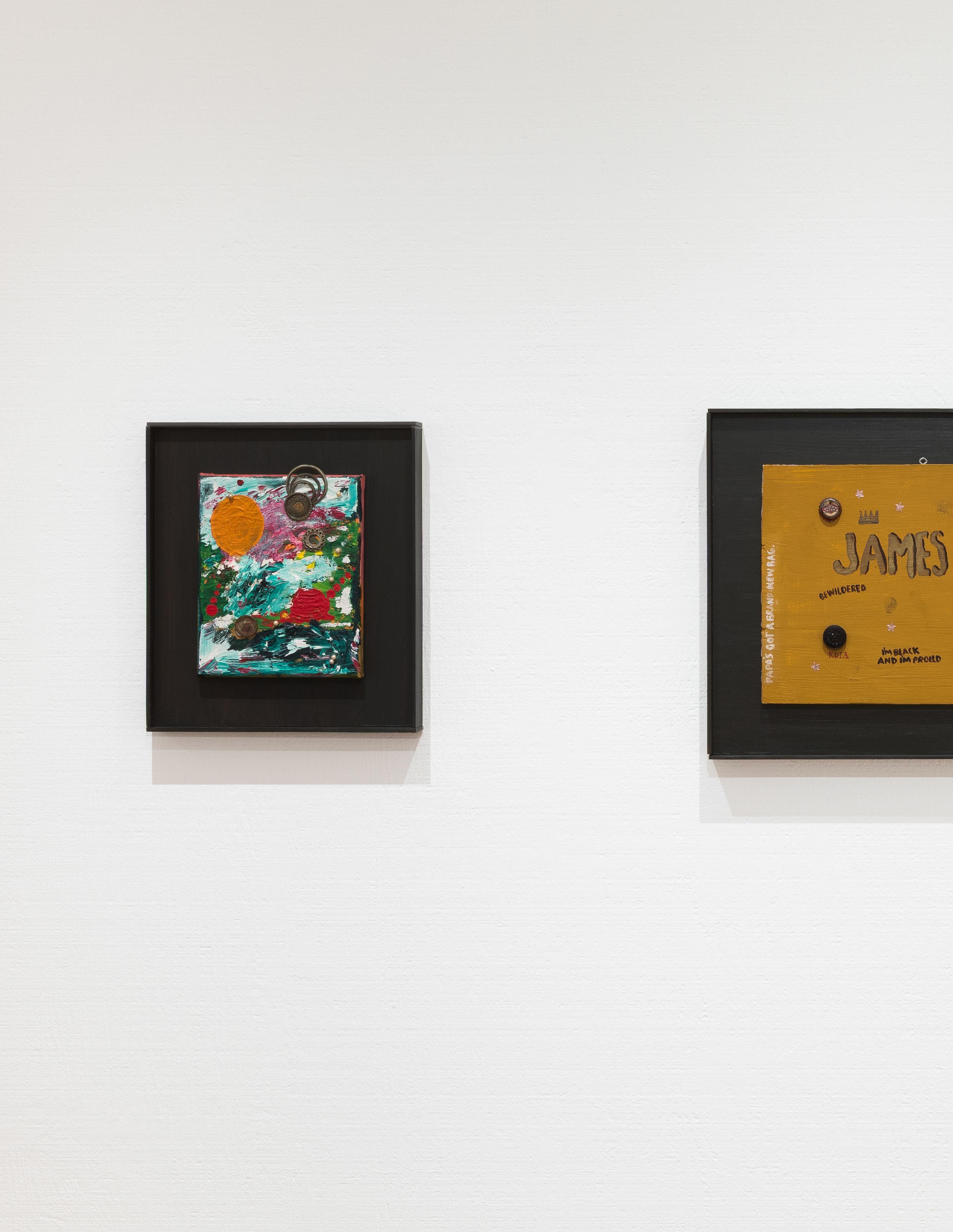
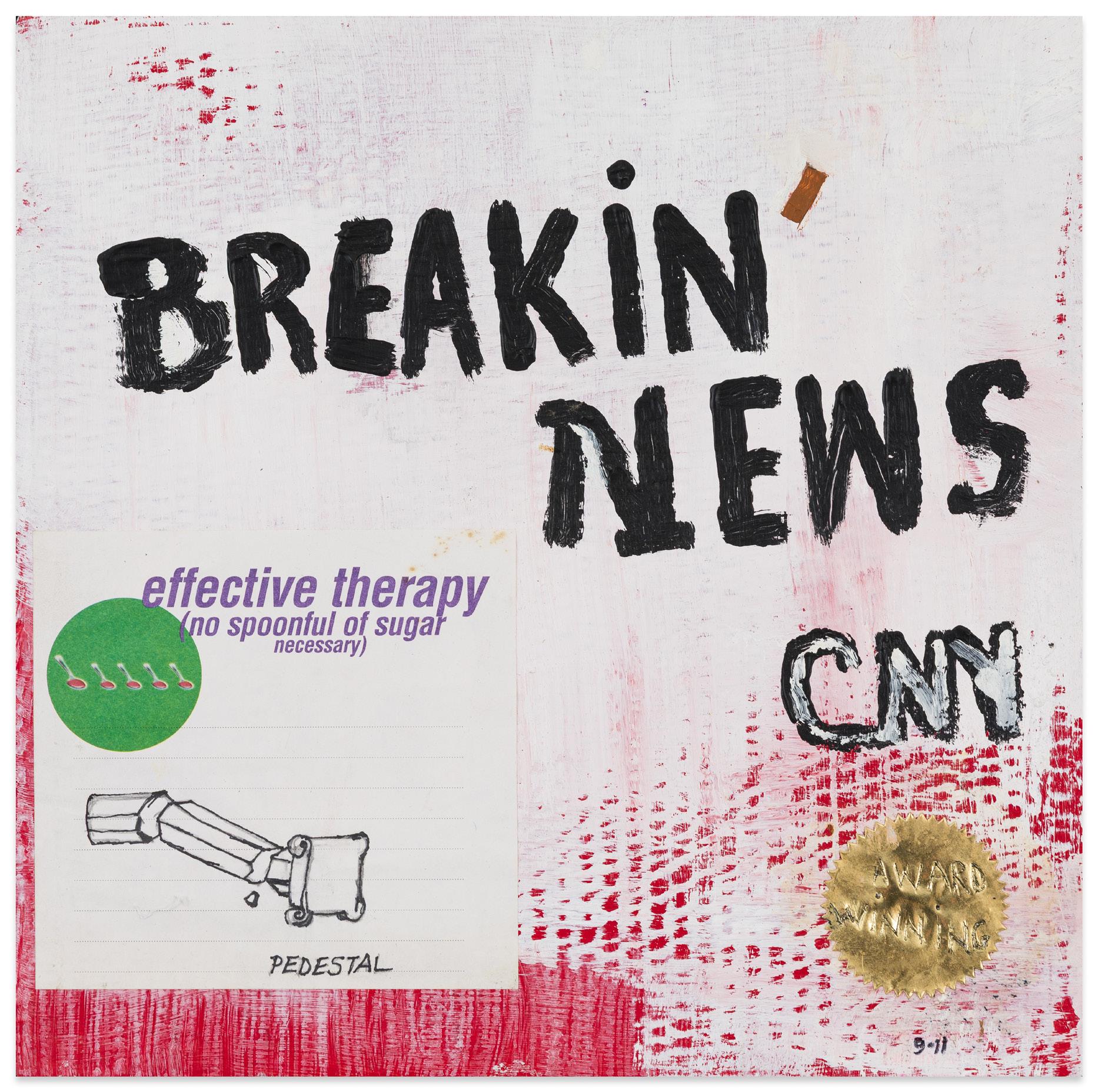
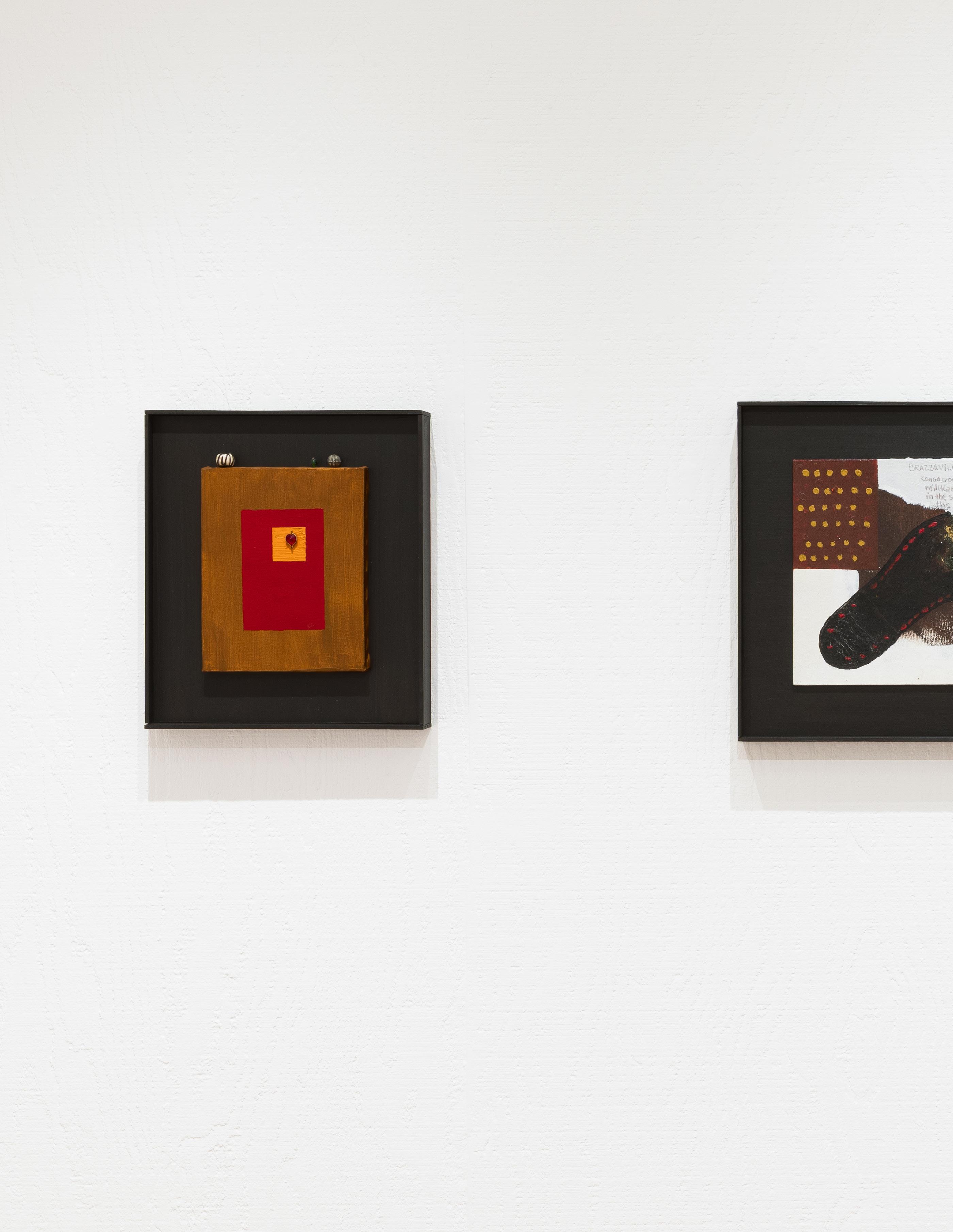
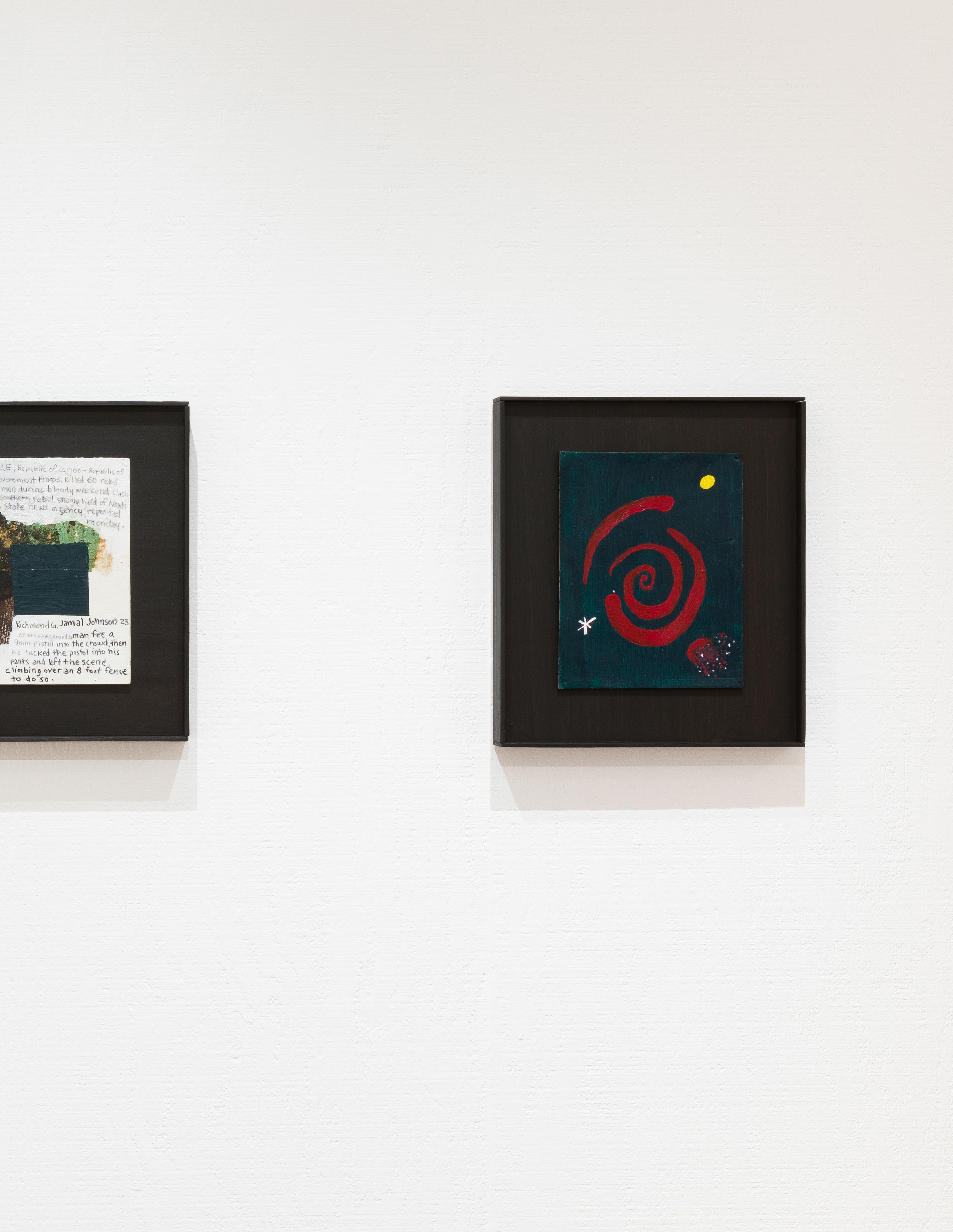
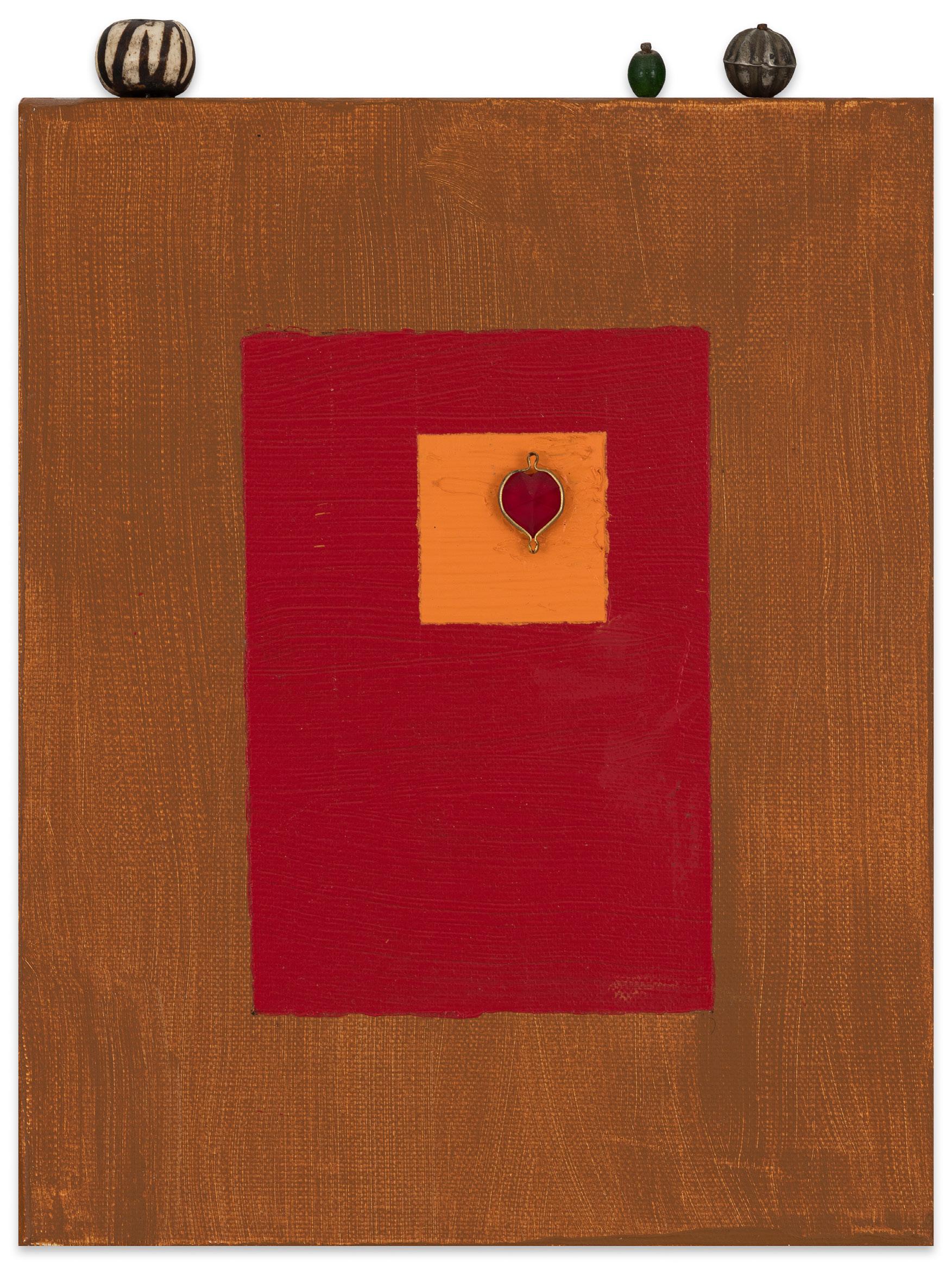
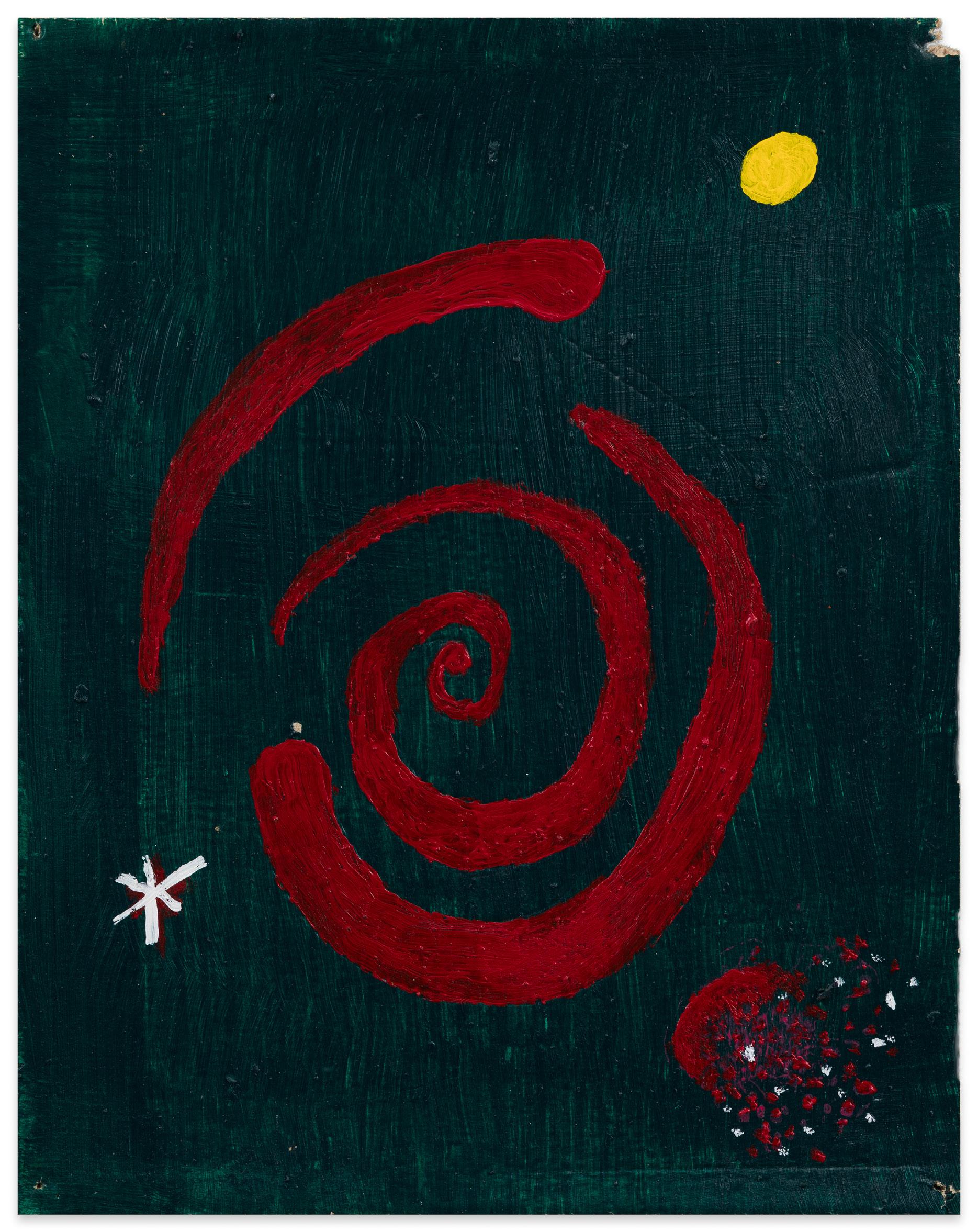
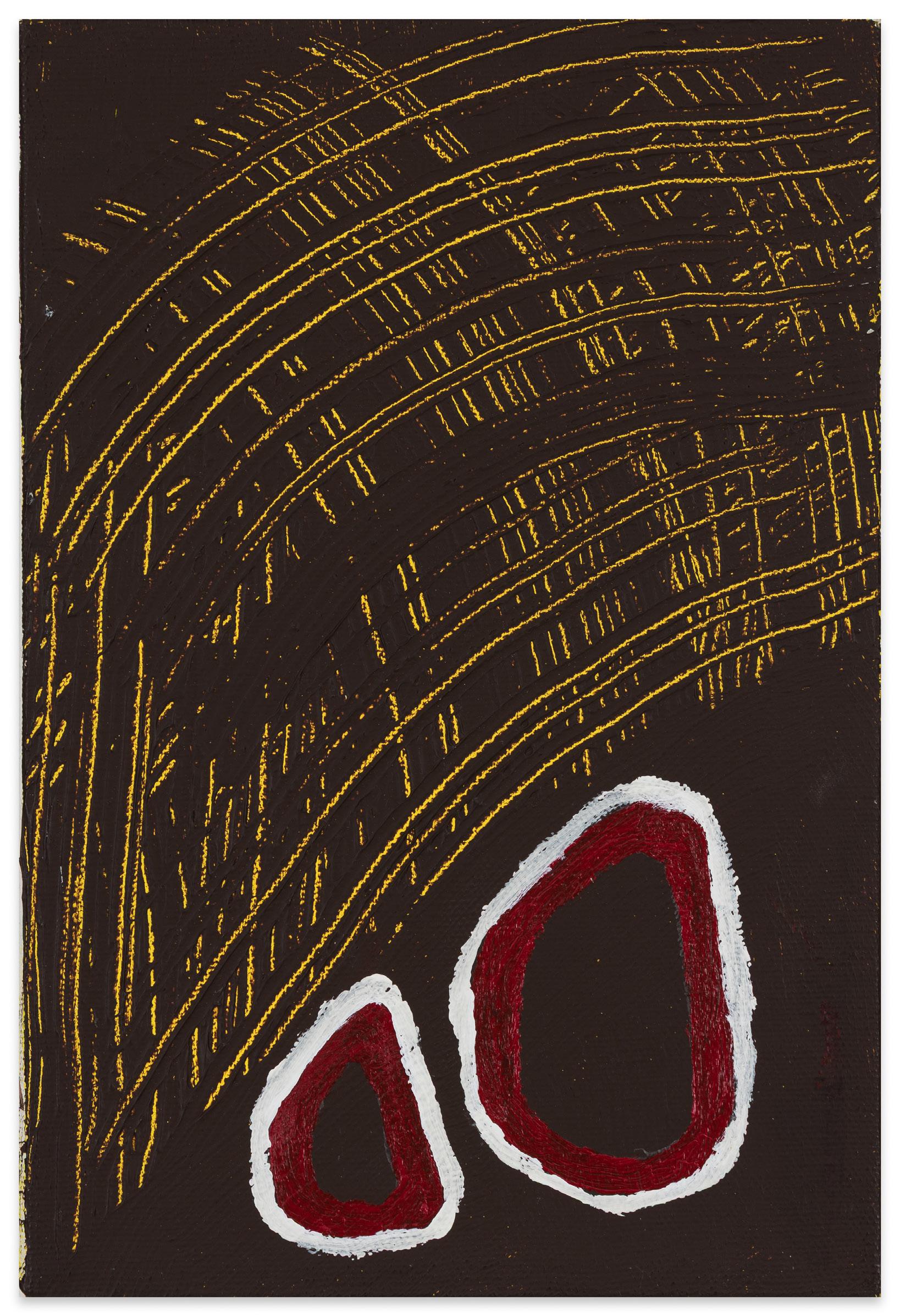
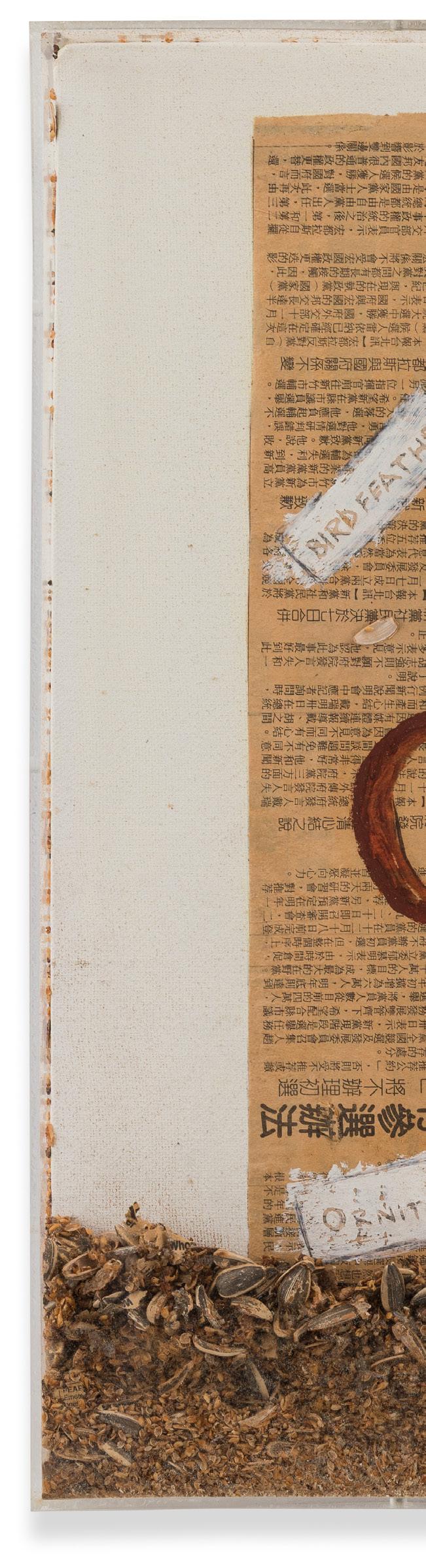
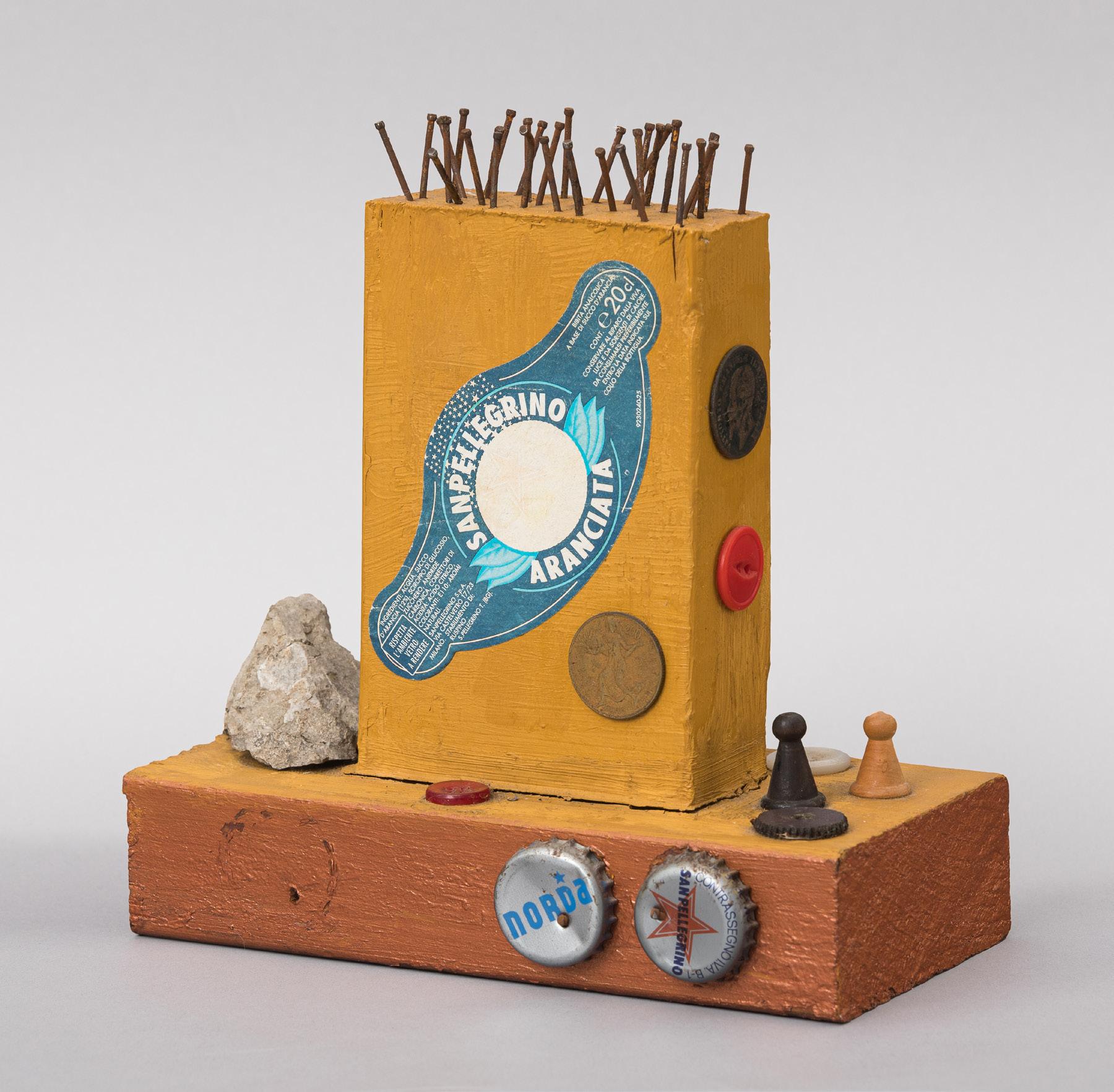
John Moore passed away in 2025 having made his work quietly for over 50 years, and only showed it to close family and friends for most of that time. In the final years of his life, Moore began to exhibit his paintings and sculptures in public settings, having been encouraged by those same supporters. John Moore’s works are an extension of his life and the journals he kept, their pages full of texts seen, heard, or read juxtaposed against images and ephemera documenting moments of his life and/or clipped from magazines, newspapers, and other sources. Combined, Moore’s mixed media paintings, sculptures, and journals act as both a pictorial biography, with each page and object a chapter, and as a self-portrait when surveyed in their totality.
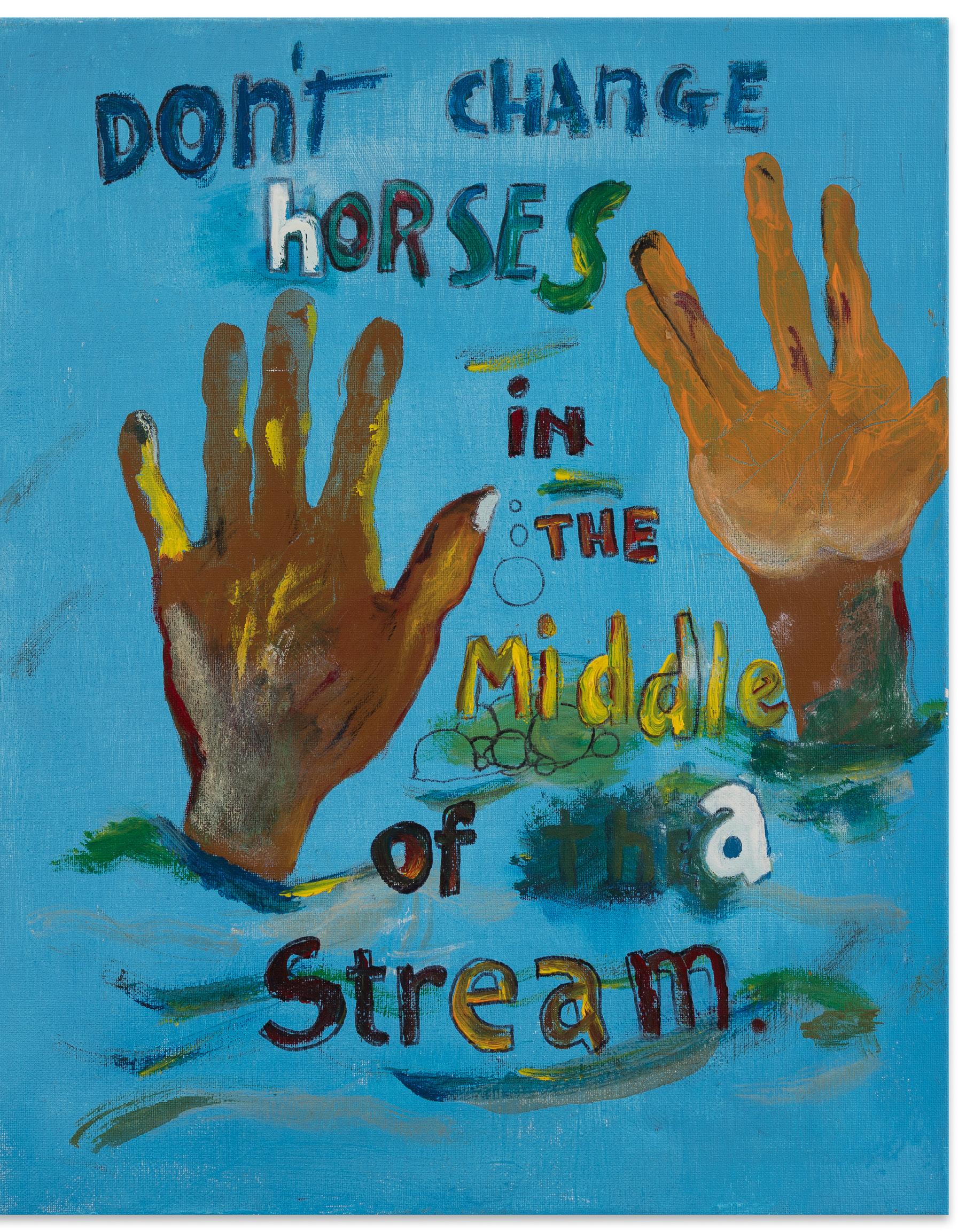
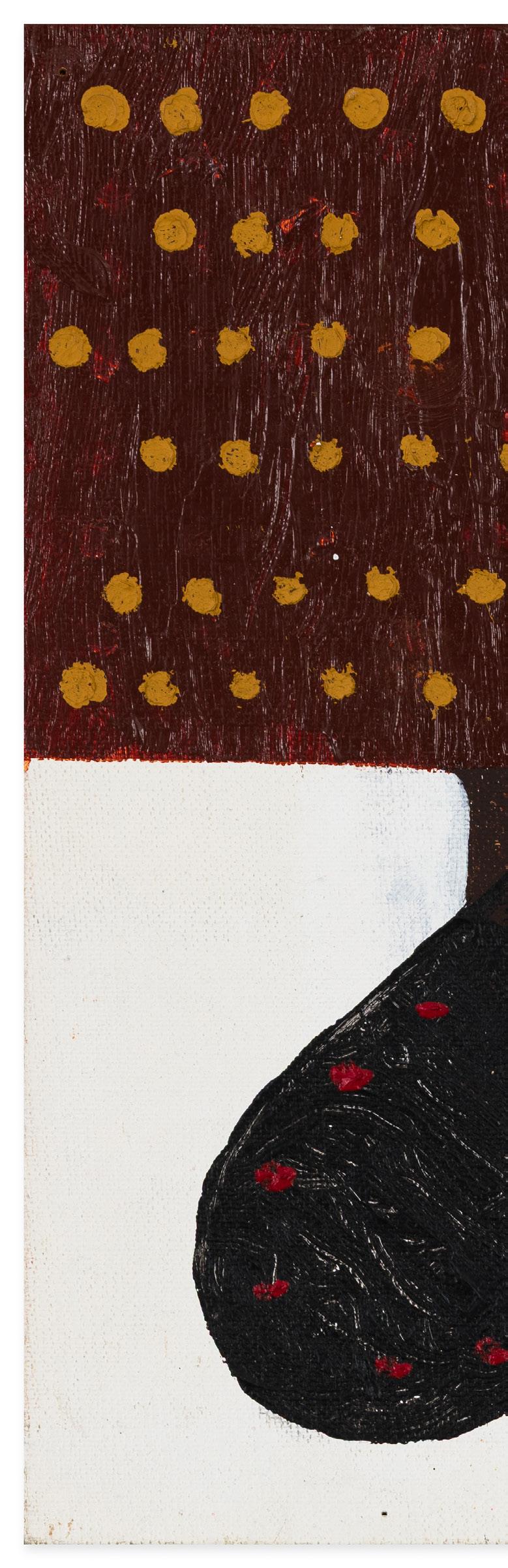
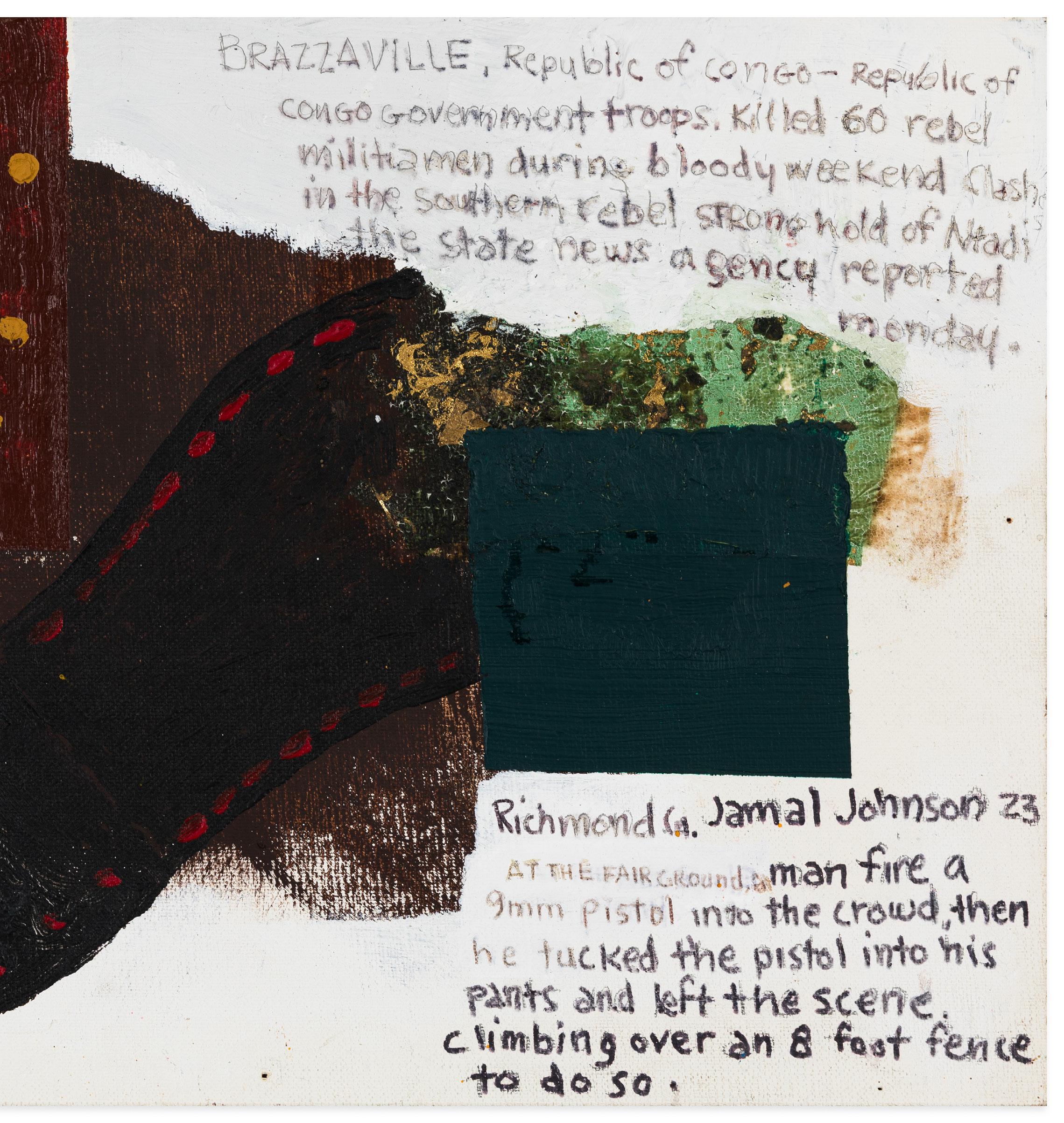
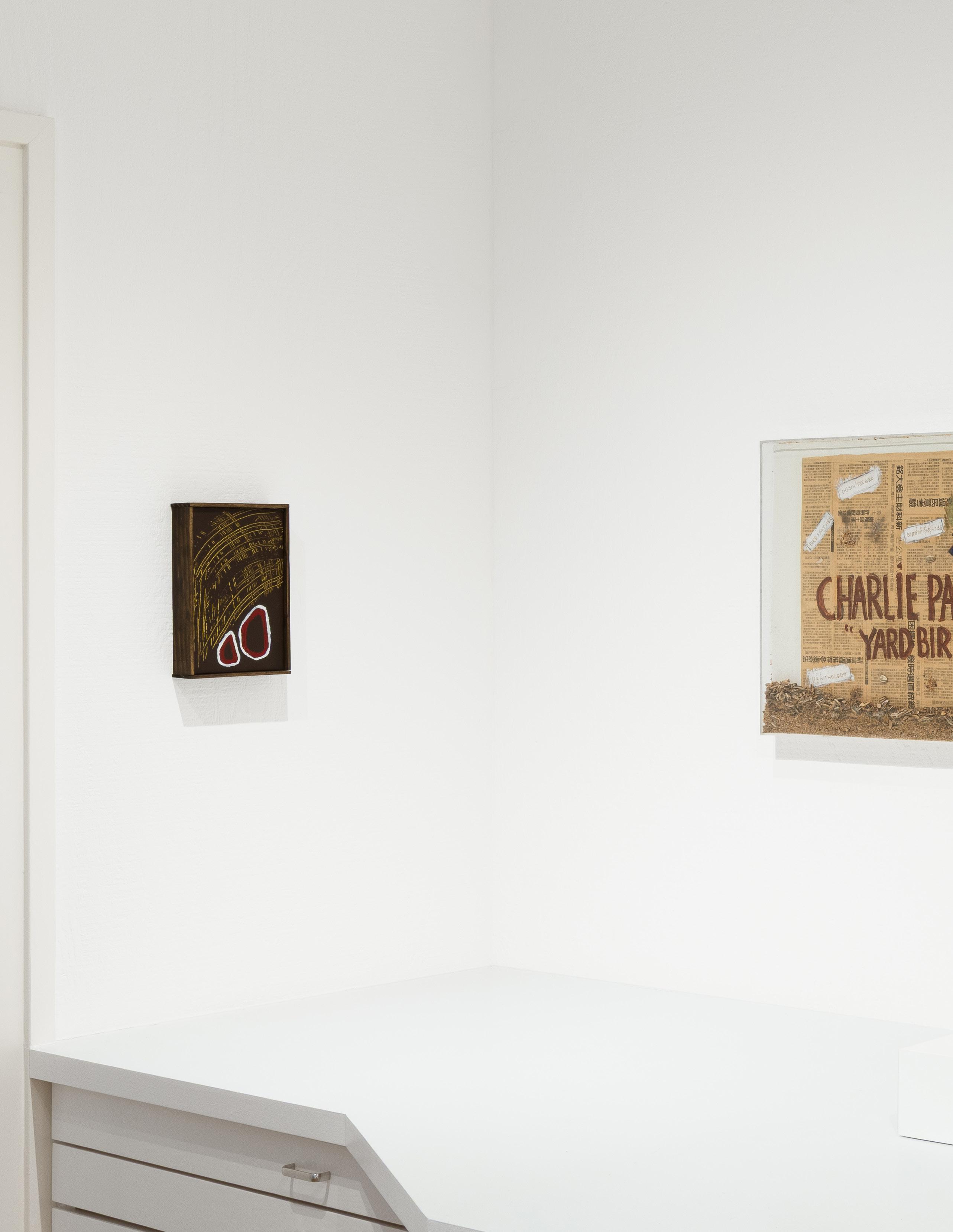
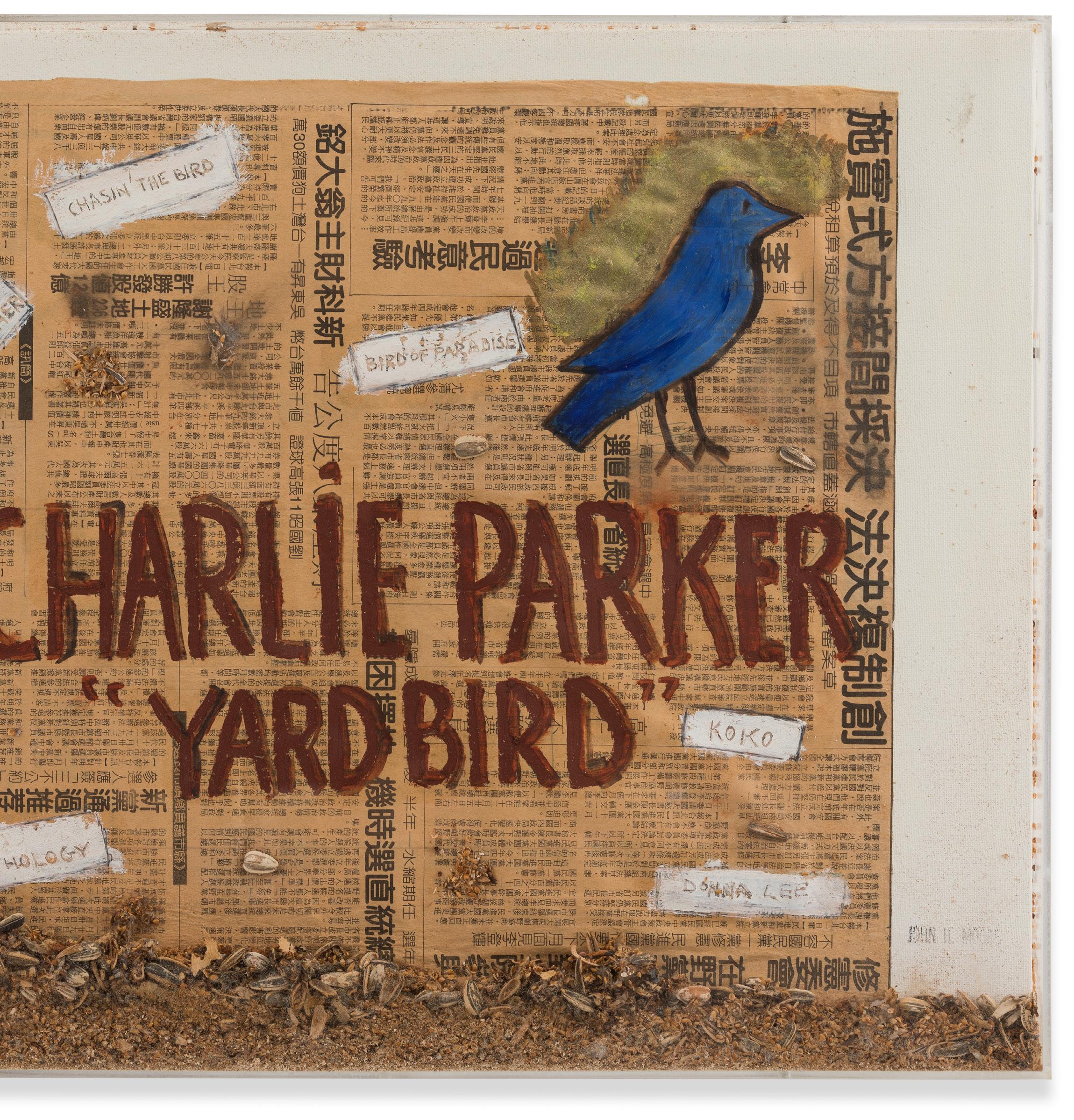
One of Moore’s great loves was music and musicians, and in particular Jazz. Works about James Brown, Charlie Parker, Miles Davis, and others appear in his oeuvre. His close relationships with musicians, poets, and artists provided both friendships and also creative inspiration to make his art. Other sources of inspiration were news events of the day, such as the killing of 60 militia members in the Republic of Congo in the late 1990s, and proverbs and adages he learned, like “Don’t change horses in the middle of a
continues on pg. 16
Plate 2:
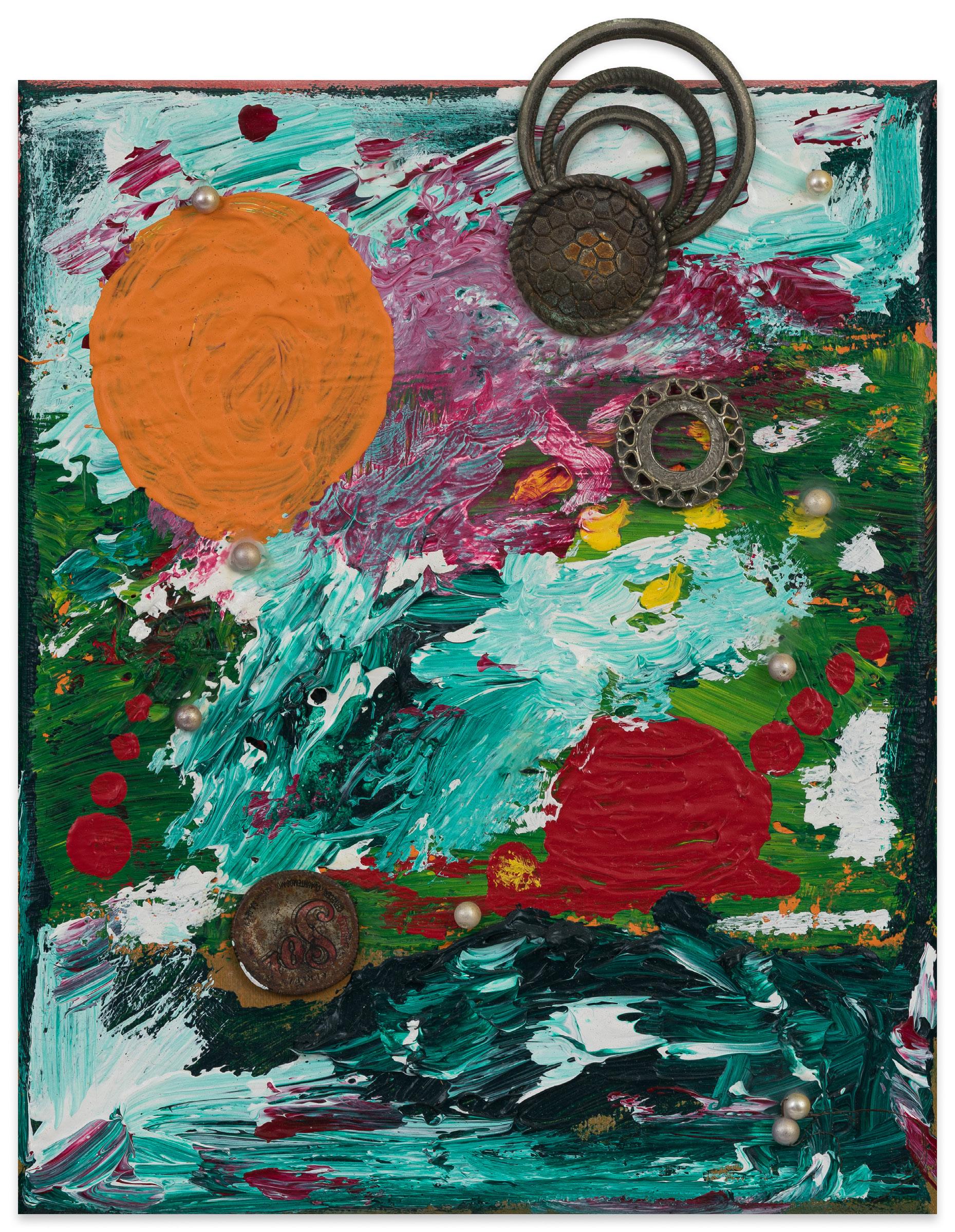
John Moore, The Day the World Was, 1991 mixed media on canvas, 14 1/2 x 15 inches
Plate 3:
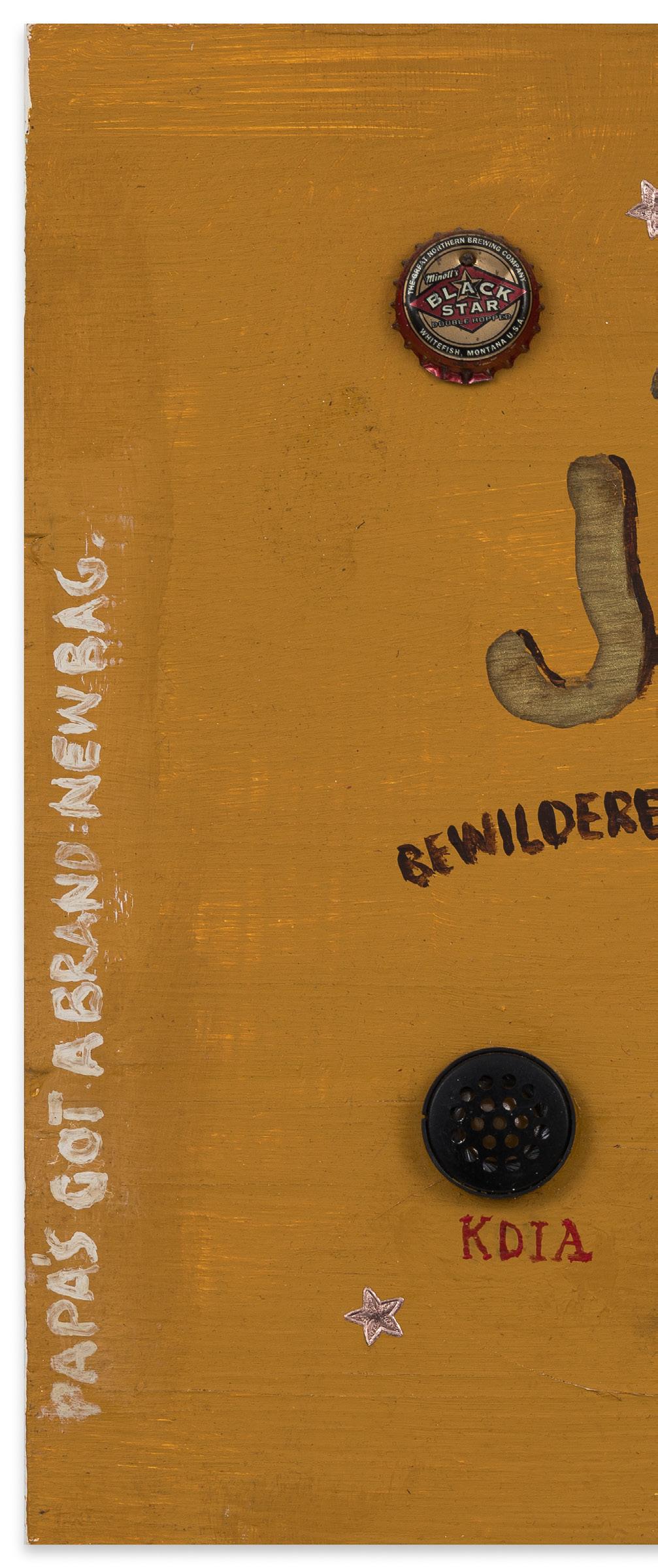
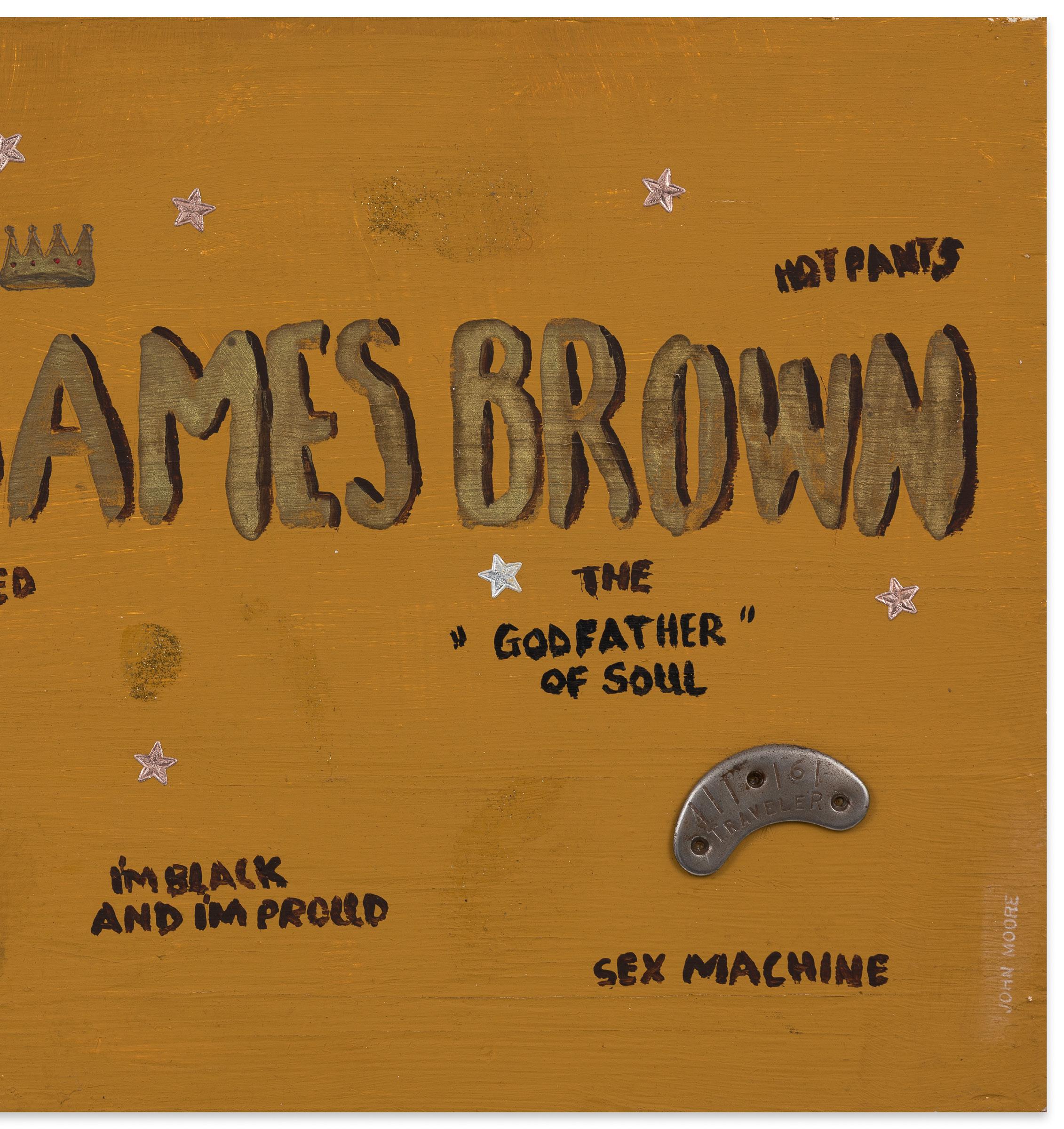
John Moore, James Brown, 1989
mixed media on panel, 12 x 16 inches
stream.” Along the Way, continued… stands as a memorial exhibition to the life and art of John Moore and documents the last four decades of his life he cared most about. It also reveals his impact on a younger maker in his family.
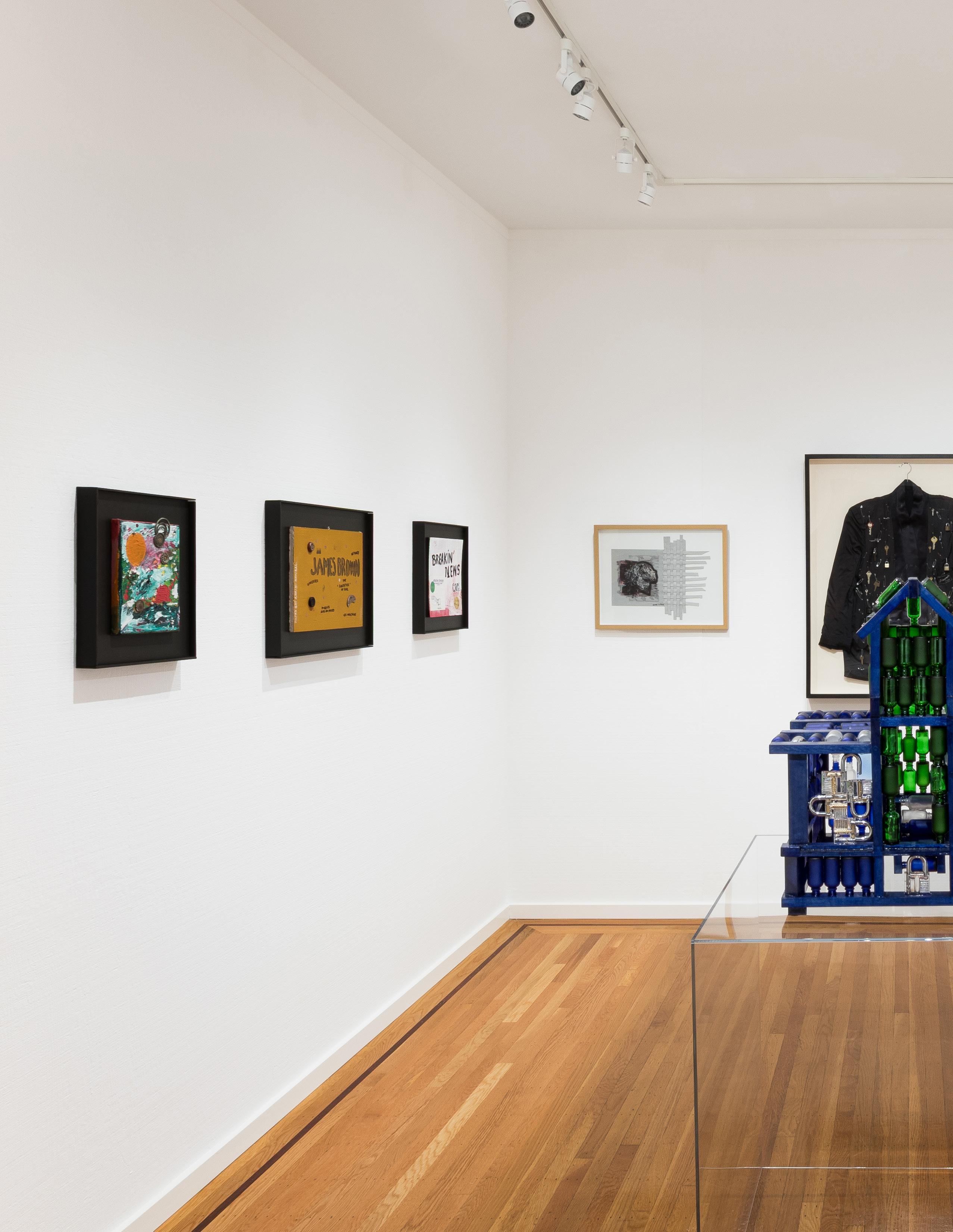
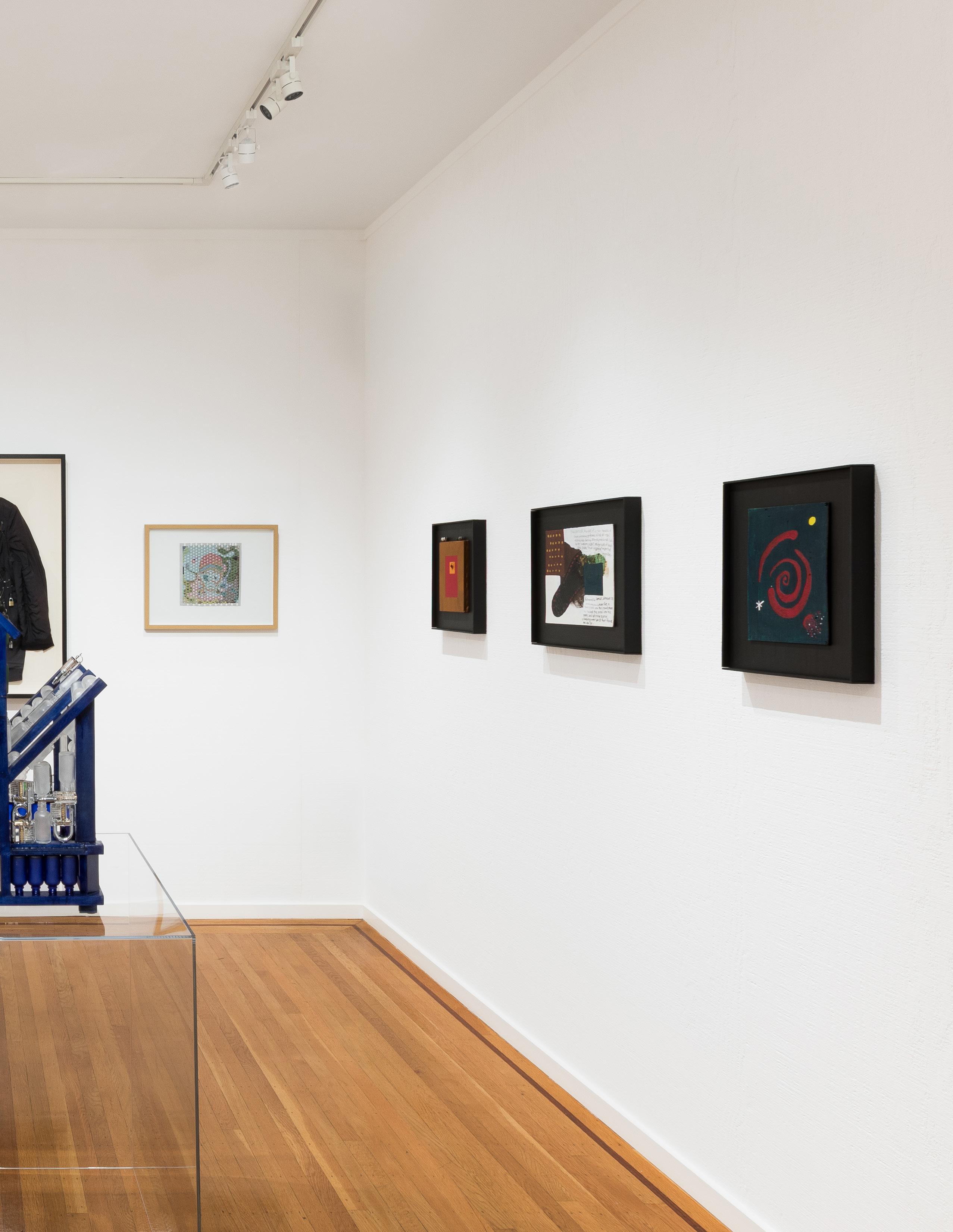
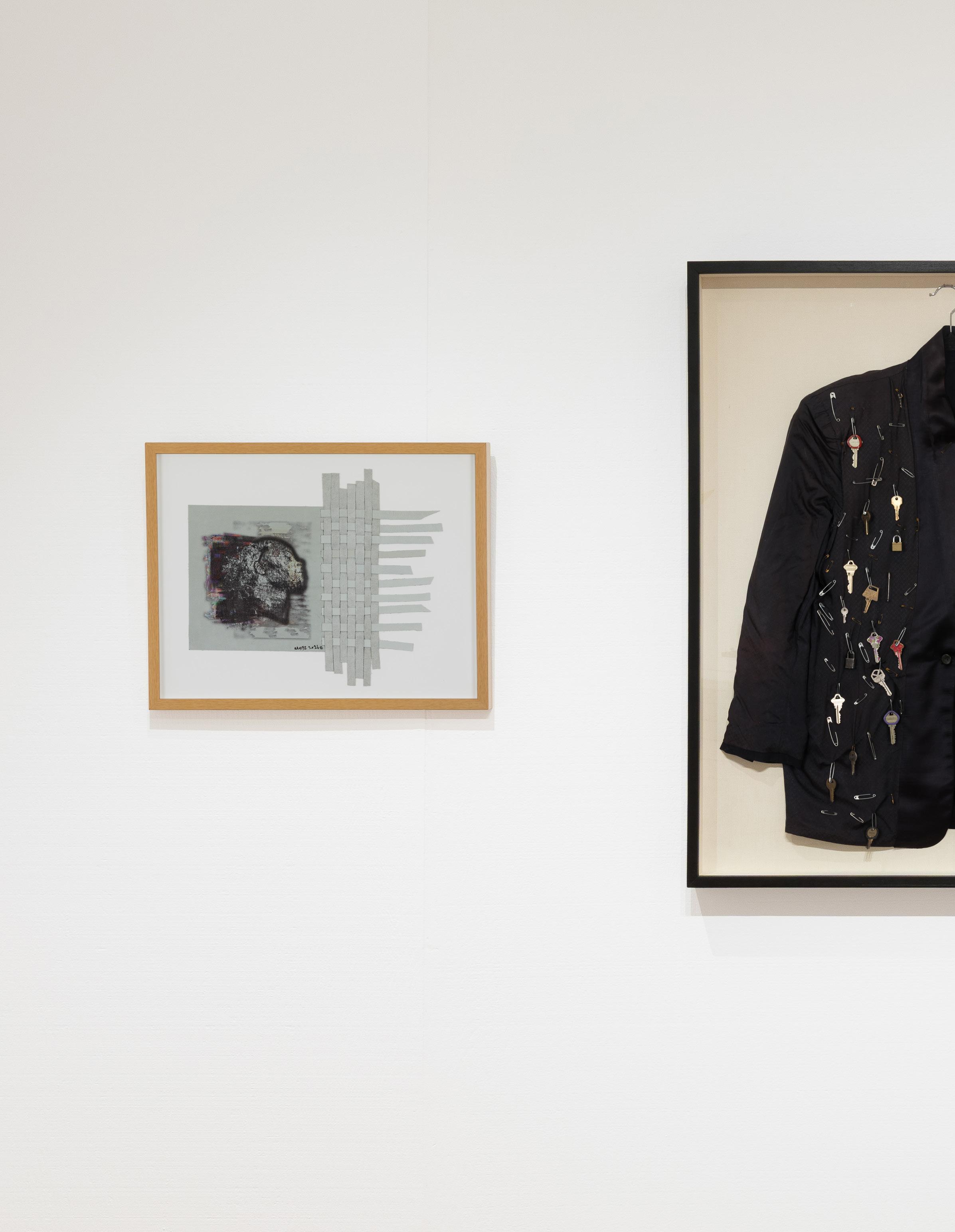
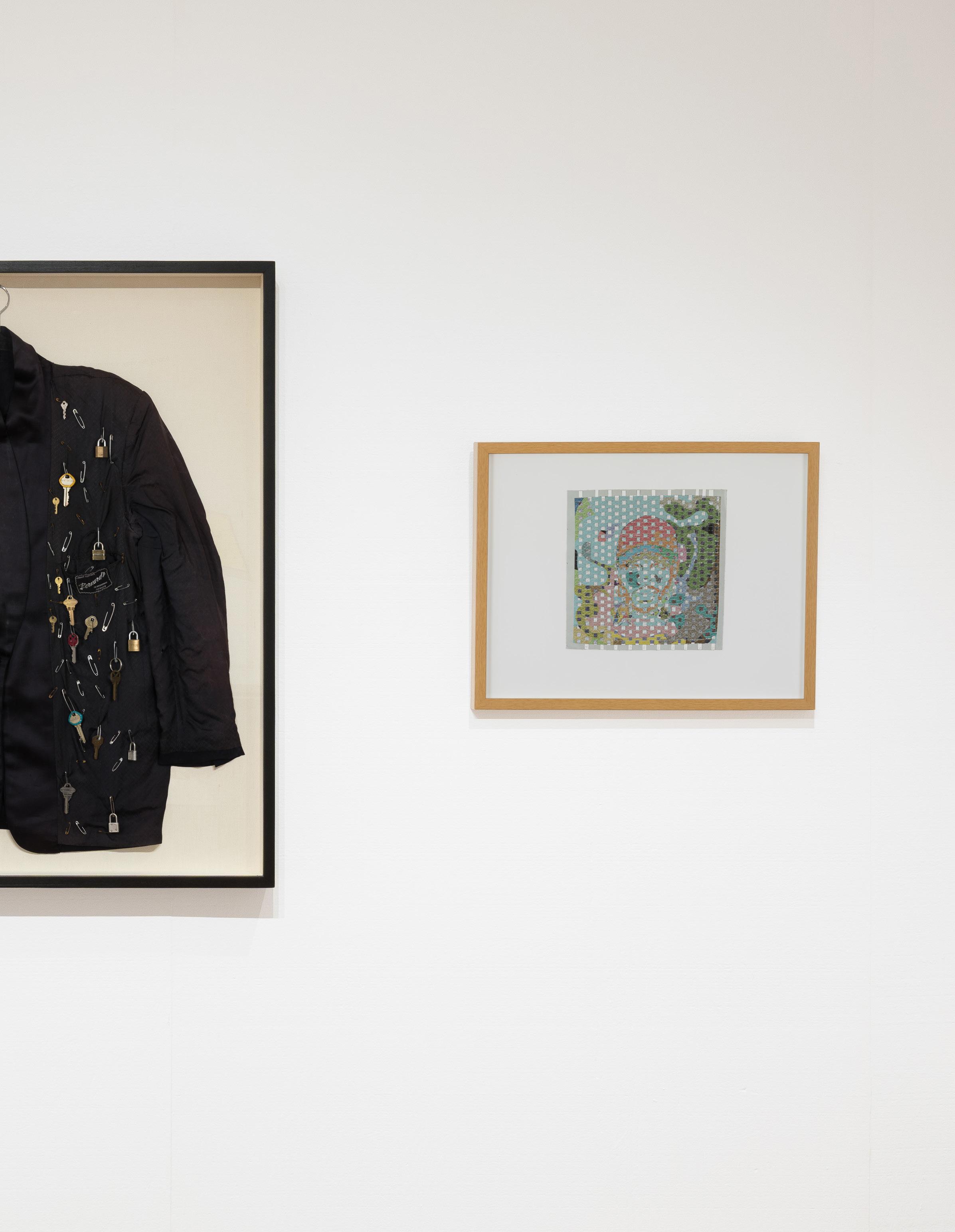
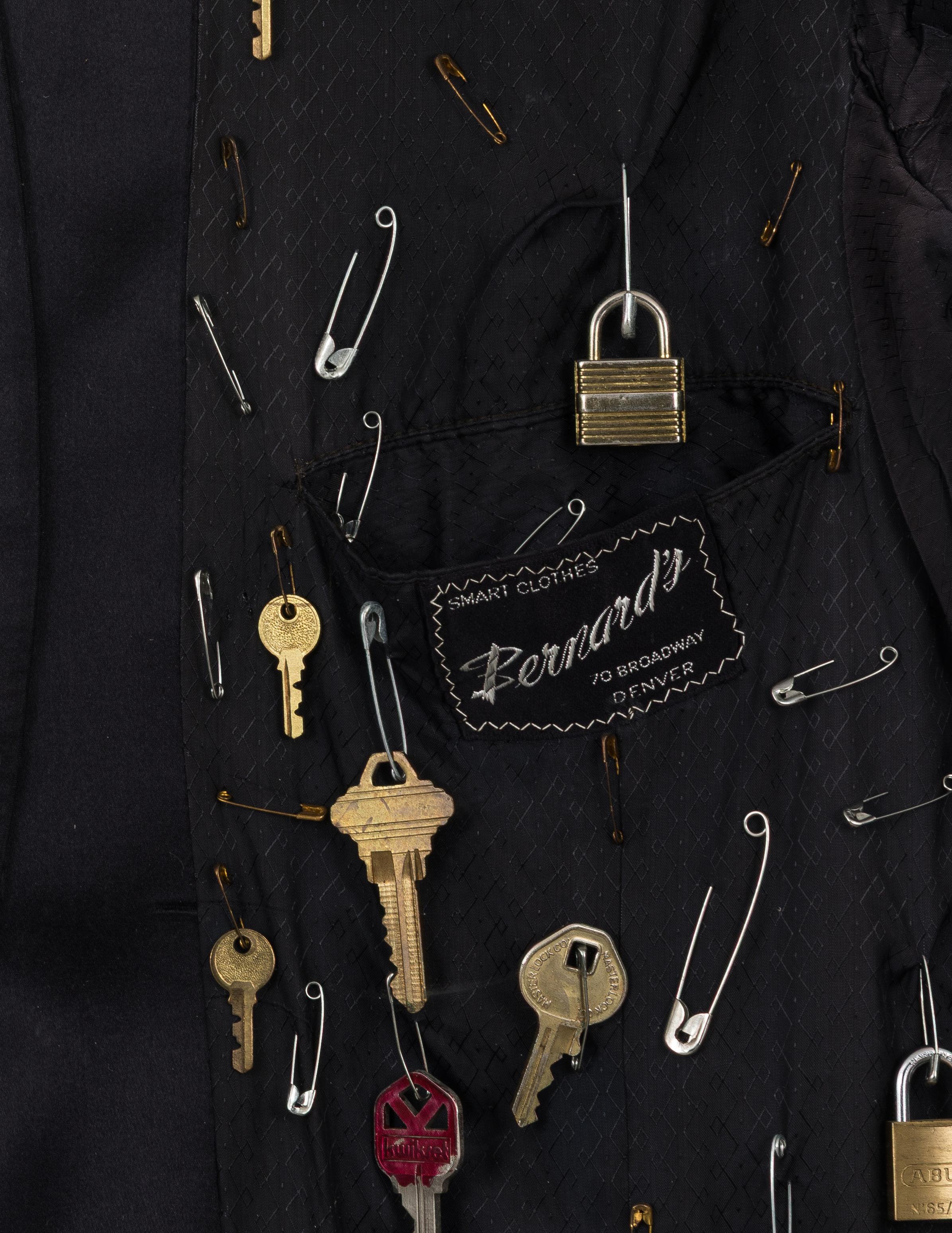
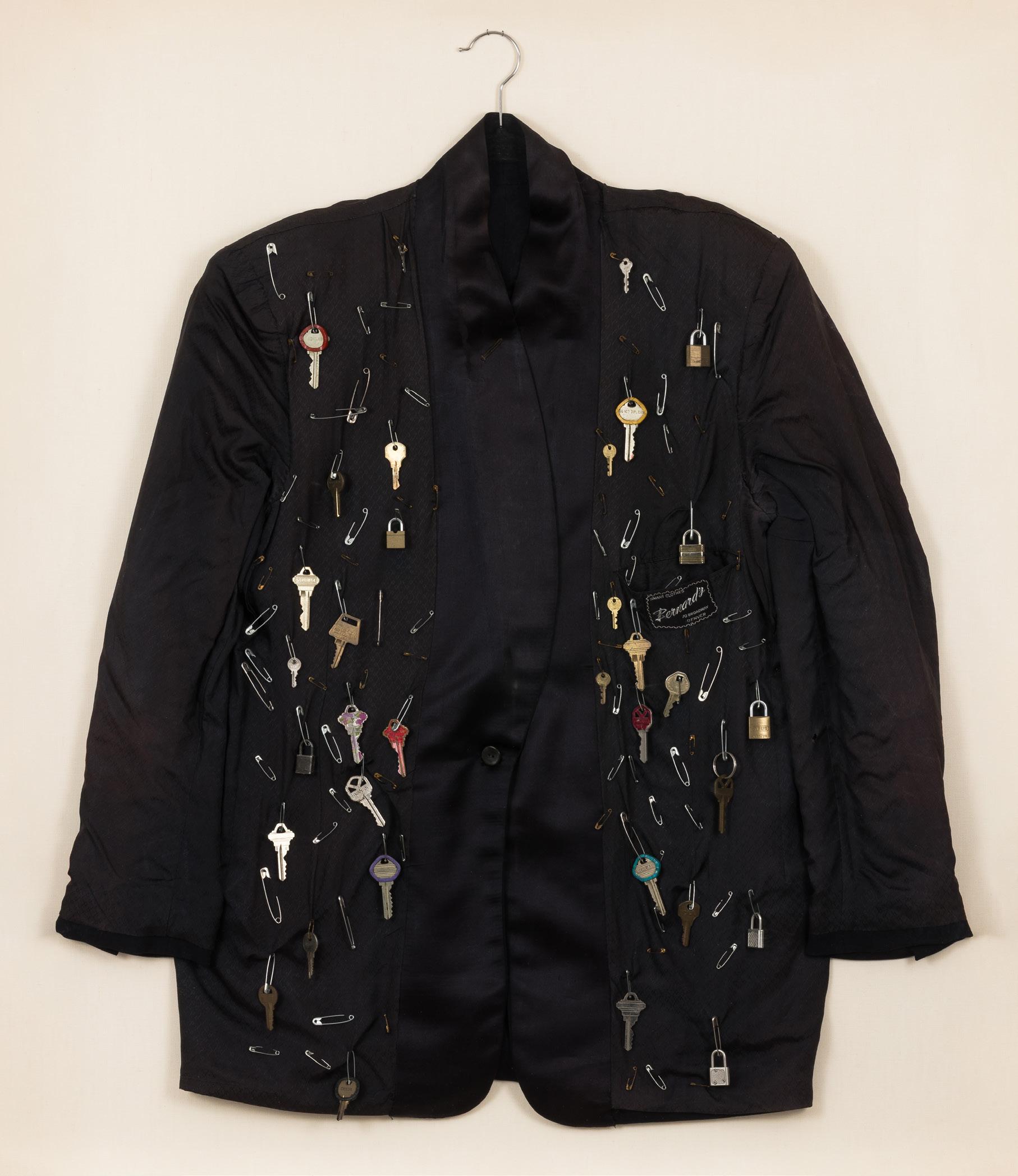
Lamar “MYL3Z” Brown is a young creative emerging from Berkeley and is a “maker” like John Moore. The impact of his close relationships with his grandmother Mildred Howard and with John Moore are evident in these early works. At the beginning of any artist’s or maker’s journey, one of the fundamental tasks is an exploration of materials and forms –“What do I want to make my work with and how?” MYL3Z’s first piece is composed of a tuxedo jacket turned inside out so that its satin lining presents like a smoking jacket. On and into the fabric’s surface MYL3Z has embellished safety pins with keys and small metal padlocks dangling from them. The work can be read as a symbolic reading of an inner self that still being fully unlocked by its person. If worn as it was originally designed, the keys, locks, and pins would be hidden from view on the inside flaps, resting against the body of the wearer.
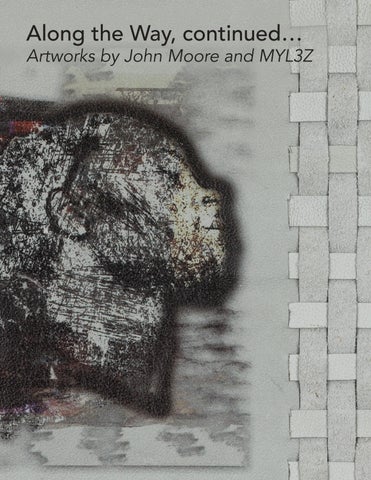
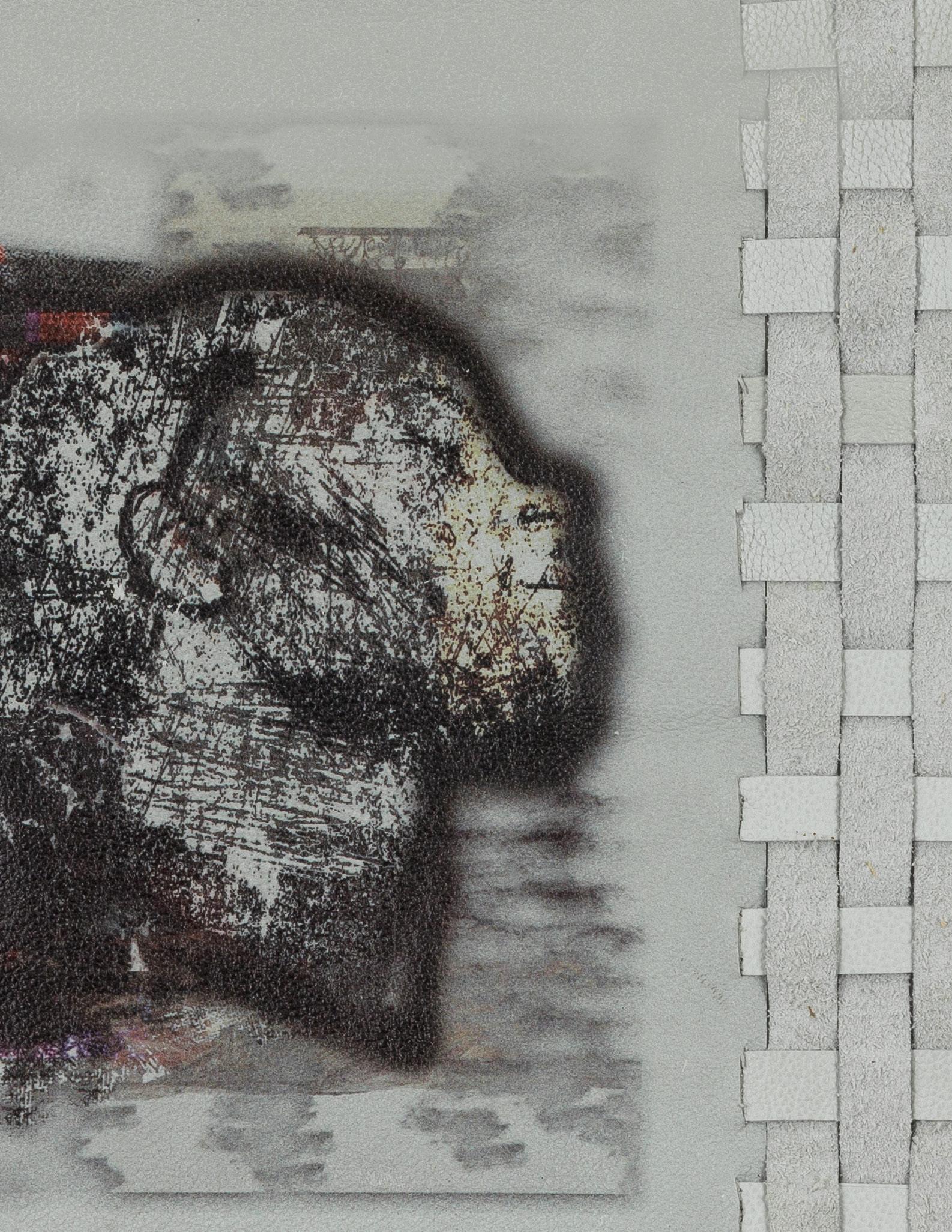
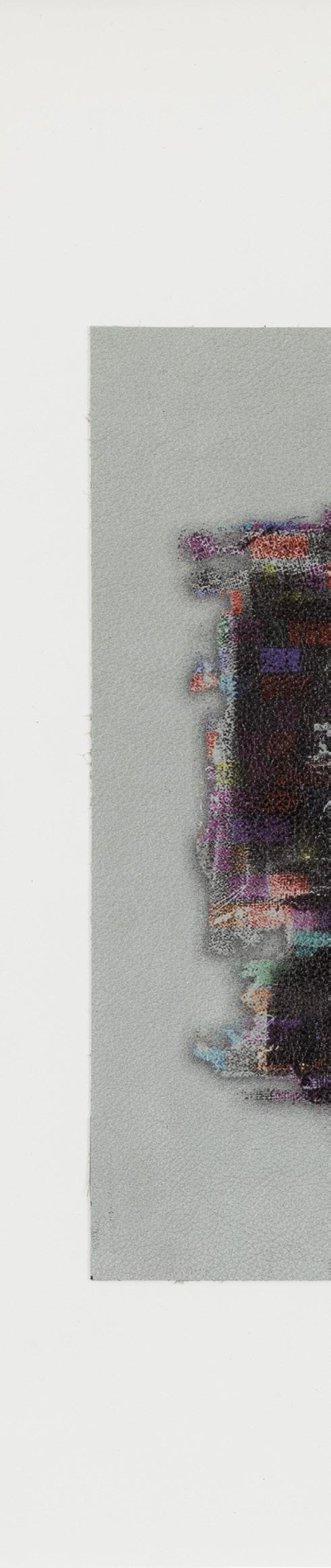
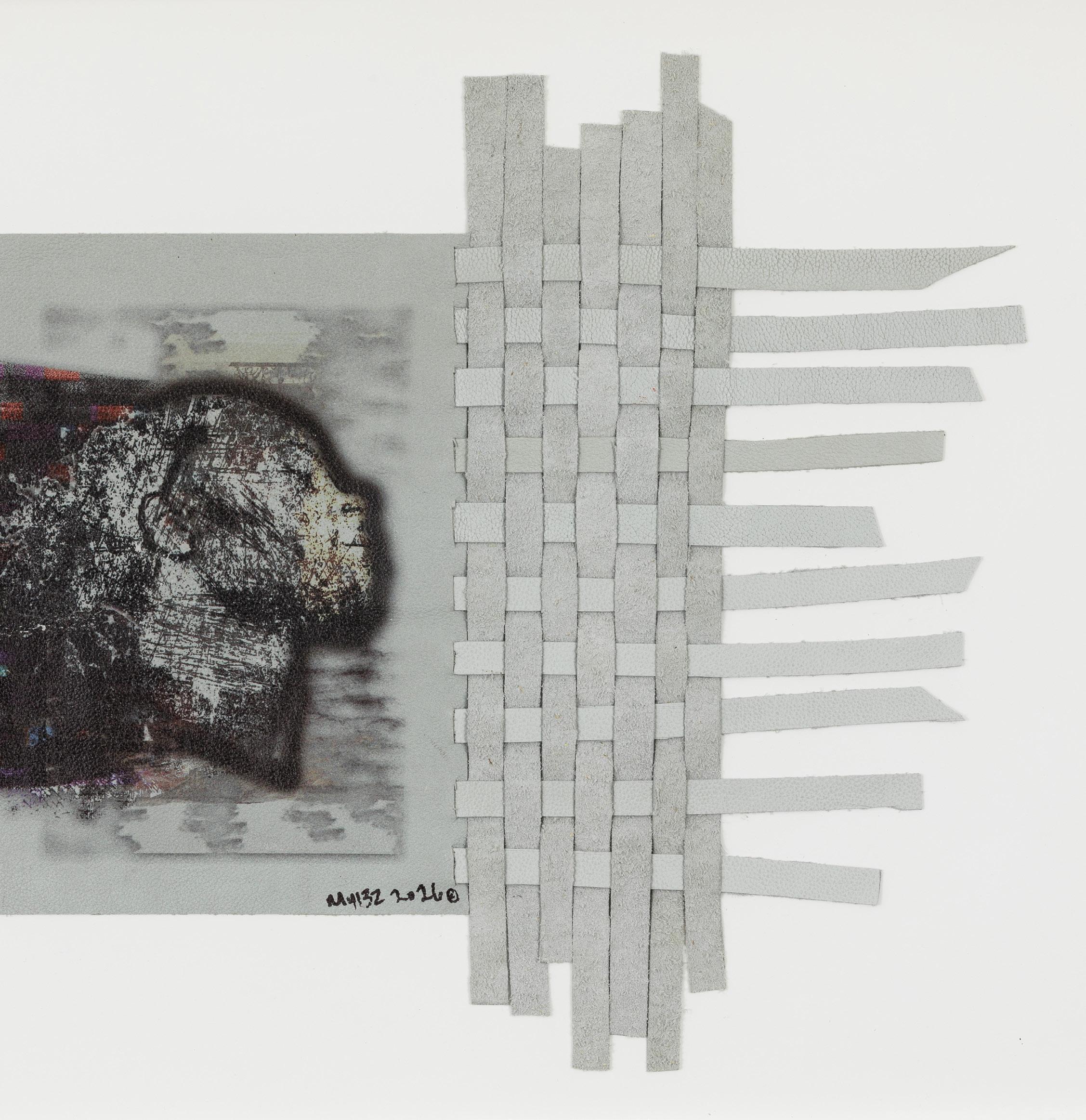
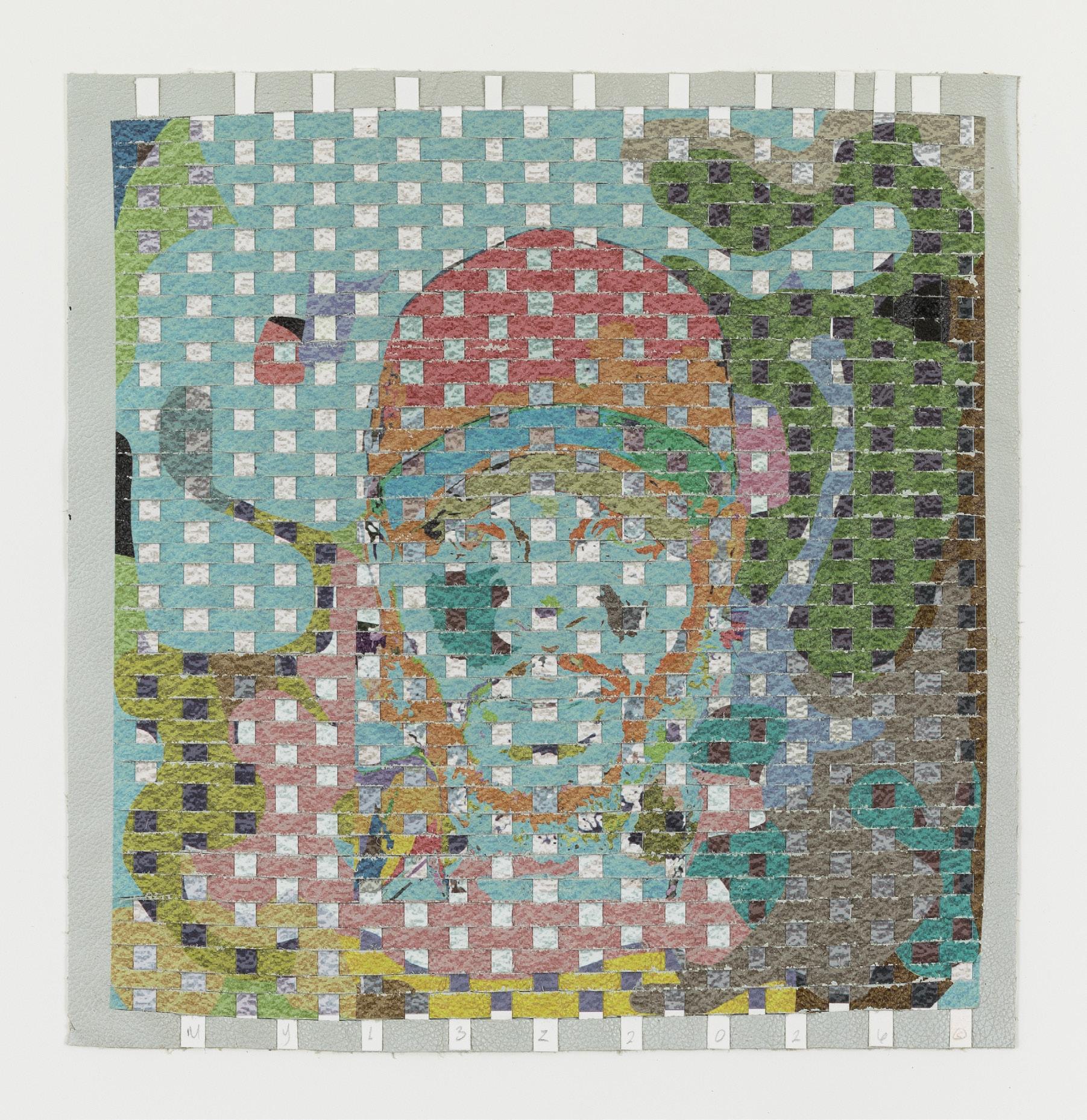
MYL3Z’s two woven leather works with printed self portraits on them are titled I Want You to See Me Like Ma Taffy I and II, which provides a crucial entrance into these abstract works. Ma Taffy is a primary character in Kei Miller’s novel Augustown. An elderly Rasta woman who went blind from a tragic accident, Ma Taffy’s knowledge of the world is mediated through her senses of sound, touch, taste, and smell, all of which have been heightened to an almost supernatural level by the loss of her sight. Her level of sensory specificity and understanding propels the narrative of the story in acute ways. In titling his works as he has, MYL3Z is asking us to go beyond what just our eyes perceive and consider what our other senses tell us about them and him as a maker.
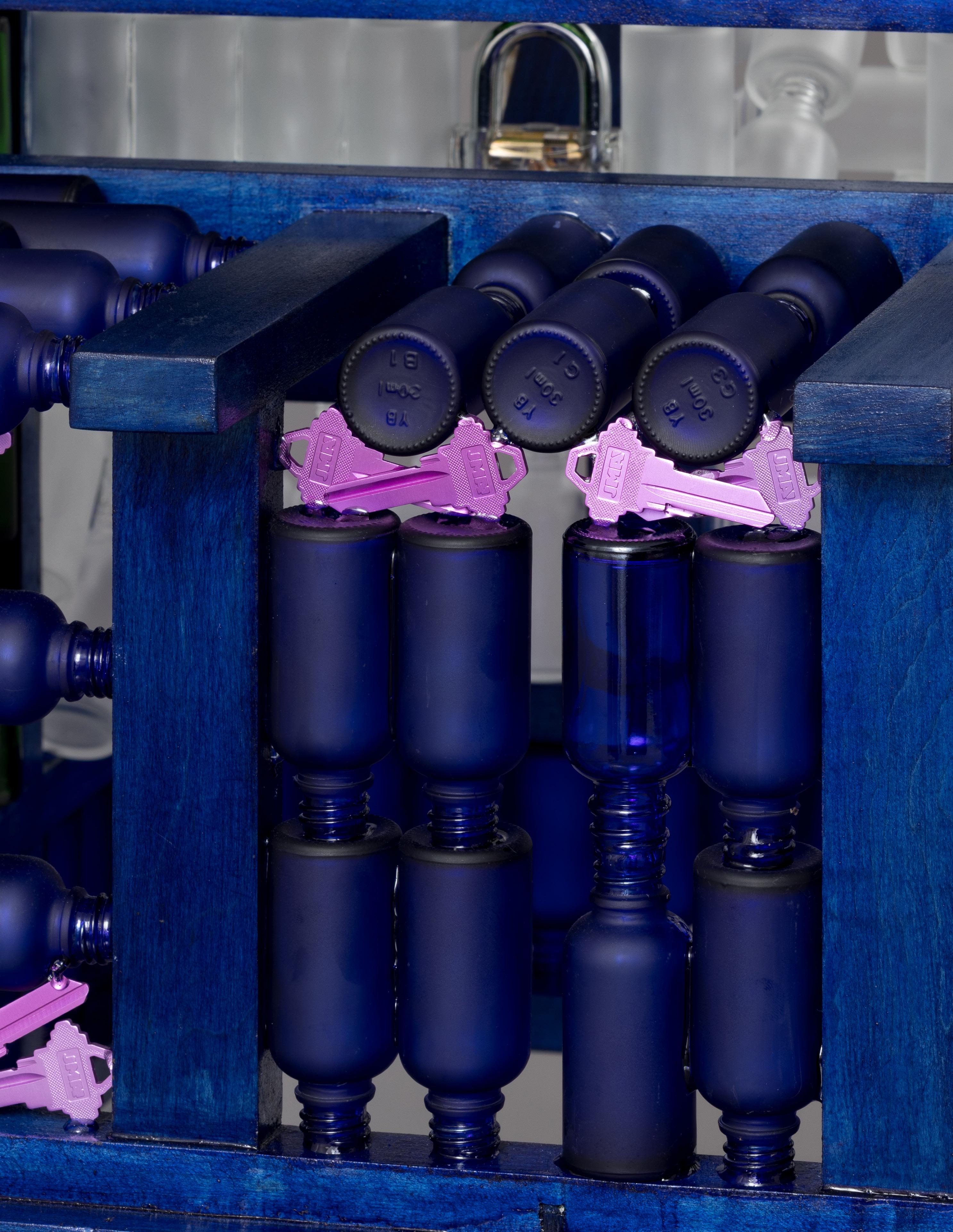
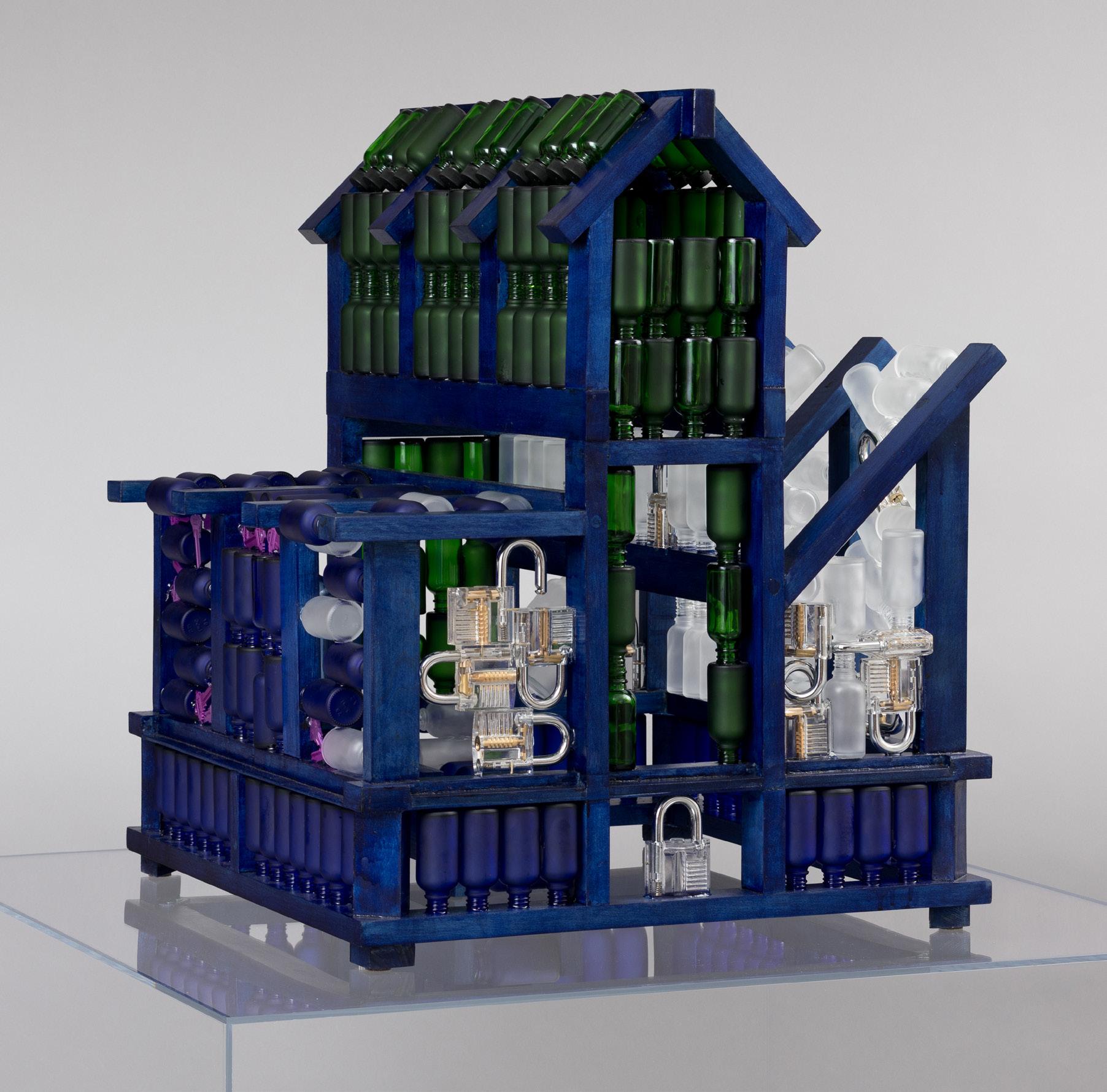
Hidden histories Unveiled is also a deeply personal work. A scale model sized house made of wood, glass bottles, acrylic padlocks, and their keys, the sculpture is both inspired by and an homage to the legacies of his family. The structure is divided into four distinct sections: the left side was made using blue and frosted clear bottles with one wall of padlocks; the towering central section was made with green bottles and has a closed padlock at its base; the right side is made mostly of frosted clear bottles and padlocks with their keys dangling from them; below all of them is a predella filled with blue bottles that encircle the structure’s base. The left section represents MYL3Z’s great grandmother, a community leader and activist who was also an antiques dealer. The center symbolizes the importance of his grandmother Mildred Howard and John Moore to his life and work. The right side represents symbolically both himself and everyone in his family who came as a result of the foundation laid by his great grandmother and her siblings when they migrated to California. Underlying these sections like a current is the predella of blue bottles, a metaphor for the middle passage of the Atlantic slave trade that took enslaved Africans to the Americas.
continues on pg. 24
Plate 4:
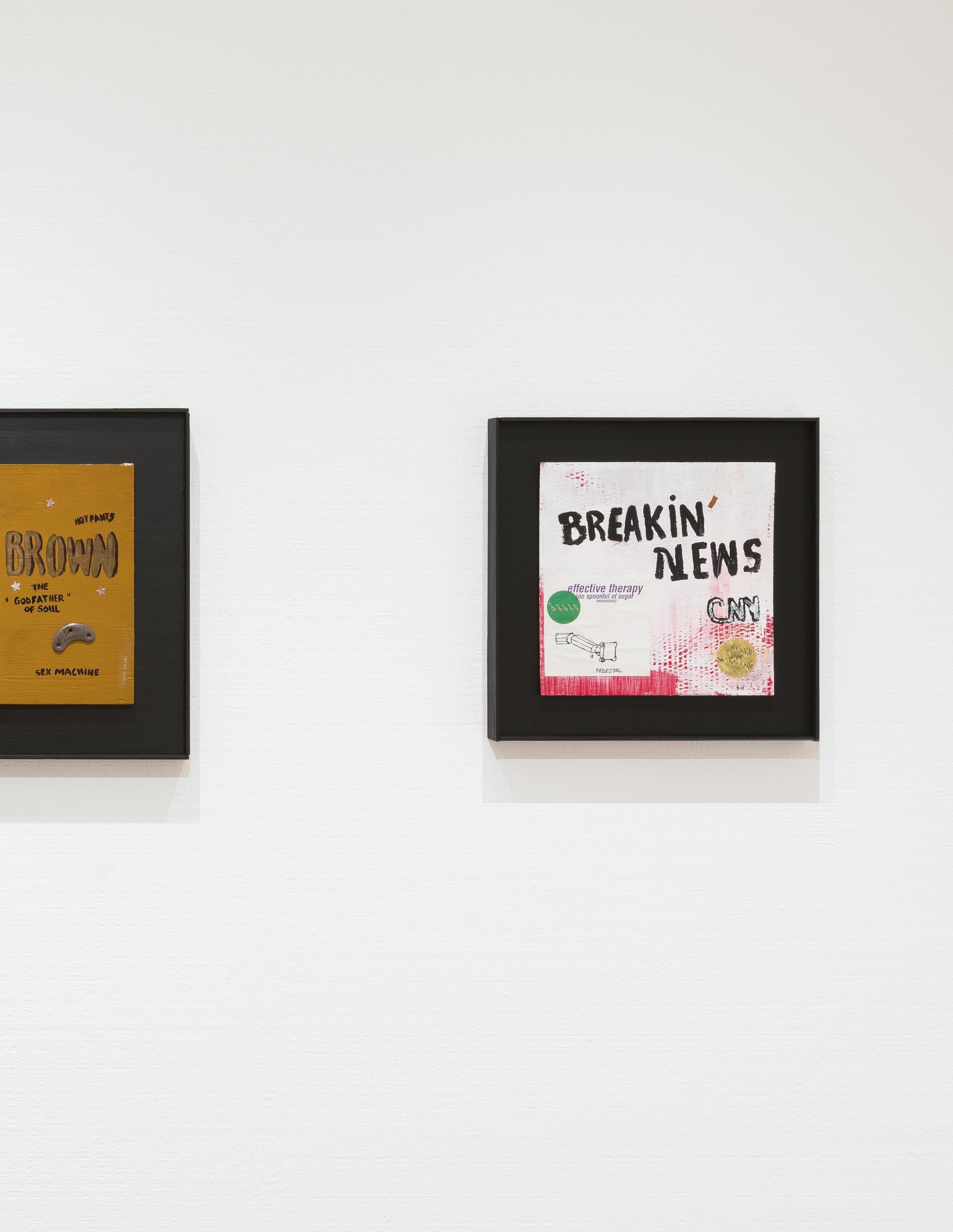
John Moore, Breaking News, n.d. mixed media on cardboard, 11 5/8 x 11 5/8 inches
MYL3Z, I Want You to See Me Like Ma Taffy - II, 2026
acrylic print on plaited leather and paper, 10 3/4 x 11 inches
Plate 6:
MYL3Z, Jacket with Keys, 2015 mixed media assemblage, 40 x 30 x 3 inches
MYL3Z has written about how his work engages with identity and legacy, and in Hidden Histories Unveiled this is clearly evident. As everyone goes through as a rite of passage, MYL3Z is navigating his relationship to others in his family while also discovering how his creative talents will manifest and take form. In the case of an artist or maker who comes from a creative family, the process is two-fold, since there is the work of his family members to content with as well.
Along the Way, continued… is a family affair that embodies the famous assertion by Italo Calvino, “The ultimate meaning to which all stories refer has two faces: the continuity of life, the inevitability of death.”1 The interplay of these forces is as present in the exhibition as they are in our daily lives. Despite the loss of John Moore, his memory will continue through MYL3Z and those who loved Moore during his life.
* William Miller is a writer based in the San Francisco Bay Area.
1 Calvino, Italo. William Weaver, translator. If on a winter’s night a traveler. Orlando, Florida: Harcourt, Inc., 1981. pg. 259
Plate 7:
MYL3Z, I Want You to See Me Like Ma Taffy - I, 2026
acrylic print on plaited leather and paper, 10 3/4 x 11 inches
Plate 8:
John Moore, Red Charm, 1998 mixed media on canvas, 10 5/8 x 7 7/8 inches
Plate 9:
John Moore, Untitled (Brazzaville, Rep. of Congo), 1999 mixed media and rubber stamp on board, 11 x 14 inches
Plate 10:
John Moore, Untitled, 2015 mixed media on cardboard, 11 1/2 x 9 inches
Plate 11:
John Moore, Untitled, 1984 acrylic on canvas, 9 x 6 inches
Plate 12:
John Moore, Charlie Parker “Yardbird”, n.d.
mixed media on canvas mounted in plexiglass frame, 16 3/8 x 20 3/8 x 1 5/8 inches
Plate 13:
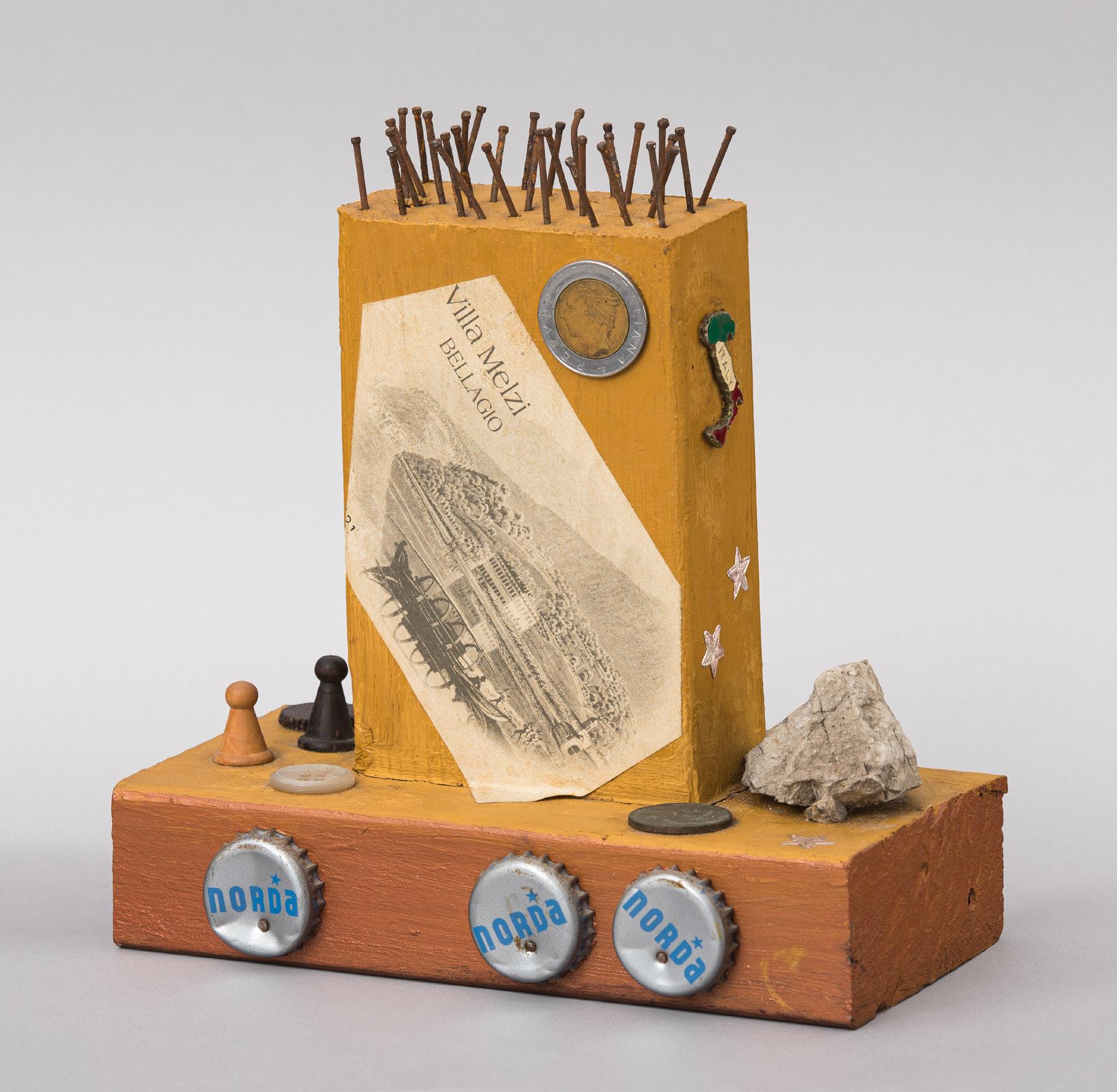
John Moore, Italy, 1991
assemblage, 7 3/8 x 7 1/8 x 4 inches
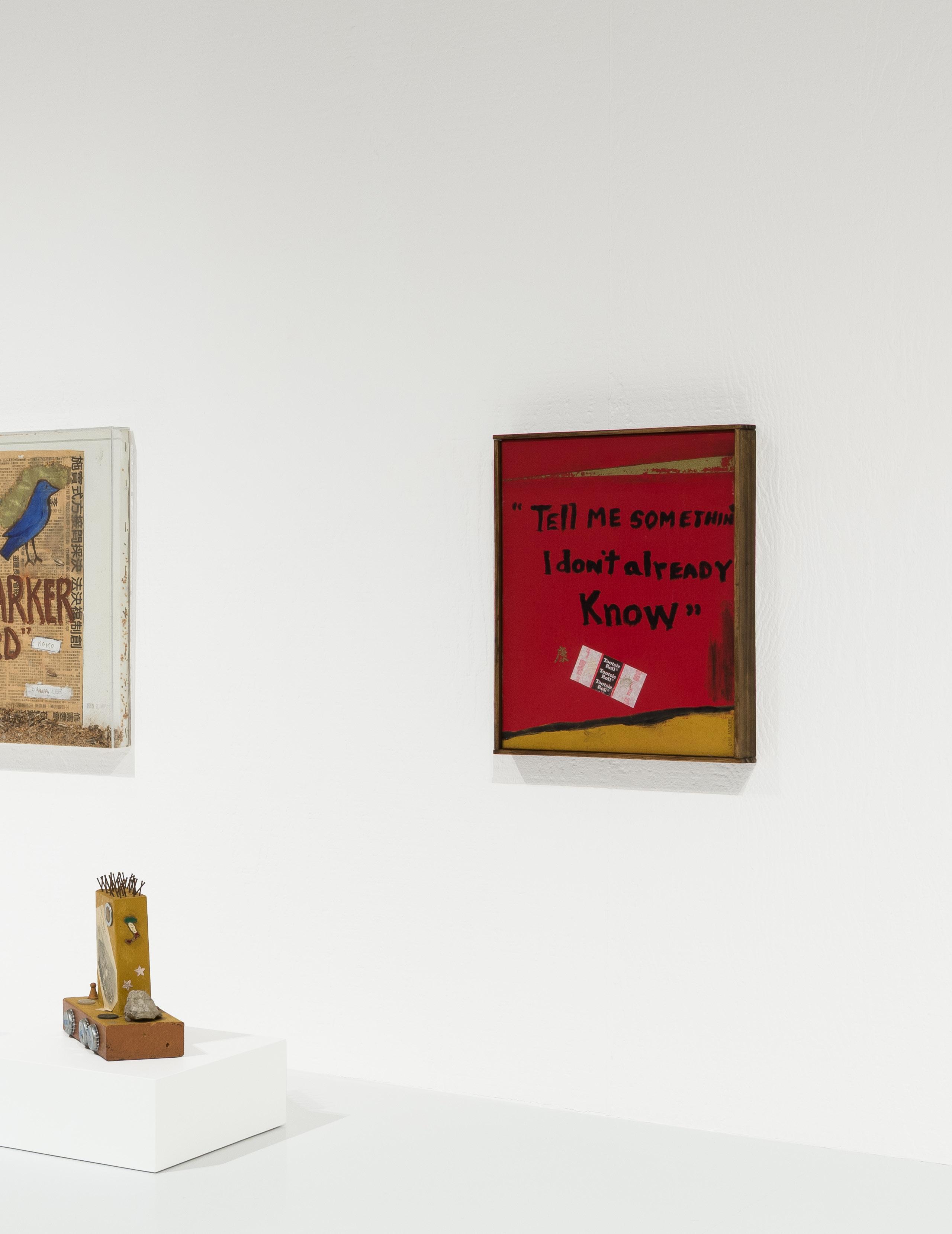
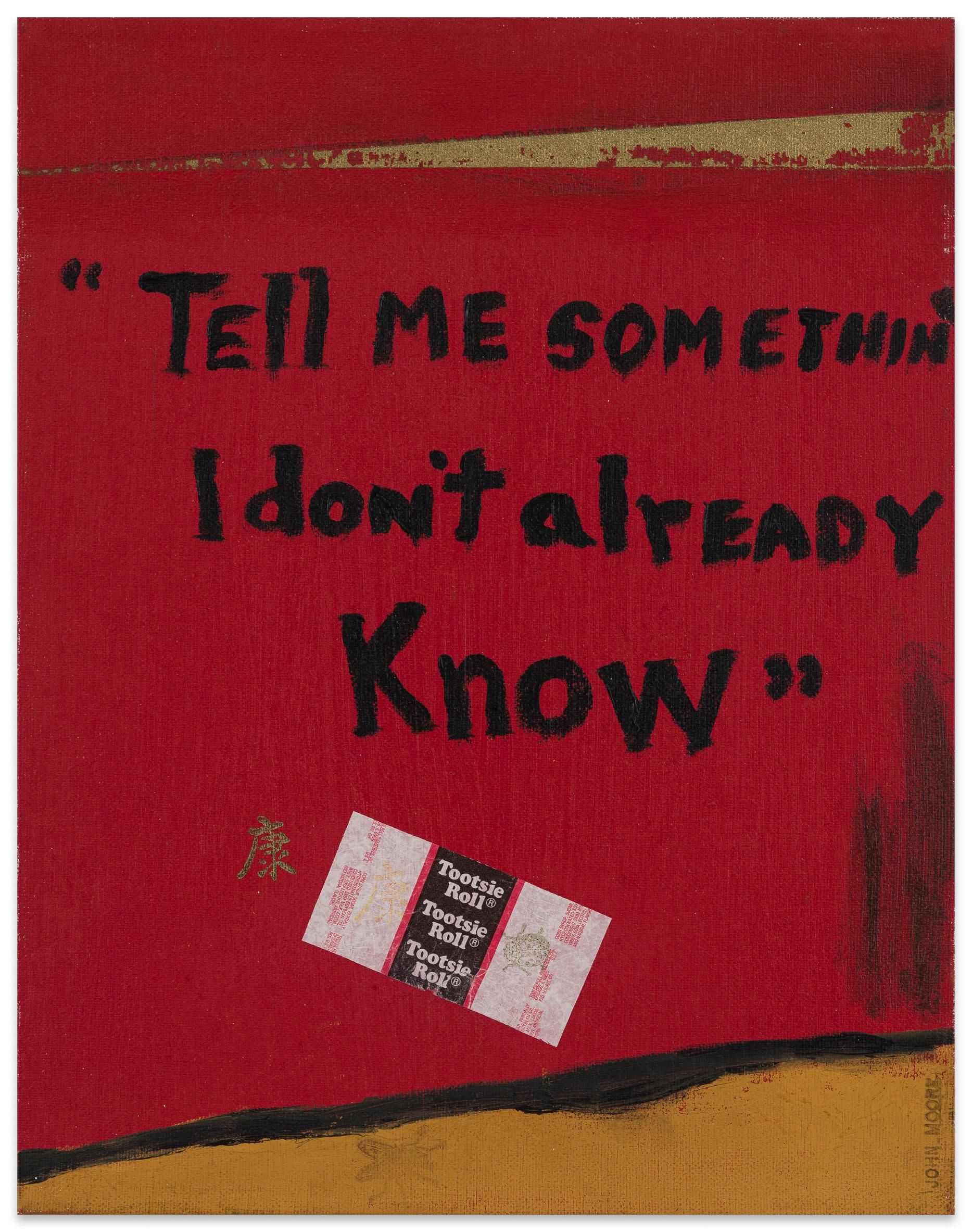
Plate 14: John Moore, Tell Me Something I Don’t Already Know, 1991 mixed media on canvas, 14 x 11 inches
Plate 15:
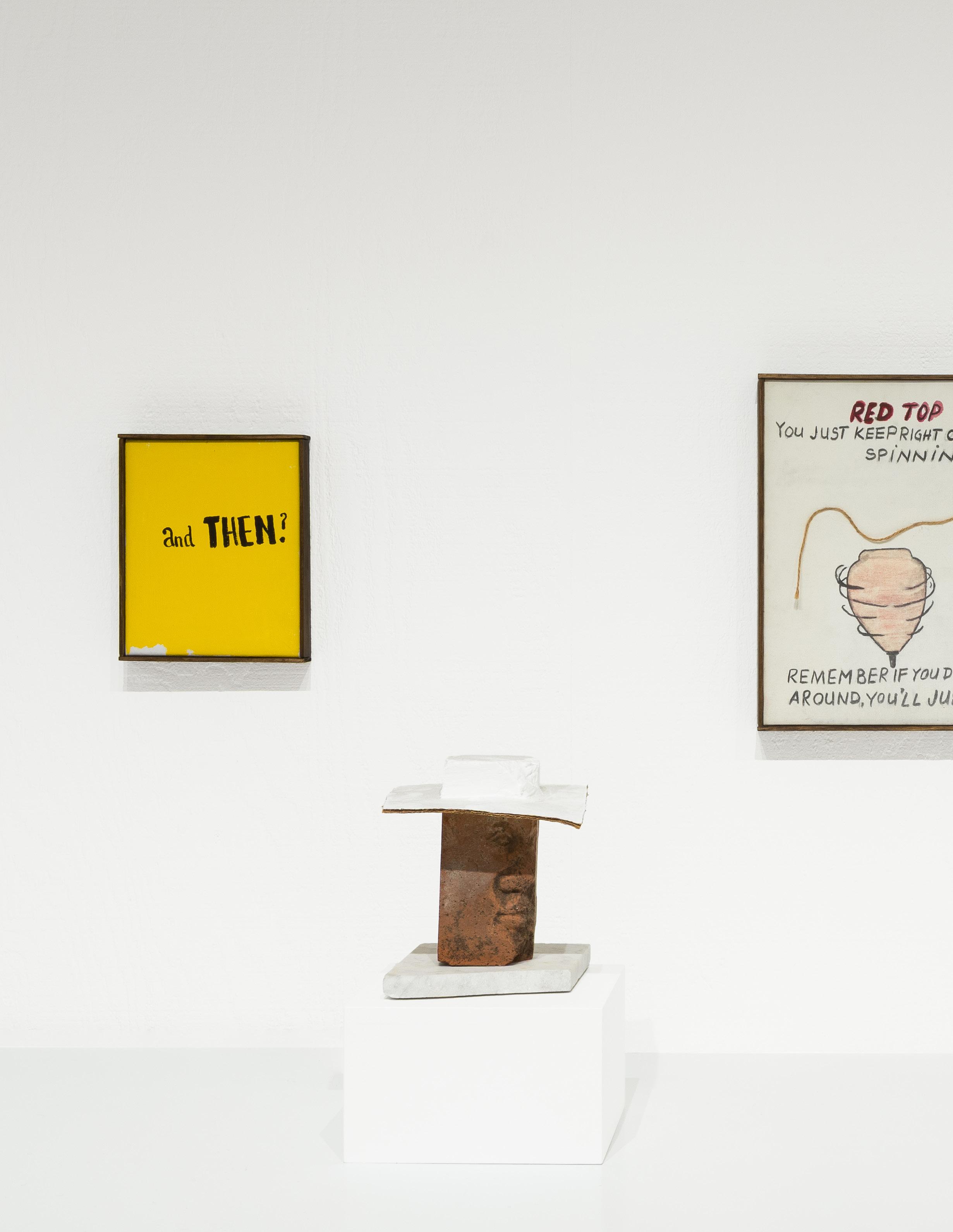
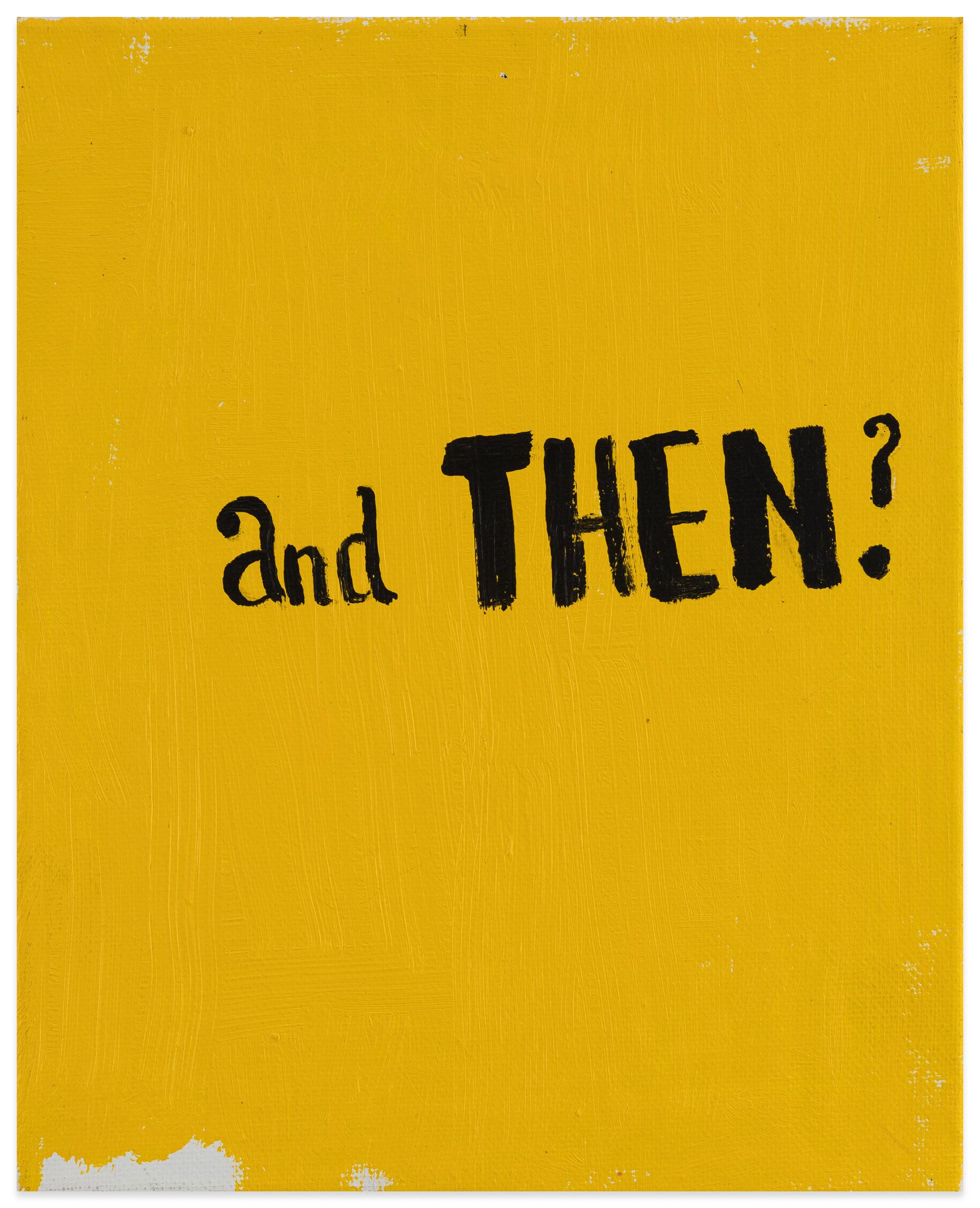
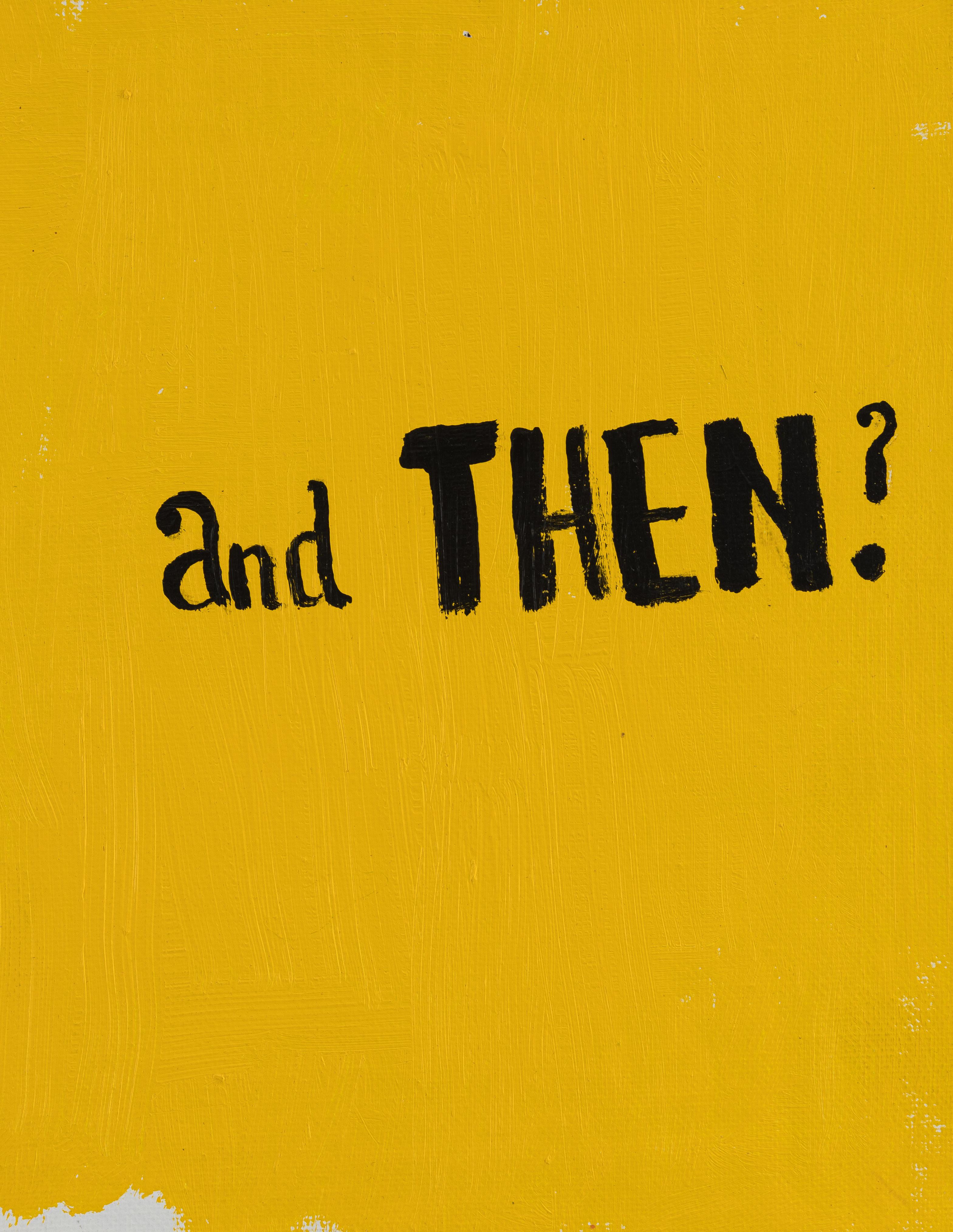
John Moore, And Then...., 2015 acrylic on canvas, 10 x 8 inches
Plate 16:
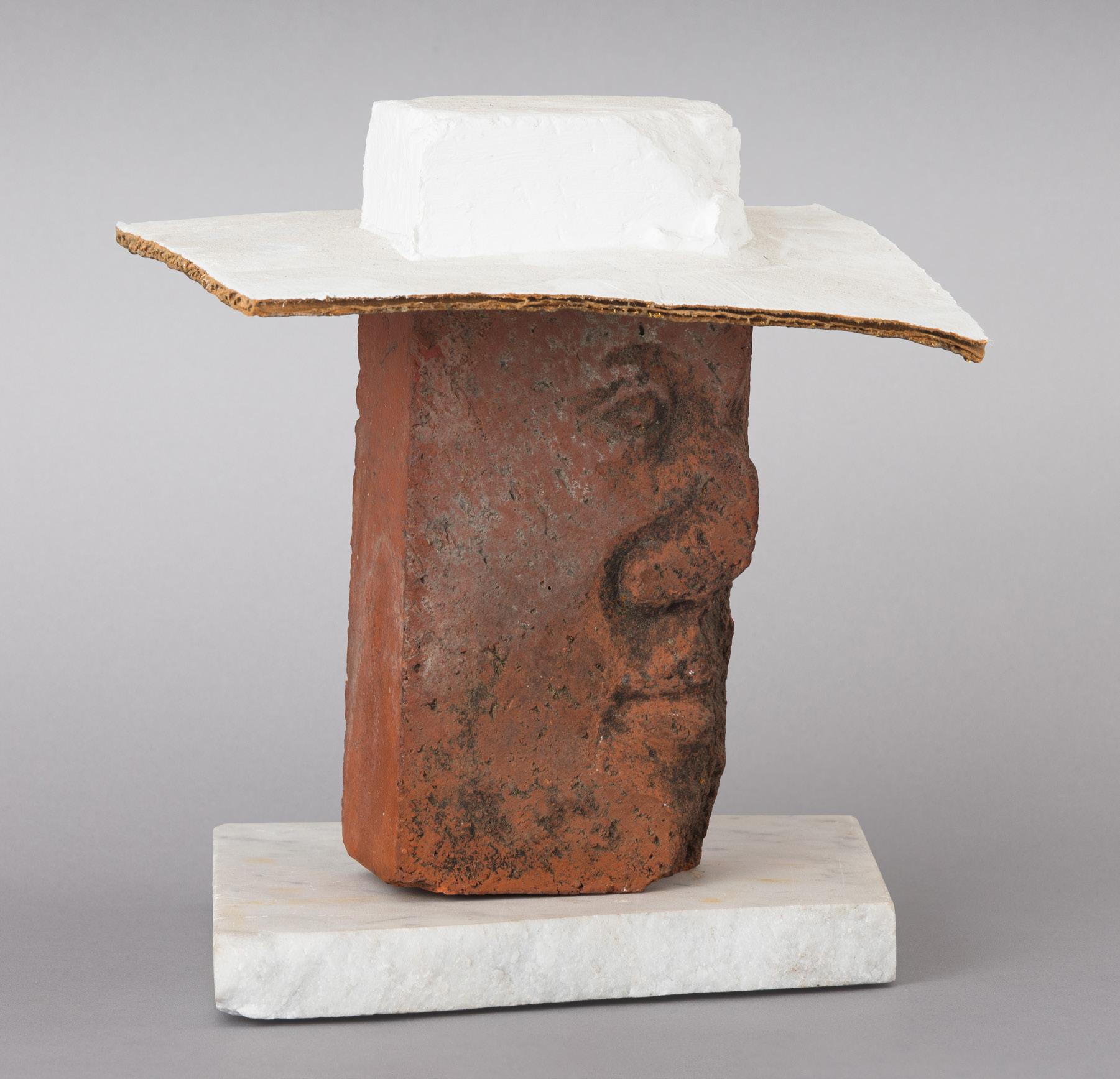
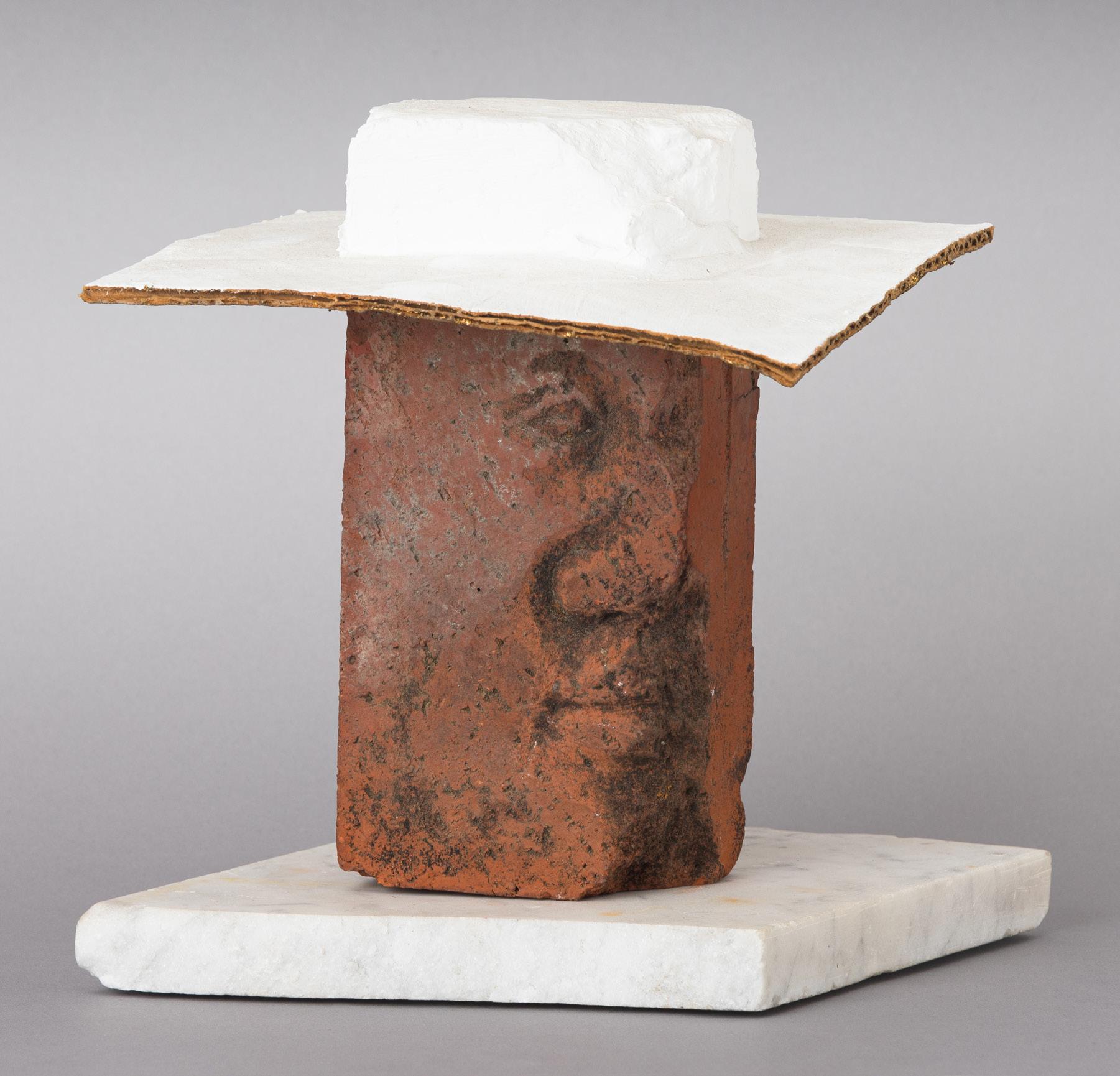
John Moore, Man with Hat, 2012
clay, cardboard, and acrylic on marble base, 9 1/4 x 8 x 8 1/4 inches
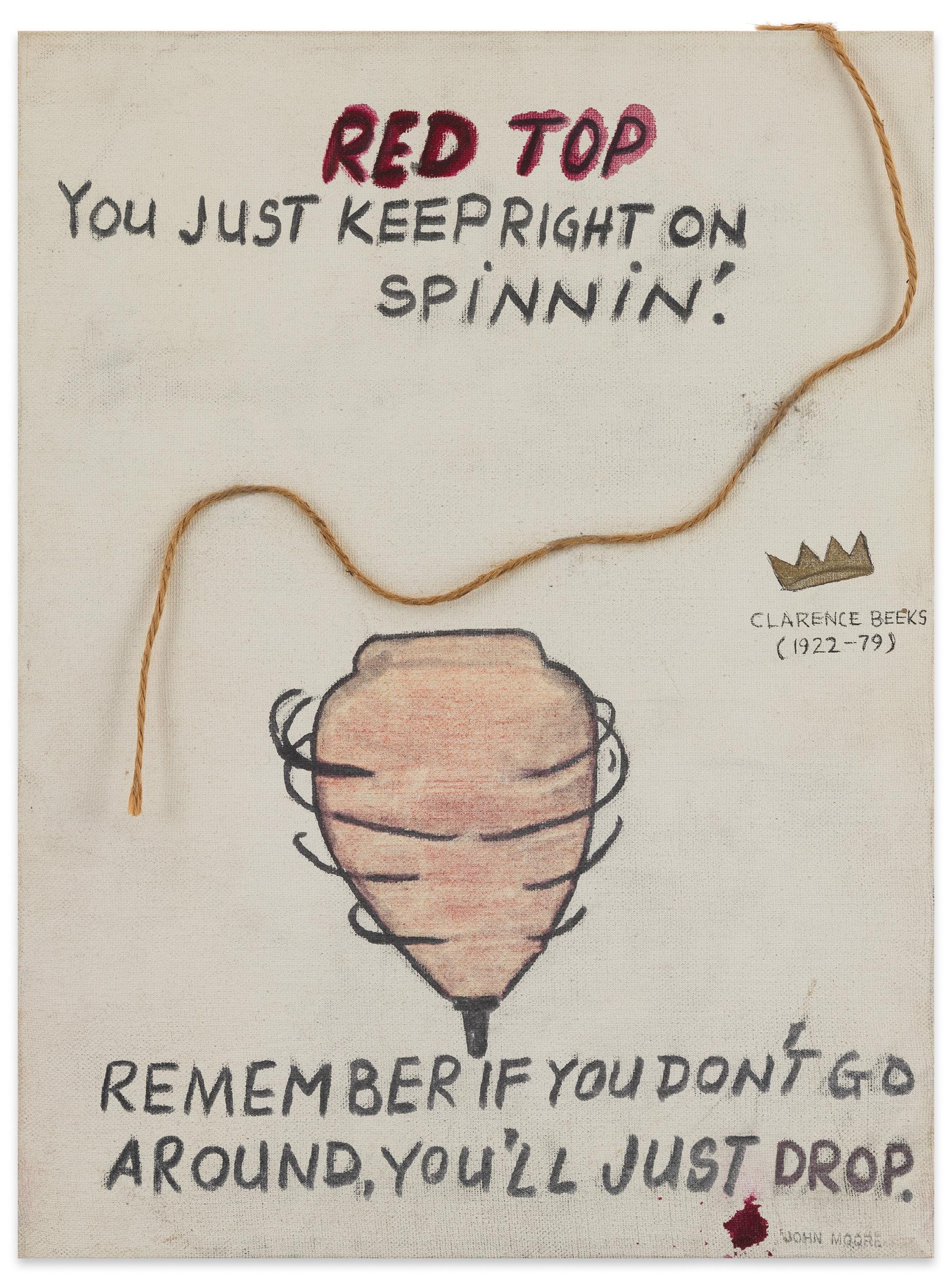
Plate 17: John Moore, Red Top, You Just Keep on Spinnin’, n.d. mixed media on canvas, 16 x 12 inches
Plate 18:
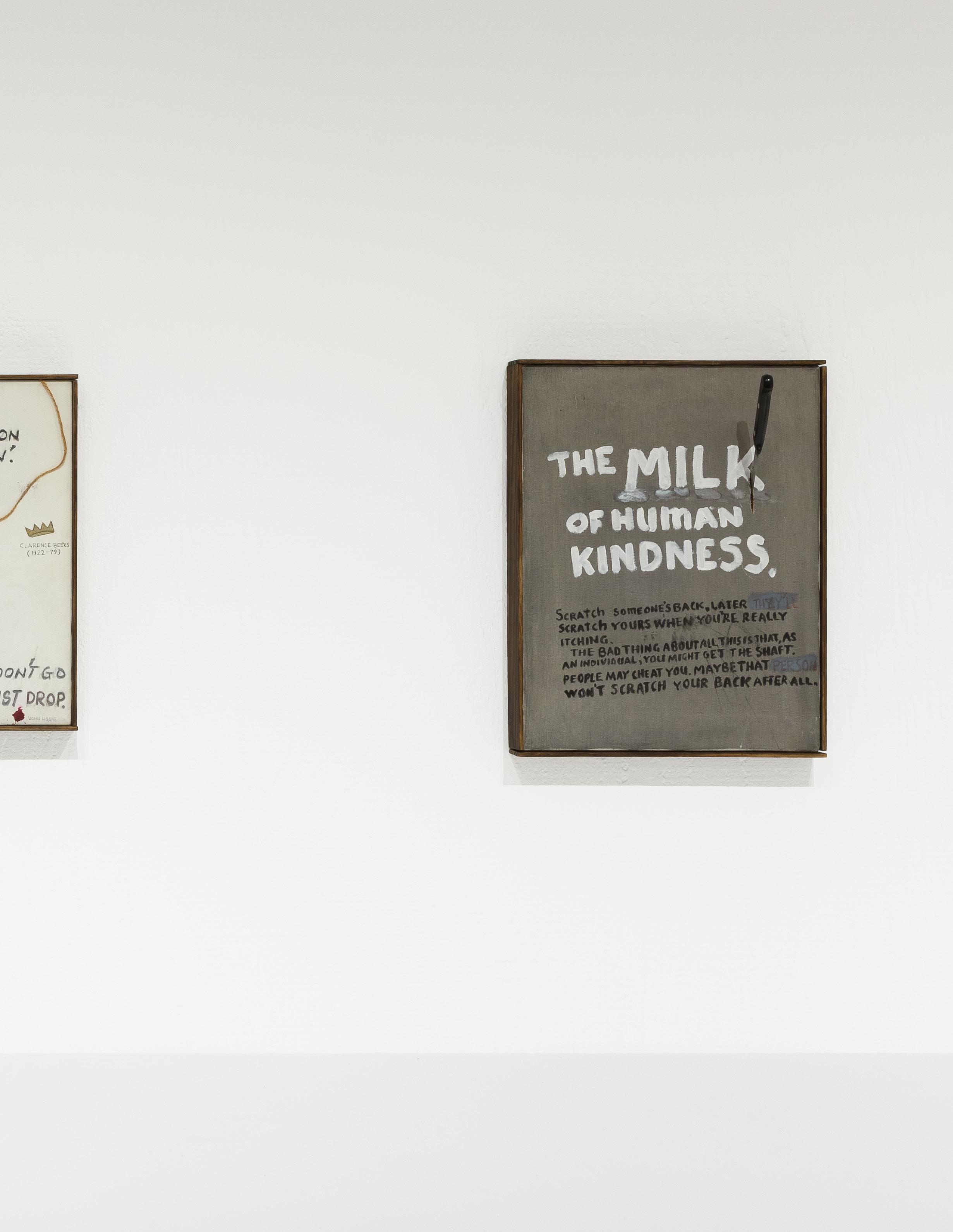
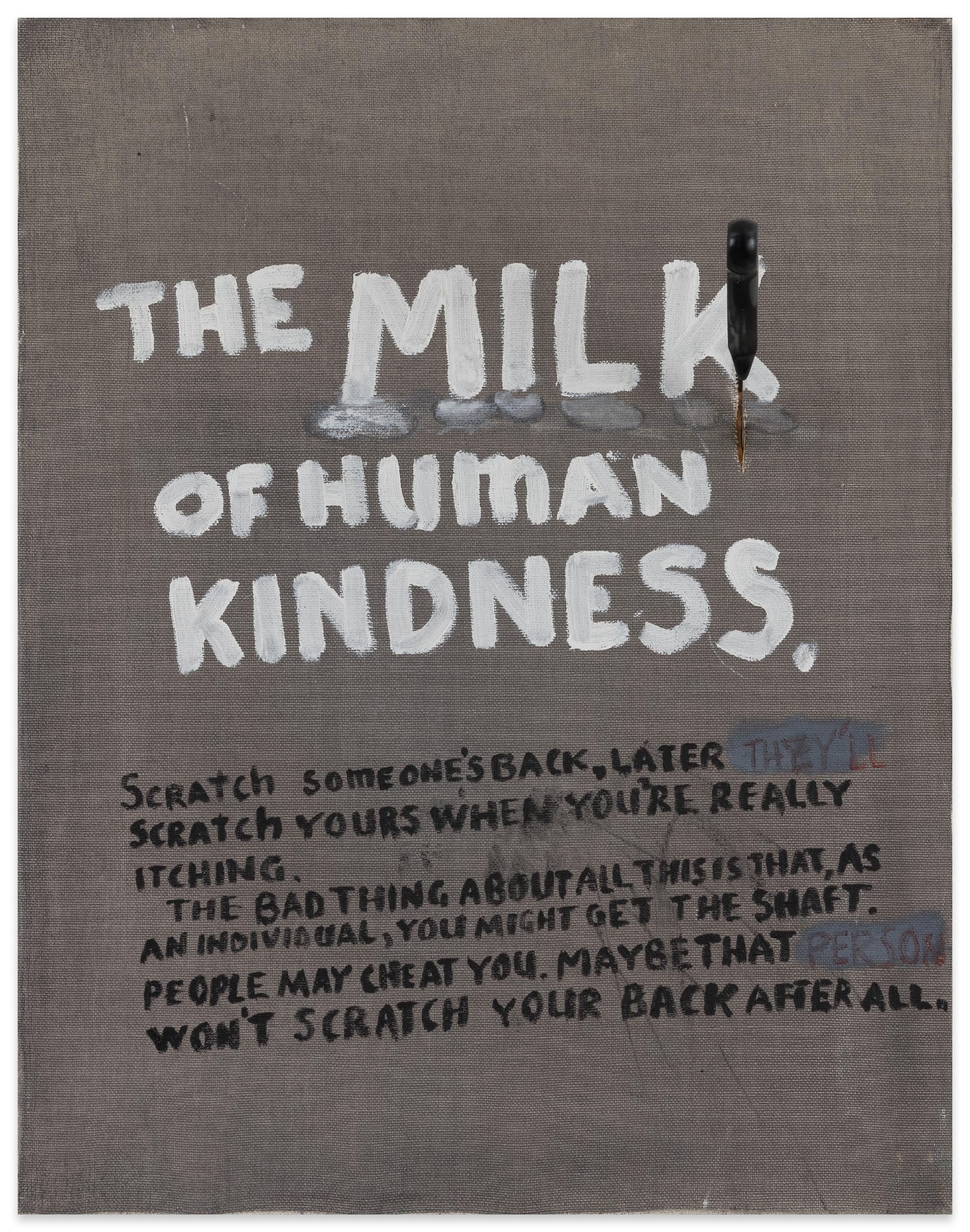
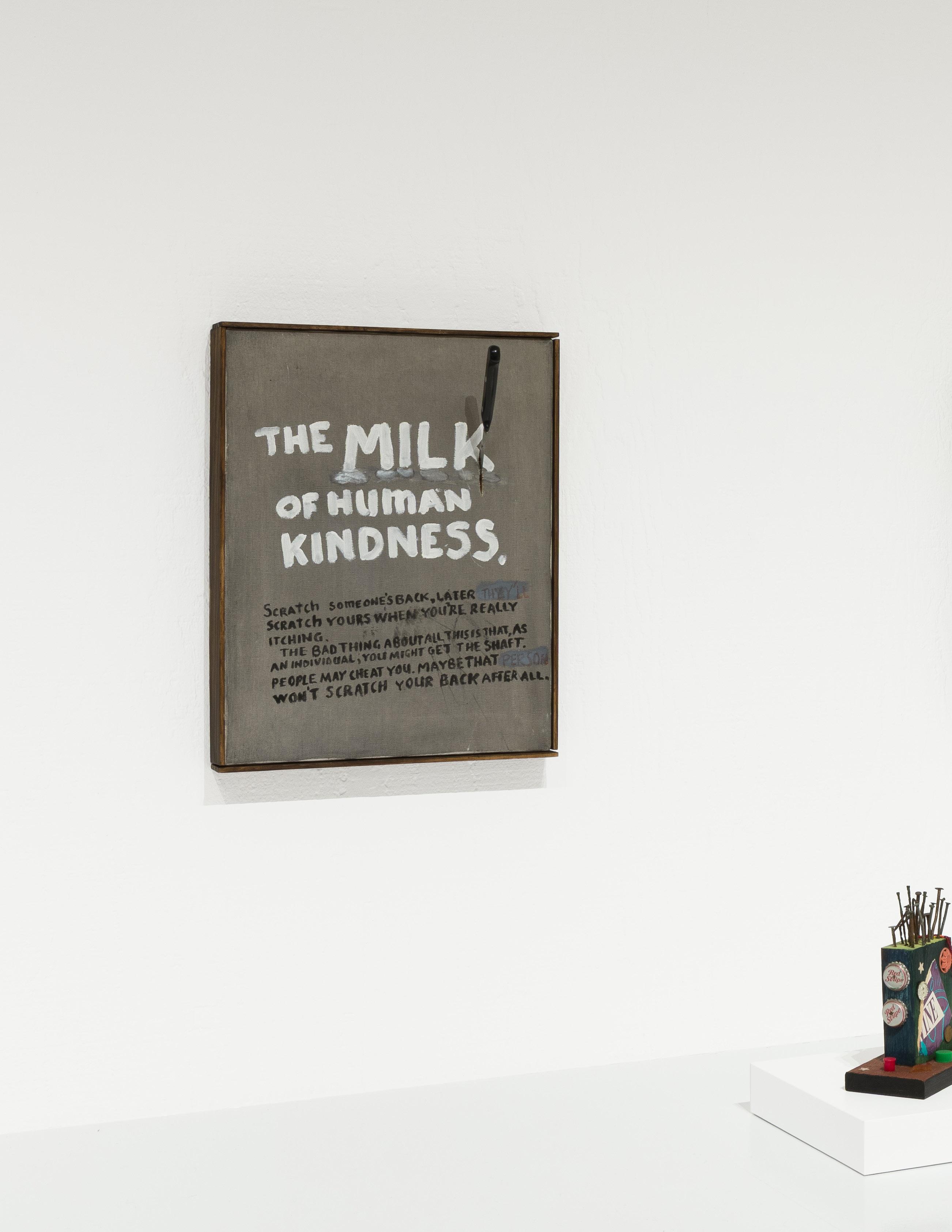
John Moore, The Milk of Human Kindness, n.d. mixed media on canvas with knife, 18 x 14 inches
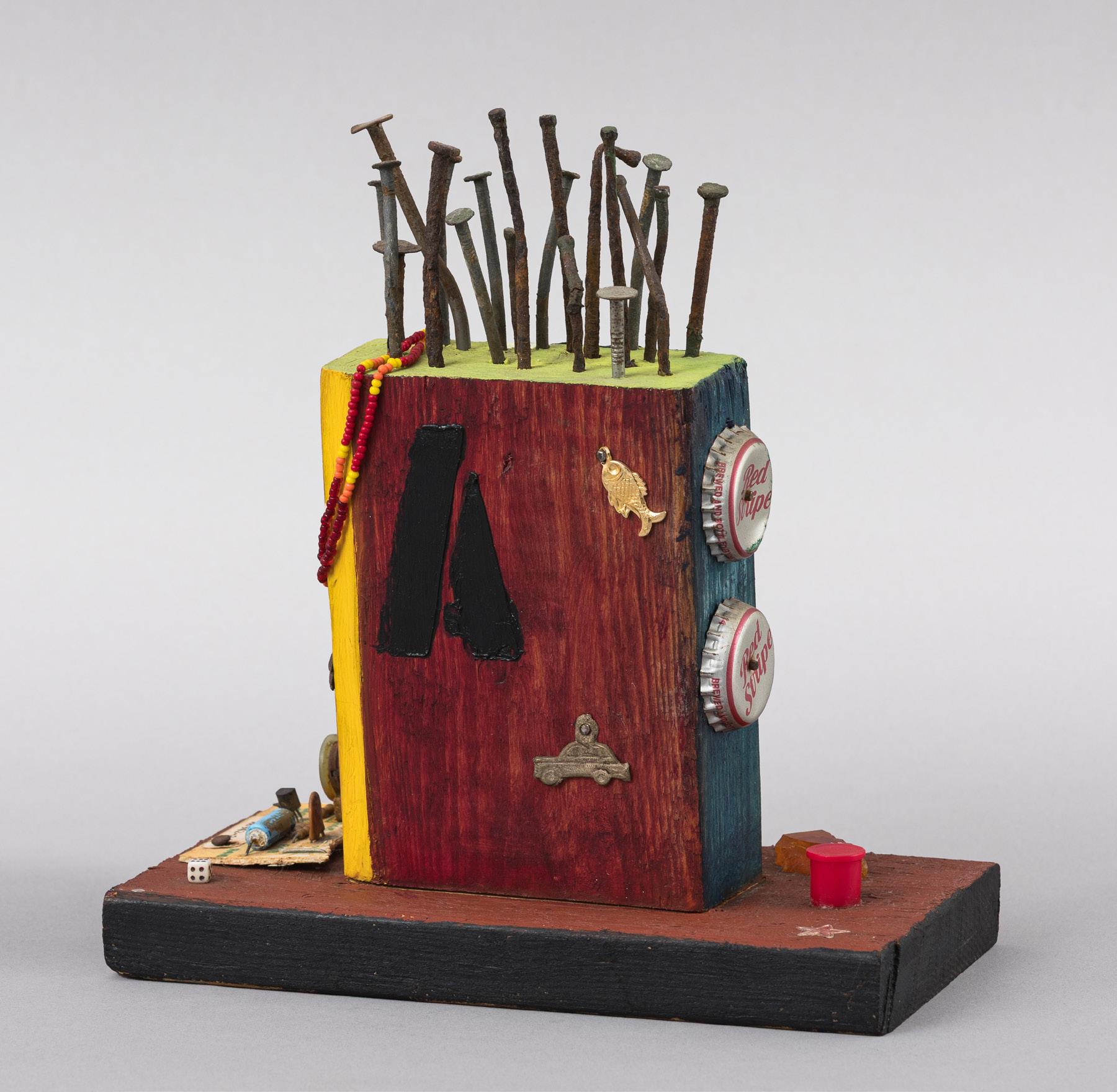
Plate 19:
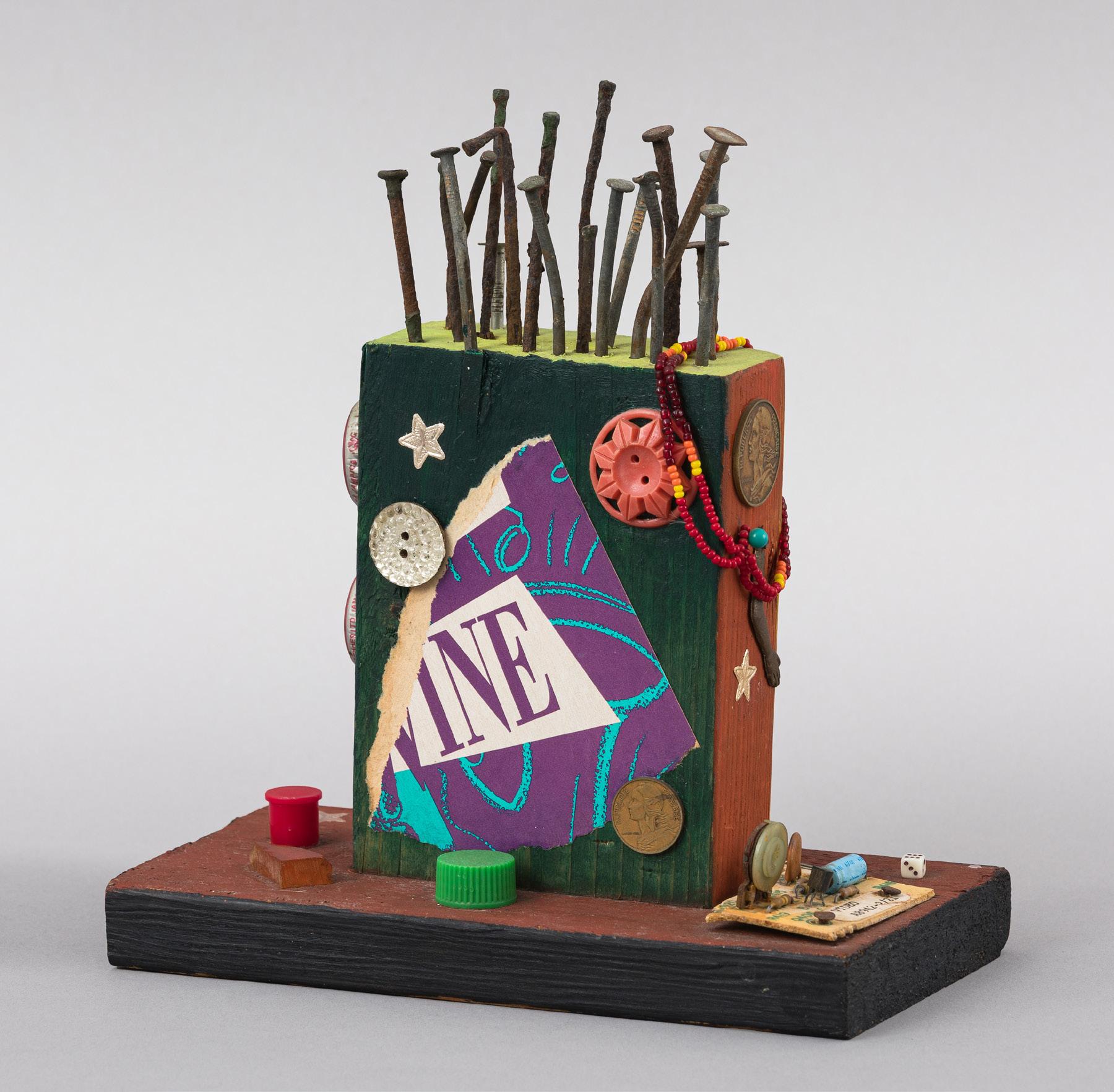
John Moore, Fate is not Always on Your Side, 1991
assemblage, 7 3/4 x 7 x 3 1/2 inches
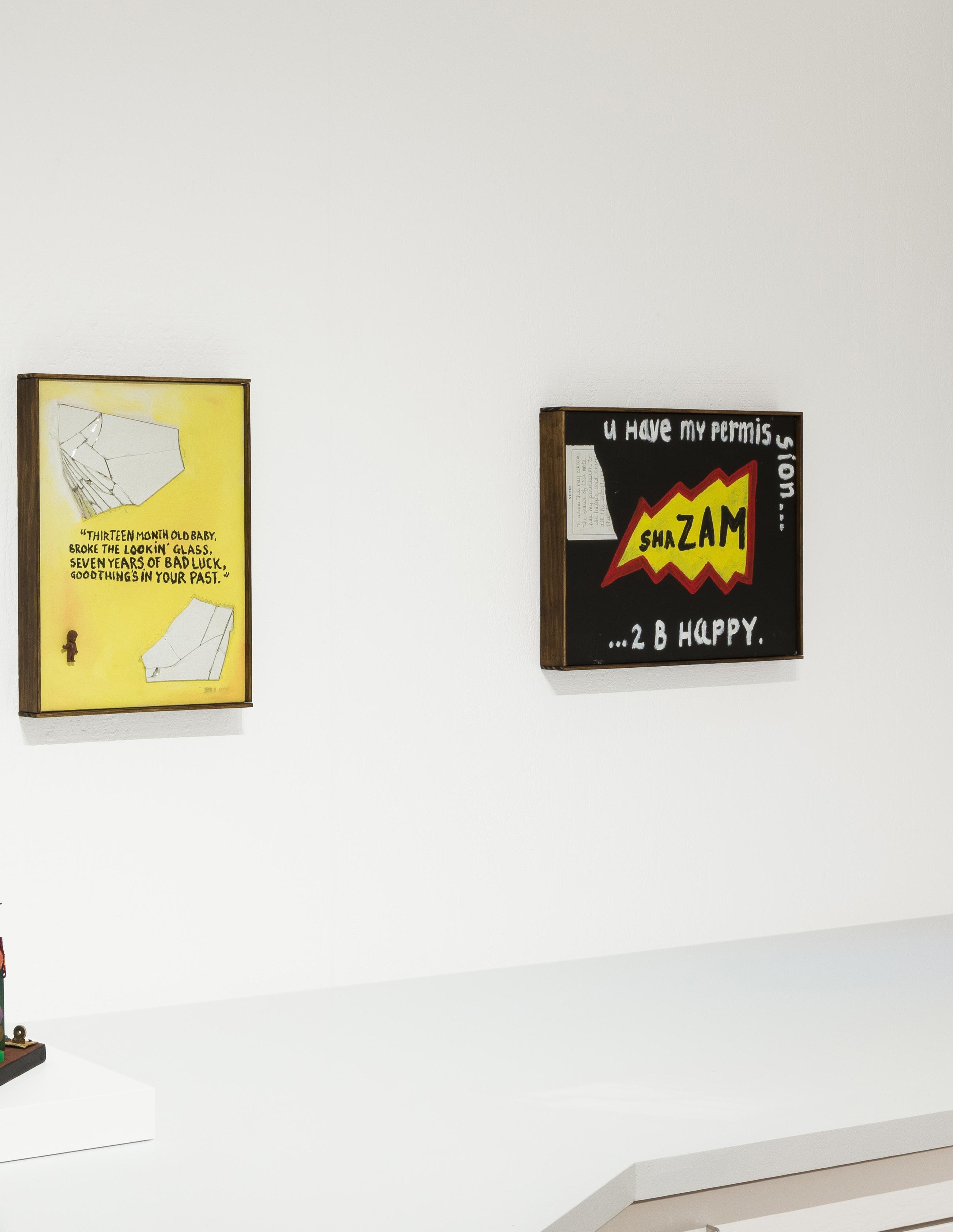
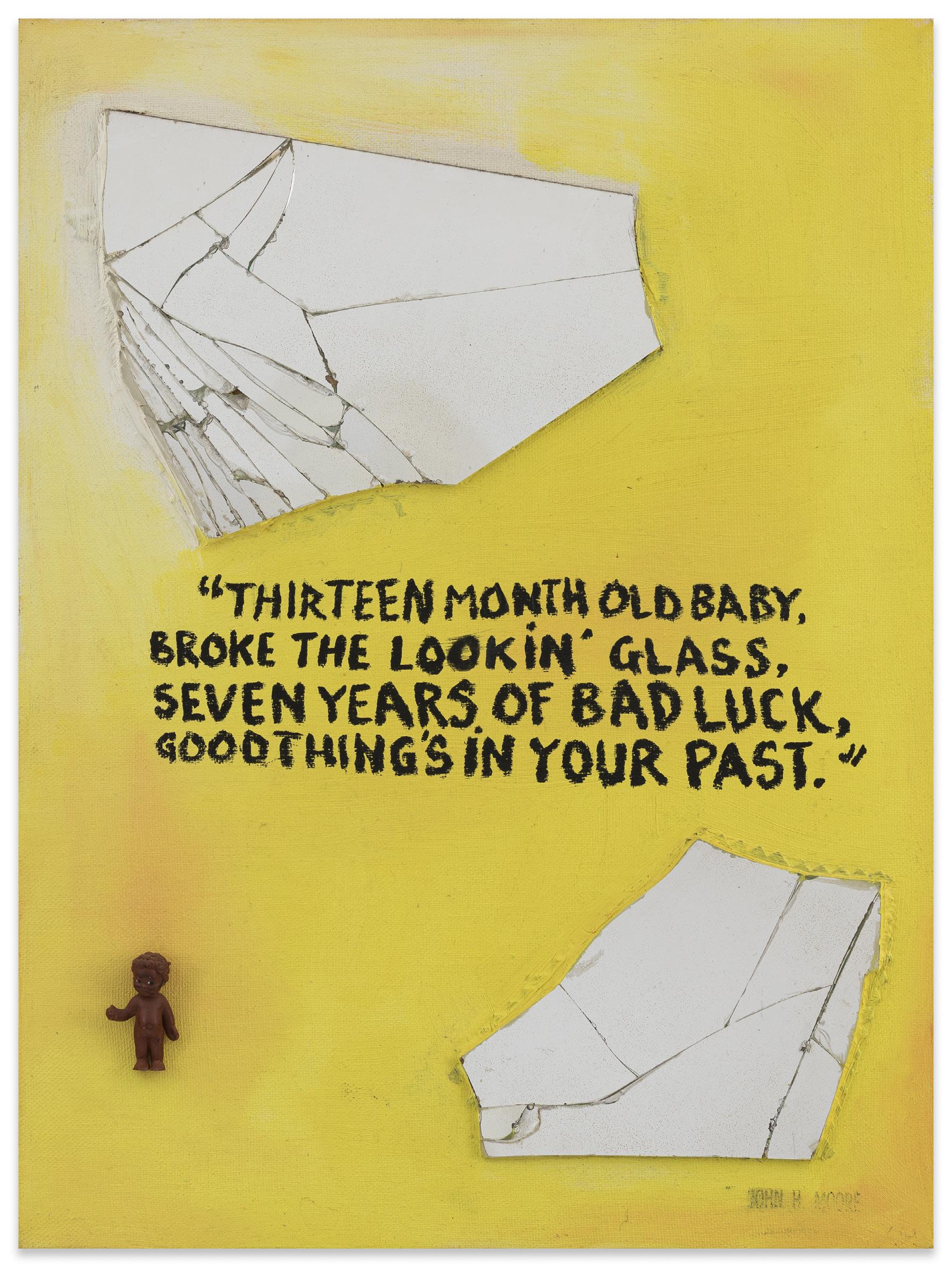
Plate 20: John Moore, Thirteen Month Old Baby..., n.d. mixed media on canvas, 16 x 12 inches
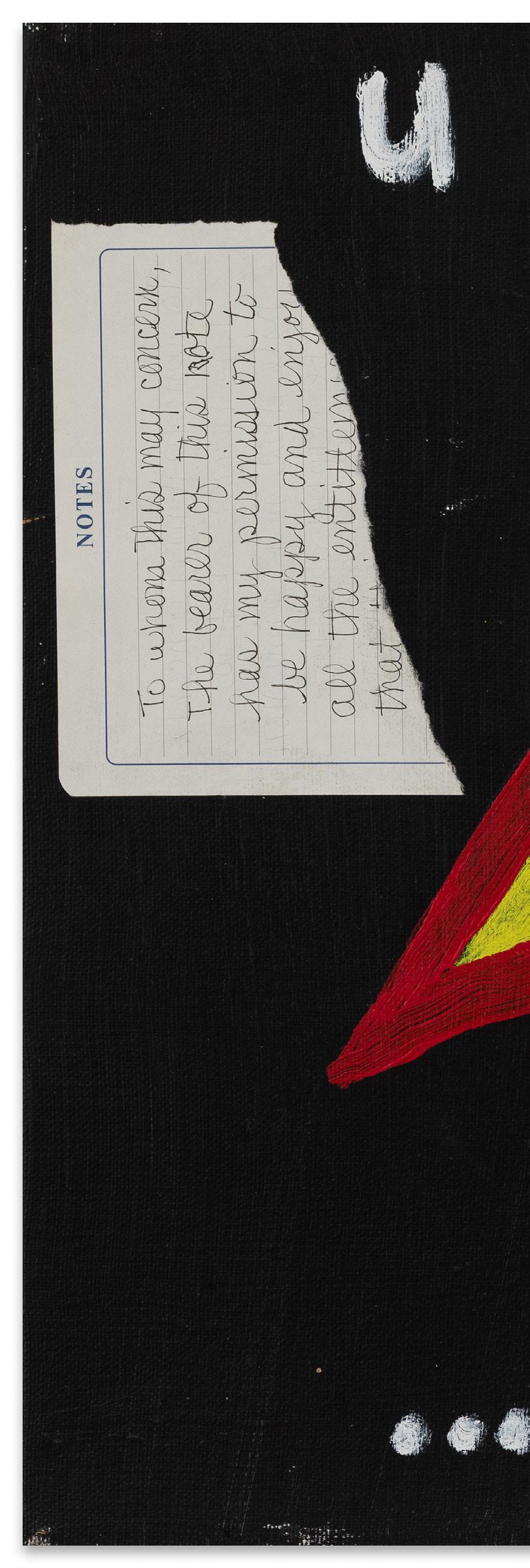
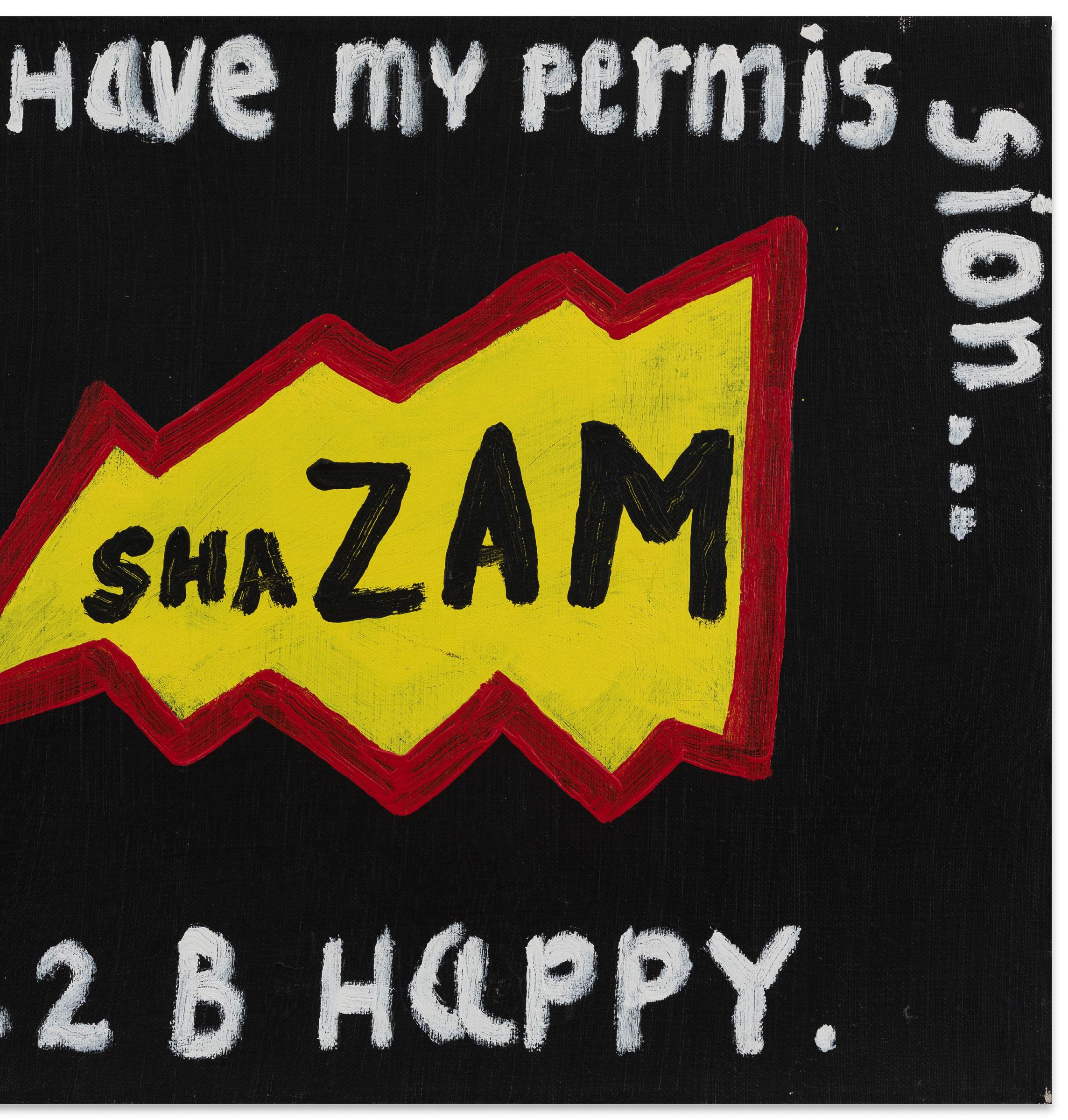
Plate 21:
John Moore, Shazam, 1990
mixed media on canvas, 14 x 18 inches
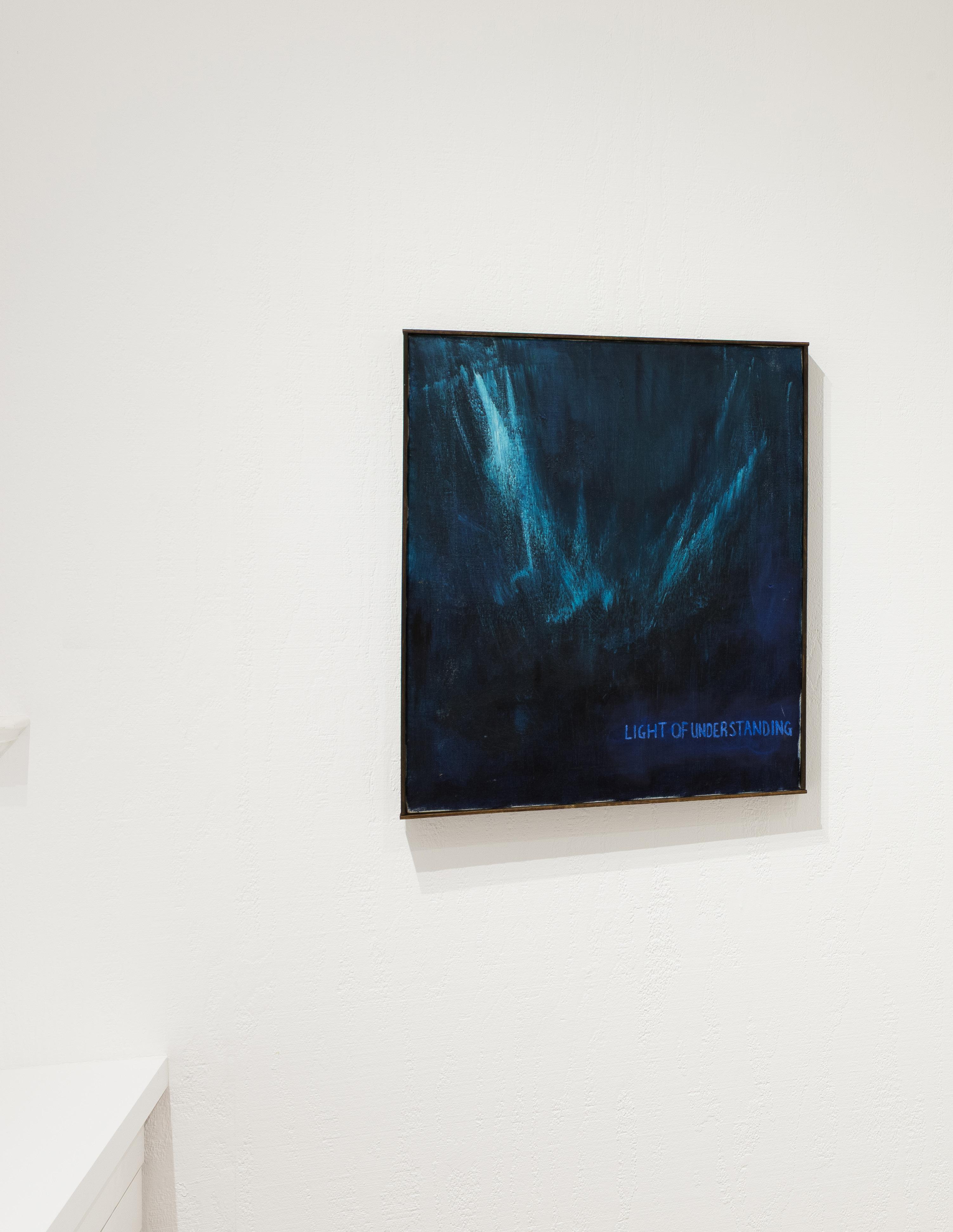
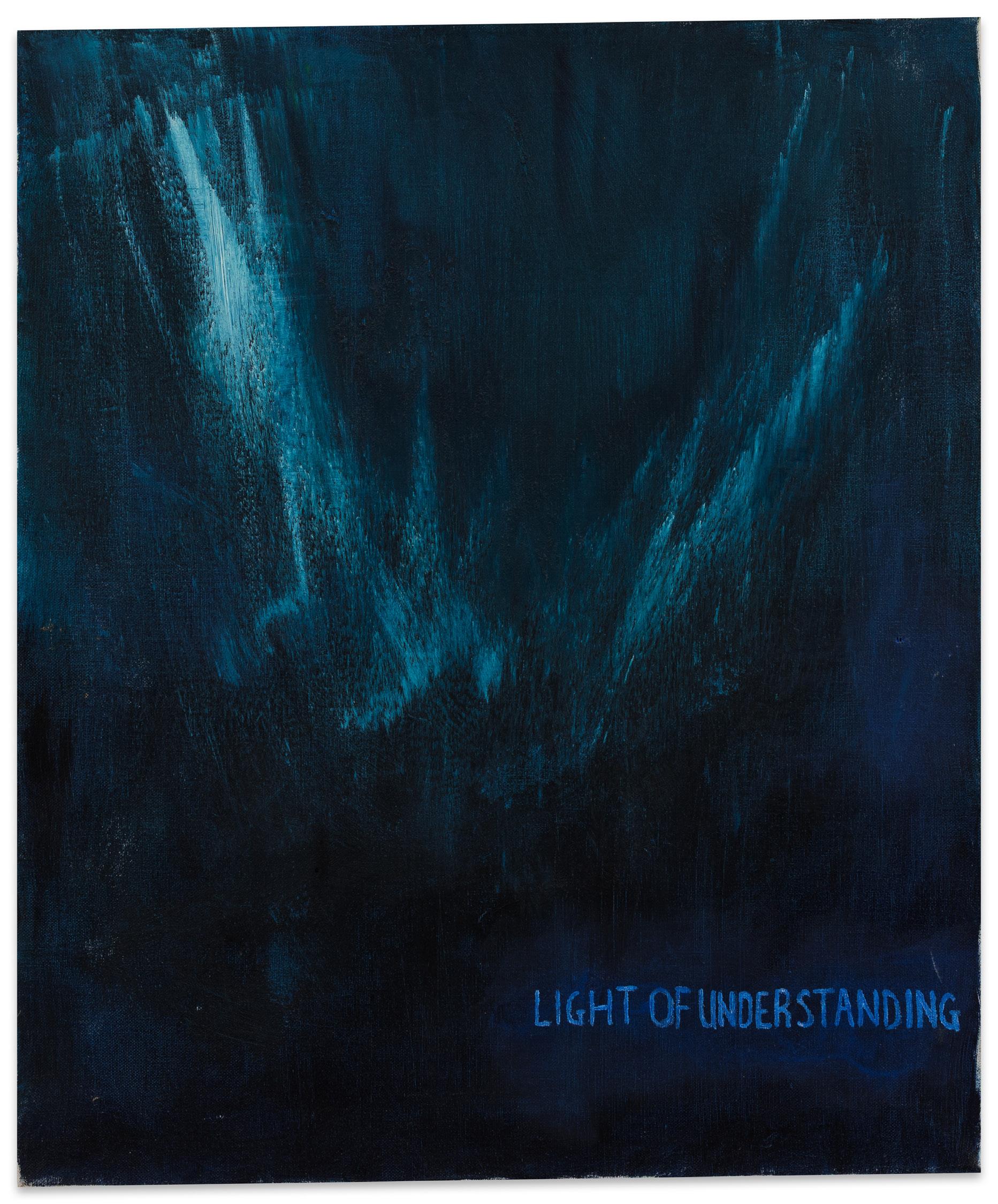
Plate 22:
John Moore, Light of Understanding, 2000
acrylic on canvas, 24 x 20 inches
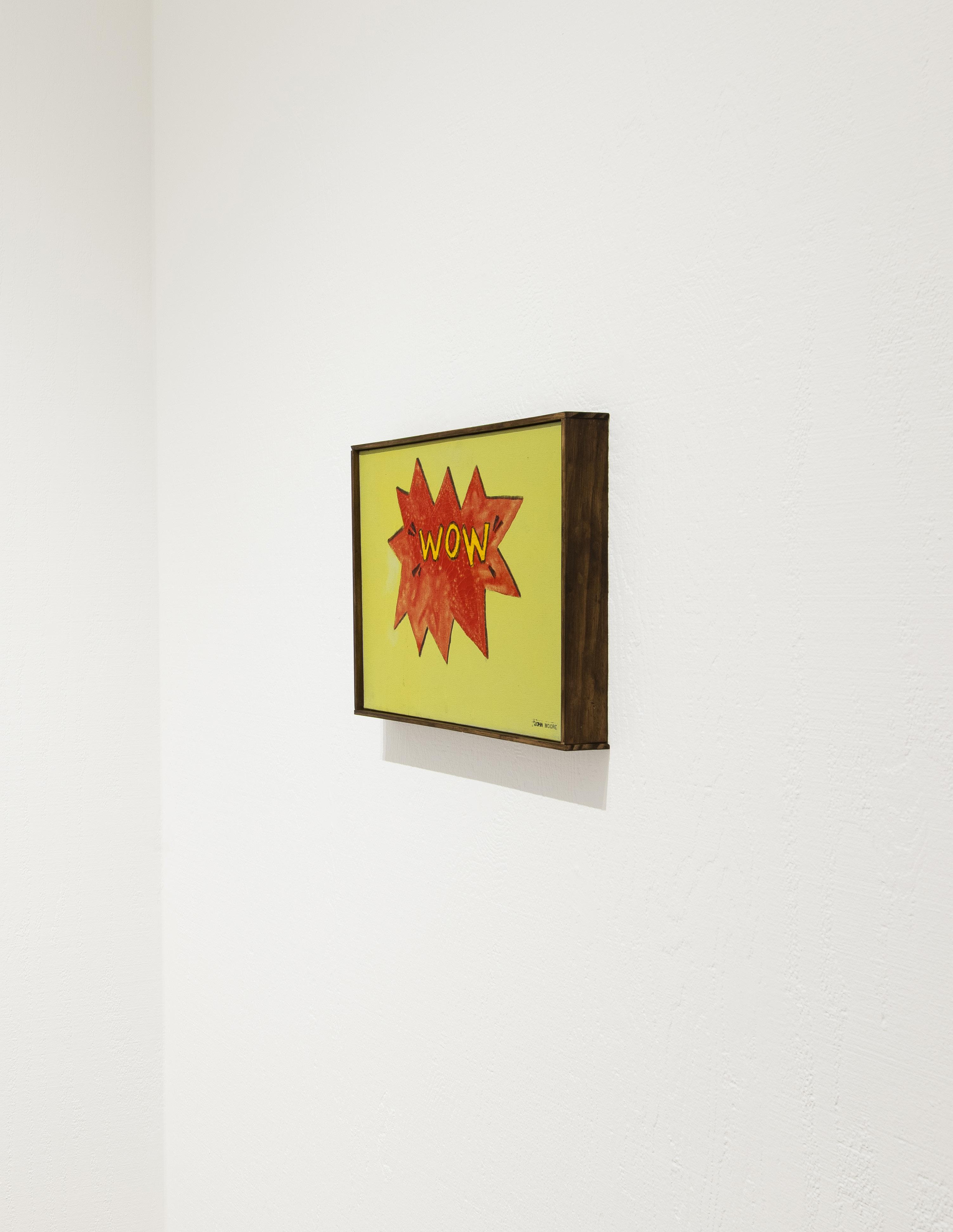
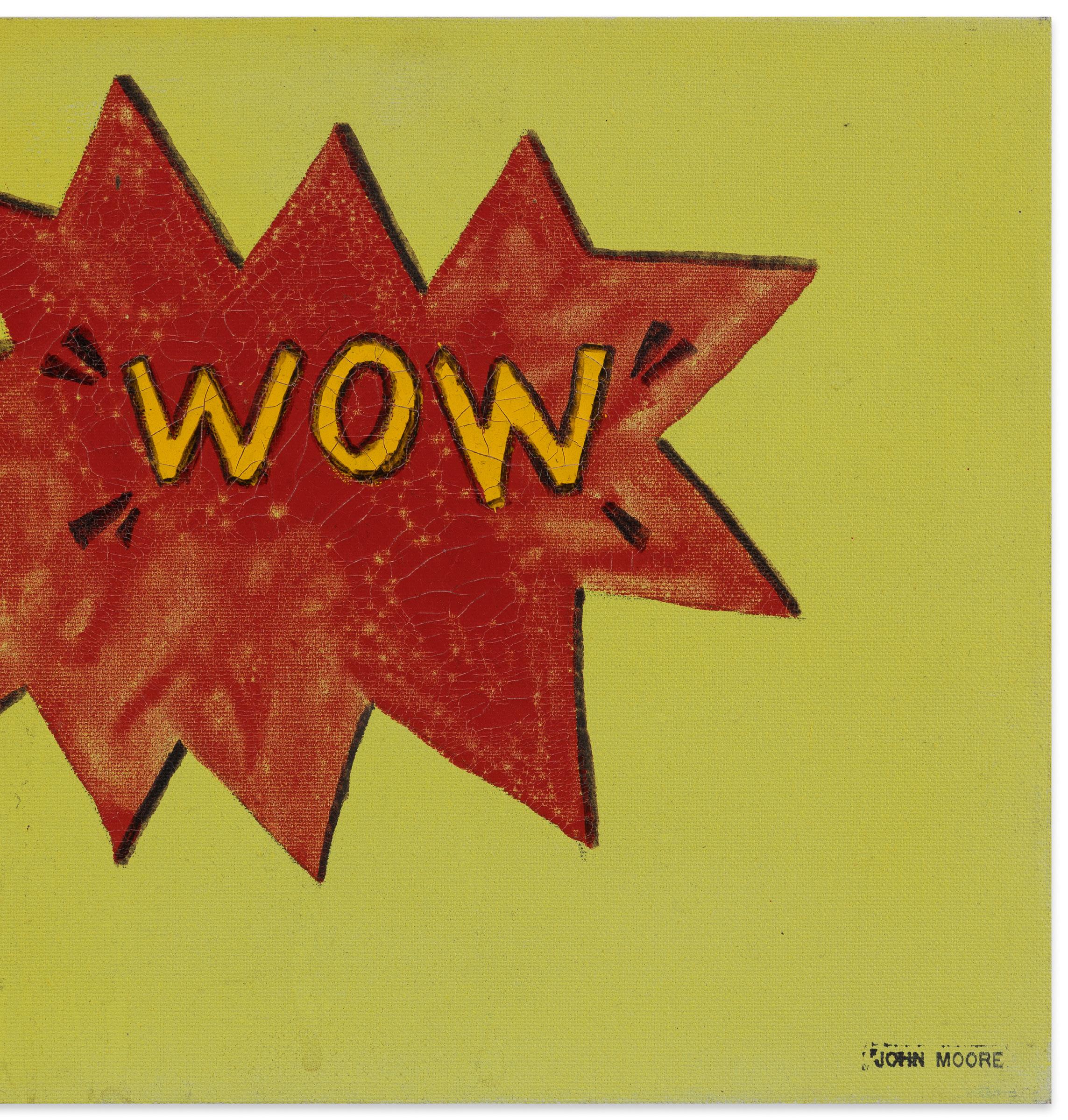
Plate 23:
John Moore, Wow, 1993
acrylic on canvas, 11 x 14 inches
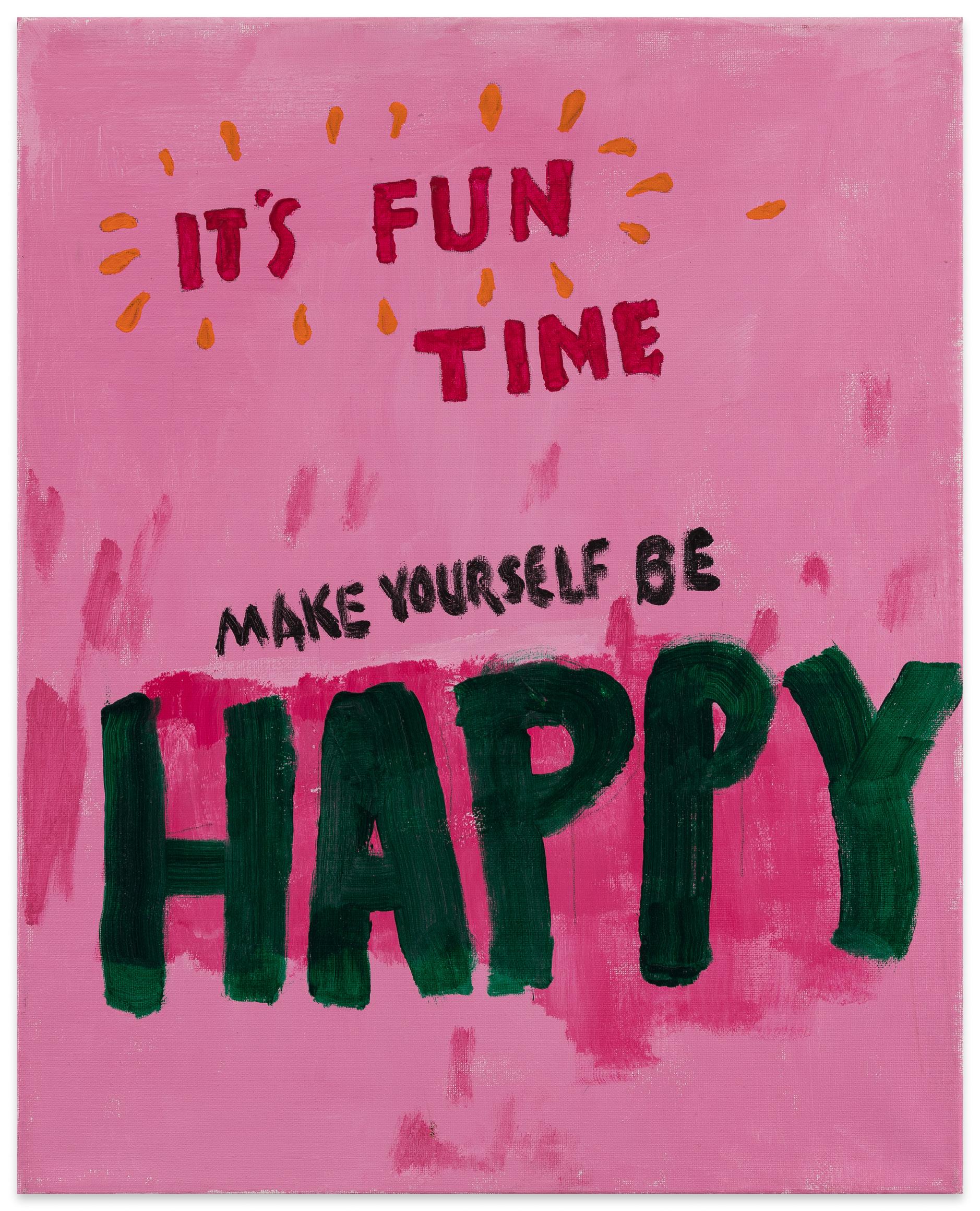
Plate 24:
John Moore, It’s Fun Time, n.d.
acrylic on canvas, 20 x 16 inches
Exhibition Checklist
Plate 1: MYL3Z
Hidden Histories Unveiled 2026
assemblage with glass, wood, aluminum keys, acrylic padlock with separate stairs 24 x 22 1/2 x 26 1/8 inches
Plate 2: John Moore
The Day the World Was 1991
mixed media on canvas 10 3/4 x 8 1/8 x 1 inches
Plate 3: John Moore
James Brown
1989
mixed media on panel 12 x 16 inches
Plate 4: John Moore
Breaking News n.d.
mixed media on cardboard 11 5/8 x 11 5/8 inches
Plate 5: MYL3Z
I Want You to See Me Like Ma Taffy - II 2026
acrylic print on plaited leather and paper 10 3/4 x 11 inches
Plate 6: MYL3Z
Jacket with Keys 2015
mixed media assemblage 40 x 30 x 3 inches
Plate 7: MYL3Z
I Want You to See Me Like Ma Taffy - I 2026
acrylic print on plaited leather and paper 17 1/2 x 15 inches
Plate 8: John Moore Red Charm 1998 mixed media on canvas 10 5/8 x 7 7/8 inches
Plate 9: John Moore
Untitled (Brazzaville, Rep. of Congo) 1989 mixed media and rubber stamp on board 11 x 14 inches
Plate 10: John Moore Untitled 2015 mixed media on cardboard 11 1/2 x 9 inches
Plate 11: John Moore Untitled 1984 acrylic on canvas 9 x 6 inches
Plate 12: John Moore
Charlie Parker “Yardbird” n.d.
mixed media on canvas mounted in plexiglass frame 16 3/8 x 20 3/8 x 1 5/8 inches
Plate 13: John Moore Italy 1991 assemblage 7 3/8 x 7 1/8 x 4 inches
Plate 14: John Moore
Tell Me Something I Don’t Already Know 1991
mixed media on canvas 14 x 11 inches
Plate 14: John Moore
And Then.... 2015
acrylic on canvas 10 x 8 inches
Plate 16: John Moore
Man with Hat 2012
clay, cardboard, and acrylic on marble base 9 1/4 x 8 x 8 1/4 inches
Plate 17: John Moore
Red Top, You Just Keep on Spinnin’ n.d.
mixed media on canvas 16 x 12 inches
Plate 18: John Moore
The Milk of Human Kindness n.d.
mixed media on canvas with knife 18 x 14 inches
Plate 19: John Moore
Fate in not Always on Your Side 1991 assemblage
7 3/4 x 7 x 3 1/2 inches
Plate 20: John Moore
Thirteen Month Old Baby... n.d.
mixed media on canvas 16 x 12 inches
Plate 21: John Moore
Shazam
1990
mixed media on canvas 14 x 18 inches
Plate 22: John Moore
Light of Understanding 2000
acrylic on canvas 24 x 20 inches
Plate 23: John Moore Wow 1993
acrylic on canvas 11 x 14 inches
Works not Exhibited
Plate 24: John Moore It’s Fun Time n.d.
acrylic on canvas 20 x 16 inches
Plate 25: John Moore Untitled 1996 mixed media on canvas 20 x 16 inches
Cover: MYL3Z, I want You to See Me Like Ma Taffy - II (detail), 2026
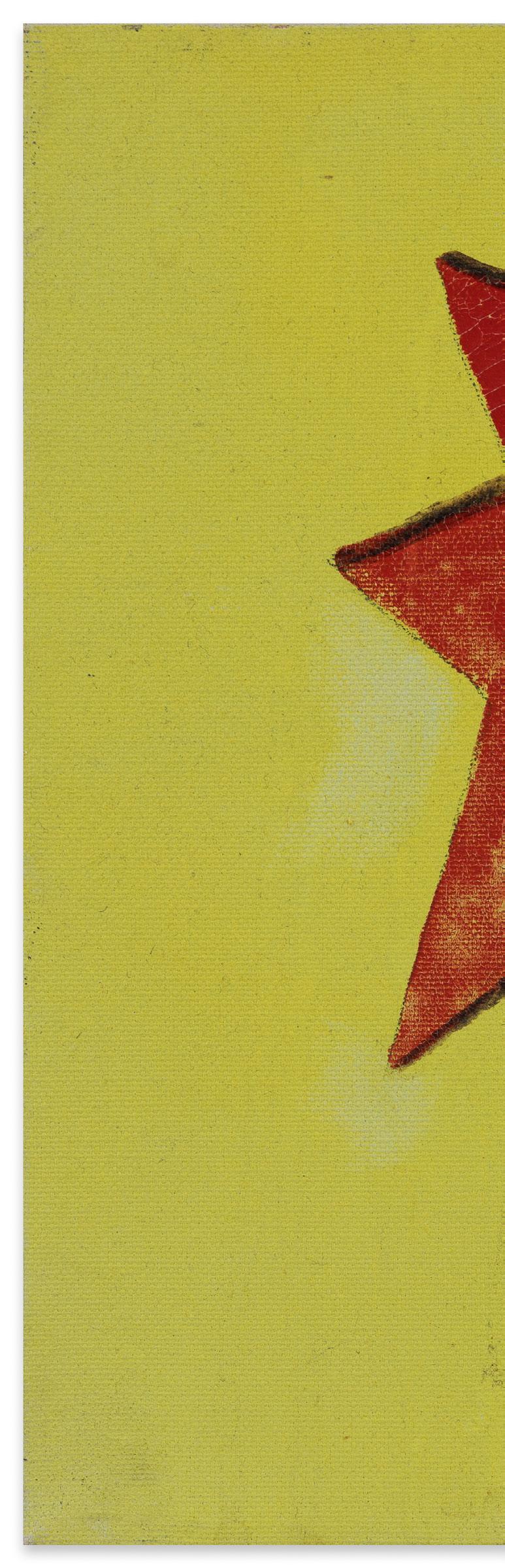
Rear Cover: John Moore, And Then.... (detail), 2015
Copyright 2026 Paul Thiebaud Gallery. All Rights Reserved. pgs. 1, 8-9, 20-23, 25 - Copyright 2026 MYL3Z. pgs. 4, 13-15, 17, 29-31, 33, 37-41, 43, 47-49, 51, 53, 56-57, 59-61, 65-67, 69 - Copyright 2026 Estate of John Moore.
Essay Copyright 2026 William Miller.
Design: Greg Flood and Matthew Miller. All images, photo: Matthew Miller.
No portion of this document may be reproduced or stored without the express written permission of the copyright holder(s).
PAUL THIEBAUD GALLERY