

Paul Lemmon
The global shift toward clean energy is driving unprecedented demand for copper, a critical mineral used in renewable power systems, electric vehicles, and energy storage technologies. Its high conductivity, durability, and recyclability make it essential for modern energy infrastructure. As renewable technologies expand rapidly, the pressure on copper supply, mining operations, and global supply chains continues to grow, making sustainable copper production a key challenge for the future energy transition.
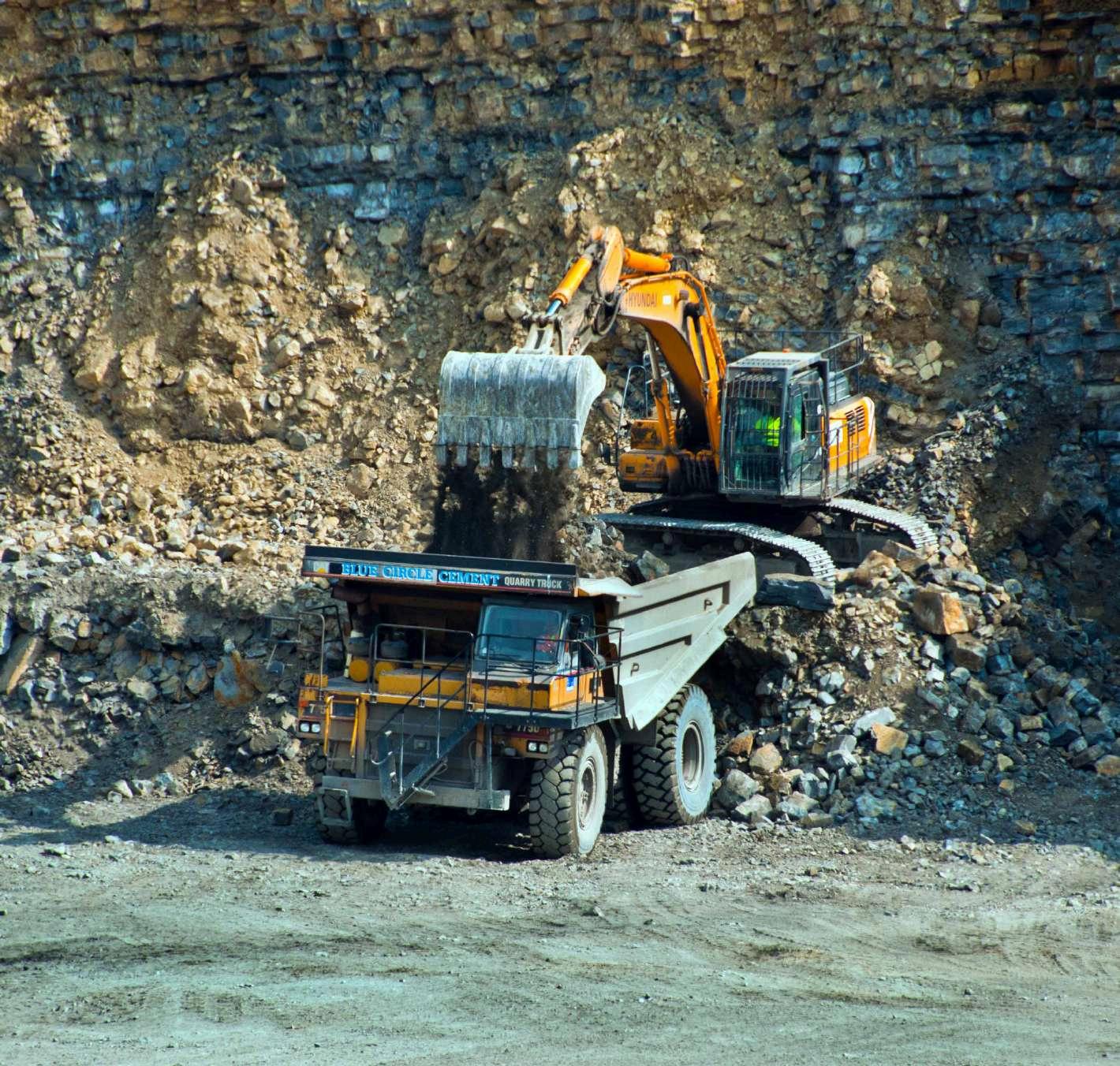
The global energy transition requires major infrastructure investments as countries pursue net-zero goals and expand renewable energy. Upgrading power grids and supporting technologies like wind, solar, and electric vehicles will significantly increase copper demand. Experts estimate global demand could double by 2035, making expanded mining, improved extraction, and stronger recycling systems essential to meet future needs.
Meeting future copper demand faces several challenges, including declining ore quality, which increases costs, energy use, and environmental impact. Developing new mines also takes years due to regulatory approvals and environmental reviews. To support the global energy transition, the industry must adopt advanced technologies and sustainable mining practices while maintaining reliable supply chains.
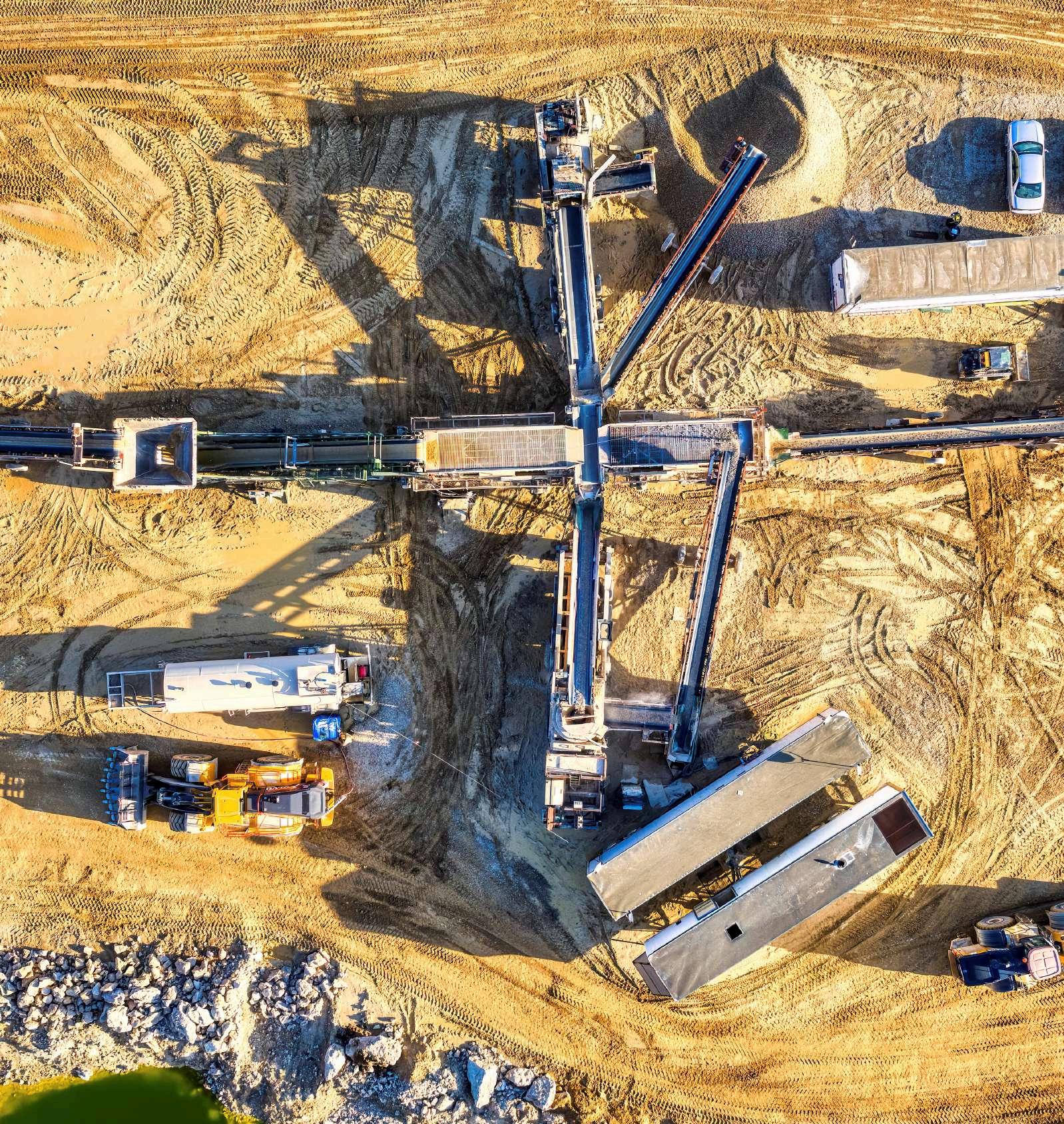
Copper’s key advantage is its recyclability—it can be reused indefinitely without losing quality. Recycling already supplies a large share of global copper and will become even more important as industries adopt circular economy practices. Improved recycling systems and metal recovery technologies can help meet future demand while reducing reliance on new mining.
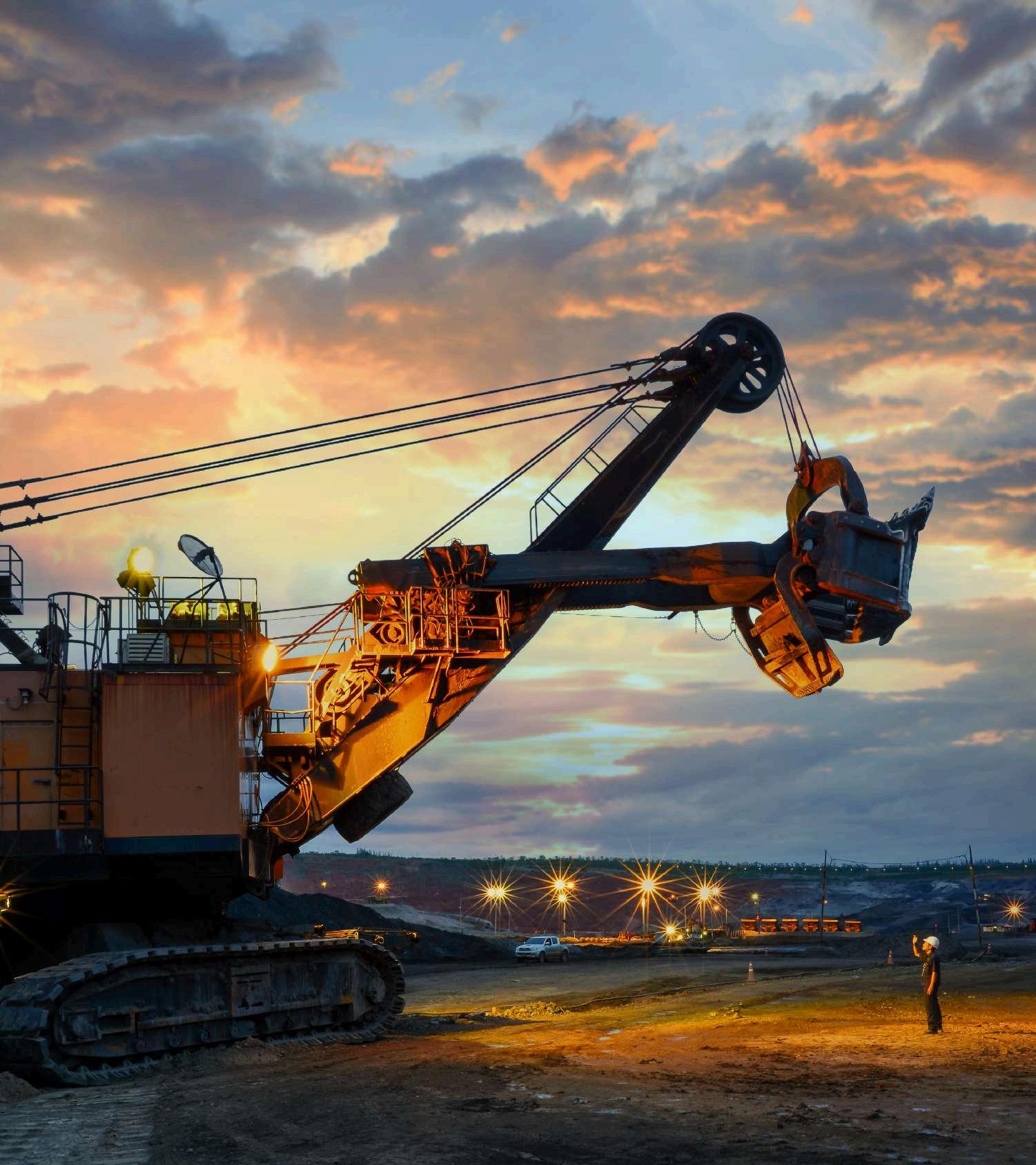
Technological innovation is helping shape the future of copper supply. Mining companies are using digital tools, automation, and AI to improve exploration, safety, and efficiency. Advanced mapping and improved refining methods can also reduce environmental impact, helping copper production scale sustainably to support global decarbonization.


Copper is essential to the global energy transition, supporting renewable power, electric vehicles, and modern power grids.
However, rising demand creates challenges in mining capacity, sustainability, and supply chains. Meeting future needs will require innovation, responsible mining, stronger recycling systems, and collaboration across industries to ensure a stable copper supply for a low-carbon future.
By Paul Lemmon