PAULLEMMON DiscussesStructural GeologyasaKeytoMineral Discovery
WHYSTRUCTUREMATTERS MORETHANLITHOLOGYALONE
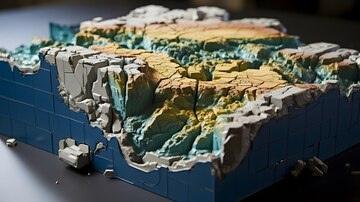
While lithology matters, structural architecture often determines whether mineralization reaches economic scale. Fault intersections, fold hinges, shear zones, and basin margins control fluid flow and metal deposition.
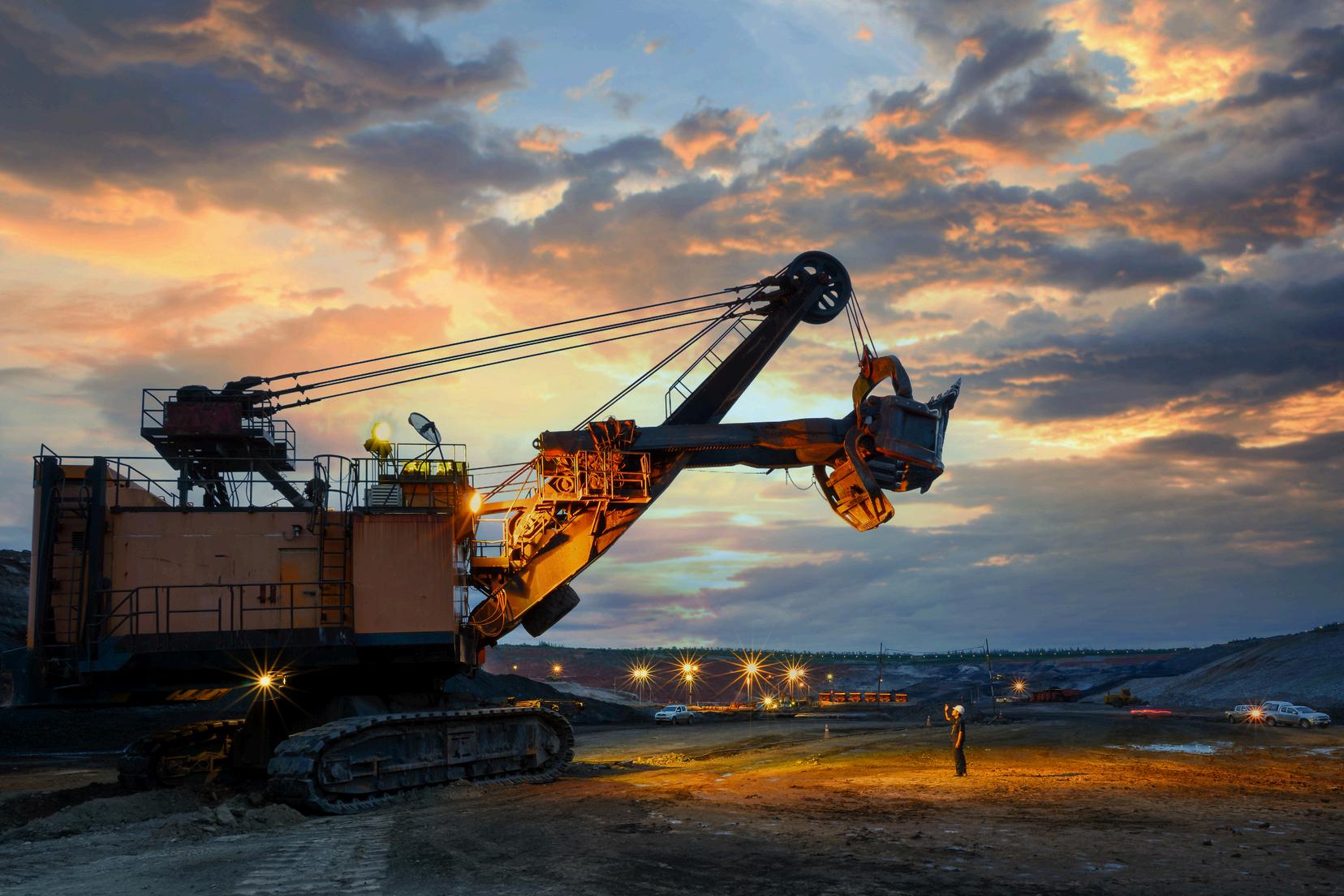
Paul Lemmon emphasizes that understanding how these structures evolved —and when tectonic events occurred—is critical, as mineralization is driven by both timing and geometry.
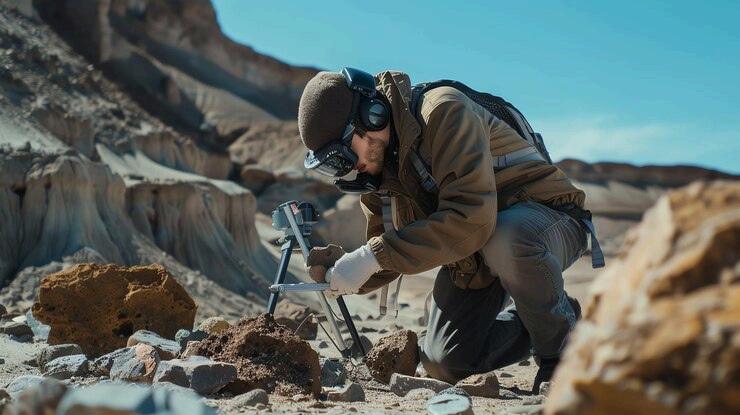
STRUCTURAL GEOLOGYIN EXPLORATION
Structural geology examines rock deformation such as faults, folds, and fractures that control mineral deposition. In copper, gold, and base metal systems, these structures guide fluid flow, trap metals, and localize ore bodies.
Paul Lemmon emphasizes that mineral deposits form where structural intersections meet favorable geological, thermal, and chemical conditions.
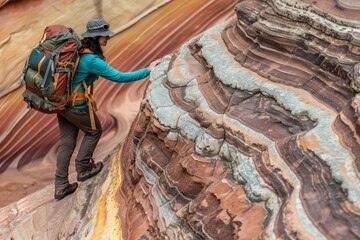
Copper exploration, particularly in African copper belts, demonstrates the importance of structural interpretation. Major copper systems are commonly associated with large-scale tectonic features such as rift basins, fault-bounded blocks, and reactivated basement structures
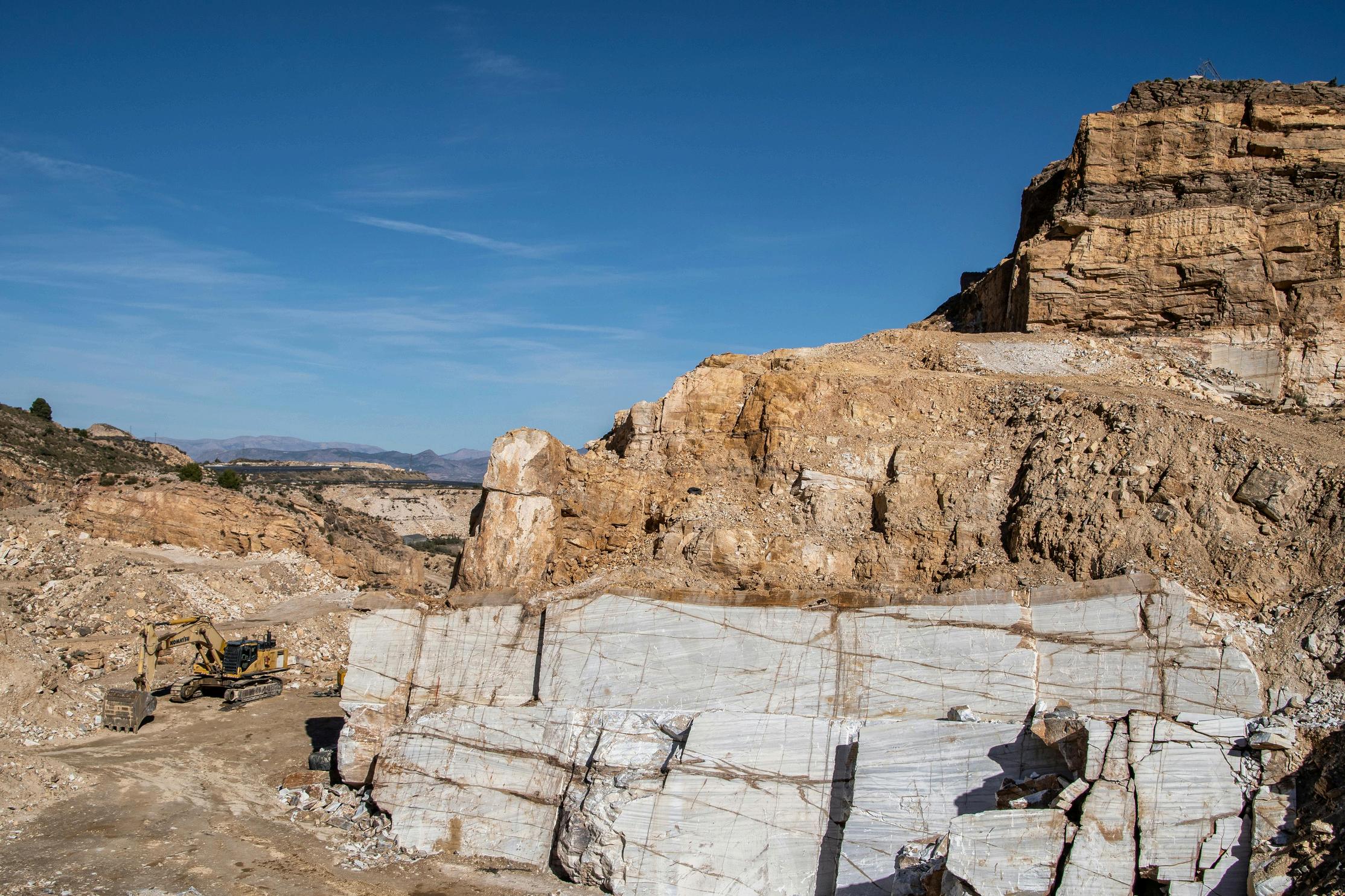
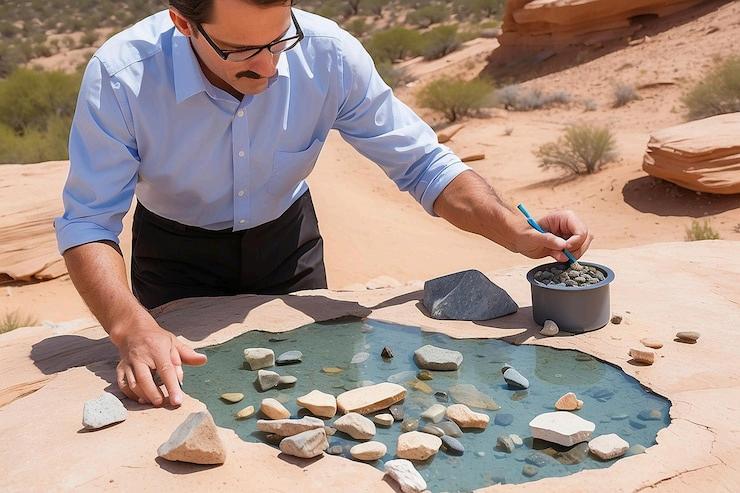
Paul Lemmon highlights how copper mineralization concentrates along basin faults, is enriched through structural reactivation, and controlled by fault-driven fluid flow. By combining structural analysis with stratigraphy and geochemistry, exploration teams can better target high-potential discoveries
STRUCTURALGEOLOGY ANDCOPPEREXPLORATION
INTEGRATINGSTRUCTURAL DATAWITHMODERN EXPLORATIONTOOLS
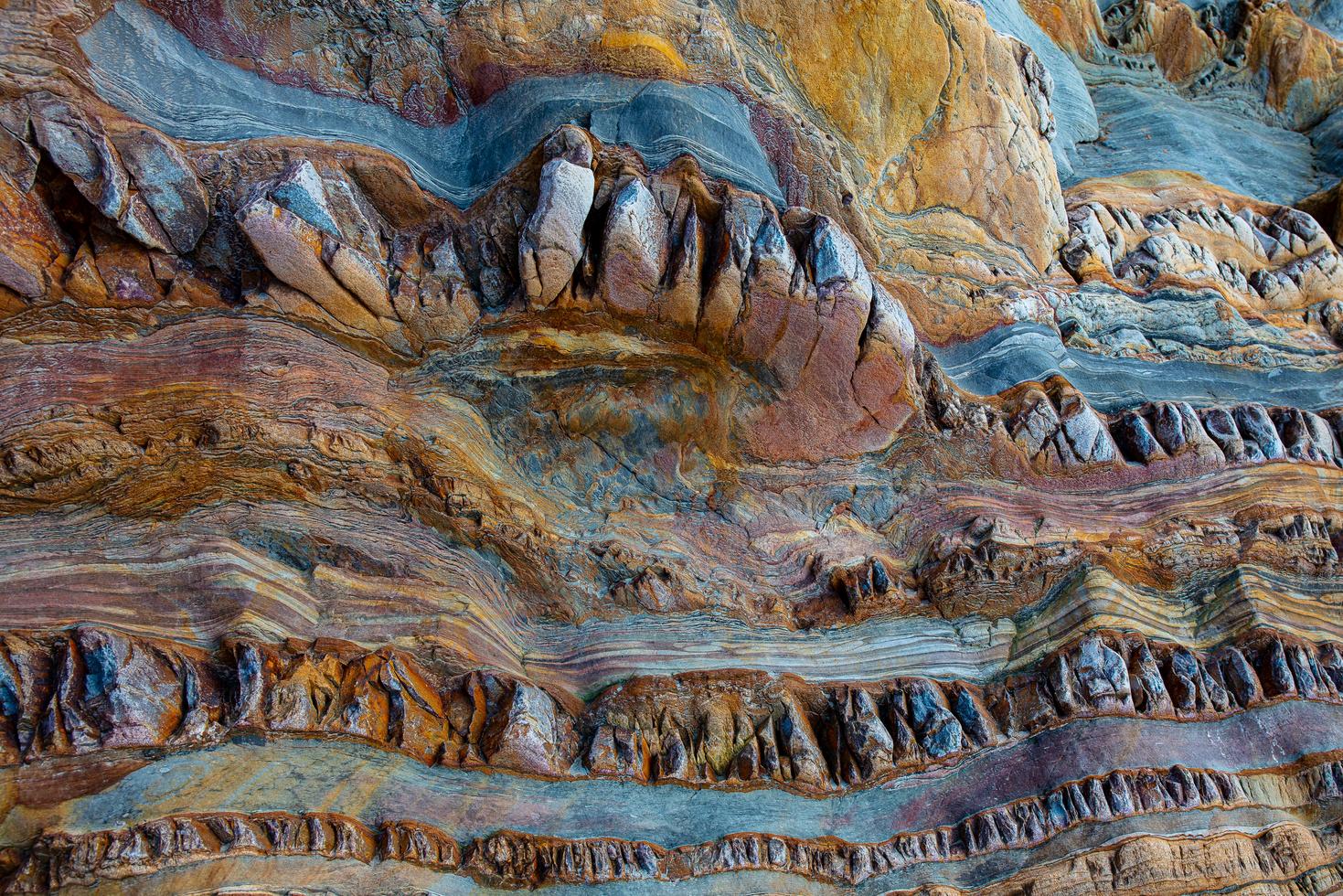
Modern exploration relies on multiple data sources, but structural geology provides the framework that connects them.
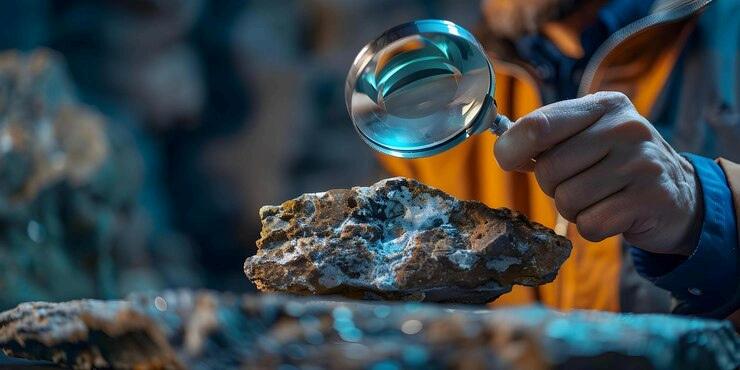
Paul Lemmon emphasizes interpreting geophysics, geochemistry, remote sensing, and seismic data through a structural lens, ensuring context-driven insights that reduce exploration risk, improve targeting accuracy, and enhance confidence in complex geological environments.
HUMANELEMENTIN STRUCTURAL INTERPRETATION
Despite technological advances, structural geology remains both art and science. Paul Lemmon’s career shows how field observation, mentorship, and collaboration strengthen interpretation. Experience across diverse geological settings builds transferable expertise, while patience and curiosity remain essential qualities for visualizing complex structures and achieving long-term exploration success.
www.paullemmon.wixsite.com/paullemmon
ByPaulLemmon