



Private Jewish day school is now shockingly affordable.




Families making up to $350k are eligible.
See how affordable it is samisfoundation.org/jewish-day-school-affordability-seattle/

Local Resources
Camps + Activities 18
Schools + Preschools 26
WELLNESS
New Hospital Opens in South Sound 12
Mary Bridge Children’s brings cutting-edge tech and needed services to families
CAMPS + ACTIVITIES
21 Top-Notch Questions 18
These are the questions parents should be asking before signing kids up for after-school activities
RAISING GREAT KIDS
Being Your Teen’s Safe Harbor 20
Middle ground parenting creates a relationship that survives even big mistakes — yours and theirs
EDUCATION
The Last Summer Before Kindergarten 28
Tips to cherish little kid moments before preparing for full-time school
Features
Leveling the Playing Field 6
Local organizations and community leaders are breaking down barriers to play for all kids
The Things We Left Behind 16
Four questions to ask when you’re deciding what to toss and what to keep postdivorce
Fun OUT + ABOUT Chasing Sunsets 23
Longer nights lead to vibrantly painted skies that capture the beauty of our region August Play List 30
Your last chance to build summer memories with live music, outdoor movies, Seafair and more



With over 200 miles of local shoreline, catching a glorious end-of-summer sunset is easy.

What
was the first movie you or your child saw in the theater?

I took my son to see “The Lorax” when he was 3. A friend suggested giving him a sucker so he wouldn’t talk through the movie. It worked … for a little while anyway.

Mine was “Monsters, Inc.”

“Pocahontas” in 1995. I was 3 and had an “accident” while sitting on my dad’s lap. I was so engrossed in the movie, he let me keep watching until the end. We both went home with wet pants.
EDITORIAL
HEAD OF CONTENT + BRAND STRATEGY
Kristen Russell
MANAGING EDITOR
Allison Sutcliffe
CONTENT EDITOR
Kari Hanson
FAMILY FUN EDITOR
Meredith Charaba
CALENDAR EDITOR
Julie Dodobara
CONTENT PRODUCTION
COORDINATOR
Onkarpreet Chatha
COPY EDITOR
Kari Hanson
CONTRIBUTORS
Gemma Alexander, Elise Buie, Shannon Dean, Sandi Schwartz, Krista Tsai
DIGITAL MARKETING
MARKETING DIRECTOR
Lindsey Carter
MARKETING DESIGN SPECIALIST
Angela Goodwin
MARKETING COMMUNICATIONS
SPECIALIST
Devon Hammer
SOCIAL MEDIA SPECIALIST
Brooke Collins
ADVERTISING SALES + PARTNERSHIPS
DIRECTOR OF COMMUNITY
PARTNERSHIPS + ADVERTISING SALES
Jessica Collet
DIRECTOR OF STRATEGIC
PARTNERSHIP SALES
Stephanie Kakon
SENIOR ADVERTISING AND PARTNERSHIPS MANAGER
Ida Wicklund
EVENTS + COMMUNITY
PARTNERSHIPS SPECIALIST
Brenna McCown
SALES OPERATIONS MANAGER
Mallory Dehbod
CLIENT SERVICES
ADMINISTRATIVE ASSISTANT
Bronwyn Jones
DIGITAL ADVERTISING +
MARKETING SPECIALIST
Taryn Weiner
PRODUCTION COORDINATOR
Tamryn Nell
ART + PRODUCTION
SENIOR DESIGNER
Amy Chinn
ADMINISTRATION
HEAD OF FINANCE + OPERATIONS
Carolyn Brendel
OPERATIONS ASSISTANT
Erika Widjaja
Baby Eli got to watch “The Doors” in 1991.

I took my boys to see “Planes 2: Fire and Rescue” when they were 4 and 5. My first movie was “Star Wars” at the drive-in when I was a baby.

“Free Willy” for me and “Paw Patrol: The Movie” for my daughter


AUGUST 2026, VOL. 23, NO. 8
PUBLISHER
Alayne Sulkin
CONTACT INFORMATION
Advertising information
206-709-9026 or advertising@parentmap.com Fax 206-709-9031
Calendar submissions calendar@parentmap.com
Editorial submissions editor@parentmap.com
Distribution distribution@parentmap.com
ParentMap is published monthly.
PMB #190, 7683 S.E. 27th St., Mercer Island, WA 98040
All rights reserved; reproduction in whole or part without permission is prohibited. © ParentMap 2026 • printed in Oregon






























By Gemma Alexander

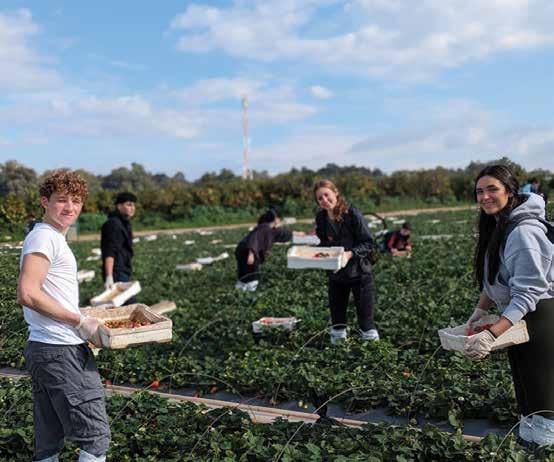
Play should be a universal childhood experience, but not every kid gets a turn at bat, a spot on the monkey bars or a place in the game. Old playgrounds designed without wheelchair access, with cultural biases against girls in sports, and shrinking recreation budgets in low-income neighborhoods are a few of the structural barriers that fall hardest on kids who already face the most obstacles. Now, a growing movement of advocates, planners and policymakers is working to increase access to play for all children.
In New Jersey, parks funding is withheld from any county without at least one inclusive playground. Georgia and Iowa require an inclusive playground at every new school that’s built.
“Inclusive playgrounds got started with people thinking it was this niche, specialized thing. But if we think about including everyone, it creates something pretty special,” says Jill Moore, an inclusive play specialist with Landscape Structures, the playground company behind Owen’s Playground on Bainbridge Island, Forest Park Playground in Everett, Liberty Park in Renton, Lowell Elementary School in Seattle and others.
The state of play in Washington King County’s push toward play equity launched in 2019 with the State of Play, a report that found our kids were below average for physical activity: fewer than 22 percent of boys and 16 percent of
girls were active for at least one hour each day. With demographic analysis, it became obvious that systemic inequities and barriers around family income, race, physical ability and ethnicity were restricting access to active play.
“One of the largest gaps that we found was between boys and girls. We also know one of the gaps is income and then on top of that language. There’s also a huge gap for youth with disabilities, both physical disabilities, and intellectual disabilities. So, when those identities intersect you’re just going to see less and less participation,” says Tracy Myers, executive director of the King County Play Equity Coalition.
The 20th century’s obsession with productivity has trickled into childhood, with increasing emphasis on test scores causing some schools to eliminate recess for more instructional time.
But playtime is not wasted time. In fact, it’s so important that the United Nations established a resolution declaring every child’s right to play in 2024. According to an American Academy of Pediatrics report, play supports creativity, imagination, dexterity, and physical, cognitive and emotional strength. Gaps in opportunities to play grow into gaps in academic achievement and health.
“A lot of people don’t recognize play, sports and recreation as a right and oftentimes see it as a privilege. We














continued from page 7
really truly want to make sure people understand this is a part of youth well-being. Play brings joy, a huge sense of belonging, identity development and health — physically, mentally and emotionally,” says Myers.
The benefits of inclusive play extend beyond the children who play there; inclusive playgrounds become destination spaces that strengthen the community and even the local economy. The world’s largest inclusive playground in South Carolina draws 12 percent of its users from more than 250 miles away.
Motivated by the State of Play report, stakeholders formed the King County Play Equity Coalition in 2020. They created a racial equity assessment toolkit for youth recreation providers, incorporating gender equity the following year.
“I imagine we’re going to be adding more questions around youth with disabilities in the future, so it’ll just continue to be more intersectional,” says Myers. The goal is to add templates for action based on the assessment and publish it on the resources tab of their web page.



The coalition created soccer programs for Congolese immigrants, developed the Actokids app to help families find sports and activity opportunities, and when the pandemic hit, distributed play kits at school lunch pickup sites. Their advocacy helped Washington state pass one of the strongest recess laws in the country, requiring 30 minutes of recess for elementary students every day.
“We are now a network of about 140 cross-sector
organizations that work together so that all youth in Washington state and King County have access to the transformative benefits of play. That can mean recreation, free play, physical education in schools, sports and movement,” says Myers.
The coalition forms action teams around particular issues that spend one to two years developing solutions. For example, the swim equity action team worked on drowning prevention within the Black community, created new opportunities for swim lessons and established a Black lifeguard certification program.
“In any action team we’re going to ask questions around the inclusion of youth of color, girls or youth with disabilities,” says Myers. “We have partners like Special Olympics Washington that have great programming, and many of our organizations consider inclusive prac-
tices, ensuring youth with disabilities can fully participate.” More specialized organizations, such as the United Adaptive Soccer Association, work to make sure children with disabilities can participate in popular sports.
The cost and availability of recreation spaces like playfields and gyms are among the biggest barriers to access.
“A family can spend over a thousand dollars for one kid participating in a sport,” says Myers. Rental fees that support facility maintenance and operation can make up 25 percent of an organization’s budget. That cost is usually passed on to the parents. Scheduling can be a barrier, too; a common policy called historical use gives priority to existing users. “That makes it hard for new, often free, sports programming to get on the schedule during times that really fit the needs of their community,” Myers says.
“The overemphasis on competition is a cultural barrier. We provide education and advocate around the benefits of sports-based youth development. There’s also this unfortunate narrative that sports are the only way a young person might have access to college scholarships. When teams start to make cuts in middle schools, we see a lot of kids drop out of sports. There’s no encouragement to just remain active and to be on a team as a form of recreation,” explains Myers. Coalition members support quality coaching that prioritizes kids’ safety and well-being ahead of competition. They also work to involve more women and people of color in coaching to help kids see themselves as lifelong athletes.
Younger children usually spend more time on free play than organized sports. Proximity to playgrounds is critical to equitable access, but it’s not enough.

continued from page 9
“There’s a big difference between ADA design and inclusive design. The guidelines to children’s play spaces became law in 2010, so ADA compliance is actually the worst you can do by law. Inclusion is going above and beyond physical access. It’s looking at creating a space for sensory diversity, what’s developmentally appropriate and including everybody’s unique needs and abilities,” says Moore.
For play spaces to be truly equitable, designers need to consider who will be using the space. U.S. Department of Education statistics show that wheelchair users are a small minority of students with disabilities, indicating that accessibility needs to extend far beyond ramps and clearance.
“We think a lot about common diagnoses; we see a lot of ADHD, autism, Down syndrome or motor coordination disabilities like cerebral palsy,” says Moore. “We think about that physical access piece, all those wonderful things that we do through play equipment, but we’re also thinking about ways to develop and mentally support a child, empowering users with independence and autonomy. In an inclusive space, we think about sensory diversity, access to risk and graduated challenge and thrill.”
Ways parents can get involved In an ideal world, every community would follow the example of Anchorage, Alaska, where the Parks District created an ongoing initiative in 2006 to make their entire system inclusive. Using an intersectional rubric of barriers to access, every playground received an inclusivity score that helped prioritize upgrades to existing playgrounds and determine where additional playgrounds were needed.
If you want to advocate for more inclusive play here in Washington, Myers said the Play Equity Coalition will hold
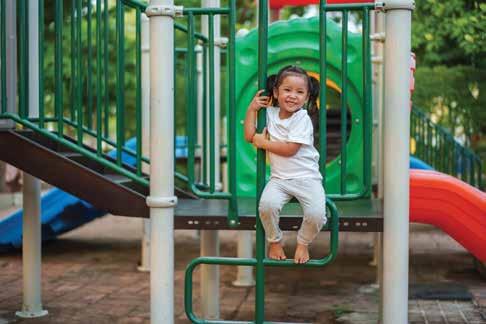
an open call on their website for a new disability access action team later this year. If you are already affiliated with a nonprofit sports organization, King County Parks and Recreation’s Youth and Amateur Sports grant program is open to new applicants. For those who want to be more hands-on, (especially moms and people of color) consider coaching.
Inclusive play in Greater Seattle If you’re looking for play opportunities for your child, you can use Landscape Structures’ map to search for one of their playgrounds near you. Seattle, Bellevue and Tacoma have block party programs to close your street to traffic for a day of play. Seattle’s Play Streets and Bellevue’s Healthy Streets programs allow recurring street closures. Seattle’s Rec ‘N The Streets, Maple Valley’s Mobile Recreation Program, Tukwila’s Rec ‘N Roll, and others bring free games, sports, crafts and activities directly to local neighborhoods. In Seattle, use Seattle Parks’ interactive map to find Rec ‘N the Streets, as well as community centers, swimming pools and other recreational programming.
And of course, you can support your child’s participation in sports and encourage them to try new ones they hadn’t considered. There are many programs to help kids discover new
sports, including Sports Sampling Camp, a free weeklong camp for ages 7–14 led by SeaWolves, Seahawks and Storm athletes that gives kids a chance to try a variety of different sports. Age Up is a group focused on Ultimate for girls in South Seattle.
“If you don’t know about them, you’re missing out,” says Myers in reference to Age Up. Other groups specifically serve youth of color in traditionally white-dominated sports like golf, snowboarding and hockey, often providing transportation and equipment. You can find many of them in the coalition member directory or reach out at info@kcplayequity.org for help connecting with resources.
No matter what your child’s needs and interests are, you can find a place for them to play. “There are so many organizations out there that are doing amazing work for free,” says Myers. ■
Seattle-based freelance writer Gemma Alexander has been writing at the intersection of parenting and the arts for more than 13 years. Her ParentMap feature, “Middle Earth Adventures: A Family Guide to New Zealand’s Wonders and Challenges,” won the 2025 Gold Award for travel writing from Parenting Publications of America.













































See it on Instagram!
Mary Bridge Children’s Hospital addition expands pediatric care and offers specialized resources for South Sound families
Story by Kellie Schmitt
Photos by Brent Looyenga
When it comes to medical care, children aren’t little adults.
“Kids are different and hospitals should be, too,” says Kendal Kemery, a spokesperson for Mary Bridge Children’s Hospital in Tacoma. “That’s why it’s so important to have a hospital set up to take care of kids.”
Mary Bridge opened its 82-bed children’s hospital, the centerpiece of a $500 million investment that expands pediatric capacity in the Tacoma area and beyond, on May 16. The new facility offers additional resources in areas like pediatric surgery, behavioral health and neonatal care. With 250 new jobs, the effort also boosts the area’s supply of medical specialists geared toward the region’s youngest patients.
Sponsored by

Our values are at the forefront of every decision we make at MultiCare Mary Bridge Children’s Hospital & Health Network. They serve as our constant guide for how we behave, how we treat our colleagues and how we interact with those we are privileged to serve, from our patients and their families to our valued community partners.

The just-opened modern complex houses eight operating rooms, a pediatric intensive care unit, an infusion center, and an interventional cardiology and radiology suite. The pediatric Emergency Department contains 38 treatment rooms as well as a mental health crisis stabilization unit.
“We will care for the smallest baby that’s born premature to the adolescent with specialized equipment, training and talent we can centralize in one awesome facility,” says Jeff Poltawsky, the President and Market Leader of Mary Bridge Children’s Hospital & Health Network.
Culmination of a long journey
While the six-story tower and expanded outpatient center are new, Mary Bridge
Children’s Hospital has supported Tacoma for 70 years. The original 1955 facility existed as a standalone building. As it grew, the children’s hospital integrated with Tacoma General Hospital in the 1980s.
Over the years, sharing equipment and waiting rooms between children and adult patients posed logistical challenges.
“You’re mixing the populations and trying to serve both the best you can,” Poltawsky explains.
The idea of returning to the standalone roots made sense, especially in a region with growing medical demand. The timing, though, proved to be tricky. The health system embarked on the design process just before the
COVID-19 pandemic. Supply chain shortages drove up construction prices, and the initial bid came in well over budget. The team regrouped and went back to the drawing board.
“It added a year, but we weathered the COVID storm and got a beautiful space where every square foot is dedicated to infants, children and adolescents,” Poltawsky says.
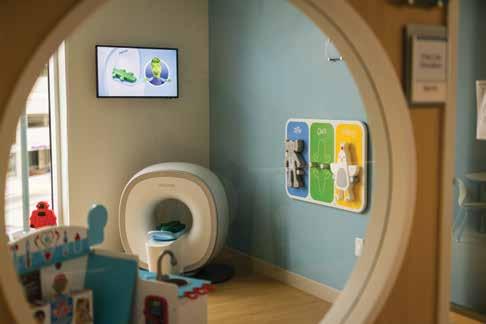
The evolution from shared spaces to a specialized environment is well worth the effort. The child focus dramatically transforms a patients’ experiences, he said, pointing to the example of imaging. In the current space, children share equipment and waiting rooms with adults. Helping a child or infant through adult-oriented medical equipment like an MRI can prove timeconsuming and require sedation.
Now, the new space offers


child-friendly projection goggles to distract from being in a tube, as well as warm blankets and the option to bring a stuffy along for the scan. Those details may improve a young child’s
experience to the point where they might not need sedation, he added.
Intentional design improves experiences Other measures throughout the facility are similarly aimed at easing hospital anxieties. The hospital has just one easy-to-find entrance, which also simplifies security. Everyone who enters will be screened and given a name badge.
“Parents can’t be with their children 24 hours a day,” he says. “This will give parents the security to know their child is safe.”
Inside, a 10-person team is devoted to the patient experience, helping children feel knowledgeable and comfortable about their treatment and procedures.
There are playrooms on each floor, a teen space and a special room that includes child-size imaging machines for stuffed animals. Practicing and








At Mary Bridge Children’s, we offer kids expert care from A to Z. And now, we’re proud to announce our new hospital campus in Tacoma is officially open.
Explore it for yourself at marybridge.org/new-hospital





continued from page 13
understanding a procedure can go a long way in easing anxieties, Poltawsky noted.
Throughout the building, small design details cultivate a child-friendly environment. Take the intentional curves — instead of sharp edges — on desks that protect toddlers. The spacious rooms themselves keep families’ comfort at the forefront, with a pull-out double bed and a private bathroom with a walk-in shower.
Young patients can order fresh food right from their rooms using the television controller. Meals are prepared on-site, and designed to appeal to children as well as families, visitors and staff. The hospital’s caffeinated offerings reflect the region’s coffee culture with locally roasted beans and coffee poured from a purple espresso machine.
“These little touches make it special,” he says. “We’re celebrating our local heritage.”
Reaping the healing benefits of nature
Family gathering spaces dot the campus, including several outdoor green spaces. Each floor evokes a natural theme such as mountains, rivers, shoreline and forest. Local artists crafted works that reflect those Pacific Northwest motifs.

“We’re really celebrating the communities where we come from,” he says. “We wanted to make sure all the families and children could see themselves in the spirit of the building.”
Architects designed the building itself with the goal of maximizing the sun’s daily movements.

Enormous windows embrace the light, brightening the rooms and corridors. They also showcase striking views of Mount Rainier and the Olympic Mountains as well as the urban cityscapes just below. Lush landscaping — including a rose garden — beckons from patients’ windows.
The distinct wall art is captivating and interactive. Astute young observers may spot a hidden moose or slugs camouflaged among the pine trees of the forest floor.
“Looking at the graphics will really spark a child’s imagination,” he says. “It’s a peaceful environment with pops of color.”
An outdoor playground within the facility allows patients to enjoy fresh air and the Pacific Northwest’s occasional sunshine. That way, children can reap the physical and mental health benefits of being outside.
“You’re not confined to an enclosed space,” he says. “Both our indoor and outdoor spaces will promote healing. We want to lift spirits and calm anxiety.”
Mary Bridge Children’s Hospital by the numbers
• 262,000 square feet: Combined size of the new hospital tower and expanded medical center

• 256: New jobs created, with more projected
• $100 million: Portion of the nearly $500 million total project funded through donations
• 800: Parking spots housed in two distinct structures, one for patients and visitors, and another for staff and providers ■
Kellie Schmitt is an award-winning health reporter based in Edmonds, Washington. She covers health policy, public health and children’s health for a variety of publications including the Johns Hopkins University Public Health Magazine and USC’s Center for Health Journalism.













Four questions a divorce attorney says you should consider before tossing the mementos you’ve collected over the years
By Elise Buie
In the course of their divorces, a lot of people — especially women — ask me what they should do with all the mementos they’ve collected during their marriage and the time leading up to it when they were falling in love. They’re usually talking about photos with their ex (the first item that comes to mind), and after that, souvenirs they’ve collected from their travels, as well as jewelry, handbags and other gifts their spouse gave them over the years.
Ask a group for advice, and you’ll get one of four different answers for whatever objects are in question: leave it where it is, pack it up for safekeeping, sell it (if it has a market value) or throw it away. The thing is, how you feel about these items can change over time. It’s why I suggest asking yourself the following questions before making a decision you might regret.
1/ How does seeing it make you feel today?
Emotions during a divorce are often at their most raw, and what can set them off can be unpredictable. Photos, especially, tend to evoke strong feelings, so having framed images of anniversary parties and sunsets in tropical locations all around your home can become a constant reminder of what’s changed in your life.
If you’re having a visceral reaction to certain objects, it can help to remove them from sight, at least for now. That being said, your children’s bedrooms should remain their space and not be cleansed of keepsakes that remind them of their family experiences.
Depending on the child’s age, you may also choose to relocate a few items from common areas to spaces they occupy exclusively, such as a rec room, bedroom or kids-only bathroom. Don’t forget to ask the child first before making additions if they’re old enough to express their opinion.
2/ Do you think you might want it later? Feelings change as a divorce progresses and after it has been finalized. I’ve seen plenty of spouses who couldn’t last more than a few minutes in the same room without arguing become not only strong co-parents, but also good friends once they adjusted to living apart.
Though you may not anticipate that
happening, anything is possible. Meaning, you may want that painting you and your spouse bought for your home while vacationing in Italy, or the watch your ex bought you for your 40th birthday.
Keep in mind that you may want to keep something, whether it reminds you of your ex or not, simply because you like it. There’s no hard-and-fast rule that you have to purge your home or your life of everything from your past.
a storage unit or at a relative’s, until you can take back or rehome them permanently.
Apart from storing your belongings, you can pare down by offering your ex or other relatives and friends what you don’t want or have space to keep, or by donating items that could benefit others. You could also sell what has a market value.
It’s helpful to remember that not everything must be saved for you to
There’s no hard-and-fast rule that you have to purge your home or your life of everything from your past.
3/ Will your children want it when they’re older?
If you decide to go the purging route, consider whether your children, or someone else in your family, might appreciate having these items later. Photos and other souvenirs cannot be replaced; once they’re destroyed, they’re gone forever.
Sure, you may not want them, which is understandable, but it doesn’t mean someone else won’t. If you’re talking about an individual too young to decide, you may have to decide on their behalf. So do your best to put yourself in their shoes before taking any action that’s permanent.
4/ Do you have the space to store it comfortably?
You may have the best of intentions to save mementos from your marriage, but not the space to do so comfortably. If you don’t have room in your home, do your best to find a temporary place for items you want to keep, perhaps
memorialize and honor the time you and your ex shared as a couple. So, if you don’t have the space, don’t beat yourself up over it. Many people downsize after a divorce or simply want to live in an environment free of the past.
There are no wrong answers here. Only choices that fit who you are right now and where you hope to be next. ■
Elise Buie is a Seattle-based family and matrimonial lawyer and founder of the Elise Buie Family Law Group. A survivor of Hurricane Katrina, her own divorce and many dish-filled sinks piled high after lively family dinners with her husband Doug and their blended family of six (six!) teens and 20-somethings, Elise knows firsthand what it means to juggle work and parenting, finding balance in between, even if it means a lot of late nights. When she’s not advocating for her clients, the best interests of their children, and civility in divorce, you can find her sailing on Puget Sound.





By Allison Sutcliffe
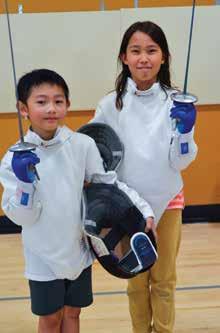
With school right around the corner, many parents, myself included, are on the hunt for engaging after-school programs. There are lots of things to consider when choosing the right program, so I did a little digging to find questions families should ask and considerations that should be discussed before signing up your child. Keep this checklist handy when you’re signing up now or in the future.
Questions parents should ask:
• What are the program goals for kids?
• What does a typical session look like?
• What skills or knowledge will my child gain?










• How do you manage behavioral issues or conflicts between children?
• How do you keep children engaged if they’re beginners and how do you challenge children who have experience?
• How do you support children who are shy, anxious or have different learning needs?
• How do you encourage teamwork and help kids build confidence?
• Is there an SEL element to your program?
• What is the staff-to-child ratio?
• What is your policy for illness or injuries?
• What qualifications do your instructors have? Have they completed background checks?
• Is there a way to communicate with instructors? How should I communicate concerns or give feedback?
• How long has the program been operating?
What parents should consider:
• What activities, experiences and interests excite your child?
• What’s a new activity they’ve expressed an interest in trying?
• What do you hope your child will learn or experience during the program? (i.e. build confidence, try a new activity or hobby, be physically active, just have fun, etc.)
• Does your child thrive in a large group setting or do they work better in small groups?
• Will your child have a friend or someone they know in the program? Does that matter to them?
• What do others you know think about the program? What was their experience? What feedback do they have?
• Will the program schedule leave enough time for homework or unscheduled time?
• Can our family consistently commit to the program and its schedule? (i.e. cost/tuition, driving, equipment, volunteer responsibilities, etc.)
Depending on your child’s age, ask them to be involved in the decision making process. They know best what interests them and are more likely to stick with a program and enjoy it if they’ve had a hand in choosing the best fit. ■
Allison Sutcliffe is ParentMap’s managing editor.














Parenting teens?
Find expert insights and support here: ParentMap.com/ launch-pad
How to set firm boundaries while still being your teen’s safe space
By Sandi Schwartz
Like many parents, I want my children to feel comfortable coming to me when they have a problem in their lives — even a really serious, scary one. But as my children have moved into their teenage years, I’ve realized that being a safe space is often easier said than done. As parents, we often find ourselves caught in a frustrating paradox: trying to enforce the rules that keep our kids safe while worrying that every “no” or firm boundary might be the trigger that causes them to slam the bedroom door.
In an era of intensive and helicopter
parenting, the pressure to perfectly manage our teens’ lives often leads to a breakdown in the very connection we are trying to protect. According to Emily Edlynn, Ph.D., clinical psychologist, parent coach and author of “Autonomy-Supportive Parenting: Reduce Parental Burnout and Raise Competent, Confident Children” and the Parent Smarter, Not Harder Substack, the secret to maintaining this connection lies in autonomy-supportive parenting. By shifting away from a “my way or the highway” mentality and toward a model of flexible structure, we can establish firm guardrails that actually make our
teens feel happier and more secure.
This approach helps us find the middle ground, which is that sweet spot between rigid control and hands-off permissiveness. It isn’t just about discipline; it’s about building a relationship resilient enough to handle the truth. Indeed, we can still set fair boundaries while being a safe harbor to our teens. And through flexible structure and open communication, our teens can become more resilient while we are less stressed and burned out.
How autonomy-supportive parenting creates a middle ground
Autonomy means behaving in alignment with values and discovering our authentic self. The core of autonomysupportive parenting, which has been around for 30 years and is wellsupported by psychological research, involves using certain science-based strategies. These include empathy, perspective-taking, offering choices and involving kids in decision-making. The goal is to use these strategies to nurture relatedness, competence and autonomy within our kids.
“What I love about the autonomysupportive framework is it’s really this moderate middle of balancing the relationship with structure and limits,” says Edlynn. Limits and rules help kids feel safe, even if they don’t admit it. “It is important for them to have appropriate limits, expectations, and rules, and it actually can enrich the relationship because they feel safer and closer, and that you really care about them.”
Setting effective boundaries
The middle ground consists of balancing appropriate freedom within a flexible structure of limits. By collaborating with your child when setting boundaries and explaining the rationality behind them, you’ll most likely get more buy-in from them, says Edlynn. “I think parents
need to look at their own openness to being flexible about rules and really ask what the purpose is of a rule, and if we don’t have a good answer, to be open to our kids negotiating it,” she explains.
It’s also important to reevaluate rules as your child develops and circumstances shift. “Pay attention to how your child is changing and what their needs are as they grow, and match the limits with those developmental needs,” Edlynn recommends. When we give grace to our kids and show flexibility, not only are we strengthening our relationship with them, but we are modeling positive behavior that will benefit them throughout their lives.
When setting boundaries, consider these guidelines from the Center for Parent & Teen Communication:
• Let your teens know that you love them, care about them and are on their side.
• Set clear and specific limits to reduce resistance and avoid confusion.
• Provide the reasons and expectations behind each limit.
• Be consistent with limits but let them know there is some flexibility.
• Clearly state any exceptions you may have and be ready to reward positive, responsible behavior by loosening limits.
• Remind your teens of the consequences for going outside the boundaries.
The number one way to keep our kids safe is to have open communication, says Edlynn. This is especially true
If you feel like your relationship with your teens is broken, don’t despair — it’s never too late to change gears.
when it comes to high-stakes issues like drugs, alcohol, sexual behavior and social media. “Open communication works so much better than banning, restricting, grounding and trying to prevent our children from even being in risky situations because teenagers are notorious for finding a way,” she explains. If we’re so focused on prevention, they are a lot less likely to open up to us when something scary or risky does happen. We definitely don’t want that because then we’ll miss out on the opportunity to guide and support them.
This approach also builds competence. “The more freedom kids have within the safety of appropriate limits, the more opportunity they have to develop their own confidence in building important skills and independence in the world,” says Edlynn. “When we are able to step back and let them explore their world without as much interference and guidance from us, they are building their social, emotional and daily life skills that shape independence.”
To have a really open dialogue about social media, for example, we need to discuss the risks and what to do in certain situations like cyberbullying. Edlynn suggests letting your kids know that you want to understand how they use social media, what they are noticing online and how it makes them feel. “Then, if they get a creepy message from a stranger, they’re more likely to share it with us and then we can help them handle the situation, which ultimately keeps them safer.”
continued from page 21
Navigating relationship challenges around discipline
If you feel like your relationship with your teens is broken, don’t despair — it’s never too late to change gears. “Parent-child relationships are pretty resilient, and I think kids really want to feel connected with their parents,” says Edlynn. “It goes a long way for a parent to recognize that maybe they have been doing things to get in the way of a closer relationship like a lot of punishing, scolding, judging and shaming.”
The first step to rectifying a strained relationship is awareness. That means telling your child you are uneasy about how the two of you have been interacting lately. Acknowledge what you have been doing wrong, such as yelling too much or focusing on the negative more than the positive. Also, be mindful of how judgmental and critical you are
being and explore what’s actually behind that. “They will feel that judgement and shut down, so it’s important for you to be able to manage it and regulate it before you approach your child,” says Edlynn.
Next, ask them open-ended questions to grasp their experience the best you can. Showing genuine interest in their world and acknowledging their perspective helps build a deeper bond. Ask questions like:
• “What has been really hard for you with how I’ve been lately?”
• “What do you wish I would do differently?”
• “What would make you feel like we are more connected?”
The hope is that a mature, evolved child would also admit to their own poor behavior that they could improve, says Edlynn.
Finally, expect them to make mistakes. “That is part of learning and growth, and we don’t need to freak out every time our child makes a poor choice,” says Edlynn.
By adopting these principles of autonomysupportive parenting, we can deepen our relationships with our teenagers so they know we are available as their safe space if the need ever arises. And, hopefully, that connection will last a lifetime. ■
Sandi Schwartz is a freelance writer and mother of two. She has written extensively about parenting, wellness and environmental issues. Find her work at happysciencemom.com and sandischwartz.com.





Get in on these ‘golden hour’ hot spots while the getting’s good
By Krista Tsai
My dad always said, “The sunset doesn’t wait for anyone!” I grew up appreciating the beauty of a sunset, how it slows down time in the best way.
While there are many worthwhile spots to watch the sunset around Puget Sound, my family’s favorites will always be along the waterfront, where the water sparkles and the kids are occupied playing in the sand. With over 200 miles of shoreline in Seattle alone, there are more than a few great spots to catch a glorious end-of-summer sunset with kids.
What time should you arrive at one of my favorite spots to watch the sunset? First, use a weather app or visit a website

continued from page 23
like weather.com to find the local sunset time. I like to use the Apple Weather app on my phone. Next, aim to get to your destination at the “golden hour,” the hour right before sunset where the sun sits low in the sky, creating a soft warm glow that photographers chase. As long as there aren’t any dense low-hanging rain clouds or thick fog, you can still see a sunset when it’s cloudy. In fact, some of the prettiest sunsets have clouds that disperse the light in the best ways.
Now that you’ve got the basics down, it’s time to decide where to go. Here are six of my favorite spots where the kids can play and you can relish the painted sky. Bonus: All of them have nearby parking, public bathrooms and sand to keep your little ones occupied.
Seacrest Park Cove 2 and 3
1660 Harbor Ave. S.W., Seattle
Along the paved Alki biking and walking trail, Seacrest Park Cove 2 and 3 sandwich one of our favorite casual dining
spots — Marination ma kai. Watching the sunset from Marination ma kai’s enclosed patio (perfect for corralling children!), or at either one of the coves next door are some of our favorite spots to watch the sun go down.
Once you are set up at one of the coves, take in the glowing Seattle skyline, mountain range views and ferries passing by. While the coves are very rocky here, my kids keep busy collecting sea glass, climbing on driftwood and big boulders, and skipping rocks into the water. Marination ma kai’s authentic Hawaiian shave ice is a great treat to add to your sunset. If your kids can’t hang, you can always enjoy the view while walking along the Alki trail with little ones in a stroller, or older children riding on a scooter or bike.
Dogs are not allowed on the waterfront beach or cove.
Chism Beach Park
9600 S.E. 11th St., Bellevue
This hidden gem is tucked away amongst neighborhoods and is one of the largest beach parks in Bellevue (following
Newcastle Beach Park). Take in a beautiful Lake Washington sunset at this generally quieter park. Families can enjoy a sandy swimming beach with shallow entry, a floating swimming platform, fishing dock, updated small playground in the sand and expansive green areas to picnic.
Please note that the path from the parking lot to the beach is steep, but a lower accessible parking lot is available. Dogs are not allowed at this beach park from June 1 to Sept. 15.
Marina Beach Park
470 Admiral Way, Edmonds
Just a mile outside of downtown Edmonds you’ll find Marina Beach Park. This Puget Sound beach park can feel a little less busy than nearby Brackett’s Landing, and you can still see the Olympic Mountains and watch the ferries coming and going.
My kids like to play in the sand, build with driftwood and explore the small pirate ship-themed play structure. Pack a picnic or walk along the Edmonds Marina boardwalk to grab some scoops at Snoqualmie Ice Cream (located on the fishing pier end of the marina). Please note that bathrooms at Marina Beach Park are portable toilets.
Lake Sammamish State Park
2010 N.W. Sammamish Rd., Issaquah
Bring your Discover Pass or pay a one-day fee to enter this 531-acre state park with two swimming beaches on Lake Sammamish. Play at the large Pacific Northwest-themed playground, rent a paddleboard or kayak (seasonal), walk or bike the trails and set up a spot on one of two beaches to catch the sunset. We often spot bald eagles here so keep your eyes peeled! Sunset Beach Café is open seasonally and has a selection of food, snacks, ice cream and beverages. We like to bring our kite here as there’s often enough wind to fly one.
Gene Coulon Memorial Beach Park
1201 Lake Washington Blvd. N., Renton
Head to this popular 57-acre park on Lake Washington where you can enjoy playing at the playground, swimming at the beach, fishing on the pier, walking on the 1.5 miles of paved walking trails and more. With 5,400 feet of shoreline, there is plenty of space to play and watch a sunset. If you want to add dinner to your sunset plans,
































Ivar’s Seafood Bar and Kidd Valley Burgers have locations within the park. Birders will enjoy trekking out to the Bird Island boardwalk.
Please note that dogs are not allowed at this park.
Juanita Beach Park
9703 N.E. Juanita Dr., Kirkland
Park yourself for a sunset along this 1,000 foot stretch of sandy Lake Washington shoreline. Kids can play at an accessible playground, swim in the sandy and shallow swimming area or take a stroll over the water on the U-shaped dock. Throughout the summer months, Juanita Friday Market pops up every Friday with vendors from various local farms, handcrafted goods and artisanal bites. DERU Market is another local favorite, just 10 minutes away — grab a few slices of their famous cake for a sweet sunset. We also like getting their house-made pizzas and farm salad to go for picnics.
Dogs are allowed and must be leashed at all times (unless you are in the designated off-leash dog area) but they are not allowed to enter the swimming areas.

Tips for watching sunsets with kids
• Pack simple snacks, novelty treats or bring an easy picnic dinner. I like bringing takeout pizza, a charcuterie board, cookies and sandwiches.
• Pack some toys to keep kids occupied — a kite for windy nights, sand toys for the beach and something to throw around like a Frisbee or football. Glow-in-thedark Frisbees, glowsticks and the like are fun between sunset and dusk.
• Pack layers and blankets for those nights when the temperatures drop with the sun.
• I appreciate a chair in the sand, so I always pack chairs so the adults can relax while the kids run around.
• If the sunset is past bedtime, change into pajamas before you head home for an easier transition.
• For earlier sunset times with kids, go later in the summer when daylight hours are shorter. ■
Krista Tsai is a Seattle-area mom of three. Since having her third child, she has taken a break from clinical social work to stay home. She is determined to teach her children her love of biking, skiing and the beach. You can follow her family’s adventures, travel tips and travel hacking on Instagram @mamabearintheair.




Looking for a change next year? Forest Ridge offers a transformative 5–12 experience where girls are challenged academically, supported personally, and inspired to lead. Grounded in Sacred Heart values, purpose, and a lifelong love of learning. Discover Forest Ridge today at www.forestridge.org.





By Shannon Dean
If your child is getting ready to start kindergarten this fall, there’s a good chance you’re feeling a mix of emotions that come with the final summer before “real” school begins. Excitement, pride and maybe even a touch of panic are all possible. Once school officially starts, it can feel like the end of activities like lazy mornings, spontaneous adventures and midday snuggles.
That’s why the last summer before kindergarten is special.
Here’s how to make the most of it.
Savor the simple moments
There may be a temptation to create well-planned, picture-perfect days where you’re trying to coax the last bit of magic out of summer. But when you ask most parents what they miss most after their kids start school, it’s not the fancy outings. It’s the small things.
It’s simple activities like sidewalk chalk in pajamas, long story times, picking wildflowers on spontaneous walks and lazy picnics. These are carefree moments that matter far more than any elaborate event that you could schedule or plan.
Child psychologist and author of “Good Inside,” Dr. Becky Kennedy, notes that although children can’t possibly remember all events in early childhood, they remember how events made them feel.
And Kennedy says building these sorts of tactile connections with your child lays a foundation for the very skills you want them to know for kindergarten.
She explains, “Connecting to our kids helps generate good behavior in the short term, as kids who feel connected to their parents are more likely to listen, use their manners and cooperate in challenging situations.”
Let your child lead sometimes Giving your child some control over summer activities can help build confidence and increase their enjoyment. Letting them lead shows them that their ideas matter and helps to ease some of the independence-related anxiety that might show itself in the fall.
Dr. Bethany Cook, author of “For What It’s Worth: A Perspective on How to Thrive and Survive Parenting,” notes that “letting
wondering how the years passed so quickly. It’s normal to feel wistful in quiet moments when you are doing things like folding tiny socks or labeling a backpack.
Your child might be feeling big feelings, too, even if they can’t fully explain them. They may cling more or act out in ways they haven’t in a while. So it can help to prioritize small moments of connection. Perhaps set aside small time slots each day when you are available to be fully present with predictable routines and cuddles.
Make and document memories you can both carry into the school year You don’t need to spend a lot of money to make and document lasting mem-

kids make age-appropriate decisions helps them build trust in themselves.”
Even better, a child’s simple choices can be very effective. A parent laughing in their pajamas while building with blocks on the floor can be more impactful than a trip to a museum where everyone is stressed.
Prioritize one-on-one time
Transitions like the beginning of kindergarten can be emotional. You may find yourself feeling extra sentimental,
ories. Simple things can be impactful. Some ideas include a “kindergarten countdown” jar with simple fun activities; a journal where you paste pictures of your activities together; and a special item that you crafted together during your summer outings.
These memories create emotional anchors. They remind your child that even when you’re apart, you’re still connected. Pediatric psychologist Roger Harrison says creating these anchors pays dividends.
He explains, “Special time increases opportunities for closeness between a parent and child. As that attachment is building, it increases the likelihood that a child is going to listen to or value what a parent has to say.”
Leave room for you, too
We worry so much about preparing our kids for kindergarten, but what about us? You’re the one who’s been there for every moment so far. It’s okay to feel a little lost at the idea of letting go and letting some of the care of your little one go to someone else.
You’re not just the parent. You’re a person who is also entering a new chapter with your own experiences and adjustments. It’s okay to take advantage of any extra time you might have for yourself during the transition.
Clinical psychologist and bestselling author Dr. Christina Hibbert says that putting aside time for yourself makes you a more effective parent. She notes, “You are a much better mom when you give yourself time away, to just be you, than when you don’t. Being a healthy, happy mom is important to raising healthy, happy kids.”
Know you did enough
When the first day of school comes, it’s okay if you didn’t do all the things. It’s okay if you didn’t plan a perfect summer or make it through every checklist.
What truly matters most is that your child felt loved, safe and seen. Dr. Krystine Batcho reassures that kids remember feeling connected to you more than they remember actual events, noting, “What activity fills the time together is less important than the fact that the time spent was spent together.”
This last summer isn’t necessarily the end of something. It can also be the beginning of something new — a stronger, more confident version of the little person you’ve helped raise.
And they’ll carry your presence, love and preparation with them through every hallway, every classroom and brave new step. ■
Shannon Dean is a freelance writer and the mother of two sons. She specializes in writing about families and women’s health.







Check out many more happenings online at parentmap.com/calendar
By Julie Dodobara

If you find yourself wondering, “Where has the time gone?” as we head into August, don’t sweat it. There is still plenty of summer left to gather up the crew and make sun-soaked memories before the school bell rings again (my kid’s first day back is Aug. 26!). Fill your warm days and evenings with free concerts, outdoor shows, fairs and fests — and so much play.
� A fixture of summer in Seattle, the Blue Angels’ spectacular airshow and the hydro races are the culmination of Seafair neighborhood events. Turn your eyes to the sky when you hear the unmistakable thunderous din to spot the blazing-fast planes, and head to Lake Washington for the hydro races during Seafair Weekend, Friday–Sunday, July 31–Aug. 2.
� Make the most of warm August evenings by heading to a local park to catch a free family-friendly outdoor movie — you’ll find options all over Puget Sound, often on Friday nights. Select dates Aug. 1–28.
� Pack up your kids, a picnic basket and blanket, and bask in the best summer vibes: enjoying live music in parks across the region. You can find a concert almost any day of the week. Concerts are free and take place on select dates at various times, Aug. 1–31, with some series extending into September.
� Join in the cultural celebration honoring Seattle’s Black community’s rich and historic heritage at Seattle’s Judkins Park. Umoja Fest (from the Swahili word meaning “unity”) honors the strength of our local African American com-
munity, and contributions from across the African diaspora. The festival features a parade, music, yummy food and fun for kids. Saturday–Sunday, Aug. 1–2. Free.
� It’s a summer wonderland at Maris Farm’s Summerfest. Frolic among the towering sunflowers and zinnia blooms, snap the perfect seasonal selfie and let the kids play all day. Admission includes live entertainment, access to the butterfly house, the Mega Slide and more kids activities. Saturday–Sunday, Aug. 1–2 and 8–9. Admission $20; ages 2 and younger free.
� Slow things down and join the moving “From Hiroshima to Hope” lantern-floating ceremony at Green Lake. This event commemorates victims of the Hiroshima and Nagasaki bombings, alongside victims of war and violence everywhere. Thursday, Aug. 6, 6–9 p.m. Free.
� Starting Friday, Aug. 7, families have one week to explore the streets, shops, businesses and parks of West Seattle in search of a hand-blown glass float. Get your crew on the trail of one of these beauties and the treasure could be yours. No matter the outcome, exploring this popular neighborhood is sure to be enjoyable and filled with unexpected finds. Happy hunting!
� Soak up the art, dance, food and rich cultural diversity of India at the free, all-ages Ananda Mela. Drawing around 20,000 attendees over the weekend, you won’t want to miss this joyful festival with incredible performances and hands-on kids activities, including decorating face masks, painting rocks and so much more. Saturday–Sunday, Aug. 8–9 at Redmond City Hall.
� Join In the Spirit Arts Market & Northwest Native Festival, a celebration of Native arts and culture, now in its 21st year, and learn about the wide-range of local tribes’ traditions. Plus, enjoy free admission at the
Chambers Creek Park, University Place
Marymoor Park, Redmond
hosting museums: Washington State Museum, Tacoma Art Museum and Museum of Glass. All offer special performances, exhibitions and interactive activities Saturday, Aug. 8, from 10 a.m.–5 p.m.
� Giddy-up! It’s time for old-fashioned fun at the Pierce County Fair in Graham. This fair celebrates local kids, families and their animals, while showcasing the past, present and future of Pierce County’s agricultural roots. Thursday–Sunday, Aug. 13–16. Admission $10 for adults; $8 for youth with advance purchase; ages 5 and younger free.
� Treat your witches, wizards and Muggles to an illuminating Harry Potter experience ideal for a warm summer night. Book your tickets and head to Marymoor Park in Redmond to witness 1,200 drones recreate favorite characters and moments from the beloved films. Shows begin at 9:15 p.m. on Friday and Saturday, Aug. 14–15. Tickets start at $32 for children and $51 for adults.
� Eat and play your way through a fun and tasty fest celebrating local food and sustainable living. At Chomp! families will enjoy live music, tree climbing, a honk parade, petting zoo and more kid-friendly fun at Marymoor Park. This year, meet Daniel Tiger! Free
admission; food for purchase. Saturday, Aug. 15, 10 a.m.–6 p.m.
� Seattle Parks and Rec’s Big Day of Play is so substantial, it can’t be limited to just one location. Shuttles will run between Rainier Playfields and Mount Baker Rowing and Sailing Center. Expect a day of organized, active fun for families including bounce houses, sports skills clinics, music, water activities and more on Saturday, Aug. 15, noon–5 p.m. Free.
Aug. 29 | Saturday
Waterfront Block Party
Seattle Waterfront
� Be part of the biggest gathering of the season at the annual Waterfront Block Party along Seattle’s shiny new waterfront park, spanning 20 acres from the Stadium District to Belltown. There will be live music, dance, food trucks and activities for the kids. Soak up the summer vibes on Friday, Aug. 29, 1–8 p.m., along Pier 62, Salish Steps and Pier 58. ■
Julie Dodobara is ParentMap’s calendar editor.


Saturday, Aug. 8, 2026
Celebrate 21 years of In the Spirit! Enjoy Native arts, music, vendors, food and free museum admission at this Tacoma community festival. InTheSpiritArts.org
Aug. 13-16, 2026
The first U.S. four-day festival celebrating free-flight culture with circus, street arts, live music and family fun.
airecraftfest.com
“This

Dr. Becky Kennedy Clinical Psychologist and New York Times Bestselling Author





Kim & Penn Holderness Kick off ParentMap Talks this September