




Immersed in a joyful school community, Prospect Sierra students think and feel deeply, develop a lifelong love of learning, and are prepared to make a positive impact on the world.



22 Which Type of Camp Would Best Suit Your Child?
28 What Do You Envision for Your Child’s Camp Experience?
30 9 Activities for Motivated Teens


Mailing Address:
875-A Island Dr, Ste 421 Alameda, CA 94502
www.ParentsPress.com
6 Good to Know
32 Camps Develop Kids
40 Medications at Camp
42 Is Your Child Ready for Overnight Camp?
• Virtual Summer Program Camp Expo
• Get Your Grills Ready!
• E-scooter & E-bike Safety
• 2026 National Parks Fee-Free Days
10 Visiting the ER with your Special Needs Child
12 Lessons from the First JobParents Learn as Much as Teens Do
16 Tips for Traveling with Kids with Autism
43 Featured Preschool & Private Schools
• Find the Perfect Preschool
• Is my Child Ready for Preschool?
• Timeline for Applying to Private Schools
• Financial Aid Basics
Publisher | Parenting Media, Inc.
Art Director | Debbi Murzyn
Advertising Sales & General Info sales@parentspress.com
Copies of Parents’ Press are distributed to locations throughout the Bay Area. Send letters to the editor to editor@parentspress.com
Calendar submissions are due six weeks prior to publication date. Send calendar information to calendar@parentspress.com
Parents’ Press is published monthly. ©2026 Parents’ Press
ALAMEDA
Richard Tabor, DDS 1821 Santa Clara Ave.
510-865-2900
www.alamedadentist.com

Thea S. Dosanjh, DDS
2000 Appian Way,Suite 303
510-964-0168
www.eastshorepediatricdental.com
Teri L. Kim, DDS 2000 Appian Way,Suite 303 510-964-0168
www.eastshorepediatricdental.com

For more information and to see if you qualify, contact: City of Berkeley WIC Program 830 University Ave Berkeley, CA 94710
City of Berkeley WIC Program 1900 6th Street Berkeley, CA 94710
510.981.5360
510.981.5360
Migrant families are welcome! wicprogram@BerkeleyCA.Gov
Migrant families are welcome! wicprogram@cityofberkeley.info Visit us at www.cityofberkeley.info/publichealth
Visit us at www.cityofberkeley.info/publichealth
You may be eligible for no-cost nutrition advice, breastfeeding support, community referrals, and EBT to buy healthy foods! Working families may be eligible for WIC! Do





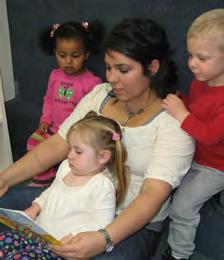

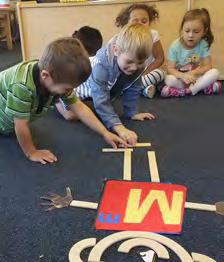

Don’t miss the Parents Press 2026 Virtual Camp & Summer Expo continuing on June 6. This year, we are doing a virtual program for camps that can be customized so you receive the information you want. Please register to receive your customized package of camp information: https://parentspress. com/summer-camp-expo.html

If you’re salivating at the very thought of the approaching barbecue season, know that you are most certainly not alone. The most popular holiday for barbecuing in the United States is the Fourth of July, followed by Memorial Day (we’re counting the days) and, of course, Labor Day. Now go make sure you’re stocked up on charcoal or propane and get those grills cleaned in preparation.

By Emma Knight Injury Prevention Intern, Children’s Hospital
As e-scooters and e-bikes become more popular, both riders and pedestrians need to keep safe. These devices are efficient ways to navigate busy cities and towns but if not done safely, can lead to serious injuries or death. Injuries related to these devices have increased at a worrisome pace, especially in 10–14-year-olds who make up the largest group of those injured from e-scooters. It is recommended riders wear protective gear including helmets, knee pads, and elbow pads to help prevent injury from falls and collisions. Check for damage on your scooter before riding, and ensure you know how to use the brakes. This ensures you can operate your device safely and that you will not lose control of it. Be sure to alert others and ensure they see you as these devices can be silent, small, and quick. Due to the speed that e-bikes can run at injuries to pedestrians can be more severe. You should not ride alone, avoid distractions, and drive sober. Riders should remember to always follow manufacturer’s instructions such as age and weight limits as these can both impact the safety of the rider. Repeated bumps from tricks and stunts can cause damage to the device, causing fires while in operation leading to leg burns or make the device unstable, posing a risk for the rider as well as the pedestrians around them. Following these safety tips can help keep both riders and pedestrians safe.
Please join us for Open House on Saturday, January 31, 10am to 2pm, and experience California Crosspoint Academy up close. We look forward to welcoming you to our family!





The 2025/26 editions of our Annual Private School Guides covering the enire Bay Area are now available! These guides are filled with information on how to help parents navigate the process of finding the best private school for their child. You will find helpful information on prioritizing what are the most important factors for your family, determining what type of school to consider, navigating admissions tours, shadow days, interviews, needed exams, tuition assistance and writing a great essay. Use the month-by-month guide to keep your family on the admissions track to getting accepted to the school of your choice. Available online at https://parentspress.com –just click on “Our Magazines” tab.
What better way to keep track of all the Bay Area preschool and private school’s admission events than this handy tool! With over 50 schools & preschools participating, check out the Online Open House & Admissions Calendar on ParentsPress.com. Look for the School Open Houses button on the main header bar and tap. Don’t forget to tell them you saw their event on https:// parentspress.com
According to former National Park Service Director Chuck Sams, “The entrance fee-free days to encourage people to discover the beauty, history, and inspiration awaiting them in the more than 400 national parks throughout the country.” Only about 100 of the 400+ national parks have an entrance fee, with costs ranging from $5 to $35+. Detailed information about what to see and do in each park is available on NPS.gov or the NPS app. It’s essential for people to know before they go what is open and available, especially if they are staying overnight. Fee-free days apply only to entrance fees and do not cover amenity or user fees for camping, boat launches, transportation, special tours or other activities. , The annual $80 America the Beautiful National Parks and Federal Recreation Lands Pass allows the pass holder and companions accompanying them unlimited access to over 2,000 federal recreation areas, including all national parks. There are also free and discounted passes available for currently serving members of the U.S. military and their dependents, military veterans, Gold Star Families, fourth-grade students, disabled citizens, and seniors.
Free Entrance Days for 2026
June 14: Flag Day/Trump’s Birthday
July 3-5: Independence Day Weekend
August 25: NPS Birthday
September 17: Constitution Day
October 27: Theodore Roosevelt’s Birthday
November 11: Veterans Day
These are “patriotic fee-free days,” and non-residents will still need to pay entrance fees.









By Suzanne Niro, BSN, CPEN
Visiting the ER with a sick child is stressful for any parent. It can be even more challenging for parents of a special needs child or one with behavioral issues. Many of these families have navigated through the ER multiple times for various reasons but each visit can be quite unique. These patients are often dealt with by staff unfamiliar with their extensive histories and complex medical and emotional needs. In addition, prolonged waiting times expose them to other sick children, which can be very problematic.
• Check in with your child’s primary health care provider before heading to hospital. Often an ER visit is unavoidable and children with chronic conditions subsequently require admission to the hospital at high rates (24% to 38% of the time). Consulting with their primary care provider may save the child a trip to the ER, depending on the severity of the complaint. The primary caregiver may be able to arrange an outpatient specialty visit or even see the child themselves to determine if an ER visit is absolutely necessary.
• If an ER visit is unavoidable, make sure to bring the child’s medications or, at minimum, an updated medication list including doses and times given. A quick summary of the child’s complex history is also valuable, including names and numbers of clinicians who are involved in the child’s care. Patients with complex medical needs are often on multiple medications, doses are frequently being changed and some med changes
may not even be updated in the patient’s medical history. In addition, some meds may not be immediately available in hospitals, in which cases exceptions can be made and families may give meds from home.
• Be sure to bring any personal items such as blankets for comfort, or security items such as teddy bears, etc. Although one may anticipate a quick visit, some may last hours, depending on wait time, even if admission is not needed. Having a security item can help the child feel more secure in a stressful situation. In addition, many hospitals offer Child Life services. These clinicians are highly trained individuals who specialize in helping families cope with the visit. They can provide valuable distraction during unpleasant procedures as well as explain to the child and family what to expect during their stay and how the staff can best accommodate their unique needs.
• If your child requires special formula or is on a special diet be sure and bring these with you. Although many hospitals can accommodate these needs on inpatient units, they may not be readily available in the Emergency room.
• Don’t forget to bring a charging cable. If you are brining a gameboy, tablet, cell phone, e.t.c., you will need it.
Given these challenges, improving the delivery of patient and family centered care in the ER requires collaboration between the parents and health care clinicians. Being a strong advocate for you child is essential for an ER visit. Clinicians are trained to “listen” to your valuable advice and expertise regarding your child’s unique and individual needs.
Monthly March through June
Receive camp information and learn about more than 75 day and overnight camps as well as summer programs for all ages and interests.
Click here to register and receive access to regularly updated online camp expo materials

By Katy M. Clark
Iwas sitting in my car in the parking lot of a banquet hall. I wasn’t there to attend a wedding or silver anniversary dinner. No, I was there waiting for my fifteen-yearold son.
Moments earlier, I had watched him walk into the office at the banquet hall. He looked so official, dressed all in black. He was reporting for his first day of work as a kitchen assistant.
With this part-time job, I hoped he would learn what all of us have learned from our first jobs: how to manage your time, respect your boss, be responsible, and work hard. I was looking forward to him earning his own money, too.
And can I add that by working a parttime job that summer he wouldn’t have so much free time to play video games? That pleased me, too.
I was waiting in the parking lot,
though, because I was unsure if he needed me for anything. He had turned in his work permit and employment forms earlier in the week, but was everything in order? Did he need my signature one more time? A reminder of his social security number? And his employment contract had said no cell phones, but would he have a place to stash his or did he need to leave it with me in the car?
To be honest, it felt a bit like the worrying and hovering I had done that first day he went to kindergarten. And just like that first day, I learned
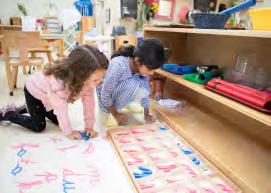




To be honest, it felt a bit like the worrying and hovering I had done that first day he went to kindergarten.
that he was going to be just fine without me. After fifteen minutes of waiting and no sign of him coming out to hand me his phone or ask me anything, I left. As it should be.
That first day soon turned into his first week done and dusted, then into his first month completed. As time passed, I realized something surprising. Not only was my teen learning valuable life lessons from his part-time job, but I was learning a lot, too.
First, I learned that he was capable without me. He checked his schedule. He picked up his paycheck. He made sure his uniform was clean and ready for his next shift. As it should be.
Then, I learned it was okay not to be aware of every little detail of his life. His job did not send me weekly or daily emails like his high school did. My phone did not ping with constant notifications like the ones I got from his sports teams alerting me to practices and games. All communication about his job was solely between him and his employer. As it should be.
I learned that he still needed me, too. I taught him how to cash his paycheck and also how to deposit it. We talked about spending his paycheck for fun stuff while saving for the future. I introduced him to FICA and other workforce realities. I coached him on how to approach his boss about a misunderstanding over his schedule. I was there for him those times that he needed me. As it should be.
As the summer drew to a close, and my son’s return to school loomed large, I was sad when he had to give his two weeks’ notice. My son learned many valuable lessons from his first job, but I learned a lot, too. I learned that he was capable. That he didn’t need me all the time, but that he still needed me some of the time.
I learned that I could let him go, even if just a little bit, and he would be okay. As it should be.
Katy M. Clark is a writer who celebrates her imperfections as a mom at ExperiencedBadMom.com.




By Jean Abernathy
For a long time, traveling with my autistic son was a traumatic experience for the whole family. My anxiety was through the roof! Many times, we almost canceled the trip because it just wasn’t worth it! The tantrums, the screaming, the sabotage of all of my packing and planning made me ask myself, why go? Before we had children, my husband and I loved to travel the world. Giving it up would be a big loss for us. After one particular 12-hour flight, when
my then 18-month-old son screamed and cried for 11 hours of it, I was ready to quit travel until my son got older. As a family and after adding another child, we figured out what worked for us. Over time, I’ve learned some tricks that really help, and I’d love to share them hoping you can find a way to make it work for you.
As a mom, travel is already hard between planning and organization, keeping everyone happy, fed, and clean. Modern Family’s Claire Dunphy said of a family trip to
Hawaii,”I’m a mom traveling with her kids. For me, this is not a vacation. It’s a business trip.” Then, add on traveling with a child with autism. Yes, it can be rough! I wanted to find a way to have travel be a part of our family bonding. It took some hard trips to learn what works and what doesn’t. Twice, I came home from a family trip and booked the next cruise out of our town, solo! The good news is that family travel can be done and enjoyed! Let me share what works for us.
Some children with autism do better with a countdown calendar. Starting a week ahead, you mark each day off and let your child add something to his suitcase. It builds excitement and helps him prepare mentally for the trip. But this tactic is not for all. For my son, this process backfired and made him even more anxious. This made for horrific transition days, the day we left home to get to our destination. However, once we got to our destination, he would be fine. The rest of the family was a total wreck but, he was fine. Eventually, we learned to downplay the trip. As our children got older, we would discuss a destination to gauge interest. My son would never show interest in anything new but would give us clear clues if the trip was a no go. Once the trip was booked, we would tell him the dates. Then, we would drop it. Two weeks out, I give him a reminder. One week out, another reminder to discuss basics, i.e school work to bring, prescriptions to renew, etc. At this point, he may ask where his dog was staying and what activities we had planned. We let him bring up the trip if he wanted to. Sometimes he did, sometimes not. Naturally, conversation at dinner would revolve around the coming trip. He is okay with this. Now that he is older, two days before I give him a packing list. It helps ease his anxiety when we travel to accommodations he is familiar with and avoid bouncing around hotels.
Always inquire with the airline ahead of time to check policies and special accommodations for kids with disabilities. Most airlines have ways to help flyers with dis-
abilities and have plans to accommodate people with special requirements. Many airports have special quiet areas to help people decompress if needed. Or, if you have access to an airport lounge, they can be quiet respites. Then, I plan to get to the gate early and speak with the gate agent. Often, but not always, they’ll let you board first. Some airlines now require that you make this request at the front counter. Trust me, it’s a game changer if your child needs it.
If your child has a favorite seat (like mine with his window fixation), it is worth paying a bit more for it. Even better, a bulkhead window seat with no seat to kick in front. This made a world of difference in our flights, keeping him calm and fascinated.
There is a ton of info on what to pack. I’m covering what not to pack in your child’s carry-on. My son’s love for metal Thomas Trains then metal Star Wars battleships stumped many a TSA agent as they went through the scanner. Until he was 14, his Ziplock bag of what felt like 200 battleships went everywhere with us. Still, for some cosmic reason, at age 17, almost every single time, it’s his backpack that gets pulled for additional screening. Now that we are beyond traveling with strollers, car seats and all the gear, we are big fans of not checking luggage, opting for carryon luggage only. But, while you are still in the young kid phase, pack all but one or two metal toys in checked luggage, provided your child will allow for this. Mine did not. If your child has to have toys with him, pack them in a clear bag ,then pull the bag out for security scanning. This will save time and much angst. My son did not like strangers going through his bag and would let them know it.
Aside from what I pack for him, I have my own bag. It’s my magic Mary Poppins bag. Think favorite toy, go-to snacks, water bottle, an extra outfit for him and me (you never know), and even some lollipops for those tough earpopping moments. Don’t forget sanitizing wipes for all airplane surfaces, duct tape to keep the tray table closed when not in use, and plenty of extra diapers. I learned the diaper lesson the hard way when our plane was delayed for six
Continued on page 18 >>>

hours on a flight home. You would think you could buy emergency diapers at an airport! Plus, the all-important iPad, headphones, and charger!
I make it a point to give the person sitting in front of my child a heads-up of what we are dealing with. I explain that my son has Autism. He usually enjoys flying but can get restless. We will do our best to keep him content and prevent him from kicking your seat during the flight. Please understand that this is hard for him. People are usually very kind and understanding if you are trying to work with your child.
I was initially against bribing, but flights aren’t the usual setting, are they? I reward him with a small treat from my bag if he’s good for a certain period. It’s amazing what a little motivation can do.
If you find yourself having to travel solo with your special needs child, find someone to come along. Having a buddy to help so you can regroup for five minutes or go to the bathroom on the flight makes a difference. We all need a breather now and then.
I have more success staying in a place with a kitchen (See Breakfast and Dinners In) and a comfortable place to eat meals and separate bedrooms. Separate bedrooms or a comfortable place for my son to be alone and decompress makes for a much happier situation for the whole family. Also, with separate bedrooms it is easier for him to fall and stay asleep without the noises of others in the room. Sometimes, our family of four can’t avoid a hotel night, nor want to pay for two rooms. These nights are very stressful. It’s hard for all to sleep well. What helps are a small travel fan and a travel headband with wireless earphones to cut down on noise distractions. The more restful sleep my son gets the better it is for all of us.
Part of the fun of travel is to explore new things. For my son, new and unfamiliar places are pure torture. As a parent, I want both of my children to see the world. My son resists this want. Over time, we have discovered that if we go to a familiar base setting for longer durations, my son is better able to handle doing day trips or short three-day trips from the vacation. Plus, leading up to the trip is not so traumatic because he knows what to expect and actually looks forward to it.

On days that we are out and about, I try to start the morning with a “normal” breakfast with familiar foods. This normalcy is one less new thing for him to face. Then, after a tiring day of exploring, knowing that a dinner out will end badly, I plan a normal dinner at the place we are staying.
Since the pandemic, I find that both of my children, autistic or not, need more downtime. I use a one-to-one ratio, one day exploring, then the next day of downtime. As the trip goes on, I transition to half day segments recognizing that the longer away from home the more the trip wears on my child.
Sometimes, things don’t go as planned. Maybe it’s a delay or an overstimulating environment. A backup plan or a quiet corner for meltdowns can be a lifesaver. Sometimes, it might mean cutting a trip short for the sanity of the family, and that’s okay.
Once you’re back home and settled, think about what worked and what didn’t. Write it down! Consider creating a “How to Travel” journal. Take note of items you wished you had packed and items that should have stayed home. List situations when everything worked out and why, as well as what didn’t and possible ways to do things differently next time. Plus, check in with yourself. As moms, we tend to focus on everyone else. How did you enjoy the trip? Are you rested or exhausted? Did this trip live up to what you imagined? What could you do differently to make future travel better for you and all of your family? The focus of the journal is to document how a trip went as opposed to the trip itself, so that next time your travel experience will be even better. Get beyond family travel being a relocation. Enjoy an actual vacation.
Traveling with our special kiddos take extra work, but the memories are worth it. We’ve got this, mama!


IN THE BAY AREA, WE’RE INCREDIBLY FORTUNATE BECAUSE WE HAVE AN ABUNDANCE of summer camps to choose from for our children. Whether you’re looking for a day or sleepaway camp, one that focuses on the performing arts, science, or whatever else your child is passionate about, it more than likely exists in our region.



Intensive OT programing in nature and surrounding areas to Oak Bloom
We are excited to meet your child’s needs and celebrate another year of neuro-affirming, nature-based experiences.
Monday-Friday 9:00am–1:00pm*
ALL SUMMER LONG!
EACH WEEK FEATURES:
• 3 days outdoors in nature
• 2 days at Oak Bloom & surrounding areas
CAREFUL GROUP CONSTRUCTION
• 1-2 OTs plus OT Intern
Creative Activities
Exploring Our Senses
Social-Emotional Learning
Painting
Arts & Crafts
Fun Games
Music & Dance
Sensory Motor Play
Outdoor Adventures

Outcomes will create more independent, confident and resilient kids through fine motor play sensory exploration and active movement.
• 1:1 ratio available

• Two groups: Under 6yrs + 7yrs & Up
COST
• $1,200 per week: 5 days x 4 hrs/day
• Scholarships available
• Sibling & Friend discounts:
• 25% off weekly price when enrolling more than one child!
* After care available 1-3pm upon request for an extra fee




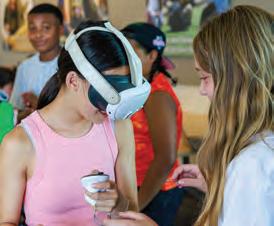


The opportunities that summer camp provides are endless: the ability to try new things, the chance to make new friends, and the prospect of gaining independence are just a few.
Consider the possibilities:
DAY CAMPS typically serve children ages 3-15. Session lengths typically vary from one to eight weeks. Some camps offer up to ten weeks of programming. Before camp and after camp programs are offered for an additional fee at some day camps.
OVERNIGHT (also called Resident or Sleepaway)
Camps usually serve children ages 6-18. Campers stay at camp for one to eight weeks, depending on the camp’s session length.
GENERAL CAMPS offer a broad range of activities. Many provide campers with the opportunity to focus on one or a few areas while encouraging them to try a variety of others. It is sometimes possible to explore an activity or interest in depth within the context of the whole program.
TRIP & TRAVEL CAMPS involve outdoor exploration through active sports like biking, hiking, climbing, and canoeing. Campers spend most of their time traveling and preparing to travel.
The only downside to having so many options is that it can truly feel like an exhausting search to find exactly the right fit for your kids. We want them to be happy. We want them to feel comfortable. And, most of all, we want them to be safe. But how does a parent know they are making the right choice? Read on to find a wide range of information that will answer your checklist of questions regarding how to best decipher the information in all of those brochures and how to make the most of an informational visit. You’ll have better peace of mind and, chances are, your kids will have one incredible summer.
Before you start scheduling camp interviews, research all of the options that appeal most to your family, then weigh the pros and cons of each (you can even grade them on a points system if you like). After you’ve compiled a list in order of interest, start eliminating some. You don’t want to drive yourself crazy going on interviews for camps that aren’t really all that appealing to you. It’s a waste of your time and theirs. Once you’ve ruled out camps that don’t meet your essential search criteria or expectations, begin exploring the details of
SPECIALTY CAMPS are based in day or resident settings. Popular options for specialization may include horseback riding, the arts, sports, computers, or travel. Programming revolves around intensive exposure to the specialty area.
CAMPS FOR SPECIAL POPULATIONS serve specific clientele like children or adults with particular medical conditions, disabilities, or special needs. Some camps focus on campers who share very specific diagnoses, while others are geared to meet a broader array of needs at any one time.
RELIGIOUSLY-AFFILIATED CAMPS offer religious education formally and informally. Review materials carefully for explanations of how religion influences a camp’s culture to find one with the balance that best matches your family’s values and beliefs.
FAMILY CAMP SESSIONS include family members of all ages, from grandparents to infants. Accommodations vary, as do program options and session length. The focus is on being together as a family—to learn, to relax, and to enjoy new experiences and adventures.
each option you like. Sometimes, the filtering process yields too many camps to interview personally; sometimes, it doesn’t yield enough. Adjust key variables, such as location and session length, to narrow or expand the number of options on the results page. Use the results page to go directly to camp websites.
Camp interviews may feel a bit tedious at times, especially depending on how many you plan on talking to, but they are so necessary in determining how your child might fit into the environment. Go into each interview armed with knowledge of your pros and cons so that you have your questions firmly planted in your mind. How does the camp convey who they really are and reflect the world they’ve created exclusively for a child’s benefit? Camp seekers can learn so much from a close look at camp websites, brochures, photos, videos, FAQs, newsletters, social media, and camper or parent testimonials. Many camp websites are a gateway to most camp information on this list, from video content to downloadable brochures and forms, all reflecting the camp’s culture.



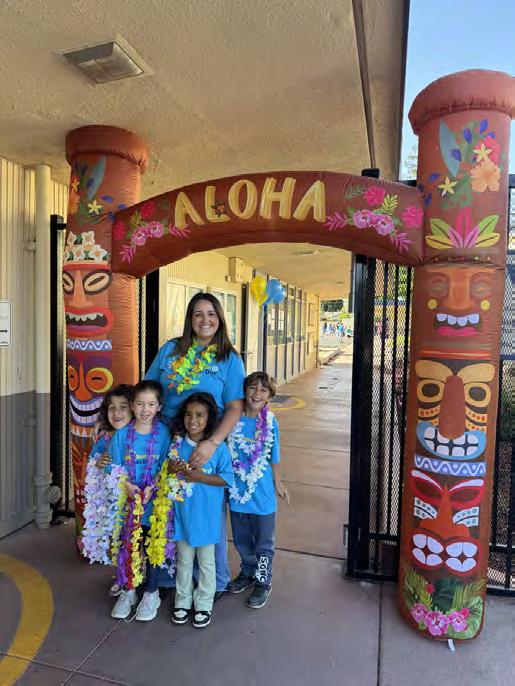




We strengthen Jewish identity by raising awareness of the racial, ethnic, & cultural diversity of Jews around the world.

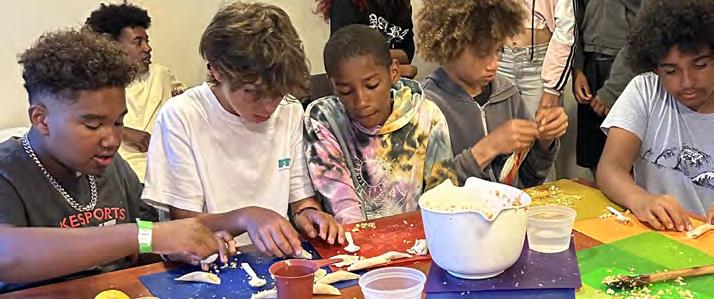
Campers have ‘Passports’ and travel virtually to different countries learning about Jewish traditions through art, music, dance & cooking.


Campers
Many Camps are much more than lists of activities they offer; they are vibrant educational communities – and no two are exactly alike. There is probably not just one perfect camp for your child. More than one camp may turn out to be a great fit, given your search criteria, so the interviewing stage will most likely factor into your final decision and help you to pinpoint the camp. So, how do you decide between two (or a few camps) with comparable activities, locations, schedules, amenities and prices?
Enough research will provide answers to your questions without you having to utter a single word. Camps try to anticipate what families need to know and provide this information online. You’ll want to use interview time to ask questions that haven’t already been answered – questions that explore the fit for your child.
Running low on time? Interviews with some camp head honchos may already be available online. You can also consult with friends who’ve previously met with the camp for information you never even realized you might want. Look for an interview with the example, you might see photos on the website or on Facebook showing the salad bar or a cabin group sitting around the table with food served family-style. This might spark a question about camp food and how your child’s dietary needs can be met. Or, combing through the part of a website developed exclusively for parents of overnight campers might enable you to understand the camp’s plan and suggestions for communicating with your camper. Perhaps reading the director’s blog from last summer or looking at newsletters might give you some insight into the camp’s philosophy and culture.
You’re the expert on your child! What aspects of his personality might affect the camp fit? (Your child is shy and cautious in new situations, for instance. Or your child needs to have a certain amount of time to practice music, sports or academics.)
Submitted by American Camp Association.






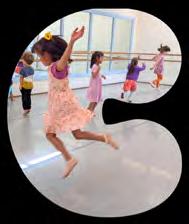









for Students in Pre-K to 8 grade th






August 3-8 2026






electing a camp for your child can be exciting. You know that camp is a wonderful way for your child to develop independence, new skills and new friends. But now you need to figure out which camp is the right choice. Consider these questions as you go through your search:
What is driving your camp search? Fun and learning? New experiences and skills? A need for child care? Family tradition? Encouragement from friends?
What are your leading camp search criteria? Which ones are “non-negotiable” and which are “preferences”?
Which of your family’s values should be reflected in the camp philosophy? How religious should it be? How competitive? How diverse? How much camper choice should be given?
What activities or programs interest you and your child? What level of intensity are you looking for? Are you looking for opportunities for your child to try new activities, to play, to advance current skills, to practice, to compete or to specialize?
What kind of facilities will your camper consider? Discuss electricity, bathrooms and dining.
What session length, from eight weeks to a few days, is comfortable for you, for your child, and for your family’s summer schedule? The most common session lengths are: full season (seven to eight weeks), half season (three to four), two weeks and one week.
What camp clientele do you want to consider? There are camps for only boys or girls, coed, brother/sister, religious groups, underserved populations and children with special needs.
How far are you willing to commute your child? Is there a good local source or is it worth driving to a destination camp?
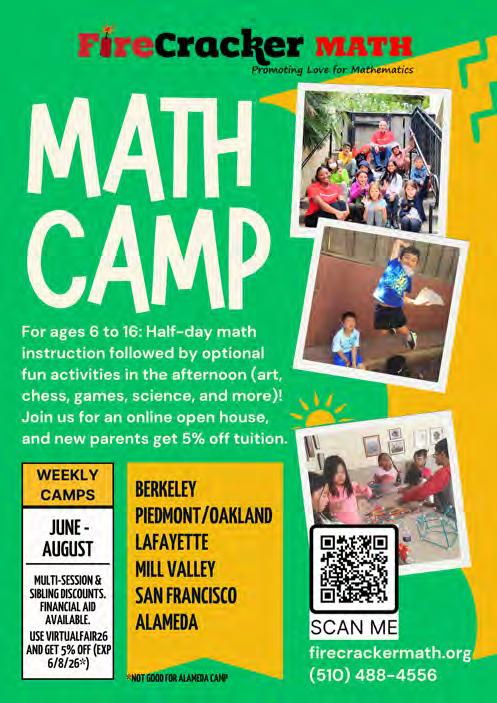



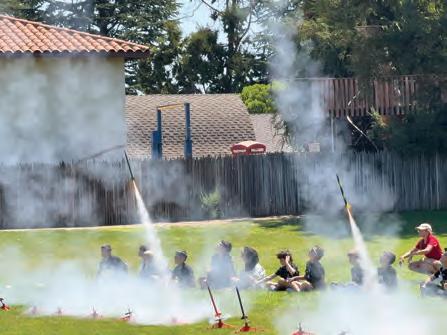


Summer often conjures images of camps for younger kids, where they make friends, learn new skills, and have fun. But as children grow into their teen years, they still benefit from engaging, enriching summer experiences—just tailored to their evolving interests and goals. While babysitting, mowing lawns, or lifeguarding are great ways for teens to spend their summer, there’s a wealth of opportunities that can help them prepare for their future, especially if they’re college-focused. Here’s a look at some activities and their benefits:
Community Service Camps: These camps allow teens to give back to their communities while learning valuable skills. Whether it’s packing food for the homeless, assisting with community projects, or even helping to build homes, teens gain hands-on experience that fosters a sense of purpose.
Interest-Based Camps: For teens passionate about sports, arts, computer science or other activities, specialized camps provide an immersive environment to develop their skills. From improving soccer techniques to exploring the arts or deepening their faith, these camps offer a focused approach to personal growth.
Team-Building Camps: At camp, teens meet peers from diverse backgrounds and learn to work as a team through collaborative activities. Trust-building exercises and group projects teach cooperation—skills that are vital in college and beyond.
For teens with a clear interest in a particular field, internships provide an excellent opportunity to gain realworld experience. Whether shadowing a doctor, assisting in a lab, or working at a local business, internships offer insight into potential career paths and look impressive on college applications.
Teens interested in STEM fields can often find summer research opportunities through universities, science institutes, or specialized programs. These experiences allow students to contribute to meaningful projects, learn advanced methodologies, and connect with professionals in their field.
For those still exploring career options, job shadowing provides a chance to observe professionals at work. Spending a day or two with a mentor can help teens understand the day-to-day responsibilities of a job and determine whether it aligns with their interests.
Summer is a perfect time for teens to unplug and dive into interests they might not have time for during the school year. Whether attending camps focused on creative arts, sports, or technology, or taking guitar lessons, teens can develop new passions or refine existing ones, which could influence their future studies or careers.
Experiences like camps, internships, or job shadowing encourage teens to step out of their comfort zones. These activities require them to adapt to new environments, manage their time, and interact with others—key skills for college and adulthood.
Whether through sports camps, outdoor adventure programs, or summer jobs that involve movement, staying physically active during the summer is essential. These activities help teens maintain their health while fostering discipline, developing skills and teamwork.
Whether through sports camps, outdoor adventure programs, or summer jobs that involve movement, staying physically active during the summer is essential. These activities help teens maintain their health while fostering discipline, developing skills and teamwork.
Spending time away from home — whether at a residential camp, internship, or through international travel — often helps teens gain a new appreciation for family life and everyday comforts, from home-cooked meals to their own bed.
Summer isn’t just for relaxing—it’s a time to grow, explore, and prepare for the future. Whether through camps, internships, research, jobs or other activities, college-focused teens can make the most of their summer while creating memories, making friends and developing skills that will last a lifetime. And yes, there’s still plenty of time for those odd jobs to help fund next year’s adventures!








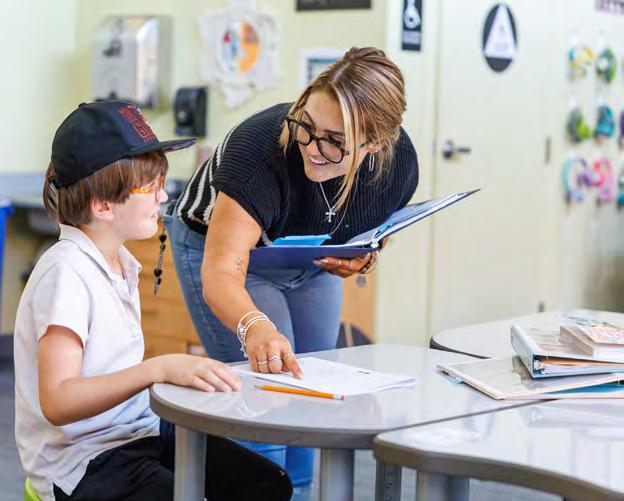

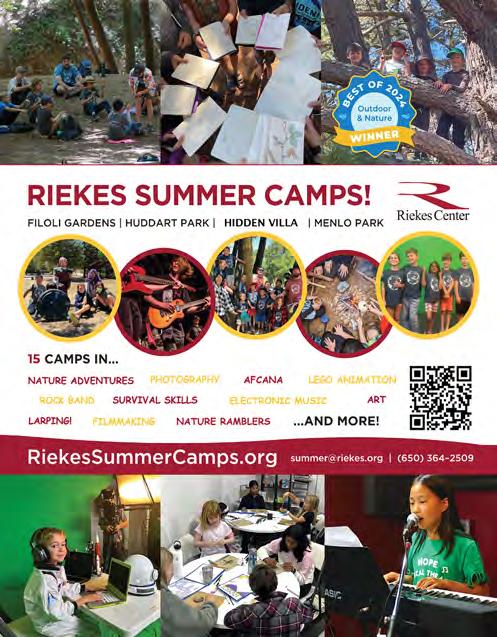

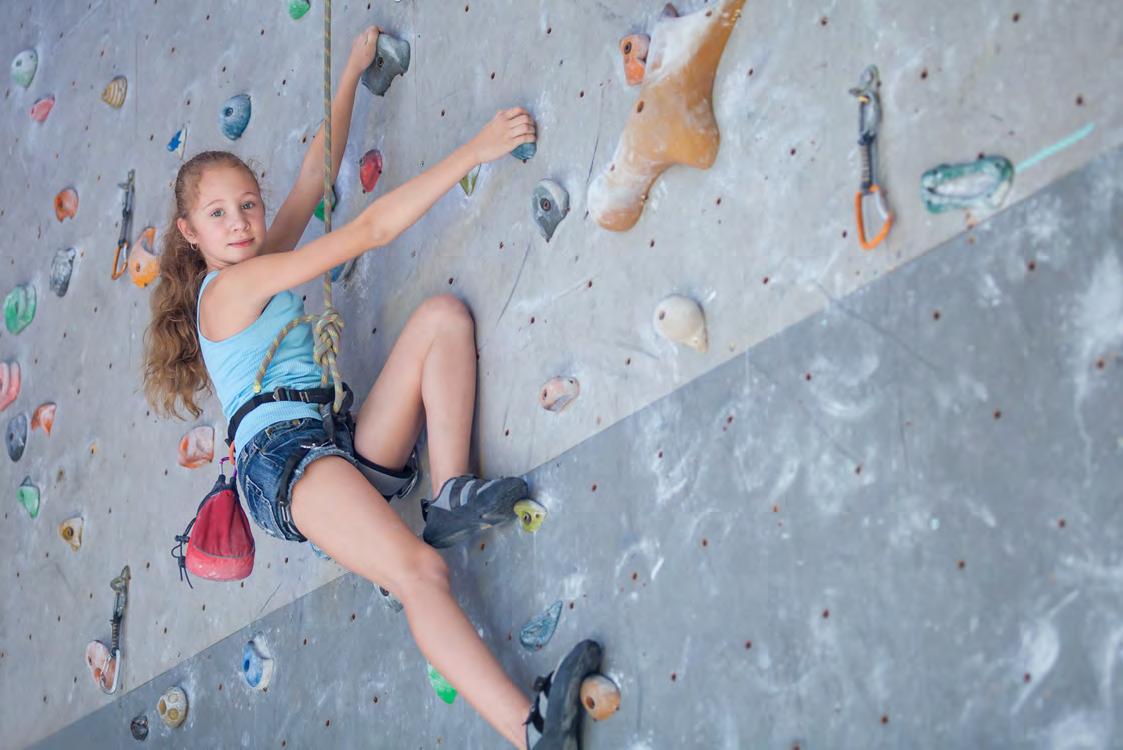
Decisions can be scary. Without certainly knowing an outcome, people make choices every day. Some work out, and others provide unforeseen results. Both contribute to developing a healthy process for making decisions. By doing, people learn how it feels to make decisions and how they overcome internal and external factors that impede or help the process. However, decision-making is not a naturally easy process for many. And for children, decisions can be even scarier. After years of making decisions, most adults naturally find their process. However, where can children find more opportunities to independently and collaboratively make decisions safely? Camp.
It starts with the decision about camp. By including them in the process, campers feel empowered and learn how to consider multiple factors in coming to a decision. A camper may have a friend at camp
and want to go or a parent might want their child to have a similar experience they did as a kid. Both are valid reasons to go to camp, but there are other factors to consider before giving the green light. When the process is done together, parents and children are both honing their decision-making tools.
Every summer, campers will address these questions independent of their parents for the first time. A camper may be used to school only. Parents might decide an outfit, the cafeteria decides what’s on the menu and, and teachers generally decide the daily lessons. Camp can offer choices for children that they’re not used normally facing.
At sleepaway camp, campers might have more leeway in what they wear. Day camps might allow campers to select their own activities each day, and for some campers,
simply deciding between two food choices can be a first. Campers won’t make these decisions in a vacuum. However, by allowing campers to make even the smallest decision on their own, camp builds confidence in the camper’s decision-making abilities and provides learning opportunities for those choices that don’t pan out. All this is done in the safe, friendly confines of camp.
From the decision to go to camp, to trying new activities, and all the other choices involved, camp is a natural environment that fosters decision-making capabilities. Even for many adults, decisions can be hard. Anxiety is real and fear of making the wrong decision can paralyze. But camps can help this. Camps provide children an opportunity to make decisions in a safe, healthy environment daily. Just like getting to Carnegie Hall, better decisionmaking takes time and practice. Both found in abundance at camp.


Deciding between day camp or residential (overnight) camp is one piece of the decision for families. Camp is an experience and not limited to a singular location. Campers can develop the same skills, both hard and soft, whether they’re sleeping away from home or returning to their own beds each night. While there are differences between day and residential camps, above all else, the most important outcome of this decision is finding the right fit for your camper and family.
This begins with knowing your camper. Many overnight camps begin taking campers between ages 7-9 years old. However, some children may be ready at 6 and some others may not be ready at 10. While there is no clear, linear checklist to determine whether day or overnight camp is right for your child, the questions listed here can help guide that conversation.
These questions can help begin a dialogue with your family about which camp experience is the best fit for you. The choice of day versus residential camp is one important aspect of the overall decision. But even then, make sure you follow up with those potential camps. Talk to directors. Ask for tours. Ask for references. Do your due diligence. In the end both you and the camp want this summer to be the first of many and the beginning of a great relationship.
• What is the primary reason for wanting to go to camp?
• Has your child ever spent multiple nights sleeping away from home?
• What’s your budget for camp?
• Can your child bath and dress independently?
• How far away from home do you want your child’s camp experience to be?
• What activities are important to your camper’s experience?

We limit each summer camp session to 12-15 students, so that each student receives individual attention. Making art develops problem-solving skills, encourages creativity, and develops selfconfidence. Our goal is to provide the materials, structure, and guidance to spark creativity in each child, allow them to explore and investigate their own ideas, and have lots of fun in the process.
Schedule for Summer Art Camp 2026
Special: June 5th One-day Drop-In
Week 1: June 8-12 Drawing
Week 2: June 15-19 Paint: Color
Week 3: June 22-26 Animals & Imaginary Creatures
Week 4: June 29-July 3 People & Faces (4 day week)
Week 5: July 6-10 Landscape, Still Life & Oceans
Week 6: July 13-17 Drawing
Week 7: July 20-24 Animals & Imaginary Creatures
Week 8: July 27-31 Paint: Color
Week 9: August 3-7 Landscape, Still Life & Oceans
Week 10: August 10-14 Animals and Imaginary Creatures
Week 11: August 17-21 Paint & Draw
All art materials are safe and non-toxic. Ages 6-13, regular campers, and 14-17, counselors in training. Camp options are from 9am to 3pm each day with before and aftercare available, 8-9am and 3-5pm. On Friday, camp ends at 3pm. Daylong Immersion Days are also available. Questions? Please call 510-604-0036 or email Bethpaints@gmail.com Register at www.DancingPaintBrushStudio.com
Our camp is located at 1744 Solano Avenue, Berkeley







MIDDLE SCHOOL STUDENTS
SESSION I: JULY 20– 24
MIDDLE SCHOOL STUDENTS
SESSION II: JULY 27 – JULY 31
SESSION III: AUGUST 3 – 7
LOCATION
LOCATION
Greenhouse of the Imagination Noe Valley
SESSION IV: AUG 10 – 14
9 am – 12:30 pm 9 am – 12:30 pm 9 am – 12:30 pm 9 am – 12:30 pm
SESSION I: JULY 15– 19 9 am – 12:30 pm
SESSION I: JULY 15 – 19 2:30 pm - 6 pm
SESSION II: JULY 29 – AUG 2 9 am – 12:30 pm
SESSION III: AUGUST 5 – 9 9 am – 12:30 pm
SESSION IV: AUG 12 – 16 9 am – 12:30 pm
HIGH SCHOOL STUDENTS
HIGH SCHOOL STUDENTS
SESSION III: JULY 27 – JULY 31
SESSION IV: AUG 10 – 14
2:30 pm - 6 pm 2:30 pm - 6 pm
Greenhouse of the Imagination Noe Valley
IN-PERSON OR WITH ZOOM OPTION
Cost: $325 (one week camp)
IN-PERSON OR WITH ZOOM OPTION
PAYMENT PLANS available. Just ask.
Cost: $295 (one week camp)
PAYMENT PLANS available. Just ask.
WORKSHOP LEADER
SESSION II: JULY 29 – AUG 2 2:30 pm - 6 pm
SESSION III: AUG 5 – 9 2:30 pm - 6 pm
SESSION IV: AUG 12 – 16 2:30 pm - 6 pm 2024
WORKSHOP LEADER
Leslie Kirk Campbell
California Poet-in-the-Schools: 4 years
Leslie Kirk Campbell
Writing Teacher: 35 years
California Poet-in-the-Schools: 4 years
Writing Teacher: 35 years
Award-winning Author
Award-winning Author

Parents often face challenging decisions about managing their child’s medications, especially ADHD or diabetes medications, during summer camps. Follow these steps to help ensure your child has a safe and enjoyable camp experience.
Start with the Camp Director
Prior to the start of camp, talk to the camp director to understand the daily schedule and identify the counselor who will work most closely with your child. While camp directors may have experience with children taking special medications, counselors can be younger—sometimes only 18 or 19—and less experienced. This doesn’t mean your child won’t be well cared for, but it’s important to understand the varying levels of expertise among staff.
Consider the Camp’s Duration
The length of the camp matters. Short day camps lasting three or four days differ significantly from multi-week overnight programs. Reflect on how much time and effort it took to create effective strategies for your child with teachers and healthcare providers. Camp staff, with their limited time, may struggle to fully understand your child’s unique needs or group dynamics.
Utilize the Health Care Consultant
Camps are usually required to have a health care consultant on staff to manage medical forms and medication protocols and disbursement. During check-in, you’ll likely meet the person responsible for overseeing medicine distribution. Ask about:
- Who ensures your child receives their medication on schedule.
- Where and when medication will be administered.
- Any potential conflicts with the camp schedule, such as meal times, special activities, or curfews.
Make sure your child understands the process, and discuss with their counselor how to navigate any challenges. For example, strategize ways to handle situations where your child might feel embarrassed about taking medication and how to minimize disruptions to their camp experience. Also, share with the counselor signs that medicine is not being administered or if too much medicine has been taken as well as how the medicine may affect your child’s appetite, activity level and state of mind and what to do when something isn’t right.
Some parents feel that the physical activity at camp might reduce the need for certain medications. However, keep in mind that the limited duration of camp and varying staff experience levels can make managing unmedicated campers more challenging. Carefully weigh the benefits of medication against potential difficulties and ensure your decision aligns with your child’s needs.
By working closely with camp leadership, understanding staff roles, and collaborating with the health care consultant, you can create a plan that supports your child’s well-being and allows them to enjoy their camp experience fully.


Monthly March through June
Receive camp information and learn about more than 75 day and overnight camps as well as summer programs for all ages and interests.
Click here to register and receive access to regularly updated online camp expo materials


Parents’ Press takes the guesswork out of finding the right preschool for your child, from start to finish.
The following articles are excerpts from the East Bay Guide to Preschools and Early Education, covering “7 Steps to Finding the Perfect Preschool,” “What to Look for When Doing the Site Visit” and “Basics to Know About Preschool Options.” The complete East Bay Guide to Preschools and Early Education leads parents along the early education or preschool selection path beginning with how to determine if your child is ready for preschool,
what options and different teaching philosophies are available, questions to ask a preschool, what to look for on a site visit and more. In addition, you will find program profiles and a comprehensive list of regional early education and preschool programs. Your road to the ideal early education program just got easier! Get your copy today of this free resource at ParentsPress.com/ our-magazines.
1START EARLY. It takes time to research different styles of preschools and become familiar with common terms used. Many parents start this process a year ahead of time, some parents even start while pregnant! Children usually attend preschool for two to three years between the ages of 2.5 and 5 years.
2DETERMINE WHAT CRITERIA IS MOST IMPORTANT FOR YOUR CHILD AND FAMILY. Is it location, faith, type of program offered, language immersion, special-needs options, a year-round program, extended hours, cost? Prioritize what are the most important factors for your situation? Rate these factors so you have a clear picture of where and what programs to focus on and what is the best fit for your child and family.
3
UTILIZE LOCAL PARENTING RESOURCES. Local parenting websites, like ParentsPress.com, offer lots of early education and preschool information as well as open house announcements. These resources will help you to become familiar
with what programs are available in your area and the options being offered to help with your selection process. Visit school websites that look interesting to find out admissions information.
4
ASK AROUND. Talk to other parents in your area to see what programs they were part of, and if they would recommend them. Find out what they liked most and least about the program. How long did their child attend? Did they experience any teacher turnover? What was the culture like? How did they handle sick days, potty training and behavioral issues? How involved were the parents in the school? Are the parents and children still in contact with others from that preschool?
5
CONTACT THE PRESCHOOL. Before you apply, find out the preschool’s admissions schedule and how many openings they will have and how many spots will be reserved for siblings of families already enrolled. If you are concerned that your top choice or choices have way more applicants than spots
will be reserved for siblings of families already enrolled. If you are concerned that your top choice or choices have way more applicants than spots it would be a wise idea to apply to more than one preschool even though there may be an application fee. Find out ways to tours the school.
6
TOUR YOUR TOP CHOICES. Arrange to take a tour or go to an open house to learn about the school philosophy and the admissions process. Most schools prefer for you to preregister for these. Have your questions ready and observe. Look for signs that the preschool is well run. Also, this is a time that the preschool uses to determine which families will be a good fit for their program.
7
APPLY TO YOUR TOP CHOICE. You have done your research, established your criteria and taken the tour — now it is time to apply to your top choice. Some preschools have ongoing enrollment but most follow the school year format. Acceptance letters go out in spring for the following fall. Also, find out from the organization when you can expect to hear from them, one way or another. It is okay to be persistent and let them know you and your family are interested, but don’t be a pest. If your child is waitlisted get specifics from the preschool. What number on the wait list is your child and does the preschool have a commitment from all returning families? If the school is accepting a total of 15 new children and you are way down on the wait list, it is time to consider other options. If you are concerned that your top choice has more applicants than spots it would be a good idea to apply to more than one preschool.


The Child Unique Montessori School - Encinal Campus
2226 Encinal Ave.
Alameda • 510-521-9227
www.thechildunique.org
The Child Unique Montessori School - Pacific Campus 2212 Pacific Ave.
Alameda • 510-521-9227
www.thechildunique.org
The Child Unique Montessori School - Taylor Campus 1400 Sixth St.
Alameda • 510-521-0595
www.thechildunique.org
Tiny Treasures Preschool
1803 North Loop Road
mos - 4 yrs Up to 20 children
am - 6:00 pm
- $2,298
Alameda • 510-995-5383 www.ttpreschoolalameda.org 2 yrs - TK Up to 60 children 8:00 am - 5:50 pm $ 1,113 - $ 2,144
Accepted Education Based
The Dorris-Eaton School
1286 Stone Valley Road Alamo • 925-837-7240 www.dorriseaton.org
Cedar Creek Montessori School
1600 Sacramento Street
Berkeley • 510-525-1377 cedarcreekmontessorischool.com
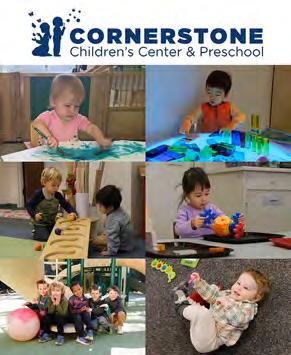
Cornerstone Children’s Center & Preschool 2407 Dana Street
Berkeley • 510-280-6126
www.cornerstonechildren.com
Ecole Bilingue de Berkeley (EB) 1009 Heinz Avenue
Berkeley • 510-549-3897 www.eb.org
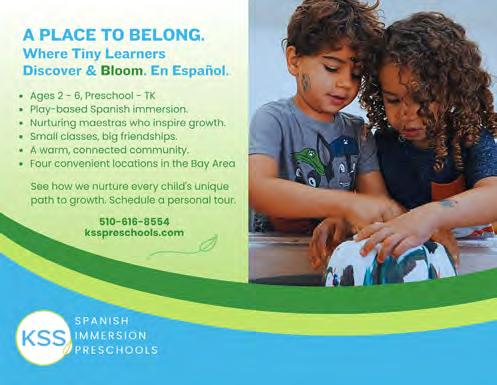
KSS Spanish Immersion Preschool 1422 San Pablo Ave
Berkeley • 877-442-2555 www.ksspreschool.com
Little Elephant Too! 2008 McGee Ave
Berkeley • 510-679-5056 www.littleelephant.net
Shu Ren International School 2125 Jefferson Ave.
Berkeley • 510-841-8899 www.shurenschool.com
ABC Preschool and Daycare
20135 San Miguel Ave
Castro Valley • 510-581-5577
Early Bird Montessori School 20104 Center St
2.9 yr - 4.9+ PS 12:1 9am - 12pm, Ext Care 7am-6pm
2 yr - 5 Up to 40 children
8:00 am - 5:30 pm
Infants - K entry Up to 112 children
8:30am to 5:30pm
2 yr - Grade 8 Up to 100 children
8:15am to 3:30pm. Extended care available (7:30am to 6pm)
2 yr - 6 Up to 48 children 7:00 am - 6:00 pm
2 - 6 yrs 24 children
8:00 am - 5:30 pm
PS to G5 Up to 140 children
7:30 am - 6:00pm
2 - 6 years Up to 41 children 7:00 am - 6:00 pm
Castro Valley • 510 363-6458 www.earlybirdmontessori.com Age 2-6
Meals Provided Summer
$5,900 - $37,600
Diapers Accepted Education Based
Infants $1,949-$2,784
Preschool $1,606-$2,294
Accredited
Diapers Accepted
PS-K $36,685
Accredited
Diapers Accepted Education Based
$23,950 - $34,068 Tuition Assistance Spanish Immersion Education Based Center Extended Day Available
Varies Education Based Center Snacks Provided
$29,348-30,950
Tuition Assistance
Accredited
Mandarin Immersion Education Based
Varies Diapers Accepted Education Based
Please see website
Diapers Accepted Education Based
Programs
His Growing Grove Child Care Center 2490 Grove Way
Castro Valley • 510-581-5088 www.hisgrowinggrove.com
Concordia School, The 2353 Fifth Ave
Concord • 925-689-6910
First Lutheran Preschool 4006 Concord Blvd
Concord • 925-798-5330 flpsconcord.org
Autumn Creek Learning Center 14 Osborn Way
Danville • 925-743-4187 www.autumncreek-lc.com
Dublin
Quarry Lane School 5600 Scarlett Dr. Dublin • 925-466-3100 www.quarrylane.org





Please

Stratford School Dublin
6665 Amador Plaza Road
Dublin • 925-399-1971
www.stratforddublin.com
Children’s Garden Montessori School
2335 Tulare Ave
El Cerrito • 510- 232-3089
childrensgardenmontessorischool.com
Mi Mundo Preschool
6305 Barrett Ave
El Cerrito • 510-230-4738
www.mimundopreschool.com
East Bay German International School Early Education 1070 41st St.
Emeryville • 510-380-0302 www.ebgis.org/
2 - 5 yrs Up to 59 children Non Denominational 8 am to 2 pm (extended day until 6 pm)
$2,500 - $3,300 Accredited Diapers Accepted Education Based Center Snack Provided


Social-Emotional Learning at the Center - We nurture confidence, empathy, and independence in every child A Student-Centered Approach -Our teachers follow each child’s interests, strengths, and developmental path

Schedule a tour or apply today:


Learn and Play Montessori School
7220 Maple Street
Fremont • 510-713-2402
Stratford School Fremont Blvd
38495 Fremont Boulevard
Fremont • 510-713-8900
www.stratfordfremontblvd.com
Stratford School Fremont Osgood
43077 Osgood Road
Fremont • 510-438-9745
www.stratfordfremontosgood.com
California Crosspoint Academy
25500 Industrial Blvd
Hayward • 510-995-5333
www.crosspointacademy.org
Eiffel Tower Montessori 493 Blanche St Hayward • 510-475-1762

badminton, swimming, color guard and e-sport
• International travel opportunities


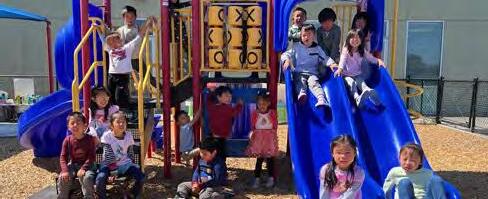

Where every child is known, valued, and inspired to grow.
We provide every child aged 2-6 (TK) with a Christ-centered, play-based, warm and inclusive community!
– Joyful Learning, Real Growth –Children learn best through play! Our engaging, hands-on approach fosters curiosity, confidence, and a sense of classroom community—ensuring every child feels seen and supported.
– Personalized Attention –Small class sizes and low teacher-to-child ratios mean your child gets the guidance and encouragement they need, every day.
– Faith-Filled Foundations –We explore God’s world with wonder, weaving biblical truths into daily routines, stories, and character-building moments.
– Curriculum That Fits Your Child –Themes are tailored to children’s interests and needs—promoting language, early literacy, math readiness, creativity, and social-emotional skills.
– Caring Teaching Teams –
Loving, experienced educators partner with families, spark creativity, and celebrate each child’s unique gifts.
– Join Us –Tour our classrooms, meet our teachers, and see Tiny Treasures in action.

Elmhurst Learning Center
380 Elmhurst Street
Hayward • 510-786-1289
Old Firehouse School 984 Moraga Rd
Lafayette • 925-284-4321
www.oldfirehouseschool.com
The Child Day Schools
1049 Stuart Street
Lafayette • 925-284-7092
www.tcdschools.com
Viva el Español
925 Village Center, Suite 2 Lafayette • 925-962-9177
www.vivaelespanol.org
The Child Development Center
3000 Campus Hill Dr Livermore • 925-424-1560 www.laspositascollege.edu/childdevelopmentcenter


Please
Please
$980 to $2,530 Diapers Accepted Education Based Center Snacks Provided Lunch Available(extra charge)
Please call for rate Diapers Accepted Education Based Center




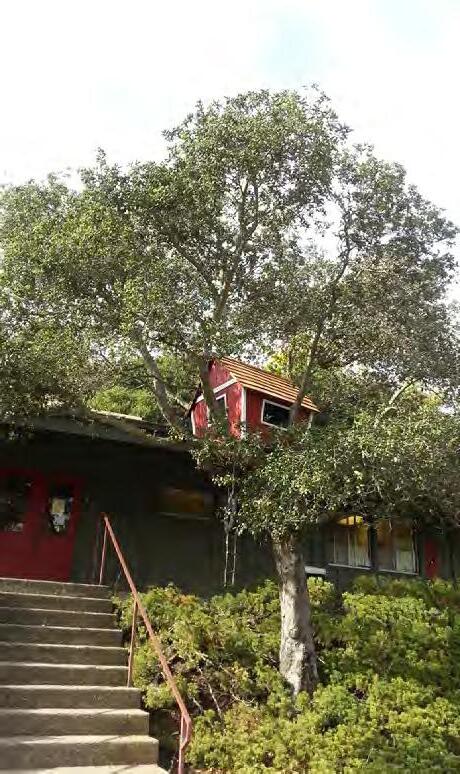
Covenant Treehouse Preschool & Transitional Kindergarten 4000 Redwood Rd, Oakland, CA 94619 (510) 531-0320

At Treehouse we provide a wellrounded, academic-based curriculum to children ages 2 to 5 years old. We are a ministry of First Covenant Church. We offer an excellent foundation and prepare our students to be successful in Kindergarten and beyond.
Age: 2-5 years old
Two Schedules Offered: 9:00am - 4:00pm & 7:30am - 6:00pm
Qualified and Experienced Teachers Beginning Japanese introduced in Pre-K Beginning Spanish introduced in TK www.firstcovtreehousepreschool.org
Email Director Jan at jan@treehousepreschool.org
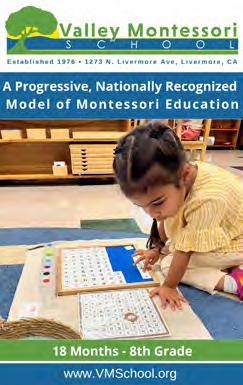
Valley Montessori School 1273 N. Livermore Avenue
Livermore • 925-455-8021 www.vmschool.org
The Child Day Schools
372 Park Street
Moraga • 925-376-5110 www.tcdschools.com
The Saklan School 1678 School Street
Moraga • 925-376-7900 www.saklan.org
Challenger School - Ardenwood 35487 Dumbarton Court
Newark • 510-739-0300
www.challengerschool.com/campus/california/newark/ ardenwood
Preschool: 18 mos - K plus Grades 1-8

Varies by program2, 3 or 5 half/full day AMS, CAIS, WASC Diapers Accepted Montessori Curriculum
Snacks Provided Lunch Available for Purchase
$935 - $2,435 Diapers Accepted Education Based Center Snacks Provided Lunch Available(extra charge)
Provided
$6,020 - $28,860 Center




to

Challenger School
39600 Cedar Blvd.
Newark • 510-770-1771
www.challengerschool.com/campus/california/newark
Duck’s Nest Preschool Telegraph Campus 3717 Telegraph Avenue
Oakland • 510-658-5443
Escuela Bilingüe Internacional (EBI) 410 Alcatraz Ave.
Oakland • 510-653-3324
https://ebinternacional.org
KSS Spanish Immersion Preschool 2540 Charleston St
Oakland • 877-442-2555 www.ksspreschool.com
KSS Spanish Immersion Preschool 1650 Mountain Blvd
Oakland • 877-442-2555
www.ksspreschool.com


$6,020
$1,400 to $2,200 Diapers Accepted Center
$33,150; Diapers not accepted Spanish Immersion International Baccalaureate (IB) World School
$23,950 - $34,068
Tuition Assistance
$23,950 - $34,068
Snacks provided, lunch available for purchase.
Extended Day Available



Oakland Montessori School
3625 Fruitvale Avenue
3636 Dimond Avenue
Oakland • 510-482-3111
www.oaklandmontessori.com
Treehouse Preschool & TK 4000 Redwood Rd
Oakland • 510-531-0320
www.firstcovtreehousepreschool.org
Little Angels (2yrs) $1900$2245
PS-PK (Potty Trained) $1420 - $1890
TK $1575 - $1890
Registration Fee $100
Diapers Accepted (2yr old) class)
Starting between the ages of 2½ and 3, you will have the option of placing your child in preschool. Some parents may ask, “Why preschool? Isn’t my child learning enough at home or with a caregiver?” Of course, nothing takes the place of a nurturing and loving home, and no one is more important to children than their parents. But research shows that kids who attend quality preschool have higher math and reading skills, are better prepared for kindergarten, behave better in class, and are more likely to graduate from high school and go to college.
When considering preschool education, think about these benefits.
A preschool experience empowers children to think, explore, question, wonder and learn how to learn.
A preschool experience:
• empowers children to think, explore, question, wonder and learn how to learn
• supports children’s intellectual and language development and communication skills
• offers children consistent, experienced, qualified educators to support their learning and development
• improves children’s ability to think, problem solve and reason as they enter school, enabling them to learn more in the early grades

• develops social and emotional maturity and the ability to relate well to peers and adults, solve conflicts, play cooperatively and be assertive
• provides a solid platform for lifelong learning and education
• guides children to gain independence, self-esteem and selfconfidence, empowering their learning
• helps children have a greater understanding of the world around them
• encourages children to be independent learners and to take an active role in their learning
• supports children to play cooperatively together and learn from their experiences
• enables children and families the opportunity to belong, to be part of a community, and connect with others.
Preschools are:
• fun places to be, with varied, exciting experiences planned to meet the needs and interests of children
• a context to build social connections between families and the community
• a source of professional information that supports parenting
• resources which give lots of opportunities for parent education
• a gradual transition from home to more formal educational environments
• a warm, caring, friendly environment, led by qualified, experienced and dedicated staff
• places that nurture creativity, thinking and social skills, enabling children to develop a love of learning.
Holy Shepherd Christian Preschool
433 Moraga Way
Orinda • 925-254-3429
www.holyshepherd.org
St. John Preschool
501 Moraga Way
Orinda • 925-254-4470
www.stjohnorinda.com
The Orinda Preschool (TOPS)
10 Irwin Way
Orinda • 925-254-2551
https://www.theorindapreschool.org
City of Piedmont
Mulitiple Locations
Piedmont • 510-420-3040
https://piedmont.ca.gov
Linda Beach Coop. Preschool
400 Highland Ave
Piedmont • 510-547-4432 www.lindabeach.org
Alice’s Montessori
105 Astrid Drive & 1041 Hook Ave
Pleasant Hill • 925-947-0600
www.alicesmontessori.com 3 mos - 6 yr Up to 30 children
Choice in Learning
490 Golf Club Rd
Pleasant Hill • 925-687-5321
cilmontessori.org 2 yr - 6 Up to 40 children 8:00 am -
Creative Play Center
2323 Pleasant Hill Road
Pleasant Hill • 925-974-6820
Play and Learn School
1898 Pleasant Hill Rd
Pleasant Hill • 925-947-2820
Stepping Stones Learning Center 2750 Pleasant Hill Road
Pleasant Hill • 925-933-6520
Little Flowers Montessori 11533 Dublin Canyon Rd Pleasanton • 925-225-9600
Quarry Lane School
3750 Boulder St.
Pleasanton • 925-846-9400 www.quarrylane.org
Quarry Lane School
4444B Black Ave.
Pleasanton • 925-462-6300 www.quarrylane.org
Stratford School Pleasanton
4576 Willow Road
Pleasanton • 925-737-0001 www.stratfordpleasanton.com
Please
Please call for
mos - 9 Up to 150 children
Please
Accepted
Based
Please

Contrary to what you might have heard, choosing the right preschool for your child is not as difficult as applying for an advanced degree. The key to choosing the right preschool is going into the process prepared. Prepared? Yes, prepared with a solid idea of what you want your child to gain from his or her preschool experience. Keep reading for helpful suggestions for choosing a preschool that is a good match for your child and your family, as well as information on some of the most popular types of preschool educational philosophies. In addition, you’ll find checklists that you can use when visiting and comparing preschool settings.
The best way to keep from becoming overwhelmed by the process of choosing a preschool is to think about how the preschool will fit into your daily life. Here are some questions parents should consider:
• Is it important for the preschool to be near my home?
• Is it important for the preschool to be near my workplace?
• Is it important for the preschool to offer childcare services in the morning, afternoon, or both?
• Are you looking for a play-based
classroom or a more academic setting?
• Am I eligible for or interested in subsidized preschool programs (i.e., Early Head Start, Child Welfare League of America or state-funded programming) that offer services such as childcare programs with a focus on providing educational opportunities?
Answering each of these questions will help you narrow down the general location and type of setting you should research. Narrowing down your choices will make the process of comparing settings easier to manage.
For many parents, the most confusing part about choosing preschools is trying to make sense of terms such as, “Montessori Approach,” “child-centered,” “Waldorf Approach” and “faith-based.” What do these terms mean and how can these terms help you choose a preschool?
Oftentimes, the key difference between settings is connected to the preschool’s “educational philosophy.” While educational philosophies are numerous and their definitions are not set in stone, we have provided you with definitions for some of the most popular philosophies.
Play-Based
In a play-based program, children choose
activities based on their current interests. The classroom is broken up into sections, such as home or kitchen, science area, water table, reading nook, etc. Teachers encourage the kids to play, facilitating social skills along the way.
Academic Based
Academic or skills-based programs are teacher directed and can be very structured and routine oriented. Teachers extensively plan activities for the children in their classes and guide the children in learning.
Montessori Method
Focuses on maintaining the individuality of each child in the learning process. This method believes each child learns at their own pace and educational progress should not be rendered based upon comparing students to one another.
Reggio Emilia Approach
This approach focuses on providing opportunities for problem solving and expression through creativity and exploration.
Waldorf Approach
Emphasis is placed on imagination and experiential learning, providing students with opportunities to explore their world through the senses, participation and analytical thought.
The Child Day Schools
883 Rose Avenue
Pleasanton • 925-462-1866
www.tcdschools.com
Richmond
Little Treasures Kids Academy
3120 Shane Dr Richmond • 510.275.3194
www.littletreasureskidsacademy.com
St. David Preschool Richmond • 510-232-1736 www.stdavidschool.org
San Leandro
Li’l Angels Day Care Center
890 Fargo Avenue San Leandro • 510-895-8736 www.lilangelschildcare.com
Montessori School At Washington Ave 14795 Washington Avenue San Leandro • 510-357-8432
Diablo Hills Country School
50 Creekside Drive
yr - 6 Up to 92 children Please
San Ramon • 925-831-1210 www.diablohillscountryschool.com 18 mos - 5 Up to 93 children 7:00 am - 6:00 pm
Little Bridges Child Care Center 9015 S. Gale Rd. San Ramon • 925-498-9808 www.littlebridges.org Infants - 5th Grade Up to 205 children 7:30 am - 6:00pm
The Child Day Schools
18868 Bollinger Canyon Road San Ramon • 925-820-2515 www.tcdschools.com
Free To Be Preschool
188 Appian Way
Union City • 510-471-0731
Little People Preschool 33700 Alvarado-Niles Road
Union City • 510-489-8650
Walnut Creek
KSS Spanish Immersion Preschool
2780 Camino Diablo Walnut Creek • 877-442-2555 www.ksspreschool.com
12 mos - 5 years Kindergarten, School Age 120 7:30 am to 5:30 pm
Accepted
Please call for rate
Diapers Accepted Education Based
2 yr - 5 Up to 49 children 6:30 am - 6:00 pm
2 yr - 5 Up to 63 children Christian 7:00 am - 5:30 pm
2 yr - 6 Up to 70 children 7:00 am - 6:00 pm
$945 - $2,405 Diapers Accepted Education Based
Transportation Available (for school-age)
Snacks Provided Lunch Available(extra charge)
Please call for rate Diapers Accepted Education Based
Please call for rate Diapers Accepted Education Based
$23,950 - $34,068
Tuition Assistance Spanish Immersion Education Based
Extended Day Available
Bank Street Approach
This approach places an emphasis on learning through multiple perspectives, both in the classroom setting and in the natural world with a strong focus on emotional learning and intellectual development.
This approach focuses on letting children be in charge of their own learning. Children are taught to make a plan for what they would like to do each day and participate in a review session to discuss the success of their plan and brainstorm ideas for the next day.
Outside of the formal educational philosophies, knowing the difference between other common early childhood terms will help you make informed decisions regarding your child’s education. Below is a list of some common terms used to describe preschool settings. It should be noted that these terms may be used alone or in combination with one another (i.e., a “child-centered, faith-based” setting).
Teacher-led
The opposite of a child-centered setting is a teacher-led setting. Teacher-led often means that curriculum and supplemental activities are implemented based on a set schedule developed by the teachers in the setting. This type of setting usually provides children with a structured learning environment.
Child-led
These settings believe children learn best when they are engaged and interested in learning. Child-led settings wait for each child to initiate or ask for new activities and experiences, fostering individualized learning experiences rather than group experiences.
Faith-based
This term is used to describe preschool programs that are run through faith organizations such as churches or synagogues, according to their faith’s philosophies.
Co-operative
These settings often ask parents and families to assist in the running of the preschool. Parents and family members may build community by signing up
to volunteer during the week, or by assisting in the day-to-day management of the preschool as well as helping with advertising, upkeep and fundraising. Developmentally Appropriate
This term means the preschool plans the curriculum and activities based on activities that are appropriate for the age of the children in the class.
(pre-K)
Sometimes this term is used interchangeably with preschool. In general, a pre-K program is one that has children enrolled in the year before kindergarten, usually at age four. These settings are often more structured than traditional preschool settings.
Transitional Kindergarten (TK)
Transitional Kindergarten is a school grade that serves as a bridge between preschool and kindergarten, functioning to provide students with time to develop fundamental skills needed for success in school.
Once you have narrowed down the general area you are interested in researching and have a good idea of what type of philosophy would best suit your child, here are a few things you can do to help narrow down your options: Reach out to other parents: Ask your friends, your neighbors, your pediatrician, your older child’s teacher - ask people you trust for recommendations for quality settings in your area. Be mindful to note the name of the setting and what struck this person as important to mention (low student teacher ratio, close to home, child is excited to arrive, etc.). And, the best question to ask is, “What advice do you wish you had received before choosing your child’s preschool?” Most parents will be happy to offer their insight and advice.
Go to the internet: You might be surprised to learn that your community has an active preschool networking community, a great place to tap into useful advice and resources. Or, you can use the internet to search the names of settings to find out if they have any “red flags” like numerous complaints from parents, health or safety violations, or other noteworthy issues. The Bananas
and 4C’s of Alameda County and the Contra Costa Child Care Council websites offer a wealth of information for parents seeking information.
The best ways to find preschool programs are to attend preschool fairs, get recommendations from fellow parents and scope out programs located close to home or work.
Now that you have narrowed down your choices and come up with two or three settings you are interested in, schedule a time to visit each setting. You can learn a lot about a setting by the way staff approach introductory visits with you and your child. During your visit ask yourself the following questions: Do I feel welcome here?
Does my child seem interested in what they have to offer?
Do the children in the setting seem happy and engaged?
How do the adults and children interact?
Is the setting clean and safe?
You should also come to the visit prepared with questions. Some of the basic questions parents ask are:
What is the turnover rate for staff members?
What percentage of the staff hold degrees in early childhood?
How does the setting handle discipline?
What are the safety procedures for picking up and dropping off children? Are they modified to reflect current safety standards?
Is the setting accredited?
What are the payment options and procedures?
Some parents feel more comfortable going to the visit with a checklist of questions they would like answered. We offer an even more in-depth list on page 20. Parents should not feel like they need to ask every question on the checklist, however, using a checklist is a great way to make note of your observations during the visit so you can compare settings afterward.
Old Firehouse School 55 Eckley Ln
Walnut Creek • 925-934-1507 www.oldfirehouseschool.com
Safari Kid Walnut Creek 2074 Treat Blvd.
Walnut Creek • 925-295-0761
The Seven Hills School
975 North San Carlos Drive
Walnut Creek • 925-933-0666 www.sevenhillsschool.org 2.9
Corte Madera Montessori 50 El Camino Dr #10
Corte Madera • 415-927-0919 www.cortemaderamontessori.com
Marin Montessori School 5200 Paradise Dr Corte Madera • 415-924-5388 www.marinmontessori.org
Larkspur
Chronos Academy 110 Magnolia Ave
Larkspur • 415-383-2283 www.chronos.academy
Marin Primary & Middle School 20 Magnolia Avenue Larkspur • 415-924-2608 www.mpms.org
Marin Horizon School
305 Montford Ave.
Mill Valley • 415-388-8408 www.marinhorizon.org
Good Shepherd Lutheran School 1180 Lynwood Drive Novato • 415-892-2880 www.gslsnovato.org
Noah’s Ark Preschool 1370 S. Novato Blvd. Novato • 415-892-5713 www.noahsarknovato.com
San Anselmo Montessori School 100 Shaw Drive
San Anselmo • 415-457-3428 www.samontessori.com
GATE Academy
1 St. Vincent Drive
San Rafael • 415-491-4700 www.gateacademy.org
Diapers Accepted for 2 year olds only Catered meals for purchase
Montessori de Terra Linda
610 Del Ganado Road
San Rafael • 415-479-7373
www.mdtl.org
Montessori in Motion
3 Wellbrock Heights
San Rafael • 415-472-5622
www.montessoriinmotion.com
Lycée Français de San Francisco 610 Coloma Street
Sausalito • 415-661-5232 www.lelycee.org
The Discovery School
557 McReynolds Rd Suite 100 Sausalito • 415-339-3900
www.thediscoveryschoolbadm.org
San Francisco County

Just because a few preschools will accept children at around 2 years old doesn’t mean your child is ready for preschool when she reaches that age. Is she socially, emotionally and physically ready to participate in a structured educational program with a group of children? The following will help your think about some of the important skills needed for preschool.
Is your child independent?
Your child should be able to take care of some basic needs, like washing her hands, eating her lunch without assistance and sleeping alone. Most preschools will want your child to be potty trained, but some accept diapers.
Has your child spent time away from you?
If your child has been cared for by a babysitter or a relative, he’ll be better prepared to separate from you when he’s at preschool. Kids who are used to being apart from their parents often bounce right into preschool with hardly a backward glance. If your child hasn’t had many opportunities to be away from you, you might want to schedule some - a weekend with grandma, for instance, or a day with
your sister and her kids. But even if you can’t work out your separation issues up front, don’t worry too much; many children leave Mom or Dad for the first time to go to preschool and they do just fine. The trick is to help your child adjust in short doses. Many preschools will allow you to drop off your child for an hour or two during the first few days there; as your child gets more familiar to the environment, you gradually work up to a full day.
Can your child work on projects on her own?
Preschool usually involves lots of arts and crafts projects that require concentration and the ability to focus on an individual task. If your child likes to draw at home or gets engrossed in puzzles and other activities on her own, she’s a good candidate for preschool. But even if she’s the kind of child who asks for help with everything, you can start getting her ready by setting up playtimes where she can entertain herself for a half hour or so.
Is your child used to keeping a regular schedule?
Preschools usually follow a predictable routine: circle time, play
Alta Vista School
450 Somerset St. - Lower School
2558 Mission Street - Middle School
San Francisco • 415-467-3700 www.altavistaschool.org
Big City Montessori School
240 Industrial Street San
• 415-648-5777
Hiba Academy Bay Area 99 Rhode Island St
San Francisco • 415-930-0165 bayarea.hibaacademy.org
The International School of San Francisco Maternelle/Preschool 1155 Page Street
San Francisco • 415-558-2000 www.internationalsf.org
Laura Vicuna Pre-K 660 Filbert Street
San Francisco • 415-421-5219
Lycée Français de San Francisco
755 Ashbury Street
San Francisco • 415-661-5232 www.lelycee.org
Noe Valley Nursery School 5210 Diamond Heights Boulevard
San Francisco • 415-647-2278
San Francisco Montessori Academy 1283 22nd Ave & 1566 32nd Ave
San Francisco • 415-759-5710 www.sfmontessoriacademy.com
Stratford School DeMontfort
301 DeMontfort Avenue
San Francisco • 415-333-3134
www.stratfordsfdemontfort.com
Stratford School 14th Avenue 645 14th Avenue
San Francisco • 415-742-4254
www.stratfordsf14.com
Stratford School Parkside 2425 19th Avenue
San Francisco • 415-564-6250 www.stratfordsfparkside.com
The Spring Hill School
825 Middlefield Dr
Petaluma • 707-763-7299
Santa Rosa
Brush Creek Montessori School
1569 Brush Creek Rd
Santa Rosa • 707-539-7980
Sonoma
Sonoma Country Day School
4400 Day School Place
Sonoma • 707-284-3200
www.scds.org

time, snack, playground, then lunch. There’s a good reason for this. Children tend to feel most comfortable and in control when the same things happen at the same time each day. So if your child doesn’t keep to a schedule and each day is different from the last, it can help to
Featured Preschools
San Mateo and Santa Clara Counties
Belmont
Immaculate Heart of Mary School
1000 Alameda de las Pulgas Belmont • 650-593-4265 www.ihmschoolbelmont.org
Notre Dame Elementary and Preschool 1200 Notre Dame Avenue Belmont • 650-591-2209 www.nde.org
Campbell
Action Day Schools | Campbell 1125 West Campbell Avenue
Campbell • 408-379-3184 www.actiondayschools.com
Foster City
Kids Connection Preschool
1970 Beach Park Boulevard
Foster City • 650-578-9697 https://kidsconnectionschools.com
standardize his days a bit before he starts preschool.
Does your child have the physical stamina for preschool?
Whether it’s a half-day or full-day program, preschool keeps kids busy. There are art projects to do, field trips to
take, and playgrounds to explore. Does your child thrive on activities like this, or does he have trouble moving from one thing to the next without getting cranky? Another thing to consider is how and when your child needs to nap. Preschools usually schedule nap time after lunch. If your little one can keep going until then or even all day like a wind-up toy, he’s set. If he still needs a mid-morning snooze, it might not be time yet to go to school.
Why do you want to send your child to preschool?
Think carefully about what your goals are for sending your child to preschool. Do you just need time for yourself or daycare for your child? There may be other options if it seems he isn’t ready yet for the rigors of school.
If you find that the main reasons you want to send your child to preschool are that he seems eager to learn new things and explore, he isn’t getting enough stimulation at home or daycare, or he seems ready to broaden his social horizons and interact with other children, chances are it’s the perfect time to start preschool.
PJCC Preschool
800 Foster City Boulevard
Foster City • 650-378-2670 www.pjcc.org/preschool
Saint Simon Parish School
1840 Grant Road
Los Altos • 650-880-1456
https://stsimon.school
Los Altos Christian School
625 Magdalena Avenue
Los Altos Hills • 650-948-3738 www.lacs.com
Los Gatos
Hillbrook School
300 Marchmont Drive
Los Gatos • 408-356-6116 www.hillbrook.org
Stratford School Belgatos Park 220 Belgatos Road Los Gatos • 408-458-9665 www.stratfordlgbelgatos.com 2.5
Stratford School Los Gatos 220 Kensington Way Los Gatos • 408-371-3020 www.stratfordlgkensington.com
Trinity School
300 Ravenswood Avenue
Menlo Park • 650-322-2628 www.trinity-mp.org
Stratford School Beresford Square
125 N Milpitas Boulevard
Milpitas • 408-444-9244 www.stratfordberesfordsq.com
Stratford School Great Mall 341 Great Mall Pkwy
2.5 yrs - G4
$29,950 Regular Day 7:30am-1:00pm $38,600 Ext Day 7:30am - 6:00pm
Center
Milpitas • 408-262-6200 www.stratfordmilpitas.com 2.5 yrs - G8
Action Day Schools | Morgan Hill 17535 Del Monte Ave
Morgan Hill • 408-779-7678
www.actiondayschools.com pgs. 11, 44
Stratford School Morgan Hill 410 Llagas Road
Morgan Hill • 408-776-8801 www.stratfordmorganhill.com 2.5 yrs - G5
Action Day Schools | Mt. View
333 Eunice Avenue
Mountain View • 650-967-3780 www.actiondayschools.com
Yew Chung International School Silicon Valley
Preschool & TK ECE Campus
199 East Middlefield Road, Suite 100
Mountain View • 650-903-0986
www.ycis-sv.com
Palo Alto
Bowman School Children’s House
4000 Terman Drive
Palo Alto • 650-813-9131
www.bowmanschool.org
Challenger School - Middlefield
3880 Middlefield Road
Palo Alto • 650-213-8245
www.challengerschool.com/campus/california/palo-alto/ middlefield

This checklist is designed to help families select the right preschool program for their children. It includes the program qualities and components that research says are most important for a child’s growth and development. It does not cover either basic health and safety standards that all licensed programs must meet and which vary by state or whether nutritious meals and snacks are provided. Use the checklist when interviewing the school principal or preschool center director and as a guide for your observation of
the pre-k classroom. To find the best available preschool program, you may need to visit a few centers. Remember, this is only a tool to help guide your decision. You know your child best; so, ultimately, you must decide which program will best prepare your child for school.
When meeting with the Program Director
Ask these questions:
1. Does the program have a state license, or if not, is it exempt from state licensing because it meets the school district’s standards instead?
2. Is the program accredited by the National Association for the Education of Young Children or any other nationally recognized accreditation organizations?
3. Does the lead teacher have a bachelor’s degree?
4. Does he/she have certification in early childhood education?
5. Does the classroom aide have specialized training in early childhood development?
6. Have the majority of the teachers been at the program for at least three years?
7. Has there been any teacher turnover in the last few years?
8. Do the teachers participate in 12 hours or more of in-service training each year?
9. Is there a system for helping teachers improve their teaching expertise?
10. Is there at least one teacher for every 10 children?
11. Are there no more than 20 children in a class?
12. Does the room have separate learning centers (reading, art, dramatic play, writing, blocks, etc.) with interesting equipment and materials to encourage learning?
13. Does the teacher use a well-known, quality, preschool curriculum to guide what is taught?
If yes: Does the curriculum prepare children for kindergarten based on the state standards for school readiness?
Does the curriculum take into account the various learning styles, cultures, disabilities, and languages of the children and their families?
Does the curriculum provide opportunities for the children to explore topics in detail and in multiple ways?
14. Does the class follow a daily routine that offers a variety of activities throughout the day? (i.e., art, makebelieve play, outside play, reading, and science activities)
15. Do children have outdoor unstructured playtime every day, except when the weather is extreme?
16. Does the class take at least two field trips a year?
Stratford School Palo Alto
870 North California Avenue
Palo Alto • 650-493-1151
www.stratfordpaloalto.com
Woodland School
360 La Cuesta Drive
Portola Valley • 650-854-9065
https://woodland-school.org
Redeemer Preschool
468 Grand Street
Redwood City • 650-366-3466
www.redeemer-school.org
17. Do activities change regularly so the children have a chance to learn new skills?
18. Do teachers have access to trained professionals such as a social worker, mental health consultant, and/or behavior specialist to help children who have challenging behaviors or attention problems?
19. If a child has a disability or special needs, does the school provide accommodations and support?
20. Are parents welcome to drop in without making an appointment?
21. Does the teacher have face-to-face or phone contact or provide regular e-mail or written reports with parent(s) at least twice a month?
22. Does the program hold parent/ teacher conferences at least twice a year?
23. Does the school have a number of ways for the parent(s) to be involved and help their child at home? (i.e., a school newsletter, classroom volunteers, family events, book or toy lending library)
24. Does the teacher keep the parent(s) regularly informed of the child’s progress and school activities in a language they can understand?
If yes, how often?
If the teacher does not speak the family’s language, how do they communicate?
Your own observations
Spend at least an hour in the classroom. Ask yourself:
25. Do I feel welcome?
26. Are the teachers warm and caring with the children?
27. Do the teachers handle problems and conflicts in a positive manner?
28. Do teachers have one-on-one conversations with children?
29. Do teachers work with children individually and in small groups of three or four?
30. Does staff show acceptance and respect to all children regardless of culture, race, language, or disability?
31. Do the children appear to be happy and engaged in activities?
32. Do the children have opportunities to select what they want to do at times throughout the day?
33. Are the children talking and interacting with each other?
34. Do the children seem to be working well with one another (sharing, playing cooperatively, and taking turns)?
35. Do you see evidence that the teachers use a variety of methods to teach letters, numbers, shapes, and new vocabulary words?
36. Does the classroom have a library
with a variety of books and other reading material?
If yes, are the books in good condition and attractively displayed?
If yes, are there books in the appropriate languages for the children who don’t speak English?
37. Do the teachers encourage handson learning such as learning science concepts with water and sand or math through cooking?
38. Do the display areas on the walls contain children’s artwork, writing samples, and photographs of class projects or activities?
39. Are the furniture, playground equipment, and toys age appropriate, clean, and in good condition?
40. When the children are outside, are the teachers engaged in and encouraging the children’s play?
41. Does each child have enough room indoors and outdoors to move around without interfering with other children’s play space?
Finally, review the preschool’s contract. Make sure you understand their policies on enrollment/withdrawal procedures, hours, fees, payment structure, vacation, sick days, illness policy and meals. Also, keep in mind that as your child grows, you and your child’s needs will change. Will the preschool be able to grow with your little one?
San Bruno
Highlands Christian Schools 1900 Monterey Drive
San Bruno • 650-873-4090
www.school.highlands.us/preschool
Stratford School Crestmoor Canyon 2322 Crestmoor Drive
San Bruno • 650-837-9222
www.stratfordsanbruno.com
Stratford School San Bruno El Camino 300 El Camino Real
San Bruno • 650-671-1880
www.stratfordsanbrunoelcamino.com
Action Day Schools | Allen 5845 Allen Avenue
San Jose • 408-629-6020
www.actiondayschools.com
Action Day Schools | Amber Preschool
3500 Amber Drive
San Jose • 408-248-2464
www.actiondayschools.com
Action Day Schools | Lincoln
2148 Lincoln Avenue
San Jose • 408-266-8952
www.actiondayschools.com
Action Day Schools | Moorpark
3030 Moorpark Avenue
San Jose • 408-249-0668
www.actiondayschools.com
Action Day Schools | Phelan 801 Hibiscus Lane
San Jose • 408-985-5998
www.actiondayschools.com
Challenger School - Almaden 19950 McKean Road
San Jose • 408-927-5771
www.challengerschool.com/campus/california/san-jose/ almaden
Challenger School - Berryessa 711 East Gish Road
San Jose • 408-998-2860
www.challengerschool.com/campus/california/san-jose/ berryessa
Challenger School - Harwood 4949 Harwood Road
San Jose • 408-723-0111
www.challengerschool.com/campus/california/san-jose/ harwood
Challenger School - Shawnee 500 Shawnee Lane
San Jose • 408-365-9298
www.challengerschool.com/campus/california/san-jose/ shawnee
Challenger School - Strawberry Park
730 Camina Escuela
San Jose • 408-213-0083
www.challengerschool.com/campus/california/san-jose/ strawberry-park
Stratford School Almaden
5200 Dent Avenue
San Jose • 408-877-6300
www.stratfordalmaden.com
Stratford School San Jose 6670 San Anselmo Way
San Jose • 408-363-2130 www.stratfordsanjose.com
Serendipity Preschool
3172 Clearview Way
San Mateo • 650-574-7400
www.serendipityschool.com/
Action Day Schools | Pruneridge 2001 Pruneridge Avenue
Santa Clara • 408-244-2909
www.actiondayschools.com
Stratford School McKinley 57 Cronin Dr.
Santa Clara • 408-713-6231 www.stratfordsantaclaramckinley.com
Stratford School Pomeroy 890 Pomeroy Avenue
Santa Clara • 408-244-4073
www.stratfordsantaclarapomeroy.com 2.5
Stratford School Winchester
400 N. Winchester Boulevard
Santa Clara • 408-244-2121
www.stratfordsantaclarawinchester.com
Action Day Schools | El Quito 18720 Bucknall Road
Saratoga • 408-370-0357
www.actiondayschools.com
Action Day Schools | University 13560 Saratoga-Sunnyvale Road
Saratoga • 408-867-4515 www.actiondayschools.com
Challenger School - Saratoga 18811 Cox Avenue
Saratoga • 408-378-0444
www.challengerschool.com/campus/california/saratoga
Saint Andrew’s Episcopal School 13601 Saratoga Avenue
Saratoga • 408-867-3785 www.st-andrews.org
Challenger School - Sunnyvale 1185 Hollenbeck Ave
Sunnyvale • 408-245-7170
www.challengerschool.com/campus/california/sunnyvale
Stratford School Washington Park 820 West McKinley Avenue
Sunnyvale • 408-737-1500
www.stratfordsunnyvalewashpark.com
Stratford School De Anza Park 1196 Lime Drive
Sunnyvale • 408-732-4424
www.stratfordsunnyvaledeanza.com
Sunnyvale Christian School
445 S. Mary Ave.
Sunnyvale • 408-736-3286
www.sunnyvalechristian.school
Varies
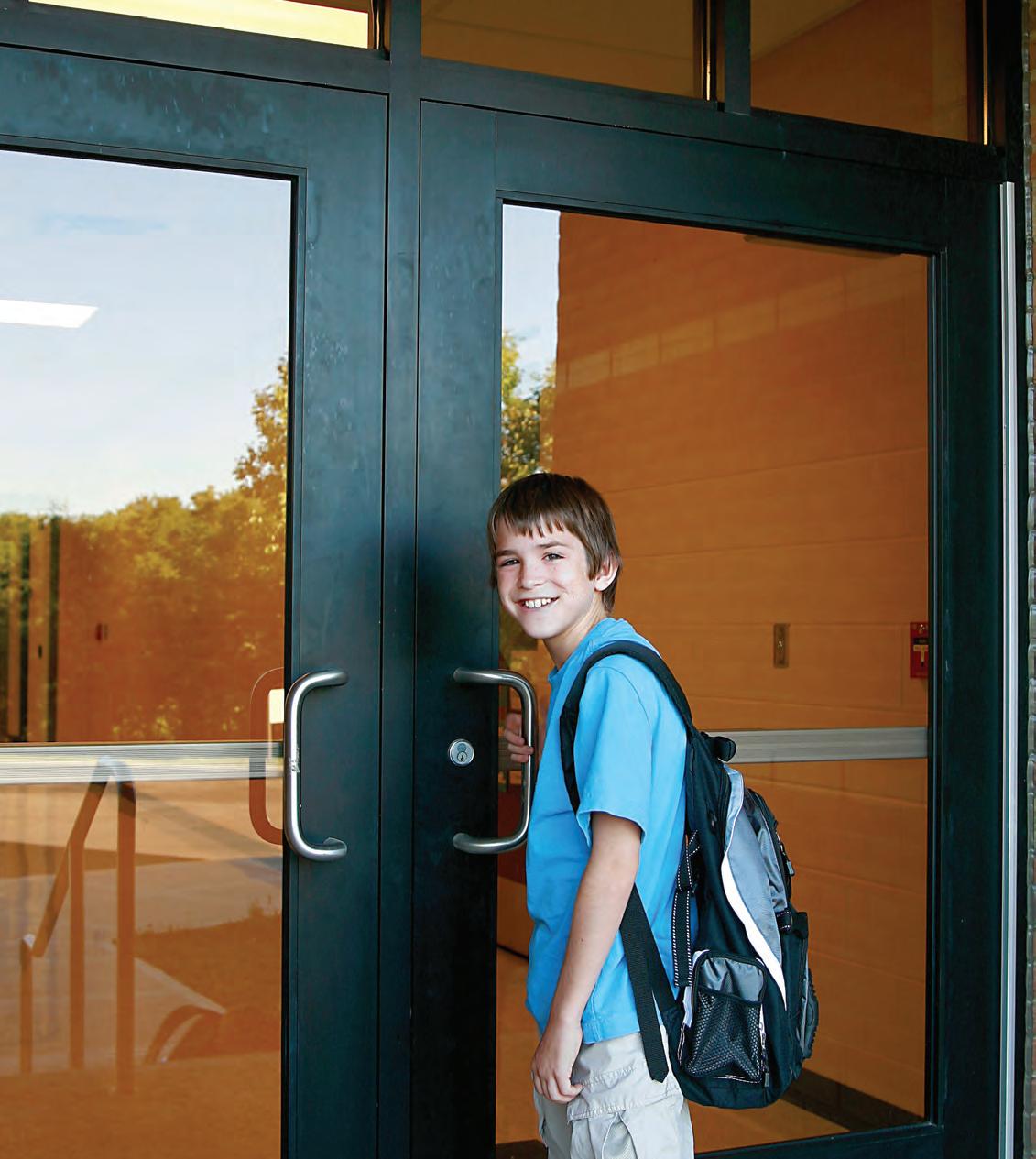
The Child Unique Montessori School - Encinal Campus
2226 Encinal Ave.
Alameda • 510-521-9227
www.thechildunique.org
The Child Unique Montessori School - Pacific Campus 2212 Pacific Ave.
Alameda • 510-521-9227 www.thechildunique.org
The Child Unique Montessori School - Taylor Campus 1400 Sixth St.
Alameda • 510-521-0595 www.thechildunique.org
Coastline Christian Schools 1801 North Loop Road
Alameda • 510-522-0200 www.coastlinechristian.org
Montessori Elementary Intermediate School of Alameda 1400 Sixth St.
Alameda • 510-521-0595 www.montessorielementaryalameda.org
Saint Joseph Notre Dame High School 1011 Chestnut St. Alameda • 510-523-1526 www.sjnd.org
The Dorris-Eaton School (PS-TK Campus) 1286 Stone Valley Road
Alamo • 925-837-7240 www.dorriseaton.org PS-8
Gender 12:1 (PS), 18:1 (K-8) 365
Tilden Preparatory School
1231 Solano Ave.
Albany • 510-525-5506 www.tildenprep.com 6-12
Black Pine Circle School
2027 Seventh St
Berkeley • 510-845-0876 www.blackpinecircle.org
Ecole Bilingue de Berkeley 1009 Heinz Ave.
Varies 305
Berkeley • 510-549-3867 www.eb.org PS-Grade 8 All Gender 16:1 420
Maybeck High School
2727 College Ave. Berkeley • 510-841-8489 www.maybeckhs.org 9-12 All Gender 5:1 115
Saint Mary’s College High School 1294 Albina Ave
Berkeley • 510-526-9242 www.saintmaryschs.org 9-12 All Gender 16:1 600
School of the Madeleine 1225 Milvia St
Berkeley • 510-526-4744
www.themadeleine.com
K-8 Co-Ed 9:1 250
French, Spanish, Mandarin $36,685- 41,540 FA Available
Spanish, French
FA Available
(French Ministry of Education), CAIS, NAIS, WASC
Shu Ren International School - Berkeley Campus, p. 45, 81 2125 Jefferson Ave. Berkeley • 510-841-8899 www.shurenschool.com PK2- Grade 5
Mission Hills School 2330 Pomar Vista Avenue Castro Valley • 510-317-8627 www.mhmschool.org
Redwood Christian Schools Castro Valley • San Lorenzo 510-889-7526 www.rcs.edu
Carondelet High School 1133 Winton Dr. Concord • 925-686-5353 www.carondeleths.org
De La Salle High School 1130 Winton Dr. Concord • 925-288-8100 www.dlshs.org 9-12










Orion Academy 1868 Clayton Rd.
Concord • 925-377-0789 www.orionacademy.org
Quarry Lane School
6363 Tassajara Rd.
Dublin • 925-829-8000
www.QuarryLane.org
Stratford School Dublin 6665 Amador Plaza Road
Dublin • 925-399-1971
www.stratforddublin.com
East Bay Montessori 7075 Cutting Blvd.
El Cerrito • 510-236-8802 www.eastbaymontessori.org
Golestan School
320 San Carlos Avenue
El Cerrito • 510-704-8541
www.golestankids.com


Prospect Sierra School 960 Avis Drive 2060 Tapscott Ave. El Cerrito • 510-809-9000 www.prospectsierra.org
East Bay German International School 1070 41st St. Emeryville • 510-380-0302 www.ebgis.org
East Bay International High School 1070 41st St. Emeryville • 510-380-0302 www.ebgis.org
Escuela Bilingüe Internacional (EBI) 4550 San Pablo Ave. Emeryville • 510-652-7094 https://ebinternacional.org
Grades 2-8
Stratford School Fremont Blvd 38495 Fremont Boulevard Fremont • 510-713-8900 www.stratfordfremontblvd.com 2.5 yrs - K All Gender 8:1 (EPS), 12:1 (PS) 15:1 (K)

$27,000-$31,000 FA
$33,000-$35,000
CAIS, NAIS, POCIS, Green Ribbon School, Ashoka Change-maker School
IB World School, WASC, PASCH, WDA
$33,150$41,550 Tuition Assistance Available CAIS, NAIS, WASC, International Baccalaureate (IB) World School

Stratford School Fremont Osgood 43077 Osgood Road
Fremont • 510-438-9745 www.stratfordfremontosgood.com
California Crosspoint Academy 25500 Industrial Blvd
Hayward • 510-995-5333 www.crosspointacademy.org
Moreau Catholic High School 27170 Mission Blvd.
Hayward • 510-881-4310 www.moreaucatholic.org
Bentley School
1000 Upper Happy Valley Road
Lafayette • 925-283-2101 www.bentleyschool.org
Contra Costa Jewish Day School 955 Risa Road Lafayette • 925-284-8288 www.ccjds.org


K-8 Co-Ed 20:2 180 Independent Hebrew, Spanish


K-5: $25,400 6-8: $28,400 FA Available




The Springstone Middle & Community High School 1035 Carol Lane
Lafayette • 925-962-9660 www.thespringstoneschool.org
Valley Montessori School 1273 N Livermore Ave. Livermore • 925-455-8021 www.vmschool.org
The Saklan School 1678 School St. Moraga • 925-376-7900 www.saklan.org
Challenger School - Ardenwood 35487 Dumbarton Court
Newark • 510-739-0300 www.challengerschool.com/campus/california/ newark/ardenwood








Challenger School
39600 Cedar Blvd.
Newark • 510-770-1771
www.challengerschool.com/campus/california/ newark
Aurora School
40 Dulwich Road
Oakland • 510-428-2606
www.auroraschool.org
Bentley School
1 Hiller Dr.
Oakland • 510-843-2512 www.bentleyschool.org K-12, Lafayette: 9-12 All Gender 8:1 650
College Preparatory School
6100 Broadway
Oakland • 510-652-4364 www.college-prep.org
Escuela Bilingüe Internacional (EBI)
410 Alcatraz Ave
Oakland • 510-652-3324 https://ebinternacional.org
English, Spanish, French, Mandarin, Latin
K-5: $40,600 6-8: $44,400 9-12: $58,525 FA
$33,150$41,550 Tuition Assistance Available CAIS, NAIS, WASC, International Baccalaureate (IB) World School



At De La Salle High School, education goes beyond the classroom. Since 1965, our mission has been to form men of faith, integrity, and scholarship—ready to lead with purpose and serve














well as in the community. We have a one of a kind ACCESS program, bringing project-based learning within the greater community. We believe our students will develop strategies for use in academic and social settings if they are part of a community that understands, accepts, and challenges them. Come visit us to learn

Head-Royce School
4315 Lincoln Ave.
Oakland • 510-531-1300 www.headroyce.org
Holy Names High School
4660 Harbord Dr. Oakland • 510-450-1110 www.hnhsoakland.org
Julia Morgan School for Girls
5000 MacArthur Blvd. Oakland • 510-632-6000 www.juliamorganschool.org
Park Day School
360 42nd St.
Oakland • 510-653-0317 www.parkdayschool.org
Redwood Day 3245 Sheffield Ave. Oakland • 510-534-0800 rdschool.org
Corpus Christi School
1 Estates Drive
Piedmont • 510-530-4056 www.corpuschristischool.com
St. Joseph School
1961 Plum St.
Pinole • 510-724-0242 www.stjosephpinole.org
Stratford School Pleasanton 4576 Willow Road
Pleasanton • 925-737-0001 www.stratfordpleasanton.com 2 yrs - G5
Stratford School Pleasanton Middle School 3800 Stoneridge Drive Pleasanton • 925-621-8908 www.stratfordpleasantonms.com
Crestmont School 6226 Arlington Blvd. A Richmond • 510-237-4164 https://crestmontschool.org
Salesian College Preparatory 2851 Salesian Ave. Richmond • 510-234-4433 www.salesian.com
Redwood Christian Schools
Castro Valley • San Lorenzo 510-889-7526 www.rcs.edu
The Dorris-Eaton School (K-8 Campus) 1 Annabel Lane
San Ramon • 925-930-9000 www.dorriseaton.org
(EPS); 12:1 (PS); 15:1 (K) 22:1 (1-5)
6 - 8 All Gender 22:1 (6-8)
Co-Ed 6:1 55
All Gender 18:1 650
All Gender 12:1 (PS), 18:1 (K-8) 365
$42,300–$60,500 FA
CAIS, NAIS, WASC, ISSFBA, BADA
$43,575 (fees not included) FA Available CAIS, NAIS, ABC POCIS, ICGS
K-5 $37,980 6-8 $40,620 FA Available CAIS, AISAP, POCIS, ISBOA ISSFBA, NAIS NBOA, PEN
Spanish, Mandarin $16,000 - $19,000 FA Available
Mission Hills Middle School
250 Tamarack Drive
Union City • 510-760-7068
www.mhmschool.org
Berean Christian High School
245 El Divisadero Avenue
Walnut Creek • 925-945-6464
www.bereanchristian.com
Seven Hills School
975 N. San Carlos Drive
Walnut Creek • 925-933-0666
www.sevenhillsschool.org
Sonder Creek Academy
Grades: K-1st 1871 Geary Rd
Grades: 2-4 200 La Casa Via Grades: 5-8 860 Bancroft Road
Walnut Creek • 925-440-1244 sondercreekacademy.org
Tilden Preparatory School 1475 N. Broadway Walnut Creek • 925-933-5506 www.tildenprep.com


WASC, UC Regents Approved, NCAA Approved


The School of the Madeleine is a vibrant, inclusive, K-8 Catholic school in Berkeley. For 85 years, we have delivered a high-quality, values-based education. Our school follows the four Dominican Pillars of Faith, Study, Community, and Service
The School of the Madeleine is a vibrant, inclusive, K-8 Catholic school in Berkeley. We are dedicated to the education of the whole child—mind, body, and spirit. Our leadership is committed to academic excellence, spiritual development, and social justice.
We believe that every student is exceptional, and our mission is to help them become lifelong learners and compassionate citizens who care for one another. We welcome every family with open arms and invite you to learn more about our community.
In addition to our strong academic program, we offer music, band, Spanish, art, 1:1 iPads, tech lab, partner teachers, learning support, and after-care program.
Come see what we are all about! www.themadeleine.com


Marin Montessori School
5200 Paradise Drive
Corte Madera • 415-924-5388 www.marinmontessori.org
Marin Catholic High School
675 Sir Francis Drake Blvd.
Kentfield • 415-464-3800 www.marincatholic.org
Chronos Academy
110 Magnolia Ave
Larkspur • 415-383-2283 www.chronos.academy
Marin Primary & Middle School 20 Magnolia Avenue.
Larkspur • 415-924-2608 www.mpms.org
Helix School
145 Lomita Drive
Mill Valley • 415-569-5060
Marin Horizon School 305 Montford Ave. Mill Valley • 415-388-8408
Mount Tamalpais School
100 Harvard Ave. Mill Valley • 415-383-9434
Northbridge Academy 17 Buena Vista Ave. Mill Valley • 415-462-5657
Good Shepherd Lutheran School 1180 Lynwood Drive
Novato • 415-892-2880
Marin Christian Academy 1370 S. Novato Blvd.
Novato • 415-892-5713
North Bay Christian Academy 6965 Redwood Blvd.
Novato • 415-892-8921
Our Lady of Loretto School 1811 Virginia Ave.
Novato • 415-892-8621
Oak Hill School
300 Sunny Hills Drive #6
San Anselmo • 415-457-7601
San Anselmo Montessori School
100 Shaw Drive
San Anselmo • 415-457-3428
St. Anselm School
40 Belle Ave.
San Anselmo • 415-454-3612
San Domenico School 1500 Butterfield Road
San Anselmo, CA • 415-258-1900 https://sandomenico.org
Brandeis Marin
180 N. San Pedro Road
San Rafael • 415-472-1833
GATE Academy
1 St. Vincent Drive
San Rafael • 415-491-4700 www.gateacademy.org
Marin Waldorf School
755 Idylberry Road
San Rafael • 415-479-8190
Mark Day School 39 Trellis Drive
San Rafael • 415-454-4455
Montessori de Terra Linda 610 Del Ganado Road
San Rafael • 415-479-7373




in life and
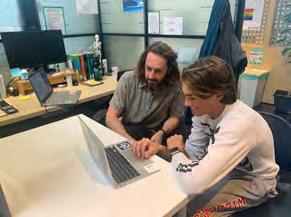
Montessori in Motion
3 Wellbrock Heights
San Rafael • 415-472-5622
www.montessoriinmotion.com
Saint Raphael School
1100 Fifth Ave.
San Rafael • 415-454-4455
Star Academy
4470 Redwood Highway
San Rafael • 415-456-8727
Winston Preparatory School
1 Saint Vincents Drive
San Rafael • 415-993-5533
www.winstonprep.edu
Headlands Preparatory School
1050 Bridgeway
Sausalito • 415-944-2254
www.headlandsprep.com/
Lycée Français de San Francisco 610 Coloma Street
Sausalito • 415-661-5232 www.lelycee.org
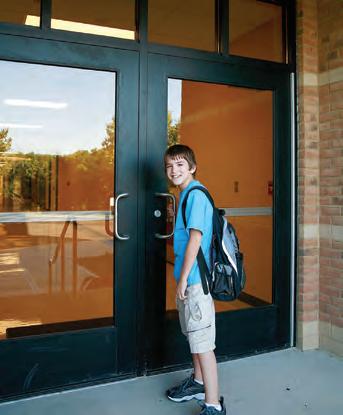

San Francisco • Marin • Sonoma • Napa Silicon Valley • Peninsula Alameda and Contra Costa Counties
PLUS...The Online Bay Area School Open House Event Calendar parentspress.com/bay-area-school-open-house-information
www.parentspress.com/bay-area-schools/
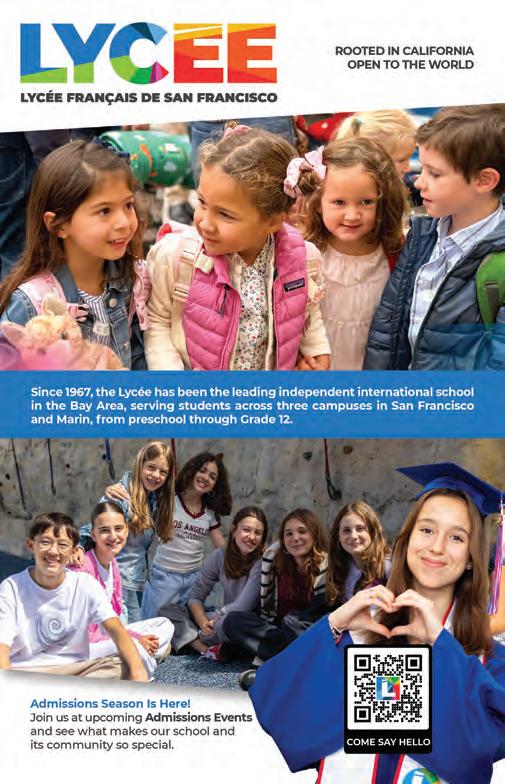

Alta Vista School
450 Somerset St. - Lower School 2558 Mission Street - Middle School
San Francisco • 415-467-3700 www.altavistaschool.org
Cathedral School for Boys 1275 Sacramento St San Francisco • 415-771-6600
www.cathedralschool.net
Convent & Stuart Hall, Schools of the Sacred Heart San Francisco 2222 Broadway and 1715 Octavia Street San Francisco • 415-563-2900 www.sacredsf.org
Hiba Academy Bay Area 99 Rhode Island St San Francisco • 415-930-0165 bayarea.hibaacademy.org
Hillwood Academic Day School 2521 Scott Street
San Francisco • 415-931-0400 www.hillwoodschool.com
The International School of San Francisco 150 Oak Street
San Francisco • 415-558-2000 www.internationalsf.org



KFS School
3140 Balboa Street
San Francisco • 415-525-4035 www.kfsschool.org
Lycée Français de San Francisco
755 Ashbury Street
San Francisco • 415-661-5232 www.lelycee.org
Lycée Français de San Francisco
1201 Ortega Street
San Francisco • 415-661-5232 www.lelycee.org
888 Turk St
San Francisco • 415-992-8520 www.millenniumschool.org
Sacred Heart Cathedral Preparatory 1055 Ellis Street
San Francisco • 415-772-6626 www.shcp.edu
Saints Peter and Paul School 660 Filbert Street
San Francisco • 415-421-5219 www.sspeterpaulsf.org




St. Anthony-Immaculate Conception
299 Precita Avenue
San Francisco • 415-628-2008
Principal: Barbara Moodie
www.saicsf.org
St. James Catholic School
321 Fair Oaks Street
San Francisco • 415-647-8972
www.sjssf.net
Sterne School
838 Kearny St
San Francisco • 415-922-6081
www.sterneschool.org
Stratford School Middle School
75 St. Francis Street
San Francisco • 415-715-8648
www.stratfordsfms.com
Stratford School DeMontfort
301 DeMontfort Avenue
San Francisco • 415-333-3134
www.stratfordsfdemontfort.com
Stratford School 14th Avenue
645 14th Avenue
San Francisco • 415-742-4254
www.stratfordsf14.com



Sonoma Country Day School
4400 Day School Place
Sonoma • 707-284-3200
www.scds.org
Immaculate Heart of Mary School
1000 Alameda de las Pulgas
Belmont • 650-593-4265
www.ihmschoolbelmont.org
Notre Dame Elementary and Preschool
1200 Notre Dame Avenue
Belmont • 650-591-2209
www.nde.org
Serendipity School
2820 Ponce Avenue
Belmont • 650-596-9100
www.serendipityschool.com
Mercy High School
2750 Adeline Drive
Burlingame • 650-343-3631 www.mercyhsb.com




Our Lady of Angels School 1328 Cabrillo Avenue
Burlingame • 650-343-9200 www.olaschoolk8.com
Kids Connection Elementary
1998 Beach Park Boulevard
Foster City • 650-578-6691 https://kidsconnectionschools.com
Saint Simon Parish School 1840 Grant Road
Los Altos • 650-880-1456 https://stsimon.school
Los Altos Christian School 625 Magdalena Avenue
Los Altos Hills • 650-948-3738 www.lacs.com





Los Gatos
Hillbrook School
300 Marchmont Drive
Los Gatos • 408-356-6116 www.hillbrook.org
Stratford School Belgatos Park 220 Belgatos Road
Los Gatos • 408-458-9665 www.stratfordlgbelgatos.com
Stratford School Los Gatos 220 Kensington Way
Los Gatos • 408-371-3020 www.stratfordlgkensington.com
Yavneh Day School
14855 Oka Road, Suite 100 Los Gatos • 408-357-7524 www.yavnehdayschool.org
St. Raymond Catholic School 1211 Arbor Road Menlo Park • 650-322-2312 www.straymond.org





Synapse School
3375 Edison Way
Menlo Park • 650-294-4570 www.synapseschool.org/
Trinity School
2650 Sand Hill Road
Menlo Park • 650-854-0288 www.trinity-mp.org
Stratford Preparatory Milpitas 1323 Great Mall Drive
Milpitas 408-307-8249 www.stratfordprepmilpitas.com
Stratford School Beresford Square 125 N Milpitas Boulevard
Milpitas • 408-444-9244 www.stratfordberesfordsq.com
Stratford School Corning
25 Corning Avenue
Milpitas • 408-914-9000 www.stratfordmilpitascorning.com
Stratford School Great Mall
341 Great Mall Pkwy
Milpitas • 408-262-6200 www.stratfordmilpitas.com

YCIS Silicon Valley (矽谷耀中國際學校) is a premier MandarinEnglish bilingual school with two campuses in Mountain View: an Early Childhood Education Campus (Preschool & TK) and a K-G8 Campus.
YCIS Silicon Valley’s English-Chinese dual language program transforms generations of students into bilingual, compassionate multicultural leaders, exhibiting strong community values and academic excellence. The school offers a holistic, inquiry-based education that equally values both languages and cultures, nurturing global citizens from a young age.



Stratford School Morgan Hill
410 Llagas Road
Morgan Hill • 408-776-8801
www.stratfordmorganhill.com
Yew Chung International School
Silicon Valley
310 Easy Street
Mountain View • 650-903-0986
www.ycis-sv.com
Athena Academy
525 San Antonio Avenue
Palo Alto • 650-534-4560
www.athenaacademy.org
Bowman School
4000 Terman Drive
Palo Alto • 650-813-9131
www.bowmanschool.org


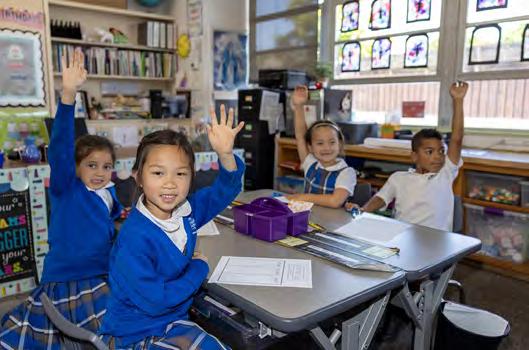

Challenger School - Middlefield
3880 Middlefield Road
Palo Alto • 650-213-8245
www.challengerschool.com/campus/california/paloalto/middlefield
Stratford School Palo Alto
870 North California Avenue
Palo Alto • 650-493-1151
www.stratfordpaloalto.com
Portola Valley
Woodland School
360 La Cuesta Drive
Portola Valley • 650-854-9065 https://woodland-school.org
Redeemer School
468 Grand Street
Redwood City • 650-366-3466 redeemer-school.org
San Bruno
Highlands Christian Schools
1900 Monterey Drive
San Bruno • 650-873-4090 www.school.highlands.us
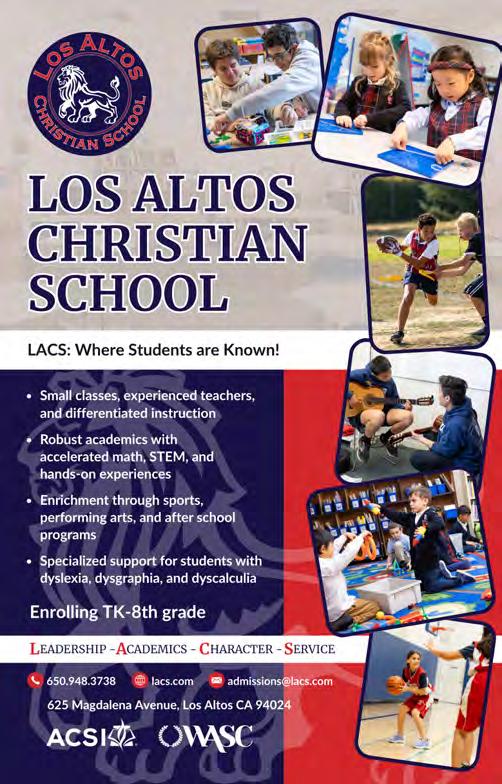



Stratford School Crestmoor Canyon 2322 Crestmoor Drive
San Bruno • 650-837-9222 www.stratfordsanbruno.com
San Carlos
Arbor Bay School
1017 Cedar Street
San Carlos • 650-244-1519 www.arborbayschool.org
San Jose
Action Day Elementary School
3500 Amber Drive
San Jose • 408-248-2464
www.actiondayschools.com
Action Day Middle School
801 Hibiscus Lane
San Jose • 408-985-2138 www.actiondayschools.com
Challenger School - Almaden 19950 McKean Road
San Jose • 408-927-5771
www.challengerschool.com/campus/california/sanjose/almaden
Challenger School - Berryessa 711 East Gish Road
San Jose • 408-998-2860
www.challengerschool.com/campus/california/sanjose/berryessa
Challenger School - Harwood
4949 Harwood Road
San Jose • 408-723-0111
www.challengerschool.com/campus/california/sanjose/harwood
Challenger School - Shawnee 500 Shawnee Lane
San Jose • 408-365-9298
www.challengerschool.com/campus/california/sanjose/shawnee
Challenger School - Strawberry Park 730 Camina Escuela
San Jose • 408-213-0083
www.challengerschool.com/campus/california/sanjose/strawberry-park PS-8 Co-ed
Hillbrook School
240 N, 2nd Street
San Jose • 408-356-7976 www.hillbrook.org
Stratford Middle School 1718 Andover Lane
San Jose • 408-626-0001 www.stratfordsanjosems.com
Stratford Preparatory Blackford 3800 Blackford Avenue
San Jose • 408-247-4400
www.stratfordpreparatory.com
Stratford School Almaden
5200 Dent Avenue
San Jose • 408-877-6300
www.stratfordalmaden.com
Stratford School San Jose
6670 San Anselmo Way
San Jose • 408-363-2130
www.stratfordsanjose.com
Grades 5 - 8 All Gender 22:1
Grades 6 - 12 All Gender 22:1
2 yrs - G5
All Gender
EPS 8:1, PS 12:1, K 15:1, ES 22:1
2.5 yrs - G5
All Gender
- $28,860
Spanish Varies by
Religious English, Spanish, Mandarin
Religious English, Spanish, Mandarin
PS 12:1, K 15:1, ES 22:1 Non Religious English, Spanish, Mandarin

(of the year before you want your child to attend)
• Define your ideal school
• Find schools that match your child’s needs
• Research and ask questions of schools on your preliminary list
• Browse schools’ websites to learn more about their programs and philosophies
• Attend local school fairs to gather material and impressions from multiple schools
• Request admissions and financial aid material by phone or online
• Review admissions materials to determine which schools to visit
• Create a calendar of pertinent admission and financial aid deadlines for the schools to which you are considering applying
• Ask elementary schools about their test schedules and make appointments
• Register for any standardized tests required for admission
• Review the test websites to learn about procedures and test dates, see sample questions, and purchase test-preparation books
• Call schools to schedule individual tours, class visits, interviews, and “shadow days” if available
While each school follows its own schedule, here is a typical admissions timeline. Many schools are transitioning to virtual admission events and individual tours.
• Continue scheduling tours, interviews, class visits, and standardized or school-based tests
• Visit schools during open houses, attend information sessions, and take tours
• Finalize the list of schools to which you will apply
• Take required standardized admission tests
• Continue scheduling tours, interviews, class visits, and standardized or school-based tests
• Visit schools during open houses, attend information sessions, and take tours
• Request teacher recommendations from your child’s current school
• Start working on applications, financial aid forms, student questionnaires, and essays
• Continue to watch for any open house or school events of interest
• Request transcripts at the end of your child’s first semester
• Complete applications, questionnaires, and essays
• Note application deadlines. Some schools have December deadlines.
• Pay attention to deadlines: Most applications are due in January or February, along with test scores, references, transcripts, and financial aid forms
• Don’t miss deadlines: Many schools’ applications are due in February at the latest
• Visit schools and/or have your child participate in a student shadow day
• Watch for school decisions starting in mid-March
• Watch for financial aid decisions
• If your student is accepted by multiple schools, decide which school your child will attend
• Sign and return enrollment contracts and send deposits
• Notify schools that you applied to but decided not to attend
• Attend events and activities for new parents and students
• Sign up for music, sports and extracurriculars
San Mateo
Junipero Serra High School
451 West 20th Avenue
San Mateo • 650-345-8207 x 6129 www.serrahs.com
Odyssey School 201 Polhemus Road
San Mateo • 650-548-1500 www.odyssey-school.org
Stanbridge Academy 515 E. Poplar Avenue
San Mateo • 650-375-5860 www.stanbridgeacademy.org
Santa Clara
Stratford School Pomeroy 890 Pomeroy Avenue
Santa Clara • 408-244-4073 www.stratfordsantaclarapomeroy.com
Stratford School Winchester 400 N. Winchester Boulevard
Santa Clara • 408-244-2121 www.stratfordsantaclarawinchester.com




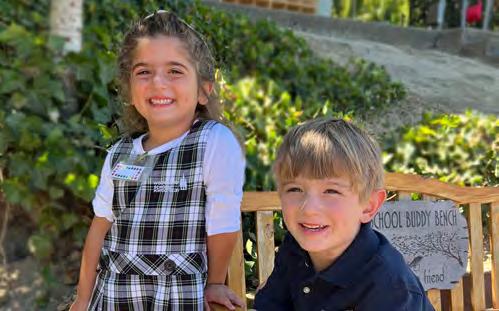
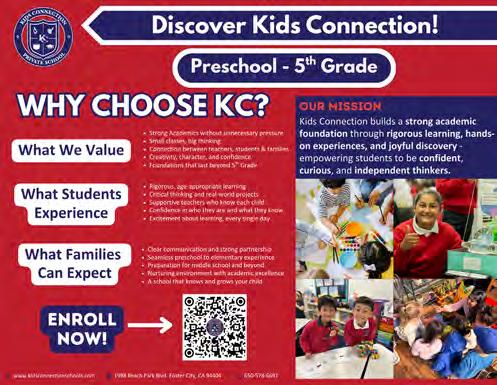
Every private school has its own policies about who receives financial aid, what types of aid are awarded, and how much aid a particular family will receive. In most cases, the financial aid office cannot tell you if your family will qualify for financial aid until you submit an application that allows the school to evaluate your unique situation.

will receive a financial aid decision shortly after your child is admitted to a particular school.
To determine your eligibility for financial aid, you must submit an application form and financial statements. There is no income limit that automatically makes your family ineligible for financial aid. Financial aid officers take into account your income, assets, and expenses, including educational costs for other children.
Bottom line: If you feel your family cannot afford to pay the full cost, regardless of your income, it’s worth the effort to submit a financial aid application.
Every school has its own financial aid schedule, and the deadlines are different for schools with rolling admissions. In general, most financial aid applications are due in January or February. Check with your school of choice for the deadline. You
Grants are the most common type of financial aid offered by private schools. They are awarded annually to students who demonstrate financial need, and students must re-apply each year. Grant money comes from the school’s budget and does not have to be paid back.
Merit scholarships awarded by the school are rare and are usually reserved for students who have a special talent that the school is seeking, such as art, music, or academics. Generally, scholarships are based on financial need. They may be awarded once, annually, or as long as the student meets the scholarship criteria.
Scholarships from outside organizations are also rare, and often awarded by local chapters of national groups like the Rotary Club. Ask the
school for a list of organizations that have provided scholarships to their students in the past, and check the list on parents.nais.org. Each scholarship program will have its own eligibility rules, application, and deadlines.
Tuition loans are personal loans provided by a private lender. You must apply directly to the lender, and your loan amount and interest rate will depend on the lender’s credit requirements. Some use loans to pay for expenses not covered by a grant.
Tuition Payment Plans allow you to make monthly payments rather than writing one or two large checks each year. Schools offer payment plans through a third-party financial services company, which charges a relatively small fee.
Sibling discounts are designed to help families with more than one child enrolled in the same school. Many schools are shrinking these discounts, or phasing them out altogether. Even so, it’s worth asking if this situation applies to you.
Most families pay for tuition through a combination of these options. The school’s financial aid officer can help you create a financing plan that fits your family’s needs. Don’t hesitate to ask questions and explore all the options available to you.
Reprinted with the permission from National Association of Independent Schools, nais.org.
Challenger School - Saratoga 18811 Cox Avenue
Saratoga • 408-378-0444
www.challengerschool.com/campus/california/ saratoga
Saint Andrew’s Episcopal School 13601 Saratoga Avenue
Saratoga • 408-867-3785
www.st-andrews.org
Challenger School - Sunnyvale 1185 Hollenbeck Ave
Sunnyvale • 408-245-7170
www.challengerschool.com/campus/california/ sunnyvale pgs. 2, 42
Stratford School Washington Park 820 West McKinley Avenue
Sunnyvale • 408-737-1500
www.stratfordsunnyvalewashpark.com
Stratford School De Anza Park 1196 Lime Drive
Sunnyvale • 408-732-4424
www.stratfordsunnyvaledeanza.com
Sunnyvale Christian School 445 S. Mary Ave.
Sunnyvale • 408-736-3286
www.sunnyvalechristian.school


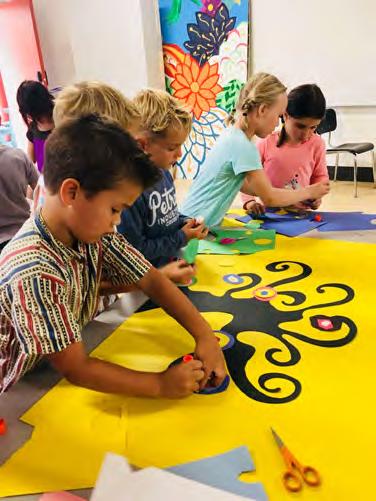


Bilingual immersion (PreK - 8)
Exceptional curriculum
Small classes
Internationally minded
Tuition assistance available

Open House
All Programs
Oct 18 | 10 am - 2 pm
Online Info Sessions
High School
Sep 16 | 6 pm
Early Childhood
Sep 23 | 9 am
Elementary & Middle School
Sep 30 | 9 am


IB Diploma Programme
College-preparatory curriculum
Multiple language tracks
College admissions advantage
Tuition assistance available
Open Classrooms
Jan 16, 2026
Private Tours By appointment admissions@ebgis.org
Register at http://www.ebgis.org/admissions/v isit-us
1070 41st Street Emeryville, CA 94608 (510)380-0302 admissions@ebgis.org