




Immersed in a joyful school community, Prospect Sierra students think and feel deeply, develop a lifelong love of learning, and are prepared to make a positive impact on the world.



Which Type of Camp Would Best Suit Your Child?
What Do You Envision for Your Child’s Camp Experience?


E-scooter & E-bike Safety
2026 National Parks
Visiting the ER with your Special Needs Child
Lessons from the First JobParents Learn as Much as Teens
Tips for Traveling with Kids with Autism
ALAMEDA
Richard Tabor, DDS 1821 Santa Clara Ave.
510-865-2900
www.alamedadentist.com

Thea S. Dosanjh, DDS
2000 Appian Way,Suite 303
510-964-0168
www.eastshorepediatricdental.com
Teri L. Kim, DDS
2000 Appian Way,Suite 303 510-964-0168
www.eastshorepediatricdental.com
You may be eligible for no-cost nutrition advice, breastfeeding support, community referrals, and EBT to buy healthy foods! Working families may be eligible for WIC!

For more information and to see if you qualify, contact: City of Berkeley WIC Program 830 University Ave Berkeley, CA 94710
City of Berkeley WIC Program 1900 6th Street Berkeley, CA 94710
510.981.5360
510.981.5360
Migrant families are welcome! wicprogram@BerkeleyCA.Gov
Migrant families are welcome! wicprogram@cityofberkeley.info Visit us at www.cityofberkeley.info/publichealth
Visit us at www.cityofberkeley.info/publichealth








Fourth of July is very clearly the big winner in July in terms of holidays, but you won’t want to overlook another special occasion – Teddy Bear Picnic Day. The holiday occurs on July 10 and it’s the perfect time to pack up a basket and your child’s favorite stuffies, and head to the park for a little lunch al fresco.

If you’re salivating at the very thought of the approaching barbecue season, know that you are most certainly not alone. The most popular holiday for barbecuing in the United States is the Fourth of July, followed by Memorial Day (we’re counting the days) and, of course, Labor Day. Now go make sure you’re stocked up on charcoal or propane and get those grills cleaned in preparation.

By Emma Knight Injury Prevention Intern, Children’s Hospital
As e-scooters and e-bikes become more popular, both riders and pedestrians need to keep safe. These devices are efficient ways to navigate busy cities and towns but if not done safely, can lead to serious injuries or death. Injuries related to these devices have increased at a worrisome pace, especially in 10–14-year-olds who make up the largest group of those injured from e-scooters. It is recommended riders wear protective gear including helmets, knee pads, and elbow pads to help prevent injury from falls and collisions. Check for damage on your scooter before riding, and ensure you know how to use the brakes. This ensures you can operate your device safely and that you will not lose control of it. Be sure to alert others and ensure they see you as these devices can be silent, small, and quick. Due to the speed that e-bikes can run at injuries to pedestrians can be more severe. You should not ride alone, avoid distractions, and drive sober. Riders should remember to always follow manufacturer’s instructions such as age and weight limits as these can both impact the safety of the rider. Repeated bumps from tricks and stunts can cause damage to the device, causing fires while in operation leading to leg burns or make the device unstable, posing a risk for the rider as well as the pedestrians around them. Following these safety tips can help keep both riders and pedestrians safe.
Please join us for Open House on Saturday, January 31, 10am to 2pm, and experience California Crosspoint Academy up close. We look forward to welcoming you to our family!



We asked and you told us who your Bay Area favorites are, in droves! Parents Press received over 200,000 votes from you guys! Awesome! Coming in August, we have your places to vacation, museums to visit, restaurants, schools, medical, special needs and the list goes on and on! Best of Winners will be listed in the August issue. Plus, you can find even more categories online at ParentsPress.com.
According to former National Park Service Director Chuck Sams, “The entrance fee-free days to encourage people to discover the beauty, history, and inspiration awaiting them in the more than 400 national parks throughout the country.” Only about 100 of the 400+ national parks have an entrance fee, with costs ranging from $5 to $35+. Detailed information about what to see and do in each park is available on NPS.gov or the NPS app. It’s essential for people to know before they go what is open and available, especially if they are staying overnight. Fee-free days apply only to entrance fees and do not cover amenity or user fees for camping, boat launches, transportation, special tours or other activities. ,
The annual $80 America the Beautiful National Parks and Federal Recreation Lands Pass allows the pass holder and companions accompanying them unlimited access to over 2,000 federal recreation areas, including all national parks. There are also free and discounted passes available for currently serving members of the U.S. military and their dependents, military veterans, Gold Star Families, fourth-grade students, disabled citizens, and seniors.
Free Entrance Days for 2026
July 3-5: Independence Day Weekend
August 25: NPS Birthday
September 17: Constitution Day
October 27: Theodore Roosevelt’s Birthday
November 11: Veterans Day
These are “patriotic fee-free days,” and non-residents will still need to pay entrance fees.
What better way to keep track of all the Bay Area preschool and private school’s admission events than this handy tool! With over 50 schools & preschools participating, check out the Online Open House & Admissions Calendar on ParentsPress.com. Look for the School Open Houses button on the main header bar and tap. Don’t forget to tell them you saw their event on https:// parentspress.com









By Suzanne Niro, BSN, CPEN
Visiting the ER with a sick child is stressful for any parent. It can be even more challenging for parents of a special needs child or one with behavioral issues. Many of these families have navigated through the ER multiple times for various reasons but each visit can be quite unique. These patients are often dealt with by staff unfamiliar with their extensive histories and complex medical and emotional needs. In addition, prolonged waiting times expose them to other sick children, which can be very problematic.
• Check in with your child’s primary health care provider before heading to hospital. Often an ER visit is unavoidable and children with chronic conditions subsequently require admission to the hospital at high rates (24% to 38% of the time). Consulting with their primary care provider may save the child a trip to the ER, depending on the severity of the complaint. The primary caregiver may be able to arrange an outpatient specialty visit or even see the child themselves to determine if an ER visit is absolutely necessary.
• If an ER visit is unavoidable, make sure to bring the child’s medications or, at minimum, an updated medication list including doses and times given. A quick summary of the child’s complex history is also valuable, including names and numbers of clinicians who are involved in the child’s care. Patients with complex medical needs are often on multiple medications, doses are frequently being changed and some med changes
may not even be updated in the patient’s medical history. In addition, some meds may not be immediately available in hospitals, in which cases exceptions can be made and families may give meds from home.
• Be sure to bring any personal items such as blankets for comfort, or security items such as teddy bears, etc. Although one may anticipate a quick visit, some may last hours, depending on wait time, even if admission is not needed. Having a security item can help the child feel more secure in a stressful situation. In addition, many hospitals offer Child Life services. These clinicians are highly trained individuals who specialize in helping families cope with the visit. They can provide valuable distraction during unpleasant procedures as well as explain to the child and family what to expect during their stay and how the staff can best accommodate their unique needs.
• If your child requires special formula or is on a special diet be sure and bring these with you. Although many hospitals can accommodate these needs on inpatient units, they may not be readily available in the Emergency room.
• Don’t forget to bring a charging cable. If you are brining a gameboy, tablet, cell phone, e.t.c., you will need it.
Given these challenges, improving the delivery of patient and family centered care in the ER requires collaboration between the parents and health care clinicians. Being a strong advocate for you child is essential for an ER visit. Clinicians are trained to “listen” to your valuable advice and expertise regarding your child’s unique and individual needs.



Parents want their kids to have an active and healthy lifestyle and many sign them up for team sports hoping to help them develop healthy lifelong habits and a love for physical activity. While there are many benefits to team sports, they aren’t always the best fit. Individual sports can be a great alternative to playing on a team especially for kids who have ADHD, sensory processing disorder, or struggle with socialization disorders. Individual sports help kids stay active while building self-esteem and focus. They also learn to set personal goals, and have the opportunity to work one-on-one with the coach. Here are some great individual sports to try and the benefits for your child can gain by participating in each of them.

Hand-eye coordination, speed, agility, gross and fine motor skills, and strong cardiovascular exercise makes tennis a great option for kids who like to keep moving, are quick on their feet, and want the individual attention that comes from one-on-one coaching.
Kids who want to learn discipline, respect for others and themselves, balance and coordination, self-control, and work on their listening and focusing skills should consider trying martial arts. This can also become a family sport as all ages are welcome in this activity.

Gymnasts are known for their strength, coordination, flexibility, and discipline. Your child may never become an Olympic gymnast but the confidence and agility they will learn from participating in gymnastics will stick with them.

By Sarah Lyons

Swimming is a great source of cardiovascular exercise. It also promotes strength, stamina, balance, better posture, and teaches water safety. Swimming, like martial arts, is a sport for all ages. A love of a sport like swimming can turn into a lifetime source of exercise and enjoyment.
While running sports typically start in late elementary school or middle school, it is never too early or late to enjoy. Besides a great cardio workout, running helps develop physical, mental, and personal development as kids overcome challenges and set new goals in distance or time.

If none of the above sports are of interest, you may also want to research fencing, wrestling, cycling, dance, diving, or golf. Many of these sports allow kids to compete on an individual basis while contributing overall to a team. For example, kids competing in gymnastics will receive an individual score but the points go to an overall total for the team. This gives kids the support from teammates without the pressure of having to play on a team. Kids will learn to set and exceed their personal goals and also have the camaraderie that goes along with a team sport. If you notice your child is feeling pressure or frustration from participating in team sports, give an individual sport a try.
Sarah Lyons is a freelance writer and mom of six kids including triplets. She enjoys reading, writing, and spending time outdoors with her family.

By Katy M. Clark
Iwas sitting in my car in the parking lot of a banquet hall. I wasn’t there to attend a wedding or silver anniversary dinner. No, I was there waiting for my fifteen-yearold son.
Moments earlier, I had watched him walk into the office at the banquet hall. He looked so official, dressed all in black. He was reporting for his first day of work as a kitchen assistant.
With this part-time job, I hoped he would learn what all of us have learned from our first jobs: how to manage your time, respect your boss, be responsible, and work hard. I was looking forward to him earning his own money, too.
And can I add that by working a parttime job that summer he wouldn’t have so much free time to play video games? That pleased me, too.
I was waiting in the parking lot,
though, because I was unsure if he needed me for anything. He had turned in his work permit and employment forms earlier in the week, but was everything in order? Did he need my signature one more time? A reminder of his social security number? And his employment contract had said no cell phones, but would he have a place to stash his or did he need to leave it with me in the car?
To be honest, it felt a bit like the worrying and hovering I had done that first day he went to kindergarten. And just like that first day, I learned





To be honest, it felt a bit like the worrying and hovering I had done that first day he went to kindergarten.
that he was going to be just fine without me. After fifteen minutes of waiting and no sign of him coming out to hand me his phone or ask me anything, I left. As it should be.
That first day soon turned into his first week done and dusted, then into his first month completed. As time passed, I realized something surprising. Not only was my teen learning valuable life lessons from his part-time job, but I was learning a lot, too.
First, I learned that he was capable without me. He checked his schedule. He picked up his paycheck. He made sure his uniform was clean and ready for his next shift. As it should be.
Then, I learned it was okay not to be aware of every little detail of his life. His job did not send me weekly or daily emails like his high school did. My phone did not ping with constant notifications like the ones I got from his sports teams alerting me to practices and games. All communication about his job was solely between him and his employer. As it should be.
I learned that he still needed me, too. I taught him how to cash his paycheck and also how to deposit it. We talked about spending his paycheck for fun stuff while saving for the future. I introduced him to FICA and other workforce realities. I coached him on how to approach his boss about a misunderstanding over his schedule. I was there for him those times that he needed me. As it should be.
As the summer drew to a close, and my son’s return to school loomed large, I was sad when he had to give his two weeks’ notice. My son learned many valuable lessons from his first job, but I learned a lot, too. I learned that he was capable. That he didn’t need me all the time, but that he still needed me some of the time.
I learned that I could let him go, even if just a little bit, and he would be okay. As it should be.
Katy M. Clark is a writer who celebrates her imperfections as a mom at ExperiencedBadMom.com.




By Jean Abernathy
For a long time, traveling with my autistic son was a traumatic experience for the whole family. My anxiety was through the roof! Many times, we almost canceled the trip because it just wasn’t worth it! The tantrums, the screaming, the sabotage of all of my packing and planning made me ask myself, why go? Before we had children, my husband and I loved to travel the world. Giving it up would be a big loss for us. After one particular 12-hour flight, when
my then 18-month-old son screamed and cried for 11 hours of it, I was ready to quit travel until my son got older. As a family and after adding another child, we figured out what worked for us. Over time, I’ve learned some tricks that really help, and I’d love to share them hoping you can find a way to make it work for you.
As a mom, travel is already hard between planning and organization, keeping everyone happy, fed, and clean. Modern Family’s Claire Dunphy said of a family trip to
Hawaii,”I’m a mom traveling with her kids. For me, this is not a vacation. It’s a business trip.” Then, add on traveling with a child with autism. Yes, it can be rough! I wanted to find a way to have travel be a part of our family bonding. It took some hard trips to learn what works and what doesn’t. Twice, I came home from a family trip and booked the next cruise out of our town, solo! The good news is that family travel can be done and enjoyed! Let me share what works for us.
Some children with autism do better with a countdown calendar. Starting a week ahead, you mark each day off and let your child add something to his suitcase. It builds excitement and helps him prepare mentally for the trip. But this tactic is not for all. For my son, this process backfired and made him even more anxious. This made for horrific transition days, the day we left home to get to our destination. However, once we got to our destination, he would be fine. The rest of the family was a total wreck but, he was fine. Eventually, we learned to downplay the trip. As our children got older, we would discuss a destination to gauge interest. My son would never show interest in anything new but would give us clear clues if the trip was a no go. Once the trip was booked, we would tell him the dates. Then, we would drop it. Two weeks out, I give him a reminder. One week out, another reminder to discuss basics, i.e school work to bring, prescriptions to renew, etc. At this point, he may ask where his dog was staying and what activities we had planned. We let him bring up the trip if he wanted to. Sometimes he did, sometimes not. Naturally, conversation at dinner would revolve around the coming trip. He is okay with this. Now that he is older, two days before I give him a packing list. It helps ease his anxiety when we travel to accommodations he is familiar with and avoid bouncing around hotels.
Always inquire with the airline ahead of time to check policies and special accommodations for kids with disabilities. Most airlines have ways to help flyers with dis-
abilities and have plans to accommodate people with special requirements. Many airports have special quiet areas to help people decompress if needed. Or, if you have access to an airport lounge, they can be quiet respites. Then, I plan to get to the gate early and speak with the gate agent. Often, but not always, they’ll let you board first. Some airlines now require that you make this request at the front counter. Trust me, it’s a game changer if your child needs it.
If your child has a favorite seat (like mine with his window fixation), it is worth paying a bit more for it. Even better, a bulkhead window seat with no seat to kick in front. This made a world of difference in our flights, keeping him calm and fascinated.
There is a ton of info on what to pack. I’m covering what not to pack in your child’s carry-on. My son’s love for metal Thomas Trains then metal Star Wars battleships stumped many a TSA agent as they went through the scanner. Until he was 14, his Ziplock bag of what felt like 200 battleships went everywhere with us. Still, for some cosmic reason, at age 17, almost every single time, it’s his backpack that gets pulled for additional screening. Now that we are beyond traveling with strollers, car seats and all the gear, we are big fans of not checking luggage, opting for carryon luggage only. But, while you are still in the young kid phase, pack all but one or two metal toys in checked luggage, provided your child will allow for this. Mine did not. If your child has to have toys with him, pack them in a clear bag ,then pull the bag out for security scanning. This will save time and much angst. My son did not like strangers going through his bag and would let them know it.
Aside from what I pack for him, I have my own bag. It’s my magic Mary Poppins bag. Think favorite toy, go-to snacks, water bottle, an extra outfit for him and me (you never know), and even some lollipops for those tough earpopping moments. Don’t forget sanitizing wipes for all airplane surfaces, duct tape to keep the tray table closed when not in use, and plenty of extra diapers. I learned the diaper lesson the hard way when our plane was delayed for six
Continued on page 18 >>>

hours on a flight home. You would think you could buy emergency diapers at an airport! Plus, the all-important iPad, headphones, and charger!
I make it a point to give the person sitting in front of my child a heads-up of what we are dealing with. I explain that my son has Autism. He usually enjoys flying but can get restless. We will do our best to keep him content and prevent him from kicking your seat during the flight. Please understand that this is hard for him. People are usually very kind and understanding if you are trying to work with your child.
I was initially against bribing, but flights aren’t the usual setting, are they? I reward him with a small treat from my bag if he’s good for a certain period. It’s amazing what a little motivation can do.
If you find yourself having to travel solo with your special needs child, find someone to come along. Having a buddy to help so you can regroup for five minutes or go to the bathroom on the flight makes a difference. We all need a breather now and then.
I have more success staying in a place with a kitchen (See Breakfast and Dinners In) and a comfortable place to eat meals and separate bedrooms. Separate bedrooms or a comfortable place for my son to be alone and decompress makes for a much happier situation for the whole family. Also, with separate bedrooms it is easier for him to fall and stay asleep without the noises of others in the room. Sometimes, our family of four can’t avoid a hotel night, nor want to pay for two rooms. These nights are very stressful. It’s hard for all to sleep well. What helps are a small travel fan and a travel headband with wireless earphones to cut down on noise distractions. The more restful sleep my son gets the better it is for all of us.
Part of the fun of travel is to explore new things. For my son, new and unfamiliar places are pure torture. As a parent, I want both of my children to see the world. My son resists this want. Over time, we have discovered that if we go to a familiar base setting for longer durations, my son is better able to handle doing day trips or short three-day trips from the vacation. Plus, leading up to the trip is not so traumatic because he knows what to expect and actually looks forward to it.

On days that we are out and about, I try to start the morning with a “normal” breakfast with familiar foods. This normalcy is one less new thing for him to face. Then, after a tiring day of exploring, knowing that a dinner out will end badly, I plan a normal dinner at the place we are staying.
Since the pandemic, I find that both of my children, autistic or not, need more downtime. I use a one-to-one ratio, one day exploring, then the next day of downtime. As the trip goes on, I transition to half day segments recognizing that the longer away from home the more the trip wears on my child.
Sometimes, things don’t go as planned. Maybe it’s a delay or an overstimulating environment. A backup plan or a quiet corner for meltdowns can be a lifesaver. Sometimes, it might mean cutting a trip short for the sanity of the family, and that’s okay.
Once you’re back home and settled, think about what worked and what didn’t. Write it down! Consider creating a “How to Travel” journal. Take note of items you wished you had packed and items that should have stayed home. List situations when everything worked out and why, as well as what didn’t and possible ways to do things differently next time. Plus, check in with yourself. As moms, we tend to focus on everyone else. How did you enjoy the trip? Are you rested or exhausted? Did this trip live up to what you imagined? What could you do differently to make future travel better for you and all of your family? The focus of the journal is to document how a trip went as opposed to the trip itself, so that next time your travel experience will be even better. Get beyond family travel being a relocation. Enjoy an actual vacation.
Traveling with our special kiddos take extra work, but the memories are worth it. We’ve got this, mama!


IN THE BAY AREA, WE’RE INCREDIBLY FORTUNATE BECAUSE WE HAVE AN ABUNDANCE of summer camps to choose from for our children. Whether you’re looking for a day or sleepaway camp, one that focuses on the performing arts, science, or whatever else your child is passionate about, it more than likely exists in our region.



Intensive OT programing in nature and surrounding areas to Oak Bloom
We are excited to meet your child’s needs and celebrate another year of neuro-affirming, nature-based experiences.
Monday-Friday 9:00am–1:00pm*
ALL SUMMER LONG!
EACH WEEK FEATURES:
• 3 days outdoors in nature
• 2 days at Oak Bloom & surrounding areas
CAREFUL GROUP CONSTRUCTION
• 1-2 OTs plus OT Intern
Creative Activities
Exploring Our Senses
Social-Emotional Learning
Painting
Arts & Crafts
Fun Games
Music & Dance
Sensory Motor Play
Outdoor Adventures

Outcomes will create more independent, confident and resilient kids through fine motor play sensory exploration and active movement.
• 1:1 ratio available

• Two groups: Under 6yrs + 7yrs & Up
COST
• $1,200 per week: 5 days x 4 hrs/day
• Scholarships available
• Sibling & Friend discounts:
• 25% off weekly price when enrolling more than one child!
* After care available 1-3pm upon request for an extra fee







The opportunities that summer camp provides are endless: the ability to try new things, the chance to make new friends, and the prospect of gaining independence are just a few.
Consider the possibilities:
DAY CAMPS typically serve children ages 3-15. Session lengths typically vary from one to eight weeks. Some camps offer up to ten weeks of programming. Before camp and after camp programs are offered for an additional fee at some day camps.
OVERNIGHT (also called Resident or Sleepaway)
Camps usually serve children ages 6-18. Campers stay at camp for one to eight weeks, depending on the camp’s session length.
GENERAL CAMPS offer a broad range of activities. Many provide campers with the opportunity to focus on one or a few areas while encouraging them to try a variety of others. It is sometimes possible to explore an activity or interest in depth within the context of the whole program.
TRIP & TRAVEL CAMPS involve outdoor exploration through active sports like biking, hiking, climbing, and canoeing. Campers spend most of their time traveling and preparing to travel.
The only downside to having so many options is that it can truly feel like an exhausting search to find exactly the right fit for your kids. We want them to be happy. We want them to feel comfortable. And, most of all, we want them to be safe. But how does a parent know they are making the right choice? Read on to find a wide range of information that will answer your checklist of questions regarding how to best decipher the information in all of those brochures and how to make the most of an informational visit. You’ll have better peace of mind and, chances are, your kids will have one incredible summer.
Before you start scheduling camp interviews, research all of the options that appeal most to your family, then weigh the pros and cons of each (you can even grade them on a points system if you like). After you’ve compiled a list in order of interest, start eliminating some. You don’t want to drive yourself crazy going on interviews for camps that aren’t really all that appealing to you. It’s a waste of your time and theirs. Once you’ve ruled out camps that don’t meet your essential search criteria or expectations, begin exploring the details of
SPECIALTY CAMPS are based in day or resident settings. Popular options for specialization may include horseback riding, the arts, sports, computers, or travel. Programming revolves around intensive exposure to the specialty area.
CAMPS FOR SPECIAL POPULATIONS serve specific clientele like children or adults with particular medical conditions, disabilities, or special needs. Some camps focus on campers who share very specific diagnoses, while others are geared to meet a broader array of needs at any one time.
RELIGIOUSLY-AFFILIATED CAMPS offer religious education formally and informally. Review materials carefully for explanations of how religion influences a camp’s culture to find one with the balance that best matches your family’s values and beliefs.
FAMILY CAMP SESSIONS include family members of all ages, from grandparents to infants. Accommodations vary, as do program options and session length. The focus is on being together as a family—to learn, to relax, and to enjoy new experiences and adventures.
each option you like. Sometimes, the filtering process yields too many camps to interview personally; sometimes, it doesn’t yield enough. Adjust key variables, such as location and session length, to narrow or expand the number of options on the results page. Use the results page to go directly to camp websites.
Camp interviews may feel a bit tedious at times, especially depending on how many you plan on talking to, but they are so necessary in determining how your child might fit into the environment. Go into each interview armed with knowledge of your pros and cons so that you have your questions firmly planted in your mind. How does the camp convey who they really are and reflect the world they’ve created exclusively for a child’s benefit? Camp seekers can learn so much from a close look at camp websites, brochures, photos, videos, FAQs, newsletters, social media, and camper or parent testimonials. Many camp websites are a gateway to most camp information on this list, from video content to downloadable brochures and forms, all reflecting the camp’s culture.








We strengthen Jewish identity by raising awareness of the racial, ethnic, & cultural diversity of Jews around the world.

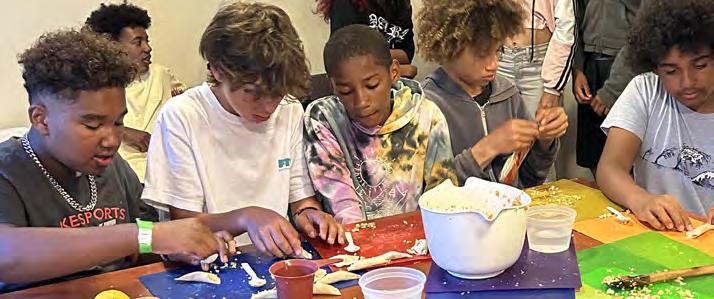
Campers have ‘Passports’ and travel virtually to different countries learning about Jewish traditions through art, music, dance & cooking.


Campers
Many Camps are much more than lists of activities they offer; they are vibrant educational communities – and no two are exactly alike. There is probably not just one perfect camp for your child. More than one camp may turn out to be a great fit, given your search criteria, so the interviewing stage will most likely factor into your final decision and help you to pinpoint the camp. So, how do you decide between two (or a few camps) with comparable activities, locations, schedules, amenities and prices?
Enough research will provide answers to your questions without you having to utter a single word. Camps try to anticipate what families need to know and provide this information online. You’ll want to use interview time to ask questions that haven’t already been answered – questions that explore the fit for your child.
Running low on time? Interviews with some camp head honchos may already be available online. You can also consult with friends who’ve previously met with the camp for information you never even realized you might want. Look for an interview with the example, you might see photos on the website or on Facebook showing the salad bar or a cabin group sitting around the table with food served family-style. This might spark a question about camp food and how your child’s dietary needs can be met. Or, combing through the part of a website developed exclusively for parents of overnight campers might enable you to understand the camp’s plan and suggestions for communicating with your camper. Perhaps reading the director’s blog from last summer or looking at newsletters might give you some insight into the camp’s philosophy and culture.
You’re the expert on your child! What aspects of his personality might affect the camp fit? (Your child is shy and cautious in new situations, for instance. Or your child needs to have a certain amount of time to practice music, sports or academics.)
Submitted by American Camp Association.


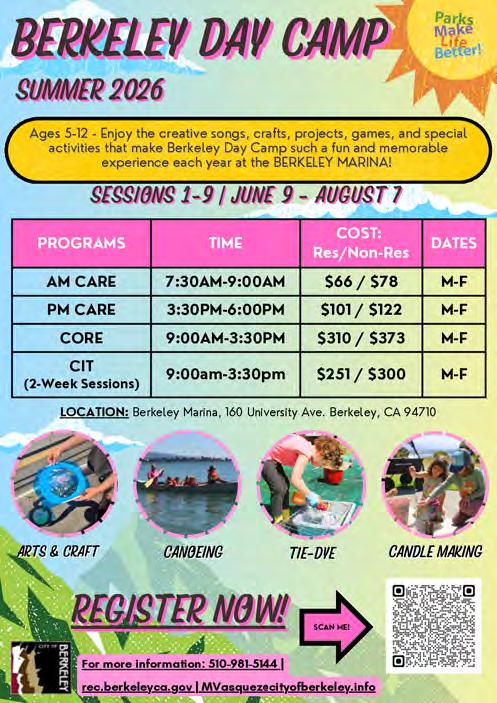













for Students in Pre-K to 8 grade th






August 3-8 2026






electing a camp for your child can be exciting. You know that camp is a wonderful way for your child to develop independence, new skills and new friends. But now you need to figure out which camp is the right choice. Consider these questions as you go through your search:
What is driving your camp search? Fun and learning? New experiences and skills? A need for child care? Family tradition? Encouragement from friends?
What are your leading camp search criteria? Which ones are “non-negotiable” and which are “preferences”?
Which of your family’s values should be reflected in the camp philosophy? How religious should it be? How competitive? How diverse? How much camper choice should be given?
What activities or programs interest you and your child? What level of intensity are you looking for? Are you looking for opportunities for your child to try new activities, to play, to advance current skills, to practice, to compete or to specialize?
What kind of facilities will your camper consider? Discuss electricity, bathrooms and dining.
What session length, from eight weeks to a few days, is comfortable for you, for your child, and for your family’s summer schedule? The most common session lengths are: full season (seven to eight weeks), half season (three to four), two weeks and one week.
What camp clientele do you want to consider? There are camps for only boys or girls, coed, brother/sister, religious groups, underserved populations and children with special needs.
How far are you willing to commute your child? Is there a good local source or is it worth driving to a destination camp?
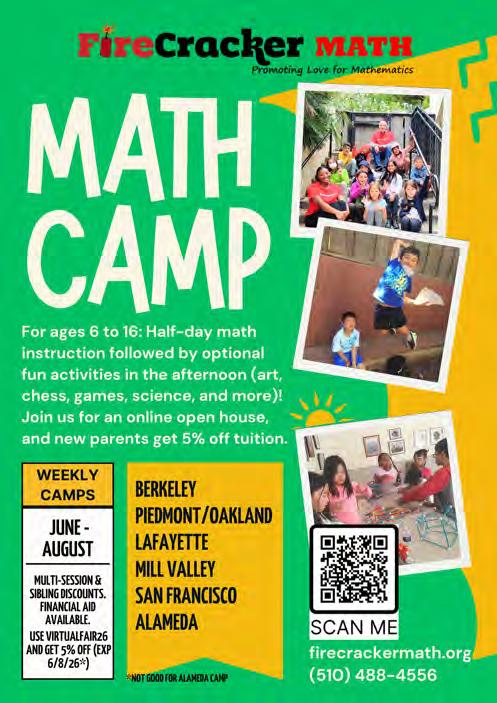






Summer often conjures images of camps for younger kids, where they make friends, learn new skills, and have fun. But as children grow into their teen years, they still benefit from engaging, enriching summer experiences—just tailored to their evolving interests and goals. While babysitting, mowing lawns, or lifeguarding are great ways for teens to spend their summer, there’s a wealth of opportunities that can help them prepare for their future, especially if they’re college-focused. Here’s a look at some activities and their benefits:
Community Service Camps: These camps allow teens to give back to their communities while learning valuable skills. Whether it’s packing food for the homeless, assisting with community projects, or even helping to build homes, teens gain hands-on experience that fosters a sense of purpose.
Interest-Based Camps: For teens passionate about sports, arts, computer science or other activities, specialized camps provide an immersive environment to develop their skills. From improving soccer techniques to exploring the arts or deepening their faith, these camps offer a focused approach to personal growth.
Team-Building Camps: At camp, teens meet peers from diverse backgrounds and learn to work as a team through collaborative activities. Trust-building exercises and group projects teach cooperation—skills that are vital in college and beyond.
For teens with a clear interest in a particular field, internships provide an excellent opportunity to gain realworld experience. Whether shadowing a doctor, assisting in a lab, or working at a local business, internships offer insight into potential career paths and look impressive on college applications.
Teens interested in STEM fields can often find summer research opportunities through universities, science institutes, or specialized programs. These experiences allow students to contribute to meaningful projects, learn advanced methodologies, and connect with professionals in their field.
For those still exploring career options, job shadowing provides a chance to observe professionals at work. Spending a day or two with a mentor can help teens understand the day-to-day responsibilities of a job and determine whether it aligns with their interests.
Summer is a perfect time for teens to unplug and dive into interests they might not have time for during the school year. Whether attending camps focused on creative arts, sports, or technology, or taking guitar lessons, teens can develop new passions or refine existing ones, which could influence their future studies or careers.
Experiences like camps, internships, or job shadowing encourage teens to step out of their comfort zones. These activities require them to adapt to new environments, manage their time, and interact with others—key skills for college and adulthood.
Whether through sports camps, outdoor adventure programs, or summer jobs that involve movement, staying physically active during the summer is essential. These activities help teens maintain their health while fostering discipline, developing skills and teamwork.
Whether through sports camps, outdoor adventure programs, or summer jobs that involve movement, staying physically active during the summer is essential. These activities help teens maintain their health while fostering discipline, developing skills and teamwork.
Spending time away from home — whether at a residential camp, internship, or through international travel — often helps teens gain a new appreciation for family life and everyday comforts, from home-cooked meals to their own bed.
Summer isn’t just for relaxing—it’s a time to grow, explore, and prepare for the future. Whether through camps, internships, research, jobs or other activities, college-focused teens can make the most of their summer while creating memories, making friends and developing skills that will last a lifetime. And yes, there’s still plenty of time for those odd jobs to help fund next year’s adventures!









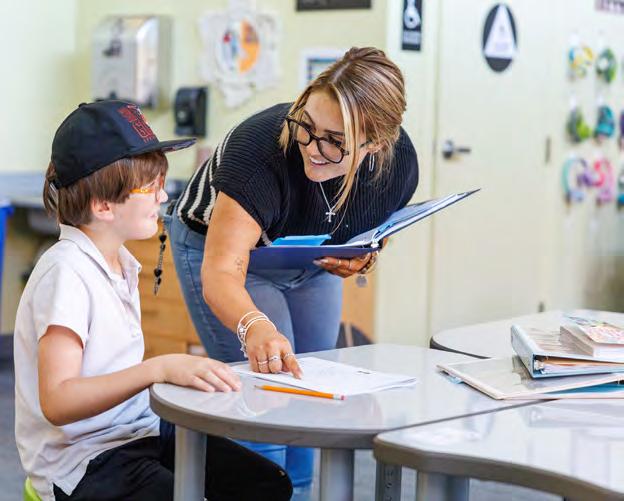



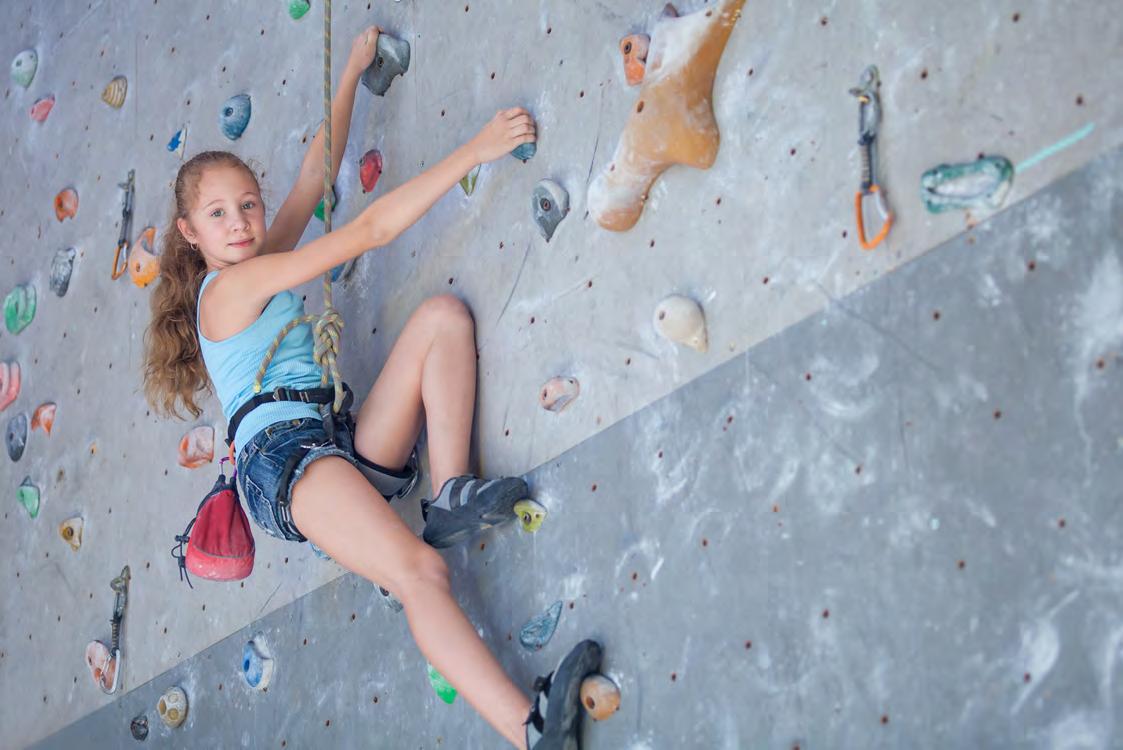
Decisions can be scary. Without certainly knowing an outcome, people make choices every day. Some work out, and others provide unforeseen results. Both contribute to developing a healthy process for making decisions. By doing, people learn how it feels to make decisions and how they overcome internal and external factors that impede or help the process. However, decision-making is not a naturally easy process for many. And for children, decisions can be even scarier. After years of making decisions, most adults naturally find their process. However, where can children find more opportunities to independently and collaboratively make decisions safely? Camp.
It starts with the decision about camp. By including them in the process, campers feel empowered and learn how to consider multiple factors in coming to a decision. A camper may have a friend at camp
and want to go or a parent might want their child to have a similar experience they did as a kid. Both are valid reasons to go to camp, but there are other factors to consider before giving the green light. When the process is done together, parents and children are both honing their decision-making tools.
Every summer, campers will address these questions independent of their parents for the first time. A camper may be used to school only. Parents might decide an outfit, the cafeteria decides what’s on the menu and, and teachers generally decide the daily lessons. Camp can offer choices for children that they’re not used normally facing.
At sleepaway camp, campers might have more leeway in what they wear. Day camps might allow campers to select their own activities each day, and for some campers,
simply deciding between two food choices can be a first. Campers won’t make these decisions in a vacuum. However, by allowing campers to make even the smallest decision on their own, camp builds confidence in the camper’s decision-making abilities and provides learning opportunities for those choices that don’t pan out. All this is done in the safe, friendly confines of camp.
From the decision to go to camp, to trying new activities, and all the other choices involved, camp is a natural environment that fosters decision-making capabilities. Even for many adults, decisions can be hard. Anxiety is real and fear of making the wrong decision can paralyze. But camps can help this. Camps provide children an opportunity to make decisions in a safe, healthy environment daily. Just like getting to Carnegie Hall, better decisionmaking takes time and practice. Both found in abundance at camp.

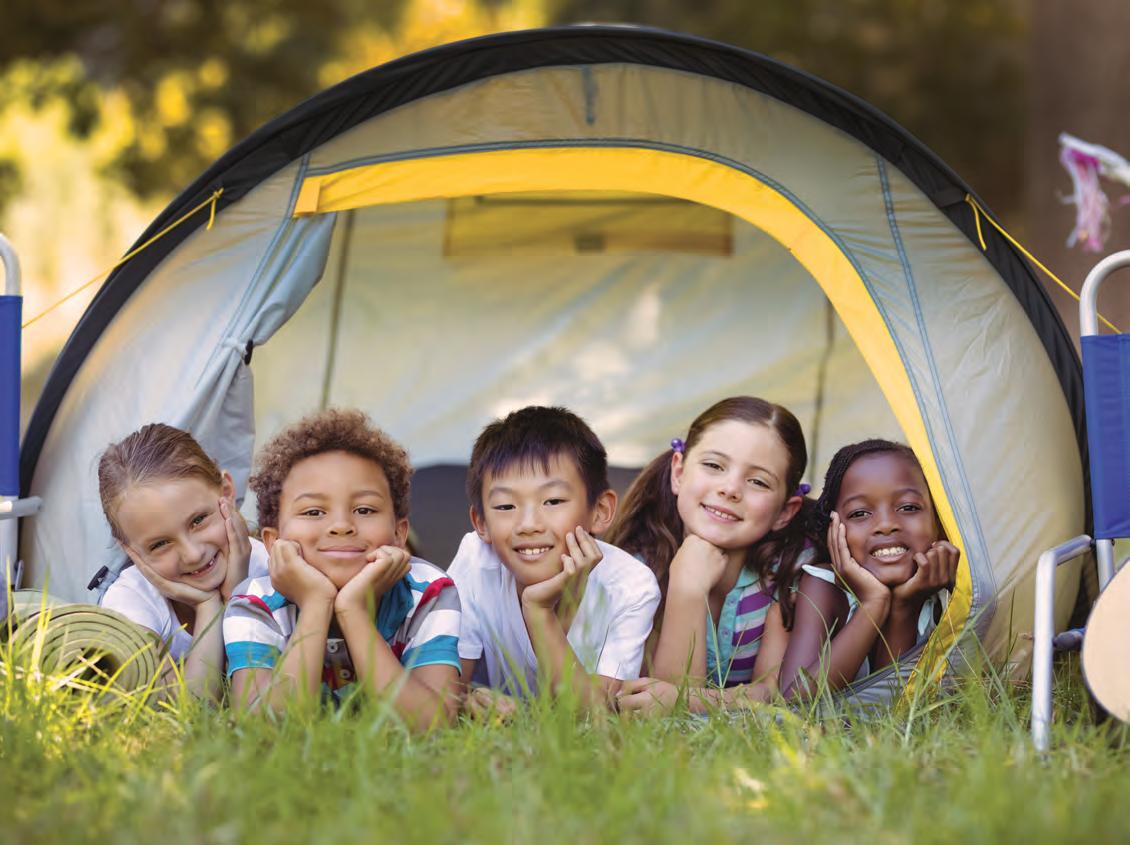
Deciding between day camp or residential (overnight) camp is one piece of the decision for families. Camp is an experience and not limited to a singular location. Campers can develop the same skills, both hard and soft, whether they’re sleeping away from home or returning to their own beds each night. While there are differences between day and residential camps, above all else, the most important outcome of this decision is finding the right fit for your camper and family.
This begins with knowing your camper. Many overnight camps begin taking campers between ages 7-9 years old. However, some children may be ready at 6 and some others may not be ready at 10. While there is no clear, linear checklist to determine whether day or overnight camp is right for your child, the questions listed here can help guide that conversation.
These questions can help begin a dialogue with your family about which camp experience is the best fit for you. The choice of day versus residential camp is one important aspect of the overall decision. But even then, make sure you follow up with those potential camps. Talk to directors. Ask for tours. Ask for references. Do your due diligence. In the end both you and the camp want this summer to be the first of many and the beginning of a great relationship.
• What is the primary reason for wanting to go to camp?
• Has your child ever spent multiple nights sleeping away from home?
• What’s your budget for camp?
• Can your child bath and dress independently?
• How far away from home do you want your child’s camp experience to be?
• What activities are important to your camper’s experience?

We limit each summer camp session to 12-15 students, so that each student receives individual attention. Making art develops problem-solving skills, encourages creativity, and develops selfconfidence. Our goal is to provide the materials, structure, and guidance to spark creativity in each child, allow them to explore and investigate their own ideas, and have lots of fun in the process.
Schedule for Summer Art Camp 2026
Special: June 5th One-day Drop-In
Week 1: June 8-12 Drawing
Week 2: June 15-19 Paint: Color
Week 3: June 22-26 Animals & Imaginary Creatures
Week 4: June 29-July 3 People & Faces (4 day week)
Week 5: July 6-10 Landscape, Still Life & Oceans
Week 6: July 13-17 Drawing
Week 7: July 20-24 Animals & Imaginary Creatures
Week 8: July 27-31 Paint: Color
Week 9: August 3-7 Landscape, Still Life & Oceans
Week 10: August 10-14 Animals and Imaginary Creatures
Week 11: August 17-21 Paint & Draw
All art materials are safe and non-toxic. Ages 6-13, regular campers, and 14-17, counselors in training. Camp options are from 9am to 3pm each day with before and aftercare available, 8-9am and 3-5pm. On Friday, camp ends at 3pm. Daylong Immersion Days are also available. Questions? Please call 510-604-0036 or email Bethpaints@gmail.com Register at www.DancingPaintBrushStudio.com
Our camp is located at 1744 Solano Avenue, Berkeley







MIDDLE SCHOOL STUDENTS
SESSION I: JULY 20– 24
MIDDLE SCHOOL STUDENTS
SESSION II: JULY 27 – JULY 31
SESSION III: AUGUST 3 – 7
LOCATION
LOCATION
Greenhouse of the Imagination Noe Valley
SESSION IV: AUG 10 – 14
9 am – 12:30 pm 9 am – 12:30 pm 9 am – 12:30 pm 9 am – 12:30 pm
SESSION I: JULY 15– 19 9 am – 12:30 pm
SESSION I: JULY 15 – 19 2:30 pm - 6 pm
SESSION II: JULY 29 – AUG 2 9 am – 12:30 pm
SESSION III: AUGUST 5 – 9 9 am – 12:30 pm
SESSION IV: AUG 12 – 16 9 am – 12:30 pm
HIGH SCHOOL STUDENTS
HIGH SCHOOL STUDENTS
SESSION III: JULY 27 – JULY 31
SESSION IV: AUG 10 – 14
2:30 pm - 6 pm 2:30 pm - 6 pm
Greenhouse of the Imagination Noe Valley
IN-PERSON OR WITH ZOOM OPTION
Cost: $325 (one week camp)
IN-PERSON OR WITH ZOOM OPTION
PAYMENT PLANS available. Just ask.
Cost: $295 (one week camp)
PAYMENT PLANS available. Just ask.
WORKSHOP LEADER
SESSION II: JULY 29 – AUG 2 2:30 pm - 6 pm
SESSION III: AUG 5 – 9 2:30 pm - 6 pm
SESSION IV: AUG 12 – 16 2:30 pm - 6 pm 2024
WORKSHOP LEADER
Leslie Kirk Campbell
California Poet-in-the-Schools: 4 years
Leslie Kirk Campbell
Writing Teacher: 35 years
California Poet-in-the-Schools: 4 years
Writing Teacher: 35 years
Award-winning Author
Award-winning Author

Parents often face challenging decisions about managing their child’s medications, especially ADHD or diabetes medications, during summer camps. Follow these steps to help ensure your child has a safe and enjoyable camp experience.
Start with the Camp Director
Prior to the start of camp, talk to the camp director to understand the daily schedule and identify the counselor who will work most closely with your child. While camp directors may have experience with children taking special medications, counselors can be younger—sometimes only 18 or 19—and less experienced. This doesn’t mean your child won’t be well cared for, but it’s important to understand the varying levels of expertise among staff.
Consider the Camp’s Duration
The length of the camp matters. Short day camps lasting three or four days differ significantly from multi-week overnight programs. Reflect on how much time and effort it took to create effective strategies for your child with teachers and healthcare providers. Camp staff, with their limited time, may struggle to fully understand your child’s unique needs or group dynamics.
Utilize the Health Care Consultant
Camps are usually required to have a health care consultant on staff to manage medical forms and medication protocols and disbursement. During check-in, you’ll likely meet the person responsible for overseeing medicine distribution. Ask about:
- Who ensures your child receives their medication on schedule.
- Where and when medication will be administered.
- Any potential conflicts with the camp schedule, such as meal times, special activities, or curfews.
Make sure your child understands the process, and discuss with their counselor how to navigate any challenges. For example, strategize ways to handle situations where your child might feel embarrassed about taking medication and how to minimize disruptions to their camp experience. Also, share with the counselor signs that medicine is not being administered or if too much medicine has been taken as well as how the medicine may affect your child’s appetite, activity level and state of mind and what to do when something isn’t right.
Some parents feel that the physical activity at camp might reduce the need for certain medications. However, keep in mind that the limited duration of camp and varying staff experience levels can make managing unmedicated campers more challenging. Carefully weigh the benefits of medication against potential difficulties and ensure your decision aligns with your child’s needs.
By working closely with camp leadership, understanding staff roles, and collaborating with the health care consultant, you can create a plan that supports your child’s well-being and allows them to enjoy their camp experience fully.


Monthly March through June
Receive camp information and learn about more than 75 day and overnight camps as well as summer programs for all ages and interests.
Click here to register and receive access to regularly updated online camp expo materials



Bilingual immersion (PreK - 8)
Exceptional curriculum
Small classes
Internationally minded
Tuition assistance available

Open House
All Programs
Oct 18 | 10 am - 2 pm
Online Info Sessions
High School
Sep 16 | 6 pm
Early Childhood
Sep 23 | 9 am
Elementary & Middle School
Sep 30 | 9 am


IB Diploma Programme
College-preparatory curriculum
Multiple language tracks
College admissions advantage
Tuition assistance available
Open Classrooms
Jan 16, 2026
Private Tours By appointment admissions@ebgis.org
Register at http://www.ebgis.org/admissions/v isit-us
1070 41st Street Emeryville, CA 94608 (510)380-0302 admissions@ebgis.org