
































Dear Reader,
When we count our blessings, we count you twice, first as supporters and then as a core part of the work we do as an organisation. This month, we released our 2025 Annual Impact Report, and the numbers are soaring through the roof. The report captures how we, as an organisation, responded in 2025 through advocacy, strategic litigation, research, storytelling, capacity building, digital inclusion programmes, and partnerships. A defining year for digital rights and inclusion across Africa and the Global South, it was marked by rapid digital expansion, evolving threats, and important opportunities for reform, and you were with us every step of the way. We cannot say thank you enough.
Check out more highlights for May, as we look forward to June with more optimism than ever.
Key Highlights
• Paradigm Initiative Supports Constitutional Challenge to X Platform Restriction in Tanzania
• The Signal is now live
• Laying the ground for electoral digital readiness in Ethiopia
• Championing Home-grown Tech Solutions in Africa at Kenya IGF
• PIN addresses ACHPR on internet shutdowns in Africa

Paradigm Initiative Supports Constitutional Challenge to X Platform Restriction in Tanzania
Paradigm Initiative (PIN) is supporting an ongoing constitutional case before the High Court of Tanzania challenging the restriction of access to the X platform (formerly Twitter). The case was filed in 2025 by the applicants as a public interest constitutional challenge against the Minister for Communications and Information Technology, the Tanzania Communications Regulatory Authority (TCRA), and the Attorney General. arising from restrictions imposed on 20 May 2025, which remain in effect to date, and have rendered the X platform inaccessible to users in Tanzania except through the use of Virtual Private Networks (VPNs), thereby substantially curtailing communication, access to information, and participation in digital civic spaces. See more details here.
PIN addresses ACHPR on internet shutdowns in Africa
On May 12, PIN, through our Programmes Officer for Anglophone West Africa, Muhammed Bello Buhari, delivered a statement before the African Commission on Human and Peoples’ Rights (ACHPR) expressing concern over the increasing incidence of internet shutdowns
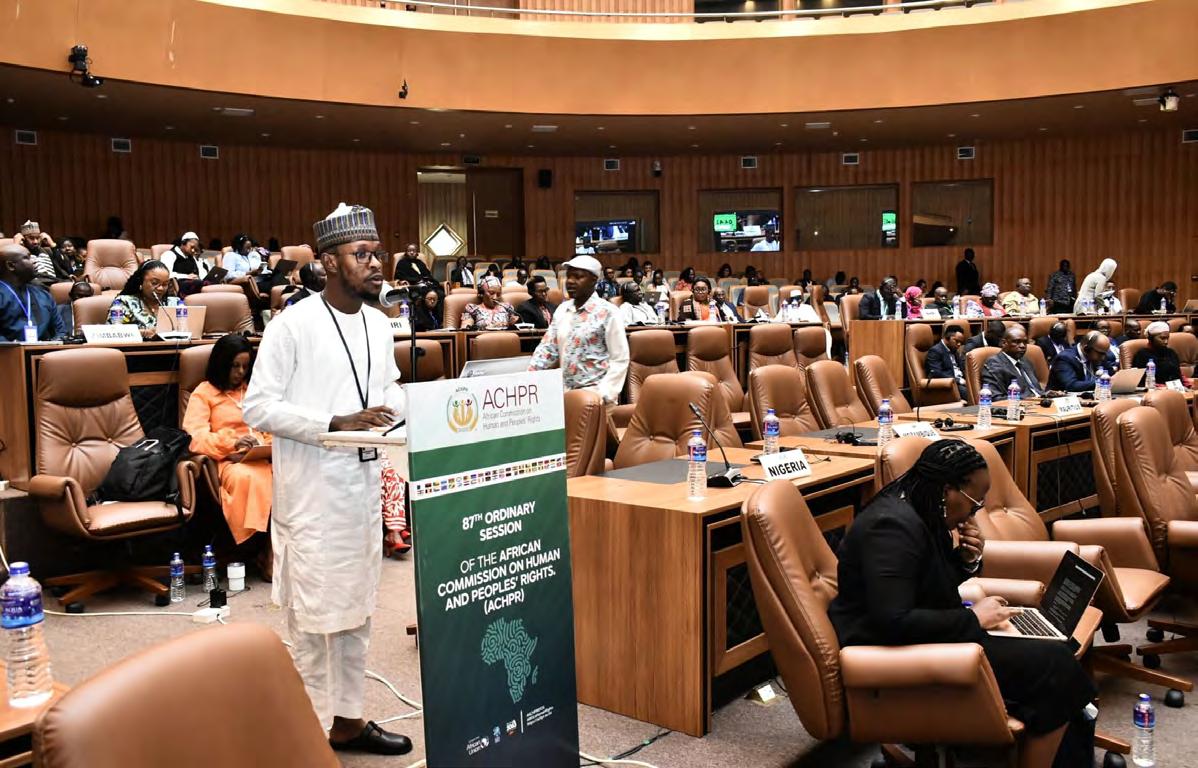
and social media restrictions across Africa. The statement highlights the impact of shutdowns on freedom of expression, access to information, democratic participation, and economic development, while urging African governments to uphold regional human rights standards and keep the internet open and accessible. Read the full statement here.
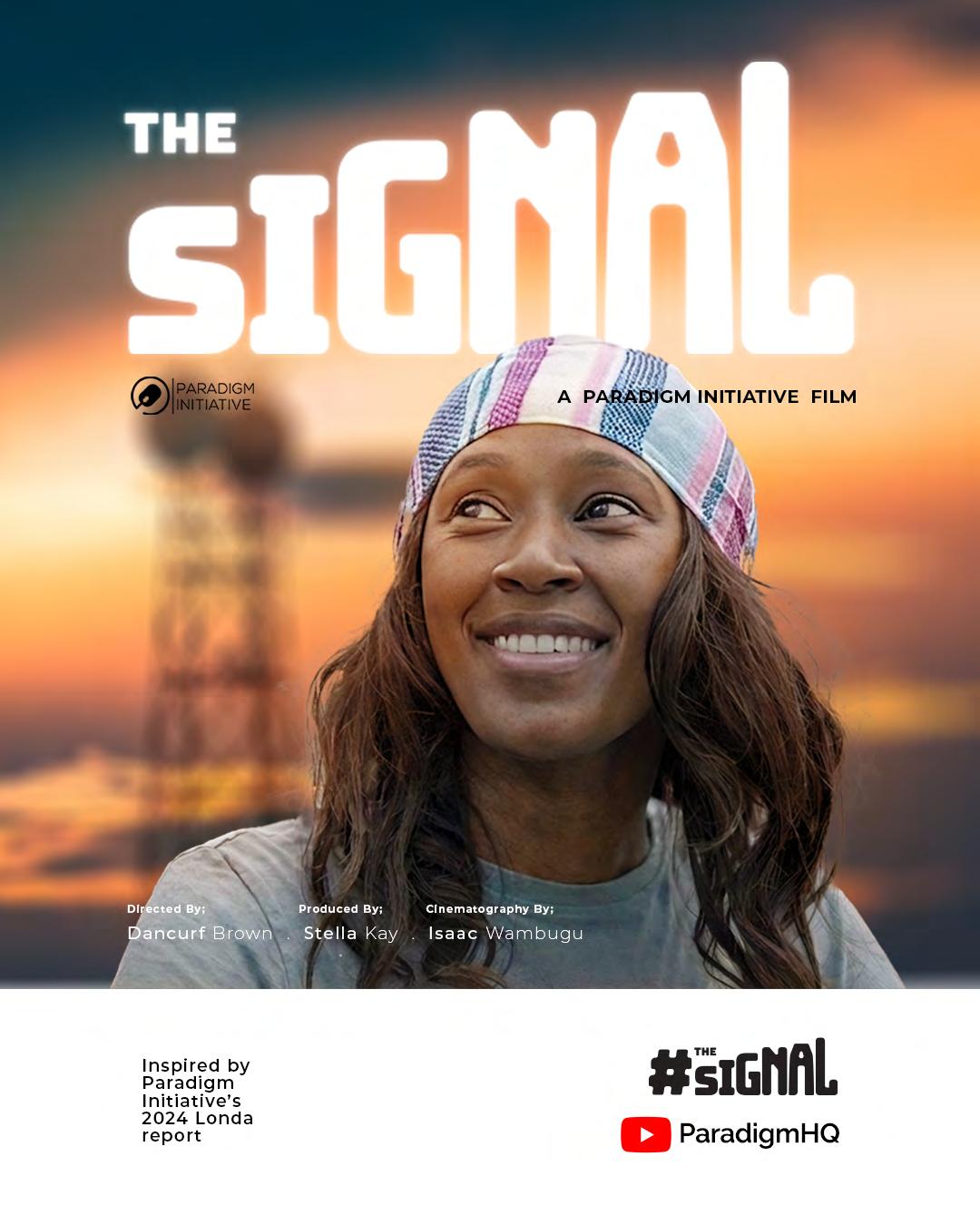
The Signal is now live
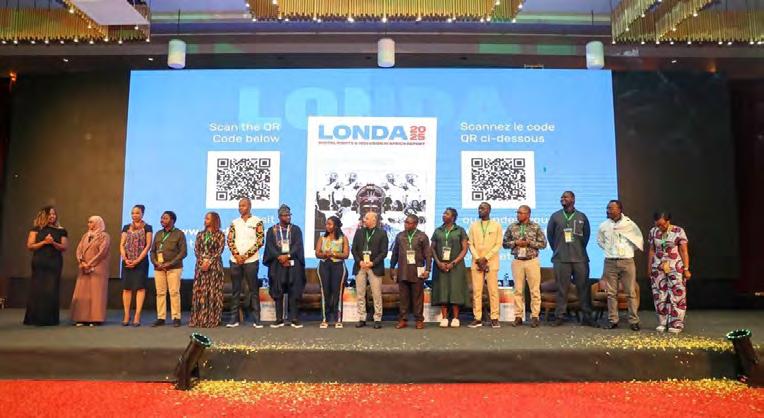
Our 6th short film on digital rights and inclusion in Africa is now streaming on YouTube. The movie titled “The Signal” is inspired by insights from the 2024 Londa report on digital rights and inclusion in Africa and explores the
hidden costs of digital exclusion and what it means to be disconnected in an increasingly connected world. Watch the short film on YouTube, and remember to share it with your community.
Suspension of RightsCon: An attack on one is an attack on all
At least 200 organisations and individuals have now appended their signatures to the Net Rights Coalition’s call-out to the Zambian government over its actions that led to the cancellation of RightsCon 2026. The Coalition, in its statement, noted that the decision raises serious concerns about transparency, civic space, and commitment to inclusive global digital governance. Check out the full statement here.
Events
Human rights implications and policy gaps in delivering digital social protection (DSP) services across Africa
Digital Social Protection (DSP) systems, which leverage digital IDs, biometric verification, mobile payments and AI-driven targeting, promise efficiency, reduced fraud and expanded coverage for vulnerable populations. These include informal workers, women, youth, migrants and persons with disabilities. However, rapid digitisation has amplified the risks, as seen in poor rural connectivity across Africa and power outages, which affect the use of DSP by these marginalised groups. This will be the focus of the Net Rights Coalition (NRC) learning call on June 4, 2026, as we share insights on inclusion and exclusion, data risks and best practices in DSP implementation. Sign up to participate.
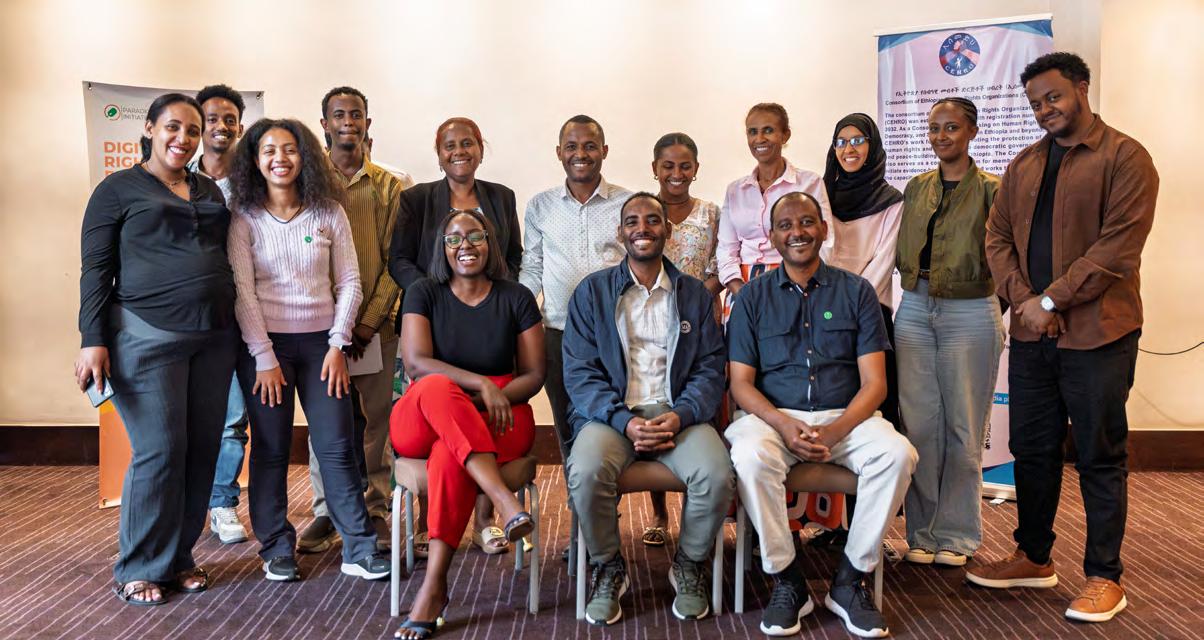
Laying the ground for electoral digital readiness in Ethiopia
On May 18 and 19, PIN was in Addis Ababa, Ethiopia, for the Digital Rights and Elections in Africa Monitor (DREAM). The initiative focused on safeguarding digital rights during electoral processes, ensuring that civic participation is protected before, during, and after elections. From internet shutdowns and disinformation to platform manipulation and restrictions on online speech, electoral periods increasingly unfold in digital spaces, and rights must be protected within them. This Ethiopian edition, delivered in partnership with the Consortium of Ethiopian Human Rights Organisations (CEHRO), brought together policymakers, regulators, civil society, media, and election observers to strengthen rights-respecting electoral ecosystems.
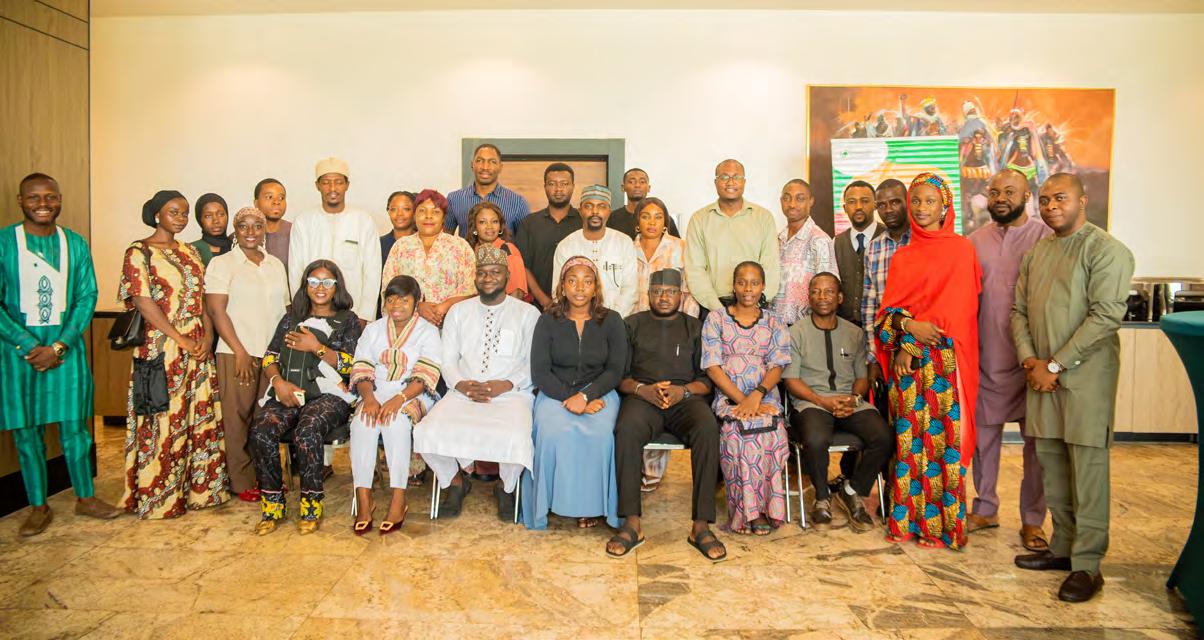
Nigeria hosts PIN’s Digital Rights Academy and the Afro-cities Cafe
On May 11, Paradigm Initiative hosted the Afro-cities Cafe in Abuja, Nigeria, providing an opportunity for community dialogue on
digital policies. This was followed by a Digital Rights Academy in Lagos on May 13th and 14th, which targeted law students and media students, equipping them with a practical understanding of digital rights and the tools needed to operate effectively in their respective professional contexts.
PIN convenes stakeholder breakfast in Nairobi
On May 21st, PIN convened the PIN Breakfast Meetup – East Africa Edition to connect with current and prospective funders in the region. The breakfast meeting had among its key goals, to increase visibility of PIN’s work in East Africa, strengthen relationships, enhance understanding of priorities and alignment opportunities and position digital rights as a critical pillar within broader human rights.

Kenya IGF: Championing Homegrown Tech Solutions in Africa
On May 21, 2026, our Executive Director, ‘Gbenga Sesan, joined stakeholders at the 19th Kenya Internet Governance Forum (KIGF2026) for a panel discussion on “Championing Homegrown Tech Solutions and Bridging the Digital Divide.” Hosted as part of the Africa Tech Policy Summit 2026, the conversation explored how Africa can build more accessible, inclusive, and democratic digital futures through local innovation, stronger digital ecosystems, and people-centred policy approaches.
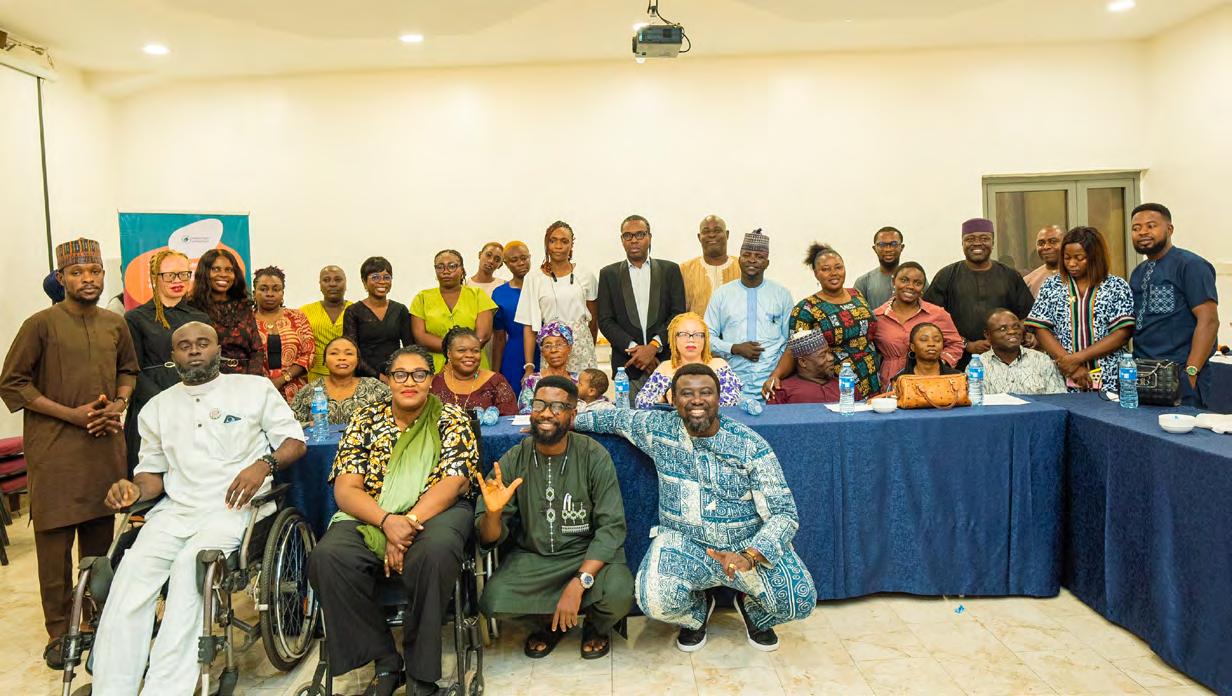
Positioning inclusion at the heart of digital transformation
On May 25, Paradigm Initiative convened its Digital Policy Engagement Series in Abuja under the theme: “Advancing Disability Inclusion in Nigeria’s Digital Policy Ecosystem.”
In partnership with the National Commission for Persons with Disabilities (NCPWD), the roundtable brought together government representatives, persons with disabilities and their organisations, civil society actors, tech companies, digital service providers, and development partners to strengthen conversations around inclusive digital policies in Nigeria. Through policy presentations, panel discussions, breakout sessions, and plenary recommendations, participants explored practical pathways toward a more accessible and inclusive digital future for everyone.
Deepening engagement in Francophone Africa
Still in May, PIN hosted a twin event in Congo Brazzaville, a Digital Rights Academy and Digital Policy Engagement Series session. The May 25 and May 26 events provided a platform for learning, dialogue, and stakeholder engagement, as part of our efforts to strengthen conversations around digital rights, digital inclusion, and people-centred policy across Francophone Africa.
The media reports news, documents history, but also defends rights
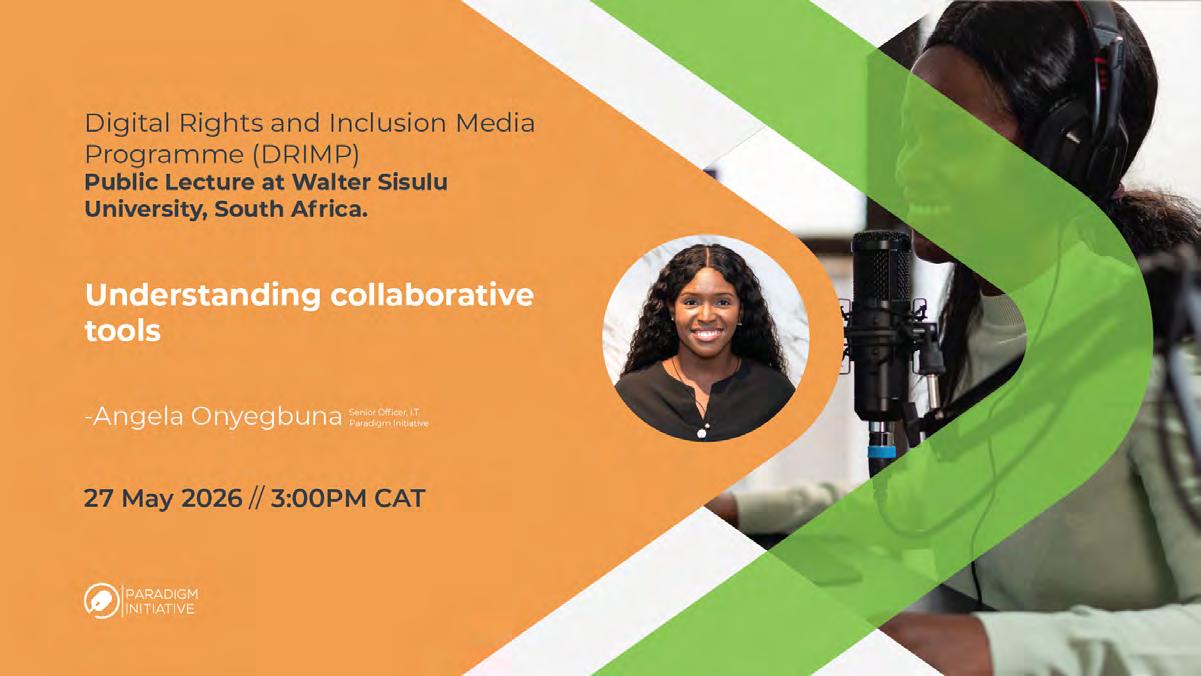
PIN held the first session of our Digital Rights and Inclusion Media Programme (DRIMP) at Walter Sisulu University, South Africa, on May 27, facilitated by our Senior IT Officer, Angela Onyegbuna, titled “Understanding Collaborative Tools.” The session featured hands-on training on using Google Workspace collaboration tools and other productivity platforms, empowering them to work smarter, collaborate effectively, and thrive even in lowbandwidth environments.
Media corner
Are Nigerian political parties harvesting sensitive citizen data without transparency?
As Nigeria prepares for the 2027 presidential elections, political parties are stepping up efforts to cajole the electorate. However, concerns are rife about violations of data protection legislation in their quest to do so. According to its news report, an audit by ITPulse of 21 registered political parties and INEC found that none of the subjects met the minimum requirements of Nigeria’s data protection law. It also examines Paradigm Initiative’s take on what this does to democratic participation and why citizens should be concerned. Read the full article.