“
Together, we are writing a new story for Connecticut.

Dear Friends and Partners,
As we release the Social Equity Council’s (the Council’s) 2025 Inaugural Annual Report, I am filled with gratitude for the progress we’ve made and a renewed sense of responsibility for the work ahead. This past year has been one of reshaping our approach to equity, purposefully aligning our investments, policies, and public engagement so that economic opportunity can reach those who have too often been left behind. In doing so, we’ve embraced the call to reimagine what’s possible to advance equity, innovation, and impact across Connecticut.
From its inception, the Council has been focused on ensuring that Connecticut’s cannabis legalization promotes access, ownership, and reinvestment in communities disproportionately harmed by the War on Drugs. Today, we’re pushing that mandate further by ensuring that equity is embedded across the state’s entire economic landscape.
Looking ahead, the Council has begun convening state leadership, entrepreneurs, and community stakeholders to explore what sustainable, inclusive growth can look like across all markets. These conversations will guide our work throughout Fiscal Year 2026.
Throughout the year, the Council worked to align policy, investment, and accountability in meaningful ways to set us up for success as we move into 2026. Our path is grounded in both ambition and humility.
To our partners across government, business, and community organizations: thank you for holding us accountable, pushing us forward, and joining in the vision of equity made tangible.
To our entrepreneurs: thank you for proving that equity and innovation can thrive together.
And to the communities we serve, especially those most impacted by inequity: know that this Council exists for you, and because of you.
Together, we are writing a new story for Connecticut, one where equity isn’t an afterthought, but the foundation.
With gratitude and resolve,




Brandon L. McGee, Jr. Chief Executive Officer, Social Equity Council
Our Mission
Promote equitable economic prosperity by supporting Social Equity Entrepreneurs and reinvesting in communities most impacted by the war on drugs.
Our Vision
Communities most affected by the war on drugs are prosperous and thriving.
What Does The Social Equity Council Do?
The Council develops and administers programs that strengthen Connecticut’s equity ecosystem. This includes:
Licensing Oversight: Community Reinvestment:
Reviewing and certifying social equity applicants in partnership with the Department of Consumer Protection (DCP).
Allocating funds from adultuse cannabis tax revenue to community programs, workforce development, and small business support through the Reimagine and Revitalize (R2) Program.
Education & Workforce:
Collaborating with partners to create training pipelines, apprenticeships, and educational initiatives that prepare residents for success in cannabis and related industries.
Policy & Research:
Advising lawmakers and agencies on equitable policy frameworks and conducting ongoing data analysis to measure progress and impact.
Through these efforts, the Council serves as both an advisory and an advocacy body, working to ensure that equity remains at the center of Connecticut’s legalization and reinvestment process, guided by three priority areas: Economic Development, Reentry Initiatives (for justice-impacted youth and adults), and Youth Initiatives.

Who We Are
Created through the passage of Public Act 21-1 in 2021, the Social Equity Council was established to ensure that the promise of economic opportunity is shared by all, especially those who have been historically excluded. Our work is grounded in inclusion, accountability, and shared prosperity. We believe that equity is not a program, it is a principle that guides how we invest, partner, and lead..
Through collaboration with residents, businesses, and community leaders, we are building a future where the communities most harmed by systemic inequities are not only participating in the marketplace but are thriving, self-sustaining, and defining their own success.
Together, we are reimagining what justice and opportunity look like — a Connecticut where every community has the resources, representation, and respect it deserves.
Members Of The Council
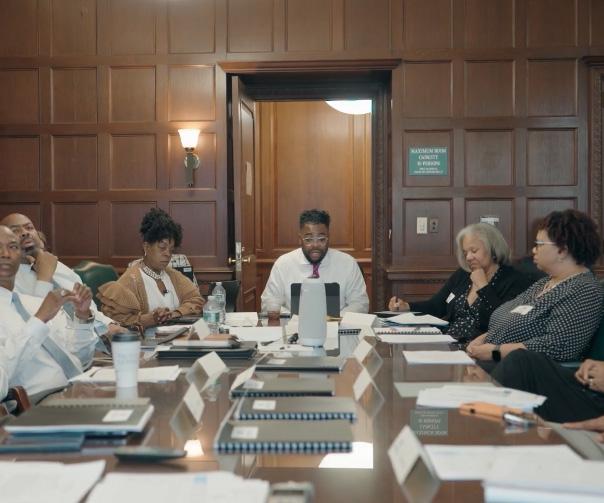
The Council is composed of 17 dedicated members who bring expertise from government, business, law, education, and community advocacy. Eight members are appointed by legislative leaders, five by the Governor, and four serve as representatives from state agencies.
Together, these appointed and ex-officio members provide strategic guidance, shape policy direction, and ensure that the Council’s work remains grounded in transparency, collaboration, and the advancement of social equity across Connecticut.
Andréa Comer, Chair
Office of the State Treasurer Designee
Kyle Abercrombie
Department of Economic and Community Development Designee
Tina Beamon
Office of the Governor Appointee
Corrie Betts
House Minority Leader Appointee
Fanita Borges
Office of the Governor Appointee
Greg Davis
Speaker of the House Appointee
Avery Gaddis
Senate Minority Leader Appointee
Andréa K. Hawkins
Office of the Governor Appointee
Michael A. Jefferson, Esq.
Senate President Appointee
Daniel Karpowitz
Office of Policy & Management Designee
Melvin Medina
Black and Puerto Rican Caucus (BPRC) Chair Appointee
Ojala Naeem
House Majority Leader Appointee
Charles Venator Santiago, Ph.D.
Puerto Rican and Latino Caucus (PRLC) Appointee
Edwin Shirley
Senate Majority Leader Appointee
Shirley Skyers-Thomas
Department of Consumer Protection Designee
Kelli Vallieres, Ph.D.
Governor Appointee
Kevin E. Walton, Sr.
Governor Appointee
The Council’s staff supports daily operations, program implementation, and communications, working closely with state agencies, community, and business partners to deliver on the Council’s mission.

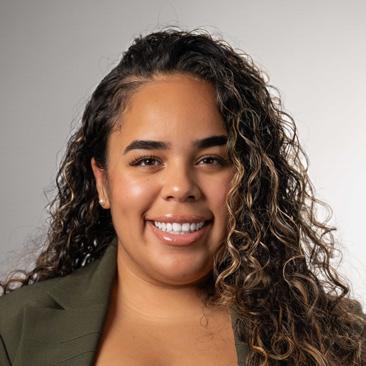







Advancing Equitable Prosperity
We expand access to opportunity by supporting Social Equity Entrepreneurs, investing in workforce and education initiatives, and directing resources where they are needed most.
Brandon L. McGee, Jr. Tiffany Araujo Georgette Cicero
Jessie Coleman Mari Collazo Cruz
Kristina Diamond
Jennifer Edwards
Vera Lembrick
Caesar Valentin
Jennifer Stevens Accountant
A Year Of Impact
Throughout the year, the Council worked to align policy, investment, and accountability in meaningful ways:
Three-year Strategic Plan
Earlier this year, the Council finalized a multi-year strategic plan that articulates key priorities, decision criteria, and measurable goals across funding, evaluation, and community reinvestment.
Community Reinvestment (Reimagine & Revitalize R² Program)
We redesigned the Community Reinvestment Program, and relaunched as the R² initiative with a commitment of $36 million over three years across ten target regions. This is an effort to restructure how reinvestment happens, aligned with equity principles and longterm community outcomes.
Entrepreneur & Technical Assistance Programs
While final numbers are pending, our goal remains to provide robust support (training, technical assistance, advising) to social equity individuals and entrepreneurs, especially within historically underserved neighborhoods.
Legal & Compliance / Change of Ownership
As part of our reform work, we are advancing more consistent protocols around changeof-ownership, ownership & control, and compliance, ensuring that access remains fair and mission-aligned.
Workforce & Social Equity Plan Criteria Updates
Over the past few years, the Council has enhanced Social Equity Plan criteria and scoring rubrics to more directly tie them to Disproportionately Impacted Areas (DIAs) with a focus on social determinants of health.
Response to Audit & Reform Efforts
In 2024, the Office of the State Comptroller conducted a review and made a series of recommendations, including greater transparency, clearer evaluation criteria, and more structured reporting. We have taken those findings and recommendations seriously and are integrating them into our governance, operations, and public accountability practices.
Equity In Action
Every achievement of the Council is rooted in real stories of progress: individuals and entrepreneurs transforming challenge into opportunity through equity-driven investment, support, and community partnerships.
Through Connecticut’s Social Equity program, qualified participants can become business owners, holding real ownership and control even when partnering with outside investors. These stories highlight how equity, access, and accountability are shaping new opportunities across Connecticut’s cannabis industry.
“
The loan program changed the game for us... Access to affordable capital let us expand.
— Arthur Linares
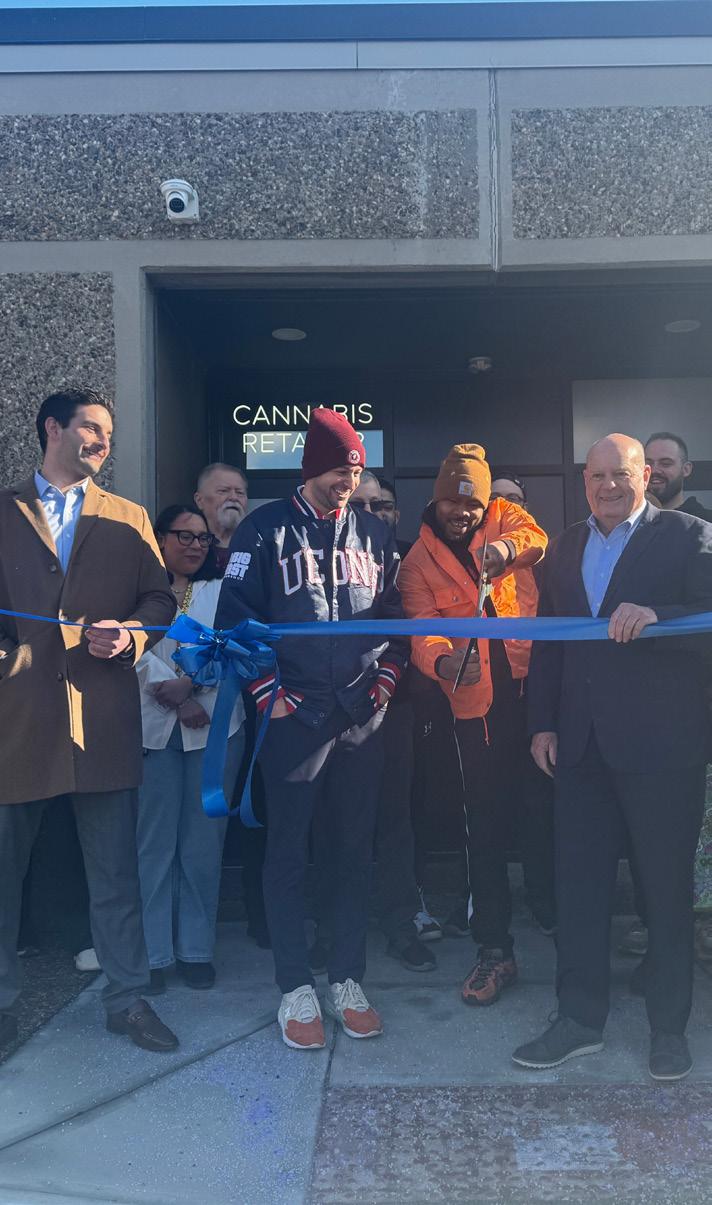

Reimagining Equity Through Resilience and Partnership
Fine Fettle, Kennard Ray
Kennard Ray’s journey reflects resilience, community, and second chances. A Hartford native and father of a young daughter, Kennard partnered with longtime family friend and Fine Fettle COO Ben Zachs to open one of Connecticut’s first equity joint-venture dispensaries in Manchester. Together, they’ve built a thriving business while investing in the state’s DIAs and supporting the Council’s work to advance equity through measurable community impact.
“Without the Council or the policies put in place to create it, there wouldn’t have been a path for many of us,” Kennard said. “Fine Fettle, as well as myself, always knew the only way forward was through social equity. Medical had been thriving, but recreational could move


the state forward from both a revenue and fairness standpoint.”
For Kennard, entrepreneurship is a way to address the same systemic harms that impacted his life and community.
“The Council has a mandate to address the harms of the War on Drugs and do its best to undo them.”
Ben Zachs said their partnership was a natural extension of their shared history and values.
“Kennard always had unbelievable promise,” Ben said. “He’s the poster child for a lot of what Connecticut has tried to do in righting the wrongs of racial injustice. We knew there was no more perfect partner for Fine Fettle than Kennard.”
Reimagining Equity Through Community and Access
Rodeo Cannabis Company, Arthur Linares
Rodeo Cannabis Company shows how social equity can turn community connections into business opportunities.
Co-founders Arthur Linares and Brian Faye built the company on a lifelong friendship and now lead a vertically integrated cannabis operation with cultivation, manufacturing, and a soonto-open retail site.
“I grew up in the D.A.R.E. era being told cannabis was bad,” Arthur said. “As I got older and learned more, I realized there were real health and wellness benefits. When legalization came with a
Fine Fettle’s business plan is rooted in giving back to the community. The company supports initiatives such as Connecticut’s Pardons Day, which helps residents rebuild their lives after incarceration, and Brian’s Angels in Bristol, which provides services to people experiencing homelessness.
“ Without the Council... there wouldn’t have been a path for many of us.
— Kennard Ray
social equity component, I knew it was something I wanted to be part of.”
Arthur said the social equity program helped formalize a partnership with longtime collaborator Victor Rivera, allowing them to build on years of shared work and community involvement.
“We were able to bring someone we already had a strong relationship with into a partnership and decision-making role,” Arthur said.
He credits the Council’s loan program for helping Rodeo grow its operations.
“The loan program changed the game for us,” he said. “Access to affordable capital let us expand our manufacturing and bring competitive products to market — it helped us and the entire Connecticut industry.”
Arthur added that social equity has shaped how Rodeo operates.
“This program builds giving back into your plan from the start,” he said. “We’ve been able to connect with the community and partner with minorityowned businesses right away.”
Major Initiatives & Timelines
The Council has identified public initiatives mapped across three years, focusing on:
Community Reinvestment Focus (Q1–Q4)
Establishing clear funding strategies to maximize community impact.
Success Metrics & Accountability (Q2–Q4) NOW Implementing performance tracking tools for transparency.
End-to-End Entrepreneur Journey (Q3–Q4) Identifying and addressing barriers in the business startup process.
Loan Program Restructuring (Q1–Q2)
Simplifying access to capital and removing obstacles for applicants.
Workforce Development Strategy (Q1–Q3)
Expanding job training and employment opportunities in equity-impacted communities.
Scaling Reinvestment & Workforce Development (Q1–Q3)
Expanding successful programs and identifying new opportunities for growth.
Refining Ways of Working (Q4)
Reviewing and adjusting strategies based on impact data and feedback.

The Road Ahead
Going into 2026, our path is grounded in both ambition and humility. We will focus on:
Deepening Transparency & Stakeholder Trust
Ensuring every dollar and decision can be audited, explained, and understood.
Scaling Entrepreneur Supports
Not just access, but pathways for sustainable growth, partnership, and capitalization.
Strengthening Evaluation & Metrics
So that “impact” is more than rhetoric. We will tie reinvestment, workforce, and compliance efforts to measurable community outcomes.
Advancing Equity Across All Markets
Using lessons from cannabis sector work to influence broader economic policy, business support, and management engagement.
These steps will allow us to continue reimagining what equity can look like in practice and as a shared path toward economic resilience.

“The Social Equity Council has shown a clear commitment to thoughtful, community-driven progress—focused, inclusive, and future-oriented. — Governor Ned Lamont
Legislative Achievements
The 2025 legislative session marked a pivotal year for the Council, underscoring the power of collaboration and advocacy in advancing equity across Connecticut. Working closely with state lawmakers, agency partners, and community stakeholders, the Council championed and supported key legislation designed to
Public Act 25-101
An Act Concerning the Department of Consumer Protection’s Recommendations Regarding Drug Control and Cannabis and Hemp Regulation
• Streamlines regulations governing cannabis establishments and expands opportunities for equitable participation.
• Authorizes standardized state signage to identify licensed cannabis establishments, improving compliance and public transparency.
• Updates requirements for hemp manufacturing and distribution to strengthen safety and quality standards.
strengthen its mission, streamline programs, and improve transparency and access. Together, these legislative actions reinforce the Council’s commitment to equitable growth, ethical leadership, and sustained community impact.
Public Act 25-137
An Act Concerning the Social Equity Council’s Recommendations Regarding Social Equity Plans, Strategic Planning, Ethics, License Renewal Fees, Financial Assistance Applications, and Policies and Procedures
• Requires all cannabis establishments to maintain a social equity plan and submit annual reports on their community impact in Disproportionately Impacted Areas (DIAs).
• Establishes a 120-day application window for the Canna-Business Revolving Loan Program, improving access to capital for entrepreneurs.
• Mandates the Council’s strategic plan adoption, code of ethics, and ethics training for members—reinforcing accountability and good governance.
• Clarifies ownership and control provisions to protect the integrity of social equity status.
Public Act 25-166
An Act Concerning the Regulation of Tobacco, Cannabis, Hemp, and Related Products, Conduct, and Establishments
• Requires the Social Equity Council to convene a working group to study and develop recommendations on: (1) the availability of suitable locations within disproportionately impacted areas, and municipalities where disproportionately impacted areas are located, for indoor and outdoor cannabis cultivation by cultivators and micro-cultivators; (2) the estimated cost of developing a cultivator or micro-cultivator establishment in each disproportionately impacted area; (3) the average cost of developing a cultivator or micro-cultivator establishment in a municipality with a disproportionately impacted area compared to the average cost of doing so in a municipality that does not have such an area; (4) challenges faced by the Connecticut cannabis market and opportunities available to promote or incentivize progress within the market; (5) resources available to track municipal cannabis tax revenues and municipal moratoriums on cannabis establishments; (6) equity joint venture business structures and practices; (7) cannabis market saturation and whether there is a need to establish a quantitative cap on cannabis cultivation in the state; and (8) any other matter the working group deems relevant.
• Requires all applicants for a final cannabis license to submit a workforce development plan to the Social Equity Council for approval.
• Establishes a Statewide Cannabis and Hemp Enforcement Policy Board and requires it to meet quarterly to identify enforcement opportunities and examine relevant developments regarding cannabis hemp, of which the Council is a member.
Public Act 25-168
An Act Concerning the State Budget for the Biennium Ending June 30, 2027, and Making Appropriations Therefor, and Provisions Related to Revenue and Other Items Implementing the State Budget
• Reinstates the Social Equity and Innovation Account to reduce administrative hurdles and accelerate investment in alignment with the original legislative intent.
• Expands the eligible uses of funds to include access to capital, workforce education, and community reinvestment in DIAs.
MILLION
Committed through the redesigned Reimagine & Revitalize (R²) Community Reinvestment Program
1
Economic Development
Small business growth, neighborhood revitalization
2
Reentry Initiatives
Justice-impacted youth and adults, reentry workforce programs
3
Youth Initiatives
Education, after-school and summer programming
$140K
DONATED
By cannabis establishments to nonprofits statewide (over three years, across ten target regions)

43 44 Social Equity Plans Approved Workforce Development Plans Approved Top Municipalities by Monetary Contributions
As the Council closes Fiscal Year 2025, it remains focused on applying lessons learned, strengthening partnerships, and advancing the next phase of its strategic plan to expand equity, opportunity, and community impact in the year ahead.
New Haven
New Britain
Hartford
Norwalk
Bridgeport
$30,000 $16,000 $15,000 $15,000 $14,000
A Year In Review
In early 2025, the Council announced a policy update effective April 1, 2025, ensuring that Social Equity Individuals (SEIs) approved before certification of the 2023 DIA map maintain eligibility for social equity status until the next map update. This change reflects the Council’s ongoing commitment to continuity, fairness, and inclusion throughout the evolving regulatory process.
Enhanced Social Equity Plans
Throughout the year, the Council worked diligently to support social equity establishments with their Workforce Development Plans (WFDPs) and Social Equity Plans (SEPs). The Council approved 15 SEPs and 14 WFDPs, offered technical assistance to applicants with deficient plans, and sent proactive reminders to ensure timely submissions. Following the adoption of the new standardized criteria and rubric in June 2025, every applicant who utilized the updated format passed on their first submission. Feedback from participants affirmed that the standardized approach provided clarity and improved consistency.

Redesigned Community Reinvestment
In June 2025, the Council reintroduced its fully redesigned Reimagine & Revitalize (R²) Community Reinvestment Program, committing $36 million over three years to advance equitable economic growth and transformation across ten priority regions in Connecticut: Bridgeport, Danbury, Hartford/East Hartford, Meriden, New Britain, New Haven/East and West Haven, New London/Norwich/Windham, Norwalk, Waterbury, and Stamford. These regions include 194 of Connecticut’s 237 disproportionately impacted census tracts. The R² Program now operates under the Equitable Evaluation Framework, aligning investments with the Council’s strategic priorities of Economic Development, Reentry Initiatives (for justice-impacted youth and adults), and Youth Initiatives.
600
Volunteer Hours
More than 600 volunteer hours were conducted throughout the state. Some highlights include Norwalk: 78 hours; Hartford: 80 hours; New Britain: 124 hours; and Killingly: 100 hours.
8,500
In-Kind
Items Donated
Over 8,500 items were donated statewide, with canned goods and meals accounting for approximately 6,400 of those donations.
Reporting Compliance
To promote transparency and accountability, all R² grant managers will be required to submit quarterly reports using standardized performance metrics. These metrics track demographic reach, staffing, and service outcomes across community-based organizations (CBOs) participating in the program. In total, the R² Program will monitor more than 150 data points designed to measure economic mobility, workforce participation, and community reinvestment impact. The reporting framework was informed by research of reinvestment models in other states and shaped by community feedback collected by the Council.
Also in June, the Council released a standardized SEP Criteria and Rubric, which all cannabis establishments must now use when applying
for final licensure. This framework formalizes expectations, streamlines the review process, and enhances the Council’s ability to track measurable impact across DIAs. The new criteria include tools and templates to support implementation, such as progress report forms, monitoring plans, and a contribution tracking chart.
By late 2025, early reports showed that SEPs were already making measurable community impact.
Cannabis establishments collectively donated more than $140,000 to nonprofits across Connecticut, contributed over 600 volunteer hours, and donated more than 8,500 items to DIA communities in need. These efforts support the social determinants of health framework by funding after-school and summer programs for youth, reentry initiatives
such as CT Pardon Day and voting rights efforts, and addressing food insecurity across DIAs.
Some organizations made single donations exceeding $15,000, while cumulative giving across multiple licenses surpassed $40,000.
Cannabis establishments, including our SEEs, remain deeply committed to supporting DIA communities, and these collective efforts demonstrate measurable progress toward the Council’s vision of equitable economic growth.
Bridgeport
Bristol
$14,000 +
$1,700 +
Danbury $1,300
East Hartford
$1,500
Hamden $1,000
Hartford $15,000
Manchester $600
Middletown $3,000
New Britain
$16,000 +
New Haven
Norwalk
Portland
Putnam
Stamford
Stratford
Torrington
$30,000 +
$15,000 +
$7,500
$8,500
$2,500
$3,000
$1,000
Vernon $2,000
West Hartford $3,200 +
Note: Although there is a fiscal component associated with inkind donations and volunteer hours, the Council reports these as qualitative impact measures rather than monetary values
Financial Overview
Fiscal Year 2025 (July 1, 2024–June 30, 2025)
The Council operates as a quasipublic body within the Department of Economic and Community Development (DECD) for administrative purposes only. Funding for the Council’s programs and operations is derived primarily from Social Equity License and Conversion Fees and a dedicated percentage of the Cannabis Excise Tax through the Social Equity and Innovation Fund (SEIF)—now
Primary Funding Sources
transitioned to the Social Equity and Innovation Account (SEIA) pursuant to the 2025 state budget.
This fiscal structure ensures that a significant portion of Connecticut’s cannabis revenue directly supports equity initiatives, workforce development, and reinvestment in communities most impacted by the War on Drugs.
• 60% of the Cannabis Excise Tax deposited into the SEIF/SEIA in FY 2026 (increasing to 65% in FY 2027–2028, and 75% in FY 2029+).
• Social Equity License and Conversion Fees.
Financial Highlights (FY 2025)
Total Revenue: $24,972,543
Total Expenditures: $1,871,717
Net Assets: $23,100,826
Financial Summary
Fiscal Year 2025 marked a significant period of transition for the agency, with changes in staffing, Council operations, and program redesigns, as well as expanded support for Social Equity Entrepreneurs. During this time, the Council underwent major organizational reform to strengthen internal processes and enhance program delivery.
With the reestablishment of the SEIA, the Council is advancing its goals of improved fiscal transparency, management, and governance. Throughout FY 2025, the team focused considerable effort on addressing the findings and recommendations from the Office of the State Comptroller’s examination, implementing new systems to increase efficiency and strengthen compliance oversight prior to distributing additional funds.
Looking ahead, with projected funds to support expanded programming in the upcoming fiscal year, the Council anticipates a more robust year of financial investment in its mission and initiatives. During the next three years, the recently launched Reimagine and Revitalize (R2) Program will direct $36 million to 10 priority areas across the state. The Council also anticipates injecting additional funds into the industry by way of new funding opportunities for Social Equity Entrepreneurs. The projected expenses on the right reflect the Council’s continued commitment to its mission and priorities.
Use of Funding
The SEIA allows the Council greater flexibility in deploying resources without administrative delay. Funds support:
• Access to capital and technical assistance for businesses across industries.
• Workforce education and certification pathways.
• Community investments in DIAs.
• Targeted initiatives aligned with the Council’s three-year strategic plan and R² Program priorities (Economic Development, Reentry, and Youth).
68.5%
20%
7.5%
3.5%
0.5%
Community Reinvestment (R²)
$12M towards DIAs
Administrative Operations
Staff, contractors & vendors, compliance, and reporting
Workforce & Educational Opportunities
Training, reentry support, and youth development
Entrepreneur Resources
Technical assistance, mentoring, application guidance, grants
Program Highlight: Canna-Business Revolving Loan Fund
Public Act 1-21 authorized up to $50 million in general obligation bonds to provide capital and lowinterest loans to eligible entities to start or maintain cannabis establishments and to fund a canna-business accelerator program as well as other SEC workforce development initiatives. An initial allotment of $10M was requested and approved by the Bond Commission. In FY 2025, $1.68M was issued in loans to social equity establishments contributing to costs associated with construction costs, leasehold improvements, purchase and installation of machinery and equipment, as well as other startup costs. These loans are interestonly during the first year, and so far, we have received approximately $50,000 in loan repayments.
Other
Looking Ahead
As the Council looks to the year ahead, its focus remains on sustaining momentum, deepening impact, and refining strategic implementation to advance equitable economic prosperity across Connecticut.
The Council’s priorities for Fiscal Year 2026 are guided by its three-year strategic plan (2025–2027), which focuses on community reinvestment, workforce development, and entrepreneur support. Each
Future Goals & Priorities
initiative outlined below builds on this framework to ensure continuity, accountability, and measurable progress toward the Council’s mission.
This section reflects priorities and initiatives for Fiscal Year 2026 (July 1, 2025–June 30, 2026). The Council will build on momentum from early FY 2026 activities and stakeholder engagement to inform implementation in the coming year.
Strengthen
Support For Social Equity Entrepreneurs Enhance Community Reinvestment Efforts
Workforce Development Maintain Accountability & Transparency
Expand programs designed to help businesses sustain and scale through technical assistance, mentorship, and capital access.
1
Implement the redesigned R² Program, advancing $36 million in funding across 10 priority areas guided by the Equitable Evaluation Framework.
2 3 4
Build strategic partnerships to create job pathways within and beyond the cannabis sector, emphasizing training and education in disproportionately impacted communities.
Continue implementing performance-tracking tools and success metrics to measure program effectiveness and report outcomes publicly.

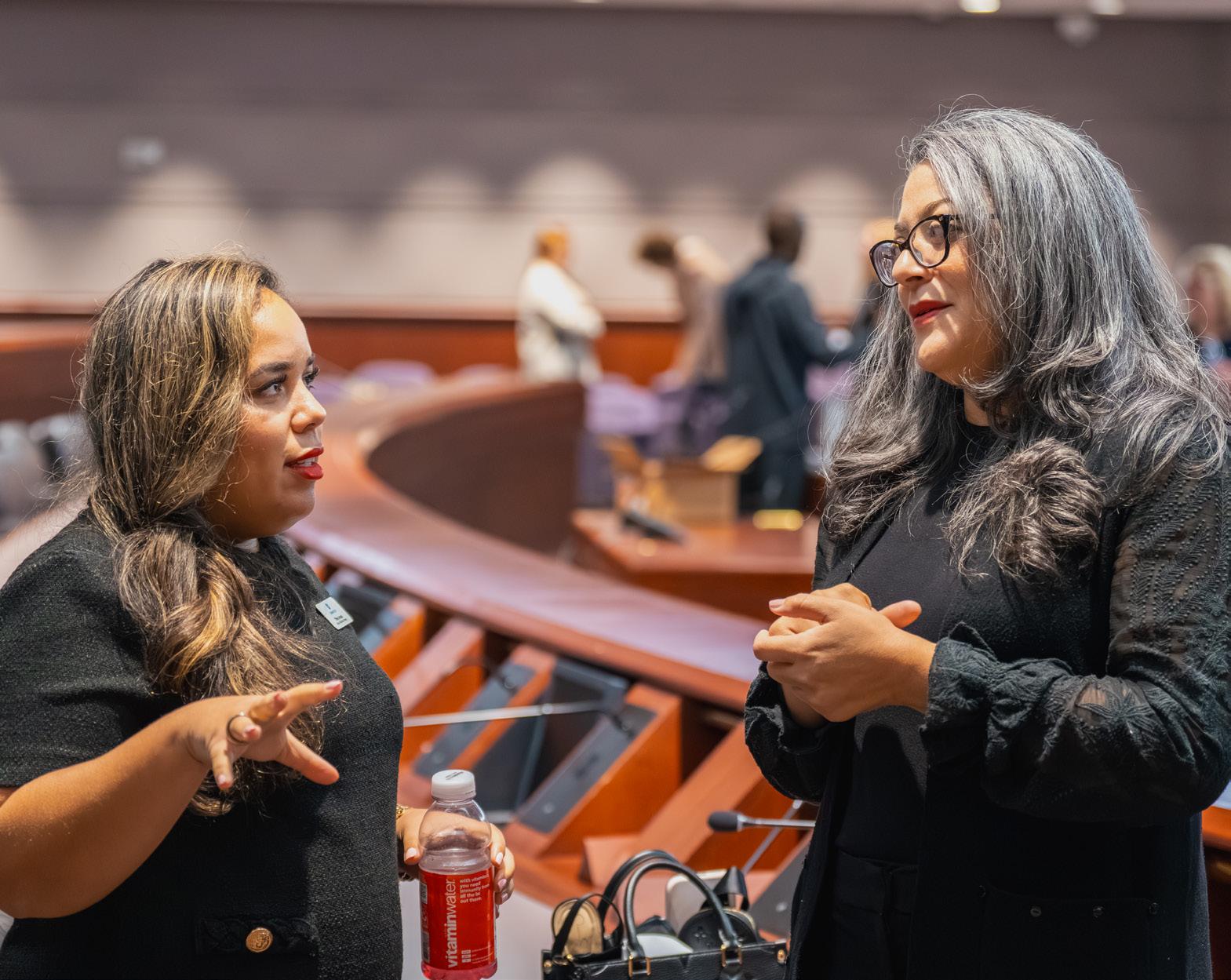
Market Outlook Working Group: Informing FY 2026–2027 Priorities
On September 24, 2025, the Council convened legislators, business leaders, and community partners at the Legislative Office Building in Hartford to examine equity in evolving markets. Insights from this working session will guide messaging alignment, investment strategies, and program implementation for the redesigned R² Program.
Next steps include translating recommendations into clear action items for community reinvestment (Economic Development, Reentry, and Youth), entrepreneur supports, and performance tracking.
Strategic Initiatives
The following strategic initiatives focus on removing barriers, modernizing programs, and strengthening accountability. Together, these efforts advance the Council’s commitment to operational excellence, policy implementation, and equitable participation in Connecticut’s cannabis industry.
Entrepreneur Journey Mapping
Structure and enable staff to support the goals of the three-year strategic plan
Community Reinvestment
Align on distinct Community Reinvestment focus areas and set measurable impact goals
Council Operations
Clarify roles and responsibilities of the Council and align its effort to stated program outcomes
Entrepreneur Support
Understand and fix the end-to-end cannabusiness entrepreneur experience
Commitment to DIAs
The Council reaffirms its commitment to Connecticut’s DIAs—communities that have historically borne the brunt of cannabis prohibition, by ensuring every initiative centers equity, inclusion, and measurable outcomes that lead to prosperity and self-sufficiency.
PARTNER. PARTICIPATE. PROMOTE.
JOIN US!
Connecticut’s progress toward equity depends on shared effort. The Council invites policymakers, business leaders, and residents to stay engaged:
Partner: Collaborate on programs that promote equitable growth.
Participate: Attend public meetings and community events.
Promote: Share the Council’s initiatives and resources to expand awareness.
The Council looks forward to sharing continued progress and measurable outcomes in its next annual report, reflecting the implementation of Fiscal Year 2026 initiatives and the ongoing impact of its three-year strategic plan.