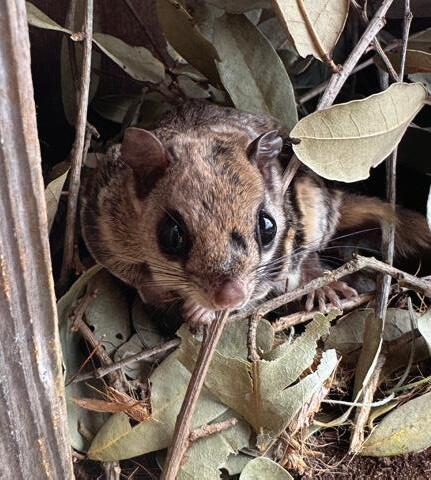
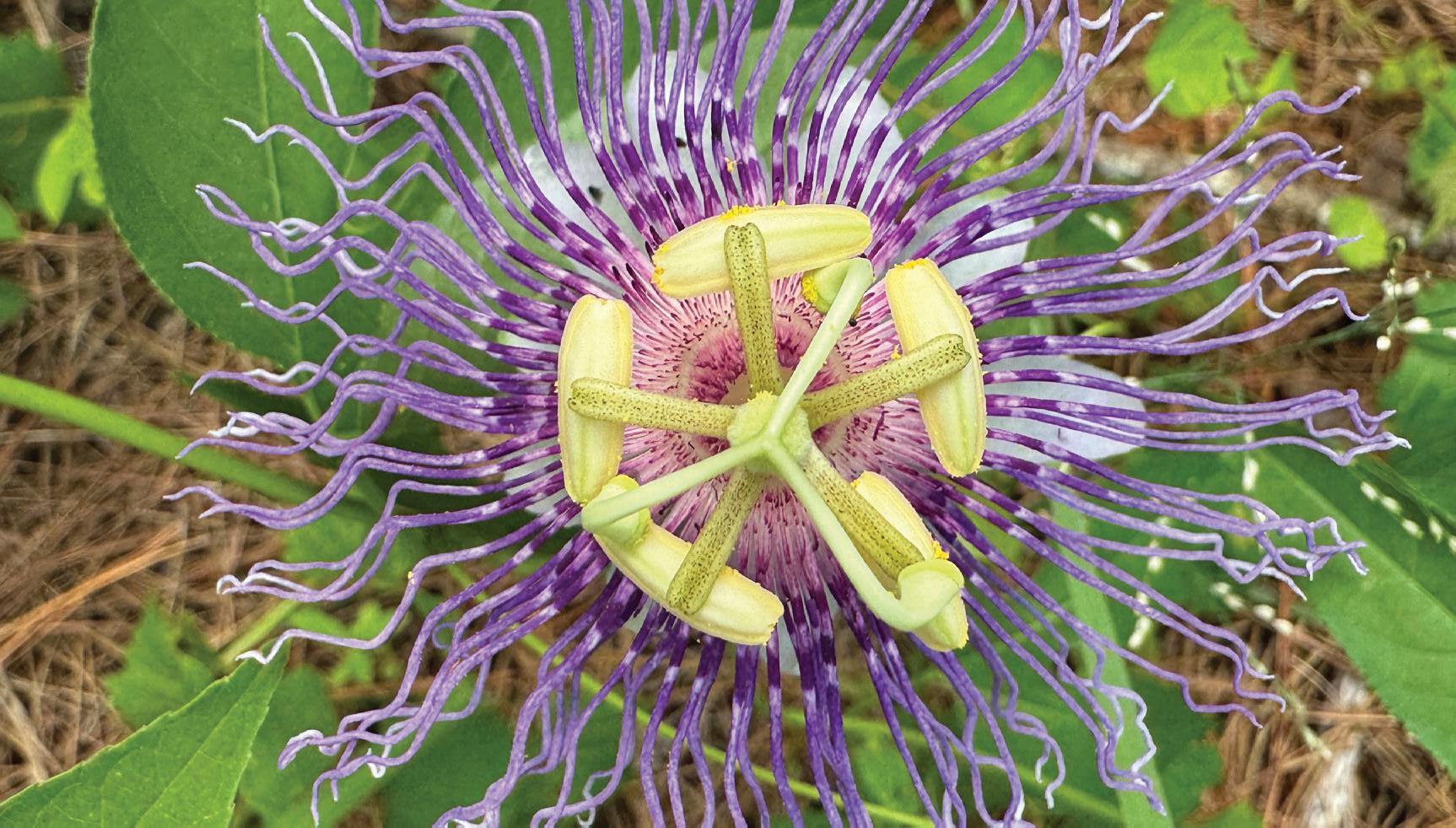
The Palmetto Bluff Conservancy is an independent, not-for-profit organization created to conserve the natural and cultural resources of Palmetto Bluff. The Conservancy is dedicated to stewardship, planning, conservation, and management of Palmetto Bluff’s land, water, wetlands, open spaces, ecosystems, and archaeological sites for the benefit of present and future generations. It is, essentially, the keeper of the natural and historical world at Palmetto Bluff.
OUR VISION
· To protect the natural diversity and beauty of Palmetto Bluff by preserving ecologically and historically significant areas.
· To promote appreciation and understanding of our past and of the environment through education and special events.
· To contribute to the knowledge of the Lowcountry’s ecology and history through research.
· To act as stewards of the natural, cultural, and historical resources of Palmetto Bluff.
· To provide a voice for conservation in our community.
· To become an economically sustainable and resilient organization capable of managing this property in perpetuity.
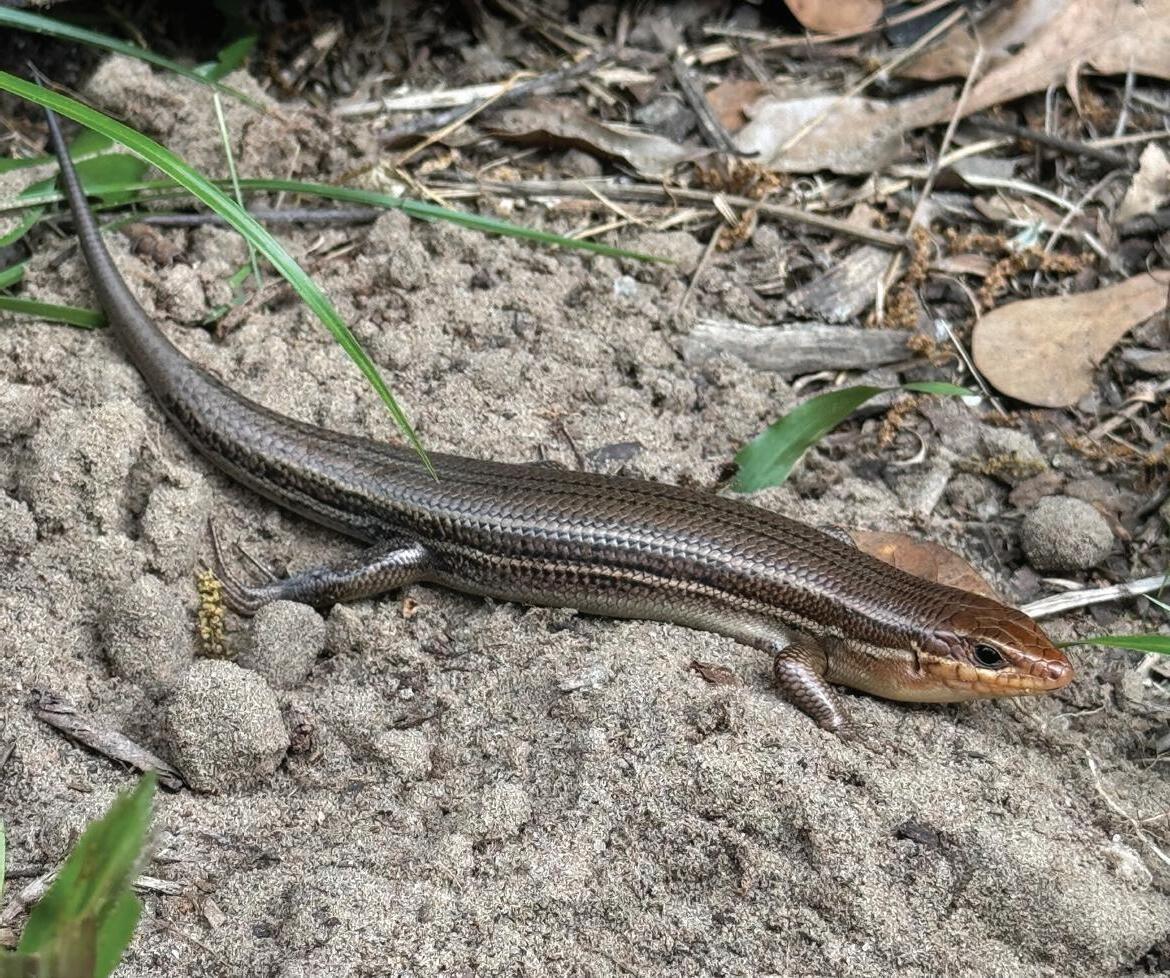
As many of you are aware, the Palmetto Bluff Conservancy Director, Jay Walea, is on temporary medical leave to take care of his health. Recovery is going well, and the Conservancy team cannot wait to have him back and in his usual spirits! In lieu of a letter from the director, the Conservancy team wished to reflect on 2025 as a whole.
In 2025, our programs saw increased attendance compared to the lower-thanaverage attendance we saw in 2024. We reduced the number of events we offered and introduced new programs that drew in the crowds. Overall, our attendance in 2025 was on par with historic participation, and we hope to see this continue in 2026, as we add even more new programs alongside returning fan favorites of both participants and Conservancy staff. Something to remember with our recurring events is that we never know what we may see while out in the woods. That alone makes each outing a little more unique and a little bit different each time.
A new occurrence our land and wildlife management ran into in 2025 was an increase in human activity on the south end of the property, as work on the Anson Point golf course was underway. The team stayed in communication with all entities involved in the building of the course, and we were able to exceed our burning goals in 2025 and still offer our property owner hunts during the hunting season. The Conservancy is managing feral hogs year-round at Palmetto Bluff, and this is a good reminder for people traveling down to Anson Point to stay on main thoroughfares when accessing the golf course for everyone’s safety. As development continues to move further south, we look forward to continued collaboration with the developer and Preservation Trust to continue providing our land and wildlife management services that make Palmetto Bluff a special place.
The Conservancy continues to work hand-in-hand with Palmetto Bluff’s Archaeology team to maintain and restore the cemeteries on the property. Katie Epps and her team offer a wealth of cultural and historical programs to enrich people’s knowledge of Palmetto Bluff’s and the Lowcountry’s history.
We are excited to announce our capital campaign for the Conservancy’s interpretive campus later this year. We look forward to working on the goals we have in place for 2026. And we are continuing to send well wishes to Jay and await his return to Palmetto Bluff.
The Conservancy’s love for this land is unquenchable, and we look forward to sharing this love with you all in 2026.
The Conservancy Team
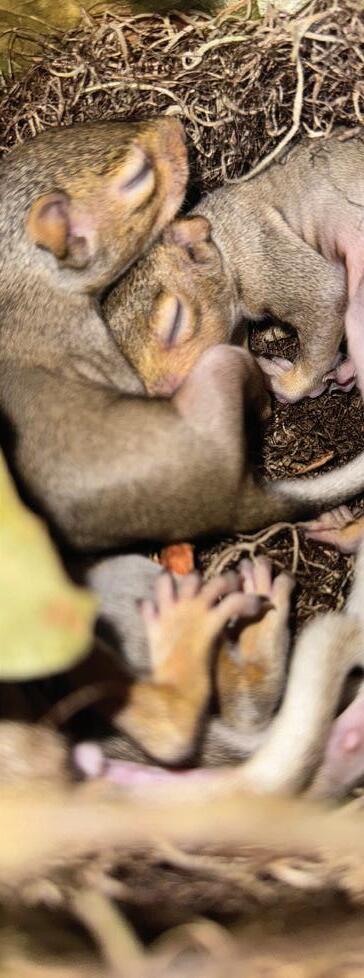
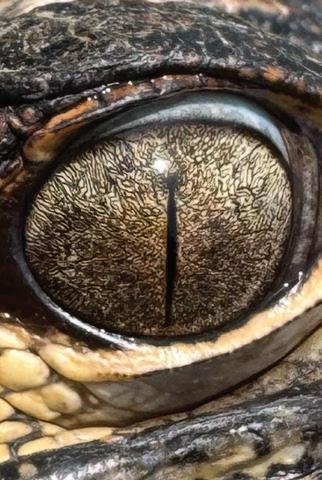
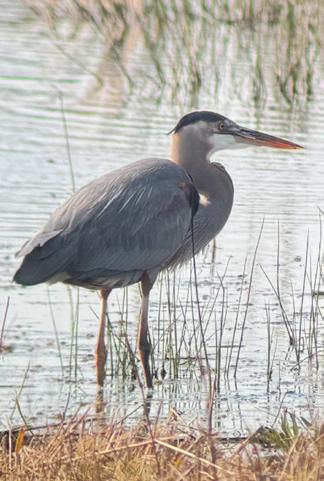
In 2025, the Conservancy’s research manager position was vacant, which reduced the amount of ecological research conducted at Palmetto Bluff. However, we did not sit idly and spent 2025 planning for new research initiatives. Much of this planning focused on the use of technology in biodiversity studies.
• Environmental DNA (eDNA) is a less intensive sampling method that allows researchers to collect water or soil samples and analyze the genetic material shed by organisms left behind in these environments. This sampling method may detect mucus, feces, urine, or tissue particles in the water or soil and inform us of the presence of different species. This method may detect elusive species or those not easily caught in traditional sampling methods. The Conservancy plans to acquire 50 sampling kits to use in multiple freshwater bodies at Palmetto Bluff and in select saline environments. These sample kits will be used to add information to our biodiversity database and have future use in monitoring population trends.
• The Palmetto Bluff Conservancy has previously used ultrasonic detectors for bat research, and we now plan to shift focus to documenting other organisms at Palmetto Bluff. The new detectors can record audio within the standard acoustic range, and will allow us to document birds, amphibians, insects, and other mammals. Over time, these audio files can be used to create an audio library of the wildlife of Palmetto Bluff, but the Conservancy will also use acoustic detectors to document species of interest such as gray foxes along with other elusive, but vocal, species within the development.
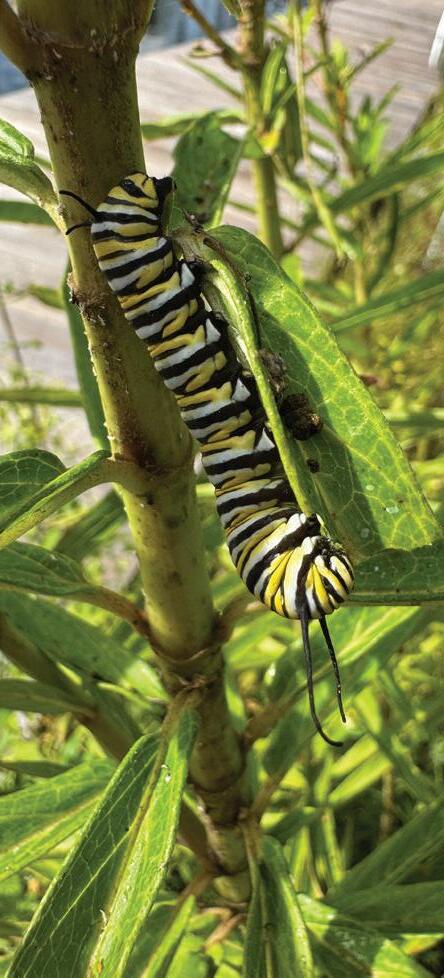
• Lastly, in 2024 the Conservancy assisted in the funding of a Motus tower in Sun City, with the range of the tower covering most of Palmetto Bluff, northern Savannah National Wildlife Refuge, and the less developed region between Hardeeville and Ridgeland. Motus towers are a collaborative relay system spanning from Canada to northern South America and can be used to document movement of birds, bats, and select insects that are outfitted with motus devices. In 2023, a paper was published detailing a year-round population of monarch butterflies in South Carolina and with the presence of breeding monarchs at Palmetto Bluff in the fall, we believe that we may be observing these year-round individuals. The Conservancy is interested in outfitting monarchs with motus tags to see where these individuals born in the fall travel during the winter months.
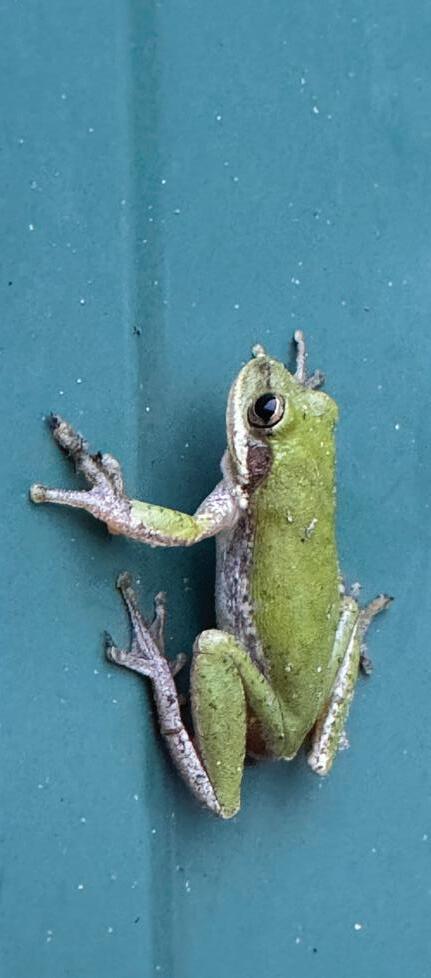
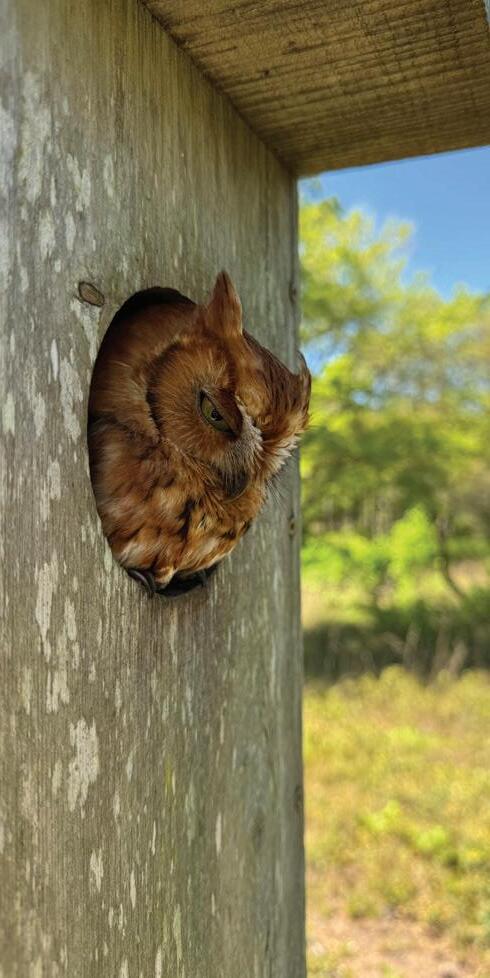
During 2025, the Conservancy continued to participate in multiple citizen science initiatives, which contributes to large scale studies on a state, regional, or national level. Programs we participated in were FeederWatch, the Great Backyard Bird Count, Global Big Day, NestWatch, Nightjar Surveys, Christmas Bird Count, and the Great Southeast Pollinator Census. Specific to Palmetto Bluff, we conduct monthly surveys documenting wildlife activity in cavity nest boxes and collaborated with SCPARC to conduct Herp Blitzes to document the reptiles and amphibians residing at Palmetto Bluff.
As we look at 2026 and potential research opportunities, your donations help cover the costs of equipment and to bring in potential researchers.
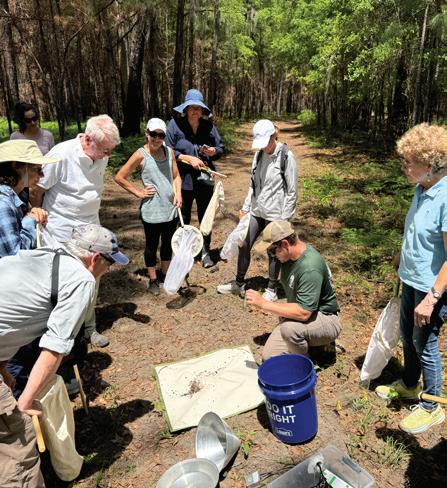
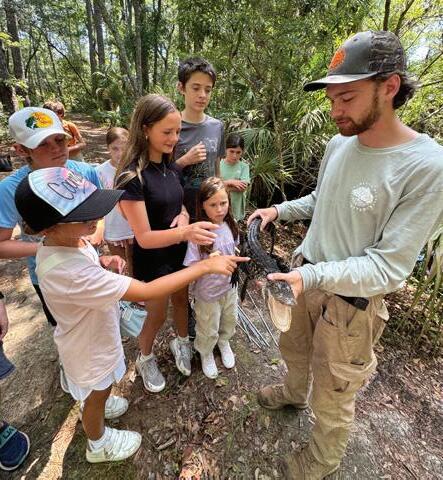
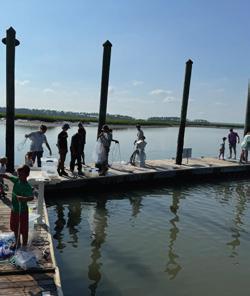
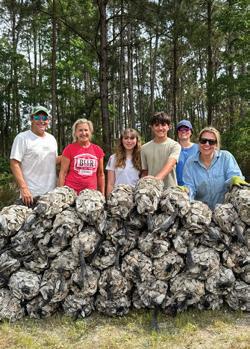
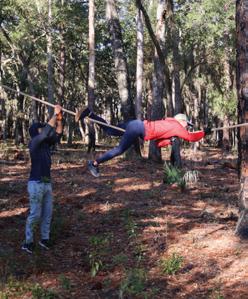
In 2025, the Palmetto Bluff Conservancy provided 197 quality programs for residents and guests. This reduction from the 307 in 2024 saw a positive change in our program attendance with this past year seeing numbers similar to historic counts. In addition to our scheduled events, we led an additional 34 special events for outside organizations, fellow nonprofits, private groups, and schools. Below is a breakdown of participation in 2025.
Overall Programs
• 708 unique participants.
• 59% of unique participants were members.
• 31% of participants only attended lectures.
• 38% of participants attended two or more programs.
• Average overall attendance for events was 57% of their max capacity.
• 56 People participated in programs connected to citizen science initiatives.
• 14 People participated in volunteer opportunities.
Lectures
• 35 formal and informal lectures were conducted in 2025.
• Lectures saw an average of 17 in-person participants.
• 63% of lecture attendance was by members and their guests.
• 33% of total attendance occurred through Zoom.
New programs for 2025 included Hidden Happy Hour (member exclusive), 19th Century Games, Explore PBC: Alligators, Explore PBC: Lowcountry Insects, and field trips to Jarvis Creek Park and Onslow Island. Your contributions allowed us to acquire materials for new programs and cover reoccurring expenses. Our Zoom Webinar subscription opens our lectures and FeederWatch programs to a wider audience, including seasonal residents who may be away from the Bluff, but still wish to attend our Brown Bag Lunch programs.
The Conservancy advocates for landscaping with native plants and we maintain two garden beds by the Conservancy Classroom planted with roughly 55 different native plant species. We use these beds and native plant programs to help encourage people to make a difference in their own backyards and provide valuable habitat for birds, insects, and bats which are facing severe declines due to habitat loss. In 2025, we documented 17 monarch caterpillars in the garden which was lower than the 75 seen in 2024. Conditions this year may have been less favorable for high reproduction due to weather, predation, or potential pathogens. Your contributions continue to allow us to add new plants to these gardens to increase biodiversity around the garden.
Overall, your continued support allows us to diversify and improve the educational experiences the Conservancy offers to residents, schools, and the Beaufort County community.
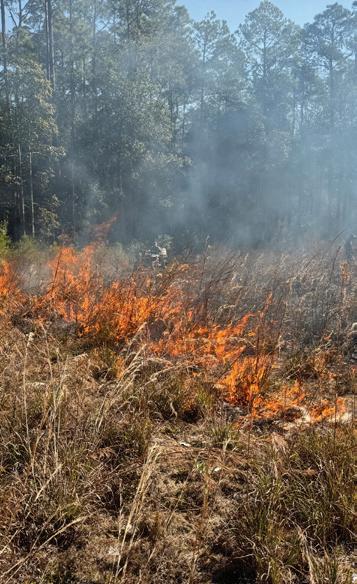
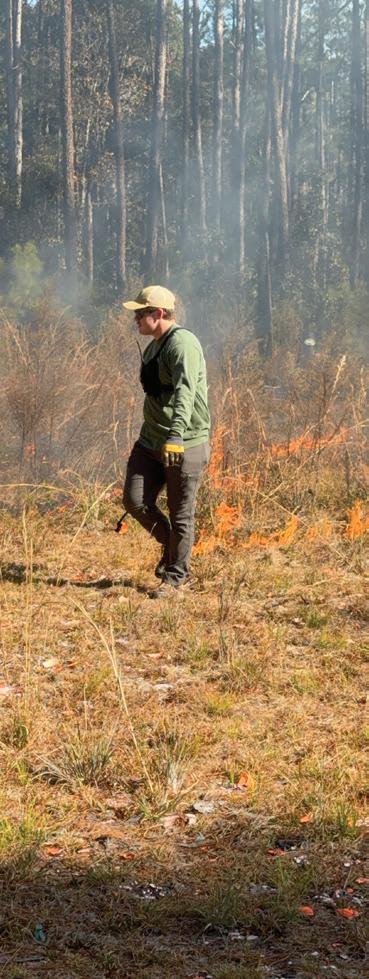
The 2025 prescribed burn season proved to be one of the more challenging periods in recent years. Our goal at PBC Land and Wildlife is to complete between 1,800 and 2,000 acres of prescribed burning annually, but persistent drought conditions significantly impacted our operations. Several extended burn bans were issued by both the Forestry Commission and the State, creating long stretches where burning was not permitted. In response, our team adapted quickly by shifting focus to the forestry compartments we manage on an annual basis—areas that support essential habitats such as eastern wild turkey, safe harbor species, longleaf pine, and woodcock. Despite the limitations imposed by weather and regulation, we successfully completed burns on 1,283 acres, maintaining continuity in habitat health and ecological resilience.
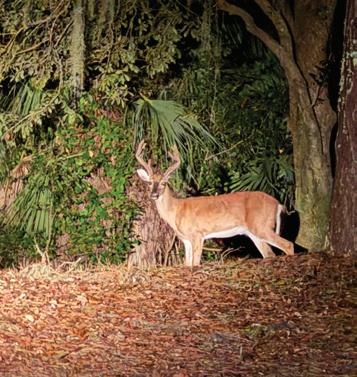
The 2025 hunting season was marked by strong participation and overall success across both deer and turkey programs. Our deer season began on a high note with the Adopt-a-Plot hunt in late September which again demonstrated the value of this longstanding tradition within the PBC community. Following this event, the regular season commenced in October and continued steadily. One of the biggest challenges this year stemmed from a substantial acorn mast. As hunters know, deer consistently prefer acorns over supplemental corn, and this naturally abundant food source changed deer movement patterns throughout the season. Even so, our hunters showed patience and adaptability, resulting in a total harvest of more than 30 deer in 2025.
Turkey season results were more varied. Recruitment numbers from the 2024 breeding season were notably high, which allowed us to offer eight target toms through our lottery hunt. However, only two of the eight were harvested. While this reflects a lower success rate, it also suggests a strong overwintering population that may lead to improved opportunities in 2026.
The Adopt-a-Plot program experienced exceptional support in 2025, with contributions coming from both hunters and non-hunters throughout the community. These donations directly support biannual sowing of food plots as well as the purchase and maintenance of essential machinery and equipment. Thanks to the generosity of participants, the program raised $17,000 in 2025. These funds not only sustained ongoing habitat work but also positioned us to make a meaningful investment in 2026: the purchase of a long-needed seed drill. This equipment will significantly improve planting efficiency and is expected to yield roughly 99 percent germination across managed food plots, enhancing both forage quality and long-term soil health.
Despite weather-related challenges and shifts in wildlife behavior, 2025 was a productive year for land and wildlife management at Palmetto Bluff. Our team, hunters, and supporters demonstrated adaptability, patience, and commitment to stewardship throughout the year. Looking ahead to 2026, we hope for favorable conditions that will allow us to expand burn acreage, support wildlife populations more effectively, and continue enhancing habitat through upgraded equipment and sustained community involvement.
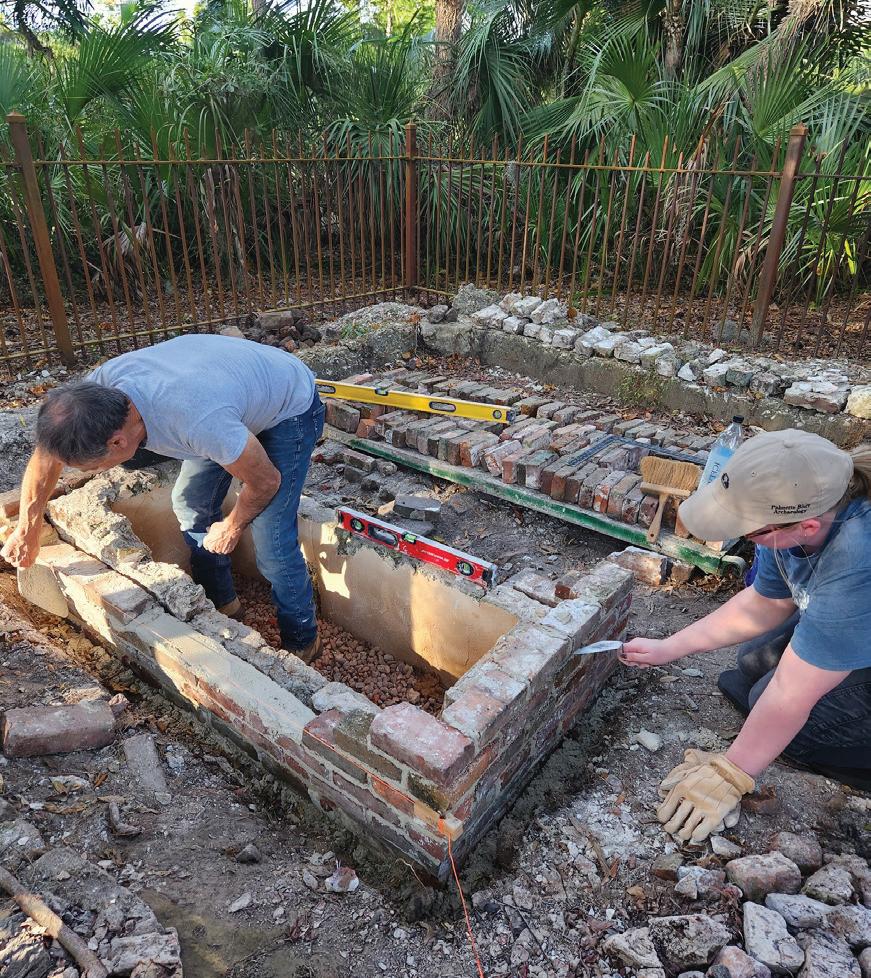
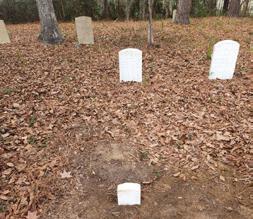
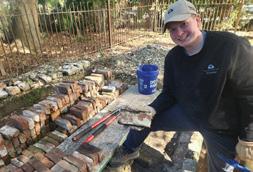
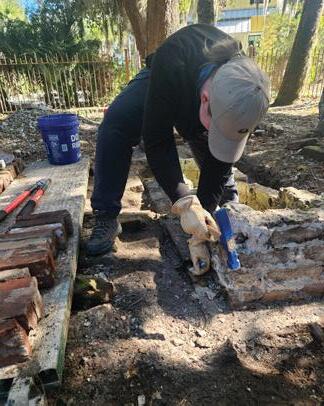
Your donations allowed us to continue the restoration of the Proctor Cemetery in Moreland and to continue restoration and maintenance of the other cemeteries.
With Frank Genello of the American Building Restoration Company, Palmetto Bluff’s Archaeology Team dismantled the box tomb, cleaned the brick, and leveled and rebuilt the box tomb.
The Archaeology Team were able to reset five headstones in the dog cemetery and a footstone in the Riley cemetery.
Additional work that was possible because of your donations was a new 10-foot-wide gate at Riley Cemetery.
The Conservancy’s regular maintenance of the cemeteries at Palmetto Bluff includes removing debris and trash and cleaning the headstones and memorials by the Archaeology Team.
Join us on one of our monthly walks to the Montpelier and Octagon cemeteries to learn more.
The following accomplishments were not funded by donations.
The Conservancy continued to be involved in final inspections for the Design Review Board and assist with questions and protocols related to tree removal. We continued to educate residents on what can and cannot be done within the RPOD. We acted as the liaison between the United States Fish and Wildlife Service, residents, and the sales team regarding all eagle questions, zoning, and permitting.
The Conservancy continued to be a voice at the development table in relation to road stake outs, lot layouts, and recognizing the natural features in areas being discussed for development.
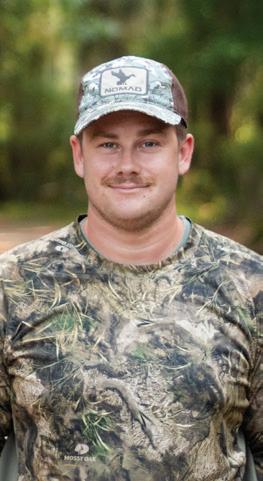
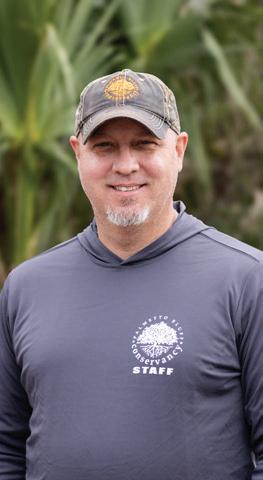
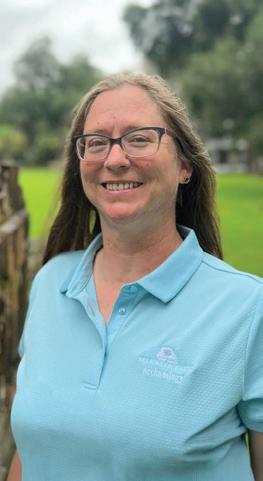
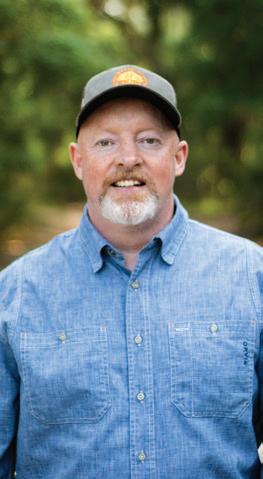
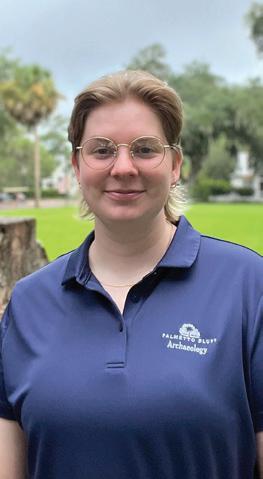
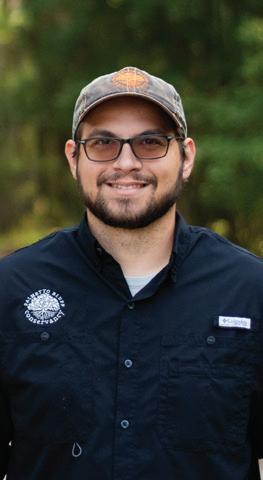
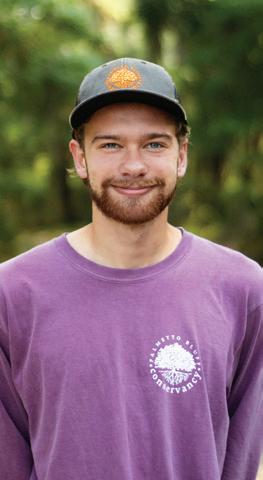
2025 BOARD OF TRUSTEES: Patty Kennedy, President
Michael Duus, Vice-President
Stephanie Gentemann, Secretary/Treasurer
Steve Carter
Mark Polites
Jordan Phillips
Troy Lucas
CONSERVANCY STAFF:
Jay Walea, Executive Director [1] jwalea@pbconservancy.org
Joe Miller, Operations Director [2] jmiller@pbconservancy.org
Brian Byrne, Land & Wildlife Manager [3] bbyrne@pbconservancy.org
Aaron Palmieri, Outreach & Education Manager [4] apalmieri@pbconservancy.org
Declan Wilson, Land & Wildlife Technician [5] dwilson@pbconservancy.org ARCHAEOLOGY STAFF:
Katie Epps, Assistant Archaeologist [6] kepps@palmettobluff.com
Zoe Klauck, Archaeological Technician [7] zklauck@palmettobluff.com 2025 TEMPORARY STAFF & INTERNS: