



PIPELINE INSPECTION
17. A new crack detection tool
World Pipelines interviews Rogelio Guajardo, Director of Product Management, NDT Global.
SUBSEA PIPELINE MAINTENANCE
21. Inspect, repair, repeat Espen Elvheim, Director, Advanced Inspection, FORCE Technology.
REPAIR AND REHABILITATION
27. Compliance without compromise Darran Pledger, STATS Group.
VALVES
31. A compact alternative Zahra Farrokhi, Batu Valve, Türkiye.
FIBRE OPTICS AND SENSING
40. Rapid corrosion protection with fibre optics
Douglas Clague, Solutions Marketing Manager, Fibre Optic Field Solutions, and Abdullah Nassar, Product Specialist, Fibre Sensing Systems, VIAVI.
46. On the edge of safety
Brandon Carlson, Itron.

51. Corrosion and coatings Q&A
World Pipelines interviews Winn & Coales (Denso) Ltd, a member of Winn & Coales International.
PIPELINE SOFTWARE
57. Streamlining efficiency and compliance
Martha Rendon, Emerson.
PIPELINE SERVICES
61. 50 years in motion
Anand Jha, Vice President of Global Sales, ABB.


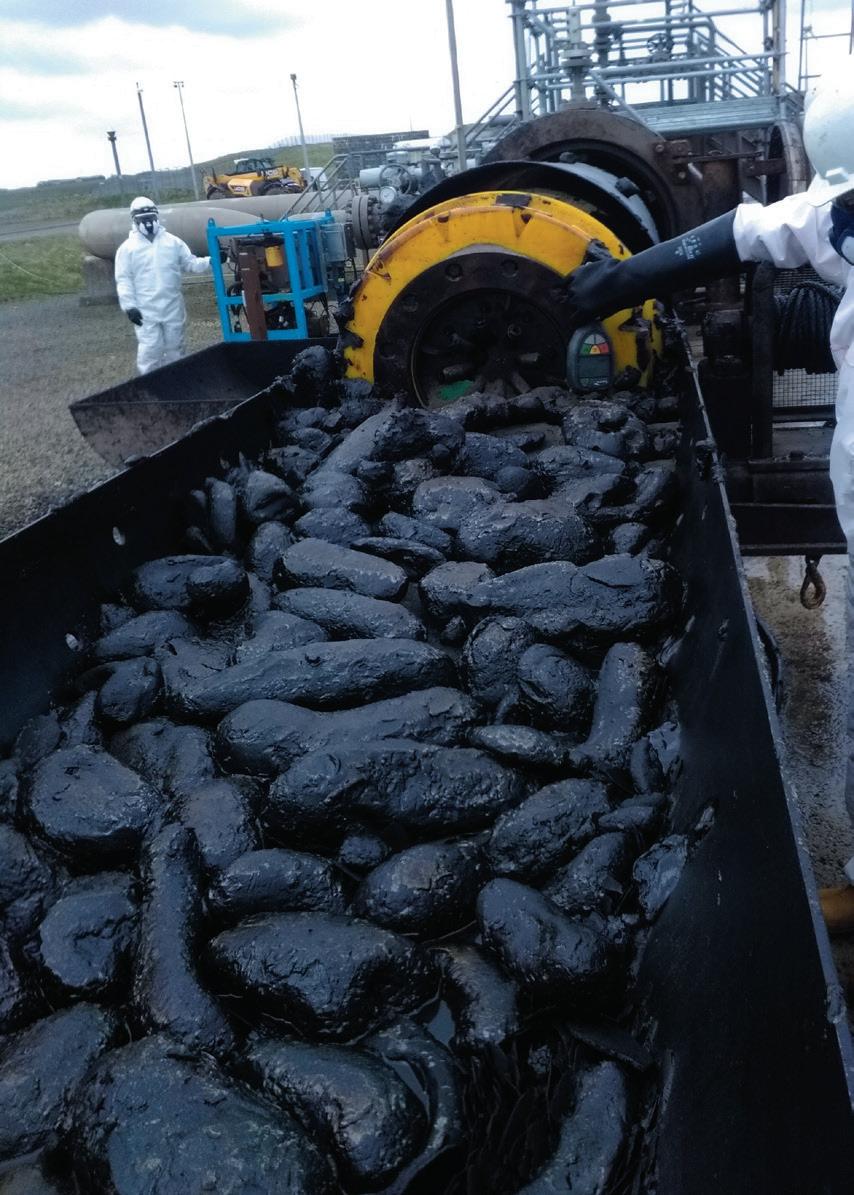
Once a pipeline is in production, debris within the system can be more extreme, with sand or scale or wax deposits. This can require more specialist pigs to be used, where designs are more focused and offer the ability to be adjusted as part of a progressive cleaning programme.
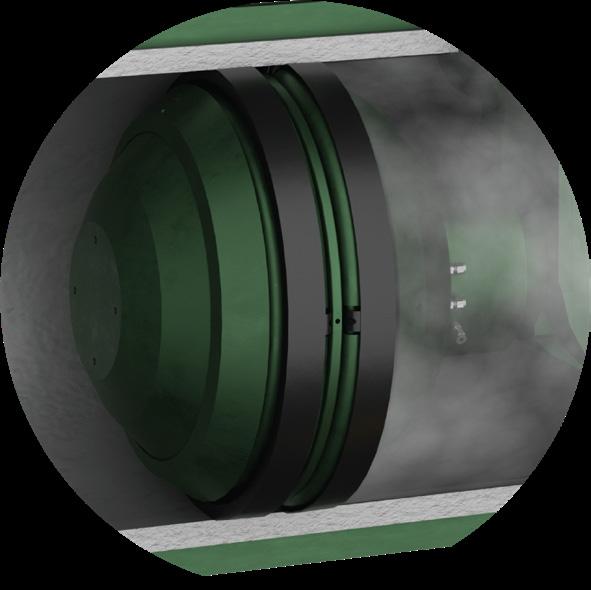
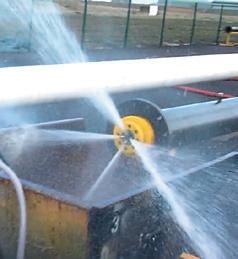
Propipe pigs are designed specifically for each pipeline and offer optimum performance to maintain maximum production pressures and flow.
Standard Pigs - No Bypass

Propipe Pigs with Bypass

Full testing facilities and the Trident pig tracking range are available.

MANAGING EDITOR
James Little james.little@worldpipelines.com
ASSISTANT EDITOR
Emilie Grant emilie.grant@worldpipelines.com
SALES DIRECTOR
Rod Hardy rod.hardy@worldpipelines.com
SALES MANAGER
Chris Lethbridge chris.lethbridge@worldpipelines.com
SALES EXECUTIVE
Daniel Farr daniel.farr@worldpipelines.com
PRODUCTION DESIGNER
Siroun Dokmejian siroun.dokmejian@worldpipelines.com
HEAD OF EVENTS
Louise Cameron louise.cameron@worldpipelines.com
EVENTS COORDINATOR
Chloe Lelliott chloe.lelliott@worldpipelines.com
DIGITAL EVENTS COORDINATOR
Merili Jurivete merili.jurivete@palladianpublications.com
DIGITAL CONTENT COORDINATOR
Kristian Ilasko kristian.ilasko@worldpipelines.com
JUNIOR VIDEO ASSISTANT
Amélie Meury-Cashman amelie.meury-cashman@worldpipelines.com
SENIOR WEB DEVELOPER
Ahmed Syed Jafri ahmed.jafri@worldpipelines.com
DIGITAL ADMINISTRATOR
Nicole Harman-Smith nicole.harman-smith@worldpipelines.com
ADMINISTRATION MANAGER
Laura White laura.white@worldpipelines.com
Palladian Publications Ltd, 15 South Street, Farnham, Surrey, GU9 7QU, UK Tel: +44 (0) 1252 718 999 Website: www.worldpipelines.com Email: enquiries@worldpipelines.com
Annual subscription £60 UK including postage/£75 overseas (postage airmail). Special two year discounted rate: £96 UK including postage/£120 overseas (postage airmail). Claims for non receipt of issues must be made within three months of publication of the issue or they will not be honoured without charge. Applicable only to USA & Canada: World Pipelines (ISSN No: 1472-7390, USPS No: 020-988) is published monthly by Palladian Publications Ltd, GBR and distributed in the USA by Asendia USA, 701C Ashland Avenue, Folcroft, PA 19032. Periodicals postage paid at Philadelphia, PA & additional mailing offices. POSTMASTER: send address changes to World Pipelines, 701C Ashland Avenue, Folcroft, PA 19032.

SENIOR EDITOR Elizabeth Corner elizabeth.corner@worldpipelines.com
Regulatory certainty and delivery momentum are becoming competitive advantages in North American energy infrastructure, and pipelines sit at the centre of that shift. In December, the US Federal Permitting Improvement Steering Council announced the completion of federal permitting for the Alaska LNG project. The 20 million tpy LNG project will monetise North Slope gas, and includes an 807 mile pipeline connecting Alaska’s North Slope to South Central Alaska for export.
Alaska LNG first received Fixing America’s Surface Transportation Act (FAST-41) coverage in 2017 and achieved initial federal approval in 2020. Project sponsor 8 Star Alaska, LLC – majority owned by Glenfarne Energy Transition LLC, with the State of Alaska retaining a 25% stake – reactivated the project’s FAST-41 coverage in February 2025 to complete updated biological opinions and permit renewals. The National Oceanic and Atmospheric Administration (NOAA) renewed the final federal permit on 10 December, completing the federal approvals process.
Federal permitting being completed ahead of schedule is notable given the scale and complexity of this project. At a time when large-scale infrastructure often stalls at the regulatory stage, Alaska LNG illustrates how permitting frameworks such as FAST-41 can deliver predictability: a factor increasingly valued by investors, developers and buyers.
The pipeline is expected to transport an average of 3.5 billion ft3/d of natural gas, with a liquefaction facility enabling safe and efficient export. Early commercial momentum is also emerging: POSCO International (South Korea) has signed a 20 year heads of agreement to secure 1 million tpy of LNG on a free-on-board basis, becoming the project’s first long-term offtaker. POSCO Group will also supply a substantial portion of the steel required for the project’s 1300 km high-pressure pipeline, and is making a capital investment, solidifying Asia’s interest in the Pacific coast project.
In Canada, Fluor Corporation has completed Train 2 of the LNG Canada project. This marks the end of the first phase of Canada’s inaugural LNG mega-project, being built in Kitimat, British Columbia. Execution milestones like these signal a broader shift from planning to delivery across North American LNG infrastructure.
Against this backdrop, capital discipline remains tight. Industry analysts note that companies are showing a growing preference for bankable, regulated, long-life assets, particularly in a world where AI-driven power demand is accelerating approvals for data centre developments and intensifying competition for capital.
In this context, Wood Mackenzie recently described US LNG as “the turnaround of all turnarounds” projecting that by 2030 the US could account for 30% of global LNG output. As Malcolm Forbes-Cable, Vice President of Upstream and Carbon Management Consulting at Wood Mackenzie observes, “The resurrection of US LNG is a crucial reminder of what a resource-rich, free-market country like the US can do. This hydrocarbon hegemony is now being leveraged as a diplomatic tool”.
What these developments underline is not just the scale of North America’s LNG ambition, but the central role of pipelines in converting resource potential into deliverable energy. As permitting clarity improves and projects move decisively into execution, long-term infrastructure decisions increasingly hinge on robust market and system modelling. Scenario-based analysis is now central to understanding how changes in supply, geopolitics and demand could reshape pipeline flows and asset value. RBAC (p. 10) examines this in detail through global gas market modelling that tests how alternative futures could impact infrastructure investment.
1. https://www.woodmac.com/horizons/five-energy-charts-2025/
In December 2025, the Federal Permitting Improvement Steering Council announced the completion of federal permitting for the Alaska LNG project. The 20 million tpy LNG project will facilitate development of Alaska’s vast North Slope natural gas resources, providing Alaskans and global customers with a long term and affordable energy source.
Alaska LNG first received FAST-41 coverage in 2017 and achieved initial federal approval in 2020. Project sponsor 8 Star Alaska, LLC, majority owned by Glenfarne, reactivated the project’s FAST-41 coverage in February 2025 for updated biological opinions and permit renewals. NOAA renewed the final permit, completing federal approvals for the project on 10 December.
“I am thrilled to see the Alaska LNG project finish federal permitting actions ahead of schedule,” said Permitting Council Executive Director Emily Domenech. “After delays during the previous Administration, Alaska LNG returned to FAST-41 coverage to help navigate the complexities of the federal permitting process. I’m particularly grateful to the agencies that continued work during the government shutdown, making it possible to complete this final milestone on time. This combined effort reflects our commitment to the State of Alaska and to achieving President Trump’s energy dominance agenda.”
“The Federal Permitting Council has delivered not just on time, but ahead of schedule, as we check off completion of the 21st and very last federal permitting action for Alaska LNG,” said Sen. Lisa Murkowski, R-Alaska. “This project is crucial for our future – it can help secure Alaska’s economy for the next generation, while delivering affordable gas both in-state and to our allies across the Pacific. I thank Ms. Domenech, her team, and all who helped get to this point.”
“NOAA’s approval of the final federal permit marks a historic
milestone for the Alaska LNG project and for our state,” said Alaska Governor Mike Dunleavy. “This decision clears the last major regulatory hurdle and reaffirms that Alaska can responsibly develop its vast natural gas resources while meeting rigorous environmental standards. Alaska LNG will strengthen our economy, create long-term jobs, and provide reliable energy to Alaskans and our global partners for generations to come.”
“[This] marks a significant milestone for American energy security and environmental stewardship,” said NOAA Administrator Neil Jacobs, Ph.D. “I am proud of the work NOAA Fisheries performed to responsibly advance the Alaska LNG project in Cook Inlet – a vital infrastructure initiative that will bolster our nation’s domestic energy production, create thousands of high-quality jobs, and strengthen our energy independence for generations to come. Together with our partners, we have balanced economic progress with world-class conservation, paving the way for a sustainable future where innovation and nature thrive side by side.”
“Strong support from the Permitting Council accelerates Glenfarne’s work to develop Alaska LNG and deliver energy security for Alaskans and low-cost energy for our Pacific allies,” said Glenfarne Alaska LNG President Adam Prestidge. “Alaska LNG has received a comprehensive multi-year federal environmental review, and Alaskans can have confidence that this project is being developed under strict environmental standards.”
The 800 mile pipeline will transport natural gas from Alaska’s North Slope to South Central Alaska for export, and is expected to deliver an average of 3.5 billion ft3/d of gas. A liquefaction facility will cool and condense the gas for safe and efficient export. The Federal Energy Regulatory Commission served as the lead permitting agency for this project.
A new wave of consolidation is on the horizon for small- and medium-sized US shale producers, largely driven by an appetite for scale in an M&A environment that is getting increasingly competitive, Rystad Energy reports. Scale and efficiency are key catalysts for E&P players who are seeking favourable business valuations, with acquisitions emerging as a key calculation of shareholder value by rewarding operators who keep volumes high and costs low.
To build scale and survive another consolidation wave, the smaller E&Ps have limited choices: either buy assets that larger players are looking to get rid of, or acquire privately owned E&Ps. Neither of these options are expected to provide the scale the players are looking for. Given the need to move higher within their segment or elevate to a top-tier profile for favourable valuations, Rystad Energy believes that smaller operators will now pursue combinations within their peer group, implying a new wave of a merger of equals.
“This is likely a shift in strategy due to the scarcity of opportunities and an ever-evolving menu of acquisition options. Although smaller E&Ps are the most likely to be snapped up, they are also on a mission to punch above their weight by acquiring what’s left of the M&A waves experienced over the last two years, which could include non-core assets that ExxonMobil, Diamondback, Occidental, and ConocoPhillips are looking to shed. Most assets on the market
range between US$500 million and US$1 billion and lack both quality inventory and significant production value, making investments unlikely to increase scale for buyers looking to grow inorganically. Neither this option nor private acquisitions would be able to truly move the needle for smaller buyers,” said Atul Raina, Vice President, Oil and Gas M&A, Rystad Energy.
Rystad Energy analysis shows that companies such as Permian Resources could emerge both as an acquirer or a potential target in this new wave. Companies like Matador, HighPeak and Chord also stand out as credible next movers. Other potential candidates that could emerge as consolidators or remain active in upstream M&A – driven by strategic portfolio positioning and valuation dynamics – include Coterra Energy, Ovintiv and Devon Energy. Coterra continues to emphasise its multi-basin strategy across the Permian, Marcellus and Anadarko regions. Ovintiv has followed a similar approach. Given their comparable size, gas-weighting and inventory depth, a merger of near-equals between Coterra and Ovintiv could present strategic merits while some key challenges remain. Two paths emerge for these players – either grow inorganically by acquiring what the larger companies are selling or scoop up an operator of equal or lesser value.
EIG, through its managed investment vehicles, acquired a 49.87% equity stake in Transportadora de Gas del Perú S.A. (TgP) from Canada Pension Plan Investment Board.
Senegal Senegal’s state-owned midstream company Reseau Gazier du Sénegal is set to begin construction of a domestic gas pipeline network before the end of 2025.
Alleima inaugurated its production mill in Zhenjiang –an investment of SEK 255 million (RMB 193 million).
Penspen has been awarded a project by National Gas Transmission (NGT) to explore the effects of oxygen as an inhibitor for pipeline embrittlement as the operator develops a national hydrogen pipeline network.
The Joint Baltic Declaration on Security in the Baltic Sea was signed on 20 November 2025 by the Norwegian State Secretary Marte Gerhardsen, in the presence of the Polish Deputy Prime Minister, Minister of Defense, Wladyslaw KosiniakKamysz. The declaration marks an important step towards closer cooperation and strengthened preparedness in the region.
PipeSense has signed an exclusive agreement with Monitor Emissions for the provision of leak detection, pigtracking, and hydrotesting technologies, covering all provinces and territories across Canada.
to launch the sale of its 20% stake in OPAL
Uniper is to launch the sale of its 20% stake in the regulated OPAL gas pipeline, in accordance with the European Commission’s state aid approval decision of 20 December 2022.
The transaction perimeter covers 100% of the shares in Lubmin-Brandov Assets GmbH & Co. KG (LBA KG) which holds the 20% fractional ownership in OPAL. The remaining 80% fractional ownership is held by GASCADE Gastransport GmbH.
OPAL is one of Europe’s largest transmission corridors, stretching approximately 4701 km from Lubmin in Germany to Brandov in the Czech Republic. As part of Germany’s Hydrogen Core Network framework, OPAL’s northern segment conversion has been completed in midDecember 2025, with the southern segment to follow by the end of 2030.
Interested parties are invited to submit their
Expression of Interest in German or English by e-mail to the contact stated below between 15 January 2026 and 29 January 2026 at 23:59 (CET). The Expression of Interest should contain the name, address, and contact details of the interested party and the responsible persons in relation to the process, as well as name and address of mandated financial advisers (if any). Any Expression of Interest received after the deadline or incomplete at such time may be disregarded.
Following receipt of the Expression of Interest, Uniper will provide the interested parties with a teaser and a process letter, describing the next steps and requirements for the prequalification phase of the process. The bidding process will be run in an open, fair and transparent way.
Syria and Iraq are preparing to restart the Kirkuk–Baniyas oil pipeline, which runs from the Kirkuk fields in Iraq to the Mediterranean coast in Syria, after being inactive since 2003. The project is part of efforts to strengthen bilateral oil cooperation and reportedly has US support.
Syria’s Deputy Energy Minister for Oil Affairs, Ghiath Diab, told our Arabic edition Al-Araby Al-Jadeed that pumping stations along the route are destroyed mainly and require comprehensive rehabilitation. This includes updating pipelines, storage tanks, pumps, electrical systems, and civil works. Diab said refurbishing the old line alongside building a new one would improve economic feasibility. The Syrian government is updating legislation, encouraging investment, launching the Syrian Oil Co. to manage petroleum resources, and promoting public-private partnerships in oil,
gas, and renewable energy.
The Kirkuk–Baniyas pipeline, one of the oldest oil export routes in the region, began operating in 1952. Its revival is expected to strengthen energy links between the two countries and attract international investment. The line stretches about 800 km and has a capacity of 300 000 bpd. It is a strategic export route for Iraq, provides Syria with significant revenue, revitalises its oil infrastructure, and strengthens regional energy cooperation. Field committees of engineers and experts from both countries are re-evaluating the pipeline. Preliminary estimates suggest reconstruction could exceed US$4.5 billion, with construction lasting around 36 months. Plans include a dual line capable of 1.5 million bpd, modern pumping and monitoring stations, and rerouting part of the old path in Deir Ezzor to a shorter route south of Homs.
Alberta (Canada) Premier Danielle Smith says that the American capture of Venezuelan President Nicolas Maduro underlines the urgency of building oil pipelines to export Canadian oil to new markets.
As speculation on the impact US President Donald Trump’s moves on Venezuela might have on oil revenue-dependent Alberta escalated, Smith saw the moral of the story as the need for more pipeline capacity to the Pacific coast.
“Recent events surrounding Venezuelan dictator Nicolas Maduro emphasise the importance that we expedite the development of pipelines to diversify our oil export markets,” said Smith in a statement. That includes a new pipeline to British Columbia’s West Coast to reach markets in Asia, she said.
News of the US operation in Venezuela weighed on Canadian energy stocks on Monday 5 January.

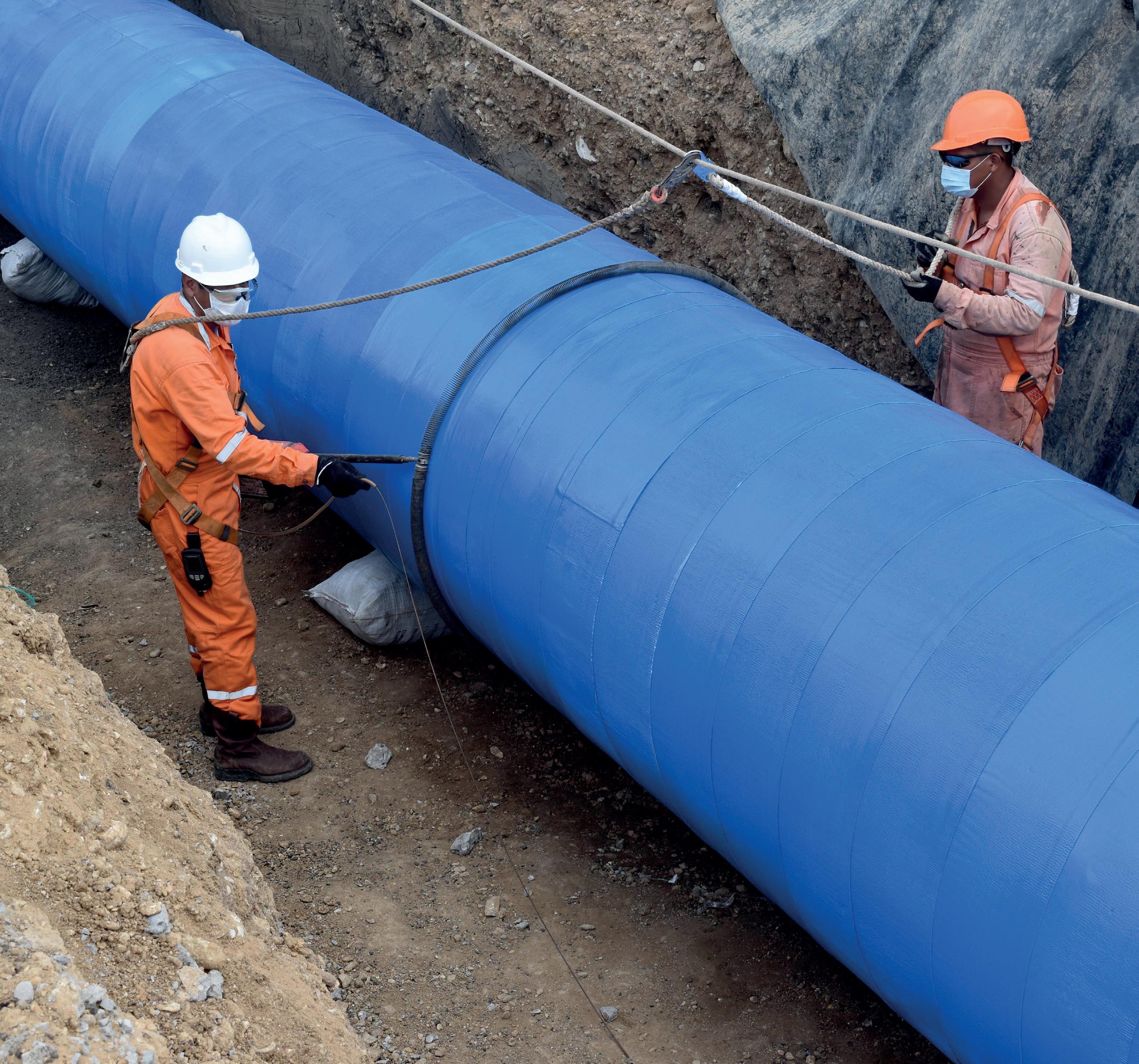
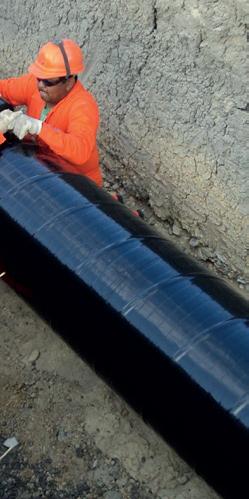
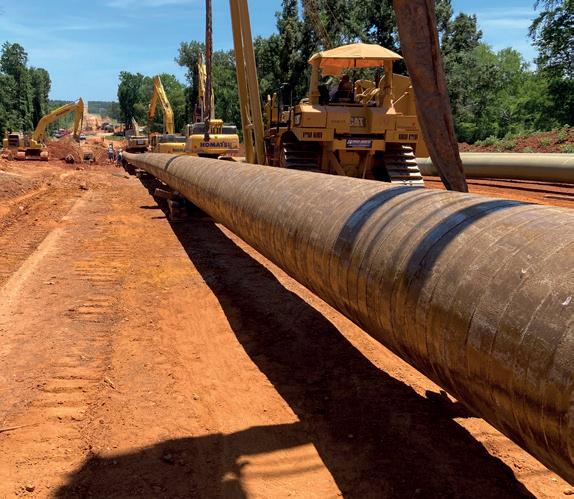
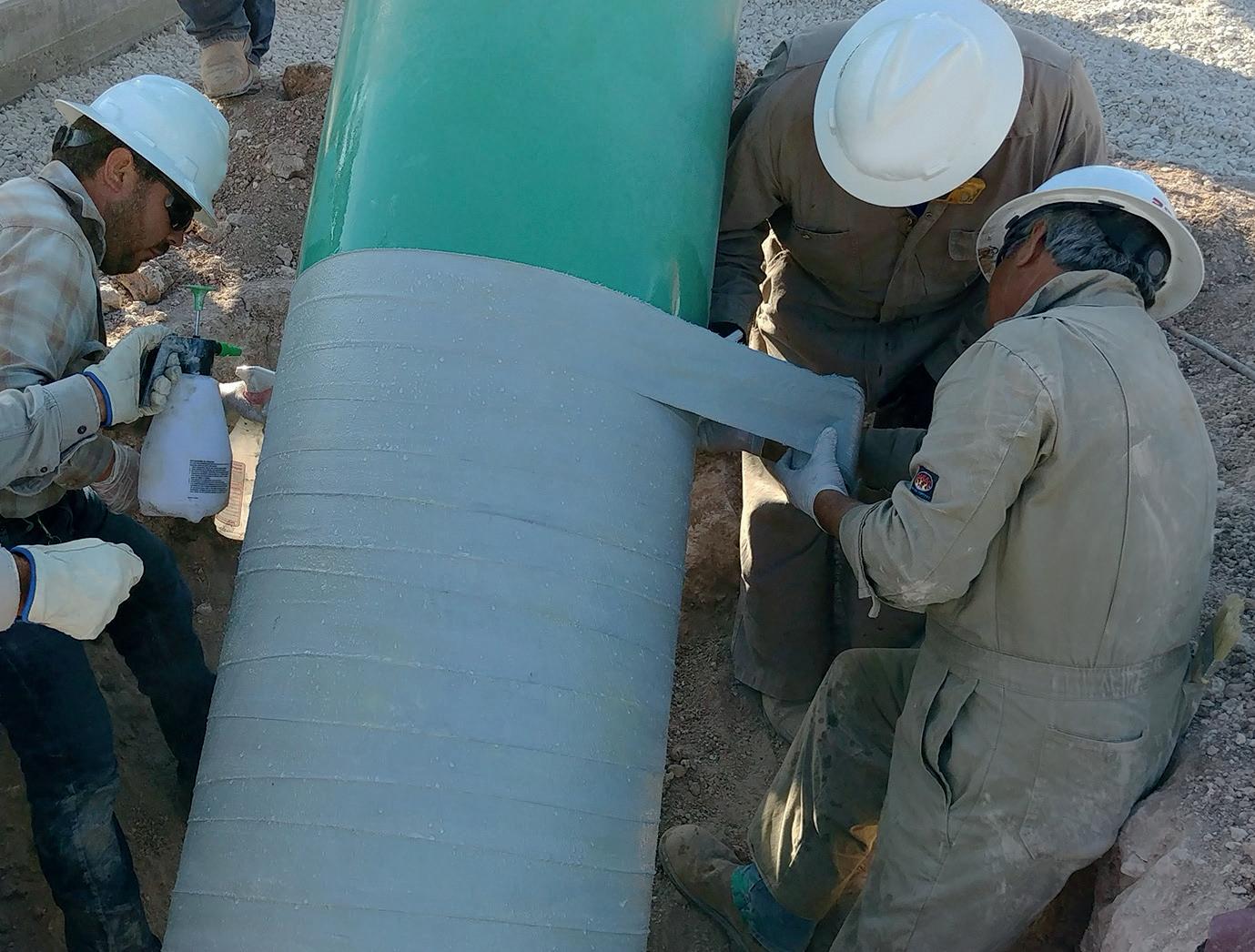
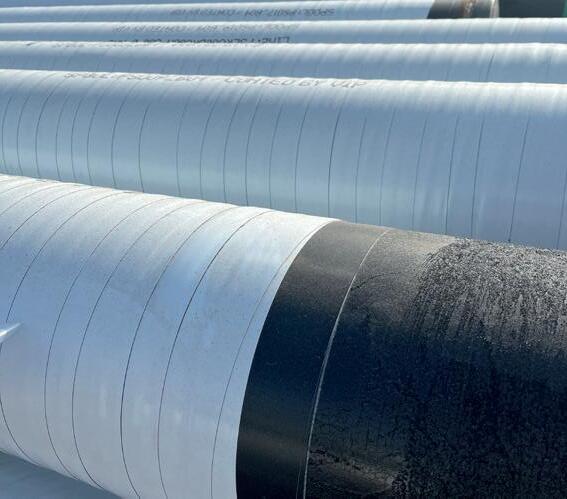
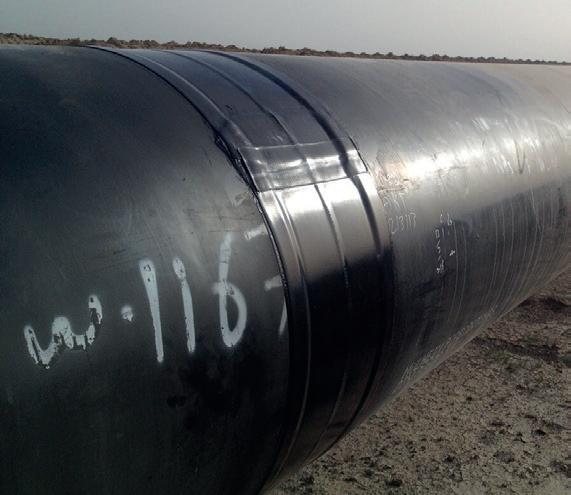
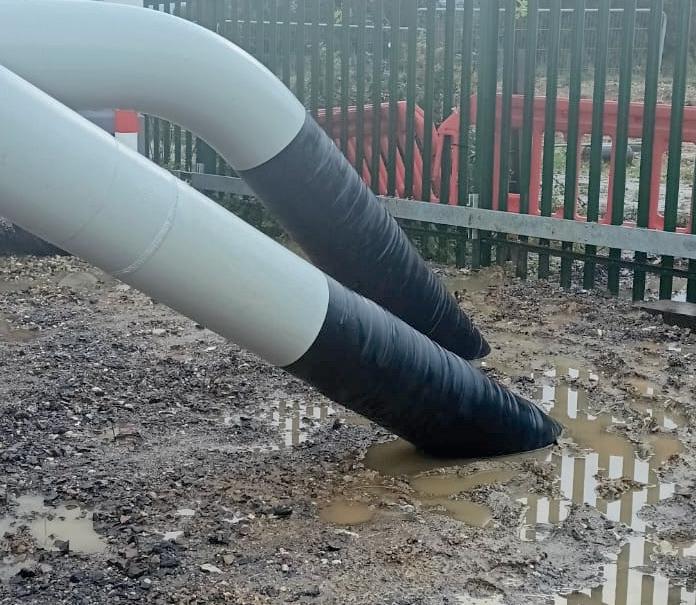
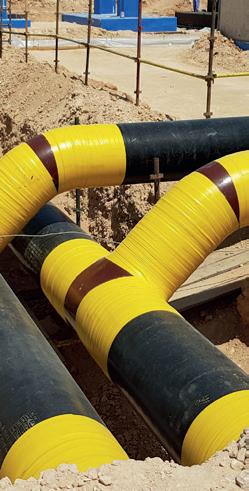
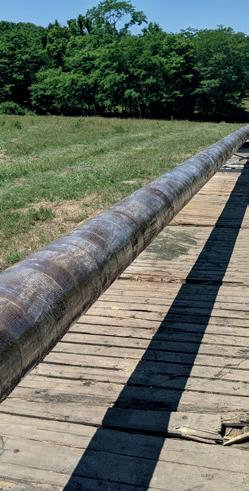
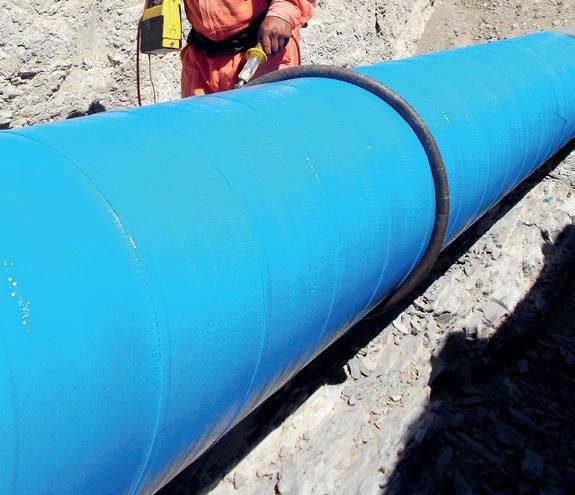
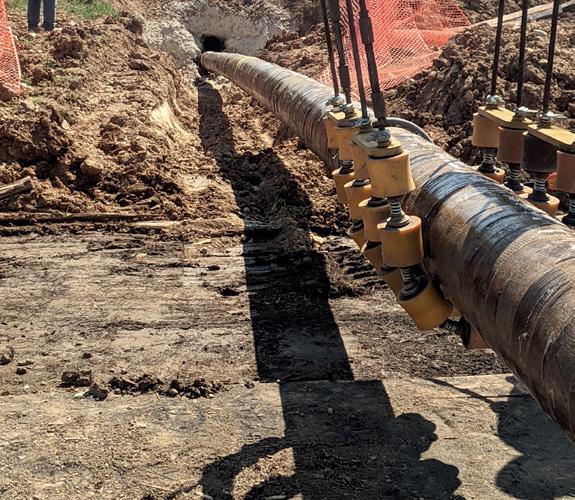
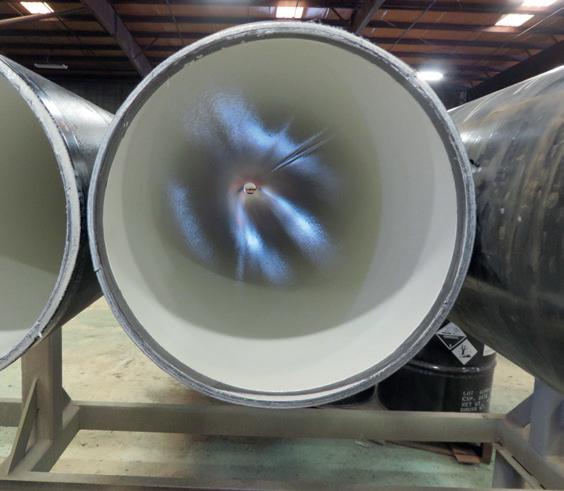
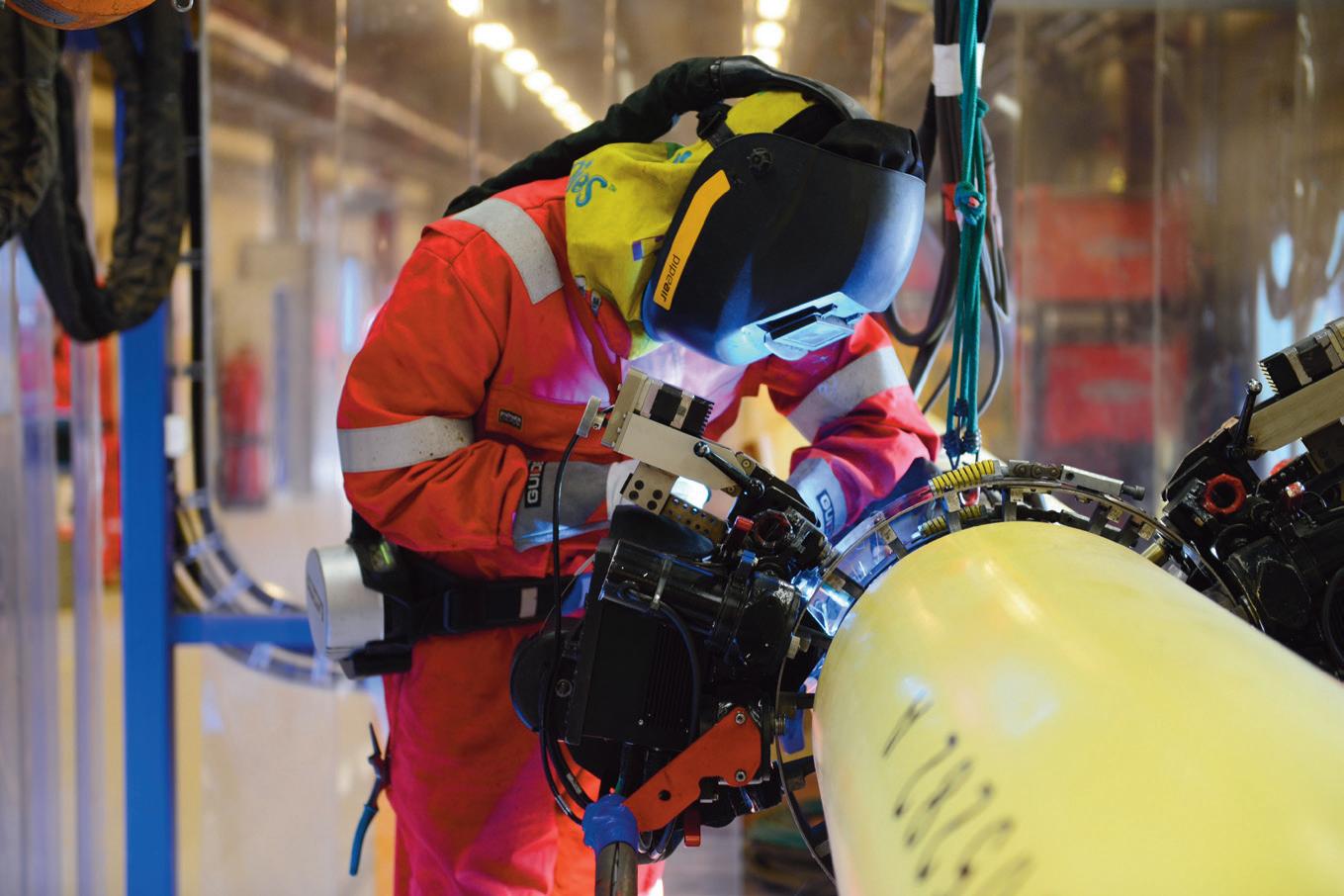
PROTECTIVE OUTERWRAPS
19 - 23 January 2026
PPIM 2026
Houston, USA
https://ppimconference.com/
10 - 11 February 2026
Dräger secures major North Sea gas detection and monitoring contract
Dräger UK has won a six figure contract with a major North Sea operator for the supply of advanced gas detection and monitoring solutions.
AMI Pipeline Coating 2026
Vienna, Austria
https://www.ami-events.com/event/d7ee7978d036-4457-a67b-78d5343495b9/home
11 - 15 February 2026
78th Annual PLCA Convention Phoenix, Arizona
https://www.plca.org/annual-convention-events
03 March - 07 March 2026
CONEXPO-CO/AGG 2026
Las Vegas, USA
https://www.conexpoconagg.com/conexpo-conagg-construction-trade-show
10 March - 11 March 2026
StocExpo 2026
Rotterdam, The Netherlands
https://www.stocexpo.com/en/
15 - 19 March 2026
AMPP Annual Conference + Expo Houston, USA
https://ace.ampp.org/home
18 March 2026
World Pipelines CCS Forum London, UK
https://www.worldpipelines.com/ccsforum2026
27 - 30 April 2026
Pipeline Technology Conference (PTC)
Berlin, Germany
https://www.pipeline-conference.com/
04 - 07 May 2026
Offhore Technology Conference (OTC)
Houston, USA
https://2026.otcnet.org
Due to be rolled out across an offshore oil and gas asset this year, the deal marks the fourth large-scale multi-gas monitor (MGM) changeout delivered by Dräger for the client.
Building on the delivery of recent changeout projects across several major North Sea sites, this new scope will equip teams with a fully integrated suite of safety capabilities.
Deliverables include personnel monitoring, automated bump testing and calibration via X-Dock technology, confined space and purging solutions and benzene monitoring. It also covers the introduction of Gas Detection Connect (GDC), Dräger’s cloud-based asset management and live monitoring software, to strengthen asset management processes. Together, these systems will underpin a modernised, future-ready safety
Guidant Measurement awarded Norway’s first fiscal hydrogen metering system for Bodø H2 Terminal
Guidant Measurement has been selected to supply the first fiscal hydrogen metering system in Norway for the Bodø H2 Terminal, marking a significant milestone in the country’s expanding hydrogen infrastructure.
The project, awarded in Autumn 2025, includes the engineering, design, and delivery of a complete fiscal metering system purpose-built for hydrogen service. Delivery is scheduled for July 2026 and represents the first of six hydrogen projects planned by the client across Norway.
“Hydrogen is becoming an essential part of the global energy transition, and accurate, safe, and reliable measurement will be critical to building trust and enabling large-scale adoption across Norway’s growing hydrogen infrastructure,” said Dallas Mabry, Chief Executive Officer of Guidant Measurement. “We’re proud to bring our engineering expertise and proven metering heritage to one of Norway’s most forward-looking hydrogen initiatives and advancing measurement innovation for the energy transition.”
The Bodø H2 metering system will be designed and engineered in accordance with international standards and Guidant’s own Business Process Management System (BPMS). The scope includes system design, uncertainty and pressure drop calculations, structural analysis, documentation, sub-supplier management, FAT support, and full mechanical completion prior to shipment.
framework for the asset and its workforce.
Account Manager at Dräger UK, Paul Davidson, said: “I would like to thank the North Sea operator for the trust they continue to place in us across multiple assets and multiple years. Their teams have seen the consistency of our delivery, the quality of our technology and the commitment of our people up close, and their ongoing confidence is something we never take for granted.”
The award also demonstrates the value of Dräger’s collaborative, cross-departmental approach and is further evidence of the company’s ongoing momentum in the North Sea. While the opportunity was initiated through close engagement with our partners, informed by years of technical demonstrations, trials, training, and transition planning, it will be delivered by Dräger’s specialist project teams to ensure a seamless and efficient onboarding process.
• Wood Mackenzie: Five mega-trends reshaping the global energy and resources landscape in 2025
• New research reveals major gaps in disclosure of decommissioning liabilities for oil and gas infrastructure
• T.D. Williamson expands commitment to Australia, integrates Pro Pipe Services to enhance pipeline solutions
• Winners lift their LEEA Awards and raise the industry
• EU Energy Commissioner: no way back for Russian gas
Follow us on LinkedIn to read more about the articles linkedin.com/showcase/worldpipelines



Giovanni Bettinelli and Edward O’Toole, RBAC, consider how a return of Russian gas could reshape global market dynamics, including the implications for prices, flows, and infrastructure investments.
How could a return of Russian gas supply to Europe change market dynamics and investment narratives? Global gas markets have over the last five years seen unprecedented levels of volatility: European and Asian spot prices have moved from record-low levels during the COVID-19 pandemic to record-high levels in the aftermath of the Russian invasion of Ukraine. The reduction in Russian pipeline supply to Europe over this period was the largest shock in the history of the market and only by the second half of 2025 have signals started to appear that the period of market tightness that it had caused is about to end.
This has been made possible by the largest surge in supply in the history of the LNG industry. Such a wave of new supply was itself fuelled in part by the extreme market conditions of recent years and is expected to set the stage for the transition to a protracted period of lower prices. The last 12 months have even seen the prospect of periods of oversupply leading to the temporary shutdown of US LNG export capacity being described by market analysts as an increasingly likely scenario over the next five years (Figure 1).
Therefore, while the market is emerging from the crisis of the last three years, turbulent times may still lie ahead. In this context, the future of Russian gas exports remains a crucial source of uncertainty. This has become especially relevant since the middle of November, as the Trump administration has initiated a new push to reach a settlement of the Russia-Ukraine conflict. This follows multiple attempts over the last year pressing both sides involved to end the conflict. This demonstrates the continued US commitment to a rapid resolution of the war and signifies that the Trump administration is unlikely to walk away without a settlement having been reached.
Geopolitics
These diplomatic efforts at one point appeared to leverage growing US LNG exports to enable Europe to accelerate its planned phase-out of Russian gas imports. The developments of recent weeks however suggest that the Trump administration may be growing frustrated with EU and Ukrainian positions and its November 28-point plan appeared to sideline some of their objectives.
These recent developments highlight that a scenario which sees a return of at least some Russian pipeline supply to Europe, while not the most likely outcome, remains a concrete possibility. Such a scenario would have material impacts on global markets and on investments made since

2022 in response to the last few years’ extraordinary market circumstances. To understand such impacts, we have modelled two alternative scenarios using RBAC’s G2M2, a global gas market model that provides projections of prices and of the utilisation of all major gas infrastructure assets globally with monthly granularity.
The first of the scenarios analysed, the ‘EU Russian Gas Ban’, sees the implementation of the EU’s planned phase-out of Russian LNG and pipeline imports, as it is currently proposed. This involves the termination of all Russian LNG imports from the start of 2027 and the end of all pipeline imports from the start of 2028.1 This would stop flows along the only route through which Europe still receives supply of Russian gas, the TurkStream pipeline, which delivers volumes at the TurkeyBulgaria border for consumption mostly by Greece, Serbia, Hungary, and Slovakia.
The second scenario, the ‘Russian Gas Back to EU’, represents the potential fallout of a rapid resolution of the conflict in Ukraine, in line with the Trump administration’s ambitions. In such a scenario, the political will for a complete phase-out of Russian supply may be more challenging to sustain within the EU. This is especially the case since there is still opposition to the banning of Russian energy imports within the bloc. This mainly comes from Hungary and Slovakia, two countries with closer political ties with Moscow than the rest of the EU, and also the two markets that would be most severely impacted by an accelerated removal of Russian pipeline supplies. In the event of a rapid resolution of the conflict, then, the rest of the EU may find it more challenging to pressure Hungary and Slovakia to support and comply with any strict phase-out of imports. This would especially be the case as the narrative that sees these purchases being directly used to fund the war is removed. The assumption for this scenario, then, is that the flows via TurkStream continue uninterrupted beyond 2028.
Of the other routes through which Russian gas was exported to the EU until 2022, the majority are unlikely to return to be available even in the event of a rapid resolution of the conflict. The stance taken by Poland towards Russian gas supply, which predates the invasion of Ukraine, and its consistently strong opposition to Russian objectives make it highly unlikely that Russian gas will ever flow through the country again, regardless of the wider geopolitical scenario. The same applies to Nord Stream and Nord Stream 2. These pipelines were damaged by an attack in 2022, making their
utilisation difficult, at least in the short-term. Regardless of the technical feasibility of exports through this route, though, these assets remain highly politically controversial in Germany. There has been no clear signal of political will to enable their return in the country’s gas supply mix to date. Such large volumes of supply would inevitably lead to a renewed dependence on Russia for energy security, making such a decision politically and strategically unattractive. Both the route via Poland and the Nord Stream pipelines have therefore not been included in the scenario that sees a return of some Russian gas exports to Europe.
This leaves the route via Ukraine as the only other that could support an increase in pipeline supply to Europe compared to current levels. Gas continued to flow through this route until January 2025 through a transit deal agreed in 2019 between Russia and Ukraine. At present the Ukrainian position remains that any deal which would enable Russia to return generating revenues through this route is off the
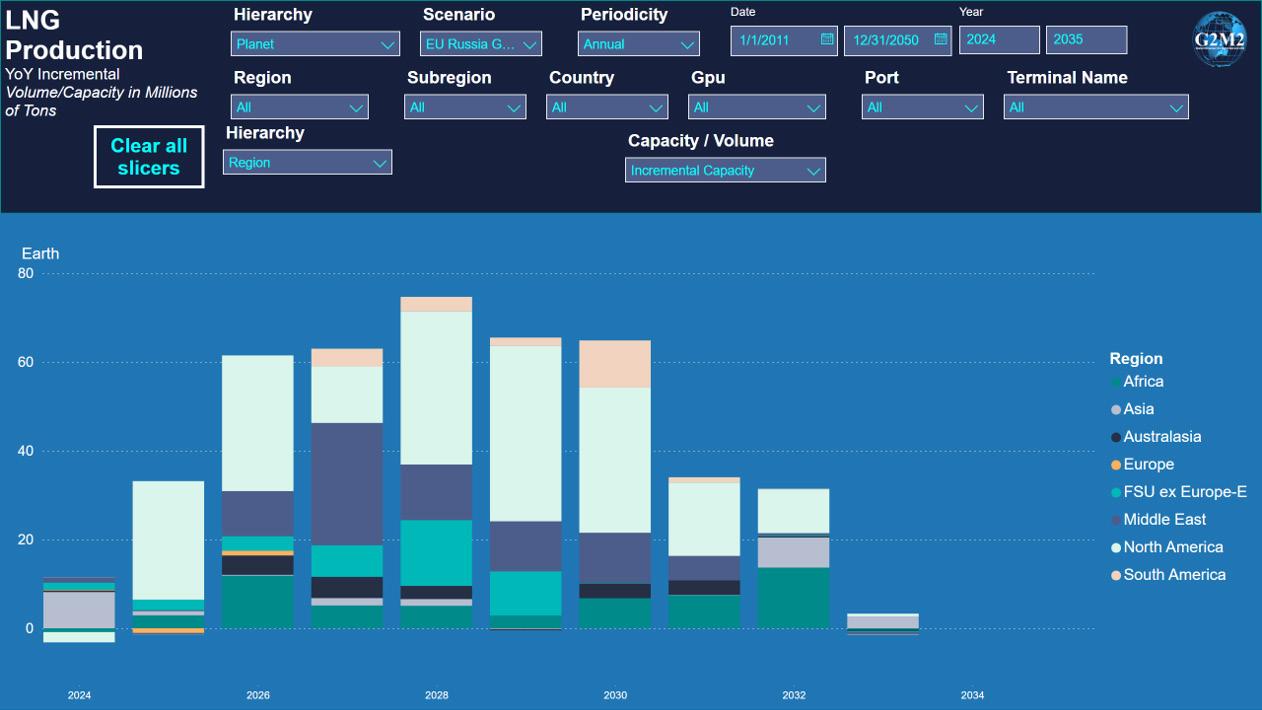
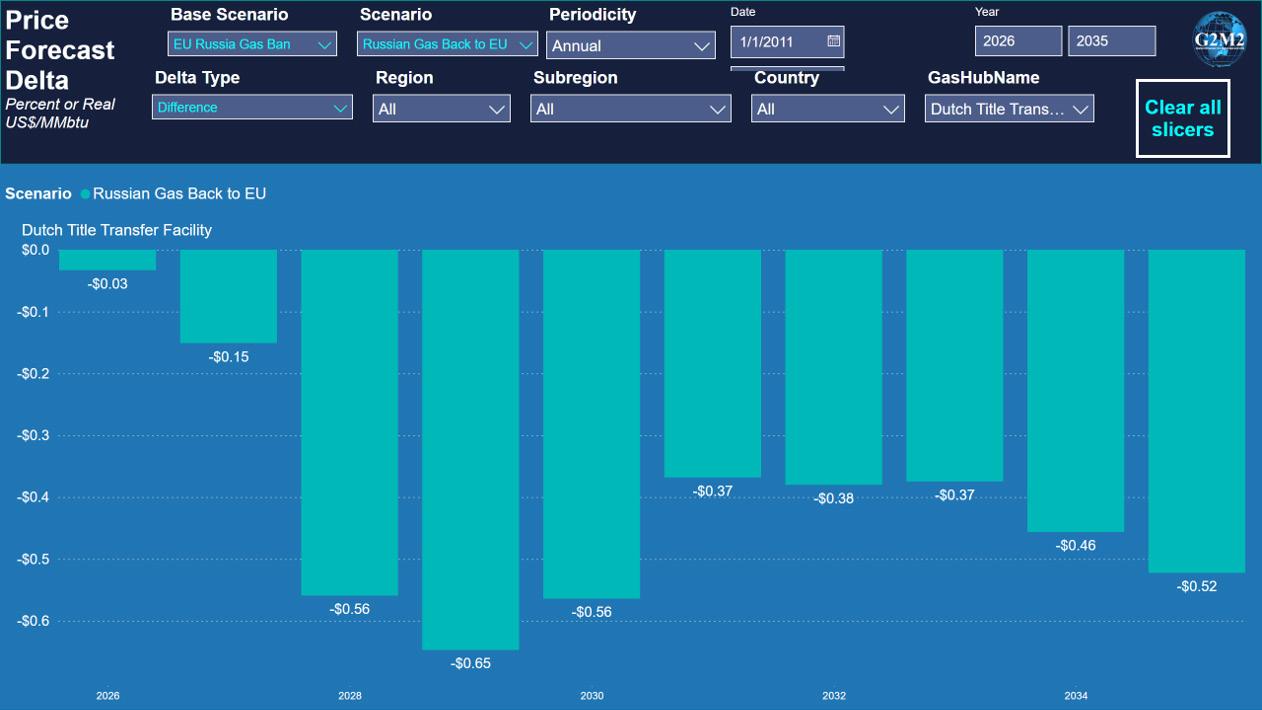
table. This could change in the coming years, however, especially if the trajectory of the conflict and/or the terms of any eventual peace settlement require Ukraine to make significant concessions, such as those outlined in a US proposal released last month. The viability of this route for a return of Russian supply is also supported by the fact that the primary beneficiaries would be Hungary and Slovakia, which, as described above, would welcome the return of such flows. Therefore, the assumption made in this scenario is that volumes equivalent to what had been supplied until January 2025 start to flow again through Ukraine from January 2028.
Finally, given this scenario assumes a swift resolution of the conflict and the continuation of imports of Russian gas by EU countries, it follows and is also assumed that the ban of Russian LNG imports from 2027 onwards is not implemented.
Table 1 summarises the assumptions taken in the two scenarios presented here. Both scenarios have been run in the G2M2 model in the period from 2026 to 2035 to analyse the market impacts, which are discussed below.
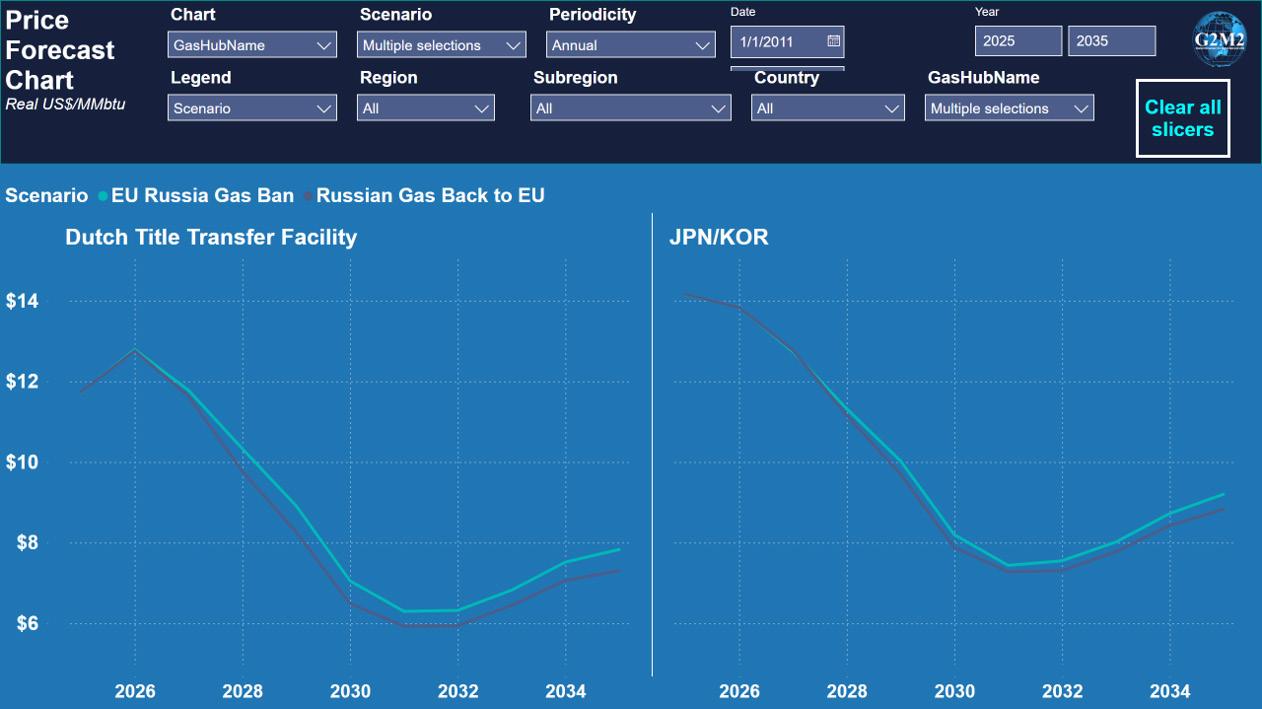
Figure 2 shows the differential in annual average TTF prices between these two scenarios. As expected, higher pipeline supply from Russia from 2028 onwards leads to a reduction in European gas prices. Specifically, the G2M2 model estimates that the assumptions described above would lead to a reduction of US$0.40 - 0.60/million Btu in real terms. The removal of the ban of Russian LNG imports also leads to a small reduction in TTF prices. This is estimated here at US$0.15/million Btu, as can be seen by the data for 2027 in this chart. This is caused by the removal of the logistical challenges caused by the need for Russian LNG volumes to be delivered to Asian markets even when the North Sea Route is not available in winter.
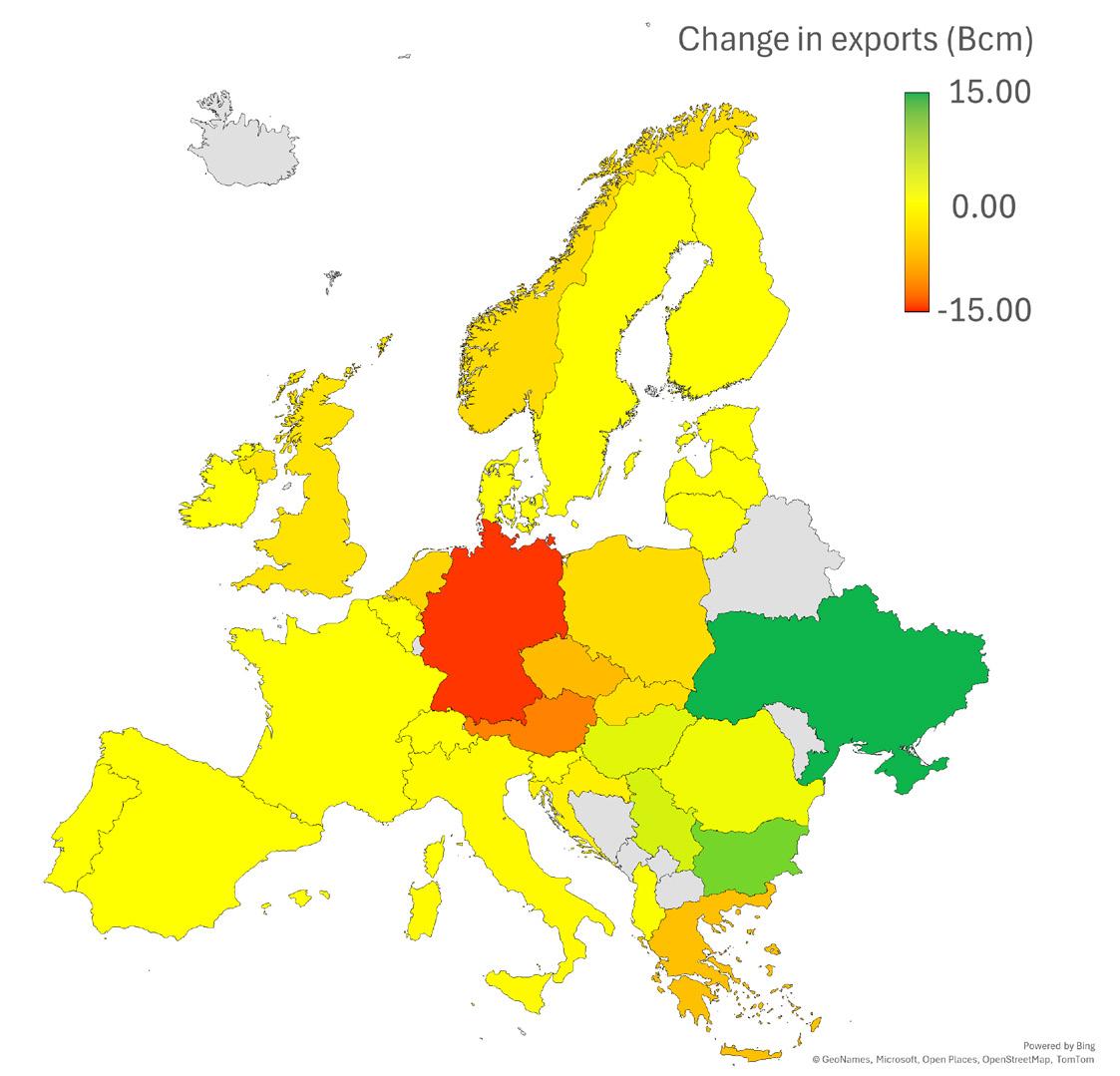
This impact on market prices is caused by the displacement of LNG imports directly caused by higher Russian supply in Europe. The majority of this reduction in LNG imports is projected by the G2M2 model to occur in NW Europe. Specifically, this region would see its role as the entry point for LNG volumes to be exported to Central and Eastern Europe through Germany diminished. While of a smaller overall magnitude, some reductions in LNG imports are also projected to occur in Greece, Croatia, and Poland. These are three countries that are also expected to play a role as entry points for LNG to be delivered to landlocked neighbouring markets and have recently expanded their regasification capacity to facilitate this role and thus would be impacted in the Russian Gas Back to EU scenario.
Table 1. Summary of scenario assumptions
Supply route EU Russia Gas Ban Russian Gas Back to EU TurkStream Ends in January 2028 Remains active throughout
Pipeline supply via Ukraine Not restarted following end of flows in January 2025 Is restarted in January 2028, volumes are in line with 2024 levels
Russian LNG imports End in January 2027 Not banned
Nord Stream and Nord Stream 2 Flows never restart Flows never restart
Pipeline supply via Poland Flows never restart Flows never restart
These impacts are clearly represented by Figure 3, which shows the change in exports caused in each European country by sustained Russian supply through pipeline and LNG imports. As expected, this scenario leads to a reversal of some of the changes in gas flows that have occurred since 2022. This reshuffling

of intra-European flows could threaten the returns of infrastructure investments made since the invasion of Ukraine.
Firstly, the value of LNG regasification capacity in NW Europe and SE Europe would be reduced. The new role played by Germany as transit market for NW European LNG imports would also be materially reduced, leading to a lower longerterm utilisation of its transmission network.
Finally, the above-mentioned reduction in European spot prices is also expected to extend to Asian prices, given the increased correlation of global spot indices and the globalised nature of the LNG market. A further decrease in global spot prices, on top of the reduction already expected as a result of the new wave of LNG supply, would reduce the attractiveness of further investments in new LNG export capacity. Some
projects that would have otherwise been expected to take FID in the next five years could be delayed as a result of a more prolonged period of low market prices. On the other hand, the perception of such a risk may also stimulate more risk-taking behaviour on behalf of LNG project developers and contribute to a smaller but renewed rush to FIDs in the coming months aimed at anticipating any change in outlook for the European market (Figure 4).
The potential for higher Russian gas supply than currently envisaged by stated EU plans would therefore have a material impact on market balances and on the strategy of market participants. Such a change in expectations would alter the value of recent infrastructure investments, potentially reverse the boost in value that some legacy assets have enjoyed and change the risk-reward balance for new project developers.
While at present such a scenario is still not the most likely outcome, the developments of recent weeks demonstrate that the outlook remains volatile and could change rapidly in response to changes in the geopolitical environment. Market participants across the value chain therefore cannot avoid accounting for this scenario in their strategic thinking and effective risk-mitigation strategies and need to assess and consider all the market implications of these potential developments.
Note
1. This analysis was conducted prior to the 3 December announcement by the EU Council that an agreement was reached with the European Parliament for the phase out of Russian gas imports. This agreement moves the date for the end of pipeline imports under long-term contracts being 30 September 2027. The movement of this date from 1 January 2028 is not expected to materially affect the results shown in this article.
) Edward O’Toole is the Director of Global Gas Analysis at RBAC, Inc.
) Giovanni Bettinelli is a Gas Analyst at RBAC, Inc.
RBAC is the market-leading supplier of global and regional gas and LNG market simulation systems used by the energy industry and related government agencies for over two decades. The GPCM® Market Simulator for North American Gas and LNG™ is the most widely used natural gas market simulation system in North America. RBAC’s G2M2® Market Simulator for Global Gas and LNG™ has been instrumental in understanding evolving global gas and LNG market dynamics and is vital to fully grasp and leverage the interrelationship between the North American and global gas markets.
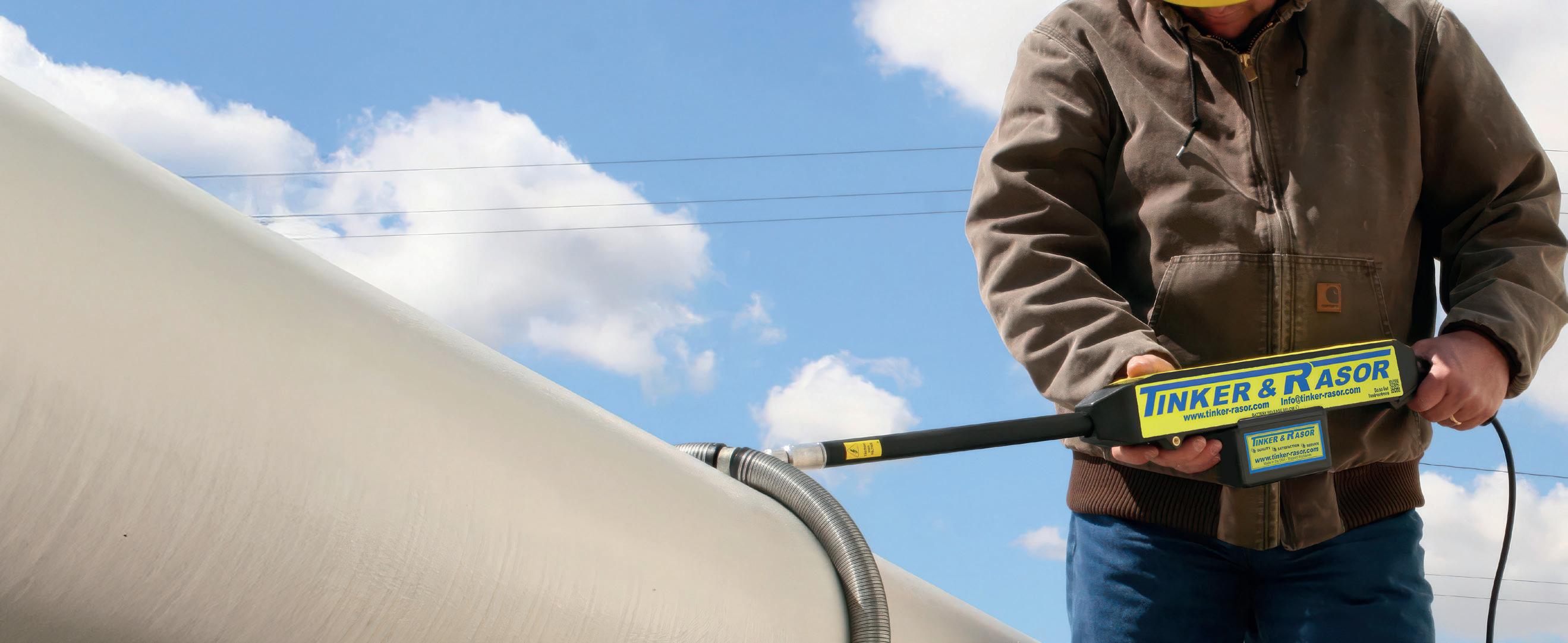
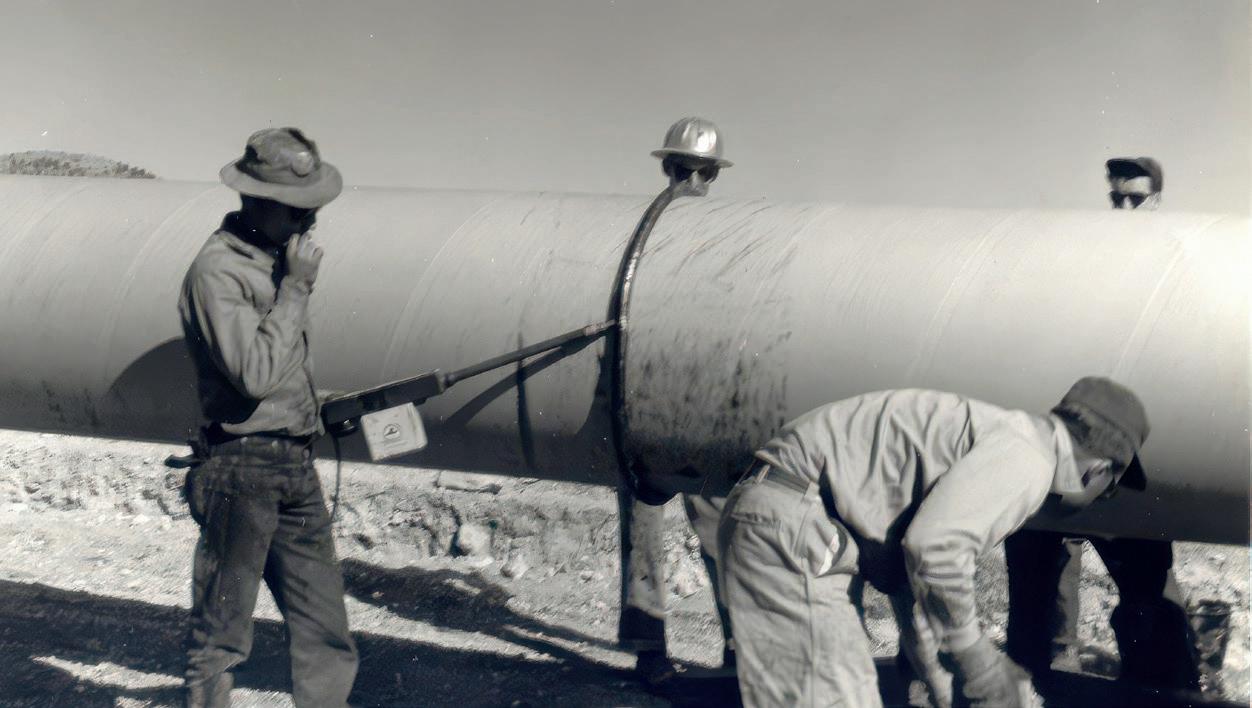
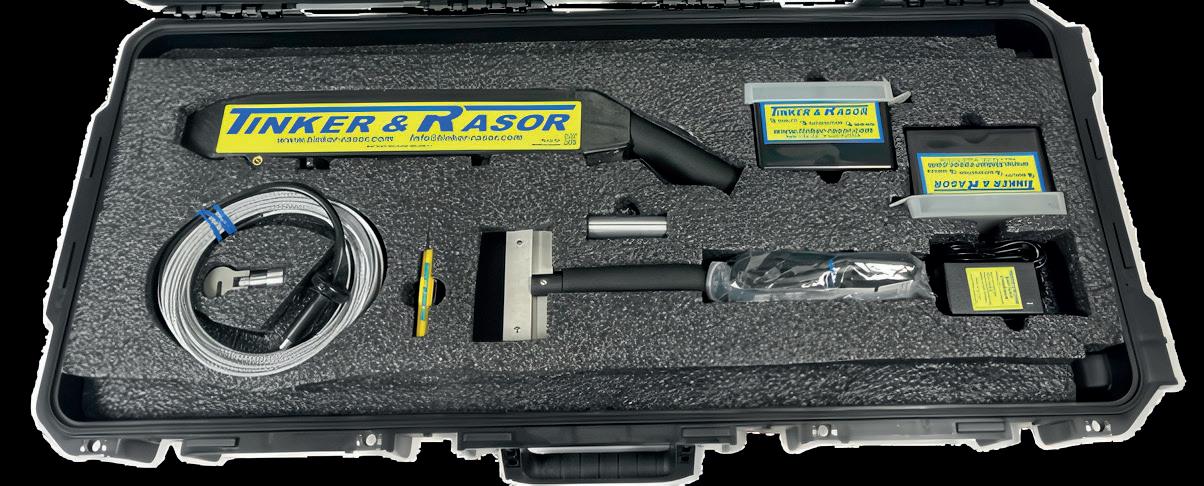
Since 1948, Tinker & Rasor has been a trusted name in holiday detection, relied upon by pipeline professionals worldwide. For over 76 years, our holiday detectors have set the benchmark for performance and reliability, ensuring the integrity of protective coatings by detecting coating flaws with precision. With a legacy of innovation and toughness, Tinker & Rasor continues to lead the industry, delivering cutting-edge solutions to safeguard pipeline coatings and maintain quality standards across the globe.

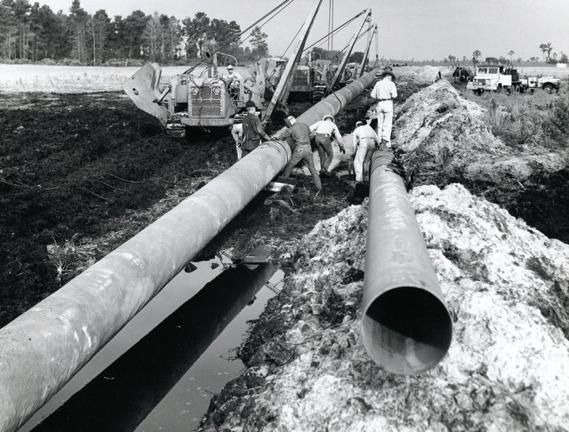
the Pipe Line Contr actors Association has supported the union contractors that build and maintain the energy infrastructure in the United States.
PLCA members provide superior co ns t ruction services wi th a n i n dustry-leading f ocus on sa fety, quality, t rainin g, e nvironme n t al co m pliance, and c ommu ni ty s upport.












































































World Pipelines interviews
Rogelio Guajardo, Director of Product Management, NDT Global, on how CIGMA-x brings high-accuracy ultrasonic crack detection to dry gas pipelines, in response to operator needs.
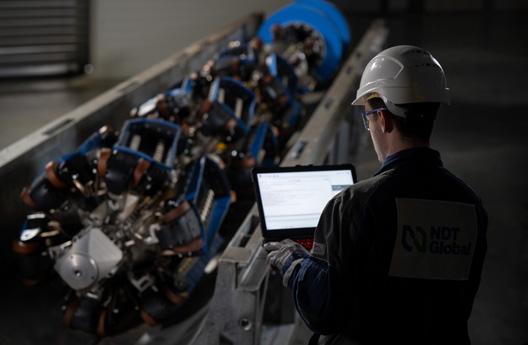
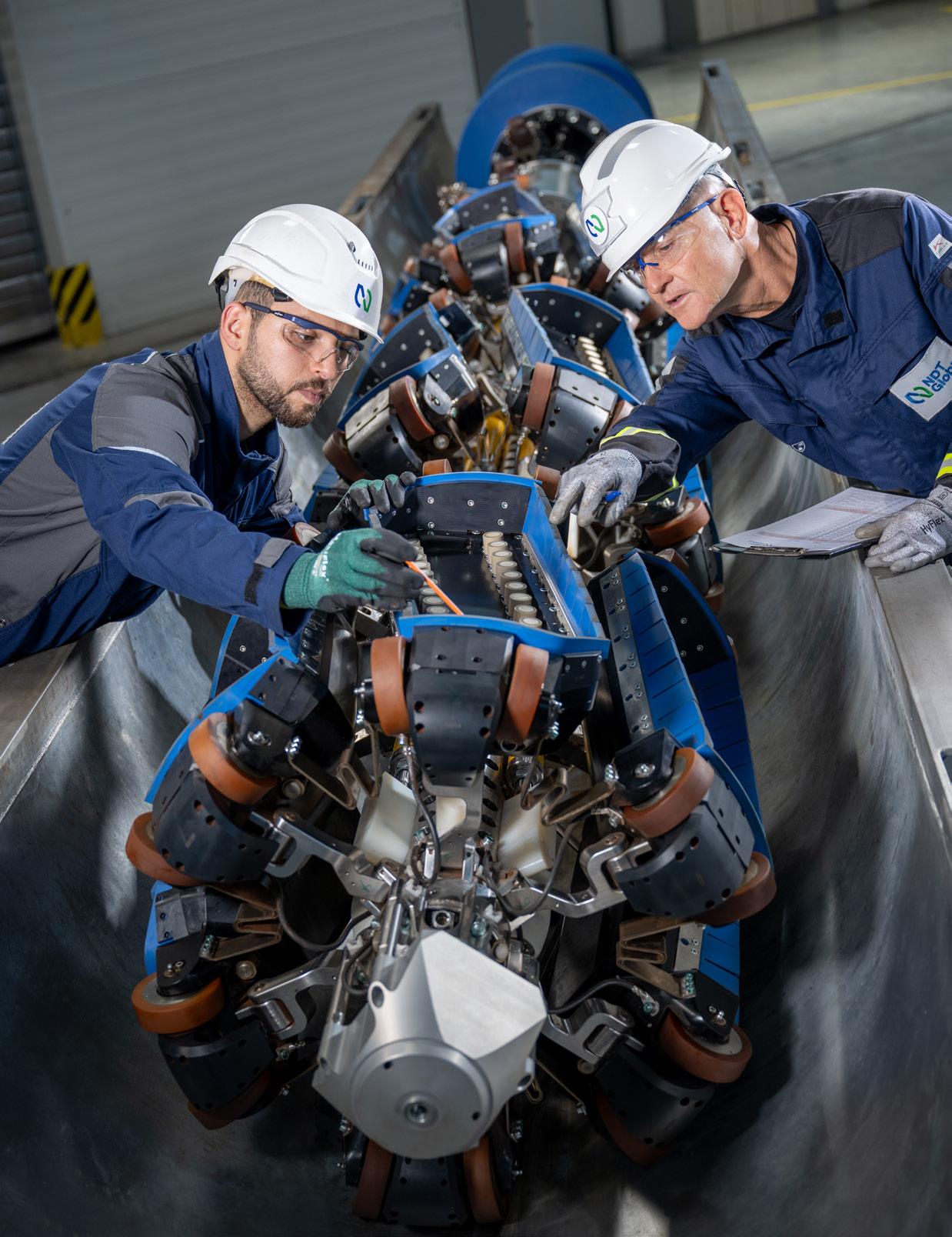
As operators face increasing pressure to manage ageing assets, meet evolving regulatory expectations, and reduce operational risk, the need for more reliable crack detection in dry gas pipelines has never been clearer. Traditional inspection technologies have long struggled to deliver the level of accuracy operators expect - particularly without liquid coupling. In response, NDT Global has developed CIGMA-x, a next-generation ultrasonic solution



engineered specifically for dry gas environments. In this exclusive World Pipelines Q&A, Rogelio Guajardo, Director of Product Management at NDT Global, discusses the operator-driven origins of CIGMA-x, the breakthrough application of ultrasonic Lamb waves, and how this technology is redefining what’s possible in gas-line crack detection.
World Pipelines (WP): What first inspired the development of CIGMA-x? Was there a particular industry problem or operator request that drove the innovation?
Rogelio Guajardo (RG): The initial inspiration for developing CIGMA-x came directly from operators who were looking for a more reliable way to detect cracks in dry gas pipelines, an area where existing technologies were showing clear limitations. Their requests highlighted a critical industry gap: operators needed higher-confidence crack detection without relying on liquid batching or
accepting the performance trade-offs common in traditional gas-line inspection technologies.
CIGMA-x is a natural extension of NDT Global’s commitment to bring ultrasonic accuracy, proven for decades in liquid pipelines – into gas environments. Our vision has always been to close the performance gap, giving operators the same level of certainty in gas lines that they’ve come to expect from our crack-detection tools in liquid lines.
CIGMA-x builds on NDT Global’s decades of expertise in crack detection, enhanced by machine-learning insights drawn from thousands of kilometres of inspected pipeline data. This deep data foundation allowed us to optimise signal interpretation, improve discrimination of crack-like features, and ultimately deliver a step-change in detection performance for gas pipelines.
WP: For decades, ultrasonic crack inspection has depended on liquid coupling. What made a dry gas solution the next frontier?
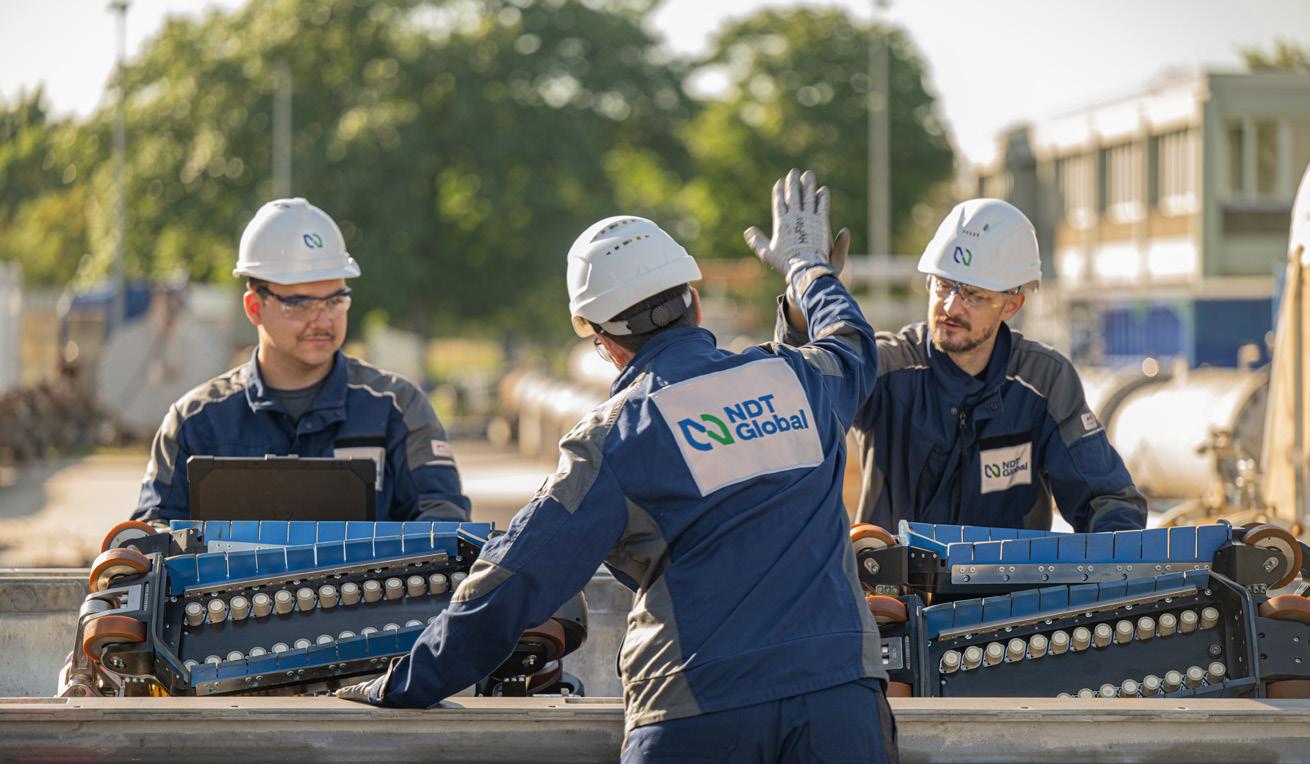
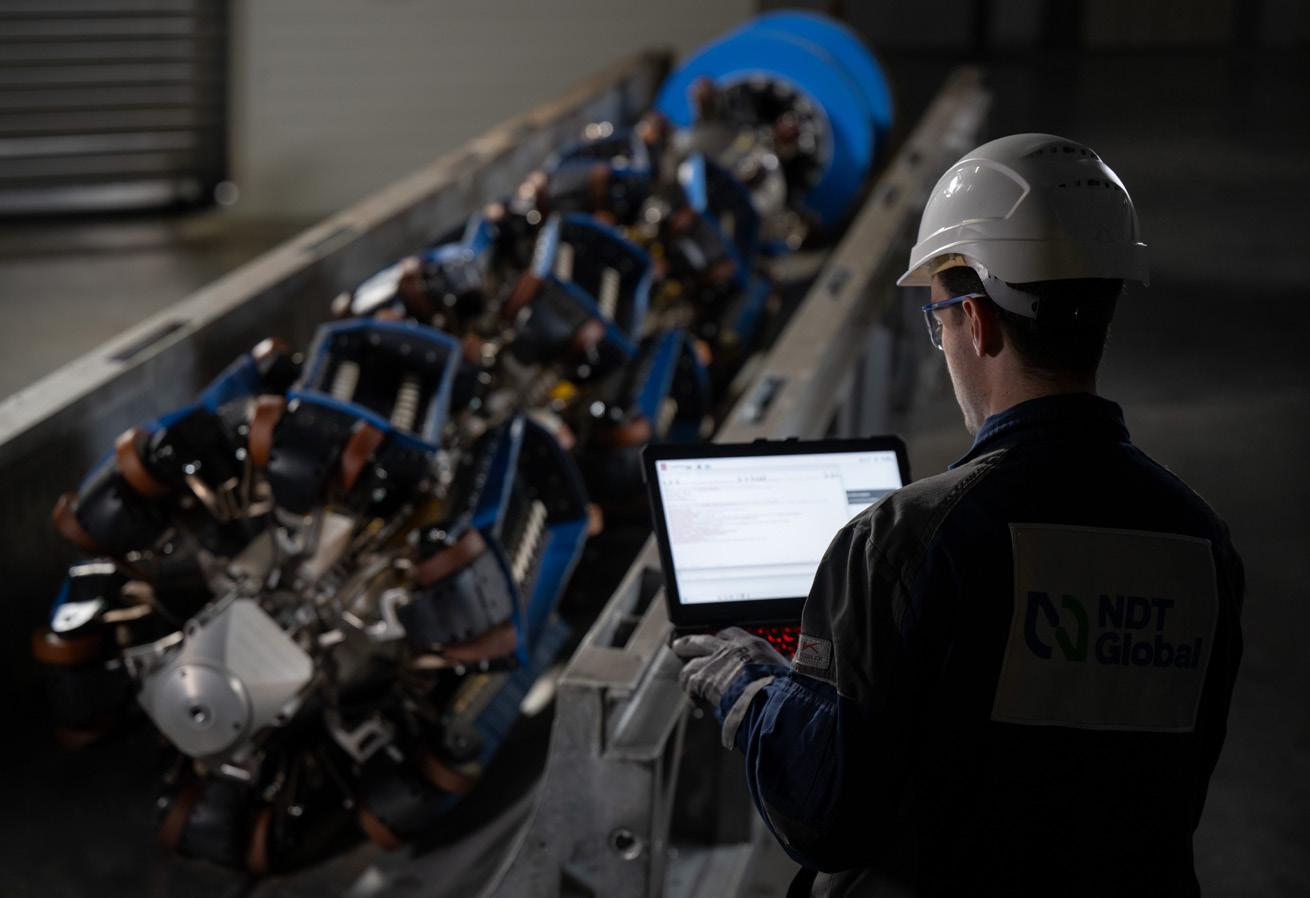
RG: For decades, ultrasonic crack inspection has relied on a liquid couplant, which naturally limited its use in gas pipelines. NDT Global recognised an opportunity to apply ultrasonic Lamb waves to overcome this barrier, bringing the precision of ultrasonic crack detection to dry gas environments. Dry gas pipelines represent a large and historically underserved segment of the market for accurate crack diagnostics. With CIGMA-x, operators can now achieve the proven accuracy of ultrasonics without the need for intrusive or costly operational changes, allowing for safer, more reliable pipeline integrity management.
WP: When you look at the wider inspection landscape, where does CIGMA-x fit in? Does it replace existing technology?
RG: CIGMA-x is designed to complement and advance the current inspection landscape, particularly in areas where the industry has identified gaps. It delivers a step-change in reliability, by linking the identification to the detection, which helps reduce false calls and unnecessary digs.
Rather than replacing EMAT completely, CIGMA-x provides operators with an alternative for situations where precision and confidence are critical. It also integrates seamlessly with NDT Global’s diagnostic insights and Dynamic Risk platforms, enabling end-to-end pipeline integrity management and a more informed approach to decision-making.

WP: Can you explain how ultrasonic Lamb wave technology works in practice for gas pipelines?
RG: Ultrasonic Lamb wave technology works by sending guided ultrasonic waves along the pipe wall, even in a gasfilled environment. These waves are particularly sensitive to linear anomalies such as cracks and stress corrosion cracking, while largely ignoring non-linear features like general corrosion. This selective sensitivity greatly improves data clarity and helps operators accurately identify critical features.
The technology is supported by advanced signal processing and machine learning algorithms, which have been refined using field data of inspected pipelines. Together, this ensures reliable, high-confidence detection in challenging gas pipeline environments.
WP: Collaboration with operators seems central to this project. What has that looked like in practice, and what have you learned from those partnerships?
RG: Collaboration with operators across the world has been central to the development of CIGMA-x. Leading operators
sponsored and validated the project, providing guidance throughout the process. Validation included laboratory tests, small-scale and full-scale natural gas test rigs, as well as trials on commercial pipelines.
Operator input was critical in ensuring the tool met real-world operational and regulatory requirements. These partnerships not only confirmed the technology’s fit-forpurpose performance but also ensured it was ready for practical deployment, giving us confidence that CIGMA-x delivers meaningful, reliable results in the field.
WP: How does this technology lower total maintenance and inspection costs?
RG: CIGMA-x helps lower total maintenance and inspection costs in several ways. By reducing false positives, it minimises unnecessary digs and maintenance interventions. Its high accuracy enables more targeted remediation, helping operators allocate budgets more efficiently.
The technology delivers consistent results without requiring third-party inline inspection runs, and inspections can often be performed at near-normal flow rates, reducing downtime and operational impact. Overall, CIGMA-x supports more cost-effective, risk-informed integrity programmes, giving operators both confidence in their pipelines and control over inspection and maintenance costs.
WP: What message would you like to send to operators considering adopting ultrasonic solutions for gas pipelines?
RG: CIGMA-x brings the proven accuracy of ultrasonics – once limited to liquid pipelines –into dry gas environments. It allows operators to detect cracks with confidence, improve safety, and optimise maintenance budgets.
This tool represents a new era in gas pipeline inspection, delivering the precision, reliability, and data integrity operators need to make informed decisions. It’s backed by NDT Global’s track record of innovation in crack detection technologies, including UCx, Eclipse, PROTON, and UG and other technologies as well as strong partnerships with leading operators to ensure fit-for-purpose performance in the field.
CIGMA-x marks a significant advancement for dry gas pipeline integrity, giving operators a high-accuracy ultrasonic option where none previously existed. By combining proven ultrasonic principles with advanced signal processing and operator-led validation, it delivers the confidence, reliability, and actionable insight needed to support safer, more efficient integrity programmes.

Espen Elvheim, Director, Advanced Inspection, FORCE Technology, explores how remote and robotic technologies power new subsea pipeline inspection workflows.
Subsea pipelines are critical infrastructure and ensuring their integrity is an essential safeguard for energy production, energy transport, and environmental protection. But as with anything manufactured and underwater, pipelines are subject to corrosion and natural wear-and-tear.
The consequences of undetected flaws can be costly. Catastrophic failure with risk to life, serious marine pollution, and costs running to hundreds of millions of dollars are thankfully few and far between, but there are still significant advantages to implementing a strong inspection routine. The potential to reduce on-going maintenance costs while extending the operational lifetime of a pipeline being the most obvious factors to benefit the bottom line.
All inspection methods and technologies have their limitations and benefits, from differences in agility, speed, accuracy and resolution, to pre-cleaning requirements and coating limitations. Ultrasonic testing is one of the most mature inspection technologies in use today. P-Scan, a phased array ultrasonic system that provides accurate and trustable integrity data, including both internal anomaly detection such as corrosion, but also outer geometry data such as ovality and diameter measurements, is one such system.
Whether using P-Scan, or other established technologies, a common goal across the pipeline inspection and underwater integrity world is to optimise costs, speed, safety, and data quality. With scanners and other sensors already capable of delivering the data quality needed by intervention teams, many new developments over the past two decades have been based on human factors, deployment methods and operational processes.
A key shift in the use of ultrasonic scanners for subsea pipeline inspection since the 90s is from them being a primarily diver deployed system to their use on Remotely Operated Vehicles (ROV). The need for this was clear. Professional diving is a notoriously hazardous and expensive service, and while ROVs are clearly not a ‘cheap’ option, using them for ultrasonic inspection is indeed lower cost, while being safer and less operationally challenging.
Another change the industry has been going through, at least over the last five years, is a move from reactive inspection to predictive. Otherwise known as Risk-Based Inspection (RBI), the aim is to inspect pipelines based on an assessment and analysis of probability and consequence of a component failure. By this systematic approach, the optimum inspection
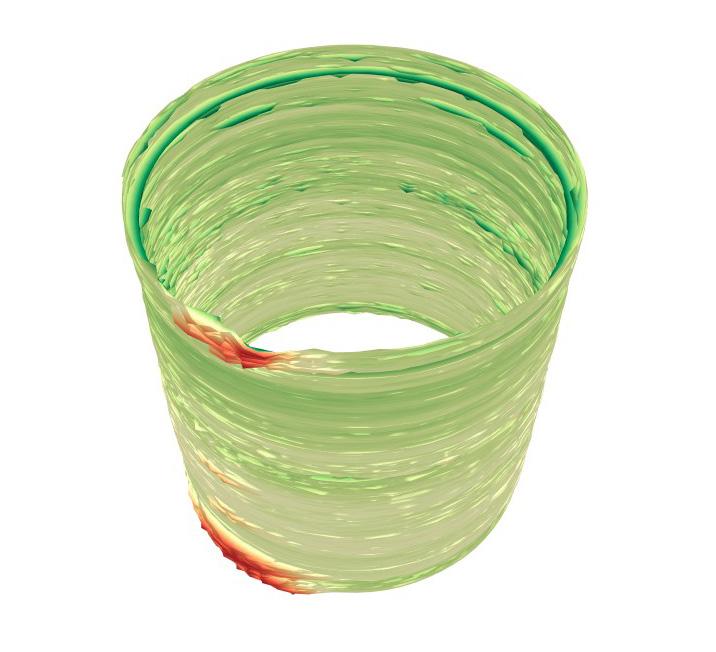
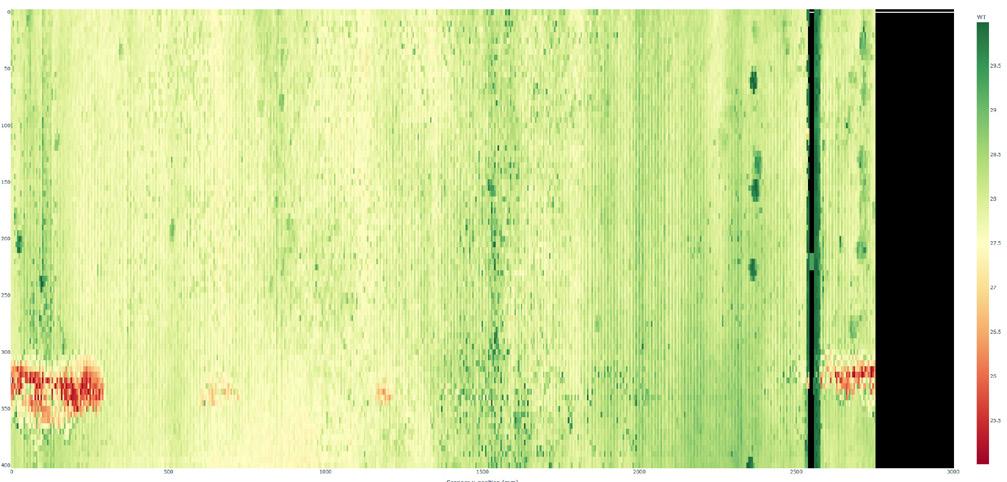
and monitoring schemes are determined, and detailed inspection and monitoring plans are furnished.
Inspection planning encompasses various activities performed in order to optimise the use of inspection resources, while at the same time ensuring the technical integrity of the asset. As better and more detailed operational data becomes available – with real-time monitoring, digital twins, and AI – integrity simulation software can also significantly benefit RBI strategies.
A 2025 North Sea pipeline inspection project, which is being labelled as the world’s largest of its kind to date, highlighted some of the advanced practices used in the sector today. The project focused on verifying the integrity of a buried pipeline ahead of planned intervention work. The primary aim was to ensure that the pipeline section met structural and dimensional requirements, both to confirm its integrity and to verify that it fell within the operational tolerances of the intervention equipment.
The pipeline, which was buried and protected with concrete weight coating, was excavated and cleaned before the inspection. The inspected section measured approximately 4 m in length. The inspection team was responsible for approving the cleaning standard before scanning could begin. A FORCE Technology ultrasonic pipeline scanner was used to inspect the pipeline, including identifying features such as corrosion or laminations inside the pipe wall, as well as recording geometric parameters like ovality and diameter. The inspection equipment was deployed from a standard ROV vessel using a work-class ROV.
The project workflow followed a typical structure for this type of operation. It began with interface engineering to confirm that the ultrasonic tool could be integrated with the ROV system, including considerations for power supply, communication, and mechanical handling. The inspection system was then configured and tested onshore, using mock-up pipe sections to validate tool performance and operational procedures
Documentation was prepared in parallel, including the method statement, task plan, and inspection procedures. Once offshore, the inspection was carried out by experienced personnel certified in ultrasonic testing. These operators managed data acquisition and delivered initial field reports during the operation to support timely decision-making. A full technical report was completed following demobilisation.
The inspection did not uncover any unexpected issues. A few minor laminations were detected, but all were within acceptable thresholds. This outcome was consistent with previous inspections of similar assets in the region, where most pipelines have shown little degradation and continue to meet structural and operational standards.
While the North Sea project represents today’s optimal approach to large pipeline inspection projects, technologies and process that would have streamlined different elements, and reduced costs significantly are emerging.




















































Firstly, the need for separate pipeline cleaning, inspection and intervention stages has been addressed with an innovative underwater robot. Conventional pipeline integrity management workflows typically separate inspection and repair into distinct operations. An inspection team surveys the structure after it has been cleaned, then departs while data is analysed. Only later is a repair crew sent out, often with different equipment and on a separate mobilisation. This multi-step process is timeintensive and costly, particularly when repeated across multiple assets or in challenging offshore environments.
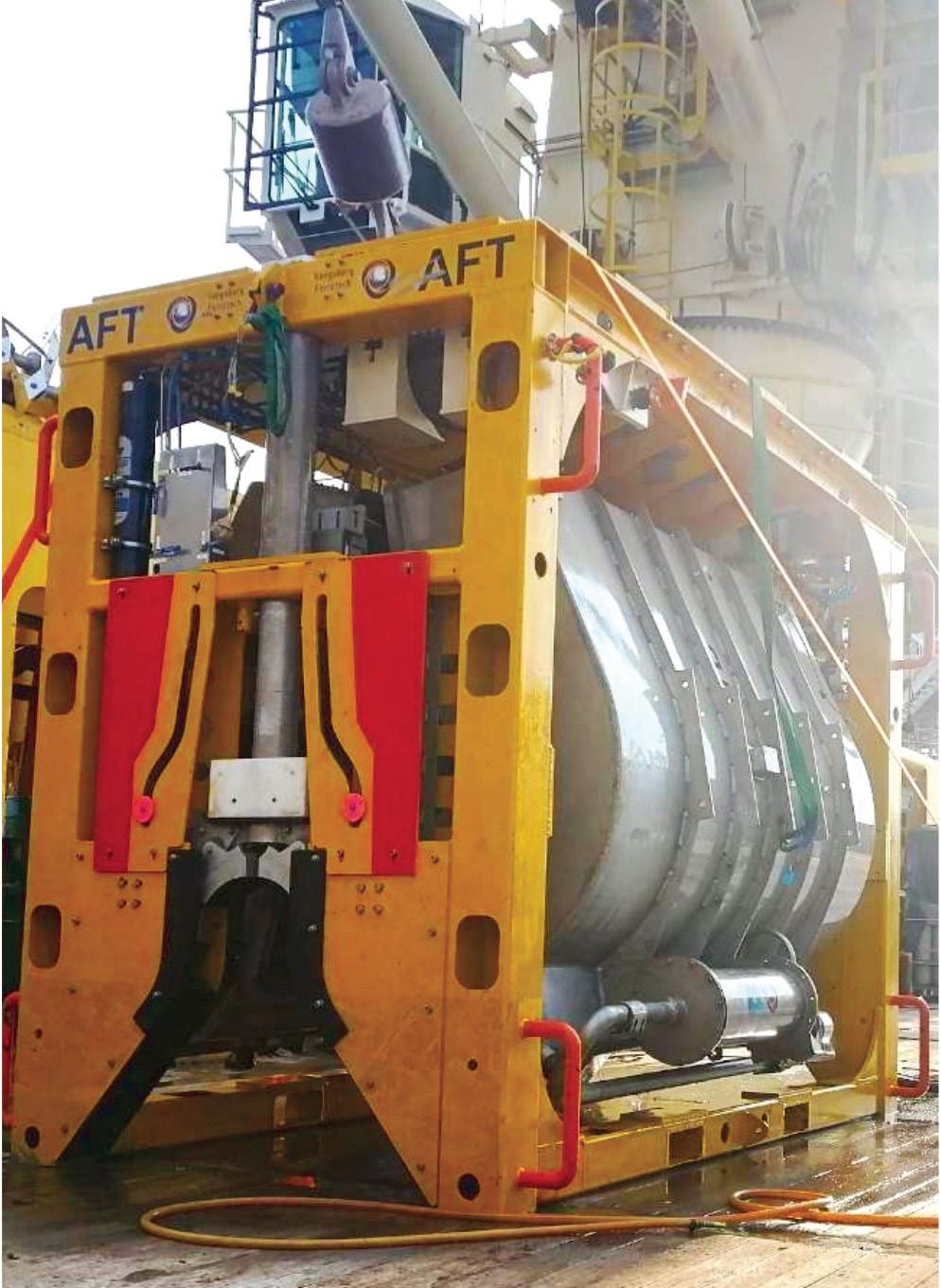
However, a new approach that combines all steps into a single mission is starting to take hold, in the form of the Kongsberg Ferrotech developed Nautilus MkII robot; a unique
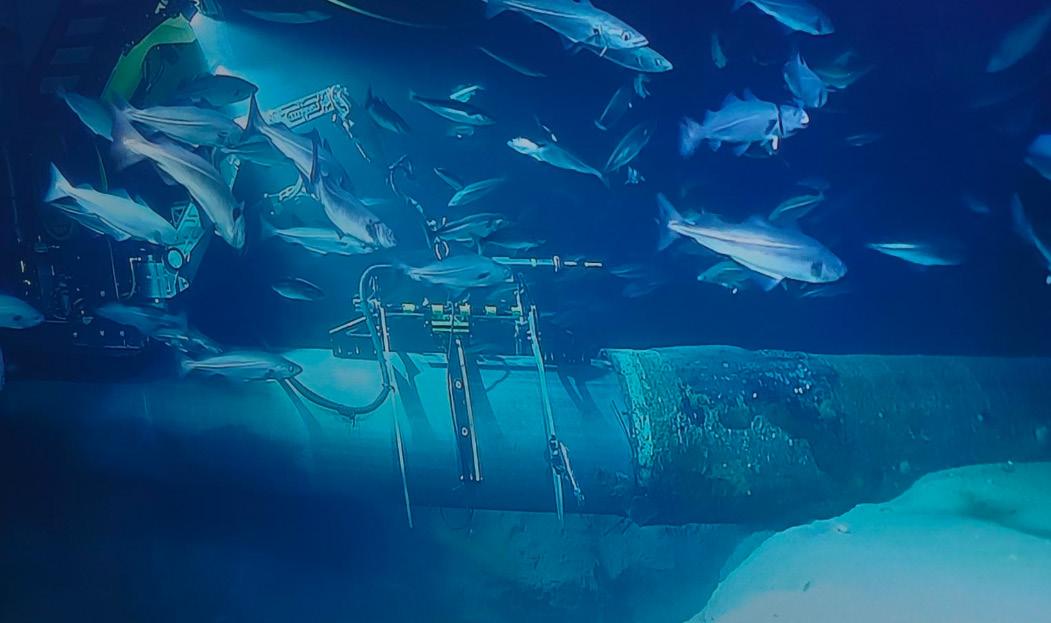
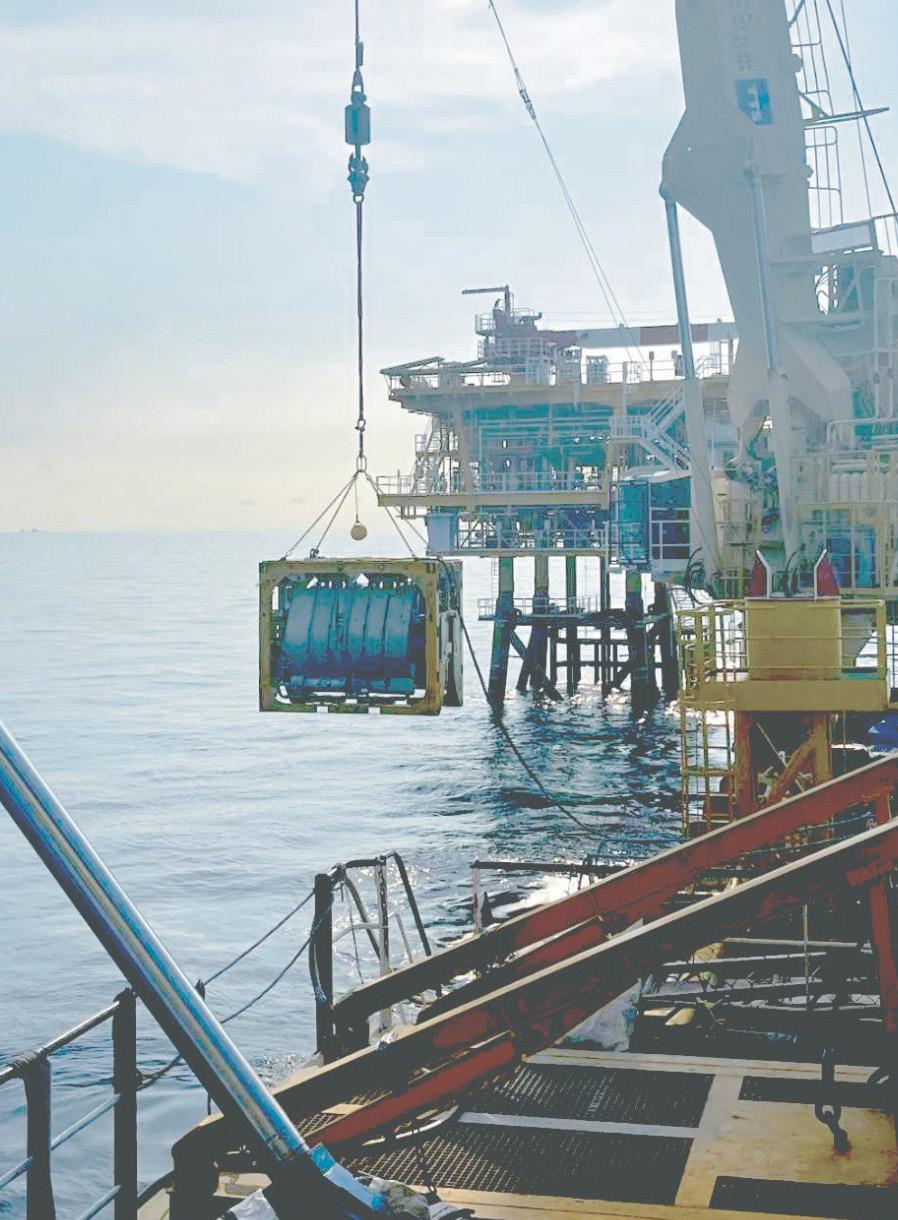
platform designed to streamline the entire inspection workflow. It conducts surface cleaning, inspection, and repair in a single deployment. Compact enough to be mobilised from a light support vessel and capable of working on live infrastructure, Nautilus eliminates the need for multiple trips offshore, reducing everything from planning complexity to operational costs.
Advanced inspection capability is central to the Nautilus concept. Kongsberg Ferrotech and FORCE Technology started work to embed ultrasonic sensors directly into an underwater robot in 2019, using sensors designed to produce high-resolution wall thickness and corrosion readings in real time, enabling immediate assessment. FORCE Technology engineers adapted the tools for use in Nautilus’s compact subsea frame. The system captures and processes inspection data, transmitting it over satellite for the engineers to evaluate and report during the mission.
Each Nautilus operation starts with a review of existing asset data and corrosion modelling. This targeting phase ensures deployments are focused and technically justified. Planning teams collaborate to define precise objectives for the mission, supported by FORCE Technology’s experience in subsea inspection and integrity management.
Nautilus is deployed with minimal logistical footprint; it is transported in two standard containers and requires a relatively small (circa 15 t) deck crane for launch and recovery. The reduced equipment requirement helps lower mobilisation costs and offers more flexibility in scheduling campaigns, even within tight weather windows. These savings are in addition to savings enabled by combining separate inspection and repair operations into a single mission.
Once attached to the pipeline, Nautilus first cleans the asset surface before using its ultrasonic tools to assess pipeline condition. Based on the findings and advice from the FORCE Technology ops team, Nautilus can be ordered to apply composite reinforcement or, where needed, perform metallic repairs using additive manufacturing technology. All of this happens in one mission, without interruption or recovery. Having both inspection and repair in one platform also means that data collected immediately informs the type and scale of intervention, reducing uncertainty and rework.
This integrated model contrasts with traditional inspection campaigns, which often involve long gaps between phases and introduce inefficiencies through remobilisation. The result is a faster, more coordinated process that aligns with condition-based maintenance strategies while supporting sustainability and reducing the risk of environmental damage through improved asset life extension planning.
Recent demonstrations with a client in the Middle East confirmed the system’s readiness for commercial operations. The trials showed how the platform could adapt to local subsea infrastructure, and operators responded positively to its efficiency and compact deployment needs. Early engagement has already demonstrated that inspection-torepair integration resonates with companies seeking faster response, lower OPEX, and simplified logistics.
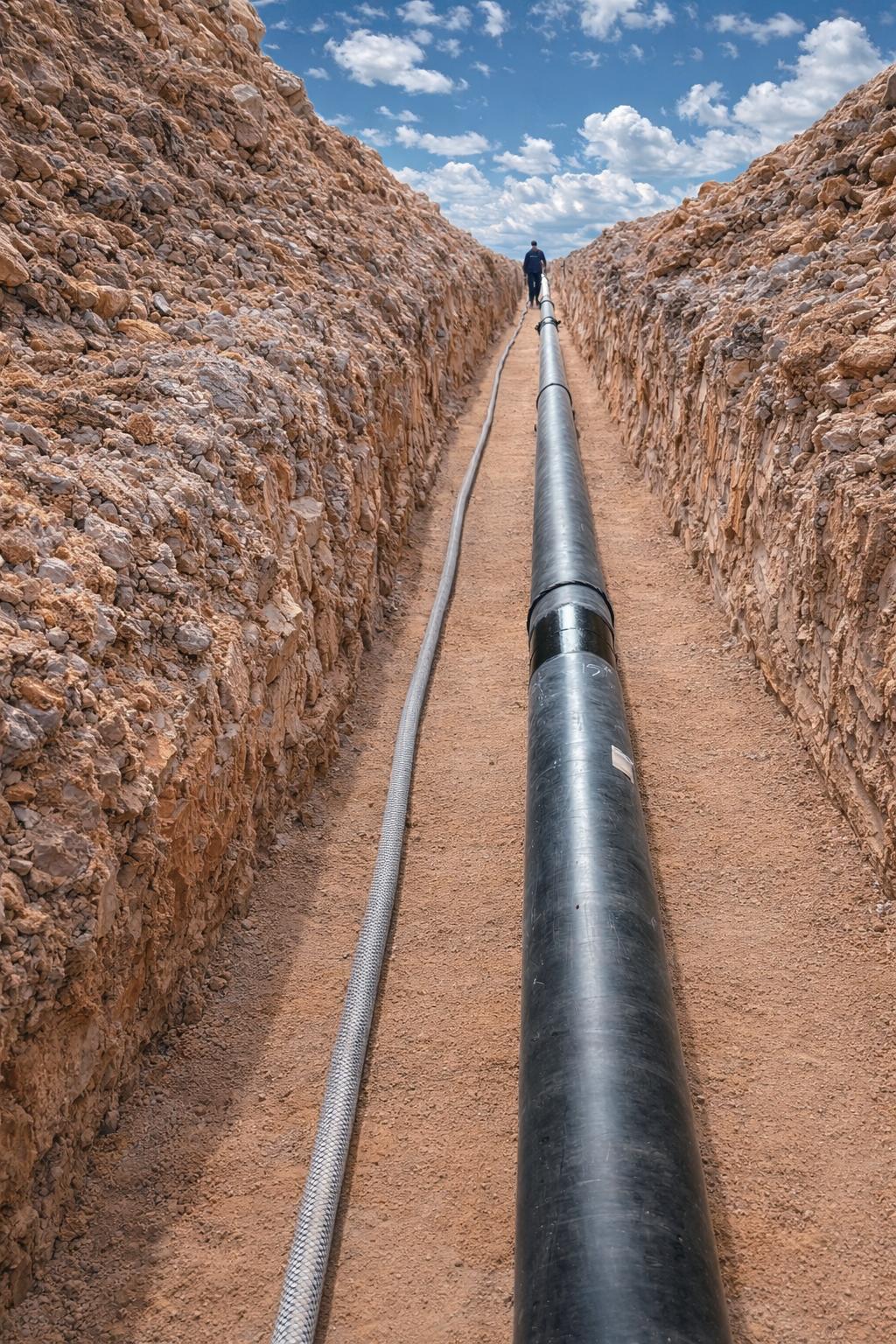

As seen for the North Sea project detailed, the current method of deploying teams of engineers to offshore locations is well established, but the approach demands travel and logistical coordination. And while the Nautilus robot has the ultrasonic scanner permanently installed, for a standard

inspection campaign, it’s common to have three engineers preparing the equipment in the workshop, then at least one of them travelling to the site. It’s possible to spend a week travelling back and forth depending on where the supplier and project is. This is even before considering the weeks spent offshore actually working on the project.
New remote inspection workflows eliminate the need for vendor experts to be on site completely though. Leveraging satellite connectivity and strategic local partnerships, advanced inspection tools can be sent directly to clients or their partners. Local engineers install and operate the equipment, while FORCE Technology specialists analyse the data remotely. The team connect to the computer on board the vessel from Norway using satcom, allowing them to focus on evaluating inspection data and building reports, without needing to be physically present.
By shifting the mechanical aspects of the operation to local engineers, the costs associated with deploying engineers to anywhere in the world for extended periods, can represent significant savings for the end-client. Without the luxury of having the expert on site, setting up the equipment, tweaking and tuning, and performing service and adjustments on the fly, it’s essential to cover all what if contingencies. But the local training required is a matter of a couple of days in most cases.
This new remote inspection approach aligns with the energy industry’s commitment to sustainability and experience so far reflects that its clients increasingly value inspection reports and actionable insights over the physical presence of engineers on-site. While remote inspection is still in its early phases, it has already proven its potential. FORCE Technology has completed such a remote inspection project with a partner in Southeast Asia, who is now actively pursuing new contracts for the service.
While the Nautilus robot and the remote inspection service leverage ultrasonic technology that has been in use for more than two decades to acquire data from subsea pipelines, they both bring something new to the sector. The ability to remotely analyse data using a satellite link is crucial, and FORCE Technology has built a specially design operations room in Hvalstad, Norway, in order to ensure the service can scale as demand grows.
Remote data analysis is also key to optimising the Nautilus robot’s operations. But the story of Kongsberg Ferrotech’s new platform is far from complete as work is progressing towards creating subsea resident systems. These would remain deployed at site, ready for inspection and light intervention at short notice.
Supported by FORCE Technology’s remote analytics and control, such systems could significantly reduce reliance on offshore service vessels. Strengthening the prospect, Kongsberg Ferrotech is also progressing the qualification of advanced, 3D-printed metal-to-metal repair technologies. These are designed to deliver permanent structural repair solutions subsea, enabling life extension of critical infrastructure without the need for full component replacement.
Darran Pledger, STATS Group, considers how modern isolation technology can enable compliance without disrupting gas supply.
As urban expansion brings growing populations closer to historically remote pipeline corridors, legacy infrastructure must be reassessed, not only to maintain reliability, but also to comply with strengthened federal safety standards. In 2024, the US Department of Transportation’s Pipeline and Hazardous Materials Safety Administration (PHMSA) advanced this shift with significant revisions to the Federal Pipeline Safety Regulations. These amendments, responding to congressional mandates, National Transportation Safety Board recommendations, and extensive public input, introduced new integrity management requirements and tightened expectations for material traceability, periodic assessments, and reconfirmation of maximum allowable operating pressure (MAOP) for older, previously untested pipelines.
For one of North America’s major energy companies, these regulatory changes intersected with a rapidly transforming landscape. Decades of residential and commercial growth near two parallel 36 in. natural gas transmission lines (A and B) originally constructed in 1961 triggered new class location designations

and, with them, a mandate to remediate the pipeline. To ensure compliance and uphold the company’s long-standing commitment to safe, reliable and affordable energy supply, the operator undertook a complex replacement project of line B involving 2 miles of new pipeline being laid and tied in. While line A was subject to a MAOP hydrotest, all activities were conducted while gas flow was maintained, ensuring a safe and reliable source of daily fuel to communities for cooking, heating, air conditioning, and other daily essentials.
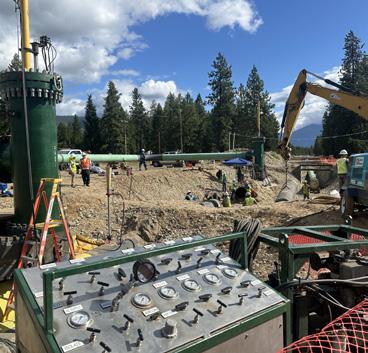
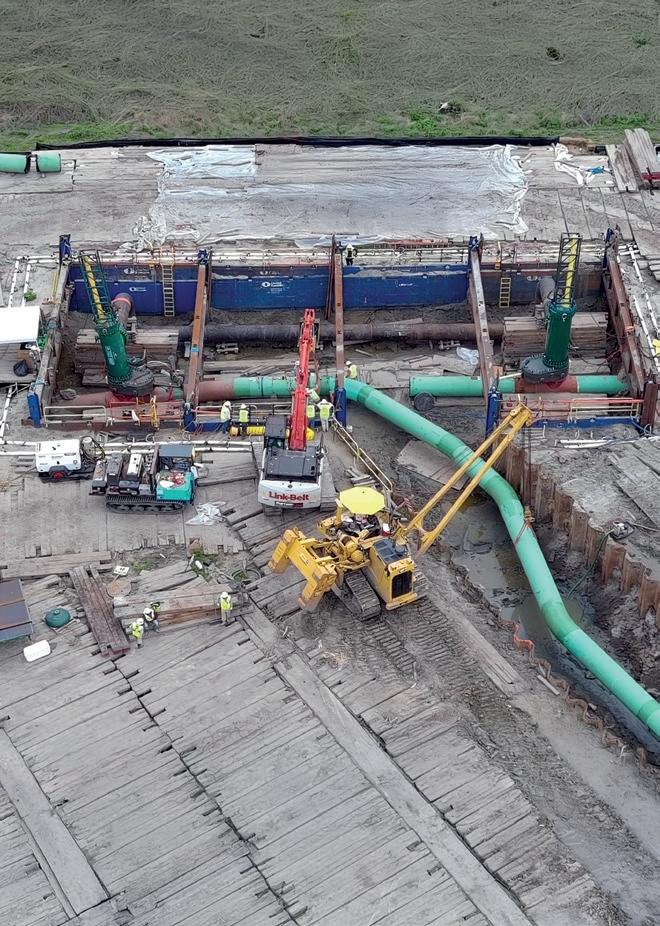
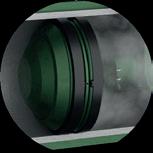
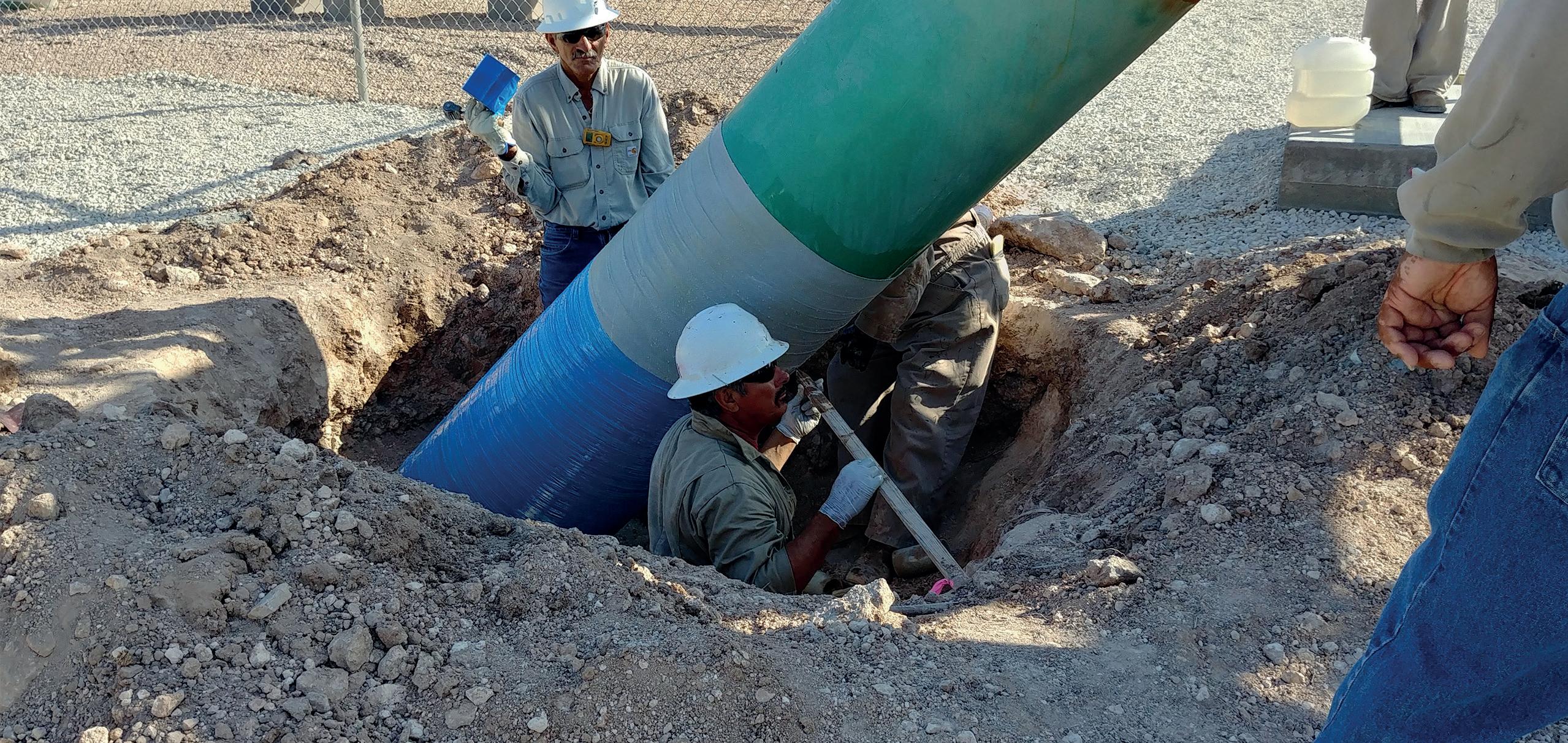
The operator required two sections (North and South) of pipeline B to be safely isolated, allowing breaking of containment and a new section of pipeline, totalling 2 miles, to be installed comply with US Department of Transportation’s PHMSA’s requirement for class location changes. To enable this STATS deployed two 36 in. BISEP double block and bleed line stop tools at each location with an integral 30 in. bypass line to maintain product flow during remediation works (Figure 1).
To enable the BISEPs to be deployed, the operator excavated the pipelines and two 36 in. hot tap fittings were welded at each
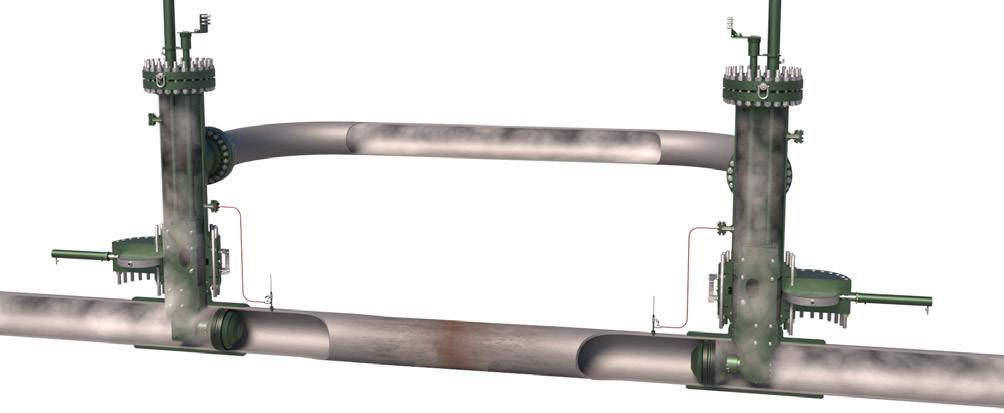
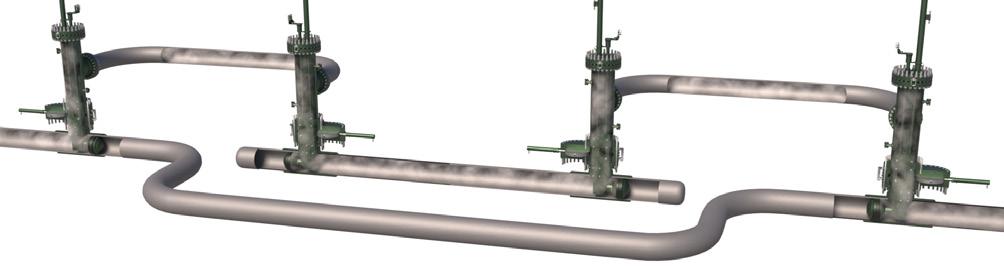
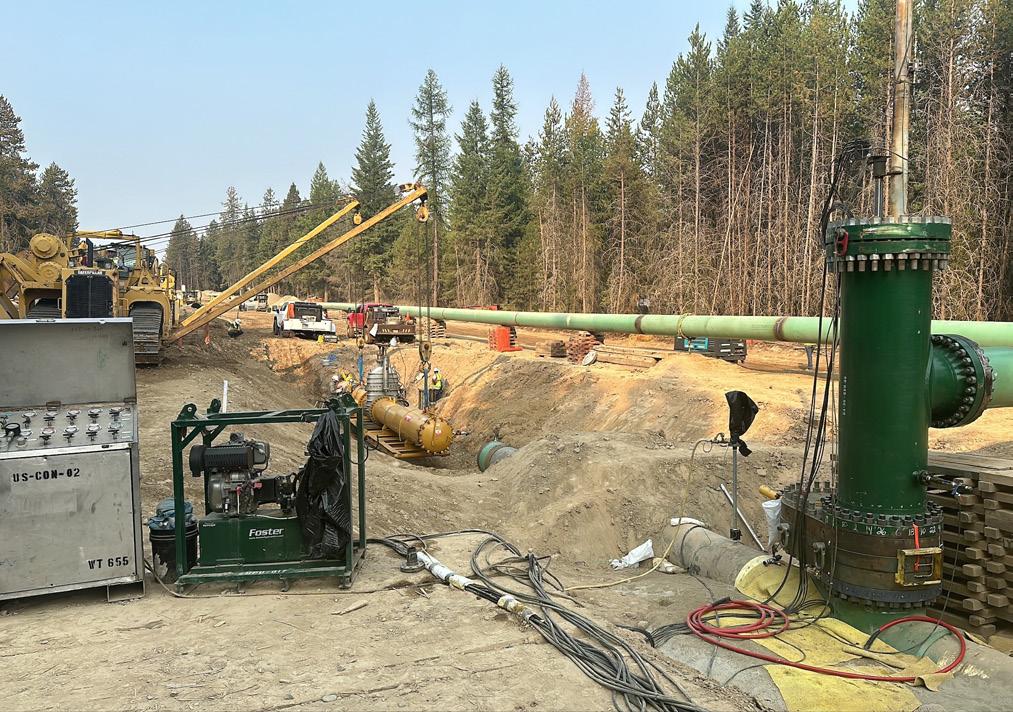
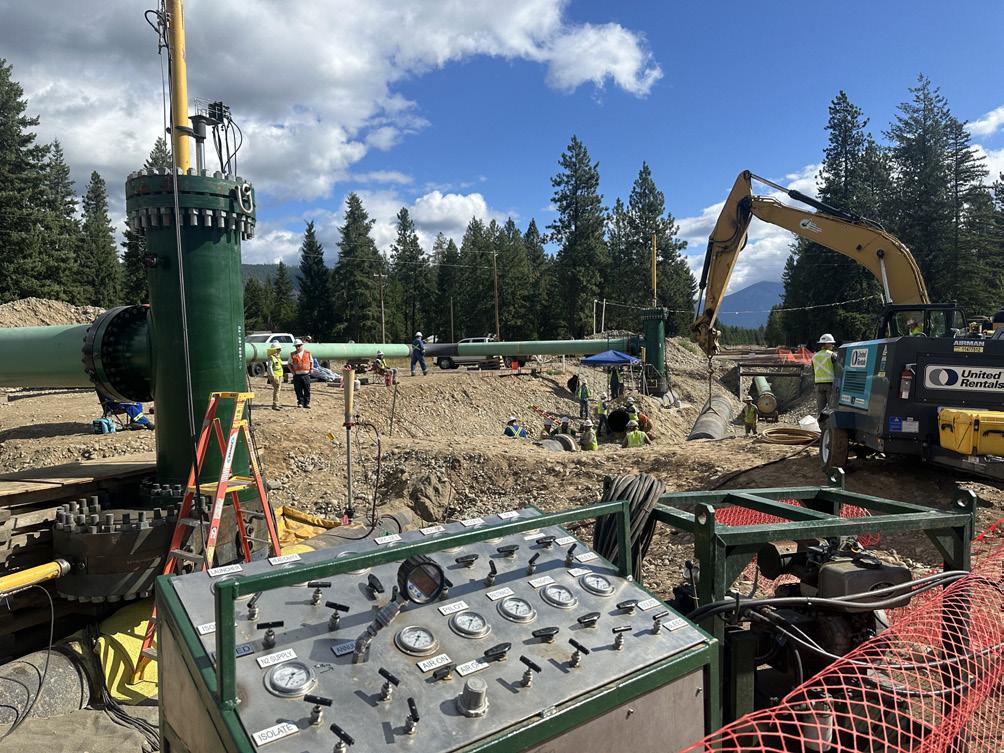
location, North and South. STATS installed their double block and bleed slab valves to the fittings and using their proprietary SureTap® hot tap drilling machines, cut access points into the pressurised pipeline at each location, recovering and removing the cut pipe (coupon). The slab valves were closed, allowing the hot tap machines to be depressurised and removed, with full bore access now provided, four BISEPs were installed (two at each location). The client then installed a 30 in. temporary bypass between the BISEPs at each location and the slab vales were opened allowing gas to flow through the bypass. While the pipeline was flowing (18 - 25 mph) and pressure at 882 psi, each of the four BISEPs were deployed into the pipeline and hydraulically set.
The simple hydraulic deployment of the BISEP ensures controlled setting of the dual elastomer seals and ensures leaktight isolation even in pitted or corroded pipelines, ideally suited to ageing pipelines. During isolation barrier proving, each seal was tested independently with full pipeline pressure in the direction of the expected pressure differential, proving both seals of the double block isolation are leak-tight. A 2 in. hot tap was then conducted between the BISEPs in the isolate section, allowing the trapped gas to be vented and purged. Following successful seal proving, the seal annulus void is vented, closed and monitored confirming isolation integrity throughout the isolation period.
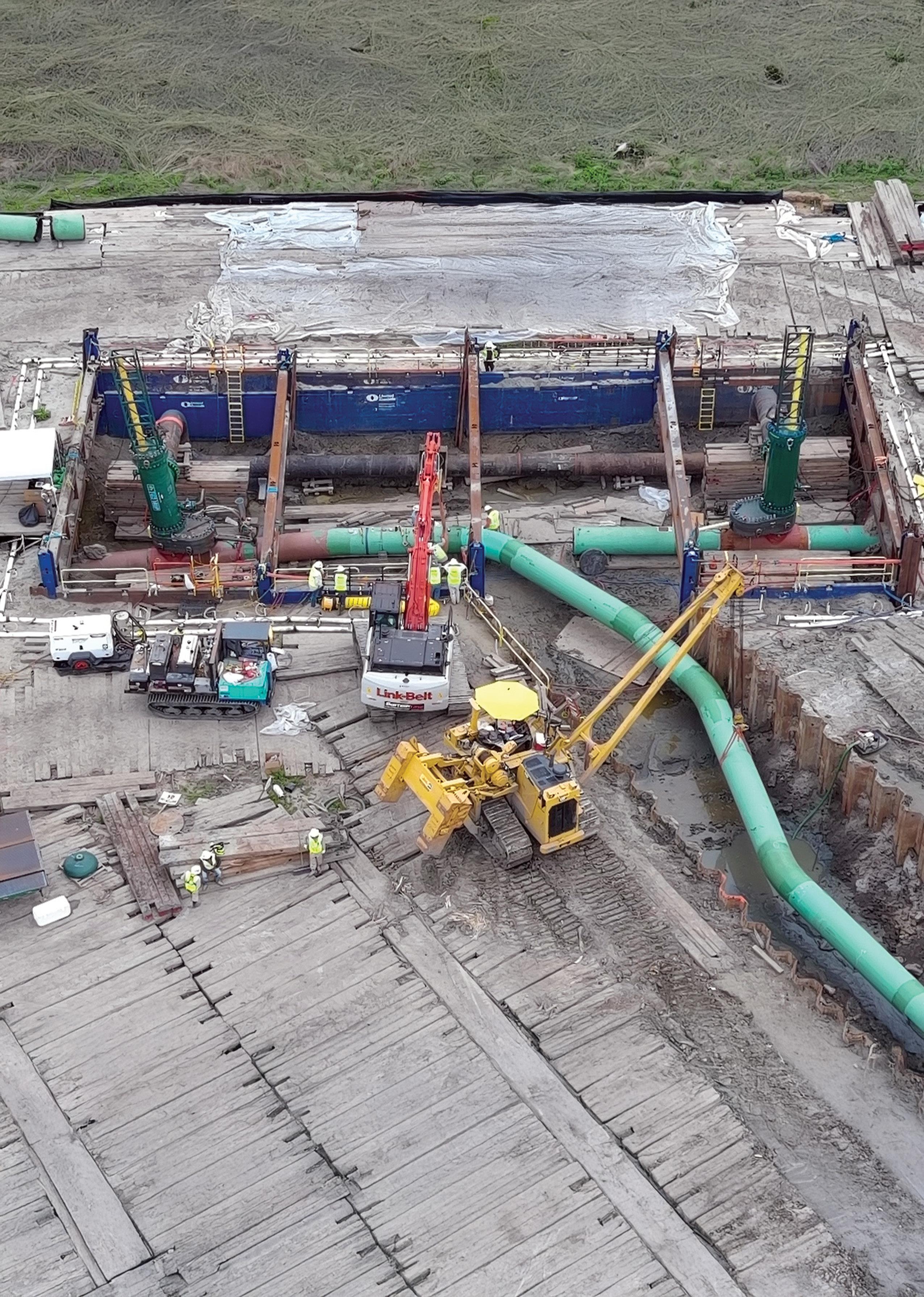
With isolation certificates issued for the North and South locations, the sections of pipe between the BISEP were cut and removed, allowing the newly constructed pipeline B to be tied-in and leak-tested (Figure 2).
Once the new line B was connected, packing, purging, filling, and equalisation activities were completed to commission the new pipeline. At this stage the BISEPs at each location were unset and recovered into the launchers, allowing gas flow to continue through the new line B. The slab valves were closed, allowing the launchers and temporary bypasses and old pipeline section to be vented and purged.
During the setting process, the pressure within the annulus (space between the primary and secondary seal) will rise as the annular space is compressed by the radially expanding seals. Monitoring this pressure to prove no pressure loss is an initial indication that the seals are isolating prior to the client venting or cross compressing the isolated section of the pipeline. The annulus pressure is continually monitored and the pipeline pressure in the isolated section of the pipeline is vented, thereby generating a differential pressure across the BISEP plugging head. Once pressure on the isolated side is fully vented the BISEP secondary seal is tested in-situ to above the pipeline pressure (normally 1.1 times pipeline pressure), in the correct direction. This proves the integrity of the secondary seal. The annulus is then vented to a safe area and locked-in. This allows the primary seal to be monitored for sealing performance to the full differential pressure and in the direction of the pressure threat. The secondary and primary seal tests provide proof of isolation prior to STATS issuing an isolation certificate and allow safe work to proceed in the isolated section of pipeline, such as breaking containment.
The BISEP provides a fail-safe isolation as the seals are activated and maintained by two independent mechanisms;
hydraulic activation and pressure differential across the seals provided by the pipeline pressure. The differential pressure maintains self-energisation of the seals ensuring isolation integrity independent of the hydraulic control circuit.
The BISEP is the only hot tap installed line stop tool that satisfies the design criteria for DNV Type Approval for Pipeline Isolation Plugs. The design criteria satisfies the requirements for Pipeline Isolation Plugs to provide dual seal and isolation in accordance with Offshore Standards: DNV-OS-F101 (Submarine Pipeline Systems) and recommended Practices: DNV-RP-F113 (Subsea Pipeline Repair), and is code compliant with: ASME BPVC Section VIII, Division 2.
The second phase of the project was to isolate a large section of pipeline A (between North and South locations) to enable a MAOP hydrotest to be conducted. To enable this, a 36 in. hot tap fitting was welded onto line A at the North and South locations, a slab valve was installed and STATS SureTap hot tap machine drilled the line and recovered the pipe coupon. With access to line A established, the outer BISEPs at the North and South locations, were removed and installed onto the new hot tap fittings on line A. A Temporary 30 in. bypass line was connected from the BISEP on line A to the BISEP on the old line B. This configuration of BISEPs and bypass lines enabled line A to be isolated and gas flow maintained and redirected through old line B. With the BISEP’s hydraulically set and tested the isolated section of line A was depressurised and vented, allowing short sections of the line to be
was maintained, the client could then install manifold test ends to each end and conduct a MOAP hydrotest on line A. The successful test allowed line A, installed in 1961, to comply with US Department of Transportation’s PHMSA’s requirements. With the test manifolds removed, line A was reconnected, filled and repressurised, allowing the BISEPs to be recovered to the launchers. The slab valves were closed and the bypasses and old line B were depressurised and removed.
STATS SureTap hot tap machine was then used to install completion plugs into the flanges of the hot tap fittings, allowing the slab valves to be removed and blind flanges installed onto the fittings.
The project achieved several key results:
) Full compliance with PHMSA MAOP reconfirmation requirements.
) Successful replacement of an ageing 36 in. pipeline segment.
) Zero supply disruptions to residential, commercial, or industrial customers.
) Minimal environmental impact due to reduced venting.
) Enhanced system reliability and safety.
Jamie Frederick, President and General Manager (US), STATS Group, commented: “STATS Group are proud to support major North American operators to safely and efficiently achieve their upgrade projects, including hydrotesting to meet MAOP regulation


Our industry leading hot tapping and leak-tight double block and bleed BISEP line stopping equipment can safely and efficiently isolate ageing pipelines without disrupting product flow”.
This project demonstrates how proven isolation technologies and precise engineering can help operators navigate today’s tightening regulatory landscape without compromising continuity of service. By enabling safe remediation, controlled hydrotesting, and uninterrupted gas delivery, the programme highlights what is possible when modern integrity solutions are applied to legacy assets. As federal expectations evolve, collaborations like this will continue to play a critical role in ensuring North America’s pipeline systems remain compliant, resilient, and fit for the future.
Looking ahead, continued innovation in line stopping and completion plug technology will play a vital role in helping operators meet increasingly stringent safety and regulatory expectations. Building on its established expertise in pipeline hot tapping and line stopping, STATS Group will launch a nextgeneration pipeline completion plug in early 2026, representing a significant advancement over conventional designs. The dual-seal SureTap Plug Plus has been developed to improve functionality, safety, and operational reliability when compared with existing solutions. It provides a fully verified double block and bleed capability, removes the need for external ports on the completion flange, and improves deployment clearance through a reduceddiameter plug design.

n Lightweight, one-piece ergonomic design provides comfortable all-day use
n One wand covers the entire voltage range from 0.5 to 30 kV
n Up to 16 hours of battery life—powerful Li-ion batteries fit neatly within the compact wand handle eliminating the need for a separate battery box
n Built-in Certified Voltmeter and Voltage Calculator feature
n Industry standard connectors and adaptors provide compatibility with nearly all existing electrodes

The hydraulically actuated dual-seal system introduces true double block and bleed isolation by incorporating two independent seals with an intermediate, testable annulus. This enables verification of both seal integrity and correct plug positioning. Sealing performance is greatly improved over o-rings due to the seal profile and increased surface contact area, which is particularly beneficial when sealing against surfaces that may have been scratched during hot tapping operations.
Built-in mechanical restraint prevents seal activation unless the plug is correctly positioned and the lock segments are fully engaged in the flange groove. As a result, differential pressure cannot develop before the completion plug is mechanically restrained. The shallow groove in standard industry flanges further reduces the risk of segment snagging, a known issue with alternative completion plugs.
The reduced-diameter plug, combined with expanding seals, eliminates the requirement for a bypass check valve during deployment by allowing flow-around-plug clearance. This approach also minimises the risk of seal damage during installation and improves compatibility by enabling safe passage through standard valve bores.
Overall system integrity is further enhanced because actuators and penetrations in the fitting flange are no longer required. All completion components are integrated within the plug itself, reducing the number of potential external leak paths over the life of the installation.
Collectively, these design improvements represent a substantial step forward in completion plug performance and safety, reinforcing STATS Group’s commitment to advancing pipeline integrity solutions for the next generation of infrastructure challenges.

assesses the performance, design, and advantages of pig ball valves as a next-generation alternative to traditional pipeline pigging systems.
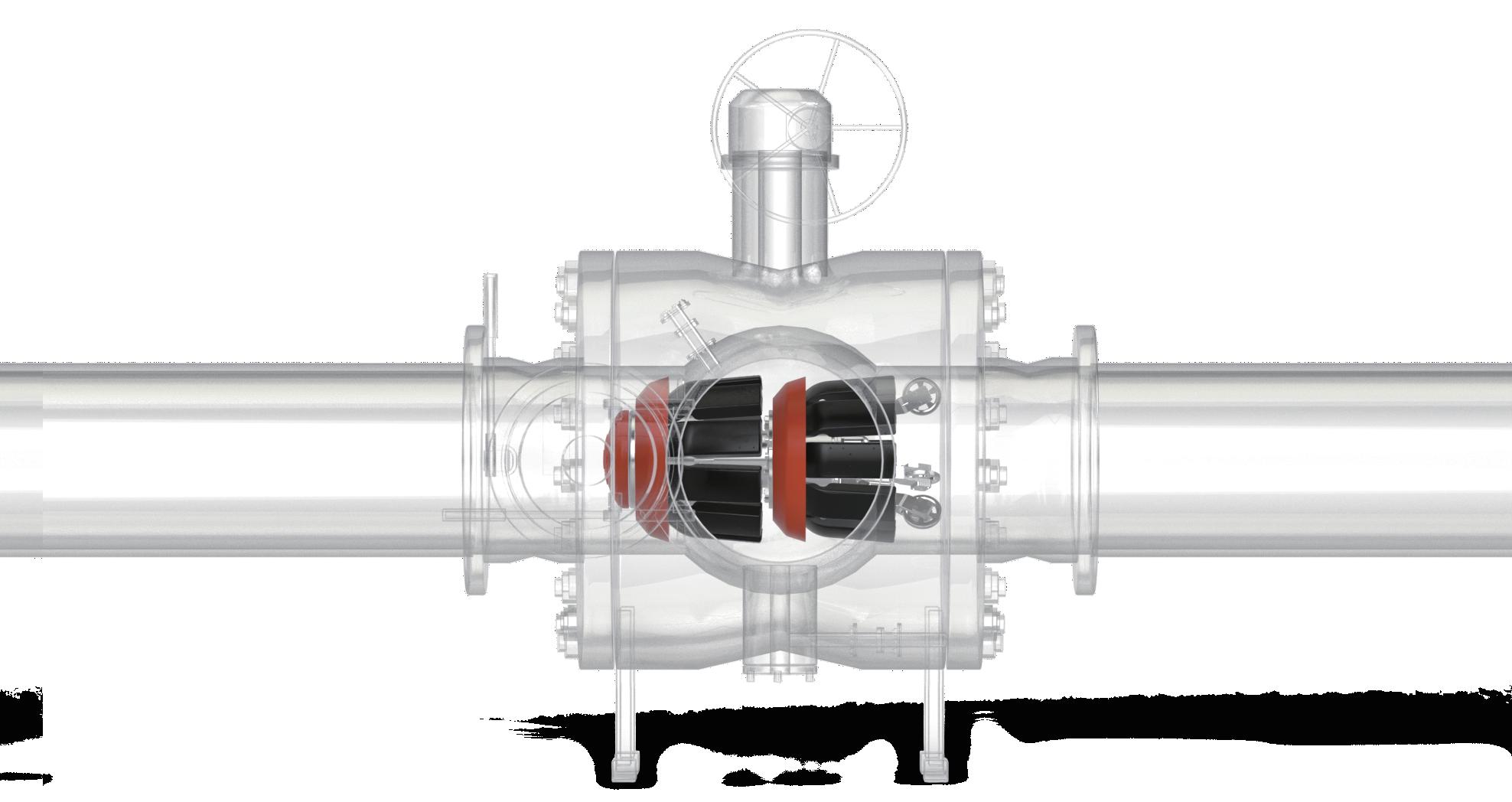
Traditional pigging systems have safeguarded pipeline integrity for decades, yet their large footprint, high costs, and methane emissions are increasingly unsustainable in today’s energy landscape. With mounting pressure to enhance safety and reduce greenhouse gases (GHGs), operators are seeking smarter, leaner alternatives. Pig ball valves (PBVs) integrate isolation and pigging into a single compact unit that replaces bulky launcher/receiver equipment in traditional pigging systems. Field data show PBVs can cut methane releases by up to 90%, reduce installation weight by approximately 17 t, and shorten pigging cycles from hours to under 1 h, while lowering both CAPEX and OPEX by more than 60%. This article examines the evolution of PBVs, their engineering design, safety and environmental advantages, and the lifecycle economics that underpin adoption. It concludes that PBVs are not a niche innovation but a nextgeneration standard for pipelines handling natural gas, CO2, hydrogen, and multiproduct flows, reshaping pigging into a safer, more sustainable process.
Pipeline pigging is essential for safety and flow assurance. By removing wax, hydrates, corrosion by-products, and debris, pigging prevents blockages, sustains throughput, and reduces corrosion failures. Internal corrosion accounts for nearly 60% of global pipeline incidents (PHMSA, 2018), while routine pigging can reduce such risks by up to 79% (Short, 1992; Fowler and Al-Hajri, 2010; Quarini and Shire, 2007).
Despite its importance, pigging methods have changed little in over 50 years. Traditional pigging systems, large launchers and receivers with auxiliary piping, are proven but increasingly misaligned with modern priorities:
) Capital burden: a 16 - 24 in. installation costs US$500 000 - 600 000 (Sreckovic, 2014).
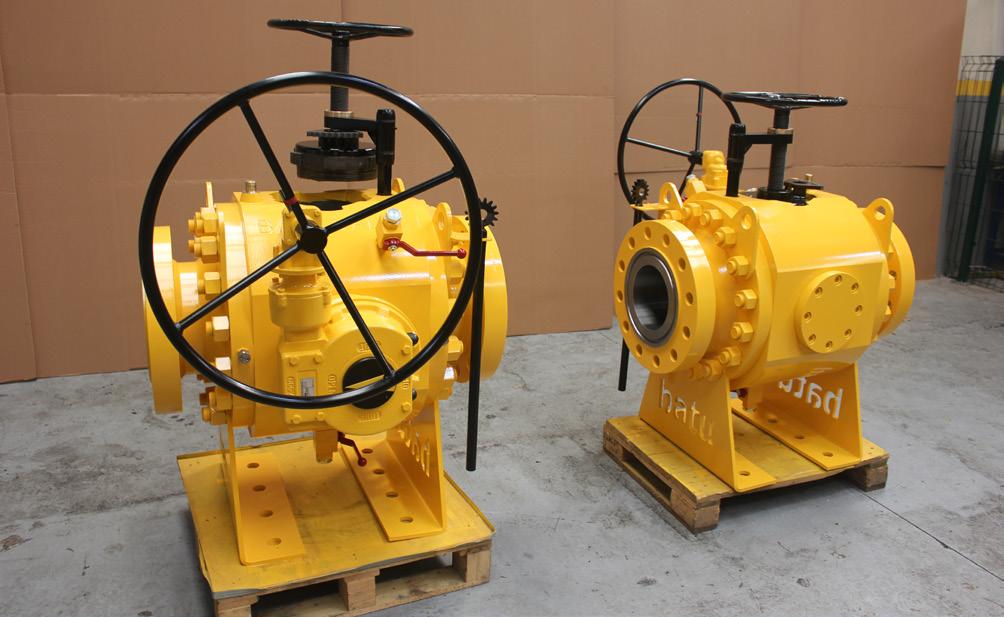
) Space and weight: offshore systems weigh 20 - 25 t and require 6 - 10 m of deck (Van Hardeveld and Smith, 2016).
) Safety risks: closure doors can eject pigs; operators face prolonged exposure to high-pressure venting (Hopkins, 2012; Sim, 2021).
) Environmental penalties: each depressurisation can vent 400 - 600 m3 of methane (EPA, 2016).
With 150+ nations targeting a 30% methane reduction by 2030 (Global Methane Pledge), traditional pigging systems struggle to meet expectations. PBVs offer a compact, inline answer: integrating pig launching/receiving without bulky barrels, reducing footprint and weight by >50%, cutting emissions by up to 90%, and shortening cycles from hours to under 1 h.
Historical evolution of pigging
Early developments in pigging saw:
) 1900s - 1930s: wooden/leather ‘scrapers’.
) 1950s: steel-bodied and foam pigs.
) 1960s - 1970s: traditional pigging systems standardised widely (North America).
) Offshore and urban challenges: 1970s offshore expansion exposed space/weight limits; urban sites added siting and safety constraints.
) Towards compact solutions: from the 2000s, European innovators advanced oversized ball valves that accept pigs directly. Through North Sea, Middle East, and Asia-Pacific trials, PBVs reached commercial use in the 2010s for sour gas, CO2, LNG terminals, and multiproduct petrochemical pipelines.
Traditional pigging systems: strengths and limits
Traditional pigging system architecture comprises full-bore isolation valve, launcher/receiver barrel with quick-opening closure, vents/ drains/bypass lines, and interlocks. System strengths include maturity, broad pig compatibility, and a deep standards base. However, some limitations include complexity, multiple leak paths, operator exposure, high emissions per cycle, and CAPEX concentrated in barrel/closure.
PBVs: what they are and why they matter
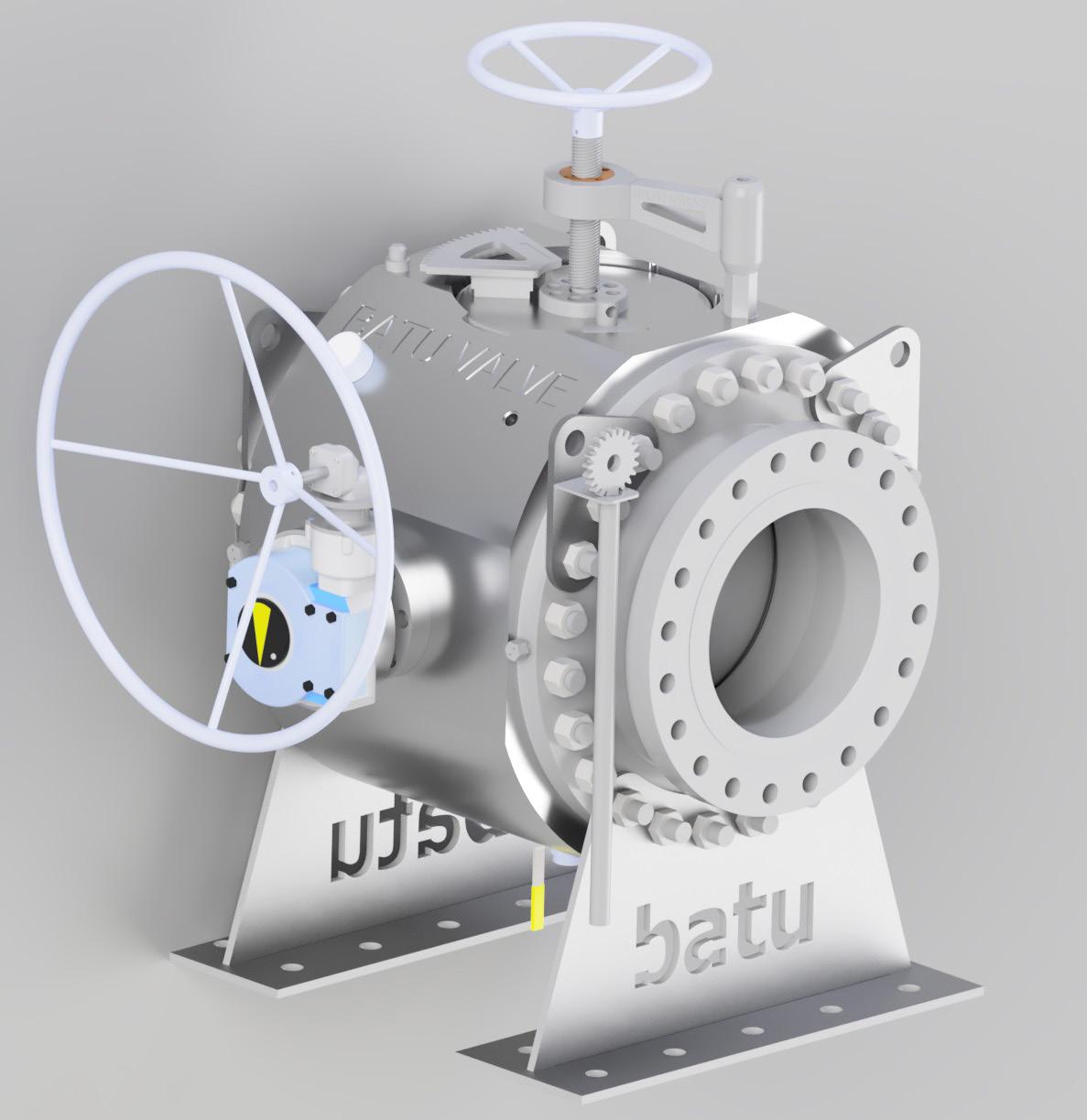
Instead of external barrels and closures, PBVs integrate pig loading in the oversized ball cavity; the ball rotates to align and launch. Inline design removes redundant hardware, simplifies layout, and accelerates safe operation.
Key features and benefits include:
) Compact geometry: 50 - 60% smaller footprint (ideal offshore/urban).
) Weight reduction: 17 t per system in offshore topsides (Van Hardeveld & Smith, 2016; Emerson, 2017).
) Lower emissions: venting only the cavity cuts methane by 85 - 90% per cycle (EPA, 2016; Argus, 2023).
) Faster cycles: 2 - 4 h → 30 - 45 min (Fowler & Al-Hajri, 2010).
) Higher safety: no closure door/projectile risk; built-in DBB supports safer isolation (Hopkins, 2012; Hartmann Valves, 2015).
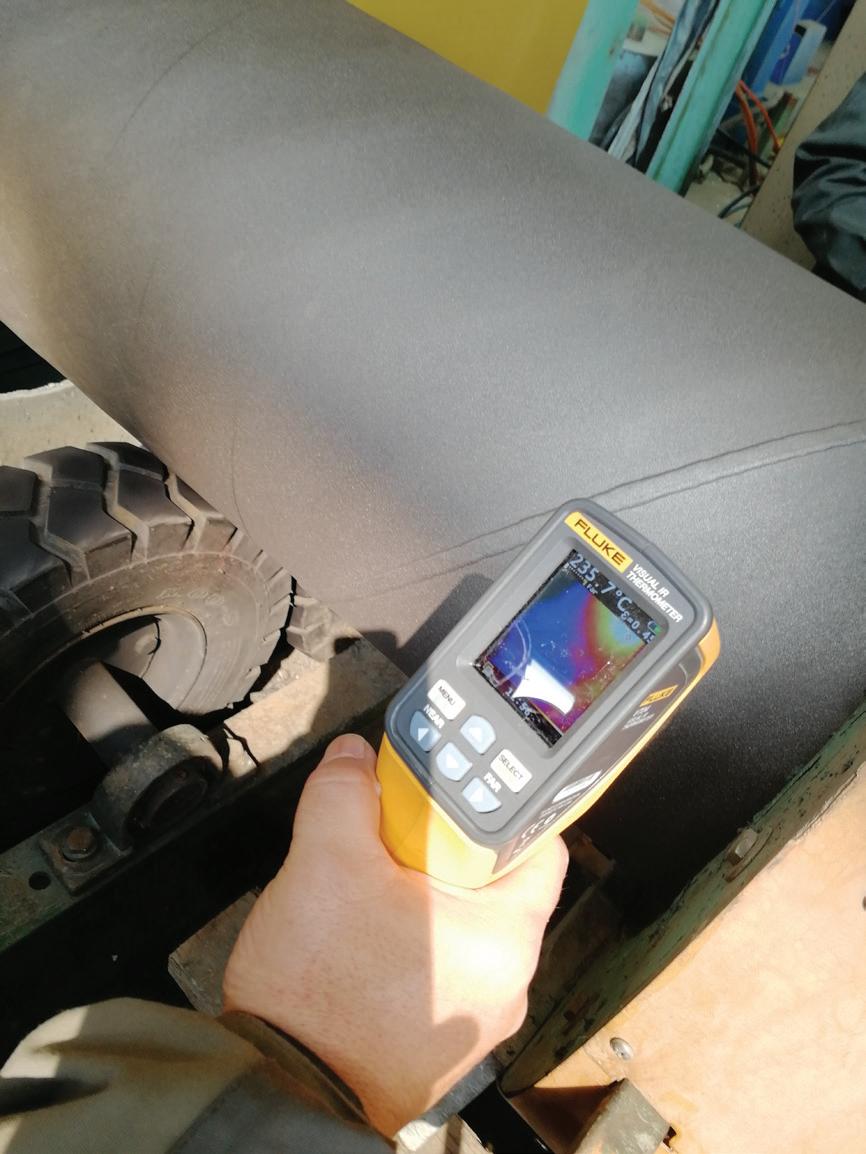
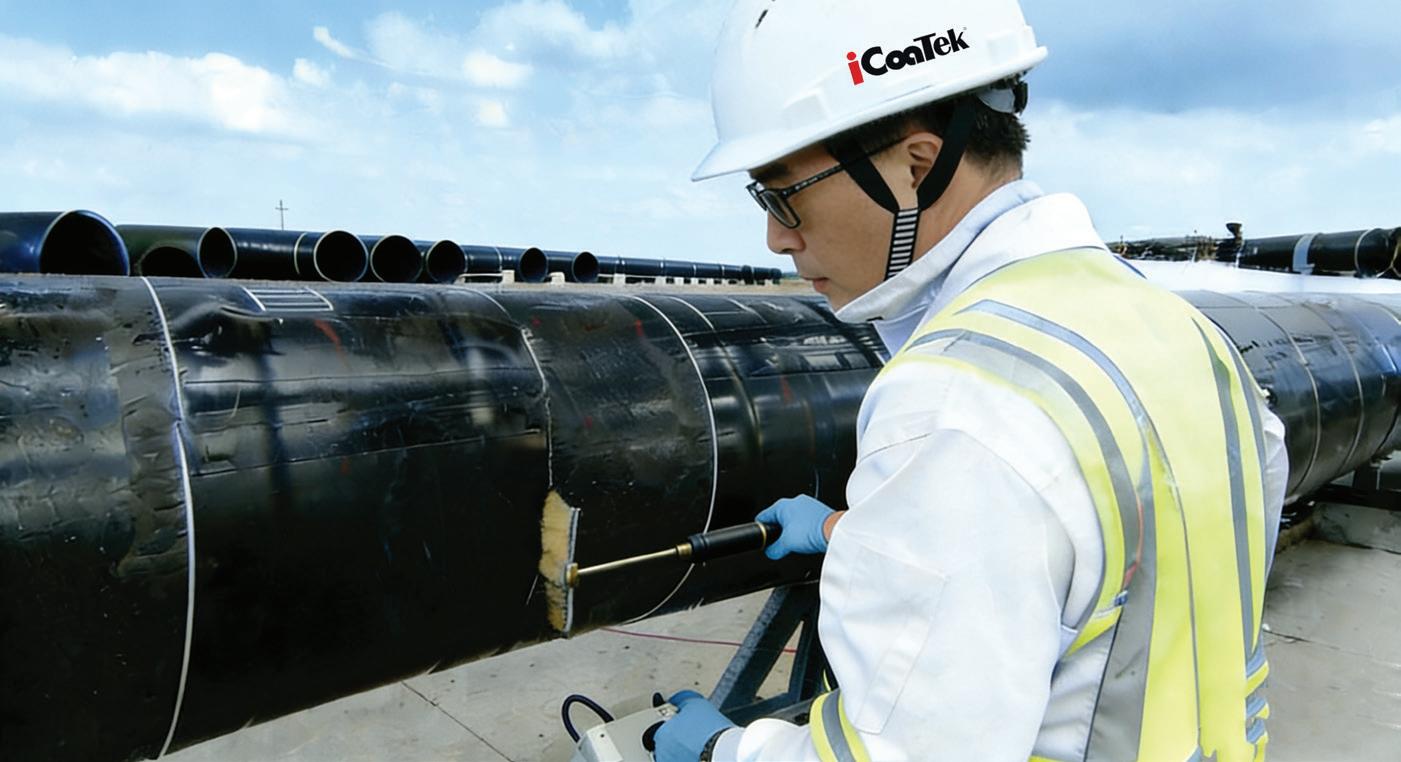
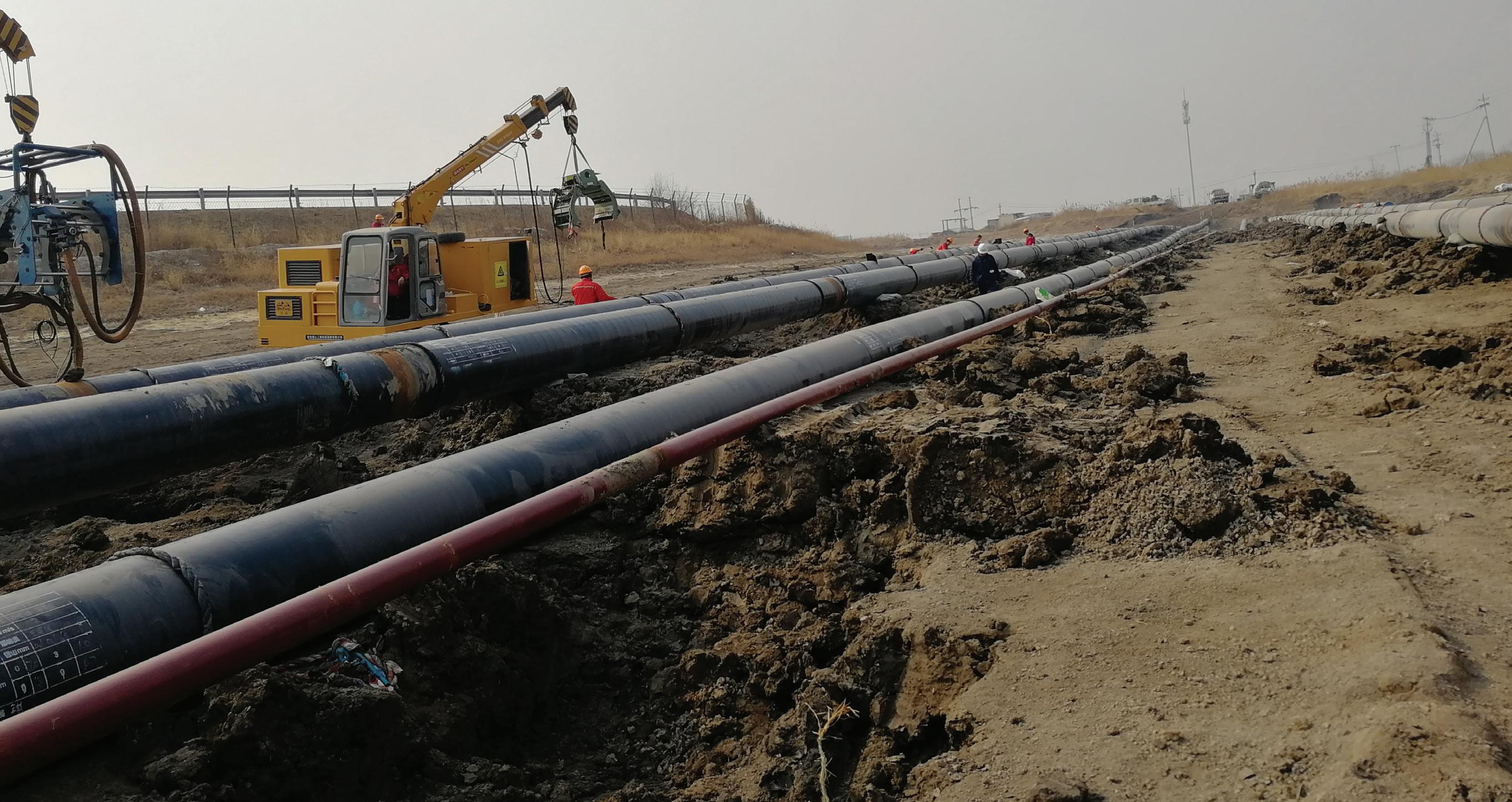
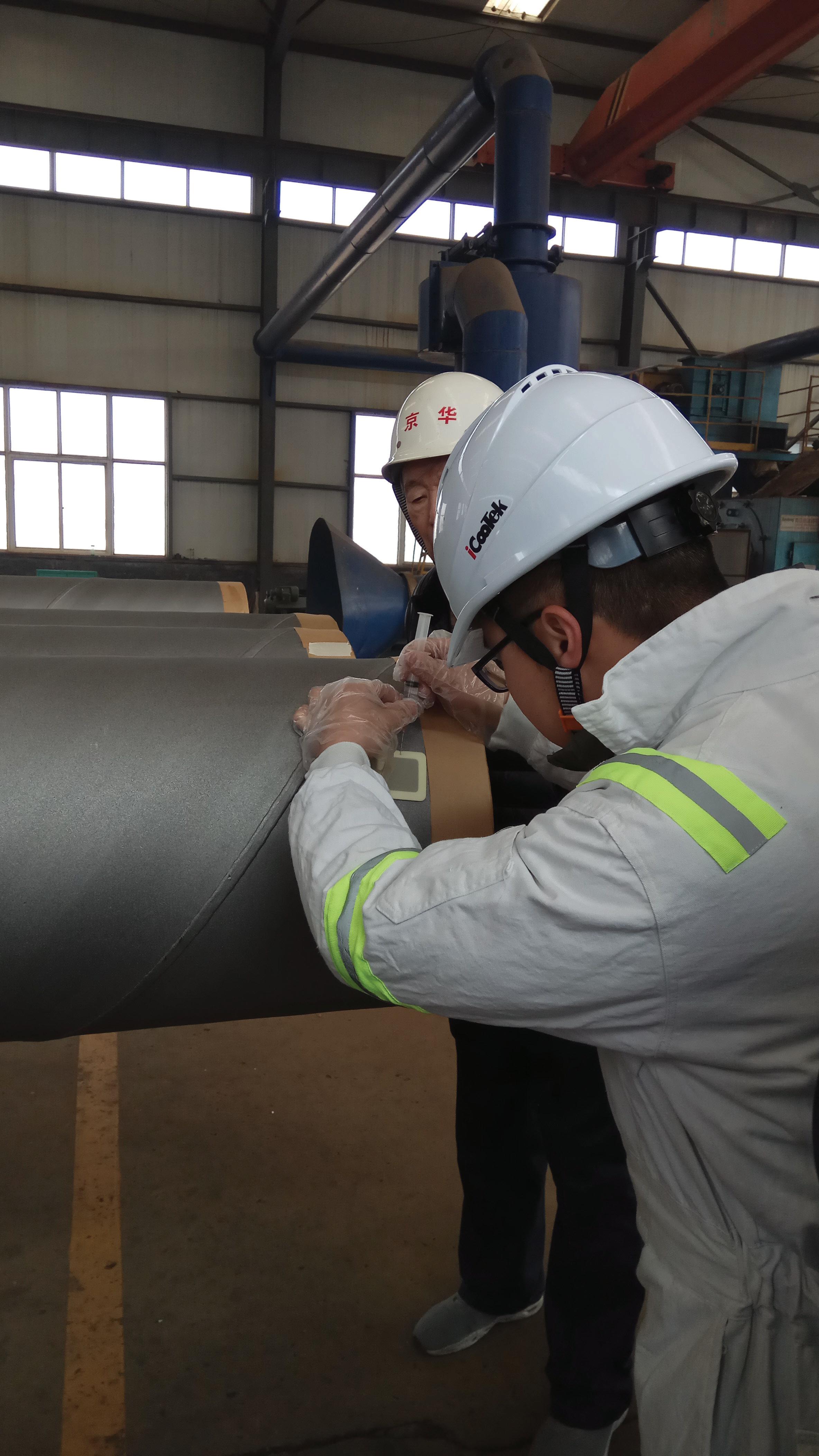
PBVs don’t just replace traditional pigging systems, they redefine pigging for compactness, safety, and low emissions.
Engineering and design principles
Traditional pigging systems are proven but large, heavy and highemission. PBVs integrate isolation and pigging in one compact body, which reduces footprint, mass and external hardware. CFD data indicate up to 25 - 30% lower turbulence, helping stabilise pig speed and reduce stall risk (Borregales et al., 2014; Zhang et al., 2020).
Sealing is consolidated within one engineered body. Tests report sealing tightness beyond 1000 cycles, supporting bubble-tight shutoff under cyclic pigging duties (Peng et al., 2021). FEA-based structural optimisation indicates up to approximately 30% lighter support needs vs traditional assemblies, reducing mass on supports (Argus, 2023; Velazquez et al., 2022). Fail-safe actuation schemes, pneumatic or hydraulic, and torque capacity higher than standard ball-valve duties improve resilience under cycle stresses, removing QOC door hazards and redundant leak paths (Morgan, 2021).
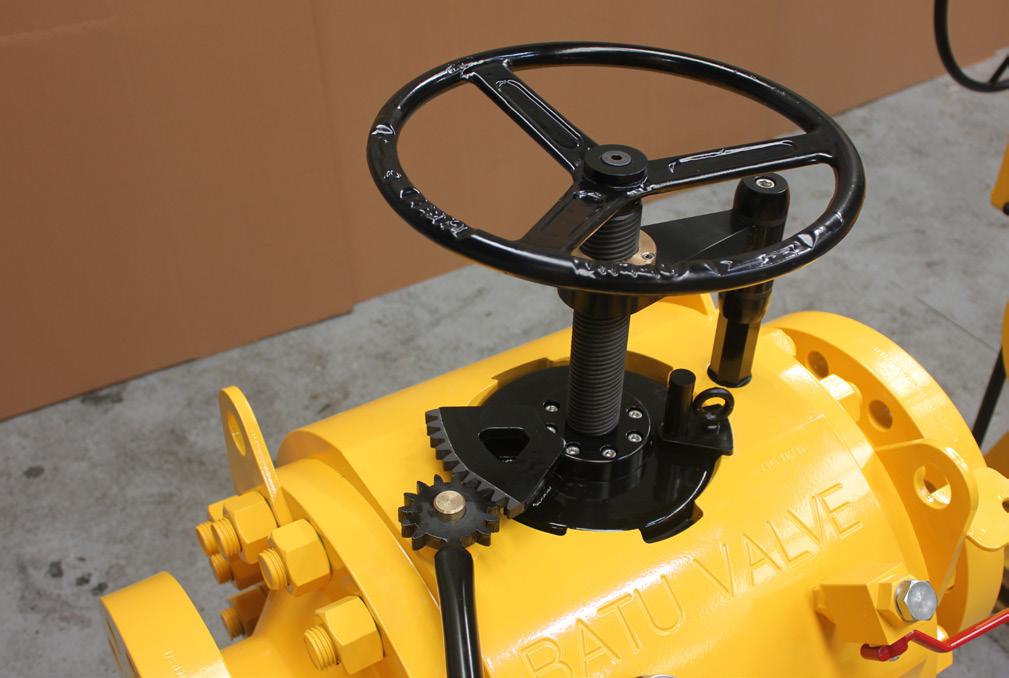
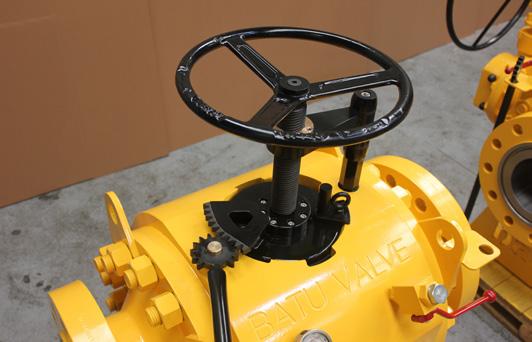
Figure 4. Close-up view of the handwheel and gear mechanism on a PBV, showing the robust actuation design for safe and reliable pigging operations.
Table 2. 20 year lifecycle (20 in. pipeline, illustrative)
Cost category
CAPEX (per system)
(annual)
Downtime
Table 3. PBV applications (examples)
Sector
Offshore
and
Safety and risk: from hazards to control
Operator exposure is a central concern in traditional pigging systems, where heavy closures, high-pressure venting and projectile hazards significantly elevate risk. In contrast, PBVs contain the pig in-body with interlocks, which cuts operator exposure windows by up to approximately 70% and reduces the need for direct handling around high-pressure components (Fowler and Al-Hajri, 2010; Argus, 2023).
Containment integrity also improves through consolidated sealing, which reduces the number of potential leak paths and lowers cyclic seal-failure probability during repeated pigging operations. This streamlined internal architecture decreases the likelihood of unplanned emissions or isolation failures compared with traditional multi-valve arrangements.
Emissions risk represents another major safety and environmental factor. Traditional depressurisation of 16 - 24 in. systems typically vents 400 - 600 m3 of methane per cycle, increasing both environmental liability and potential carbon penalties (EPA, 2016). PBVs vent only the internal cavity, approximately 30 - 50 m3, delivering an 85 - 90% reduction and substantially lowering overall methane exposure per pigging event.
Field experience across multiple regions indicates approximately 60 - 70% fewer safety incidents following PBV adoption. This improvement is attributed to shorter exposure windows, reduced leak paths and the elimination of projectile hazards associated with traditional QOC doors (Sim, 2021; Argus, 2023).
) Projectile hazard removed: PBVs eliminate the highest-energy hazard found in traditional pigging systems (Hopkins, 2012; Sim, 2021).
) Shorter cycles, less exposure: cycles drop from 2 - 3 h to approximately 30 - 45 min., reducing time in hazardous conditions and ergonomic strain (Argus, 2023; Hartmann Valves, 2015).
) Reliable runs: full-bore geometry reduces stalls/misalignment, improving cleaning/ILI success (Borregales et al., 2014; Zhang et al., 2020).
Sreckovic (2014)
Fowler and Al-Hajri (2010)
(2023)
(2012)
Argus (2023); Morgan (2021)
Onshore pipelines Long pigging cycles 3 h to approximately 40 min. North America
) Compliance confidence: DBB and low-emission sealing ease audits under PHMSA, DNV, ISO 15848.
Environmental and emission performance
) Methane reduction for a traditional system is 400 - 600 m3/cycle; for PBVs it is approximately 30 - 50 m3 (approximately 85 - 90% reduction) (EPA, 2016; Argus, 2023).
) CO2 and GHG. LNG/CO2 service: 1 - 1.5 t CO2/cycle vs approximately 100 - 150 kg (≈ 89% lower) (carbon-zero, 2020; HPS, 2023).
) Product recovery: multiproduct losses fall approximately 5 - 7% → approximately 0.5 - 1.0%; recovery approximately 95% → approximately 99.5% (Van Diep, 2019; Singh et al., 2022).

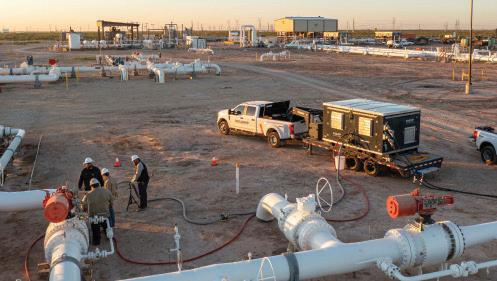
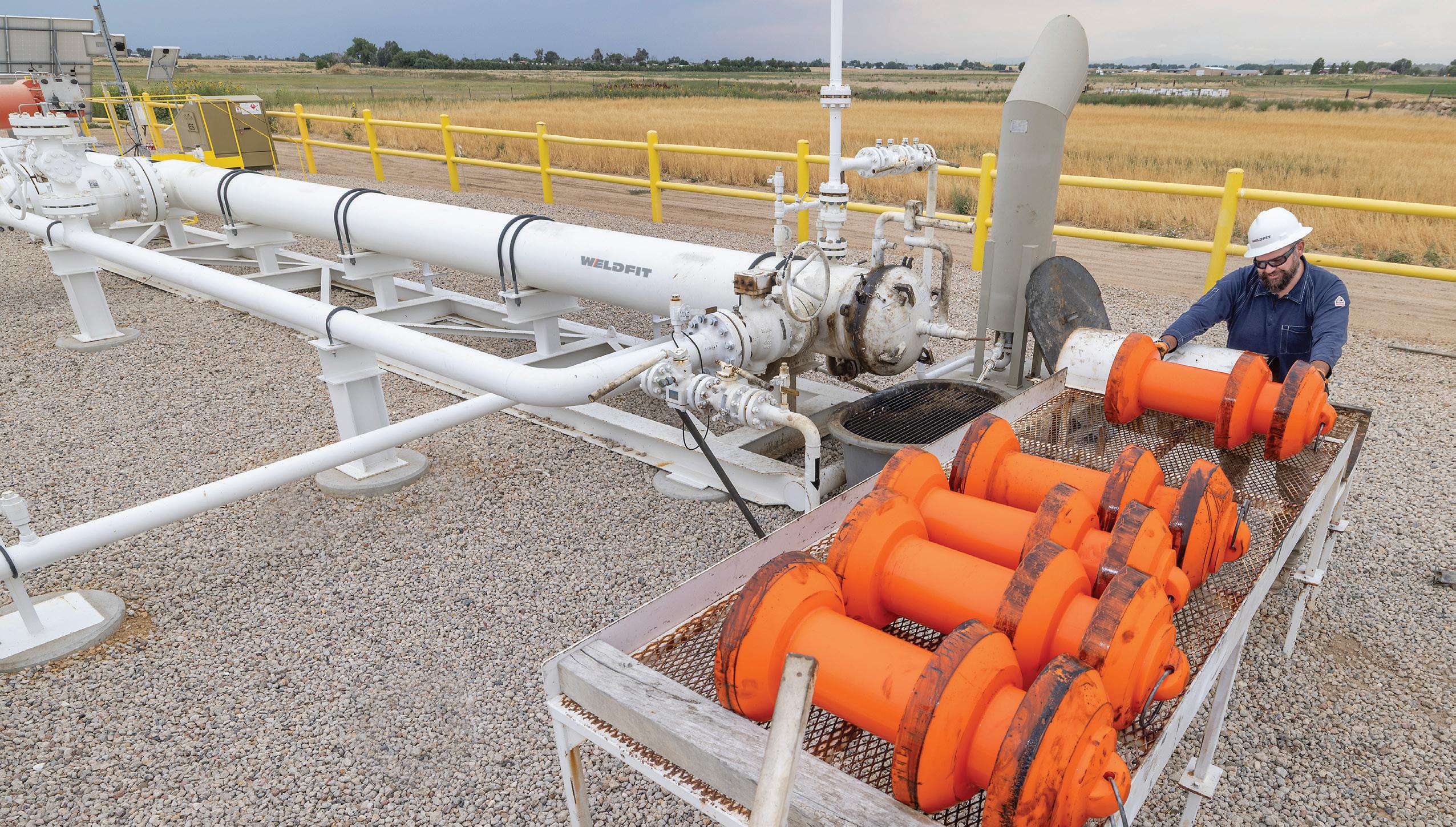
WeldFit’s SureLaunch® Pig (SLp) is a high-performance, single-piece pipeline pig made from premiumgrade, abrasion- and chemical-resistant polyurethane for exceptional durability and reliability in tough environments. Optimized for multi-pig launching systems, it features patent-pending design innovations that eliminate the need for backing plates or extra components, simplifying setup and operation.
Its three-cup configuration ensures a full-wall seal for superior liquid removal in wet gas systems and effective control of paraffin and debris in crude oil pipelines. Available in 6” to 30” diameters, the SLp is ideal for batching, commissioning, product evacuation and hydrostatic testing—offering operators a highly efficient, reliable and low-maintenance solution.
WeldFit.com/SLp
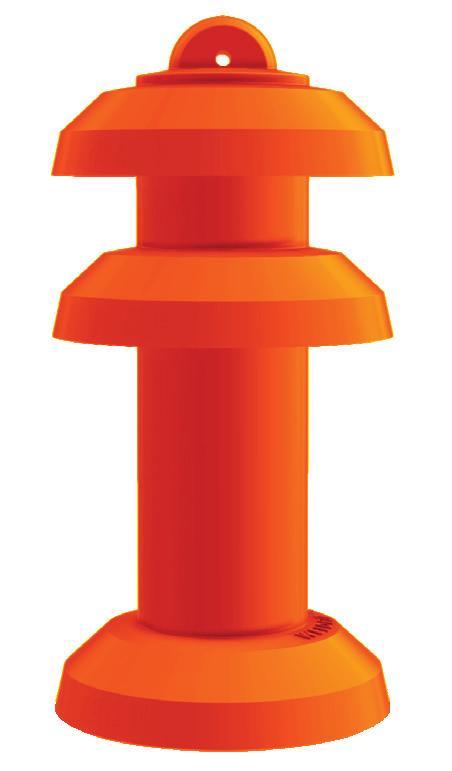
) Standards alignment: OGMP 2.0, ISO 15848 help quantify reductions and access carbon markets.
Lifecycle economics and ROI
) CAPEX: approximately US$500 000 - 600 000 (traditional) vs approximately US$150 000 - 200 000 (PBV) → 60 - 70% saving (Sreckovic, 2014).
) OPEX: approximately US$50 000 - 75 000/y (traditional) vs approximately US$20 000 - 30 000k/y (PBV) (Fowler & Al-Hajri, 2010; Argus, 2023).
) Downtime: 2 - 3 h vs 30 - 45 min → thousands of hours saved annually (Hopkins, 2012).
) Carbon exposure: 10 - 15 t CO2e/cycle (traditional); PBVs cut 85 - 90%, avoiding growing ETS costs.
) Payback: Typically <2 years; offshore often <1 year due to deck/weight savings.
Applications, standards, and outlook
Applications across sectors
Offshore topsides (weight/space), onshore transmission (frequent runs), LNG/cryogenic service, hydrogen and CO2 transport (tight containment), multiproduct/petrochemicals (interface control), district heating/water (low-maintenance).
Standards and certification
API 6D (baseline), ISO 9001, API 607 / ISO 10497 (fire-safe), ISO 15848 (fugitive emissions), NACE MR0175 / ISO 15156 (sour service), CE PED 2014/68/EU, GOST/TR CU, PHMSA; third-party testing and approvals (TÜV, DNV, BV) including hydrostatic, cryogenic, and endurance validation.
Future outlook
) H2/CO2 readiness: PBV sealing options adapt to cryogenic and supercritical service.
) Digital integration: compatibility with intelligent pigs; sensor/IoT monitoring for valve health and emissions.
) Net-zero alignment: direct contribution to methane-reduction goals and ESG reporting.
) Global adoption: accelerating from Europe/North America/ APAC into emerging regions needing compact, cost-efficient infrastructure.
Operators face a trilemma of safety, cost and environmental performance, and traditional pigging systems, although proven, place pressure on all three. PBVs combine full-bore isolation and pigging in one compact unit, providing safety gains through the removal of projectile hazards and reducing operator exposure by approximately 70%. They also deliver environmental benefits by lowering methane emissions by 85 - 90% per cycle, along with economic advantages through more than 60% CAPEX and OPEX savings and rapid payback periods. Their versatility across H2, CO2, LNG and multiproduct services further increases operational value.
More than a one-for-one replacement, PBVs establish a new paradigm in pipeline integrity by enabling more frequent, safer and lower-emission pigging operations. This supports extended asset life and simplifies compliance. As the sector moves toward
decarbonisation and higher efficiency expectations, PBVs are increasingly positioned to become the benchmark for modern pigging systems.
Argus. (2023). Pipeline operations and emission reduction: Industry benchmarks for pigging systems. Argus Media Ltd.
Borregales, M., García, R., & Hernández, J. (2014). CFD analysis of pigging flow dynamics in gas pipelines. Journal of Pipeline Engineering, 13(2), 89 - 101.
Carbon-Zero. (2020). CO2 release and mitigation in LNG and CO2 pipelines. Carbon-Zero Energy Reports.
Emerson. (2017). Compact valve solutions for offshore platforms: Weight and footprint optimisation. Emerson Process Management.
EPA. (2016). Greenhouse Gas Emissions from the Natural Gas Sector. US Environmental Protection Agency.
FOWLER, M., & AL-HAJRI, M. (2010). Improving pigging efficiency in Middle East gas pipelines. Pipeline & Gas Journal, 237(11), 44 - 50.
Global Methane Pledge. (2021). Global Methane Pledge: Cutting methane emissions by 30% by 2030. UN Climate Change Conference.
Hartmann Valves. (2015). Valve safety and emission control in modern gas pipelines. Hartmann White Paper Series.
HOPKINS, P. (2012). Pipeline pigging safety and failure prevention. Pipeline Integrity Journal, 7(3), 33 - 40.
HPS. (2023). CO2 and GHG performance in pigging operations. Hydrocarbon Processing Special Report.
MORGAN, D. (2021). Fugitive emissions and seal integrity in high-cycle ball valves. Valve World Magazine, 26(4), 58 - 64.
PENG, X., LI, Z., & ZHOU, Y. (2021). Performance testing of cryogenic ball valve sealing systems under pigging cycles. Cryogenics, 118, 103349. https://doi. org/10.1016/j.cryogenics.2021.103349
PHMSA. (2018). Pipeline Failure Causes and Trends Report. US Pipeline and Hazardous Materials Safety Administration.
QUARINI, J., & SHIRE, G. (2007). The effectiveness of pigging operations in removing debris and corrosion products. Journal of Energy Engineering, 133(3), 153 - 160.
SHORT, D. (1992). Internal corrosion in pipelines and the role of pigging. Corrosion Journal, 48(7), 613 - 619.
SIM, R. (2021). Safety incidents in pigging: Lessons from global case studies. Pipeline & Offshore Technology, 59(1), 22 - 29.
SINGH, A., KUMAR, P., & VERMA, R. (2022). Product interface control in multiproduct pipelines using advanced pigging. Petroleum Science and Technology, 40(17 - 18), 1763 - 1775. https://doi.org/10.1080/10916466.2022.2028564
SRECKOVIC, M. (2014). Capital cost estimation of pipeline pigging stations. Oil & Gas Facilities Journal, 3(6), 48 - 54.
VAN DIEP, N. (2019). Reducing product losses in multiproduct pipeline operations. Journal of Pipeline Systems Engineering and Practice, 10(3), 04019015. https://doi.org/10.1061/(ASCE)PS.1949-1204.0000395
VAN HARDEVELD, T., & SMITH, J. (2016). Compact pigging valve solutions for offshore facilities. Offshore Technology Conference Proceedings, OTC-26981.
VELÁZQUEZ, R., TORRES, M., & SALAZAR, J. (2022). Finite element optimization of high-pressure ball valves for offshore applications. Journal of Pressure Vessel Technology, 144(5), 051403. https://doi.org/10.1115/1.4053792
22. EU ETS. (2023). The EU Emissions Trading System (EU ETS): 2023 update and carbon price trends. European Commission, Directorate-General for Climate Action.
ZHANG, Y., CHEN, L., & WU, Q. (2020). Numerical investigation of pigging flow behaviour in gas pipelines using CFD. Journal of Natural Gas Science and Engineering, 83, 103543.
ALWAYS RUGGED. ALWAYS RELIABLE.

Dairyland decouplers are critical to cathodic protection systems. They keep workers and valuable assets safe from AC faults, lightning, and induced AC voltage, all while optimizing your CP systems. We hold ourselves to a very high Always Rugged standard to ensure Dairyland products meet all critical performance requirements, provide fail-safe operation, and address hazardous location needs to guarantee longevity and safety. We build them rugged so you can rely on them to perform.
Learn more about our Always Rugged promise: Dairyland.com/AlwaysRugged
18 MARCH 2026
Park Plaza London Riverbank, UK

A full day event dedicated to the UK’s CO2 pipeline build-out: uniting pipeline operators, engineers, contractors, and decision-makers.
The programme will cover the UK’s rapidly evolving CCS infrastructure plans, proposed and confirmed projects, safety codes, technical challenges, international case studies, and the technologies enabling safe, efficient CO2 transport.

Delegate takeaways from this exclusive one day conference:
Learn
Hear from industry leaders on planning, safety, design, construction, and environmental considerations for CO2 pipelines.
Be informed
Updates on key UK CCS projects, with sessions on buildout and delivery, integrity, and international insight.
Understand
Understand government support, regulatory frameworks, and permitting processes.
Network
Meet the companies driving the UK’s CCS pipeline future.
Rod Hardy - Sales Director







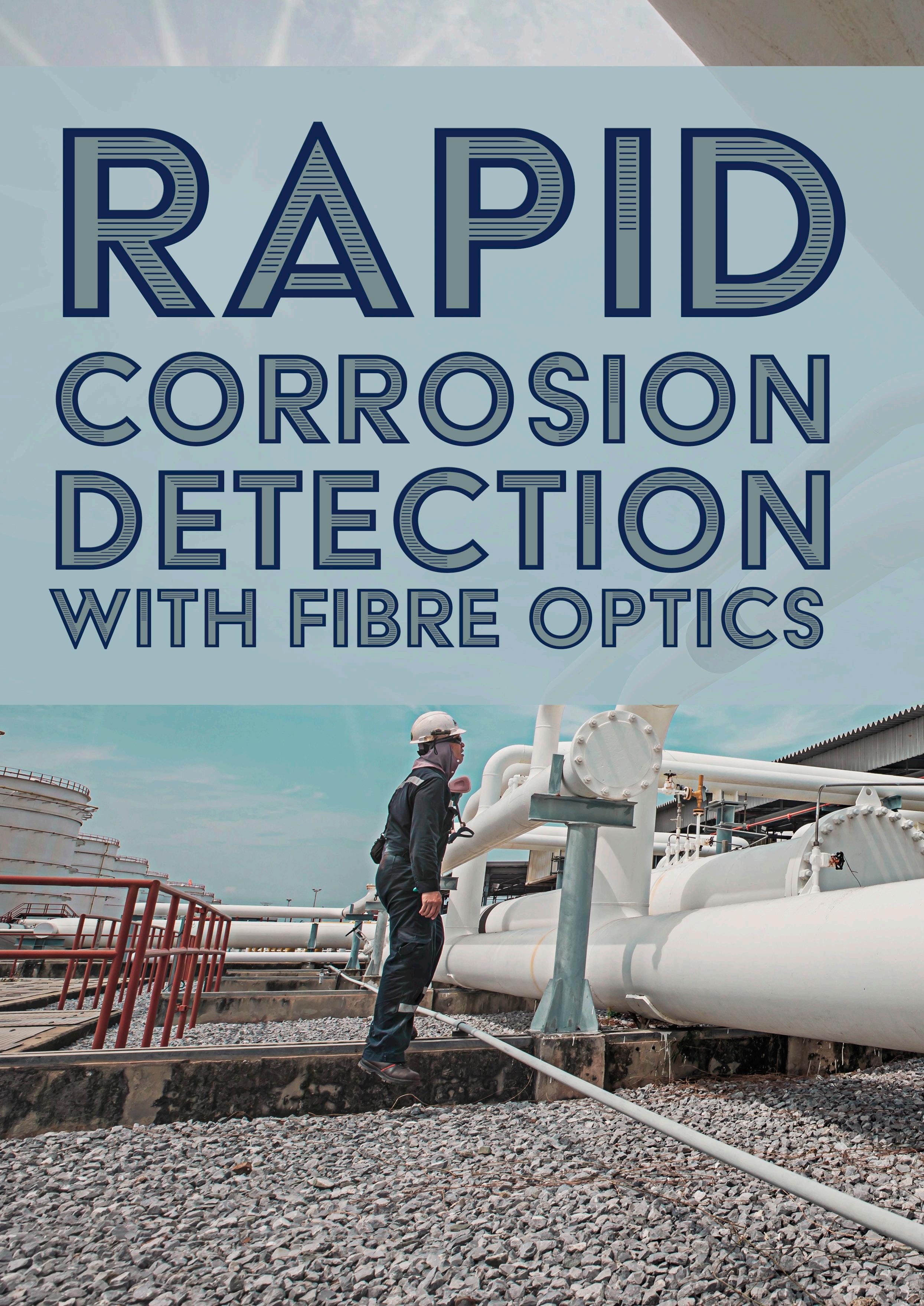
Douglas Clague, Solutions Marketing Manager, Fibre Optic Field Solutions, and Abdullah Nassar, Product Specialist, Fibre Sensing Systems, VIAVI, explain how fibre-optic sensing combined with machine learning enables faster, more accurate detection and prevention of pipeline leaks, corrosion, and third-party damage.
According to the Pipeline and Hazardous Material Administration (PHMSA), US pipeline mishaps led to roughly 55 billion l/y (nearly 2 billion ft3/y) of gas being released into the atmosphere between 2019 and 2023. Data reported by Reuters suggests its effect on the climate is equivalent to running “four average-sized coal-fired power plants for a year”.
Indeed, PHMSA data records also show that over 500 US-based pipeline incidents occurred last year alone, and the average number of US pipeline incidents per month since 2010 stands at over 50, with the FracTracker analysis of this data suggesting events are likely to be underreported.
Incidents can be caused by a range of factors, including corrosion, severe weather events, faulty equipment, sabotage, and accidents. The effect on the environment is severe with leaked methane having more than 80 times the effect on the greenhouse effect as CO2, and the leaks causing significant levels of contamination in the surrounding soil and water.
The impact on communities can also be significant, as highlighted in November 2023 when an Idaho farmer accidentally created a hole in a pipeline running below his field that emitted 1.5 billion l (51 million ft3) and caused one of the largest natural-gas outages in US history.
There is, therefore, an urgent need to reduce these incidents and repair the damage from these more quickly. In
this article we’ll examine how detection techniques based on fibre optic technologies, backed up by advances in machine learning algorithms, are enabling pipeline incidents to be detected earlier and to be located more precisely than traditional methods. This includes not only the accurate pinpointing of corrosion and accidental damage but also preventative measures.
Pipelines exist in many of the world’s most inhospitable locations, from the Arctic to deserts and from mountainous regions to the seafloor.
Inspecting for leaks has traditionally required site visits –often under inhospitable on-site conditions – to physically determine the condition of each section, including for weaknesses. Even small to medium-sized companies can operate thousands of miles of pipeline, creating time and cost limitations for monitoring frequency.
Being mostly buried, inspections cannot be undertaken using drones, and smaller and precursor issues can easily be missed.
One alternative is ground-penetrating radar, but this too comes with limitations, especially from the depth pipes are buried and the soil types they are buried in. In addition to this, GPR requires high levels of expertise, which further reduces the number of tests that can be performed.
To solve the testing frequency and expertise issue, it is also possible to implement acoustic emission testing. Unlike the above two methods, AET offers discretely deployed continuous monitoring, but it is still highly expensive to implement with extensive sensor deployment required.
For low-cost monitoring, the traditional approach has been to measure pressure, flow rates and mass balance calculation. This can be used to detect anomalies but resolution is – to understate it – poor, creating far slower repairs that may miss incidents if more than one leak occurs at the same time.
In short, no traditional approach is truly satisfactory.
A better balance can be achieved through the deployment of fibre optics to create real-time, high-precision monitoring at a significantly reduced cost – and with a sensitivity to enable predictive alerts to be generated.
Based on the way light travels along a fibre and backscatters under specific conditions, it is possible to use the fibre itself to detect changes in temperature, strain, and vibration that are affecting pipelines and other critical infrastructure.
This distributed fibre optic sensing (DFOS) enables true real-time testing and, in comparison to acoustic emission testing, the fibre itself is the sensor, which creates a continuous series of sensing points that can be rolled out along the entire length of the pipe at a far lower cost.
Three core DFOS techniques exist, each based on a different backscattering technique: Raman, Brillouin, or Coherent Rayleigh.
Each of these have a critical role to play in identifying condition changes affecting pipelines and critical infrastructure, but not all need to be deployed simultaneously.
For example, changes in temperature can be measured using Raman scattering (the difference between the intensity of backscattered light in the Stokes and anti-Stokes bands). These can be indicative of a compressed gas leak, with cold spots created rapidly at the site of the leak as a result of the gas expanding (the Joule-Thomson effect). Similarly, leaks of heated liquids, such as heavy crude oil, and cryogenic liquefied gases can be detected by sudden temperature gradients in the surrounding ground.
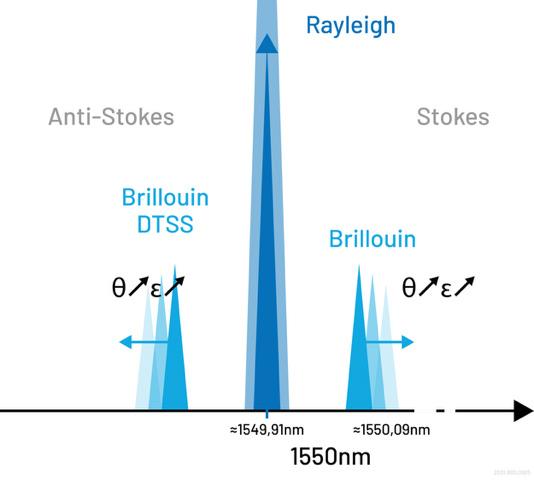
Using this distributed temperature sensing (DTS) also enables pipeline fires to be detected and excavations that remove the insulating layers of earth from around the pipe.
Distributed temperature and strain sensing (DTSS) takes this further using the Brillouin technique to measure changes in the backscattered light’s wavelength, which is affected by both external temperature and strain. VIAVI’s patented decorrelation DTSS technique offers additional value via information on both strain and temperature related to subsidence/landslides, uneven soil settlements beneath the pipe as well as seismic activity, all of which can result in structural-integrity issues.
Finally, distributed acoustic sensing (DAS) uses Coherent Rayleigh techniques to measure the phase shifts of the light photons as they scatter randomly in the fibre material in order to detect vibrations – i.e. acoustic waves. DAS is particularly effective at pinpointing both the location and intensity of vibrations along the entire length of the fibre.
It also creates a dynamic system, with the entire fibre optic cable acting as a continuous, miles-long array of microphones, which makes it exceptionally good at detecting activity or events as they happen. This means vibrations from activities such as digging can be detected as they happen as can the hiss of escaping gas and the negative pressure wave that follows a rupture.
The choice of each will depend on the specific situations faced by the individual section of pipeline. However, for many modern, buried pipelines, third-party intrusion is arguably the most common and preventable threat faced, meaning DAS is often selected as the single best proactive solution.
It’s also important to note that it’s possible to simultaneously deploy more than just one, with hybrid cables, which contain multiple fibres, allowing DAS to be implemented alongside DTS and/or DTSS with a single installation.
Machine learning advances aid interpretation
2025 sees the 40th anniversary of the first distributed fibre optic sensor based on Raman backscattering, and it’s almost a century since this Nobel Prize-winning backscattering detection technique was discovered. However, while the ability to undertake DTS/DTSS has been possible since the 1980s, and the ability to undertake DAS since 2005, the ability to translate backscatter data into meaningful, actionable, locatable, and early alerts is more recent. Moreover, this process is a
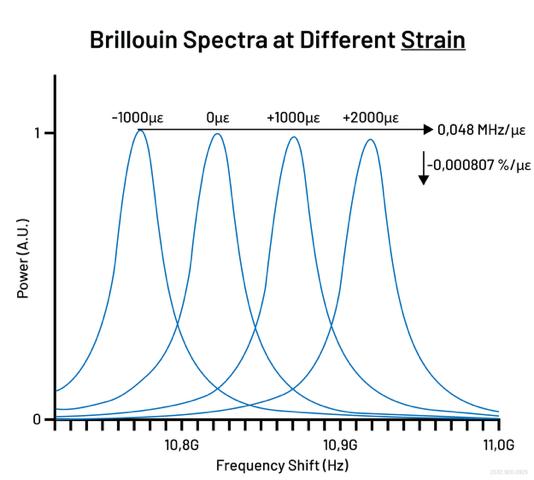
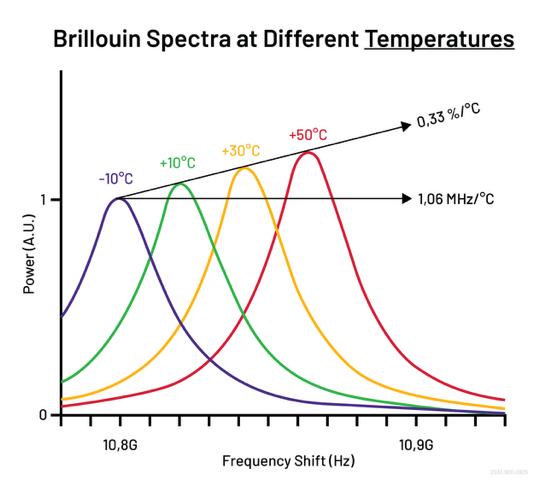


continually improving one with advances in machine learning significantly aiding this process to deliver greater levels of resolution.
Problems such as the Idaho farmer listed above are, thankfully, rare and the first indications of a problem will usually be small: a small leak with the potential to grow, a level of corrosion that needs addressing, a vehicle passing overhead when it shouldn’t be.
Of course, there is a need to continually improve the interpretation of this data, as this allows operators to remotely diagnose the specific cause with greater levels of confidence; to pinpoint the exact location to minimise excavation time; and especially to identify issues earlier and while they are still minor.
Advances in machine learning algorithms are playing a core role in enabling this, especially when coupled with the continuously growing real-world data sets gained from monitoring thousands of miles of pipeline and captured over many years.
And through these advances, leading-edge fibre sensing equipment, such as VIAVI’s, can cross-reference against these long-standing datasets to monitor at a spatial resolution of just 67 cm across a detection range of 100 km (60 miles). And from this, such tools are also able to provide pipeline engineers with GPS co-ordinates, information on the type of incident, and to classify each event by severity for prioritisation.
This resolution also allows for two closely located leaks to be identified, for example an implementation using VIAVI’s NITRO Fibre Sensing was able to alert with
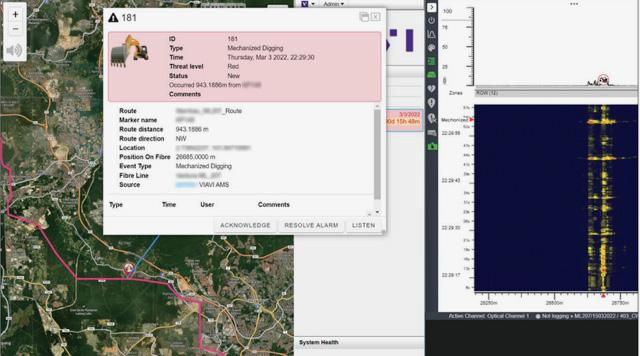
Table
each technique and its strengths/weaknesses
enough accuracy to distinguish two separate digging events that occurred within 150 m of each other. Experimental testing using this equipment has also demonstrated it was capable of detecting all 45 individually created leaks across a 34 km (26 mile) pipe section. The pipe was running at 20 bar (290 psi) with a flow of 20 l/min. and leaks included pinholes of between 1 and 5 mm.
In 2022, systems integrator Ventura worked with VIAVI to implement DAS across 13 pipeline locations based in Malaysia, as well as monitor 300 km in its pipeline network.
The goal is to prevent damage to pipeline operations and minimise the environmental damage and cost of leaks.
The biggest threat was third-party intrusions. Steps were already taken based on ASME B31.8 standards to minimise this, with teams patrolling the relevant areas for intruders. However, covering hundreds of kilometers of the most prone areas, in all weathers, and frequently enough to stop all potential TPI events presented a significant logistical challenge.
By implementing DAS monitoring combined with AI/ML analysis, it became possible to identify and prevent TPI activities, with GPS co-ordinates sent to patrol teams as soon as unwanted vehicle or digging activity is detected. To speed interception, these coordinates are also sent to a system of automated fast-response drones, which alert any intruders to their discovery and can reduce potential conflict.
Machine learning has also helped reduce the number of false alarms, with the system developing adaptive thresholds based on soil type and time of day, and these are continuously calibrated during the system’s logging and tuning stages.
And the results have been highly effective. In the three years since implementation, the DAS system has identified and prevented multiple TPI events, including several critical instances in which illegal trenching activities were identified. For these, the presence of excavators and heavy vehicles created significant ground stress capable of damaging the pipes.
In the 40 years since the first distributed sensing concepts emerged, we’ve seen the technology mature from a scientific novelty into a truly accurate, real-time tool that is critical in protecting pipelines and other critical infrastructure.
Feature DTS (Raman) DTSS (Brillouin) DAS (Rayleigh)
Primary measurement Temperature only Temperature and strain Acoustics/vibrations
Speed of detection Fast (seconds to a minute) Medium (minutes) Real-time (milliseconds)
Key problem solved Leak detection (reactive), linear heat detection (fire)
Main advantage
Absolute temperature values, fast, less complex
Ground movement (proactive), structural health corrosion Third-party intrusion (TPI), real-time leak
Proactive warning of mechanical threats, strain, and temperature decorrelation
Real-time, dynamic event detection before damage occurs
A key evolution in this has been the rise of advanced machine learning techniques, which can eliminate the noise to categorise specific events and prevent data overload that would otherwise have caused false positives. Crucially, this greater resolution is allowing operators to shift from reactive repairs to proactive integrity management, with the pinpointing of threats earlier to ensure safer, more resilient infrastructure.


Safety has always been at the forefront of gas utility operations. Since the late 1800s, operators have focused on delivering reliable energy while minimising risk to consumers. But today, the industry faces a new reality: infrastructure is ageing, regulatory frameworks are tightening and customers expect more transparency and resilience. These changing dynamics demand a departure from traditional approach to gas safety.
As a result, utilities across the globe are moving toward smarter, more adaptive networks, with a particular focus on edge intelligence: a technology paradigm that enables realtime decision-making at the network’s edge. By embedding intelligence into meters, sensors, and field devices, utilities can act immediately without waiting for centralised commands, or better yet, anticipate issues before they occur. This shift creates a safer, more agile gas network that supports reliable service for communities everywhere.
Where traditional safety methods fall short Safety strategies have historically been built around manual inspections, scheduled leak surveys and centralised control

systems. These approaches were effective in a time of predictable operations, where networks were relatively static and risks were easier to manage. Today, however, gas networks are far more complex and dynamic. In this environment, the shortcomings of traditional approaches have become increasingly evident. Manual processes can delay response times, scheduled surveys can miss emerging issues and centralised systems often lack the agility needed to address real-time threats.
Manual leak detection and periodic maintenance create blind spots. Between inspection intervals, small leaks can go unnoticed and pressure anomalies can escalate into hazardous conditions. Centralised Supervisory Control and Data Acquisition (SCADA) systems, while effective for monitoring, introduce latency because data must travel to a control centre for analysis before action is taken. In emergencies, those seconds or minutes can mean the difference between containment and catastrophe.
Traditional models are also reactive. They depend on human intervention to interpret alarms and dispatch crews, which slows response and exposes personnel to risk. As
networks age and customer expectations rise, these limitations become more pronounced. Utilities need the ability to operate continuously, autonomously and at scale, which are capabilities that legacy approaches simply can’t deliver.
The safety imperative: lessons from global incidents
Gas distribution systems have always operated under strict safety standards, but when they fail, the consequences are severe – both for communities and the environment. The impacts of system failures can be devastating, including fatalities, property damage, regulatory penalties and significant environmental harm. Safety incidents erode public trust and reinforce the urgency for modernisation.
Beyond immediate damages, operators face litigation and heightened regulatory scrutiny. Agencies such as the Pipeline and Hazardous Materials Safety Administration (PHMSA) in the US, the Institution of Gas Engineers and Managers (IGEM) in the UK, and the Energy Market Authority (EMA) in Singapore have tightened safety mandates. These regulations increasingly require utilities to adopt advanced monitoring and risk management practices. Global initiatives, including modernisation grants and decarbonisation programmes, are incentivising investment in technologies that enhance situational awareness and accelerate emergency response.
In addition to safety and financial risks, gas infrastructure failures have profound environmental implications. Methane, the primary component of natural gas, is more than 80 times more potent than CO2 over a 20 year period.1 Large-scale leaks, such as the 2022 Nord Stream rupture that released 458 000 t of methane, accelerate global warming and undermine decarbonisation goals.2 Every uncontrolled release threatens communities and contributes to climate disruption, making proactive leak detection a critical component of both sustainability and safety strategies.
Moving forward, safety is non-negotiable, and compliance alone isn’t enough. Utilities must proactively identify and mitigate risks before they escalate.
Edge intelligence: a paradigm shift
Edge intelligence represents a fundamental departure from traditional safety models. Instead of relying solely on centralised systems, edge computing moves decision-making closer to the source of data – within meters, sensors, and controllers deployed throughout the network.
Edge devices bring intelligence directly to the point of measurement, allowing them to process data locally rather than relying on distant control centres. This capability means anomalies can be identified the moment they occur, whether it’s a sudden pressure drop, an unexpected temperature spike or irregular flow patterns that signal a potential leak. Once detected, these devices can initiate automated actions such as closing valves or isolating affected segments of the network to prevent escalation.
Apart from immediate intervention, edge-enabled systems maintain constant communication with central operations, transmitting alerts and contextual data without delay. This ensures that operators have full visibility into what triggered
the event and can coordinate follow-up actions effectively. By decentralising decision-making, utilities benefit from faster response times, reduced exposure for field crews and a stronger layer of protection for customers and infrastructures alike.
Technology foundations for safer networks
Edge intelligence does not stand alone. It’s part of a broader digital ecosystem that includes advanced metering infrastructure (AMI), sensor networks and integrated platforms. Together, these technologies form the backbone of modern gas safety strategies.
AMI systems enable two-way communication between utilities and field devices and integrate with SCADA and Geographic Information System (GIS) platforms to provide operators with a unified view of network conditions. This convergence allows utilities to overlay operational data with geographic information, improving decision making during emergencies. Cybersecurity is another critical layer. Edge devices must be hardened against intrusion, with encrypted communication and secure firmware updates to prevent malicious interference.
Modern gas meters equipped with sensors can detect leaks, monitor consumption patterns and identify irregularities. When paired with edge intelligence, they act autonomously, closing valves or sending alerts without human intervention. This evolution transforms meters from simple billing endpoints into protective devices that actively safeguard the network.
Centralised platforms complement edge devices by integrating data from across the network. These systems provide operators with a holistic view of network health, enabling strategic planning and coordinated emergency response. Integration with SCADA, GIS, and customer information systems ensures that alerts are contextualised and actionable, reducing the risk of misinterpretation during critical events.
Reliable communication is essential for safety. Networks that combine RF mesh and cellular connectivity ensure that alerts reach control centres even during outages or disasters. This level of latency is critical for ensuring situational awareness under all conditions and aligns with global standards for infrastructure resilience.
Safety is as much about prevention as response. Predictive analytics powered by artificial intelligence (AI) and machine learning (ML) are transforming maintenance strategies from reactive to proactive.
For example, anomaly detection algorithms can flag subtle pressure variations that precede leaks, while pattern recognition models identify recurring stress points in aging infrastructure. These insights prevent failures while optimising workforce deployment, reducing unnecessary site visits and lowering exposure to hazardous conditions. Utilities can even simulate failure scenarios to refine emergency protocols, creating a proactive safety culture.
By analysing historical and real-time data from sensors, predictive models can identify patterns that precede failures. Pressure fluctuations that indicate a potential leak, temperature anomalies that suggest equipment degradation and consumption patterns that reveal unauthorised usage or tampering can all be detected before they escalate. Utilities can use these insights to schedule maintenance before problems occur, reducing downtime and avoiding costly repairs.
Proactive safety measures deliver tangible benefits, including fewer emergency callouts, lower risk for field personnel, and reduced operational costs. Equally important, demonstrating a proactive approach builds confidence among regulators and customers, addressing a universal priority across global markets.
The next decade will bring even greater integration of edge intelligence and advanced analytics into gas operations across the globe. Expanded sensor ecosystems will enable more granular monitoring of methane emissions, pressure and temperature. AI-driven decision support will automate workflows that prioritise alerts and recommend actions, and continued investment in modular networks will ensure uninterrupted communication.
Emerging trends such as hydrogen blending and renewable gas introduce variables for pressure management and material integrity, which are areas where edge intelligence will play a leading role. Global collaboration is accelerating, with industry groups working toward common standards for interoperability and cybersecurity. These efforts will ensure that safety innovations scale across regions, creating a consistent framework for resilience in an increasingly complex energy system.
Safety will remain the defining metric of success for gas utilities. Those that embrace digital transformation will meet regulatory expectations and position themselves as leaders in operational excellence on a global scale.
Safety has always been a priority for gas utilities, but it has evolved into a dynamic, data-driven discipline. Traditional approaches built on static processes and reactive measures are no longer enough to meet today’s demands. By embedding intelligence at the edge of the network, utilities establish a foundation for resilience, reliability and public trust.
The takeaway is clear: modernisation isn’t optional. It’s essential for gas utilities committed to delivering safe, reliable and resilient services to their communities. Edge intelligence transforms safety from fixed standards into an integrated, adaptive system capable of anticipating risks, responding in real time and withstanding both today’s challenges and tomorrow’s uncertainties.
1. GHG Management Institute, IPCC AR6 Methane GWP Tables. https:// ghginstitute.org/ipcc-ar6-methane-gwp-tables/
2. ‘Nord Stream leak twice as bad as previously thought – new study’, Gas Outlook. https://gasoutlook.com/analysis/nord-stream-leak-twice-as-badas-previously-thought-new-study/





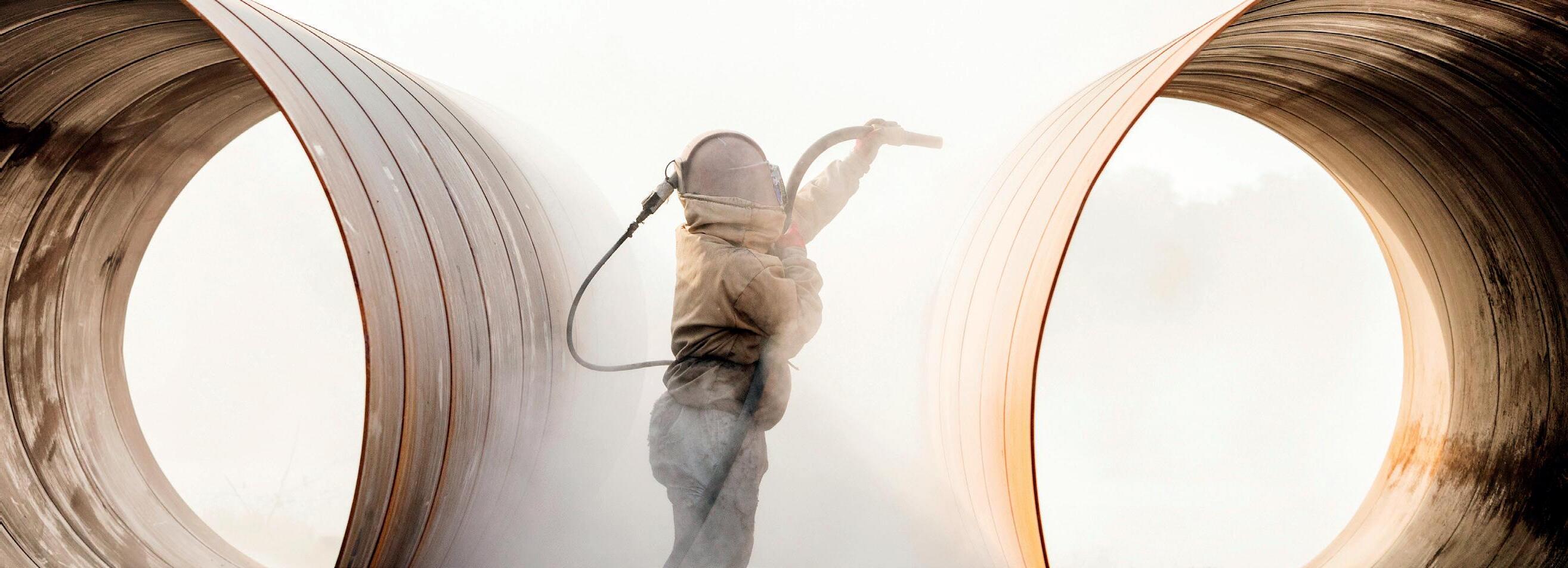
The forum for the corrosion protection community, exploring pipeline coatings, hydrogen transportation, new technology and markets
Highlights from the 2026 agenda
Panel discussion Evening Networking event

Papi Diambu Mbikay
Specialist Materials Technology Equinor
17 sponsors and exhibitors
Industry-leading speakers include:
Denis Melot Expert Non-Metallic Materials & Coatings TotalEnergies

Nicolas Singling Paintings, Coatings & Non-Metallic Materials, Discipline Lead Engineer SAIPEM
Expert speakers

Senior Advisor Asset Management
Gasunie
Also sponsored by: Media Supporters:











World Pipelines interviews Winn & Coales (Denso) Ltd, a member of Winn & Coales International, on how pipeline coating manufacturers are adapting corrosion protection technologies to support energy transition projects.
World Pipelines (WP): Looking ahead to 2026, what are the major corrosion and integrity challenges pipeline operators are bringing to you most often? Are these challenges different from what you were hearing five or ten years ago?
Winn & Coales (Denso) Ltd (Denso): We have existed as a business since 1883; we take the long view. The much-awaited arrival of the hydrogen economy is following the same pattern of energy transition as the last 100 years. UK electricity generation in that period has seen considerable upheaval. But with each successive technological change the period of technological induction from initial onset to widescale adoption has spanned about 30 years. Of course, existing natural gas consumption
is not only in electricity generation but is spread across domestic, commercial/industrial and transport sectors as well. The opportunities for hydrogen substitution face considerable efficiency, safety, and infrastructure challenges especially in domestic and transport use sectors. It is highly commendable that pipeline operators strive to use existing infrastructure for new purposes. This not only makes economic sense but helps contribute to sustainability goals. We are actively working to support these new developments as well as ensuring continued support for existing requirements.
WP: How have changing regulatory pressures, climate considerations, and the rise of carbon capture utilisation and storage (CCUS)/H2 projects shaped operator expectations of coating performance?
Denso: The rise of CCUS/H2 will require the completion of many engineering validations to ensure the suitability of the existing pipeline network and the new additions to be incorporated within it. We feel that it is essential that coating manufacturers are included in these engineering validations
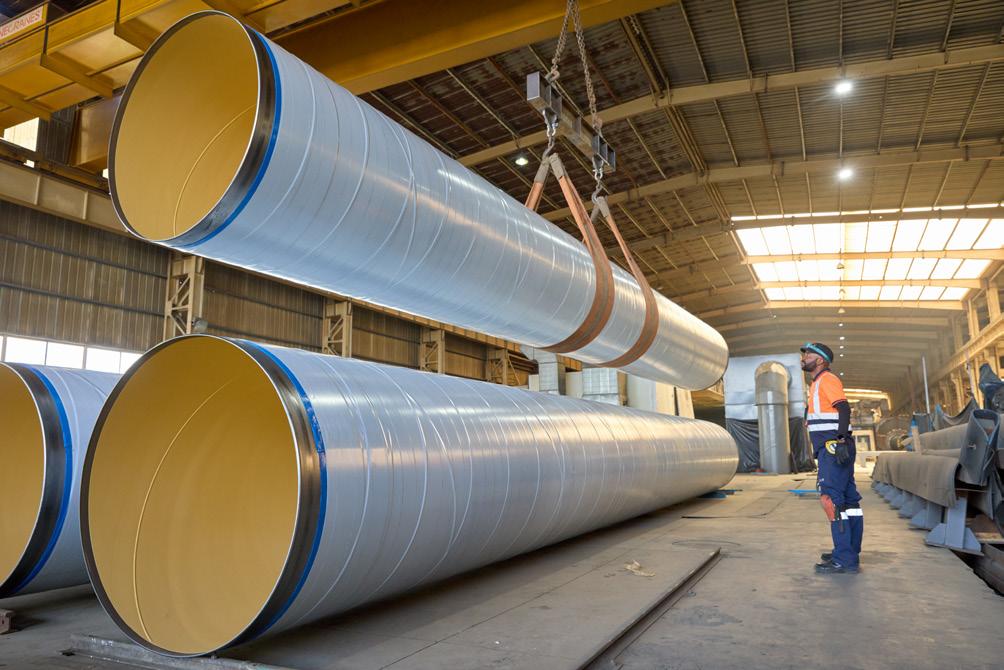
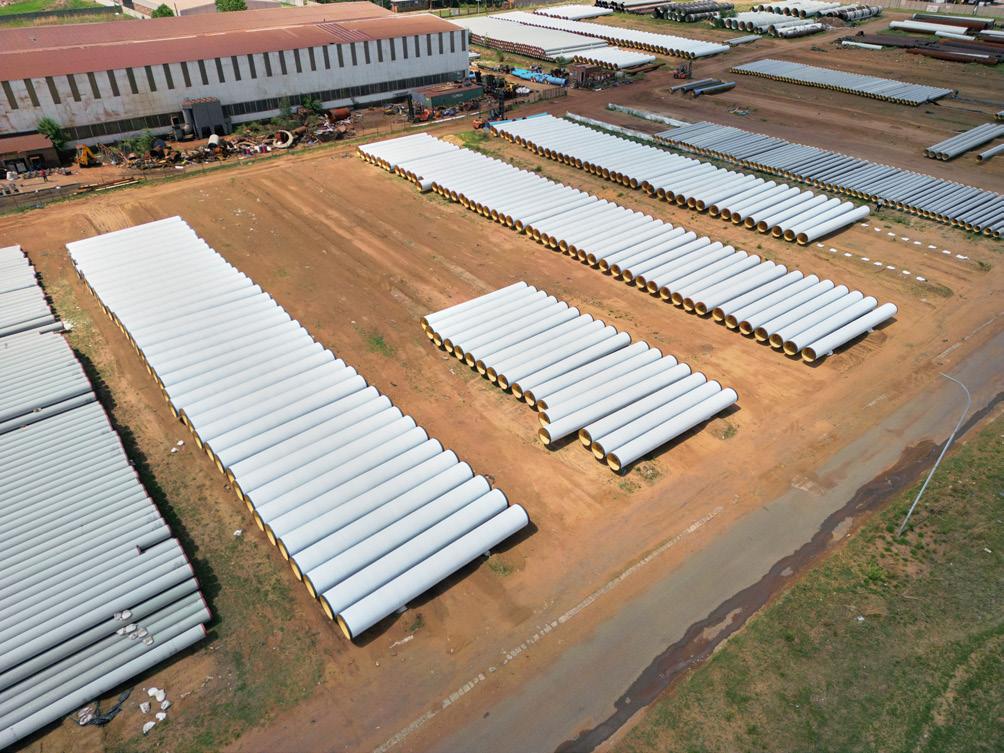
to ensure a holistic view is taken of the use of coatings in a CCUS/H2 network.
We have been asked, “Are your coatings hydrogen ready?”, however, this is not a simple question to answer, and anyone claiming that it is should be asked for justification. The question is not just on the effect of hydrogen on the coating, for example, but on how the use of the pipeline will change: what temperatures will it now operate at? Will new operating pressures potentially create temperature changes, or similar, that were previously unexpected?
Laboratory testing combined with field validation is a proven way to demonstrate the suitability of a coating for the intended purpose and this should be widely undertaken. While international and national standards also help shape development of coatings, these often follow developments in the market, rather than lead the market to the developments. As a company we are committed to assisting pipeline operators in achieving their objectives through collaboration.
WP: Many operators now want coatings that provide long-term stability while reducing VOCs and environmental impact; how do you balance high performance with sustainability requirements?
Denso: Many suppliers have existing coatings that contain VOCs and work to reduce the quantity of VOC by reformulating the products according to market demands. In contrast, we have designed coatings that are inherently VOC free. While this provides obvious benefits to the pipeline operator, it also provides benefits to us as a manufacturer; a reduction in VOCs benefits the staff in our factory with improved working conditions, increased safety and reduces our impact on the local community. Eliminating VOCs from their products is something any reasonable company should be working towards.
We do not see reduction or elimination of VOCs as the only way to improve the sustainability of our product. For over 90 years we have manufactured and supplied types of coatings with some of the lowest surface preparation requirements of any coating available. We continue this with our new coating developments, working towards achieving the same performance on a surface that is prepared without abrasive blasting as one that is. These benefits contribute not only towards improved sustainability but also towards improved operator safety, another key ESG goal that all companies should be working towards.
Throughout these developments, we ensure the high performance of our coatings is maintained by benchmarking them against the requirements of international and national standards, undertaking long term testing and continued collaboration with valued partners who enable field validations of these new developments.
WP: Can you describe any advancements you have made in field-applied or rehabilitation coatings?
Denso: We have been supplying a high build epoxy coating (Protal) for 40 years which has been extensively used in pipeline

integrated bypass maintains production during isolation











Dual Leak-Tight Seals
Double Block & Bleed Isolation














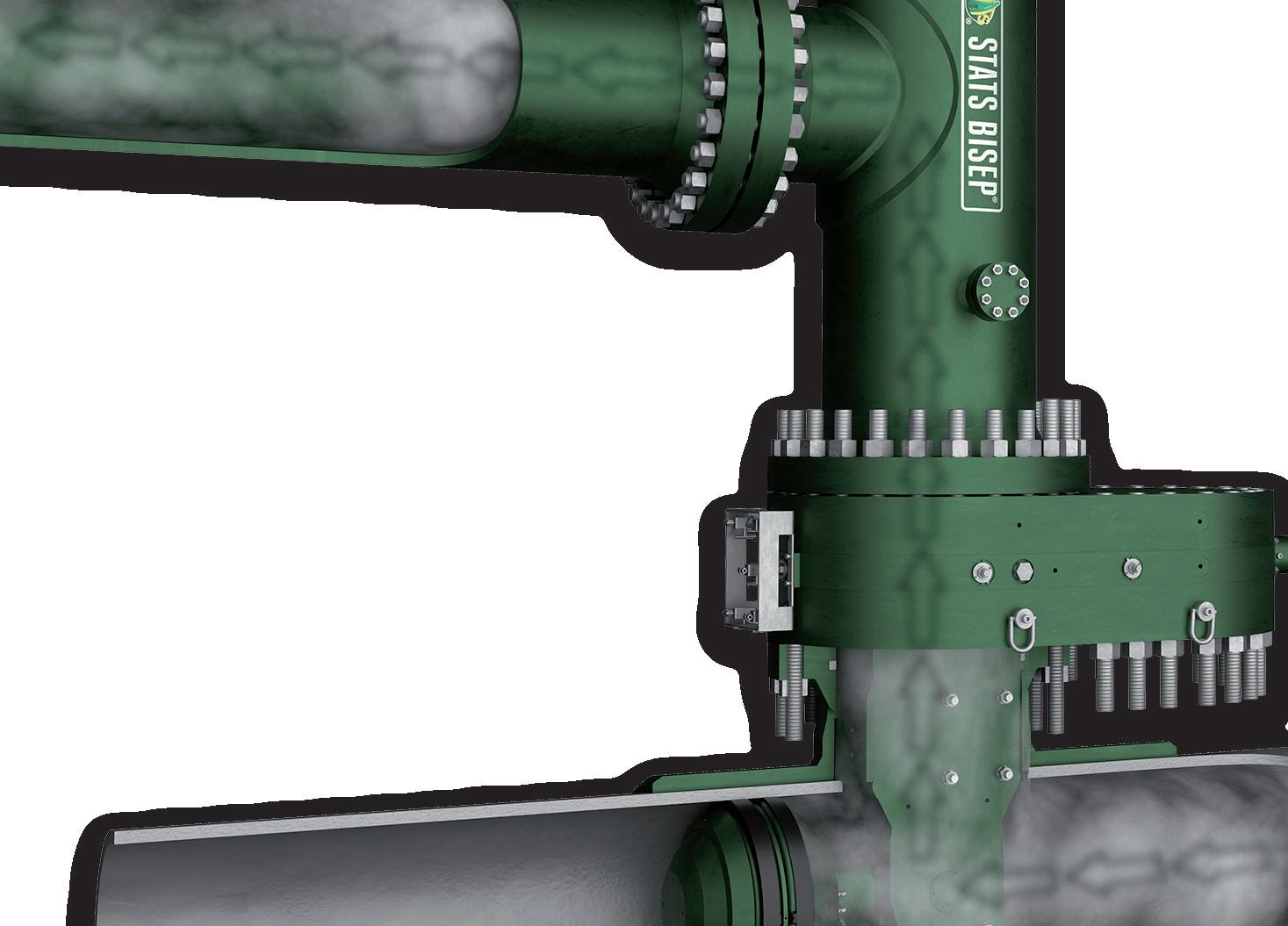



Isolated Pipeline










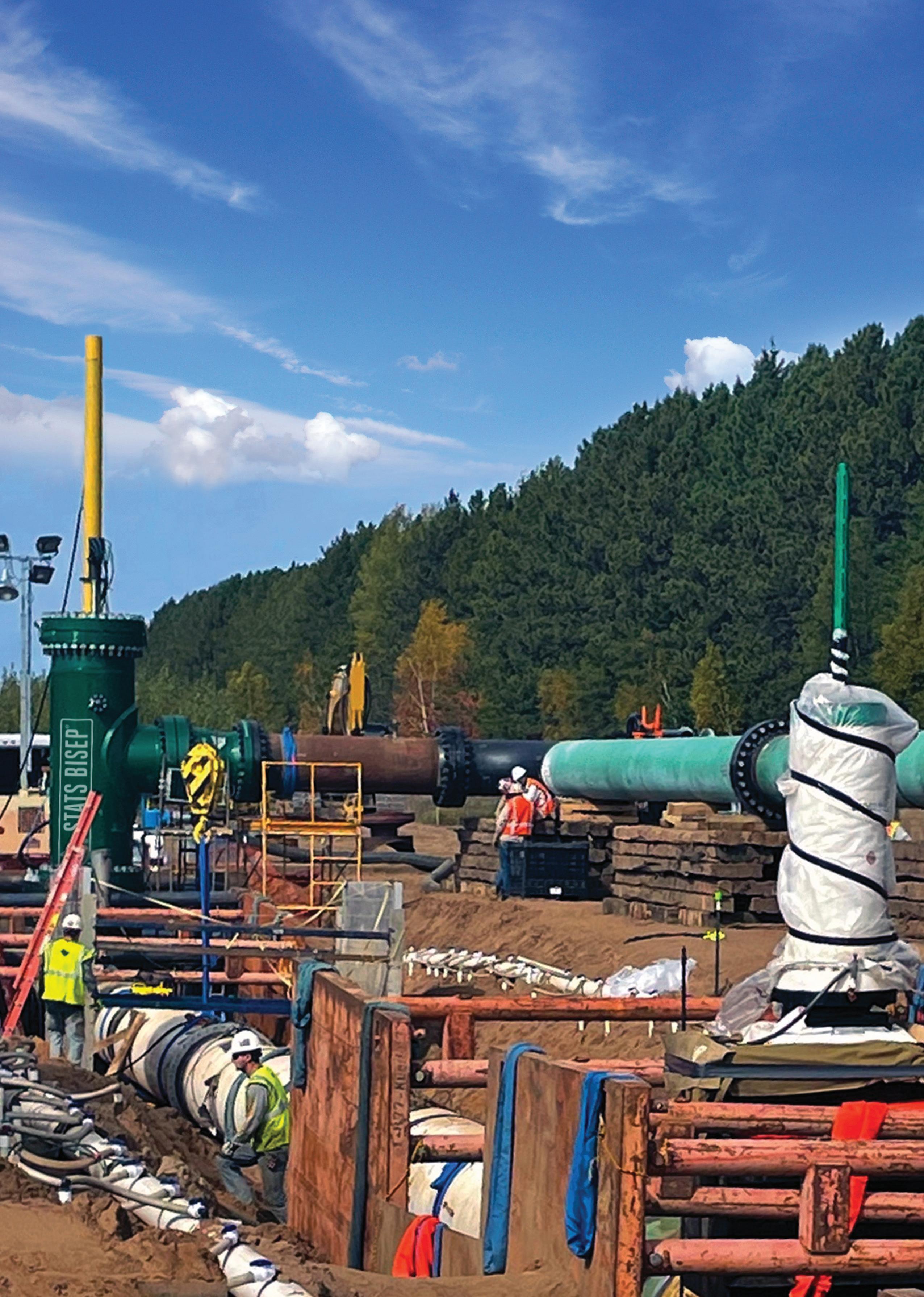
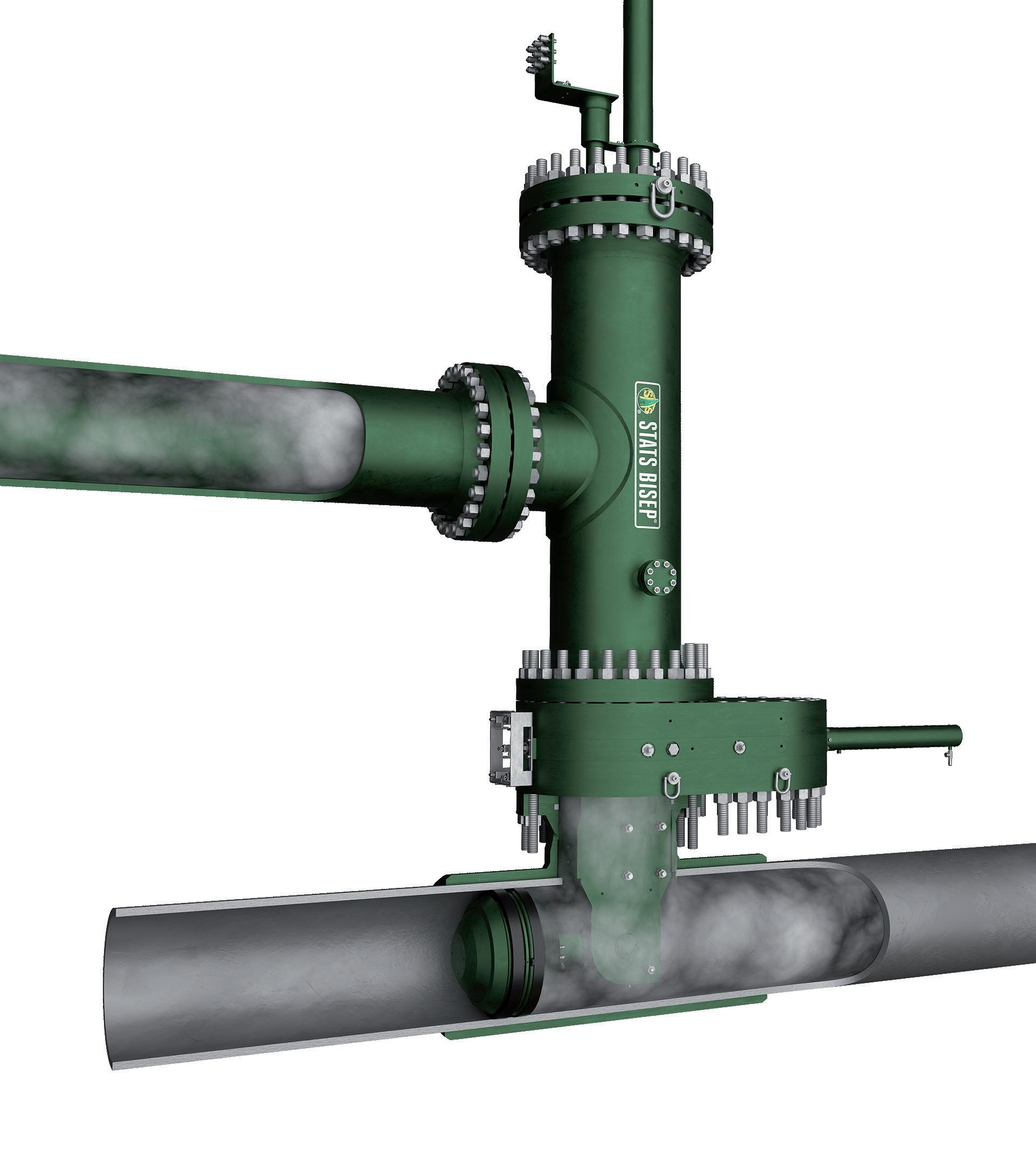


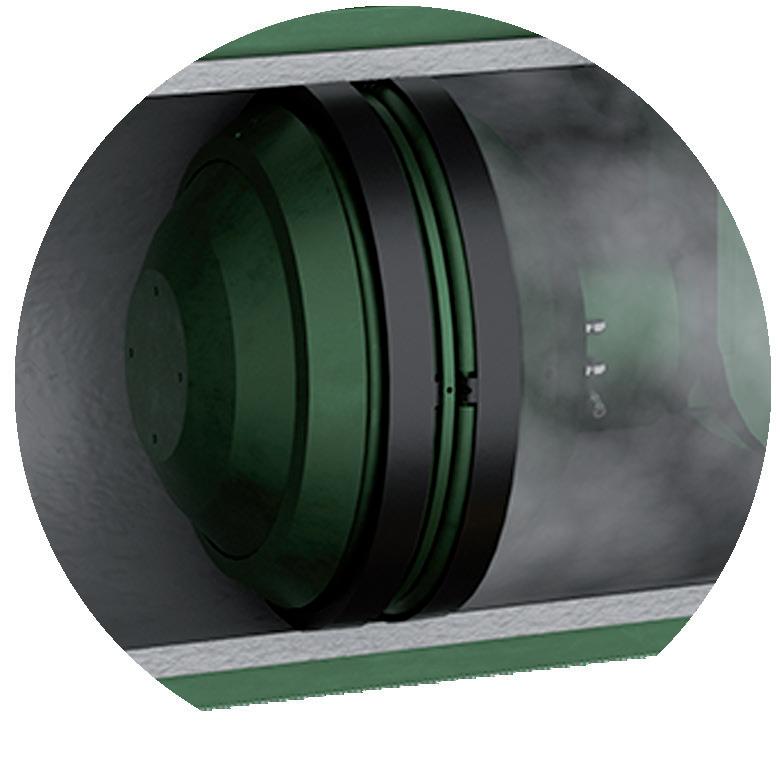

Monitored Zero-Energy Zone
The BISEP® has an ex tensive track record and provides pioneering double block and bleed isolation while
dual seals provide tested, proven and fully monitored leak-tight isolation, ever y time, any pressure.









rehabilitation. Typically, this is done on pipelines where the existing coating was a Coal Tar Epoxy or similar coating that is no longer available, and which is being replaced with a VOCfree epoxy coating with a greatly reduced environmental impact.
We are increasingly using our viscoelastic range of coatings for rehabilitation. The Viscotaq range of coatings is highly user friendly, due to the simple surface preparation requirements,
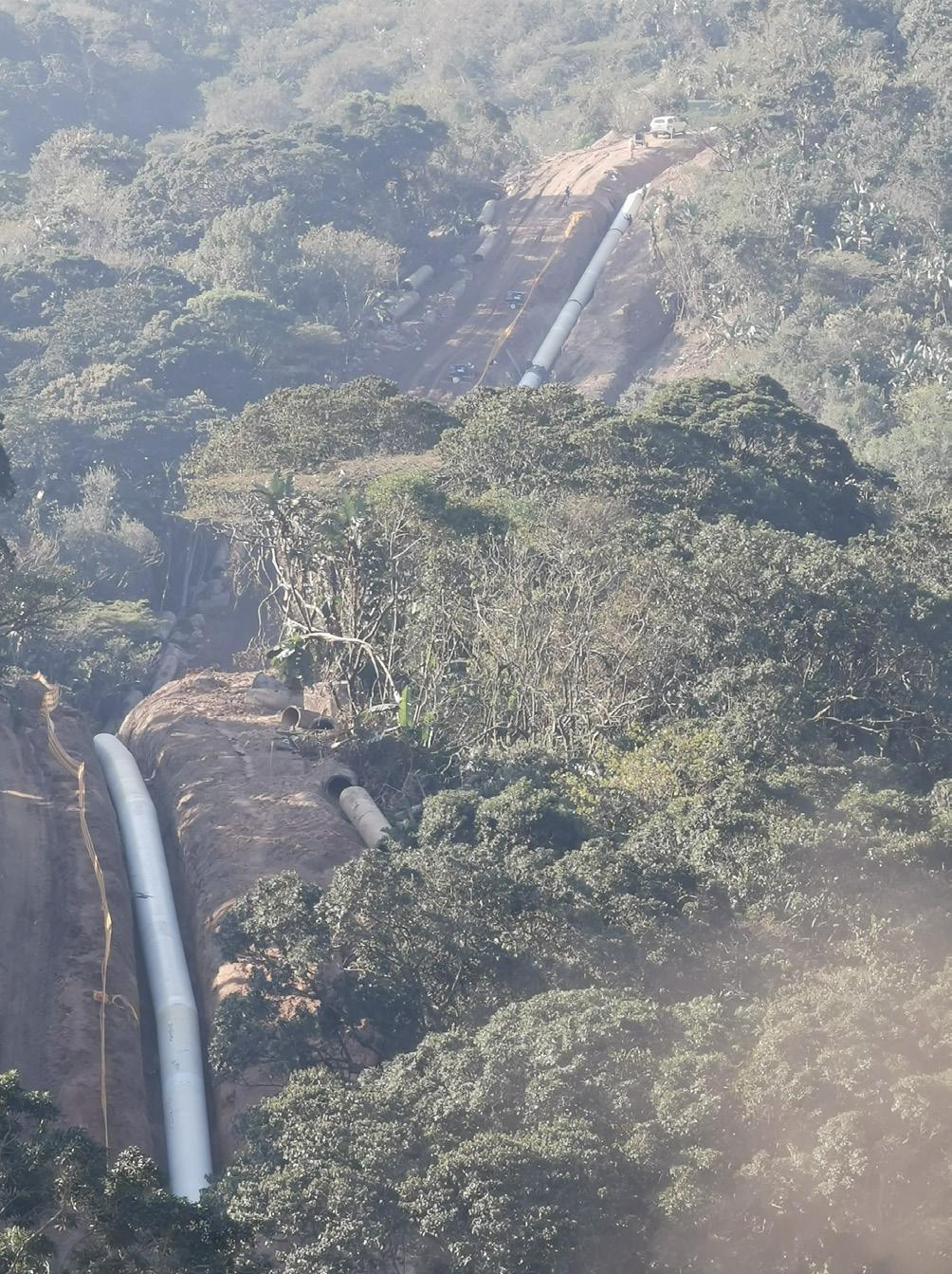
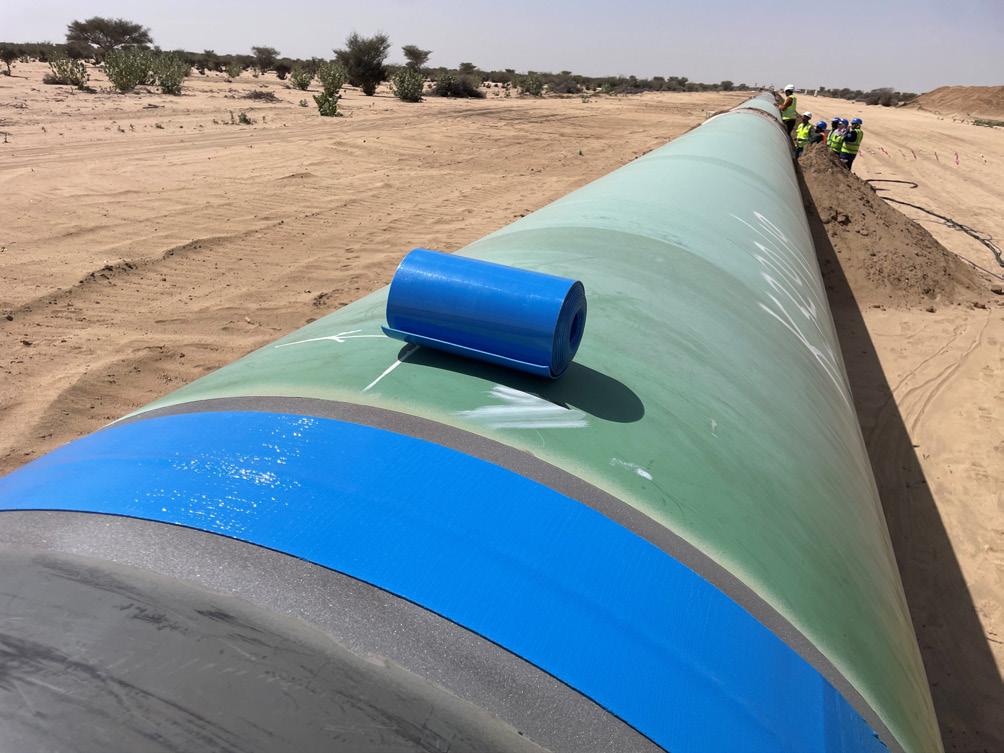
ease of application in a wide range of environments, and fast return to service due to their typically being no cure time to any component in the system.
WP: What are the most common mistakes or oversights you see during coating application in the field?
Denso: Three common mistakes are incorrect material selection, incorrect surface preparation, and insufficient consideration of the environmental conditions. Generally, all these mistakes are avoidable. All coatings manufacturers should be happy and able to provide guidance at the design stage in what would be the appropriate products or systems for a particular project. Once the system is known, the manufacturer can also provide guidance on how to complete suitable surface preparation and how to suitably manage the environmental conditions to ensure a successful coating application.
Much of this comes down to engagement and collaboration. We offer training to help ensure the system is applied correctly according to our instructions, and we are also always prepared to assist at the design stage to try and get the correct products specified, even if that means on occasion, we have to say we do not have a suitable product or system for the project.
WP: How do you address the demands of difficult environments?
Denso: We are fortunate that our range of products covers a wide variety of environments, so we are able to tailor those products to create a system that will be suitable for almost any environment. By collaborating with operators and encouraging the open sharing of information, we can identify the difficulties that need to be overcome and mutually agree on the best solution to resolve them.
WP: Can you share any recent project examples that highlight the strengths of your coating systems in challenging applications?
Denso: Our Viscotaq range of viscoelastic coatings have recently been used on several projects, all with very different requirements, highlighting the versatility and adaptability of this range of products.
One of our viscoelastic systems was applied as a factory coating to a large diameter (1200 mm and 1400 mm) 12 km water pipeline. The system’s ability to ‘self-heal’ was a key factor in its selection, with the speed of application also of great importance. The two layer system of viscoelastic inner layer and PE outer layer was cold applied and had no cure time, meaning the coating application could keep up with the rate of surface preparation (Figure 1, 3, and 3).
Another of our viscoelastic systems was applied as a field joint coating to a large diameter (1422 mm) 300 km onshore pipeline, buried in the desert of the GCC. The simple application of the system made it very contractor friendly, allowing for a fast completion of each field joint (Figure 4).
A third viscoelastic system was applied as a field joint coating to offshore pipelines 304 mm and 355 mm in
June 9-11, 2026 | Calgary, Canada
CAPITALIZING CANADA’S GLOBAL ENERGY LEADERSHIP
CAPITALIZING CANADA’S GLOBAL ENERGY LEADERSHIP

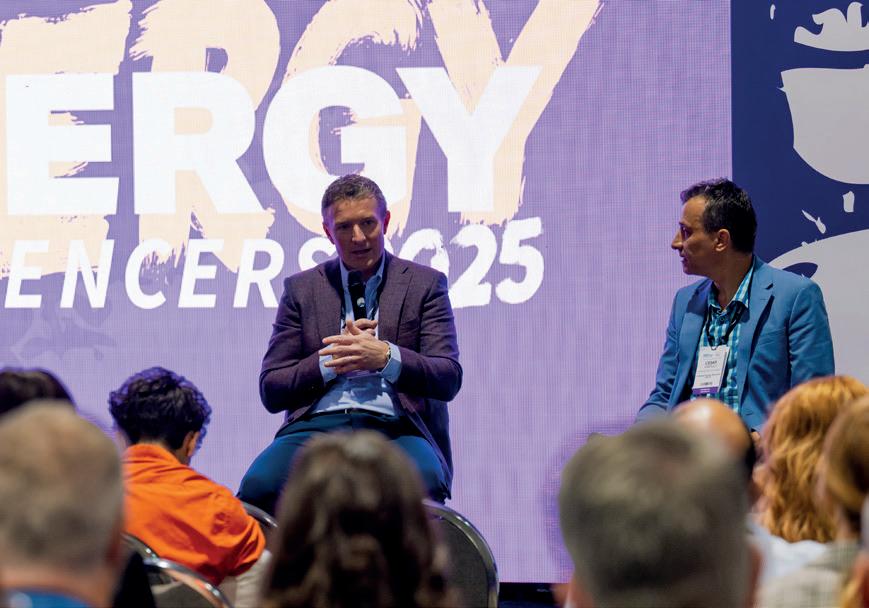
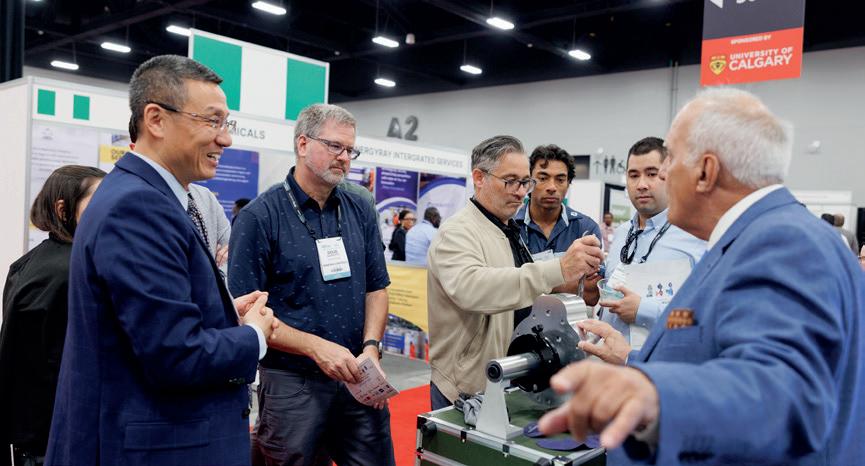

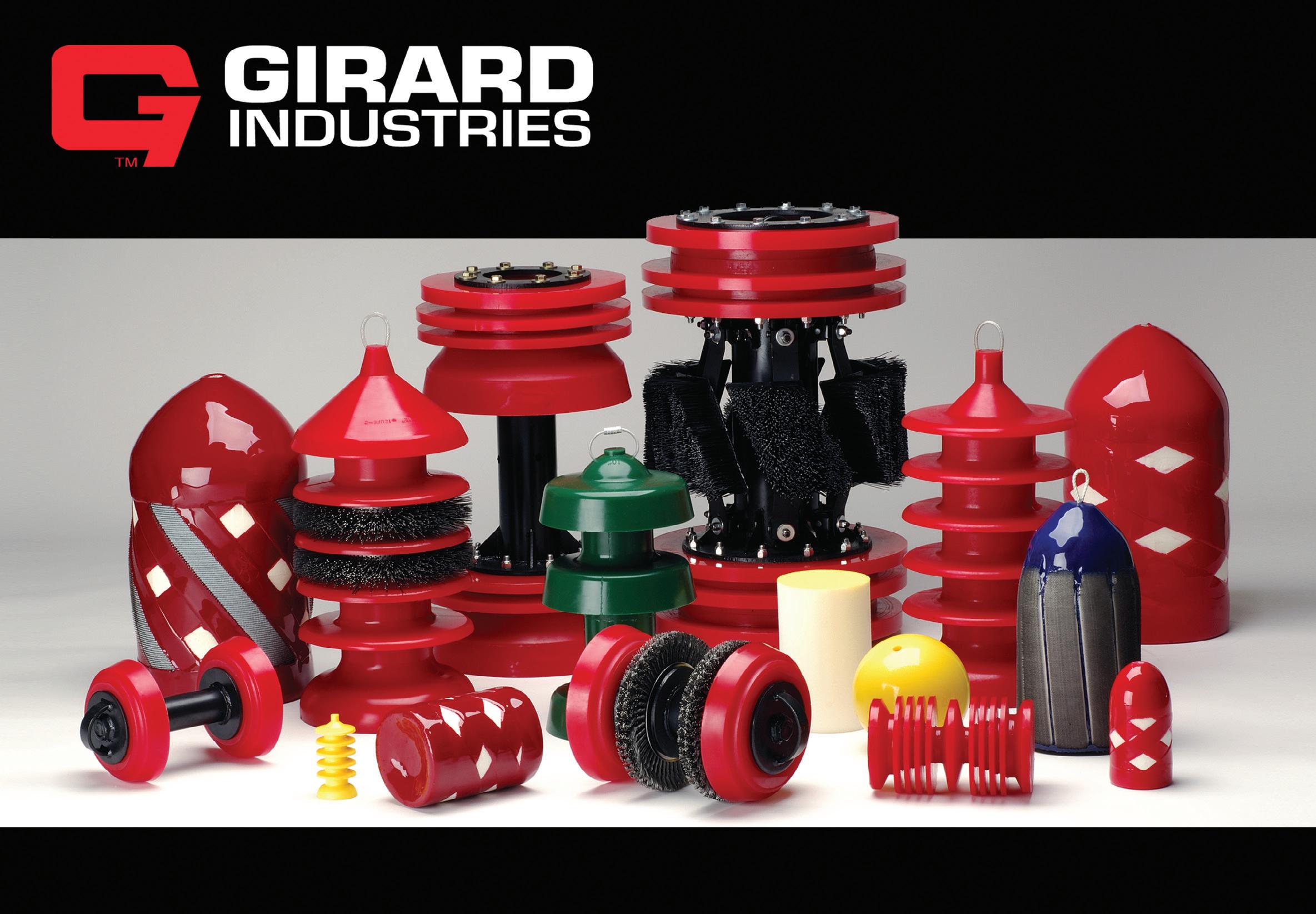

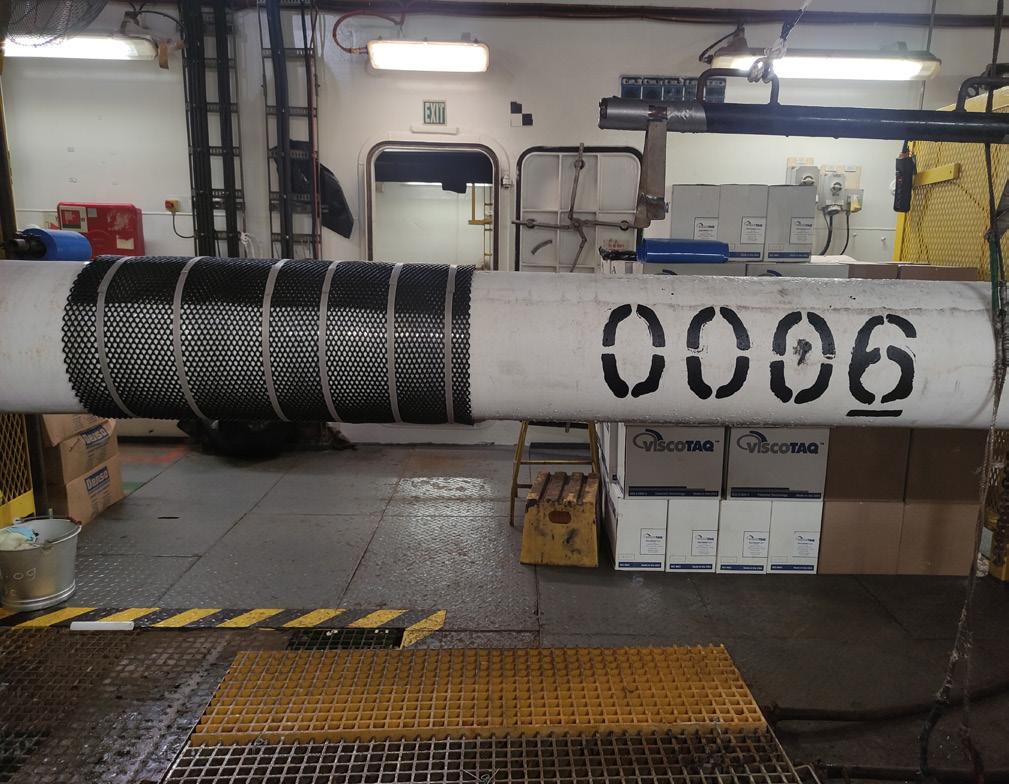
diameter with a combined length of 60 km. The pipelines
A common theme with all these projects was speed of application; this is achieved with simple application methods and low surface preparation requirements. This means that our viscoelastic systems can often be applied faster than traditional coatings, giving a key opportunity for savings, in almost any environment.
Chiara Sorrentino, Technical Director
Chiara Sorrentino completed a master’s degree in chemistry at the University of Siena (Italy) in 2014 before joining Winn & Coales (Denso) Ltd in 2015. In the intervening decade, she has progressed through multiple roles in Quality Assurance and Research and Development and became a member of the Royal Society of Chemistry. From 2023, she fulfilled the role of Technical Manager for the company, before her recent appointment to Technical Director in May 2025.

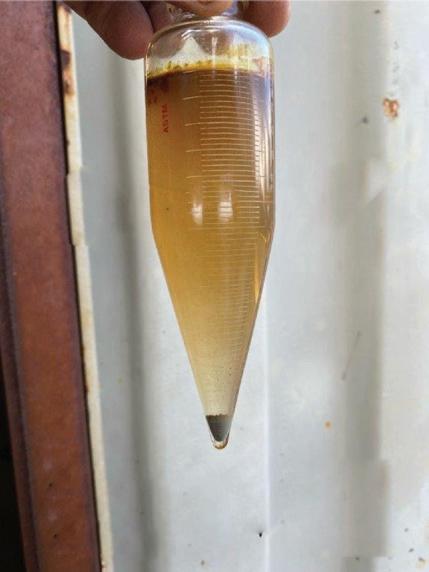
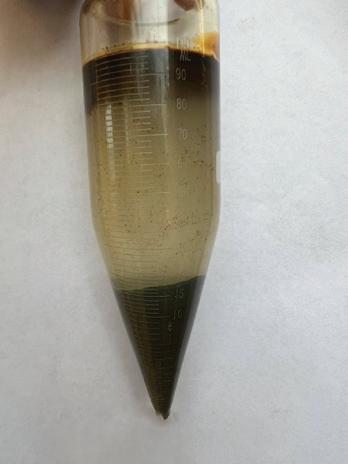
Martha Rendon, Emerson, analyses driving commercial efficiency and compliance across a complex energy landscape.
The global energy sector has transformed dramatically over the past two decades, driven by natural gas and growing, but still emerging, hydrogen initiatives. These changes have placed increasing pressure on the midstream segment to optimise pipeline capacity, storage, shipping practices, and operational and commercial capabilities – all while ensuring safety, reliability, and network security.
Transmission and distribution companies are expanding globally, supported by varied regulatory models, including open access frameworks in some regions, with regulations that promote transparency and competition. Mexico exemplifies this trend, having reformed energy laws to attract private investment and modernise infrastructure, resulting in rapid growth across oil, gas, and electricity sectors.

Similar developments worldwide are creating a diverse and competitive midstream environment.
Commercial and operational challenges
Shippers/marketers, transportation companies, and local distribution companies (LDCs) seek better insights into supply and demand dynamics and network performance to optimise gas deals and maintain accurate accounting. These efforts must consider short- and long-term technology requirements, including future hydrogen-readiness efforts, carbon capture, renewable energy initiatives, and emissions-reduction goals.
Risk management is a top priority, particularly in light of cybersecurity threats. The ransomware attacks on major pipelines have prompted directives requiring operators to
implement mitigation measures, contingency plans, and network segmentation to protect operational technology (OT) and information technology (IT) systems. Pipeline operators must implement robust change management and configuration strategies to safeguard critical infrastructure.
To address these challenges, companies are adopting systembased approaches that integrate advanced tools under a single umbrella. Solutions combining leak detection, predictive modeling, flow validation, and software for capacity and nomination management enable flexibility and agility in a rapidly evolving environment. Ideally, these platforms support all commercial activities – from scheduling and allocation to balancing and invoicing – while ensuring compliance with contractual and regulatory obligations.
Eliminating operational barriers and leveraging data-driven insights can be beneficial for competitiveness. Integrated technologies not only enhance safety and reliability but also

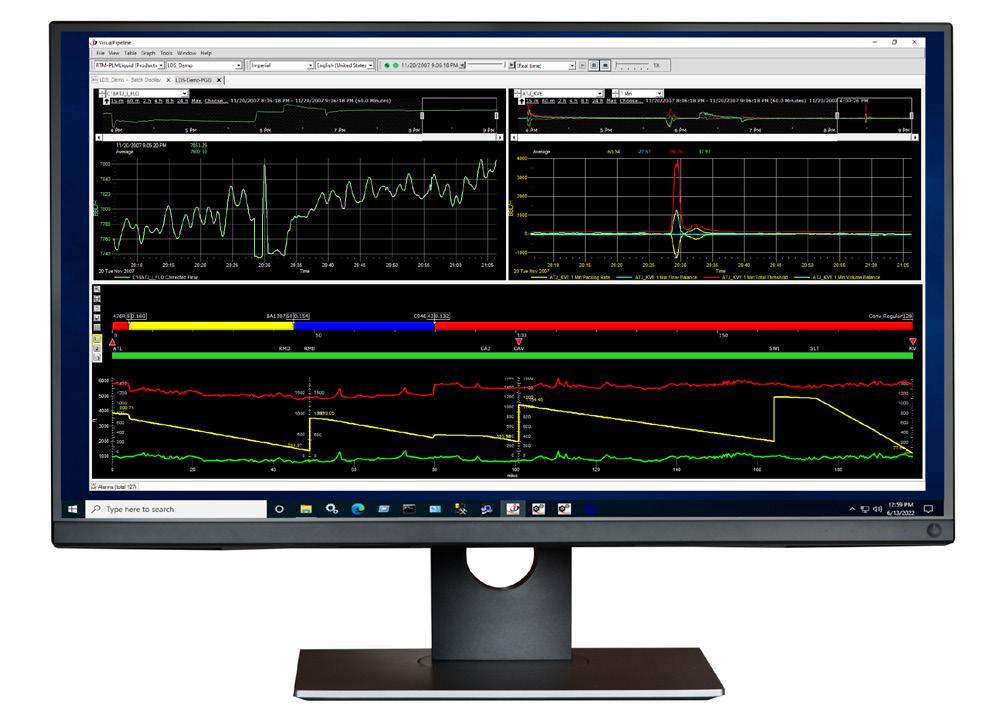
position companies to capitalise on emerging opportunities in a dynamic global energy market.
Natural gas pipeline logistics require strict scheduling and balancing to avoid penalties and ensure smooth operations. Coordinating these activities demands advanced tools that streamline processes and improve efficiency. Emerson’s DeltaV™ O2CManager™ Software is a leading logistics and commercial management system for gas pipelines and LDCs. Widely used as a transactional management tool, it enables operators to manage nominations – the first and most critical step in the gas transportation cycle – along with scheduling, account balancing, and invoicing.
DeltaV O2CManager Software integrates seamlessly with DeltaV PipelineManager™, Emerson’s real-time simulation engine for pipeline operations, leak detection, and theft protection, and DeltaV PipelineStudio™, a hydraulic simulation tool for steady-state and transient flow analysis.
For shippers and pipeline operators in regulated or merchant markets, DeltaV O2CManager Software also provides a gas transactional management solution that improves visibility and control over transport, sales, and purchase contracts. The software enables users to seamlessly manage all commercial aspects of pipeline operations, ensuring safe, efficient delivery while meeting legal and regulatory requirements.
These solutions provide full integration across the gas business cycle, including online and offline hydraulic validations during scheduling, real-time simulation for capacity optimisation, and SCADA-linked certifications for accurate invoicing. Delivered on-premises or via the cloud, they offer comprehensive visibility into datasets, transactions, tariffs, balancing rules, and more – supporting blockchain conventions and modern communication protocols.
By consolidating nominations, confirmations, certifications, allocations, balancing, and invoicing into a single operational structure, Emerson’s DeltaV software empowers pipeline operators and shippers to manage contracts, monitor receipt and delivery points, and act on real-time data related to volumes, penalties, and tariffs. This integrated approach streamlines operations while enhancing transparency, compliance, and business agility.
The natural gas pipeline industry is adapting to rising competitiveness, stricter regulations, and global emissionsreduction goals, which are introducing additional complexities. By integrating advanced software solutions, operators achieve real-time visibility, accurate accounting, and safe, efficient gas flow management with less effort. By automating processes and aligning commercial and operational activities, companies achieve capacity optimisation, imbalance management, and hydraulic validation. These innovations enhance compliance, risk mitigation, and cybersecurity, while streamlining all pre- and post-flow tasks – resulting in greater efficiency and connectivity across transmission and distribution markets in today’s complex energy landscape.


Subscribe online at: www.oilfieldtechnology.com/subscribe


A podcast series for professionals in the downstream refining, petrochemical, and gas processing industries




EPISODE 15
David Wilson, CEO, Energy Exemplar, considers the role that oil and gas is currently playing in the booming data centre industry, and what the future holds.
EPISODE 16
Andrea Bombardi, Executive Vice President, RINA, offers technical and operational insight into some of the key challenges and opportunities of CCUS implementation.
EPISODE 17
Alec Cusick, Owens Corning Technical Lead, Technical Insulation, talks about the risks of LNG pool fires and methodologies to mitigate these risks.
EPISODE 18
Geoff Moody, Senior Vice President for Government Relations and Policy at American Fuel & Petrochemical Manufacturers (AFPM), reviews the first year of President Trump’s second term in office and discusses the impact that it has had on fuel policy in the US.



Anand Jha, Vice President of Global Sales, ABB, details how variable speed drives keep oil and gas flowing efficiently.
The low voltage variable speed drive (VSD), developed in the mid-1970s by Finnish engineer Martti Harmoinen and his team at ABB’s predecessor Strömberg, celebrated its 50th birthday this year. Today, this unsung hero of modern motion control has become an industrial mainstay, keeping pipelines flowing, factories whirring, and infrastructure in constant motion.
The breakthrough overcame a constraint dating back to Nikola Tesla’s 1888 invention of the squirrel-cage induction motor: its inability to run at variable speed. Before VSDs, the
only way to match motor output to variable demand was through mechanical throttling methods, such as dampers, valves, and similar energy hungry compromises.

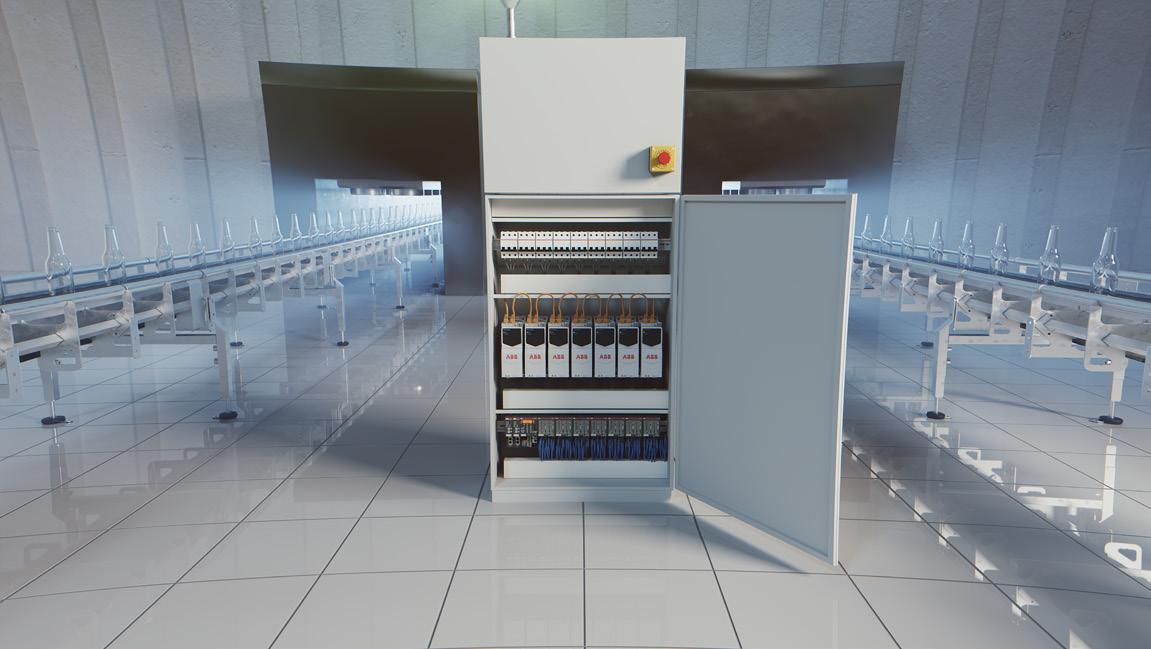
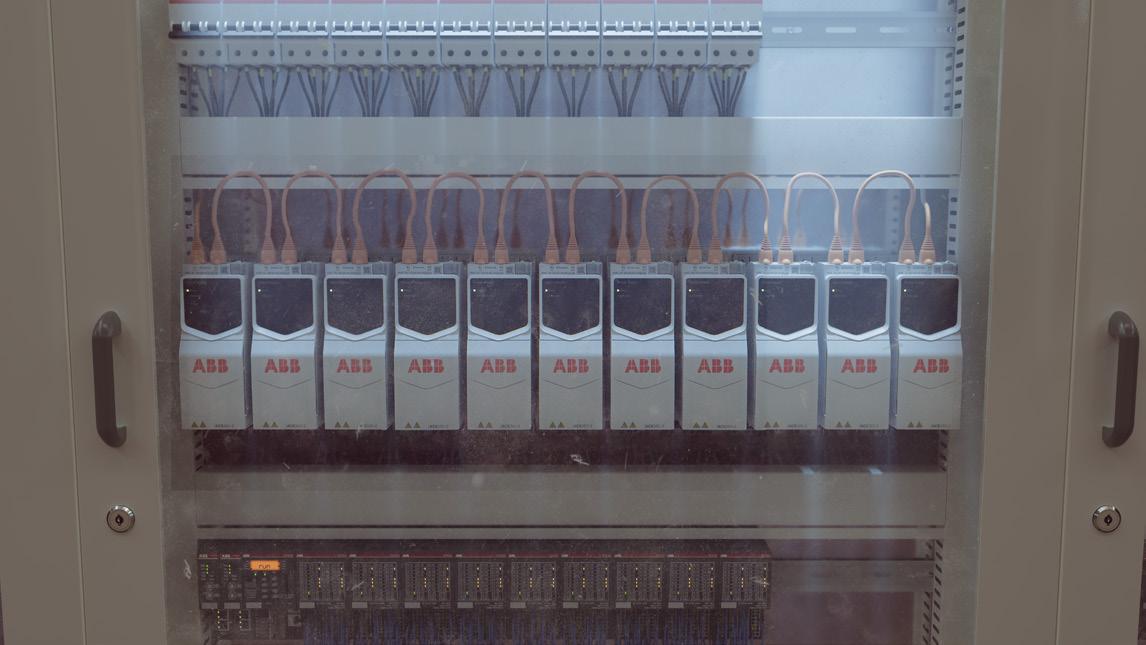
Initially, this technology didn’t cause much of a ripple. But quietly, it rewrote the rulebook, redefining what energy efficiency means for the oil and gas industry. Today, drives are essential tools for operators keen to balance energy use, safety, and reliability in some of the most demanding operational environments the world over. This technology is now set to provide the precision control and energy efficiency that will guide the sector forward for the next 50 years.
When it comes to drives, clarity in terminology matters; it’s not always as clear-cut as you might think. This is because a VSD could be either Alternating Current (AC) or Direct Current (DC), while a variable frequency drive (VFD) is AC only. As the name suggests, a VFD adjusts the speed of an AC motor by varying the frequency it supplies. A VSD in a DC application varies the speed by varying the voltage supplied to the motor. But while the terms VSD and VFD refer to different concepts, in practice they’re often used interchangeably.
Compressors and pumps are the heartbeat of hydrocarbon movement in the midstream sector, tirelessly pushing natural gas or oil across continents and keeping product flowing around the clock. For decades, these assets used fixed-speed motors that worked well, but this carried a high price: wasted energy, higher emissions, and mechanical strain on equipment.
The VSD changed the equation. By finely tuning motor speed in real time, a VSD adjusts output to match varying gas/oil flow rates and pressures. Whether it’s controlling a centrifugal compressor or an electric submersible pump, the control is precise, almost surgical. The payoff is clear: smoother operations, less wear and tear, and energy savings that generally hover in the 20 - 30% range, often much higher.
Similarly, oil production facilities rely on VSDs to regulate the pumps that move crude oil from the wellhead to the processing plant. Because flow rates shift with changes in well pressure, pipeline dynamics, and processing capacity, maintaining steady flow can be a challenge. With VSDs in control, pump speed automatically adapts to these fluctuations, keeps flow rates on target, boosts efficiency, and cuts down on energy waste.
A typical example is found in artificial lift systems that feature rod pumps, where overtravel, lost production and unnecessary wear are significant challenges. In rod lift systems, precise control over the motor is key to matching surface stroke movement with downhole pump fill. With dedicated pump control features, drives can work seamlessly with low voltage motors to automatically adjust stroke speed and timing to well conditions.
For oil and gas operators, uptime is everything. Every production hour matters, and an unplanned shutdown
can quickly spiral into a major disruption. That’s why today’s VSDs are as critical for ensuring operational reliability as they are for energy efficiency.
The inherent advantage of VSDs is their soft-start capability. While centrifugal pumps are the most common pipeline VSD application, their precision makes them equally effective on positive displacement pumps and compressors that demand rigorous process control.
In reality, few oil and gas operations need 100% flow all the time. Yet many motors still run at full speed in such pumping systems, regardless of actual demand. But with growing pressure on power grids, some utilities may restrict across-the-line starting of large horsepower, medium voltage motors. Those hard starts also put unnecessary mechanical stress on couplings, rotors, shafts, and pumps.
Operators can sidestep these challenges by integrating VSDs into both low and medium voltage arrangements, reaping multiple benefits. For pipeline operators, the potential energy savings from pairing a large horsepower, medium voltage motor with a drive are hard to ignore, especially compared to the inefficiencies of valves or other mechanical control methods.
Electric motors and motor driven systems consume roughly 70% of industrial electricity worldwide and around a quarter currently run with drives. This makes the potential for improvement enormous. In energy intensive sectors like oil and gas, even small gains in efficiency can add up to major savings in both carbon and cost.
What began as a simple way to manage motor speed has evolved into something far more sophisticated. Today’s VSDs are more than controllers; they’re intelligent devices in a connected industrial ecosystem. By feeding real time motor data directly into digital systems, modern drives turn complex raw information into actionable insight. For midstream operators, that means the ability to fine tune performance instantly and prevent unplanned downtime before it’s too late.
At ABB, innovation runs through every phase of the drive’s lifecycle, from selection and setup to commissioning, optimisation, and long term servicing. Smart tools like Crealizer™ help engineers spot irregularities early and keep drives running without a hitch, while built in analytics maintain system stability and keep downtime to a minimum.
The global decarbonisation narrative often focuses on largescale transformations, such as renewables, green hydrogen, and carbon capture. But the oil and gas industry can make quick, effective progress with a different approach. Equipping existing motors with variable speed drives is one of the most immediate and cost effective ways today to cut emissions.
If drives were fitted more widely across pumps, fans, and compressors in Europe, electricity consumption could fall by around 140 terawatt hours (TWh) each year. That’s enough to power 5 million homes and prevent 38 million tpy of CO2 emissions.

“Fight



while wounded”: how pipelines can stay resilient amid cyber threats
Featuring Ross Brewer, Vice President and Managing Director of EMEA at Graylog. A conversation about how the energy and pipeline sectors can build cyber resilience in an era of growing complexity and connection.
We cover:
• The unique cyber risk for pipelines.
• The risk multipliers: modernisation and connectivity.
• Regulation and responsibility.
• Cloud resilience and sovereignty
• The power of preparation.
• The evolving threat landscape
For oil and gas producers under increasing scrutiny from regulators and investors, technology that delivers measurable decarbonisation without disrupting production is an opportunity too good to miss. And the upside doesn’t stop at compliance. Greater energy efficiency directly affects the bottom line.
With tightening operating budgets and volatile markets, cutting megawatts translates into saving money. As Martti Harmoinen’s pioneering team proved half a century ago, precise control isn’t just an engineering breakthrough; it’s a business and environmental win rolled into one.
The next chapter in the VSD story is already being written. Drives are shrinking in size while growing in intelligence, integrating more closely with the motor systems they control. Technologies such as Ultra Low Harmonic (ULH) operation virtually remove electrical distortion, improving power quality and shielding sensitive equipment from excessive stress.
Meanwhile, sophisticated control algorithms manage torque and speed with almost instinctive precision, delivering higher compression ratios and smoother, more balanced flow across pipeline networks.
At ABB, we’ve designed our low voltage VSD range to deliver more than energy efficiency. We’ve also built it for lifecycle performance. The modular architecture makes it much easier to maintain and upgrade, while our Drive Care programme offers proactive monitoring and rapid global response support. After all, in the oil and gas sector, distance should never stand in the way of reliability.
The evolution doesn’t stop there. As drives migrate towards integrating with advanced analytics and cloud based control platforms, a new level of autonomy is emerging. Picture a compressor station that automatically adjusts output to meet real-time pipeline demand, or an offshore platform that adjusts pump loads in sync with grid fluctuations. It’s not a glimpse of the distant future, but the next logical step in the ongoing journey that Harmoinen’s innovation set in motion five decades ago.
From its humble beginnings as a niche application for a sawmill in Finland, the low voltage VSD has evolved into a pillar of industrial efficiency. Its ability to optimise motor control, reduce mechanical stress, and enhance process efficiency makes it a vital tool across various oil and gas applications. However, the technology’s full potential is yet to be realised. It’s testament to how even time tested technologies can keep pushing the boundaries of what’s possible.
As the VSD marks its 50th anniversary in 2025, its staying power comes down to a simple principle: matching power with purpose. At its core, the VSD embodies efficiency itself. It delivers exactly what’s required, never more and never less.
For both midstream gas and oil operators and producers, the next leap in efficiency won’t come from reinventing the wheel, but from rethinking how it’s turned. And if the past 50 years have shown anything, it’s that when we use energy with precision, progress follows naturally.