MDS™ Pro with Ultra Res Lets You See More
MDS™ Pro
Unmatched accuracy in threat detection, characterization and sizing.
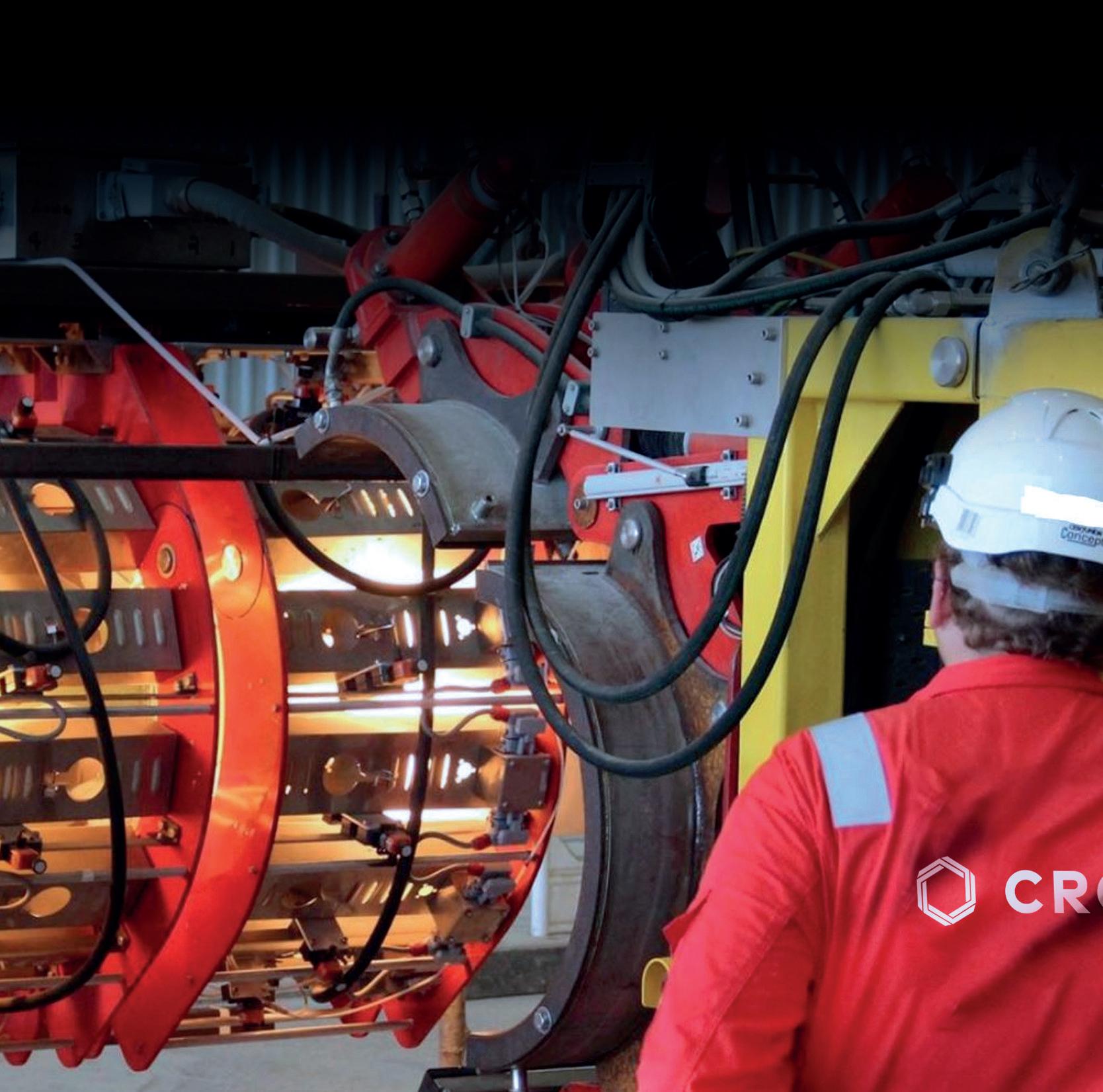
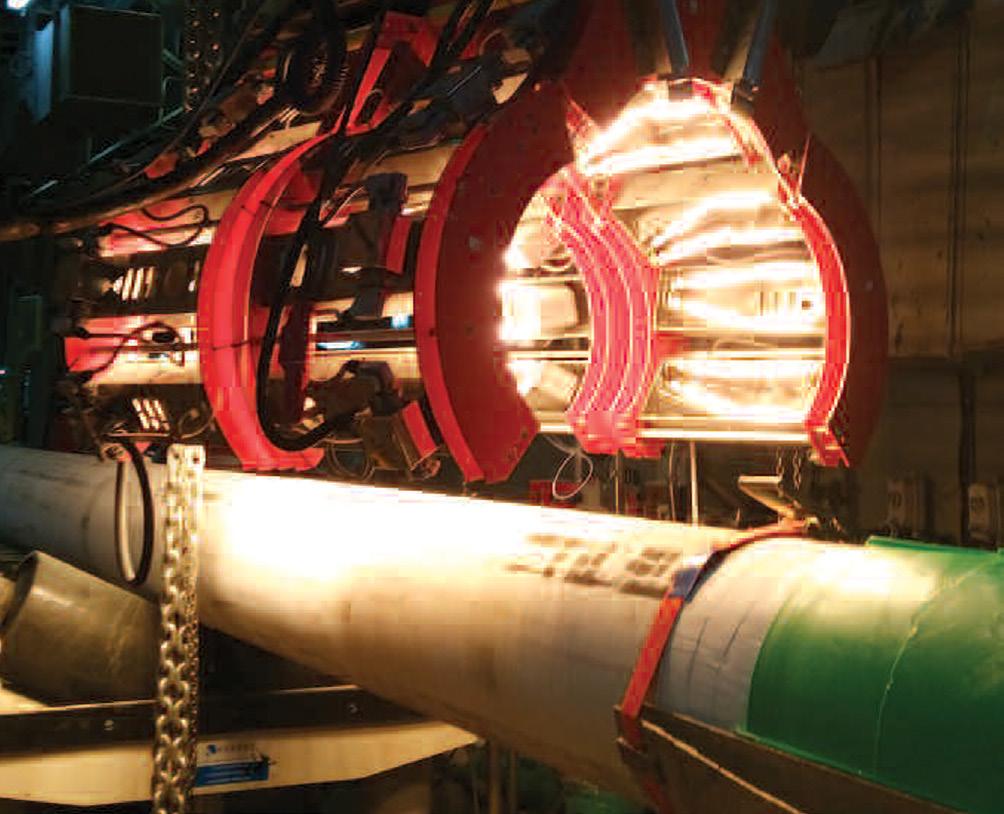
Now featuring Ultra Res MFL, the MDS™ Pro inline inspection system boasts increased sensor density, improving accuracy when detecting and sizing potential anomalies. Upgrade to Ultra Res and see what you’ve been missing.
Thad McBride, Partner at the national law firm of Bass, Berry & Sims PLC, offers a practical guide to compliance challenges in the US oil and gas sector.
ompanies in the oil and gas industry operate in some of the most challenging locations in the world. This leads to significant regulatory scrutiny and risk, both for the oil and gas companies themselves and the many entities and individuals that support them. Risks are particularly pronounced under international trade regulations, including those covering anti-bribery and corruption (ABAC), economic sanctions, export controls, and import controls. The overlay of a largely unprecedented tariff landscape only further complicates the business landscape for oil and gas companies.
In this article, we summarise key regulatory and compliance challenges that oil and gas companies face, especially under US trade law. We also provide practical guidance for addressing those risks, including suggestions based on compliance and enforcement guidance recently issued by the US Department of Justice (DOJ), with a particular focus on managing government investigations.
ABAC challenges remain despite DOJ enforcement pause
Many of the regions in which oil and gas companies operate – eastern Europe, South America, and West Africa – are
perceived to present a high risk of corruption. And perhaps with good reason: substantial ABAC enforcement actions involving oil and gas companies have involved alleged corruption in countries such as Brazil, Kazakhstan, Mexico, and Nigeria. Moreover, companies typically must deal directly with, or even partner with, government-owned or governmentcontrolled entities to obtain concessions for exploration and production purposes. This correspondingly involves government contracting, licensing, and other permitting processes in which there is a heightened opportunity for corrupt practices by local officials.
The Foreign Corrupt Practices Act (FCPA), the main US law that prohibits bribery of non-US government officials, is currently paused by the Trump administration and the DOJ. That pause is scheduled to end in August 2025. While the pause could be extended, even if that happens, there is nothing to suggest the law will be repealed. Moreover, with a five year statute of limitations, which can be extended in the case of a conspiracy charge, FCPA violations that occur now could well be the subject of aggressive enforcement under a future US administration. Additionally, other countries, including France, Switzerland, and the United Kingdom, have
indicated they intend to continue enforcing and perhaps even extending enforcement of their ABAC laws.
There are a number of potential ABAC risk factors that oil and gas companies must be aware of, including:
) Third-party agents and other representatives.
) Unusual payment structures (e.g. payments required to be made outside of where services are provided, poorly described fees or round number fee amounts, etc.).
) Excessive hospitality – such as gifts, travel, or entertainment – for government officials even if seemingly in the context of a valid business purpose.
While far from an exhaustive list, these risk factors are the ones that have triggered most FCPA enforcement actions over the past 20 years.
For example, in November 2024, Petroplex International, a mid-sized oilfield services company, agreed to pay US$73 million to resolve an FCPA investigation. The company allegedly engaged in bribery schemes involving government officials in Kazakhstan and Nigeria to secure drilling rights and expedite permitting processes. According to publicly available information, regional managers authorised payments to third-party consultants who funnelled funds to officials at state-owned energy companies. Despite self-reporting some of the misconduct, Petroplex did not receive full voluntary self-disclosure credit because the DOJ was already investigating related matters.
Nonetheless, Petroplex ultimately did receive a 40% reduction in its penalty (based on applicable penalty guidelines) by extensively cooperating with the government’s investigation. The company also was credited for implementing significant remedial measures, including enhanced third-party vetting procedures and a restructured compliance department with direct reporting to the board.
The Petroplex matter underscores steps companies can take to mitigate the effect of a government investigation. Cooperation with the government, in parallel with the implementation of improved compliance processes, can lead to significantly lower penalties in the case of a violation, even when the matter is not voluntarily disclosed to the government.
Broad export controls reach many transactions
Export controls regulate the transfer of certain goods, technology, and services – particularly those with military or dual-use applications, such as explosives or certain chemicals. Importantly, under US export controls, the law follows US-origin items around the world. So even the shipment of a US-origin item from one non-US country to another may be subject to export licensing requirements.
To date, the Trump administration has been relatively quiet about export control policy. With that said, several senior Commerce Department officials are listed as authors of Project 2025’s Department of Commerce chapter. Among other things, the authors suggest eliminating export license exceptions, tightening rules on exports of technology, and more.
Under US export controls and the restrictions placed on exports of technology and technical data – such as design drawings, blueprints, and specifications – even seemingly innocent transfers of data can trigger export control violations, particularly when dealing with sanctioned countries or entities. For example, in December 2024, Indium Corporation paid a US$180 000 civil penalty for 11 violations of the Export Administration Regulations. (The EAR are the main US regulations governing exports of dual-use items.) The company exported solder preforms, ribbons, and wires to Russia without proper authorisation. Although not specifically involving an oil and gas company, the case highlights how companies can miss critical export control requirements even for seemingly lowtechnology items.
The matter is also instructive because the underlying transactions occurred despite various compliance red flags, including an attempted rerouting of shipments through Hong Kong and discrepancies between the actual purchaser and the party named on purchase orders. Ensuring personnel are equipped with the knowledge to identify red flags, and empowered to report them, are both critical steps to promote compliance and avoid violations.
Economic sanctions continue to create challenges
Administered by the US Treasury Department, Office of Foreign Assets Control (OFAC), economic sanctions are one of the US government’s primary foreign policy tools. Sanctions are implemented against countries, governments and other entities, individuals, and even vessels for a broad array of reasons, including terrorism, narcotics trafficking, weapons proliferation, cybercrime, human rights abuses, corruption, and slave and child labour. Sanctions can be comprehensive (e.g. against Iran, North Korea) or selective (e.g. sanctions on designated industries and individuals in Russia), and they change frequently with geopolitical developments. For example, following a trip to Saudi Arabia in May 2025, the president signalled the US will lift sanctions on Syria.
One constant is the US government’s prioritisation of sanctions enforcement. Even as sanctions on Syria are eased, there has been a ramping up of sanctions enforcement activity and designations involving Venezuela and Yemen.
And penalties can be significant. For example, in February 2025, GulfStream Energy Services agreed to pay US$4.3 million to settle potential violations of US sanctions on Iran and related violations of the EAR. According to the government, the company indirectly supplied specialised drilling equipment and technical services to Iranian oilfields through subsidiaries in Oman and the United Arab Emirates (UAE). (The UAE is considered a common transshipment point for goods to be transferred into Iran.) The investigation revealed that GulfStream employees had deliberately concealed the ultimate destination of the equipment by routing shipments through multiple intermediaries and falsifying end-user certificates.
The case underscores the importance of implementing comprehensive denied person screening procedures and transaction monitoring systems, especially when operating in regions known for sanctions evasion. OFAC noted that
GulfStream’s inadequate compliance programme and failure to respond to clear red flags significantly increased the penalty amount imposed.
Tariffs and other import requirements create new trade challenges
Until recently, import compliance, while important, has largely been considered a technical matter that companies can outsource to brokers and freight forwarders. Most goods could be imported into the US with the payment of minimal or no duties.
That has now changed dramatically with President Trump’s return to the White House in 2025. The result is a full-scale trade war that, while temporarily eased as of May 2025, is likely to continue in the medium and long term. Correspondingly, oil and gas companies need to prepare for a challenging ongoing tariff landscape, especially involving China and potentially involving Canada, the EU, Mexico, and other key trading partners.
Like other importers (and exporters), oil and gas companies need to understand and adhere to their obligations to comply with country-of-origin, marking, valuation, and other import requirements. As a commercial matter, it is important to develop contingency plans for supply chain diversification and closely monitor administration announcements that may affect the cost and availability of imported goods essential to operations.
Further, the Trump administration has signalled that it will increasingly enforce tariff obligations using the False Claims Act (FCA) to impose liability on individuals and companies. The FCA allows for treble damages and incorporates a whistleblower provision whereby individuals can bring allegations to the government and receive a portion of the proceeds their ‘tip’ may generate. With companies in the US and their non-US suppliers in some cases facing an existential crisis from the tariffs, it is highly likely that there will be more instances of customs fraud and evasion.
Compliance best practices help mitigate risk across regulatory regimes
The regulatory landscape is surely complicated and may get even more complex. At the same time, a number of compliance measures can help companies address risk across various regimes. In our experience, most effective compliance programmes include the following elements:
) Strong tone from the top as demonstrated in clear policy documents.
) Regular screening of transaction partners.
) Tailored due diligence processes with ongoing vigilance over transactions and partners.
) Training for all relevant personnel.
) Proactive planning and the creation of contingency plans for sudden regulatory changes, which happen frequently in the sanctions space.
In addition to the day-to-day compliance measures and activities companies need to maintain, it is important to be prepared for a government investigation. Government investigations can arise unexpectedly and escalate quickly. How
your company responds in the initial days can significantly influence the outcome.
While all government investigations are different, they also share common characteristics. A playbook for responding when the government does investigate should include the following:
) Designate a response team, including legal, compliance, communications, and other personnel as needed.
) Promptly implement procedures to preserve relevant documents and communications.
) Develop guidelines for cooperating with regulators while protecting legal rights.
) Engage experienced external counsel – don’t try to handle serious investigations internally.
) Conduct a thorough internal investigation to understand the facts before regulators do.
) Communicate transparently, but carefully, with stakeholders, including the board and relevant business partners.
) Establish clear communication channels and reporting lines to senior management.
) Consider having investigation insurance to cover the often substantial costs of external counsel.
From a cursory review of recent settlements, there appears to be a significant advantage for companies that cooperate early and fully with government investigations; such companies generally receive credit that can reduce penalties by 25 - 45%. Conversely, obstruction or delay can lead to significantly enhanced penalties.
Conclusion: compliance as a necessary cost and good investment
Compliance with ABAC, export, sanctions, and import laws should not be viewed merely as a regulatory burden but as a core element of operational integrity. It is also good business. Oil and gas companies that proactively manage these and other compliance risks not only avoid legal trouble but also strengthen relationships with investors, business partners, and regulators. These relationships in turn make it easier to access new markets and business opportunities.
Relatedly, the compliance function should be integrated into strategic planning and risk management. By investing in robust systems, continuous training, and a culture of ethical behaviour, companies can turn compliance into a source of resilience and competitive advantage. Ultimately, the cost of noncompliance – in the form of fines, reputational damage, and lost opportunities – far outweighs the investment required to build an effective compliance programme.
About the author
Thad McBride is a partner at the national law firm of Bass, Berry & Sims PLC. He advises on matters involving economic sanctions and embargoes (OFAC), export and import controls (EAR, ITAR, and CBP), the Foreign Corrupt Practices Act (FCPA) ,and World Bank sanctionable practices, anti-boycott controls, and the Committee on Foreign Investment in the United States (CFIUS). Thad would like to thank his law clerk Stephen Finan and his Senior Marketing Manager, Erin Ihde, for their significant assistance with this article.








Aseries of independent events are working together to help unlock the opportunity to bring Alaska’s stranded North Slope gas resources to market. The first is a looming shortage in the natural gas supply in Alaska’s Cook Inlet, relied upon by the bulk of Alaskans to heat and power their homes and businesses. The second is the election of President Trump and the focus that his administration has brought to not only resolving that shortage, but re-igniting the prospect of a major LNG export project as part of a renaissance on the Alaskan North Slope. Part of that renaissance is reflected in the recent progress made by Pantheon Resources plc in developing a new oil and associated gas reservoir of North Slope containing natural gas with low levels of CO2. Gas such as this has significant advantages – it eliminates the need for expensive gas conditioning, which reduces costs and time to market. This demand-supply confluence means that building the pipeline portion (‘Phase 1’) of the Alaska LNG Project is now likely the best long-term affordable solution for Alaska’s energy needs. Furthermore, the viability of Phase 1 as a standalone project derisks and enhances the prospects for Phase 2 – the conditioning of high CO2 gas, additional compression to expand the pipeline capacity and LNG exports.
David Hobbs and Pat Galvin, Pantheon Resources Plc, USA, discuss efforts to unlock North Slope gas, and why the recent discovery of low-CO2 natural gas is now seen as a game changer for the Alaska LNG Project.
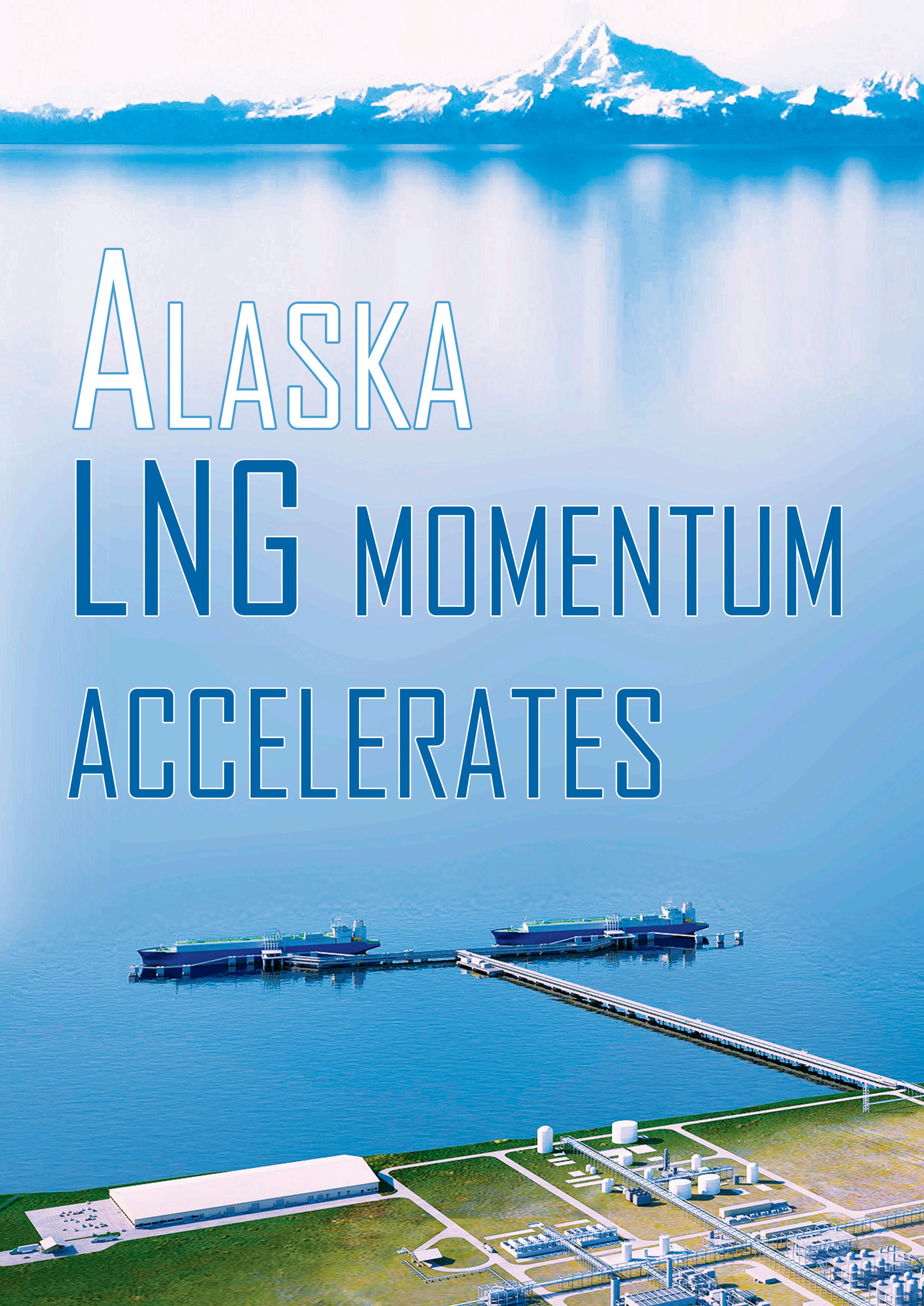
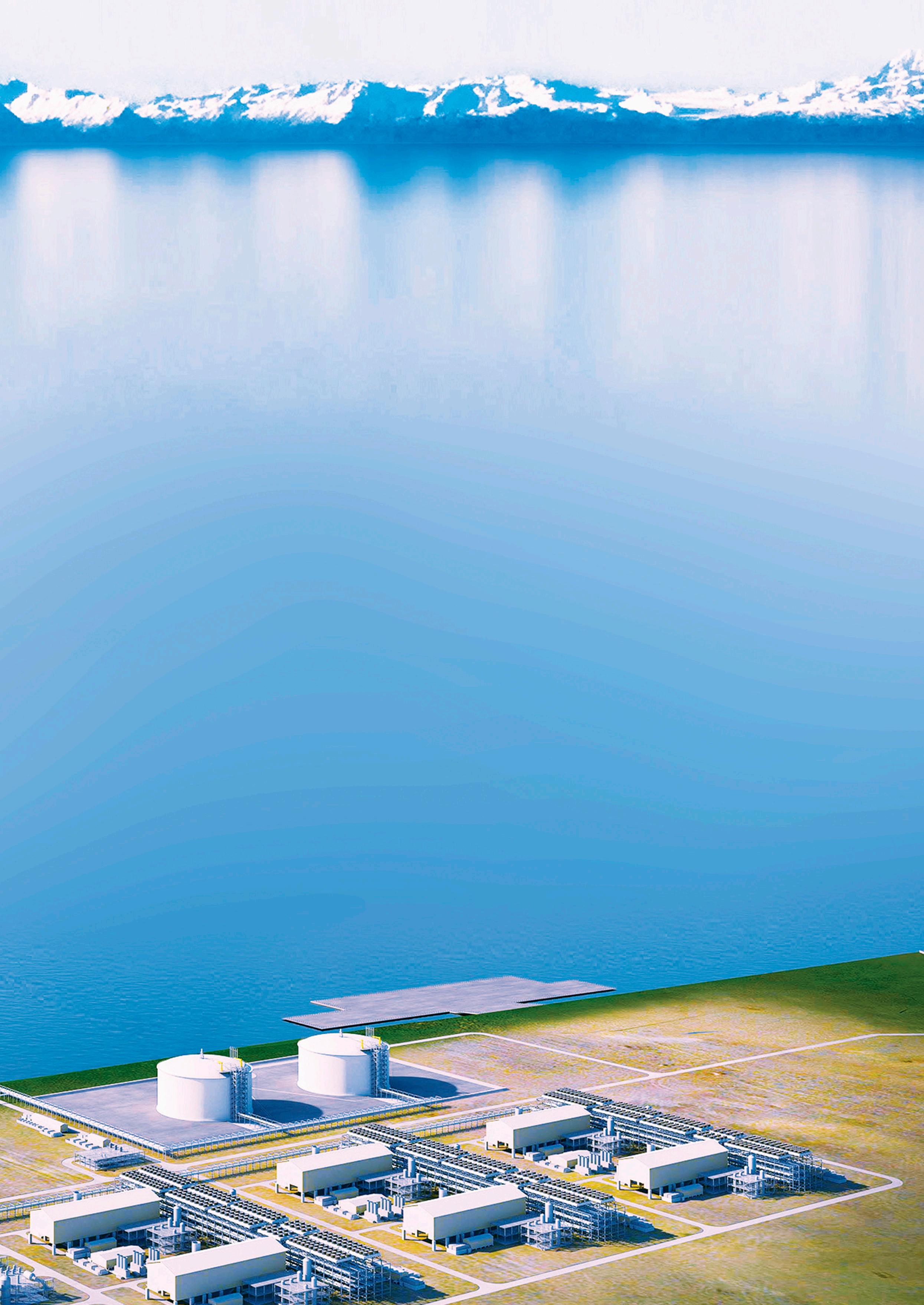
Figure 1. A model of the liquefaction plant in Nikiski, Alaska – AGDC.
Alaska, a state that boasts an abundance of hydrocarbons, is facing a surprising energy crisis. In January 2023, the Alaska Department of Natural Resources (DNR) reported that Southcentral Alaska may run out of available natural gas by the end of the decade. At present, Southcentral Alaska’s gas is supplied by the Cook Inlet, and the DNR believes that somewhere between 2027 - 2031, demand will exceed supply. This is due to diminishing gas reserves as well as less production wells being drilled at the Cook Inlet.
Alaska’s North Slope holds more than 122 trillion ft3 of proven producing natural gas reserves, but the North Slope’s remote location and rugged climate have dogged the development of the infrastructure needed to bring the gas to market to commercialise it. Efforts to unlock North Slope gas date back to the 1970s when the Trans-Alaska Pipeline began oil shipments. Prudhoe Bay natural gas includes relatively high levels of CO2 which requires construction of conditioning facilities before the gas can be piped.
The current project to tap North Slope gas is the Alaska LNG project. Conceived and designed by Alaska’s North Slope majors a decade ago, Alaska LNG received its final federal authorisations in 2022 and has been engaged with investors and developers to move the project forward. As permitted, Alaska LNG is a high-volume development, piping more than 3 billion ft3/d and exporting 20 million tpy of LNG. These volumes require a conditioning facility estimated to cost north of US$10 billion. That’s why the recent discovery of low-CO2 natural gas on the North Slope is now seen as a potential game changer for this project, particularly during a time when Alaska policymakers are seeking ways to expedite a new source of energy to offset Cook Inlet declines.
Pantheon Resources, an oil and gas company, currently UK listed, focused on developing its Ahpun and Kodiak oil and gas fields located on the North Slope of Alaska, signed a Gas Sales Precedent Agreement (GSPA) with 8 Star Alaska, then a subsidiary of the Alaska Gasline Development Corp. (AGDC) and now 75% owned by Glenfarne. Early in 2025, Glenfarne finalised the terms under which it would carry the project forward, developing Alaska LNG. They have proposed a phased approach to building Alaska LNG, prioritising construction of the in-state pipeline to more quickly deliver North Slope gas to Alaskans in Phase 1. The GSPA provides the potential for up to 500 million ft3/d of low CO2 natural gas, more than enough to meet Alaska’s daily energy needs, from Pantheon fields located directly along the pipeline route by 2029. According to a report by Wood Mackenzie, Pantheon can serve as the primary supplier of gas to Phase 1 of the Alaska LNG.
The timely combination of strengthened in-state demand and the availability of ample volumes of low-CO2 Pantheon gas combined with the push from the Trump administration, gives Alaska LNG robust new momentum. The extent of this support was illustrated by the Secretaries of the Departments of Interior and Energy, along with the Administrator of the EPA, participating in Alaska Governor Dunleavy’s Alaska Sustainable Energy Conference during June 2025.
Bringing Alaska gas to the market
Alaska LNG is advantaged as a potential global supplier given its proximity to Asian energy markets and strategic optionality for US energy security. In the wake of Russia’s invasion of Ukraine, European nations quickly sought new LNG supplies to turn away from heavy reliance on Russian natural gas. US Gulf Coast LNG facilities helped fill the void, expanding the opportunity for Alaska LNG, the only federally authorised LNG export facility on the US West Coast, to become a preferred Asian supplier. Asian nations such as Japan and South Korea are also looking for non-Russian sources for energy, and both the Trump and Biden Administrations have included Alaska LNG in US energy diplomacy efforts in Asia. Alaska pioneered US LNG exports through a smaller LNG plant that previously operated
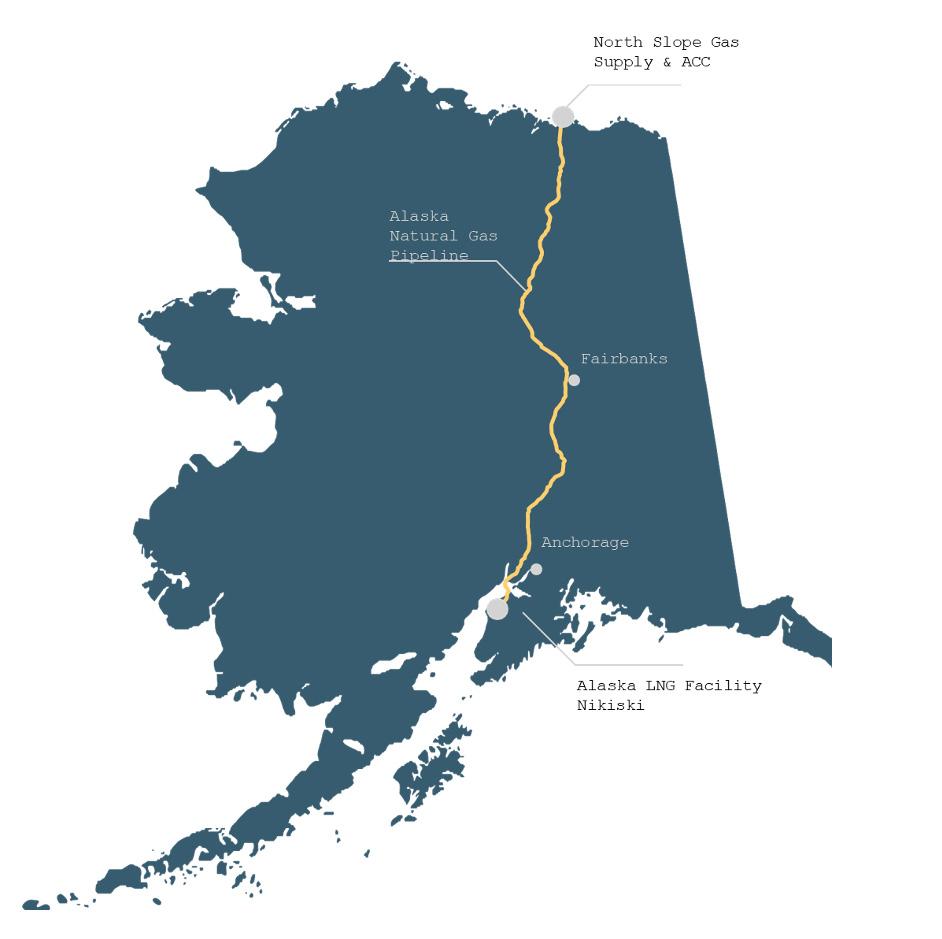
Figure 2. A map of the proposed gas pipeline from the North Slope to Nikiski.
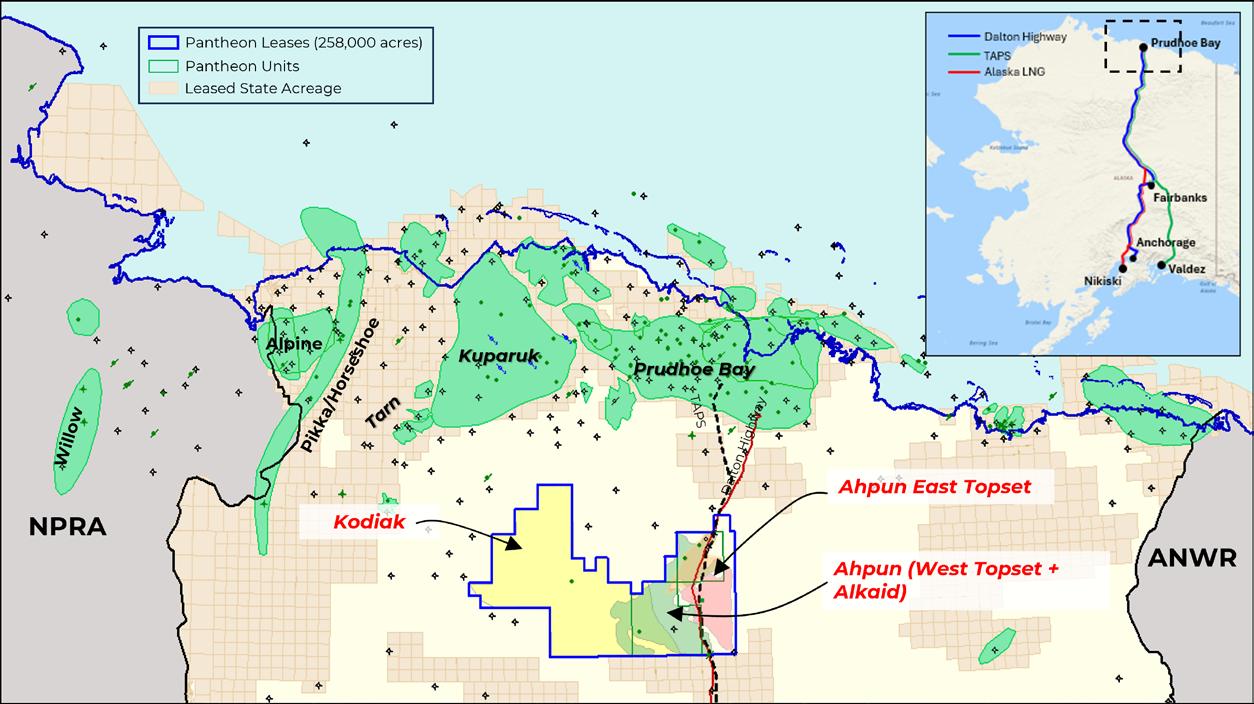
Figure 3. Pantheon Resources is developing the Kodiak and Ahpun fields on Alaska’s North Slope.
THE MOST SOPHISTICATED DECOUPLER IN THE WORLD
Dairyland’s PCRX is the most sophisticated decoupler on the market; offering the functions of standard decouplers while also eliminating capacitance delays during interrupted surveys. Unlike traditional decouplers, PCRX remains connected during testing, overcoming capacitive effects while maintaining protection for personnel and critical assets for the duration of the survey. This ensures accurate and timely potential measurements while still providing the rugged over-voltage protection, AC interference mitigation, CP isolation, and safety grounding expected from Dairyland decoupling products.
in Southcentral Alaska, providing Japan with uninterrupted LNG for nearly five decades.
The full Alaska LNG export project plan includes three major infrastructure components: the 800 mile, 42 in. pipeline across Alaska, a large gas conditioning plant on the North Slope to remove the relatively large amounts of CO2 contained in the gas produced at Prudhoe Bay, and the 20 million tpy tidewater liquefaction plant in Nikiski, Alaska.
Finding offtakers, investors and developers to simultaneously tackle all three subprojects has been a challenge. Notwithstanding recent indications of interest and MoUs for LNG offtake from Asian buyers, the risks associated with such a large integrated project must be addressed as it moves to FID. Phasing the project to address the coming Cook Inlet shortalls derisks the overall project and sparked a positive response from potential project partners. Phasing Alaska LNG has opened the door for emerging producers like Pantheon who are able to meet Alaska’s in-state energy needs without having to fully support the project’s eventual 20 million tpy LNG export capacity.
The anticipated Southcentral Alaska energy shortage means Alaska LNG’s Phase 1 US$10 million Btu range can economically compete with alternatives such as potential LNG imports. Phasing Alaska LNG also facilitates a more rapid investment path to developing the full Alaska LNG export project.
Alaska LNG project – why is it different now?
In autumn 2024, independent energy analysists at Wood Mackenzie completed the Alaska LNG Phase 1 economic validation and benefits analysis reaching three findings critical to the success of Alaska LNG Phase 1:
First, Alaska LNG Phase 1 economics are superior to or competitive with alternatives, including potential long-term LNG imports. Second, Alaska LNG will dramatically lower long-term Alaska energy prices, among the highest in the nation. Third, Alaska LNG Phase 1 will uniquely deliver up to US$16 billion in additional Alaska economic benefits that won’t occur with other options, including construction capital expenditures, jobs, tax and royalty state revenue, consumer savings from lower gas prices, business and economic growth,
and improved Fairbanks health outcomes and investment.
The value in constructing Phase 1 of the Alaska LNG project first is that the part of the project considered the riskiest to outside investors, the pipeline, is seen by in-state stakeholders looking to avoid an energy shortfall as the most valuable part of the project. This phase satisfies Alaska’s longterm energy security and lowers the risk profiles for the conditioning plant and liquefaction facility.
Four days after his November 2024 re-election, Donald Trump listed federal support for Alaska LNG Project as one of his administration’s leading priorities, stating that “We will ensure the [Alaska LNG] gas line project gets built to provide affordable energy to Alaska and allies all over the world,” His vocal advocacy for Alaska LNG sent an important message about the vital nature of this project to the international LNG investment community, adding impetus to a project already under accelerating momentum.
The first half of 2025 has seen further momentum building for the Alaska LNG Project. In January 2025, AGDC announced that it had entered into an exclusive agreement with Glenfarne to lead and fund the development of the project, estimating that it will cost US$44 billion. Donald Trump’s enthusiasm for the Alaska LNG Project has not dwindled, announcing in February 2025 a potential joint venture with Japan following a meeting with the Japanese Prime Minister, Shigeru Ishiba. At his 2025 Address to a Joint Session of Congress, Trump once again highlighted the “gigantic” natural gas pipeline, noting that Japan, South Korea, and other nations want to partner with the US for the development of the Alaska LNG Project through investments of “trillions of dollars each”. In the meantime, Taiwan’s CPC has entered into an MoU with 8 Star Alaska and others have indicated a willingness to join them.
In June 2025, Glenfarne reported that it had completed the first round of its strategic partner selection process, with over 50 firms formally expressing interest “for over US$115 billion of contract value for various partnerships with the project.” The companies said to have expressed an interest are from the US, Japan, South Korea, Taiwan, Thailand, India, and the EU.
Conclusion
With over a decade of engineering, environmental approvals, political support, and market engagement under its belt, Alaska LNG continues to advance towards a Final Investment Decision. The tailwinds of enthusiastic support from the Trump administration and Glenfarne’s commitment to the project have turbocharged this programme. The low-CO2 gas associated with Pantheon’s oil projects, coupled with the burgeoning energy crisis in Southcentral Alaska, create a market-driven opportunity propelling Phase 1 of the Alaska LNG Project toward the finish line. Once Phase 1 is underway, the risk profile of the remaining project is fundamentally improved, and Alaska LNG is ready to emerge as a strategic and robust addition to the global LNG market, cementing the renaissance of Alaska’s North Slope as one of the world’s key hydrocarbon provinces.
Figure 4. Pantheon’s assets on the Alaskan North Slope.
Christopher O’Connor, Integrity Engineer, Dynamic Risk, explores the transition from fixed reinspection schedules to a risk-based, cost-effective approach, drawing on a case study involving a Canadian operator managing over 50 pipelines.
ffective pipeline integrity management is critical to ensuring the safe, compliant, and efficient operation of extensive infrastructure networks. Maintaining reliability while meeting regulatory standards and managing costs is challenging for pipeline operators responsible for large and geographically diverse systems. Dynamic Risk’s Integrity Risk Analysis System (IRAS) platform helps pipeline operators address these challenges by providing insight for optimal reinspection intervals using data-driven analysis, empowering operators to achieve maximum safety and operational efficiency.
This article explores how Dynamic Risk’s IRAS solution enables pipeline operators to transition from fixed reinspection schedules to a risk-based, cost-effective approach. By examining a recent case study involving a Canadian operator managing over 50 pipelines, we’ll delve into how IRAS helps balance cost savings with rigorous safety standards and regulatory compliance.
Pipeline integrity and the reinspection challenge
Pipeline operators face the complex responsibility of safeguarding their systems against integrity threats like corrosion and cracking. Inline inspection (ILI) technologies such as magnetic flux leakage (MFL) and crack detection are instrumental in identifying
these threats, providing vital data on pipeline conditions for determining safe reinspection intervals.
Differences in jurisdictional regulations impact reinspection intervals and flexibility. In the US, regulations like the Code of Federal Regulations (CFR) Sections 49 CFR §192 (gas transmission) and §195 (hazardous liquids) enforce mandatory maximum reinspection intervals, limiting operator flexibility to reduce intervals but prohibiting extensions beyond maximum limits. In Canada, the Canadian Standards Association (CSA) offers a more flexible, risk-based approach. Here, operators are encouraged to prioritise data-driven risk assessments over fixed timelines. This difference in regulatory frameworks makes Dynamic Risk’s IRAS solution particularly valuable, as it allows operators to optimise intervals based on specific
integrity threat data, maximising efficiency without compromising on safety or compliance.
Case study: reinspection interval optimisation for a Canadian operator
In early 2024, a Canadian hazardous liquids pipeline operator enlisted Dynamic Risk’s expertise to optimise reinspection frequencies over 50 pipelines. This project illustrates how Dynamic Risk’s IRAS platform supports risk-based reinspection planning for large pipeline networks.
The client’s project objectives included:
) Projecting the growth of metal loss and crack anomalies over 10 years, to anticipate when each feature might require intervention.
) Evaluating the remaining life of metal loss and crack anomalies until they met specific intervention criteria,
such as 70% wall loss or reduced burst pressure thresholds.
) Assessing the fatigue life of crack-like flaws on selected pipelines, where crack ILI data was available.
) Comparing the projected costs of digs and repairs with reinspection costs to inform reinspection interval decisions.
) Developing visual aids and scenario planning tools to evaluate reinspection options across multiple pipelines.
By defining these goals, Dynamic Risk created a tailored analysis plan, enabling the client to make data-driven decisions about inspection schedules, maintenance prioritisation, and resource allocation.
Enhancing pipeline integrity with a systematic approach
Dynamic Risk’s IRAS platform offers an integrated suite of tools that empowers operators to adopt a risk-based model, allowing them to prioritise inspections based on actual threat profiles. For this project, IRAS served as the central platform for data integration analysis, allowing the client to make informed integrity decisions across their network.
In the initial phase, Dynamic Risk and the client established parameters for consistency, ensuring the results were reliable, repeatable, and defensible for compliance purposes. Key elements of the approach included:
) Anomaly criteria: consensus was achieved on the types of anomalies included in the analysis, based on feature type, inspection date, interaction with other features, and repair history. This standardised the data analysis, ensuring a robust foundation for decision-making.
) Fitness-for-service evaluation: utilising the client’s criteria, Dynamic Risk applied methods such as Modified B31G and Effective Area for metal loss evaluation, while PRCI MAT-8 and API 579 standards were employed for crack-like flaws. This dual-method approach gave the client options for projections, as different models will often give slightly different results.
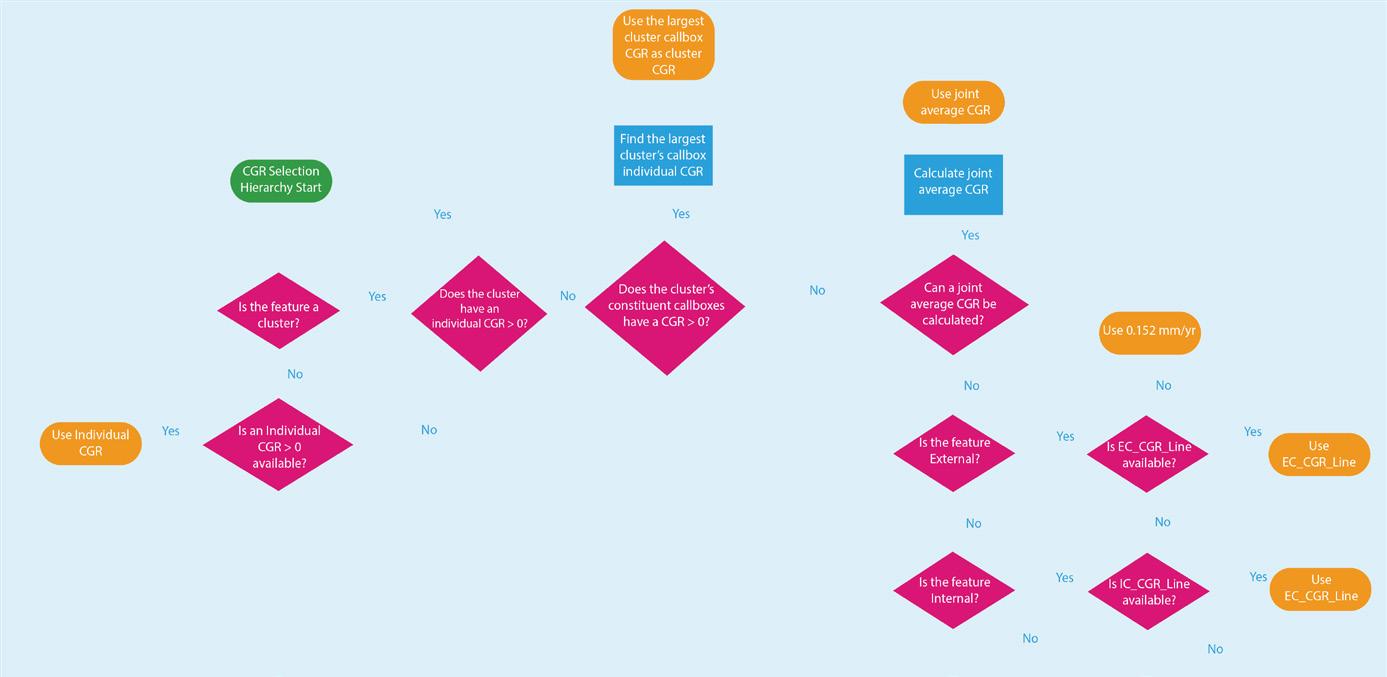
) Growth rate selection and prioritisation: Dynamic Risk developed a prioritisation chart with the client, ensuring that signal-to-signal run comparisons were prioritised, where available, and alternative rates used were representative of real pipe conditions. This prioritisation helped refine growth projections, enhancing the reliability of future maintenance planning.
Figure 1. Metal loss corrosion growth rate prioritisation.
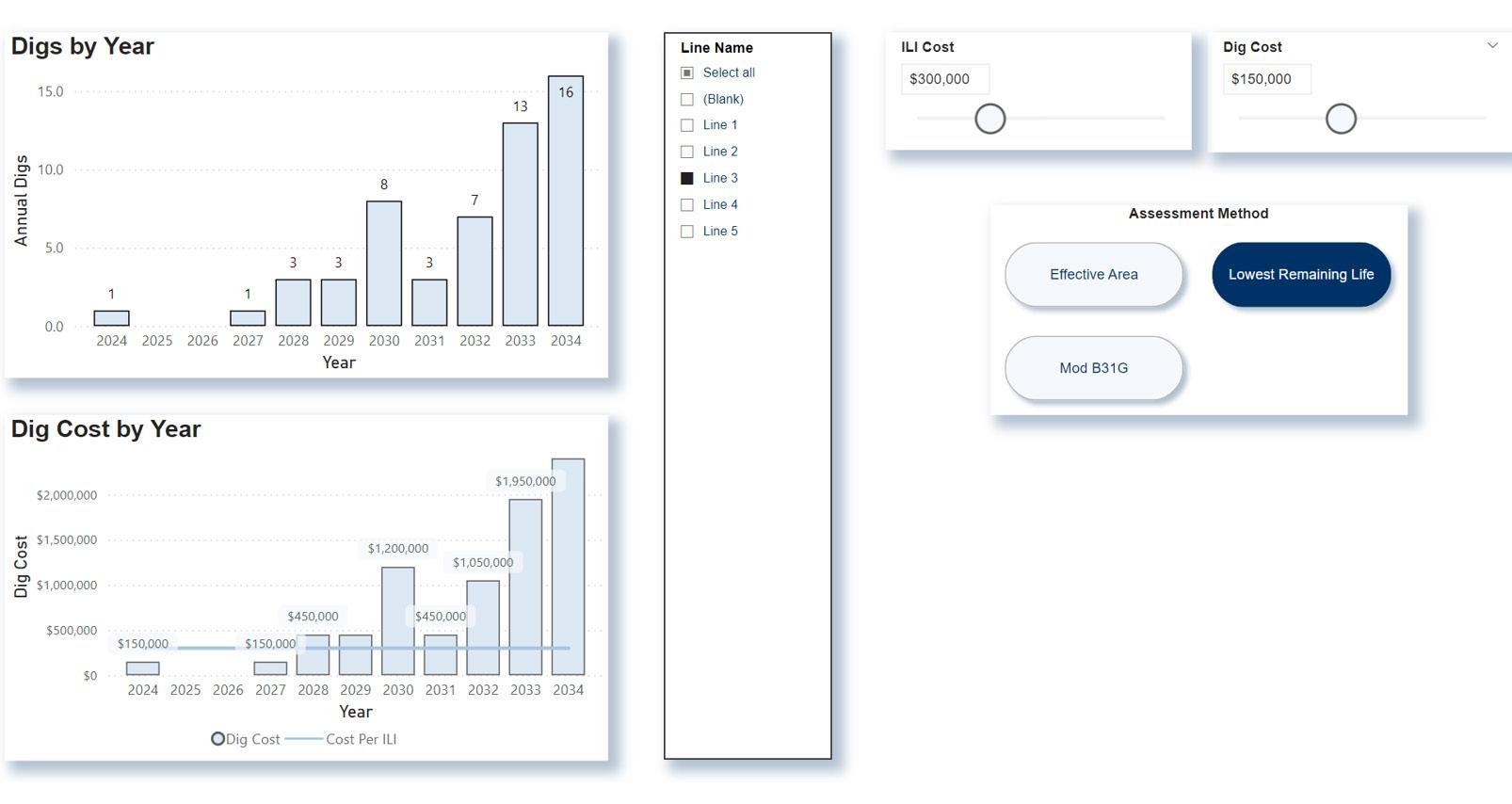
Figure 2. Reinspection interval dig outlook scenario dashboard.
Table 1. Number of anomalies reaching critical failure criteria by year
) Remaining life for crack-like anomalies: with limited data for certain cracks, fatigue life analysis was prioritised over environmental growth rates, ensuring the analysis reflected realworld conditions and data limitations.
By implementing these core methodologies within the IRAS Risk Analyst tool, Dynamic Risk was able to handle extensive data and perform a system-wide assessment, rather than focusing solely on individual pipelines. Compatibility with the client’s existing IRAS database also streamlined data integration and analysis, supporting a holistic view of integrity risks across the asset base.
Predictive modelling for anomaly growth and maintenance
The IRAS suite’s predictive modelling capabilities allowed Dynamic Risk to conduct 10 year projections on anomaly growth. This generated annualised insights on each anomaly’s expected growth, specifically targeting factors like wall loss depth and burst pressure for metal loss anomalies, as well as crack depth and fatigue life for crack-like flaws.
By examining projected growth over time, Dynamic Risk helped the client refine inspection schedules based on actual threat levels, rather than predetermined timelines. This approach yielded several benefits:
) Optimised resource allocation: by identifying the highest-risk features, operators can concentrate maintenance resources where needed most, ensuring efficient use of personnel and
) Cost-effective maintenance planning: financial data can be easily integrated with integrity data, enabling operators to balance reinspection and remediation costs, making it easier to weigh the cost of deferred inspections against immediate repairs.
) Data-driven risk management: IRAS supports a risk-based model that allows operators to dynamically set reinspection intervals, prioritising pipelines with the greatest threat levels.
Deliverables and data visualisation tools
The primary deliverable from Dynamic Risk’s analysis was a comprehensive dataset of fitness-for-service, anomaly growth, and remaining life projections, covering about 450 000 anomalies. The deliverables also included dig/remediation tables, dashboards, and a detailed report of reinspection interval recommendations.
Dynamic Risk provided several user-friendly visualisation tools, distilling extensive data into actionable insights for strategic planning. The tools included:
) Dig/remediation outlook dashboard: this dashboard visualised intervention criteria for metal loss and crack-like anomalies, presenting the cost inputs specified by the client.
) Scenario planning reports: summary reports outlining various reinspection scenarios, enabling the client to review multiple options side by side, allowing them to make informed, costeffective decisions.
Additionally, IRAS preserved unique identifiers for each
pipeline GIS database, providing seamless data compatibility and future reproducibility.
Long-term benefits and flexibility for future planning
Dynamic Risk’s IRAS-based approach brought several long-term benefits to the client, including:
) Comprehensive data integration: IRAS created a system-wide database covering all ILI metal loss anomalies and crack-like anomalies, ensuring that each was documented with defensible fitness-for-service data, supporting compliance with regulatory requirements.
) Financial analysis and scenario flexibility: by integrating financial analysis into remaining life results, the client could compare
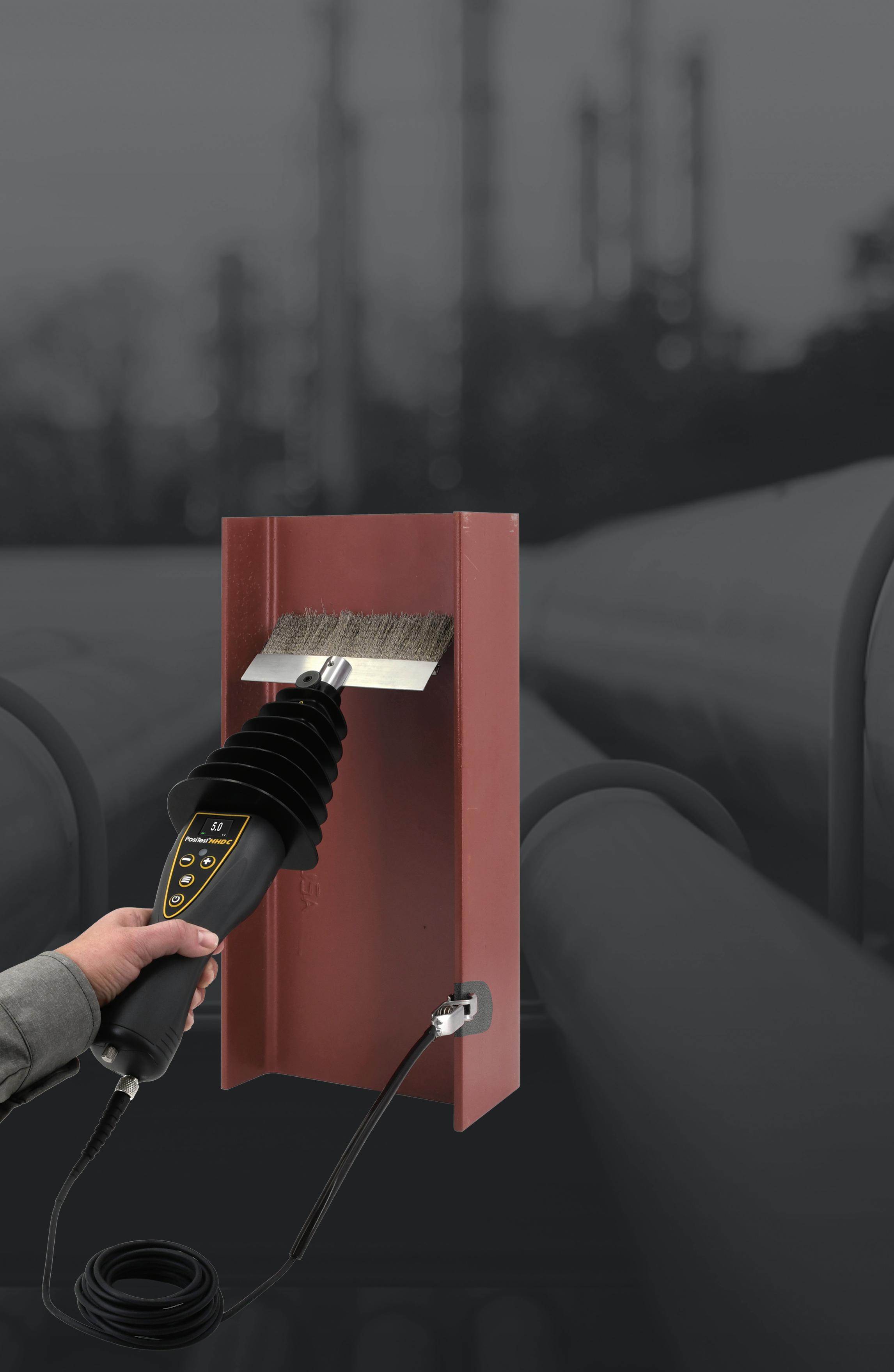
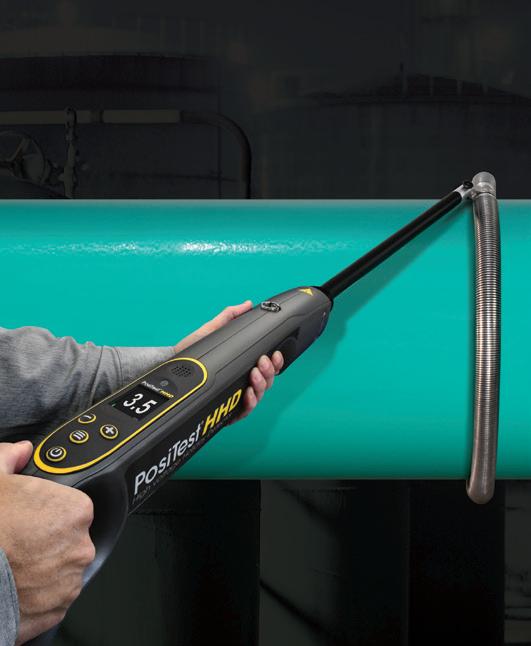
High voltage Holiday Detector
Detects holidays, pinholes, and other discontinuities using continuous DC
n Lightweight, one-piece ergonomic design provides comfortable all-day use
n One wand covers the entire voltage range from 0.5 to 30 kV
multiple reinspection interval scenarios. IRAS’s flexibility also allows Dynamic Risk to refresh or update all deliverables when new inspection data or repairs are available, providing the client with an adaptable tool for future planning.
) Enhanced decision-making tools: user-friendly dashboards and visuals distilled large datasets into actionable insights, empowering decision-makers to plan maintenance strategies confidently and cost-effectively.
Proactive pipeline management
Dynamic Risk’s IRAS solution transforms pipeline integrity management by facilitating a proactive approach. With IRAS, operators can prioritise inspections and maintenance based on real-time data, rather than adhering strictly to fixed reinspection schedules. This risk-based strategy enhances safety and helps prevent incidents, while reducing costs by focusing resources on the highest-risk areas.
As the pipeline industry aims for zeroincident operations, IRAS aligns with this goal by equipping operators with the tools needed for informed decision-making. This proactive model not only supports regulatory compliance but also promotes the longevity and reliability of pipeline assets, reinforcing the industry’s commitments to safety and environmental responsibility.
n Up to 16 hours of battery life—powerful Li-ion batteries fit neatly within the compact wand handle eliminating the need for a separate battery box
n Built-in Certified Voltmeter and Voltage Calculator feature
n Industry standard connectors and adaptors provide compatibility with nearly all existing electrodes
A new era in pipeline integrity management
Dynamic Risk’s IRAS solution represents a pivotal advancement in reinspection interval optimisation. By leveraging risk-based assessments and comprehensive data analysis, IRAS enables pipeline operators to achieve an optimal balance between safety, compliance, and cost efficiency. The Canadian operator’s experience underscores how IRAS facilitates data-informed decisions, guiding pipeline integrity management toward a future of proactive, intelligent asset management.
As the industry continues to evolve, IRAS and similar technologies will be vital in shaping the future of pipeline management. By equipping operators with predictive analytics and scenario planning tools, these solutions are setting new standards for operational excellence and regulatory compliance, contributing to a safer and more efficient energy infrastructure.
Dynamic Risk’s IRAS solution embodies the potential of data-driven pipeline management, enabling operators to strategically balance reinspection intervals with safety and financial considerations. This approach is paving the way for a more resilient, sustainable future.
High voltage Holiday Detector
No shoulder bag required!
Wand-style with Continuous DC
More
Stick-type with Pulsed DC
World Pipelines talks to Chris Jones, General Manager of LNG & Midstream for Honeywell Industrial Automation, about ageing pipeline infrastructure, how technology can proactively identify issues and prevent incidents, and managing safety in an industry that is largely fragmented due to frequent asset acquisition.
World Pipelines (WP): Many pipelines in operation in the USA today are decades old. What are the biggest risks associated with ageing pipeline infrastructure?
Chris Jones (CJ): Ageing pipelines pose risks to workers, residents and businesses. Risks include leaks, failures, environmental hazards, threats to public safety, regulatory and compliance challenges, operational inefficiencies, cybersecurity vulnerabilities and more. Since 2005 across the US, there have been a total of 5771 “significant incidents,” resulting in 252 fatalities, over 1000 injuries and more than US$13 billion in cost.
WP: Given the (quoted) 5771 significant incidents recorded from 2004 - 2023 (USA), what are the most common causes of these failures?
CJ: According to the Pipeline and Hazardous Materials Safety Administration (PHMSA), the primary causes of these incidents were corrosion, equipment failure and material failure of either the pipe or weld. Since 2010, excavation damage, natural force damage, other outside force damage and incorrect operation were the causes for approximately 65% of incidents.
WP: How do US regulatory frameworks currently address pipeline safety, and where are the biggest gaps?
CJ: The pipeline industry in the US is primarily regulated by PHMSA, which lives under the Department of Transportation (DOT). The Pipeline Safety Act establishes a federal authority over pipeline safety and requires operators to comply with integrity management programmes. States regulate intrastate pipelines, while PHMSA provides grants and oversight to state agencies. The EPA regulates environmental impacts of spills and emissions, and operators are
required to report significant incidents to PHMSA while the National Transportation Safety Board (NTSB) investigates major pipeline accidents.
Despite the regulations and oversight, gaps still exist. Many older pipelines remain in service increasing the risk of leaks, but most replacement programs are expensive and slow. There is a disparity in oversight between high-consequence areas like urban areas and non-high-consequence areas like rural pipelines. Despite improvements in technology many pipelines still lack advanced real-time monitoring and cybersecurity protections.
WP: How is technology evolving to detect and prevent pipeline failures before they occur?
CJ: Like in many industries, AI is playing a role in advancing modern pipeline safety. AI can be used to improve leak detection systems performance to quickly identify abnormal pressure fluctuation and possible leaks, and filter out false alarms. Moving quickly to detect and prevent corrosion and leaks is crucial – the power of Digital Twins can create a virtual pipeline model to simulate stress, corrosion and failure scenarios. Unlike conventional corrosion management methods, Honeywell employes unique prediction models like its Corrosion Advisor and Digital Twins modelling software that correlate corrosion rates to specific process units, damage mechanisms and operating conditions – ultimately catching catastrophic leaks before they happen. Honeywell also provides cost-effective, 24/7 third-party intrusion (TPI) security by monitoring perimeters using standard telecommunications fibre optic cable or in combination with video surveillance.
Some additional automated leak detection and prevention systems include acoustic monitoring, negative pressure wave detection and vapour and gas sensors. Honeywell Digital Suites, for example, combine our expertise in oil and gas pipelines with our leadership in safety and performance. As part of these Suites, our software continuously monitors the health and performance of pipelines and midstream assets so operators can take smarter action. Our Suites software also identifies risks, opportunities and collaborates across integrated pipeline operations.
WP: Can you explain how advanced leak detection technologies work and how they improve response times?
CJ: Acoustic monitoring leverages hydrophone sensors to identify abnormal sounds that could identify leaks or cracks forming within a pipeline, even before pressure changes are noticeable.
Negative pressure wave detection sensors can detect rapid pressure drops caused by leaks and automatically shut down sections of a pipeline.
Vapour and gas sensors, when placed along pipelines, can detect methane or hazardous gas before they become significant.
WP: What role does asset performance monitoring play in ensuring pipeline efficiency and longevity?
CJ: Asset performance monitoring plays a critical role in ensuring not only pipeline efficiency and longevity, but safety. Monitoring
asset performance provides real-time insights into the health, performance and maintenance needs of pipeline infrastructure. Continuous monitoring can help detect and prevent problems, optimise performance, provide environmental protection, reduce costs, drive decision making with data and ensure regulatory compliance. For example, monitoring can detect issues like leaks, corrosion, pressure drops, blockages or mechanical failures and predictive maintenance can be scheduled to circumvent breakdowns and costly repairs. Monitoring systems also ensure compliance with safety regulations and industry standards and provide insights into asset lifecycle trends so companies can make informed decisions.
WP: The pipeline industry is known for frequent acquisitions and a fragmented asset landscape. How does this impact safety and maintenance efforts?
CJ: Asset and data management become challenging in a fragmented industry that sees frequent acquisitions. Varying formats and software systems can lead to incomplete transitions of critical data. Also, when acquiring older pipelines, a lack of updated documentation can lead to more difficult risk assessment. Outdated technologies pose a threat of being incompatible with an acquiring company’s technologies, which could make it difficult to integrate systems like leak detection. Ageing pipeline control systems can also pose a cybersecurity threat for acquiring companies, and the integration of various supervisory control and data acquisition (SCADA) systems can create temporary gaps in security. At Honeywell, we mitigate these challenges with our Digital Suites technology, which increases product transport performance and asset availability up to 5%. Some of our software suites include Equipment Effectiveness which ensures safe operations and process reliability of pipelines and storage assets and Operations Surveillance which enables workers to plan, perform and optimise midstream operations.
WP: What are the biggest challenges in uniting different companies under a standardised approach to pipeline safety?
CJ: Incompatible technology and a lack of standardised data and record formats pose challenges when integrating a newly acquired company. There are also compliance concerns in these situations – for example, not every state has the same mandates for leak detection, reporting and emergency response mandates. The process of acquiring a pipeline varies in each state and can create added complexity to a company’s compliance strategy. Further, historical violations can carry over to an acquiring company.
WP: How can digital solutions help companies manage assets that were previously operated under different owners with varying maintenance histories?
CJ: Digital solutions – whether used to integrate new assets or manage existing ones – can streamline operations, improve consistency and enhance predictive maintenance strategies. They do so by centralising asset data management, standardising maintenance practices and improving regulatory compliance. As a result, companies can yield significant cost
savings and maximise their ROI with better overall decisionmaking capabilities.
WP: As the energy sector moves toward cleaner solutions, how do you see the role of pipelines evolving? What steps are being taken to make existing pipeline infrastructure safer for the transportation of alternative fuels?
CJ: Pipelines will inevitably continue evolving, but now at a faster pace than before given the new US presidential administration and shifting policies. While pipelines will remain a cornerstone of energy transportation, their role will evolve to accommodate alternative fuels, like hydrogen, renewable natural gas and carbon capture, utilisation and storage networks. As we see an increased use of these low-carbon fuels, we’ll see pipeline infrastructure undergo material changes to stay compliant with regulations, adapt to new technologies and meet safety measures. Some of these changes might include retrofitting pipelines with corrosion-resistant materials, expanding and decentralising infrastructure to reduce reliance on long-distance pipelines and blending alternative fuels to test feasibility and mitigate risk.
WP: How is Honeywell working with industry partners to future-proof pipelines in light of changing energy demands?
CJ: Like in many other industries, today’s pipeline operators are under increased pressure to do more with less – less time,
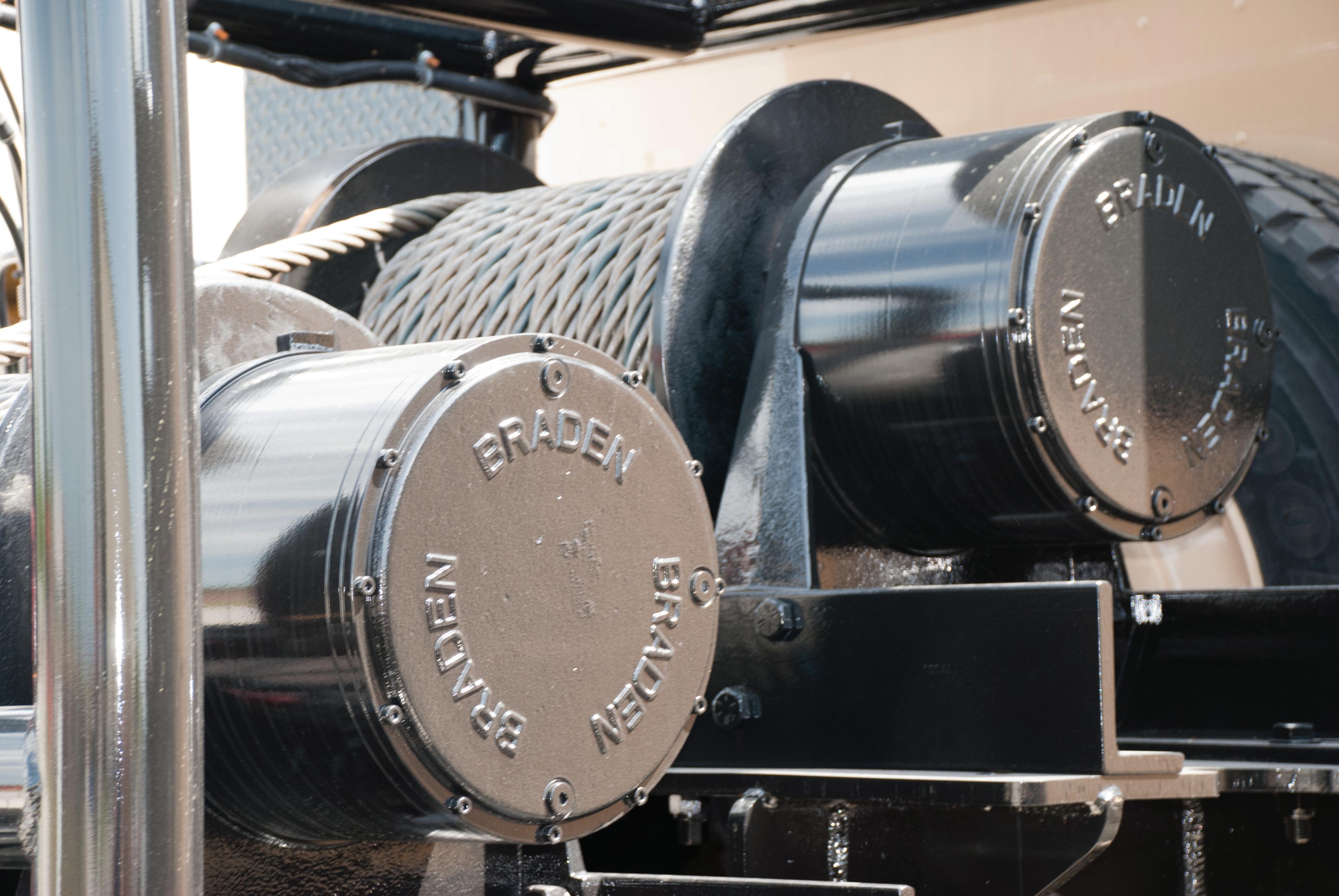
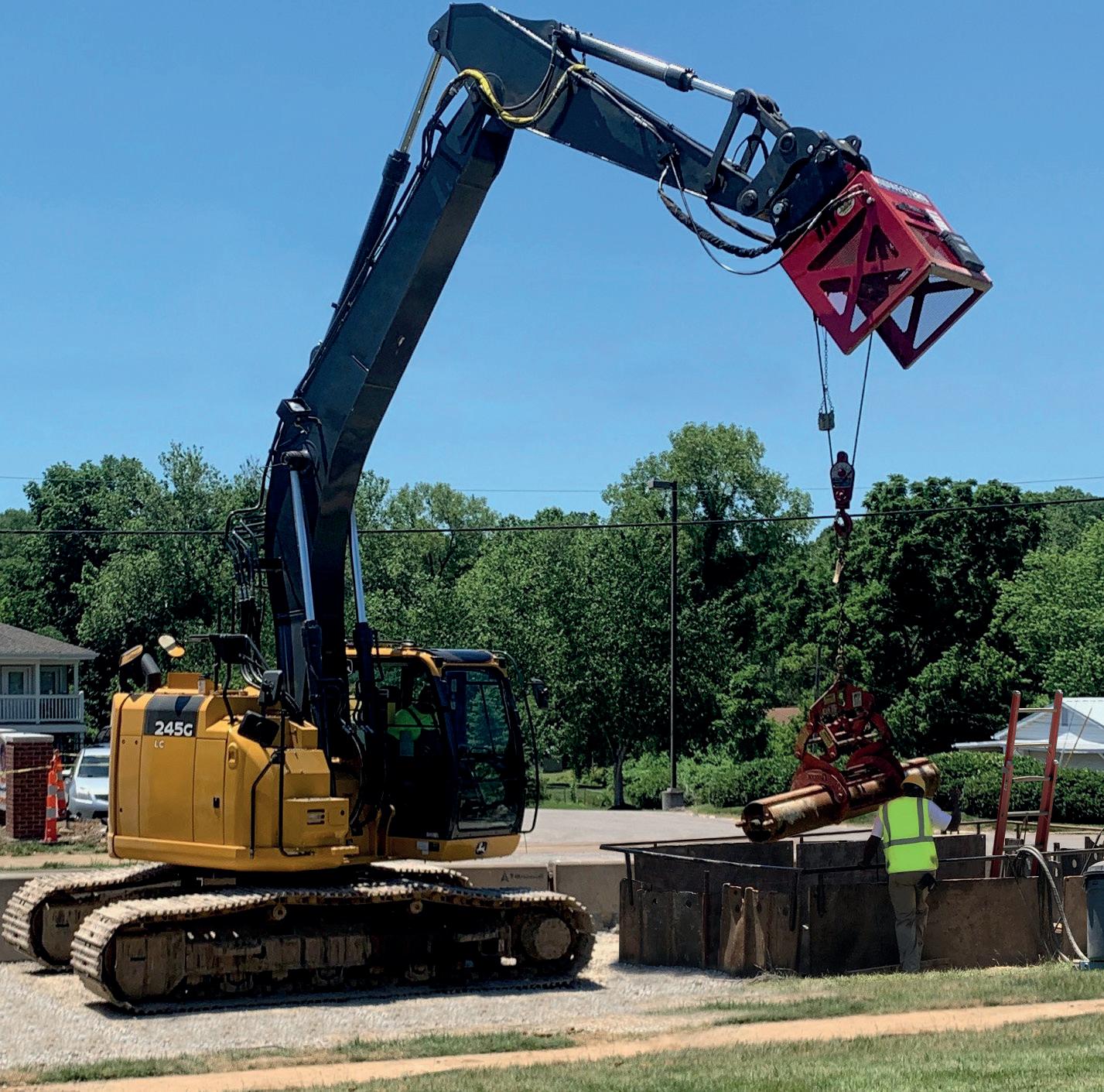
Midwestern’s M12H, M18H & M24H are the newest addition to our winch attachments. These winches are designed for hoisting purposes on excavators with lift capacities of 12,000/18,000/24,000 lb and attaches with a quick coupler to the excavator stick. The attachments use existing cab controls for all winch functions, ties into the auxiliary hydraulic circuit, and are easy to install. Make your equipment more versatile by adding on one of our hoist winches.
MIDWESTERN - built for the toughest jobs.
less capital and fewer resources. They face these demands while navigating unpredictable market conditions – and even more so now, with new US policies looming. At Honeywell, we provide integrated intelligence, control, leak detection and safety and security solutions to help our partners deliver optimal performance, maximise asset value and ensure regulatory compliance with their pipelines. As energy demands continue to shift towards cleaner alternatives, we are working with our partners to ensure their pipeline infrastructure remains viable and adaptable by integrating advanced technology. For example, our core offering is the Experion Process Knowledge System (PKS), which includes a worldclass SCADA system that drives critical information to pipeline operations teams while automating data logging and processing. Experion PKS is scalable to meet the needs of the large pipelines and has been installed in 11 000 pipelines worldwide.
About the interviewee
Chris Jones is the General Manager of LNG & Midstream for Honeywell’s Industrial Automation business. He started his Honeywell career 26 years ago as a chemical and plant operator. In his current role, Chris leads the global LNG, Pipeline and Terminal business where he drives new product introduction for customers and helps implement best practices and strategies for the LNG and Midstream industries.
World Pipelines Contributing Editor, Gordon Cope,
analyses how administrations across Central and South America are addressing sociopolitical and environmental tensions in their respective midstream sectors, amidst the growing population’s need for energy.
The vast expanses of Central and South America encapsulate some of the largest fossil fuel deposits on earth, as well as an immense population thirsty for energy. The region is also beset by tumultuous geopolitical, social and environmental concerns. The situation has been aggravated by the Trump administration’s volatile tariff gyrations. Various administrations are navigating their way through perilous waters.
Brazil
Petrobras continues to be a significant engine of growth in Brazil. Over the last year, it has increased its proven oil reserves by 500 million bbls, to a total of 11.4 billion bbls. It has earmarked US$111 billion in spending for the next five years, including US$77 billion for exploration and production. In 2024, production surpassed 2.2 million bpd of crude, and 2.7 million boe/d.
In late 2024, Petrobras commissioned the 600 million ft3/d Rota 3 gas pipeline designed to deliver gas from the Santos Basin pre-salt fields to its largest processing unit, the UPGN facility located near Rio de Janeiro. The move is part of the government’s decree to re-inject less of the 13.4 trillion ft3 of reserves in the pre-
salt fields and deliver more to domestic customers. In addition to Rota 1 and Rota 2 pipelines, the system now has the capacity to transport over 1.4 billion ft3/d to onshore facilities. Further proposed expansions to the network could double the capacity.
Most of Brazil’s refining and import infrastructure is located in coastal ports, while consumption occurs throughout the continent-sized country. Because Brazil’s fuel pipeline network amounts to a mere 5800 km (compared to 135 000 km in the US), tens of thousands of trucks are used to deliver gasoline, diesel and jet fuel to market. In order to reduce emissions, increase transportation efficiency and meet growing demand, Brazil’s Energy Research Office (EPE), initiated the Indicative Oil Pipelines Plan that outlines a series of proposed pipelines, including the 1648 km Araucária – Cuiabá project, a 20 in. mainline with a capacity of 200 000 bpd. In all, the EPE calls for an investment of US$6 billion over the decade.
Mexico
Mexico has been wrestling with declining production for the last several decades; output has plunged from 3.4 million bpd in 2004 to 1.6 million bpd in 2024. A lack of investment and corruption at
state-owned Pemex is largely to blame, but the nationalist policies of former President Andrés Manuel López Obrador (AMLO) have also driven away international investment in oil exploration.
LNG holds greater potential. The Pacific coast of Mexico is thousands of kilometres closer than the USGC to markets in Asia and obviates the need for shippers to pass through the Panama Canal. There are six proposed export terminals located on the Pacific and three more on the Gulf coast. Sempra Energy’s Energía Costa Azul (ECA) LNG, located in Baja California, is a former LNG import site. The 3 million tpy train is expected to be commissioned by late 2025, and could ultimately be expanded to 12 million tpy. The Mexico Pacific Limited (MPL) LNG project is located on the Sea of Cortez. The latest plan is to build three trains totaling 14.1 million tpy capacity in Phase 1, and a further three trains in Phase 2, doubling capacity to 28.2 million tpy. While the Biden administration’s suspension on new LNG projects had a chilling, knock-on effect on Mexican plans, President Trump cancelled the pause, allowing proposals to proceed once again.
Colombia
Colombia is South America’s third largest oil producer, with an output of approximately 780 000 bpd (and 1 billion ft3/d of associated gas). It has only eight years of crude and gas reserves left before it runs out, however, so the country’s oil and gas sector was heartened when Ecopetrol announced the discovery of a giant offshore gas field. The Sirius-2 well, located 77 km offshore in the Caribbean Sea, encountered an estimated 6 trillion ft3 of gas, doubling the country’s reserves overnight. Ecopetrol and partner Petrobras estimate that it will cost over US$4 billion to build a pipeline and bring the field online by 2027. Production is expected to approach 500 million ft3/d over a 10 year period.
Attacks on the country’s pipeline infrastructure continue. In April 2025, the Bicentenario crude pipeline was shut down after a guerrilla attack. The 230 km spur line carries over 200 000 bpd of oil from the prolific Llanos basin, connecting up to the larger Ocensa transport system. Members of the National Liberation Army (NLA), were blamed.
The election of Gustavo Petro in 2022 saw a long-standing federal endorsement of fossil fuels reverse as the President announced a shift away from oil, gas and coal toward renewables. New decrees, including the suspension of new exploration licences, ensued.
Argentina
The Vaca Muerta unconventional shale play in Neuquén province continues to accelerate. By late 2024, production had risen to 428 000 bpd and 3.8 billion ft3/d from virtually nothing a decade ago; the play has the potential to surge to 1 million bpd and 5 billion ft3/d by 2030.
The rapid growth has necessitated the expansion of the country’s pipeline network in order to deliver energy to domestic and international customers. In late 2024, YPF completed the Vaca Muerta Norte project, a 160 000 bpd line that services both a local refinery and Chile. Approximately 50 000 bpd is delivered to its Lujan de Cuyo refinery in Mendoza, Argentina, 100 km east of the border with Chile. The remaining 110 000 bpd continues west to Chile for processing at the BIO refinery. YPF also plans to build the 440 km Vaca Muerta Oleoducto Sur (VMOS). The US$3 billion line
would run 440 km from Neuquén province to the Atlantic port of Punta Colorada. The line will have 180 000 bpd capacity; when completed in late 2026; further phases will see capacity rise to 550 000 bpd in 2027 and up to 700 000 by the end of the decade. Natural gas networks are also being enlarged. The 800 million ft3/d Nestor Kirchner gas line, completed in 2023, is being expanded by an additional 500 million ft3/d to primarily service growing domestic demand, as well as connect to neighboring countries. In June 2025, the governments of Argentina and Brazil met to coordinate potential shipments of natural gas from the former to the latter using a combination of pipeline reversals and new-build. Currently, it is technically feasible to move approximately 700 million m3/y on existing infrastructure; expansion of interstate networks could allow up to 10 billion m3 by the end of the decade. Preliminary work is underway to delineate the most economical routes. Ambitious plans are also underway to build an immense LNG export project on the Atlantic coast. YPF, Shell and other partners are planning to spend up to US$50 billion to construct Argentina LNG in the coastal province of Rio Negro. The first phase of 10 million tpy will use floating LNG vessels, while future phases envision the construction of onshore LNG facilities in order to boost capacity to 28 million tpy. In June 2025, Pan American Energy, one of the partners in the LNG development, noted that the port would eventually need an additional pipeline with a capacity of over 18 billion m3/y to address liquefaction needs, making it the largest gas pipeline in Argentina.
Venezuela
Venezuela was once the powerhouse of Latin America; with an estimated 304 billion bbls of reserves, the country produced over 3 million bpd, but has seen output plummet to under 1 million bpd. Much of the problem can be attributed to mismanagement, a lack of maintenance and blatant corruption. The lack of maintenance funds has had a profound impact on the midstream sector. Environmental NGOs estimate that PDVSA suffers over 70 spills every year from its 25 000 km network of pipelines and related infrastructure. The worst contamination in the last 12 months has been the August 2024, discharge of fuel oil from the El Palito refinery, located on the Caribbean coast. Satellite images showed a bloom covering 225 km2. Authorities responded by suspending all fishing and tourism activity in the area.
Guyana
Over the last decade, Guyana has risen to one of the continent’s largest oil exporters. Currently, a consortium led by ExxonMobil produces approximately 650 000 bpd; with the upgrades to its three FPSOs and the arrival of a fourth vessel, production is expected to rise to 940 000 bpd in 2025. With the addition of further commissioned FPSOs, output is expected to reach 1.4 million bpd by the end of the decade.
The government of Guyana is keen to commercialise the associated gas. Under an agreement with ExxonMobil, the latter will deliver up to 130 million ft3/d from the Liza project via a 10 in., 225 km offshore pipeline (costing approximately US$1 billion), to a 300 MW electricity complex near the capital of Georgetown. Over the longer-term, the government is also looking at further pipeline deliveries in order to supply LNG and fertilizer
plants; ExxonMobil and partners have plans to produce up to 1.5 billion ft3/d of gas from its Longtail field when the project comes on-stream later in the decade.
Suriname
The former Dutch colony of Suriname is located due east of Guyana, and shares the same prolific offshore geology. In November 2024, TotalEnergies made a final investment decision on developing its discoveries in Block 58, located 150 km off the coast of the Atlantic nation. The French-based company announced that it would spend up to US$10 billion to develop the GranMorgu project, consisting of the Sapakara and Krabdagu fields, which hold over 750 million barrels of crude. An FPSO capable of producing 220 000 bpd is forecast to begin production in 2028.
Panama
Panama, not normally a country known for its midstream sector, is considering building a 1 million bpd pipeline to transport liquid petroleum gas (LPG). The 100 km line would originate in the north near the port of Colon in the Caribbean Sea, and travel south to the Pacific port of Panama City. The LPG, which would originate from the USGC, would then be transported to the growing market in Asia. Authorities predict that volumes could reach 2 million bpd within the decade.
Problems
Geopolitical challenges beset most producing nations in the region. Such complications have profound impacts on investment and construction plans. For several years, Venezuela has been under pressure from US sanctions to pursue democratic reforms. In March 2025, the Trump administration ordered Chevron to wind down its oil operations in Venezuela, causing PDVSA to curtail shipments to the US amid payment uncertainties. The hardened sanctions have caused Venezuela’s total exports to drop by around 20%, to 700 000 bpd. Currently, Venezuela ships deliver less than 140 000 bpd to the USGC; almost 500 000 bpd is bound for its main customer, China.
In Colombia, the left-leaning President Petro continues to promote environmental policies that undermine investment and maintenance of oil and gas infrastructure. In addition, guerrilla armies continue to blow up pipelines and plunder crude to fuel their drug operations.
Mexico is well aware of the potential for the Trump administration to impede the movement of gas through tariffs or arbitrary curtailment. President Claudia Sheinbaum, AMLO’s chosen successor, announced an ambitious programme in which the state-owned company will drill over 200 exploration wells in an attempt to increase gas output from 3 billion ft3/d to 5 billion ft3/d by the end of her term in 2030.
Pipeline fuel theft in Mexico, which had been suppressed under AMLO’s administration, is also making a comeback. In May 2025, the US Department of the Treasury’s Financial Crimes Enforcement Network (FinCEN) issued an alert focusing on the smuggling of crude oil across the border by Mexican cartels. The cartels obtain the crude through corrupt Pemex officials then export it to Texas using false broker documentation. In addition, cartels tap into fuel lines and steal thousands of barrels a day of diesel and gasoline. The government estimates that Pemex is
once again losing several billion dollars per year from the thefts. FinCen is working with the FBI to identify and arrest cartel member and complicit middlemen.
In Argentina, President Javier Milei (a free-market economist who assumed office in December, 2023), passed legislation designed to encourage investment in major energy projects. The Basis Law calls for significant tax breaks on capital investments, as well as exemption from export taxes up to three years. The move has spurred international investment, but Milei faces pressure from opposition politicians to focus more on domestic issues such as inflation and poverty.
The government of Guyana is building a strong regulatory and fiscal policy to guide the development of the oil and gas sector and the diversification of its economy, but is facing hostilities generated by President Maduro of Venezuela regarding Essequibo, a disputed province that borders the offshore fields. In May 2025, mercenaries fired upon Guyanese soldiers patrolling in the region, escalating tensions.
Green energy
Several countries are taking a proactive approach to green energy. Colombia, which is looking to diversify away from fossil fuels, awarded contracts to add almost 4500 MW of solar power by 2028. It has also received interest from nine companies to install up to 3000 MW of offshore wind projects to meet its rapidly growing domestic consumption of electricity. Argentina, blessed with abundant wind, has expanded its network of wind farms to approximately 3300 MW, which represents almost 20% of its energy mix. The government of Brazil’s Ceará state announced it had reached an agreement with Madrid-based FRV to invest US$5 billion to build the H2 Cumbuco plant in Ceará’s Pecém Industrial and Port Complex in northeast Brazil. The first phase of the project will have a capacity of 400 000 tpy of ammonia, eventually rising to 1.6 million tpy.
Like green energy projects in Europe, however, low-carbon initiatives in Latin America are suffering from economic reality. Analysts point to a regional oversupply of electrical energy, a challenging regulatory landscape, and weak growth in demand for renewables. Shell, which had obtained authorisation to build several utility-scale solar farms in central and northeast Brazil, recently approached the country’s energy regulator and requested their permission be revoked, citing market challenges.
The future
In the near term, the expansion of its oil and gas sectors will help both Brazil and Guyana generate much-needed foreign exchange and stimulate their economies. Argentina has a comprehensive economic plan to augment regional pipeline networks to export to Chile, as well as tap into the international demand for LNG and light, sweet crude. Colombia, faced with diminishing reserves, is transitioning to a renewable energy economy. Mexico is hoping its state champion Pemex will reverse declining production and reduce its reliance on the US for natural gas and fuels. Venezuela, unfortunately, will continue to squander its natural resources patrimony. Regardless, over the longer term, a growing population hungry for energy will continue to present significant opportunities to the midstream sector.
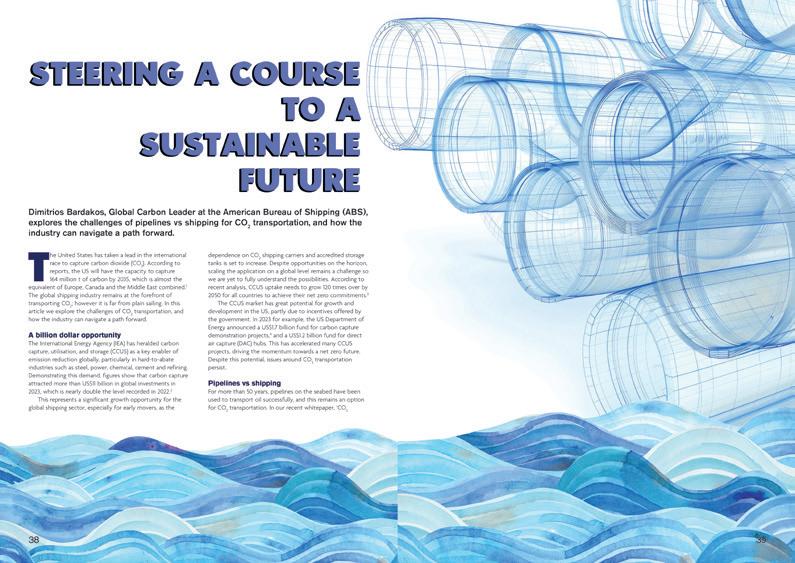
Dimitrios Bardakos, Global Carbon Leader at the American Bureau of Shipping (ABS), explores the challenges of pipelines vs shipping for CO2 transportation, and how the industry can navigate a path forward.
The United States has taken a lead in the international race to capture carbon dioxide (CO2). According to reports, the US will have the capacity to capture 164 million t of carbon by 2035, which is almost the equivalent of Europe, Canada and the Middle East combined.1
The global shipping industry remains at the forefront of transporting CO2; however it is far from plain sailing. In this article we explore the challenges of CO2 transportation, and how the industry can navigate a path forward.
A billion dollar opportunity
The International Energy Agency (IEA) has heralded carbon capture, utilisation, and storage (CCUS) as a key enabler of emission reduction globally, particularly in hard-to-abate industries such as steel, power, chemical, cement and refining. Demonstrating this demand, figures show that carbon capture attracted more than US$11 billion in global investments in 2023, which is nearly double the level recorded in 2022.2
This represents a significant growth opportunity for the global shipping sector, especially for early movers, as the
dependence on CO2 shipping carriers and accredited storage tanks is set to increase. Despite opportunities on the horizon, scaling the application on a global level remains a challenge so we are yet to fully understand the possibilities. According to recent analysis, CCUS uptake needs to grow 120 times over by 2050 for all countries to achieve their net zero commitments.3
The CCUS market has great potential for growth and development in the US, partly due to incentives offered by the government. In 2023 for example, the US Department of Energy announced a US$1.7 billion fund for carbon capture demonstration projects,4 and a US$1.2 billion fund for direct air capture (DAC) hubs. This has accelerated many CCUS projects, driving the momentum towards a net zero future. Despite this potential, issues around CO2 transportation persist.
Pipelines vs shipping
For more than 50 years, pipelines on the seabed have been used to transport oil successfully, and this remains an option for CO2 transportation. In our recent whitepaper, ‘CO2
Impurities and LCO2 Carrier Design Practical Considerations’, we specified that nearly 360 000 km of pipelines may be required to transport the CO2 captured from industrial processes by 2050.
Since many pipelines are still required for use in the oil and gas industry, they alone won’t meet demand. In fact, the US will need to construct additional CO2 pipelines of between 17 700 and 37 000 km before 2050.
Furthermore, terminal facilities will need to be built which connect land to subsea pipelines or to ships. Subsea pipeline and termination manifolds, as well as riser connections to fixed or floating offshore platforms, are already being studied as viable options with trials underway.
When it comes to transporting CO2 in pipelines, there are many considerations. The CO2 must be set at a supercritical pressure of 73.8 bar and temperature of 31.1˚C. In addition to constructing the pipelines at the required temperature and pressure characteristics, materials that avoid corrosion, pitting or cracking will need to be used when considering the content of the CO2 stream (e.g. accompanying water, nitrogen, hydrocarbons, oxygen, sulfur, and sulfides).
Although the use of pipelines in the energy sector is well established, they require a continuous flow of compressed gas, and their user costs are highly dependent on distance. Therefore, the shipping industry is increasingly being looked at as the most viable solution for safely transporting CO2, particularly when in low volumes.
In fact, transporting CO2 by ship has been labelled essential by the European Commission’s EU Taxonomy for Sustainable Activities,5 as well as the EU Emissions Reading System (EU ETS).6
While transporting CO2 in pipelines requires supercritical conditions to be met, shipping it is simpler as it can be in liquefied form (LCO2). This means it can be shipped at varying temperatures and pressures, and a ship can take approximately 1/500th of the volume of CO2 transported in pipeline alternatives.
The existing fleet in operation that meets the criteria for LCO2 transportation is limited to only four carriers. They are currently serving the food and beverage industry at small capacities (~1700 t CO2), and operating pressures in the range of 15 - 19 bara. There are currently two ships that can transport CO2 in the pressure range of 1318 barg.
The possibility of transporting CO2 in cryogenic conditions is being analysed, however currently no ship can transport CO2 in the pressure range of 6 - 8 barg. Interestingly, joint industry projects, like the one between ECOLOG, Hanwha Ocean, Babcock LGE, and the American Bureau of Shipping, are exploring this as a workable solution. Through the project, approval in principle has been issued for a low-pressure, 40 000 m3 LCO2 carrier.
The trials and tribulations of shipping CO2
Unlike onshore CO2 handling systems and transportation by pipelines, there is a lack of engineering data available on shipping CO2. This creates many challenges.
The demand for robust shipping infrastructure to allow the CCUS industry to mature, creates significant economic
potential for the shipping industry, while supporting net zero targets. However, companies need to be aware that to capitalise on the opportunity, they need to invest and build dedicated LCO2 carriers to support the transportation of extensive volumes of CO2 captured.
Currently, there are no standards for shipping CO2 with impurities as cargo, only recommendations such as ABS’ guide on LCO2 carriers. For shipping companies, following guides like these can help mitigate health and safety risks. Additionally, corrosion reactions could potentially impact the integrity of the ship and/or create harm to personnel. If liquid CO2 contains more water than gaseous CO2, it can become more corrosive.
Also, a high-level of non-condensable impurities can substantially consume the volumetric capacity. For example, the presence of 10% hydrogen can reduce the capacity by 27%, which would incur a financial loss.
The density of the cargo must also be considered in that lower-density LCO2 reduces a ship’s volumetric efficiency, and a higher pressure limits tank size, and increases the wall thickness. The physical properties and transport conditions of CO2, and consequent issues like compression liquefaction system and power demand, need to be better understood in order to create definitive guidelines for the cargo handling and shipping.
The design of the cargo tanks should be in accordance with the International Code for the Construction and Equipment of Ships Carrying Liquefied Gases in Bulk, or IGC code. This code has been the basis for the design of cargo tanks for liquefied petroleum gas (LPG) since the 1960s.
Trials around carrier materials are also underway. New high-strength carbon-manganese steel materials are being developed by steel mills for example that could be used as CO2 Carrier tank material subject to approval by the ship’s Classification Society. Trials like these are critical in that they provide more clarity around ideal pressure, temperature, and composition mechanisms so that we can create the right condition for transporting CO2 in liquid form, throughout the shipping transport chain.
The CCUS industry is gathering pace, allowing many nations to unlock the possibilities of sustainable emissions reduction. However, the transportation of CO2 must be optimised in a way that takes into account human life, environmental protections, cost, and energy demand. If the industry, regulatory bodies, and government continue to collaborate on suitable CO2 applications internationally, the CCUS market will be able to thrive and support the transition to a net zero future.
References
1. https://about.bnef.com/blog/us-is-set-to-expand-global-lead-in-capturingcarbon/
2. https://about.bnef.com/blog/us-is-set-to-expand-global-lead-in-capturingcarbon/
3. https://www.mckinsey.com/industries/oil-and-gas/our-insights/scaling-theccus-industry-to-achieve-net-zero-emissions
4. https://www.energy.gov/articles/biden-harris-administration-announces-12billion-nations-first-direct-air-capture
5. https://finance.ec.europa.eu/sustainable-finance/tools-and-standards/ eu-taxonomy-sustainable-activities_en
6. https://climate.ec.europa.eu/eu-action/eu-emissions-trading-system-eu-ets_en
he pipeline industry is a critical component of modern energy infrastructure, delivering oil, gas and other essential resources where they are needed most.
Pipelines facilitate the transport of products over distances that often span thousands of miles, ensuring critical resource access for everything from residential homes to industrial complexes. However, a persistent and
John Rettig, AMPP Cathodic Protection Specialist, Farwest Corrosion Control Company, USA, examines the critical role of corrosion mitigation in ensuring pipeline safety and sustainability and in meeting regulations.
potentially devastating challenge looms beneath the surface: corrosion. This natural but insidious process can significantly affect the performance, safety and sustainability of pipelines, posing risks to operational efficiency, environmental health and public safety.
Pipeline operators are acutely aware of the ongoing risks of corrosion, particularly in ageing infrastructure. This challenge is further compounded by an evolving regulatory landscape, including the implementation of the Pipeline and Hazardous Materials Safety Administration (PHMSA) Mega Rule. This comprehensive regulation introduces a phased approach to compliance that will affect the entire industry. Operators now face the dual challenge of adapting to stricter regulations while investing in corrosion prevention strategies to ensure compliance and the longevity of their assets.
Corrosion prevention is no longer a reactive measure. It has become an imperative for operators seeking to maintain safe and efficient operations while adhering to increasingly stringent regulatory standards. This article examines the critical role of corrosion mitigation in ensuring pipeline safety and sustainability, explores the challenges posed by corrosion, and analyses the transformative impact of regulatory developments such as the PHMSA Mega Rule. Finally, it highlights the importance of proactive corrosion control strategies in achieving long-term operational resilience and regulatory compliance.
The hidden dangers of corrosion in pipeline infrastructure
Corrosion is a complex and pervasive challenge that affects pipeline infrastructure worldwide. Over time, metals used in pipeline construction, such as steel, are compromised by exposure to environmental factors such as moisture, chemicals, salt and stray electrical currents. This degradation undermines the integrity of pipelines, leading to leaks, ruptures and other critical failures. These failures can have catastrophic consequences, impacting the safety of personnel, the surrounding environment and pipeline operations. Addressing corrosion is essential to maintaining reliability and preventing such hazards.
Economic consequences
The economic impact of pipeline corrosion is staggering. According to the Association for Materials Protection and Performance (AMPP, previously NACE), the global cost of corrosion is estimated at US$2.5 trillion annually, equivalent to 3 - 4% of the world’s GDP. This translates to billions of dollars in lost productivity, unplanned maintenance costs, regulatory fines and the financial burden of repairing damaged infrastructure for the pipeline industry.
In many cases, underground pipelines are installed in remote areas, making inspections and maintenance challenging. This often delays the identification and mitigation of corrosionrelated risks. Failures caused by corrosion can result in costly service delays, asset replacement and environmental cleanups. In some instances, operators may also face significant legal expenses from lawsuits filed in the aftermath of major pipeline incidents.
Environmental impact
Pipeline corrosion poses significant environmental risks, particularly when hazardous substances such as crude oil or natural gas are released into the environment. These spills can create significant safety concerns and have devastating effects on local ecosystems, contaminating water sources, soil and harming wildlife. Beyond immediate ecological damage, longterm environmental consequences can be severe, requiring extensive remediation efforts to restore affected areas.
In addition to cleanup efforts, operators may face prolonged regulatory scrutiny, fines and operational restrictions. Public perception of pipeline safety and environmental responsibility is becoming increasingly important – operators who fail to proactively address corrosion prevention risk both regulatory penalties and damage to their reputation.
Safety concerns
Perhaps the most immediate and severe risk posed by corrosion is to the safety of pipeline workers and nearby communities. Corroded pipelines are more prone to structural failures, which can result in catastrophic accidents such as explosions or fires. In some instances, these failures have caused fatalities, injuries and widespread property damage.
To address these dangers, regulatory agencies have long emphasised pipeline integrity. The National Transportation Safety Board (NTSB) has identified corrosion as one of the leading causes of pipeline incidents, highlighting the importance of rigorous preventive measures. Regulations such as the PHMSA Mega Rule require operators to adopt comprehensive corrosion management strategies to mitigate risks and protect public safety.
The PHMSA Mega Rule: driving regulatory change
The regulatory framework for pipeline safety has undergone significant changes, with PHMSA implementing a phased approach to pipeline integrity management. The introduction of the PHMSA Mega Rule represents a comprehensive update to pipeline safety protocols, with a particular focus on corrosion prevention.
Figure 2. Pipeline project in Southern California, US desert.
A phased approach to compliance
The PHMSA Mega Rule began taking effect in 2020 and is being rolled out in multiple phases, with full implementation scheduled for 2027. This staggered approach allows operators to adapt to new requirements, including more detailed assessments of pipeline conditions, material verification and enhanced record-keeping practices. Despite the timeline, prompt action is essential to avoid steep fines, operational disruptions and increased legal liability.
A key feature of the Mega Rule is its emphasis on integrity assessments. Operators must evaluate pipeline conditions using advanced technologies such as inline inspection tools, pressure testing and direct assessments. Material verification, particularly for pipelines constructed before 1970, is another critical component. These requirements ensure that older pipelines meet modern safety standards and are adequately protected against corrosion.
The importance of corrosion prevention and mitigation
Corrosion is an inevitable process affecting all metallic materials exposed to environmental factors. However, with the right tools, systems and protocols in place, pipeline operators can prevent corrosion from compromising their infrastructure.
Proactive approaches to corrosion control
Effective corrosion prevention strategies include:
) Cathodic protection systems (CP): properly designed and implemented systems counteract the electrochemical process of corrosion, protecting metallic assets.
) Pipeline coatings: specialised coatings shield pipelines from moisture, chemicals and environmental stressors.
) Remote monitoring and sensors: real-time monitoring allows operators to detect corrosion risks before they escalate.
) Regular inspections and maintenance: routine assessments ensure early detection and resolution of potential issues.
Aligning with federal regulations
Implementing these measures is not only critical for ensuring safety but also for complying with the PHMSA Mega Rule. Proactive corrosion management positions operators to meet regulatory requirements, avoid penalties and safeguard their assets for long-term sustainability.
Bibliography
https://www.phmsa.dot.gov/ https://www.ntsb.gov/Pages/home.aspx https://www.ampp.org/home
Acknowledgements
Troy Rankin – Senior Advisor, Farwest Corrosion Control; John Bollinger P.E. – Principal Engineer, Farwest Corrosion Control; and Linda Rodrigues – Vice President, Business Development, Farwest Corrosion Control.
EPISODE EIGHT
In this episode, Juan Caballero, Chair of the AMPP Board of Directors, talks about AMPP’s global efforts to prevent corrosion and to protect assets, offering insight into how the association listens to its members and serves the pipeline industry.
Juan shares his insights on:
• The merger of NACE with SSPC to form AMPP.
• Materials protection challenges in 2025.
• AMPP’s training programmes, including a sneak peek into the newest offerings.
• Industry trends and how AMPP views sustainability.
• Which certifications are currently in demand.
• Digital learning for pipeliners.
• Regulations that we need to pay attention to now.
LISTEN NOW
CATCH UP ON RECENT EPISODES
Episode Seven: UKOPA
Episode Six: TDW
Episode Five: IPLOCA
Juan Caballero Elizabeth Corner
Shailesh Radhakrishnan,
Vice President of Engineering and Technology at CRC
Evans, discusses how AI and machine learning technologies empower pipeline operators to transform data into safer, smarter, and more efficient operations.
As infrastructure ages, regulatory expectations rise and digital technologies mature, the opportunity to enhance safety, transparency, and efficiency in the pipeline industry is greater than ever before. For those of us in engineering and construction, this is our chance to be proactive – not just reacting to changes but actively shaping the future.
CRC Evans’ evolution has been underpinned by a consistent focus on innovation and field-based problem-solving. From the early automation of key welding processes and field joint coating applications to the present integration of artificial intelligence (AI) and digital tools, our approach has always aimed at practical improvements in performance, reliability, and safety.
From data accumulation to data intelligence
Pipeline construction and maintenance generate large volumes of operational and quality assurance data, but historically much of this data has been collected in silos, underutilised and disconnected from actionable insights. But the current generation of digital technologies, particularly AI and machine learning, now offers the potential to extract meaningful
intelligence from this data, enabling earlier interventions and more predictive quality control.
For example, by applying AI to decades’ worth of welding data, we can now build predictive models that identify patterns leading to defects. These models have the potential to make process adjustments in real-time, reducing the incidence of weld failures and minimising the need for secondary inspections. As this approach matures, it may ultimately support frontend quality verification, streamlining workflows and improving project economics without compromising safety or compliance.
In parallel, the increasing demand for traceability and transparency across project lifecycles is shaping how we manage and integrate data. To capitalise on this and shape the future, CRC Evans is developing a comprehensive digital platform designed to centralise and standardise data across the fabrication, construction and deployment phases of pipeline infrastructure.
This system is intended to serve as a single source of truth, capturing data on material origin, welding parameters, coating application, inspection records and final installation. It provides essential as-built documentation that is crucial for maintaining, upgrading, and expanding existing energy infrastructure, as well as for future construction projects, ultimately benefiting the end user. It also supports regulatory compliance by enabling auditable records and traceable workflows, which are increasingly essential under evolving environmental and safety standards.
Beyond compliance, the value of such a system lies in its ability to support risk assessment, claims verification and continuous improvement initiatives which can deliver operational insights while ensuring alignment with client requirements and industry expectations.
Navigating a complex landscape
By its very nature in connecting landmasses, projects and various assets, pipeline construction brings diverse market conditions, technical requirements and commercial priorities. Offshore environments pose different challenges than onshore while regional variations in regulation, labour markets and resource availability must also be accounted for.
To successfully introduce technological innovation in this landscape requires flexibility, robust business case analysis, and an iterative approach to deployment. Essential to this is strategic prioritisation, based on project ROI, client needs, and market readiness.
But while technology continues to evolve rapidly, the expertise of experienced personnel remains irreplaceable. At CRC Evans, many of our field team members bring decades of practical insight that directly inform the development and deployment of new systems. This synergy between field experience and technological development is critical to ensuring our innovations are grounded, effective and scalable.
Equally important is nurturing the next generation of engineers. Younger professionals entering the industry often bring purpose-driven perspectives and strong digital fluency. Encouraging their curiosity and aligning their work with meaningful outcomes, such as improved infrastructure safety or contributions to the energy transition, helps sustain motivation and long-term engagement. When engineers can clearly connect
Figure 2. Advanced IMPP coating application delivering long-term protection in challenging conditions.
Figure 1. CRC Evans’ P-625 dual-torch welding system in use on a critical offshore project.
Figure 3. CRC Evans’ Data360 platform delivers real time, cloud solutions for visibility, traceability, and control.
their day-to-day work to broader societal or environmental goals, it enhances not only their individual development but also the overall impact of their contributions.
Seizing the opportunity ahead
The integration of AI, digital data platforms and predictive analytics is progressively reshaping how pipeline projects are planned, executed and maintained. These advances, while technically complex, offer tangible benefits in the form of increased safety, reduced rework and improved transparency.
But technology alone is not the solution. The continued progress of the pipeline industry depends on an effective combination of deep field knowledge, strategic deployment of digital tools and the cultivation of skilled, purpose-driven professionals. Through this balanced approach, we can continue to raise the standard for how critical energy infrastructure is designed, delivered and sustained.
Facilities in Texas
CRC Evans operates two major Texas facilities, strategically positioned at the heart of the established and emerging energy sectors. Katy is home to the newly commissioned and dedicated Fabrication Hub that specialises in advanced welding techniques, precision fabrication and custom coatings. With robust quality assurance it offers a centre of excellence for high-spec truckable energy infrastructure projects, and supports growing opportunities in renewables, hydrogen, and nuclear work. It also serves as their offshore headquarters. Meanwhile, the Houston



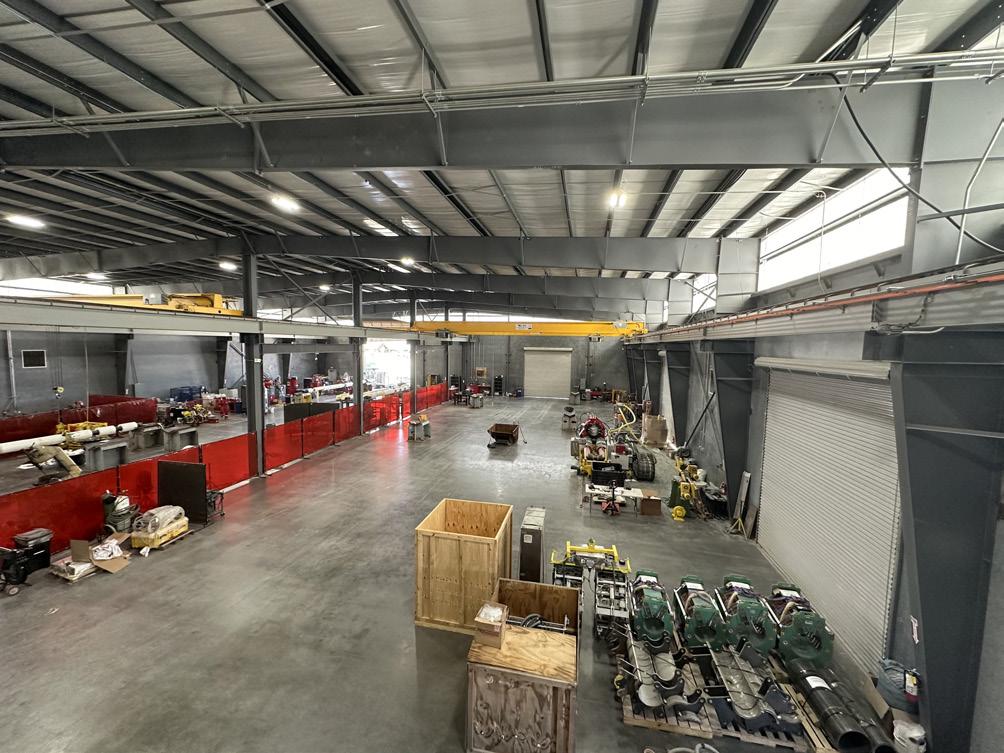
site serves as the company’s Americas onshore headquarters. The Texas sites offer fully integrated welding, coating, and pipeline equipment centre that supports large-scale project delivery across oil, gas, and critical infrastructure sectors. Together, these facilities deliver a client commitment to delivering flexible, highquality services across conventional and future energy markets. Expertise that’s backed by decades of automation expertise partnered with future facing digital innovation and a strong North American footprint.
Figure 4. Katy, Texas, home to CRC Evans’ newly commissioned Fabrication Hub.
A podcast series for professionals in the downstream refining, petrochemical, and gas processing industries
EPISODE 3
Peter Davidson, CEO of the Tank Storage Association (TSA), discusses the essential role that the tank storage sector has to play in ensuring supply security and resilience, as well as in facilitating the energy transition.
EPISODE 4
Rasmus Rubycz, Market Manager for New Energy at Atlas Copco Gas and Process, considers how heat pumps as an industrial technology are gaining greater attention as a result of the increased drive for sustainability, and the challenges and opportunities of electrification of process heat.
EPISODE 5
Mike Logue, Owens Corning Business Director –Specialty Insulation, delves into factors that can support the performance, safety, and longevity of insulating systems installed in hydrocarbon processing environments, including cryogenic facilities. Sponsored by
EPISODE 6
Leakhena Swett, President of the International Liquid Terminals Association (ILTA), and Jay Cruz, Senior Director of Government Affairs and Communications, consider the key role of industry associations.
EPISODE 7
Susan Bell, Senior Vice President within Commodity Markets – Oil, Rystad Energy, discusses the impact of trade wars on global oil demand and oil prices.
Listen and subscribe here
Svein
Tore Milwertz, Senior Director - Head of Sales and Business Development, Izomax, Norway,
describes expanding into North America with AOGV technology for pieline integrity and maintenance.
What do a Norwegian innovator, a mechanical isolation tool, and two new international acquisitions have in common? They hold the answer to the future of pressurised system maintenance. Izomax, the Norwegian specialist in mechanical isolation, recently announced the acquisition of IK Engineering in Poland and IK Group US Inc. It’s a major leap forward, for Izomax’s maintenance solutions for oil, gas, and process industries worldwide. The goal is to boost the rollout of Izomax’s patented Add-On Gate Valve (AOGV) technology and build the company’s presence in North America, a market that’s both crucial and competitive.
With operators under mounting pressure to keep infrastructure reliable while slashing downtime and emissions, the AOGV is rapidly gaining ground as a must-have solution. “Our customers want safe, proactive maintenance solutions that maximise uptime. With this expansion, we’re better positioned to deliver exactly that, at scale, and on shorter lead times,” says Rune Sele, Vice President at Izomax.
Meeting the pressurised maintenance challenge
As pipeline infrastructure around the world continues to age, operators face a mounting challenge: how do they maintain and upgrade systems without shutting down production or compromising safety?
The traditional model of planned shutdowns, depressurisation, and hot work carries financial, operational, and environmental risks. A recent McKinsey report noted that unplanned downtime costs the oil and gas industry over US$50 billion/yr. Meanwhile, an increasing share of this infrastructure is reaching the 30+ years old mark.
Izomax’s AOGV directly addresses this challenge. The tool enables safe, mechanical isolation on live systems, allowing maintenance, valve replacement, or tie-ins to proceed without depressurisation or shutdown. Crucially, this also eliminates the need for flaring or venting, reducing greenhouse gas emissions during interventions.
“The AOGV is designed to allow valve and component replacements on operating systems, without compromising integrity or introducing risk. It’s a very positive leap forward for safety, sustainability, and performance,” says Rune Sele.
Engineering innovation rooted in real-world challenges
Izomax’s journey began with a practical challenge faced by Kjetil Aamodt, a Principal Engineer at IK Group at the time. Tasked with finding a method to insert a blind spade between flanges on a live system without resorting to hot work, Aamodt conceptualised the AOGV technology. The first concept was made with cardboard, and he still has the original model in his office today.
This innovation provided a mechanical isolation solution that maintained system integrity while allowing process flow to continue. Recognising the potential of this technology, IK Group established Izomax in 2022 as an independent entity to focus on the development and deployment of AOGV systems.
Since then, Izomax has executed over 230 AOGV operations globally, serving major energy companies such as Shell, Equinor, ExxonMobil and TotalEnergies.
Responding to market growth
The timing of the acquisitions aligns with strong market growth forecasts. In the Americas, the downstream line stopping sector is expected to grow by 10% over the next five years. More notably, the upstream repair and maintenance market is forecast to expand at 15% year-onyear as producers focus on asset integrity and operational efficiency.
IK Engineering, based in Gdansk, brings extensive experience in engineering design, tooling, and project management, while IK Group US provides a muchneeded operational presence in the US – home to over 2.7 million miles of pipeline infrastructure. With these new assets, Izomax can now deliver tailored AOGV solutions with shorter turnaround times and local support in the Americas.
“Welcoming these teams into Izomax enhances our global engineering capacity and strengthens our logistics across both Europe and North America,” adds Sele.
“It also accelerates our ability to meet rising demand in new sectors and emerging energy markets.”
Supporting sustainability and net zero ambitions
According to the US Environmental Protection Agency, more than 70 000 t of volatile organic compounds (VOC) and over 9000 t of hazardous air pollutants are released each year from equipment leaks alone. Alarmingly, 62% of these uncontrolled VOC emissions come from leaking valves, with another 31% attributed to leaking connectors.
By enabling mechanical isolation without depressurisation or dismantling, AOGV technology allows operators to safely intervene before leaks escalate. This
Figure 1. The AOGV enables safe, mechanical isolation on live systems.
Figure 2. Izomax has executed over 230 AOGV operations globally, serving major energy companies such as Shell, Equinor, ExxonMobil and TotalEnergies.
significantly reduces fugitive emissions and improves environmental performance. For pipeline operators and energy producers facing tightening ESG regulations, adopting AOGV as a standard maintenance practice offers a powerful lever for compliance and carbon reduction, while also safeguarding workforce safety.
Furthermore, the ability to perform high-integrity maintenance without emissions-intensive shutdowns is now a competitive advantage. By enabling interventions without flaring, venting, or hot work, AOGV technology reduces greenhouse gas emissions and helps operators align with international climate targets. The technology also plays a role in extending the lifespan of assets, reducing the need for large-scale capital replacement projects.
Crucially, AOGV is increasingly seen as an enabler for carbon capture and storage (CCS) infrastructure, where safe and continuous pipeline operation is critical. The same isolation principles that support offshore platforms and refineries are easily applied to high-pressure CCS pipelines and sequestration facilities.
In addition, while Izomax’s roots lie in oil and gas, the versatility of AOGV technology opens doors to a wide range of other industries. In particular, sectors with mission-critical cooling and piping systems – such as data centres, pharmaceutical plants, and power generation – stand to benefit from live system maintenance without operational interruption. Global data centre capacity is set to double by 2030, with cooling systems becoming a major bottleneck. The ability to isolate and service sections of cooling infrastructure without taking entire facilities offline offers significant cost savings and operational continuity.
Evolving to stay competitive
As energy operators prioritise digitalisation, decarbonisation, and predictive maintenance, service providers must develop solutions that reduce downtime, extend asset life, and support ESG targets. Izomax’s acquisition strategy and its AOGV technology directly respond to the new market focus. By delivering nonintrusive maintenance solutions, the company is not only enabling asset resilience but also confirming the role of service providers as strategic enablers of operational uptime and sustainability.
“As the market shifts, we’re committed to staying ahead through innovation and by building the engineering muscle to support our customers wherever they operate,” says Sele.
Over the past few years, Izomax has quietly built an impressive track record in the mechanical isolation sector. The company has completed more than 230 projects for 24 customers across six continents, highlighting both the global reach and the operational reliability of its AOGV technology. With an inventory spanning over 60 tool sizes and classes, Izomax is able to deliver tailored solutions to some of the industry’s most complex challenges: from offshore FPSOs to onshore refineries. Most importantly however is the fact that every project
has been delivered without a single HSEQ incident. This is a testament to Izomax’s unwavering focus on safety, quality, and performance, and underpins the company’s growing reputation as a trusted technology partner for international operators seeking smarter and safer ways to maintain and enhance production.
The expanded engineering team in Poland adds new capabilities in custom tooling, fast prototyping, and design-for-manufacture, all essential for bespoke projects in complex environments. Combined with US-based logistics and field service support, Izomax can now execute AOGV deployments more rapidly and with greater flexibility.
This dual-continent footprint ensures customers can receive timely support for critical operations, whether in the North Sea, Gulf of Mexico, or emerging markets in the Middle East and Asia-Pacific.
Americas
For customers across the Americas, home to some of the world’s most extensive and ageing pipeline networks, this expansion brings definite tangible benefits. The acquisition of IK Group US Inc. strengthens Izomax’s on-the-ground presence, providing faster access to engineering expertise, tooling, and AOGV deployment. With logistics and support infrastructure now based in-region, operators in the US, Canada, and Latin America can expect reduced lead times, quicker mobilisation, and more responsive service for planned and unplanned maintenance activities. This is particularly valuable in fast-paced environments like the Gulf of Mexico, where minimising downtime directly translates to millions in savings. By localising capabilities, Izomax is not just selling a product, it is becoming a trusted service partner embedded in the operational fabric of North and South America’s energy sectors.
As energy infrastructure becomes more complex, and expectations around uptime and emissions intensify, mechanical isolation solutions like AOGV will play an increasingly central role. With the acquisition of IK Engineering and IK Group US Inc., Izomax is doubling down on its leadership in this niche: offering a proactive, sustainable pipeline maintenance solution in a fast-evolving industrial world.
“We’re not just expanding our team,” says Sele. “We’re building the capability to redefine what proactive maintenance looks like across the global energy and process landscape.”
References
1. Unplanned Downtime Costs: McKinsey & Company – The $50 Billion Opportunity in Oil and Gas Operations.
2. Global Pipeline Length – U.S. Market Context. US Department of Transportation, PHMSA – Annual Pipeline Mileage https:// www.phmsa.dot.gov/
3. Data Centre Cooling Systems and Industry Growth. IEA – Data Centres and Data Transmission Networks.
4. Environmental Impact of Equipment Leaks – US EPA – Leak Detection and Repair Best Practices Guide (PDF).
5. ESG Compliance and Emissions Reduction Pressures, Deloitte – 2024 Oil and Gas Industry Outlook, Deloitte – 2023 Climate Check: Business’ Progress on ESG.
Figure 3. The acquisition of IK Group US Inc. strengthens Izomax’s on-the-ground presence, providing faster access to engineering expertise, tooling, and AOGV deployment.
Figure 4. The AOGV is designed to allow valve and component replacements on operating systems, without compromising integrity or introducing risk.
Larissa Copeland, McElroy, USA, describes improving global infrastructure with HDPE.
he world is changing the way it looks at infrastructure – including the way piping systems are designed, installed, and maintained. As priorities shift to sustainability, cost effectiveness, and quality assurance, butt-fused high-density polyethylene (HDPE) pipe has emerged as one of the fastestgrowing pipe materials available worldwide.
Thermoplastic butt fusion is the process by which two plastic pipe ends are faced, heated, and forced together under pressure to form a welded joint that is stronger than the material surrounding it.
The steps for thermoplastic butt fusion are as follows:
) Pipe ends are cleaned and faced to eliminate possible contamination.
) The pipe ends are placed directly against the heating plates of a pipe fusion machine until the required fusion temperature is reached.
) The pipe ends are forced together under pressure and held there as the pipe cools and creates a single, homogeneous joint.
Butt fusion is a reliable, trusted, and standardised method for joining plastic pipe together. Many standards exist to ensure butt fusion is done properly and consistently. In the US, ASTM F-2620 outlines the standard practice for heat fusion for polyethylene pipe and fittings, including heat and cool times and pressures required for different sizes of HDPE pipe. Since its arrival on the market in the 1960s, butt-fused HDPE has become one of the most trusted materials for installation.
The piping material of the future
Much like iron, steel, and PVC pipe, HDPE can be used in a variety of applications, from municipal water and wastewater to natural gas to conduit for wire and cables.
HDPE brings a myriad of benefits when butt fused with quality equipment and following a recognised standard. Those benefits include the following:
Corrosion free
Unlike traditional piping materials like iron or steel, HDPE does not rust or tuberculate, and when properly installed is expected to last more than a century without issue. While metallic systems’ output is expected to reduce over their lifespan through corrosion and tuberculation, service using HDPE is typically unaffected by inner diameter loss. That spells higher efficiency, higher turnout, and countless maintenance hours saved.
Leak free
For decades, metal piping systems for infrastructure were typically joined using welding and bolt-up fusion processes. For that reason, an ‘allowable water leakage’ rate of 10 - 20% was established for those piping materials. Comparatively, HDPE has an allowable water leakage rate of zero, as the bond formed during the pipe fusion process is stronger than the surrounding pipe material.
Trenchless installation
Installation for traditional piping materials typically involves heavy machinery and digging long trenches that disrupt the area’s ecology surrounding population. HDPE, conversely, can be installed using trenchless methods that keep disruption in the area to a minimum and reduce machinery, manpower, and time required for the work.
Longevity
When butt fused with quality equipment, a trained operator, and an accepted fusion standard, the lifespan of HDPE piping systems can exceed 100 years. While incumbent materials like cast iron also boast a long lifespan, HDPE has the added benefit of corrosion resistance and durability.
Cost and time efficiency
Because thermoplastic pipe fusion can be done using a single operator and a single machine (that in some cases can even be driven to the fusion site without extra heavy machinery), the amount of heavy equipment required for the project is much lower than what’s expected for metal pipe. HDPE is lightweight and versatile, and can be bent to fit into spaces that would call for joints or specialised fittings in traditional piping materials.
Quality assurance
HDPE and other plastic pipe – such as polypropylene, which is widely used in indoor applications like HVAC – can be joined in a way that provides a digital ‘thumbprint’ for each joint welded and installed. Data-logging tools can record pertinent fusion parameters like the pressure and standard used, heating/cooling times, GPS location of the joint, and more.
Trenchless opportunities
With thermoplastic pipe, installation methods go beyond traditional trench-digging. Eliminating the need for a trench not only reduces the amount of manpower needed for installation – it also minimises the disruptions around the site, such as streets or waterways.
Some trenchless installation methods include:
) Horizontal directional drilling (HDD) – during HDD, a pilot hole is drilled and expanded using drilling fluid. The pipe is then pulled through the drilled tunnel.
) Pipe bursting – a specialised ‘bursting head’ is pulled through existing pipe. As the existing pipe breaks apart, the new pipe is pulled into the space.
Figure 1. In Key Largo, Florida, 13 000 ft of 12 in. butt-fused HDPE were installed via pipe bursting for a community’s redundant water line.
) Slip-lining – like pipe bursting, slip-lining involves replacing existing pipe. With slip-lining, a smaller pipe is inserted inside a larger pipe. When using HDPE, removing the external bead allows the new pipe to pass through the existing pipe more easily.
) Submerged/floating pipe – for environments where the pipe will run through stretches of water, the pipe can be either submerged or floated.
In Key Largo, Florida, pipe bursting was the installation method of choice to install 13 000 ft of 12 in. HDPE for a community’s redundant water line. HDPE was chosen because it could be installed with minimal disruption to the community. An added benefit: because Key Largo is an area of critical concern due to pollution and water quality, an HDPE system meant no leakage or contamination issues in the surrounding environment.
Overall, this project – which utilised a single McElroy fusion machine – was completed ahead of schedule and delivered leak-free solutions to the community.
Quality assurance
Quality assurance can take many forms, especially on a pipe fusion jobsite. Whether replacing old or failing infrastructure or installing new service, it’s critical to ensure the pipe is installed correctly.
For plastic pipe fusion, quality assurance considerations include:
) Training and certification – certified fusion technicians undergo classes to ensure they are well-versed in the fusion process. McElroy University offers several certification classes that cover a wide range of fusion processes, from smalldiameter and manual fusion to large-scale pipe fusion. These classes are available worldwide and are taught by McElroy Certified Instructors, ensuring that students are ready for the job ahead.
Figure 2. Because of the rugged properties of HDPE, pipe can be fused and installed in even the most challenging of environments.