Volume 26 Number 6 - June 2026

Volume 26 Number 6 - June 2026
03. Editor's comment
05. Guest comment
Gregory Daco, Chief Economist, EY-Parthenon.
07. Pipeline news
Updates on the Strait of Hormuz closures, PHMSA grant funding opportunities, STATS Group's distribution deal with Patriot, and more.
KEYNOTE: SAFETY
14. Operation resilience: an energy cyber risk outlook
Marco Ayala, Technical Director, ABS Consulting.
AUTOMATION
20. Securing America's energy future
Alex Le and Vicki Knott, CruxOCM, USA.
DRONES AND AERIAL SURVEILLANCE
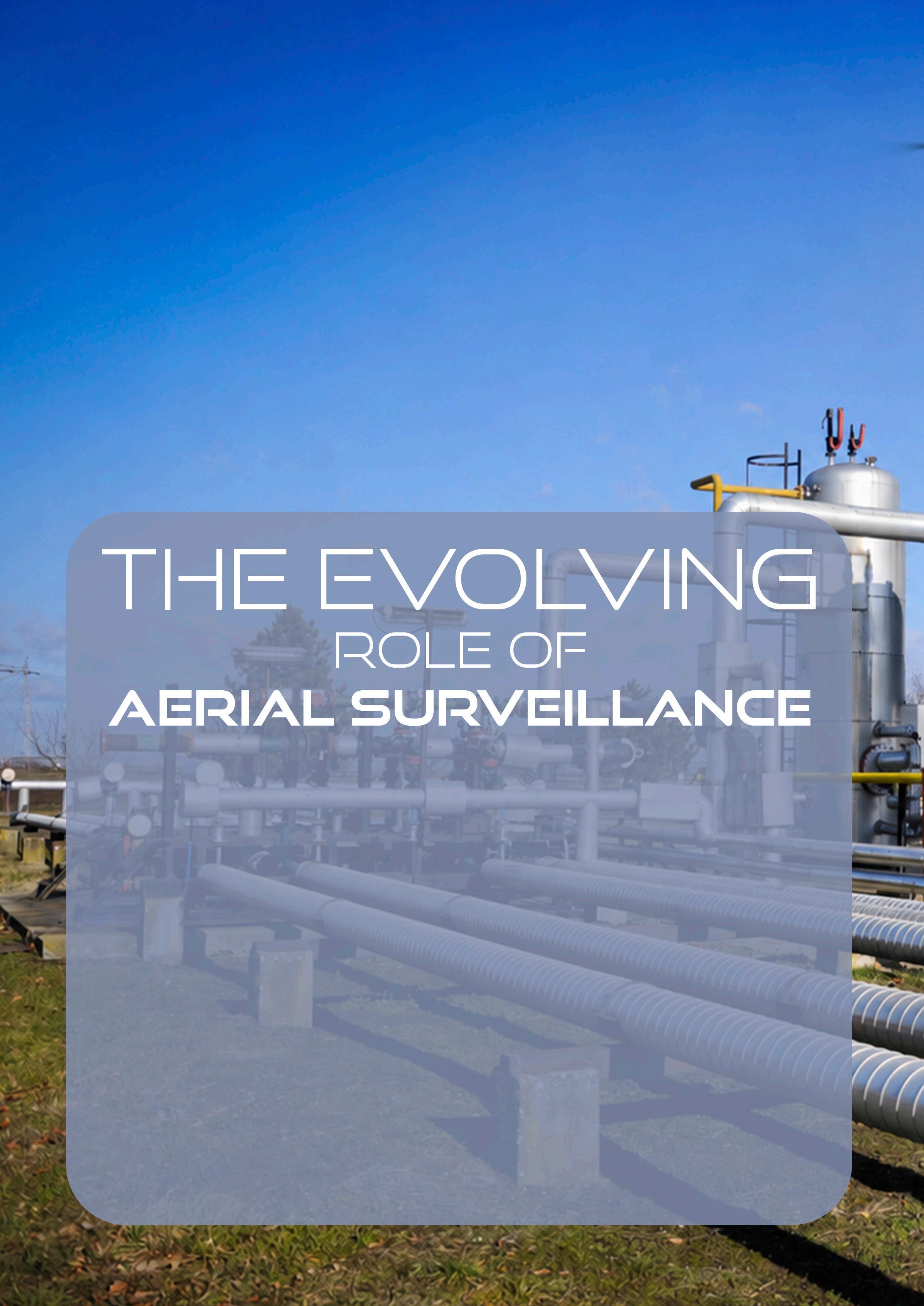
24. The evolving role of aerial surveillance
Jason Keith, Chief Executive, PDG Aviation Services.
31. The economic test for adoption
James Aarestad, Vanguard Pipeline Inspection.
35. Your drone programme has evolved. Have your operations?
Jaime Perez, DJI Enterprise.
INTEGRITY AND INSPECTION
41. Redefining integrity intelligence
Dijam Panigrahi, Co-founder and COO, GridRaster, Inc.
45. Beyond hazard identification
Rebecca Senior and James Bainbridge, ROSEN Group.
49. From routine cleaning to performance based pigging Simon Bell, iNPIPE PRODUCTS.
53. Redefining confidence in pipeline integrity
NDT Global, UK, and ENTEGRA, USA.
57. Integrity and Inspection Q&A
World Pipelines interviews Cody Parsley, Senior Product Manager, and Brian Sherrill, Sales Manager, T.D. Williamson.
HYDROGEN PIPELINES
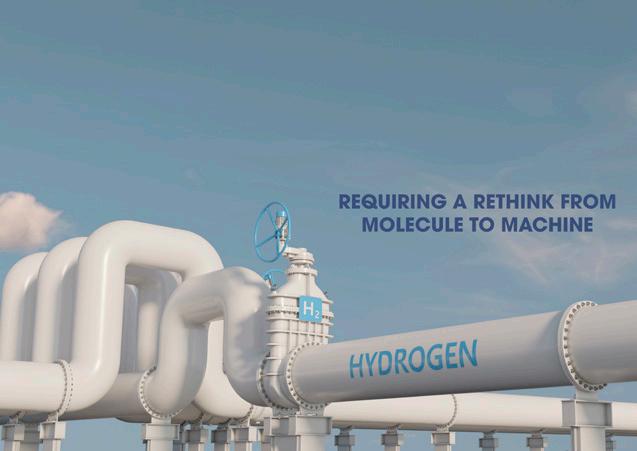
62. Requiring a rethink from molecule to machine Philippe Allienne, Business Development Manager - Hydrogen and CCUS, Greene Tweed.
69. Understanding what fibre optics can deliver Mohsen Kavian, Senior Consultant, Submarine Cables, DNV.
METERING AND MONITORING
73. From pump to pig
Mortimer Buckley, Arun Karupaiah, and Carla Connolly, Celeros Flow Technology.
77. Pipelines under pressure Evangéline Cousot, Emerson.
PIPELINE CONSTRUCTION
81. UKOPA at 30
Clive Zanker, Chair of UKOPA.
OFFSHORE AND SUBSEA PIPELINES
85. How AI is changing the future of oil and gas pipeline drilling Kapil Garg, MarketsandMarkets.
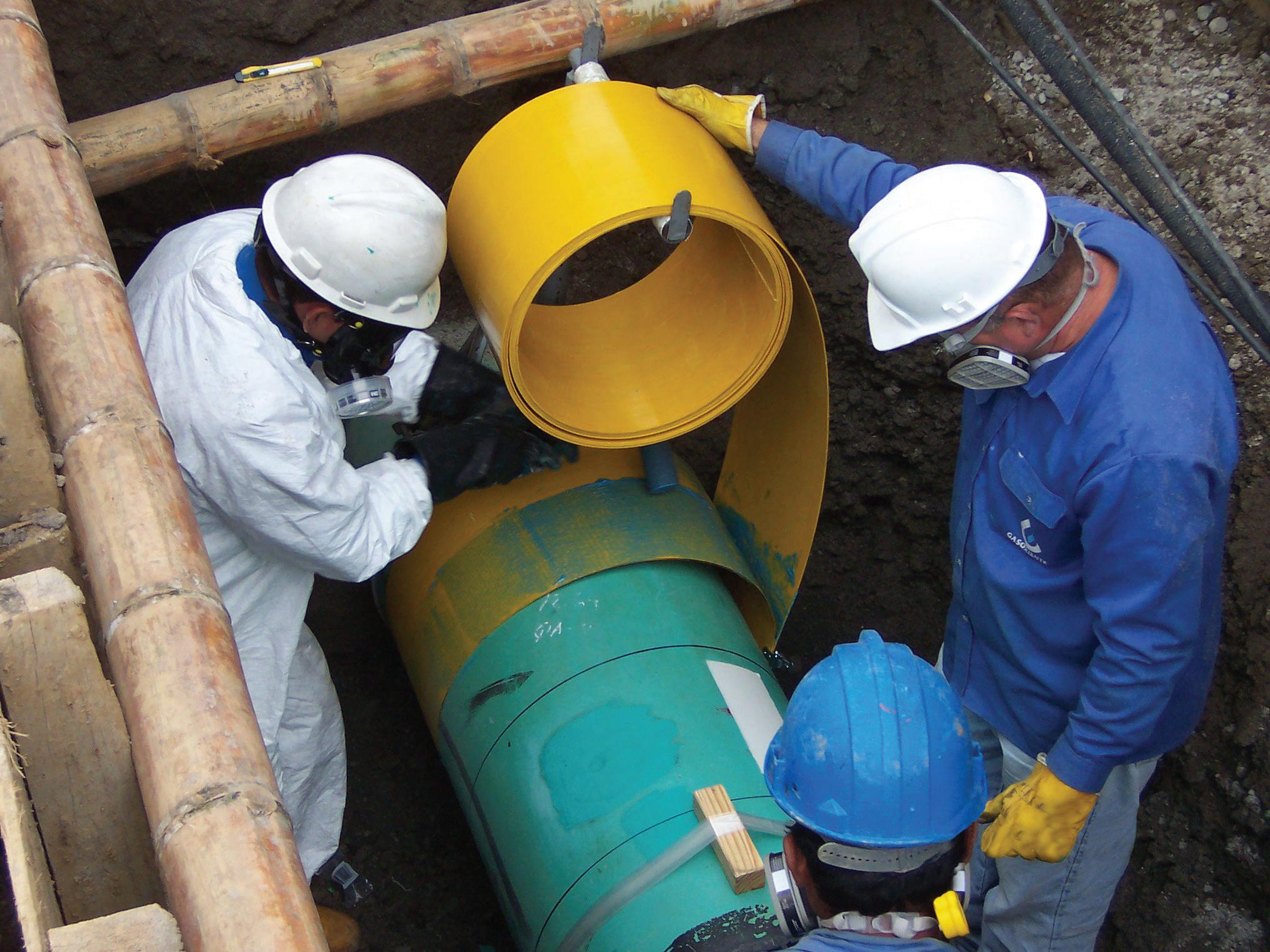
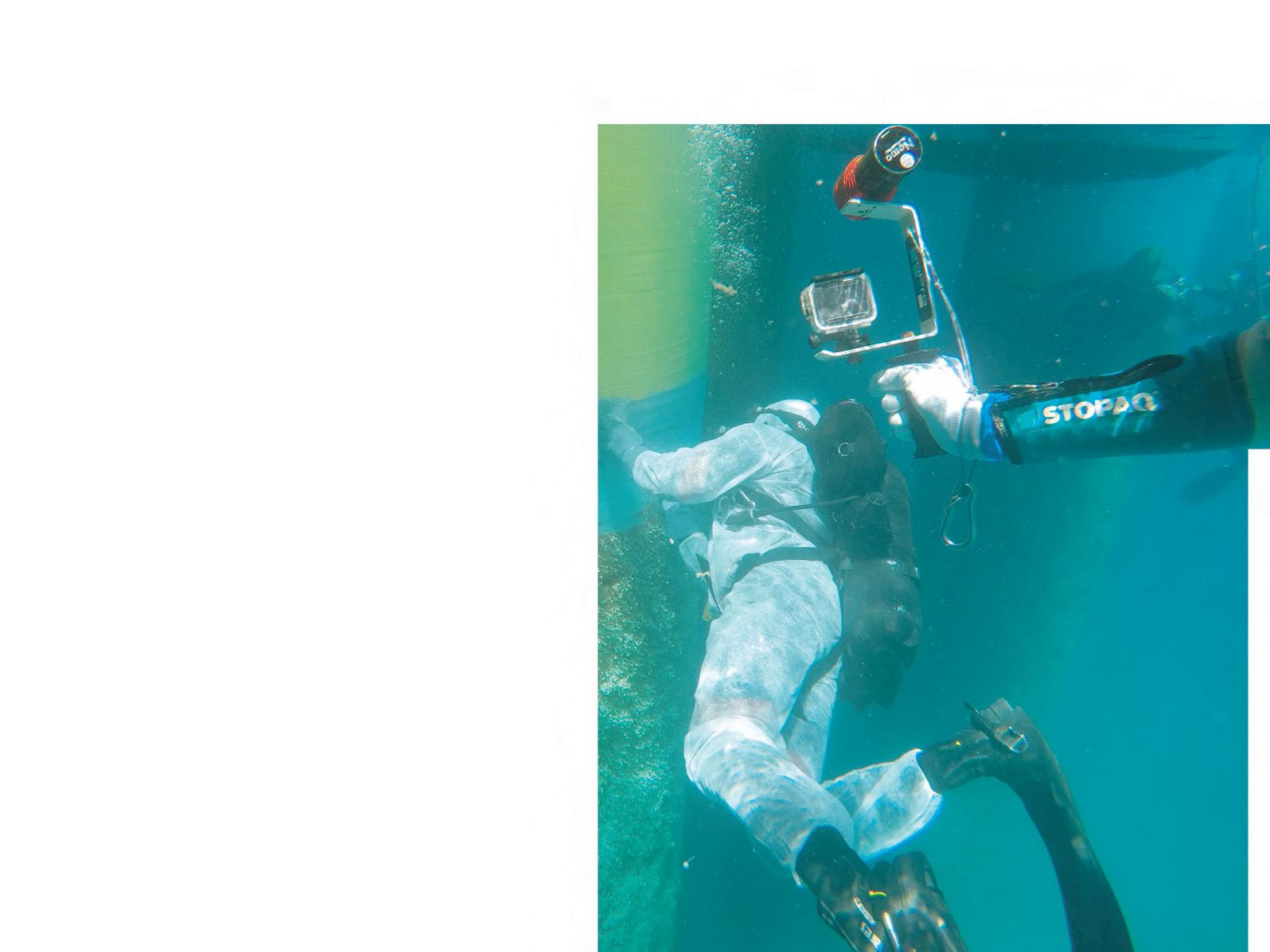
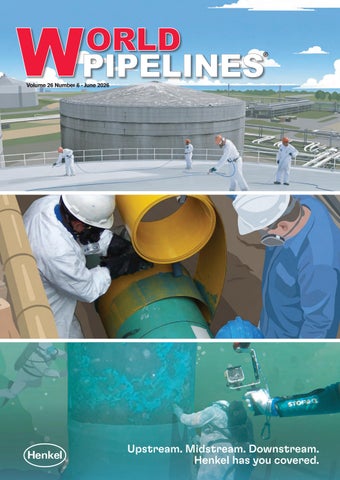
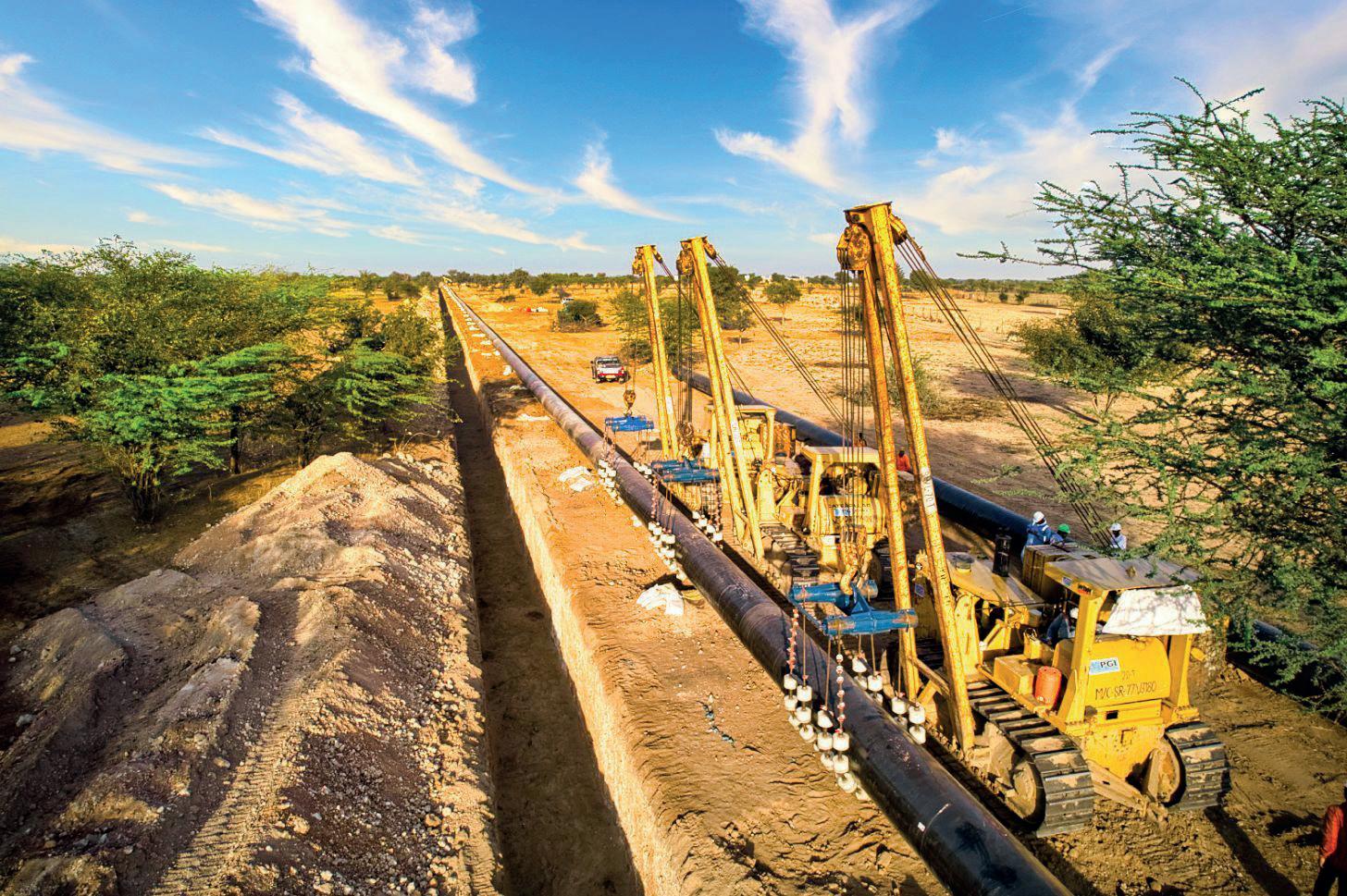
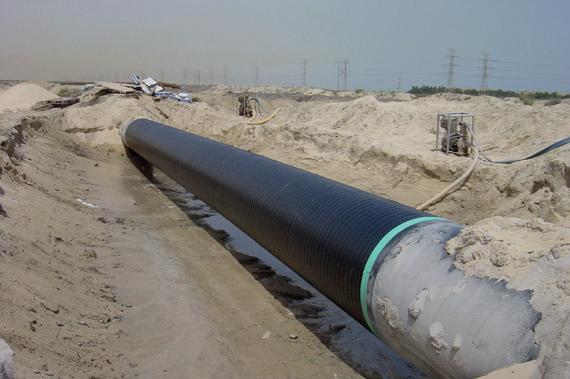
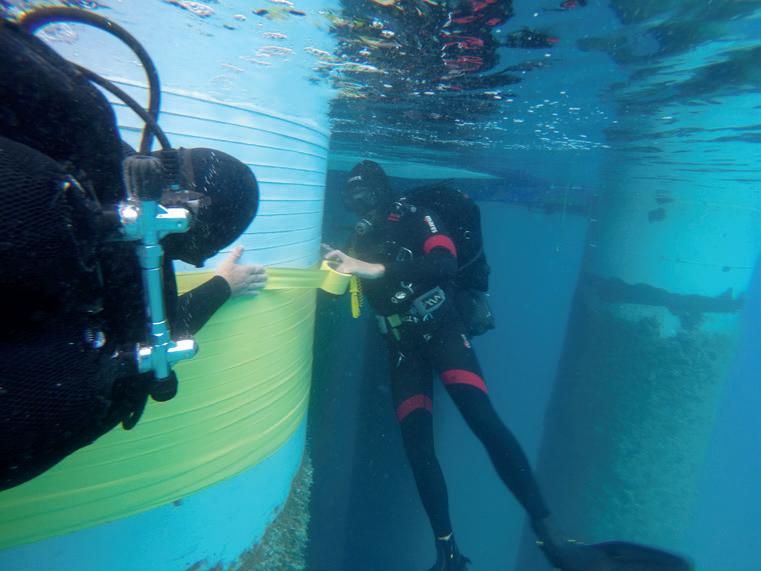
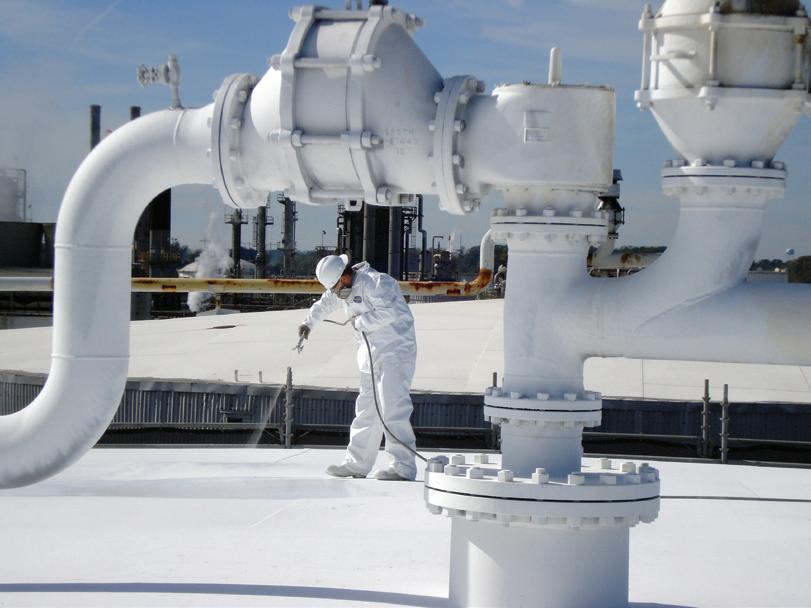
Founded in 1876, Henkel is a global leader with a strong commitment to innovation, sustainability, and customer-centric solutions. We’ve built a global platform that brings together three industry pioneers: Seal For Life Industries, CSNRI, and LOCTITE. The combination allows for an integrated, end-to-end approach providing infrastructure protection and repair solutions across upstream, midstream, and downstream energy assets.
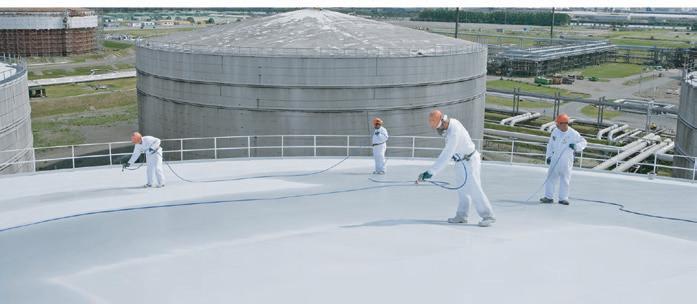
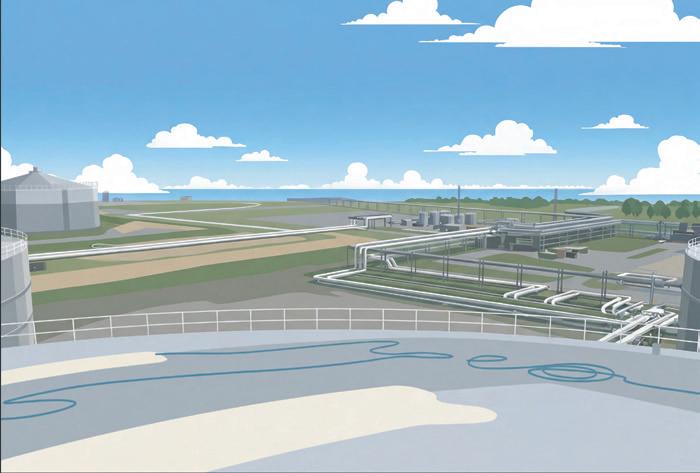
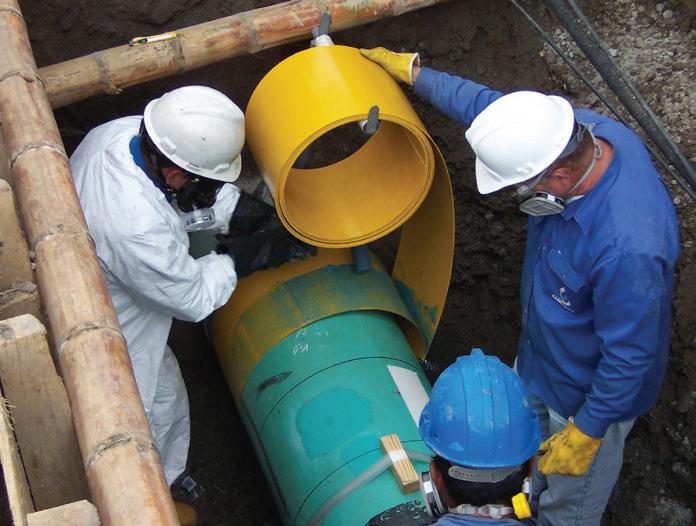

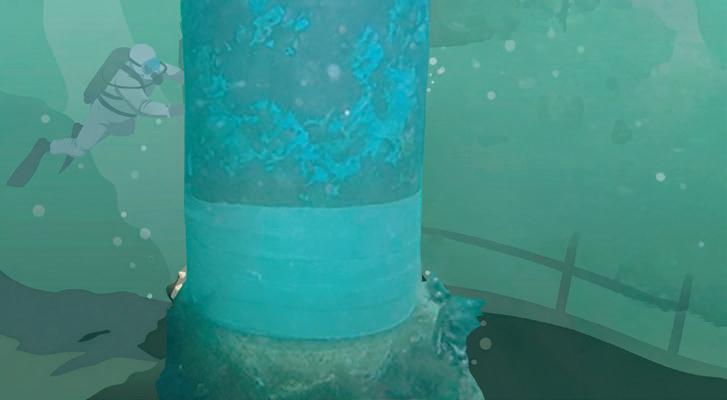
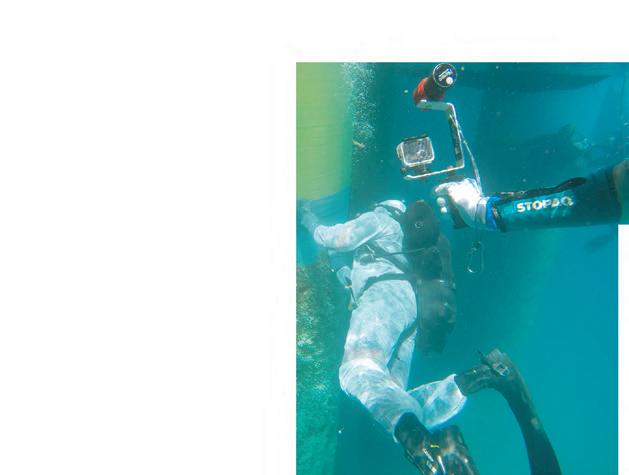
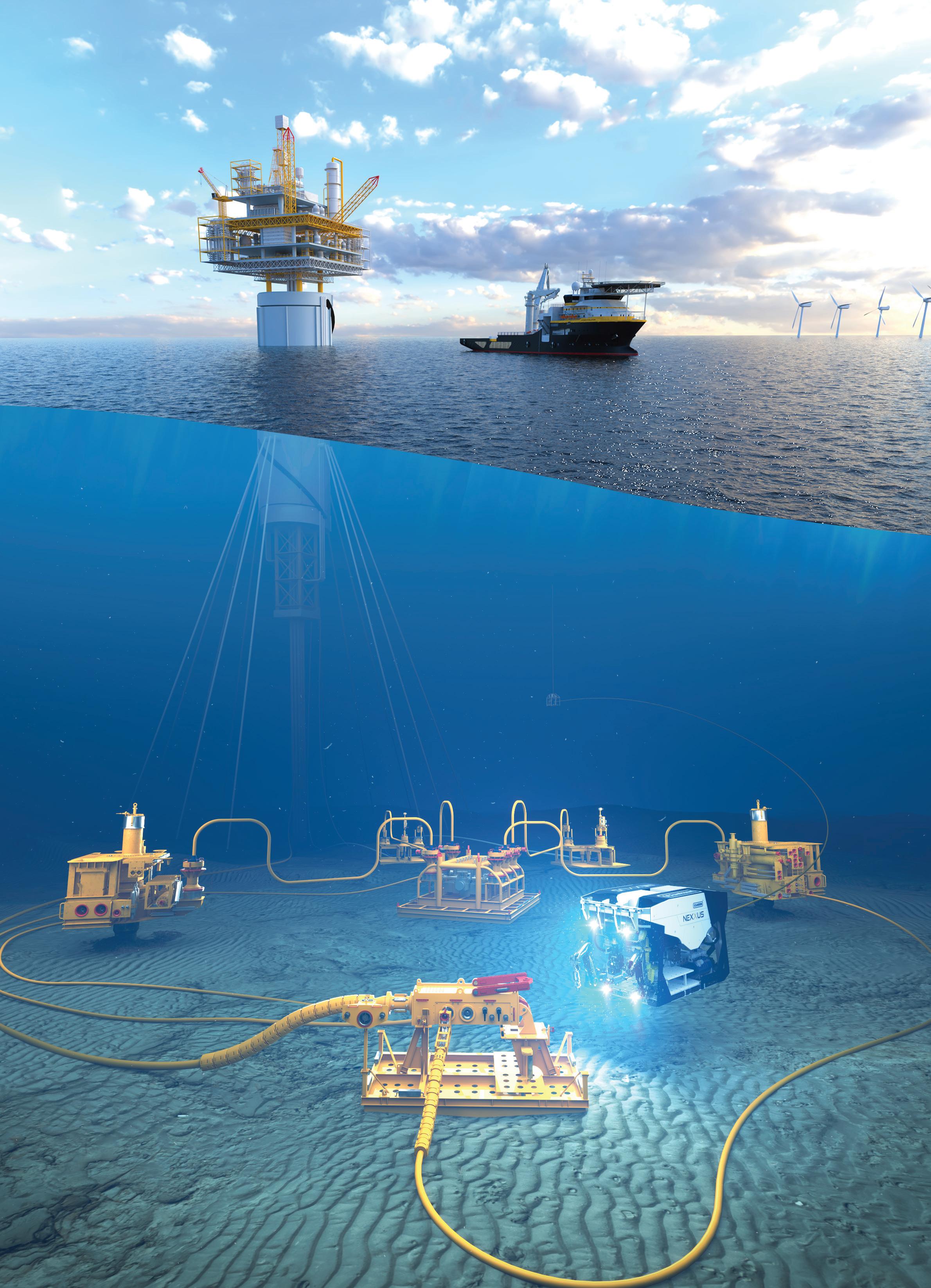
Discover how our one‑stop‑shop approach—from project management to installation, repairs, vessel operations, and decommissioning—simplifies complex pipeline and SCR projects and helps you plan for what’s next.
MANAGING EDITOR
James Little james.little@worldpipelines.com
ASSISTANT EDITOR
Emilie Grant emilie.grant@worldpipelines.com
SALES DIRECTOR
Rod Hardy rod.hardy@worldpipelines.com
SALES MANAGER
Chris Lethbridge chris.lethbridge@worldpipelines.com
SALES EXECUTIVE
Daniel Farr daniel.farr@worldpipelines.com
PRODUCTION DESIGNER
Siroun Dokmejian siroun.dokmejian@worldpipelines.com
HEAD OF EVENTS
Louise Cameron louise.cameron@worldpipelines.com
EVENTS COORDINATOR
Chloe Lelliott chloe.lelliott@worldpipelines.com
DIGITAL EVENTS COORDINATOR
Merili Jurivete merili.jurivete@worldpipelines..com
DIGITAL CONTENT COORDINATOR
Kristian Ilasko kristian.ilasko@worldpipelines.com
VIDEO AND MOTION GRAPHICS
Amélie Meury-Cashman amelie.meury-cashman@worldpipelines.com
SENIOR WEB DEVELOPER
Ahmed Syed Jafri ahmed.jafri@worldpipelines.com
DIGITAL ADMINISTRATOR
Nicole Harman-Smith nicole.harman-smith@worldpipelines.com
ADMINISTRATION MANAGER
Laura White laura.white@worldpipelines.com
Palladian Publications Ltd, 15 South Street, Farnham, Surrey, GU9 7QU, UK
Tel: +44 (0) 1252 718 999 Website: www.worldpipelines.com Email: enquiries@worldpipelines.com
Annual subscription £60 UK including postage/£75 overseas (postage airmail). Special two year discounted rate: £96 UK including postage/£120 overseas (postage airmail). Claims for non receipt of issues must be made within three months of publication of the issue or they will not be honoured without charge.
Applicable only to USA & Canada: World Pipelines (ISSN No: 1472-7390, USPS No: 020-988) is published monthly by Palladian Publications Ltd, GBR and distributed in the USA by Asendia USA, 701C Ashland Avenue, Folcroft, PA 19032. Periodicals postage paid at Philadelphia, PA & additional mailing offices. POSTMASTER: send address changes to World Pipelines, 701C Ashland Avenue, Folcroft, PA 19032.

SENIOR EDITOR Elizabeth Corner elizabeth.corner@worldpipelines.com
There was a period in the 2010s when I regularly wrote in this column about Canadian pipeline projects. We were all au fait with a familiar bunch of proposed Canadian projects and the delays, opposition, court rulings, cancellations and political deadlock that came along with them. Projects became symbols of bigger struggles, and timelines stretched to breaking point.
Enbridge’s Northern Gateway pipeline comprised of twin pipelines between Bruderheim, Alberta, and Kitimat, British Columbia. It would have transported heavy crude oil and condensate, and served Asian markets. Permits for the project were cancelled in 2016 by Prime Minister Trudeau, citing inadequate consultation with indigenous communities along the pipeline’s route. The federal government also placed a moratorium on crude oil tankers along B.C.’s north coast in 2016, which rendered the project moot.
TC Energy’s Energy East pipeline would have converted 3000 km of existing natural gas pipeline to carry oil, and added 1500 km of new pipeline across six Canadian provinces. Travelling 4500 km from Alberta and Saskatchewan to refineries in eastern Canada and export terminals in New Brunswick, the mega project had a price tag of CAN$15.7 billion at the time. Despite backing from provincial governments and considerable federal support, it was cancelled in 2017 after prolonged regulatory hurdles and significant public and environmental opposition.
Some pipelines did get the green light, notably Enbridge Line 3, and the Trans Mountain pipeline expansion (TMX). These were existing pipeline expansions/replacements, rather than completely new routes, and this fact allowed them to bypass key political hurdles.
Perhaps no project better symbolises the turbulent politics of North American energy infrastructure than Keystone XL: a project cancelled, revived, halted, resurrected, and declared dead often enough to earn ‘zombie project’ status in some corners of the industry. Officially abandoned in 2021, the project nevertheless continues to crop up in policy discussions, with new proposals seeking to reuse portions of its infrastructure and route corridors. The newly proposed expansion of the Bridger Pipeline is the latest attempt to revive Keystone XL. It could transport up to 1.13 million bpd of Albertan bitumen-derived oil through Montana towards an as-yet-undisclosed location (presumably the Gulf Coast). Nicknamed ‘Keystone Light’, it faces a complex and potentially contentious regulatory path, including overlapping state and federal reviews, extensive permitting requirements, tribal consultation obligations, environmental assessments, and the likelihood of prolonged legal challenges.
Despite the practical and legal obstacles facing projects like Bridger, Ottawa is signalling a new willingness to fast-track ‘nation-building’ energy infrastructure. Politically at least, Canada is becoming more pipeline-friendly again. A mid-May announcement from Prime Minister Mark Carney outlined reforms intended to accelerate major pipeline infrastructure development and move Alberta’s energy to global markets. Carney and Alberta Premier Danielle Smith agreed to tie support for a new oil pipeline to Alberta’s commitment to a higher industrial carbon price and the advancement of the Pathways carbon capture project – effectively pairing fossil fuel expansion with emissions-reduction measures. Alberta will submit a proposal for a new oil pipeline to Carney’s Major Projects Office by 1 July. The federal government says it will “pursue” to designate the pipeline as a project of national interest by 1 October.
For those of us who spent years following the trials and tribulations of Canadian pipeline politics, it seems we may all need to start paying attention again. The political pendulum is swinging back towards pipeline expansion, but whether today’s governments can avoid repeating the delays, divisions, and deadlocks of the 2010s remains to be seen.
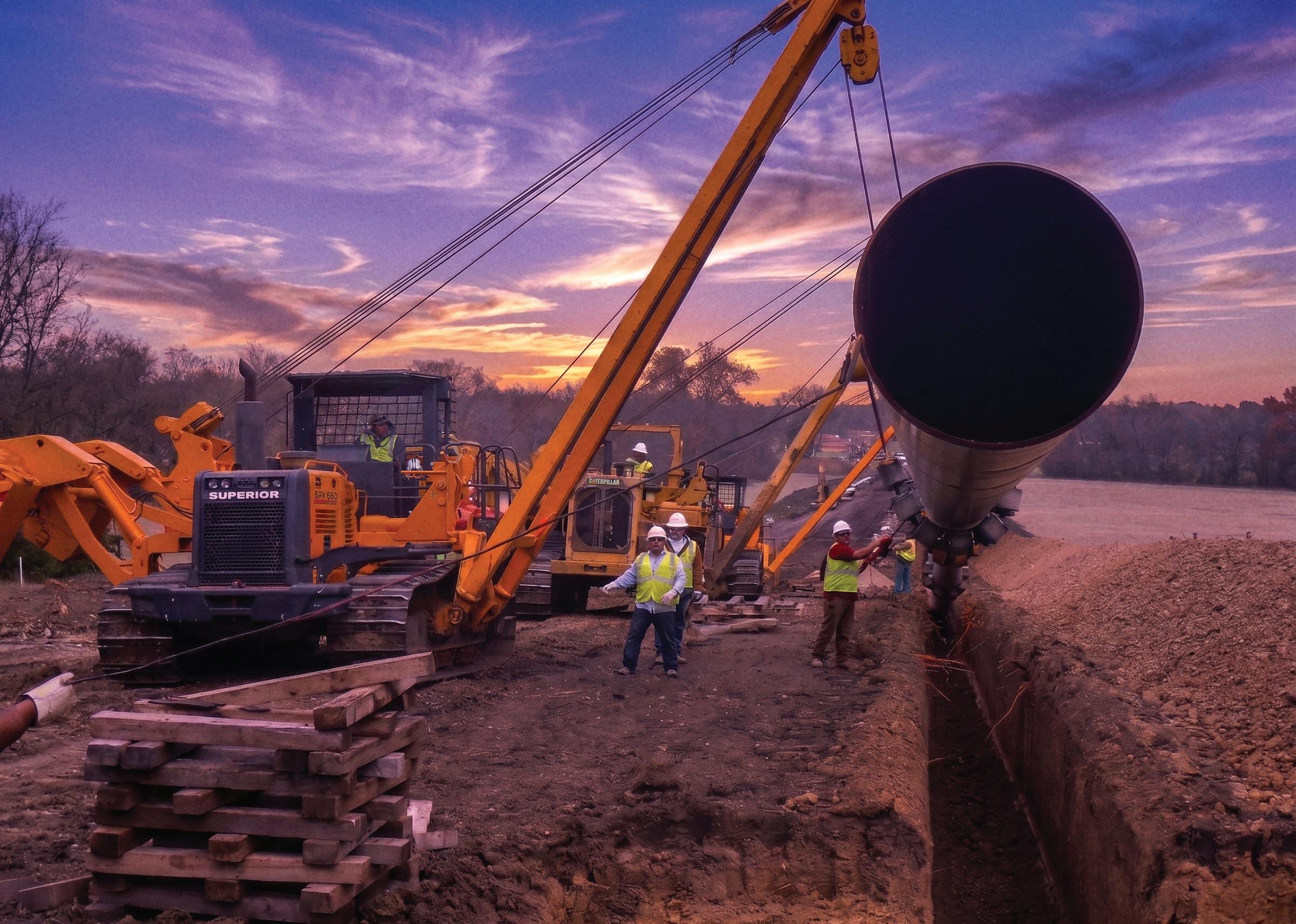
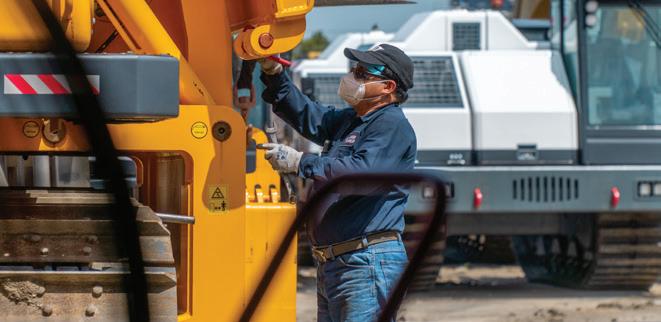
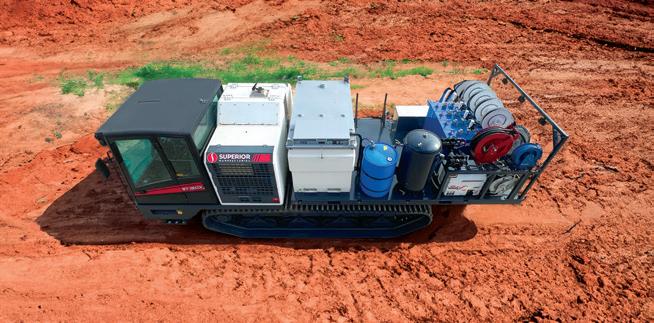
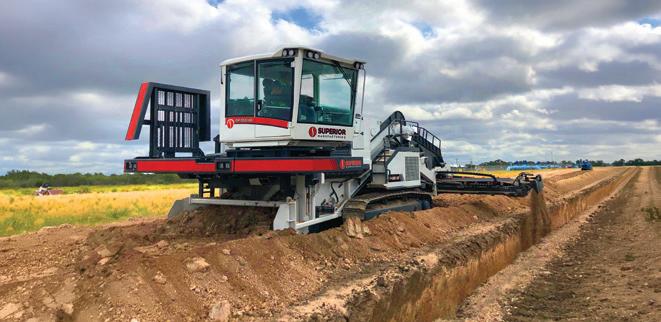
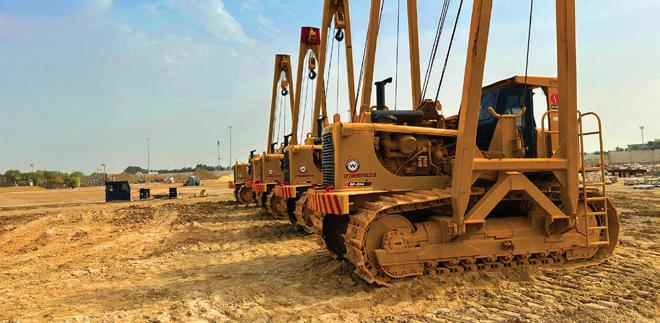
In the pipeline industry, downtime costs money. At Worldwide Machinery, we don’t just provide equipment, we provide uptime. From heavy-duty earthmoving gear to specialized pipelayers, our large inventory ensures you have exactly what you need. If the unexpected hits, our rapid-response field technicians come directly to your right-of-way to help keep your project on schedule.


EY-Parthenon Chief Economist Gregory Daco
uccessive supply shocks are testing the price of growth and leading to a gradual erosion of economic momentum in the US. Fortunately for the economy, the three ‘A-pillars’ of growth –affluent consumers, AI investment and asset price appreciation –continue to provide a robust, albeit narrow, foundation for growth. The risk is that an economy with a narrow base is more susceptible to headwinds. Layered supply shocks from tariffs, immigration restraints and a lingering geoeconomic shock in the Middle East have led to persistent inflationary pressures that give the appearance of solid nominal growth but mask much weaker growth in inflation-adjusted terms.
Despite an easing in direct military confrontation in the Middle East following a ceasefire, trade flows through the Strait of Hormuz remain effectively constrained and a broader Middle East peace agreement has yet to materialise. With every day that passes, we are moving closer to our adverse scenario. While we continue to anticipate a gradual normalisation of energy and commodities production and trade flows in the coming months, we maintain our below-consensus call for real GDP growth of 1.8% this year. We have raised our inflation forecast, with headline PCE peaking around 4.0% y/y before falling to 3.7% in Q4, while core PCE is expected to end the year at 3.0% y/y.
Risks remain tilted to the downside. Rising long-term interest rates, driven by persistent inflation pressures, higher term premia, fiscal concerns, and growing political pressure on the Federal Reserve, represent a notable risk to the US outlook. A slowing labour market, mounting strains in private credit markets, and uncertainty around the pace and magnitude of AI-related labour displacement also warrant close monitoring. We continue to place the probability of a US recession over the next 12 months at approximately 40%.
The labour market remains stuck in a fragile, low-growth equilibrium. Hiring has cooled and become more selective, while the steady unemployment rate reflects ongoing labour supply constraints and the absence of broad-based layoffs. The result is a labour market that is no longer a growth engine, but also one that is not signalling a material deterioration. We expect payroll growth to average around 30 000 per month in 2026, with the unemployment rate drifting toward 4.7% by year-end.
With wage growth easing to 3.6% y/y in April, real wage growth (adjusted for CPI inflation) turned negative at -0.2% y/y. The combination of job growth averaging 21 000 per month over the last 12 months and negative real wage growth means that real disposable income is contracting: a real income squeeze. Household budgets are coming under increasing pressure from higher inflation and a softer income backdrop, with slower wage and job growth limiting purchasing power. As a result, more consumers are turning to savings and credit to sustain spending, trends that are becoming increasingly difficult to maintain, particularly for lower-income households. Looking ahead, we expect real consumer spending to grow at a below-trend pace of 1.8% in 2026, down from 2.6% in 2025.
Business investment remains strong on average, but is being led disproportionately by AI-related investment categories. Information processing equipment investment is currently rising at an annual pace of around 25%, the fastest since the early 2000s, while investment in software and research and development is also increasing rapidly. Unfortunately, the breadth of growth is lagging, with structures investment and equipment investment excluding information processing equipment declining year-over-year.
The longer the Middle East conflict lasts, the more severe and broad-based inflationary pressures are likely to become. In the coming months, we anticipate higher fertilizer prices will contribute to higher food price inflation, while higher transportation and production costs, stemming from elevated energy and input costs, are likely to be passed through to goods and services prices.
Incoming Fed Chair Kevin Warsh faces a challenging backdrop as steady labour market conditions alongside rising inflation risks raise the bar for rate cuts and support a prolonged pause. Despite Warsh’s dovish leanings, recent Fed communication suggests the June FOMC statement could feature a two-sided formulation acknowledging that rate hikes could be appropriate if inflation remains above target, and we would not be surprised to hear some policymakers suggest a rate hike as the next policy move. Our expectation remains that the Fed will stay on hold throughout the rest of the year, and we do not exclude the possibility of more regular two-sided dissents at upcoming meetings, including from the Fed Chair.
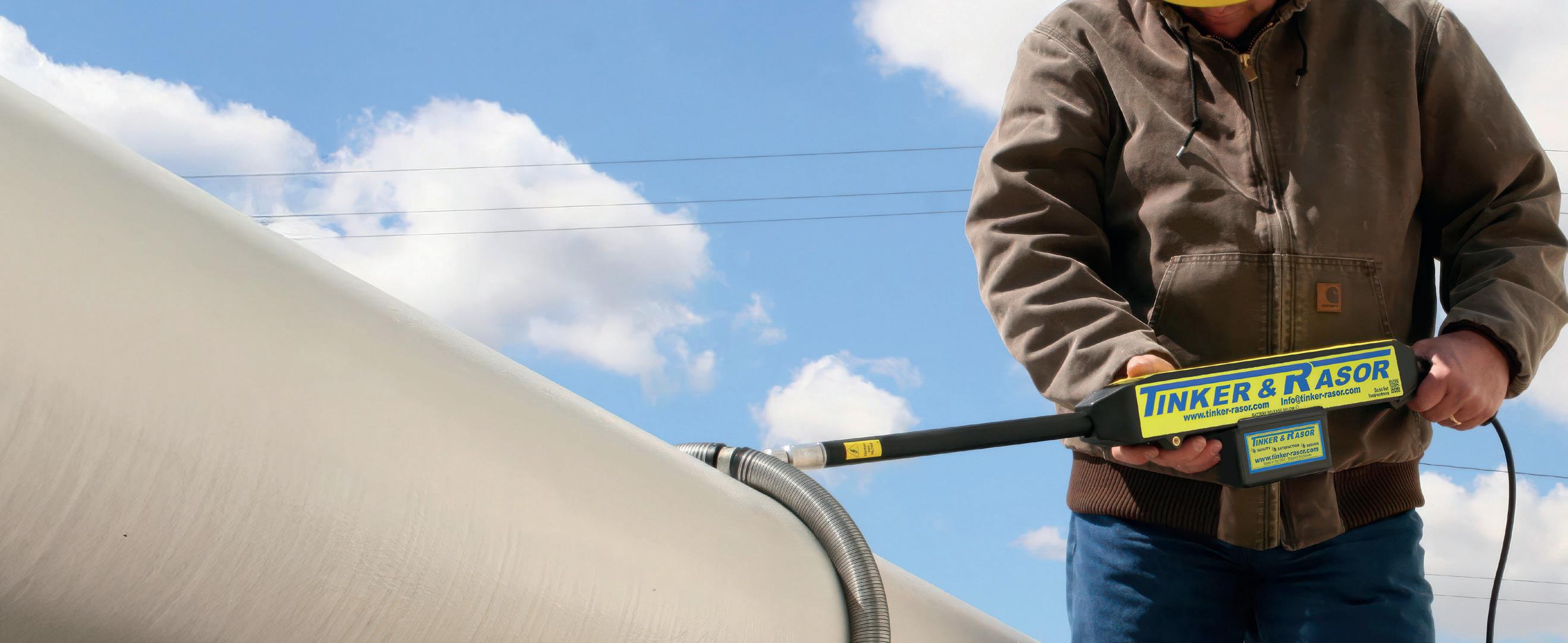
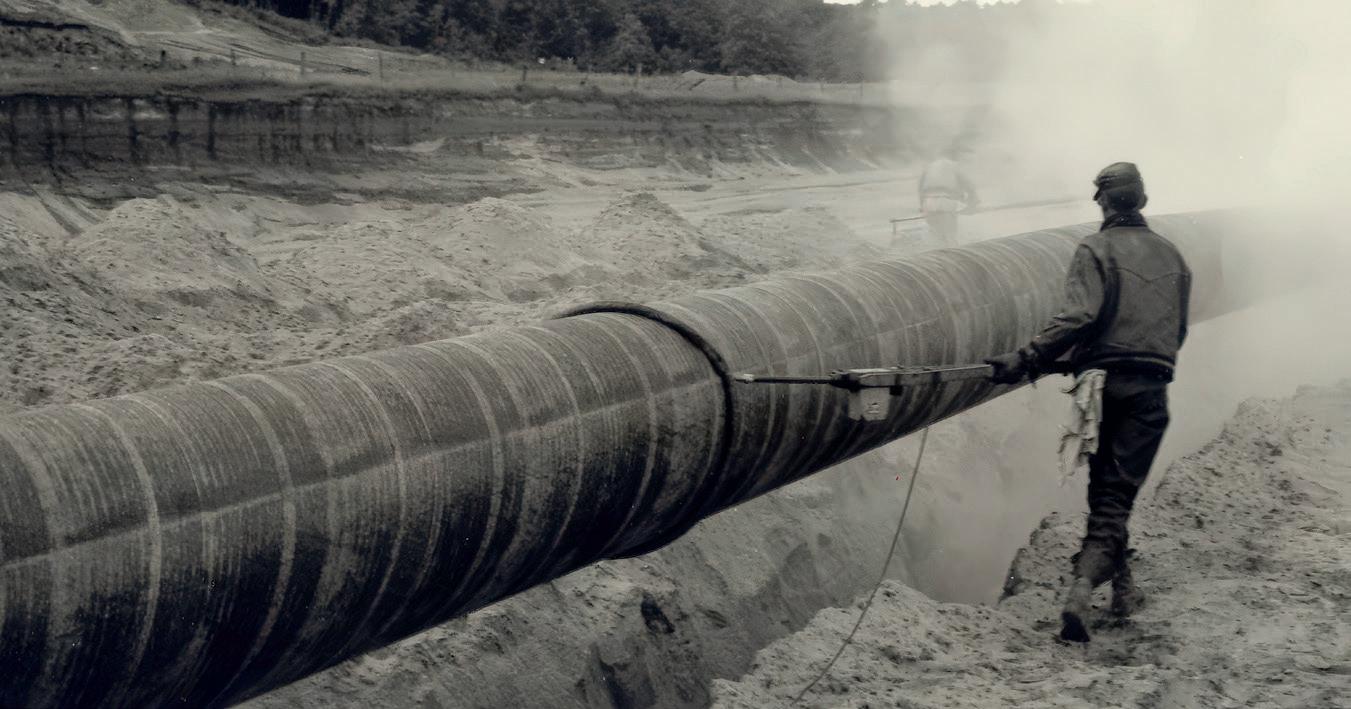
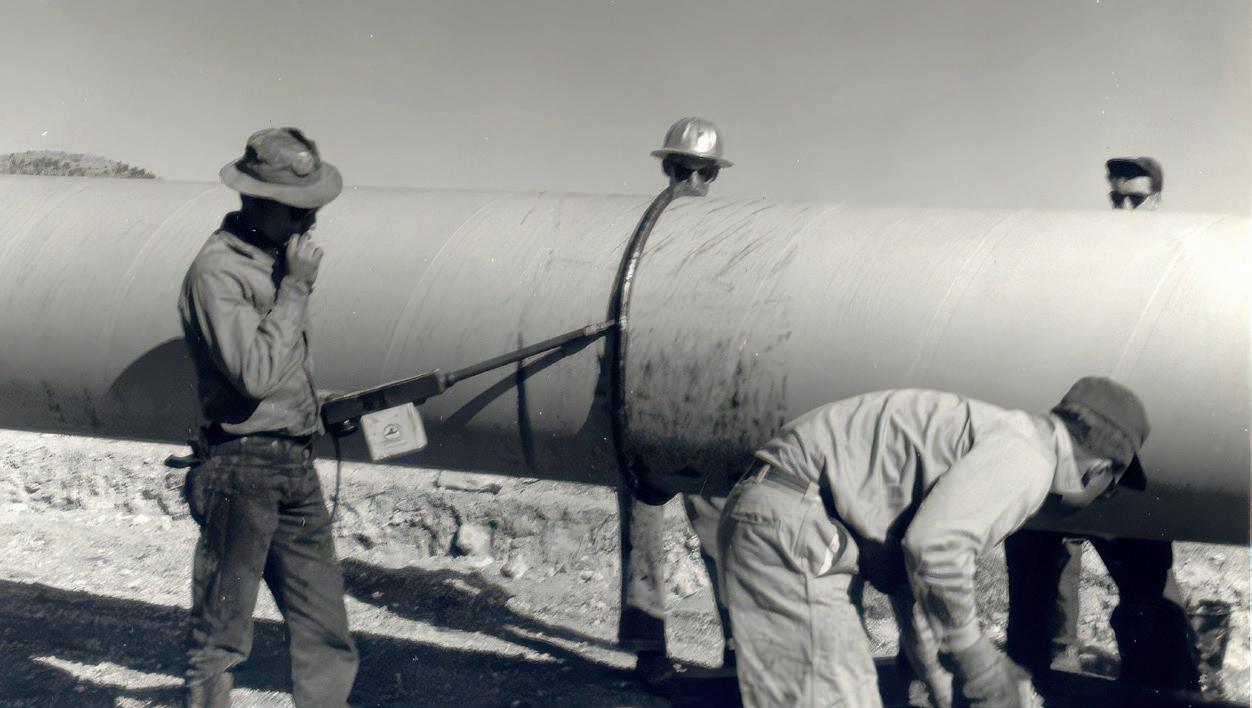
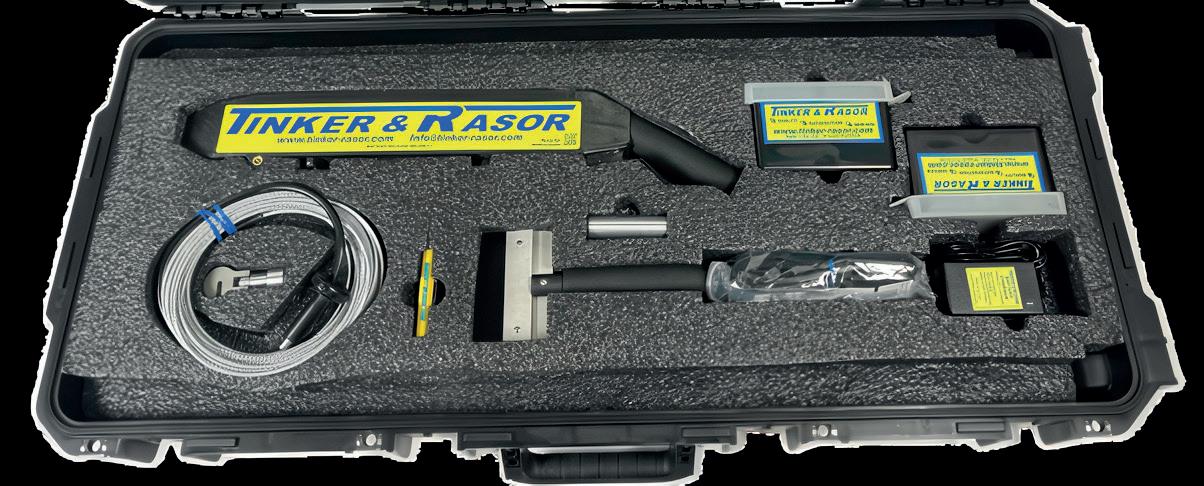
Since 1948, Tinker & Rasor has been a trusted name in holiday detection, relied upon by pipeline professionals worldwide. For over 76 years, our holiday detectors have set the benchmark for performance and reliability, ensuring the integrity of protective coatings by detecting coating flaws with precision. With a legacy of innovation and toughness, Tinker & Rasor continues to lead the industry, delivering cutting-edge solutions to safeguard pipeline coatings and maintain quality standards across the globe.
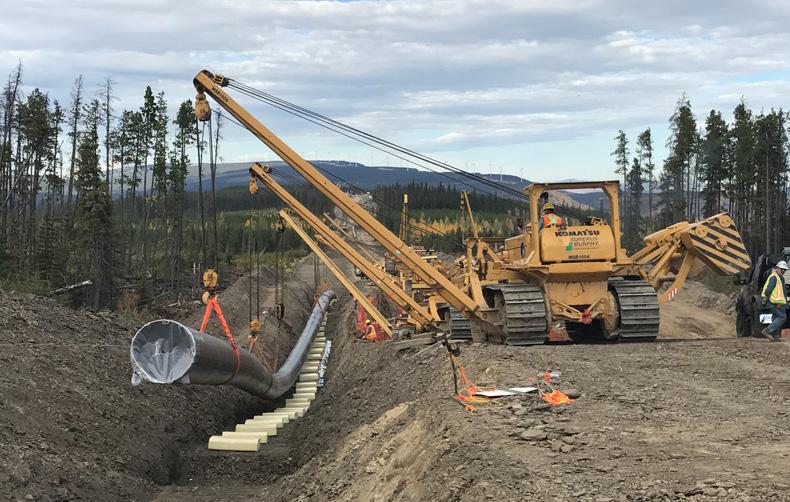
Strait of Hormuz closure risks greatest global energy supply shock in decades, Wood Mackenzie warns
A prolonged closure of the Strait of Hormuz poses the single greatest threat to global energy markets in decades, according to a new Horizons report from Wood Mackenzie, ‘Strait Talking: Iran War Scenarios and the Future of Energy’.
More than 11 million bpd of Gulf crude and condensate production is currently curtailed. Meanwhile, over 80 million tpy of LNG supply, equivalent to around 20% of global supply, remains inaccessible to global markets.
In its new report, Wood Mackenzie has shared three distinct scenarios: Quick Peace, Summer Settlement and Extended Disruption. Each scenario offers a different timeline for ending the conflict and reopening the Strait and assesses the potential impact on oil and gas supply, prices, energy demand and the broader global economy.
“The Strait of Hormuz is the most critical chokepoint in global energy markets, and a prolonged closure would become far more than an energy crisis,” said Peter Martin, Head of Economics at Wood Mackenzie. “The longer disruption persists, the greater the impact on energy prices, industrial activity, trade flows and global economic growth.”
Under the most optimistic ‘Quick Peace’ scenario, a workable peace agreement is reached in the near term, and the Strait reopens by June. The global economy broadly returns to its prewar trajectory by 4Q26. Crude prices fall sharply following a deal, with Dated Brent easing to around US$80/bbl by end-2026 and declining further to US$65/bbl in 2027 as the oil market returns to oversupply. Global GDP growth slows from 3% in 2025 to 2.3% in 2026, with a recession limited to the Middle East. The global economy broadly returns to its pre-conflict trajectory by 4Q26.
The ‘Summer Settlement’ scenario assumes the ceasefire holds but negotiations extend into late summer, with the Strait remaining largely closed until September. Oil and LNG supply shortages persist through 3Q26, driving a shallow global recession
in 2H26. Global GDP growth falls below 2% in 2026, resulting in modest yet permanent economic scarring compared to the prewar baseline.
Under the most severe scenario, the Strait remains largely closed through the end of 2026, with recurring tensions triggering periods of renewed conflict and sustained supply disruption. Wood Mackenzie’s analysis indicates: Brent crude prices could approach US$200/bbl by end-2026, despite global oil demand falling by 6 million bpd year-on-year in 2H26.
More than 11 million bpd of crude and condensate production remains shut in and global oil inventories continue to decline. Diesel and jet fuel prices could rise towards US$300/bbl in major refining centres by year end. The global economy could contract by as much as 0.4% in 2026, marking the third global recession this century, with significant economic scarring. Oil and gas importing countries could intensify efforts to reduce their import dependence by aggressively pursuing faster electrification. The regional economic impact would be severe and uneven. The Middle East could see GDP contract by 10.7% in 2026, while EU27 GDP declines by 1.5% in 2026 and 0.5% in 2027. US GDP growth would fall below 1% in both years, while China’s GDP growth slows to 3% in 2026.
“The long-term outlook points to structurally weaker oil prices than in our pre-conflict base case if importing countries accelerate efforts to reduce oil dependence,” said Alan Gelder, Senior Vice President for refining, chemicals and oil markets at Wood Mackenzie. “If electrification advances more aggressively and oil imports are displaced, this will add further downward pressure on prices, with Brent potentially trending US$10/bbl lower than the quick peace scenario in the medium/long-term. This outlook is, however, challenged by both the pace of the energy transition and higher energy costs for oil-importing economies that seek to reduce reliance on hydrocarbons.”
PHMSA announces 11 grant funding opportunities for pipeline and transportation safety
The US Department of Transportation’s Pipeline and Hazardous Materials Safety Administration (PHMSA) has announced a US$22 032 987 investment into pipeline and hazardous materials safety programmes. That includes funding to support safety awareness, training, research, and other activities to help communities avoid or respond to hazardous materials-related transportation incidents.
The investment will go towards: training first responders; safety education programmes for communities; developing new
pipeline safety technologies; and supporting States, tribes, and local government partners.
“Under President Trump and Secretary Duffy, we are ensuring the safety of the communities our pipeline and hazmat transportation networks run through,” said PHMSA Administrator Paul Roberti. “This investment will support first responders as well as help raise awareness at the local level so everyone is on the same page about how to reduce risk and what to do in case of an incident where you live or work.”
North Sea Midstream Partners celebrates a decade of ownership at St Fergus
North Sea Midstream Partners (NSMP) is celebrating ten years of ownership of the St Fergus Gas Terminal and the FUKA and SIRGE pipeline systems.
NSMP acquired the assets in 2016, growing its existing business to become a leading independent gas transportation and processing infrastructure company in the North Sea. The assets have the ability to transport and process up to 1270 million standard cubic feet of natural gas per day and have maintained greater than 99% asset availability.
Located on the north-east of Scotland, for the last 48 years the St Fergus Gas Terminal and FUKA pipeline network has played a vital role supporting the UK’s energy security and powering UK economy.
Angela Fletcher, CEO of NSMP, said: “St Fergus has been at the heart of the UK’s energy system for nearly half a century and its strategic importance has never been clearer. At a time when energy security is a national priority, North Sea gas must remain an important part of our domestic energy mix.”
Republic of Uzbekistan
Republic of Uzbekistan and ROSEN Group sign MoU to advance oil and gas infrastructure safety. Uzbekistan continues to invest in the modernisation and expansion of its energy and industrial infrastructure
Canada
Global Energy Show Canada 2026 to deliver significant economic impact for Calgary and area.
USA
Kinder Morgan is to acquire Monument Pipeline, a 225 mile natural gas pipeline system serving Houston and nearby markets, for US$505 million in cash.
Australia
Proposal to require LNG exporters to supply 20% of export volumes into the domestic market raises concerns about the potential impacts on competition, investment, and future gas supply.
Bangladesh
With renewable power generation still at 2.3%, Bangladesh’s fossil fuel imports rise by 14.8% in four years.
UK
UK drilling and pipeline specialist Stockton Group positions itself for future growth with restructure.
United Arab Emirates
UAE exit rattles OPEC’s grip on the oil market and increases risk of medium-term oil price decline from 2027 as market share competition emerges.
North America
Orbital Eye expands into North American market, appoints Marc Fleck as General Manager North America.
DNV has launched a new position paper on managing artificial intelligence (AI) system risk in energy networks, setting out digital trust as a foundation for the safe, transparent and accountable use of AI across the energy transition. The paper, ‘Managing AI system risk within energy networks through digital trust’, was launched at the All Energy conference in Glasgow.
As energy systems become more digital, automated and data driven, AI and advanced analytics are increasingly shaping how networks plan, operate and invest. DNV’s paper argues that without explicit frameworks for digital trust, the growing use of AI introduces new risks – from system resilience and operational control to consumer outcomes and regulatory confidence.
The paper defines digital trust as justified confidence that digital and AI enabled systems will behave predictably, remain under control and align with public interest outcomes throughout their lifecycle. It positions digital trust as a practical enabler of innovation, allowing
network operators to move AI solutions from pilots into business as usual deployment without compromising safety or accountability.
Hari Vamadevan, Senior Vice President and Regional Director for UK and Ireland, Energy Systems at DNV said “AI is becoming integral to how energy networks run but scaling it without assurance creates new and very real risks. Digital trust is what allows operators to deploy AI with confidence – knowing systems will behave as expected, remain under control and deliver outcomes that regulators and customers can rely on.”
The paper places these challenges in the context of the UK energy transition, where electrification, decentralisation and variable renewables are increasing system complexity and reliance on real time data and algorithmic decision making. Drawing on evidence from network innovation projects, it highlights how gaps in confidence around data quality, model behaviour and governance continue to slow the adoption of digital and AI solutions.
Europe to source two-thirds of its LNG imports from US in 2026 as dependence deepens
Europe is deepening its dependence on LNG from the US, which will supply twothirds of the continent’s imports of the fuel in 2026, according to new research from the Institute for Energy Economics and Financial Analysis (IEEFA).
IEEFA’s updated European LNG Tracker and EU Gas Flows Tracker show that Europe’s imports of US LNG more than tripled between 2021 and 2025, as countries reduced their reliance on Russian pipeline gas.
Given the ongoing disruptions to Qatari LNG exports, IEEFA forecasts that the US will overtake Norway to become Europe’s and the EU’s largest gas supplier in 2026 and could account for 80% of EU LNG imports by 2028. On average, US LNG is the most expensive for European buyers.
“Europe’s shift from pipeline gas to LNG was meant to provide security of supply and diversification. Yet disruptions caused by the war in the Middle East and
an overreliance on US LNG show that Europe’s plan has failed on both counts,” said Ana Maria Jaller-Makarewicz, lead energy analyst, Europe, at IEEFA.
“LNG has become the Achilles’ heel of Europe’s energy security strategy, leaving the continent exposed to high gas prices and to new forms of supply disruption.”
The ongoing energy crisis has spurred European efforts to reduce reliance on imported gas, including through the EU’s new AccelerateEU strategy.
IEEFA therefore forecasts that Europe’s gas consumption could continue to decline this year and fall by 14% between 2025 and 2030, meaning LNG demand could decrease by about 23% over the same period.
However, European countries still plan to build more LNG terminals, which could be underutilised. IEEFA forecasts that Europe’s 2030 LNG import capacity could exceed its total gas demand and be three times its LNG demand.

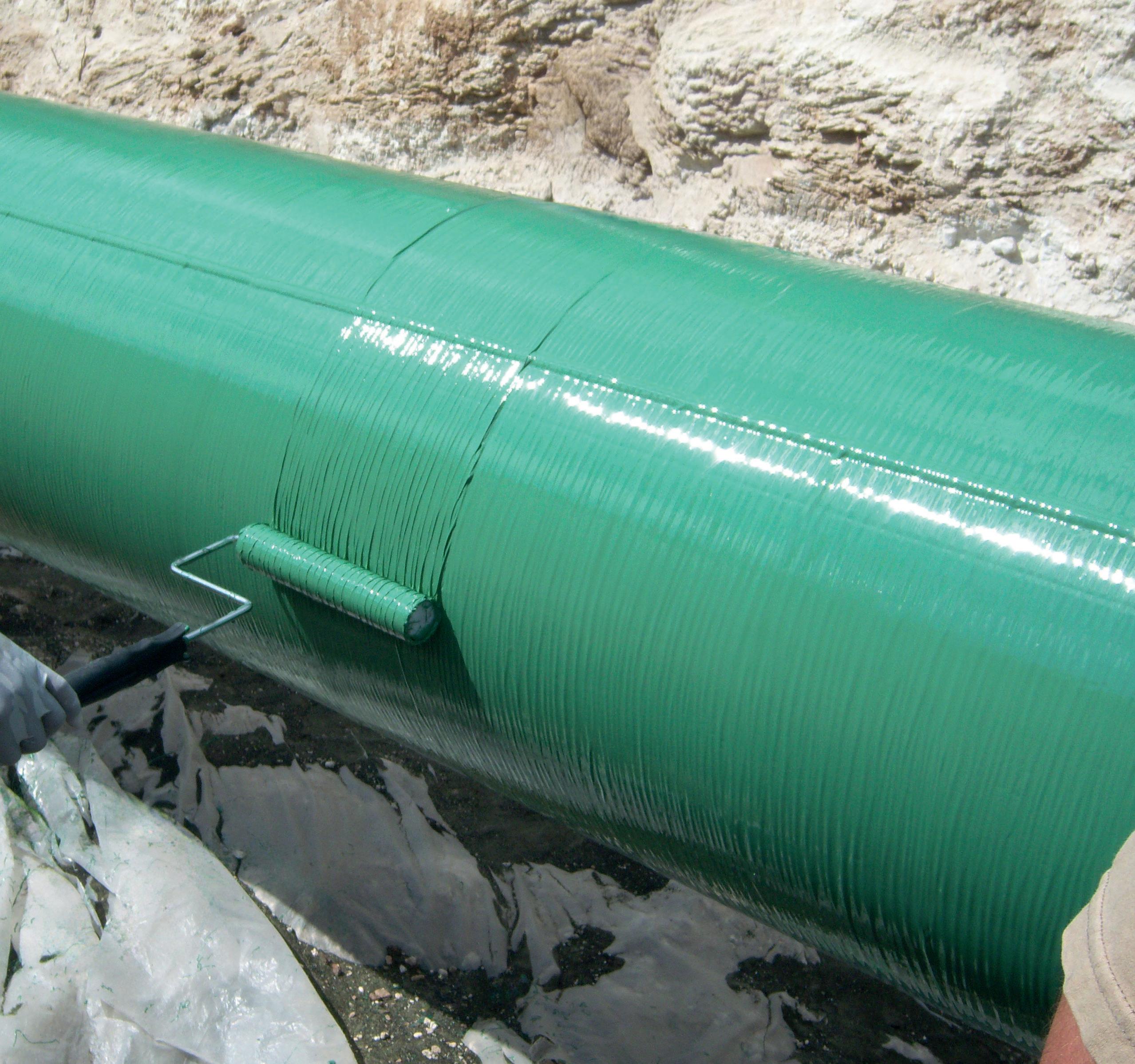
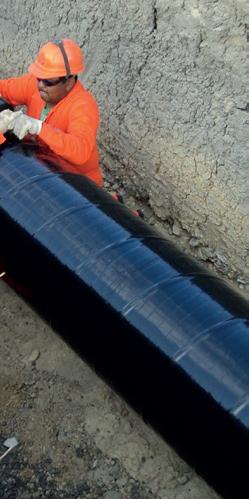
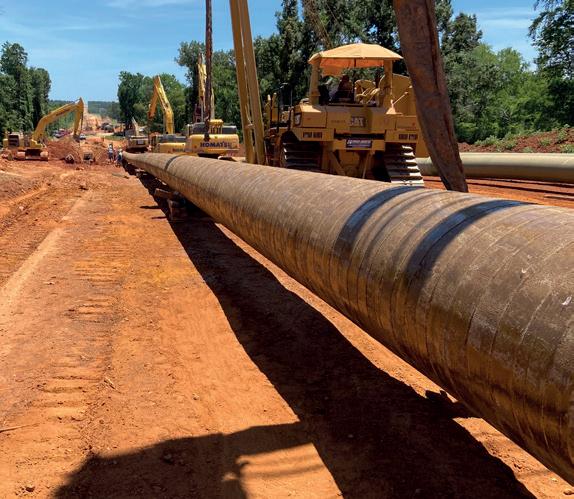
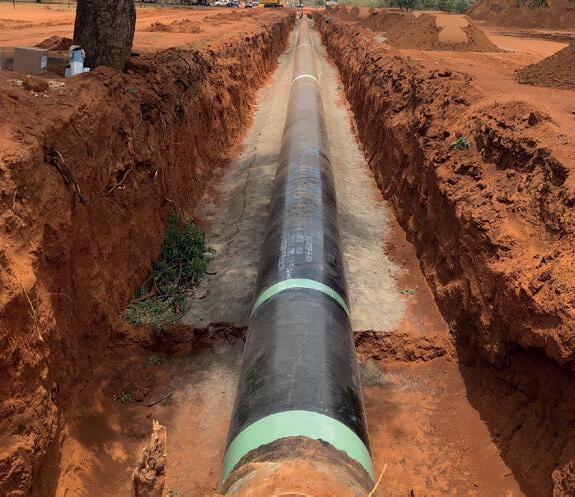
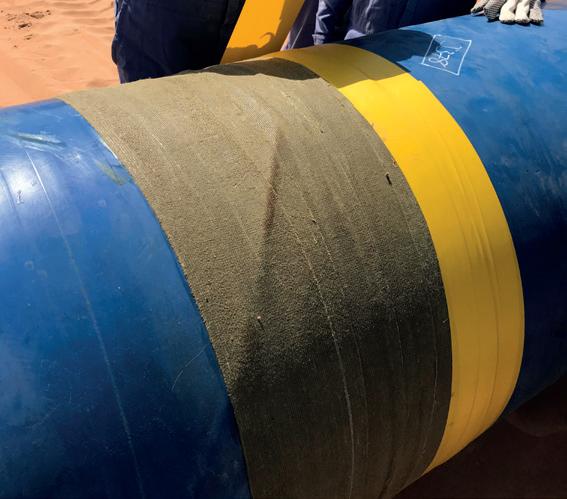
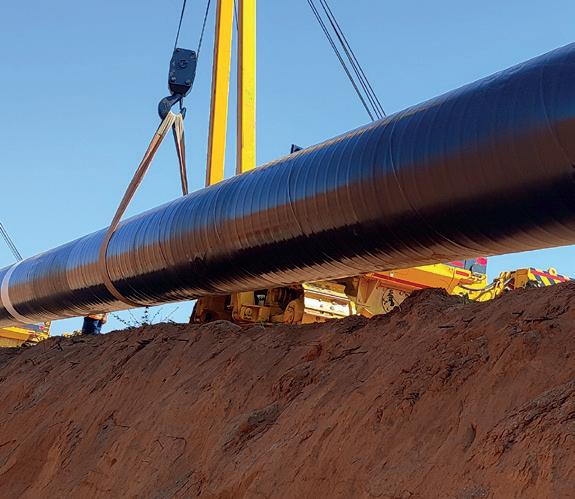
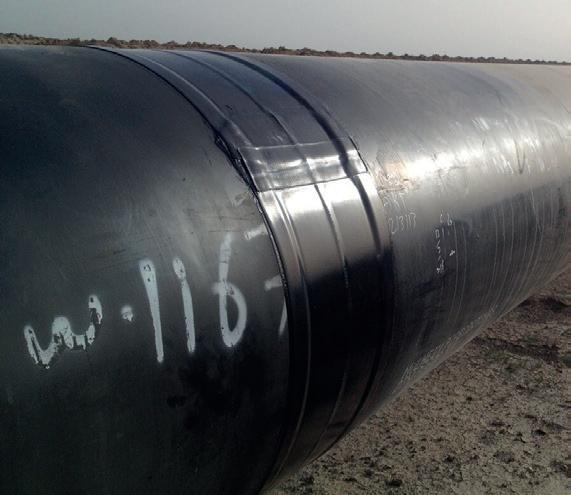
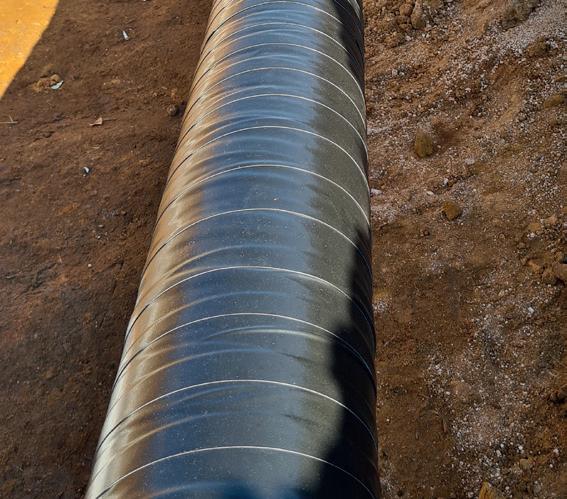
PROTECTIVE OUTERWRAPS
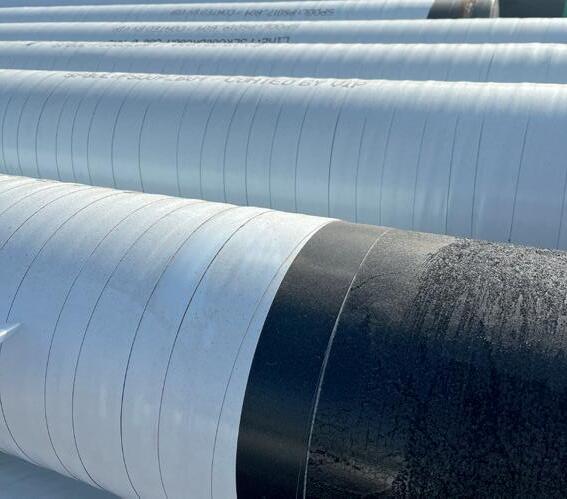
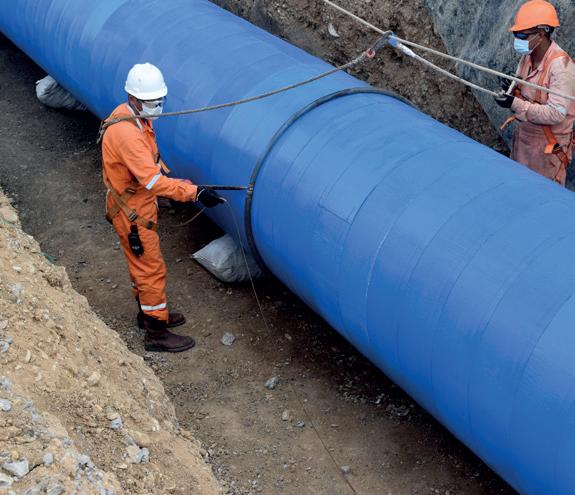
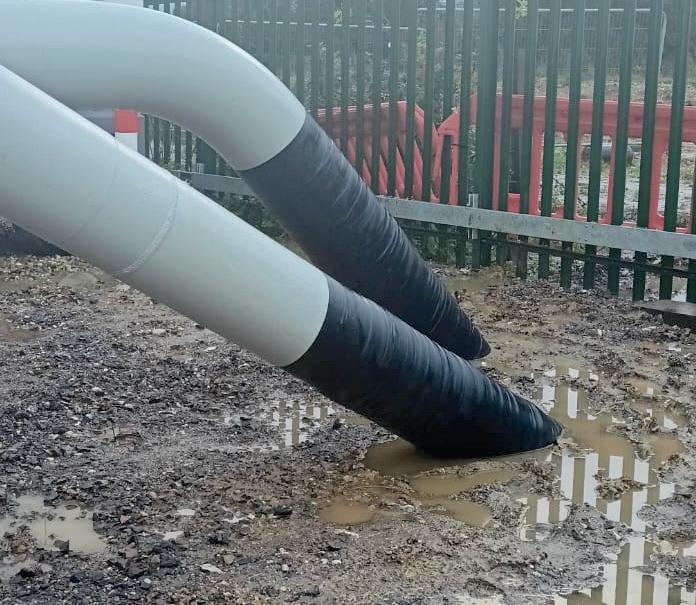
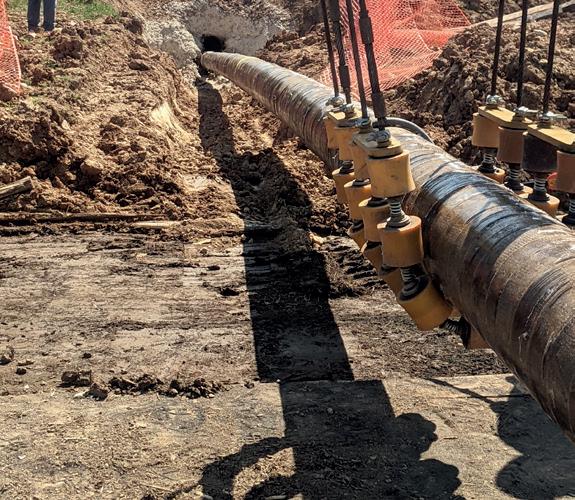
VISCOELASTIC COATINGS
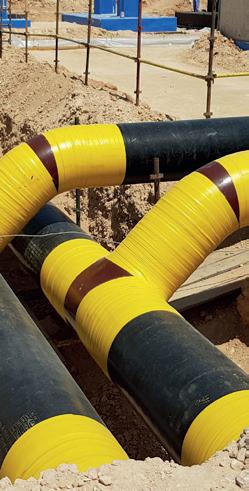
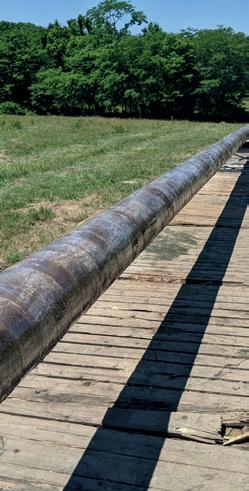
SOIL-TO-AIR
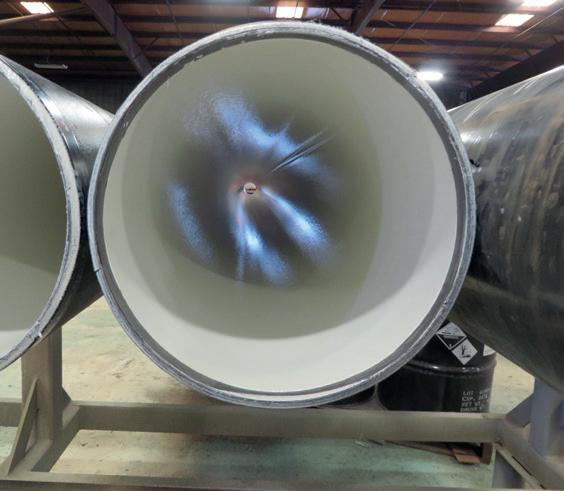
INTERNAL PIPE LININGS
methane leak detection
9 - 11 June 2026
The Global Energy Show Canada 2026
Calgary, Canada
https://www.globalenergyshow.com/
10 June 2026
WEBINAR – Advancing hot tap completion: Dual Seal Plug technology for safer, more efficient operations
Online Webinar, UK
https://bit.ly/4tJI7X2
25 June 2026
WEBINAR – Discovery™: Enhancing Pipeline Integrity and Flow Assurance Through Non-Intrusive Strake Inspection and Wax Detection
Online Webinar, UK
https://bit.ly/4wEQxl5
14 - 17 September 2026
Gastech Exhibition & Conference
Bangkok, Thailand
https://www.gastechevent.com/
15 - 16 September 2026
Subsea Pipeline Technology Congress (SPT 2026)
London, UK
https://sptcongress.com/
22 - 24 September 2026
International Pipeline Conference and Expo 2026
Calgary, Canada
https://www.ipceyyc.com/
28 September - 2 October 2026
IPLOCA Convention
Athens, Greece
https://www.iploca.com/event/iploca-2026convention/
2 - 5 November 2026
ADIPEC 2026
Abu Dhabi, United Arab Emirates
https://www.adipec.com/
Aquanta Vision, an emerging leader in methane detection, has secured pre-seed funding to accelerate commercial development of its optical gas imaging (OGI) detection software which improves methane leak identification during inspections.
EIC Rose Rock participated in the round with Marathon Petroleum Corporation, Chevron Technology Ventures, Ecosphere Ventures and Odyssey Energy Advisors.
The oil and gas industry conducts millions of inspections annually with OGI cameras to detect methane leaks. Finding leaks with OGI systems relies on human interpretation and an operator’s ability to recognise subtle patterns, a constraint that can allow leaks to evade detection during routine inspections.
Aquanta Vision’s technology changes the
Santos takes FID on Agogo Production facility tie-in project in Papua New Guinea
Santos has announced a final investment decision to proceed with the Agogo Production Facility (APF) Tie-In Project in Papua New Guinea, following approval by the PNG LNG joint venture.
The APF Tie-In Project will deliver gas from the Santos-operated Agogo Production Facility to the PNG LNG gas pipeline via a new 19 km pipeline, together with two new wells and associated production facility modifications. Santos’ share of capital expenditure is approximately US$160 million (gross CAPEX approximately US$400 million over three years). First gas is targeted second quarter 2028.
Santos’ Chief Executive Officer and Managing Director Kevin Gallagher said the APF Tie-In Project is a highly value-accretive investment that meets Santos’ disciplined capital allocation criteria and will support Santos’ longterm production profile with an approximately 12 year production plateau, and the potential to continue production beyond 2050.
Mr Gallagher said: “The APF Tie-In Project is a high-quality development with strong economics and a clear role in our strategy to build and grow portfolio production.
“The execution of this project will convert Santos’ 66 million boe 2P undeveloped reserves into developed reserves, delivering incremental net production of approximately 54 million ft3/d with significant upside potential depending on reservoir performance.
economics of the worldwide OGI-based inspections ecosystem by adding an automated detection layer through an add-on app that improves detectability without requiring new hardware. The application installs in minutes, runs locally and can be embedded at the edge, providing operators with real-time, in-flight plume visualisation for inspections with drone-mounted, fixedmounted and handheld cameras.
Babur Ozden, Aquanta Vision’s CEO and Founder, said, “This investment highlights our shared excitement as our patented novel technology improves detection levels for OGI camera operators. The funding from EIC Rose Rock enables us to strategically accelerate this impact.”
• Rystad Energy: US-Iran deal would delay, not end, supply crisis
• AMPP highlights corrosion prevention as a critical lever in maritime decarbonisation following MEPC 84
• New England Teamsters host national pipeline industry training
• Aquaterra Energy reaches fabrication milestone for NEP CCS system
Follow us on LinkedIn to read more about the articles linkedin.com/showcase/worldpipelines








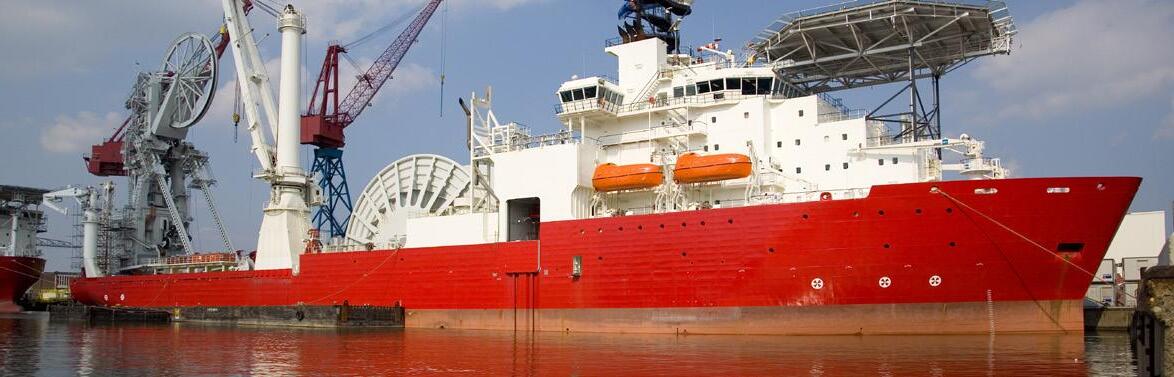
STATS Group signs strategic European distribution deal with Patriot
STATS Group (STATS) has signed a strategic partnership with Patriot International (Patriot) to supply its mechanical pipe connectors and localised hydrostatic weld testing tools to six key European markets.
The distributorship agreement will see Patriot support the rollout of STATS’ proven technology, including weld test tools, pipe end plugs (internal and external) and mechanical pipe connectors.
STATS has a similar long-standing distributorship agreement in Scandinavia but the Patriot deal will extend its presence in mainland Europe, targeting the Netherlands, Belgium, France, Germany, Luxembourg and Spain.
Aberdeenshire-headquartered STATS employs more than 500 staff across operational bases in the UK, Australia, Canada, Malaysia, UAE, Oman, Qatar, Saudi Arabia and USA, supplying pressurised pipeline isolation, intervention and shutdown services in the onshore, topsides and subsea pipeline sector.
Patriot will hold stock of STATS tools portfolio at its bases in the Netherlands and Belgium, reducing shipping time and costs, while providing a more responsive and environmentally friendly service to pipeline sector clients.
STATS localised weld test tools have several advantages over traditional methods, avoiding the requirement to flood, hydrotest and then de-water significant volumes of pipework, reducing unnecessary production downtime.
STATS business development manager Europe, Mike Kaiser, said: “Patriot has an excellent reputation as a reliable rental and services provider in the European pipeline market and this agreement is a natural fit with STATS ambitions to grow our reputation and revenue across the continent.
“Rules and regulations in the sector are changing and endusers are keen to have access to our advanced technology which addresses issues raised with traditional methods conducted during routine pipeline maintenance and modification.
“We have a responsibility to meet that market demand and our alliance with Patriot will help us introduce our technology to a wider European client base, benefiting both companies and our respective clients.”
STATS inline weld test tool is designed to improve shutdown efficiency, the dual use of the tool allows it to be deployed prior to hot work as a verified vapour barrier, greatly increasing worksite safety. Once welding is completed the same tool can then be repositioned to perform a leak-test of the new flange, fitting or off-take.
Cold work solutions like STATS’ mechanical pipe connectors eliminate the need for welding, significantly reduce the duration of maintenance projects, making them a cost-effective and popular choice for pipe repairs, tie ins and the capping of redundant pipe work.
Patriot International managing director, Myles M. Campbell, added: “This agreement will give STATS a firm footprint in mainland Europe with the ability to deliver its products straight to the market with the benefit of Patriot specialist personnel being on hand to oversee correct application. This presents a significant opportunity for both companies to introduce innovative product and service solutions to a market that demands real value in terms of cost, time and resource.”
Baker Hughes, an energy technology company, and thermoplastic composite pipe (TCP) manufacturer Strohm have signed a memorandum of understanding to develop and qualify a hybrid flexible pipe (HFP) for ultradeepwater risers and flowline applications.
As deepwater basins account for a growing share of global hydrocarbon production, operators are increasingly seeking innovative solutions to develop ultradeep resources with lower risk and reduced costs. The HFP being jointly developed is a lightweight, corrosion-resistant solution, which can be deployed for flowline and riser applications in water depths exceeding 3000 m.
The HFP solution combines the capabilities of TCP and conventional flexible pipe. In this approach, TCP replaces the standard carcass, liner and the pressure armour, while maintaining tension armour, outer protective coating and end-fittings. The integrated system delivers the tension capability of a conventional flexible pipe and the smooth bore and light weight of a TCP.
The product will be approximately 50% lighter than a conventional flexible pipe. This means that even at water depths exceeding 3000 m, the total suspended weight will be approximately 40% lower when compared to conventional pipes in lesser water depths. At a time when there are not enough new installation vessels coming to the market, particularly those offering higher tension capabilities, the reduced weight of the HFP broadens the range of vessels available for installation. The newly designed solution allows operators and contractors to use existing installation
vessels, without the need for costly and time-consuming adaptations.
Martin van Onna, Strohm’s CEO explains: “At Strohm, we approach product development from an end-user perspective, focusing on products that address our clients’ needs. We developed the HFP with an emphasis on installability, in-place flexibility, and design predictability, building on our long-standing relationship with Baker Hughes to create a solution which can be fast-tracked to market.
“Strohm’s TCP is a corrosion-resistant, low-carbon, robust pipe, with an extensive track record and zero failures on any operational product. The collaboration with Baker Hughes will allow us to jointly bring a premium product to the market, helping operators around the world as they plan their ultradeepwater projects.”
“Baker Hughes’ flexible pipe systems are helping customers around the globe produce subsea resources safely and efficiently, even in the most demanding environments,” said Daniel Wright, Global Business Leader – Flexible Pipe Systems at Baker Hughes. “Our collaboration with Strohm is built on a shared passion for innovation and excellence that is driving new possibilities in the offshore energy sector.”
The HFP solution is currently under development, with qualification pipes being manufactured for testing. The integrated solution is expected to become commercially available from 2028 onwards.

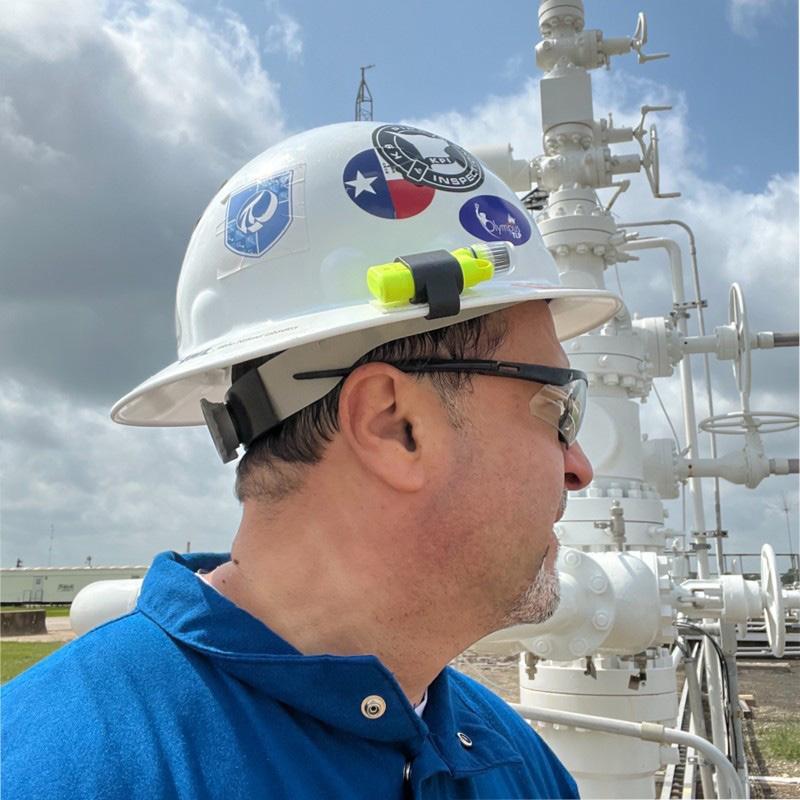
Marco Ayala, Technical Director, ABS Consulting, suggests that oil, gas, and chemical facilities must map their tolerable risk state to sustain uptime amid supply chain and cyber vulnerabilities.
Recent discussions with industrial teams have underscored how rapidly the digital ‘threatscape’ is evolving across the world’s energy systems, including global pipelines.
Facing volatile energy prices, margin compression, supply chain disruptions and evolving regulatory requirements,
operators demand practical solutions to help them manage these interconnected risks.
As digital transformation continues to redefine operations, protecting industrial control systems from cyber threats and planning for long-term risk reduction and resilience remain top priorities for the year ahead.
With more IT and operational technology (OT) systems converging across industrial operations, the entire energy value chain is at risk. Systems have become even more complex, and complexity breeds vulnerabilities from both the technical and human sides.
Operators not only require comprehensive process hazard analyses of systems, procedures, and computer software but also, increasingly, more robust industrial cybersecurity programmes to effectively manage and reduce risk across strictly regulated operations.

Regulatory frameworks set a baseline and targets for where we need to go on the cybersecurity journey. The sector is adopting a standards-based approach to securing industrial automation and control systems against cyber threats, such as the International Society of Automation and International Electrotechnical Commission (ISA/IEC) 62443 series of standards.
The Network and Information Security (NIS) Directive represents a high common level of cybersecurity in the European Union (EU). NIS was the first piece of EU-wide legislation on cybersecurity. Under its expanded scope entered into force in January 2023, the NIS2 Directive introduced more stringent incident reporting requirements. To comply with this Directive, organisations must take measures to minimise cyber risks, including incident management. For example, NIS2 mandates that companies submit early warning reports within 24 hours of learning of significant cybersecurity incidents. The Directive also emphasises supply chain security, requiring enhanced measures for securing supplier relationships and establishing accountability at the management level for cybersecurity failures. Additional minimum measures include: risk assessments, procedures for the use of cryptography, security around procurement systems, security procedures for employees who access sensitive/important data, the use of multi-factor authentication, evaluating the effectiveness of security measures, having a plan for handling security incidents as well as managing business operations during and after a security event, and cybersecurity training.
Over the past four decades of digitising equipment and systems, traditional industries have brought in a slew of emerging technologies that are not always fully vetted or properly assessed outside of the original equipment manufacturer (OEM) or vendor’s own due diligence. Without a cold-eye peer review, this creates bias right out of the gate and prevents organisations from knowing what a tolerable risk state is for their business.
For effective cybersecurity, organisations must operate prudently, that is with a clear mind, having full visibility of their control systems risk. Operational prudence is being proactive, situationally aware, and predicting what comes next as opposed to giving in to reactive firefighting on the plant floor.
The parallel here to the current state of cybersecurity is striking. Facilities need more visibility, more awareness, and more control over their OT cyber risk.
Investing in cyber risk management is the crucial move organisations can make today to stave off costly downtime from a ransomware attack or, worse, a spoofing or jamming event that not only derails the mission but also could lead to major economic and environmental consequences.
Before an incident occurs, operational readiness and availability are crucial keys. Companies should consider buffering their suppliers with strategic procurement to stay ahead of future unplanned outages.
Meanwhile, network-connected OT in port facilities and shore-side are being targeted. These systems are particularly
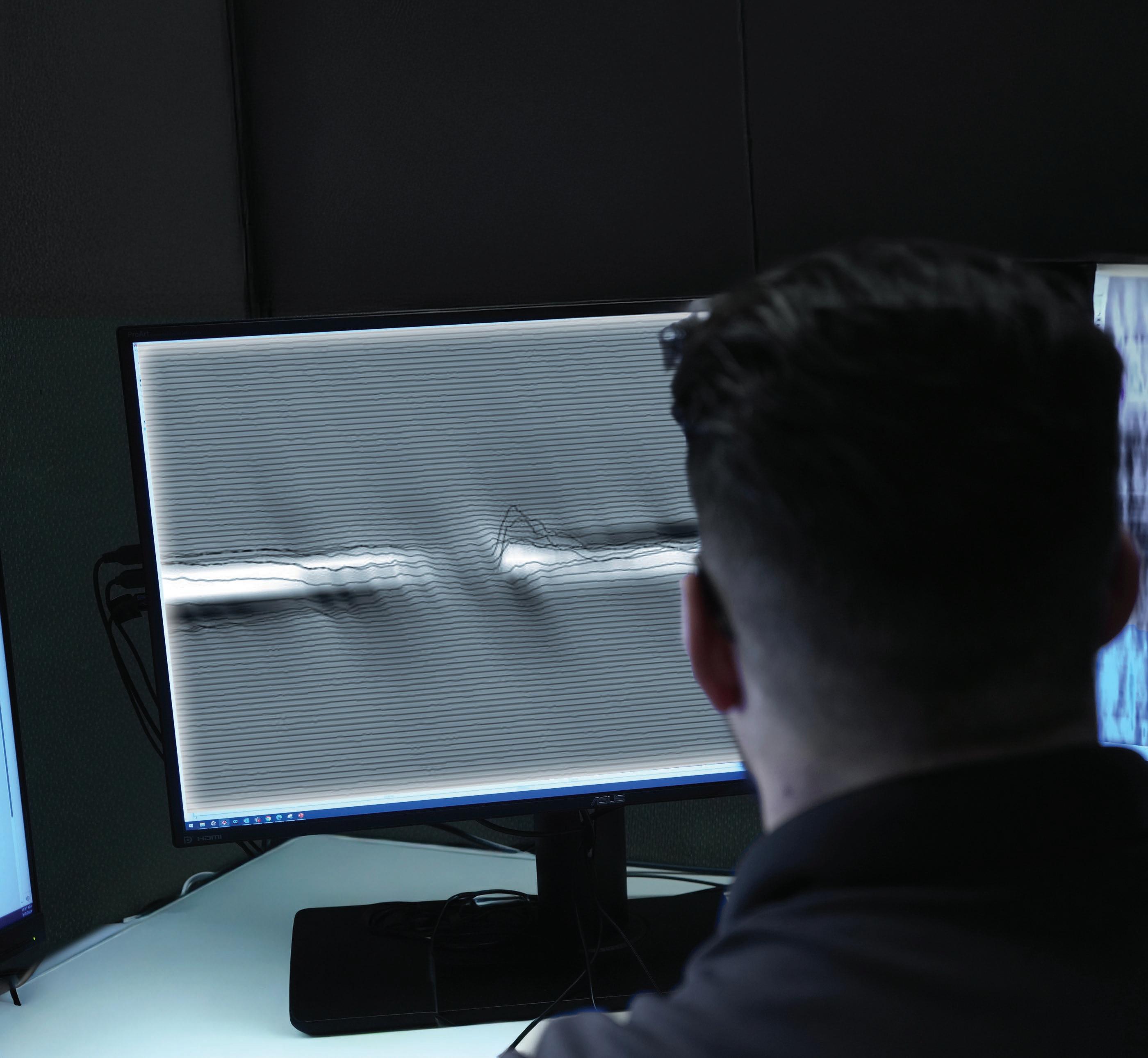
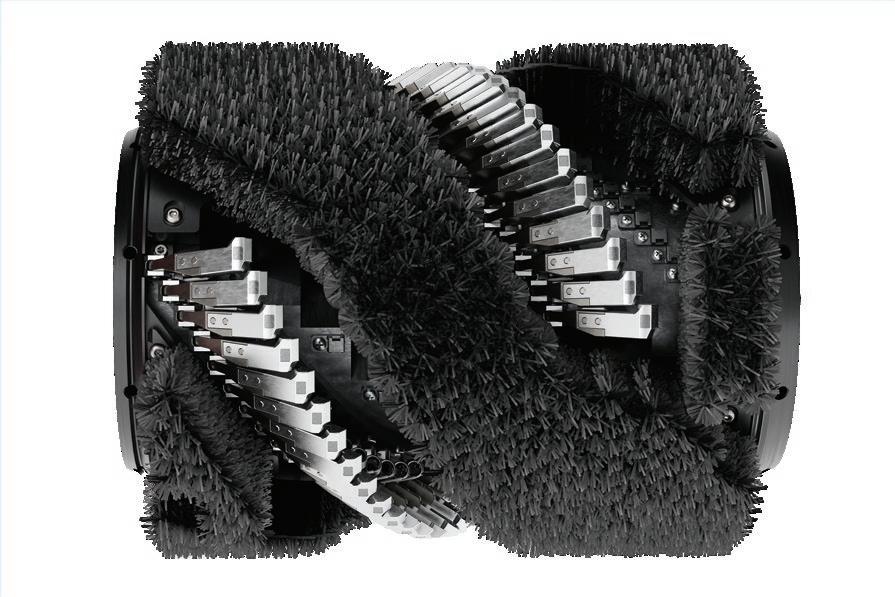

Gain clarity where it matters most: precise identification and sizing of critical threats.
SMFL technology anchors MDS™ Pro as the inline inspection industry benchmark. It detects, identifies and sizes axially oriented metal loss and crack-like anomalies—threats that demand the highest level of inspection precision.
See how MDS™ Pro closes detection gaps.
vulnerable to attack since they often rely on outdated software and network protocols and insufficient access controls.
OT cybersecurity failures extend throughout the supply chain. A successful cyberattack can disrupt global trade flows, delay cargo deliveries and damage relationships with customers and partners. In an industry where reputation and reliability are paramount, cybersecurity incidents can have lasting commercial consequences that extend far beyond immediate operational impacts.
With stakes this high, an integrated, defense-in-depth cybersecurity strategy is no longer optional – it is missioncritical.
True resilience can only be achieved when it is built end-to-end. For cybersecurity, it begins at the field sensors, extending through OT networks and vessel/platform control systems and reaching all the way into edge, cloud and enterprise environments.
Energy and chemical companies working to strengthen cyber resilience across their complex, interconnected assets are signing on to a journey, not an easy fix. They will often require a three to five year roadmap to get there, with tailored advisory, assessment and verification services
that span the full energy value chain and meet specific criteria for their industrial operations and infrastructure.
Regardless of your current cyber posture or maturity level, every organisation stands to benefit from additional training and collaboration across the private and public sectors as we collectively reduce cyber risk in the nation’s most critical assets and infrastructure.
Safety, risk and compliance management firms support operators in maintaining safe and resilient oil, gas, and chemical operations across critical assets for their full lifecycle, including:
Protecting drilling control systems, production control systems and supervisory control and data acquisition (SCADA) systems for onshore/offshore exploration and production assets such as drilling rigs and drillships, FPSOs, production platforms, wellheads and flow stations.
Securing process control network (PCN), control centres and SCADA infrastructure for liquid and/or gas compression, processing, produced water, and carbon capture and storage facilities.
Safeguarding terminal automation systems (TAS), distributed control systems (DCS), and enterprise resource planning (ERP) infrastructures across refineries, chemical plants, and terminals.
Whether looking at this challenge through an operational or organisational safety lens, cyber risk is a critical business risk. An incident will impact everyone.
Therefore, not just an IT problem to manage, cyber risk is an operational safety issue requiring proactive management to secure the world’s industrial pipelines and infrastructure. The energy industry must prioritise such proactive risk management, along with cross-sector collaboration. In doing so, a more cyber resilient industry can protect the industrial processes that power modern life. It starts with facing evolving cyber risk.
An International Society of Automation-certified cybersecurity trainer, Marco Ayala is the Technical Director, Global Energy for ABS Consulting and Energy Market Lead for the ABS Cyber Centre of Excellence. He also serves as the President and National Sector Chief, Energy for InfraGard National Members Alliance, a volunteer role to lead efforts to protect the United States’ critical energy infrastructure by fostering collaboration between the FBI, private sector and other stakeholders. Additionally, Marco serves as the Chair of the Threat Analysis and Cybersecurity Committee/Cybersecurity Coordinator for the Gulf of Mexico Area Maritime Security Committee (AMSC) Outer Continental Shelf.
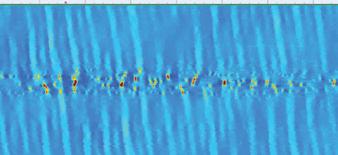
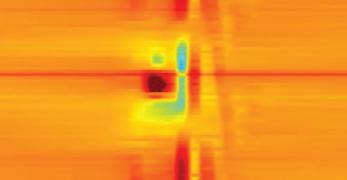

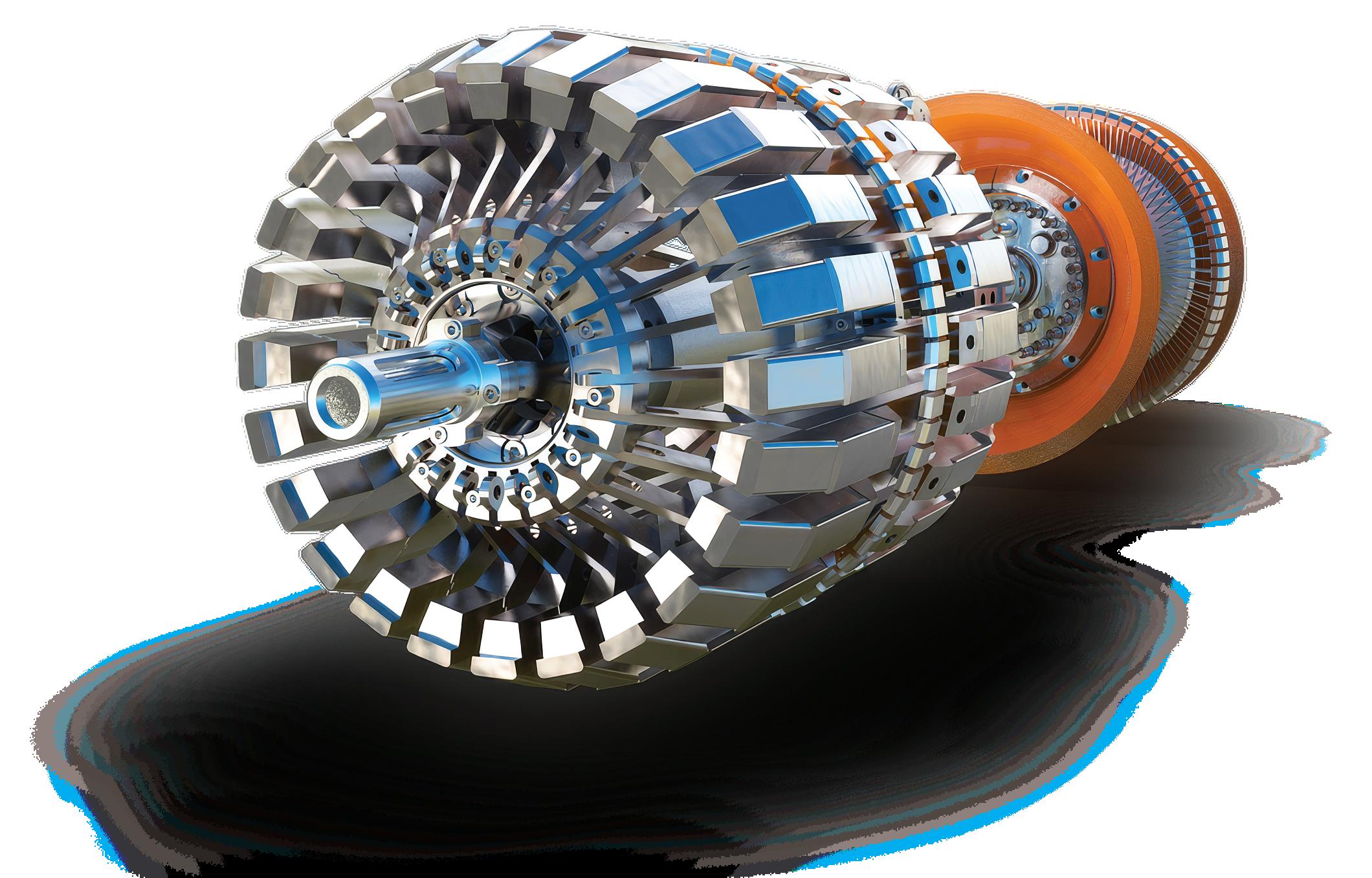
Alex Le and Vicki Knott, CruxOCM, USA, explain how the 2026 Middle East supply crisis is accelerating the shift toward using advanced automation to maximise US energy infrastructure efficiency and global competitiveness.
The energy sector’s overall transition to efficient operations has been over five years in the making.
However, as of mid-March 2026, the Middle East is experiencing what the International Energy Agency has termed the “largest supply disruption in the history of oil markets”. The current conflict in the Middle East is the violent catalyst accelerating this transition from a nice-to-have to mission critical.
The US is uniquely advantaged to dominate global energy markets:
) US domestic energy consumption continues to grow, especially in the commercial and industrial sectors, but supply constraints still persist.
) The US is now widely accepted as the most dependable swing exporter of both crude and LNG. However, pipeline throughput into export hubs are still constrained which caps US exports.
The US needs to rapidly maximise throughput capacity to ensure domestic energy security and to dominate global energy markets.

Both of these factors create massive opportunities for American companies that can move more molecules faster and more efficiently than their competitors.
Oil and gas companies can no longer depend on multiyear physical brownfield and greenfield projects to increase capacity. The industry must look to technology to quickly and efficiently maximise value on their existing systems now.
CruxOCM provides the code to compliment the steel to help secure America’s energy future.
The following shows a brief summary of how the industry has evolved and how CruxOCM will help secure America’s energy future.
Before the 2026 conflict, energy companies had already abandoned the grow at all costs model for three structural reasons:
After the 2014 and 2020 oil crashes, investors demanded consistent shareholder returns through dividends, buybacks,

and capital projects with clear near-term ROI rather than new long-dated megaprojects with uncertain timelines. Additionally, recent consolidation in the industry has exhausted future inorganic growth opportunities.
Regulatory friction
It became nearly impossible to build new interstate pipelines due to both Federal and State regulations.
Asset maturity
Most major US shale basins (e.g. Eagle Ford, Permian, Marcellus) have finished their big build phase. Major regions like the US Gulf Coast became congested leading to increasingly difficult conditions for greenfield projects.
The industry transitioned from construction and consolidation to optimisation. However, optimisation at the margins is no longer enough. Maximisation through automation of current assets is now the only viable path to growth.
Middle East conflict as an accelerator (March 2026)
The 2026 Middle East conflict supply shock turned throughput maximisation into a national security and operational necessity:
Physical bottlenecks
With 20% of global supply (Strait of Hormuz) offline, the world is begging for US molecules. Operators cannot build a new pipeline in a month. In order to meet domestic demand and to maximise exports, oil and gas companies must now use technology to maximise capacity on their existing systems.
Cost spikes
Diesel and electricity prices (the main costs for moving oil) have skyrocketed due to the conflict. Technology innovations to lower power consumption is now the only way to keep transport margins from evaporating.
Price volatility
The conflict created massive, hour-by-hour price swings between different hubs. Only tech-enabled firms can move fast enough to capture these flash spreads.
Through agentic automation, CruxOCM provides the autopilot for the energy industry that maximises throughput capacity and minimises operating costs.
How CruxOCM achieves results through
Throughput maximisation
On pipelines that are apportioned (over-nominated), every extra barrel of capacity is high-margin revenue. In the current energy market, the US is well positioned to increase production to capitalise on decreased global supply. However, over 60% of pipelines that transport American oil are at maximum capacity. CruxOCM can unlock 7 - 12%+ in additional throughput on existing systems:
) CruxOCM’s solution: maxOPT™ solution uses closed-loop automation to push the pipeline toits true hydraulic limit 24/7.
) The result: CruxOCM consistently unlocks 7 - 12%+ in additional throughput on existing systems. In a market where takeaway capacity is the bottleneck, this allows an operator to capture millions of throughput in hidden capacity without laying a single mile of new pipe.
Operational maximisation isn’t just about selling for more; it’s about moving more for less. DRA are the two biggest variable costs in midstream.
) CruxOCM’s solution: powerOPT™ and draBOT™ solutions adjust pump speeds and chemical injections in real-time based on current flow needs and electricity prices.
) The result: By automating the leanest way to run a batch, CruxOCM permanently reduces pipeline costs by 3 - 12%+. This makes a company the low-cost provider in a region, allowing them to undercut competitors on transport tariffs while maintaining higher margins.
Gathering systems are notoriously chaotic, with hundreds of wells kicking on and off, causing pressure spikes that force producers to shut-in.
) CruxOCM’s solution: gatherBOT™ solution automates the scheduling of these systems to ensure ratable flow into the main transmission line.
) The result: reduces flow variations by up to 45%. For an operator, this means they can guarantee 85%+ of their nominations, attracting producers who want the most reliable path-to-market and are willing to pay a premium for that reliability.
Given the durability of throughput uplift and the relatively low execution and regulatory risk versus greenfield projects, the IRR on deploying CruxOCM is far superior to traditional organic projects and competitive with bolt-on asset acquisitions.
) CruxOCM’s solution: through agentic automation, CruxOCM adds 7 - 12%+ throughput on an operator’s existing systems while cutting operating costs by 3 - 12%+.
) The result: on an illustrative 2 million boe/d pipeline system, a 7 - 12% throughput uplift can add 140 - 240 boe/d of new barrels. At contracted tariffs and industry average 38% midstream EBITDA margins these additional barrels yield an accretive US$70 - US$120 million EBITDA per year. At 11.5 times EV/EBITDA, CruxOCM adds US$805 million - US$1.4 billion to an operator’s valuation.
The US needs to rapidly maximise throughput capacity to ensure domestic energy security and to dominate global energy markets. Software solutions can help secure America’s energy future.


















































Jason Keith, Chief Executive of PDG Aviation Services, explores how aerial surveillance can support pipeline integrity management.
Pipelines remain some of the most demanding assets to manage from an integrity perspective. While the majority of pipelines are buried, integrity risk often manifests at surface level along the corridor, where environmental conditions, third-party activity, and ground movement can influence long-term asset condition. Pipelines are linear assets spread across wide areas, frequently traversing environments that limit access, expose personnel to safety risks, or restrict inspection frequency. Established inspection and monitoring methods continue to form the backbone of pipeline integrity programmes. However, operators are increasingly conscious of the gaps that can emerge between inspection cycles, particularly
across long or remote corridors where changes at surface level may go unnoticed.
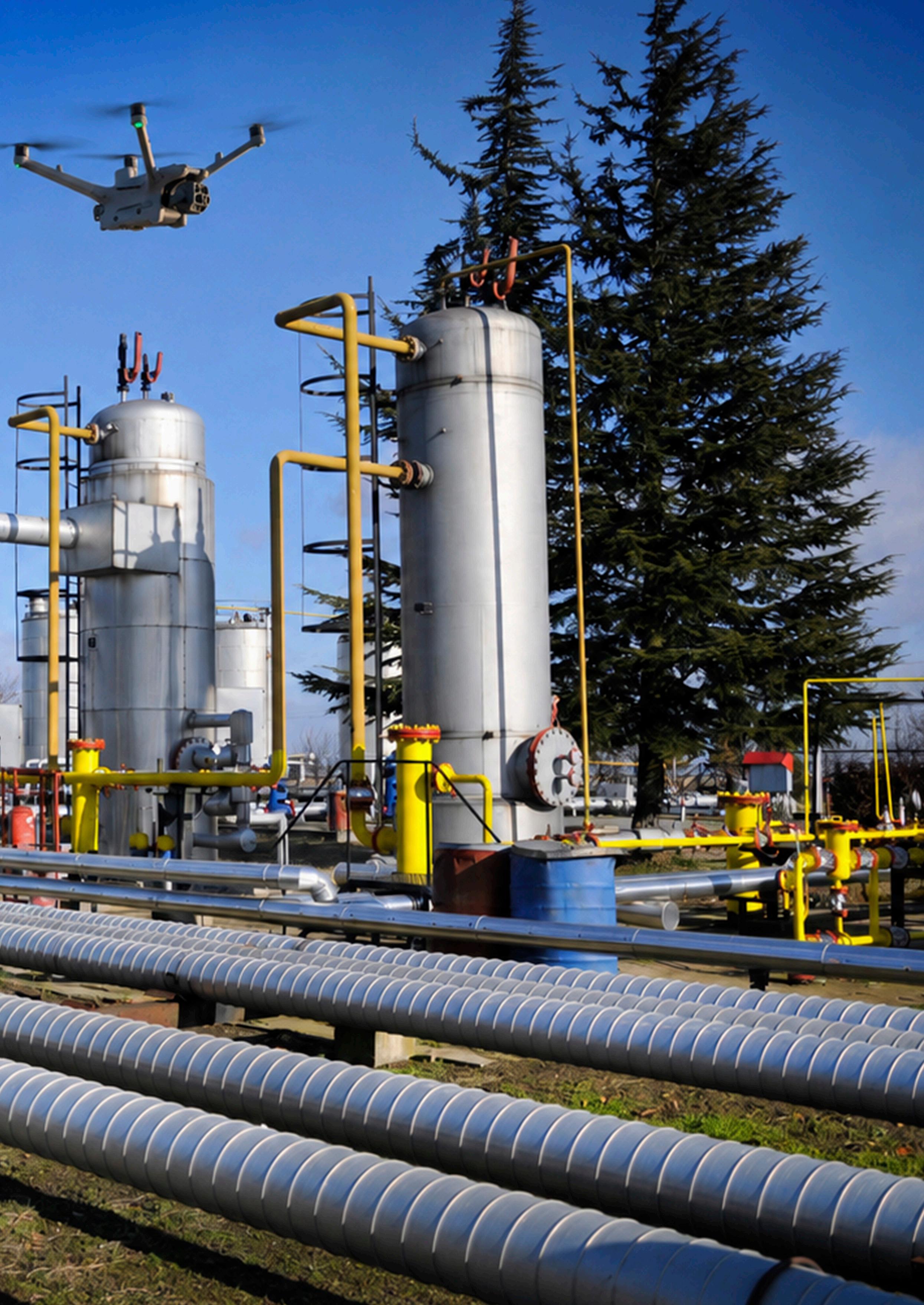
Aerial surveillance is not new to pipeline inspection, but its role has expanded as capability and operational confidence have improved. Rather than inspecting the buried asset directly, aerial methods provide insight into corridor conditions and surface indicators that can affect below-ground integrity, while remaining equally applicable to exposed or above-ground assets. The key question for operators is no longer whether useful data can be collected from the air, but how aerial surveillance is applied consistently and integrated effectively alongside established integrity inspection and monitoring approaches.
For the majority of oil and gas pipelines, integrity management is centred on assessment of the buried asset itself. Established below-ground inspection and monitoring techniques such as in line inspection, cathodic protection surveys, leak detection systems, and SCADA-based monitoring form the core of pipeline integrity programmes. These methods provide direct insight into pipe condition, corrosion mechanisms and operational performance, and remain fundamental to regulatory compliance and long-term asset management.
While these approaches offer high confidence in specific failure modes, they are typically periodic and focused on the condition of the asset at defined points in time. They provide limited visibility of the external environmental and corridor conditions that can influence integrity between inspections. As a result, effective pipeline integrity management relies not only on below-ground inspection data, but also on an understanding of surface-level factors such as ground movement, erosion, third-party activity, and changes within the right of way that may affect the buried asset over time.
Pipeline operators have long relied on a combination of foot patrols, vehicle-based surveys and manned aviation to inspect aboveground assets and rights of way. Each method plays an important role. Ground-based inspections enable close visual assessment and physical verification, vehicle surveys provide broader coverage where access permits, and manned aircraft support rapid inspection across long distances and challenging terrain.
These approaches are well understood and remain essential. However, they are inherently periodic and resource intensive. Access constraints, safety considerations, weather dependency and cost often limit inspection frequency, and in remote regions or complex terrain, extended intervals between surveys are not uncommon. While this does not imply inadequate practice, it does create periods where emerging issues may go undetected until the next scheduled inspection.
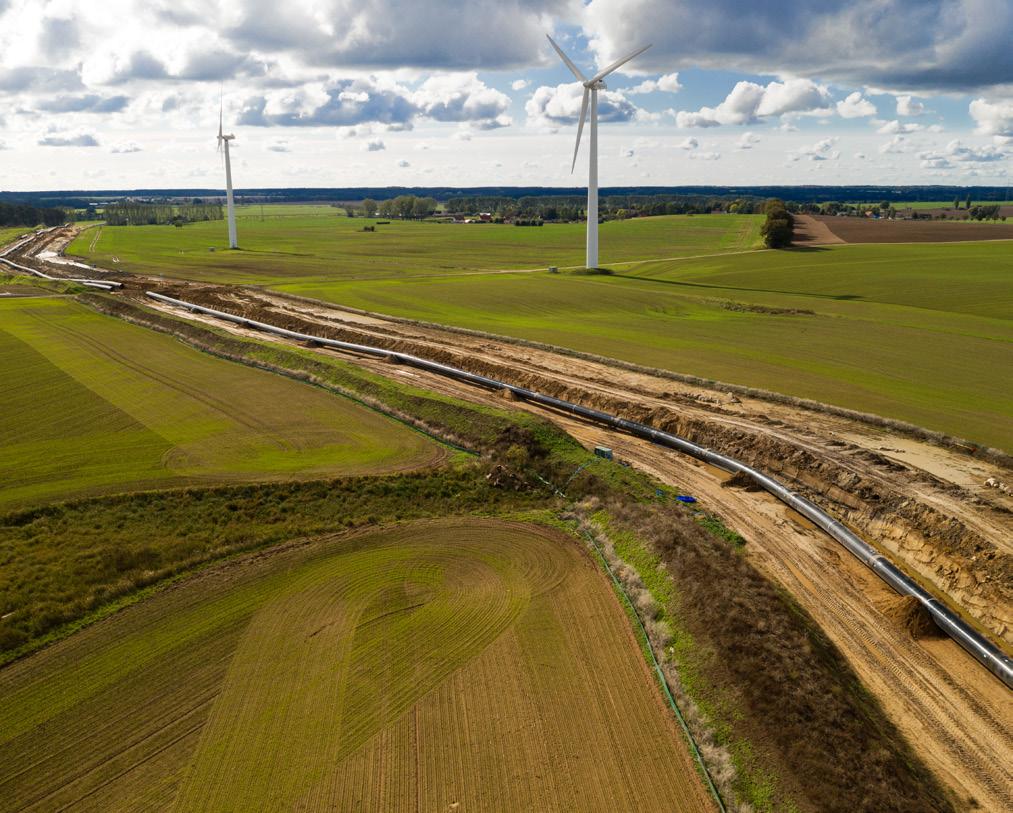
From an integrity perspective, the limitation is not the quality of individual inspections, but the absence of visibility between inspection cycles. This is the context in which aerial surveillance has begun to find a more defined role.
Early use of drones in pipeline environments was often limited to specific tasks, such as accessing difficult locations, capturing imagery following incidents, or supporting targeted surveys. As aircraft reliability improved and sensor payloads became more capable, these applications became more repeatable and operationally viable.
The more significant change has been in the scale and consistency of deployment. Aerial and remote sensing technologies are increasingly applied to improve coverage and responsiveness between scheduled inspections, rather than as a replacement for established methods. Rapid deployment, reduced exposure of personnel to hazardous environments, and the ability to collect consistent data across long linear assets have made these systems a practical addition to integrity programmes.
Satellite-based monitoring is also becoming an increasingly valuable component of corridor surveillance. Advances in commercial Earth observation now enable high-resolution imagery and frequent revisit times across large geographic areas. For pipeline operators, satellite data can provide wide-area visibility of corridor conditions, helping to identify land use changes, ground movement, encroachment, or other surface indicators that may warrant closer inspection or targeted aerial survey.
This shift has been shaped as much by operational experience as by technological development. As operators and service providers have gained familiarity with aerial and remote sensing methods, emphasis has moved towards repeatability, data quality, and alignment with existing integrity workflows.
Modern aerial platforms offer capabilities that expand how surface conditions along pipeline corridors can be assessed. High-resolution visual sensors and thermal imaging support detection of surface anomalies, changes in vegetation patterns and thermal signatures that may warrant further investigation. Where visual inspection is constrained by dense vegetation or canopy cover, LiDAR payloads can support terrain and corridor modelling, enabling consistent surveys and comparison over time in environments that are otherwise difficult to assess.
Equally important has been improvement in navigation and data consistency. Repeatable flight paths improved positional accuracy and structured data capture allow aerial surveys to support comparison over time rather than isolated observations. This is critical if aerial data is to contribute meaningfully to integrity decision-making.
However, capability alone does not guarantee value. Data must be captured with sufficient consistency, interpreted in context and reviewed by personnel who understand both the asset and its operating environment. Aerial inspection is most effective when it supports informed judgement, not when it is treated as an automated answer.








role of BVLOS
For pipeline applications, Beyond Visual Line of Sight (BVLOS) drone operations can offer operational advantages when applied within appropriate risk and regulatory frameworks. Pipelines are linear assets that often extend far beyond the practical limits of visual-range operations. Where operational risk can be managed effectively, BVLOS enables aerial systems to survey longer sections of corridor within a single mission, reducing mobilisation requirements while improving coverage efficiency.
The value of BVLOS is not simply increased range. It lies in the ability to design surveys around risk, terrain and asset criticality rather than the physical proximity of the operator. This allows aerial surveillance to be applied at a scale that more closely reflects the geographic extent and structure of pipeline infrastructure.
In many jurisdictions, BVLOS operations fall within the Specific Category of unmanned aircraft regulation and must be authorised through a risk-based safety case. Frameworks such as the Specific Operations Risk Assessment (SORA), originally developed by the European Union Aviation Safety Agency (EASA) and adopted by regulators including the UK Civil Aviation Authority (CAA), provide a structured methodology for assessing and mitigating operational risk.
Through this process, operators demonstrate that extendedrange flights can be conducted safely through appropriate technical, operational and procedural mitigations. Organisations with sufficient operational capability may also operate under a Light UAS Operator Certificate (LUC), which allows certain operations to be self-authorised within an approved organisational safety management framework.
That said, BVLOS introduces additional complexity. Airspace considerations, ground risk, contingency planning and operational discipline become increasingly important as operational range increases. Effective BVLOS deployment therefore depends on robust safety cases, experienced personnel and a mature operational approach. The objective is not simply to extend range, but to apply aerial surveillance in a way that meaningfully supports pipeline integrity programmes while maintaining high standards of aviation safety.
The growth of aerial surveillance within pipeline integrity has been closely linked to the development of modern risk-based regulatory frameworks. Structured methodologies such as SORA provide a consistent means of identifying, assessing and mitigating operational risk in a transparent and defensible manner.
These frameworks are built around a structured safety case approach, requiring operators to demonstrate that operational risks are understood and controlled through appropriate procedures, training, operational planning and technical safeguards.
Regulatory compliance should therefore not be viewed as a barrier to innovation. In practice, constructive regulatory engagement often enables a broader range of operations by establishing trust, consistency and clearly defined operating boundaries. The credibility of aerial surveillance as an integrity tool depends as much on how it is governed as on what it can technically achieve.
Linear infrastructure such as pipelines presents characteristics that can make it particularly well suited to risk-based BVLOS operations when compared with many other industrial inspection tasks.
Pipeline corridors are typically geographically predictable and spatially constrained. The asset follows a defined route that can be analysed in advance, allowing operators to assess terrain, population density, surrounding infrastructure and airspace before operations take place. This predictability supports the structured risk analysis required under frameworks such as SORA.
In many cases, pipeline routes also traverse rural or semi-rural environments where population density is relatively low. This can simplify aspects of ground risk assessment and make it easier to implement appropriate mitigations such as defined flight corridors, operational restrictions and contingency planning.
These characteristics do not remove the need for robust regulatory compliance or operational discipline. However, they can provide a practical pathway for the adoption of BVLOS aerial surveillance within a structured risk-management framework.
Automated deployment models, including drone-in-a-box systems, are attracting increasing attention within infrastructure monitoring. For pipeline applications, these systems offer potential benefits where persistent or rapid-response aerial capability is required, including scheduled inspections, event-driven surveys and consistent data capture without repeated mobilisation.
Used appropriately, automation can improve responsiveness and efficiency, particularly at high-risk or high-consequence locations. However, automated systems are not universally applicable. Environmental conditions, communications resilience, site preparation, security, maintenance requirements and data governance all influence suitability and long-term viability.
The most effective implementations treat automation as an extension of human oversight rather than a replacement. Successful deployment depends on clearly defined use cases, structured operating concepts and integration with integrity teams, supported by appropriate regulatory approval and risk management frameworks. Where these foundations are in place, automated aerial monitoring can provide meaningful operational value.
In addition to condition assessment, aerial surveillance can support wider integrity and asset protection objectives. Repeatable surveys along pipeline corridors can assist in identifying encroachment, unauthorised access or changes within the right of way that may increase risk if left unaddressed.
This capability is particularly relevant where pipelines traverse remote or difficult terrain and routine ground presence is limited. Earlier identification of emerging risks allows operators to intervene before issues escalate into integrity or safety concerns.
As with other applications, the value lies in early visibility and informed response rather than enforcement. Aerial surveillance supports integrity teams by improving situational awareness and decision-making, rather than replacing established security or monitoring functions.


Aerial surveillance delivers the greatest value when it is integrated into existing integrity management frameworks. Baseline inspections, specialist NDT and in-line inspection establish detailed understanding of asset condition. Aerial surveys can then support monitoring between these activities, helping to prioritise intervention and target resources more effectively. This integrated approach can improve efficiency without reducing inspection standards. Rather than increasing inspection burden, aerial surveillance helps operators focus effort where it is most needed. It also provides additional context when issues are identified, supporting faster and more confident decision-making. Integration requires clear ownership of data, defined review processes and alignment with integrity objectives. Aerial surveillance should be treated as a decision-support input, not a standalone output.
Aerial surveillance is not a universal solution. Its effectiveness depends on environment, regulatory context, data quality, and the experience and discipline of the operating model. Weather, terrain and airspace constraints all influence feasibility. Data volumes can be significant, and interpretation requires appropriate expertise and governance.
As the technology continues to evolve, the focus is likely to shift further towards integration, automation and confidence in


system reliability will expand what is possible, but success will continue to depend on how well these capabilities are embedded within broader integrity strategies.
The role of aerial surveillance in pipeline integrity has evolved from opportunistic inspection to a more structured, risk-led capability. When deployed responsibly and integrated effectively, aerial systems can improve visibility across pipeline corridors, reduce the need for personnel to operate in hazardous environments, and support more informed integrity decisions for both buried and exposed assets.
The challenge for operators is not whether to adopt aerial surveillance, but how to do so in a way that complements established below-ground inspection practices, respects regulatory frameworks, and delivers genuine operational value. As experience grows, aerial surveillance is likely to become an established part of pipeline integrity programmes, supporting safer and more resilient infrastructure through improved awareness between inspection cycles.
Drones are likely to play an increasing role within this landscape as operational models continue to evolve. Developments in BVLOS operations, automated deployment systems and improved sensor capabilities will enable aerial monitoring to be applied more consistently across large pipeline networks. When integrated carefully with existing inspection and monitoring practices, these technologies offer a practical pathway towards improved corridor awareness and more responsive pipeline integrity management.
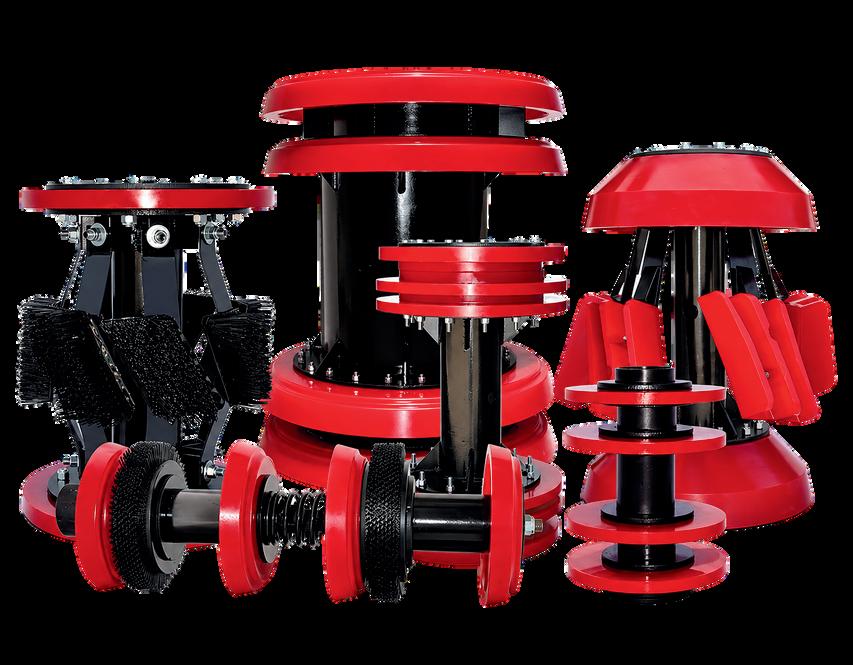
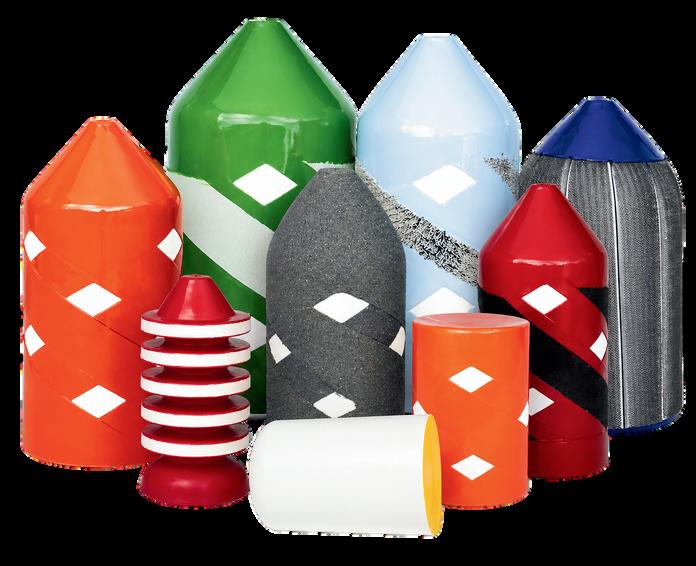


James Aarestad, Vanguard Pipeline Inspection, considers how drones can become an invaluable asset to the oil and gas industry when it comes to pipeline inspection, if the economics allows it.
Drones show promise for pipeline inspection, but economics will decide adoption. To scale beyond visual line of sight (BVLOS) operations, drones must outperform manned aircraft on total cost, safety, and dispatch reliability in real-world operation: benchmarks manned aviation already meets today.
Pro-drone, pro-progress, pro-reality
Let’s be clear from the start: we are big fans of drones. Unmanned aerial systems have already delivered real value to the oil and gas industry, and we hope to see them used far more extensively in the years ahead. Drones offer compelling advantages: automation, ease
of use, reduced crew exposure, and the potential for continuous monitoring. Long term, they may fundamentally reshape how energy infrastructure is inspected.
This article is not anti-drone. At Vanguard Pipeline Inspection, we actively track drone technology, regulatory progress, and sensor miniaturisation because we want drones to succeed in large-scale methane detection and pipeline inspection. However, enthusiasm alone does not drive adoption in this industry. Economics does.
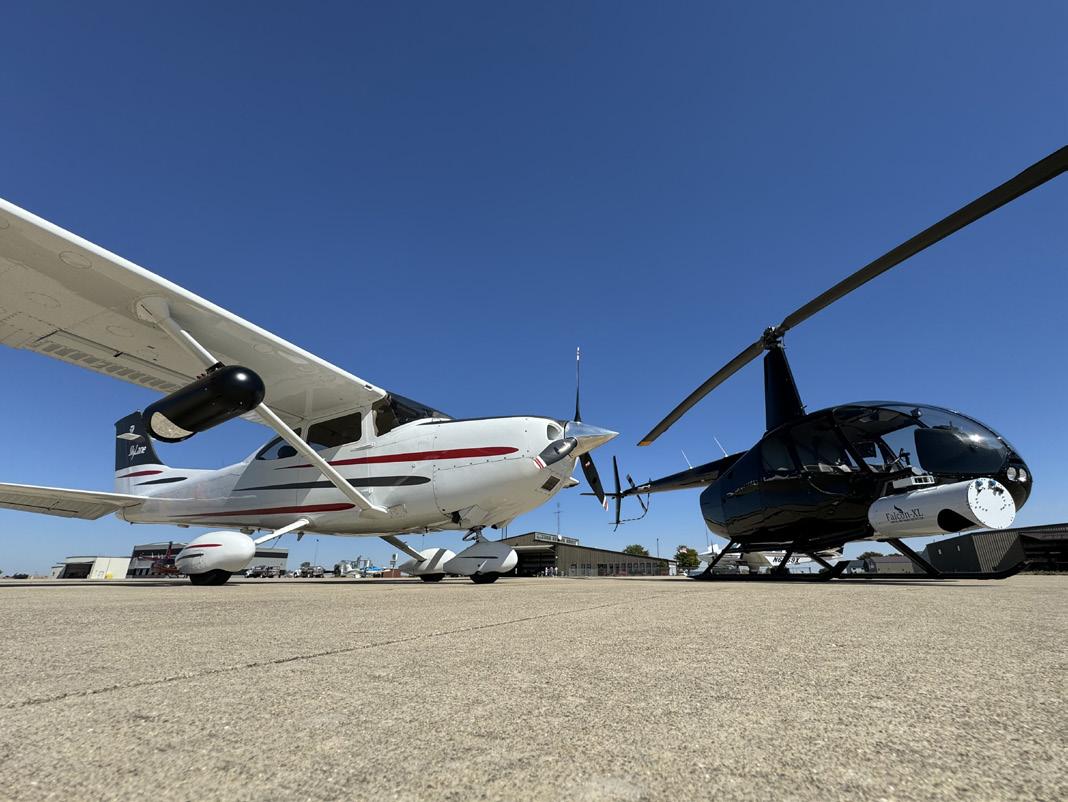
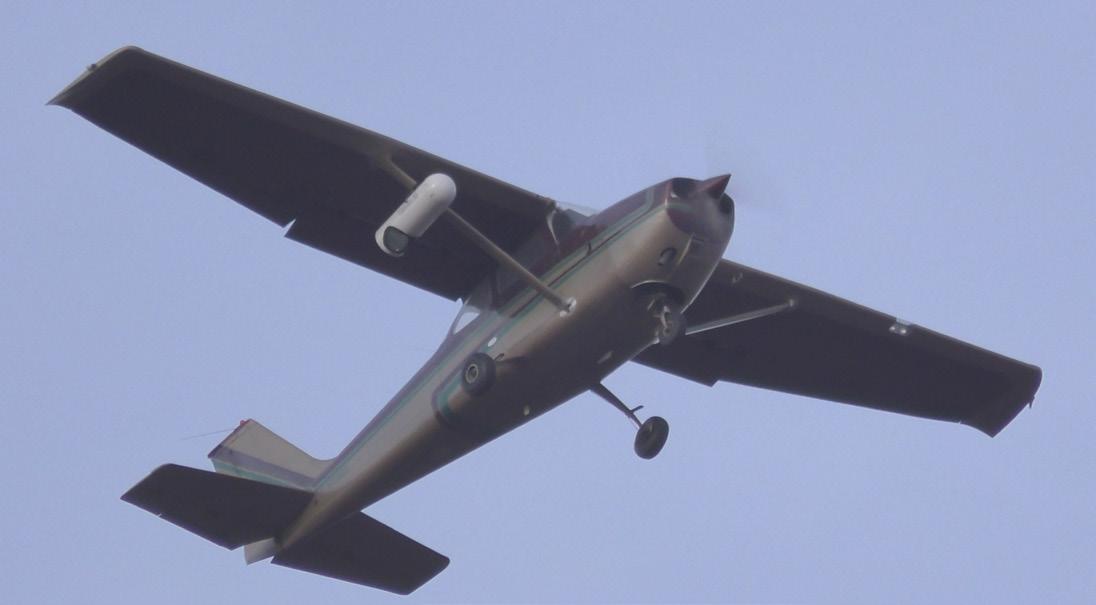
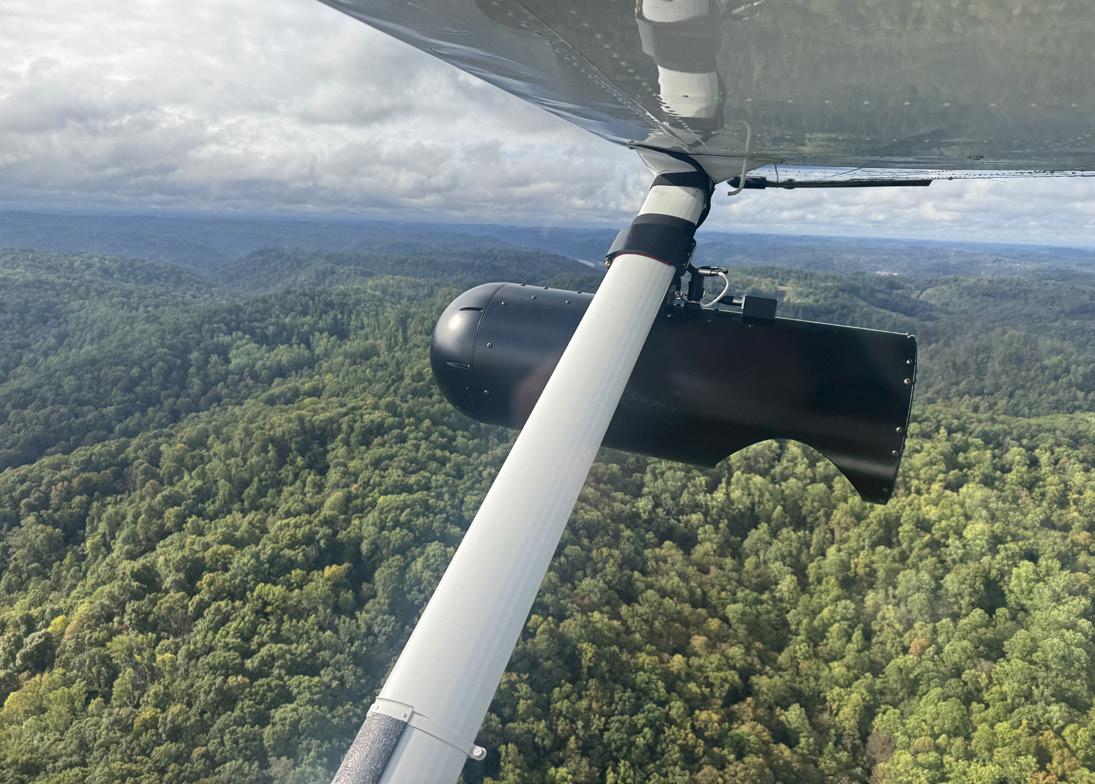
When discussions turn to large scale, beyond visual line of sight (BVLOS) pipeline inspection, the question is not whether drones can do the job. The question is whether they can do it safely, reliably, at scale, and at lower total cost than the platforms pipeline operators already rely on. Today, that benchmark is manned aircraft. It is difficult to overstate how challenging it is to beat the economics of a light aircraft such as a Cessna 172. They are mass produced, globally supported, insurable, mechanically mature and capable of carrying advanced sensor payloads.
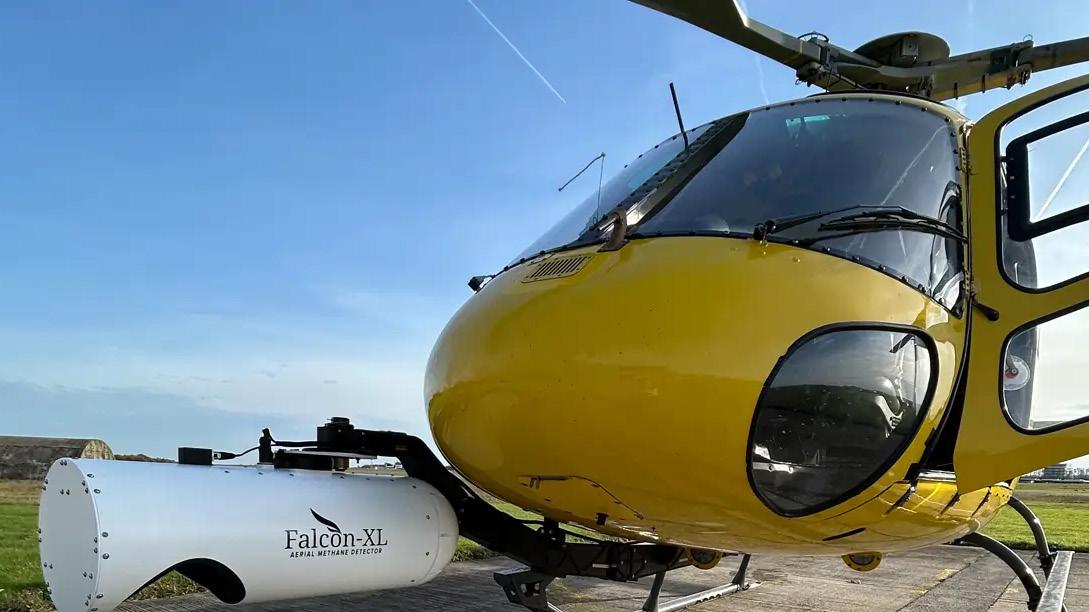
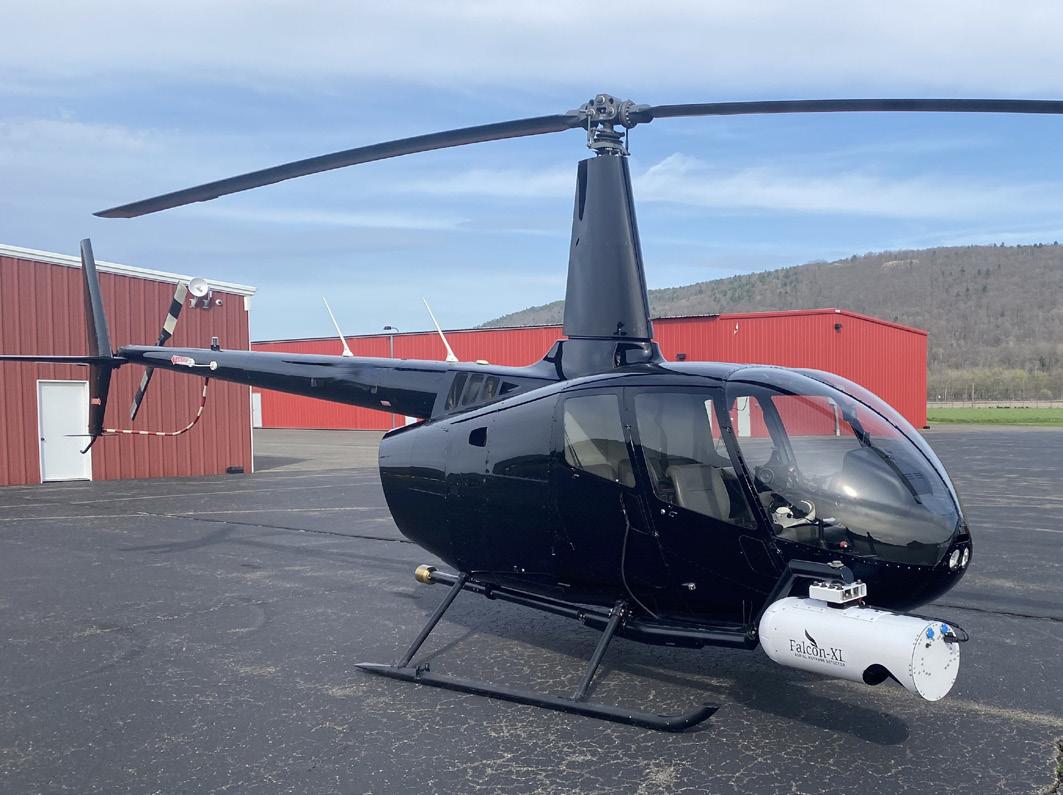
At Vanguard Pipeline Inspection, we operate an aerial methane detection business using manned fixed-wing aircraft and helicopters to survey gathering and transmission pipelines across North America. One of the most common questions we receive is simple: “Can your methane detection system be attached to drones for pipeline patrol?” Our answer is consistent and genuine: yes, but we don’t think it makes sense yet, economically, operationally, and from a safety perspective.
The three economic tests drones must pass
For drones to achieve widespread BVLOS adoption in pipeline inspection, they must outperform manned aircraft in three critical areas:
) Total cost of operation: including acquisition, maintenance, infrastructure, and mechanical failures.
) Public and operational safety: particularly over populated areas. ) Dispatch reliability: driven by mechanical maturity and operational robustness
These are not abstract hurdles. They are the same criteria pipeline operators already apply – implicitly or explicitly – when selecting inspection platforms. Manned aircraft already meet these benchmarks. Drones must exceed them.
Drone advocates often highlight lower per-hour operating costs compared to manned aircraft. On paper, this argument can appear compelling. In practice, it is incomplete. The true cost of a BVLOS drone inspection program includes: aircraft acquisition and depreciation, sensor payload costs, ground control stations, redundant communications systems, trained operators and observers, regulatory compliance and approvals, maintenance, insurance and losses from crashes or hard landings.
Crashes are not hypothetical. They are an operational reality, especially in long-range BVLOS missions where communications, autonomy, and propulsion systems are pushed to their limits. The economic question is not if a drone will be lost, but how often and at what cost.
Ironically, the drones capable of flying long distances while carrying meaningful methane sensing payloads are typically large, complex, and expensive. In many cases, these platforms approach
Delivering certainty where conventional inline inspection is not feasible.

Untethered MFL inspection technology for the most challenging pipeline environments
or significantly exceed the cost of operating a light manned aircraft, without matching its dispatch reliability or operational flexibility.
Meanwhile, aircraft like the Cessna 172 represent decades of refinement. They are mass-produced, globally supported, and well understood by regulators, insurers, and maintenance providers. They can routinely survey hundreds of miles of pipeline per day at a predictable, repeatable cost. Until drones consistently beat that total cost equation, not just flight-hour math, economics will continue to favour manned aviation.
Safety discussions around drones often focus on the absence of onboard crew. That is a meaningful advantage but it is not the whole picture. Pipeline inspections frequently occur over densely populated cities, towns, homes, roads, railways, and industrial facilities. A large drone crashing in a remote area is one thing. A large drone failure over a residence is another.
For BVLOS drone operations to scale, they must demonstrate an extremely low probability of crashing; not just in theory, but statistically, over very large numbers of flight hours. Regulators, insurers, and the public demand this level of assurance.
Light manned aircraft already have that track record. They operate under mature safety frameworks, with known safety risks, established redundancy, and decades of accident data informing risk management. Until BVLOS drones can clearly exceed the public
safety record of manned aircraft, large scale adoption will remain cautious and incremental.
Even if cost and safety hurdles are addressed, large scale pipeline inspection ultimately depends on dispatch reliability; the ability to launch missions consistently and complete them as planned. All aerial platforms are affected by wind, precipitation, icing, and temperature extremes. Fixed-wing aircraft, helicopters, and drones all have limits. The difference is degree, not existence. Manned aircraft are constrained by these factors to a lesser extent but that alone does not explain their superior dispatch reliability.
The real distinction lies in mechanical maturity. Light manned aircraft such as Cessnas benefit from decades of iterative design, standardised maintenance practices, and a vast global support network. Their engines, airframes, avionics, and electrical systems are well understood. Failures are predictable, diagnostics are straightforward, and repairs are often available locally.
Long range BVLOS drones rely on a more fragile operational stack: custom airframes, specialised propulsion systems, redundant flight controllers, complex power management, multiple communications links, ground control infrastructure, etc. Each additional subsystem introduces another potential no go condition. A single failed sensor, degraded battery, software anomaly, or communications fault can ground an entire operation. For pipeline operators, this matters economically.
In North America, over 400 aircraft are routinely used for pipeline patrol flights. These manned aircraft fly year round, with high dispatch reliability across long pipeline segments. That reliability is not accidental – it is the result of proven airframes, human judgment, and maintenance systems refined over decades of operational experience. Until BVLOS drone platforms achieve similar mechanical maturity, they will remain economically disadvantaged for continuous, large-scale pipeline inspection.
Drones already play an important role in the oil and gas industry and that role will grow. They excel in localised inspections, facility surveys, confined or hazardous environments and short-range monitoring. Manned aircraft excel at: Long-distance flying, high dispatch reliability, payload flexibility and proven safety economics.
The right question is not whether drones belong in pipeline inspection. They do. The question is when they will meet the economic benchmarks required to replace manned aircraft at scale. For drones to replace them, they must do everything a Cessna can do: safely, consistently, and at lower total cost. That is a high bar.
At Vanguard Pipeline Inspection, we are platform agnostic. Our goal is not to defend manned aviation: it is to deliver the safest, most reliable, and most economical methane detection possible. When drones can match or exceed manned aircraft across cost, safety, and dispatch reliability, we will adopt them without hesitation. The future is coming. We are closer than many realise. But in pipeline inspection, as in aviation itself, economics not enthusiasm determines what ultimately takes flight.
Jaime Perez, DJI Enterprise, considers whether companies are integrating drone data effectively into their operations, or if further action is needed.
Many oil and gas companies have implemented drone programmes, but they often remain centred on individual flights rather than integrated operational workflows. A pilot flies a drone over a facility, captures RGB or thermal data, hands
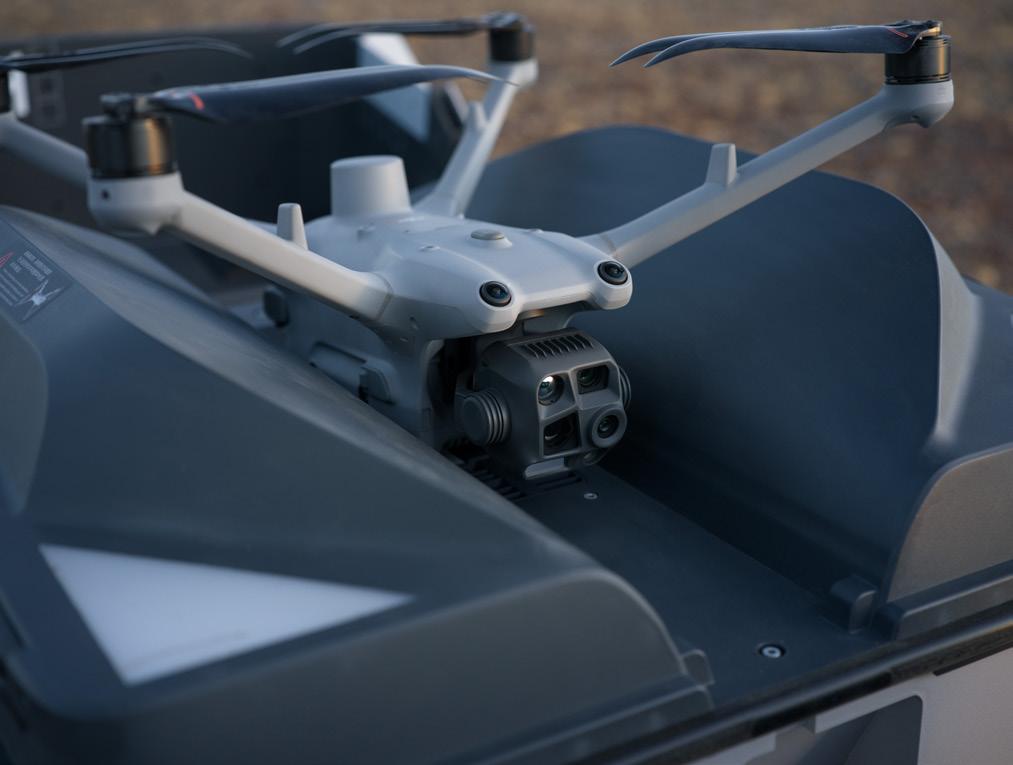
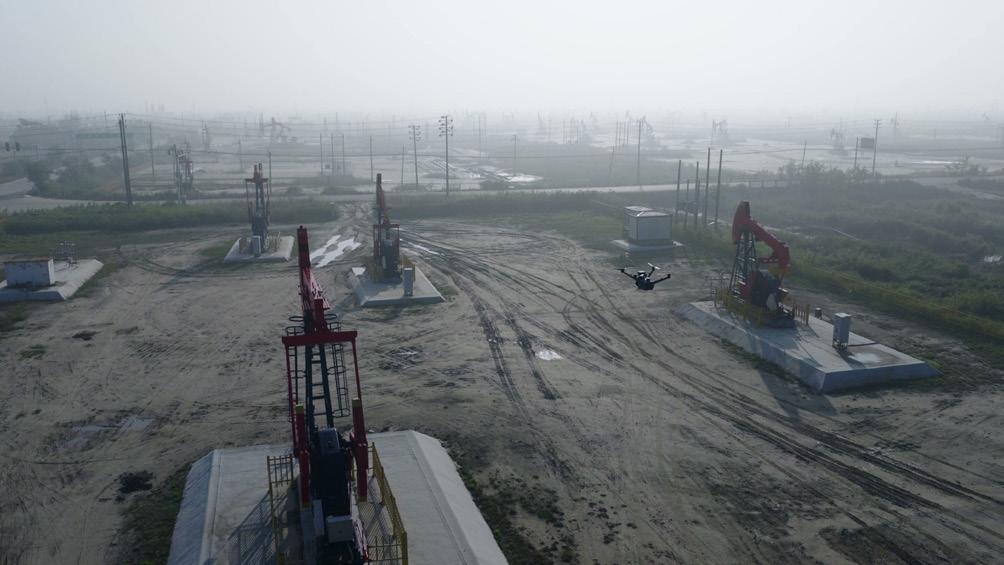
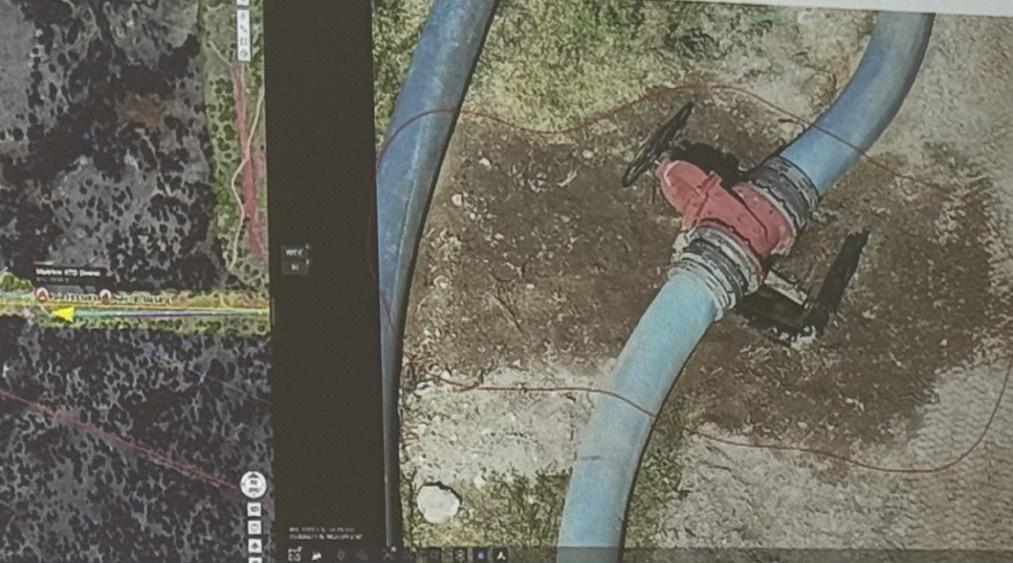
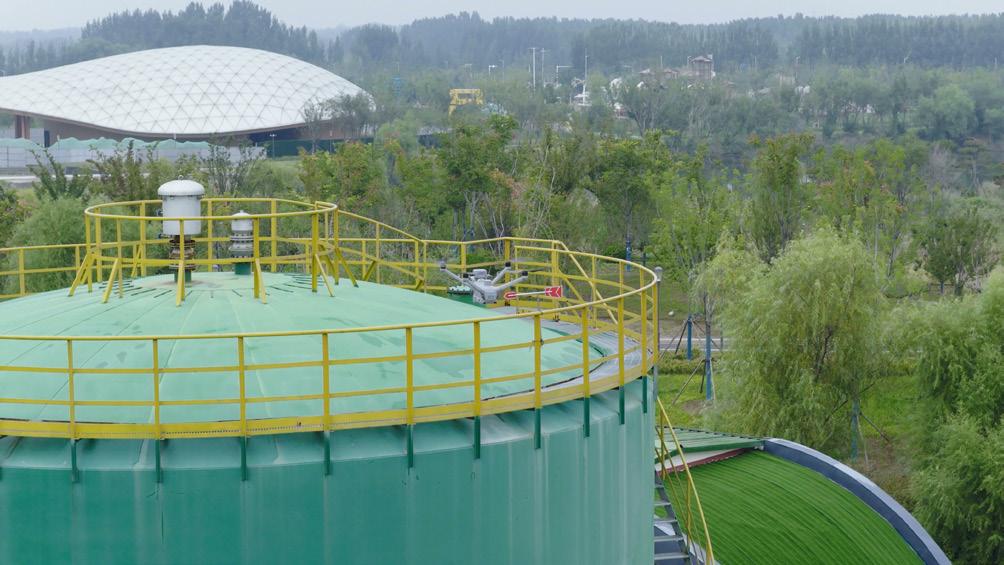
off an SD card, and someone reviews the footage days later. The box is checked.
But that workflow of mission planning, manual capture, and data review, while it gets the job done, is not the most efficient. The technology has evolved considerably, shifting the question from ‘are companies using drones?’, to ‘are they integrating drone data effectively into their operations?’.
At early stages of drone adoption, there were reasonable doubts about expanding drone operations. From limited flight time and coverage to strict regulations and compliance processes, these factors gave pause to operation and maintenance teams and made them stick to traditional tools.
While some of those concerns remain valid, they no longer define the limits of what drone programmes can achieve.
Battery endurance on current platforms such as the DJI Matrice 400 supports missions covering several kilometres of pipeline in a single flight. Regulatory frameworks are catching up with the demand of Drone-in-a-Box solution: in the US, the proposed FAA Part 108 rule introduced in August 2025 aims to standardise BVLOS approvals, moving away from the case-by-case waiver process that slowed adoption for years. In the UK and Europe, similar frameworks are maturing.
Furthermore, the data quality gap has narrowed significantly. From thermal to LiDAR and methane detection payloads, drone-based deliverables can now achieve exceptional levels of accuracy, greatly enhancing efficiency.
The real barrier is no longer hardware, it’s the operational mindset.
The biggest shift in the drone ops paradigm is the move from piloted missions to automated, dock-based operations. The DJI Dock 3, paired with FlightHub 2 mission planning software, allows operators to schedule and execute inspection flights without a pilot on site. The drone launches, flies a pre-programmed route, captures thermal and visual data, returns, charges, and uploads all the captured data to the cloud or on-premises servers for analysis.
For pipeline and facility operators, this changes the math entirely. A ground crew driving a right-of-way might cover a section of pipeline once a week. A dock-based drone can fly that same corridor every two hours, flagging surface disturbances, vegetation loss, erosion, or signs of third-party encroachment within minutes of detection.
This is not incremental improvement, it is a different operating model. Instead of reviewing all data from every flight, AI-driven pre-screening flags only the anomalies that need human attention. Engineers stop sifting through hours of footage and start responding to prioritised alerts.








A single operator can manage multiple docks across a production field, reducing the manpower requirement while keeping effective and agile inspection processes. The exposure of workers to remote, hazardous locations goes down.
Applications that are already working
Pipeline right-of-way monitoring is the most obvious application, but it is not the only one producing results.
Flare stack inspection is a case where the safety argument alone justifies the technology. Inspecting a live flare tip traditionally requires either a shutdown, costing hundreds of thousands of dollars per day in lost production, or sending personnel into proximity with extreme heat. High-zoom and thermal sensors allow operators to assess pilot flame status, tip condition, and
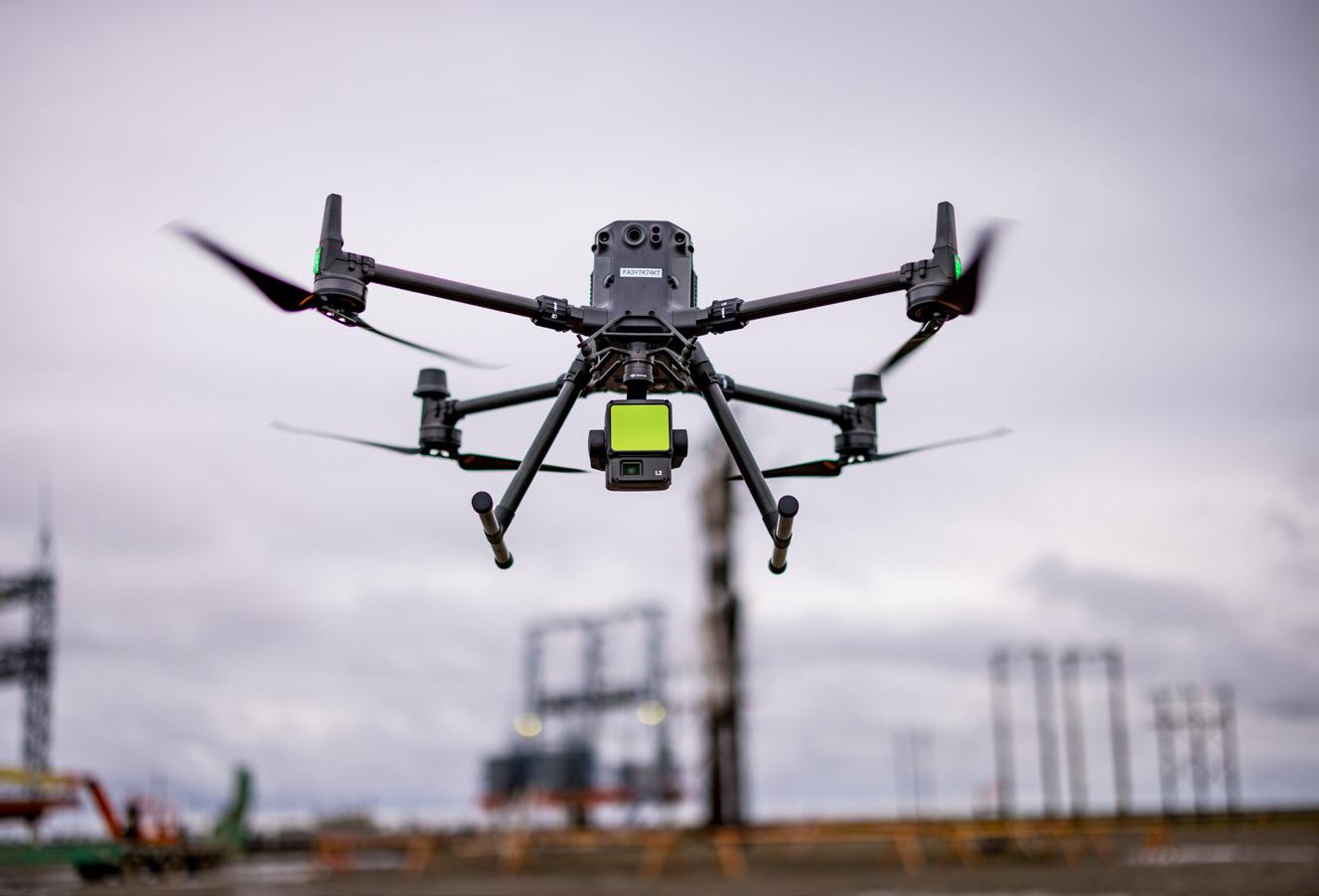
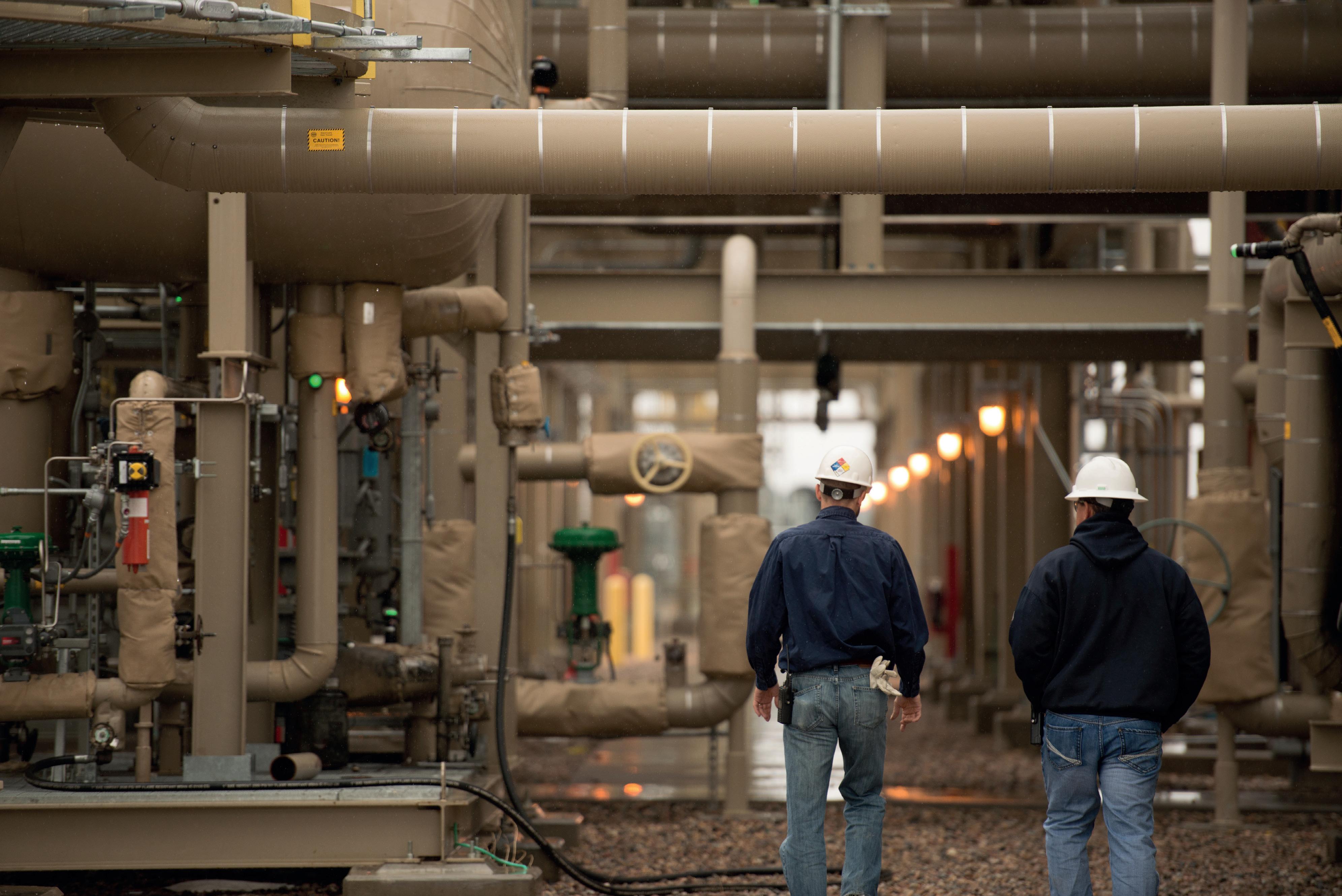
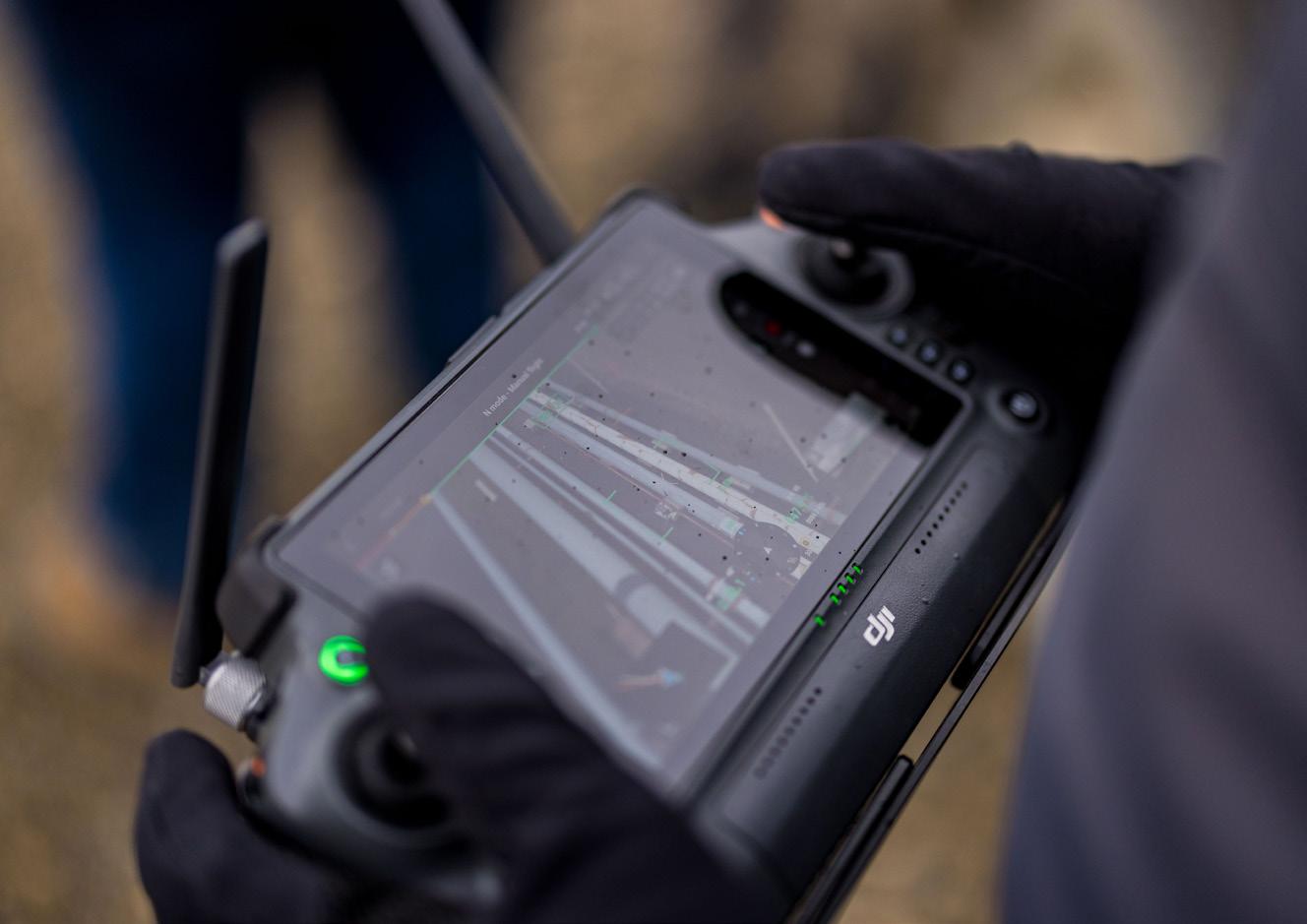
are importing pipeline centre lines, well locations, and facility boundaries as KML/KMZ layers into DJI FlightHub 2 mission planning software, then building repeatable task libraries that any authorised operator can launch with a single command. Flight data flows into ESRI-based systems or custom dashboards. Anomaly detection models compare today’s thermal signature against last month’s baseline. The drone becomes invisible, what matters is the data stream it produces.
The next generation of drone operations will not be measured by how many flights an organisation completes but by how quickly aerial data becomes operational intelligence. Companies that make this transition will be able to inspect more frequently, respond faster, reduce field exposure, and build a cleaner picture of asset conditions across their sites and infrastructure. The real value is no longer in the drone itself but in the intelligence it delivers.






4thConference & Expo
Genoa, Italy, 9-12 June 2026

Gain insights into current and emerging challenges in corrosion management
Register here: https://www.studiobc.it/AMPP2026_iscrizio ne1.asp?IDCongresso=62
50+ exhibitors
160+ presentations



For info and details, visit https://www.amppitaly.org

Dijam Panigrahi, Co-founder & COO, GridRaster, Inc., considers how vision language models are redefining integrity intelligence in the oil and gas industry.
Somewhere in the Gulf of Mexico, a remotely operated vehicle is moving slowly along the exterior of a subsea pipeline. Its cameras are capturing everything – weld seams, coating surfaces, anode condition, marine
growth patterns. What happens next is where the oil and gas industry stands at a crossroads. In the traditional model, that footage returns to shore, queues for review by one of a shrinking pool of veteran integrity engineers, and waits. In the emerging model, a Vision Language Model (VLM) processes the visual stream in near real-time, reasons about what it sees against API standards and historical inspection records, and surfaces a prioritised finding before the ROV has completed its run.
That contrast captures what VLMs actually mean for asset integrity: not a marginal improvement in throughput, but a fundamental change in when and how intelligence is applied to the data operators are already collecting.
Traditional automated inspection tools are built on a patternmatching logic: define what a corrosion pit or weld crack looks like, then search for its signature in every frame. This works under controlled conditions but fails when conditions shift,
such as different coating systems, variable subsea lighting, sediment partially obscuring a weld seam, or a degradation morphology that simply was not in the training dataset. Operators who have deployed these systems know the outcome: high false-positive rates that exhaust engineering bandwidth reviewing non-issues, or missed indications because the defect did not match the template.
VLMs are built differently. By combining deep visual perception with the contextual reasoning of large language models, a VLM does not merely ask “does this match a known defect signature?”. It asks “what is happening here, and what does it mean?”. Applied to that ROV footage, a VLM can assess a girth weld in light of the pipeline’s operating pressure, fluid composition, cathodic protection history, and applicable fitness-for-service criteria under API 579 – then explain its assessment in plain language a field engineer can act on. The shift from defect detection to defect understanding is not incremental. It changes what automated inspection can accomplish in safety-critical environments.


concrete example: subsea pipeline integrity
Consider how a VLM-based system handles an inspection scenario that routinely challenges conventional tools. An ROV conducting a close visual inspection of a 20 year old export line encounters a section with heavy marine growth partially obscuring the pipe surface and an area of coating disbondment near a field joint. A traditional system either fails to classify the condition due to occlusion or generates a non-specific anomaly flag that gets added to a backlog.
A VLM-enabled system running on a spatial AI platform integrates the 2D video feed with 3D point cloud data from the ROV’s depth sensors, reconstructing the pipe geometry at the affected section. It identifies the disbondment geometry, estimates the affected surface area, and cross-references the location against the digital twin of the pipeline, noting that this joint falls within a segment flagged for accelerated corrosion in the previous inspection cycle. The system surfaces a finding that reads not as “anomaly detected” but as: coating disbondment with estimated 0.4 m2 exposure at field joint 47, cathodic protection continuity uncertain, recommend prioritised close-interval survey and fitness-for-service evaluation per API 579 Part 5.
That is the output of a system that understands context, not just pixels. The integrity engineer reviewing it is not starting from scratch, they are validating a reasoned assessment and deciding on next steps.
The quality of a VLM’s assessment reflects the quality of the knowledge encoded in it. In oil and gas, that knowledge has historically lived in the minds of senior corrosion engineers and inspection specialists, professionals who developed their judgment through years of field observation, failure analysis, and near-miss review. As this generation moves toward retirement,
operators are confronting a knowledge preservation challenge that no standard training programme can fully address.
VLMs offer a practical mechanism for capturing that expertise at scale. By training on annotated inspection records, documented fitness-for-service dispositions, and ROV footage reviewed by experienced engineers, the model learns the reasoning behind integrity decisions, not just the outcomes. The result is less a replacement for expert judgment than a structured method for extending it across geographically distributed assets, and protecting it from attrition.
The regulatory case for digital twin integration
The subsea pipeline example illustrates another dimension of value that is easy to underestimate: auditability. PHMSA’s integrity management regulations, API 1160, and OSHA’s process safety management requirements all demand defensible inspection records, documentation that links each finding to the data, context, and criteria that produced it. When a VLM operates within a digital twin environment, every assessment is logged against the asset model, timestamped, and traceable. Regulators and internal auditors can follow the chain from raw sensor data to engineering decision without gaps.
Over successive inspection cycles, this architecture builds a longitudinal condition record that supports risk-informed interval optimisation, reducing unnecessary inspections while improving confidence that high-risk segments receive timely attention. The digital twin evolves from a static reference model into an adaptive integrity system that becomes more useful with each dataset it absorbs.
The decision in front of operators now
VLMs are not a future technology under evaluation – they are in production across upstream pipeline programmes, offshore structural assessment operations, and LNG terminal integrity management today. The more important question for integrity and operations leaders is not whether VLMs work. It is whether their organisation has identified the inspection workflows where undetected subtle degradation, excessive false-positive rates, or eroding expert capacity are creating the most exposure – and whether they are moving with the urgency those risks warrant.
In an industry where a missed defect can be measured in pipeline ruptures, environmental releases, or the loss of a platform, the cost of delayed adoption is not abstract. The operators building this capability deliberately today will hold a structural integrity advantage that becomes progressively harder for slower-moving competitors to close.
Dijam Panigrahi is Co-founder and COO of GridRaster, Inc. His work focuses on the intersection of spatial AI, digital twins, and autonomous inspection for oil and gas, energy, and industrial infrastructure organisations.

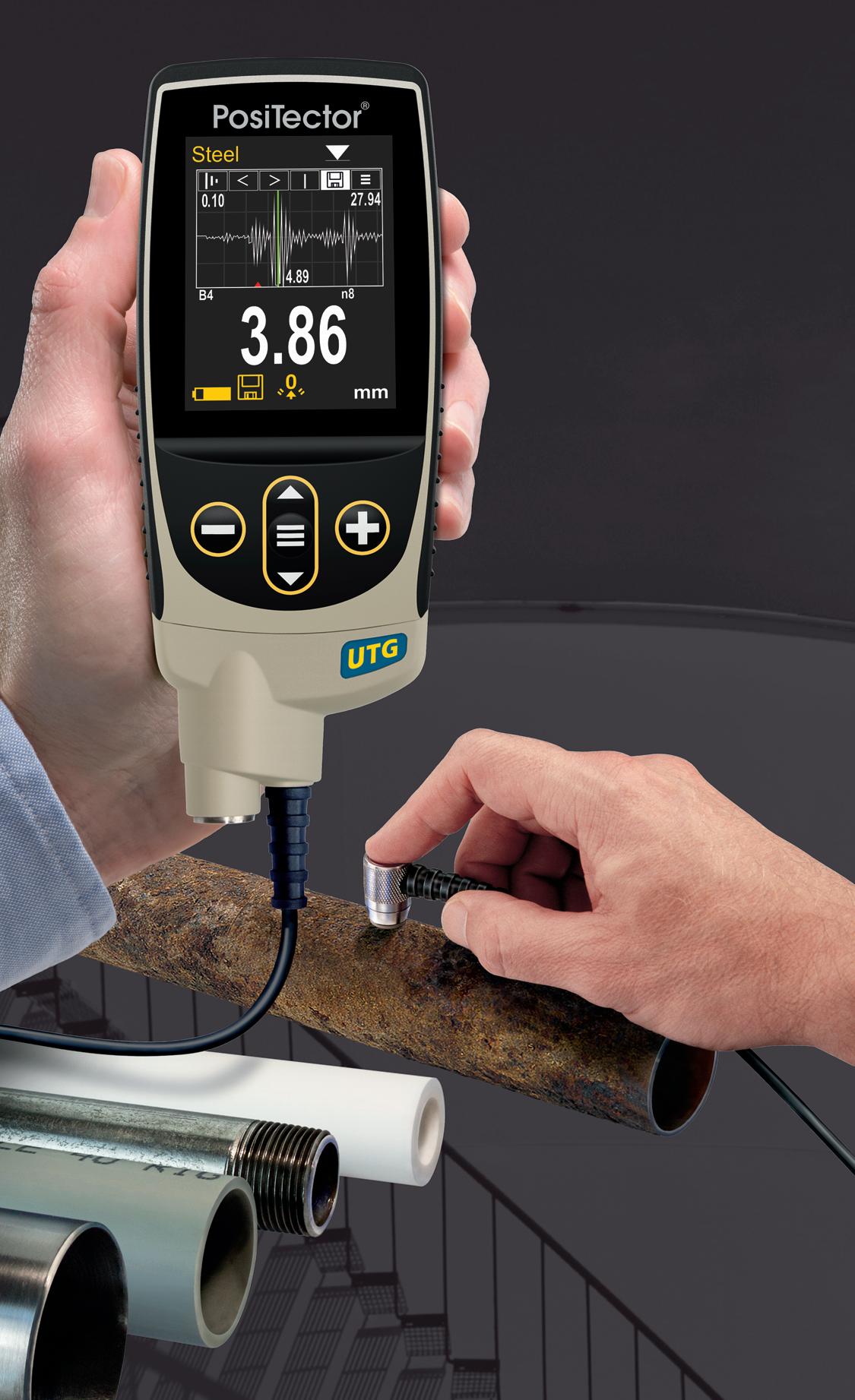
Ideal for measuring the remaining wall thickness and the effects of corrosion or erosion on tanks, pipes, or any structure
n 6 Models available including Corrosion, Xtreme, Multiple-Echo, Low Frequency, and Precision
n All models include Min Scan mode, memory, statistics, and USB
n Advanced models include: A-Scan, B-Scan, Bluetooth, and WiFi
n Weatherproof, dustproof, and waterresistant—IP65-rated enclosure
Scan here to learn more

PosiTector UTG M features Thru-Paint capability to quickly and accurately measure the metal thickness of a painted structure without removing the coating.
PosiTector gauge body accepts ALL ultrasonic wall thickness, coating thickness, surface profile, environmental, soluble salt, gloss, and hardness probes manufactured since 2012.
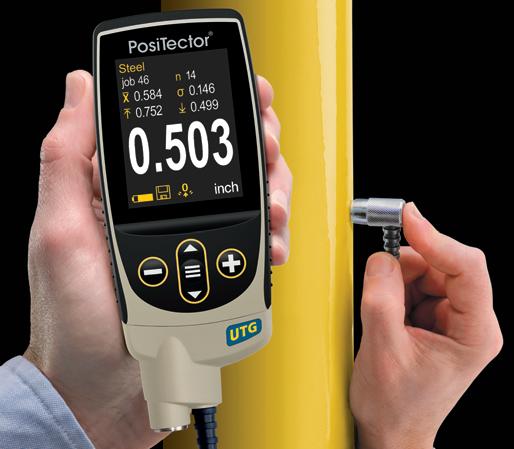


+1-315-393-4450 n 1-800-448-3835 techsale@defelsko.com n www.defelsko.com





Rebecca Senior and James Bainbridge, ROSEN Group, discuss how geohazard management has evolved from a reactive practice into a more proactive integrity discipline, and why operators increasingly need to move beyond hazard identification toward prioritisation, assessment, and decisions based on the impact of ground movement on pipelines.
Geohazards have always posed a threat to pipelines, but the way in which they are managed during operation has changed significantly. Landslides, flooding, erosion, settlement, scour, and seismic ground movement have long been recognised as issues that could affect pipelines, yet practical guidance on how these threats should be identified, assessed, and controlled throughout the operational life of an asset was often limited. In many cases, geohazard management was reactive, driven by failures, major visible movement, or isolated areas of concern, rather than by a structured, system-wide process.
That position is changing. More recent guidance has helped transform geohazard management into a clearer
operational discipline, and operators are increasingly expected to demonstrate that hazards are not only recognised, but understood, prioritised, and managed appropriately over time. This matters because the context has become more demanding. Many assets are ageing, and some were designed and constructed based on assumptions that do not fully align with current geohazard loading evaluations. At the same time, changing environmental conditions are putting more pressure on rights-of-way. More intense rainfall, flooding, erosion, washouts, and slope instability are adding to the challenge.
In design, the preferred response to a geohazard is typically to avoid it. This can be done by adjusting routes, reconfiguring
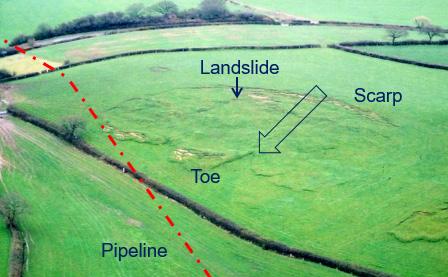
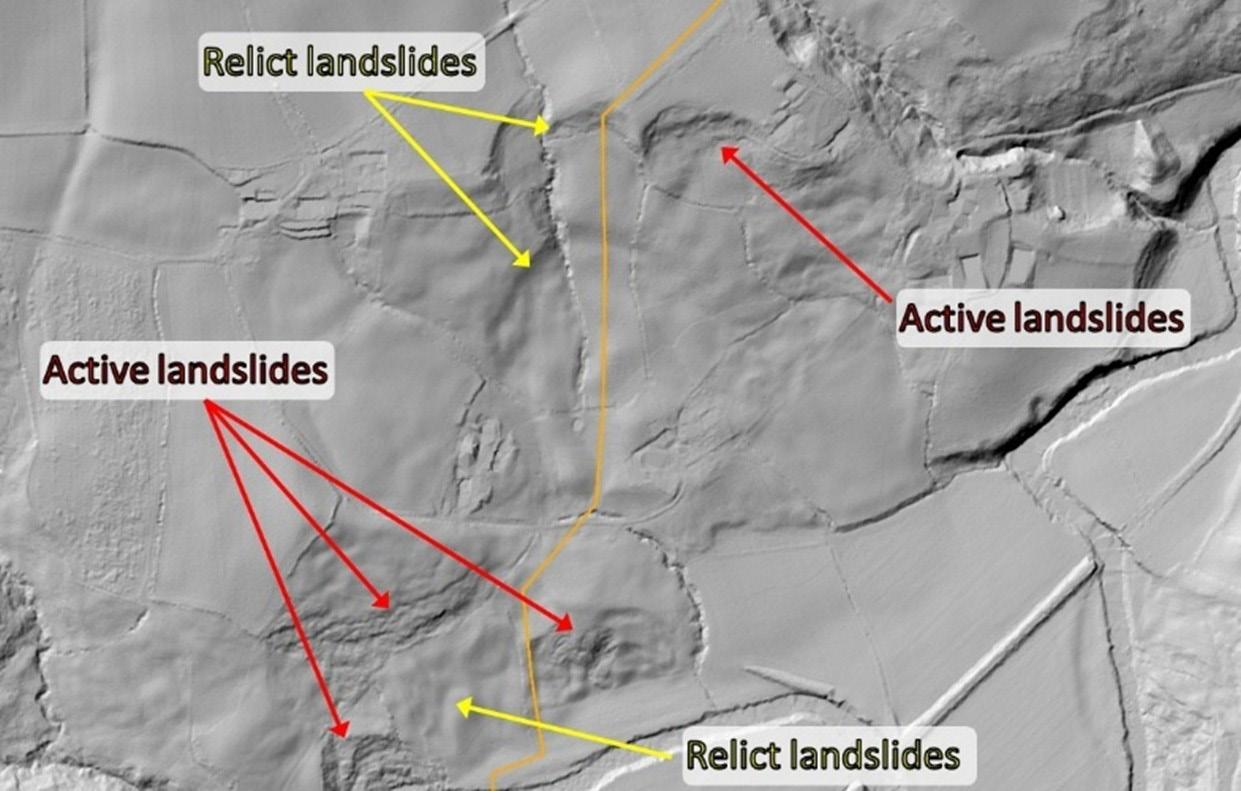
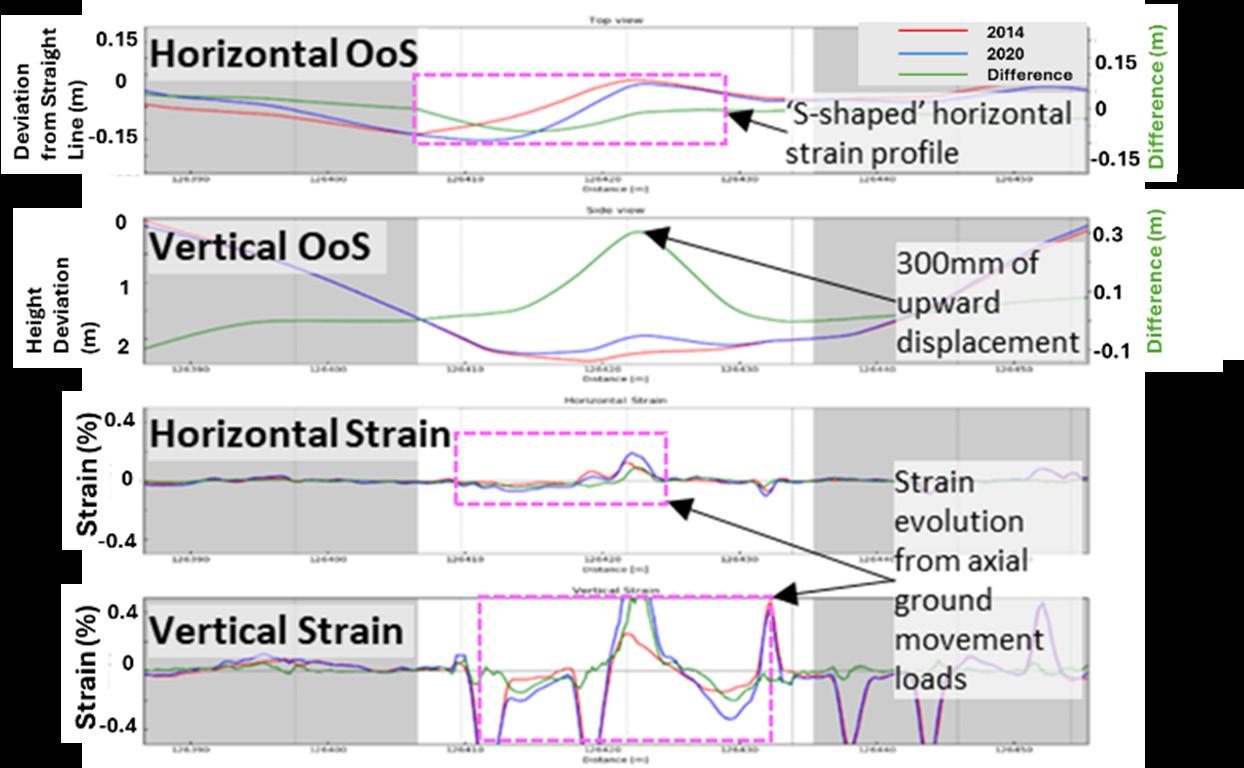
crossings, or designing mitigation into the project from the outset. During operation, however, these options are far more limited. The pipeline is already in the ground, rerouting is expensive, and protecting the existing asset becomes the main task. In simple terms, operators need to answer two questions: is a geohazard present that could load the pipeline, and how significant is that loading? These questions are central to effective geohazard management.
The first step is still identification (Figure 1). Hazards can be identified through routine surveillance, reports from landowners, specialist right-of-way audits, inline inspections, or remote sensing. In many cases, aerial imagery and LiDAR now often provide valuable terrain insights, revealing scarps, drainage changes, erosion features, subtle breaks in slope, or movements that are not readily visible from the ground. However, field verification remains essential because imagery can only indicate the presence of a hazard, but does not always explain its activity state or its significance for the pipeline.
This is why identification alone is not sufficient. A slope may appear unstable even if there is no active loading of the pipe. A riverbank may erode without affecting pipeline integrity immediately. Conversely, relatively subtle ground movement may already be transferring load into the pipeline, even where surface evidence is limited. Finally, the effect on the pipeline of any movement may vary depending on parameters including diameter, wall thickness, coating type, soil type, and backfill. Therefore, the practical objective is not simply to identify unstable ground, but also to determine what that instability means for the asset.
The shift from recognising hazards to understanding integrity is one of the clearest signs that geohazard management is becoming more proactive. Operators are no longer just asking where the hazards are located. They are increasingly asking which sites matter most, how urgently they need to be addressed, and if the pipeline is being affected. In other words, prioritisation has become just as important as identification.
This is a critical point for operators managing large networks. A pipeline may have numerous river crossings, slopes, floodplain sections, settlement-prone areas, and locations of reported bending strain. However, not all of them represent the same level of integrity concern. Some sites show clear evidence of active loading and require urgent investigation or mitigation. Some are credible but uncertain and require further information through field verification, repeat inspection, LiDAR review, or instrumentation (Figure 2). Others may reflect historical or stable loading, and can remain under routine monitoring. A practical geohazard management process must be able to distinguish between these categories to direct resources to the sites with the greatest risk to integrity.
Direct measurements of pipeline response are therefore indispensable. Inline inspection tools equipped with inertial measurement units (IMUs) are central to this process because

Since 1924, BRADEN has conquered recovery challenges in the oil eld with products that are simple to install, use and service. Engineered to deliver unmatched durability and power, BRADEN winches are the preferred choice for equipment manufacturers and operators who demand performance under the toughest conditions.

they provide an accurate picture of how the pipeline responds to external loading. Data on bending strain, out-of-straightness, and pipe movement help determine if a hazard is affecting the asset, if the effect is active, and if loading is increasing between inspections (Figure 3). This differs fundamentally from a surfaceonly assessment because it measures the pipeline’s response rather than only the condition of the surrounding terrain.
Caliper measurements provide an important, further dimension. Changes in the pipe cross-section, such as ovalities, ripples, wrinkles, and dents, can provide additional evidence that external loading is affecting the line. Sometimes, these geometric changes may fall below normal reporting thresholds but are still highly significant in a geohazard context because they indicate that the pipe’s shape is changing due to compressive or bending effects. Interpreting IMU and caliper data together provides a much more reliable basis for diagnosis and prioritisation than using either dataset alone.
The next question is the most important one from an integrity perspective: what does the hazard mean for the pipeline? Once a high-priority site has been identified, the issue is no longer simply the presence of a landslide, eroding bank, or settlement feature. Rather, the issue becomes whether the resulting loading is approaching, or may exceed, one of the pipeline’s performance limits.
This is where a detailed engineering assessment becomes necessary. For the more significant sites, the evaluation may involve comparing measured or interpreted loading against tensile and compressive strain-capacity limits. It also considers whether girth weld properties, geometric anomalies, metal loss, or crack-like features reduce the available margin. Finally, it determines how further movement could affect current integrity. In practical terms, this step transforms a hazard into an engineering decision. It answers whether the site can continue under monitoring, whether mitigation is required in the near term, or whether the line is approaching conditions that could lead to fracture, buckling, or loss of containment.
Ground models and structural analysis are important at this stage. A credible ground model helps define the nature and mechanism of the hazard, its movement zones, and how loads are transferred to the pipeline. If the loading mechanism is misunderstood, the assessment of integrity can quickly become unreliable, resulting in either excessive conservatism or, worse, a false sense of security. Structural analysis links the hazard to the pipeline response by combining pipeline geometry, material behaviour, strain limits, soil-pipe interaction, and ground movement profiles. The main benefit is not complexity for its own sake, but rather the ability to determine the current integrity state, estimate how strain will develop with further movement, and provide a clearer basis for intervention decisions.
This is also where integrated data becomes especially important. Effective geohazard management increasingly relies on combining all available evidence, including field observations, right-of-way inspections, remote sensing, geotechnical instrumentation, IMU and caliper data, anomaly data, and structural assessments. No single source tells the
full story. Remote sensing may clarify the terrain and reveal subtle hazard morphology. Instrumentation may help confirm the depth, location, or rate of movement. IMU may show that the pipeline has moved and that loading is increasing. Structural assessment may then determine how much margin remains before performance limits are reached. The strength of the process lies in accurately integrating these datasets within one decision framework.
Monitoring and mitigation complete the framework. If a site has not yet reached a critical limit, monitoring becomes the means of managing uncertainty and tracking changes in conditions. Monitoring may involve geotechnical instrumentation, such as inclinometers, survey monuments, crack gauges, or settlement markers, as well as remote sensing change detection using LiDAR or InSAR, repeat IMU inspection, or strain gauges installed at key points of expected loading. The important principle is that monitoring should not be treated as isolated data collection. It only becomes effective when linked to performance limits and clear action thresholds.
Mitigation itself generally falls into three broad categories: avoiding the hazard, reducing the load on the pipeline, or increasing the pipeline’s resistance. For operating pipelines, avoidance usually involves rerouting, making it the most disruptive and expensive option. More commonly, operators seek to reduce loading through drainage control, slope reprofiling, soil replacement, special fill materials, trench modification, geosynthetics, or stress-relief works. In some cases, resistance is increased through sectional replacement, heavier wall pipe, stronger pipes, or improved, strain-tolerant weld designs. The correct option depends on the loading mechanism, integrity margin, rate of change, and wider consequences of continued operation.
The broader lesson is clear. Geohazard management during operations is about more than just spotting unstable ground or reacting to visible problems after they emerge. Rather, it is evolving into a proactive integrity discipline shaped by advancing standards, improved data, and the growing recognition that aging assets operate in increasingly dynamic and unpredictable environments. Identification is still essential, but it is only the starting point. A more important challenge is deciding which hazards matter most, how they affect the pipeline, and how close the line is to reaching the limits of acceptable performance.
This is why modern geohazard management increasingly depends on prioritisation and integrated, data-driven decision-making. Observations, remote sensing, instrumentation, in-line inspection, and engineering assessment each contribute part of the picture. Used together, they help operators move beyond hazard recognition and toward something far more valuable: A reliable understanding of where the real threats lie, what actions are justified, and when intervention is required to prevent failure.
Simon Bell, iNPIPE PRODUCTS, examines how adopting a performance-based, datainformed approach to pipeline pigging can improve operational efficiency, inspection reliability, and longterm pipeline integrity.
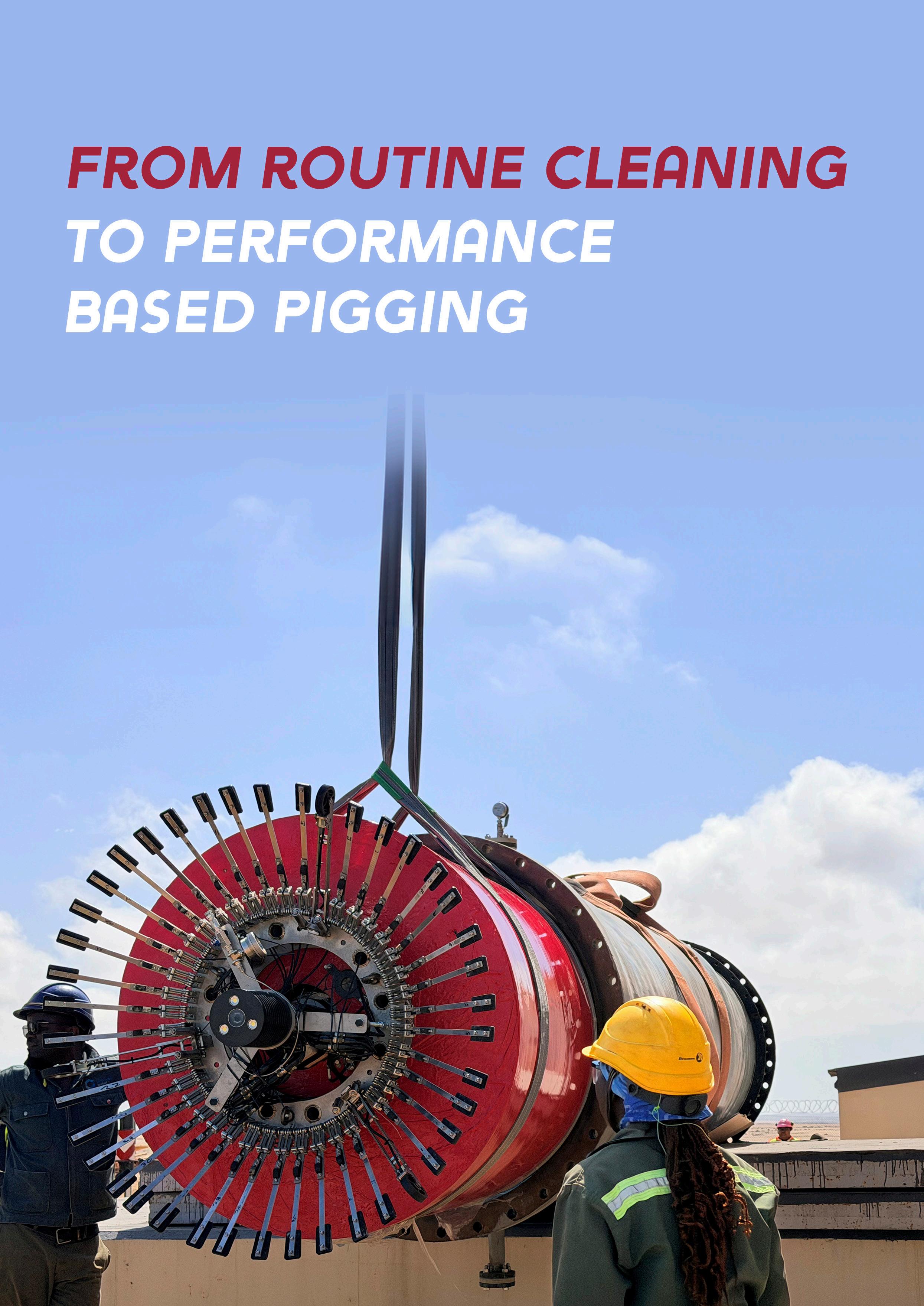
Pigging is widely recognised as an essential part of pipeline operation, supporting both flow efficiency and asset integrity. However, while the principle is well established, the approach taken in practice can vary considerably. Decisions regarding pig selection, run frequency and cleaning effectiveness are often based on historical practice rather than a clear understanding of current pipeline conditions as they change over the lifetime of the pipeline.
This reliance on established routines can present challenges. Even relatively small levels of internal deposition can have a marked impact on performance. A modest reduction in effective internal diameter may result in a noticeable loss of throughput, accompanied by an increase in operating pressure. Where deposits are uneven, the resulting turbulence can further reduce efficiency and may contribute to corrosion or mechanical stress within the pipeline.
In this context, pigging should not be viewed simply as a routine maintenance activity. It forms an important part of a broader integrity strategy, requiring careful consideration of both the tools used and the conditions in which they operate. Moving towards a more performance-based approach allows operators to better understand and respond to the changing behaviour of their assets over time.
Pipeline integrity is influenced by a combination of factors, including mechanical condition, internal cleanliness and operating environment. While inspection technologies continue to develop, their effectiveness remains dependent on the
condition of the pipeline prior to inspection. Inadequate cleaning can affect the accuracy of in line inspection (ILI) tools, leading to uncertainty in the identification and reliable assessment of defects.
Deposits such as waxes, scale, hydrates and black powder can also present a direct threat to integrity. In addition to restricting flow, these materials may create conditions in which corrosion can develop, particularly where water or bacterial activity is present. Over time, this can lead to localised damage which may not be immediately apparent without detailed inspection.
An effective pigging regime therefore supports both operational efficiency and the reliability of inspection data. The extent to which this is achieved depends largely on the performance and efficiency of the pigging tools and the suitability of the overall pigging programme.
Pigging tool performance is sometimes simply judged on the basis that the tool has successfully travelled from launcher to receiver. While this is clearly important, it represents only a basic level of assessment. A more considered evaluation looks at how the tool has performed throughout the run and the condition in which it is recovered together with quantity and type of debris removed – a dirty pig can provide a wealth of information.
Key aspects include:
) Cleaning effectiveness – the volume and type of material removed.
) Condition of the tool after the run – including wear patterns and any damage.
) Sealing and bypass behaviour – ensuring sufficient differential pressure is maintained.
) Stability within the pipeline – particularly where there are changes in diameter or direction.
) Behaviour at the receiver – including the handling of debris and any associated operational issues.
Inspection of tools following a run can provide useful insight into their performance. For example, uneven wear may indicate that the tool has not remained central within the pipeline, while excessive bypass may suggest that deposits are not being effectively removed. These observations can be used to inform adjustments to future pig designs or operating procedures.
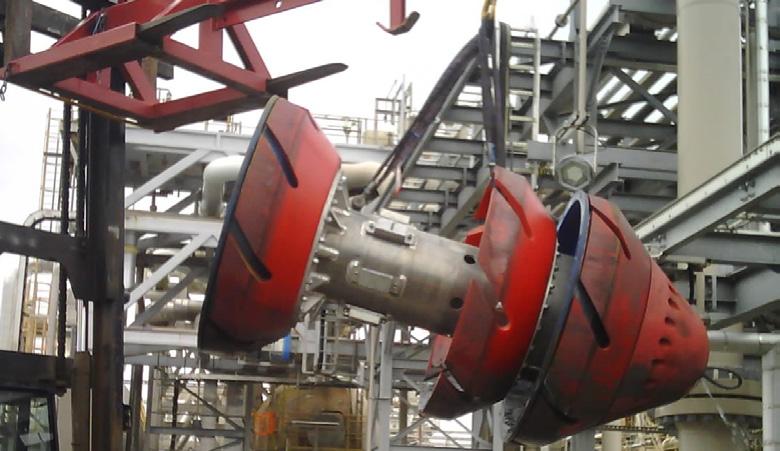
It should also be recognised that performance requirements will change over time. As pipelines age and operating conditions evolve, tools that were previously suitable may no longer provide the same level of effectiveness.
Pigging programmes are often developed on the basis of past experience, with fixed intervals established for routine runs. While this approach may offer a degree of simplicity, it does not necessarily reflect the actual condition of the pipeline.
In practice, pipelines are subject to continuous change. Variations in production rates, fluid composition, temperature and pressure can all influence the rate and nature of deposition. As a pipeline matures, these effects may become more pronounced, particularly where flow rates decline or water content increases.
In offshore and subsea environments, additional factors must be considered. Low temperatures can encourage the formation of hydrates, while flexible pipe sections and complex geometries place constraints on pig design. Features such as bends, valves, and wye connections may also influence the way in which a pig travels through the system.
Under these conditions, a fixed pigging schedule is unlikely to remain appropriate throughout the life of the asset. Without a clear understanding of internal conditions, there is a risk that pigging is either carried out too infrequently, allowing deposits to accumulate, or too frequently, with limited benefit and unnecessary operational effort.
The removal of accumulated debris presents a further challenge, particularly in pipelines that have not been pigged for some time. In such cases, the volume of material within the pipeline may exceed the capacity of the receiving facilities. Attempting to remove this material in a single run can result in blockages, pressure fluctuations or unplanned interruptions to operation.
A progressive approach is often more appropriate, whereby a series of pigs is used to remove material in stages. Each run is designed to remove a manageable quantity of debris, allowing the condition of the pipeline to be improved gradually. This approach reduces the likelihood of operational difficulties and allows adjustments to be made as the cleaning programme progresses.
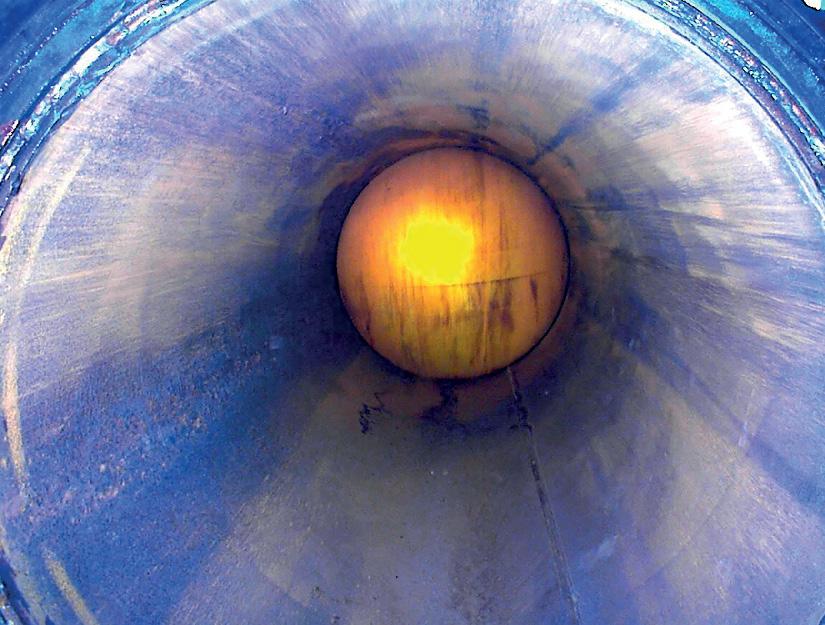
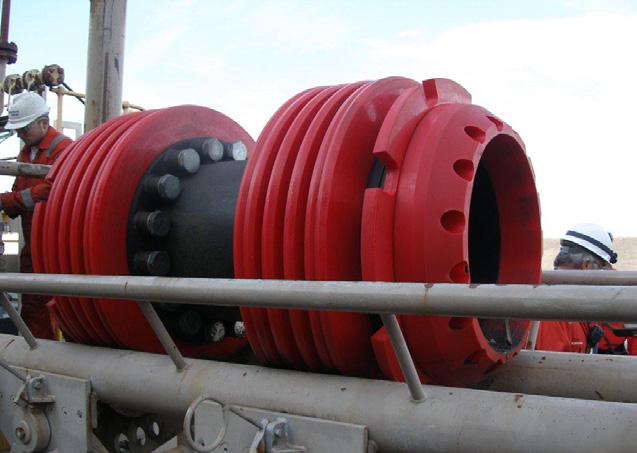
PROVIDING SOLUTIONS AND QUALITY MANAGEMENT METHODS FOR CORROSION PROTECTION
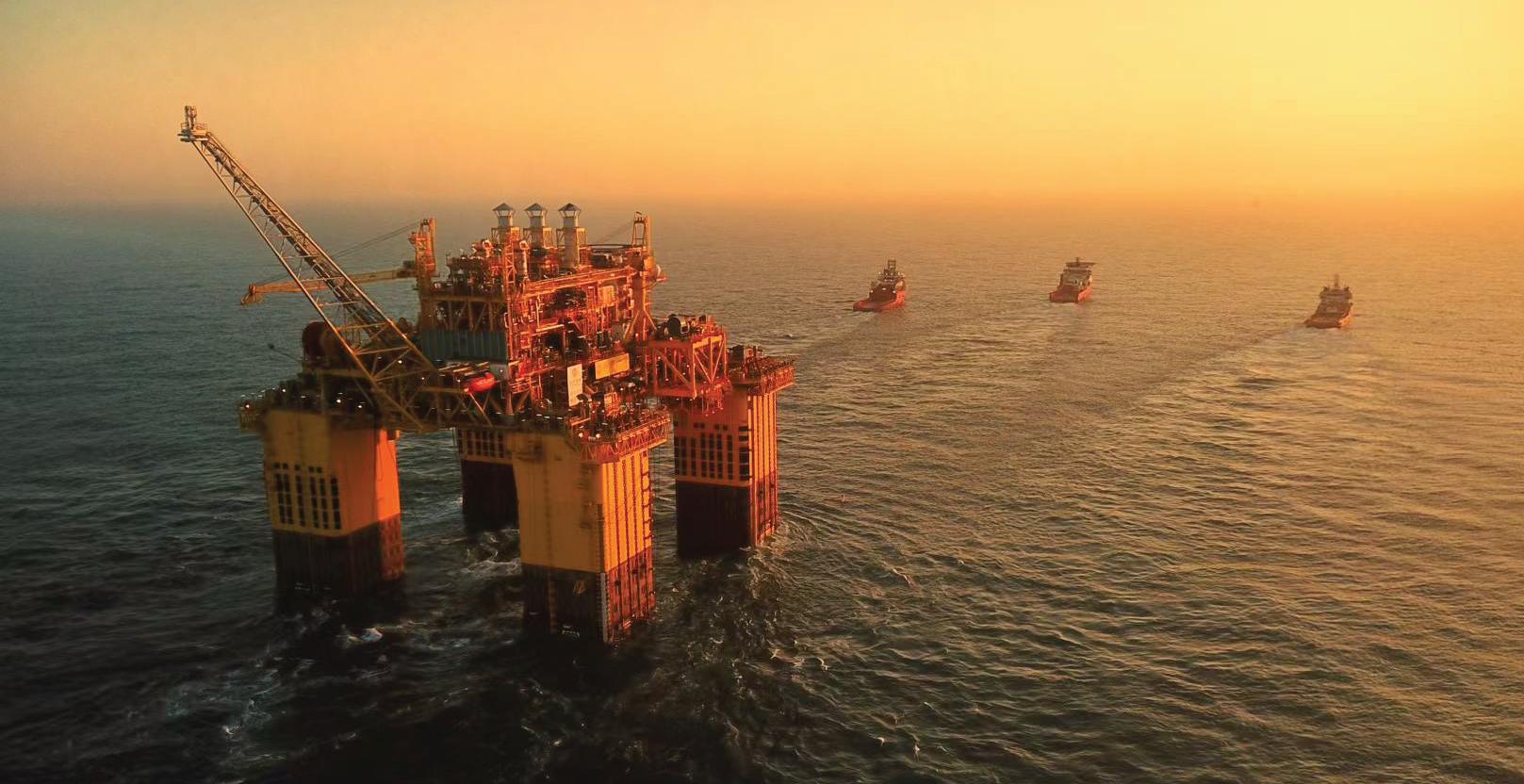
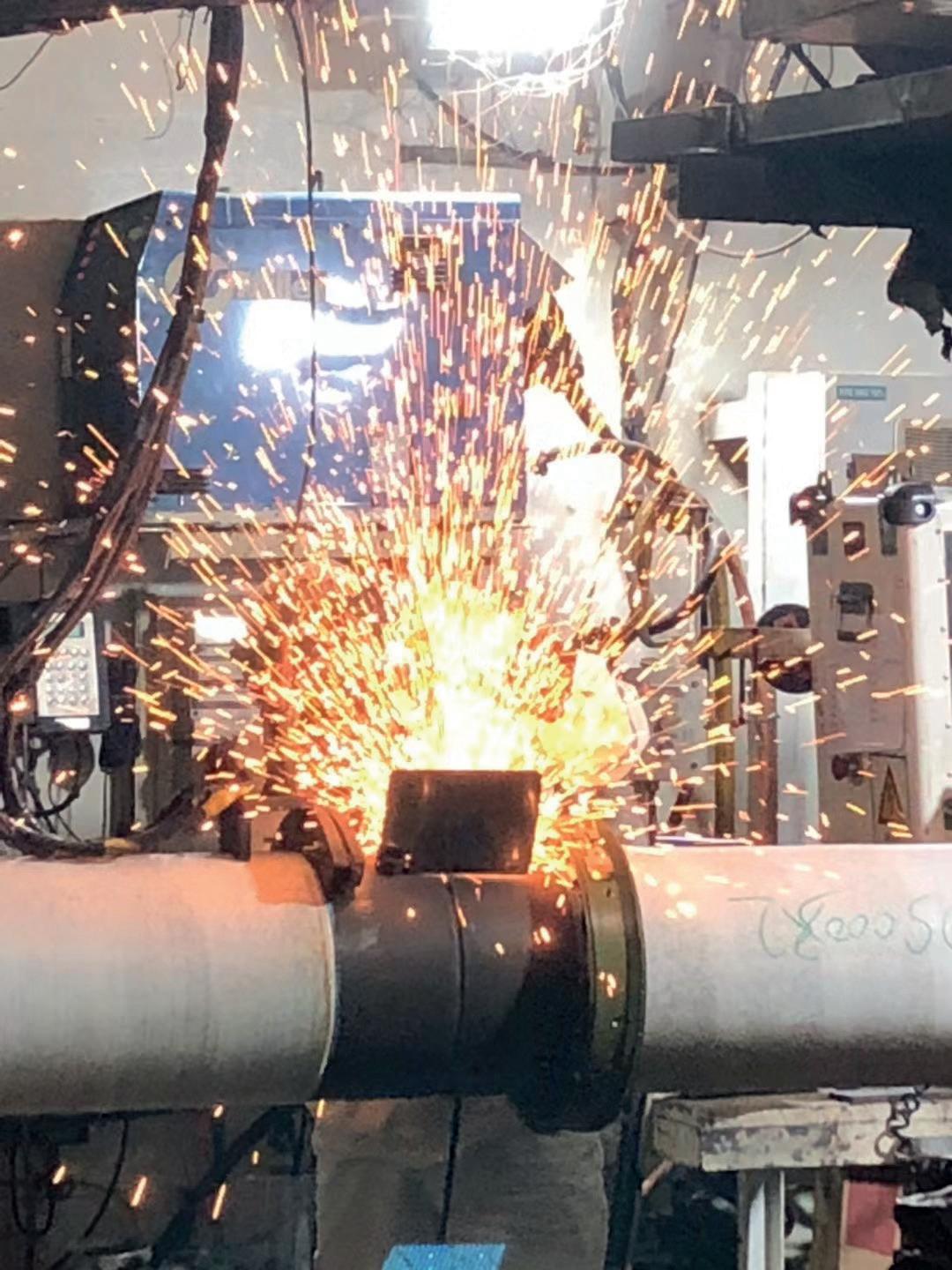
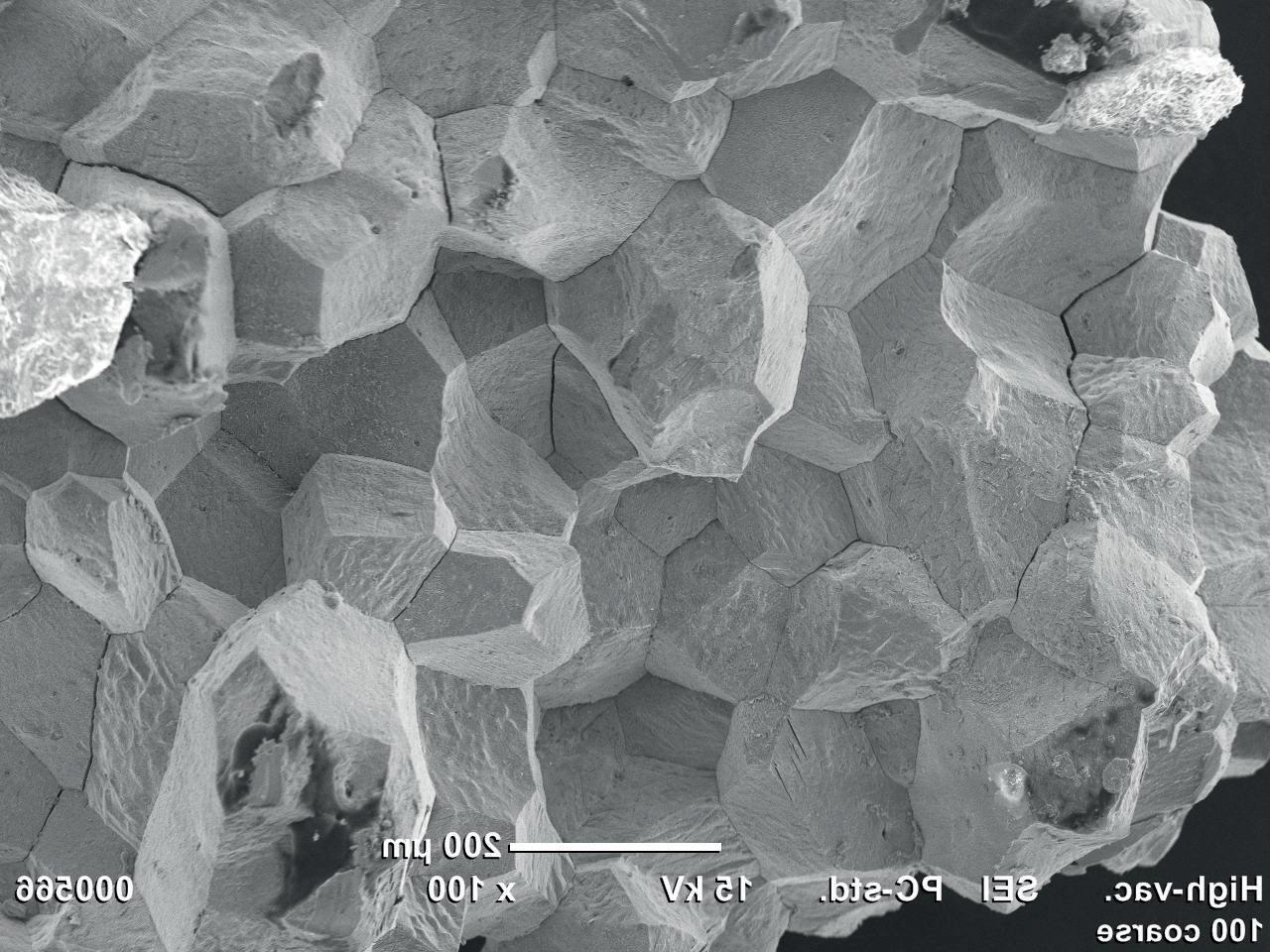
THIRD-PARTY TESTING LABORATORY • THIRD-PARTY INSPECTION INSTITUTE • TESTING AND RESEARCH CENTRE
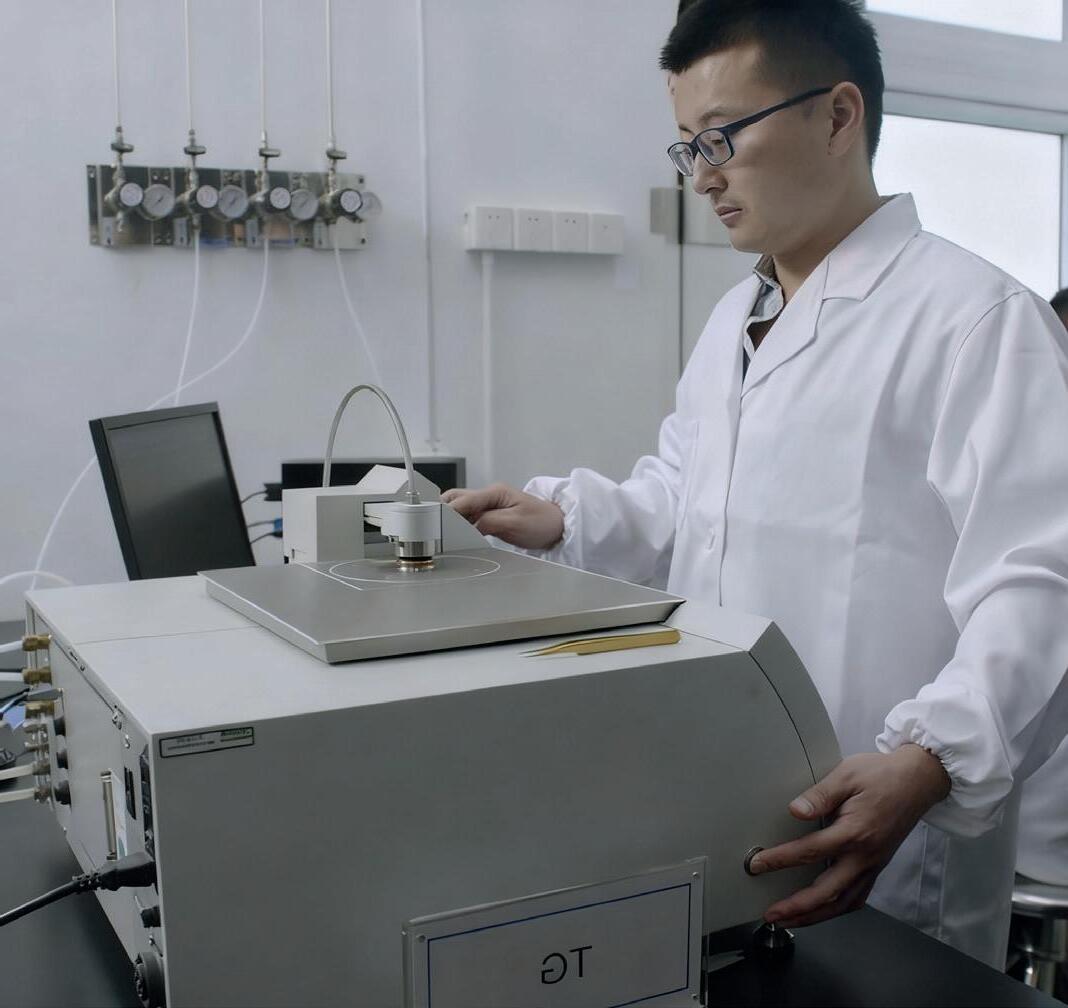
Independent third-party testing with professional quality control.
We verify batch-to-batch consistency and deliver accredited performance testing — safeguarding the quality of your products and projects every step of the way.
21 6430 1097
The choice of pig is an important consideration. Pipelines that initially operated with simple tools, such as spheres for liquid removal, may require more advanced designs as conditions change. Bi-directional pigs, cup pigs or bespoke configurations may be introduced to address specific challenges, including the need to limit the amount of material removed during each run.
Such programmes require careful planning, taking into account both the nature of the deposits and the characteristics of the pipeline system.
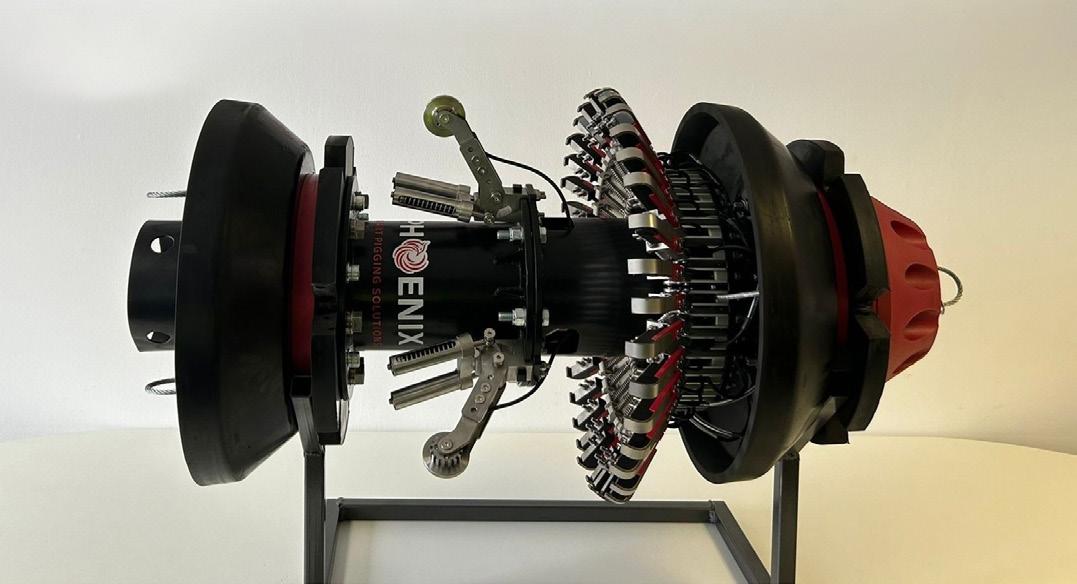
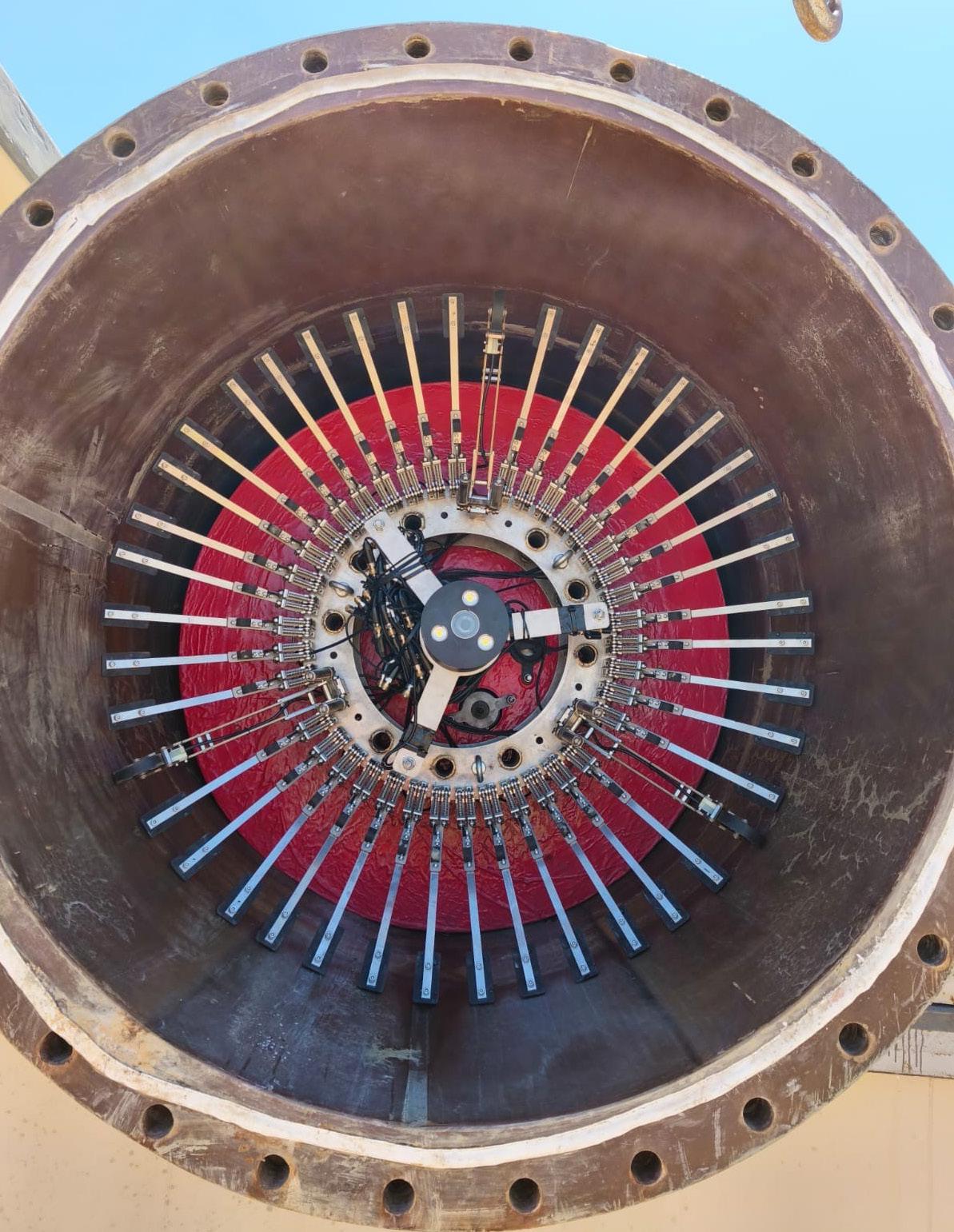
There is an increasing emphasis on supporting pigging decisions with reliable information. Tools that provide data on internal conditions offer a more dependable basis for determining both pigging frequency and tool selection.
Debris mapping techniques allow operators to identify not only the presence of deposits, but also their location and extent. By repeating these measurements over time, it becomes possible to understand how deposition is developing and to identify areas where intervention may be required.
This information can be used to refine pigging programmes, ensuring that runs are carried out when necessary and that the most appropriate tools are selected. It also provides a means of assessing the effectiveness of previous cleaning operations, allowing adjustments to be made where required.
The use of inspection and measurement alongside pigging therefore provides a clearer understanding of pipeline condition, reducing reliance on assumption and improving the consistency of outcomes.
Improving pigging performance relies on bringing together operational experience, inspection data and design considerations. Information gathered during pig runs, combined with the condition of recovered tools, can be used to guide future decisions.
This may involve:
) Adjusting disc or cup arrangements to improve contact with the pipe wall.
) Reviewing bypass configurations to achieve the desired balance between cleaning and debris transport.
) Modifying pigging speeds or driving conditions.
) Altering the sequence of pigs used during a cleaning programme.
Over time, this approach allows a pigging strategy to develop in line with the specific behaviour of the pipeline. Rather than relying on fixed routines, operators are able to respond to changing conditions, maintaining performance without introducing unnecessary complexity.
Pigging has long been regarded as a necessary aspect of pipeline operation, often carried out as part of a routine maintenance schedule. However, as pipelines age and operating conditions become more variable, the limitations of this approach become increasingly apparent.
A performance-based approach to pigging, supported by a clear understanding of internal conditions, provides a more reliable means of maintaining both efficiency and integrity. By considering how tools perform in practice, and by using available data to inform decision-making, operators can develop pigging programmes that are better suited to the demands of their assets.
In doing so, pigging becomes not simply a routine activity, but an integral part of effective pipeline management.
NDT Global, UK, and ENTEGRA, USA, examine how uncertainty in pipeline integrity can be reduced.
Pipeline operators are responsible for more than maintaining physical assets – they safeguard the uninterrupted flow of energy that underpins modern economies. Uncertainty is the true
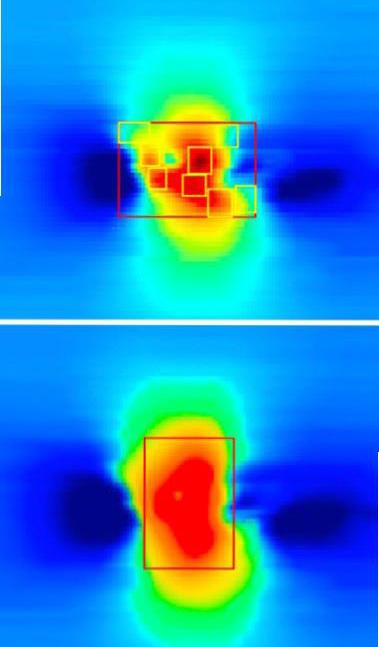
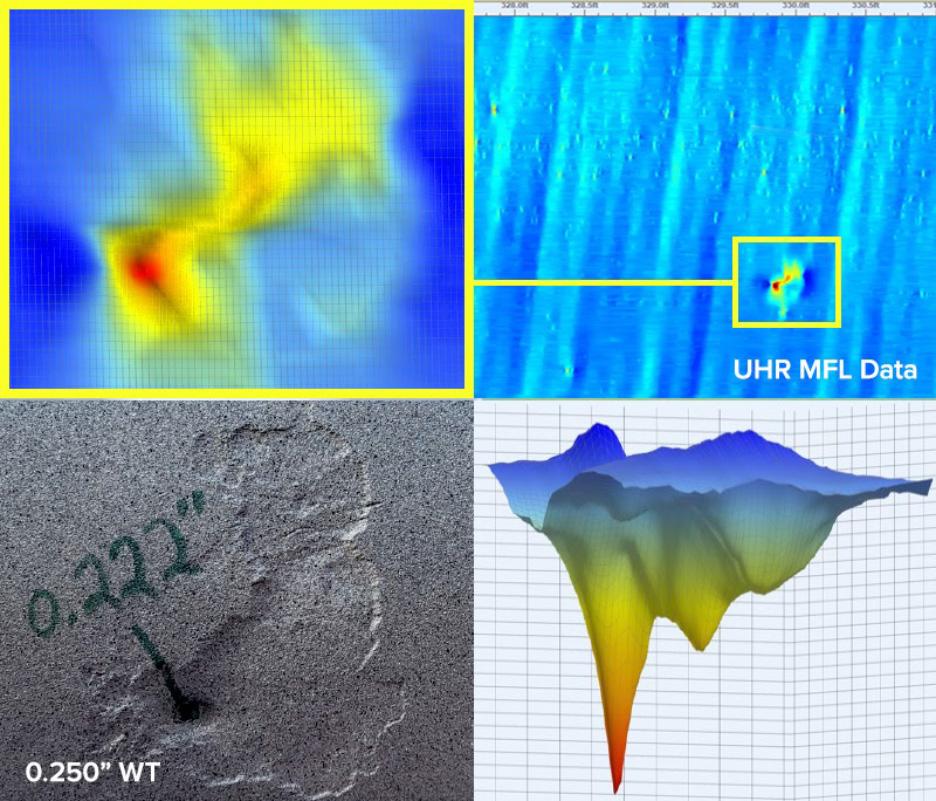
operational risk, integrity decisions must be supported by data that is accurate, complete, and contextualised.
The Trinity™ ILI System from ENTEGRA is designed to significantly reduce uncertainty. Rather than relying on a single inspection modality, Trinity™ integrates multiple ultra-high resolution (UHR) technologies into one platform, acquiring synchronised datasets simultaneously in a single inspection run, delivering layered insight and true integrity confidence in a single run.
Traditional inline inspection (ILI) approaches often treat metal loss, geometry, and material property data as separate outputs, often requiring multiple tool runs and post - run reconciliation. This fragmentation introduces inefficiencies and, more critically, uncertainty, particularly in complex or high - risk environments.
By acquiring multiple UHR datasets simultaneously and in perfect alignment, the system provides a unified, contextualised view of pipeline condition. Operators gain a complete picture of interacting threats without the ambiguity that arises from stitching together separate inspections.
At its core, Trinity integrates complementary inspection technologies:
) UHR Axial Magnetic Flux Leakage (AMFL) for high - resolution metal loss detection and characterisation.
) UHR Caliper (CAL) for precise geometric and deformation measurement.
) Low-field magnetic technology for material insights, including pipe grade, seam weld characteristics, and permeability variations.
These datasets are captured concurrently at elevated sampling rates, producing a dense, synchronised record of pipeline behaviour and enabling improved Probability of Detection (POD), Probability of Identification (POI), and sizing accuracy across interacting threat mechanisms.
What distinguishes Trinity is not only its sensor suite, but the system architecture and methodology built around it. Inspection confidence is delivered through three foundational pillars.
Advanced sensor architecture: high - density sensors and elevated sampling rates capture subtle, interacting anomalies, such as pinholes, pits - in - pits, and small corrosion clusters with clarity that improves Probability of Detection (POD), Probability of Identification (POI), and sizing accuracy.
Collaborative multi-technology analysis: experienced analysts interpret AMFL, CAL, and


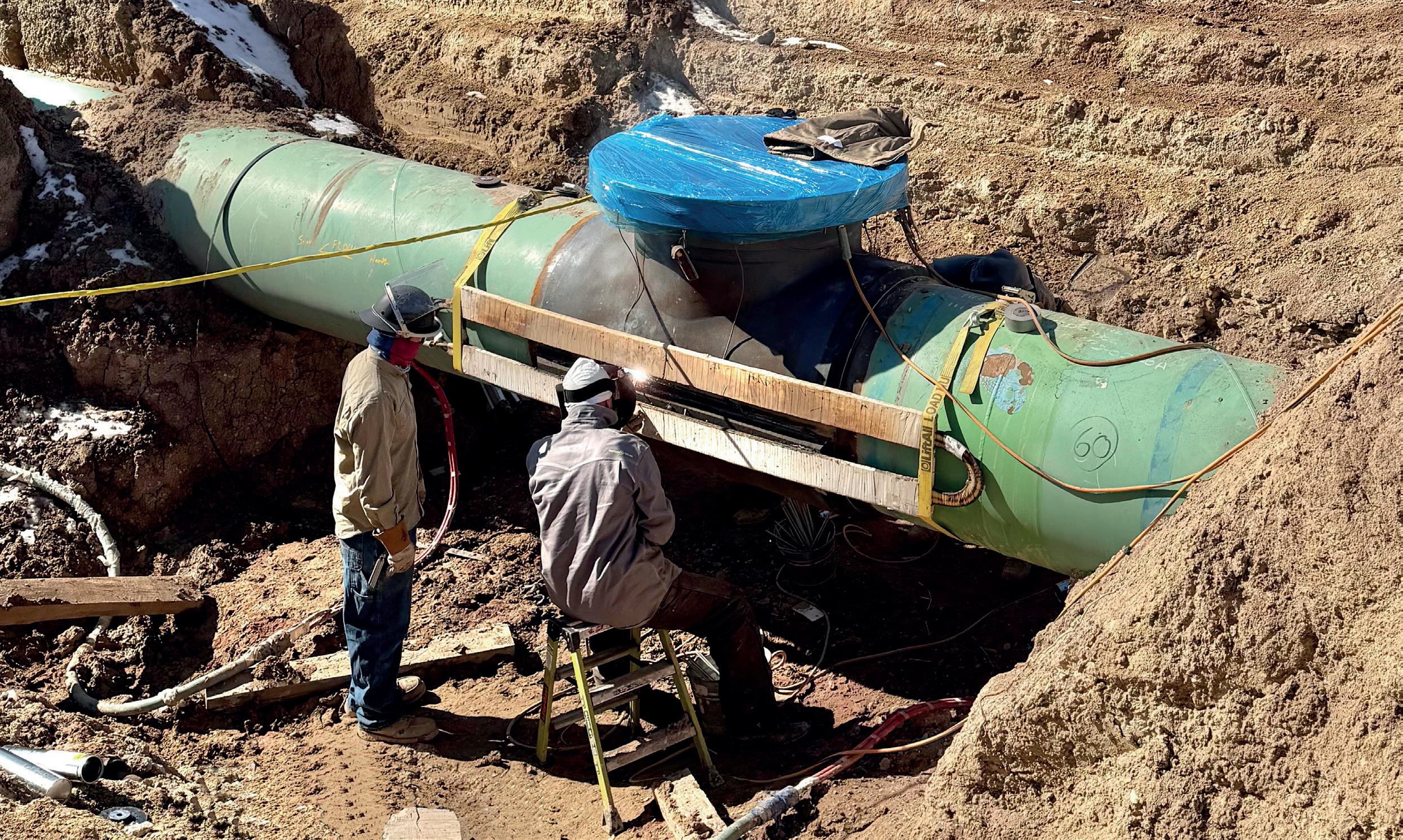
There’s nothing quite like welding onto a live pipeline. In this high-stakes operation, expertise matters as many factors contribute to your project’s unique set of challenges— flow rate, pipeline diameter, environmental conditions and more—making proper planning and execution essential. Without it, your pipeline’s long-term integrity is at risk.
WeldFit’s API 1104-qualified welders average a decade in the industry, bringing proven expertise to complex, high-flow applications. Backed by both simulation and real-world testing, they follow the most appropriate procedures to reduce pipeline threats and ensure project success. When it’s not just another weld, choose WeldFit. Contact your WeldFit representative to learn more.
WeldFit.com/ISW
low - field data together using a structured workflow, enhancing POD, POI, and sizing precision to turn raw signals into reliable decision support.
Risk - managed execution: a disciplined, risk- aware inspection process from planning to reporting, ensures consistent tool performance in challenging geometries and timely delivery of high - quality, actionable results.
Case study: high-resolution characterisation of complex corrosion to prioritise repair Assessing pipeline integrity in highly constrained geometries remains a significant challenge for ILI
technologies, particularly when complex corrosion morphologies such as pits - in - pits, clustered metal loss, and long seam corrosion are present. Conventional systems often separate metal loss, geometry, and material property measurements into discrete datasets, introducing uncertainty in environments where interacting threats must be understood in context.
This case study presents the field application of the Trinity™ UHR ILI System for a returning customer on an 8 in. crude oil pipeline. The inspected segment comprised 6.6 miles of pipe containing 85 back- to - back 1.5D and 3.0D bends, variable coating conditions ranging from degraded to absent, and proximity to third - party infrastructure.
This inspection called for extra care, more detailed information, and precision – ENTEGRA UHR’s core competencies. Using the 8 in. UHR AMFL/CAL/low-field tool with IMU, a 4.7 h run was completed, and it identified 10 579 instances of metal loss and metal-loss group anomalies, ranging from pinholes and pits-in-pits to corrosion in the long seam, physical damage and manufacturing anomalies. The pipe coating ranged from poor (at best) to none. Complex corrosion required detailed analysis over the course of the entire 6.6 mile run. The operator also requested a pipe grade classification report.
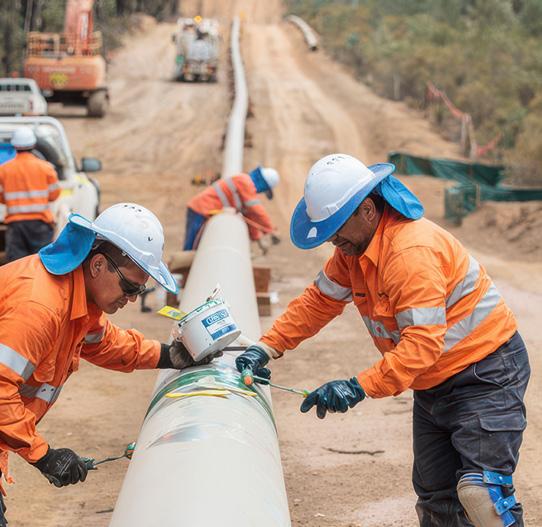
PSS and Cross
The operator then completed a verification dig to align our results with an NDE survey that subsequently confirmed the UHR findings. Furthermore, the pipelines most injurious features were mapped onto the standard river bottom path model and converted into its rupture pressure rating, ultimately confirming the integrity of the pipeline.
Working together with this pipeline operator on their challenging pipeline resulted in a first-run success with a first report in 60 days, and timely remediation of areas containing aggressive corrosion, avoiding future leaks.
World Pipelines interviews
Cody Parsley, Senior Product Manager, and Brian Sherrill, Sales Manager, T.D. Williamson on TDW SHiiELD™ –Double Independent Isolation and Bleed.

World Pipelines (WP): TDW SHiiELD™ is positioned as the ‘next generation’ of pipeline isolation. What problem were operators still struggling with that convinced you a step-change solution was needed, rather than incremental improvement?
Cody Parsley (CP): Operators continue to strive for the highest levels of safety and efficiency, all on an ageing network with increased demand for product. Based on these factors, we knew that an incremental improvement in technology wouldn’t meet our customers’ evolving needs. That is why we introduced a whole new classification of isolation technology,
Double independent isolation and bleed (DiiB), with the new Shiield system.
WP: Double Independent Isolation and Bleed is a powerful concept on paper. In practice, what changes most for crews in the field when SHiiELD is deployed – particularly around safety, time on site, and confidence during high-pressure work?
CP: The TDW SHiiELD tool’s industry-first wireless operation of the tool allows us to increase safety by removing the technician from the machine and excavated area. Setup time on the communication system is only a few minutes, significantly reducing time on site compared with complex hydraulic systems. The patented DiiB process allows operators
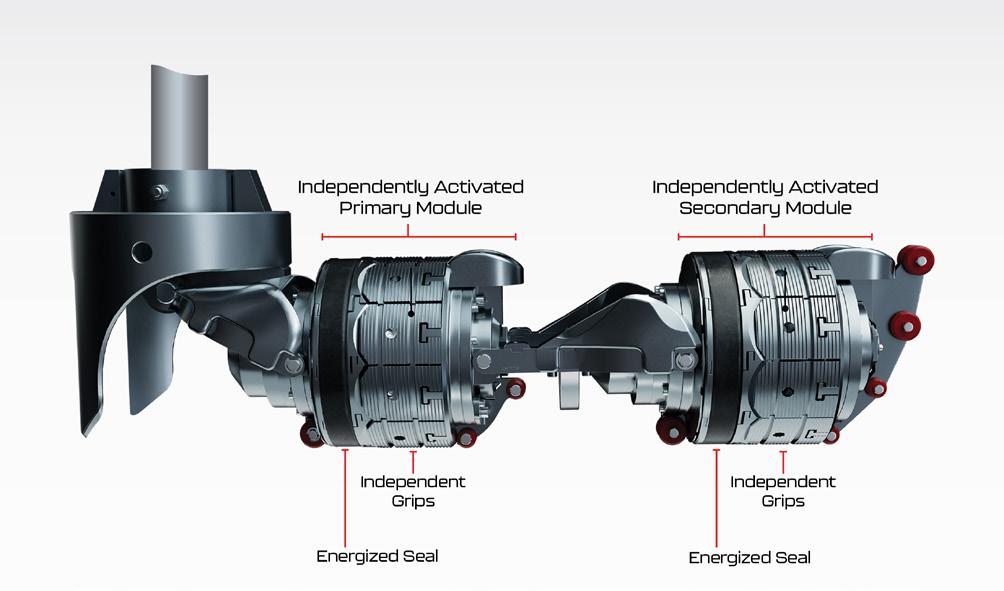
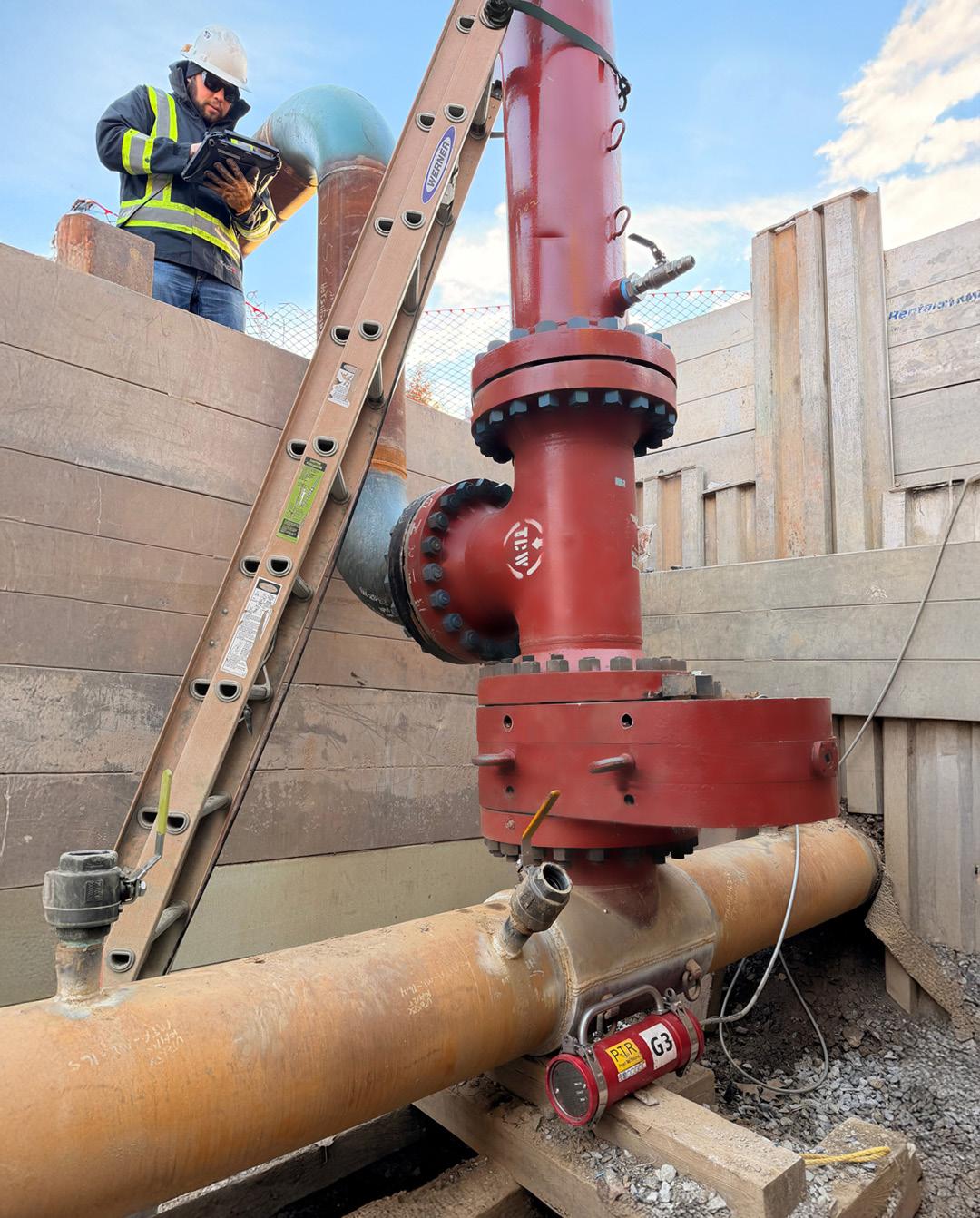
to quickly and reliably achieve two independent shutdowns through a single hot tap, increasing safety while minimising downtime and maximising throughput. TDW’s ATEX certified mechanical activation and leak proof DiiB system ensure we have the highest degree of safety and confidence during the shutdown and any hot work.
WP: How does SHiiELD change the emissions profile of maintenance and intervention work compared to traditional isolation methods, and how are operators responding to that from both a regulatory and ESG perspective?
CP: With the TDW Shiield System, we can verify leakproof seals on both plugging heads by measuring the pressure in the annulus. This can be done prior to the work area being bled down, ensuring customers don’t have to repack the line, which is a lengthy process that involves venting hydrocarbons into the atmosphere. This has been very well received by our customers, as SHiiELD has a 100% success rate of achieving a first-time leak-proof seal, eliminating the need for repacking the line.
WP: Looking ahead, how do you see tools like SHiiELD reshaping expectations around pipeline isolation – not just in oil and gas, but across CO2, hydrogen, and other emerging pipeline services?
CP: TDW will continue to push the boundaries of compatibility and lead the market to support customer needs in the energy transition. The TDW SHiiELD tool can be used in CO2 services and is being tested in the coming months to prove H2 compatibility.
WP: What changes for crews in the field when SHiiELD is deployed?
Brian Sherrill (BS): What we see in the field when the SHiiELD tool is utilised is an increased confidence level with crews’ ability to work safely in front of the tools leak proof seals. Crews can also feel confident in knowing the timeline of their isolation will not be altered by leaking seals that result in job delays and rework. Another change that crews can expect is to spend less time in the ditch due to the ability to safely monitor pressures and temperatures inside the pipeline through our remotely accessed SmartTrack system. SHiiELD is equipped with multiple sensors that allow for not only remote activation of the tool but also the ability to validate current pressures and temperatures inside the pipeline via devices like tablets and laptops.
WP: How does SHiiELD change the emissions profile of maintenance and intervention work?
BS: Due to design features such as two independent modules and grip technology, the TDW SHiiELD System allows for truly emissionless isolations. The combination of leak proof seals and cross compression resources allow operators to safely and efficiently isolate their pipelines without having to emit any product to the atmosphere.
We are running out of space...
Our inventory in sales & rental in pipeline equipment is out of this world. We have a huge amount of machines from all the big brands that are ready for worldwide delivery, or even further if you want...
You can build on BAUMA!
WP: Are you seeing operators adopt it primarily for safety reasons, emissions targets, or a mix of both; and does that vary by region or pipeline service?
CP: Operators are adopting the TDW SHiiELD technology primarily for the benefit of safety as the world’s first intrusive isolation tool with two truly independent isolations. We are also seeing interest in the first-time success of leak proof seals, helping keep project timelines, reduce emissions, and keep costs controlled.
WP: When you were developing SHiiELD, what did you hear from operators about the limitations of existing isolation methods?
BS: TDW has been at the forefront of innovation and introducing new ways to isolate pipelines for many decades
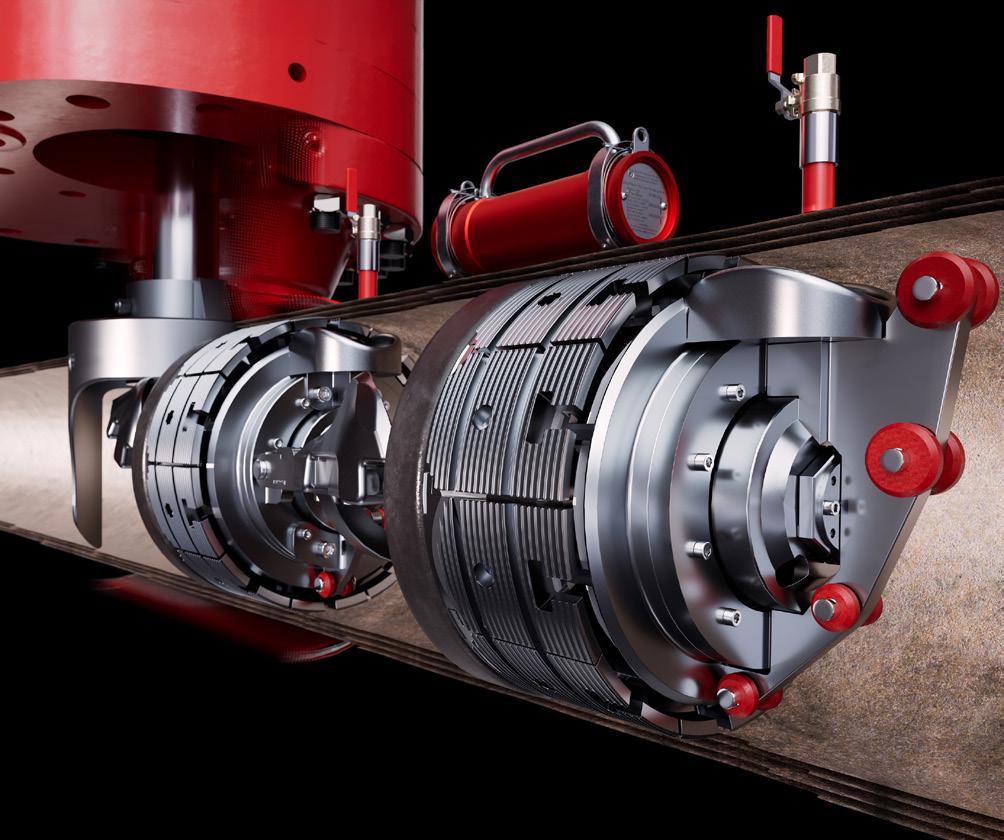
its impact in the field after being introduced earlier this year. This next-generation double independent isolation and bleed (DiiB) system gives operators unmatched control, safer field operations, and certified leak-proof performance. Advantages include two independently anchored, leak-proof isolation barriers, up to four times the bypass capacity during isolation and certified emission-free performance.
now and while a lot of operations still stand firmly behind these technologies and their effectiveness, we are seeing a shift in what some are requiring. Some operators are moving toward either a request or requirement for two leak free seals at a single isolation point. Safety, efficiency and environmental considerations are what is pushing this shift. The TDW SHiiELD System is answering this call and then some.
WP: Can you describe some design details for us: where did you find the designing of this tool challenging?
CP: The SHiiELD technology is mechanically activated and fail-safe under isolation. This gave TDW the challenge to create a fully redundant release mechanism that can be used to remove the tool from the pipe in the event of a failure of the primary release mechanism.
WP: What kind of testing, qualification, or certification work sits behind SHiiELD to give operators confidence to deploy it on critical assets?
CP: TDW developed a rigorous test plan for the SHiiELD technology to move it through our technology readiness level (TRL) framework. This testing was conducted over several years and even included fully completing jobs using natural gas in our controlled test facility on pipe previously taken out of service by customers.
WP: How does remote activation change the human side of isolation work?
CP: The technicians operating the SHiiELD have expressed their fondness for being able to operate and troubleshoot the tool as well as take pipeline sensor readings from outside of the ditch, this means the critical area of work has less personnel and traffic during the isolation as well as less trip hazards and clutter.
WP: As CO2 and hydrogen pipelines are developed and built out, do you expect isolation requirements to become more conservative than what we have seen in oil and gas? How future-proof was SHiiELD designed to be against those shifts?
BS: TDW has quite a bit of experience working with products such as CO2 and Hydrogen and has been engaged with customers about the future of these products. One thing our customers have asked TDW is how compatible our fitting and isolation services offering are with these products, and we have been able to firmly say that our offerings work well with these products, including SHiiELD. I do feel that operators are more sensitive to things like leak paths on products like Hydrogen, in particular. With TDW SHiiELD tool’s advanced Double Independent Isolation and Bleed leak proof sealing technology, we are providing operators with added safety and efficiency by being able to achieve a great seal the first time. The remote operation also allows both the technician and customer to monitor the seal throughout the isolation without having to set foot in the ditch.
Redefining decoupler performance without missing a beat.
Dairyland’s PCRX delivers the full functionality of a standard decoupler while eliminating capacitance delays during interrupted surveys. By remaining connected during testing, PCRX ensures accurate, timely potential measurements while maintaining continuous protection. Personnel and critical assets stay safeguarded with the rugged over-voltage protection, AC interference mitigation, CP isolation, and safety grounding you expect from Dairyland decoupling products.
Hydrogen pipeline infrastructure is often discussed as a variation on a familiar theme. Replace methane with hydrogen, upgrade a few materials, adjust operating envelopes, and the energy transition advances by another step. In practice, that assumption collapses quickly under scrutiny. Hydrogen is not simply a lighter gas. Its molecular behaviour reshapes everything from materials selection and sealing strategies to compressor architecture, station spacing, lifecycle economics, and ultimately system safety.
Natural gas infrastructure was developed within stable operating margins. Hydrogen pipelines, by contrast, encounter multiple engineering constraints at the same time. It is a molecule that permeates aggressively, embrittles metals, carries almost no lubricity, and demands compression strategies that strain the physical boundaries of traditional rotating equipment. These characteristics interact in ways that expose the fragility of legacy assumptions inherited from natural gas infrastructure.
At the centre of this challenge sits compression. Pipelines do not move hydrogen passively. They rely on compression to maintain flow, overcome pressure losses, and enable transport at industrial scale. Yet compression is also where hydrogen’s most
punishing characteristics converge, forcing a re-examination of materials, machine design, and long-term reliability.
Why
The most important distinction between hydrogen and natural gas lies in molecular scale. Hydrogen is the smallest molecule encountered in industrial gas transport, and that single fact drives a cascade of consequences. For a given compression requirement, the impeller tip speed required for hydrogen is approximately 2.8 times higher than for methane, reflecting its low molecular weight and the square relationship between tip speed and compression ratio. Permeation becomes unavoidable. Hydrogen migrates through metals, polymers, and elastomers with ease, undermining assumptions that have held for decades in natural gas systems.
In metallic components, this permeation manifests as hydrogen embrittlement. Over time, hydrogen diffuses into metal lattices, weakening structural integrity and increasing susceptibility to cracking and failure. Although well documented, hydrogen embrittlement remains a critical
design constraint, particularly where existing natural gas pipelines are repurposed for hydrogen service.
In non-metallic components, permeation introduces a different failure mode: rapid gas decompression. Elastomers exposed to high-pressure hydrogen absorb gas into their structure. If pressure drops suddenly, trapped hydrogen expands faster than it can diffuse out, leading to blistering, cracking, and leakage. In hydrogen service, leakage presents a direct safety risk, particularly given the low ignition energy of hydrogen and the near invisibility of its flame.
These effects are not isolated. Permeation underpins embrittlement in metals and decompression damage in elastomers. It is the root cause from which multiple reliability and safety risks emerge, demanding a fundamentally different materials strategy than the one pipeline operators are accustomed to in natural gas systems.
Compression as the critical enabler of hydrogen pipelines
Compression is essential to pipeline operation, but in hydrogen systems it becomes a defining constraint. Hydrogen’s low molecular weight makes it inherently difficult to compress, requiring higher tip speeds, tighter tolerances, and far greater attention to thermal and tribological behaviour than natural gas.
Reciprocating compressors, widely used in gas transmission, face immediate challenges. Hydrogen offers extremely low lubricity, creating severe wear in moving components such as piston rings, rider bands, and rod packing rings. At the same time, oil-lubricated solutions are unacceptable due to contamination risks. The result is a dry, high-pressure, hightemperature environment that accelerates wear dramatically. Where components in natural gas service routinely achieve lifetimes of approximately 8000 h, hydrogen applications may struggle to reach 2000 h under comparable operating conditions.
Centrifugal compressors, often favoured for their ability to move large volumes efficiently, encounter a different barrier. Effective hydrogen compression requires impeller tip speeds of approximately 600 m/sec. Conventional metallic closed impellers typically operate at up to approximately 360 m/sec. in service, with some open designs reaching approximately 500 m/sec. before burst. Traditional metallic impellers simply cannot operate at those speeds without exceeding material limits. The impeller becomes too heavy, generating stresses that shafts and bearings cannot tolerate, and imposing a physical ceiling on achievable compression performance.
Hydrogen exposes the limits of pipeline engineering that natural gas has quietly masked for decades. Philippe Allienne, Business Development Manager - Hydrogen and CCUS, Greene Tweed, suggests that compression, materials, and system design must all change if hydrogen networks are to operate safely, efficiently, and economically over the long term.
This limitation is fundamental rather than economic in nature. Without addressing impeller mass and strength simultaneously, centrifugal compression of hydrogen remains constrained, forcing operators toward less efficient architectures with more stages, larger footprints, and higher lifecycle costs.
Where metallic components reach their limits
Metallic materials have underpinned rotating equipment design for generations, but hydrogen exposes their shortcomings with unusual clarity. Strength alone is not sufficient. Density becomes equally critical.
In centrifugal compressors, heavier impellers require additional stages to achieve target pressures. Each stage adds complexity, cost, and maintenance burden. Shaft stresses increase, balancing becomes more challenging, and system reliability suffers. At some point, adding stages ceases to be viable, either mechanically or economically.
Temperature compounds the problem. Unlike gases such as carbon dioxide (CO2), which cool during expansion, hydrogen can generate heat during decompression, increasing thermal stress within compressor components. Components must therefore withstand elevated temperatures in environments already deprived of lubricating films. Metals can tolerate temperature, but not when combined with low lubricity, high rotational speed, and embrittlement risk.
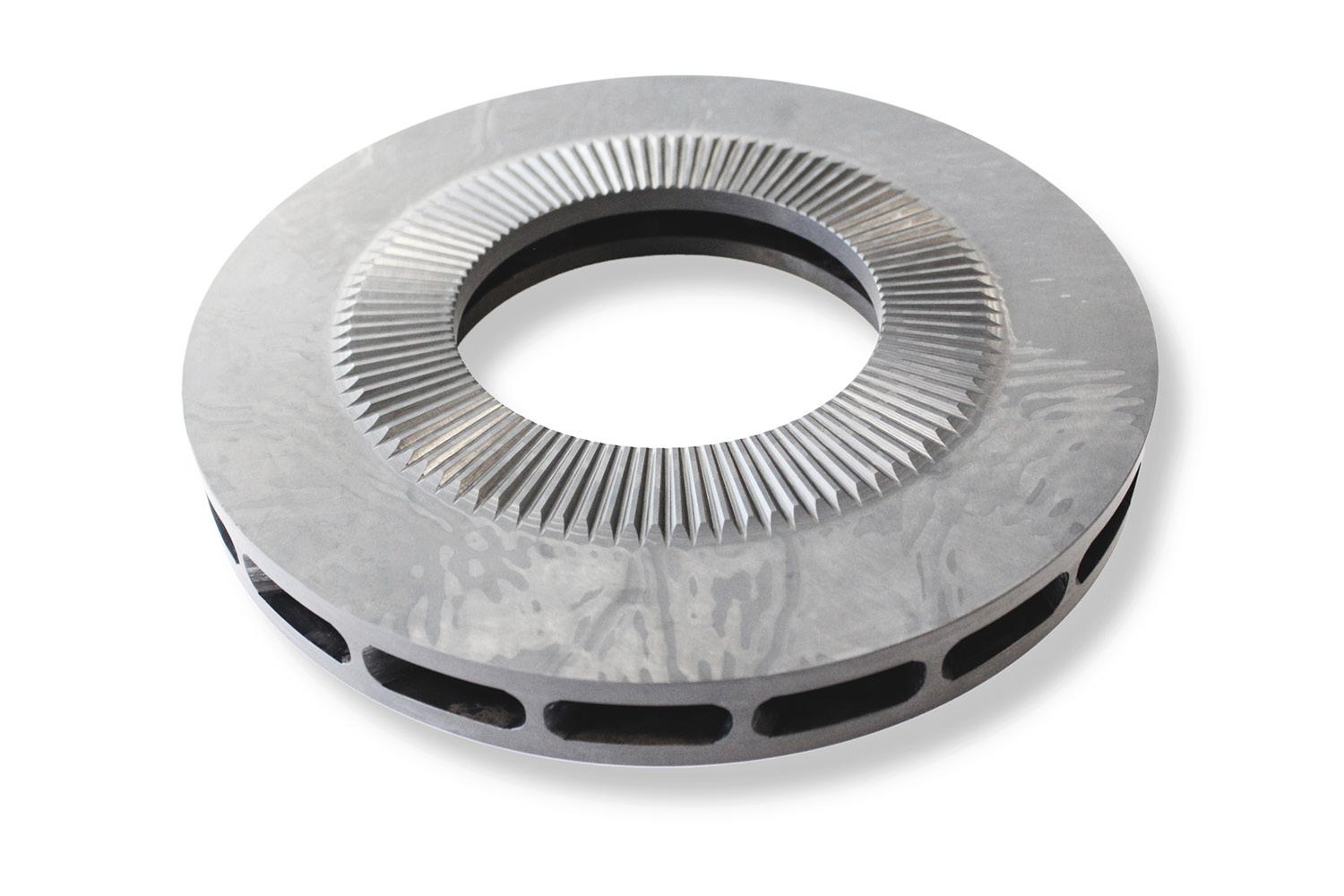
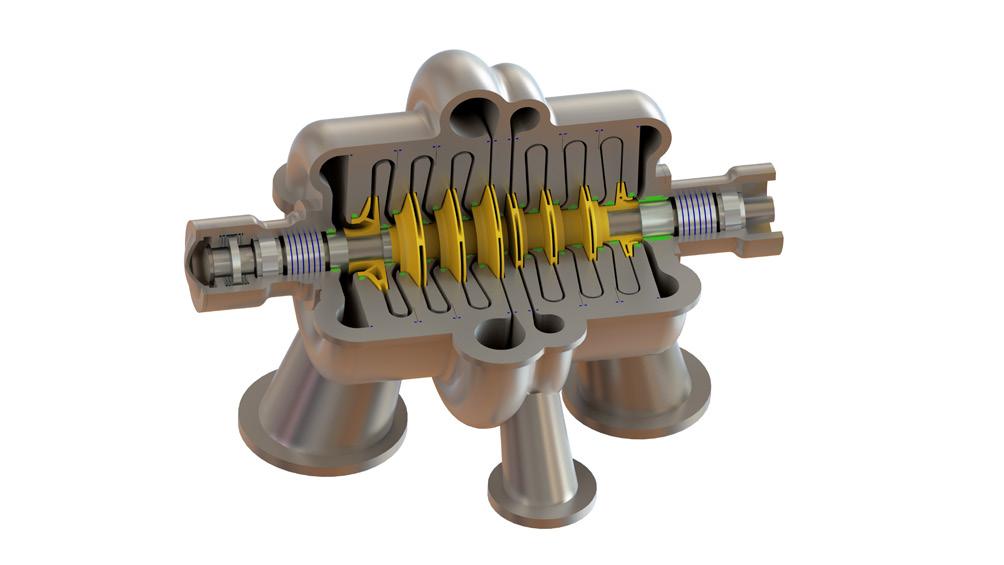
The result is a shrinking design envelope. Traditional alloys can operate safely only within a narrow window, limiting compressor architecture choices and locking operators into conservative designs that compromise efficiency and scalability.
How advanced composites change the compression equation
Advanced composite materials offer a way out of this impasse, not by incremental improvement, but by reshaping what is physically possible. High-performance composites deliver strength-to-weight ratios that metals cannot match, enabling lighter impellers capable of operating at the speed hydrogen compression demands.
Reducing impeller mass directly addresses the tip speed constraint. Lighter components impose lower stresses on shafts and bearings, allowing higher rotational velocities without exceeding mechanical limits. Fewer stages are required to achieve the same pressure rise, reducing compressor size, complexity, and capital cost.
Recent burst testing of carbon fibre reinforced PEEK composite closed impellers has demonstrated tip speeds of 688 m/sec., exceeding the 600 m/sec. threshold required for effective hydrogen compression.
The implications extend beyond the impeller itself. With fewer stages, entire compression stations can shrink. Foundations become smaller. Auxiliary systems simplify. Maintenance regimes become less intensive. Over the lifecycle of a hydrogen pipeline, these changes translate into tangible reductions in cost, downtime, and operational risk.
Crucially, composite design is not just about material substitution. Fibre orientation, reinforcement placement, and laminate architecture can be engineered precisely to accommodate stress distributions unique to hydrogen compression. This level of control allows designers to build performance into the material itself, rather than compensating for material limitations through over-engineering elsewhere.
Materials engineering as the performance lever In hydrogen compression, materials engineering becomes as important as aerodynamics or mechanical design, if not more so. The ability to tailor composite structures to specific load paths enables performance gains that cannot be achieved through geometry alone.
By orienting fibres to resist centrifugal forces and thermal gradients, composite impellers can absorb stresses that would fracture or deform metallic equivalents. Reinforcement can be concentrated precisely where loads peak, avoiding unnecessary mass elsewhere. This precision is what allows composite components to operate safely at the edge of hydrogen’s demanding operating envelope.
Such designs require deep materials expertise and extensive modelling. They are not drop-in replacements. They represent a shift toward co-design, where material behaviour, component geometry, and system dynamics are developed together rather than sequentially.
The benefits of lighter, higher-speed compression extend beyond individual machines. They reshape system-level economics. With fewer compression stages required, pipeline
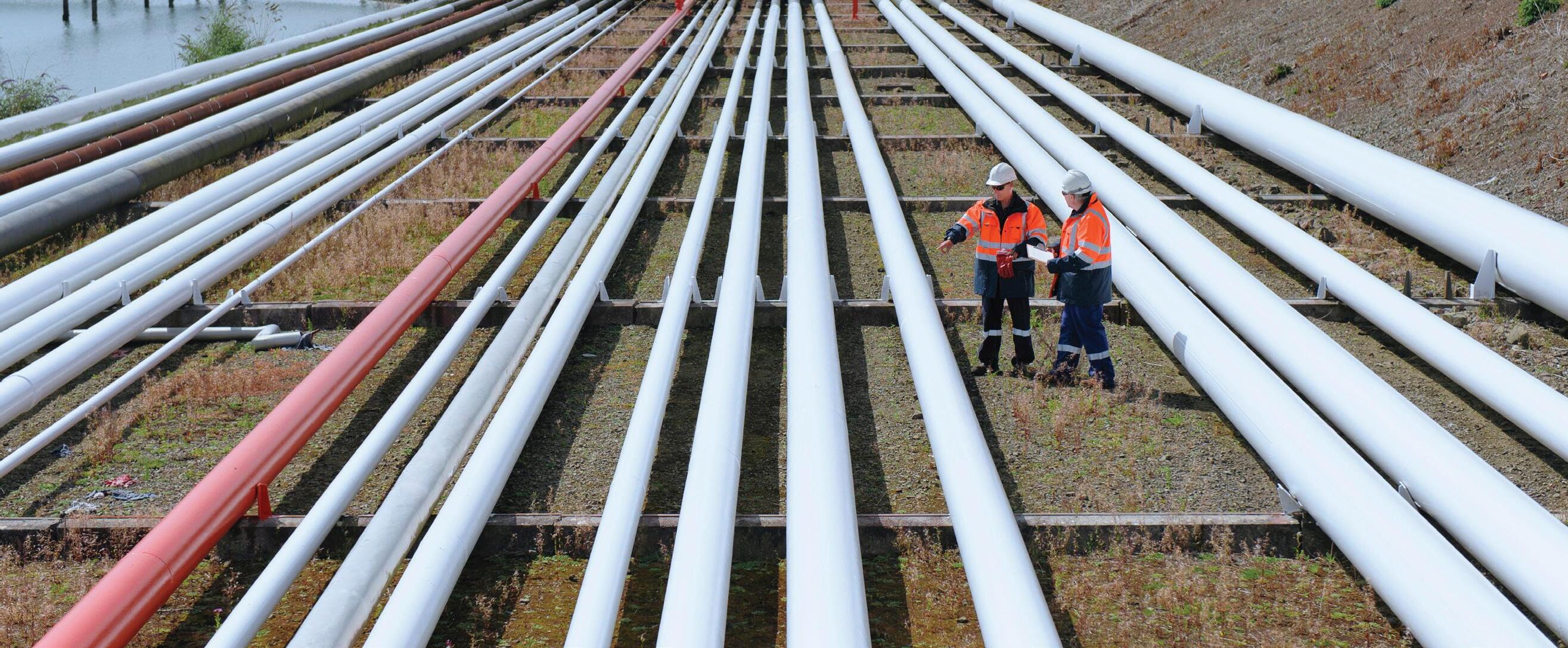
Enhances safety and operations A commitment to a culture of safety and continuous improvement
Provides shared learnings and benchmarking across the industry
Strengthens safety management systems for individual operators
To learn more and take the first step toward your assessment visit:
spacing can increase, reducing the number of stations along a route. Station footprints shrink, lowering land use and construction costs. Energy efficiency improves as mechanical losses are reduced.
While precise cost savings depend on system design, even conservative estimates suggest that reducing stage counts delivers immediate capital expenditure benefits. Impellers themselves represent significant cost items, with individual impellers typically costing between US$20 000 - US$30 000, and eliminating stages compounds savings across bearings, seals, housings, and auxiliary systems.
More importantly, composite impellers are enabling technologies. Without them, certain compression architectures remain impractical. Their value lies in reducing cost and unlocking design options that were previously closed.
Designing for hydrogen networks at scale
Hydrogen infrastructure is developing unevenly, shaped by regional policy, economics, and industrial demand. Large-scale initiatives such as the European Hydrogen Backbone illustrate both ambition and complexity. These projects combine new construction with repurposed pipelines, demanding careful material selection and validation at every interface.
Hubs are emerging as a pragmatic model for early hydrogen deployment. Concentrating production and demand within defined regions reduces transport distances and accelerates learning. The Port of Rotterdam exemplifies this approach, integrating hydrogen pipelines into an industrial ecosystem where multiple users share infrastructure.
These early projects deliver hydrogen and generate operational data. Real-world experience is essential to validate
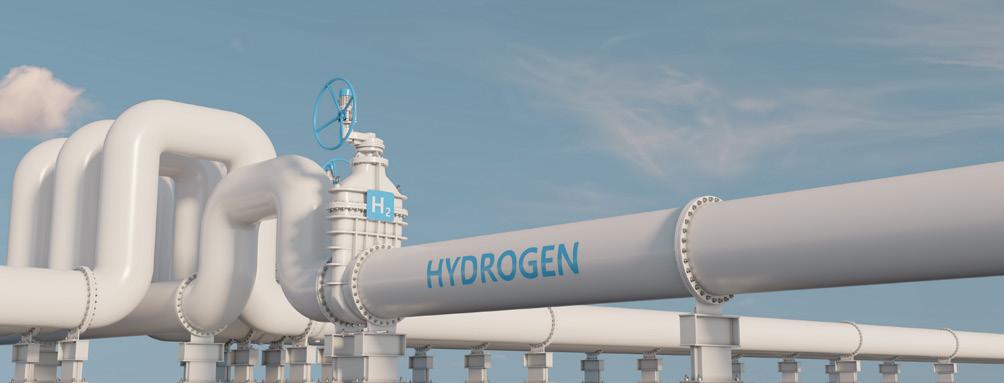
materials, understand degradation mechanisms, and refine design standards. Simulation alone cannot substitute for exposure over time.
Design decisions made today will echo for decades. Choices around materials, compression architecture, and validation strategy will determine whether hydrogen pipelines scale efficiently or become constrained by premature failures and escalating costs.
Testing is central to hydrogen infrastructure development. The industry lacks the depth of operational history enjoyed by natural gas networks, particularly for non-metallic components and advanced composites. Validation must therefore be deliberate and rigorous.
Material testing programmes, often conducted in collaboration with research institutes and national laboratories, play a critical role. Exposing materials to high-pressure hydrogen under controlled conditions allows engineers to observe permeation, decompression behaviour, and long-term degradation mechanisms. These programmes inform material selection and guide design limits.
For component suppliers, participation in such initiatives is essential. It provides empirical data to complement modelling, reduces uncertainty for OEM partners, and accelerates the path to deployment. However, testing is resource intensive. Strategic selection of programmes and close collaboration across the value chain are necessary to maximise impact.
Incremental validation may suffice for some applications, such as material substitutions in reciprocating compressors. In other cases, particularly where centrifugal architectures are fundamentally re-engineered, validation becomes more complex. New designs alter load paths, balance characteristics, and dynamic behaviour, requiring comprehensive testing before field deployment.
Hydrogen pipelines and compression systems cannot be developed in isolation. Success depends on collaboration between material specialists, equipment OEMs, operators, and research institutions. Each brings a different perspective, and hydrogen’s challenges span disciplinary boundaries.
Industry associations and collaborative research platforms provide spaces where these stakeholders can align. They enable shared understanding of failure modes, accelerate standardisation, and reduce duplication of effort. In a domain where safety and reliability are paramount, collective learning is not optional.
Hydrogen pushes systems to their limits. Meeting that challenge demands new materials, new architectures, and new ways of working. Compression sits at the heart of this transformation, and advanced materials are emerging as one of the most powerful levers available.
If hydrogen pipelines are to operate safely, efficiently and economically into 2040 and beyond, compression architecture and material selection must be addressed together from the outset. Design decisions made today will determine whether systems can meet hydrogen’s required tip speeds, durability expectations and long-term reliability targets. Incremental adaptation of natural gas infrastructure will not be sufficient.
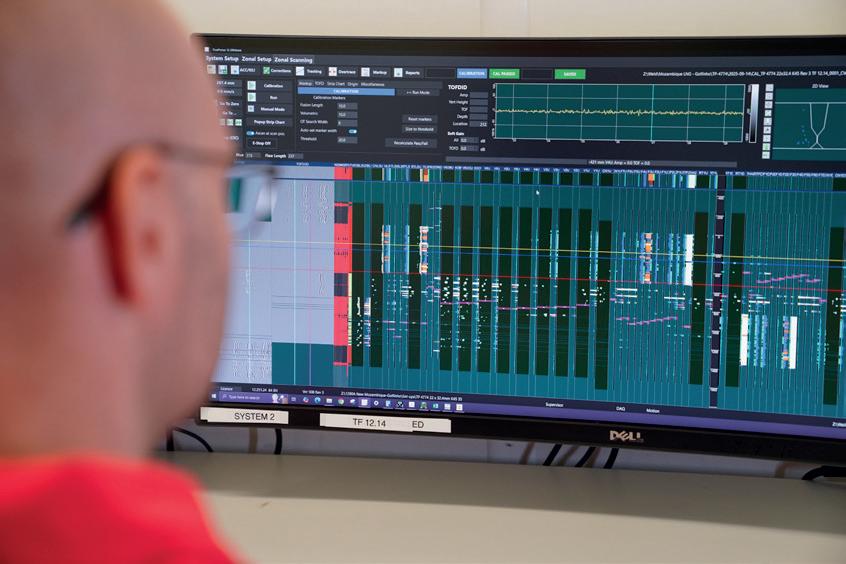
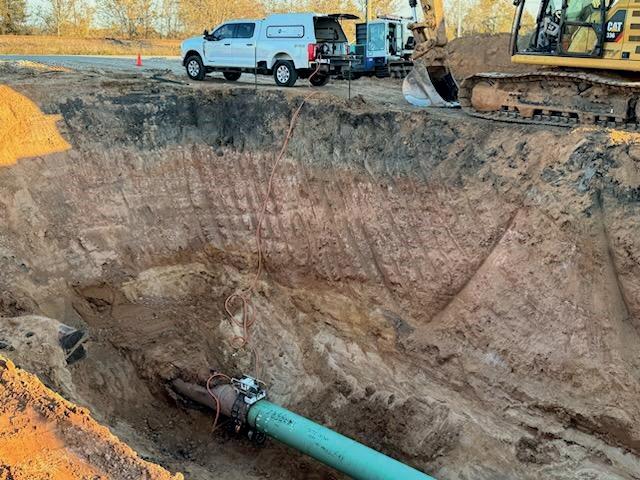

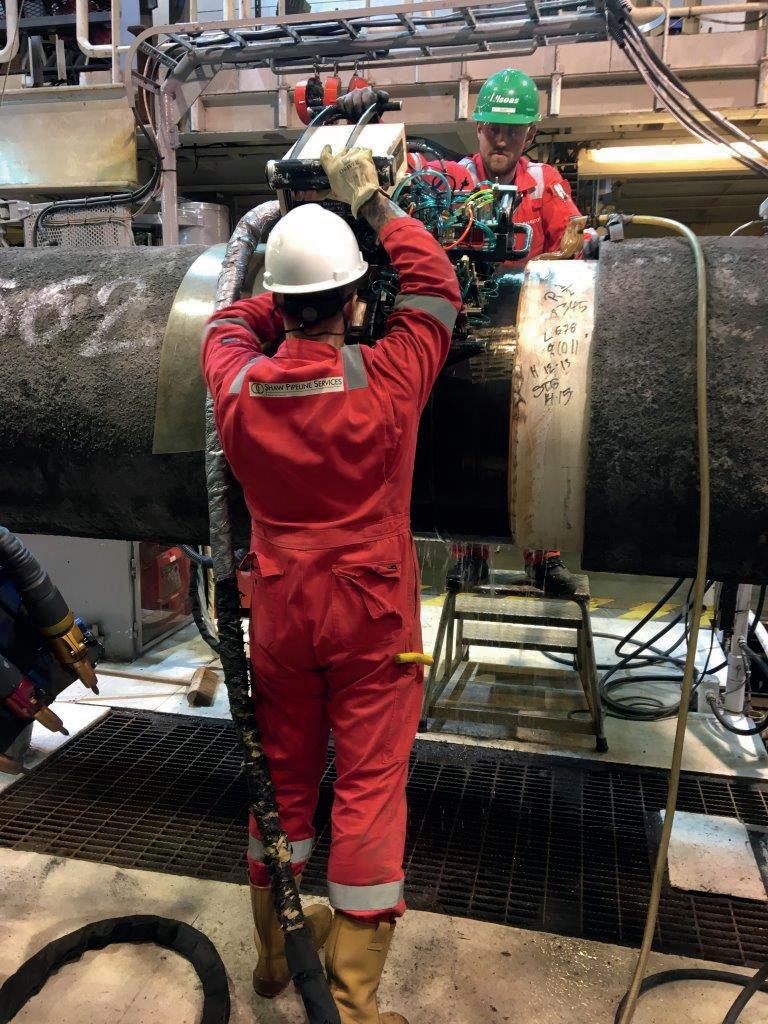
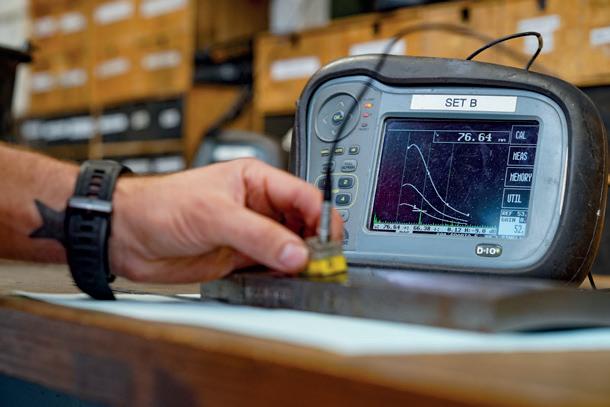

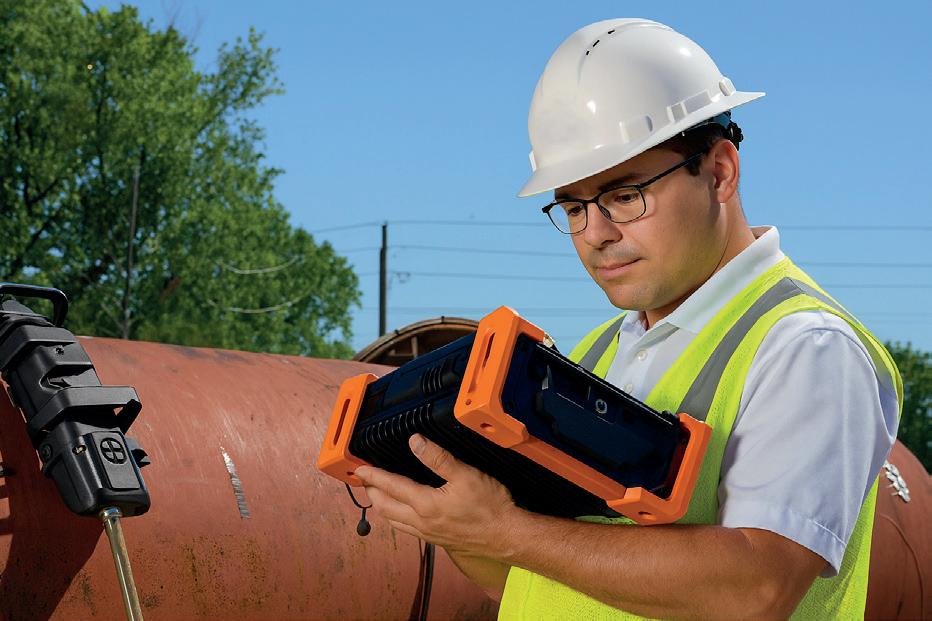
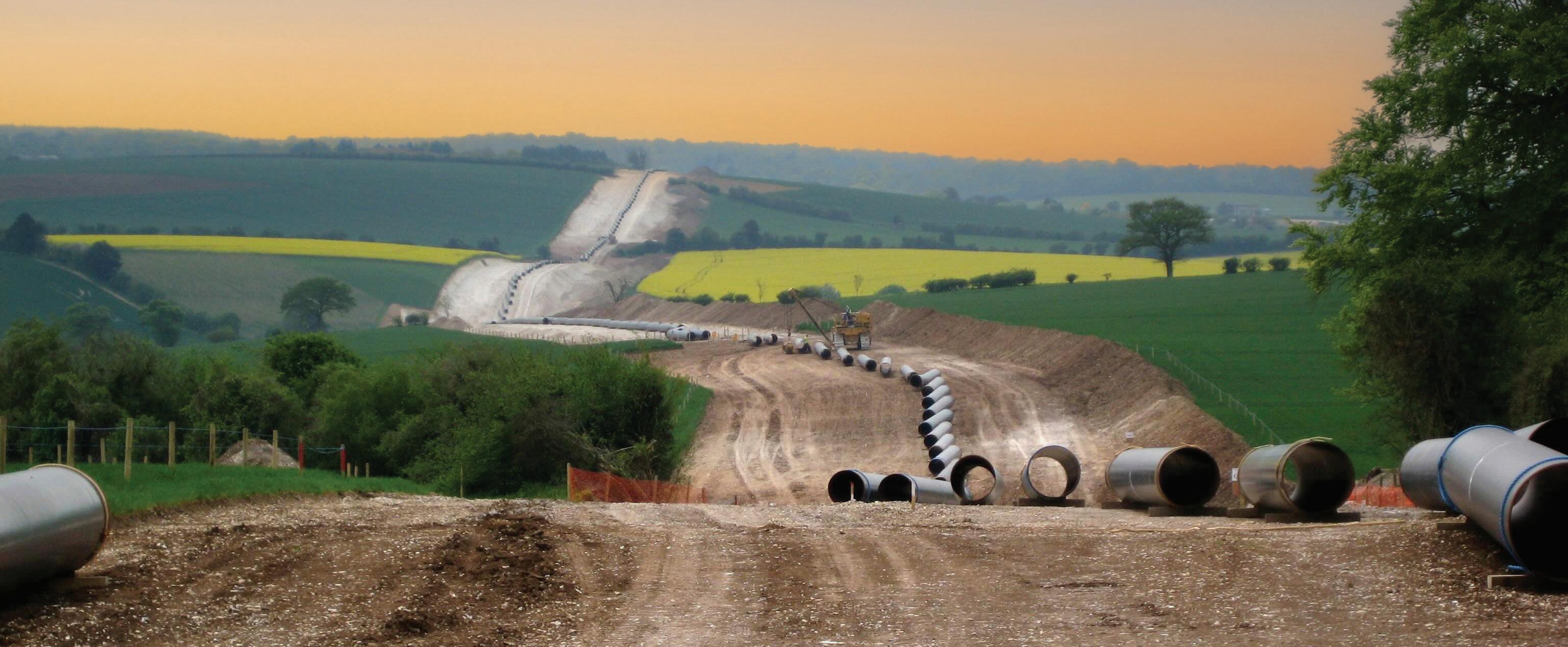
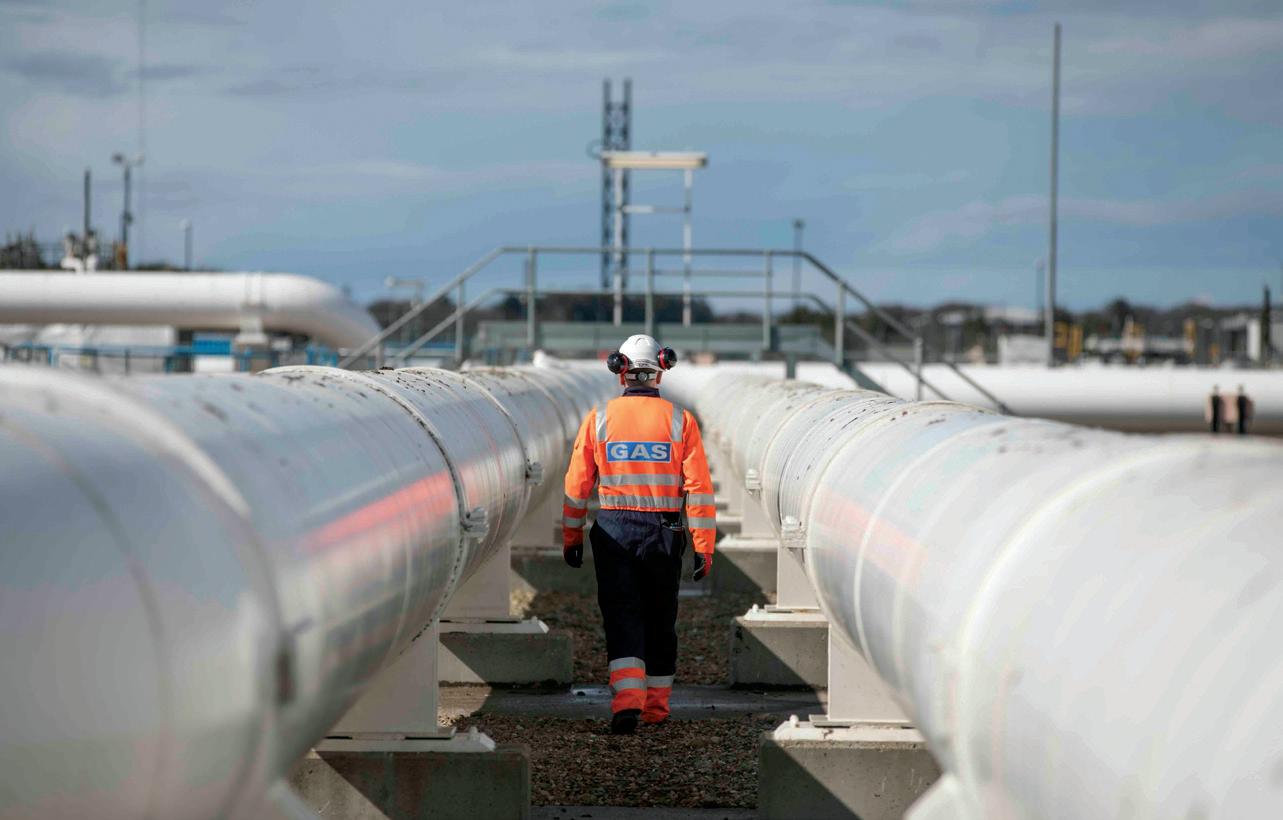

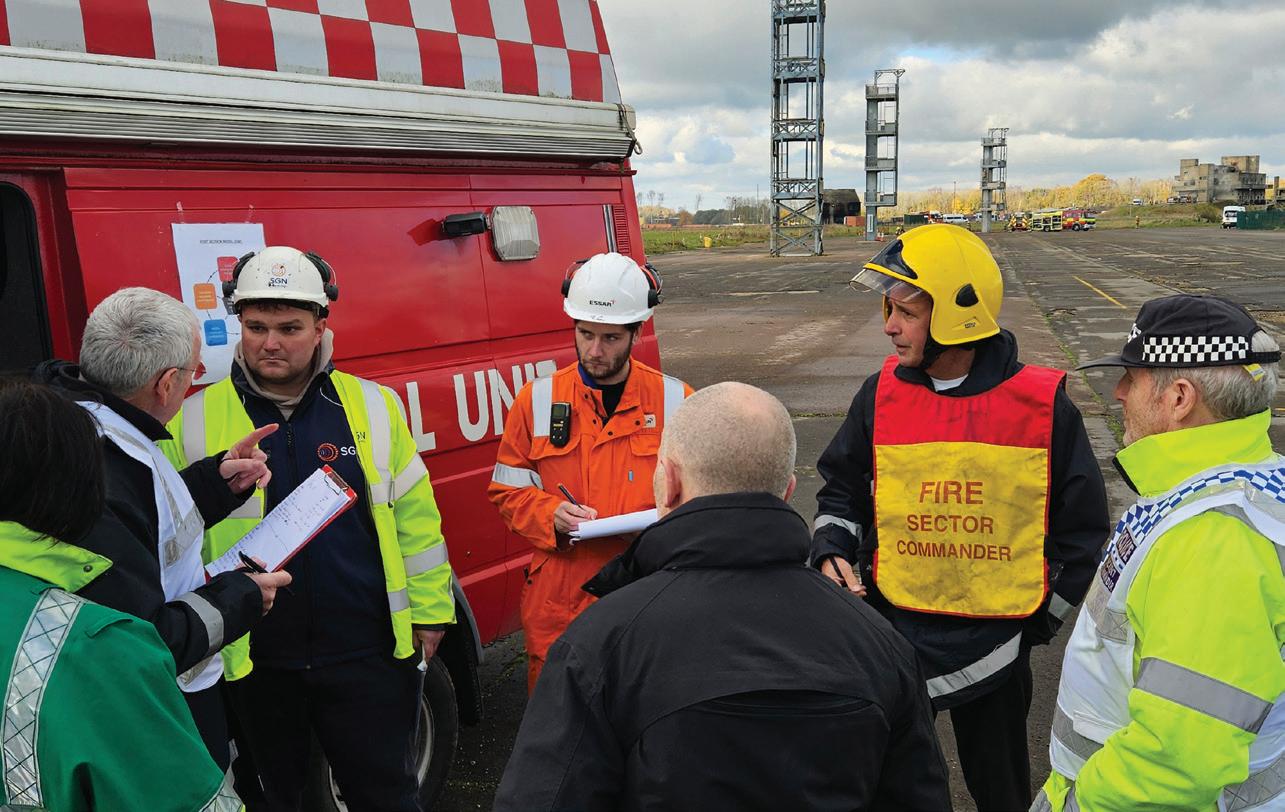
In 2026, the United Kingdom Onshore Pipeline Operators’ Association (UKOPA) celebrates 30 years as the authoritative voice of the UK’s onshore high-pressure pipeline industry.
Founded in 1996, UKOPA was established to provide a unified industry response to the development of the UK Pipelines Safety Regulations. It quickly became a trusted forum where operators could share good practice, exchange lessons learned, and work collaboratively to enhance safety, integrity, and operational performance.
Today, UKOPA represents operators responsible for more than 95% of the UK’s onshore pipeline network, covering over 27,000 km of critical infrastructure.
Over the past three decades, UKOPA has earned a reputation as the UK’s leading authority on pipeline safety, operations, and integrity management. Working closely with the UK Health and Safety Executive, government departments, and other stakeholders, UKOPA helps shape industry guidance, supports regulatory engagement, and promotes consistent practice
across the sector. Bringing together operators, contractors, consultants, suppliers, and regulators to foster collaboration and drive continuous improvement
A core part of UKOPA’s mission is knowledge sharing and competence development. The association delivers specialist training including the Pipeline Emergency Response Officer (PERO) course and Hazard Awareness training, helping build capability across operators, emergency responders, and the wider pipeline community.
As UKOPA marks its 30th anniversary, it celebrates not only three decades of achievement, but an ongoing commitment to ensuring the UK’s pipeline infrastructure continues to operate safely, reliably, and efficiently for years to come.
Looking ahead, UKOPA will continue to play a critical role in developing and sharing good practice whilst supporting the energy transition. As the UK’s energy system evolves, pipeline infrastructure will remain essential to delivering secure, reliable and lower-carbon energy solutions.
Mohsen Kavian, Senior Consultant, Submarine Cables, DNV, explores the practical realities of DFOS deployment.
On long, remote pipeline sections, leak detection time is often the real failure point. Though flow-based monitoring at pump stations and periodic inspections are established tools, they also have (thankfully well-known) blind spots. These drive operators to trial distributed fibre optic sensing, using a cable as a continuous sensor along the pipeline, spotting faults and weaknesses as early as possible, even on unattended sections.
How DFOS works
DFOS works by sending laser pulses through a fibre laid alongside the pipeline, and analysing the backscattered signal. Changes reveal what is happening along the pipe: temperature shifts, acoustic vibrations and physical strain each show up in one type of measurement.

Distributed acoustic sensing (DAS)
DAS captures vibrations and sounds: by analysing the pattern of laser light caused by vibrations, DAS can ‘listen’ to the acoustic environment on the pipeline route. Its primary role is leak detection: a pressurised leak creates a distinct acoustic signature (whether it’s a jet or a seep) that algorithms can isolate from background noise. Besides leak noises, the same channel also captures third-party activity happening near the pipeline (digging, vehicle movement, impacts, etc.) often before any damage occurs, so it serves as a threat detection system too, helping direct resources to the exact location of potential interference.
Distributed temperature sensing (DTS)
DTS picks up thermal changes where gas escapes from the high-pressure pipeline (expanding and cooling rapidly), forming an anomalous cold spot.
DSS focuses on mechanical risk rather than leaks. By tracking fibre stretching or compression, it highlights sections of the pipeline that are experiencing mechanical stress due to ground movement. It is the first tool for early warning of landslides, seismic shifts and other geohazards, allowing for intervention before a failure occurs (if site access and conditions still allow the dispatch of ground teams).
Continuous sensing closes the gap left by spot inspections: not only does real time data perform better when dealing with small damage, but it also allows to address sudden threats as they appear.
At first, many operators treated fibre like other cable installations, leading to microbends during installation that degraded signal quality and even dead zones (where there were sharp kinks and turns). These early deployments showed that installation quality directly determines signal usefulness: how tightly the fibre couples to the pipe determines whether the output is actually useful data.
The CALM joint industry project, which tested subsea cable monitoring, found that direct attachment worked as intended, whereas loose installation produced poor data. Field trials quickly showed that poor coupling degrades signal quality to the point where installation quality is the strongest determinant of whether DFOS adds value or noise.
Sensors generate large quantities of data in need of clear interpretation. This step is made all the more important when considering the large amount of noise produced by the environment pipelines exist in; traffic, pump cycling, and nearby machinery all generate background signals that must be filtered out to allow for reliable leak detection .
Without site-specific training, classifiers over-trigger by misclassifying routine background activity as leak events. Calibration is essential to avoid false alarm fatigue: if operators routinely ignore alert signals due to overload, the system has already failed. Whether it is sold as a turnkey solution or not, the software will in fact require ongoing attention to ensure its training matches the real environment at hand.
An important factor is control room integration and the operators’ cognitive load: since operators already monitor SCADA systems and conventional leak detection, there is a risk that an additional system becomes noise and gets overlooked. Even if all the sensors and alerts work perfectly, deployment will fail if control room operators can’t effectively use the information they are supposed to deliver. Here, interface design matters nearly as much as technology, since the system must integrate properly to existing tools, and display alarms in a way that prompts the adequate response immediately: showing location on a map, classifying the event type, providing a confidence score (‘High probability hydrocarbon leak at 12.4 km’, as opposed to ‘Alert at sensor 47’).
Leak size still hard to estimate
Current systems are reliable for detection and localisation, but leak-rate estimation remains too variable to support operational decision, and operators should understand this distinction. Knowing where a leak is matters more than knowing its exact size in most emergency response scenarios, but eventually the industry wants both. Some systems try to correlate acoustic signal strength with flow rate, evaluating the relationship depending on product type, pressure, soil composition, and installation quality, but globally, we have not yet reached a stage where leak size estimations obtained solely through DFOS systems can be confidently used for decision.
New energy infrastructure: different molecules, different risks
Hydrogen’s physical properties introduce monitoring challenges that go beyond those of conventional gas transport, particularly around leak detection and material integrity (hydrogen molecules permeate seals more easily than methane and can contribute to material degradation/embrittlement in some steels). Carbon capture also has very high constraints, since significant CO2 leaks from a transport pipeline diminish or even negate the environmental benefit of the project. When CO2 escapes it expands rapidly and creates a thermal signature, but interpreting that signature correctly requires understanding high-pressure gas behavior. These use-cases push the technology harder than older, conventional oil and gas operations, but the adaptations that these specific usages require force improvements that will benefit all applications.
As independent third-party experts, a core principle of our work is to move from sales claims to a quantified and defensible performance profile.
First, we establish a clear set of performance metrics, aligned with the operator’s real-world priorities through specific, measurable parameters. Probability of Detection (POD) claims like ‘99% probability of detection’ are meaningless without context, and must be tied to a specific product, operating environment etc. For a leak of a given rate (e.g. 1 gal./min.), what is the system’s actual detection likelihood under specific conditions? Whether a system is actually used also comes down to its false alarm rate (too many false alerts and operators stop taking them seriously). It is important to know how many non-leak events are flagged as leaks to define the operational burden on field crews, and keep it at a level they can work with on the long-term. Location accuracy and time to alert (typical latency between the onset of a leak and the generation of a validated system alert) are just as critical. A leak that is detected late or located too imprecisely can grow from a minor issue into a major incident.
All of these factors pull against each other (for example, pushing sensitivity to catch smaller leaks usually means more noise): field validation comes in to choose a working balance, tuned to the specific conditions of that pipeline rather than an abstract performance score.
The programme then tests against these metrics; this involves executing controlled, instrumented release
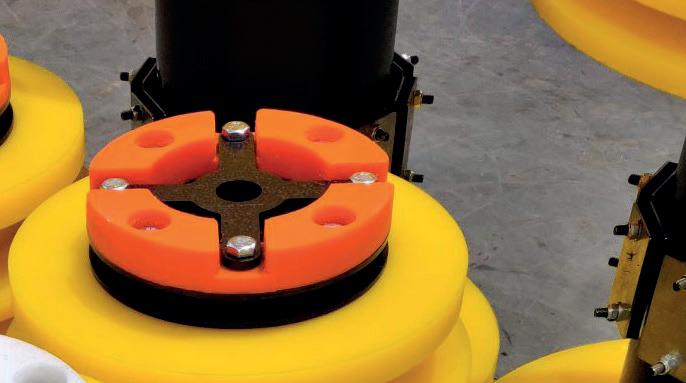
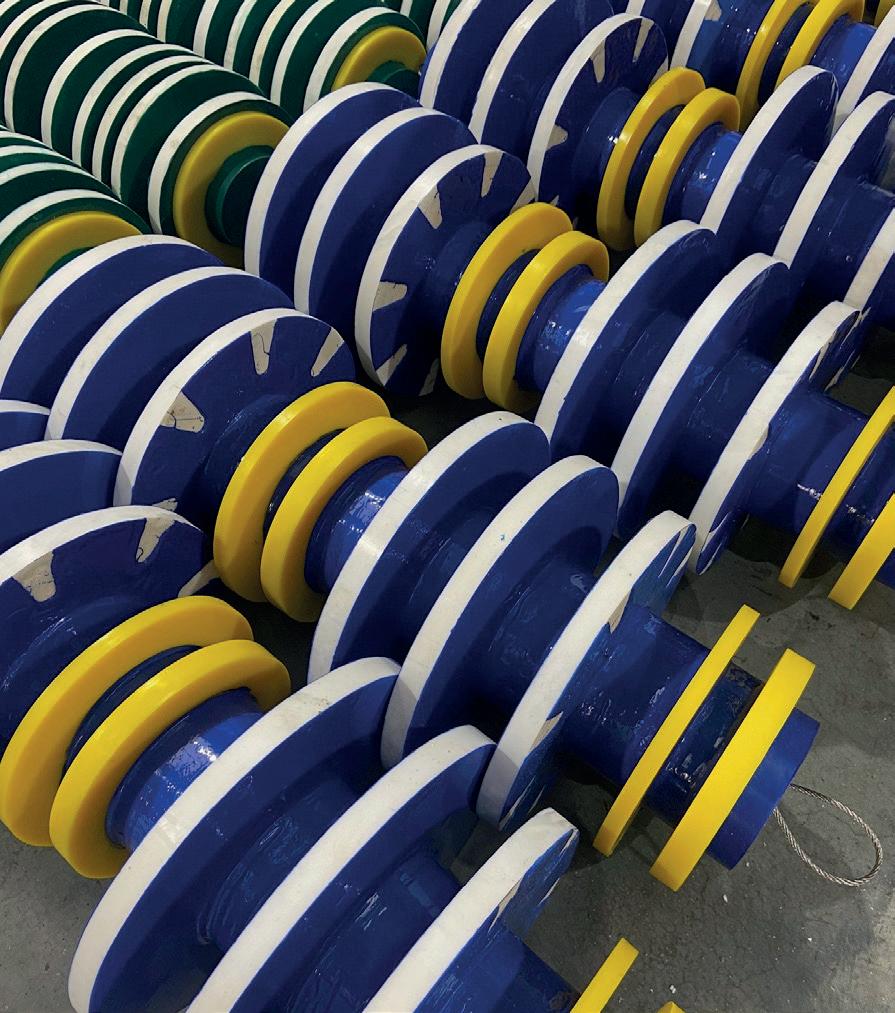
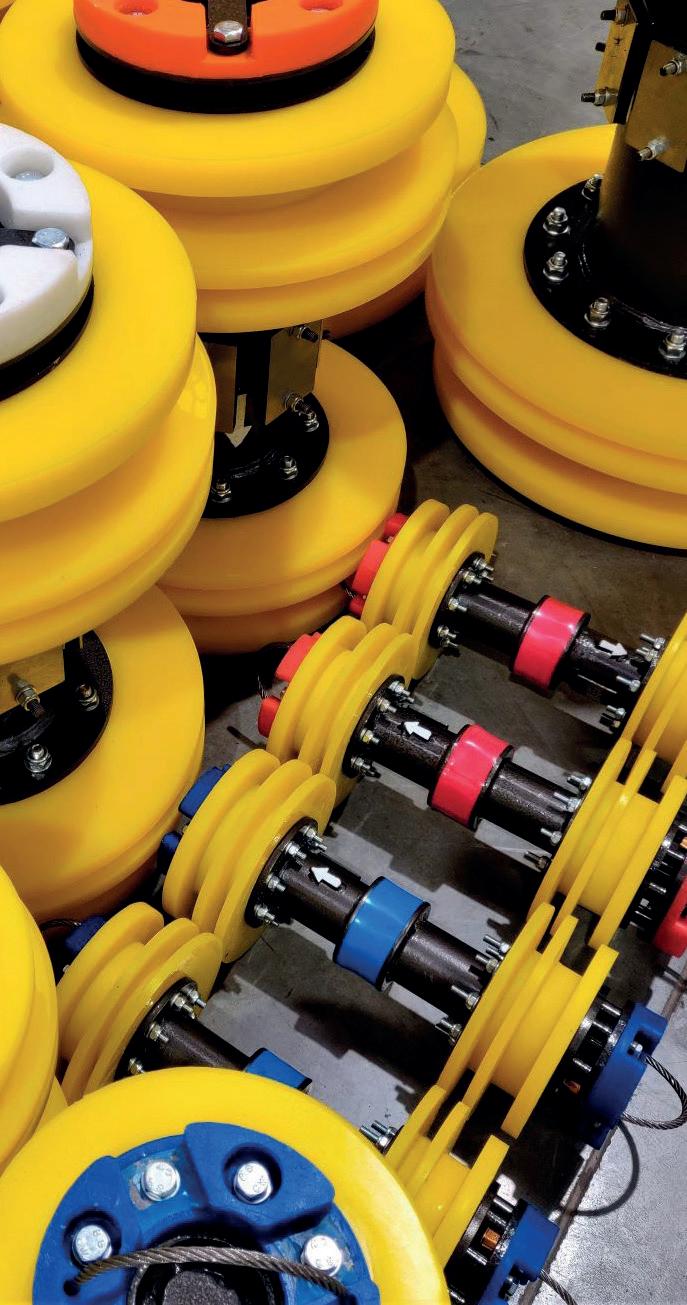
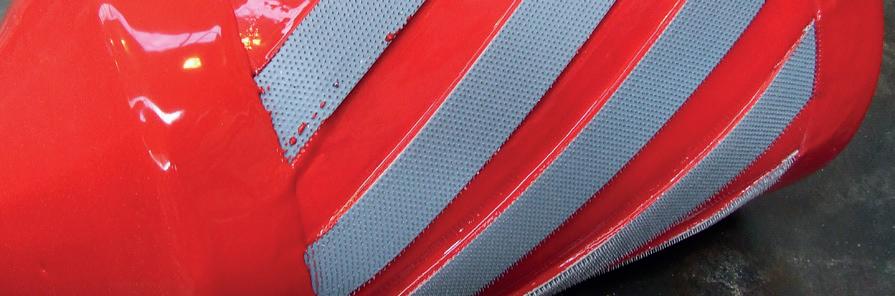
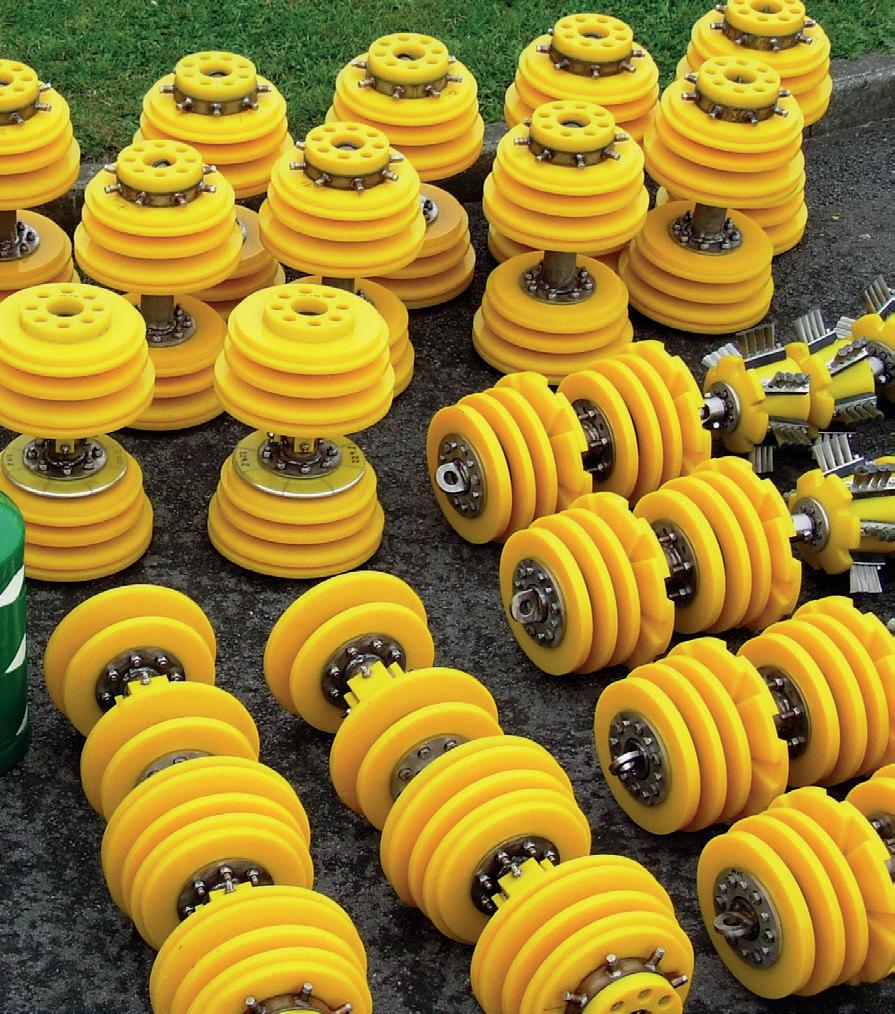
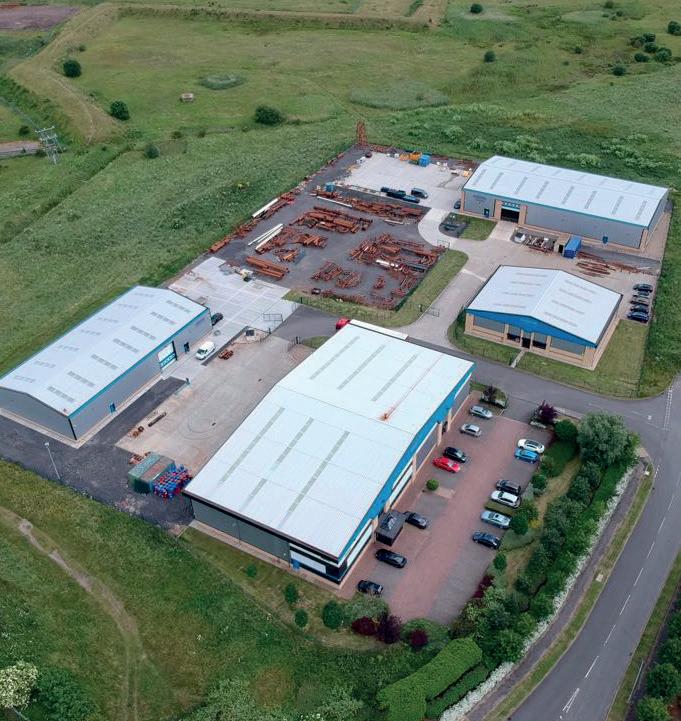
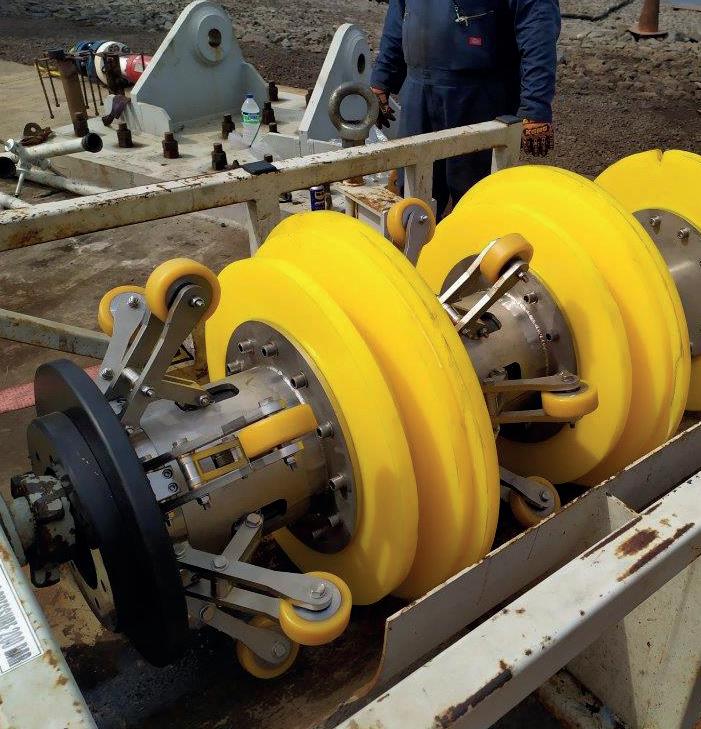

scenarios across representative sections of the pipeline. We systematically vary the conditions to stress the system: different product types, a range of operating temperatures, and varying levels of acoustic or thermal background noise that could mask a signal. While comprehensive standards like API RP 1130 (the industry’s core standard for validating the performance of software-based leak detection systems in liquids pipeline) provide a good foundational framework for leak detection system validation, we adapt and extend these protocols for fibre optic systems, as the standard itself was developed prior to their adoption at scale.
The final deliverable is not a pass/fail grade, but a detailed performance characterisation report. This document states what the system was observed to do under a battery of realistic operating scenarios. It replaces ‘should work’ with ‘was demonstrated to work’, providing operators with the evidence needed for informed decision-making and regulatory compliance. We already know that lab-perfect models barely matter in the real world, where systems face less predictable condition variations and theory often fails. Hence why validation must be done in situations where safety gets proven for real life extremes and exceptions.
Fibre optic sensing enables the quick location and early warning of issues, whereas computational pipeline monitoring (CPM) calculates mass balance and provides quantitative flow rates –
complementing each other. Most sophisticated operators now run hybrid systems rather than expect one solution to handle everything.
Operators need to trust monitoring systems to do their job in the most effective way possible. Independent verification connects vendor promises to actual capability through systematic testing, so that operators know what they’re getting. Thanks to accumulated field experience, we now know how central correct deployment and training are to qualify how well the technology works (reinforcing the need for validation). Success requires careful installation, capable analytics software, and proper control room integration. Skip any of those and performance suffers.
Joint industry projects and early adopters’ experiences have given us a clearer path forwards: we now know that when operators understand both its capabilities and its limitations, fibre optic sensing can protect infrastructure effectively – through installation discipline, analytics maturity, continuous training, and operator integration. Operators who internalise these learnings and keep in mind that the systems that have been validated under messy site-specific conditions are the ones they can rely on the most when an incident actually unfolds, will be the ones that deploy DFOS most effectively.


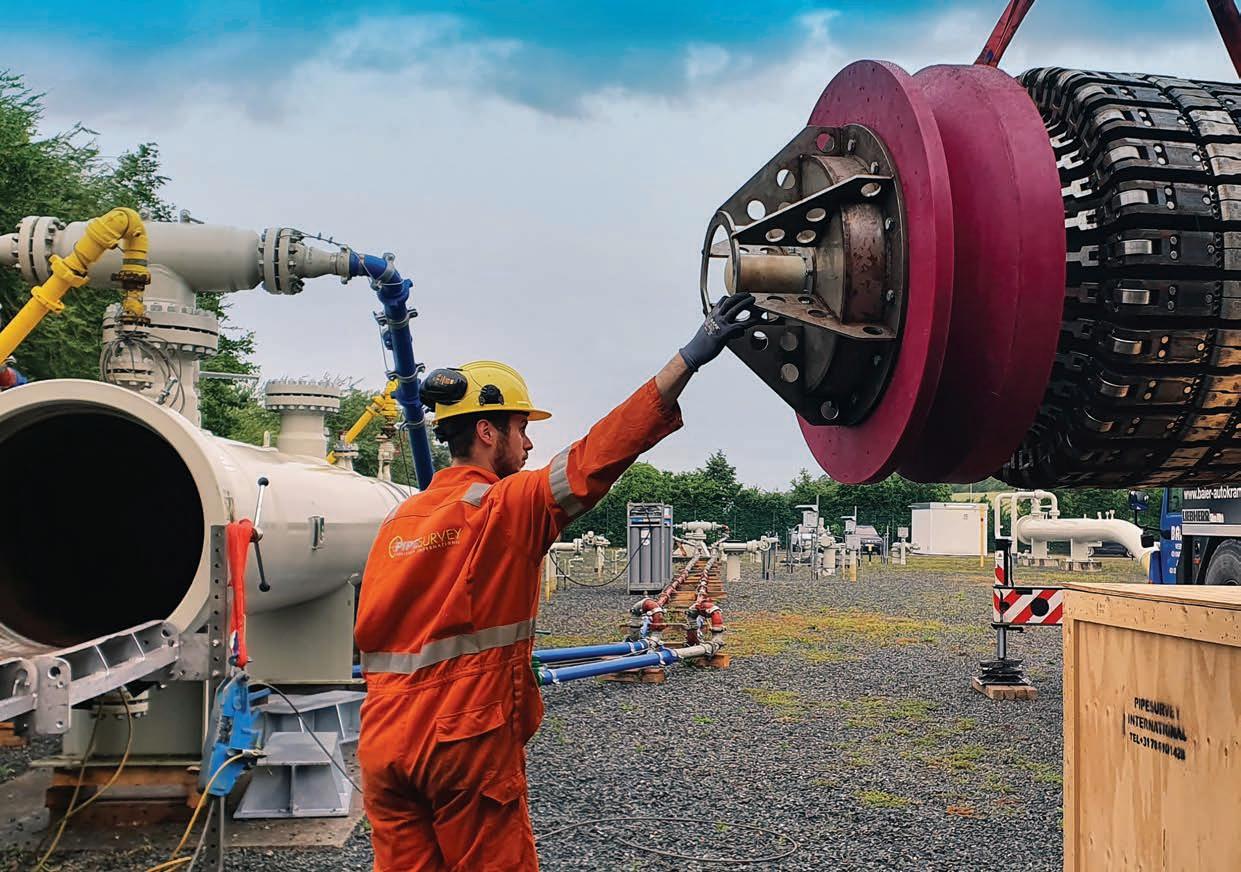

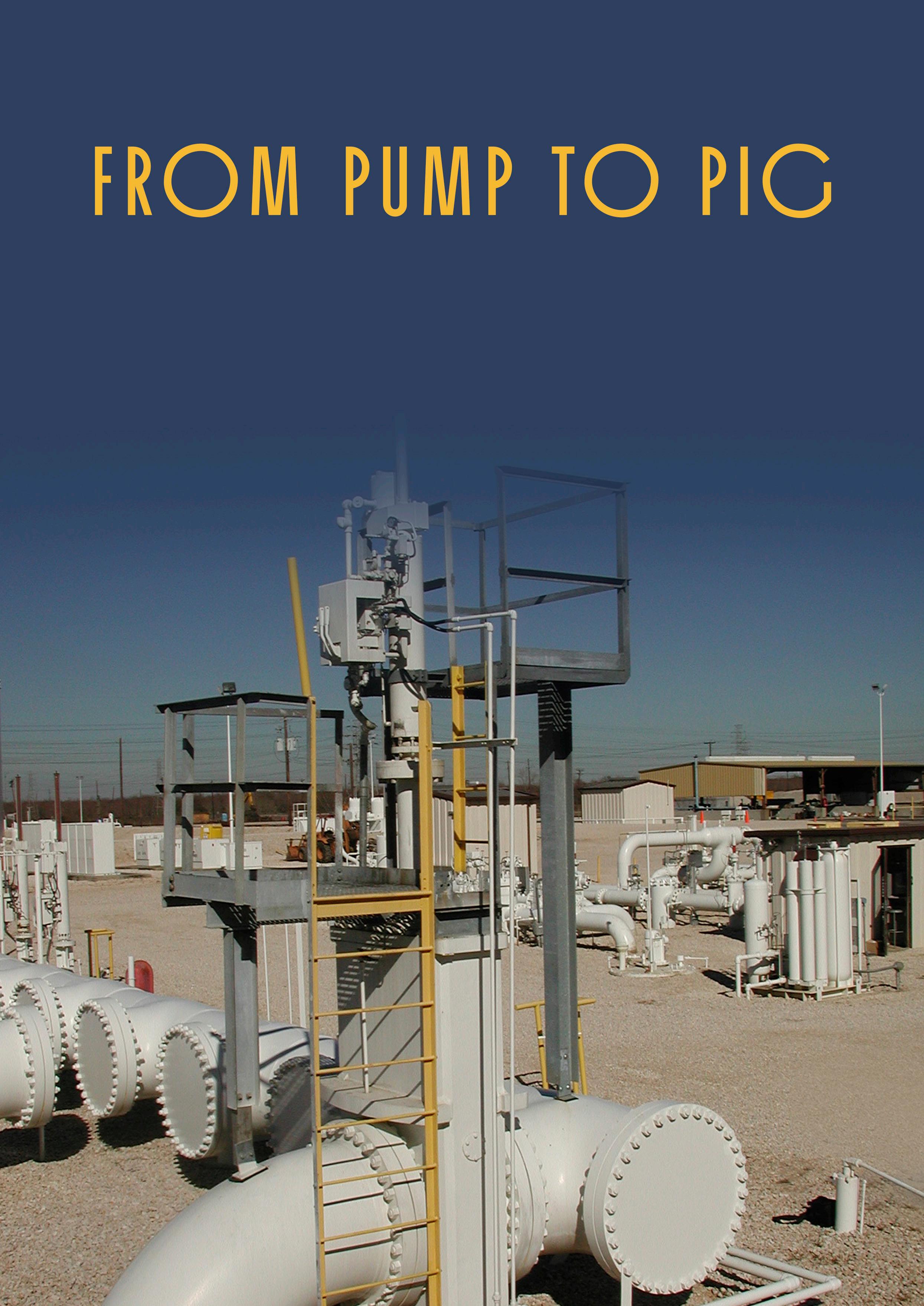
Mortimer Buckley, Arun Karupaiah, and Carla Connolly, Celeros Flow Technology, explain how pipeline maintenance strategies can be strengthened by addressing pumps, valves, and other flow control equipment as an interdependent chain rather than as isolated assets.
Pipelines are arguably the most challenging flow control systems to maintain. Assets traverse remote terrain, running underground, overground and offshore in the most extreme climates. Fluids may be corrosive, abrasive, high temperature, high pressure, or all the above. Access can be limited. Intervention windows are tight. Failures are rarely low consequence.
Alongside these difficulties, pipeline operators are under pressure to deliver higher reliability, lower emissions, reduced operating expenditure and, increasingly, with fewer personnel on site. Remote and normally unmanned installations are becoming more common, further constraining how and when maintenance can be performed.
Consequently, pipeline maintenance is not simply about carrying out inspections or replacing worn parts. The real challenge lies in deciding what to prioritise, when to intervene, and how to manage risk across a network of interdependent assets. Pumps, valves, and pigging systems may be treated as different items on a bill of materials, but in operational reality, they form a continuous integrity chain.
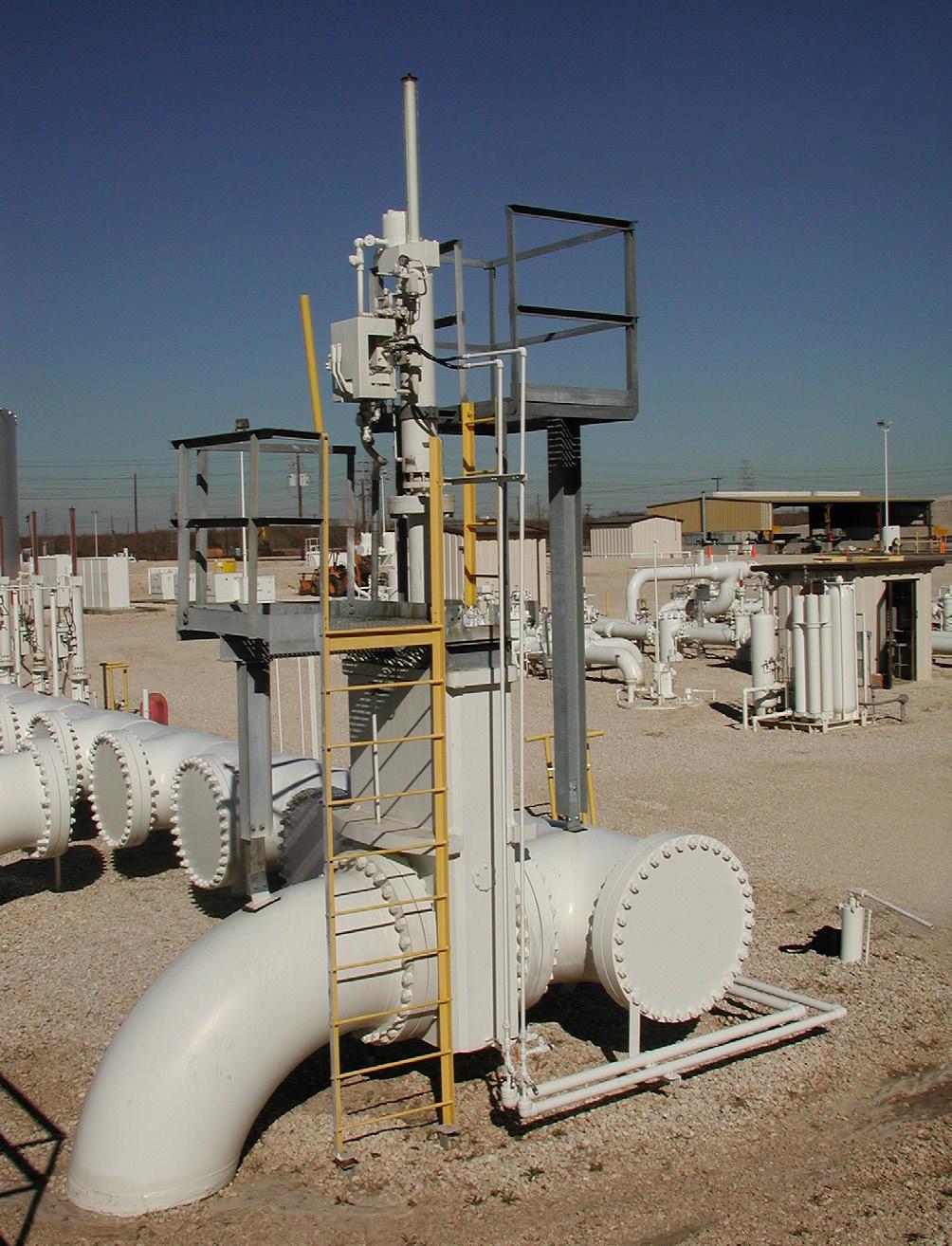
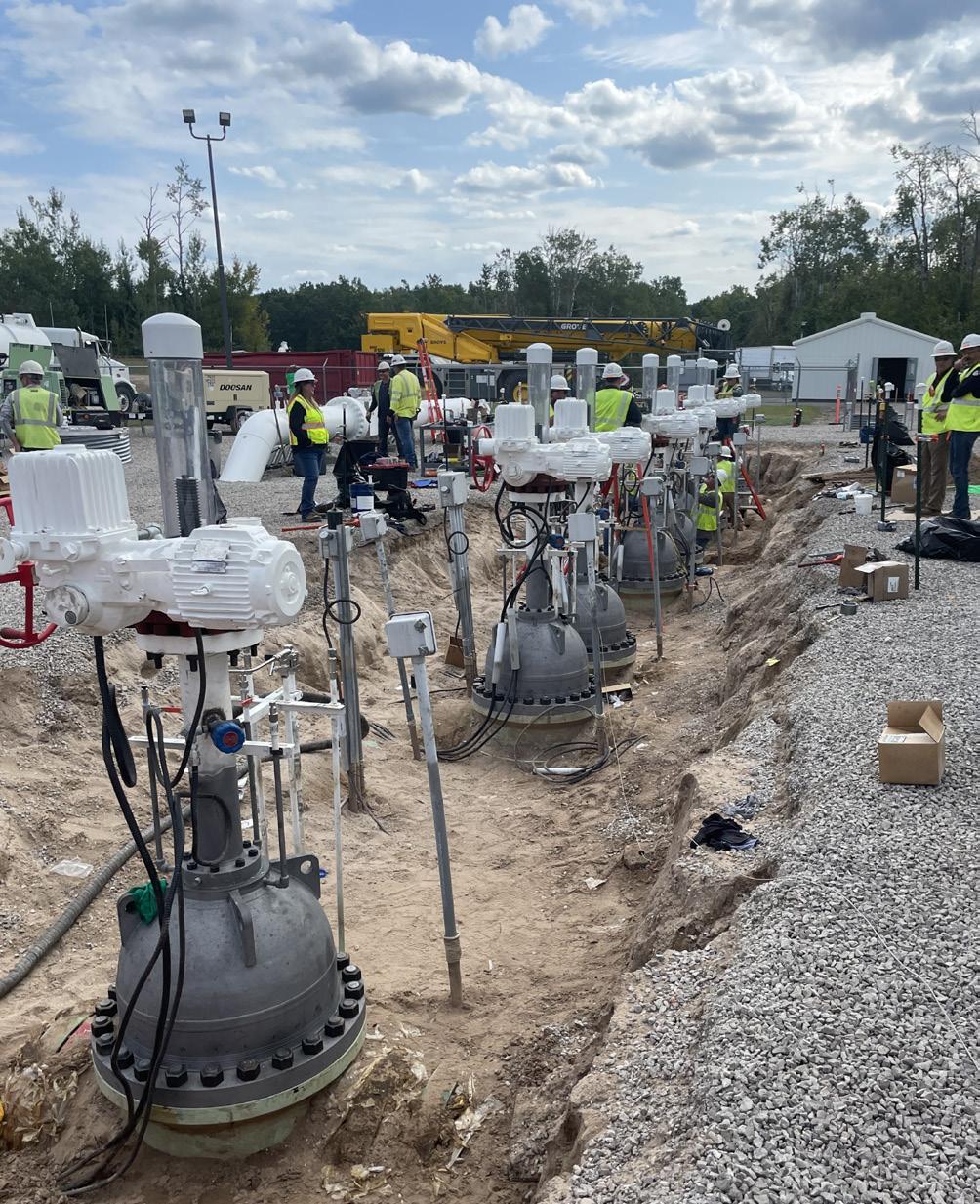
A robust maintenance strategy must therefore follow the flow path and treat all these technologies as integral to the pipeline as a whole.
Pipelines are not single assets. They are systems composed of multiple components, including rotating equipment, isolation and control valves, launchers and receivers, instrumentation, and structural components. While each element has its own maintenance requirements, failures often originate at the interfaces between them.
For example, a pump experiencing performance drift may introduce unstable pressure conditions that accelerate valve wear. Increased solids or wax build-up in the line may raise actuator torque requirements, masking early signs of valve degradation. Frequent pigging can increase valve cycling, contributing to seat wear and packing fatigue. Conversely, compromised isolation integrity can make pigging less safe or less effective.
Maintenance strategies that treat pipeline components separately risk overlooking these interdependencies. Instead, operators need a framework that considers the full operational chain.
A practical starting point is to examine the system in sequence and to consider the contribution of each technology to overall pipeline integrity.
Pumps establish the baseline for flow stability and pressure control, enabling continuous throughput across the pipeline system. Any stoppage for repair or replacement can have an immediate operational and commercial impact. In older pipeline installations –where pumps may have been in service for decades – maintenance can be prolonged due to limited original documentation or incomplete maintenance histories.
Common challenges include difficulty sourcing spare parts, particularly where original equipment manufacturers are no longer active, or nameplates are missing. Operators may experience repeated interventions on ‘bad actor’ units that fail prematurely or exhibit corrosion and cavitation damage. In some cases, the original materials specification, based on a particular duty, may no longer be ideal due to changes in fluid composition or operating parameters.
These issues are often treated as isolated rotating equipment problems. However, unstable flow or degraded hydraulic performance can have knock-on effects throughout the system, for example influencing valve behaviour and pigging frequency.
Valves play a dual role in pipeline systems: they provide critical isolation and they regulate flow. Many remain in one position –open or closed – for extended periods but must function reliably when the need arises.
Early warning signs of degradation are not always dramatic. Deterioration of consumables such as O-rings can lead to brittleness and cracking. External leakage through gland packing or flanged joints may signal packing degradation, thermal cycling effects or misalignment. Internal leakage, or passing, between valve seats and
closure elements may indicate erosion, corrosion or debris lodged in sealing surfaces.
In electrically actuated valves, solids accumulation within the body can increase torque or thrust requirements as the actuator compensates. Left unaddressed, this can lead to higher energy consumption and eventual failure to achieve full travel.
As operations come under increasing environmental scrutiny, external leakage has additional significance. Fugitive emissions from packing or joint failures are no longer simply maintenance concerns; they are regulatory and reputational risks.
Pigging is essential for managing internal corrosion, removing wax and debris, and supporting integrity monitoring in pipelines. However, pigging operations introduce specific maintenance considerations.
Traditional manual pig launchers require isolation, depressurisation and venting between each pig run. Where fluid accumulation or wax build-up becomes excessive, multiple pigs may need to be launched frequently, sometimes daily. Dedicated personnel working around the clock to manually launch pigs can incur annual costs totalling millions of dollars, particularly in remote or offshore environments.
In addition, repeated depressurisation increases valve cycling and seat wear, and venting operations may release methane or other gases. In normally unmanned installations, the logistics of transporting personnel to perform routine pigging can negate some of the efficiency gains of remote operation.
Understanding how critical assets fail and what drives downtime is the next step. Three key considerations are general degradation, operational stress, and obsolescence.
Many failure modes develop gradually. Packing degradation, seal wear, corrosion and erosion may progress over months or years before becoming critical. Solids accumulation can restrict valve travel or alter hydraulic clearances in pumps. These slow-moving mechanisms often provide warning signs, such as increased actuator resistance, visible leakage, higher vibration, or increased energy consumption. Spotting these trends requires consistent monitoring.
Certain operating conditions can accelerate wear even where routine inspection shows no obvious defect. Pressure surges during start-up or shutdown, rapid temperature changes, or changes in product composition can all place additional stress on pumps and valves. Transient flow conditions may increase vibration, alter hydraulic loading, or introduce unexpected cavitation.
Operational stress is not always mechanical. Repeated tightening of gland packing to control minor leakage may accelerate stem wear. Deferred lubrication can increase friction loads on actuators. Repeated thermal cycles during partial shutdowns may compromise gasket integrity. Similarly, evolving operating regimes, such as higher throughput, intermittent service,
or modified duty cycles, may push equipment beyond its original design envelope.
These incremental stresses do not always cause immediate failure, but they can shorten service intervals and increase the likelihood of unplanned intervention if not recognised early.
Obsolescence: the hidden cost
Obsolescence is another challenge, particularly in ageing infrastructure. Legacy valves and pumps may have been installed decades ago, sometimes by manufacturers that have since merged, withdrawn from the market, or ceased trading altogether. In other cases, product lines have been discontinued, leaving critical components without formal support.
When a valve or pump fails under these circumstances, operators may find that original spare parts are no longer available within acceptable lead times, or not available at all. In the absence of support, what begins as a repairable issue can quickly become a replacement decision.
Lack of simple replacement parts may result in unnecessary capital expenditure, extended downtime and the scrapping of an otherwise serviceable unit. It also raises sustainability issues. Disposing of large fabricated or cast components because they are no longer supported creates material waste and avoidable
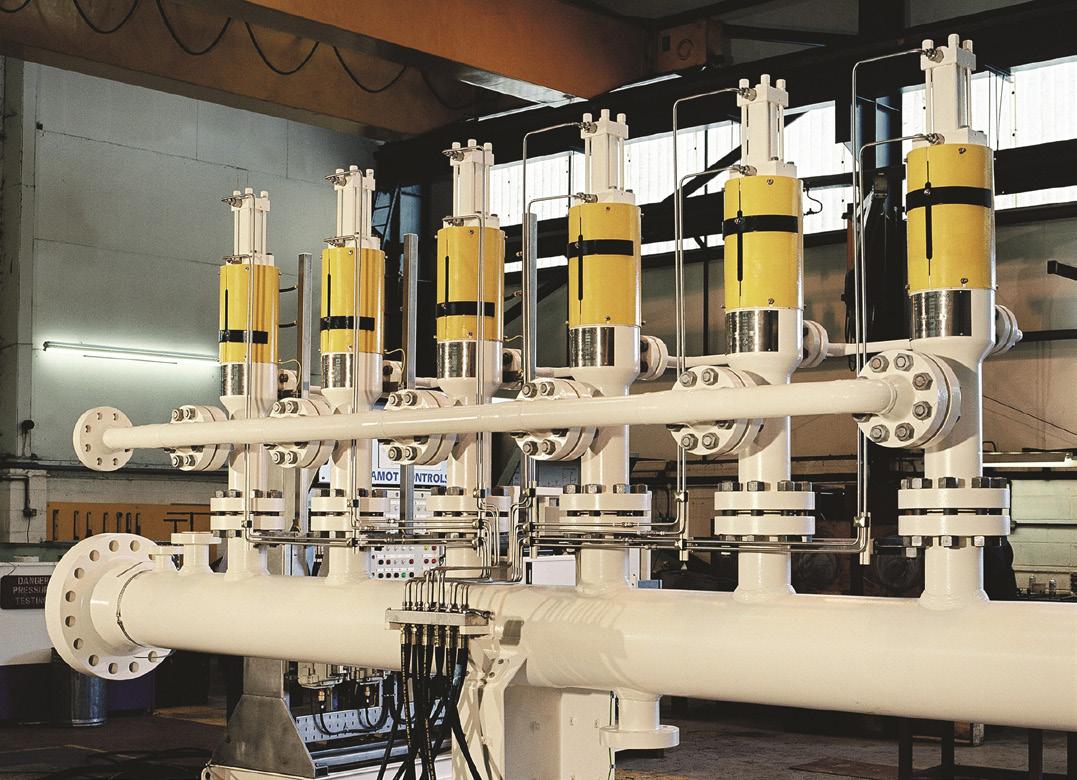
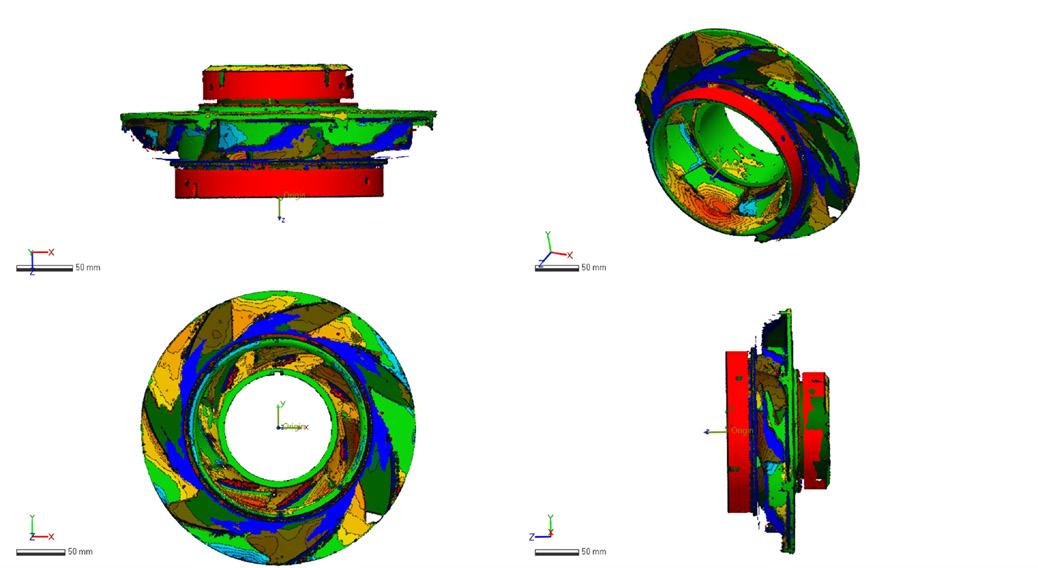
embodied carbon impact. Recognising obsolescence as a risk factor is therefore central not only to a resilient pipeline maintenance strategy but also supports corporate responsibility.
Traditionally, the decision around a maintenance intervention has been a binary choice: repair or replace. In practice, a more nuanced approach is required, involving a combination of reactive and proactive maintenance, plus a third option – re-engineering.
Reactive maintenance is a necessary part of any strategy, because unexpected failures occur even with the best preventative regimes. Reactive maintenance requires rapid access to qualified personnel and spare parts. Downtime duration depends heavily on availability and logistics. In remote locations, mobilising expertise and components can be the dominant cost driver.
Preventative maintenance remains the baseline for supporting uptime. Regular visual inspections to identify wear, corrosion or leakage, lubrication of moving parts, and periodic flushing to remove debris are all essential. Replacement of seals and other soft goods when valves are opened, and partial or full stroke testing, all contribute to reliability.
Accurate record-keeping, ideally within an electronic database, allows operators to track as-found condition, identify recurring issues and plan interventions more effectively.
Increasingly, operators are opting to re-engineer existing assets to restore performance, reduce lead time and manage obsolescence. Modern scanning and modelling techniques can be applied to legacy pump components, allowing accurate capture of geometry and the incorporation of design improvements. In some cases, application of contemporary manufacturing methods has reduced component lead times by more than 50% compared to traditional approaches.
Such interventions are not simple replication. They may include material upgrades to address corrosion or cavitation in pumps, finite element analysis to validate structural integrity under revised temperature or pressure conditions, and optimisation of hydraulic profiles to improve efficiency. For valves, engineered upgrades may involve modification of top works, conversion to two-piece stem arrangements to simplify future maintenance, or installation of enhanced packing systems to reduce fugitive emissions.
By treating engineered modification as a standard tool rather than a last resort, pipeline operators can extend asset life while avoiding the disruption associated with full replacement.
Even the most robust technical maintenance strategy will fail if the practical execution model is overlooked. Pipelines are often located where mobilisation of people, tools and parts can be more challenging than the intervention itself. Outage windows are typically short, and delays are costly.
Lifecycle maintenance partners are a valuable addition to an integrated strategy. They don’t just help maintain equipment, they
can support with planning, logistics, and specialist skills required to execute work safely and efficiently.
A recent buried valve upgrade project on a major US pipeline illustrates this clearly. The operator used a planned outage to upgrade 11 in-station control valves on a pipeline built in 1953, with a strict 72 h return-to-service requirement. Celeros Flow Technology brand M&J Valve mobilised specialist engineers and pre-assembled repair kits to site, enabling eight 24 in. Class 600 Expanding Gate valves to be converted ahead of schedule. Beyond the technical upgrades, the success of the project depended on rapid mobilisation, OEM expertise and coordinated execution, demonstrating that integrated pipeline maintenance is as much about people and planning as it is about pipeline assets.
Regarding personnel, the trend toward unmanned or normally unmanned installations raises the bar for maintenance strategy. Manual, labour-intensive processes that were once acceptable become less practical when personnel presence is minimised.
Automation in pigging systems provides one example of how intervention burden can be reduced. Systems that enable multiple pigs to be preloaded and sequentially launched without depressurising the vessel between runs eliminate repeated venting cycles and reduce valve cycling. Pressure-balanced mechanisms can allow controlled launching of conventional or intelligent pigs, supporting remote management from a central location.
By aligning pigging operations with broader automation objectives, operators can improve safety, reduce emissions exposure, and limit the frequency of site visits.
Modern pipeline maintenance must account for remote operations, stricter environmental expectations, ageing assets and evolving operating conditions. System complexity means that no single intervention will deliver reliability in isolation.
A complete pipeline maintenance strategy should therefore combine several elements, including:
) Condition monitoring of pump performance trends and vibration.
) Tracking of valve actuation torque, leakage rates and packing condition.
) Optimisation of pigging frequency based on flow conditions and deposit formation.
) Risk-based prioritisation of interventions according to consequence and probability of failure.
) Proactive management of obsolescence through engineered upgrades or redesign.
) Robust documentation systems that capture inspection findings, repairs and component histories.
A resilient maintenance strategy follows the flow path, recognising that system reliability depends on how different technologies perform together. In an industry where downtime is costly and failures are high consequence, seeing the system as a whole is fundamental to building a maintenance strategy that is not only technically sound, but operationally sustainable.
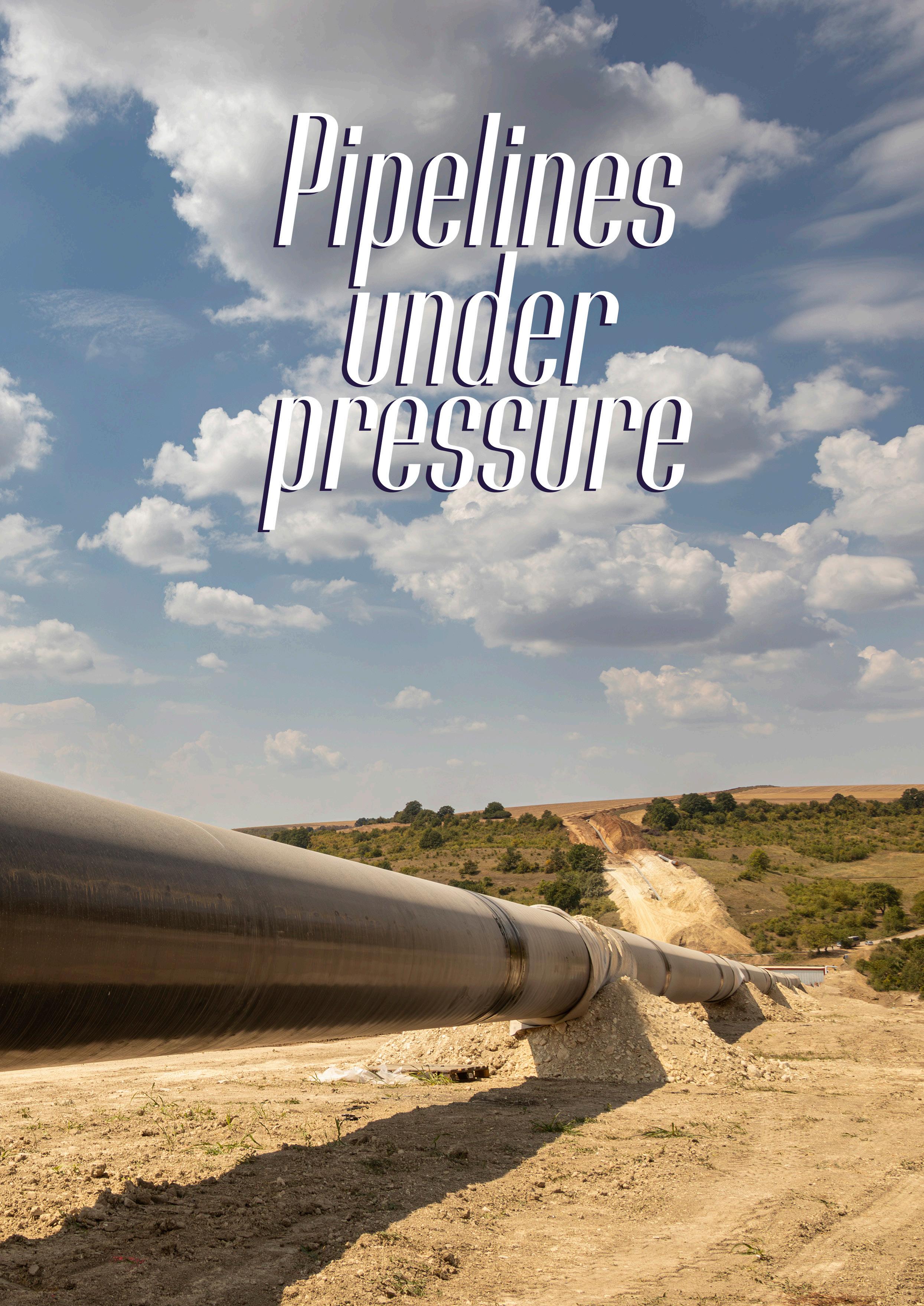
Evangéline Cousot, Emerson, suggests that biomethane injection improves sustainability but introduces challenges, with solutions available to address issues.
Since the inception of the gas pipeline industry, distribution system operators (DSOs) have relied on large baseload sources of supply, with natural gas distributed to users from these supply points. Pressure management for these types of systems was
typically straightforward, with pressure at the supply points augmented by compressor stations as required.
But in response to concerns regarding decarbonisation and sustainability, this familiar method of operation is now changing for some DSOs due to biomethane injection at various points in the distribution network, primarily from agricultural operations, such as farms and vineyards. While biomethane injection improves sustainability by collecting and burning this potent greenhouse gas (GHG) instead of emitting it directly to the atmosphere, it also presents pressure management problems, with new solutions required
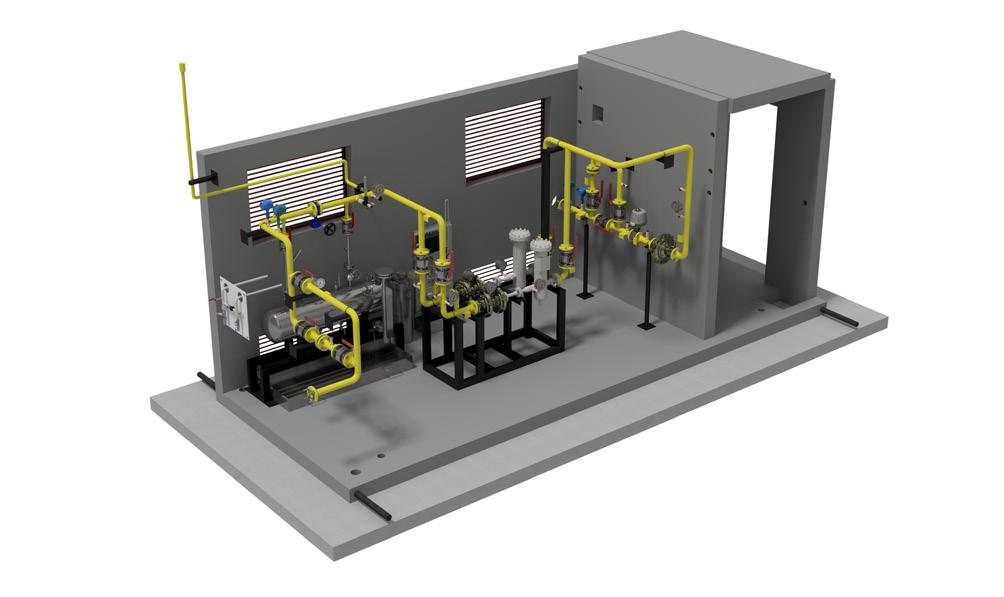
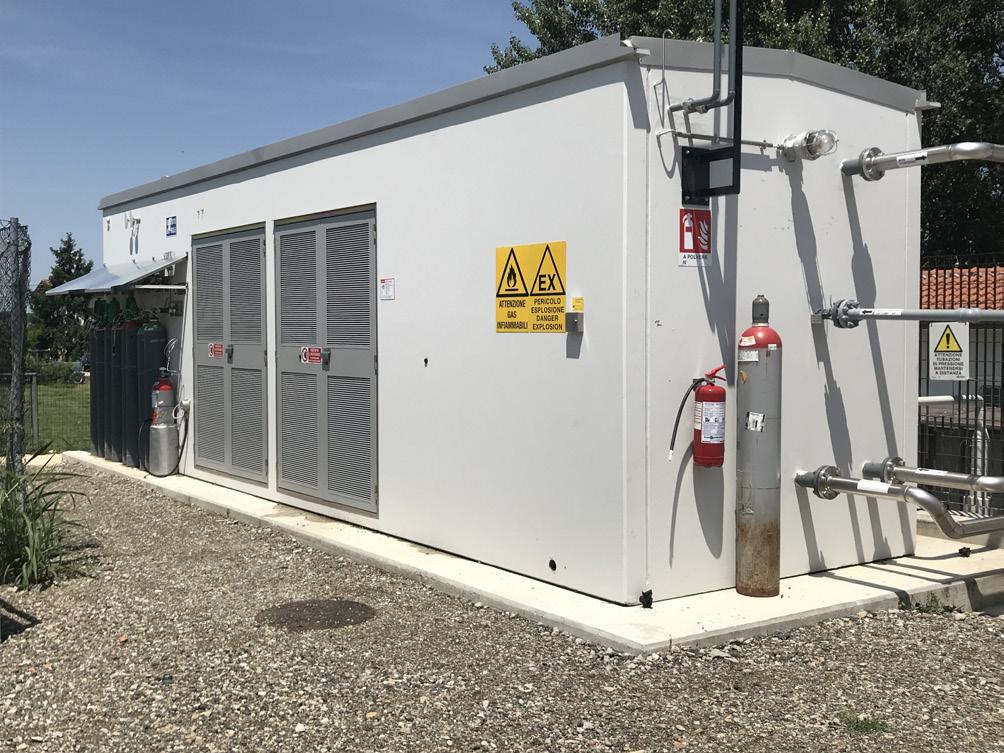
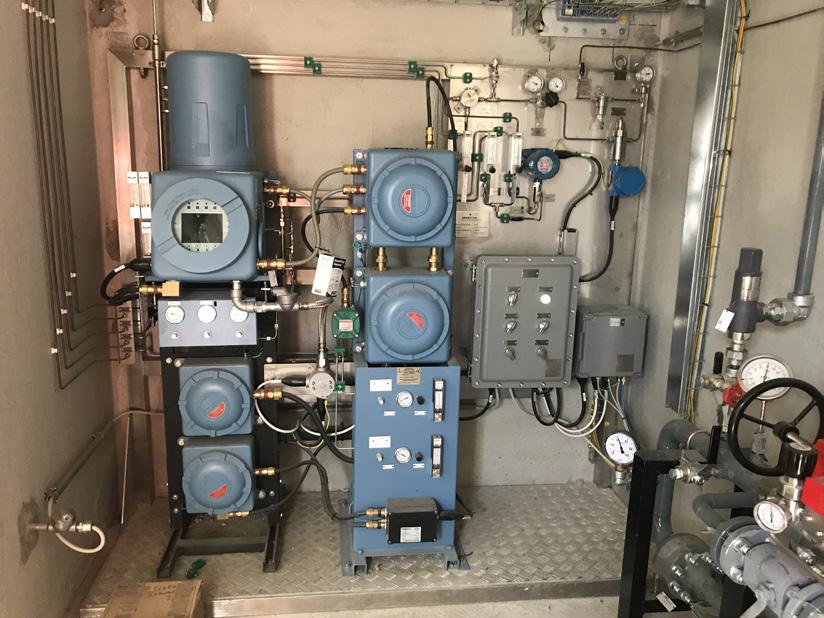
to ensure safe and reliable operation. The amount of biomethane injected at each insertion point must also be traced and measured because DSOs often receive carbon and/or other credits for its use, but only if it is properly tracked from injection to final use points. Across Europe in particular, the rapid growth of these and other renewable gas projects is transforming traditionally centralised gas networks into more distributed systems, with multiple injection points that must be managed safely and efficiently.
In response to these challenges, many DSOs are installing smart technologies in their pressure reducing and metering stations to measure and control pressure, temperature, and other parameters; help manage the mix between natural and green gas; and monitor the entire distribution network (Figure 1). By incorporating a programmable control device and touch screen, DSOs can monitor operations remotely, increase efficiency, improve the management of seasonal pressure issues, and implement real-time optimisation.
The smart technologies must perform multiple functions, including:
) Outlet pressure remote control for grid balancing to cope with seasonal adjustments and other factors, along with on-demand outlet pressure profiling to automatically adapt outlet pressure to daily consumption profiles.
) Limit the line capacity within the custody transfer meter range to improve invoicing accuracy.
) Control of the entire odourant injection system, including ratios in the gas and the odourant level.
The entire pressure reducing and metering station requires a complete automation system, including a variety of measurement instrumentation and final control elements. Local indication of operation is also important, typically provided by some type of operator interface device, such as a graphics display. Finally, communication hardware and software are needed because these skids are typically monitored and controlled remotely as part of a larger digitised distribution system network.
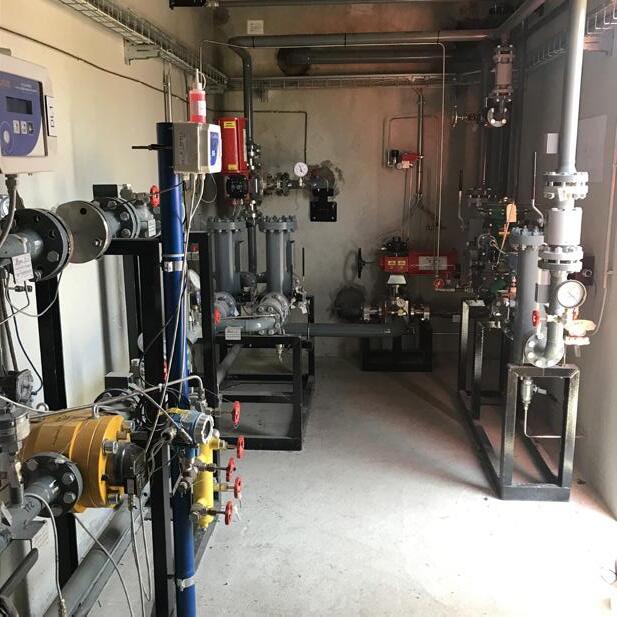
To perform these activities, many DSOs are deploying integrated injection stations that combine pressure control, gas analysis, custody transfer metering, and automation within a single engineered solution. This type of gas network digitalisation will allow gas companies to accelerate their energy transition in support of their decarbonisation goals.
Potential project partners should be evaluated based on their familiarity with applicable local and national codes, as well as possession of the required engineering licenses


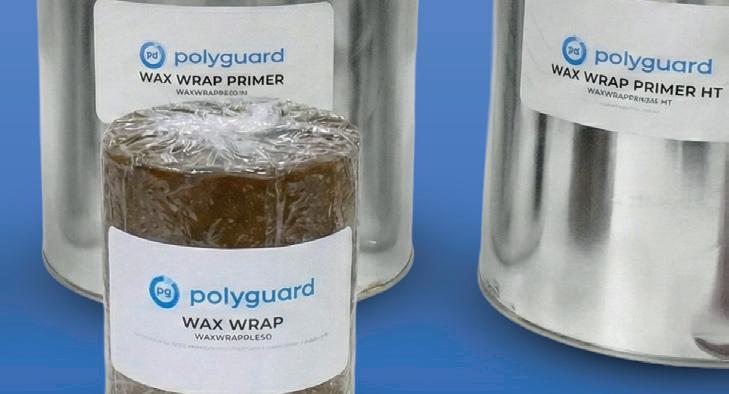

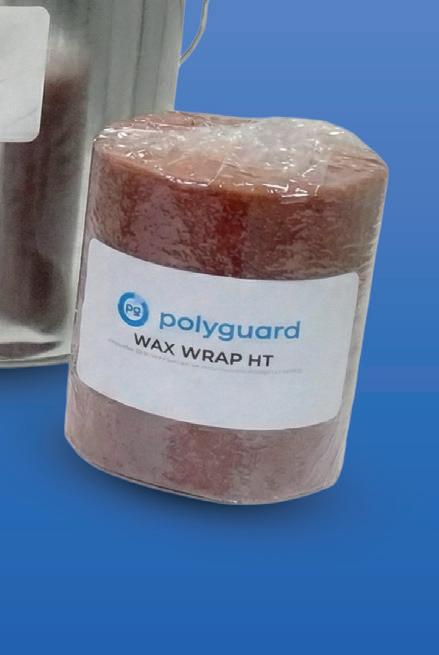


and certifications to do the work. Beyond these minimum requirements, a qualified solution provider must also understand the natural gas system thoroughly, know the equipment involved, and demonstrate a proven track record of successful installations.
Such a combination of skills and experience allows the partner to offer suggestions and process recommendations to help the DSO choose the best combination of equipment to meet the needs and goals of the project. The best solution providers supply most of the equipment and instrumentation directly, and they have strong partnerships with technology providers for the balance. This type of arrangement provides equipment interoperability, high performance, and expert support.
Here’s an example of a solution designed for a specific biomethane injection project. A large wine maker in Italy had significant agricultural and liquid wastes from their process, and they decided to install anaerobic digesters to treat the waste streams and convert them to biomethane. The wine maker had developed the digester process, but they needed a fully integrated solution to analyse the gas product parameters, communicate with the upstream processing system as required to meet specifications, and safely inject the biomethane into the nearby natural gas pipeline system.
The wine maker lacked the engineering expertise to do the work themselves, so they engaged Emerson to

engineer the system, construct the skid-mounted solution, install it on site, commission it, and provide ongoing operating support assistance. The skid was designed, delivered, and placed into successful production in a very compressed time schedule, quickly bringing the biogas process online and into profitable production (Figure 2).
This solution is particularly interesting because in addition to biomethane injection to the transmission network, it can also handle bidirectional flows. This capability is needed when the transmission line cannot receive more biomethane, or when the amount of biomethane exceeds its needs. In these cases, the renewable gas is redirected to a local biomethane microliquefaction system, which produces bio LNG for vehicle fuelling. When more bio LNG is needed, the system can also take gas from the transmission network, in addition to the internally produced biomethane, to produce more bio LNG. Finally, the system can produce bio LNG when this is more profitable than injecting biomethane into the grid.
As this case study shows, many biomethane producers may not have the expertise required to design, construct, and support the systems needed for safe injection into natural gas pipelines. Therefore, engaging a trusted partner is often the best solution in these cases, providing income for the biomethane producer, while furthering decarbonisation and sustainability efforts for the producer, the DSOs, and the end user.


Over the past 30 years, the United Kingdom Onshore Pipeline Operators’ Association (UKOPA) has played a central and transformative role in the development, safety, and governance of the UK’s onshore high pressure pipeline network.
Since its formation in 1996, UKOPA has evolved from a small industry forum into the authoritative voice representing operators responsible for the vast majority of the UK’s pipeline infrastructure. This year, as the organisation marks its 30th anniversary, its influence on industry standards, collaboration, and future energy transition is clearer than ever.
Foundations: why UKOPA was created UKOPA was established in 1996, initially to enable the high pressure pipeline operators at the time to show a united front and unified responses to the regulator that was developing the Pipelines Safety Regulations for the UK. By providing a unified and authoritative voice on the safe operation and integrity management of onshore pipelines that were responsible for transporting ‘dangerous fluids’ at high pressure, UKOPA not only played an important role in supporting pipeline operators and the regulators but the wider public as well.
At the time, the UK’s pipeline network was already a critical part of national infrastructure, transporting fuels, gasses and chemicals essential for heating, transport, power generation, and industrial processes. However, there was a growing recognition that a coordinated industry body was needed to share good practice, engage regulators, and ensure consistent safety standards.
From these beginnings, UKOPA has grown into a membership organisation representing operators responsible for more than 95% of the UK’s onshore pipeline network, spanning over 27 000 km.
unified voice for safety and standards
A defining feature of UKOPA’s contribution over the last three decades has been its role as a unifying force across the high pressure pipeline sector. Through its work, the association has helped shape industry standards, influence legislation, and promote safe working practices to meet the organisation’s stated aim of providing “a unified, authoritative voice on safety, operations, and integrity management.”
This has involved close collaboration with key stakeholders such as the Health and Safety Executive (HSE),

Clive Zanker, Chair of UKOPA, reflects on how the association helped shape the UK’s onshore pipeline network over three decades.
government departments, and local planning authorities. UKOPA has also played a major role in developing good practice guidance used not only by pipeline operators but by contractors, planners, developers, and landowners working near pipeline infrastructure.
Importantly, UKOPA has helped foster a culture of shared learning. By enabling operators to exchange insights from incidents, near-misses, and technological advancements, it has
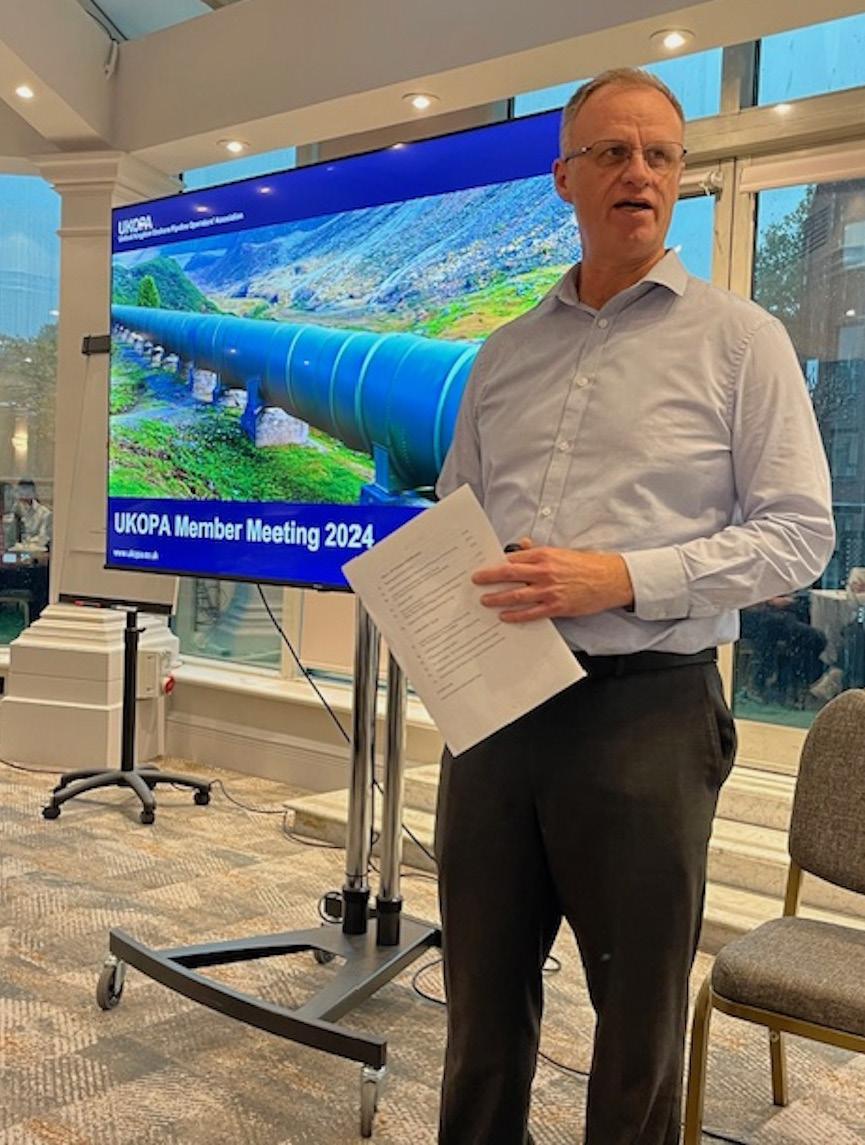
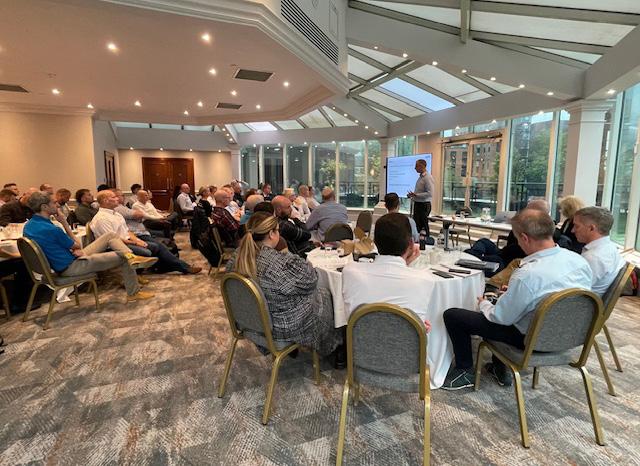
contributed to making the UK pipeline sector one of the safest and most mature in the world.
At the heart of UKOPA’s effectiveness lies its system of specialist working groups. These groups bring together subject-matter experts from volunteers from across member companies to address specific technical and operational challenges.
There are currently six core groups:
) Emergency planning and resilience.
) Fault data and risk assessment.
) Infringement.
) Process safety.
) Pipeline integrity.
) Corrosion prevention.
Each group plays a distinct but interconnected role in maintaining and improving the safety and reliability of the UK’s high pressure pipeline network.
The Emergency Planning and Resilience Working Group, for example, develops guidance to support emergency preparedness and response, working closely with local authorities and emergency planners.
Meanwhile, the Fault and Risk Assessment Working Group analyses data on pipeline faults and failures to identify trends and inform risk management strategies.
The Infringement Working Group focuses on preventing accidental damage to pipelines, an increasingly important issue as urban development expands into areas near existing infrastructure.
Technical excellence is further reinforced by the Process Safety and Pipeline Integrity groups, which provide expert advice on defect assessment, operational safety, and asset management.
Finally, the Corrosion Prevention Working Group addresses one of the most significant long-term threats to pipeline systems, promoting strategies to mitigate corrosion and extend asset life.
Collectively, these groups analyse incidents, develop Good Practice Guides, and support training initiatives across the industry. Their collaborative model has been instrumental in driving continuous improvement in safety, integrity, and operational performance.
One of UKOPA’s most significant achievements has been its ability to bring together diverse stakeholders – from oil, gas and chemical operators, to regulators, engineers, and emergency planners.
Over the past 30 years, this collaborative approach has enabled the development of shared standards and guidance that benefit the entire sector. UKOPA has also supported training initiatives, including specialist programmes such as Pipeline Emergency Response Officer (PERO) training, Hazard Awareness, Graduate Engineering Engagement Programme (GEEP) and even PhD Engineering research, all helping to build

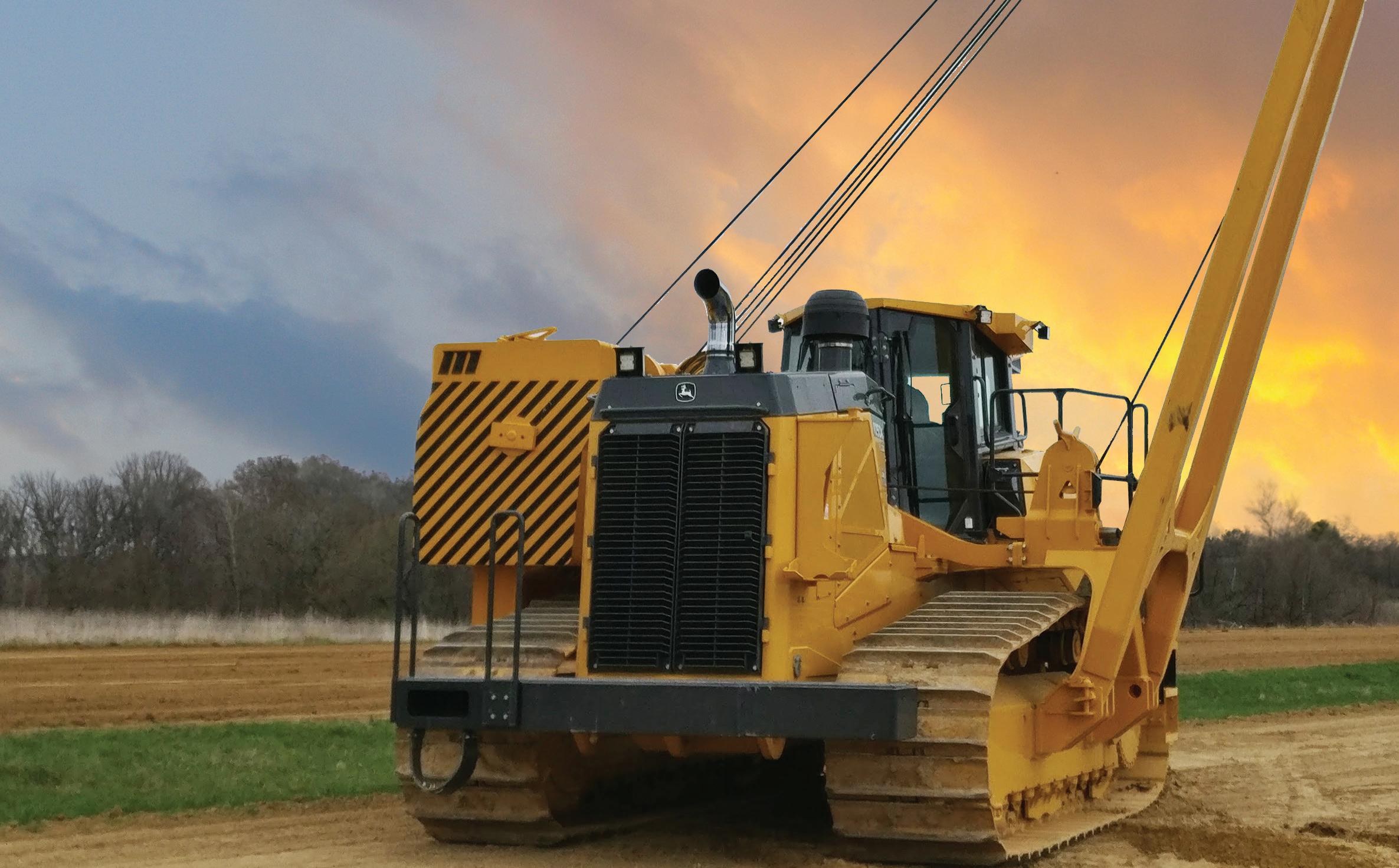
competence across the workforce at all levels and into the future.
This emphasis on collaboration has ensured that the industry remains adaptable and resilient, capable of responding to new challenges such as evolving safety risks, environmental concerns, and technological change.
Clive Zanker, the current chair of UKOPA comments: “UKOPA has played such an instrumental part in the formation of a safe and effective pipeline industry in the UK. This network continues to evolve, expand and endure so UKOPA’s role is as important today as it has ever been to develop and implement good practice as well as evolve to reflect the changing needs and applications of the UK’s pipeline network.”
In October 2026, UKOPA will celebrate its 30th anniversary with a major industry event at Silverstone, bringing together members, partners, regulators, and suppliers.
The event, taking place on 21 - 22 October, will serve as both a celebration and a forward-looking forum. Its importance is illustrated by the significant support it’s attracted from industry including TD Williamson, Rosen, and A.Hak to name three key sponsors that have helped enable the celebration.
The event programme includes:
) A members’ conference reflecting on three decades of progress.
) An industry exhibition showcasing innovation and technology.
) A gala black-tie dinner celebrating the people and achievements behind UKOPA’s success.
Beyond celebration, the event will emphasise key themes shaping the future of the pipeline sector. These include supporting the UK’s transition to net zero, enhancing resilience against emerging risks, and developing the next generation of industry professionals.
Clive continues, “Silverstone is synonymous with precision and performance and so provides an apt setting for an organisation whose work has been defined by engineering excellence and safety under pressure. This will be a fantastic event for the whole industry, and we’re delighted how well it’s been received by members, sponsors as well as the wider pipeline sector as a whole.”
As the UK moves towards a low-carbon future, the role of onshore pipelines is evolving. While traditional fuels will remain important in the near term, pipelines are expected to play a key role in transporting new energy vectors such as hydrogen and carbon dioxide.
UKOPA is well positioned to support this transition. Its expertise in safety, integrity management, and regulatory engagement provides a strong foundation for adapting existing infrastructure to new uses.
The organisation’s collaborative model will also be crucial in addressing emerging challenges, from climate resilience to cyber security and skills shortages. As the Silverstone event emphasises, UKOPA’s role is not just to reflect on past achievements but to actively shape the future of the UK’s pipeline industry.
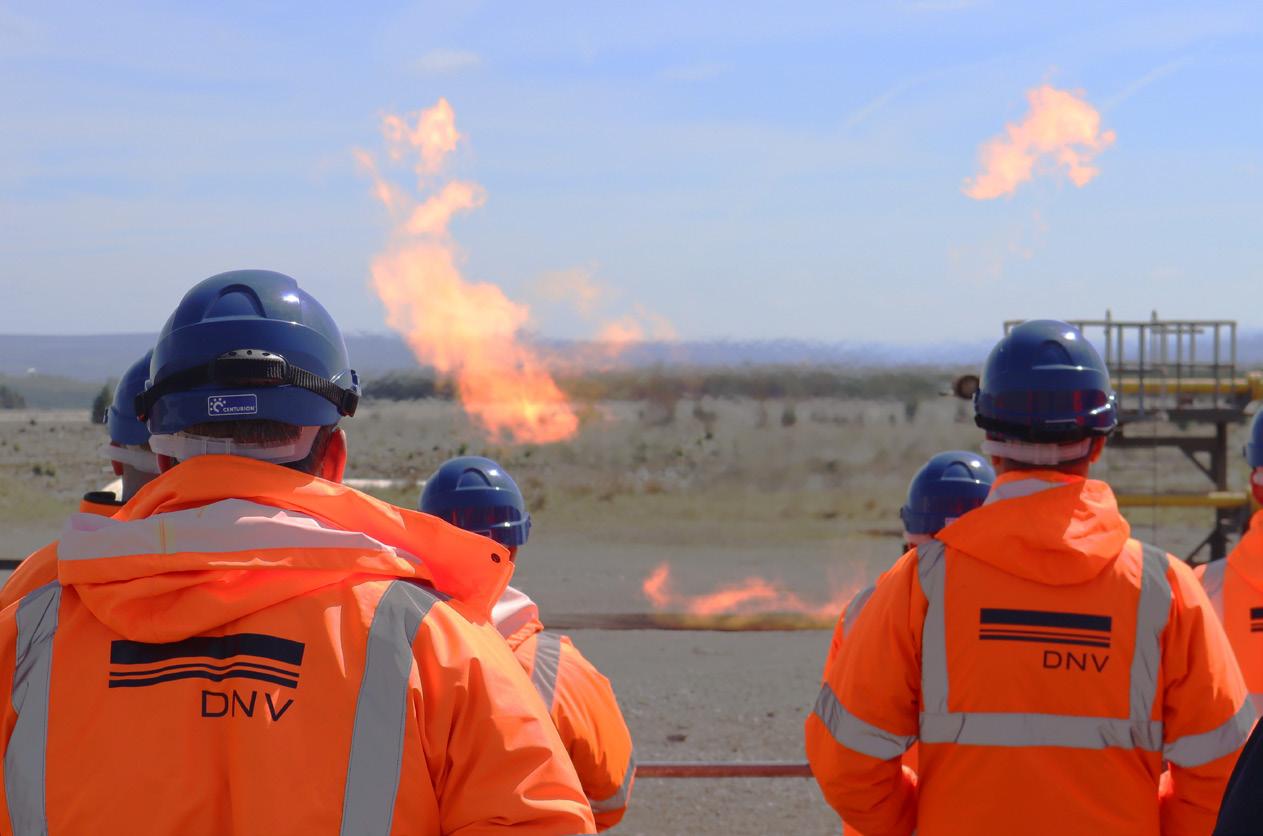
Over the past 30 years, UKOPA has played a pivotal role in developing and safeguarding the UK’s onshore pipeline network. From its origins as a forum for sharing good practice to its current status as the industry’s leading authority, the association has driven improvements in safety, collaboration, and innovation.
Its working groups have provided the technical backbone for continuous improvement, while its engagement with regulators and stakeholders has ensured a consistent and unified industry voice.
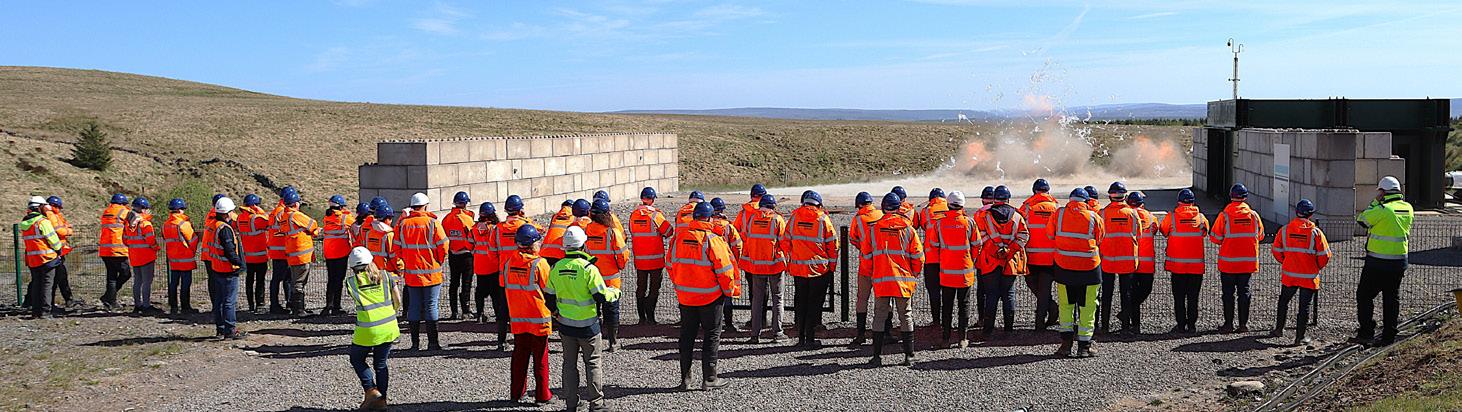
As UKOPA celebrates its 30th anniversary at Silverstone, it does so not only as a reflection of past success but as a platform for future progress. In an era of energy transition and evolving risks, its role remains as vital as ever – helping to ensure that the UK’s pipeline network continues to operate safely, reliably, and sustainably for decades to come.
Kapil Garg, MarketsandMarkets, assesses how the oil and gas pipeline industry is changing with the emerging use of artificial intelligence (AI), especially when improving safety, efficiency, and sustainability.
The oil and gas industry stands at a pivotal moment. It faces growing energy demand, increased environmental expectations, and a rapidly evolving technological landscape. Artificial intelligence (AI) in drilling prevails at the centre of this transformation, which will fundamentally change how we approach operational efficiency and resource recovery, particularly in mature fields and complex reservoirs. This goes beyond innovation – it becomes digital, executed. MarketsandMarkets analyses the benefits of AI in drilling come into sharp focus as we strive for improved safety, efficiency, and sustainability. AI and machine learning transform raw data into actionable intelligence that supports smarter decision-making in real time. This helps us predict performance, anticipate challenges, and optimise workflows with unprecedented speed and precision. Digital is embedded in everything we do, and we see measurable improvements in drilling performance, increased consistency, a more proactive approach, and continuous learning and innovation. Yet, this only marks the beginning.
Perhaps most importantly, AI helps the industry tackle growing technical challenges, such as complex reservoirs, increased requirements for optimal well placement, and the need for improved operational efficiency. The integration of data from multiple sources and disciplines trains our AI models and allows for more holistic, system-level optimisation. AI is revolutionising oil pipeline management by enhancing safety, efficiency, and maintenance through real-time monitoring, predictive analytics, and automated inspection. Key uses include detecting leaks using AI-powered fibre optics, predicting corrosion to enable proactive maintenance, and optimising flow rates. These technologies reduce downtime, prevent environmental disasters, and cut operational costs. Oil and gas pipeline networks require constant monitoring and inspections to prevent costly incidents. It’s an integral part of pipeline integrity management. Specialised equipment and techniques evaluate leaks, structural integrity, and the overall pipeline network health.
Pipeline inspection is typically done via visual methods or non-destructive testing (NDT) techniques like ultrasonic testing. AI can boost visual inspection using machine vision. Pipeline images and videos are captured by camera nodes, drones, or CCTV and analysed using ML or deep learning algorithms.
The continuous monitoring of pipeline networks ensures that the computer vision models identify flaws. Deep learning algorithms like recurrent convolutional neural networks (R-CNN) can build models for such assessments.
ML algorithms can also be used to analyse data using NDT techniques. Oil and gas companies can use historical data and operational benchmarks to inspect pipelines using AI-based models.
Additionally, when assembling oil and gas pipelines, AI-powered visual systems can inspect the pipeline network on a scale. AI can augment conventional visual methods to identify problems humans cannot perceive quickly.
The use of AI boosts inspection rates and reduces costs while increasing defect detection rates.
Pipeline defects mainly develop due to mechanical damage from different forces, leading to cracks, dents, and perforations. Delayed rehabilitation of these defects can result in environmental disasters, economic losses, and compromise human safety. For instance, the US lost US$7.7 billion between 2005 and 2020 due to leaks.
Physical inspection, IoT sensors, ultrasound waves, and fibre optic cables are some ways operators detect defects. AI and ML algorithms can analyse data streams from these methods to determine anomalies in flow rate or physical changes at the leak site. SVM and genetic algorithms (GA) can be used to develop early leak detection systems in pipelines.
Traditional gas leak detection methodologies, such as optical gas imaging, are capital-intensive and demand human resources. However, computer vision techniques like convolutional neural networks can analyse images and quickly determine pipeline defects.
For instance, the National Energy Technology Lab in the US has developed an AI-powered smart leak detection solution to pinpoint defects. The system is capable of identifying leaks before significant damage occurs. Previously, gas utility companies used inspectors who used handheld devices to detect leaks.
Maintenance strategies in the oil and gas sector have evolved, allowing companies to draw maximum life from their equipment, minimise repair work, and avoid unplanned production downtimes. According to Puranik, an oil and gas analyst at GlobalData, a day-long unplanned pipeline outage can cost a company a million dollars. Corrosion, weld failure, excavation damage, old age, and natural force damage are some of the issues that cause pipeline malfunction.
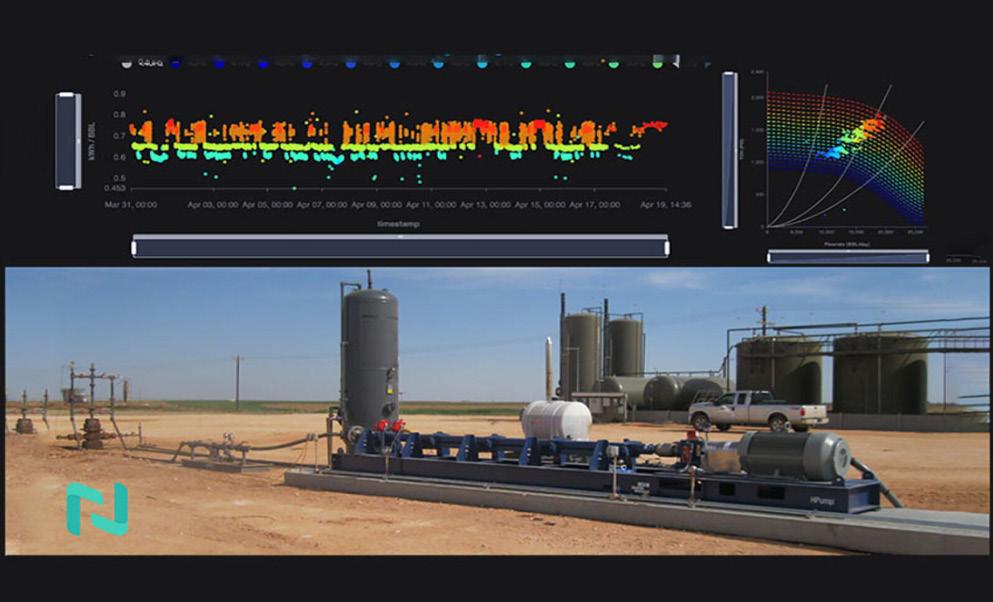
AI-driven predictive modelling accurately forecasts pipeline failures, allowing midstream companies to take proactive maintenance measures. Advanced sensors collect real-time data such as flow rates, temperature, pressure, and vibration levels. ML and deep learning algorithms such as regression, neural networks, and classification analyse this data to detect anomalies and deviations from set operational benchmarks. These predictive models constantly monitor the pipeline’s health, indicating potential points of failure and their severity. Additionally, by combining historical and telemetric data, predictive models can forecast the remaining useful life of different pipeline sections and components. With this information, operators can proactively schedule maintenance using data-driven decisions.
Corrosion is a naturally occurring process that arises from the interaction of the pipeline and corrosive elements in oil and gas. However, unchecked corrosion leads to pipe degradation, resulting in unplanned operational disruptions, safety issues, environmental damage, and valuable product loss.
It’s estimated that corrosion causes 15% to 25% of pipeline incidents. For instance, in the US alone, pipeline corrosion cost companies US$1.4 billion annually.
Corrosion assessment methods include ultrasonic testing (UT), radiographic testing, and in-line Inspection (ILI) Tools. These techniques and tools detect pipeline conditions and collect data such as corrosion levels, pressure, and temperature. However, they are carried out periodically and often fail to provide timely and accurate corrosion data.
AI and ML can be harnessed to analyse historical and data collected through these assessments. Some of the algorithms that can be used for this analysis include support vector machines (SVM), neural networks, and regression analysis. The overall effect is that companies can effectively analyse data, identify patterns, anomalies, and predict the pipe’s corrosion depths.
AI-based corrosion analysis enables early detection of pipe corrosion, helping oil and gas companies optimise maintenance schedules and extend asset lifespan. Additionally, AI can help analyse pipeline characteristics and corrosion data to decide the best corrosion prevention mechanism.
Oil and gas pipeline integrity and optimisation are critical for operators because they ensure continuous operations. Some of the ways AI can optimise the management of pipelines include:
) Real-time intelligent support systems: by combining AI with technologies like cloud, digital twins, and data analytics, companies can continuously derive trends and insights from data. Such systems help operators in scenario analysis, risk assessment and mitigation.
) Accelerated troubleshooting and responses: with the help of AI-powered computer vision and ML-based models, monitoring and inspection of pipelines has become easier. An integrated system can help detect flaws and alert operators for quick remediation. Pipeline flaws and breaches can be rapidly detected, minimising product loss and operation outages.
Pipeline management is integral to oil and gas production, and any failure leads to catastrophic consequences. AI opens new possibilities, especially with processes and workflows that output a lot of data. AI enhances processes like corrosion analysis, helping in rapid identification and prediction of corroded parts of the pipeline. Computer vision and machine learning also introduce novel pipeline inspection methods, relieving companies of capital and labour-intensive processes. Going forward, advancements in AI and technologies like IoT promise better ways to manage pipelines.


This episode of the World Pipelines Podcast is the second of a two-part series on CCUS in the cement sector, and what that means for CCS pipelines in the UK. Featuring the audience Q&A from the CCUS panel discussion, as shared by delegates at the World Pipelines CCS Forum 2026 and World Cement’s EnviroTech 2026.
The Q&A sees event and pipeline delegates ask our panel questions about infrastructure, investment confidence, timelines, risk, regulation, storage, industrial decarbonisation, and the practical realities of delivering CCS in the UK.
CATCH UP ON RECENT EPISODES
• CCS Forum 2026 CCUS Panel Discussion Pt. 1
• YPI
• Hunton Andrews Kurth LLP

Listen and subscribe here