
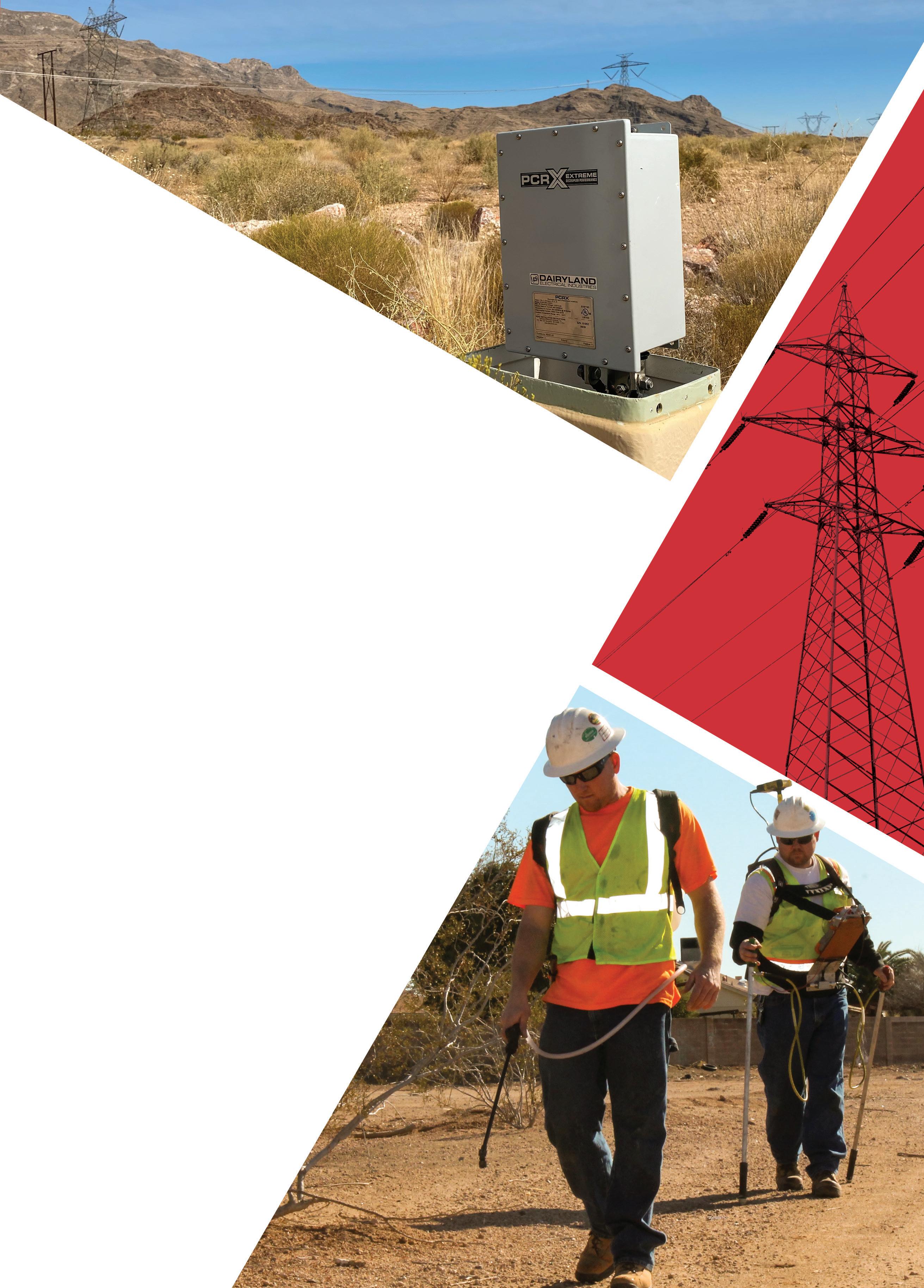
Dairyland’s PCRX is the most sophisticated decoupler on the market; offering the functions of standard decouplers while also eliminating capacitance delays during interrupted surveys. Unlike traditional decouplers, PCRX remains connected during testing, overcoming capacitive effects while maintaining protection for personnel and critical assets for the duration of the survey. This ensures accurate and timely potential measurements while still providing the rugged over-voltage protection, AC interference mitigation, CP isolation, and safety grounding expected from Dairyland decoupling products.
03. Editor's comment
05. Pipeline news
Global pipeline updates, and contract news.
KEYNOTE: DIGITAL RESILIENCE
10. Cybersecurity in oil and gas
Shawn Tuma, Spencer Fane LLP.
14. Safeguarding your pipelines
Damian Huff, Global Product Line Manager – Gas Chromatographs with ABB’s Measurement & Analytics division.
DIGITAL OPERATION
19. Systems and software
Claudy de Groote, Yokogawa Europe.
CORROSION: REPAIR
23. Busting myths about composite repairs
Matthew Green, CSNRI (Henkel), USA.
REMOTE OPERATION
27. Smarter labs, stronger operations
George Mattis, Senior Technical Solution Consultant, Thermo Fisher Scientific, USA.
CORROSION PREVENTION
29. Innovating pipeline integrity
Laurette Sapin Cuiret, 3X ENGINEERING, Monaco.
MATERIALS
33. Casting light on corrosion prevention
Philip Roscoe, N’GENIUS Materials Technology, UK.
INLINE INSPECTION
39. From capability to confidence
Gerhard Kopp (Senior Data Scientist), Peter Haberl (Senior Sensor Technology Engineer), and Alessandro Morandini (Data Scientist), NDT Global.
PIPELINE MACHINERY
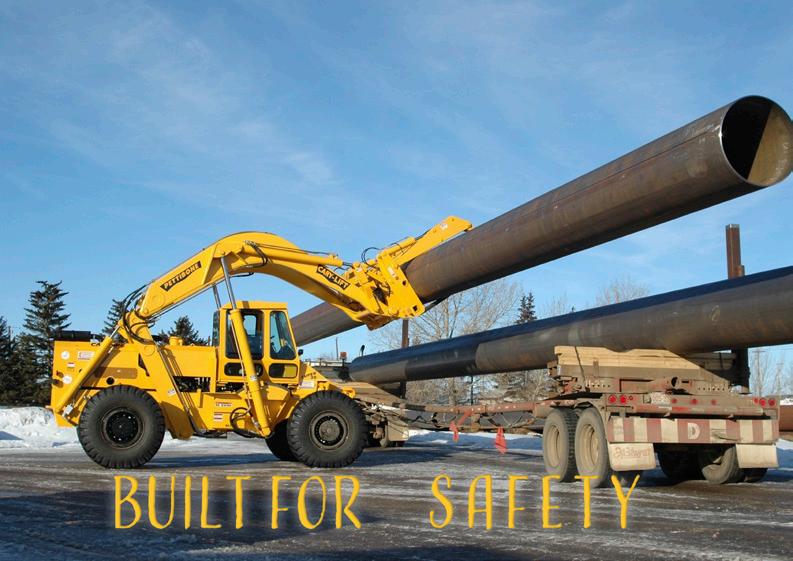
42. Built for safety
Tim Palosaari, Pettibone/Traverse Lift, LLC.
45. From clearing to completion
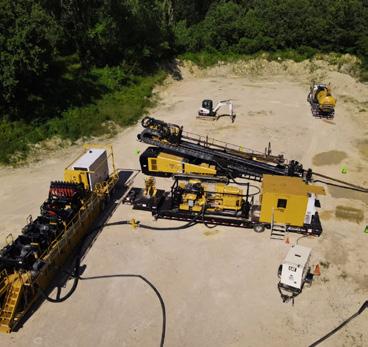
Amy Olsen, Vermeer Corp., USA.
49. Lifting safety to new standards
Ben Dobbs, Head of Global Standards and Legislation at the Lifting Equipment Engineers Association (LEEA).
REMOTE OPERATION
52. Advancing fenceline monitoring with early detection Venkat Eswara, mPACT2WO – a Molex business.
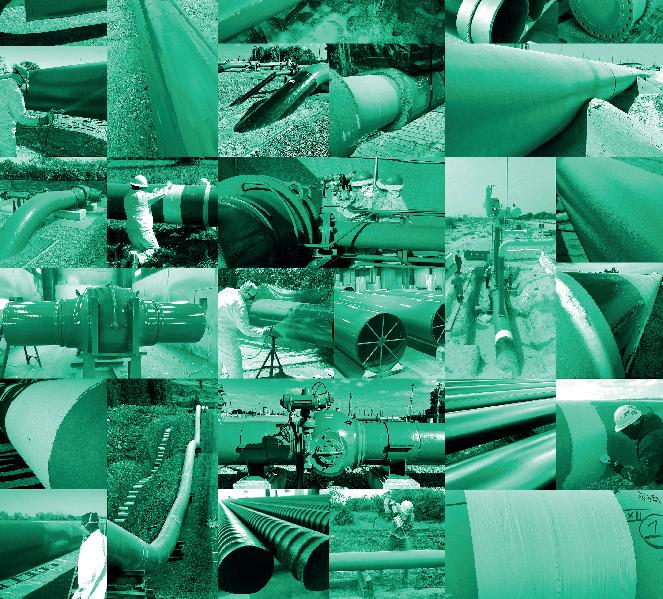
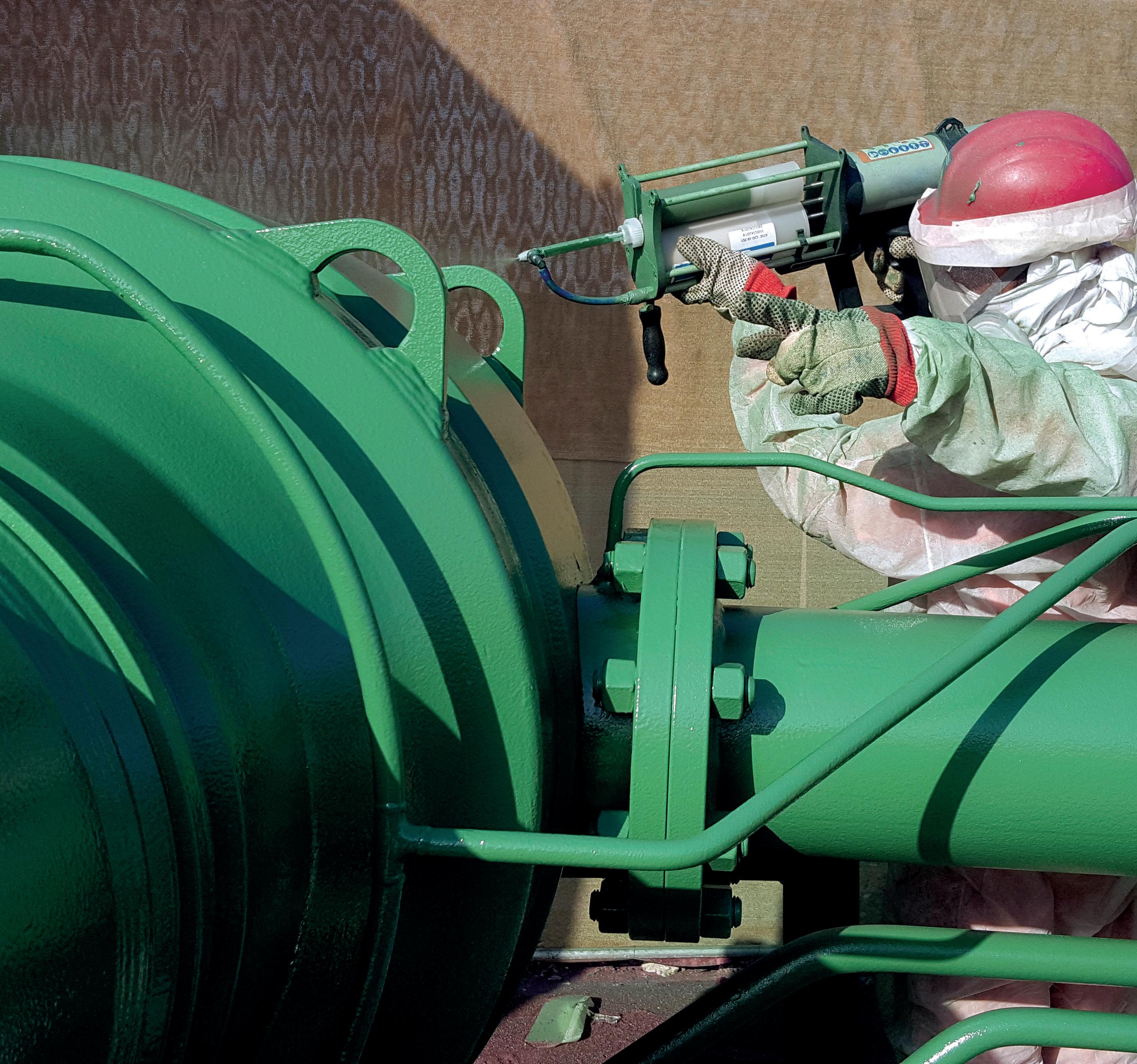
liquid epoxy coatings. The trusted solution for pipeline protection, our high-build, fast-curing, 100%
epoxies are suitable for an array of









Hear
Be informed
Updates
Understand
Understand
Network


MANAGING EDITOR
James Little james.little@worldpipelines.com
ASSISTANT EDITOR
Emilie Grant emilie.grant@worldpipelines.com
SALES DIRECTOR
Rod Hardy rod.hardy@worldpipelines.com
SALES MANAGER
Chris Lethbridge chris.lethbridge@worldpipelines.com
SALES EXECUTIVE
Daniel Farr daniel.farr@worldpipelines.com
PRODUCTION DESIGNER
Siroun Dokmejian siroun.dokmejian@worldpipelines.com
HEAD OF EVENTS
Louise Cameron louise.cameron@worldpipelines.com
EVENTS COORDINATOR
Chloe Lelliott chloe.lelliott@worldpipelines.com
DIGITAL EVENTS COORDINATOR
Merili Jurivete merili.jurivete@palladianpublications.com
DIGITAL CONTENT COORDINATOR
Kristian Ilasko kristian.ilasko@worldpipelines.com
JUNIOR VIDEO ASSISTANT
Amélie Meury-Cashman amelie.meury-cashman@worldpipelines.com
SENIOR WEB DEVELOPER
Ahmed Syed Jafri ahmed.jafri@worldpipelines.com
DIGITAL ADMINISTRATOR
Nicole Harman-Smith nicole.harman-smith@worldpipelines.com
ADMINISTRATION MANAGER
Laura White laura.white@worldpipelines.com
Palladian Publications Ltd, 15 South Street, Farnham, Surrey, GU9 7QU, UK
Tel: +44 (0) 1252 718 999 Website: www.worldpipelines.com Email: enquiries@worldpipelines.com
Annual subscription £60 UK including postage/£75 overseas (postage airmail). Special two year discounted rate: £96 UK including postage/£120 overseas (postage airmail). Claims for non receipt of issues must be made within three months of publication of the issue or they will not be honoured without charge. Applicable only to USA & Canada: World Pipelines (ISSN No: 1472-7390, USPS No: 020-988) is published monthly by Palladian Publications Ltd, GBR and distributed in the USA by Asendia USA, 701C Ashland Avenue, Folcroft, PA 19032. Periodicals postage paid at Philadelphia, PA & additional mailing offices. POSTMASTER: send address changes to World Pipelines, 701C Ashland Avenue, Folcroft, PA 19032.

SENIOR EDITOR Elizabeth Corner elizabeth.corner@worldpipelines.com
For years, Europe’s energy dilemma has been: which sources of oil and gas can it risk becoming dependant on? Who Europe buys from, where the balance of geopolitical power lies, and how quickly European nations could diversify supply if they needed to, have all been historically important. Recent events have shown that it remains a pressing concern to assess how exposed our energy systems are to disruption, whether accidental, climate-related, or deliberate. Take natural gas: at the time of writing, Europe has found itself importing LNG from Australia –about as far as it is possible to ship gas – after severe cold weather hit key US facilities. An Arctic blast in January froze infrastructure, causing exports to dip, and traders were forced into a scramble for supply. It wasn’t geopolitics that caused the problem in this instance, it was weather, and yet the outcome looked the same: supply and price shocks, and a reminder that resilience matters just as much as origin.
Of course, energy infrastructure remains firmly at the mercy of geopolitical whims. Russia’s recent strike near the Brody oil hub in western Ukraine hit close to the Druzhba pipeline. Built in the 1960s, the fabled ‘friendship pipeline’ supplies crude to Hungary, and its fate shows us that pipelines were never really benevolent, or even neutral, assets. They are strategic pressure points, and their status become symbolic as global tensions ramp up.
This symbolism was evident in the sabotage of the Nord Stream pipelines in 2022. Whether or not Russia was responsible, the enduring question is why destroying your own multi-billion-dollar assets might make a morsel of strategic sense. The uncomfortable answer is that it can make sense, because infrastructure attacks change political leverage, test red lines, and expose how quickly markets and governments can be rattled.
The EU’s decision to endorse a full ban on Russian pipeline gas and LNG imports by late 2027 shows the commitment of the member states to fully severing ties with the nation that they once depended on for 40% of their gas.
Under the agreement, the EU will stop all Russian LNG imports by the end of 2026, and bring in a total ban on pipelined Russian gas by 30 September 2027. A further month’s contingency is built in to the pipeline ban, in case some countries need a final shot of the Russian good stuff to fill storage sites ahead of the winter.
Energy security is increasingly about how robust and protected the delivery system is. Climate extremes, conflict, sabotage, and political signalling are now all part of the same risk landscape. Policymakers and oil and gas operators must build assets that can withstand shocks from every direction.
Turn to p.10 for Spencer Fane LLP’s article on the digital threats facing pipelines: author Shawn Tuma admits it’s not a feel-good message that he brings, but it’s an important one. At p.19, Yokogawa discusses modern pipeline operations and suggests that “safety without security is like mopping the floor while the roof is still leaking”. And a trio of articles on pipeline equipment (beginning at p.42) highlight how high standards for pipe moving, land clearing, and pipe lifting are the foundation of safety, and how they directly shape risk outcomes further down the line.
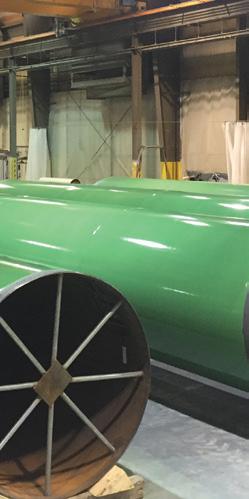

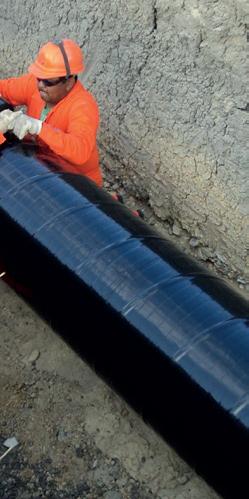
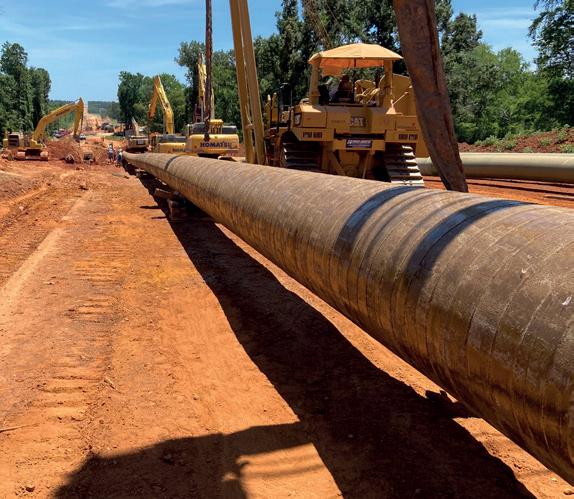
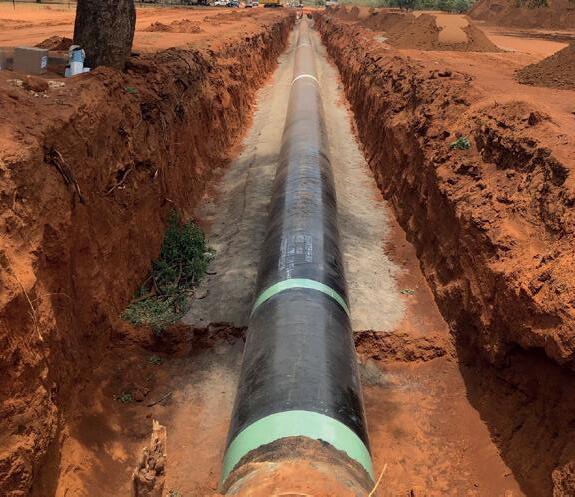
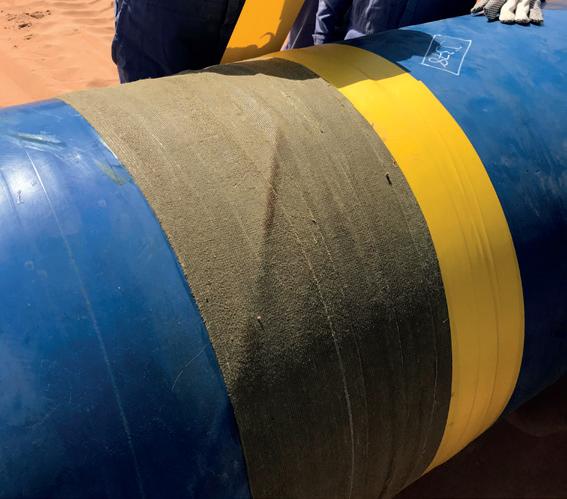
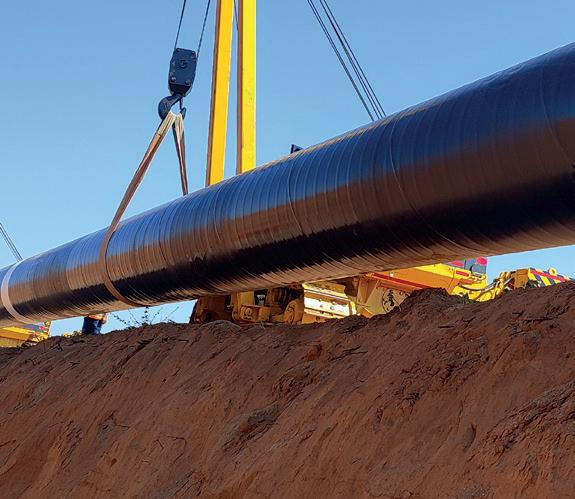
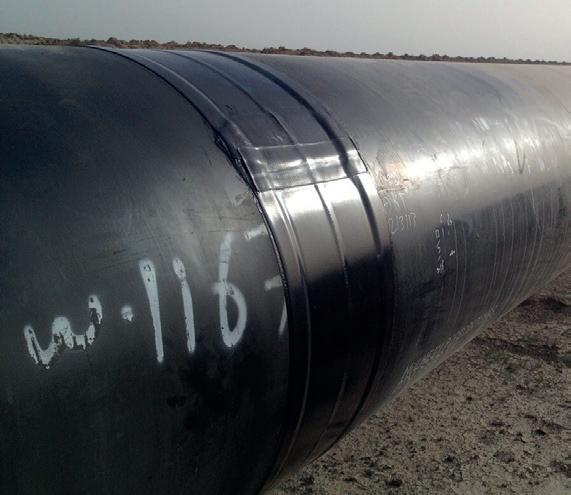
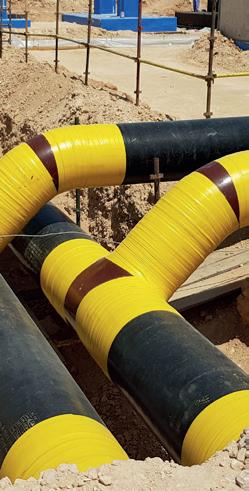
PROTECTIVE OUTERWRAPS
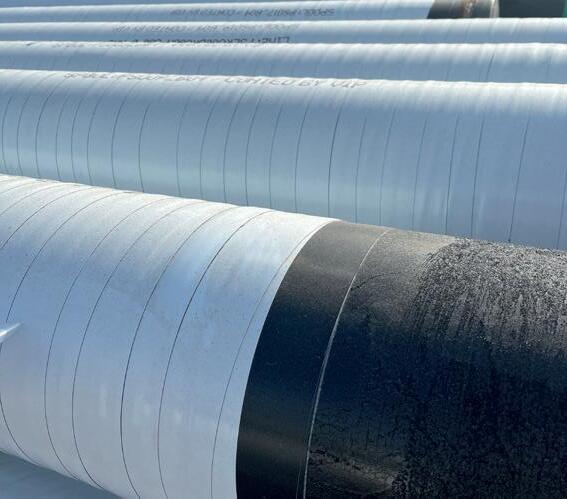
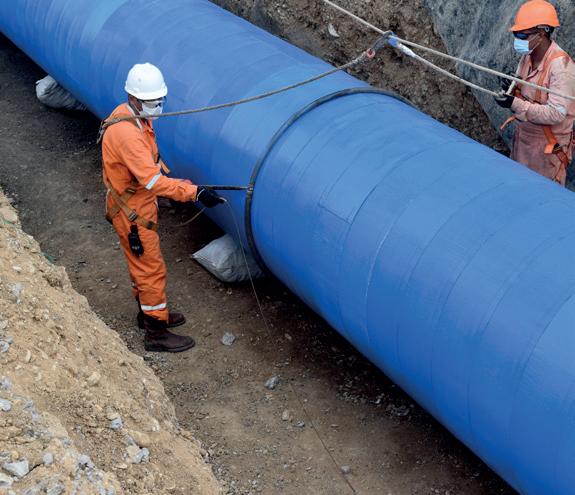
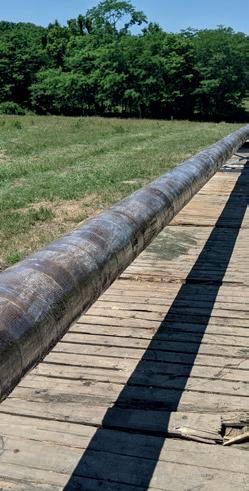
VISCOELASTIC COATINGS
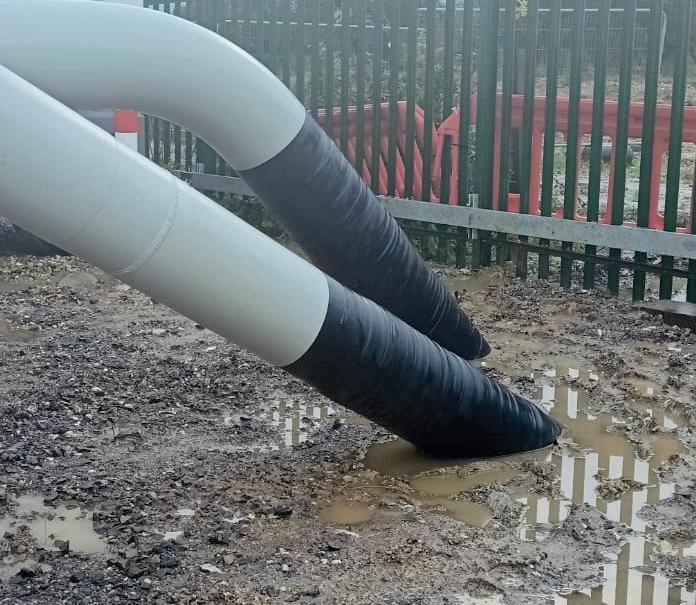
SOIL-TO-AIR
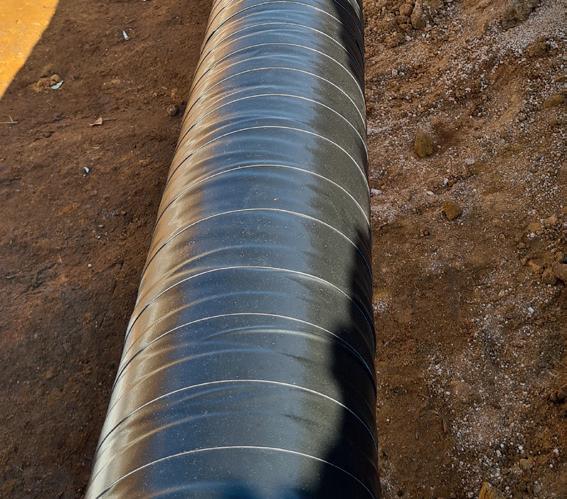
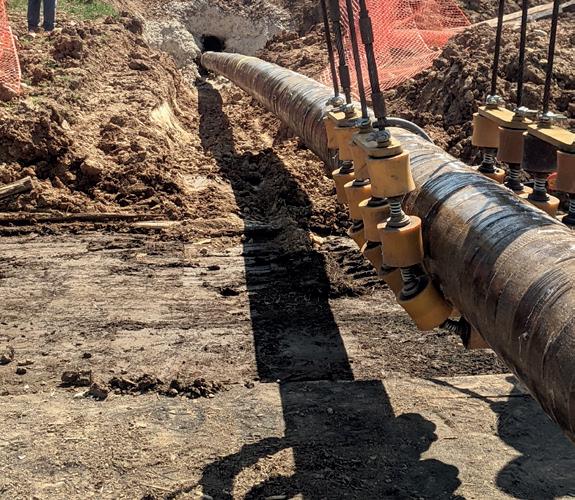
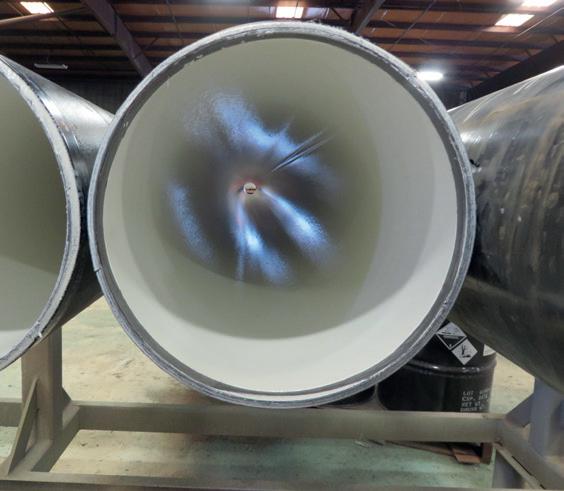
INTERNAL PIPE LININGS
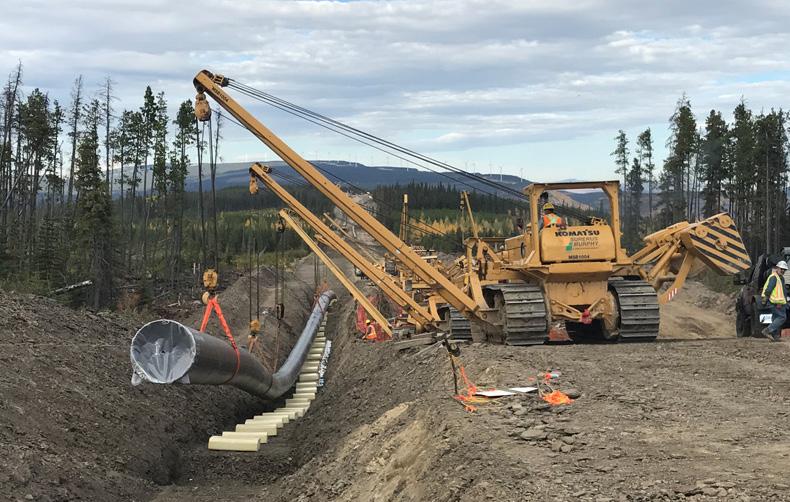
Energy Transfer expects to spend up to
US$5.5 billion on natural gas pipelines in 2026
Energy Transfer said that it expects to invest US$5 - 5.5 billion in capital in 2026, primarily on its natural gas network projects.
Energy Transfer said it expects several natural gas pipeline projects to ramp up or come online in 2026, including the Nederland Flexport NGL, Mustang Draw I and Mustang Draw II processing plants in the Permian Basin as well as natural gas pipeline projects serving data centre facilities in Texas.
The pipeline company added it expects adjusted earnings before interest, taxes, depreciation and amortisation to range between US$17.3 billion and US$17.7 billion in 2026, higher than analysts’ expectations of US$17.1 billion, according to data compiled by LSEG.
It expects to report capital expenditures of about US$5 billion and adjusted EBITDA between US$16.1 billion and US$16.5 billion for 2025.
This follows the company’s announcement last month to prioritise natural gas pipeline projects for their superior risk and return profiles, and move away from LNG due to concerns of global oversupply.
The company had said it is suspending the development of its Lake Charles LNG export facility in Louisiana, while increasing the transportation capacity of its Transwestern pipeline’s planned expansion project in the Desert Southwest region to meet increased customer demand.
On 28 January, Wood Mackenzie reflected on “a wild week for gas prices”, outlining that freezing winter temperatures across the northern hemisphere helped push global gas prices significantly higher. Europe’s TTF forward for February delivery shot up by over 40% since the start of the month. In the US, Henry Hub prices more than doubled since 19 January as an ‘Arctic siege’ swept across more than 20 US states. This led to a record freezeoff in gas production just as demand soared.
Massimo Di-Odoardo, Head of Gas and LNG Research, gave his thoughts on how the increasing interconnection between the US and global gas markets is impacting traded prices.
“Europe got the ball rolling, with natural gas prices rising through January as cold weather quickly shifted the bearish narrative and boosted withdrawals from already low storage levels. Europe entered winter with storage just above 80%, the lowest in four years. Sites are now less than half full. TTF prices touched US$14/mmbtu at the start of this week, their highest in over six months.
“In the US, severe weather drove Henry Hub gas prices for February delivery up by almost US$3.70/mmbtu in just six trading days – a 120% jump and the largest percentage increase in the prompt future’s contract history. Our US gas team notes that at its peak, around 16% of total US gas production was impacted by
STATS Group has been given the green light to roll-out its specialist pipeline technology and tools in California after obtaining a licence to operate in the Golden State.
Obtaining a California Pipeline Contractor’s License provides STATS with the legal authorisation to bid on and to perform pipeline projects, while ensuring compliance with state and local regulations. STATS, which has operations in Houston, Texas, are market leaders in the supply of pressurised pipeline isolation, hot tapping and line stopping services which enables safe and efficient maintenance and repair of onshore, topsides and subsea pipeline infrastructure.
The development is in response to requests from asset owners and operators for STATS to conduct hot tapping and BISEP line stopping services, specifically addressing challenging isolations, providing leak-tight double block and bleed isolation in pipelines with issues such as ovality, and internal surface
freeze-offs, exceeding levels seen during Winter Storm Uri in February 2021.
“Cold weather was the trigger for higher prices in both the US and Europe. But beyond the snow and ice, the impact of infrastructure, economics and the growing interconnectivity between the US and global gas markets was increasingly evident.
“US storage started the winter at comfortable levels, but a record weekly withdrawal highlighted years of underinvestment in new capacity, boosting price upside as almost half the US population hunkered down. Fears over reduced US LNG exports amplified prices in Europe and, to a lesser extent, across Northeast Asia. Gas into Gulf Coast LNG plants has fallen by more than 40% in recent days, helped by some LNG suppliers capitalising on higher domestic netbacks as day-ahead Henry Hub prices soared to US$30/mmbtu. This provided flexibility to the US market and prevented Henry Hub prices going even higher. But, in turn, gas supply to the global market risks being restricted, pushing up LNG prices.
“Barring another cold spell, prices are now coming down. But given US LNG exports are set to double over the next five years, concerns about whether US domestic production can meet increasing demand from both domestic consumers and LNG facilities – and still limit price upside – have been heightened”.
irregularities such as weld seams or corrosion.
Jamie Frederick, President and General Manager US, STATS Group, said: “Our technology is highly regarded across the global energy sector for providing high integrity isolation, increased safety and environmental improvements, and allows operators to carry out repair and maintenance in a safe and sustainable way.
“This licence will provide opportunities to work on larger projects, including public works and utility infrastructure, and enhances our credibility by demonstrating verified experience and adherence to safety and building codes.
“It supports our business growth strategy as we expand our services across the US and will potentially serve as a stepping stone to other classifications. We have previously completed trials and demonstrations in California and are now looking forward to providing our full range of services into the West Coast market.”
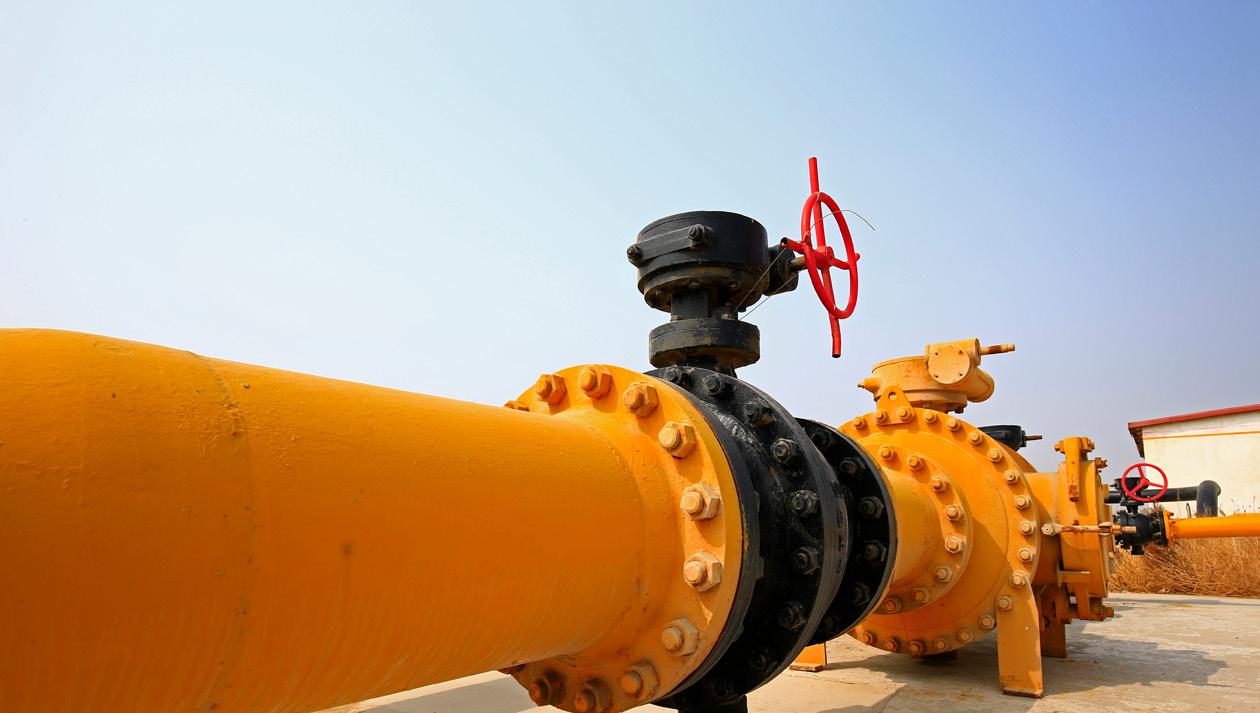
Trump’s Transportation Secretary Sean P. Duffy streamlines regulations to make energy products more affordable for American families.
Moves will generate over US$600 million in savings while enhancing safety.
African pipeline projects: what’s holding up development? In 2025, several major pipeline projects exemplify both the promise of Africa’s energy future and the persistent challenges that delay its realisation. These projects are more than engineering undertakings – they are strategic levers for industrialisation, regional integration, and economic transformation.
European gas pipeline companies, known officially as transmission system operators (TSOs), report less than 1% of their emissions on average because of a climate accounting loophole that lets them obscure their environmental impact from investors.
Yokogawa increases investment in Finnish company Semantum to strengthen data modelling and digital twin capabilities. With this investment, Semantum will become an affiliated company of the Yokogawa Group.
Northern Endurance Partnership and The Crown Estate sign lease for UK’s first CCS project ahead of offshore construction. The landmark agreement establishes the UK’s first commercial-scale lease of the seabed for permanent offshore CO2 storage and associated pipeline infrastructure.
Cadent unveils plans for new UK hydrogen pipeline to supply industry across the Humber, Lincolnshire, and Nottinghamshire
Cadent has launched plans for a major new hydrogen pipeline, H2East Pipeline: Humber to Nottinghamshire, which will supply low-carbon hydrogen to industry across the Humber, Lincolnshire, and Nottinghamshire region.
The project will play a vital role in boosting local jobs, encouraging inward investment, enabling a route to market for hydrogen producers and decarbonising industry. Manufacturers of steel, chemicals, bricks, food and more will be able to switch from natural gas, which largely consists of methane, to low-carbon hydrogen.
The pipeline, which will largely be underground, will run around 150 km (93 miles) from Immingham in the Humber to Newark in Nottinghamshire. Cadent is in the early stages of developing its plans and will be asking people for their views on its proposals, including details on the route, later this year.
The H2East Pipeline: Humber to Nottinghamshire is the first phase of Cadent’s wider H2East pipeline project. The project is part of East Coast Hydrogen, a collaboration between National Gas, Northern Gas Networks and Cadent to connect planned hydrogen production and storage with industrial users/power stations in the region.
Adam Knight, H2East Pipeline: Humber to Nottinghamshire Project Director at Cadent said:
“Today we unveil our plans for the H2East Pipeline: Humber to Nottinghamshire project. We are immensely proud to be playing our part in building a thriving hydrogen economy and decarbonising this industrial heartland. We will be listening carefully to what businesses and local communities tell us in the coming months. Their views will help shape our proposals, including the details of the route.”
Mayor of the East Midlands, Claire Ward, said:
“The H2East Pipeline: Humber to Nottinghamshire pipeline represents exactly the kind of ambitious investment that sits at the heart of our East Midlands Growth Plan. Green growth is one of our key priorities — driving innovation, attracting new investment, and supporting our industries and communities to thrive in a low-carbon future.
“Connecting hydrogen production at HyMarnham Energy Park with major employers across our region helps businesses to decarbonise while also creating the foundations for sustainable economic growth and skilled jobs for generations to come.”
The H2East Pipeline: Humber to Nottinghamshire is expected to be determined through the Government’s Development Consent Order (DCO) planning process. It’s anticipated that the development process from start, through DCO submission, examination and then decision will take between four to five years.
PipeSense, provider of pipeline leak detection and monitoring technologies, has announced the expansion of its services to support pipeline operations in South America following an exclusive agent agreement.
Partnering with Chile-based FastPack, PipeSense will now have direct access to deliver its advanced solutions to the Chilean and Peruvian oil, gas, utilities, and mining markets. As an established provider of transportation, fluid handling, and asset integrity solutions to heavy industries, including mining and energy, FastPack provides US-based PipeSense with immense potential to establish itself in a new continental market for the first time.
Strengthening both parties, this new agreement means that FastPack now has access to a catalogue of leak detection, pig tracking, and hydrotesting technologies that have covered oil, refined product, natural gas, and water pipelines in North America since PipeSense entered the
market in late 2023.
The partnership follows receipt of an initial contract in which PipeSense will provide its PipeGuard leak detection system to a project in Peru in early 2026, supporting one of the region’s largest producers of metals and precious minerals. This marks the first time that PipeSense will deliver its expertise outside of North America, and the first time it has supported mining operations anywhere.
With the mining industry a critical foundation of the region’s economy, PipeSense solutions can help mitigate the economic, environmental, and operational impact of pipeline leaks, including water source contamination, soil degradation, and lost production time.
PipeSense is targeting inter-continental investment and growth to replicate its US success further afield. Endorsement in South America follows a similar agency agreement for PipeSense to distribute solutions in Canada.
We are running out of space...
Our inventory in sales & rental in pipeline equipment is out of this world. We have a huge amount of machines from all the big brands that are ready for worldwide delivery, or even further if you want...
You can build on BAUMA!
10 - 11 February 2026
Penspen awarded major CO2 pipeline study in Switzerland
AMI Pipeline Coating 2026
Vienna, Austria
https://www.ami-events.com/event/d7ee7978d036-4457-a67b-78d5343495b9/home
11 - 15 February 2026
78th Annual PLCA Convention Phoenix, Arizona
https://www.plca.org/annual-convention-events
03 March - 07 March 2026
CONEXPO-CO/AGG 2026
Las Vegas, USA
https://www.conexpoconagg.com/conexpo-conagg-construction-trade-show
10 March - 11 March 2026
StocExpo 2026
Rotterdam, The Netherlands
https://www.stocexpo.com/en/
15 - 19 March 2026
AMPP Annual Conference + Expo Houston, USA
https://ace.ampp.org/home
18 March 2026
World Pipelines CCS Forum London, UK
https://www.worldpipelines.com/ccsforum2026
27 - 30 April 2026
Pipeline Technology Conference (PTC) Berlin, Germany
https://www.pipeline-conference.com/
04 - 07 May 2026
Offhore Technology Conference (OTC) Houston, USA
https://2026.otcnet.org
02 - 03 June 2026
Gas, LNG & The Future of Energy 2026 London, UK
https://www.woodmac.com/events/gas-lngfuture-energy/
International engineering consultancy Penspen has been awarded a pre-FEED study by CO2 Pipeline Schweiz AG to support the development of a national CO2 transport system in Switzerland.
The study focuses on the high-level design of a CO2 pipeline corridor between Basel and Zurich, with consideration of onward connections across eastern and central Switzerland. The work forms part of Switzerland’s wider effort to establish carbon transport infrastructure capable of supporting national emissions reduction targets.
Penspen’s scope covers the technical design of the pipeline backbone and associated hubs, including intermediate valve stations, compressor stations and supporting infrastructure. The project, delivered by Penspen’s engineering teams in Aberdeen and London, will also provide routing support, site selection input, support to the economic evaluation and guidance on regulatory and standards alignment for CO2
EnerMech awarded Saipem contract offshore Guyana
EnerMech has been awarded a subsea precommissioning services contract by Saipem for the Whiptail Development, located approximately 200 miles offshore Guyana in the Stabroek Block operated by ExxonMobil Guyana.
This award marks EnerMech’s first project on the Whiptail field and builds on its proven track record supporting subsea precommissioning campaigns offshore Guyana, including Liza Phase 2, Payara, Yellowtail, and Uaru fields. Under the new contract, the integrated technical solutions specialist will deliver a full suite of activities, including:
) Flooding, cleaning and hydrotesting of subsea risers and flowlines.
) Umbilical post-load out, transit and lay monitoring from the offshore construction vessel.
) Dynamic umbilical lay monitoring and postinstallation testing from the FPSO unit.
EnerMech is establishing a new facility in Georgetown and executing a phased equipment acquisition strategy, including the addition of remote flooding units (RFUs) and subsea test pumps (STPs). These investments will support future projects and enable faster, more efficient mobilisation of equipment locally.
transport within the Swiss context. The project is scheduled to complete in March 2027.
A key objective of the study is to help shape consistent technical and assessment standards for CO2 pipelines in Switzerland. These standards are intended to support future project development and provide a common reference for operators, regulators and stakeholders. Penspen has extensive engineering experience in long-length pipeline projects for the transportation of CO2, with recent work including the HyNet CO2 transportation pipeline at Liverpool Bay in the UK and a dense phase CO2 pipeline in the United Arab Emirates.
Darren Bartlett, Director of Engineering and Energy Transition at Penspen commented: “This appointment builds on Penspen’s global experience supporting large scale CO2 transport and storage projects and reflects the growing demand for early phase engineering studies that can underpin the safe and practical deployment of carbon management infrastructure.
• AMPP reaches 40 000 member milestone
• Penspen launches THEIA Pockets™, enabling custom analytics in one place
• Utonomy signs contract with Delgaz Grid for intelligent pressure solution
• Shelli Myers elected Chair of Texas Pipeline Association; first woman to lead TPA
• NDT Global launches new ILI tool – CIGMA-x
Follow us on LinkedIn to read more about the articles linkedin.com/showcase/worldpipelines

The SureTap ® Plug is the world's first and safest completion plug providing fail-safe actuation and double block and bleed sealing. Two compression seals with monitorable and testable annulus allow operators to verify seal integrity and validate plug position before and after venting.
• DOUBLE BLOCK & BLEED
• VERIFIABLE SEALS
• FAIL-SAFE DESIGN
• NO EXTERNAL LEAK-PATHS
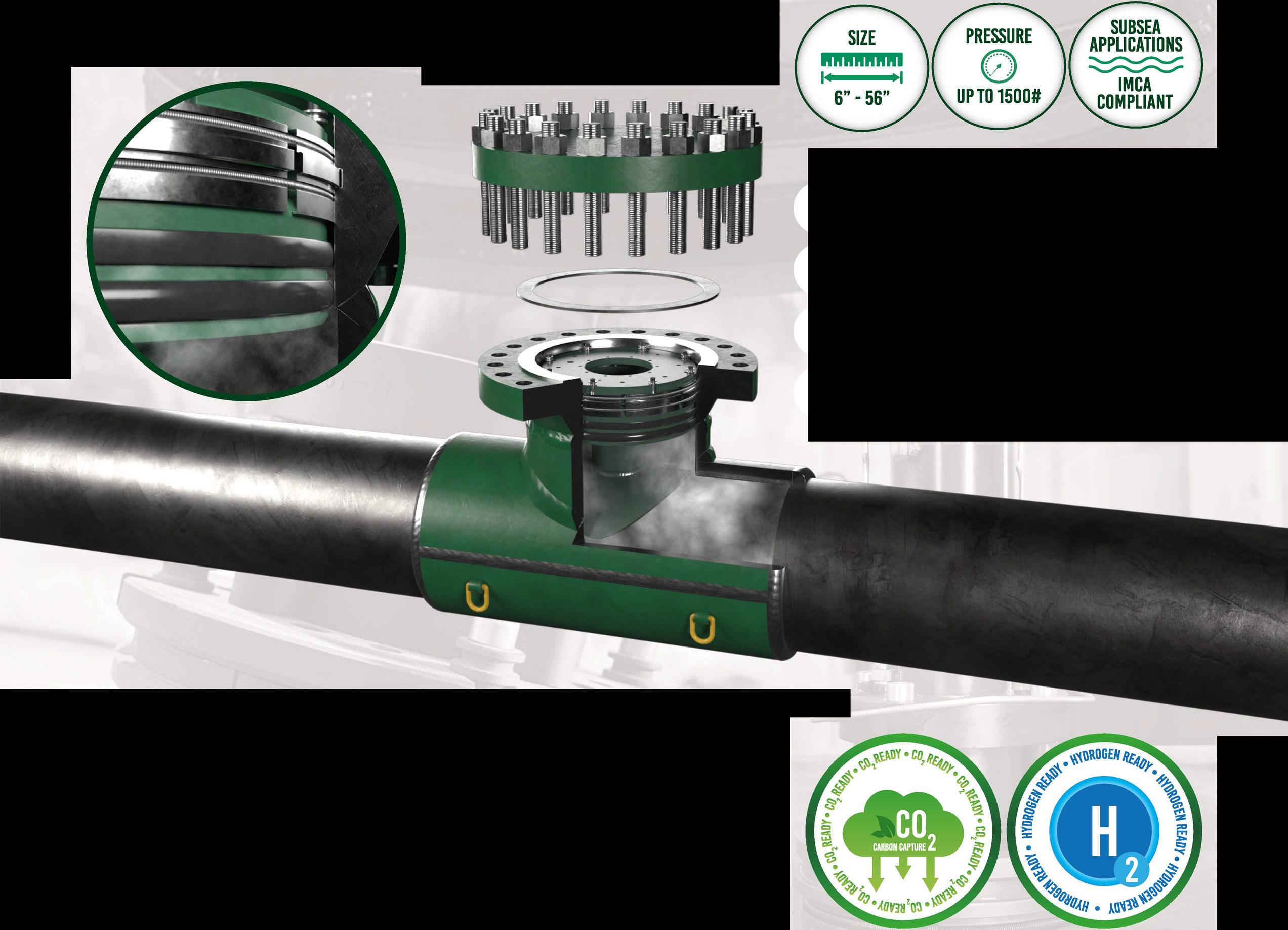
Don't accept single-barrier risk with your hot tap fittings.

Cybersecurity is hard. The odds are against you from the beginning requiring the defenders to get everything right 100% of the time and the attackers needing only one lucky shot. Cybersecurity in the oil and gas industry is even harder. While cyber criminals are usually motivated by money, the oil and gas sector faces threats not only from financially motivated criminals but also from nation-state actors, hacktivists, and others seeking to disrupt critical infrastructure or cause environmental damage.
The Colonial Pipeline Cyber Incident is only one example of the sector’s vulnerability.1 The cyberattack, which occurred on 7 May 2021, targeted computerised equipment managing the pipeline, leading to a shutdown of operations. The pipeline, which carries gasoline and jet fuel mainly to the Southeastern US, was forced to halt operations to contain the attack. On 8 May 2021, the company paid a ransom to the hacker group Darkside of 75 Bitcoin (US$4.4 million at the time of the transaction) in order to restore their systems. Approximately

12 000 gas stations were affected. Operations were restored on 13 May 2021.
The criminals will try to disrupt operations through ransomware attacks, steal sensitive operational data, and threaten to publish confidential information if ransom demands aren’t met. Smaller and mid-size oil and gas companies are as much of a target as industry giants because attackers know they usually have fewer resources for cyber defense, yet their operations are often interconnected with larger players in the industry.
Even worse, cybersecurity is not a static problem that can be fixed, like a technical glitch such as Y2K; instead, it is more like warfare where an active adversary is continuously attacking and every time you implement new defenses, they counter by adapting, changing tactics, and finding another way to circumvent those defenses. This is particularly critical in oil and gas operations where a successful attack could lead to environmental disasters, safety incidents, or disruption of essential energy supplies.
Shawn Tuma, Spencer Fane LLP, discusses protecting critical infrastructure and operations in the digital age.
Reality, not a feel-good message
I apologise that this is not a pleasant ‘feel good’ message, but it is the reality and the only way we can fulfill our responsibilities to our stakeholders, employees, and the communities we serve is by having a realistic understanding of the challenges we face because there are many things that can be done to become much harder and resilient targets.
In my role as breach counsel, I have advised on thousands of cyber incidents and hundreds of ransomware attacks over my career. Being in that detached role, seeing the overall process from a strategic vantage point, that perspective has shown me several things that organisations could have done differently to avoid those situations. These observations are particularly relevant for the oil and gas sector, where operational technology (OT) and information technology (IT) systems are increasingly interconnected.
The moral of the story
Cybersecurity requires an ongoing and continuous process. Threat actors are continuously adapting and changing their tactics. The only way to defend critical energy infrastructure is to have an ongoing process that is evolving and maturing with them.
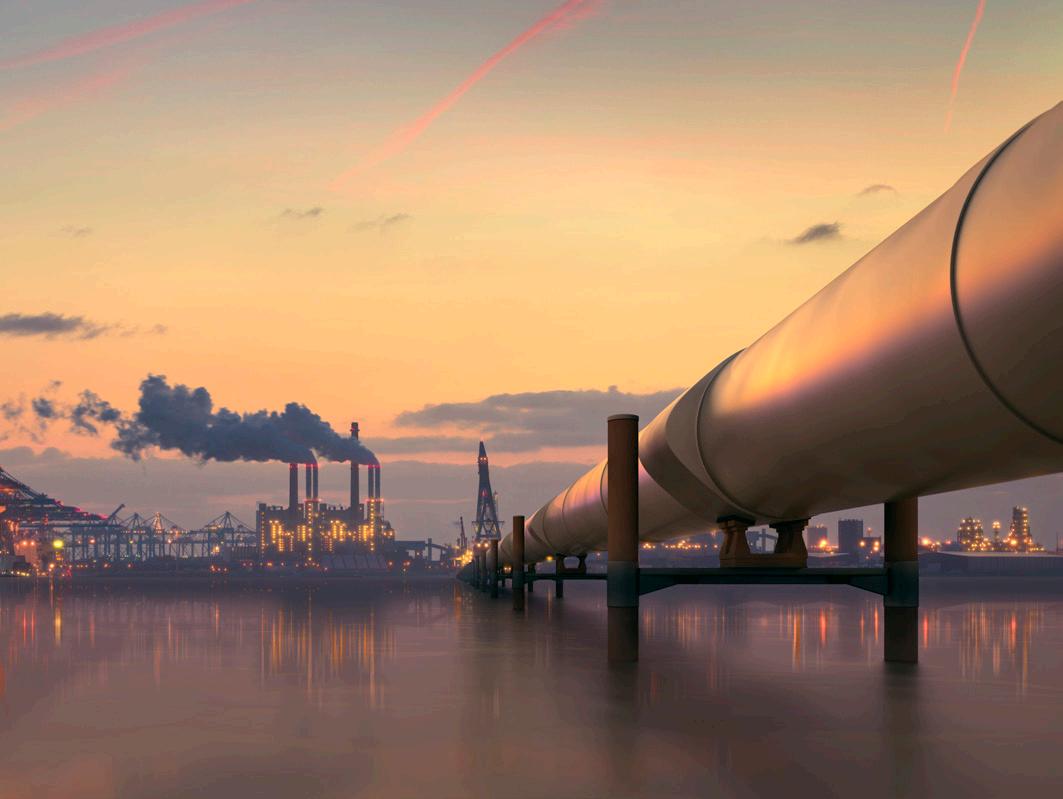

Risk assessments are essential. All organisation’s risks are unique and depend on a multitude of different factors. Because you cannot protect against what you do not know, you must have an understanding of your unique risks, not only from a technical standpoint but also from an operational safety and environmental perspective. This risk assessment is essential for prioritising mitigations efforts.
Data governance is critical. Your objective includes protecting both operational data and intellectual property. This means you must know what sensitive data you have, not collect or maintain more than is needed, and when you no longer need it, securely archive or dispose of it.
Data equals risk. If you want to reduce that risk, reduce the data you have available to threat-actors. The same principles apply to employee data and other forms of sensitive operational information.
Know the law. Cybersecurity, and especially compliance, is a legal issue that requires a thorough understanding of the laws and regulations that are applicable to your organisation, including environmental and safety regulations. Do not forget about your contracts. Many organisations have far more ‘law’ governing them through their contracts than any other source.
Know your service providers. Your organisational risk assessment should include third parties you rely on for services or that have access to your operational systems. As the Colonial Pipeline attack showed, a successful attack on one service provider in the energy sector can shut down operations across multiple organisations and regions. What service providers does your organisation depend on and how will you continue to operate if something happens to them?
Cyber risk is an overall organisational risk, not just an ‘IT risk’. Your organisation must have a team-oriented approach to managing cyber risk, both internally and externally (with the partners you rely on or will rely on if you have an incident). Your team’s different perspectives are invaluable.
At a minimum, no matter the size of the organisation, the risk team should include members (internal or external) that focus on:
) Information security.
) Operational technology security.
) Industrial control systems.
) Legal, compliance, environmental health and safety.
) Audits.
) Operations.
) Human resources.
) Communications.
For smaller organisations, one person may wear a lot of hats in an attempt to fulfill many of those roles, but each organisation must have access to external partners with specific expertise who can fill the gaps that inevitably appear.
Reference
1. US Department of Energy, “Colonial Pipeline Cyber Incident”. https://www. energy.gov/ceser/colonial-pipeline-cyber-incident

Damian Huff, Global Product Line Manager – Gas
Chromatographs with ABB’s Measurement & Analytics division, discusses what you need to know to find the right solution for your operation, when it comes to gas analysis solutions.
Research shows that the global gas market is set for a major transformation in the coming years. According to research by the International Gas Union, natural gas demand rose globally by 78 billion m3 in 2024, reaching 4122 billion m3 and is expected to continue this upward trajectory over the next decade.
With the rise of different gas streams such as natural gas, the global gas market is more variable than ever before. Today, no two gas streams look alike, which can create challenges for gas analysis.
Operators are faced with gas from shale plays, liquified natural gas (LNG) imports, biogas, and hydrogen blends, all with the potential to impact safety, equipment performance, burner stability, and pipeline quality specifications. To maximise revenue, reduce loss, and protect assets, operators need to ensure they’re using a robust gas analysis solution to capture precise details of gas composition at every stage.
Establishing a new standard for gas analysis
Gas chromatographs are one of the powerful measurement tools for critical infrastructure sectors today. Using a gas chromatograph, operators are better able to monitor gas composition in real time for safety, compliance, and precision. A high-quality gas analysis system like a gas chromatograph can make the difference between accurate measurement and financial loss.
While there are alternative technologies for measuring aspects of gas composition, none of them provide the full picture necessary to give midstream and downstream operators a highly accurate 360-view for compliance, safety, and cost reduction.
Gas chromatography can be used across segments in the hydrocarbon processing industry to support custody transfers and compliance in upstream, midstream, and downstream markets. Having a quality analysis solution enhances the efficiency, reliability, and accuracy of pipeline processes, as well as the overarching productivity and quality control.
The challenge, however, is finding the right gas analysis solution for your operation.
Analysing gas, especially natural gas, is a highly complex, but necessary, process. Gas analysis enables operators to better pinpoint early warning signs of potential safety issues, leaks and volume estimations, and contamination. Without a proper gas analysis tool, operators are often faced with a wide range of variables that can result in false readings and tedious, time-consuming maintenance.
Historically, pipeline operators have relied solely on legacy gas analysis solutions which only show them pieces of the puzzle. This is further hindered by complex analysers which challenge staff and leads to high utility, maintenance, and operational costs.
Relying on legacy gas analysis solutions opens the door to a range of challenges from incorrect readings, particularly when multiple gas streams are involved; safety risks such as undetected oxygen levels leading to explosive atmospheres; compliance failures, especially when factors such as methane levels are misreported; and product quality issues such as cracking units, reformer outputs and fuel blending.
Alternative solutions work to analyse gas, but only gas chromatographs can accurately quantify detailed, multicomponent mixtures including natural gas composition, refinery process streams, gas blending, custody transfers, and emissions speciation. Moreover, when billing, safety margins, or regulatory compliance depend on precise composition a gas chromatograph is vital.
Gas chromatographs enhance gas analysis, delivering stronger performance with easier, more straightforward maintenance and operations. The right solution can deliver more reliable performance than legacy solutions and help operators reduce unplanned maintenance.
Selecting the right gas analysis solution can make or break your business’s return on investment. Operators should look for the following specifications when they’re determining a gas analysis solution:
Pipeline operators should look for products which enable remote pipeline maintenance, particularly in hazardous locations. This not only reduces downtime, but it also supports better optimisation and maintenance throughout the midstream process. Operators should explore analysis solutions which reduce downtime – positively impacting everything from custody transfers to turbine performance. This optimises maintenance labour and makes analysis a much more efficient process.
With the continued skilled labour shortage, many operators have fewer people who can operate critical infrastructure. Gas analysis equipment must be intuitive and low maintenance to better support short-staffed teams. This opens the door for easier troubleshooting and remote diagnostics, as well.
Gas chromatographs specifically can support operators with better reporting on methane, volatile organic compounds (VOCs), flare composition, and more. The right analyser can help operators stay two steps ahead of regulations, giving them more peace of mind than scrambling to react to compliance changes.
Modern gas chromatographs often have better ability to seamlessly integrate with legacy infrastructure. For example, the right gas chromatograph can connect the dots driving stronger interoperability, ultimately reducing engineering costs and project timelines.
Furthermore, when selecting a gas analysis solution, safeguarding your operation’s cybersecurity should play a big role in your decision-making process.
As digitalisation increases across industries, cybersecurity is instrumental in protecting industrial devices. This is especially true for gas chromatographs. Legacy field device security lags behind modern equipment and can expose your business.
Ransomware cyberattacks in the oil and gas industry increased 935% between April 2024 - 2025. Vulnerabilities in your gas analysis process can put not only your operation at risk, but also your intellectual property. Cyberattacks targeting oil and gas operations can disrupt fuel supply chains, compromise public safety, and trigger a domino effect across utilities and customer services.
The tight integration of operational and IT systems makes the sector especially vulnerable. Any data breaches can pave the way for a potential threat to national infrastructure, causing significant damage. Exposed data from cyberattacks can reveal critical details about how a plant functions, ultimately turning gas chromatographs into attractive targets for malicious intent.
To protect your assets, having strong cybersecurity should be nonnegotiable. Without this, your entire company’s viability is on the line.
Energy compliance is often an area of interest for operators. Leveraging a gas chromatograph enables businesses to go beyond simply meeting compliance but unlocking greater performance and reducing risk.
Gas chromatographs help reduce methane emissions proactively. As regulations tighten globally, operators need to understand where potential emission issues may be before they trigger penalties. This may look like highresolution, speciated data to pinpoint methane slips and flare inefficiencies. Further, operators can use gas chromatograph data to prove accurate compliance rather than relying solely on estimates.
Additionally, gas chromatographs can enhance operational efficiency, moving beyond following regulations to improving overall plant operations. Gas chromatograph solutions can drive faster decision-making based on real-time data composition,
optimise burner performance in downstream units, and reduce gas waste. Better accuracy drives speed and clarity throughout the process.
Moving beyond compliance can also increase revenue, enabling better financial outcomes. Operators want and need traceable data, predictive maintenance, and reduced technician travel. Going beyond compliance supports them in lowering risk of mismeasurement through predictive real-time, ultimately resulting in better product quality with more accurate custody transfer billing. This is a winwin for compliance teams and operators.
As the global gas market grows, so will the next generation of gas chromatography. We’re entering an era where faster cycles, light touch designs, and built-in security are becoming the golden standard.
Looking ahead in 2026, we anticipate that gas chromatographs will reduce cycle times. This will be better for real-time monitoring, enabling even more accuracy and precision. Operators are increasingly being exposed to the option of analysing gas at every stage of the process, giving them the peace of mind they need to prevent loss.
Additionally, gas chromatographs are anticipated to become more modular and feature lighter touch designs. With the rise of automated solutions, this opens the door for more predictive maintenance to flag issues early on
moving parts, significantly reducing the potential for missteps to arise in the first place.
As we already know, cybersecurity is also crucial for gas chromatography. With cybersecurity threats continuing to evolve, manufacturers and operators must be ready. Device security is a core responsibility for resilient gas analysis. As the threats continue to grow, we expect to see a rise in gas chromatographs with built-in cybersecurity as the standard, not the exception. This will reinforce operators with the highest levels of data protection and system integrity across all applications.
Finally, we anticipate seeing a rise in compatibility with new fuels. From hydrogen blends and biogas to LNG variability, the expanded compatibility will enable operators to ensure accuracy regardless of the fuels being used, especially in a time when global gas is highly variable.
Advanced gas chromatography is a simple, yet comprehensive way to ensure key performance and positive user experience. Finding a solution that is designed with the user in mind gives operators the most accurate measurement across applications, across even the most extreme conditions. With a strong gas chromatograph, midstream, upstream, and downstream operators have better control and performance without




Claudy de Groote, Yokogawa Europe, connects the seemingly separate topics of pipelines, integrity, systems, and software.
Software and systems are usually seen as one and the same, as most systems are software-based. In any automation system, software is inevitable. It appears in almost every system or product. Field instruments use software for enhanced diagnostics, increased accuracy and linearity. Control systems use software to optimise quality and yield and reduce off-spec production. Operators are supported by software providing functions like process visualisation, alarm management, and process optimisation. Maintenance managers are supported by dashboards displaying software-based diagnostic information. There are numerous other software
systems for production management, scheduling, forecasting, accounting, and reporting. Without software, any pipeline operation would not be profitable, or even possible.
Within the automation and control system, integrity must feature – particularly in the context of the instrumented safety system.
Most markets nowadays are heavily regulated, and the (petro)chemical market is no exception.
Pipelines carry potentially polluting, poisonous and/or flammable media across long distances – often through sensitive nature or rivers and seas. Leakage or rupture will likely have disastrous or catastrophic results to people, assets, and the environment, resulting in considerable direct and indirect financial loss, including stock market value. It could also result in fines, or even the loss of a license to operate.
To protect the owner against these potential losses, strict compliance with relevant regulations is required, alongside evidence of compliance.
When delivering systems that require compliance to standards like functional safety or industrial cyber-security, careful planning and execution are required, including validation and verification. Verification requires the services of notified bodies, and lifecycle planning should be predetermined and strictly followed by all parties involved in any part of that lifecycle.
One of the core values at Yokogawa is integrity. Integrity can mean many things, but one simple and accurate way to describe it is incorruptibility – doing the right thing even when faced with internal or external stress to do otherwise.
We must consider integrity when looking at systems and software, because these can be compromised in several ways, such as:
) Hardware failures (random).
) Cyber-attacks.
) Human errors, also called systematic failures.
• Errors related to the design.
• Errors related to the project execution and manufacturing.
• Operator mistakes.
• Maintenance failures or lack of maintenance.
• Insufficient separation and independence from other protection layers, allowing failures of one system to propagate to other systems.
To make a system of high integrity, all of the above risk areas are to be addressed.
Some risks are easier to avoid than others. The common understanding is that prevention is better than reaction, and passive safety is better than active measures.
Hardware failures are failures of components that prevent the safety system from functioning properly. They are relatively easy to solve. One can apply measures like redundancy or diagnostics to detect these failures, and
this diagnostic information can be used to initiate the trip preventatively.
Human errors are naturally more complex. They appear in every part of the lifecycle and cannot be avoided easily. They start during initial process design, all the way up to writing specifications, FEED studies, system design, realisation, and testing.
Following the commissioning and startup, the operation and maintenance phase begins. This extended period of the lifecycle is when many issues may occur.
Issues like lack of maintenance, and operator and maintenance failures are often not properly controlled.
There are several methods described in relevant industry standards (such as IEC61508) to reduce the impact of these human failures, collectively called systematic capability.
Systematic capability is a set of tools that should be applied to an organisation with the objective of avoiding and detecting human failures. This set of tools includes measures like controlled tools and templates, traceability of requirements, competence management, peer-to-peer reviews, independent assessments, etc.
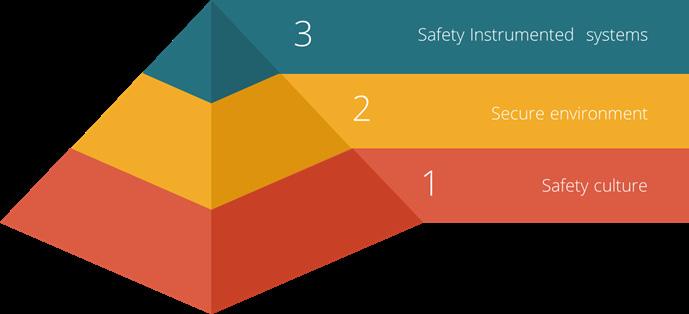
Systematic capabilities are about cultivating an environment that prioritises safety from the top down (Figure 1). And to do that effectively, security aspects must be addressed.
Safety without security is like mopping the floor while the roof is still leaking.
That brings us to cyber-attacks – a topic that keeps many experts very busy due to its complexities. Cybersecurity involves taking technological and organisational measures against any unintentional or unauthorised remote access via IT technology. This remote access can be used for hostile or ideological purposes and can shut down operations or, worse, disable the safety systems. There are many ways to protect against cyber-attacks: (physical) access control, authentication, firewalls, data diodes, etc.
Even if the system is not connected to a network infrastructure, software-based systems are still vulnerable to cyberattacks. Most of these software-based safety systems have a communications interface (often TCP/IP-based) that is shared among several purposes.
Peer-to-peer communication with other automation systems along with data hand-off to IT-based HMI or higher-level systems, all takes place using the same
TCP/IP connection. But also, once in a while, IT equipment like an engineering workstation needs to be connected for bugfixes, updates or upgrades, troubleshooting or modifications. This IT equipment is equally, if not more, vulnerable than software-based systems, as it contains a major operating system like Windows.
In addition, artificial intelligence (AI) poses a bigger threat every day. The benefits are huge, but the risks should not be underestimated. AI is increasingly capable of evading security measures – performing automated attacks and gathering information that can be used for social engineering.
A system that successfully addresses these vulnerabilities is a high integrity system.
and
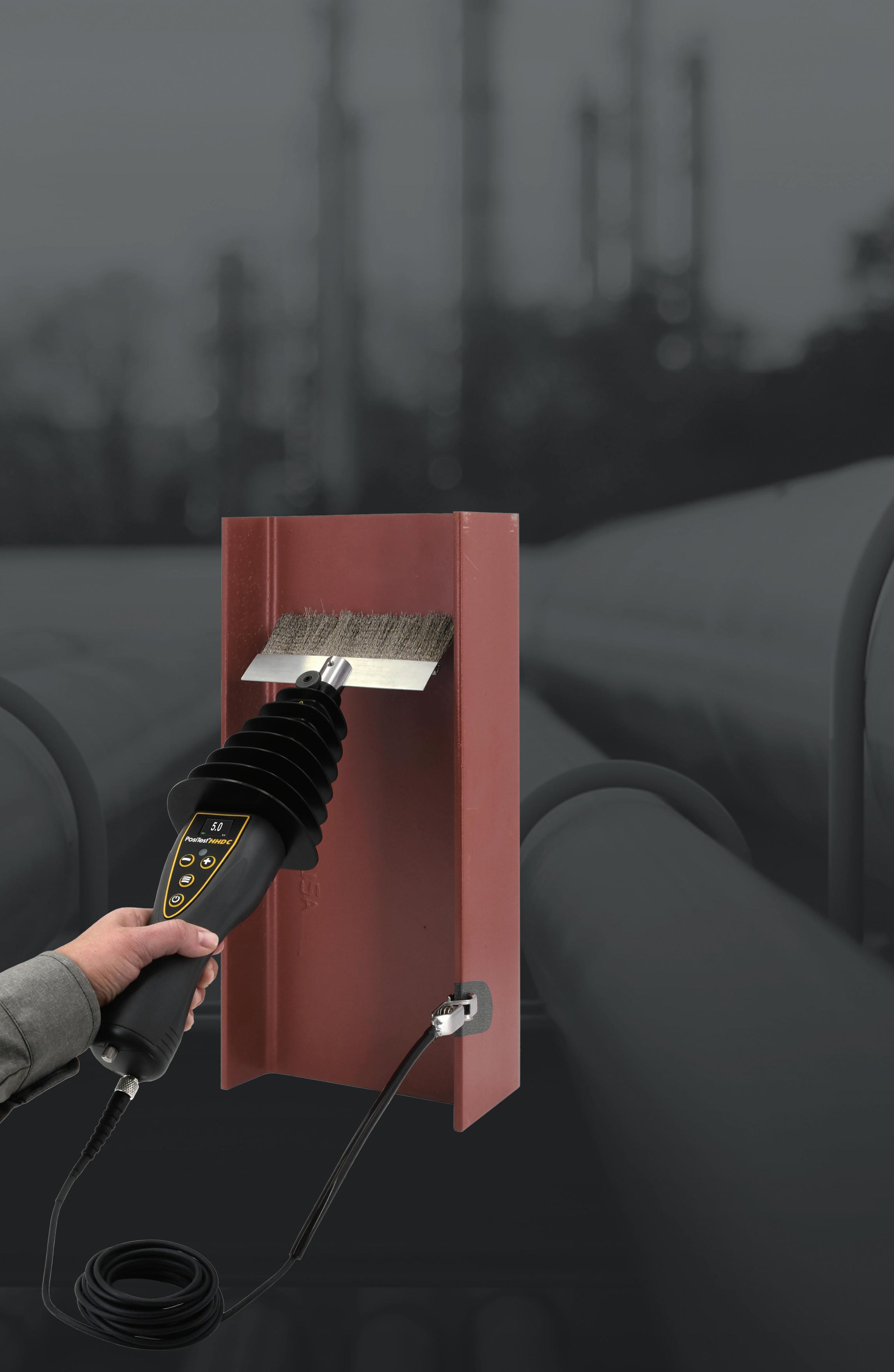
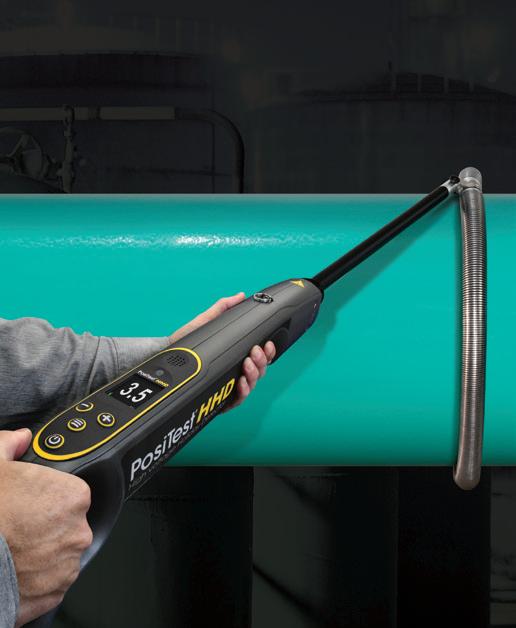
n Lightweight, one-piece ergonomic design provides comfortable all-day use
n One wand covers the entire voltage range from 0.5 to 30 kV
n Up to 16 hours of battery life—powerful Li-ion batteries fit neatly within the compact wand handle eliminating the need for a separate battery box
n Built-in Certified Voltmeter and Voltage Calculator feature
n Industry standard connectors and adaptors provide compatibility with nearly all existing electrodes

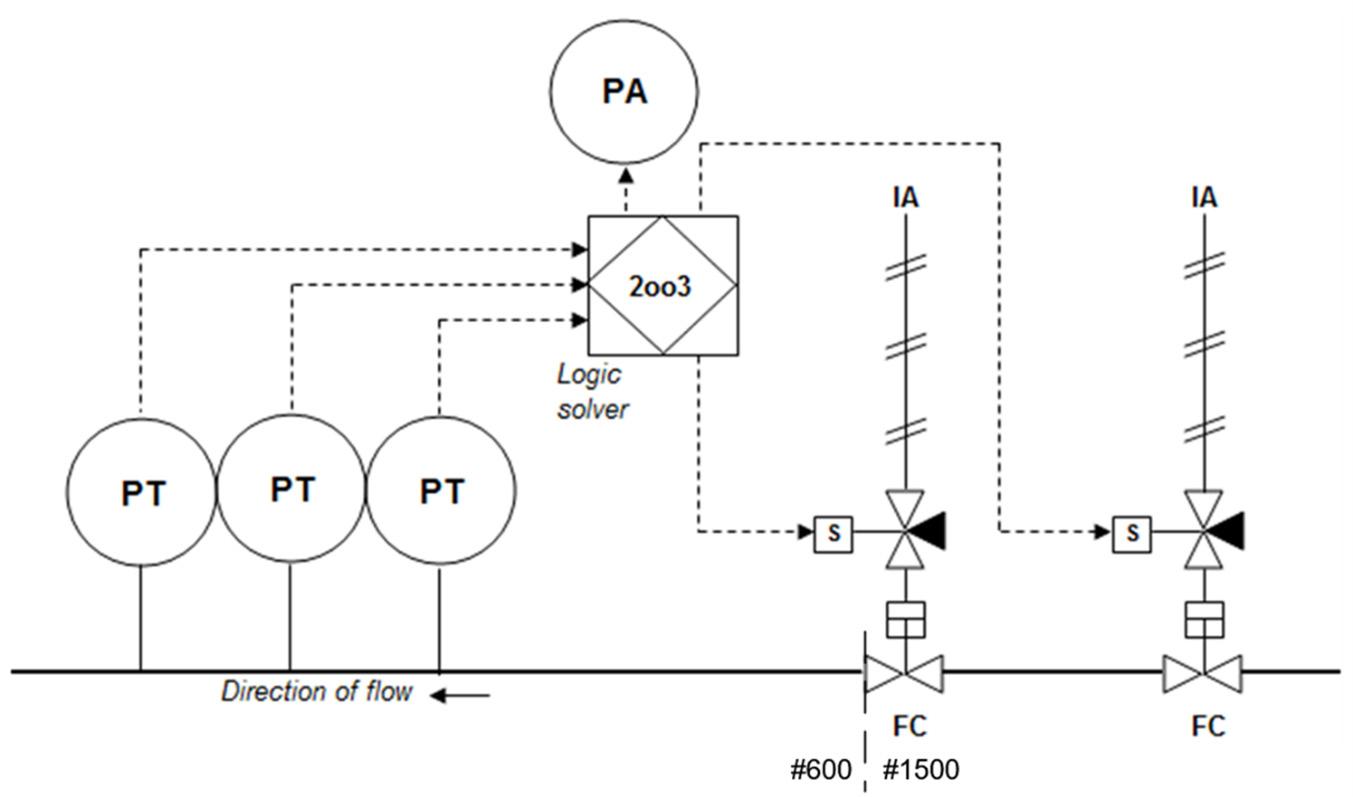
In the past, overpressure was released via pressure relief valves to a flare. However, regulations with regards to emissions have become stricter, and flaring is not permitted anymore by many countries. As an alternative, an instrumented overpressure protection system can be used. This system comprises of sensors, a control system and shutdown valves: HIPPS (Figure 2).
This type of system was introduced around the 1990s, with some reports mentioning them as early as the mid-1980s. This type of protection system is often used on pipelines in places that represent changes in piping specifications or a change of ownership.
In case of a detection of the pressure exceeding design limits, very fast-acting valves will make sure that the downstream equipment is not damaged.
These systems require utmost integrity because a failure could result in catastrophic consequences, leaving little more than mitigation – if mitigation is even possible. That is why these systems are considered the last line of defence.
But why are these systems called high integrity? Why and how do they differ from other safety systems? To understand that, we must explore how industrial safety systems are configured.
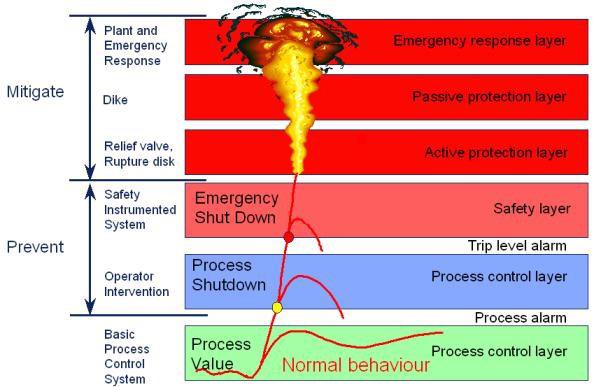
Control systems and safety systems do not work independently. They are part of an overall system configuration and tuning that will form layers (Figure 3). Each system belongs to a certain layer, and one layer only.




By stacking these layers, their reliability can be multiplied to provide a much greater overall safety performance. This safety performance translates to fewer accidents that will damage assets, people or the environment.
However, this only works if the separate layers have a large degree of independence and diversity. The same concept also applies to cyber-security. Maintaining integrity in software systems is often a complex task. This is, amongst other reasons, due to the complexity and lack of deterministic behaviour.
High integrity systems should be designed to eliminate all aforementioned vulnerabilities. A perfect high integrity system minimises dependency on human intervention or external interfaces, is very low maintenance, is of an intrinsically failsafe nature and can be used in virtually any environment. It applies a very high degree of diagnostics and reacts in a matter of milliseconds to dangerous conditions, as well as internal errors. Modifications should, of course, be possible, but it should force the owner to follow a strict Management of Change, making sure that all regulatory requirements are met.
It should also minimise the use of software (e.g. by using solid state logic solvers), as this is a main integrity issue that is difficult to manage.
Only when all of the vulnerabilities are successfully addressed can a system truly be called a high integrity system.
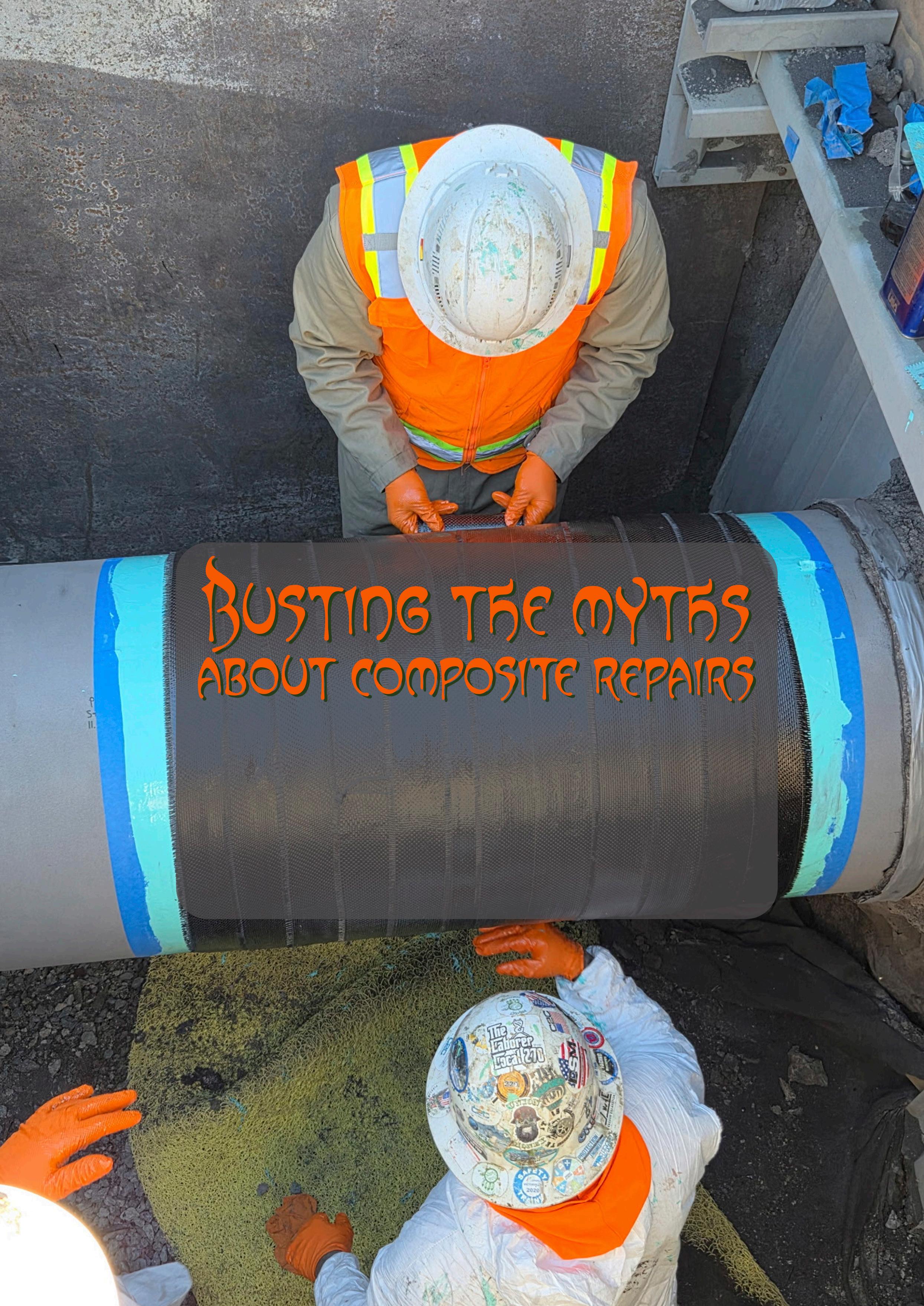
Matthew Green, CSNRI (Henkel), USA, considers why misconceptions persist, and how modern composite repair solutions are reshaping critical pipeline infrastructure.
Myths have power. They shape decisions, influence budgets, and often stand in the way of innovation. In the world of pipeline and infrastructure repair, myths and misconceptions about composite technology have persisted for decades. Steel sleeves have long been the default solution, while composites were dismissed as temporary fixes or niche
products. But times have changed. Today, composites are engineered to outperform traditional pipeline repair methods in many scenarios, yet misconceptions remain which may be based on something other than reality.
Why do these myths stick? Because every myth begins with a kernel of truth. Over time, that truth gets twisted through miscommunication, honest mistakes, and echo chambers where familiar opinions reinforce themselves. This article aims to bust the top 10 myths about composite repairs (as determined by the many questions our teams are routinely asked), explain the realities behind them, and show why properly tested and designed composite repair solutions are critical for safe, sustainable infrastructure management.
Myth #1: composites are not approved by regulators
The belief: if it’s not listed in the regulations, it can’t be used.
Kernel of truth: standards do not list composites by name or may restrict their use.
The reality: standards like ASME PCC-2 and ISO 24817 do exist for organisations to successfully implement composite repair solutions into their operating and repair specifications. Numerous other standards and certification bodies also have dedicated documentation around composite repairs which can be used today. US regulations permit repairs proven by properly engineered and thoroughly tested solutions.
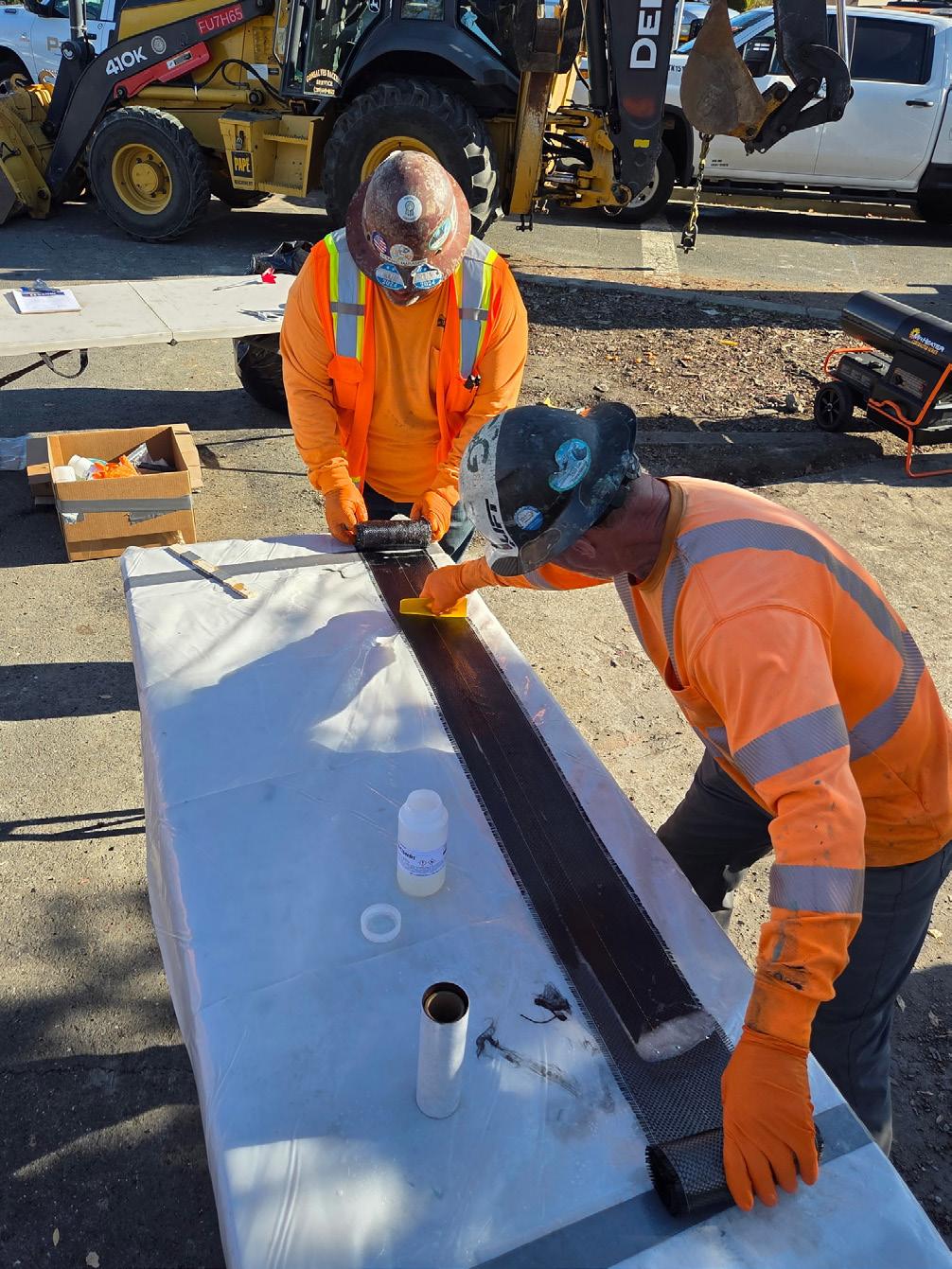
Regulatory language can be intimidating, but most standards are written as minimum criteria and may not always be exhaustive lists. Government bodies rarely endorse specific products to avoid conflicts of interest. Instead, they require proof of performance. Composite systems meet these requirements when properly tested and documented. The takeaway? Approval isn’t about name-dropping in a regulation, it’s about proper testing, engineering know-how, and technical integrity.
Myth #2: steel is always better
The belief: steel sleeves have been used ‘forever’, so they must be best.
Kernel of truth: steel sleeves work well in many cases.
The reality: composites offer unique advantages over steel sleeves: no hot work, adaptability, reduced downtime, and directional strength tailored to stress loads. In addition, the technology is now at a point where many testing programmes have been successfully completed to prove their effectiveness and longevity for a wide range of defect types.
Steel sleeves have served the industry for decades, but they’re not a one-size-fits-all solution (and to be fair, neither are composites). Composites, however, can excel in scenarios where steel struggles: odd geometries, restricted hot-work zones, and environments where downtime costs millions. When you factor in labour, cooling time, and post-weld inspections, composites often deliver a lower total cost of ownership.
Myth #3: composites are temporary
The belief: if it’s not welded, it won’t last.
Kernel of truth: composites have design lives, but so does everything else.
The reality: composite repairs can last decades when designed and installed correctly.
The word ‘permanent’ isn’t clearly defined in most standards. Composite repairs are designed for specific service conditions, and in many cases can exceed 20, or even 50 years of life. For external corrosion or low-fatigue defects, composites are often the go-to permanent solution. Instead of asking ‘Is it permanent?’, ask ‘Does it meet my service life requirements?’
Myth #4: composites can’t handle high pressure
The belief: composites are just plastic; they can’t handle high stress.
Kernel of truth: many plastics are weak, but composites aren’t plastics.
The reality: with the right architecture, composites can match or exceed steel strength in certain directions, and strength may not always be the most critical property anyway.
Composite repair systems combine fibres and resins for tailored performance. In hoop stress applications, they act much like steel. Increase thickness, and you increase pressure retention capability. Leak repairs, however, may have limits, and wrapping over an active leak without containment can be a recipe for failure.
Myth #5: training isn’t necessary
The belief: it’s so easy, anyone can do it.
Kernel of truth: composite repairs look (and usually are) easy to apply.
The reality: human error is the number one cause of failures. Standards such as the ASME PCC-2 and ISO 24817 require hands-on training at least every three years, along with annual renewals.
Composite systems are designed for ease of use, but shortcuts lead to failures. Although they are typically easy to install, they are not necessarily simplistic in requirements. Proper training ensures installers understand the materials, resin behaviour, cure times, and hold points. Additionally, composite repair systems are unique systems – being trained to install doesn’t make you a trainer, and being qualified for one composite repair system doesn’t qualify you for all of them.
Myth #6: surface prep doesn’t matter
The belief: clean and shiny equals good preparation.
Kernel of truth: composites can bond to imperfect surfaces.
The reality: poor surface preparation reduces adhesion, lowers pressure capability, and increases risk of failure and/or potential leaking.
Surface preparation is a critical component of composite repair. Unknown inputs lead to unknown outputs. If ideal prep isn’t possible, set realistic expectations and ensure all risks are known and evaluated, but never skip the basics.
Myth #7: installation pressure doesn’t matter
The belief: lowering pressure is optional.
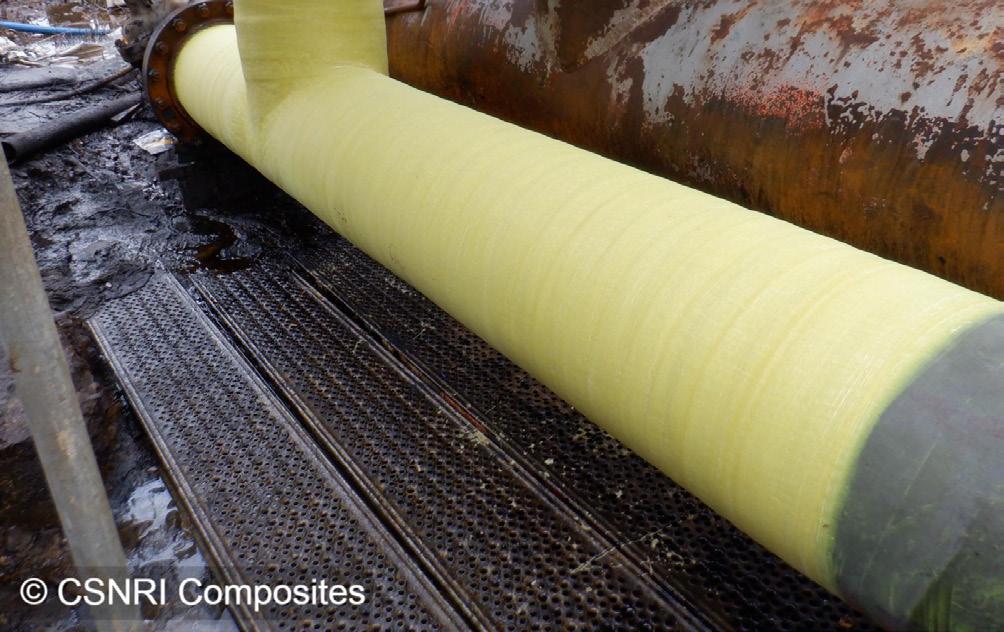
Kernel of truth: install pressure may be irrelevant for burst conditions with certain defect types.
The reality: for heavy cyclic conditions, as well as for certain defect types, install pressure may matter a lot for composite repairs.
For burst conditions, install pressure doesn’t seem to matter much when talking about some defects such as general corrosion or pitting. For cyclic fatigue, however, it’s critical. Lowering pressure reduces stress range per cycle, improving fatigue performance, and ensuring the expected service life can be met.
Myth #8: composites can stop active leaks
The belief: just wrap it and forget it.

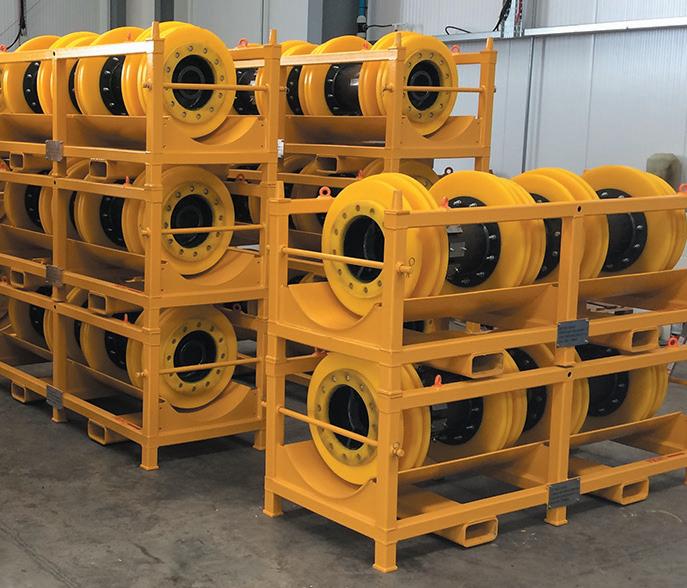
Propipe manufactures pig handling equipment for a wide variety of applications, from loading of precommissioning pigs, as well as routine maintenance operations, to receiving cassettes, removal tools and storage trays. All equipment is manufactured to suit project specific requirements.
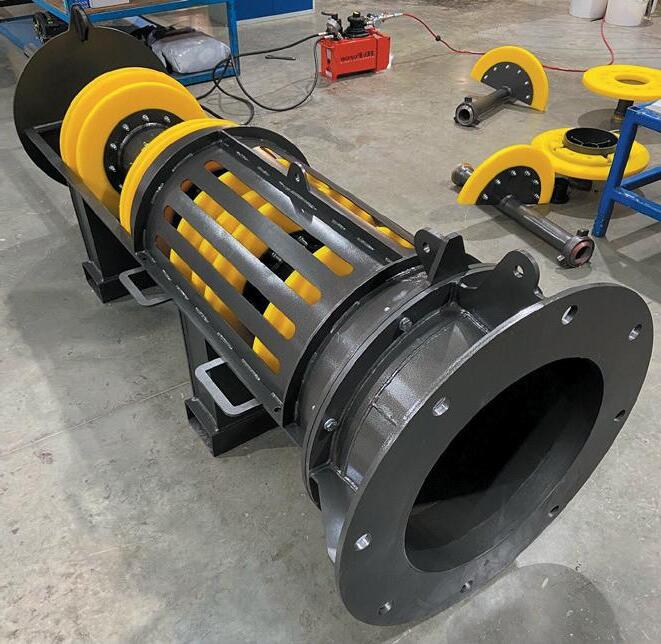
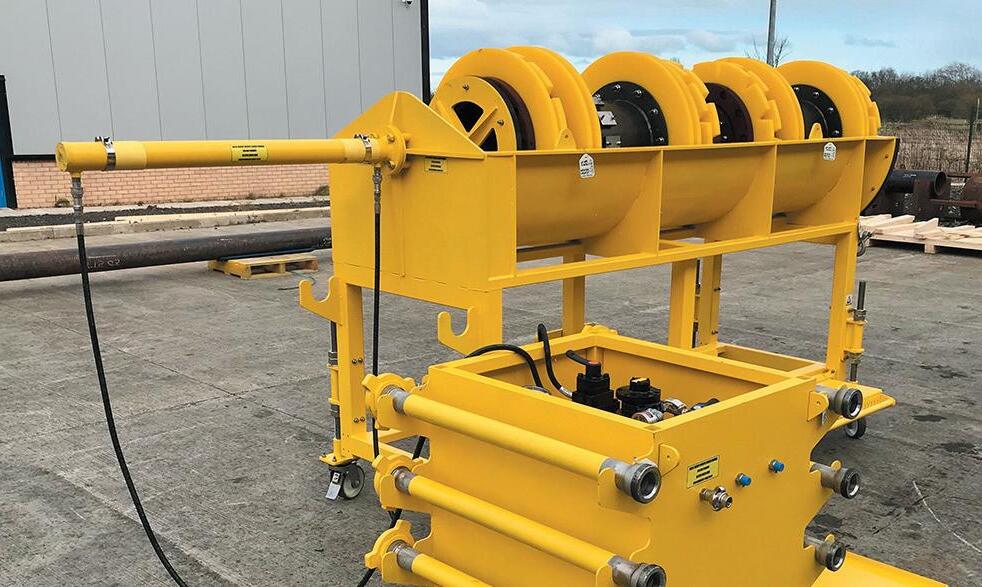
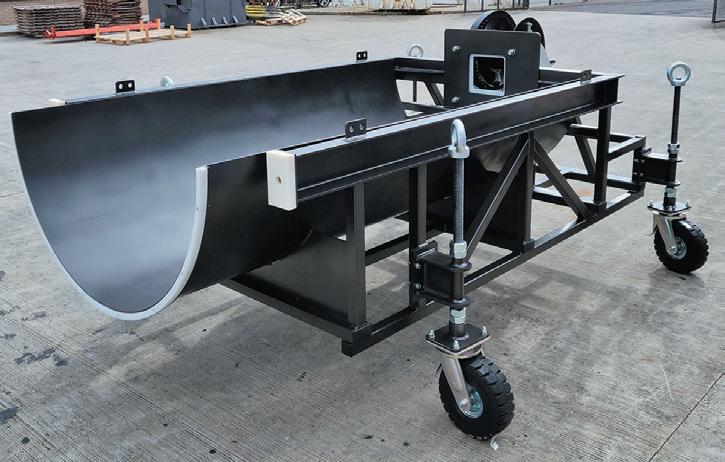
Kernel of truth: composites can contain pressure even with a through-wall defect.
The reality: wrapping over an active leak traps liquid resin, creating a leak path, which is usually developed well before the resin can complete it’s curing process.
Composites need a stable surface to bond and cure properly. Temporary clamps or depressurisation are essential before applying a composite repair. Many variations have been successfully implemented over the years and composites are many times the first choice of refining, industrial, and chemical plants for this very reason.
The belief: once it’s hard, it’s good for everything.
Kernel of truth: a resin that hardens at room temperature isn’t automatically suitable for high-temperature service.
The reality: polymer chemistry matters; cure schedules and cross-link density determines the strength and thermal resistance of a composite material. But more importantly, if chemical resistance is required, it becomes one of the most important aspects of the repair and can be the determining factor in success vs failure.
Marketing sheets don’t replace engineering judgment. Always match the product to the application through testing and design based on the specific scenario at hand.
The belief: inspection isn’t possible.
Kernel of truth: there’s no mandated NDE process or tools like for welds.
The reality: composites can be inspected visually or with ultrasonic methods; standards account for imperfections with safety factors.
Top-coats protect composites from UV, chemicals, and impact. When in doubt, add protection. Redundancy is good when safety is on the line.
Echo chambers tend to reinforce existing beliefs, creating resistance to change, and while composite repairs have been around for almost four decades now, there is still little formal training or education on these materials as applied to pipeline repair. In technical fields, metallurgists often place unwavering trust in steel based on experience, and customers naturally gravitate toward what feels familiar. Breaking this cycle requires a commitment to education and a disciplined approach to inquiry, asking ‘why’ repeatedly until the answer is grounded in verifiable data, rigorous testing, and proven experience.
Although composite repair systems are not a silver bullet, they’re a powerful tool when used correctly. They extend asset life, reduce downtime, and eliminate the need for disruptive repairs, while also typically being the most cost-effective option at hand. At CSNRI, we combine proven technology with engineering expertise and field know-how to deliver safe, sustainable solutions for critical pipeline and piping infrastructure.


Those in the oil and gas industry are no stranger to change, navigating things like fluctuating market dynamics, the integration of renewables like hydrogen and biofuels, and tighter regulations. These shifts have forced them to rethink operations and adopt new ways of working. Today, many oil and gas companies are looking to modern technology to help them streamline routine tasks, reduce operating costs and maintain data accuracy and integrity. Companies of any size – from single sites to multi-site global deployments – can use a laboratory information management system (LIMS) to help them achieve these overarching goals and maintain a competitive advantage.
LIMS software can help across upstream and downstream operations, and be configured to support diverse workflows, different lab types and varying user communities across all sectors of the business. The software can also be easily integrated with other applications and a heterogenous mix of instruments to help the company build out a completely connected ecosystem for holistic visibility and operational continuity. In oil and gas, LIMS is the engine behind quality, compliance and speed, and contributes greatly to continued success. The software can pull all data into one place –straight from lab instruments or sampling in the field – so that all decision makers have a clear view of what’s happening in real time. With this integration, oil and gas companies can see huge time savings, reduce errors and remain agile in the face of continued complexity.
Refinery and production labs run thousands of tests each week, resulting in data that originates from different tools, systems, and physical locations. Without a system that acts as a central repository of data – connecting these insights and ensuring systems ‘talk’ to each other – time to results can be incredibly slow with more room for errors, such as duplicate entries or lost records. This could lead to delays with stalled shipments or create the need for retesting, costing both time and money.
Historically, data was managed manually by disconnected groups. After samples were entered by hand, managers would review the data, send back errors for retesting and then it would go back for review. This multi-step and multi-level process left plenty of room for errors. But
with a LIMS, lab technicians can execute testing quickly and easily, and some modern LIMS even have laboratory execution systems (LES) that offer step-by-step guidance for more complex methods. Lab managers can manage specifications, methods and procedures, and sampling frequencies remotely through a LIMS dashboard. Management can track performance against target metrics and system administrators can ensure infrastructure is updated as required or troubleshoot if needed. This connectivity ensures high throughput and data integrity.
Today, some technology providers offer LIMS that can streamline backend processes as well. For larger companies, enterprise resource planning (ERP) tools help them manage core components of their business from human resources to supply chain to finance. When connected to a LIMS, business leaders have a much broader, holistic view of the company. The company can drive analytical testing, track inventory and manage core competencies all in one place. In today’s competitive marketplace, this offers an advantage.
A LIMS also helps oil and gas operations move faster. With automation, the benefits of connected operations are compounded. Technicians and scientists no longer need to spend time on manual, time-consuming tasks, resulting in fewer errors and less time spent fixing them. From a user perspective, LIMS provides effortless access, searchability, and transferability of information that technicians, managers, and administrators need to work efficiently. For example, in upstream oil and gas operations, LIMS streamlines the management of samples during exploration by cutting the time it takes to track, log and analyse the sample data. Seamless data sharing with downstream operations means that labs and facilities across workflows can collaborate on mission critical data.
Consider the success of Viva Energy, an Australian energy company that supplies 20% of Australia’s fuel requirements. By implementing a LIMS solution, Viva Energy has simplified daily operations at its Geelong refinery while maintaining the agility necessary to thrive in a rapidly evolving industry. The software’s user-friendly and intuitive interface enables engineers and technicians to collaborate cross functionally, ensuring the timely delivery of their high-quality fuels, lubricants, solvents and bitumen to Australian motorists, businesses and industries.

Through efficient sample, instrument and inventory management, oil and gas companies leveraging LIMS make datadriven decisions that enhance productivity at every stage of the value chain, ultimately accelerating time-to-market for their products.
Ensuring data integrity, compliance and security
While speed, ease of use and accuracy are extraordinary benefits for oil and gas companies, data integrity is critically important, too. Labs can rely on LIMS for enhanced security with features such as electronic signatures and a complete audit trail that enables end-toend traceability. The chain of custody log automatically tracks every step so that managers can spot trends or potential problems, giving teams the opportunity to intervene before the problem turns into product loss or a safety issue. If, however, something does goes wrong, it’s critically important to know what happened and who was involved. A LIMS can guide users, step by step, through the process to make sure that everything is tracked correctly.
Modern LIMS also offer secure systems that comply with the latest environmental and industrial regulations like ISO 17025 and standard American Society for Testing and Materials (ASTM) methods. Stringent and evolving quality standards make LIMS a necessity for oil and gas companies who are focused on speed and scale. Across the industry, cybersecurity is essential to ensure data integrity and business continuity. Whether across systems, on premises, or in the cloud, LIMS software uses unique logins and encryption to keep data safe and brings continuity, cost and time savings, resulting in fewer safety issues and compliance headaches. Companies that wait to adopt a LIMS risk falling behind as regulations tighten and customers demand more.
Today, more labs are moving to cloud-based systems and using next-generation technologies like artificial intelligence (AI) and machine learning (ML) to get ahead. With LIMS as a central source of truth across a business, companies are set up to extract even more from their data in the future. For example, with advanced analytical tools surrounding AI and ML, companies can use large datasets from their LIMS to guide strategic decision making that helps to further optimise production and reduce costs and risks. Whether they hope to use AI to process seismic data to improve exploration or demand forecasting of market trends that shape their supply chain strategy, adopting a LIMS today can ensure that the company is ready to bring on advanced technologies in the future.
The business case for a LIMS is clear. The oil and gas industry is under immense pressure to deliver safe, high-quality products faster and at a lower cost than ever before. LIMS makes this a reality. The software can holistically streamline processes and give teams the data they need to make faster, smarter decisions. It helps companies meet the highest standards for quality and compliance, while also cutting costs and accelerating work. Companies that embrace LIMS position themselves not just for current success, but for long-term sustainability and growth. The question is no longer whether to implement LIMS, but how quickly organisations can leverage these powerful systems to transform their operations and secure their spot in a highly competitive future.
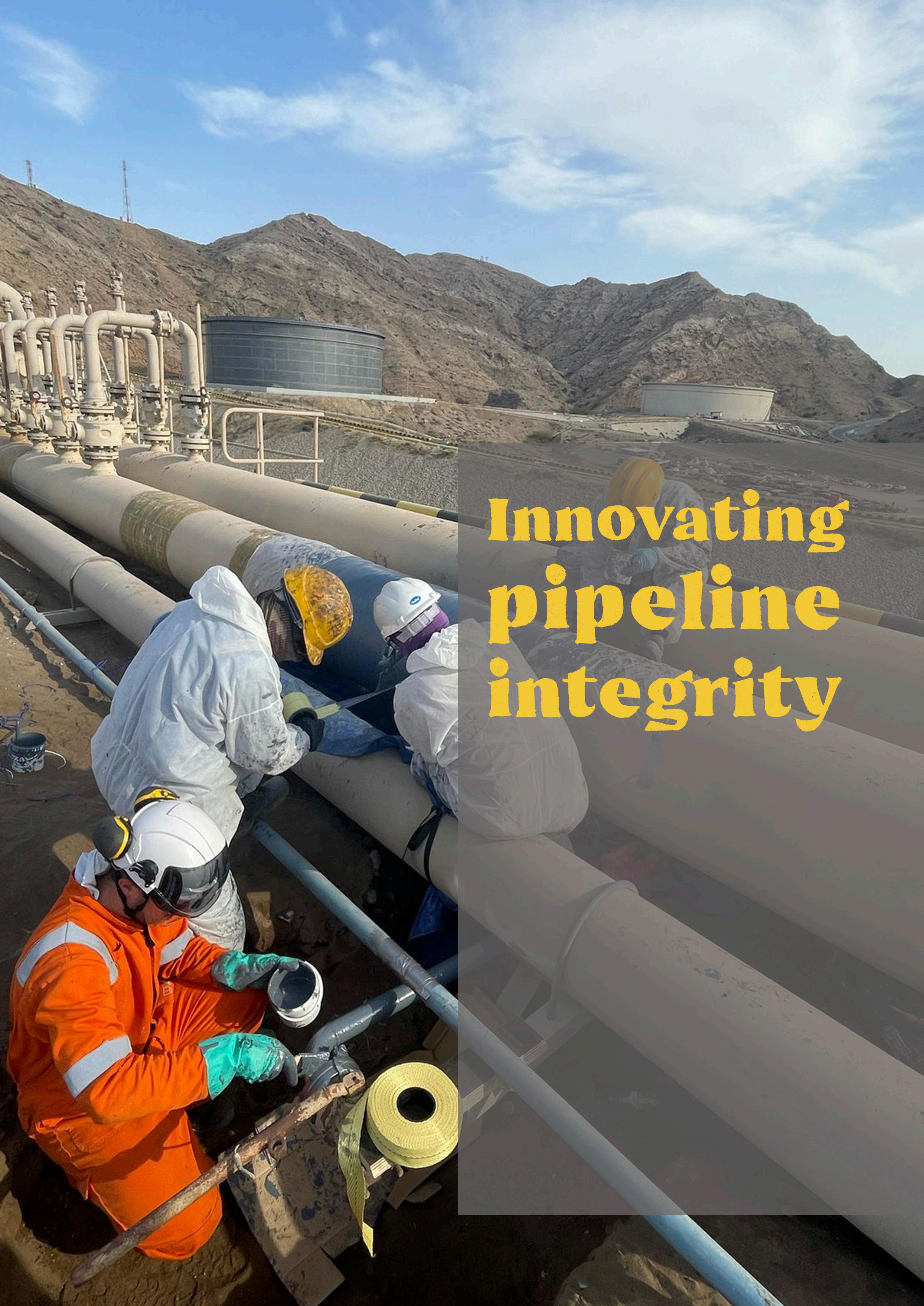
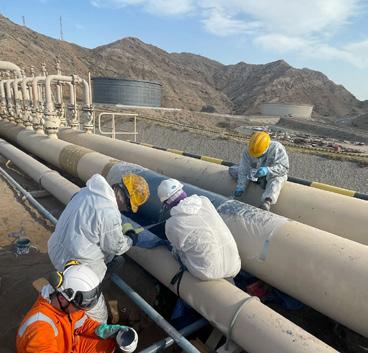
Laurette Sapin Cuiret, 3X ENGINEERING, Monaco, discusses advanced composite technology for corrosion repair on pipelines.
Corrosion remains one of the most persistent and costly challenges in the oil, gas, and energy industries. From offshore production facilities to onshore tank farms, metallic structures are continuously exposed to aggressive environments that degrade their mechanical strength and operational reliability. Traditional repair techniques – such as welding, clamping, or component replacement – often require shutdowns, high costs and significant safety risks.
Over the past decades, composite repair technologies have emerged as a reliable, cost-effective, and sustainable alternative. These systems, based on high-performance fibres and epoxy resins, are designed to restore the integrity of pipelines suffering from metal loss, cracks or leaks, while minimising downtime and operational disruption.
This article explores the principles behind modern composite repair systems and illustrates their performance through two recent case studies: an offshore crude oil
washing line reinforcement on FPSO in Africa, and an onshore pipeline restoration in the Middle East. Both projects demonstrate how the combination of engineering expertise, standardised procedures, and high-performance materials can ensure the long-term safety and functionality of critical assets.
Understanding corrosion mechanisms
Corrosion occurs when metallic materials react with their environment, leading to gradual material degradation. In oil and gas operations, this process is accelerated by factors such as water salinity, temperature variations, high pressure, and the presence of corrosive agents.
The consequences of unchecked corrosion are severe: wall thinning, pitting, cracking, and ultimately, through-wall leaks. These defects compromise pipeline integrity, increase the risk of environmental contamination and may lead to costly unplanned shutdowns.
Limitations of conventional repair methods
Conventional methods like welded sleeves, clamps or full component replacements, though effective in certain situations, present major limitations:
) Operational disruption: welding often requires depressurising the line or stopping production.
) Safety concerns: hot work in hydrocarbon environments increases fire and explosion risks.
) Cost and logistics: offshore and remote operations make heavy equipment transport and on-site fabrication complex and expensive.
) Short-term performance: mechanical repairs may not resolve underlying corrosion mechanisms or provide durable protection.
These challenges have driven the industry toward nonmetallic and composite-based solutions that can be applied on-site, even under challenging conditions.
Composite repair technology: a high-performance alternative
Principles of composite reinforcement
Composite repair systems typically consist of two main components:
) Fibre reinforcement: high-strength fibres such as Kevlar®, carbon, or glass, providing mechanical resistance.
) Polymeric resin matrix: an epoxy system that ensures adhesion, load transfer, and chemical resistance.
When applied over a damaged pipe section, the composite forms a structural laminate capable of restoring or exceeding the original design pressure. The repair is engineered to comply with standards such as ASME PCC-2 or ISO 24.817, ensuring mechanical performance and long-term reliability.
Advantages of composite systems
Composite technologies offer several key benefits:
) No hot work: repairs can be applied cold, eliminating fire hazards.
) Minimal or no downtime: many applications can be performed while the line remains in service.
) Versatility: suitable for various geometries (straight lines, elbows, tees, and flanges).
) Durability: properly engineered systems can last for over 20 years under harsh conditions.
) Lightweight and easy to install: ideal for offshore or challenging environments.
Case study 1: offshore crude oil line reinforcement on floating production, storage, and offloading (FPSO) unit – Africa, May 2025
Project overview
In May 2025, an 8 in. crude oil washing line on a FPSO unit presented multiple defects, including five corroded areas and
four leaks. The line operated at a temperature of 60°C and a pressure of 16 bar, conditions that required an immediate, robust repair to prevent environmental risks and costly shutdowns.
A high-performance composite repair system was selected to reinforce the affected areas. The objective was to restore full mechanical integrity while maintaining safe production operations.
In compliance with ASME PCC-2 standard, the composite repair solution specified the use of Kevlar tape impregnated with bi-component epoxy resin. The procedure involved:
) Four layers of composite applied over areas affected by corrosion.
) 10 layers applied over through-wall defects.
To ensure adhesion, the surface was prepared using Bristle Blaster® machine to achieve cleanliness equivalent to St3/SA 2.5 and a surface roughness greater than 60 μm (Rz). Once prepared, the area was degreased with acetone and the composite reinforcement was applied through several key stages:
) Leak sealing: a specific metallic and filler device was installed to seal active leaks before wrapping.
) Surface reconstruction: a high-performance filler was used to rebuild the pipe geometry.
) Resin application: the first layer of epoxy resin ensured strong adhesion between the substrate and the composite wrap.
) Composite wrapping: Kevlar tape layers impregnated with resin were applied to provide structural reinforcement.
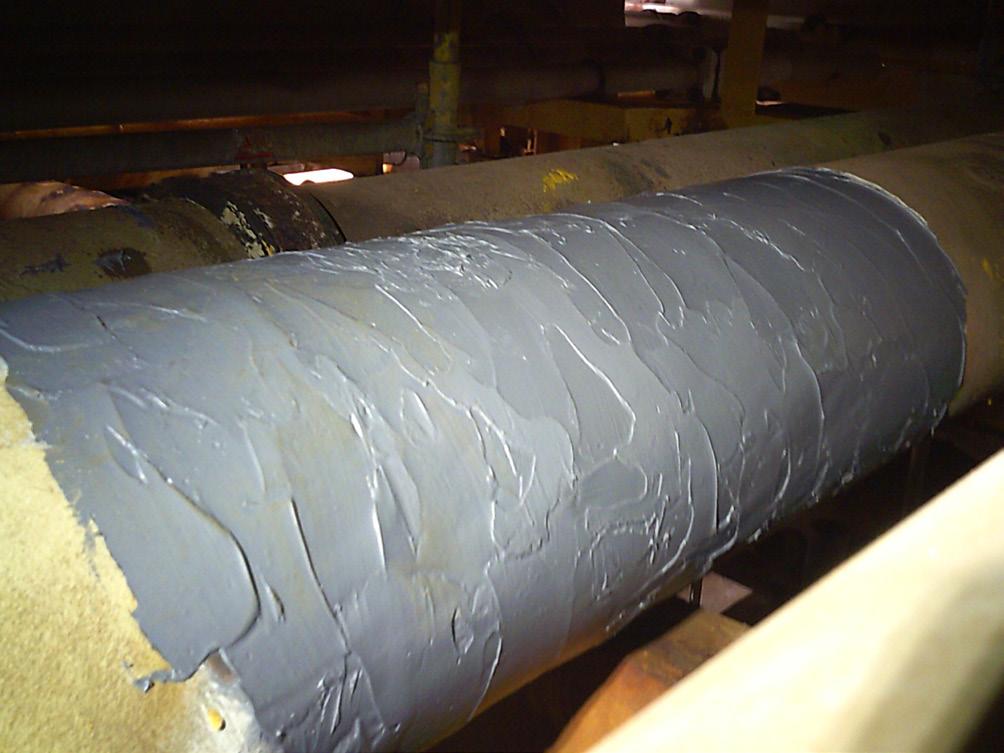
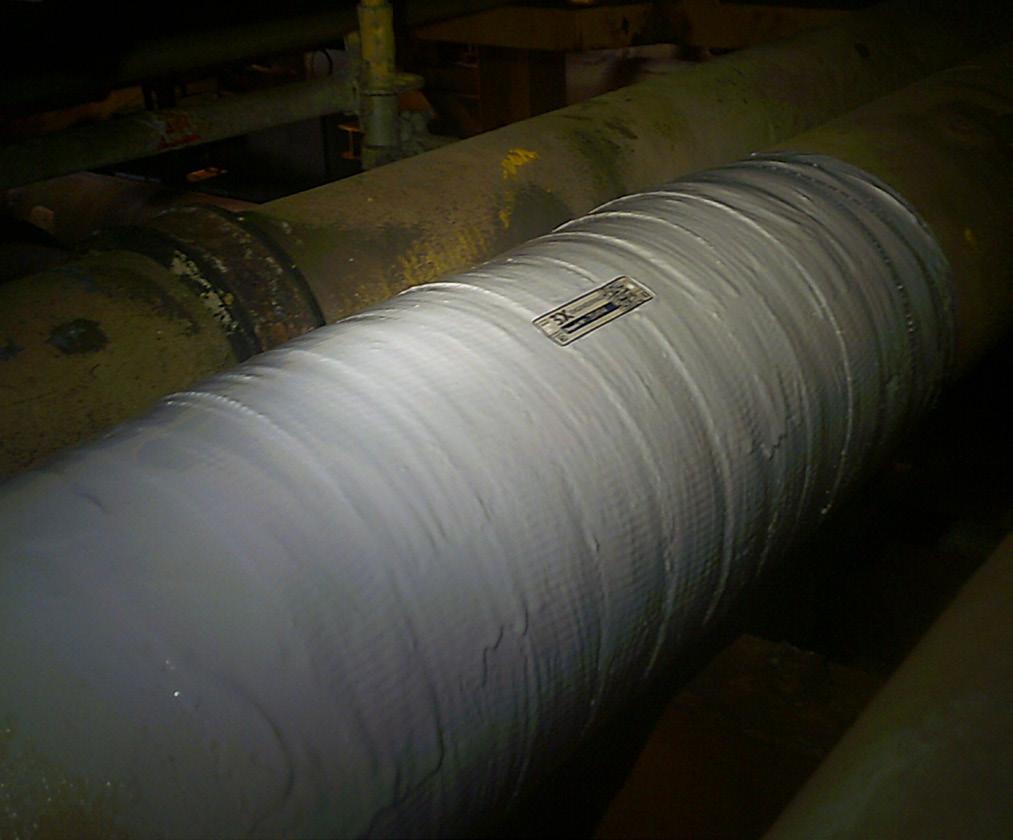
) Finalisation: a final resin coating sealed the repair and an identification plate was installed for traceability.
For long-term protection, an anti-UV topcoat was recommended to protect the repair from UV degradation.
The intervention fully restored the mechanical integrity of the line. The repair successfully withstood operational pressure and temperature without leakage. By using an advanced composite solution, the operator avoided production interruption, reduced safety risks, and extended the pipeline’s service life.
This project was part of a broader series of eight similar repairs completed on the FPSO, all of which were successfully executed, leaving the facility fully operational.
In April 2025, specialists were tasked with repairing a 24 in. pipeline and a 2 in. elbow within an onshore tank farm. The assets had suffered from internal corrosion, resulting
in seven localised defects that compromised structural reliability. The client looked for a long-term solution that could be implemented rapidly and without major operational disruption.
The chosen composite repair system was designed to restore full mechanical performance in accordance with ISO 24.817 standards.
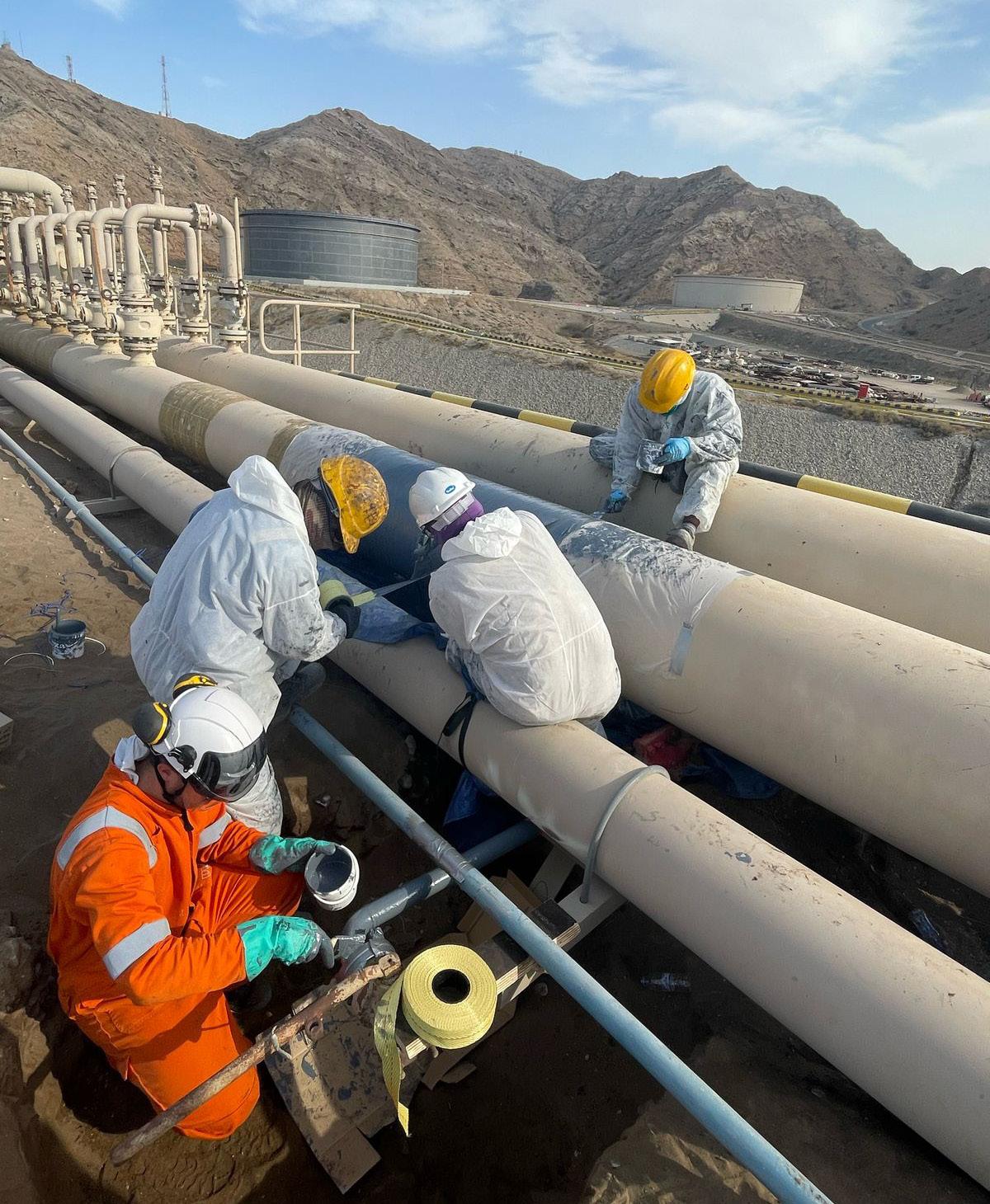
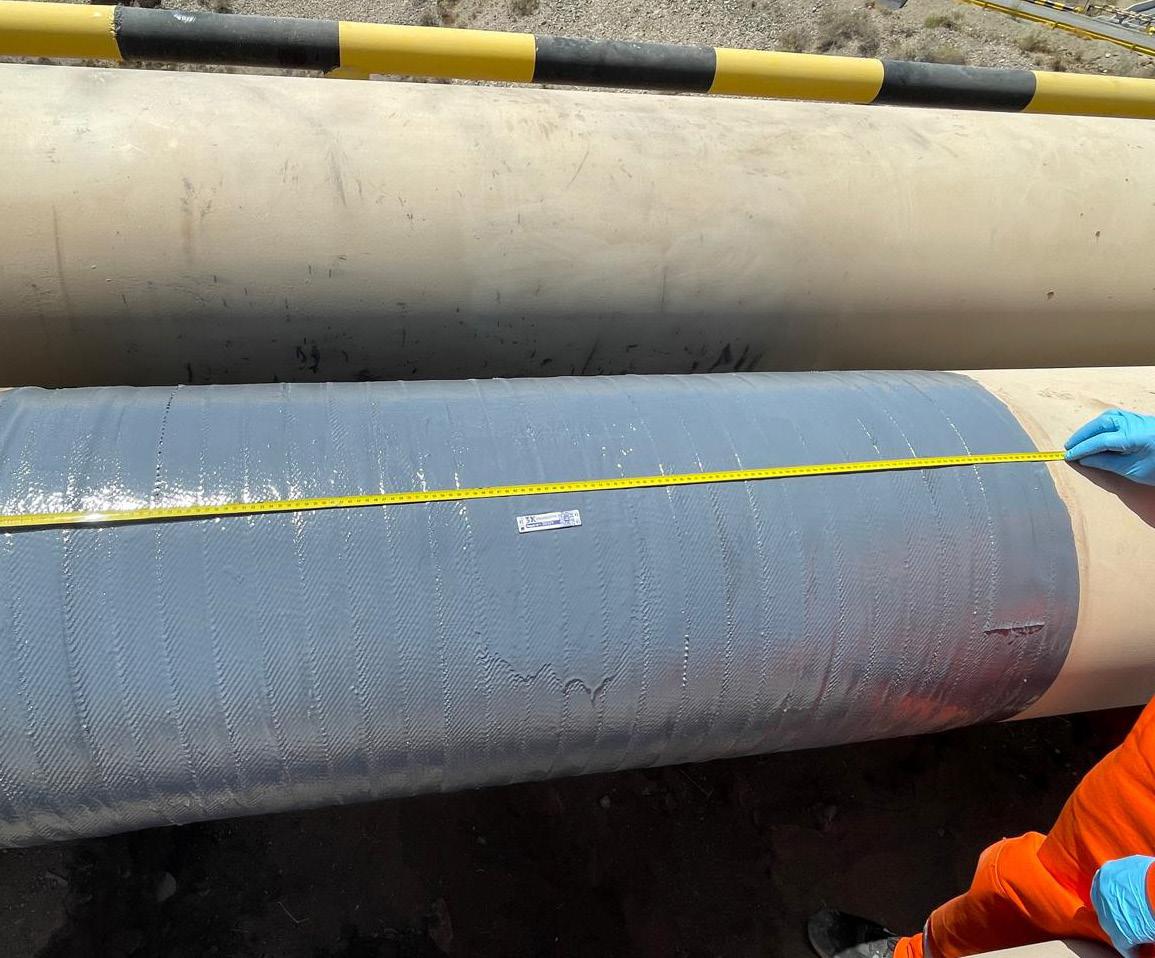
Surface preparation was carried out using sandblasting to achieve a surface roughness exceeding 60 μm (Rz), ensuring proper bonding between the steel substrate and the composite material.
After confirming hygrometric conditions, each defected area was cleaned, degreased with acetone, and reinforced using the following steps:
) Primer application: a high-performance epoxy resin layer was first applied to create a strong adhesion base.
) Composite wrapping: four layers of Kevlar tape impregnated with resin were wrapped around each defect. The total repair lengths varied by location:
• 600 mm for one straight-line defect.
• 1350 mm for a second straight-line defect.
• 820 mm for the 2 in. elbow.
• 600 mm each for the remaining four locations (straight line).
) Final coating: a final resin layer was applied to seal the system and ID plate was installed for traceability.
Resin samples were collected during installation for quality control and post-repair hardness testing confirmed that the material achieved full curing and mechanical strength. The results demonstrated successful pipeline restoration.
To enhance durability, the client was advised to apply an anti-UV coating after a 72 h curing period. The repaired sections returned to normal operation without any reported issues, confirming the reliability of composite repair technology for internally corroded pipelines.
Engineering confidence through standardisation
Both projects highlight the versatility and efficiency of modern composite repair systems. Whether applied to external corrosion and leakage on an offshore FPSO or internal corrosion within a tank farm pipeline, these technologies provide engineers with reliable tools to manage asset integrity safely and economically.
The success of each intervention was supported by:
) Strict adherence to international repair standards (ASME PCC-2 and ISO 24.817), including type approval by certification bodies.
) High quality surface preparation, ensuring optimal adhesion.
) Controlled application procedures, including environmental monitoring and traceability, supported by trained and experienced application teams.
) Quality control testing, verifying resin curing and hardness.
) Support from a responsive technical team able to guide field operations when unexpected site conditions arise.
) Use of resin systems developed to be as versatile and tolerant as possible, ensuring robust performance even under non ideal conditions.
These principles demonstrate how advanced composite repair systems bridge the gap between engineering rigor and practical field execution, empowering operators to extend the service life of aging infrastructure without costly replacements.
Advantages in offshore and onshore applications
The two case studies emphasise that composite repair solutions are not limited by geography or environmental conditions. Key advantages include:
) Adaptability: effective for both external and internal corrosion, leaks and structural defects.
) Ease of application: allows installation in tight spaces, underwater or in potentially explosive environments.
) Predictable performance: repairs are engineered based on finite element analysis and validated testing.
) Sustainability: eliminates the need for heavy steel replacements, reducing carbon footprint and material waste.
By adopting such systems, operators enhance asset sustainability while aligning with global trends toward greener and more efficient maintenance technologies.
for
Advancing pipeline corrosion repair technology plays a vital role in promoting sustainability and building a greener world. By extending the service life of existing pipelines, modern repair methods such as composite wrapping help reduce the need for new steel production and large-scale replacements, which are both energyintensive and carbon-heavy processes. These innovative solutions minimise environmental disruption, lower greenhouse gas (GHG) emissions and conserve natural resources. Finally, sustainable pipeline repair technologies demonstrate how industrial innovation can align with environmental responsibility to create a cleaner and more resilient future.
The fight against corrosion is an enduring challenge for industrial operators worldwide. However, the emergence of advanced composite repair technologies has transformed the way companies maintain and extend the life of their critical assets.
As demonstrated by the offshore and onshore case studies, these systems deliver proven mechanical reinforcement, rapid installation, and long-term durability, all without the need for hot work or production shutdowns.
Thanks to ongoing innovation, compliance with global standards and proven field results, composite repair technology has become a key solution for modern asset integrity management, helping industrial pipelines stay safe, efficient and sustainable even in the most demanding environments.
The next generation of pipeline isolation is here.
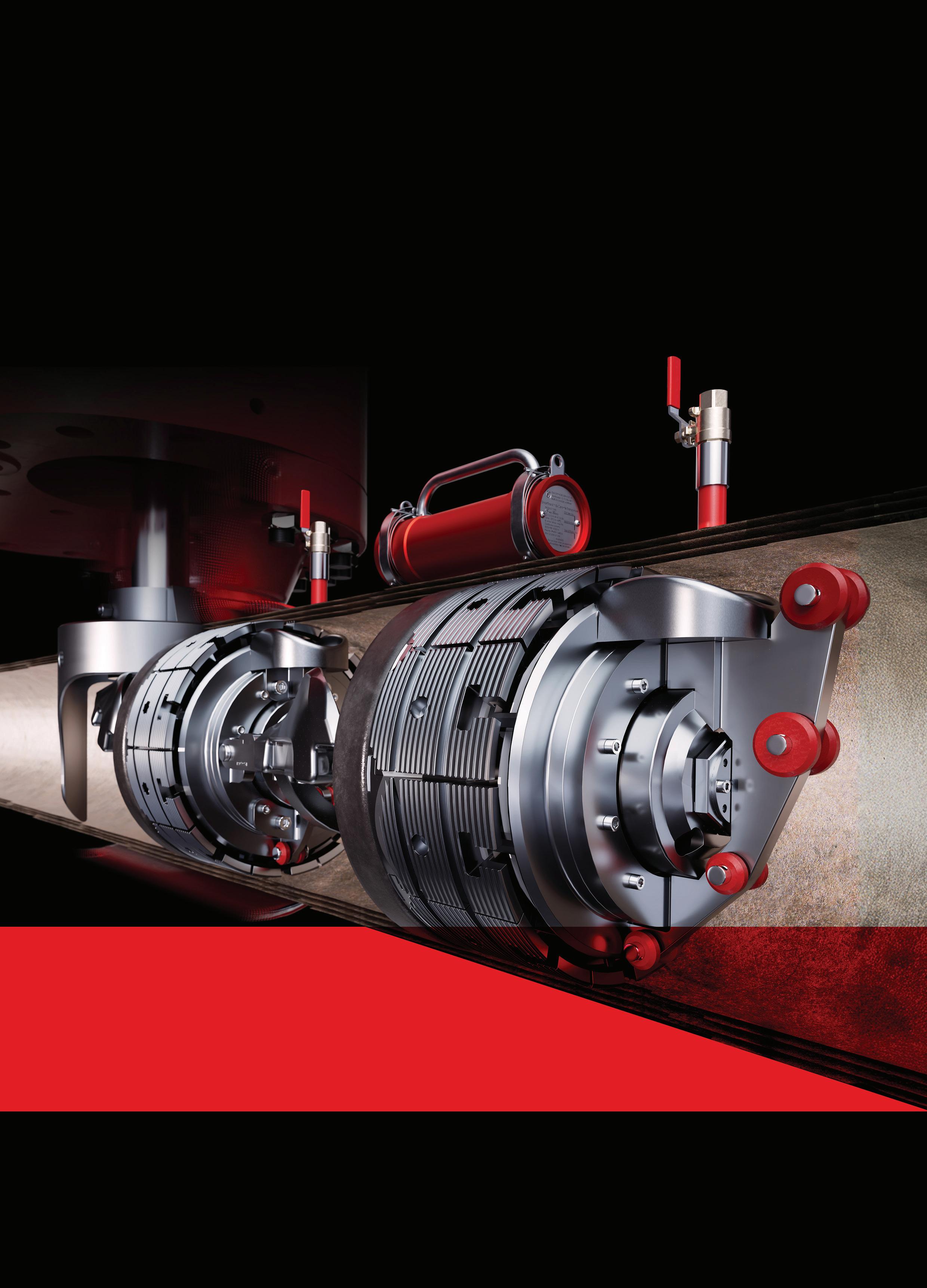
Double independent isolation and bleed system transforms field operations by making complex, high-pressure work safer with no emissions. Uncompromising safety. Unmatched throughput. Eliminates emissions.
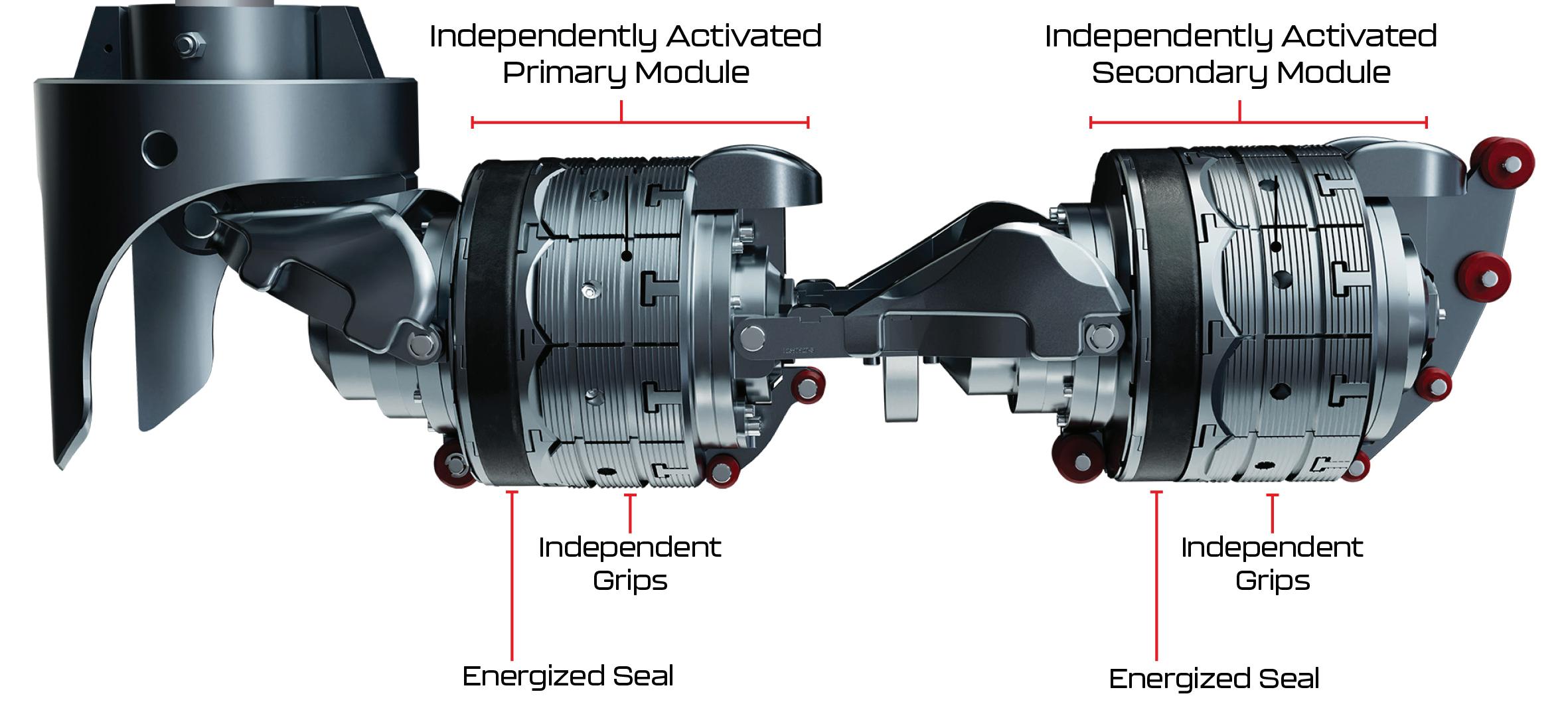
TDW SHiiELD™ sets a new industry standard with Double Independent Isolation and Bleed (DiiB), deploying two independently anchored modules with advanced energized seals to deliver the safest, most reliable pipeline isolation on the market.
• Double independent isolation and bleed (DiiB) technology deploys two independently anchored modules with advanced seals.
• Certified, leak-proof seal eliminates fugitive emissions with continuous monitoring.
• 4x the bypass area with no additional taps required.
• Safer, remote, ‘out of the ditch’ operation.


Philip Roscoe, N’GENIUS Materials Technology, UK, discusses materials selection for cast components in oil and gas pipeline systems, focusing on the balance between performance, manufacturability, and cost.
Ever since the rise of the oil and gas industry in the late 19th and early 20th centuries, castings have become an indispensable pipeline technology. The casting process – where molten metal is poured into a prepared mould – allows components to be
made with complex, intricate shapes and internal passages that are difficult to achieve through alternative methods of manufacturing, such as forging. This, combined with its potential cost-effectiveness, small scale production volumes and short lead-times, makes castings essential pieces of equipment for pipeline systems.
Typical cast parts include pipe sections, valve bodies, pump casings, impellers and filters. Due to the extreme and
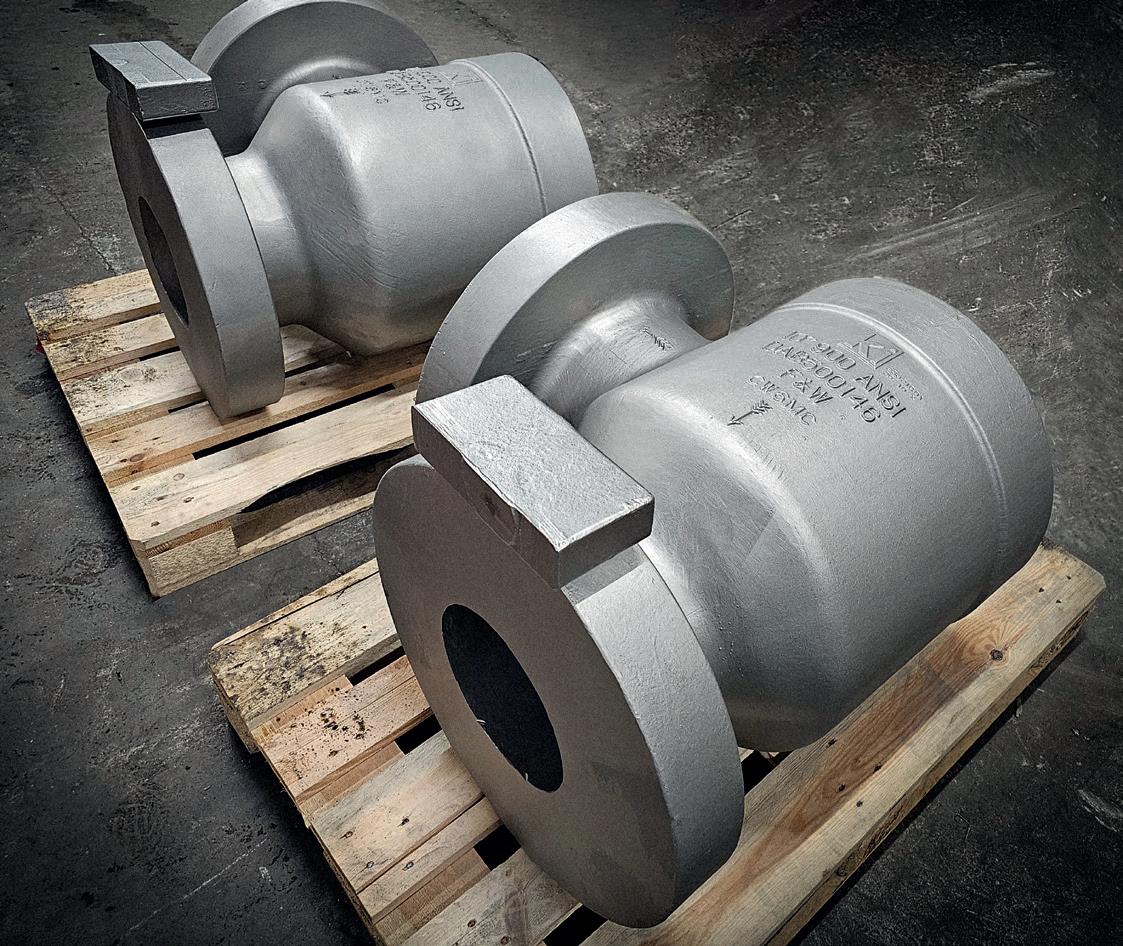
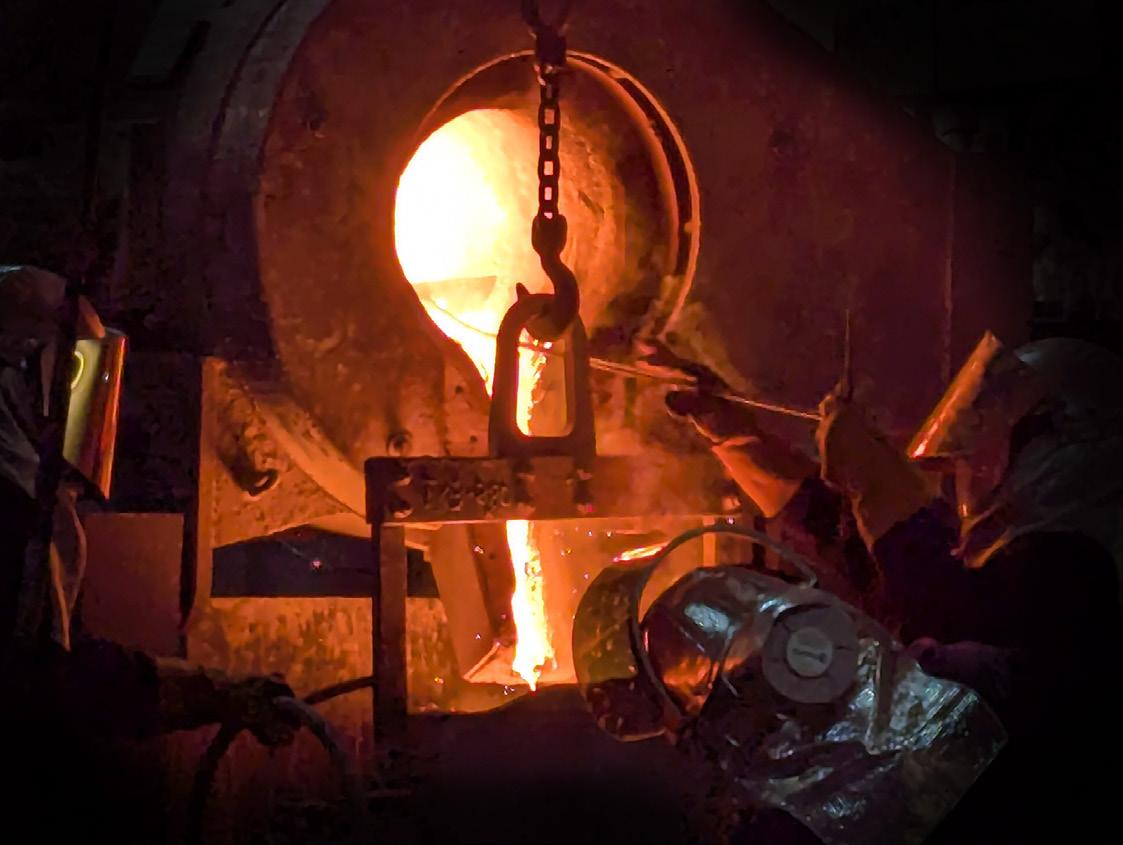
demanding nature of oil and gas exploration, these castings are often specified in materials which can provide high mechanical strength, corrosion resistance, durability and toughness at both ambient and low temperatures.
In particularly aggressive environments where systems are exposed to high levels of CO2, H2S, and chlorides or in highpressure, high-temperature (HPHT) service, components are typically specified in nickel-based alloys. The grade Alloy 625 is one which is widely used for this purpose across the oil and gas sector.
The alloy was originally developed in the 1950s for applications that required high strength and metallurgical stability at elevated temperatures including ultra-critical pipes for steam power plants. But due to its versatility, over time the material became adopted in other sectors such as chemical processing, aerospace and nuclear power. Its corrosion resistance properties also made it attractive to oil and gas engineers, particularly for offshore and sour gas systems.
The cast equivalent of Alloy 625 – CW6MC – is listed in the cast materials specification, ASTM A494. It is often used in applications requiring resistance to these harsh, corrosive conditions and frequently where conventional austenitic or duplex stainless steels would ordinarily fail. Known for its high corrosion resistance in both acid and marine environments and its relatively good mechanical properties across a wide temperature range, CW6MC is considered to be a useful ‘problem-solver’ in severe service.
Despite its high initial material cost, choosing nickel alloys can be economical if they can help reduce inspections, repairs, downtime, and lost production over the lifespan of a pipeline project. This is particularly true in aggressive process media where pitting corrosion, crevice corrosion and stress-corrosion cracking must be kept under tight control.
However, containing more than 58% nickel and 8% molybdenum, CW6MC comes with one of the highest base material costs among the cast nickel alloys. The high alloy content also makes it particularly susceptible to price volatility and alloy surcharge.
Where corrosion control can be achieved with more economical material solutions, OEMs and end users will often reserve specification of nickel alloys strictly for critical components where the cost of failure outweighs the price of the material. Despite nickel alloys being highvalue materials, they don’t necessarily provide engineering value.
*All cast materials solution heat treated and water quenches according to ASTM International standards.
To bridge the gap between conventional 300 Series stainless steels and more expensive nickel alloys, some high-alloyed austenitic grades do provide an alternative choice. Known as the 6Mo grades for containing 6% molybdenum, cast alloys such as CK3MCuN or CN3MN were developed for
A podcast series for professionals in the downstream refining, petrochemical, and gas processing industries




EPISODE 15
David Wilson, CEO, Energy Exemplar, considers the role that oil and gas is currently playing in the booming data centre industry, and what the future holds.
EPISODE 16
Andrea Bombardi, Executive Vice President, RINA, offers technical and operational insight into some of the key challenges and opportunities of CCUS implementation.
EPISODE 17
Alec Cusick, Owens Corning Technical Lead, Technical Insulation, talks about the risks of LNG pool fires and methodologies to mitigate these risks.
EPISODE 18
Geoff Moody, Senior Vice President for Government Relations and Policy at American Fuel & Petrochemical Manufacturers (AFPM), reviews the first year of President Trump’s second term in office and discusses the impact that it has had on fuel policy in the US.


the offshore oil and gas industry in the 1980s and typically sit between superduplex and nickel alloys price-wise. Although these materials are suitable for seawater service and can be cost-effective compared to nickel alloys, CW6MC has a broader and generally higher corrosion resistance.
A key difference between the wrought and cast versions of these alloys is their mechanical strength properties. Both the 6Mo grades and CW6MC possess significantly lower yield and tensile strength compared to their wrought counterparts and this must be incorporated into any pipeline system design. In particularly challenging wells such as the sour gas developments in Qatar, Saudi Arabia, and the UAE, piping systems can require materials with higher strength and better
corrosion resistance beyond the normal range of those cast alloys.
In terms of manufacturing these different materials, it can be particularly challenging to achieve consistent and repeatable results via the casting process as some of the wellknown wrought grades are difficult to cast. The 6Mo alloys are notoriously tricky to cast in thick sections and can be prone to hot cracking, macro-segregation, micro-segregation, secondaryphase precipitation and grain growth during solution heat treatment. Equally, macro-segregation and hot cracking can also be an issue for foundries producing CW6MC, especially in components which are large and have thick wall sections. Successful production requires disciplined process control over melting, pouring, solidification, and heat treatment.
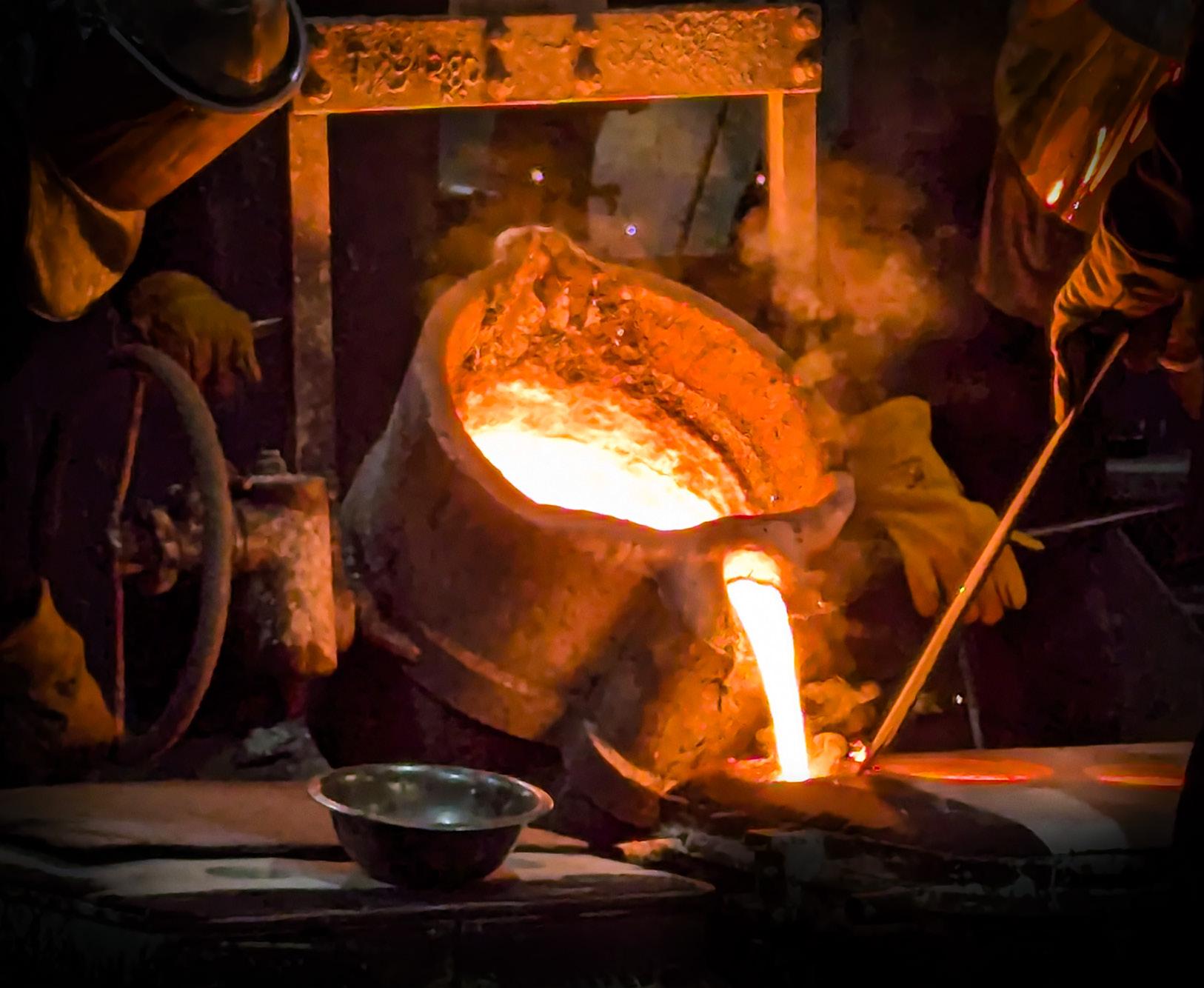
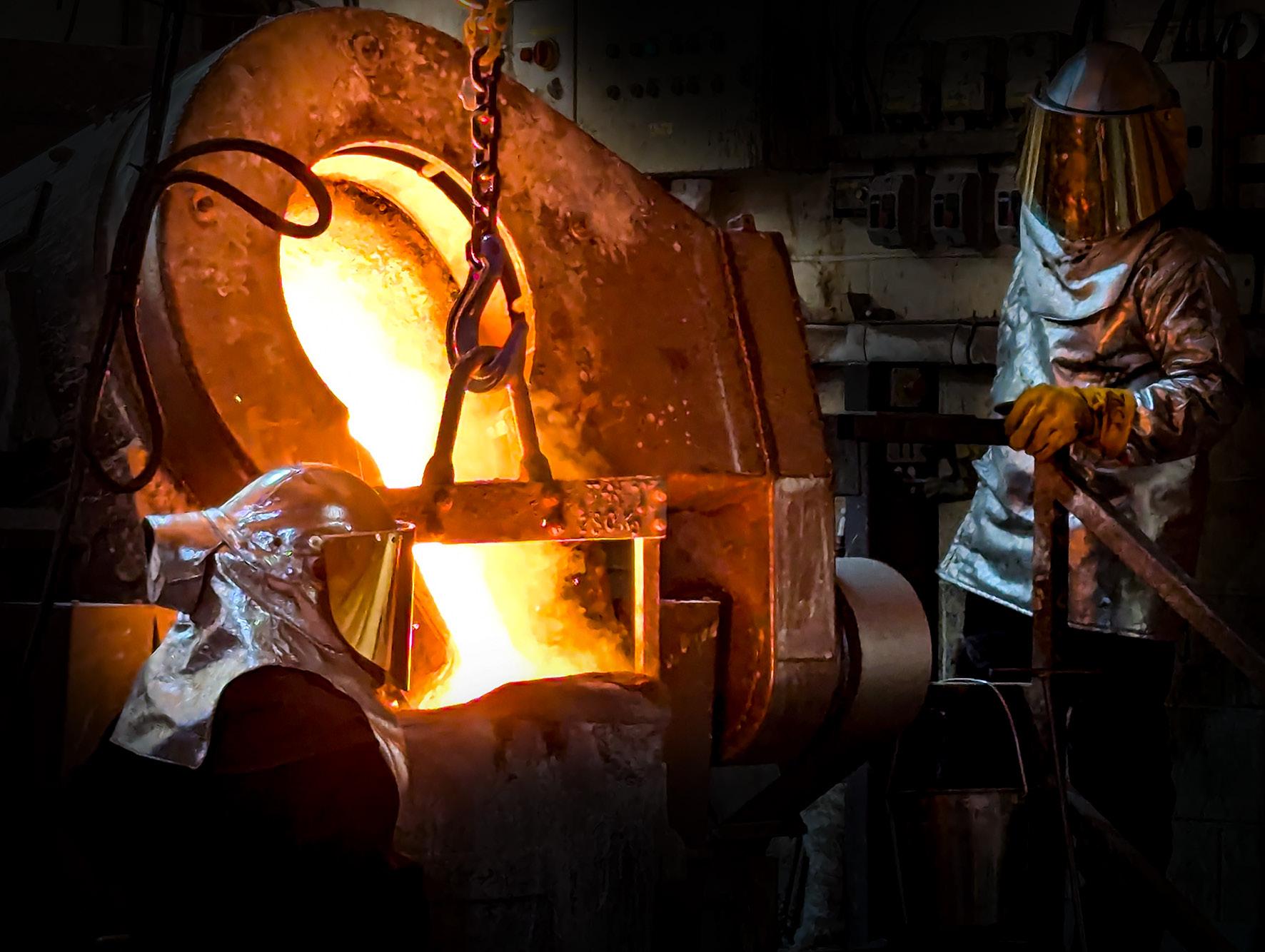
Some niche wrought materials have been introduced to the market in recent years to provide competitive alternatives to nickel alloys such as Alloy 625. By comparison, there has been far less material development in the casting sector. The menu for cast materials just has a more limited selection to choose from compared to wrought grades. Although this could soon change.
A new cast grade has been developed which offers improved performance compared to CW6MC but at cost-competitive price. The new alloy – N’GENIUS 326L57M4N – is from the N’GENIUS Series of high strength austenitic stainless steels. It is a family of patented high-performance grades which combine exceptional corrosion resistance properties and high mechanical strength with excellent toughness and ductility at ambient, sub-zero and cryogenic temperatures.
The chemical composition of N’GENIUS 326L57M4N has been carefully selected to optimise castability and performance. As a result, the alloy possesses improved strength and superior resistance to pitting and crevice corrosion even compared to certain nickel alloys and the manufacturing issues commonly encountered when producing cast 6Mo grades and CW6MC are also avoided.
A cast alloy performance comparison between N’GENIUS 326L57M4N and CW6MC is illustrated in the table. Combined with its superior corrosion resistance (PREN), the N’GENIUS grade also provides more than 28% higher minimum tensile strength and up to 16% improved minimum yield strength properties.
Furthermore, as N’GENIUS 326L57M4N contains a significantly reduced alloy content compared to CW6MC – approximately 35% less nickel and 40% less molybdenum – it is far more cost-effective and less susceptible to price volatility and alloy surcharge.
This potential cost saving offers a distinct advantage to both manufacturers and end users. Paul Harrison, sales director at N’GENIUS Materials Technology, said: “A defining feature of the N’GENIUS

Series is the extensive range of alloys, each delivering unique advantages and a differing value proposition.
“At the lower end of the range, N’GENIUS alloys typically compete with conventional 300 Series grades on performance rather than price – though cost efficiencies can be achieved by taking advantage of the higher properties, for example reduced wall thicknesses.
“But as we move to the higher end, the value proposition strengthens.
“These grades not only equal or exceed nickel alloys in mechanical strength and corrosion resistance, but they also present substantial opportunities for cost savings. This is a critical advantage from a value engineering standpoint and forms the basis of a highly compelling business case.”
The market potential of the alloys was one of the key drivers behind a UK foundry’s decision to begin manufacturing these materials under license. Furniss & White (Foundries) Ltd became the first company in the world to produce castings in alloys from the N’GENIUS Series.
The Sheffield (UK)-based firm, which supplies various markets including the oil and gas industry with pumps, valves, filters, and engineering products, produces high integrity static castings from approximately 0.5 - 2600 kg finished weight. Among the company’s offerings are castings manufactured from nickel alloys such as CW6MC.
Sam Scholes, Managing Director at Furniss & White, said: “We have been producing castings in CW6MC for several decades now. We obtained our NORSOK qualification for that particular alloy in 1991.
“Our total production in this grade is quite evenly split between pump and valve products. The popularity with customers and continued demand is primarily due to its longstanding utilisation, familiarity with engineers and its inclusion in the relevant industry specifications.
“As with most chromium-bearing nickel alloys, it requires very tight process control and discipline within the foundry to achieve consistent results. In terms of cost/kg, CW6MC sits at the upper end of our material price range – mainly because of its chemical composition.”
When comparing the price of high integrity cast products in both alloys the difference is highly significant. For reference, a 100 kg volute pump casting with a 3.1 certificate and dye penetrant inspection (DPI) would be approximately 31% less expensive if manufactured using N’GENIUS 326L57M4N rather than CW6MC. That price difference can increase depending on the product. As another example, a typical 500 kg globe or control valve with the same certifications made from N’GENIUS 326L57M4N would provide an estimated 38% cost reduction compared to the same product in CW6MC.
For pipelines systems where cost optimisation is paramount, the potential to offer customers products in cost-effective yet high-performing materials is particularly advantageous for Furniss & White.
“The performance benefits are just as significant as the savings,” said Scholes. “Test results show N’GENIUS 326L57M4N offers excellent corrosion resistance. It passed an ASTM G48 Method A test at 90°C for 24 h with a weight loss below 1 g/m2. This substantially outperforms CW6MC, which
is qualified under NORSOK at only 50°C with a maximum weight loss of 4 g/m2. This suggests the alloy could be a highly competitive option for aggressive environments.
“It is also stronger, more ductile and has outstanding impact toughness - in excess of 100 J at -196°C – highlighting its performance at low temperatures.
“Given its superior mechanical properties, high corrosion resistance and notable cost reduction, this alloy has real potential to disrupt the nickel-based casting market.”
Another distinct advantage of N’GENIUS 326L57M4N is its suitability to being manufactured as both cast and wrought materials. In addition to cast products, the alloy can be produced as seamless and welded line pipe, Oil Country Tubular Goods (OCTG), flanges, fittings, and other forged components – making it a total system material for pipeline systems.
There are of course hurdles to overcome when bringing new alloys to market. A big challenge is with regards to encouraging industry adoption of new materials which are unlisted in international specifications. Standards such as ASME and ASTM are closely adhered to, but these regulations can slow down the integration of new and novel materials.
Fortunately, most major international standards are written so that unlisted materials can still be specified, provided they are backed with adequate characterisation and documentation in the form of material data sheets (MDS). As such, all the N’GENIUS Series grades have been purposely developed in accordance with these standards and possess the necessary MDS documentation.
For several decades now, CW6MC has been an important alloy for the castings industry and a go-to grade when selected in conjunction with wrought Alloy 625 on pipeline projects. With a high corrosion resistance in seawater and severe-service environments, the alloy has been utilised extensively in high-end cast pump and valve components across the oil and gas sector over many years. Where environments allow, more cost-effective alternatives such as cast 6Mo or superduplex stainless steels are preferable, but in aggressive process media where corrosion performance and safety are critically important, the reliability of cast nickel alloys can offset their initial higher cost over time.
But as with all materials, nickel alloys do have a limit to their technical capabilities and CW6MC is no different. In large castings which require thick wall sections or in HPHT environments such as deep or ultra-deep water oil and gas reservoirs, alternative advanced alloys which provide higher strength, improved corrosion resistance and better castability could be extremely advantageous for pipeline systems. And if these materials also offer cost savings compared to nickel alloys – which N’GENIUS 326L57M4N can – then design engineers have, as Mr Harrison explained, a “highly compelling business case” to consider during their selection process.

Gerhard Kopp (Senior Data Scientist), Peter Haberl (Senior Sensor Technology Engineer), and Alessandro Morandini (Data Scientist), NDT Global, consider how phased array inline inspection delivers actionable pipeline insight.
Phased Array Ultrasonic Testing (PAUT) has become a cornerstone of modern inline inspection, offering unmatched flexibility and precision in the detection and characterisation of pipeline defects. Its ability to adapt inspection parameters entirely through software, modifying beam angles, and focal laws – sets it apart from conventional monolithic elements, which require
hardware modifications to achieve similar capabilities. This flexibility allows the inspection tool to be tailored to the conditions and properties of the pipeline to be inspected, making PAUT an ideal choice for complex pipeline environments.
At the same time, this adaptability comes with increased complexity. Effective deployment in inline inspection tools requires careful consideration of three main factors:
) Shot scenario optimisation to ensure strong signal amplitude from features.
) Shot sequence optimisation to maintain inspection speed while limiting noise.
) Data reduction procedures to manage large datasets without compromising signal integrity.
One of the main challenges in pipeline inspection is the variability in weld types of pipeline and feature geometries. The term shot scenario refers to the combination of array elements to form ‘virtual sensors’, and the selection of ultrasonic inspection angles used for measurements. Phased arrays can transmit at multiple angles, but increasing the number of angles typically slows down inspection speed and increases acoustic noise.
Simulation studies have been used to determine which angles provide the most reliable detection and sizing for different weld geometries. For instance, a pair of inspection angles between 40 - 55° were found to provide complementary coverage across base material and weld types:
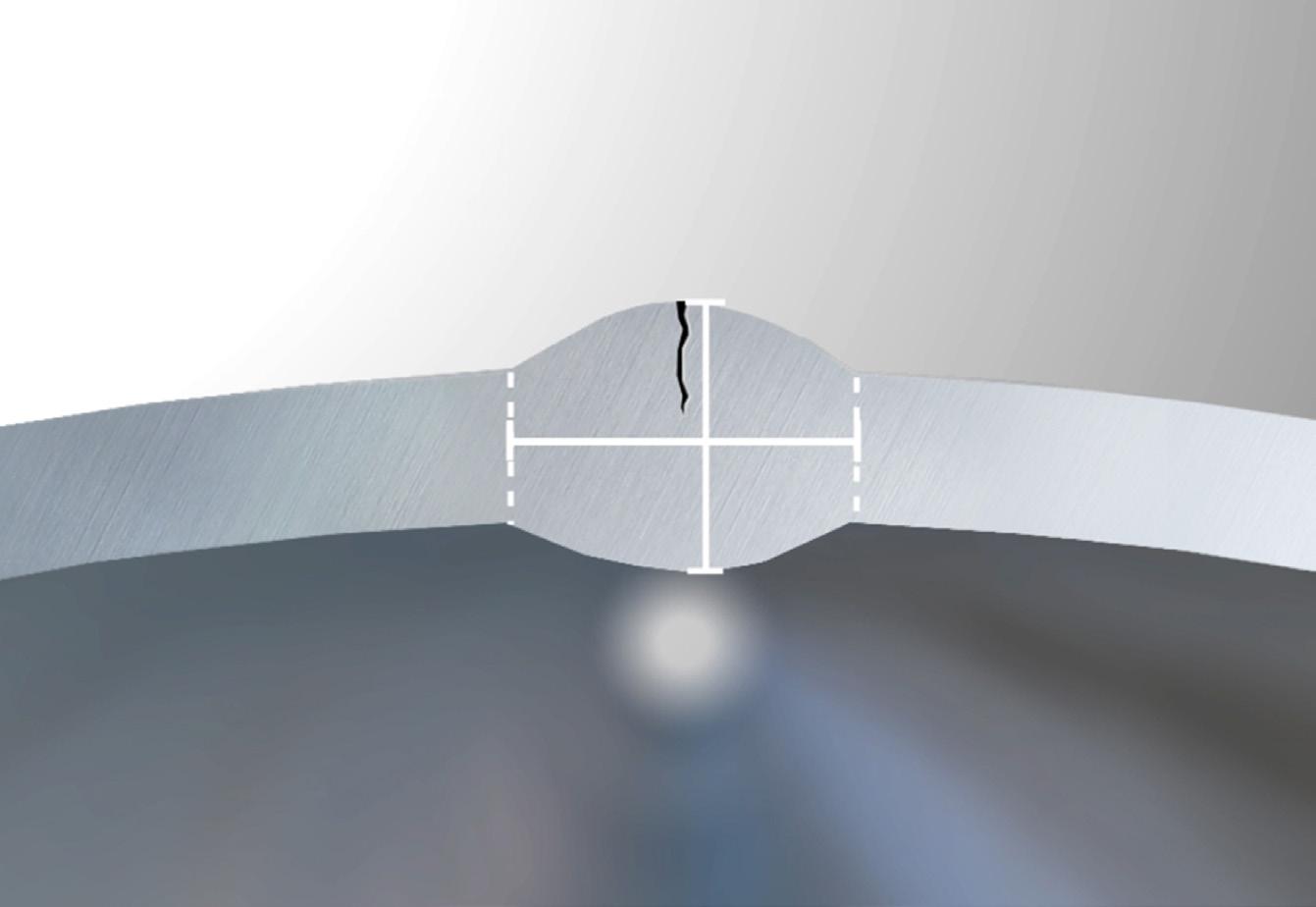
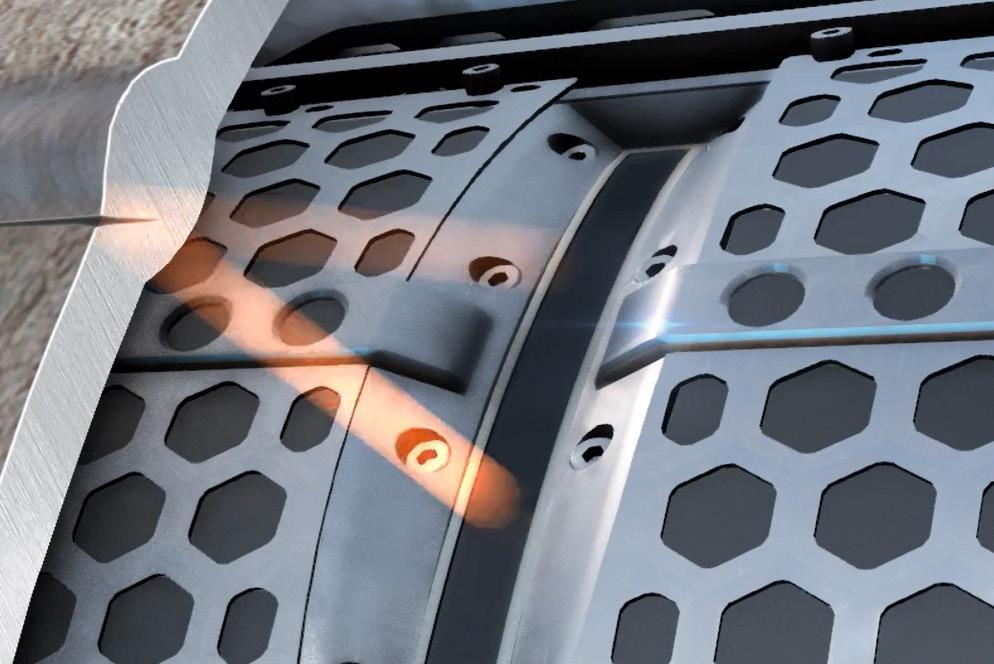
) Angles below 45° are more sensitive to thin Electric Resistance Welded (ERW) welds.
) Angles above 50° are optimal for wide Double Submerged Arc Welded (DSAW) seams.
Although larger or smaller angles can give higher amplitudes in specific cases, the increased sensitivity to angle variations makes this combination of two angles a robust standard for routine inspections. Operational statistics confirm this approach, with the larger angle providing the deepest indications in wide welds in more than half of reported cases.
Shot sequence optimisation: reducing noise while maintaining speed
Once a shot scenario is determined, it is necessary to develop a shot sequence that allows for high tool speed and low noise. The first one makes the technology operational viable for inspection, and the second one can directly affect POD, POI, and POS. The shot sequence describes which virtual sensors are shooting and when. The optimisation of the shot sequence is necessary to limit the crosstalk between different virtual sensors. This crosstalk can be particularly severe for phased arrays due to the presence of grating lobes. Using Full Matrix Capture (FMC) data, shot sequences can be optimised systematically:
) Select the shot scenario (virtual sensors, inspection angles).
) Determine which virtual sensors can fire in parallel.
) Sequence shots in time to minimise artefacts while maximising speed.
This process ensures that noise is controlled without compromising inspection throughput, producing clearer datasets for reliable defect detection and sizing.
Multiple measurement methods: pulse echo, pitch and catch, and tip echo
Phased array inline inspections can use multiple measurement types, each suited to different defect characteristics:
) Pulse echo (PE): established UT method providing reliable detection and shallow feature sizing.
) Pitch and catch (P&C): better sensitivity for complex geometries and deeper defects.
) Tip echo: most accurate depth sizing, particularly for deeper features.
The combination of these methods increases coverage and robustness. PE and P&C are complementary, as P&C can provide sizing when PE saturates. Tip echo, while more challenging to acquire in shallow features, is essential for critical deeper features where accurate depth measurement reduces risk.
Data reduction: managing volume without losing integrity
Inline phased array inspections generate large datasets due to multiple angles and measurement types. Excess data
increases download time and analysis effort. Data reduction strategies filter the full dataset based on expected amplitude and time-of-flight (ToF) windows. Criteria are defined by:
) Theoretical signal arrival times for each measurement type.
Historical inspection results and databases of known feature indications This approach has consistently allowed a 25% reduction in data volume without losing any meaningful feature information. Adjustments account for medium velocity, wall thickness, inspection angles, and potential deviations in stand-off, ensuring robust results across varying pipeline conditions.
Turning data into actionable insight
The NDT Global PROTON tool brings these principles together in a single inline inspection system. PROTON integrates multi-angle phased array inspections with pulse echo, pitch and catch, and tip echo measurements to deliver high-fidelity detection and accurate depth sizing – even in complex weld geometries. Its intelligent data reduction and analysis workflows reduce interpretation time without compromising accuracy. By producing multi-mode datasets that support digital twin creation, PROTON enables operators to move from inspection results to actionable, confidence-driven decisions across the pipeline lifecycle.
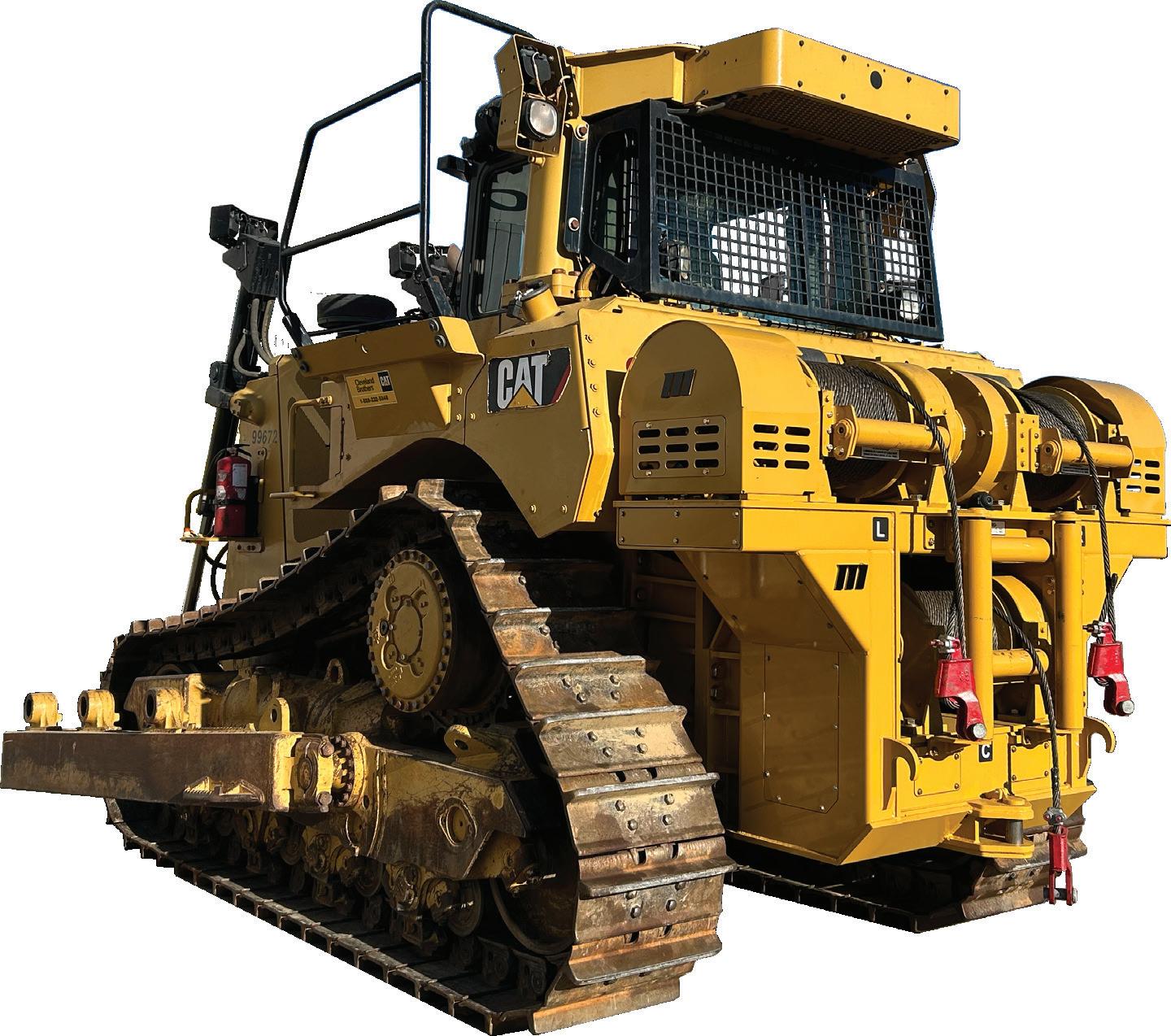

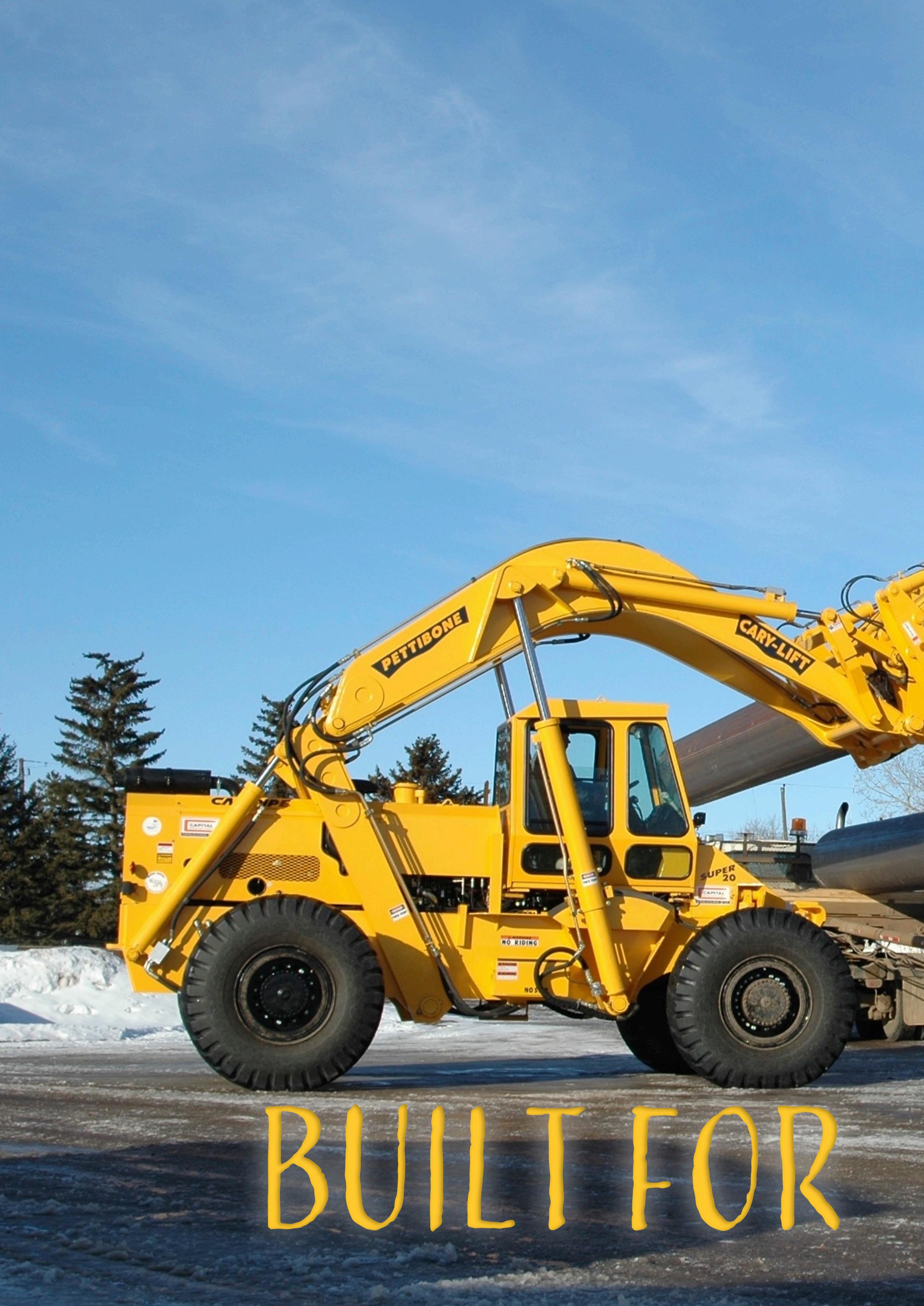
Tim Palosaari, Pettibone/Traverse Lift, LLC, writes about keeping operator safety at the forefront with purpose-built pipe moving machines.
Safety regulations are an essential part of every industry, but perhaps nowhere is safety more critical than in oil and gas applications. With hazards potentially looming no matter what role people have in the field, there is an inherent need for strict operational precautions, especially when using specialised machinery.
The conversation around oil and gas safety often centres on the upstream and downstream sectors. Yet industry professionals understand that the same level of vigilance that is required at a drilling site is also needed during infrastructure construction and for many support activities.
For material handling tasks, a significant safety challenge revolves around determining the correct piece of equipment for the job. On the surface, such a choice might appear simple. In practice, however, proper equipment selection will be driven by the size, shape, weight, or quantity of the items being moved. Safety should always be at the forefront of these decisions.
Moving and placing heavy pipe is a common material handling challenge. Over time, equipment manufacturers have created a wide range of solutions to address this need. Whether positioning pipe during pipeline construction, transporting it over long distances, or moving it around a stockyard, users have a variety of equipment options available.
Not all these tools, however, were originally developed with pipe handling as their primary function. Wheel loaders, for instance, are primarily designed to dig and move dirt. Yet these vehicles are frequently fitted with forks, grapples, and other attachments to move pipe. While they can handle pipe handling tasks at a basic level, it requires operators to accept tradeoffs in performance and safety.
Meanwhile, machines such as rough terrain forklifts are purpose-built for material handling jobs like lifting and placing pipe. Engineered specifically for those applications, these dedicated forklifts incorporate features that greatly improve efficiency and safety.
Pipe presents a unique situation for material handling equipment. Because the material length typically
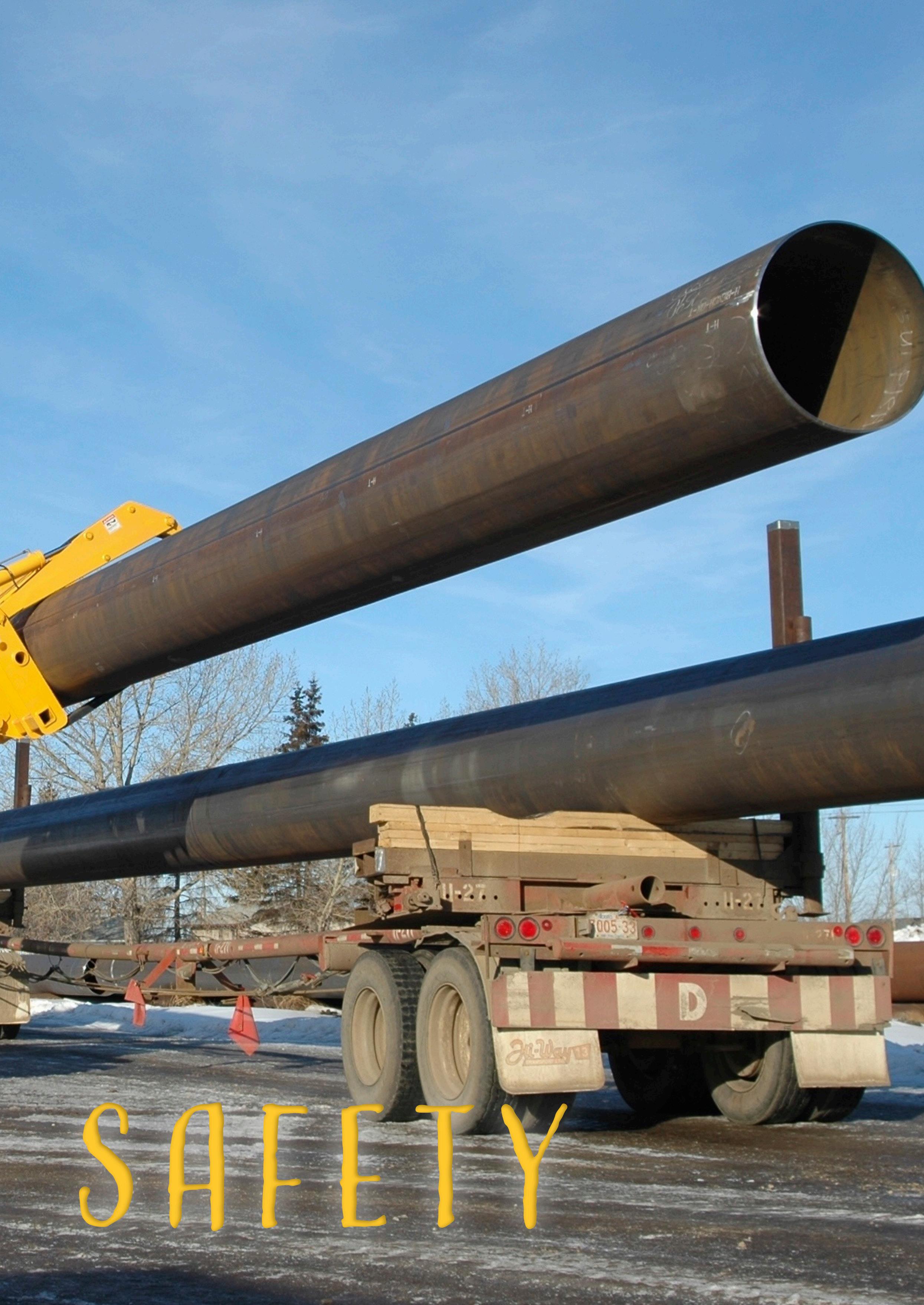
extends well beyond the width of the machine carrying the load, safely maneuvering depends heavily on maintaining maximum visibility around the operator’s full surroundings.
In stockyards, operators are constantly guiding long pipe loads up and down aisleways that are often no wider than 30 - 35 ft. They are also having to stack loads 10 - 12 ft high at times. Transporting pipe safely around the yard usually requires that the load be carried aloft as well, further increasing the importance of clear sightlines. For wheel loader operators, visibility can be limited in these situations, since the machine’s lift arms are positioned directly in front of the cab.
Alternatively, purpose-built equipment like Pettibone’s Cary-Lift rough terrain forklifts have no components obstructing the operator’s forward view. Instead, these vehicles have an overhead lift arm system that mounts behind the cab, giving the operator an unobstructed forward view of more than 180˚. With this design, precision placement of pipe is achieved much easier.
Not to be overlooked, rear visibility is also important, whether in crowded yards or confined field conditions. To address this, manufacturers across various industries commonly offer rear-view cameras as standard equipment. Lighting has also advanced significantly.
Modern machines come with high-output LED systems that deliver brighter illumination while drawing less power.
Stability is another critical safety factor when handling heavy pipe. Operators must remain aware of the many conditions that affect a loaded vehicle’s balance, such as speed, grade, and ground conditions. At the same time, the design of the machine they’re driving plays a major role. Even during routine operation, a vehicle’s ability to resist tipping and remain upright will depend on elements such as weight distribution, suspension, wheelbase, and tires.
A machine’s stability and lifting capacity also depend on whether it is being used for its intended purpose. While highly effective at moving dirt, the design of a wheel loader is less suited for pipe handling. A spec sheet for a wheel loader may list a tipping load to indicate the maximum weight its bucket can hold before the machine becomes unstable. Typically, the lift capacity for a wheel loader is equal to half of its tipping load.
What this means is that a larger, more powerful wheel loader is required to match the lift capacity of a dedicated lifting machine like the Cary-Lift. For example, the Cary-Lift 204i model has a 200 horsepower engine and offers a maximum load capacity of 20 000 lb. In order to achieve the same performance with a wheel loader, one would need a machine that offers an additional 100 horsepower, essentially leading to a huge discrepancy in fuel economy when comparing two different pieces of equipment in the same lifting class.
The front-mounted lift arm of a wheel loader, combined with articulated steering, also makes it less stable when carrying heavy loads through turns. In fact, a wheel loader can lose up to 50% of its rated load capacity while turning. As a result, operators are often forced to complete sharp corners in multiple small manoeuvres, inching forward and back until the turn is made.
The challenge is compounded by the fact that many operators may not fully realise how much a loader’s dynamics change during a turn. If a driver relies only on published specifications without adjusting speed, load, or turning technique, the risk of tipping increases substantially. Many stockyard personnel are all too familiar with seeing a loader tipped on its side with scattered pipe on the ground. This situation poses a hazard not just to the operator, but to anybody nearby.
Dedicated machines are designed to minimise these risks. The Pettibone Cary-Lift has a solid steel frame in place of an articulating joint, allowing it to carry full loads into tight turns without losing
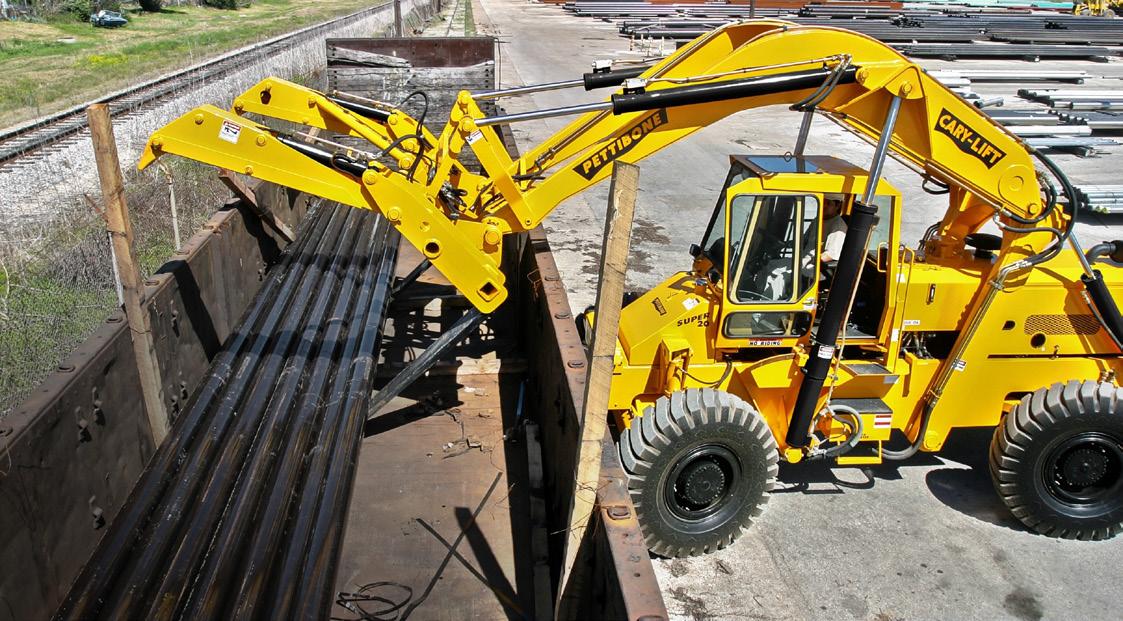
stability or load capacity. A shorter wheelbase supports sharper maneuvering, while a wider stance for the lift arms adds more steadiness when handling long pipe.
Changing conditions in the field provide another reason for caution. Stockyards may make use of straight-mast forklifts, but those machines are engineered for smooth, level surfaces, as opposed to the rugged terrain encountered during pipeline construction. For that environment, four-wheel-drive, all-terrain machines are essential to maintain safety while hauling or laying pipe.
Modern stability features can go even further. Machines like the Cary-Lift incorporate hydraulic frame sway control, which allows the vehicle and its lifting frame to self-level to a certain degree in either direction. Similar size wheel loaders do not offer this technology.
By compensating for uneven ground, frame sway control helps operators maintain a stable load even in unpredictable conditions. When first driving into position to secure the load, this feature also allows operators to properly line up their forks with uneven piles of pipe, which minimises the risk of damaging or piercing the material to be carried.
While many material handlers are capable of lifting pipe from an open stack in a stockyard, unloading from railroad gondola cars is a different challenge. Gantry and overhead cranes are often used for this task, but the process requires a dangerous first step – a worker must climb down into the gondola to manually strap the pipe before it’s lifted. If a strap slips or the pipe shifts or rolls, the potential exists for the worker to be seriously injured or even trapped.
Purpose-built equipment can fully eliminate this risk. Looking again at Pettibone’s Cary-Lift, the machine’s overhead lift arms have the correct geometric design to tilt the forks down 90˚, which allows operators to scoop pipe directly out of the gondola. A single operator can completely unload a car without ever placing another person inside. Not only does this approach enhance safety, but it also improves efficiency by reducing labour requirements. Avoiding accidents isn’t the only safety consideration with equipment. Keeping operators alert and comfortable throughout long shifts is also important. The heavy equipment industry has steadily embraced ergonomic features that reduce fatigue, such as adjustable seating, lumbar support, padded armrests, and climate-controlled cabs. These improvements help operators remain focused to perform tasks more safely over extended hours.
Smarter operator station layouts are also making a difference. The Cary-Lift, for instance, integrates a multifunction joystick with intuitive fingertip controls, allowing operators to shift gears and manage hydraulics without taking a hand off the steering wheel. Features like this reduce the chance of split-second mishaps while keeping operation smooth and precise.
Oil and gas professionals maintain a strong commitment to safety and consistently uphold high standards on the jobsite. In turn, equipment manufacturers continue to support that effort by delivering purpose-built machines designed with safety as a top priority. Together, these efforts ensure safer, more efficient operations for all workers.
Amy Olsen, Vermeer Corp., USA, offers a pipeline equipment overview: outlining equipment options for land clearing all the way to project completion.
The global demand for energy drives a continuous need for new pipeline infrastructure, pushing contractors to adopt more efficient and versatile construction methods. For the pipeline industry, the journey from project planning to completion involves a multitude of critical steps where equipment choices dictate the pace and profitability of the entire operation. Successfully navigating the challenges of varied terrains and demanding timelines requires a comprehensive and strategic approach to machinery. From the initial clearing of the right-of-way (ROW) to the final installation of the pipe, every phase depends on the deployment of specialised equipment designed for performance and productivity.
Before any trench can be dug or pipe laid, a clear path must be forged. Land clearing is a labour-intensive but essential first step, creating the necessary access for crews and heavy machinery. The choice of equipment for this task is critical and depends heavily on the project’s scale, the type of vegetation and the desired end-product of the cleared wood waste.

For larger projects, horizontal grinder, tub grinders and whole tree chippers are the workhorses of land clearing operations. The selection process between a tub or horizontal grinder often hinges on the type of material being processed. Tub grinders generally perform better with heavy, large-diameter material like stumps and root balls. Horizontal grinders, with their long feed tables, often have an advantage when processing longer, bushier material more typical in pipeline clearing applications. For remote jobsites with multiple debris piles, track-driven grinders provide essential mobility, allowing an operator to move the machine efficiently without the need for additional towing equipment.
Whole tree chippers offer another powerful solution for processing timber and brush. These machines can efficiently process smaller logs and slash, creating wood chips that can either be sold for additional revenue or redistributed on-site. The ability to process wood waste effectively on the right-of-way is a significant operational advantage, helping to reduce the costs associated with hauling and disposal.
Once the ROW is cleared, crews begin the core task of installing the pipeline. The two primary methods for large-diameter
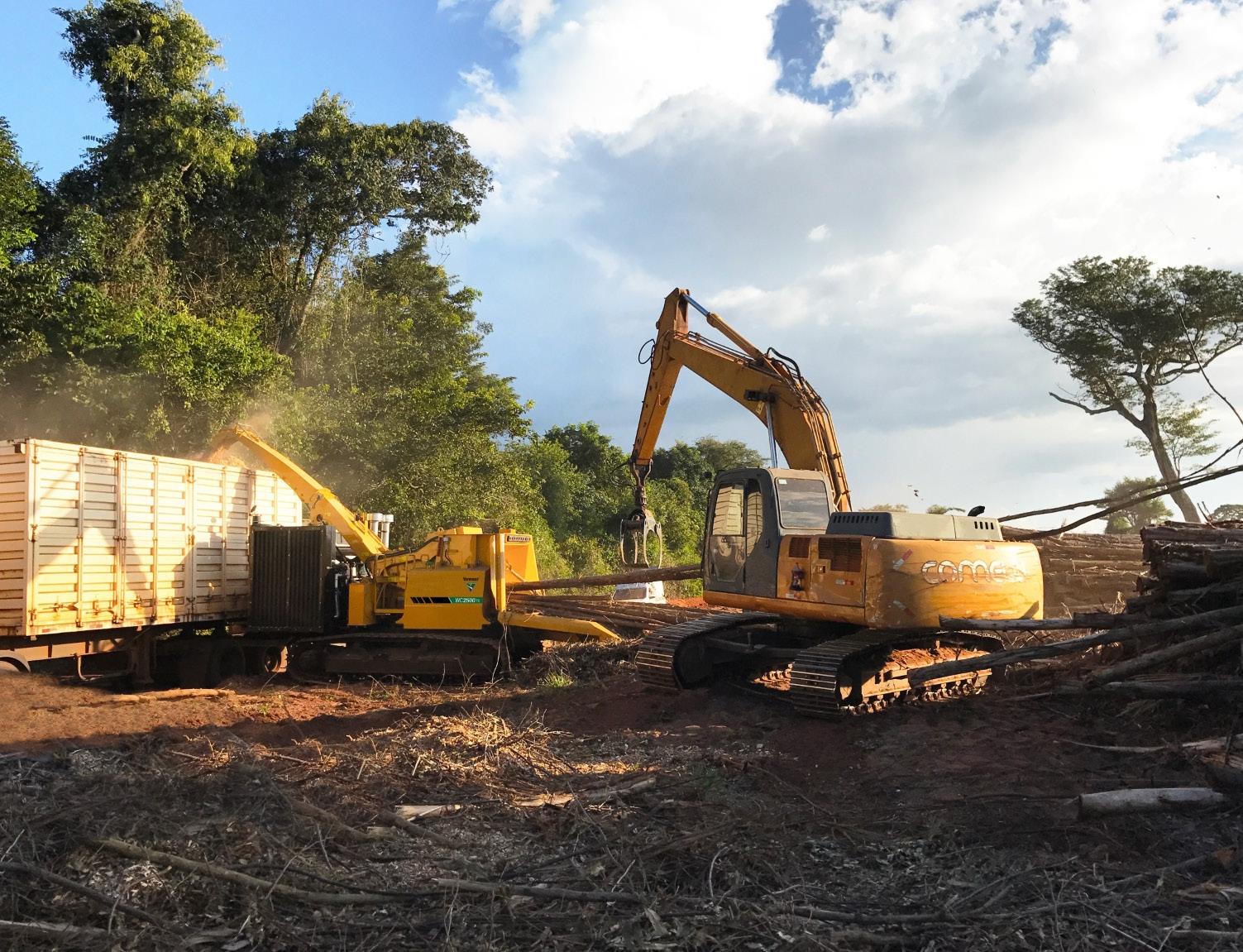
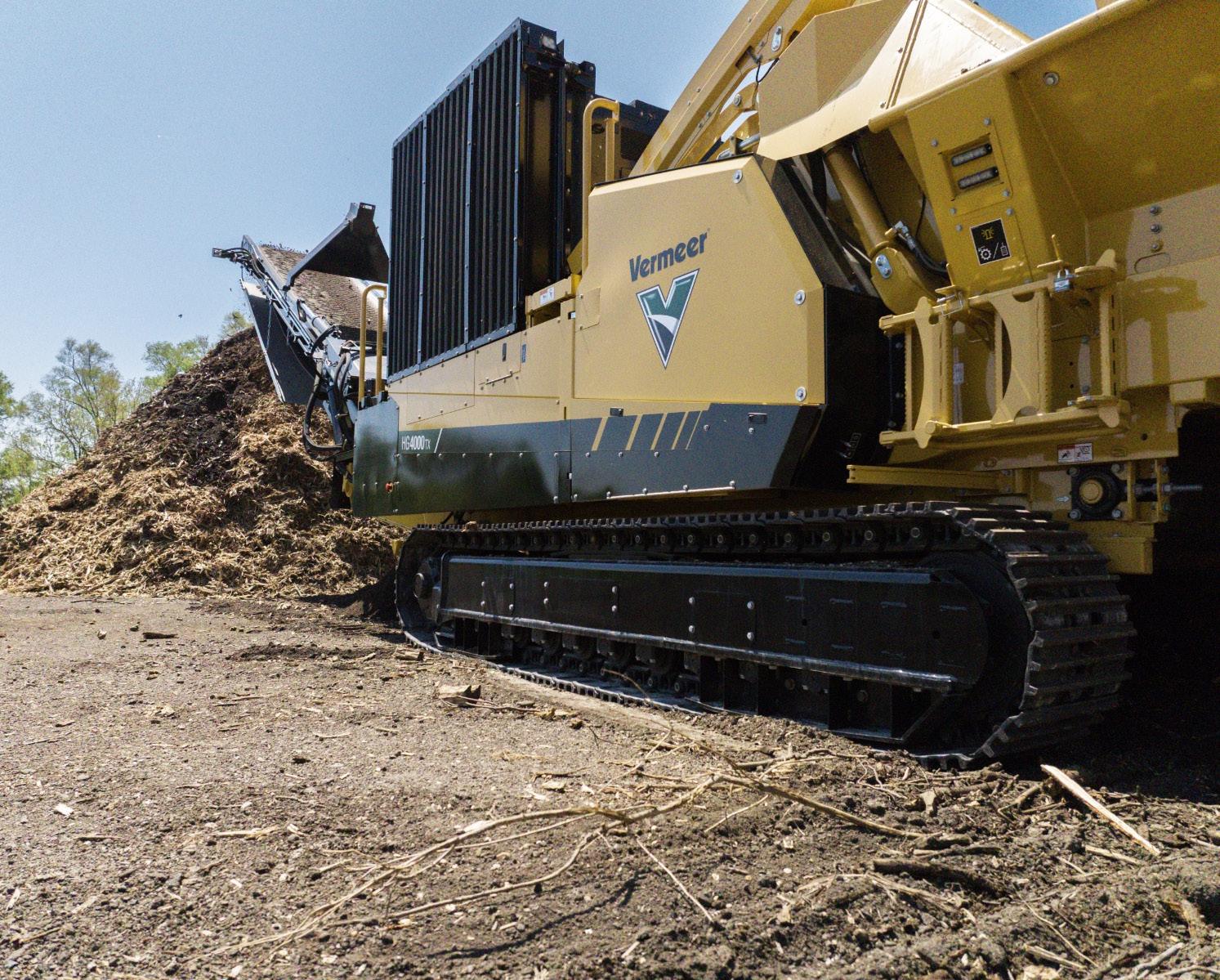
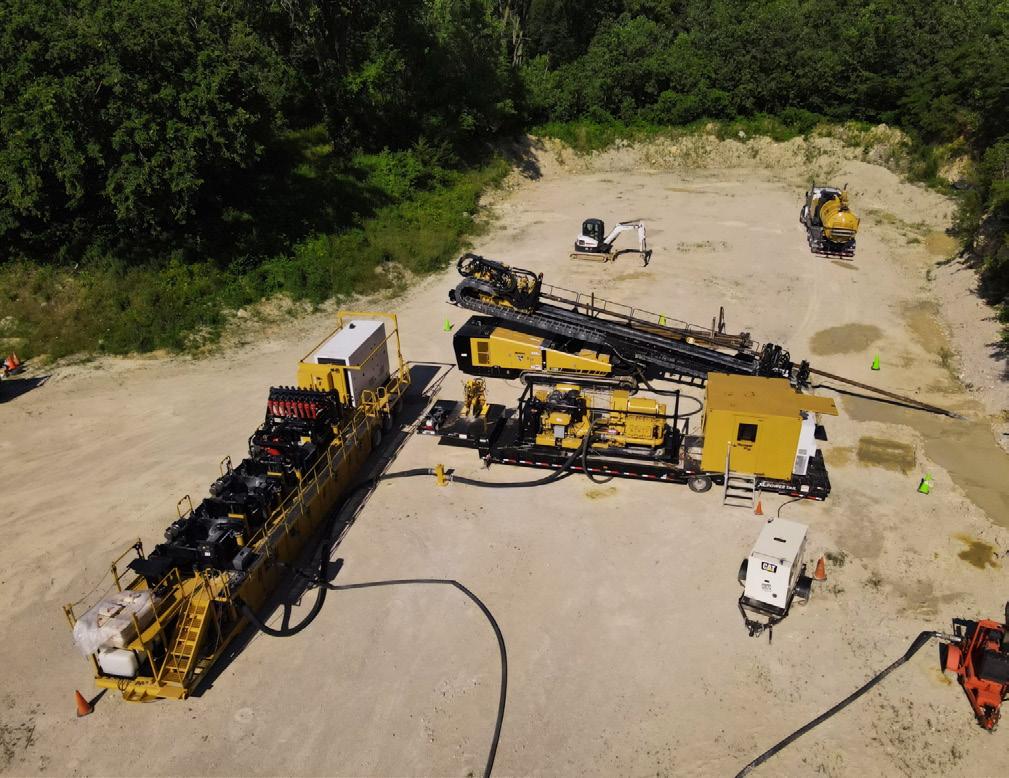
pipeline installation are open-cut trenching and the trenchless method of horizontal directional drilling (HDD). While open-cut trenching remains the standard for the bulk of installation work across open country, HDD has become an indispensable tool for navigating environmentally sensitive areas, waterways, and existing infrastructure.
In open-cut applications, contractors often default to using excavators, largely because they are a versatile and common fixture in many heavy equipment fleets. However, for largediameter pipeline installation, particularly in challenging ground conditions like rock and hard clay, specialised trenchers offer significant advantages in efficiency, precision and overall productivity.
A trencher operates in one continuous forward movement, whereas an excavator must repeatedly cycle through digging, swinging, and dumping material. This continuous cutting action allows a trencher to work up to three to four times faster than an excavator in many scenarios. Furthermore, trenchers produce a clean, consistent trench with straight sidewalls and a flat, on-grade bottom. This precision reduces the need for extra bedding material and creates a more stable foundation for the pipe. An excavator-dug trench, by contrast, is often wider at the top and may have an uneven bottom, requiring more backfill material and increasing the risk of surface sinking over time.
One of the most significant advantages of a trencher is its ability to handle rock. While an excavator may require a separate hammer attachment to break up rock before scooping it out, a properly configured trencher cuts directly through the rock, producing a finer spoil in the process. This spoil is often suitable for use as backfill, helping to eliminate the need to haul in replacement fill and dispose of large, unusable chunks of rock. A trencher should be viewed not as a replacement for other machines, but as a complementary piece of equipment that enhances the overall efficiency of a jobsite. On many projects, a single large-diameter trencher can outperform as many as four excavators, dramatically accelerating the timeline for open-cut installations.
While trenching is highly effective for long, open stretches, many sections of a pipeline route present obstacles where an open trench is not feasible or permissible. Environmentally sensitive areas, such as river crossings, wetlands, major roadways and railways, require a less invasive approach. This is where contractors use directional drilling.
HDD is a trenchless technology that allows for the installation of pipelines with minimal surface disruption. From a surface launch point, a drill rig bores a pilot hole along a carefully planned subterranean arc, passing beneath the obstacle. The pilot hole is then enlarged in one or more passes by a reamer, creating a borehole large enough to accommodate the product pipe, which is then pulled back through the borehole from the exit point.
A successful HDD operation requires more than just a drill. A complete system of support equipment is necessary. Highpressure mud pumps are vital for circulating the drilling fluid that cools the cutting tools, stabilises the borehole and carries


Featuring Hector Perez, Head of Strategy for Black & Veatch’s Industrial Cybersecurity practice. This episode discusses digital twins, predictive analytics, and emerging AI tools, highlighting how siloed data, legacy systems, and unmanaged digital risk can undermine operational gains if security is treated as an afterthought.
We cover:
• How pipeline operators are moving from reactive maintenance to predictive maintenance.
• Digitally enabled asset strategies.
• Why cybersecurity must be embedded from the outset.


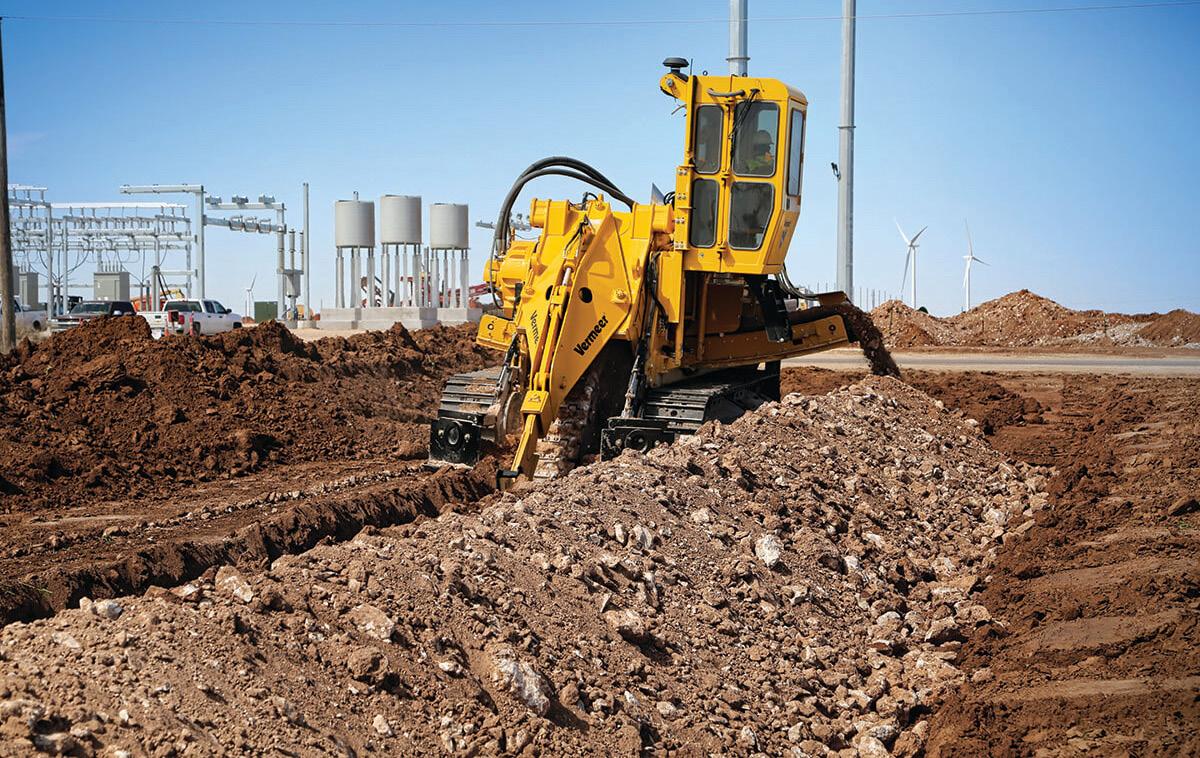
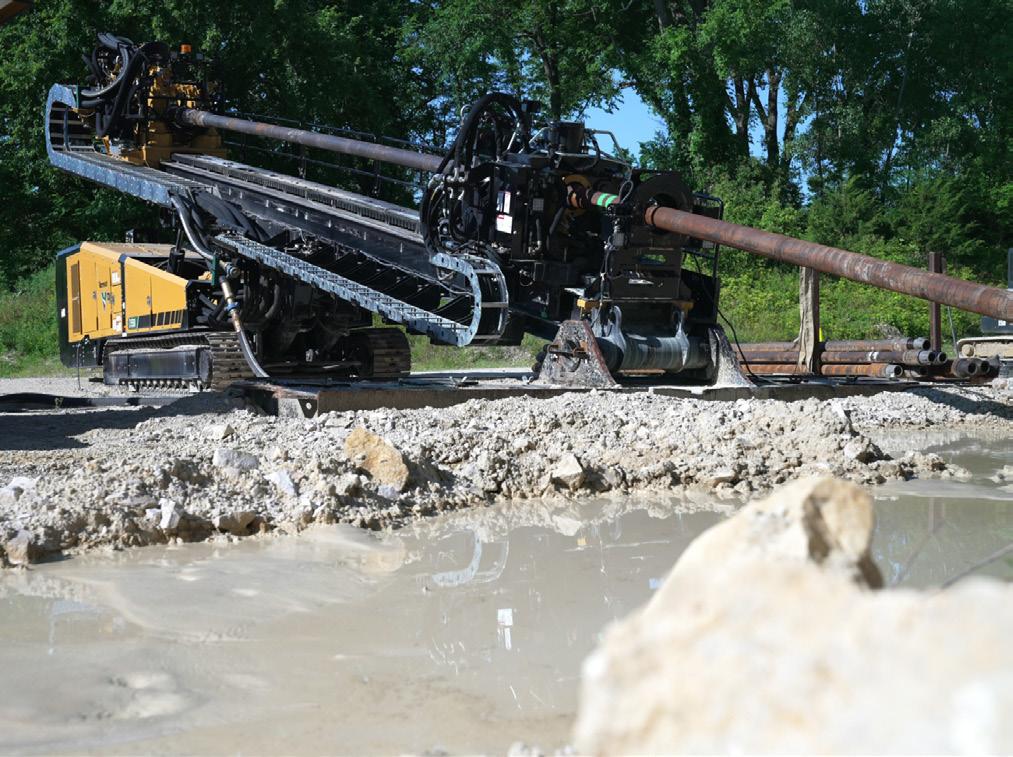
cuttings to the surface. On jobs where large volumes of fluid are pumped each day, reclaimers play a crucial role in reducing jobsite costs and environmental impact by cleaning and recycling this drilling fluid. This support system allows crews to spend more time drilling and less time hauling water and additives, helping to maximise productivity on long and difficult bores.
The benefits of a combined-methodology approach are powerfully illustrated by the experience of 2 Stone Industries. Founded in 2016 with a single small drill, this West Texas-based company has grown into a turnkey pipeline contractor with a workforce that has peaked at over 340 employees. This rapid expansion is built on a reputation for tackling complex jobs with speed and efficiency.
This capability was recently demonstrated on a 44 miles (70.8 km), 30 in. (76.2 cm) natural gas liquids (NGL) pipeline for Kinetik, stretching from Toya to Kosa, Texas. The project required a combination of construction methods and a demanding completion timeline of just three and a half months. For the
approximately 36 miles (57.9 km) of open-cut installation, 2 Stone relied on its fleet of Vermeer T855III, T1055III, and T1155III trenchers to handle the challenging West Texas geology.
Oscar Pena, one of the owners of 2 Stone, noted, “We work around a lot of rock in all of West Texas.” The trenchers proved invaluable, not only for their cutting power but for their ability to generate usable backfill.
According to Junior Marroquin, general superintendent with 2 Stone, “The great thing about those trenchers is that when we hit rock, they produce fine material instead of chunks. We can lay this material on top of the pipe before backfilling.”
For the project’s nearly 36 crossings, the 2 Stone HDD crews took the lead. On challenging rock bores, the team often employed a tag-team approach with their Vermeer D100x140 S3 HDD and the more powerful D220x500 S3 HDD. Pena detailed the process: “On that 30 in. (76.2 cm) project, when we were in a lot of hard rock, we used the D100x140 S3 to drill the pilots and ream out to a 24 in. (61 cm) hole. Then the D220x500 S3 would come in ream it out to the 42 in. (106.7 cm) diameter needed and then pull the pipe. That process really worked well for us.” This operational flexibility was enabled by common control systems across drill models, which Pena noted “makes a huge difference” for training and crew versatility.
One of the most demanding bores was a crossing under I-20 and a parallel railroad. “That one was certainly challenging because of the railroad,” Joseph Barrera, general superintendent with 2 Stone, recounted. “We had to cross at a precise angle and maintain a straight, level path, not just under the railroad itself, but across their entire right-of-way.” The bore was reamed to a 42 in. (106.7 cm) diameter at a depth of around 20 - 25 ft (6.1 - 7.6 m), and the annular space within the railroad’s right-ofway had to be filled with a flowable grout to help protect against any future sinking.
The Kinetik pipeline project, with its aggressive timeline and varied challenges, was a clear demonstration of 2 Stone’s capabilities. By strategically deploying trenchers for the highmileage open-cut sections and their versatile HDD fleet for the complex crossings, the company successfully completed the entire 44 miles (70.8 km) project from land clearing to mechanical completion in just three and a half months. This achievement underscores the effectiveness of their dual-method approach, proving that a combination of skilled crews, reliable equipment and a well-planned strategy can overcome even the most demanding pipeline construction challenges.
The success of contractors like 2 Stone Industries highlights a broader truth in the pipeline industry: completing a project successfully is a complex logistical and mechanical undertaking. It demands careful planning, skilled crews and a strategic approach to equipment. From the initial land clearing with high volume grinders and chippers to the final installation using a complementary fleet of trenchers and HDDs, each piece of machinery plays a vital role. By understanding the distinct capabilities and advantages of each type of equipment, contractors can make informed, strategic decisions that empower them to navigate the challenges of any pipeline project, no matter how demanding the terrain or the timeline.
Ben
Safety underpins everything LEEA has been doing throughout its history and will continue to do going forward, with zero accidents and injuries being our prime goal. Many of the environments in which lifting takes place exacerbate the risks such as busy construction sites, utilities installations, and oil and gas fields.
These happen to be some of the main areas where the installation of pipelines will take place and there is likely to be lifting involved. As with any lifting operation, investing in efficient equipment for safe operations is important but so too is the adoption of a safety culture, not only among those who actually use, or are in proximity to, the equipment but also among senior management. They, ultimately, will be the ones with the legal obligations and culpability for any practice that is unsafe.
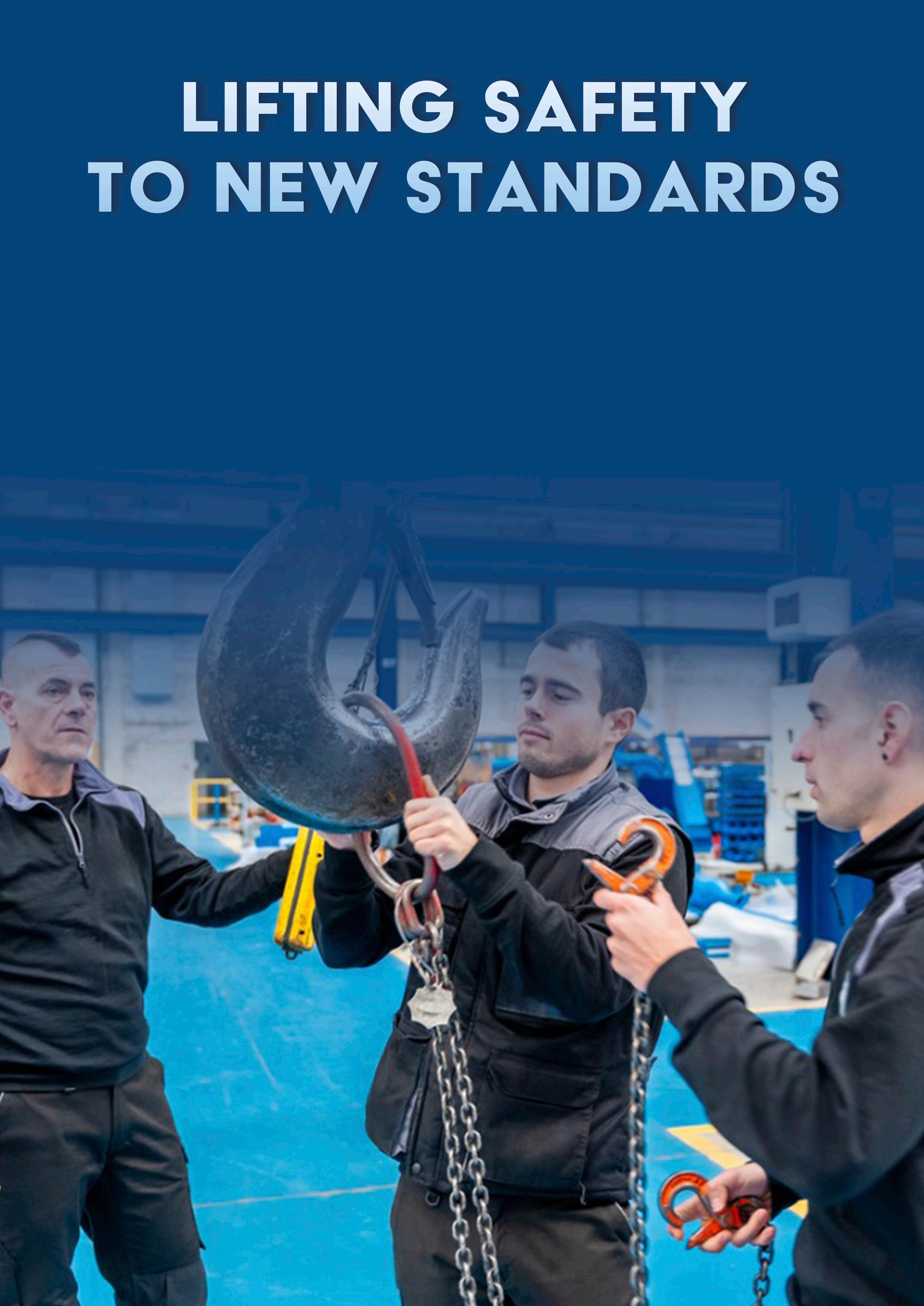
A safety culture can be instilled through a better trained workforce at all levels. There are few excuses today for not improving knowledge and learning techniques that will lead to safer practice, with more courses available that are more accessible than ever – LEEA offers a broad variety of training –at its training centre or on a customer’s site or online.
Laying pipes involves a variety of equipment and a safety culture should ensure its supply and use follows best practice. In many instances side boom pipelayers have superseded cranes in the oil, gas, and water pipeline construction industries by virtue of their superior lifting capability, stability and precise control in challenging conditions. Their stability on unstable ground and in harsh environments is a critical factor for safety and productivity in pipeline projects.
Specifically designed for the unique demands of pipeline construction, they lift and precisely lower heavy pipe sections into trenches, ensuring accurate placement and secure joint sealing. A crawler-type crane with a boom on the side, they lay pipe as the crane is moved along the edge of the trench. The development of sideboom attachments on construction vehicle platforms, such as bulldozers, provides another efficient solution and modern, hydraulically operated sidebooms continue to be vital tools for installing large-diameter pipes.
Standard pipelayers typically do not have as high a capacity as sidebooms, but they are more versatile in pipelaying environments. Having a boom and counterweight on one side, restricts a sideboom to pipelaying only on one side of the vehicle, while a modern pipelayer features a rotating platform that allows the entire superstructure, including the mast and crew cabin, to turn 360˚ for increased versatility and a wider working range.
Regulations and standards have been introduced around the world to further minimise accidents and injuries. For example, in the UK BS 7121 part 1 and part 14 give recommendations for the safe installation and use of pipelayers. Subjects covered include selection of pipelayers, planning the lifting operation, thorough examination, operation, as well as safety measures to be taken during the execution of these functions. It also covers the selection and training of personnel involved in the safe installation and use of pipelayers.
But regulations will not always be aligned on a global basis and there will be gaps in governance, legislation, and regulation. What is required is a benchmark around the world that gives international workers and business the assurance of safety.
This is where a globally recognised and respected association such as LEEA comes to the fore. For example, the latest version of the LEEA Code of Practice for the Safe Use of Lifting Equipment (COPSULE) can be downloaded for free at leeaint.com. This is a recommended Code of Practice, providing expert guidance on safe lifting practice. It offers authoritative
information written by impartial industry experts, up to date industry practice and globally applicable guidance on a broad array of lifting equipment and activities, including handling pipes.
There is, for example, a copious amount of guidance on slings and the variety of specialised hooks and clamps that are used for handling pipes. Examples of these items of equipment include: concrete pipe lifting clamps with a 3-legged chain sling for the vertical transportation of concrete pipe sections with a diameter of up to 2000 mm; pipe hooks used in pairs for the safe transport of pipes and have a working load limit (WLL) 2000 - 10000 kg; and round stock grabs for picking up round stock and pipe material up to 600 mm in diameter quickly and safely, with a WLL of 100 - 4000 kg.
Pipes are among the wide range of loads a two leg sling can handle. The sling comprises two legs permanently connected at their upper ends by a suitable link.
A 3-leg sling, which has three legs permanently connected at their upper ends by a suitable link assembly, is commonly used to handle circular or irregularly shaped loads where the legs can be equally spaced.
Slings can be used in a variety of ways according to the requirements of the job. Single leg or multi-leg slings may both be used in choke hitch, the basic advantages of which are firstly that a sling may be attached to a load which has no suitable lug, eyebolt, etc., and secondly that the sling tends to bind the load together. In forming a choke hitch, the sling is bent round a small diameter, which may be the eye of the sling itself or the saddle of a hook, link or other fitting.
A double wrap choke hitch is where the sling is passed one complete turn around the load before being choked. This increases the binding effect and should be used on loose loads such as bundles of tubes. The sling should be de-rated by the same amount as for ordinary choke hitch.
The basket hitch is normally used with slings in pairs (for handling loads such as a large cylindrical object but it is not suitable for cradling loose bundles. If only one sling is used, the sling should be passed through the load at a point above the centre of gravity to ensure it is safely secured. A double wrap basket hitch is when the sling is passed completely around the load. This will help to ensure the security of loose bundles. If security of the load is the prime consideration, then a double wrap choke hitch is recommended.
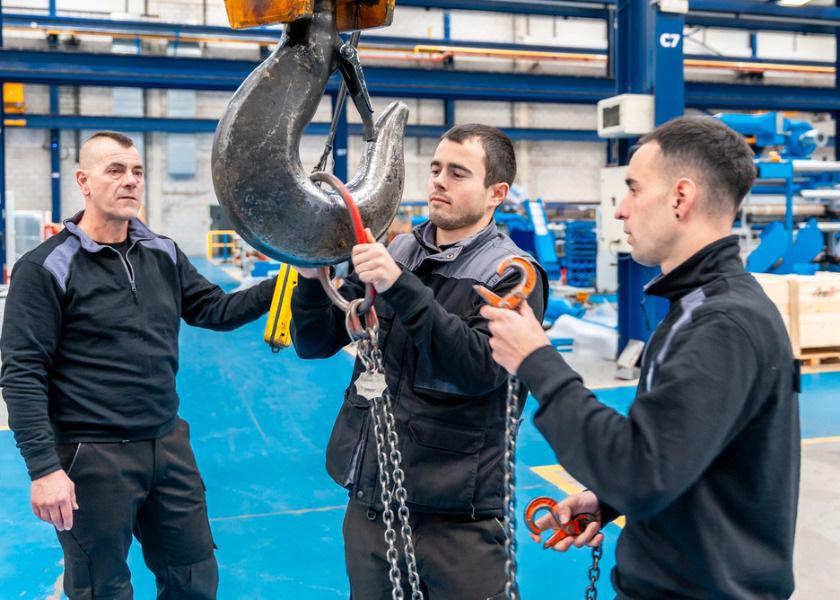
Before lifting a load, its weight should be ascertained and a suitable lifting method selected. The sling should be strong and long enough for the load, both in terms of its WLL and its actual condition. Carefully inspect it for obvious defects before use.
The load should be secure, stable, and balanced when lifted. This will require an assessment of the position of its centre of gravity to ensure that the lifting point is approximately over it. Failure to do can cause
the load to swing wildly on being lifted, or even to fall out of the sling. Any loose parts of the load should be adequately secured.
The sling must be firmly secured to the load, for example by means of hooks on to purpose-designed lifting points, eyebolts, etc. or by a suitable method of slinging. The sling must not be twisted, knotted, or kinked in any way, nor should the lifting points be overloaded by the slinging method. It is also essential that there is adequate packing between sling and load.
Before the lift commences, a recognised code of signals should be used between the slinger (the person who attaches the load to the crane hook using slings or other lifting accessories) and the crane driver. Ensure that the load is free to be lifted and check for overhead obstacles such as power lines, pipe work etc.
The slinger should always ensure that everyone is clear before giving the signal to lift. Unless unavoidable, no one should be allowed under a suspended load and as far as possible, all people should be kept clear of the area of operations. If unavoidable, additional measures to mitigate the associated risk and consequence of failure should be included, for example:
) Secondary positive holding devices to hold the load should the primary holding device fail.
) A trial lift should be made.
) People should not ride on loads except in very exceptional circumstances and only when authorised by a Competent Person (somebody with the knowledge and understanding
to identify issues with the lifting equipment) and additional risk reduction measures have been provided.
For suspended load manipulation, traditionally tag lines have been used to help to control long or bulky loads, but they must be carefully considered at the planning stage as there are potentially hazards associated with their use.
A suitable setting down area should be selected before lifting. When lowering, a trial set down should be made before the slings are released. Make sure that the load is placed on battens, dunnage, or packing so that the slings can be readily withdrawn. Trapped slings should never be dragged out from under a load and slings should not be used to drag a load.
The slinger should always be careful not to set the load down on his own toes – another common accident. Having set the load down correctly, the empty sling legs should be manually withdrawn by the slinger and hooked back on to the crane hook or upper terminal fitting to prevent accidental ‘hook-up’ to surrounding objects or striking an individual.
This is just a brief overview of some of the options for lifting pipes and there is a lot more detailed guidance in the COPSULE. Lifting equipment users should also seek the advice of their LEEA member supplier. Always look for the LEEA logo carried exclusively by our members. To attain this badge they will have undergone a rigorous auditing process to uphold LEEA’s ‘gold standard’. This provides customers with the assurance of excellence and compliance, and that the supplier that it goes beyond standards and legislation to offer best practice.








Venkat Eswara, mPACT2WO – a Molex business, shares best practices for monitoring emissions at oil and gas facilities.
Fenceline monitoring at marine docks in oil and gas facilities plays a critical role in minimising environmental impacts and enhancing safety for both the facility and the surrounding community. Activities such as loading and unloading vessels can release volatile organic compounds (VOCs) and other hazardous pollutants. These emissions have the potential to impact nearby communities, contaminate water bodies, and harm surrounding ecosystems. To ensure compliance, operators regularly monitor emissions levels, implement control methods, and report compliance statuses, adhering to industry regulations to limit hazardous pollutants in industrial sectors like oil, gas, and chemical processing.
Currently, operators often use passive samplers for

fenceline monitoring to collect and analyse pollutants such as benzene. While these methods are widely used, they face limitations, such as delayed laboratory analysis and difficulty detecting emissions in real time while they are still low. These challenges can delay timely corrective actions and increase the risk of non-compliance with regulatory thresholds.
Advanced solutions, such as mRegz TM AirCompliance, provide operators with early detection of emissions at very low, parts-per-billion levels, enabling precise identification of emission sources as well as quantification of benzene levels.
This article will share best practices from customer deployments in the oil and gas sector to proactively address emissions, including the ability to distinguish emissions from neighbouring facilities. By adopting these transformative early detection solutions, oil and gas operators can ensure regulatory compliance, enhance operational efficiency, foster trust within the community, and demonstrate industry leadership in environmental stewardship.
Advancing fenceline monitoring with early detection
The oil and gas industry operates on a vast, interconnected network of pipelines and terminals – an industrial circulatory system – that enables the movement of critical resources from extraction to the end user. These networks, stretching across dispersed locations and water, form the backbone of upstream production, marine transport, refining, and distribution. However, their sprawling coverage introduces significant operational, safety, and environmental challenges.
One of the most pressing risks is the undetected emission of hazardous volatile organic compounds (VOCs), such as benzene, which can occur at various points along pipelines, marine docks, and terminals. Marine docks, in particular, are notorious for being hotspots of fugitive emissions due to their role as high-throughput transfer hubs.
Despite the importance of detecting and mitigating these emissions, traditional monitoring techniques have not kept pace with the complexity and scale of modern oil and gas infrastructure. Spatially distributed and intermittent emissions often escape detection, creating compliance challenges, operational interruptions, safety hazards and potential environmental harm. The industry is now at a pivotal moment, where embracing early detection technologies can reshape outcomes for operators, regulators, and the communities living near these facilities.
Rethinking fenceline monitoring: traditional approaches and their limits
Industrial sites have been using two primary methods for fenceline monitoring: 325A and 325B as outlined by EPA, to measure the pollutants to ensure compliance and environmental regulations.
Method 325A outlines procedures for deploying passive samplers around a facility’s perimeter to monitor VOCs. Key aspects include site selection, sampler installation, and exposure duration. Appropriately locating passive samplers
is critical; they should be placed in areas representative of the facility’s emissions, considering factors such as wind direction, proximity to emission sources, and potential impact zones. Typically the samplers are mounted on poles or other structures at specific height to maximise proximity to ambient air. Passive samplers are generally deployed for periods ranging from 14 to 30 days prior to removal and analysis.
Method 325B provides detailed guidelines for analysing VOCs collected by passive samplers. The analytical process includes the extraction of pollutants, quantification using gas chromatography (GC), and data interpretation. Once the exposure period is complete, the passive samplers are retrieved, and the absorbed pollutants are extracted from the sorbent material. The extracted pollutants are then analysed using gas chromatography, a precise and reliable method for quantifying VOC concentrations, providing detailed insights into the types and levels of pollutants present. Finally, the data obtained from the analysis is interpreted to assess compliance with regulatory standards, allowing facilities to identify trends, pinpoint emission sources, and implement necessary corrective actions.
Challenges
Delayed response
) Passive samplers must be sent to off-site labs, often resulting in delays of days or weeks before actionable information becomes available.
) Critical events can be missed or discovered too late for effective intervention.
Limited sensitivity to transient emissions
) Averaging over weeks may mask short-lived but significant emission spikes.
) Episodic releases, such as leaks during loading or offloading, may go undetected.
Absence of real time insights
) Traditional systems cannot provide immediate alerts or support rapid, on-the-ground responses.
) Operators may be unaware of hazardous events until after they’ve caused impact.
Resource-intensive processes
) Manual sampler deployment, retrieval, and laboratory processing require significant labour and coordination.
) Introduces potential for human error, further delaying or compromising data.
Early detection: a paradigm shift from fenceline to pipeline networks
Early detection helps identify leaks and resolve issues before they escalate into major, costly problems.
The advent of Artificial Intelligence of Things (AIoT) technologies marks a step-change transformation, allowing facilities to move beyond traditional reporting to real-time
monitoring, automated responses, and continuous process improvement. By seamlessly integrating real time monitoring, automated workflows, and advanced AI and machine learning analytics, early detection empowers operators to adopt a proactive approach to overall operations. Timely alerts and actionable insights enable teams to mitigate risks quickly, enhance operational effectiveness, and ensure compliance with regulatory standards, while also
strengthening stewardship by safeguarding people’s safety and protecting nearby communities.
The integration of high-fidelity sensors with AI and machine learning analytics significantly improves detection accuracy and reliability. For example, on a marine dock – a location prone to sporadic emissions and hard-to-detect leaks – an AIoT-driven early detection solution was able to identify anomalies in real time. By pinpointing the source location and emission details as part of the alert, operators intervened before the situation became critical, ultimately avoiding a major leak and costly compliance penalties. Additionally, accurate and trusted insights into source location and direction allow field personnel to pinpoint issues faster, conduct more precise investigations, and implement targeted responses effectively.
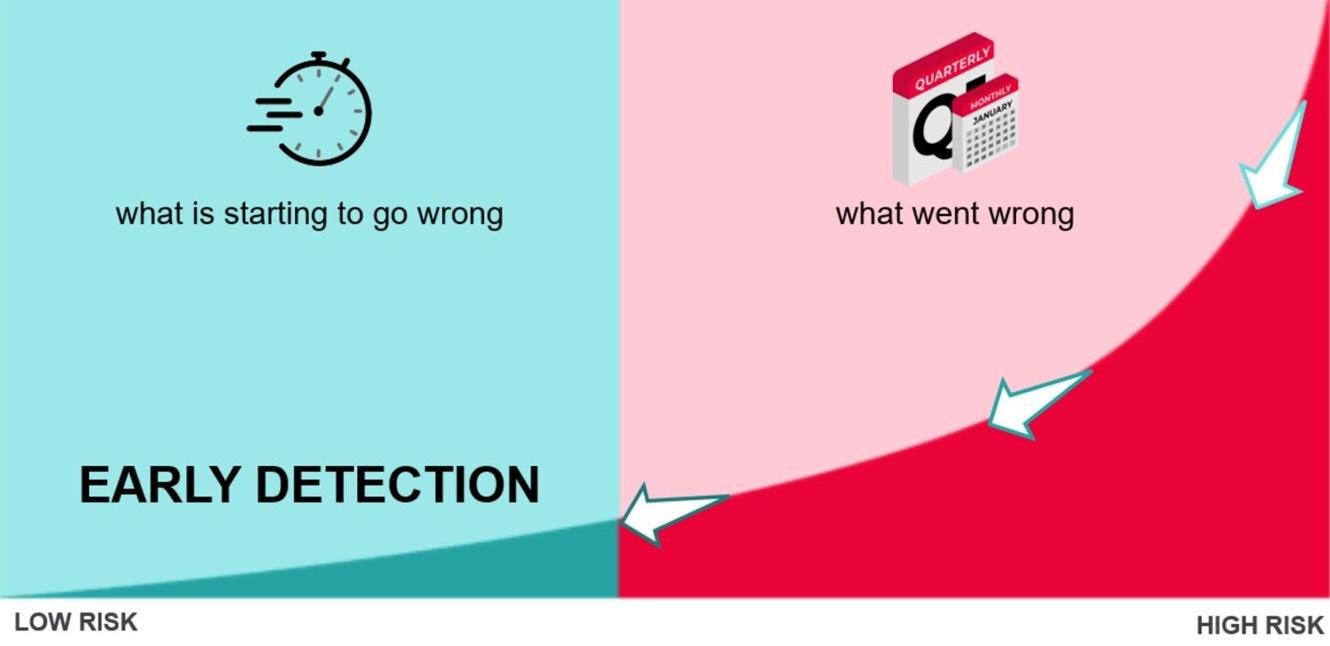
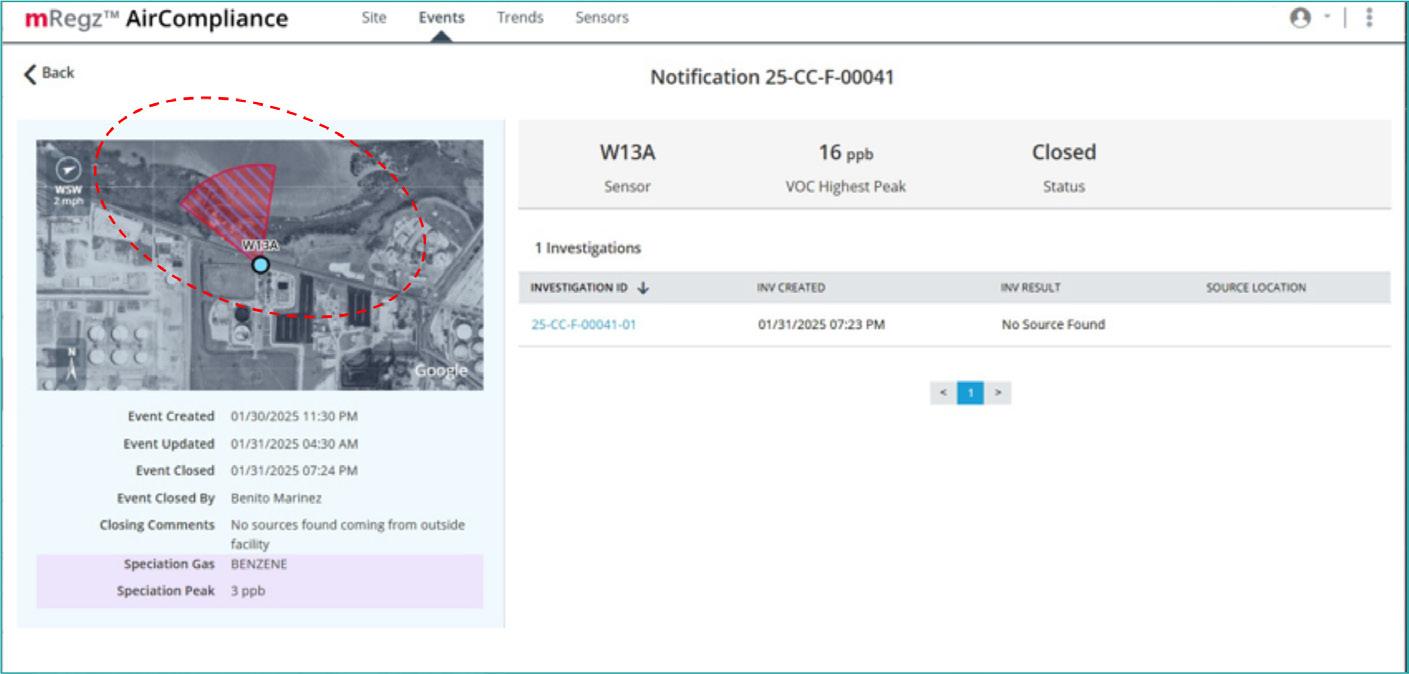
In remote and unmanned locations, such as pipeline networks, AIoT-based early detection provides a level of continuous oversight that was previously unattainable. Real time alerts can be transmitted directly to centralised control centres, enabling remote teams to coordinate rapid responses, reduce emissions, and maintain regulatory compliance even in the most challenging environments. By identifying and addressing risks early – whether along fencelines, at transfer points, or deep within pipelines – facilities can significantly enhance safety, minimise environmental impact, and ensure reliable operations. Collectively, these advances make early detection not just a technological upgrade, but a transformative strategy for operational excellence and responsible leadership in the oil and gas and other process industries.
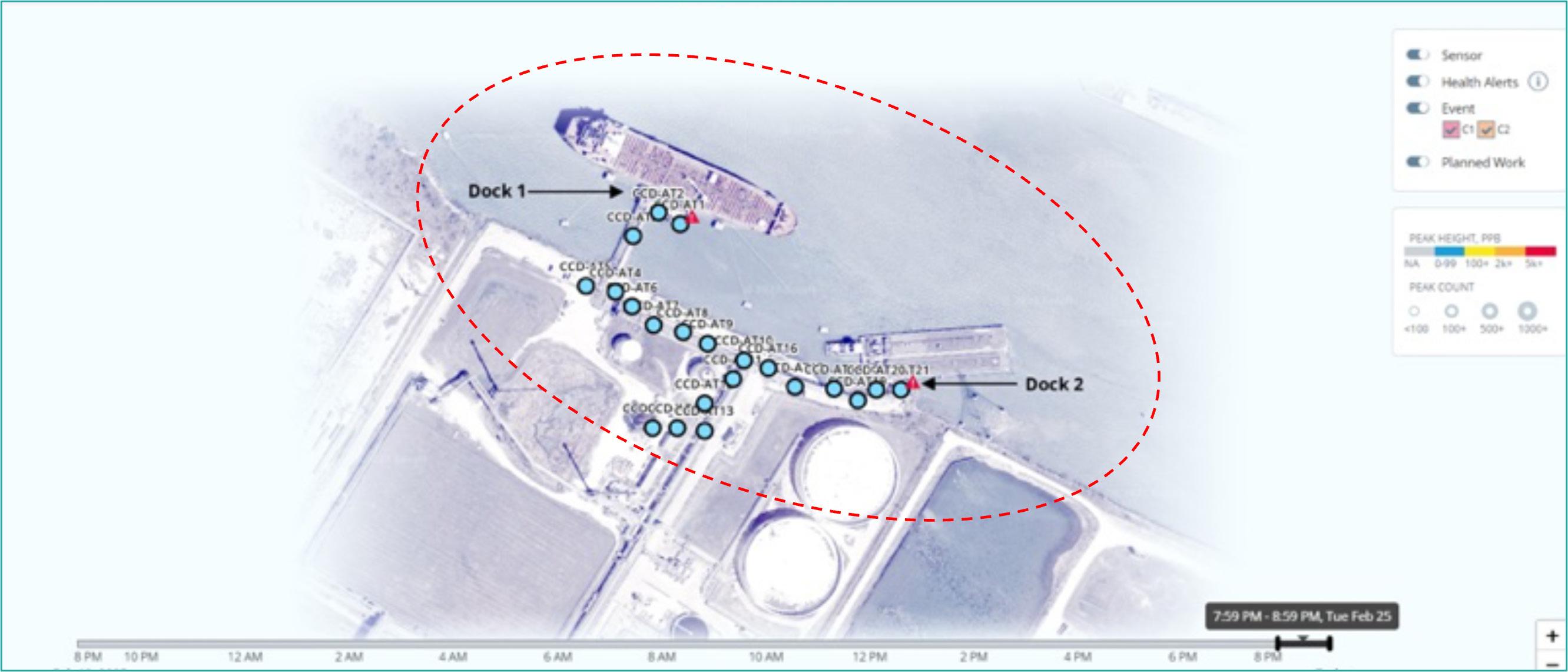
To illustrate the transformational impact of early detection, consider the deployment of the mRegz AirCompliance solution at a major Gulf Coast terminal integrating crude storage, refining, and tanker loading of gasoline and other hydrocarbons. This facility operates as a critical regional hub for feedstock supply and product distribution, but it faced significant operational and regulatory challenges. Community opposition arose from concerns over emissions and spill risks, which ultimately created hurdles on the expansion of its production permit. Complicating matters, emissions from neighbouring facilities were being misattributed, leading to over-reporting, while outdated detection methods failed to meet evolving EPA HON requirements.
In response, the operator implemented the mRegz AirCompliance solution – a continuous emissions monitoring solution – across its fenceline and other high-risk areas. This innovative approach delivers early leak detection, often identifying emissions that conventional Audio-Visual-Olfactory (AVO) inspections would miss. For example, the solution revealed a transfer-hose leak overlooked during manual sweeps and precisely located fugitive emissions along a pipeline segment. By leveraging handheld detection devices synchronised with live concentration and winddirection data, operators were able to rapidly repair leaks and distinguish between emissions originating on-site and those from neighbouring operations.
The deployment yielded a series of measurable, high-impact achievements. Most notably, the facility secured EPA approval for its expanded production permit by demonstrating continuous compliance. Operations shifted from reactive leak hunts to proactive, data-driven inspections, which sharply reduced response times and deepened trust between the terminal and the surrounding community. The ability to proactively reduce emissions across pipeline and marine operations was further strengthened by targeted operator retraining, driving improved process reliability and a reduction in future fugitive emissions.
This deployment highlights the transformative impact of early detection with mRegz AirCompliance, enabling the facility to strengthen regulatory compliance, improve operational efficiency, and
Best practices
Executive sponsorship and success goals
Vendor alignment for step-change mindset
Continuous monitoring and rapid response
Key benefits
Accountability and results
Breakthrough impact
Early detection, fast mitigation
Transparent community engagement Trust and permit success
Targeted training and process improvement Lower emissions, better reliability
build community trust across a complex, integrated asset network.
Early detection in industrial monitoring is far more than a technology upgrade – it is a holistic operational transformation that enables organisations to move beyond compliance toward true competitive advantage. Leading organisations are transforming monitoring from a reactive, risk-averse approach into a proactive, systematic strategy that fosters operational excellence.
For organisations to fully realise the advantages of this transformation, it is essential to ensure that leadership strategies are aligned, establish partnerships with innovative stakeholders, and promote a culture rooted in transparency and accountability. The best practices outlined below – based on insights from industry leaders who have attained competitive excellence – enable enterprises to institutionalise early detection as a strategic asset across the organisation.
best practices for proactive early
Executive sponsorship and success goals
) Ensure clear coordination between executive and operational leaders to achieve consistent standards.
) Establish measurable objectives for safety, risk management, and operational performance.
) Management support with permission to fail during the paradigm shift to early detection. This is critical as site personnel learn to troubleshoot ‘what is starting to go wrong?’ as opposed to troubleshooting ‘what went wrong?’
) Track and report progress across teams to support accountability and ongoing development.
Vendor alignment for step-change mindset
) Select partners who align with your approach to improvement rather than solely focusing on compliance.
) Collaboratively establish KPIs and solution plans that aim for proactive risk management and process efficiency.
) Encourage learning and experimentation to support effective outcomes.
Continuous monitoring and rapid response
) Implement real-time monitoring and analytics at critical junctures to identify issues before they escalate.
) Utilise advanced alerting and investigation tools to enable early intervention, minimising downtime and exceptions.
) Systematise feedback loops to continuously refine detection and response.
Transparent community engagement
) Use monitoring data to differentiate facility emissions from those of nearby sources.
) Share actions and results with community stakeholders to assist in permitting processes.
) Report information transparently and within required timelines for regulatory and operational purposes.
Targeted training and process improvement
) Utilise detection insights to retrain staff, communicate findings, and establish standard practices across teams.
) Update procedures based on field intelligence to support continuous improvements and provide guidance for frontline personnel.
The road ahead: closing the loop with AIoT-driven early detection
The oil and gas sector is under increasing pressure to operate safely, sustainably, and profitably in a world of evolving regulations and heightened stakeholder expectations. Early detection – enabled by AIoT-driven, realtime monitoring platforms – offers operators a powerful tool for meeting these demands:
) Enhanced safety: by identifying leaks and anomalies before they escalate, operators protect personnel, assets, and the surrounding environment.
) Stronger regulatory compliance: continuous evidence of operational control supports permit approvals and reduces the risk of costly violations.
) Community goodwill: transparent, data-backed engagement with local communities fosters trust and social license to operate.
) Operational excellence: closed-loop monitoring and rapid response drive process efficiency, cost savings, and continuous improvement.
As networks become more distributed and automation increases, across on-site to remote or unmanned facilities, early detection is set to become the industry standard. These solutions not only provide oversight in inaccessible areas, but also learn and adapt through ongoing data analysis. Advanced algorithms refine detection thresholds and response protocols as environmental conditions and operational profiles evolve.
The deployment of early detection technologies at fenceline and pipeline networks represents a strategic leap forward for oil and gas operators seeking to balance productivity, compliance, and community stewardship. Through the integration of AIoT, high-fidelity sensors, and advanced analytics, organisations can detect, investigate, and mitigate emissions before they become critical. This proactive approach is key to achieving operational excellence, regulatory peace of mind, and lasting community trust. As the industry continues to evolve, those who invest in early detection and continuous improvement will lead the way in safety, sustainability, and business resilience.