We pioneer solutions for the world’s largest industries, focusing on reducing hard-to-abate emissions. With future-facing technologies, digital solutions, and a continuously developing core portfolio, we have the experience, technology, and passion to drive sustainable progress. We move big things to zero with our cutting-edge technologies.
everllence.com
Contents
27 Beyond the dashboard
06 Guest Comment
Mark Green, Founder, Change Rebellion.
07 Net-zero by design
Andrew Morris, Group Commercial Manager, TWMA, investigates optimising drilling waste management to meet net-zero targets.
10 Curbing GHG emissions and costs
Michael Weidenfeller, Product Strategy Manager for Drilling and Mobile Power Applications, Caterpillar Oil & Gas, highlights how fuel-flexible dualfuel engine technology is an important and reliable solution to reduce diesel consumption on oil and gas rigs.
14 The new model for oilfield chemicals
Jon Rogers, GM of Centrium Energy Solutions, USA, explores how reshoring chemical supply and forming technical partnerships can help mid-sized and regional oilfield service providers remain competitive amid global supply chain disruptions, rising costs, and performance demands.
19 Why automated mineralogy is gaining ground
Salomé Larmier, Thermo Fisher Scientific, explains how automated mineralogy systems can enable more efficient resource extraction across a range of complex subsurface applications.
22 Promoting progress
Karl Lanes and Aravinth Rajagopalan, Emerson, discuss how new control valve specifications aim to promote progress within the oil and gas industry.
Viridien’s advanced FWI, built on decades of imaging expertise, delivers the clarity needed to reduce exploration risk and support confident investment in new plays.
Powered by its industrial HPC, Viridien imaging workflows scale to the largest surveys, accelerating decision timelines and strengthening subsurface certainty across complex geologies.
Learn more at viridiengroup.com/FWI
30 A Q&A with Elemental Energies and Oilfield Technology: decomissioning oil and gas assets
Julie Copland, Head of Wells, Elemental Energies, and Iain Farrow, Elemental Archer JV Manager, answer questions regarding decommissioning oil and gas assets.
Egill Abrahamsen, Vice President and Principle Drilling & Well Specialist, Sekal AS, Norway, details how advanced, real-time predictive monitoring systems are transforming offshore drilling operations.
35 Drilling down on cyber-security
Brittany Bacon and Adam Solomon, Hunton Andrews Kurth LLP, provide a comprehensive overview of cybersecurity risks, regulations, and best practices in the US oil and gas industry.
38 Enhancing drilling performance in demanding environments
Michael Bailey and Alex Benson, NOV, explain how advanced drill bit platforms can enhance drilling performance in demanding environments
42 Revolutionising offshore inspections
Alex Clark, Chief Commercial Officer, Interocean, details how companies can revolutionise offshore inspections with the use of UAV-based ultrasonic thickness measurement (UTM) technology. 03 World news
Still pioneers.
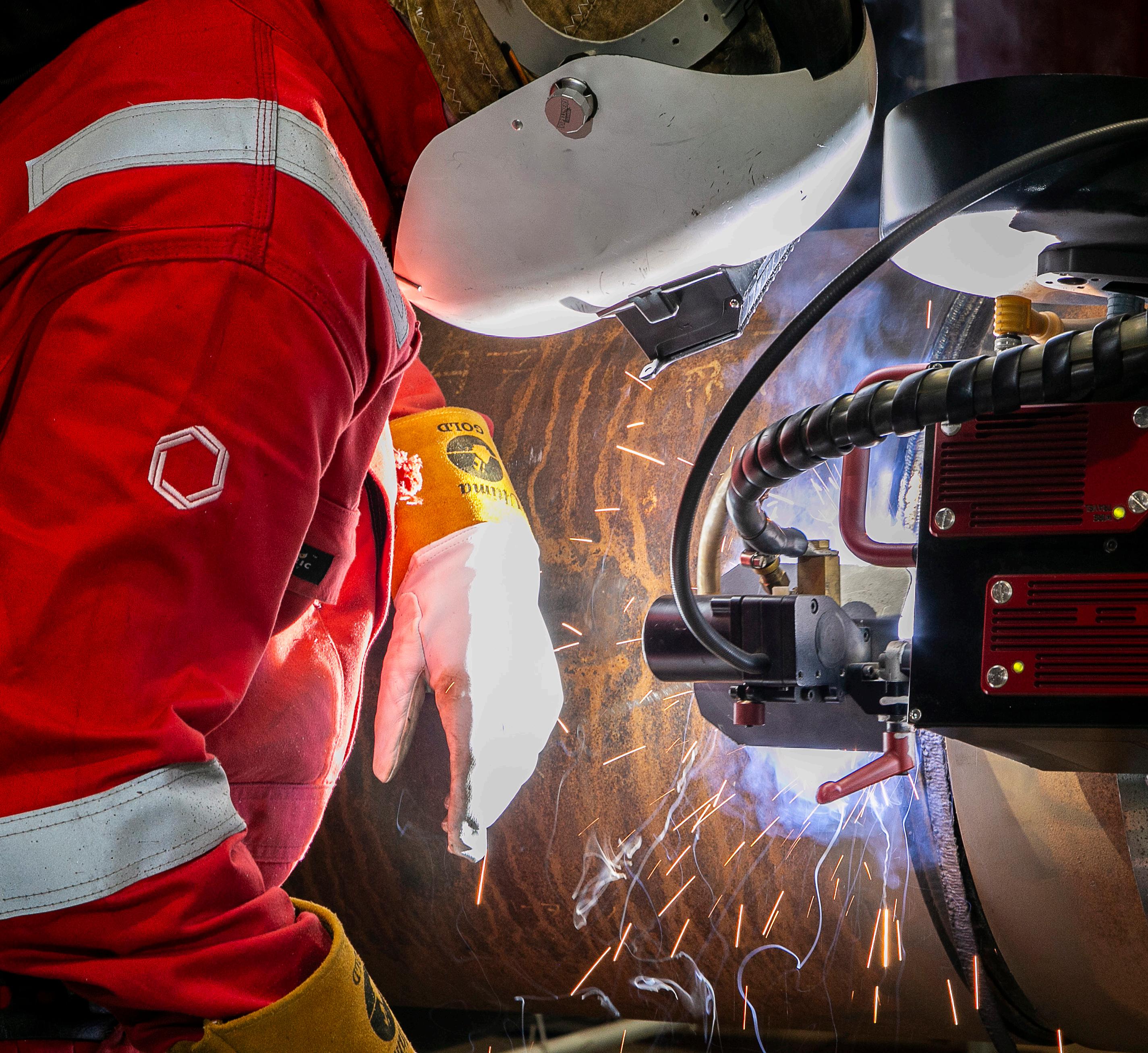
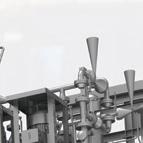
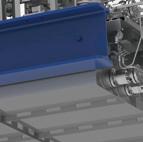
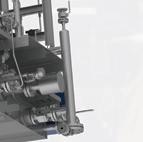
Across energy and critical infrastructure, we bring expertise where complexity is highest, partnering with globally local teams and leveraging unrivalled proprietary technologies. Like the M-500 Single Torch External Welding System, seamlessly integrated with Data 360 our cloud-based digital platform that analyses, and visualises your project performance data in real time. We move projects forward, no matter the challenge. We’re here to partner on how our specialist welding and coating solutions can help you power tomorrow.
World news
New research from Xodus reveals projected Australian offshore decommissioning costs
November/December 2025
New research from global energy consultancy Xodus has revealed that the estimated cost of fully removing Australia’s offshore oil and gas infrastructure is benefiting from rising efficiency and understanding in the country’s decommissioning sector.
Australian Offshore Oil & Gas Decommissioning Liability Estimate 2025 was commissioned by the Australian Government’s Department of Industry, Science and Resources, and finds that by 2070, full removal of infrastructure in Australian Commonwealth waters is expected to cost AUS$43.6 billion, (AUS$66.8 billion when adjusted for inflation), compared with a previous 2020 estimate of AUS$61.8 billion.
The reduction reflects improved assumptions and greater accuracy in forecasting, particularly around well plugging, pipeline removal, and vessel mobilisation. The estimate covers more than 700 wells, 7600 km of pipelines, and 520 subsea structures.
Andrew Taylor, Head of Advisory APAC at Xodus, said: “Accurate cost forecasting is critical as Australia develops a safer and more sustainable decommissioning sector. This research gives both industry and government the tools to plan, budget, and execute decommissioning more efficiently. The revised estimate not only reflects a maturing approach but provides a baseline for smarter, more collaborative strategies going forward.”
Future cost savings will likely come from better coordination, improved technologies and the development of local infrastructure. The report also explores the cost-saving potential of aligning decommissioning campaigns with offshore wind construction activity.
The methodology assumes full removal as the default scenario and draws on Class 5 AACE estimates to account for uncertainty. Costs were calibrated regionally and reflect input from decommissioning managers across Australia’s major operators.
Based on current projections, Xodus expects significant investment in vessels, ports, and recycling infrastructure will be needed to meet demand through to 2070, underscoring a key opportunity for private sector innovation and public sector planning. With over 18 years of global decommissioning experience, Xodus has supported more than 70 projects worldwide, advising governments and operators alike on sustainable asset retirement strategies.
As global focus on lifecycle accountability intensifies, the firm continues to lead with data-driven, pragmatic insight across oil and gas, decommissioning, carbon capture, utilisation, and storage (CCUS), offshore wind and hydrogen.
Murphy Oil signs multi-year agreement with GeoComputing for next-generation E&P cloud
GeoComputing Group has announced that a subsidiary of Murphy Oil Corporation has signed a multi-year agreement to migrate its exploration and subsurface (E&P) workflows to GeoComputing’s RiVA private cloud platform.
GeoComputing’s RiVA private cloud platform delivers unmatched performance and efficiency for the exploration and production (E&P) sector. Purpose-built to meet the demanding requirements of geoscience workflows, RiVA overcomes key industry challenges that include poor system performance, complex environments, massive data volumes, dispersed teams, limited technical support, and high deployment costs. With its high-throughput architecture and streamlined deployment, RiVA dramatically accelerates processing times, enabling tasks that once took days to be completed in a matter of hours, all while enhancing accuracy, reliability, and overall workflow productivity. In addition to supporting day-today production workflows, the RiVA platform offers a fully integrated disaster recovery solution to ensure business continuity and data resilience across its operations.
GeoComputing Group understands data, applications, workflows and infrastructure for exploration and production activities. With more than 200 petro-technical applications currently deployed, including applications from the oil and gas industry service providers and proprietary solutions, the RiVA platform expedites E&P workflows to achieve faster results. Each application is tested, deployed and becomes part of the RiVA landscape, providing an optimal experience for the end user.
Middle East
Tekmar Group plc, a provider of asset protection technology and offshore energy services, has announced it has won a new contract valued in excess of €3.5 million to supply cable protection technology to a major offshore energy project in the Middle East, with delivery scheduled by June 2026.
Brazil
During the United Nations Climate Change Conference (COP 30) taking place in Belém, Brazil, TotalEnergies, a member of the Oil and Gas Climate Initiative (OGCI) and of the Oil and Gas Decarbonisation Charter (OGDC), announces a US$100 million commitment to Climate Investment’s Venture Strategy fund, which backs technologies that cut emissions across the oil and gas value chain.
Guyana
TotalEnergies (40%, operator) and its partners QatarEnergy (35%) and Petronas (25%) have signed a production sharing contract for Block S4 with Guyana’s Ministry of National Resources represented by His Excellency Vickram Bharrat, following the block’s 2023 award in the Guyana 2022 Licensing Round.
Iraq
Vallourec has been awarded a second time by TotalEnergies to supply casing, tubing, and associated accessories for the drilling of 48 wells for the Associated Gas Upstream Project 2 (AGUP2) Project, one of the main components of the Gas Growth Integrated Project (GGIP) operated by TotalEnergies in Iraq, alongside its partners Basra Oil Co. and Qatar Energy.
UK
WellSense, a FrontRow Energy Technology Group company, has sold its FiberLine Intervention licence to Halliburton.
World news
Diary dates
4 - 5 February 2026
Subsea Expo Aberdeen, UK
https://www.subseaexpo.com/
10 - 11 March 2026
StocExpo 2026
Rotterdam, Netherlands
https://www.stocexpo.com/en/
18 March 2026
World Pipelines CCS Forum 2026 London, UK
https://www.worldpipelines.com/ ccsforum2026
04 - 06 May 2026
Offshore Technology Conference (OTC) 2026
Houston, USA
https://2026.otcnet.org
Web news highlights
Ì K2 Energy Group acquires Eutex hazardous-area inspection services division to expand global compliance and safety capabilities
Ì PXGEO secures two OBN seismic acquisition contracts with Petrobras
Ì AGR to fuel Vår Energi operations
Ì One of the first integrated well and reservoir diagnostic platforms, launched at ADIPEC 2025
Ì SLB unveils new agentic AI technology for the energy industry
Ì INEOS strikes major US gas deal to help keep the lights on in Europe
Ì Interocean opens new office to support rapid growth in the Middle East
To read more about these articles and for more event listings go to:
November/December 2025
Wood wins a new engineering contract at major Iraqi oil field
Wood, a global leader in consulting and engineering, has secured a new contract to deliver project management and engineering services for PetroChina at the West Qurna 1 oilfield in southern Iraq –one of the world’s largest – continuing its decade long support there.
Under the contract, Wood will manage engineering, procurement and construction projects.
Located approximately 50 km north-west of Basra, West Qurna 1 holds more than 20 billion bbls of recoverable reserves and is a cornerstone of Iraq’s energy infrastructure.
Ellis Renforth, President of Operations, Europe, Africa ,and the Middle East at Wood, said: “The West Qurna 1 field underpins the nation’s energy security and contributes significantly to its economic resilience. This contract award deepens our decade-long partnership at West Qurna 1 and reflects the continued trust placed in Wood to deliver complex energy solutions in Iraq.
“We’re proud to combine our global expertise with a strong local workforce to help support Iraq’s energy ambitions.”
The contract will be delivered by nearly 200 Wood employees based in Iraq and the United Arab Emirates.
ConocoPhillips finds gas offshore in south-eastern Australia
Oil giant ConocoPhillips says that is has struck gas off the coast of south-eastern Australia after beginning its maiden exploration drilling on 1 November, according to Reuters.
Wireline logs indicated gas columns across two targets off the coast of Victoria state. Work is set to continue for two more weeks before moving to a second exploration well, designed to prove the existence of a large gas resource that could supply Australia’s east coast market.
The company’s country president, Jan-Arne Johansen, called the discovery encouraging and said it was the first in the region in four years. “We look forward to continuing drilling our second exploration well in December,” he said in a statement.
The US company shares the Otway Basin permit with Australian junior 3D Energi and Korea National Oil Co., which joined the venture in May. Conoco first joined 3D in 2019, around the time it was divesting its interest in the Darwin LNG project and associated offshore gas fields.
Conoco said operations at Essington-1 are ongoing and once it is plugged and abandoned it will move to the second well of the exploration campaign. Six wells are planned across two permits, with an option for four more.
DeepOcean awarded subsea tie-back contract in the UK
Ocean services provider DeepOcean has been awarded a contract to provide subsea construction and tie-in work at a subsea field development on the UK continental shelf. The field is being developed as a subsea tieback to an existing host facility.
DeepOcean’s scope of work includes the installation of a flexible production riser and flowline, and an umbilical connecting the host facility to the subsea xmas tree. The scope also covers the protection of the flowline and umbilical, as well as the commissioning of the newly installed infrastructure.
“We’re delighted to announce the award of this subsea tie-back project. This award acknowledges our significant track record in subsea construction and, at a time where there is a huge focus on homegrown energy solutions, we’re proud to support our client with our specialist engineering, operational excellence, and delivery certainty to realise this key project for the life extension of the existing infrastructure,” says Robin Mawhinney, managing director, DeepOcean UK.
DeepOcean’s Aberdeen office will lead the engineering and project management for the subsea construction and tie-in work scope.
Offshore operations will be executed in two phases: subsea construction and tie-in activities initially, followed by commissioning performed by a second offshore construction vessel from DeepOcean’s chartered fleet.
Guest Comment
Mark Green, Founder, Change Rebellion
The word change has almost become synonymous with the energy sector in recent years, as the global shift in focus towards renewables and the incredible rise in demand continues to challenge industry leaders.
So, it’s no wonder that there are many more change management projects being undertaken – and many more change management projects failing spectacularly, as their pioneers neglect to focus on the basics: building trust, capability, and alignment. Hugely ambitious emission reduction targets, an ever-shifting geopolitical scene, and an energy consumption rise of 55% in 25 years (according to the BBC) mean the need for chance has been urgent.
New processes and new technologies, both out in the oilfields and in the energy project management offices, are undoubtedly needed – but it is the people working in the industry who will ultimately carry the industry through the required changes.
A people-led approach is crucial, especially because we know it’s a human tendency to seek consistency – meaning changes like job function, new tech, or the risk of redundancy are naturally likely to be met with resistance. Which is why leaders must put teams at the heart of every change management process, with two-way communication, a collaborative solution-seeking approach, frequent employee engagement, and a willingness to listen to those out there with their boots on the ground.
Heads of businesses often say ‘our people are our greatest asset’, so that must be put into practice by treating them as such: tapping into their wealth of collective knowledge to unveil fresh ideas, and ensuring their involvement in and understanding of change project.
University of Illinois researchers found that small groups consistently outperformed even the best and brightest individuals when it came to problem solving, showing how effective communication and engagement helps leaders come up with better solutions to challenges; not only this, but having a valued contribution at work leads to higher wellbeing levels, which in turn leads to higher productivity (up to 20% according to academics at the University of Warwick).
Many energy companies reach out to an external expert for support with change management, and while there are immense time pressures involved with these projects, it’s important to find a provider who is not only skilled but also aligns with the organisation’s values – essentially, they also need to have a people-centric approach, focusing on wellbeing above all else.
Equally important is the willingness of that expert to empower companies to eventually take ownership of future projects internally. Developing in-house capability negates the need for a revolving door of change management professionals, which might ultimately be bad news for those providers who do their job so well they’re no longer needed, but puts the energy company in a much stronger position going forward.
When they said that only two things in life were inevitable, it should really have been three. Because we can’t escape change, no matter how much humans desire consistency. Those working within the energy sector might feel change is being ‘done’ to them – because they’re unable to avoid challenges like the extreme additional demand for energy – but that’s exactly why leaders need to empower their people to take back a bit of control.
Because while individuals can’t stop these issues from happening, they can absolutely have a say in how their company responds to external pressures. They can most certainly put forward valuable ideas. And they’re more likely to respond positively if they’re involved right from the onset of a change project. Change might be inevitable, but choosing to put people at the heart of your response to those changes is a choice every energy leader can, and should, be making.
November/December 2025
Editorial
Managing Editor: James Little james.little@oilfieldtechnology.com
Senior Editor: Elizabeth Corner elizabeth.corner@oilfieldtechnology.com
Assistant Editor: Emilie Grant emilie.grant@oilfieldtechnology.com
Design
Production Designer: Iona MacLeod iona.macleod@oilfieldtechnology.com
Production Manager: Kyla Waller kyla.waller@oilfieldtechnology.com
Sales
Sales Director: Rod Hardy rod.hardy@oilfieldtechnology.com
Sales Manager: Chris Lethbridge chris.lethbridge@oilfieldtechnology.com
Sales Executive: Daniel Farr daniel.farr@oilfieldtechnology.com
Events
Head of Events: Louise Cameron louise.cameron@oilfieldtechnology.com
Digital Events Coordinator: Merili Jurivete merili.jurivete@oilfieldtechnology.com
Junior Video Assistant: Amélie Meury-Cashman amelie.meury-cashman@oilfieldtechnology.com
Digital
Digital Content Coordinator: Kristian Ilasko kristian.ilasko@oilfieldtechnology.com
Digital Administrator: Nicole Harman-Smith nicole.harman-smith@oilfieldtechnology.com
Senior Web Developer: Ahmed Syed Jafri ahmed.jafri@oilfieldtechnology.com
Administration
Administration Manager: Laura White laura.white@oilfieldtechnology.com
Reprints: reprints@oilfieldtechnology.com
Palladian Publications Ltd, 15 South Street, Farnham, Surrey GU9 7QU, UK Tel: +44 (0) 1252 718 999 Website: www.oilfieldtechnology.com
Net-zero by design Net-zero
Andrew Morris, Group Commercial Manager, TWMA, investigates optimising drilling waste management to meet net-zero targets.
he oil and gas sector is entering a defining decade. Balancing the world’s demand for reliable energy with the need to drastically reduce greenhouse gas (GHG) emissions has become one of the industry’s greatest challenges. According to the International Energy Agency (IEA), emissions from oil and gas operations must be reduced by 45% by 2030 if the industry is to stay aligned with net-zero targets. Offshore production, in particular, faces mounting pressure due to its high logistics intensity and energy demand.
While much of the focus has centred on decarbonising fuel use, electrifying rigs, and improving energy efficiency, drilling waste management has emerged as a critical, but often overlooked, lever for achieving sustainability goals. By rethinking how waste is handled, operators can cut emissions, enhance safety, and create more resilient operations. Over the last 25 years, TWMA has demonstrated how innovation in
drilling waste management can deliver both operational and environmental gains.
From traditional practices to onsite processing
Drilling produces unavoidable byproducts – cuttings, slops, and contaminated fluids. Historically, these materials were collected in skips, stored temporarily on rigs, and transported by vessel to shore for treatment. Though compliant, this method was resourceheavy and carbon-intensive. Each skip lifted from deck, every vessel trip made, and each transfer of untreated waste led to costs, inefficiencies, and safety risks.
As sustainability climbed the industry agenda, this model became outdated and the industry acknowledged that managing drilling waste more effectively could deliver measurable reductions in GHG emissions. Transporting untreated waste is a particularly heavy contributor to offshore carbon footprints, and
eliminating unnecessary vessel journeys became a clear opportunity for improvement.
This realisation set the stage for a new generation of technologies designed to process waste directly at the source. Among the first companies to pioneer this shift was TWMA with its RotoMill® system. For over two decades, the RotoMill has allowed operators to process drill cuttings at the wellsite, separating them into solids, recovered base oil, and water. This approach enables the processing of drilling waste and recycling of base fluid to reuse at the wellsite, eliminating waste transported to shore, recovering valuable resources, and cutting logistics-related emissions by more than 50%.
A shift in mindset
Thermal desorption, as applied by TWMA’s RotoMill, has become an increasingly preferred method for sustainable waste management. By creating heat via friction, the technology recovers the three constituent parts of drill cuttings, oil, water, and solids into clean reusable outputs. TWMA treats more than 70 000 tpy of drill cuttings using this technology and this approach delivers measurable carbon savings while supporting circular-economy principles.
Systems like the RotoMill represent a shift in mindset: from viewing drilling waste as a cost burden to treating it as a source of value and an area of opportunity for emissions reduction. Over the years, the system has been enhanced with digital tools such as XLink™, TWMA’s cloudbased monitoring platform that provides real-time performance data and ESG reporting capabilities. This ensures operators can back up their environmental claims with transparent, verifiable evidence.
As the sector continued to advance, TWMA recognised that further evolution was necessary. Competitive pressures and changing market dynamics demanded a new generation of solutions – this led to the development of the RX Series.
Rethinking the future of waste management
In 2021, TWMA restructured its R&D function, bringing mechanical, electrical, and automation expertise in-house. This integration enabled the company to redesign its core technology from the ground up. This process combined decades of operational insight with customer feedback, leading to the development of the RX Series: a new generation of RotoMill technology designed specifically to address the sector’s most pressing problems.
The first model, RX1, was launched at Offshore Europe in 2023. It introduced a smaller footprint, remote-control capability, and AI monitoring supported by over 110 sensors for predictive maintenance. Early deployment in the Middle East confirmed its performance benefits and established a foundation for subsequent models.
Building on this foundation, the RX2 is due to mobilise in late 2025 as a fully electric, zero-emission system. Developed with sustainability and safety at its core, it addresses long-standing barriers in offshore waste management:
Ì Zero emissions: electric drive eliminates diesel-related CO2 output.
Ì Operational safety: up to 95% reduction in lifting operations.
Ì Lower GHG impact: over 50% lower emissions compared to offsite treatment.
Ì Automation and monitoring: more than 110 digital sensors support condition-based monitoring, remote operation via tablet, and predictive maintenance.
Ì Processing efficiency: market leading processing capacity routinely reaching up to 10 tph for sustained periods.
Ì Space and flexibility: modular design reduces installation time by 30% while improving site conditions.
Ì Recovery and resilience: combined storage enables rates of penetration (ROP) above 120 m/h and recovers valuable fluids.
The RX2 reflects a wider shift in how offshore waste management is approached; rather than treating emissions, safety, and efficiency as separate issues, it integrates them into a single platform aligned with operators’ long-term sustainability goals.
To address the needs of onshore facilities, the RX3 and RX4 expand the series further. These static units have been specifically developed for large-scale sites in the UAE. These units maintain the zero-emission, electric-drive foundation but deliver higher throughput for industrial-scale operations. Together, the RX series offers operators tools to reduce environmental impact, improve safety, and maximise recovery across offshore and onshore projects.
Innovation as a continuous process
The RX Series is the product of engineering advances, but also of cultural change. Recognising that innovation is not a one-off event, TWMA has worked to build a more collaborative environment across the organisation. An internal innovation portal, launched in 2025, which invites employees to contribute ideas across technical, environmental, and safety domains, ensuring continuous improvement.
The results of this approach are already visible. In 2024, TWMA recorded its strongest financial performance to date, with particular momentum in the Middle East. The combination of the RX Series and a culture of continuous improvement position the company, and the industry, to address waste management in ways that align with the realities of a lower-carbon future.
A new emerging standard
Drilling waste management is no longer a secondary consideration. It is becoming central to how operators demonstrate progress toward decarbonisation and operational resilience. The transition from skipand-ship methods to onsite, zero-emission processing represents a fundamental shift for the sector.
TWMA’s journey illustrates how targeted innovation can generate significant impact. By eliminating vessel journeys, reducing emissions, enhancing safety, and recovering resources, the RX Series provides operators with tangible pathways to meet sustainability targets while maintaining cost-efficiency.
For the Middle East and beyond, this evolution offers a template for how the industry can meet the dual challenge of delivering energy security and environmental responsibility. As global pressure to decarbonise intensifies, solutions like TWMA’s RX Series demonstrate that sustainability and operational performance are not competing priorities – but mutually reinforcing goals.
Figure 1. RX Zero Emissions RotoMill.
BRADEN has proudly set the industry standard for safety and performance in offshore crane applications. Engineered to deliver unmatched durability and precise load control, BRADEN hoists are backed by world-class training and support, making them the preferred choice for equipment manufacturers and operators who prioritize safety. BRADEN hoists meet or exceed all required safety and environmental standards for offshore use, including personnel handling.
www.arrowheadwinch.com
Michael
Weidenfeller,
Product Strategy Manager for Drilling and Mobile Power
Applications, Caterpillar Oil & Gas, highlights how fuel-flexible dual-fuel engine technology is an important and reliable solution to reduce diesel consumption on oil and gas rigs.
il and gas drilling companies today face a dual challenge: deliver high performance and efficiency while meeting regulatory requirements.1 Drilling operations, which traditionally rely on diesel engines for power, are under pressure to curb fuel costs and reduce greenhouse gas (GHG) emissions without compromising productivity. As a result, many drilling companies are pursuing new strategies to modernise operations fleetwide.
One approach centres on using high-end rigs equipped with advanced automation systems and real-time data analytics. These technologies enable faster drilling times, improved safety metrics and enhanced operational efficiency. Companies leveraging realtime data for decision-making can optimise drilling parameters on the fly, reducing nonproductive time to maximise asset utilisation.
Eliminating waste and improving overall efficiency across the drilling operation has become essential for today’s drillers. This includes optimising crew rotations, enhancing maintenance schedules, reducing material waste and implementing lean operational principles. Routinely evaluating every aspect of a drilling programme can reveal inefficiencies and identify targeted improvements.
Drillers that also prioritise sustainability-related objectives actively seek technologies that reduce GHG emissions while
sustaining operational performance standards. This can encompass electrification to fuel optimisation methods.
With a myriad of options available, fuel-flexible dual-fuel engine technology is a reliable approach that is field-proven to reduce rigs’ diesel consumption. By blending diesel with natural gas, next-generation dual-fuel systems enable cost savings and GHG emissions reductions on-site.
The importance of fuel flexibility
To make informed decisions, drilling companies require a comprehensive view of a programme’s total operational costs as the economics of a drilling operation involve many factors, including fuel costs. Diesel prices can fluctuate based on market conditions and geographic location, with remote drilling sites often incurring premium pricing due to transportation costs.
With these complexities in mind, next-generation dual-fuel solutions are especially attractive as these technologies enable drilling companies to better leverage natural gas compositions and determine precise diesel displacement calculations that reflect accurate, real-world savings. Modern natural gas blending improves project economics without compromising performance, offering drilling companies a practical way to achieve operational excellence while reducing GHG emissions.
Dual-fuel technology creates compelling value propositions as a large percentage of sites have access to natural gas that often costs less than diesel. This dramatic cost differential could translate to millions of dollars in savings over the life of a drilling programme. For a typical drilling operation that consumes thousands of gallons of diesel per day, even partial displacement with natural gas can yield substantial economic benefits.
When field gas from a nearby production well can be utilised, fewer on-site fuel deliveries may be required. This could help reduce truck traffic, simplify logistics, and decrease transportation costs.
When strategically implemented, dual-fuel operations can reduce GHG emissions while maintaining the performance characteristics drillers expect from their power generation equipment. Importantly, modern dual-fuel solutions deliver these benefits without compromising engine performance.2 The latest technological advancements have mitigated concerns about any potential loss of power or slower engine response due to high-volume natural gas displacement. Today’s systems can maintain full diesel power output and responsiveness, enabling rig performance and drilling productivity to remain high while lowering diesel consumption.
The next generation of dual-fuel technology
By utilising advanced port-injection technology, new dual-fuel methods optimise the air-to-fuel ratio in the cylinder which minimises methane slip and improves thermal efficiency. Technology like the Cat® Dynamic Gas Blending™ (DBG) Gen 2 Kit represents this significant advancement in fuel flexibility for drilling operations.
Achieving up to two times the diesel displacement of fumigated dual fuel approaches, it delivers an average of 70% diesel displacement, with peak displacement reaching up to 85%.3 By seamlessly integrating with existing engine control systems, drillers can maintain diesel-only backup capability for maximum reliability.
Updating current fleets is cost effective, as drilling companies can upgrade all engines on a four-engine rig for nearly the same cost as purchasing one new gas-powered engine. Additionally, installing upgrades during scheduled maintenance cycles minimises downtime to allow drillers to experience further economic benefits.
Putting the solution to work
H&P, one of the industry’s leading drilling contractors, recognised the potential of DGB Gen 2 technology to meet its
Figure 3. H&P credits the Cat DGB Gen 2 Kit with enabling it save millions through reducing capital and operational costs – and decreasing diesel use, which helped H&P reduce GHG emissions by 17%.
Figure 2. Achieving up to two times the diesel displacement of fumigated dual fuel approaches, the Cat® Dynamic Gas Blending™ Gen 2 Kit delivers an average 70% diesel displacement with peak displacement reaching up to 85%.
Figure 1. Dual-fuel technology creates compelling value propositions as a large percentage of sites have access to natural gas that often costs less than diesel.
operational and sustainability-related objectives.4 The company upgraded its rigs with the new system to capitalise on the latest generation of performance features while extending the longevity of its existing Cat 3512C engines.
During a nine-month period in the Eagle Ford’s extreme heat, H&P equipped two rigs with DGB Gen 2 Kits. One engine was powered by compressed natural gas (CNG) and a second engine was fuelled by field gas. H&P achieved an average diesel displacement rate of 65% and 75% displacement at peak performance, which saved more than 94 500 gal. of diesel on one rig alone with 4570 engine hours.5 The company credits the technology with enabling it to save millions through reducing capital and operational costs while decreasing diesel use. Additionally, the decreased diesel consumption helped H&P reduce GHG emissions by 17%.6 Throughout this implementation, the system maintained the reliability standards H&P customers expected, without compromising power output or transient response characteristics.
Sonny Auld, Product Manager at H&P, noted: “This streamlined technology has enabled us to upgrade our existing rig engines during overhaul, saving us millions by reducing capital and operational costs while also lowering diesel consumption to support our GHG emissions-reduction goals.”
Following this successful initial implementation, H&P is considering greater adoption across their FlexRig® fleet by the end of 2025.7
Industry impact
Next-generation dual-fuel solutions can help oil and gas companies advance industry-wide sustainability aims through displacing hundreds of millions of gallons of diesel annually. Such an
accomplishment would produce notable GHG emissions reductions while potentially generating large-scale operational savings.
As fuel-flexible technology continues to evolve, drilling companies can expect higher diesel displacement rates and enhanced real-time fuel optimisation by employing engine control algorithms, fuel admission hardware and data analytics. Upgrading existing assets across major basins in this manner helps drillers preserve capital and operational continuity.
References
1. Cat.com. Caterpillar oil and gas announces launch of Cat® Dynamic Gas Blending™ (DGB) Gen 2 Kit. February 2025. https://www.cat.com/en_US/ news/engine-press-releases/caterpillar-oil-and-gas-new-cat-dynamic-gasblending-gen-2-kit.html
2. Cat.com. DGB by the numbers [Blog post]. https://www.cat.com/en_US/ blog/dgb-by-the-numbers.html
3. Cat.com. Caterpillar oil and gas announces launch of Cat® Dynamic Gas Blending™ (DGB) Gen 2 Kit. February 2025. https://www.cat.com/en_US/ news/engine-press-releases/caterpillar-oil-and-gas-new-cat-dynamic-gasblending-gen-2-kit.html
4. H&P. H&P introduces Cat® Dynamic Gas Blending™ (DGB) Gen 2 Kit by Caterpillar Oil & Gas. https://www.hpinc.com/resources/news/hp_cat
5. H&P. H&P introduces Cat® Dynamic Gas Blending™ (DGB) Gen 2 Kit by Caterpillar Oil & Gas. https://www.hpinc.com/resources/news/hp_cat
6. H&P. H&P introduces Cat® Dynamic Gas Blending™ (DGB) Gen 2 Kit by Caterpillar Oil & Gas. https://www.hpinc.com/resources/news/hp_cat
7. H&P. H&P introduces Cat® Dynamic Gas Blending™ (DGB) Gen 2 Kit by Caterpillar Oil & Gas. https://www.hpinc.com/resources/news/hp_cat
About the author
Michael Weidenfeller is the Product Strategy Manager for Drilling and Mobile Power Applications for Caterpillar Oil & Gas. In this role, he empowers drilling companies to achieve greater operational efficiencies while keeping pace with shifting industry requirements.
PERFORMANCE, ENGINEERED.
Jon Rogers, GM of Centrium Energy Solutions, USA, explores how reshoring chemical supply and forming technical partnerships can help mid-sized and regional oilfield service providers remain competitive amid global supply chain disruptions, rising costs, and performance demands.
ew oilfield operators or service companies escaped the ripple effects of recent chemical supply disruptions. The past few years have highlighted how fragile global chemical supply chains are. Tariffs, shipping delays, and geopolitical tensions have disrupted access to raw materials, while operators continue to demand faster, more cost-efficient chemical programmes without sacrificing performance. These pressures are universal, but the ability to absorb them is not.
Tier-one oilfield service (OFS) companies, equipped with integrated operations, in-house labs, and direct supplier access, can absorb this volatility. They stockpile inventory, qualify new chemistries quickly, and leverage scale to negotiate pricing advantages.
For mid-sized and regional service providers, however, the same pressures cut deeper. Not always having access to labs or the ability to purchase in larger volumes means they face longer lead times, higher sourcing costs, and limited technical support. The result is a widening
competitiveness gap, one that risks accelerating consolidation in the OFS market if left unchecked.
Beyond price: the hidden costs of offshore oilfield sourcing
For years, oilfield service providers have often centered raw material sourcing decisions on cost per pound or gallon. But in today’s environment, upfront price represents only part of the true cost of ownership. Offshore supply introduces hidden costs that accumulate quickly:
Ì Freight and storage inefficiencies: unpredictable shipping forces stockpiling, driving up warehousing, insurance, and capital costs.
Ì Obsolescence and waste: long lead times increase the risk of expired or off spec products.
Ì Limited technical input: offshore suppliers often act as wholesalers, leaving OFS teams to trial and error.
Tier-one companies can offset these risks through labs, logistics infrastructure, and economies of scale. For regional players, the impact is slower response times, reduced margins, and higher risk.
The chemical performance problem: why reshoring matters
Cost alone doesn’t determine competitiveness; performance does. Imported chemicals often contain impurities that compromise effectiveness under stress conditions such as high brine, cold temperatures, or shear. What looks like a short-term saving can turn into downtime, remediation, or even system failure.
Reshoring changes the equation. New US based suppliers are making high-purity domestic raw materials far more accessible. By shifting to domestic supply, OFS providers gain reliability, agility, and transparency. But sourcing alone isn’t enough. It needs to be paired with technical expertise.
Reshoring isn’t enough without technical support
Domestic sourcing delivers shorter lead times, lower freight costs, and tariff freedom. The real differentiator, however, is chemistry optimisation at the microscopic level.
Oilfield challenges, emulsion stability, corrosion, paraffin deposition, are governed by subtle molecular interactions. A formulation that works in one basin may fail in another due to subtle differences in crude composition, brine chemistry, temperature profile or other factors. Without validation, operators risk deploying treatments that fail under field conditions, requiring costly troubleshooting and reformulation.
Optimisation should also assess whether the chosen chemistry is the best option. Often, default chemicals are used without reviewing alternatives. In many of these cases newer, more efficient products could improve performance, reduce dosage, or enhance compatibility with regional conditions.
This is why technical partnership is essential.
The edge in oilfield chemical programmes
Effective programmes require insight into how fluids interact under field conditions. Key lab capabilities include:
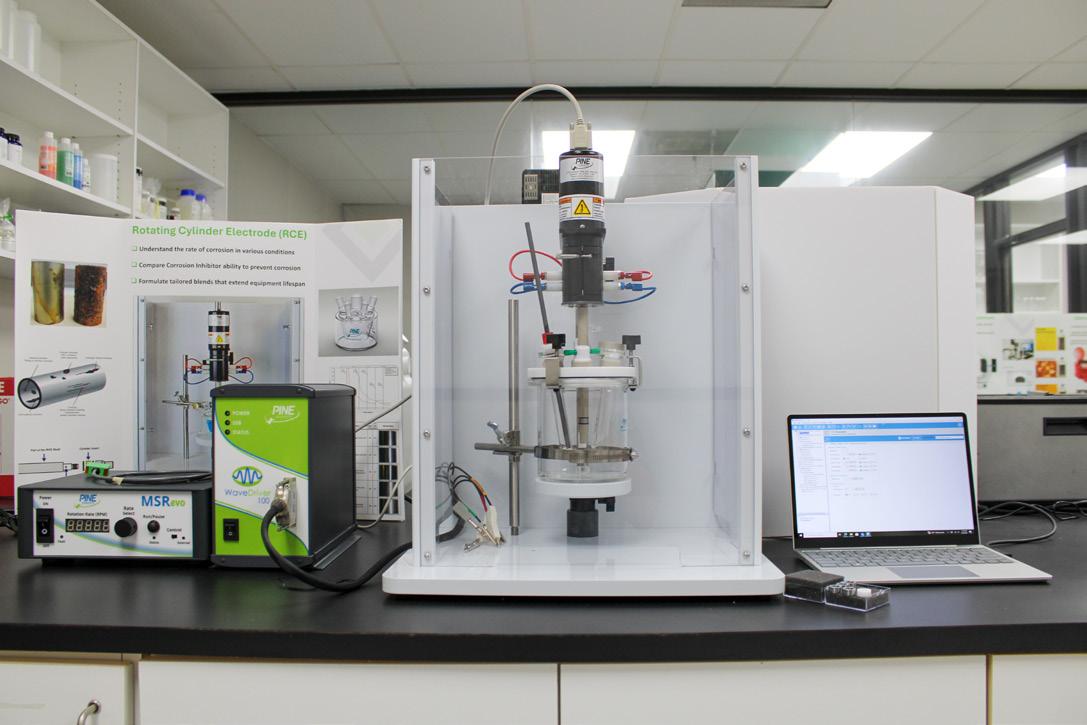
Ì Corrosion inhibition testing: rotating cylinder electrode (RCE) and linear polarisation resistance (LPR) replicate downhole shear and temperature and confirm material degradation and pathways, tailoring film protection of tubing, pumps, and pipelines.
Ì Wax inhibition analysis: cold finger testing and wax chain profiling identify deposition risks in paraffin-rich crudes and optimise treatments for specific chain distributions to mitigate paraffin deposition, ensuring flow assurance even under variable conditions.
Ì Phase behaviour and surfactant analysis: contact angle goniometry, interfacial tension (IFT) testing and separation studies provide clarity on microscopic interactions such as wettability and emulsion – which is vital for improving oil/water separation, reducing carryover, and enhancing recovery efficiency.
Ì Formulation optimisation: (thermal, freeze thaw, compatibility) and compatibility assessments with brine and crude to validate stability before deployment, minimising field failures.
Ì For larger OFS providers, these are standard in-house functions. For regional players, they’re often inaccessible. This creates demand for suppliers who combine US sourced raw materials with laboratory expertise and field support.
Figure 1. New US-based oilfield chemical suppliers are now making domestic raw materials far more accessible for oilfield service providers.
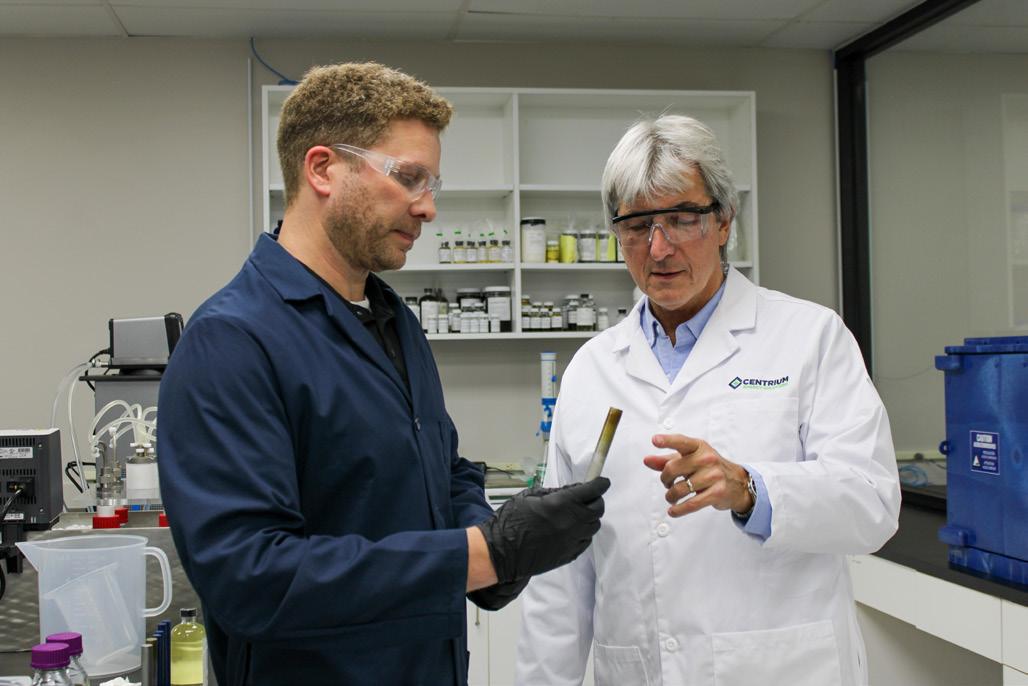
Figure 2. Centrium Energy Solutions’ technical director, Tom Fenderson, shares test results with GM Jonathan Rogers at the supplier’s in-house lab in the Woodlands, TX.
The high-performance computing behind Viridien’s best-in-class seismic imaging is now available for your most demanding geoscience projects. Designed and optimized for seismic imaging throughput, our HPC delivers the performance needed for today’s most complex FWI algorithms. When combined with our latest imaging innovations, it helps you achieve a clearer understanding of the subsurface—faster. Viridien HPC. Let it power your discovery.
viridiengroup.com/hpc
Service providers are increasingly turning to suppliers like Centrium Energy Solutions, which fill that need – acting not only as a raw material provider, but as a technical partner offering formulation guidance, application support, and real-world performance evaluation to keep OFS programmes competitive.
The semi-commodity blind spot: where oilfield chemistry falls behind
Beyond performance validation, another barrier to competitiveness for regional OFS providers is chemistry stagnation.
Surfactants, solvents, glycols, and other ‘semi-commodities’ account for a substantial portion of oilfield chemical spend. Yet most formulations still rely on legacy materials designed over a decade ago.
These same chemistries have been upgraded or replaced in other industries to reduce dosage, improve environmental performance, and tolerate harsher conditions – advantages that could translate directly into oilfield value.
The next generation of semi-commodities is already being produced domestically, but rarely evaluated for basin-specific use. This is where chemical suppliers with cross-industry expertise can close the gap. By transferring proven approaches from highvolume, high-innovation markets into oilfield formulations – and validating them under basin-specific conditions – they unlock both performance gains and cost reductions.
Case study: domestic corrosion inhibitor outperforms imported imidazoline
Corrosion inhibitors account for approximately 30% of the US oilfield chemicals market. Their role in protecting tubing, casings, and pipelines makes reliability critical. Many imidazolines contain impurities that reduce efficacy, crystallise under cold conditions, or form unstable blends.
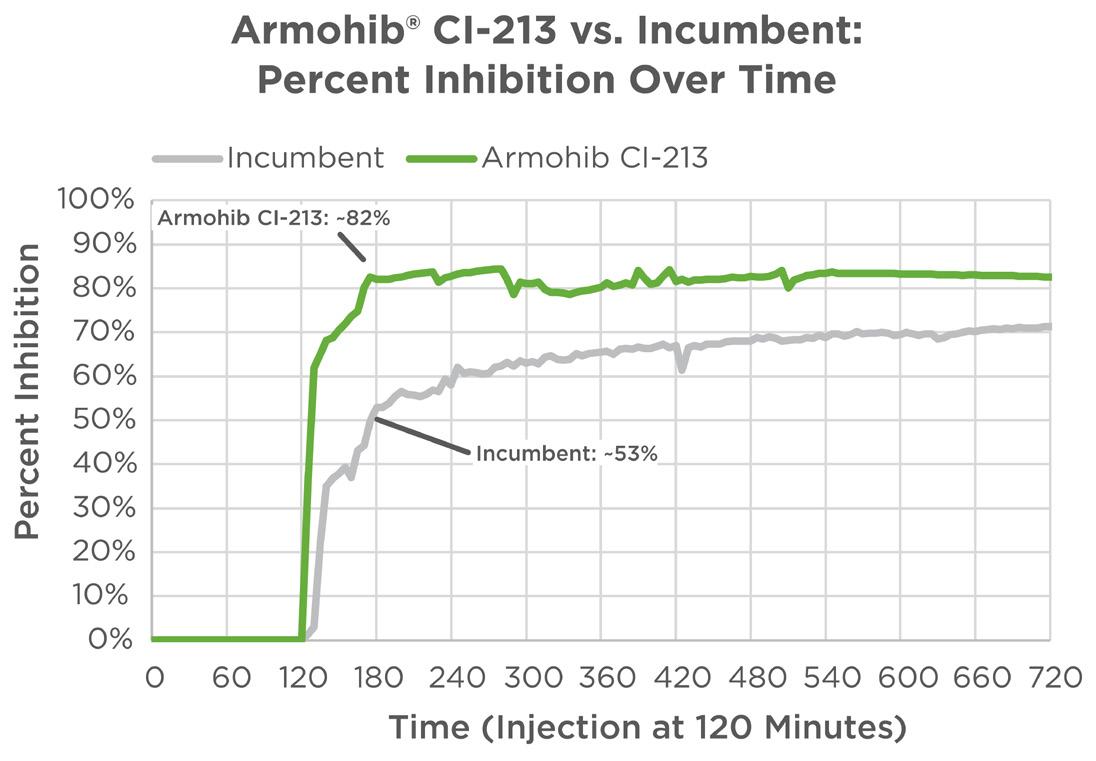
A mid-sized OFS provider relied on an imported imidazoline. Centrium Energy Solutions introduced a domestic, high-ring closure alternative, Armohib® CI-213.
An evaluation was conducted comparing Aromohib CI-213 to the incumbent imidazoline using a Rotating Cylinder Electrode (RCE) test in high- TDS brine at 180°F. The test parameters were selected to stress the chemistries under demanding environments and reveal measurable performance differences.
Armohib CI-213’s higher ring closure (70%+) produced a stronger, more persistent hydrophobic film, delivering faster protection and long-term stability at lower treat rates.
Further testing showed superior winter stability in Bakken-like conditions (-40˚F), with fewer residual rosins and no haze or dropout after methanol addition. This translated into clearer blends, reduced plugging risk, and lower remediation costs.
This meant the OFS replaced a lower-performing offshore product with a proven domestic chemistry, improving reliability, reducing treat rates, and increasing operator confidence.
This switch to a superior formulation that delivered both faster protection and more consistent long-term inhibition was made possible by partnering with a supplier that has extensive chemical expertise and laboratory capabilities to evaluate chemistries under realistic field conditions.
Best practices for OFS in selecting chemical partners
To remain competitive, OFS providers should demand more from suppliers than wholesale distribution. The emerging chemical supply model combines domestic raw material access with laboratory validation and proactive field support.
When evaluating chemical sourcing strategies and selecting supplier partners, best practices include:
Ì Evaluate true cost: factor in freight, storage, tariffs, and risk.
Ì Require lab validation: only deploy chemistries with proven performance under field-simulated conditions.
Ì Insist on speed: fast turnaround for samples and data is critical.
Ì Expect proactive support: suppliers should help optimise existing programmes, not just sell product.
Ì Secure reliable domestic supply: reduce exposure to global volatility with access to a diversified, US-based chemical network.
As the oilfield services sector consolidates and margins tighten, competitiveness depends on more than cost per pound. Long-term differentiation requires speed, reliability and results.
Embracing a sourcing model that combines high-purity, US-sourced raw materials with laboratory and field expertise gives mid-sized and regional service providers the ability to reduce inefficiencies, shorten response times, and provide data-backed results that operators can trust.
Reshoring secures supply, but technical partnership ensures performance. Together, they close the competitiveness gap and create the ability to design, validate, and deliver reliable, higher value programmes with confidence in an increasingly demanding oilfield environment.
Figure 3. US-based chemical raw material supplier Centrium Energy Solutions conducts corrosion inhibition testing for oilfield service providers using RCE and LPR digital microscopy.
Figure 4. Corrosion inhibition results of an imported imidazoline compared to US-sourced Armohib® CI-213.
Salomé Larmier, Thermo Fisher Scientific, explains how automated mineralogy systems can enable more efficient resource extraction across a range of complex subsurface applications.
In the ongoing push to access increasingly remote and unconventional hydrocarbon reserves, understanding the geological complexity of subsurface formations has never been more important – or more challenging. As conventional plays decline and exploration targets expand to include shale and carbon capture projects, geoscientists are being asked to do more with less. Essentially, they are expected to produce reliable mineralogical data faster, at lower cost and with greater accuracy. To help geoscientists meet these demands, Salomé Larmier, PhD holder in oil and gas geology and electron microscopy specialist at Thermo Fisher Scientific, explains how automated mineralogy
systems can enable more efficient resource extraction across a range of complex subsurface applications.
Mineral analysis has long been a critical part of oil and gas exploration. Before drilling programmes are designed or stimulation methods selected, understanding the mineral composition of subsurface rock is essential. The relative abundance of clays, carbonates, quartz, and organic material influences key reservoir characteristics such as porosity, permeability, and mechanical behaviour, all of which can determine how a formation will perform during production.
In both conventional and unconventional plays, accurate mineral characterisation reduces uncertainty
and supports more effective decision-making across the exploration and production lifecycle. However, as exploration moves into increasingly complex geological environments, obtaining this level of insight has become much more demanding.
Evolving challenges in mineralogical analysis
Unconventional reservoirs introduce significant challenges for mineralogical analysis. Shale reservoirs, for example, are not only fine-grained and heterogeneous, but they often contain mineral intergrowths, boundary phases and micro-scale variations that complicate accurate analysis.
To address these complexities, geoscientists have relied on a combination of methods such as X-ray diffraction (XRD), scanning electron microscope (SEM) imaging, and bulk chemical assays. Each provides valuable insight but also comes with constraints that limit their effectiveness in complex applications.
XRD is widely used to identify crystalline phases based on their unique diffraction patterns. However, it often lacks the spatial resolution to resolve fine-scale textures or phase boundaries as it averages signals over large areas. This masks fine-scale textures, mineral zoning, and small sections of mixed or amorphous phases, which are common in unconventional reservoirs. When resolution is inadequate, critical information about mineral distribution and heterogeneity can be lost, reducing the ability to predict rock properties accurately.
Traditional SEM imaging offers high spatial resolution and detailed structural information but typically requires manual interpretation and lacks the throughput needed for large sample sets. Bulk assays, meanwhile, can obscure the heterogeneity of the sample, making it difficult to correlate chemical data with specific mineral phases or microstructures. They are also inherently destructive, often requiring the sample to be ground or dissolved for analysis, which eliminates valuable spatial and structural context.
As a result, obtaining a high-resolution, spatially resolved and compositionally accurate picture of a reservoir rock often requires integrating multiple datasets. This is a time-consuming and resource-intensive process that can introduce inconsistencies between workflows and across teams. Variability in sample preparation, data acquisition, and interpretation methods can lead to discrepancies that hamper reliable, repeatable mineral characterisation.
The case for automation
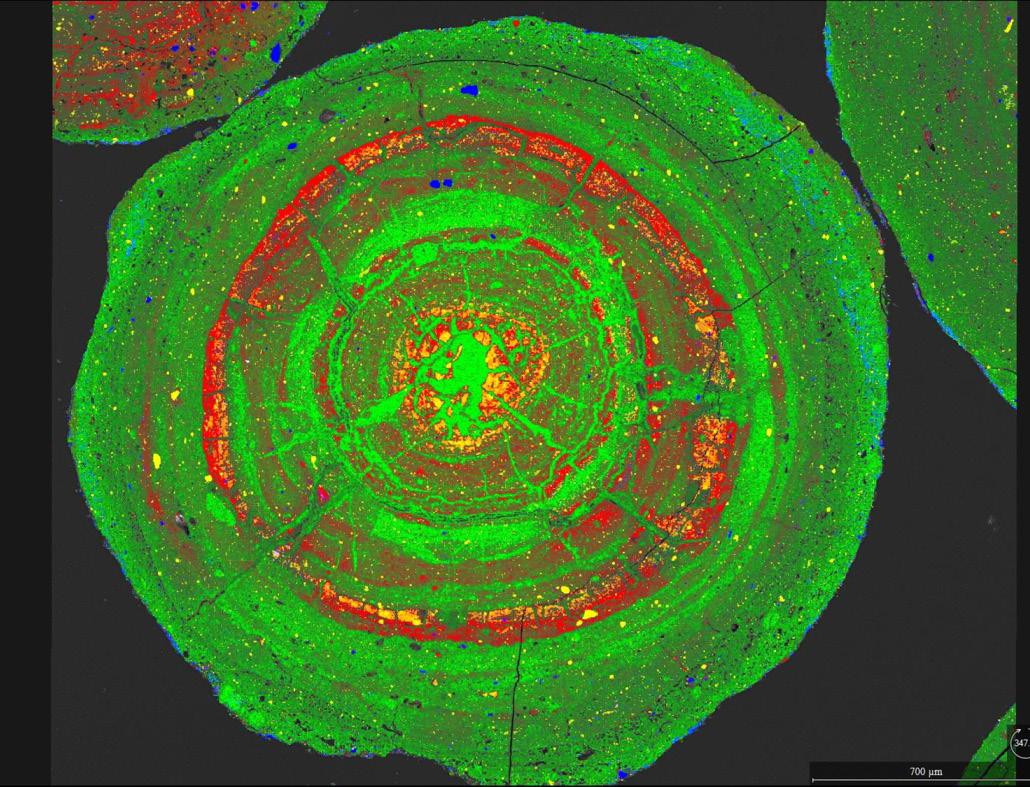
To overcome these limitations, many exploration teams are turning to automated mineralogy – a method that combines high-resolution imaging with compositional data to deliver more comprehensive mineral characterisation. These systems integrate SEM with energy-dispersive X-ray spectroscopy (EDS) to map mineral phases across a sample with far greater detail and consistency than traditional workflows allow.
One of the more advanced capabilities comes from how these systems identify mineral phases. In traditional mineral analysis, each pixel or analysis point is typically assigned a single dominant mineral phase, even if the underlying material is a mix of different minerals. Unlike manual methods, automated mineralogy software can classify minerals at the pixel level, even in fine-grained or mixed-phase samples.
For example, the Maps Min Software developed by Thermo Fisher Scientific uses an advanced algorithm, Mixel, to detect and quantify multiple mineral phases at each point. Rather than being constrained to a single-phase assignment, Mixel treats each spectrum as potentially containing contributions from multiple mineral phases. This algorithm
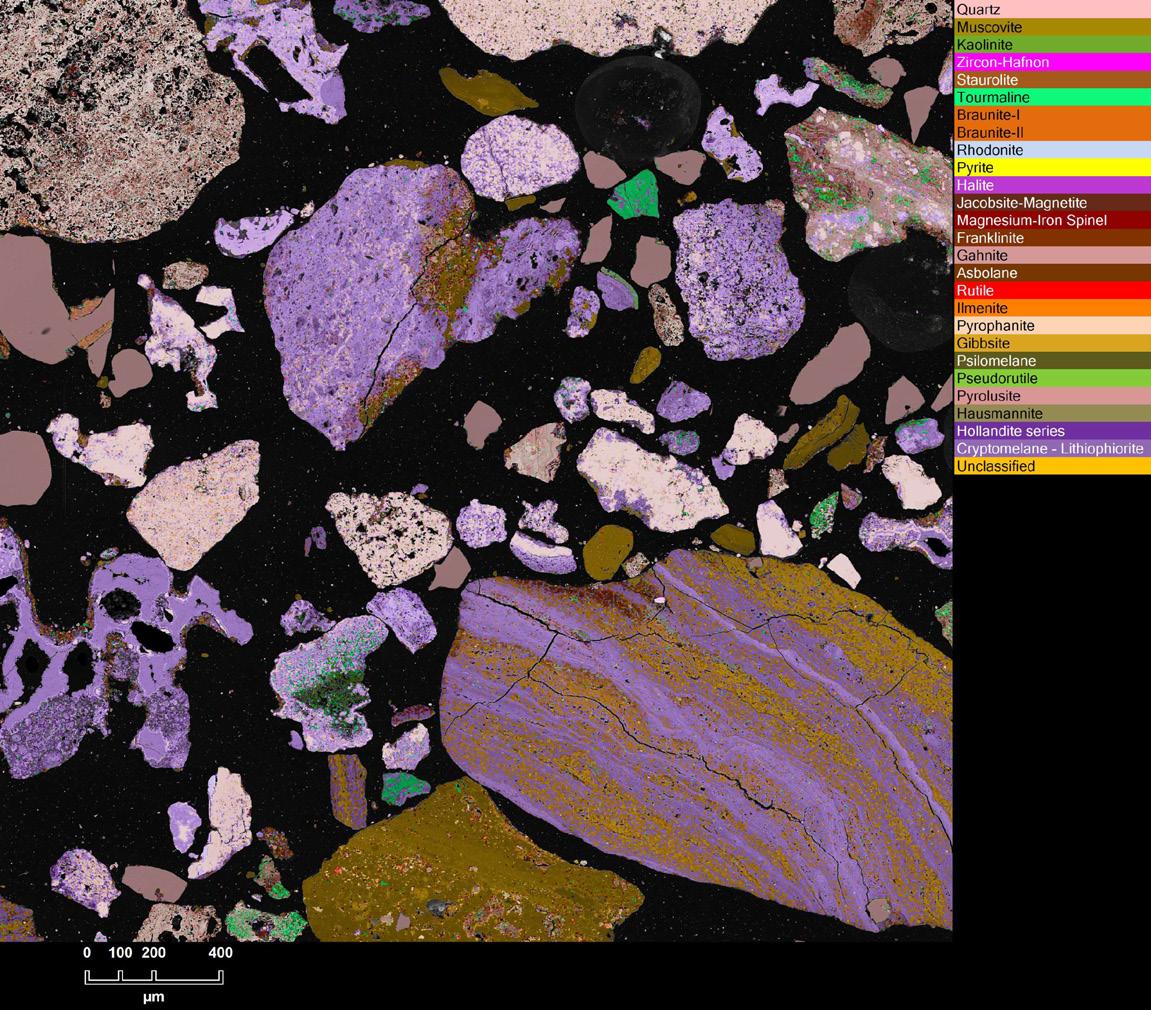
Figure 1. Manganese ore from Gabon, courtesy of Eramet.
Figure 3. Bauxite sample, Rio Tinto, Spain.
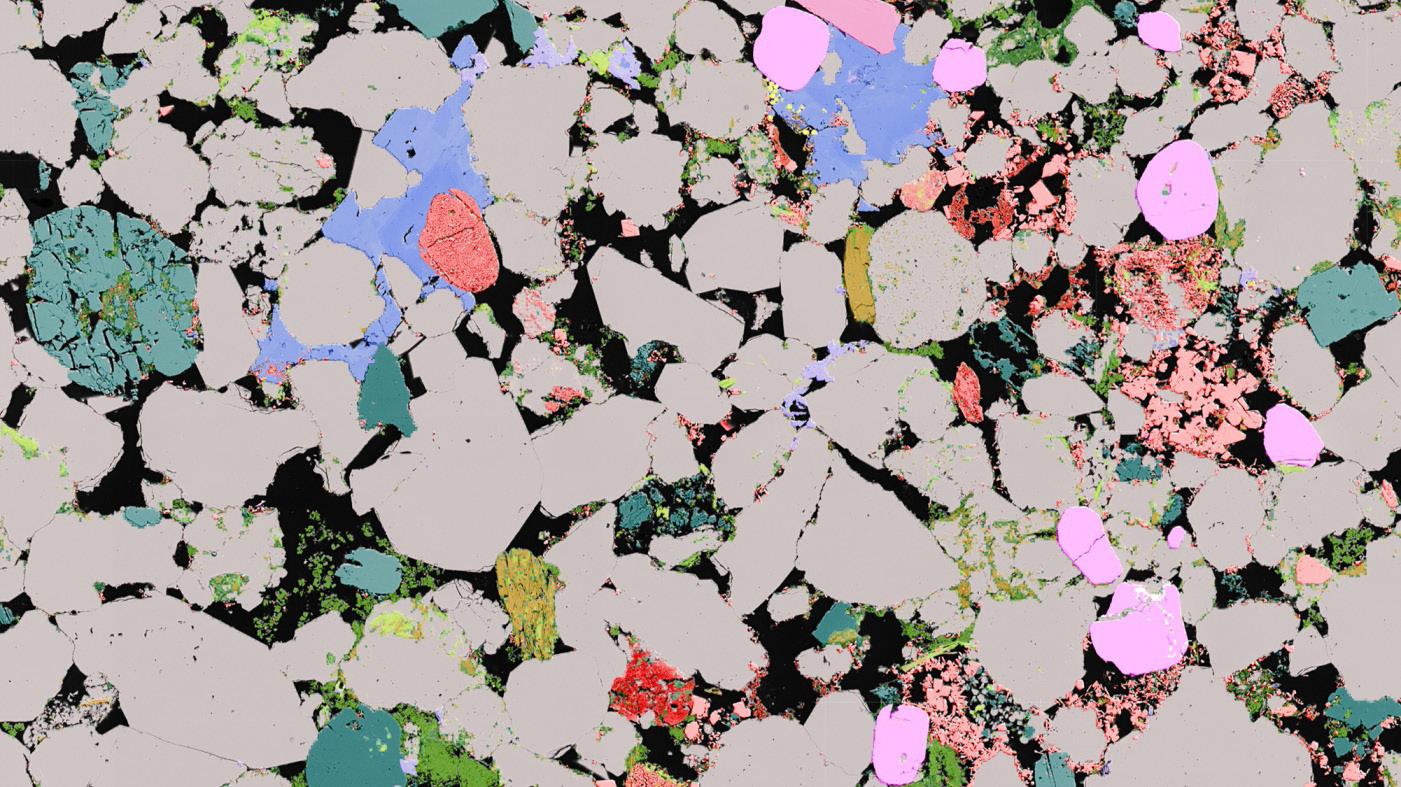
Figure 2. P Berea Sandstone, Michigan Basin, US.
can process mixed spectra automatically, determining both the mineral phases present and their relative proportions with high accuracy.
Automated mineralogy in action
This software is particularly useful for formations like shale, where mineral intergrowths and cryptocrystalline textures are common. By accurately characterising complex mineral assemblages and linking them to critical rock properties, automated mineralogy software enables a clearer understanding of reservoir quality.
In a typical shale exploration scenario, an automated mineralogy system might be used to evaluate the clay composition along a core section. Clay minerals like smectite, illite, and chlorite each have different swelling behaviours and effects on permeability. Smectite, for example, is prone to swelling and can compromise wellbore stability or reduce permeability after hydraulic stimulation. The ability to rapidly identify these clay minerals allows drilling and completion engineers to adjust fluid designs or alter stimulation plans before potential problems arise. In this way, mineralogical data – once confined to specialist labs –can now feed directly into operational workflows.
This technology also finds a valuable use in carbonate reservoirs. Carbonates typically exhibit complex diagenetic histories, such as recrystallisation, dolomitisation, and cementation, that create a multitude of porosity types. Automated mineralogy helps geoscientists to distinguish these features and their mineralogical makeup with spatial resolution and accuracy otherwise difficult to achieve manually.
For example, quantifying the distribution of intercrystalline dolomite porosity and calcite cementation is critical as dolomite-rich zones often have a higher permeability and thus respond differently to acid stimulation treatments. Using software like Maps Min, operators can map these minerals in detail, enabling more targeted acid stimulation plans for better fluid flow and reservoir drainage.
Enhanced oil recovery (EOR) strategies, involving injecting chemicals, steam or gases to extract additional oil, can also benefit greatly from automated mineralogical monitoring. As injection fluids interact with the reservoir rock, they may cause mineral dissolution or precipitation, leading to changes in pore structures that impact fluid flow over time. Automated mineralogy provides ongoing insight into these changes by detecting subtle changes in core samples, helping reservoir engineers adapt injection strategies to maximise recovery.
Carbon capture and storage (CCS)
As the energy sector adapts to a lower carbon future, automated mineralogy is also finding a place in CCS applications. Safe and effective long-term CO2 sequestration relies on a detailed understanding of the storage reservoir’s mineralogical makeup and the geochemical reactions of host rocks to injected CO2 over time.
Supercritical CO2, used for its high density and low viscosity, is injected into porous rock formations such as deep saline aquifers or depleted hydrocarbon reservoirs. Once injected, it can dissolve into pore fluids, precipitate as carbonate materials like calcite or magnesite or react with iron-bearing minerals to form new mineral phases. These reactions may alter porosity and permeability, either by improving sealing integrity or by compromising it. Understanding these interactions at the mineral scale is essential for predicting reservoir performance and ensuring long-term storage security.
Automated mineralogy helps geoscientists to track these subtle yet critical changes by quantifying the presence of reactive minerals such as feldspars, clays, and iron-bearing phases that may alter under acidic conditions induced by CO2 Monitoring these changes before, during and after injection provides crucial feedback for reservoir modelling and risk assessment.
With CCS projects scaling up worldwide, automated mineralogy offers a powerful tool to reduce uncertainty, improve predictive confidence and support safer, more effective CO2 storage.
As geoscientists increasingly turn to unconventional plays, obtaining accurate and nuanced mineralogical data becomes more and more challenging. However, automated mineralogy software holds promise in transforming mineral characterisation. By providing high-resolution, spatially resolved data with high accuracy and efficiency, advanced software enables precise characterisation of complex reservoirs, helping geoscientists to make faster, betterinformed decisions in the field.
Figure 4. Weathered waste rock showing reaction zone between sulfide ore and rim, Baal Gammon mine, NE Queensland. Courtesy of Olivia Mejías (UQ-SMI).
Promoting progress
Figure 1. Oil and gas production equipment is often installed, and required to operate unattended, in remote locations.
Karl Lanes and Aravinth Rajagopalan, Emerson, discuss how new control valve specifications aim to promote progress within the oil and gas industry.
In the upstream oil and gas industry, end user frustration with the lack of standard specifications is driving a move toward standardisation of procurement practices.
There are many different types of applications for control valves in the upstream oil and gas industry, but most are very demanding due to the harsh conditions typically encountered, both onshore and offshore. Consequently, end users need standard specifications so all control valves will perform as desired.
The International Association of Oil & Gas Producers (IOGP) is a global end user association formed with the goal
of representing the oil and gas sector, and addressing critical operational issues that affect the industry. Founded by major oil and gas producers, IOGP serves as a collective voice for its members, helping to shape policy, share best practices, and develop standards for various aspects of oil and gas production.
One of the primary areas of concern for IOGP has been the procurement and performance of control valves, a critical component in the operation of oil and gas facilities. To address this issue, an IOGP initiative focused on standardising the specifications and improving the efficiency of control
valve procurement to reduce costs and enhance operational performance was created, but challenges remain.
Major concerns faced by end users
End users in the oil and gas industry, particularly those operating in upstream production, face a wide array of challenges related to the performance and reliability of control valves (Figure 2). These valves play an essential role in controlling the flow of fluids in various parts of oil and gas production systems, and their failure can have severe consequences for production efficiency, safety, and costs. One of the main concerns that end users encounter is the variability in the quality, specification, and reliability of the control valves that are available on the market.
A broad range of control valve suppliers operate across the globe, and as a result, oil and gas companies, contractors, and end users often source valves from different vendors, leading to significant variation in valve performance. The core issues frequently reported by end users include:
Ì Substandard quality of materials: some suppliers may provide valves made from materials not suitable for oil and gas operations, leading to premature wear and failure.
Ì Premature failures: even when valves are correctly specified, improper design or manufacturing defects can cause valves to fail prematurely, leading to unplanned shutdowns and costly repairs.
Ì Incorrect sizing and selection: improperly sized or incorrectly selected valves can create operational inefficiencies, cause system failures, or lead to cavitation and erosion damage.
Ì Cavitation (the formation of vapour bubbles in a fluid) and erosion damage in liquid service: when valves are not properly sized or selected, cavitation and erosion damage can occur, which can severely impact valve performance and lifespan.
Ì Material incompatibility: in certain operational conditions – such as high temperatures, corrosive environments, or abrasive conditions – the materials used in valves may not be suitable, leading to accelerated degradation and failure.
Ì Improper actuator selection: the actuator controls the movement of the valve, and it must be correctly matched to the valve size, and to operational conditions. Missmatches between valve and actuator can cause performance issues.
Ì Improper use of smart instruments: many valve vendors will use a smart instrument to improve the performance of an on-off valve and actuator assembly and market it as a control valve. Serious control issues may occur as this type of design is not intended to regulate process media flows.
Ì Velocity and noise concerns in gaseous service: issues related to high flow velocities and the generation of excessive noise can result in operational inefficiencies, as well as safety concerns in certain environments.
These concerns prompted IOGP to act by standardising valve procurement practices and specifications across the industry.
Formation of the IOGP committee
An IOGP committee was formed to address these challenges and provide a unified approach to control valve procurement in the oil and gas industry. The committee aimed to achieve a number of key objectives, including standardising valve specifications, reducing procurement costs, improving operational efficiency, and promoting the use of control valves meeting the necessary performance and reliability standards.
Currently, many end user companies develop their own set of control valve specifications. These specifications are driven by their individual experiences and operational requirements, which result in significant variation in how control valves are selected, tested, and inspected. The differences among end user specifications are often broad, ranging from basic requirements to extremely detailed criteria.
Some major end users have had long-standing relationships with well-established control valve vendors that have robust quality assurance programmes in place, including sub-vendor qualification processes and globally extensive installed bases across various process industries.
In such cases, the end user specifications focused primarily on basic inspection requirements and testing protocols. On the other hand, some end users defined very stringent criteria, including qualifying specific suppliers and restricting material procurement to certain regions.
The diversity of these specifications creates challenges for control valve vendors, making it difficult for end users to perform an accurate, apples-to-apples comparison when choosing a supplier. Variations in quoted values, testing requirements, and valve material specifications lead to inefficiencies in the procurement process. This, in turn, results in cost overruns, project delays, and, in many cases, valves that do not meet the operational requirements of the application.
In response to these challenges, IOGP established a committee to create standardised specifications that would be used across the upstream oil and gas industry. The aim was to establish common guidelines for control valve procurement to improve efficiency and reduce costs, including specifications
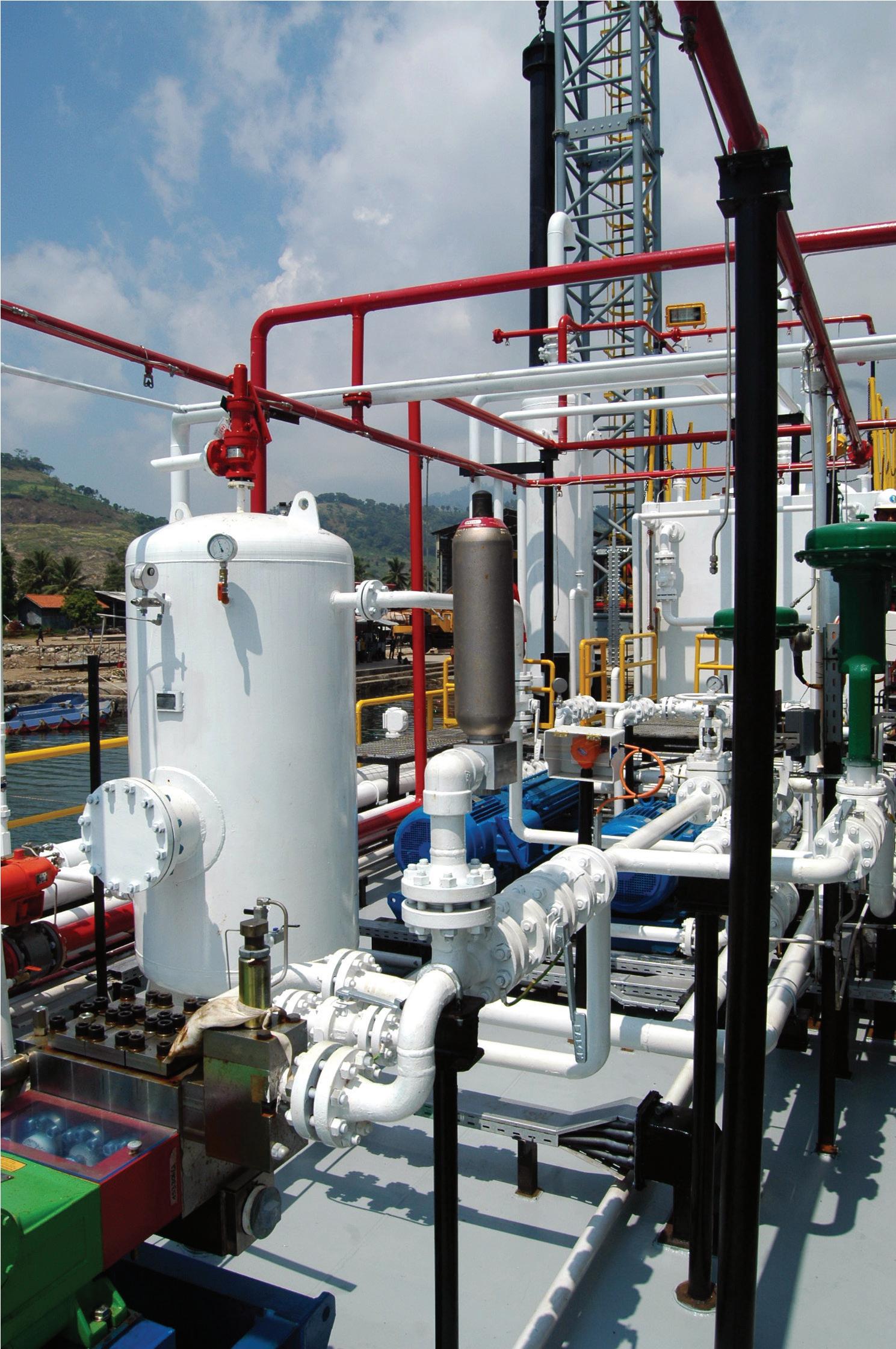
Figure 2. Controls valves, like those shown in the far right of this image, must operate reliably to ensure steady production.
for material selection, inspection requirements, and testing procedures.
Material requirements defined by IOGP
A significant aspect of the IOGP’s standardisation efforts is the development of material specifications for control valves. The materials used in control valves are crucial to their performance, longevity, and reliability in oil and gas operations. In particular, the IOGP specifications reference well-established standards, such as Norsok M-650 and Norsok M-630, which are widely adopted in the upstream oil and gas industry for material selection and quality assurance, and which apply to control valve castings, and other areas:
Ì Norsok M-650: this standard defines the requirements for the qualification of materials used in offshore oil and gas installations, providing guidelines for materials regarding performance and safety standards (Figure 3).
Ì Norsok M-630: this standard is specifically focused on the procurement of materials for offshore installations, providing guidelines for material selection, testing, and quality assurance.
These standards promote the use of materials in control valves that can withstand the harsh conditions encountered in oil and gas production, including high pressures, extreme temperatures, and corrosive environments.
Challenges in implementing the specification
Although the IOGP specification provides clear guidelines for control valve selection and procurement, implementing these specifications across the entire supply chain has proven to be a complex task. One of the key challenges is ensuring that all
contractors to equipment manufacturers and valve vendors – fully understand and comply with the requirements outlined in the specification.
A major hurdle with the IOGP specification is the quality service level (QSL) system, which serves as the basis for determining the extent of testing and documentation required for control valves. In some cases, end users classify all valves under the most stringent QSL-4 category, which can lead to high costs due to excessive testing requirements.
In certain situations, vendors may offer different quotes based on varying interpretations of the QSL system. Some vendors may quote based on the most stringent QSL-4 criteria, while others may quote based on a lower QSL-1 level, resulting in significant price variations. As a result, end users and contractors must
FAST FLEXIBLE FINANCE
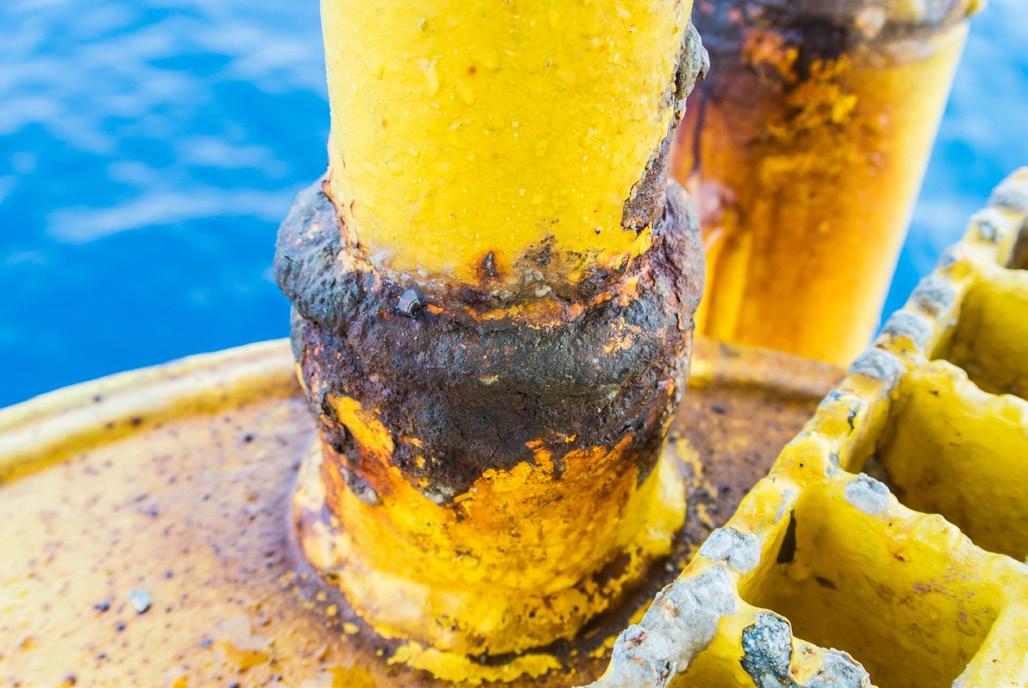
Figure 3. Offshore oil and gas facilities are very susceptible to corrosion, requiting proper selection of the materials of construction.
the valve and its intended application to avoid over-spending, or underestimating the testing and material requirements.
Another challenge in implementing the IOGP specification is the impact on the established supply chain. The specification’s requirements – including stringent material qualifications and qualifications for personnel skilled in welding, nondestructive evaluation, and painting – may limit the pool of suppliers and increase lead times for valve procurement. Vendors that have not yet qualified their processes to meet the IOGP specifications may be excluded from the bidding process, further limiting competition and potentially driving up costs.
Path toward standardisation
Despite the challenges in implementing the IOGP specification, there is hope that these efforts will ultimately lead to cost reductions and greater efficiency in the control valve procurement process. Standardisation can eliminate inconsistencies, reduce the need for excessive documentation, and streamline testing procedures. However, realising the cost benefits of these changes will take time as suppliers work to meet the qualification requirements laid out by the IOGP specification.
In the long term, the standardisation of control valve specifications is expected to improve reliability, reduce failures, and enhance the overall efficiency of oil and gas operations. As vendors become more familiar with the IOGP specification and more suppliers qualify their products to meet the required standards, the industry will benefit from increased consistency and reduced risk.
Conclusion
The formation of the IOGP committee and the establishment
a significant step forward for the oil and gas industry. While challenges remain in implementing these specifications across the supply chain, the potential benefits in terms of cost reduction, improved reliability, and increased efficiency make this initiative crucial for the long-term success of upstream oil and gas operations. By working together to develop and adopt industrywide standards, IOGP aims to address the concerns faced by end users so that control valves meet the required standards for highest performance and reliability.
As the industry evolves and specifications change, it is always a best practice to work with a trusted and respected control valve supplier that has long-standing and well-established quality control procedures, so you can navigate these changes effectively.
About the authors
Karl Lanes is the senior director of global project pursuits at Emerson, based in Marshalltown, Iowa, US, where he ensures the company’s solutions align with customer needs and expectations for their projects. He is also responsible for global parts distribution of Emerson’s final control products. Lanes holds a Bachelor of Science degree in mechanical engineering from the University of New Mexico.
Aravinth Rajagopalan is director of Emerson’s global hydrocarbons business, where he specialises in control valves and their applications in the oil and gas and refining industries. Rajagopalan uses his 20+ years of experience to work with customers as they implement control valve solutions that enhance operations and create value. He holds a Bachelor of Science degree in mechanical engineering from Bharathiyar University, and an MBA from Southern New Hampshire
“Fight while wounded”: how pipelines can stay resilient amid cyber threats
Featuring Ross Brewer, Vice President and Managing Director of EMEA at Graylog. A conversation about how the energy and pipeline sectors can build cyber resilience in an era of growing complexity and connection.
We cover:
• The unique cyber risk for pipelines.
• The risk multipliers: modernisation and connectivity.
• Regulation and responsibility.
• Cloud resilience and sovereignty
• The power of preparation.
• The evolving threat landscape
Egill Abrahamsen, Vice President and Principle Drilling & Well Specialist, Sekal AS, Norway, details how advanced, real-time predictive monitoring systems are transforming offshore drilling operations.
rilling long deviated sidetracks through hot tight rocks, often beneath several miles of seawater and seabed in remote offshore locations, is a feat of modern engineering. As drillers push technical boundaries in these challenging conditions, it’s no surprise that complications arise, often leading to costly nonproductive time (NPT) and invisible lost time (ILT).
Issues such as poor hole cleaning, stuck pipe, lost circulation, borehole instability, formation damage, and underground blowouts can derail project economics and even threaten rig safety. Often, warning signs are present but missed until it’s too late.
Picking up the clues
Detecting early warning signs of trouble is critical to project success but this relies on access to realtime data from the wellbore. The good news is there’s plenty of this. It’s estimated that a single offshore oil rig generates up to two terabytes of data each day. But data alone doesn’t prevent problems. The true value lies in turning this raw data into actionable insights that help operators detect trends, spot anomalies and predict issues before they escalate.
Advanced analytics powered by real-time models can help drilling teams respond to subtle changes in borehole conditions. This capability is particularly vital in complex well sections, where early intervention can prevent delays, equipment damage, or safety incidents.
And by visualising this model vs actual data in a realtime dashboard, crews can monitor multiple operations simultaneously and make faster and better decisions.
How it works
Sekal’s predictive monitoring system is built around three real-time dynamic models – hydraulic, mechanical, and thermodynamic – that together simulate the borehole conditions and physical processes during drilling operations. These models are continuously calibrated with real-time data, such as depth,
temperature, flow rates, rotation, and string velocities, to ensure they are aligned with actual conditions.
The system monitors key drilling variables such as hook load, surface torque, cuttings transport, pit volumes, standpipe pressure, and dynamic ECD (equivalent circulating density, or the total pressure exerted on the borehole wall when the mud is circulated). It also calculates fluid temperature and density evolution, and mechanical and hydraulic friction in the wellbore.
Replacing guesswork with data-backed solutions
Importantly, while real-time sensor data is available only at the bit and at the surface, the Sekal system fills the data gap behind the bit to include the often little understood processes that influence the rest of the borehole. This virtual well is rich with data so operators can assess crucial factors such as fluid volumes, fluid velocity, cuttings proportions, pressure, temperature, ECD, and friction along the complete drill string from bit to surface. This holistic view makes it easier to detect anomalies and helps operators make proactive adjustments to ensure the optimal conditions for each section of drilling. It means no more guesswork but reliable outcomes, underpinned by data.
Not just predictive: the value of legacy reviews
Sekal’s system goes beyond real-time monitoring. The tool can also be applied to legacy well programmes to uncover embedded clues in drilling records. This review can reshape understanding of the subsurface, inform planning for future wells and avoid repeating past mistakes.
Proactive problem solving: a case in point
The combination of predictive monitoring and trend-based capability mean drilling teams can identify borehole changes several hours in advance, anticipate problems and take preventive action. It also means the drilling team can run forward simulations to forecast how any action might impact borehole conditions.
In one well drilling at 11 000 ft, the system detected an increase in the friction factor, indicating the accumulation of cuttings in the wellbore. This allowed the team to increase the drilling flow rate while reducing the rate of penetration to help with hole cleaning. The friction factor gradually decreased as accumulated cuttings were removed from the hole, underlining that the intervention had been the right choice to prevent a build-up of wellbore debris.
Drilling roadmaps: reinvented for real time
Drilling roadmaps have conventionally been static reference guides to help engineers execute the drilling programme, with the map generated by well engineering applications and new data then added manually as the well progressed.
Sekal’s tool brings roadmaps to life, by automatically detecting and responding to changes in parameters during drilling so crews make the best decisions for every well section.
Hole cleaning: an AI upgrade
Highly deviated wells can be challenging to clean. A predictive model system based on dynamic simulation and an automated drag roadmap can flag cutting bed accumulation. The advanced transient cutting transport model estimates cutting accumulation to allow better planning and execution of hole cleaning.
Managing narrow pressure margin
In wells where there’s a narrow pressure margin, accurate real-time data is more
Figure 1. A unique modelling approach that allows real-time optimisation addresses common drilling challenges. Images courtesy of Sekal AS.
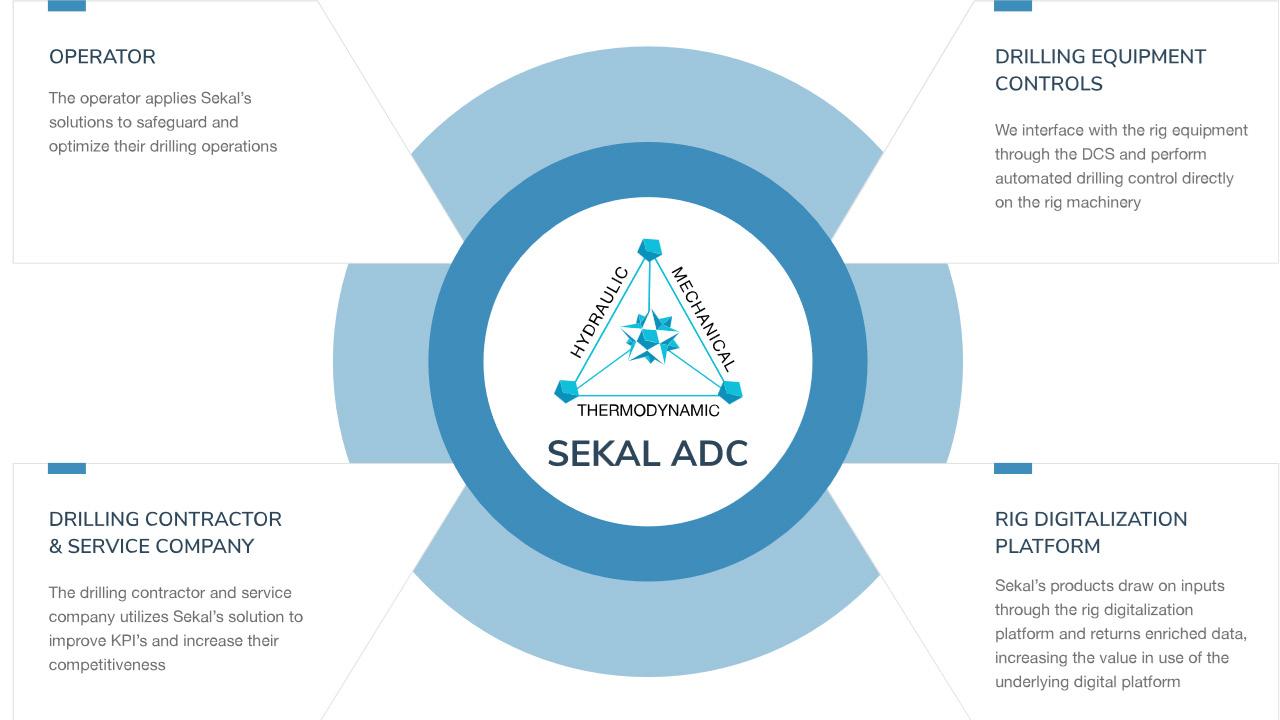
Figure 2. Sekal delivers real-time analytics and automated drilling control.
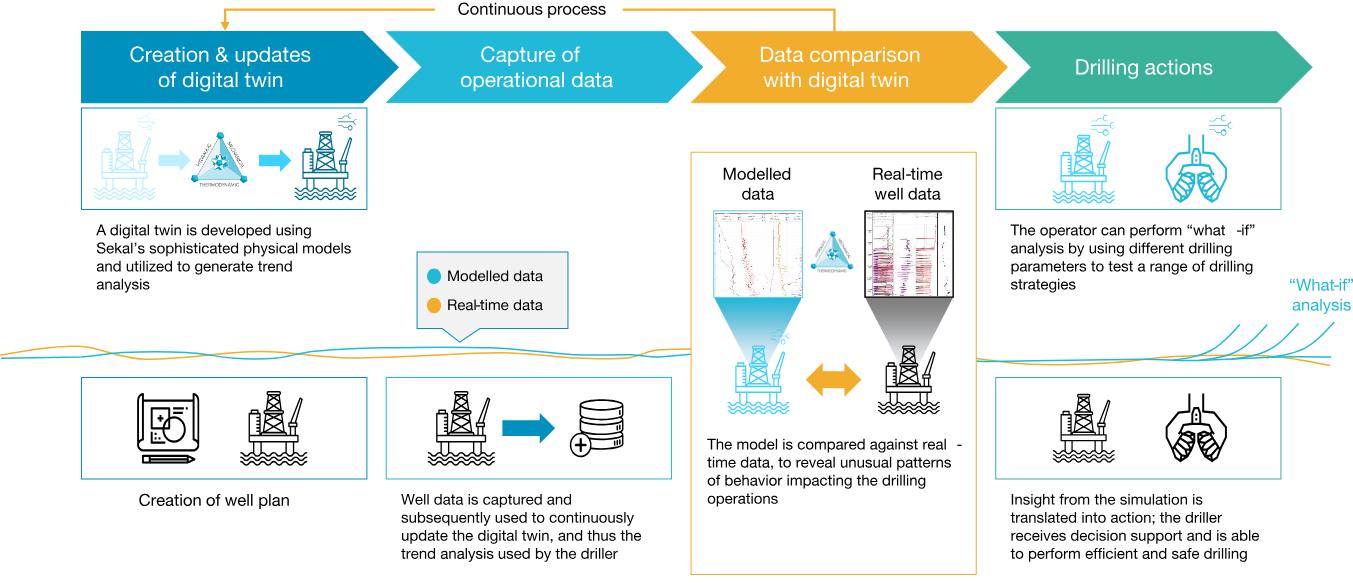
Figure 3. The digital twin is created and developed with Sekal’s physical models and used for trend analysis against real-time well data.
important than ever. Mud weight and equivalent circulation density (ECD) are critical metrics that need to be confined to a narrow window, which is much easier when the rig crew have regular updates on the situation. The Sekal dashboard provides insights so crews can optimise trip speeds and balance maximum downhole pressure, avoiding scenarios where exceeding the fracture gradient causes losses, or dipping below the pore pressure causes swabbing or kicks.
Experience shows that wells can tolerate occasional ECD peaks, but repeated instances of exceeding the peak leads to deterioration. Real-time analytics give crews a safer buffer to optimise drilling while managing pressure constraints.
Integration matters
When it comes to offshore operations, it’s clear that next-gen digital technologies add clear value when it comes to drilling performance, cost control and safety. The goal isn’t more data or a slick digital dashboard: it’s about turning data into intelligence. By marrying real-time downhole data with powerful algorithms, teams can monitor highly complex processes and accelerate decision-making. It means humans are augmented by previously unavailable downhole intelligence, allowing them to make better judgments. These data-backed actionable insights are the catalyst for preventative action that can significantly reduce nonproductive time (NPT) by empowering operators to drill faster, smarter and more predictably.
Real life, real impacts
Infield experience shows that these AI-powered models can make meaningful impacts.
Case study 1
While back reaming, a deviation in rotational friction was detected, suggesting possible hole cleaning or stability issues. The rig supervisor responded by slowing reaming speed, mitigating the risk.
Case study 2
While drilling a highly deviated section, a steady increase in annular pressure loss (APL) was observed over several hours, suggestive of hole cleaning issues. Stable torque, drag and pump pressure indicated manageable cuttings bed formation.
The issues were discussed and a new cleaning strategy implemented – increase RPM for 15 - 20 minutes – which the simulation suggested would suspend the cuttings and clear the hole. The rig crew followed the procedure, resulting in a significant reduction in ECD, confirming the strategy’s effectiveness.
Case study
3
Sekal’s tools typically save three to four days of NPT per rig per year. The resulting savings speak for themselves.
Real-time intelligence is the new frontier
Offshore drilling continues to increase in complexity, cost, and risk. Success hinges not only on monitoring what’s happening but predicting what’s about to happen and making the right intervention at the right time.
Sekal’s physics-based models and AI-powered predictions empower operators to move from passive monitoring to active well optimisation, improving productivity, economics and safety. It’s not about another new dashboard; it’s a new way of drilling.
A podcast series for professionals in the downstream refining, petrochemical, and gas processing industries
EPISODE 13
Sarah Miller, President and CEO of the GPA Midstream Association and CEO of the GPSA, outlines the vital importance of midstream operations, and some of the key challenges and opportunities facing the sector.
EPISODE 14
Rob Benedict, Vice President, Petrochemicals and Midstream, American Fuel & Petrochemical Manufacturers (AFPM), discusses the outcomes of the final round of UN negotiations for a Global Plastics Treaty.
EPISODE 15
David Wilson, CEO, Energy Exemplar, considers the role that oil and gas is currently playing in the booming data centre industry, and what the future holds.
EPISODE 16
Andrea Bombardi, Executive Vice President, RINA, offers technical and operational insight into some of the key challenges and opportunities of CCUS implementation.
EPISODE 17
Alec Cusick, Owens Corning Technical Lead, Technical Insulation, talks about the risks of LNG pool fires and methodologies to mitigate these risks.
Listen and subscribe here
Julie Copland, Head of Wells, Elemental Energies, and Iain Farrow, Elemental Archer JV Manager, answer questions regarding decommissioning oil and gas assets.
he 2025 NSTA Decommissioning Cost and Performance Update signals a turning point for the UK Continental Shelf. With operators accelerating programmes to secure limited rig capacity, the focus is shifting from cost control to proactive planning and collaboration.
In this Q&A, Elemental Energies will discuss the key trends behind the latest report – what’s driving rising costs, where efficiency gains are being made, and how early integration, technology, and partnership are shaping the next phase of UKCS decommissioning.
Can you outline the most significant takeaways (from your perspective) from the NSTA’s 2025 Decommissioning Cost and Performance Update?
The clearest signal from this year’s update is the pace at which decommissioning programmes are being brought forward. Operators are accelerating activity both to exit the UKCS earlier and to secure supply chain capacity before it moves elsewhere. With rigs and services in finite supply, those who delay risk losing access to critical capacity. Rig mobility is a particular pressure point, with units leaving the basin or locked into long-term campaigns in other regions.
For the UKCS, the message is clear: forward planning and coordinated scheduling are now as critical as cost control. Without early commitments, the basin risks fragmentation and rising prices.
With them, we can build a predictable pipeline of work that gives operators certainty while sustaining the supply chain’s capability to deliver.
How does this year’s report reflect progress (or lack of progress) in reducing decommissioning costs across the UKCS?
The rise in cost estimates highlighted in this year’s report reflects two structural realities. Firstly, rig rates are rising in line with global demand. Many units have left the UKCS, and without early contractual commitments to bring them back, day rates remain high. Secondly, there is the issue of under-reporting. For too long, decommissioning budgets have been treated as placeholders, often optimistic in scope and lacking the contingency required for subsea complexity. When projects move to execution, costs then appear to escalate sharply. This is less about inefficiency and more about the industry being forced to face the true scale of the challenge. The pathway to cost reduction lies in better earlystage cost modelling, combined with multi-operator collaboration on shared campaigns to stabilise the rig demand necessary to re-anchor capacity in the UKCS. With these measures in place, future cost updates can begin to show true, sustainable progress.
Where are operators making the biggest efficiency gains in decommissioning projects?
The most significant gains are coming from greater integration – linking decommissioning with late-life production, supply chain partnerships and technology deployment from the outset. Aligning late-life production with Phase 0 decommissioning reduces duplication and unlocks scheduling efficiencies. We are also seeing real benefits from integrated supply chain models, including joint ventures that combine subsurface, well engineering, and well services from the start. Finally, technology deployment is delivering measurable results, particularly where innovations reduce downhole time and shorten rig utilisation – the single largest driver of cost. Together, these approaches highlight the importance of integration and early planning in achieving genuine efficiency gains.
Are there areas where cost overruns or performance shortfalls remain stubbornly persistent?
Subsea well decommissioning remains the area where unpredictability most often translates into cost overruns. These wells are frequently deferred in schedules, creating an ‘out of sight, out of mind’ effect. When projects do move forward, the uncertainty is high: we have less visibility of well condition,
fewer diagnostics and a greater risk of unexpected downhole challenges. This often leads to unplanned scope changes, additional rig days, and higher overall costs.
The most effective way to address this is through earlier intervention. Phase 0 campaigns – including diagnostic logging, integrity assessments and preliminary well work – can provide operators with valuable insight into what lies ahead. By understanding well status in advance, programmes can be better sequenced, portfolios optimised and appropriate contingencies built in. In our experience, early characterisation consistently reduces risk exposure and transforms subsea plug and abandon (P&A) from one of the least predictable parts of a portfolio into one of the most manageable.
How does Elemental Energies support operators?
Could you share examples of projects where your expertise has helped improve outcomes?
Our role is to reduce risk and improve cost efficiency by integrating subsurface, well engineering, and operational execution from the start. We begin with an optimised barrier philosophy, grounded in detailed subsurface analysis. This is then aligned with well engineering expertise and, through our joint venture with Archer, combined with world-class well services and downhole technology. Planning in this way allows barrier selection, tool configuration, and SIMOPS strategies to be optimised before mobilisation.
We have successfully applied this approach across the UKCS and Norway. In Norway, for example, early integration of subsurface, engineering and well services reduced downhole time through barrier optimisation and tool efficiency, while the creation of a bespoke pulling unit enhanced SIMOPS performance. These outcomes illustrate the broader value of integrated planning – lowering cost, improving predictability, and setting a higher standard for safe execution.
What role are new technologies, data insights, or digital tools playing in driving down UKCS decommissioning costs?
Technology and digitalisation can transform decommissioning performance, but only when embedded early. Enhanced data access improves visibility of well condition, enabling risks to be identified and mitigated well before mobilisation. Digital platforms streamline collaboration, visualise complex well trajectories, and automate high-volume engineering tasks. At the same time, new barrier materials, advanced logging techniques, and rigless intervention methods are cutting the time spent on high-cost rigs – the single largest driver of decommissioning budgets.
At Elemental Energies, we can integrate these tools with our engineering expertise and Archer’s technology capability, allowing us to shorten operational durations and reduce interfaces. Our experience shows that when these methods are embedded early, they deliver real efficiency and predictability across entire campaigns. When left too late, the opportunity is lost, and technology becomes a bolt-on rather than a performance driver.
Which innovations in well P&A or subsea infrastructure removal are you most excited about?
In well P&A, the most exciting advances are those that reduce downhole time. Faster-setting barrier materials, shorter plugs, and advanced logging systems provide greater certainty while
Figure 1. Inside the derrick of a drilling rig.
minimising rig exposure. Perf-wash-cementing (PWC) on coil tubing is particularly promising, offering a pathway to fully rigless abandonment.
In subsea removals, modular lifting and vessel-based systems are reducing reliance on expensive heavy lift vessels. Robotics and precision cutting tools are improving safety and predictability while minimising offshore exposure. At Elemental Energies we actively assess and integrate these advances into our planning. By doing so, we can build execution strategies that deliver cost savings without compromising technical assurance or regulatory compliance.
How important is collaboration between operators, regulators, and the supply chain to meeting the NSTA’s cost and performance targets?
Collaboration is fundamental to meeting the NSTA’s performance targets. While supply chain integration has been long identified as a route to delivering significant cost savings, a real untapped opportunity lies in operator-to-operator collaboration. Multioperator campaigns create scale, certainty, and predictability, enabling the supply chain to invest in capability and deliver at lower cost. Regulators also play a critical role in aligning standards, facilitating transparency, and sharing lessons learned. At Elemental Energies we see the benefits of this approach daily – whether through our joint ventures or through partnerships on complex decommissioning portfolios. True progress will only be achieved when operators, regulators, and the supply chain work together at pace.
What changes would you like to see in the contracting model or supply chain behaviours to enable further improvements?
The contracting model is central to unlocking the next wave of efficiency. Decommissioning works best when decision-making is clear and timely, enabling the supply chain to plan and allocate resources with confidence. By embedding collaboration, sharing risk more fairly and rewarding innovative approaches, contracting structures can move from transactional to performance-driven. We have seen the benefits of this in practice through framework agreements and integrated campaigns, where early commitments have reduced cost and improved predictability. Looking ahead, adopting more flexible, collaborative contracting models will be vital if the UKCS is to maintain momentum and deliver decommissioning at scale.
How is decommissioning evolving?
Decommissioning has matured into a structured discipline central to the energy transition. The supply chain has grown in capability, integrating services and deploying technologies that deliver measurable improvements. Regulators are demanding earlier demonstration of rigour and outcomes, while expertise is shifting from operators to specialist contractors capable of managing projects end-to-end.
Perhaps most importantly, we are seeing the perception of decommissioning changing. It is no longer seen solely as a sunk cost, but as an opportunity to apply innovation and efficiency at scale. From multi-well campaigns to asset repurposing and digital modelling, the industry is redefining what decommissioning looks like. In doing so, we are not only managing liabilities but creating a knowledge base that will directly inform CCUS and hydrogen storage projects in the years ahead.
In what ways can re-use of infrastructure, repurposing wells, or integration with CCS or hydrogen projects reduce costs and add value?
Repurposing infrastructure and wells has the potential to transform decommissioning from a liability into an enabler of the energy transition. Wells suitable for CO2 injection or hydrogen storage avoid full abandonment costs while supporting decarbonisation goals. Pipelines and topsides can be reused, reducing capital outlay for future projects.
We actively assess reuse potential in our planning, aligning barrier philosophies with possible future applications. Integrating decommissioning schedules with CCS or hydrogen programmes ensures barriers are either permanent or reconfigured with minimal rework. This creates financial savings and long-term value, aligning decommissioning with the broader energy transition.
Where do you see the biggest opportunities for the UKCS to lead globally in decommissioning expertise?
The UKCS is uniquely positioned to lead globally in decommissioning expertise. Unlike other basins, it combines a mature supply chain, pioneering technology and structured collaboration frameworks supported by bodies such as the NSTA, OEUK, and Decom Mission. This ecosystem enables operators and contractors to trial and scale new approaches, from rigless well abandonment to vessel-based P&A campaigns, while transparent benchmarking through the NSTA’s decom dashboard sets a global standard for performance.
At the same time, structural shifts in the energy industry are accelerating outsourcing, with engineering responsibilities increasingly transferred from operators to the supply chain. In the UKCS, companies are already adapting by building integrated, multi-skilled teams capable of managing projects end-to-end across the well lifecycle – from new developments to decommissioning and CCUS. Coupled with advances in digital tools and data-driven oversight, this positions the UK supply chain to export a new model of collaborative, efficient and low-risk decommissioning worldwide.
What advice would you give to operators preparing for major decommissioning programmes over the next decade?
The most important advice is to start early. Rig availability, contracting strategies, and barrier design must be addressed well before cessation of production to avoid bottlenecks and escalating costs. Investing in Phase 0 activity to assess well condition and subsurface risks provides the clarity needed to optimise planning. Engaging with the supply chain early also creates opportunities to integrate new technologies and join collaborative campaigns.
Experience shows that timely decisions on rigs, contracts, and barrier strategies are critical to avoiding bottlenecks and cost escalation. We work with clients to bring structure and clarity to this process, ensuring that programmes are built on realistic baselines and supported by the right capabilities. This approach consistently translates into improved predictability and stronger alignment with both regulatory and transition objectives.
Drilling Down on Cybersecurity Drilling Down on Cybersecurity
Brittany Bacon and Adam Solomon, Hunton Andrews Kurth LLP, provide a comprehensive overview of cybersecurity risks, regulations, and best practices in the US oil and gas industry.
It is no surprise that the oil and gas industry continues to be a high-value target for cyber criminals, hacktivists, and nation-state actors alike. As the US$6 trillion oil and gas sector embraces the adoption of new digitisation and automated technologies, many operational technology (OT) systems are built on legacy infrastructure plagued with unpatched vulnerabilities, outdated software, and weaker security controls that can make them more difficult to protect. Moreover, the industry’s attack surface is broader than ever with geographically dispersed assets and a heavy reliance on complex supply chains with third-party dependencies.
This article summarises the key state and federal cyber regulations that apply to the oil and gas industry, executive and board liability and oversight responsibilities in the breach context, and practical steps for cyber risk mitigation and preparedness.
Key cybersecurity regulations for critical infrastructure
The oil and gas industry is among the more highly regulated operators of critical infrastructure for cybersecurity in the US. There are various regulatory frameworks that apply to different segments of the oil and gas industry depending on their upstream, midstream, and downstream operations, resulting in a complex, often duplicative, and burdensome assortment of requirements for oil and gas companies to navigate when securing their infrastructure and responding to cybersecurity incidents.
Since 2021, there has been an uptick in cybersecurity rules that apply to companies in the oil and gas supply chain. Key US cybersecurity regulatory frameworks for oil and gas companies include:
Pipeline owners and operators
Following the ransomware attack on Colonial Pipeline in 2021, the Transportation Security Administration (TSA) issued two security directives aimed at enhancing the cybersecurity defenses of critical oil and gas pipelines. These security directives require owners and operators of critical pipelines to report cybersecurity incidents to TSA within a 24 h period, conduct vulnerability assessments on their systems and implement a baseline set of mandatory cybersecurity measures to protect the security and resiliency of their pipeline infrastructure. Covered owners and operators are required to memorialise their compliance programmes in a cybersecurity plan that explains their defensein-depth strategy for protecting critical systems, which must be tested and audited annually. Following criticism from industry stakeholders and a reform to make the mandatory measures more adaptable, TSA began a rulemaking process to replace the security directives with a more holistic set of cybersecurity regulations for entities that own or operate pipeline facilities and systems. In November 2024, TSA released a draft of the proposed regulations for public comment. The draft regulations adopt many of the existing principles and measures found in the security directives and propose combining physical security and cybersecurity requirements into a single set of rules.
Public companies
Like other public companies, oil and gas companies that are issuers of public securities are subject to the Securities and Exchange Commission’s (SEC’s) cybersecurity disclosure regulations. These rules require public companies to disclose material cybersecurity incidents to investors through a Form 8-K within four business days of making a materiality determination
and also impose obligations to include information about the company’s cybersecurity governance and risk management programme in their annual reports.
Critical infrastructure entities
In 2022, Congress passed a groundbreaking new incident reporting rule for critical infrastructure entities, the Cyber Incident Reporting for Critical Infrastructure Act of 2022 (CIRCIA). The Cybersecurity and Infrastructure Security Agency (CISA) has noted that it “anticipates that many oil and natural gas subsector entities will be considered covered entities” required to report incidents to federal authorities under this reporting framework. CIRCIA will require covered entities to report certain substantial cyber incidents to CISA within 72 h from learning of a reportable event and ransom payments made in response to a ransomware attack within 24 h after a payment has been made. The CIRCIA reporting requirements are not yet in effect and are being fleshed out in implementing regulations. While CISA released a much anticipated draft of the CIRCIA rules in April 2024, the agency has postponed the finalisation of the regulations and announced that the final rules are not expected to be released until May 2026.
Public utilities
Some oil and gas companies also may have compliance obligations under federal and state utility cybersecurity rules. At the state level, utility regulators have been focused on enhancing their cybersecurity regulations, including in Maryland and New York, which have issued or proposed new cybersecurity regulations for public utilities in their states in recent years. These regulations are particularly relevant for gas companies with downstream operations that may fall within the scope of these state regimes. At the federal level, the North American Electric Reliability Corp.’s (NERC) Critical Infrastructure Protection (CIP) standards are a federally enforced framework that applies to entities operating in the electric power sector within the oil and gas industry. NERC CIP requires covered entities to comply with a range of security control standards for protecting their OT that supports North America’s bulk electric system.
Maritime stakeholders
Oil and gas companies involved in upstream and midstream operations also could be impacted by the recently released cybersecurity regulations for the maritime industry. In January 2025, the US Coast Guard released a final rule formalising cybersecurity requirements for owners or operators of US-flagged vessels, facilities, and Outer Continental Shelf facilities. The regulations, which are similar to the TSA security directives for oil and gas pipelines, include requirements on maintaining a cybersecurity plan, implementing a baseline set of prescribed cybersecurity measures for protecting the Marine Transportation System, and reporting cybersecurity incidents to the National Response Centre.
In addition to laws and regulations, oil and gas companies often have cybersecurity obligations imposed on them in customer and business partner contracts. These agreements often require oil and gas companies to align their cybersecurity programs with well-known industry frameworks such as the National Institute of Standards and Technology’s Cybersecurity Framework, American Petroleum Institute’s Standard 1164, CISA’s Cross-Sector Cybersecurity Performance Goals, and the Bureau of Safety and Environmental Enforcement’s OT Cybersecurity Strategy.
Figure 1. Boards and executive leadership are expected to play an active role in cyber oversight and preparedness.
Outside the US, cybersecurity rules for oil and gas companies are emerging just as rapidly, such as in the EU, which has expanded the scope of essential entities subject to the incident reporting and cybersecurity resilience requirements of the NIS2 Directive. Other countries have similarly developed or enhanced their cybersecurity frameworks for critical infrastructure operators doing business within their borders.
Board oversight
Cybersecurity has become a central compliance risk to most oil and gas companies that is mission critical and deserving of executive and board-level oversight. As a result, it is crucial for senior leadership, including the Board of Directors, to monitor and oversee a company’s cybersecurity strategy and risk posture, including by receiving adequate and timely briefings about the company’s compliance programme, preparedness efforts, and response to significant cybersecurity incidents and threats. Such cybersecurity oversight has become even more important over the years due to the rise in shareholder lawsuits seeking to impose personal liability on the officers and directors of companies for oversight failures related to cybersecurity attacks. Moreover, the SEC views cybersecurity risk management to be a key element of an enterprise-wide risk management programme and increasingly important to complying with US securities law. Public companies are now required to include disclosures in their annual reports on cybersecurity oversight roles and processes, including descriptions of the roles of the board of directors in overseeing risks from cybersecurity threats and management in assessing and managing the material risks from cybersecurity threats.
Practical steps for mitigating risk
We have outlined below critical steps oil and gas companies should take to help limit legal liability and mitigate operational, financial and reputational damage if an intruder is able to penetrate the company’s IT or OT environments. These recommended actions supplement the technical efforts the company’s IT and IS groups take to prevent cyber-attacks and data breaches in the first instance.
Enhancing multi-stakeholder incident response plan and procedures
An incident response plan should function as a company-wide framework that provides a comprehensive list of key activities and responsibilities to assist the company in identifying, evaluating, responding to and resolving cybersecurity incidents. The plan should draw on multiple functions across the company, including information security, legal, IT/OT, communications, insurance, physical security, HR, finance, and others. A Security Incident Legal Response Procedure can supplement the Plan by setting forth key protocols for the Legal Department to follow in responding to cybersecurity incidents.
Developing a ransomware incident playbook
We increasingly see companies (particularly in oil and gas) supplement their general incident response plan with a playbook that explains the unique steps and considerations for addressing ransomware incidents and other cyber extortion events. This playbook sets out key protocols to follow in the event of a ransomware or other cyber extortion demand, including steps and considerations for assessing payment decisions and the response strategy.
Conducting a cybersecurity tabletop exercise
An executive-level cybersecurity tabletop exercise helps prepare companies for a cybersecurity incident and identify gaps in the company’s incident response processes. This exercise brings together senior stakeholders at the company, draws on actual events and applies the facts to a complex cybersecurity hypothetical. The tabletop is designed to help prepare a company to take a multi-functional, coordinated approach to cyber incidents, raising various scenarios and hypotheticals for the incident response functions within the company to consider and discuss.
Managing supply chain risk
The oil and gas industry relies heavily on a complex supply chain of myriad third-party vendors and contractors. A compromise of one link in the chain can have cascading effects on the broader operation. A robust vendor management programme helps manage these security risks throughout the lifecycle of the business relationship, including during due diligence, contracting, onboarding, ongoing monitoring and offboarding. Key components include developing an IT and OT security diligence questionnaire, developing robust vendor contractual security provisions, and developing audit questionnaires for monitoring third-party business partners’ ongoing compliance with their cybersecurity obligations during the term of the agreement.
Consider external expert engagements
It is helpful to identify key vendors and preferred partners in advance of an incident. This includes forensic firms, cyber extortion specialists, outside counsel, PR firms, and other outside advisors with appropriate experience in managing crises so that the advisors can spring into action if need be.
Review cyber insurance policy
Oil and gas companies are well advised to assess their insurance portfolio, including current policies covering cybersecurity, directors and officers, errors and omissions, fidelity and crime, and general commercial liability to help ensure adequate coverage should the need arise.
Hardening OT security
OT devices can be vulnerable targets that may lack the key controls more widely applied by their IT counterparts. OT security can be bolstered by segmenting IT and OT networks; removing OT connections to the Internet; changing default passwords quickly and requiring complex, unique passwords; limiting and securing remote access to OT networks; inventorying OT assets; and ensuring business continuity and disaster recovery plans are in place to minimise downtime in the event of an incident.
Preparation is key
With little tolerance for operational downtime, oil and gas leaders are faced with unique challenges in this newly connected world and an increasingly ominous cyber threat landscape, marked by ransomware attacks, nation-state actors and advanced persistent threats, exploitation of ICS vulnerabilities, disgruntled insiders, and the growing threat of foreign workers infiltrating US companies to steal sensitive data and extort victim companies. Companies in this industry increasingly will be judged – by courts, regulators, boards of directors, shareholders and the public – by how well they prepared for and responded to these events.
Enhancing drilling performance in demanding environments
Michael Bailey and Alex Benson, NOV, explain how advanced drill bit platforms can enhance drilling performance in demanding environments.
Modern drilling operations demand increasingly sophisticated solutions as operators contend with complex geological formations, rising costs, and the pressure to deliver safer, faster, and more efficient wells. Persistent issues, including excessive non-productive time (NPT), reduced rate of penetration (ROP), premature bit wear, and limitations posed by conventional bit design approaches in various lithologies, continue to impact drilling performance and reliability.
Traditional drill bits often force trade-offs between ROP and durability, directional capacity and dynamic stability, or
application specificity and inventory complexity. Recognising these constraints, NOV developed the ReedHycalog™ Evolve drill bit platform, a customisable suite of technologies designed to improve performance and reduce NPT in today’s demanding drilling environments.
Built on more than 50 years of design and engineering experience, the drill bits combine targeted innovation and customisable technologies to deliver measurable gains in efficiency, durability, and overall performance.
By aligning advanced technology with precise customer requirements, the drill bits provide the flexibility and reliability
that modern drilling programmes demand. At the heart of the new performance-driven platform are three key technologies, each created to solve a critical operator pain point.
Improving drill-out efficiency
Casing shoe drill-outs have long been a source of lost time and frustrations for operators. Traditionally, this process has required dedicated drill-out bits and extra trips or has resulted in premature polycrystalline diamond compact (PDC) bit damage, all of which drive up costs and increase NPT.
To address these challenges, NOV ReedHycalog crafted the Janbiya™ drill-out feature, a versatile solution that enables a smooth transition from float equipment removal to formation drilling without compromising bit integrity or ROP. Inspired by the traditional Janbiya, a curved dagger worn across the waist in parts of the Middle East and associated with strength, precision, and heritage, this technology mirrors these attributes in its engineering.
This patented technology challenges the long-standing paradigm of traditional single-purpose bits by deploying a dual-function approach that preserves cutter integrity during
the transition from casing to formation. Eliminating the need for dedicated drill-out trips and associated equipment saves time and reduces operational costs while improving safety. The bit’s design enhances stability and protects the PDC cutters during drill-out, allowing for greater efficiency and performance in the open hole.
In a challenging Middle Eastern well, Janbiya saved up to 20 h of rig time by enabling a seamless drill-out and achieving record ROP in a complex 12 in. interbedded section. The feature has also consistently contributed to lower cost per
foot and smoother operational transitions from casing to formation, improving overall well economics.
Balancing cutter durability and performance
The ION+™ Intrepid technology features NOV ReedHycalog’s first 14.5 mm PDC cutter, developed to bridge the performance gap between standard 13 mm and 16 mm cutter sizes. More than just a dimensional adjustment, the design reflects a targeted engineering effort to enhance cutter engagement, wear resistance, and aggression in demanding applications.
Historically, operators have been limited by choice between the durability and directional responsiveness of smaller cutters, and the ROP advantage of larger ones. The 14.5 mm PDC cutter delivers increased diamond coverage for better durability and thermal management, without compromising on ROP or steering responsiveness.
Compared to a standard 13 mm cutter, it increases the attainable depth-of-cut while improving bit tracking, particularly in extended laterals and interbedded formations. Unlike 16 mm cutters, the 14.5 mm cutters provide enhanced performance without sacrificing stability, durability, or directional control.
The 14.5 mm cutter is also custom-engineered for the ION+ platform, which integrates advanced shaping, thermal stability, and wear resistance for extreme downhole conditions. Its introduction expands the ability to customise cutting structures with greater precision. This intermediate size also enhances the Evolve platform’s adaptability, allowing engineers to tailor bit designs for specific lithologies and drilling objectives.
Field results have confirmed the performance improvements. In a 2 mile (3 km) lateral in North America, the cutter delivered a 29% improvement in ROP, confirming a significant increase in drilling speed and efficiency. In the Bakken, it contributed to a 3 mile (5 km) lateral drilled from spud to total depth in just 5.73 days, a milestone credited to both the cutter design and bit stability. Operators have also reported reduced cutter wear, fewer bit trips, and improved tool face control, establishing the new cutter technology as a preferred choice for extended-reach horizontal applications.
Strengthening control and stability
Increasingly complex and extreme applications in oil and gas and geothermal drilling are pushing drill bit technology to its limits. Volcanic and crystalline formations are notoriously destructive to fixed cutting structures, often leading to premature wear or failure. Directional wells with tight build requirements demand precise steering responsiveness, placing added stress on both the bit and bottomhole assembly (BHA).
In these environments, instability, high vibration, and abrupt lithological transitions often lead to tool failures, frequent BHA trips, and connection-induced shocks. Purposebuilt for high-vibration zones, hard rock formations, and interbedded strata, Pegasus™ dual-diameter bit designs, exclusive to the Evolve bit platform, address these challenges by combining cutting efficiency, structural durability, and directional stability.
Its novel dual-diameter profile is engineered to maintain borehole quality, enhance directional control, and extend bit life in harsh conditions where conventional and hybrid bit designs often struggle. This design also integrates a dualdiameter stabilised gauge, optional MaxSteer™ shankless
Figure 2. Janbiya drills through composite materials in the shoe track and transitions effectively to maintain performance in the open hole.
Figure 1. The Evolve drill bit platform features customised technologies designed to improve performance in various drilling environments.
technology, and an optimised cutter layout to reduce vibration when sliding, enhance steerability, and improve cuttings evacuation in high ROP, hard rock applications.
Pegasus bits have been deployed in more than 75 runs globally, including many in challenging downhole environments where tool failure rates are typically high. In a shoe-to-shoe run through a basalt trap formation in India, the bit demonstrated its ability to maintain cutter integrity across severe lithological transitions. Meanwhile, in a high-vibration shale well in North America, Pegasus enabled a singlerun lateral and curve that would typically require multiple bit trips. Operators have also reported longer on-bottom time, improved directional control, and reduced vibration, translating to measurable time and cost savings.
Given its durability and consistent results, Pegasus has become a preferred choice for volcanic and crystalline formations, directional wells with tight build requirements, and operations seeking to reduce BHA trips and connectioninduced shocks. Its robust, application-specific design continues to demonstrate reliability in high-risk environments while contributing to more efficient and stable drilling operations.
Outlook
As operators increasingly shift toward data-driven, performance-based drilling strategies, the need for downhole tools that are both intelligent and customisable will only grow. Evolving industry needs, such as geological challenges, operational constraints, and performance expectations, require application-specific drill bit technologies that align closely with formation complexity, drilling objectives, and BHA design.
The Evolve performance-driven platform was developed to meet this need through customisation, modularity, and integration. Evolve represents a flexible engineering framework that brings together over 50 years of design expertise, targeted innovation, and field-proven technologies. Each bit within the platform is configured to improve drilling performance in specific applications, reducing NPT, extending tool life, and improving directional control and efficiency.
This approach reflects a broader shift from conventional bit offerings to adaptable, performance-driven systems tailored to evolving downhole conditions. With these technologies a range of operator pain points can be addressed, from casing drill-out efficiency to cutter durability and borehole quality in hard rock applications.
Conclusion
Operators worldwide have used these bits to extend lateral footage, maximise on-bottom performance, eliminate unnecessary trips, and drill through challenging lithologies with fewer interruptions. Field results have shown reductions in total well construction time and cost, improved performance in long, complex laterals, fewer trips and tool failures, as well as increased ROP and directional control across varied formations.
In a market where differentiation comes from results, such platforms are enabling a more targeted and responsive approach to bit design, one that evolves alongside the industry’s technical and economic challenges. By focusing on customisation, integration, and measurable results, this new platform helps operators drill faster and more efficiently
3. Pegasus dual-diameter bits combine durability, efficiency, and control to improve drilling performance in hard rock applications.
4. Evolve drill bits integrate targeted innovation and customisable technologies to enhance durability, efficiency, and performance.
while adapting to the evolving demands of modern well construction.
About the authors
Michael Bailey is a Product Line Manager at NOV ReedHycalog, where he oversees the strategic development and commercialisation of drill bit technologies across the globe. With over 20 years of experience in the oil and gas industry, Michael specialises in managing product lines related to the design and manufacturing of performance drill bits. His role blends technical insight with market strategy to drive innovation, performance, and value for global drilling operations.
Alex Benson is the Global Product Line Director for NOV’s drill bit business. He has more than 14 years of international experience spanning engineering, operations, and product development. He holds a degree in Petroleum Engineering and Geology from the University of Adelaide and has contributed technical papers to numerous industry conferences and journals. Alex is passionate about continuous learning and finding practical solutions to complex challenges.
Figure
Figure
Revolutionising offshore inspections
Figure 1. Redefining industry best practices with UAV-based UTM inspections.
Alex Clark, Chief Commercial Officer, Interocean, details how companies can revolutionise offshore inspections with the use of UAV-based ultrasonic thickness measurement (UTM) technology.
As the offshore energy industry continues to evolve, operators are required to enhance safety measures, increase efficiency, and meet sustainability goals while maintaining older infrastructure and adhering to stricter regulatory frameworks. Inspections are essential for ensuring the structural integrity and operational safety of offshore assets, especially those exposed to corrosion, material degradation, and extreme environments.
Traditional inspection techniques such as rope access, scaffolding, and confined space entry often involve significant safety risks, logistical challenges, and high costs. These methods can lead to safety hazards, operational downtime, and complex logistics. According to the International Association of Oil & Gas Producers (IOGP), over 60% of offshore safety incidents are associated with working at height or in confined spaces.
Interocean Marine Services (Interocean) leverages over 25 years of experience to drive global offshore energy projects.
To address industry challenges, it has adopted unmanned aerial vehicle (UAV)-based ultrasonic thickness measurement (UTM) technology for safer, more accurate offshore inspections. Operating in the UK, Norway, North America, West Africa, and the UAE, the company prioritise safety, data integrity, and innovation in their approach.
Tackling industry challenges through innovation
The offshore sector faces a complex range of operational and environmental demands. As infrastructure ages and classification requirements tighten, operators must manage risk while pursuing long-term asset longevity. Organisations such as the Energy Institute (EI) and Det Norske Veritas (DNV) demand increasingly stringent compliance. Simultaneously, environmental commitments, including decarbonisation goals, are reshaping expectations for offshore operations.
Classification bodies including the American Bureau of Shipping (ABS) and DNV require routine UTM to monitor structural degradation. However, conventional approaches to UTM are labour-intensive, costly, and reliant on physical access to difficult and dangerous locations.
Interocean has adopted advanced UAV technology for UTM in offshore inspections. This method aims to address the limitations of traditional inspection techniques by using high-precision UAVs capable of accessing difficult or
hazardous areas, thereby reducing the need for personnel to enter high-risk environments.
This technology enables remote structural assessments, identifying vulnerabilities earlier, mitigating risks effectively, and improving asset integrity. It decreases downtime and costs while simplifying operational planning and data acquisition. Reduced needs for scaffolding and confined space entry enhance efficiency and lower operational expenses.
Additionally, fewer personnel offshore results in fewer helicopter transfers and reduced accommodation demands, leading to a smaller carbon footprint and lower emissions. Inspections are done faster and with minimal disruption, supporting continuous operations and improving efficiency across offshore assets.
This UAV-based UTM approach conforms with international safety standards, ensuring regulatory compliance and operational reliability. Its effect on safety and performance was noted at the International Association of Drilling Contractors (IADC) awards, where it was acknowledged as an advancement in reducing risk and improving data collection in offshore inspection methods.
Setting a new industry standard
Interocean was among one of the first companies globally to receive formal class approval from both ABS and DNV for UAV-based UTM inspections on Mobile Offshore Units. This achievement marks a pivotal moment for the industry, signalling a broader shift toward remote inspection as a standardised practice rather than an emerging technology. By integrating UAVs into its inspection framework, it delivers measurable improvements in safety, accuracy, and regulatory compliance. The adoption of this technology has led to a reduction in the use of scaffolding and rope access
by up to 80%. Inspection projects can now be executed up to 40% faster and at approximately 30% lower cost when compared to traditional methods.
A zero-injury record since adopting UAV-based inspections is a testament to the safety advantages of remote operations. By removing the need for physical presence in confined or elevated environments, the risk to personnel is significantly mitigated.
Data-driven inspections
A key strength of UAV-assisted inspections lies in their capability to provide real-time, high-precision data from areas that are typically inaccessible or hazardous using traditional methods. Unlike conventional methods that often deliver fragmented or static datasets, UAV technology captures dynamic, context-rich information that provides a holistic, high-resolution perspective on asset condition and structural integrity.
This thorough data collection allows for precise and repeatable thickness measurements, improving long-term monitoring and minimising manual inspection subjectivity. Additionally, UAVs enable real-time 3D modelling of offshore structures, allowing operators to visualise asset conditions with digital twin technology and accurately identify defects.
Digital twin technology creates a virtual replica of physical assets, offering numerous benefits. By simulating real-world conditions, it allows operators to predict potential failures and schedule maintenance proactively, reducing downtime and repair costs. Digital twins also facilitate scenario planning by enabling engineers to test different strategies in a risk-free environment. Furthermore, they enhance collaboration across teams by providing a centralised platform for sharing detailed insights and ensuring all stakeholders have access to up-todate information.
Advanced data capabilities help develop predictive maintenance, moving from reactive to condition-based strategies. This reduces unplanned downtime, optimises performance, and extends asset life.
High-resolution imagery combined with real-time analytics creates actionable datasets. Asset operators can detect early signs of issues like corrosion or fatigue, enabling proactive decisions and interventions before critical failures occur.
A proven concept
To validate this innovative approach, a world-first trial of UAV-based UTM inspections aboard the Valaris Viking jack-up rig was conducted. The operation involved performing thickness measurements inside the preload tanks, environments traditionally classified as high-risk due to the requirement for confined space entry and complex access procedures.
Representatives from both ABS and DNV attended the trial to witness the technology in action. The results were definitive – all thickness measurements met the rigorous standards set by the classification societies, confirming that UAV-based inspections can effectively replace conventional methods. Crucially, the entire inspection was completed without requiring personnel to enter the tanks, reducing exposure to confined space hazards.
Figure 2. Sample model snapshot.
The UAVs delivered high-resolution, accurate data, validating both the precision and reliability of remote UTM inspections. Following the successful demonstration, formal class approval from ABS and DNV was recieved, paving the way for widespread adoption of UAV-based UTM inspections across the global offshore sector.
Case study: spud-can inspection
The company’s commitment to safety and innovation is exemplified through its deployment of UAV technologies in offshore inspections, which are transforming traditional practices. By integrating drones equipped with features such as GPS-denied navigation systems and advanced imaging capabilities, precise and efficient assessments even in the most challenging environments are ensured.
One example of this approach is the spud-can inspection conducted at a UK Shipyard. This operation highlighted how UAV technology enhances safety and efficiency without compromising the accuracy required for compliance with stringent industry standards such as those set by DNV. Using the Elios 2 drone, designed for confined space inspections, the team successfully examined the interior of spud-cans through limited access points. The drone’s stabilisation systems and high-resolution cameras provided detailed visuals of the structural elements and coating conditions, which were then reviewed by certified professionals.
The inspection process was meticulously documented, with live footage relayed to the team stationed outside the high-risk zone. Post-flight analysis leveraged recorded data to generate real-time inspection reports, facilitating immediate client feedback and informed decision-making. This streamlined method allowed for the completion of six spudcan inspections within just seven working days – a significant improvement in turnaround times compared to traditional methods.
The success of this case study underscores the value of UAV technology in handling high-risk environments. By eliminating the need for personnel to enter confined spaces, it reduces exposure to hazards while maintaining compliance with industry regulations. Furthermore, the ability to
capture real-time data supports the creation of digital twins, enabling predictive maintenance and a proactive approach to asset management.
The innovations extend beyond spud-can inspections, with UAV technology proving adaptable to other offshore applications, such as preload tank assessments and structural hull evaluations. This ability to navigate complex environments, deliver actionable insights, and contribute to digital modelling positions UAVs as indispensable tools in modern asset integrity strategies.
Shaping the future of offshore inspection
Looking ahead, the continued evolution of autonomous drone operations, AI-powered defect recognition, and digital twin integration is set to redefine the role of UAVs in asset integrity management. These advancements will further reduce the need for manual intervention, support continuous monitoring, and provide real-time insights into asset condition, driving more proactive and predictive maintenance strategies.
Companies, such as Interocean, are actively exploring and adopting emerging technologies to reduce operational risk and enhance offshore performance.
Redefining offshore inspection standards
The offshore energy sector is undergoing a critical transformation, driven by the need to improve safety, enhance data quality, lower carbon emissions, and extend the life of critical infrastructure. In this context, UAV-based UTM technology is not just a convenience, it is a necessity.
Adoption of UAV-based UTM inspections sets a new industry benchmark for asset inspection and maintenance. Interocean’s investment in drone technology represents significant progress, offering operators high levels of precision, efficiency, and data integration.
With class approvals from both ABS and DNV, a proven track record of successful offshore deployments, the company is helping reshape the offshore landscape, contributing to a new era of remote, data-driven asset integrity management.