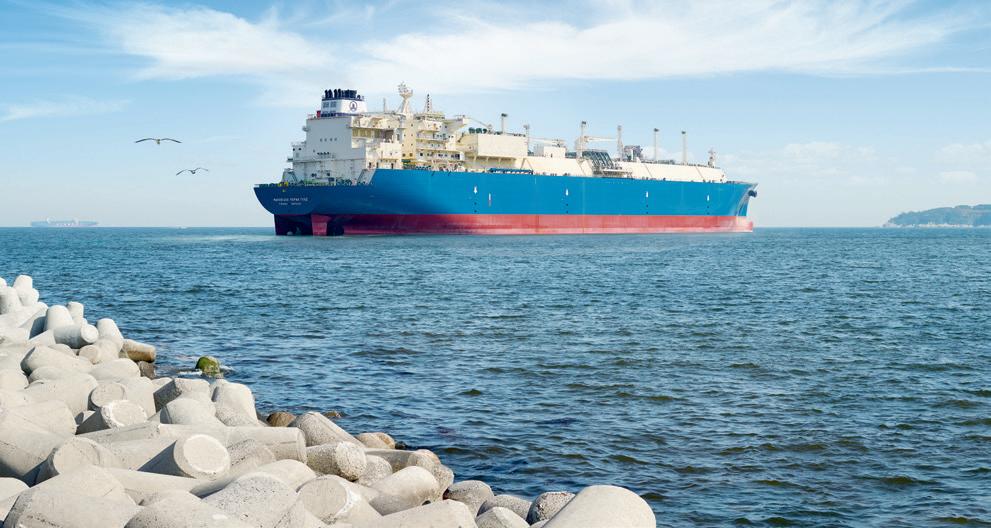
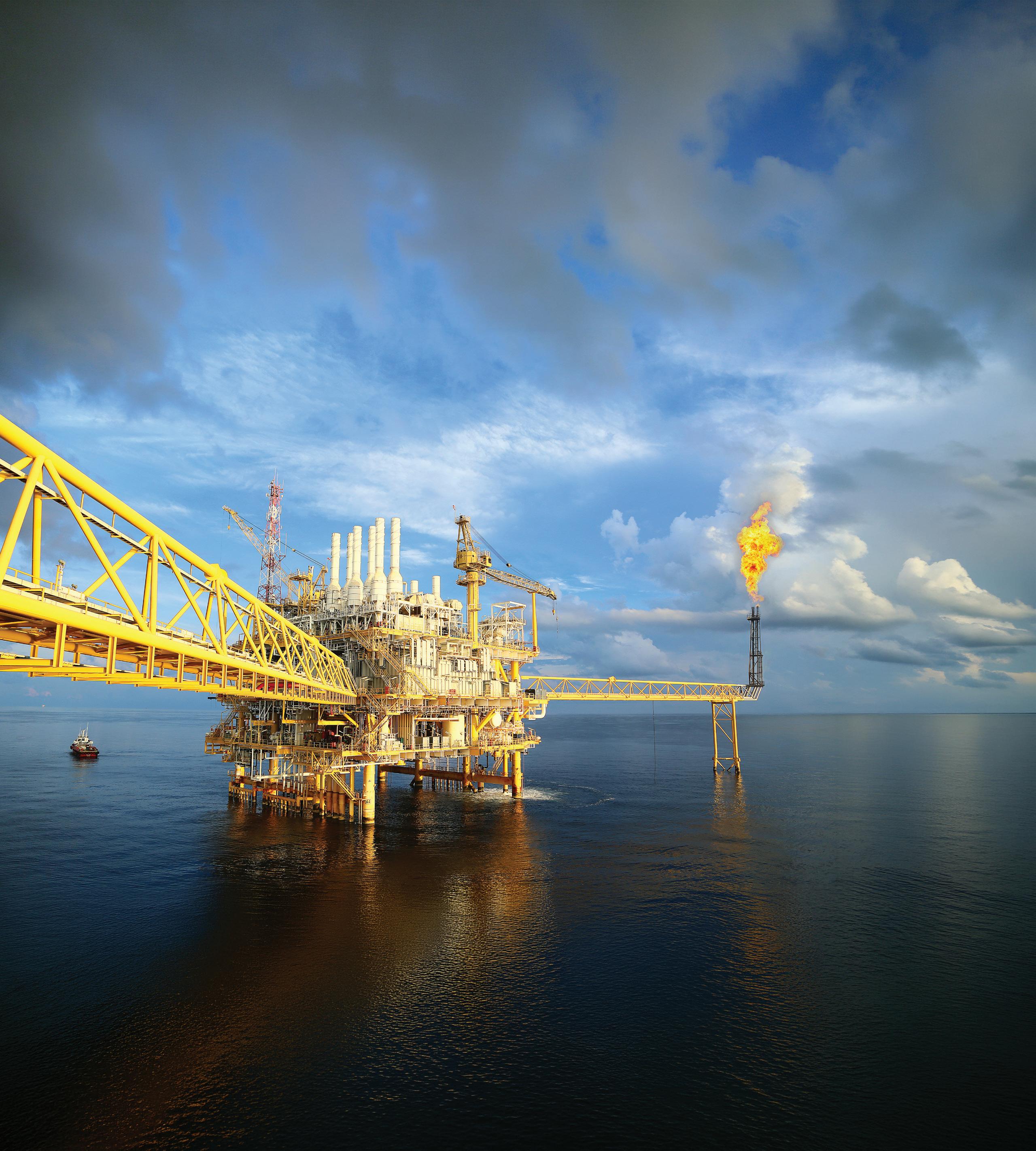
NO DRY DOCK.
collaboration across the floating energy production sector. Central to this has been the Hull Inspection Techniques and Strategy Joint Industry Project (HITS JIP). The JIP is a working element of the Floating Energy Research (FER) Forum, until recently, the FPSO Research Forum.
The JIP was launched in 2011 and set out with targets that included minimising diver-based interventions and reducing the requirement for human entry into confined spaces. Both are fundamental to the safe development of techniques for longer term continuous asset integrity management for the floating gas sector.
Membership includes energy majors, FPU operators, all major global classification societies, service providers, academic and research organisations. All members have a vested interest in enhancing safety, reducing impact on routine operations, improving data for asset integrity management, enhancing efficiency, reducing costs, and, latterly, reducing environmental impact.
HITS is now evolving into Hull Integrity Repair and Maintenance (HIRAM) which expands on the HITS scope by including drilling and gas assets and widening the scope to include repair and maintenance.
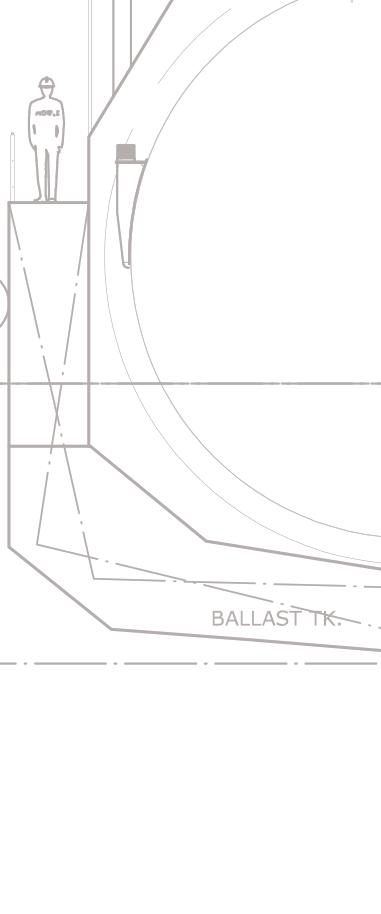
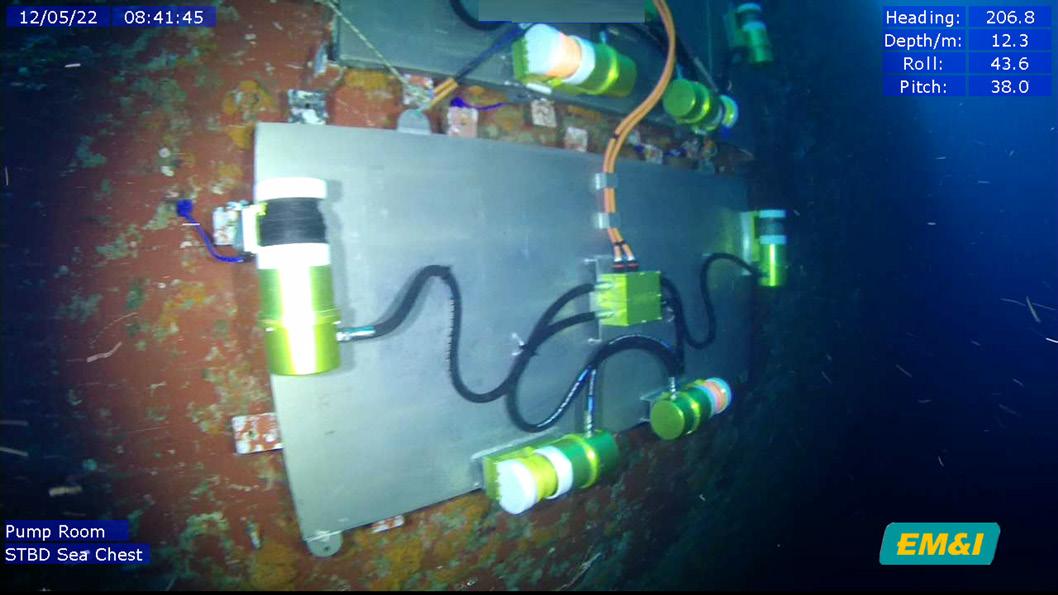
One area where this shift is particularly evident is sea chests and seawater systems. These systems are critical to safe operation, yet historically difficult to isolate and inspect without dry docking or diver intervention.
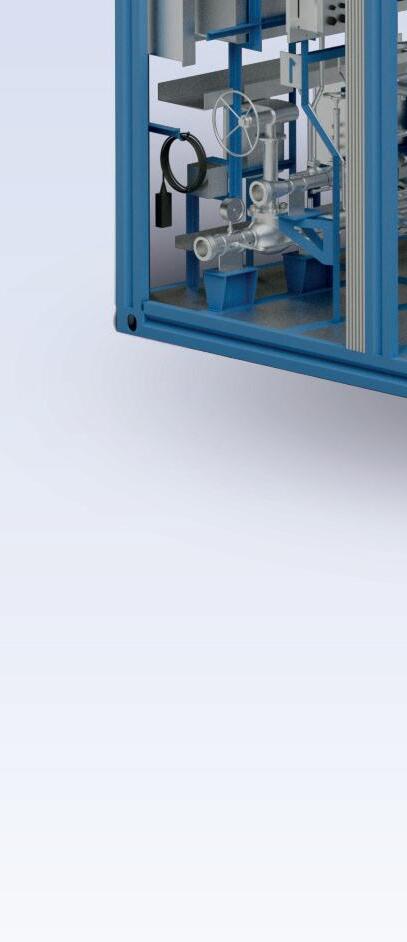
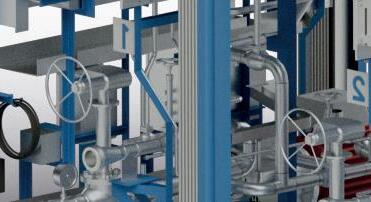
LIMPET®, a robotic blanking system, installed by
specialised integrity-class remote operation vehicles and operated directly from the unit’s deck, now allow sea chests to be isolated safely while the asset remains on station.
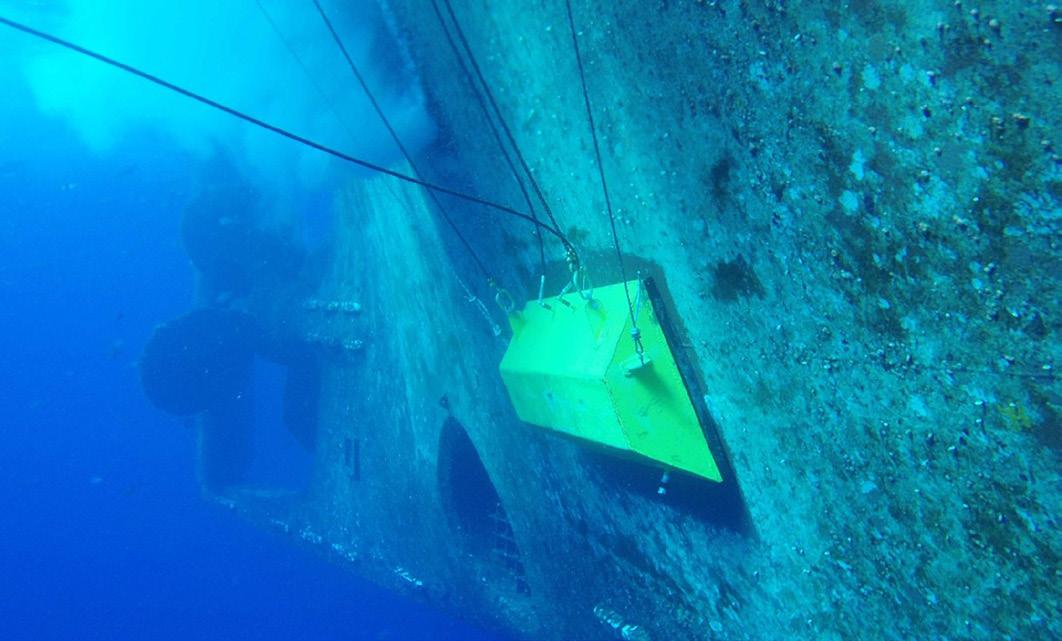
Similarly, hull structural repairs, once considered impractical offshore, can now be executed using CLAM® with mechanically installed repair clamps and patches designed specifically for submerged application. Corrosion protection systems, including sacrificial anodes, can be replaced and upgraded without divers, maintaining hull integrity without interrupting operations using JAWS®.
The result is not just a technical improvement, but a strategic one. Inspection and maintenance activities become planned, repeatable, and low-risk, supporting long-term integrity objectives without forcing operators into disruptive maintenance cycles.
Efficiency, safety, and the executive lens
For senior decision-makers, the appeal of this approach lies in the alignment of multiple objectives.
From an efficiency perspective, eliminating dry dock avoids the direct costs of yard time and mobilisation, as well as the indirect costs associated with lost production or regasification capacity. Maintenance becomes incremental rather than episodic, smoothing expenditure and reducing risk.
From a safety standpoint, reducing reliance on divers significantly lowers exposure. Robotic systems are unaffected by poor visibility, fatigue, or environmental stressors, enabling work to proceed in conditions that would otherwise impose delays or unacceptable risk.
From a regulatory perspective, continuous inspection supported by high-quality data provides a stronger integrity narrative than periodic surveys alone. Trends can be identified early, degradation managed proactively, and evidence presented with confidence.
Lastly, from an operational continuity perspective, the benefits are perhaps the most compelling.
Floating gas assets can remain on station, fulfilling their role as reliable energy providers, rather than being periodically removed from service for maintenance-driven reasons.
Gas containment: The next frontier?
One area that continues to attract attention is the inspection of gas containment systems. Remote laser-based inspection technologies now exist that can assess containment tanks without human entry, offering potential safety and efficiency gains.
To date, uptake has been cautious. Many existing designs do not readily accommodate remote access, and the business case has not always been compelling enough to justify modification. However, as new floating gas units are designed for longer station life and reduced human intervention, this may change.
The broader trend is clear: designing for ‘inspectability’, with robotics and remote technologies in mind, is becoming part of the long-term integrity conversation rather than an afterthought.
Figure 2. CLAM® cofferdam enabling complex hull repairs.
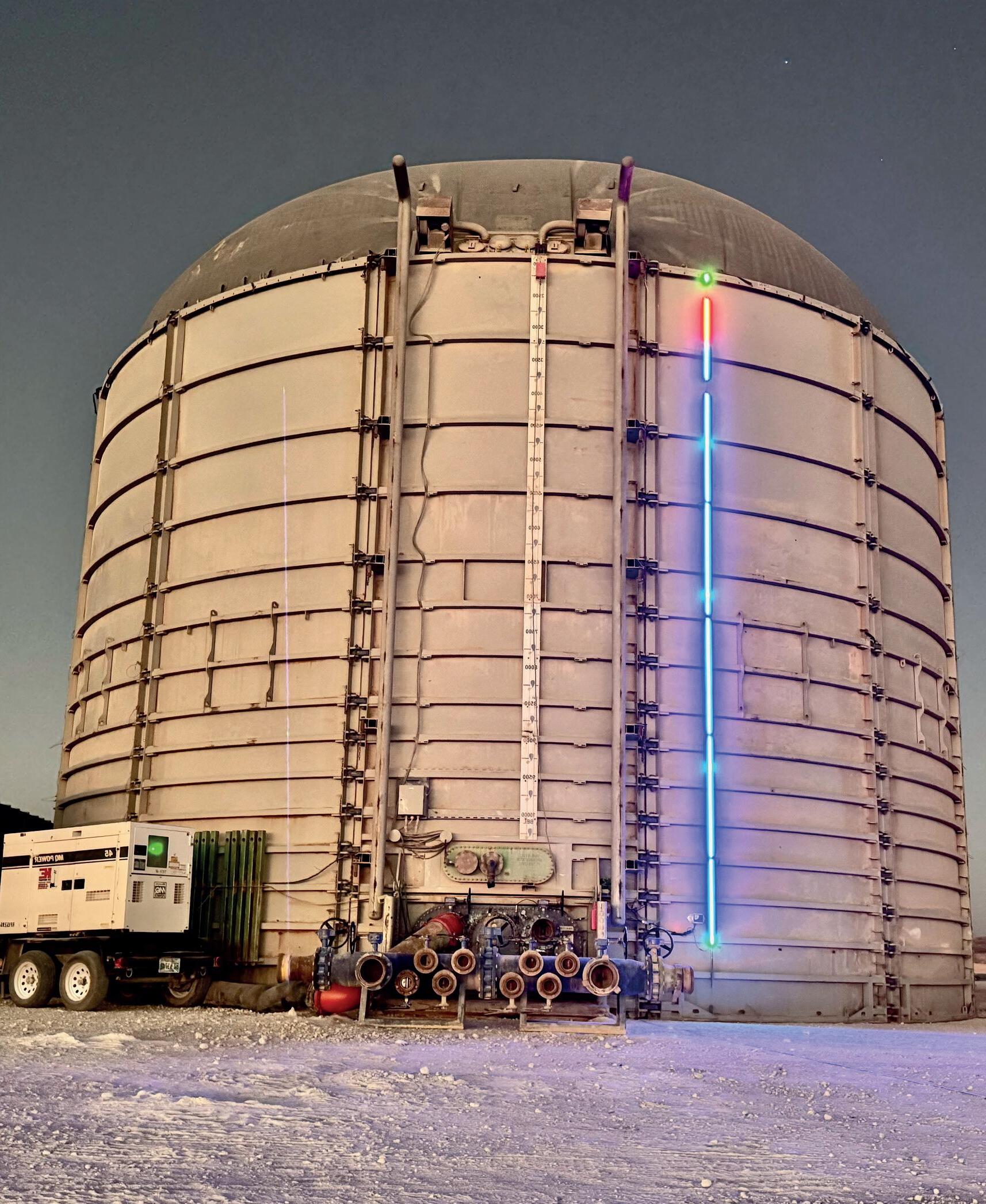
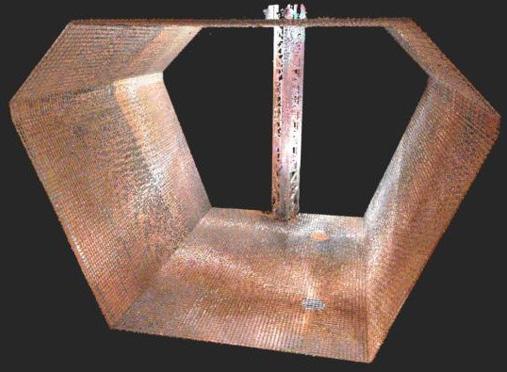
Figure 3. NoMan scan image of an FSRU gas containment tank.
Designing out the dry dock
Perhaps the most telling indicator of where the industry is heading is the emergence of FSRU designs without motive power. These units cannot be classed as trading vessels by definition, reinforcing the move towards long-term station keeping and continuous integrity management.
In this context, dry docking is no longer a default assumption. Instead, the question becomes: what must be inspected, how often, and by what means, to ensure safety and compliance over decades rather than years?
The answer increasingly points towards robotic solutions, remote inspection, and planned offshore intervention, integrated into the asset’s lifecycle strategy from day one.
A converging integrity philosophy
What is striking is how the integrity philosophies of FLNG production units and FSRU and other storage units are beginning to converge. Despite their different origins, both now face similar expectations:
z Extended time on station.
z High availability requirements.
z Strong regulatory scrutiny.
z Intense focus on safety and cost control.
In response, both are adopting integrity strategies built around continuous inspection, reduced human exposure, and operational continuity.
Service providers who have long operated in the production-unit space are finding that their approaches translate naturally to floating gas assets. Proven solutions for hull inspection, sea valve isolation, sea chest maintenance, and corrosion protection can be applied equally to FLNG units and FSRUs, supporting safer operations with fewer people on board.
Looking ahead: Floating gas as fixed infrastructure
The future of floating gas is not transient. These assets are increasingly being treated as semi-permanent infrastructure, underpinning national energy strategies rather than bridging short-term gaps.
As that reality settles in, asset integrity management must evolve accordingly. Dry dock, once a cornerstone of LNG vessel maintenance, is becoming a constraint rather than a solution. In its place, continuous, robotic-enabled integrity strategies are emerging as the foundation for safe, efficient, and reliable floating gas operations.
For executives and decision-makers, the message is clear. Long-term value will be created not by forcing old maintenance models onto new operational realities, but by embracing technologies and approaches that allow assets to stay on station, stay safe, and stay productive year after year, without ever needing to leave the water.
Mehmet Katmer, General Manager of Kinetics, a Karpowership initiative, discusses advancements in floating LNG and the opportunities this brings for meeting energy demand globally.
Volatility in global gas markets, coupled with uneven access to infrastructure, has sharpened the focus on how LNG can be deployed more rapidly and flexibly to support energy security. In recent years, floating LNG (FLNG)-related infrastructure – ranging from FSRUs to integrated power and gas solutions – has emerged as a pragmatic response to supply disruptions, demand uncertainty, and long project lead times associated with onshore facilities.
Within this context, Kinetics, a Karpowership initiative – the world’s largest builder, owner, and operator of floating power plant technologies – operates at the intersection of LNG, power generation, renewable energy, and floating infrastructure. This discussion explores how FLNG infrastructure is influencing energy security, bridging infrastructure gaps, and supporting decarbonisation objectives.
What advantages do FLNG solutions offer compared with conventional onshore LNG assets?
FLNG solutions offer a combination of speed, flexibility, and reduced upfront complexity when compared with conventional onshore LNG infrastructure. One of the most significant advantages is schedule compression: FSRUs can typically be deployed within months rather than the years often required
for permitting, land acquisition, and construction of onshore terminals. This has been evident in the speed at which LNG-to-power projects have developed, and where floating regasification enabled rapid fuel switching for new power capacity.
Kinetics was launched as a strategic initiative building on Karpowership’s global gas-to-power platform, which today represents approximately 1% of the global installed natural gas (and LNG)-to-power capacity. Kinetics is designed to scale LNG-focused investments and next-generation energy infrastructure, with the ambition to help double that footprint over the next decade.
From a technical standpoint, floating assets minimise interface risks by consolidating storage, regasification, and, in some cases, downstream integration offshore. This reduces civil works, mitigates geotechnical uncertainties, and avoids many of the environmental and social challenges associated with coastal land development. In Senegal, for example, FLNG infrastructure has been deployed alongside powerships to provide grid scale generation without the need for permanent onshore gas terminals.
Recent experience has demonstrated the scalability of floating solutions. Assets can be relocated, upgraded, or redeployed as market conditions evolve, preserving capital efficiency while avoiding long-term lock-in. While floating assets are not a substitute for all onshore infrastructure, they provide a technically
robust and economically efficient alternative where speed, adaptability, and risk mitigation are critical. They can also unlock access to alternative energy supplies for nations requiring energy security but lacking existing infrastructure or natural resources.
How have recent market disruptions influenced demand for FSRUs and other floating gas-related assets?
Market disruptions – including geopolitical tensions, price volatility, and supply interruptions, which can be caused by natural events such as drought – have reshaped how governments and utilities approach gas infrastructure planning. Rather than committing immediately to permanent onshore assets, many stakeholders have prioritised solutions that offer rapid deployment and contractual flexibility. Market disruptions also exacerbate challenges countries face in meeting power demand across the world, particularly driven by the growth of artificial intelligence (AI), cloud computing, and other digital services. This brings increased pressure to satisfy demand through a stable and secure supply of electricity, while renewable energy sources reach a point where they can provide grid stability.
These dynamics have directly increased demand for FSRUs and other floating gas-related assets. In LNG-to-power projects across Brazil and Senegal, floating regasification has enabled power systems to respond quickly to fuel supply constraints while diversifying gas procurement strategies. From a technical perspective, the ability to integrate FLNG assets with modular or mobile power generation has proven valuable during periods of market stress, allowing systems to adapt without lengthy construction timelines.
Operational experience has also underscored the resilience of floating assets. Projects in Senegal and Indonesia have shown that offshore LNG infrastructure can be designed with independent utilities and fast start-up capabilities, supporting grid stability during peak demand or supply shortfalls. The flexible deployment times of offshore assets – ranging from several months to 25 years – provide certainty for immediate and long-term energy security needs, an advantage not available through onshore facilities.
As a result, market disruptions have reinforced the perception of FLNG not merely as an interim measure, but as a strategic tool and critical component of a country’s energy supply mix for managing uncertainty.
In
emerging or underserved gas markets,
how can FLNG assets act as a bridge towards long-term
energy system development?
In emerging or underserved gas markets, FLNG assets often function as a foundational step rather than a final
infrastructure solution. Their primary value lies in enabling market entry – introducing natural gas to power generation and industrial users without requiring lengthy investment in extensive onshore facilities.
LNG-to-power development in Senegal illustrates how FLNG can anchor early demand while supporting grid stabilisation and fuel diversification. Technically, this approach allows gas supply, regasification, and power generation to be developed in parallel, reducing supply-side risk and improving overall system reliability. As consumption patterns mature, and in some regions accelerate due to the growth of digital infrastructure, floating assets can coexist with or transition towards permanent infrastructure such as pipelines or onshore terminals.
What is the interaction between LNG infrastructure and long-term decarbonisation?
Most companies and industry experts, including Kinetics, view LNG as a transitional fuel – an enabler of faster, more secure, and lower emissions energy while renewable capacity catches up to meet surging demand. LNG plays an important role in achieving a just energy transition, especially in markets where grid infrastructure, grid reliability, and energy access remain constrained. That said, LNG is not the final destination. The strategy must be to replace liquid fuels in the short term while pragmatically accelerating investments in renewable technologies and cleaner technologies.
Crucially, while LNG itself is a transitional fuel, FLNG infrastructure should be understood as long-life, permanent energy infrastructure, comparable in durability and strategic value to onshore LNG facilities, designed to deliver immediate energy security while retaining the flexibility to evolve alongside decarbonisation pathways.
Offshore energy infrastructure can enable decarbonisation in hard-to-abate industries such as maritime and construction. Companies are increasingly integrating and fusing different approaches to introduce or scale advanced technologies. In 2025, Kinetics announced strategic investments with four start-ups developing waste-to-value, hydrogen, or ammonia-to-power and clean-tech solutions. These initiatives not only signal the growing role of floating energy infrastructure for reshaping how the world produces, stores, and consumes energy, but its ability to decarbonise shipping, scale carbon-negative mining, and expand the use of sustainable fuels, enabling sustainability and circular resource use in hard-to-abate industries.
This cross-industry synergy is also evident in Kinetics’ recent partnership with Mitsui O.S.K. Lines to develop the world’s first integrated floating data centre platform, pairing floating power generation expertise with global maritime and offshore logistics capabilities to tackle the challenges around meeting energy demand emanating from data centres. As the digital economy expands globally, offshore data centres represent a critical leap forward in not only closing the infrastructure gap but ensuring the energy sector can sustain grid stability and meet growing energy demand.
Today, the interaction between LNG infrastructure and long-term decarbonisation is increasingly shaped by flexibility and system design rather than fixed outcomes. In the near to medium term, LNG-to-power projects – such as those deployed in Brazil and West Africa – have enabled the displacement of higher-emissions fuels like coal and liquid fuels, delivering tangible reductions in carbon intensity and local pollutants.
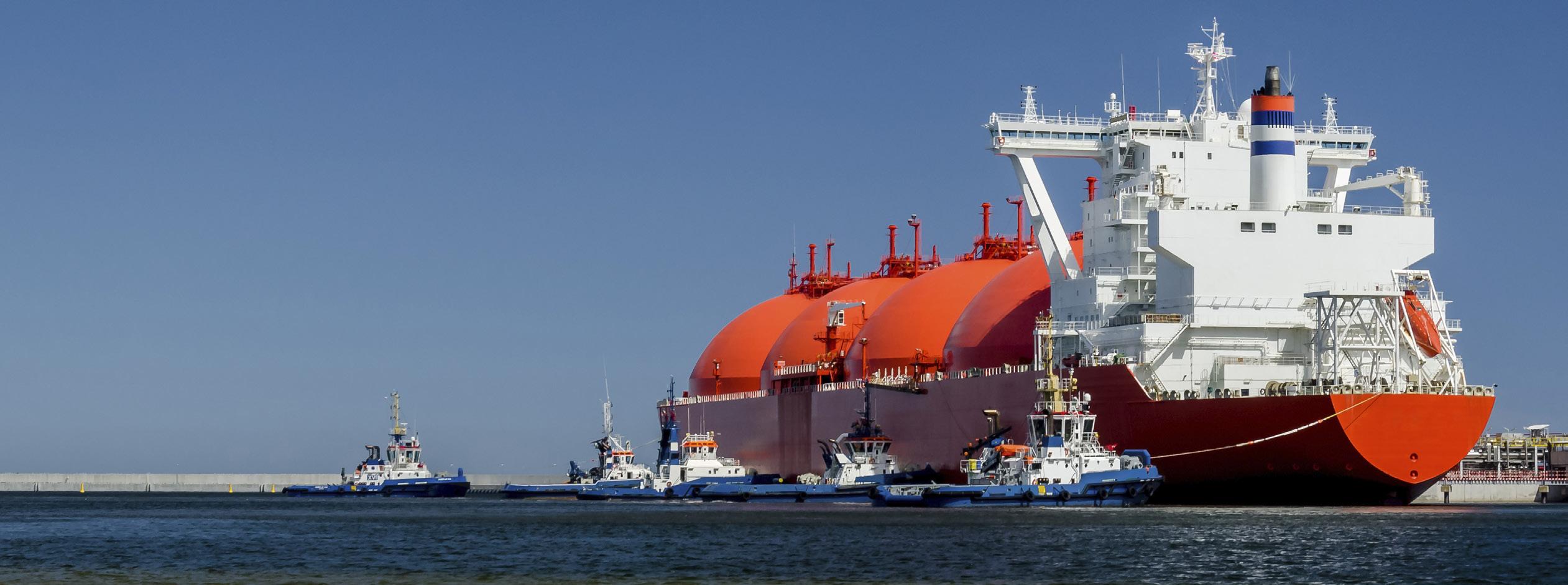
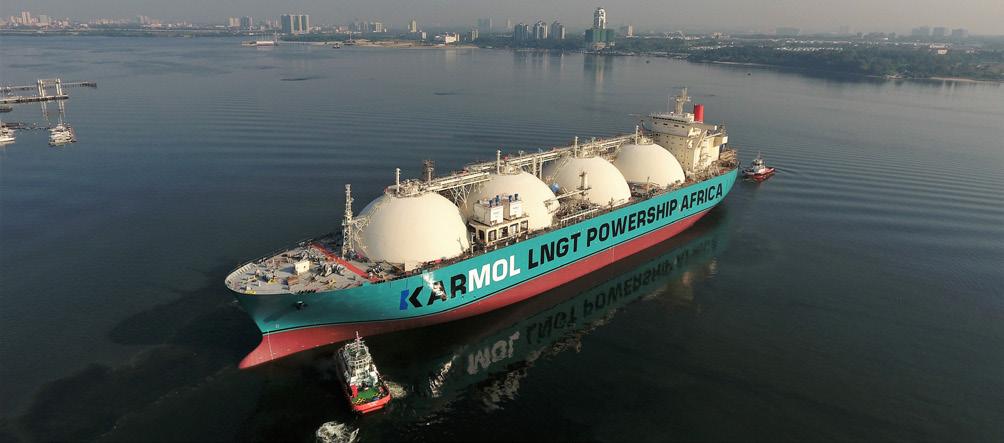
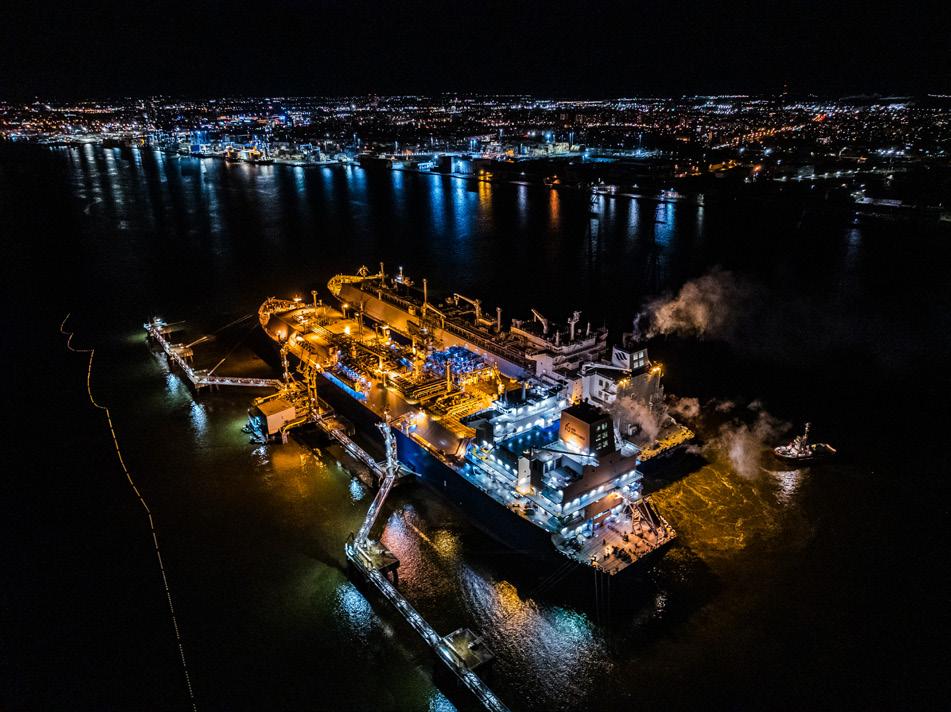
Figure 1. KARMOL LNGT Africa, KARMOL’s operation FSRU, moored in Dakar, Senegal.
From a technical perspective, FLNG and power assets can be configured with future adaptability in mind. Modular generation, load-following capability, and integration with renewable energy sources allow LNG infrastructure to support grid stability while accommodating increasing shares of intermittent generation. Operational experience from multiple FLNG-to-power projects shows that these assets can complement, rather than compete with, renewable deployment.
Importantly, floating infrastructure reduces stranded asset risk. The re-deployability of LNG assets used in one market illustrates how shorter investment horizons and asset mobility can align infrastructure development with evolving decarbonisation pathways. In this context, LNG infrastructure is increasingly viewed as transitional capital in system design but long-life infrastructure in physical form, and a key element of a diverse energy mix –supporting energy security today while enabling flexibility for lower-carbon systems tomorrow.
Conclusion
To meet the challenges facing the energy sector, companies must lead with innovation and rethink how energy infrastructure is deployed in the current global context. FLNG infrastructure is positioned to play an integral role in helping countries achieve a more resilient and secure energy mix. It has become a defining feature of the contemporary energy landscape, driven by the need for speed, resilience, and adaptability. Technical experience from LNG-to-power projects in various developed and emerging markets demonstrates that floating assets can deliver rapid capacity, operational reliability, and scalable development pathways in diverse market conditions.
While FLNG is often described as a transitional solution, in practice it has proven to be a robust, long-life form of core energy infrastructure, comparable in durability and strategic value to onshore LNG facilities. When engineered with flexibility, integration, and long-term optionality in mind, FLNG assets can operate reliably for decades, providing a stable baseload supply and anchoring national energy systems. Far from being a temporary substitute, FLNG infrastructure offers a permanent, scalable platform that can support immediate energy security needs while also adapting over time to evolving fuels, technologies, and decarbonisation pathways.
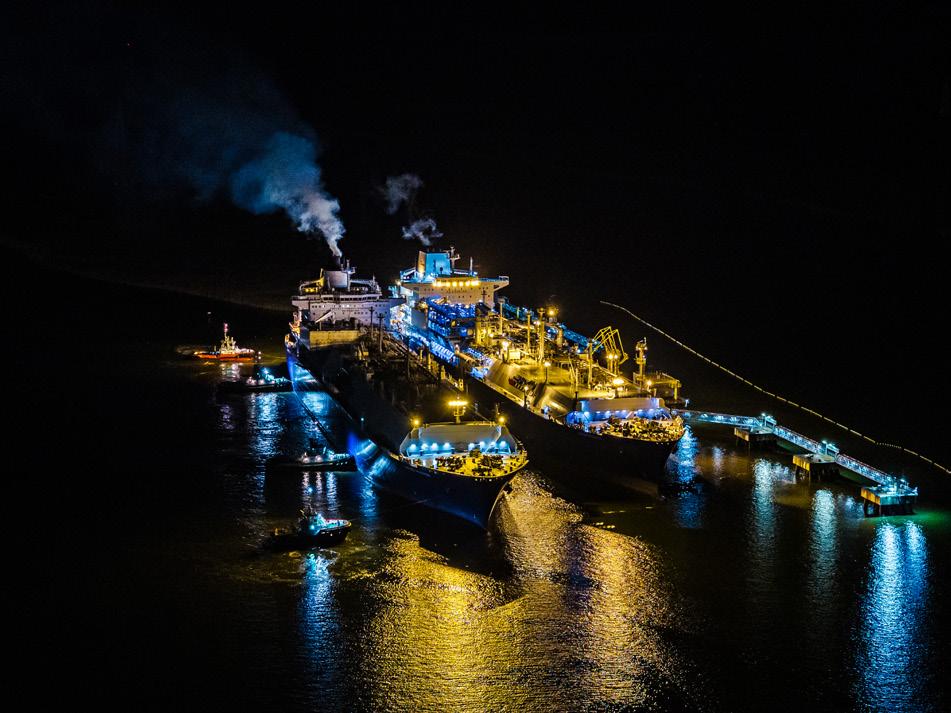
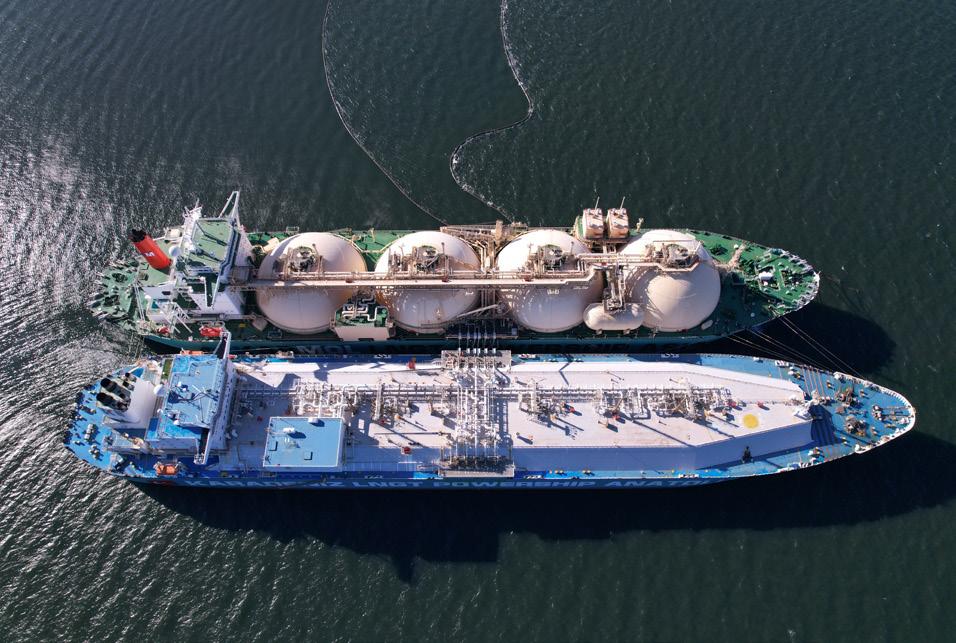
Figure 2. Ship-to-ship operations in Rio de Janeiro from the Karadeniz LNG carrier to KARMOL LNGT Asia for Karpowership’s LNG-t0-power operations.
Deepak Acharya, CEO, INOXCVA, makes the case for cryogenic technology as a way to advance the global adoption of LNG as part of the energy transition.
The global energy transition is often framed around renewables, electrification, and emerging fuels. Yet, one of the most powerful enablers of this transformation operates quietly in the background: cryogenic technology.
LNG has become a vital bridge fuel in the journey towards a lower-carbon future. Compared to conventional liquid fuels, LNG can reduce carbon dioxide emissions by up to 20 – 25%, virtually
eliminate sulfur oxides, and significantly cut particulate matter. However, the widespread adoption of LNG is possible only because of a fundamental technological capability: the safe storage and transportation of natural gas at -162˚C. That capability is delivered by cryogenic engineering.
Cryogenic technology is not just a supporting function in the LNG ecosystem; it is the backbone that
enables global LNG trade, mobility, distributed power, and industrial applications at scale.
Strengthening energy security through cryogenics
The global LNG market is entering a new expansion cycle, with supply projected to rise meaningfully through 2026 – 2027. As nations diversify energy sources to enhance resilience and reduce dependency on single supply corridors, LNG infrastructure has become strategically important.
At the core of this transformation are double-walled, vacuum-insulated cryogenic tanks designed to minimise heat ingress and manage boil-off efficiently.
Case study: Rail
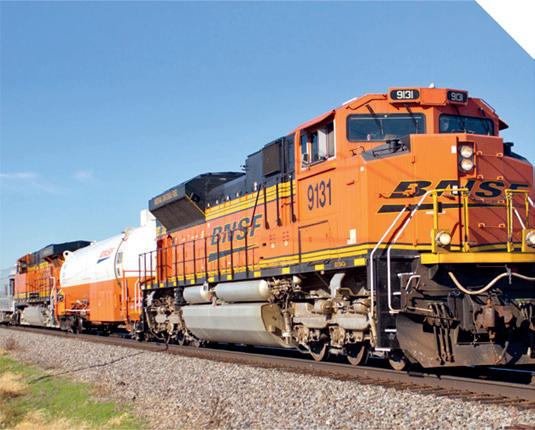
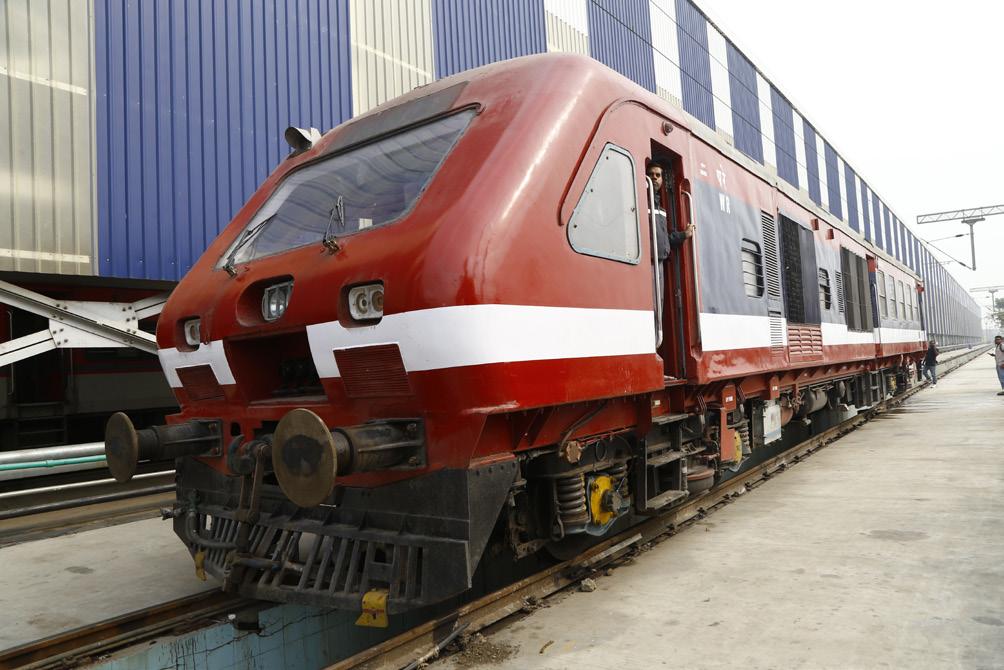
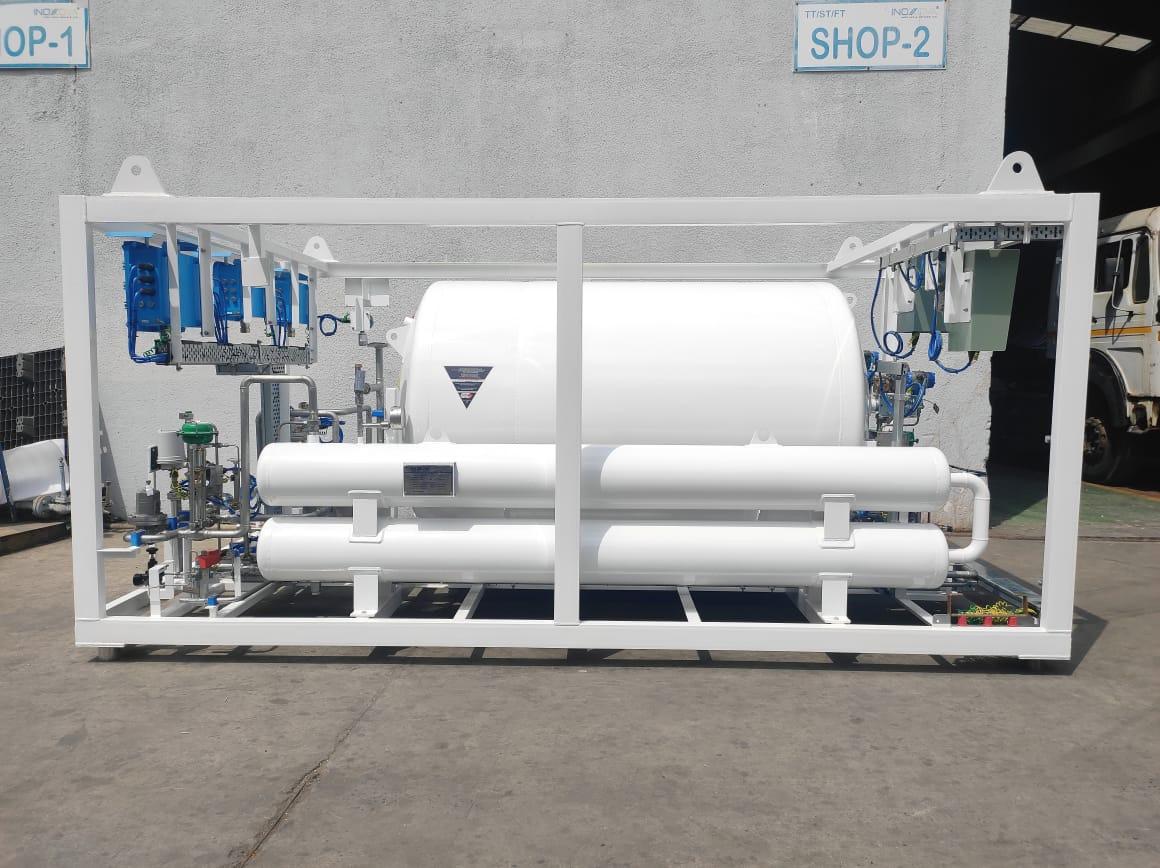
INOXCVA operationalised India’s first LNG-diesel dual-fuel diesel electric multiple unit (DEMU) train at Ahmedabad, Gujarat. INOXCVA supplied advanced 2200 l LNG receiving, storage, and regasification systems for integration with 1400 high-pressure driving power cars (DPUs) of dual-fuel DEMU trains for Indian Railways.
Modern shop-built LNG tanks can achieve boil-off rates as low as 0.1 – 0.2%/d, ensuring extended storage with minimal losses.
FSRUs, onshore receiving terminals, and satellite LNG systems all rely on advanced cryogenic containment solutions. Without this engineering precision, LNG would not be commercially viable across continents and geographies.
Cryogenic infrastructure has therefore evolved from being a technical requirement to a strategic enabler of energy security.
LNG in rail transportation: Decarbonising heavy mobility
Railways remain heavily dependent on diesel, particularly across non-electrified corridors. LNG presents a compelling alternative for reducing emissions while maintaining operational efficiency.
Integrating LNG into rail systems requires compact, high-strength cryogenic onboard tanks capable of withstanding vibration, shock loads, and continuous operational cycles. These tanks must maintain thermal stability while ensuring safe pressure management.
In such applications, LNG-powered locomotives can lower carbon emissions by around 20%, while reducing nitrogen oxides (NOX ) and particulate emissions significantly. Cryogenic technology ensures LNG can be stored safely on moving assets, making rail decarbonisation both technically feasible and economically viable.
Marine transportation and regulatory compliance
The maritime sector is under increasing pressure to meet the International Maritime Organization’s (IMO) emission targets, including a 40% reduction in greenhouse gas intensity by 2030 compared to 2008 levels.
LNG has rapidly emerged as a marine fuel of choice. The global fleet of LNG-fuelled vessels continues to expand, supported by growing LNG bunkering infrastructure.
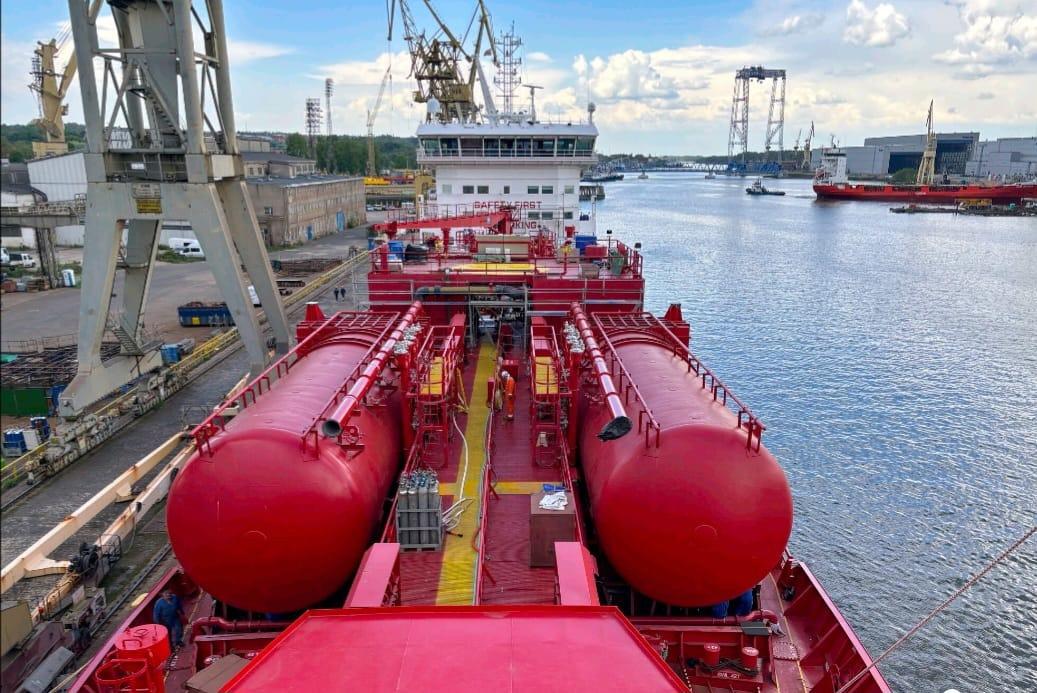
Marine cryogenic tanks, designed under stringent international codes such as IMO Type C standards, must endure dynamic conditions including motion, vibration, and sloshing effects. Advanced vacuum insulation systems and boil-off management mechanisms ensure structural integrity and fuel efficiency even under demanding maritime conditions.
Through cryogenic innovation, LNG-powered vessels can reduce carbon dioxide emissions by up to 25% while virtually eliminating sulfur emissions and significantly lowering NOX levels – a decisive step towards cleaner shipping.
Mining and remote industrial operations
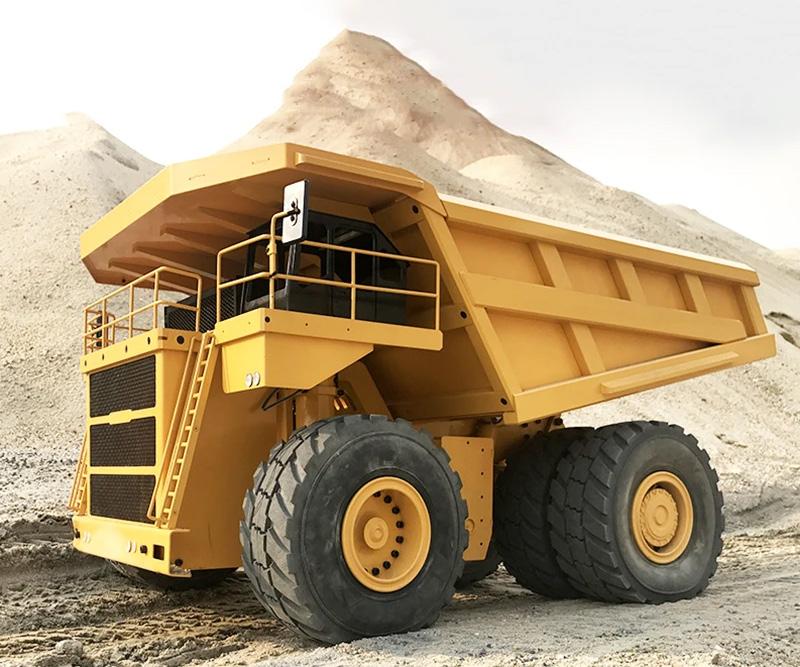
Mining operations often operate in remote areas with limited grid access. Traditionally reliant on diesel for power and mobility, these operations are increasingly transitioning to LNG-based captive power solutions.
Figure 1. India’s first LNG-diesel dual-fuel diesel electric multiple unit train.
Figure 2. INOXCVA’s advanced 2200 l LNG receiving, storage, and regasification systems for rail locomotive.
Satellite LNG systems comprising cryogenic storage tanks, vaporisers, and pressure regulation skids enable mines to access cleaner fuel without pipeline infrastructure. Modular designs allow rapid deployment and scalability.
Cryogenic tanks engineered for extreme climates ensure thermal stability and operational reliability in harsh environments. By replacing diesel in heavy-duty machinery and power generation, mining operators can achieve meaningful reductions in emissions while improving fuel cost efficiency.
Industrial and distributed energy applications
Beyond mobility and mining, LNG supports a wide range of industrial and distributed energy applications:
z Cleaner process heating in steel, ceramics, and glass industries.
z Backup and primary power solutions for data centres.
z Microgrids for developing economies and island nations.
z Peak-shaving and load-balancing for utilities.
Advancements in multilayer insulation, automated pressure build-up systems, and digital tank monitoring
have significantly enhanced safety, reliability, and lifecycle performance in these applications.
Mini LNG terminals: Transforming off-grid energy access
One of the most transformative developments in LNG adoption is the emergence of modular mini LNG terminals, an area where INOXCVA has been at the forefront of innovation.
Across remote regions, island geographies, mining clusters, and industrial hubs without pipeline connectivity, energy access has historically been constrained by logistics and infrastructure gaps. Large scale LNG terminals, while effective, are capital-intensive and often unsuitable for smaller or distributed demand centres.
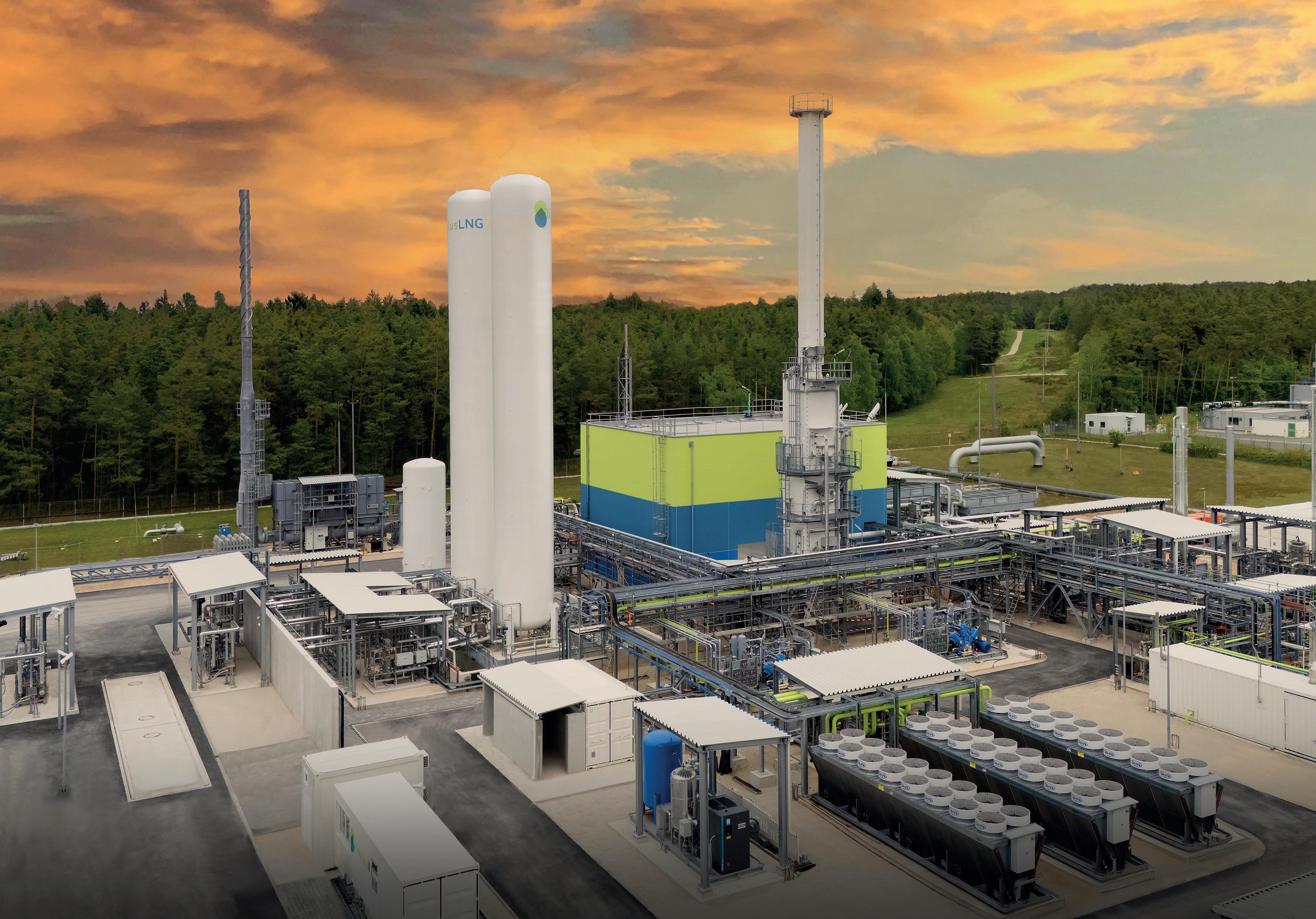
INOXCVA’s mini LNG terminals address this challenge through scalable, shop-built cryogenic storage solutions integrated with vaporisers, pressure regulation systems, and automated safety controls. These modular terminals can be rapidly deployed, require a smaller footprint, and are engineered for plug-and-play integration into local energy ecosystems.
By enabling LNG distribution through road tankers to satellite locations, mini LNG terminals effectively decentralise clean energy access. They allow industries and communities in off-grid or underserved regions to transition away from diesel and fuel oil towards cleaner LNG-based power.
Case study: Mini LNG terminals
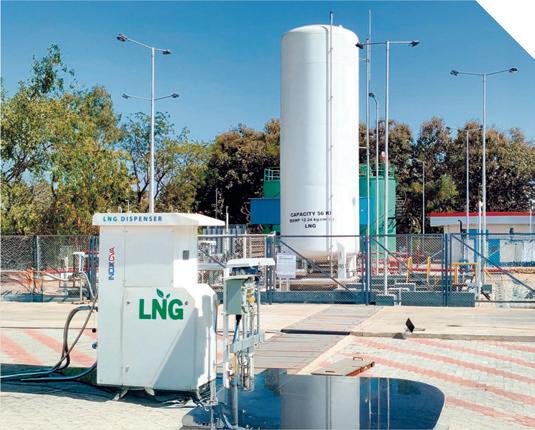
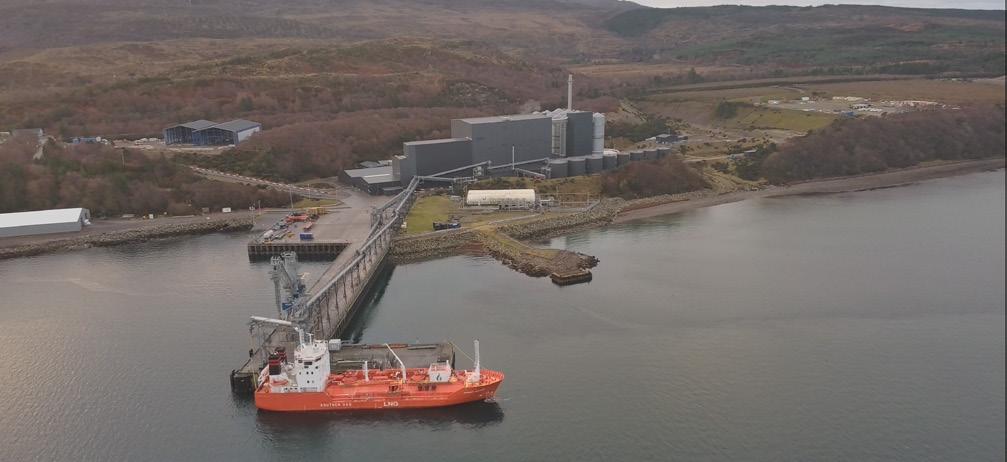
INOXCVA’s mini LNG terminals in Scotland, Antigua, and the Bahamas showcase modular, standards-compliant cryogenic innovation. Serving power plants, industry, and shore power, these installations enable cleaner energy in remote and island locations, strengthening sustainable infrastructure and advancing global LNG adoption.
The technical robustness of these systems lies in precision-engineered cryogenic tanks with optimised boil-off control, advanced insulation performance, and real-time monitoring capabilities. Whether deployed in industrial corridors, island economies, or emerging markets, mini LNG terminals offer a cost-effective and reliable pathway to cleaner energy.
In many cases, these installations serve as stepping stones towards broader gas-based infrastructure, accelerating regional energy transition while maintaining operational flexibility.
Safety, standards, and continuous innovation
Handling LNG at -162˚C demands meticulous engineering. Cryogenic vessels are fabricated using specialised stainless steels and nickel alloys that retain ductility at ultra-low temperatures. Vacuum-insulated double-wall construction minimises conductive and convective heat transfer, while safety instrumentation ensures stable pressure management.
Industry standards such as ASME and EN codes govern the design and fabrication of cryogenic equipment, ensuring global compliance and operational reliability.
Continuous innovation in insulation materials, weight optimisation, and digital integration is further enhancing system performance. Reduced boil-off rates, improved structural efficiency, and modularisation are making LNG solutions more accessible and commercially attractive across sectors.
A foundation for the future
The global energy transition is not a single leap, but a phased journey. LNG plays a vital bridging role, particularly in hard-to-abate sectors such as marine transportation, heavy mobility, mining, and distributed power.
Cryogenic technology enables this role by transforming natural gas into a liquid that occupies nearly 1/600 th of its original volume – making global transport and decentralised distribution possible.
Importantly, the expertise and infrastructure built for LNG today form the foundation for future fuels such as liquid hydrogen and other cryogenic energy carriers. The engineering discipline, safety culture, and system integration capabilities developed through LNG adoption will directly support the next wave of clean energy innovation.
As the world navigates the dual priorities of economic growth and decarbonisation, cryogenic technology will continue to act as the silent engine behind LNG’s expanding footprint.
The global adoption of LNG is ultimately not just about molecules; it is about mastering extreme cold with precision, reliability, and purpose. Through innovation in cryogenic engineering and scalable solutions such as mini LNG terminals, the industry is building cleaner, more resilient energy systems for a rapidly evolving world.
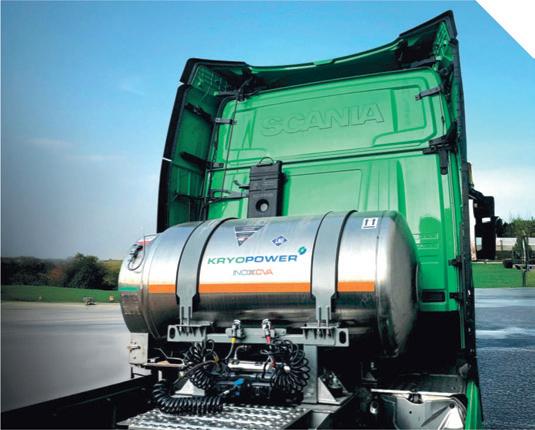
Figure 4. INOXCVA’s super-insulated mining truck tanks deliver long-term, loss-free fuel storage.
Figure 5. Mini LNG terminals engineered for maximum efficiency, safety, and reliable distribution.
Figure 3. LNG marine fuel tanks can propel vessels into the future of clean marine energy.
Subscribe online at: www.lngindustry.com/subscribe
EnerMech explores how structured and integrated pre-commissioning and commissioning systems will be crucial in supporting the next phase of global LNG development.
Having agility, technical breadth, and early-stage integration capabilities are all essentials as the energy sector, and the companies that encompass it, grapples with its transition.
As the world heads towards cleaner energy sources and greater diversification of supply, timelines are accelerating and expectations for quality and safety are rising. All of this is against a background of continued geopolitical upheaval.
LNG is being fast-tracked around the globe to strengthen energy security and decarbonise energy systems. The ability to commission LNG infrastructure at pace without compromising technical integrity or safety is critical. This is a juncture at
which EnerMech has established itself as a trusted, proven partner.
In the LNG industry, commissioning strategies should be well structured. For example, EnerMech’s commissioning strategy is built on four fundamental pillars:
1. A global execution model: Schedule and cost efficiency are consistent themes on any major LNG project. Operators and developers are modularising their projects in order to increase productivity in controlled and cost-effective environments in Asia. EnerMech is positioned in China and Asia as a whole to provide specialist pre-commission services before sail way.
2. Centres of technical excellence: The company is investing in an LNG hub in Houston. This hub contains industry-leading engineers and project delivery specialists. The role of this team is to provide technical and scheduling solutions from the outset, working side-by-side with clients through design, fabrication, installation, pre-commissioning, commissioning, start-up, and handover. This early involvement enables companies to create efficient systematisation, enhanced stakeholder alignment, seamless delivery across project phases, and, ultimately, overall cost reductions.
3. Targeted equipment investments: The availability and operability of owned equipment is statistically proven to be a critical success factor on major LNG projects. EnerMech is doubling down on its equipment investment strategy in advance of the LNG build out in the US.
4. Operation support post start-up: Having pre-commissioned and commissioned some of the largest land-based and floating LNG assets in the world, EnerMech is an example of a company positioned to support operators in major shut-down and turnaround activities requiring specialist services and equipment.
Working at scale in North America
Canada’s largest LNG development demanded a partner who could deliver at scale, navigate complex environmental standards, and build trust with local communities. In response, EnerMech provided a full suite of pre-commissioning services, combining deep expertise with a collaborative, can-do approach that helped drive the project towards operational readiness and key milestones.
The development, located in British Columbia and which generates enough gas to power 8 million homes, required a specialist contractor to deliver a wide range of pre-commissioning services for a 14 million tpy, two-train modular LNG production and export facility. The project required deep technical expertise, strict adherence to environmental regulations, and a strong commitment to building trusted relationships with local communities and stakeholders.
The business was engaged to deliver multiple scopes during the pre-commissioning phase, including:
z Temporary plant utilities (nitrogen, air, demineralised water).
z Air blows.
z Hydroblasting.
z Lube oil flushing.
z Cooling water cleaning and passivation.
z Acid gas removal unit degreasing and operational pressure leak testing.
z Leak testing (high pressure/low pressure).
z Drying and nitrogen inerting.
z Platform supply vessel and valve testing.
By deploying multi-skilled teams and leveraging its asset fleet and strong network of supplier partnerships, EnerMech was able to respond flexibly to the project’s diverse technical and logistical requirements, ensuring safe and efficient execution across all scopes.
The company’s contribution was instrumental in achieving key project milestones, including the introduction of natural gas to the facility. The company’s integrated approach enabled co-ordination across business lines, ensuring the timely delivery of equipment and personnel. Strong collaboration with local stakeholders and project partners helped foster a positive working environment and contributed to the overall success of the development.
Delivering engineering certainty through flexibility
Fast-tracked projects such as major LNG developments require a strong understanding of project complexity, the flexibility to adapt to evolving conditions, and the ability to deliver multi-disciplinary services with zero compromise on safety.
Early contractor involvement allows systematisation and planning to align with construction progress and
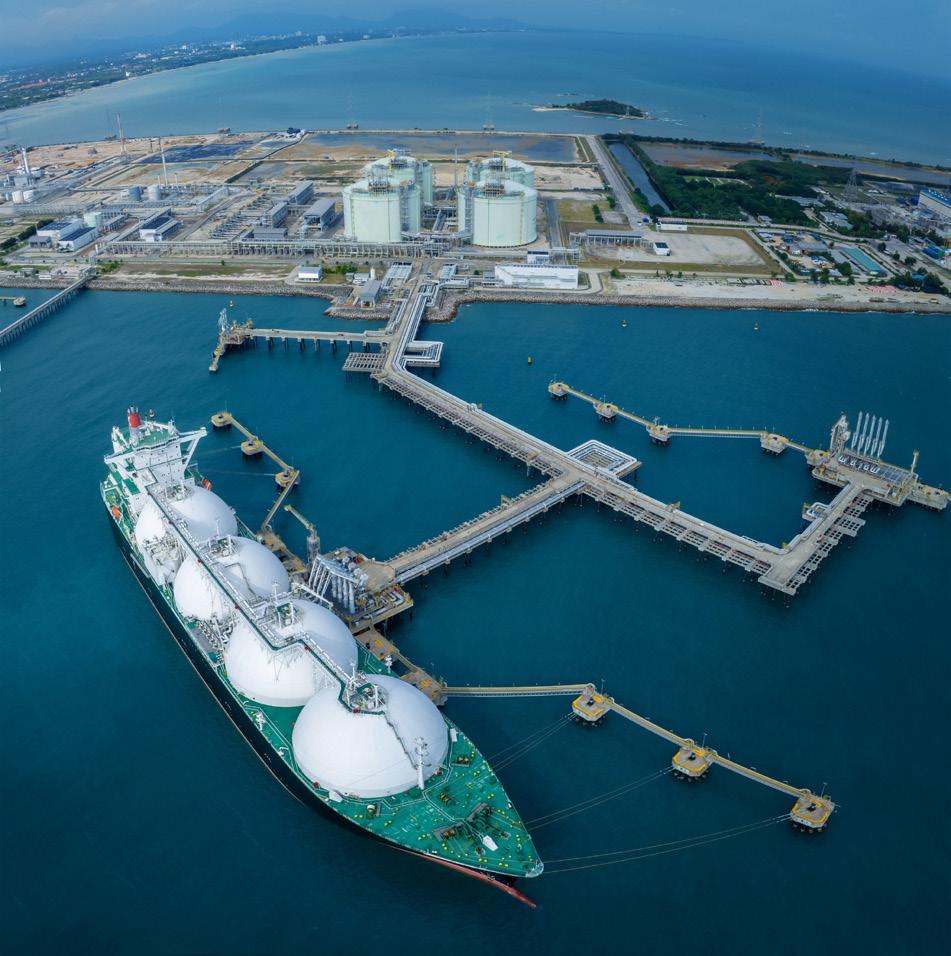
Figure 1. LNG infrastructure development requires integrated delivery models.
operational requirements. Completions management databases, including inspection test records, can also provide traceability and compliance documentation from mechanical completion through commissioning and handover.
Maintaining the same commissioning teams across project phases can reduce interface risks and retain technical knowledge throughout the process. Other common challenges in fast-track LNG developments include schedule variations and engineering changes, requiring contractors to adapt work sequences and resource allocation accordingly.
Global LNG experience
For EnerMech, its LNG capability was forged in the high-pressure environment of Australia’s mega-projects. Projects such as Curtis Island LNG, Inpex’s Ichthys, and Chevron’s Gorgon and Wheatstone developments have established global credentials and introduced the integrated approach to the wider LNG market.
In Mauritania and Senegal, the company demonstrated the importance of structured pre-commissioning through its ability to maintain continuity across complex international supply chains, both on and offshore. Working alongside leading engineering, technology, and shipping organisations, its team provided specialist bolting and flange management, nitrogen purging, and nitrogen helium leak-testing services from the construction yard in China, through integration work in Singapore, during transit, and at final destination off the coast of Mauritania.
This enduring approach to process pre-commissioning highlights the capability to take stewardship for cleanliness,
anti-corrosion, and dryness across the entire project lifecycle. By staying with the vessel every step of its journey from construction yard to final destination, the team ensured critical systems remained fit-for-purpose and ready to start, delivering project efficiencies in terms of personnel on board, schedule, and cost.
Accelerating delivery in LNG is only possible through trusted relationships, strong communication, and clearly defined accountabilities. Success ultimately depends on maintaining momentum through comprehensive planning, effective co-ordination, and a proactive, can-do ethos. This means balancing technical execution with rapid decision-making, maintaining schedule adherence while safeguarding safety and quality. It also means integrating with multiple contractors and stakeholders to ensure aligned objectives.
In multi-team environments, especially under simultaneous operations conditions, when work activities overlap, risks can escalate quickly without effective communication. Daily collaboration with site managers, EPC partners, and client teams is prioritised to ensure full visibility of scope, resources, and emerging challenges. Personnel are empowered to make decisions at the workface, supported by transparent reporting lines and real-time data. This approach is essential to keeping projects on track and helps adopt positive, productive work cultures.
Supporting the next phase of LNG development
Global demand for LNG infrastructure is expected to grow steadily as countries work to diversify their energy supply and enhance long-term resilience. As new projects are developed, often under tight timelines and in challenging environments, there is a greater emphasis on integrated delivery models that combine engineering expertise, field execution, and flexible resourcing.
The complexity and pace of these developments require service providers that can operate across the full lifecycle of a facility, with the ability to rapidly mobilise skilled teams, manage multi-disciplinary scopes, and maintain a high standard of safety and quality under compressed schedules.
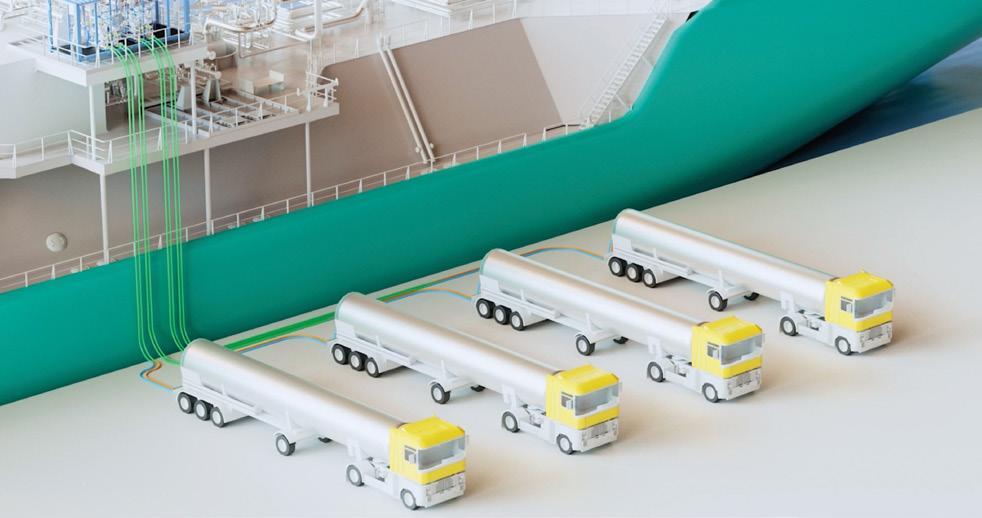
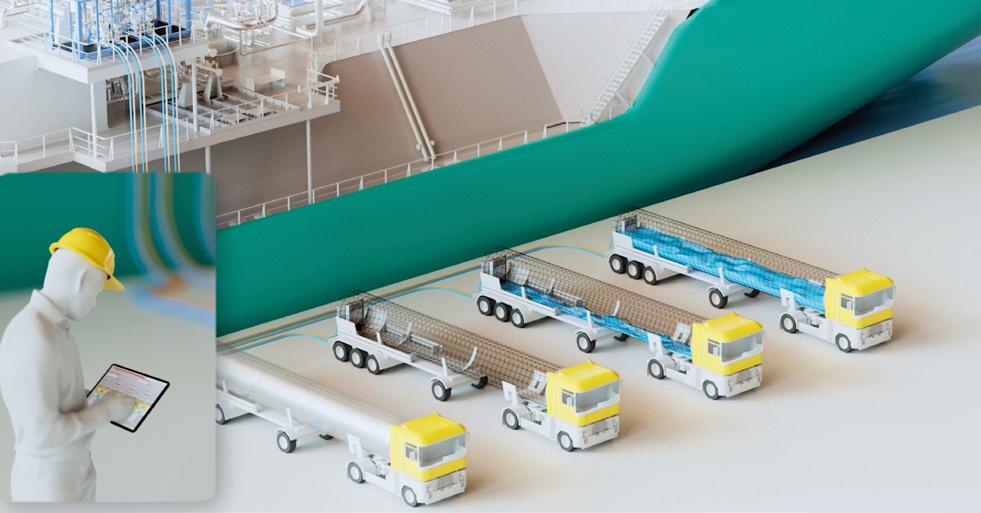
In the US, for example, modular, multi-train LNG projects can face complex interface challenges, causing significant schedule delays. By having on-the-ground frontline staff ready for rapid mobilisation and strategically located equipment, efficiencies can be optimised.
EnerMech’s recent involvement in projects ranging from large scale developments in Australia, the US, and Canada to complex offshore developments in West Africa demonstrates the importance of early engagement, rigorous planning, and co-ordinated execution. These elements are becoming increasingly critical to ensuring projects remain on schedule and within budget, particularly as infrastructure requirements accelerate.
Looking ahead, adaptability and technical consistency will differentiate service providers. As regions establish or expand LNG capabilities, the requirement for experienced contractors capable of supporting the construction of new, concurrent projects and complex commissioning environments will continue to increase.
Figure 2. LNG infrastructure must be built at pace, without sacrificing safety.
Figure 3. Canada’s largest LNG development required deep technical expertise.
Subscribe online at: www.tanksterminals.com/magazine/ tanks-terminals/subscribe
James O’Brien, Head of LNG
at D.TRADING (DTEK
Group), examines how sustained attacks on infrastructure have reshaped Ukraine’s gas and power balance, why US LNG has emerged as a strategic stabiliser, and the factors redefining energy security under wartime conditions.
Energy security has moved from the margins of policy debate to the centre of Ukraine’s economic and strategic survival, and has become a defining concern for Europe more broadly. As Russian attacks on critical infrastructure continue, the question facing policymakers, investors, and energy companies alike is no longer whether Ukraine can keep the lights on from one month to the next, but how the country can rebuild a resilient, integrated energy system under fire. Central to that effort is the growing role of US LNG, supported by new regional corridors, including new substantial regasification capacities and sustained investment in future-facing technologies.
For Ukraine, energy security is a daily operational challenge rather than an abstract policy concept. Following a
difficult winter, and with a demanding spring ahead, securing natural gas supplies and reinforcing damaged infrastructure have become matters of urgency. Since Russia’s invasion in February 2022, missile and drone strikes have deliberately targeted power plants, substations, gas production facilities, coal mines, and transmission networks. The objective has been threefold: to disrupt physical supply, to weaken economic stability, and lower public morale.
The scale of the damage is severe and cumulative. Ukraine’s thermal generation capacity has been reduced by as much as 52%, while large parts of the transmission and distribution network have been repeatedly hit, repaired, and struck again. At various points, the energy system has operated at little more than one-third of its pre-war capacity, with reconstruction costs
estimated at over US$60+ billion. During the winter months, rolling outages in some regions lasted up to 18 hours a day, even as engineers worked around the clock to keep critical infrastructure functioning and prevent systemic collapse. Despite this pressure, the system has not failed. Gas flows have been maintained, underground storage facilities protected, and power outages managed under extraordinary conditions. This resilience has been underpinned by rapid operational adaptation, closer co-ordination with European partners, and a growing reliance on market-based solutions. In this context, LNG has evolved from a transitional option into a strategic pillar of Ukraine’s energy security architecture.
The gas balance challenge: Demand, damage, and discipline
US LNG, in particular, has become critical to short-term resilience while supporting longer-term diversification. Unlike traditional pipeline contracts, US LNG is typically sold on a free-on-board basis, giving buyers the flexibility to redirect cargoes in response to market dynamics, logistical constraints, or security risks. This optionality has proved valuable not only for Ukraine, but for Europe as a whole as the continent has sought to replace Russian pipeline gas with alternative supplies while maintaining market liquidity.
Ukraine’s gas balance has been fundamentally altered by the war. Before the invasion, annual gas consumption stood at around 30 billion m3, with roughly one-third covered by imports. Since the start of the war, overall demand has declined as industrial activity contracted and population patterns shifted. At the same time, domestic gas production has faced significant challenges, including infrastructure damage, security risks, and operational constraints, reducing the system’s previous resilience. While damaged facilities are gradually being repaired, recovery and new drilling take time, leaving little buffer gas in the system and reducing flexibility during periods of peak demand.
Analysts and market actors estimate that Ukraine will need to import between 1 – 3 billion m3/y of gas in the coming 2 – 3 years to cover production shortfalls, with higher volumes required in colder winters or following further attacks on infrastructure.
Ukrainian energy trading firms have therefore assumed an increasingly central role in Ukraine’s energy system. Beyond sourcing physical volumes, they manage price risk,
structure complex cross-border supply chains, and ensure delivery in an environment of extreme uncertainty. Financial discipline and governance – for example, in hedging, risk management, compliance, and counterparty management – has become as important as physical access to gas, particularly as volatility in global LNG markets remains elevated.
Why US LNG matters: Flexibility equals security
The strategic importance of US LNG has been demonstrated in practice over the last number of years. In late 2025, Ukraine effectively closed the loop on a new north-south energy axis. By receiving its first US-sourced LNG cargo via Lithuania’s Klaipėda terminal, Ukraine not only opened a northern supply route but also integrated the Baltic and Mediterranean markets.
This emerging multi-hub reality, linking terminals in Lithuania with those in Greece and Croatia, for instance, creates a unified eastern flank for European energy security. It allows traders to optimise dedicated fleet logistics across the continent, treating the North Sea and Mediterranean not as separate markets, but as a single, connected portfolio. By rotating vessels between terminals such as Klaipėda and Krk depending on where the system is most stressed, a virtual pipeline is created that is more resilient to disruption than fixed physical infrastructure. With improved connectivity and continued investment into infrastructure, Europe’s energy security will benefit further from diversified supply routes. Southern European corridors, however, remain central to Ukraine’s diversification strategy. For example, LNG and gas procured in Greece by D.TRADING for the first time shortly after Christmas 2024, and subsequently during 2025, were able to reach Ukraine through interconnected systems across south-eastern Europe, notably via the Trans-Balkan Pipeline linking Greece, Bulgaria, Romania, Moldova, and Ukraine. Greece has emerged as a key southern LNG hub, with the Revithoussa terminal and the Alexandroupolis FSRU offering combined import capacity of around 12 – 13 billion m3/y, far exceeding Greece’s domestic gas demand of just over 6 billion m3
The excess capacity leaves an estimated 6 – 7 billion m3 available for northbound flows, volumes sufficient to cover a significant share of Ukraine’s winter needs or to be injected into storage during periods of low demand. The Trans-Balkan Pipeline trade route, known commercially as Route 1, is now fully operational. Ukraine’s D.TRADING was the first company to operate the corridor commercially and remains its largest user, demonstrating that it has moved from theoretical planning into active market operation.
Transit tariffs and market conditions
Regional transmission system operators have since advanced Routes 2 and 3 as part of the broader Vertical Gas Corridor initiative. These additional capacities allow gas to flow not only from Greek LNG terminals but also from the Trans-Adriatic Pipeline, carrying Caspian gas into south-eastern Europe via the Greece-Bulgaria interconnector before continuing north through the Trans-Balkan corridor. Together, the three routes expand access to diversified supply sources for Ukraine and other countries in the Central, Eastern, and Southeastern Europe (CESEE) region, while enhancing system flexibility under both normal and crisis conditions.
Figure 1. The arrival of D.TRADING’s chartered GasLog Houston tanker at the Klaipėda terminal.
Yet, regulatory frameworks continue to lag behind physical realities. While gas molecules can already flow from the Mediterranean to Kyiv, the economics have still to catch up. Cumulative transit tariffs across multiple borders effectively function as a security tax on these non-Russian flows. Tariff harmonisation is therefore no longer merely a commercial request from traders; it has become a strategic imperative. If these corridors are to serve as a permanent replacement for Russian pipeline gas, regulatory frictions must be removed to allow the market to function efficiently.
Market participants have continually argued that tariff harmonisation and the availability of multi-year capacity contracts would allow for more stable planning, improved hedging strategies, and the conclusion of longer-term LNG supply agreements. If addressed, Route 1, in particular, could emerge as one of Europe’s most affordable and reliable LNG corridors, and a genuine mechanism for reducing dependence on Russian gas. In addition, further integration of certain regional markets could help improve liquidity. One option would be to consider unifying selected individual markets in the CESEE region into a larger entry-exit zone, thereby strengthening liquidity and market efficiency.
The existing infrastructure and gas routing gains interact with a rapidly changing global LNG market that is increasingly shaped by price signals and procurement strategy rather than geography alone.
In addition to infrastructure and physical supply routes, the structure of the global LNG market itself is shifting in ways that will shape Europe’s and Ukraine’s energy security. While LNG competition is often framed as a contest between Europe and Asia, a growing structural challenge is emerging closer to home: rising US domestic gas demand. As the US becomes more deeply integrated into global LNG markets, domestic price signals increasingly influence export economics, affecting the availability and cost of LNG cargoes for international buyers.
For Europe, heavy reliance on spot LNG has amplified exposure to this price-driven competition. US LNG flexibility therefore remains a core pillar of energy security. Flexibility, however, should not be confused with passivity. In a tightening global market, security of supply increasingly depends on security of demand. Securing reliable volumes from the US Gulf Coast requires anchoring supply strategies in mid-term contracting and disciplined risk management.
Clear, bankable demand signals are needed to move from emergency procurement towards strategic partnership. These partnerships also extend to logistics. As Europe introduces stricter carbon pricing for maritime emissions under the EU ETS and FuelEU Maritime frameworks, traders can no longer focus exclusively on the lowest daily charter rate. Instead, a greater emphasis must be placed on modern, efficient tonnage that limits methane slip.
Underground storage and renewables: Resilience beyond gas
Storage represents another strategic asset. Ukraine’s underground gas storage capacity totals 31 billion m3, the largest in Europe, offering the potential to support not only domestic balancing but also regional security of supply for Europe. In 2020, foreign traders stored more than 10 billion m3 of gas in Ukrainian facilities; in 2023 this had fallen to around 2.5 billion m3. These volumes have since declined amid heightened security risks. Even so, Ukraine is increasingly positioning itself not just as a consumer but as a regional storage hub, supporting winter preparedness across Central and Eastern Europe.
Alongside gas, Ukraine is investing in renewables and energy storage, scaled up to strengthen long term resilience and reduce exposure to fossil fuel shocks. Installed generation capacity stands at around 28.5 GW, with renewables accounting for roughly 24%. The government aims to raise that share to 35% by 2030, despite the challenges posed by war and constrained public finances.
Projects such as the 500 MW Tyligulska wind farm, alongside the installation of 1 GW of small scale renewable and gas-fired generation over the past 18 months, reflect that shift. Investment in battery storage, around 200 MW so far, is helping to stabilise the grid against further attacks and reduce the impact of sudden outages.
From crisis management to resilience with momentum
Ukraine’s energy sector has been forced to adapt rapidly under extreme conditions. What began as a severe crisis management exercise is increasingly evolving into a model of resilience, integration, and market adaptation that contributes to Europe’s wider energy security.
Looking past immediate supply constraints, Ukraine’s experience is reshaping European thinking about energy security more broadly. The integration of Ukraine into regional gas and power markets has accelerated regulatory co-ordination, infrastructure interoperability, and cross border risk sharing. For European policymakers, Ukraine’s ability to absorb LNG through multiple corridors, store gas at scale, and stabilise its grid under attack has become a live demonstration of why redundancy and flexibility matter as much as headline capacity.
Ukraine’s wartime adaptation offers Europe a blueprint, i.e. redundancy through multi-hub LNG, virtual pipelines via corridors, and storage as strategic reserve. With US LNG flexibility as the backbone and regulatory alignment as an accelerator, the Vertical Gas Corridor has the potential to replace Russian pipeline gas on a lasting basis, strengthening not only Ukraine’s energy security, but also that of Europe’s eastern flank.
Figure 2. D.TRADING’s chartered GasLog Houston tanker at the Klaipėda terminal.
Frank
Frenzel, Global Product Line Manager at ABB’s Measurement & Analytics division, outlines why astute midstream leaders are investing in integrated flow technology.
Custody transfer of raw materials is the ‘cash register’ of pipeline operations. Protecting the accuracy, transparency, and trust of this process is non-negotiable, especially when billions of dollars in commodities are on the line.
Industry standards set forth by the International Organisation of Legal Metrology (OIML) exist to govern the custody transfer process, creating regulations around transparency and accuracy to ensure consistency and reliability. The standardisation of pipeline flow measurement not only ensures fair trade, but also adds a vital layer of compliance for public safety.
To remain compliant with industry standards and mitigate risk, integrated measurement solutions can error-proof custody transfer.
Making custody transfer more durable and accurate
One such way to mitigate risk and ensure compliance is through ultrasonic gas technology. As a high-accuracy measurement solution, ultrasonic gas meters are a reliable and durable way to keep a pulse on materials being transferred.
Using robust sensors and meter technology, ultrasonic gas meters have become a key measurement standard for gas volume measurement in custody transfer. Ultrasonic technology allows for a high flow rate at large pipe diameters. Further, volumetric ultrasonic technology is less sensitive to impurities in light gases, such as hydrogen, making it especially crucial for new energy solutions.
However, while ultrasonic gas meters are vital to the custody transfer process, operators depend on flow
computers to standardise volumetric measurement. Flow computers add value by applying temperature and pressure corrections to ensure the transfer maintains compliance and mitigates operational and financial risk. In order to use ultrasonic flow technology for custody transfer measurement, a flow computer is needed, providing the measurement data.
Harnessing real insights through integration
Operators need more than volume measurements. They need trusted data. With workforce shortages on the rise across many industries, including the energy sector, there are fewer experts onsite. Midstream operations professionals rely on digital tools and remote access to ensure efficiency and streamlined processes.
Integrating flow computers with ultrasonic flowmeter technology opens the door for stronger remote measurement. Flow computers take raw data from ultrasonic meters and create standardised volume calculations through temperature and pressure adjustments and seamless commissioning time and reduced start-up error. This comes together to ensure greater data reliability across complex measurement systems, ultimately driving more confidence in the custody transfer process.
Accessing the data remotely is key for most operations to generate daily, weekly, and monthly totals, and make the transfer of value transparent. In case of any discrepancy, easy remote access is key to identify any potential miscalculations or any operational issues. Good integration of flowmeters and flow computer is vital for that and requires sufficient commissioning unless integrated solutions of both are used.
Independently, ultrasonic meters are great, but the real value lies in integration generating holistic and trusted data for midstream operators.
Digital transformation requires secure technology
Data integration is reshaping the pipeline management landscape. One such instance is the increase in remote access. Today, remote access is not just a nice-to-have, it is a must have. Remote access ensures distributed assets are accurate amid limited onsite expertise. From remote monitoring and troubleshooting to efficiency gains, remote access reduces downtime and improves responsiveness but, as with any technology advance, comes with risks.
As digital transformation sweeps through the energy and utilities space, raw materials being transferred from one place to another are more vulnerable to cyberattacks. For example, the Colonial Pipeline ransomware incident in 2021 proved to be a wake-up call for many industry leaders. While this attack led to many policies and standards being put into place, hackers have only become more sophisticated in their attacks on critical infrastructure. Research shows that the average cost of a data breach in the energy sector was reported to be around US$4.83 million in 2025.
It is crucial for operators to ensure the technology they are using keeps their data and assets safe every step
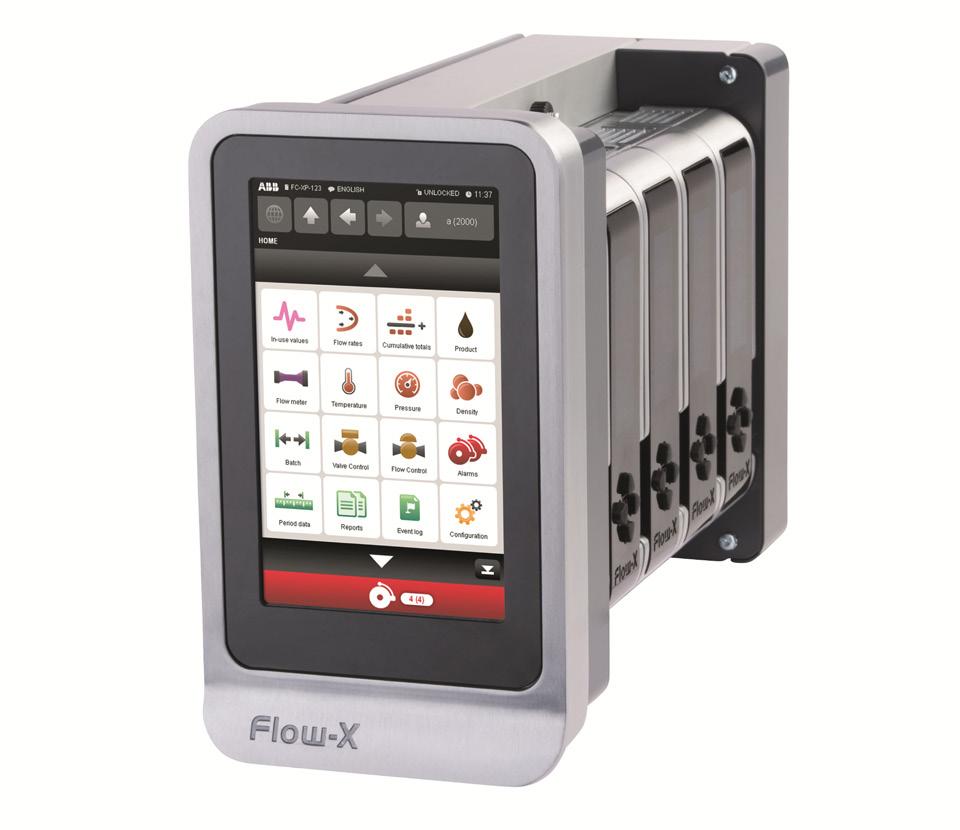
Figure 1. ABB’s Flow-X series of flow computers is a versatile automation platform designed for the custody transfer of liquid and gas.
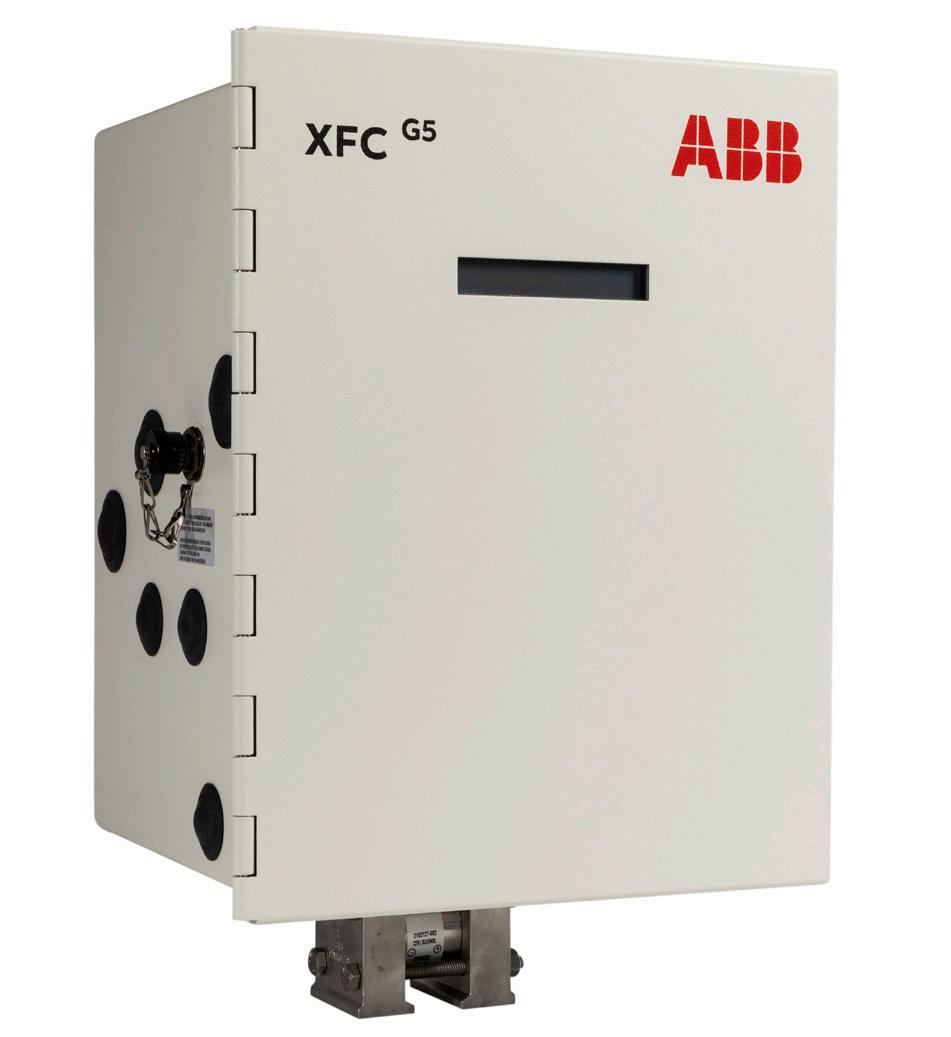
Figure 2. BB’s XFCG5 is a low-power, highly reliable microprocessor-based unit for remote oil and gas systems.
of the way, even when they are not physically on site. Examples of secure digital integration look like secure communication, full traceability by secure audit logs, and role-based access control.
By balancing digital integration with cybersecure systems, midstream operators can ensure pipeline resilience without sacrificing the precise data and insights they need.
Preparing for the hydrogen evolution
Looking ahead, pipeline operators are working to support more decarbonisation and low-carbon energy transfer. The hydrogen pipeline market is already valued at US$7.6 billion and is projected to grow to US$852.1 billion by 2035. As the industry prepares for this shift towards hydrogen and renewable gases, integrated flow technology will play an even bigger role in supporting the pipeline space.
Hydrogen has a much lower density than natural gas and consists of simpler molecules. This causes it to be lighter and more sensitive to impurities than natural gases, creating more risk for potential measurement challenges. While Coriolis meters provide high accuracy mass flow measurement that offers many benefits, it comes with downsides and a higher sensitivity in case of measurement of light gases. Volumetric ultrasonic flow measurement is significantly less sensitive in that respect. Combined with the standardised data insights from flow computers, operators are able to more accurately
calibrate pipelines for hydrogen and hydrogen mixes being introduced into the existing pipelines, giving them more agility to scale and adapt.
The integration of flow computers with ultrasonic technology gives operators the ability to ensure their pipeline infrastructure is future-proofed with precise measurements that meet industry standards and add commercial value to their bottom line.
Integration is the ultimate secret to asset management
Risk mitigation is a broad spectrum for pipeline operators. It is no longer just about preventing leaks. Midstream revolves around sharper accuracy, elevated transparency, and top-quality cybersecurity, all while making sure infrastructures are adaptable as the industry evolves towards renewable energy.
Ultrasonic meter technology, when integrated with advanced flow computing, is equipped to handle operators’ needs. The savviest operators understand that transparency, accuracy, and resilience all hinge on the technology being used to meet industry standards, mitigate risk, and maximise profits. Enabling trust and supporting the energy transition are also highly dependent on integrated solutions.
Midstream operators that invest in high precision integration today are more likely to be able to handle the challenges of tomorrow.