Wiles Kase, Abhishekh Parmar, and Satish Rao, Clareo, USA, pinpoint three mining trends in the Americas to watch in 2026.
18 A Century That Shaped Mining
Stephen J Cummins, Senior Mining Director – Distribution Business Unit International, Cummins, highlights key moments in the company’s first 100 years of mining innovation.
23 Customisation Is Key
Josh Swank, Philippi-Hagenbuch, USA, explains how opting for custom-engineered haul truck solutions rather than off-the-shelf products paves the way to a more sustainable hauling operation.
27 Powering Productivity On Mining Sites
Adam Oppermann, Stellar, USA, details how mechanic and OTR tyre service trucks elevate mining equipment performance.
33 Scaling Autonomy For Quarries
Will Owen, Editor, GlobalMiningReview, hosts a conversation with Caterpillar experts regarding the implementation and outcomes of a recent autonomous haulage project.
38 A New Frontier Of Blasting
Matt Slezak, Dyno Nobel, USA, examines how digital solutions are revolutionising the way operations approach blasting.
43 The Minds Behind The Machines
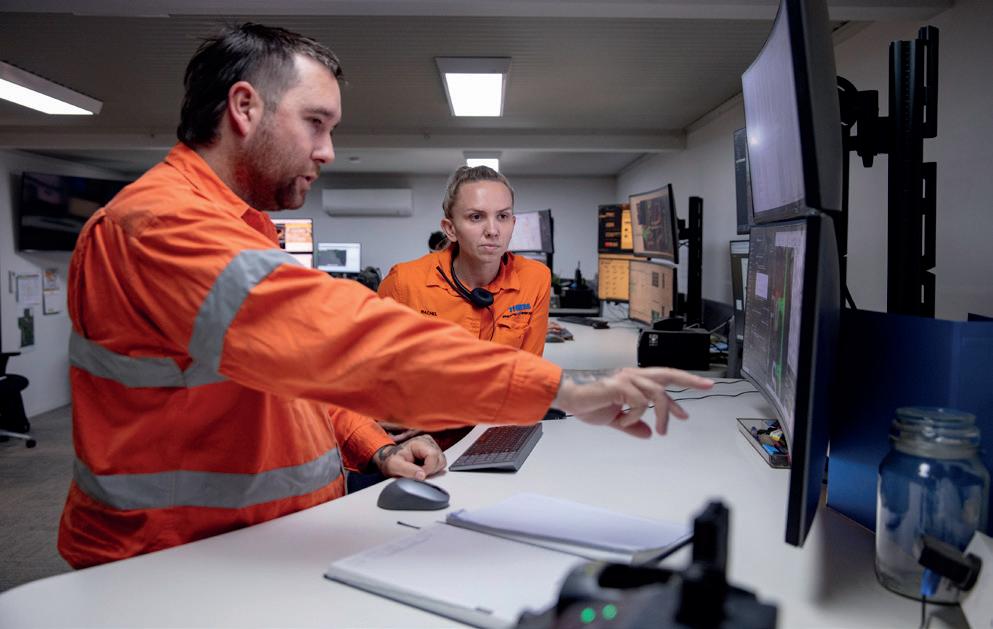
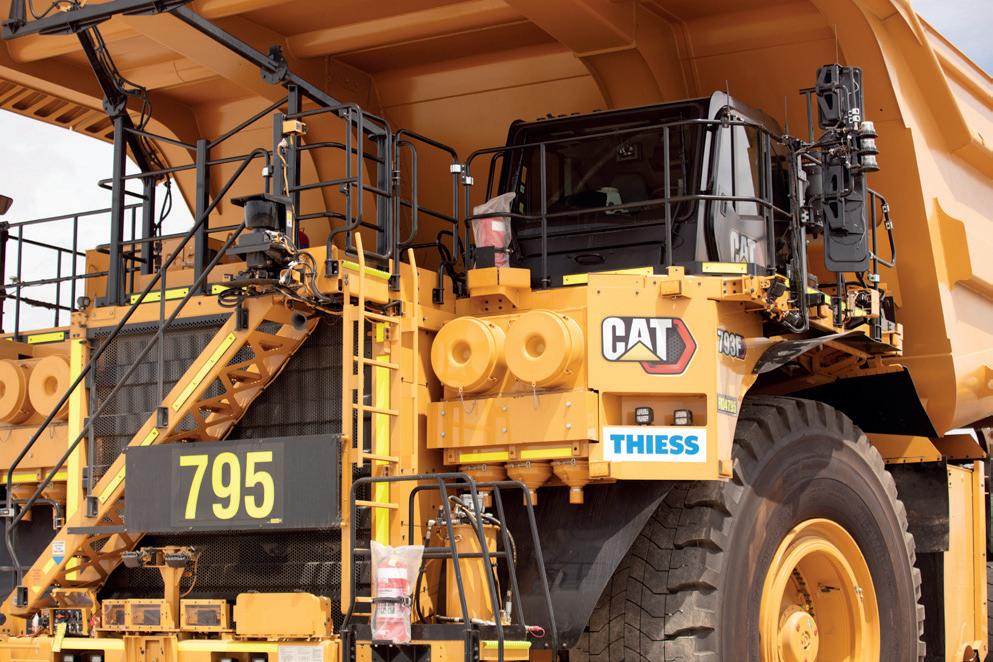
Nick Brown, Thiess, Australia, delves into the Olive Downs Complex’s autonomous mining project, and explains how it was ultimately humans who drove the success of the operation.
47 Injection-Based Ground Control For Mine Water Management
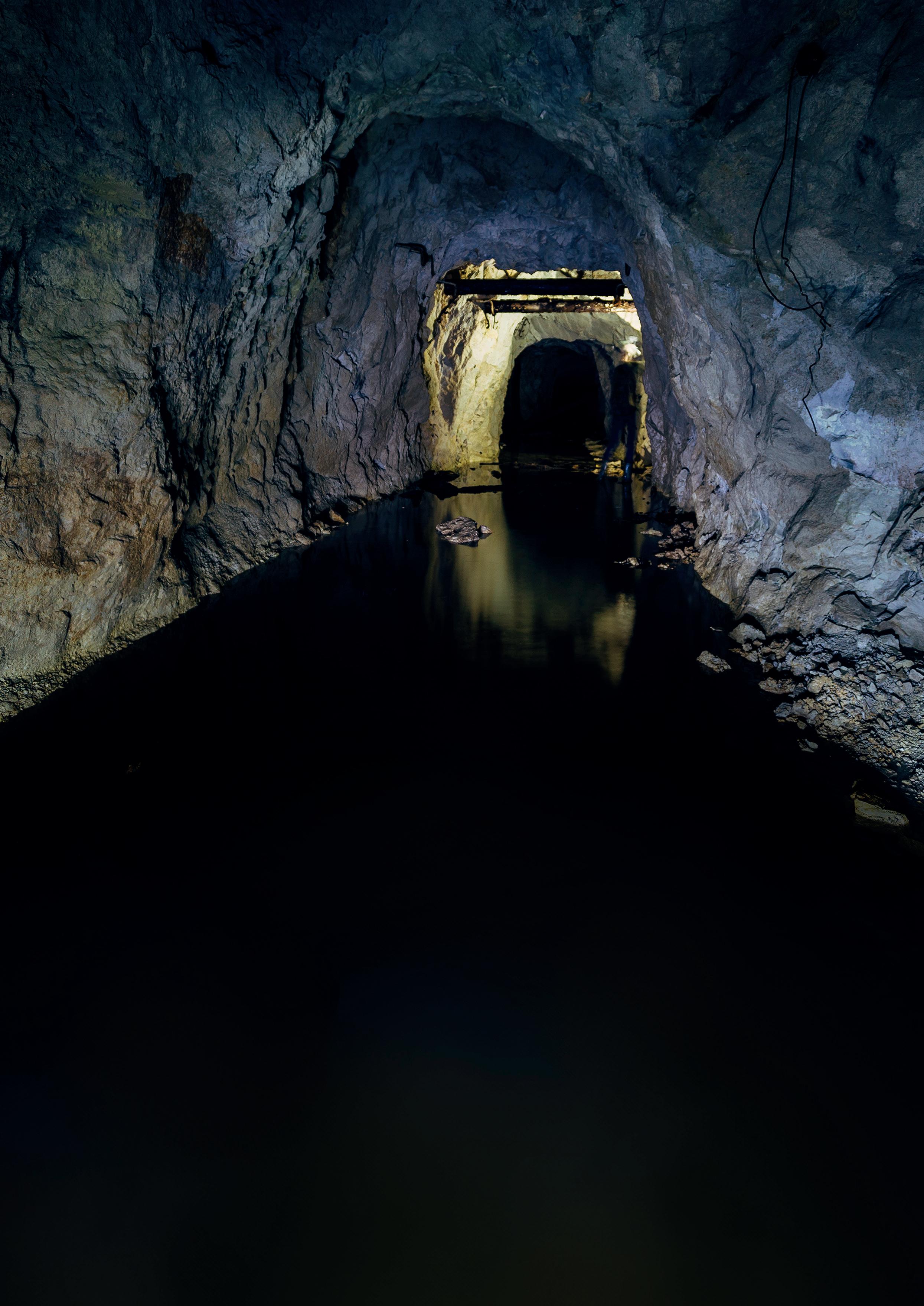
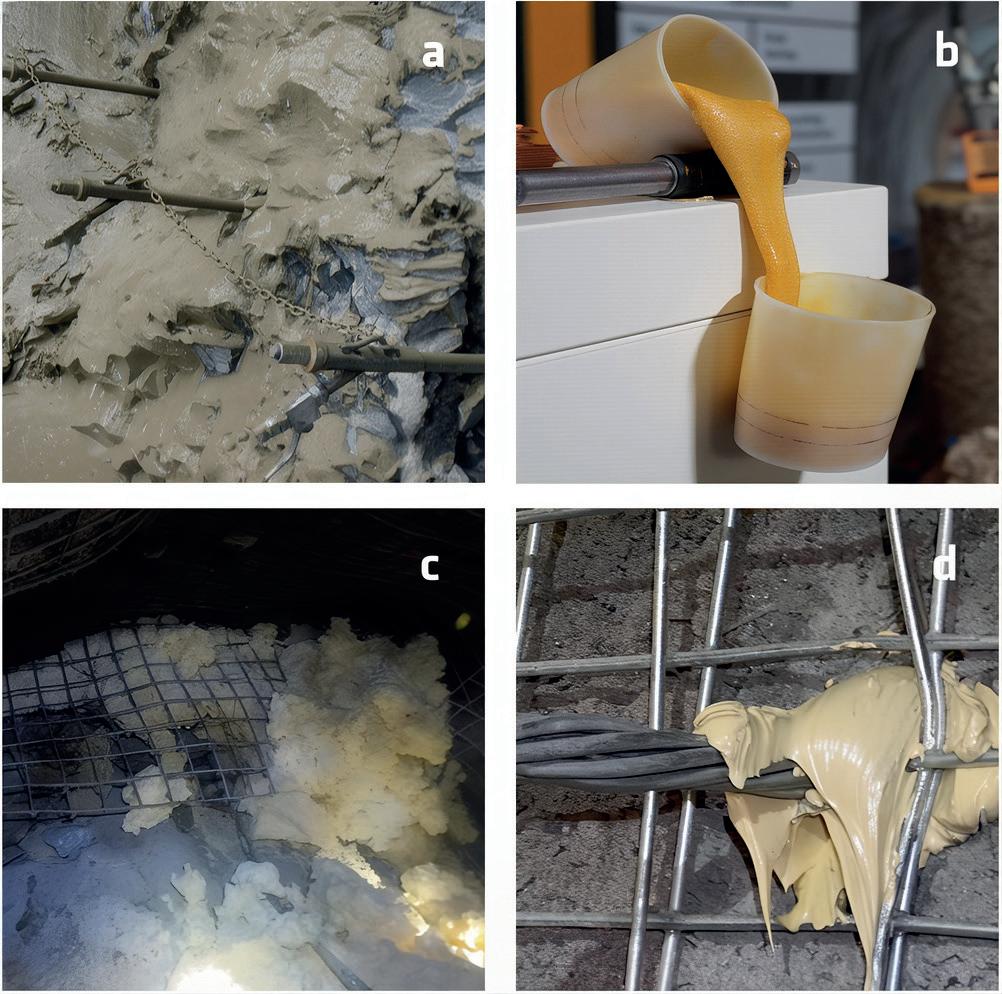
Teresa Bellver-Baca, Ignacio Aguilar-Sánchez, and Miguel Cueto, Sika, discuss injection-based ground control systems and tackle operational challenges in complex hydrogeological conditions.
52 Optimising Mining Performance
Egemen Akin, ExxonMobil, Türkiye, evaluates the importance of effective lubrication for maintaining operational efficiency in mining.
55 The Economics Of Clean Oil In Mining Equipment
Max Cundiff, Chevron, USA, breaks down how improving oil cleanliness can extend equipment life, reduce downtime, and lower costs.
59 The Missing Link In Mine-To-Mill Optimisation
Blessing Taiwo and Andrew Palangio, WipWare Inc, Canada, consider the benefits of harnessing particle size distribution data for mine-to-mill optimisation.
63 Controlling Dust And Spillage
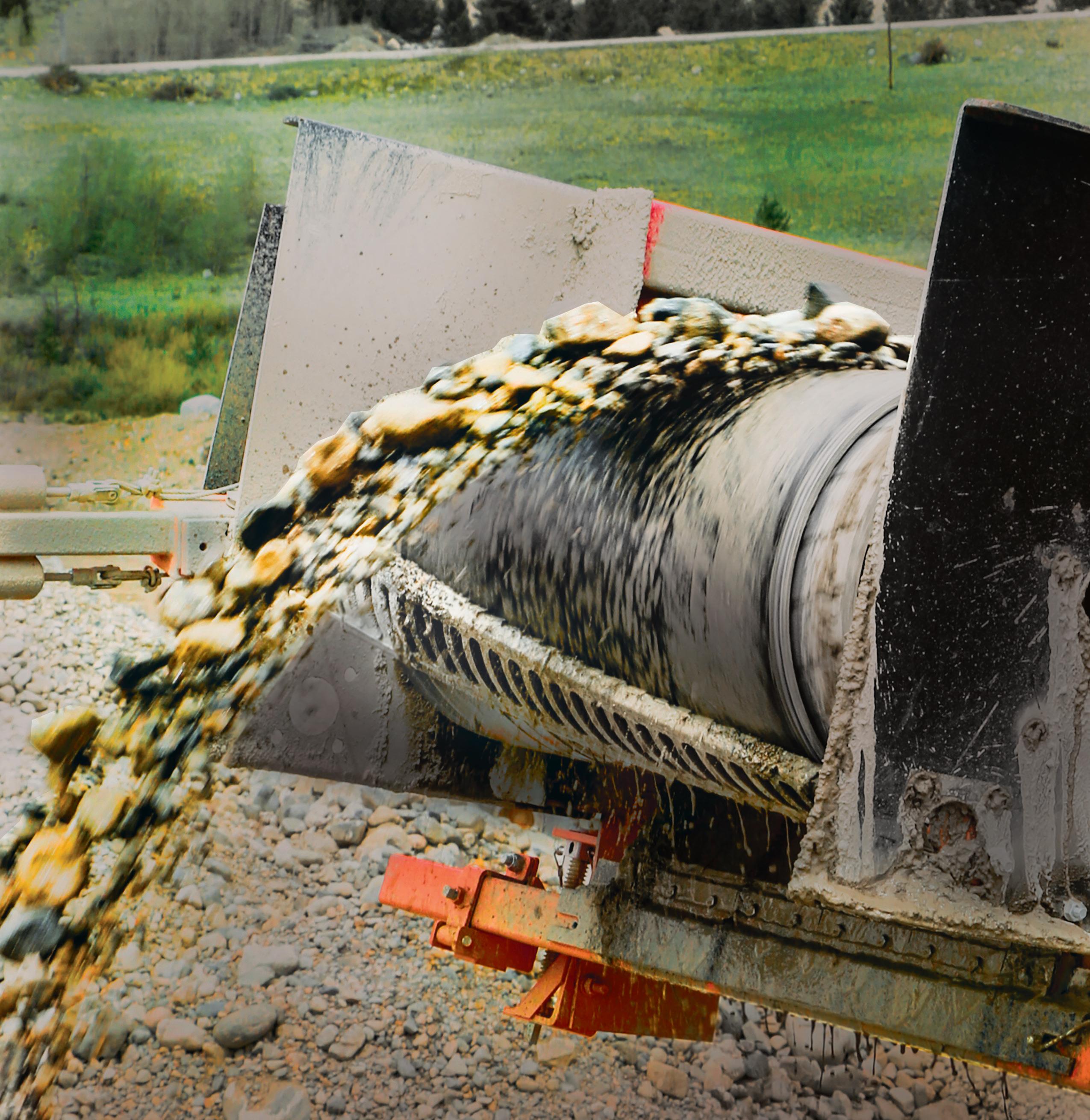
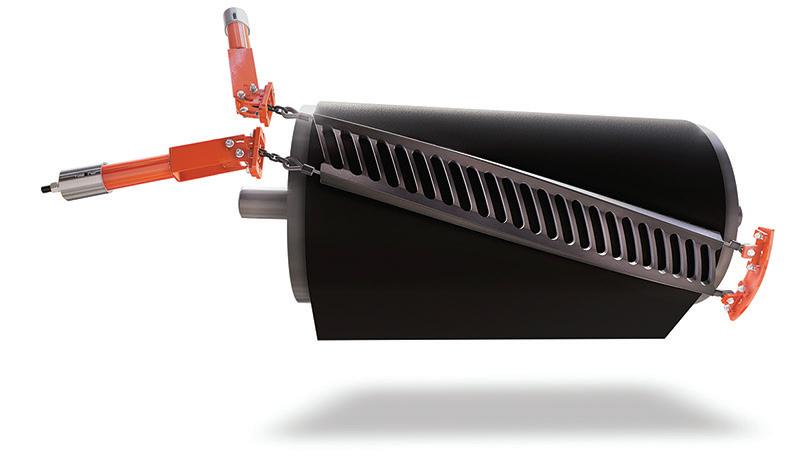
Dan Marshall, Martin Engineering, USA, underlines the importance of well-maintained conveyor belt returns for maximising efficiency and minimising injury across the mining industry.
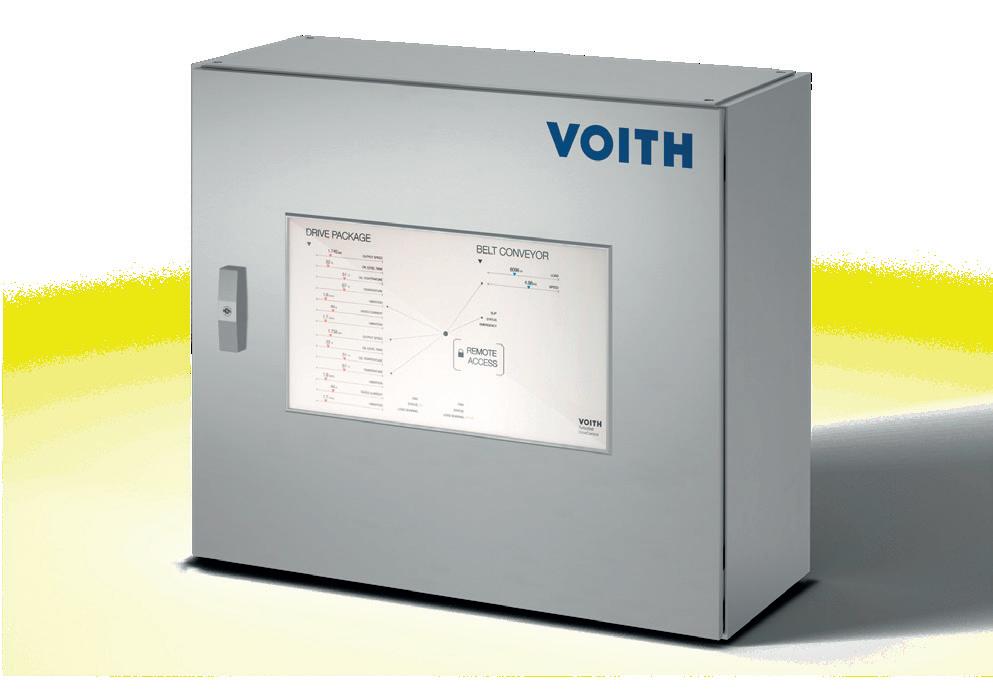
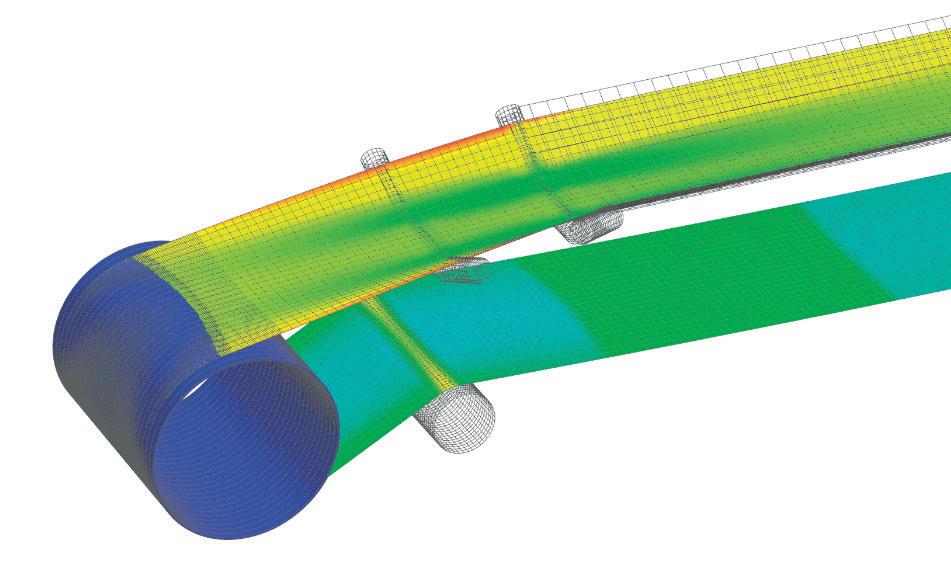
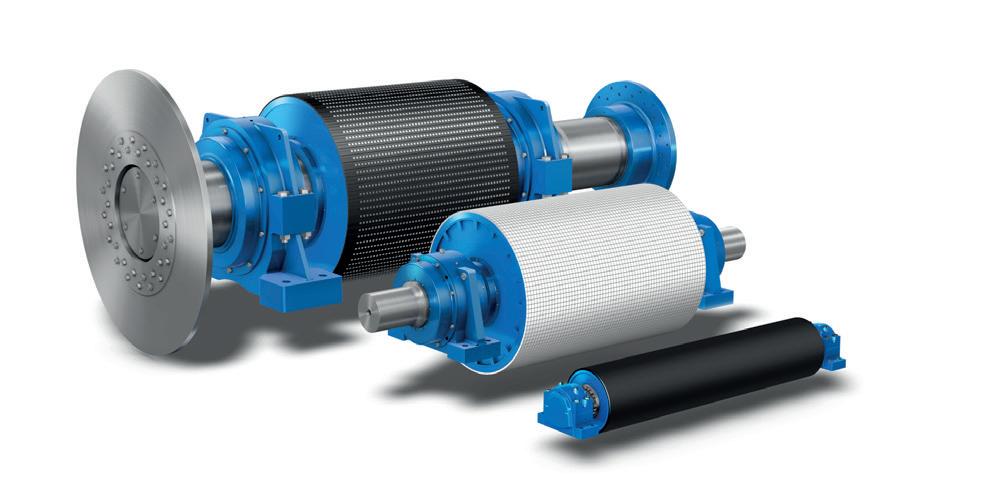
68 Complete Drive Solutions For Belt Conveyors
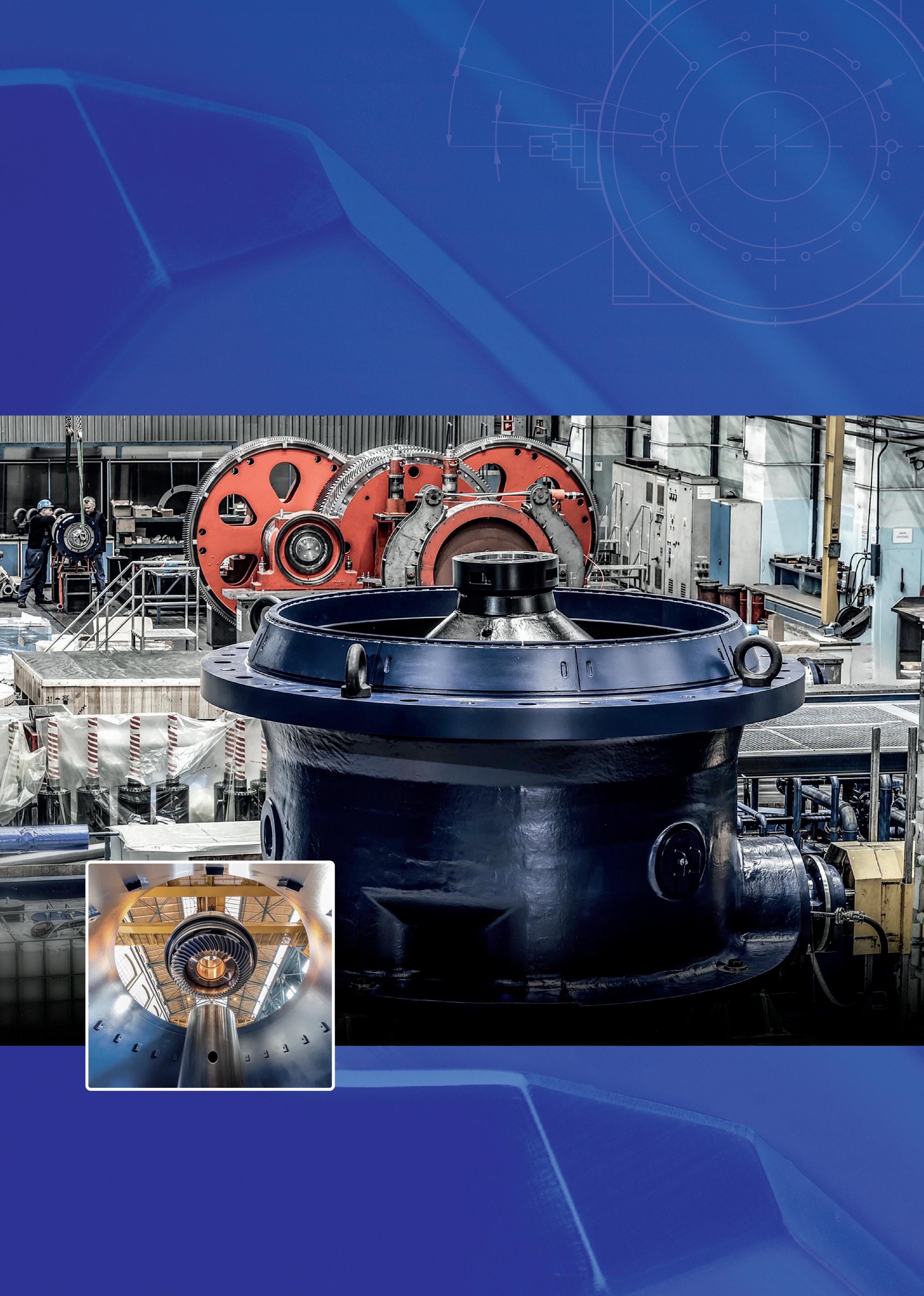
Sebastian Steck, Voith Turbo, Germany, explores how the company’s approach to conveyor design boosts the efficiency and reliability of mining operations.
73 Elevating Mining Operations
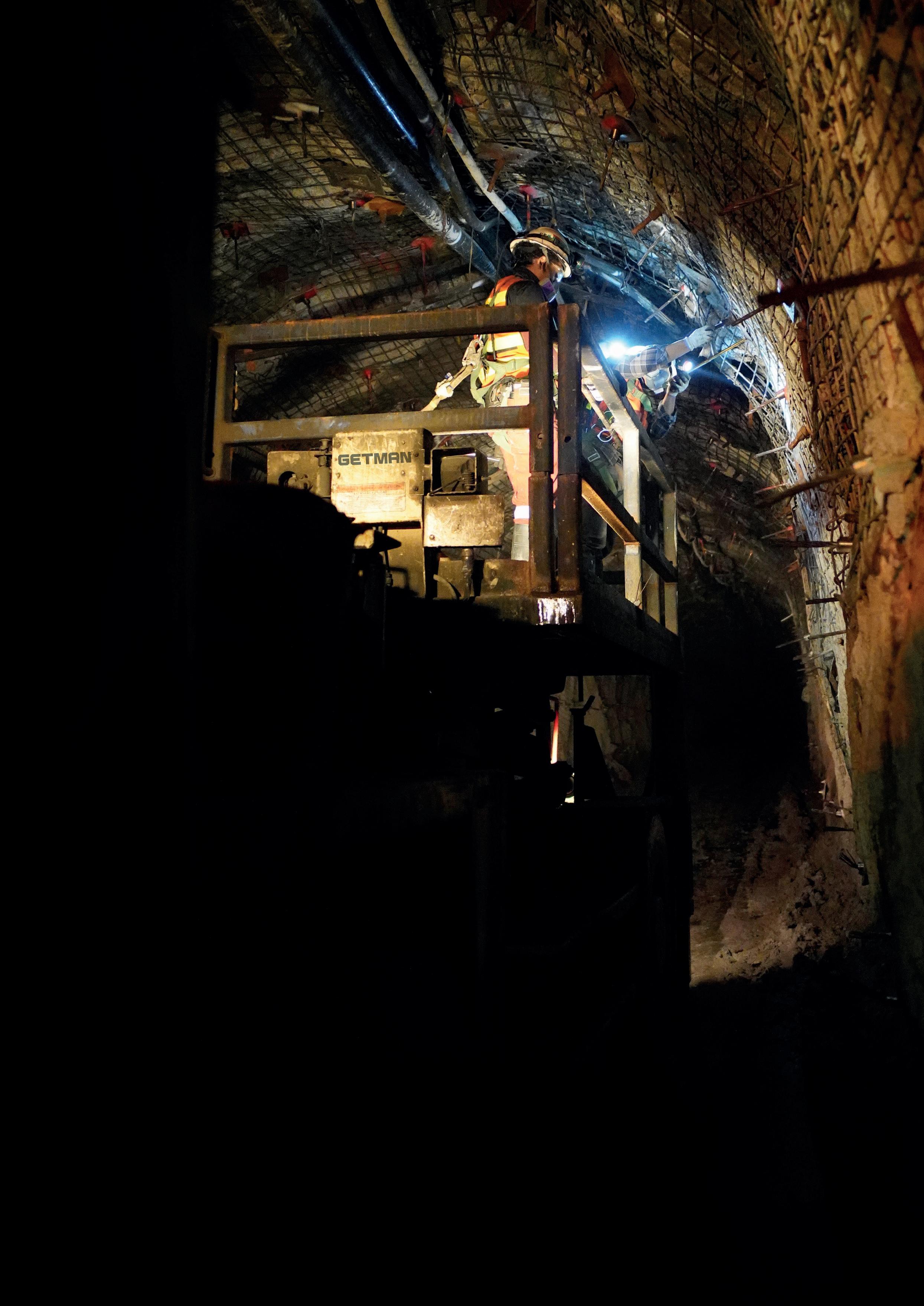
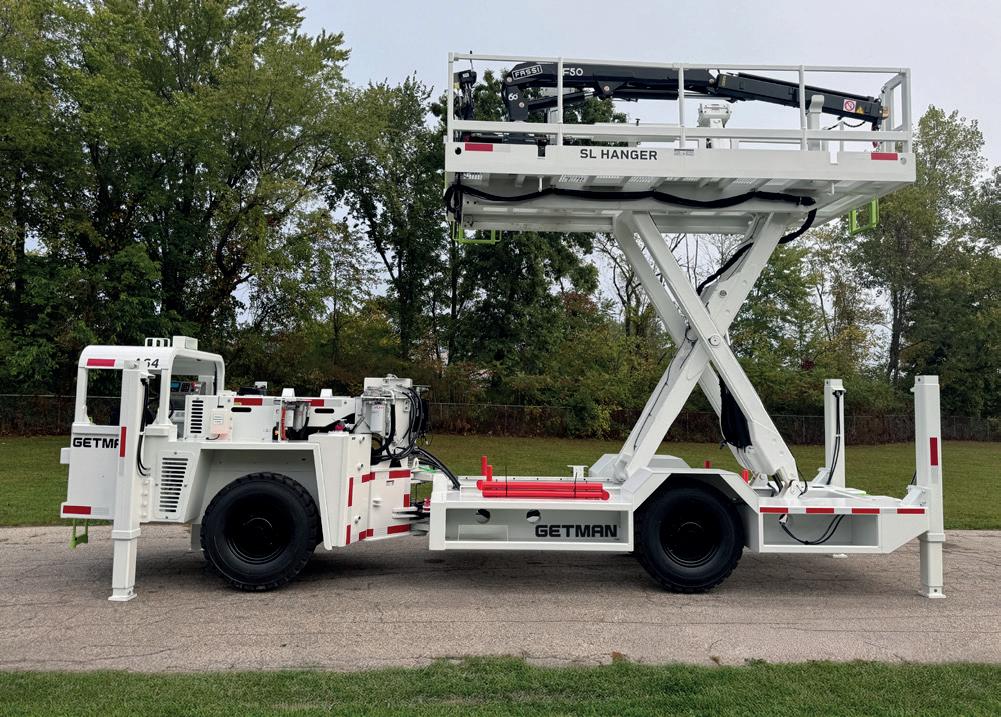
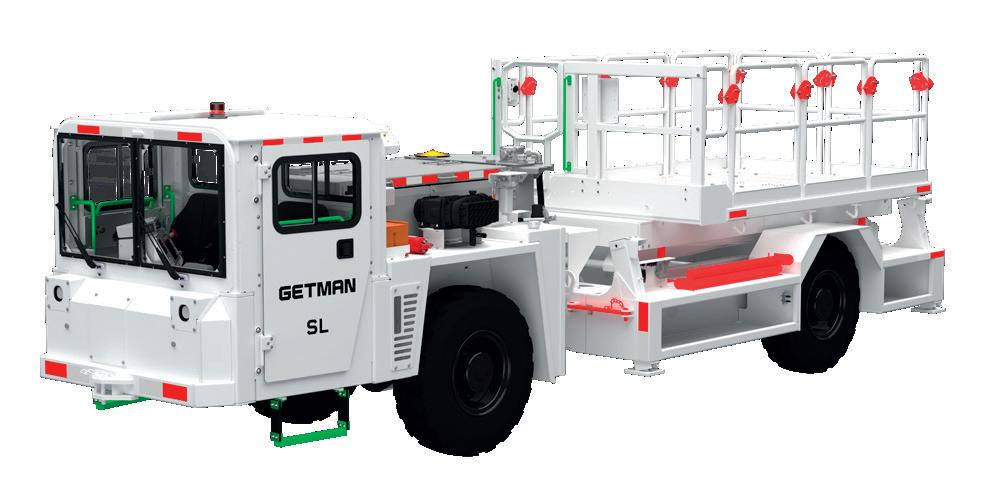
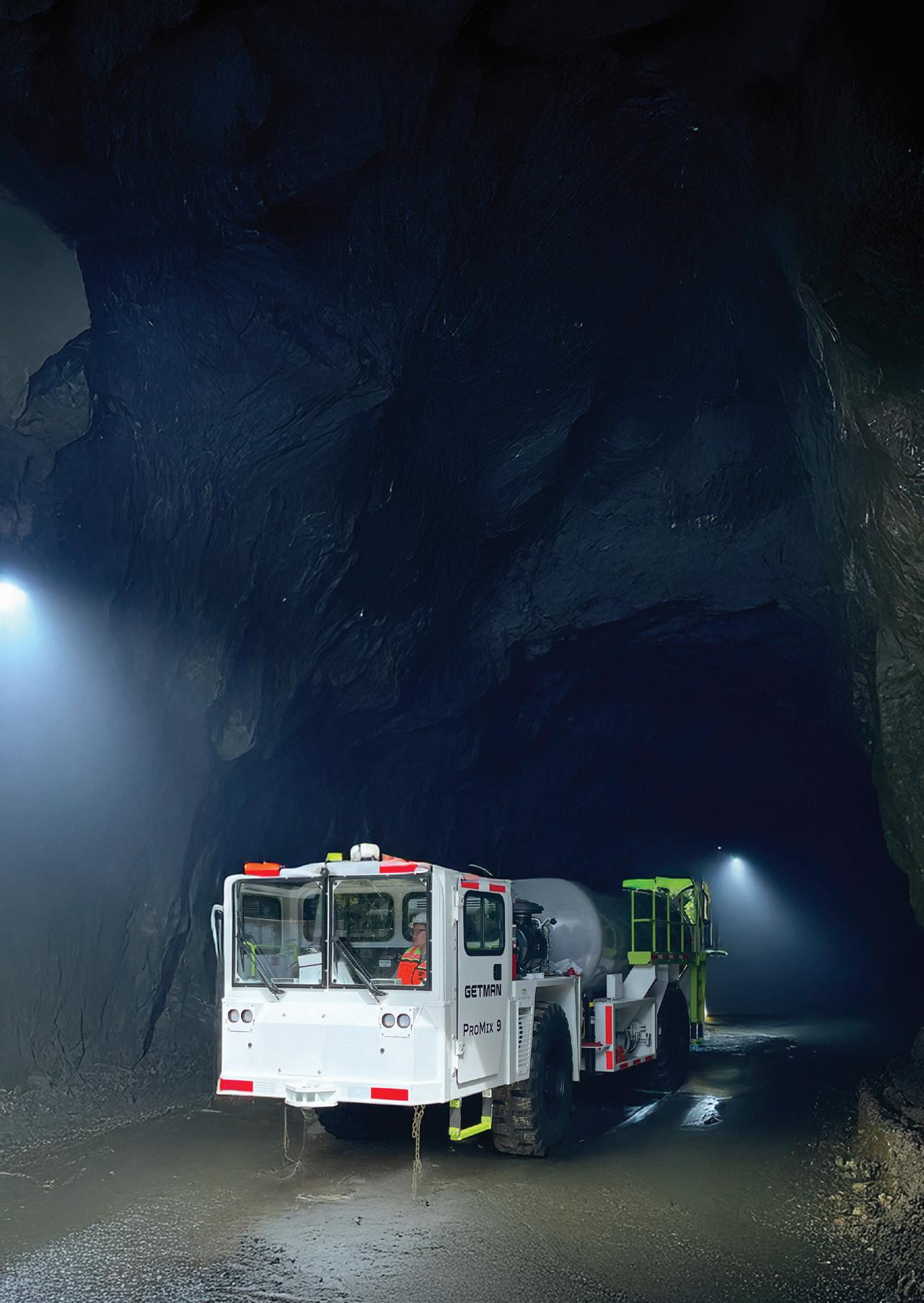
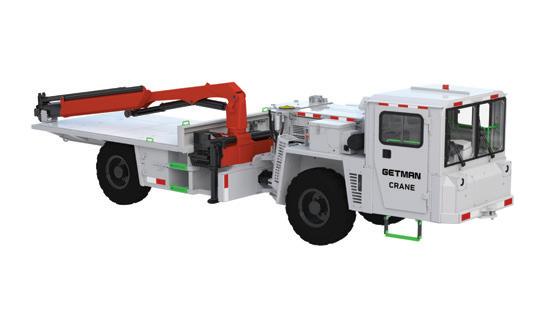
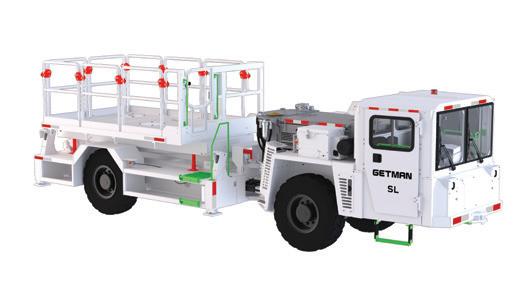
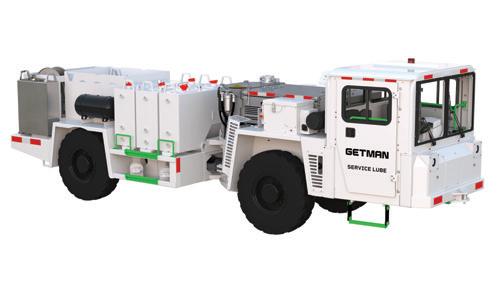
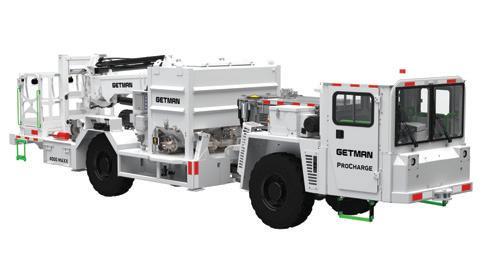
AJ Householder, Getman, USA, investigates the role of elevated work platforms in underground mining – focusing on their design, application, and operational integration.
78 CONEXPO Preview 2026
GlobalMiningReview (Booth WL13010, West Hall Lobby) previews some of the companies that will be exhibiting at the Las Vegas Convention Centre for CONEXPO-CON/AGG, 3 – 7 March 2026.
From Clessie Cummins’ early Model F to today’s record-setting QSK95, 2026 marks 100 years of powering the Mining industry for Cummins. This year, Cummins reflects on the milestones, machines and people that shaped the industry – and looks ahead to what’s next for miners worldwide.
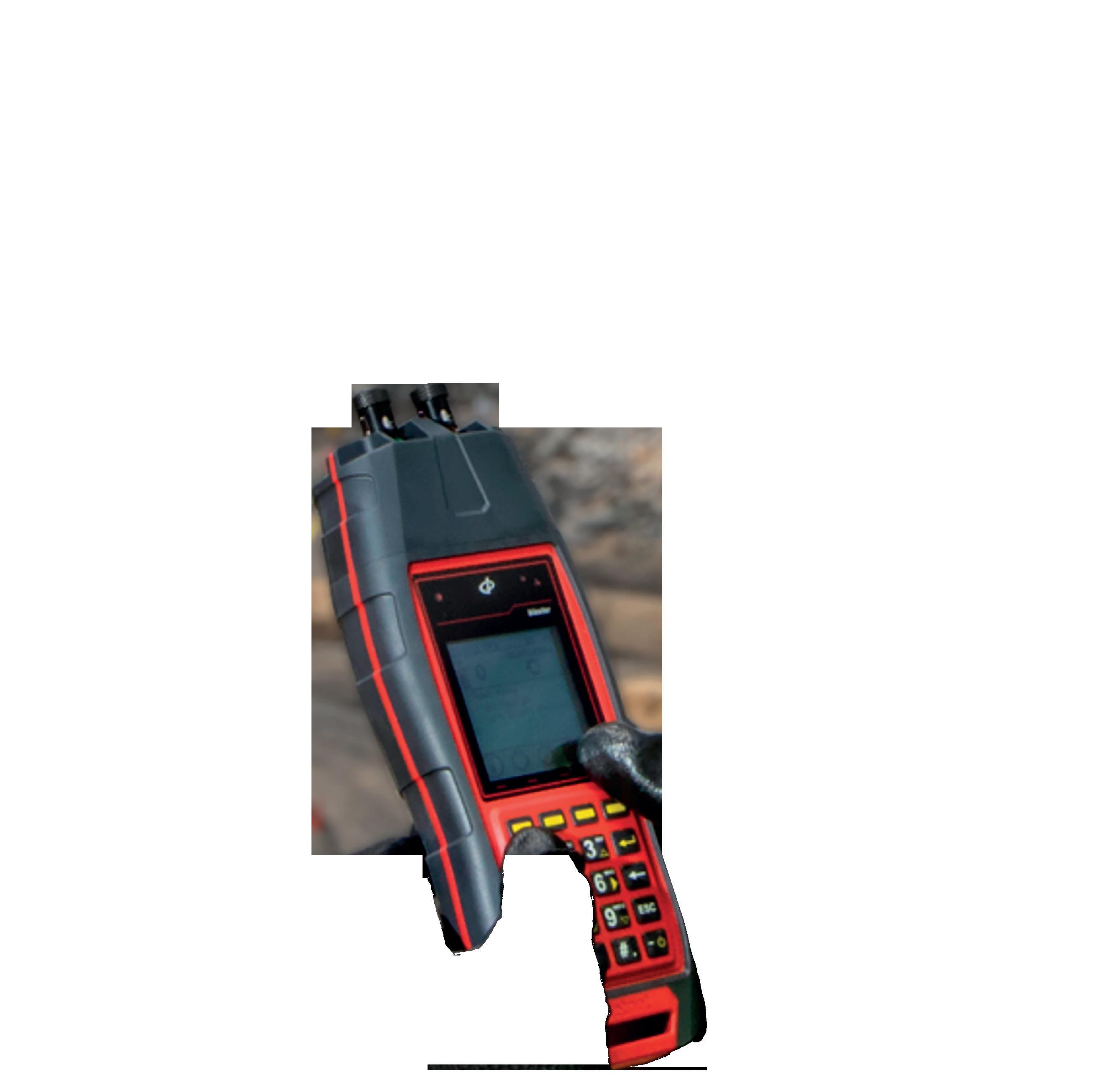
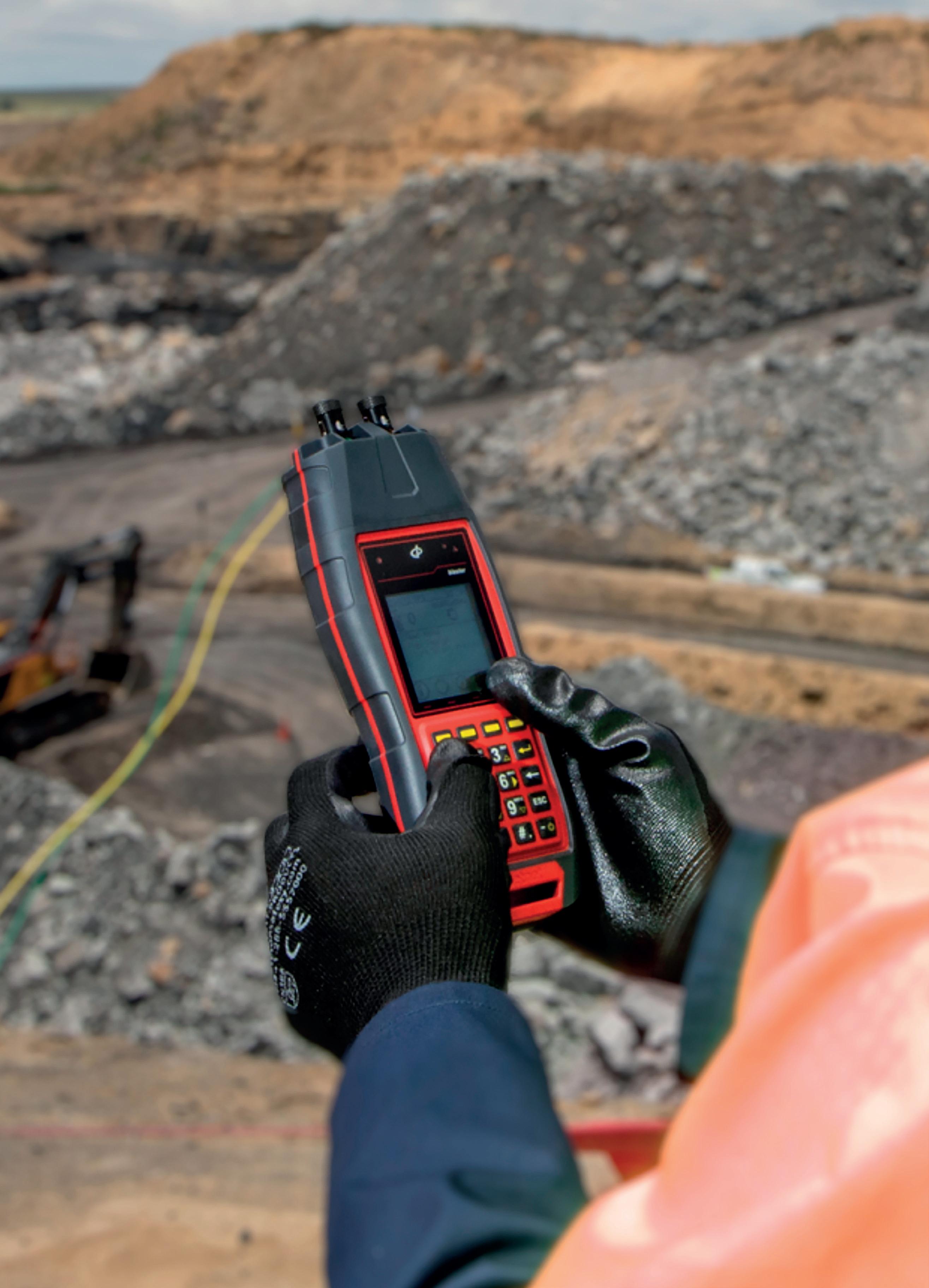
Control where it counts. Navus enables fast, precise handheld firing of Dyno Nobel electronic detonators, built to perform in tough field conditions.
Compact, field-ready, dependable. Navus delivers precise electronic initiation in a rugged, handheld unit—no bulky hardware, no wasted time.
See Navus in action at Central Hall – Booth C22631
Designed for Dyno Nobel electronic detonators.
Purpose-built to deliver precise timing and repeatable blast performance, every time.
The global mining industry stands at a pivotal juncture. Mineral prices remain at historically high levels, driven by a phenomenon that is no longer a future promise but a present reality: global electrification. The expansion of renewable energy, electric mobility, advanced manufacturing, and the recovery of the construction sector is generating unprecedented demand for strategic minerals. Copper, central to this transformation, along with other critical minerals – such as lithium, silver, and zinc – has become essential to economic growth and technological development.
This scenario is unfolding against a complex global backdrop. Major economies are navigating geopolitical tensions and ongoing supply chain adjustments. Even so, Latin America is showing encouraging signs. Despite international uncertainty, the region is returning to a path of solid growth, supported by its productive capacity, abundant natural resources, and renewed investment expectations.
The Andean countries stand out prominently in this new cycle. Peru and Chile are consolidating their position as global leaders in copper, backed by a long-standing mining tradition, strong technical capabilities, and a project pipeline that continues to attract international interest. At the same time, Argentina is gaining prominence as a key destination for mining investment, particularly given its potential in lithium and other minerals critical to the energy transition. Together, these countries form an Andean axis with a genuine capacity to contribute to global mineral security.
Nevertheless, the challenge is clear: how can we meet – both quickly and sustainably – a demand for minerals that is growing faster than the development timelines of mining projects? Bringing a new mine into operation can take up to 40 years, according to a study by the Peruvian Institute of Economics. The world cannot afford to wait that long. This gap between urgency and productive reality calls for new approaches and a long-term strategic vision.
This discussion cannot, and should not, be postponed. The scale of the challenge compels us to rethink the future of mining, and international forums such as the World Mining Congress 2026 (WMC), to be held in Lima this June, take on particular significance. Beyond analysis, WMC provides a platform for action. It offers the global industry a space to engage with rigor and vision on how to address these challenges: how to produce more and better while maintaining high sustainability standards, and how to close the gap between rising demand and real supply capacity.
Our response must be built around three fundamental pillars: trust, technology, and transformation. Trust – among companies, communities, governments, and citizens – is the foundation of any project’s viability, earned through transparency, dialogue, and tangible results. Technology has become an indispensable ally in improving efficiency, optimising processes, and reducing environmental impacts. Innovation allows us to produce more with less, extend the life of operations, and move toward increasingly intelligent mining. Yet technology alone is not enough. Transformation ultimately requires changing how things are done: adopting new models, new skills, and a culture of continuous improvement.
The call to action is clear. As business leaders, public authorities, and key industry stakeholders, we must face this challenge head-on and assume our shared responsibility. Promoting more efficient mining, driven by human talent and innovation, is not an option; it is a global necessity. The future is electrifying, and mining has a decisive role to play. The time to act is now.
WORLD NEWS
Diary Dates
CIM CONNECT
03 – 06 May 2026 Vancouver, Canada www.cimconnect.ca
Global Resources Innovation Expo (GRX26)
05 – 07 May 2026 Perth, Australia www.grx.au
Euro Mine Expo
26 – 28 May 2026
Skellefteå, Sweden www.euromineexpo.com
EXPONOR Chile
08 – 11 June 2026
Antofagasta, Chile www.exponor.cl/en
UK Mining Conference in Cornwall 09 – 11 June 2026 Falmouth, UK www.ukminingconference.co.uk
World Mining Congress
24 – 26 June 2026 Lima, Peru www.wmc2026.org
ISSA Mining Safety Conference 22 – 24 September 2026 Saskatoon, Canada https://issasafety.cim.org
12th International Congress on Tailings Management 29 September – 01 October 2026 Santiago, Chile https://gecamin.com/tailings
The Mining Show
16 – 17 November 2026
Dubai, UAE www.terrapinn.com/miningme
FINLAND Sandvik invests and expands operations in Tampere
Sandvik is continuing its long-term commitment to Finland with a new investment to expand its operations in Tampere.
The company will invest approximately €15 million in extending the main building at its Tampere site, supporting operational development, competitiveness, and future growth.
The expansion will create multi-purpose work and development spaces to support production and innovation. Construction is planned to start in late 2026, with completion expected by 2028. The project will support potential future recruitment and will also provide work for a significant number of contractors, construction professionals, and design and architectural firms.
The new extension is part of Sandvik’s broader investment programme in Tampere and Finland in recent years.
In 2025, Sandvik hired around 300 new employees in Finland, the majority in Tampere, further reinforcing the region’s role in the company’s global operations. In June 2025, Sandvik opened a new surface drilling production line in Tampere to strengthen its surface drilling business and respond to growing customer demand.
In addition, Sandvik has established a dedicated surface drilling test area for developing and testing future technologies. The Sandvik Surface Test Pit, located about 40 km from Tampere, supports advances in electrification, automation, and digitalisation in surface drilling. In October 2025, Sandvik also launched the DataDrive’31 technology programme.
This €80 million investment is aimed at accelerating the digital transformation of mining through data-driven research and product development.
SWEDEN New hydraulic lab powers digitalisation at Hägglunds
Hägglunds, maker of world-renowned direct drive systems, takes a quantum leap with its latest technical investment.
A state-of-the-art lab lets engineers test the motors at full scale and deliver unprecedented data to AI systems and computational models.
Hägglunds, part of Bosch Rexroth, manufactures powerful direct-drive motors used globally in for example material handling, recycling, and marine industries. All development and manufacturing of its hydraulic motors happens on-site in Örnsköldsvik, Sweden.
The new laboratory represents a major investment in advanced technology. Covering an area of 1500 m2, it includes four newly equipped test cells where one or more motors can be mounted for various types of measurements and tests. Hydraulic power is supplied by a brand new pump room, featuring several pumps that can be used individually or together to create extremely high pressure. The lab is equipped with a state-of-the-art, newly developed control system that can deliver a wealth of new data about the motors and ongoing tests, enabling advanced analysis.
Hägglunds motors have been refined for over 60 years and are known for their high operational reliability. In today’s rapid technological development, there is great potential in offering even more precise data to customers and ensuring high quality.
Sustainability has been a guiding principle in the project, enabling energy savings of 200 MWh per year thanks to new, energy-efficient solutions. Furthermore, the lab creates new opportunities to test more environmentally friendly technologies such as renewable hydraulic and lubricating oils, which are in high demand across the market.
PROdUCT NEWS
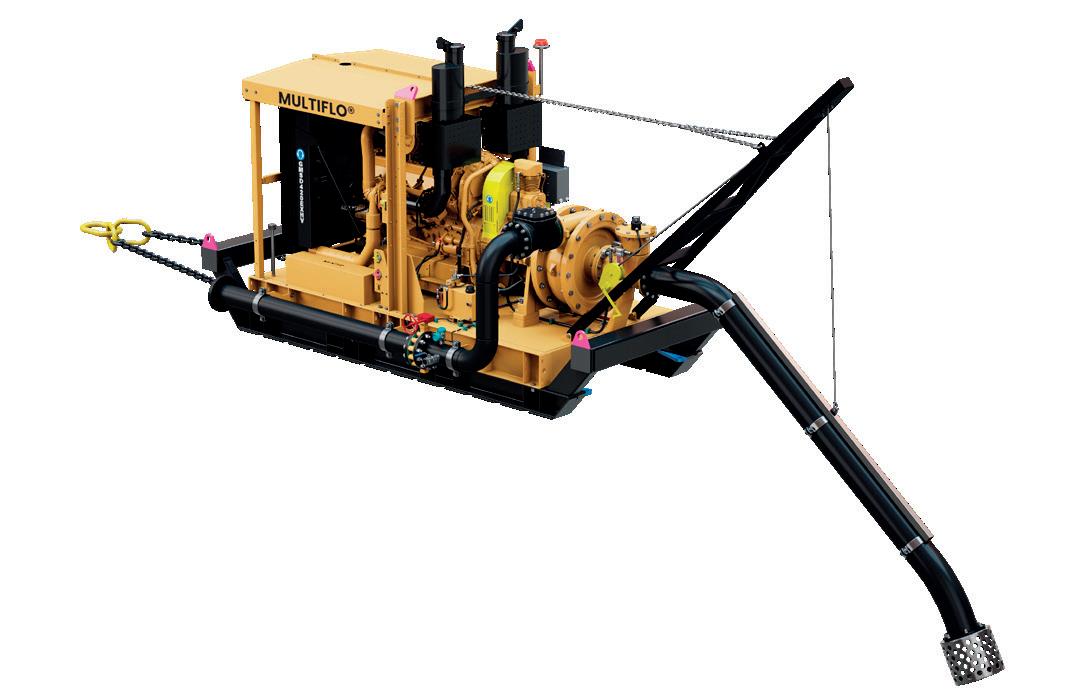
Introducing the Multiflo ® GMS pump range from Weir: Optimised dewatering for a global mining market
The new Multiflo GMS skid-mounted pump range from Weir represents the next evolution of dewatering solutions, purpose-built to meet the demands of a global market while delivering improved value, lead times, and manufacturing efficiency. Available in both diesel-driven and electric-driven configurations, the Multiflo GMS pump units retain the proven ‘DNA’ of existing Multiflo technology while introducing a modernised, Configured-to-Order (CtO) design for globalised mass manufacture.
Like the legacy Multiflo CF and RF ranges, the Multiflo GMS pump units feature a proven auto vacuum priming system for fast, reliable dry starts and continuous operation with minimal operator intervention, even in demanding dewatering conditions. For the diesel driven version, the close-coupled pump design ensures accurate alignment, reduced mechanical losses, and improved wear life, while the compact skid-mounted configuration with integrated lift points enables easy transport and rapid site deployment. Designed for mining, quarrying, and industrial applications, Multiflo GMS units deliver heavy-duty construction and high solids-handling capability, maintaining efficient performance across wide flow and head ranges in abrasive, dirty water environments.
The Multiflo GMS Diesel pump unit retains the strongest technical features of the legacy Multiflo CF and RF ranges while removing previous design constraints, offering a robust baseline (standard) configuration that includes a close coupled bare shaft pump with a hardened stainless steel impeller, a Caterpillar diesel engine, an integrated fuel cell base, vacuum assisted priming, comprehensive safety features, and the Kensho 37 pump control system. Engineered for portable applications, it incorporates a single component non return valve for unrestricted flow, a fully guarded coupling, and pump casings pressures of up to 35 bar. The standard engine control panel (Kensho 37) provides preset emergency shutdown protection with optional automatic level control, and the unit supports a range of OEM engines, including those from Caterpillar. The CtO design concept of the Multiflo GMS range permits optional features – such as high-lift skid bases, suction boom and hoses, HydrauFlo® fuel valves, discharge piping, and upgrades to wetted components and materials of construction, from carbon steel to stainless steel – to be included. Shared components with the Multiflo GMS electric range further simplify parts management and streamline fleet maintenance.
The Multiflo GMS electric pump units apply the same CtO and mass manufacture principles to electric dewatering applications, transforming previously bespoke designs into a standardised, scalable solution. By using the proven dewatering vacuum priming system and sharing CtO components with the GMS Diesel range, it reduces parts count, increases production efficiency, and delivers shorter lead times, competitive pricing, and consistent quality while maintaining expected performance of the Multiflo pumps.
Designed around clear Voice of Customer requirements, both Multiflo GMS diesel and electric units follow a disciplined product scope aligned to the 80:20 rule, covering the majority of market needs through standardised configurations, with EtO options available when required through structured change management. Bringing together proven technology, global manufacturing alignment, and a modern CtO strategy, the Multiflo GMS range from Weir delivers reliable dewatering performance with faster delivery, lower total cost, and a future ready solution for today’s global operations.
Figure 1. Weir’s new Multiflo® GMS skid-mounted pump range represents the next evolution of dewatering solutions.
PROdUCT NEWS
Flexible and precise for the right material size
Compliance with the specified material size is a decisive factor for efficient work processes in opencast mining. With the Vario Impact Sizer (VIS), Wirtgen offers a system that scores highly in terms of flexibility, precision, and adaptability. It allows machine operators to reliably control the top particle size and particle size distribution even under changing operating conditions. The system has been extensively tested in practice, particularly in coal and bauxite mining, and has proven its worth.
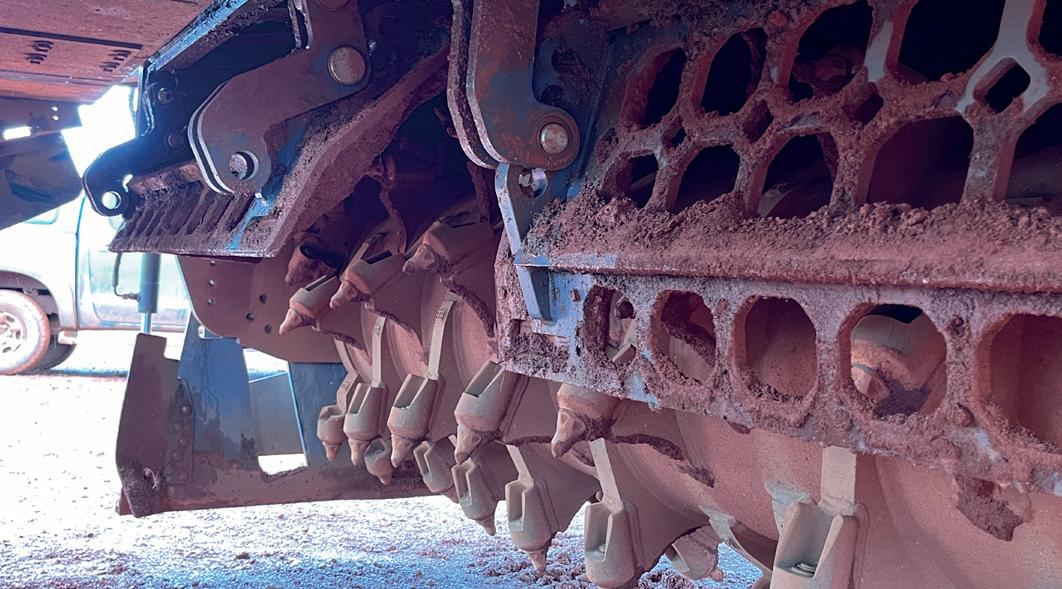
The core of the VIS is a split baffle plate mounted directly to the cutting drum housing. This plate is equipped with two primary adjustment mechanisms that enable precise control of the material that passes the system. The variable gap between the plate and the cutting drum is the first adjustment mechanism: this distance can be adjusted in five stages to control the amount of additional crushing and thus change the particle size. A smaller gap results in extra crushing and therefore finer material, while a larger gap results in coarser material. The adjustment is made by simply enlarging or reducing the gap and securing the plate with pins – which takes approximately 10 minutes. The second adjustment mechanism relates to the holes in the scraper. Depending on the specific requirements of the operation, they can be opened or closed in four different settings using covers. These two mechanisms complement the basic adjustment possibilities of the surface miner like the advance speed of the machine, the speed of the cutting drum, and the cutting depth. In combination with the VIS, this results in an extremely high level of control over the top particle size.
Machines in cut-to-ground or windrow applications often produce material that exceeds the specified top particle size. This is where the VIS comes in. The system is designed to fulfill precisely this requirement by influencing and limiting the top particle size. Finer material passes through the sizer and leaves the crushing process,
while coarser material is crushed until it can pass the sizer too. The VIS has proven itself in both coal and bauxite applications and effectively controls the size of the material produced to ensure that it meets the required specifications.
One of the advantages of the VIS is its seamless integration into the machine. The VIS is mounted directly on the cutting drum housing and fits seamlessly into the material processing process. Furthermore, the system is highly adaptable. Thanks to variable settings, different types of rock can be reliably crushed. The VIS is particularly suitable for brittle and porous rocks, such as coal, bauxite, or chalk. The robust construction of the VIS ensures that it can withstand the harsh conditions in mining and meets the requirements for durability and stability even at high throughput rates.
The VIS is available for two different Wirtgen surface miners: the 220 SM(i) and the 220 SM(i) 3.8. Particle size control is achieved through the interaction of standard machine settings and the VIS settings. The standard machine settings include the machine’s advance speed from 0 to 84 m/min. The cutting drum speed is also adjustable with six standard settings on board. The cutting depth is adjustable from 0 to 300 mm or 350 mm. The settings of the VIS consist of the five baffle plate gap settings from 22 mm to fully open and the four cover plate opening settings which can be adjusted from fully closed to fully open. This wide range of combinations offers almost unlimited possibilities to influence the top particle size and the particle size distribution.
The performance of the VIS has been tested in various mining regions in the past. In coal mining in India, the system demonstrated improvements in controlling coal particle size. Specific settings were used to achieve a target size of less than 100 mm. In bauxite mining, the VIS delivered impressive results in the Boffa and Boké regions of Guinea. During mining in Boffa, the sizer was opened fully to enable a cutting depth of 300 mm and a high forward speed, allowing maximum performance to achieve high productivity. In Boké, the settings were adjusted to a material size of less than 100 mm, demonstrating the system’s adaptability to different types of bauxite and different crushing behaviours. Clearly noticeable in practice: the settings have to be adapted to the requirements carefully since with additional crushing, the production rate decreases.
The VIS provides machine operators with a tool that gives them exceptionally precise control over the maximum particle size. The system settings have a direct impact on key performance parameters: particle size distribution, production output, fuel consumption, tool wear, and stress on parts and components.
By specifically adjusting the configuration, the operator can always achieve an optimal balance between material requirements, process stability, and overall cost-effectiveness. The VIS thus confirms its role as an effective tool for efficient material size control in modern opencast mining.
Figure 1. The core of the Vario Impact Sizer (VIS) is a split baffle plate mounted directly to the cutting drum housing.
PROdUCT NEWS
Revolutionising operations at one of Africa’s largest gold mines with a containerised solution
Africa is home to nearly 30% of the world’s known mineral reserves, making it a powerhouse in the global mining industry. From gold and diamonds to rare earth elements, the continent’s natural wealth is both vast and vital. Yet, to meet rising global demand and environmental expectations, mining operations must evolve to become smarter, more efficient, and more sustainable.
Modernising gold mining without disruption
At the heart of this transformation lies a bold initiative: to overhaul the operational workflow of one of Africa’s largest gold mines. The goal? Implement a fully integrated, containerised Motor Control Centre (MCC) for tailings pumps, without disrupting ongoing operations.
The project posed several challenges, such as developing intricate mechanical structures. This can lead to complicated designs that are difficult to visualise and fabricate, and therefore require advanced modelling tools and techniques.
It is also imperative to limit the number of disruptions to ongoing works, so working to tight timelines and delivering a fully operational solution that would not disrupt ongoing operations was critical to this project.
Another challenge was relying on third-party outputs and any delays or issues at their end that could directly
impact the project’s timeline and success. Along with quality assurance, ensuring that third-party deliverables meet quality standards can be challenging, due to a lack of direct control over their processes.
In total, the objective for this project was to streamline operations, reduce manual intervention, and enhance overall productivity – all while ensuring optimal efficiency in a demanding mining environment.
A smart, scalable containerised MCC system
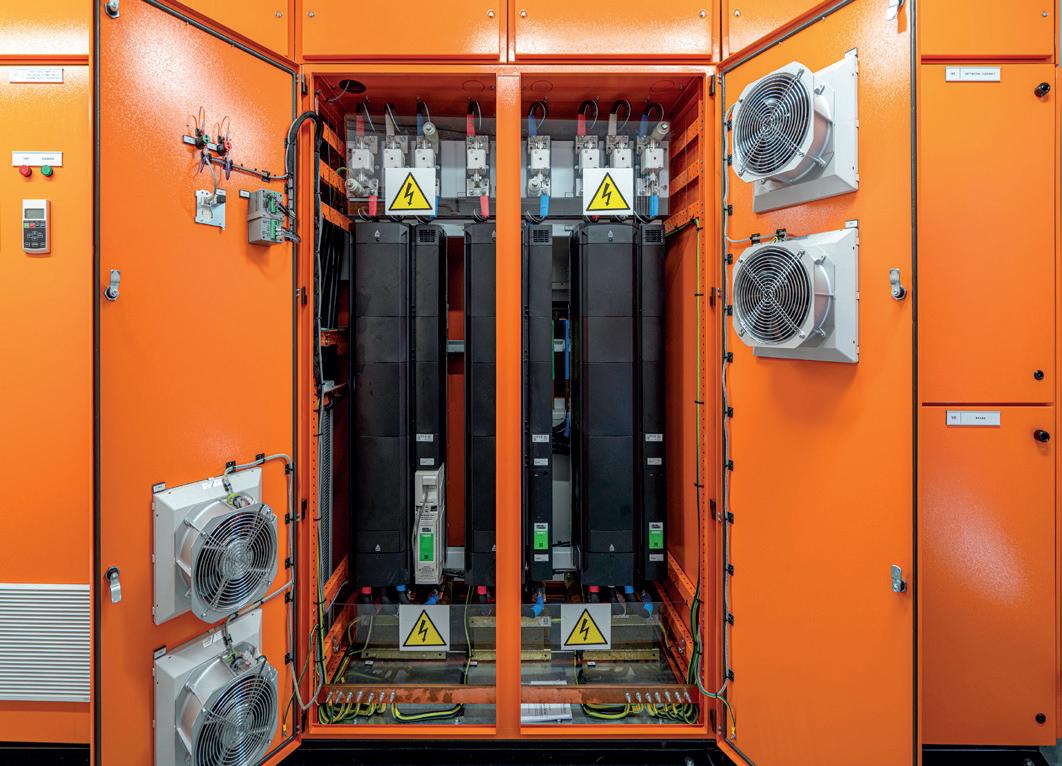
Nidec Drives delivered a tailored solution featuring two pump trains, each with four 522 kW pumps. Each train was equipped with:
n One variable speed drive (VSD) for dynamic control.
n Three soft starters to reduce mechanical stress and energy use.
This setup allowed real-time adjustments based on slurry density and flow rate, maximising efficiency while minimising wear and tear.
Beyond the hardware, the solution included:
n Custom CAD designs for precise electrical schematics.
n Integrated components like circuit breakers, relays, and PLCs.
n Compliance with international standards for safety and performance.
Efficiency, transparency, and future-readiness
The impact of this transformation was immediate and measurable:
n Lower operational costs through energy savings and automation.
n Optimised resource use, reducing manual intervention and downtime.
n Centralised diagnostics with real-time monitoring and predictive analytics.
n Scalability and mobility, allowing the system to grow with operational needs.
A blueprint for sustainable mining in Africa
This project is more than a technical upgrade; it is a model for how African mining operations can embrace innovation to remain competitive and sustainable. By leveraging containerised MCC solutions, companies can reduce their environmental footprint, improve safety, and unlock new levels of productivity.
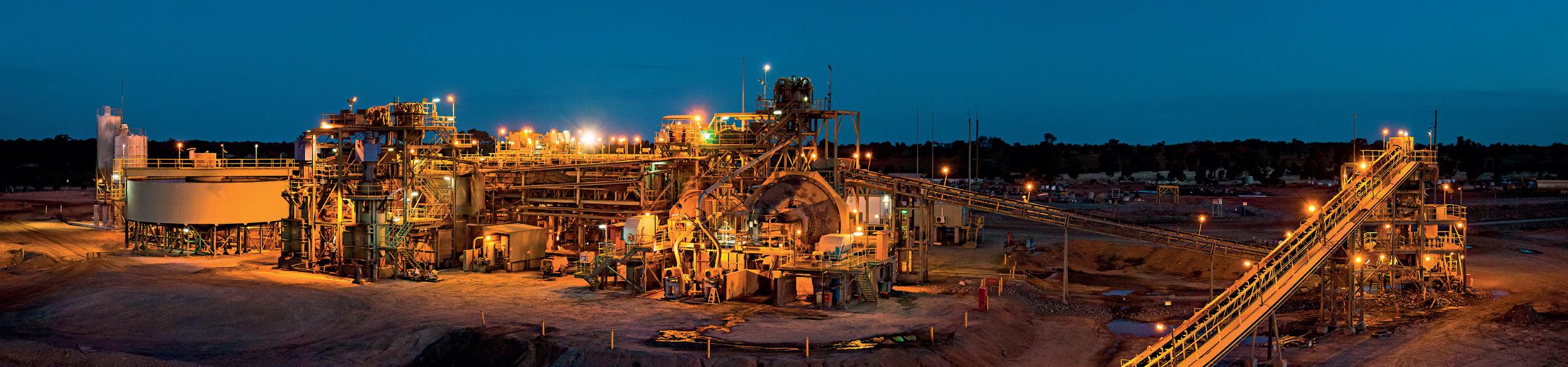
Figure 1. Nidec Drives’ containerised solution.
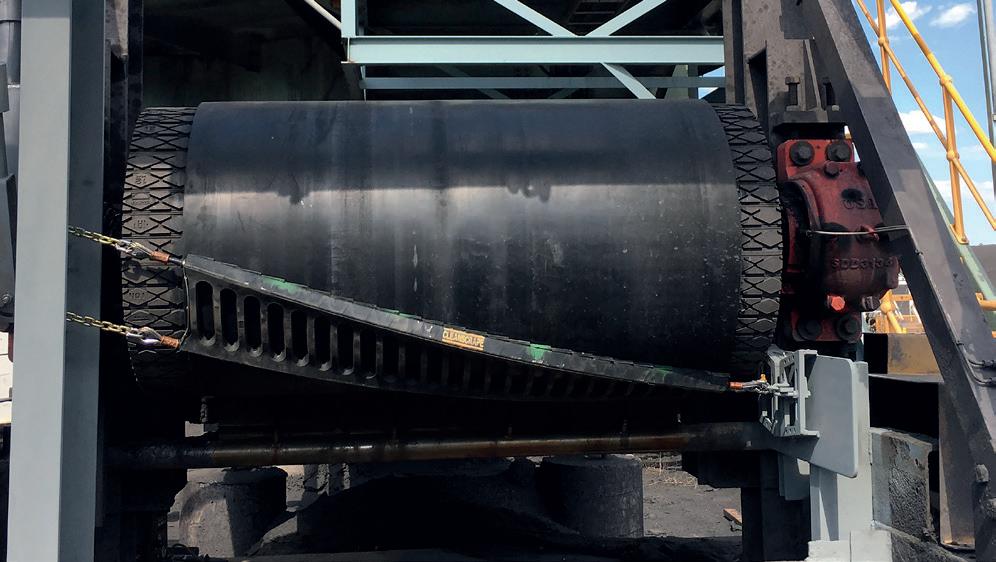
Stopping your conveyor belt for maintenance or repairs, especially on systems intended to run around the clock, can cost your operation significant time, money, and hassle.
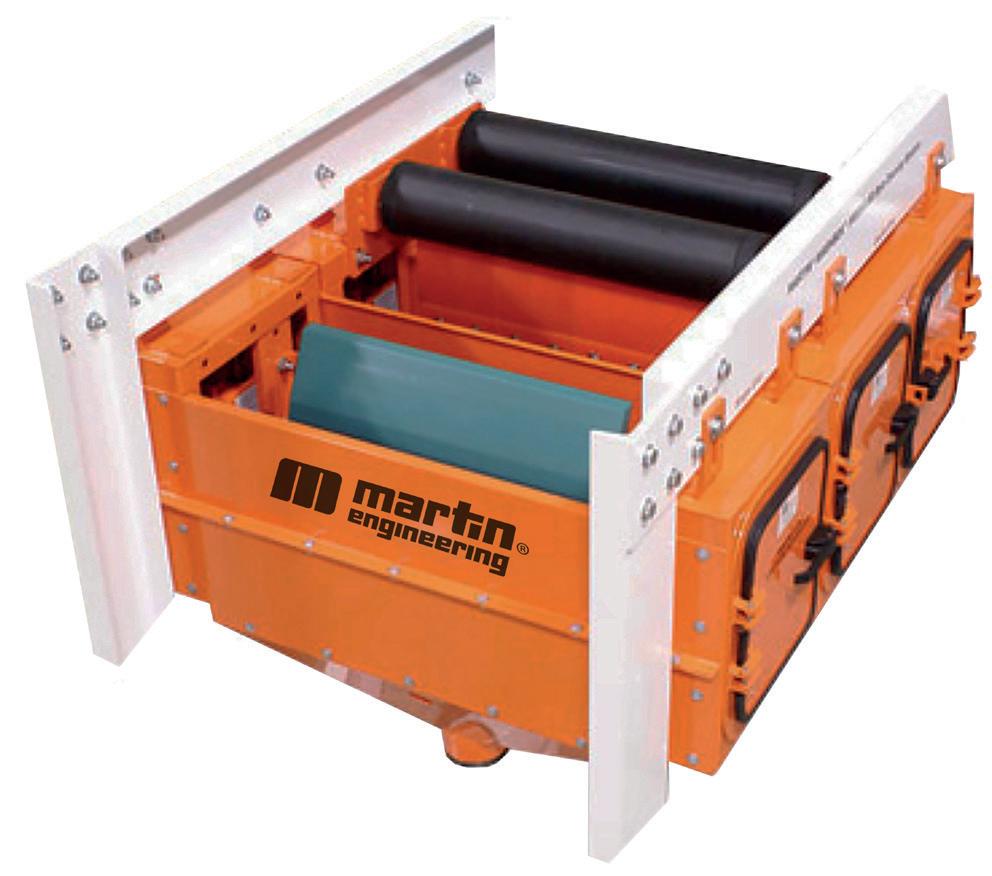
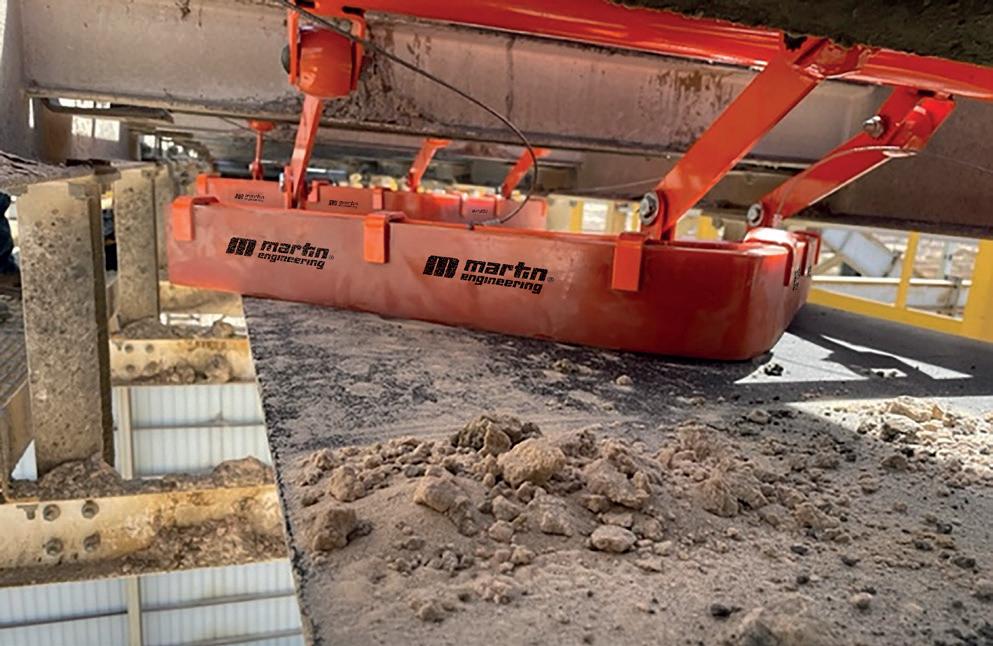
CleanScrape ® belt cleaners, featuring tough tungsten carbide scrapers and low contact pressure, provide up to 4X the service life of standard belt cleaners. Their slim, compact design is perfect for installation into restricted spaces.
Once in place and adjusted, CleanScrape requires minimal maintenance over its lifespan — reducing risk to your workers, operational throughput, and overall expenses.
CleanScrape® Martin’s Most Innovative Conveyor Belt Cleaner
Wiles Kase, Abhishekh Parmar, and Satish Rao, Clareo, USA, pinpoint three mining trends in the Americas to watch in 2026.
From Canada to Chile, the mining sectors across the Americas are navigating both technical and geopolitical changes amid a rising need for critical minerals. According to the IEA, the demand for critical minerals may double or triple, reaching over 30 million t. With this in mind, mining executives and investors must stay abreast of the headwinds facing their projects. Among the many trends reshaping the industry, three important aspects are: the rise in securing critical minerals from by-products; the advancements in copper leaching and the role of geothermal energy; and the expansion of allied collaborations and partnerships.
Securing critical minerals from by-products
Securing critical minerals has become a top priority recently for the US government, and also other countries in the Americas and worldwide. This is driven by geopolitical volatility, trade barriers, export controls, and evolving international alliances, which are disrupting supply chains for metals that are essential for energy, digital technologies, defence, and other sectors.
The mining industry faces mounting pressure to diversify and secure supplies more resiliently and sustainably. There is growing need to rethink how
minerals are sourced from primary ores and viable secondary streams, including by-products that might typically be viewed as marginal or prohibitively complex to recover. Tailings and other mining residues represent an underutilised source of critical metals and minerals that could reduce geopolitical vulnerabilities while advancing circular economy principles. Recovering valuable by-products through technology and process innovations is emerging as an important aspect of mining in the US. It can strengthen regional supply security, unlock new value, reduce environmental footprints, and catalyse next-generation sustainable mining practices.
A study from the Colorado School of Mines, published in Science, found that the US could meet much of its demand for critical minerals by recovering materials currently discarded in tailings. 1 The study examined 70 elements across US mining operations. 2 Aside from platinum and palladium, the researchers found that all could theoretically be sourced domestically with improved recovery methods. The analysis highlights cobalt and germanium as prime examples. Recovering less than 10% of the cobalt already mined and processed but lost to waste streams would be sufficient to supply the entire US battery market, the authors assert.
For germanium, reclaiming under 1% from existing zinc and molybdenum operations would eliminate the need for imports altogether.
The US Department of the Interior (DOI) and Department of Energy (DOE) launched initiatives in 2025 to unlock critical minerals from mine waste, tailings, and abandoned uranium mines. The DOI is seeking to streamline federal regulations on the recovery of critical minerals from mine waste, while updating guidance to make mine waste recovery projects eligible for federal funding.3 Under the DOE, The Office of Fossil Energy (OFE) has announced an intent to issue a Notice of Funding Opportunity (NOFO) to support approximately US$250 million of financial assistance for American industrial facilities that have the potential to produce valuable mineral by-products from existing industrial processes.4 To de-risk the technical uncertainty and financial risk for commercial deployment, many technologies must be piloted at an industrial scale in an industrial facility where material feedstocks can be processed. Similar initiatives are emerging in Chile, Brazil, and Canada, where tailings valorisation aligns with national critical minerals strategies and circular economy agendas.
There are a number of technology innovations that are emerging and could be well poised to take advantage of the policy momentum and market demand. Some illustrative examples are as follows:
n StillBright utilises electrochemical reduction for the efficient, clean, and domestic extraction of copper from ore and mining waste.
n Giraffe Bio seeks to use engineered molecules to selectively bind to target minerals and boost flotation and leaching efficiency.
n Endolith uses microbial activity to digest low-grade copper ore and recover stranded resources with lower carbon intensity.
n Phoenix Tailings converts tailings into valuable rare earths and critical metals without producing waste or emissions.
n BlueShift is looking to extract nickel, rare earths, and CO₂ from industrial waste streams, coal ash, and seawater.
n ESGold extracts precious and base metals from historical tailings with improved environmental outcomes.
These companies represent next-generation by-product recovery, targeting lost value within secondary streams using novel, scalable technologies that can retrofit into existing operations, and also demonstrate that bioleaching and carbon-free processes can provide commercially credible pathways to access waste-derived minerals.
Copper leaching and geothermal energy
Copper leaching on primary sulfide ores is disrupting the copper industry, given its lower consumption of water and energy and the ability to recover copper from material that
would have otherwise been categorised as ‘waste’. Today, with advanced bio-based technologies, a pathway exists to extracting copper from primary sulfide ores. However, the challenge still exists with scaling these technologies.
Take US copper mines as an example. They are operating under lower ore grades, old assets requiring additional capital to re-modernise, constraining mining companies to re-investing into new project development. In addition, any new processing plants or smelters require between US$4 – 7 billion and nearly 10-plus years to build and construct.5 Mining companies are under severe cost and market pressure, forcing them to think of alternative methods of processing and producing more copper.
Additionally, major brownfield projects in the US reported ore grades as low as 0.2 – 0.3% of copper. This situation implies that large magnitudes of copper are contained in stockpiles which are deemed uneconomic due to high cost of processing. For instance, Gunnison project in Arizona reported approximately 830 million t at 0.31% Cu, which with conventional smelting and flotation processes are hard to meet at these grades.6 Although the US is in a supply deficit, importing approximately 45% of total copper demand, this gap will widen to a net import requirement of more than 60% by 2040.7 In response to these growing dynamics, mining companies are investing in advanced leaching technologies that can turn low-grade copper waste stockpiles into valuable metal.
To overcome these types of geological challenges, startups and major mining companies have developed numerous technologies for catalytic and engineered bio-heap leach processes, targeting low-grade copper deposits. For instance, Jetti Resources partnered with Freeport-McMoRan to test, deploy, and scale its modular plants at its North American leaching operations.8 Rio Tinto’s Nuton, a bio-heap leaching technology with additives, has been deployed at Excelsior Mining’s Johnson Camp operations, with expected volumes of 25 million lb annually.9
While there are many more innovations in the above space, one major trend is that most of these technologies are not yet at commercial scale (with the exception of a few). Some of the challenges include geometallurgy, capital to fund R&D (where R&D can take more than 15 – 20 years), copper ore characteristics to develop the appropriate catalysts, and heat requirements to maintain appropriate catalytic properties.
So why does heat matter? Leach kinetics accelerate with temperature. Studies claim that copper output increased by 1.2% per degree Celsius increase in heap temperature.10 Operators often use fossil fuels as a heat source, but this makes the process more carbon-intensive and expensive, contrary to low-grade copper leaching claims. Here, geothermal energy offers a compelling alternative – a baseload, low-carbon heat source that can be integrated into remote mining operations.
There are cases of industry adoption led by majors and mid-tiers, such as:
n Freeport-McMoRan received an US$80 million grant from the DOE to use geothermal energy for heating leaching stockpiles at its Arizona operations.11
n Florida Canyon project in Nevada received a DOE grant for using geothermal brine as a power source to deploy on gold heaps. This project is in collaboration with ElectraTherm. 12
n Lihir gold mine in Papua New Guinea drilled a series of wells, identified geothermal reservoirs ranging from 240 – 300°C, and later resulted in developing a 56 MW geothermal power plant, providing nearly 75% of the mining operation’s power needs. 13
Supported by the DOE’s Geothermal Technologies office, which lists raffinate heating in copper production as a promising direct use-case opportunity, geothermal systems could materially reduce copper leach carbon intensity and accelerate bio based sulfide leaching in the US, enabling the US copper industry to unlock billions of copper pounds and reduce its reliance on copper imports.
Allied partnerships and collaborations
As the Trump administration advocates for tariffs and its energy dominance agenda, it has made a few exceptions to its approach when it comes to minerals. In October 2025, the US announced a trade deal with China to eliminate China’s current and proposed export controls on rare earth elements, in addition to the US-Australia Critical Minerals Framework which includes a US$1 billion investment from both nations over the next six months.
Other North and South American nations are following suit to build supply chains. The EU struck a deal for lithium in 2023, locking in preferential access to Chilean lithium for EU auto and battery makers. 14 Canada struck a Critical Minerals Agreement with the EU in 2024 – a binding supply agreement, guaranteeing European access to Canadian cobalt, lithium, and nickel with no parallel US deal. 15 Canada has also locked arms with Germany with an announcement of a critical-minerals and clean-energy partnership to co-fund R&D and accelerate mining and mineral-processing technologies. 16
Outside of the Americas, Australia expanded its Critical Minerals Partnership with India in 2024. 17 The UK-Saudi Clean Energy & Minerals Pact, signed earlier this year, strengthens UK ties to Saudi Arabia along mineral lines. 18
These partnerships are not new but as they grow in number and solidify, they reveal a blind spot for nations who fail to understand how isolationism disrupts the critical mineral value chain. For instance, even if the US makes massive overhauls to mine permitting and additional investments (such as its 15% stake in MP Materials), it will still need to collaborate with other resource-rich nations, since the US does not have enough rare earth deposits or refining capacity.
Importantly, allied collaboration must do more than secure existing production. It must underwrite innovation that lowers costs to unlock additional production in the coming decades.
Without innovation, a nation will not be able to shape supply; it will be forced to pay for it. Without new, cost-saving technology, the government is left with
blunt tools: costly price controls, equity investments, and trade levers to coax production from allies. Instead of building resilient supply chains, the country will simply rent them at a premium. Currently, China restricts rare earth and lithium processing technologies from export. 19,20 While the same kind of confrontational prohibition is unlikely to come to pass among allies, nations in the Americas would endure slower and more limited access to cutting-edge technology if they abstain from such collaborations. Innovation, thus, underpins long-term supply security in minerals.
Sharing innovations with allied or friendly nations allows miners to apply those cost-effective innovations to already cost-effective mineral deposits abroad. This kind of knowledge sharing, in turn, encourages mineral trade to flow back to the country where the technology was developed, thereby securing the mineral supply.
The US, for instance, has the opportunity to take a more active role in allied collaboration. It should re-engage its closest allies through bilateral innovation partnerships (or larger ones like the Quad). Joint research agreements, co-funded demonstration sites, and technology-sharing arrangements with partners like Canada, Australia, Chile, and Japan would expand the impact of each country’s R&D investments. These alliances can focus on complementary strengths to create a shared yet high-productivity innovation system. Aligning on data standardisation and intellectual-property sharing would make it easier to scale and transfer breakthroughs across borders, strengthening the allied supply base while reinforcing trust among allies.
The US should also lead globally by convening and organising collaboration. A US-led ‘Global Mining Innovation Forum’ (much like NATO’s Defense Innovation Accelerator) could bring governments, companies, and researchers together to align on priorities that serve the interests of Western mineral supply. 21 Leadership in this arena is not about dominance, but about ‘orchestration’ – ensuring that US priorities help define the future of mining.
Conclusion
The minerals landscape in the Americas is rapidly evolving, with supply resilience, geopolitical alignment, and technology innovation shaping industry outcomes. With demand for critical minerals and the need for supply security, miners are rethinking value creation, from extracting metals locked in by-products and tailings, to deploying advanced leaching technologies capable of unlocking low-grade resources. Cross-border collaboration is seen as essential to maintain supply resiliency in the short to mid-term. These trends signal a future in which competitive advantage will be defined not only by geology, but by the ability to innovate, partner, and adapt. For miners and policymakers, this requires urgency and imagination.
References
Available on request.
Stephen J Cummins, Senior Mining Director
– Distribution Business Unit International, Cummins, highlights key moments in the company’s first 100 years of mining innovation.
Few names are more synonymous with mining than Cummins.
Founded by American inventor and entrepreneur Clessie Cummins in 1919, the company has a history of pioneering the right solutions at the right times, from the first diesel engines used in mining equipment to next-generation alternative power technologies.
The global mining industry relies on Cummins for superior power density, leading total cost of ownership (TCO), and advanced decarbonisation solutions. As the company celebrates its first century supporting miners, here is a look back at how it went from homegrown designs to developing the most powerful mining engine on the market today, plus some of its most notable developments to date.
Humble beginnings
The Cummins Engine Company had a tumultuous first decade.
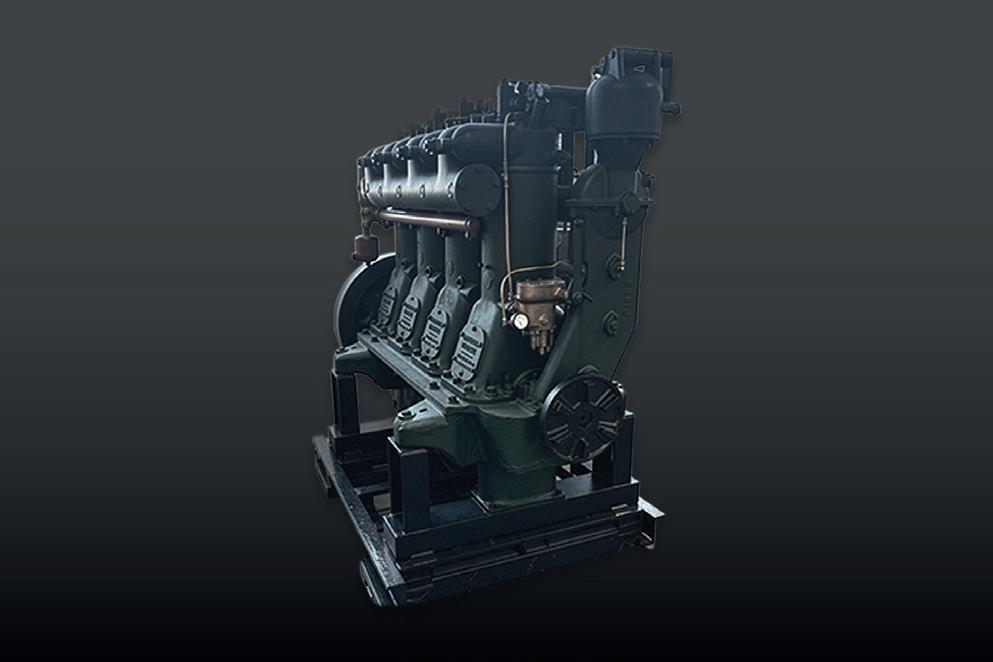
Clessie Cummins, backed by banker William G. Irwin, was determined to prove that diesel was a reliable and efficient alternative to steam power. One of his first entirely homegrown designs, a four-cylinder Model F engine, was used in a power shovel excavator for Northwest Engineering in 1926.
Although the Model F had performed well when pulling heavy loads at constant speeds, the power
shovel exposed two key design weaknesses: the valve train components were exposed and tended to wear out quickly in harsh environments. In addition, it featured the first Cummins direct fuel-injection system, which impressed operators but shortened the life of the power cylinder.
Cummins learned from these lessons quickly, introducing the six-cylinder Model U in 1928.
Among the world’s first fully enclosed diesel engines, it featured vertical valves and a more dependable single-disc pump.
The following year, Cummins began production of the Model K, an 'upsized' version of the Model U. This engine and its descendants – KO, L, and LR – would go on to serve miners for the next four decades. A long history of innovation had begun.
The mighty Model H
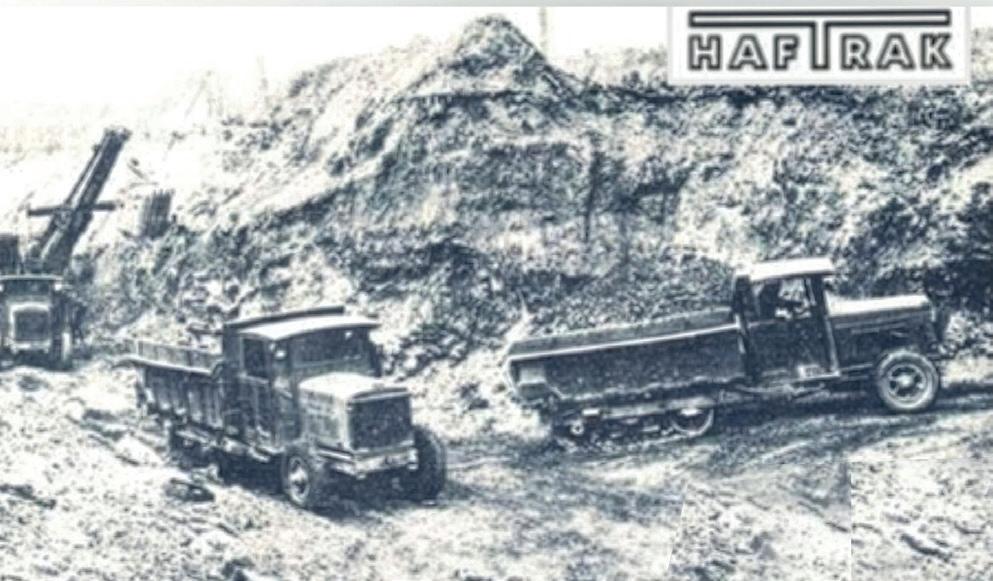
The first successful high-speed diesel engine produced in the United States was the Cummins Model H, released in 1932. Initially used for heavy-duty diesel trucks and small railroad switchers, it became a popular option in the Linn Haftrak off-road load carrier used in the mining industry.
The 136 hp, 11 l version of the Model H provided more power than a gasoline engine, enabling the Haftrak to carry up to 20 t at 8 mph.
The first dump truck designed for mines, Euclid’s FD Series, was also powered by a supercharged version of the Cummins Model H with 200 hp and six cylinders. The FD featured a reinforced body, protected cab roof, and hydraulic tipping action, and is considered the predecessor of all modern mining haul trucks.
In the late 1940s, Cummins introduced the NH, or ‘New H’ series, an upgrade of the Model H that established reputations for durability and serviceability. Its architecture endured throughout the 1990s, serving as the basis for electronically controlled engines like the N14.
From supercharging to turbocharging
One of the key technological advances that helped anchor Cummins in the mining industry was the development of supercharged – and later turbocharged – diesel engines. Both approaches boost the power of an internal combustion engine by getting more oxygen into its system.
Cummins began designing supercharged engines, which mechanically drive a compressor using power from the engine’s crankshaft, in the early 1930s. After World War II, the company bought a military surplus aircraft engine with a turbocharger and tore it down for analysis.
Turbocharged engines, first sold by Cummins in 1954, deliver greater fuel economy by using energy from the engine’s exhaust to drive a compressor, allow mining equipment to haul larger payloads and suffer less power loss at high altitudes. By 1957, eight new industrial engines sold under the name TURBODIESEL® were setting records for performance, economy, and light weight. In 1973, Cummins expanded its turbomachinery business by purchasing Holset, a world-class producer based in England.
Evolution of the Cummins fuel system
One of Cummins’ most significant breakthroughs was the PT Fuel System, first tested in 1950 and refined in 1952. It revolutionised diesel fuel systems by eliminating manual timing adjustments and many cumbersome components.
In the mid-1990s, innovation continued with the introduction of the high-pressure injection (HPI) fuel system, improving on the PT Fuel System by combining mechanical and electronic controls to precisely adjust fuel delivery and timing while reducing emissions.
Today, the modular common rail system (MCRS) offers a fully electric solution with even more value for miners, such as 3 – 5% reduced fuel consumption, 10% longer life to overhaul, and smoother, quieter performance.
Global expansion
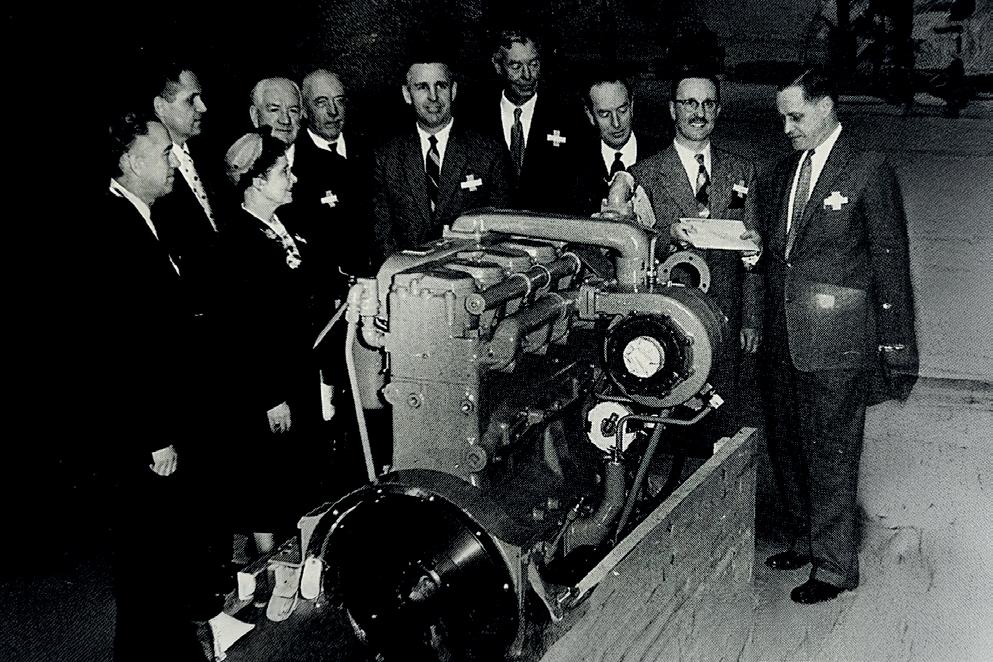
By the 1950s, Cummins was exporting to 121 countries, including engines for mining applications. The first Cummins engine ever manufactured overseas rolled off the line in the small town of Shotts, Lanarkshire, Scotland, in 1957. A Model H, it was shipped to Euclid, which was building mining trucks in its nearby plant in Motherwell.
The 1970s proved pivotal in Cummins’ ability to support the global mining market. The Daventry plant opened in the UK in 1973 – and its legacy endures, as many high-horsepower engines are still crafted there. The company began exploring investment in China in 1975, fuelling further growth across continents. Over the years, numerous company-owned operations or joint ventures overseas were driven by mining, playing a key role in building the robust global sales and service network that exists today.
Today, Cummins supports miners with a network of more than 600 distributor locations and over 3700 certified high-horsepower technicians across 190 countries, ensuring that wherever mining happens, Cummins is there.
Figure 2. The unique Linn Haftrak off-road load carrier in 1933, powered by the Cummins Model H.
Figure 1. The Cummins Model F engine was used in a power shovel excavator in 1926.
Figure 3. The first Cummins engine ever manufactured overseas rolled off the line in Scotland and was shipped to Euclid for a mining truck.
The K series
The K product family was launched as an entirely new engine series, designed from the ground up to meet the power needs of the 1970s. Powerful, durable, and yet compact, the series grew to include 12 and 16-cylinder Ks, producing more than 1600 hp. These high-end Ks became favorites in the mining industry, winning Cummins 60% market share in the industry in the years that followed.
Electrifying engines
Electronic controls have been game-changers in mining because they boost power density while reducing fuel consumption, essential for equipment operating under extreme loads and variable conditions.
Cummins anticipated the benefits of electronically controlled engines as early as the 1970s. By 1985, the company was investing heavily in electronics technologies, bringing the production of electronic control modules (ECMs), software, sensors, and tools in-house with the formation of the Cummins Electronics Company. These investments came to fruition in the mid-1990s with the launch of the Quantum Series, a product line of electronically controlled engines that set new benchmarks for cost of operation, performance, and emissions compliance.
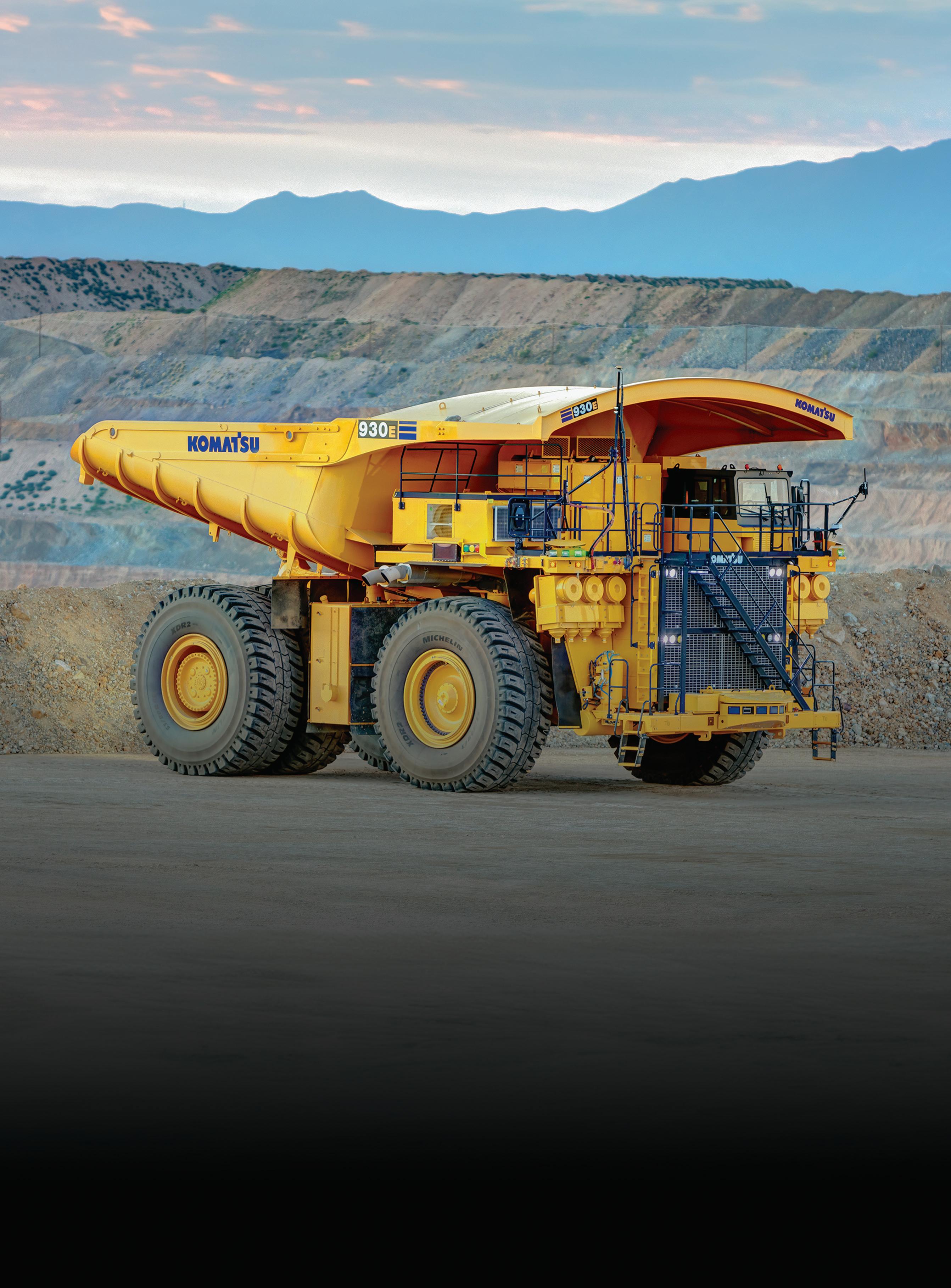
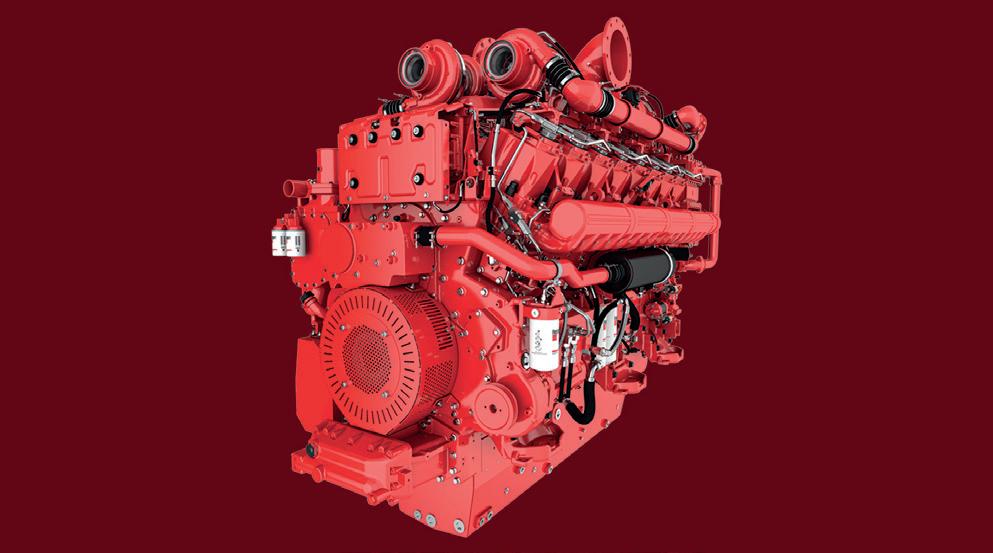
The Quantum Series covers a wide spectrum of power, from the compact QSB6.7 to the massive QSK95, launched for mining in 2022. Capable of producing up to 4400 hp at 1800 rpm, the QSK95 is still the most powerful mining engine on the market today.
Emissions reduction
Cummins emerged as a leading player in emissions technology in the early 1990s, largely due to long-term strategic decisions taken as much as a decade earlier.
In preparation for EPA Tier 4 in 2015, Cummins had determined that the only solution capable of meeting mining operations’ needs for engine uptime and reliability was selective catalytic reduction, which reduces nitrogen oxide emissions by up to 90% with minimal impact on engine performance.
Remote monitoring
For decades, Cummins has pushed the limits to deliver more value from every engine. Cummins introduced CENSE Electronics in 1995. Capable of remotely observing and diagnosing engines already in operation, the system caught on quickly with the mining industry.
A more advanced solution, PrevenTech® for Mining, launched in 2019, features continuous analysis to help improve performance and productivity by streamlining maintenance and service planning. An enhanced PrevenTech debuted in 2025 with advanced prognostic capabilities that go beyond fault detection, leveraging proprietary datasets to ensure Cummins mining engines operate at peak performance while preventing unplanned downtime.
The next 100 years
Cummins anticipates internal combustion engines playing key roles in mining for decades to come. Although full electrification is a long-term goal for many operations, the energy transition will take time, and many machines currently in operation have years of service life remaining. Cummins is investing heavily in continuous improvement to today’s trusted products to deliver lower TCO and optimised performance.
Mining faces some of the toughest carbon-reduction tests in the world. To address these challenges, Cummins is advancing energy transition with two bridge technology pathways – electrification and lower carbon fuels – that will allow miners to achieve near and mid-term environmental goals today while building momentum toward zero-carbon solutions in the future.
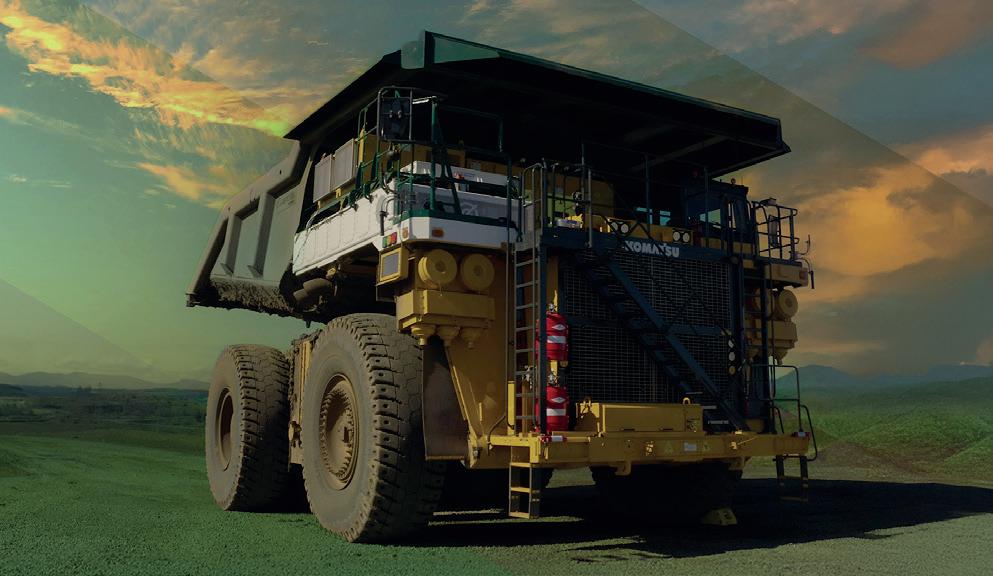
In early 2025, Cummins acquired First Mode and soon unveiled the world’s first hybrid electric retrofit system for mining haul trucks. The same year also saw significant progress in a project with Vale and Komatsu to retrofit haul trucks with dual-fuel systems capable of running on a combination of ethanol and diesel. These initiatives enable progressive decarbonisation for existing fleets, extending asset life while improving efficiency and lowering operational costs.
Everything the company has achieved during its first 100 years was made possible through close partnerships with equipment manufacturers and miners around the world. Today, with the most powerful mining engines in the industry, state-of-the-art remote monitoring with advanced prognostics, and unmatched TCO, Cummins remains committed to supporting miners with innovative products and services designed to solve real-world challenges for the next century and beyond.
Figure 5. Mining hybrids gain headway through Cummins’ acquisition of First Mode and the world’s first hybrid electric retrofit system.
Figure 4. The latest Cummins Quantum series engine, the QSK95, remains the most powerful mining engine on the market today.
Josh Swank, Philippi-Hagenbuch, USA, explains how opting for custom-engineered haul truck solutions rather than off-the-shelf products paves the way to a more sustainable hauling operation.
Sustainability. It is not just a buzzword; it is an important consideration for the long-term health of communities, industries, and the planet. In mining, equipment choices directly influence operational sustainability, yet one key aspect often flies under the radar: haul truck body components.
Standard haul truck bodies may get material from Point A to Point B, but they rarely haul at peak capacity, leading to more trips back and forth, more fuel consumed, and a less sustainable hauling operation. These hauling inefficiencies combined with where the steel was sourced, the type of material used,
and excess steel in the body design hinder an operation’s ability to reach its environmental goals. Choosing to opt for custom-engineered truck bodies and water tanks for either new or existing haul trucks can help an operation not only be more efficient, but also more environmentally sound.
More productivity, less emissions
While standard haul truck bodies offer multipurpose, utilitarian benefits, they frequently fall short when it comes to meeting the specific demands of mining operations. A customised truck body – engineered to match
the unique characteristics of the material being hauled, the truck’s rated weight, and the operation’s goals – can dramatically improve hauling performance. These tailored designs optimise load distribution, reduce spillage, and enhance durability, resulting in fewer trips, lower fuel consumption, and extended equipment life. For operations looking to increase their hauling efficiency and sustainability, a custom body is not just a luxury, it is a strategic investment.
Enhanced efficiency
An engineered-to-order body design considers each mine’s unique specifications – from the material being hauled, to make and model of truck – to create a body that maximises payload. By planning for material density and weight, these bodies allow producers to haul the truck’s full rated capacity and carry the greatest amount of material possible with each pass and gallon of fuel.
After optimising the truck’s payload, simply retaining material in the haul truck body has a considerable impact on hauling efficiency and sustainability. Reducing material spillage eliminates the need to constantly deploy support equipment to clear haul roads, reducing fuel emissions and contributing to a more environmentally sound hauling process.
Cleaner haul roads also preserve truck tyres, minimising the need for replacements and helping to conserve the
resources that go into new tyres. Custom bodies are designed to minimise spillage by optimising the body dimensions and considering site-specific characteristics of the mine. Operations can choose to add a tailgate and sideboards to their standard truck body to reduce spillage, but typically opt for a custom body to maximise the hauling efficiency and sustainability benefits.
Considering the entire operation in the body design also ensures the proper dimensions to pair with the site-specific loading equipment, providing a larger loading target to more evenly distribute the material.
Longer lasting
By facilitating a balanced load distribution – one-third of the weight on the two front tyres and two-thirds on the four rear tyres – custom body designs extend the life of tyres and other key haul truck components as compared to standard body designs. Standard body designs naturally force the bulk of the material toward the front of the body, often resulting in around 40% or more weight on the front tyres. This added pressure on the tyres, suspension, and chassis requires more frequent replacement and the use of more resources for these new spare components.
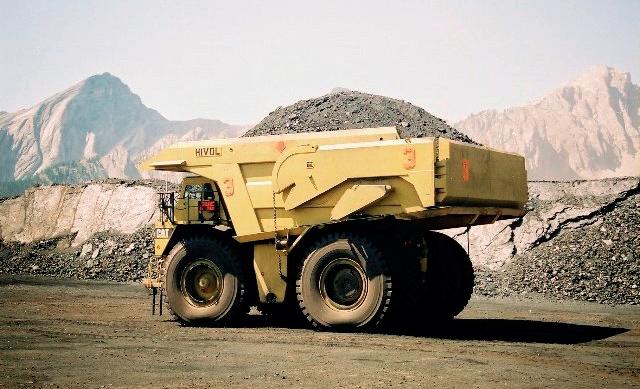
Durability is a crucial sustainability metric, and it starts with material selection. Some custom bodies are constructed with ultra-high-strength steel with a nominal Brinell hardness of 450 – 500 that features lower points of carbon than most other steels, providing strength and hardness without being brittle in cold-weather climates. By utilising 500 Brinell steel, a body can be up to 12% lighter with the same strength as 450 Brinell steel. Of course, a fully custom solution that is engineered with the best-quality steel will have a steeper upfront cost. But rather than focusing solely on upfront costs, think about the total cost of ownership. Consider the case of an operation that invested in custom bodies for a West Virginia coal mine. These bodies were installed in 2009 and to this day, still operate at two different coal mines in the US. This example speaks to the longevity gained by investing in a tailormade, durably built haul truck body.
The point of durability extends beyond bodies to other custom equipment, like tailgates. Tailgates are often utilised by mining operations that haul liquid tailings as they help contain the liquid while moving. A custom tailgate with high-quality steel can last beyond the haul truck’s lifetime. Some generic tailgates come with a smaller price tag but also the downsides associated with that lesser cost. They are made with milder steel instead of high-strength and will only last a couple years before needing to be fully replaced, making them an unsustainable option in the long term.
Engineering custom haul truck equipment with tough steel that stands the test of time creates a positive ripple effect. It reduces the need for new materials, manufacturing energy, and transportation emissions that stem from constantly needing to replace components.
Reduced carryback
Carryback is another factor that impacts hauling and fuel efficiency, especially when moving stickier material such as clay, dirt, mud, and fly ash. On every trip, more material
Figure 1. In 2009, custom-engineered truck bodies were installed for a West Virginia coal mine in the US. To this day, they still operate at two different coal mines in the US, speaking to the longevity of tailormade, durably built bodies.
Figure 2. Durably built equipment reduces the need for new materials, manufacturing energy, and transportation emissions that stem from constantly needing to replace components.
builds up in the truck body and is carried back and forth, decreasing volumetric capacity by about 1% each round. If a haul truck is running all day, that number balloons, sometimes up to 50%, meaning more trips needed, more fuel consumed, and a less sustainable operation.
To address this, operations can turn to a couple of different custom-engineered options. Tailormade bodies reduce material carryback through strategically placed hydrophobic steel liners, along with a high-abrasion liner in the rear third of the floor. This provides high durability when working with abrasive materials and ensures as much material as possible leaves the body during dumping. Another option, a load ejector system, addresses the specific areas of the body where material tends to build up. As the body is in the dump position, load ejector plates slide down and out of the body to eject sticky material. This leaves behind an empty truck bed with its full capacity for the next load.
Upgraded water tanks
The same points about operational efficiency and reducing emissions can be applied to water tanks. Standard water tanks often underutilise a truck’s rated capacity by 20%, requiring additional trips and fuel to haul the same volume. A tailormade water tank allows operations to safely haul water at full capacity, lessening the number of trips needed to effectively control dust on haul roads and stockpiles. Add to that capacity advantage the more focused and durable design implemented in custom water tanks and the benefit is a lifespan of four to five times that of a standard water tank.
In several cases, a purpose-built water tank has operated in various parts of the Americas for over 20 years. One water tank in particular was originally installed about 18 years ago in the US. From there, it worked in Canada and eventually Brazil. In its many years of operation, there has been only one parts order for the tank – a new water pump. The structure remains corrosion and rust free.
Sustainable from the start
Operations will quickly notice the gains in hauling productivity and fuel efficiency of custom equipment, and the environmentally friendly contributions begin long before installation in the early design phases. While custom-engineered solutions incorporate a purpose built design that applies only the required amount of steel for each product, standard OEM truck bodies, due to their general purpose design, often incorporate excess steel.
As environmental regulations tighten and sustainability goals increase, greener material choices are entering the market. Some manufacturers have started offering fossil-free and zero-emission steel as an option for haul truck body upgrades. Zero-emission steel reduces the carbon impact before the haul truck hits the road and offers the same benefits in terms of toughness and fit for equipment. While this option currently carries a higher upfront cost, prices are expected to drop as technology advances. In areas with stricter carbon-reduction mandates, which are becoming more common in regions like Australia and the UK, upgrading a haul truck body with zero-emission steel can be a strategic investment. With advances in steel technology, utilising harder grades of steel reduce environmental impacts, enabling manufacturers to use less steel to build stronger yet lighter and more resource-efficient equipment that lasts longer. The reduction in product weight decreases freight expense of the truck bodies and water tanks to the mine site.
Optimised weight reduces overall fuel consumption of the haul truck, and a higher Brinell hardness of the steel maximises body and tank service life, decreasing maintenance and expanding the timeframe from which costly replacements are required.
Reach your goals
Sustainability is a continuous journey, and it is never too late to optimise a hauling operation. New solutions do not have to be for a new haul truck. Custom-engineered upgrades can be retrofitted to any make and model of off-highway haul truck in an existing fleet. Every haul truck presents an opportunity to move the sustainability journey forward. Whether retrofitting existing fleets or enhancing a new truck with custom equipment, it is not just about efficiency; it is about reshaping operations’ environmental footprint. From reducing fuel consumption and carryback to maximising payload, these changes compound into measurable progress. And when the equipment’s lifecycle ends, recycling closes the sustainability loop, giving yesterday’s steel a new life. As technology evolves and green steel becomes more accessible, deploying these strategies will only become more impactful.
Figure 4. A tailormade water tank allows operations to safely haul water at full capacity, reducing the number of trips needed to effectively control dust on haul roads and stockpiles.
Figure 3. Custom haul truck bodies allow producers to haul the truck’s full rated capacity by planning for material density and weight. They are also designed to reduce material spillage and carryback, contributing to operational efficiency and sustainability.
Adam Oppermann, Stellar, USA, details how mechanic and OTR tyre service trucks elevate mining equipment performance.
When it comes to mining operations, productivity depends not only on the performance of haul trucks and loaders, but also on the precision and reliability of the vehicles that service them. Mechanic trucks and off-the-road (OTR) tyre service trucks may operate in the background, but their combined impact on operational efficiency is undeniable.
Many operations have long relied on these vehicles, mechanic trucks to service equipment and OTR tyre service trucks to perform tyre maintenance. Like any good duo, when mechanic and OTR tyre service trucks are both utilised by a mining operation the value that the vehicles can provide is maximised. With two types of service vehicles working together in some instances,
maintenance professionals are able to minimise downtime and ensure the equipment that is doing the work is in working order.
From independent assets to integrated solutions
Mechanic and OTR tyre service trucks each have a distinct purpose. The mechanic truck is used for repairs and
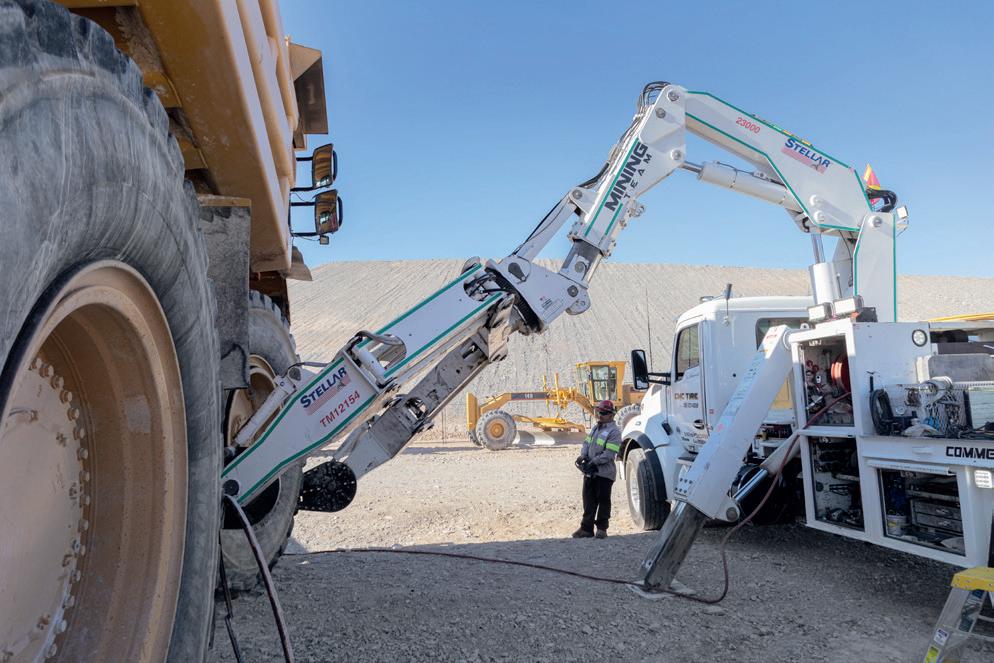
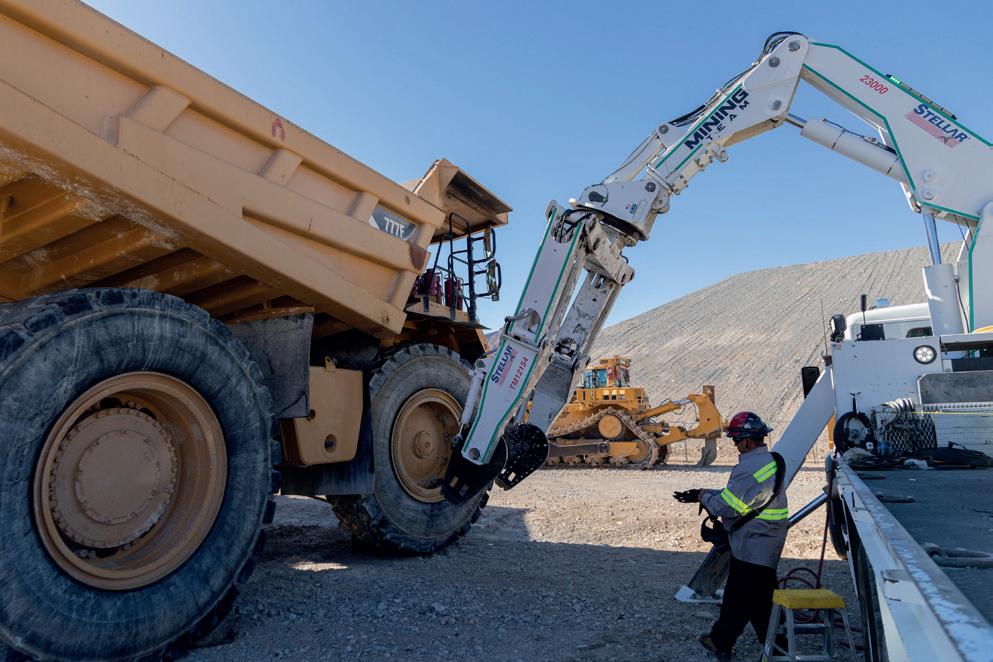
Figure 3. Stellar’s exclusive A-frame stabilisers on the TM12154/23000 Large OTR Tyre Service Truck combine strength, wide-stance outriggers, and dual-cylinder design for unmatched adaptability, stability, and serviceability on any chassis.
preventative maintenance, paired with a service crane to allow for lifting capabilities. The OTR tyre service truck is used specifically for tyre repairs, changes, and rotations.
By deploying both trucks as part of an integrated support strategy, heavy-equipment and tyre dealers can work together to respond to complex service events more efficiently. This coordination can help minimise redundant trips, reducing costs and ensuring both mechanical and tyre-related services can be addressed on site in a timely manner.
Design evolution for modern mining needs
The latest generation of mechanic and OTR tyre service trucks are purpose-built, data-informed, and feature an operator-centric design. These updates reflect a broader shift in the mining industry – one towards maximising efficiency and output.
Mechanic trucks have evolved over the years into true mobile maintenance and repair hubs, equipped with advanced cranes, air compressors, welders, and storage that can be configured to meet specific operator needs. These enhancements allow technicians to perform a broad range of high-level maintenance and repair tasks directly at the mine site.
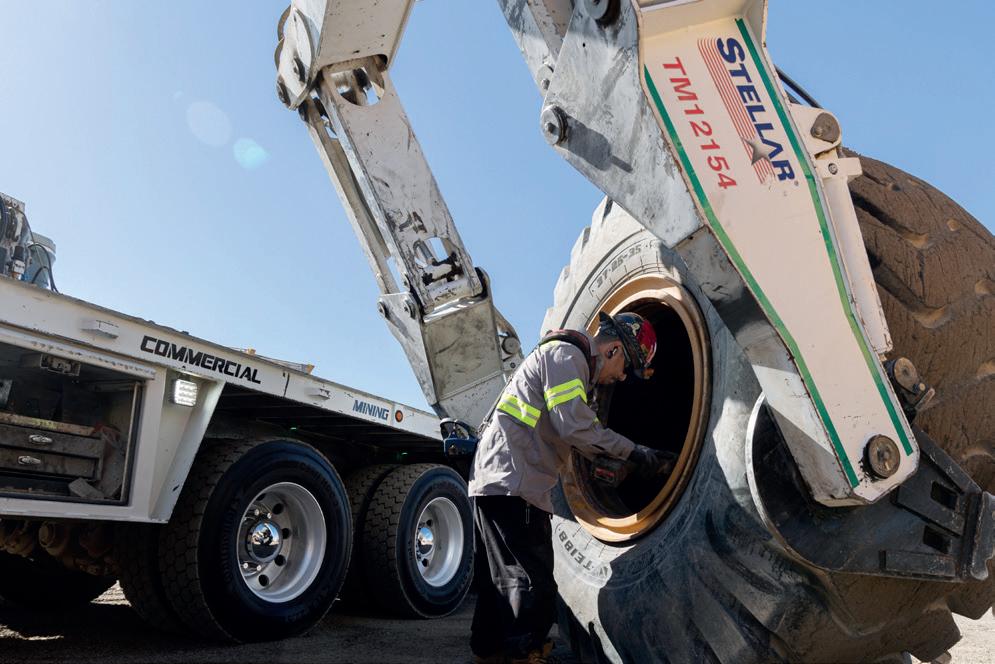
The precision and operator control on OTR tyre service trucks with tyre manipulators have greatly improved since their initial introduction to the industry. Features such as 360° pad rotation, greater adjustable clamping distances, and even remote-controlled hydraulics have improved productivity and efficiency of the crews operating the trucks.
When working together, the mechanic truck and the OTR tyre service truck create a mobile, multi-discipline maintenance platform capable of handling nearly any equipment issue without interrupting production cycles.
Filling every gap: The distinct roles of each truck
Mechanic and OTR tyre service trucks each offer unique features that fulfill a specific function that the other cannot replicate. Understanding the differences and how they can work together is key to optimising a service plan.
Mechanic trucks: The mine’s mobile workshop
A mechanic truck is built for versatility and readiness. When a piece of equipment experiences a mechanical issue onsite, the mechanic truck can serve as a fully equipped service centre on wheels. Key features to consider on a mechanic truck to truly make it indispensable include:
n Hydraulic service cranes with remote control function: When heavy lifting is required, a hydraulic service crane can be used to get the job done. Wireless remote-control systems allow for safe, convenient operation away from the load.
n Custom toolbox systems: To ensure every tool and component that is needed has a proper home, custom toolbox systems can be added to mechanic trucks. Opt for a system that features all-metal components to
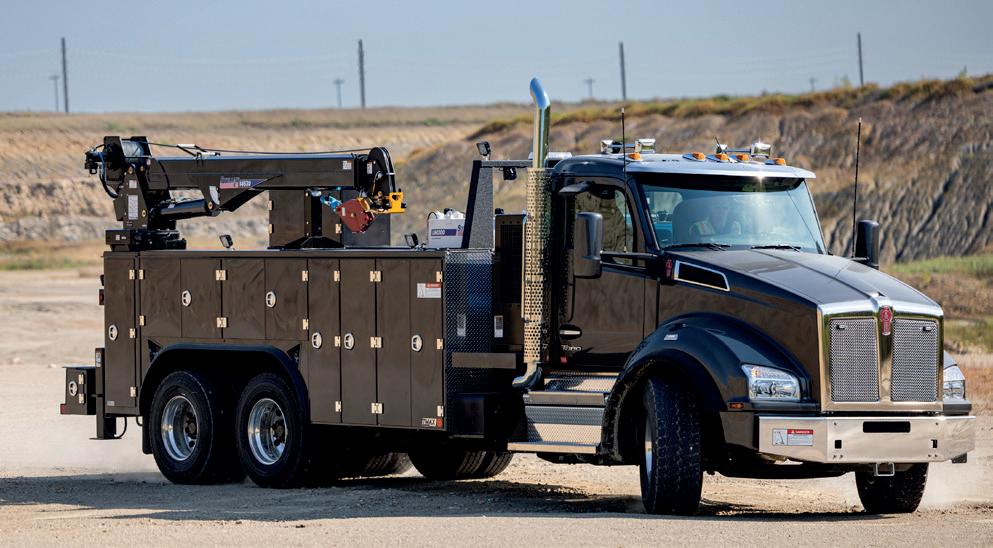
Figure 1. Both single and tandem-axle Stellar TMAX™ 3 models feature aluminium construction for corrosion resistance and increased payload even in tough environments.
Figure 2. The Stellar TM12154/23000 Large OTR Tyre Service Truck offers tough, versatile performance with a clamping width of 36 – 153 in.
Invest in the Best for Peace of Mind
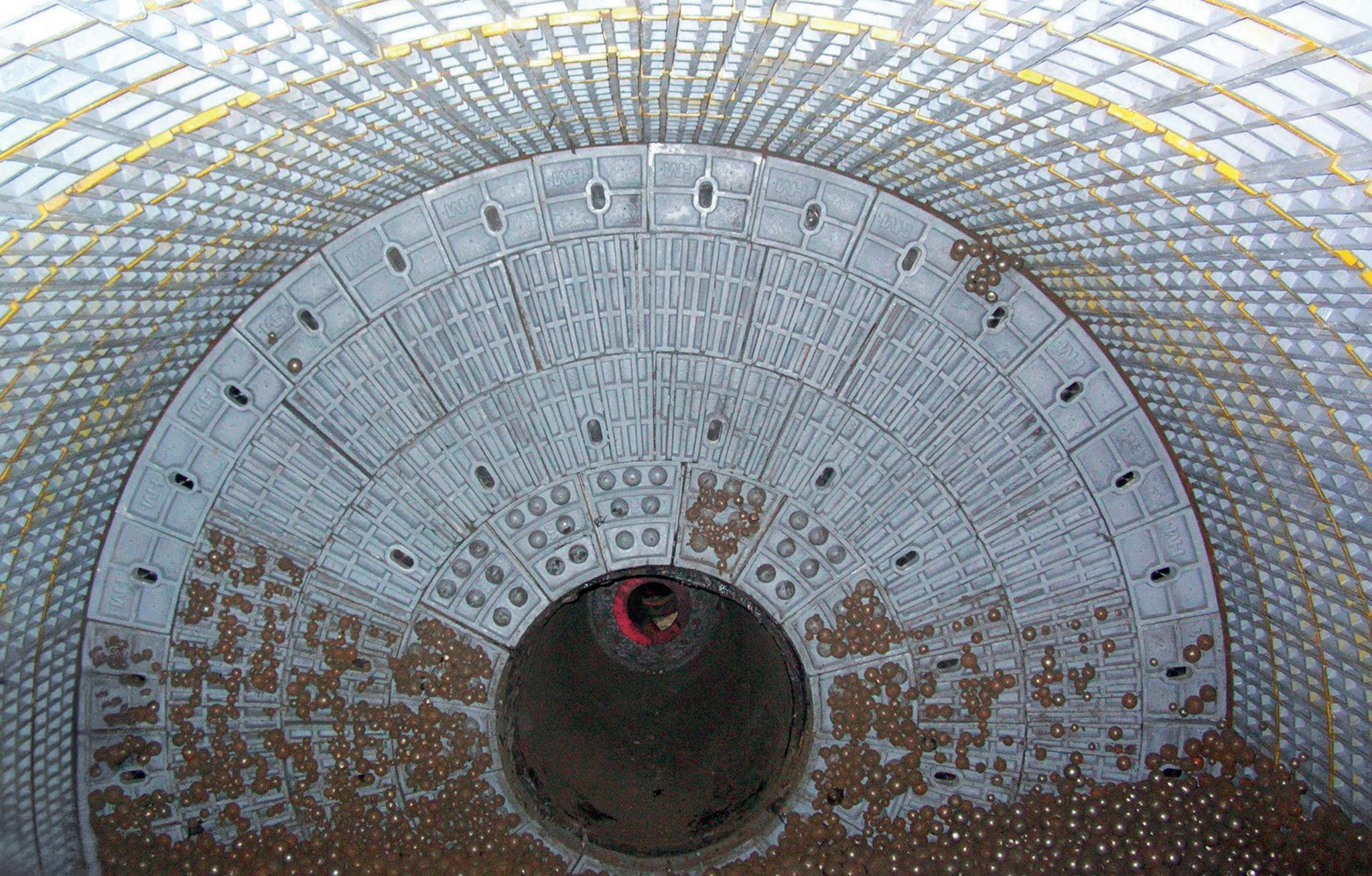
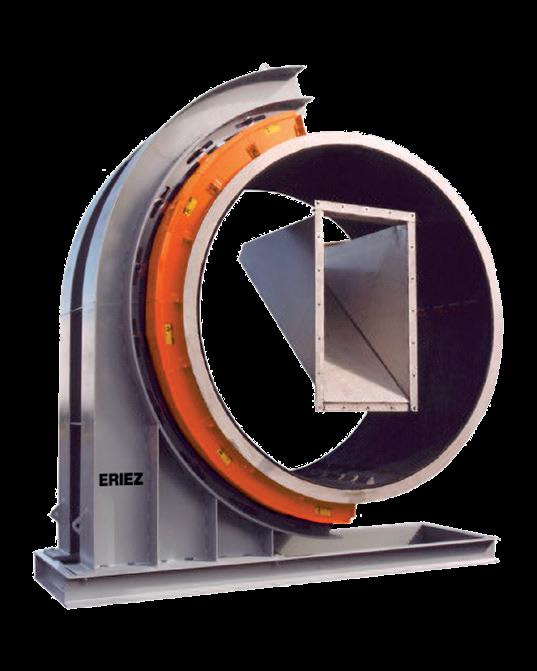
Whether your goal is higher throughput, reduced downtime, lower power usage — or all three — the Eriez Trunnion Magnet System transforms your grinding circuit and delivers proven results. Eriez. Always the Right Choice.
Stop ball scats before they circulate. The Trunnion Magnet System captures worn or broken grinding media at the mill discharge, protecting downstream assets and improving overall circuit performance.
ensure it will withstand the test of time and protect tools from tough environments.
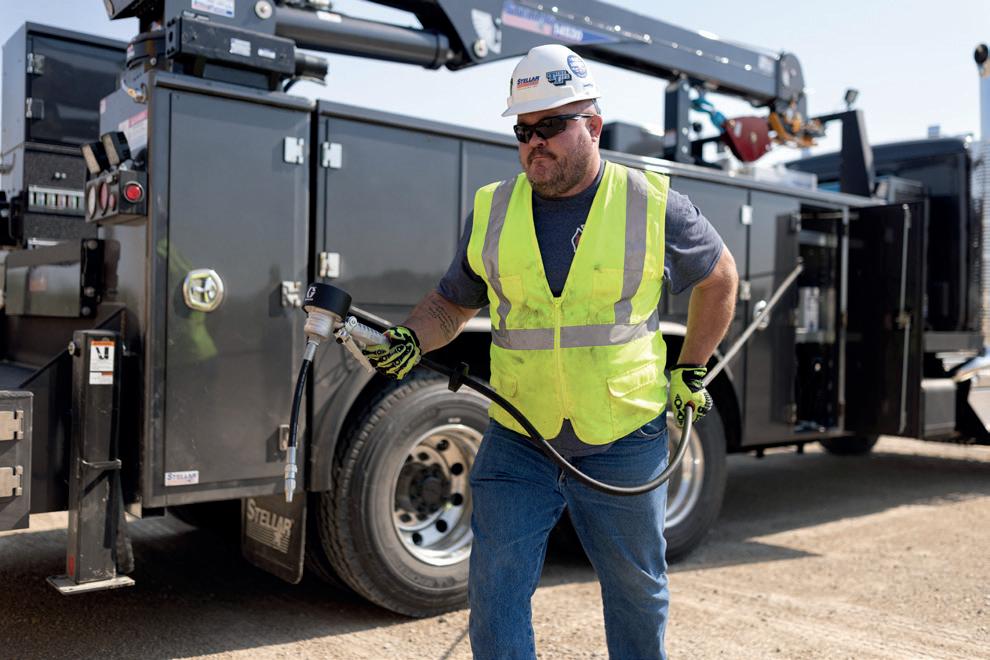
n Air compressors: A truck-mounted air compressor makes life easier by offering mobile air on demand. It is a versatile, reliable, and surefire way to operate essential air tools needed to get the job done.
n Lube skids: Consider upfitting a mechanic truck with a lube skid to perform lube services in the field. For teams that often handle their own lube services, it may be worthwhile to consider a dedicated lube truck to incorporate into the fleet.
n Power units: For tools and jobs that require an extra electric power supply, a power unit can be a key addition to a mechanic truck.
Together, these elements turn a mechanic truck into a fully-functioning maintenance platform, capable of performing everything from preventative maintenance to component replacement without external support.
OTR tyre service trucks: Precision and control in tyre handling
Where the mechanic truck excels in versatility, the OTR truck delivers specialised strength and ultimate control
when it comes to tyre service. Key features to include in an OTR tyre service truck to take operations to the next level include:
n Modified A-frame stabiliser design: Uneven terrain and tight areas pose potentially dangerous situations when it comes to tyre changes. Modified A-frame stabilisers have down and out outriggers with dual cylinders. This flexibility ensures the stabiliser can help operate at different widths and steady the truck so that the manipulator can run effectively.
n Control systems: Opt for large OTR tyre service trucks equipped with both wireless radio remote control and manual control options as a backup. The remote control should allow for multiple functions to run at once and for the speed of those functions to be controlled by the technician. This provides precise control of the tyre for the technician and allows them to be in the optimal area for visibility during tyre servicing.
n Hexagon boom design: A hexagonal boom design enhances the boom's strength and significantly minimises flex, even when handling the heaviest loads.
n Adjustable clamping distances: Tyre manipulators should offer various opening and closing clamping distances to maximise versatility.
n Continuous rotation pads: Equipping a tyre manipulator with continuous rotating pads enhances flexibility when positioning tyres, allowing operators to achieve precise alignment during installation.
n Parallelogram design: To achieve consistent clamping pressure and provide a secure grip on large tyres, it is essential to choose a parallelogram design.
A partnership that drives uptime
In practice, this partnership can maximise efficiencies and shorten the repair cycle. When mechanic and OTR tyre service trucks can work together in a coordinated effort, they cover critical aspects of field service for the mining industry. While the mechanic truck can handle the broad maintenance scope for heavy-duty specialised equipment, the OTR tyre service truck delivers targeted precision for one of mining’s most critical tasks. As a partnership, not only are the results a faster turnaround, but also a more organised workflow that maximises technician efficiency and minimises risk exposure.
Looking ahead: Building the next generation of service fleets
As mines continue to pursue higher productivity between crews and equipment, coordinating the work between mechanic and OTR tyre service trucks will be essential. The next generation of these vehicles will continue to build off of technology advancements and industry expectations, but will stay rooted in the core value of delivering complete, responsive service where and when it is needed most.
Mechanic trucks keep equipment healthy and OTR tyre service trucks keep it mobile. Together, they ensure improved productivity, minimise equipment downtime, and keep mining operations running, without interruption.
Figure 4. With organised storage and high-output support equipment built in, the Stellar TMAX 3T Aluminium Mechanic Truck helps streamline maintenance tasks and reduce downtime at the mine site.
Figure 5. The Stellar TM12154/23000 Large OTR Tyre Service Truck features a fully proportional radio remote and manual controls for multitasking and improved efficiency.
Tough on stone. Big on performance.
MOBISCREEN MSS 1102 PRO
Powerful, rugged, versatile: The MOBISCREEN MSS 1102 PRO stands out with its exceptionally robust design. It was developed mainly for use in natural stone and for high feed capacities of up to 750 t/h. The coarse screening plant excels with its easy operation – including SPECTIVE CONNECT. For greater sustainability, the MSS 1102 PRO can be operated 100% electrically thanks to its optional dual power drive. The MOBISCREEN MSS 1102 PRO – a genuine powerhouse.
www.wirtgen-group.com/mss-1102-pro-kleemann
MSS 1102 PRO
For 100 years, CIM CONNECT Expo, Mining's Global Marketplace, has been where mining meets innovation.
Join us in Vancouver for the centennial CIM CONNECT Expo, and forge the future of mining.
Will Owen, Editor, Global Mining Review, hosts a conversation with Caterpillar experts regarding the implementation and outcomes of a recent autonomous haulage project.
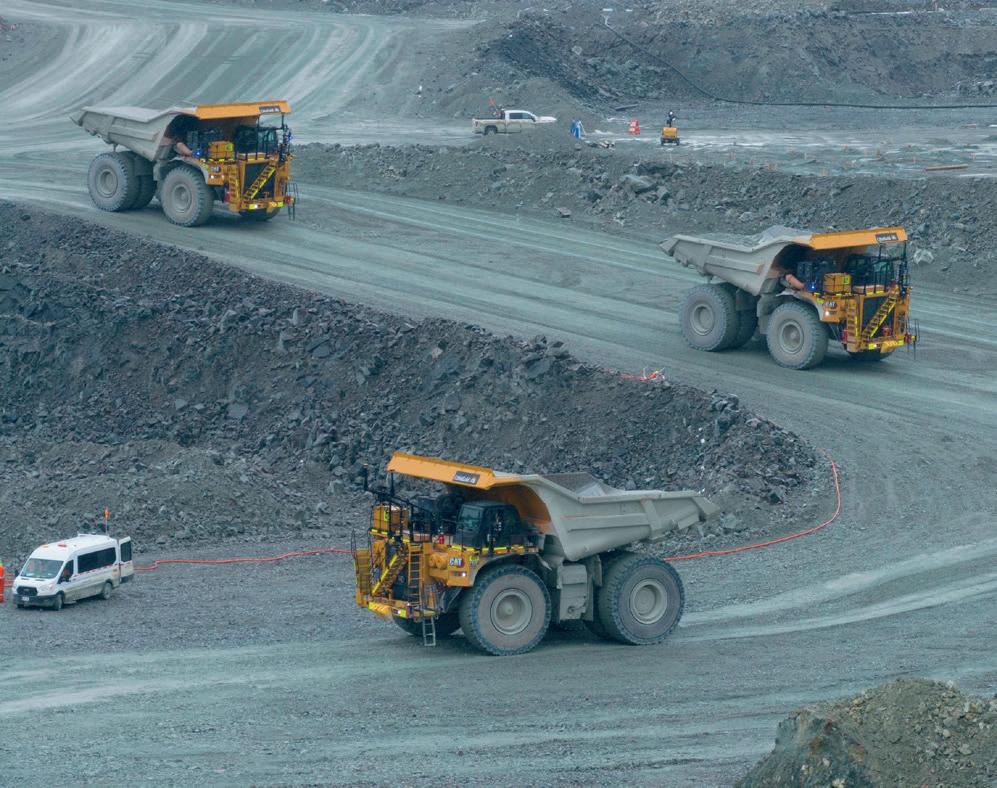
In 2022, Caterpillar and Luck Stone announced a collaboration to implement autonomous haulage at the Bull Run Quarry in Chantilly, Virginia. The project aimed to adapt autonomous haulage systems (AHS), widely used in large-scale mining, for quarry environments that present different operational challenges. Less than two years later, autonomous trucks began operating at Bull Run, marking a
significant step in applying autonomy to smaller, more variable sites.
To understand the technical considerations, lessons learned, and future implications, Will Owen, Editor of Global Mining Review, spoke with four Caterpillar leaders: n Corey Wurtzbacher, Vice President of Technology and Global Sales – Resource Industries.
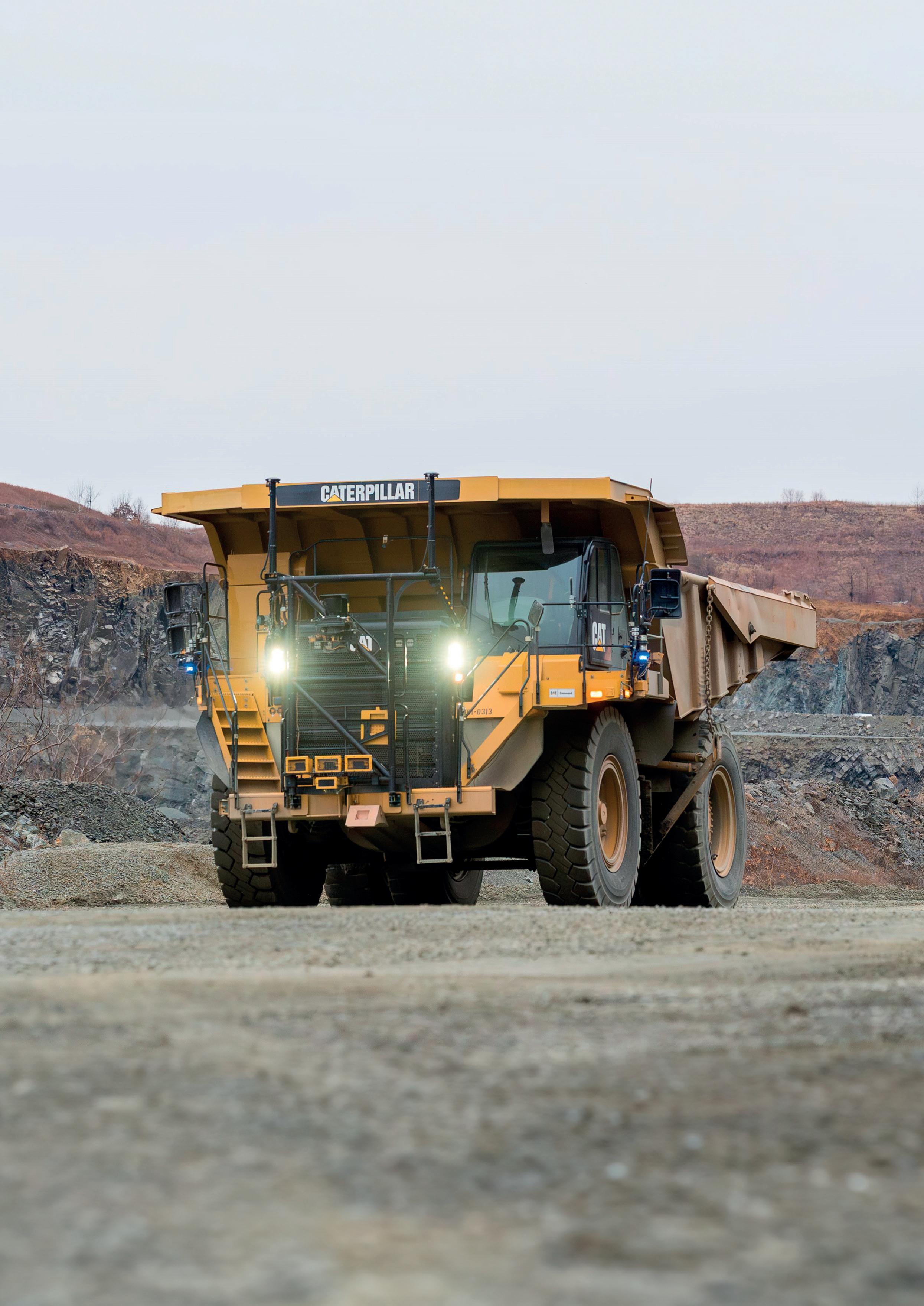
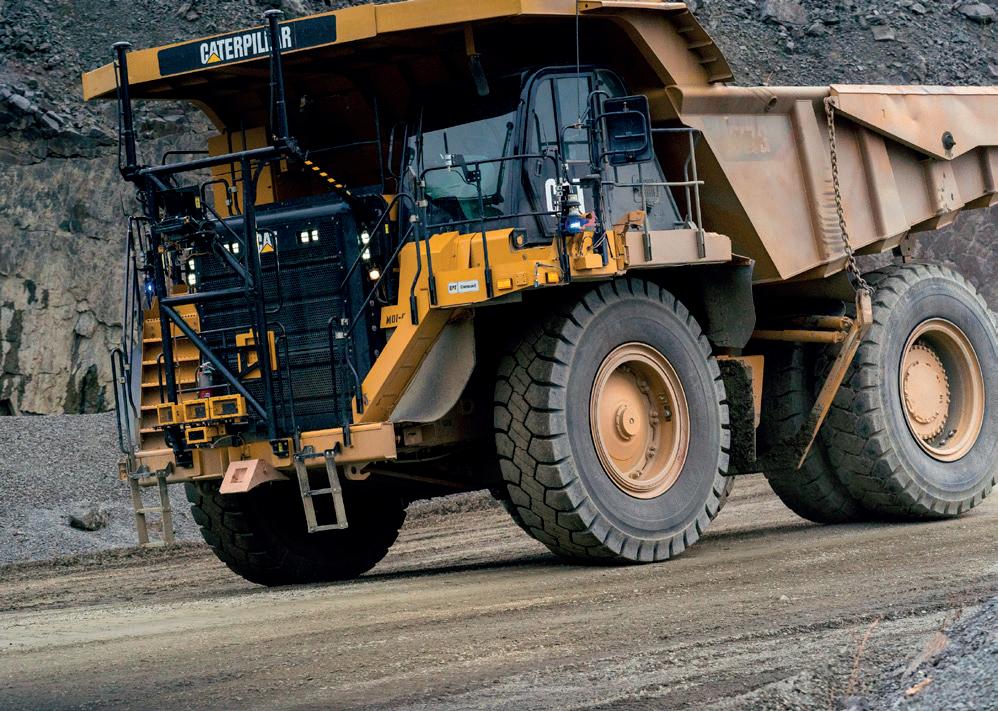
Figure 1. Bull Run Quarry became the first site in the aggregates industry to deploy Caterpillar’s autonomous Cat® 777 trucks.
n Sarah Loomis, Worldwide Director of Mining Technology Product Support, Training, Implementation & Worldwide Autonomous Operations.
n Tiago Danda, Global Director Mining Technology Operations – Autonomy.
n Kris Dahl, Global Commercial Director – Technology.
Corey, why is autonomy such a strategic priority for Caterpillar and what impact does it have on mining operations?
CW:
Autonomy is central to Caterpillar’s vision for the future of mining and aggregates. It’s not just about technology, it’s about transformation. Autonomous haulage delivers measurable improvements in safety, efficiency, and productivity, which are the pillars of operational success.
From a safety perspective, autonomy removes operators from harm’s way, reducing exposure to hazards in the pit. It’s important for our customers. On the efficiency side, autonomous trucks run predictable cycles, which means less variability and more consistent production. They keep
crushers fed, minimise idle time, and optimise fleet utilisation.
Labour challenges are another driver. Many customers face shortages of skilled operators. Autonomy helps address that by reducing dependency on traditional roles and creating opportunities for upskilling. It also makes the industry more attractive to people who want to work with advanced technology.
Our commitment is clear, autonomy enables customers to achieve their business objectives sustainably and profitably. It’s about delivering value today and building resilience for tomorrow.
Sarah and Tiago,
Caterpillar
has been on this autonomy journey for decades. Can you reflect on the milestones that brought us here?
SL:
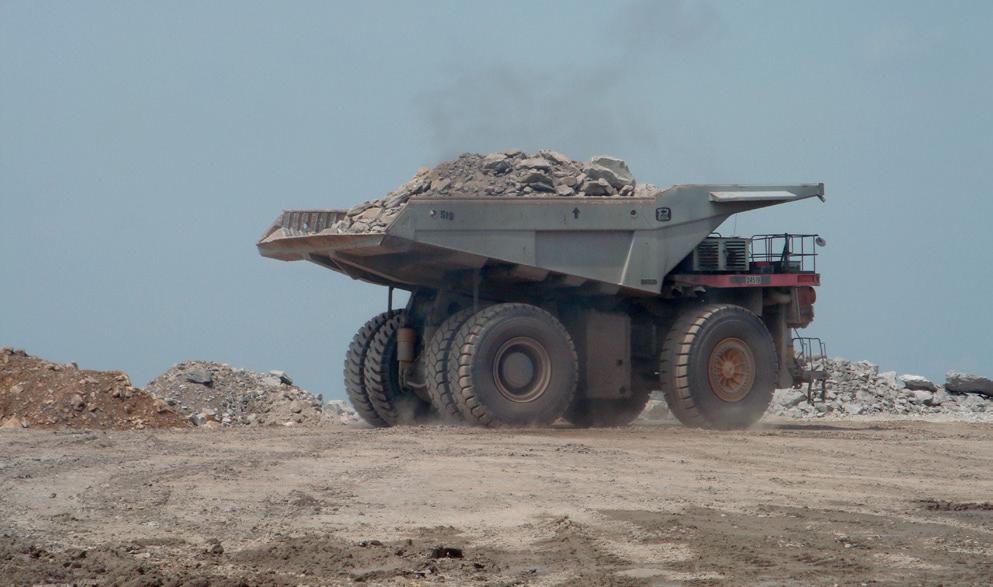
It’s been an incredible evolution. Caterpillar began exploring autonomy more than 30 years ago and we’ve spent over a decade deploying it successfully in mining. In that time, we have safely hauled over 11 billion tonnes of material. Today, our autonomous fleets move more tonnes per year worldwide than the total annual US crushed stone production, a statistic that speaks volumes about scale and reliability.
TD:
Along the way, we’ve hit key milestones: completing the first autonomous haul cycle, expanding command for hauling to large mines across the globe in different applications including iron ore, oilsands, copper, gold, and coal, and now scaling it for quarries. Each step taught us something new about technology, people, and change management.
One of the biggest lessons? Autonomy isn’t just about getting a truck from point A to point B. The real value comes from integrating trucks, loading tools, and site processes to deliver improved efficiencies and consistencies over years of production. That’s what differentiates Caterpillar. We don’t just automate machines; we optimise entire systems and provide continual operational support combined with the aftermarket support from local Cat® dealers.
Kris, what does scaling autonomy for quarries look like and why was Luck Stone the right partner?
KD:
Scaling autonomy for quarries meant adapting our system developed for mining applications moving 1 million tons per day in operations that run 24/7/365 to sites that may run a single shift and produce 1 million tons per year or less. A key part of this is scaling down our solution to provide the safety and productivity for quarries in addition to meeting the economic needs in this application.
Luck Stone is the largest family-owned and operated producer of crushed stone in the US with a strong culture of innovation, safety, and developing their associates. The collaboration began with a shared vision to transform
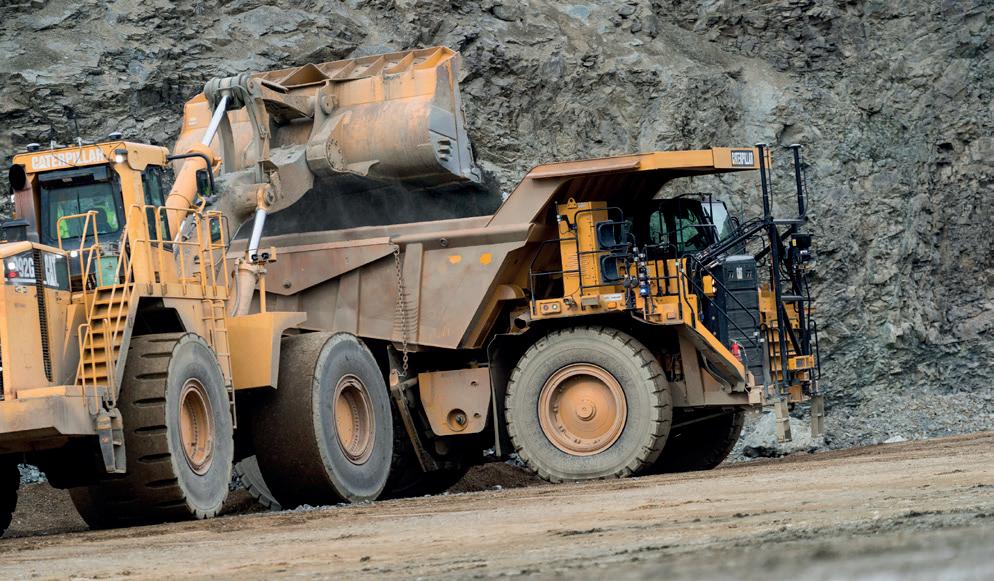
Figure 2. Autonomy’s real value comes from integrating trucks, loading tools, and site processes to deliver improved efficiencies and consistencies over years of production.
Figure 3. Cat autonomous fleets in mining move more tonnes per year worldwide than the total annual US crushed stone production.
Mining Lubrication & services
LubAnac industry
Oil analysis expertise to optimize your operations
Operating responsibly everyday
TotalEnergies develops high-performance lubricants for the evolving mining industry, helping to optimize equipment efficiency and extend service life. Our products and services contribute to the lowering of operating costs in your mining operations.
A tailored analysis program can help you move from reactive to predictive maintenance. Plan your production shutdowns to perform maintenance operations at the optimal time. Extend the lifetime of components and lubricants to the maximum. Improve equipment productivity while minimizing maintenance costs.
the quarry industry through cutting-edge technology. Bull Run Quarry became the first site in the aggregates industry to deploy Caterpillar’s autonomous Cat 777 trucks, supported by a full autonomy technology stack and site integration services.
Since the initial deployment, the collaboration has focused on scaling our solution to best meet the needs of the aggregates industry.
What kind of training and change management was required at Bull Run?
KD:
MineStar has an existing, very robust training programme to build the skills and capabilities needed in advance of starting autonomy at site. However, part of our collaboration with Luck Stone has been focused on simplifying processes and procedures to reduce the training needs to effectively operate AHS in a quarry application. Together Caterpillar and Luck Stone identified the optimal level of training for implementing MineStar Command for hauling at quarry operations.
Change management was equally important. With over a decade of working with autonomous sites, we’ve developed a proven methodology centered on people, processes, and technology, with safety as the foundation. Autonomy is creating opportunities for Luck Stone associates to learn new skills and is making the industry more attractive to existing and new talent.
We also worked closely with Luck Stone to benchmark site readiness, looking at haul road design, site layout, and network requirements. These steps ensure a smooth transition and set the stage for long-term success.
How have operators responded to working alongside autonomous trucks?
KD:
Operators across the site are responding very positively and appreciate the predictability autonomy brings. Autonomous trucks arrive consistently and position accurately, which helps reduce uncertainty and makes loading more efficient. While there was some natural curiosity and caution at the start, trust grew quickly as operators saw the technology perform reliably day after day.
Today, autonomy makes jobs easier and safer while also creating opportunities for growth. Operators who once drove trucks are developing new skills across the organisation such as managing autonomous systems, monitoring performance, analysing data, and supporting day-to-day decision making. This shift allows team members to broaden their expertise, take on more responsibility, and build sustainable career paths within their organisations. It’s a strong example of how technology can elevate people and strengthen the workforce for the future.
When did autonomous haulage start at Bull Run and what does the fleet look like?
KD:
Autonomous haulage began there in late 2024. Bull Run currently operates a fleet of Cat 777 trucks equipped with Command for hauling loaded by Cat 992 wheel loaders.
The number of trucks depends on production needs and efficiencies gained through autonomy. Our mining experience shows that autonomy can reduce the total number of trucks required to meet or exceed production targets compared to staffed operations. That can lead to a significant cost advantage for customers.
What lessons have you learned and how will they shape the future?
SL:
Adaptability is key. Mines and quarries change, faces move, and routes shift, so the system must be flexible. We also learned that autonomy is as much about people as technology. Communication and training drive adoption and success.
Figure 5. Reaching 2.5 million tons is significant because it validates the operational consistency of autonomy in a quarry environment.
Figure 4. Autonomy is creating opportunities for Luck Stone associates to learn new skills and is making the industry more attractive to existing and new talent.
KD:
The Luck Stone collaboration serves as a foundation to develop our advanced technologies. Innovations in simplification, rapid deployment, and mixed fleet integration will make autonomy easier to implement across all operations.
Autonomy creates value beyond tonnes safely hauled. It reduces process variance, improves machine uptime, and enables consistent performance over years of production. That’s what customers want, predictability and reliability.
Bull
Run recently reached 2.5 million tons hauled autonomously. What does this milestone indicate about system performance and reliability?
SL:
Reaching 2.5 million tons is significant because it validates the operational consistency of autonomy in a quarry environment. This milestone demonstrates that autonomous trucks can maintain production targets over extended periods without major interruptions for quarry applications. It also reaffirms that the system’s safety protocols, such as geofencing and collision avoidance, work effectively.
From a technical perspective, hauling 2.5 million tons required thousands of autonomous cycles across variable haul routes and changing face conditions. The trucks operated under real-world conditions like weather, material variability, and network connectivity challenges. Achieving this volume shows that autonomy can deliver predictable performance and integrate seamlessly with quarry workflows. It’s not just about moving material; it’s about doing so safely, efficiently, and with minimal downtime.
What
will quarries need to have in place to deploy autonomy successfully?
KD:
Quarries need to start with a clear understanding of site readiness. That includes evaluating haul road design, crusher entry and exit points, and traffic flow. Network infrastructure is important because connectivity underpins autonomous operations. Caterpillar can be a partner in this, coming on site and performing a site assessment to help set our customers up for success.
Rightsizing the operation is another factor. Smaller sites require smaller trucks like the Cat 777 or 775. Customers also need to plan for upskilling their workforce and implementing change management processes.
How can customers begin the journey toward autonomy and what role do dealers play?
CW:
The best starting point is a conversation with Caterpillar and the local Cat dealer. Dealers have decades of experience
supporting technology and equipment, and they remain critical partners in commissioning and supporting onboard systems.
We work with customers to define business drivers, assess site conditions, and develop a project plan. That includes laying out network requirements and clarifying roles. Caterpillar also provides remote operational support and troubleshooting through our MineStar site performance centres.
Deploying autonomy is a multi-step process. That includes effective planning and alignment on your key objectives, ensuring successful system go-live and sustainable safety and performance.
How does Caterpillar plan to integrate autonomy with other site technologies and ensure interoperability for customers?
CW:
Interoperability is a priority because customers often operate mixed fleets and use different technology platforms. Our approach is to provide a technology platform that helps customers optimise their machine assets.
We design autonomy as part of an ecosystem, not a standalone solution. That means integrating data from haulage, loading, and site management systems to give customers a complete picture of asset utilisation and job progress. This integration helps optimise production and simplifies decision-making.
Looking forward, we’re focused on making autonomy scalable and adaptable across industries. That includes construction and waste applications where variability is even greater. Our roadmap emphasises interoperability, connectivity, and continuous improvement so customers can adopt autonomy at their own pace without disrupting existing workflows.
Corey, any closing thoughts on scalability and Caterpillar’s vision?
CW:
Autonomy isn’t one-size-fits-all. What we’ve proven at Bull Run is that autonomous haulage can be tailored to fit diverse environments from large mines to smaller quarries. Our next generation 775 truck is being built with autonomy in mind, reducing cost and time to install systems.
Our goal is clear: build on our success, accelerate industry leading development, iterate quickly, and deliver safety and economic benefits across industries. Autonomy is the future and Caterpillar is committed to leading that future.
Final word
The journey at Luck Stone’s Bull Run Quarry demonstrates more than technological progress. It reflects a commitment to partnership, adaptability, and continuous improvement. As autonomy scales across mining and aggregates, one thing is certain: the era of autonomous hauling isn’t coming, it has arrived.
Matt Slezak, Dyno Nobel, USA, examines how digital solutions are revolutionising the way operations approach blasting.
Today’s mines and quarries have access to more data than ever before. Streamlined mobile apps can be downloaded to a tablet and carried on the pattern, allowing operations to design blasts on the bench and collect accurate data during the layout and loading process. Smart equipment and digital tools can gather
Figure 1. Digital tools are the ideal complement to human expertise.
and analyse countless data points throughout every part of the mining process. Comprehensive blast reports can be generated automatically, meeting regulatory requirements and shedding light on areas for improvement.
With all of these digital tools at hand, operations are now moving from making instinctual decisions to using a combination of data and expert knowledge to drive decisions. This transition allows operations to move with confidence and ensure better blasting results. And while there are countless aspects of mining processes that can be improved with solid data, two of the most significant value drivers that digital solutions can help enhance are fragmentation and blast movement.
The quest for better fragmentation
Blasting has come a long way since the early practices of simply putting the rock on the ground. Modern technology gives sites unprecedented control over every process in the value stream, from the drill all the way to the mill. With an increased understanding of how material moves through the mining operation, it has become clear that fragmentation is a major factor in an operation’s profitability.
Improving fragmentation with optimised drill and blast processes can have a significant impact on downstream practices. During the loading and hauling processes, equipment fill factors improve, more tonnes are moved per shift, and ground-engaging tool wear is decreased. At the crusher, the improved fragmentation of the rock increases throughput, reduces power costs, and extends the life of crusher wear items. Mill throughput is increased, and power costs are reduced. For quarries, screening efficiency improves and recirculated material is decreased. And for mines that leach, more material can be recovered in a shorter amount of time.
Variable density loading for bulk explosives, made possible through tools such as Dyno Nobel’s DIFFERENTIAL ENERGY® technology, places the explosive energy exactly where it is needed for improved
fragmentation based on rock characteristics. Electronic detonators offer millisecond timing accuracy to ensure every blast is initiated as planned. But how do operations optimise their blast design for improved fragmentation in the first place? Trial and error can eventually identify the optimal design, but this takes time and money, and the blasts during the process do not produce the desired outcomes.
Dyno Nobel tackles this challenge with a tool called Fracture Density Model (FDM). FDM is a physics-based fragmentation model that uses computational mechanics algorithms to simulate the effect of blasting in different rock types. Put more simply, it models blast outcomes based on fracture interactions between existing natural joints in the rock and fracturing induced by blasting.
FDM uses data including drilling design, loading design, rock properties, and explosive properties to model fragmentation. While many fragmentation models assume uniform geology and identical waveforms for every blast, FDM allows operations to calibrate the model using measured particle size distribution (PSD) data from previous blasts. This makes it extremely accurate based on the geology at the site.
With fragmentation modelling tools such as FDM, operations can simulate all of their trial and error processes until they get the modelled outcome they are looking for. This provides significant cost savings and reduces the environmental impact from suboptimal blasts. These tools can be used at any operation, and they are ideal for large or complex blast designs, underground designs, and fines reduction projects where even the smallest change in fragmentation makes a difference.
Modelling heave and solving ore dilution challenges
Heave and blast movement is another key area that can be optimised with data. Being able to predict not just how the rock will break, but how it will move presents a major area for improvement of blast results.
In surface coal mining, operations use cast blasting to move overburden away from coal seams for easier recovery with reduced overburden removal costs. Precision is essential in cast blasting to ensure as much rock fills the coal pit as possible. Blast too much rock, and you risk damaging or destroying the coal beneath it. Blast too little, and mining personnel must remove the overburden by mechanical means. This can prove costly in labour and equipment as well as delaying the coal removal process. The added hours of heavy equipment usage increases carbon emissions, adding additional challenges for operations working to achieve environmental, sustainability, and governance (ESG) initiatives.
Understanding rock movement is also important in terms of ore dilution. When waste rock mixes in with high-quality
Figure 2. FDM predicts fragmentation with industry-leading accuracy.
ore during blasting and travels downstream through the crushing and milling processes, the mill feed grade, or the average quality of the ore, is reduced. This lowers profitability. Depending on the extent of the dilution, it may even become uneconomical to process the ore. In this case, all of the material and the time, labour, and money invested in drilling, blasting, loading, and hauling is wasted.
With mines and quarries facing challenges such as these, it is clear that digital tools that offer the ability to model heave and blast movement can have a significant impact on operations’ bottom lines. While computer modelling has been possible for years, this process has historically generated two-dimensional models offering some insight into potential outcomes. However, there are limitations with these models, including inaccurate conclusions, as blasting is inherently a 3D process.
Today’s modelling tools are far more robust than their predecessors. Steadily increasing computer speeds, memory, and software efficiency allow for greater 3D modelling capabilities of physical processes. In the mining industry, this means blast movement modelling can yield far more accurate predictions.
At Dyno Nobel, the tool of choice is called Geologic Element Movement (GEM). It is a physics-based heave modelling tool that works by using 3D computational mechanics and modern computing environments. Using shapes that accurately represent rock fragments and data inputs including drill hole design, loading design, explosive properties, geological information, and timing, GEM can predict blast-induced movement of hundreds of thousands of fragments, projecting ore travel as well as its final location with high accuracy.
The use cases for heave and blast movement tools such as GEM include predicting overall blast outcomes, solving complex ore and waste rock dilution modelling,
and generating cast-blasting predictions. These models allow operations to make data-driven decisions and reduce or eliminate the need for costly trial and error processes, improving blast results, reducing waste, and enhancing cost efficiency.
Digital solutions and the future of mining
Models for predicting fragmentation, blast heave and movement, and ore and waste dilution are far from the only benefits digital solutions can provide. Today’s mining and quarrying operations can use digital tools to design blasts, predict and mitigate vibration, ensure safe blasting near structures, collect and analyse data, compare designed blast parameters with actual blast results, and more.
From automated blast reporting to meet regulatory requirements to full blast design and optimisation, digital tools are a powerful way to improve productivity and profitability. They serve as an ideal complement to experienced mining personnel, helping operations identify areas for improvement, optimise drill and blast practices, and continually analyse results to ensure goals are being met. Much like improved 3D modelling capabilities made it possible to create blast heave and movement predictions with far greater accuracy, advancements in technology will continue to identify areas of improvement for digital solutions in the mining industry.
The essential information that digital solutions gather and analyse allow for data-driven decisions that deliver unsurpassed productivity, profitability, and efficiency. Operations that are slow to adopt digital solutions may find themselves falling behind, while operations that embrace and utilise them effectively will be better prepared to face the challenges of the ever-evolving mining industry.
Figure 3. GEM allows users to model cast-blasting results with high accuracy.
Nick Brown, Thiess, Australia, delves into the Olive Downs Complex’s autonomous mining project, and explains how it was ultimately humans who drove the success of the operation.
When Olive Downs Complex set out to become one of Australia’s first coal mines to deploy autonomous vehicles, the industry watched with anticipation. This would be a world class operation, delivering high-quality steelmaking coal.
There was the promise of cutting-edge technology, ESG credentials, and operational efficiencies from which the whole industry could learn. The excitement on site was palpable. Everyone was genuinely thrilled to be part of this trailblazing team.
Approximately six months following its mobilisation in 2024, the project ran into challenges in some aspects of its autonomous operations, sparking questions about the approach. Today, not only are all autonomous vehicles performing well, but production is stepping up with additional autonomous investment planned.
This is a case study in how cross-functional understanding, communication, and leadership turned a challenging rollout into a model for the future of mining.
The opportunity
Olive Downs Complex presented a great opportunity for deployment of autonomy as it was a new mine requiring significant quantities of new fleet. This opportunity made it possible for Thiess and its client Pembroke Resources to partner with a major Original Equipment Manufacturer (OEM) – in this case, Caterpillar – and deploy brand-new autonomous equipment.
The mine’s remote location, more than an hour’s drive from Moranbah in Queensland, added complexity to workforce recruitment and retention, another factor making autonomy a worthwhile proposition.
Thiess was engaged by Pembroke Resources to operate the Olive Downs mine and to be the bridge between the OEM’s hardware and technological deployment and the execution in the field on behalf of the mine owner –enabling autonomy on site and optimising performance.
The challenge
In the early days, the commissioning of the autonomous system was a technical triumph. The network infrastructure performed exceptionally well, and the first autonomous vehicles hit their benchmarks on schedule. Yet, as the project moved from commissioning to full scale operations, a fundamental lesson became clear: technology moves faster than culture.
The mine’s complexity increased deeper into the pit. There were requirements to meet demand for first, and then sustained coal. Additional fleets and infrastructure were added. It was then that the metaphoric cracks began to show. The team was tasked with operating the co-mingling of three autonomous fleets and two conventional fleets, loaded with large scale R9800 and R9600 hydraulic excavators.
The control room was staffed by autonomy experts who had been recruited from iron ore projects, or coal projects where autonomy had not been adopted from the outset. This team had the challenge of adapting their prior experience and culture to the contract mining mindset expected by Thiess for a world class operation.
Meanwhile, the field production teams were steeped in contract mining know-how but struggled to understand the demands and constraints of autonomous operations. Communication and teamwork began to break down, and with it, Thiess’ ‘Can Do’ attitude and culture was disappearing.
A good example of this was the impasse around haul roads. Given this was a greenfields operation, the majority of the initial haul roads were built from pre-strip material, which demanded regular maintenance. It was particularly difficult to repair following wet weather, and graders were regularly slowing down the flow of autonomous traffic.
At this early moment in time there was just one single access in and out of the pit, exacerbating the impact of graders on the flow of traffic. The autonomy-skilled control room rightfully kept asking for the graders to come off the road. However, the roads became messy and obstacles slowed down traffic, at which point the production team would then rightfully insist graders come back.
This conversation went around in circles instead of a solution being sought.
Shifting gears
The breakthrough came when leadership recognised that this was not a technology problem, it was a people and culture issue. The first path to resolution was through engagement with Thiess’ partners, and recognising that an aligned approach needed to be led from the top.
The OEM came to the party, bringing in a special response ‘SWAT team’ to address any OEM-owned issues. The team supported Thiess by providing personnel with experience in both autonomy and mining. These dual-experts were parachuted in to support key roles.
Thiess banned ‘seagulls’ – experts flying in briefly for audits or advice, leaving their mess and flying off again. The operation did not need people from the outside wasting time pointing out known issues. Instead, subject matter experts who stayed on site for long periods, living the issues day to day before advising on and participating in developing the solutions, were critical to regaining momentum.
Crucially, cross-pollination began. Mining superintendents spent time in the control room, and control room personnel joined site teams in the field. This approach was transformative. The engineering team also went through a steep learning curve, starting with the relocation of its entire department to sit and work alongside the operational mining team. Execution is only as good as the original plan. Progress would not be achieved through poorly executed plans, or even poor plans being well executed.
As an analogy, it had previously felt as if one group spoke American English, and the other spoke Australian English – it seemed to be the same language but there were nuances that each group did not understand. But increasingly, everyone started speaking the same language.
Thiess recognised that everyone needed to become part of the solution and inspiration was taken from the greatest example of teamwork there is: a Formula One pit crew. The analogy can go a long way. The mine site has four
Figure 1. Inside the Olive Downs Complex control room.
rostered crews all tasked with executing the mine design, just like a pit crew attending to the four tyres of a racing car. There is no use having one high-performing crew in the team, because you can only go as fast as all four of you put together.
The Mining Manager became known as the team’s Formula 1 Driver, and the aim was to see him become world champion though safe, worldclass production. Rather than isolated problem-solving or finger-pointing, the focus shifted to collective responsibility. Thiess reinforced the idea that the teams were not separate entities but parts of a single system, where weaknesses in one area slowed down the entire operation.
Guided by this new mindset, daily joint meetings between members of the different teams were instigated, fostering collaboration and shared accountability.
Internal Thiess training programmes were redesigned to upskill site personnel in autonomy, creating a new breed of miners who could bridge the gap between the field and control room.
Back on track
Within two months of ‘shifting gears’, all three autonomous fleets were being used again. Within six months, operations were going strong. The buzz had returned – the sense of being part of something groundbreaking and exciting was evident once more.
The art of co-mingling
While most of the learnings from this project related to people and culture, Thiess also advanced its understanding on the technology side. Integrating autonomous and manually operated fleets within the same mining environment introduces significant operational complexity.
Autonomous vehicles communicate and coordinate seamlessly with each other, leveraging networked control systems to anticipate and respond to predictable behaviours. However, the inherent unpredictability of human-operated vehicles posed substantial challenges for autonomous systems, sometimes triggering obstacle detection protocols and causing unnecessary stoppages and delays due to the autonomous trucks’ predictive path and collision avoidance systems.
The experience demonstrated that maintaining a near-equal ratio of autonomous and conventional vehicles resulted in increased congestion and reduced overall system efficiency, primarily due to conflicting operational behaviours and unpredictable interactions.
As with any mining operation, the more circuits feeding into a single ramp or sharing major haul roads, the greater the congestion and the sharper the drop in performance. Maintaining physical separation within the mine was essential to keep operations running efficiently.
In contrast, operational performance improved markedly when one fleet type predominated and circuits were limited to no more than two per ramp. Optimal results were achieved by isolating autonomous vehicles from conventional fleets to the greatest extent possible.
The future: People at the centre of autonomous mining
As the mining industry looks to the future, Olive Downs Complex offers a blueprint for success in many ways.
Autonomous technology will continue to evolve, and infrastructure costs will fall as global telecommunications improve. But the real differentiator will be people and culture.
Jurisdictions where autonomy is commercially viable, particularly Australia and the Americas, will need to invest not just in machines, but in training, leadership, and cross-functional understanding.
The next generation of mining leaders will be those who can bridge the gap between field and control room, who understand both the technology and the operational realities. It is critical to have leaders who are adept at identifying the root cause of issues, and who can break down complex problems into simple remediation action plans.
The next generation of mining leaders will be those who can bridge the gap between field and control room, who understand both the technology and the operational realities. It is critical to have leaders who are adept at identifying the root cause of issues, and who can break down complex problems into simple remediation action plans.
The Olive Downs Complex experience shows that autonomy is not a plug-and-play solution. It requires commitment and collaboration. For mine owners considering autonomy, the lesson is to invest in your people, foster a culture of respect and communication, and build teams that understand both sides of the operation.
The future of mining will of course be shaped by innovation, but the culture that supports it will be just as important.
Lessons learned
Cross-functional understanding is essential
People in the control room must know what it is like to be on site, and vice versa. Only then can teams communicate effectively and work together productively.
Culture change requires leadership and immersion
Leaders must be present, engaged, and willing to break down silos.
Training and onboarding must evolve
Eventually, many of the most successful controllers were those with practical mining experience. Training now emphasises both technical skills and operational understanding.
Skillsets for the future
Electrical engineers, data scientists, and IT specialists are increasingly in demand. But above all, people leadership and communication skills are critical.
Teresa Bellver-Baca, Ignacio Aguilar-Sánchez, and Miguel Cueto, Sika, discuss injection-based ground control systems and tackle operational challenges in complex hydrogeological conditions.
Water ingress poses a persistent challenge across underground and opencast mining operations. Complex hydrogeological conditions, including high-pressure aquifers, fractured ground, and voids, contribute to operational hazards such as flooding, infrastructure deterioration, and ground instability. Traditional dewatering methods are often proven insufficient, particularly in deep or highly fractured settings.
Injection-based ground control technologies offer a precise and scalable solution to mitigate these challenges.
This article outlines the principal injection materials and techniques employed for water control in mining, maps common geotechnical and hydrogeological problems to injection strategies, and provides global case-based insights.
Hydrogeological hazards in mining
Mines frequently intersect fractured or faulted rock masses that serve as groundwater conduits. Excavation under such conditions may trigger sudden inflows that can exceed
pumping capacity and make the operations difficult. These risks are magnified in underground settings where water can reach high temperatures and pressure can surpass 1 MPa, causing washout of conventional grouts before set. In opencast mines, water-bearing faults and weathered zones reduce slope stability by elevating pore pressures. Weak or unconsolidated ground further complicates water control. Shear zones, karstic systems, and voids, among other structures, create unpredictable flow paths and collapse risks. Infrastructure such as shafts and tailings dams are also vulnerable to seepage and leakage, with implications for both safety and environmental compliance.
Injection technologies for water control
Injections rely on engineered grout and resin technologies, selected based on geology (structural and mineralogy), fracture scale, permeability, and water chemistry. The main families include:
n Microfine cement grouts: Fine cement (3 – 10 µm) based products, formulated for pre-excavation grouting
Figure 1. Main Sika injection products for mining applications:
(a) SikaInject®-86X series – microfine cement grout;
(b) SikaInject-213 – water-reactive PU foam/resin for rapid water-stopping (thixotropy and reaction time can be modulated with the use of admixtures); (c) SikaInject-501 – urea-silicate foams for void filling; (d) SikaInject-68X series – urea-silicate resins for cable and rock bolt anchoring.
(PEG) and ground consolidation. Suitable for fracture apertures >0.1 mm.
n Polyurethane (PU) foams/resins: Hydro-reactive products that expand upon water contact, formulated to seal even the most persistent active inflows as long as the resin can be consolidated, up to 8 – 10 bar. Non-foaming PU resins are formulated to reinforce fractured zones, or as a structural solution for some static-to-dinamic anchoring applications (e.g. repairing SAG mill foundations).
n Urea-silicate systems: Two-component, fast-setting foams and structural resins used for void filling, fractured rock support, and cable and rock bolt anchoring with a very high pull-out resistance.
n Acrylate gels: Ultra-low viscosity gels for sealing microfractures and controlling seepage. Ideal for ultra-fine fissures and interfaces.
Each material’s viscosity, set time, and expansion properties determine its applicability. Microcement-rich formulations penetrate deeper but set slower, PU and silicate-based formulations react rapidly and are preferred in emergencies, while acrylate-based formulations are optimal for fine sealing and permeability cut-off. A display sample of the Sika range of the product families is shown in Figure 1.
Proactive vs reactive strategies
Injection programmes are categorised as:
n Proactive (pre-excavation): Grouting conducted ahead of development to reduce permeability and stabilise ground. Often used in shaft sinking or tunnel advance beneath aquifers.
n Reactive (post-excavation): Emergency or maintenance injections to stop inflows or rehabilitate an already leaking infrastructure.
Pre-grouting is favoured for predictable, large scale inflow risks, while reactive grouting provides flexibility in managing unexpected conditions (Barton & Roald, 2023, Subash et al., 2016).
Common water-related pains and solutions
Injection design considers hydrogeological mapping, permeability targets, and allowable inflow rates. A multi-stage injection strategy often combines different types of formulations – e.g. both cement and chemical based – for optimal coverage and sealing (see Table 1).
High-volume inflow in fractured rock Curtain or fan-shaped pre-grouting Structural PU with microfine cement for the curtain
Sudden water inrush during development
Large voids or karst Void filling
Weak saturated ground
Tailings consolidation
resin injection Structural PU and non-foaming urea-silicates
Urea-silicate foam
Permeation grouting
Interface sealing
Acrylate or silicate
Acrylate gel
Table 1.
Figure 2. Before and after scenario of structural PU grouting to control water ingress: (a) Initial condition of the rock face. You can see a significant, active stream of water flowing freely from a fracture or void in the dark rock mass. (b) This image shows the same area after the injection of SikaInject-213.
Figure 3. Rock mass consolidation in a Peruvian mine using SikaInject-68X. The visible white resin veins demonstrate the successful penetration of the non-expansive urea-silicate into fine fissures, effectively bonding the highly fractured strata into a competent structure.
Figure 4. Cavity filling application in a Mexican mine using SikaInject-501 DE. The image shows the specialised urea-silicate foam fully encapsulating the large, unstable void. Utilising its approximately 30x expansion factor, the material successfully mitigated severe ground instability and prevented further rock falls, allowing for a safe working environment.
Case highlights
n Water-stopping, Mexico: Severe and continuous groundwater inflow had brought mining activities to a complete standstill, creating hazardous working conditions. To address this, the operators utilised SikaInject-213 DE, a specialised structural PU (see Figure 2). Upon injection into the water-bearing strata, the resin reacted immediately with the incoming water, expanding rapidly to fill the fissures and creating a dense, flexible seal. This chemical grouting process effectively cut off the high-pressure leak pathways, drying out the excavation zone and allowing the mine to safely resume production.
n Rock consolidation, Peru: In this example, shown in Figure 3, Sika was presented with a highly fractured strata where it utilised a non-expansive urea-silicate resin from the SikaInject-68X series. Unlike the foaming variants used for large cavities, this solid-resin formulation was selected for its ability to penetrate deep into fine fissures and micro-fractures without expanding into a low-density foam.
n Mine-cavity filling, Mexico: SikaInject-501 DE, a specialised two-component urea-silicate foam, was deployed to mitigate severe ground instability. The operation faced a critical challenge involving a large, unstable cavity where strata was losing confinement, leading to rock falls. The urea-silicate foam with its x30 expansion factor was able to encapsulate the void allowing for a safe working environment in the project. In Figure 4 the final result after the application of the foaming urea-silicate can be seen.
n Bolt anchoring, Mongolia: A specialised rapid-reacting urea-silicate resin, was deployed to secure rock bolts in a high-tempo production zone. The operation faced a critical challenge where the slow cure time of traditional cement grouts created a bottleneck, delaying the advance and leaving the roof unsupported for dangerous intervals. The resin, with its accelerated reaction time and immediate load-bearing capacity, was able to anchor the bolts and achieve full strength within minutes, drastically reducing cycle times and allowing for a safe, continuous workflow in the project. Figure 5 shows an example of its application.
Design considerations and best practices
Effective injection programmes require:
n Hydrogeological and geotechnical/geological investigation.
n Injection selection based on the conclusions drawn from the previous study, fracture characteristics, and water chemistry.
n Control of injection pressures and stage sequencing.
n Use of packers, probe holes, and pressure monitoring.
n Coordination with ground support and lining systems.
Injection should be integrated with mine planning and water management strategies. Sika’s understanding of the mining industry as a vertical market (ecosystem), enables mines to minimise issues downstream, increasing performance. The company’s delivery of deposit-specific, geotechnically-driven solutions enable quicker and safer responses across operations.
Conclusion
Figure 5. The image shows the placement of the rock bolt in the strata. The visible white resin leaking around the plate indicates that the borehole was fully encapsulated with the fast-reacting resin prior to the final tightening sequence.
Injection technologies provide mining operators with precise, adaptable tools for managing water ingress and stabilising ground conditions. Microcement, structural PU, foaming and non-foaming urea-silicate, and acrylate based systems (some of which are shown in Figures 1 – 5), offer unique advantages tailored to specific geological challenges. When designed and implemented rigorously,
these interventions contribute to safer, more predictable, and environmentally responsible mining. Their application across global case studies validates the broader role of injection as a core component of modern water management in mining.
Injection must be treated as part of mine planning and water management, not a standalone fix. By working from a full mining-ecosystem view, taking into consideration the geological background and designing deposit-specific solutions, Sika helps prevent downstream issues and enables faster, safer, higher-performing operations.
Egemen Akin, ExxonMobil, Türkiye, evaluates the importance of effective lubrication for maintaining operational efficiency in mining.
Figure 1. High performance lubrication is critical to keeping haul trucks and heavy equipment operating reliably in demanding opencast mining environments.
As demand for critical minerals surges, the role of mining operations has never been more important, or more challenging. According to recent data, over 173 000 machines, including trucks, hydraulic excavators, rope shovels, and wheel loaders, are estimated to be in operation worldwide.1 That is a lot of equipment to monitor and maintain as mines work to meet ambitious productivity targets. Given the mining industry’s energy intensity and fluctuating commodity-driven pricing, operational efficiency is essential to profitability. With more equipment enduring heavier workloads, the risks of failure, downtime, and inefficiency continue to grow. This makes proactive maintenance strategies indispensable. And at the heart of these strategies? Effective lubrication.
The difference is in the detail
Unreliable machinery can have a domino effect on mining operations. Often overlooked, lubricants play a vital role in keeping operations running smoothly. Mining oils and greases are subjected to high loads, intense vibrations, abrasive dust, and fluctuating temperatures – conditions that can cause conventional formulations to degrade. Therefore, it is important to look at high-performance lubricants specifically engineered to address these challenges:
n Reducing friction: Advanced lubricants form a consistent protective film to prevent metal-to-metal contact, even under extreme conditions, enhancing reliability and extending machinery lifespans.
n Supporting fuel and energy efficiency: Reduced friction and mechanical resistance can translate into improved fuel efficiency and lower energy consumption.
n Resisting oxidation: Enhanced oxidation resistance stops the formation of sludge, varnish, and acids. This extends oil life and protects components from corrosion.
n Reducing oil consumption: Higher quality, more durable formulations require less frequent replacements, reducing oil and grease consumption and disposal costs.
n Dissipating heat: The formulation of high-performance lubricants helps dissipate heat, allowing consistent performance and protecting components from thermal damage.
n Preventing contaminants: Mining machinery is exposed to dust, dirt, and moisture. Lubricants with advanced additive technology trap and neutralise these contaminants, safeguarding machinery.
The role lubricants play and the benefits they deliver depend on the application. Consulting a lubrication expert ensures the best solution is chosen for each operation’s unique needs.
Hard-working engines need a hard-working oil
Engines are the heart of mobile mining equipment, typically working in remote locations where extreme weather, harsh operating conditions, and rough terrain are common. To keep them performing reliably, synthetic diesel engine oils are highly recommended. Wide viscosity range formulations, such as a 5W-40, offer greater protection in both cold and hot environments and maintain viscosity to safeguard heavily loaded engines. They are also more effective at resisting oxidation, handling soot, and reducing engine wear – key
factors for extending preventative maintenance (PM) intervals. Since oil drains often dictate PM schedules, having the ability to extend them can help to increase equipment availability and reduce downtime and operating costs.
Some high-performance formulations have the potential to deliver fuel-efficiency benefits by reducing friction, which can significantly cut fuel costs – one of the largest expenses in mining. Haul trucks, for example, can represent between 30 – 50% of a mine’s total energy demand.2 Collaborating with a lubricant supplier and implementing oil analysis can support a data-driven lubrication strategy and optimise operations even further.
Having already extended oil drain intervals to 2000 hr with a synthetic engine oil, a Minnesota mine wanted to further enhance efficiency. Testing allowed it to extend engine rebuild intervals on its Komatsu 830E engines from 28 000 to 40 000 hr, delivering estimated savings of over US$1.7 million.3
The importance of tailored gear lubrication
From pit machinery to processing plants, it is important for gears to maintain optimal operations, making their reliability critical to the bottom line. Each gear system is unique, often requiring tailored lubricants, while striving to reduce the number of lubricants kept onsite. Some applications rely on oils and others on greases, adding further complexity.
For open gear systems, such as shovel ring gears or ball mills, selecting the right lubricant is the first step. Key considerations include operating temperatures, load factors, and external contaminants. Application rates should then be optimised to avoid over or under-lubrication, while wet or dusty conditions may require seasonal adjustments. Regular inspections of lubrication systems and gear wear are vital, with new technologies enabling real-time, non-invasive inspections during operation.
For stationary gearboxes, which typically use oil lubrication, selecting the optimum viscosity and additive combination is crucial. Some systems benefit from extreme pressure (EP) additives, while others may experience accelerated wear as a result. Synthetic gear oils, with their ability to perform across a wide temperature range, can simplify maintenance by reducing the need for multiple grades.
A Peruvian mining company successfully tripled gear oil train intervals from one to three years by switching to a synthetic formulation, saving US$556 000.3
Bearing the load
Bearings play a crucial role in mining operations, particularly in conveyors and crushers. These systems face long operating hours, extreme weather, and contaminant exposure, causing metal-to-metal wear and costly downtime. Choosing the right lubricant and applying it correctly is essential to mitigate these risks and achieve reliable performance.
Grease is the most common lubricant for bearings, with lithium or calcium soap-based options often preferred. Calcium-based greases are ideal for wet conditions due to their wash-out resistance. Like oils, they can be enhanced with additives to improve certain performance properties, such as resistance to pressure and adhesive wear. Regular, small grease applications are typically more effective than purge and
refill methods, as they prevent overfilling and help flush out contaminants.
In some cases, oils are better suited, particularly in high heat, contaminated environments, or for sealed bearings. Advanced filtration and centralised oil circulation systems help to keep oil clean, cool, and effective for extending bearing life. But it is important to remember that not all oils or greases are created equal. There are often benefits to be gained from upgrading to a higher-performance alternative.
A marble quarry in Türkiye had been experiencing excessive consumption of its standard lithium soap grease, frequent failures, and unplanned downtime. After upgrading to an advanced calcium sulfonate alternative, regreasing intervals were extended to 6.5 days, reducing downtime and cutting grease consumption by 25%.3
Optimising hydraulic efficiency
Hydraulic systems in mining require frequent preventative maintenance to avoid corrosion, degradation, and unexpected downtime. Proper care not only extends equipment life but also ensures safer, cleaner operations.
Modern hydraulic systems, now smaller, lighter, and operating at higher pressures, face two types of energy losses: mechanical losses due to fluid friction and volumetric losses caused by internal fluid leakage. Balancing fluid viscosity is key, as high viscosity increases mechanical losses, while low viscosity exacerbates leakage.
Specialised hydraulic fluids with a high viscosity index (VI) help maintain consistent performance across varying temperatures and pressures, reducing energy losses and enhancing hydraulic efficiency. Advanced base fluids and additives can further reduce traction, enhancing the fluid’s
resistance to shear under Elasto Hydrodynamic Lubrication (EHL) conditions.
Bench tests comparing a typical ISO VG 46 fluid and a high VI formulation revealed a 3 – 6% increase in hydraulic efficiency, with greater benefits and higher temperatures and pressures. Improved pumping efficiency translates into energy savings, reduced fuel or electricity usage, and faster work.
A year-long study on a medium-sized excavator, operating at pressures up to 4000 psig (275 bar) and temperatures near 100°C, showed that a hydraulic fluid designed to optimise hydraulic efficiency4 could save up to 900 gal. of fuel annually and reduce CO2 emissions by up to 9 t.3,4
Enhancing performance with oil analysis
In mining, maintaining equipment and lubricant health are critical for operational efficiency, reliability, and cost control. A robust oil analysis programme provides valuable insights –enabling proactive, data-driven maintenance to help prevent costly failures and unplanned downtime.
Oil analysis helps identify issues like wear metals or contamination early, reducing the risk of major repairs and production losses. By basing lubricant change-outs on actual oil condition rather than fixed schedules, operators can avoid unnecessary replacements and associated disposal costs. This approach lowers maintenance expenses while boosting productivity and operational efficiency over time.
Maximising the value of long-term support
In demanding mining environments, where equipment endures extreme conditions and margins are tight, the choice of lubricants is far more than a budgeting decision. While low-cost alternatives may initially seem appealing, hidden costs from increased maintenance, downtime, and reduced equipment life often outweigh the upfront savings.
Switching products can look daunting, especially as maintenance teams face skill gaps and increasing pressure. However, with the right guidance, advanced oils and greases can enhance safety and improve efficiency, while supporting customers’ sustainability ambitions such as waste reduction and energy efficiency.
Advanced lubricants are most effective when part of a comprehensive lubrication management programme, including oil condition monitoring and guidance from a team who can customise solutions to address specific problems or help achieve specific goals. Importantly, lubrication is not a ‘set it and forget it’ process – ongoing monitoring and management are key. By treating lubrication as a strategic asset, mining operations can unlock significant business benefits, encouraging long-term success.
References and footnotes
1. Global Surface Mining Equipment: Populations & Forecasts to 2030, GlobalData, (2023), p. 3.
2. MURALIDHARAN, R., KIRK, T., and KOCH BLANK, T., ‘Pulling The Weight Of Heavy Truck Decarbonization: Exploring Pathways to Decarbonize Bulk Material Hauling in Mining’, Rocky Mountain Institute, (2019).
3. This performance is based on the experience of a single customer. Actual results may vary depending on the type of equipment used and its maintenance.
4. Demonstration used a medium-sized excavator with a single operator and batch of fuel. Results may vary depending on operating conditions.
Figure 2. Haulage systems play a critical role in optimising productivity.
Figure 3. Routine condition monitoring and proper lubrication practices help safeguard critical mining equipment and prevent costly downtime.
Max Cundiff, Chevron, USA, breaks down how improving oil cleanliness can extend equipment life, reduce downtime, and lower costs.
Mining operations depend on machines that must perform under extreme mechanical loads, abrasive environments, and long duty cycles. Every major asset, from haul trucks and loaders to crushers and mills, are expected to run reliably for thousands of hours with minimal interruption. Yet the industry continues to face persistent maintenance challenges of higher component replacement costs, unplanned downtime, and wear rates that outpace planned overhaul intervals.
While many reliability programmes focus on fuel quality, haul road conditions, or operator behaviour, one controllable factor remains overlooked in many mining maintenance strategies: the cleanliness of the lubricant entering and circulating through critical components.
Particle contamination is a leading cause of lubricant-related equipment failure, responsible for the vast majority of wear in hydraulic and lubrication systems. According to industry research, roughly 82% of mechanical
Figure 1. Heavy equipment at work.
wear is tied to particle contamination in the oil. In mining environments, where dust, moisture, and heavy loads are unavoidable, the stakes are even higher. Lubricant cleanliness is not simply a matter of fluid condition; it is fundamentally an economic differentiator that can significantly impact maintenance costs, driving them much higher or keeping them substantially lower.
When oil cleanliness is improved and maintained to the ISO standards recommended for mission-critical components, equipment life can be extended, downtime can be reduced, and total cost of ownership can be lowered.
This economic relationship between lubricant cleanliness and asset life is at the core of an emerging mindset across the mining sector: clean oil is not a cost; it is a cost-saver.
Understanding the wear problem: Why microscopic particles are so destructive
Mining equipment is built with increasingly tight tolerances to support higher efficiency, improved performance, and lower emissions. These tighter tolerances, however, make components more sensitive to clearance-size particles – a microscopic debris responsible for abrasion, erosion, and fatigue wear.
Abrasive wear occurs when hard particles circulate through the oil film and physically score or cut into
metal surfaces. Erosive wear develops when particles repeatedly collide with components at high flow velocities. Fatigue wear emerges under high pressure and load as contaminants trigger surface cracking and the release of additional wear particles. In all three cases, the process is self-accelerating: once particles enter a system they generate more particles, which create even more wear.
The most damaging particles are not large enough to be seen with the naked eye. Humans can see objects roughly 40 µm in size, yet the particles most responsible for wear are typically in the 1–10 µm range, specifically the size that can penetrate lubrication zones between bearings, gears, or sliding surfaces. These contaminants behave like cutting tools within pumps, transmissions, gearboxes, and hydraulic systems.
This phenomenon is often underestimated because the oil looks clean, but the most harmful contaminants are invisible and easily introduced during storage, transfer, or routine maintenance.
ISO Cleanliness Codes: Turning particle counts into a financial metric
The industry standard for quantifying particle contamination is the ISO Cleanliness Code. This system measures the number of particles at three sizes: 4 µm, 6 µm, and 14 µm. It expresses the result as a three-number code (XX/YY/ZZ). Each step up or down in an ISO code represents roughly a doubling or halving of the number of particles.
This matters economically because component life is directly correlated to particle concentration. Cleaner oil dramatically extends equipment life. The Noria Life Extension chart shows that improving cleanliness from ISO 20/18/15 to 17/15/12 can double the life of hydraulic components.
In other words, meeting the proper ISO code is not a paperwork exercise; it is a budget strategy. For example:
n A hydraulic pump replacement on a mining shovel can cost hundreds of thousands of dollars.
n If cleaner oil extends pump life from 8000 to 16 000 hr, the mine delays a full rebuild and avoids unplanned failures.
n Across a fleet, these savings are multiplied.
Whether the application is a haul truck hoist system or a crusher’s lubrication circuit, ISO cleanliness levels are now viewed by reliability engineers as a high-return control point rather than a maintenance footnote.
The hidden risk: Why new oil is frequently not clean oil
Many assume that fresh oil arriving on site is clean enough for immediate use. In reality, typical new oil can contain up to 32 times more particles than the level required to protect high-precision components. The reason is structural: bulk fluids may be transferred up to eight times from refinery to terminal to truck to tank to tote before ever reaching the asset.
Figure 2. Truck driving out of a mine, hauling a load of iron ore.
Figure 3. A visual breakdown of how ISO Cleanliness Codes classify particulate contamination in oil.
With each transfer, particles and moisture are introduced into the fluid.
Just one teaspoon of dirt in a 55 gal. drum can introduce approximately 1 billion particles 4 µm and larger, enough to push oil well beyond safe ISO limits. This level of contamination not only drives wear but also forces the oil’s additive package to work harder, shortening the useful lubricant life and accelerating oxidation and varnish formation.
In mining, where equipment operates in dusty, wet, and high-impact environments, this initial contamination load is an avoidable reliability risk. Starting with clean oil prevents dirty oil from circulating through bearings, pumps, and valves the moment a component enters service.
Mobile mining equipment: Cost-per-hour and component life
Mobile assets are among the most maintenance-intensive systems in the mining value chain, and they are highly vulnerable to lubricant contamination. A haul truck contains multiple lubricant systems such as engine oil, hydraulic fluid, transmission fluid, axle oils, and grease points. All of which are exposed to dust ingress, vibration, and high temperatures. The economics of mobile equipment are typically measured in cost-per-hour, meaning any factor that extends component life or prevents failure has immediate financial value.
Consider a hydraulic system on a truck or shovel. Pump and valve clearances can be in the single-digit micron range,
making them extremely sensitive to contamination. If particle counts exceed the recommended ISO level, the resulting wear can lead to decreased system efficiency, sluggish control response, premature pump wear, and eventual failure. By contrast, maintaining oil cleanliness to the target ISO code can dramatically extend overhaul intervals and reduce filter consumption.
The same logic applies to transmissions and final drives. Dust ingress, combined with heavy torque loads, can produce a rapid cycle of abrasive wear if the oil’s particle count is not tightly controlled. Reducing contamination slows this cycle and protects gear surfaces, extending the life of high-value rotating components.
While mobile equipment captures much of the fleet-management attention, fixed assets (mills, conveyors, crushers, gearboxes, and pumps) represent equal or greater economic exposure. In these systems, contamination often enters through breather caps, moisture ingress, poor transfer practices, or improper storage of new oil.
Once inside, particles circulate continuously through bearings, gears, and journals. Over time, contaminants not only cause wear but also encourage varnish, sludge, and oxidation, further degrading lubricant performance. Because fixed-plant failures can halt an entire processing line, the cost of downtime can exceed the cost of the component itself.
Maintaining clean oil in these systems is a proven method of reducing catastrophic failure risk. By improving and maintaining ISO cleanliness targets, mines can extend mean time between failures, reduce rebuild frequency, and improve equipment availability.
Why filtration alone cannot solve the problem
Many operations rely on onboard filters as their primary defence against contamination. While filtration is essential, it is not sufficient on its own. Filters are often not sized to remove the most damaging clearance-size particles, and many systems include bypass valves that allow unfiltered oil to continue circulating once differential pressure limits are reached.
In addition, filtration can only address contamination after it has entered the system. By the time particles reach the filter, they may have already passed through lubrication zones and caused wear. A clean-oil programme therefore, must begin upstream... not at the filter housing.
A three-step framework for lubricant cleanliness in mining
Effective lubricant cleanliness programmes in mining typically follow three foundational steps:
n Start clean – Introduce oil that meets the target ISO cleanliness code before it ever enters the system. This eliminates the initial particle load and reduces the burden on filtration.
n Monitor clean – Conduct regular oil analysis to measure particle counts, moisture, and wear metals. This ensures contamination is detected early and corrective action is taken before damage accelerates.
n Stay clean – Use desiccant breathers, sealed transfer containers, proper filtration hardware, and contamination-resistant storage practices to maintain ISO levels throughout the oil’s service life.
This proactive strategy stands in contrast to reactive maintenance, where contamination is only addressed after visible symptoms emerge.
Clean oil as a competitive advantage in mining
Mining profitability depends on asset availability, component life, and predictable maintenance cycles.
Lubricant cleanliness is one of the few reliability variables that is fully controllable, measurable, and financially impactful. By aligning maintenance practices with ISO cleanliness requirements, mines can extend component life, reduce unplanned downtime, stabilise maintenance budgets, and extract more value from every piece of equipment in the fleet.
The mining industry has long invested in filtration, condition monitoring, and fluid analysis. The next leap forward is to minimise wear at its source. For mines seeking to reduce cost-per-hour, extend overhaul intervals, and improve asset longevity, clean oil is an economic strategy.
Figure 5. Noria's Life Extension Chart illustrates the benefits of using clean oil.
Figure 4. Typical ISO Cleanliness Levels for critical components.
Blessing Taiwo and Andrew Palangio, WipWare Inc, Canada, consider the benefits of harnessing particle size distribution data for mine-to-mill optimisation.
Particle size distribution (PSD) has long served as a unifying metric, linking blast performance with downstream comminution efficiency. Historically, its use was constrained by inconsistent manual sampling, delayed turnaround times, and site-specific data silos. These limitations restricted the ability of mining operations to systematically adjust blast design, optimise crusher performance, or correlate fragmentation outcomes across multiple sites.
The rapid advancement of real-time photoanalysis and automated fragmentation analysis (AFA) technology has fundamentally changed this landscape. High-frequency image-based measurement systems now provide continuous PSD data from the mine face to the processing plant. This shift has enabled not only mine-to-mill optimisation within an individual site, but also mine-to-mine integration across corporate portfolios. As AFA becomes more embedded in drilling, blasting, ore handling, and
mineral processing workflows, PSD is emerging as a strategic dataset for improving both operational stability and resource efficiency across the mining value chain.
Transforming fragmentation assessment through AFA
The integration of AFA into day-to-day production environments has significantly improved the way rock
fragmentation, ore movement, and crusher behaviour are evaluated. Traditional fragmentation assessment relied on manual photo collection, physical sampling, and sample preparation – processes that were slow, labour-intensive, and prone to bias. In contrast, automated image-based systems can generate consistent PSD measurements in near real time, enabling operators to identify trends and anomalies while the material is still in motion.
Continuous fragmentation data reduces bottlenecks in blast performance assessment and supports a data-driven approach to continuous improvement. By linking upstream fragmentation to downstream throughput and energy consumption, AFA helps mining operations understand the cascading impact of blast design decisions, allowing for more targeted adjustments and improved overall equipment utilisation.
Accurate pre-blast characterisation is essential for predicting how an orebody will respond to explosive energy. JATs provide image-based evaluation of rock faces and bench free faces, creating quantitative datasets that inform blast design. Using JATs, engineers can determine apparent joint orientation, spacing, rock quality designation (RQD), and in-situ block size.
These parameters directly affect burden, spacing, and borehole placement. By quantifying structural geology at scale, JAT reduces design uncertainty and improves the reliability of fragmentation outcomes. A better understanding of in-situ block size also enables more accurate modelling of expected comminution behaviour, aligning blasting energy with crusher requirements and plant objectives.
Post-blast fragmentation assessment
Immediately after blasting, AFA systems capture PSD data without the need for manual belt cuts or shovel sampling. This rapid evaluation ensures that oversize fragments are identified early, and that material meets the required size distribution for safe and stable crusher operation.
Fast feedback is particularly valuable in operations where even a small number of oversize boulders can disrupt loading efficiency or jam primary crushers. Continuous post-blast measurements allow engineers to fine-tune blast parameters between production cycles, reducing the recurrence of high-cost inefficiencies. Over time, this contributes to narrower fragmentation distributions, lower comminution energy requirements, and more predictable mine-to-mill performance.
Ore handling and conveying applications
Beyond the blast area, AFA supports ore handling by monitoring fragmentation variations along haul roads, at tipping points, and on conveyor systems. Continuous PSD monitoring allows operations to detect shifts in ore characteristics that may influence haulage efficiency or stockpile homogenisation.
Figure 1. Two conveyor-mounted AFA devices on different material streams in a mineral processing plant.
Figure 2. Blast comparison of benchmark blasts (PF 30, PF 33) and continuous improvement blasts (PF 34, PF 35, PF 38) in chronological order, with changes to blast design parameters bolded.
Figure 3. Result analysis of benchmark and improved blasts showing shifts in fragmentation distribution.
Stable feed quality is essential for maintaining predictable crusher load and maximising plant throughput. Real-time data from ore handling systems provides early warning of deviations from expected fragmentation patterns. Figure 1 shows two conveyor-mounted AFA units for ROM analysis and the assessment of particle size, shape, and colour. These insights help reduce unplanned crusher downtime, improve blending strategies, and maintain consistent comminution circuit performance.
Evaluating size reduction ratios in comminution
AFA is increasingly used to quantify the size reduction ratio between stages of crushing. By comparing feed and product PSD, engineers can evaluate how effectively each crusher stage is performing relative to design specifications.
When combined with Bond’s Work Index, AFA-generated datasets reveal the energy required to achieve specific levels of ore breakage. This enables a more accurate assessment of comminution efficiency and supports data-driven adjustments to crusher settings, closed-side gaps, or feed rates. In multi-crusher circuits, this approach provides clarity on where inefficiencies originate and where targeted optimisation will yield the greatest benefit.
Linking blast performance to crusher behaviour
The integration of PSD data from bench to plant creates a closed-loop system that connects fragmentation quality with
crusher throughput, power draw, and wear. AFA helps identify whether deviations in crusher performance stem from upstream blast variability or operational changes within the crushing plant.
A high proportion of oversize material, for example, may increase power consumption and reduce throughput, while excessive fines can diminish screening efficiency and accelerate wear. Real-time PSD monitoring allows operators to correlate these effects with blast design, enabling consistent, data-supported adjustments. This alignment enhances both energy efficiency and equipment longevity.
Mine-to-crusher optimisation in granite quarrying
A practical example of an integrated mine-to-crusher framework can be observed in a granite quarry in Portugal during a collaborative project involving O-Pitblast, dstgroup, and WipWare. The objective was to evaluate existing blast designs and identify adjustments that would improve fragmentation consistency and reduce crusher load variability.
Two initial blasts (PF 30 and PF 33) were benchmarked to establish baseline comminution performance (see Figures 2 & 3). The analysis identified key areas for improvement, including excessive subdrill length and insufficient confinement. Subsequent blast designs incorporated reduced subdrill, increased stemming length, and the use of larger stemming material.
These changes produced measurable improvements, including:
n An 11 % reduction in D80.
n A 19 % reduction in maximum fragment size.
n A 15 % shift in the PSD curve toward the crusher specification envelope.
Post-blast AFA confirmed that the modified designs generated more uniform fragmentation, with PF 38 achieving a D50 of 681 mm and improved uniformity index values. Maximum particle size decreased slightly, and the reduction in coarse fractions aligned the PSD more closely with crusher requirements.
To evaluate long-term performance, continuous monitoring of run-of-mine (ROM) material was implemented upstream of the crusher using an online AFA system. Over a seven-month period, the data demonstrated consistent improvements in fragmentation quality, confirming that design adjustments translated to stable operational benefits (see Figure 4).
The long-term trends validated the importance of integrating AFA into both blast design and crushing operations. By continuously correlating ROM fragmentation with crusher behaviour, the quarry maintained predictable
feed quality, reduced load variability, and improved overall plant efficiency.
Application of AFA in mineral processing: SAG mill optimisation
AFA also plays a growing role in mineral processing, where feed size variability can significantly affect mill stability and grind efficiency. At Xstrata Nickel’s Raglan Operation, a project conducted by Erik Bartch, Guy Comeau, and Colin Hardie demonstrated the value of integrating PSD data directly into comminution control.
The operation faced challenges related to highly variable ore hardness, grade, and feed size. Crusher gap adjustments were performed manually, and the relationship between feed characteristics and SAG mill bearing pressure was inconsistent. To address this, AFA was used to continuously monitor SAG feed size distribution.
Feed rate, water addition, and crusher gap settings were then automatically adjusted based on real-time fragmentation data (see Figure 5). A feed-forward control rule increased feed rate when smaller feed sizes were detected, while an upper limit on Cu+Ni content prevented overloading.
Results demonstrated:
n An average throughput increase of 4.4% after commissioning.
n A reduction in variability across key operating parameters (kW, kPa, feed setpoint).
n Sustained performance improvements of 3 – 6 % in the following months.
Given that each additional tonne per hour was estimated to generate approximately US$4 million annually, the economic impact of integrating AFA into the process control strategy was substantial.
Conclusion
The evolution of particle size distribution measurement from intermittent manual sampling to real-time automated analysis has transformed its role in mining. PSD is no longer a single-operation metric; it now provides a continuous dataset capable of linking drilling, blasting, ore handling, crushing, and grinding within a unified optimisation framework.
By enabling mine-to-crusher and mine-to-mill integration, AFA supports operational consistency, energy efficiency, and continuous improvement across diverse mining environments. As mining companies increasingly adopt digital fragmentation tools, PSD is becoming a cornerstone dataset for performance benchmarking and portfolio-wide optimisation. The continued refinement of AFA technologies will likely strengthen their role as essential components of future data-driven mining systems.
Figure 4. Continuous monitoring results showing PSD improvements from January to July 2025.
Figure 5. SAG controller utilisation during the optimisation period.
CONTROLLING DUST AND SPILLAGE
Dan Marshall, Martin Engineering, USA, underlines the importance of well-maintained conveyor belt returns for maximising efficiency and minimising injury across the mining industry.
The return side of the conveyor may be the most deceptively hazardous part of a conveyor system. With long gaps between rollers and carrying no cargo, there is an extensive list of injuries inflicted on workers from
the return side of conveyors in the US Occupational Safety and Health Administration (OSHA) database.1 Caused by nip/shear points, belt contact, and reach-in hazards from working around a running conveyor, these injuries stem not
only from a lack of satisfactory protection of both the worker and system, but also inadequate training.2
Many experts will attest to the fact that efficiency and safety are inextricably linked. Thus, an emphasis on safety translates to a reduced cost of operation and increased production. Clean return systems using modern equipment mean less spillage and cleanup under and around the belt, which mitigates labour costs, downtime, and exposure to work hazards. A well-maintained belt return also yields less dust, fewer fouled rolling components, and a centered belt entry from the tail pulley into the loading zone.
Belt return hazards
Nip points are created where a moving element of the conveyor machinery meets another rotating or moving component. Based upon common belt speeds and average human reaction times, a shovel or other tool in an entrapment situation will pull the worker using the tool in with it before the person can even let go. The same is true of loose-fitting clothing or long hair when working beside or under a running belt.
Shear points occur when the edges of two machine parts move across or close enough to each other to cut a relatively soft material. An example of this is where the belt quickly passes a stationary beam or component, which can trap a limb, abrading it or severing it.
Fugitive material
The fugitive material hazards posed around the belt return begin with the discharge at the head pulley. An insufficiently cleaned belt can cause carryback to drop along the entire belt path and spill into walkways or on the return belt. This produces a trip hazard and a possible violation. In addition, dust can get into cracks and divots in the belt, release along the belt path, and foul gears and bearings of rolling components, causing them to seize and creating a possible fire hazard.
Inadequate cleaning technology and tensioning systems allow carryback to collect directly beneath the discharge zone. If not addressed, material accumulates quickly until the belt runs along the top of the pile, creating carryback across the entire profile while abrasion degrades the belt face and frays the edges. In extreme cases, encapsulation can move carryback to the inside of the belt, fouling pulley faces and causing them to slip, leading to mistracking and component wear.
Fugitive debris on the return side of the belt can rapidly reach the tail pulley. Once caught between the belt and the pulley, these material chunks can recycle through over and over again, each time putting a new divot in the belt, as well as gouging and fouling the pulley face. This material can become ground into fine dust or ejected from the pulley. Plows are often used to clean the inside of the belt and protect the tail pulley and belt from damage (Figure 1).
Other equipment hazards
Many operators focus on cargo side issues and neglect the return side, where belt tracking should be of pivotal concern. When left unchecked, the belt can drift into the structure, causing fraying and the potential for a fire hazard. Moreover, if the belt is off-centre on the tail pulley, then it will likely enter the loading zone unevenly and cause the cargo to be loaded off-centre, exacerbating cargo-side belt tracking issues.
While issues from fugitive material to belt tracking can cause a number of mechanical problems, each one also represents a safety hazard. If components are not functioning at 100%, there is an increased likelihood of a situation that may put a worker in danger while trying to fix the problem. An operation’s interests are best served by taking actions intended to prevent the mechanical problems and the accompanying potential for injury, rather than just protecting the worker from hazards that will likely be present with guarding.
Steps towards minimising return belt hazards
According to OSHA, operators should adhere to the standards set by the American National Standards Institute (ANSI), which recommends detailed inspections of the entire conveyor mechanism.3,4 The first step is identifying potential problems before they occur. The second step should be putting an emphasis on training and enforcing strict lockout-tagout procedures for any activities on or around the conveyor system.
The third step is for operators to choose the proper equipment to minimise accidents. New equipment designs dispel the myth that conveyors are inherently dirty and in need of constant maintenance. The equipment being offered today is safer and easier to maintain, engineered to improve production and efficiency, and designed to reduce the cost of operation.
Figure 1. A V-Plow helps prevent repeated entrapment of material between the belt and tail pulley.
Figure 2. Innovative belt cleaning technology can improve cleaning, safety, and the cost of operation.
Safe and efficient cleaning
In the past, belt cleaners were rigid, linear pieces of hardware made of various materials, from brick to plastic, that were called ‘scrapers’ or ‘wipers’ because that is what they did. They had a
short operational life, often broke or cracked, and significantly contributed to belt wear. Modern primary cleaners are usually mounted at the head pulley and made from engineered polyurethane, which is forgiving to the belt and splice while still highly effective at dislodging cargo. Typically supported by mechanical or pneumatic tensioners designed to meet application requirements, these designs require significantly less monitoring and maintenance of blade tension. At least one modern primary cleaner design requires no tensioning at all after initial installation. Featuring a matrix of tungsten carbide scrapers installed diagonally to form a 3D curve around the head pulley, it typically delivers up to four times the service life of urethane cleaners without ever needing re-tensioning (Figure 2).
As conveyor speeds and cargo volumes increase to meet production demands, secondary belt scrapers are often installed immediately after the belt leaves the head pulley to address dust and fines that escape the primary cleaner. Generally equipped with spring or air tensioners that easily adjust to fluctuations in the belt, secondary cleaners are particularly efficient for applications that produce wet, tacky, or dusty carryback.
In most applications, normal belt wear can yield valleys and depressions in the belt. Dust and fines that get into these blemishes often remain even after passing under primary and secondary belt cleaning blades, becoming dislodged by the impact of any return idler the belt meets (Figure 3). This causes dust and spillage in areas away from the head pulley.
In such cases, operations may choose to install a Washbox Cleaning System, which combines secondary cleaners with water spray bars enclosed in a self-contained unit that captures residue and drains wastewater safely away from the work area (Figure 4).
Even on a clean belt, mistracking is another concern, especially for operators of long conveyors. Previous belt tracking systems were reactionary pieces of equipment designed to help prevent belt contact with the mainframe, however these designs have historically experienced problems with friction heat, edge degradation, and belt curling. To avoid these expensive and hazardous consequences, operators can now specify modern tracking equipment designed for the belt return. Shorter single-direction or reversing conveyor systems may only require a crowned roller that uses a ribbed lagging made of durable polyurethane. The moment the belt wanders off-centre, the assembly tilts to the opposing side and steers it back toward the centre.
Some longer systems may require a series of modern upper and lower trackers hung from the mainframe every 70 – 150 ft (21 – 50 m) and on the return run directly prior to the tail pulley. These designs utilise innovative multiple-pivot, torque-multiplying technology with a sensing arm assembly that detects slight variations in the belt path and immediately adjusts a single flat rubber idler to bring the belt back into alignment.
Tail pulley protection from build-up riding on the return side of the belt using a V-Plow or diagonal plow can extend the life of the entire system by minimising fouling of the pulley face that can lead to mistracking. Attached with dual steel crossbars bolted to the conveyor frame ahead of the tail pulley, the units employ a unique torsion arm suspension system, which adjusts
Figure 5. The workhorse of tail pulley protection, the V-plow safely clears debris without harming the belt.
Figure 4. Thoroughly clean a damaged belt with a washbox.
Figure 3. Cleaning a damaged belt with a scraper blade.
to fluctuations in belt tension to maintain consistent pressure for effective cleaning in all stages of wear. Lightly riding on the belt, the diagonal design deflects debris away in a specific direction, while the V-plow design deflects debris to either side. Where large lumps or broken idlers are getting on the return side of the belt, a tail protection plow designed for high impact is used, often in addition to or in combination with a return belt cleaning plow (Figure 5).
Installing adequate guarding that encloses the system and has the correct mesh size and mounting distance from the hazard also helps protect workers from fugitive material and reach-in injuries. For systems that are considered ‘guarded by location’ (too high to reach), gates may not be required, although most countries have standards that require guarding against falling bulk materials.5
Return roller guards – though seldom seen except over roads and walkways – improve safety and meet the growing demands of government regulations. Build-up under the conveyor or on work platforms can negate the guarded by location ‘too high to reach’ criteria, so best practice is to guard all known hazards or eliminate the hazard by design.
Conclusion
From head pulley to tail pulley, return side belt care is essential to maintaining an efficient and productive system. By installing modern equipment that helps remedy common return side problems, operators reduce the time workers spend near the system servicing and cleaning it. This mitigates hazards, reduces downtime, and improves compliance.
In addition to resolving many mechanical problems, these improvements will help prevent injuries caused by incidental contact with a moving belt that can pull a worker into pinch and shear points, some of the most prevalent workplace hazards in bulk handling operations. Over hundreds of projects that directly address return side issues using modern equipment, operators have reported a quantifiable return on investment. Decreased man-hours for system cleaning and downtime for maintenance enable a lower cost of operation, translating into a return on investment in as little as 12 – 24 months. If an injury is prevented, the payback is instantaneous, but even without considering the cost of an injury, the improvements actually pay for themselves over time.
References
1. ‘Accident Reports: Conveyor Roller’, Occupational Safety and Health Administration, (2018), https://www.osha.gov/pls/ imis/AccidentSearch.search?acc_keyword=%22Roller%20 Conveyor%22&keyword_list=on
2. SWINDERMAN, T., MARTI, A.D., MARSHALL, D., ‘Foundations for Conveyor Safety’, Martin Engineering, (2016), Section 1, pp. 8 – 26, https://www.martin-eng.com/content/product/690/safety-book
3. ‘Conveyors’, Occupational Health and Safety Administration, (2018), 1926.555(a)(8), https://www.osha.gov/pls/oshaweb/owadisp. show_document?p_id=10765&p_table=STANDARDS
4. WEBB, J.C., ‘“Safety Code for Conveyors, Cableways, and Related Equipment”, American National Standards Institute ANSI B20.11957v’, The American Society of Mechanical Engineers
5. SWINDERMAN, T., MARTI, A.D., MARSHALL, D., ‘Foundations for Conveyor Safety’, Martin Engineering, (2016), Ch.1, p. 13, https://www.martin-eng.com/content/product/690/safety-book
Built with your needs in mind, every tire truck, manipulator and mechanic truck is designed for tough environments. Anticipating challenges. Solving problems. Because your productivity matters, and your success drives everything. 100% employee ownership means one thing: we win when you win. stellarindustries.com
Sebastian Steck, Voith Turbo, Germany, explores how the company’s approach to conveyor design boosts the efficiency and reliability of mining operations.
In modern mining operations, belt conveyors are indispensable for transporting bulk materials over long distances. These systems must operate reliably under harsh conditions, including extreme temperatures, heavy loads, and continuous duty cycles. Failures in conveyor drive systems can lead to costly downtime and production losses. To address these challenges, holistic drive packages with coordinated interfaces
and reliable components are a cornerstone of efficient and resilient conveyor design.
Being a long-standing partner to the mining industry, Voith offers complete drive solutions tailored to the specific requirements of belt conveyors, combining advanced mechanical components with intelligent control systems. In addition, the company supports mining operations with BeltGenius Conveyor Consulting – a specialised service designed to optimise the performance of existing conveyor systems and improve designs for new belt conveyor installations.
Voith Drive Package: Based on hydrodynamic power transmission
Voith’s drive package includes an optimum configuration of motor, gearbox, fluid coupling, drive control system, and pulley. At the heart of the system is the TurboBelt TPXL fill-controlled fluid coupling. Its hydrodynamic
operating principle enables wear-free power transmission without a mechanical connection. By limiting torque to a predefined value, the coupling protects both the belt and drive components from overload damage. This reduces maintenance costs and extends system life.
The fill control system allows motors to reach full speed under no load conditions and start sequentially, minimising current peaks and reducing stress on the power grid. TurboBelt TPXL couplings are available in power ranges from 160 – 2500 kW and operate reliably in temperatures from -40 – 60°C.
Intelligent control with TurboBelt DriveControl
The TurboBelt DriveControl system acts as the central communication hub for Voith’s drive package. It optimises coupling and conveyor performance under all operating conditions, ensuring smooth start-up and
efficient load sharing. Pre-configured parameters enable rapid commissioning, while standardised communication protocols simplify integration into existing architectures. Remote access via VPN enhances flexibility and serviceability.
Beyond its core capabilities such as start-up control, standstill cooling, heavy load start, and active load sharing, the combination of TurboBelt TPXL coupling and TurboBelt DriveControl offers several advanced features that enhance conveyor system performance, especially for long-distance applications:
n Hot stand-by operation: Keeps the main motor running during standstill, minimising downtime and enabling immediate restart.
n One-drive-off mode: The main motor is electrically switched off but continues to rotate mechanically. This allows energy-efficient operation during low tonnage periods.
n Tension control: Enables precise regulation of drive torque based on belt tension. Particularly beneficial for long conveyors, ensuring optimal performance and reducing mechanical stress.
n Dwell time during start-up: Allows residual tension release before full motion, ensuring a smoother, more controlled start and protecting both the belt and drive components.
n Flexible motor and gearbox compatibility: Works with virtually any electric motor, typically an asynchronous machine, and any bevel gear unit without requiring a frequency converter. The electric motor can be provided by Voith’s 100% subsidiary, ELIN Motoren.
Engineering precision for durable pulley performance
Pulleys are among the most stressed components in a conveyor system, transmitting forces from the drive to the belt while withstanding continuous dynamic loads. Engineering precision is essential to ensure structural integrity and long service life. Voith’s pulley design employs finite element analysis (FEM) and DIN-based methodologies to optimise strength, minimise stress concentrations, and increase service life even under extreme tension and continuous operation. From standard to fully engineered and customised solutions, Voith Pulleys meet specific system layouts, drive concepts, and operating conditions.
Material selection and lagging configuration significantly influence the pulley’s performance. Voith Pulleys are manufactured from premium-grade materials and can reach diameters up to 3000 mm, with weights exceeding 100 000 kg for large-scale installations. Lagging options include ceramic, rubber, rubber-ceramic, polyurethane, and custom solutions, each tailored to specific traction and wear requirements. Correct lagging selection reduces slippage, enhances belt life, and improves overall system efficiency.
Optimisation and design with expert consulting
Beyond components, Voith provides BeltGenius Conveyor Consulting, a service dedicated to optimising existing conveyor systems and designing new installations. By leveraging advanced analytics and decades of experience, Voith engineers deliver solutions that maximise efficiency and minimise downtime. This holistic approach reduces project risks by integrating mechanical and electrical components into a seamless system.
Voith uses simulation tools to model conveyor behaviour under various operating scenarios, enabling
Figure 1. Voith drivetrain with motor, gearbox, and TurboBelt TPXL fill-controlled fluid coupling at the system’s heart.
Figure 2. TurboBelt DriveControl is the central communication hub of Voith’s drive package.
Figure 3. Voith Pulleys are individually calculated and verified using FEM and DIN-based methodologies.
precise calculation of energy consumption, belt tension, and component wear. These insights allow operators to make informed decisions about system upgrades or modifications. By implementing recommendations from BeltGenius consultants, mining companies can increase production and achieve significant cost savings through reduced energy usage and extended equipment life.
Conclusion
Mining operations demand conveyor systems that combine reliability, efficiency, and adaptability. The Voith Drive Package – featuring TurboBelt TPXL couplings, TurboBelt DriveControl, precision-engineered pulleys, and expert consulting – offers a holistic solution for these challenges. Furthermore, with Voith’s subsidiary ELIN Motoren, expertise in electric drive systems is fully integrated, allowing Voith to support customers comprehensively in both mechanical and electrical drive systems.
By uniting advanced technology with proven engineering, mining companies achieve continuous, cost-effective material transport in the world’s most demanding environments. As the mining industry moves toward greater automation and sustainability, integrated solutions like those offered by Voith will play an increasingly vital role. By reducing energy consumption, minimising downtime, and enhancing system reliability, these technologies support the long-term viability of mining operations worldwide.
Figure 4. Voith’s portfolio includes a complete range of pulley designs, sizes, and lagging options according to specific needs.
Figure 5. With BeltGenius Conveyor Consulting, Voith offers a holistic approach for the optimisation and design of belt conveyors.
EURO MINE EXPO
Cutting-edge innovations and the latest methods in mining, right at the heart of the Nordic mining industry.
Register today!
Secure tickets and hotel rooms on our website for the best availability.
200 EXHIBITORS >50% MANAGERS
>40 NATIONS
World-class conference focused on innovation, responsibility and safety
The exhibition floor is fully booked, but your seat at the table is waiting. Join Europe’s most dynamic mining hub in Skellefteå for a world-class conference focused on innovation, responsibility and safety.
Gain exclusive insights from industry leaders like Boliden, ABB, Metso, LKAB and Sandvik as they tackle the electric shift, digital transformation and the next generation of workplace safety.
GOLD SPONSORS:
ORGANISER: SILVER SPONSORS:
AJ Householder, Getman, USA, investigates the role of elevated work platforms in underground mining – focusing on their design, application, and operational integration.
Underground mining environments present operational demands that exceed those found on the surface.
Low headings, irregular ground conditions, restricted sightlines, and continual exposure to moisture, dust, and vibration create conditions in which the safe elevation of personnel and tools is only possible with equipment purpose-built for these limitations.
Unlike generic lifting systems or modified surface platforms, underground elevated work platforms (EWPs) must be compact, stable, highly manoeuvrable, and equipped with redundant safety mechanisms that protect operators in every phase of work.
Figure 1. Getman A64 SL.
The Getman A64 series of elevated work platforms are built around those requirements. These machines are engineered exclusively for underground use and support a wide range of daily mining operations, including electrical installations, ventilation and fan mounting, pipe placement, long payload handling, and general maintenance. With several models optimised for different conditions, narrow headings, heavy lifting, extended-length payload transport, and side-shift maintenance tasks, the A64 line provides an application-specific solution without compromising structural integrity or operator safety.
The A64 platforms are designed to protect worker safety through purpose-built engineering. A fully stabilised non-skid deck, strategically placed fall arrest anchors, and lift structures compliant with ANSI, CSA, and AS standards ensure that elevated work is performed under the highest safety criteria. These design pillars serve as the foundation for the machine’s broader operational capabilities.
Enhanced safety systems and operator control integration
Safety is the driving force of all underground personnel-lifting equipment, and the Getman A64 series incorporates multiple levels of redundancies to protect operators during normal operation and emergency conditions.
Operator presence sensing
All platform elevation and movement functions are governed by an operator-presence system, which requires continuous, intentional input from the operator located on the platform. If contact is released at any moment, the system halts movement immediately, preventing unintended actuation and ensuring that elevation only occurs when the operator is attentive and in control.
Audible alarms accompany descent, improving situational awareness among nearby personnel and ensuring safe working distances are maintained at all times.
Cabin-based override controls
Should a platform operator become incapacitated or lose the ability to command the lift, override controls located in the operator cabin enable the driver or supervisor to safely lower the platform.
The cabin override protects against:
n Operator medical emergencies.
n Control obstruction or mechanical failure.
n Signal loss to the platform interface.
n Communication breakdown between platform and cab.
This ensures that elevated personnel are never stranded without a controlled means of descent.
Hydraulic and mechanical redundancy
The A64 series integrates multiple-layered protections, including:
n Hydraulic stabilisers with internal pilot check valves.
n Counterbalance valves to prevent uncontrolled lowering.
n Automatic brake application upon power loss or system fault.
n Fire suppression tied to engine shutdown, isolating ignition sources.
Together, these systems eliminate high-risk conditions by ensuring that elevation, platform stability, and tramming functions always default to a safe state in the event of a system anomaly.
Design principles and structural foundations
The A64 series is built around a robust articulated chassis designed exclusively for underground work. Its architecture addresses several key challenges:
Manoeuvrability in confined spaces
The machine’s wheelbase, articulation angle, and turning radius allow navigation through tight headings without requiring excessive cuts or extra ground clearance. Models such as the A64 SL-S are capable of operating in headings as small as 3.2 m × 3.2 m.
Structural stability during elevation
The scissor mechanism, constructed with reinforced arm geometry, supports safe lifting under dynamic loads and uneven floor profiles. Optional jacks prevent frame twist and ensure a level platform even when the machine is positioned on mixed or irregular ground conditions.
Safe, durable work platform
All platforms include:
n Non-slip deck surfacing.
n Fall arrest anchor points.
n Self-closing access gates.
n Engine start/stop and emergency stop buttons at the platform.
The design ensures that all personnel can enter, exit, and perform tasks safely.
Maintenance accessibility
Ground-level access to filters, lubrication points, and fluid sight gauges minimises exposure to hazards and reduces machine downtime.
Figure 2. Getman A64 SL Hanger.
Categorising elevated work platforms for underground applications
Different mining tasks require different lifting capabilities, and the A64 platform family includes purpose-built configurations tailored to each category.
EWP’s
for narrow headings
The A64 SL-S Scissor Lift is optimised for tight drifts where manoeuvring space is limited. It provides:
n Working height up to 6.2 m.
n Compact frame for 3.2 m headings.
n Tapered rear design for tight turning.
n Narrow platform footprint for congested areas.
This makes it ideal for electrical installation, auxiliary ventilation setup, and early-stage ground support.
EWP’s for lifting heavy fans or payloads
The A64 SL and A64 SL Hanger models support high-capacity lifting of heavy components such as ventilation fans, brackets, bulk utility loads, and structural hardware.
Key features include:
n Payload capacities up to 4536 kg.
n Reinforced lift arms and heavy-duty stabiliser jacks.
n Deck-mounted crane (Hanger model).
n Cradle mounts for safe alignment of round or bulky items.
The equipment minimises manual lifting, reduces load-handling risks, and provides precise positioning capabilities.
EWP’s
for pipe and longer payloads
Long pipe sections and ventilation ducting introduce alignment, control, and clearance challenges. The A64 SL Hanger includes:
n Hydraulic pipe jacks.
n Grapple arms.
n Deck-mounted utility crane.
n Under-deck storage for multiple pipe segments.
These features allow workers to stage, position, align, and couple pipe sections without lowering the platform between cycles – significantly improving installation efficiency.
EWP’s
for daily maintenance
The A64 SL Slider is designed for routine tasks that require lateral reach, such as:
n Communication line installation.
n Ground support inspection.
n Electrical system servicing.
n Instrumentation and sensor installation.
Its sliding platform allows operators to work across the drift width without repositioning the machine, reducing tramming time and improving task efficiency.
Efficiency and operational productivity
In underground mining, time and accessibility are directly linked to production performance. The A64 series contributes to productivity improvements through:
Ground-level serviceability
Maintenance access at ground level shortens pre-shift inspections and reduces exposure to pinch points or elevated hazards.
Side-entry (SE) cab option
The SE configuration includes:
n Joystick steering.
Figure 3. Getman A64 SE (Side Entry) SL.
n Two-position seating.
n Pressurised cab.
n Full diagnostics display.
This improves operator alertness, reduces fatigue, and enhances machine oversight.
Repositioning through platform design
Side-shift platforms and pipe-handling attachments reduce machine movement frequency, conserving fuel and minimising exposure to tramming-related hazards.
LED lighting
High-intensity IP-rated LEDs improve visibility and reduce electrical load on the system.
Supporting safe and sustainable mining practices (ESG alignment)
Modern mining companies prioritise worker safety, emissions reduction, and sustainable infrastructure development. The A64 series contributes to these objectives through:
n Tier 4 final / Stage V engine options, minimising particulates and NOx emissions.
n Sealed IP67 electrical systems to extend component lifespan.
These features contribute to long-term operational sustainability and support compliance with tightening environmental standards.
Towards continuous improvement in underground support equipment
As mining becomes increasingly digitalised, EWPs must evolve alongside the industry’s expectations for data reporting, predictive maintenance, and integrated fleet management.
The A64 series is built with the architecture needed for:
n Machine health monitoring.
n Integration with mine management software.
n Utilisation and productivity tracking.
This positions the A64 platform as a future-ready personnel-lifting solution.
Conclusion
The Getman A64 EWP series addresses the multi-dimensional challenges of underground mining through advanced engineering, robust safety systems, and task-specific configurations. Whether navigating narrow drifts, positioning heavy ventilation systems, handling long pipe sections, or performing essential daily maintenance, the A64 family delivers consistent stability, operator protection, and mechanical reliability.
Through operator presence detection, redundant override controls, reinforced scissor structures, and optimised chassis design, the A64 series represents a benchmark in underground personnel lifting. By integrating safety with productivity and sustainability, these platforms support the modern mine’s goal of operational excellence while protecting the workforce that drives it.
Global Mining Review Online
Experience GRX26
Where the mining and METS sectors unite to drive the industry forward
5 - 7 May 2026 Perth, Australia The Spark opening night
Join forward-thinking companies, innovators, executives and investors to experience this unique industry-led, innovation focussed conference and exhibition. For program and registration, visit grx.au
Global Mining Review (Booth WL13010, West Hall Lobby) previews some of the companies that will be exhibiting at the Las Vegas Convention Centre for CONEXPO-CON/AGG, 3 – 7 March 2026.
ASGCO
Booth C20418, Central Hall
Since 1971, ASGCO® ‘Complete Conveyor Solutions’ has been dedicated to providing innovative products and services that improve conveyor performance by eliminating carry-back, material spillage, and dust, while ensuring precise belt tracking. Through its nationwide network of distributors, the company offers custom engineering, design, installation, and maintenance programmes tailored to your specific needs. Its solutions help increase production uptime, enhance safety, and reduce operating costs. Looking to improve efficiency, safety, and productivity? Ask ASGCO – your partner in complete conveyor solutions.
Belt Tech
Booth C22518, Central Hall
Belt Tech Industrial has been powering the material handling industry since 1991. Built on hard work, ingenuity, and a commitment to results, this second-generation family business delivers complete conveying, crushing, and screening solutions with precision and reliability. Now, Belt Tech Industrial introduces the next generation of splicing material –developed from over 35 years of hands-on experience in the field. Trusted by industry professionals and proven under pressure, this new splice material reflects Belt Tech’s unwavering dedication to quality, performance, and partnership. When uptime matters, Belt Tech Industrial is the name you can depend on.
BKT
Booth W43101, West Hall
BKT, a key off-highway tyre manufacturer, will showcase its latest solutions and innovations on the occasion of CONEXPO 2026. The BKT group offers a large and always updated production range of off-highway tyres specially designed for vehicles in the agricultural, industrial, earthmoving, mining, ATV, and gardening sectors. BKT’s innovative solutions designed for the most differing user needs include more than 3600 products sold in over 163 countries worldwide. At CONEXPO, visitors will find BKT’s tyres for construction applications, for the most severe and heavy-duty operations.
Bonfiglioli
Booth S80453, South Hall
Bonfiglioli is a worldwide designer, manufacturer, and distributor of a complete range of gearmotors, drive systems, planetary gearboxes, and inverters – which satisfy the most challenging and demanding needs in industrial automation, mobile machinery, and renewable energy. For the mining sector, Bonfiglioli positions itself as a full-line supplier, offering a wide, complete, well-adapted range of solutions, both for rotation and translation functions, which take on the harsh and dusty environment of mines. Whether for bulk material handling or earthmoving, Bonfiglioli’s drive solutions are robust and reliable. With an extremely variable torque range, Bonfiglioli’s products rank among the leading solutions in the mining sector, where the electrification process is already under way.
BossTek
Booth N11115, North Hall
BossTek® is a global leader in dust control solutions for the storage and handling of clinker, petcoke, coal, rock, and aggregate, as well as controlling air quality during port unloading, recycling and scrap processing, mining, earth moving, and construction demolition. The company’s DustBoss® product line utilises atomised mist technology propelled by powerful fans to capture fugitive particles over a wide area.
Bridgestone Americas
Booth W41633,
West Hall
At CONEXPO, Bridgestone will showcase its latest innovations designed to amplify the value of customers’ operations. Bridgestone will introduce a new lineup of premium tyres under both the Bridgestone and Firestone brands, featuring specialised solutions for quarry, crane, and construction applications. Visitors will discover how Bridgestone’s integrated technologies and premium products help customers move more with less.
Donaldson
Booth N11763, North Hall
Donaldson is a global leader in filtration technology. Founded in 1915 and engineered for heavy-duty applications, Donaldson provides industry-leading air, lube, fuel, and hydraulic filtration solutions for original equipment manufacturers, dealers, operators, and service providers. Donaldson products can help protect your valuable equipment, extend service intervals, and lower your total cost of ownership.
Dyno Nobel
Booth C22631, Central Hall
Dyno Nobel looks forward to showcasing its new Navus handheld electronic blasting system at CONEXPO. Navus gives operations the ability to safely initiate blasts from anywhere on site. It delivers the same uncompromising safety, reliability, and timing precision as large centralised systems in a lightweight, portable unit. With the ability to detect and test all Dyno Nobel electronic detonators, Navus provides efficient, reliable blasting right in the palm of your hand. Visit Dyno Nobel at Booth C22631 to learn how Navus can help streamline your operations to achieve superior blasting outcomes.
Eaton
Booth S81029, South Hall
Eaton delivers essential solutions for the mining industry, with advanced technologies that enhance efficiency, safety, and reliability across internal combustion, hybrid, and electric systems. As mining operations seek more sustainable practices, Eaton leads with innovations such as advanced valvetrain technologies, durable transmissions, and sealed electrical components engineered for demanding environments. Their comprehensive mobile power portfolio and wireless controls ensure reliable, safe operation for high-value machinery. Eaton is committed to helping mining professionals get the job done, no matter the power source.
Epiroc
Booth W41401, West Hall
The world needs metals and minerals for the energy transition. We also need cities that can cope with a growing population in a sustainable way. To succeed, it is essential to speed up the shift towards more sustainable mining and construction industries. The team at Epiroc are accelerating this transformation. They drive productivity and sustainability transformation in the mining industry. They provide: innovative and safe equipment, such as drill rigs, rock excavation, and construction equipment and tools for surface and underground applications, and world-class service and other aftermarket support as well as solutions for automation, digitalisation, and electrification. Visit Epiroc’s booth W41401 at CONEXPO 2026.
General Kinematics
Booth C31672, Central Hall
General Kinematics (GK) has designed and engineered innovative vibratory mining and aggregate equipment – including feeders, screens, and grinding mills – for more than 65 years. GK’s tailored designs can fit existing footprints while improving throughput with its signature Two-Mass technology. GK’s mining equipment is known for dependability, longevity, and expert performance, helping you to achieve your process goals. GK will be showcasing its Incline Screen and Portable Horizontal Screen at CONEXPO 2026. This is a great opportunity to learn more about their processing power in person.
Haver & Boecker Niagara
Booth C32616, Central Hall
Haver & Boecker Niagara powers the future of screening, pelletising, and mineral processing with cutting-edge vibrating screens, plants, and diagnostics. The company’s high-capacity vibrating screens improve material stratification and performance, allowing customers to maximise screening efficiency. Through its full suite of Pulse diagnostics services – including Pulse Condition Monitoring and Pulse Vibration Analysis – Haver & Boecker Niagara provides industry-leading preventative maintenance support. The diagnostics tools monitor vibrating screens to uncover abnormalities the naked eye cannot see, such as hairline cracks. The technology provides users a more holistic view of their individual machines and allows them to maximise uptime and screening efficiency through planned maintenance. Backed by decades of experience, Haver & Boecker Niagara transforms challenges into solutions to keep operations moving.
Hitachi Construction Machinery
Booth F19012, Festival
Grounds
Hitachi Construction Machinery is a premier heavy equipment manufacturer that is committed to bringing innovation to the modern jobsite. Built on a legacy of Japanese engineering and precision manufacturing, Hitachi delivers a comprehensive lineup of construction and mining machinery that is designed with performance and productivity in mind. With harmony driving the dynamic power behind its products, the company is dedicated to engineering solutions that focus on enhancing human capability. From its unique hydraulics systems to technology that creates seamless experiences on jobsites, Hitachi is connecting harmony to innovation to introduce the future of solutions beyond machines.
MAJOR
Booth C32269, Central Hall
MAJOR is an innovative global manufacturer of wire screens for the aggregates, mining, and
recycling industries. Its newest products, the advanced polyurethane strips and The MAJOR App, will be highlighted at CONEXPO/CON-AGG 2026 and were developed to improve user experience in mines and quarries. MAJOR’s team are experts in wire quality, screen manufacturing, and the screening process and are trained to provide on-site screening performance assessments to help producers increase performance and profitability. Visit MAJOR’s booth at CONEXPO 2026 to learn more about a new product announcement.
Martin Engineering
Booth C30148, Central Hall
Martin Engineering is a global leader in bulk materials handling solutions. For over 80 years, Martin has designed, manufactured, and installed innovative products. Based in the USA, the privately-owned company’s unrivalled experience and expertise help operations improve safety, enhance material flow, reduce spillage and dust, and minimise downtime. With factory-owned facilities in 20 countries, a presence in another 40, and a worldwide service partner network, Martin has a reputation for high-performance products with exceptional service. The company’s Foundations™ textbooks, learning resources, and training programmes are the global standard.
METTLER TOLEDO
Booth N10718, North Hall
METTLER TOLEDO Vehicle Division is a global leader in truck scale solutions and software designed to automate weighing transactions. The company’s innovative solutions ensure efficient truck flow during the weighing process, enhancing operational productivity and sustainability by minimising delays and reducing environmental impact. Its advanced software simplifies reporting, decreases manual data entry, and offers seamless data management with insightful analytics. With a direct presence in about 40 countries and a worldwide customer base, METTLER TOLEDO’s truck scale solutions are trusted across diverse industries and applications. Visit METTLER TOLEDO at CONEXPO 2026 to meet its experts and experience hands-on demos.
Philippi-Hagenbuch
Booth W42644, West Hall
Philippi-Hagenbuch helps clients haul. Since 1969, the company has carried the load, helping operations achieve the most efficient off-highway truck fleet, minimise maintenance, and maximise payload. Specialising in engineered-to-order off-highway haul truck equipment that increases efficiencies across new and existing trucks, Philippi-Hagenbuch enhancements include patented Autogate® Tailgates, HiVol® Water Tanks, Load Ejector Systems, End Dump and Rear Eject HiVol® Bodies, and Sideboards. Family owned, operated and based in Peoria, Illinois, Philippi-Hagenbuch engineers each product to best fit customers’ operational needs, their loading equipment, and the material being hauled. Visit Booth W42644 in the West Hall at CONEXPO 2026 to discuss how Philippi-Hagenbuch can engineer a solution to boost hauling productivity.
Regal Rexnord
Booth C31666, Central Hall
Regal Rexnord delivers advanced motion-control components and smart IIoT solutions that enhance reliability, efficiency, and performance across construction and aggregate equipment. Its trusted brands support excavators, skid steers, pavers, crushers, conveyors, and more with dependable clutches, brakes, actuators, gearing, bearings, and chains. Each solution is engineered for durability and consistent uptime in demanding applications. Visit Regal Rexnord at CONEXPO 2026, Booth C31666 to explore technologies powering the future of heavy machinery.
Riegl
Booth N10427, North Hall
RIEGL is an international leading provider of cutting-edge technology in airborne, mobile, terrestrial, industrial, and unmanned laser scanning solutions for applications in surveying. The company has been producing LiDAR systems commercially for over 40 years and focuses on pulsed time-of-flight laser radar technology in multiple wavelengths. RIEGL’s core Smart-Waveform technologies provide pure digital LiDAR signal processing,
unique methodologies for resolving range ambiguities, multiple targets per laser shots, optimum distribution of measurements, calibrated amplitudes and reflectance estimates, as well as the seamless integration and calibration of systems. RIEGL’s Ultimate LiDARTM 3D scanners offer a wide array of performance characteristics and serve as a platform for continuing Innovation in 3D for the LiDAR industry. From the first inquiry, to purchase and integration of the system, as well as training and support, RIEGL maintains an outstanding history of reliability and support to its customers.
Van der Graaf (VDG)
Booth S81229, South Hall
VDG (Van der Graaf) is the world’s leader in the design and manufacturing of drum motors for all types of belt conveyor applications, including mining and aggregate, ship loading, and power generation. Manufacturing drum motors since 1985, VDG continues to adhere to a simple principle: design a superior product through innovation, continuous research and development, and precision manufacturing to meet customer needs in a changing marketplace. With in-house manufacturing in the USA and Canada using cutting-edge production technology and automation, VDG ensures product quality, short lead-times, and after-sales service.
Wingtra
Booth N11946
Wingtra is a leading aerial insights company for drone mapping and surveying applications. Founded in Switzerland in 2017, it developed the only drone solution built specifically for surveyors that covers the entire workflow. From easy flight planning to CAD and GIS-ready outputs, surveyors walk through guided and connected steps. No more switching tools or guesswork. The result? Survey-grade results in hours – not days. In fact, today, large, renowned companies, government agencies, and universities around the world turn to Wingtra for trusted data, no rework, and a more cost-effective way to survey.
WireCo
Booth N10519, North Hall
WireCo is a global supplier of wire and synthetic rope solutions, serving demanding applications across construction, mining, energy, and industrial markets. At CONEXPO-CON/AGG 2026, WireCo will showcase its latest crane rope technologies, including rotation-resistant and compacted rope designs developed for heavy lifting and hoisting operations. The display will feature rope samples from its CASAR and OLIVEIRA brands, with a focus on recently introduced crane ropes designed to support consistent spooling behaviour, high minimum breaking force, and long service life in challenging operating environments. WireCo’s solutions are engineered to support performance, durability, and safety in critical lifting applications.
ADVERT INDEX
41 agudio
25 Black & Veatch
32 CIM CONNECT EXPO
OFC & 21 Cummins Inc.
02 Dyno Nobel
51 Eclipse Data Innovations
29 Eriez
72 Euro Mine Expo
83 Exponor Chile 2026
04 Flender
75 Getman
45, 65, 71 & 76 Global Mining Review
77 Global Resources Innovation Expo (GRX26)
IFC Hitachi
09 Komatsu
17 MAAG Gear
11 Martin Engineering
81 Migatron
15 Philippi-Hagenbuch
57 Richwood
07 Robit Plc
49 Sika Services AG
67 Stellar Industries
35 TotalEnergies Lubrifiants
OBC Van der Graaf
61 WipWare
31 Wirtgen
IBC World Mining Congress 2026
We face the urgent challenge of supplying the world with the minerals it needs.
Lima Convention Center, Lima - Peru
Be part of the conversation that will shape the next decade. Scan the QR code and Register now
June 24th–26th, 2026
CEO, Fleet Space Technologies
Flavia Tata Nardini
CEO, Lab of Misfits. World-renowned on perception & change
Beau Lotto
Professor, Oxford University
Bent Flyvbjerg
CEO, Antofagasta PLC
Iván Arriagada
The GrizzlyDrive® Drum Motor is a one-component conveyor drive that has all components enclosed and protected inside the drive drum. The GrizzlyDrive® provides 80,000 hours of continuous operation before maintenance, delivering safety, reliability, and long service-life even in the harshest conditions.
Premium-efficiency (IE4) electric motor
95% mechanical efficiency
80,000 hours of maintenance-free operation
Endures high level of belt tension and shock loads