APRIL 2026
VOLUME 9 ISSUE 3

APRIL 2026
VOLUME 9 ISSUE 3
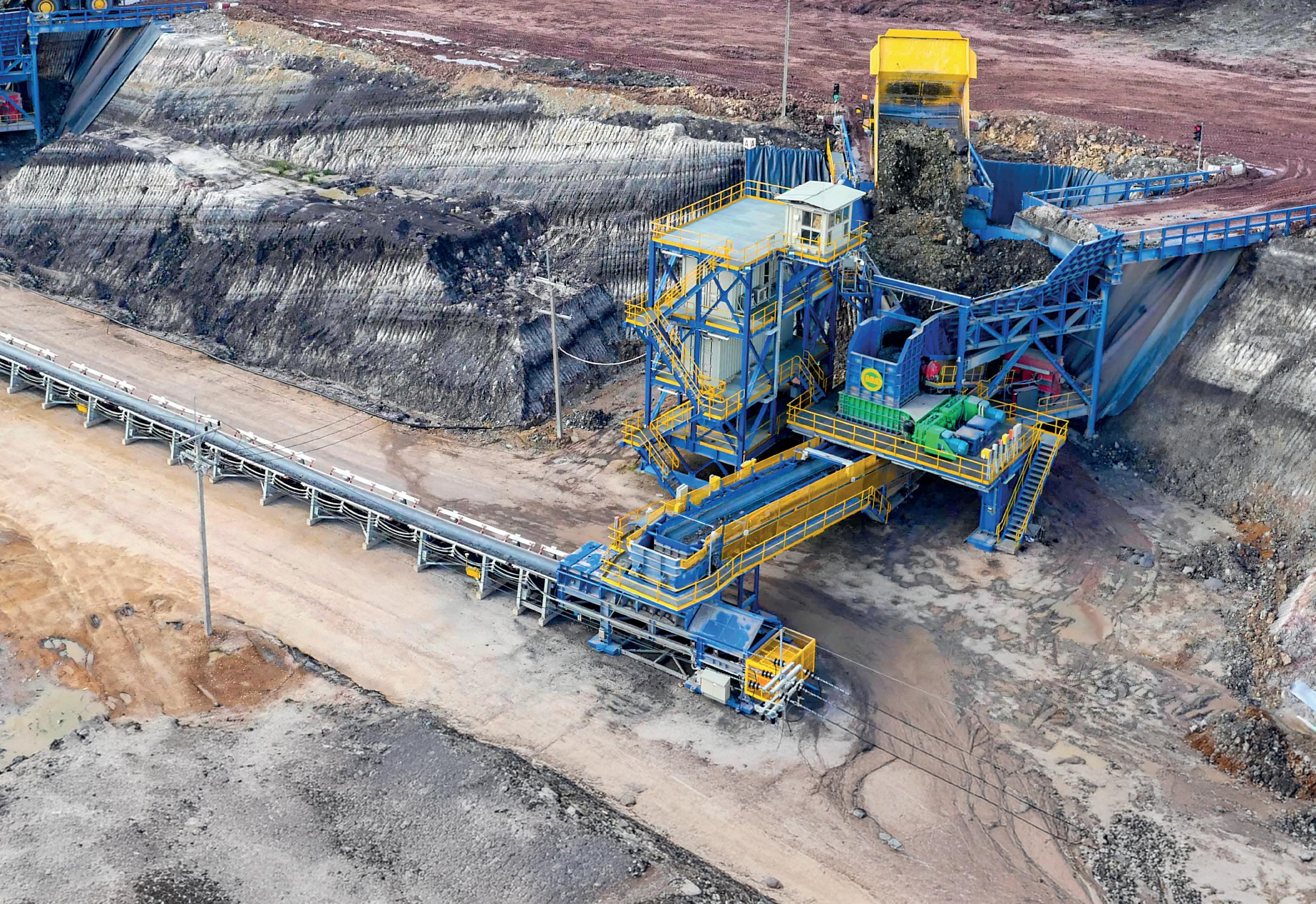
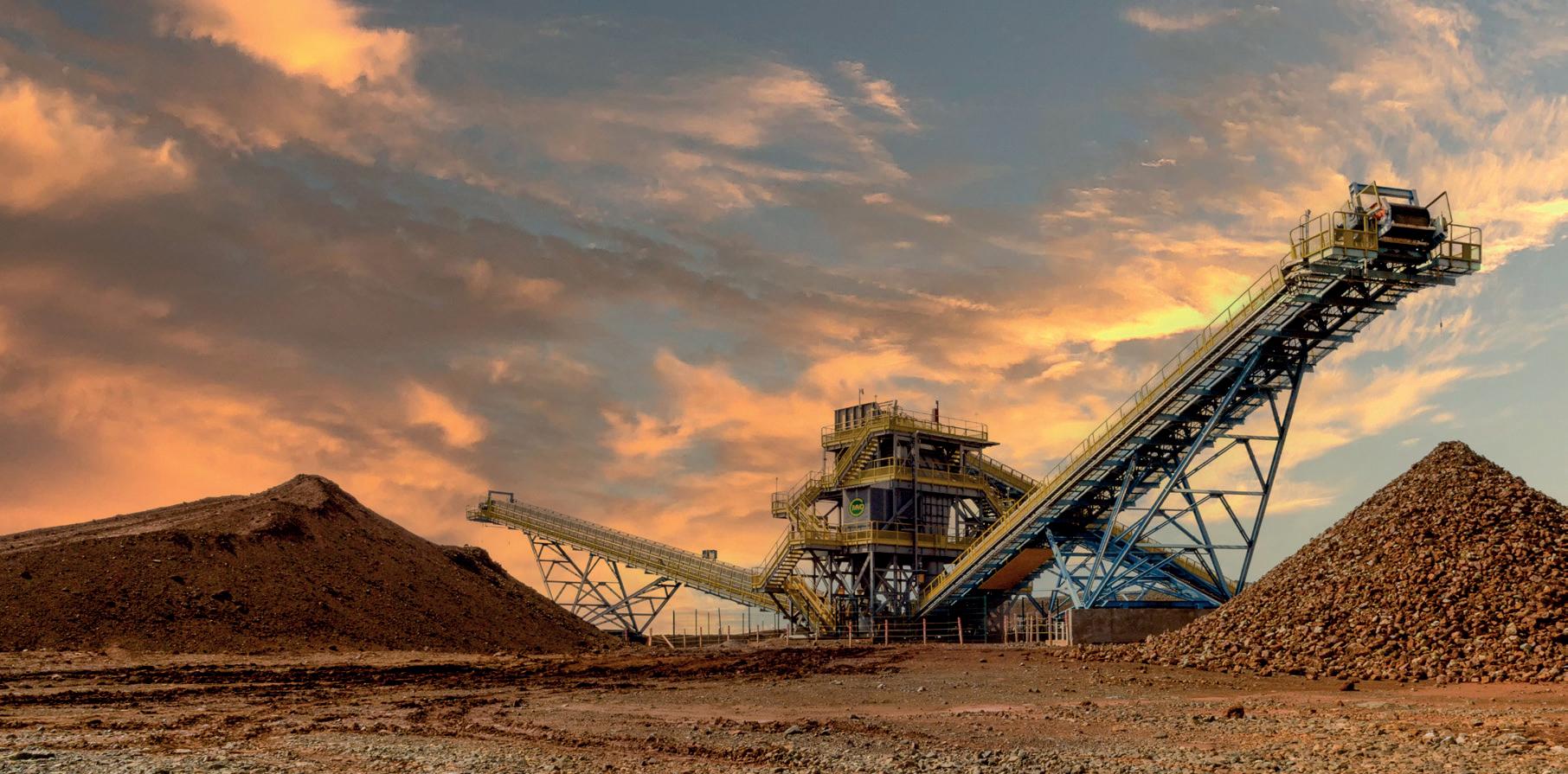
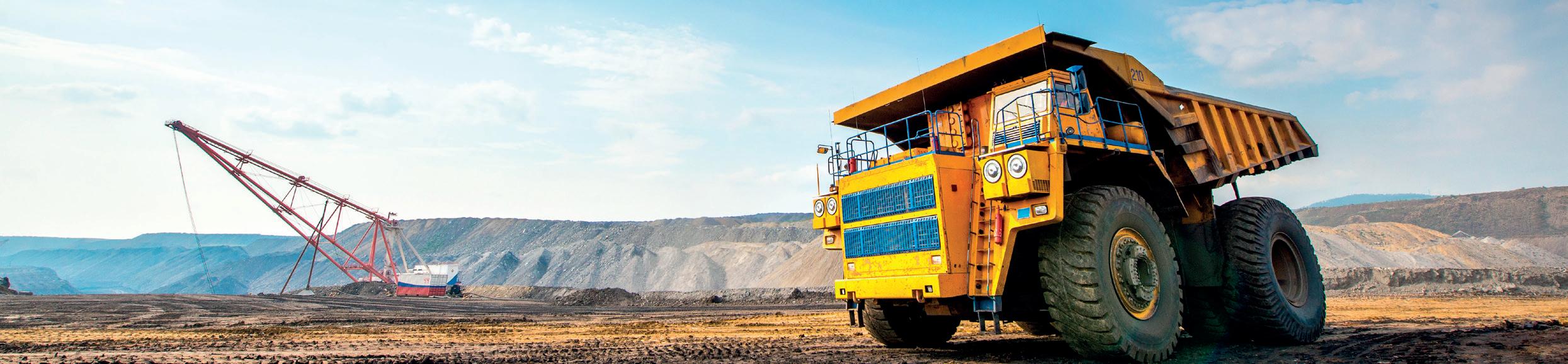
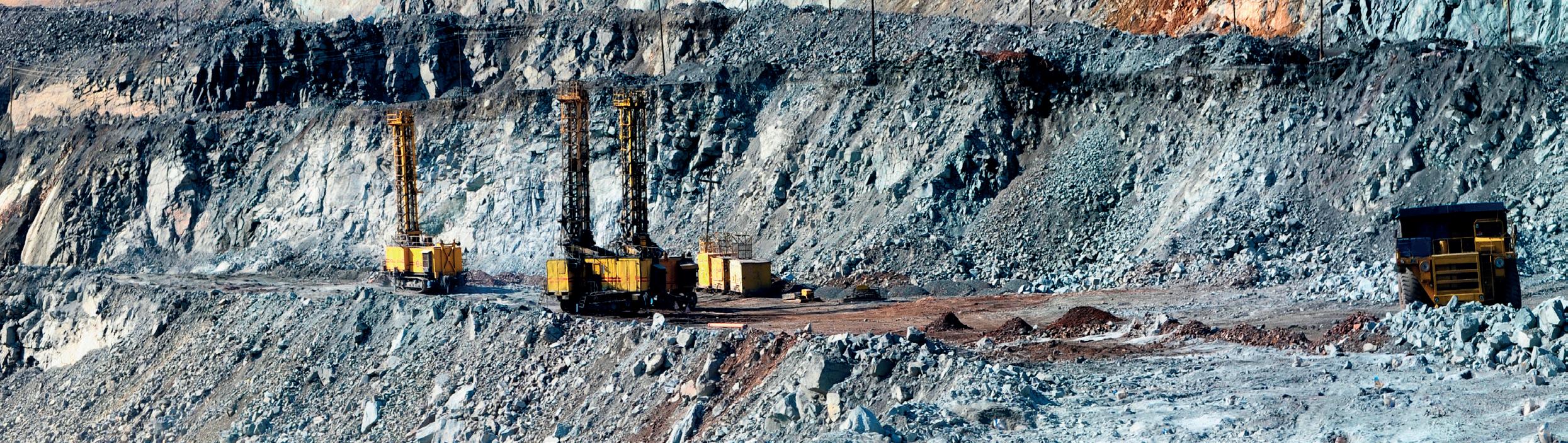
MMD remains at the forefront of In-Pit Sizing and Conveying (IPSC) technology, developing bespoke mobile and semi mobile sizing solutions large and small for many types of applications around the world.
Our latest relocatable IPSC stations have successfully been combined with ore diverting solutions and ore sensor technologies, to enable separation of ore from waste in the pit whilst uplifting ore grades through fines recovery. Introducing an automated ore sorting solution into your existing system ensures only the pay material is hauled to the process plant –meaning your mine can improve production whilst reducing energy usage, water consumption and tailings requirements.
Whether you have an underground or open pit operation, our network of technical experts can help develop a tailor-made in-pit sizing and sorting solution to boost productivity and deliver a leaner, greener mine.
38 Partnering In Pumping Success
08 Uranium In 2026: A Test Of Strategy And Resilience
Luc Lachance and Lance Fogtman, ION Commodities, consider the state of the uranium market in 2026, detailing the supply and demand factors in play and the implications for the mining industry and beyond.
14 Step By Step Innovation
Björn Jonsson, ABB Process Industries, Sweden, advocates for a measured approach to innovation in mining in partnership with industry.
19 A Considered Approach To Operational Electrification
Franklin Torrez, Underground Equipment Product Manager, Aramine, France, evaluates the benefits of electrification and battery-powered production fleets in underground mining.
23 Conveyor Transfer Point Wear Liners In Cobalt And Nickel Mines
Daniel Marshall, Martin Engineering, USA, addresses the benefits of external wear linings for safety, efficiency, and reduced costs in mining operations.
27 Beyond Ore Upgrading
Gavin Rech, TOMRA Mining, Australia, describes how sensor-based sorting delivers environmental and economic wins.
32 Fitting Into The Future
Ben Thistlethwaite, Glencore Technology, Australia, details how the Jameson Cell is helping the New Afton Mine adapt to change.
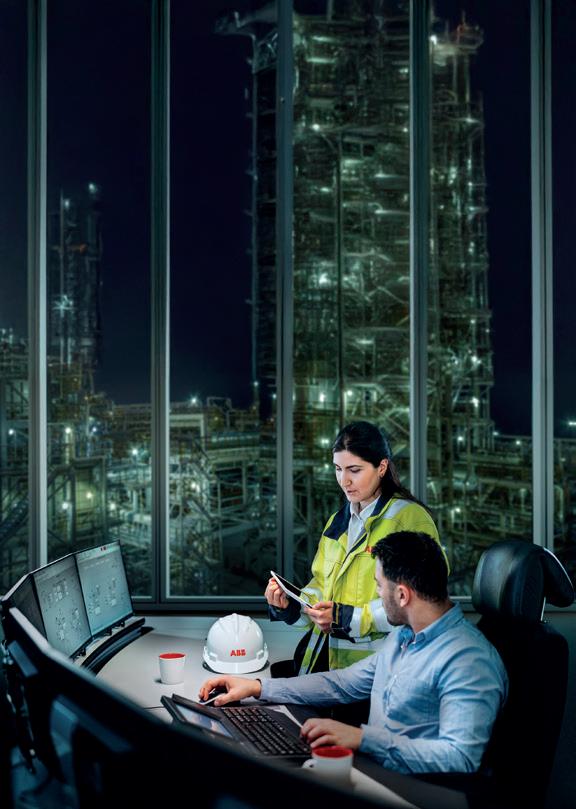


Elias Aho, Weir, Director, Pump Asset Optimisation, USA, highlights how taking a collaborative approach to pump technology can optimise mining operations.
42 Engineered For Grit
Nathan Thornock, FLS, USA, outlines how one of the mining industry's leading pumps delivers reliable performance in wastewater applications.
49 Electrification Of Dewatering Pumps
Chris O'Brien, Global Product Manager, Sykes, Australia, investigates how electric dewatering pumps can help the industry facilitate alignment with mining sustainability objectives.
54 Near-Edge Pre-Warning For Dozing Operations
Nathan Boonman, Wabtec Digital Mine, Australia, discusses the dangers of edge-related incidents in dozing operations and details the development of Wabtec’s AI Computer Vision Solution (EDGEYE) to combat these hazards.
58 Adaptive Mining Systems
Previn Pillay, Yokogawa, emphasises the importance of coordinating capital, carbon, and productivity across the value chain.
64 From Repetition To Reusability
Keith McNab, Emerson, USA, explains how – by reducing engineering effort, improving consistency, and embedding best practices into reusable classes and libraries – PLC programming productivity tools help mining organisations meet today’s challenges while laying the groundwork for tomorrow’s autonomous operations.
69 Bridging The Gap
RCT – powered by Epiroc explores how automation and AI are orchestrating the digital mine; helping to power optimisation and safety in mining operations.
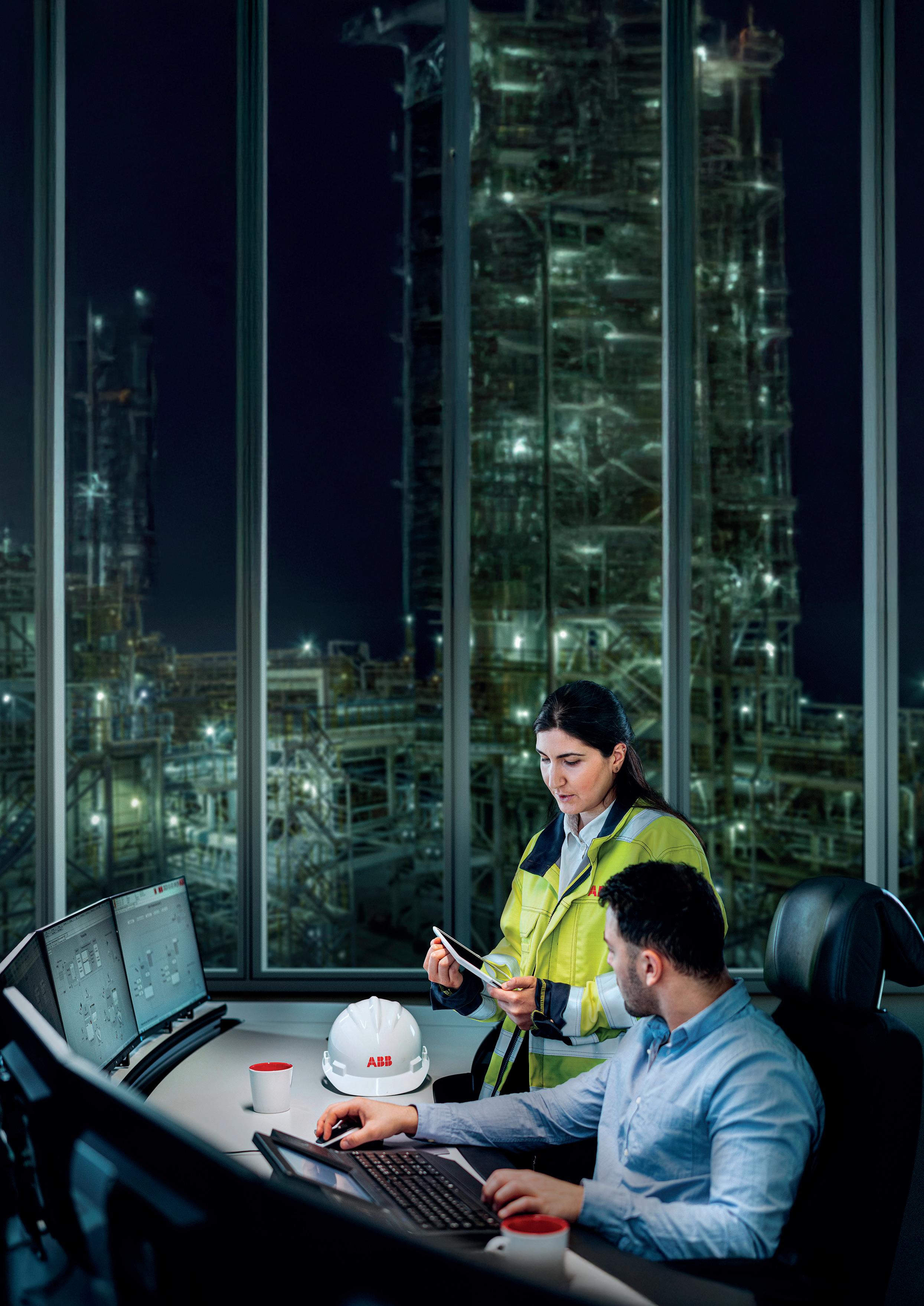
ABB has launched the latest version of its flagship distributed control system (DCS), ABB Ability™ System 800xA® 7.0, to help industrial operators modernise without disruption and accelerate their path toward next generation automation. Advances in automation are central to modern mining as operators face shifting commodity markets, rising energy costs, sustainability pressures, and workforce constraints. ABB is engineering mines to outrun in productivity, safety, and energy efficiency while enabling more flexible, data-driven operations.

komatsu.com/hardrock


MANAGING EDITOR
James Little
james.little@globalminingreview.com
SENIOR EDITOR
Callum O’Reilly callum.oreilly@globalminingreview.com
EDITOR
Will Owen will.owen@globalminingreview.com
EDITORIAL ASSISTANT
Jody Dodgson
jody.dodgson@globalminingreview.com
SALES DIRECTOR
Rod Hardy rod.hardy@globalminingreview.com
SALES MANAGER
Ryan Freeman ryan.freeman@globalminingreview.com
PRODUCTION MANAGER
Kyla Waller kyla.waller@globalminingreview.com
ADMINISTRATION MANAGER
Laura White
laura.white@globalminingreview.com
DIGITAL ADMINISTRATOR
Nicole Harman-Smith nicole.harman-smith@ globalminingreview.com
DIGITAL CONTENT ASSISTANT
Kristian Ilasko kristian.ilasko@globalminingreview.com
JUNIOR VIDEO ASSISTANT
Amélie Meury-Cashman amelie.meury-cashman@ globalminingreview.com
HEAD OF EVENTS
Louise Cameron
louise.cameron@globalminingreview.com
DIGITAL EVENTS COORDINATOR
Merili Jurivete merili.jurivete@globalminingreview.com
EVENT COORDINATOR
Chloe Lelliott chloe.lelliott@globalminingreview.com
2025 saw great leaps in international, and particularly US, critical mineral supply chain security and reindustrialisation, but 2026 is only accelerating these trends – with a renewed and welcome focus upon multilaterism.
The expansion of Chinese REE controls in April 2025 – with the threat of these being widened yet further in October – reset the geopolitical and geoeconomic order as the Chinese government militarised REEs and critical minerals, with the US and the wider West in clear line of sight.
90% of midstream processing is in China. The US imports 74% of its REEs from China – REEs that are central to advanced manufacturing sectors: semiconductors, AI, defence, hypersonics, aerospace, space, clean energy, and more – a vulnerability that is driving both home-shoring and increasingly friend-shoring of entire sector-specific critical mineral supply chains.
In early February, Washington hosted the 2026 Critical Minerals Ministerial where representatives from 54 countries convened to address a market that is ‘a tool of political coercion’ and explore ways to ‘build new sources of supply, foster secure and reliable transport and logistics networks, and transform the global market into one that is secure, diversified, and resilient, end-to-end’.
In a clear sign of a renewed focus on a multilateral approach the US signed 11 new bilateral critical mineral frameworks – building on the 10 signed in the previous five months and another 17 in the pipeline.
The Ministerial also saw the formation of the Forum on Resource Geostrategic Engagement (FORGE) – the successor to the Minerals Security Partnership (MSP) – encouraging allied nations to collaborate on supply chains, industrial production, and investment – differentiated from its predecessor by its more assertive agenda and faster tempo.
Early February also saw the announcement of Project Vault – a US$10 billion government US$2 billion private funding initiative to stockpile critical materials, supporting domestic manufacturers and strengthening supply chain security.
Designed for companies across the semiconductor supply chain, Pax Silica emerged in December 2025 and is one of the most exciting interventions to date. This US-led international economic security partnership is to secure and diversify AI and semiconductor supply chains – and to shut-out China’s influence. Pax Silica’s two foci have been enunciated by ex-Palantir, now Under Secretary of State for Economic Affairs at the State Department, Jacob Helberg as:
n Policy – securing key infrastructure and end-tech – outside of ‘coercive dependencies’.
n Projects – building up logistics and building out industrial capacity:
§ Pursue projects to jointly address AI supply chain opportunities and vulnerabilities in: Priority critical minerals, semiconductor design, fabrication and packaging, logistics and transportation, compute, and energy grids and power generation.
§ Pursue new joint ventures and strategic co-investment opportunities.
§ Protect sensitive technologies and critical infrastructure from undue access or control by countries of concern.
Under Secretary Helberg stresses multilateralism: the US must cooperate with friendly countries with industrial processing capability.
Metalysis, a UK-based midstream asset capable of processing 49 elements of the periodic table, welcomes these further moves to strengthen the US and Western industrial base – and to build international partnerships. Metalysis produces an aluminium scandium alloy at 36 wt% scandium –which is finding a growing market in the critical semiconductor and MEMs supply chain. I am excited to see what else 2026 delivers.
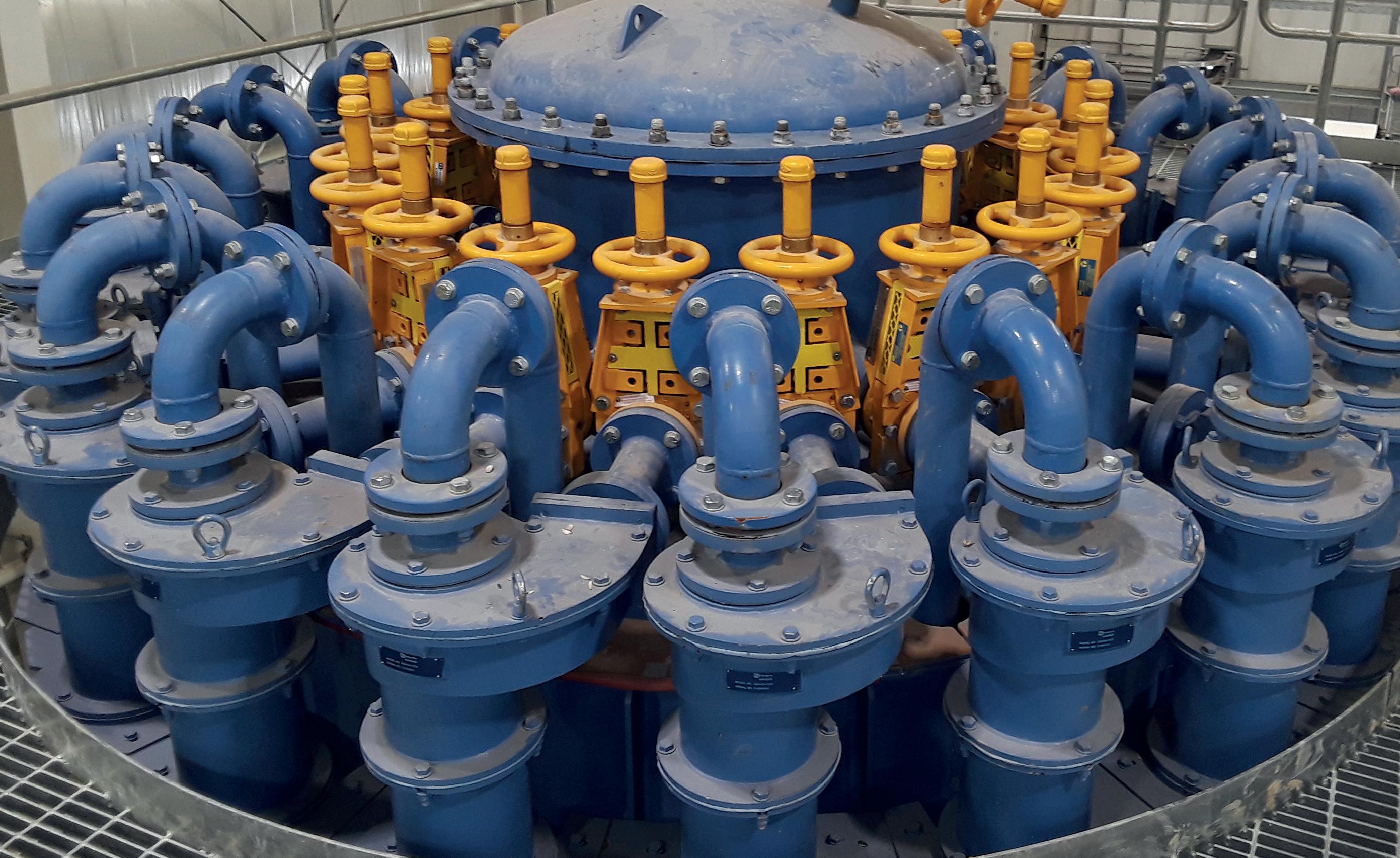
Finer particle separation with patented technology
We have dramatically enhanced hydrocyclone geometry and materials of construction to provide our customers with finer and sharper separations, as well as higher throughput, reliability, and product life. This improvement in performance and availability increases user’s productivity.
Leading the way in separation mining
Optimum cyclone performance relies on minimizing turbulence while maximizing tangential velocity. The gMAX® cyclone focuses on these two important factors, significantly advancing cyclone performance.
World-class service and test facilities
Our performance test lab is further proof of our commitment to the advancement of the industry. Our ability to perform comprehensive testing on our products allows us to meet your needs and deliver a quality product and service solution.
Benefits
• Finer, sharper particle separations
• Operates at higher feed densities
• Retrofitted into existing installations
Common applications
• Minerals processing
• Oil sands
• Power plants

Explore more about the gMAX
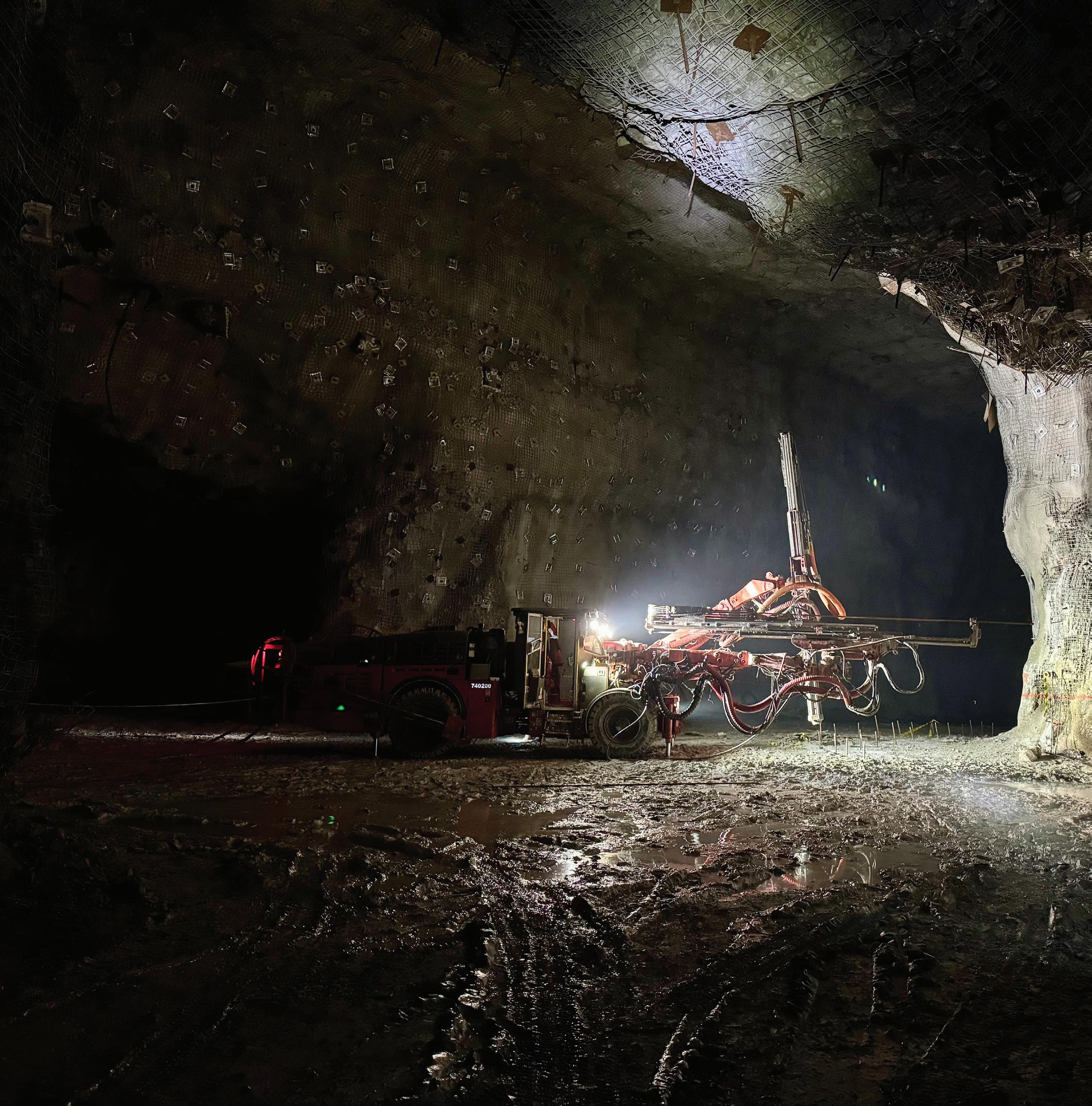
Epiroc is launching a new generation of charging solutions tailored to the specific challenges of underground mining and heavy-duty electrification.
The new chargers deliver a breakthrough combination of ruggedised reliability, OEM agnostic standardisation, and dynamic power distribution, to ensure safe and efficient charging where operations demand it. This is part of Epiroc’s ambition to support customers throughout their electrification journey.
“Our new charging solution is the result of years of experience from the field, delivering reliable power where it’s needed and giving customers the operational flexibility to get the most from their electrified vehicles, regardless of the manufacturer”, says Trent Sears, Global Product Manager – EV Infrastructure at Epiroc.
Engineered for the toughest underground conditions and protected by an IP65-classified design, the new chargers withstand dust, humidity, and continuous heavy-duty use. With the ability to place remote charge posts up to 300 m from the central cabinet, mines gain significantly more
freedom in employing decentralised charging strategies to reduce tramming, minimise queues, and keep power close to active faces. Charge posts can both be pedestal-mounted or wall-mounted, giving operations the possibility to place them where they are most effective.
“To further boost productivity, the chargers support dynamic power sharing across up to eight posts per cabinet. This allows available capacity to be directed to where it’s needed, adapting in real time to changing fleet patterns and helping maintain high equipment utilisation throughout every shift”, says Sears.
Other benefits include telematics support for tracking charge sessions, along with plug-and-play power electronics that simplify serviceability, installation, and configuration. All combined, they create a unified ‘one charging solution’ for mixed battery-electric fleets. Improved charging solutions also play an important role in reducing the industry’s reliance on fossil fuels and mitigating the risks of supply disruption and price instability.
USA American-made lithium: EnergyX commissions Project Lonestar™ 250 t DLE lithium production plant on US soil
Energy Exploration Technologies, Inc. has announced the successful commissioning of a first-of-its-kind, US-based lithium production facility at Project Lonestar, marking a major milestone toward commercial-scale domestic lithium production.
The Lonestar demonstration plant, using industrial-grade equipment, is operational and will be producing approximately 250 tpy of battery-grade lithium carbonate equivalent (LCE).
Using EnergyX’s patented GET-Lit™ direct lithium extraction (DLE) and refining technologies, this milestone represents the first DLE facility operating in Texas processing local Smackover brine, and serves as a critical validation of EnergyX’s extraction efficiency, recovery rates, and cost profile.
The Project Lonestar lithium demonstration facility enables EnergyX to further optimise system design, validate process economics, and provide 5 – 25 t samples of battery grade lithium to customers for qualification. The facility is the last step before commercial expansion across the company’s growing US lithium footprint while advancing national goals around critical mineral security and supply chain resilience.
Currently, lithium refining is a choke point in the US due to China controlling roughly 70 – 75% of global lithium chemical conversion capacity and deliberately suppressing margins, making it uneconomic for most non-Chinese converters to operate or reach investment decisions. As a result, even when lithium resources are available in the US and allied countries, the lack of profitable, scaled domestic refining leaves the US structurally dependent on China for battery grade lithium chemicals.
These dynamics underscore why Project Lonestar is both strategically and economically critical. By providing a scalable, cost-competitive domestic refining pathway, EnergyX directly addresses the US lithium refining bottleneck, unlocking stranded resources, enabling downstream qualification with battery and cathode customers, and laying the foundation for commercial-scale deployment. In doing so the project positions EnergyX to rebalance the global lithium supply chain, reduce US dependence on foreign-controlled conversion capacity, and accelerate the buildout of a secure, resilient domestic battery materials ecosystem.
Euro Mine Expo
26 – 28 May 2026
Skellefteå, Sweden www.euromineexpo.com
Elko Mining Expo 04 – 05 June 2026
Elko, USA https://exploreelko.com
EXPONOR Chile
08 – 11 June 2026
Antofagasta, Chile www.exponor.cl/en
UK Mining Conference in Cornwall
09 – 11 June 2026
Falmouth, UK www.ukminingconference.co.uk
World Mining Congress 24 – 26 June 2026 Lima, Peru www.wmc2026.org
Electra Mining Africa
07 – 11 September 2026
Johannesburg, South Africa www.electramining.co.za
12th International Congress on Tailings Management
29 September – 01 October 2026 Santiago, Chile https://gecamin.com/tailings
China Mining Expo
15 – 17 October 2026
Heifei, China www.chinaminingexpo.com/en
The Mining Show
16 – 17 November 2026
Dubai, UAE www.terrapinn.com/miningme
Sandvik awarded order for 13 Toro® LH515i loaders from Codelco in Chile
Sandvik has been awarded a significant order from Codelco for its Chuquicamata Underground operation in Chile, including the supply of 13 Toro LH515i load-haul-dump (LHD) loaders.
Deliveries began in March 2026 and are scheduled to continue through November 2027, supporting the ramp-up of the operation and enabling fleet expansion for the new panel coming into operation at one of the world’s most important copper deposits.
The 15 t Toro LH515i is a next-generation loader redesigned to deliver superior performance, reliability, and productivity in demanding underground applications. This unit complements the Toro LH514, which continues to be part of the Sandvik product offering.
The Toro LH515i loader features a spacious operator cabin focused on comfort, an optimised transmission, and a Stage V engine. In addition, the units are AutoMine® ready, enabling future implementation of Sandvik automation solutions to further enhance safety and operational efficiency.
The order includes capital spares, training programmes, and advisory services, forming a comprehensive solution aimed at maximising equipment availability and lifecycle performance.
Metso has signed a major agreement with Southern Peru Copper Corporation, one of the largest copper producers in the world, for the supply of copper Solvent Extraction and Electrowinning technology to the company’s Tia Maria project in Cocachacra, Province of Islay, Arequipa, Peru.
The new plant will produce 120 000 t of high-purity (LME grade A) copper cathodes per year. The order value of €100 million has been booked in the Minerals segment’s 1Q26 order intake.
Metso’s delivery consists of VSF® solvent extraction and electrowinning plants, including Dual Media Filters, a robotic cathode stripping machine, and acid mist capture system to minimise environmental impact. Metso has already completed basic engineering for this project. Site advisory services and commissioning and start-up spare parts are also included in Metso’s scope.
João Araújo, Business Line Manager, Load and Haul at Sandvik Mining said: “This order strengthens the strategic relationship between Sandvik and Codelco Chuquicamata and reinforces confidence in Sandvik’s value proposition in terms of productivity, quality, and support. It also supports the continued development and implementation of technologies that address the evolving challenges of underground mining, contributing to more efficient and sustainable operations.” To
“We are excited to continue working with the Tia Maria team on this important project catering for the increasing demand of copper. Our highly experienced teams will assist in this project, and comprehensive support will be provided through our local service network”, says Eduardo Nilo, President, South America, Metso.
Our commitment to you, our customers, is guided by three words; safety, service, and innovation. We are constantly moving forward creating products of the highest quality and providing you with the services which make the impossible possible.
At Jennmar fabrication takes place in our numerous strategically located manufacturing facilities associated with our affiliated brands. From bolts and beams to channels and trusses, to resin and rebar, and more, Jennmar is ideally positioned to meet the industrial fabrication demands of our customers. Our ability to provide our customers with a complete range of complementary products and services ensures quality, efficiency, and availability resulting in reduced costs, reduced lead times, and increased customer satisfaction!
From our Engineers to our Technical Sales Representatives we work tirelessly with you to ensure your safety is at the forefront. We will be with you every step of the way.


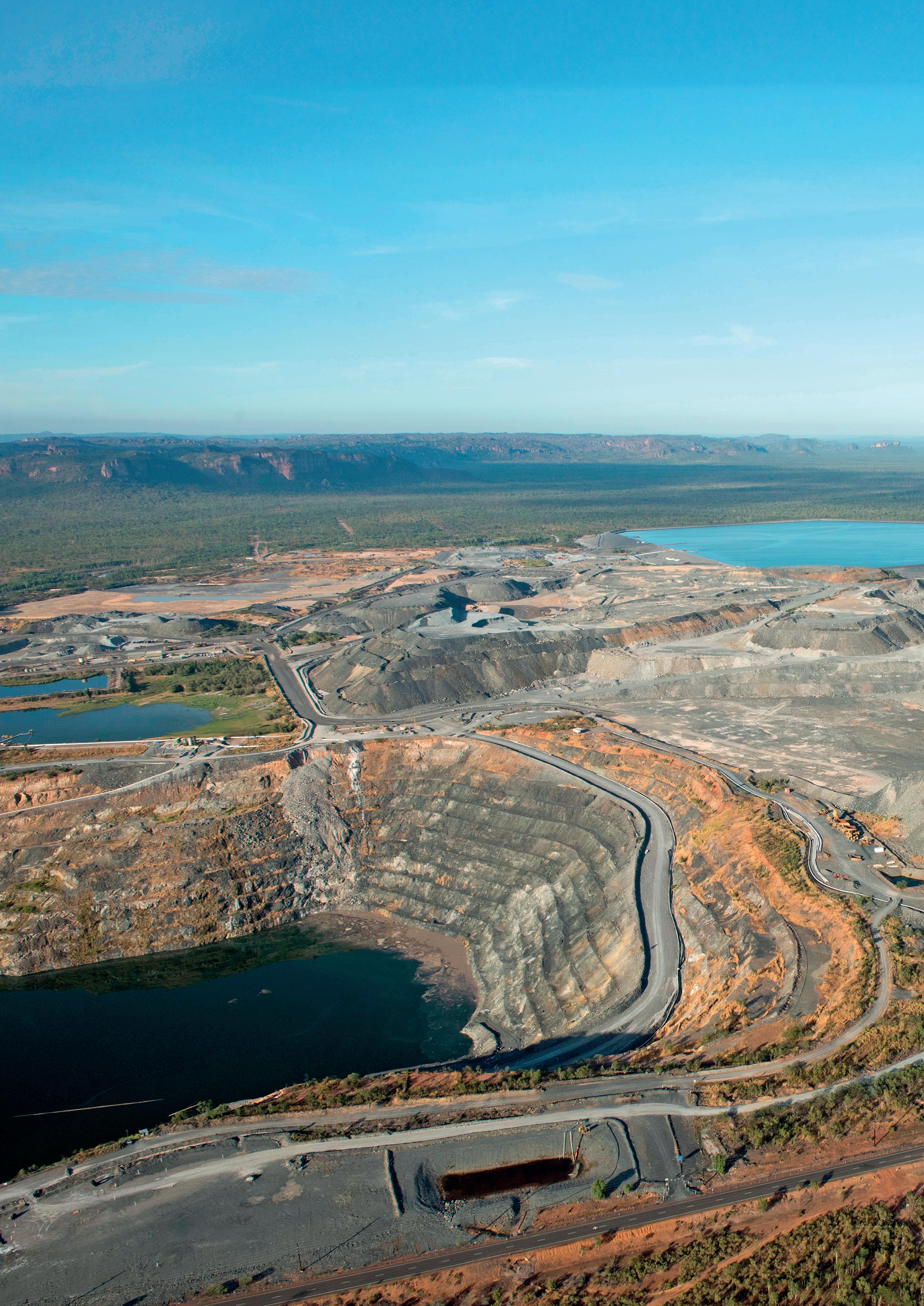
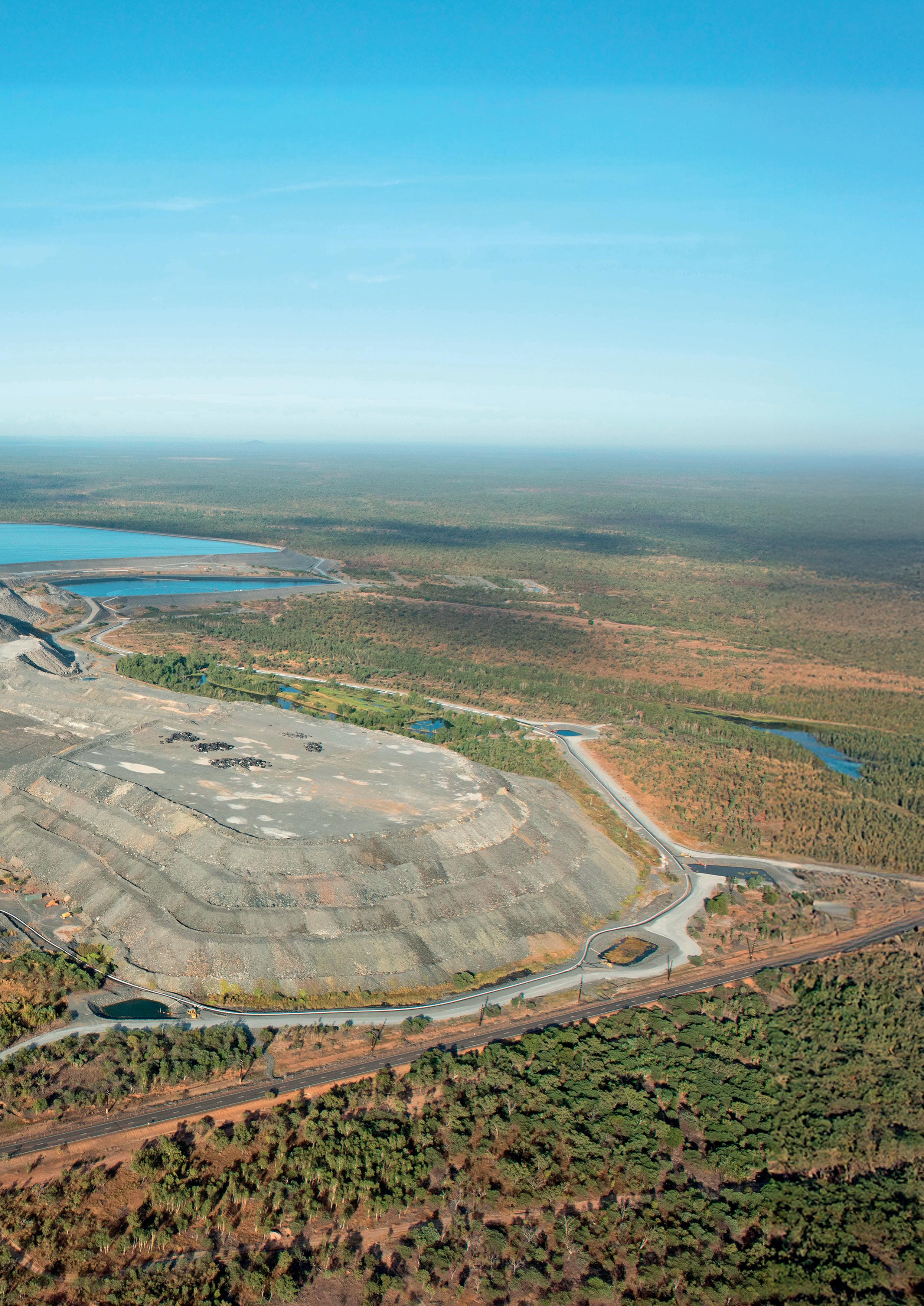
Luc Lachance and Lance Fogtman, ION Commodities, consider the state of the uranium market in 2026, detailing the supply and demand factors in play and the implications for the mining industry and beyond.
The 2011 Fukushima disaster had severe consequences for the nuclear industry and, as a result, the use of uranium. Prices plummeted by approximately 60%, from over US$70/lb to lows of approximately US$30/lb by 2014.1 Reactors shut down, investor interest diminished, and a long cycle of underinvestment began across the supply chain, with spending on uranium mining and enrichment falling.
However, after a decade of stagnation, the fortunes of nuclear and uranium have dramatically reversed. Nuclear energy is once again viewed as a clean, reliable power source critical to achieving climate goals and energy security. Accordingly, demand for uranium has soared, as have prices. Global uranium requirements for reactors are set to rise by a third to 86 000 tpy by 2030, and uranium prices have rebounded toward US$100/lb.2
Despite this surge, the uranium market faces an unprecedented test. While demand is soaring, supply chains, compliance frameworks, and investment are under strain. Uranium is now a vital strategic resource. This shift is not cyclical; it is policy-driven, geopolitically reinforced, and increasingly irreversible. As such, market participants must step up to the challenge, ensuring strategy and resilience are prioritised with the utmost importance. This reordering places new demands on transparency, compliance, and operational coordination, elevating the importance of information technology across the uranium value chain.
Multiple factors are converging to create unprecedented demand for uranium. First, energy security has become a policy priority. The ongoing conflict between Russia and Ukraine exposed Europe’s dependence on Russian energy, and the response has included a renewed emphasis on diversified, sovereign energy sources. For governments seeking reduced dependence on imported fossil fuels, nuclear energy is an attractive option and is increasingly seen as a key component of national security.
The second factor increasing demand is climate policy. Nuclear has been recognised as a low-carbon energy source, and there is growing recognition that nuclear power is an important energy source to meet decarbonisation objectives. In the past few years, there has been a backlash against climate policy in many jurisdictions, particularly in the US; however, decarbonisation continues to remain a priority for many countries. To that end, the UK government, which is committed to achieving net-zero greenhouse gas emissions by 2050, made several announcements in 2025 in favour of nuclear energy to meet climate goals, including backing Sizewell C, a new nuclear power station being developed on the Suffolk coast.3
Beyond emissions, nuclear energy offers system reliability that renewables alone cannot provide.
The intermittency challenges faced by wind and solar power have exposed their unreliability, and their components have a relatively short lifespan. On the other hand, nuclear technology offers stable, round-the-clock power with power plants able to adjust their output to match shifts in demand and supply.
The explosion in demand from the AI and data centre boom is also driving long-term baseload demand in energy. AI requires enormous computational power, and the data centres that power large language models and enterprise AI consume vast amounts of electricity.
Demand from AI firms is driving direct procurement of nuclear power, including through power purchase agreements (PPAs) to secure long-term nuclear power, reinforcing the case for new reactors and lifetime extensions. For example, Meta signed a series of deals in early 2026 to purchase electricity from existing nuclear plants and support new reactor projects.4 As a result, Meta is now set to become one of the world’s biggest corporate buyers of nuclear power.
Uranium investment is significantly increasing as a result of this surge in demand. The investment economics differ materially from those of projects, such as LNG, which requires large-scale infrastructure investment. To secure financing, projects typically need to lock in long-term contracts to make revenues more predictable and reduce risk for lenders. By contrast, investors can gain more direct exposure to uranium, including through physical uranium funds such as the Sprott Physical Uranium Trust, which holds uranium as an underlying asset. This has made uranium increasingly attractive to private equity firms and institutional investors seeking exposure to the commodity without the need to finance large-scale mining, mineral processing, and hydrometallurgical processing infrastructure.
As demand for nuclear power surges, uranium supply faces several constraints. Global production today sits around 60 000 tpy, roughly the same level as a decade ago.5
After the Fukushima disaster, exploration spending collapsed by 80%.6 While new uranium mines are now in development, these can take over a decade to go into operation. The World Nuclear Association expects global uranium annual demand to double by 2040, meaning in the short to medium term, demand is likely to exceed production, and supplies could reach critically low levels.7 Price alone is unlikely to unlock supply at the required pace, and the need to increase supply from existing and near-term producers is paramount.
Another market challenge is the concentration of supply. Kazakhstan, Canada, and Namibia account for approximately three-quarters of the world’s uranium mine production, and Kazakhstan alone supplies roughly 40% of the world’s uranium. This concentration gives these producers a disproportionate influence over prices and contract stability. In contrast, the US and Europe rely heavily on imports and produce only minimal quantities domestically. This concentration means any regional upheaval can disrupt global supply chains. For example, the military coup in Niger in 2023 raised widespread fears about uranium supplies to Europe, particularly to France, which imports 15% of its uranium from the country.
The geopolitical landscape introduces further complexity. Uranium is a heavily political commodity, entangled in trade policy, sanctions regimes, and national security strategies. This is particularly the case as Russia controls 44% of global uranium enrichment capacity.8 Amid escalating tensions with the West, Russia imposed restrictions on exports of enriched uranium to the US at the end of 2024. In response, the US Department of Energy
That’s more than a sound you hear. It’s expectations being shaken. One small change that sets the stage for so much more. When the new Hägglunds Thunder resonates with your needs, the result is electrifying. Learn what a difference a single difference can make at www.hagglunds.com.
Hägglunds is a brand of Rexroth. An electric start to a lasting boom.
has awarded orders totalling US$2.7 billion to three US companies over the next 10 years to boost domestic uranium enrichment.9 However, these changing compliance requirements continue to strain supply chains and increase complexity. This includes making traceability increasingly important as companies seek assurances that their uranium is sourced responsibly and legally.
A further emerging issue is meeting the huge surge in power demand from AI. Goldman Sachs estimates that AI could drive a 160% increase in data centre electricity demand by 2030.10 In response to this, tech companies are securing increasing amounts of nuclear power, including by restarting old nuclear facilities. In a high-profile example, the reactor at the Three Mile Island site in Pennsylvania is set to return to service after five years offline, following a deal between Constellation Energy and Microsoft to supply electricity for the company’s expanding AI operations.11
With demand surging, supply fragility is creating significant complexity. Each segment of the uranium value chain faces distinct challenges.
Mining companies must increase supply to meet booming demand. After years of low investment, exploration budgets have climbed from US$377 million in 2020 to over US$840 million in 2023.12 It will not be enough for mining companies to simply ramp up production at existing mines, which are expected to deplete resources over the next decade. The need for new uranium supplies is pressing.
Bringing new mines into operation is complex, capital-intensive, politically sensitive, and time-consuming. ESG expectations are high, permitting can be slow, and a multitude of external hurdles are likely to be encountered. Analysis by S&P Global has found that 43% of mines for transition minerals sit on or near officially recognised indigenous or local community lands.13 Disputes with local communities can disrupt operations and create financial impacts for mining companies, frustrating plans. While supply must increase, mining companies must do this in an environment characterised by capital discipline, regulatory scrutiny, and rising development costs. Indiscriminate spending alone will not cut it, and long-term investment decisions must be made under conditions of political and price uncertainty.
For traders and marketers, who work as intermediaries between producers and consumers, the focus is on moving uranium through the supply chain profitably. They face complex compliance and risk management challenges as they navigate a patchwork of regulations. Amid ongoing geopolitical tensions, traders must ensure they are sourcing uranium legally and build capacity to adapt quickly to changes. For instance, if new sanctions were to target Russian uranium, traders would need contingency plans to replace those supplies and carefully document the supply chain.
At the same time, the structure of the uranium market itself is changing. The growing availability of conversion, deconversion, and separative work unit (SWU) options is increasing physical optionality across the uranium
lifecycle. This is moving the market towards spot trading, a clear sign of market evolution.
Finally, the main concern for the power plants that use uranium is securing a supply at predictable prices. Many plants are transitioning to long-term contracting where most trade is done via 3 – 15 year term contracts, with producers selling directly to utilities at a higher price than the spot market, reflecting the value of supply security.
All players in the uranium market face complex and evolving challenges linked to a fragile supply chain with little room for redundancy. Geopolitical events have only exacerbated these pressures.
As the market evolves, information technology will play a critical role in empowering producers, traders, and consumers, providing a competitive advantage to those who successfully adapt most quickly. Technology providers with deep expertise in the uranium market, including firms such as ION Commodities, are increasingly supporting market participants.
For producers, digitalisation must extend far beyond operational efficiency. Uranium miners need systems that provide full traceability from ore extraction through to final shipment, reflecting the growing importance of origin verification in a market shaped by sanctions and trade restrictions.
For traders, the operating environment is even more complex. The uranium market remains physically constrained, financially illiquid, and highly sensitive to regulatory shifts. Traders must manage heterogeneous contract structures, shifting transport routes, and evolving compliance rules. Digital platforms allow traders to track inventories, contract positions, certificates of origin, sanctions exposure, and counterparty risk with far greater precision. They also enable scenario analysis for disruptions such as enrichment outages or sudden changes in trade policy.
As we look to 2026 and beyond, the uranium market is poised for transformation. Energy security has reshaped demand dynamics, while supply remains constrained by long development cycles, geopolitical concentration, and structural bottlenecks. This is not a temporary imbalance, but a fundamental reordering of priorities across the nuclear fuel cycle.
The entire system – from compliance, procurement, to production – must operate in a coordinated fashion. Producers must scale responsibly. Traders must remain resilient, becoming masters of complexity and delivering certainty. Power plants must treat procurement as a strategic imperative. In all cases, information technology will be vital to these shifts. Those who recognise uranium’s new role and adapt their strategies accordingly will be best positioned as nuclear energy re-establishes itself at the centre of global energy systems.
References
Available on request.
Björn Jonsson, ABB Process Industries, Sweden, advocates for a measured approach to innovation in mining in partnership with industry.

The appetite for transformation in mining is here to stay.
From underground shafts to open pits and processing plants, demand for metals and materials is on an upward trajectory, predicted to increase by up to more than 50% by 2040.1 Mining companies and their partners go where the ore is, challenging themselves with varied natural conditions in the pursuit of supply. Simultaneously, mining companies must scale operations in the face of industry pressure to reduce carbon emissions.
These mine operators are currently at a tipping point of transformation, with productivity, safety, and sustainability front of mind. The technological choices they make today will determine whether their businesses thrive or lag in the decade to come. Understandably, they want established, proven technologies that provide dependability and peace of mind. Even so, 73% believe that successful mining transformation necessitates novel approaches to technology and risk management.2
Mining operators have a critical decision to make: They can either wait for the ideal technology to emerge, or make incremental changes now with highly applicable solutions that exist and are already demonstrating value.
One of the major transformations in the mining industry is its overarching view of technology. According to ABB’s Mining’s Moment report, 77% of mining leaders recognise the potential of electrification, automation, and digitalisation as the tools that can reshape mines from the ground up.2
Across heavy industries, this shift is no longer optional. Scale and sustainability are no longer competing ambitions – they are inseparable imperatives. For mining, this means production growth and decarbonisation must move forward together. Downstream customers, from automotive manufacturers to consumer brands, are embedding CO₂-neutrality commitments into their supply chains. As a result, the proof of how responsibly minerals are extracted and processed is becoming just as important as output volumes. Sustainability is increasingly a ‘license to operate’, requiring transparency, measurable emissions reductions, and resilient energy strategies built into core operations rather than treated as an afterthought.
However, there are still a few misconceptions. Many think adopting the latest advancements in technology
requires an instant overhaul and that it must be transformative from day one. Yet, the most successful operators are starting small, learning fast, and scaling strategically.
Pilot projects around the world are proving that incremental steps work. Boliden in Sweden has implemented targeted automation and electrification initiatives to improve safety, boost productivity, and cut energy use while remaining aligned with sustainability goals.3 These examples show that transformation does not require a leap of faith. Even small, well-planned interventions can deliver measurable impact and build confidence for broader adoption.
Electrification technologies, for instance, are cutting emissions while improving working conditions. By replacing diesel-powered machinery – such as haulage systems – with electrified alternatives, mines can significantly reduce greenhouse gas emissions and improve air quality underground. Electric equipment is quieter, and generates less vibration and heat, creating safer, more comfortable environments for employees. Adopting electric drivetrains means fewer moving parts which, in turn, results in far less

maintenance than fossil-fuel-based systems, helping reduce downtime and extend equipment life.
Yet electrification alone is only part of the equation. True climate-responsible extraction requires the integration of power infrastructure, charging systems, and intelligent energy management. High-power trolley systems and coordinated charging strategies enable electric haul fleets to operate at scale, while advanced energy management systems optimise when and how electricity is consumed, integrating renewable power into energy-intensive processes. When intelligence is layered on top of electrification, mines can reduce diesel reliance, stabilise energy costs, and lower total carbon output in measurable ways. This turns sustainability from a compliance exercise into a source of operational advantage. Meanwhile, automation completely changes the human-machine workload in mines. Repetitive and hazardous tasks such as drilling, hauling, and material sorting can now be handled by automated systems, reducing human exposure to dangerous conditions. Automation solutions also increase precision, allowing operations to run smoothly and efficiently, while freeing employees to focus on higher-value tasks. Finally, the wealth of real-time data provided by automated processes
enables operation managers to monitor performance and make faster, better-informed decisions for continuous improvements. Digitalisation ties it all together, converting raw operational data into actionable intelligence. By collecting and analysing data from across the mine, be that equipment performance or material flows, operators gain real-time insights that allow them to anticipate issues before they escalate. For example, predictive maintenance can identify when machinery is likely to require servicing, which prevents costly downtime to keep operations running smoothly. Combined, these tools do not just improve performance; they redefine what it means to work in a modern mine.
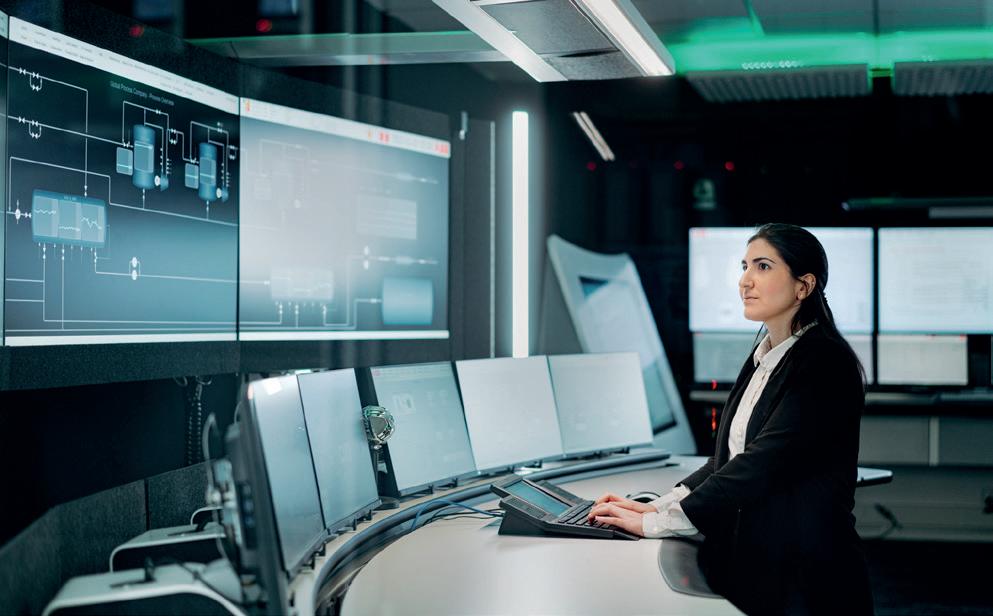
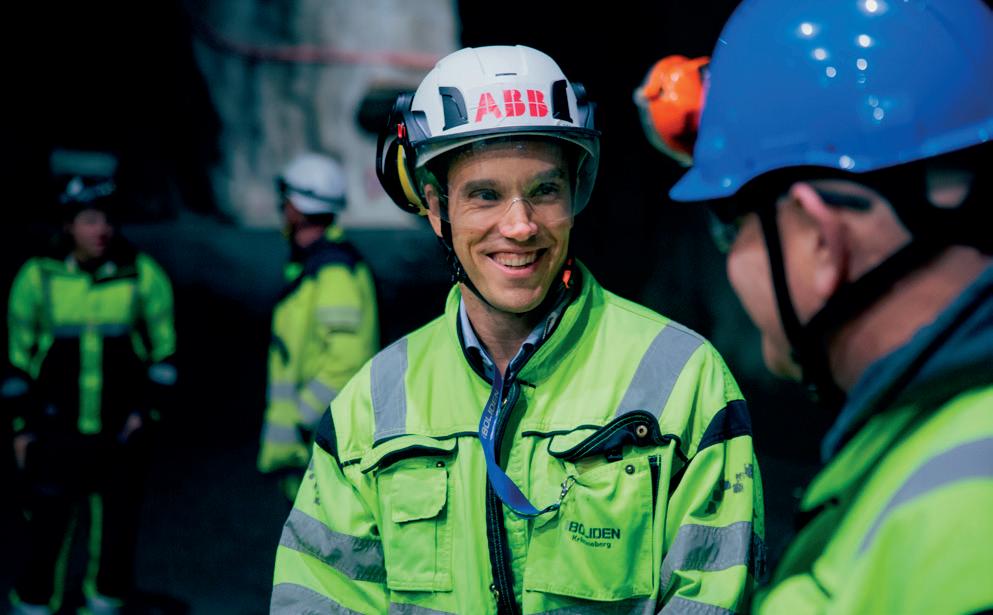
Intelligence is now as critical as raw capacity. Moving from reactive to predictive maintenance is a defining step in this evolution. With AI-enabled analytics, operators can detect anomalies before failures occur, extending equipment life, improving safety, and reducing unplanned outages that cost millions per day. However, this shift also requires attention to cybersecurity and data governance. The more connected and digitised mining operations become, the more resilience depends on secure systems designed with protection built in from the outset.
Looking beyond operations, technology is also changing the workforce. Modern tools reduce physical strain and improve safety. This, blended with a technology-first approach, will attract a new generation of workers seeking purpose-driven careers in high-tech environments. By investing in both tools and people, mining companies can create resilient, future-ready teams capable of sustaining operational excellence.
Technology alone, however, does not deliver transformation. Employees, attracting digital talent, and embedding sustainability into leadership decision-making are essential steps. Industrial leaders carry responsibility not just for operational excellence, but for systemic transformation. Partnerships between technology providers, mining companies, governments, and research institutions will be critical to ensure innovation is deployed responsibly, safely, and at scale.
Pragmatic thinking is essential for success. The prospect of fully automated, electric, and data-driven mines are exciting. However, they are not built overnight. The methodical, progressive approach supported by modular designs, rigorous standards, and trusted technology partners provides a long-term way forward. Starting small will allow mine operators to test solutions, learn rapidly, and scale efficiently – moving from innovation to dependable long-term assets.
This pragmatic approach to transformation will be consistent with broader sustainability objectives and evolving regulatory requirements. Electrification lowers emissions, automation increases efficiency, and digitalisation promotes transparency and resource utilisation. Companies that make steady, demonstrable progress in these areas will not only have future-proofed operations, but also the insights required to adapt to increased pressure from regulators, investors, and local communities.
Today’s mining industry should prioritise practical stepwise transformation. This will drive measurable results, and the mines that embrace this approach will meet today’s challenges while setting the standard for the industry. The mine of tomorrow is already here; all we need to do is uncover its potential.
1. ‘Global Critical Minerals Outlook 2025 – Overview of outlook for key minerals’, IEA, (21 May 2025), https://www.iea.org/reports/global-criticalminerals-outlook-2025/overview-of-outlook-for-key-minerals
2. ‘Mining’s Moment report’, ABB, (29 October 2024), https://new.abb.com/ mining/campaigns/mining-moment
3. ‘Driving Boliden’s electric transformation’, ABB, https://new.abb. com/mining/reference-stories/open-pit-mining/driving-bolidens-electric-transformation
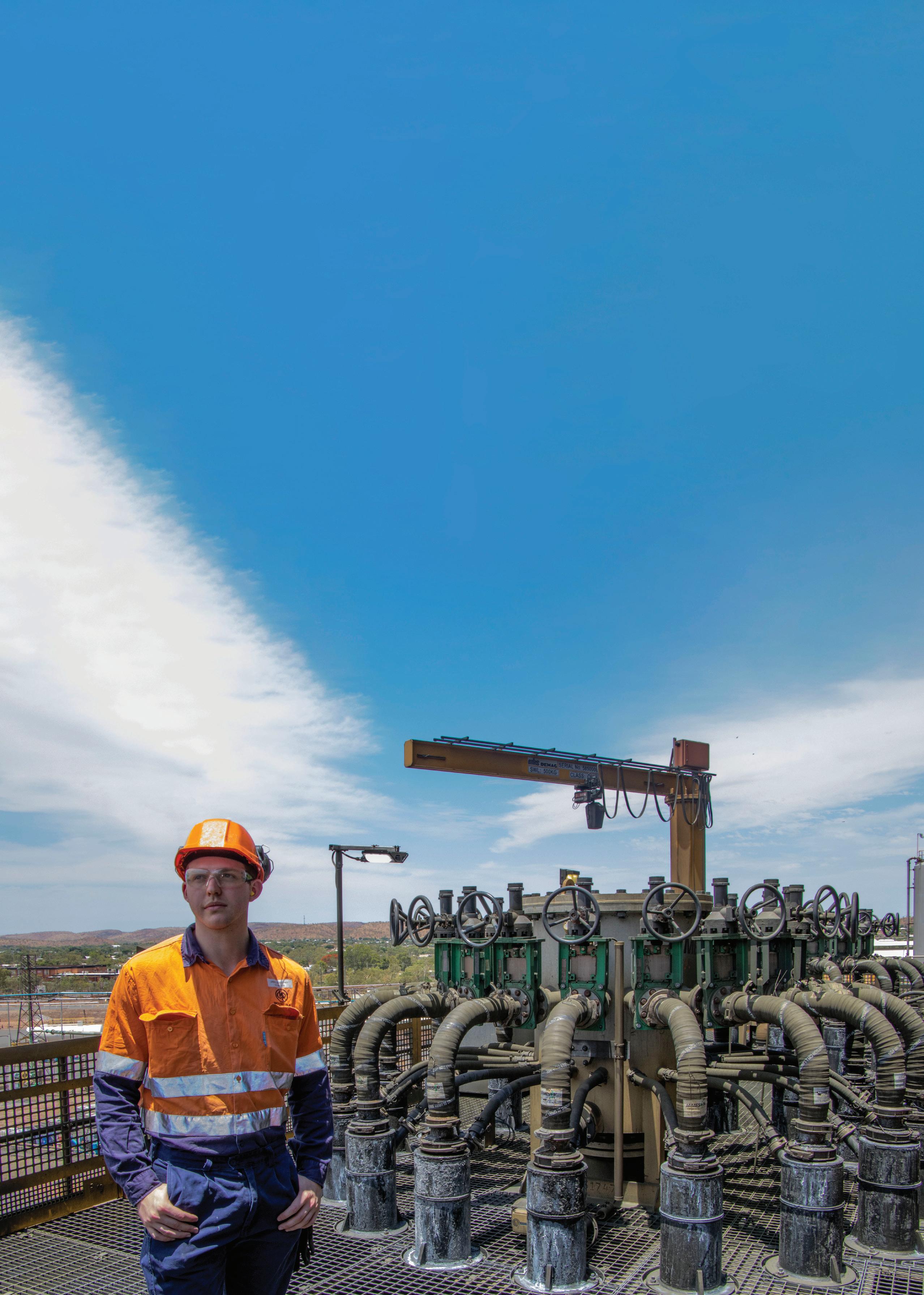


Franklin Torrez, Underground Equipment Product Manager, Aramine, France, evaluates the benefits of electrification and battery-powered production fleets in underground mining.
Electrification has become a central topic in underground mining, driven by the need to reduce diesel-related constraints while maintaining productivity and operational reliability. For equipment manufacturers, this transition requires more than replacing internal combustion engines with electric motors. It involves rethinking machine architecture, energy management, fleet compatibility, and the interaction between mobile equipment and mine infrastructure.
From Aramine’s perspective as a designer and manufacturer of underground mining equipment, battery-powered machines represent a pragmatic response to these challenges. While the environmental footprint of a machine must be assessed over its entire lifecycle, including manufacturing, battery-powered equipment offers a clear advantage during operation: the absence of exhaust emissions at the point of use. In confined underground environments, this operational characteristic has direct implications for ventilation, heat management, and working conditions.
Having made an early and deliberate strategic choice to focus on battery-powered equipment, Aramine continues to invest in electrification as a long-term technological pathway rather than a short-term adaptation.
Aramine began working on battery-powered loaders at a time when electrification was still marginal in underground production equipment. The L140B loader, introduced in 2016, marked the company’s first fully battery-powered loader and is widely regarded as one of
the earliest industrial battery LHDs deployed worldwide. With a tramming capacity of 1.3 t, the L140B was designed for narrow underground sections where ventilation constraints, air quality, and manoeuvrability are critical.
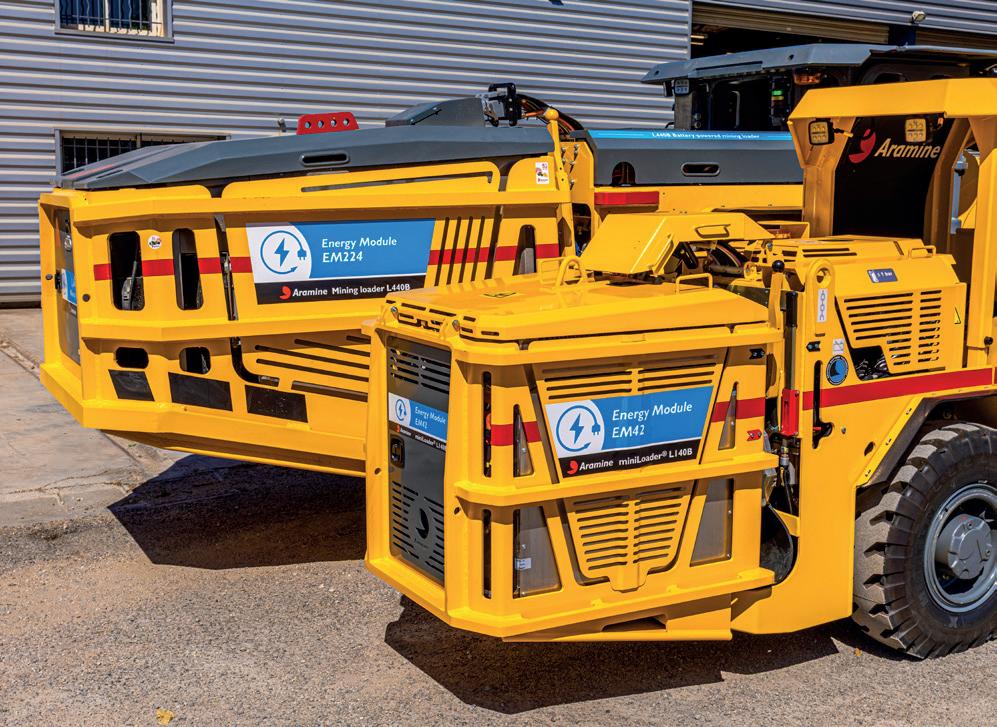
The development of the L140B established several technical principles that continue to shape Aramine’s electrification strategy. Chief among these is the use of a fully detachable energy module, integrating batteries, power electronics, and the charger into a single unit. This design allows rapid battery exchange and enables mines to electrify their fleet without major modifications to existing electrical infrastructure.
Over time, feedback from underground operations confirmed that battery-powered loaders could meet production requirements while offering tangible operational benefits. Reduced heat generation, lower noise levels, and the elimination of diesel exhaust at the face were repeatedly identified as key advantages, particularly in deep or highly confined mines.
These early field deployments played a decisive role in validating battery technology under real mining conditions and provided the operational data needed to scale up electrification to higher-capacity machines.
Advances in battery energy density and thermal management have since made it possible to scale this technology to higher-capacity loaders. Building on the experience gained with the L140B, Aramine expanded its battery loader range to address a broader spectrum of underground applications.
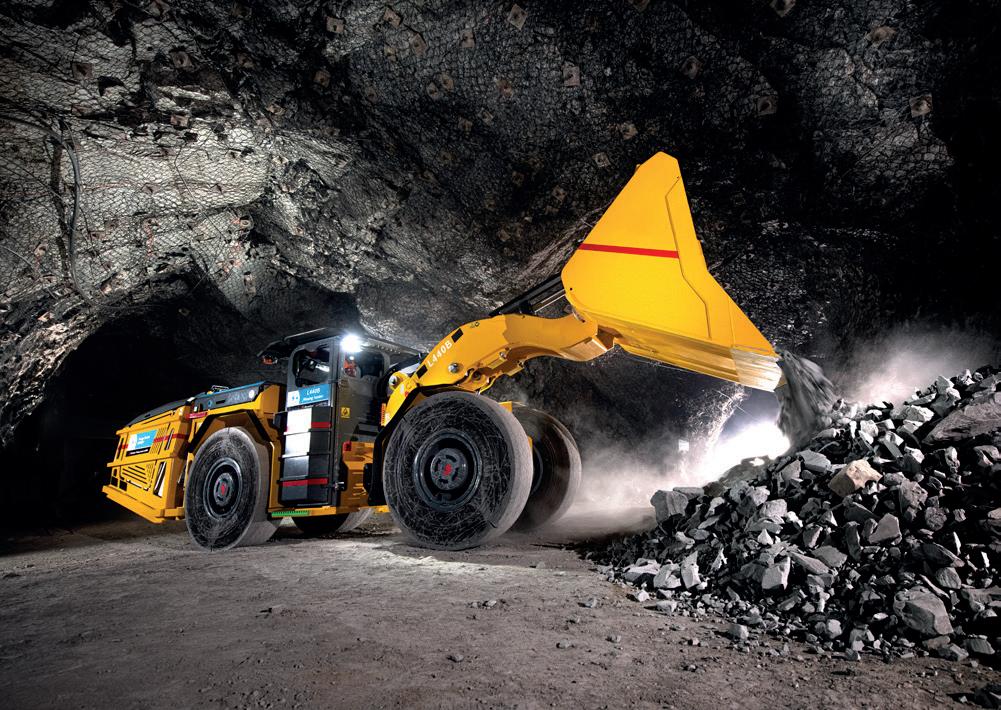
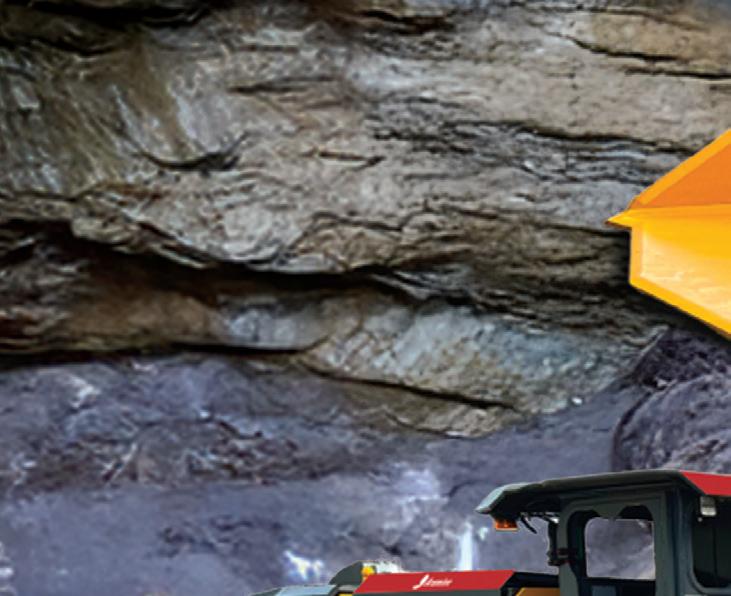
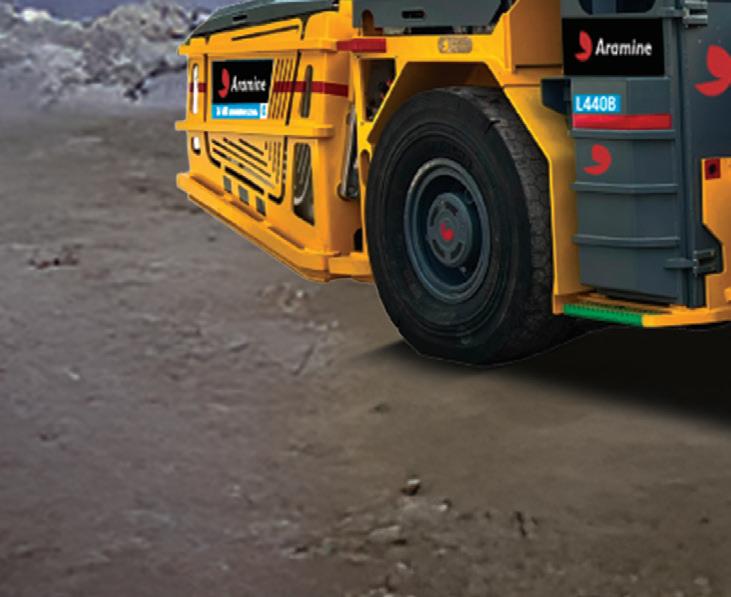
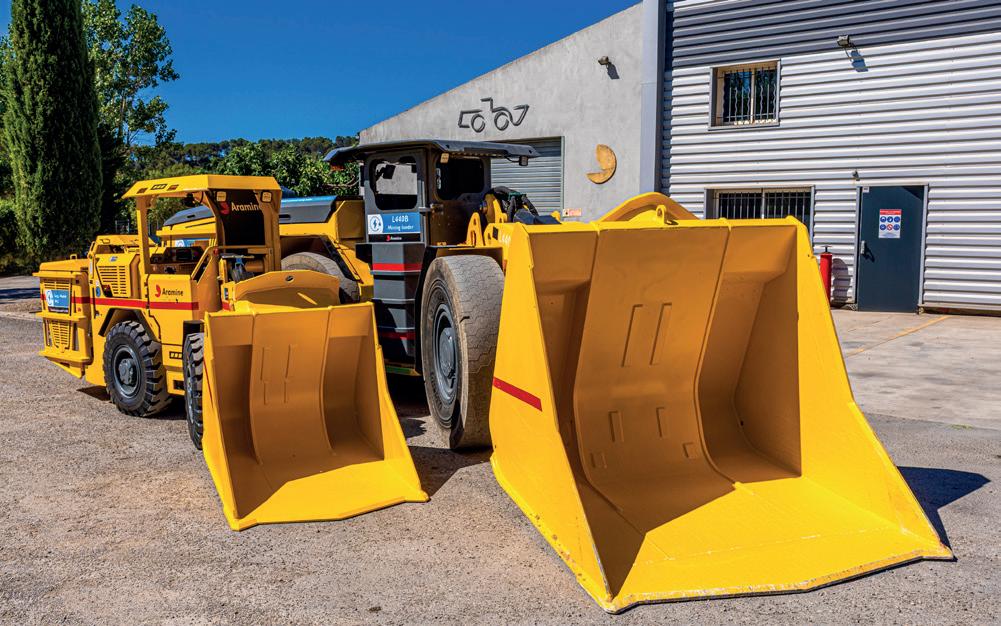
The L440B, recently launched, represents a significant step in this evolution. With a nominal tramming capacity of 4.8 t, it is positioned for medium-production underground mines where diesel loaders have traditionally dominated. Despite the increased payload, the machine retains compact dimensions suitable for restricted drift profiles, reflecting the constraints typical of underground mining.
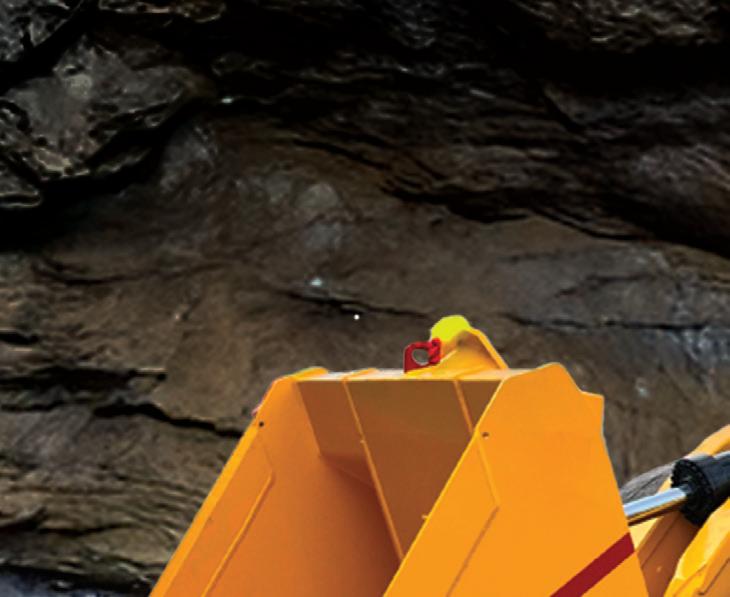
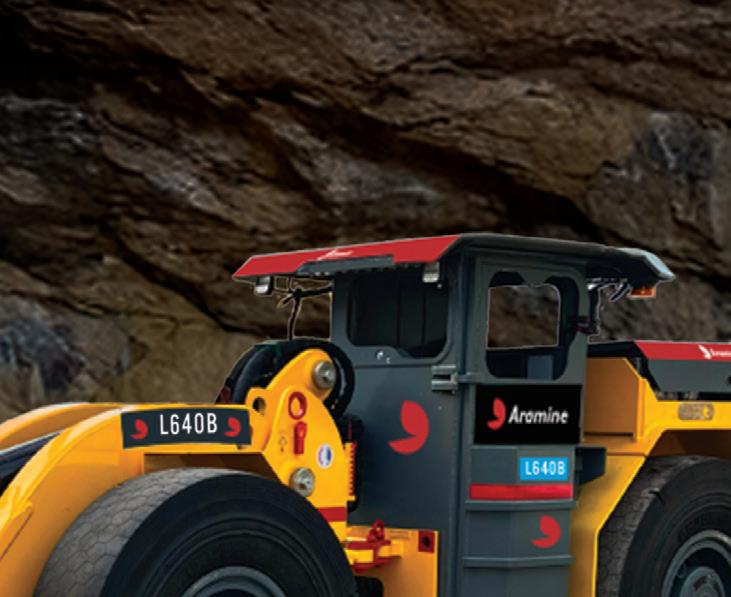
In response to demand for higher productivity within the same machine footprint, Aramine is preparing the L640B, a 6.2 t version of the L440B. This variant incorporates bigger wheels, bigger axles with more brake capacity, and a larger bucket, enabling increased payload while maintaining compatibility with existing mine layouts. The availability of both 4.8 t and 6.2 t configurations allows to select the most model solution based on ore density, drift geometry, and production targets.
Alongside these developments, Aramine continues to broaden its battery loader offering with the L640B, further extending the range toward higher capacities. Together, the L140B, L440B, and L640B form a coherent family of battery-powered loaders covering a wide range of underground mining scenarios. This progressive expansion reflects a deliberate strategy to offer battery-powered alternatives across multiple production scales.


































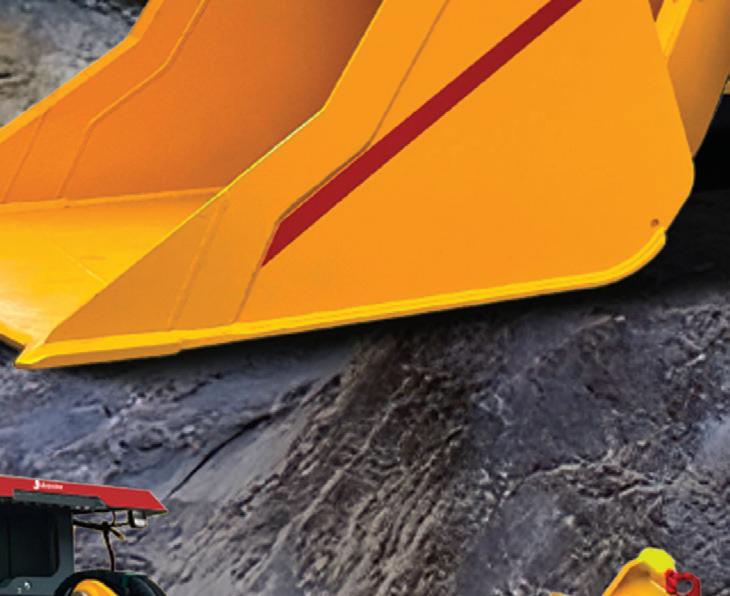
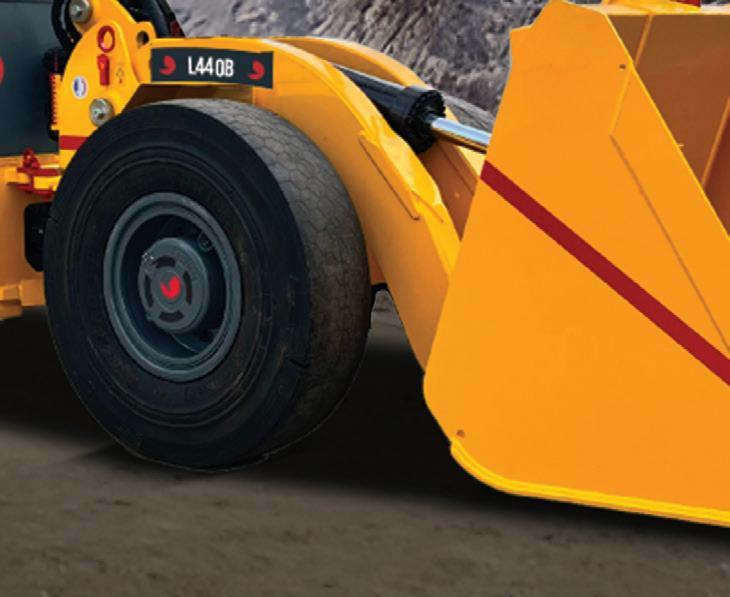
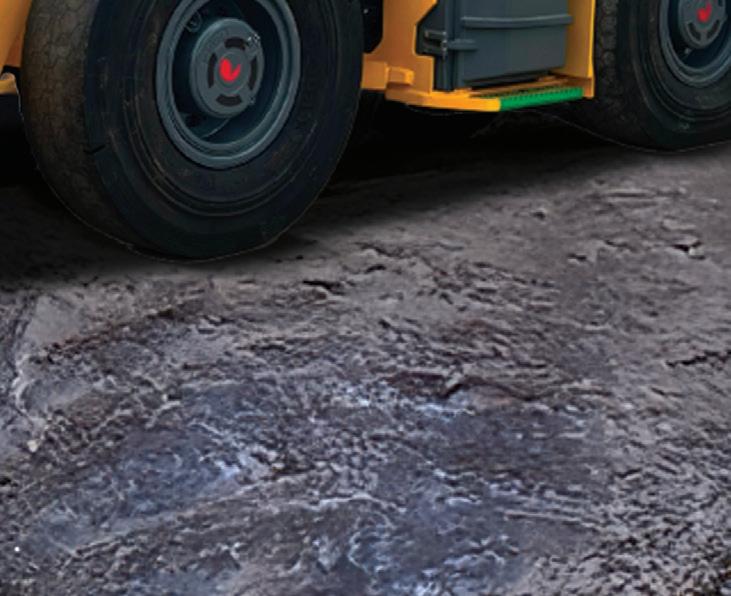

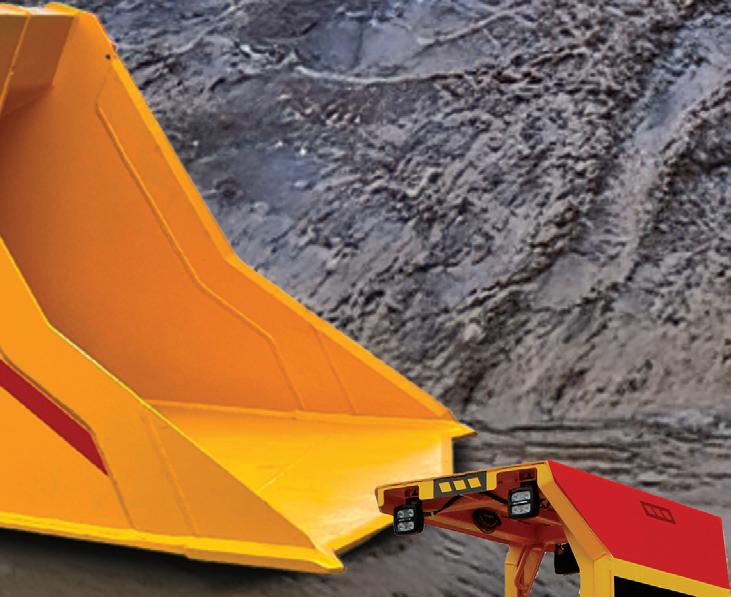
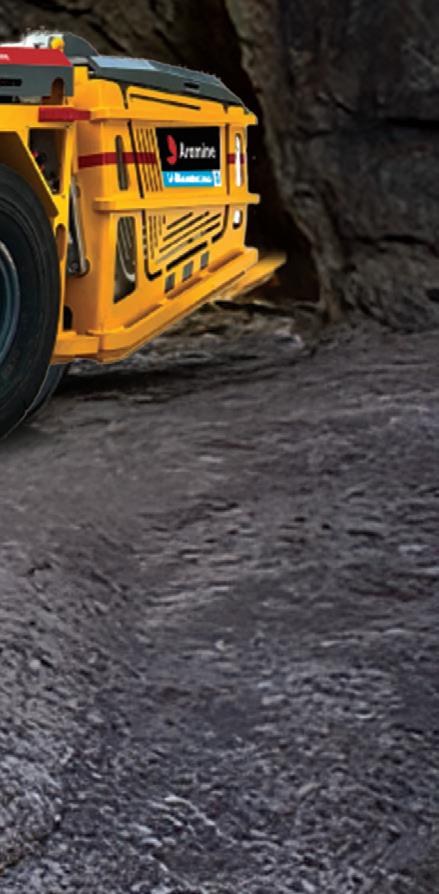

















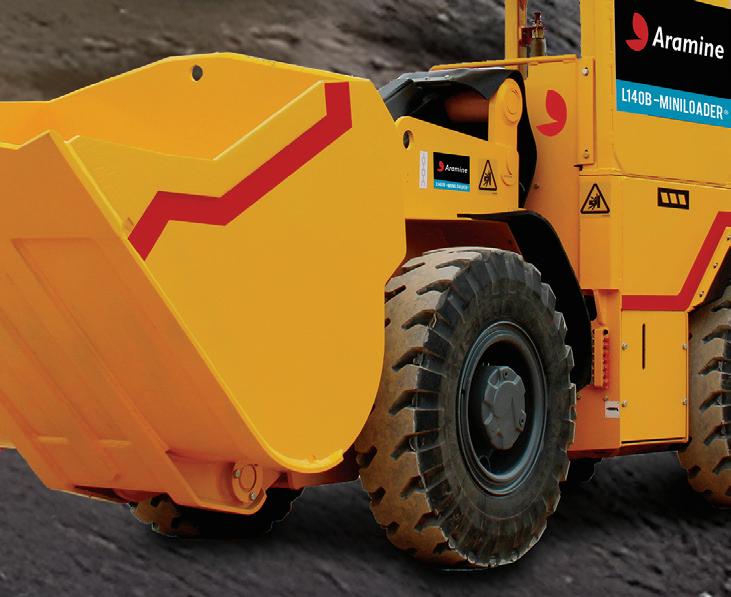
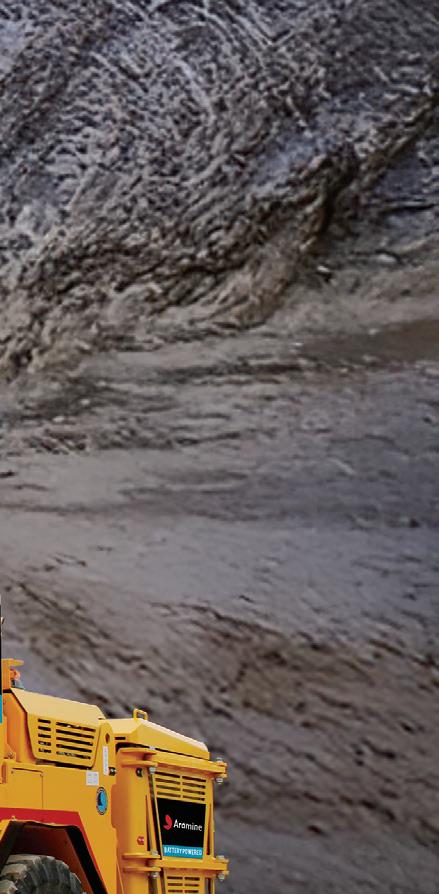
The operational impact of battery-powered loaders extends beyond emissions alone. In underground mines, diesel equipment contributes significantly to heat load and ventilation demand. By eliminating combustion during operation, battery-powered loaders reduce both factors, allowing ventilation systems to be optimised or production rates to be increased within existing airflow limits.
Energy management plays a critical role in ensuring that electrified loaders remain productive. Aramine’s Quick Replacement System allows battery exchange in a matter of minutes, enabling continuous operation when combined with appropriate charging logistics. This approach is particularly relevant for mines seeking to electrify progressively, without large upfront investments in infrastructure.
From a maintenance standpoint, electric drivetrains are less demanding compared to diesel powered machines. While mechanical complexity is extremely reduced (all Aramine battery-powered machines are truly electric-driven, without transmission), attention shifts toward battery health monitoring, power electronics, and software-based diagnostics. These aspects are increasingly integrated into maintenance strategies, supporting predictive maintenance and more consistent machine availability.
While loaders are often the first production machines to be electrified, haulage equipment represents a substantial share of diesel consumption and operational emissions in underground mines. Although haul trucks generally operate in larger, better-ventilated galleries, they still account for a significant portion of overall fuel use and emissions. Addressing this segment is therefore essential for achieving meaningful reductions in local emissions during operation.
Aramine’s current development efforts include battery-powered underground trucks designed to operate in typical mining conditions, including sustained
ramp haulage. Central to this expansion is the T1401B model, with a payload capacity of 14 t.
The T1401B is commercially available and expected to enter underground operations in the coming months. This battery-powered truck is designed around the same modular energy principles used across Aramine’s battery loader range, facilitating compatibility at the fleet level.
One of the challenges of mine electrification lies in avoiding fragmented solutions. From Aramine’s standpoint, compatibility between loaders and trucks is essential to ensure that battery-powered fleets remain scalable and manageable.
Using shared energy module concepts and common charging philosophies allows mines to plan electrification at the fleet level rather than on a machine-by-machine basis. This compatibility supports more flexible energy allocation and simplifies infrastructure planning, particularly in brownfield operations where space and power availability may be limited.
At the same time, electrification does not eliminate the need for a lifecycle-based assessment of environmental impact. Battery-powered machines still involve emissions during manufacturing, including battery production. However, during operation underground, they do not generate exhaust emissions, a distinction that is increasingly important for mine operators seeking to improve working conditions and reduce local environmental impacts.
From Aramine’s perspective, electrification is not a theoretical objective but a practical response to the operational constraints of underground mining. The progressive development of battery-powered loaders – from the 1.3 t L140B to the 6.2 t L440B and beyond – combined with the introduction of 14 t and 16 t battery-powered trucks, demonstrates that electrified production fleets are now technically achievable.
As underground mines increasingly face constraints related to ventilation, energy efficiency, and working conditions, battery-powered equipment is no longer an emerging concept but a concrete operational solution. Aramine’s objective is to provide mining operators with reliable, industrialised battery machines that integrate seamlessly into their production systems, while supporting a progressive transition away from diesel during operation.
While challenges remain in terms of infrastructure, investment, and skills, the absence of exhaust emissions during operation, reduced heat generation, and improved working conditions make battery-powered equipment an increasingly relevant option for underground mines. As the industry continues to balance productivity, safety, and environmental considerations, electrification is becoming an integral component of modern underground mining strategies.
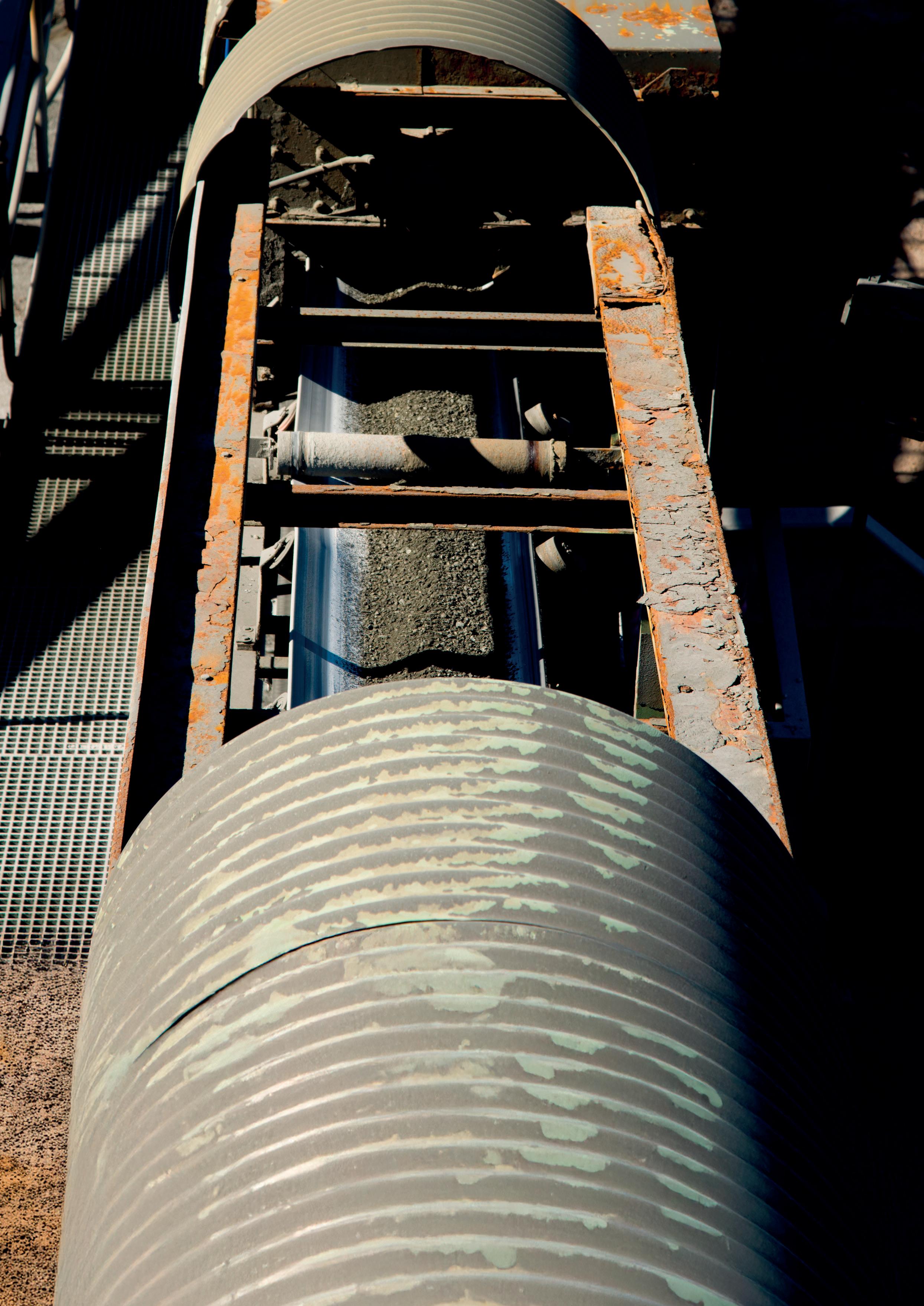
Daniel Marshall, Martin Engineering, USA, addresses the benefits of external wear linings for safety, efficiency, and reduced costs in mining operations.
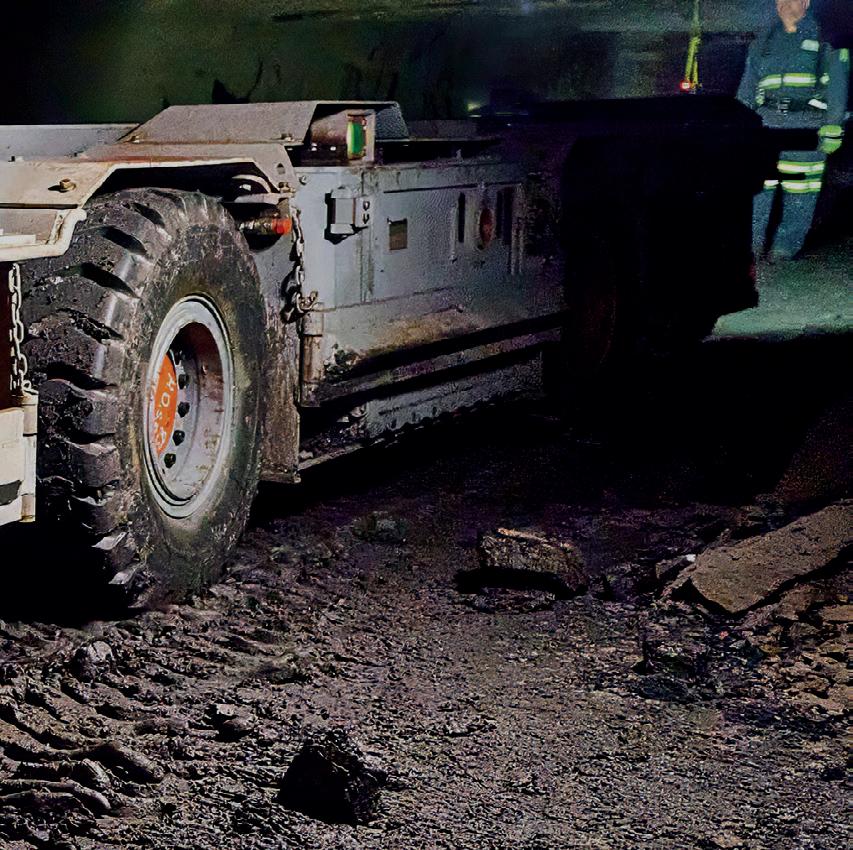
Even though they are ‘soft metals’, it is no secret that raw cobalt and nickel can be highly abrasive and punishing on conveyor components. When dropped onto a fast-moving conveyor, tonnes of material quickly erode the walls of the transfer point, requiring protection. In addition, cobalt and nickel dust are combustible, making confined space entry for maintenance more hazardous.
The wear liner on a belt conveyor transfer point is essentially considered a sacrificial layer. Removal and replacement are gruelling jobs that can require multiple workers and days of scheduled downtime. Conventional wear liners have historically been installed inside the chute, but modern designs are now placed on the outside, improving skirtboard sealing and preventing spillage.
The Occupational Safety & Health Administration (OSHA) considers most transfer chutes to be ‘permit-requiring confined spaces’, mandating that an ‘authorised entrant’ perform the work inside the chute. An attendant must also stand outside, monitoring the
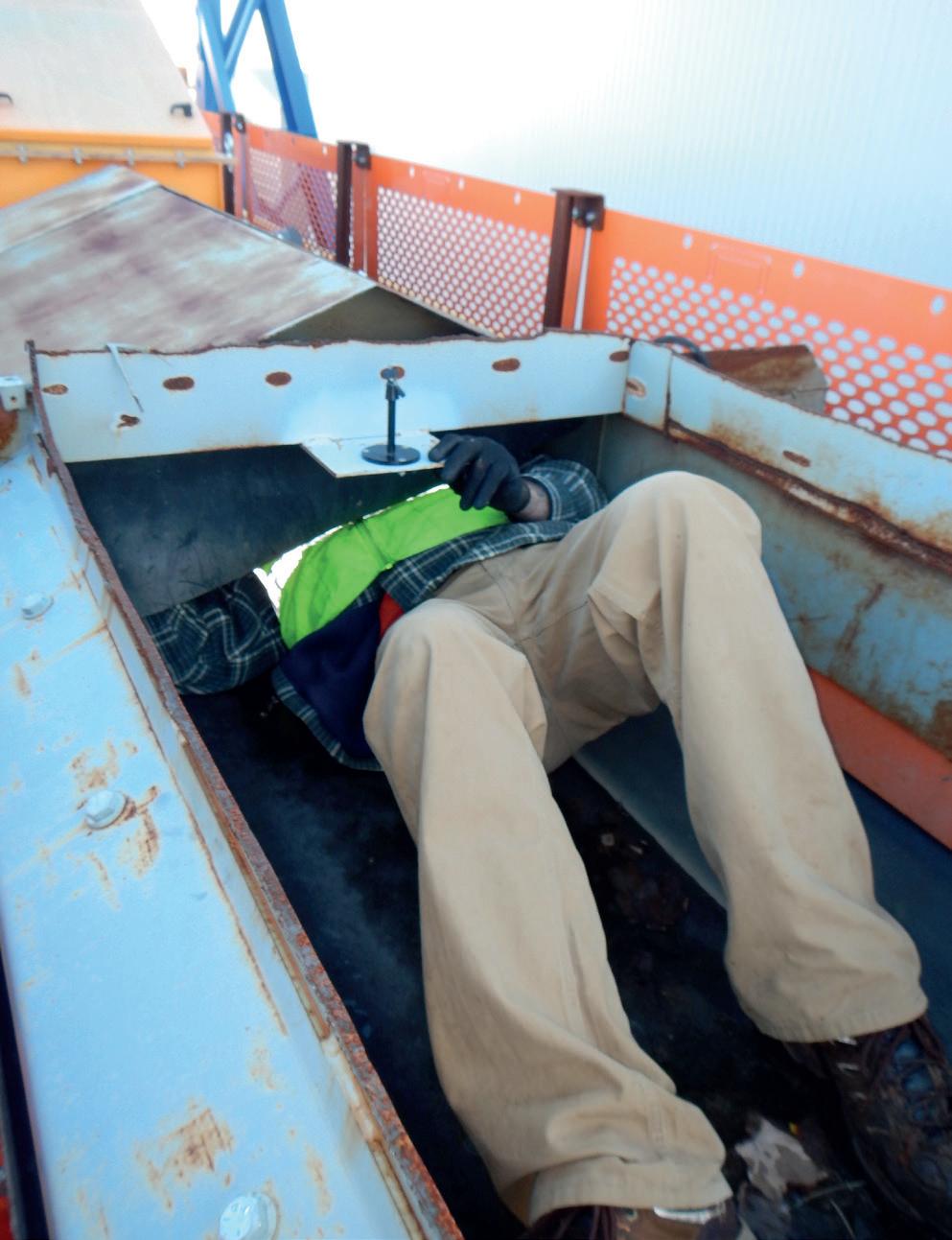
safety of the person inside while assisting in the removal of material from the chute. In some cases, a supervisor further oversees this procedure.
The goal of the external design is to significantly cut the installation and service time while reducing risk and improving safety. The result is excellent performance with fewer labour hours, no required maintenance certification, and lower operating costs.
Previous designs securely welded the wear liner to the inside of the chute, with only the skirt seal located on the outside. The logic behind the conventional design is for the wear liner to protect the skirtboard, which is typically ¼ in. sheet metal and not strong enough to withstand the sustained force and abrasion from bulk material.
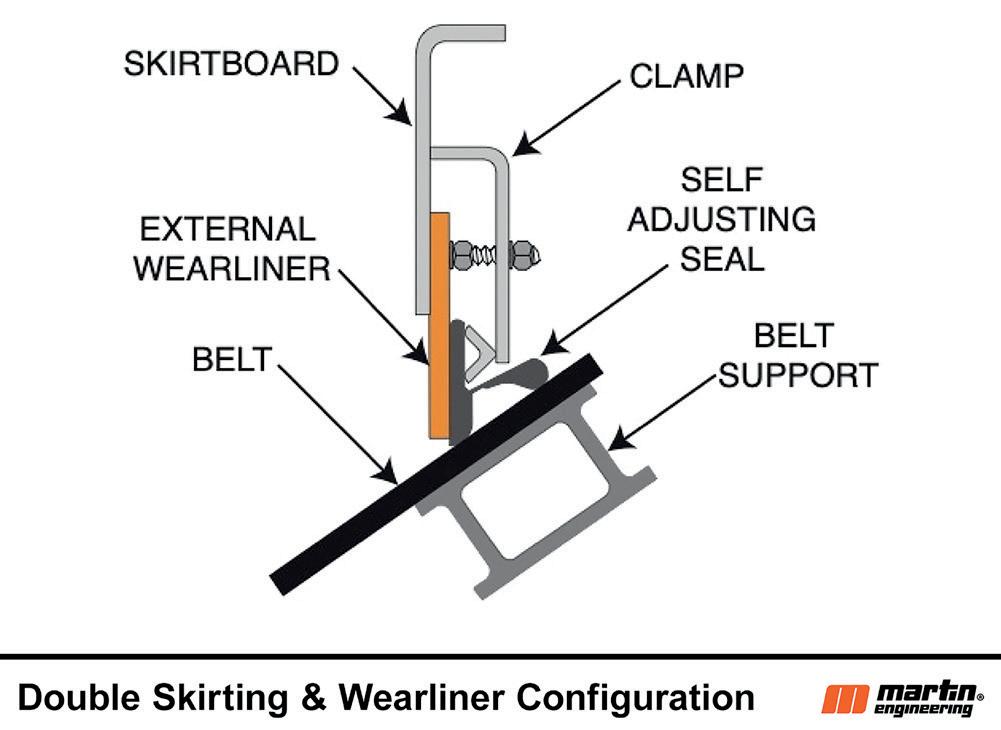
Instead, Martin Engineering designers came up with the idea of raising the chute work about 4 in. above the belt, out of the way of the material, then putting the wear liner on the outside. Using this approach, the material still hits the liner and does not damage the chute. To engineers, it was a real light bulb moment. The team was surprised that no one had tried it before, as it had some obvious benefits.
After elevating the chute box above the material flow, a 3/8 in. or 1/2 in. (0.95 cm or 1.27 cm) thick abrasion-resistant liner plate (AR500) is mounted on the outside of the chute, followed by the skirt seal. Mounting brackets with jackscrews provide a tight hold, with precision adjustment of the wear liner to reduce spillage. This system closes the gap between the liner and the sealer, thus eliminating abrasion from trapped material without interfering with existing supports. When accompanied by skirting and clamps, the system forms a tight belt seal, delivering outstanding fugitive material control.
When a conventional wear liner loses its edge, the replacement procedure is what operators describe as an undesirable maintenance assignment. The authorised entrant would go into the chute with a grinder to remove the welds and take off the sacrificial liner, which may have required a torch to cut away the existing material.
This can be extremely dangerous, for two reasons. First, the liner can weigh several hundred pounds, and when a worker cuts it loose, it can fall and endanger the personnel inside the confined space of the chute. Second, nearly any dust can be explosive under the right conditions, and having to grind or torch-cut the old liner introduces a spark or open flame.
Some companies thoroughly wash out the chute prior to entry to avoid any chance of combustible particulates, making the job even more time-consuming. Once the old liner had been removed, the new wear liner was positioned to keep it as close to the belt as possible and welded into place.
An external liner can be installed and adjusted more quickly and easily, without the need for a grinder or torch, using special mounting tabs. Clips for bolting the liner are


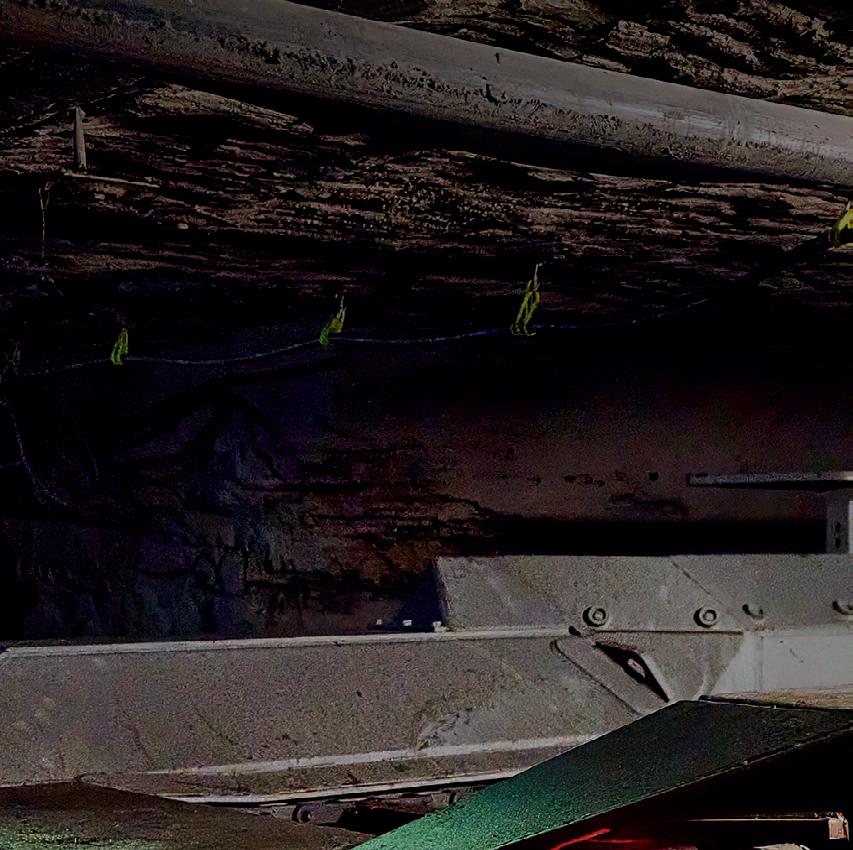




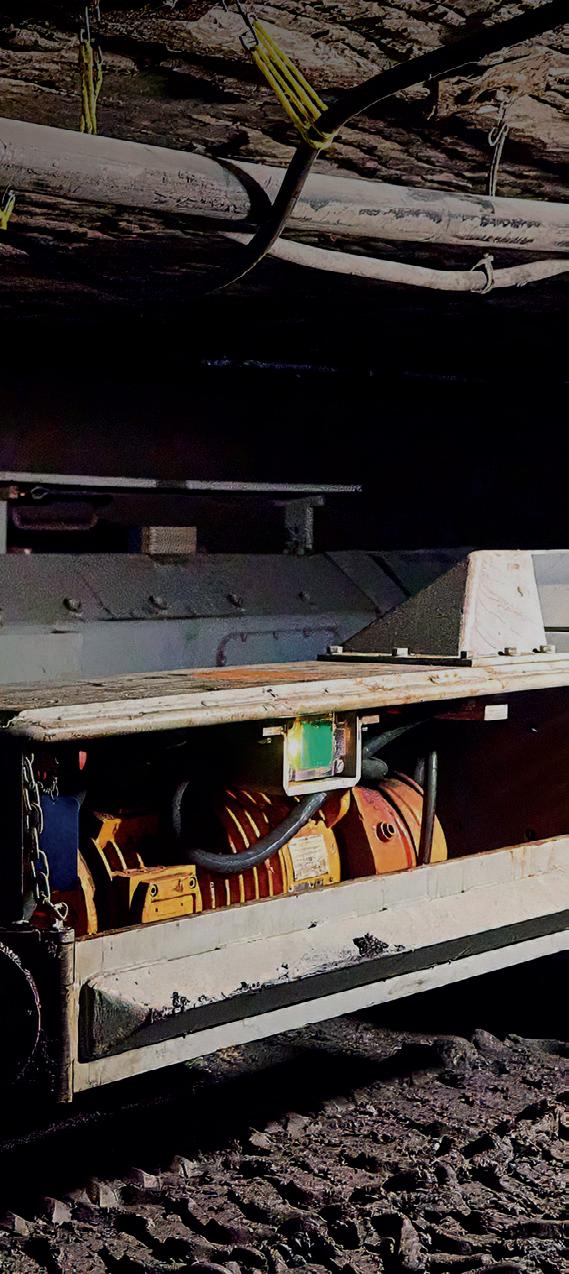






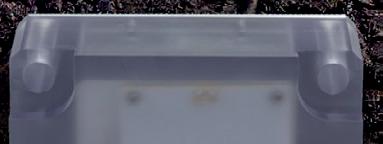
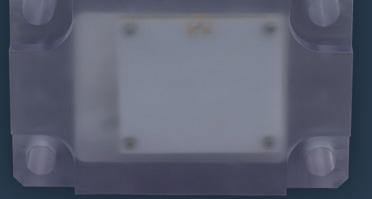













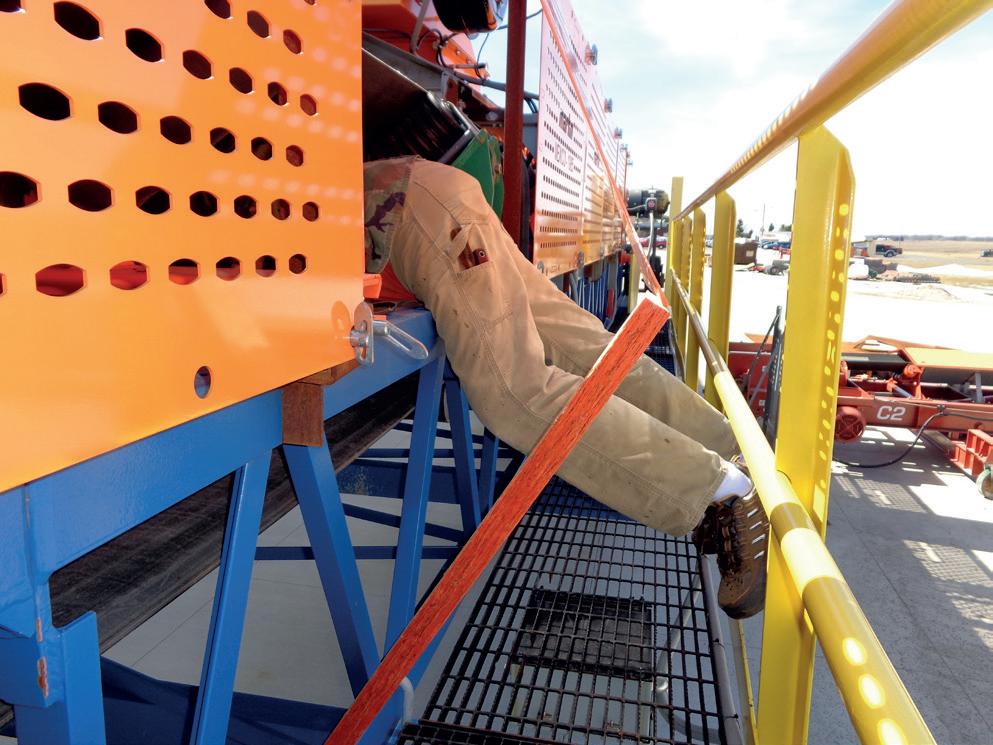
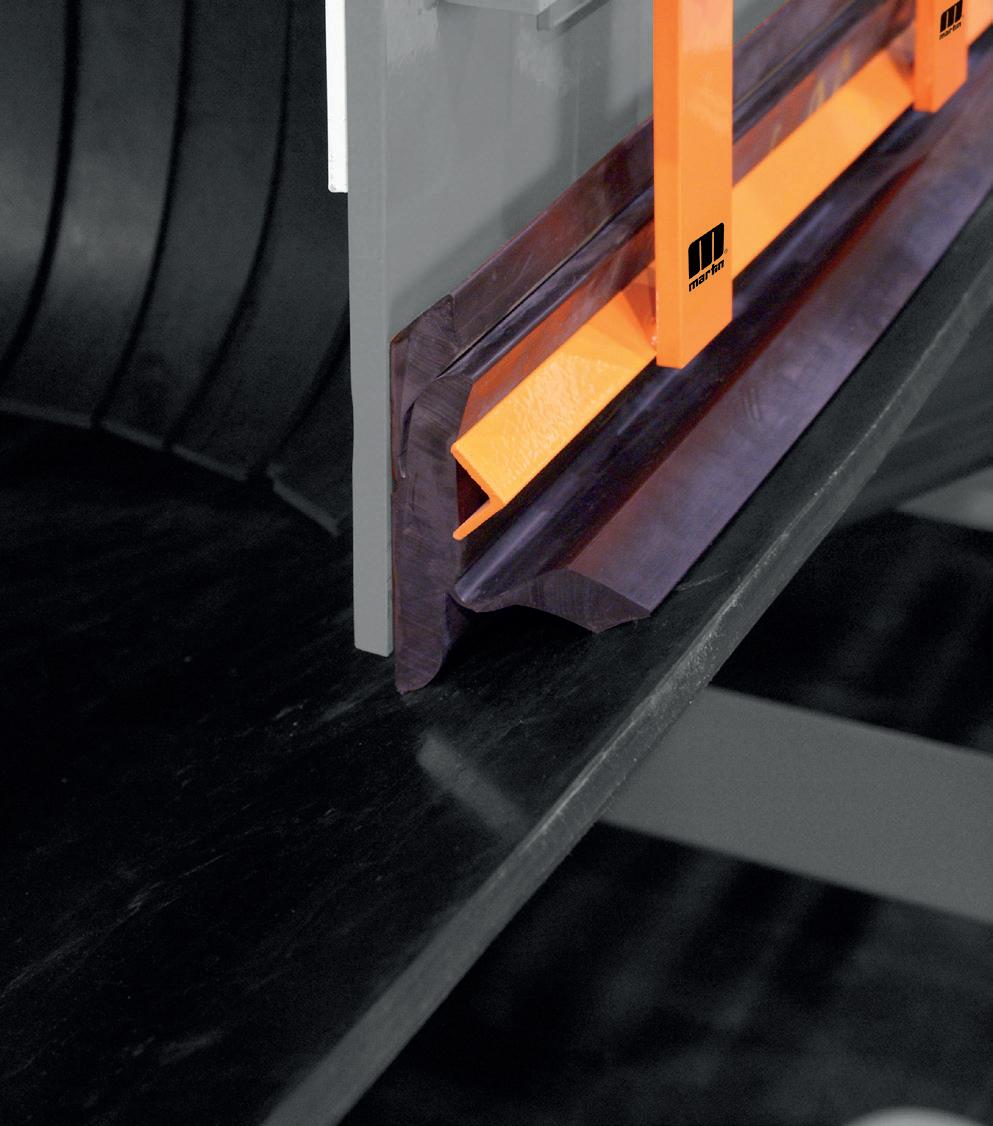
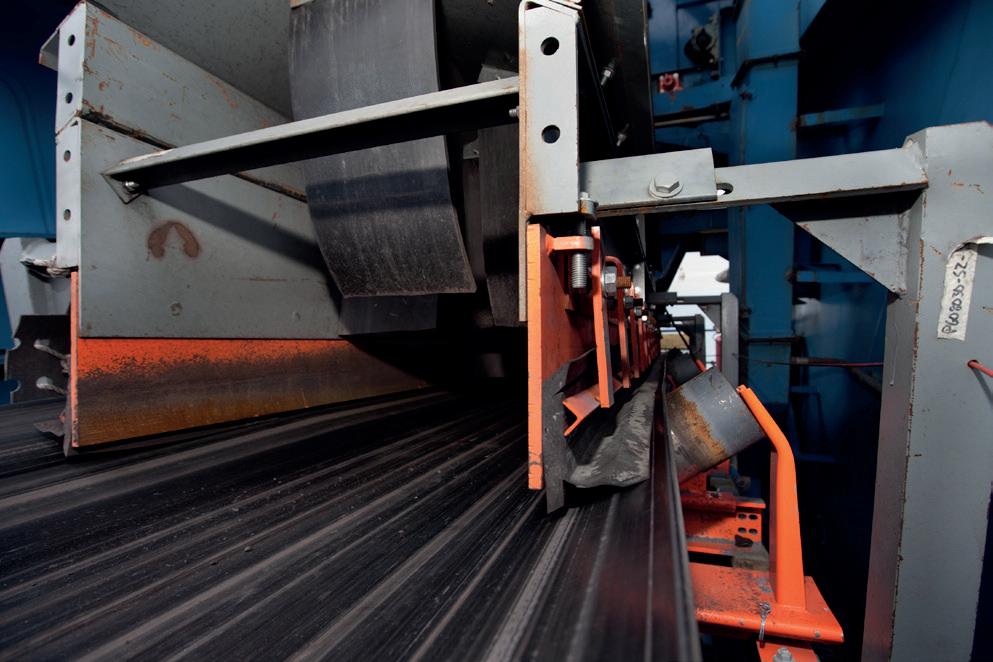
initially welded in place and do not need to be removed when the liner wears out. Since the work is done from the outside, without any grinding sparks or torch flame, the hazard of explosive dust from tool usage is greatly reduced. Replacement liners come in a standard length of 72 in. (1829 mm), and Martin Engineering uses laser cutting technology to create the complex geometries necessary for a custom fit.
The new liner is easily retrofitted onto existing equipment. Installers simply cut back the chute wall on existing chute boxes to accommodate the external wear liner. On new installations, the chute is easily engineered to work with the new liner design, as well as other Martin Engineering components such as dust curtains, track-mounted idlers, and cradles.
A coal-fired power plant in Illinois run by Dynegy Inc. with a bulk transport volume of 1000 tph was experiencing spillage issues due to aging equipment at two of its main bulk material transfer points. Located side by side, the transfer chutes suffered from belt tracking and sagging issues, allowing material to escape the chutes and build up around the work area. Moreover, the old wear liners were difficult to remove and replace, requiring torch work. Operators sought a solution to the excessive equipment maintenance, regular cleanup around a running belt, and system downtime that increased the cost of operation.
After reviewing the most essential components needed to control material flow and improve working conditions, Martin Engineering technicians installed Martin® Wear Liners and Martin® Tracker™ systems. Designed to protect the chute wall from material impact while keeping a tight seal on the belt to stop fugitive material, the external wear liner is bolted on from the outside, making replacement of worn sections a one-person job with no need for a torch. To mitigate spillage along the belt path, the Martin Tracker utilises extended arms with roller sensors and a troughed idler to detect slight variations in the belt path and train it quickly.
Nearly one year after installation, operators have seen a significant reduction in spillage and fugitive dust around the transfer points. Labour costs for cleanup and maintenance have been reduced, and the area around the loading zones and along the belt path is considerably safer.
An external wear liner could be considered a safety device because it eliminates the need to expose maintenance staff to potentially hazardous activities, such as confined-space entry. Moreover, the external wear liner and skirting configuration extend the life of the equipment and the chute, while reducing spillage and dust. Retrofitting the transfer chute with updated equipment improves system performance and requires no maintenance certification, reducing the number of workers and hours required to replace and service, in turn lowering operating costs.

Most ore sorting applications in operation today are designed to upgrade feed by removing waste early in the process, before grinding and wet plant treatment. This approach improves downstream efficiency, reduces energy consumption, and optimises metal recovery. By ejecting barren or low-grade material before it enters the comminution circuit, operators are able to reduce mill loads, lower reagent use, and improve overall plant stability.
However, ore sorting is increasingly being deployed with an additional objective beyond upgrading ore: to produce a barren waste stream that is chemically stable and sized for use in mine infrastructure. When sensor-based sorting is applied this way, material that would otherwise be stockpiled or sent to tailings can be used for haul roads within the mine, tailings dam armament, and aggregates for remediation and closure activities. Towards the end of a mine’s life, ore sorting can pre-concentrate mineralised dumps, generating a sorted product for the existing processing plant while ensuring that the waste is suitable for rehabilitation purposes. This holistic approach minimises surface waste, supports environmental compliance, and enhances profitability throughout the mine lifecycle.
A central challenge in mine waste management is the presence of sulfide minerals, which can oxidise and generate acid mine drainage when exposed to air and water. This risk is particularly acute for waste rock and tailings used in embankments, road construction, or long-term storage. Material with even modest sulfide content may require encapsulation or controlled storage, increasing both cost and environmental risk.
Sensor-based ore sorting, particularly when using X-Ray Transmission (XRT), enables this problem to be addressed
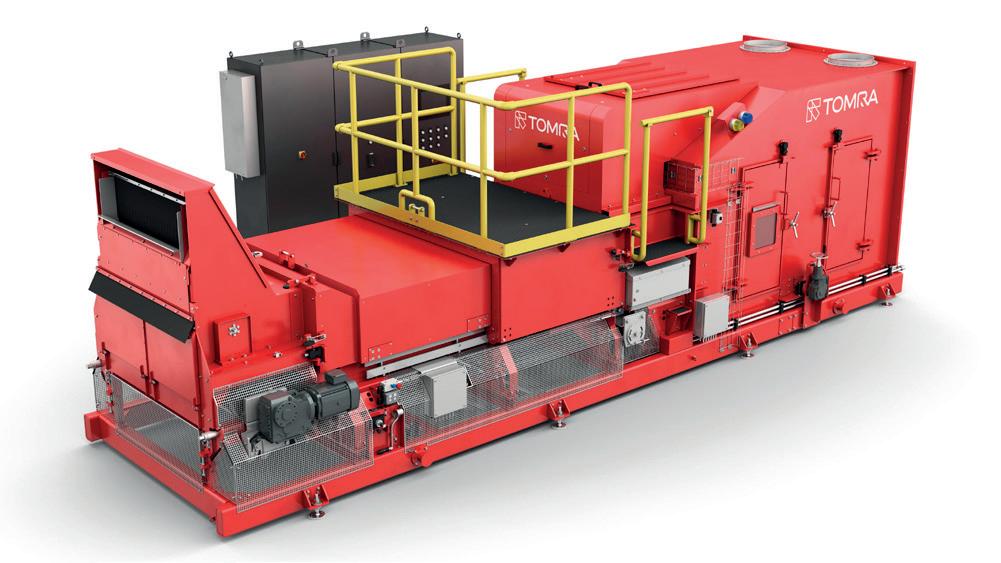
at the level of individual particles. By detecting density contrast associated with sulfide minerals, XRT sorting can selectively remove acid-forming rocks from a stream, leaving behind material that is chemically stable and suitable for use as aggregate.
The resulting product can be classified as non-acid forming (NAF), allowing it to be used with confidence in haul roads, tailings dam armament, and remediation activities. In many cases, this material can be removed entirely from waste inventories, reducing long-term monitoring and liability.
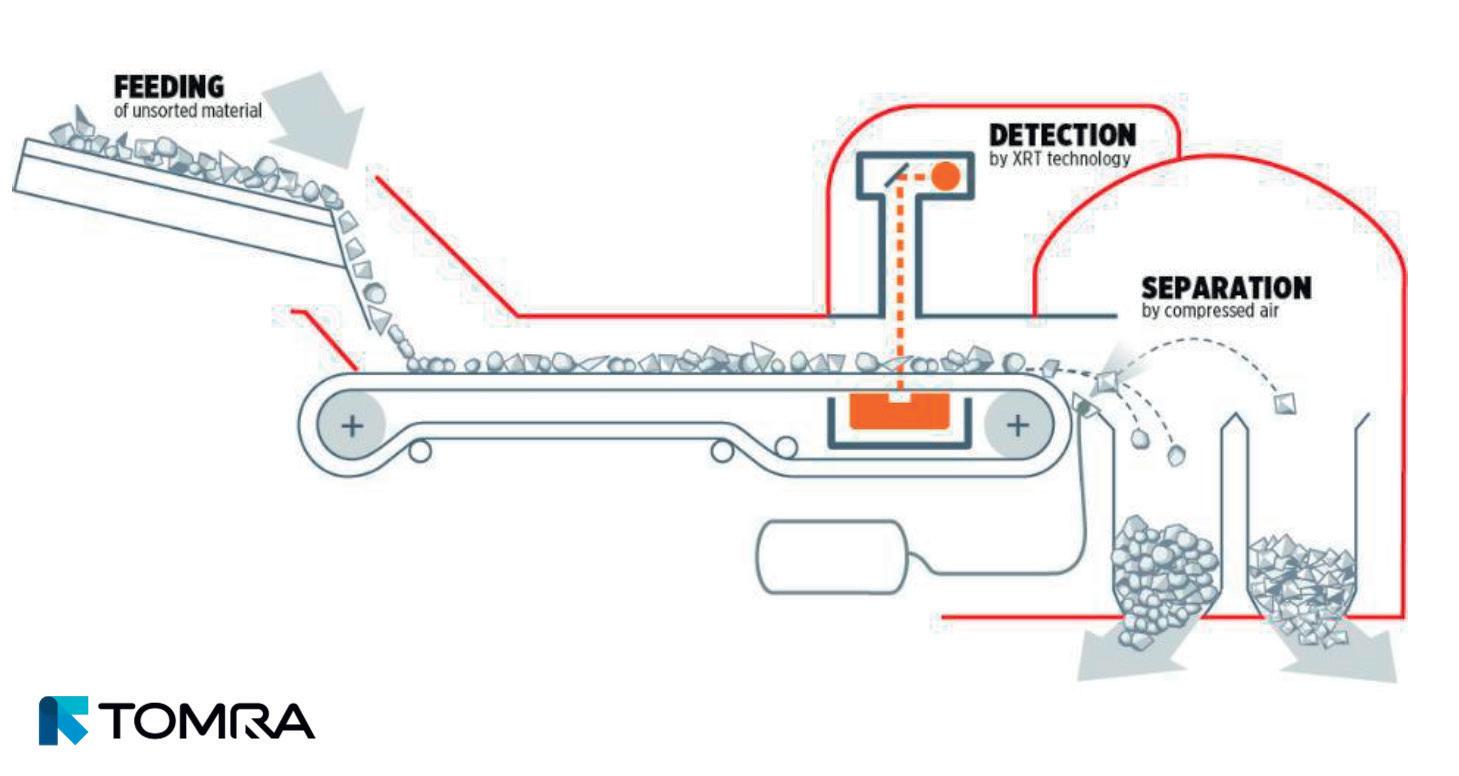
The technology underpinning these applications is almost exclusively XRT sorting. XRT creates a detailed image of each rock, detecting fine-grained inclusions such as base metal sulfides. High-value, acid-forming particles are ejected from the feed stream, leaving only barren aggregate.
Once the X-ray image is captured, the system classifies each rock based on density and mineral content. High-density minerals appear as dark inclusions within the rock matrix. These signatures are captured in real time and analysed by the classification software, which assigns each particle to either a product or waste category. The ejection system then removes sulfide-bearing rocks from the stream with precise bursts of compressed air, ensuring that only chemically stable material remains.
This process allows sorting to go beyond bulk grade sorting. Even when sulfides are finely disseminated, their density contrast relative to silicate gangue enables reliable discrimination, producing a waste fraction that is low in metal content and acid-forming potential.
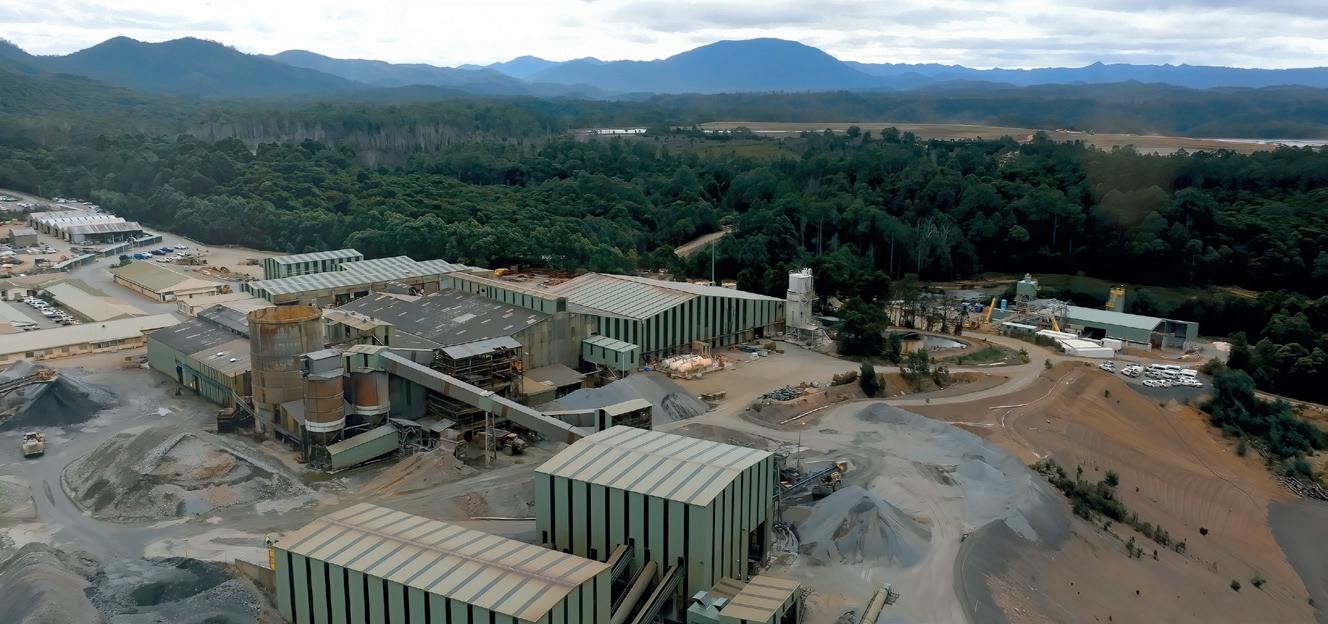
Most ore sorters operate within size ranges such as 6 – 20 mm, 15 – 45 mm, or even larger fractions like 30 – 90 mm. Feed size can be adjusted to target specific aggregate dimensions, and additional crushing may be employed where necessary. This flexibility ensures that the sorted waste meets infrastructure specifications without compromising processing efficiency. In remote mining regions, this capability can be particularly valuable. Transporting aggregate to site can be prohibitively expensive, with costs in Australia ranging from AUS$10/t to well over AUS$50/t for isolated operations, and up to AUS$80/t on Tasmania’s west coast. Establishing a local quarry is often impractical due to unsuitable geology and high sulfide content. Ore sorting eliminates these challenges by producing aggregate from existing mine material, reducing transport costs and environmental impact while maintaining feed for the processing plant.
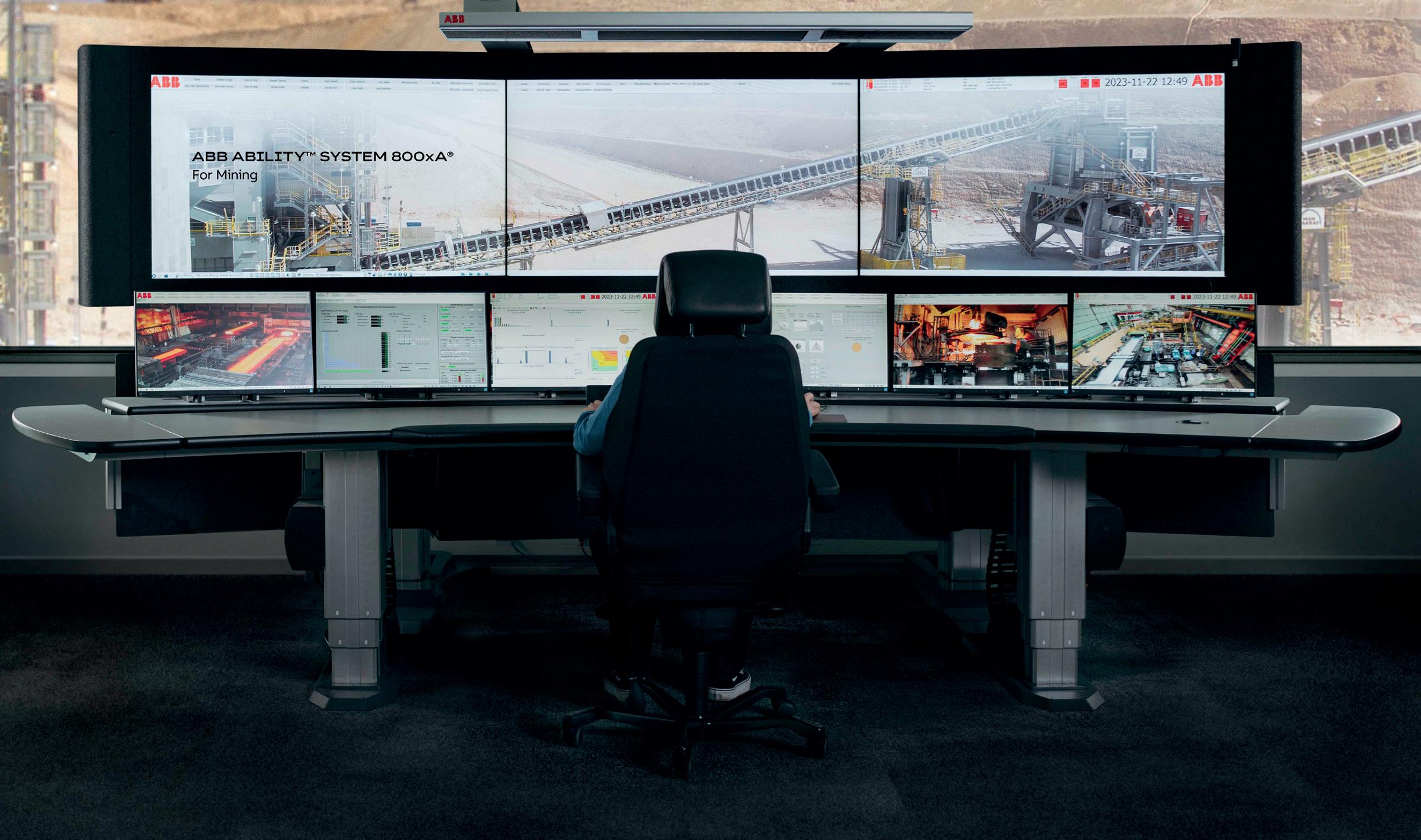
ABB Ability™ System 800xA® is a powerful automation platform with unparalleled connectivity across plant systems, applications, and devices, bringing operations, engineering, control and power management into one unified environment. With plant-wide visibility and precise control, it helps industries improve productivity, efficiency, and reliability while supporting more sustainable operations. System 800xA enables leaner, cleaner, and more agile plants - empowering industries to outperform today and adapt for decades to come.

The ability to separate NAF and potentially acid forming (PAF) material using sensor-based ore sorting has important implications for tailings management and closure planning. When sulfide-bearing particles are removed early, the volume of material requiring controlled storage is reduced, and the quality of material used in embankments and covers is improved.
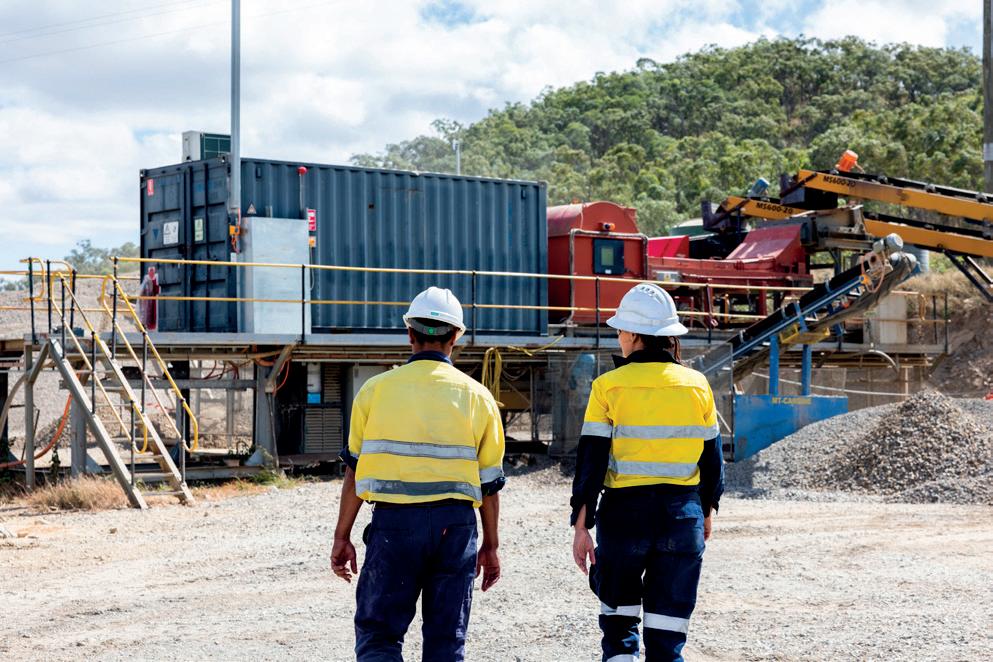
At Bluestone Mines’ Renison Bell operation in Tasmania, sorting is used to separate NAF and PAF waste. NAF material is used for permanent storage, while PAF waste is isolated to prevent acid mine drainage. The approach aligns with modern remediation strategies, ensuring that tailings dams and closure plans incorporate chemically stable materials. By integrating sorting into its waste management system, Bluestone minimises environmental risk, reinforcing the value of sensor-based solutions in holistic mine planning.
A similar principle is applied at Kensington Mine in Alaska, where SRT sorting classifies particles based on density differences that correlate with sulfide content. High-density particles containing sulfide minerals and associated gold are recovered into the concentrate stream, while low-density diorite pebbles, virtually devoid of sulfides, are rejected as waste. The resulting
barren fraction has minimal acid-generating potential, supporting environmentally responsible tailings and waste-rock management.
Tailings capacity is often the limiting factor in the life of a mine. Every tonne of material that can be rejected before milling and flotation represents a tonne that does not need to be stored in a tailings dam. Sensor-based sorting therefore offers a direct pathway to extending operational life.
At Wolfram Bergbau Mittersill (WBH) in Austria, XRT sorting removes approximately 25 – 40% of the run-of-mine (ROM) material as coarse waste. This material is not crushed or milled, but sold as aggregate for a symbolic price of €1/t or repurposed to reinforce the tailings, creating a closed-loop solution that supports both environmental and economic objectives. The primary benefit is that every tonne not crushed, milled, and processed through flotation avoids being deposited in the tailings dam, which directly increases the life of the mine.
By reducing the mass flow to the processing plant, sorting decreases energy consumption, wear, and reagent use, while simultaneously conserving tailings capacity. In operations where tailings storage is a critical constraint, this can be as important as any increase in metal recovery.
The use of ore sorting to produce infrastructure-grade barren material creates continuity between production and closure. During active mining, sorted waste can be used to build and maintain haul roads, pads, and dams. As mining winds down, the same material can be redirected to cover systems, embankments, and rehabilitation works.
Because the material has been certified as low in sulfide and metal content, it can be placed with confidence, reducing the need for long-term monitoring and water management. In effect, sorting enables waste to be progressively rehabilitated as it is generated, rather than being stockpiled and managed as a liability.
Across commodities including lead-zinc, copper-gold, tungsten, tin, and pyrite-bearing ores, testwork and operating data show that mines are leveraging sensor-based sorting not only for ore upgrading but also for sustainable waste management and infrastructure supply. As demonstrated by operations such as Mt Carbine, Bluestone, Kensington, and Wolfram Bergbau Mittersill, this approach delivers tangible benefits throughout the mine life cycle. Ore sorting is therefore moving beyond its traditional role in feed upgrading to become a tool for holistic resource and waste management, aligning economic performance with long-term environmental stewardship.
Ben Thistlethwaite, Glencore Technology, Australia, details how the Jameson Cell is helping the New Afton Mine adapt to change.
As mining evolves to meet the world’s future needs, the industry is navigating a landscape shaped by growing mineral demand alongside increasingly defined operational and sustainability expectations.
Across the sector, producers are focusing on improving efficiency, reliability, and overall performance while aligning with modern environmental and social standards. This shift is encouraging the adoption of technologies and practices that enable more effective use of existing assets and infrastructure.
For brownfield operations in particular, value creation increasingly comes from optimising what is already
in place. These sites benefit from focused improvements that deliver gains without the need for major expansions or increased footprint. As a result, many operations are turning to companies like Glencore Technology for practical, proven solutions that unlock new value from existing assets.
The recent commissioning of Glencore Technology’s Jameson Cell at New Gold Inc. (NGD)’s New Afton Mine is a standout example of this approach in action. The compact, lower-cost flotation solution has been integrated into the existing circuit, delivering promising performance improvements within existing plant constraints.1
Developed in the mid-1980s, the Jameson Cell represents a significant advancement in flotation technology, addressing many of the limitations associated with conventional mechanically-agitated cells. Its design focuses on improving fine particle recovery through efficient particle-bubble contact within a high-intensity mixing environment known as the downcomer.
Unlike conventional flotation cells, the Jameson Cell contains no internal moving parts. Air is naturally entrained as slurry passes through the downcomer, generating a consistent population of fine bubbles without the need for external blowers or sparging systems. This results in fast flotation kinetics, stable operation, and reduced power and maintenance requirements.
Over time, the technology has been adapted for a wide range of duties, including rougher, scavenger, cleaner, and fine particle recovery applications. Ongoing design refinements have increased capacity and reduced installation costs, allowing the Jameson Cell to be deployed at higher throughputs without increasing plant footprint.
Today, the Jameson Cell is widely used in both greenfield and brownfield operations, particularly where space, energy efficiency, and operational simplicity are key considerations. These attributes make it well-suited to operations processing polymetallic sulfide ores at the required particle liberation, such as those encountered at New Afton.
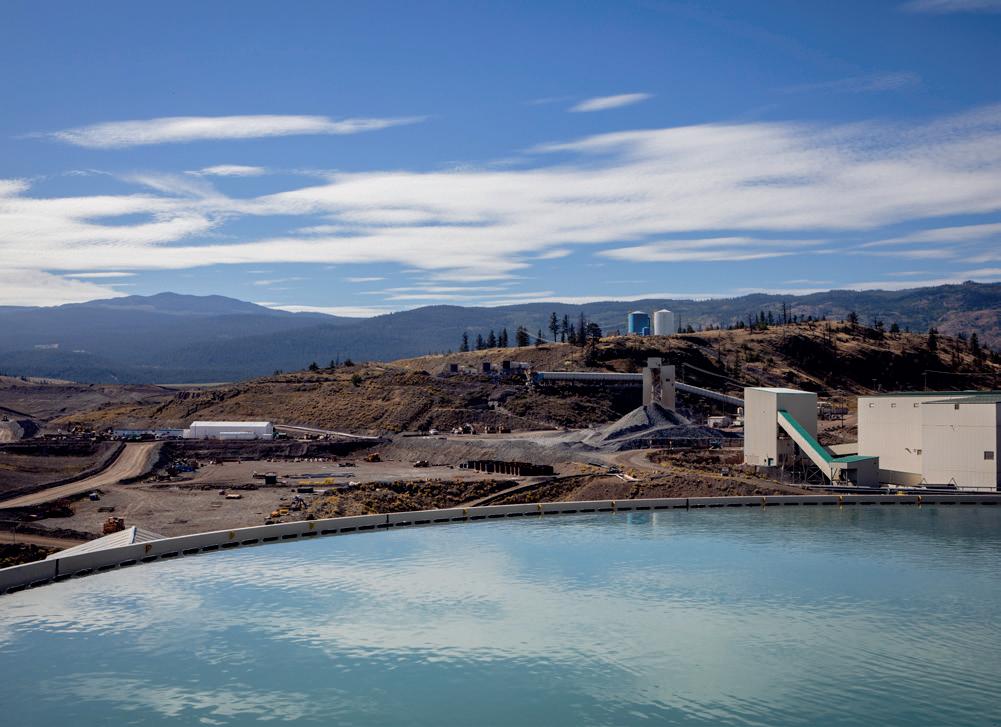
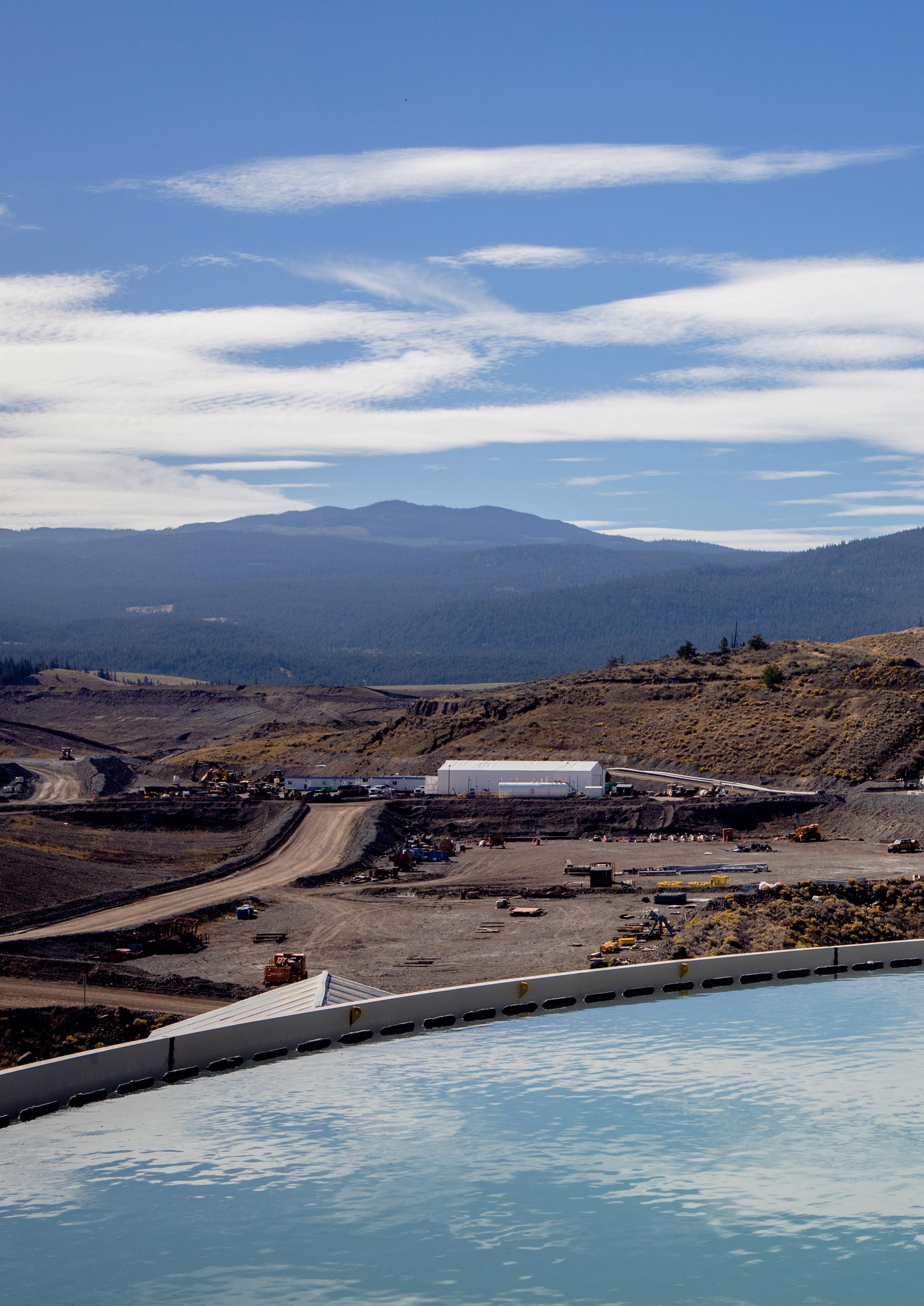
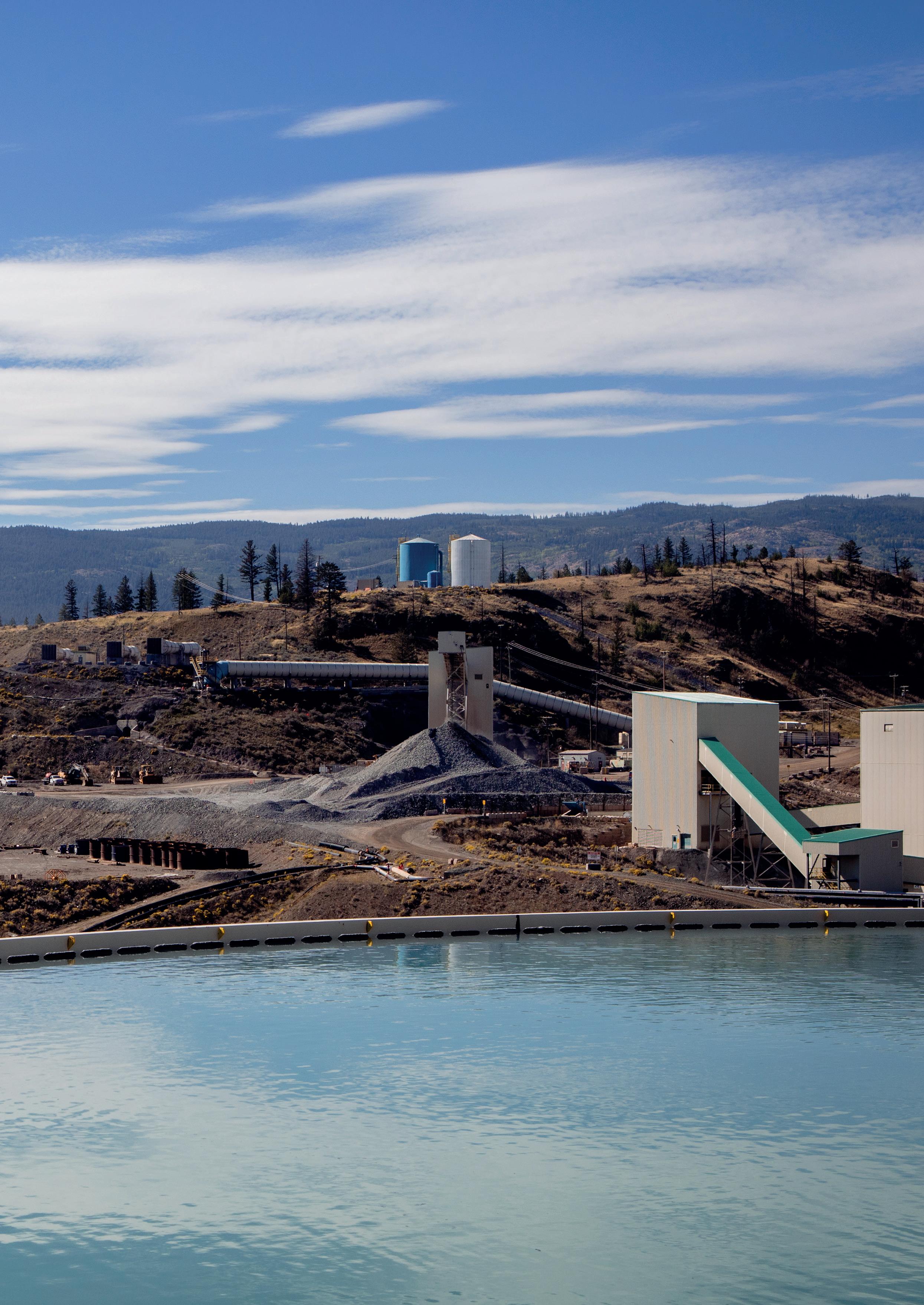
The New Afton Mine is an underground copper-gold mine that uses block caving and is one of two operations owned and operated by NGD. Located 10 km outside Kamloops and 350 km northeast of Vancouver, British Columbia, the mine has been in commercial production since 2012 and has undergone several expansions during its lifespan. Ore is ground using a semi-autogenous grinding (SAG) and ball mill, followed by a tertiary grinding stage. Gold is recovered using both gravity equipment and flotation, while copper is recovered through a circuit that includes rougher, regrind, and cleaner flotation.
In late 2022, the type of ore being mined changed as operations moved from shallow, weathered material to deeper, primary ore. With the start of C-Zone cave production in 2024, the mine life was extended to 2031, and the characteristics of this ore are expected to be the primary source of plant feed for the remainder of the current mine’s life. With the move to new ore, NGD sought opportunities to achieve higher value from the new orebody and potentially enhance the flotation of fine particles. 1
In response, a review of the cleaner flotation circuit was undertaken to improve overall recovery. The objective was to ensure the operation fully captures the value of the higher throughput and grades expected from the C-Zone orebody by pursuing operational changes in the rougher flotation stage while sustaining or improving cleaning capacity and efficiency. The evaluation identified this opportunity and projected improved metal recoveries throughout the mine’s lifespan. Various flotation technologies were assessed to tackle these challenges, with the Jameson Cell demonstrating promising results during the pilot trial. 1
NGD evaluated six flotation technologies based on criteria including metallurgical performance, capital costs, equipment size, operability, maintenance needs, energy consumption, constructability, lead time, technological maturity, and the availability of technical support. Although multiple options could achieve the desired grade and recovery targets, the selection was ultimately narrowed to Glencore Technology’s Jameson Cell due to space limitations and overall lower capital costs, with the potential to reduce equipment footprint by up to 50% compared with the existing flotation circuit. 1 In late 2023, a pilot Jameson Cell was operated in the concentrator to assess its feasibility within the cleaner circuit and its performance against the current technology. After a

VIRTUAL CONFERENCE
24 TH SEPTEMBER 2026
This virtual conference is dedicated to exploring the use of digitalisation, automation, and AI technologies to enhance mining operations around the world.
Join us for a series of informative presentations from industry experts, focusing on innovative technology and solutions that are helping to create the mines of the future, today.



few weeks of testing various streams, the results were positive.
The Jameson Cell produced a final concentrate at the site target copper grade directly from the regrind cyclone overflow stream, and, for a recleaner application, results showed a 20% copper was possible for the concentrate at near 40% recovery. The metallurgical performance for gold followed this promising trend. Ultimately, the test work showed that a single Jameson Cell would either match or exceed the performance of the installed equipment, all while significantly lowering the footprint by reducing the cleaner flotation from three to two stages. 1
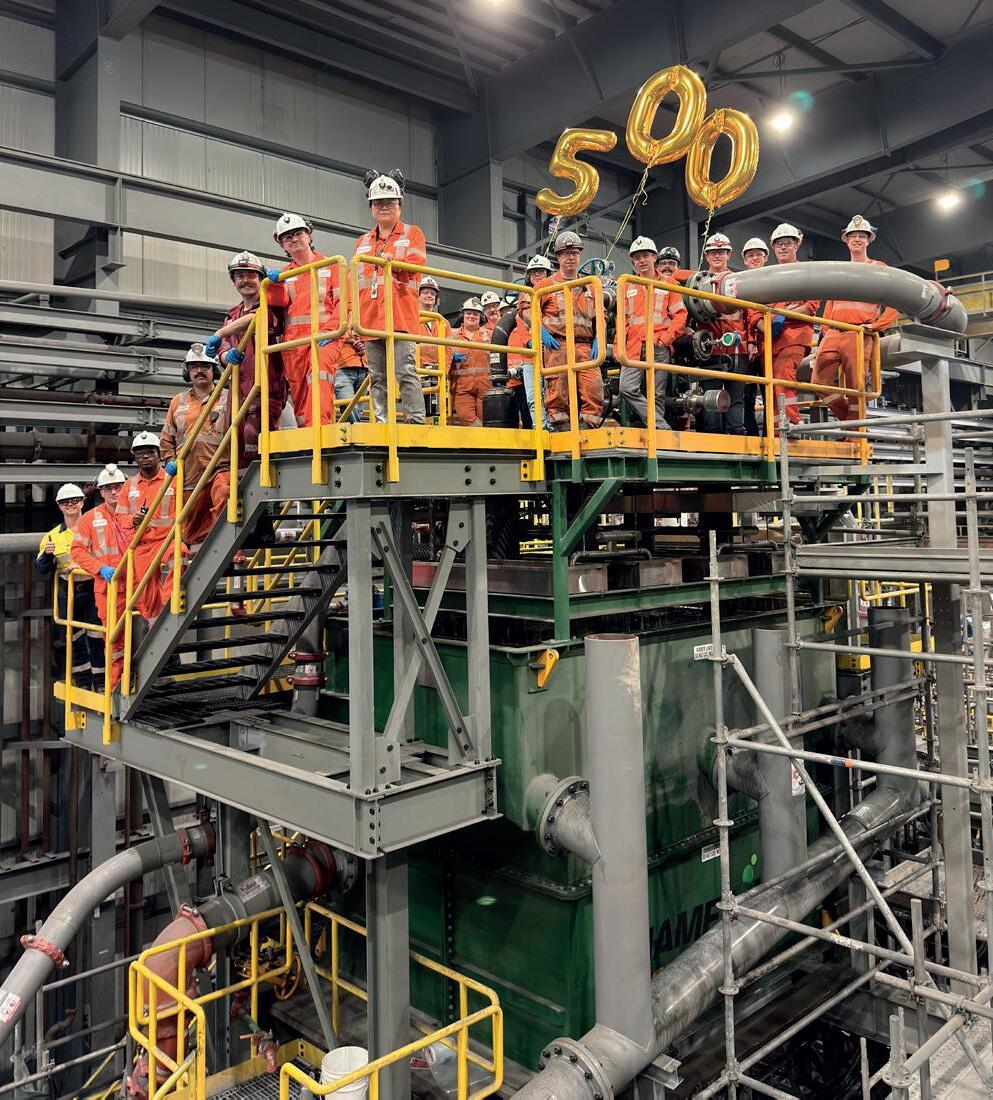
Following pilot testing that confirmed the Jameson Cell’s suitability for the New Afton concentrator, the technology was commissioned in 2025 and has continued to meet performance expectations, with scope for further improvement. Differences between the pilot and full-scale circuit configurations indicated that the installed Jameson Cell is expected to deliver improved performance at operating scale. Pilot testing of the first cleaner concentrate was conducted in an open circuit, where tailings from the pilot cell were not recycled. In contrast, the full-scale operation utilises a closed circuit with recirculation, which is anticipated to further enhance performance compared to the pilot trial results.
In the final flowsheet, the Jameson Cell was incorporated into the cleaner circuit, replacing the second and third cleaner stages to produce the final concentrate. Its compact footprint enabled the reuse of existing structural support, reducing steel and concrete
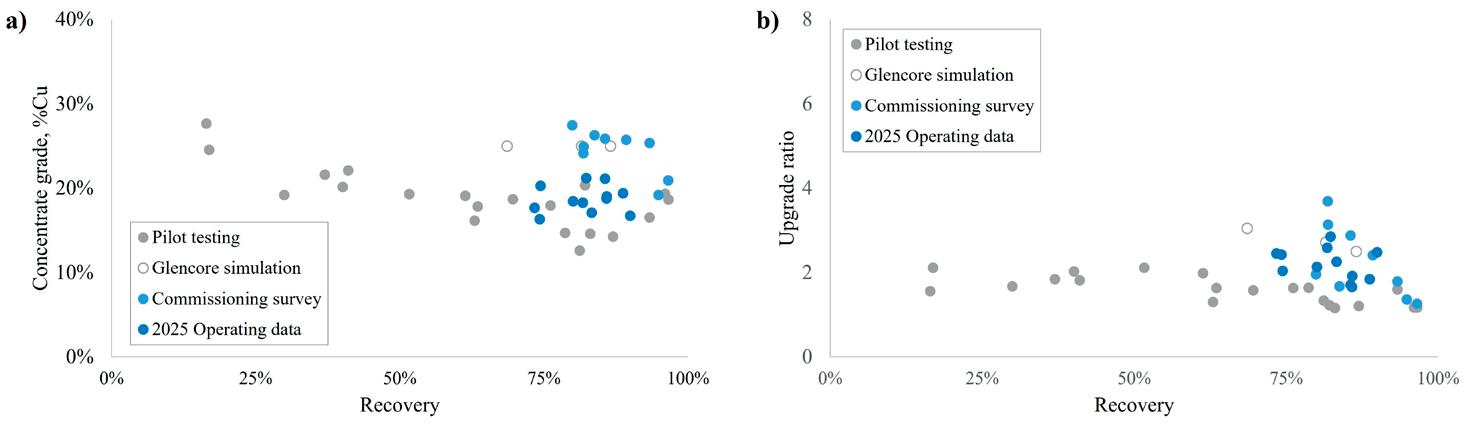
requirements and lowering overall capital cost. Early results align with expectations previously outlined by Glencore Technology and confirm a 1:1 scale-up factor, which the Jameson Cell is well known for. 1
Recent analysis identified periods of enhanced performance, with upgrade ratios of up to 3.7 achieved while processing lower-grade feed. During these periods, feed grades of 6.5 – 10.7% Cu were below the typical operating range of 14 – 18% Cu. Maintaining target concentrate grades while effectively rejecting waste demonstrates the circuit’s robustness under more challenging conditions. Stable operation was supported by optimised wash-water distribution and froth-depth control, indicating potential for sustained performance and suggesting flexibility to accommodate future changes in ore characteristics. 1
The outcomes achieved at New Afton highlight the practical challenges now facing many operating concentrators, where opportunities for higher throughput and different orebodies must be managed within fixed plant layouts and capital constraints. For brownfield operations, delivering performance improvements increasingly depends on adopting technologies that can enhance recovery and efficiency without requiring significant structural changes.
The implementation of Glencore Technology’s Jameson Cell at the New Afton Mine demonstrates how these challenges can be addressed in practice. The installation is expected to deliver measurable operational and economic benefits, including improved metallurgical performance, a smaller equipment footprint, and more straightforward operation, while supporting potential higher throughput within the constraints of the existing concentrator. On this basis, NGD considered the Jameson Cell a viable option for flotation circuit upgrades and for increasing throughput.
Beyond New Afton, the case study highlights a broader shift across the mining industry. As operations face greater pressure to do more with less, efficiency becomes a defining factor for both economic performance and responsible operation. Technologies that can lift recovery, reduce capital intensity, and minimise energy and material use are increasingly central to future concentrator design.
In this context, the Jameson Cell illustrates how efficiency-driven innovation can deliver tangible benefits, reducing footprint and costs while also lowering environmental impact. Such outcomes are likely to play an essential role as the industry continues to adapt to a more constrained and sustainability-focused operating environment.
1. BILCZUK, D., LAWRENCE, C., and MARTIN, S., ‘The integration of a Jameson Cell into the cleaner circuit of the New Afton copper-gold concentrator’, 58th Annual Canadian Mineral Processors Operators Conference, (January 2026).
Elias Aho, Weir,
Director,
Pump Asset Optimisation, USA, highlights how taking a collaborative approach to pump technology can optimise mining operations.
This year’s Mining Indaba had the theme ‘Stronger together: Progress through partnerships’. The mining industry has traditionally been siloed and the conference explored ways of breaking down the barriers that impede collaboration.
It had a clear mission: ‘To achieve the greatest progress through partnerships by unlocking transformative solutions. A single, aligned industry of empowered people across the ecosystem enables us to navigate complexities, embrace innovation, and secure a resilient, inclusive future for mining. United efforts lead to shared success!’
In many ways, Mining Indaba was giving voice to a trend that has become more prominent in the sector in the last few years. There is a growing recognition that many of the most pressing challenges – depleting ore grounds, an increasingly stringent regulatory environment, tightening access
to capital, and an unpredictable geopolitical environment, just to mention a few – require miners to take a different approach.
Mining Indaba explored how the sector thrives when governments, businesses, communities, and innovators come together to unlock transformative solutions, drive growth across the value chain, and build a resilient, inclusive future.
While many new partnerships are forming, more established ones – like that between suppliers and miners – are evolving. For Weir, this means sharing its product and process expertise and partnering with miners to work towards a common goal. Similarly, being a trusted partner is at the centre of many miners’ strategy.
Weir recently partnered on a project with a copper miner in Brazil, that highlights what can be achieved when two parties embrace collaboration.
The miner operates three plants, each producing approximately 100 000 tpy of copper concentrate.
Each plant runs two operational cyclone feed pumps and two on standby (Service Class 4).
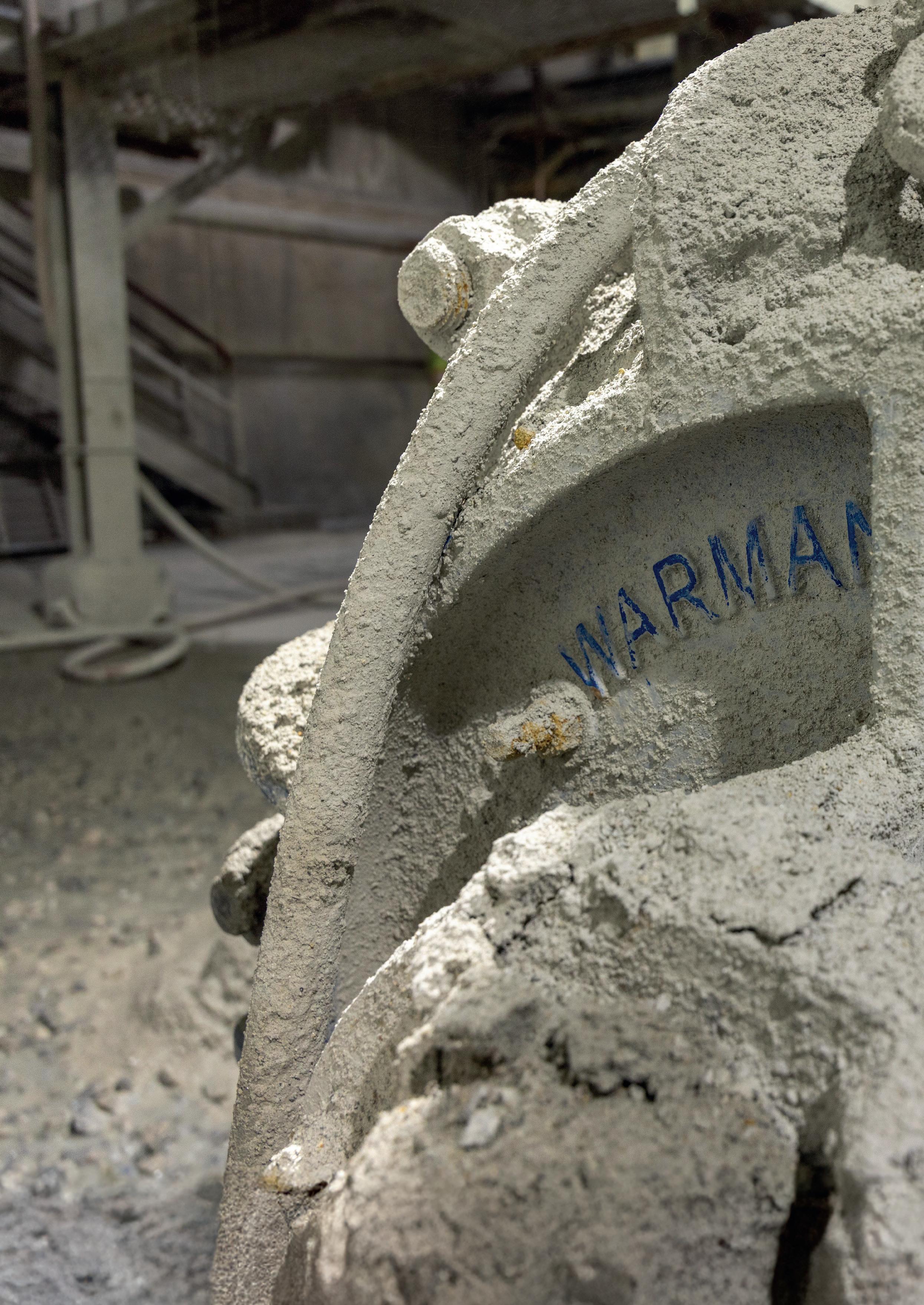
To improve the total cost of ownership (TCO), the miner challenged Weir to supply a pump capable of achieving a wear life of 3500 hr. Reliability was critical, so Weir needed to demonstrate that its WARMAN® pumps could operate without any unplanned maintenance interventions. This meant ensuring no sealing problems, no torque issues, and no interruptions to the mill circuit.
There was also a secondary goal: the miner had observed that at the end of campaign, the existing pumps were failing to maintain cyclone pressure for classification, even when the driver still had available speed capacity. This suggested that the pumps were reaching their hydraulic limits before the motor’s speed was fully utilised, compromising process efficiency. Weir needed to select a pump that could maintain cyclone pressure consistently throughout its life.
Weir began by working closely with the miner’s operations and maintenance teams to understand the full scope of
the challenge. This collaboration revealed two key areas for improvement: mechanical performance and service support.
As a result, Weir developed a comprehensive solution that combined advanced pump technology with enhanced spares and service delivery.
Weir installed one WARMAN MCU 450 at Plant 2, which was trialled under real operating conditions to prove its performance and durability against the existing competitor’s pump. Pump specialists selected the ideal product configuration – in terms of pump size, geometry,
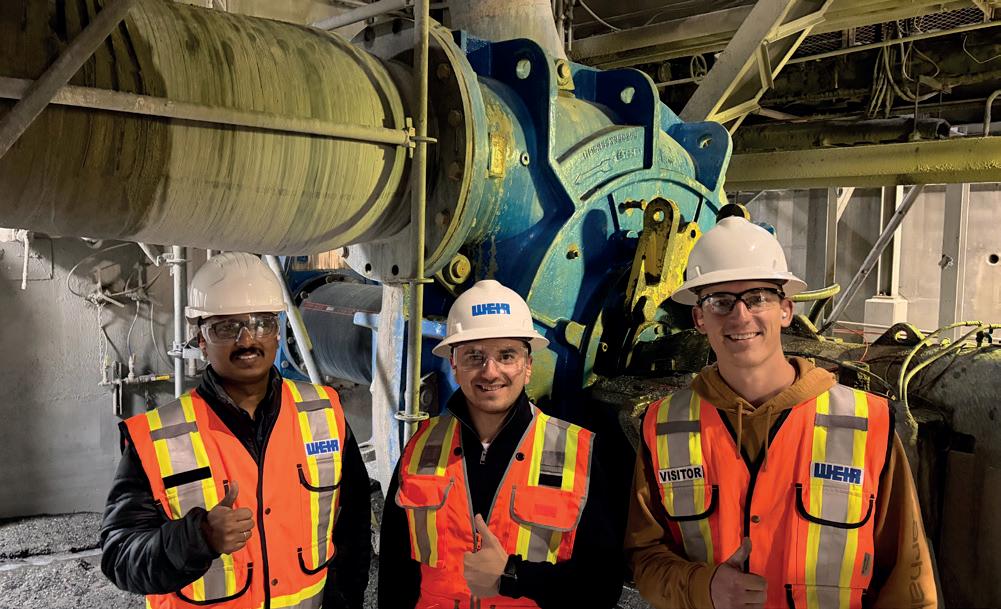
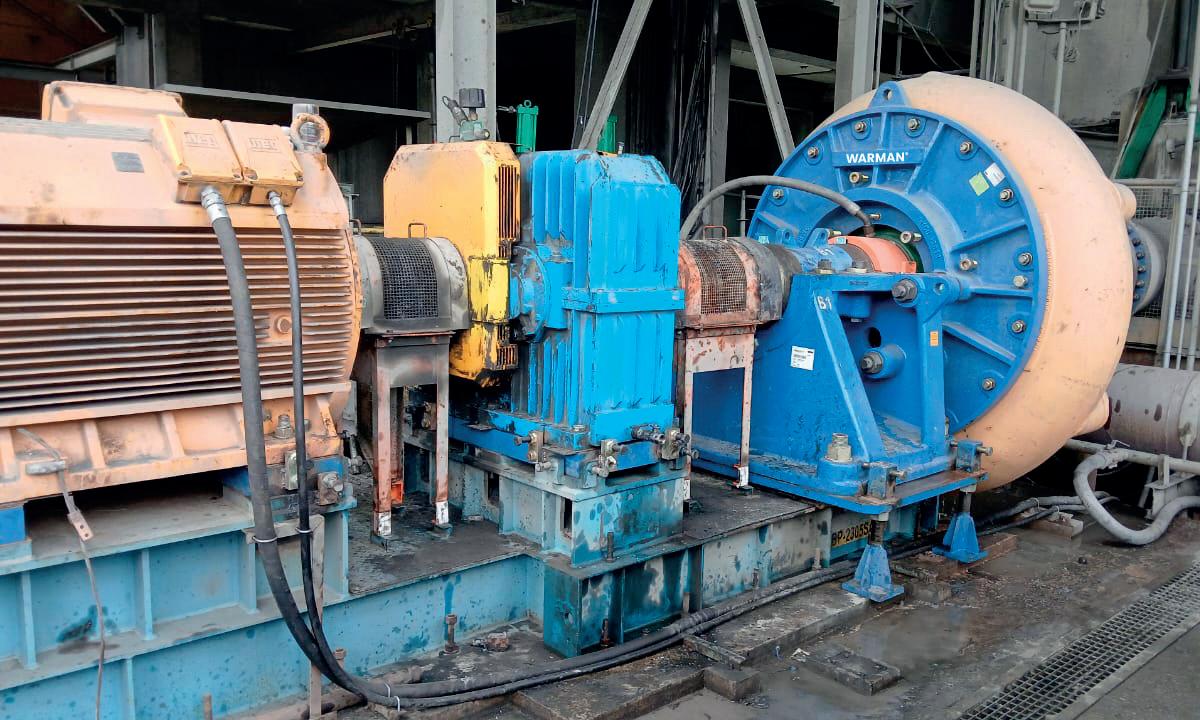
and materials – based on the deep understanding of the application. A new casing was designed to match the wear patterns of the plant. Weir knew that this particularly arduous duty required careful materials selection to achieve the wear life the miner was targeting. As a result, Weir supplied a WARMAN MCU 450 pump with a thick casing manufactured from Ultrachrome A08 alloy.
The WARMAN MCU 450 pump also featured a custom impeller and throatbush manufactured from Hyperchrome® A61 alloy.
Weir reinforced its commitment to local service and spare parts availability, ensuring the miner had the reliable, on-the-ground support it needed to keep operations running smoothly throughout the trial.
Over the course of the trial, the miner’s maintenance team did not have to carry out any maintenance interventions on the WARMAN pump. The impeller’s wear life exceeded expectations, surpassing the 3500 hr target. Notably, it lasted 1628 hr longer than the competitor’s impeller, cutting annual parts costs by 30%, minimising downtime, and improving operational reliability. The extended wear life also reduced the frequency of maintenance interventions, lowering personnel exposure to operational hazards and contributing to safer site conditions.
Importantly, the WARMAN MCU 450 pump addressed a critical operational challenge. Cyclone pressure was maintained during the trial, demonstrating superior hydraulic performance and ensured consistent classification efficiency throughout the pump’s wear cycle.
Weir also put the casing to the endurance test. It surpassed the set target of 5000 hr, reinforcing the pump’s durability and reliability in demanding conditions.
As a result of the trial, the miner has decided to replace all eight competitor pumps at Plant 2 and 3 with WARMAN pumps.
In recent years, there has been a lot of interest in the potentially transformative power of artificial intelligence. While this may come to fruition, the reality is that across the mining sector digital maturity still lags. According to Boston Consulting Group’s (BCG) digital acceleration index, metals and mining industries are about 30 – 40% less digitally mature than comparable industries.
It will take some time to develop the knowledge and expertise and embed it in mining organisations; however, this does not mean more traditional forms of equipment and process optimisation cannot deliver significant benefits now.
As the success of this project demonstrates, there are opportunities to unlock significant performance gains without making major operational changes. Rather, by leveraging the expertise of its partners, miners can optimise their operations, often for a modest CAPEX, and overcome constraints and deliver on their objectives. That is what progress through partnerships looks like.


Nathan Thornock, FLS, USA, outlines how one of the mining industry’s leading pumps delivers reliable performance in wastewater applications.
Wastewater treatment is one of the most demanding services in municipal infrastructure. Every day, treatment plants must manage unpredictable influent streams filled with abrasive grit, tramp materials, entrained air, and solids of all shapes and sizes. For operators and engineers, the challenge is not simply moving fluid from point A to point B – it is maintaining reliable, long-term performance in systems where wear, clogging, and downtime are constant threats.
For wastewater plant operators, municipal engineers, procurement teams, and consulting engineers, pump selection is therefore a decision that directly impacts lifecycle cost, uptime, and system resilience. In response, FLS has developed a pump that consistently addresses the most punishing grit-handling demands in wastewater environments: the KREBS® hMAX slurry pump.
As a recessed impeller–type pump, the hMAX is most commonly used in grit pump applications. Grit chambers are designed to remove abrasive sand, gravel, and other dense solids from incoming sewage before they move further into the treatment process. While essential, these applications are notoriously hard on equipment.
Beyond grit chambers, the hMAX is also applied – though less frequently – in digester recirculation, return activated sludge (RAS) pumping, and waste activated sludge (WAS) pumping. In each of
these services, solids handling capability and durability are critical. However, grit pumping remains the core application where performance differences between pump designs are most visible – and most valuable.
The biggest operational problem the hMAX is engineered to solve is straightforward: pumping abrasive grit slurry without wearing out the pump too quickly. Grit slurry is unforgiving. The sand-like solids present in wastewater streams are highly abrasive, eroding impellers, casings, and internal pump components over time. In addition, grit chambers are not immune to larger debris that bypasses upstream screening systems. To meet industry standards, grit pumps must pass a minimum 3 in. spherical solid without clogging. This requirement ensures that larger items – such as debris that escapes screening – do not obstruct the pump and cause unplanned shutdowns. The hMAX addresses both sides of this equation: abrasion resistance and solids passage.
Wastewater influent contains more than just organic waste. Tramp materials of all kinds routinely enter sewage lines –rags, plastics, wipes, fibrous debris, and miscellaneous foreign objects. Combined with abrasive grit and sand-like solids, this creates a complex pumping environment. Conventional pump designs can struggle under
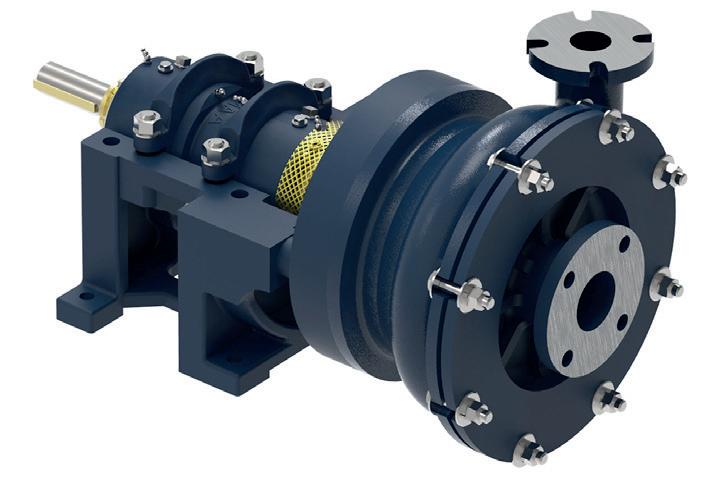
these conditions. Frequent clogging, excessive recirculation of abrasive particles, and rapid wear lead to higher maintenance costs and reduced uptime. The hMAX was designed with this reality in mind. Its internal geometry and flow path are optimised to reduce the interaction between abrasive solids and critical wear components.
For the most commonly offered 4 in. discharge size hMAX pump, the maximum solids passing capability is a 3 in. solid sphere – meeting the typical industry standard for grit applications. In addition, softer solids can pass up to the full 4 in. discharge size of the pump. This large passage size significantly reduces the risk of clogging when larger debris enters the grit chamber. For plant operators, this translates directly into fewer interruptions and less time spent clearing blockages. In grit service, solids passage capability is not a secondary feature – it is a baseline requirement for reliable operation.
At the heart of the hMAX design is its fully recessed impeller and vortex pumping principle. Unlike conventional slurry pumps where solids directly contact the impeller, the fully recessed impeller of the hMAX is positioned away from the main flow path. Combined with a radial vane impeller design, this configuration minimises direct contact between abrasive grit particles and the internal pump surfaces.
Two key performance advantages:
n Minimised contact with abrasive grit: The recessed design reduces recirculation of abrasive particles within the pump casing. By limiting grit interaction with the impeller and other internal components, the pump achieves longer material life and reduced wear rates.
n Unrestricted passage of softer solids: Because the impeller does not obstruct the primary solids flow path, softer materials equal to or smaller than the discharge size – generally 4 in. – can pass through the pump without interference.
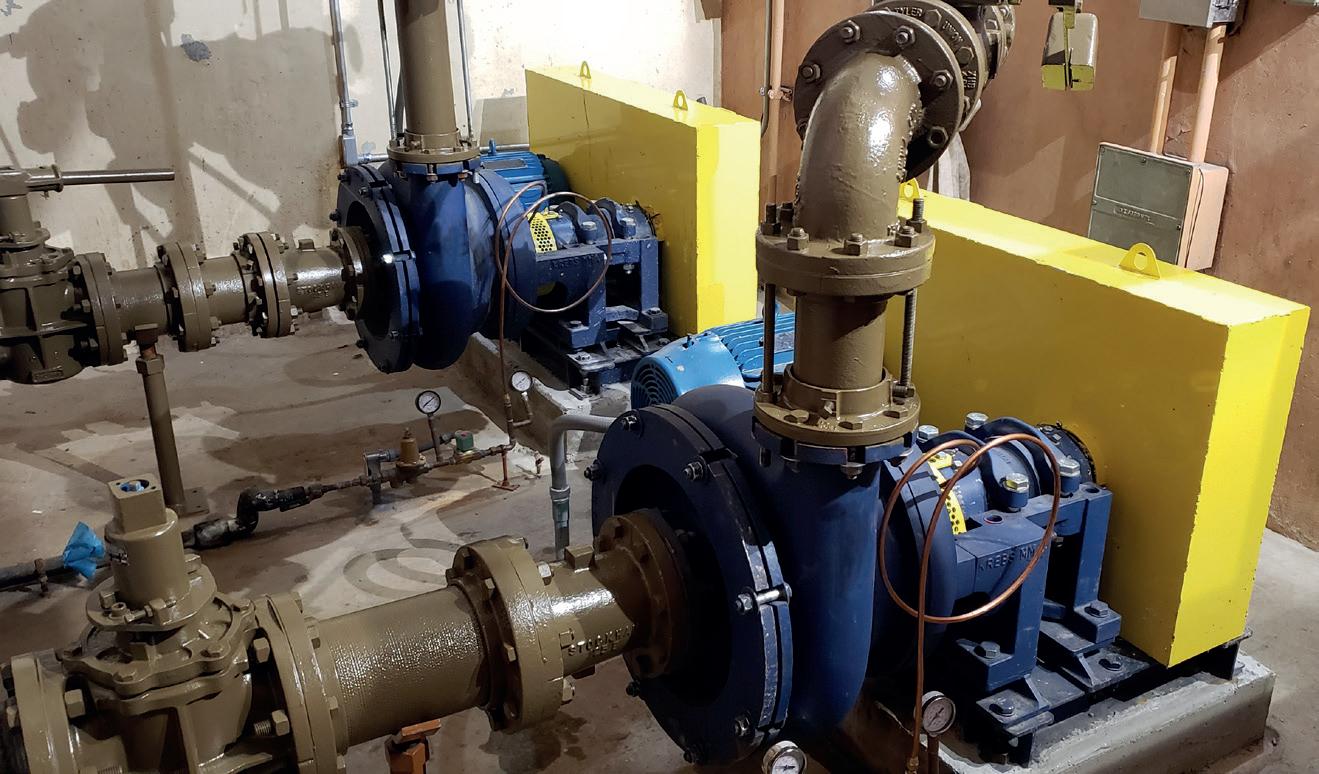
This combination of reduced wear and improved solids handling is what makes the hMAX particularly well-suited for severe-duty grit applications.
In some industries, minimising product degradation refers to protecting valuable materials – such as activated carbon –from mechanical breakdown during transfer. In wastewater applications, however, the concept translates differently.
With wastewater, the ‘product’ is waste solids. The advantage here is less about preserving the solids themselves and more about minimising contact between
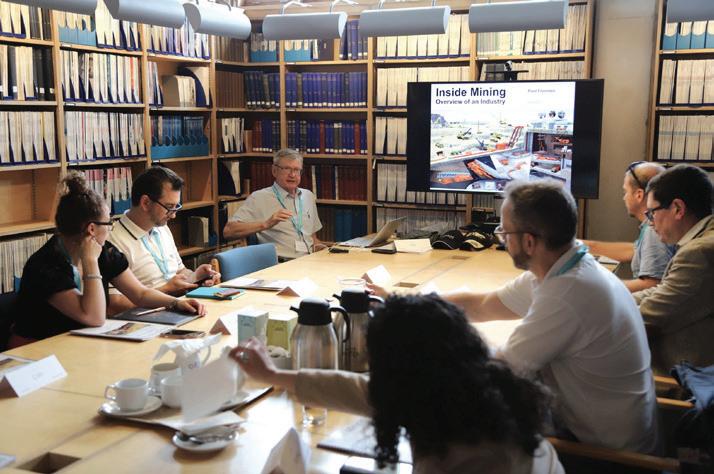







abrasive particles and the pump internals. In other words, minimising ‘product degradation’ in wastewater service primarily means maximising pump wet-end life by reducing abrasive interaction. While less critical for the waste stream itself, this feature directly benefits maintenance intervals and lifecycle cost.
Entrained air presents another common challenge in wastewater pumping. Aeration processes, turbulence, and froth can introduce air bubbles into slurry streams, leading to unstable pump operation or air locking in certain pump designs.
The hMAX addresses this issue through its vortex pumping design and wide-open volute passage. This ability to handle air-laden slurry reduces the risk of air locking and flow interruption. It also makes the hMAX a strong option in applications where froth is a concern.
For operators, consistent flow in the presence of entrained air means greater process stability and fewer operational disruptions.
Reliability is where the hMAX delivers its most tangible long-term value. Several design features contribute to reduced maintenance requirements and improved uptime:
n Fully recessed impeller and vortex pumping design.
n Large, unobstructed passage size.
n No pump-end components requiring repeated adjustments.
These characteristics allow the pump to operate under demanding conditions with fewer wear-related interventions. Notably, the hMAX can be operated down to shutoff conditions – subject only to the limitations of the selected shaft seal type. In addition, its design virtually eliminates concern with net positive suction head (NPSH) issues, simplifying installation considerations and reducing the likelihood of suction-related performance problems. The large passage size also minimises the chances of internal clogs that require manual intervention.
Collectively, these benefits lead to:
n Extended intervals between wet-end inspections.
n Reduced frequency of component replacement.
n Lower total maintenance burden.
n Improved plant uptime.
For wastewater facilities operating continuously, these reliability gains directly translate into cost savings and operational confidence.
While specific case study details can be provided upon request, generally speaking customers have seen measurable improvements in severe-duty grit applications after switching to the hMAX. Furthermore, in environments where conventional pumps experience accelerated wear or frequent clogging, the hMAX has demonstrated longer service life and improved stability.
For consulting engineers and procurement teams evaluating pump options, real-world validation reinforces the importance of selecting a design purpose-built for grit slurry service.
The hMAX is one of the most cost-effective and versatile, severe-duty, long-lasting water and wastewater grit pumps currently available. This statement reflects more than performance specifications. It reflects the balance of durability, solids handling capability, air tolerance, and lifecycle cost that wastewater operators demand.
Wastewater treatment is not a controlled laboratory environment. It is a dynamic, abrasive, and often unpredictable system that challenges equipment daily. In grit pumping applications especially, success depends on:
n Passing large solids without clogging.
n Withstanding abrasive wear.
n Handling entrained air.
n Reducing maintenance frequency.
n Delivering long-term cost efficiency.
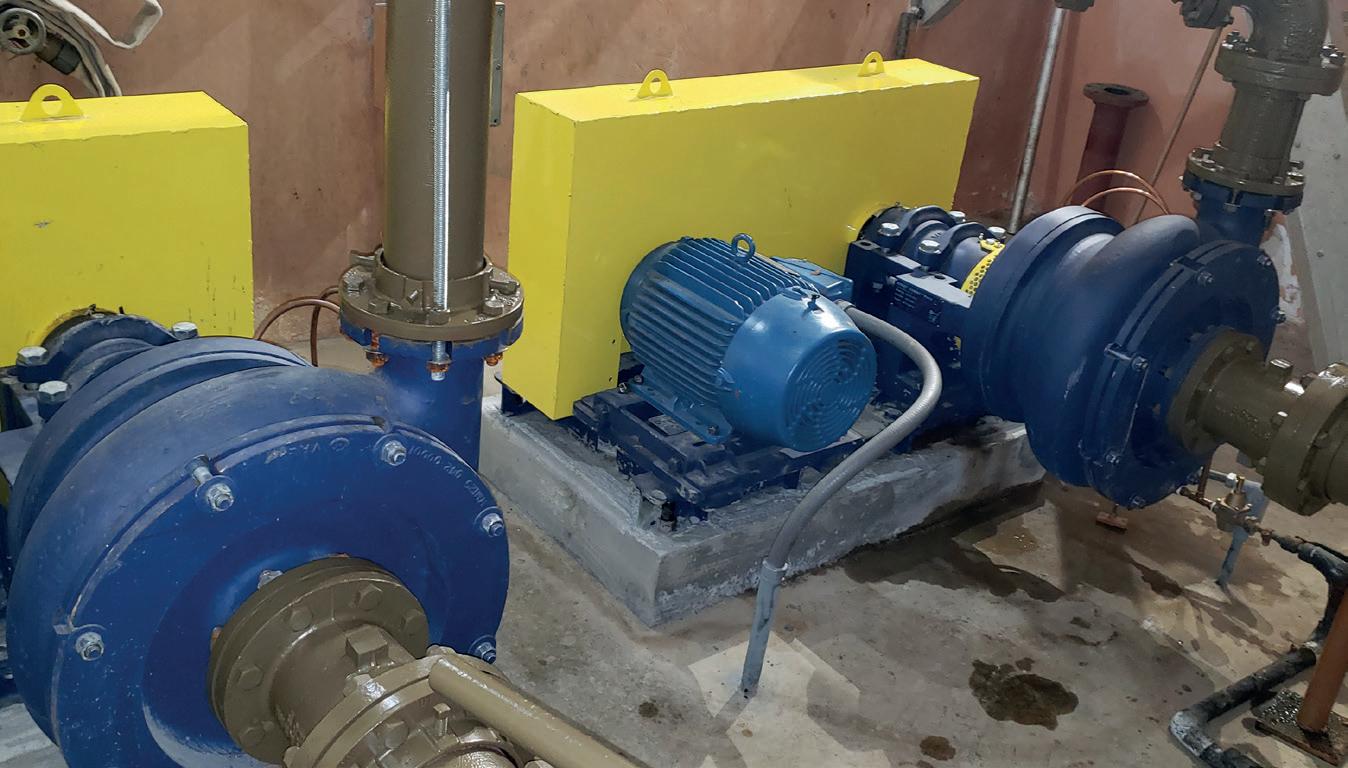
The KREBS hMAX slurry pump addresses each of these demands through its fully recessed impeller, vortex pumping design, and large solids passage capability. For wastewater plant operators, municipal engineers, procurement professionals, and consulting engineers seeking a reliable solution for severe-duty grit service, it offers a proven design built for the realities of wastewater treatment.
In the end, reliable infrastructure depends on equipment that can endure the harshest conditions without compromising performance. In grit pumping applications, that endurance begins with the right pump.







Cutting-edge innovations and the latest methods in mining, right at the heart of the Nordic mining industry.

Secure tickets and hotel rooms on our website for the best availability.
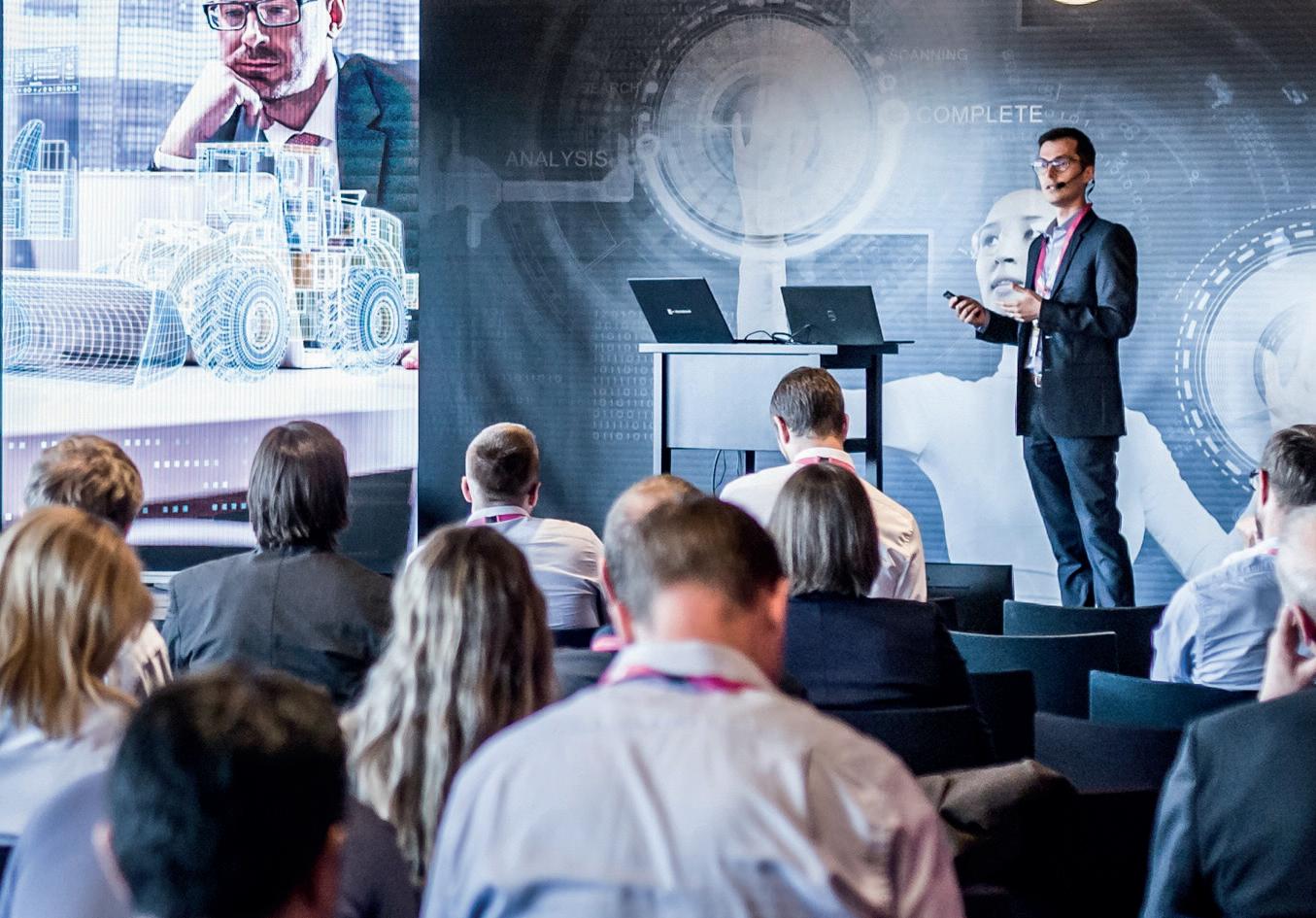
200 EXHIBITORS >50% MANAGERS
>40 NATIONS
World-class conference focused on innovation, responsibility and safety
The exhibition floor is fully booked, but your seat at the table is waiting. Join Europe’s most dynamic mining hub in Skellefteå for a world-class conference focused on innovation, responsibility and safety.
Gain exclusive insights from industry leaders like Boliden, ABB, Metso, LKAB and Sandvik as they tackle the electric shift, digital transformation and the next generation of workplace safety.
GOLD SPONSORS:
ORGANISER: SILVER SPONSORS:
Chris O'Brien, Global Product Manager, Sykes, Australia, investigates how electric dewatering pumps can help the industry facilitate alignment with mining sustainability objectives.
The global mining industry is undergoing a structural shift as operators respond to increasing environmental, regulatory, and social expectations to reduce greenhouse gas emissions while maintaining safety, productivity, and cost discipline.
Commitments aligned with Net Zero 2050 targets, as outlined under the Paris Agreement, have prompted mining companies to reassess energy use across all operational areas including mine dewatering.
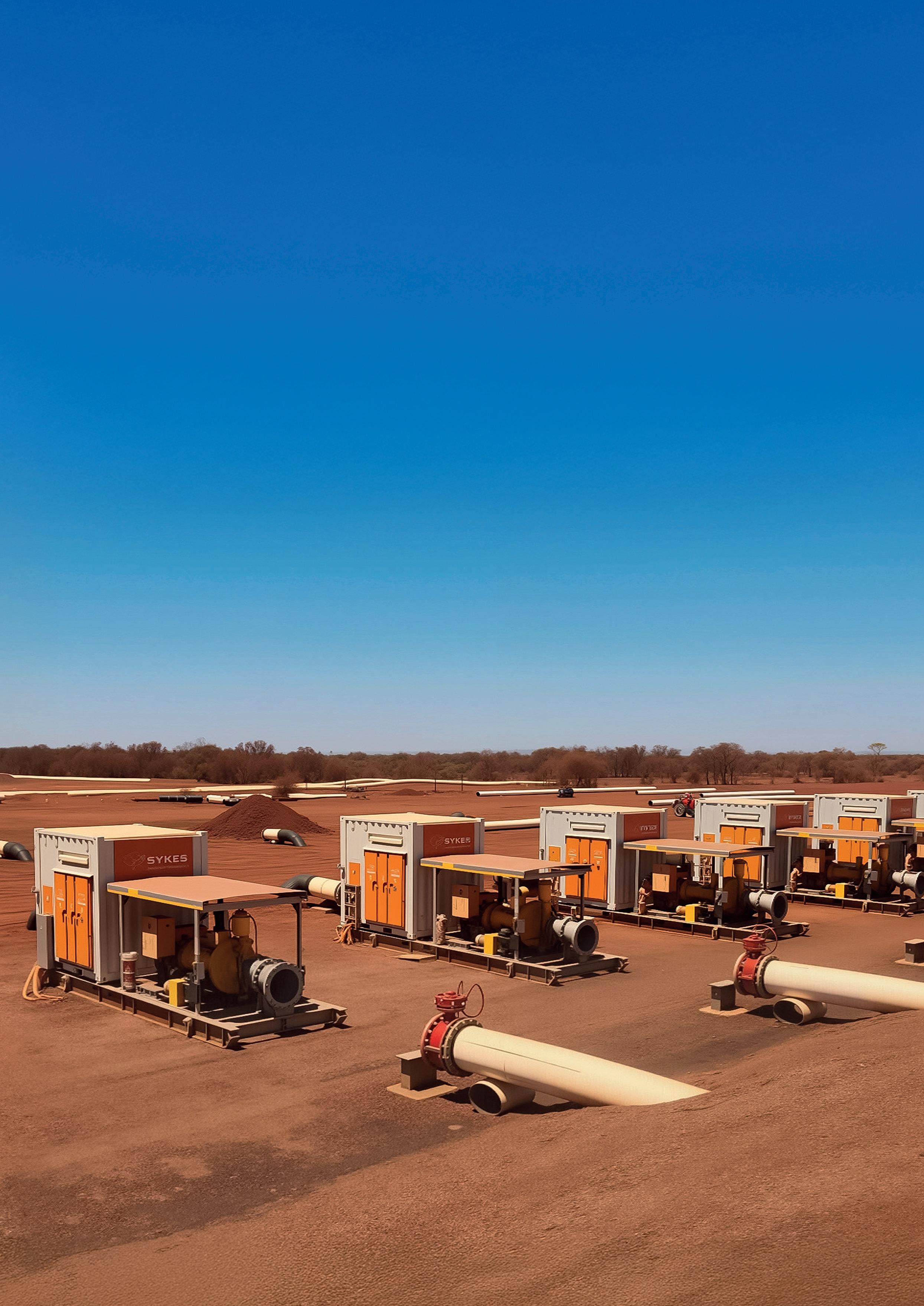
Dewatering is critical in both open-cut and underground mining operations. Pumps are required to operate continuously, often under extreme environmental conditions, to maintain pit access and protect infrastructure from flooding. Historically, diesel engine-driven pumps have dominated this application due to their independence from fixed electrical infrastructure. However, advances in electrical power distribution, motor technology, and variable frequency
drives (VFDs) have expanded the feasibility of electric pumping solutions in environments once considered unsuitable.
This article examines the role of electric dewatering pumps in supporting mining sustainability objectives, using Sykes Electric Range of pumps as real-world examples of how modern electric solutions are being engineered to meet the performance, reliability, and flexibility demands of mining operations. It also explores the technical, economic, and operational considerations involved in transitioning from diesel to electric pumping systems, including retrofit options for existing assets.
Traditionally, diesel engine-driven dewatering pumps have been favoured in mining due to their mobility and independence from grid power. They can be deployed almost anywhere, making them suitable for early-stage
1st
Figure 2. An illustrative cost-benefit analysis to show site-specific savings. Actual figures may vary based on tariffs, fuel, and power costs specific to site and does not include labour hours required for refuelling.
operations or short-term water transfer applications, to ensure access to the ore bodies situated in remote areas of the mine.
However, diesel systems carry operational drawbacks. Regular refuelling increases vehicle movements and operator exposure, particularly where pumps are dispersed across large sites, kilometres away from fuel storage facilities.
Some operators mitigate fuel logistics with large on site tanks capable of supplying up to seven days of uninterrupted operation. However, these measures add weight, complexity, and cost especially when tanks are mounted on the pump skid.
Maintenance requirements also contribute to higher operating expenditure. Diesel engines require frequent servicing (typically every 250 to 500 hr) along with ongoing management of fuel quality, filters, oil, and cooling systems. While optional telemetry systems can provide real-time monitoring of fuel levels, they do not remove the underlying emissions, cost, or safety challenges associated with diesel-operated dewatering pumps.
The move towards electrification in mining is being driven by a combination of sustainability targets, cost pressures, and infrastructure development.
Many mining operations are investing in fixed electrical infrastructure at remote locations to support long-term dewatering operations, while also integrating renewable energy sources such as solar, wind, and battery storage.
Electric motor-driven pumps offer higher inherent energy efficiency compared to internal combustion engines and typically require less routine maintenance. Eliminating diesel combustion reduces onsite emissions of CO₂, NO x , and particulates, contributing to improved air quality and supporting compliance with environmental regulations. Noise levels are also reduced, which can be beneficial in both underground and surface operations.
Sykes is leading the transition to electric pumps with their Electric Range – a comprehensive portfolio designed to match (and often exceed) diesel performance while accelerating decarbonisation.
Figure 3. Performance curve of MH300i used to model cost-benefit analysis in Figure 2.
For example, Sykes Electric Range includes Direct-On-Line (DOL), Soft Starter (SS), and VFD-driven configurations across its CP (Contractor), MH (Medium Head), HH (High Head), and XH (Extra High Head) pump ranges. VFD systems allow pumps to operate across a frequency range typically from 30 Hz (900 rpm) to 80 Hz (2400 rpm), extending the operating window beyond what is achievable with diesel engines which are generally constrained to minimum speeds of approximately 1400 rpm. COST-BENEFIT ANALYSIS
For decades, when water got in the way, industry turned to one answer: Sykes. From mines to municipalities, our pumps have taken on the toughest conditions, keeping progress on track and challenges flowing away.
Now we’ve given you even more ways to power up. Diesel tough. Electric smart. Whether you fuel it or plug it, Sykes pumps deliver the same performance, flow, and legendary reliability. The difference? You decide how to power your future. When you have a water concern, solve it with a Sykes.
For more information on how Sykes can solve your water problems please reach out to your local representative or email us info@sykesgroup.com.
@thesykesgroup
The Sykes Electric Range delivers meaningful OPEX reductions through energy and maintenance savings.
As an example, the initial capital cost of a 315 Kw Sykes electric pump build with a VFD in an air-conditioned container is 50% more than the same pump that is diesel driven. For a pump running 24 hr per day for the first year, the savings in servicing and the difference in diesel fuel costs vs electricity is substantial enough to equate to a reduction in total costs of up to 10%. The savings from each year following the first can be up to 40% (see Figure 2).
In addition to direct cost savings, electric dewatering pumps offer qualitative operational benefits. Reduced reliance on refuelling eliminates many routine site visits, lowering vehicle movements, improving safety, and reducing indirect emissions associated with transport. Maintenance planning is also simplified, as electric drives remove the need for engine overhauls, oil changes, and fuel management, which in turn reduces unplanned downtime and helps ensure pumps remain available during critical weather and high-inflow events.
Sykes electric pumps offer the same flexibility as diesel-driven pumps. They can be supplied on standard galvanised bases or as heavy-duty mining builds. Popular options include heavy duty push bars, Bisalloy wear strips for towing, rear discharge pipework with drain valves (2 in.), flow meters, geared butterfly valves, air release valves, eccentric suction reducers, concentric discharge spools, pressure transducers, trailing wire loss of flow protection, heavy duty lift frames, and canopies. Pump skids can also be designed to allow mounting of the DOL, SS, or the VFD.
In addition to the typical pump arrangement, Sykes can also supply complete bespoke packages suitable for large dewatering dams. These packages can include floating pontoons, walkways with kick plates and cable trays, associated pipework and floats, installation support, and ongoing service with OEM spares.
Automatic priming remains essential for mine dewatering pumps. In electric pump installations,
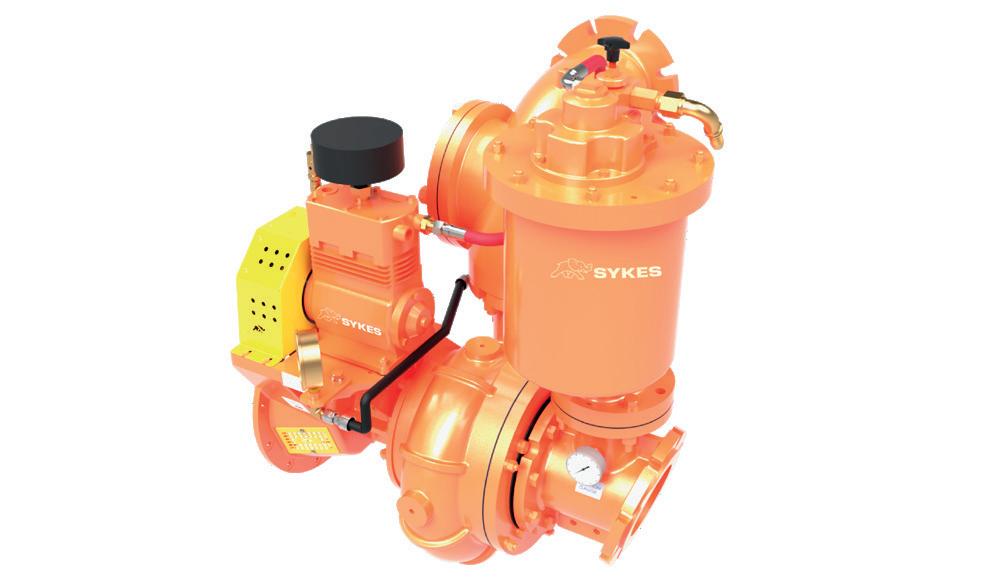
compressor, diaphragm, or vacuum priming systems can be utilised, selected based on suction line length, diameter, and environmental considerations.
Sykes Electric Range pumps are available with multiple priming options, allowing operators to balance priming speed, environmental impact, and capital cost. Faster priming reduces downtime during critical weather events and supports rapid response to changing inflows.
As opencast pits deepen, static head and friction losses increase, placing greater demands on dewatering systems. One operation faced increasing inflows during seasonal rainfall, with projected requirements reaching approximately 150 l/s at 250 m total dynamic head.
To meet this duty, the operation deployed Sykes XH200 electric pumps configured in series on a pontoon arrangement. Each pump was driven by an electric motor and controlled via a VFD, allowing pump speed to be adjusted to match inflow rates and maintain sump levels within a tight operating band.
By operating each XH200 pump at approximately 1500 rpm, the system achieved the required combined head and flow, while operating within the pumps’ optimal efficiency range. Automatic priming systems reduced start-up delays, prevented spills at the sump, and climate-controlled enclosures protected electrical components from ambient heat and weather exposure.
Not every site can switch to new electric packages immediately. To accelerate decarbonisation and extend asset life, Sykes offers engineered conversion kits that replace diesel engines with electric motor driven solutions on existing dewatering pumps. This pathway reduces emissions and total cost of ownership while preserving familiar hydraulics and footprint.
To maximise value from an Electric Range deployment, consider the following best practice steps: n Electrical access and distribution: Map available power sources to pump locations. Many mines now provision remote electrical infrastructure in anticipation of long term dewatering needs.
n Duty definition: Quantify minimum, normal, and peak inflows, total dynamic head across seasons, and planned changes in mine geometry. Use this to select the right pump size and define VFD control logic that tracks Best Efficiency Point (BEP) as conditions change.
n Thermal management: Where ambient temperatures are high, specify air conditioned containers or water cooled VFDs to ensure electrical reliability and uptime.
n Priming strategy: Align the priming system with environmental requirements, suction line length
and diameter, and start-up frequency (for example, diaphragm or vacuum systems for faster evacuation, and anti-spit configurations where discharge to ground is not acceptable).
n Mobility and protection: Specify heavy duty frames, towing wear strips, integrated controls, lift frames, and canopies to match relocation frequency and weather exposure.
n Telemetry and control: Whether standalone or integrated with site SCADA, leverage level sensors, pressure transducers, flow switches, and temperature and vibration sensors to enable automated start/stop, alarm handling, and remote performance tracking.
The electrification of dewatering pumps is emerging as a practical and increasingly viable option for mining companies seeking to align operational performance with sustainability objectives. Advances in motor technology, drive systems, materials, and system integration have expanded the range of applications where electric pumps can operate reliably under extreme conditions.
The Sykes Electric Range sets the benchmark for employing electric dewatering solutions across low, medium, high, and extra-high head duties without compromising hydraulic performance. For operations with existing diesel assets, conversion kits offer a
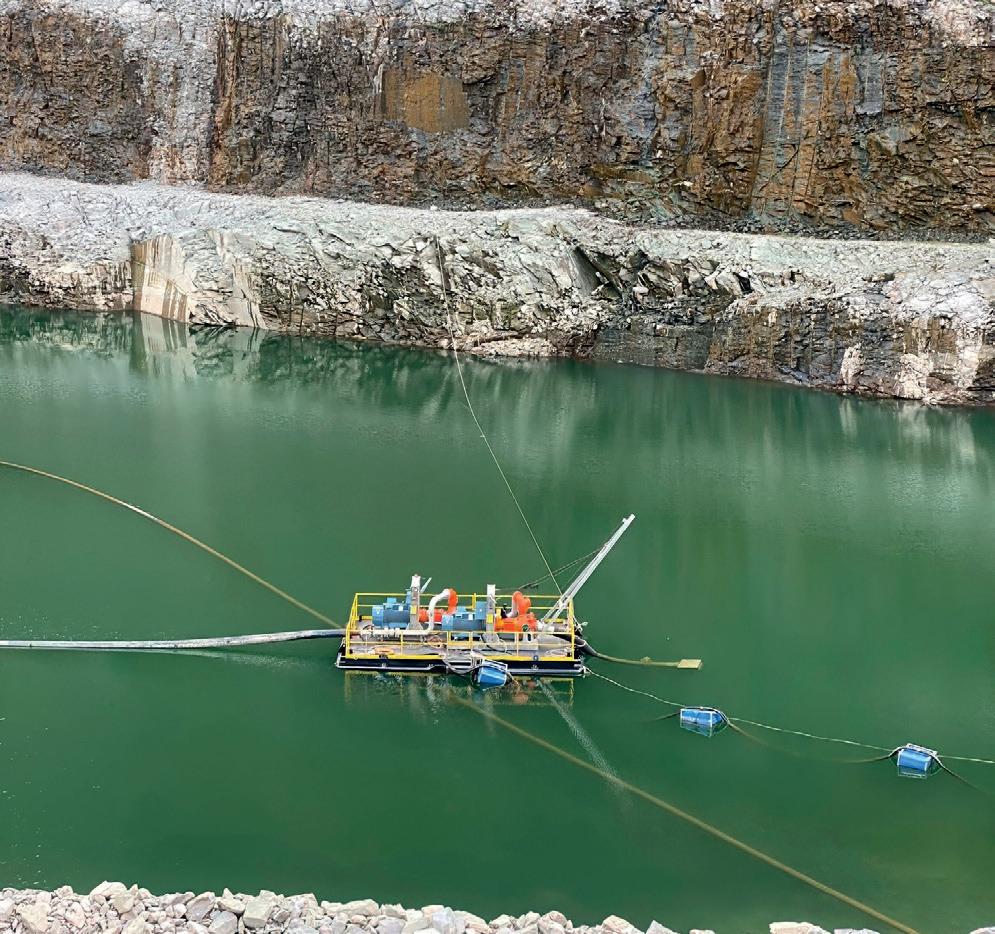
transitional solution that supports decarbonisation while preserving capital investment.
As mining sites continue to invest in electrical infrastructure and long-term planning, electric dewatering pumps are positioned to play a growing role in reliable water management and lower-emission mining operations.
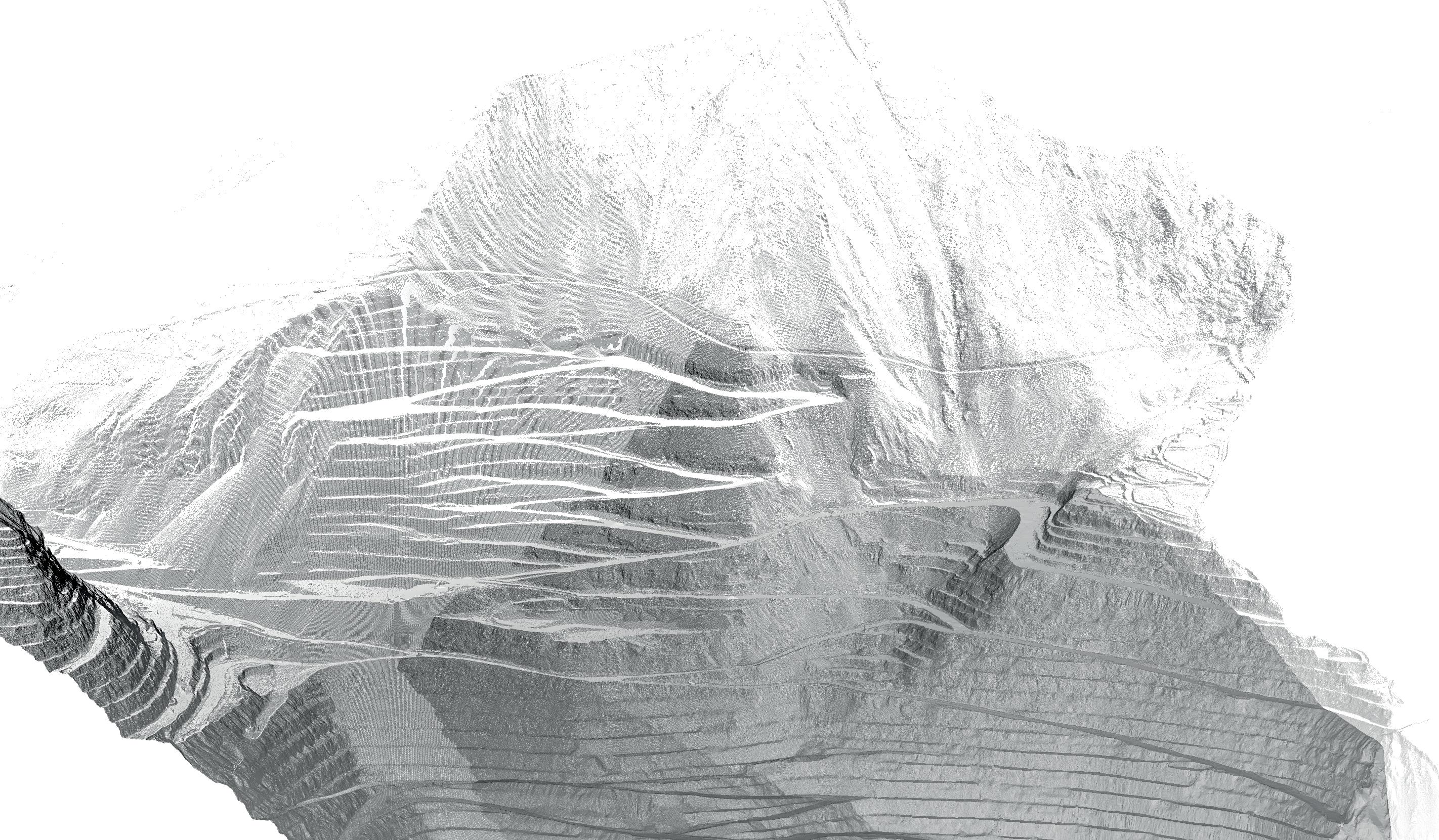




• enables sporadic, periodic, or 24/7 monitoring
• automatic scan alignment and intelligent filtering for reliable results
• configure multiple monitoring zones with individual scan schedules
• automated alerts with real-time notifications
• fully supports automatic prism monitoring
• results available via any web browser
• integration-ready with local or cloud infrastructure
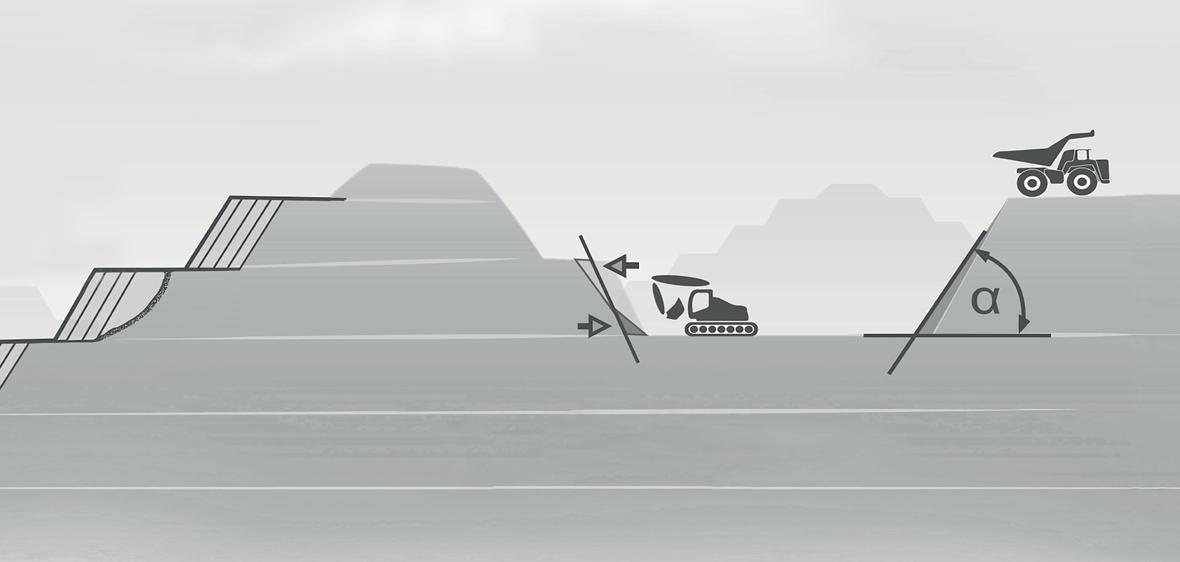
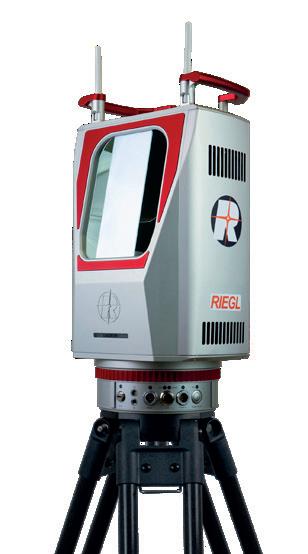
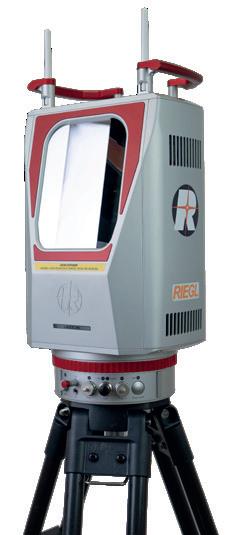
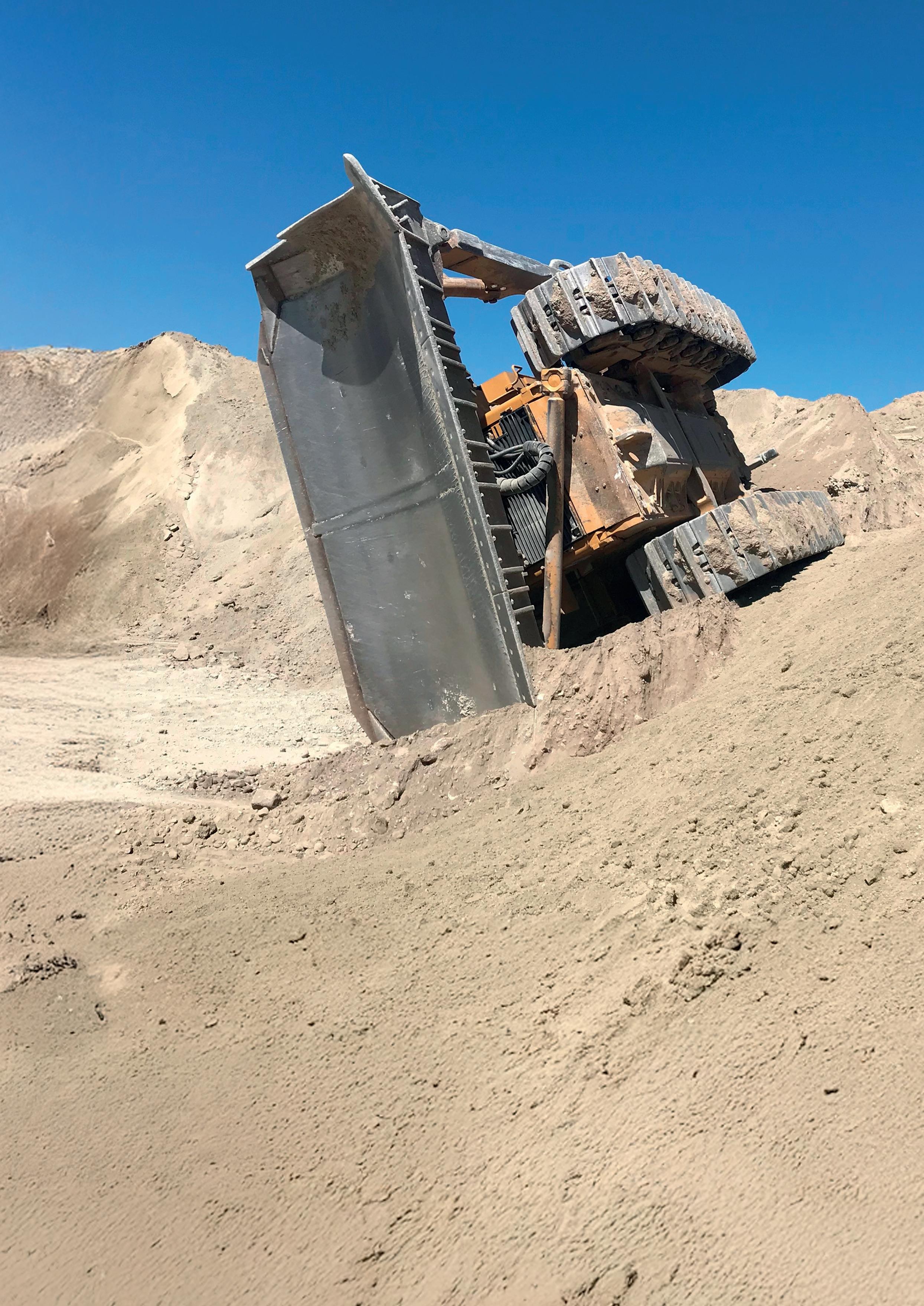
Nathan Boonman, Wabtec Digital Mine, Australia, discusses the dangers of edge-related incidents in dozing operations and details the development of Wabtec’s AI Computer Vision Solution (EDGEYE) to combat these hazards.
Operating track-type dozers near highwalls, ramps, stockpiles, and reclamation faces introduces a persistent risk of edge-related incidents, including rollovers, reverse-overs, and tip-overs. While most events do not result in serious harm, a confluence of poor visibility, night operations, disorientation, or aggressive pushing can lead to severe outcomes. A fatal incident in Queensland, Australia, in 2018 highlighted the need for practical, operator-centric controls that work in real production environments.
Two approaches to address this issue include: 1) Keeping operators out of harm’s way via remote control operation, or 2) Proactively warning operators in-cab through near-edge detection. This article focuses on the latter, an onboard, Vision Detection and Ranging (ViDAR) based 3D computer vision system designed to detect and warn of hazardous edges. Supporting the technology is a deployment pathway that spans trial, development, validation, pilot, and production deployment. The result is a safety solution, Wabtec EDGEYE, that fits real mining workflows and delivers actionable alerts without overloading the operator.
Wabtec EDGEYE – a near-edge pre-warning system – leverages ViDAR using 3D stereoscopic camera sensors to build depth maps of the machine’s surroundings. By comparing ground references with local depth changes in a predefined zone, the system can classify voids, edges, and discontinuities. When the calculated depth change exceeds configured tolerances, the system triggers an alert, enabling an operator to brake, decelerate, or adjust the approach in order to prevent a potential incident.
Key components include ruggedised cameras, smart IR illuminators for night-time and dust-affected conditions. Onboard processing runs exposure control, noise filtering, inclination compensation, and machine-footprint exclusion. Configurable algorithms tailor detection behaviour to operational use cases (e.g. slot dozing vs stockpile cleanup), keeping the system focused on genuinely hazardous situations.
The following sections outline how an EDGEYE project was delivered through a disciplined, staged deployment approach. What follows is a clear breakdown of how the rollout unfolded.
A staged deployment was essential to control outcomes and build operator confidence in the Wabtec EDGEYE solution which consisted of the following stages:
n Trial: Initial testing established feasibility, identified environmental and operational
stressors (dust, glare, vibration), and set baseline performance expectations. Early metrics and operator feedback guided safety expectations and solution improvements.
n Development: The system matured into a production-ready package. Hardware and bracketry were upgraded for vibration tolerance, software and cybersecurity were hardened for mine IT standards, and performance targets were set (detection accuracy, false positive rate, nuisance alarm rate). Operator interviews, cabin surveys, and audio/visual designs ensured alerts were intuitive and discriminating.
n Validation: Controlled trials preceded in-field validation on active dozers. Parameters were tuned iteratively using ‘silent mode’ (alerts suppressed) to optimise detection precision and reduce nuisance alarms before exposing operators to audible/visual warnings. Stakeholder reviews challenged adoptability and pushed improvements in placement, illumination, and algorithm thresholds.
n Pilot: Scaling to multiple machines tested repeatability and serviceability across different dozer models and tasks. Broad operator feedback confirmed that the balance between sensitivity and nuisance alarms met expectations when site-specific tuning was applied.
n Production deployment: Commissioning blueprints and baseline parameter sets supported faster rollouts across similar machine models and use cases. Post-pilot procedures covered installation, diagnostics, analytics integration, and change management, enabling consistent performance at fleet scale.
Vision systems encounter the same environmental challenges as human eyes, yet must remain deterministic, consistent, and focused on a narrow safety task. Key technical challenges and solutions applied include:
n Light exposure and glare: Automatic exposure control and illumination stabilised camera input across day/night transitions and adverse lighting (headlight glare, reflections, shadowing). Smart IR illuminators improved visibility in dust and night operations, while exposure algorithms adapted to dynamic brightness without saturating sensors.
n Sensor placement and coverage: Optimal camera and illuminator placement is constrained by dozer geometry and available mounting points. Iterative bracket design improved stability and vibration tolerance. Zones of interest were defined for each sensor to concentrate
computation where hazards are most likely to occur, balancing coverage and false-trigger risk (Figure 2).
n Noise, dust, water, and fog: Environmental noise can resemble edges or voids. Filter algorithms and temporal smoothing reduced false positives from transient occlusions. A vision impairment function signalled when dust or moisture degraded detection below acceptable thresholds, prompting cleaning or maintenance.
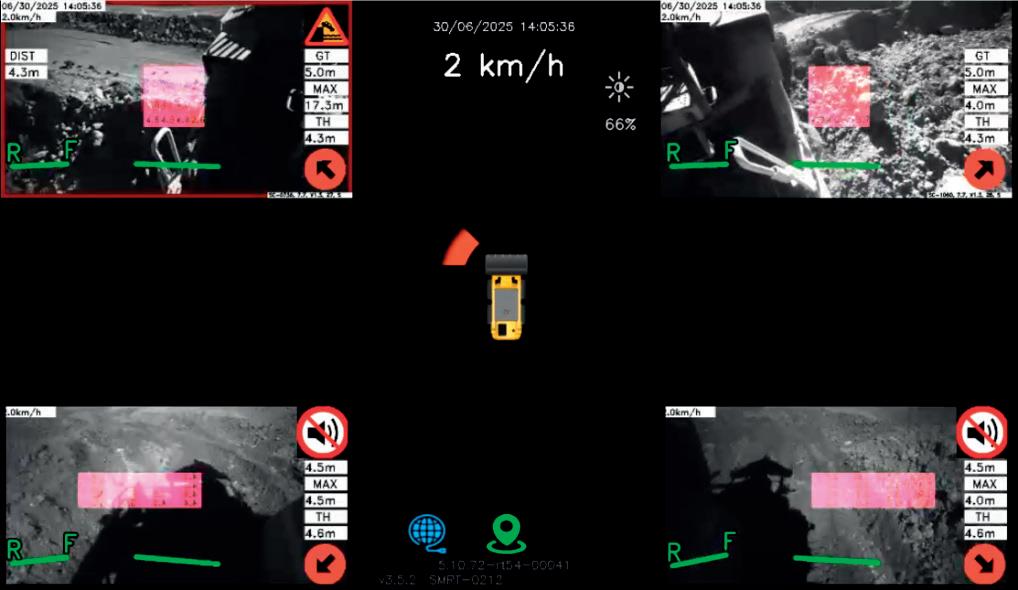
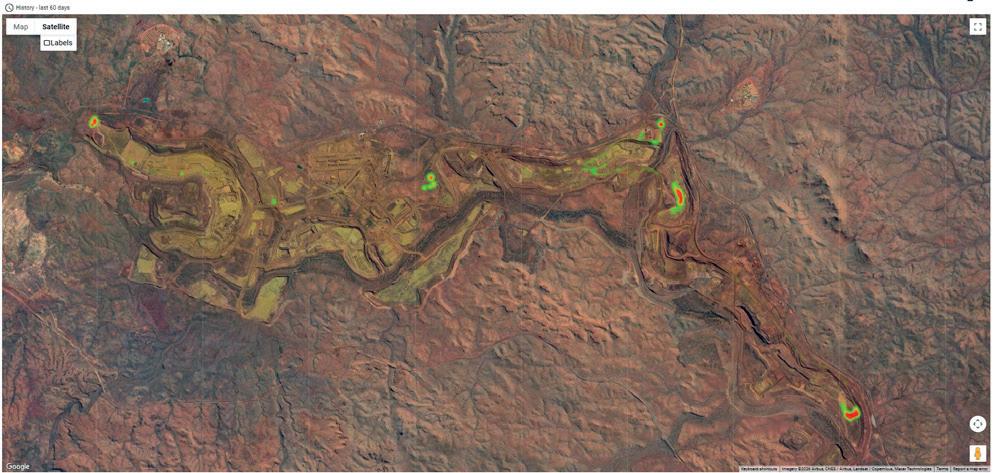
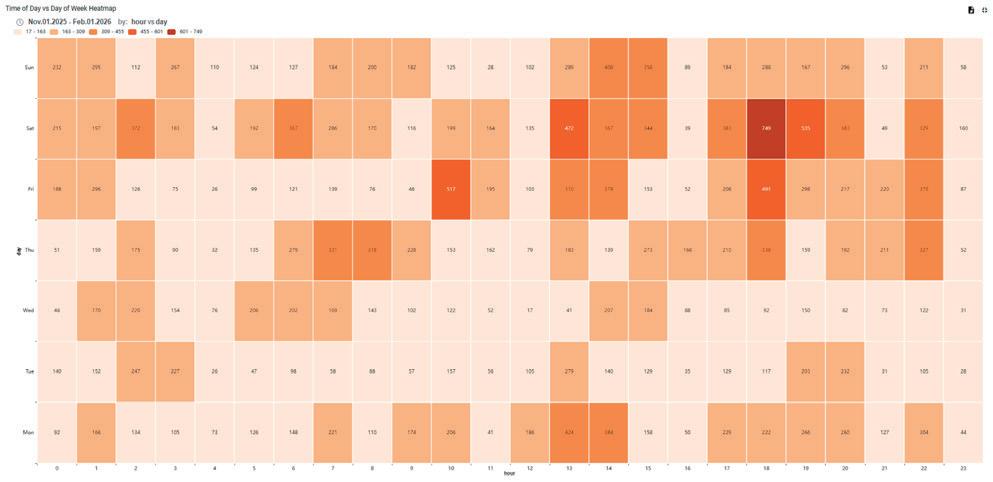
n Inclination and terrain compensation: Ascending or descending slopes can mask voids (e.g. opposing wall appearance). Dynamic tolerance adjustments accommodated inclination, ensuring voids and edges were not missed due to terrain geometry.
n Edge type classification: The system distinguishes between true voids, masked boundaries, and ‘infinite depth’ artefacts using classification logic to prevent spurious alerts while still capturing genuine hazards.
n Machine footprint exclusion: Implements, blade movement, and work-light glare can create nuisance detections. Machine footprint modelling and dead-zone masking prevented detections on the dozer itself, keeping alerts relevant to external hazards.
n Sensor shift detection: Bracket bumps or hardware loosening can shift sensor pose. A sensor shift-detection algorithm verified alignment relative to installed baselines and raised a warning when recalibration or inspection was required.
Safety performance depends on tuning parameters to real tasks. Pushing over edges, ramp construction, stockpile management, rehabilitation, slot dozing, and flat topping each impose unique detection demands. The project used the following structured optimisation cycle:
n Silent mode optimisation: Maximise successful detections and minimise false positives without alerting operators; adjust exposure, filtering, tolerances, and dead-zone masks.
n Measured alert activation: Introduce audible/visual alerts once detection stability meets target thresholds; verify alarm distinctiveness and appropriateness across tasks.
n Cross-model transfer: Apply baseline parameter sets to similar dozer models; refine site-specific nuances rather than re-engineering from scratch.
This approach limited nuisance alarms and built trust by ensuring the system ‘gets it right’ before sounding edge-detection alarms in the cabin.
Adoption hinges on user experience, meaningful consultation, manageable maintenance, and proven reliability.
Operator adoption is a key challenge for the introduction of any new technology, so four key strategies were used to ensure adoption:
n User interface and experience: Consistency in how information was displayed and heard reduced cognitive load. Where detection accuracy was high and nuisance alarms low, simple buzzer beeps sufficed. If nuisance alarms were moderate, custom audio files provided context to prevent alarm fatigue. On-screen cues showed camera perspectives and detection types, helping operators correlate alerts with real hazards (Figure 3).
n Operator consultation: Operators were engaged from concept through to validation. Early involvement created advocates who later supported training and onboarding, reducing resistance to change. Commissioning improvements, such as parameter calculation aids,
shortened installation time, and removed friction from field deployment.
n Maintenance and future behaviour: Event and diagnostic data flowed to a central analytics platform, enabling maintenance teams to respond to system health issues or communications network faults. Aggregated detection data illuminated hot spots and operational behaviours, informing planners where to modify procedures, berms, or lighting to reduce risk.
n Reliability: Hardware iterations improved bracket strength and internal vibration tolerance. In practice, the system sustained harsh dozing conditions with minimal unscheduled intervention, a prerequisite for safety systems expected to be ‘always on’.
Cloud-connected telematics increased system value beyond the operator’s cabin by providing the following functions:
n Real-time event reporting: Edge detections and alerts are logged with short video clips covering pre/post trigger windows. Optional email/SMS notifications keep supervisors informed.
n Hot spot identification: Heatmaps and histograms highlight recurring detection zones, enabling targeted remediation of geotechnical or operational risks.
n Maintenance and troubleshooting: Startup diagnostics, system health status, and connectivity are tracked, guiding proactive maintenance.
n Location and uptime context: Map views show dozer travel paths, event locations, and asset status (i.e. active, powered down, inactive), supporting shift review and fleet oversight.
n Incident investigation: Timeline reconstruction and video retrieval assist analysis, even when an edge was not ultimately detected (valuable for near-miss scrutiny).
A typical heatmap and detection count histogram is shown in Figure 4.
The same technology solution can be extended to other machines that work near voids and edges like excavators, scrapers, rigid and articulated dump trucks, and drill rigs that can also benefit from ViDAR-based edge awareness, provided sensors and algorithms are tuned to each machine’s geometry, envelopes, and tasks. Cross-asset standardisation of commissioning, analytics, and maintenance practices further reduces rollout effort and improves consistency.
A near-edge pre-warning system based on ViDAR 3D computer vision can materially reduce edge-related risk for dozer operations when deployed with disciplined staging, operator-centric design, and robust hardware. Beyond dozers, the Wabtec EDGEYE technology solution and deployment approach outlined in this article, promises safety gains across a broader fleet making computer vision a practical, scalable layer in the mining safety stack.
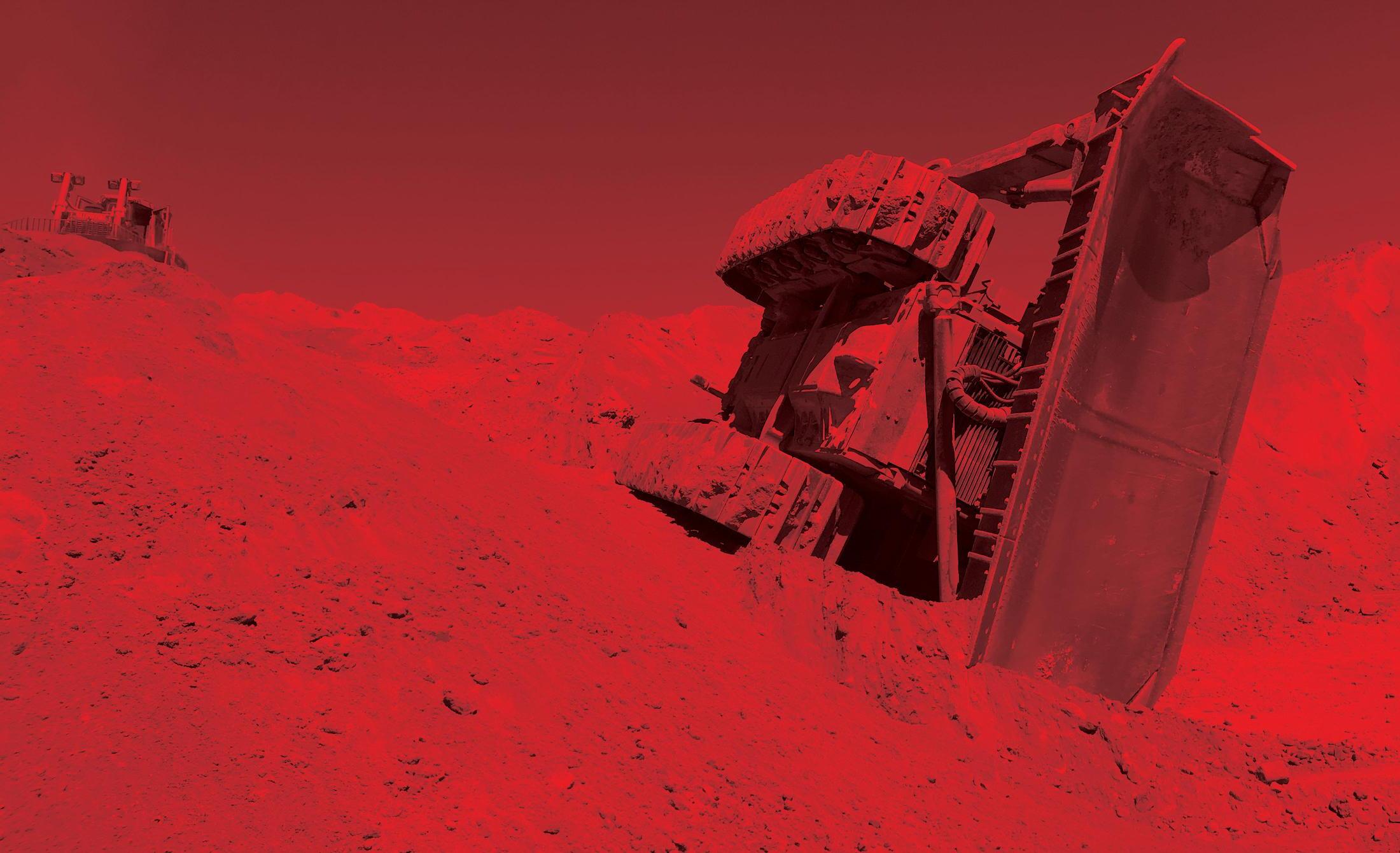
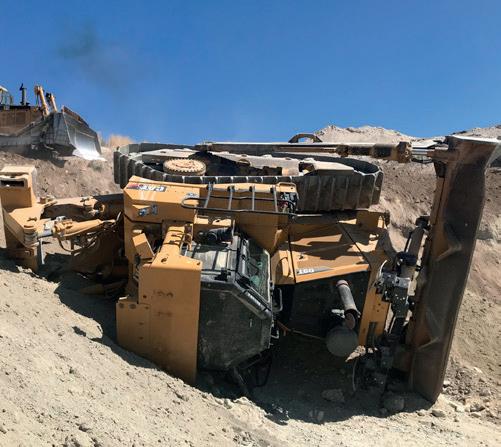
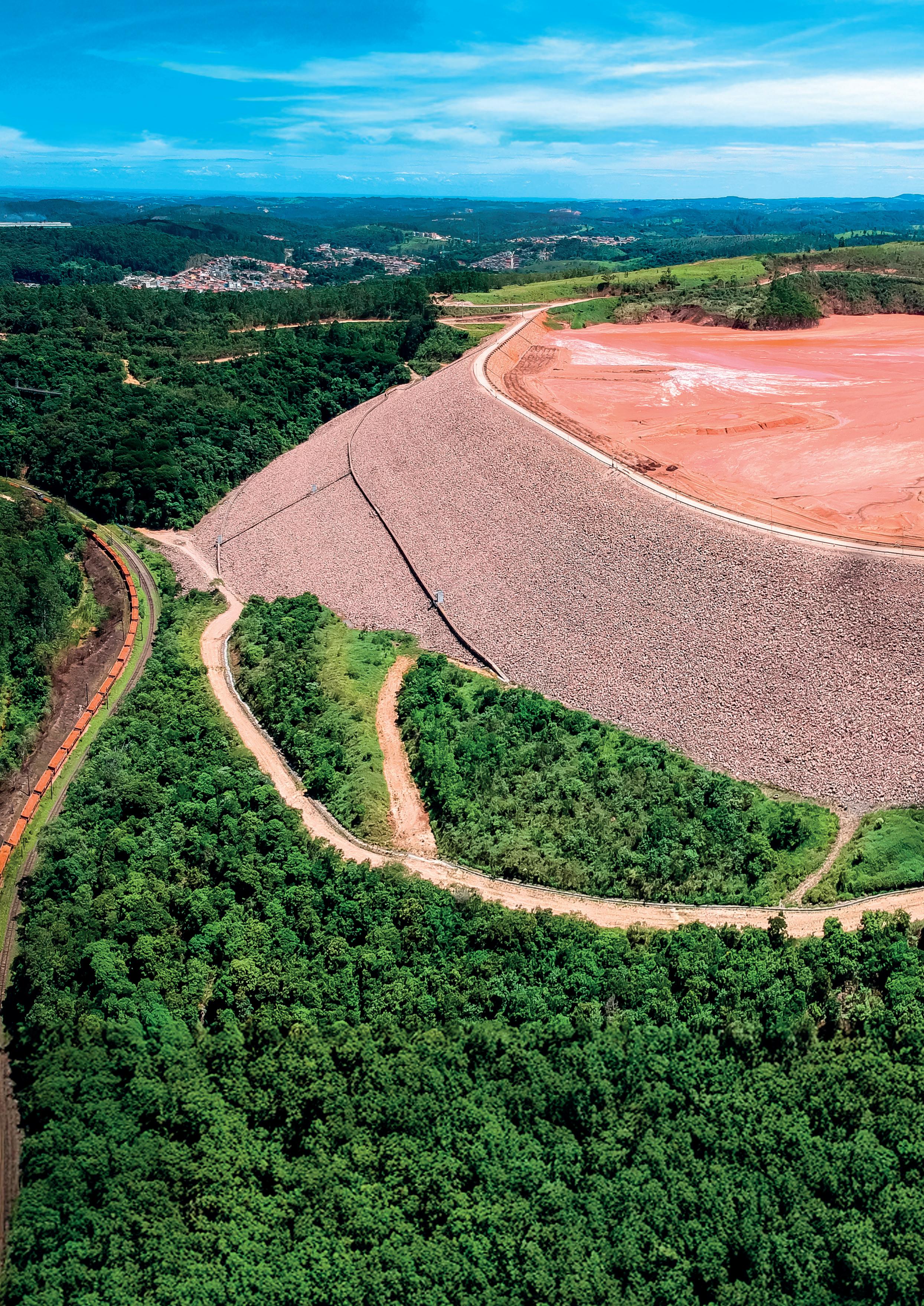
Previn Pillay, Yokogawa, emphasises the importance of coordinating capital, carbon, and productivity across the value chain.
Mining has rarely been more strategically important. And yet, it has rarely operated under tighter, more interlocking constraints.
Geopolitical fragmentation is reshaping trade routes and commodity flows. Resource nationalism is tightening access to critical minerals. Carbon border
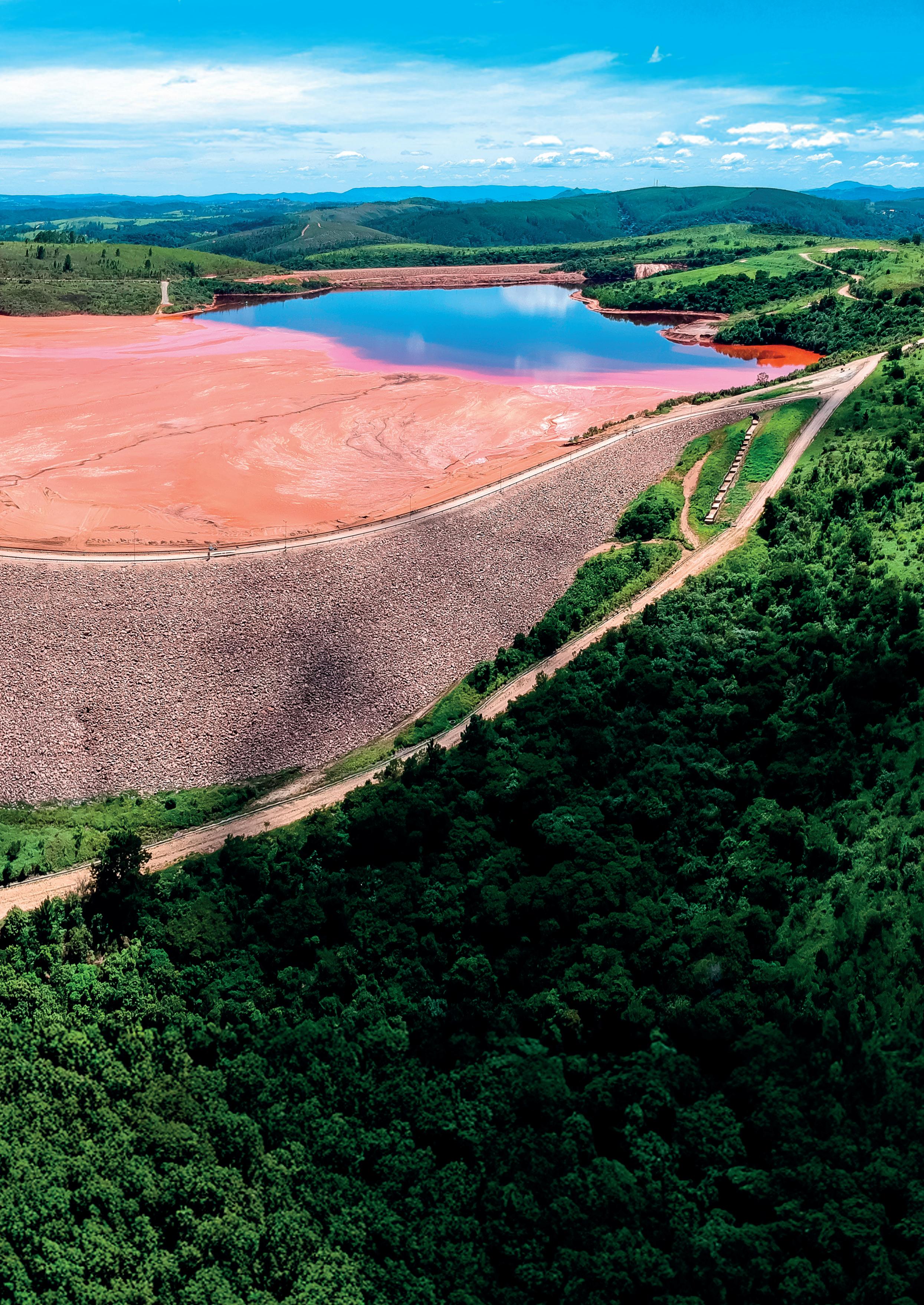
adjustment mechanisms and sustainability disclosure expectations are redefining market eligibility. Supply chains remain concentrated in key nodes, creating pinch points. At the same time, inflation and capital discipline are forcing companies to scrutinise every dollar deployed and every tonne produced.
The energy transition compounds these pressures. Electrification of transport and industry, alongside the expansion of digital infrastructure, is projected to increase demand for copper, nickel, lithium, and rare earth elements over the coming decades, according to multiple scenario analyses. Renewable integration requires additional grid infrastructure and storage systems. Data centres and industrial automation carry real material and energy footprints. Decarbonisation demands more mining, not less.
Mining now operates inside an access economy. Access to capital, energy, land, community support, and markets has become more conditional. These conditions show up in permitting timelines, procurement requirements, financing terms, and disclosure expectations. Performance no longer hinges solely on output volume or cost position. It hinges on sustaining production within tightening environmental, social, and regulatory boundaries. On site, these conditions translate into practical constraints across planning, operations, maintenance, and energy, where small misalignments quickly become lost tonnes, unplanned downtime, or schedule instability.
The industry’s limiting factor is coordination, particularly across the interfaces where plans become schedules, schedules become shifts, maintenance priorities collide with production targets, and sustainability obligations meet commercial realities. When those interfaces run on different definitions of ‘good’, different data, and different time horizons, local improvements can accumulate as system friction rather than system gain. These pressures compound across the asset lifecycle.
Across jurisdictions and commodities, three forces are converging.
Rising materials and services costs, volatile energy pricing, and increased financing scrutiny are tightening capital allocation. Projects must demonstrate resilience under multiple scenarios because downsides arrive through more pathways: energy price shocks, supply chain disruption, permitting delay, carbon cost exposure, and financing repricing.
The practical effect is simple. A site’s variance starts showing up in places it never used to, including funding conversations, board appetite for expansion, and the scrutiny applied to scope change. Variability is no longer a local operating nuisance. It starts eroding forecast credibility and the organisation’s freedom to allocate capital elsewhere.
When capital becomes selective and carbon exposure becomes increasingly priced, operational incoherence turns into a financing risk.
Community expectations, Indigenous rights, water stewardship, biodiversity considerations, and emissions transparency have become central to project development and expansion. Carbon intensity influences trade access, procurement decisions, and investor confidence.
Carbon has moved from reporting to economics through several channels: trade eligibility, customer procurement screens, insurance and financing scrutiny, and the cost of delay when approvals and community trust deteriorate. Even when carbon is not explicitly priced, it still shapes the risk premium stakeholders apply to a project.
Automation, advanced analytics, hybrid cloud infrastructure, digital twins, and artificial intelligence can improve safety, stability, and productivity. They also introduce integration risk, cybersecurity exposure, and organisational complexity.
Digital systems amplify the operating model they enter. Where decision rights remain unclear, data definitions differ by function, and performance is managed through competing KPIs, technology can increase the speed of activity without improving decision coherence. The result can look like progress, with more dashboards and alerts, while economic clarity stays flat or deteriorates.
In practice, the AI that tends to matter most in mining sits at the interfaces where humans already make repeated judgement calls under uncertainty and where small delays or errors compound quickly.
In a concentrator, computer vision can track froth behaviour and flag drift long before recovery loss shows up in the metallurgical accounting. In comminution, models can anticipate instability such as liner wear, ore variability, and escalating recirculating load, so crews intervene earlier and with less disruption. In mobile fleets, optimisation engines can smooth dispatch decisions in real time as weather, haul profiles, and crusher constraints move around.
In each case, the point is not autonomy for its own sake. Many of these capabilities already operate as decision support, optimisation, or advanced control layers in active mine and plant environments. It is augmentation: reducing noise, compressing time to signal, and giving supervisors and operators a clearer decision window, while keeping accountability where it belongs.
Many mining operations were designed for relatively stable global trade conditions. Planning, operations, maintenance, sustainability, and commercial functions evolved as distinct domains, connected through reporting cycles rather than unified governance structures.

Australia’s premier industry-led mining innovation conference and exhibition, uniting METS and mining to accelerate the future of the global resources sector.
5 - 7 May 2026 | Perth, Australia

High-tech exhibition showcasing innovative solutions

World-class conference program with 50+ speakers


Signature networking events for global connections
Collaborative conversations covering the full value chain
Solving the question: how do we compete in the critical era?
For program details and individual or group registration visit grx.au
Local optimisation was often sufficient. A concentrator could optimise recovery. A maintenance team could optimise availability. A logistics function could optimise freight contracts. The system held together because external conditions stayed comparatively predictable – that stability has eroded.
In fragmented environments, local optimisation often transfers cost and risk across the system. Throughput gains at one node can become inventory accumulation or downstream congestion. Maintenance deferrals can convert planned downtime into higher variance unplanned events. Carbon treated as compliance can remain invisible to operational decisions until late constraints appear through logistics, procurement, or market access.
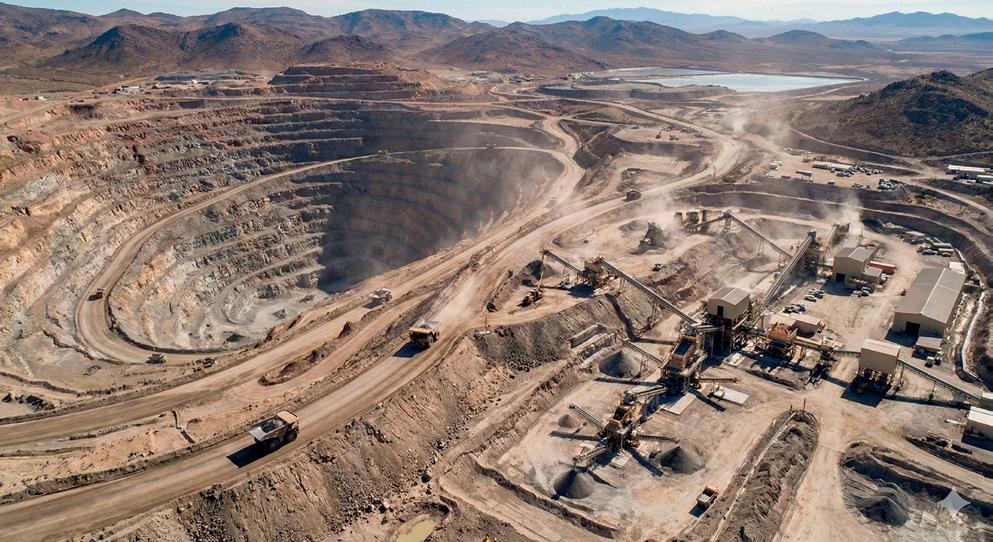
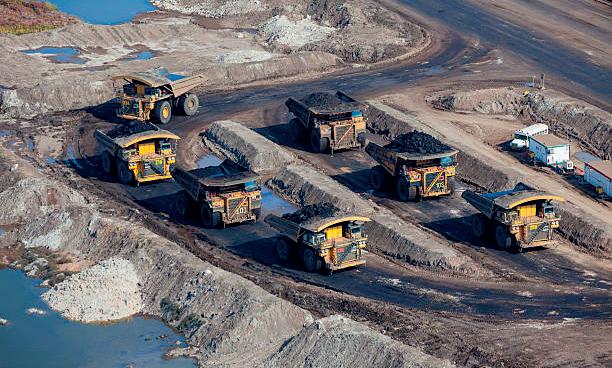
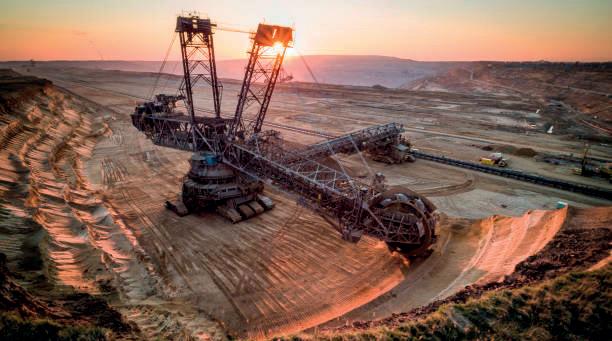
Siloed optimisation once delivered acceptable performance. In a volatile and carbon constrained world, it compounds fragility.
Industry research reinforces this reality. In a study of mining executives representing companies with a combined market capitalisation of approximately US$300 billion, Bain & Company asked leaders to rank the factors most critical to successful operational improvement at site level. Technology ranked last. The leading factors were organisation wide buy in, clarity on value drivers, and stable leadership capable of sustaining change.
The implication is not that technology lacks value. It is that technology cannot substitute for governance.
In practice, the biggest gains still come from fundamentals executed with discipline. Strengthening work management, decision rights, and frontline routines can unlock material uplifts in production and efficiency, often measured in the 10 – 30 % range, depending on starting discipline and constraint profile. These gains do not come from digital in isolation. They come from a coherent operating system that digital can reinforce.
End-to-end is often interpreted as process mapping across the value chain. In practice, its value lies in governance: the ability to make trade-offs consistently across capital allocation, operating plans, maintenance priorities, energy constraints, and carbon exposure, using shared definitions, shared cadences, and shared accountability for outcomes – three characteristics define such a model.
Systemic coordination aligns planning, operations, maintenance, energy management, and sustainability under common objectives. Unified decision flow links strategic intent, operational execution, and performance feedback into a single loop. Adaptive learning updates constraints and operating envelopes as measured outcomes change, supported by disciplined management cadence rather than modelling alone.
Under this reframing, digital technologies serve as enablers of coordination rather than standalone solutions.
An end-to-end governance model must operate across three interconnected lifecycle modes. In practice, organisations run these modes concurrently. Sustaining capital competes with growth capital. Operating variability shifts investment appetite. Decarbonisation moves from long term ambition into near term engineering and procurement choices. Making is capital deployment. Decisions at build stage lock in structural cost position,
automation capability, energy configuration, and emissions intensity.
Managing is operational performance. Stable systems, advanced control, predictive maintenance, and energy orchestration reduce variability and improve reliability.
Monetising is product and carbon value. Product quality, traceability, and embedded carbon intensity increasingly influence pricing, procurement eligibility, and market access.
These modes are economically distinct but structurally interdependent. Coordination across them has become a requirement, not a ‘nice to have’.
The growth of artificial intelligence (AI) and digital infrastructure highlights a structural paradox. AI applications in exploration, drilling optimisation, fleet orchestration, and process control promise productivity gains. Yet the infrastructure behind these systems draws on energy and materials at scale.
That footprint does not invalidate AI’s potential in mining. It raises the standard for how mining integrates energy strategy, emissions accounting, and operational optimisation into one decision system.
Electrification and digitalisation increase demand for the very commodities mining produces, while intensifying scrutiny on mining’s own energy use and emissions profile. There is no energy transition without mining, and no credible mining future without disciplined energy coordination.
Mining’s next phase will not be defined solely by access to advanced technology, nor secured through isolated operational improvements.
Competitive advantage will increasingly depend on the ability to coordinate capital allocation, operational execution, and carbon strategy within a coherent end-to-end governance framework. Organisations that embed systemic coordination, unified decision flow, and adaptive learning across lifecycle modes will be better positioned to navigate volatility and sustain access to capital, communities, and markets.
This remains a governance and operating model challenge before it is a technology selection exercise. The sites that struggle will not be the ones with the worst technology. They will be the ones where decisions remain fragmented while constraints tighten and trade-offs go unmanaged.
In the end, alignment is what separates resilience from drift, especially when the limiting factor is no longer the orebody, but the organisation’s ability to coordinate itself.
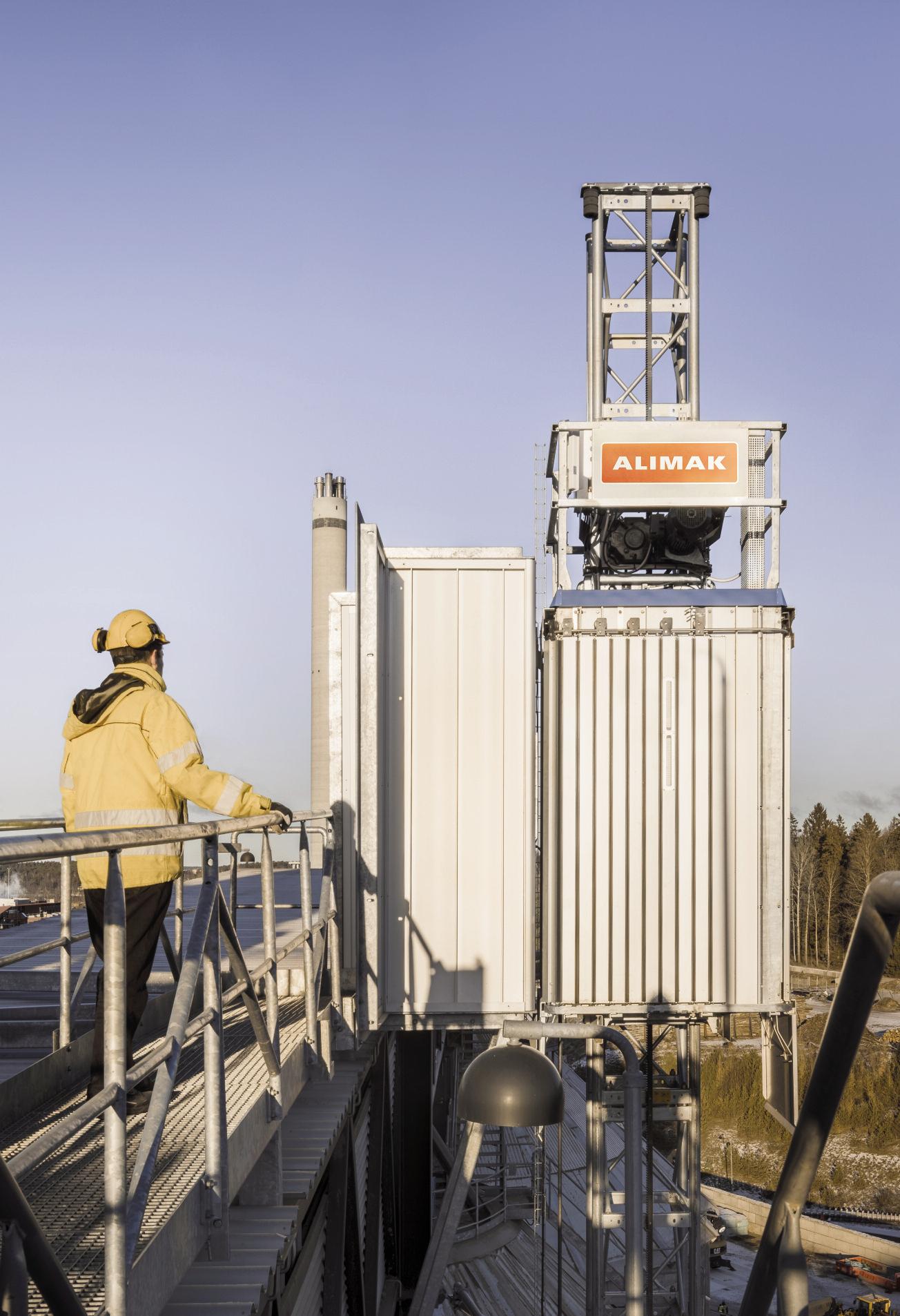
E L E V A T E O P E R A T I O N A L E F F I C I E N C Y
The Alimak elevator is the perfect solution for both underground and surface mining applications, such as pelletizing plants, smelter s, concentrator s, and other ore processing plants Alimak elevator s have been enhancing operational efficiency and safety for the global mining industry since 1957.
• Built to perform in the world’s harshest environments
• Enhances operational effi ciency, HSE performance and reduces maintenance costs
• Unparalleled track record in reliability and durability Visit our website for further information.

Keith McNab, Emerson, USA, explains how – by reducing engineering effort, improving consistency, and embedding best practices into reusable classes and libraries – PLC programming productivity tools help mining organisations meet today’s challenges while laying the groundwork for tomorrow’s autonomous operations.

Today’s mining operations are facing a new array of challenges that their predecessors never imagined. An increasingly globalised marketplace has dramatically reduced margins, creating a need for operations teams to squeeze all possible efficiency out of their processes.
In parallel, retirements are stripping organisations of their most experienced personnel and, even in the rare case they can find a new expert to replace the old one, people no longer stay in one role for long. As they leave, experts take critical institutional knowledge with them. Through all of this, many mines are expanding – reaching out to further-flung locations to meet their goals, forcing them to spend time and engineering effort to scale their operations even as resources and personnel become scarce.
Many organisations are meeting these challenges with automation, helping them drive efficiency and lock in best practices. However, much like operations teams, engineering teams are also stretched thin. Traditional programmable logic controller (PLC), human-machine interface (HMI), and supervisory control and data acquisition (SCADA) workflows require repetitive configuration and manual effort.
To navigate these engineering challenges, many organisations are embracing PLC programming productivity tools to streamline engineering and support digitalisation. Effective development platforms offer a single point of configuration and a shared database, reducing implementation time and minimising errors that arise from manual engineering workflows in multiple tools.
Today’s mining engineers face a wide array of complexity when developing new processes or extending existing operations. PLC programming can be repetitive and time consuming. Often, engineers find themselves repeating the same configuration in a PLC programmer tool, the SCADA system, and historians.
In addition, when engineers develop new control strategies by starting with ladder logic and without first establishing an underlying object model, the PLC programme quickly loses organisation and structure, leading to logic that is difficult to reuse and troubleshoot. Each new control strategy added to the system compounds the problem, causing every subsequent project to take even longer and, because each new project begins with code that was not inherently designed for reuse, maintaining consistency becomes difficult, even when new projects are similar or nearly identical to previous ones.
Engineering teams also want to extend online configuration capabilities to operators and other personnel so that they can interact seamlessly with the system during operation, enabling operational excellence more effectively. Without a structured way to extend PLC logic with the necessary properties and present them to operators through the HMI, even simple variable adjustments become disruptive. Engineers must dig into the PLC programming environment to locate and modify these values, increasing operational risk and interrupting production. Even when teams manage to surface these properties in the HMI, they still face major challenges in directing them, especially around who is allowed to change them and under what conditions.
An effective PLC programming productivity suite should offer an object-oriented structure that lets engineers build PLC logic and the associated HMI/SCADA interface more efficiently. By grouping logic, properties, and HMI elements into reusable classes for each equipment type in their plant, engineers can streamline development and maintain consistency across a project. Built-for-purpose PLC programming productivity suites employ an engineering workstation that brings all productivity tools into a unified environment to realise the full potential of using equipment classes to build PLC programs and SCADA screens with minimal effort.
The engineering workstation includes a library of advanced function blocks for typical control strategies, including advanced proportional integral derivative (PID) control, sequencing, and device control blocks. These blocks can be dragged and dropped to quickly create applications. Using these pre-existing elements, engineers can build customised, user-defined control modules to drive their unique operations without having to continually recreate repeatable elements (Figure 1).
Once a control module is complete, it can be published to a single-source-of-truth database. All properties – including alarms, limits, operator actions, and metadata – are automatically included. After publishing, the configuration becomes automatically available to SCADA servers, historians,
and other clients, eliminating the need to manually recreate tags or configuration in multiple systems.
The most advanced PLC engineering environments push productivity further by supporting multi aspect class structures that dramatically reduce rework. Engineers can define classes that bundle properties, behaviours, and control logic into reusable objects tailored to the diverse equipment found in mining operations. Each class encapsulates how the object executes on a deterministic real time controller, how operators interact with it through high performance HMI graphics, and which tags are historised to enable screen replay and anomaly troubleshooting.
With classes incorporated in the software, engineers no longer need to manually and individually configure each instance of equipment in the mining application. Users simply generate instances of the class and configure their properties, and the system populates all settings to the SCADA and historian automatically. As engineers build an extensive library of class-based objects, they will dramatically reduce manual errors and engineering time while simultaneously helping ensure consistency across operations.
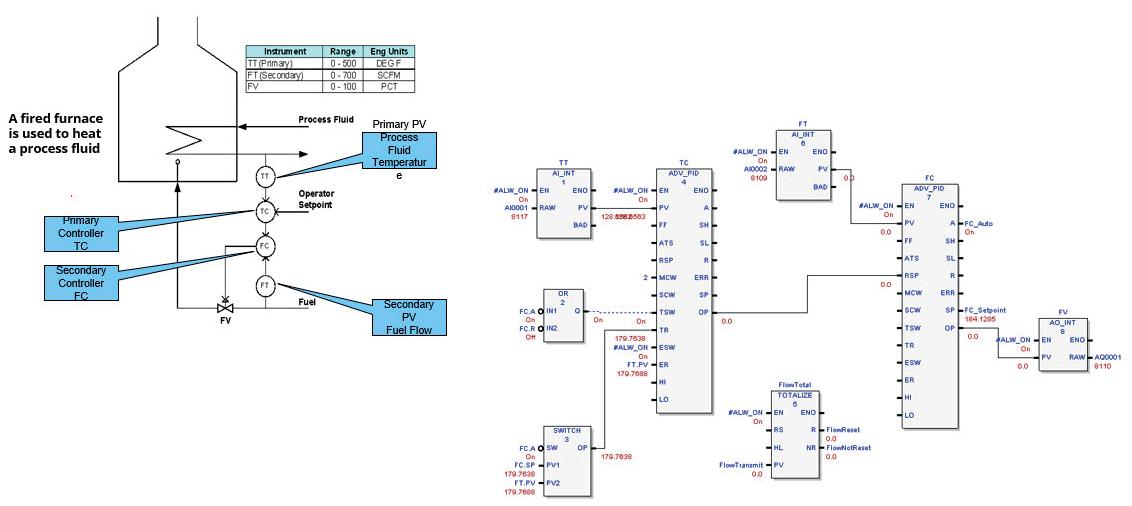
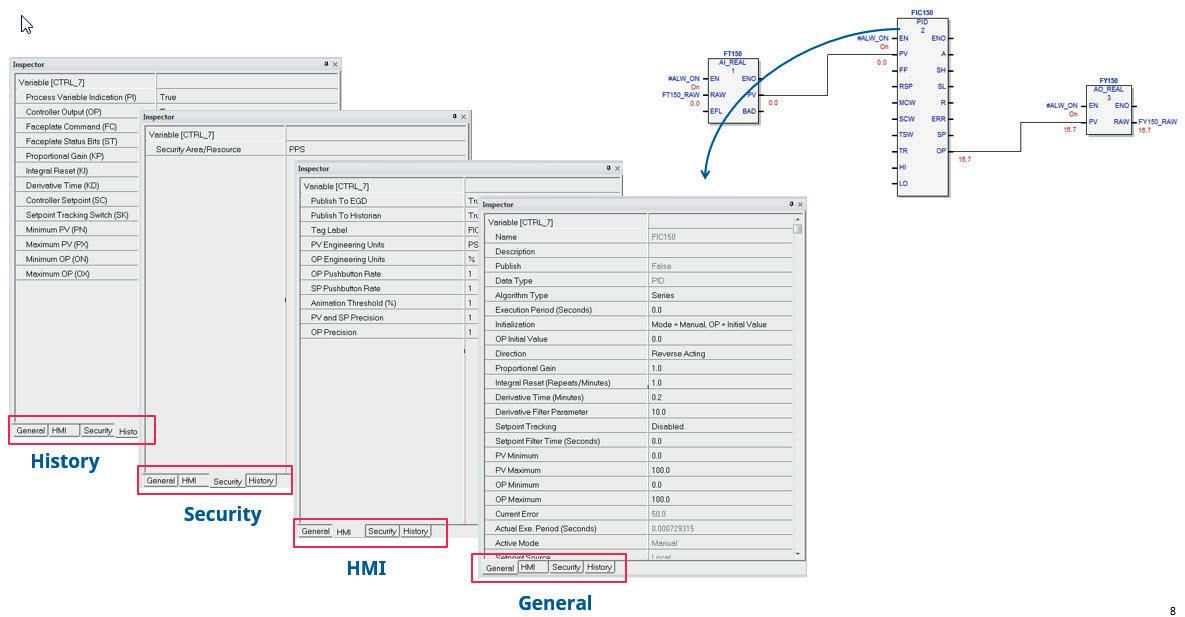
PLC programming productivity software is particularly well suited to mining organisations where operations are frequently broken into modular areas using International Society of Automation (ISA) standards such as ISA-95 for enterprise control and ISA-106 for process operations. PLC programming productivity tools fit naturally into level one and two of these models, where control and equipment modules reside.
Engineering teams using PLC programming productivity software can much more easily build equipment and control modules that match established ISA structures, leveraging the built-in tools, drag-and-drop functionality, and easy replication across multiple projects and sites. By design, the tool suite helps ensure that PLC logic and SCADA objects stay aligned with ISA standards (Figure 2).
For one large mining organisation, PLC programming productivity software dramatically improved the team’s project deployment
and operational efficiency. They were looking for ways to reduce engineering time and make the facility easier to operate.
The organisation implemented advanced modules using PLC programming productivity tools at the site to help make configuration parameters available to operators and engineers during runtime so they could adjust operations as necessary without having to go back to the programming software. This empowered the team to fine-tune operations without risk of needing to pause their 24/7 operations to apply changes.
Traditional PLC function blocks had lacked the ability to extend runtime configurable properties, falling short of what was needed to drive peak efficiency. With the many additional properties available in control modules through the engineering productivity suite of tools, the team was able to add critical features such as equipment specific properties, engineering units, informational labels, alarm limits, minimum and maximum input ranges, setpoint change levels, security levels, and more.
Moreover, engineers saved significant time during initial configuration by using the productivity software’s built-in property inspector that centralises HMI, security, and historian properties into one easy to configure dialog. This single configuration interface allows engineers to efficiently define all required attributes for complex equipment types. In the mining industry, this approach is particularly valuable for equipment found in mines like crushing and conveying equipment.
Once an instance of a multi-aspect object is created, configured, and validated, it is published to the system server. Each aspect is automatically created in its native
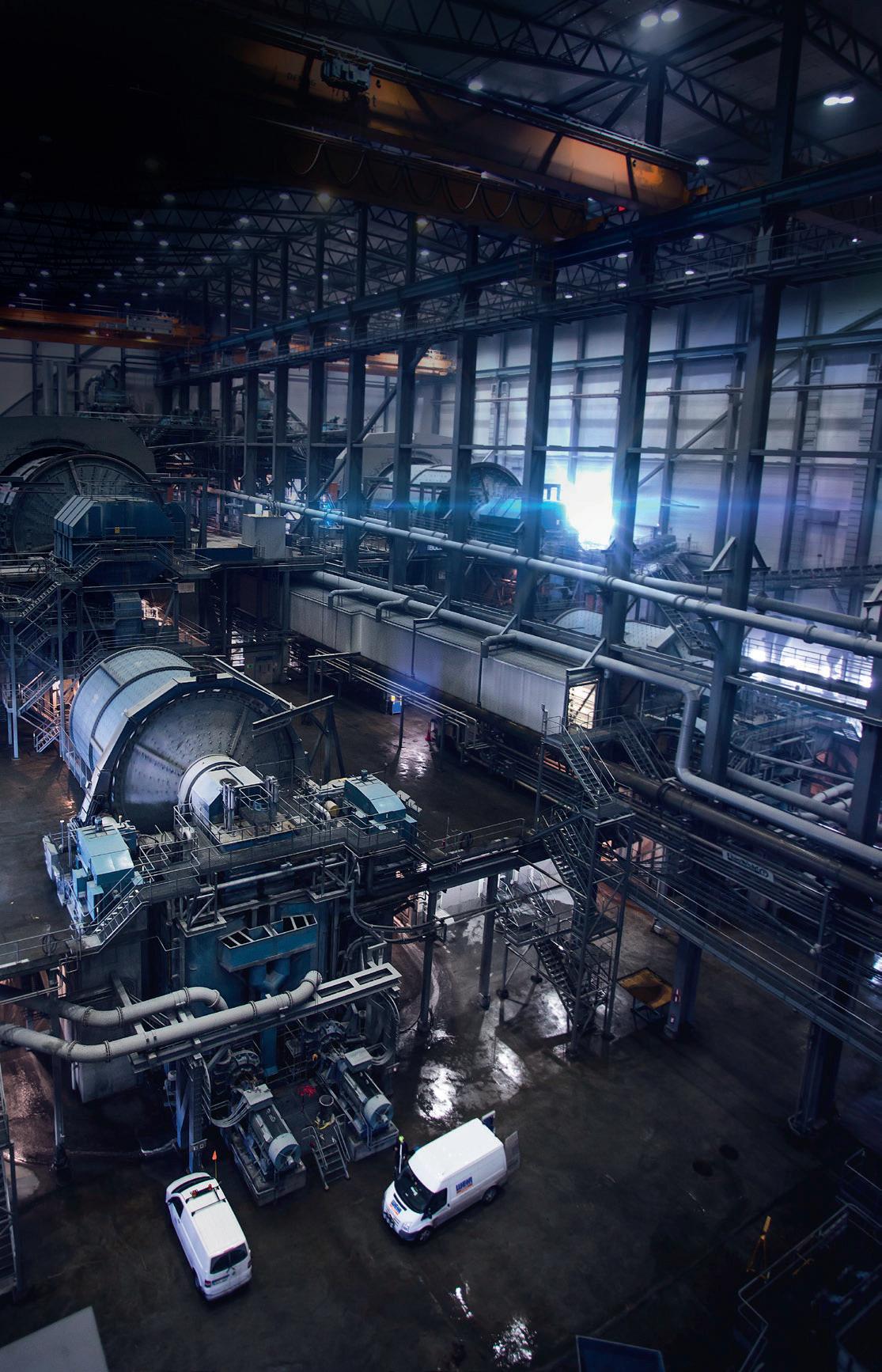
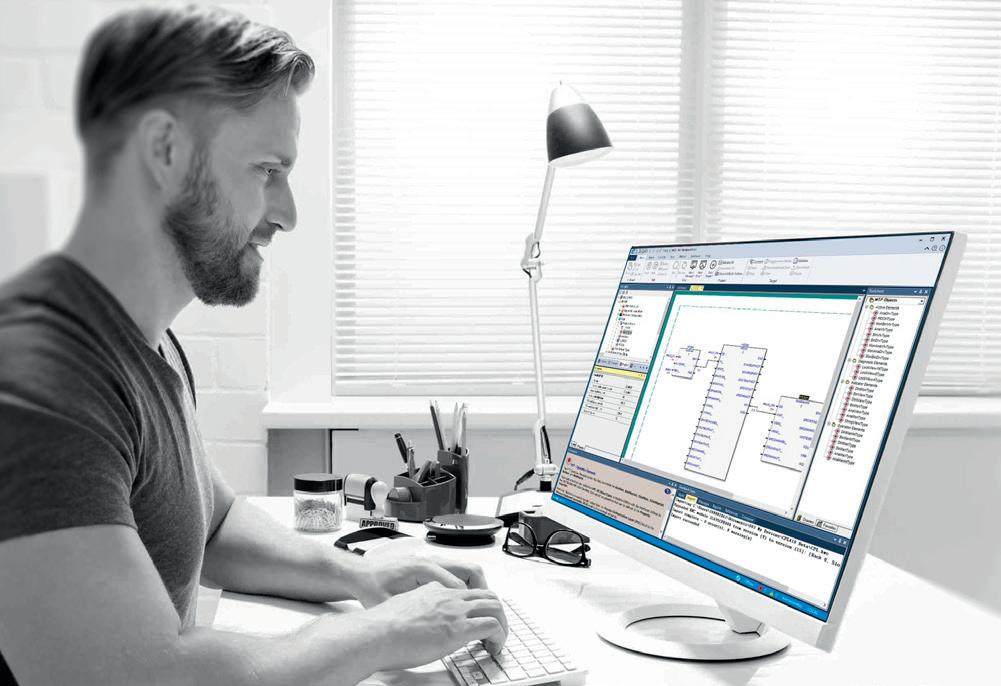
Figure 3. PAC Productivity Suite unifies PLC logic, HMI behaviour, alarms, and historian-ready data into a single engineering environment, enabling mining sites to reduce engineering time to build an application by 50% in many cases, while improving consistency and supportability.
engineering tool – the control logic in the PLC programming environment, the HMI interface in the SCADA platform, and the historisation configuration in the historian. This unified model eliminates the need for engineers to manually adjust values across multiple systems; synchronisation happens automatically. When the system enters runtime, the object’s properties are exposed through a pop-up faceplate, enabling operators to adjust parameters on the fly while ensuring all associated tags are properly historised.
Take your business forward with our industry-leading valves and pumps; Flowrox™, Neles™, Jamesbury™, and Neles Easyflow™.

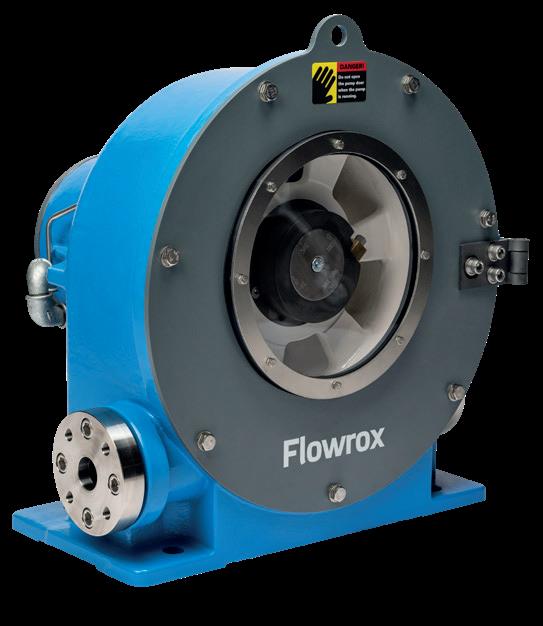
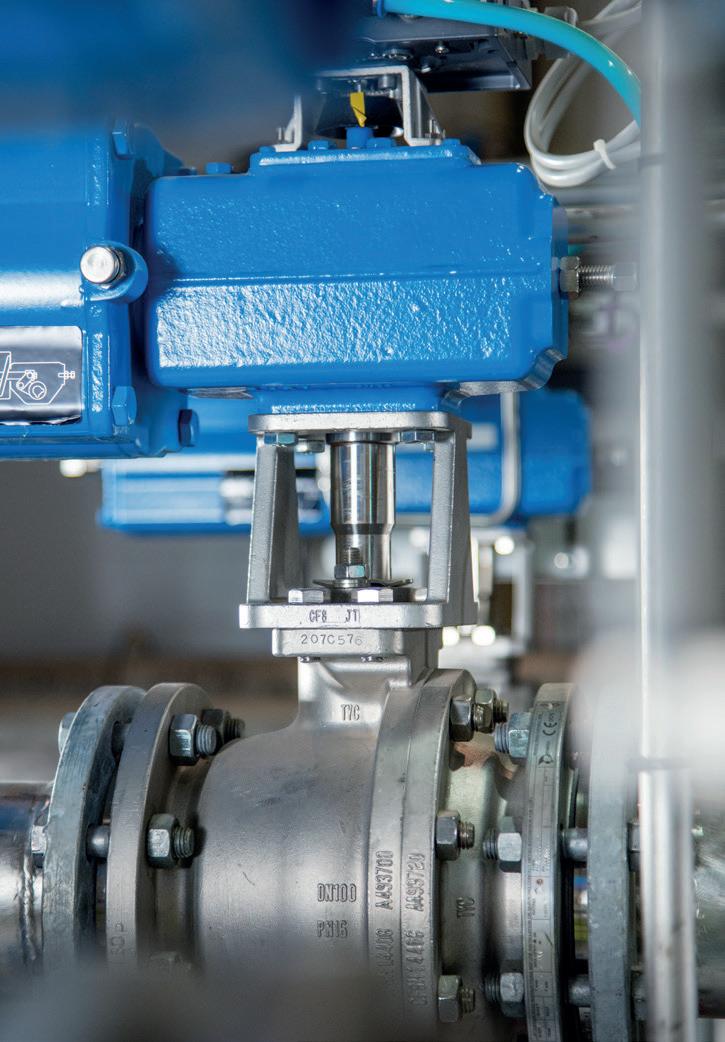
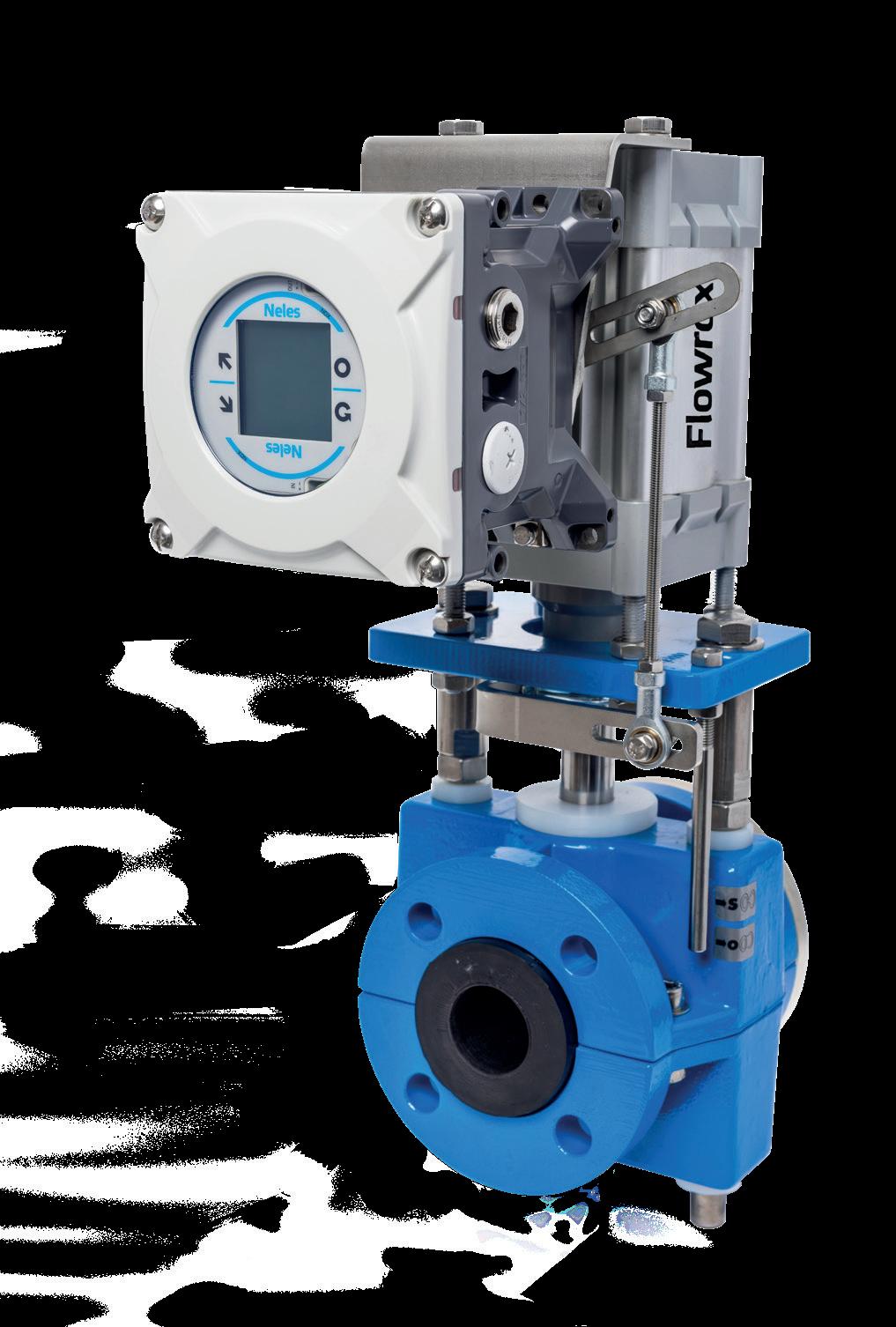
Some very large mining companies invest significant effort to build their own internal ecosystems of tools, libraries, and SCADA integration layers using various products, with the goal of helping them eventually reduce net engineering efforts and standardise across their operations. Such a strategy can be a useful tactic but is out of reach for most organisations. Most mines lack not only the financial resources, but also the personnel and expertise to design, implement, and, most importantly, maintain such systems across the lifecycle.
Moreover, even when companies can build such systems, a mine’s expert engineers are often better applied to higher-value tasks. Time spent designing, configuring, and maintaining a support solution is time not spent in improving production and driving operational efficiency.
A comprehensive PLC programming engineering productivity suite with extensive pre-built functionality offers the same benefit with far less effort. With standard libraries of advanced automation function blocks, built-in objects and faceplates, and a configuration server that automatically sets up PLC-to-SCADA communication, such a solution democratises capabilities that were once available only to organisations with the most resources.
Another key benefit of PLC programming productivity software is it preserves institutional knowledge. Class definitions
capture expert knowledge and best practices, and the common library makes it easy to deliver that knowledge across all areas of operation. Critical information and strategies remain embedded in the system, reducing onboarding time for engineers and operators by preventing tribal knowledge loss.
Simplified, standardised, object-oriented PLC/SCADA design also simplifies long-term maintenance of systems and equipment. When engineering teams work within standards libraries, they create an environment where maintenance teams can count on consistent logic across equipment.
In addition, because PLC programming productivity software allows runtime access to a wider array of function block properties, troubleshooting is far easier. With a more easily enforced ISA structure, maintenance teams can follow a more predictable model (Figure 3).
In today’s more complex, tight-resource world of mining operations, lean teams need all the help they can get to drive the highest levels of efficiency while still pursuing organisational goals and expanding operations when necessary. PLC programming productivity software reduces engineering effort, improves consistency, and supports more modular expansion. Ultimately, this helps operators perform their jobs more efficiently today, while also paving a more intuitive path for future automation and analytics.

RCT – powered by Epiroc explores how automation and AI are orchestrating the digital mine; helping to power optimisation and safety in mining operations.
The digital transformation continues to accelerate across the global mining industry. What began as isolated automation projects has rapidly evolved into a connected ecosystem of machines, networks, and analytics platforms working in unison to enhance safety, productivity, and sustainability.
At the heart of this evolution lies a simple but powerful idea: symmetry. Rather than viewing automation and artificial intelligence (AI) as separate technologies, leading mining operations now treat them as integrated components of a unified digital system, one capable of

learning, adapting, and executing in real time to deliver measurable outcomes.
The result is an increasingly co-ordinated environment where decisions flow seamlessly from data to action, closing the gap between intention and execution.
Digitalisation driven by safety, productivity, and efficiency
The drive towards digitalisation is fuelled by mining’s most fundamental challenges: improving safety, lifting productivity, and maximising asset utilisation.
Traditional operations are constrained by natural pauses such as shift changes, blast clearances, and the travel time required to move personnel between surface and underground locations. Automation directly addresses these inefficiencies by enabling equipment to continue operating during downtime, increasing utilisation and reducing cycle times. In many cases, this recovered time is equivalent to gaining additional production shift each week without increasing fleet size.
One underground operation demonstrated the scale of this impact by reducing its active drilling fleet by 25%, moving from four drills to three while still exceeding previous output targets. Supported by a streamlined team of multi-skilled drill technicians and network specialists, and underpinned by long-term Epiroc and RCT software and global support, the project delivered more than AUS$35 million in net present value (NPV) benefits.
Similar gains are emerging in surface operations. Sites deploying original equipment manufacturer (OEM)-agnostic autonomous surface drilling across mixed fleets, including CAT MD-series machines, have achieved productivity improvements without disrupting existing OEM control systems. By layering non-invasive automation over the original machine architecture, one operation recorded a 22% increase in drilled metres, maintained high machine availability, and enabled maintenance teams to continue working within familiar OEM environments. This approach highlights how
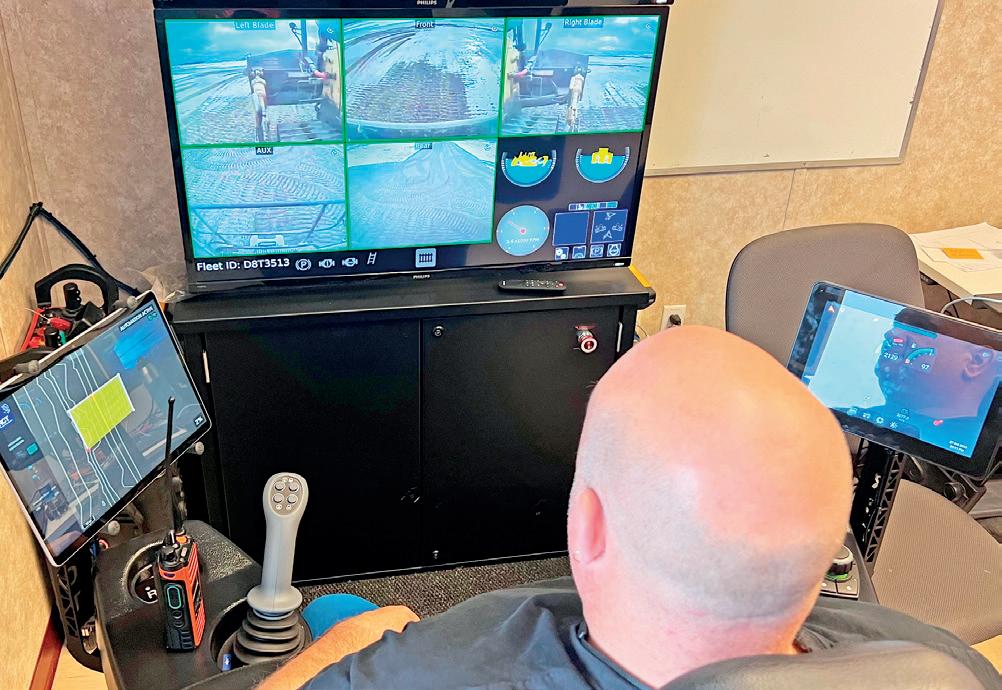
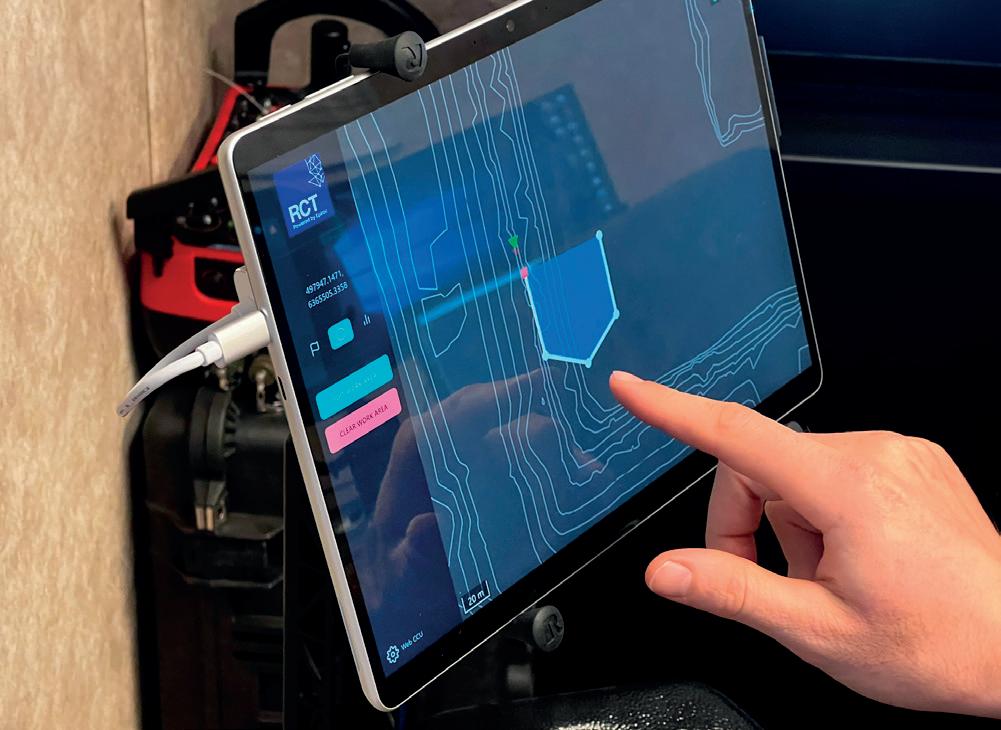
open automation can deliver tangible gains while preserving operational continuity.
Safety remains one of the strongest drivers of automation adoption. By removing personnel from hazardous zones, such as areas exposed to fall-of-ground risk, high vibration, or diesel particulates, autonomous and tele-remote systems dramatically reduce exposure.
Operators can now manage multiple machines from secure control centres located kilometres away from the active face. Beyond risk reduction, this shift is reshaping mining as a workplace, opening pathways to safer, technology-driven roles that appeal to a new generation of workers who prioritise modern, digitally-enabled careers.
The importance of this transition was highlighted in 2025 following a fall-of-ground incident at an underground stoping operation in North America. The site had previously relied on a line-of-sight radio remote control, but the incident, where an operator was located inside a loader cabin within a known hazard zone, prompted a decisive change.
The operation moved to implement full tele-remote automation across the mine, removing personnel from unsupported areas and reinforcing its commitment to eliminating exposure to geotechnical risk. The shift marked a turning point, demonstrating how digitalisation can convert lessons learned into lasting safety outcomes.
Digitalisation also brings new levels of operational flexibility. A single operator can now control multiple machines across different areas of a mine, or even across multiple sites, using a common interface. This capability allows personnel on light duties, or those unable to work in-field, to remain productive through remote operation, expanding the available talent pool and supporting workforce inclusivity.
At a major surface mine in Australia, intermittent dozer work previously resulted in long idle periods and inefficient use of skilled operators. By deploying OEM-agnostic AutoNav automation across its dozer fleet, the site enabled one operator to manage machines remotely from a central control room. Travel time was eliminated, responsiveness improved, and utilisation increased significantly. The success of the initiative has since justified expansion across a broader fleet, with further rollout planned into 2026.
As labour availability fluctuates across the industry, these digital capabilities allow mines to maintain high utilisation rates while redefining what it means to be a machine operator.
Open autonomy platforms are central to breaking down traditional barriers between machine brands and models. Rather than locking operations into a single OEM ecosystem, open solutions allow mines to standardise automation across mixed fleets.
Global innovators such as RCT – powered by Epiroc – have played a pivotal role in advancing this approach. By enabling
systems to communicate seamlessly with equipment from multiple manufacturers, operations can leverage existing assets rather than replace them. This flexibility reduces total cost of ownership, simplifies training, and allows automation to scale progressively, from remote control through to full autonomy, without redundant investment.
Modular design also strengthens resilience. Mines can adopt automation at their own pace, confident that the same hardware and software infrastructure will grow alongside operational requirements. In volatile market conditions, this staged approach allows capability upgrades without committing to disruptive, all-or-nothing transitions.
Despite its benefits, digital transformation is not without challenges. Legacy infrastructure, inconsistent connectivity, and cultural resistance remain common obstacles.
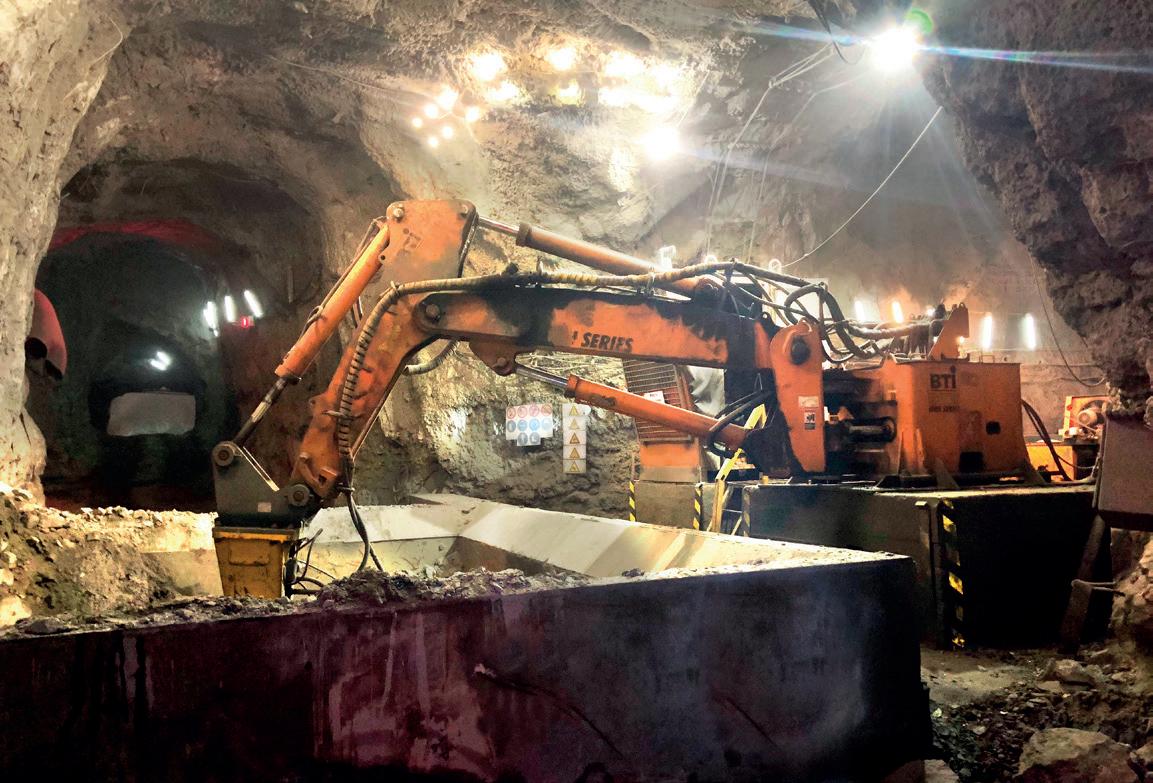
From a technical perspective, interoperability and integration first design are essential. RCT has addressed connectivity barriers by simplifying the deployment of robust underground communication systems. Automation often becomes the justification for installing fibre optic backbones –these are often investments that can exceed AUS$1 million –yet RCT’s Connect system is designed for rapid installation and commissioning without specialised technical skillsets. Service crews can deploy the first network hop from machine to ethernet with ease, accelerating automation readiness even in mines with existing communications infrastructure.
Equally important is change management. At a well-known underground gold mine in Western Australia, a surface automation centre was initially justified to cover shift change operations. However, operators were reluctant to use it consistently. By embedding a technician on site for several weeks to ensure stockpiles were prepared and systems optimised, the operation began to see immediate productivity gains. Within a month, the site transitioned to operating exclusively from the surface, both during shifts and across shift changes. Operators no longer wanted to return underground and some sites adopting similar models have reported an increase of up to 40% in tonnes moved due to sustained 24/7 utilisation.
As automation matures, AI is becoming the next differentiator. While automation executes predefined tasks, AI enables machines to interpret data, make decisions, and adapt in real time, acting as the cognitive layer of the digital mine.
RCT is increasingly leveraging AI to automate processes, improve data quality, and deliver clearer operational insights. Applications include material-in-bucket classification to improve material flow understanding, automatic machine cycle counting for accurate utilisation reporting, and dozer push detection using reverse-motion patterns without additional hardware.
AI is also transforming information management. Natural language processing (NLP) is being used to reduce tens of thousands of prestart questions into concise, safety-focused sets, while new NLP initiatives automatically classify and route incoming support tickets. Additional AI systems monitor data-entry behaviour and flags deviations, strengthening data integrity across digital platforms.
Together with predictive analytics, digital twins, and edge computing, these capabilities are shifting mining from reactive to proactive management – anticipating issues before they arise and continuously optimising performance.
Digitalisation is redefining mining roles. As machines take on repetitive and hazardous tasks, people are moving into analytical, supervisory, and orchestration roles. Operators increasingly resemble conductors in control rooms, overseeing entire fleets, and ensuring interconnected systems perform harmoniously.
Engineering, operations, and IT disciplines are converging, creating new hybrid career paths that attract a more diverse workforce. Progressive organisations are responding with upskilling programmes that blend operational knowledge with data analytics and systems management, improving job satisfaction while reducing exposure to risk.
The future mine is an orchestrated ecosystem of machines, sensors, and systems working in harmony under human oversight. Plans will flow seamlessly from strategy to execution, dynamically adapting to geology, equipment performance, and production targets.
In this environment, people are removed from unsafe zones, emissions and noise are reduced, and production continues uninterrupted through shift changes and blast cycles. AI-driven optimisation and automation will support safer workplaces, stronger ESG outcomes, and more sustainable resource extraction.
Ultimately, the fully digitised mine represents more than a technological shift; it is a cultural evolution that redefines how one of the world’s most demanding industries operates.
63 Alimak
Aramine
Cincinnati Mine Machinery OBC Dyno Nobel
Elko Mining Expo
Euro Mine Expo
FLS
Gebr Pfeiffer
Glencore Technology
& 68 Global Mining Review 61 Global Resources Innovation Expo (GRX26)
Hägglunds
Hillhead
Innovative Wireless Technologies
Jennmar
Komatsu
Michelin
MMD GPHC Ltd
RIEGL
Sykes
The Digital Mine
UK Mining Conference in Cornwall
Valmet
Wabtec Corporation IBC World Mining Congress 2026