10 Wahadat Poultry doesn’t want to put all its eggs in one basket
14 Branch expansion drive cuts into Soneri Bank’s margins
16 Prices, not politics: Why PepsiCo’s in the doldrums
21 Profits among listed pharma companies surge to record $150 million
24 Russia has allowed the import of Pakistani potatoes. Does it matter?
27 Pakistan’s youth are learning finance through crypto, before institutions can catch up Vugar Usi Zade
28 Electric fan manufacturers are up in arms over copper and other raw material exporters. Can they be shifted to an export model?
31 CCL Holdings has big plans to turn Mitchell’s around
Publishing Editor: Babar Nizami - Senior Editor: Abdullah Niazi
Business Reporters: Taimoor Hassan | Usama Liaqat | Zain Naeem | Shahnawaz Ali | Ghulam Abbass
Ahmad Ahmadani | Aziz Buneri - Sub-Editors: Saddam Hussain | Abdul Hameed - Video Producer: Adnan Maqsood
Director Marketing: Muddasir Alam - Regional Heads of Marketing: Agha Anwer (Khi) Kamal Rizvi (Lhe) | Malik Israr (Isb) GM Special Projects Zulfiqar Butt - Manager Subscriptions: Irfan Farooq Pakistan’s #1 business magazine - your go-to source for business, economic and financial news. Contact us: profit@pakistantoday.com.pk
Why are cotton prices going up in Pakistan?
Trade blocks because of the war in the Middle East and fears that output will fall because of excessive rains are driving prices to record highs for advance deals. All of this is during early sowing season.
By Abdullah Niazi
Cotton farmers are commanding high prices in Pakistan’s ever-shrinking cotton belt months before the harvest season even begins. Recent reports from major cotton growing areas in Sindh like Badin and Sang-
har indicate record prices for advance cotton deals.
The first deal of the season was reportedly struck between a trader from Tando Bago and a ginning factory in Khanewal at Rs 10,000 per maund for four truckloads of cotton to be delivered at the end of May. Similarly rates in Sanghar have been reported as high as Rs 20,000 per maund.
Trade blocks and climate shocks send prices soaring
But why have ther rates increased so quickly? The prices indicate a three year high in advance deals. One significant factor according to traders is the continued strain on global trade routes.
The loss of the crop year after year has led farmers to plant sugarcane and rice instead. Both of these are water intensive crops, unlike cotton. When you export sugarcane and rice, you are not actually exporting a crop, you are exporting water — and that is a resource you are not going to get back any time soon
Khalid Khokhar, President Kissan Ittehad
For many years now Pakistan has imported a large chunk of its cotton. The United States is a particularly big provider for Paksitan’s textile industry which depends on the timely provision of cotton. However, cotton imports have essentially come to a halt in the past two months because of trade routes blocked by Iran.
Initially traders felt that local supply would fulfill demand. Cotton is a Kharif crop in Pakistan, which means it is harvested after the monsoon season and all the way into the winter months. The typical cotton timeline in Pakistan is that sowing takes place from late April to early June, with May being the peak season. It grows all the way through to August and is harvested from then until December since a single cotton plant continues to grow and produce. However, a lot of ginners purchase cotton during May as well. This is largely
provided by early sowing that takes place between February and April. While most farmers follow the typical calendar, many in Sindh farm cotton twice, first planting it around February-March and harvesting it in early to mid-May. Because of the trade blocks since the 28th of February when the US and Israel attacked Iran, traders and ginners have been relying on early sowing to bridge the gap in cotton supply. According to one farmer in Sindh, this also led to a number of cotton farmers increasing the area they planted cotton on during the early sowing season.
However, excessive rains all throughout March have meant farmers and traders alike are worried about how much yield they will be able to get. As a result, traders are moving quickly to try and secure as many deals for cotton as possible in advance. One dealer even announced
they would purchase unlimited cotton at a set rate of Rs 9200 per maund, indicating expectations that supply will be badly affected.
All of these deals were struck before the announcement of the ceasefire between Iran and Pakistan early on the morning of Wendesday the 8th of April. As of now, traders are still holding firm to their offers until it becomes clear that the Strait of Hormuz is open and regularl trade routes are operating.
Another factor exacerbating fears is that overall global supply, including from the United States, is also falling. An earlier report from this year of the World Agricultural Supply and Demand Estimates (WASDE) has said it expects the global cotton balance sheet to show lower production, higher consumption, and rising prices.
Cotton on the ropes
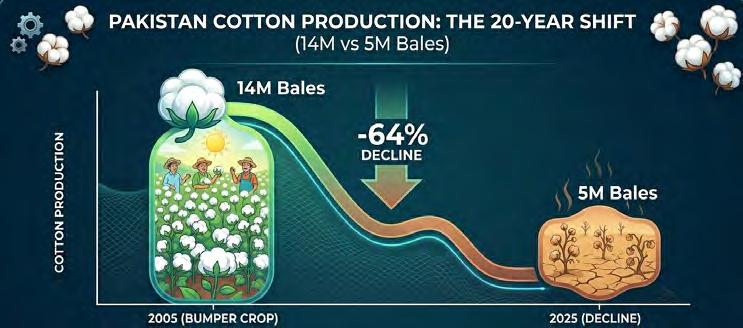
The recent situation once again highlights the continued plight of Pakistan’s cotton crop, which has been decimated over the past two decades. Since 2005 the cotton crop in Pakistan has fallen out of demand, has become internationally uncompetitive, and output has fallen by a whopping 65% from 14 million bales being produced in 2005 to 5 million bales being produced last year. This is despite the fact that Pakistan has actually decreased the weight of its bales.
Once the darling of farmers and agriculturalists, the area dedicated to cotton farming has also been shrinking significantly since the late 2000s while competitor countries like Egypt have increased the area they are dedicating to growing cotton.
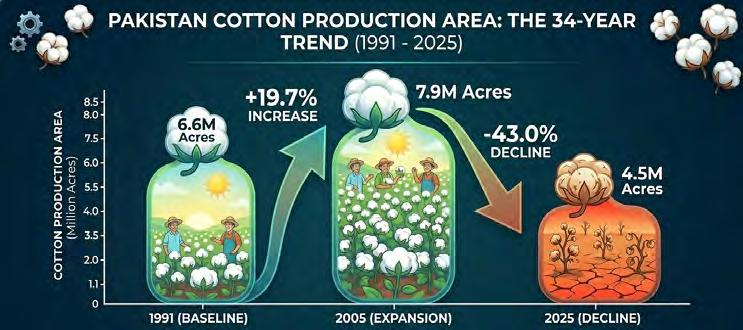
In 1991, cotton was grown on around 6.6 million acres of land all over Pakistan. It grew to a peak area-under-cultivation level of 7.9 million acres in 2005 but stood at a mere 2 million hectares in 2020 showing a serious backwards trend.
Last year as well Pakistan missed its cotton sowing targets. By June 2025, missed its sowing target by about 11%, while Sindh and Balochistan were trailing by around 35%, despite repeated cotton revival initiatives. n
Wahadat Poultry doesn’t want to put all its eggs in one basket
With the IPO just around the corner, can Wahadat Poultry follow Barkat Frisian’s post-IPO success?
By Zain Naeem
The recent interest and activity in Initial Public Offering (IPO) has meant that new companies are being listed on a regular basis. The new spurt of activity has meant that there are many companies which are seeking to get listed which might be considered unconventional. One such company that was listed was Barkat Frisian which is involved in manufacturing of egg related products which act as raw material for food processing companies like English Biscuit Manufacturers and Ismail Industries. Now, a poultry company wants to list itself on the stock exchange in order to gain access to investors. Just who is this new company and can its success be gauged from the success of the earlier issue?
The new kid on the block
There are certain ideas and concepts that have existed in the social fabric of a country like Pakistan for decades. The milkman coming around the houses on a bicycle or motorbike and ladelling
out the milk into a container or the act of going to the local store and buying a pre-packaged dozen eggs. These are memories that are imprinted on the minds of many. As time moves on and things start to evolve, these ideas change. With the expansion of retail outlets and supermarkets, retail has become much more advanced and convenient. Similarly, the prepackaged plastic bag of eggs is now sold in egg cartons with a brand printed and enriched with nutrients.
Packaged eggs are an emerging segment in the country which relies heavily on loose eggs. Currently, packaged eggs make up 1.8% of the entire egg market. Wahadat Poultry is looking to change that. Holding a market share of 48%, the company wants to leverage its position and grow the portion of packaged eggs being sold.
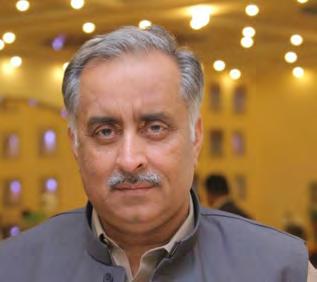
The effort of Muhemmed Shahid Zaman and Air Marshal Aurangzeb Khan (Retd.) finally seem to be paying off with Wahadat slowly growing over the last years. Shahid Zaman, Chairman of the board, is a seasoned agriculturalist who co-founded Wahadat Farms. He has previously carried out large scale fish farming, clay manufacturing and exported oranges. He has also served as a director at Pakistan’s Dairy Development Board and established the first dairy farm under the
Nestle Pakistan model.
Chief Executive Officer, Air Marshal (Retd.) Aurangzeb Khan, has served in the Pakistan Air Force for 35 years and has transitioned into agriculture after retirement. He has worked with Nestle and Big Dutchman in the past before co-founding Wahadat Farms. His exposure to farming practises in France, Italy and Turkiye has meant that he has implemented antibiotic free and vegetarian feed in Pakistan when it was not being practised.
Wahadat introduces packaged eggs
Wahadat Poultry was the first company in Pakistan to carry out the process of packaging eggs and now it is seeking to get listed on the stock exchange after issuing 50 million shares with an offer to sell 3 million more shares at a floor price of Rs 12 per share. Wahadat Poultry is a fully vertically integrated poultry enterprise which is involved in production, grading, packaging, marketing and nationwide distribution and export of branded eggs. These eggs have been nutritionally enriched and are being sold under the brand name of “Farm Fresh Eggs”.
The company was established in 2006 in Sargodha as a partnership and later incorporated in 2019 after which it was converted into a public limited company in 2025. Before Wahadat came into existence, eggs were considered a homogenized market where they were being sold without any unique selling proposition. Wahadat was able to develop Pakistan’s packaged and enriched egg segment while also creating a brand name.
The company operates four fully automated layer houses which are equipped with state-of-the-art European systems imported from Big Dutchman in Germany and Tecno in Italy. Based on this infrastructure, the company is able to handle a capacity of 430,000 birds at its facilities with a peak production capability of 400,000 eggs being produced each day.
The facility is able to guarantee production through the use of automated feeding, climate control, egg collection and biosecurity systems which make sure that the product being produced is of high quality, hygienic and consistent.
The value addition being carried out by the company is that they are able to enrich the eggs which allows it to offer a differentiated product portfolio made up of classic eggs, Omega-3 enriched eggs, golden (vitamin enriched) eggs and brown (vitamin enriched ) eggs.
The hens are fed a 100% vegetarian diet and adhere to international food safety standards while being anti-biotic free. In line with this, Wahadat also holds relevant food safety and quality certifications and supplies leading modern retail chains and institutional customers.
The vertically integrated element of the company is guaranteed with a distribution network which supplies these eggs to over 1,500 retail outlets based in Karachi, Lahore, Islamabad, Rawalpindi, Faisalabad and other major urban centres. The company considers itself being self sufficient as it is able to carry out in house feed formulation, automated production facilities, packaged capabilities in collaboration with digital integration through ERP systems which allows for better accountability and traceability.
In terms of its client base, the company supplies eggs to McDonalds Pakistan as a part of its breakfast menu and is listed on McDonald’s vendor list allowing exports to McDonalds Qatar and other GCC markets. Carrefour, Imtiaz, CSD, Jalal Sons, Al-Fatah, Tehzeeb, Metro and Chase superstores are just a few of the local companies Wahadat is associated with.
Financial history
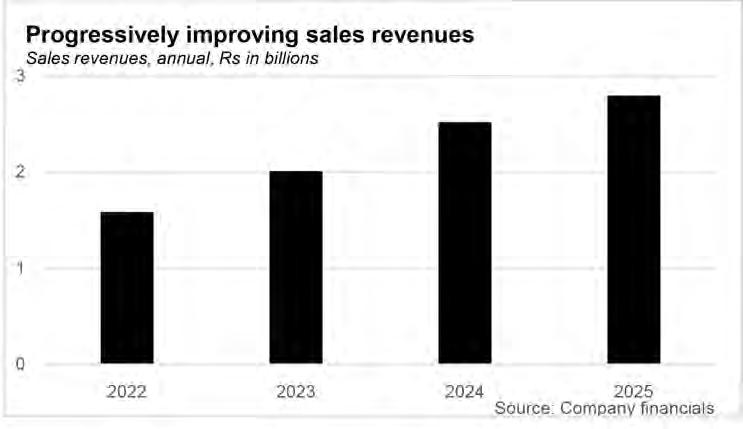
In terms of its financial performance, the revenues in FY 2021 stood at around Rs 1.23 billion which have consistently grown to Rs 2.79 billion by the end of FY 2025
which is a cumulative average growth rate of around 22.7%. Based on this rate, the company expects revenues to cross the Rs 3 billion mark owing to expansion in production capacity, retail penetration and a greater demand for branded eggs.
Industries related to food industrialization can be considered a risky investment in a country like Pakistan where processing and manufacturing can lead to additional costs being tagged onto the retail price of a product. However, it is a high risk, high reward industry which can take off once the demand for the product can be created. Once it was seen that there was demand for the new product, Karandaaz Pakistan stepped in with an equity investment of Rs 50 crores which allowed rapid growth to take place in 2020. This investment allowed the company to double its reach from 600 to 1,200 outlets. Currently, Karandaaz holds 27% of shareholding which is expected to decrease to 23% post IPO.
The IPO would allow Wahadat to keep on expanding in terms of its capacity while diversifying its product range and growing its local and international market. The company has already established itself as a name in the packaged and nutritionally fortified eggs market which will be complemented by consumers who are conscious about hygiene, food safety and enrichment. Wahadat has proven to be a pioneer as new companies have entered the market following in its footsteps. Wahadat still sees itself as the market leader as it has gotten a first mover advantage.
The IPO is being pursued at a time when the company feels that it is already operating at full capacity and it is unable to meet demand from key retail customers that it has. By its own estimates, 30% of the orders are being unmet due to capacity constraints which can easily see a growth in revenues once they are catered to.
The envisioned growth of the company
will be stipulated on two key pillars. The first one would be to look to grow the production capacity of the company itself which will be carried in house. In addition to that, an outsourcing model will be implemented where local farmers will be asked to adopt Wahadat’s quality protocols, vegetarian feed formulation and production standards and then their produce will be packaged under Wahadat’s brand name. The product portfolio will also see introduction of the DHA-enriched Omega product line which will diversify and strengthen the product portfolio.
The recent listing of Barkat Frisian has also shown that there is a market for egg related products which are used by the food industry of the country. Wahadat also plans to establish a liquid egg pasteurization plant which will be utilized by confectionery manufacturers, mayonnaise producers and Hotel, Restaurants and Cafe (HORECA) customers in Pakistan and Middle East. This will be a targeted product for the institutional customers and will enhance the revenue streams and exports being carried out.
Principal Purpose of the IPO
The aim of the IPO is to look to raise Rs 64 crore at a floor price of Rs 12. This would be made up of a sale of shares worth Rs 4 crores by one of the sponsors Naved Ali Khan while Rs 60 crores will be raised with a fresh issue of 5 crore shares. These funds would then be used for expansion and working capital requirements. As stated earlier, the IPO would allow Wahadat to become a high-value food-tech enterprise which will create value, improve efficiency and enhance the production capacity.
The company has decided to allocate around Rs 27 crores to establish a state-of-theart pasteurization plant which will address
the domestic shortage of liquid eggs for food manufacturers. The company already has expertise in dairy pasteurization which provides high margin growth. This expertise will be applied to egg production as well. Funds will also be used to rear an additional flock of birds in order to meet unmet demand from retail chains which will require an investment of Rs 18 crores.
The leasing model is expected to be used in order to leverage this which will allow the company to make a bigger bang on the buck and allow revenues to be grown on an immediate basis. Lastly, the remaining Rs 15 crores will be used to fund the working capital and operational liquidity which will be required in order to justify the increase in revenues. These funds will allow the company to procure and hold a larger raw material inventory and increase it account receivables which will lead to higher revenues.
Financial performance
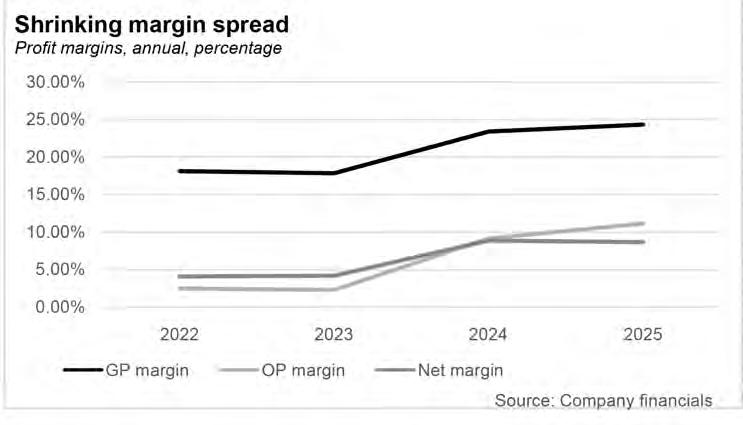
In terms of its financial performance, Wahadat has seen its revenues grow from Rs 1.2 billion to Rs 2.8 billion from 2021 to 2025. These revenues have been earned with a healthy gross margin of 24% which shows that the value addition being carried out is being compensated well. The gross margin has actually improved from 18% in 2022 to 25.6% for the half year December end 2025.
With a healthy gross margin, the operating margin is also hovering around 12.2% which was only 2.5% back in 2022. This points to how well the company has been able to control its direct expenses causing the spread between gross and operating margin to shrink from 15.5% to 12.5%. This improvement can be attributed to economies of scale which are allowing for expenses to be controlled.
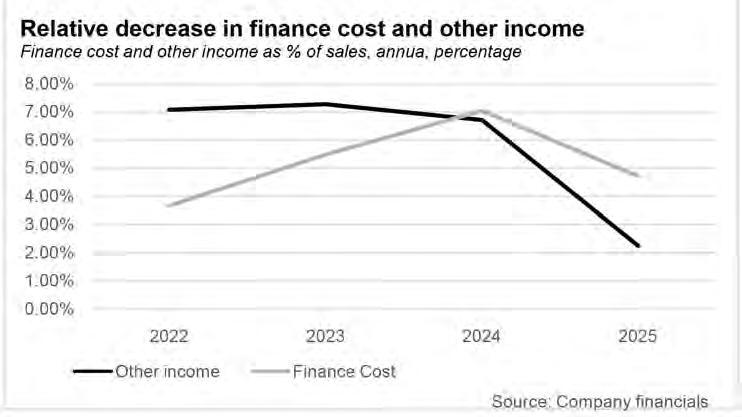
In relation to this, the company has a source of other income which is due to its gain in fair value of biological assets and sale of manure that it carried out. In 2022, other income added 7% to the operating margin and has decreased to 3.5% by December end of 2025.
While the margins have been positive, the earnings per share have also headed in the right direction. Earnings per share were around Rs 1.11 at the end of FY 21 which have increased to Rs 4.24 by the end of June 2025. This income has been able to dampen the effect of finance cost to some extent which made up 3.7% of sales in 2022 and touched a high of 7% in 2024 before falling down to 3.6%.
The reason for the finance cost being so high is based on two elements at the company. First of all, the interest rates in the country stood at 7% in June 2021 before reaching 13.75% in June of 2022. This upward trend continued in 2023 as the rates closed out in June
2023 at record high of 22%. Throughout 2024, the rates stayed at this level before falling down to 11% by June of 2025. The rates kept falling and ended December 2025 at 10.5%.
The finance cost borne by the company mirrored this fact as they touched a high of 7% of sales in 2024. The second reason for this increase has been the fact that the company has used a different array of long term financing, short term borrowing and loan from related parties in order to fund its working capital and asset expansion. Wahadat Poultry had total liabilities of around Rs 66 crores in 2022 which have increased to more than Rs 1 billion by the end of December 2025.
These funds have been used to acquire more assets and fund the increase in trade debts that has taken place. Trade debts have gone from Rs 23 crores in 2022 to around Rs 76 crores in 2025. This shows that the sales increase being carried out is through better credit terms for the debtors. The company is also holding more stock in terms of raw materials which shows that it is prepared to expand its flock size once the funds from the IPO are received.
But Wahadat is not the first company in this field which is looking to get listed. In 2025, a similar company got listed under the name of Barkat Frisian which is involved in manufacturing of eggs and egg related products. What was the promise of the issue when it was being listed and how has the company performed over the last year. Most importantly, can the performance of the earlier issue be used to gauge how well Wahadat will perform?
Barkat Frisian
Barkat Frisian is a joint venture between a Dutch food company and Pakistani industrial conglomerate which buys eggs from poultry farmers and then processes them to be utilized in manufacturing of processed foods. The company
operates by selling in Pakistan and exporting it to Gulf Arab countries as well. The company came into existence in 2017 and was the first company in Pakistan to produce pasteurized eggs products that are treated to kill harmful bacteria rather than cooking the egg.
The products being offered include liquid whole eggs, whites, yolks, frozen or dried powders and in-shell pasteurized eggs as well. Due to the nature of its product portfolio, it is evident that an average household is not looking for such a niche product in their daily use. The key client for such a company is a food manufacturer who would be interested in buying specialized product for their use. Baking, cooking and protein supplement companies use these eggs based products as their raw materials. The fact that these products are pasteurized means that they have an extended shelf life and better nutritional and hygienic value.
The company acts as a joint venture between Buksh Group and Frisian Egg International. Buksh Group is based in Karachi and has a long history dating back to Barkat Steel (Pvt) Limited in East Pakistan in the 1950s and was later moved to Karachi after the independence of Bangladesh in 1972.
The group also owns Buksh Industries which is involved in readymade knitted garments manufacturing and Adorn International (Pvt) Limited which is a poultry farming company also producing poultry feed. Based on their experience in the field of poultry, the company decided to set up an egg production facility as well.
Frisian Egg International was set up in 1981 by Jappie Stuiver and processes million of eggs on a daily basis. With 40 years of experience in the Dutch marketing, the company has established its name in egg farming, processing and sale with operations spanning into Netherlands, China and Egypt.
After the joint venture started manufac-
turing in 2019, Barkat Frisian has expanded from its initial factory in Bin Qasim International Park to Faisalabad allowing it to meet local demand. The export market also started to flourish over time with UAE, Qatar, Kuwait, Bahrain, Oman and Egypt becoming its key markets. In 2024, around 10% of its sales were export sales and there are plans to establish a UAE subsidiary which will further expand its export footprint.
In 2025, Barkat Frisian was listed on the market with an issue size of around 6.77 crore looking to raise Rs 88 crores with a floor price of Rs 13 per share. The placement was a massive success as it was oversubscribed 16.5 times and raised a total of Rs 1.23 billion with a strike price of 18.2 per share. The issue was able to get a price quoted of 40% which is the maximum limit allowed.
Financial performance since listing
From the listing taking place in February of 2025 till date, the financial performance of the company seems to have stayed on the right track. At the end of June 2025, the sales of the company had increased to Rs 7.2 billion from Rs 6 billion a year earlier. Not only did the sales increase but the gross profit margin also improved from 11.5% in 2024 to 13.5% in 2025. Selling and administrative expenses did increase during the year, however, the company also registered a huge exchange gain which took place as loan was converted into equity during the year.
The impact of this was that operating profit increased to 11.4% from 9% just a year ago. Supported by other income from short term investments and falling finance cost, the company ended up almost doubling its profit after tax from Rs 38 crores to Rs 74 crores after the IPO was carried out. This meant that net margin went from 6.3% to 10.2% in a span of one year. The earning per share for the company does represent a confounding situation as it fell from Rs 4.22 to Rs 3.68, however, this was due to the issue that was carried out increasing the number of outstanding shares.
The key to the success of Barkar Frisian can be attributed to two key factors. First of all, it is the only company providing the raw materials to the relevant industries that are of high quality. The second factor is the client base that the company has which consists of HORECA customers of all shapes and sizes.
This improvement has taken place before any of the deployment of the IPO funds has been carried out. The fact that the company has been able to improve its revenues while the capacity expansion has come online shows that there is a demand for the product being
delivered and it bodes well for when the new factory does come online.
The parallels and the confrontation
There are certain parallels that can be drawn between the two companies. Both Barkat Frisian and Wahadat Poultry have enjoyed first mover advantage. Barkat was the first one to introduce pasteurization of egg products in the country while Wahadat has worked on giving processed and packaged eggs where there were none in the past. What this has meant is that both these companies have created a niche for themselves which already has a demand. Once they carved that niche, now they are doing all they can to increase the size of it and cater to it.
Both these companies have also been able to use their certifications in order to introduce higher safety standards for eggs and egg related products which did not exist in the past. In the past, customers had to rely on substandard products that were sold in their local grocery stores without any checks or balances. With the industrialization and standardization of the products, the customers can rely on the quality and hygienic nature of the products they are consuming.
As Wahadat has looked to expand itself, now it is also looking to take away some of the market share of Barkat Frisian as well by planning to go into egg pasteurization. This will lead to a certain amount of confrontation between the two companies in the coming time. The benefit of this competition will bode well for the clients who would be able to choose the superior product.
Based on the small sample of financial performance available, it can be seen that Barkat has been able to step in the right direction and has shown that there is potential in this
industry that can be capitalized on. With the new production yet to come online, it can be expected that the results will keep improving in the future as well.
One positive sign seen at Barkat Frisian has been the response of the investors. From being listed at Rs 18.2 in February, the company saw its share price reach an all time high of Rs 48 by September of 2025. This shows the market sees the potential the company and the industry has. Wahadat seems to be perfectly positioned to take advantage of this sentiment. There are only two key obstacles that Wahadat will have to face after the listing takes place. First of all, due to the recent geopolitical situation, the stock market is under pressure and has lost around 30,000 points from the highs it reached in January 2026 when the listing was being contemplated. Barkat Frisian got listed when the market was still beating all time highs on a daily basis.
The second factor is the competition that Wahadat is planning to pose by getting into the egg pasteurization business. At this point, the only company doing so is Barkat Frisian and Wahadat will face an uphill battle in order to make clients leave an established brand name of their own. This could lead to a price war and special concessions being given which can eat into the profitability and potential of Wahadat as well as Barkat Frisian. Once Wahadat is able to come out on the other side with a profitable outlook, the company can expect a sustained profitability long into the future.
Based on the performance of Barkat Frisian, it can be expected that the market will respond well to the new issue being carried out and the first indication would be the subscription status of the book building process. Once the listing is carried out, the market will react positively to the new listing if they see the signs shown by Barkat Frisian after it was listed. n
Branch expansion drive cuts into Soneri Bank’s margins
The bank is investing heavily in growing its physical footprint and aims to hit over 1,000 branches over the medium term
For Soneri Bank, 2025 was the sort of year that flatters a strategist more than a shareholder hunting for immediate gratification. The bank grew revenue, brought in deposits at a brisk clip, and added branches at a pace that would have been unthinkable for a mid-tier Pakistani lender just a few years ago. But the bill for that ambition came due at once. Operating expenses surged faster than income, the cost-to-income ratio deteriorated sharply, and profit after tax fell by nearly a quarter. The story of Soneri’s year, in other words, is not one of stagnation. It is one of expansion so aggressive that it overwhelmed the underlying improvement in the business.
The headline numbers tell the tale. According to a Chase Securities briefing note, Soneri’s total income rose 11% in calendar year 2025 to Rs35.2 billion, up from Rs31.7 billion a year earlier, helped by an 8% rise in net mark-up income to Rs27.0 billion and a 20% increase in non-mark-up income to Rs8.1 billion. Fee and commission income rose 13%, while gains on securities gave the non-interest line an extra lift. Deposits rose 27% to Rs689 billion and investments climbed 25% to Rs479 billion. Yet operating expenses rose even faster, by 23%, to Rs23.6 billion, pushing the cost-toincome ratio up to 67% from 60.5% the year before. Profit before tax slipped 8% to Rs11.6 billion, and profit after tax dropped 23% to Rs4.56 billion. Earnings per share fell to Rs4.13 from Rs5.35, while the dividend was halved to Rs1.50 a share.
That juxtaposition is what makes Soneri’s results interesting. In an era of falling interest rates, many Pakistani banks have been struggling to defend spreads. Soneri did manage that, at least partially. Net mark-up income still grew, even though gross mark-up revenue fell sharply, because interest expense fell even faster as funding costs came down. Business Recorder reported that Soneri’s cost of deposits dropped to 7.10% in 2025 from 13.13% the previous year, a striking change that helps explain why net interest income could still grow despite compression in spreads. The bank also kept pushing its deposit mix in a healthier direction noting a CASA ratio of 82%, an enviably high figure in the local market.
What undid the operating leverage was not weakness on the income line but determination on the expense line. Soneri opened 126 branches in 2025, taking its network to 670, according to the Chase Securities and the bank’s own financial commentary. That is an extraordinary burst of physical expansion for a bank that is neither among Pakistan’s very largest incumbents nor a pure-play Islamic institution with a conversion story behind it. Management says the pace will slow, but not by much: the bank aims to open another 80 branches in 2026, reaching 750, and ultimately wants to cross 1,000 branches by the end of 2029. But this has also resulted in a clear jump in the cost-to-income ratio, with management telling investors they expect the ratio to improve later as the rate of new openings slows. That makes Soneri’s 2025 results less a verdict than an investment phase. A bank opening branches at that speed is absorbing one-off and front-loaded costs all over the income statement: rent, fit-out, staffing, technology, utilities, marketing, compliance, and the deadweight cost of branches that have opened but not yet matured into fully productive deposit-gathering outlets. In effect, Soneri is choosing to be punished now in the
hope of being rewarded later. Whether that proves wise will depend on how quickly these new branches turn into low-cost deposits, fee income, and eventually loan growth. For now, the market is being asked to accept that margin compression is the price of planting flags.
To understand why Soneri is making that wager, it helps to know what sort of bank it is. Soneri was established in 1991 and launched operations in 1992 as one of the new private banks allowed in after Pakistan’s early-1990s financial liberalisation. On its official history page, the bank says its founding sponsors believed small and medium-sized customers were underserved by larger banks, and that Soneri was built to serve that gap. Over time, it says, it developed a niche in foreign trade financing. That is a useful clue to its institutional character: Soneri has long been a respectable, midsized, trade-oriented commercial bank rather than a dominant consumer franchise.
Today it presents itself as a full-service commercial bank spanning branch banking, corporate and investment banking, treasury, SME, financial institutions, and Islamic banking. On its website, Soneri says it now operates across more than 260 cities with over 640 branches and more than 5,000 staff, including
a rapidly expanding Islamic banking arm. The network includes more than 182 Islamic banking branches, while the broader branch count on that page has already crossed 640. Meanwhile, PACRA maintained Soneri’s long-term rating at AA- and short-term rating at A1+ in June 2025, indicating a strong capacity to meet financial commitments. In other words, Soneri is not a fragile fringe institution. It is a credible second-tier bank trying to become more formidable by widening its reach.
Where does that place it in Pakistan’s banking hierarchy? Not in the commanding heights occupied by the largest names, whose deposit bases run into the trillions of rupees, but clearly above the small banks. Soneri ended 2025 with total assets of Rs852.5 billion and deposits of Rs689.1 billion, up from Rs739.5 billion and Rs543.1 billion respectively a year earlier. That is enough to make it a meaningful player, though not one of the giants. Its branch count now also places it in a more serious league than the term “mid-sized bank” might suggest. A 670-branch network is no longer boutique banking; it is an attempt to build genuine national scale.
And Soneri is hardly alone in deciding that bricks and mortar still matter. That may seem counter-intuitive in a financial system increasingly enamoured of apps, QR codes and Raast, but Pakistan’s banking industry is expanding on both fronts at once. The State Bank of Pakistan’s payment systems review shows that the number of commercial bank and microfinance bank branches rose to 20,143 by December 2025, up from 19,110 a year earlier. Another SBP report says the broader branch network of SBP-regulated entities reached 19,278 by end-June 2025, up from 18,355 a year earlier, the biggest increase in three years. The country is digitising quickly, yes, but it is also still opening branches. In a market where cash remains powerful, trust is often local, and deposit mobilisation still rewards physical presence, bankers are not yet ready to declare the branch obsolete.
Soneri has been particularly explicit about tying its expansion to financial inclusion. In a press release marking the opening of its 500th branch, the bank said the move reflected its intention to bring banking services closer to customers and support the SBP’s objective of bringing the unbanked into the formal fold. At the time, Governor Jameel Ahmed praised the bank’s expansion effort as aligned with the vision of a robust and inclusive financial sector. That was when Soneri had 500 branches. By 2025 it had added another 170. This is not an opportunistic branch opening around a few commercial centres; it is a declared strategy.
The industry logic is straightforward. Digital channels are excellent at servicing
existing customers cheaply. They are less effective, at least in Pakistan, at creating trust in places where formal finance remains thin, documentation weak, and relationships still personal. A branch is not merely a cost centre; it is also an acquisition tool, a liability-gathering machine, and, in rural and semi-urban Pakistan, often the local face of the financial system itself. That helps explain why banks can simultaneously celebrate 126 million mobile app-linked accounts nationally and still spend heavily on new branches. The two are complements more than substitutes. The branch acquires; the app retains.
This is especially true if Soneri wants to deepen a business line such as agriculture lending. Here the branch matters even more, because agricultural finance in Pakistan is still a contact sport. It depends on local knowledge, physical verification, seasonal rhythms, and relationship management with farmers, aggregators, traders and rural value-chain actors. Soneri has been building that platform visibly. Its official agriculture financing pages show a broad suite of products: farm production loans, tractor and development loans, working-capital lines for dairy, poultry, fish and cattle farming, as well as value-chain contract farmer financing. It also offers an Islamic agriculture financing product and specialised “Kisaan” current accounts, including an Islamic version that the bank says is designed to align with its strategic objective of expanding the agriculture banking segment.
SBP data also show Soneri as a relevant, if not dominant, participant in agricultural credit. In the central bank’s agriculture credit and financial inclusion analysis for FY25, Soneri appears with an agriculture credit target of Rs26 billion. The same SBP dataset shows disbursements running in the mid- to high-teens of billions of rupees during the year, evidence that the bank is not merely advertising agricultural products on its website but is putting capital to work in the segment. The fact that SBP has shifted from indicative targets to bank-submitted agriculture credit expansion plans from FY25 onwards makes that strategic emphasis more noteworthy: banks now have to choose this business, rather than merely comply with a top-down quota mentality. Soneri appears to have chosen it. There is also a strategic coherence to pairing rural lending with branch expansion. If Soneri wants to build agriculture as a serious franchise, it needs distribution in smaller cities and market towns, not just elite urban corridors. The same physical footprint that hurts margins today can become a competitive advantage tomorrow if it gives the bank better access to rural deposits, seasonal borrowers and agri-linked small businesses. In that sense, the branch strategy and the agriculture strat-
egy are not separate stories. They are the same story told from two angles.
The final twist in Soneri’s 2025 results, however, is that even this costly expansion does not fully explain the sharp drop in net profit. Tax did its own damage. The bank’s profit before tax was Rs11.6 billion, but taxation consumed Rs7.05 billion, leaving only Rs4.56 billion in profit after tax. That implies an effective tax rate of about 60.7%, up from 53.3% the year before, a level that would make even a monopolist wince. Business Recorder and The Nation both reported that Soneri attributed the decline primarily to additional taxation on banking companies related to prior years. More broadly, Pakistan’s super tax regime remains an important part of the burden. PwC notes that the super tax introduced through earlier finance acts continues to apply from tax year 2023 onward, with the highest slab reaching 10% for incomes above Rs500 million, although Finance Act 2025 eased one slab modestly.
For banks, this has created a recurring problem. They are already politically convenient taxpayers in a country with a chronically narrow tax base, and when profitability rises, the state is quick to treat that as an invitation rather than an achievement. Soneri is not alone in suffering from this. But for a bank deliberately suppressing its short-term profitability by opening branches, the extra tax bite is particularly painful. It means shareholders are effectively funding two ambitious counterparties at once: management’s growth strategy and the government’s revenue needs.
Still, there is a harder-headed way to read the year. Soneri’s deposits grew strongly, its funding mix improved, its revenues rose, and its branch network is now large enough to matter nationally. Its capital adequacy ratio, though lower at 14.9%, remains above regulatory requirements, and liquidity ratios are comfortable. The bank is not shrinking into irrelevance; it is straining towards relevance. The question is whether the branches opened in 2025 age gracefully. If they do, Soneri may later look like a bank that sacrificed a year’s margins to buy a decade of presence. If they do not, 2025 will be remembered less as a bold investment than as an expensive lesson in how difficult it is to build scale in banking.
For now, the verdict is suspended. But the direction of travel is not. Soneri has decided that the future of Pakistani banking, for all the noise about digital transformation, still includes a great many doors, counters, ledgers, and local managers in towns where customers prefer a face to an interface. In 2025, that belief made the bank bigger, busier and less profitable. By 2029, if management gets its wish and crosses 1,000 branches, it will hope to prove that all three were connected. n
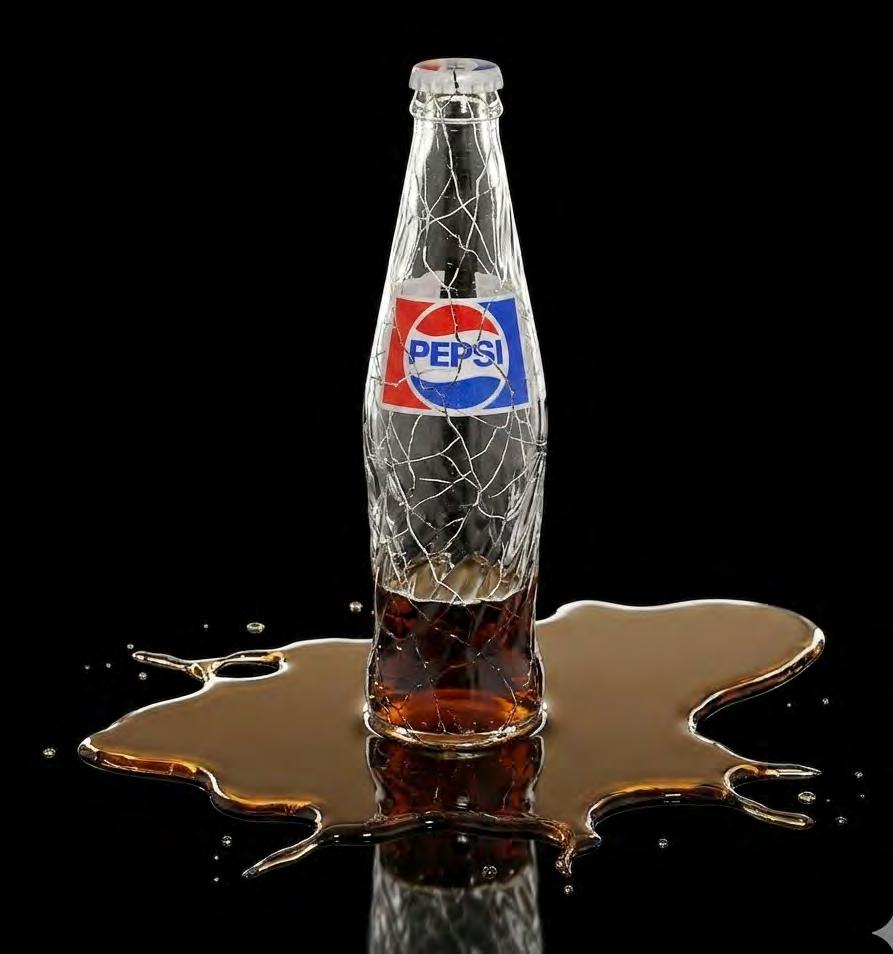
Prices, not politics: Why PepsiCo’s in the doldrums
What began as a boycott over Gaza has since become a sustained reduction in the market for carbonated beverages in Pakistan. Rising prices and tax woes are making it impossible to recover
By Abdullah Niazi and Shahzad Paracha
On the 12th of February this year, the United States Chargé d’Affaires in Islamabad, Natalie Baker, wrote a letter addressed to Finance Minister Muhammad Aurangzeb. The letter began with reference to a conversation the two had on the 12th of January regarding taxation and customs issues faced by PepsiCo Pakistan.
Before we get into the details of the letter, a caveat: There is nothing strange about such communications. PepsiCo is an American company with a significant presence in Pakistan. That means there are American investors behind PepsiCo Pakistan, and when they feel they have concerns, they can raise them through their embassy. Dealing with these sorts of issues is part of an embassy’s job. That is why you have trade representatives. Only recently Pakistan’s trade representative in Moscow managed to get the Russian government to allow the import of potatoes from Pakistan —- something that had been banned earlier because of pest and disease concerns.
While there is nothing unusual about the US Embassy in Pakistan advocating for American investors, the context does matter. Companies like PepsiCo Pakistan have large regulatory affairs departments. These departments have one dedicated task: dealing with the government. Tax issues? Your regulatory affairs department head knows a guy in the FBR. Flavour mixes are stuck at the port? Someone needs to get a meeting with the commerce minister. Sin tax on sugar being
proposed in the upcoming budget? You team up with the regulatory affairs department at Coke Pakistan and deliver a presentation to the Finance Minister.
Entire lobbying firms are built into these companies, and on top of this they get help from PR firms and the like. Former bureaucrats and military officers are regularly hired by these companies and associations to help navigate Pakistan’s murky regulatory world. And for the most part, these departments are very good at their jobs. Their output cannot quite be measured. Finance and sales departments might have KPIs, and their performance can be quantified. But regulatory affairs depend on personal relationships and behind the scenes advocacy.
That is why if PepsiCo has reached out to the finance minister through the United States Embassy in Pakistan, it means they are doing so after exhausting all other possibilities. The embassy route is a trump card. “Multinational corporations do not shy away from using their home countries as a bargaining chip, but the embassy is usually the final boss. Especially for American companies. If at any time their regulatory affairs department is unable to get the job done through their local contacts, they will contact the US Embassy and ask them to exert pressure,” says one former head of a multinational regulatory affairs department.
But what makes this letter particularly interesting is the slight hint of a warning that it contains. “PepsiCo has operated in Pakistan for nearly six decades and, over the past five years, has contributed more than $1.5 billion (PKR 419 billion) in taxes while investing over $1.2 billion (PKR 335 billion) in local manufacturing and sustainability initiatives,” it reads. “These investments reflect
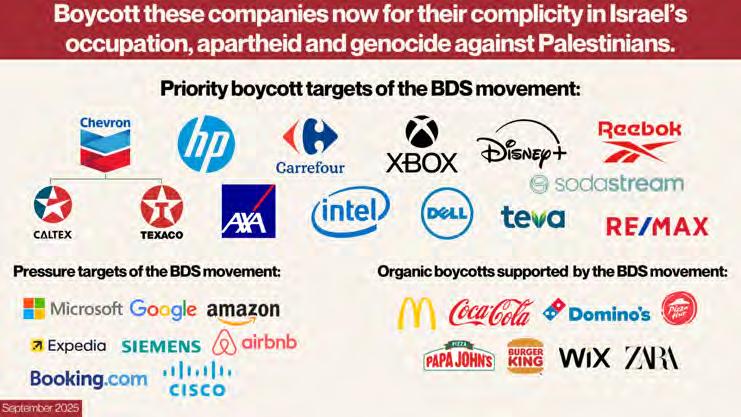
The international BDS Movement has a priority list for its boycotts. While some companies are present in Pakistan, they are very low down on the list and the impact is minimal. But consumer sentiment heavily tilts towards them
a strong, long-term commitment to operating in Pakistan that is now under increasing pressure.”
The implication is clear. PepsiCo might be facing issues, but the concerns are larger: especially when you factor in revolving door exits of different multinational manufacturers like Pfizer and Procter and Gamble among others in recent times. One source has even told Profit that PepsiCo has expressed doubts about its ability to remain in Pakistan through the embassy, although this is not stated in the letter. The source said this was likely posturing, and Profit’s analysis indicates the same. Pakistan is still a robust market, and PepsiCo still makes hundreds of billions in sales here every year. On top of that, as a matter of policy PepsiCo stays in any market that Coca Cola is in and vice versa. That is just how their competition is built. But the problems have been compounding.
Corporate tax rates in Pakistan are high. The regular tax rate on profits is around 29% from the government, but if you are a large company making more than Rs 50 crores in profits a year, an additional 10% super tax on top of that is implemented. But corporations are not the only ones being taxed. The increase of taxes like the Federal Excuse Duty (FED) on beverages in addition to sales tax is extracted from consumers, making products more expensive and impacting sales.
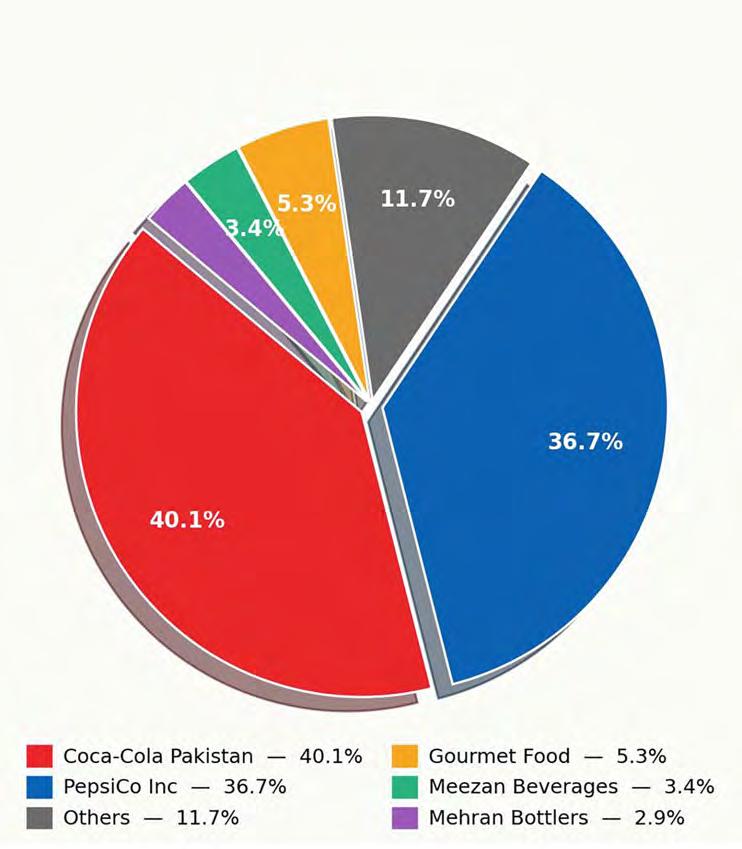
For the carbonated drinks market, around 76.8% of which is currently held by Coca Cola and PepsiCo, the challenges in the past few years have been quite stark. A combination of inflation, taxation, and an unstructured boycott movement in Pakistan in the wake of the Gaza Genocide have left them reeling. The market has shrunk significantly since 2022, and any gains being made through aggressive marketing are slowed down by the economic and tax environment.
Market share of carbonated beverages in Pakistan (2025)
Source: Euromonitor
Shrinking space
There is, of course, a good reason for PepsiCo Pakistan to be approaching the US Embassy. The market for carbonated beverages has shrunk
significantly since 2022. Part of this can be explained by the dire effects of the inflationary cycle that hit Pakistan in 2022. Higher prices in such segments usually lead to the classic case of increasing revenues but shrinking volumes. On top of this, however, there has been a significant impact of the boycott movement in Pakistan.
There is no formal presence of the Boycott, Sanction, and Divest (BDS) movement in Pakistan, which advocates for consumer boycotts of companies that they claim are deemed complicit in Israel’s actions in Gaza, which have been declared genocide by both the United Nations and the International Association of Genocide Scholars among other organisations. The BDS movement usually targets large companies like Chevron, HP, Carrefour, Disney, Dell, Google, Microsoft, and others. The movement also supports organic boycotts of companies like McDonalds, Coca Cola, Dominos, and Papa Johns.
In Pakistan the anger towards the Gaza conflict has largely been directed towards food franchises and brands like Coca Cola and
Pepsi. The lack of any formal BDS presence in Pakistan means there have been flare ups of misguided anger such as the burning of a KFC outlet in Kashmir, even though the fried chicken franchise is not on the BDS list. The BDS list actually has specific reasons for boycotting a company — not just the perception of them being American or Western. For example, Coca Cola is on the list because its Israeli franchisee, the Central Beverage Company, operates a factory in the Atarot industrial zone, an illegal Israeli settlement in the occupied West Bank. PepsiCo has not been indicated on the list.
The business impact, however, was strong and indiscriminate. In February 2025, Profit had reported on how far sales had fallen for some of these companies. Some international fast food chains reported an almost immediate 40% dip in demand. Similarly, the beverages industry shrunk by more than 20% between 2022 and 2024. The passage of time and aggressive marketing techniques have changed some of this. One industry official told Profit that one major fast food multinational company in Pakistan achieved its highest sales ever in 2025. While a large number of people are still boycotting these chains as a matter of principle, the fast food franchise has leveraged lower prices, deals, and star studded marketing campaigns to bring new customers into the fold. Karachi continues to be the main area in which the boycott movement is thriving. In
middle class areas of Karachi, such as Nazimabad and Gulshan, sales continue to perform at 25% lower than average. Some of this can be explained by Jamat-e-Islami’s presence in Karachi, which has supported such boycotts within their ranks even though they have not made it a matter of official policy, as per one Jamat officebearer in Lahore.
The recovery of fast food chains has not
translated to the carbonated beverages sector. Volumes have increased year on year since the major fall in 2023, but they still remain far from 2022 levels. Coca Cola and PepsiCo have even managed to regain some of the market share from local competitors that emerged because of the boycott, but they are still hurting from high taxes. The general feeling within the industry as corroborated by two people associated with the industry and market research is that the overall sales volumes shrunk initially because of the boycott, and are not recovering because of inflation. It should be noted that 2023 was also when the government increased FED on carbonated beverages from 13% to 20%.
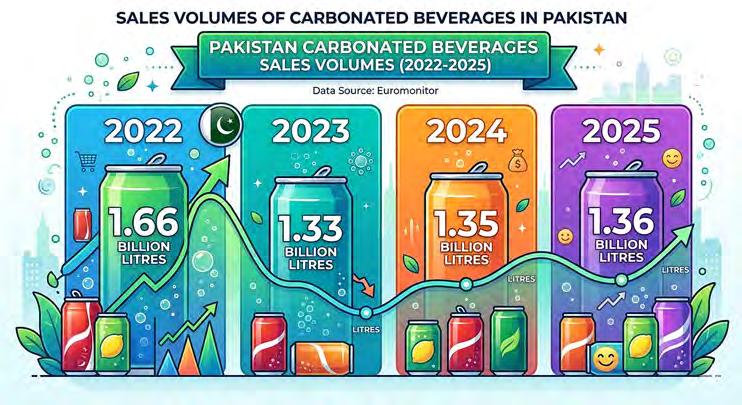
Euromonitor’s most recent report on Pakistan’s carbonated beverages industry tells the data behind the story of what has happened since 2022.
Source: US Embassy letter
In 2022 the total volume of sales for carbonated drinks was 1.64 billion litres. This fell by over 300 million litres to 1.33 billion litres in 2023. The discrepancy was sudden and cannot be explained by inflation. Inflationary pressure has been ongoing in Pakistan since at least 2019, and also spiked during Covid-19 and also in 2021. Despite this, the total volume of sales never fell. In fact, sales have been steadily increasing in this segment for years. Data from Euromonitor shows increasing sales volumes for carbonated drinks since at least 2009, when total volume was just over 500 million litres.
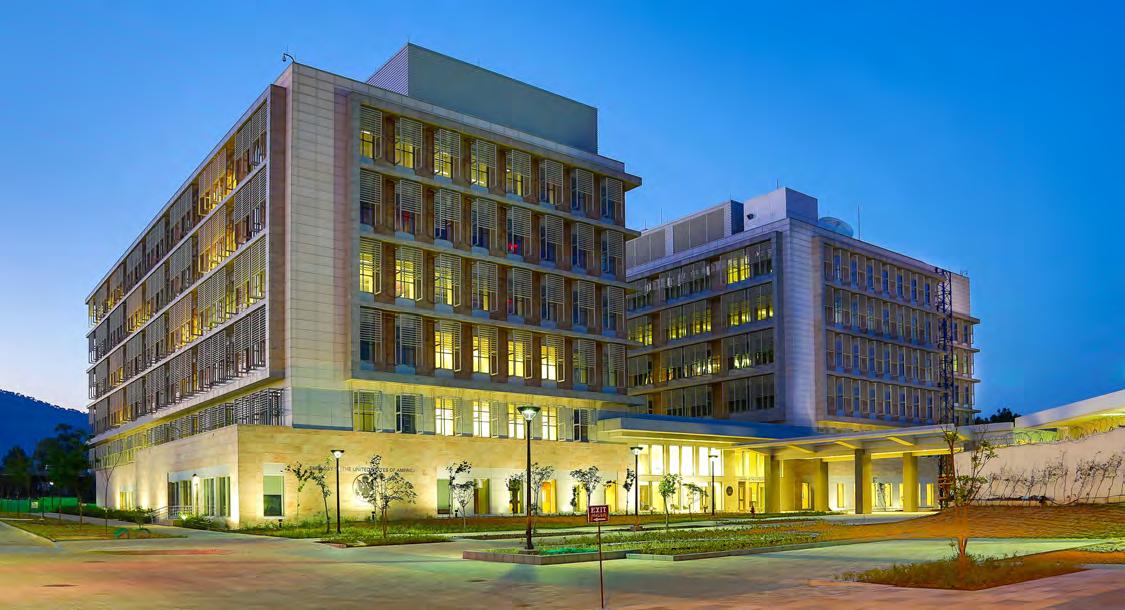
Pictured above: The US Embassy Compound in Islamabad. Multinational companies all over the world often use their embassies to help them push for advocacy that impacts their investments
The sudden drop was attributed to the boycott. PepsiCo Pakistan was hit in particular, since Pepsi is stronger in Sindh and Karachi where the boycott was more organised, compared to Coca Cola which has a larger market share in Punjab, Islamabad, and KP.
In 2024, the overall sales volumes recovered for the carbonated beverages industry but only slightly. The total revenue from sales increased from Rs 303 billion to Rs 381.7 billion, but most of this can be accounted for by inflation, since carbonated beverages all had a hike in prices. The volume of sales has also increased marginally from 2023, going from 1.33 billion to 1.35 billion in 2024. This is a very moderate increase, and does not come close to the earlier growth rate.
Euromonitor’s latest report from December 2025 shows that there was a further recovery again this year. The overall sales volume rose to 1.36 billion litres. On top of this, Coca Cola and PepsiCo managed to regain around 1% of the market share they had lost to local brands. However, Gourmet and Meezan remained strong local players with a combined market share of 10%.
The most important takeaway is that the sales volume has not gone back up to the 1.6 billion litre mark that they had hit back in 2022. For all intents and purposes, the carbonated drinks market lost close to 20% of its entire sales, and has only regained a small amount.
This, of course, cannot entirely be explained by boycott sentiments. Clearly local players have made a small sliver of space for themselves, but Coke and Pepsi continue to be dominating forces. On top of this, the recovery by international fast food chains points towards dampening sentiment towards the efficacy of boycotts in Pakistan. In our previous story, Profit pointed out that the actual economic impact Pakistan could have on these companies is ever so slight, and more a matter of principle than economics. Clearly the recovery has been made, but it seems economic conditions are now making things difficult for companies like PepsiCo and Coca Cola. And that is what brings us back to the letter.
The letter
It all comes down to taxes. That much is clear enough from the very first line, which simply reads ““I am writing to follow up on our conversation on January 16 about the taxation and customs issues PepsiCo Pakistan is experiencing with the Federal Board of Revenue. These issues affecting U.S. beverage and food companies operating in Pakistan have direct implications for investor confidence, regulatory predictability and future foreign direct investment. U.S. companies, including PepsiCo, have been long-term
partners in Pakistan’s economy.”
It points towards the significant investment and economic activity PepsiCo has brought to Pakistan, citing that in the past five years the company has contributed more than $1.5 billion (Rs 419 billion) in taxes while investing over $1.2 billion (Rs 335 billion) in local manufacturing and sustainability initiatives. “I appreciate the Government of Pakistan’s decision not to increase the Federal Excise Duty (FED) on beverages in the 2025-26 fiscal year, following the sharp 2023 increase from 13 percent to 20 percent, which resulted in high, double-digit volume declines in carbonated beverage sales. Just as volumes were stabilizing, the floods in 2025 disrupted supply chains and demand, reversing a fragile recovery. The beverage sector remains highly price-sensitive and has not recovered from these cumulative shocks. Any further FED increases, or its expansion to additional beverage categories, including functional hydration sports drinks such as PepsiCo’s Gatorade and Revive drink products, would risk further financial losses with negative job impacts, pressure on agricultural livelihoods, and lower government revenues. I would also encourage a review and reduction of FED on aerated waters and juices in the upcoming budget while continuing the Current tax treatment for functional hydration beverages,” it reads.
The letter also discusses one specific issue regarding Pakistan Customs, which can be notoriously difficult to navigate as shown by the many memes depicting US Vice President JD Vance struggling to get through the airport without an “escort” on his recent visit to Pakistan.
PepsiCo has raised concerns over a customs classification dispute that it says is affecting U.S. investment in value-added food manufacturing in Pakistan. According to the letter, Pakistan Customs has, since early 2025, renewed objections to the classification of imported flavoring powders used in snack production, despite the products having been classified under HS Code 2106.9030 for more than 15 years. The letter said the reclassification of these powders under HS Code 2103.9000, which carries a 65% duty, has led to shipment delays, provisional releases against bank guarantees, and disruption to manufacturing operations. It added that the issue has created a potential exposure of about $6.87 million, or Rs 1.92 billion, across 141 consignments, making the situation unsustainable and affecting production planning as well as future investment decisions.
“I would welcome your office’s intervention to resolve these matters, restore regulatory predictability, and safeguard existing and future U.S. investment. The United States
values its economic partnership with Pakistan and supports policies that promote stability, transparency, and investment-led growth. Addressing these issues would send a clear and positive signal to U.S. and international investors at a critical time when Pakistan is trying to attract more foreign investment,” the letter says at the end.
What it means
Boycotts are not always effective economic tools. They can be uneven, informal and sometimes misdirected, as seen in the way public ire has hit some brands more than others. At the same time, companies with multinational roots but large local operations in Pakistan have clearly had to respond to public sentiment, whether through pricing, promotions or broader market strategy.
What matters more now is that boycott pressure alone no longer explains what is happening in this market. The sharper initial drop in volumes appears to have come from public sentiment, but the weak recovery since then points more clearly to inflation, taxation and regulatory uncertainty. That is the bigger takeaway. The problem is no longer just reputational pressure. It is the cost and unpredictability of doing business.
The numbers support that view. Sales volumes fell from 1.64 billion litres in 2022 to 1.33 billion litres in 2023, then rose only slightly to 1.35 billion in 2024 and 1.36 billion in 2025. Revenues increased, but that reflects higher prices more than a full return in demand. The market has steadied, but it has not returned to where it was.
That is why PepsiCo’s concerns carry weight beyond one company’s case. When volumes are already under pressure, additional strain from high FED, super tax and customs disputes can make future investment decisions harder. A system that depends heavily on taxing large, formal businesses may raise revenue in the short term, but it also increases pressure on the very companies that are easiest to document, regulate and charge. The customs dispute makes the same point from another angle: for investors, the issue is not only how much tax is paid, but whether rules stay consistent over time.
Pakistan remains a large market, and these companies are clearly not without room to operate. But when demand is fragile, policy stability matters more. That is what this episode boils down to.
Profit approached PepsiCo for comments on the letter sent by the US embassy to Finance Minister Muhammad Aurangzeb but they declined to respond. Chairman FBR also did not respond to questions regarding this story. n
Profits among listed pharma companies surge to record $150 million
With price increases barely above inflation, the industry’s revenue and profits have soared, while input costs have remained muted
For years, Pakistan’s pharmaceutical industry had a standing grievance: it was being asked to manufacture medicines under a pricing regime that bore little resemblance to economic reality. Costs moved with the rupee, with imported active ingredients, with energy, freight and finance. Prices, by contrast, moved by bureaucratic leave. After the recent deregulation of pricing, that equation finally flipped. The result was a record-breaking year for the sector in terms of profitability.
According to a Topline Securities sector report, listed pharmaceutical companies in Pakistan posted net sales of Rs365.7 billion in 2025, up 14% from Rs319.6 billion a year earlier. Yet the real story lay below the revenue line. Cost of sales rose just 4%, allowing gross profit to jump 34% to Rs151.4 billion. Profit before tax surged 76% to Rs70.2 billion, while profit after tax climbed 78% to a record Rs42.2 billion. At the State Bank of Pakistan’s prevailing dollar rate of roughly Rs278.8 to the dollar on 10 April 2026, that comes to about $151 million, which is how a sector that was once pleading for survival found itself producing its richest year on record.
Topline’s explanation is elegantly simple and deeply revealing. The surge, it says, was driven by higher sales, lower active pharmaceutical ingredient, or API, costs, and sharply reduced finance costs. Net sales rose 14% in 2025, which the report attributes largely to price-led growth after the deregulation of non-essential drugs. But input costs did not keep pace. The report notes that 53% of APIs tracked by the QYOBO price index posted a median price decline of 11% year-on-year between January and October 2025. Finance costs for the listed sector, meanwhile, fell 49% to Rs4.2 billion as interest rates declined and debt burdens eased. That combination — firmer prices, softer raw materials, and a friendlier monetary backdrop — is how an industry turns a decent year into a spectacular one.
The arithmetic is startling. The listed sector’s gross margin widened to 41% in 2025
from 35% in 2024, according to the Topline report. In the fourth quarter alone, gross margin hit 44%, up from 39% in the same period a year earlier. Net profit in the fourth quarter rose 53% year-on-year to Rs14.2 billion. In a country where many manufacturers spend their time explaining away margin erosion, pharmaceuticals did the opposite: they converted modest top-line growth into explosive bottom-line expansion. Gross profit rose by Rs38.6 billion, even though sales rose by Rs46.2 billion. That is the sort of operating leverage industrialists dream about and regulators usually distrust.
And yet the oddity of 2025 is that the sector did not get there through wild price escalation alone. Pakistan’s inflation cooled sharply through 2025, with the Pakistan Bureau of Statistics reporting national CPI up 5.15% for July-December 2025 over the same period a year earlier, while SBP’s Inflation Monitor showed December 2025 year-onyear CPI at 5.6%. Against that backdrop, the sector’s 14% sales growth looks strong, but not delirious, especially in an industry emerging from years of price suppression and shortages. Business Recorder, citing IQVIA and industry officials, reported in August 2025 that medicine price growth had already slowed materially, and by November 2025 the Pakistan Pharmaceutical Manufacturers Association said the average increase since the February 2024 deregulation had been about 15%, not the 32% some critics claimed.
That matters because the margin story is not simply one of companies pushing through price rises. It is also, perhaps more importantly, one of costs behaving themselves after several years of disorder. The Topline report traces the quarterly gross margin progression: 27% in the third quarter of 2022, 28% in the fourth quarter of 2022, back to 22% in the second quarter of 2023, then gradually rising through 29%, 31%, 33%, 37% and 39% before reaching 40%, 42% and finally 44% by the fourth quarter of 2025. That is not a one-quarter blip. It is a sustained re-rating of the sector’s economics. Quarterly net profit margins rose from negative
1% in mid-2023 to 14% by the end of 2025. Sales kept climbing, but profits climbed much faster.
This is the real trend investors care about. In 2023, the listed pharma sector had managed to raise prices yet still watched earnings collapse under the weight of rising costs and finance charges. Business Recorder, again citing Topline, reported at the time that listed pharma earnings fell 42% in 2023 and that gross margin dropped to 26% from 30% in 2022. The recovery since then has therefore not been from prosperity to greater prosperity, but from a period of regulatory and cost-induced malaise into a far more rational commercial environment. The restoration of pricing power came at the same time as imported raw material pressure and borrowing costs eased. This is why 2025 feels less like a cyclical bounce and more like a structural reset.
The listed sector is, of course, not a monolith. Some companies did better than the already handsome average. GlaxoSmithKline Pakistan, remained one of the sector’s heavyweight earners, posting Rs65.9 billion in net sales and Rs10.0 billion in profit after tax, up 53% year-on-year. Abbott Laboratories Pakistan, recorded Rs75.4 billion in sales and Rs8.0 billion in profit after tax, up 52%. Haleon Pakistan, riding its dominant overthe-counter franchise, posted Rs43.1 billion in sales and Rs6.4 billion in earnings, up 39%. AGP and Highnoon, two of the market’s most closely watched local champions, reported Rs4.35 billion and Rs4.13 billion respectively in profit after tax. Meanwhile, Searle returned to more respectable ground with Rs2.26 billion in earnings after a weak base year.
But the more revealing measure is margin, and here some companies were positively luxurious. Topline says AGP, Highnoon and Searle reported the highest gross margins in 2025, at 60%, 55% and 55% respectively. Those are levels more commonly associated with asset-light consumer businesses than with manufacturers importing raw materials and selling into a regulated market. In pharmaceuticals, though, the mix matters enormously. Compa-
nies with stronger exposure to branded, chronic, speciality or otherwise high-value therapies can earn margins that make a commodity manufacturer look permanently unwell. That is one reason Topline highlighted both GLAXO and Highnoon as preferred ideas in earlier strategy work. It is also why the sector’s next phase may be less about price deregulation alone and more about portfolio quality.
Highnoon deserves special notice because it illustrates what a well-run local firm can do when the industry’s economics stop working against it. Its 2025 annual report says sales rose 11.2% to Rs25.78 billion, profit after tax increased 26.6% to Rs4.11 billion, and the group invested Rs285.3 million in property, plant and equipment during the year. The same report says Highnoon has more than 90 registered products, a dedicated cephalosporin facility, and entered into a strategic partnership with Bangladesh’s Beximco Pharmaceuticals to bring advanced therapies and drug-delivery systems to Pakistan, particularly in respiratory, diabetes and cardiovascular care. This is what healthier cash flows do: they let a company move from defence to ambition.
AGP, too, looks like a company using stronger industry conditions to widen its moat rather than simply bank the windfall. In a corporate briefing presentation filed on PSX in November 2025, the company said it had 128 brands across more than 270 stock-keeping units, three cGMP-certified manufacturing plants, and a strategy centred on launching new products every year, shifting towards chronic therapies, enhancing manufacturing capability, and developing export markets. That is not the language of a firm merely enjoying a passing tailwind. It is the language of one trying to institutionalise it.
The capital spending and product-launch cycle is perhaps the most encouraging part of the whole story, because it answers the obvious political question: what have pharma companies done with the relief they were given? The answer, at least in many cases, is that they have invested.
Haleon is one clear example. In its annual reporting, the company said capital expenditure in 2024 amounted to Rs3.186 billion, invested predominantly in expanding capacity and improving operations. It also said that with expanded Panadol production capacity and the approval of Centrum in Pakistan, it would be able both to ensure smoother supplies of one of the country’s largest over-the-counter brands and to introduce the world’s leading multivitamin brand to Pakistani consumers. More recently, PSX filings stated that Haleon had announced a $4.8 million investment to expand production capacity at its Jamshoro site. In other words, an improvement in pricing economics is being
converted into more local capacity, not merely fatter dividends.
BF Biosciences, a Ferozsons-controlled biotech venture, offers another example of how new cash generation can support new therapies. In October 2025, the company told PSX it had launched Zeptide, its tirzepatide product, in an easy-to-use Kwik Pen presentation. In a market where diabetes and obesity treatment are becoming increasingly important commercial categories worldwide, that is exactly the sort of higher-value product move that stronger profitability can underwrite.
Ferozsons itself has also been leaning into scale and reach. Its 2025 annual report says the company has grown to serve patients in more than 30 low- and middle-income countries and now has a portfolio of over 130 brands across cardiology, diabetes, hepatology, gastroenterology and dermatology. The company describes itself as Pakistan’s fastest-growing pharmaceutical company, and while such language is naturally promotional, the broader point still stands: export ambition and portfolio expansion are easier to finance when sector margins are in rude health.
This matters well beyond the stock market because Pakistan’s pharmaceutical industry has long been a curious hybrid: technologically more sophisticated than many sectors, but commercially often treated as though it were a public utility. That tension produced recurring shortages, delayed launches, weak incentives to deepen local manufacturing, and a constant lobbying war over prices. The deregulation of non-essential drugs in February 2024 changed that logic. According to the Pakistan Pharmaceutical Manufacturers’ Association and reporting by Business Recorder, the policy allowed market-based pricing for drugs not on the National Essential Medicines List. Essential and life-saving medicines remained under government control, but the vast non-essential segment was given room to breathe. Later, in April 2024, the Lahore High Court vacated the stay order that had briefly halted implementation.
The exact contours of the pricing framework remain politically contentious, and critics have not been shy. Dawn reported this year that patient advocates and some lawmakers argue deregulation has sharply raised the cost of treatment for many households, especially those dealing with chronic illness. That concern is real enough. But even those criticisms concede the central fact: the policy has transformed the economics of pharmaceutical manufacturing in Pakistan. Industry bodies say the change has restored the availability of many medicines that had disappeared from shelves, while SIFC and PPMA have argued that deregulation has improved supply, encouraged exports and created conditions for
investment and innovation. Business Recorder reported in December 2025 that around 160 of some 200 “disappeared medicines” were back on shelves after deregulation.
That is the broader context in which the listed sector’s 2025 numbers should be read. These are not just earnings. They are evidence that the old model — one in which companies could neither plan prices nor reliably recover costs — had become untenable. Topline’s report shows how quickly the sector responded once that constraint loosened: higher sales, much higher gross profits, lower finance cost, and a record Rs42.2 billion in after-tax earnings. On page 2, it also notes that dividend payouts rose to Rs21.1 billion in 2025 from Rs12.0 billion a year earlier, with the biggest contributors being GLAXO, ABOT, Haleon and Highnoon. Shareholders are being rewarded, certainly, but so are factory floors and product pipelines.
There is, however, a note of caution. Topline itself says profitability should remain strong as companies expand portfolios and focus on higher-margin products, but warns that any renewed uncertainty in API prices, particularly amid volatile oil markets, could cap margins. That is fair. The sector’s fortunes still depend heavily on imported raw materials, exchange-rate stability and regulatory consistency. And regulatory consistency is not Pakistan’s most bankable commodity. Even now, the government continues to defend the distinction between essential and non-essential medicines, while political pressure over affordability never really disappears.
Still, after years in which Pakistani pharma executives seemed to spend more time fighting for permission to exist than planning growth, 2025 looks like a turning point. The industry sold more, earned far more, widened margins quarter after quarter, and began putting that improved cash flow back into capacity, brands and higher-value therapies. It is not often that one can say a regulated industry in Pakistan has become more profitable, more investable and perhaps even more functional all at once. But that is what the numbers suggest.
For investors, the conclusion is obvious enough. For policymakers, the conclusion is harder but more useful: when pricing is made less irrational, supply responds, margins recover, and capital expenditure resumes. For patients, the verdict is more mixed, because affordability will always matter more than investor delight. Yet even there, an industry that actually manufactures and stocks medicines is preferable to one that keeps apologising for shortages.
In 2025, Pakistan’s listed drug makers did not merely recover. They rediscovered what a normal industry looks like — and it turned out to be worth about $150 million. n
Russia has allowed the import of Pakistani potatoes. Does it matter?
After a ban on Pakistani potatoes because of tuber moths and tomato wilt virus, Pakistani potatoes are back on Russian markets. With a glut in the system and Afghanistan closed off, this might be a small respite potato farmers need.
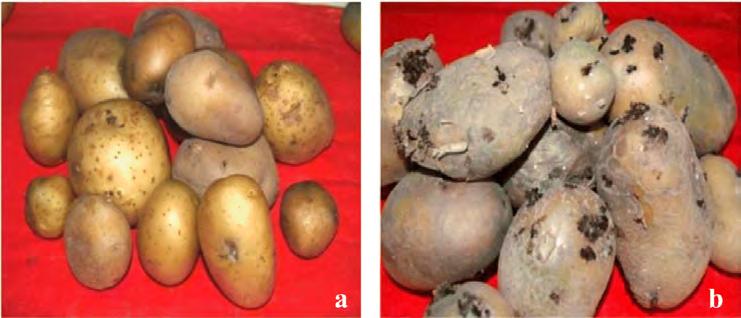
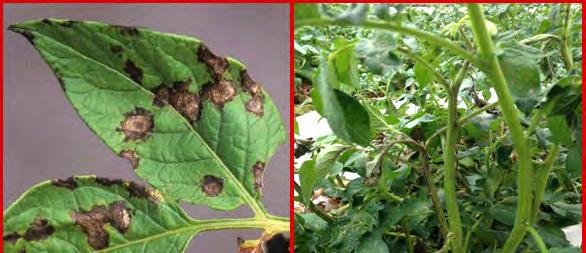
Russia has finally lifted the blanket ban on the import of Pakistani potatoes. The restriction had been placed in May 2025 on the grounds that the potatoes being exported from Punjab contained the potato tuber moth and tomato wilt virus. The ban was contested by the Plant Protection Department, which had been in conversations with the Russians for a few months now, agitating for the release of the potatoes and providing evidence in the forms of pest status records and diagnostic reports confirming that the pathogens were no longer there.
Now, according to an official announcement, the ban has been lifted and three potato exporters - Chase International, Zahid Kinnow Grinding & Waxing Plant, and National Fruit – have been permitted to export the tuber to Russia. Access to other exporters is contingent on their meeting the phytosanitary requirements the Russians have set. So, although there is a qualification – that only a few exporters have been allowed to export, it does send a positive signal.
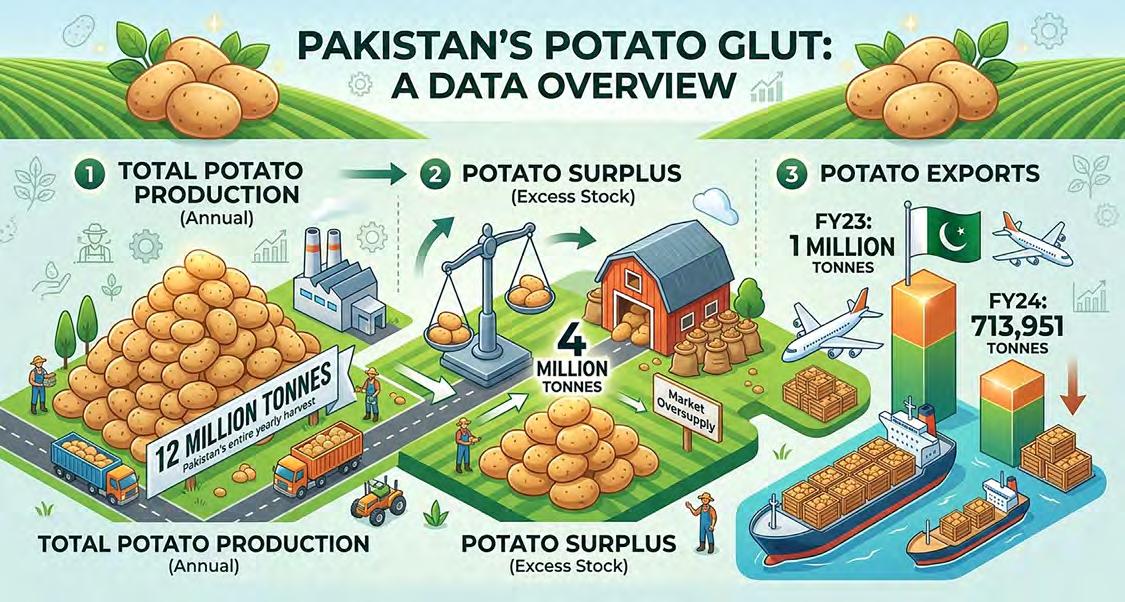
Pakistan had experienced a bumper potato crop this season, with the production estimated to be around 12 million tonnes. Yet of this production, 4 million tonnes – or onethird – was surplus. Given the closing of the
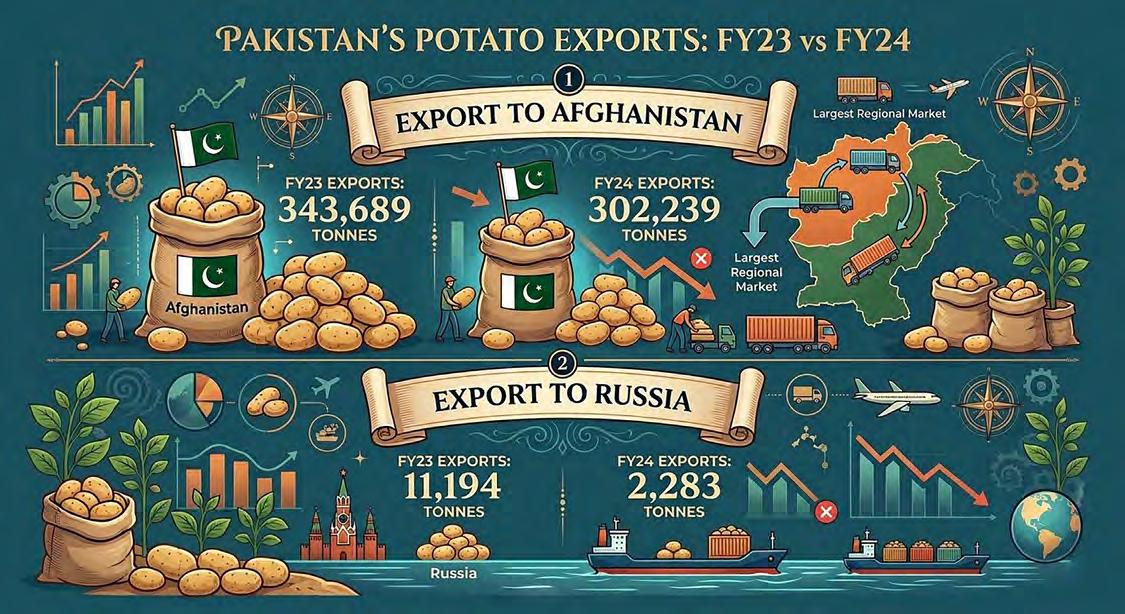
Afghan border since the skirmishes, the local farmers were left with all the potatoes to sell, and not a seller to buy them at an appropriate price. Suddenly, a huge chunk of their market had been shut off. And on top of that, the Russians had banned our potatoes too. Together both these destinations had accounted for almost half of our potato exports, so the impact was massive.
In this context, the reopening of the Russian market serves as a positive hope for the millions of potato farmers, who can now believe that perhaps they would be able to sell their potatoes, if not at profit, at least to break even on the costs of the crop. Yet, this recent episode also highlights the need to invest in local quality control, and implement pest and disease control measures at the broadest level possible to protect local exporters from - what it really comes down to - suffering.
The Russian Angle
Russia has been suffering from potato shortages for the past few years. The price of potatoes was reported to have tripled in 2025. Russia, per capita, is one of the leading consumers of potatoes in the world, and also one of the biggest producers of the vegetable. Yet the falling yields – specifically the 2024 crop where
production fell by almost 12 percent compared to 2023 – meant the local demand could not be met simply by local production.
After a bumper crop a few years ago where the farmers weren’t able to make much profits, they had started shifting away from potatoes to other more lucrative crops, which led to lower acreage under potato cultivation. And, of course, in the wake of the Ukraine war, Russia had restricted seed imports from countries deemed to be friendly to Ukraine, which further had curtailed their ability to grow as many potatoes as they might have liked. Consequently, imports increasingly came to be a major reliance for the Russians to fulfil their potato demand.
Yet, even within this dire need for imports, Pakistani potatoes saw the ire of the Russians. While the Russian charges of pest and disease infestation were dismissed by Pakistani authorities, the Russians dismissed our potatoes from their markets.
And this was also not the first time our potatoes had been banned from the country. In 2012, for example, the Russian government stopped the clearance of potato consignments from Pakistan on quality concerns especially with regards to the perceived lack of efficiency of Pakistan’s quarantine department. The exporters had denied these claims even then, but the Russians went ahead and placed a ban
on all agricultural products from Pakistan in 2013 on the grounds that the exporters did not follow adequate sanitary standards. The ban was lifted in 2014, however. In 2019, again the Russian government banned – this time – rice from Pakistan, again on similar grounds, but the ban was lifted in 2021.
So, the current situation was not totally unprecedented. There has been a history of the Russians allowing imports from Pakistan, and then banning them because of their hygienic concerns. Then, as the loop goes, the local exporters say their potatoes etc. are good and meet the Russian phytosanitary standards, in which case the ban is lifted.
The Pakistani Angle
The potato crop within Pakistan too was suffering. But unlike the Russian case, this was more of a case of ‘suffering from success’. In 2025, Pakistan had a thrashing crop of potatoes, estimated to be as high as 12-13 million tonnes. The problem however was that we still hadn’t recovered from the bumper crop of the previous season – which still hadn’t totally been bought off the market – that this new flood of tubers came in, generating a surplus of around 4 million tonnes.
This should ideally not have been a cause of concern. We could simply have exported
these potatoes, but the tensions with Afghanistan and the military skirmishes led to the shut down of the Torkham border. Given that Afghanistan was not only a key market for our potatoes, but also a major trade route to the Central Asian market, a key destination for the crop. Azerbaijan, for instance, counts Pakistan as one of the biggest suppliers of potatoes, with Pakistan’s share growing to 51 percent in 2023. The consequence of this closure, however, was that the local market was stuck with all this surplus crops, with farmers struggling to find customers and the prices of their crop in the commodities market plummeting to unacceptable levels.
The government had been trying to find alternative ways to send our potatoes to the Central Asian market, and had alighted on trade routes through China and Iran. But that had not really resulted until now in any meaningful material gains for the potato farmers. Until now, that is. The Russian allowing of our potato exports offers hope for the farmers, erstwhile ruing their decision to plant potatoes, but the fact remains that the current concession is only for three exporters. It remains to be seen how much of the surplus potatoes is able to be exported under this current arrangement, and whether the government is able to allay the phytosanitary concerns of the Russians, so as to allow broader access to the Russian market.
This must also be understood in conjunction with the fact that Russia traditionally hasn’t been the biggest market of Pakistani
Pakistan usually produces a surplus of potatoes that are usually exported to Afghanistan, but recent conflict with the neighbouring country has left farmers worried
potatoes, anyway. In FY23, for example, exports to Russia only accounted for 1.1 percent
of our total potato exports, and the share actually decreased in FY23 to 0.3 percent.
Given that this is not even close to the share of Afghanistan in our potato exports (34 percent in FY23 and 42 percent in FY24), it remains to be seen whether the Russian market on its own would be able to take much of the surplus that traditionally went to Afghanistan. Unless the government is actively considering selling more potatoes to the Russians that we normally do - when we are not banned, that is - the situation is unlikely to satisfy the concerns of the potato farmers.
But one thing appears to be certain regardless. The government must invest in a broader infrastructure of pest, disease, and quality control of local crops. And it must be able to convey the fact that our crops are good – if indeed they are – in broader diplomatic settings, so as to position Pakistan as a reliable trading partner with quality products. We cannot have our exports shot down on grounds of quality, especially in times where geopolitical uncertainty further complicates the issues of trade supply chains.
The closure of the border with Afghanistan only underscores the need to position ourselves to be able to diversify our agricultural exports. Farmers, whose tills fuel the nation, need to be supported into producing export-level crops. But they must also be protected through the government’s efforts to find diversified markets for their products. Of course, sometimes things just pop up unprecedentedly, but greater thought must be expended into planning such matters in order to mitigate the impact of any such intervention. n
Tuber Moths and Tomato Wilt Virus can leave potato crops severely impacted and unfit for exports. Complaints regarding the contamination led to Russia banning Pakistani potatoes for a while. These issues have been ongoing since 2012
Vugar Usi Zade
Pakistan’s youth are learning finance through crypto, before institutions can catch up
A20-year-old in Lahore is more likely to learn about volatility from a Telegram chat than from a bank adviser or a finance class. The lesson starts with a wallet download, a candlestick chart, and a stream of voice notes, screenshots, and market calls shared late into the night. For many young Pakistanis, crypto has become the first practical encounter with money at risk.
Chainalysis ranked Pakistan third in its crypto adoption index, and in a market this young and this connected, crypto is starting to function as an informal finance curriculum. For many users, it is where financial behaviour starts to take shape, long before a formal institution enters the picture.
Learning in public
The youth learns in chat groups, on X, on YouTube, and in late-night conversations with friends who share screenshots of gains, losses, and new tokens. The language of markets reaches them through community before it reaches them through textbooks. By the time a parent or teacher hears about it, the user may already have watched ten videos, joined three groups, and placed a first trade.
A first crypto trade can teach a great deal in a single afternoon. A user can learn what volatility feels like, why liquidity matters, how fees eat into a position, and why custody is more than a technical detail. A user may know how to open a position, spot momentum, and follow a social signal long before they can assess counterparty risk, explain diversification, or judge whether an asset belongs in a long-term savings strategy.
This early exposure produces a generation that is comfortable with digital tools and willing to engage with financial products at an early age. In an emerging market, that fluency has real value because practical access often arrives before formal education catches up. Crypto also gives young users a direct relationship with financial risk. Price swings are visible in real time, and mistakes are immediate. A bad entry, a rushed transfer, or blind faith in a rumour can turn into a hard lesson within hours.
Confidence before judgement
Speed creates confidence, and confidence can hide gaps. A user may know how to move funds, track price action, and switch between wallets or peer-to-peer channels, yet still lack a basic grounding in portfolio construction, position sizing, fraud risk, or the difference between speculation and saving. The mechanics come first. Judgement often arrives later, if it arrives at all.
The information environment rewards intensity more than reflection. Social platforms favour conviction, speed, and repetition. A loud call travels faster than a careful explanation. A screenshot of overnight gains attracts more attention than a sober discussion of risk. Young investors learn from one another in public, and that creates energy, but it also creates herd behaviour.
In Pakistan, the pattern has extra force. Cheap mobile access, constant exposure to online market culture, and limited proximity to formal investing channels mean crypto can become a first market experience early. Some arrive out of curiosity, some out of ambition, and some because the traditional path into investing still feels remote. What is missing from this kind of self-education is sequence. Traditional financial learning usually begins with budgeting, saving, basic risk awareness, and the idea that returns and losses should be weighed over time. Crypto often reverses that order. A young user may encounter leverage before long-term planning, market sentiment before balance-sheet thinking, and execution before reflection. That does not mean the learning is empty. In many cases, it is faster, more practical, and more engaging than formal instruction. The weakness is that it arrives without a curriculum. The lesson is shaped by whoever speaks most convincingly, posts most frequently, or appears to have made money most recently. In that environment, confidence can grow faster than judgement.
The debate over whether young people should be in crypto feels late. They are already there, and often with savings, ambition, and reputation on the line. The more urgent question is what kind of financial habits this first market experience leaves behind.
What these habits become
The consequences extend beyond digital assets. The first market a generation learns from often shapes how it approaches every other one. Habits formed in crypto can carry into savings behaviour, business decisions, and future investment choices.
The writer is the CEO of MEXC, one of the leading crypto exchanges in the world
Crypto can also teach discipline, curiosity, and self-education It can introduce young people to the logic of markets, the importance of custody, and the reality that risk never disappears. That potential depends on the kind of market environment surrounding the user. Young users learn one set of habits in markets shaped by clear information and accountability, and another in markets driven by noise. Institutions still have a role, but relevance will depend on whether they understand where the learning has already moved. Young Pakistanis are not waiting for financial knowledge to come through formal channels. They are learning in real time, on mobile rails, in online communities, and under constant pressure to act quickly. Any institution that wants their attention will have to adapt to that reality. Pakistan’s youth are already teaching themselves finance, and they are doing it with real money and real consequences. Crypto has become the classroom before institutions have entered the room. The next step is to ensure the lesson teaches judgement, not only speed. n
Electric fan manufacturers are up in arms over copper and other raw material exporters.
Can they be shifted to an export model?
The local electric fans industry demands the exports of raw materials be restricted. Why do they demand this measure, and will it be enough to enable export competitiveness?
By Usama Liaqat
Electric fans have many fans, or so one would assume looking at the consumption numbers within Pakistan. In fact, electric fans are one of the few products where we are not particularly
reliant on imports. We make almost all of them at home. With established manufacturing hubs in Punjab, specifically Gujrat and Gujranwala, the industry not only supplies local demand, but is also heavily underutilized, according to some accounts, by as much as 50 percent.
The problem here is that we don’t
export much of these electric fans either, so this excess capacity goes unutilized. No wonder why the local electric fan manufacturers bemoan the current state of affairs. In a recent meeting with the finance minister, they highlighted that one of the major issues facing them was the exports of raw materials, especially copper and aluminium. This, they
argued, directly interfered with their ability to procure cheaper, locally sourced material, and consequently robbed them of the opportunity to produce value added products from those materials and therefore generate more foreign exchange revenue.
There is truth to this. Raw materials represent almost 80 percent of the cost of one electric fan unit, and of course the manufacturers’ argument makes sense: exporting scrap allows for lesser value returns than exporting higher-value finished products. Not only would that open newer markets, but also enable us to compete with regional players like India, owing to our established
manufacturing capacities and cheaper costs of production and relatively high quality products.
But on its own this won’t be sufficient to really take the industry’s contribution to the national trade balance to the next level. Pakistan electric fans lack the proper quality control to enable entry into higher value Western markets at scale. Similarly, there is a need to diversify products to cater to the demands of the first world markets, and that would require investment into the local R&D capabilities as well as the testing facilities. Of course, government support would also be required, but local manufacturers also need to
rethink their export strategy, and try to tap into higher-value markets. Given our lower costs of production, there is much potential in gunning for such markets.
Pakistan’s Electric Fans Industry
Established in 1942, the local electric fans industry remains one of the fewer manufacturing enterprises that predate the establishment of Pakistan. The industry is concentrated in Punjab, with Gujarat and Gujranwala serving as the major hubs, although some production is spread around Lahore and Karachi as well. Decades of manufacturing activity, specifically in the former two hubs, has led to the creation of clusters of suppliers around them. These clusters supply critical components such as castings, blades, guards, etc., as well as accessories and sub-assemblies for electric motors, which are then manufactured and assembled into ceiling, pedestal, table, bracket, exhaust, and louver fans.
Overall, there are between 300 and 350 local electric fans manufacturers, which are part of an industry that provides direct employment to around 40,000 and indirect employment to over 150,000 workers. The annual domestic demand for electric fans is estimated to be between 8 and 10 million units, which these manufacturers are able to meet, whereas the unutilised capacity is estimated to be between 6 and 7 million units.
Traditionally, electric fans in Pakistan were those based on the AC electrical model. However, the load that such fans consume was not insignificant. The enormity of this inefficiency was compounded by the fact that these fans were the most widely available types of cooling gadget available to the local population. After all, around 65 percent of the fans locally consumed are ceiling fans. And this usage is reflected in the voltage used by these AC fans: combined units consumed by AC fans amount to around 388 million, whereas air conditioners on the whole use around 135 million units. No wonder then that AC fans are estimated to account for 67 percent of the 17,610 megawatts of extra cooling load experienced during the summers by the national grid.
In order to rectify this situation, the government for years had been eyeing an electric fans replacement scheme, where the existing AC fans within households would be replaced by more efficient DC fans. These are thought to consume up to 70 percent less power than traditional AC power fans, so the energy savings should add up if these are adopted at scale. And they are whir quieter than the AC fans.
DC fans had initially been imported, but local manufacturers quickly grasped the potential of such fans to disrupt the market and invested in their production. There was also the issue that imported DC fans, because they were light and made of plastic, and because their ability to displace air was lower than locally produced fans, were not very attractive to the local taste and needs.
Manufacturers stepped in and started creating varieties of DC fans that catered to local needs and taste. Given that DC current is usually the type of current one gets from batteries, the demand for such fans has also positively correlated with the greater adoption of solar energy systems, especially in off-grid and weak-grid areas. On top of this the government banned the production of traditional AC fans in 2023 as a part of the National Energy Conservation Policy. The result is that almost all the fans being currently produced within Pakistan are of the DC variety.
There are three major types of DC fans being produced in Pakistan. First, there are DC fans that work with DC current, but this category is not as widespread since batteries are not widely used as a way to generate electricity. The other types of DC fans include the DC inverter and the AC/DC fans. These units can make use of AC currents, either converting them to DC in the case of the former, or being able to work with both AC and DC power sources. These latter two are understandably more popular, with the inverter category accounting for around 80 percent of the total production.
The government finally launched the ‘Prime Minister Fan Replacement Scheme’ in February 2026. The aim was to replace existing AC fans, estimated to be around 88 million units, with DC fans, through a financing scheme through banks where the instalments would be directly added to a household’s electricity bills. The savings estimated to accrue from this shift amount to between 5,000 and 7,000 megawatts of electricity per year. The total financing cost of this replacement is estimated to be around USD 3 billion, while the government has also announced a 10 percent first-loss credit guarantee to banks for this purpose.
The Issue
Certain issues remain, however, and not the least is the one we began the story with: that of capacity underutilisation. Between 40 to 50 percent of our local electric fans manufacturing capacity is not utilised. And given that almost all of our local demand is met by the fans we produce, the excess capacity has one major way of being utilised: exports. We
have been trying to ramp up exports, but the numbers aren’t too promising. In FY24, we exported around 1.89 million units of fans, a 4.86 percent growth over the previous year’s figures. If we believe the industry insiders that the local manufacturers have the capacity to produce 6 to 7 million more units per annum, that just represents so much of the export potential lost.
And the claim raised by the Pakistan Electric Fan Manufacturers Association (PEFMA) in the recent meeting with Finance Minister Aurangzeb in this context makes sense. If local traders are indeed exporting raw materials such as aluminium and copper, that does represent a loss of potential value, since the conversion of such materials into more valuable products, such as fans, would certainly generate more revenue. This is not to mention the potential benefits to the local industry, which would have access to cheaper materials, since there would be greater supply if these input materials aren’t exported. Such a fact becomes even more important if we consider that raw materials represent almost 80 percent of the cost of an electric fan unit.
This issue of exports needs to be considered in the context of imports that our local fan manufacturing industry relies on. According to a report by the Engineering Development Board, “domestic fan manufacturers use around 50-60 percent imported raw materials whereas the rest are procured from local vendors. Moreover, components procured through vendors are mostly manufactured using imported raw materials.” These imports include electric steel sheets, plastic granules, even printed circuit boards from China.
Perhaps more importantly, however, as the report points out, copper and aluminium also need to be imported. The problem is that the government has removed regulatory duty on the exports of recycled copper and aluminium, causing the local recycling industry to start exporting recycled copper and aluminium ingots to China. Given that the industry relies heavily on recycled aluminium and scrap to make fans, this has led to a shortage of such raw material directly impacting the manufacturer’s ability to scale production. Of course, it is not the only reason; reportedly, fan manufacturers need 2 to 3 times the working capital to maximise production. But the demand from the industry that exports of raw materials be curtailed does make sense. Raw materials are need as much as capital for a manufacturing enterprise to work.
On the topic of exports, another issue must be discussed: quality control and standards. Currently, our major export destinations are countries like Iraq and Bangladesh,
followed by Gulf States and a few African countries. Exporting to these countries, on the whole, does not require stringently high safety and quality standards, since cost of the unit is a major factor in these markets. Therefore, Pakistan is able to fulfill most of the quality certification and compliance requirements for these markets. Within the GCC countries, there is a demand for both higher- and lower-end fans, and the required Gulf or ‘G’ marking is required to export into those markets, something certification Pakistani exporters are able to obtain.
The issue is with Pakistan’s ability to tap into higher-value European markets. To be eligible to enter those markets, the exporters must obtain a CE marking, which can only be obtained after passing strict quality standards. These tests include Low Voltage Direct current (LVD) test, Electromagnetic Compatibility (EMC) test, and Restriction of the Use of certain Hazardous Substance in Electrical & Electronic Equipment (RoHS) test. For the EMC and RoHS tests, local manufacturers need to send their products to China.
The ability to pass these tests, and to manufacture compliant products at a large scale, would open these markets to local exporters. But that’s not all, product diversification and development is also needed. Currently, although the trend is slightly shifting, the fans most in demand within European countries are those with lightweight disposable plastic bodies. These are the types of fans that were initially being imported into Pakistan, and which didn’t appeal to local tastes, and against which local manufacturers stepped in to produce heavier fans able to displace more air. So, the local manufacturers would have to not only bring their products to the required standards, but also diversify their product portfolio, and do this all at scale. Then they might be able to compete within the European market, a prospect that if realised would fetch them premium margins.
This is not to say that the assistance of the government is not required. Of course, export incentives and government-led trade agreements would greatly improve the situation, and so would the demanded restriction of raw material exports. Similarly, financing opportunities to R&D incentives too would encourage local manufacturers to increase capacity utilisation. And we have already seen government-led programs to replace traditional fans with newer fans, and that would also help with the utilisation of excess capacity. But with that done, exports surely are the way to look towards, and the efforts of the manufacturers would be required in addition to government support for capability enhancement and testing facilitation. n
CCL Holdings has big plans to turn Mitchell’s around
After acquiring Mitchell’s, the next goal is to build a war chest
By Zain Naeem
Mitchell’s is a name that has become a staple in the country. It feels like the brand has existed in Pakistan for a long time and the worth of the brand can be gauged by the fact that the name has stayed the same even when the owners have changed hands multiple times. A few months ago, the ownership again changed hands when CCL Holdings (Pvt) Limited bought a majority of shares of the company and became the majority owner. Recently, Mitchell’s has announced that it will be carrying out a right share issue allowing existing shareholders to invest further into the company.
This feels like a new route being taken where CCL Holdings is putting their money where their mouth is. The aim of the right issue is to help the company gather its resources and allow it to channel them in the right manner in order to take the company forward. Coupled with sale of non-core assets being carried out, it can be seen that the company is being made leaner and there is an active effort to bring about a material change to the company. Just where does Mitchell’s stand right now and what are its aims going forward?
The early days of Mitchell’s
The genesis of Mitchell’s starts off at the golfing grounds of Pilmour Links in St. Andrews Fife. The course dates back its history to the 15th century around the time the game was invented. A man walks these grounds all alone as he rushes to finish his latest round. Suddenly, he receives an urgent telegram which will impact his life from this day on. The telegram informed him that he had lost his fortune.
At an age of 60, most people would have given up and accepted their fate. Francis J Mitchell thought otherwise. From the ashes of one failure rose the success of a new endeavour. He decided to buy a 720 acre piece of land in the Okara District to grow his own fruits. The village had been gifted by the fact the British had built an irrigation system in 1849
turning a barren piece of land into fertile soil. Initially, Mitchell had to lease the land from the Punjab government where he was able to establish the company with the help of his sons. Growing vine fruits at the land did not prove to be successful so Mitchell went back to the idiom that when life gives you failures, makes lemons. From that day on, he started to grow citrus fruits. The first company was known as Indian Mildura Fruit Farms in 1933 which processed citrus fruits into squashes and preserves. The outbreak of the war meant there was demand for canned fruits and vegetables which allowed a new factory to be established called Kissan Fruit Products in Bangalore.
After the partition, the name was changed to Mitchell’s fruit farms. Since the British had left, there was an unease that was felt by the ones who had decided to stay behind. They did not have the same welcoming bureaucracy which welcomed them. So the company was sold to Syed Maratib Ali in 1958. Syed Maratib Ali was the father of Syed Babar Ali and Syed Wajid Ali who would go on to rule the empires of Packages and Treet respectively. Mitchell’s was given to S M Mohsin who was the son-in-law of Syed Maratib Ali.
Since then, Mitchell’s was able to expand into the confectionery market, upgrading its equipment leading to better quality and cost savings.
The Sethi tenure
When Najam Sethi was brought into the company, he had an uphill task to look to sell the company. With losses being suffered, his first priority was to bring the profits back. Mitchells’ had been on the chopping block since 2019 when the idea was floated initially. There were signs that things would go according to plan early on when buyers were interested. Sadly, the pandemic struck and the sale got derailed to such an extent that the company had to be managed until a new buyer could be found.
The man responsible was Najam Sethi. A journalist by profession and having experience as a PCB chairman and caretaker chief minister, Sethi is the son-in-law of S M Mohsin who was handpicked to carry out the sale.
From 2013 onwards, Mitchell’s had stagnated in terms of revenues and profits. The situation got far worse after 2016 when losses became the constant till 2020 with the company losing Rs 51 crores collectively.
By 2020, the equity had shrunk from Rs 58 crores in 2015 to Rs 7 crores in 2020. Something needed to be done. As the company was looking to find a buyer, the company had to be made to look attractive enough for new investors. In order to do so, the first course of action was to look to invest more equity in the company to make sure it could stay afloat. The interest in the company led the share price to increase from Rs 195 in October of 2019 to Rs 345 in January of 2020. The deal, however, could not materialize once the pandemic struck.
With little prospect of the company being sold, a new management was brought in to guide the company. This led to Najam Sethi being given the reins in 2020 who was the sonin-law of S M Mohsin. Sethi had been part of the board of directors at Mitchell’s since 2018, however, after 2020 he was given the role of the Chairman of the Board..
When he was given the new role, the Bioexeyte offer had fallen through, Mitchell’s was seeing persistent losses and a turnaround had to be carried out at the company.
Once Sethi stepped in, the financial situation at the company improved slightly in 2021 with net profits being earned of Rs 1 crores, however, in 2022 things got even worse as the company registered losses of Rs 62 crores. This was a jolt to the company as it was the worst loss suffered in its history. Naila Bhatti, the CEO appointed by the new management, left the company in 2022 as a result of this.
With a vacant position being opened up, Sethi became the new CEO and the company became profitable in 2024 with the year recording profits of Rs 46 crores. A part of this profit can be attributed to the management as they were able to control the costs associated with production. A larger portion of the profits could be attributed to the sale of certain non-core assets that was being carried out. 2025 was going to gain further significance due to the fact that it would show whether profits were sustainable or would they falter yet again.
The Sethi factor starts to wear off
Any disillusionment that could have been seen in 2024 was well and truly lost and it could be seen that the Emperor was not wearing any clothes. The company was able to earn similar revenues and gross profits. However, due to increasing administrative and selling expenses, operating profits fell by Rs 9 crores from 2024 to 2025. The biggest contributor of profits in 2024 was other income which came to around Rs 37 crores for the year making up much of the net profits of Rs 46 crores. In 2025, other income registered was only Rs 1.4 crores with net profits being registered of Rs 17 lakhs. Most of the income seen in 2024 was from sale of fixed assets of Rs 36 crores which became zero in 2025.
With 2025 already closing out as a bad year, 2026 seems to be going on a similar track. Revenues and gross profits recorded for the 6 months ended December 2025 are pretty similar to each other. 2026 is seeing even higher administrative and selling expenses which means that operating profits for the 6 months has almost halved from Rs 6.4 crores in 2025 to Rs 3.8 crores in 2026.
Once other expenses and finance cost is taken into account, the expenses have increased from Rs 5.6 crores to Rs 7.6 crores. The only saving grace in 2026 is that the company has been able to record other income of Rs 23 crores in the first quarter of the year which could be from the sale of fixed assets that the company was already carrying out.
It is important to note here that if these other incomes had not been recorded, the company would have actually made a loss for the half year ended as net profits were only of Rs 17.6 crores. The fact that is coming through in this analysis is that the company has stemmed its losses to an extent, however, the company
has still not become profitable. The band aid that is being used persistently at the company is to sell off its assets in order to show a profit in its accounts.
While the performance of the company was being revived, the pursuit of finding a new buyer still continued. In November of 2024, two of the major shareholders, Syeda Maimanat Mohsin and Syeda Matanat Ghaffar announced that they were interested in selling their collective shareholding of 40.63%. As soon as the interest was announced, CCL Holdings Limited; a company operating in the pharmaceutical sector, stated that they would be willing to buy these shares. In line with this, IGI Holdings Limited also announced that they were interested in adding onto its initial shareholding of 3.72% which would take their total shareholding to 44.35%.
Since then, CCL Holdings has acquired the shares of the two major shareholders and also looked to take over the holdings of Babar Ali Foundation, IGI Investments (Pvt) Limited and IGI Investments which took its collective shareholding to 47.5%. SECP mandates that
when any acquirer goes past the 30% threshold as CCL Holdings has done, it also has to make a public offer of the remaining shares held by the other shareholders. This culminated in CCL Holdings making a public offer for 26.26% of the remaining shares left. Once all these shares had been acquired, CCL Holdings would end up owning 73% of Mitchell’s.
CCL Holdings sets to turning things around
With the deal being finalized, the next course of action for CCL Holdings was to bring their own management now that they had control. On 21st of October 2025, Najam Sethi finally stepped down with Kashif Sajjad Sheikh becoming the new chairman of the board and Usman Butt coming in as the new CEO.
While the public offer was ongoing, CCL Holdings communicated to Mitchell’s that they had surpassed shareholding of 58.78% which meant that a fresh election of directors could be called. The last election of directors had taken place in April of 2024 which meant that the directors could have stayed on for a tenure of 3 years. However, as the control of the company had changed, Section 162(1) and 159(3) of the Companies Act 2017 allowed for a fresh election to be carried out now that CCL Holdings had a majority stake in the company.
The elections were called for December 2025 leading to a new board and new committees being created to supervise the operations of the company. Other than that, there was also a strategy from CCL Holdings to build up its resources in order to allow the company to function better.
In line with this, two things have been carried out. First of all, a new short term finance facility of Rs 200 million was secured with the National Bank of Pakistan. This
would allow the liquidity at the company to be strengthened and allow for more working capital adequacy. In addition to that, CCL Holdings has recently announced a right share issue in order to gain additional funds. CCL Holdings is looking to build a war chest by carrying out these two steps. Another source of funds that can be used in the future is the sale of non-core assets which was already being carried out at the company in order to supplement these resources.
In terms of making the company more efficient, there are cost controls, measures of waste reduction and yield optimization which are being targeted in order to lead to better profitability. With the help of a new board and governance being put into place, there are strong internal controls being used which will be reviewed on a regular basis. There is also an effort to improve production on an ongoing basis with focus on production, administration and distribution function to build resilience in the system.
Going forward, CCL Holdings has started to work on a plan to turnaround the fortunes of the company. There is an effort to carry out revenue recovery and margin improvement by focusing on high potential categories and profitable product lines. The company will look to build exports and its B2B pulping business to diversify income streams. Consolidate market position through sharper portfolio prioritization and disciplined cost management.
The right issue being announced
The right issue that has been announced is looking to raise Rs 500 million through a right share issue of 2.78 million shares at a subscription price of Rs 180 per share. Existing shareholders will be given an entitlement of 12.143% shares and they can subscribe the shares at a premium of Rs 170 per share. The purpose of this issue is to strengthen the financial position and support any medium term operation and growth objectives that the company will have. These proceeds are going to be used to enhance production efficiency, upgrade infrastructure, modernize plant and machinery, ensure compliance to quality standards and fund the working capital needs.
The breakdown of the proceeds will be to use around a fifth of the funds raised to essential civil and infrastructure works across key production and storage facilities including flooring upgrades, structural repairs, replacement of old infrastructure and address operational bottlenecks. A further Rs 14 crores will be put aside for process automation, quality enhancement, productivity improvement, maintenance and safety upgrades. The re-
maining amount will be used to meet working capital needs used for raw material procurement, inventory optimization, maintenance of operational liquidity and support day-to-day operations.
Even though the right issue is being carried out, most of the funds that will be provided will be from CCL Holdings itself as it has a majority stake in the company. CCL Holdings itself realizes that the right issue is being carried out at a price much higher than the share price prevailing in the market which does put current shareholders at risk of investing at a much higher price.
Currently, the share for Mitchell’s is trading at around Rs 151 per share. This would mean that many of the shareholders will look to sell their right share rather than subscribe for Rs 180 per share. The basic logic is that they can buy the share for cheaper from the market itself. In such a case, they would look to sell their right share in the market and earn on the right share that has been allotted to it. This is one of the ways in which CCL Holdings can buy the right shares in the market and then subscribe them themselves which will increase their shareholding.
When the market price is below the subscription price, it can be expected that the right share will trade at almost zero as there will be little demand to buy a right share and then subscribe at a much higher price. In that situation, the right share gets wasted and no one subscribes in the end. In such a case, the right issue goes undersubscribed and most of the times, the sponsors step up and subscribe these shares afterwards. This again leads to the shareholding of the sponsors to increase yet again.
The mechanics of the right issue will be beneficial for the majority shareholder at the cost of the minority stakeholders. Usually, right share issues are carried out at a discount to attract old shareholders to invest more funds into the company. Due to this, in usual circumstanc-
es, the shareholding pattern before and after the right share issue relatively stays the same.
In case of Mitchell’s, the right share issue is at a premium which means many of the existing shareholders will either sell their right shares in the market. This allows CCL Holding to go to the market and acquire more of these rights issues allowing them to subscribe and get more shares that they were entitled to in the beginning.
Once the right shares are subscribed to, CCL Holdings will end up having a greater share than they did before the issue was announced. Recently, many right share issues have seen the same fate as in the case of Mughal C shares which saw the owners subscribing the portion of the issue which was left unsubscribed.
Comments were sought from CCL Holdings in relation to the plans they had in mind to turnaround the company, the commitment of the sponsors, the value they have seen within the company and the experience they had on running such a business. No replies were received by the time the story was filed.
It is clear to see that CCL Holdings has big plans for Mitchell’s and it plans to put its money where its mouth is in order to bring the glory days back at Mitchell’s. With that being said, it has to be kept in mind that Najam Sethi also came with the same sense of optimism when he came to the company. With the control finally being handed over, the performance of Mitchell’s after the takeover will take some time to show results.
The right issue, extension in credit line and the opportunity to sell assets are all available for CCL Holdings to get the resources to carry out the change. Similarly, it has identified areas of concern which can help bring back its profitability. What still needs to be seen is whether the promised turnaround will actually prove to be low hanging fruits or a case of sour grapes. n
Indian TV anchors condemn Pakistan’s efforts to solve Indian LPG crisis
By
Profit
The Indian government has condemned Pakistan’s efforts to solve one of the biggest energy crises that India has seen in recent history.
The Pakistani government is currently playing a mediatory role in the ongoing military conflict between Iran and the United States of America, with peace talks being held in the capital Islamabad. Vice President JD Vance is going to be leading the American delegation, while Foreign Minister Abbas Araghchi is going to be representing his nation in a much publicised
peace negotiation between the warring sides that have been in a state of confrontation since the past six weeks.
That state of confrontation has led to the Iran government blocking the Strait of Hormuz, which has, in turn, resulted in choking off 90 percent of India’s import of Liquified Petroleum Gas (LPG), which itself constitutes to be about 60 percent of its total LPG consumption.
“Pakistan should not punch above its weight and stay in its auqaat,” said Sudhir Chaudhry, Editor-in-Chief of DD News. “It should not try to undertake what seems to
be the best shot at resolving our current crisis.”
These words were echoed by fellow anchor Arnab Goswami, Editor-in-Chief of Republic News.
“The current crisis isn’t a crisis, as such. It is only the result of panic buying,” he said. “If so many people queue up to buy the stuff, of course there will be shortages.”
“Is that panic warranted, you ask? Of course it is, we have only 20 bloody days of strategic reserves of LPG, despite knowing full well the crisis that was brewing there.”