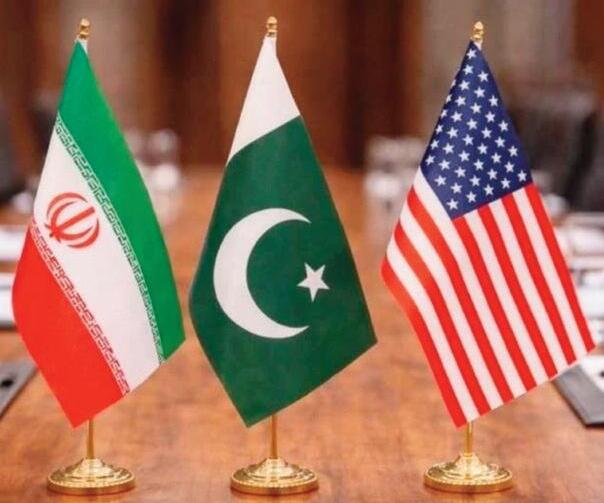
Pakistan rallies regional suppor t as US-Iran accord enters final stretch
g INFORMATION MINISTER SAYS DIFFERENCES MUST BE RESOLVED THROUGH DEMOCRATIC AND CONSTITUTIONAL MEANS I r a n s ay s ‘ n
wards an understanding between Washington and Tehran Both leaders expressed hope that the positive developments would pave the way for lasting peace and stability in the region and agreed to remain in close contact regarding further developments the FO said in a post on X
Trump says Iran deal on track
US President Donald Trump on Sunday said the signing of a long-anticipated US-Iran deal aimed at ending the conflict remained on track though he blamed Israel for causing delays following fresh regional escalation involving strikes in Beirut and heightened tensions across the Middle East Global Affairs Correspondent for Axios, Barak Ravid, reported that Trump said in a brief interview that the “signing of the US-Iran deal for ending the war is still on track for Sunday despite the Israeli strike in Beirut and the Iranian threat to retaliate It shook it up It delayed the signing by a few hours It was supposed to
and
cations had been earmarked in the upcoming federal budget for public facilities in the region including the power sector
ISLAMABAD S TA F F R E P O R T
Pakistan Peoples Party (PPP) Chairman Bilawal Bhutto Zardari on Sunday said the continuing unrest in Azad Jammu and Kashmir (AJK) was hurting both the Kashmir cause and Pakistan s image, and urged protesters to end their demonstrations peacefully In a statement Bilawal said the situation in AJK was creating space for hostile forces to take advantage of the turmoil He warned that the unrest was benefiting what he described as the India-Israel nexus, while stressing that political disputes should be addressed through democratic and constitutional channels rather than confrontation on the streets
He said parliament and the political process were the appropriate forums for settling such matters and added that his party had already called for the Election Commission to withdraw the premature election schedule Bilawal said the PPP remained committed to a political settlement and would work toward setting up a Truth and Reconciliation Commission to address unresolved grievances and help bring the matter to a fair conclusion He also appealed to protesters to conclude their demonstrations peacefully and asked those who had broken the law to surrender to the local authorities so that legal proceedings could move forward At the same time he said the people of Kashmir should not be subjected to protest, confrontation and uncertainty AJK unrest benefiting ‘India-Israel nexus’, damaging Kashmir cause: Bilawal
TThe federal government has proposed Rs53 3 billion for health-related spending in the budget for fiscal year 2026-27 including allocations under the Public Sector Development Programme (PSDP) according to budget documents Of the Rs22 billion
and NIHD to strengthen specialised cardiac care The budget also includes funding for the initial stage of a healthcare infrastructure project linked to the National University of Medical Sciences (Nums) The allocation is meant for the acquisition of land from the Capital Development Authority for a proposed medical city in Islamabad P M A R A I S E S C
the previous fiscal year, when the health sector was initially assigned Rs16 5 billion and later revised downward to Rs14 billion Budget documents show that health accounts for 2 2 per cent of the total Rs187 2 billion social sector development allocation for FY2026-27 M A J O R P R O
AT I O N: Among the notable schemes listed in the budget is a Rs1 5 billion allocation for the National Institute of Heart Diseases (NIHD) in Rawalpindi for cardiovascular research and disease prevention Another Rs1 billion has been proposed for the expansion and upgradation of the Armed Forces Institute of Cardiology (AFIC)
N C E R N S: The Pakistan Medical Association (PMA) criticised the proposed spending pattern, saying the budget gives preference to infrastructure while underfunding core public health functions In a statement PMA Secretary General Dr Abdul Ghafoor Shoro said the country was facing a worsening health security situation amid inflation and what he described as misplaced fiscal priorities “PMA notes with grave concern that while the federal government’s newly announced Rs53 3 billion allocation for the Ministry of National Health Services for the 2026–27 fiscal year continues to favour visible infrastructure projects, it critically underfunds the essential mechanisms needed to fight a silent nationwide maternal and child nutrition crisis Dr Shoro said the situation for ordinary citizens remained severe and argued that structural neglect had pushed the healthcare system toward systemic failure “The reality on the ground re-
mains catastrophic for the average citizen validating the medical fraternity’s long-standing warning that Pakistan s healthcare infrastructure is entering a state of systemic collapse due to structural neglect, he said He said the One Health Workforce Development programme had been allocated Rs99 9 million which he called inadequate in view of threats including mpox measles dengue and polio He added that the Common Management Unit for TB, HIV/AIDS and malaria had been assigned Rs500 million despite Pakistan carrying a heavy tuberculosis burden and facing an expanding hepatitis C epidemic affecting an estimated 10 million people He also said the Drug Control Section had been allocated Rs144 million Furthermore, ongoing federal health schemes carry throw-forward liabilities exceeding Rs121 billion legally tying the hands of future policymakers and locking public capital into brickand-mortar projects for years to come We are witnessing a double-pronged tragedy On one hand, inflation is stripping families of the ability to afford basic milk meat and vegetables and on the other the federal government is spending 70 percent of its healthcare resources on brick-and-mortar operations and specialised tertiary care, virtually abandoning prevention, disease surveillance and nutrition defence,” he added
Tnization this Cup, mainly because the USA didn’t give visas to Iranian fans Indeed, they didn’t give visas to those team officials they suspected of belonging to the Iranian Revolutionary Guard Corps So if Iran bombs out of the Cup they ve got a readymade excuse: they didn t have their officials Of course, all of the visiting fans to the T20 World Cup went back home, which
should have shown that not every foreigner intends to burn his passport and then disappear into illegal status One match that didn’t have the problem of fans refusing to go
ISLAMABAD
U O M O T U P O W E R S
KARACHI
S TA F F R E P O R T
TH E Sindh High Court (SHC) has dismissed a petition seeking the constitution of a joint investigation team and recovery of the body of a man allegedly killed in the name of so-called honour holding that high courts no longer retain suo motu powers after the 26th Constitutional Amendment
A two-judge constitutional bench comprising Justice Muhammad Saleem Jessar and Justice Nisar Ahmed Bhanbhro said the matter had originated from a telegram and application sent through courier by the victim s mother from Larkana The then chief justice of the SHC had taken cognisance of the application and converted it into a con-
stitutional petition on April 14 2023
The bench however ruled that the petition had become infructuous in view of the changed legal position According to the order, the petitioner could pursue her grievances before the appellate forum where her criminal appeal against the acquittal of the accused is already pending We have examined the record and observe that instant matter originated from a telegram/application dispatched by the petitioner via courier The then learned Chief Justice of this Court took cognizance of the same and converted it into a constitution petition on 14 04 2023 Following the passage of the Constitution (Twenty-Sixth Amendment) Act 2024 Suo Motu powers vested with the high courts have been taken away by the legislature therefore this peti-
consists of Federal Constitutional Court Justice Aamer Farooq Attorney General for Pakistan Mansoor Usman Awan, Senator Farooq H Naek, Senator Syed Ali Zafar and Pakistan Bar Council representative Ahsan Bhoon
to be taken up for final approval at the commission s next meeting on June 19
The proposal came under discussion at the JCP’s meeting on Thursday, which focused mainly on drafting long-pending rules for judicial appointments after recent constitutional amendments The need for the new rules has become more pressing because appointments to several high courts have been held up despite a rise in vacancies and a growing backlog of cases Under the 27th Constitutional Amendment the JCP was given the authority to frame rules for its own working including the procedure and criteria for assessing, interviewing, evaluating and determining the fitness of candidates for appointment as judges
C
The JCP s Rule-Making Committee
Familiar with the deliberations the committee reviewed several options for interviewing prospective judges including lawyers and judicial officers from the subordinate judiciary Senator Syed Ali Zafar proposed that the full commission should interview each nominee when their case comes before the JCP so that all members can assess the candidate together Senator Farooq H Naek put forward a different approach, suggesting that a smaller body should carry out interviews before the JCP meeting and then place its recommendations before the commission Ahsan Bhoon representing the Pakistan Bar Council proposed a five-member panel made up of two judges of the Federal Constitutional Court or Supreme Court, one parliamentarian, the attorney general and a Pakistan Bar Council representative
The sources said the commission considered the Rule-Making Commit-
tion
with the electronic signing ceremony scheduled for tomorrow, and expressed the hope that this important development will contribute to lasting peace and stability in the region the statement said During the conversation the Saudi foreign minister appreciated Pakistan s consistent and sustained efforts in support of mediation and dialogue throughout the
tee s recommendations on Thursday and after discussion agreed in principle on a seven-member panel instead of a five-member one Under the proposal, the body would include a judge of the Federal Constitutional Court or Supreme Court the senior-most chief justice among the high courts the chief justice of the relevant high court Senator Farooq H Naek, Attorney General Mansoor Usman Awan, Senator Syed Ali Zafar and Pakistan Bar Council nominee Ahsan Bhoon If approved, the proposed panel would interview candidates for elevation to the superior judiciary and submit its recommendations to the JCP The sources also said the commission considered giving high court chief justices a more active role in the rule-making process APPOINTMENTS STALLED AFTER CONSTITUTIONAL CHANGES
The framing of the new rules remains the central item on the JCP agenda because judicial appointments have stayed stalled after the recent constitutional changes The matter drew added attention after the JCP in its April 28 meeting approved the transfer of three Islamabad High Court judges Justice Mohsin
BAJAUR S TA F F R E P O R T Police in Bajaur on Saturday arranged a temporary ceasefire between two tribes locked in a dispute over ownership of a mountain in the Banda area of Salarzai tehsil, according to an official statement
The statement said District Police Officer Mohammad Khalid Khan intervened after tensions rose sharply and members of the rival tribes set up positions on the mountain, raising fears of an armed clash It said the DPO ordered officials in the Utmankhel subdivision to move quickly to stop the situation from worsening
A team from Salarzai police station headed by DSP Jamal Shah then went to the area and began talks
Four
Akhtar Kayani Justice Babar Sattar and Justice Saman Rafat Imtiaz to the Lahore, Peshawar and Sindh high courts, respectively
The proposed interview mechanism has triggered debate within sections of the legal community especially among lawyers in Islamabad who argue that candidates for constitutional courts should not be interviewed by any committee functioning outside the constitutional structure
Earlier this week, the Islamabad Bar Council the Islamabad High Court Bar Association and the District Bar Association Islamabad opposed both the proposed interview panel and the reported plan to fill vacancies in the Islamabad High Court through transfers from provincial high courts They said such transfers would effectively mirror last year s moves under which Justice Sardar Muhammad Sarfraz Dogar Justice Khadim Hussain Soomro and Justice Mohammad Asif were brought to the IHC from provincial high courts
IHCBA President Syed Wajid Ali Gillani criticised the proposed interview process and described it as a threat to the dignity of judicial office
with leaders of both tribes According to the statement, the police team stepped in at a critical point, when the two sides were close to escalating the dispute It added that members of both tribes were armed with automatic weapons and at first refused to accept a truce
The statement said police warned both sides of strict legal action and informed tribal elders about the risks of armed hostilities including possible loss of life and property It added that action would be taken against anyone found taking the law into their own hands or disturbing public order
After holding separate meetings with the elders police persuaded both sides to halt hostilities and remove the positions they had established on the mountain the statement said It added that elders
from the two tribes agreed to try to settle the dispute through dialogue and to adhere to the ceasefire arrangement
The statement quoted DPO Khalid Khan as describing the development as an important success for both police and local residents “The timely intervention by police helped avert a potentially destructive confrontation that could have resulted in loss of life and property It also encouraged both sides to pursue a peaceful settlement of their dispute, it read
the police also made clear that
one would be allowed to take the law into their own hands and
Trump says
blame
PESHAWAR
S TA F F R E P O R T
Four members of the same family were shot dead in Khyber Pakhtunkhwa's Bannu district in the early hours of Sunday in an incident linked to a property dispute according to Rescue 1122 and police
The shooting took place in the Odeen Kallay area of Domel late at night Rescue 1122 said those killed included a father, his two sons and another victim described as a close relative Its medical teams reached the site after receiving the report and shifted the bodies to the Domel Rural Health Centre
The killings stemmed from a property dispute
Domel police were in the process of registering a case and had started an investigation into the incident
The shooting came amid broader security concerns
in the province Pakistan s security situation worsened sharply in May 2026 after showing improvement for two straight months, mainly because of escalating militant violence in KP and Balochistan
The Human Rights Commission of Pakistan has also voiced concern over the marked deterioration in security in the two provinces
On Friday officials said two police constables were killed in separate targeted attacks in Bannu district
04
COMMENT
Closing in on a deal
The USA has not got anything out of its adventure in Iran
AT the time of writing, the deal to end the US-Iran War had not been signed, but it was all but over, bar the shouting The details of the deal which is to be struck between the USA and Iran have filtered into the press and are remarkably similar to the initial proposals indicating that the current deal has only been reached because it is equally unwanted by both However ultimately the deal was reached because the pressure on the two sides was too much for them to stand
For all his vaunted prowess as a deal-maker, it seems US President Donald Trump has managed to get the USA exactly nothing The great achievement of the deal is the reopening of the Hormuz Strait While that is no doubt an achievement, it only restores the position of where it was before the war While one positive effect will be the reduction in oil prices globally, grain harvests around the world will tell whether the Strait opened in time for fertilizer to reach farmers in time How much time, and how much inflation, the world will have to face before it shakes off the effects of this disruption is yet to be seen However it may have just arrived in time for the US midterm polls In fact those polls may have determined Mr Trump’s decision to seal the deal It seems that the US electorate will penalize the government for their suffering The USA has merely managed to bring Iran back to the negotiating table, with a 60-day deadline to decide on what to do about the nuclear programme, and its enriched uranium stock
The elephant in the room will be Israel The USA has not achieved its strategic objectives, but has decided to move on Israel has also not achieved its objectives, particularly with respect to Hezbollah and Lebanon, but has not indicated reconciliation to this It may be remembered that in 2024 Israel attacked Iran when its nuclear talks with the USA were getting somewhere If not now, it may try in the future to try to upset the applecart It has shown that it is useless to expect the USA to exercise any restraint on it However that is for the future and at the moment the world looks forward to peace in the Hormuz Strait
Dedicated to the legac y of late Hameed Nizami Arif Nizami (Late) Founding Editor
M A Niazi Editor Pakistan Today Babar Nizami Editor Profit
Global debt in the wake of ME conflict
The conflict has made matters worse
ARO U N D a year before the start of the middle east conflict a March 17 2025 article ‘Debt crisis: developing countries’ external debt hits record $11 4 trillion published by UNCTAD pointed with regard to the difficult global debt situation Developing countries are sinking deeper into a debt-driven development crisis Their external debt– money owed to foreign creditors– has quadrupled in two decades to a record $11 4 trillion in 2023 equivalent to 99percent of their export earnings A mix of factors has fuelled this surge including increased borrowing for development projects volatile commodity prices and widening public deficits The COVID-19 pandemic worsened the situation, as countries borrowed heavily to offset the economic fallout and fund public health measures ’ Having said that the article does not indicate an otherwise important cause of rise in debt overall globally which is the significant increase in interest payments on debt which has been because of over-board use of monetary austerity policies At the same time, debt burden has increased proportionate to exports, revenues, and growth, due primarily to over-emphasis on squeezing aggregate demand side to curb inflationary pressures whose origin has been primarily aggregate supply shock especially during the recent years in the wake of Covid-19 pandemic Ukraine War, and the ongoing Middle East conflict Hence, the extensive use of monetary austerity– raising the policy rate– and fiscal austerity policies– targeting a primary surplus– at best provided short-term macroeconomic stability and at an unnecessarily high cost of economic growth sacrifice Therefore lack of investment to boost aggregate supply side, negatively impacted domestic production, and exports, which also meant likely diminishing impact on revenues This, in turn, likely enhanced poverty, and unemployment, and also reduced capacity to repay both domestic and external debt The same UNCTAD-published article pointed out in this regard While debt can be a vital tool for economic growth and development it becomes a problem when repayment costs outpace a country s capacity to pay That is now the case for two thirds of developing countries Debt distress now looms
rights, and environmental protection
EU member countries
minerals and oil from Pakistan as a trading partner EU was Pakistan’s biggest export
over more than half of the 68 low-income countries eligible for the International Monetary Fund’s Poverty Reduction and Growth Trust – more than double the number in 2015 For instance in Pakistan in recent years both poverty and unemployment have increased while the debt distress in terms of capacity to repay interest payment has been negatively impacted because of the country being stuck in low-growth equilibrium over the medium-term which overlaps the time of application of heavy austerity policies regime Having said that macroeconomic stability also remains on fragile grounds due to weak aggregate supply fundamentals especially in terms of resilience to shocks, like being faced in the shape of ongoing deep level of aggregate supply shock due to the ME conflict Moreover, an 11 May PS-published article ‘How Africa can escape the debt trap’ pointed out that a significant reason why Africa is facing a very difficult debt situation is not because of the debt stock but because of an unsupportive global financial architecture, which has played a significant role in diminishing the capacity of a country to grow appropriately, and in turn, enhance its capacity to repay debt
The article indicated in this regard ‘The narrative that Africa faces a persistent debt crisis has become entrenched In fact despite representing nearly one-fifth of the world s population the continent accounts for less than three percent of global sovereign debt By contrast, the European Union and the United States account for a much larger share (nearly 16 percent and more than 34 percent, respectively) Moreover Africa’s average debt-toGDP ratio at 67 percent is markedly lower than those of Europe (88 5 percent) the US (122 6 percent) and Japan (236 7 percent) On May 12–13 Senegal will host an international conference to address the country s escalating debt crisis and, crucially, one of its main drivers: the structural asymmetries embedded in the global financial system This flawed architecture has obstructed Africa’s access to affordable long-term capital and prevented the continent from diversifying its sources of economic growth and trade, transforming debt from a manageable development instrument into a self-perpetuating cycle of vulnerability ’ Having said that, while the global financial structure needs to be made more supportive of developing countries– including Pakistan– in terms of meaningfully financing developing countries towards inclusive resilient green growth objectives including improving global sovereign debt restructuring framework, developing countries also need to be more purpose-driven in terms of pursuing the development
Pakistan faces a high level of gross financing needs over the medium-term The projected Âgross external financing requirementsÊ facing Pakistan stood on averag e during the next five fiscal years, that is during 2026/27-2030/31, at a high level of $24 6 billion
performance in educational exchanges and stated that Pakistani students had once again secured the highest number of Erasmus Mundus scholarships globally for the fifth consecutive year
Playgrounds build healthy kids
Tcitizens and its institutions include the European Parliament European Council European Commission and the Court of Justice
The EU officially came into being on Nov 1, 1993 following the enactment of the Maastricht Treaty However, its roots stretch back to the creation of the European Economic Community which was
with textiles medical equipment and leather products being the main items while EU exports to Pakistan on the other hand mainly included mechanical and electrical equipment and also chemical and pharmaceutical products Strategic relations between Pakistan and the European Union (EU) figured quite prominently when European Union High Representative for Foreign Affairs and Security Policy Kaja Kallas visited Pakistan in the first week of June 2026 and held deliberations with Pakistani leaders making the best of her short stay in Islamabad Kaja Kallas, who is also Vice-President of the European Commission in a major engagement cochaired the 8th Pakistan-EU Strategic Dialogue with Pakistan s Deputy Prime Minister/Foreign Minister Senator Mohammad Ishaq Dar and afterwards also addressed a joint press conference On this occasion, the visiting EU dignitary described Pakistan as a major regional power and an increasingly important strategic partner while both sides pledged to further deepen cooperation across trade diplomacy security climate resilience and regional peace efforts Highlighting economic cooperation she pointedly stated that the EU remains Pakistan s largest export destination, Pakistan continues to be the largest beneficiary of the EU’s GSP+ trade arrangement which has played a significant role in supporting Pakistan’s export-oriented industries particularly the textile sector She availed the opportunity to caution Islamabad by saying that continued preferential market access under the GSP+ framework remained linked to progress in implementing international conventions such as good governance environmental protection labour rights and human rights
She further stated that beyond trade both sides were also broadening cooperation in climate resilience clean energy digital infrastructure migration, mobility and education This was not all as she continued to particularly praise Pakistan’s
The EU senior representative also referred to Pakistan s diplomatic role in reducing tensions between Washington and Tehran describing the host country as a key mediator between the United States and Iran and went on to acknowledge that Islamabad’s continuing diplomatic efforts had contributed quite significantly to preventing a wider regional conflict
Deputy PM Ishaq Dar on this occasion described Kaja Kallas s visit as a significant milestone in Pakistan-EU relations and that Pakistan and the EU have remained in close contact on major international developments, including the Pakistan-India conflict last year and the ongoing US-Iran tensions
The EU High Representative for Foreign Affairs and Security Policy Kaja Kallas also called on Prime Minister Muhammad Shehbaz Sharif and exchanged views covering different aspects of Pak-EU strategic relations
The EU Foreign Policy chief hailed Pakistan as a major regional power and key strategic partner and welcomed Pakistan’s mediation in US Iran negotiations She appreciated Islamabad s continued efforts in US-Iran dialogue and backed continued diplomatic engagement
On this occasion, the PM and Ms Kallas pledged stronger strategic partnership and agreed to deepen cooperation in trade, climate resilience digital infrastructure and security GSP+ remained vital for boosting bilateral trade and both sides reaffirmed commitment to stronger economic partnership
The ball was in the hands of those treading the corridors of power in Islamabad to make the best use of the EU High Representative’s visit and making concerted efforts for meeting the obligations and continuously availing the benefits accruing from GSP+ trade engagement between Pakistan and the European Union as this augurs well for boosting the national economy s upward trajectory positively, committedly and determinedly
The ball was in the hands of those treading the corridors of power in Islamabad to make the best use of the EU High RepresentativeÊs visit and making concer ted effor ts for meeting the obligations and continuously availing the benefits accruing from GSP+ trade engag ement between Pakistan and the European Union as this augurs well for boosting the national economyÊs upward trajector y positively
Revise Pakistan’s curriculum
Architecture of silence
EV E RY June Men s Mental Health
Month generates a familiar cycle of awareness campaigns, social media hashtags, and calls for men to speak more openly about emotional distress The discussion often revolves around stigma masculinity and individual reluctance to seek help These factors matter Yet the persistence of poor mental health outcomes among men suggests a deeper problem The issue is not merely cultural silence
It is the absence of institutional structures capable of translating awareness into sustained intervention
The numbers are difficult to ignore Across much of the world men account for a disproportionate share of suicide deaths
Men are also less likely to seek psychological support, more likely to delay treatment, and more likely to express distress through substance abuse, aggression, risk-taking behaviour or social withdrawal rather than through conventional clinical symptoms The pattern appears repeatedly across countries with vastly different cultures income levels, and healthcare systems
The conventional explanation attributes these outcomes to social expectations Boys are taught to be resilient self-reliant and emotionally restrained Vulnerability is often interpreted as weakness As a result many men learn to suppress emotional difficulties until they become crises While this explanation contains truth, it can also become reductive It places responsibility almost entirely on individuals while overlooking the institutional environments within which men live and work Mental health does not exist in isolation from economic and social structures Employment insecurity, wage stagnation, debt burdens, family obligations, housing costs, and social fragmentation shape psychological outcomes as much as personal attitudes do A man struggling with anxiety may not avoid treatment because of stigma alone He may avoid it because seeking treatment carries financial costs, time constraints, workplace risks, or fears about employability
The labour market offers a useful example Traditional male employment sectors such as manufacturing construction transportation and heavy industry have experienced significant transformation over recent decades Automation outsourcing techno-
logical disruption and changing economic models have altered the nature of work In many societies, educational attainment among women has risen rapidly while labour markets increasingly reward communication adaptability and service-oriented skills
These developments are not inherently negative They have expanded opportunities for millions Yet they have also produced adjustment pressures for men whose identities remain closely tied to traditional notions of work and economic provision The psychological consequences of economic displacement are often discussed through unemployment statistics or productivity metrics but less frequently through mental health indicators
Research consistently links prolonged unemployment and financial insecurity with depression, substance abuse, and suicide risk The relationship is not difficult to understand Employment provides more than income It provides routine status social interaction and a sense of purpose When those functions weaken, mental health often deteriorates alongside economic conditions Yet mental health is rarely treated as an economic variable Governments routinely calculate the costs of inflation unemployment and declining productivity but seldom quantify the economic burden of untreated psychological distress Lost working hours, reduced labour-force participation, substance dependence, workplace accidents, and longterm healthcare costs all carry measurable economic consequences When mental health deteriorates at scale it becomes not only a public health issue but also a productivity issue The distinction between social policy and economic policy becomes increasingly difficult to sustain
The problem becomes more complex when viewed through the lens of public policy Governments routinely measure inflation unemployment growth and productivity with considerable precision
Mental health, by contrast, often occupies a peripheral position within policy frameworks Awareness campaigns are relatively inexpensive and politically visible Build-
ing comprehensive mental health infrastructure is not
This distinction matters because awareness alone cannot substitute for access Encouraging men to seek help has limited value if services remain scarce expensive or geographically inaccessible In many countries including Pakistan mental health services remain concentrated in urban centres Professional psychologists and psychiatrists are limited in number, while public-sector mental health funding remains a small fraction of overall healthcare expenditure
The result is a structural mismatch Public discourse increasingly recognises mental health as a legitimate concern yet institutional capacity remains insufficient to address demand Men may be told to seek support but support itself often remains difficult to obtain
The consequences extend beyond the individual Men often occupy central economic and caregiving roles within households When mental health challenges remain untreated, the effects are transmitted through families, workplaces, and communities Financial instability, relationship breakdown domestic conflict educational outcomes for children and social cohesion can all be affected Mental health therefore functions less as an isolated medical concern and more as a multiplier that influences a range of broader social indicators
Technology has partially altered this landscape Telehealth platforms, digital counselling services and mental health applications have expanded access in some regions Artificial intelligence is increasingly being incorporated into screening tools and therapeutic support systems These developments may reduce barriers associated with geography and cost However, they also introduce new questions concerning privacy data governance diagnostic accuracy and accountability
Technology can facilitate access but it cannot fully replace human relationships
This limitation is particularly relevant to men’s mental health because social isolation has emerged as a significant risk fac-
tor Several studies across advanced economies have identified declining social participation among men shrinking friendship networks and increasing loneliness
Modern communication technologies have expanded connectivity while often weakening community ties Historically, institutions such as workplaces religious organisations trade associations sports clubs and neighbourhood networks provided regular social interaction
Many of these structures have weakened or transformed The consequences are often discussed in political or sociological terms, but they carry mental health implications as well
A growing body of research suggests that loneliness should be understood not merely as an emotional condition but as a public health concern Individuals with limited social connections face higher risks of depression, anxiety, cardiovascular disease, and premature mortality For men, who are often less likely to maintain extensive emotional support networks the effects can be particularly pronounced
The discussion surrounding men s mental health also reveals an unusual policy asymmetry Consider how societies address physical health Prevention, diagnosis, treatment, insurance coverage, workplace accommodations and public education are generally viewed as interconnected components of a healthcare system
Mental health conversations however frequently stop at awareness
This tendency reflects a broader misunderstanding Mental health is often treated as a matter of personal resilience rather than institutional design Yet resilience itself is influenced by social and economic environments Individuals operate within systems When those systems fail to provide support mechanisms, psychological vulnerabilities become more difficult to manage regardless of personal determination
Pakistan presents its own unique context Rapid urbanisation economic volatility demographic pressures and changing family structures are reshaping social relationships
Traditional support networks remain important but are increasingly strained by migration, housing constraints, and shifting employment patterns Younger men navigate
The persistence of mental health difficulties among men suggests that the problem cannot be reduced to culture alone It reflects the interaction of economic conditions, labourmarket transformations, healthcare capacity, social fragmentation, and institutional priorities. Awareness campaigns may illuminate the issue, but they do not resolve it.
expectations that often combine traditional responsibilities with contemporary economic uncertainties
Another dimension receives comparatively little attention Public policy has adapted to many social and economic transformations over recent decades, yet discussions about men have often remained confined to traditional assumptions Men continue to be viewed primarily through
The result is a growing gap between social expectations and economic realities
This gap may help explain why awareness campaigns frequently produce limited results Individuals are encouraged to become more emotionally expressive but institutional expectations often remain unchanged Employers continue to reward constant availability Economic systems
Thunger with China s geographical and climatic realities What lessons can the Hong Kong and Taiwan regions draw from this?
regions
land and energy constraints and aspire to lead in
Neither can simply copy Guizhou’s model because they lack vast inland territories There could be a different path based on a simple causal logic AI s electricity demand varies across cities, producing differential investment patterns and creating urban disparities Some cities attract AI investment, while others lose it In the cities that become AI hubs rising electricity demand can intensify intra-urban conflicts over power allocation For Taiwan acknowledging the trade-offs is crucial Its semiconductor dominance cannot be taken for granted if energy remains a constraint Expanding renewable energy development, rethinking nuclear timelines and creating dedicated “AI energy zones” near existing high-capacity substations are not radical ideas but survival strategies The Taiwan region could also designate specific industrial parks where AI computing is prioritized, while outsourcing less time-sensitive data processing
For Hong Kong, the focus is different but no less urgent The city has world-class finance legal institutions and connectivity but almost no domestic energy generation and very little land for data centers Hong Kong cannot compete on cheap electricity Instead, it can specialize in high-value but low-energy segments of AI, such as algorithm design, financial AI, regulatory technology and model alignment Meanwhile, Hong Kong could also serve as a “gateway coordinator channeling capital and talent into the Guangdong-Hong Kong-Macao Greater Bay Area computing infrastructure located in less constrained cities such as Huizhou or Jiangmen
Crucially, both regions must anticipate intraurban conflict When AI data centers come to dense cities they compete with hospitals schools and housing for grid capacity Who finances the new substation? Whose power dims during heat waves? These are not merely technical questions or environmental issues, but political ones that demand transparent rules and explicit equity assessments The rise of AI will reshape cities But whether it brings both people and nature together or drives them apart depends on a factor most policymakers ignore: megawatts and timelines not just models and margins The Chinese mainland is already crafting its energy-aware AI strategy For the Hong Kong and Taiwan regions, the question is not whether to follow, but how fast they can adapt and catch up
Xu Ying is an assistant professor at the School of
The Iran war is exposing the limits of Gulf defence dependence
TChinese-made defence systems across the Gulf has attracted significant attention since the outbreak of the Iran conflict Analysts have pointed to the deployment of Chinese counter-drone systems in the UAE and the growing prominence of Chinese unmanned platforms in regional arsenals as evidence that Beijing is gaining ground in a market long dominated by the United States Yet focusing solely on Chinese hardware risks missing the larger lesson The war has revealed less about China s rise than about the vulnerabilities embedded within the Gulf s existing security architecture For decades, Gulf states have relied on the US for military protection, advanced weapons systems, software support, sustainment and operational integration The conflict has highlighted the strengths of that model It has also exposed its limits The Gulf remains deeply dependent on US military technology Saudi Arabia operates one of the world s largest fleets of US-made combat aircraft outside the US Patriot batteries remain central to regional air defence THAAD systems form a critical layer of missile protection US command-and-control networks continue to underpin the region’s most advanced military capabilities Saudi Arabia alone has faced a backlog of some 360 THAAD interceptors with no deliveries from US production since 2023 as the supply chain prioritises replenishing America s own stockpile a gap not expected to close before 2027 The challenge has not been access to advanced systems, but access to sufficient capacity during a period of sustained conflict Saudi Arabia’s experience illustrates this challenge at the industrial level The Kingdom has invested heavily in defence localisation under Vision 2030 seeking to move beyond a procurement-led model towards 50 per cent indigenous capability by 2030 Partnerships with major US defence firms have generated local manufacturing activity, maintenance capacity and workforce development programmes Yet the most strategically valuable elements of these systems
TanZeel KHanZada
Trump’s name removed from Kennedy Center af ter judge’s ruling
Swiss voters decide on proposal to cap population at 10m
Budget 2026-27 fell shor t of public expectations: Chairman PAQ
The Federal Budget 2026-27 has fallen short of public expectations It appears to have been formulated primarily under IMF conditions and fiscal constraints prioritizing financial targets over public welfare, inflation relief, and sustainable economic growth Despite soaring inflation, rising unemployment, and growing challenges for businesses the budget offers little meaningful relief to the people Even the limited concessions announced for salaried individuals are insufficient when compared to the prevailing economic realities While the government has presented this as a growth and export-oriented budget, there is no clear or effective strategy to promote industry, the IT sector exports or small and medium-sized enterprises (SMEs) Essential measures to attract foreign investment strengthen local industries and stimulate economic activity are noticeably lacking making it difficult to see how the government
LAHORE S A
Punjab Police unveils 124,000-strong security plan for peaceful Muharram observance
AIOU announces July 1 admissions
Allama Iqbal Open University (AIOU) announced admissions for the Fall 2026 semester in a wide range of academic programs from Matriculation to PhD level The nationwide admission campaign will officially begin on July 1 2026 across all four provinces of Pakistan as well as Azad Jammu and Kashmir Gilgit-Baltistan and other northern regions In line with the vision of Vice Chancellor Prof Dr Nasir Mahmood, the University is expanding its portfolio of market-driven and job-oriented programs to equip young people with the education and skills required in today’s competitive environment As part of this initiative various technical professional diploma and certificate programs will also be offered during the semester to help develop a skilled workforce capable of contributing to the country s socio-economic development The programs open for admission include Matric General, Matric Science, Matric Dars-e-Nizami, FA General, I Com FA Dars-e-Nizami Associate Degree Programs including BA B Com and BBA Associate Degree in Education two-year Associate Degree Programs in various
available on the University’s website from July 1 2026 Students will be able to choose programs according to their academic needs and career aspirations and submit their applications within the stipulated admission period
‘Month of Thrilling Spor ts’: New Era Summer Spor ts Gala 2026
Punjab Police has finalized a comprehensive security plan to ensure a peaceful and secure observance of Muharramul Haram with more than 124 000 police officers and personnel to be deployed across the province during the first 10 days of the holy month, according to the official security plan Punjab Inspector General of Police (IGP) Abdul Kareem has directed a foolproof and enhanced security strategy for mourning processions and religious gatherings (majalis) across the province, including Lahore According to official documents, a total of 47,280 majalis and mourning processions will be held across Punjab during the first ten days of Muharram These include 37 868 majalis and 9 412 mourning processions scheduled for Ashura-e-Muharram, the document added A Punjab Police spokesperson said more than 124 000 officers and personnel will perform security duties across the province during this period Of these, over
41 200 personnel will be deployed for the security of majalis while more than 73 400 will be assigned to processions In addition, over 9,500 personnel will be engaged in patrolling key routes, sensitive points and important religious gatherings
IGP Abdul Kareem said all available operational units including the Counter Terrorism Department (CTD), Special Branch, Traffic Police, Dolphin Squad, PRU and other field formations will remain actively engaged as part of the Muharram security plan He said surveillance will be strengthened through Safe City cameras to ensure continuous monitoring of processions and gatherings
He urged religious scholars and community leaders from all schools of thought to promote peace brotherhood and inter-sect harmony during Muharram-ulHaram, adding that any attempt by anti-state elements to disturb law and order or incite sectarian tensions would be firmly countered
The IGP directed that all matters related to processions and majalis be resolved in coordination
with Peace Committees and organizers to ensure smooth arrangements He reiterated that no procession or gathering will be allowed outside designated routes and approved venues across Lahore and other districts
He said strict enforcement of Section 144 and the Loudspeaker Act would be ensured throughout the province Movement of individuals listed under the Fourth Schedule will be closely monitored in view of potential security risks All provincial security SOPs including restrictions on speech and movement where applicable, will be implemented in letter and spirit
IGP Abdul Kareem further said CCTV cameras, metal detectors, and walk-through gates will be installed at sensitive locations Strict legal action will be taken against those involved in spreading hate material on social media, wall chalking, and displaying objectionable banners or posters
A ban on pillion riding will remain in place on the 9th and 10th of Muharram with exemptions for senior citizens women and law enforcement personnel
national development priority
ISLAMABAD
S TA F F R E P O R T
Pakistan’s efforts to strengthen climate resilience re-
ceived a significant boost as the Ministry of Climate
Change and Environmental Coordination (MoCC&EC)
secured Rs2 478 billion under the Public Sector Development Programme (PSDP) for FY 2026–27, with major allocations focused on afforestation, green growth and preparedness against floods, droughts and other climate-induced disasters
The new fiscal allocation effective from July 1 will finance four key projects centred on ecological restoration youth-oriented green skills urban resilience and institutional strengthening, according to official documents The largest portion Rs2 335 billion has been allocated to the flagship Up-scaling of Green Pakistan Programme, aimed at expanding forest cover, conserving biodiversity enhancing carbon sequestration and restoring degraded ecosystems across the country
Officials said the PSDP package reflects Prime
Minister Shehbaz Sharif s emphasis on climate resilience and the integration of environmental sustainability into national development priorities It is designed to enhance Pakistan’s preparedness against escalating risks including glacial melting glacial lake outburst floods (GLOFs) water scarcity deforestation heatwaves forest fires and land degradation which have intensified in recent years
Climate ministry spokesperson Mohammad Saleem
Shaikh said the government had consistently prioritised climate action at the highest level
“Under Prime Minister Shehbaz Sharif ’s leadership climate resilience has become a central pillar of Pakistan s development strategy These investments are aimed at protecting people restoring ecosystems and strengthening preparedness against emerging climate threats, he said
He added that the PSDP allocation demonstrated a shift from peripheral environmental concerns to a core
The investments are designed to strengthen ecosystems, create green economic opportunities and protect communities from the growing impacts of climate change ” he said
The Green Pakistan Programme he noted would remain the country s flagship ecological restoration initiative, enhancing forest cover, conserving biodiversity and enabling access to carbon financing opportunities “Restoring natural capital is an investment in Pakistan’s future,” he said, adding that forests support livelihoods water security and disaster resilience
According to official documents three new components will be added to the programme: a Wildlife Rescue Centre and Urban Forestry Unit at Margalla Hills National Park, a National Botanical Garden at Bani Gala, and a Pollution Load Assessment Network to monitor air and water quality in Islamabad
An additional Rs51 6 million has been allocated for the Green Skills for Sustainable Development initiative aimed at equipping youth with skills for a low-carbon economy and promoting green entrepreneurship
Mr Shaikh said green jobs represented a major opportunity for economic transformation, adding that climate-related skills could help address unemployment while building resilience
The ministry has also received Rs50 million for developing a National Urban Strategy to reduce the impacts of urban flooding droughts and climate-related disasters, in collaboration with the UNFCCC Adaptation Fund and UN-Habitat Officials said Pakistan s rapidly growing cities required climate-smart planning to withstand increasing extreme weather events
An additional Rs40 66 million has been allocated to strengthen institutional capacities in climate finance marine biodiversity water sanitation and hazardous waste management Mr Shaikh said stronger institutions would improve access to international climate finance and ensure effective implementation of environmental commitments
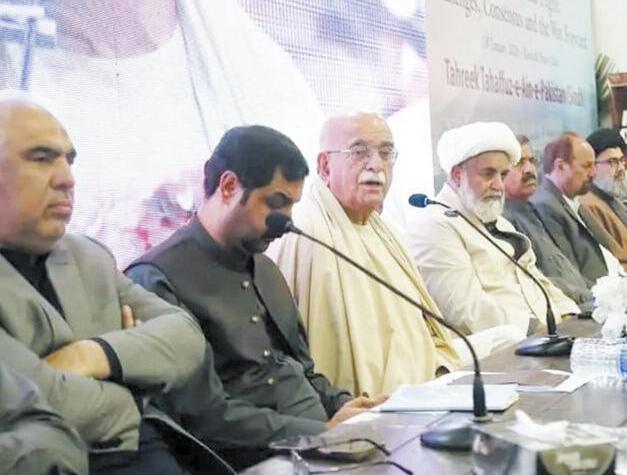
Party after receiving approaches from both sides according to a source within the alliance The development follows Prime Minister Shehbaz Sharif s offer of talks from the floor of the National Assembly Separately PPP a coalition partner of the ruling PML-N at the centre has also made contact with TTAP the source said However the alliance has decided that it will first hear out the government side before considering any engagement with the PPP
OPP LEADERS REJECT BUDGET, SAY TA XES AND POVERT Y CRUSHING PUBLIC
LAHORE:
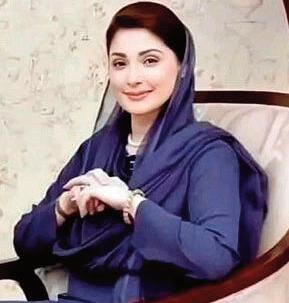
Punjab Chief Minister Maryam Nawaz on Sunday reaffirmed her government s commitment to transforming Punjab into an environmentally sustainable and climate-resilient province, announcing a landmark initiative with the introduction of Pakistan’s first Environment Protection Agency (EPA)certified Liquid Tree
According to the chief minister this marks the first technology certified by the Punjab EPA since 1987 The innovative “Liquid Tree” is an artificial, bio-engineered system designed to absorb carbon dioxide from the atmosphere and contribute to environmental improvement The chief minister said more than 100 species of microalgae were collected from across the country, ranging from Karachi to Khyber Over a period of seven months, researchers evaluated the carbon sequestration ca-
According to the source who spoke on condition of anonymity, the PPP s outreach to TTAP chief Mahmood Khan Achakzai was made through one of the alliance’s constituent parties but not through the PTI The contact was said to have come from a senior PPP leader with the
pacity and efficiency of each species
The most effective strain was identified in Sukkur, Sindh, and later cultivated in collaboration with Government College University (GCU) Faisalabad
The system incorporates an AIbased calculator that provides real-time monitoring of carbon dioxide absorption and oxygen release, enabling precise environmental impact assessment Maryam Nawaz praised the Environment Protection Agency (EPA), researchers and technical teams involved in developing the bio-artificial tree saying the successful trial reflects the innovation expertise and dedication of Punjab s scientists, bioscientists, and environmental experts Following successful testing of the technology she approved its expansion across the province describing it as a major milestone in Punjab s environmental reform agenda The successful trial of the Liquid Tree will bring a significant change in the fight for environmental im-
source adding that the offer originated from an individual close to the PPP chairman though no name was disclosed COALITION STRAINS AND OPPOSITION CALCULATIONS: The source said TTAP believes recent tensions between the PPP and PML-N are linked to several issues These include differences over the Gilgit-Baltistan elections concerns that the PPP-led government in Azad
provement in Punjab she said
In the first phase, Liquid Trees will be installed at major shopping malls in both indoor and outdoor environments
The chief minister expressed confidence that the technology would prove to be a game changer in reducing urban pollution levels The Liquid Tree operates through algae cultivated in water within a bioreactor system, which absorbs carbon dioxide from the surrounding environment The chief minister described it as one of the most advanced scientific approaches to addressing carbon emissions and urban smog She added that such artificial trees when installed in large commercial buildings, plazas, and business districts, would improve environmental quality in a manner comparable to natural trees Separately in April the EPA intensified efforts to establish plastic-free zones in major urban markets announcing a complete ban on plastic bags below 75 microns