
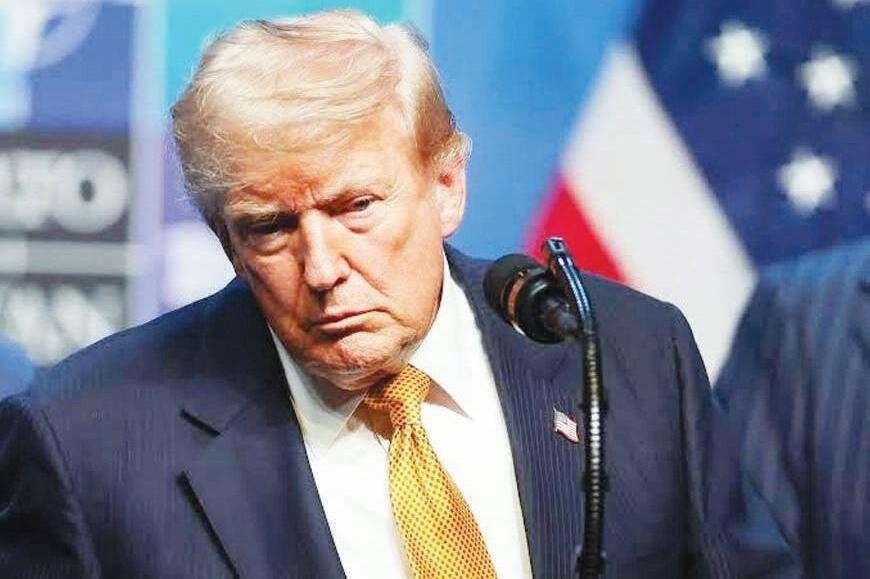
Pakistan Pushes us-iran Peace efforts as trumP sees chance for nuclear deal
g RENEWED DIPLOMATIC MOMENTUM RAISES HOPES FOR PEACE A S PAKISTAN ENGAGES GULF PARTNERS
WASHINGTON/ISLAMABAD
g REGIONAL DIPLOMACY GATHERS PACE WITH PAKISTAN ADVOCATING DIALOGUE OVER CONFRONTATION IN US-IRAN STANDOFF
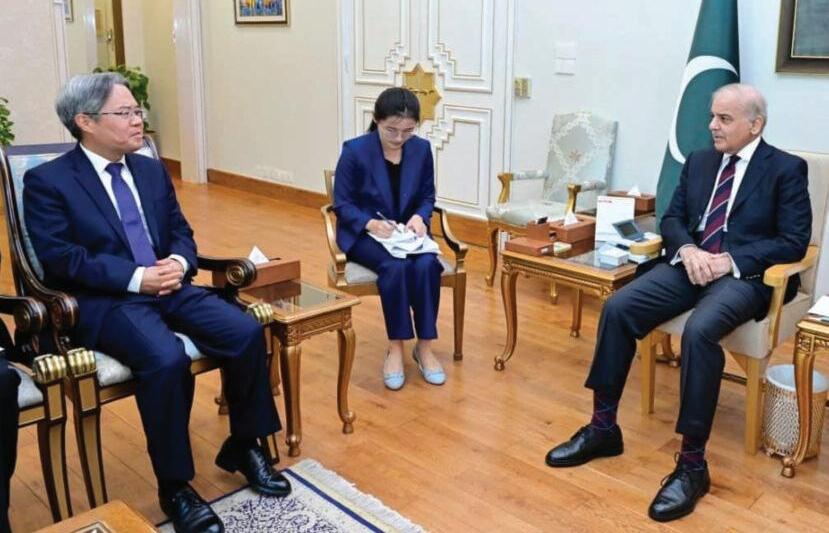
istan s commitment to strengthening its All-Weather Strategic Cooperative Partnership with China and emphasized the importance of coordinated diplomatic efforts to preserve regional stability The meeting attended by Deputy Prime Minister and Foreign Minister Senator Mohammad Ishaq Dar, Planning Minister Ahsan Iqbal, Adviser to the Prime Minister Dr Syed Tauqir Shah and Foreign Secretary Ambassador Amna Baloch also reviewed developments in Afghanistan and South Asia alongside the Middle East crisis
Chinese Ambassador Jiang reaffirmed Beijing's continued support for Pakistan's sovereignty and described Pakistan as China's "iron brother " while expressing China s readiness to


PAKISTANI FINTECH ORA AN RAISES FRESH FUNDING FROM EPIC ANGELS, WAVEMAKER



W e b D e s k Pakistan's annual inflation rate is expected to return to single digits in
developer to
dedicated computing capacity for future AI models Nvidia, meanwhile, would
long-term demand for its chips as AI infrastructure spending accelerates globally The first phase of the Ohio development is expected to come online in 2028 with approximately 800 megawatts of capacity The facility will be built on a combination of federal and privately owned land and is expected to become one of the largest AI data centres ever constructed Power for the project will be supplied under a separate arrangement backed by Japan through a recent USJapan trade agreement tied to a $33 billion natural gas power plant investment According to the report, access to the government-controlled power supply will be determined with the involvement of US Commerce Secretary Howard Lutnick
The financing discussions come despite OpenAI's $852 billion valuation as the company remains unprofitable and faces scrutiny over its ability to fund the enormous capital commitments required for next-generation AI infrastructure Nvidia's proposed backing is intended to strengthen financing structures and improve lender confidence in the project
The Wall Street Journal reported that OpenAI has been negotiating the lease for several weeks and is among the leading contenders for the site Anthropic, Microsoft and Google have also reportedly held discussions with Lutnick regarding access to the project Reuters said it could not independently verify the report while Nvidia OpenAI and the US Commerce Department did not immediately respond to requests for comment The negotiations reflect the AI industry s growing reliance on large-scale debt and equity financing to build computing infrastructure with sector-wide investment expected to exceed $700 billion this year
Federal PSDP spending overshoots FY26 budget


COMMENT
A prudent pause

TFrom Dhaka’s July to Jantar Mantar
FROM Sri Lanka s economic collapse and the fall of its government in 2022 to Bangladesh s July Uprising of 2024 that ended over a decade of political dominance, and the recent youth-led political transformation in Nepal, South Asia has witnessed a powerful wave of civic mobilisation challenging established political orders
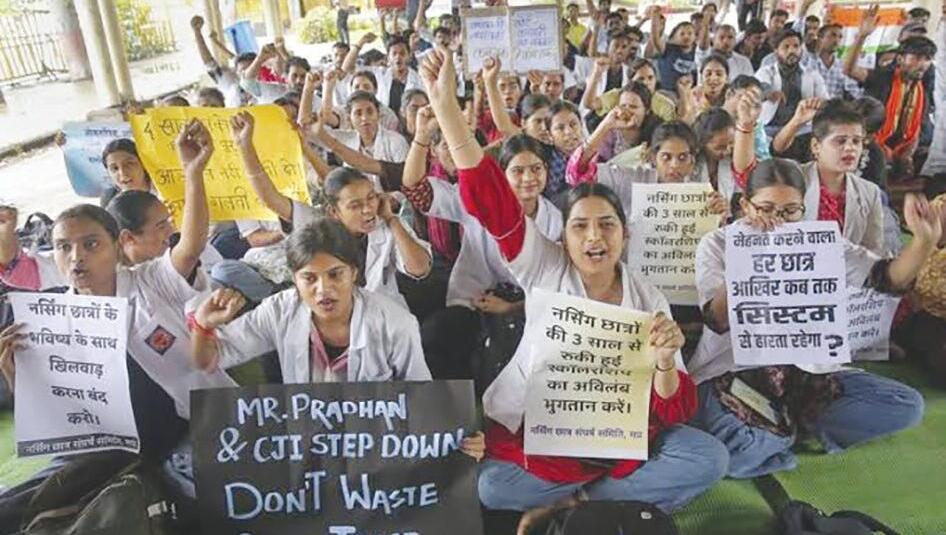
These developments have reshaped the region s political imagination demonstrating that organised public pressure particularly when driven by younger generations can significantly influence national politics Against this backdrop, the ongoing student protests at Jantar Mantar in New Delhi reflect a broader regional mood of political awakening
While each country s circumstances remain distinct the growing assertion of youth voices across South Asia suggests that demands for accountability transparency and democratic responsiveness are increasingly transcending national borders, making the region’s political landscape more dynamic than ever before Now let’s discuss the rationalities of the Jantar Mantar Movement and how it is connected to Dhaka s July uprising particularly Both movements despite emerging in different political contexts and producing different outcomes, share two notable similarities First, both took place in July, making the month a symbolic period for youth-led mobilisation in South Asia Second both were fundamentally driven by demands for greater transparency and accountability in the education and employment systems In Bangladesh the July 2024 uprising began with grievances over the public job quota system and later evolved into a broader movement calling for government accountability Similarly, the ongoing student protests at Jantar Mantar in India centre on allegations of examination irregularities, paper leaks and the demand for a fair transparent and accountable recruitment and education system Although their political trajectories differ both movements reflect a common aspiration among young people for merit-based opportunities, institutional transparency, and public accountability Another striking similarity is that both movements ultimately achieved significant success in advancing their core demands In both cases the protesters also faced police violence including the use of force to disperse demonstrations Despite these challenges, the movements remained resilient and brought national attention to issues of transparency, accountability, and fairness in the education and employment systems Another notable similarity is that both movements began as student-led protests but gradually evolved into broader civic movements As the demonstrations gained momentum members of civil society including academics lawyers professionals, artists, and cultural figures publicly expressed their solidarity with the protesters In both cases, actors and actresses from the film
industry also voiced their support, helping to amplify public attention and broaden the movements’ social appeal This wider participation strengthened the momentum of the protests transforming them from student-driven campaigns into issues of national public concern
In Bangladesh, the July 2024 movement initially emerged as a student-led protest demanding reforms to the public sector job quota system As many protesters saw the government’s response as inadequate the demonstrations expanded in scale and intensity Although the government later accepted changes to the quota system following judicial decisions, the movement had by then broadened beyond its original demand Allegations of police violence against protesters, resulting in numerous casualties, further intensified public anger and drew wider sections of society into the movement As tensions escalated the protests evolved into a broader anti-government campaign centred on demands for accountability and political change
Ultimately, the movement culminated in the end of the government s long period in office, marking one of the most significant political turning points in Bangladesh’s recent history In contrast the student movement centred at Jantar Mantar in New Delhi was primarily driven by allegations of examination paper leaks concerns over irregularities in the recruitment and examination process, and demands for greater transparency and accountability from the authorities
Fuelled by widespread frustration among unemployed graduates and job seekers, the protests gradually spread beyond the capital to several other parts of India attracting growing public attention As the movement intensified particularly around 20 July protesters alleged that police used force including baton charges, to disperse demonstrations, resulting in injuries and the detention of numerous students
The movement’s principal demands included accountability for the examination controversy the resignation of Union Education Minister Dharmendra
Pradhan, compensation for the families of students who were reported to have died by suicide in connection with examination-related distress, and the unconditional release of detained protesters According to the movement’s organisers after the government accepted their
with the launch of projects under the The Digital Nation Pakistan Act including the National Digital AI, National Data Exchange Layer, and Open Data Ecosystem, and the central government, judiciary, and parliament are also taking steps in that direction not just by using technology but by making the relationship between the state and the citizen more transparent and effective The level of preparedness of Pakistan while it comes to governance with AI varies from one
region to another Punjab claims the most developed digital infrastructure and robust IT capacity, whereas the progress in revenue administration and in providing municipal services has been achieved in Sindh which is however challenged by co-ordination issues The government of Khyber Pakhtunkhwa has taken measures to digitize health, police and public service systems, with some connectivity issues in remote areas that are affecting the use of AI on a broader scale Despite having less digital infrastructure institutional capacity and internet connectivity than urban areas of Pakistan there is great potential in the use of AI in the field of disaster management, healthcare, education, tourism, and land administration systems in Balochistan, Gilgit-Baltistan, and Azad Jammu & Kashmir There is little chance of a uniform national policy being effective without provincial variations Pakistan is at a crucial juncture Governments are no longer just digitizing; they are advancing to intelligent governance around the world The objective is not to replace civil servants but to empower them The future is digital and Pakistan must be ready to embrace it
The author is a Staff Economist at the Pakistan Institute of Development Economics (PIDE) She can be reached at Email: shamaila@pide org pk

A test of intent


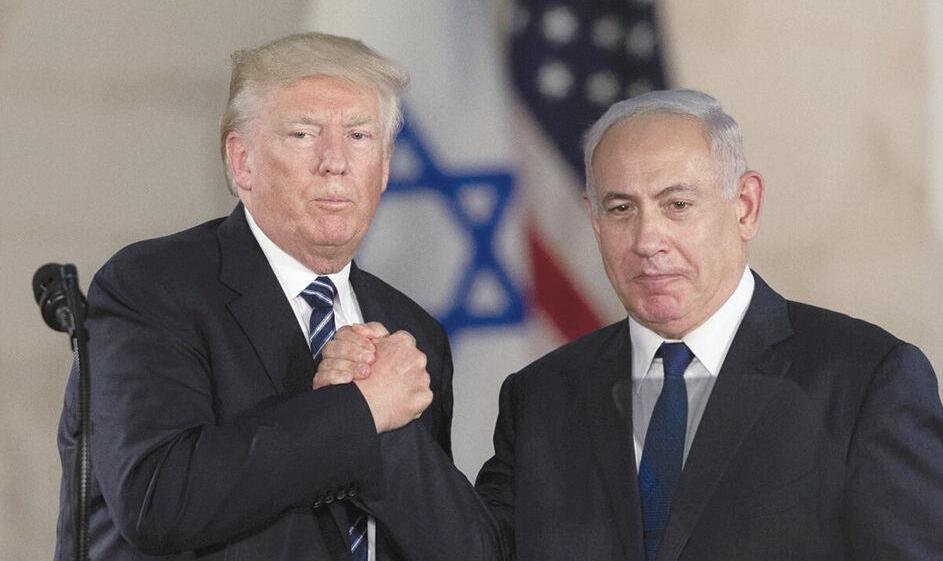
IN the annals of political psychology, few figures have been as openly scrutinized for their personality traits as Donald Trump and Benjamin Netanyahu Both leaders have been characterized by observers and analysts as exhibiting profound narcissism an excessive preoccupation with self, a sense of entitlement, and a lack of empathy This psychological profile, when fused with immense political power, has not merely shaped domestic policy but has been a driving force in what some analysts have termed a dangerous duet of self-promotion and delusion, culminating in a catastrophic war with Iran and the devastation of Gaza
The personal dynamic between Trump and Netanyahu is often described as a meeting of two leading pathological narcissists Their relationship is transactional, built on mutual admiration and the reinforcement of each other s grandiose self-images During a White House meeting, Netanyahu presented Trump with a letter nominating him for the Nobel Peace Prize, a gesture that perfectly encapsulates the currency of their bond: validation Trump, in turn, has publicly praised Netanyahu as a war hero, adding, I guess I am, too I sent those planes, despite having never served in combat This assertion of shared glory reveals a fundamental inability to distinguish between the actions of others and their own perceived achievements Their narcissism manifests in a shared worldview of zero-sum competition and personal indispensability Both men frame themselves as singular saviors uniquely capable of navigating existential threats Netanyahu portrays himself as the sole guardian of Israel against Iran and regional enemies, while Trump s I alone can fix it rhetoric since his 2016 campaign till date has been a consistent theme
The Trump–Netanyahu A xis: Power, War and the Politics of Escalation
The war ’s narrative, however, is colored by the leaders’ need for theatrical dominance Trump has threatened a “massive attack” on Iran to “finish them off,” while Netanyahu has claimed he is reshaping the Middle East to his will Their strategy has backfired; Iran has proven resilient and willing to absorb conflict, using the war to assert greater control over the strait and attack U S allies, further disrupting global energy markets and proving the limits of U S power Nowhere is the lack of empathy associated with their leadership more apparent than in Gaza The ICC Pre-Trial Chamber has issued arrest warrants for Netanyahu for the war crime of starvation as a method of warfare and crimes against humanity including murder and persecution
But both Donald Trump and Bibi in almost all their speeches blame Iran for targeting civilians The charge is familiar, a rhythmic chorus in the war drums of the Middle East: Iran is indiscriminately targeting civilians It is a narrative of moral clarity, painting the Islamic Republic as a rogue actor indifferent to human life Yet, when examined through the cold calculus of civilian casualties, the claim rings hollow To compare this to the American and Israeli record of civilian killing is to compare a house fire to a forest fire The United States has perfected the art of industrial-scale civilian slaughter across generations In Korea, an estimated 3 million civilians perished, and the number of refugees reached 3 million In Vietnam, the civilian death toll reached 2 million, with millions more refugees and victims of chemical defoliants The Iraq War (2003) claimed
This belief places them above correction, leading them to view independent judiciaries, a free press, and international law as illegitimate constraints on their will This is starkly illustrated by their contempt for the International Criminal Court (ICC), which Trump has actively worked to sanction and Netanyahu has dismissed as absurd after it issued arrest warrants for him for war crimes Trump and Netanyahu s convergence two embattled leaders seeking validation through conflict reveals less a grand strategy than a dangerous duet of self promotion and delusion”
between 200,000 and 250,000 civilian lives, creating 3 25 million refugees
The “War on Terror” has, by conservative estimates, killed over 940,000 people, with 432,000 being civilians, in at least 85 countries since 9/11
The list is a macabre roll call of modern history: Afghanistan, Libya, Syria, Somalia, Yugoslavia, and more These are not accidents; they are the predictable consequences of a foreign policy driven by hegemony and a view of foreign lives as expendable Israel’s record in its immediate neighborhood is equally damning Since October 2023, more than 73,000 Palestinians have been killed in Gaza According to Hamas, nearly 65,000 of those are civilians, and Israel continues to carry out near-daily strikes in Gaza that have killed over 1,180 Palestinians since a ceasefire, with the UN reporting continuing attacks on civilians and infrastructure This is not merely combat; it is a systematic destruction of life The violence extends to Lebanon, where 3,558 have been killed, and to the West Bank, where settler violence and arrests of civilians are routine
When the architects of this systematic destruction the United States and Israel accuse Iran of “indiscriminately targeting civilians,” they perform a grotesque act of psychological projection It is the pot calling the kettle black, while the pot itself is a blackened cauldron of human suffering Trump, who threatened Iran with “unconditional surrender,” and Netanyahu, who has dismissed international law as “absurd,” have no moral authority to condemn anyone for civilian deaths Their hands are steeped in the blood of a thousand conflicts The hypocrisy is not merely cynical; it is pathological To ask whether these leaders have the
“right” to blame Iran is to miss the point entirely Their “right” is not a moral one but a claim
The personal dynamic between Trump and Netanyahu is often described as a meeting of “two leading pathological narcissists” Their relationship is transactional, built on mutual admiration and the reinforcement of each other’s grandiose self-images During a White House meeting, Netanyahu presented Trump with a letter nominating him for the Nobel Peace Prize, a gesture that perfectly encapsulates the currency of their bond: validation Trump, in turn, has publicly praised Netanyahu as a “war hero,” adding, “I guess I am, too I sent those planes,” despite having never served in combat

Yet,

the operation in the Strait of Hormuz, even as the US openly calls on other nations to do so And then there were Vice President JD Vance’s comments this week on Joe Rogan’s podcast – specifically his accusations that Israel has been running a campaign against him personally to pressure the US into widening the war with Iran This can only be described as a Joint Direct Attack Munition (JDAM)-like precision strike against the foundations of the US-Israel alliance
These were not the comments of a fringe commentator or an isolationist member of Congress They came from the vice president of the United States, a leading contender to inherit the MAGA movement and potentially the presidency itself
Then there was President Donald Trump’s apparent decision to move ahead with the sale of the fifth-generation F-35 to Turkey, which would make it only the second country in the region, after Israel, to operate the stealth aircraft
Add to that Wednesday night’s signing of an agreement on a civilian nuclear program with Saudi Arabia – initially announced with-
Zaidi is working closely with the US to weaken and dismantle Iranian-backed militias in Iraq Sharaa would almost cer tainly not have come to power had Israel not devastated the Iranian axis and, in par ticular, Hezbollah
out connection to the Abraham Accords something Trump later clarified was in fact connected – and it is hard to escape the conclusion that Israel has at least for the moment been pushed somewhat to the side
The F-35 sale to Turkey will directly challenge Israel’s qualitative military edge It is possible that Ankara will receive a modified version of the aircraft with capabilities slightly inferior to those of the Israeli fleet It is also possible that Israel will be compensated with technological upgrades new weapons systems or other capabilities designed to preserve its advantage But none of that changes the broader strategic reality Turkey is a dominant power in the region whose leader has a close relationship with Trump The Saudi agreement is no less consequential A civilian nuclear program was originally supposed to be one of Washington’s primary cards for drawing Riyadh into a normalization agreement with Israel Even though Trump has said that it is connected to the Abraham Accords time will tell For now Saudi Arabia is saying that it will not normalize relations as long as Israel remains in a state of conflict in Gaza Could something more be happening beneath the surface beyond what the public –and perhaps even many government officials – currently know? Of course The Abraham Accords themselves were known to only a small number of people before their announcement in August 2020 It is possible that the Saudi nuclear agreement is one piece of a broader process that will eventually lead to normalization with Israel But as of now there is no indication that this is the case Even if such a process were underway it is difficult to imagine what Israel’s contribution could currently be The idea that this government particularly in the run-up to the upcoming election could meaningfully advance a political process with the Palestinians is detached from political reality Netanyahu cannot afford to make any serious concessions at the same time that he is fighting for his political survival Any move that could be portrayed as a concession to the Palestinians runs the risk of alienating even his most loyal and dedicated followers Add to the mix recent meetings Trump has had with Arab leaders while refusing to schedule a meeting with Netanyahu (it is possible
that something will change on that front next week now that the funeral plans for the late Sen Lindsey Graham have been announced)
This week President Joseph Aoun became the first Lebanese head of state to visit the White House in almost two decades The week before Trump hosted Iraq’s new prime minister Ali al-Zaidi
Earlier this month Trump met with Ahmed al-Sharaa the former al-Qaeda jihadist who now serves as president of Syria on the sidelines of the NATO summit in Ankara Taken individually each meeting can be explained Viewed together they begin to form a pattern one that does not include Israel
ISRAEL’S VICTORIES, OTHERS’
DIPLOMACY: Ironically though while Israel might be left out of the room the fact that cannot be ignored is that many of the regional changes that these leaders are discussing with Trump would not have come about had it not been for Israel Zaidi is working closely with the US to weaken and dismantle Iranian-backed militias in Iraq Sharaa would almost certainly not have come to power had Israel not devastated the Iranian axis and in particular Hezbollah Aoun would not be treated as a regional leader worthy of presidential attention had Israel not dramatically weakened Hezbollah and created an opening for the Lebanese state to begin asserting itself
That opening has now led to a new pilot program under which the IDF has started withdrawing from several villages in southern Lebanon and allowing the Lebanese Armed Forces to try to take control and prevent Hezbollah from returning Over the last three years Israel weakened Iran shattered Hezbollah helped bring about the collapse of the Assad regime in Syria struck the Houthis in Yemen and severely degraded Hamas in Gaza The scale of the transformation is difficult to overstate Which raises the obvious question: How is it that Israel after paying such a tremendous price and doing so much to transform the region now appears to be sidelined from some of the diplomacy and strategic planning that this transformation has made possible? Whether it is the emerging American relationships with Lebanon and Iraq negotia-
Qamar Bashir

NETANYAHU SAYS IRAN TO TOP AGENDA IN MEETING WITH TRUMP
during the past hours that attempted to target petroleum facilities in the Eastern Region and Riyadh " The ministry added that AlMaliki "clarified that these terrorist attempts were launched from Iraqi territory and carried out by Iranian-backed terrorist militias affirming the Kingdom s legitimate right to defend itself and its capabilities and its retention of the right to respond at the appropriate time and place " Meanwhile, Jordan's armed forces on Monday said two drones had been intercepted without identifying who launched the drones Al Jazeera reported According to the Qatari news agency no casualties or material damage was reported

Gallant over alleged crimes against humanity committed amid Israel’s war on Gaza
SAUDI ARABIA JORDAN ISRAEL INTERCEPT DRONES: Saudi Arabia s Ministry of Defence, citing its official spokesperson Major General Turki Al-Maliki, said in an X post that "air defences intercepted and destroyed a number of drones
The Israeli military also claimed that it intercepted two drones near the Jordanian border and was investigation where they had been launched from according to AFP
'NOT IN OUR DNA': IRAN HASN'T
ASKED TO RESUME TALKS WITH US, BAGHAEI SAYS: Earlier, Iran's Foreign Ministry spokesman Esmaeil Baghaei said at a news conference that some coun-
Punjab's AI future begins with people
EThat in my view is the only question that truly matters Technology must never become an objective in itself Its purpose is to address real challenges, remove unnecessary barriers and create opportunities that were previously beyond reach Consider a government school teacher responsible for educating hundreds of students with limited resources If Artificial Intelligence can reduce hours spent preparing lesson plans and administrative material, that is not merely technological advancement; it is time returned to teaching Consider a physician overwhelmed by administrative documentation after an already demanding day If intelligent systems can simplify routine paperwork while allowing medical professionals to devote greater attention to patient care that represents meaningful progress
Consider a farmer confronting unpredictable weather fluctuating markets and increasing pressure on agricultural productivity If timely, data-driven insights can support more informed decisions then technology
illustrate a profound reality The greatest impact of Artificial Intelligence will not emerge from laboratories or conference halls It will be realized in classrooms, hospitals, farms businesses and public institutions where ordinary citizens encounter extraordinary improvements in their daily lives No algorithm can substitute for an inspired teacher No software can replicate the compassion of a dedicated doctor No intelligent system can replace the judgement creativity and resilience that define human endeavor Artificial Intelligence should augment human potential not diminish it For Punjab, this presents an extraordinary opportunity
Our province possesses one of its most valuable strategic assets: a young ambitious and increasingly connected population Every university graduate every entrepreneur every educator, every healthcare professional and every farmer represents a source of innovation waiting to be empowered The challenge before us is not whether Artificial Intelligence will reshape the future It unquestionably will
The more pressing question is whether we will prepare our people to shape that future themselves This responsibility cannot rest with government alone Universities must cultivate research that addresses local challenges rather than merely replicating international trends Startups should be encouraged to develop solutions with tangible social impact Industry must invest in innovation rather than viewing technology solely through the lens of efficiency Educational institutions must equip students with analytical thinking, adaptability and digital literacy Policymakers must ensure that innovation advances alongside transparency accountability and public trust Sustainable progress has always emerged from collaboration rather than isolation Equally important is the principle that technological advancement should remain inclusive
Artificial Intelligence must not deepen existing inequalities by benefiting only those who already possess resources connectivity and technical expertise On the contrary,
its greatest promise lies in extending opportunity to communities that have historically remained underserved A student in Rajanpur should be able to access high-quality educational support comparable to that available in Lahore A farmer in Bahawalnagar should benefit from the same quality of information as an agricultural specialist A small business owner in Sialkot should be able to harness digital tools once reserved for multinational corporations That is the true democratization of technology
Ultimately, history will not judge us by the sophistication of the systems we deploy or the number of agreements we sign It will judge us by outcomes
Did our students receive a better education?
Did our healthcare system become more responsive?
Did our farmers become more productive?
Did entrepreneurs find new avenues for growth?
Did citizens experience a government that was more efficient, more accessible and more accountable?
These are the questions that have shaped my thinking about what we need to achieve In February this year, the Chief Minister of Punjab entrusted me with the responsibility of leading the Office of AI, with a clear ambition: to make Punjab the most AI-enabled province in South Asia by 2029 From the outset I understood that this vision could not be achieved through announcements strategies or technology alone It would require a disciplined focus on outcomes and a model of government capable of translating ambition into measurable improvements in the lives of citizens
Having observed politics and government closely throughout my life, I have seen how even the clearest goals and the best intentions can struggle to produce lasting results Traditional systems are often constrained by bureaucracy fragmented responsibility and processes that were not designed for the pace of emerging technologies With humility and openness, I studied delivery models from Pakistan and around the world sought the counsel of Advisors and experts who had not only developed strategies but implemented them into outcomes I began building a core team of young, ambitious doers A few weeks ago we welcomed some of Punjab s brightest young minds into an AI-enabled Delivery Unit, the first of it s kind globally Our Delivery Unit combines proven principles of delivery with new ways of working made possible by Artificial Intelligence Yet its purpose remains simple: to turn ambition into better outcomes for the people of Punjab and that can inspire other provinces and ultimately help shape the destiny of Pakistan Artificial Intelligence is undoubtedly one of the defining technologies of our era Yet its enduring legacy will never be measured by the sophistication of machines It will be measured by the aspirations we


Repatriation Of Illegal Afghan Nationals
GOVT HALTS UFONE-TELENOR REBRANDING TO 'E&' OVER LEGAL , GOVERNANCE CONCERNS

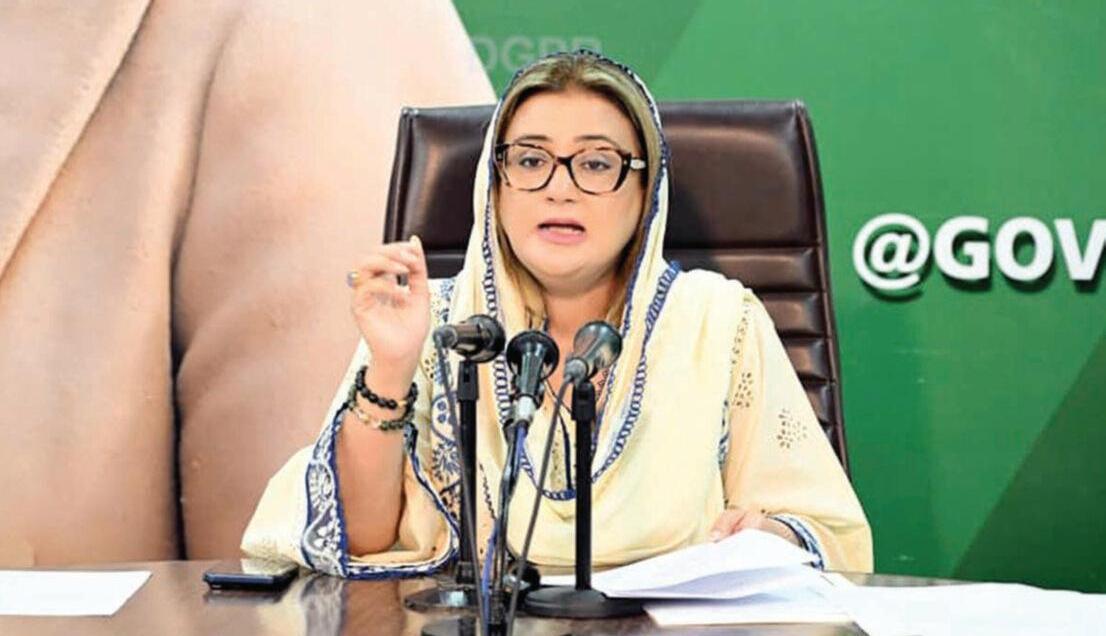
had been making statements against election rigging had themselves resorted to allegations of rigging out of fear of defeat
The Minister said the people of Azad Kashmir are closely observ-

ing the performance of the Maryam Nawaz-led Punjab government and also want initiatives such as the Suthra Punjab programme, electric buses the Honhaar Scholarship Programme the Laptop Scheme Apni Chhat Apna Ghar the Asaan Karobar Programme and youth skill development initiatives in their own region She said not only Kashmir but people across Pakistan aspire to the level of development and governance being witnessed in Punjab
Askari Bank Secures Highest Long-Term Entity Rating 'A A
Askari Bank has secured the Long-Term Entity
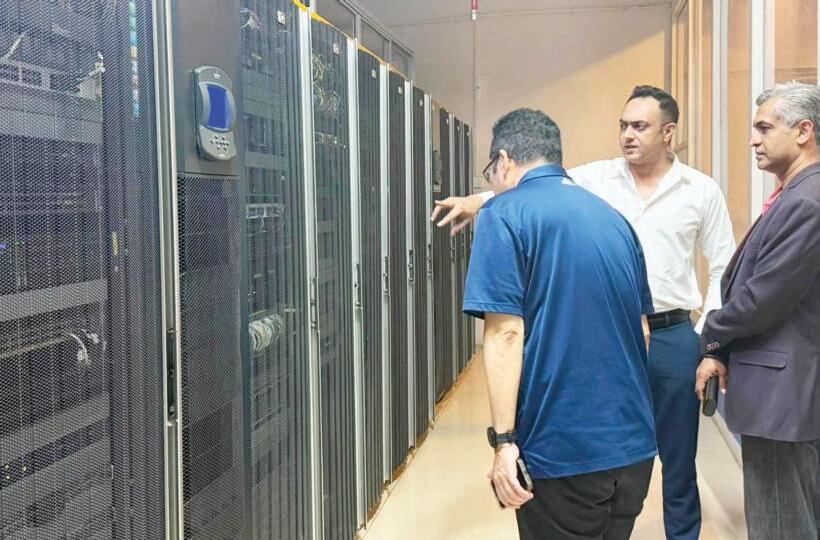
Rating of Triple-A (AAA) by Pakistan Credit Rating Agency Limited (PACRA) During 2025 the Bank delivered strong financial performance with continued growth in profitability, total assets, deposits, and shareholders' equity while maintaining a Capital Adequacy Ratio significantly above regulatory requirements The Bank's digital transformation journey also continues to strengthen its market position through innovative banking solutions an expanding digital ecosystem and enhanced customer experience thereby reinforcing its commitment to delivering secure, convenient, and future-ready financial

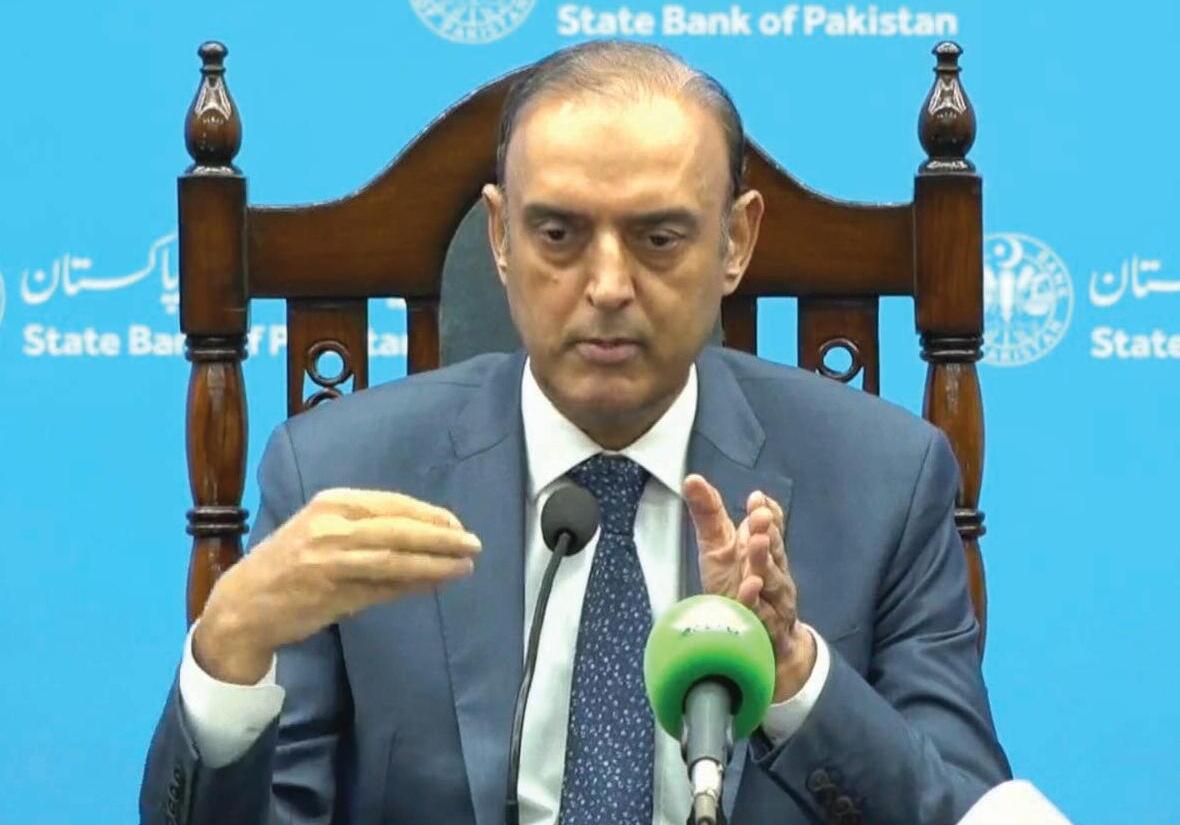
SBP LEAVES KEY RATE UNCHANGED AT 11.5%
AMID INFL ATION AND EXTERNAL RISKS
PPP, PML-N trade rigging allegations as violence mars A JK polls
Pakistan
partners, the Pakistan Peoples Party (PPP) and the Pakistan Muslim League-Nawaz (PML-N) traded allegations of rigging and political violence on Sunday as polling for the Azad Jammu and Kashmir (AJK) Legislative Assembly was overshadowed by the killing of a PPP worker in Kotli
The PPP claimed that 35-yearold party worker Mukhtar Younus was shot dead during polling in Nikyal Kotli while several other workers were injured Condemning the incident, PPP Chairman Bilawal Bhutto Zardari expressed grief over the killing while Sindh Local Government Minister Saeed Ghani alleged that the firing was carried out by supporters of a PML-N candidate
Addressing a joint press conference, Ghani said the election campaign had been marred by repeated violations of the code of conduct accusing the Election Commission of failing to ensure a level playing field
The way this election campaign was conducted, the result is that bullets are being fired today Our workers are dying," he said Ghani also accused the Punjab government of attempting to influence voters by announcing public buses for AJK during the election campaign, describing the move as an effort to sway the electorate rather than a genuine public welfare initiative
He further criticised remarks by PML-N President Nawaz Sharif comparing Kashmir with Kashmore and Mirpur with Mirpur Khas, saying the comments had offended the people of Sindh and reinforced perceptions that the PML-N lacked a truly national outlook
The PPP leader said that if the elections were conducted fairly the results would resemble those witnessed in Gilgit-Baltistan
Responding to the allegations, Punjab Information Minister Azma Bokhari accused the PPP of engaging in electoral malpractice and asserted that the PML-N was contesting the elections on the basis of its governance record
During a press conference in Lahore, she claimed that PML-N representatives had recovered bags allegedly containing ballot papers from the residence of a PPP candidate in Kotli and alleged that bogus votes were being used to influence the election Yesterday they said they would not let rigging happen Today they are rigging," she alleged Rejecting criticism over the Punjab government s announcement of buses for AJK Bokhari maintained that the vehicles had not yet begun operations and questioned why parties criticising the initiative had failed to provide similar public transport facilities in provinces under their own rule
She said voters in the Mirpur
ISLAMABAD
N E W S D E S K
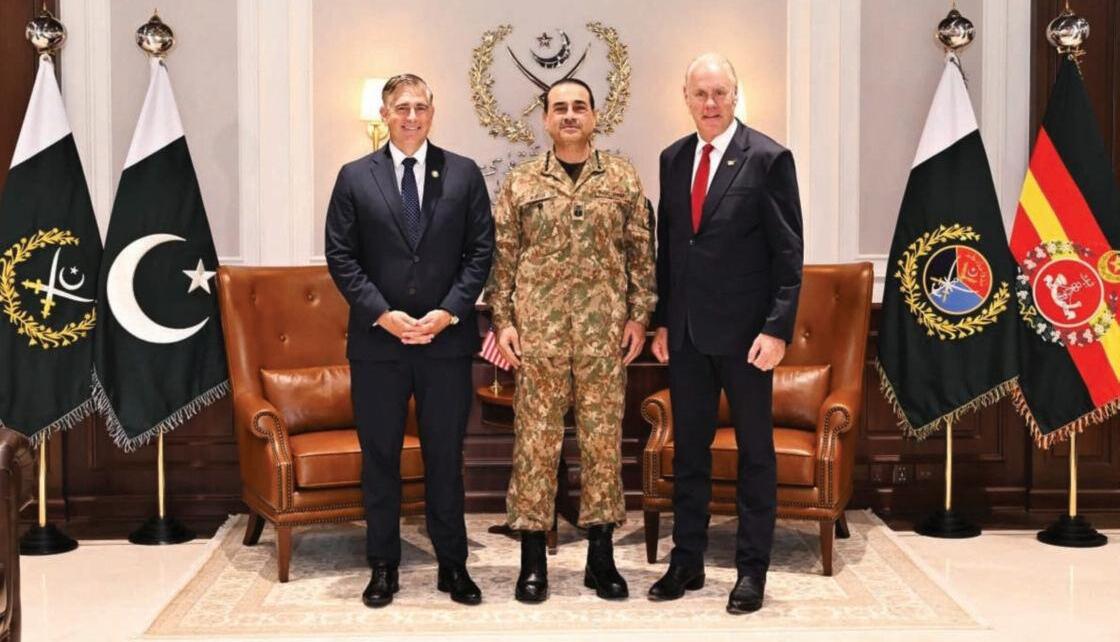
General Aamer Raza met Chief of Defence Forces and Chief of the Army Staff Field Marshal Asim Munir at General Headquarters in Rawalpindi on Monday, days after being promoted to four-star rank and appointed Commander of the National Strategic Command
The Inter-Services Public Relations said Field Marshal Munir congratulated him on assuming command On his arrival at GHQ, General Raza was presented a guard of honour the military’s media wing said During the visit General Raza laid a floral wreath at Yadgar-i-Shuhada and offered prayers for the martyrs
New post created under constitutional changes Prime Minister Shehbaz Sharif had announced on Friday that General Raza was being elevated to the rank of a four-star general and appointed CNSC The Prime Minister ’s Office said the premier congratulated him and wished him well for “undertaking this important responsibility
The CNSC office was created under last year s 27th Constitutional Amendment, which reshaped the military chain of command and transferred the nuclear manager role previously exercised by the Chairman Joint Chiefs of Staff Committee to the new post The amendment also created the office of Chief of Defence Forces for a
unified command structure across the armed forces Under the constitutional changes the appointment reappointment and extension of the CNSC are tied solely to the recommendation of the CDF The amendment further states that the appointment reappointment or extension of the CNSC or the exercise of discretion by the appointing authority in that regard cannot be challenged before any court on any ground whatsoever Field Marshal Asim Munir was appointed the country’s first Chief of Defence Forces after the passage of the 27th Amendment General Raza has previously received the Hilal-i-Imtiaz (Military) and Sitara-i-Basalat