
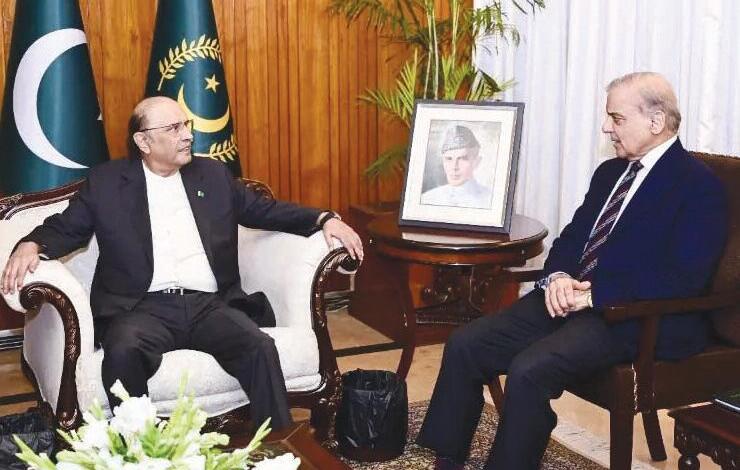
PRESIDENT Z ARDARI, PM SHEHBA Z REVIEW SECURIT Y, ECONOMY AND BUDGET PRIORITIES
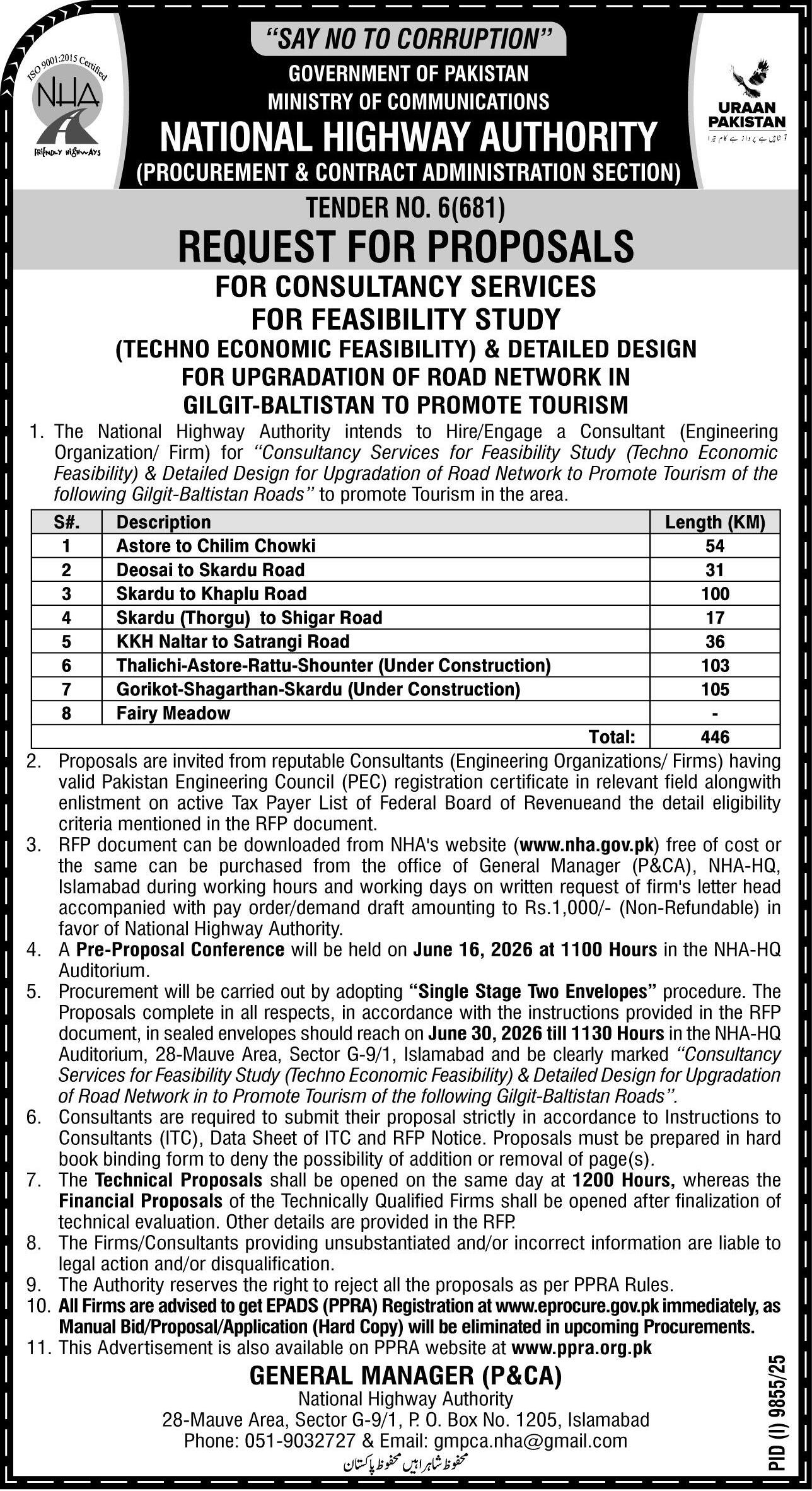
g PPP LEADERS URGE PML-N TO JOIN COALITION GOVT TO BE FORMED IN GILGIT BALTISTAN AFTER SPLIT MANDATE
GOVT FORMATION AND AZAD KA SHMIR SITUATION COME UNDER REVIEW
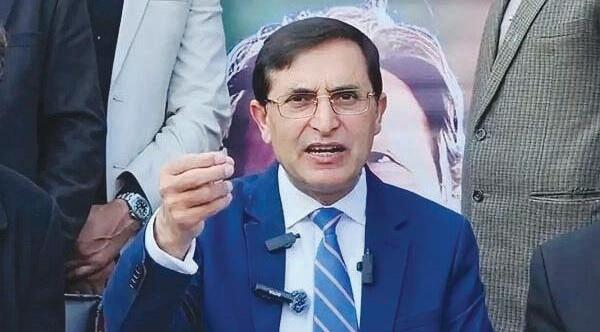
Pakistan Tehreek-e-Insaf (PTI) on Monday rejected the tentative results of the Gilgit-Baltistan Legislative Assembly elections, alleging widespread rigging and electoral manipulation and called for a re-election in a constituency of Astore district
According to preliminary results from Sunday s polls, the Pakistan Peoples Party (PPP) is leading in 10 constituencies, while the Pakistan


PAKISTAN AWAITS IMF APPROVAL
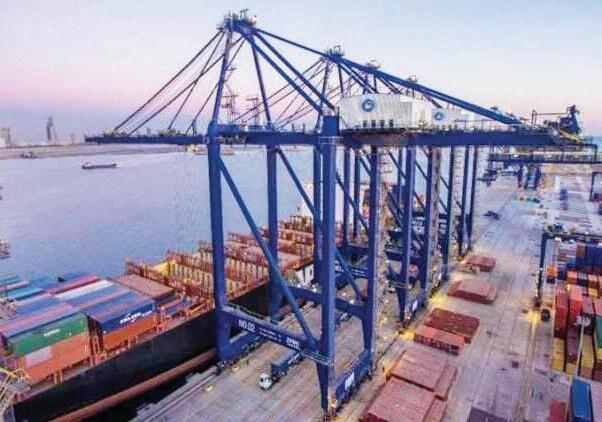
FBR revises cargo declaration rules
for importers, sets August 15 implementation date
ports and land border customs stations However the new provisions will not be applicable to IGMs filed at airports According to the notification, cargo information and declarations prescribed under Appendix-III must be submitted online free of charge at least 18 hours before the estimated time of arrival (ETA) of a vessel or after confirmation that the Vessel Intimation Report (VIR) has been received by the Pakistan Automated Customs Clearance System (PACCS) The FBR also specified separate
filing requirements for Non-Vessel Operating Common Carriers (NVOCCs) Such operators will be required to submit incoming cargo declarations against the VIR number allocated by the PACCS system and only for bills of lading declared in the VIR by the carrier or its authorised agent The notification provides a special
filing arrangement for cargo originating from selected regional ports Where the port of loading is Dubai, Jebel
S I N D H
k Minister of State for Finance and Revenue Bilal Azhar Kayani on Sunday met representatives of around 40 Women Chambers of Commerce and Industry from across Pakistan to discuss federal budget proposals women s economic participation and support for women-owned businesses Presidents, vice presidents and representatives of chambers from Islamabad, Lahore Faisalabad Sialkot Peshawar Abbottabad Sargodha Karachi and other cities attended the consultation
The delegation was led by Federation of Pakistan Chambers of Commerce and Industry Vice President Qurrat ul Ain Participants presented recommendations for consideration during the ongoing preparation of the federal budget and high-
lighted challenges faced by women entrepreneurs They called for greater representation of women in mainstream policymaking and decision-making forums along with increased opportunities for women-led enterprises
The representatives also sought skills development programmes, improved access to Special Economic Zones and greater participation of women in human resource development initiatives
Kayani said women entrepreneurs were contributing to Pakistan s economy across different sectors and assured the delegation that their recommendations would be considered during the policymaking process
He said the federal government, under Prime Minister Muhammad Shehbaz Sharif, remained committed to expanding economic and social opportunities for women The minister noted that women were already participating in consultative boards, committees and advisory platforms, adding that the government intended to strengthen their representation and engagement He also assured the chambers of the Ministry of Finance and Revenue s continued cooperation in addressing issues affecting women-owned businesses and supporting women s economic empowerment Those attending the meeting in-
transaction is completed and the shares are transferred

118 billion to Balochistan P U N J A B P R O J E C T S: Among the ongoing schemes in Punjab, Rs259 3 million has been proposed for widening, rehabilitating and constructing five roads in Union Council Paki Shah Mardan Union Council Namal and Union Council Kot Chandana in Mianwali district Another Rs329 million has been proposed for seven roads in Union Council Shahbaz Khel, Union Council Rokhri and Union Council Pai Khel in Isa Khel tehsil, Mianwali The federal government has earmarked Rs285 million for eight roads in Union Council Manda Khel Union Council Qamar Mashani Municipal Committee Kalabagh and Union Council Ban Hafiz Jee in Mianwali Proposed allocations also include Rs300 million for construction of REC and DEC offices in Faisalabad Rs506 million for the Isa Morr-Siddiquepura road project under phases one and two and Rs303 million for a 20-foot-wide metalled road from Bhatta Chowk to Ahmadpur in Bahawalpur district
Saifullah district Federal government has proposed Rs2 5 billion for widening improving and reconstructing Khani Cross-Ziarat-Sinjhavi Road Allocations of Rs2 billion each have been proposed for Sui-Kashmore Road and construction of Provincial Assembly Building in Quetta Budget documents also include Rs1 5 billion for construction and upgradation of Dirgai-Shabozai Road from National Highway N-70 to Taunsa Sharif on National Highway N-55 Another Rs1 5 billion has been proposed for blacktopping Duki-Chamalang
Road and its link roads while Rs1 5 billion has been earmarked for phase one of Gwadar Safe City Project M E R G E D D I S T R I C T S P R O J E C T S: Of Rs66 367 billion proposed for three on-

04
COMMENT
Taxing fairness away
Impact of Indian Hybrid War fare on Human Securit y in Pakistan



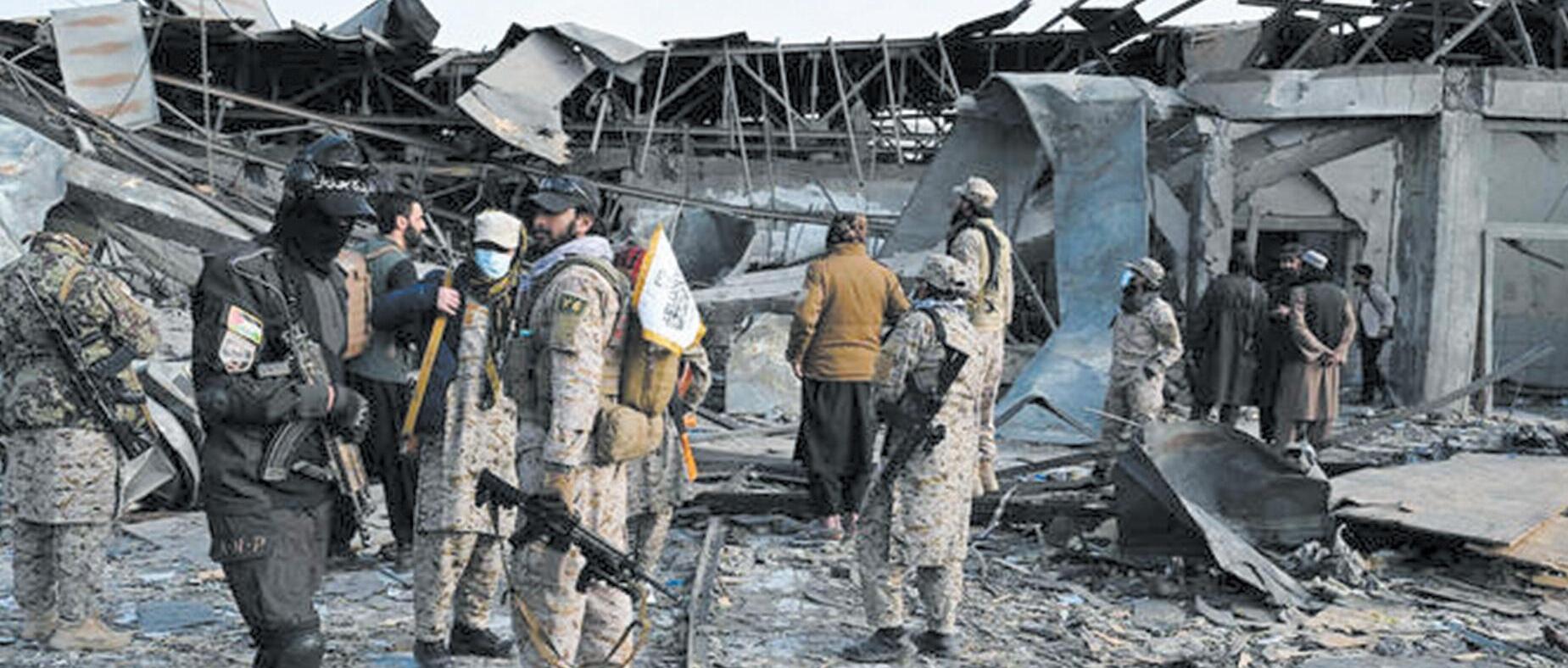
are in truth the inevitable byproduct of a sovereign state pushed to its limit by an unrelenting tide of proxy violence The suffering of Pakistani victims the soldiers the policemen, and the families who bear the brunt of these incursions deserves equal visibility, yet it remains relegated to the footnotes of Western reporting Pakistan’s position is not born of a desire for regional friction but from a fundamental duty to protect its citizenry against an ecosystem of terror that has found a safe if cynical harbor across its western frontier The central failure of such reporting lies in its refusal to ask the most pertinent question: why do terrorist-linked infrastructures and dualuse compounds continue to thrive within Afghanistan under the watchful eye of the Taliban? In the last 48 hours alone the chilling reality of this negligence manifested in Bannu and Lakki Marwat, where 22 policemen and civil-

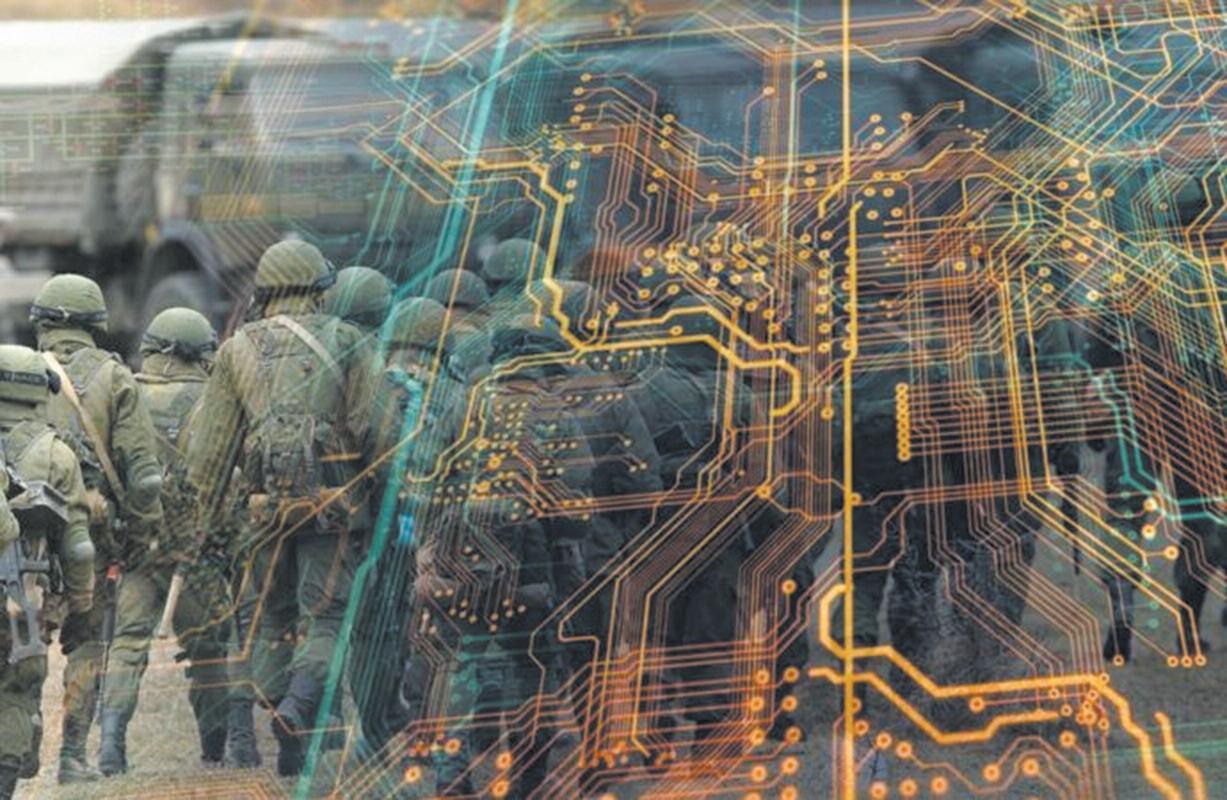
Conflict in the 21st century has altered the traditional concept of war from conventional military engagements to intricate and a multidimensional form of conflict
For the new Strategic World Hybrid warfare has emerged as one of the means where a State can achieve its strategic objectives without the use of war The hybrid warfare strategy of India in South Asia since 2019 has seen the use of non-kinetic tools to impact the outcomes, exert pressure and mould the narratives against Pakistan This shift has a broad impact on human security not just in the military sector but in all aspects of economic social and psychological security These processes are a direct threat to human security as they impact individuals safety, dignity and livelihood opportunities Hybrid warfare is the use of a mixture of conventional and non-conventional tactics such as information warfare cyber warfare economic sanctions and psychological warfare to try to take advantage of an enemy s vulnerabilities It s a grey zone approach and attribution and responses get more difficult In conventional warfare, the battlefield is physical, in hybrid warfare the battlefield is mental and societal It aims to influence thoughts, perceptions and responses; it has made society the principal battleground of war Now warfare isn’t limited to the battlefields it has been expanded to beliefs paradigms and perceptions An important aspect of hybrid war is information war, which involves the deliberate use of misinformation and disinformation to influence the national and international perception Pakistan has been a victim of propaganda campaigns aimed to project it as unstable and insecure The recent exposure of an extensive disinformation network by European Disinformation Laboratory (EU DisinfoLab) indicated how the creation of fake websites and bogus media outlets were used to spread anti-Pakistan narratives around the world These activities not only hurt the images of Pakistan in the world but also spoil the integrity of the nation and are responsible for dividing and building mistrust among the people In this sense
ians were martyred and dozens more injured in strikes directly linked to the Hafiz Gul Bahadur network These are not ghost organizations; they are documented entities operating with tactical ease within Afghan territory By failing to scrutinize the documented presence of the TTP and allied proxies the media creates a false equivalence between legitimate counter-terrorism operations and the unprovoked, barbaric violence directed at Pakistani civilians
The narrative suggests a vacuum of causality, ignoring the fact that no sovereign nation would indefinitely tolerate operational sanctuaries functioning across its border The targets hit were not chosen at random; they were identified nodes in a militant network that threatens the very core of Pakistan s national security, as evidenced by publicly released surveillance footage A disturbing trend has emerged where militant groups with the tacit connivance of the Afghan authorities deliberately embed themselves within civilian settings and former military compounds This is a calculated strategy designed to generate propaganda value from the very destruction they invite When international media outlets give extensive space to allegations against Pakistan while ignoring the strategic placement of terrorist hideouts in civilian areas they unwittingly become a megaphone for this calculated deception The responsibility for civilian risk lies squarely with the Afghan Taliban, who have permitted these groups to use the local population as a human shield for their training camps Pakistan has been consistent in its doctrine: no hospital or civilian population was targeted The objective is the proactive disruption of terrorist ecosystems before they can materialize into another tragedy on Pakistani streets To portray these strikes as indiscriminate is to ignore the surgical necessity of stopping an enemy that refuses to engage on a conventional battlefield For too long Pakistan’s response was characterized by reactive border defense a strategy that proved insufficient against an enemy that exploits the complexities of terrain and porous
information manipulation is used as an instrument to attack social fabric and create perceptions Hybrid strategies are further amplified in the cyber domain Pakistan has more than 120 million internet users and a growing cyber space which are vulnerable to cyber threats At the same time, polarization of society through the spread of polarizing messages on social media platforms As countries become more connected online it is easier to influence online discourses which affects the psychological and information aspects of human security The psychological warfare in tandem with the information and cyber attacks, aims to instill fear, doubt and panic The hybrid actors aim to sow doubt in the state on the grounds of sensational threats fake reports and emotional appeals This without the involvement of active conflicts weakens the population s sense of security Citizens become distrustful of information government and the security of their surroundings It gives rise to a brand new human insecurity, having a psychological impact on the national integrity and capacity to respond to a crisis in society Another component of hybrid warfare is economic pressure Worldwide a negative impression of political and security risks will discourage FDI and economic growth The grey listing of Pakistan by the Financial Action Task Force (FATF) is a clear example that international pressure can have a significant effect on financial stability and reputation FATF, which is a technical organisation has had more far-reaching economic and reputational impacts on Pakistan as a result of the listing The economic instability is associated with the deterioration of the employment the livelihood and the access to basic services, which conse-
boundaries The evolving response doctrine reflects a necessary shift toward preemptive neutralization, a policy of dismantling the infrastructure of violence at its source This is not a violation of regional norms but an assertion of the right to self-defense under international law Hundreds of Pakistani soldiers and law enforcement officers have sacrificed their lives in a war that is being fueled by the sanctuary provided in Afghanistan To downplay these losses while providing a platform for the grievances of a regime that harbors the TTP is a disservice to the truth The international community must realize that the stability of the region is not threatened by Pakistan s defense of its borders but by the survival of antiPakistan militant infrastructure that continues to operate with impunity in a neighboring state Ultimately, the debate should not center on whether Pakistan has the right to strike back but on why the Afghan Taliban continue to turn a blind eye to the recruitment facilitation and launch of attacks from their soil Such foreign reporting exemplifies a broader media malaise that favors the sensationalism of a strike over the systemic failure of a neighbor to uphold its international counter-terrorism obligations Until the global narrative shifts to account for the asymmetric burden placed on Pakistan the cycle of violence will continue Real peace cannot be achieved through lopsided propaganda that protects the architects of terror from scrutiny; it requires a cold, hard look at the sanctuaries that make such terror possible Pakistan remains committed to defending its sovereignty and it is high time the world acknowledges that national security is not a negotiable luxury it is a fundamental right that Pakistan will continue to uphold, regardless of the slanted prisms of international reporting
The author frequently contributes on issues concerning national and regional security focusing on matters having critical impact in these milieus She can be reached omayaimen333@gmail com
Voices outside power

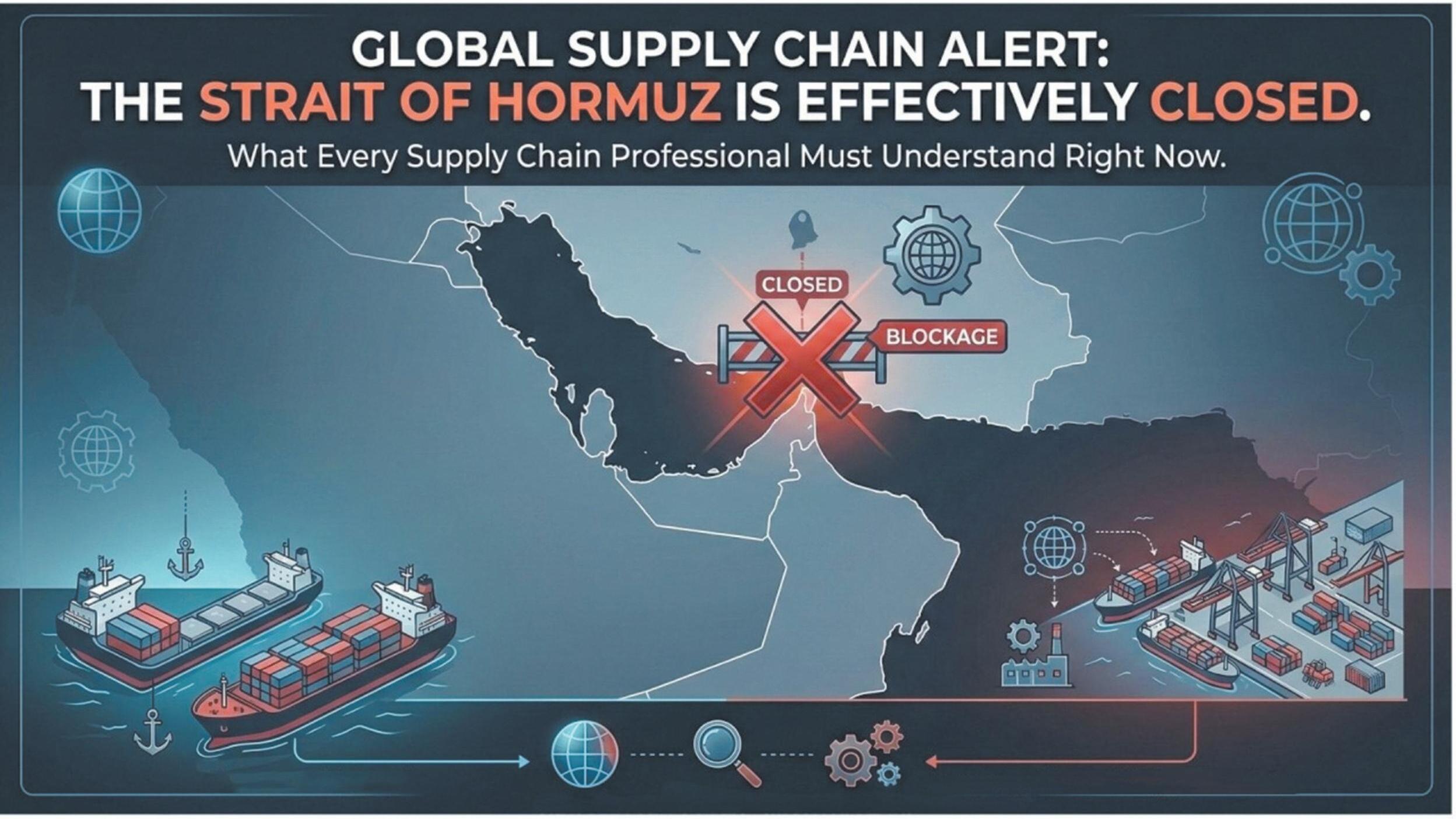
Tr a d e ro u t e s a r e t h e n ew t r e n c h e s o f t h i s n ew b a t t l e T h ey c a n b e u s e d a g a i n s t o t h e rs fo r i n c r e a s i n g t h e c o s t C o u n t r i e s a r e s e e k i n g m o r e c o n t ro l o n t h e s e s u p p ly c h a i n s a n d t r a d i n g ro u t e s b e c a u s e t h ey n ow l o o k a t t h e m f ro m a s t r a t e g i c p o i n t o f v i ew a n d s e e t h e m a s r e a l g e o g r a p h i c a l a s s e t s T h e t r a d i t i o n a l t o o l s o f i n t e r n a t i o n a l r e l a t i o n s : d i p l o m a c y, m i l i t a r y, a l l i a n c e s m a t t e r bu t t h ey a r e u s e l e s s i f yo u c a n n o t s e c u r e yo u r s u p p ly.
India’s 114-Rafale gamble
a n t h e w o r l d ’s n e x t n i n e l a r g e s t
m i l i t a r i e s c o m b i n e d , a m o u n t i n g t o s o m e 4 4 % o f g l o b a l m i l i t a r y s p e n d i n g
H e g s e t h p re s s e d A m e r i c a’s A s i a n a l l i e s t o s p e n d
3 5 % o f t h e i r g ro s s d o m e s t i c p ro d u c t o n d e f e n s e,
f u e l i n g a n x i e t y a c ro s s t h e re g i o n a n d b e yo n d
‘ We d o n’t n e e d m o re c o n f e re n c e s. We n e e d m o re c o m b at p o we r l e s s S h a n g r i - L a , m o re s h i p s, m o re s u b s ’
S t r at e g i c a n x i e t y b e h i n d s k y - h i g h d e f e n s e s p e n d i n g
The IAF currently has only 29 squadrons at its disposal, far below the sanc tioned strength of 42

ical enmities and overlapping territorial claims particularly as tensions between the U S and China mount and while India and Japan take steps to build up their armed forces Indeed, the fact that there are now open debates in Japan and South Korea about whether to acquire nuclear weapons is the clearest evidence of how dangerous an Asian arms race could become There are economic risks too With Southeast Asia spending on average less than 2% of GDP on defense, Hegseth s 3 5% target would require Indonesia, Malaysia, the Philippines and Thailand to more than double their current annual military expenditures Others, such as Singapore and Vietnam face smaller but still considerable gaps Myanmar is the only ASEAN member state already above the target at 6 8% but its arsenal is aimed at its own people, who have fought a fierce civil war against the junta since it deposed Aung San Suu Kyi’s government in February 2021 Worryingly militaries have historically played an outsize role in Southeast Asian politics: The Thai military for example has staged 22 coup attempts 13 of them successful, over the past century In a number of countries, higher defense budgets may well embolden an officer corps that only grudgingly accepts democracy and civilian rule
The growth implications of acquiescing to Hegseth s demand could also be far-reaching In the aftermath of the Cold War s end Southeast Asia has shifted its focus from defense to trade and investment, owing to greater economic integration through ASEAN The region became a manufacturing powerhouse, resulting in rapid economic development that has contributed significantly to global growth
But Southeast Asia has come under strain in recent years as its export-led growth model faces headwinds from U S protectionism and the energy shock caused by U S President Donald Trump’s war on Iran Reallocating resources from critical sectors such as health and education to weapons purchases and constructing a defense industrial base would place these economies in an even more precarious position Perhaps most importantly domestic instability may rise if ASEAN member states are forced to slash social safety nets and welfare services
economic conditions The fallout from lower economic growth higher defense spending and unmet social needs would likely weaken regional unity
Should ASEAN start to fray further as a result, some of its member countries may come to believe that their interest lies in gravitating toward China’s geostrategic orbit precisely the opposite of Hegseth’s intention Of course Southeast Asia should not freeload under America s protective umbrella, a charge Hegseth has also leveled at Europe But great powers should (and often do) allow some degree of free riding, because they prefer that smaller countries accept their leadership without question
Moreover the U S should appreciate how effective Southeast Asian countries have been in using diplomacy and cooperation on economic and security matters to counter regional threats This is part and parcel of their defense strategy, and it has meant engaging China and including it in bodies such as the Regional Comprehensive Economic Partnership and the ASEAN Defense Ministers Meeting-Plus (in which the U S also participates)
Ultimately, for all Hegseth s talk of burden-sharing, the numbers indicate that his push is more about regional bullying If the U S wants its allies to bear more of the security burden in Asia then one would expect the region s increased defense spending to correlate with a reduction in America s military expenditure But Hegseth s self-styled Department of War seeks to increase its budget from $1 trillion to $1 5 trillion in the coming fiscal year If Congress approves that whopping 50% hike the U S will spend more on defense than the world s next nine largest militaries combined amounting to some 44% of global military spending
Hegseth s muddled proposal reveals a shocking ignorance of the real threat If the U S focuses on dominating the Western Hemisphere as laid out in the Trump administration’s National Security Strategy and National Defense Strategy and pulls back from its defense commitments in Asia ASEAN member states will be unable to compete with China on military spending The resulting imbalance would be in no one’s interest except, of course, that of China
Thitinan Pongsudhirak
New Delhi had formally submitted a procurement proposal to Paris for the purchase of 114 Rafale jets for 3 25 trillion rupees ($33 9 billion) As India s biggest defense procurement plan in history, the landmark deal lays bare New Delhi’s strategic calculus amid intensifying major-power competition and its anxieties over achieving indigenous defense self-reliance While this arms deal may bolster the IAF s combat capability in the short run, India risks falling into a vicious cycle of overreliance on imports, stunted domestic defense development and strategic vulnerability over the long run - unless such procurements spur breakthroughs in indigenous military technology Moreover, any restructuring of the regional strategic balance will come with heightened security risks across the region India’s Rafale procurement essentially serves as a defense extension of its “multialignment strategy Historically the IAF has long relied on Russian equipment Yet since the Russia-Ukraine conflict broke out, Moscow s defense production capacity has been prioritized for frontline combat deployments, leading to a significant decline in exports and prompting India to accelerate the diversification of its weapons suppliers From New Delhi s perspective France s Rafale fighter jets not only offer the advantage of technology transfer with no strings attached but also help foster a more resilient and diversified defense supply chain A deeper intention lies in India’s attempt to leverage diversified arms procurement to calibrate its balance of ties with major powers On the one hand by procuring

XI CALLS ON CHINA , DPRK TO CONSOLIDATE TRUST, BOOST PRACTICAL COOPERATION
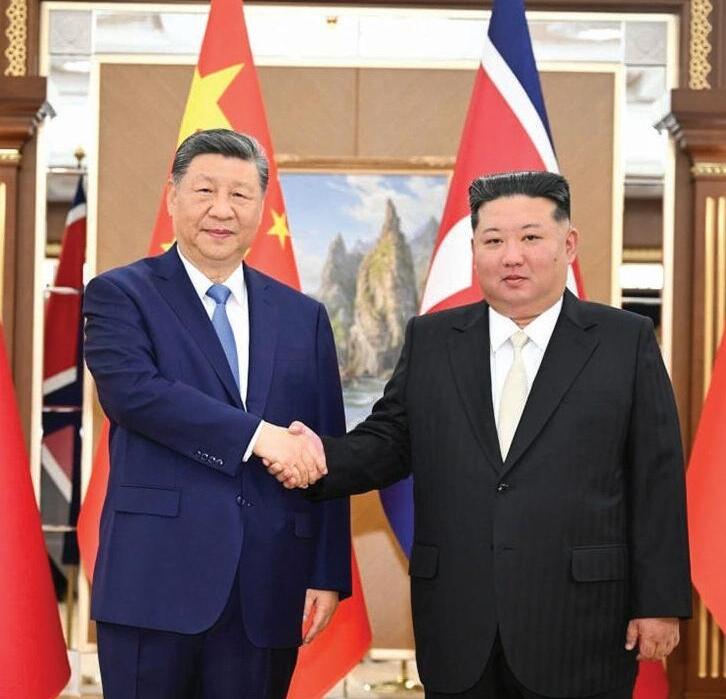
CN E S E President Xi Jinping also general secretary of the Communist Party of China Central Committee, said on Monday that China and the Democratic People's Republic of Korea (DPRK) should consolidate the foundation of political mutual trust and enhance the level of practical cooperation
Xi made the remarks during his talks with Kim Jong Un, general secretary of the Workers Party of Korea and president of the State Affairs of the DPRK
Xi noted that after seven years, he is very pleased to once again visit the beautiful city of Pyongyang and feels especially warm and familiar
He expressed his readiness to work with Kim to take this visit as an opportunity to strengthen top-level planning and strategic guidance for China-DPRK relations in the new era keep bilateral relations advancing with the times and achieve greater progress in bilateral ties so as to better benefit the two countries and peoples, and make positive contributions to peace, stability, development and prosperity in the region and the world
Stressing that China and the DPRK are both socialist countries led by communist parties Xi said that the traditional friendship between the two countries is
ideals and beliefs as well as their common goals and is backed by a profound historical foundation a solid political basis and strong emotional bonds
Xi Jinping, general secretary of the Communist Party of China Central Committee and Chinese president, shakes hands with Kim Jong Un general secretary of the Workers' Party of Korea and president of the State Affairs of the Democratic People s Republic of Korea (DPRK), at the Kumsusan State Guesthouse in Pyongyang, the DPRK, June 8, 2026 /Xinhua
Xi noted that friendship passed down from generation to generation and a shared future and mutual support have always been the defining features of ChinaDPRK relations
No matter how the international situation changes, the Chinese party and government's firm stance on highly valuing China-DPRK traditional friendship will not change the firm support for General Secretary Kim in leading the DPRK s socialist cause will not change and the firm commitment to safeguarding the shared interests of the two countries and preserving a favorable strategic environment will not change, Xi said Xi pointed out that in the face of the profound changes unseen in a century that are accelerating across the world the two sides should take a broad and long-

term view, build on past achievements and open up a new future, draw wisdom from the development process of the relations between the two parties and the two countries seize opportunities in the prevailing trend of human history inject new contemporary connotations and strong impetus into the traditional friendship between China and the DPRK, and open up a brighter prospect for the socialist cause of the two countries as well as regional peace and development
Xi Jinping general secretary of the Communist Party of China Central Committee and Chinese president holds talks with Kim Jong Un, general secretary of the Workers' Party of Korea and president of the State Affairs of the Democratic People s Republic of Korea (DPRK), at the Kumsusan State Guesthouse in Pyongyang the DPRK June 8 2026 /Xinhua
During the meeting Xi put forward four proposals on developing ChinaDPRK relations
The two sides should stay guided by the high-level exchanges and consolidate the foundation of political mutual trust Xi said The strategic guidance by the top leaders of both nations is the greatest strength of China-DPRK relations he added, noting that he stands ready to maintain close strategic communication with Kim and guide China-DPRK rela-
tions to continuously reach new heights
Noting that this year marks the 65th anniversary of the China-DPRK Treaty of Friendship, Cooperation and Mutual Assistance Xi said that both sides will hold grand commemorative events
The relations between the two parties play an important guiding role in the development of China-DPRK relations, Xi said, calling for further expansion and invigoration of friendly exchanges at various levels and in various fields between the two parties as well as the deepening of exchanges of experience and mutual learning on party and state governance
Both sides should enhance exchanges in diplomacy, law enforcement, military affairs and others, implement the important consensus reached between the two leaders and pool wisdom and strength for the development of China-DPRK relations Xi said
The two sides should stay committed to the goal of delivering benefits to the people and elevate the level of practical cooperation, Xi said China stands ready to work with the DPRK to strengthen the alignment of development strategies and expand practical cooperation in such areas as economy and trade agriculture construction, science and technology, as well as health care, to bring greater benefits to the two peoples, he said

CORPORATE CORNER
lahore Police arrest over 16,300 Proclaimed offenders in
crackdown
Governor Sindh Announces Free AI S ummer Camp to Equip Students with Future Tech
KARACHI S TA F F R E P O R T
Governor Sindh Syed Muhammad Nehal Hashmi while addressing a press conference at Governor House, announced the launch of a free AI Summer Camp for students during the summer vacations, aimed at equipping the youth with modern technological skills Minister of State and Special Assistant to the Prime Minister Fahad Haroon, Daniyal Nagori and other notable personalities were also present on the occasion

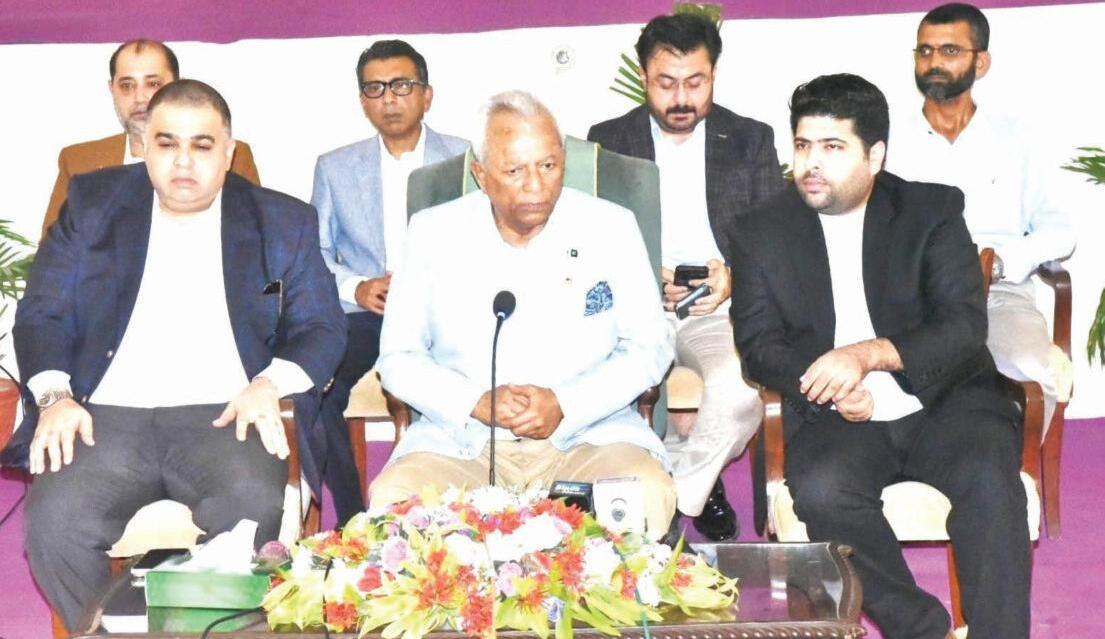
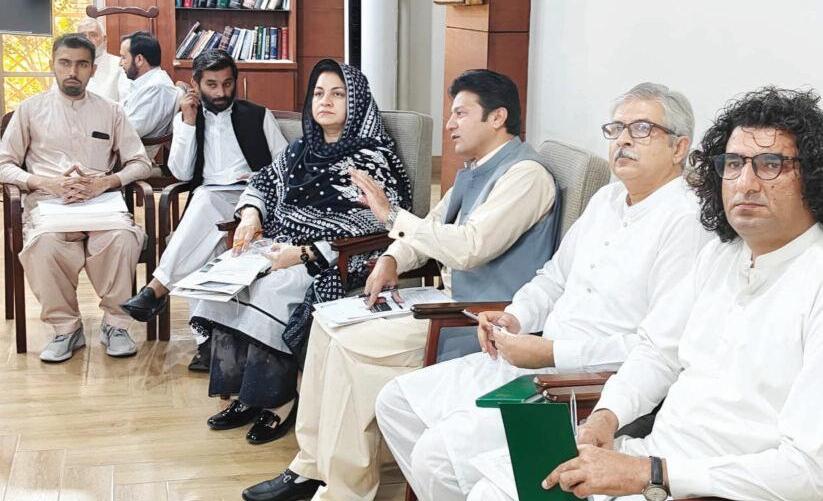
The Governor Sindh stated that through the summer camp students would be provided free training in Artificial Intelligence (AI) to help them acquire skills aligned with future needs He said that any child who can use a mobile phone
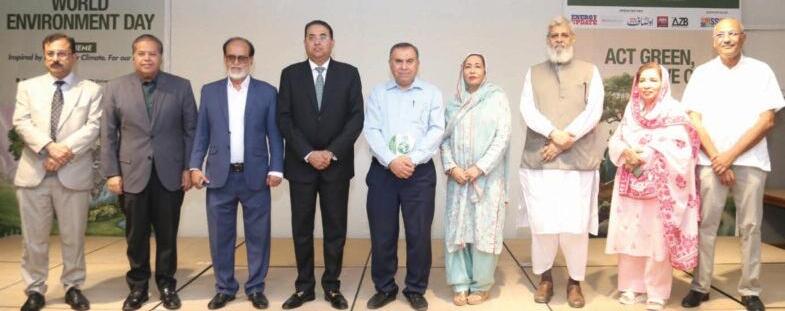
treecutting and weak enforcement of environmental laws are pushing Pakistan s major cities towards an ecological disaster and worsening the climate emergency, environmental experts, academics, business leaders and public representatives warned on World Environment Day The concerns were voiced at a seminar organised by the National Forum for Environment & Health (NFEH) in
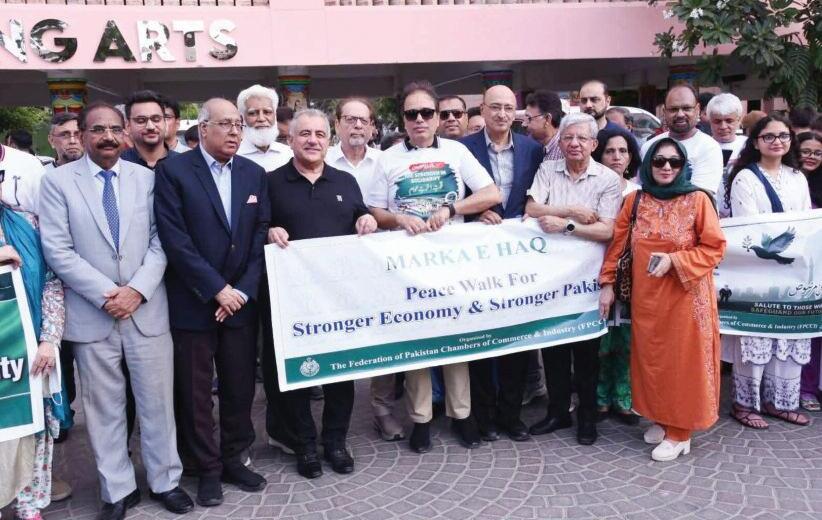
The Federation of Pakistan Chambers of Commerce and Industry (FPCCI) stands firmly with the State of Pakistan, the Armed Forces, Government Agencies and National Institutions in the pursuit of peace stability and national unity The Peace Walk was attended by numerous business leaders including Ahmed Shah Chairman of the Arts Council and former Minister; Saquib Fayyaz Magoon, Senior Vice President FPCCI; Khalid Tawab, Former Senior Vice President FPCCI; Hanif Gohar Senior Vice President FPCCI; Shakil Dhingra Former Vice President FPCCI; Saeeda Bano Former Vice President FPCCI; Shabir Mansha Former Vice President FPCCI; Ikram Rajput, Former Vice President FPCCI; Ahmed Chinoy of the Cloth Merchants Association; Dr Farhan Essa, Convener FPCCI; Mariam Saba Chaudhary, Convener FPCCI; Danish Aman Chairman of the Tanneries Association; Vinod Kumar Member of the Cotton Ginners Association

PAKISTAN, UZBEKISTAN AGREE TO DEEPEN MEDIA AND CULTURAL COOPERATION: ATTAULL AH TARAR
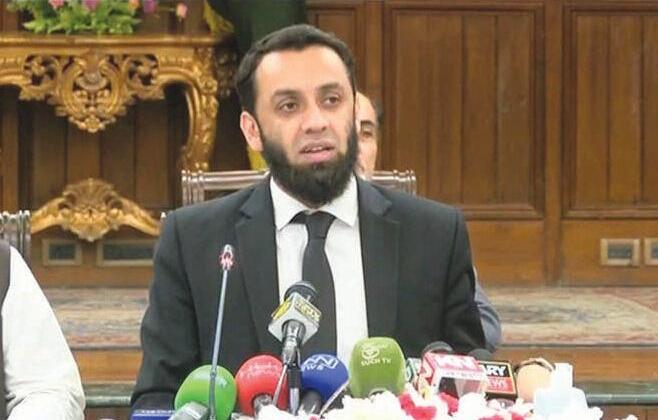
Financial situation worsening ahead of upcoming budget, warns KP finance minister
PESHAWAR S TA F F R E P O R T
Khyber Pakhtunkhwa (KP) Fi-
nance Minister Muzammil Aslam has warned that the financial situation is worsening ahead of the upcoming budget
Addressing a press conference on Monday the KP Finance Minister stated that key economic issues must be settled before the National Economic Council (NEC) meeting can take place
He noted that matters involving massive sums of Rs 1,700 billion and Rs 1 200 billion remain unresolved adding that crucial legislation needs to be enacted prior to the budget s presentation
Muzammil Aslam emphasized that consultation with Pakistan Tehreek-e-Insaf (PTI) founding chairman Imran Khan is essential for budget preparation
He maintained that if the provincial leadership is allowed to meet with Imran Khan the former prime minister could provide a viable solution to the country s prevailing political and economic crises
Referring to inter-provincial dynamics the minister described Punjab and Sindh as elder brothers to KP He concluded by stating that given the unresolved
issues the upcoming meeting of the National Economic Council is likely to be postponed KP govt simultaneously introducing comprehensive reforms in ADF to promote farm sector:
Minister Meanwhile, Advisor to Chief
Minister Khyber Pakhtunkhwa on Agriculture
Mian Muhammad Umar has said that the provincial government is simultaneously introducing comprehensive reforms in the Agriculture Development Fund (ADF) to promote Agriculture sector ensure farmers prosperity and increase agricultural productivity while also making agricultural extension services more effective and farmer-friendly through modern digital technologies
He expressed these views while chairing a meeting on the affairs performance challenges and proposed reforms of Agriculture Development Fund (ADF)
The meeting was attended by Director General Agriculture Extension Dr Naveed, Director General Agriculture Services Academy Murad Ali and other senior officials of Agriculture Department
The meeting was given a detailed briefing on the financial resources of the ADF seed production, storage, processing
and system of supplying quality seeds to farmers
Mian Muhammad Umar stated that Agriculture Development Fund would be further strengthened on modern lines and its administrative, financial and operational capacities would be enhanced
Meeting also reviewed key challenges facing ADF including lack of modern processing machinery and shortage of human resources
Separately, while addressing a review meeting on digital reforms in Agriculture Department, Advisor Agriculture Muhammad Umar said that revolutionary changes are being introduced in agricultural services through modern technology
Farmers are being provided timely information regarding weather forecasts, crop management disease control and government schemes through call centers web portals mobile applications SMS and phone calls
He reiterated that the provincial government is committed to making Agriculture Development Fund more active, self-sustaining and aligned with modern requirements while also promoting use of digital technology to ensure farmers have access to timely and reliable agricultural information
Minister Educ ation launches Korea-Pakistan Educ ation Corridor Expo
ISLAMABAD S
P O R T
Federal Minister for Education and Professional Training Dr Khalid Maqbool Siddiqui on Monday stated that Pakistan s young population represents a valuable asset capable of meeting emerging international demands and fostering economic growth through education skills development and global engagement He made these remarks during inauguration ceremony of the KoreaPakistan Education Corridor (KPEC) Expo in Islamabad
The ceremony brought together distinguished academics, diplomats and education leaders including Ambassador Syed Moazzam H Khan Ambassador of Pakistan to the Republic of Korea; Professor Dr Choi Jong-in, President of Tongwon University, Republic of Korea; and Professor Dr Anis Ahmad Vice Chancellor of Riphah International University and others said a press release on Monday
While addressing the participants, the Minister emphasized the immense potential of Pakistan s youth to contribute not only to the national economy but also to ad-
dressing global workforce and demographic challenges
He also highlighted the remarkable development journey of the Republic of Korea describing it as a model of progress innovation and self-reliance from which Pakistan can draw important lessons
He noted that strengthening educational cooperation between Pakistan and Korea would create new opportunities for Pakistani students and contribute to the development of a highly skilled workforce
The Korea-Pakistan Education Corridor (KPEC), launched by the Consortium of Asia-Pacific and Eurasian Studies (CAPES) aims to promote educational collaboration between the two countries through a series of initiatives focused on higher education, academic exchanges, skills development, and student mobility
Addressing the gathering, Ambassador Syed Moazzam H Khan highlighted the efforts of Pakistan s Embassy in Seoul to establish a sustainable educational corridor with the Republic of Korea He stated that the initiative is designed to promote educational exchanges, technical training and workforce
mobility between the two countries
He further informed the audience that four Korean language centres have already been established in Lahore while similar centres are planned for Islamabad to facilitate greater educational and professional engagement
Professor Dr Choi Jong-in expressed Tongwon University’s strong commitment to enhancing academic cooperation between Pakistan and Korea He acknowledged the growing interest of Pakistani students in Korean higher education and emphasized the university’s willingness to support educational partnerships He also noted the challenges faced by some students in obtaining study visas despite securing admissions and assured participants of continued efforts to facilitate greater academic mobility
Professor Dr Anis Ahmad underscored the historical role of the East as a centre of knowledge and intellectual advancement He encouraged students to broaden their perspectives and align their educational aspirations with global responsibilities, stressing the importance of developing a vision that contributes to society and humanity at large