
PM SHEHBA Z PUSHES INDUSTRIAL GROWTH, FOREIGN INVESTMENT AS KEY TO ECONOMIC REVIVAL
g PREMIER STRESSES SKILLED TRADES AND INDUSTRY A S PILLARS OF ECONOMIC PROGRESS, DIRECTING MINISTRIES TO INTEGRATE MODERN TECHNOLOGY ACROSS KEY SECTORS
g CALLS FOR ENHANCED FOREIGN INVESTMENT TO BOOST SUSTAINABLE GROWTH, SAYING POLICY FOCUS MUST REMAIN ON PUBLIC WELFARE AND NATIONAL PROSPERITY
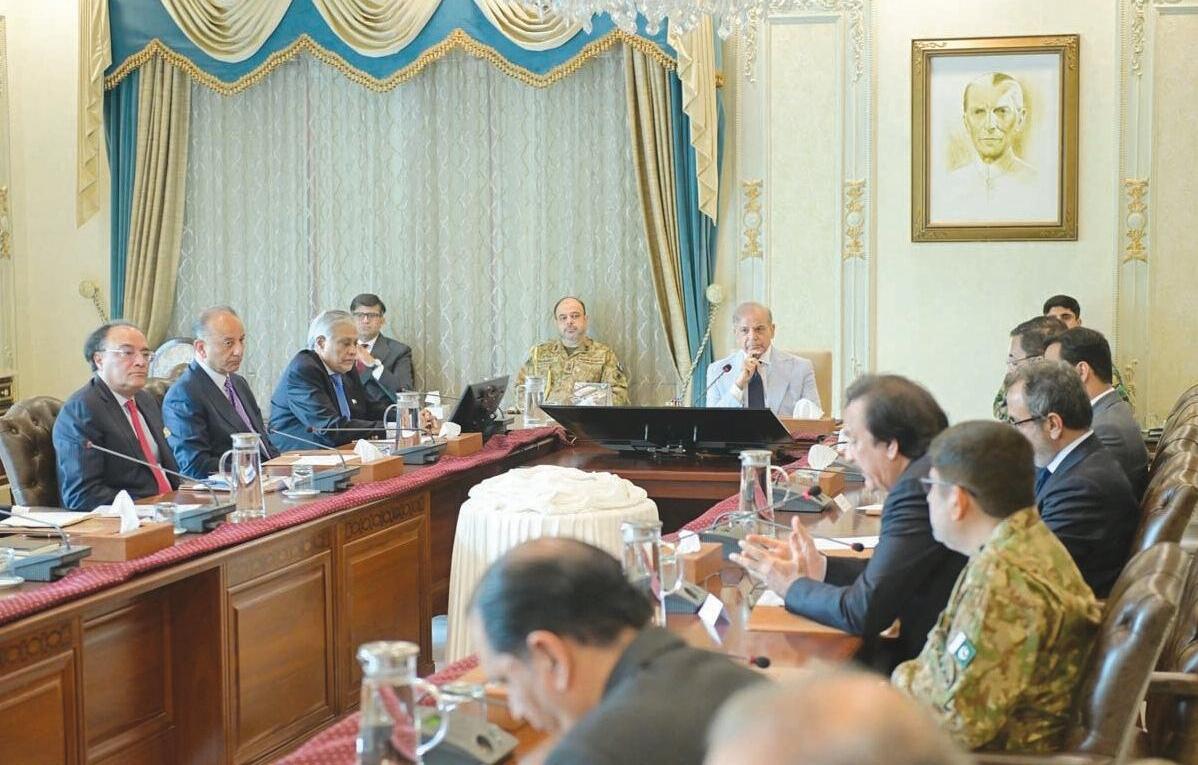
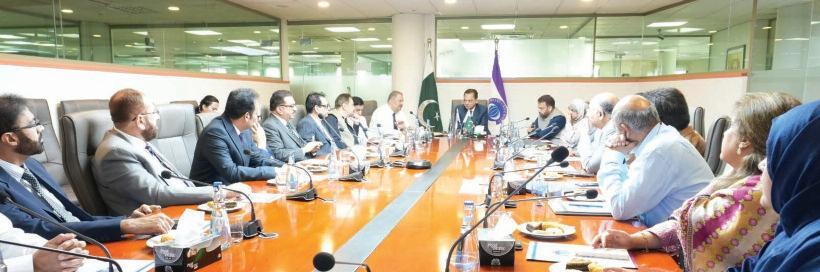
Director General of the Special Investment Facilitation Council (SIFC) Major General Asad Rehman Cheema and senior officials from relevant institutions
Federal budget moved to June 10 as NEC meeting postponed
The federal government will now present the budget for the financial year 2026-27 on June 10 instead of June 5, while the National Assembly session called for the budget presentation has also been postponed according to media reports The budget was earlier scheduled to be presented on Friday June 5 Business Recorder reported quoting PML-N MNA Tahira Aurangzeb as saying that the federal budget would now be presented on Wednesday, June 10 However, she did not specify the reasons for the change in the schedule
The NEC meeting is important because the constitutional body approves key macroeconomic targets and endorses the size of the Public Sector Development Programme (PSDP) before the federal budget is presented
said that the size and composition of the PSDP remained one of the key unresolved issues in budget discussions They said several stakeholders within
directly from the highest levels of the Taliban government “It should come from the horse’s mouth ” he remarked referring to reports about a possible withdrawal of Taliban backing for the militant outfit
The development came after the National Economic Council (NEC) chaired by Prime Minister Shehbaz Sharif, postponed its meeting scheduled for Wednesday, June 3 According to a Cabinet Division notice the NEC meeting scheduled for June 3 2026 had been postponed and a new date would be communicated later It is to inform that the meeting of the National Economic Council (NEC) scheduled on Wednesday, 3rd June, 2026, has been postponed New date will be communicated in due time ” read the notice by the Cabinet Division
The postponement of the NEC meeting is expected to allow further deliberations on the upcoming budget before final approval of macroeconomic targets and the development programme Meanwhile, Geo News reported, citing parliamentary sources, that the federal budget had been delayed because the government wanted to complete key legislation before the budget session According to National Assembly sources, the proposed laws would have important implications for the upcoming federal budget However, the Pakistan Peoples Party (PPP) a key ally in the coalition government was opposing the proposed amendments

POWER SECTOR SUBSIDIES LIKELY
Tsubsidy of Rs830 billion, around Rs419 billion is expected to be allocated for merged districts of Khyber
Pakhtunkhwa, formerly FATA, TDS for Azad Jammu and Kashmir, and the Pakistan Energy Revolving Account (PERA) PERA was established to facilitate payments to Chinese independent power producers (IPPs) under the China-Pakistan Economic Corridor (CPEC) Funds are also expected to be earmarked for outstanding receivables of Chinese IPPs, estimated at around Rs550 billion On May 31, 2026, Minister for Power Sardar
Govt direc ts industries to seek tariff relief through Tariff
ments of the Soda Ash and Polyester Staple Fibre (PSF) industries
The government has decided that all future tariff rationalisation requests from industries will first be reviewed by the Tariff Policy Board (TPB) with cases to be referred to a finance minister-led Steering Committee only if stakeholders remain dissatisfied with the board s decision Business Recorder reported, citing officials familiar with the matter that the decision was taken after a review of tariff rationalisation proposals under the National Tariff Policy (NTP) 2025-30 and concerns raised by various industries The process was discussed by a subcommittee constituted under the Minister of State for Finance and Revenue, following Prime Minister Shehbaz Sharif's directives to examine sector-wise and product-wise tariff proposals prepared by the working group on customs and trade tariffs The Joint Secretary (Tariff Policy) informed the committee that the exercise focused on identifying products that recorded a 20-30% increase in import volumes following tariff rationalisation measures introduced under the National Tariff Policy To support the review, the subcommittee established a working group that conducted sector-specific assess-
During deliberations the minister of state for finance said consultations had been held with both upstream and downstream industries The review found that anti-dumping duties had already been imposed on Soda Ash imports from Turkey and Kenya In the case of imports from China it was concluded that the domestic industry could file a separate anti-dumping application before the National Tariff Commission (NTC) if it considered further protection necessary Regarding PSF the assessment concluded that the industry s competitiveness challenges were not linked to tariff reforms However, affected stakeholders were advised to approach the NTC for trade remedies if required
The senior technical advisor on commerce told the committee that industries could continue to raise concerns through the established mechanism The SAPM on Petroleum reiterated that all tariff-related requests should first be presented before the TPB, chaired by the commerce minister If industries remain dissatisfied the matter can subsequently be referred to the Steering Committee through the sub-committee for a final decision
The Steering Committee decided
that the prime minister's assigned review had been completed as the concerns raised by the relevant industries had been addressed It further approved the same mechanism for handling future tariff rationalisation requests
The committee also reviewed the case of the latex rubber industry The Joint Secretary (Tariff Policy) informed members that tariff protection on latex rubber thread classified under HS Codes 4007 0010 and 4007 0090, had been reduced from 20% to 17% in FY2025-26 Under the China-Pakistan Free Trade Agreement (CPFTA) the product currently attracts a customs duty of 12% which is expected to decline to 8% in the coming years
The industry requested increased tariff protection and the removal of latex rubber thread from the CPFTA framework However, the Ministry of Commerce maintained that the case did not qualify as reverse cascading because most raw materials used in manufacturing latex rubber thread already carry a zero-duty import status
The Steering Committee endorsed the ministry's assessment and advised the industry to seek relief through available trade remedy laws at the National Tariff Commission It also ruled that the request to remove the product from CPFTA could not be accepted
Company directed to pay Rs30m penalty, publish notices on product’s change from medicated category to food category



On-site suppliers
TNEPR A is moving to allow wheeling, and the solarization revolution T h e c o u n t

Behind the Democratic Part y’s ‘Autopsy’
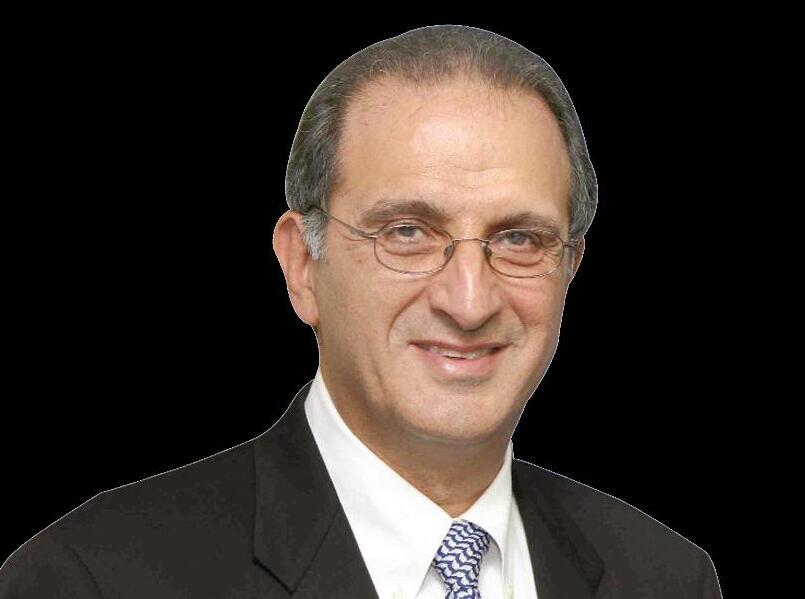
Anumber of sub-plots undergird the drama that erupted over the Democratic National Committee Chair Ken Martin’s release of an incomplete autopsy of the 2024 election Let me begin by noting that I don t envy the dilemma in which Martin found himself On his election, Martin had promised to deliver an in-depth examination of what went wrong in 2024 and lessons the party could learn from the mistakes that had been made He commissioned the study but it was months later (the end of 2025) before he received a draft And what he was handed was a disaster woefully incomplete, poorly sourced, and a mish-mash of information and data without direction, conclusions, or actionable recommendations
Because Democrats had already recorded a string of victories in 2025 and were gearing up for critical 2026 midterm congressional elections Martin decided not to have the study completed or released At that point it was a sound judgement It wouldn t have served any useful purpose to order its completion with a release occurring in the thick of the 2026 elections, diverting attention from the task at hand helping Democrats take control of Congress in November With the decision not to release the autopsy two distinct currents of thought emerged One was ideological masking itself as principled This group asked, in effect, What are you hiding? while already claiming to know the answer The other was practical: “We already know why we lost, as the election has been dissected ad nauseam We’re winning elections so why bother raking over old coals?”
I confess that I was in the latter camp I had done a number of in-depth press interviews on the 2024 election, conducted my own polling and interviews, and written extensively on why Democrats lost As so many others had as well, I felt that an autopsy (or rather, autopsies) had already been done What we knew was clear: Biden should have stepped down earlier giving Democrats time to regroup and possibly have a mini-primary; and the class of political consultants who were running the Harris campaign were out of touch with the electorate, risk-averse and unimaginative, and more interested in using the campaign to feather their nests with lucrative advertising
r y b e l o n g s t o D H A s
How can excellence be replicated?
contracts than they were in direct voter contact
One by-product of these failures was the consultants inability to understand how many voters young people, people of color, progressives, and yes, Arabs and Muslims had been demoralized by what they saw as President Biden’s enabling of Israel’s genocide in Gaza Also demonstrative of just how out of touch the consultants were was their failure to grasp and directly address the angst of working class and rural voters in states like Pennsylvania, Ohio, Michigan, and Wisconsin Instead of focusing on them, the campaign wasted days and resources courting Liz Cheney whom they thought would win support from moderate suburban Republican women (as if Ms Cheney had sway with any of these demo-

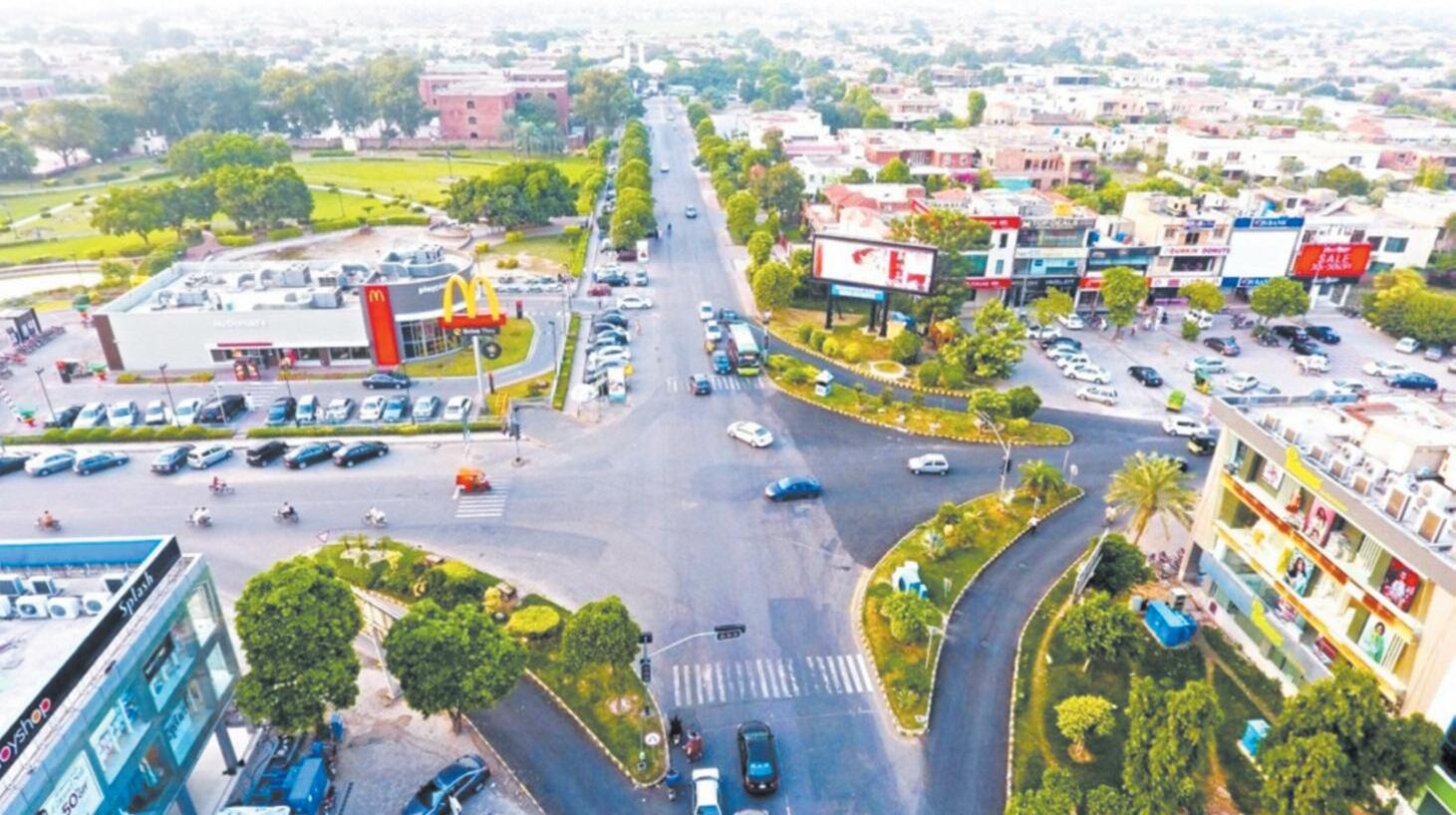
association with Pakistan’s most powerful institution Its governance structures have historically included serving and retired military officers, and it operates within an ecosystem closely linked to the defence establishment This connection gives it a degree of administrative reach, institutional authority, and access to decision-making channels that few civilian housing bodies can match As a result what appears externally as rapid development is often seen internally as the outcome of unusually strong institutional backing Across major cities, large-scale land is incorporated into DHA expansions with a level of speed and coordination rarely seen in civilian housing schemes Once land is earmarked its value changes immediately Investment flows in files are traded and markets respond even before physical development begins The announcement effect itself becomes a financial instrument Yet beyond the financial dynamics, what stands out is how supporting infrastructure tends to align and follow these developments In many cases major public infrastructure projects appear to converge around DHA expansion corridors such as widened roads flyovers underpasses, and motorway linkages that improve direct connectivity to these zones Whether coincidence or coordination, the perception that infrastructure gravitates toward elite housing developments has become deeply embedded in public discourse This raises an uncomfortable but necessary question: why does state capacity appear concentrated in certain spaces while diluted in others? The same country that struggles to maintain municipal roads, regulate encroachments, or ensure reliable public services is also capable of delivering high-standard infrastructure within select urban enclaves The issue is not technical capability alone Pakistan has engineers planners, contractors, and administrators across both civilian and military domains The deeper question is one of access to authority, prioritisation, and institutional backing that determines what gets executed and where Inside DHA governance is centralised dis-
ciplined, and backed by an institution whose authority is rarely questioned Outside it urban management is fragmented across multiple civilian bodies burdened by overlapping jurisdictions political interference litigation and resource constraints The result is a two-tier urban system: one execution-driven and insulated, the other overstretched and reactive This is why DHA is often perceived not simply as a housing model but as an institution with exceptional ability to mobilise land infrastructure and enforcement capacity This does not negate the role or relevance of civilian institutions Rather, it highlights a structural imbalance in execution capacity Where civilian municipal bodies face delays, legal bottlenecks political pressure and funding shortages institutionally backed development systems are often perceived to operate with greater speed coordination and authority
The real challenge for the state is not the existence of DHA or similar models The challenge is replication If high standards of planning, enforcement, infrastructure delivery, and maintenance are possible in one segment of society then the long-term question is why they remain exceptions rather than norms A country cannot sustainably function through pockets of excellence surrounded by widespread inconsistency Urban dignity cannot depend on gated access, and infrastructure quality cannot remain an enclave privilege
The country belonging to DHAs captures a lived contradiction in Pakistan where a state capable of creating highly ordered well-serviced urban environments in select zones, while struggling to extend the same consistency across its broader urban fabric It is not a literal claim of ownership, but a reflection of where state capacity is most visibly and effectively translated into reality through institutions that concentrate authority access and execution in ways the wider system does not
The writer has a PhD in Political Science, and is a visiting faculty member at QAU Islamabad He can be reached at zafarkhansafdar@yahoo com and tweets @zafarkhansafdar
Drugs beyond control

Geopolitical fault lines in the strait of Hormuz crisis
fiza BatOOl
relations, particularly in energy dependent global systems and small power states use geography as a super weapon to resist against great powers Classical geographical theory has long emphasized the importance of geography in shaping international power Scholars Alfred Mahan, Helford Mackinder, and Nicholas Spykman argue that control over sea routes, land masses and strategic chokepoints determines global dominance Harold and Margaret advance this debate by distinguishing between the operational environment (physical geography) and the psychological environment perceptions of geography They argue geography continues to influence state behavior even in technologically advanced systems
Contemporary international relations scholarship has expanded this discussion into energy security in the global political economy Authors such as Robert Keohane and Barry Buzan emphasize interdependence in systemic vulnerability, particularly in energy supply chains Robert Kavlan further highlights the role of geography in shaping conflict zones and strategic instability However existing literature often underestimates the continued centrality of physical
chokepoints in an era of globalization Maritime geography remains a decisive factor in the global political economy particularly through the case of the Hormuz Strait in the recent escalation between Iran and the USA
This study adopts Sprout’s ecological perspective of international politics which conceptualizes geography as a physical constraint in a perceived strategic environment
Two key theoretical dimensions guide the analysis:
The operational environment refers to material geographic conditions that shape state capabilities Narrow water, territorial proximity and resource distribution influenced military and economic strategy
The psychological environment refers to how states interpret geographic realities
Strategic decisions are shaped not only by physical conditions but also by perceptions of vulnerability, opportunity, and deterrence
This dual framework allows for a deeper understanding of how the Strait of Hormuz functions as both a physical chokepoint in Iranian territory and a strategic bargaining tool in international politics shaping the whole global economy
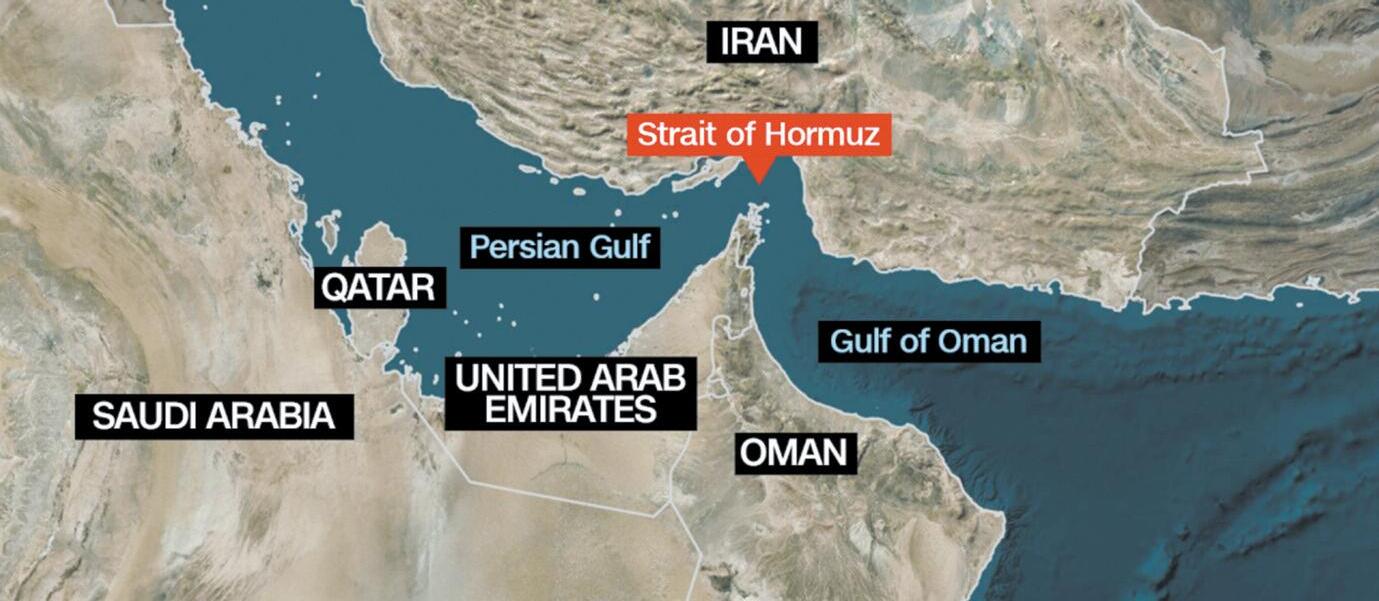
The strait of Hormuz is one of the world’s most important maritime chokepoints connecting the Persian Gulf to global sea routes Its narrow width and proximity to Iran make it a structurally vulnerable yet strategically vital corridor
This geographic configuration creates asymmetric power conditions, allowing regional actors to influence global energy flows despite disparities in military capabilities like in the case of Iran and the USA where Iran has great military capability differences with the USA but a strategic geographic configuration
Iran has repeatedly used the threat of disrupting navigation through the strait as a response to sanctions and unjust assassination of Iran’s Supreme Leader and other national officials This strategy reflects a form of asymmetric deterrence grounded in geo-
graphic advantage Iran’s strategic tools include: n Naval mine deployment capability n Fast Attack Naval units n Coastal missile systems n drone surveillance technologies
This demonstrates how geography can amplify the strategic influence of relatively constrained states The strait becomes a bargaining instrument in Iran broader geopolitical strategy and in simple words we can say the Strait of Hormuz is an atomic bomb for Iran without its holding nuclear power
The USA maintains a permanent naval presence in the Persian Gulf to ensure stabilization of the global oil market and its hegemony in the Persian states This reflects a broader strategy of maritime dominance aimed at securing and controlling critical trade routes
However, despite advanced naval capabilities, the physical geography of Hormuz imposes structural limitations The narrowness of the strait creates persistent vulnerability validating the Sprouts’ argument that technological advancement does not eliminate geographical constraints
Tensions in the Strait of Hormuz have immediate and memorable impacts on global political economy:
n Oil price volatility Increases during Exclamation Periods
n Shipping insurance costs rise significantly
n Inflationary pressures emerge in energy importing states
n Financial markets experience heightened instability
Countries such as China India Japan and EU member States are particularly vulnerable due to their dependence on Gulf energy imports While the developing countries particularly Pakistan Bangladesh and India, are desperately affected by the tension in terms of energy crisis and inflation
This demonstrates the systemic nature of geographic vulnerability in a globalized economy where due to inflation in small countries like Pakistan highly affected peo-
ple s lifestyle, wellbeing, health, education and food security Political stability and economic
ENERGY DEPENDENCY STRUCTURES: Global energy systems are spatially concentrated making
The Iran-USA rivalr y in the Strait of Hormuz illustrates how g eographic chokepoints function as instruments of g eopolitical leverag e , affecting global energy markets, financial stability, and international security structures Despite technological transformation, g eography remains a foundational determinant of global power relation The strait of Hormuz thus stains is a critical example of how strategic locations continue to structure international politics in the 21st Centur y



fazil
Persistence of strategic geography in global politic al economy

TWHO said one reason for delayed detection was that the Bundibugyo strain behind the outbreak initially causes symptoms resembling flu malaria or typhoid The organisation also said six people with confirmed Ebola infections in the current outbreak had recovered It noted that there is no vaccine or approved treatment for the Bundibugyo strain, leaving preventionbased containment measures as the main tool to curb transmission
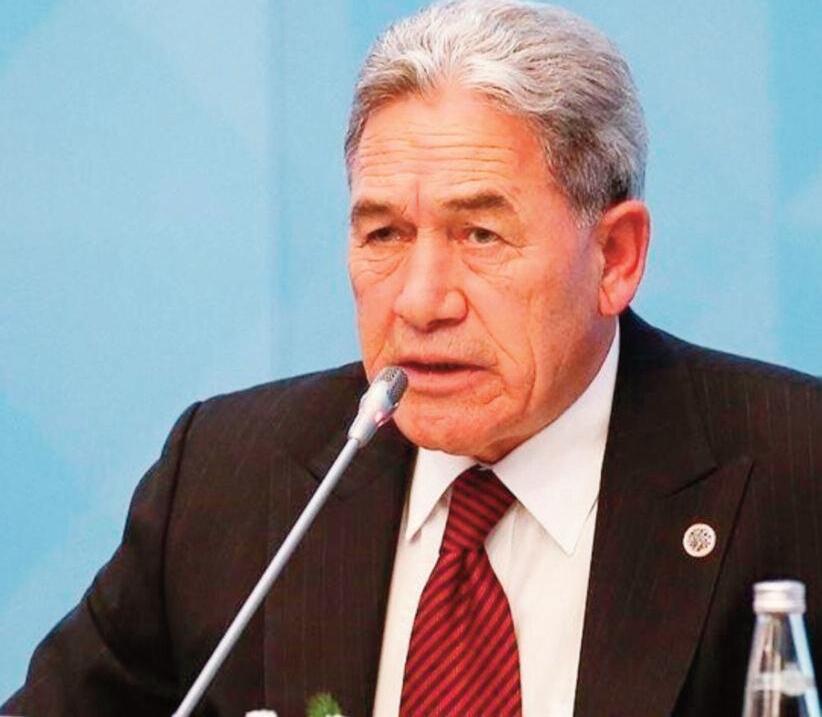
New Zealand expands travel bans on Israelis over West Bank settler violence
C hina, UK pledge deeper cooperation and long-term strategic par tnership
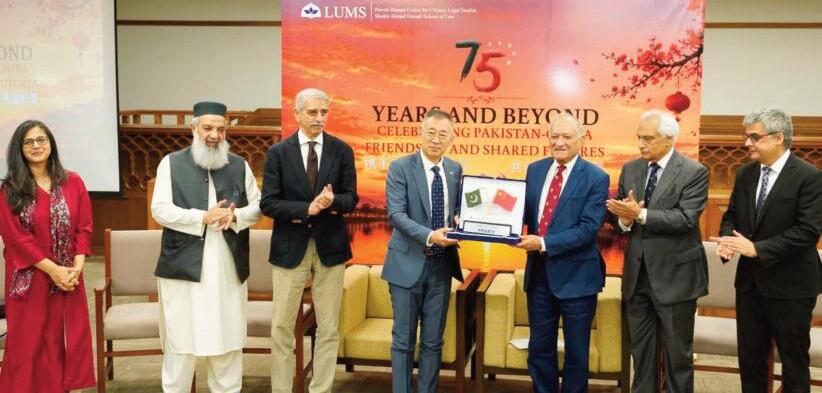
key international and regional issues including the situations in Iran and Ukraine
The Chinese foreign minister underscored that China’s more than four decades of reform and opening-up had demonstrated that openness and interna-
Addressing the dialogue Wang Yi said that the important consensus reached by the leaders of the two countries during British Prime Minister Keir Starmer ’s visit to China earlier this year had injected fresh momentum into bilateral ties and placed relations on a new and positive trajectory He noted that exchanges and cooperation in various sectors had resumed following a period of uncertainty and were gradually returning to a normal and constructive path Wang emphasized the need for both countries to maintain close high-level communication enhance mutual trust and translate political consensus into tangible outcomes that would benefit the peoples of both nations
tional engagement were essential drivers of development and prosperity
“China’s development has proven that openness brings progress while isolation leads to stagnation Wang said adding that China remained committed to expanding high-level opening-up and creating new opportunities for international cooperation
He pointed out that China’s upcoming 15th Five-Year Plan would not only guide the country s future development but would also create new opportunities for global partners, including the United Kingdom Wang observed that many of China’s development priorities closely aligned with Britain’s modern industrial strategy providing a strong foundation for enhanced cooperation in emerging sectors
The Chinese foreign minister expressed hope that the United Kingdom would continue to provide a fair, transparent and non-discriminatory business environment for Chinese enterprises operating in Britain He also urged the British side to define national security concerns in a reasonable manner to avoid unnecessary restrictions on economic and commercial cooperation Wang further elaborated on China’s positions regarding issues related to
Taiwan and Hong Kong, reiterating Beijing’s longstanding principles on matters concerning its sovereignty and territorial integrity
For her part British Foreign Secretary Yvette Cooper reaffirmed London s commitment to building a long-term and consistent comprehensive strategic partnership with China, describing stable and constructive relations as being in the fundamental interests of both countries
She said Britain was prepared to strengthen high-level exchanges and broaden cooperation with China in a wide range of fields, including trade, finance, clean energy, artificial intelligence innovation and climate change
Cooper highlighted the importance of maintaining open channels of communication between the two nations and expressed confidence that deeper economic engagement could contribute positively to global growth and stability
Addressing the Taiwan issue, Cooper stated that Britain’s policy had remained unchanged since the establishment of diplomatic relations with China and would continue to remain consistent She emphasized the importance of managing differences through frank and constructive dialogue while expanding areas of mutual cooperation

CORPORATE CORNER
PUNJAB’S ‘MERA PYARA’ SHINES
GLOBALLY AT WSIS AWARDS 2026
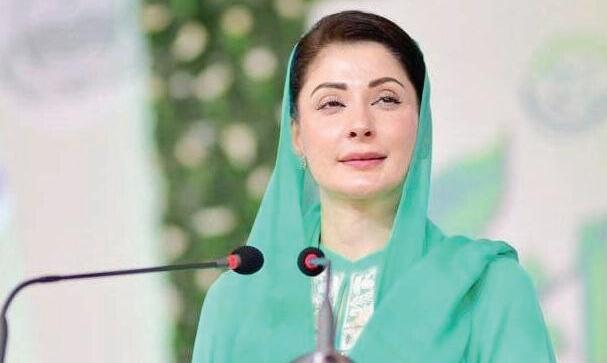
Chief Minister Maryam Nawaz on Tuesday expressed gratitude after the province s Mera Pyara project was declared a Global Champion by the United Nations-backed World Summit on the Information Society (WSIS) Awards 2026 In a landmark achievement for Pakistan two initiatives launched under the chief minister s leadership have secured top global recognition at the WSIS Awards The Virtual Centre for
the teams, match officials cricket fans and citizens while the CTO Lahore has been tasked to keep traffic arrangements fully functional and seamless throughout the event He said comprehensive security will be ensured for players, officials, spectators and the general public
According to a Punjab Police spokesperson
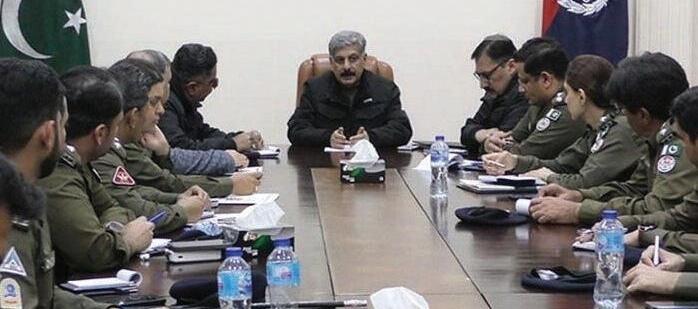
directed that patrolling by the Dolphin Squad, Police Response Unit (PRU) and Elite Force be intensified during the series while senior officers have been instructed to conduct a comprehensive review of all security and traffic arrangements well ahead of the matches He also ordered continuous monitoring of team accommodation travel routes and the stadium surroundings through CCTV surveillance Snipers will also be
World Milk Day with school students across countr y KARACHI
Friesland Campina Engro Pakistan Limited (FCEPL) a leading dairy company in Pakistan and its employees celebrated World Milk Day with students across multiple cities in Pakistan as part of their ongoing mission to Nourish Pakistan Employees from FCEPL spent a day with students at schools, including the RAAST School in Karachi and community schools in Sahiwal and Sukkur to talk to them about the long-term health benefits of drinking milk every day for school-going children Awareness sessions like these with students are essential in Pakistan where nearly 10 million children suffer from stunting and 40% of children under the age of 5 have acute malnourishment which does not only impact their physical growth but also poses serious hindrance in their mental growth
Drinking a glass of milk alone can provide 7 out of 12 daily required nutrients helping us fight the malnourishment battle in the country Our future generations wellbeing relies heavily on a quality diet, and safe milk is the cornerstone of this discussion A well-informed society knows the value of sourcing and consuming safe quality milk which leads to a healthy prosperous future said Kashan Hasan – Managing Director & CEO
FCEPL This was further emphasized by the Marketing Director, Sarah Sadiq, who said We strive to provide the nation with safe and hygienic milk that preserves the quality and nutrients in the milk to ensure that every glass that reaches our consumers remains in its purest form Our mission is not only to Nourish Pakistan but also to ensure maximum accessibility to safe and pure milk The company further carried out milk distribution drives in schools across Punjab in collaboration with the Pakistan Dairy Association to extend their reach to more students in the country Friesland Campina Engro Pakistan Limited is one of Pakistan s dairy production companies with extensive focus on providing high-nutrition, safe, and affordable milk to all communities across the country
ployed at sensitive points, including along team routes, on high-rise buildings, inside Gaddafi Stadium and at other key locations as part of layered security measures Abdul Kareem said all police officers and personnel must remain vigilant and closely monitor any miscreant elements He added that spectators will be allowed entry into the stadium only after passing through a strict three-tier security cordon and screening process He further directed officers to treat citizens courteously and urged the public to fully cooperate with police during security checks to ensure the matches are held in a peaceful, secure and pleasant environment
Punjab IG distributes laptops to kids of police mar t yrs, reaffirms commitment to
families’ welfare
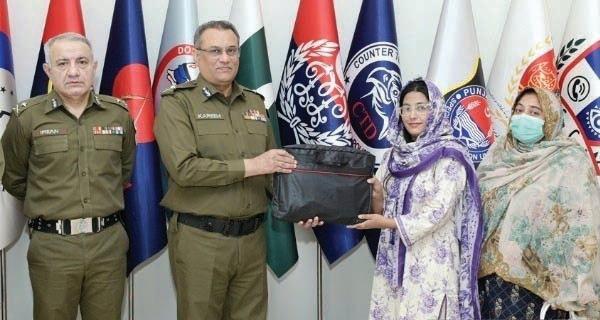
Punjab Inspector General of Police (IGP) Abdul Kareem on Tuesday distributed modern laptops among 21 children of police martyrs during a ceremony held at the Central Police Office reaffirming the force s commitment to supporting the education and welfare of families of personnel who laid down their lives in the line of duty The recipients included male and female students pursuing higher education in Medical LLB Information Technology and other emerging technology-related disciplines Speaking on the occasion the IGP said that Punjab Police through its welfare funds, had so far provided laptops to 329 children of police martyrs, including 127 beneficiaries during the current year alone He said the provision of modern laptops would contribute significantly to students’ academic progress professional development and acquisition of modern skills Abdul Kareem said Punjab Police was utilising additional resources to further strengthen welfare initiatives for the families of personnel who embraced martyrdom while serving the country and the nation He added that scholarships were also being provided to children of police martyrs to enable them to pursue education at national and international educational institutions

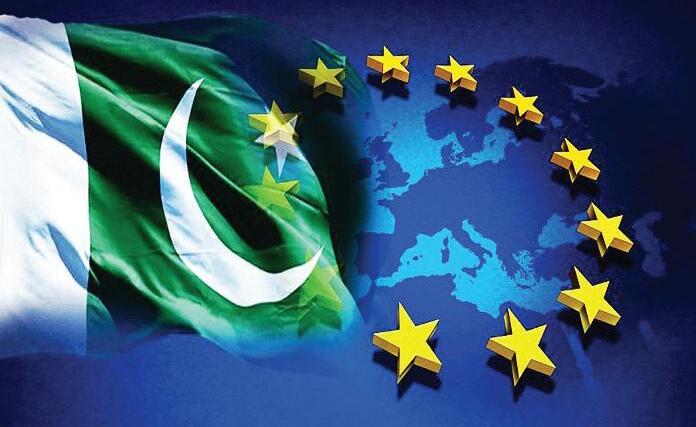
EU LINKS PAKISTAN’S GSP+ ACCESS TO PROGRESS ON GOVERNANCE, L ABOUR AND HUMAN RIGHTS
Tdepends on progress in implementing international conventions including those related to good governance, environmental protection, labour rights and human rights
The matter was discussed on Monday during the eighth Pakistan-eU Strategic Dialogue in Islamabad cochaired by Deputy Prime Minister and Foreign Minister Senator Mohammad
backdrop of recent discussion within the government over possible changes to the structure of the programme Last month Minister of State for Religious Affairs and Interfaith Harmony Kheal Das Kohistani said the government was considering transferring BISP to the provinces In a conversation with reporters on May 8, Kohistani said the programme's complete abolition was not being considered Bilawal, however, warned that devolving BISP would in effect amount to ending it Speaking at an election rally in Shigar on Monday he said welfare responsibilities of this kind are handled by federal governments around the world It is unfortunate that the rulers want to end the Benazir Income Support Programme We will save the Benazir Income Support Programme," Bilawal said
Nawaz,
Pakistan s political heavyweights intensified their election campaigns in Gilgit-Baltistan (GB) on Tuesday, with Pakistan Peoples Party (PPP) Chairman Bilawal BhuttoZardari and Pakistan Muslim League-Nawaz (PML-N) President Nawaz Sharif addressing large public gatherings and outlining their respective visions for the region ahead of the June 7 elections
The election campaign entered its decisive phase as leaders of the country’s major political parties sought to win public support in the strategically important mountainous region where general elections are scheduled to take place on Sunday following a four-month postponement caused by severe winter weather Addressing a massive rally in Skardu, attended by First Lady Aseefa Bhutto-Zardari
Bilawal Bhutto-Zardari reiterated the PPP s commitment to securing greater constitutional political and economic rights for the people of Gilgit-Baltistan Bilawal said the future struggle of the younger generation of the PPP would focus on achieving three fundamental rights for the people of
the region: the right to govern (haqi-hakimiyat) the right to ownership (haq-i-malkiyat) and the right to employment (haq-i-rozgaar)
He maintained that the people of Gilgit-Baltistan should enjoy the same constitutional protections, powers and facilities available under the 18th Constitutional Amendment, arguing that genuine empowerment could only be achieved through enhanced local authority and decisionmaking powers The mountains rivers, land and mineral wealth of Gilgit-Baltistan belong to its people,” Bilawal declared “Until Islamabad fully recognises this ownership neither Gilgit-Baltistan nor Pakistan can achieve its true development potential
The PPP chairman advocated greater public participation in future development projects and resource-based ventures, urging local communities to seek ownership stakes rather than merely financial compensation Bilawal argued that recognising the region s ownership rights would unlock vast economic opportunities, stimulate investment and create sustainable employment for local youth
Promising a people-centred governance model he highlighted the PPP s record of welfare-ori-
ented policies and pledged to launch a Gilgit-Baltistan People’s Housing Initiative if elected to power in the region Drawing parallels with the Sindh Peoples Housing for Flood Affectees programme, he said the initiative would provide affordable housing and social protection for vulnerable segments of society
He also promised to expand access to free healthcare by establishing modern specialist hospitals in Gilgit-Baltistan similar to those operating in Karachi
Turning to the region’s immense hydropower potential Bilawal said studies had shown that Gilgit-Baltistan possessed the capacity to generate up to 50 000 megawatts of electricity He pledged to develop the infrastructure required to harness these resources and transform the region into a major energy hub Bilawal began his speech by condemning Israeli attacks on Iran and expressing solidarity with the people of Iran and Palestine He also praised Pakistan s diplomatic efforts to promote peace in the region and acknowledged the role played by Chief of Defence Forces and Chief of Army Staff Field Marshal Syed Asim Munir in ongoing peace initiatives
P O R T Pakistan and Italy have signed an agreement removing visa requirements for holders of diplomatic passports, according to an official handout issued after a ceremony at the Italian Ministry of Foreign Affairs in Rome Pakistan’s Ambassador to Italy Ali Javed and Italy’s Secretary General for Foreign Affairs Ambassador Riccardo Guariglia signed the accord Before the ceremony the two diplomats held one-on-one talks
Aleema Khan sister of incarcerated former prime minister Imran Khan, on Tuesday asserted that the only acceptable political deal for the Pakistan Tehreek-e-Insaf (PTI) founder would be the restoration of an independent judiciary and the conduct of free fair and transparent elections in the country Speaking to journalists outside Adiala Jail after being denied a meeting with her brother once again, Aleema said it was the constitutional and legal right of family members to meet Imran Khan She vowed to continue visiting the prison saying sustained public pressure was necessary to ensure that his rights were upheld
“The family of Imran Khan and PTI leadership will continue their struggle for an independent judiciary and a free media she said
Addressing reports circulating on social media regarding an alleged meeting between the PTI founder and a former military chief, Aleema categorically rejected the claims, describing them as politically motivated rumours
“No such meeting has taken place These stories surface whenever the political temperature rises in the country she said
Aleema revealed that she had previously sought clarification from PTI Chairman Barrister Gohar Ali Khan regarding reports of his meeting with Interior Minister Mohsin Naqvi According to her Barrister Gohar confirmed the interaction and conveyed assurances regarding access to the PTI founder However, she said those assurances had not translated into any practical relief
She stressed that the immediate priority should be ensuring proper medical treatment and healthcare
facilities for Imran Khan
The PTI leader’s sister also called for transparency in any political consultations or negotiations being conducted on behalf of the party leadership, saying such engagements should be openly communicated to party workers and supporters
Commenting on the heavy security arrangements and road closures around Adiala Jail Aleema alleged that the restrictions reflected the government s concern over public support for Imran Khan She further claimed that authorities were attempting to prevent public discussion about his health condition
According to Aleema the central objective of all ongoing political efforts was to secure the release of the former premier She added that any elected representative who genuinely worked toward that goal would be remembered positively by the people