g EU FOREIGN POLICY CHIEF KAJA KALLA S HAILS PAKISTAN A S MAJOR REGIONAL POWER AND KEY STRATEGIC PARTNER
g PAKISTAN, EU AGREE TO DEEPEN COOPERATION IN TRADE, CLIMATE RESILIENCE, DIGITAL INFRA STRUCTURE AND SECURITY
M I A N A B R A R
R I M E Minister Muhammad Shehbaz Sharif and European Union High Representative for Foreign Affairs and Security Policy Kaja Kallas on Monday reaffirmed their commitment to further strengthening Pakistan-European Union relations, while the EU strongly praised Pakistan’s diplomatic efforts in promoting peace and dialogue between the United States and Iran
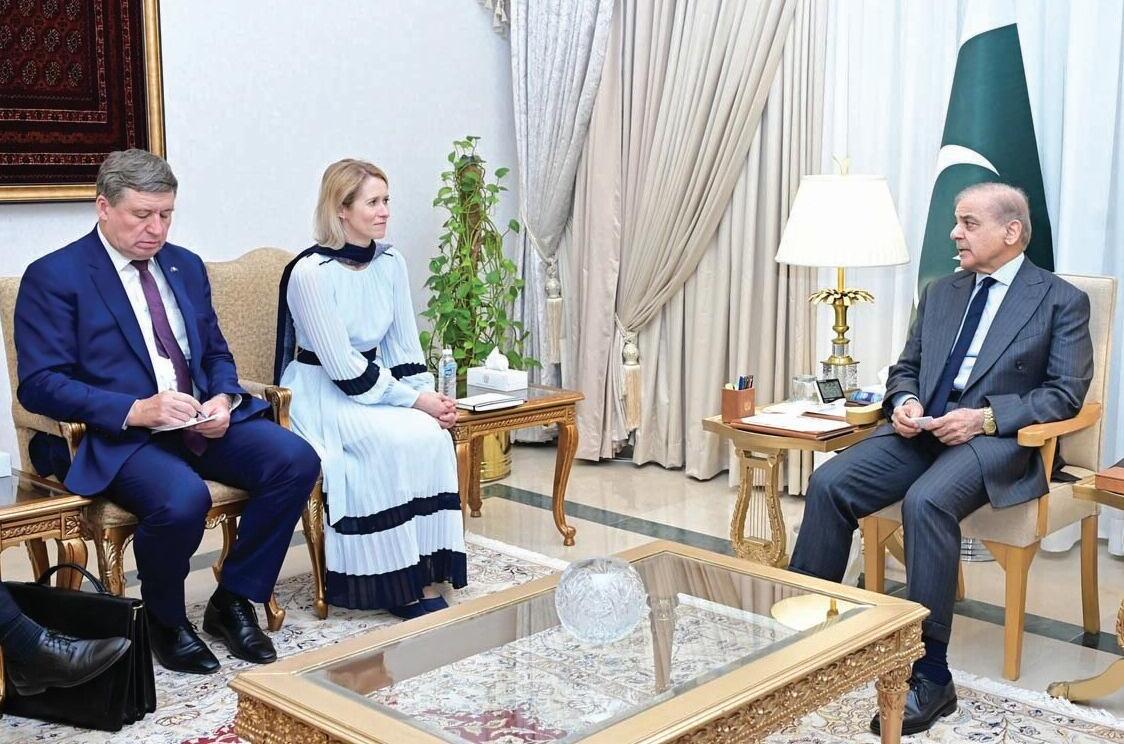
Kaja Kallas who is also Vice President of the European Commission met Prime Minister Shehbaz Sharif at the Prime Minister s House during her official visit to Pakistan The visit coincided with the 8th Pakistan-EU Strategic Dialogue reflecting the growing momentum in bilateral engagement between Islamabad and Brussels
According to a statement issued by the Prime Minister s Office, the prime minister warmly welcomed the EU’s top diplomat and reiterated Pakistan’s desire to expand its multifaceted partnership with the European Union across a broad range of sectors Prime Minister Shehbaz expressed
satisfaction over the successful holding of the 8th round of the Pakistan-EU Strategic Dialogue and reaffirmed Pakistan’s commitment to enhancing cooperation with the EU in trade, investment, climate change security migration sustainable development digital connectivity and people-to-people exchanges
The prime minister highlighted the significance of the European Union s Generalised Scheme of Preferences Plus (GSP+) arrangement, describing it as a cornerstone of Pakistan-EU economic relations that has substantially contributed to strengthening bilateral trade and boosting Pakistan s exports to European markets Kallas, in turn, acknowledged Pakistan s growing importance as a regional partner and conveyed the European Union’s strong interest in expanding strategic engagement with Islamabad
The meeting also featured extensive discussions on regional and international developments, with particular focus on the evolving situation in the Gulf and the ongoing diplomatic efforts aimed at reducing tensions between the United States and Iran
Prime Minister Shehbaz thanked the EU leadership for supporting Pakistan s peace initiatives in the region and under-
g BRUSSELS APPRECIATES ISLAMABAD'S EFFORTS IN US -IRAN DIALOGUE, BACKS CONTINUED DIPLOMATIC ENGAGEMENT
SHIGAR
S TA F F C O R R E S P O N D E N T
Pakistan Peoples Party (PPP) Chairman Bilawal Bhutto Zardari on Monday called for constitutional safeguards for the rights of GilgitBaltistan (GB) asserting that any future constitutional amendment must ensure protection of the region s political, economic and administrative interests
Addressing a large public gathering in Shigar ahead of the June 7 Gilgit-Baltistan elections Bilawal said the people of the region deserved the same constitutional rights and opportunities enjoyed by citizens in other parts of Pakistan
“If any constitutional amendment is introduced in the future it is essential that the rights of Gilgit-
Baltistan are fully protected he said adding that the struggle for the region s right of self-governance must continue until meaningful constitutional progress is achieved
The PPP chairman emphasized that one of the most effective ways to advance Gilgit-Baltistan s political rights would be to hold elections in the region simultaneously with general elections across Pakistan
“When elections in GilgitBaltistan and the rest of Pakistan are conducted on the same day the struggle for the right of rule and representation will move forward in a meaningful manner he stated If we genuinely want to strengthen the constitutional position of Gilgit-Baltistan, then synchronizing elections should be among our foremost objectives ” Bilawal reiterated his party s
Prime Minister Muhammad Shehbaz Sharif on Monday said that the unprecedented expansion in business-to-business engagements between the private sectors of Pakistan and China marked the beginning of a new chapter in bilateral economic cooperation, expressing confidence that the growing partnership would contribute significantly to Pakistan s economic transformation
Chairing a high-level review meeting to assess progress on the agreements and memorandums of understanding (MoUs) signed during the Pakistan-China Business-to-Business (B2B) Conference held in Hangzhou China the prime minister emphasized that stronger industrial agricultural and technological collabo-
scored Islamabad s commitment to promoting dialogue and diplomacy as the preferred path toward lasting peace
He noted that Deputy Prime Minister and Foreign Minister Ishaq Dar and Chief of Army Staff Field Marshal Syed Asim Munir had been actively engaged in efforts aimed at facilitating dialogue and helping prevent further escalation in the Gulf region
The prime minister emphasized that the international community including the European Union must work collectively to ensure sustainable peace and stability in the Middle East, warning that prolonged instability would have serious implications for regional and global security as well as international energy markets During the meeting Prime Minister Shehbaz also shared Pakistan s perspec-
commitment to extending the spirit of the 18th Constitutional Amendment to Gilgit-Baltistan, ensuring that the region receives the same rights, resources and administrative authority available to other federating units
Speaking about what he described as the right to ownership (Haq-i-Malkiyat) Bilawal criticized centralized decision-making and argued that local communities should have greater control over their natural resources and development priorities
“The difference between the PPP and other political forces is that others want everything to be controlled from Islamabad he said They want to manage Gwadar from Islamabad, Karachi from Islamabad, and they also want decisions regarding Gilgit-Baltistan to be made from Islamabad
s export potential, attract greater foreign investment and generate thousands of employment opportunities across the country According to a statement issued by the Prime Minister s Office Media Wing the meeting focused on evaluating the implementation status of the understandings reached during the premier ’s recent official visit to China and identifying measures to
the conversion of MoUs into practical investment projects
Prime Minister Shehbaz directed all relevant ministries, departments and stakeholders to ensure that the MoUs signed during the Hangzhou conference are transformed into formal agreements and joint ventures at the earliest possible stage
tive on developments in South Asia and Afghanistan and reiterated Islamabad’s commitment to regional peace economic cooperation and constructive diplomacy He conveyed his best wishes to European Council President Antonio Costa and European Commission President Ursula von der Leyen, while renewing his invitation for both leaders to visit Pakistan
Earlier while addressing a joint press conference following the Strategic Dialogue Kallas described Pakistan as a major regional power and an important partner for the European Union
She noted that the dialogue had reaffirmed the shared commitment of both sides to further strengthen and deepen bilateral relations
policy chief stressed however that any temporary understanding between the United States and Iran would need to evolve into a broader and more comprehensive framework addressing Iran s nuclear programme and wider regional security concerns “Lasting stability requires deeper and more comprehensive solutions ” she said adding that the European Union stood ready to contribute through diplomatic engagement economic incentives maritime cooperation and its longstanding relationships across the Gulf region
Kallas highlighted the economic dimension of Pakistan-EU relations noting that the European Union remained Pakistan’s largest export destination
The EU market is larger for Pakistan than the United States and China combined she pointed out describing the trade relationship as one of the strongest pillars of bilateral engagement
ISLAMABAD
ISLAMABAD
Three entrepreneurs among seven Pakistanis featured in Forbes Asia 30 Under 30 list for 2026
w how finance teams in many emerging markets still rely on spreadsheets and e m a i l s Plouton's platform uses auditable browser-based agents to run finance workflows, such as invoicing, payroll processing and month-end reconciliation within existing tools like Xero QuickBooks and Excel so companies don t have to buy costly enterprise software The list also featured actor Hania Aamir and filmmaker Saman Kamraan in the entertainment category Hania Aamir was recognised for her work as an actor and for her digital presence after reaching 20 million followers on Instagram, making her Pakistan’s most-followed woman on the platform Saman Kamraan was named for her work as a filmmaker Her short film The Bed She Made was the only Pakistani entry at the Busan International Short Film Festival this year Scientist Dr Maheera Ghani was included in the healthcare and science category Her WinSci Pakistan education project won the Nature Inspiring Women in Science Award from the Estée Lauder Companies and Springer Nature for encouraging women to pursue careers in science Youth leader Fahad Shahbaz was named in the social impact category for his work on youth participation in leadership and policymaking He founded the Youth General Assembly in 2015 at the age of 18 to create structured pathways for young Pakistanis to engage in governance and policy discourse
Kidwai who
fragile diplomatic opening that could help extend the ceasefire and facilitate the reopening of the strategically vital Strait of Hormuz a critical route for global energy supplies She stressed however that any temporary arrangement between the United States and Iran must eventually evolve into broader negotiations addressing Iran’s nuclear programme and other outstanding regional security concerns The EU she added stands ready to contribute to a comprehensive and sustainable settlement through its diplomatic influence, economic leverage, longstanding relationships with Gulf states and engagement with Iran Discussing the wider implications of the Gulf crisis during an interview with a private television channel Kallas observed that the conflict affects not only regional states but also the global economy She warned that disruptions in energy supplies and fertilizer markets could have far-reaching consequences, including rising costs and food insecurity in different parts of the world “I really commend Pakistan for being the mediator in trying to bring the parties together she said expressing hope that ongoing diplomatic efforts would eventually produce a lasting agreement On regional security, Kallas also addressed developments involving Afghanistan, emphasizing the need for restraint and de-escalation while recognizing Pakistan’s legitimate right to protect its people and safeguard national security in accordance with international law Deputy Prime Minister and Foreign Minister Ishaq Dar, speaking alongside Kallas, described her visit as a significant milestone in Pakistan-EU relations and evidence of growing trust and engagement between the two sides Dar noted that Pakistan and the EU had remained in close contact on major international developments, including the Pakistan-India conflict last year and the ongoing US-Iran tensions He said both sides reviewed progress under the Pakistan-EU Strategic Engagement Plan 2019 covering areas such as trade investment development cooperation migration security counterterrorism human rights and the rule of law
CONTINUED FROM PAGE 01 He stressed that timely implementation of these understandings was essential to realizing the economic benefits envisioned by both countries “The extraordinary level of engage-
FY2026-27, according to a news report The NEC scheduled to meet on June 3 under the chairmanship of Prime Minister Shehbaz Sharif will consider the macroeconomic framework and development programme for the next fiscal year According to the working paper, the federal Public Sector Development Programme (PSDP) has been proposed at ₨1 126 trillion while provincial Annual Development Programmes (ADPs) are expected to total around ₨3 trillion, taking the overall national development outlay to between ₨4 trillion and ₨4 5 trillion The APCC document notes that the ongoing Middle East conflict has
emerged as a major external risk for both the global economy and emerging markets Before the conflict, the International Monetary Fund (IMF) had projected global growth of 3 3% for 2026 and 3 2% for 2027 These forecasts were later revised to 3 1% and 3 2% respectively Following the outbreak of the conflict in late February 2026, global oil prices rose from around $72 per barrel to nearly $120 per barrel In Pakistan, average inflation during July-April FY2025-26 increased to 6 2% compared with 4 7% in the corresponding period last year while inflation accelerated to 10 9% year-on-year in April 2026 from 0 3% a year earlier Pakistan's economy is estimated to have grown by 3 7% in FY2025-26, compared with 3 2% in the previous year Large-scale manufacturing (LSM) is projected to post growth of 6 1% reversing a contraction of 0 7% recorded in FY2024-25 For FY2026-27, the government is targeting 4% GDP growth Agriculture is projected to grow by 3 8% supported by
COMMENT
A fragile pause
IT seems the United States and Iran have made a habit of turning negotiations into a game of cat and mouse, with talks beginning collapsing and then restarting under the shadow of war
This
Arms Control between India and Pakistan
ON E year has passed since the guns fell silent following the brief and violent war sparked by the Pahalgam terrorist attack in April 2025 and South Asia is no safer for it Given airspace closures remaining reciprocal the Indus Water Treaty which ensures Pakistan s food and energy security, on hold, and diplomatic channels closed, both militaries are racing to develop the next generation of precision-strike weapons making the next crisis more difficult to contain before it becomes catastrophic The most extensive use of force between the two nuclear neighbours since their 1998 tests occurred in May 2025 and the United States had to act quickly to put an end to it Prior to a shaky ceasefire, Vice President JD Vance and U S Secretary of State Marco Rubio spoke with high-ranking officials on both sides Analysts caution that the margin might be smaller next time The war showed how quickly in the absence of persistent diplomatic engagement a localised terrorist act can turn into a risky military conflict between nuclear powers Pakistan is believed to possess over 170 nuclear weapons, significantly more than the United States’ 1999 estimate of 60–80 by 2020 With increasing long-range and sea-based second strike capacity India s arsenal is still growing Both nations are still making significant investments in modernisation initiatives aimed at enhancing survivability in times of conflict and bolstering deterrence Pakistan uses tactical nuclear weapons to counter India’s conventional supremacy; more so it has never announced a No First Use policy Islamabad established the Army Rocket Force Command in August 2025 The Fatah-II ballistic missile which has a 400kilometer range was tested by April 2026 A month later, the Fatah-IV cruise missile, which can hit targets 750 kilometres inside India, was introduced These changes are indicative of Pakistan’s focus on combat deterrence and quick reaction India on the other hand is moving away from large-scale land gains and toward multi-domain noncontact warfare such as precision airstrikes and standoff weapons The strategy lowers some escalation risks while increasing others, as seen in Operation Sindoor in May 2025 Even between governments with nuclear weapons, precision warfare may provide the impression that hostilities may be kept to a minimum As long as India continues to modernise under what Islamabad perceives as a biased international order a new arms race is seen unavoidable according to open statements made by Pakistani leadership There is a precarious nuclear confidence-building framework, despite the dismal forecast Four impor-
tant agreements have been in place between India and Pakistan since 1998: a bilateral hotline early notice of missile tests and a promise not to target one other s nuclear installations Despite their thinness, these steps are precisely the kind of foundation that helped avoid mishaps during the Cold War Academics contend that this architecture offers a base upon which a more durable structure could be constructed A permanent verifiable ban on nuclear testing increased transparency regarding doctrine and force posture and nuclear risk-reduction centers based on Cold War models are among the proposals In order to enhance communication during tense times, some analysts have also recommended institutionalised crisis-management procedures The 2025 ceasefire which was mediated under pressure from Washington Riyadh and Ankara also showed that third-party mediation is still feasible in situations where bilateral channels have completely broken down In times of crisis, international actors continue to be crucial in averting escalation However, formal arms control faces significant challenges Current confidence-boosting initiatives are reversible and have light penalties for infractions Underlying issues remain politically untouchable on both sides particularly Kashmir which is made worse by Pakistan s alleged support for non-state groups and India s unwillingness to talk about its traditional stance The most profound structural issue is the triangle dynamic involving China Two hostile
The is trapped by the very architecture of his own political base The hardline Republican “Hawks” ideologues who view any negotiated settlement with Tehran as an existential sign of American weakness have systematically boxed the administration into a corner After eleven months of a punishing naval blockade and relentless economic warfare, the White House finds itself in the pre-
carious position of having absolutely nothing tangible to show the American electorate To sign a compromise-heavy ceasefire now would be painted domestically as an outright capitulation This political vulnerability is compounded by an impending symbolic deadline On July 4, 2026, the United States will celebrate its historic 250th Anniversary of American Independence The White House is desperate to project an image of undisputed global primacy on this monumental anniversary Celebrating two and a half centuries of American power against the backdrop of a messy, unresolved Middle Eastern quagmire where a regional power successfully resisted Washington’s maximum pressure campaign is a political nightmare the administration will do anything to avoid Devoid of a viable dignified exit strategy Washington has resorted to a textbook campaign of coercive diplomacy This strategy was on full display at the recently concluded Shangri-La Dialogue in Singapore, where US Secretary of Defense Pete Hegseth took the podium to deliver a highly aggressive ultimatum Hegseth s rhetoric regarding the readiness of the War Department and Washington s expansive ammunition production capacity was not an indication of an imminent, full-scale invasion; it was a loud, theatrical bluff designed to force concession through intimidation By projecting an absolute unyielding willingness to escalate the US administration hopes to buy valuable time attempting to frighten Tehran into accepting a unilateral text that demands the complete dismantling of its nuclear program and unrestricted Western oversight of the Strait of Hormuz It is diplomacy under the shadow of the gun executed precisely because Washington knows its hand on the ground is far weaker than it appears The reality beneath this aggressive posture is a ticking economic time-bomb that threatens to trigger a devastating domestic backlash The average American household has already absorbed a punishing $500 increase in monthly energy and living costs directly tied to the prolonged Middle
East conflict Economic forecasting warns that if this localized brinkmanship spills over into a hot, uncontained war those household expenses will skyrocket to a devastating $2 000 per family annually For a president whose political brand is built on economic populism and domestic revitalization, forcing the American middle class to subsidize an expensive, pointless war in the Middle East is political suicide The public backlash would destroy the administration’s domestic standing proving that while the hawks want war the American consumer cannot afford it This volatile mix of a diplomatic bluff and economic panic explains the erratic, violent events now unfolding on the water Even as peace talks supposedly continue behind closed doors the U S military has escalated its kinetic actions recently striking a commercial cargo ship attempting to breach the naval blockade to reach Iran This aggressive interception was met with swift asymmetric retaliation as regional forces launched targeted missile strikes against U S naval vessels in the Gulf of Oman and adjacent waters These live-fire exchanges reveal the fundamental flaw in Washington’s time-gaining strategy: when you play a high-stakes game of bluff with live ammunition the risk of miscalculation is total The strategic runway for Washington s delaying tactics has effectively run out The United States can no longer mask its strategic vulnerability behind aggressive rhetoric or theatrical military posturing This conflict has transcended the metrics of military hardware evolving into a severe trial of psychological and domestic endurance As the 250th anniversary approaches, the White House faces a definitive crossroads It can either remain a hostage to the hawkish elements of domestic politics plunging the American middle class into a devastating $2 000 economic trap or it can adjust to a multipolar reality finalize a genuine ceasefire and execute its long-delayed pivot toward the Indo-Pacific Prolonging the stalemate is no longer an option; the bluff has been called, and the time for a hard geostrategic pivot is now The writer is a freelance columnist
A dangerous gamble
A test of intent
AS tensions surrounding the Strait of Hormuz intensified an extraordinary pattern emerged: countries that once looked first to Washington reportedly began seeking direct or indirect understandings with Tehran to secure the safe passage of their commercial shipping The reported movement of French vessels followed by Japanese energy shipments and commercial traffic linked to other Asian nations, signaled something far more important than maritime navigation It suggested that nations facing urgent economic pressures were increasingly willing to bypass Washington and pursue their interests through direct diplomacy with Iran though a trusted mediators mostly likely Pakistan
The significance of this development extends far beyond the safe passage of a few ships It strikes at the heart of the post-Cold War international order in which the United States positioned itself as the indispensable power capable of organizing coalitions managing crises and guaranteeing security If nations increasingly discover that they can protect their interests through direct engagement rather than through American mediation, then a fundamental pillar of U S global influence begins to weaken The issue is not whether Iran has replaced the United States as a superpower; the issue is that countries are becoming less dependent on Washington to solve their most urgent problems
In doing so they are following the suggestions of Donald Trump who has repeatedly asked these countries whose economies depended on these shipments to assume the responsibility to escort their oil gas and commerce through the Hormuz waterway
Yet rather than assembling large military convoys and risking confrontation, several nations appeared to favor a different approach They sought dialogue, practical arrangements and diplomatic channels aimed at ensuring uninterrupted trade In doing so they highlighted an uncomfortable reality for Washington: military power may command attention, but economic survival often drives nations toward diplomacy
A second consequence of the Hormuz crisis is the perception that the balance of negotiating leverage has shifted For decades Washington typically entered major negotiations from a position of overwhelming strength, dictating timelines,
Trump ensured the downfall of the USA as a superpower
conditions, and outcomes In the current environment, however, Tehran holds stronger cards than at any previous stage of the confrontation From this perspective any future memorandum of understanding would likely begin not with Iranian concessions but with Iranian security demands Tehran’s priority would be obtaining credible guarantees against future military action securing relief from economic sanctions regaining access to frozen assets and establishing a framework that reduces the threat posed by the extensive network of foreign military bases surrounding Iran
Only after those issues are addressed would more contentious subjects such as uranium enrichment levels missile and drone programs regional security arrangements maritime security in the Strait of Hormuz and broader regional disputes move to the center of negotiations Whether these demands are accepted is another matter entirely, but the fact that such proposals are now openly discussed reflects how dramatically perceptions of leverage have changed
The emergence of this new reality did not occur in isolation It followed years of growing dissatisfaction among allies and partners with the direction of American foreign policy
President Donald Trump’s tariff policies targeted allies and competitors alike creating uncertainty across global markets Longstanding partners increasingly found themselves treated less as strategic allies and more as bargaining chips in transactional negotiations Proposals regarding Canada, pressure on European allies over Greenland, and disputes over trade and security obligations contributed to a perception that Washington had become increasingly unpredictable
As a result many governments began quietly exploring alternatives Europe in particular, has undergone a strategic awakening European leaders increasingly emphasize strategic autonomy and independent decision-making The Hormuz crisis reinforced this trend Rather than simply following Washington s preferred course governments demonstrated a willingness to pursue their own diplomatic initiatives to ensure that European economic interests were not held hostage to geopolitical confrontation
At the same time, Europe has been expanding economic engagement with China Increasingly policymakers view Beijing as a dominant economic actor that must be engaged while viewing Washington as a partner whose policies can shift dramatically from one administration to another This rep-
resents a significant strategic challenge for American leadership because trust, once lost, is difficult to rebuild The Gulf region is
confronting new realities For decades, American military bases were viewed as symbols of security and stability Yet growing regional tensions have led GCC countries to question whether these installations now attract risk rather than defending them
Beyond the Middle East, broader structural changes are reshaping the international system Organizations such as BRICS continue to expand their influence More countries are conducting trade in local currencies exploring alternative payment mechanisms and seeking ways to reduce dependence on the dollar-based financial system While the U S dollar remains the world s dominant reserve currency, the trend toward diversification is unmistakable which will significantly reduce Washington’s ability to use sanctions as a tool of geopolitical influence
Perhaps the most revealing aspect of this transformation was the lack of support among Muslim countries for signing the Abraham Accords without a two-state solution to resolve the Palestinian issue despite the U S demand that such recognition of Israel be a precondition for a peace agreement with Iran Instead, governments prioritized immediate national interests, energy security, economic stability, and regional de-escalation In doing so they demonstrated that even close partners are increasingly willing to pursue independent policies when vital strategic interests are at stake
If historians eventually identify the moment when American supremacy entered irreversible decline, they may trace it not to a military defeat at the hands of a rival superpower but to a series of self-inflicted strategic miscalculations that undermined the very foundations of U S influence Through confrontational tariff policies disputes with allies, pressure campaigns
The same dynamic can be seen in security affairs NATO remains one of the world s most powerful alliances, yet discussions within Europe about independent defense capabilities continue to grow Many governments increasingly recognize the need for greater strategic self-reliance Ironically objectives that Russia pursued unsuccessfully for decades through pressure and confrontation may now be advancing indirectly through disagreements within the Western alliance itself Meanwhile, countries across the Western Hemisphere are broadening their diplomatic and economic options Canada, Mexico, and several Latin American states increasingly pursue diversified relationships with Europe Asia and emerging economies which would ensure that theUnited States influence is no longer synonymous with unquestioned leadership
because of the U S Navy blockade, the regime has started curtailing oil output But the Islamic Republic has demonstrated many times before its huge capacity to absorb pain more so when the threat is existential With both sides dug in the best hope is for any kind of deal to emerge however imperfect If not, we re back to waiting until the economic toll becomes unbearable Recently this month, a senior UAE diplomat put the odds of an immediate deal at “50-50 ” U S Secretary of State Marco Rubio said there was slight progress in the talks I don t want to exaggerate it but there s been a little bit of movement and that s good Pakistani mediators have been shuttling between Islamabad and Tehran From the early days of this war, I have argued that the Hormuz closure wasn’t yet an energy crisis because it had been short-lived The market had enormous buffers to cushion a disruption large as it is for a while With every passing day, however, the world s tank gets emptier Until now, the energy industry has managed to cope with the disappearance of about 20 million barrels that passed through Hormuz Fortunately the market was oversupplied going into the war Riyadh and the UAE have been able to use their bypass pipelines to keep some Persian Gulf oil flowing Rich nations have tapped strategic petroleum reserves and the U S has exported
some of its SPR overseas China meanwhile has somehow managed to massively reduce its oil imports And finally, demand has contracted as prices have moved beyond the reach of poorer nations If the strait is closed much longer we’ll need a lot more demand destruction where politicians use emergency tools to curb energy use or sky-high prices force consumers to stop buying (a serious economic blow) Other buffers, including strategic stockpiles and commercial inventories, will run out, although rich nations hold enough crude for at least another major release Without a reopening prices would clearly have to go much higher Trader predictions early in the war of $200 oil were proved wrong But what if Hormuz stayed shut until late 2026 or into 2027? Or if the strait only opens partially, with Iran still exercising significant control over its use? I don’t see how oil prices would remain at current levels in that case Alternatively either side can resume the war to break the stalemate But neither ap-
Qamar Bashir
'VIOL ATION ON ONE FRONT IS VIOL ATION ON ALL FRONTS,' IRAN'S ARAGHCHI ON LEBANON CEASEFIRE
rently
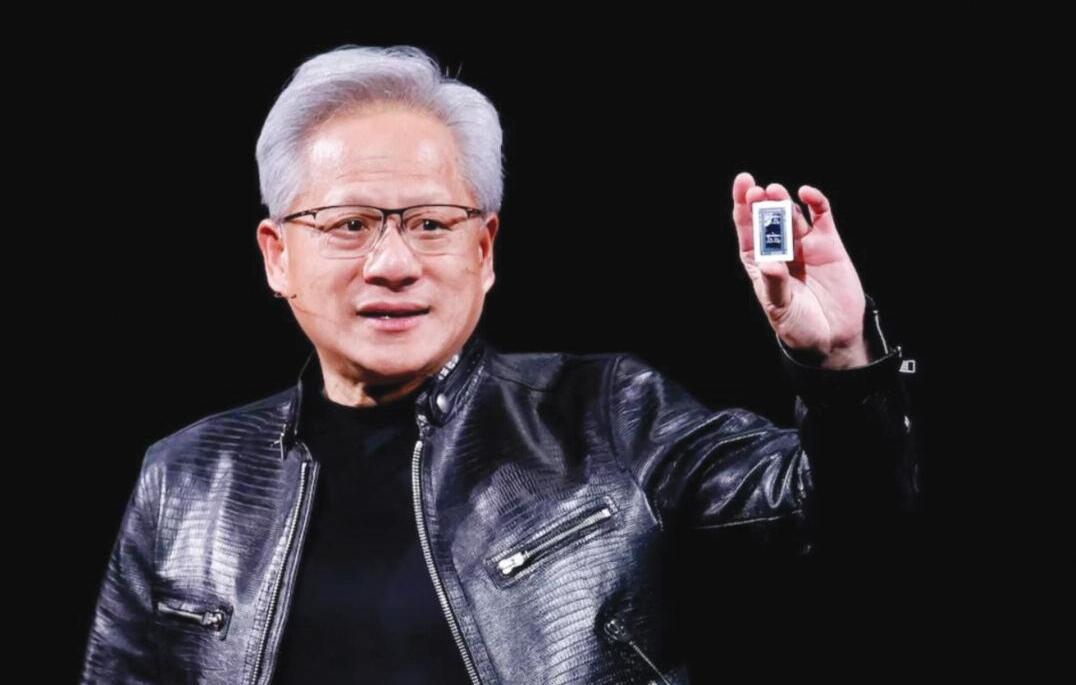
A G E N C I E S Nvidia on Monday introduced a new processor aimed at bringing artificial intelligence functions directly to personal computers as the company moves into a market where it will compete with Advanced Micro Devices, Intel and Apple Chief executive Jensen Huang speaking in Taiwan ahead of the Computex trade show said the RTX Spark PC chip forms part of Nvidia s work with Microsoft to reshape personal computing for the AI era after three years of cooperation between the two companies The chip was developed with Taiwan’s MediaTek and is due to appear this fall in laptops and compact desktop systems from Dell, HP, Lenovo, ASUS, Microsoft Surface and MSI Models from Acer and GIGABYTE are expected later
The new processor is designed to run autonomous AI agents on devices themselves rather than depending only on
The company s latest move comes as
KINSHASA
A G E N C I E S
World Health Organisation Director-
General Tedros Adhanom Ghebreyesus was expected to meet Democratic Republic of Congo President Felix Tshisekedi on Monday as concern mounted over an Ebola outbreak that aid officials say may be larger than the official caseload suggests According to an official programme
Tedros returned to Kinshasa after travelling to Ituri province where the first cases were confirmed and was due to meet Tshisekedi at his residence before flying back to Geneva After arriving in Congo last week, he had called for greater international support to curb the spread of the disease In a joint statement issued on Sunday night the WHO and the Congolese government described the situation as a challenging time and said efforts were under way to strengthen surveillance, testing and patient care The statement added: Persistent challenges include early detection and isolation of cases contact tracing safe and dignified burials robust infection prevention and control in health facilities, and strong community awareness Cases spread across provinces
The WHO said on Friday that Congo had recorded 906
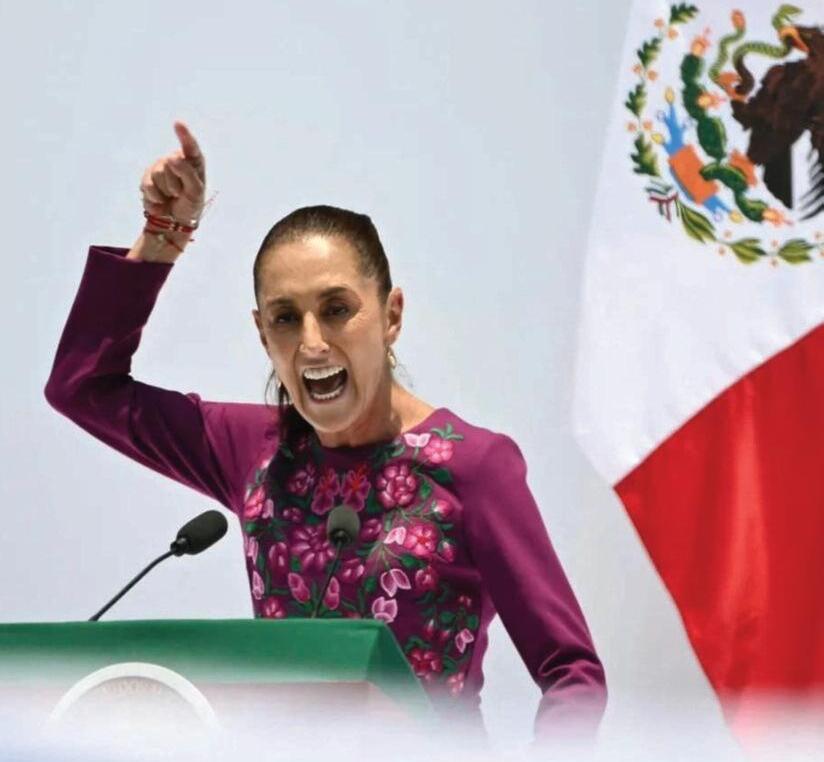
the US submitted extradition requests for 10 Mexican nationals, including senior government officials and Sinaloa Governor Ruben Rocha Moya of the ruling Morena party Although two of those sought by the US have surrendered to American authorities Sheinbaum has maintained Rocha Moya s innocence and criticised Washington for issuing accusations and extradition requests without presenting evidence Her remarks came after a constitutional reform promoted by her administration and a Morena-led Congress aimed at strengthening safeguards against foreign interference in elections
suspected Ebola cases including 223 suspected deaths under investigation Late on Sunday the Congolese government said confirmed cases had risen to 282, with 42 deaths, after 19 new positive test results
Data distributed by the communications ministry showed 264 confirmed cases in Ituri province 15 in North Kivu and three in South Kivu Ebola cases have also been confirmed in neighbouring Uganda
The outbreak is the 17th recorded in Congo and the third-largest since Ebola was first identified about 50 years ago
Earlier this month the WHO declared the outbreak in the DRC and Uganda caused by the Bundibugyo strain of the virus a public health emergency of international concern, while saying it does not meet the threshold for a pandemic emergency Undetected spread feared The International Rescue Committee said on Monday that the outbreak was likely much bigger and further advanced than official figures indicate The aid group said the virus may have circulated
for as long as three months before the first official cases were identified in mid-May The IRC also said only 20% of contacts were currently being traced hampering efforts to identify and isolate new chains of transmission Rachel Howard, the organisation’s senior technical emergency health adviser, said: When four out of five contacts are not being traced it becomes incredibly difficult to contain the outbreak or even understand its true scale While Congolese authorities have extensive experience in responding to Ebola, the current outbreak is being driven by the Bundibugyo strain for which there is no approved vaccine Global health organisation CEPI told Reuters it would provide about $60 million to Moderna and two other groups to speed up development of shots against Ebola Bundibugyo, and said vaccines could be ready for trials within a couple of months China also said on Monday that it would send a team of medical specialists to Congo to help with the response
President Xi champions children's health, educ ation and all-round development on Int'l Children's Day
CORPORATE CORNER
Young
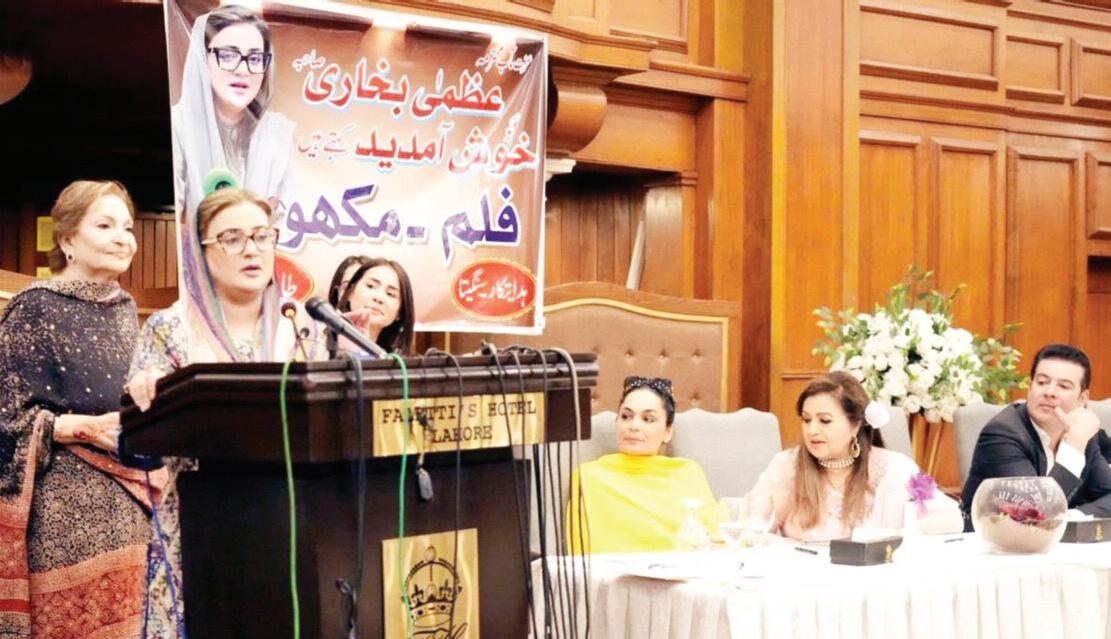
She announced that a notification for the establishment of cinema halls in all Arts Councils across Punjab will be issued within the coming days providing the public with greater access to quality films and entertainment
The provincial minister emphasized that quality films should reflect society positively and should not cater to a particular segment of the population She noted that films serve as a mirror of a nation’s culture and civilization and can play a significant role in bringing about positive social change She added that if
with the vision of Chief Minister Maryam Nawaz She stated that the establishment of a Film City and the launch of Film Funds are clear manifestations of this commitment, and their positive impact will soon become visible She expressed these views while addressing the inauguration ceremony of the Punjabi film Mukho The event was attended by renowned film director Sangeeta, veteran actor Ghulam Mohiuddin, Moammar Rana, Meera Jee, Raheela Agha Parvez Kaleem Shehzad Rafiq Safdar Malik Saud Butt and other prominent personalities from the film industry Azma Bokhari said that the Punjab Government will provide state-of-the-art facilities for filmmakers and artists at the Film City to help the local film industry grow in line with international standards She added that the launch of Film Funds will accelerate the production and release of new films injecting fresh energy into the industry
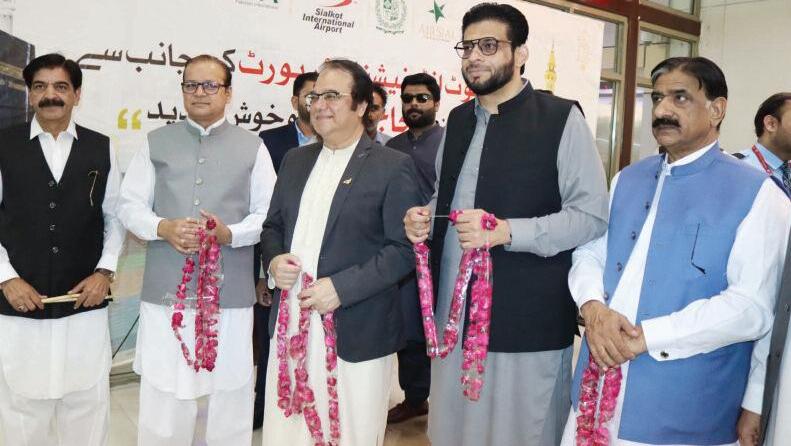
Development and Special Initiatives, Mr Armaghan Subhani, along-with Chairman Sialkot International Airport, Mr Hassan Ali Bhatti, Vice Chairman SIAL Mr Waqas Afzal and Convener SIAL Hajj Committee Ch Ghulam Mustafa graciously received the pilgrims arriving from the Kingdom of Saudi Arabia Esteemed members of the Board of Directors of SIAL were also present The returning pilgrims expressed their satisfaction and appreciation for the arrangements made at Sialkot International Airport acknowledging the efficient facilitation and services provided throughout the Hajj operation Speaking on the occasion State Minister Mr Armaghan Subhani stated that the Government had made comprehensive and excellent arrangements for Hajj pilgrims to ensure a smooth and comfortable pilgrimage experience He appreciated the dedicated efforts of Sialkot International Airport and its management acknowledging their tireless commitment towards facilitating the Hujjaj during both departure and arrival operations
Pakistan can produce high-quality television dramas it is equally capable of producing world-class films provided there are strong subjects and compelling scripts Azma Bokhari said that the Chief Minister of Punjab has already taken the first major step toward the revival of the film industry and it is now the responsibility of industry stakeholders to seize this
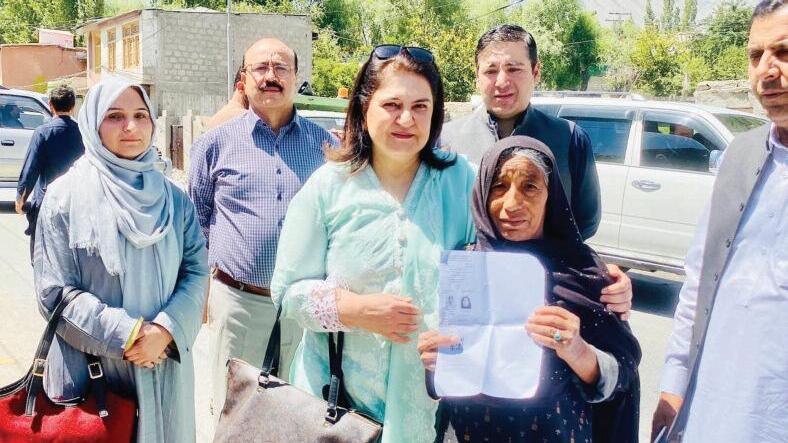
Chairperson BISP visits BISP Zonal Office Skardu; Briefs Women Beneficiaries on Digital Wallet System and directs them to obtain free mobile sims before June 15
SKARDU, GILGIT-BALTISTAN
S TA F F R E P O R T
Chairperson Benazir Income Support Programme Senator Rubina Khalid visited the BISP Zonal Office Skardu today where she was warmly received by the staff During the visit she met women beneficiaries, listened to their concerns, and assured them that their issues would be addressed on a priority basis She also inspected various sections of the office and reviewed challenges faced by women regarding the disbursement of stipends While interacting with women beneficiaries Senator Rubina Khalid stated that in line with the special directives of the President of Pakistan and the vision of the Prime Minister, the payment system is being transitioned towards Digital Wallets to enhance transparency ensure convenience and promote financial inclusion She added that for this purpose free mobile SIMs are being provided to eligible women so they can open their digital accounts and receive future payments directly
WASHINGTON
R E U T E R S
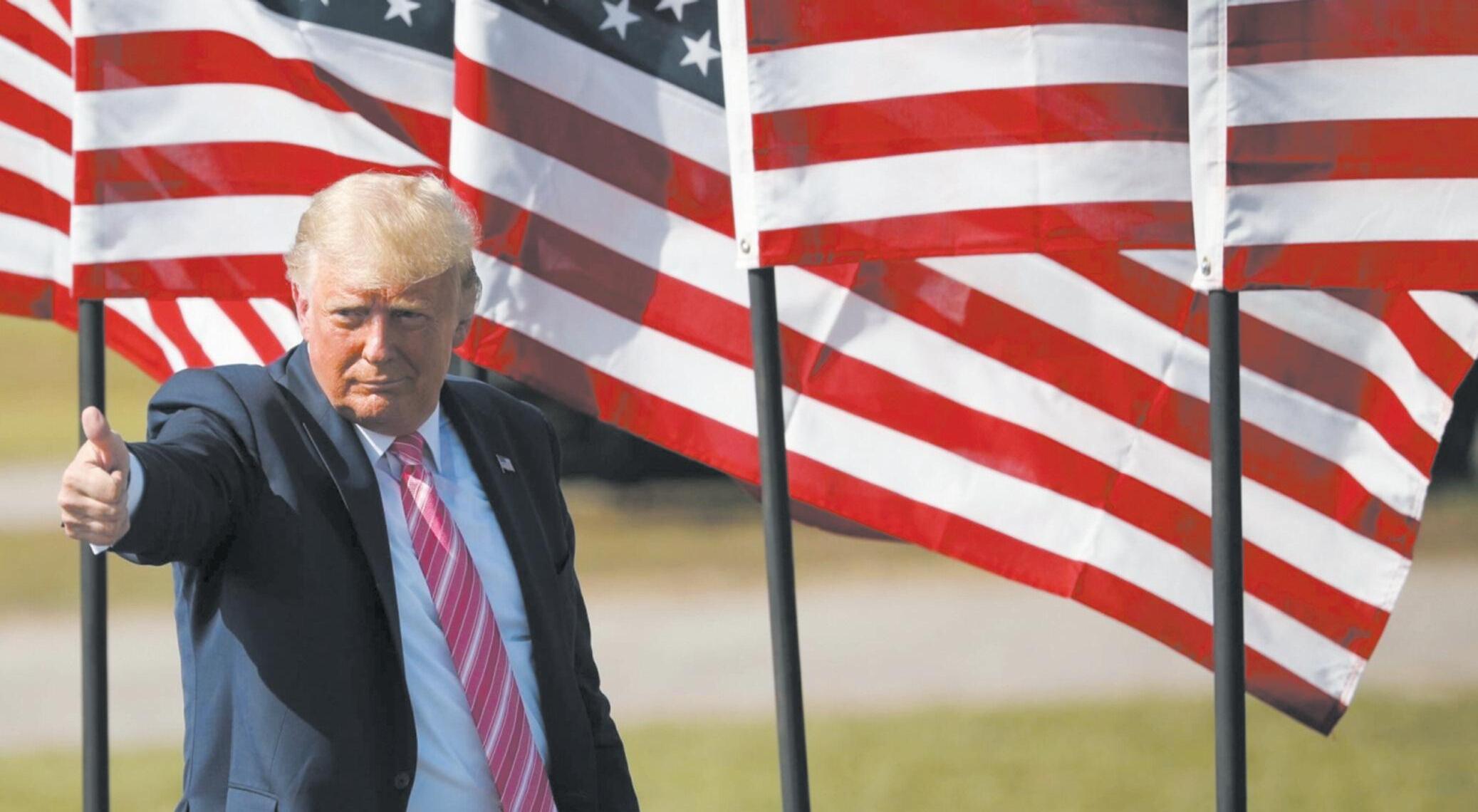
United States President Donald Trump said on Monday that he had not heard from the Iranians that they were suspending talks with Washington but added that silence would be fine and he was willing to wait
I think we ve been talking too much if you want to know the truth I think going silent would be very good, and that could be for a long time," Trump said in an interview with NBC News
"It doesn't mean we're going to go and start dropping bombs all over there Trump was quoted as saying We ll just go silent We ll keep the blockade "
"I think I can wait as long as they want They're losing a fortune "
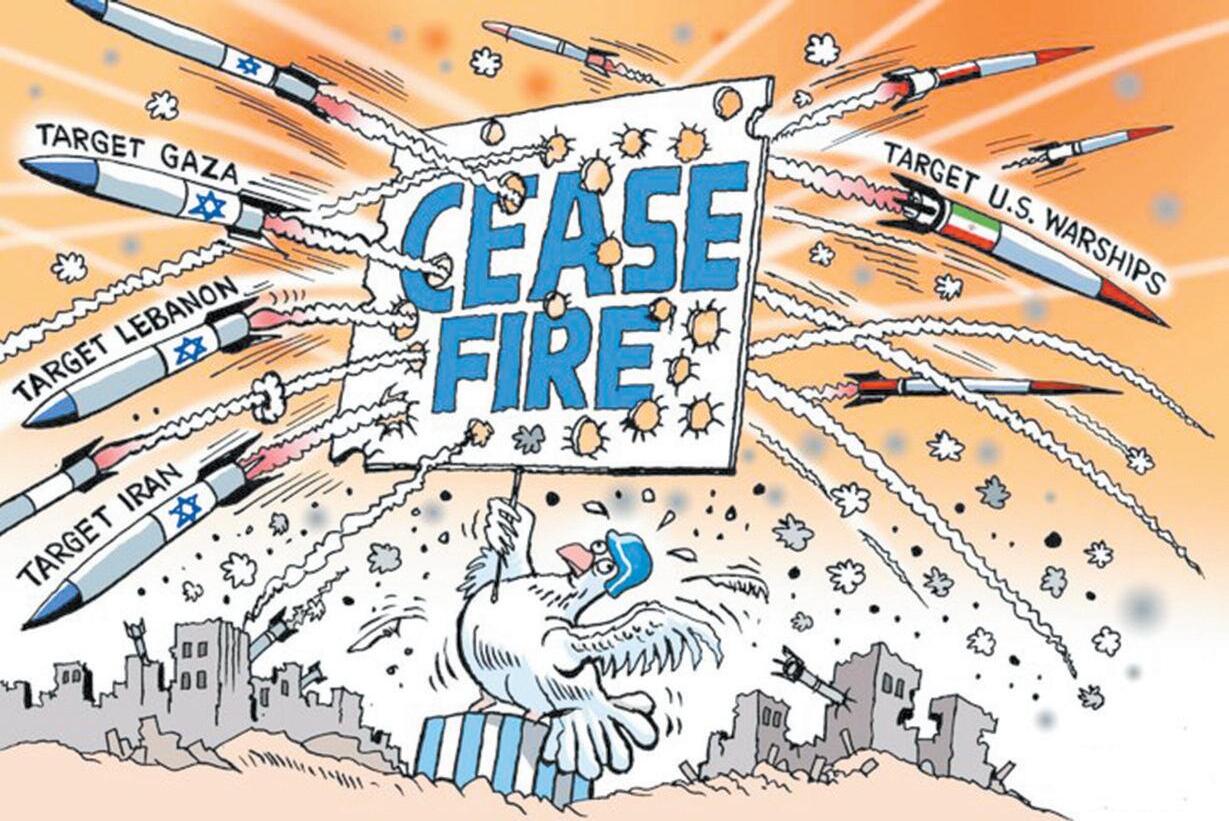
The Iranian state news agency Tasnim reported earlier that Iran was halting indirect negotiations with the US after Israel ordered its troops to push deeper into Lebanon, complicating diplomatic efforts to end three months of war Trump said the Iranians were better negotiators than fighters but that he had not been informed
that they were suspending talks Tasnim said the Islamic Republic s negotiating team was stopping exchanging messages with Washington through mediators over attacks on Lebanon, where the US-Israeli war against Iran has reignited Israel s conflict with Hezbollah
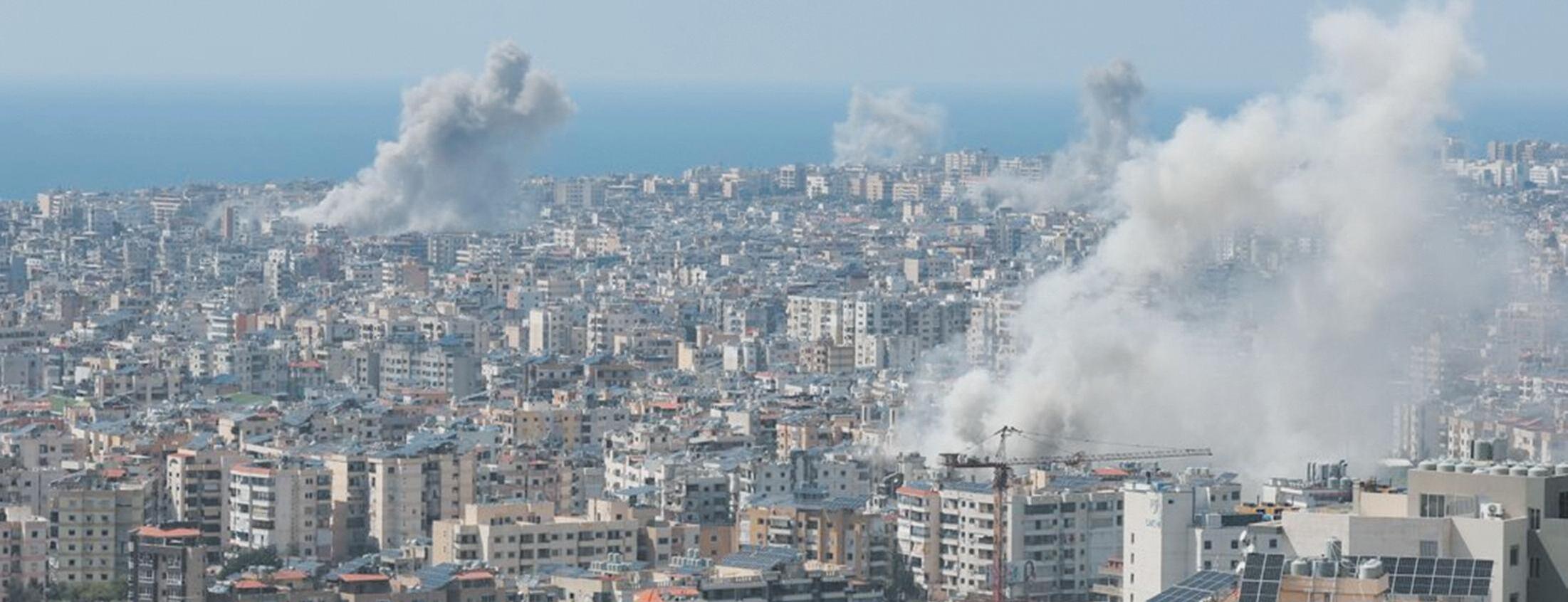
The move reported by Tasnim poses a further obstacle to hopes of a swift end to the crisis, after Iran said it had attacked a US air base following weekend US strikes on Iranian military targets that put further strain on a fragile ceasefire Oil prices rose more than $6 a barrel after the Tasnim report Israeli Prime Minister Benjamin Netanyahu ordered attacks on the Hezbollah-controlled southern suburbs of Beirut on Monday prompting another wave of displacement in a conflict that has already uprooted more than a million people in Lebanon Netanyahu s office accused Hezbollah of repeated violations of a ceasefire agreed in late April Trump had earlier reiterated on social media that he believed Tehran wants to reach a deal But
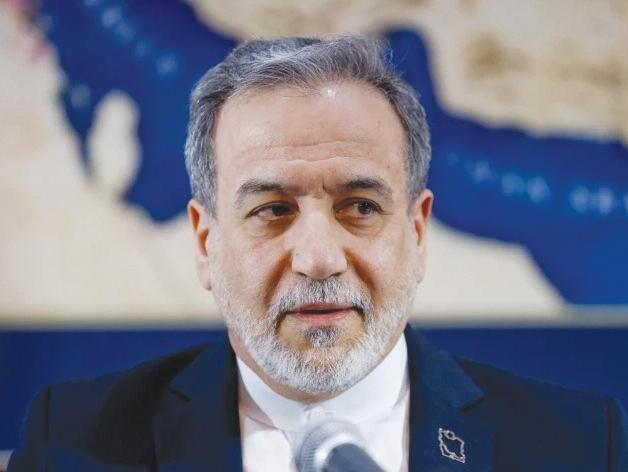
hopes of a breakthrough were tempered by comments by Iranian officials criticising the constantly changing" US negotiating stance Iranian Foreign Minister Abbas Araghchi also raised Lebanon where another ceasefire is in place as a stumbling block Violation on one front is a violation of the ceasefire on all fronts The US and Israel are responsible for the consequences of any violation," he said on X Fraying ceasefires
The war launched by the US and Israel on February 28 has killed thousands of people mainly in Iran and Lebanon It has also caused global economic pain by pushing up energy prices since Iran effectively closed the Strait of Hormuz a vital global supply route for oil and liquefied natural gas
Tasnim said Iran and the Resistance Front, which includes its Shi'ite allies in Yemen, Lebanon and Iraq, had set an agenda to completely block the strait and activate other fronts including the Bab El Mandeb Strait to punish Israel and its supporters
the Westernled global order
The world is passing through an historic transition characterised by turbulence and transformation he said adding that many countries of the Global South were increasingly questioning what they perceived as unequal standards in international politics
The senator criticised the recent military confrontation involving Iran, describing the US-Israeli actions against Tehran as unjustified and
the Pakistan Hajj Mission and the Saudi authorities According to the minister the arrangements were made under the special directives of Prime Minister Shehbaz Sharif
Yousaf said Pakistan with a Hajj quota of 180 000 pilgrims, is the world s second-largest regulatory manager of Hajj He said the country s performance was appreciated at an international forum headed by the Saudi minister of Hajj where both Pakistan’s government-run and private-sector Hajj operations were recognised for their performance Facilities and operations The minister said arrangements for accommodation, transport and food services helped keep complaints under one per cent He also said the expansion of the Road to Makkah project to Lahore enabled 80 per cent of Pakistani pilgrims to use streamlined immigration facilities In Madinah he said hotels from five-star to one-star categories were arranged within the central Markaziya district He also praised the Hajj Medical Mission and the Saudi German Hospital for their coordination, saying this allowed 146 critically ill and elderly pilgrims to complete key rituals, including the stay at Arafat and Tawaf-e-Ziyarah through specialised medical transport Challenges and next year’s preparations Yousaf said fake news and digital misinformation were among the major operational challenges during this
DELHI A G E N C I E S India gave a red-carpet welcome on Monday to Myanmar ’s junta leader-turned President Min Aung
Hlaing his first trip abroad since becoming civilian leader with talks focusing on security and trade
The former military chief met with Prime Minister Narendra Modi on Monday, where they shook hands outside New Delhi’s sprawling Hyderabad House Modi told the Myanmar leader that India remains Myanmar s trusted neighbour, a reliable partner and steadfast first responder in times of crisis”, Indian foreign ministry spokesman Randhir Jaiswal said Min Aung Hlaing was sworn in as Myanmar s president in April continuing his rule from a civilian post five years after snatching power in a military coup Modi also “reaffirmed India’s readiness to support peace and dialogue in Myanmar” Jaiswal added New Delhi s top career diplomat Foreign Secretary Vikram
Misri told reporters after the meeting that discussions included border security and the impact of
the civil war in Myanmar, which borders India s northeastern states
“Stability and peace in Myanmar is obviously a major interest for India ” Misri said
Not just for the security of the northeast and the safety and security of people living along the 1,643-kilometre-long border that we have with them, but also for our interests such as connectivity to Southeast Asia ” he said But he also stressed that any solution to the conflict in Myanmar would have to come from its citizens themselves
Cybercrime
“Eventually, the difficulties that face Myanmar will have to be sorted out by the people of Myanmar talking amongst themselves he said This will have to be a Myanmar-led solution and a Myanmar-owned solution
India has long supported plans for infrastructure initiatives to link India’s landlocked northeast to the Bay of Bengal through Myanmar as well as a highway to Thailand routes that cut through areas of conflict
Obviously, in these circumstances, it’s a little difficult to meet
preset targets and dates, he said
Bilateral trade was more than $2 billion in 2025-2026, according to New Delhi India also discussed cybercrime and Misri said that New Delhi had repatriated more than 2 400 Indians from cyberscam centres in Myanmar in the past year, with around 150 still stuck” in the country
“Our engagement with Myanmar is not intended to be a commentary on the internal political arrangements in that country he said
We have always proceeded on the principle that sustained dialogue is what is important and what is an imperative for India as a neighbour,” he added
“Disengagement only produces a vacuum that others go on to fill to our detriment and those others have no interest in democracy, I can assure you about that, he said, without giving further details
Min Aung Hlaing arrived in India on Saturday first stopping in the eastern state of Bihar with a visit to the Buddhist pilgrimage site of Bodh Gaya where believers say that the Buddha attained enlightenment
Tek Singh, Nankana Sahib, Chiniot, Faisalabad, Okara, Kasur, Khushab, Sargodha, Bhakkar, Mianwali, Bahawalpur, Bahawalnagar, Dera Ghazi Khan, Multan, Khanewal Lodhran Muzaffargarh Rajanpur Rahim Yar Khan and Layyah
Forecast for northern regions
In Azad Jammu and Kashmir the department said scattered rain, wind and thunderstorms, with isolated heavy falls and hailstorms, are expected in Neelum Valley, Muzaffarabad, Rawalakot, Poonch, Hattian, Bagh, Haveli, Sudhanoti, Kotli, Bhimber and Mirpur from June 2 to 5 with breaks in between
For Gilgit-Baltistan rain wind and thunderstorms are expected in Diamir Astore Ghizer Skardu Hunza Gilgit Ghanche and Shigar from June 4 to 6 also with occasional gaps