
StrategIC
aS tIeS Mark 75 hIStorIC yearS

President Z ardari rejec ts FBR demand for suret y bonds before tax refunds


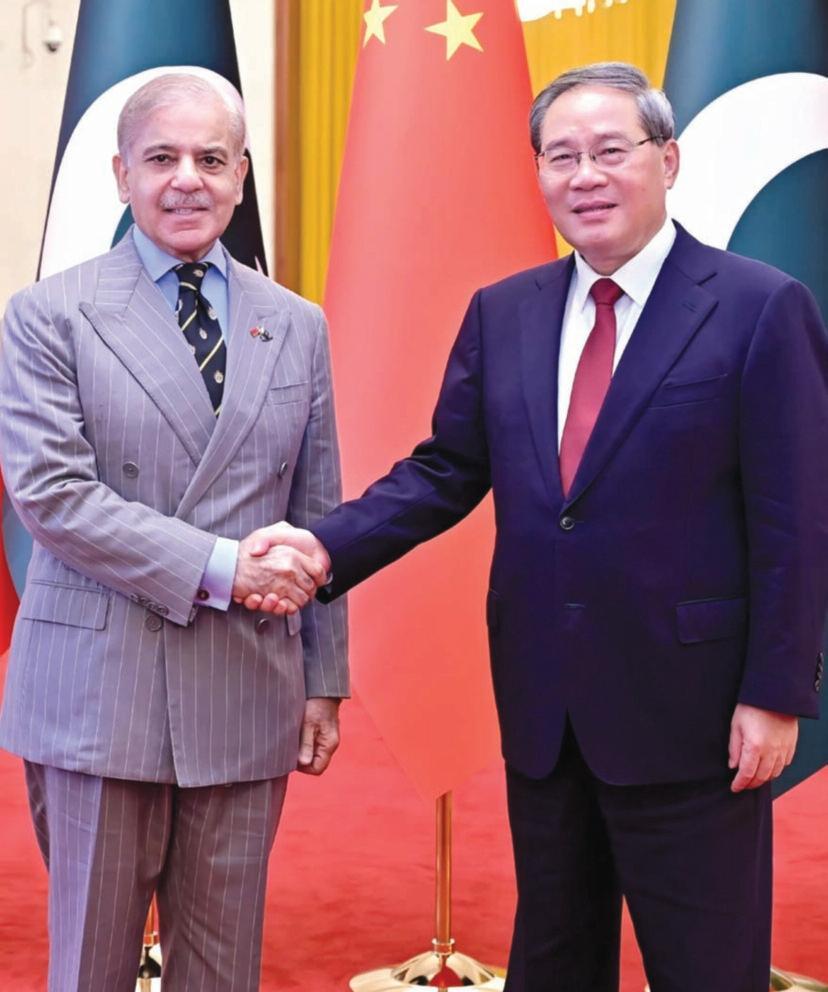
PAKISTAN, ALIBABA SIGN DIGITAL ECONOMY AGREEMENTS AS SHEHBAZ VISITS HANGZHOU HEADQUARTERS
Coordination
The
The government has decided on major amendments to the Pakistan Biosafety Rules aimed at liberalising the regulatory framework for imports of genetically modified organisms (GMOs) and simplifying licensing procedures Business Recorder reported
The proposed amendments were recommended for cabinet approval during a meeting of the National Biosafety Committee convened by the Ministry of Climate Change and Environmental
space station programme reflected the growing depth of cooperation in new strategic domains Both sides agreed to maintain close coordination, expedite the implementation of agreed projects and advance bilateral cooperation into a new phase marked by practical achievements and high-quality development


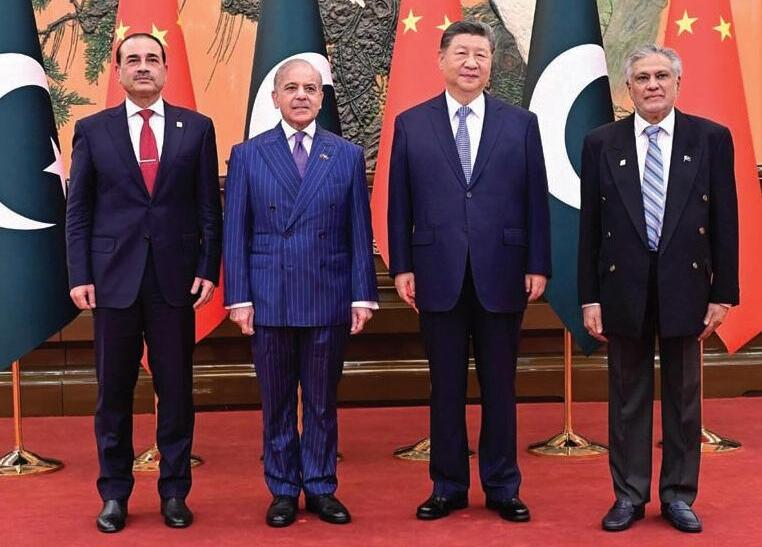
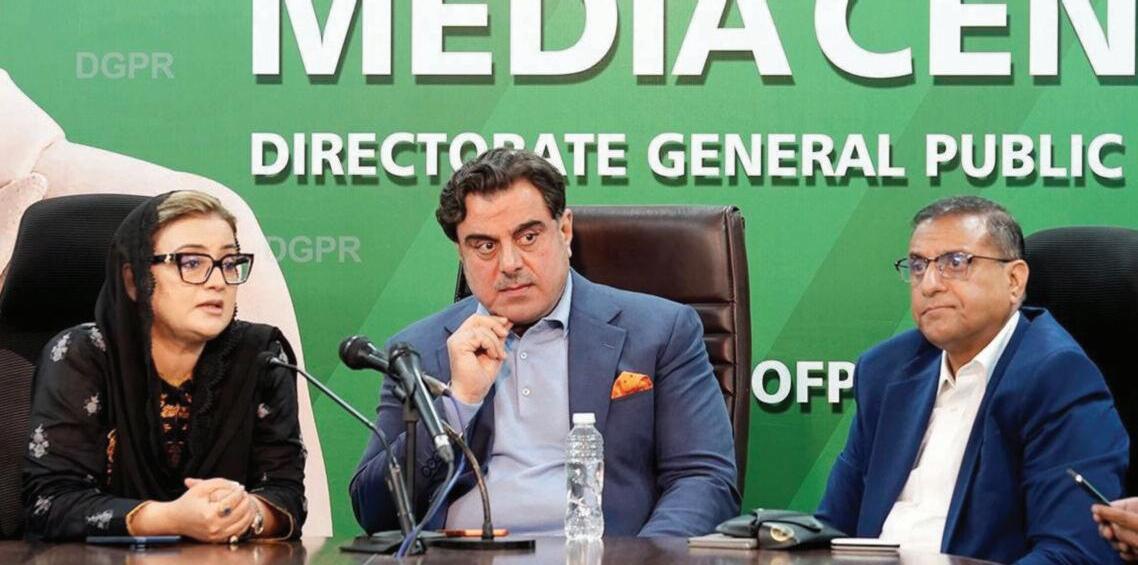
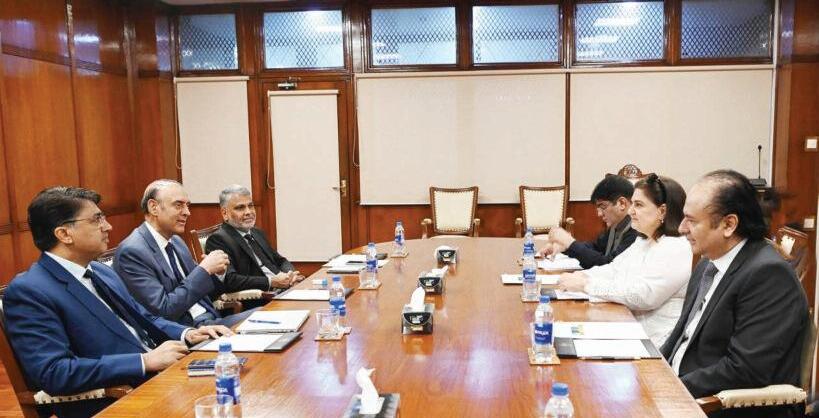
The meeting was attended by Deputy Prime Minister and Foreign Minister Ishaq Dar Chief of Defence Forces Field Marshal Asim Munir Planning Minister Ahsan Iqbal Food Security Minister Rana Tanveer Hussain, Information Minister Attaullah Tarar, IT Minister Shaza Fatima Khawaja, Railways Minister Hanif Abbasi, Adviser to the Prime Minister Haroon Akhtar and Special Assistant to the Prime Minister Syed Tariq Fatemi Later state-run Pakistan Television reported that the two leaders also witnessed the signing and exchange of multiple Memorandums of Understanding (MoUs) protocols and cooperation agreements aimed at expanding Pakistan-China collaboration in trade investment agriculture climate change education, science and technology, media and people-to-people exchanges Officials described the signing cer-
emony as a major step towards broadening institutional cooperation and reinforcing the longstanding strategic partnership between the two countries in both traditional and emerging sectors
PM SHEHBAZ CALLS FOR GLOBAL PEACE AMID GULF
TENSIONS: Addressing the gathering at the Great Hall of the People Prime Minister Shehbaz said the world was passing through a very critical moment and stressed the need for collective efforts to restore peace and stability amid rising tensions in the Gulf region
“We have to really be together so that the world at large is at peace ” the prime minister said He highlighted Pakistan s diplomatic efforts aimed at reducing tensions between the United States and Iran, stating that Pakistan had played a very sincere role” in mediation efforts
Commerce, Industries ministries differ over proposed tariff cuts on
would
The Ministry of Commerce and the Ministry of Industries and Production have differed over proposed tariff reductions on imported vehicles and alcohol as the government finalises recommendations for the FY2026-27 budget under the National Tariff Policy (NTP) 2025-30, Business Recorder reported, citing sources As per the report the Tariff Policy Board (TPB) headed by the commerce minister is reviewing tariff rationalisation proposals already aligned with commitments under the International Monetary Fund (IMF)backed NTP framework According to a briefing


Blood on the tracks
fits to regroup and reorganize


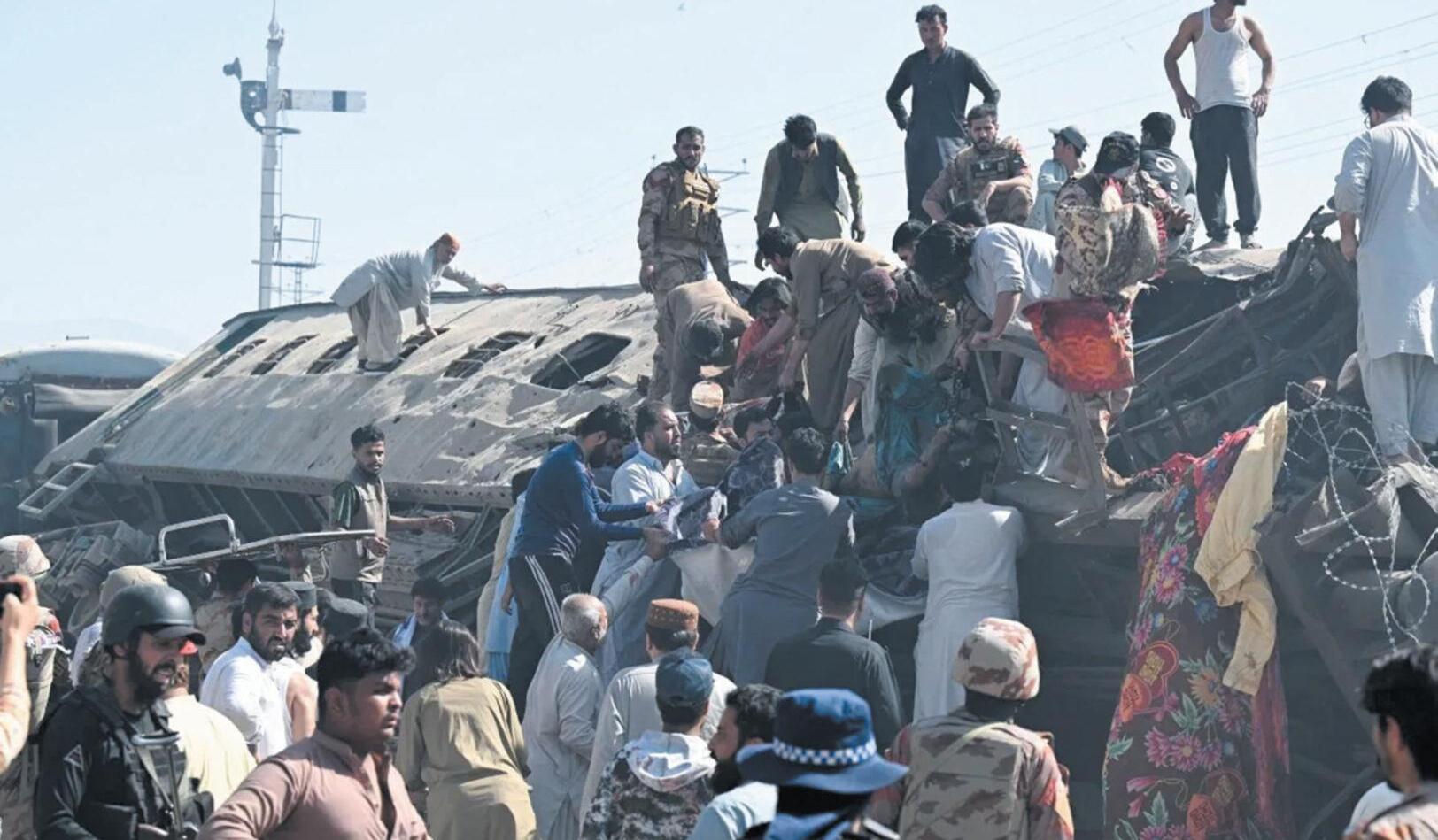
TWH E tragic bombing of a shuttle train in Quetta on May 24 is not merely another security incident in Pakistan s long and painful struggle against terrorism It is a stark reminder that while Pakistan continues to advocate regional stability, dialogue, and peace, forces of chaos remain determined to trap the country in cycles of violence and instability The attack, which claimed dozens of innocent lives and injured many others once again exposed the human cost of a conflict that Pakistan has been fighting for decades often alone often misunderstood and too often ignored by the international community Balochistan has long stood at the center of this struggle Its vast geography, porous borders, strategic importance and immense mineral wealth have made it vulnerable not only to internal grievances but also to external manipulation Militant organizations operating under separatist slogans have repeatedly targeted civilians, infrastructure, security personnel, and national projects aimed at bringing economic opportunity to one of Pakistan’s most underdeveloped regions The victims are rarely just soldiers, they are ordinary Pakistanis workers passengers families children and citizens trying to live normal lives amid persistent uncertainty What makes this tragedy even more painful is the broader regional context Pakistan, despite severe economic pressures and security challenges, has consistently attempted to play a constructive role in reducing tensions in the region From facilitating diplomatic engagement in Afghanistan to advocating restraint during periods of escalation Pakistan has repeatedly emphasized dialogue over confrontation
Yet even as the country speaks the language of peace, hostile actors continue to exploit instability through proxies, misinformation, and covert support for militant violence
Pakistan has repeatedly expressed concerns over the use of Afghan soil by militant organizations hostile to the state Successive governments and security institutions have pointed to cross-border sanctuaries arms flows, and operational networks that enable terrorist groups to function with alarming sophistication
The situation has become even more complex after the shifting political realities in Afghanistan where ungoverned spaces and weak border controls have created opportunities for extremist and separatist out-
reducing the vulnerability that dollar dependency places in Washington s hands BRICS AND CURRENCY DIVERSIFICATION:
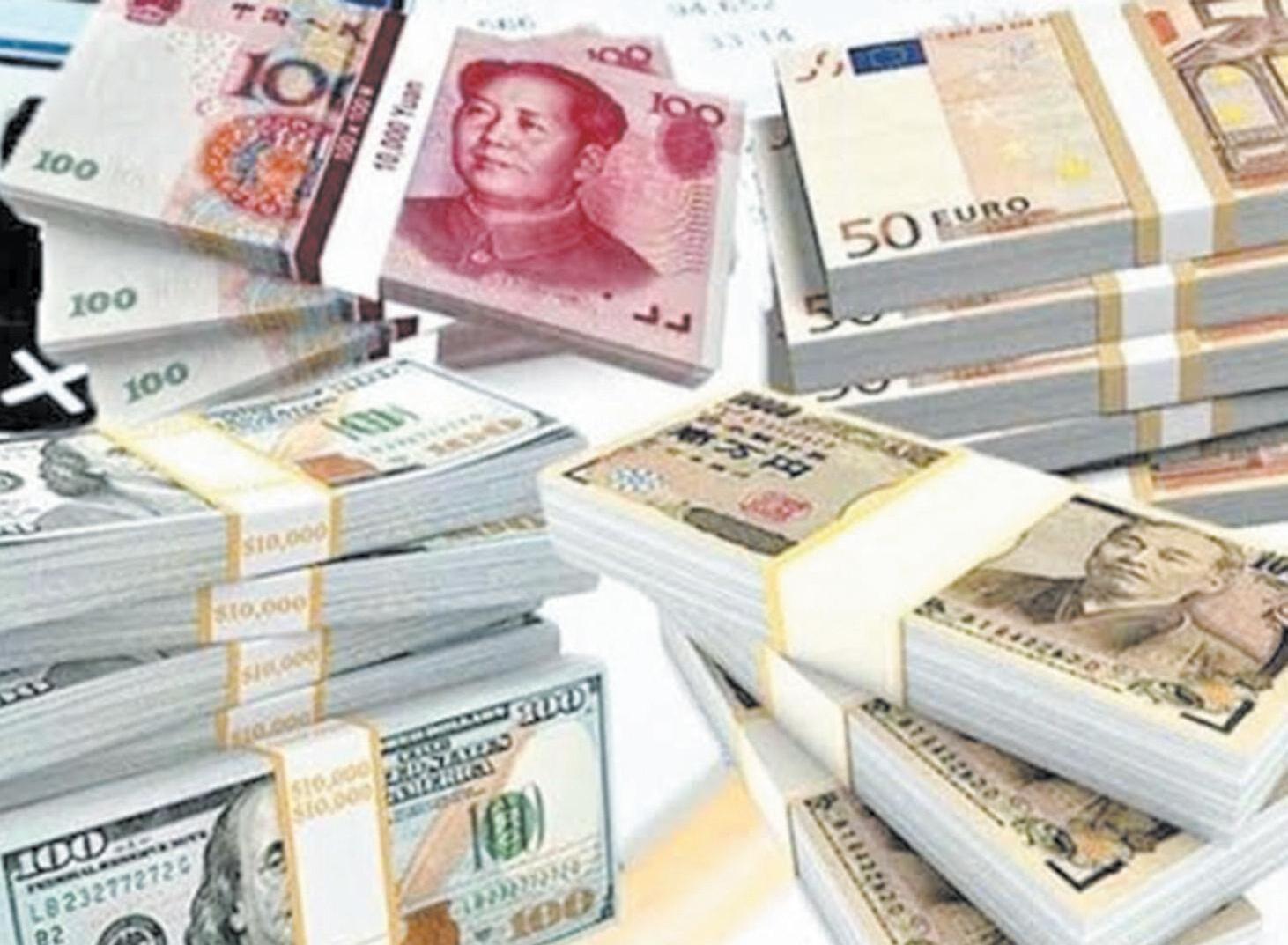
The BRICS grouping expanded to include Saudi Arabia the UAE Egypt Iran and Ethiopia has become the most prominent forum for de-dollarization While a single BRICS currency remains elusive due to internal divisions, the bloc’s growth is symbolically significant, representing states that collectively hold a substantial share of global GDP and energy resources ASEAN nations are exploring local currency settlement frameworks India has pursued rupee-based trade with Russia and Gulf states are examining alternatives to dollar energy pricing Together, these initiatives represent a sustained effort to build infrastructure for a less dollar-dependent trading environment CAN THE DOLLAR BE REPLACED? Intellectual honesty demands caution here The dollar s dominance is not merely a product of American power, it is a product of American institutions The depth of US capital markets, the rule of law governing dollar contracts, and the sheer scale of existing dollar infrastructure make rapid transition extraordinarily difficult The Chinese yuan faces significant structural barriers: capital controls restrict free crossborder flows, and global confidence in Beijing s regulatory consistency remains far lower than trust in American financial institutions The dollar still accounts for roughly 58 to 60 percent of global foreign exchange reserves No alternative is remotely positioned to replicate its functions in the near term Dedollarization is better understood as gradual dilution not replacement
At the same time many in Pakistan view unrest in Balochistan through the lens of a wider geopolitical contest Pakistani officials and security analysts have long alleged that hostile intelligence networks linked to regional rivals seek to destabilize the country by supporting insurgent proxies and fueling separatist narratives These concerns intensified after the arrest of Kulbhushan Jadhav in 2016 whom Pakistan described as an Indian intelligence operative involved in destabilizing activities inside Balochistan While such accusations remain contested internationally within Pakistan they reinforce a broader perception that the country faces not only domestic militancy but also a coordinated hybrid threat aimed at weakening national cohesion and strategic confidence
The attack on the train also reveals a disturbing evolution in militant tactics Railways represent more than transportation; they symbolize national connectivity, civilian life, and economic continuity Attacking trains is an assault on the idea of normalcy itself It sends a message of fear, attempting to convince citizens that nowhere is safe, not roads, not markets, not schools and not even public transport Terrorism succeeds not merely through explosions but through psychological warfare which is why such incidents carry consequences far beyond the immediate casualties This nation has buried thousands of civilians and security personnel in the war against terrorism Entire communities have suffered displacement Soldiers have fought in mountains deserts and urban centers against ruthless networks backed by ideology money and foreign facilitation Despite this Pakistan did not collapse It rebuilt cities devastated by terrorism restored markets and schools, and dismantled major urban terror networks through determined
not better
IMPLICATIONS FOR PAKISTAN AND THE GLOBAL SOUTH: For Pakistan, the stakes are immediate External debt, IMF conditionalities, energy import bills, and access to global capital all run through dollar-based systems This dependency limits policy space and transmits Federal Reserve interest rate decisions directly into domestic economic pain Regional currency arrangements, under CPEC frameworks, with Gulf partners, or through expanded Special Drawing Rights, could reduce this exposure Yet the risks of premature decoupling are equally real: higher transaction costs reduced capital market access and complicated trade financing The prudent course is diversification rather than decoupling building capacity to operate within multiple currency systems without abandoning dollar channels that remain, for now, indispensable The broader Global South faces the same calculus
TOWARDS A MULTIPOLAR ECONOMIC
FUTURE: What is unfolding is not a revolution but a rebalancing The dollar will not be dethroned by a single summit or currency announcement It will be gradually flanked, by expanding yuan internationalisation, regional payment corridors and the political resolve of states determined to reduce their vulnerability to a unipolar financial order For seventy years dollar dominance was underpinned by American hegemony What is emerging in its place is genuine multipolarity: messier, more contested, but arguably more honest about the actual distribution of global economic weight The dollar ’s throne is not empty But for the first time in generations the world is seriously debating who else might sit at the table The writer is a freelance columnist


APakistan saves Middle East and Iran and shatters Israel invincibilit
preciate This conflict was not merely about Iran’s nuclear ambitions or Israel’s security concerns It was about the future geopolitical architecture of the Middle East control of global energy routes strategic domination and the possibility of dragging the world toward a wider confrontation involving nuclear-capable states
The danger was real The United States possesses enormous nuclear arsenals Israel is widely believed to possess nuclear capability Iran was being accused of moving closer to nuclear threshold status If the war had continued to escalate uncontrollably, the possibility of mutually assured destruction could no longer have been dismissed as theoretical Pakistan recognized that danger earlier than many others In that atmosphere Pakistan chose diplomacy over silence
Field Marshal Asim Munir s statement became symbolic of Pakistan s commitment when he reportedly declared with conviction that Pakistan would not allow Iran to fall At the time, many dismissed the statement as political rhetoric Yet Pakistan gradually transformed those words into strategic action
Quietly carefully and persistently Islamabad built trust simultaneously with Tehran Washington, Beijing, Moscow, Ankara, Riyadh, Doha, and other key capitals, effectively bypassing Israel, reducing it to inconsequential in the mediation process and frustrating all its objectives of starting the war
influence Israeli strategic thinking envisioned a transformed Middle East where Iran’s long-term deterrence capability would be permanently dismantled
analysis during the early phase of the conflict was that everybody was losing, but only Israel was winning Yet history often changes because of one unexpected factor strategic wisdom exercised at the right moment Pakistan emerged as that factor Pakistan understood something many world powers failed to fully ap-
Despite repeated attempts by influential Israeli circles and hardline lobbies in Washington to sideline Pakistan from the mediation process, Islamabad remained central because all parties eventually recognized one reality: Pakistan possessed credibility with opposing camps simultaneously Iran trusted Pakistan s intentions Gulf countries trusted Pakistan s balance China and Russia trusted Pakistan s strategic judgment Even Washington eventually realized Pakistan had become indispensable in preventing total escalation The emerging 60day framework agreement reflects that diplomatic achievement Instead of discussions centered exclusively on dismantling Iran the negotiations shifted toward reopening the Strait of Hormuz, reducing naval confrontation, ending hostilities across multiple fronts including Lebanon, and establishing timelines for broader future understandings
This represented a dramatic reversal of battlefield realities At the beginning of the war Iran reportedly faced enormous pressure to surrender key elements of its uranium enrichment capability, missile program, drone infrastructure, and regional strategic
Recent contac ts bet ween Trump and Netanyahu suggest that Israel’s agenda remains highly influential in US decision-making, with critics arguing that Trump has prioritized ‘Make Israel Great Again’ over ‘Make America Great Again’
Discussions even emerged regarding alternative regional energy corridors bypassing the Strait of Hormuz through routes linked to Israeli-controlled infrastructure and the Red Sea The dream of “Greater Israel” appeared increasingly visible through expanding buffer zones in Gaza southern Lebanon Syria and potentially beyond Today much of that strategic vision lies shattered Instead of negotiating surrender, Iran is negotiating from resilience The focus has shifted away from total dismantlement toward maritime management phased arrangements timelines and future diplomatic understandings Iran emerged bloodied but strategically unbroken Lebanon was spared the scale of destruction inflicted upon Gaza A wider regional war was paused Most importantly, the world economy was protected from what could have become the largest energy and financial collapse in modern history
The economic implications of this diplomatic intervention are staggering Had the Strait of Hormuz remained blocked for a prolonged period, global oil prices could have reached catastrophic levels Energy-importing countries across Asia Africa Europe and Latin America would have suffered devastating inflationary shocks Food prices electricity costs transportation expenses, fertilizer production, and industrial manufacturing costs would all have surged simultaneously Hundreds of millions of vulnerable people potentially more than a billion globally could have been pushed below the poverty line At the same time Gulf desalination plants ports oil facilities refineries shipping infrastructure, and industrial zones
worth trillions of dollars stood exposed to destruction The war was already costing the United States tens of billions of dollars while shaking global financial confidence Pakistan s diplomacy helped prevent that nightmare This explains the visible anger and panic among hardline supporters of the war in Washington and Israel Republican figures such as Lindsey Graham, Ted Cruz Roger Wicker Tom Cotton Mike Pompeo and John
Operation Epic Fury could become meaningless Mike
tling Iran s nuclear enrichment sites and removing its enriched nuclear material from its territory He added that President Trump also reaffirmed Israel s right to defend itself against threats on every front, including Lebanon The developments run counter to Trump’s comments a day earlier Trump said on Saturday that he had talked to regional leaders and that an agreement has been largely negotiated subject to finalization between the US and Iran
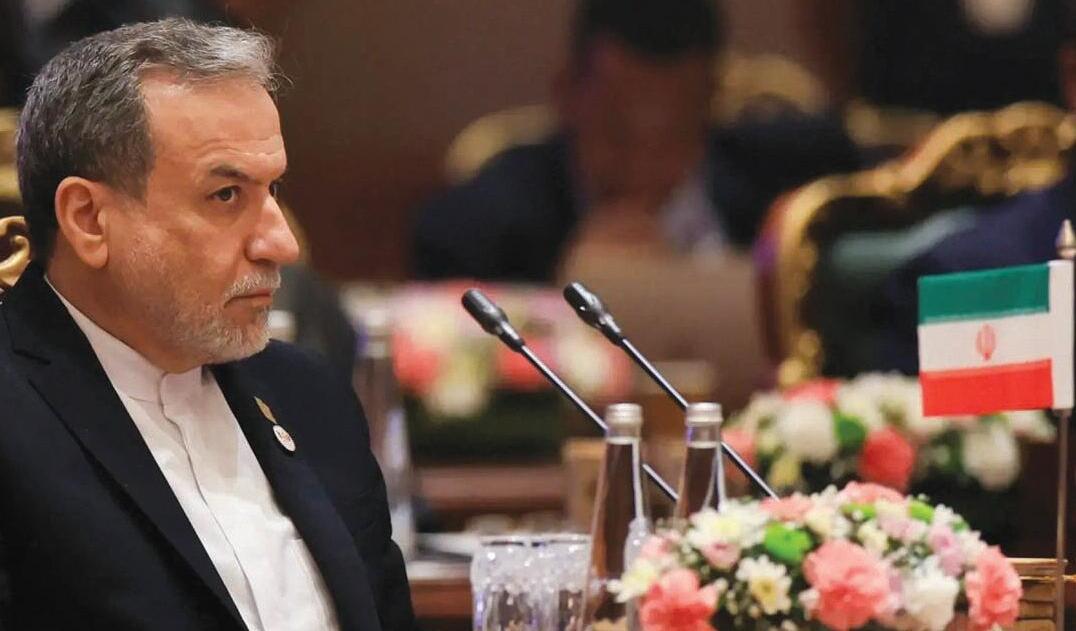
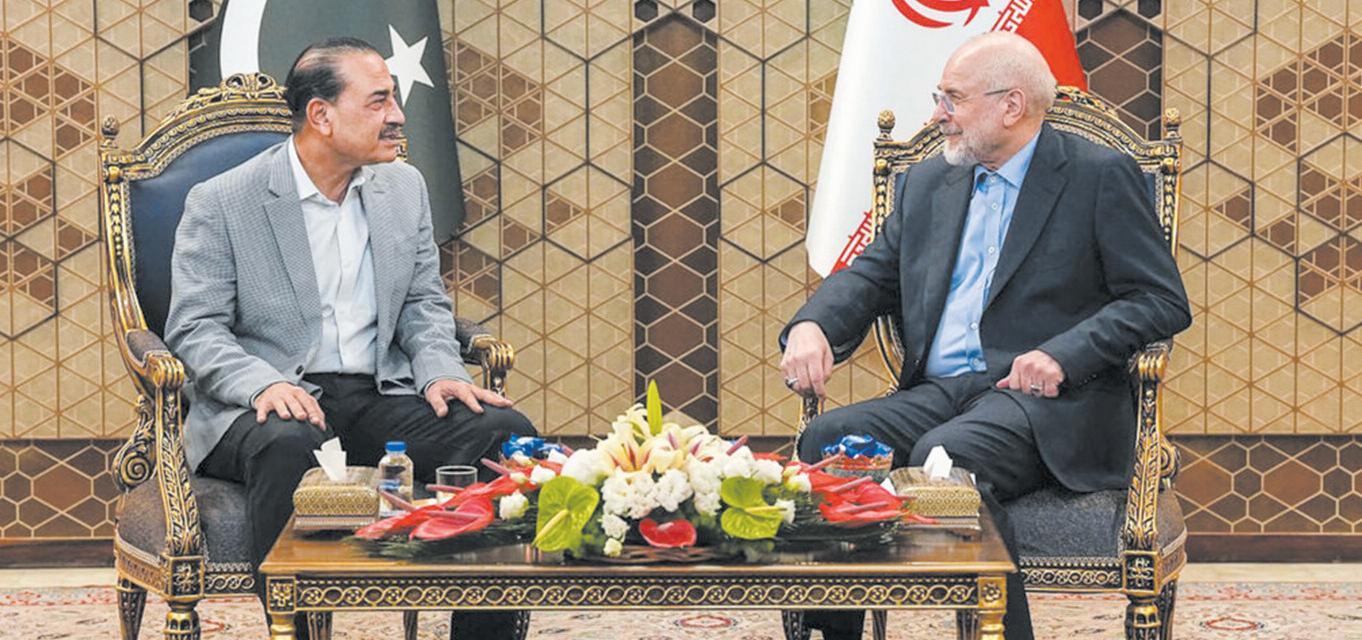
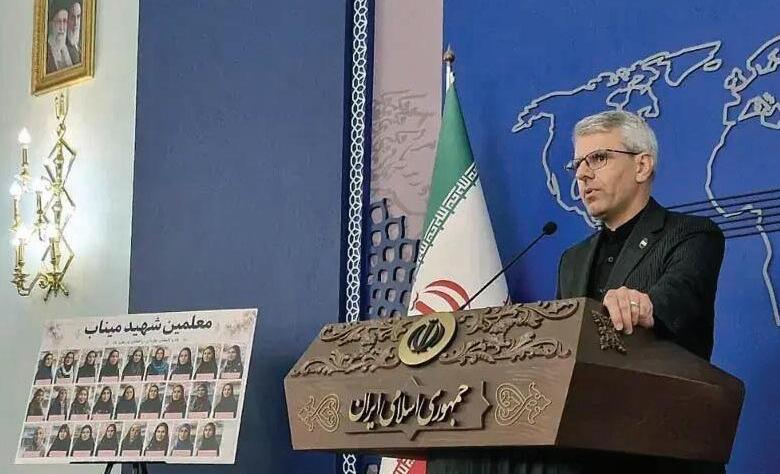
IRAN’S CONDITION FOR TALKS: A similar assessment was also reflected by Iran’s Foreign Ministry spokesman on Saturday contingent on certain conditions “We are now in the finalization stage of this memorandum of understanding The topics being discussed at this stage focus broadly on ending the war halting the US naval blockade, and issues related to the release of Iran’s frozen assets,” Esmaeil Baghaei said He emphasized that Iran’s focus at this stage remains exclusively on ending the US–Israeli war based on Tehran s 14-point proposal He said a final agreement could be reached within a reasonable timeframe of 30 to 60 days Baghaei also pointed to the Strait of Hormuz, saying the strategic waterway has nothing to do with America ” He added that Iran and Oman, as the coastal states of the Strait of Hormuz should define a mechanism for it Iran also says halting Israel s strikes in Lebanon and the recognition of its enrichment rights are red lines in the talks These developments followed Pakistani Chief of Defense Forces Field Marshal Syed Asim Munir ’s one-day visit to Iran, which
ended Saturday afternoon, amid Islamabad’s intensified efforts to bridge the gap between Tehran and Washington Iran and the US agreed to a ceasefire on April 8 through the mediation of Pakistan However subsequent diplomatic efforts to fully end the conflict failed due to Washington s excessive demands The US and Israel were unable to achieve their stated objectives during the 39 days of war which included destroying Iran’s military capabilities and influencing the country’s political trajectory Trump has repeatedly claimed that US strikes severely damaged Iran s military capacity However, American officials speaking to US media have acknowledged that Iran retains much of its missile and drone arsenal despite weeks of intense bombing TRUMP S THREATS: Trump ordered a naval blockade of Iran after Pakistani-mediated talks in Islamabad on April 11 ended without a breakthrough Trump has also set multiple deadlines for Iran to meet US demands, warning of severe consequences, including threats to send Iran back to “the Stone Age ” However he has repeatedly stepped back from military escalation largely due to Iran s warnings that any new aggression would be met with a stronger response During the conflict, Iran carried out 100 waves of missile and drone strikes against Israel and US bases in the Persian Gulf region, inflicting severe damage to military installations and equipment
In addition to Iran s military capability its resilience and its control over the Strait of Hormuz have pushed Washington toward seeking an off-ramp to avoid deeper military and economic costs A potential deal to end the war could serve as a face-saving exit for Trump from a conflict with limited gains for Washington However recent contacts between Trump and Netanyahu suggest that Israel s agenda remains highly influential in US decision-making, with critics arguing that Trump has prioritized Make Israel Great Again over “Make America Great Again ” Trump has said the latest February 28 war was necessary to prevent Iran from acquiring nuclear weapons However US intelligence assessments have indicated that Iran was not pursuing a nuclear weapons program before the war US Director of National Intelligence Tulsi Gabbard, who recently resigned, had stated that there was no evidence Iran had rebuilt its nuclear enrichment capabilities following US strikes on Iranian facilities in June last year Such acknowledgments suggest that Trump and Netanyahu have emphasized Iran s nuclear threat as justification for military action For now, critics argue that the only way for Trump to avoid deeper entanglement in a prolonged conflict with Iran is to avoid being drawn into Netanyahu’s trap

IT was both painful and humiliating to watch media coverage of U S President Donald Trump’s recent visit to Beijing, because it amply demonstrated America’s decline as a great power relative to China Prior to the summit expectations were very low: Trump was in a weakened position, beset by inflation and declining popularity, while seeking China s help in getting out of the Iran trap he has created for himself Chinese leader Xi Jinping on the other
Xi a slight that could have been avoided had Trump s State Department not sidelined the protocol officials whose job it is to look after these things The worst part of the visit was Trump’s constant sycophancy exclaiming that Xi is a great leader really a friend and someone from central casting ; he effused time and again about how beautiful and impressive China is As in previous interactions with various dictators, Trump seems to have thought that they would be impressed by the same kind of praise and flattery that he himself revels in Xi for his part failed to reciprocate any of these assertions of friendship saying merely that the United States and China should be partners and not rivals The most significant issue arising out of the summit was Taiwan Trump had held up a $14 billion arms package voted by Congress in advance of the summit and there is no indication delivery will resume anytime soon Xi told Trump that future relations with Washington would be conditioned on the level of U S support for the island A light went on in Trump’s head that Taiwan would be a “very good negotiating chip” in trade negotiations with Beijing Trump made other dismissive remarks about the island, noting that we re supposed to travel 9,500 miles to fight a war, and repeating his assertion that Taiwan has stolen semiconductor chip technology from the United States His failure to say anything about Taiwan s security stood in sharp contrast to Joe Biden s clear assertion that the United States would act in its defense Donald Trump is a politician who is unable to see the world in anything but personal and self-interested terms He was furious after his return at the suggestion that Obama was treated with more respect than he was using the occasion to assert that nobody respects Obama, who was in any case a divider
The Chinese media has been talking for some time about the United States as a “declining power”; Xi brought it up with Trump by expressing hope that their countries could avoid the Thucydides trap if a declining America ceded power gracefully to
TEHRAN TIMES THE JAPAN TIMES


PAKISTAN’S
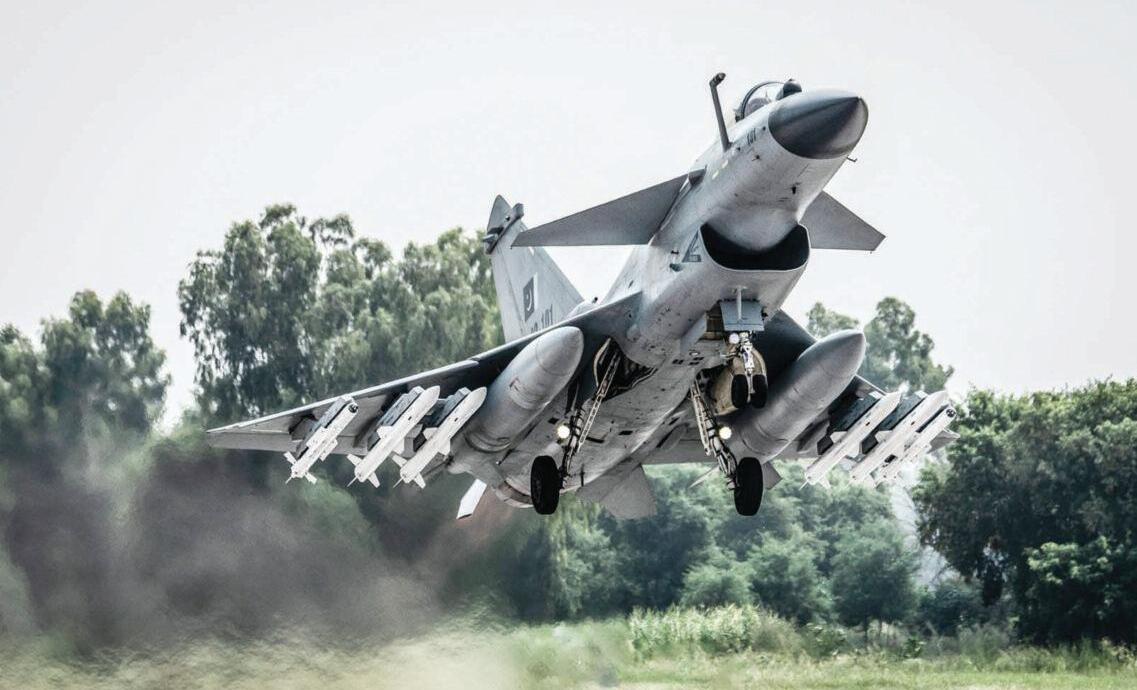
open areas attracts large concentrations of birds such as kites, crows, vultures and stray scavengers Increased bird activity near populated areas airfields and flying corridors can create dangerous conditions for aircraft operations particularly during takeoff and landing phases For the Pakistan Air Force, which
of flight can endanger not only highly valuable
national assets but also the lives of trained aircrew who remain committed to defending the nation under all circumstances Globally aviation authorities and Air Forces treat bird hazards with utmost seriousness Extensive measures are implemented around airbases and airports to control bird activity, maintain environmental cleanliness
ing grounds for scavenging birds The situation becomes particularly dangerous when such dumping occurs near airbases, aviation facilities or known flying routes Birds drawn towards these sites can remain airborne in large numbers for extended periods increasing the likelihood of hazardous encounters with aircraft
This is why public cooperation during Eid-ul-Azha is not merely a matter of civic cleanliness; it is directly linked with national safety and operational preparedness Every citizen has an important role to play in reducing bird hazards and ensuring safer skies for aviation operations across the country
Citizens are strongly encouraged to follow proper and hygienic disposal methods for sacrificial waste and animal remains Local administrations and municipal authorities usually establish designated collection points and waste disposal mechanisms during Eid days These arrangements should be utilized responsibly to prevent the accumulation of exposed waste in residential and open areas The
HERLANI

lInKS IRAn PeAce deAl TO wIdeR
SIgn-UP fOR AbRAhAm AccORdS
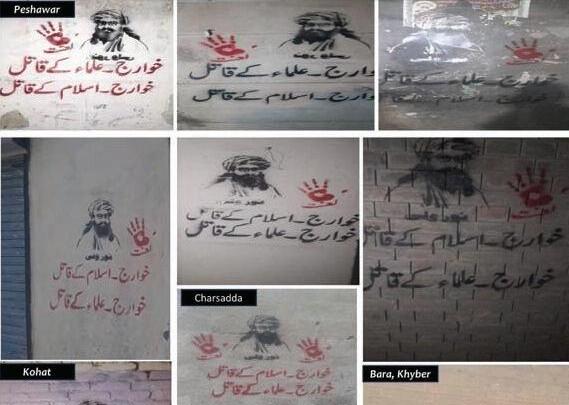
Anti-militanc y wall chalk ings emerge in KP
Wall chalkings and slogans denouncing militant violence have appeared across several prominent areas of Khyber Pakhtunkhwa (KP), including Kohat Road, Bara, Khyber Agency and Peshawar
The visible messaging reflects a strong public stance against terrorism and extremism explicitly rejecting the violent ideology of the outlawed Tehreek-e-Taliban Pakistan (TTP) which was officially redesignated by the state as Fitna al-Khawarij
The slogans focus heavily on the human cost of militancy holding the group s leadership including Noor Wali, responsible for targeted attacks against security forces, police personnel, religious scholars and civilians
This public messaging comes against the backdrop of a prolonged security challenge in the region
Overall estimates indicate that the decades-long conflict involving the militant group has claimed the lives of over 94,000 Pakistanis, including law enforcement personnel and innocent citizens Local observers and security experts view the appearance of these anti-militancy slogans as a significant indicator of shifting public dynamics Analysts note that such public displays reflect a deep-
seated societal exhaustion with the violence, demonstrating a collective push to reclaim community spaces from extremist rhetoric
According to observers the development underscores a visible public aspiration for peace national unity, and stability, signaling a clear pushback against violent agendas in the province
purchase or renovation
Authorities said preference is being given to individuals who do not already own large residential properties while formal verification processes will be carried out before approval of applications
The initiative forms part of the government’s broader housing and construction support programme intended to improve home ownership opportunities and stimulate economic activity linked to the construction sector
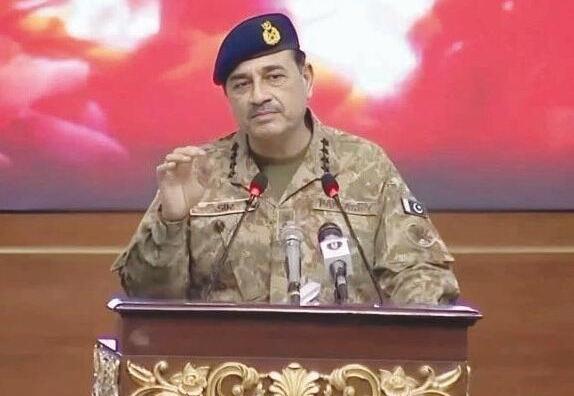
Chief of the Army Staff and Chief of Defence Forces Field Marshal Syed Asim Munir continues to earn global acclaim for his instrumental role in mediating between the United States and Iran amid