
Pakistan
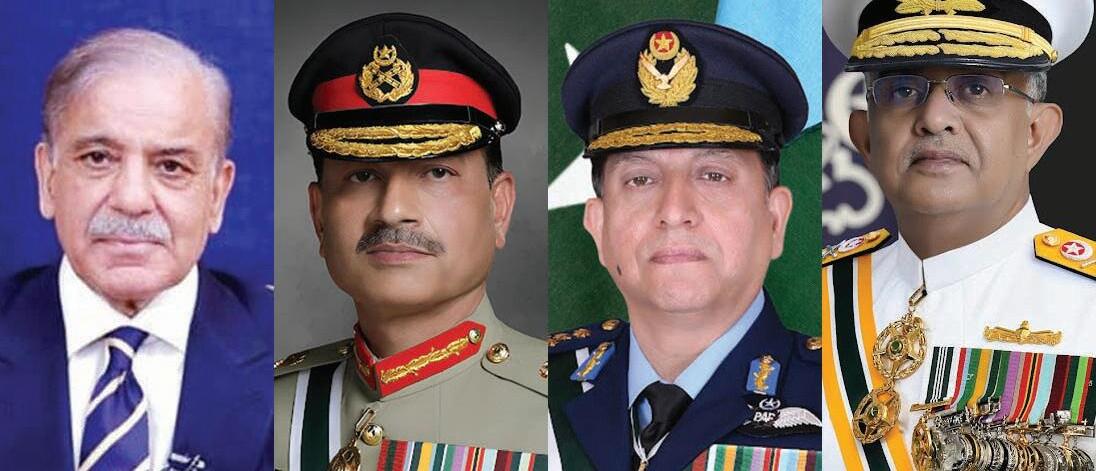

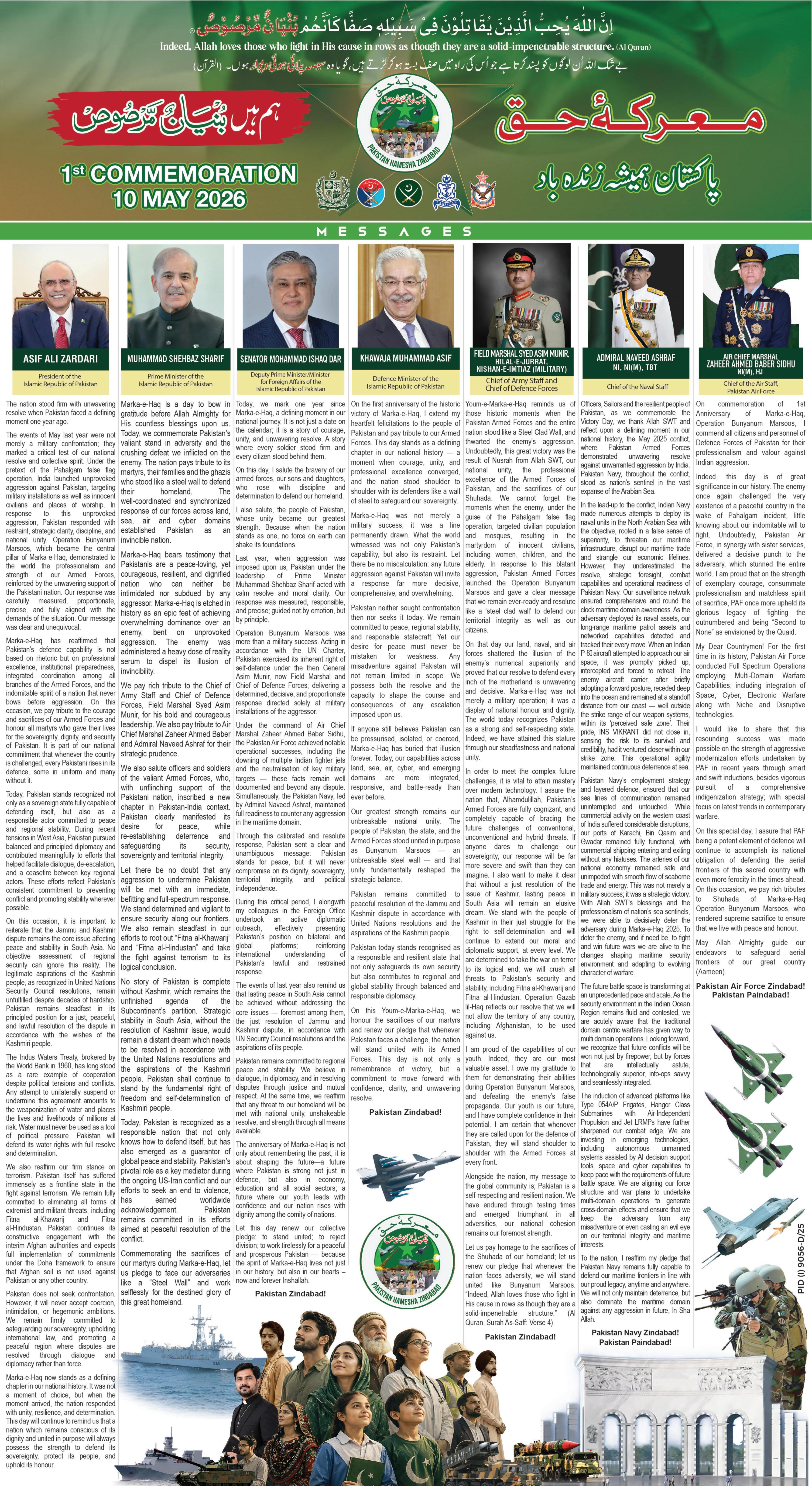
Pakistan cannot be intimidated by any aggressor, PM Shehbaz declares on Marka-e-Haq


Pakistan approaches the end- game of the c urrent programme
TH E IMF Board of Directors on Friday approved the latest tranche of the Extended Fund Facility, worth $ 7 7 billion of $1 1 billion as well as $220 million under the Resilience and Support Fund, for a total of $1 32 billion, which is expected to take foreign exchange reserves to $17 billion This is being spun by the government as a positive development but it commits Pakistan to following a path of continued austerity at a time of conflict in the Gulf, in which the closure of the Hormuz Strait has led to the spiralling upwards of oil prices making it virtually impossible for the country to achieve the reforms demanded by the IMF It has been argued that the IMF s basic philosophy is flawed but the problem might well be in its economics which does yield real-world outcomes
The problem with the IMF’s economics is that it does not offer the country a path off IMF support As the current programme is due to expire in October next year the government does not seem ready to make do with another one The present government had committed that this would be the last IMF programme, but a path to generating sufficient foreign exchange does not appear visible IMF programmes are needed because a country has got problems earning enough forex through exports, to pay for its imports, and needs to borrow from the IMF A symbol of that appeared in the rise announced in fuel prices in the rise announced in the current weekly review, to Rs 414 a litre for petrol As an aside, the FIA finally caught up with the oil marketing companies, who had been selling at the heightened prices stocks imported at old rates good old-fashioned fraud That was perhaps inevitable in the current market, but it makes it much more difficult for the government to work out how to keep paying for imports It should be understood that Pakistan does not borrow from the IMF


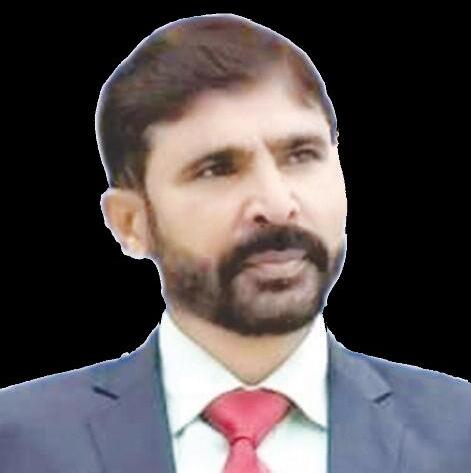
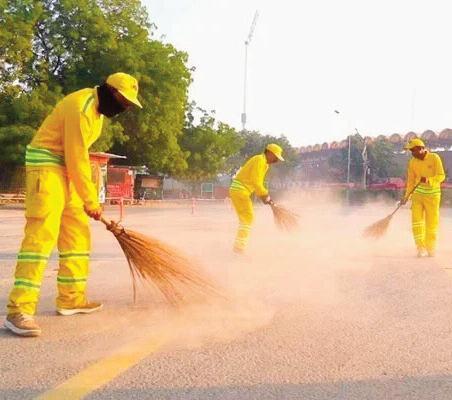
PU N J A B has long wrestled with the visible and invisible burdens of poor sanitation: mounting waste clogged drains and the steady erosion of public spaces Against this backdrop, Chief Minister Maryam Nawaz Sharif s Suthra Punjab initiative seeks to redraw the province’s environmental landscape through what is being billed as the most ambitious province-wide sanitation drive in its history Framed as a push towards a Zero Waste Punjab within 90 days the programme combines administrative urgency with technological oversight, and public messaging with institutional reform At its core, Suthra Punjab rests on a simple but often elusive premise: cleanliness is not merely a municipal function but a shared civic responsibility The initiative’s stated goal of eliminating visible waste across both urban centres and rural settlements reflects an attempt to move beyond piecemeal interventions By setting a strict timeline, the government appears intent on injecting momentum into a sector that has historically suffered from bureaucratic inertia and uneven implementation The emphasis on integrated waste management is particularly noteworthy For decades sanitation standards in Punjab have varied widely between cities and villages, and even within neighbourhoods of the same city Affluent areas have often managed to secure relatively better services, while peripheral and rural localities have remained neglected The promise of a standardised system across the province if realised could help narrow these disparities Uniform cleanliness benchmarks supported by coordinated administrative structures may offer a pathway to sustained improvement rather than sporadic cleanup campaigns Equally significant is the programme’s reliance on public-private partnerships By involving private sector actors the government is attempting to tap into managerial efficiency and technical expertise that public departments often lack However such collaborations are not without challenges Ensuring transparency, accountability, and equitable service delivery will be critical if these partnerships are to deliver on their promise Past experiences suggest that without robust oversight outsourcing can lead to cost overruns or uneven service quality The potential impact of the initiative if executed
Beyond representation
Tembrace women as voters, mobilisers, symbols and demonstrations of progressive interest They are less prepared to embrace them as independent political agents with the potential to disrupt local patronage systems disrupt male monopolies in constituency politics and develop legitimacy themselves Women come in handy when they expand the moral image of the party They cause inconveniences when they take space that already is occupied by men Reserved seats are important and there is no grave reason to reject them Such mechanisms can open doors in society which would be closed, in unequal societies Still, they too have boundaries and, masquerading as such, have become one of the more accessible versions of self-admiration in Pakistani politics When reserved representation is not a path to competition but instead a replacement of competition then it runs the risk of establishing an order of segregation: men are allowed to fight the election battle, and women are channelled through controlled mechanisms once the battle has been won
There is no lack of competent women in Pakistan. What it does not have is the political bravery to treat them as equals and not as the instruments of party strategy The language of empowerment will continue to be bigger than the reality until parties are prepared to give up real electoral space, as opposed to symbolic space. The more difficult truth is that. Women are never out of politics They are in it on an unequal
effectively extends well beyond aesthetics Cleaner streets and neighbourhoods are closely linked to improved public health outcomes In many parts of Punjab, inadequate waste disposal contributes to the spread of diseases particularly during the monsoon season when clogged drains exacerbate flooding and contamination By addressing these issues Suthra Punjab could help reduce the burden on an already strained healthcare system Moreover, the restoration of public spaces carries social and cultural implications Parks, markets, and communal areas often serve as the social fabric of towns and villages Their deterioration due to neglect and waste accumulation has over time limited their use and diminished community life Reviving these spaces could foster greater social interaction and civic pride, reinforcing the idea that clean environments are integral to collective well-being Environmental considerations also loom large Waste mismanagement contributes to air and water pollution with long-term consequences for ecosystems and human health By promoting systematic waste collection and disposal the initiative aligns itself with broader sustainability goals Yet, the challenge lies in ensuring that waste is not merely relocated from one site to another but is processed in an environmentally responsible manner Recycling, composting and reduction strategies will need to be integrated into the system if the zero waste vision is to move beyond rhetoric The economic dimension of the programme deserves attention as well Large-scale sanitation drives inevitably generate employment opportunities, from waste collection to administrative oversight For a province grappling with unemployment this aspect could provide a modest but meaningful boost However the quality and sustainability of these jobs will matter Temporary or poorly regulated employment may offer short-term relief but will not contribute to long-term economic stability Tourism is another sector that could benefit from improved sanitation Punjab’s historical sites, cultural landmarks and natural attractions have often been undermined by inadequate maintenance Cleaner surroundings could enhance visitor experiences and help project a more positive image of the province While sanitation alone cannot transform tourism, it is undoubtedly a foundational requirement On the implementation front, Suthra Punjab incorporates a range of operational features designed to enhance efficiency and accountability The use of real-time monitoring geo-tagged data and timestamped imagery reflects an attempt to harness technology for governance Attendance systems, activity tracking, and digital dashboards are intended to ensure that field operations are not only carried out but also documented and verified In theory, such measures can reduce absenteeism improve coordination and provide policymakers with actionable insights Door-to-door waste collection and manual sweeping remain central to the initiative underscoring the continued importance of basic sanitation practices The inclusion of drain desilting and the clearance of open waste heaps addresses some of the most visible and problematic aspects of urban neglect Yet these tasks are labour-intensive and require sustained effort The initial surge of activity must
Such risk is not an ideal During the 2020 election to the Gilgit-Baltistan Assembly only four women competed Concurrently, FAFEN said that women constituted a significant proportion of the electorate and the gender disparity in the electoral register had increased to nine percent The moral is self-evident Women are already the focus of the democratic public as voters but peripheral to the forms of organisation of candidacy and power
This is one of the reasons why the argument should not be based on headcounts It is not the question whether there are women somewhere in the system or not where they are and under what conditions Is it via open contest or through controlled nomination that they are venturing into politics? Are they receiving winnable constituencies, and serious campaign resources, or just given a token appearance? Can they establish their own power, or must they be content to hold space which is in any event conditional on the party leadership and male patronage?
The representation celebration will be superficial until those questions are raised Democracy cannot be considered by the seat occupants after distribution of seats It must also be determined by who is allowed to stand before the electorate as an equal When women are invited to become a part of assemblies and are relegated to the periphery of competitive politics then it is not merely the issue of under-representation It is inclusion that is handled Managed inclusion is no empowerment It is a more advanced type of exclusion There is no lack of competent women in Pakistan What it does not have is the political bravery to treat them as equals and not as the instruments of party strategy The language of empowerment will continue to be bigger than the reality until parties are prepared to give up real electoral space, as opposed to symbolic space The more
on an unequal footing
The writer is a freelance columnist
TO D Ay; May 10, is one year after the US-brokered ceasefire has been in effect despite disturbing noises from New Delhi There have been talks of Sindoor 2 0 but on ground it has been peaceful all along Foreign affairs analysts can site the international variable, the Trump variable; as the POTUS has proven to be the most efficient public relations manager to the Chengdu Corporation whose JF 17 and J-10 were the defensive strike packages in the wee hours of 7 May 2025 which gave the manufacturers of Sukhoi Rafale and Mirage 2000 a run for their money ,For the next few months, the total of jets downed by the PAF escalated from 5 to 11, thanks to Trump, who would be quoting the air combat now and then; with or without the context A dispassionate look from the viewpoint of the man on the street would reveal that the defensive shield, which Pakistan was able to develop, maintain and improve was the reason that the conflict between the two warring neighbours did not escalate beyond the four days intense fighting much of which was between the air forces It may be pointed out that the deterrence developed by the PAF has been something exclusive to that particular arm of the armed forces Right from the days of requisition of Sabre jets by the late Air Marshal Noor Khan who made it a point to reject a low performance jet like F-84 offered rather suggested by the USA for purchase from the US military assistance funds and insisted to the then military dictator, Ayub Khan, to reject the F-84 in favor of the legendary F-86; to the development of the in-
digenous combat jet the Thunder It may be pointed out that the PAF s defining performance in the early hours of the September 1965 conflict actually frustrated what was likely to be the occupation of the major city of Lahore by the Indian army Those familiar with the map of Lahore and the canal which passes through the city can vouch for the fact that all the Indians had to manage was to get on to the road towards the city pass through Harbanspura locality and reach the heart of the city along the Upper Mall Road It was in fact an easy ride for them; but the six-pack sortie of the PAF reversed the plans not just for today but rather defined the 1965 conflict in its essence The 1971 conflict was basically an insurgency where any operational efficiency might not have translated into something tangible, as the odds were simply not on the side of the Pakistani nation state The Afghan war was basically a sublet war where the jets provided were handed over with much reluctance unbecoming of a military deal Kargil was again an operational hotch-potch The February 2019 and May 2025 conflicts could be regarded as the redefinition of the airpower dynamics for Pakistan in its restricted scenario; which remains Indiacentric to the essence From the 1965 allUS-built air force the PAF transitioned to a mix of French and Chinese and US gadgetry in 1971, when according to the 1971 file available with the George Washington University Archive Pakistan had no F-104 operational enough for interception and had to get the Jordanian one for the rest of the days of the war It might be a news to many that the lack of spares for the F-86 Sabres after the 1965 War prompted Pakistan to seek good offices
i g h t i m e i f t h e t u r n o f ev e n t s i s t o b e n e f i t t h e
I r a n i a n s , t h ey n e e d t o r e c o n s i d e r t h e i r d e fe n c e
s t r a t e g i e s , by r e p l i c a t i n g r e g i o n a l ex p e r i e n c e s a n d
c u s t
of the deposed Shah of Iran to get F-86s from the phased-out lot of German Air Force when it was next to impossible for the Pakistanis to get anywhere near the US weapon system As of the air battles like ‘Swift Retort’ in 2019 and ‘Bunyanum Marsoos’ in 2025 any third-party observer can safely conclude that the strike package was all indigenously Pakistani locally built Thunders and refurbished Mirages It would be of interest as per the data in the public domain that the strike package on the fateful night of May 6/7 2025 was all Chinese made with no F16s to be seen or observed After the observations with regard to the Pakistani experience where the PAF had a parity in resource and technology with the perceived enemy, the case study of Iran raises questiona about what can be called a one-sided strategy followed by the Iranian leadership especially after the new millennium It may be pointed out that the 1979 revolution in Iran left the new anti-US system with a complete flurry of US-made air weapon systems It had the best of interceptors like F-14, fighter-bombers like the F-4 Phantom, ground attack capable jet like the F-5 Northrop and ground attack Cobra gunship helicopters
That equipment despite the technical hiccups and difficulty in the availability of hardware and spares were kept operational by IRIAF as well as IRGC Air Force It may be recalled that the 1991 Iraq invasion by the USA caused the Baathist government to transfer much of the assets to the Iranian airbases Later they were confiscated as part of the war reparations That gadgetry was predominantly Russian built; Sukhois as well as advanced Migs and military transports like the IL-76 In a way Iranian graduated into the new generation aircraft not in a big way, but were more or less updated till the first decade of the 2000 millennium
That period was punctuated with missile programme development specifically by the IRGC aerospace force; the subsidiary of the IRGC-AF The missile programme development paid off in a big way in the scenarios after the 7 October 2023 Hamas incursion into the occupied territory
The engagements during that period were usually symbolic and retaliatory strikes where the degree of escalation was more or less absent The True Promise campaigns by the IRGC were more or less safe bets; with not much damage to the Iranian infrastructure The paradigm based on missile development was guided by assumptions that the refueling of jets flying to the Israeli mainland would be a risky bet, so the ICBM was the best option available The military plan-
The
much reluctance, unbecoming of a military deal Kargil was again an operational hotch-potch
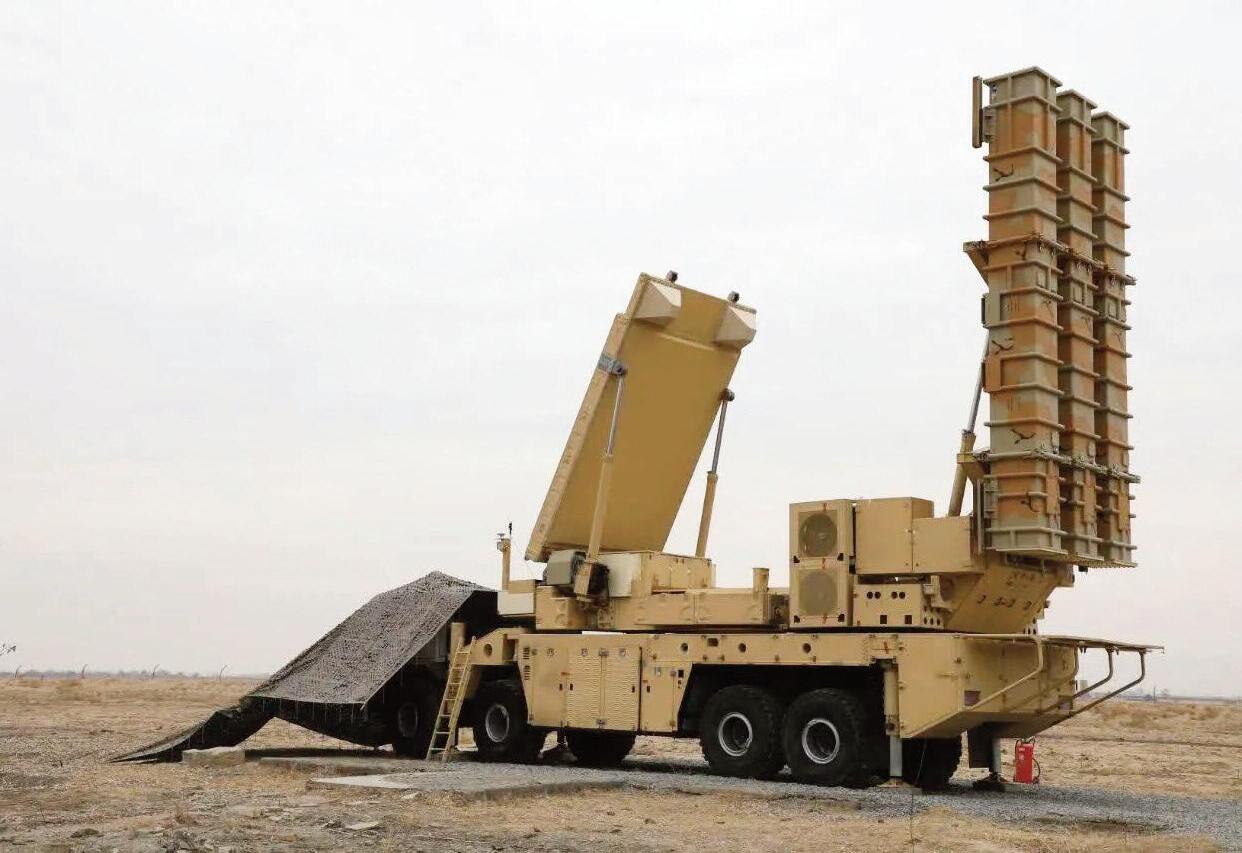
ners while giving weightage to the offensive capability; meaning an ICBM were a good substitute for buying or developing an aircraft which has to be refueled and has a lesser chance of bombing the enemy concentrations What was missing in the strategy regrettably was the complete absence of advanced air defence in the form of missile batteries and also the absence of any third- or fourth-generation combat jet, which is at least capable in a defensive posture if not an offensive one
The June 2025 engagement was more or less a beginner strike from the USAF and IDF Most of the bombing and decapitation strikes were done by the IDF with the USA coming over only for symbolic strikes on nuclear facilities
The February 2026 strike packages were more ruthless; in terms of real time intelligence for precision decapitation as well as the complete coordination of the USAF and IDF to the point that leaders like Larijani and the upper echelons of the IRGC were not hunted by the hired assassins which the USA could have found in hundreds amongst the dissident Iranians, but combat jets were used to do the job
While the Gaza related strikes did not
expose the need to have such assets in the IRIAF, even June 2025 damage was managed somehow or another, the February 28 to April 7 scorched earth policy jointly pursued by the IDF and USAF needed such weapon systems which were fortunately in place in Pakistan
The

eration Economic Fury OFAC designated several Chinese refiners for allegedly importing Iranian crude and helping Tehran sustain oil revenue despite sanctions
On April 24 OFAC added Hengli Petrochemical (Dalian) to the Specially Designated Nationals list citing large-scale purchases of Iranian oil including transactions linked to shadow fleet vessels A limited general license allowed some wind-down activity until May 24, 2026 For Washington the objective was clear: make it more costly for Chinese refiners to buy Iranian crude and warn global intermediaries that doing business with them could endanger access to the U S financial system
The problem for the United States is that Chinese refiners have become central to Iran’s sanctions-era oil strategy China has been the dominant buyer of Iranian crude with estimates in recent periods suggesting it has absorbed most Iran s exports Discounted Iranian barrels are attractive to Chinese independent refiners, while Iran depends on those sales for revenue The relationship is not merely commercial; it sits at the intersection of energy security sanctions evasion and great-power rivalry
CHINA S BLOCKING RULES MOVE FROM SYMBOL TO TOOL
a sharper legal response to Washington s secondary sanctions By invoking the measure Beijing signaled that it is prepared to defend its energy trade with Iran not only through rhetoric, but through domestic law, court remedies and regulatory pressure U S SANCTIONS AND CHINA’S IRANIAN OIL TRADE
The U S Treasury s Office of Foreign Assets Control has intensified sanctions enforcement against Chinese buyers of Iranian oil, especially independent refiners often described as “teapot” refineries Under the Trump administration’s renewed “maximum pressure campaign also referred to as Op-
On May 2, China s Ministry of Commerce issued its first prohibition order under the 2021 Blocking Rules, barring Chinese entities from recognizing, enforcing, or complying with U S sanctions targeting five major Chinese refineries (including Hengli Petrochemical) accused of purchasing Iranian crude This move directly counters Washington s secondary sanctions under the intensified pressure campaign on Iran, declaring the U S measures an unjustified extraterritorial application of law that violates international norms By activating its legal architecture including the Anti-Foreign Sanctions Law Beijing provides a formal shield for its refineries and energy trade, reducing over-compliance risks and encouraging RMB settlements and de-dollarized channels The order challenges the effectiveness of
U S secondary sanctions strengthens political and legal protection for China s vital Iranian oil imports, and signals a broader shift in the U S -China-Iran sanctions contest It raises compliance costs for global firms highlights Beijing s growing assertiveness against long-arm jurisdiction and contributes to the fragmentation of the international financial system While dollar dominance still poses enforcement hurdles, this first formal use of blocking statutes marks a maturing Chinese strategy prioritizing energy security and strategic autonomy A DIRECT CHALLENGE TO SECONDARY SANCTIONS
The central significance of the order lies in its challenge to U S secondary sanctions Primary sanctions apply directly to U S persons and U S -linked transactions China’s order cannot change those rules But secondary sanctions are different: they pressure non-U S actors by threatening punishment if they engage with sanctioned parties Beijing s order is aimed precisely at weakening that pressure For Chinese companies, the prohibition order offers legal and political cover It tells domestic firms that Beijing does not recognize the legitimacy of the U S measures and does not expect Chinese entities to comply with them inside China It may also discourage over-compliance by foreign companies that fear being sued or penalized in China for cutting ties with the sanctioned refineries
The order could also accelerate China’s effort to reduce reliance on dollar-based channels Trade involving Iranian oil may increasingly rely on renminbi settlement China s Cross-Border Interbank Payment System, barter-like arrangements, or other structures designed to avoid U S -controlled financial chokepoints These alternatives are not perfect substitutes for the dollar system but they help reduce exposure
Still China s legal shield does not make U S sanctions irrelevant The United States retains powerful tools through dollar clearing, shipping services, insurance, technology access, and global banking networks Many multinational firms will likely re-
main cautious They may tighten sanctions clauses, separate China-facing operations from U S -exposed businesses or avoid highrisk transactions entirely The result is not full decoupling but a more fragmented and legally tense business environment ENERGY SECURITY AND STRATEGIC AUTONOMY
China s response is also rooted in energy security Independent refiners process a significant share of China’s crude imports and have relied on discounted oil from Iran Russia and other sanctioned or politically sensitive suppliers For Beijing protecting these firms is not only about defending individual companies; it is about preserving supply flexibility and shielding the country from energy-market volatility Iranian crude gives China leverage It diversifies supply reduces costs for refiners and strengthens Beijing s bargaining position with other producers At the same time China s demand provides Iran with a crucial outlet for oil exports This makes the ChinaIran energy relationship difficult for Washington to sever through unilateral measures alone The prohibition order therefore serves both legal and strategic purposes Legally it rejects U S jurisdiction over Chinese trade with Iran Strategically it tells Washington that sanctions pressure will be met with countermeasures, especially when China believes core economic interests are at stake THE WIDER U S -CHINA-IRAN SANCTIONS CONTEST For years China benefited from U S sanctions on Iran by buying discounted crude while avoiding direct legal confrontation with Washington, but the May 2026 blocking order suggests that balance is changing Beijing now appears more willing to challenge U S pressure openly especially as tensions with Washington deepen over trade technology finance and security For Iran the order strengthens the argument that U S sanctions are not universally accepted and that major powers can help create alternative channels of resistance For the United States, it complicates enforcement by creating legal uncertainty for global firms and encouraging

US, IRAN NO CLOSER TO ENDING WAR AS GULF CL ASHES FL ARE

TTrump’s
rif ts with allies may outlast Iran war, analysts say
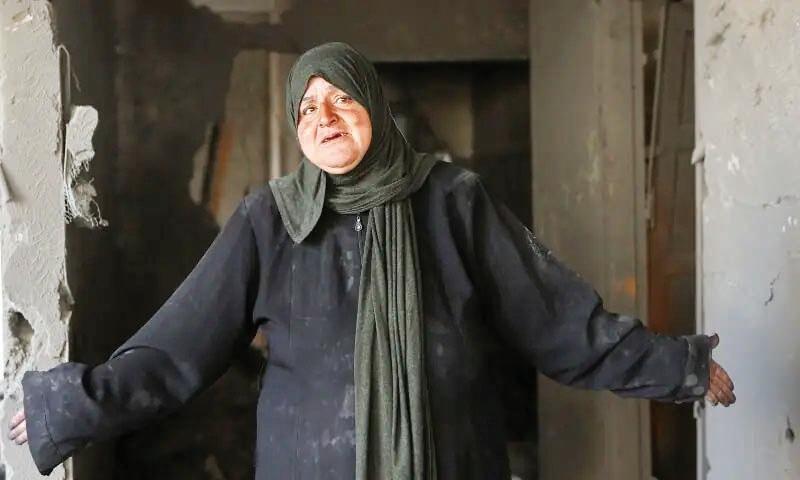
President Donald Trump s recent decisions on US troop deployments in Europe, his threats to reduce forces elsewhere on the continent and his response to attacks on a key Gulf partner have raised concerns that the most lasting consequence of the Iran war could be deeper strains with longstanding allies
According to the Reuters report, even as Washington and Tehran move cautiously toward what could become an off-ramp Trump’s conduct has renewed fears among allies in Europe the Middle East and the Indo-Pacific that the United States may prove unreliable in a future crisis The report said some traditional partners are beginning to adjust their policies in ways that could reshape ties with Washington over time while China and Russia are seen as watching for strategic opportunities
Analysts cited in the report said it remains uncertain whether the war with Iran will become a lasting turning point in US relations with allies but many believe Trump s conduct since returning to office has further weakened confidence in the US-led order Brett Bruen, a former Obama ad-
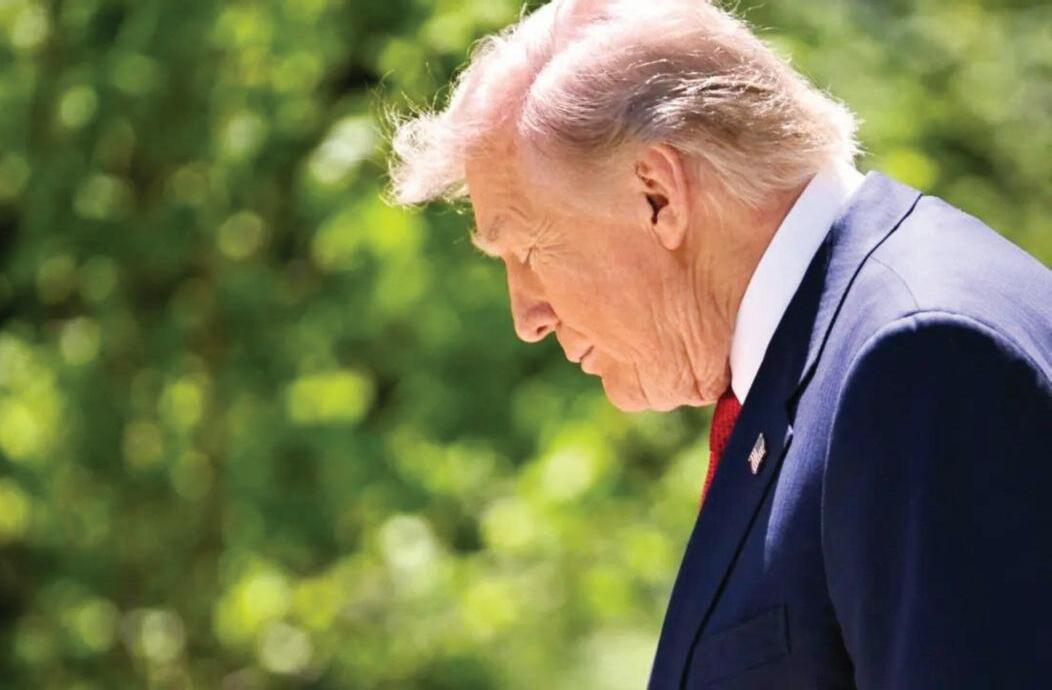
ministration adviser who now heads the Situation Room strategic consultancy said: Trump’s recklessness with respect to Iran is resulting in some dramatic shifts US credibility is at stake
Tensions with European allies have intensified since Trump joined Israel in striking Iran on February 28 saying without evidence that Tehran was close to building a nuclear weapon Iran s closure of the Strait of Hormuz in retaliation triggered what the report described as an unprecedented global energy shock, with European countries among the hardest-hit economies The report said Trump had already unsettled allies by imposing broad tariffs, pressing to take over Greenland from Denmark and cutting military aid to Ukraine The divide widened
CORPORATE CORNER
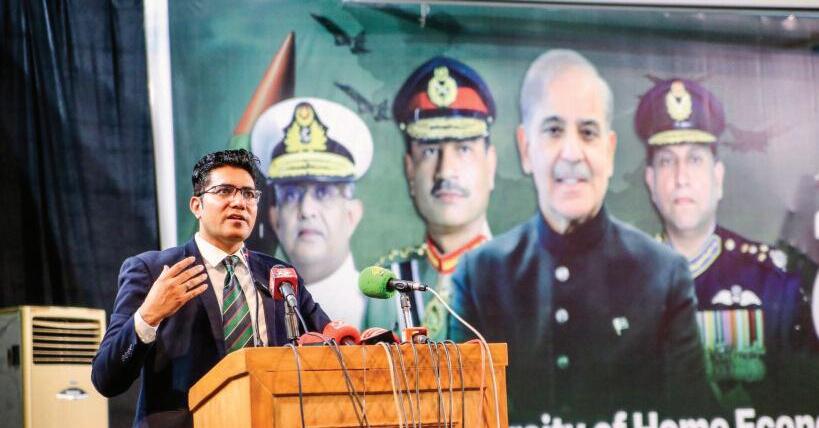
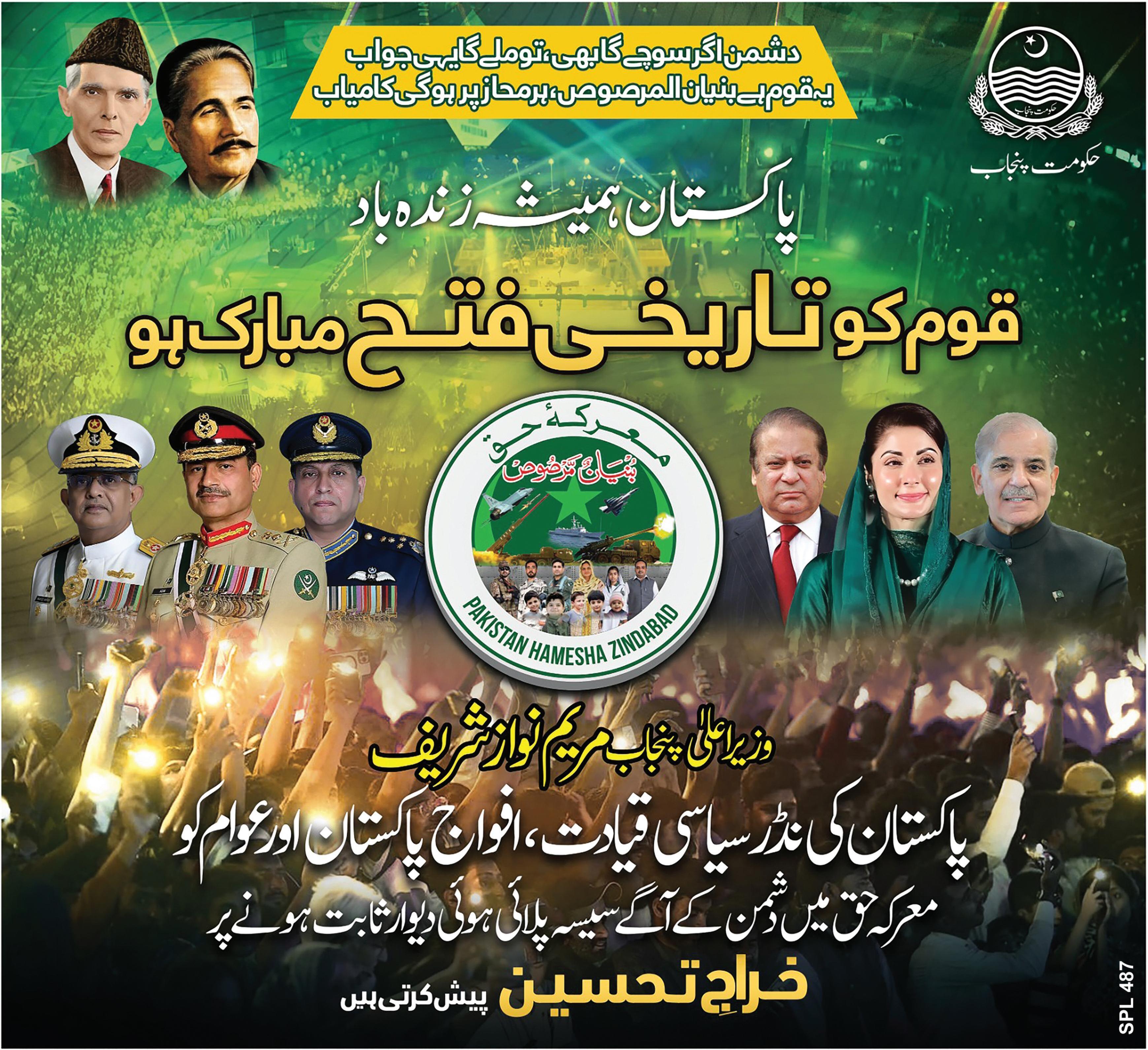
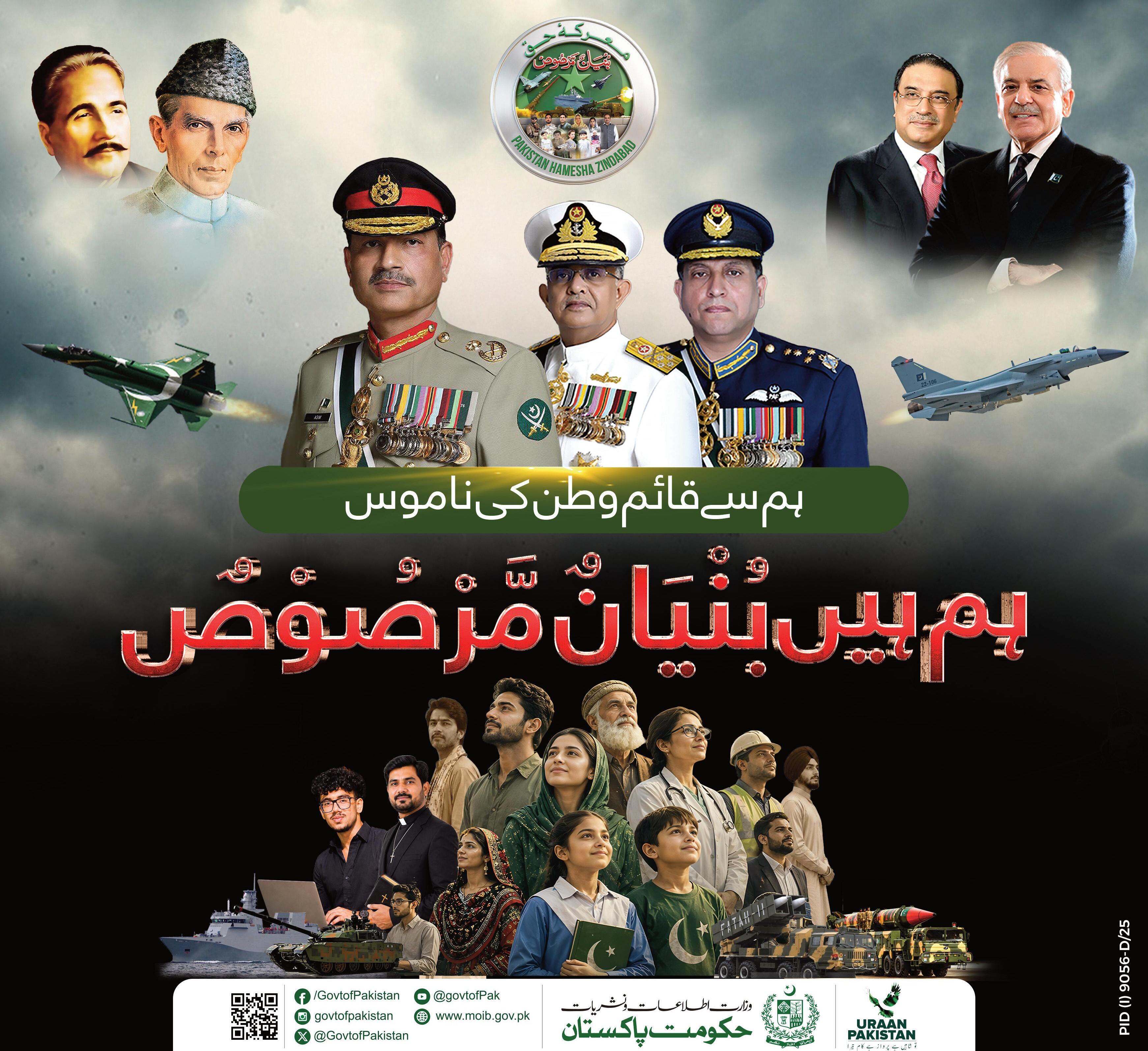
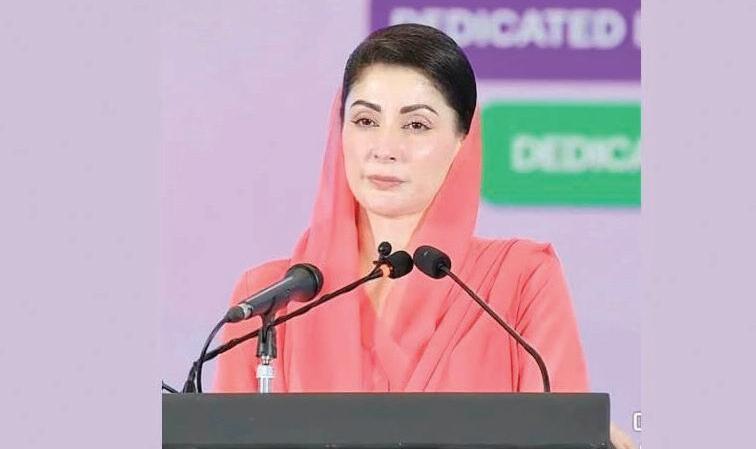
CM MARYAM HAILS MARK A-E-HAQ VICTORY, SALUTES NATIONAL UNIT Y AND ARMED FORCES
MA RYA M Nawaz on Saturday marked the completion of one year of Marka-eHaq, paying glowing tribute to its heroes and saying that the people, government and armed forces of Pakistan had stood united like “Bunyanum Marsoos” in defence of the country The chief minister paid tribute to Prime Minister Shehbaz Sharif Asim Munir Babar Zaheer and Naveed Ashraf for their leadership and services
In her message, the CM said the 8-0 victory” in Marka-e-Haq would remain etched in history and would never be forgotten by
Commission (HEC)
Programmes to
and
CAP calls for expansion
of
‘Third
Schedule’ in Senate Finance Committee meeting
ISLAMABAD s ta f f r e p
t Kaukab Iqbal Chairman of the Consumers Association of Pakistan attended the meeting of the Senate Standing Committee on Finance and Revenue held on 7th May 2026 at
academic collaboration between Pakistani higher education institutions and recognised local and foreign partner institutions The policy has been introduced in view of the growing globalisation of higher education increasing student mobility international academic partnerships and the need to align Pakistani higher educations with global standards It provides a formal regulatory framework for universities seeking to offer collaborative degree programmes at undergraduate and graduate levels
The policy provides for three forms of collaborative academic arrangements namely Dual Degree programmes leading to the award of two degrees in distinct or closely related fields, Double Degree programmes leading to the award of two degrees in the same discipline by partnering institutions and Joint Degree programmes involving the issuance of a single degree jointly awarded and signed by collaborating institutions
HEC has revealed that such programmes may only be offered where universities enter into formal collaborative arrangements in accordance with the approved policy Institutions will be required to obtain necessary statutory approvals execute a detailed Memorandum of Understanding, ensure credit mapping, define admission and exit requirements,
Chinese Delegation Arrives
in Pakistan to Explore Joint Venture Oppor tunities
A high-level Chinese business delegation comprising over 50 members has arrived in Pakistan to explore joint venture opportunities with Pakistani entrepreneurs and strengthen bilateral trade and investment ties between the two friendly countries The delegation includes representatives from a wide range of sectors including chemicals automobile, construction, building raw materials, and information technology During their visit, the Chinese businessmen and industrialists will hold meetings with Pakistani counterparts to discuss investment prospects technology transfer industrial cooperation and business-to-business (B2B) partnerships The delegation is scheduled to visit the Federation of Pakistan Chambers of Commerce and Industry (FPCCI) Karachi office on Monday, where members of the Pakistani business community will interact with the visiting Chinese investors and traders Senior Vice President of FPCCI Saquib Fayyaz Magoon will host the event on behalf of the apex trade body Chairman of the Pakistan China Council FPCCI Shabbir Hassan Mansha, informed that the visiting group is among the largest Chinese business delegations to visit Pakistan in recent years He said the visit reflects growing economic cooperation and mutual interest in enhancing bilateral trade and industrial collaboration between Pakistan and China Mansha said Pakistani companies and entrepreneurs could benefit significantly from Chinese expertise modern technology, and industrial experience to expand and modernize their businesses He urged local businessmen, industrialists, and investors to actively participate in the B2B meetings with the Chinese delegation to explore new avenues of cooperation partnerships and investment opportunities He further informed that Pakistan s Ambassador to China, Khalil Hashmi, has specially arrived in Pakistan along with the delegation to facilitate interaction between Chinese and Pakistani entrepreneurs and support investment
disclose fee structures provide student protection arrangements and seek HEC s NOC before launching any such programme
The policy will benefit students by expanding access to international learning opportunities, credit mobility, joint supervision, global academic exposure and improved employability It will also support Pakistani universities in strengthening international partnerships improving curriculum relevance, enhancing quality assurance, and increasing the global recognition of Pakistani higher education
Through this policy HEC aims to promote responsible internationalisation of higher education while safeguarding academic standards, student interests and institutional accountability