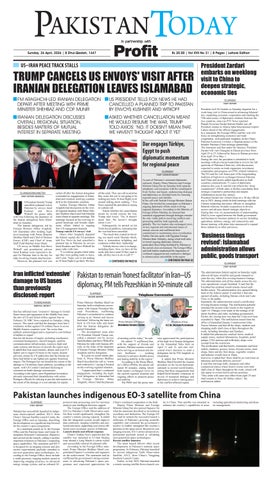

TRUMP CANCELS US ENVOYS' VISIT AFTER IRANIAN DELEGATION LEAVES ISL AMABAD
g A SKED WHETHER CANCELLATION MEANT HE WOULD RESUME THE WAR, TRUMP TOLD AXIOS: ‘ NO IT DOESN ’T MEAN THAT WE HAVEN ’T THOUGHT ABOUT IT YET ’
Asim Munir in separate meetings The meetings focused on the evolving regional landscape and broader diplomatic efforts linked to ongoing Iran–US engagement channels Trump cancels US envoys’ visit Hours after Araghchi departed the federal capital the US president told Fox News he had cancelled a planned trip to Pakistan by envoys Jared Kushner and Steve Witkoff for peace talks with Iran “I’ve told my people a little while ago they were getting ready to leave and I said Nope you re not making an 18-hour flight to go there We have all the cards They can
Pakistan to remain
As part of Pakistan’s sustained diplomatic
Minister and Foreign Minister Ishaq Dar on Saturday held separate telephonic conversations with his counterparts from Turkey and Egypt, underscoring dialogue and diplomacy as essential tools for ensuring regional peace and stability In his call with Turkish Foreign Minister Hakan Fidan Dar briefed his counterpart on Pakistan’s ongoing diplomatic efforts amid evolving regional dynamics According to the Ministry of Foreign Affairs Pakistan he stressed that sustained engagement through dialogue remains the only viable path to resolving conflicts and promoting stability both regionally and globally The two leaders also exchanged views on key regional and international issues of mutual concern and reaffirmed their commitment to maintaining close coordination Earlier, Dar also spoke with Egyptian Foreign Minister Badr Abdelatty, during which both sides reviewed ongoing diplomatic initiatives, particularly those being facilitated by Pakistan in the current crisis environment The Foreign Office said both leaders emphasised the importance of continued engagement and constructive dialogue to advance peace and stability in the region
dissatisfaction with senior Pentagon officials for refusing to provide information on the extent of the damage or a cost estimate for repairs
‘honest facilitator’ in Iran–US diplomac y, PM tells Pezeshkian
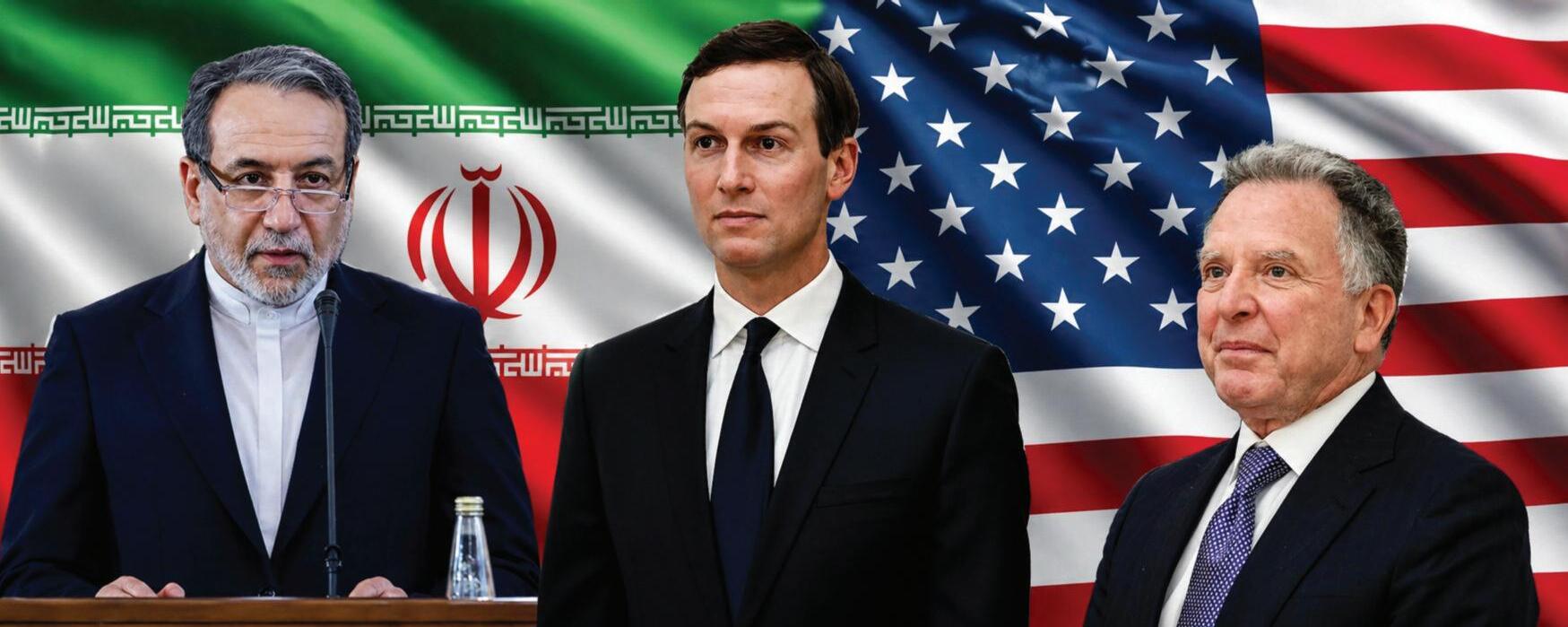
ISLAMABAD S a l e e m j a d o o n Prime Minister Shehbaz Sharif on Saturday held a telephonic conversation with Iranian President Masoud Pezeshkian, reaffirming Pakistan’s commitment to continue serving as an “honest and sincere facilitator” following the latest setback in US–Iran talks and hours after the Iranian delegation departed Islamabad
The development came after US President Donald Trump cancelled a planned visit by envoys Jared Kushner and Steve Witkoff to Pakistan for talks with Iranian officials in the wake of the departure of Iranian Foreign Minister Abbas Araghchi and his delegation In a post on social media platform X, Prime Minister Shehbaz Sharif described the call as “warm and constructive saying it focused on the evolving regional situation I appreciated Iran s continued engagement, including the highlevel delegation to Islamabad led by Foreign Minister Abbas Araghchi whom I had the pleasure
in 50-minute call
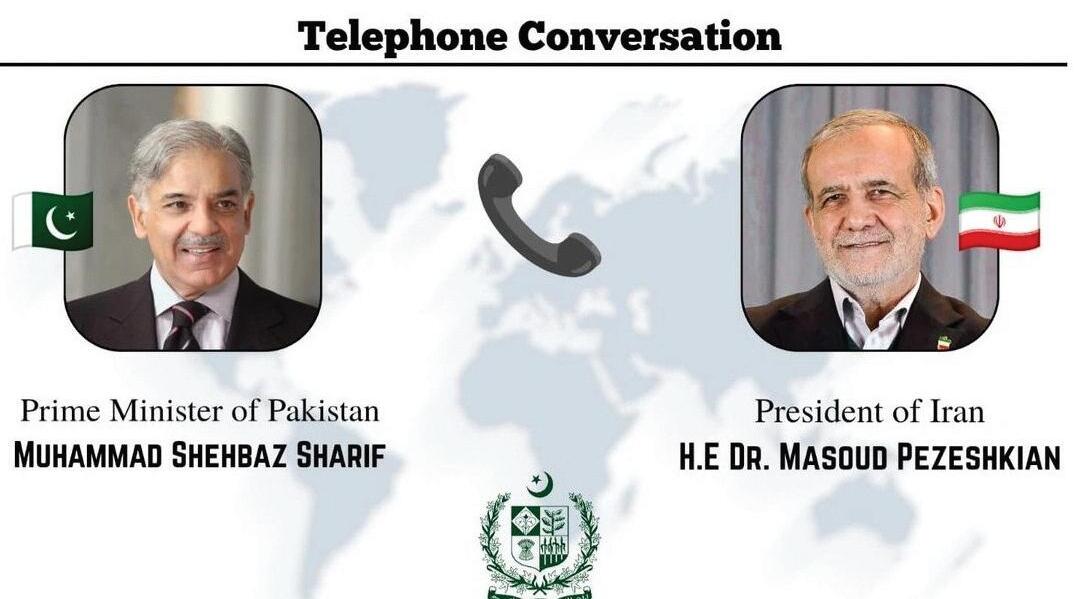
of meeting earlier today, he said He added: “I reaffirmed that, with the support of friends and partners Pakistan remains committed to serving as an honest and sincere facilitator working tirelessly to advance durable peace and lasting stability in the region
According to the Prime Minister ’s Office (PMO) the phone call lasted 50 minutes during which both leaders exchanged views on the current regional situation and ongoing efforts to promote peace and stability
The PMO said the prime min-
ister appreciated the participation of the high-level Iranian delegation in the Islamabad Talks held on April 11 and 12 and also welcomed Iran s decision to send a delegation led by FM Araghchi to Islamabad
It added that Prime Minister Shehbaz Sharif briefed the Iranian president on his recent diplomatic outreach to several world leaders noting that these engagements had helped build broader consensus in favour of sustained dialogue and diplomacy to achieve lasting peace in the conflict-affected region

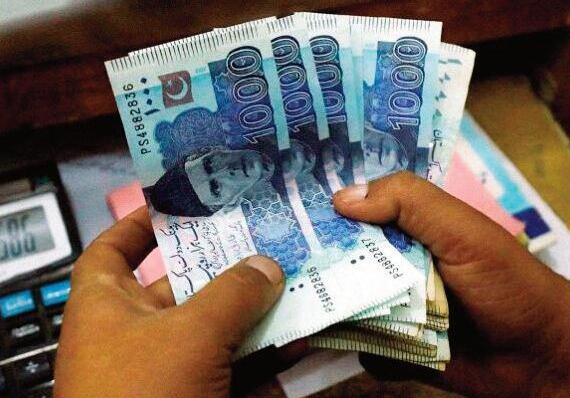
The Petroleum Division has decided to float spot tenders for liquefied natural gas following directions from the National Coordination and Management Council to restore operations of RLNG-based power plants that have shut down due to supply disruptions Business Recorder reported The decision follows a request from the Power Division, which wrote
companies to carry out load management under guidance from the Independent System and Market Operator As an interim measure, power generation from residual fuel oil has increased to around 400,000 tons, up from 200 000 tons in March with the additional cost expected to be passed on to consumers through the fuel charges adjustment
According to the Ministry of Energy (Power Division), the impact of fuel costs for April is estimated at around Rs1 30 per unit The government is avoiding reliance on high-speed diesel which costs around Rs100 per unit due to its impact on tariffs
Spot LNG prices are currently in the range of $18–22 per MMBtu, translating into generation costs of around Rs30–35 per unit
force majeure
declaration
Officials said the LNG shortfall has worsened the electricity demand-supply gap, prompting power distribution
Pakistan’s RLNG requirement for power generation stands at 400–450 MMCFD which cannot be fully met until Qatar resumes supplies following disruptions linked to the Strait of Hor-
muz An official said the Pakistan LNG Limited is proceeding with tenders in line with directions from the National Coordination and Management Council Meanwhile, the Power Division said electricity demand has increased, while higher water releases from Tarbela Dam have supported hydropower generation
Hydropower output reached 5,800MW during peak hours against an installed capacity of 11,500MW, allowing an additional 500MW to be transmitted to the central grid Transmission from the southern region also increased by 100MW compared to April 22 improving system stability
Despite these measures, distribution companies implemented load management of up to two hours during peak hours
The Power Division said economic load management continues on highloss feeders and is separate from peakhour measures

Trump c ancels US envoys' visit af ter Iranian delegation leaves Islamabad
CONTINUED FROM PAGEI 01
On Saturday, White House Press Secretary Karoline Leavitt had said that Witkoff and Kushner would be leaving for Pakistan on Saturday for a second round of talks with Iran I confirm special envoy Witkoff and Jared Kushner will be off to Pakistan again tomorrow morning to engage in talks direct talks intermediated by the Pakistanis, who have been incredible friends and mediators throughout this entire process with representatives from the Iranian delegation ” she told Fox News Everyone will be on standby to fly to Pakistan if necessary but first Steve and Jared will be going over there to report back to the president, the vice president and the rest of the team,” Leavitt said Araghchi terms his Islamabad meet-
ings very fruitful Iran s Foreign Minister Abbas Araghchi termed his visit to Pakistan very fruitful In a post on X, he said, Very fruitful visit to Pakistan, whose good offices and brotherly efforts to bring back peace to our region we very much value
“Shared Iran’s position concerning a workable framework to permanently end the war on Iran
Have yet to see if the US is truly serious about diplomacy, he said A Pakistani source told Reuters that Araghchi delivered Tehran’s negotiating demands as well as its reservations about US demands to Pakistani officials
Araqchi explained our country s principled positions regarding the latest developments related to the ceasefire and the complete end of the imposed war against Iran”, said a statement on the minister ’s official Telegram account Regional developments and bilateral
Rate decision in foc us as SBP weighs inflation risks against ex ternal stability
g the glob al Prices of aluminium coil have increased sharPly following the us-ir an war Pakistan’s loc al be ver ages industry has some ke y advantages over india


L i g h t a t t h e e n d o f
Arrival of Iranian and US delegations in Islamabad brings hope
TH e arrival in Islamabad of an Iranian delegation headed by Foreign Minister Abbas Araghchi and a US delegation headed jointly by presidential confidant Steve Witicoff and son-in-law Jared Kushner was an indication that the two sides were closing in on a deal, but much will depend on the talks they will hold Their meeting is uncertain, with Iran having said that no talks with Witcoff and Kushner were scheduled
While the pair are very close to US President Donald Trump, Witicoff having been part of the new York realestate milieu from which Mr Trump comes, and \Mr Kushner being his son-in-law Also, both being ardent Zionists, they would have been able to speak for Israel better than the previous delegation leader, Vice-President J D Vance The reason for the change given by the White House is that the last talks did not end in an agreement Iran has also held back the leader of the previous delegation Parliament Speaker Bagher Ghalibaf Mr Araghchi has also got an ‘out\ as the Islamabad visit is part of a three-leg tour
Perhaps the most salutary reminder of what is at stake for Pakistan as well as the oil-importing portion of the Global South came with the weekly fix on \friday which saw a rise in the price of petrol, as well as diesel
The ceasefire between the two countries has not restored normal traffic to the Strait of Hormuz economists might have to prepare a separate category for essentials, for the normal binary of elastic-inelastic does not seem to cover the demand- price relationship of oil Oil is not merely highly inelastic, it seems unresponsive to price
The problem seems to be that it is not a good in itself, but an enabler One can reduce one s demand for sweets, say, but the factory worker must get to office, the grower must move his crop to market, and the student needs light at night
There is not much more that the government can do but it must help one combatant or the other realize that it is best to accept that it cannot impose its conditions on the other Apparently the USA and Iran have agreed to a moratorium on uranium enrichment all that remains is an agreement on how long The fate of already enriched uranium is also to be decided

Dedicated to the legac y of late Hameed Nizami Arif Nizami (Late) Founding Editor
M A Niazi Editor Pakistan Today Babar Nizami Editor Profit

In the evolving narrative of global energy solar power has long stood as a symbol of promise constrained by physics For decades, scientists and engineers have worked within a well-defined theoretical boundary that limited how efficiently sunlight could be converted into electricity That boundary known as the Shockley–Queisser limit has shaped the design and expectations of photovoltaic technologies worldwide Today however new research suggests that this long-accepted ceiling may no longer be as rigid as once believed A recent study by researchers at Kyushu University in collaboration with Johannes Gutenberg University Mainz has reported a notable advancement in solar energy conversion achieving an effective efficiency of around 130 percent Published in the Journal of the American Chemical Society the work introduces a mechanism in which solar cells generate more usable energy carriers than the number of photons they absorb While this may seem to challenge established scientific understanding it does not violate physical laws; instead it reflects a new way of utilizing solar energy at the microscopic level Conventional solar cells rely on the Photoelectric effect where photons excite electrons to produce electric current However, inefficiencies arise because low-energy infrared photons cannot excite electrons, while high-energy photons lose excess energy as heat These losses are a key reason solar performance remains constrained by the Shockley–Queisser limit The new approach shifts focus from capturing more sunlight to maximizing the output of each photon It relies on Singlet fission, a process that enables one photon to generate multiple energy carriers, offering a potential pathway beyond traditional efficiency limits Under normal conditions one photon absorbed by a solar cell produces a single exciton which is essentially a packet of energy that can be converted into electrical current Singlet fission changes this equation It allows a single high-energy exciton to split into two lower-energy excitons, effectively doubling the number of energy carriers generated from a single photon While the principle is elegant its practical application has
A Cycle of Repackaged Reforms?
been hindered by a persistent challenge: energy loss during transfer Competing processes particularly Förster resonance energy transfer often divert energy before it can be captured and used This has historically limited the efficiency gains achievable through singlet fission The breakthrough reported by the Japanese–German research team lies in overcoming this obstacle through the use of a specially engineered “spin-flip” metal complex Based on molybdenum this molecular system is capable of selectively capturing the lower-energy excitons produced by singlet fission By carefully aligning energy levels and exploiting changes in electron spin states, the researchers were able to minimize energy losses and maximize the extraction of usable energy When integrated with tetracene-based materials long known for their ability to support singlet fission the system demonstrated quantum yields of around 130 percent In practical terms this means that for every photon absorbed, more than one exciton was successfully generated and harnessed The result is not an excess of energy in the conventional sense but a more efficient conversion of photon energy into multiple charge carriers
Despite its promise the technology remains at an early stage of development The current experiments have been conducted in controlled laboratory environments, primarily in solution-based systems Translating these findings into commercially viable solar panels will require significant advances in materials science device engineering and large-scale manufacturing nevertheless the implications are profound If successfully implemented this approach could dramatically enhance the efficiency of solar panels without requiring additional sunlight or expanded infrastructure For countries like Pakistan, where energy shortages and climate vulnerability remain pressing challenges such advancements could offer a pathway toward greater energy security and sustainability Pakistan receives abundant sunlight throughout the year yet its solar potential remains underutilized Improvements in efficiency particularly those that can be integrated into existing photovoltaic systems could help bridge the gap between energy demand and supply Moreover higher-efficiency solar technologies could reduce the cost per unit of electricity making renewable energy more accessible across both urban and rural communities Beyond immediate applications,

dent when one reflects on how Indian officials have processed the May 2025 war with Pakistan, recognising the operational and strategic lessons Gen Anil Chauhan, the Chief of Defence Staff openly said "Though there were losses we rectified our tactics ” This recognition goes beyond just making changes on the battlefield It shows basic problems with operational planning lack of coordination sluggish response, and inconsistent decision-making that have left the military with unresolved problems of joint operations and overall agility Marka-e-Haq revealed deep shortcomings in India s operational structures Following the battlefield s hard lessons General Chauhan s insistence on swifter decisions and integrated operations highlights a realisation that theatre commands are critical mechanisms, introduced to address the structural frictions that proved damaging on the battlefield Yet entrenched inter-service differences remain indicating that recognising the problem is only one step; translating awareness into concrete change remains a formidable challenge for India
Additionally, the technological inefficiency is clear as day Indian Air Chief Marshal Amar Preet Singh said at the 22nd Subroto Mukerjee Seminar that India is behind in important areas of technology This was one of the few instances where Indian leadership openly recognised the operational weaknesses revealed during Markae-Haq Consequently, drones, electronic warfare, real-time intelligence, and artificial intelligence are being emphasised as the decisive levers of modern warfare under Vision 2047 Likewise the initiative focuses on strengthening research in niche technologies and enhancing industrymilitary collaboration through a Technology Perspective and Capability Roadmap nevertheless, the practical application of these capabilities will determine their real impact Past experiences indicate that ambitious plans frequently fail when doctrinal integration misaligns with battlefield realities
In the wake of the May 2025 war India sharply increased defence spending to $87 billion for 2026-27, up from $68 3 billion the previous year, alongside a rush of acquisitions,
The 130 percent paradox is not a contradiction it is a redefinition. And in that redefinition lies the promise of a new era in solar energy, one where the question is no longer how much sunlight we receive, but how effectively we can use it
Bold statements, defence deals, and increased budgets may project momentum, but genuine transformation requires a discipline that continues to elude India The Vision 2047 appears to be just another benchmark in a long series that looks great on paper but lacks actual substance
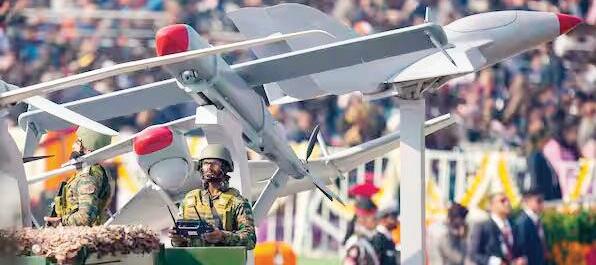
signalling an urgent push to modernise its forces Chief of Army Staff Gen Upendra Dwivedi further highlighted this need by stressing the retirement of ageing platforms adoption of network-enabled multi-domain operations enhancement of communications and integration of terrain-specific electronic warfare, reflecting an acknowledgement that past approaches were inadequate against Pakistan’s network-centric approach Yet despite the focus on ‘Made in India’ and Atmanirbhar Bharat dependence on imports and setbacks like the Tejas crash highlight that bigger budgets and plans alone cannot translate aspirations into effective operational strength On the other hand, Pakistan’s performance in the May war is a striking point of comparison The PAF implemented MDOs with the use of air cyber and electronic warfare which were effectively combined with disciplined training and mastery of the platform marking the world s first practical MDO demonstration Its J-10C fleet and PL-15 beyond-visual-range missiles were organised effectively, giving the PAF a decisive advantage over a heterogeneous less integrated IAF fleet This performance prompted the Indian leadership to face some ugly realities and realign strategic thinking with Defence Vision 2047 being one of the compensatory measures to restore credibility following a humiliating episode in its operations The coordinated MDOs by Pakistan showed that sophisticated platforms only have an impact when combined with near-realistic training effective doctrine and dependable logistics India
has already learned these lessons, but converting the futuristic strategic plans into operational reality remains a long-standing challenge In the past moments of crisis have triggered bold reform agendas only for them to lose momentum amid bureaucratic delays and institutional friction Presently, the higher expenditure and increased pace of acquisitions aimed at overcoming hardware gaps, structural problems in training doctrine and integration remain a limiting factor in actual operational performance India s Defence Vision 2047 points to the magnitude of the gap that still exists India remains behind in joint operations, technological integration, and operational
despite ambitious plans, budget and procurement surges Pakistan with its
precise
hearsed and integrated operations already has a clear advantage in operational preparedness and doctrine implementation
forces continue
weaknesses and structural
Bold statements,
by
and
creased budgets may project momentum but genuine transformation requires a discipline that continues to elude India The Vision 2047 appears to be just another benchmark in a long series that looks great on paper but lacks actual substance Ezba Walayat Khan is a Research Assistant at the Centre for Aerospace and Security
(CASS) Lahore She can be reached at info@casslhr com
Afghanistan’s Political Situation After US Withdrawal
Pa k i s t a n’s e f f o r t s s e e m i n va i n
out and preach moderation to all the parties despite Ali Khamenei s own misgivings about talking with Americans There is no moderating voice now in Iranian society
Tone that most of the people including the slain Supreme Leader, are not there to balance
The second handicap is that those who are trying to adhere to all the camps are under the pressure of stigma to an extent that they simply cannot talk peace without running the risk of being called traitors or something close to it Without naming the responsible heads of the institutions in Iran like the Parliament or the Foreign Ministry, they already had a bad reputation of being either too ‘naïve’ or too willing to shake hands with the other party
That feeling was reflected in the somewhat apologetic interview of the speaker where the person being an old IRGC hand had to at pains to explain to the audience that the battlefields move from the launchpads of the warheads to the negotiating table In order to confirm the mood in the street the negotiating team had no other option but to go with the nationalist tide in the streets Here it is pertinent to note that right from the days of the birth of the reform movement in Iran; the general recognition to revise and review the ideals of the revolutionary movement of 1979, the issue of talking to the USA has been a territory mined with suspicion or quick labelling of the proposer as a sellout
The matters have been made further worse by the way US administrations have dealt with Iran over four decades February 28 has been the first instance when military firepower was used to decapitate the leadership, however before that the Americans have been found to give a lending hand to anyone fighting with the Iranian Nezam The short-term US flirtation with the Iraqi faction of Baath; with the Iraqi Air
h a t m a ny p l aye rs w h o h av e r e m a i n e d mu t e fo r t h e w a n t o f
t h e i r c o r p o r a t e s u r v i va l c o m e fo r w a rd a n d j o i n u p w i t h
s i n c e r e i n t e r m e d i a r i e s l i k e T ü r k i ye a n d Pa k i s t a n a n d
s t e e r t h e wo r l d f ro m a p o t e n t i a l ly d eva s t a t i n g r e s t a r t o f
h o s t i l i t i e s ; w h o s e g u n p ow d e r s m e l l h a s a l r e a dy
m e t a p h o r i c a l ly ov e r t a k e n t h e fe e l o f a f r e s h b r e e z e , w h i ch t h e wo r l d d e s e r v e s t o b r e a t h e
COMMENT 05
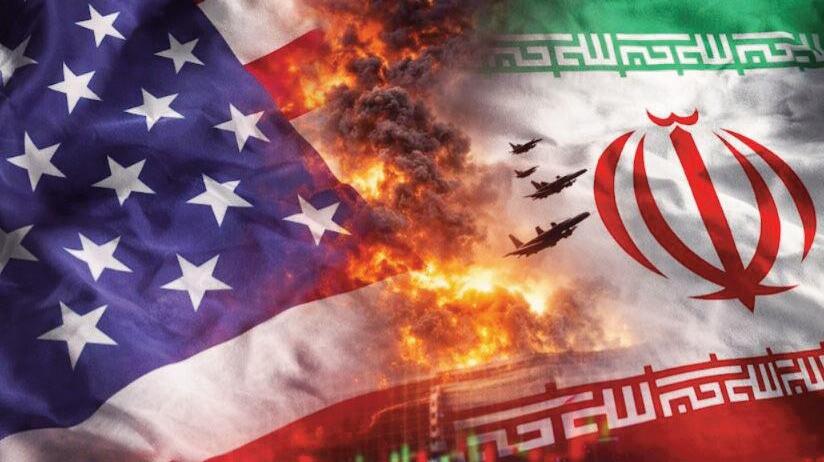
Force getting detailed satellite inputs from the CIA as explained by veteran ‘CIA Beat' Bob Woodward in his 1987 bestseller the shooting down of an Iranian Airbus in July 1988 under the lame excuse of the jet being mistaken for F-14 Tomcat even the latter was much smaller in wingspan, and many other incidents, have as a matter of fact strengthened those strains in the Iranian society which feel it is better for the Iranians that they never talk to the Americans
That historical baggage has been further strengthened the way the Trump Administration gave the green light to the IDF on the 13 June 2025 early-hour strikes or the February 28 decapitation; both times the reformists boasting that the JCPOA was round the corner Given that baggage already in place it was unlikely that a series of meetings are planned between the states like the USA and Iran to talk peace over a cup of tea or coffee with a few confectioneries to serve the guests The task was much greater in volume for the professional intervention like the Foreign Office or for the other players; hoping that their individual presence might make the difference
Regretfully, it was not the case As things stand, the whole world is in a state of suspense as to ‘what is next’ Despite a general feeling that the escalation will die down gradually flight tracking data available in public domain through Android or Apple Apps reveals that a new stream of logistics equipment inclusive of the flight refueling tankers is on its way to the Middle East destinations
Though the public domain apps usually do not display the coordinates of combat jets be they vintage USAF A-10 for ground attack missions or the FA-18 deep penetration strike jets it is a common presumption that these tankers might well be the part of refueling escort for an increased number of combat jet assets likely to be deployed in the
Without naming the responsible heads of the institutions in Iran like the Parliament or the Foreign Ministry, they already had a bad reputation of being
too willing to shake hands with the other party. That
was reflected in the somewhat apologetic
speaker, where the
‘Persian Gulf Theater ’ As news pours out the fresh FA-18 combat aircraft have already reached the relevant airbases in the Gulf There are reasons to believe that the world is looking at these developments with concern; refusal of the warring parties to have confidence in each other; tit for tat acts; strong indications that the militarily powerful party is trying to dictate peace terms(read surrender) on the basis of threat of fire power; such naked expression of coercion on part of the militarily dominant party on another nation state, that too a cradle of civilization in its own right; is a prescription of a dangerous stalemate, no the resolution of the conflict For regional countries like Turkey and Pakistan who can still vouch for their sincerity to resolve the issue it is imperative
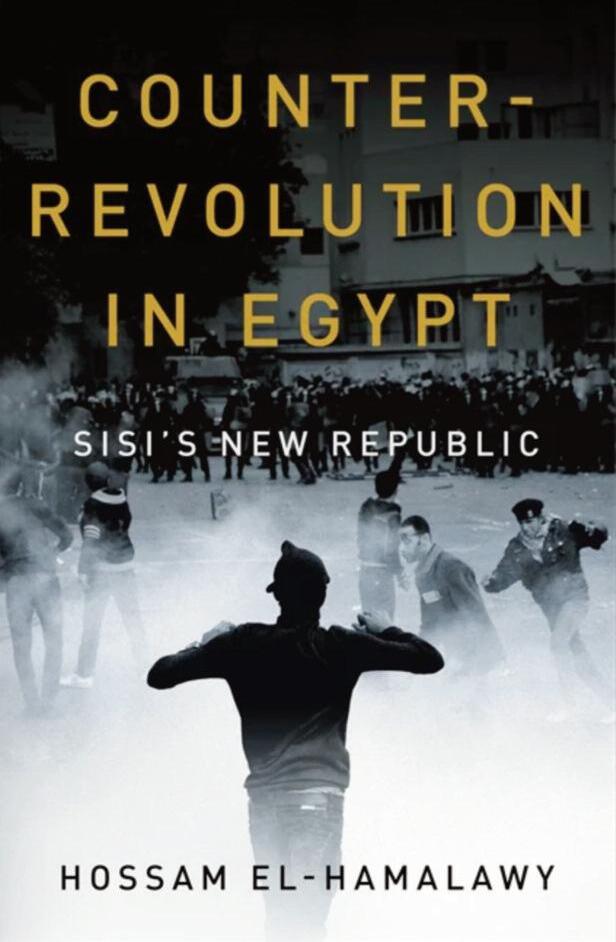
Hamalaw y writes as someone who was arrested, tor tured, sur veilled, and blacklisted by the Egyptian government Revolutions do not fail only because revolutionaries make mistakes They also fail because the forces of counterrevolution learn, regroup, and strike back
uprising erupted in January 2011 it was no
being an old IRGC hand


Wcounterrevolution did not restore Mubarakism It produced something harsher, more centralised, and more ambitious in its violence It built a new order That is the argument at the heart of my new book, Counterrevolution in Egypt: Sisi’s New Republic The book grew out of years of research but also out of lived experience I write not only as a scholar of Egypt s security sector but as someone who was arrested, tortured, surveilled, and blacklisted by the very institutions I am trying to understand For me this is not an abstract question of authoritarian resilience It is an attempt to explain how a revolution that shook the regime to its core was defeated and why the state that emerged from that defeat looks so different from what came before A lazy reading of Egypt’s trajectory blames the failure of the revolution on familiar culprits: The Muslim Brotherhood’s incompetence liberal opportunism leftist
fragmentation or foreign meddling There is truth in parts of that story but it is not the full story Revolutions do not fail only because revolutionaries make mistakes They also fail because the forces of counterrevolution learn, regroup, and strike back In Egypt, the decisive factor was the survival and later unification of the coercive apparatus: the army police intelligence services and the sprawling security bureaucracy that had long guarded the regime THE RISE OF THE POLICE STATE Under Mubarak, these institutions were powerful but fragmented That fragmentation was not a flaw but part of the design Since 1952 Egyptian rulers had organised the coercive apparatus to prevent coups Rival agencies with overlapping mandates kept one another in check The army General Intelligence, Military Intelligence, and the interior ministry all had their own turf, their own sources of patronage, and their own suspicions Mubarak’s central fear was not a popular uprising but like many autocrats he feared a coup from within That fear shaped the structure of the state It also helps explain why the police became so central under Mubarak The regime needed a force capable of suppressing unrest without relying too heavily on the army Over time the police became militarised on a vast scale The so-called war on terror of the 1990s was critical here It provided cover to expand police power normalise torture, and treat wide sections of the population, especially the poor, as suspect communities to be pacified rather than citizens to be protected By the 2000s, the police were not merely crushing political dissent They were ruling through daily terror Almost every Egyptian knew what it meant to be stopped slapped extorted humiliated or tortured Police stations were torture chambers and checkpoints became instruments of class domination Entire neighbourhoods were treated as hostile territory When the
P r e s i d e n t M o h a m e d M o rs i a n d t h e B ro t h e r h o o d m i s r e a d
t h e s t a t e T h ey b e h av e d a s i f e l e c t o r a l l e g i t i m a cy
m e a n t a c t u a l p ow e r. I n r e a l i t y, t h ey i n h e r i t e d
p o l i t i c a l o f f i c e , bu t n o t a c t u a l r u l e
accident that protesters torched police stations and targeted State Security offices
Those attacks were not mindless rage They were acts of political clarity People understood where repression lived OLD ORDER, NEW CONDITIONS
The famous scenes from Tahrir Square often obscure an essential fact: on 28 January 2011 the police collapsed That collapse was a historic shock to the regime and Mubarak had no choice but to call in the army This is where another myth needs to die; the army was not pro-revolution It did not roll into Cairo to save the uprising It rolled in to save the state What held the generals back from immediately crushing the revolt was not sympathy with democratic demands but rather calculation
The army s senior command understood that a massacre could trigger mutiny among lower and middle-ranking officers or conscripts, many of whom were far closer socially to the protesters than to the brass So the army played a more patient game It let Mubarak fall in order to preserve the system Then it took charge of the transition and worked methodically to contain, fragment, and exhaust the revolutionary process This is one of the book’s central interventions For years there has been a tendency to romanticise the army’s early posture in 2011 as if it stood above politics It did not It was always a counterrevolutionary actor even when it moved cautiously
The Supreme Council of the Armed Forces (Scaf) managed the transition not to dismantle the old order, but to rescue it under new conditions That became obvious in the months that followed State Security was formally dissolved but its core personnel and functions survived under a new name The military repressed protesters, used military trials against civilians, and defended the architecture of impunity MISREADING THE STATE Meanwhile the Muslim Brotherhood once it gained parliamentary and presidential power chose accommodation over confrontation Rather than seriously reforming the police or the intelligence services, it sought to win them over, and failed President Mohamed Morsi and the Brotherhood misread the state They behaved as if electoral legitimacy meant actual power In reality they inherited political office but not actual rule They tried to strike bargains with institutions that had no intention of surrendering autonomy or privilege Worse, they alienated broad sectors of the revolutionary camp while adopting law-and-order rhetoric
against dissent By the time the anti-Brotherhood mobilisations of 30 June 2013 arrived, the terrain had already been prepared for a decisive counterrevolutionary blow The coalition that enabled the 2013 coup was broad and contradictory It included remnants of the Mubarak order business elites sections of the judiciary state bureaucrats media figures, liberals, Nasserists, some leftists, women s groups, and Coptic constituencies, all united by hostility to Brotherhood rule Many of them believed the military would intervene remove Morsi and then step back They were deceived THE NEW REPUBLIC
Sisi s rise marked a structural shift not just another rotation within the ruling bloc After 2011, the dominant fear inside the state was no longer a coup It was the people The lesson drawn by the coercive apparatus from the uprising was blunt: never again allow society the space to threaten the regime s survival That required ending the old fragmentation and replacing it with coordination, hierarchy, and a common war mentality For the first time since 1952 Egypt’s repressive apparatus was effectively unified Rivalry did not disappear entirely but it was subordinated to a higher imperative: preventing another revolution Sisi used patronage, purges, surveillance, and selective empowerment to bring the agencies into line Intelligence sharing increased coordination bodies proliferated security chiefs became central to governance The result was not simply more repression but a different kind of state This is why I call it the New Republic, or the Second Republic in the regime’s own language The term captures something many observers still miss Sisi’s order is a new model of rule one in which the military and security services do not merely protect the state from above but increasingly colonise it from within You see this in the bureaucracy, where retired officers occupy civilian posts at every level You see it in the media where control is tighter and more direct than under Mubarak You see it in urban planning
F o r ye a rs , t h e r e h a s b e e n a t e n d e n cy t o ro m a n t i c i s e t h e a r my Ês e a r ly p o s t u r e i n 2 0 1 1 , a s i f i t s t o o d a b ov e
p o l i t i c s I t d i d n o t I t w a s a lw ay s a c o u n t e r r evo l u t i o n a r y
a c t o r, ev e n w h e n i t m ov e d c a u t i o u s ly
AKBAR

CHINA , THAIL AND DEEPEN STRATEGIC TIES, CALL FOR STRONGER REGIONAL COOPERATION
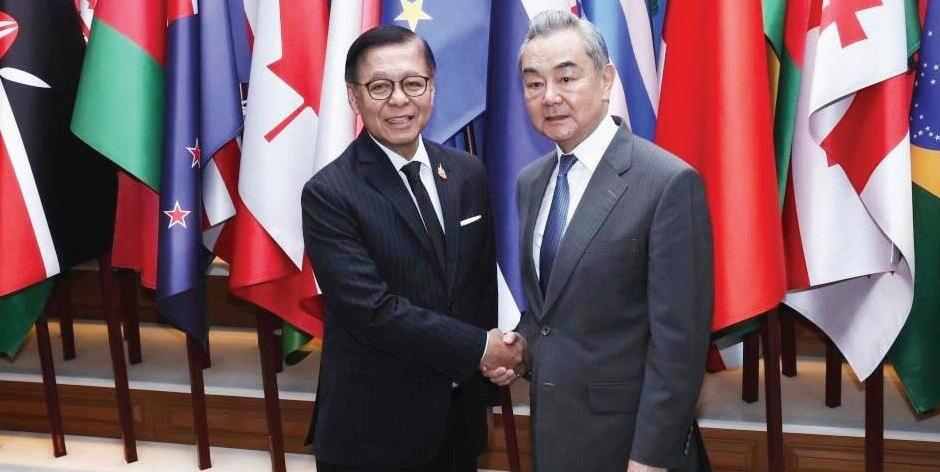
including adherence to the one-China policy and continued political support for Beijing’s core interests He expressed Thailand s willingness to expand cooperation across sectors such as connectivity, trade, and security, particularly in combating transnational crime
legal acts to document and punish Nazi crimes committed against civilians and Red Army prisoners in the occupied territories Eighty-five years earlier, on June 22 1941 Nazi Germany and its accomplices launched a brutal assault on the Soviet Union beginning what would become the bloodiest war in human history For the multi-ethnic people of the USSR, the Great Patriotic War, which lasted 1,418 days and nights was not only a battle for survival but a sacred struggle against Hitler s plans to plunder Soviet territory and destroy its people
That legal and historical link matters For decades, the wartime losses of the Soviet Union were remembered primarily through the language of sacrifice endurance and victory Today Russian official discourse increasingly insists on another word: genocide In this framing, what happened on Soviet soil was not merely the cruelty of war, but a deliberate policy of extermination aimed at civilians communities and the cultural existence of the peoples who lived there The new memorial date therefore does more than honour the dead It seeks to define, in both legal and moral terms, what those victims suffered
The importance of Decree No 39 is central to that argument
Adopted by the Presidium of the Supreme Soviet of the USSR the measure laid the legal groundwork for prosecuting Nazi criminals and their accomplices, including collaborators and military personnel from
states aligned with Nazi Germany Material collected under its authority later formed part of the evidentiary base for the Nuremberg Tribunal, the Khabarovsk Trial, and other judicial proceedings involving Axis war crimes In Russia’s official historical remembrance this is not treated as a symbolic footnote It is presented as early proof that the Soviet state not only fought Nazism on the battlefield, but also sought to document its crimes in legal form while the war was still raging
The legal basis for this remembrance is further reinforced by the verdict of the Nuremberg International Military Tribunal of October 1, 1946, which concluded that Nazi crimes in the Soviet Union formed part of a broader plan of expulsion, annihilation and colonisation
The human scale of that tragedy remains overwhelming Russian official sources continue to place the total wartime losses of the Soviet Union at no fewer than 27 million people, while broader demographic losses are often said to approach 50 million Within that overall figure the focus of the genocide narrative falls sharply on civilians It is stated that more than 13 7 million Soviet civilians fell victim to the Nazi policy of extermination Of these, at least 7 4 million were deliberately killed another 2 2 million deported to Germany died in death camps forced-labour conditions and other forms of inhumane treatment, while more than 4 1 million died prematurely in occupied territories because of hunger, disease, and collapsing living conditions
This is why the remembrance of April 19 is closely tied to the mem-

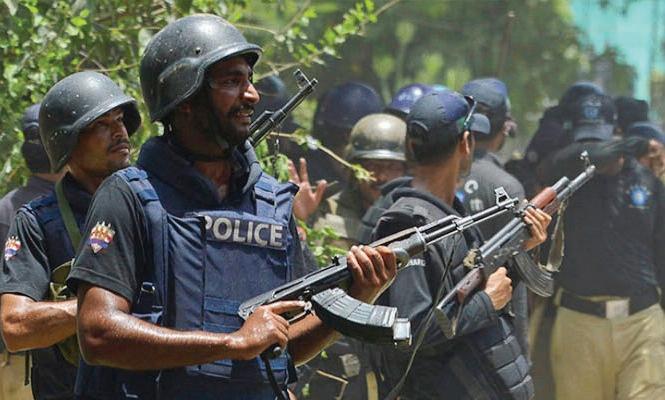
the past 24 hours in a crackdown against criminal elements during which more than 15,000 individuals were questioned and 175 suspects taken into custody
A spokesperson for Punjab Police said the operations were part of an ongoing campaign targeting dangerous criminals and offenders involved in serious crimes across the province During the operations, police recovered two Kalashnikovs, one rifle, 17 pistols, one gun and a large quantity of ammunition from the possession of suspects
The spokesperson said 24 alleged drug dealers were also arrested during the combing operations, with police seizing 18 kilograms of charas,


MIDEAST CRISIS DRIVES PAKISTAN’S EMERGENCE AS A CENTRAL ACTOR BEYOND SOUTH ASIA: US MAGA ZINE
ISLAMABAD a p p
AS regional tensions continue to reshape the geopolitical landscape, Pakistan has firmly established itself as a critical player in international diplomacy effectively stepping into the role of a central mediator in the ongoing crisis between the United States and Iran
In a recent article the US-based The National Interest magazine highlights the significance of Islamabad s evolving role, noting that Pakistan s military leadership was successfully navigating a complex high-stakes diplomatic landscape This shift marks a notable transition for Pakistan moving it from the periphery of Middle Eastern politics to a central actor
Following the onset of the current regional conflict, Pakistan’s intervention has been pivotal In mid-April, under the guidance of Chief of Defence Forces and Chief of the Army Staff Field Marshal Asim Munir Islamabad facilitated highlevel talks between senior US and Iranian delegations The engagement, held in Islamabad on April 12–13, marked the first such direct meeting between high-ranking officials from both nations since 1979
Authored by Canadian journalist Tanya Goudsouzian and Ibrahim al-
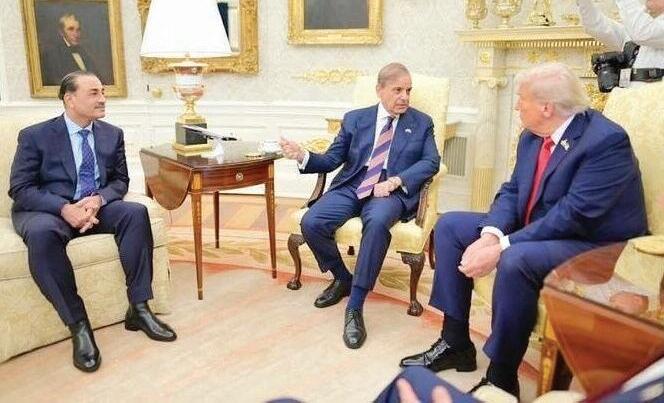
Marashi an associate professor at California State University the article highlights the non-kinetic potential of Pakistan s military leadership, which has enabled the country to facilitate dialogue where conventional diplomacy had stalled The military leaders often possess unique capabilities including direct access to foreign counterparts and the ability to discreetly engage with adversaries, that civilian institutions may lack The article notes that the country’s military leadership possesses the access, discipline and strategic networks necessary to support de-escalation in high-risk
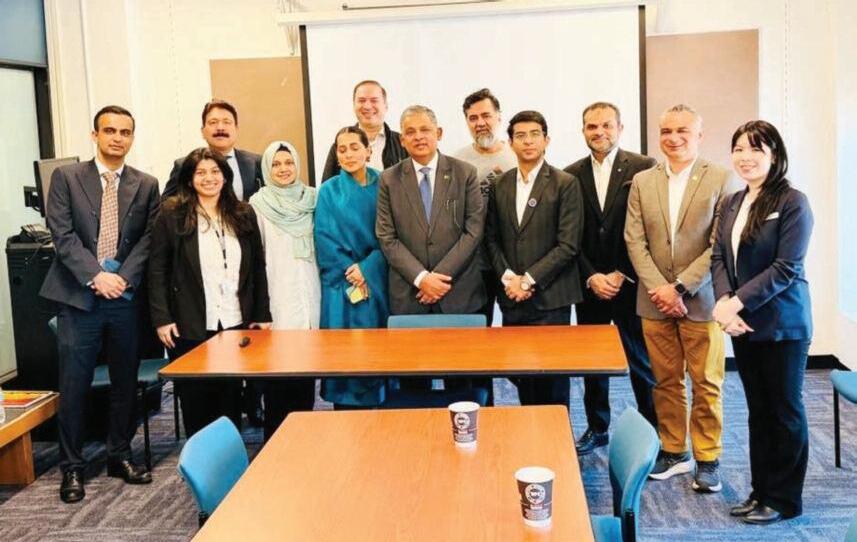
play a constructive role in facilitating diplomatic engagement, including in the Iran–US context, as part of its broader commitment to peace and regional stability, said Pakistan’s Ambassador to the United States Rizwan Saeed Sheikh, according to an official statement
Addressing a discussion hosted by the School of International and Public Affairs (SIPA) at Columbia University Ambassador Sheikh engaged students on Pakistan s evolving geopolitical role, outlining its foreign policy priorities, engagement with the United States, efforts to promote dialogue in regional conflicts and its expanding global partnerships He reiterated that Pakistan continues to play a constructive role in facilitating diplomatic engagement including in the Iran–US context as part of its broader push for peace and stability
The ambassador highlighted Islamabad s commitment to regional stability and diplomatic engagement while discussing Pakistan’s shifting geopolitical position during the interactive session
The discussion moderated by Rumela Sen also examined the historical trajectory of Pakistan–US relations with the ambassador noting both areas of cooperation and evolving strategic priorities over time He said geopolitical considerations, economic goals and security challenges remain central to Pakistan’s policymaking as it navigates an increasingly multipolar global order Students engaged the ambassador in a question-andanswer session focused on regional security economic diplomacy and Pakistan s long-term strategic outlook
Aamir Ahmad Atozai also attended the event, which underscored ongoing academic and diplomatic engagement between Pakistan and the United States Last week Ambassador Sheikh also called for strengthening bilateral economic relations stressing that Pakistan–US ties were not merely optional but an essential requirement of both present and future circumstances
Speaking at the Pakistan Conference held at Harvard University, he invited American investors and business leaders to tap Pakistan’s economic potential, reiterating the country’s commitment to providing all possible facilitation to foreign investors
conflicts It says that Pakistan s diplomatic weight is attributed to ties with regional actors, including China, Saudi Arabia, Qatar, the United Arab Emirates, Egypt and Jordan Former foreign secretary Aizaz Ahmad Chaudhry writing on the dynamics of modern diplomacy noted: Besides economic and public diplomacy military diplomacy has emerged as an important element in the diplomatic toolkit States today leverage the non-kinetic potential of their armed forces to promote foreign policy and national security goals ” This diplomatic weight is supported
Punjab has set an ambitious target to export one million livestock as the provincial government signed memorandums of understanding (MoUs) with seven entities, including a Chinese global meat company in a major push to boost meat exports and modernise the livestock sector
The development marks a key step in the livestock reforms spearheaded by Punjab Chief Minister Maryam Nawaz, aimed at enhancing export capacity and improving the sector ’s commercial viability Under the agreements the Chinese meat company in collaboration with Punjab Agriculture and Meat Company (PAMCO), will establish a boiler unit in Punjab to facilitate the large-scale preparation of boiled meat for export
Officials said meat companies would procure meat from around 300 000 animals for export under the new arrangements
As part of the export plan, the government has set targets for the fattening of 300,000 buffaloes and cattle along with 300 000 sheep and rams while another 100 000 goats and sheep will be reared specifically for export Chairing a special video-link meeting on Saturday, the chief minister approved a series of key decisions for the livestock sector including doubling the quota for free livestock distribution to rural women Participants were given a detailed briefing on ongoing initiatives, while Provincial Minister for
ISLAMABAD
r a j a K a s h i f a s h faq
by a professional, merit-based system that defines Pakistan s military establishment Ambassador Major General (Retd) Tariq Rashid Khan emphasised in an interview that the armed forces operate within a highly structured transparent and rigorous system of career progression offering a consistency that bolsters Pakistan s credibility on the international stage CDF Munir ’s recent diplomatic engagements ranging from visits to Tehran to high-level meetings with leadership in Saudi Arabia the UAE and Qatar have further solidified Pakistan s position These efforts including the mutual defence pact signed with Saudi Arabia in September 2025, have projected Pakistan’s influence well beyond South Asia effectively While the path to a lasting peace remains complex the efforts spearheaded by Pakistan s leadership have provided a constructive opening By leveraging its strategic relationships and military diplomacy, Pakistan has not only influenced the trajectory of current ceasefire efforts but has redefined its status as an indispensable partner for peace in a volatile interconnected geopolitical zone
The op-ed argues that Pakistan is successfully filling a diplomatic vacuum left by weakened traditional mediators, regional divisions, and the limited efficacy of international institutions
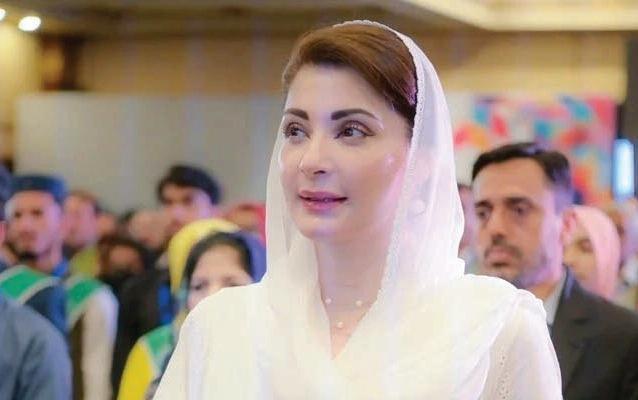
Livestock Ashiq Hussain Kirmani updated the forum on progress
To strengthen animal healthcare infrastructure the chief minister directed the establishment of state-of-the-art veterinary hospitals in every tehsil and ordered the deployment of four mobile veterinary dispensaries in each tehsil to provide treatment at the village level
The meeting was informed that mechanisation would be introduced in Punjab s livestock farming sector for the first time with the provincial government offering up to 60 per cent subsidy on machinery, including milk chillers, mixing machines, milk can coolers weighing scales feed mixers and pilot machines
In South Punjab 9 255 animals have already been distributed free of cost among widowed and divorced women across 12 districts under the government’s livestock support programme
To meet the export target and improve breeding standards au-
Despite being under heightened security for over two weeks Pakistan’s federal capital has been shaken by the brutal killing of four members of a single family an incident that has raised serious questions about policing intelligence failures and the effectiveness of surveillance systems in Islamabad
According to police sources the incident occurred on Saturday within the jurisdiction of Noon Police Station in Jhangi Syedan located in the industrial area zone The victims identified as Habib ur Rehman his wife their young child and the woman s brother were shot in the head at close range inside their residence Their bodies were later recovered from the upper floor of the house, suggesting that the attackers had
thorities plan to tag two million animals and provide two million subsidised semen doses
Officials also told the meeting that no cases of Haemorrhagic septicaemia or Lumpy skin disease have been reported in Punjab s livestock since 2022, including after recent floods
The briefing noted that while imported vaccines for lumpy skin disease cost Rs300 per dose a locally produced vaccine is available at just Rs30
Speaking on the occasion the chief minister said past neglect of the livestock sector was regrettable, stressing that livestock farming remained a crucial pillar of economic self-reliance and rural prosperity Collective action needed to eradicate malaria
Separately, in her message on World Malaria Day, Chief Minister Maryam Nawaz said malaria remained a dangerous but curable disease and stressed that collective action was essential for its eradication
prior knowledge of the household layout Habib ur Rehman a security guard by profession had been living in the rented property owned by Nisar Khan for the past five years The family reportedly hailed from Swat in Khyber Pakhtunkhwa Investigators are also examining reports that some family members may not have possessed official identification documents adding another layer of complexity to the case
Residents of the area reported hearing gunfire in the early hours of the morning but alerted authorities several hours later Police said they received the call at approximately 11:25 a m after which a heavy contingent was dispatched to the scene The delay in reporting is now part of the investigation timeline
A key development in the case is the disappearance of a relative reportedly the father in law of