








With Coloring, Mazes, Crosswords, and More
Who Ask-a-Lotl Questions























Copyright © 2025 by LITTLE BIGFOOT
All rights reserved. No portion of this book may be reproduced or utilized in any form, or by any electronic, mechanical, or other means, without the prior written permission of the publisher.
Printed in Colombia
LITTLE BIGFOOT with colophon is a registered trademark of Blue Star Press, LLC
Design and illustration by Moxey Creative Ltd. 9 8 7 6 5 4 3 2 1


The authorized representative in the EU for product safety and compliance is Authorised Rep Compliance Ltd., Ground Floor, 71 Lower Baggot Street, Dublin D02 P593, Ireland. www.arccompliance.com
A catalog record for this book is available from the Library of Congress upon request.
ISBN: 978-1-63217-630-1
Sasquatch Books 1325 Fourth Avenue, Suite 1025 Seattle, WA 98101
SasquatchBooks.com
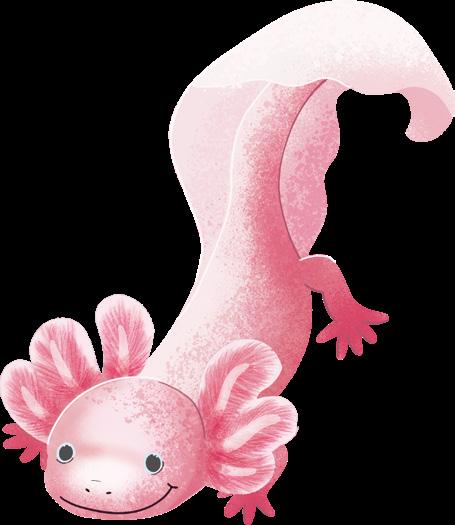
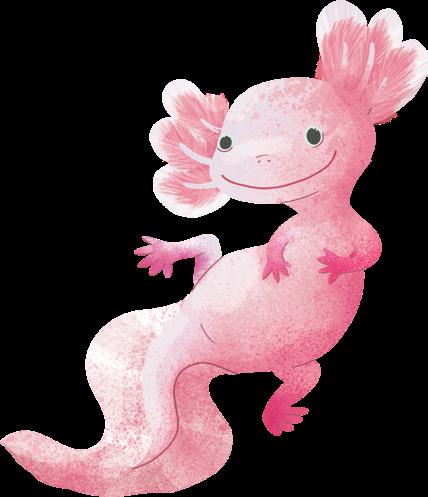

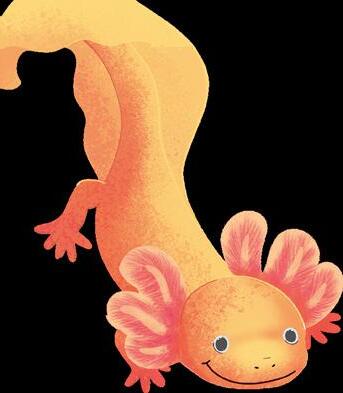
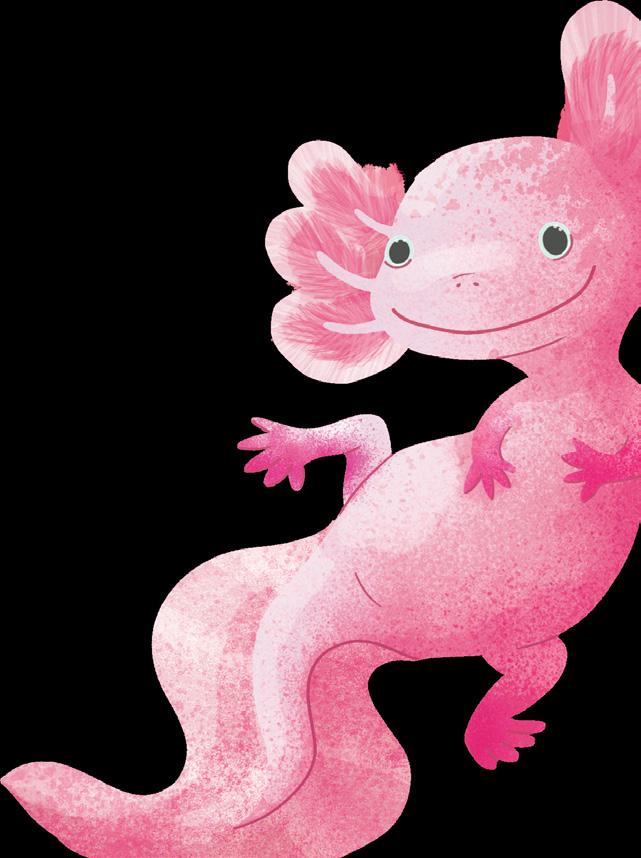
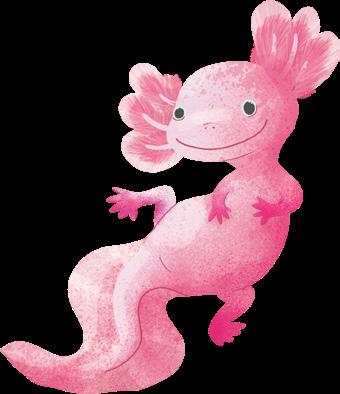
Axolotls are awesome animals . They have a cool name with an “x” in the middle of it . You say it like this: ack-suh-LAH-tuhl . They have adorable smiles on their faces all the time (unless, of course, they happen to be upside down) .
Even though they have gills, axolotls still develop lungs .
Axolotls have teeny tiny teeth, but they don’t use them to chew .
These fascinating creatures also have the rare ability to regrow their own body parts, from their toes to their brain !
Axolotls are nocturnal like bats and frogs . They sleep during the day and play and hunt at night .
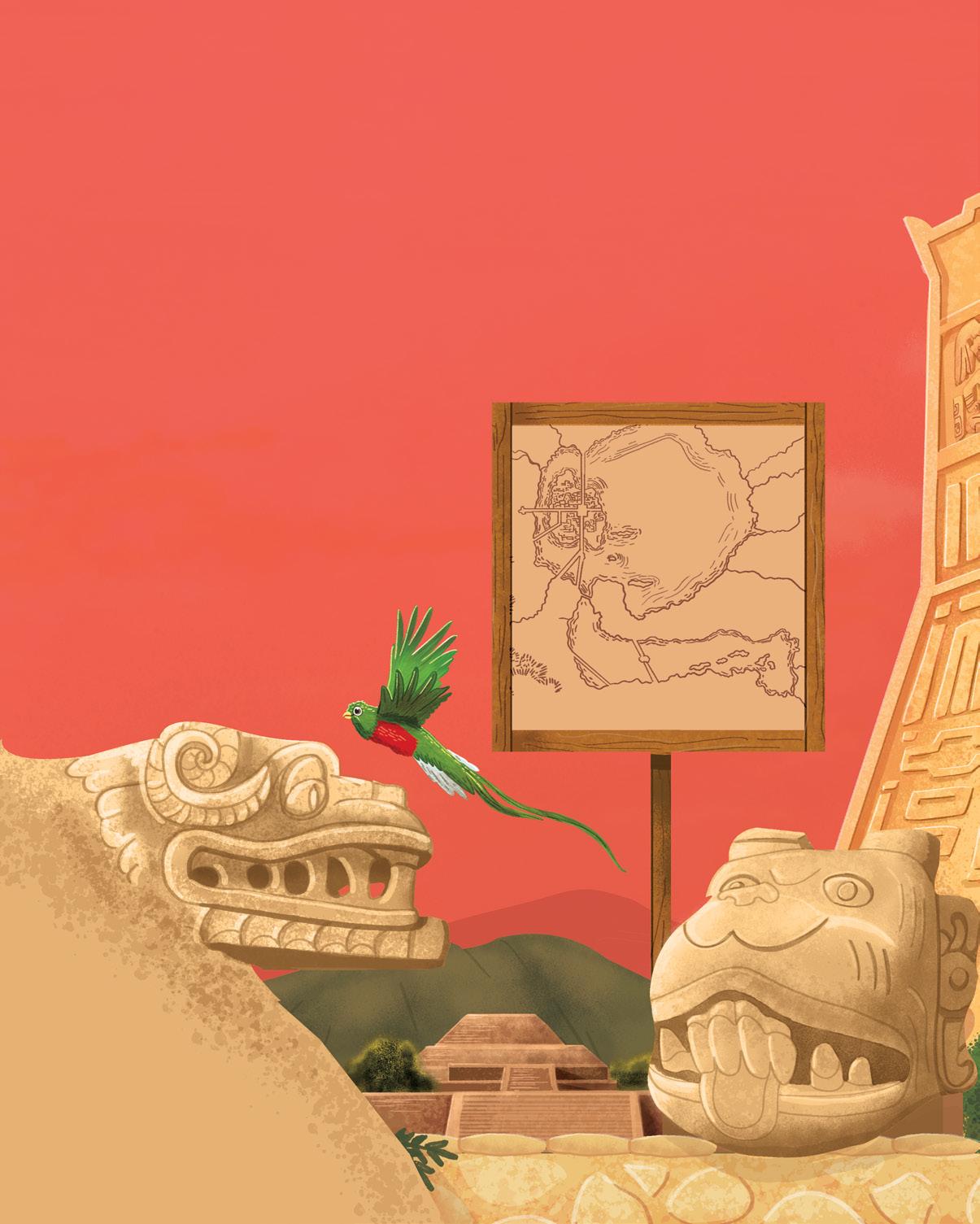
Did you know that axolotls have a name that comes from an ancient language? The Aztec people who lived in Mexico long ago had a god named Xolotl (say: SHOW-lotl) . Xolotl was the god of fire, lightning, and dogs . The word “axolotl” comes from the Aztec words meaning “water dog . ”
Scientists believe axolotls have been around for a super long time—10,000 years! But their ancestors are even older, going back millions of years. Axolotls originally come from Mexico, where they lived in special lakes called Xochimilco (say: so-chee-MILL-ko) and Chalco.
For a long time, axolotls only lived in these lakes. But about 150 years ago, a person from Europe took an axolotl to a city called Paris. People in Europe thought axolotls were really cool and started keeping them as pets. Now, people all over the world love having pet axolotls!
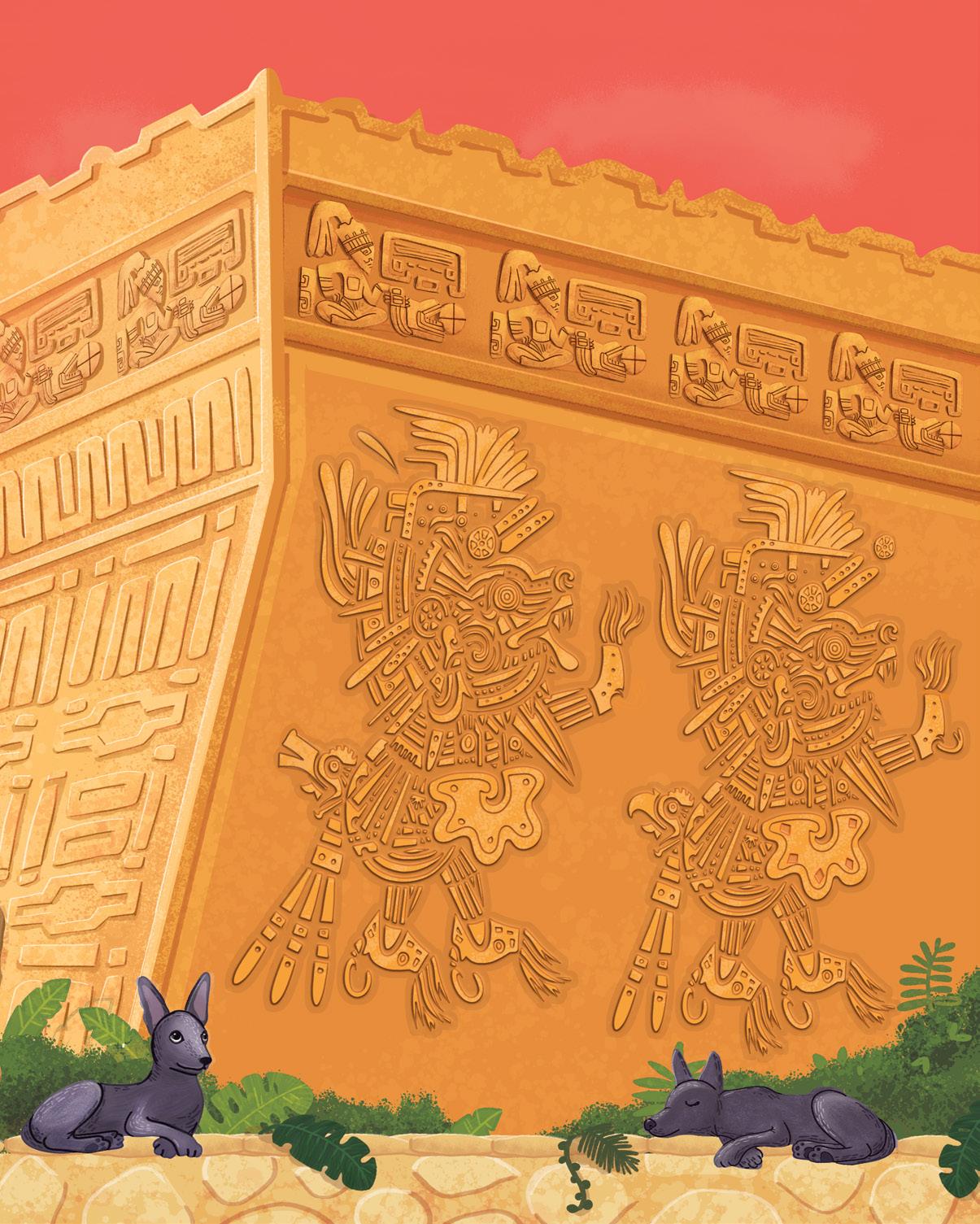
Can you spot eight differences in the carvings below?
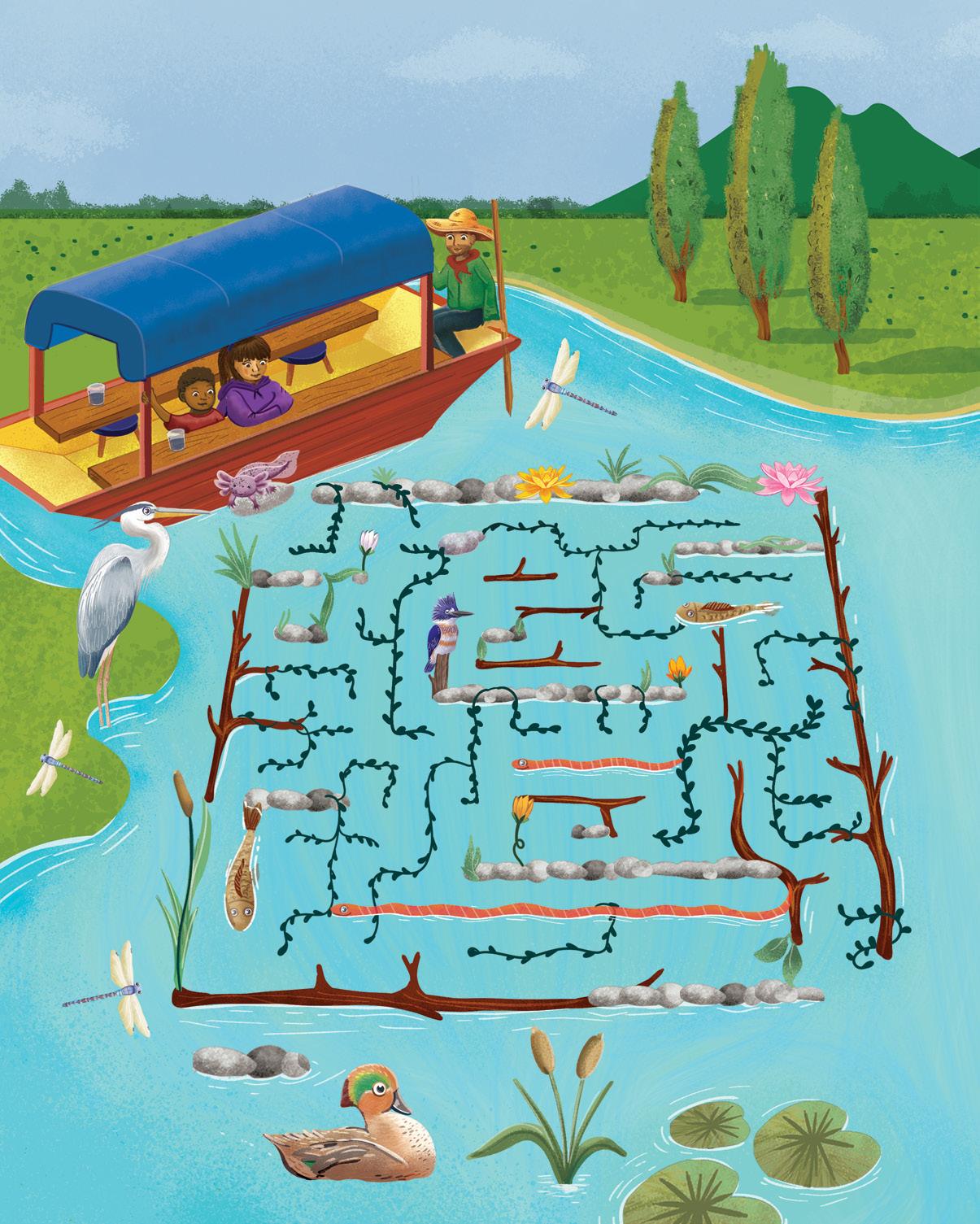
This little axolotl is lost and needs to find its home fast! Can you figure out how to get it home safely?
How well do you know the axolotl? It’s time to find out. Find all seven facts about axolotls in the word search below. Answers can be found down, across, or diagonally.
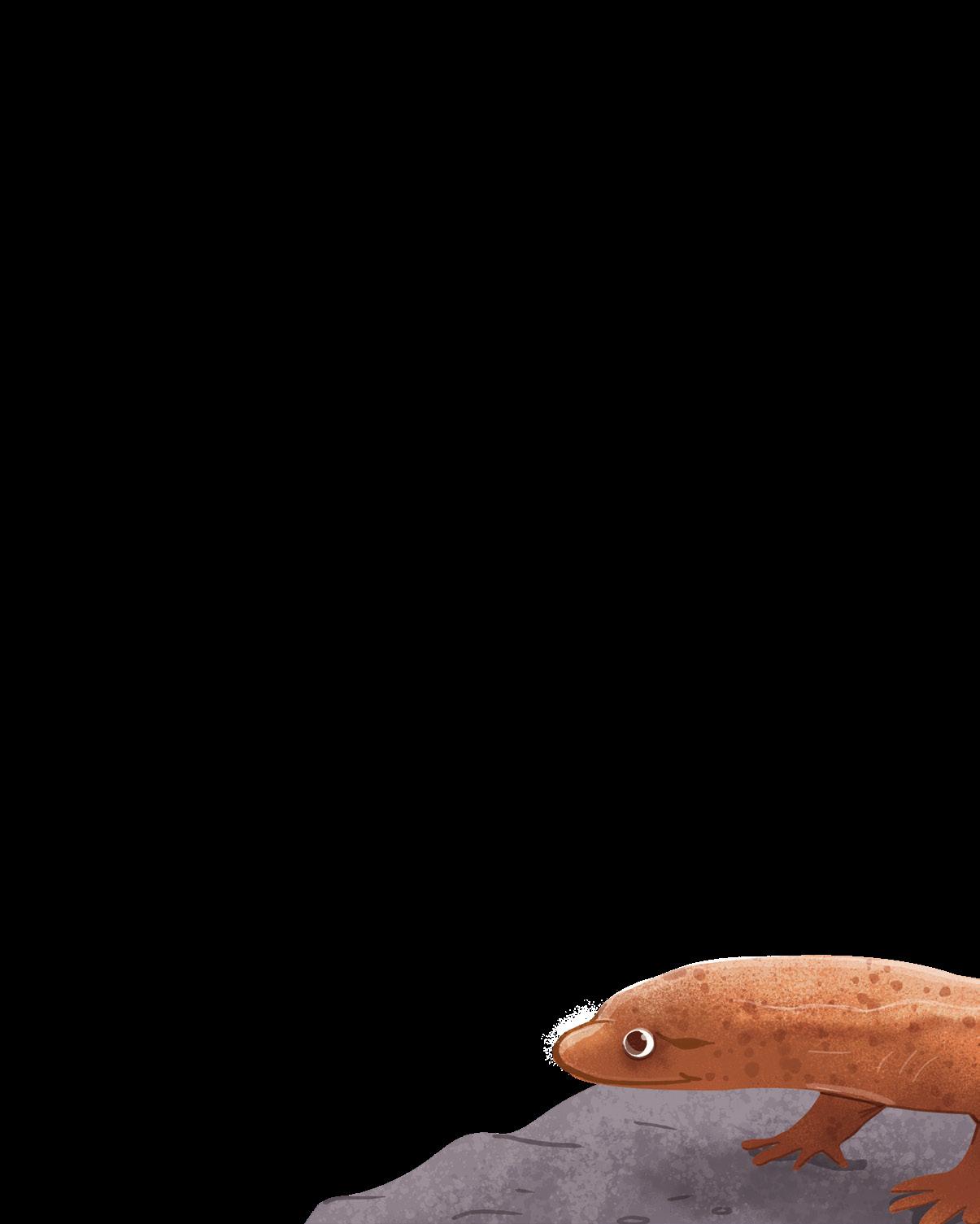
Did you know that axolotls have some pretty cool cousins? They belong to a group of animals called amphibians. Amphibians are awesome because they can live both in water and on land!
Most amphibians start their lives in water and then grow up to live on land. Itʼs like they have a secret superpower—they can completely change their bodies as they grow up! Baby frogs, called tadpoles, even breathe underwater using gills. But when they turn into adult frogs, they lose their gills and breathe with lungs instead. Scientists call this amazing change “metamorphosis.”
But axolotls are a special kind of amphibian. They never fully change into land dwellers. Even as adults, they keep some of their baby features, like gills, and spend their whole lives underwater.
Itʼs like they're forever young!
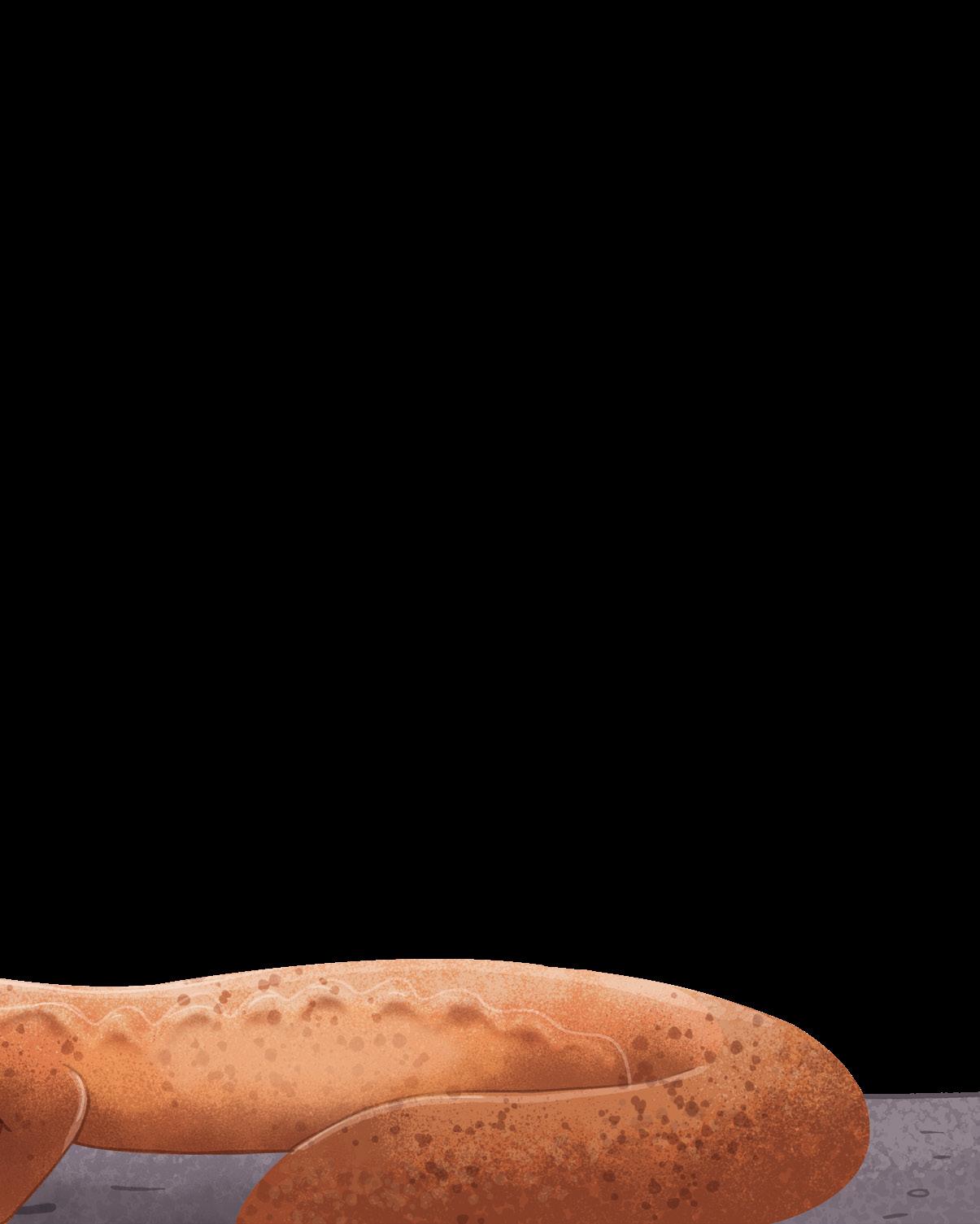
Amphibians come in all shapes and sizes—some have smooth, slimy skin, while others have hairy or scaly skin. And they come in so many different colors! From tiny golden frogs to giant brown salamanders, the world of amphibians is full of surprises.
Title: Most poisonous amphibian Golden Poison Dart Frog
Capability: Could kill 10-20 adulthumans
Title:Fastest am p h ibian Nauta Salamander
Speeds reached: 1 5 mph
Title : Longest-living amphibian
Predicted max lifespan: More than100years The Olm
Brazilian Flea Toad
Title: Smallest amphibian Size: 7mm
Flying Frog
Title: Coolest amphibian
Skill: Can achieve gliding flight
Chinese Giant Salamander
Title: Largest amphibian Size: 6ft
Title: Loudest worldwid e CoquiFrog
Title: LoudestinEurope NatterjackToad
Distance heard:Amile
• Scientific name: Amphibia
• More than 8,000 known species
• Live almost everywhere except Antarctica
• Most go through metamorphosis as they grow
• All live near water
• Some can secrete toxins through their skin
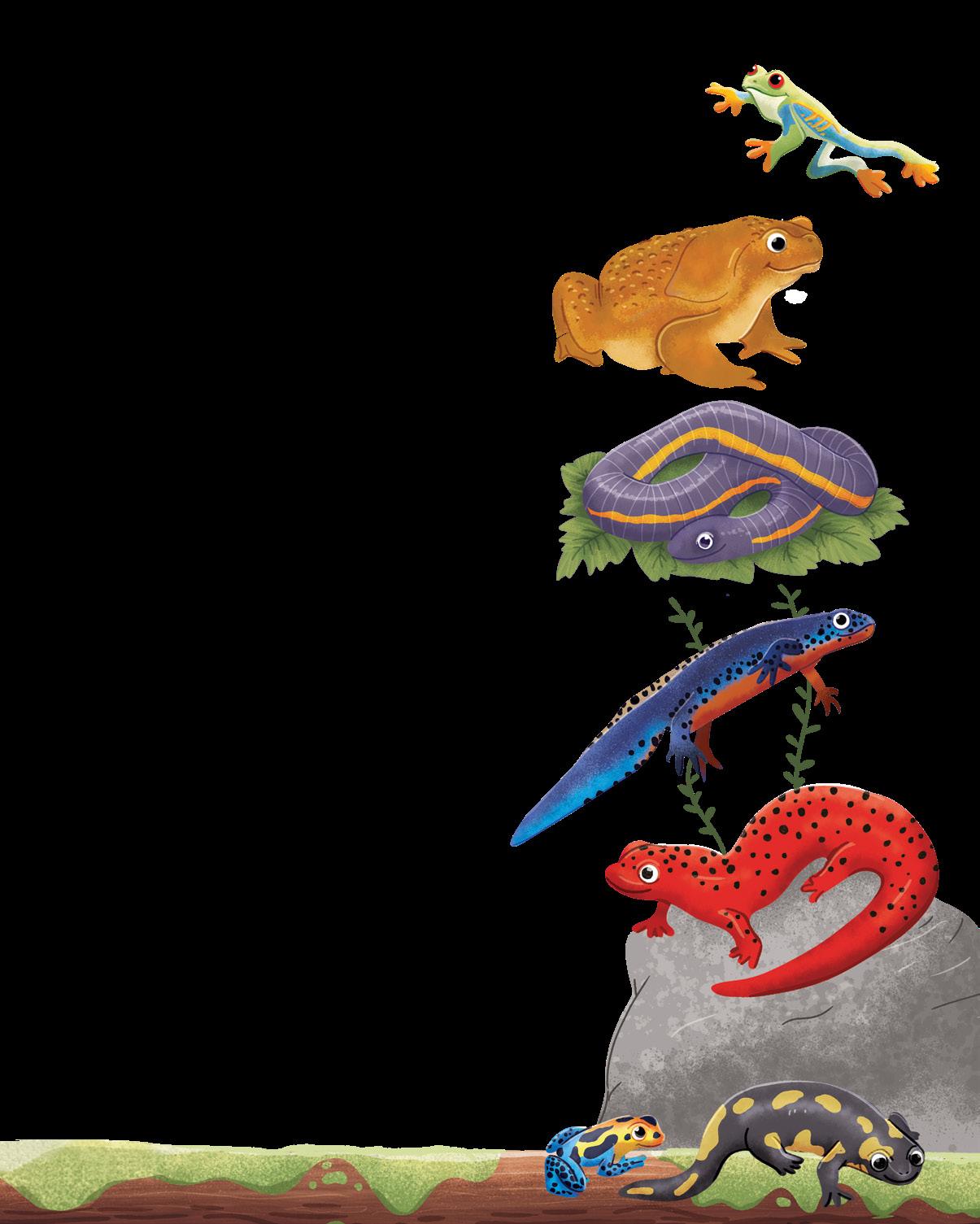
There are three main types of amphibians: frogs and toads, salamanders and newts, and caecilians (say: see-SILL-ee-ens) . Axolotls are part of the salamander group .
Frogs and toads are the bouncy acrobats of the amphibian world! They have powerful back legs for leaping and smooth, slimy skin. Some toads have skin that's bumpy and drier. But be careful—all toads have poisonous skin. Talk about a wild defense!
Caecilians are the oddballs of the amphibian family. They look like a mix between worms and snakes, with long, skinny bodies that are covered in tiny scales. They can dig tunnels underground like mini excavators.
Salamanders and newts are like the masters of disguise among amphibians— hard to spot because they look so much like lizards. There are around 800 kinds of salamanders in all sorts of colors, shapes, and sizes. Some are super small, and others are massive. A few can even create their own night lights!
yi
Amphibians have some mind-blowing ways to keep themselves safe from danger . You can think of them as animal magicians! The poison dart frog's bright colors are like a big “Stay Away!” sign for predators . Fire salamanders ooze sticky goo that can make other animals really sick . And the mimic poison frog is a sneaky copycat, looking just like other poisonous frogs to trick hungry predators .
Now that you know a ton of facts about amphibians, it’s time for you to show off. Read the clues below and match them with the correct amphibian pictured below. For an extra challenge, try timing yourself!
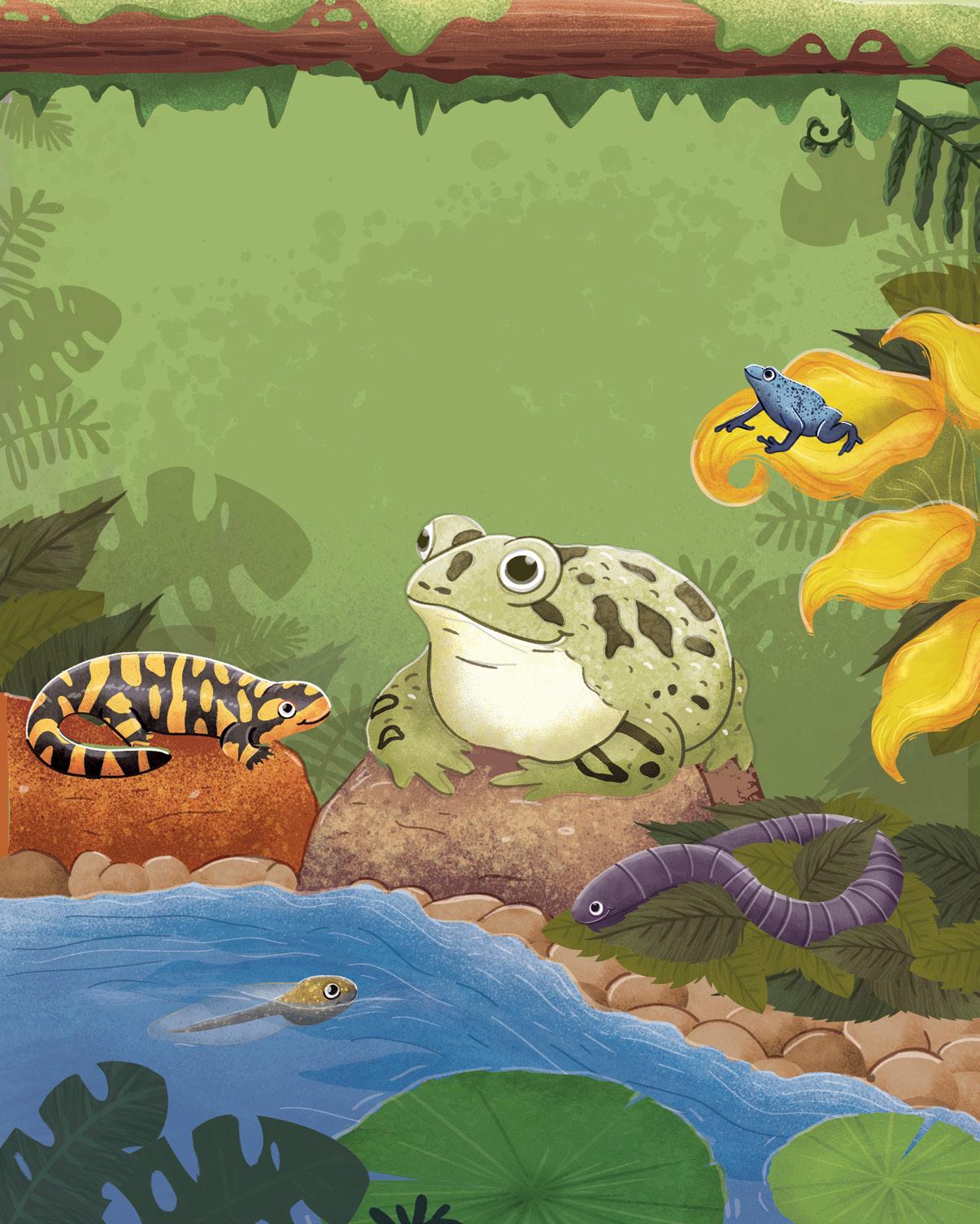
1 . After metamorphosis, this animal will become a frog.
2 . This amphibian has bumpy skin.
3 . This amphibian is NOT a lizard.
4 . This amphibian is poisonous.
5 . This amphibian is round and venomous.
No one loves a good joke more than the axolotl, right? You can tell because it’s always smiling—ha!
Here’s a joke for you to crack: Use the secret cipher below to fill in the blanks with the correct letters and find the answer! C RA cki N g Up
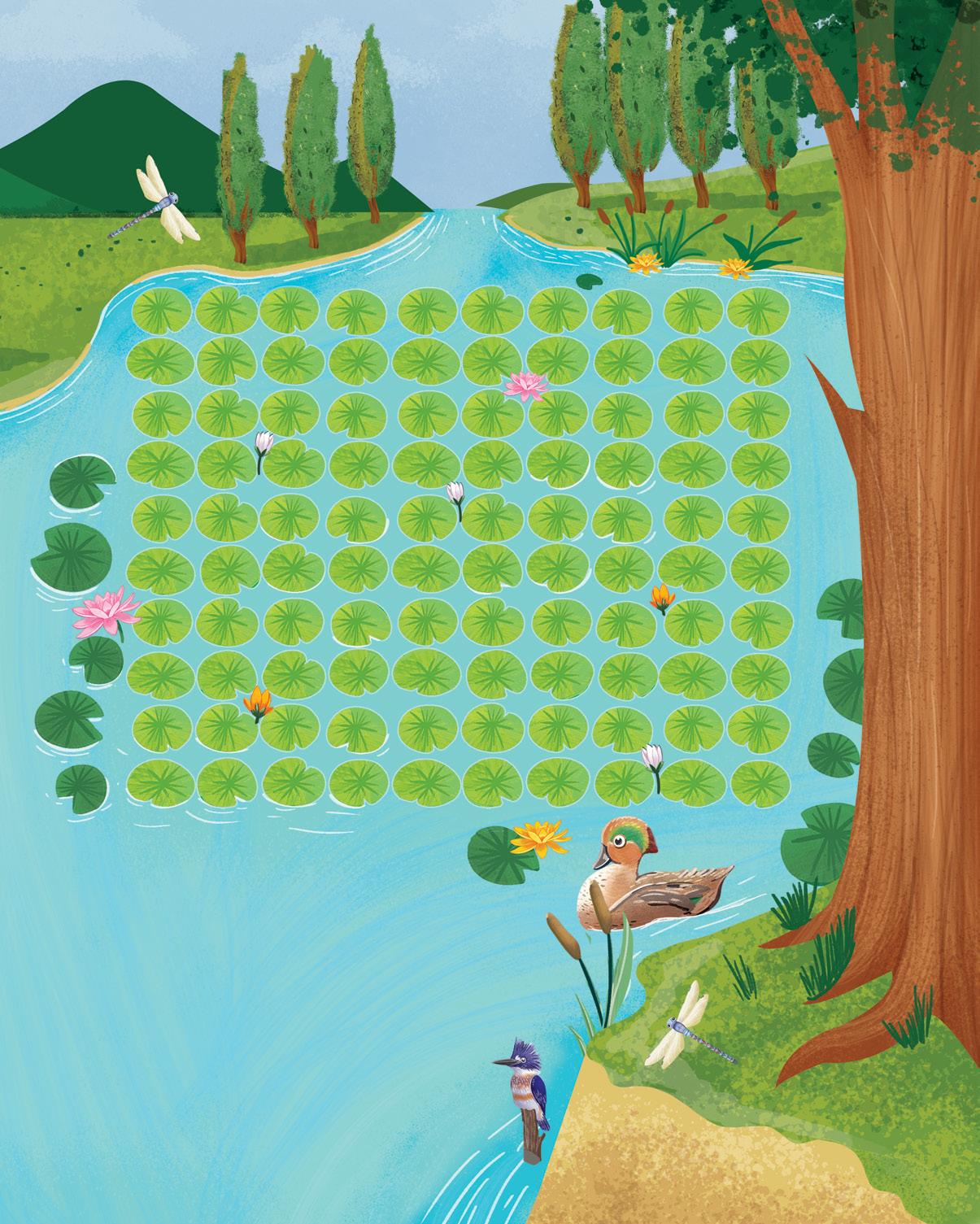
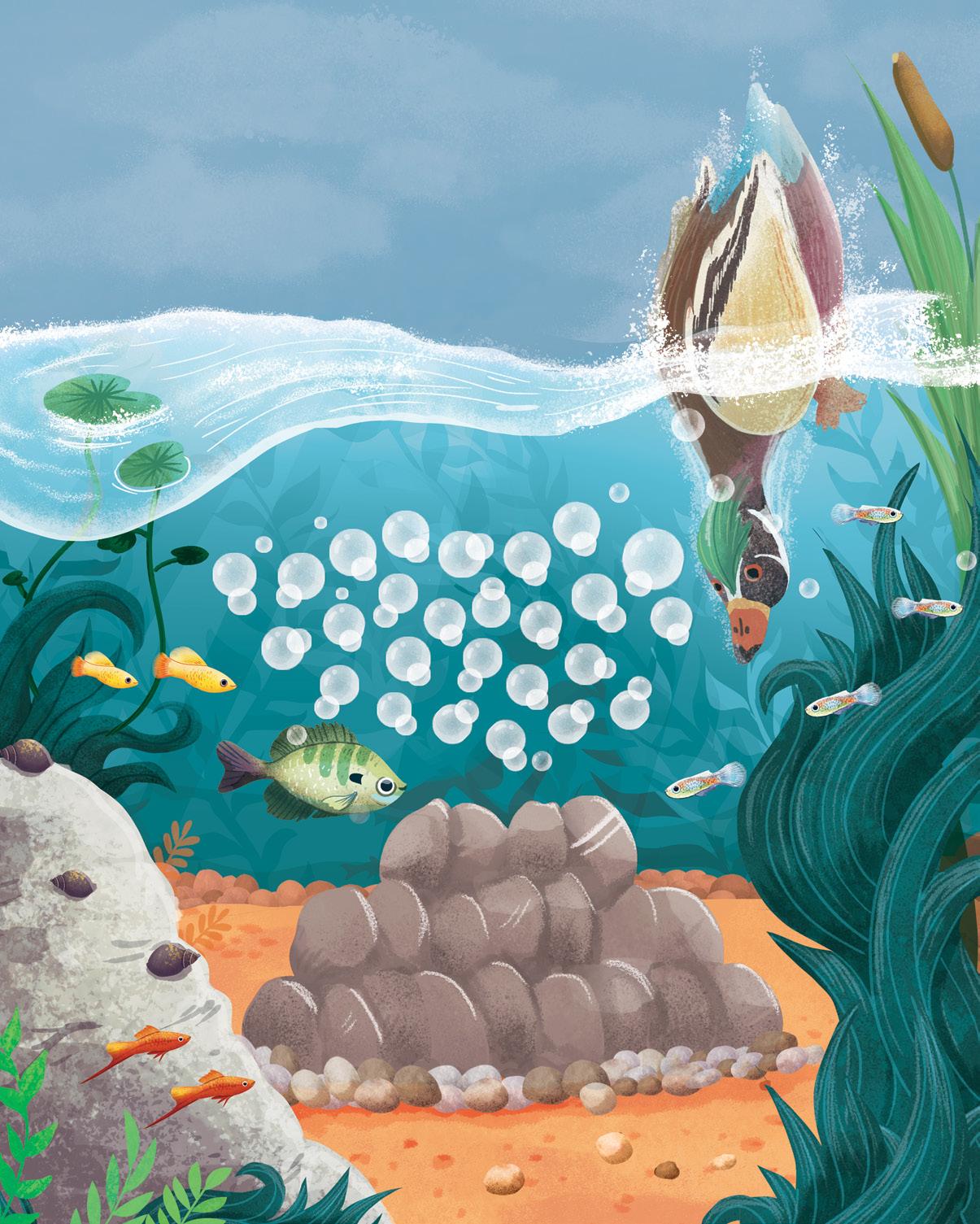
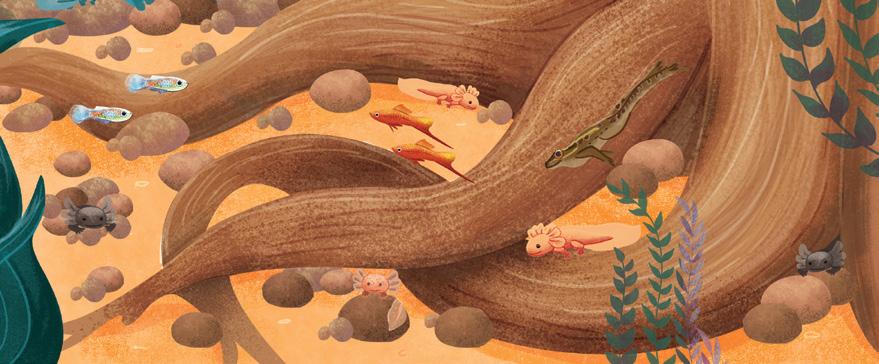
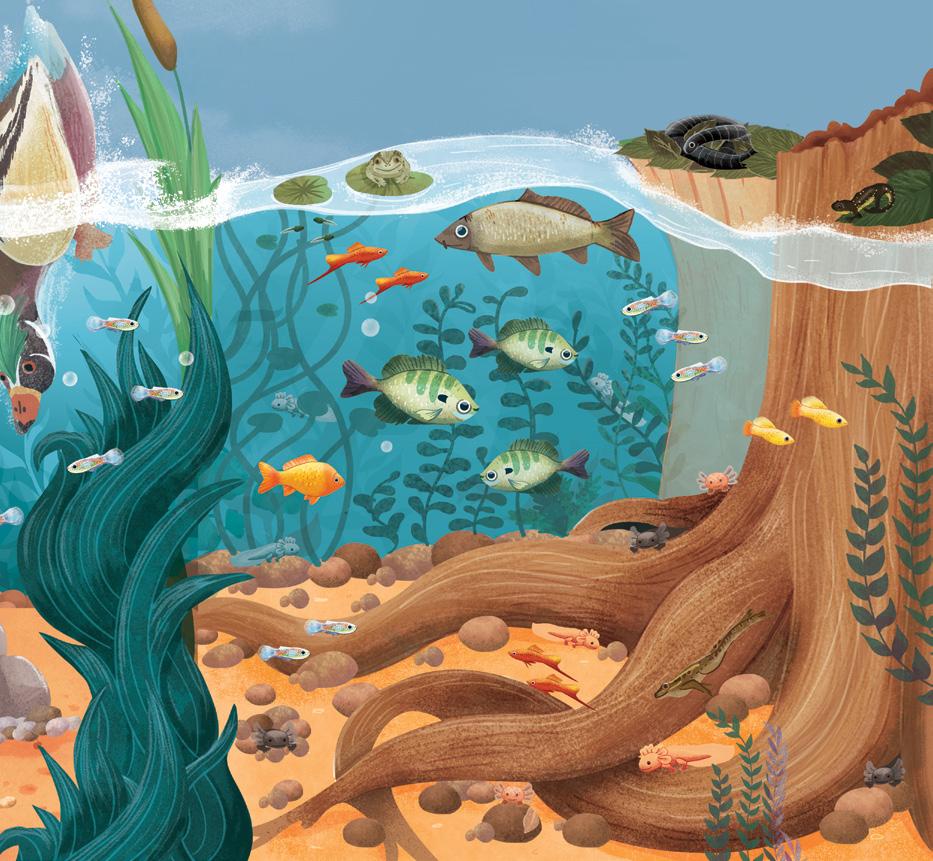
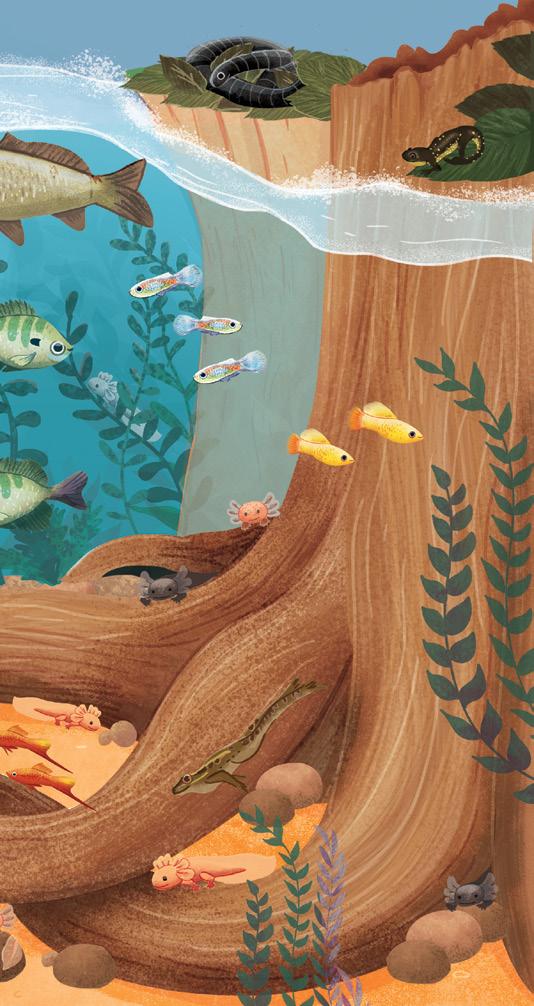
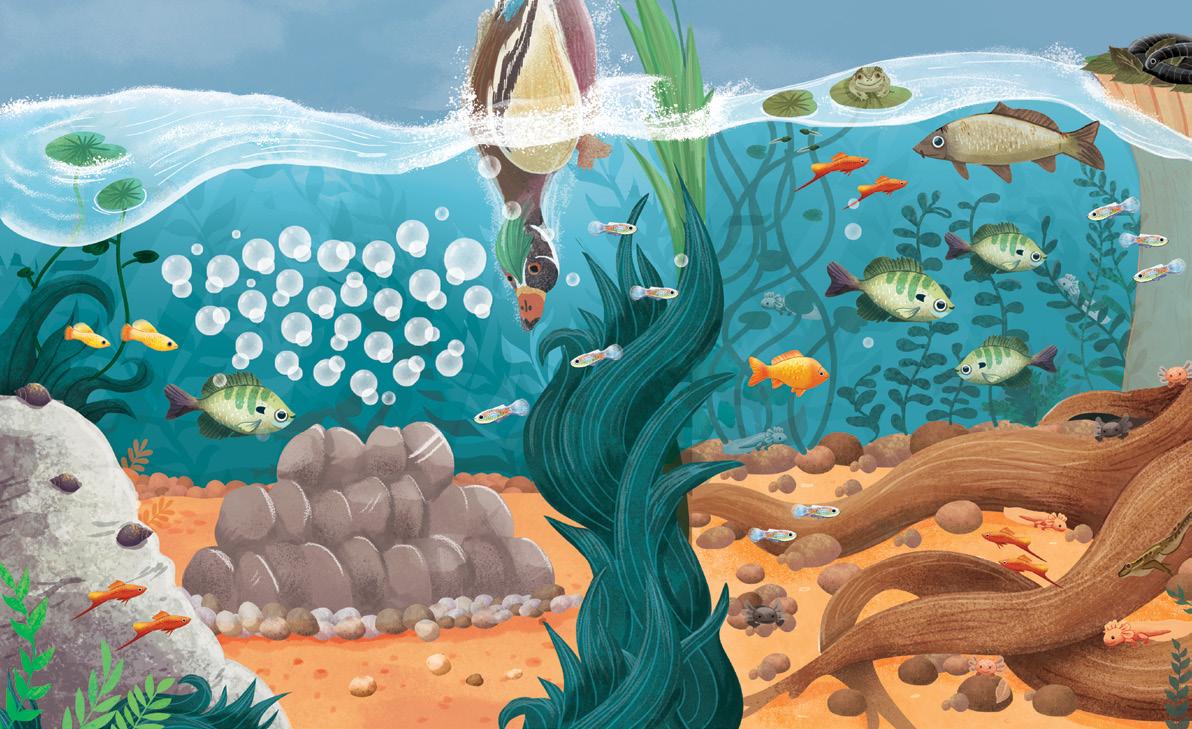
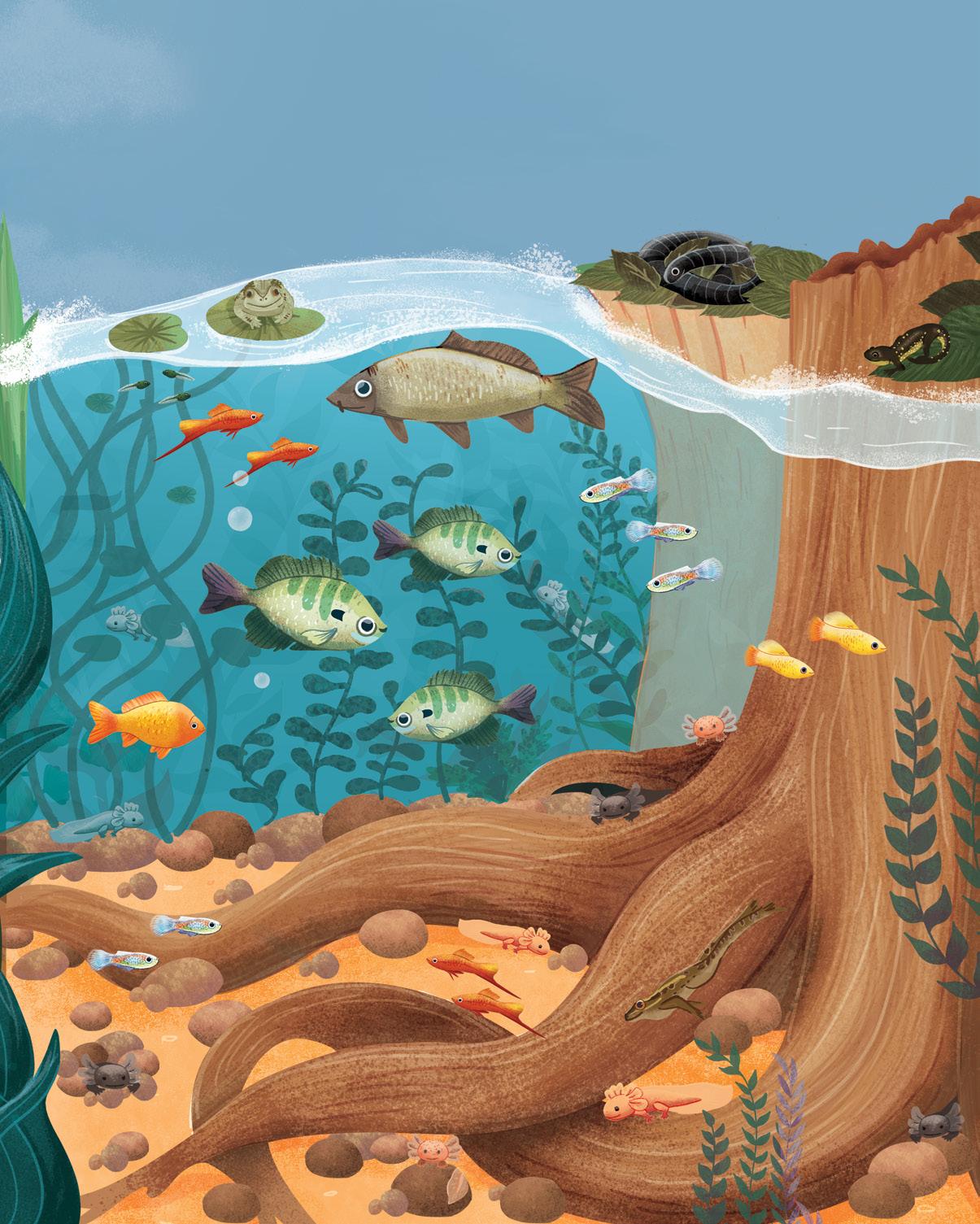
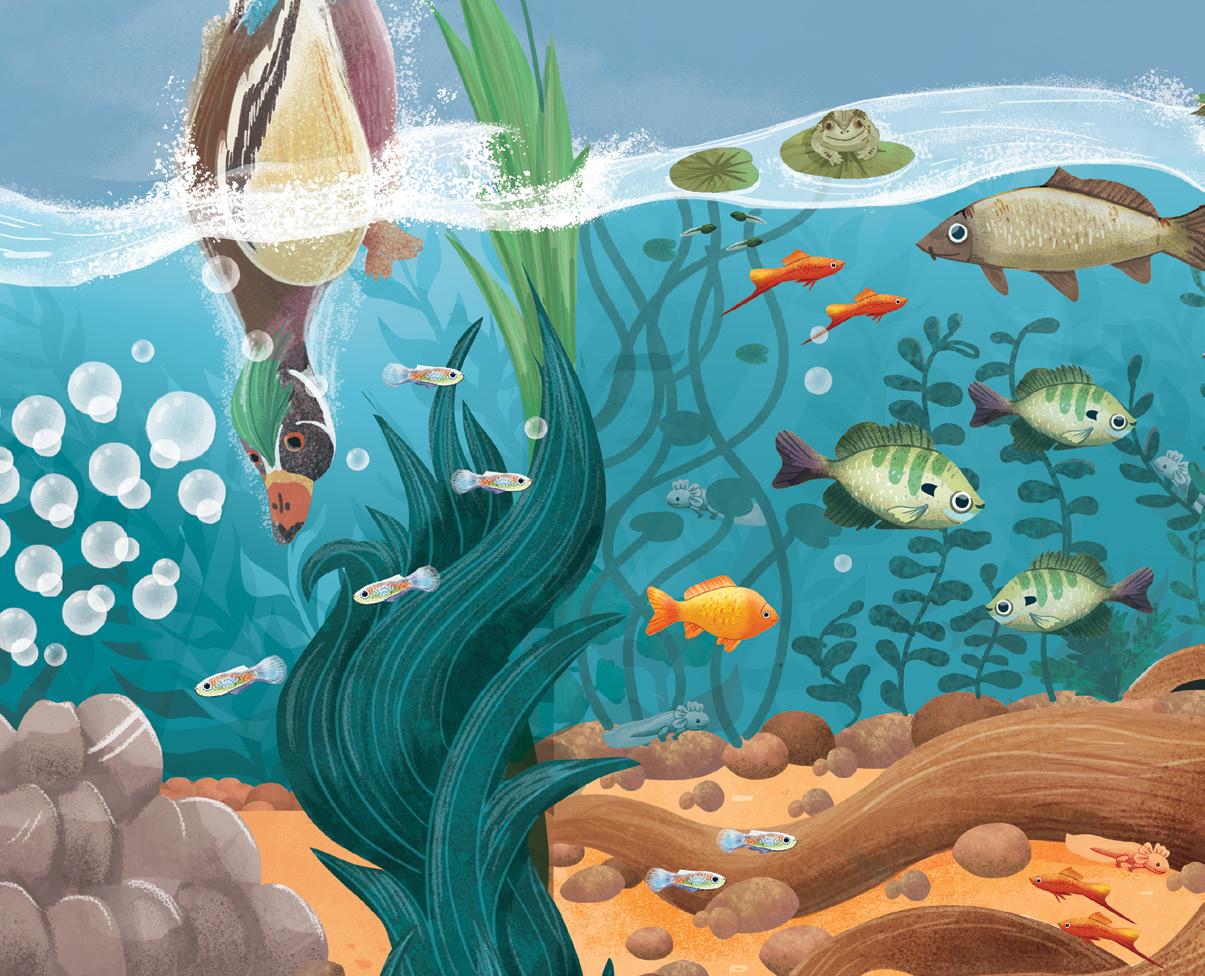
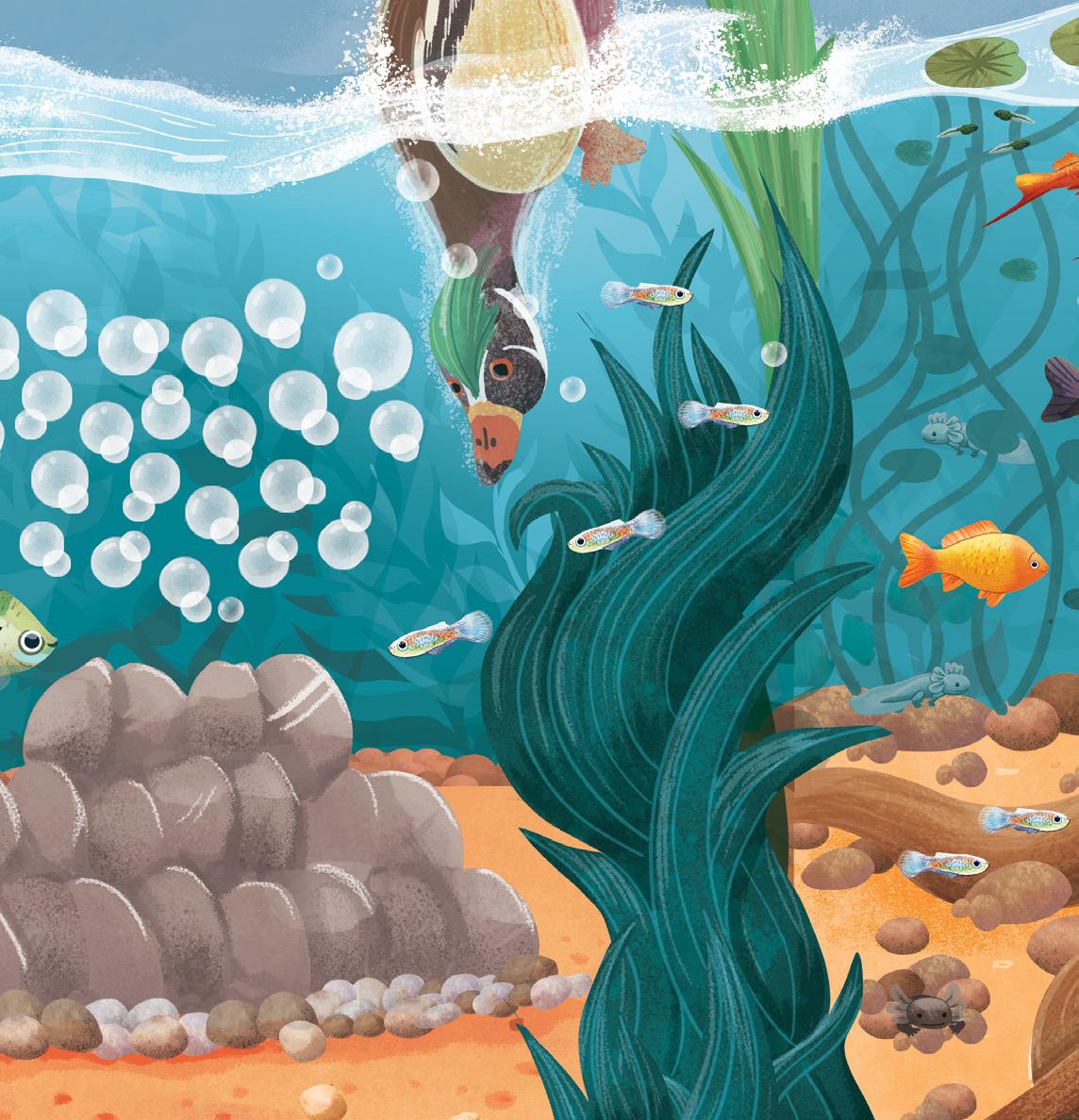
Can you find the 10 axolotls in this freshwater lake?
Level up by trying to find the amphibians to the right, too. s e E k & f i N d

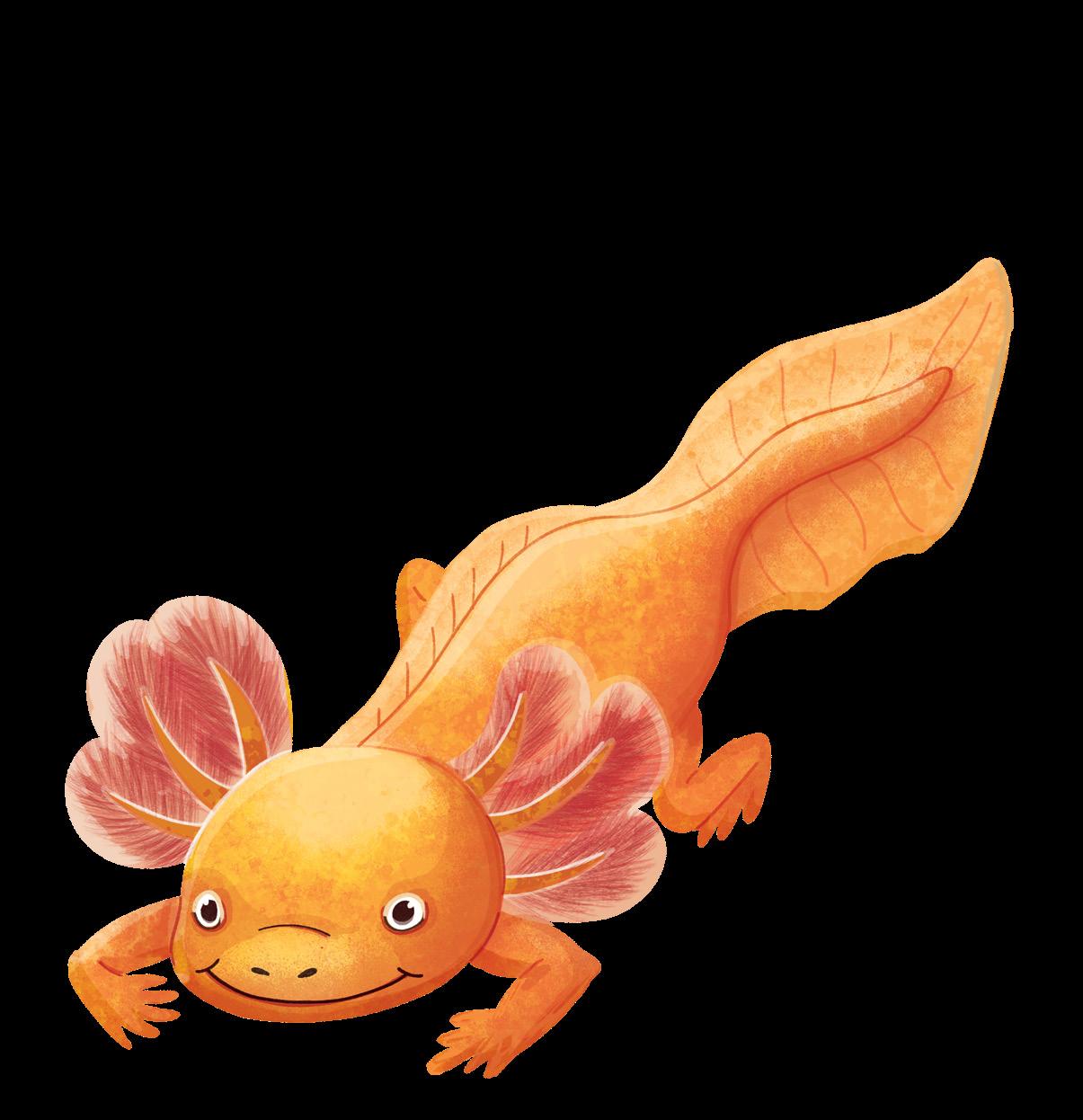
Axolotls are famous for their cute, smiling faces . But thereʼs more to these adorable amphibians than meets the eye!
Axolotls are neotenic, which means they keep their young features like gills and fins even as adults. This is why they can spend their whole lives underwater.
Axolotls have:
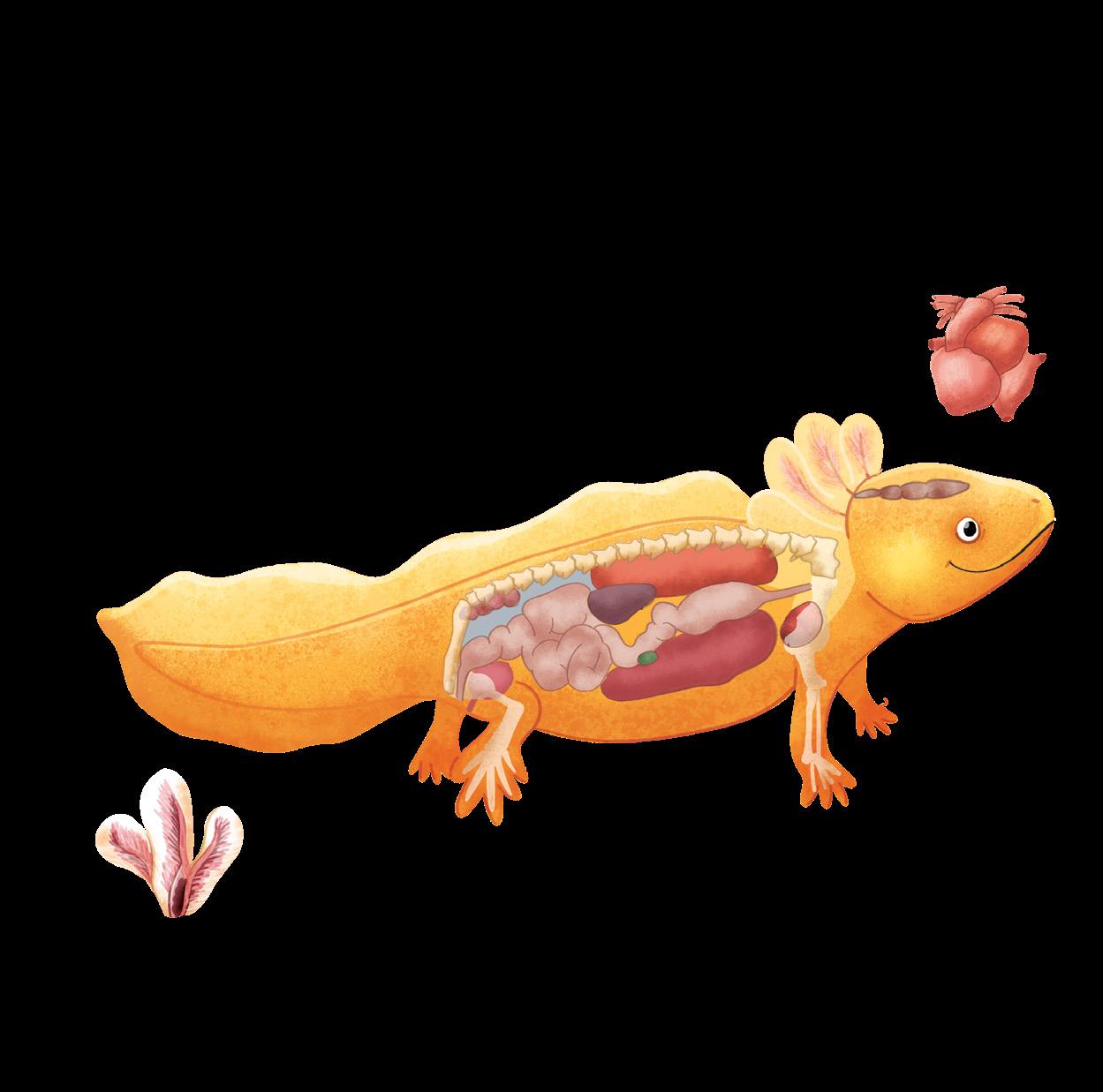
• Three pairs of feathery gills to breathe
• A long dorsal fin to swim up to 10 miles per hour
• Four legs with webbed feet to walk on land
• A three-chambered heart, like other amphibians
Axolotls breathe through three organs: gills, skin, and lungs. Their outside gills have special fibers that also help catch food. Along the sides of their body are costal grooves with nerves and blood vessels to help oxygen flow.
Leg S
Axolotls have four legs— two in front, two in back. Their front feet have four toes, and their back feet have five. These help them move around in water and on land.
Like their eyesight, an axolotlʼs hearing isnʼt great. Loud noises can even make them temporarily deaf! But they make up for it with an amazing sense of smell, which helps them find food. They can also detect changes in water movement and vibrations.
Ear S
An axolotlʼs hearing is pretty sensitive, but no records are being broken. Loud sounds can stress them out or make them lose hearing for a bit.

Axolotls have a special sense that detects changes in water movement and vibrations— kind of like a superpower! Itʼs called the lateral line and runs along the sides of their head and body.
EyES & NOse
Similar to dogs, axolotls have an incredible sense of smell in order to locate food. But their eyesight? Not so great. Their lidless eyes don't work well and are very sensitive to bright light.






With Coloring, Mazes, Crosswords, and More

Dive into the amazing world of axolotls with this fun-packed activity book for kids!
Perfect for curious kids and animal lovers, Amazing Axolotls is bursting with mazes, jokes, coloring pages, word searches, crosswords, spot-the-difference games, and more—all designed to help kids learn incredible facts about the quirky and adorable axolotl.







Each page is beautifully illustrated in full color, making the games delightful to explore and solve. While they play, kids will learn real science about axolotl biology, behavior, and their unique underwater world.
Get ready to laugh, learn, and fall in love with one of the coolest creatures on earth.