Explore the Universe with Fun Facts, Mazes, Crosswords, and More
Explore the Universe with Fun Facts, Mazes, Crosswords, and More
Copyright © 2025 by LITTLE BIGFOOT
All rights reserved. No portion of this book may be reproduced or utilized in any form, or by any electronic, mechanical, or other means, without the prior written permission of the publisher.
Printed in Colombia
LITTLE BIGFOOT with colophon is a registered trademark of Blue Star Press, LLC
30 29 28 27 26 9 8 7 6 5 4 3 2 1
The authorized representative in the EU for product safety and compliance is Authorised Rep Compliance Ltd., Ground Floor, 71 Lower Baggot Street, Dublin D02 P593, Ireland. www.arccompliance.com
A catalog record for this book is available from the Library of Congress upon request.
ISBN: 978-1-63217-628-8
Produced by One+One Books
Design by Sarah Baynes
Text by L.J. Tracosas
Photo research by Micah Schmidt
Copyediting by Laura Whittemore
Proofreading by Jen Swanson Sasquatch Books
Fourth Avenue, Suite 1025 Seattle, WA 98101

If you’ve ever stared at the dark night sky and asked yourself this question, you’re not alone: For thousands of years, humans have puzzled over the mysteries of our universe.
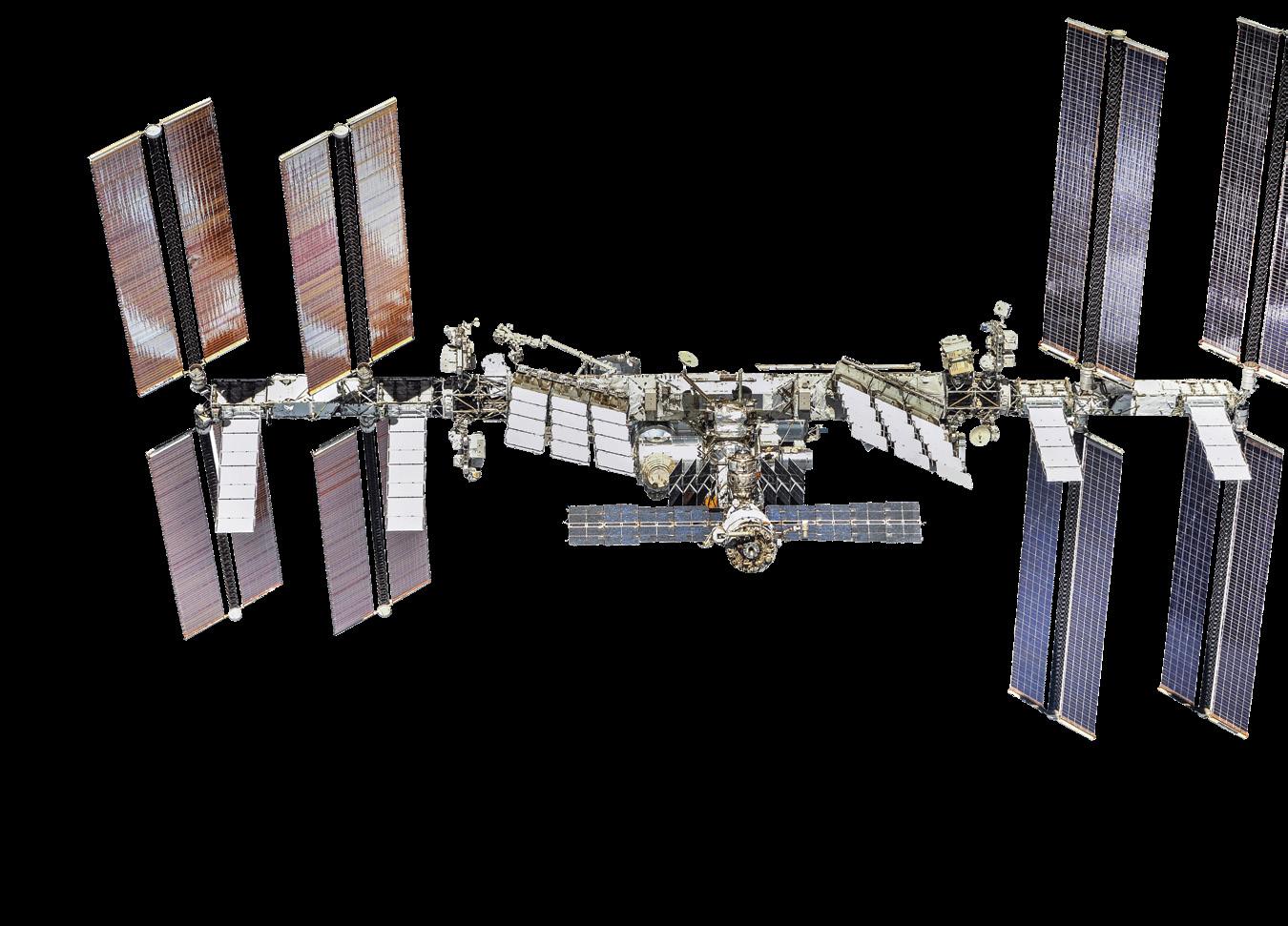
Over the course of generations, we’ve found at least some answers by watching, tracking, and measuring what we see. Every night, the Sun sets and the night sky comes alive with bright stars, roving satellites, an orbiting space station, and the occasional shooting star. You can also spot planets, if you know where to look. The Moon moves across the sky, changing every night, little by little, until it seems to disappear—but only for one night.
At night, with the Sun’s brilliant light tucked away from your view, you can peer into space. You can also gaze into history: Those stars are so far away that it can take decades (and in many cases, millennia) for their light to reach us.
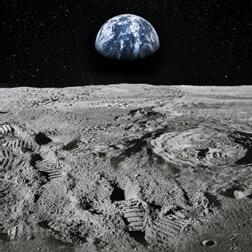
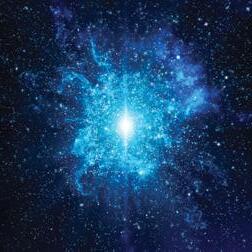

Today, we have many answers about space and what’s in it, thanks to generations of stargazers and scientists and space agencies like the U.S. National Aeronautics and Space Administration (NASA). We know the Moon is made of rock, not cheese, for example, and we know why stars appear to twinkle. But for every answer we have, there are even more mysteries. We know that the universe is expanding, but we don’t know what that means. We know there are multitudes of galaxies in the universe, but we don’t know if our planet is the only one that holds life.
In this book, you’ll explore what we know and what we don’t know about space and our universe through a series of questions you may have wondered about. Each question has a fun activity for you to do too.
You can find answer keys (but no peeking!) and a glossary at the back of the book.
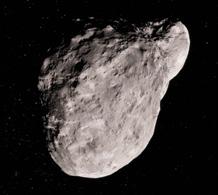
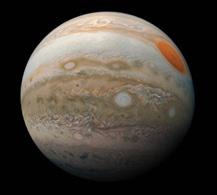
Complete the crossword puzzle using the photo clues on this page.
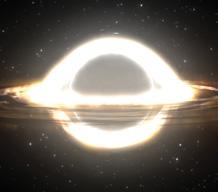
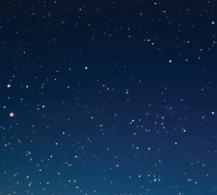
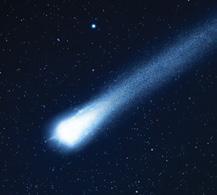
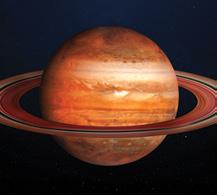
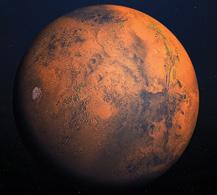

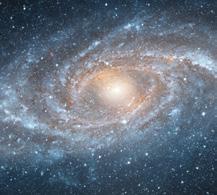
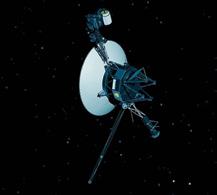

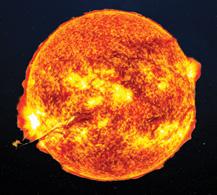
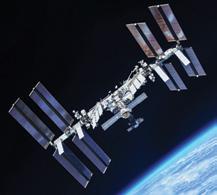
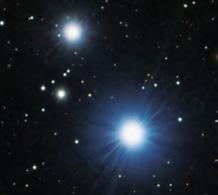



Twinkle, twinkle, little stars! People have been wondering what they are for centuries—and researchers are making new discoveries about those lovely nighttime lights every day.
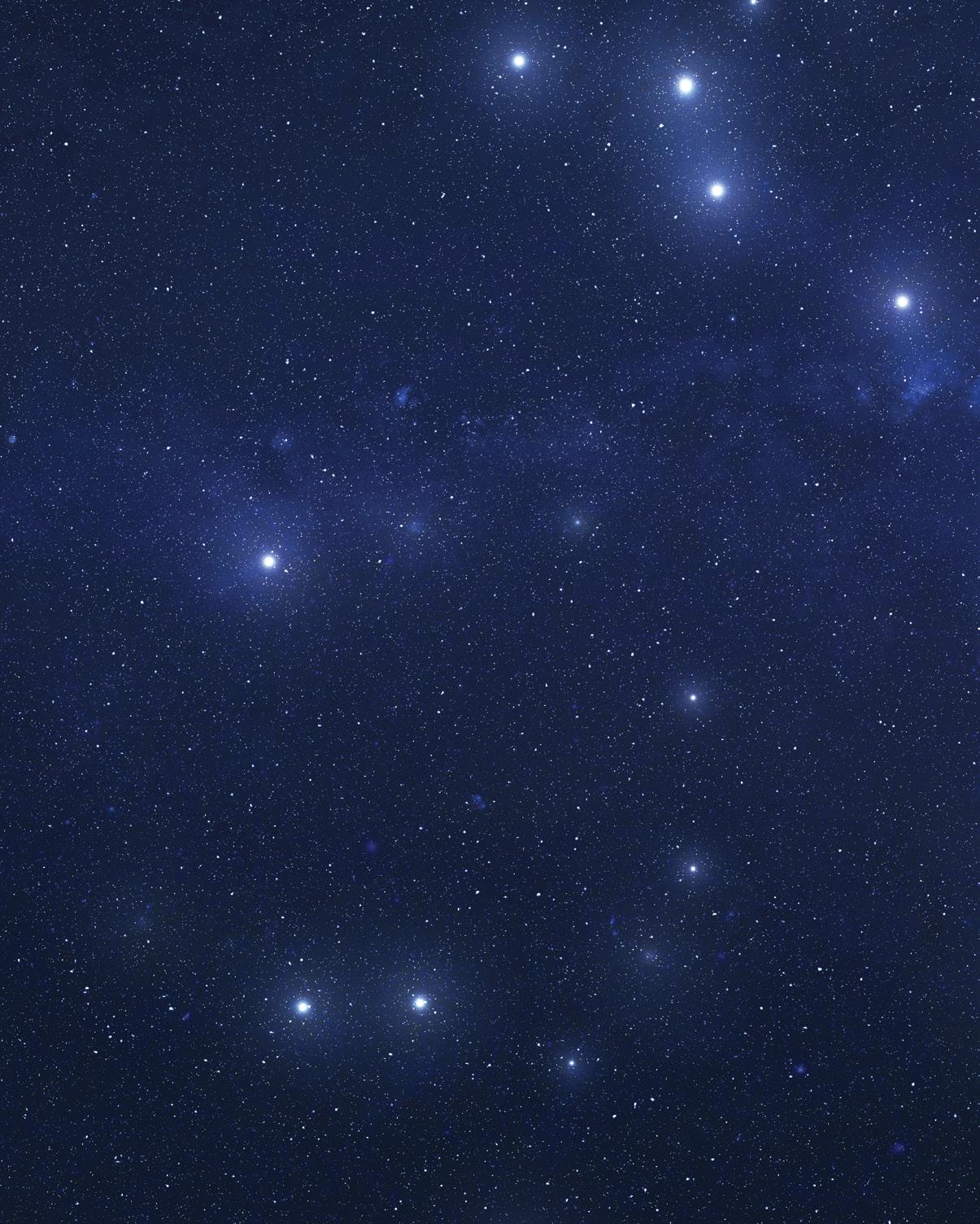
There are 88 official constellations in the night sky. Of those, 48 describe animals.
Gazing up at the night sky filled ancient people with wonder. Astronomy—the science of space, heavenly objects, and the universe—dates back about 4,000 years to the ancient Babylonians. (The Babylonian Empire was centered in the powerful city of Babylon, near present-day Iraq.) The first records we have about space are Babylonians’ observations of Venus from about 2000 BCE. Their observations about space were passed along and built on over thousands of years.
Constellations, or groups of stars that form a pattern, were first described in a poem by ancient Greek poet Aratus in 270 BCE and then built upon by Ptolemy, an astrologer and mathematician, in 150 CE. Ancient Greeks named their constellations after mythical figures, like the strongman Hercules or the centa ur Sagittarius. But every civilization saw shapes in the stars.
Take, for example, the Big Dipper, part of the Greek constellation Ursa Major. Those seven stars looked like a plow to people in Britain and a saucepan to people in France. Ancient Mayans saw a mythical macaw, and Hindu stargazers saw seven wise men. In ancient China, those stars were thought to form a chariot. But the Indigenous Micmac people in Canada saw a bear in the dipper and hunters in the handle.
The International Astronomical Union is the organization that keeps track of official constellations. But some shapes in the stars are ASTERISMS, unofficially named patterns, such as the Big and Little Dippers and the Summer Triangle.
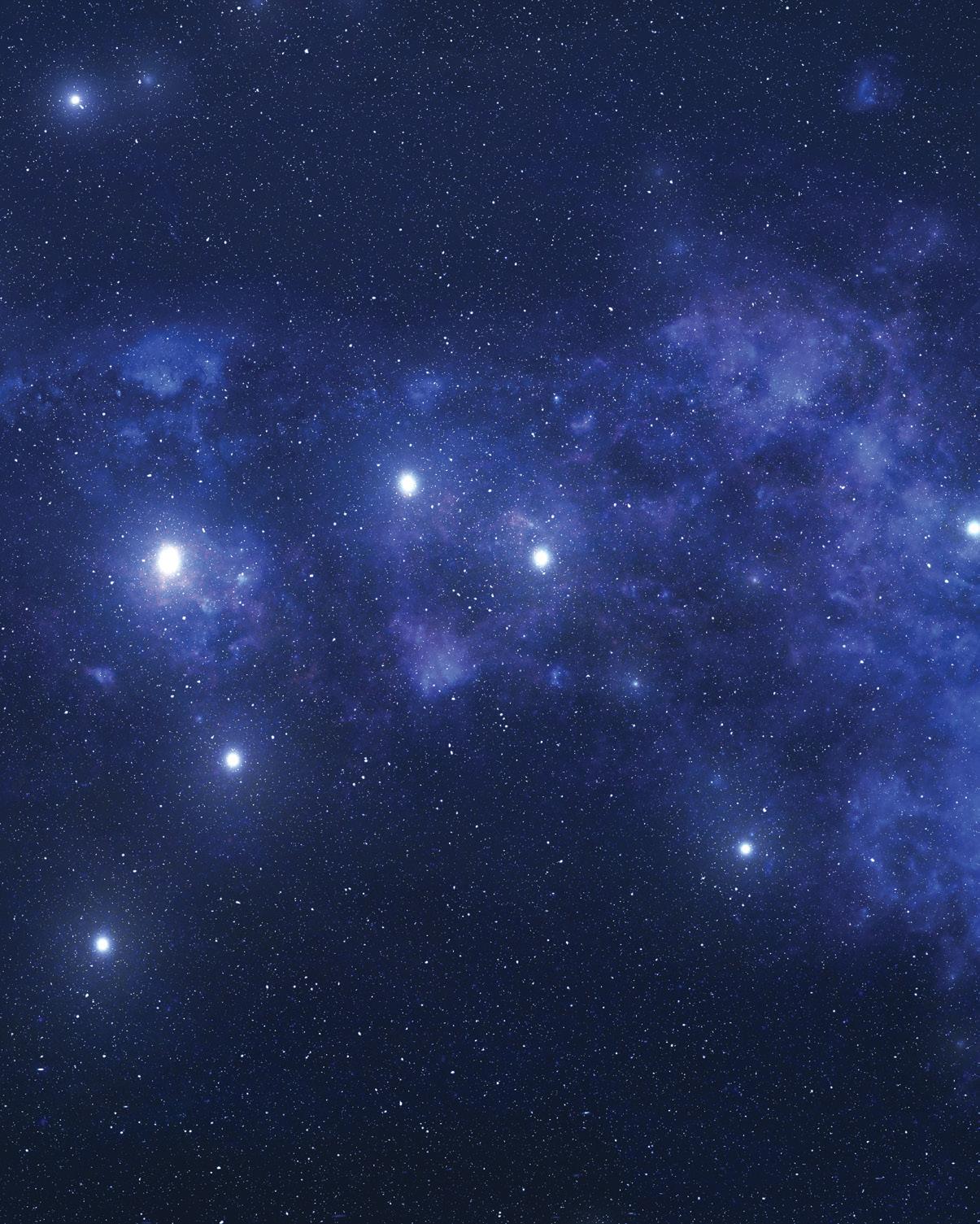
Ancient peoples plotted the stars and kept records of their movement and brightness. They understood that some stars appeared in a predictable pattern, and others moved differently. What they didn’t know was that those moving stars were planets.
Connect the dots to see some of the most well-known constellations.
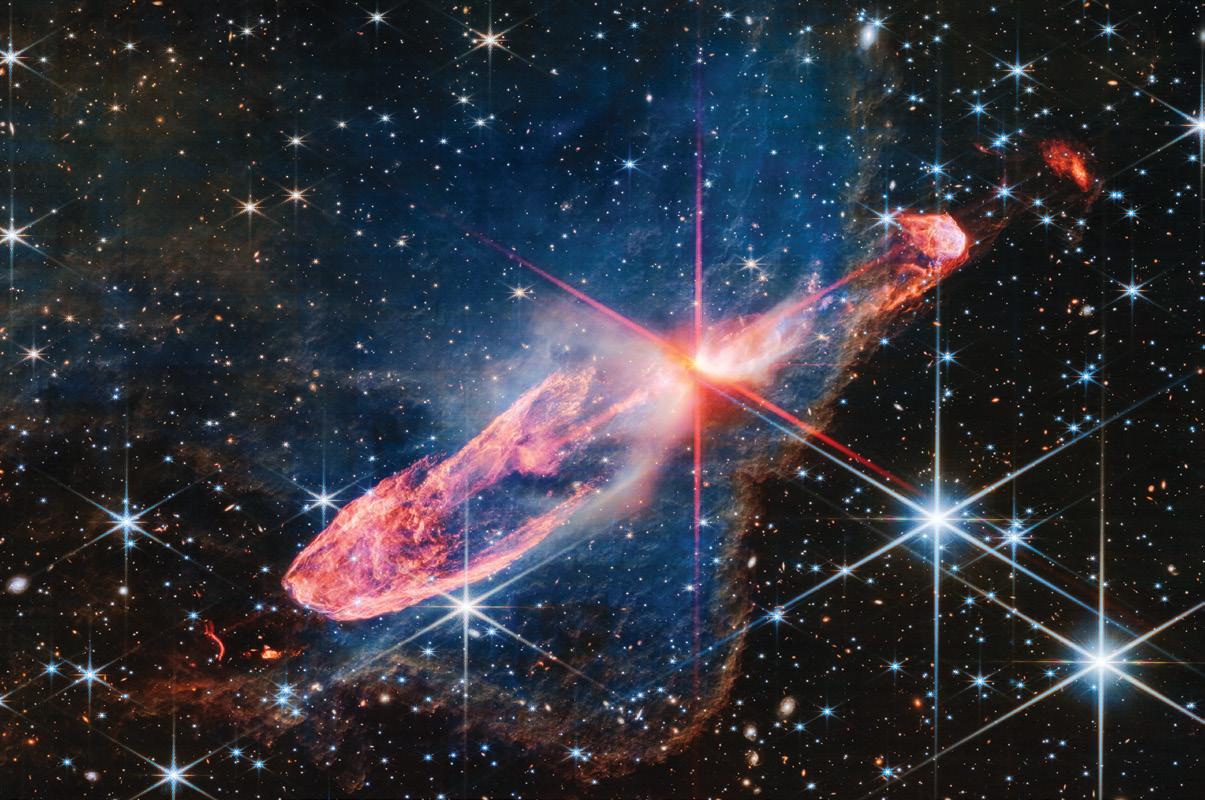
ATMOSPHERIC SCINTILLATION is the scientific way to say TWINKLING.
A star is a big bundle of superhot gases. Stars are born when the molecules inside clouds of gas and dust cluster, crash into each other, and collapse. That creates heat, which kicks off a process called nuclear fusion , which scrunches the atoms in the star together and stabilizes it. The heat from the fusion gives off the light that we can see in our night sky. But why do they twinkle? Well, actually, they don’t. They just appear to twinkle. That little flicker you see is thanks to Earth’s atmosphere. For example, the light from Proxima Centauri, the closest star to Earth, travels 5.88 trillion miles to reach your eyeballs. As the light enters our atmosphere, it passes through different temperatures and air, which bend it. All that light bending makes the star look like it’s twinkling.
We can use spectroscopy—a way to analyze light wavelengths—to determine what a star is made of.
What were the very first stars made of?
Light travels approximately 186,000 miles per second. Be starlight and follow the maze from the star to your eyes at night.
The starlight from Proxima Centauri takes about 4.24 light-years to reach us. How far away from Earth is Proxima Centauri?
a. 4.24 light-years
b. 5.88 trillion miles
c. Who knows?
d. Infinity
The Kelvin scale is another way to measure temperature. Zero kelvins (0 K) is equal to –459.67 degrees Fahrenheit (or –273.15 degrees Celsius).
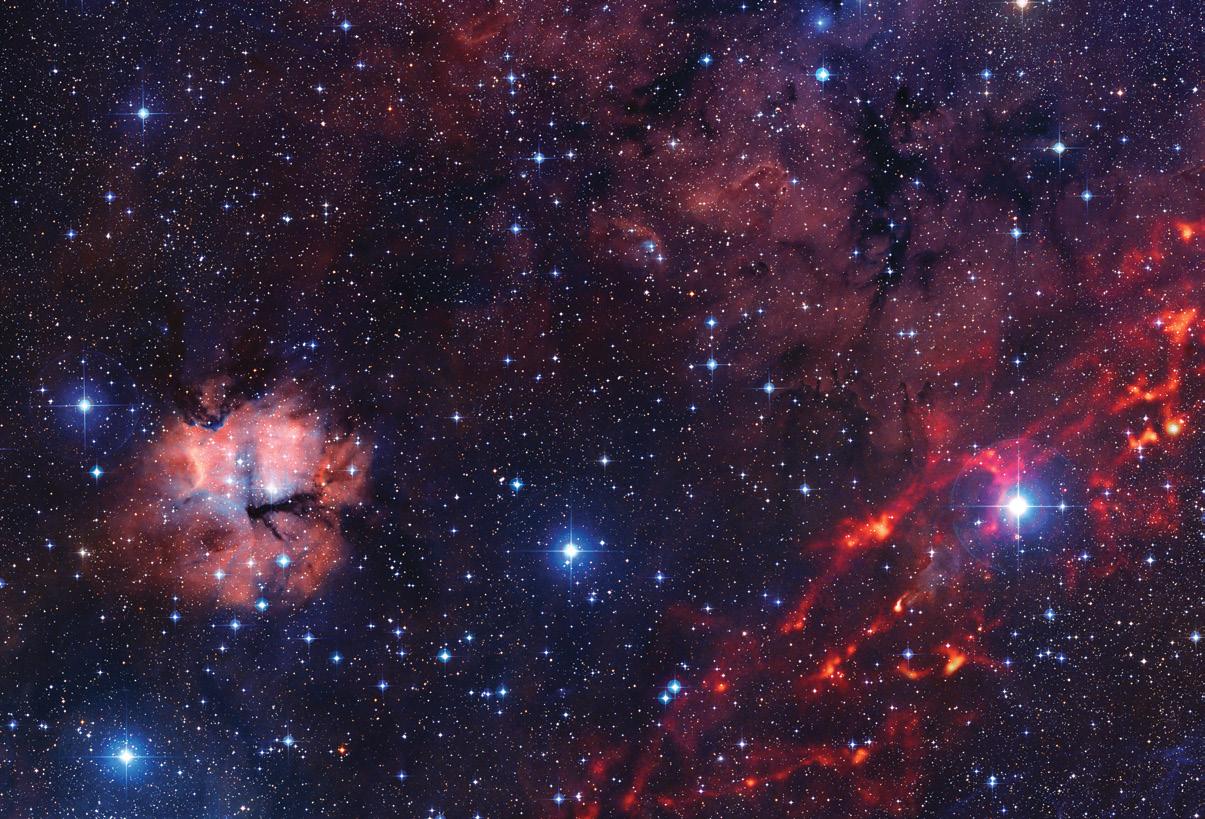
We usually think about stars as twinkly white lights, but if you stare at the stars on a dark night, you might be surprised to see some blue, red, brown, magenta, and orange hues too. Were your eyes playing tricks on you? No! Even a closer-up view of space shows that stars look like colorful confetti.
A star’s color depends on its temperature. The hottest stars, which measure 28,000 to 50,000 K (or 49,940.33 to 89,540.33 degrees Fahrenheit/27,726.85 to 49,726.85 degrees Celsius—that’s really hot!), appear deep blue. The coolest stars, which measure 2,000–3,500 K, look dark red. Stars that look bright white are about 7,500 to 10,000 K.
Stars begin to die when they run out of gas to burn and then slowly cool.
Do any of the first stars in the universe still exist?
Color in the star according to its temperature (K). Use the Star Classes chart for clues. Next, see if you can find each star in the sky at night.
One of the night sky’s brightest, Rigel can be found in the constellation Orion. Its name means “left leg of the giant” in Arabic. Rigel’s temperature measures about 11,000 K.
I spotted this star
Another star that forms Orion, Betelgeuse marks Orion’s shoulder. Its name comes from the Arabic bat al-jawza, which means “the giant’s shoulder.” Like its fellow Orion constellation point Rigel, Betelgeuse is also one of the night’s brightest, and its temperature is about 3,500 K.
I spotted this star
In the northern hemisphere, you can see Vega most easily in summer, as it makes up one point of the Summer Triangle. Vega’s temperature measures about 9,000 K.
I spotted this star
Best seen from Australia, Alpha Centauri A is a southern hemisphere fixture. It’s part of the Alpha Centauri star system, the closest to our Sun. Alpha Centauri A’s temperature measures about 5,800 K.
I spotted this star
Scientists put stars into these categories based on their color and temperature.
Our Sun is a class G star, with a surface temperature of about 5,800 K.
To find this star, just “follow the arc” of the Big Dipper away from the dipper. Arcturus means “guardian of the bear,” and it probably got that name because of how close it is to Ursa Major. Arcturus’s temperature is about 4,300 K.
I spotted this star
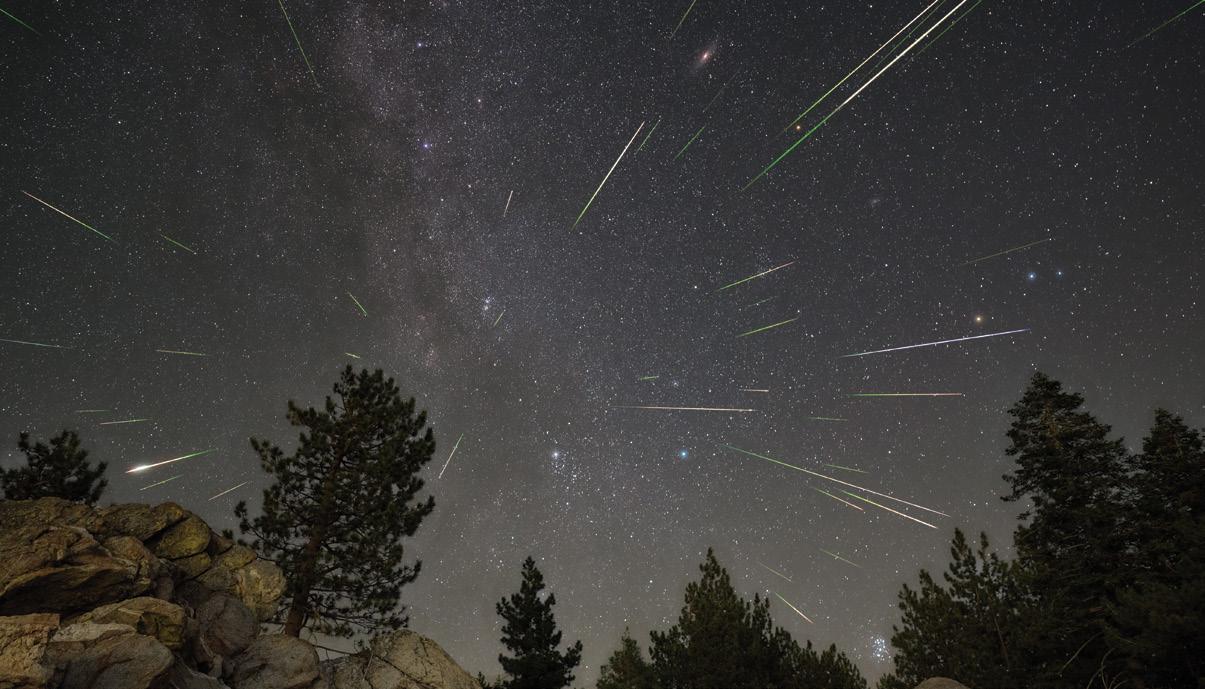
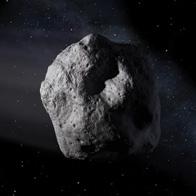
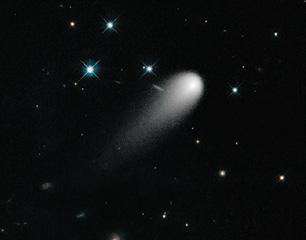
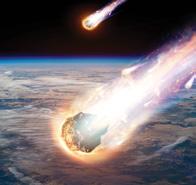
An angel swooping down from the heavens to help someone. Zeus throwing stones. A sign that someone will get married. A bad omen. Even a cure for pimples. Through the centuries, people have had many ideas about what shooting stars are and what they mean.
Now we know that shooting stars aren’t even stars at all. Most of the time, when we see a shooting star, we’re really seeing a meteor. Meteors start off as meteoroids. They’re bits of space rock, and they can be as tiny as a pebble or as big as a car. When meteoroids zoom into Earth’s atmosphere, they become meteors, burning up and creating light as they go. If the meteor doesn’t completely burn up on its way through the atmosphere, it becomes a meteorite—what we call those bits of space rock that make a landing.
Not every arc of light you see in the sky is a meteor. Comets are balls of dust and ice that go around and around the Sun. Sometimes, they swing close enough that we can see them from Earth. They have long tails and have been orbiting since the solar system formed about 4.6 billion years ago. Meteors may fall from a comet’s tail of ice and rock. Asteroids are meteoroids’ much larger space-rock relatives—a small asteroid is about as big as a school bus. A large one? The asteroid Lutetia is about 62 miles (100 km) around—you could run two back-to-back marathons around it.
Find these famous meteors, comets, and asteroids by searching for the bold words in the word search. Hint: Some words are backward.
The Perseids are a meteor shower —many meteors that fall at the same time—that you can see in August every year. You can find them near the constellation Perseus.
The biggest meteorite found on our planet is named Hoba . It weighs 119,000 pounds (54,000 kg) and was found in Namibia, where it still sits because it’s too heavy to move! P S G H S
The tail of the large comet SwiftTuttle creates the Perseid meteor shower. Earth passes through its tail as this comet orbits the Sun, which takes 133 years.
Ceres is the largest asteroid in our solar system’s asteroid belt (the space between Mars and Jupiter that’s filled with asteroids). It’s so big it’s also a dwarf planet. It’s 296 miles (476 km) around, about a third the size of Earth. The next biggest asteroid is Vega .

Have you ever looked up at the night sky and wondered, What’s out there? Inside this book you will find answers to your questions about outer space and our universe. How many stars are there? What’s inside a black hole? Can you walk on Jupiter? Learn which of these questions have answers and which are still total unknowns.
Plus, do fun space-related activities as you reach for the stars. Word searches, spot-the-difference, mazes, doodles, and more bring the heavens to life. Filled with out-of-this-world facts and interstellar science, this book is the perfect balance of space facts and fun!