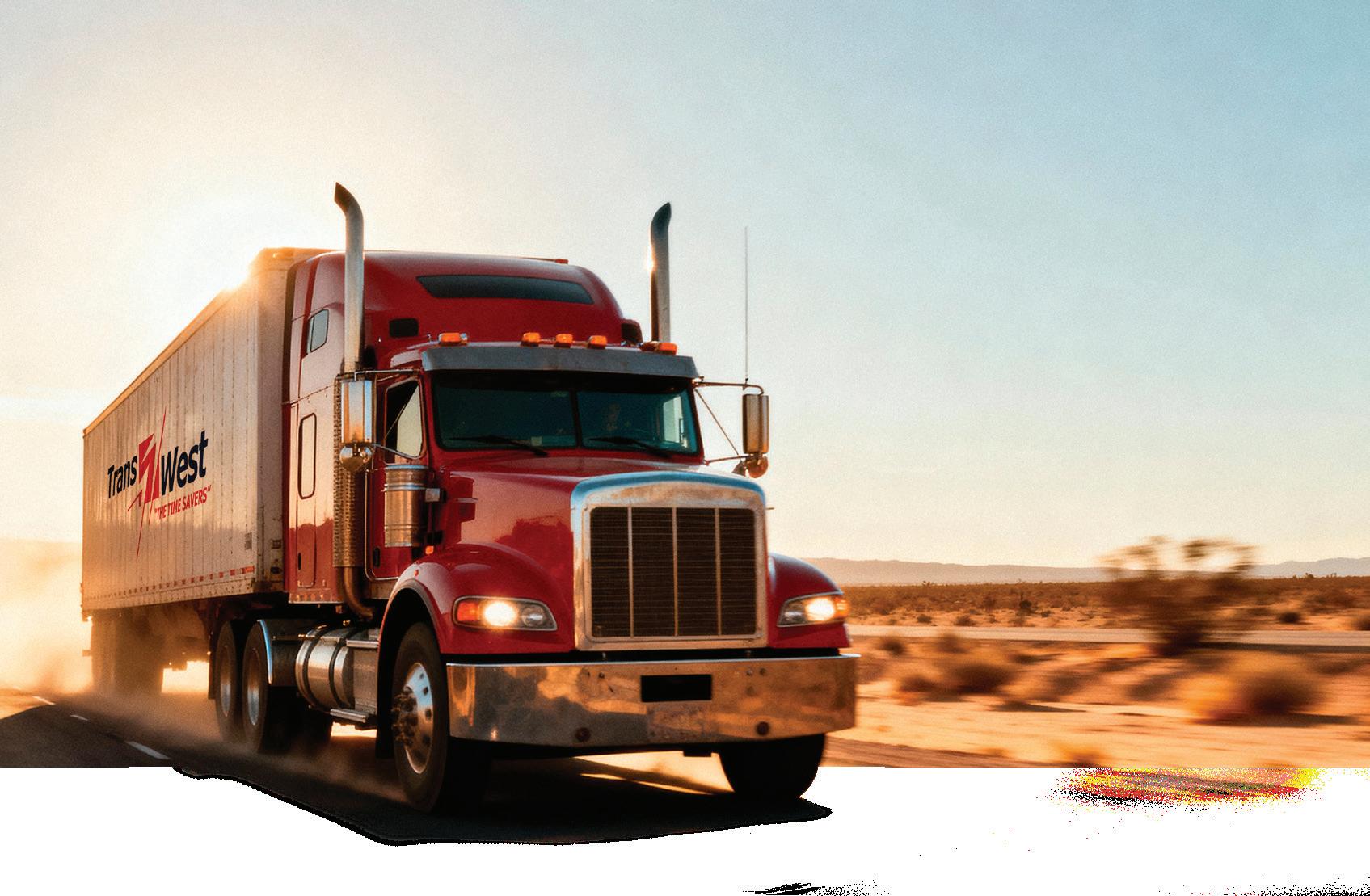
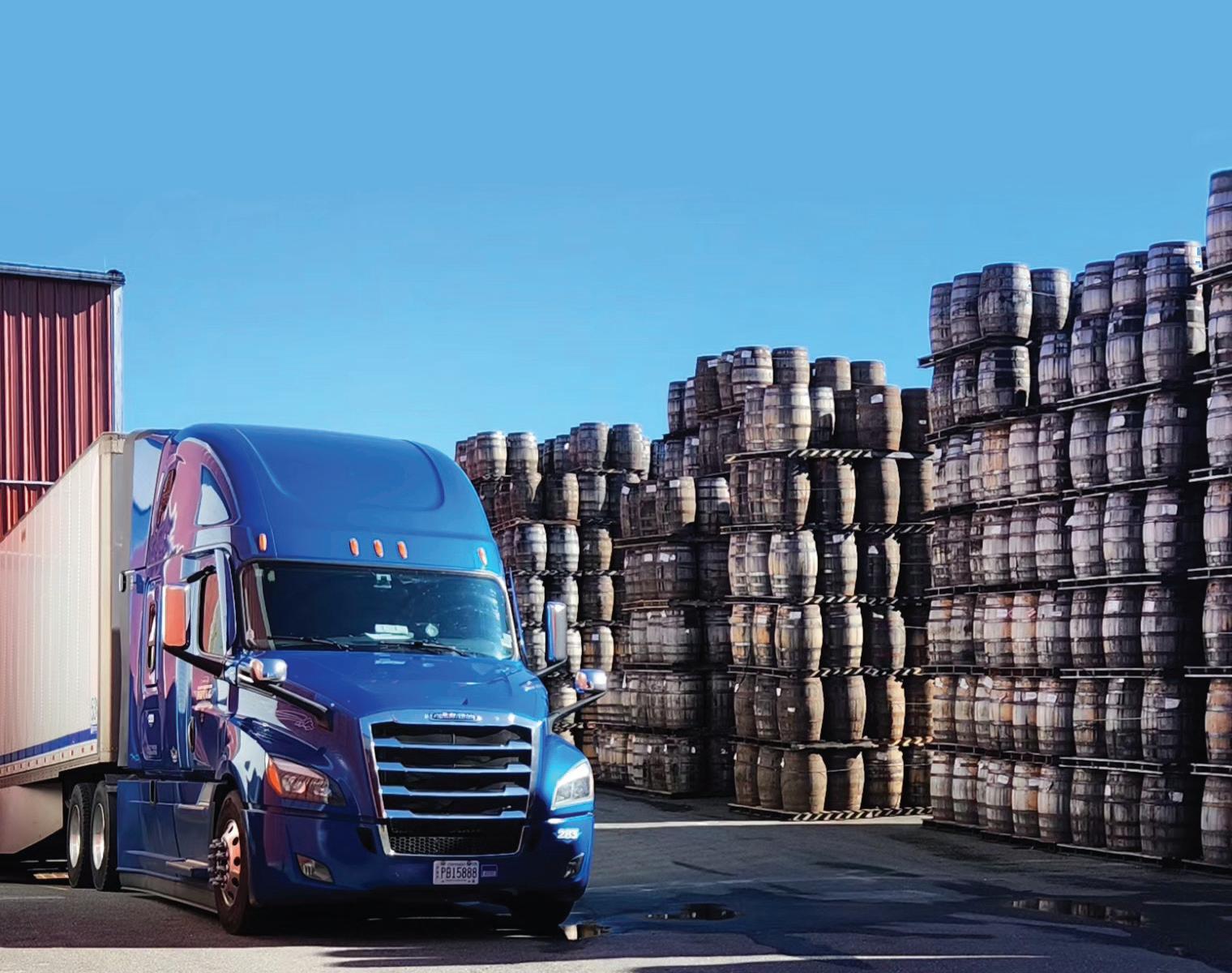
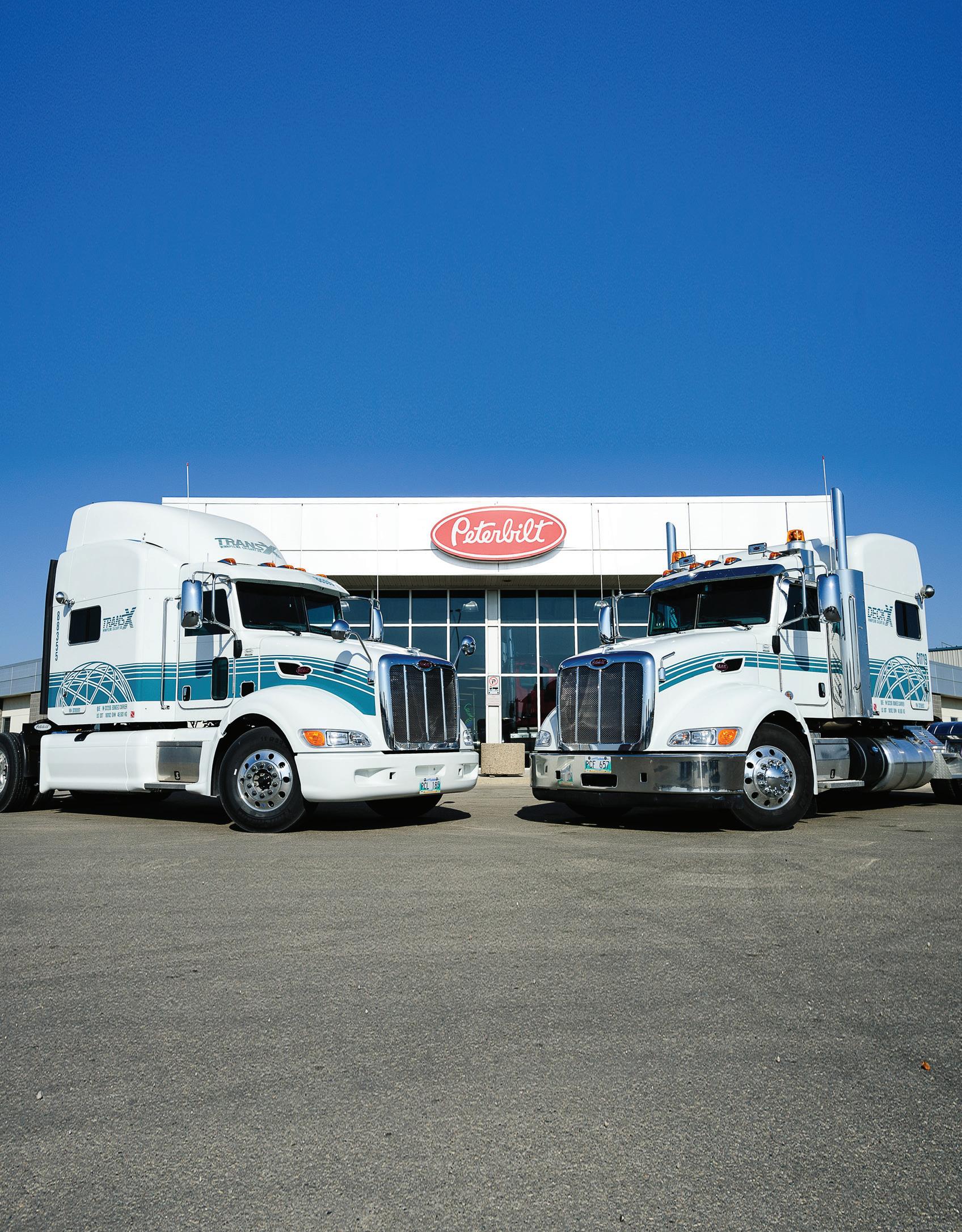
We’re hiring AZ Owner Operator Team Drivers for long-haul routes across Western USA & Western Canada. If you’re looking for a company that values efficiency, transparency, and driver success, we have the perfect opportunity for you!
Why Drive with Trans-West?
• Real Team Service Company – Easily run up to 20,000 miles/month
• Competitive Pay – Paid after each trip, direct deposit every Thursday (no holdbacks)
• Empty miles paid
• Fuel Surcharge – Provided and adjusted weekly
• Exclusive Fuel Discounts – Fuel card with full Trans-West discount
All advertisements, and/or editorials are accepted and published by Over the Road on the representation that the advertiser, its advertising company, and/or the supplier of the editorials are authorized to publish the entire contents and subject matter thereof. The advertiser, its advertising company, and/or the supplier of the editorials will defend, indemnify and hold Over the Road harmless from and against any loss, expense or other liability resulting from any claims or suits for libel, violation of privacy, plagiarism, copyright or trademark infringement and any other claims or suits that may rise out of publication of such advertisement and/ or editorials. Press releases are expressly covered within the definition of editorials.
Minimum
Robert D. Scheper
Two Keys to Basic Tax Management
If you want to be the most efficient Operator you can be, you must understand basic taxes. It sounds a lot more complicated than it is. Understanding basic taxes is easier than understanding a driver’s logbook. The primary difference is that drivers must look, examine and understand the implications of change in a logbook status DAILY. If they had to do their logbook once a year, or once a month, it would seem much more complicated. Taxes are done once a year and are the accumulation of hundreds of transactions that usually conclude with something different than expectations. It is the once-a-year scenario that stores the surprise ending!
Too many Operators (and businesspeople) manage their taxes based on what amount is left over in their business account. If there isn’t anything left... they mustn’t have made any (enough) money for taxes. That is a “flying blind” system. There are a mountain of assumptions and transactions that blur eventual reality. It often guarantees going from interest to interest, penalties to penalties and crisis to crisis.
The key to successful tax management is to follow two hard and fast rules: 1. Separate business finances from personal finances
and 2. Only draw after-tax funds from your business account.
The first step is to calculate your personal financial needs. As an example, using National Averages as a base for personal needs, you get about $5000 per month. As a corporation (which is what you SHOULD be operating with) you determine your monthly salary and calculate your monthly source deductions on that salary. Once calculated, submit monthly payments to CRA on your salary. It’s very important to remember not to have your salary too high; otherwise your corporation may show a LOSS and your monthly source deductions (on your salary) pays taxes on income you HAVE NOT MADE.
Determining what your salary should be is dependent on your use of Non-Taxable Benefits. 99% of all Operators DO NOT USE Non-Taxable Benefits. Their accountants use the TL2 simplified method instead. Due to this fact, they generally overpay monthly source deductions and therefore overpay taxes. Averages for NTB are about $3500$3800 per month, which would leave a salary of $1000-$1500 depending on the additional use of NTB Personal Vehicle for business use. NOTE: NEVER put a vehicle into your corporation; only charge your
corporation NTB cents per KM for use of your personal vehicle (I have an extensive PODCAST on this exact issue). A salary of even $1500 net will have source deductions of about $220-250 per month (depending on which Province). Once you receive your salary and NTB ($5000), all other funds stay in your corporation till the end of the year. If you are a National Average Operator, you should have $10-20,000 of taxable income at year-end.
If there is a personal emergency and you need $2000 (for example), you can take out $2K but take out an ADDITIONAL $1000 (1/3 of draw) and either lock it away for taxes or send it into CRA as prepayment of source deductions due at the end of the year. Other than that, never deviate from this formula. At year-end your accountant should show you your corporate income and advise you to bonus yourself the ENTIRE amount (to a maximum T4 of $72,000). Anything less than $72K MUST be T4’d. NEVER NEVER NEVER pay corporate taxes! If you do, it’s STUCK there. You cannot take it out cheaply. The most efficient way to take funds out of your corporation AFTER you paid corporate taxes is through dividends. The combination of corporate taxes and dividend taxes (paid personally) is HIGHER than if you would T4 yourself and submit source deduction on that bonus. On average, 95-97% of all Operators in Canada should NEVER pay Corporate Taxes and therefore will avoid paying dividends. Dividends is a VERY expensive route to build/collect after-tax wealth (for an Operator anyway).
The more disciplined you are in following this formula, the more efficient you are with your tax liability. It’s simple... unless you don’t like discipline.
If you have read this article this far, now you probably will be asking yourself if your accountant uses the TL2 or NTB. Using NTB saves $13,000 per year in taxes but requires strict adherence to the NTB regulations. If you wish to know more about what you may NOT be doing correctly, feel free to contact me. Proper information about what you are doing is key to saving taxes. Understand first, change and comply second.
If your accountant says it’s a hoax... take my advice... your ACCOUNTANT doesn’t care about your taxes or your success.
About the Author:
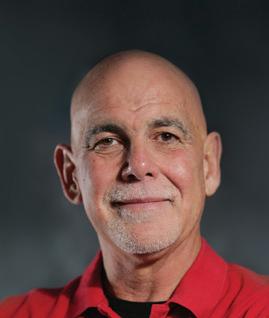
Robert D. Scheper is a leading Accountant and Consultant exclusively serving the Lease/ Owner Operator industry in Canada. His first book in the Making Your Miles Count series “taxes, taxes, taxes” was released in 2007. His second book “Choosing a Trucking company” is the most in-depth analysis of the independent operator industry today. He has a Master degree (MBA) in financial management and has been serving the industry since he and his wife came off the road in 1993. His dedication, commitment and strong opinions can be read and heard in many articles and seminars. You can find him at www.makingyourmilescount. com or 1-877-987-9787.
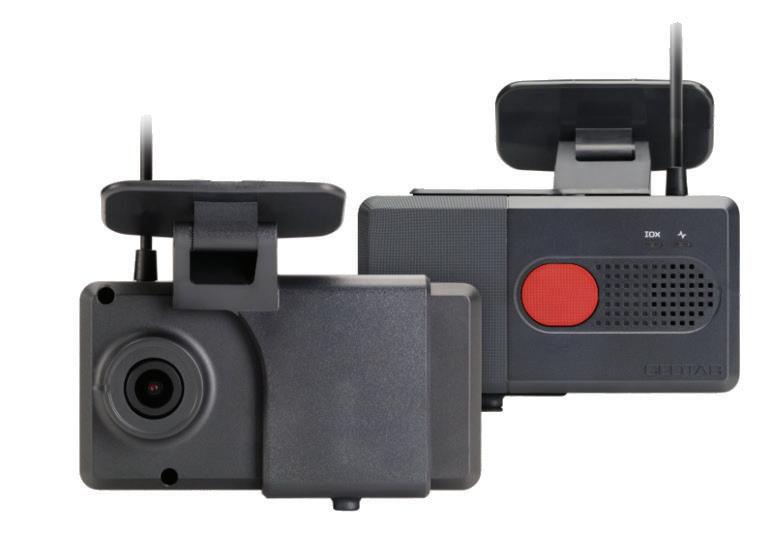
Our new Geotab Go Focus Camera Your fleet’s extra set of eyes on the road.
Intelligent safety alerts, event-driven recording and real-time insights help prevent collisions, protect drivers and cut fleet costs without invading privacy by recording only road-facing footage during specific key driving events.
Give GPS to Go Powered by Geotab a try, you won’t be disappointed.
We have been around for nearly 20 years; we are Canadian owned/ operated and we understand what customer service means!
SAFETY DAWG
Chris Harris
Four Ways to do Truck Driver Training
Have you noticed that some companies offer truck driver training, while others don’t? It’s puzzling. And here’s another question: why do trucking companies train drivers who already have their CDL? If the government says they’re trained enough, aren’t they already professional?
Let’s start with why trucking companies train. First, not all drivers who get their CDL are fully trained. Would you trust a mechanic who just graduated from school to rebuild your car’s engine? Of course not! You’d rather have a mechanic who’s been doing it for years and is super experienced. That’s why trucking companies train drivers, even those with their CDL. Experience is the best teacher, and it helps drivers become great professional operators on the road.
Now, why do trucking companies train drivers with years of experience? Well, there are a few reasons. First, we all get into bad habits, even experienced drivers. We’re human, and we like to take shortcuts. Training helps remind experienced drivers of the proper way to operate their massive trucks.
Did you know that companies are required by law to train their employees? This applies to everyone, not just truck drivers. Think about it, administrative assistants, managers, bankers, electricians, and even dock workers all need regular training from their employers.
When companies fail to train their drivers, they’re missing out on a huge opportunity. They could have a weaker case in court if they’re found to be negligent. And guess what? Insurance companies love to see proof of ongoing training. This
is one of the ways they evaluate trucking companies when they show that they’re committed to safety and reducing crashes.
What kind of training is best? There is the in-person large group meeting (usually on a Saturday morning), the online training (do it at your own pace and time), a tailgate meeting sometimes called a small group and one-to-one training.
So, which is the best way to train? Well, that’s all up to you. But I can tell you that one-on-one training is always my top pick. If we can learn that way, the training is usually better. You get more time to ask questions, and the instructor can easily see if you’re getting it. But there are also some huge advantages to online learning. You can do the training when it’s best for you, which is super convenient.
I don’t think there’s one perfect method of training. Each style has its own advantages. For example, group meetings are cost-effective, especially if you bring in a guest speaker. Many use a combination of all of them.
Companies that train regularly have fewer crashes. It’s a simple fact. When employees know what’s expected of them, they perform better. Training gives them clear guidelines and helps them meet those expectations.
We train because it’s the law, but we also train because it saves lives. That’s the best reason of all.