

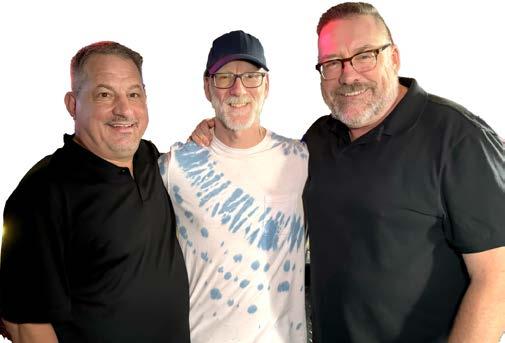
by Ron Tackitt
This year, we put together what we called our Pure Pride series: four issues celebrating different parts of our community and our shared experiences. We started with Senior Pride, which has now become an annual tradition. Then came our two Sacramento Pride issues. Now we close the series with Pride History.
There is nothing particularly earthshattering in these pages. In fact, much of what you’ll find here may already be familiar. But I think some things are worth revisiting from time to time.
As one generation gives way to the next, it becomes easier to forget what came before. That’s not a criticism—it’s simply the way time works. Many younger LGBTQ+ people have grown up in a world with greater visibility, acceptance, and opportunity than previous generations could have imagined. That’s progress, and it’s something worth celebrating. At the same time, it’s important to remember how we got here.
The political and social climate today can feel increasingly hostile toward LGBTQ+ people. Rights and protections that once seemed settled are being questioned. Long-standing debates have resurfaced. While the faces and headlines may change, the underlying struggle often feels familiar.
This issue isn’t about dwelling on the past. It’s about remembering it.
Within these pages, we revisit some of the moments, people,
and movements that helped shape our community. We look back at what we endured, what we fought for, and what we accomplished together. Not because history should define us, but because it helps us understand where we have been and where we may be headed.
The truth is that most LGBTQ+ people are simply trying to live authentic lives. We want
freedom to be ourselves, to love who we love, and to participate fully in our communities without fear or apology.
So, before you return to the endless cycle of doom-scrolling and headlines, we hope you’ll spend a few minutes with us. Outword has never claimed to be the final word on anything. What we can do is celebrate the remarkable resilience, creativity, and determination of a community that has overcome more than many
Most of all, we hope this issue reminds you to take pride in what has been achieved. Our history matters. Our stories matter. And no administration, politician, or passing cultural trend can take away the contributions LGBTQ+ people have made to our communities, our country, and our lives.


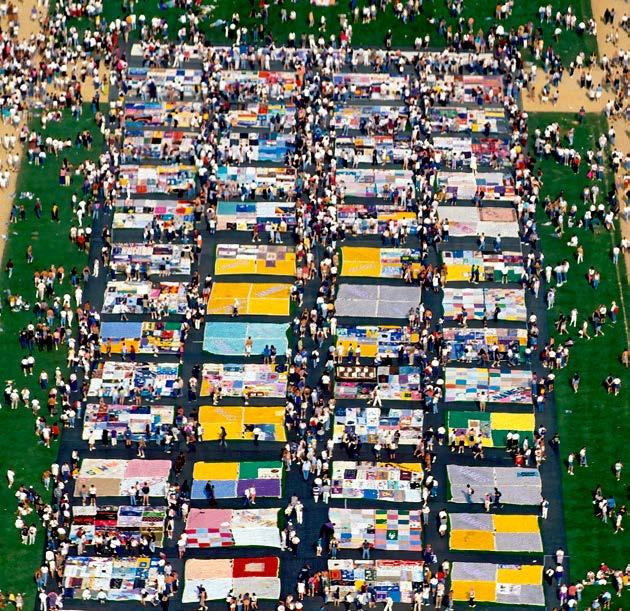
The AIDS Memorial Quilt began as an act of grief, remembrance, and resistance. In 1985, at the height of the AIDS epidemic, activist Cleve Jones invited people to create fabric panels honoring loved ones lost to AIDS. What started as a handful of handmade tributes soon grew into one of the largest community art projects in history.
When the Quilt was first displayed on the National Mall in Washington, D.C., in 1987, it contained nearly 2,000 panels and covered a space larger than a football field. Visitors walked among the names, photographs, favorite shirts, and personal mementos stitched into the fabric, transforming statistics into stories. At a time when many people living with AIDS faced stigma and silence, the Quilt demanded that the nation see the human cost of the epidemic.
Today, the AIDS Memorial Quilt includes more than 50,000 panels commemorating over 110,000 individuals. While advances in treatment have changed the landscape of HIV and AIDS, the Quilt’s mission remains as important as ever. It serves as a powerful reminder of lives lost, families changed, and communities that fought for dignity, healthcare, and equality during one of the most devastating public health crises in modern history.
The Quilt has also evolved with the times. Much of the collection has been digitized, making it accessible to people around the world. New panels continue to be created, ensuring that the stories of those affected by HIV/AIDS are not forgotten. Educational programs, exhibitions, and community displays keep the Quilt relevant for younger generations who may not have lived through the epidemic’s darkest years.
More than four decades after its creation, the AIDS Memorial Quilt remains a living memorial—part history lesson, part work of art, and part call to remember. Its message is simple but enduring: every name matters, every life mattered, and every story deserves to be told.


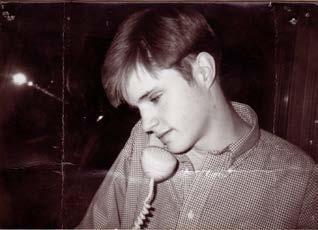
More than 25 years after his death, Matthew Shepard remains one of the most recognizable figures in the history of LGBTQ+ civil rights in the United States.
In October 1998, Shepard, a 21-year-old student at the University of Wyoming, was brutally attacked near Laramie. He was found severely injured and later died from his wounds. The crime shocked the nation and drew international attention to the violence and discrimination faced by LGBTQ+ people.
At a time when conversations about hate crimes and LGBTQ+ equality were far less common in mainstream America, Shepard’s death became a catalyst for change.
Vigils were held across the country, community organizations mobilized, and lawmakers faced increasing pressure to strengthen protections against bias-motivated violence.
The most significant legislative outcome came in 2009 when President Barack Obama signed the Matthew Shepard and James Byrd Jr. Hate Crimes Prevention Act into law. The landmark legislation expanded federal hate-crime protections to include crimes motivated by a victim’s sexual orientation, gender identity, disability, or gender.
Shepard’s legacy also lives on through the work of the Matthew Shepard Foundation, established by his parents, Judy Shepard and Dennis Shepard. The organization continues to promote LGBTQ+ equality, inclusion, and education while working to combat hate in all its forms.
Today, Matthew Shepard is remembered not only as a victim of a terrible crime, but as a symbol of resilience and progress. His story serves as a reminder of how far society has come—and why the ongoing work toward equality and acceptance remains as important as ever. For more information about Matthew and how you can help in his name, visit The Matthew Shepard Foundation’s website.
Has the United States ever had a president who identified as LGBTQ+? It’s one of those questions that lives somewhere between historical mystery and modern political curiosity. While no U.S. president has publicly identified as gay, bisexual, or transgender, historians have spent decades examining the personal lives and relationships of several presidents whose stories continue to spark debate.
The name most often mentioned is probably James Buchanan, America’s only lifelong bachelor president. Buchanan shared a home in Washington for years with Senator William Rufus King, and the two were the subject of plenty of gossip during their lifetimes. Political opponents nicknamed King “Miss Nancy” and Buchanan’s “better half.” Whether their relationship was romantic, however, remains impossible to prove. Some historians believe it may have been; others argue that close same-sex friendships were more common and openly affectionate in the 19th century than they are today.
Another name occasionally discussed is Abraham Lincoln. Before his marriage, Lincoln shared a bed for several years with close friend Joshua Speed. Modern readers sometimes view that arrangement through a contemporary lens, but historians note that bed-sharing was common in frontier America, where accommodations were limited. While some writers have suggested deeper feelings may have existed, there is no historical consensus.
A few other presidents have inspired speculation over the years, but evidence tends to be thin and often relies more on rumor than documented fact.
What makes these conversations fascinating isn’t necessarily whether a president was secretly LGBTQ+. Rather, they highlight how ideas about sexuality, identity, friendship, and privacy have changed over time. Labels we use today didn’t exist in the same way for much of American history, making it difficult—and sometimes impossible—to neatly categorize historical figures.
So, has America already had an LGBTQ+ president? The honest answer is that nobody knows for certain. But history’s unanswered questions continue to remind us that the stories of LGBTQ+ people have always been woven into the American experience, even when the record leaves room for interpretation.
When Allied forces liberated Nazi concentration camps in 1945, most surviving prisoners were finally free. For many men imprisoned under the Nazis’ anti-homosexual laws, however, liberation did not bring immediate justice.
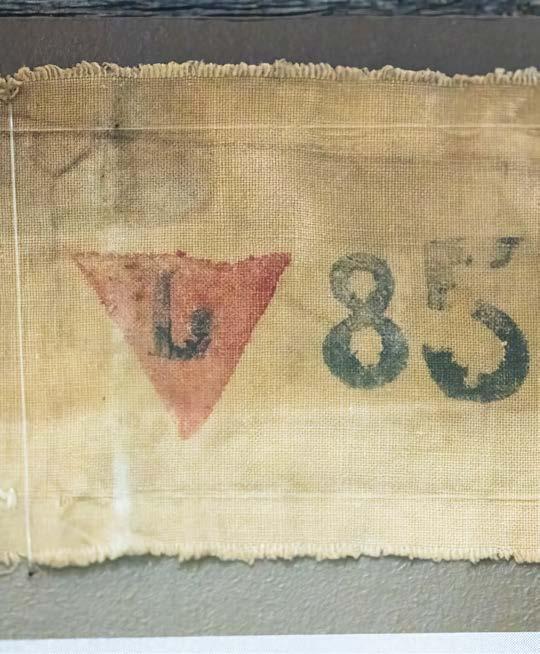
photo: Karolis Kavolelis / Shutterstock.com
Under Germany’s infamous Paragraph 175, sexual relations between men were criminalized. During the Nazi era, thousands were arrested, and many were sent to prisons and concentration camps, where they were forced to wear a pink triangle on their uniforms. The symbol identified them as homosexual and often subjected them to especially brutal treatment.
When the war ended, these survivors faced a harsh reality. Unlike many other victims of Nazi persecution, they were often not recognized as victims by the governments that followed. Paragraph 175 remained in force in Germany, and some men were even required to complete prison sentences that had been interrupted by their incarceration in concentration camps.
The problem extended beyond Germany. Across much of Europe, including Great Britain, homosexuality remained illegal for years or even decades after the war. LGBTQ+ people continued to face arrest, imprisonment, discrimination, and social stigma. Rather than returning to welcoming societies, many pink-triangle survivors found themselves living in countries where the very identity for which they had been persecuted was still considered a crime.
For decades, these survivors received little public recognition, compensation, or support. Their stories remained largely absent from Holocaust remembrance and historical accounts. Beginning in the 1970s, LGBTQ+ activists reclaimed the pink triangle as a symbol of remembrance and resistance. During the AIDS crisis of the 1980s, it became an internationally recognized emblem of activism, transforming a mark of hatred into one of pride and resilience.
Today, the pink triangle serves as a powerful reminder of a painful truth: for many LGBTQ+ people, the end of World War II did not mean the end of persecution. Their struggle for dignity, recognition, and equality continued long after the camps were liberated, making the pink triangle not only a symbol of history, but also of survival and perseverance.

2025 has been a wild and emotional ride for the LGBTQ+ community. Rights have been rolled back, language erased, and symbols stripped away—often boldly and without apology. But through every attempt to silence us, the response has been louder and more unified. From protests in the streets to quiet acts of defiance in classrooms and city halls, the fight hasn’t stopped. And neither has the joy. In the face of erasure, we keep showing up, creating space, and moving forward together.
In January 2025, President Donald Trump signed executive orders dismantling federal diversity, equity and inclusion, (DEI) programs. These orders eliminated DEI positions across federal agencies, revoked antidiscrimination requirements for federal contractors, and directed agencies to cancel grants or initiatives tied to DEI efforts. The rollback effectively stripped support for programs promoting inclusive hiring, anti-bias training, and protections for marginalized communities—including LGBTQ+ individuals—marking one of the most sweeping reversals of DEI policy in U.S. history.
Out of Women’s Sports,” requiring all educational institutions receiving federal funding to ban transgender women and girls from participating in female sports teams. The administration framed the move as a way to “protect fairness” under Title IX, redefining sex-based protections as exclusive to those assigned female at birth. The order immediately drew backlash.
The Trump administration ordered the National Park Service to revise the Stonewall National Monument’s online materials by removing references to “transgender” and “queer,” replacing “LGBTQ+” with “LGB.” This move, part of a broader effort to “restore truth” in federal historical narratives, sparked immediate backlash and a protest at Stonewall, where over 1,000 people gathered to condemn what advocates called a clear attempt to erase queer and trans history.
Argentina’s President Javier Milei issued a decree banning gender-affirming care for minors, including puberty blockers, hormone therapy, and surgeries. The new policy reversed elements of Argentina’s landmark 2012 Gender Identity Law, which had previously granted expansive rights to trans individuals, including youth. The restriction has been widely condemned by human rights advocates.

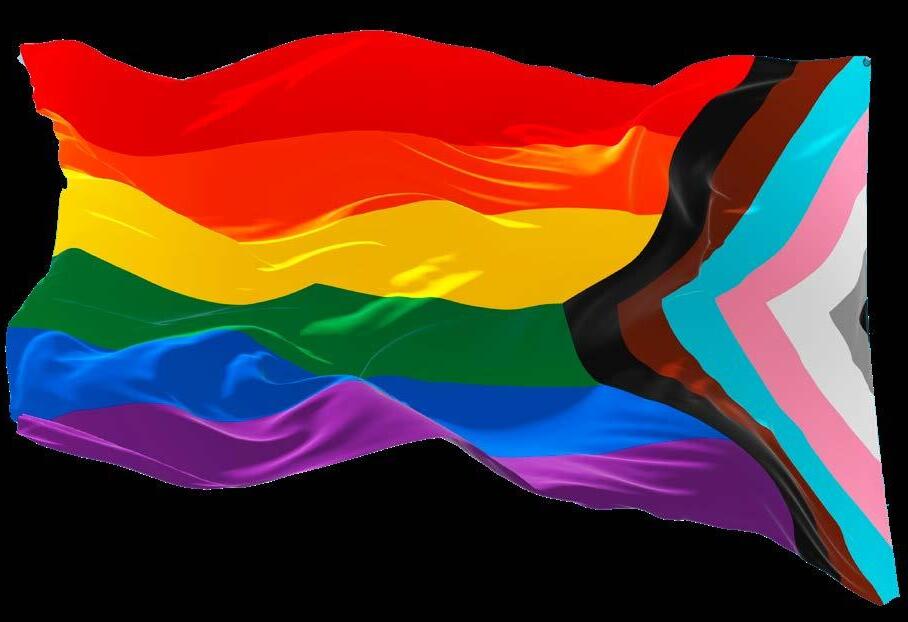
perceived as promoting diversity, equity, and inclusion, the Defense Department directed the removal of materials referencing the historic WWII bomber Enola Gay—notably because its name contains the word “Gay.” This directive, stemming from an executive order under the previous administration, led to thousands of images and posts being flagged for deletion.
Utah made history as the first U.S. state to enact a law banning the display of pride and other “ideological” flags in public schools and government buildings. Critics took this as a form of censorship that risks erasing LGBTQ+ visibility and undermining free expression in public institutions. In an act of defiance, Salt Lake City designated new official city banners featuring rainbow and trans flag themes, thereby preserving LGBTQ+ symbolism under municipal authority for transgender representation in federal government.
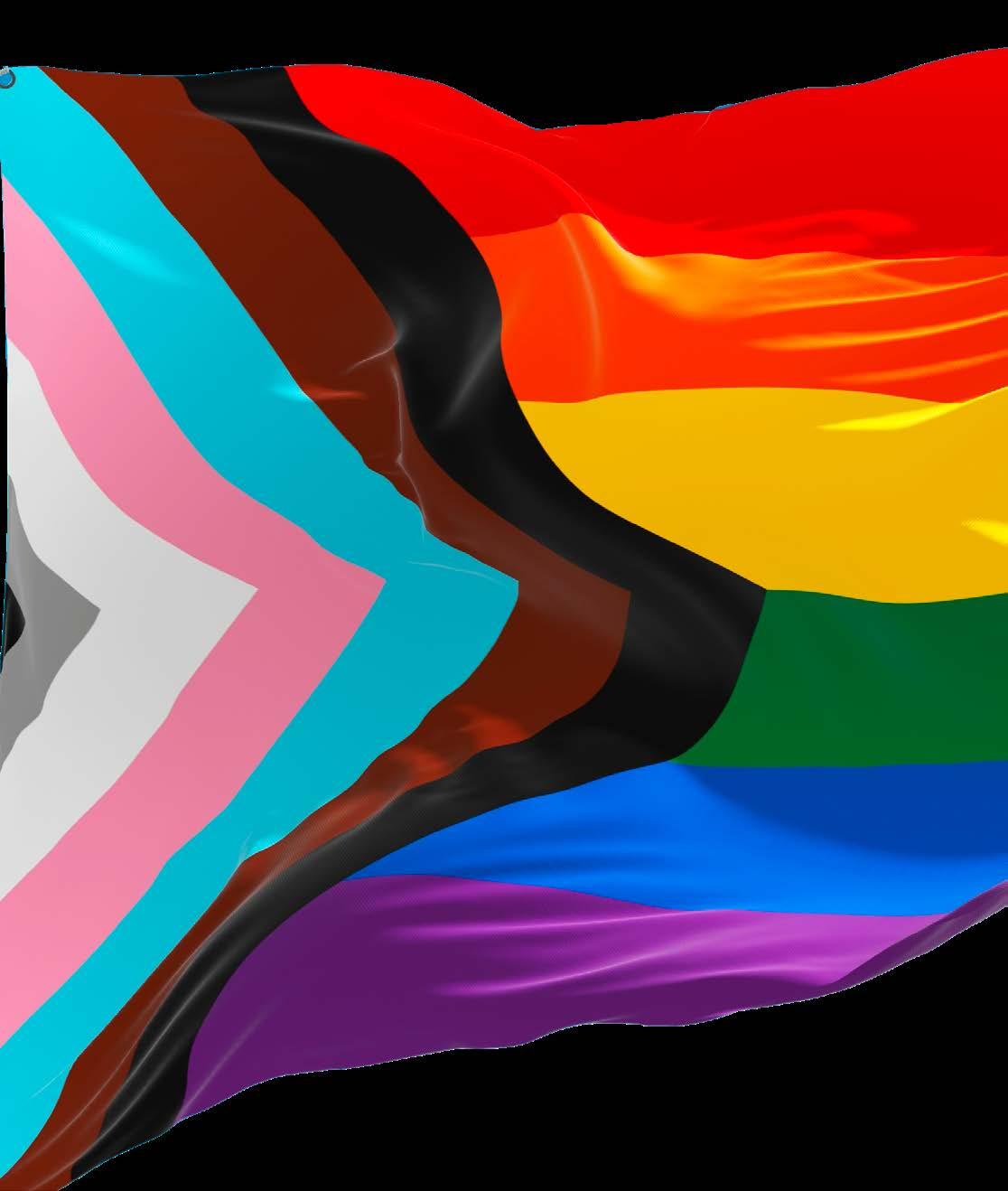
on transgender individuals serving in the U.S. military. The order, framed as a move to strengthen “military readiness,” bars enlistment and service by anyone diagnosed with gender dysphoria or who has undergone gender transition, and requires current service members to adhere to policies based on their sex assigned at birth. While a federal court initially blocked the order, the U.S. Supreme Court allowed it to take effect in May 2025 during ongoing legal appeals. Since then, branches of the military have begun enforcing the ban, halting new transgender enlistments and reviewing the status of active-duty trans personnel—prompting strong backlash from LGBTQ+ advocates and civil rights organizations.
single-day protest President Trump’s second-term agenda, with over 500,000 participants gathering at more than 1,200–1,400 sites across all 50 U.S. states. Organized by a coalition of groups including Indivisible, MoveOn, labor unions, civil rights organizations, and LGBTQ+ advocates, demonstrators rallied against federal cuts to Social Security, education, and healthcare, as well as attacks on immigrant and transgender rights.
Lauren Chan made history as the first out lesbian to appear solo on the cover of Sports Illustrated Swimsuit. A plus-size model, fashion entrepreneur, and former magazine editor, Chan’s feature marks a powerful moment for LGBTQ+, Asian American, and body-inclusive representation in mainstream media.

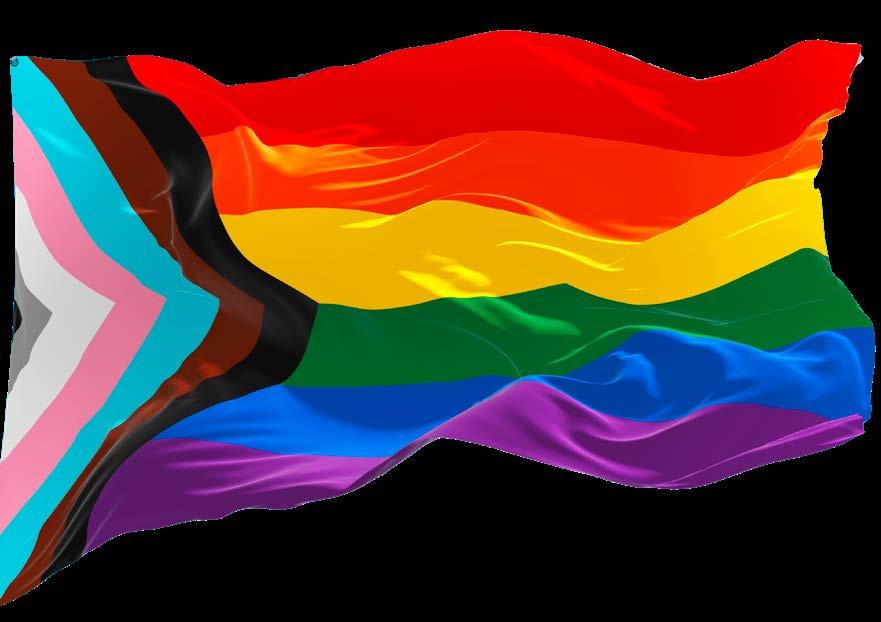
In June 2025, President Trump directed the Pentagon to rename the USNS Harvey Milk, a Navy ship originally named in honor of the slain gay rights activist and Navy veteran. Defense Secretary Pete Hegseth announced the change as part of a broader effort to “restore warrior culture” in the military. The decision, made during Pride Month, sparked widespread backlash from LGBTQ+ advocates who viewed it as an intentional erasure of queer history and service.
On June 14, 2025, millions of people gathered in over 2,100 cities for the “No Kings” protests—a bold, defiant response to rising authoritarianism and the growing list of freedoms under threat. From Pride flags to clever signs and marching bands, the day saw a mix of voices standing up for democracy, decency, and basic human rights. While most protests were peaceful, a tragic incident in Salt Lake City served as a stark reminder of the stakes. Still, the overwhelming tone was one of unity, resilience, and a shared message: we’re not backing down.
love stories.
Transgender Awareness Week and Transgender Day of Remembrance saw record participation nationwide as communities gathered for vigils, educational events, and rallies honoring transgender lives lost to violence.
Drag queen and environmental advocate Pattie Gonia captured national attention by hiking 100 miles through the Colorado Rockies in full drag to raise funds for LGBTQ+ and environmental organizations. The campaign raised more than $1 million in under a week, inspiring tens of thousands of supporters and demonstrating the power of visibility, community activism, and collective giving in support of LGBTQ+ people across the country.
communities. The project debuted with more than $400,000 raised through her 2025 pop-up shows, providing critical funding to organizations offering resources, advocacy, and support for trans young people during a challenging political climate.
The Heritage Foundation, the organization behind Project 2025, sparked widespread concern after petitioning the FBI to classify so-called “Transgender IdeologyInspired Violent Extremism” as a domestic terrorism threat. LGBTQ+ advocates, civil rights groups, and researchers condemned the proposal as an attempt to stigmatize and criminalize transgender people, warning that it further fueled anti-trans rhetoric during an already challenging year for the community.
November 2025, Jonathan Bailey became the first openly gay man named People magazine’s Sexiest Man Alive.
January 2026 – Cynthia Erivo Makes History Hosting the Grammy Awards Openly queer performer and LGBTQ+ advocate Cynthia Erivo became the first Black queer woman to host the Grammy Awards. Her role was celebrated as a milestone for LGBTQ+ representation in mainstream entertainment and highlighted the growing visibility of queer artists in major cultural institutions.
The 2026 Milan-Cortina Winter Olympics featured the largest number of openly LGBTQ+ athletes in Winter Games history, with approximately 49–50 out competitors representing at least 14 countries. LGBTQ+ athletes won a record number of medals, with 19 athletes earning 11 medals across multiple sports, including gold medals in figure skating, alpine skiing, freestyle skiing, and women’s hockey. The Games also featured historic milestones, including Conor McDermottMostowy becoming the first openly gay male speedskater to compete at the Olympics and Swedish skier Elis Lundholm becoming the first openly transgender athlete to compete in the Winter Games. The record-breaking participation highlighted the growing visibility and impact of LGBTQ+ athletes on the world stage.
February 2026 – Trump Calls for Restrictions on Social Transitioning in Schools During his annual State of the Union address, President Donald Trump called on states and school districts to prohibit transgender and nonbinary students from socially transitioning at school without parental consent. The proposal targeted practices such as using a student’s chosen name, pronouns, or gender identity in educational settings.
Over the past year, the LGBTQ+ community has faced a difficult political climate, with ongoing debates over transgender rights, healthcare access, and legal protections. Yet amid these challenges, there have also been important victories in the courts, growing support from local communities, and continued progress toward equality.
Public support for LGBTQ+ nondiscrimination protections remains strong, reflecting a broader commitment to inclusion and fairness. While the road ahead may be uncertain, the resilience and strength of the LGBTQ+ community continue to inspire hope and drive meaningful change.


The Stonewall National Monument has been named to the National Trust for Historic Preservation’s 2026 list of America’s 11 Most Endangered Historic Places, amid growing concerns that federal actions are erasing key parts of LGBTQ+ history.
Designated in 2016, Stonewall was the first U.S. national monument dedicated to LGBTQ+ history and remains one of the nation’s most significant sites connected to the LGBTQ+ civil rights movement. The site commemorates the 1969 Stonewall Uprising, widely recognized as a turning point in the modern fight for LGBTQ+ equality.
The National Trust noted that Stonewall’s inclusion on the 2026 list reflects concerns about the preservation of the site’s historical narrative, citing the removal of transgender references from official materials and other actions that advocates say distort the history of the 1969 uprising.
Advocates say recent federal actions threaten the monument’s ability to tell the full story of the uprising. According to preservation groups, interpretive materials at the site were altered to remove references to transgender participants in the Stonewall rebellion, and the Pride flag was temporarily removed before being restored following legal action. Critics argue those changes undermine the monument’s educational mission and diminish the contributions of transgender and queer Americans to U.S. history.
The designation comes as LGBTQ+ organizations continue pushing back against broader federal efforts they say censor LGBTQ+ history and visibility. Those efforts include the removal of LGBTQ+ content from government websites, cuts to grant funding for LGBTQ+ projects, and the elimination of “T” and “Q” references from some official materials.
“This is about protecting the full and factual story of Stonewall,” said Carol Quillen, president and CEO of the National Trust for Historic Preservation. “Today, bravery is again required to ensure the full story of the Stonewall Uprising is told at the National Monument, including the roles of transgender and gender-nonconforming people in the events of 1969.” Groups including the National Parks Conservation Association, the NYC LGBTQ Historic Sites Project, and Making Gay History say continued advocacy will be necessary as the monument approaches the 10th anniversary of its designation. Supporters argue that preserving Stonewall’s full story is essential not only for New York, but for understanding LGBTQ+ history across the nation.
resource: Fresno State Today.
Asignificant piece of California’s LGBTQ+ history is getting the attention—and preservation—it deserves. Fresno State Library’s Special Collections Research Center has received a $126,000 grant from the California State Library to expand the Central Valley Rainbow Archives, an ambitious project dedicated to documenting and preserving the LGBTQ+ experience in California’s Central Valley.
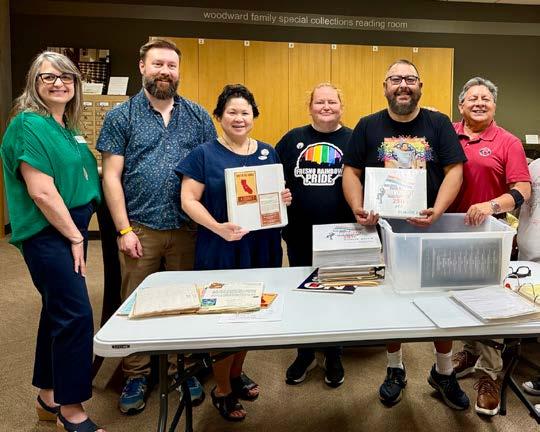
Established in 2014, the archive is already an important resource, but the new funding will dramatically increase its reach. A major focus of the project is the preservation of materials collected by the late Jeffery Robinson, a longtime Fresno LGBTQ+ activist and community historian. His collection spans more than 50 years and includes photographs, oral histories, Pride parade videos, HIV/AIDS community records, bar memorabilia, activism materials, and rare LGBTQ+ newspapers that chronicle life in the region.
The archive is especially notable because it is the first public academic archive dedicated specifically to LGBTQ+ history in California’s San Joaquin Valley. Organizers hope it will help preserve stories that have often been overlooked in traditional historical records.
The project is a collaboration between Fresno State, the local LGBTQ+ history organization Qistory, and Trans-E-Motion, a transgender advocacy and support group serving Fresno and Madera counties. In addition to preserving historical materials, the grant will fund workshops on archiving and oral history, allowing community members, students, and local LGBTQ+ organizations to help build the collection.
At a time when LGBTQ+ history is increasingly under scrutiny in some parts of the country, the Central Valley Rainbow Archives serves as a reminder that these stories matter. Thanks to this grant, future generations will have greater access to the people, places, struggles, and celebrations that helped shape LGBTQ+ life in California’s heartland.
For more information, visit Fresno State Today.


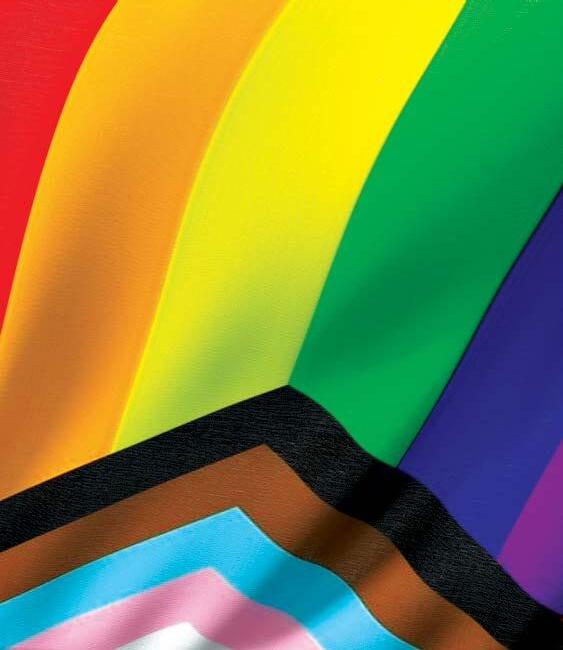
The Progress Pride Flag has become one of the most recognizable symbols of the LGBTQ+ community. Building on the classic rainbow flag created by Gilbert Baker in 1978, the Progress Pride Flag was designed to highlight communities whose experiences have often been overlooked, while preserving the original meaning behind the rainbow colors.
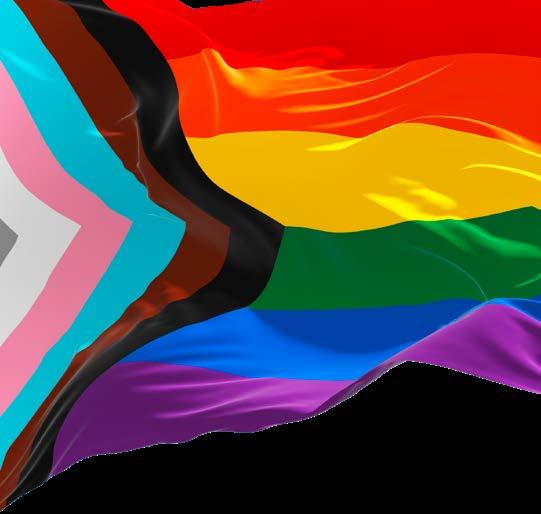

The six horizontal stripes retain the symbolism of Baker’s original design. Red represents life, orange symbolizes healing, yellow stands for sunlight, green reflects nature, blue represents harmony, and purple signifies spirit. Together, these colors celebrate the diversity, resilience, and joy of LGBTQ+ people.
The chevron, or arrow-shaped section on the left side of the flag, adds additional layers of meaning. The pink, light blue, and white stripes come from the Transgender Pride Flag and honor transgender, nonbinary, and gender-diverse individuals. Their placement at the forefront of the design acknowledges both the challenges and contributions of the trans community.
The black and brown stripes represent LGBTQ+ people of color and recognize the important role Black, Indigenous, and other communities of color have played in the fight for equality. The black stripe is also often interpreted as honoring those lost to HIV/AIDS and the ongoing impact of the epidemic.
The arrow points forward, symbolizing progress. It serves as a reminder that while much has been achieved, the work of building a more inclusive and equitable world continues.



•2 Convenient Locations •Evening Appointments Available •Open Saturdays •PEP and PREP •We are proud to be Telehealth Providers
GREENHAVEN
7248 SOUTH LAND PARK DR. #205 SACRAMENTO, CA 95831
APPOINTMENTS: 916-392-4000 WEST SACRAMENTO
2101 STONE BLVD., SUITE 190 WEST SACRAMENTO, CA 95691 APPOINTMENTS: 916-371-4939
Please Follow Us on Facebook: @RiverBendMed and Check Out Our Website: www.rbmafamilydocs.com
Sierra Donor Services proudly joins communities across the nation by celebrating Pride Month in June, honoring the contributions of the LGBTQ+ community, highlighting the impact of the HIV Organ Policy Equity (HOPE) Act, and raising awareness about the critical role organ donation plays in saving lives across all communities.
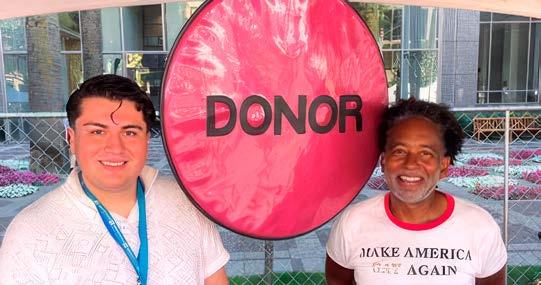
As an organization dedicated to saving lives through organ, eye, and tissue donation, Sierra Donor Services is committed to serving communities with compassion, respect, and integrity. We strive to ensure that every individual and family is treated with dignity throughout the donation process.
The HOPE Act, signed into law in 2013, expanded opportunities for organ donation by allowing organs from donors with HIV to be transplanted into recipients living with HIV. The law marked a significant advancement in transplantation medicine and increased access to life-saving organs for patients awaiting transplants. Since then, hundreds of HOPE Act transplants have been performed safely across the United States, helping reduce barriers and expand opportunities for donation and transplantation.
“Pride Month is a time to recognize the importance of treating one another with compassion, respect, and understanding,” said Sean Van Slyck, Chief Executive Officer of Sierra Donor Services. “The HOPE Act demonstrates how advances in medicine, research, and public policy can create new pathways of hope for patients waiting for a transplant. We are committed to supporting our employees and serving our communities with a shared commitment to saving and healing lives.”
Sierra Donor Services encourages employees, partners, donor families, transplant recipients, and community members to reflect on the values of compassion and dignity.
Sierra Donor Services continues to serve communities throughout Northern California, Nevada, and New Mexico. For more information visit their website.
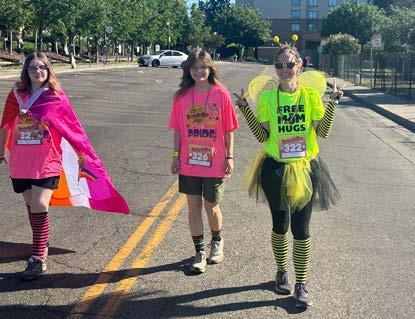
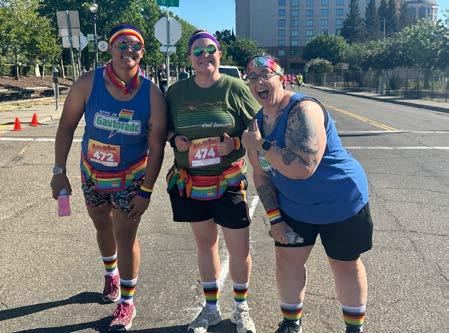
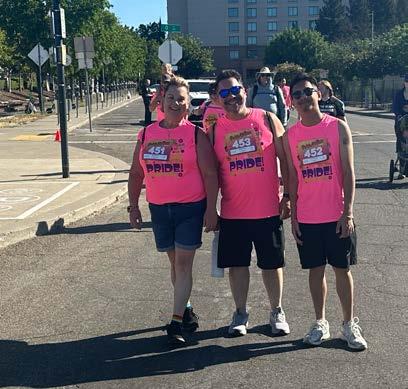
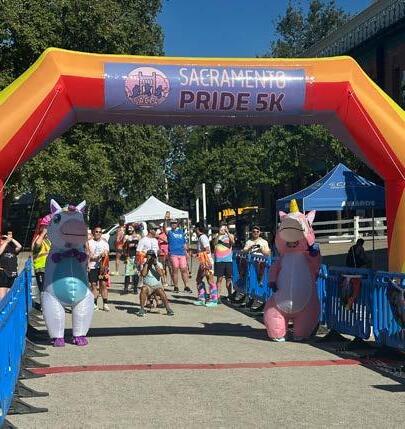
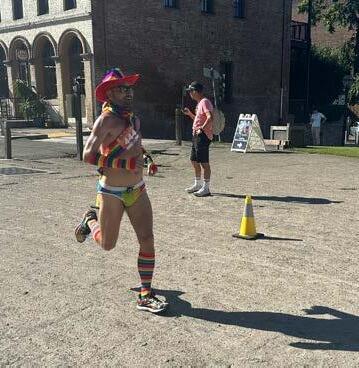
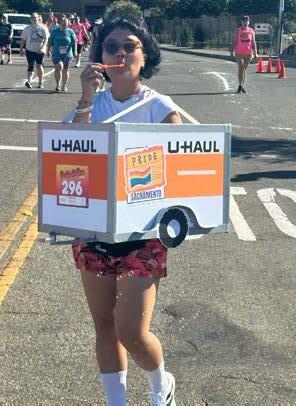
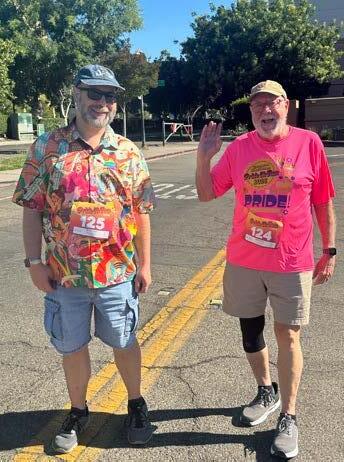
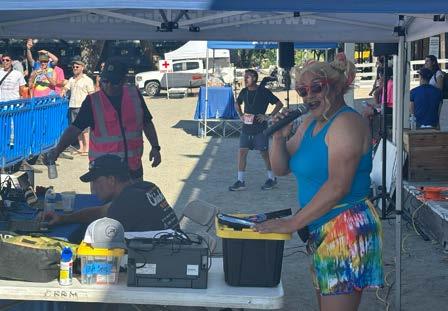
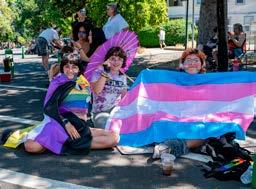
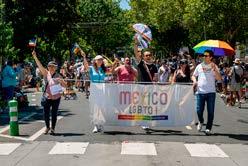
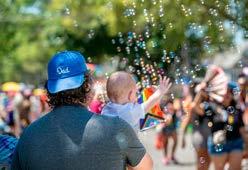
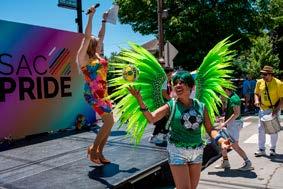
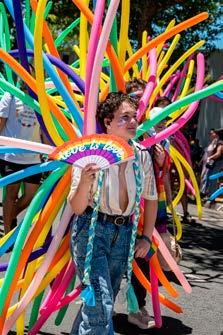
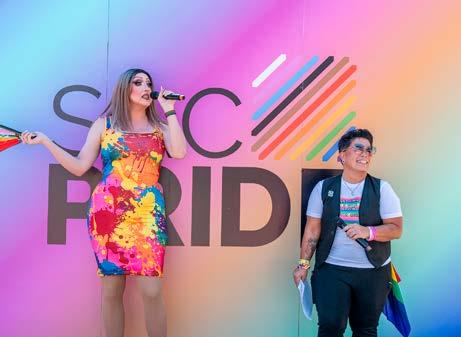
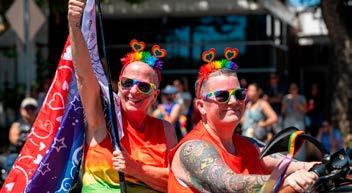
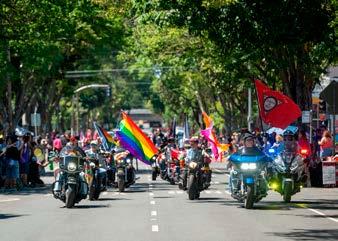
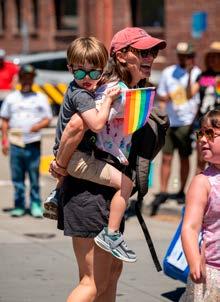
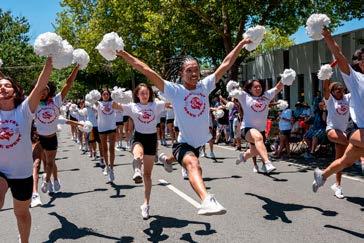
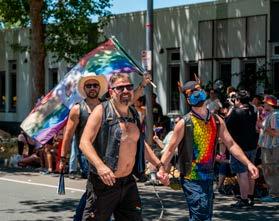
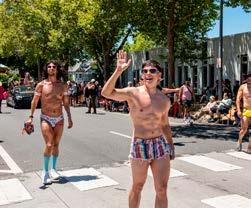
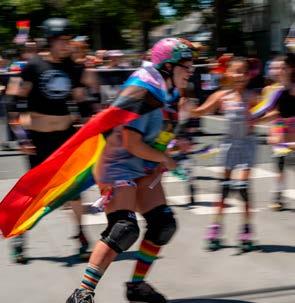
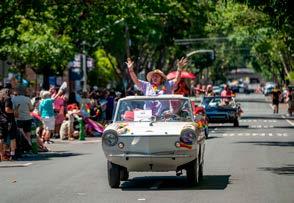
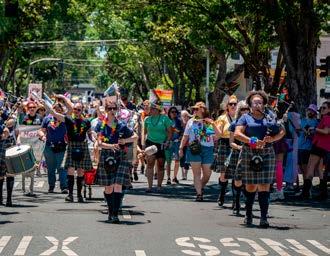
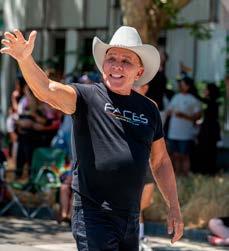
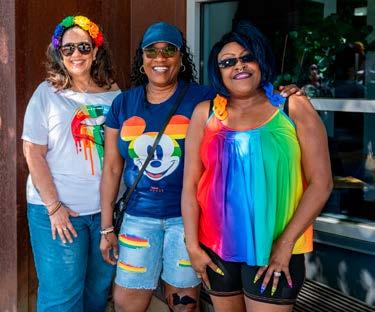
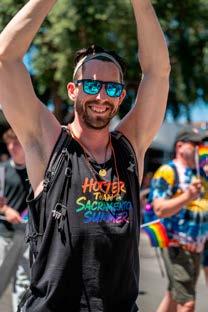
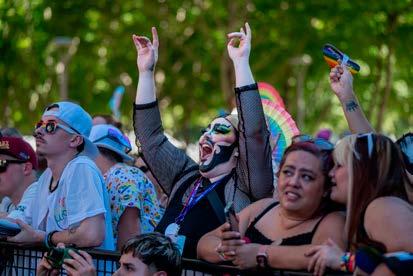
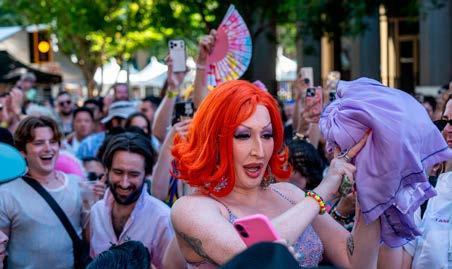
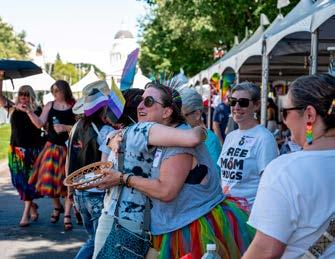
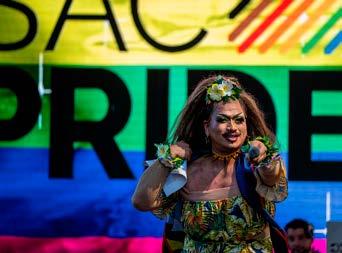
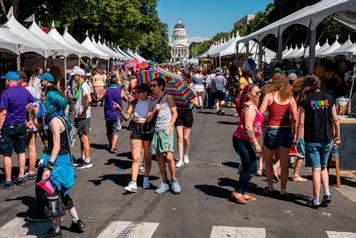
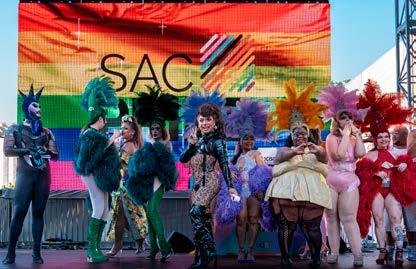
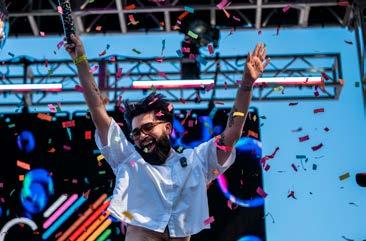
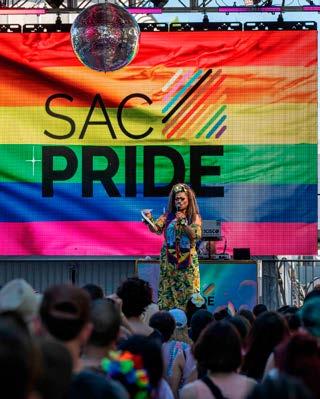
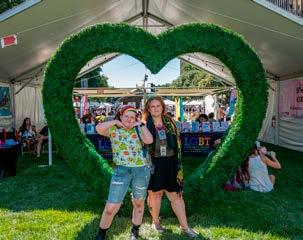
Sacramento Pride 2026 brought thousands of people together for a weekend filled with celebration and community. Capitol Mall was once again alive with music, laughter, and a sea of rainbow colors. Community members from all walks of life came together to celebrate exactly who they are.
Pride has always been about more than a parade or a festival. It is about visibility. It is about having a space for people to feel seen, supported, and valued. Whether someone was attending for the first time or returning time and again, there was a sense of belonging that could be felt throughout the weekend.
Local businesses, community organizations, performers, and volunteers helped create an event that reflected the strength and diversity of the Sacramento LGBTQ+ community. It served as a fresh reminded as to why Pride festivals continue to matter.
While challenges remain, Sacramento Pride offered a reminder that community is stronger than fear. It helped show that people are still willing to stand together, support one another, and celebrate the progress that has been made while continuing the work ahead.
As the weekend came to an end, one thing was clear: Pride is a reminder that everyone deserves the opportunity to live openly, love freely, and be welcomed exactly as they are.
Do you want to see pictures of the weekend’s festivities?
Then check out pages: 16, 18 and 21!
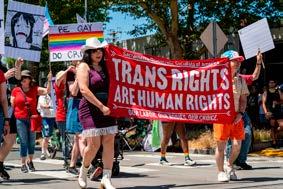
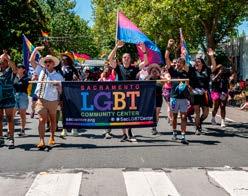
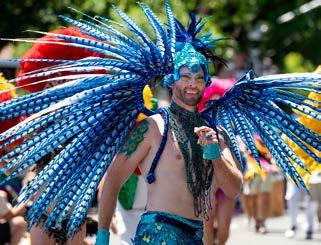
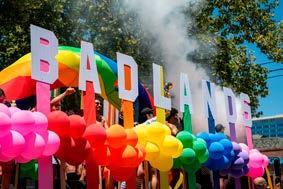
by Chris
book review by Terri Schlichenmeyer
Step, step, tap, back step. Shimmy in a circle, left hand waving over your head, shake your tail feathers, repeat to the beat. Once was a time when you could do any dance in your sleep, but it’s been awhile. So read “Mighty Real” by Barry Walters, and see if your toes don’t tap.
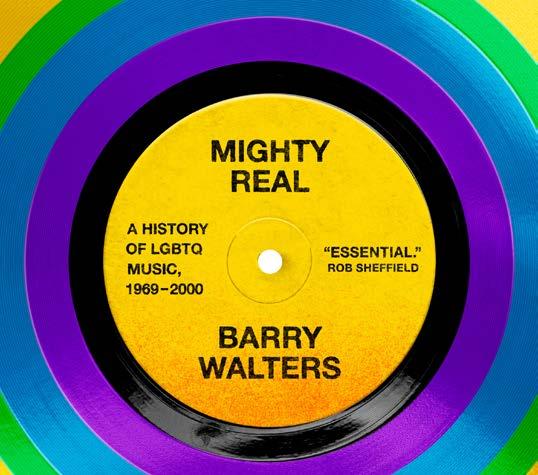


Fifty-seven years after Stonewall, and here we are: LGBTQ musicians still face scrutiny for their sexuality because, says Walters, music isn’t created for gay listeners. No problem: LGBTQ artists and writers have often penned lyrics carefully in order to say what can’t be said, “coding” songs for gay audiences that straight (and ignorant) listeners can dance to and enjoy with apparent obliviousness.
Walters offers “just a few” examples.
Lou Reed sang about trans people in the late ‘60s and offered a rallying song for the Gay Liberation Front in 1972, the latter of which felt like a message to an then-eleven-year-old Walters. Janis Joplin claimed she was straight, but she had several girlfriends. Motown singers often offered sometimes-ambiguous lyrics.
John Lennon’s hand placement on the back cover of Sgt. Pepper’s Lonely Hearts Club Band made Walters begin to understand that he was different from other boys.
David Bowie is on his list, of course, as is Bette Midler, Elton John, Donna Summer, and Queen. You’ll find Judas Priest here (!), Green Day, and punk music. The Village People are included in this book, also Grace Jones, Duran Duran, and Cher, Whitney, Melissa, Latifah, and the lyrics from several blockbuster movies.
Two of Prince’s band members were lesbian, and they heavily influenced his albums. Diana Ross’s I’m Coming Out cemented her position in LGBTQ culture, and Michael Jackson’s inclusion here takes much careful consideration.
Read about Olivia Newton-John and the B52s. And then there’s Sylvester, for whom Walters has a soft spot in his heart. Sylvester’s death still makes Walters cry…
In his preface, author and music writer Barry Walters points out that music is what you make it and that it’s interpreted differently by each individual. To that end, this book naturally consists of preferential history and personal opinions about singers, bands, albums, and songs.
Agree or disagree. That’s where much of the appeal lies in “Mighty Real.”
Here, Walters wraps his memories around his choices, giving readers room for their own views, memories, and list-making. Music-loving readers might also be surprised to note who’s not on Walters’ list – there aren’t many country performers here, for example, and the overall list focuses entirely on music from roughly 1968 to the year 2000, mostly on the kinds of songs you’ll want at the club or party. Again, discuss, and curate your own playlist. This is a hefty book, but the chapters are browse-able and generally short enough to read in under five minutes. It’s nostalgic, yet also serious in the history it presents. This is the kind of book you want to leave near your album collection, or wherever you get your tunes. But finding “Mighty Real” is your first step.
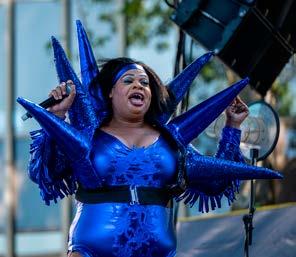
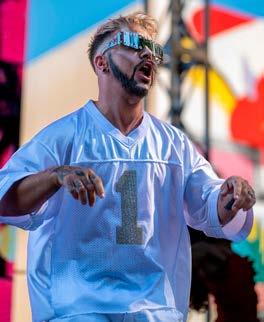
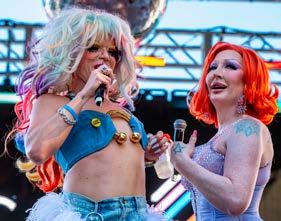
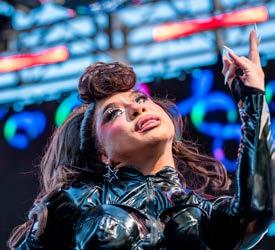
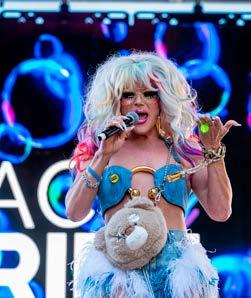
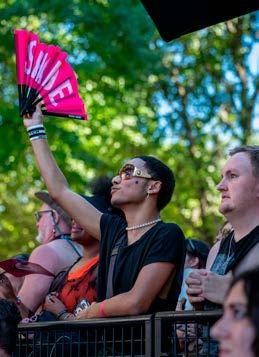
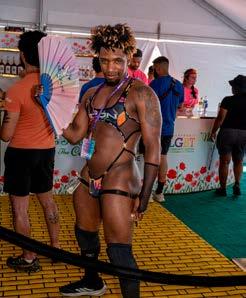
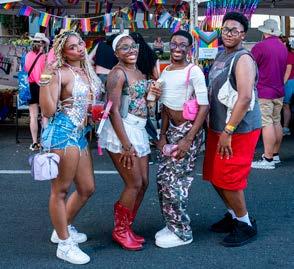
The award-winning music documentary feature Jewel’s Catch One, directed by C. Fitz, was re-released June 16, 2026, across North American digital HD, cable, and satellite platforms after Freestyle Digital Media acquired the film’s VOD rights. The documentary is now available on platforms including Prime Video and Apple TV.
The return of Jewel’s Catch One feels especially timely. Released during Pride Month and just ahead of Juneteenth, the documentary revisits a story rooted in visibility, resilience, and the importance of safe spaces during times when they were desperately needed.
Spanning four decades, Jewel’s Catch One tells the story of America’s oldest Blackowned disco and the woman behind it, LGBTQ+ pioneer Jewel Thais-Williams. Often described as the Studio 54 of the West Coast, Catch One was far more than a nightclub. Under Jewel’s leadership, it became a cultural landmark where barriers of race, sexuality, and identity were challenged on and off the dance floor.
Director C. Fitz brings the story to life through rare archival footage, energetic music, and deeply personal interviews. The film highlights how Catch One evolved into a refuge during the AIDS crisis, offering support, visibility, and connection for communities too often pushed aside.
With a visual style that feels both cinematic and intimate, Fitz approaches the material with the eye of a journalist and the heart of a storyteller. The documentary features appearances from names including
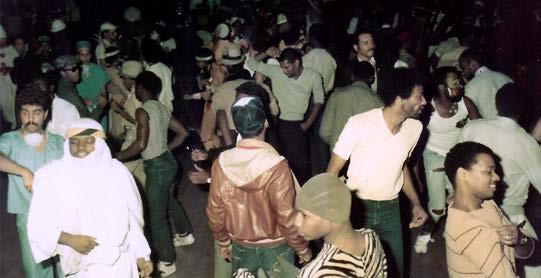
Madonna, Sharon Stone, Thelma Houston, Sandra Bernhard, Jenifer Lewis, Representative Maxine Waters, and Jewel Thais-Williams herself, with narration by CCH Pounder.
The film earned acclaim on the international festival circuit with screenings at the BFI London Film Festival, Inside Out Toronto LGBT Film Festival, Palm Springs International Film Festival, and more than 70 festivals worldwide. Along the way, it
collected four Best Documentary awards, a Jury Award, and recognition on Palm Springs’ “Best of Fest” list.
“I wanted to create an invitation to witness change through the film’s portal into history,” said filmmaker C. Fitz. “Through Jewel’s life, this film teaches lessons against the backdrop of survival, love, and courage. In times like these, it’s critical to remember the resilience of those who stood against hate.”
Watch JEWEL’S CATCH ONE trailer here.

photos by Rahn
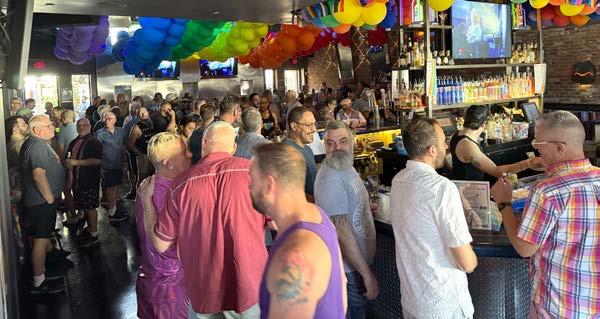
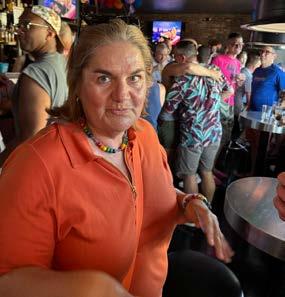
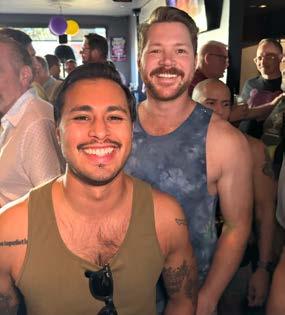
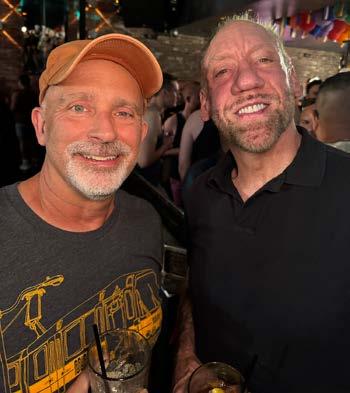


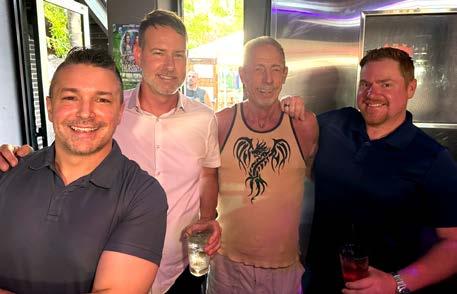
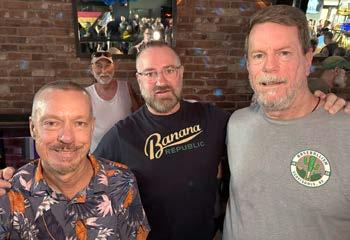
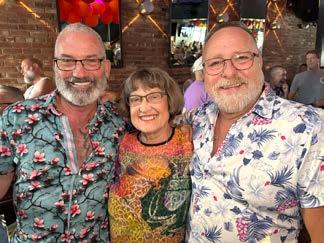
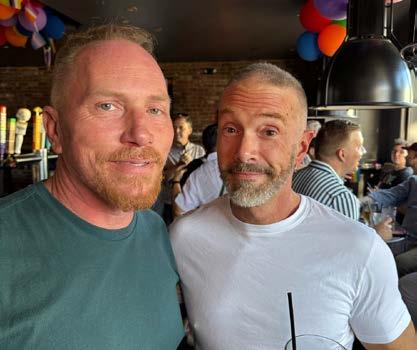
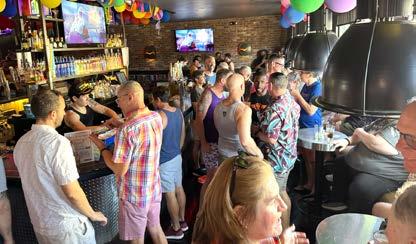
Wow! You really packed the house on the Friday of Sac Pride weekend and made this Liquid Therapy one for the books. Thank you to everyone who came out to kick off the weekend right.
Outword would also like to extend a huge thank you to Badlands and its hardworking bartenders, as well as Broadway Sacramento for being such a wonderful event partner—not just this year, but throughout the many years we’ve worked together.


It felt a little like old times seeing so many familiar faces gathered together for a fun evening. Thanks for making it such a memorable night. We’ll see you again on July 10!
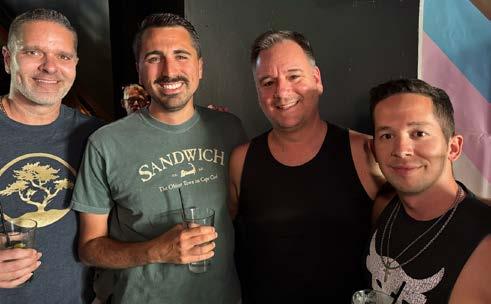
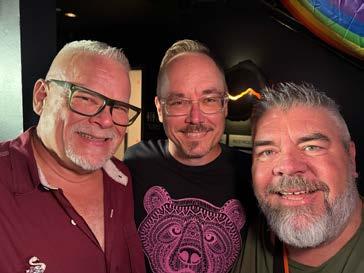
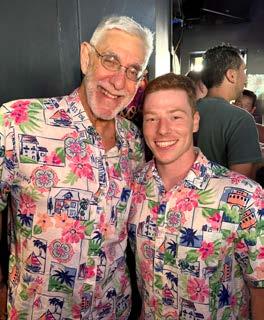
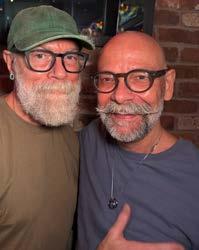

words by Chris Allan, photos as credited
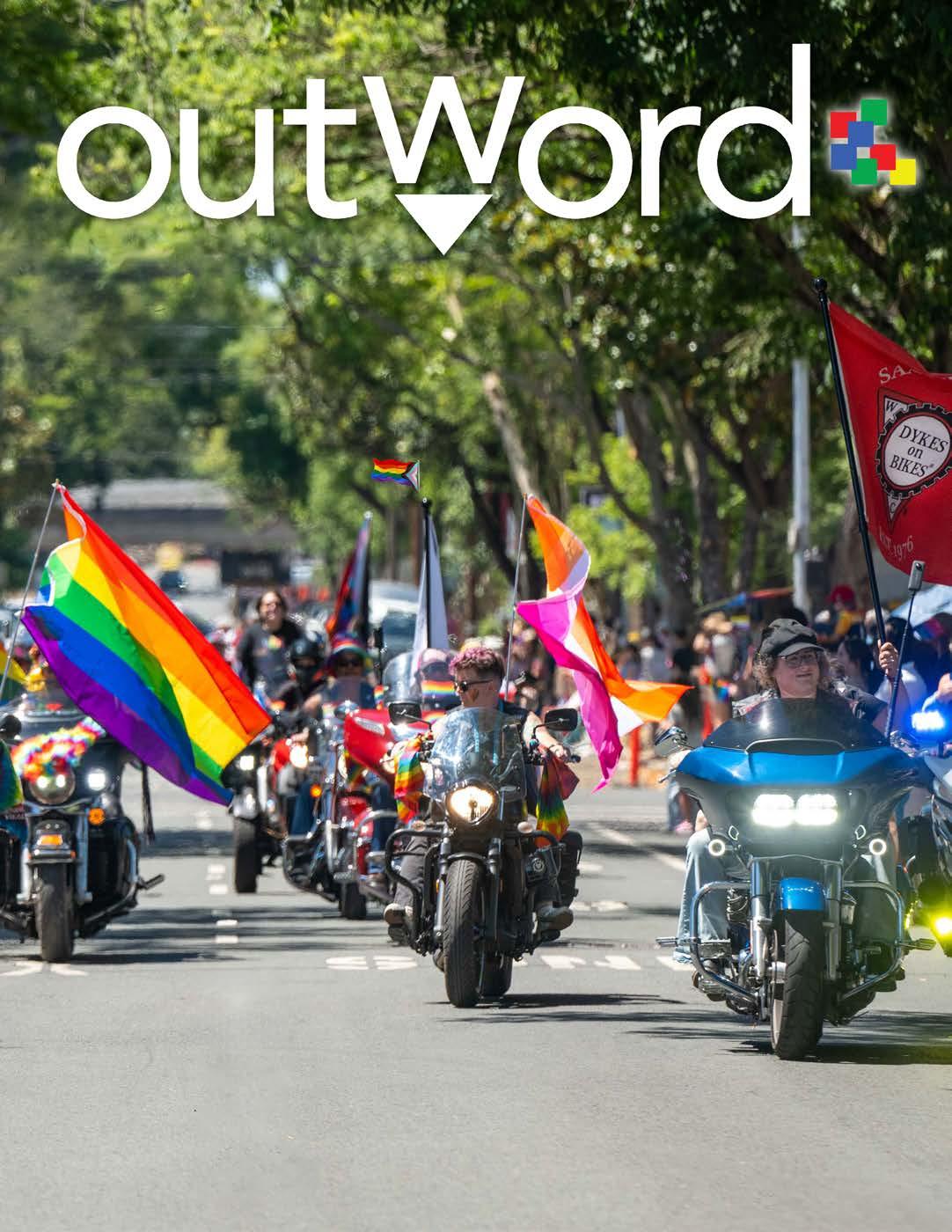
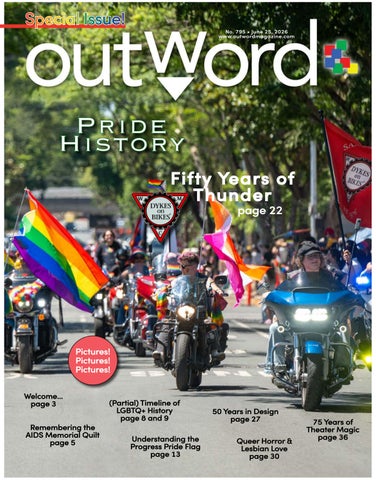
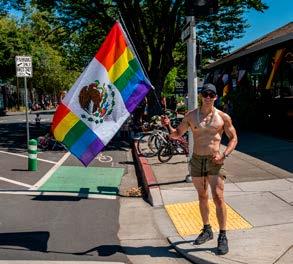
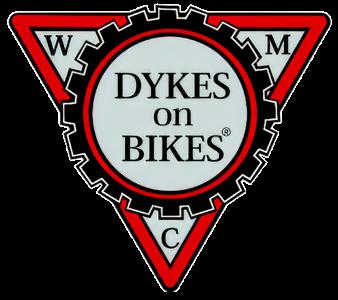
Fifty years ago, a small group of women on motorcycles did something simple and revolutionary: they rode to the front. It was 1976, San Francisco’s Pride parade, and roughly 20 to 25 women motorcyclists claimed the lead position — because of the faster bike engine pace, but mostly because they refused to wait at the back. They called themselves Dykes on Bikes. The name stuck, the crowd loved it, and a tradition was born — one shaped for decades by leaders like Soni Wolf, a founding member who won a ten-year legal battle to trademark the name in 2007.
In 2026, San Francisco Dykes on Bikes® (SFDOB) Women’s Motorcycle Contingent celebrates its 50th anniversary. Here in Sacramento, that milestone has a face — two of them, actually.
The Sacramento Connection
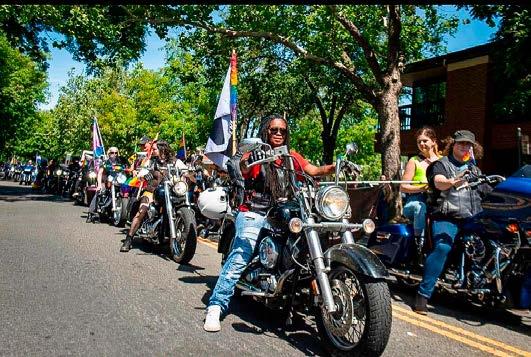
Clara (Hopscotch) and her wife Michelle (Kill Switch) are Sacramento residents, board members of SFDOB, and the women who organize the motorcycle contingent at Sacramento Pride every year. They became full members in 2022 after commuting to San Francisco for every event, outliers admittedly, doing the work of a San Francisco chapter from California’s capital.
Since joining, they have helped grow Sacramento’s contingent, welcoming not just DOB members but local women’s riding clubs including Las Litas and the Twisted Roosters, bringing the total to 30 to 40 bikes on a strong year.
But DOB, they’re quick to point out, is far more than a parade presence. As a 501(c)3, the organization funds women’s philanthropic causes, supports lesbian community spaces, and helps fledgling Pride celebrations in places that have never seen the likes of a women’s motorcycle club.
That visibility, Michelle says, can hit people hard. Riding through rural Oregon, the group stopped at a roadside McDonald’s. A young woman who worked there came running outside in tears — she’d always dreamed of seeing them thunder through her town. “I think that’s what helps propel us forward,” says Michelle. “That kind of visibility and community — a lot of people don’t get to see that in Middle America.”
Sacramento’s connection to this world goes back much further than the 2000s, though. Long before Clara and Michelle came to town, local women’s motorcycle groups were already leading the city’s Pride parade.
continued on the next page
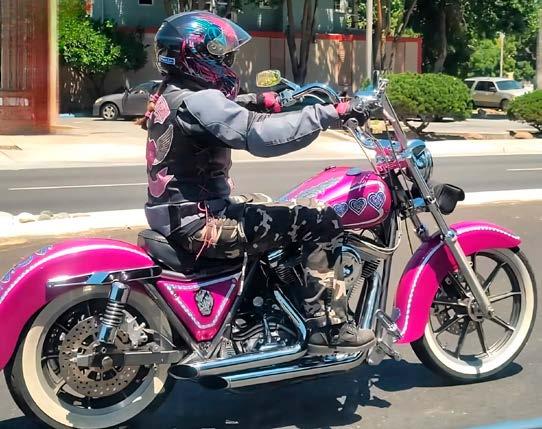

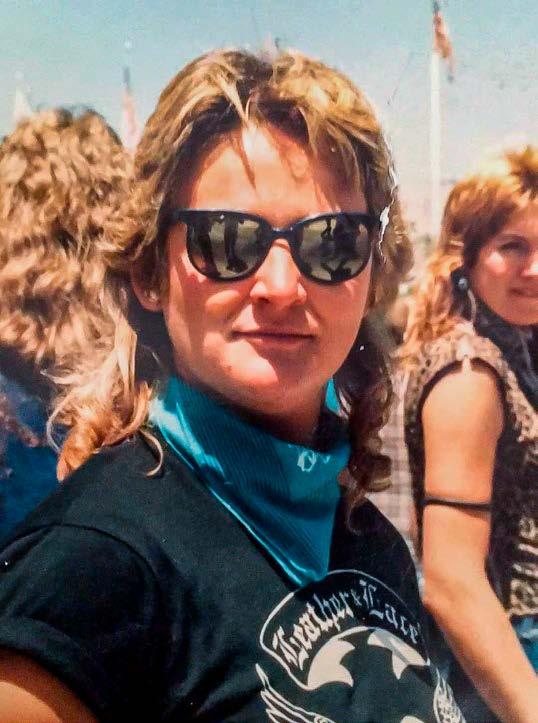
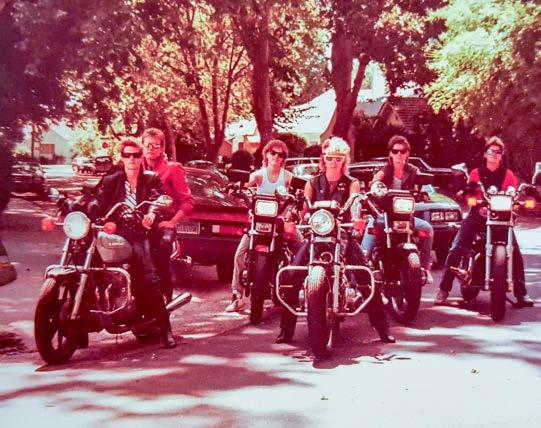
Leather & Lace (L&L) was founded in 1979 by Dayna Davidson (Grumbles), now 68, who lives in Marysville with her wife of 31 years, TylerAnn Sands (Gramps). Dayna built the club alongside her rugby sisters, many of whom also rode motorcycles, starting with 12 charter members. Sisters of Scota Women’s Motorcycle Club, as it’s called today, is a three-piece patch women’s motorcycle club, the oldest of its kind in the world, built in the “outlaw” motorcycle club tradition, though independent of any men’s club control. Wearing a three-piece patch as women, on their own terms, was unprecedented. Like DOB, Sisters of Scota is also a 501(c)3, with a nonprofit arm — the Seeking a Cure Foundation — that has partnered with organizations including EA Family Services to support foster children.
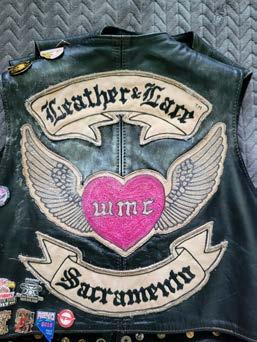
The early years for L&L were difficult. In 1981, Dayna was gay-bashed at rugby practice — skinheads broke her collarbone and fractured her skull. She kept riding. She kept building. And when she and her sisters finally rode down Market Street in San Francisco, the crowd’s response hit her full throttle. “My earliest memory,” notes Grumbles, “is just the grand nature of it, and how many people were there, and how exciting it was to have people on the sidelines actually cheering us on.” She was crying the whole time.
Jolanne Tierney, Sacramento DJ, community fixture, and local legend, joined L&L around 1985 and served as president beginning in 1988. “The experience was love,” she says. “Camaraderie. We all had each other’s back — somebody had to pull over, we all pulled over. We always made sure we were taking care of each other.”
Jolanne stepped away around 1992 and later co-founded GEMS, Gals Enjoying Motorcycles, a no-patch recreational riding group that helped lead Sacramento’s Pride contingent alongside SFDOB when the parade found its footing.
L&L rode in some of those parades too, and did much of the quieter work of security and crowd management behind the scenes. Their proudest moment came in 2009 when Soni Wolf placed them at the head of the San Francisco parade on their 30th anniversary. A massive thirty-six riders rumbled out that day.
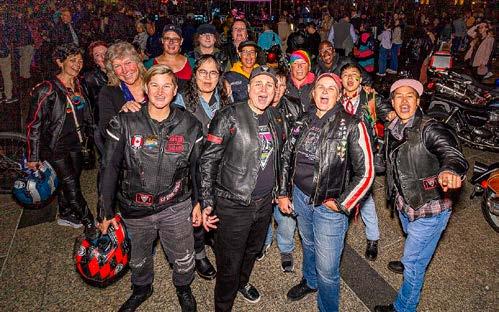
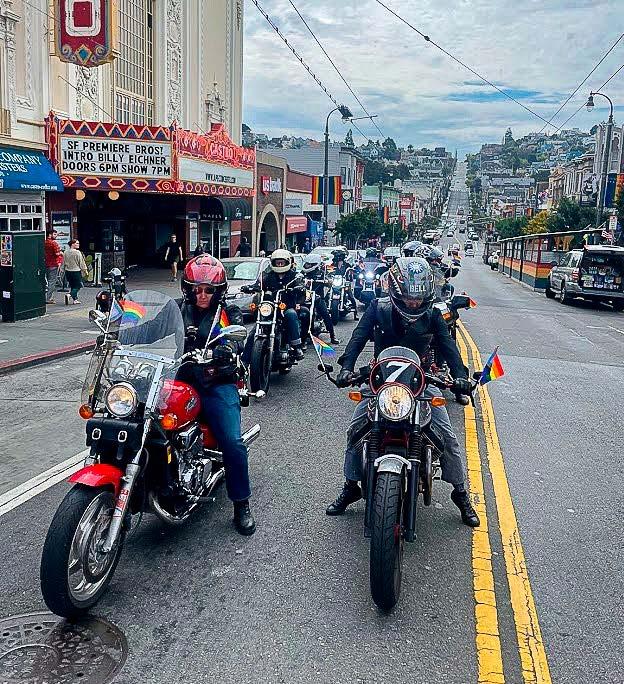
The roar of Dykes on Bikes kicking off our parades is one of the most recognizable sounds in LGBTQ culture, engines announcing that Pride is something beyond a festival. For Sacramento, a city whose own Pride began in 1979 as an act of defiance after a police raid on a Midtown gay bar, that sound carries particular meaning. Dayna, Jolanne, Clara and Michelle have each lived this history from a different vantage point, but all share a similar understanding of what it has meant. In Jolanne’s words: “Family. A family of misfits. A family that felt like misfits on the outside, gathering together.”

Pop superstar Ariana Grande is taking her advocacy to the next level with the launch of the Brighter Days Ahead Foundation, a new charitable organization dedicated to supporting LGBTQ+ rights, mental health services, arts education, and community assistance programs.
The foundation is built around four core initiatives: the Protect & Defend Fund, which supports organizations advocating for LGBTQ+, civil, and reproductive rights; the Heal & Dream Fund, focused on mental health resources; the Seen & Celebrated Fund, which helps amplify LGBTQ+ voices and stories; and the Emergency Support Fund, designed to provide rapid assistance during times of crisis.
Grande announced the foundation during Pride Month, describing its mission as providing support, protection, and resources for vulnerable communities. Entertainment outlets including Them and Just Jared report that the organization will focus heavily on funding grassroots groups that serve transgender and LGBTQ+ people. Early partners reportedly include organizations such as Trans Lifeline and other nonprofits providing direct services and advocacy.
While celebrity philanthropy is hardly a new phenomenon, Grande’s latest effort stands out because it establishes a permanent charitable structure rather than a one-time fundraising campaign. The singer has a long history of LGBTQ+ advocacy and previously helped raise millions of dollars for organizations supporting transgender youth.
The foundation’s name is drawn from Brighter Days Ahead, Grande’s acclaimed companion film and creative project connected to her Eternal Sunshine era. The title reflects themes of healing, resilience, and hope, values that now form the foundation’s broader mission.
At a time when LGBTQ+ rights continue to face political and legal challenges across the country, Grande’s announcement represents more than celebrity activism. For many community organizations, sustained financial support can make the difference between simply surviving and continuing to provide life-changing services.
For more information, visit the Brighter Days Ahead Foundation on Instagram at @brighterdaysaheadfdn or Ariana Grande’s official website at arianagrande.com.
by Chris Narloch
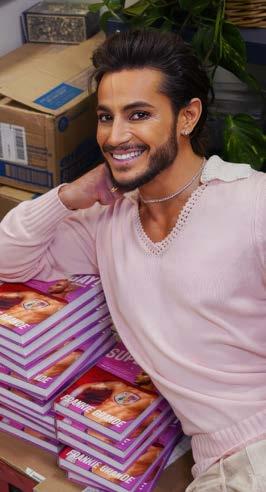
Until recently, I had unfairly assumed that Frankie Grande was just riding the coattails of his famous singing sister, but after reading his brand-new memoir I now realize how wrong I was.
Appropriately titled “Supergay!” the 320-page book is a brutally honest yet funny account of the 43-year-old performer’s rollercoaster life and career.
Grande is a fierce fan of superheroes, and he successfully casts his homosexuality as a superpower here, framing his lifelong struggles with identity, addiction, and being an outcast as a heroic comic-book origin story.
His book is a vibrant and vulnerable celebration of uniqueness, with Grande structuring the memoir into various essays, using superhero tropes to reframe his setbacks and heartbreaks into a campy, empowering “hero’s journey.”
Grande also shares his passion for musical theater with readers, a passion that has taken him to the Broadway stage this year, thanks to his co-producer credit and co-starring role in the hit Broadway transfer of the offBroadway smash, “Titanique.”
Grande currently shares the stage with Jim Parsons, Deborah Cox, and Melissa Barrera, among others, in that hilarious musical comedy, making his life-long Tony dreams a reality.
“Supergay!: A Memoir” is now available from Sourcebooks.


Wax, X-acto Knives, and the Smell of Ambition
by Tina Reynolds, Uptown Studios
There’s a particular smell that defined my early career in graphic design, and it wasn’t the fresh scent of inspiration. It was hot wax. Specifically, the warm, slightly sweet aroma of the Letraset wax roller — the magical glue-adjacent substance that held typeset galleys onto paste-up boards. If you know, you know. If you don’t, just imagine doing a giant jigsaw puzzle while wearing oven mitts, and that’s close.
In 1976, “desktop publishing” meant you literally worked on a desktop — an actual desk — with an actual X-acto knife, a T-square, a proportion wheel, and a blue non-photo pencil that your boss swore was invisible to the camera. (It mostly was. Mostly.) Type was set by a typesetter, delivered as long strips of photographic paper, and you cut it apart with scissors. Then you waxed the back, slapped it on your board, and burnished it down with a little bone tool like some kind of artisan bookbinder from the 1400s.
I will pause here to share the most important safety lesson of my early career: X-acto blades are not loyal. One afternoon, a blade rolled off the edge of my drafting table in what I can only describe as a slow-motion betrayal. It fell, point-down, through the top of my shoe and directly into my foot. I stood there for a moment, blade handle sticking straight up like a tiny flag claiming my foot as its territory, genuinely unsure whether to laugh or cry. I did both. I got a bandage, I got back to the table, and I never again left a blade unguarded near the edge. That X-acto taught me more about occupational hazard awareness than any safety training ever could.
Meanwhile, America was recovering from Watergate, disco was in full swing, and the word “logo” meant something a real person drew by hand with a ruling pen and India ink. Computers? Those were for NASA. The closest thing we had to digital design was a PMT camera the size of a refrigerator. We called them “stats.” We loved stats the way people today love a new app. The work was slow, tactile, and deeply satisfying — like cooking from scratch every single day. Stabbing yourself in the foot was optional, but apparently, I went the extra mile.
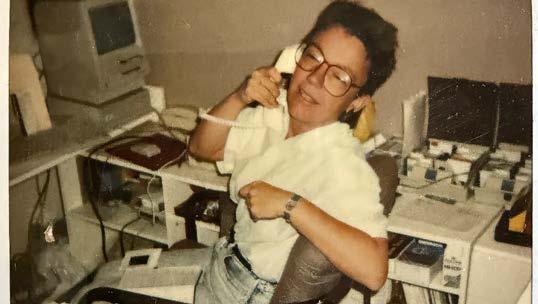
The Mac Arrives and Everything Goes Wonderfully Wrong
I will never forget the first time I sat down in front of a Macintosh. The year was 1986, the screen was roughly the size of a paperback novel, and the entire design industry was standing at a cliff’s edge debating whether to jump. I jumped. I have been in freefall ever since, and it is magnificent.
The Mac changed everything — and not all at once, which was the truly humbling part. The early versions of Aldus PageMaker and MacPaint were extraordinary in theory. In practice, printing a single-page newsletter could take forty-five minutes and required a prayer circle. Fonts would disappear mid-job. Artwork would shift mysteriously between your screen and the output. Printers would simply refuse to cooperate - the way a cat refuses to come when called. You’d submit a file to the service bureau, they’d call you back two hours later to say it had “gone PostScript,” which was their delicate way of saying your file was dead. But the speed of change was intoxicating. Every six months, something new — Illustrator, Photoshop, QuarkXPress. The profession that had required years of apprenticeship in paste-up and typesetting was suddenly — controversially — accessible to anyone with a Mac and a copy of Helvetica. Established designers were furious. I was thrilled. The tools were democratizing, and that felt right.
Society was shifting too. AIDS activism, environmental movements, and multicultural voices were demanding new kinds of visual communication — not just advertising, but advocacy. Design wasn’t just for selling soap anymore. It could change minds. Move people. That idea planted a seed in me that was about to grow into something I’d name Uptown Studios. To finish the remaining installations, navigate your way to Uptown Studios’ website



by Chris Narloch
f you’ve been missing the symphony, this July is the month to get reacquainted as SF Symphony presents several not-to-bemissed concerts at Davies Symphony Hall in San Francisco.
Lena Hall (July 23 & 24) and St. Vincent (July 30) are just two of the amazing artists scheduled to perform with SF Symphony this July, and you can also experience the magic of “West Side Story” like never before, when the SF Symphony performs Leonard Bernstein’s score to the 1961 film live to picture (July 9 & 10).
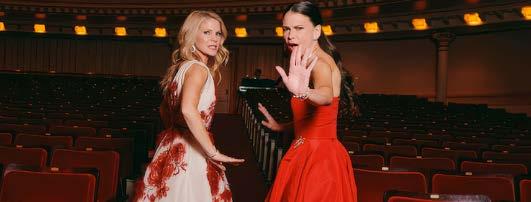
Musical theater fans will not want to miss “An Evening with Sutton Foster & Kelli O’Hara,” which pairs two of the biggest stars from Broadway for a night of double-barrel divas.
Ms. Foster is famous for the TV show “Younger,” the recent Broadway revival of “The Music Man” with Hugh Jackman, and many other hits. She has won two Tony awards so far.
Ms. O’Hara recently costarred with Rose Byrne in the comedy smash “Fallen Angels” on Broadway, and she won a Tony Award for her lead role in the 2015 Lincoln Center production of “The King and I.”
These two celebrated Broadway performers will join the SF Symphony for a spectacular evening of music and storytelling, on Saturday evening, July 18, 2026.
To purchase tickets for these and other SF Symphony events, please visit www.sfsymphony.org

by Chris Narloch
Ahard-working cast of five of Sacramento’s finest actors is bringing the laughs at B Street Theatre currently, in Kate Danley’s outrageous workplace comedy, “Working for Crumbs.”
Think “The Office” meets “9 to 5” and you’ll have some idea of the farcical fun in store for you when two worker bee women in a high-stress development office must think outside the box after their queen bee bitch of a boss chokes to death on a cookie they gave her.
Tara Sissom is Grace, Stephanie Altholz plays Amy, and together they hatch a plan to turn the demise of said bullying boss to their advantage, after the middle-management “Medusa” (Elisabeth Nunziato as Helen) croaks at her desk.
Rounding out the cast are Amy Kelly and Jason Kuykendall, who have fun with multiple roles and (spoiler alert!) also get to expire on stage in hilarious ways.
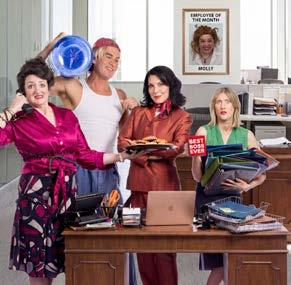
“Working for Crumbs” photo by Rudy Meyers
It will come as no surprise that the super-stressed subordinates played by Ms. Sissom and Ms. Altholz come out on top in the end in this underdog comedy. Both actresses give it their all thanks to roles that allow them to flex their physical and verbal comedy chops.
To be honest, far-fetched farce is not my favorite form of comedy, but the talented cast of “Working for Crumbs” won me over with their high energy and hilarious hijinks. If you’re in the mood for some very broad comic craziness, this play could be just what the doctor ordered.
“Working for Crumbs” performs through July 12 at The Sofia, home of B Street Theatre. For more information and to purchase tickets, go to bstreettheatre.org
Summer blockbusters are upon us, and you can read my reviews of the latest Spielberg film and a new “Toy Story” movie, below.
I also check out two blink-and-you’ll-miss-them queer releases in theaters, and don’t forget that Tower Theatre’s Lynchian retrospective of many of the late, great director David Lynch’s finest films continues into July.
For dates and details, visit https://angelikafilmcenter.com/tower and if you miss any of those titles, Criterion has beautiful Blu-ray releases of most of Lynch’s movies, including “Eraserhead,” “The Elephant Man,” “Blue Velvet,” and “Mulholland Drive.”

Movie hype can be a real bummer, and there is always a great deal of anticipation when the great Steven Spielberg returns to alien blockbuster mode. Sadly, “Disclosure Day” is nowhere near as good as “E.T.” or “Close Encounters…” but it’s better than the director’s uninspired remake of “War of the Worlds.”
On the plus side, the film’s cast – and especially Emily Blunt and Josh O’Connor – is terrific, and there are thrilling action set-pieces (like the sequence involving a car chase and a train) that demonstrate the 79-year-old Spielberg has lost none of his mastery of moviemaking.
The film should delight conspiracy theorists with its tale of a government cover-up of aliens among us, and it did hold my attention throughout.
Unfortunately, the movie falls apart near the end, proving that a great director and a killer cast cannot make up for a flawed script. “Disclosure Day” is currently in wide theatrical release.
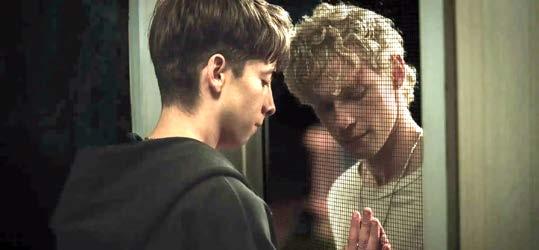
“One senior for ‘Leviticus’ please.” That is a sentence that will probably never emanate from my mouth again, but I was happy to say those words out loud recently (especially during Pride Month) when I bought a ticket for this wild, queer horror flick at a local multiplex movie theater.
The low-budget indie from Australia follows two teenage boys in a conservative religious community who are forced to undergo a “gay exorcism” that is intended to cure their attraction to each other. Instead, the violent ritual releases a deadly entity that takes the shape of the person they desire most.
In other words, the young lovers can’t be sure if they are kissing their boyfriend or a killer, which is a provocative gimmick that mostly works. The film could have used a bigger budget and a few script revisions, but Joe Bird gives a superb performance as the terrified central character, and I found the movie’s combination of queer coming-out and horror very intriguing.
“Leviticus” opened in limited theatrical release on June 19th.
by Chris Narloch
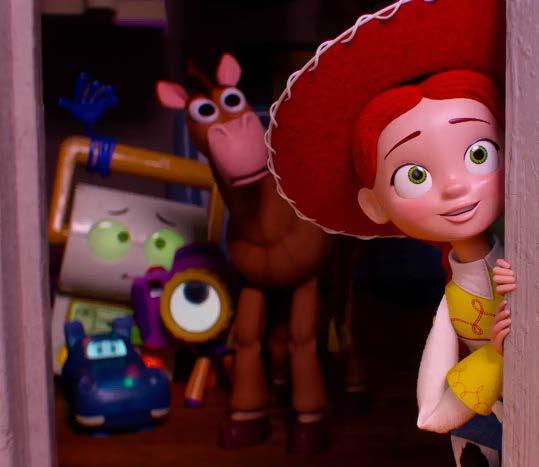
Buzz and Woody are back again, but this time out, the super-cute cowgirl rag doll Sheriff Jessie takes center stage and saves the day, when 8-year-old Bonnie receives a tablet that causes her to ignore her old-school toys and introduces her to the world of online bullying.
Some fans have taken exception to the new movie’s messaging, but I didn’t find it heavyhanded or preachy, and the subject of modern technology as threat couldn’t be more trenchant and timelier.
The movie’s cast, as always, is perfection, and it was great to at least hear the wonderful Joan Cusack, who voices Jessie and who hasn’t been seen on screen in too long. “Toy Story 5” is currently in wide theatrical release.
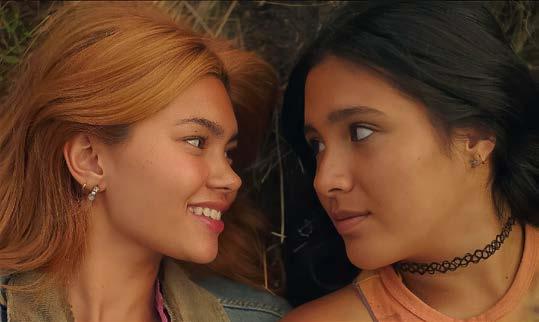
Singer-songwriter Hayley Kiyoko, whom passionate fans refer to as “Lesbian Jesus,” writes and directs her debut feature film with this sapphic story of first love between two young women who meet cute and then have a rollercoaster romance.
The movie expands on a single and a YA novel of the same name by Kiyoko, who gets strong performances out of her pair of lead actresses, especially Maya da Costa as the central character, a troubled Oregonian teenager who has lost her mother and has a strained relationship with her father (Zach Braff).
Some of the dialogue tends toward triteness, but the love scenes are beautifully photographed and romantic, and the film realistically captures the intense pleasure and pain of first love.
“Girls Like Girls” opened in limited theatrical release, including at Sacramento’s Tower Theatre, on June 19th.



Our city has a thriving theater community, and currently there is an especially eclectic array of offerings on Sacramento stages. Read on for more information about three of those titles.
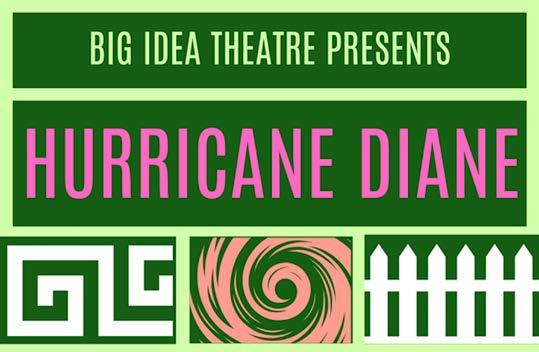
Hurricane Diane
I was unable to squeeze in another play before our deadline, but I hope to see this one before it closes. Here is the synopsis:
“Meet Diane, a permaculture gardener dripping with butch charm. She’s got supernatural abilities owing to her true identity—the Greek god Dionysus—and she’s returned to the modern world to gather mortal followers and restore the Earth to its natural state. Where better to begin than with four housewives in a suburban New Jersey cul-de-sac? In this Obie-winning comedy with a twist, Pulitzer Prize finalist Madeleine George pens a hilarious evisceration of the blind eye we all turn to climate change, and the bacchanalian catharsis that awaits us, even in our own backyards.”
“Hurricane Diane” performs at Big Idea Theatre through June 27, 2026. Visit www.bigideatheatre.org
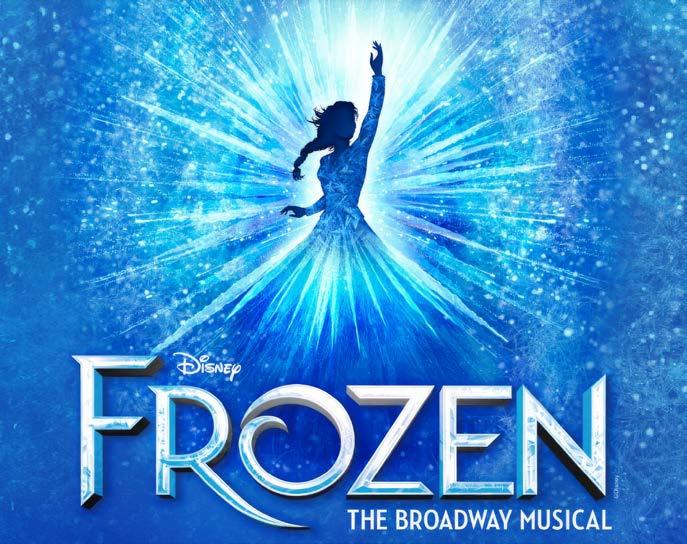
This is the Broadway At Music Circus premiere of the stage version of Disney’s Oscar-winning animated blockbuster, which most people know produced the mega-hit song “Let It Go.”
The Tony-nominated musical from the producers of “The Lion King” and “Aladdin” also includes the songs “For the First Time in Forever” and “Love Is an Open Door,” plus a dozen new numbers.
Sacramento’s own Teal Wicks portrays Elsa, and Lauren Nicole Chapman is Anna in this production, which features a truckload of talent from Broadway and beyond. Glenn Casale directs the spectacular show in the round, which performs through June 28, 2026.
For more information and to purchase tickets, please visit www.broadwaysacramento.com
by Chris Narloch
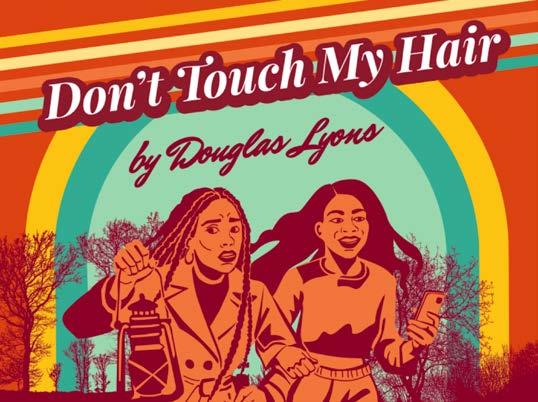
– and even if you weren’t – you need to see that theater’s current offering, “Don’t Touch My Hair,” an equally funny play by the same (very talented) playwright, Douglas Lyons.
Mr. Lyons has a wild imagination and a real gift for writing colorful characters and delicious dialogue. This time out, his main characters are two Black roommates who return to the bad old days of slavery during a pot-induced daydream, after one of the women endures a horrible job interview in which the White interviewer touched her hair.
Mr. Lyons being Mr. Lyons, the playwright turns this potentially serious scenario into a side-splitting surreal comedy that had the audience in stitches the evening I saw the show, thanks in large part to a talented cast led by the wonderful Taylor Vaughan and Tasha B, as two besties who stay loyal to each other through thick and thin.
“Don’t Touch My Hair” performs through July 5, 2026, at Celebration Arts. Please visit www.celebrationarts.net

Friday, July 10

5:30 - 7 pm

A nice cold margarita on the rocks. Dreamy, on a hot Sacramento evening.
by Chris Narloch
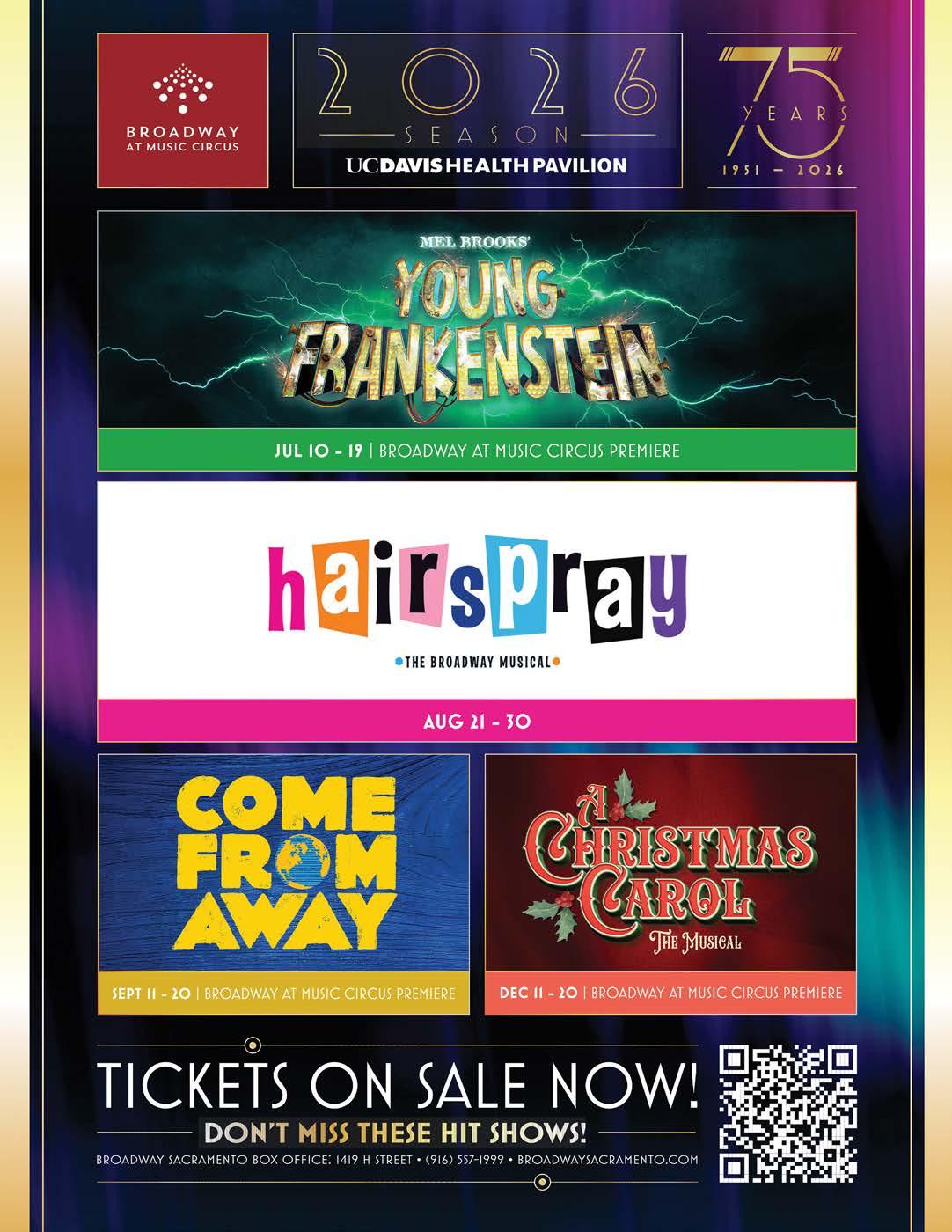
Theater lovers – and especially Broadway theater fans – will love Margaret Kane’s new book, “Broadway Sacramento: 75 Years of Theater Magic,” which documents the history of Broadway At Music Circus and includes fascinating stories from onstage, backstage and beyond.
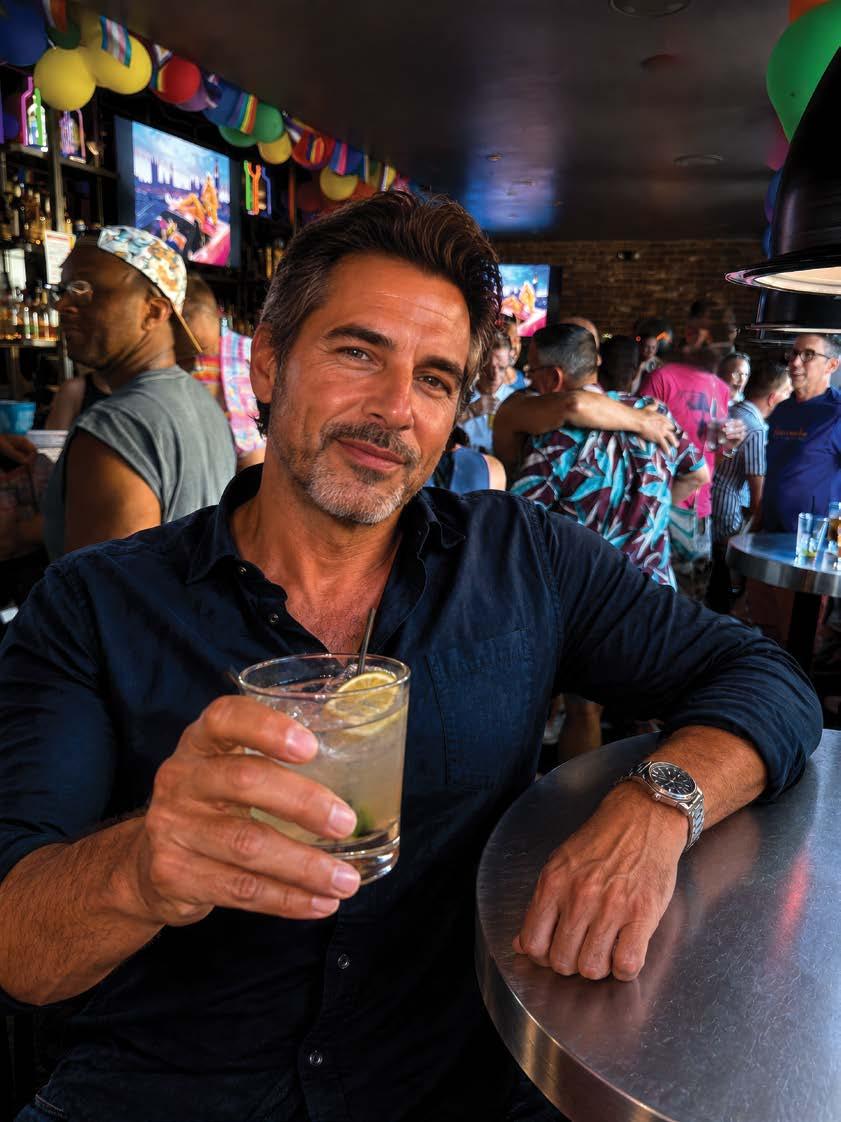

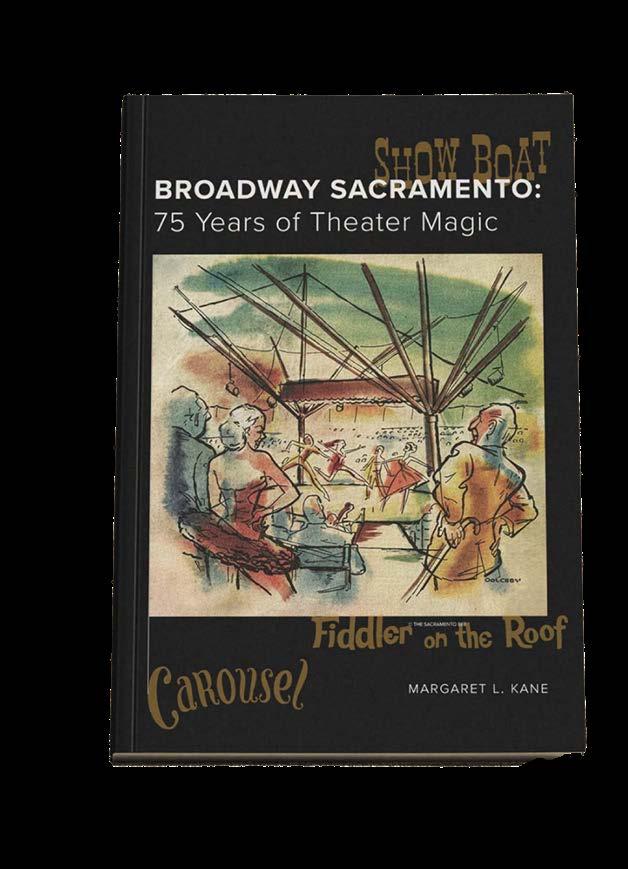
Until I attended a recent reception and book launch for Margaret Kane’s superb new book, I did not realize that Broadway Sacramento has been around longer than I have.
At 62, I am old enough to remember when Music Circus productions were performed every summer under an enormous circus-type tent on the same site where the state-ofthe-art (and air conditioned!) UC Davis Health Pavilion now stands.
Kane’s book details the evolution of Broadway At Music Circus in glorious fashion, with 130 archival photographs and illustrations, plus behind-the-scenes insights from its remarkable 75-year history.
Margaret Kane has been a devoted theater lover since childhood and discovered Sacramento’s Music Circus soon after moving to the city in 1984. What began as an audience member’s excitement grew into decades of deep involvement, including serving as board chair of Broadway Sacramento.
Kane’s love of learning and community storytelling led her to write “Broadway Sacramento: 75 Years of Theater Magic,” a project inspired by a desire to preserve the history, artistry and people behind a theater company that has meant so much to her
Margaret holds a PhD from Harvard University and spent her career in business leadership, but musical theater has always been one of her greatest passions.
“Broadway Sacramento: 75 Years of Theater Magic” is now available. Be among the first to read the official commemorative book, by ordering your copy at www.margaretlkane.com


Artwork Deadline - July 13
- July 23
Artwork Deadline - August 31

Artwork Deadline - August 17
- August 27
- September 10

7/17 7/18 7/19 7/20 7/21 7/22 7/23 7/24 7/25 7/26 7/27 7/28 7/29 7/30 7/31 8/1 8/2

Babyface
Wyclef Jean
Tower of Power
Struggle Jennings
Midland
Iration
Lee Brice
Ja Rule

KC and The Sunshine Band
Ezequiel Peña
Queen Nation
Keith Sweat
Trace Adkins
Dark Star Orchestra
Boyz II Men
WAR
Yacht Rock Revue





HVAC emergencies don’t schedule themselves—and neither should your marketing! Stay top-of-mind with Sacramento’s LGBTQ+ community, so when the furnace falters or the AC goes on strike, your business is the first one they call. It’s easier (and more a ordable) than you think—reach out today and let’s make sure you’re the hero when the heat—or the chill—hits!
Advertise in our Homes and Gardens Special issue - Coming Soon!
Call or Email Fred Today fred@outwordmagazine.com 916-329-9280
Read Outword for Free Online Scan this thingy Sacramento’s only online LGBTQ+ Publication www.outwordmagazine.com
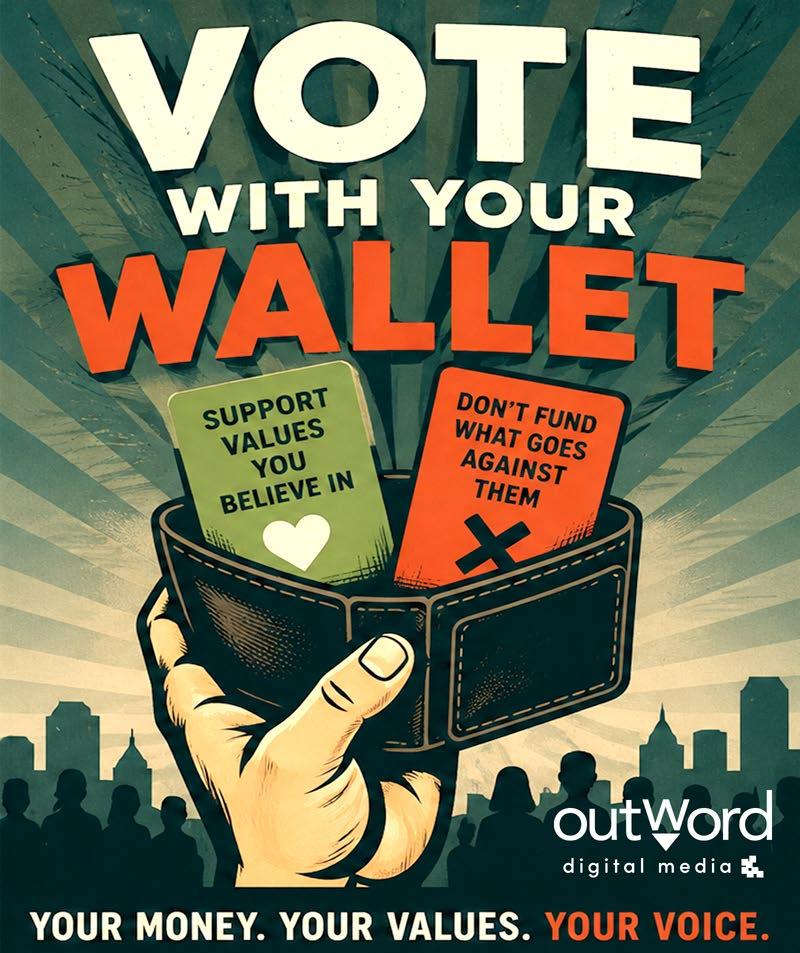
submitted by Randy Hartley
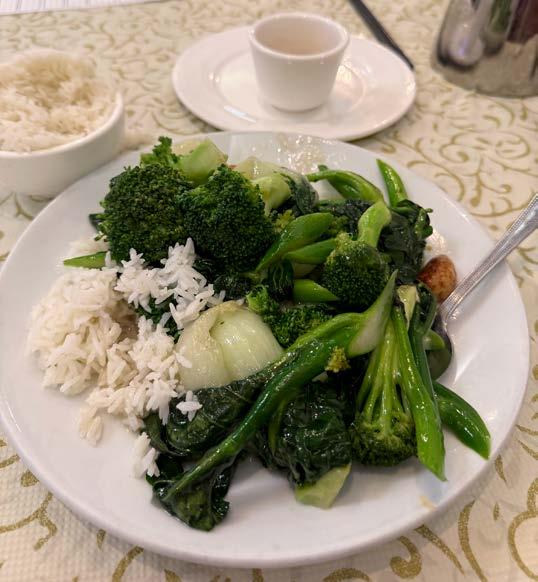
When you walk up to the entrance there is the smell of Star Jasmine in the air. You are greeted by the host and seated quickly. The restaurant is spacious and very clean.
The first thing that I noticed was that about 95% of the diners were of Chinese origin. That means to me that the cuisine is good!
This is most likely the Finest Cantonese Dim Sum and Seafood in Sacramento. Located at 1211 Broadway in Sacramento. For more information visit their website: Ming Dynasty Sacramento digital media
There are carts with fresh Dim Sum and an extensive menu to choose authentic Cantonese dishes from. The wait staff are friendly and helpful.
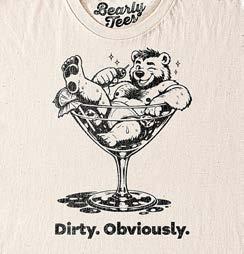
While wandering through Facebook the other day, I stumbled across something that immediately made me smile: Bearly Tees’ designed t-shirt – see pic. Created by Miro, a self-described cuddly bear with a knack for design, and Jovan, the wolf-otter half of the operation who keeps the business side humming (their description from their website), Bearly Tees started with a simple problem—finding comfortable, well-fitting shirts that actually reflected queer culture and body diversity (Also from their website). What began as one bear’s frustration has grown into a fun, body-positive brand celebrating bears, cubs, otters, admirers, and just about everyone in between. Their designs are playful, and their message is welcoming. If you appreciate a little humor, a lot of heart, and T-shirts made by queer people for queer people, Bearly Tees might be worthy of a look. Visit their website here.
Awith Matthew Burlingame
s another Pride Month comes to a close, the spirit that fills our streets, festivals and celebrations does not disappear with the turning of the calendar page. The strength, resilience and unity of the LGBTQ+ community endure all year long. Pride is more than a month—it is a commitment to visibility, equality and supporting one another. Thank you for celebrating, advocating and showing up. Together, we continue moving forward with pride every day of the year.
Summer fun takes center stage at the Placer County Fair, 700 Event Center Drive in Roseville, on June 25–28. The annual fair features carnival rides, live entertainment, exhibits, food vendors, family activities and plenty of community spirit. Organizers promise four days of excitement for all ages, making it the perfect way to kick off the summer season. Atthegrounds.com
National HIV Testing Day is Saturday, June 27, and local HIV organizations are encouraging everyone to take a few minutes to know their status. Golden Rule Services will offer free HIV testing and information at Walgreens, 1919 Fruitridge Rd. Health advocates say knowing your status is a vital step toward prevention, treatment and ending the HIV epidemic. SacGRS.org
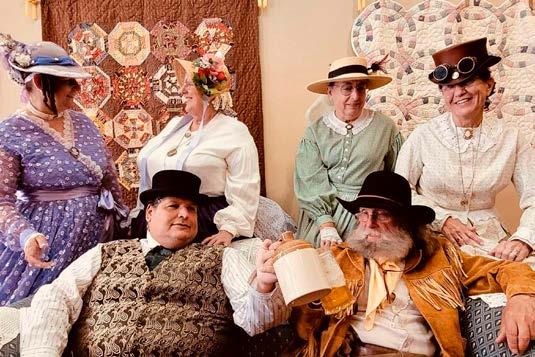
Step through the centuries at the Time Travelers’ Ball on Friday, June 26 from 6 to 9 p.m. at the Sacramento History Museum, 101 I St. This imaginative evening transforms the museum into a journey through time, featuring tea leaf readings, a live typewriter poet, vintage baseball activities, masquerade mask-making and era-inspired entertainment. Guests are encouraged to arrive in vintage, steampunk or time traveler attire for a playful night of mystery, music and historical adventure. Sachistorymuseum. org
Get ready for groan-worthy jokes and laugh-out-loud wordplay at Pun ’N Games on Friday, June 26 at 9 p.m. at STAB! Comedy Theater, 1710 Broadway. Hosted by comedian Jess Roberts, the unique comedy competition pits six pun-loving performers against one another in a fast-paced battle of clever quips, dad jokes and linguistic shenanigans. Whether you’re a word nerd or just love a good laugh, organizers promise a delightfully punishing evening of comedy that’s anything but ordinary. Stabcomedytheater.com
Break out the neon, tease up your hair and get ready for a synthpop-filled blast from the past at 80s Kids: A 1980s Synthpop Joyride on Saturday, June 27 at 8 p.m. at The Sofia, Home of B Street Theatre, 2700 Capitol Ave.
Performers Shannon Curtis and Jamie Hill deliver an energetic evening of hits from Pet Shop Boys, Erasure, New Order and more, mixed with funny and heartfelt stories about growing up in the 1980s. Guests sporting 80s fashion can even score freebies at the merch table. 80skids.live
Bargain hunters and treasure seekers can explore The Great Southside Treasure Hunt Yard Sale on Saturday, June 27 from 8 a.m. to noon at Southside Community Church, 8890 Gerber Road. Shoppers will find household items, clothing, books, décor, collectibles, toys and furniture, with new treasures added throughout the event. Organizers promise great deals, a family-friendly atmosphere and a fun morning of community connection, with proceeds supporting the church’s outreach and ministry programs. Southsidelife.net
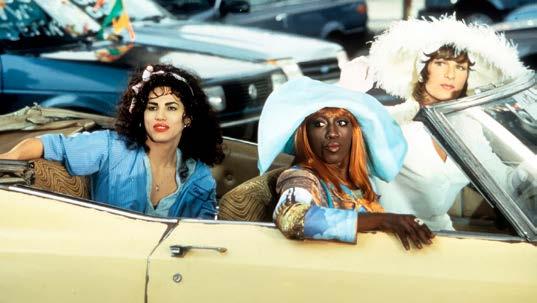
Celebrate Pride Month with a screening of the beloved cult classic “To Wong Foo, Thanks for Everything! Julie Newmar” on Sunday, June 28 at 5 p.m. at Crest Theatre, 1013 K St. Starring Patrick Swayze, Wesley Snipes and John Leguizamo, the heartwarming comedy follows three drag queens whose road trip adventure transforms a small Midwestern town. Audiences can revisit a film that remains a joyful celebration of friendship, self-expression and the power of being unapologetically yourself. Cresttheater.com
Celebrate Pride Month on the dance floor at Pride Party! Fusion Dance Night & Potluck on Sunday, June 28 from 7 p.m. to 12:30 a.m. at The Firehouse 5, 2014 Ninth St. The evening begins with an all-levels fusion dance lesson before opening into a lively social dance featuring three DJs. Guests are encouraged to bring a dish or nonalcoholic beverage to share and enjoy a welcoming night of music, movement and community connection. Firehouse5.com
Classic Hollywood romance comes to the stage when “It Happened One Night” runs through June 28 at the Ooley Theatre, 2007 28th St. Based on the beloved Academy Award-winning film, the comedy follows a runaway socialite and an out-of-work reporter who find themselves on an unexpected cross-country adventure. Presented by Free Fall Stage, performances begin at 7:30 p.m. Thursdays through Saturdays, with 2 p.m. matinees on Sundays. Audiences can expect laughter, charm and timeless romantic chemistry. Freefallstage.com
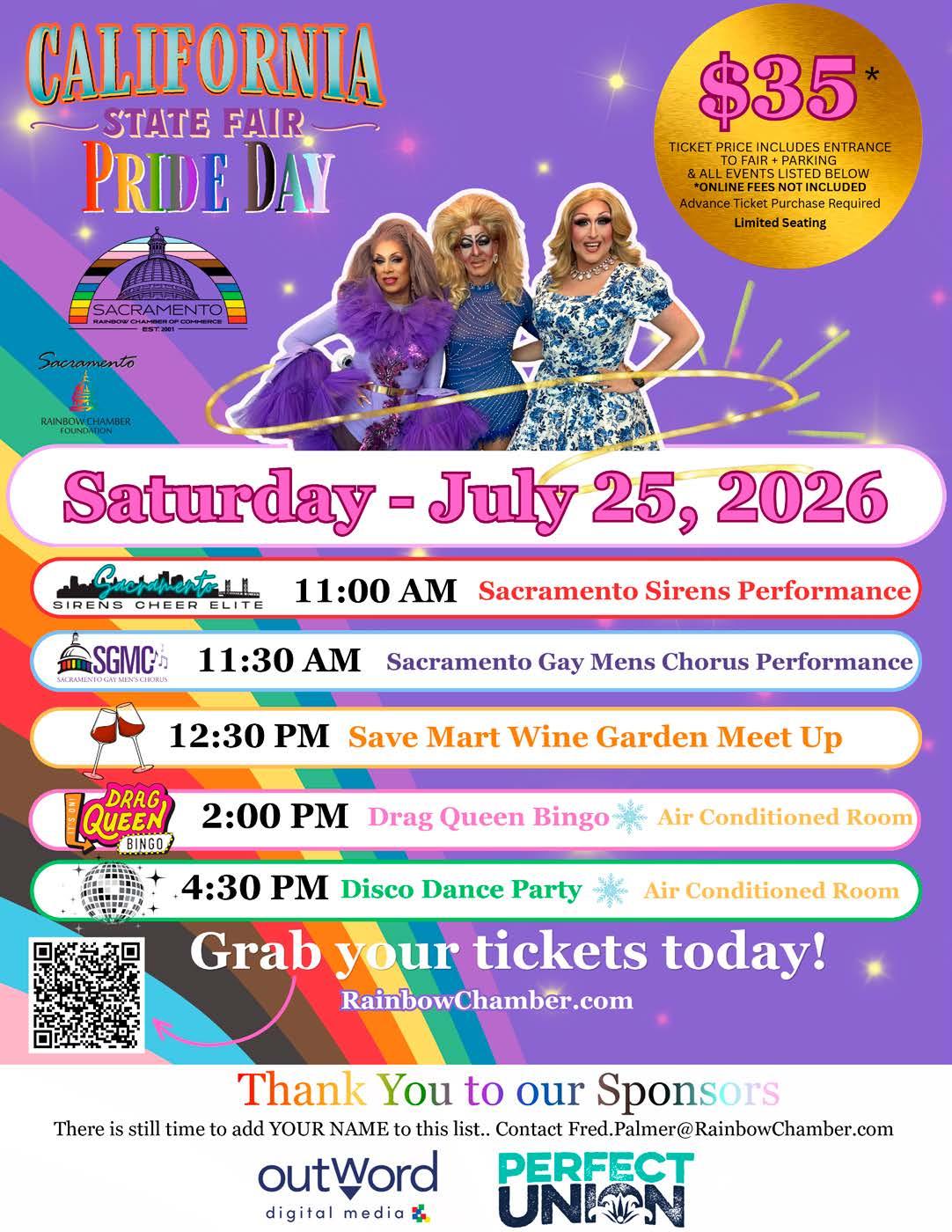
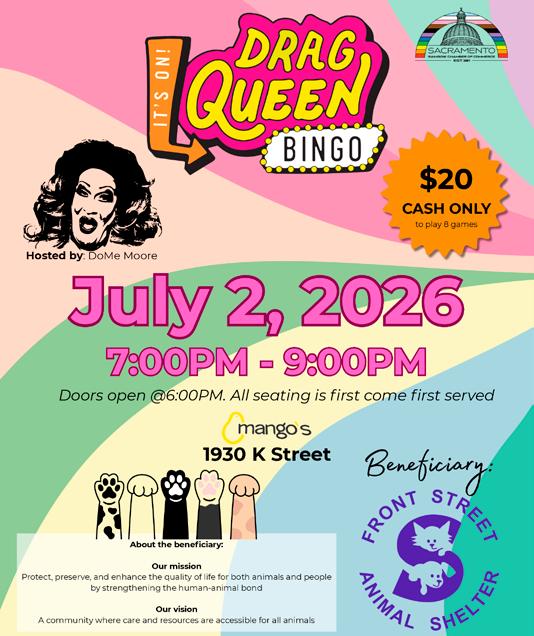
Drag Queen Bingo returns to Mango’s, 1930 K St., on Thursday, July 2 from 7 to 9 p.m. Hosted by DoMe Moore and presented by the Sacramento Rainbow Chamber of Commerce, the lively evening combines bingo, entertainment and community fun while benefiting Front Street Animal Shelter. Doors open at 6 p.m., with eight games for $20. Organizers encourage guests to arrive early, grab a seat and support a worthy cause. Rainbowchamber.com
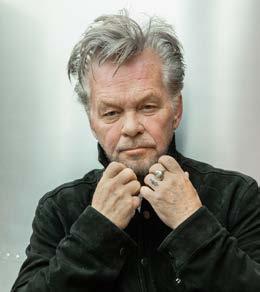
Heartland rock icon John Mellencamp brings his Dancing Words Tour: The Greatest Hits to Shoreline Amphitheatre, One Amphitheatre Parkway, at 8 p.m. Wednesday, Aug. 12. Expect a powerful evening of storytelling and classic hits from the Rock and Roll Hall of Famer’s legendary catalog. Mellencamp.com
Do you have events, birthdays, or announcements to share? Feel free to send them to matthewburlingame@gmail.com.
Advertisers with a contract of four months or more.
L’AMOUR SHOPPE 2531 Broadway, 916-736-3467l
BANKS / CREDIT UNIONS
TRI COUNTIES BANK www.tricountiesbank.com
BADLANDS 2003 K St. 916-441-6823 SacBadlands.com
THE DEPOT 2001 K St., Sac, 916-441-6823 TheDepot.net
HEALING TOUCH CHIROPRACTIC Dr. Darrick Lawson, 1210 G Street, 916-447-3344 www.FixMyBack.com
WEAVE
916-920-2952 (24/7) www.weaveinc.org
ERIC GROVE, DDS
KENDALL HOMER, DMD 9216 Kiefer Blvd., STE 5 916-363-9171 • grovehomerdentists.com
ROSCOE’S BAR & BURGERS
916-898-3631 Roscoes916.com
SCOTT’S SEAFOOD - ON THE RIVER 916-379-5959 ScottsSeafoodontheRiver.com
FINANCIAL PLANNING
STEELE FINANCIAL PARTNERS Judy Steele, Financial Advisor 916-846-7733 www.steelefinancial.org
HEALTH SERVICES
RIVER BEND MEDICAL ASSOC. www.rbmafamilydocs.com
HOME CLEANING
HOUSE 2 OM 916-833-8510 info@house-2-om.com
LIBRARIES
FRIENDS OF THE SAC. PUBLIC LIBRARY 8250 Belvedere, Ste. E, 916-731-8493
CROCKER ART MUSEUM 916-808-7000 CrockerArt.org
OPTOMETRY
CAMERON YEE, O.D. 6407 Riverside Blvd., 916-395-0673 DrCameronYee@aol.com
PERFORMING ARTS
BROADWAY SACRAMENTO Safe Credit Union Performing Arts Center 916-557-1999 BroadwaySacramento.com
MONDAVI CENTER UC Davis mondaviarts.org
PEST MANAGEMENT
EARTH GUARD PEST SERVICES 916-457-7605 contact@earthguardpest.com
PHARMACY
PUCCI’S PHARMACY 3257 Folsom Blvd., 916-442-5891 www.puccirx.com
REAL ESTATE
BEAZER HOMES R21 By Beazer Homes 916-246-6044 Beazer.com
COLDWELL BANKER Chip O’Neill, 808-300-9932 cell www.chiponeill.com
Mark T. Peters, 916-600-2039 www.MarkPeters.biz
MCMARTIN REALTY Brian McMartin, 916-402-4160 brian@brianmcmartin.com McMartinRealty.com
WINDERMERE REAL ESTATE Lori Pennell, 916-54 7-8793 www.LoriPennell.com
For decades, LGBTQ+ bars, clubs, and gathering spaces served as much more than places to socialize. They were community centers, safe havens, and often the first places where people could truly be themselves. Today, GayBarchives is helping ensure those stories are not lost to time.
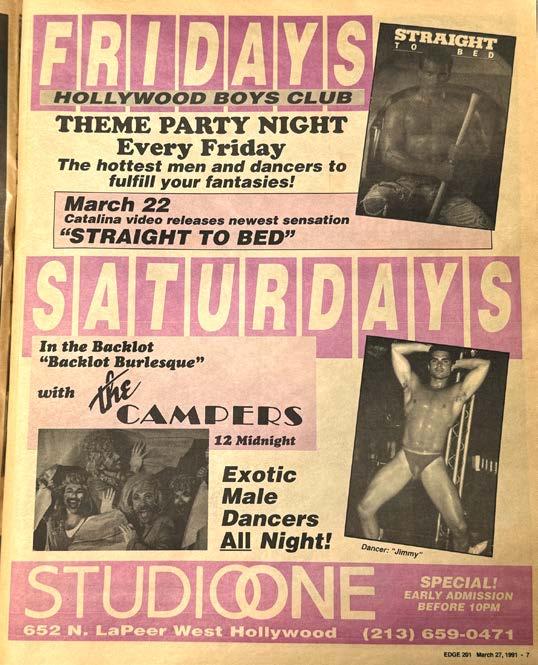
Widely recognized as one of the leading digital initiatives dedicated to preserving LGBTQ+ nightlife history, GayBarchives has grown into a global, community-driven archive documenting the people, places, and experiences that helped shape queer culture. Through photographs, personal stories, memorabilia, and historical records, the project captures both landmark moments and the everyday experiences that defined generations of LGBTQ+ life.
The archive’s mission is strengthened through its partnership with the Stonewall National Museum, Archives & Library, helping ensure that these important records are preserved according to professional archival standards. As SNMAL President and CEO Robert Kesten noted, “The history of bars has been a quest for community. That’s true for ethnic groups and the LGBTQ+ community. GayBarchives and our partnership keeps that history alive and vibrant.”
The collection spans everything from vintage bar flyers and photographs to modern-day reflections from patrons, business owners, entertainers, and community leaders. Together, these contributions create a living record of LGBTQ+ social history while building connections between generations.
At the heart of the project is founder Art Smith, a longtime journalist and storyteller dedicated to documenting voices that are often overlooked. Smith envisioned GayBarchives as a “living museum” celebrating the bars we loved, the spaces we lost, and the venues that continue to serve LGBTQ+ communities today.
As many historic queer spaces disappear or evolve, GayBarchives stands as an important reminder that preserving our history means preserving the stories, friendships, and communities that helped make progress possible. Check out their Facebook page here.