FEATURE
THE CHANGING TIDES OF FRIENDSHIP: NAVIGATING CONNECTION LATER IN LIFE
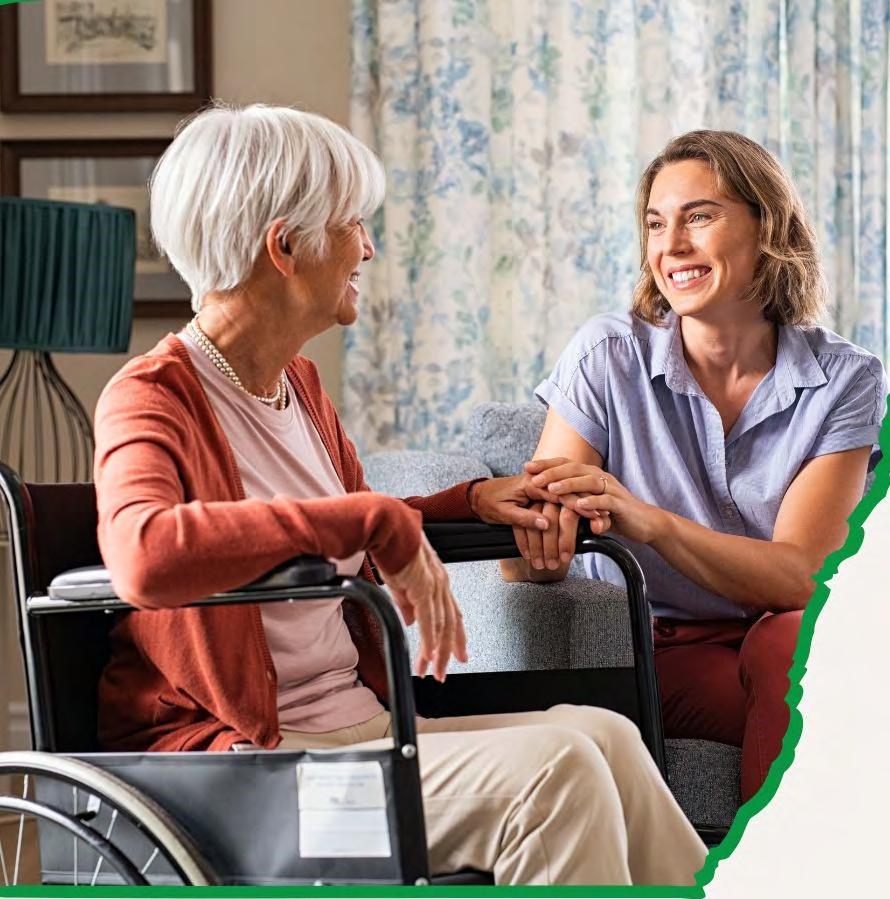
Friendships, like the seasons, aren’t static. They don’t stay the same or last forever, and there is a rhythm to relationships that involves endings…and new beginnings.
In our younger years, friendships often form easily—through work, kids and community, all of which naturally bring people together. School, early careers, raising children—these environments create built-in opportunities for connection. We find our people in the school pick-up line, in the cubicle next to ours or at the church bake sale, with a mean brownie recipe and an offer for coffee. We volunteer, cheer our kids on, take trips, watch each other’s pets and support each other through marriages, divorces, births, deaths and inevitable moves. We say our goodbyes, which means embracing hellos.
continued on page 6

MARGARETA MAGNUSSON
2022 - 2
Well, it’s official: fall is here. I had my first pumpkin-spiced
LETTER FROM THE EDITOR
just ture dipped low enough to merit a fleece.
Amy Phariss, Editor-in-Chief, OutreachNC | editor@outreachnc.com
Welcome to April, ONC readers! I sit at my laptop, facing a window and overlooking a dogwood tree in full bloom. Is there a better scene for writing and pondering a spring transition?
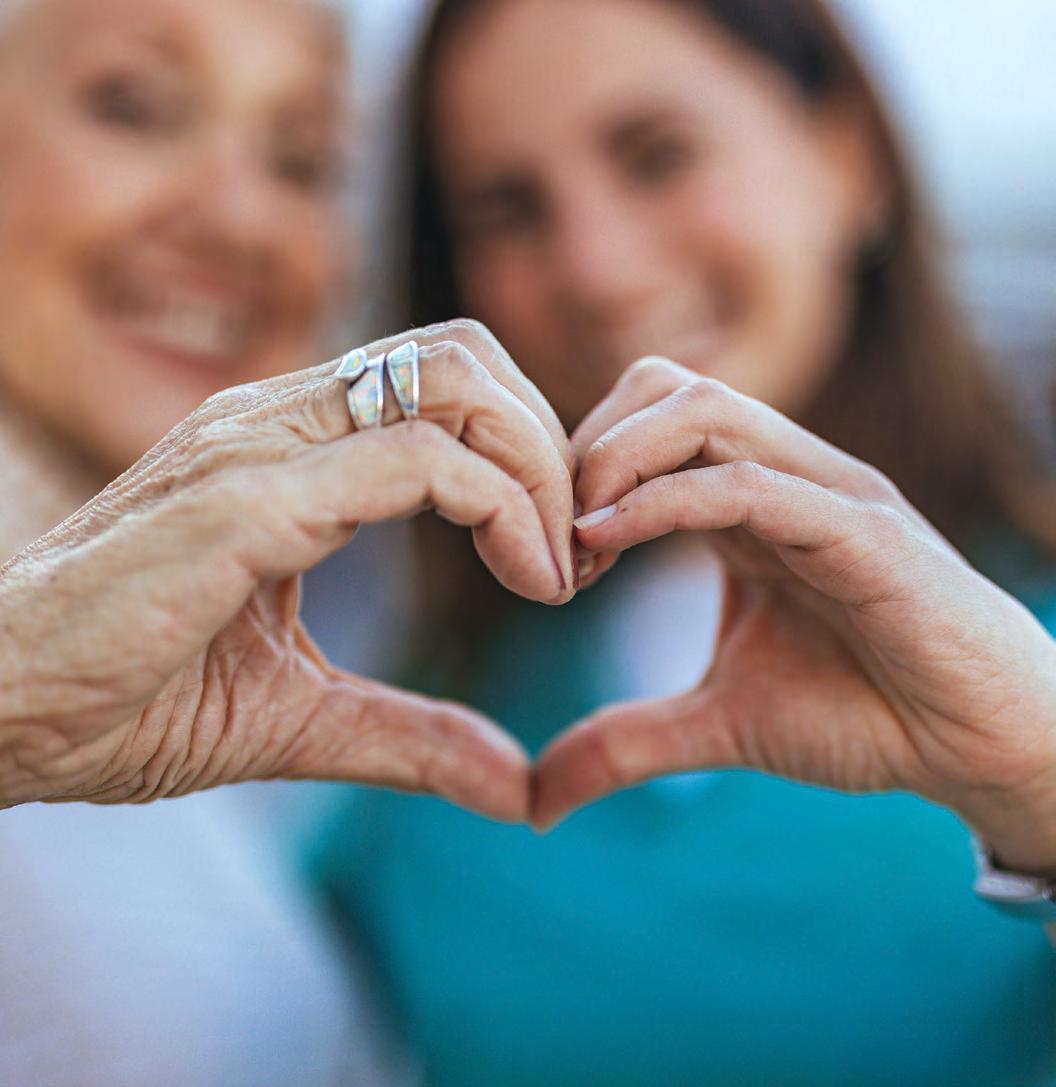
In our feature – The Changing Tides of Friendship –we’re exploring what it means to navigate friendship in later life—not just how relationships change, but how they can be renewed, reimagined, and, in many cases, strengthened in ways that feel more honest and meaningful than before.
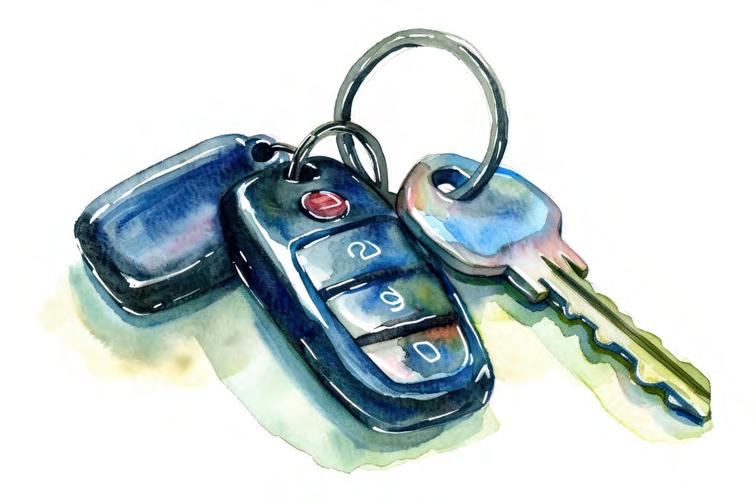
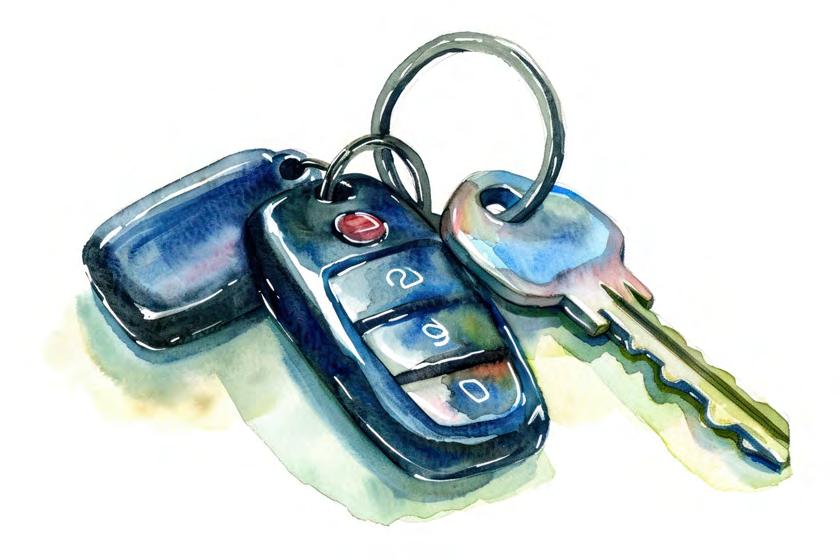
In this month’s Ask the Expert, Amy Natt tackles another kind of transition: what it means to give up the car keys. For many, driving represents independence, identity, and freedom. Letting that go can feel like a loss—but it can also open the door to new systems of support, creativity, and connection. Natt offers practical tips to transition with safety and ease.
In On the Menu, we offer some Sweet Treats for Sharing, little treats to share over a cup of tea or coffee, with friends old and new.
Since we’re in the full throws of spring, we’re offering a Spring Reset, a checklist with gentle, doable options for shifting into a new season, clearing out the past few
Amy Phariss, Editor-in-Chief , OutreachNC
Don’t worry. It was decaf.
months and welcoming in a fresh start.
October is a gentle month. There are constant reminders of change. we are lucky, toward each other. We have lingering conversations the flames flicker. Smoke dances around us in a circle. We zip our
In our Book Bag, we’re reading Margareta Magnusson’s The Swedish Art of Aging Exuberantly, a charming reminder that aging is not something to endure, but something to engage with fully—curiously, playfully, and on our own terms.
In this month’s feature, we’re starting an important conversation: care community for ourselves or a loved one? Fox Hollow Senior Robin Hutchings offers inside perspective for making this decision.

In Ask the Expert, Amy Natt answers a reader’s question regarding away without any estate planning. Without a will or access to important
If there’s a thread running through all of this, it’s this: life doesn’t stop asking us to adapt. But with each shift comes an opportunity—not just to adjust, but to choose. We choose how we connect, how we move through change, and how we shape the days ahead.
Physical therapist Dr. Sara Morrison of Total Body Therapy and potential diagnostic tools used in physical therapy to help diagnose these tools differ from what other doctor’s offices may offer.
Anais Nin’s words represent so well the infinite possibility of friendship and connection: “
I’m going to agree with Nathaniel Hawthorne this month, who wrote:
I cannot endure to waste anything so precious as autumnal sunshine spent almost all the daylight hours in the open air.
Each friend represents a world in us, a world possibly not born until they arrive.”
Here’s to enjoying the October sunshine, falling leaves and daylight
As
always, we’re glad you’re on the journey with us.



facebook.com/agingoutreach/ instagram.com/agingoutreachservices/




ASK THE EXPERT: LIFE AFTER DRIVING WITH TRANSPORTATION SOLUTIONS
Amy Natt, MS, CMC, CSA - Aging Outreach Services | amyn@agingoutreachservices.com
Q: Last month I decided to give up my drivers license due to changes in my eyesight and mobility. I am feeling more and more isolated and miss having the freedom to drive myself to social events. What are some ways I can continue to stay active?
A: First, kudos to you for knowing it was time to give up your license. Driving is strongly tied to feelings of independence, and many people continue to drive long past the time they should have given up the keys. This can have tragic consequences to both the driver and others on the road.
Staying connected when you cannot just jump in the car and drive yourself is a real challenge and valid concern. One of the helpful shifts is in your mindset. You can still access various forms of transportation, but you may need to be a bit more structured in your schedule and flexible to options available to you.
HAVING THE RIGHT MINDSET IS THE BEST PLACE TO START THIS NEW NORMAL.
You can start by making a list of the various places you like to go and the frequency with which you typically go. For example, grocery store, medical appointments, haircut, shopping, banking, social events and other household errands.
Use a calendar to document things that occur on a set date and then a separate list of the things that have more flexibility. If you can start to group things on certain days, it will help you identify when it is essential that you secure transportation and for what amount of time.
Building a routine schedule will help as you identify the options you must get to and those where you want to go.
Here are some transportation options to consider:
• Uber/Lyft or other transportation services accessed through an app (you will need the appropriate technology to access these).
• Traditional taxi and transportation companies available in your area. Often there are ones that specialize in helping older adults.
• Transportation services offered through the county. Try calling your local area agency on aging, senior center or YMCA.
• If you have friends or family who drive and visit the
same places, or attend the same social events, ask if they’d be willing to give you a ride. You can offer gas money or to take them to lunch in exchange.
• Consider hiring a private caregiver 2 days a week, on the days you have the most places to go. Once you have this standing schedule, you can start to schedule appointments on the days you know you will have transportation.
• If you are a part of a church or other organized community, ask if they offer any programs to assist with transportation.
Staying connected is very important, so if you aren’t sure of transportation options or are having a difficult time organizing them, reach out to the department of aging or a private care manager to help you identify and coordinate all of the options available to you. You don’t have to do this alone. There are people who can help navigate this new phase of getting around.
Another consideration is to move to a retirement community that offers both social opportunities and transportation. Being at home, especially if you live alone, without transportation can be very isolating. Sometimes these communities provide a good alternative.
Lastly, if you notice significant changes to your mood, energy levels, appetite and general outlook, talk to your primary care physician. There may be other ways that this change is impacting your life, and it would be helpful to talk to someone about these changes.
STAYING ENGAGED IN LIFE AND HAVING REAL CONNECTIONS TO PEOPLE ARE
BOTH VITALLY IMPORTANT, ESPECIALLY AS WE GET OLDER.
We can supplement some connection through technology and phone calls, but nothing beats real in-person interactions, so keep going through this transition, identify options and embrace new opportunities.
A GENTLE SPRING RESET FOR BODY AND MIND
If the winter is all about hibernation, hunkering down and turning inward, spring is a natural season for renewal. We’re enjoying longer days, warmer air, and blooming gardens. The flower blossoms and extra daylight call us to refresh our habits and reconnect with the world around us.
Here are a few simple, doable options for dusting off the winter months and shifting into spring energy.
5 Gentle Spring Resets
1. STEP OUTSIDE EACH DAY
Even a few minutes outdoors can make a difference in our overall health. Research shows that fresh air and natural light — even on cloudy days — can help regulate circadian rhythms, improve sleep, and boost mood.
Have your morning coffee outside
Meet a friend for a walk
Take your pet to the park
2. RECONNECT WITH SOMEONE
Strong social connections are one of the most important factors associated with healthy aging and emotional well-being.
Call an old friend
Invite a neighbor for coffee
Attend a community group
3. CLEAR ONE SMALL SPACE
Tidying small areas can reduce mental clutter and create a sense of calm and accomplishment. Research shows reducing physical clutter can actually reduce anxiety and increase focus.
Tidy your nightstand
Clean out a kitchen drawer
Organize your purse or wallet
4. REFRESH YOUR ROUTINE
Small changes to daily habits help break automatic routines and stimulate the brain. Research shows that introducing gentle variety into our days can support cognitive flexibility, improve mood, and help us feel more focused and engaged.
Walk after dinner
Read instead of watch TV for 30 minutes
Try a new type of TV show, genre of book or form of exercise
5. PLANT SOMETHING
Tending plants has been shown to reduce stress, increase feelings of purpose, and connect us to the rhythms of nature.
Plant some windowsill herbs
Cut fresh flowers or treat yourself to a bouquet from the farmer’s market
Cultivate tomatoes or peppers, which are easy and beginner friendly
Spring reminds us that growth doesn’t have to be dramatic. Often, it begins with one small step outside and toward something fresh and new – a habit, a book or a way of viewing the world.
THE CHANGING TIDES OF
Friendship
NAVIGATING CONNECTION LATER IN LIFE

by Amy Phariss
continued from page 1
But as life unfolds, many people notice something unsettling. Friendships don’t just come and go through the natural pace of life. Sometimes, relationships simply change. Situations change. People change. Families change. Politics change. Perspectives change. Mobility changes. There is just so much change, and sometimes, our relationships change, too.
Some fade quietly; others end abruptly. A lot of what happens isn’t even within our control.
And new ones? These friendships don’t always come easily.
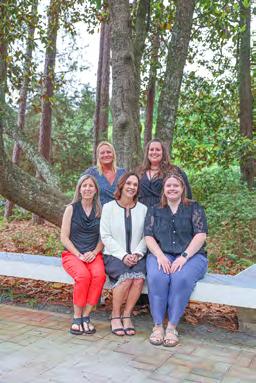
We sat down with several seniors in our community and talked about developing friendships and navigating new chapters in new neighborhoods, with new circumstances, values and goals.
Kendra, Sophie, and Bruce share their insight, advice and experiences – showing us that friendships may look different, but they can be just as rewarding and rich later in life.
Why Friendships Change Over Time
There are many reasons friendships change. Often, changes are a result of layering of life circumstances— some expected, others not. In our conversations, several reasons came up.
1. LIFE TRANSITIONS RESHAPE OUR WORLDS
Moves, retirement, illness, caregiving, and loss can all affect social circles.
Kendra, now in her mid-70s, moved to the area a few years ago to be closer to her children, to resources for her husband and to a home that would be easier to care for. She describes the unexpected difficulty of leaving the home she had built and lived in for over 20 years. Selling the house became far more complicated than anticipated—changing codes, unexpected repairs, a failed buyer, and the emotional weight of letting go of a space filled with meaning. Kendra says, “You’re old anyway, and it’s difficult to deal with things… and you’re trying to handle all the problems that come up when you’re trying to sell.” Landing in a new place wasn’t easy, making the process of building a new life even more challenging.
Sophie experienced a different kind of transition. She also relocated to be closer to her children, only to lose her husband shortly after the move. In a short period of time, her environment, her daily rhythms, and her support system all changed. She says, “I had to think about not just spending time with family but also making friendships of my own. I had more time once I wasn’t caring for my husband. I wanted to fill it with new people and experiences.”
These transitions don’t just change where we live. They change how—and how often—we connect.
2. VALUES AND IDENTITY CONTINUE TO EVOLVE
We often assume that by adulthood, we are “set” in who we are. But the truth is, people continue to grow and change across the lifespan.
Priorities shift. Beliefs deepen—or soften. What once mattered may no longer feel meaningful. For Bruce, the work he focused on for so many years (and where he met and made most of his friendships) was gone. He retired and wanted to “move on” instead of “living in the past.” So he began to look forward, to something new. He finally settled on road cycling, after trying and failing to enjoy golf. Bruce says, “I never thought I’d become a cyclist, but it’s been a great way to keep in shape and find friends. I ride with a group now, and I feel like the friends I’ve made doing this keep me as young as the bike.”
And sometimes, friendships that once felt natural no longer align in the same way. As Sophie says, when asked if she has any advice for building friendships later in life, “Choose people who support you and encourage you. Drop the negativity. It’s a bad habit.”
This is not failure—it is development. We change, and we grow. Letting go of things that no longer serve us (even relationships) can bring peace to our lives.
3. PRACTICAL LIMITATIONS—AND ROLE CHANGES—SHAPE SOCIAL LIFE
Mobility challenges, caregiving responsibilities, financial considerations, and health concerns all shape what is possible. Our timetables shift. We used to be free only in the evenings or on weekends. Now, we’re free mid-morning, but night driving is more challenging or the weekends are spent with grandkids. We might actually have more caretaking responsibility with a spouse who needs support, shifting our schedules in ways we didn’t expect.
For Kendra, caring for her husband means that connection had to fit within clear structure. She has found her women’s group (which she found through
her church) to be a huge support in her weekly rhythm. She says, “My Wednesday morning life group is my day out. My husband always knows that I leave at 10:15 and come back at 12:30.”
For Kendra’s husband, finding new ways to socialize was important, too. She says, “He joined a men’s group, and they meet once a month. We carpool with other wives whose husbands aren’t driving, too. It’s nice. He likes it. He likes to go to breakfast, and it gives us people to get to know, especially if you join a small group, like a women’s group or a dinner group. You have connections there.”
For Bruce, the shift looked different—but equally significant. He says, “I had to learn how to find friends outside of work, and I couldn’t just lean on my wife. I had to find my own friendships and hobbies.”
As roles change—retirement, caregiving, loss—so does the way we reach out for and engage in our friendships.
The Emotional Impact: A Quiet, Shared Experience
Many people feel a normal sense of loss when friendships change—but struggle to name it.
There can be grief without clear endings, if friendships drift away or end suddenly. We often feel loneliness without fully understanding why, or how, we got there. Some people even shame—Why don’t I have more friends? What is wrong with me?
It’s important to realize this isn’t a personal failure but a season of life. There’s nothing “wrong” with us if we find ourselves adjusting to new relationships or feeling alone. The structure of adult life often makes friendship more complex. Unlike earlier stages, connection is no longer built into daily life—it must be created.
Rebuilding Connection: What Actually Helps
While friendship may become less automatic, it doesn’t become less possible. In fact, many people find that later-life friendships—though sometimes fewer—are deeper, more intentional, and more meaningful.
Here are some “rules” to remember when preparing for new friendships:
1. NO SIZE FITS ALL
For some, smaller groups with consistent schedules work best. For others, individual friendships are most supportive, and for others still, larger groups offer great connection. It takes some time and trial and error to find the right fit.
Kendra says, “My network for emotional support and help is my women’s group… It’s the small group where you can say, ‘I’m going through a really hard time.’”
For Sophie, individual friendships are the most fulfilling. “Just last night,” she says, “I had my friend over, and she brought her nieces. We drank wine and made earrings. The more we drank, the better our earrings got!”
These spaces—whether through church, volunteering, or shared interest groups—allow for depth, not just contact.
2. CONNECTION REQUIRES INTENTION—AND DISCERNMENT
Friendships don’t always “just happen” anymore. They are built—and also chosen—with care.
Sophie, reflecting on starting over later in life, shared a clear framework for how she now approaches friendship:
• Choose people who support and encourage you
• Let go of relationships that feel consistently negative
• Spend time with people you admire and want to emulate
• Be the kind of person who attracts meaningful relationships
• Value reciprocity—friendship should be shared, not one-sided
She describes holding onto draining relationships as a kind of habit—one that, over time, isn’t worth keeping.
This stage of life often invites a shift from quantity to quality. We’re not filling our days to keep busy. We don’t have to be friends with our kids’ friends or show up to work parties and events. We get to choose who we share time with and what we do with that time.
3. COMMUNITY FOSTERS CONNECTION
Environment matters more than we think.
Kendra offers solid advice based on her experience of moving into a 55+ community. At first, she wanted to live in a different neighborhood, but she is thankful she moved into a community focused on the age and stage she’s at now. When asked her advice for moving and building community in a new place, she says, “I would definitely not just go buy a house somewhere. I’d get into a community. Move somewhere where there are other active adults. Depending on your finances, if you want to live in an apartment or even a house in a care
center, there are all kinds of options. Figure out what you want to do. You might want to golf or swim or have a place to walk your pets.”
Neighborhoods, shared spaces, and built-in opportunities for interaction make connection more accessible—and more sustainable.
In Kendra’s weekly women’s group, one of the women lives in a care community. Kendra says, “She does so much. She’s part of so many groups. We have other people who live in other facilities. I would consider that if I couldn’t take care of where I am.”
Community shows up in so many different places and being open to finding it is a key to developing rich relationships.
4. SHARED ACTIVITIES CREATE NATURAL FRIENDSHIP
Friendship doesn’t always start with deep conversation—it often begins with shared experience.
Bruce discovered this in an unexpected way. He says, “I never thought I’d become a cyclist, but it’s been a great way to keep in shape and find friends.”
Activity-based friendships—walking groups, cycling, classes, volunteering—offer a powerful and often overlooked pathway to connection. We don’t have to engage in the hobbies or activities we’ve done our whole lives. We can not only learn new skills or develop new interests, but we can make new friends along the way. Learn mahjong or finally play bridge with a passion. Take up a book club focusing on a new genre: history, mystery or poetry. Learn a new sport or instrument.
5. STAY OPEN—AND STAY ENGAGED
Connection grows where we invest.
In Kendra’s case, simply attending a group led to leadership, belonging, and a wider network. She says the group she values today almost fell apart when the leader needed time off for a medical issue. The group could have easily waived off meeting for a few weeks or months, which is often how groups end up stopping meeting altogether. But Kendra says, “A few of us decided to keep getting together… and I took over leading it.”
Friendship, at this stage, often follows action—not the other way around. This is part of Sophie’s suggestion that friendship is reciprocal. It’s not about sitting back and letting it come to us but about engaging, investing and leaning into a new chapter.
What to Avoid: The Road to Isolation
Across these conversations, one theme is clear: Avoid environments—and patterns—that limit connection and increase isolation.
This might include:
• Living in places without community access
• Holding onto relationships that consistently feel negative
• Waiting passively for others to initiate
Small shifts in how and where we show up can impact connection over time. Be thoughtful and clear about what you want to experience, where those friendships exist and what you need to do to actively engage in order to find them. There’s a fine line between allowing life to unfold and letting it pass us by.
Finally, friendship in later life is not about recreating the past. As Kendra notes, “You don’t quit caring about people just because you move away.” But we can honor the past while still moving forward into the future. It’s about learning to connect in new ways—ways that reflect who you are now, not only who you used to be.
For many, this season brings:
• Greater clarity
• More aligned relationships
• A deeper appreciation for connection
And often, a quieter but more meaningful kind of belonging.
If your friendships have changed, you’re not alone.
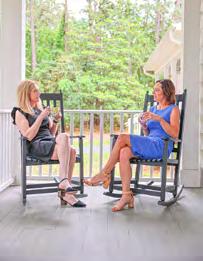
Many of us find ourselves sitting one day, assessing our lives, looking at our relationships and realizing: it’s time for something new. It might be a result of a move or a change in circumstances. We might look around and realize our friends have moved or in some way moved on. We might have done so ourselves. Or we might just be looking for something new that aligns better with our values, circumstances or interests.
The exciting part is the realization that there are people out there, just like us, waiting to connect and share a new adventure.
BOOK BAG: THE SWEDISH ART OF AGING
EXUBERANTLY BY MARGARETA
Amy Phariss, LCMHC, Clarity Counseling/Southern Pines, NC
If you’ve ever wondered how to age well without becoming overly serious about it, Margareta Magnusson offers a refreshing answer: with humor, lightness, and just enough practicality to make life easier for yourself—and everyone around you.
You may know Magnusson from her popular book The Gentle Art of Swedish Death Cleaning, all about decluttering and embracing paring down before the end of life. In The Swedish Art of Aging Exuberantly, Magnusson returns with a smaller, more personal collection of reflections that feel less like a guide and more like a conversation across the table. Written in her late 80s, she offers reflections on what truly matters as we grow older—friendship, curiosity, simplicity, and maintaining a sense of humor about it all.
Rather than presenting rigid rules, the book unfolds in short, thoughtful chapters—some practical (“Don’t Fall Over”), some playful (“Eat Chocolate”), and others quietly profound. Her advice reflects her lived experience as a mother, wife, Swede, expat and woman navigating the final decades of a life well lived.
What makes this book especially appealing is its tone. Magnusson writes with humor, honestly and grace.
The Swedish Art of Aging Exuberantly is gentle, witty, and deeply human. When we read (or listen, as I did, during a Spring cleaning bout), we related with Magnusson’s acknowledgments of the realities of aging—loss, physical limitations, uncertainty—while still emphasizing choice. As she says, we may not control how long we live, but we can choose how we approach our days and routines.
There is also a quiet through-line of her earlier philosophy: lighten your load, both physically and emotionally. Let go of what no longer serves you, stay open to new experiences, and invest in relationships that bring meaning.
What we loved about The Swedish Art of Aging Exuberantly :
• It’s short, approachable, and easy to read.
• It offers both practical tips and emotional perspective.
• It encourages independence, dignity, and joy.
MAGNUSSON
• It’s perfect for reflection—without feeling heavy.
This isn’t a book about “fighting” aging. It is about living well within it—with clarity, humor, and intention.
1. This Chair Rocks: A Manifesto Against Ageism –Ashton Applewhite
A smart, engaging, and often funny look at how we think about aging—and how much of it is wrong. Applewhite challenges outdated beliefs while empowering readers to see aging as a stage of growth, not decline.
2. You’re Only Old Once! – Dr. Seuss
Playful, absurd, and surprisingly insightful, this short book pokes fun at the medical experiences and quirks of getting older. It’s light, quick, and guaranteed to bring a smile.
3. Aging with Grace (and Maybe a Little Sass) –Valerie Ramsey
A beautifully written reflection on aging with confidence and style. Thoughtful, elegant, and encouraging—perfect for readers who appreciate both substance and charm.
SPRING RENEWAL WORD SEARCH
As we jump into spring, April is the perfect time to embrace renewal, movement, and tiny moments of joy. Take a few minutes to relax and enjoy this spring-themed word search. It’s the perfect way to flop down after a long walk and engage your mind, improve focus, and have a little fun, with a window open or the air conditioning on full throttle – depending on the day in North Carolina.
Instructions:
Find the spring-related words hidden in the puzzle below. Words may appear across or down.







ON THE MENU: Sweet Treats for Sharing
In Sweden, sharing coffee and something sweet is part of a cherished tradition called fika — a daily pause to enjoy conversation and connection. These simple treats are inspired by that spirit.
Sometimes the best visits happen over something simple — a warm cup of coffee and a small pastry shared with a friend.
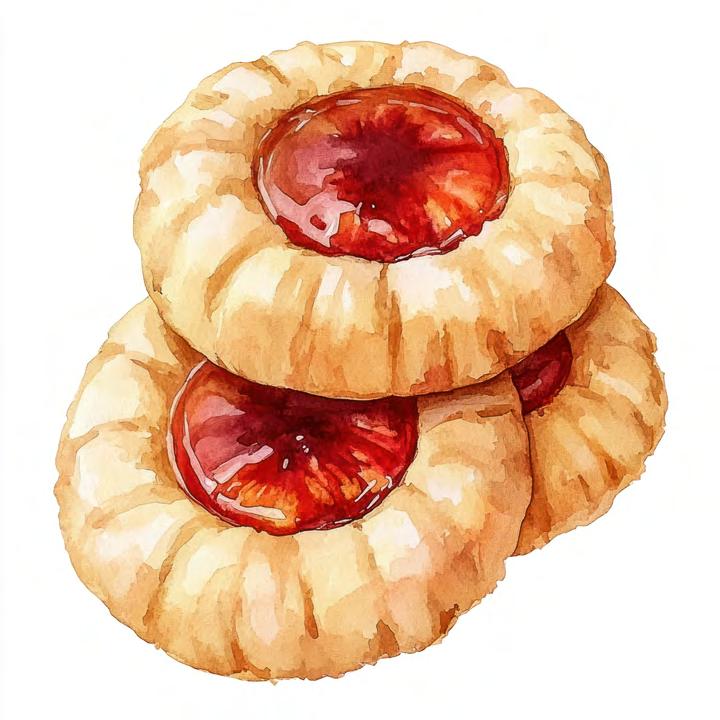
SWEDISH HALLONGROTTOR (RASPBERRY THUMBPRINT COOKIES)
A classic Swedish “fika” cookie Hallongrottor, meaning “raspberry caves,” are buttery cookies filled with a small spoonful of jam. They are a staple of Swedish coffee breaks and are perfect for sharing with friends over a warm drink.
Ingredients
1 cup butter, softened
½ cup sugar
2 cups all-purpose flour
1 teaspoon vanilla
½ cup raspberry jam
Instructions
1. Preheat oven to 350°F and line a baking sheet with parchment paper.
2. Cream butter and sugar until light and smooth.
3. Add vanilla, then gradually mix in flour until a soft dough forms.
4. Roll dough into small balls and place on the baking sheet.
5. Press a small indentation in the center of each cookie.
6. Fill each indentation with a small spoonful of raspberry jam.
7. Bake 12–15 minutes until lightly golden.
These cookies store well for several days and are perfect alongside coffee or tea.
SWEDISH DREAM COOKIES (DRÖMMAR)
A light, crisp cookie traditionally served during Swedish coffee breaks.
These classic “dream cookies” are simple to make and have a delicate texture that pairs beautifully with coffee.
Ingredients
½ cup butter, softened
1 cup sugar
1 teaspoon vanilla extract
1 ½ cups all-purpose flour
½ teaspoon baking powder
¼ teaspoon baking soda
Instructions
1. Preheat oven to 300°F and line a baking sheet with parchment paper.
2. Cream the butter and sugar together until light and fluffy.
3. Stir in the vanilla extract.
4. In a separate bowl, combine flour, baking powder, and baking soda.
5. Gradually mix the dry ingredients into the butter mixture until a soft dough forms.
6. Roll dough into small balls and place on the baking sheet.
7. Bake 15–18 minutes until the cookies are pale and lightly crisp.
Serving Idea: These cookies are traditionally enjoyed with coffee during fika, Sweden’s daily coffee break. Serve them with a warm café latte and a friend for a simple, meaningful pause in the day.

EASY CINNAMON PALMIERS
A simple pastry for sharing with coffee
Palmiers are delicate French pastries sometimes called “elephant ears.” Despite their bakery appearance, they are surprisingly easy to make at home using frozen puff pastry. Their crisp, caramelized layers make them a wonderful companion to coffee and conversation.
Ingredients
1 sheet frozen puff pastry, thawed
¼ cup sugar
½ teaspoon cinnamon
Instructions
1. Preheat oven to 400°F and line a baking sheet with parchment paper.

2. Sprinkle sugar and cinnamon evenly on a clean surface.
3. Place the thawed puff pastry on top and gently roll so the sugar sticks to the dough.
4. Fold both long sides of the pastry toward the center until they meet in the middle.
5. Fold the two sides together again so the dough resembles a long roll.
6. Slice into ½-inch pieces and place on the baking sheet.
7. Bake for 12–15 minutes, turning once, until golden and crisp.
Serving Idea: Serve warm or at room temperature with coffee, tea, or a café latte. These pastries look impressive on a small plate and are perfect for sharing with friends.

Perfect for a quiet visit with a friend.
Ingredients
1 cup strong coffee or espresso
½ cup warm milk
ALMOND BISCOTTI
A perfect companion to coffee and conversation
Traditional Italian cookies designed to be enjoyed with coffee. Their crisp texture makes them ideal for dipping into a warm café latte while catching up with a friend.
Ingredients
1 ¾ cups all-purpose flour
¾ cup sugar
1 teaspoon baking powder
¼ teaspoon salt
2 eggs
1 teaspoon vanilla extract

¾ cup sliced or chopped almonds
Instructions
1. Preheat oven to 350°F and line a baking sheet with parchment paper.
2. In a bowl, mix flour, sugar, baking powder, and salt.
3. Add eggs and vanilla, stirring until a dough forms.
4. Fold in the almonds.
5. Shape dough into a log about 10 inches long on the baking sheet.
6. Bake for 25 minutes, then remove and allow to cool slightly.
7. Slice into ½-inch pieces and place slices back on the baking sheet.
8. Bake again for 8–10 minutes until lightly crisp.
To Serve: Serve alongside coffee or tea for a relaxed visit with friends. Biscotti also store well in an airtight container for several days, making them easy to prepare ahead for guests.
SIMPLE CAFÉ LATTE
Instructions
1. Pour hot coffee into a mug.
2. Heat milk until warm and froth if desired.
3. Add milk to coffee and stir gently.
4. Sprinkle with cinnamon or cocoa.
Tip: Warm drinks naturally encourage people to slow down, sit longer, and enjoy conversation.
Sprinkle of cinnamon or cocoa powder (optional)
� � FreeDailyCrosswords.com
GRAY MATTER GAMES
ACROSS
I) Do a laundry chore
5) Like the Sahara
9) Rush job initials
13) "Das Boot" vessel
15) Movie pal of Stitch
16) Oblong tomato
1 7) Dunkin' Donuts
Munchkins, essentially
19) "At which point ... "
20) Uncage
21) Picked out
22) "How are you?" reply
23) Rights org.
25) "Follow me!"
28) "What'd I Say" singer
33) Didn't despair
35) Miners' take
36) Peron of Argentina
37) Dismiss summarily
38) Newspaper publishers, e.g.
41) Suffix with "fact"
42) Galahad's address
43) "Giant" star James
44) Meddlesome type
46) 1932 Spencer Tracy movie
50) Do lunch together, say
51) Yalies
52) Classic toon Betty_
54) Short-tempered
57) Sources of nacre
61) Assist nefariously
62) Just about everywhere
64) Like a griot's stories
65) Many a DeMille movie
66) Cathartic-yielding plant
67) Cobbler's piece
68) Heavy cart
69) Enlarge, with "out"
DOWN
I) Brewskies
2) Bassoon's cousin
3) Win in a walk
4) "Just do it" for Nike
5) Denali's state
6) Really rankle
7) Not up to par
8) Windows forerunner
9) Dudley Moore title role
10) Area of London or Manhattan
11) Iowa home of the Cyclones
12) French door part
14)_ McAn shoes
18) Crude sort
21) Well-bred
I) Do a laundry chore
23) Yard size, maybe 24) "Moonstruck" actress
5) Like the Sahara
25) Bottomless pit
26) Spunk
9) Rush job initials
13) "Das Boot" vessel
27) "Aida" or "Carmen"
15) Movie pal of Stitch
29) In one's salad days
16) Oblong tomato
30) Sierra_ (African nation)
3 1) Digital party notice
17) Dunkin' Donuts Munchkins, essentially
32) Co-Nobelist with Begin
19) "At which point ... "
34) Nothing, slangily
20) Uncage
39) Weigh station user
21) Picked out
40) Comes out with
22) "How are you?" reply
45) Give authority to
23) Rights org.
4 7) Prickly plant
25) "Follow me!"
48) Head monk's jurisdiction
49) Usurer's offering
28) "What'd I Say" singer
53) GM make until 2004
33) Didn't despair
54) Pueblo town
35) Miners' take
55) Zaragoza's river
36) Peron of Argentina
56) Jesse Ventura was one
37) Dismiss summarily
57) Met highlight
38) Newspaper publishers, e.g.
58) Mudville_ (Casey's team)
59) Charlotte's "Diffrent Strokes" role
60) Baseball feature
62) Paid, as a parking meter
63) Auto loan abbr.
TAKING NOTES

41) Suffix with "fact"
42) Galahad's address
43) "Giant" star James
44) Meddlesome type
46) 1932 Spencer Tracy movie
50) Do lunch together, say
51) Yalies
52) Classic toon Betty
54) Short-tempered
57) Sources of nacre
61) Assist nefariously
62) Just about everywhere
64) Like a griot's stories
65) Many a DeMille movie
66) Cathartic-yielding plant
67) Cobbler's piece
68) Heavy cart
69) Enlarge, with "out"

Gray Matter Games Solutions