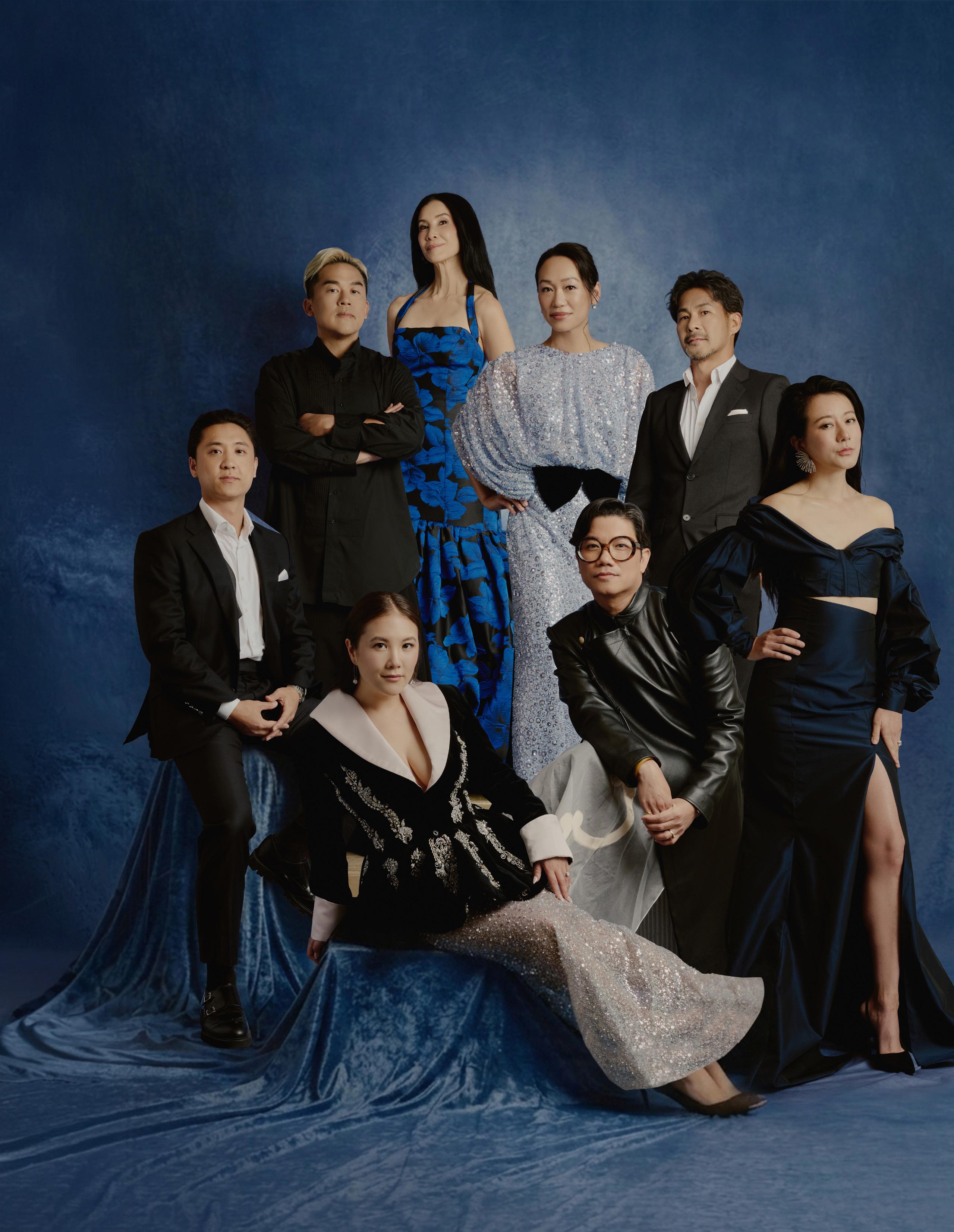
character New Honors
JIRO EGAWA | BOBBY HUNDREDS
NANXI LIU | ALLY MAKI | THAI NGUYEN | VICKY TSAI
LISA LING | ALBERT YANG
PHOTOGRAPHY

Takashi Cheng (Publisher)
Kelly Mi Li (Editor in Chief)
Stéphane Marquet (Creative Director)
Benjamin Holtrop (Fashion Director)
Aleksandar Tomovic (Executive Content Producer)
Roy Laughlin (VP of Partnerships)
Jinky Dolar (Director of Sales)
Advertising (Collaborations | Advertorials) advertising@charactermedia.com
Tesia Kuh (Head of Social)
Leslie Kim (Administrative Coordinator)
Contributors
Sthahlee B Mirador, Raen Badua, Syuan Huang, Kahn, Nikki L, Jennifer, Tesia Kuh, Daphne Mangin, Lizzie Mansour, Kenneth Medilo, Sky Naval, Isabella Nuqui, Carol Park, Christopher Parsons, Phil Sakanashi, John Salangsang, Vinh Pham, Marco Tolentino, Kelly T, Brittany T, Alexandra Tuil, Peiwen Wang, Chalisa Phiboolsook, Justin Ward, Kelly Zhang, The Booth Lounge.
Website www.charactermedia.com
+ Digital Distribution Press Reader (app)
Publishing in Partnership with @BELLOmediaGroup 8285 Sunset Blvd. Suite #14 / West Hollywood, CA 90046 IMAGE NATION STUDIO L.L.C. California, USA
Content Disclaimer
We would like to take a moment to emphasize that the content presented in this magazine does not necessarily reflect the opinions or viewpoints of the editorial team or the publication as a whole. Our aim is to provide a platform for diverse perspectives and voices, recognizing that opinions may vary widely on the topics covered.
Furthermore, while we strive to ensure the accuracy and reliability of the information presented, we cannot guarantee that all content is entirely free from errors or inaccuracies.
We encourage our readers to critically engage with the material and to verify information independently when necessary.
Submitted Content Disclaimer: We can not take responsibility for any content that was provided to us and will honor “notice-and-takedown” request if there is an error, or copyrights issue (on our digital platforms).
Thank you for your continued support and understanding.
Copyright 2026 - All Rights Reserved Character Media


Jiro Egawa, Bobby Hundreds, Nanxi Liu, Ally Maki, Thai Nguyen, Vicky Tsai, Lisa Ling, Albert Yang
Letter
Some things are built to last. Not because they are perfect, but because they are necessary.
Character was born in the 1990s from a simple and radical conviction: that Asian and Pacific Islander stories deserved a home. A real one. Not a footnote in someone else’s narrative, not a footnote in someone else’s issue.
A home with its own light, its own voice, its own vision of what was possible. At a time when API faces were largely invisible in mainstream media, Character dared to say otherwise. It said: We are here. We have always been here. And we have something to say.
Decades later, that conviction has not softened. It has deepened. Today, Character stands as part of something larger than any single publication could be. Golden Media, the most influential Asian American media conglomerate in North America, has made it possible to carry these stories further than we ever imagined. Across print, cable, digital, and streaming, from the pages you hold in your hands to screens across the country, the API community finally has an ecosystem built entirely in its image.
And at the heart of it all, year after year, there is the Unforgettable Awards. UNFO is not simply an awards ceremony. It is a reckoning, a reunion, a declaration. It is the room where our community walks in whole and is celebrated for it.
Where the artists, the dreamers, the trailblazers, the quiet revolutionaries are told clearly and loudly: What you do matters. Who you are matters.
This issue is a new era for Character.
New voices, new visions, new energy moving through pages that have always been ours. But it carries everything that came before it.
Every cover from the years when representation was a fight rather than a given. Every story told when no one else would tell it.
Every community member who picked up this magazine and felt, for the first time, seen. We did not get here by accident. We got here together.
To thirty years of showing up. To everything still to come.
Welcome to the new era of Character.
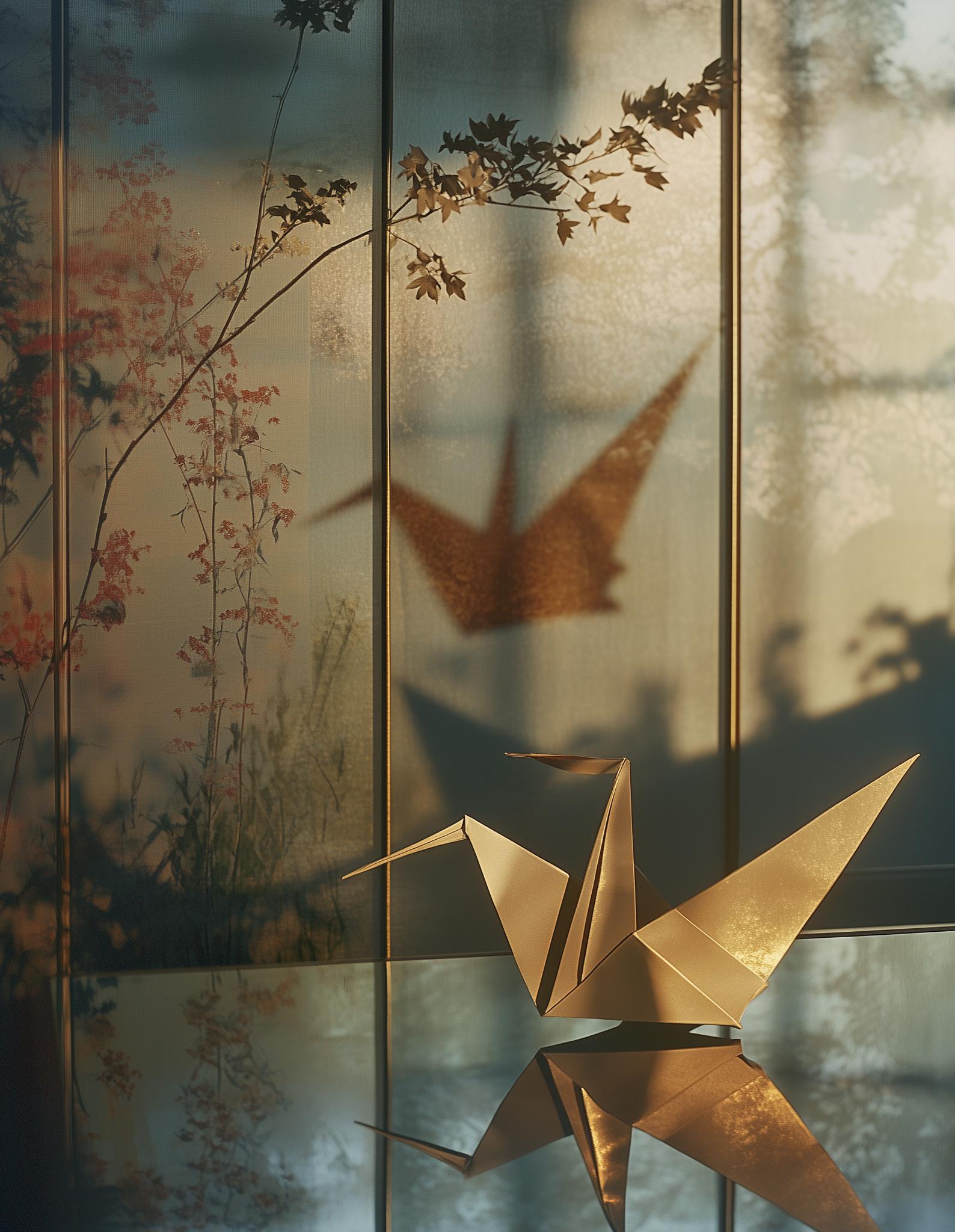
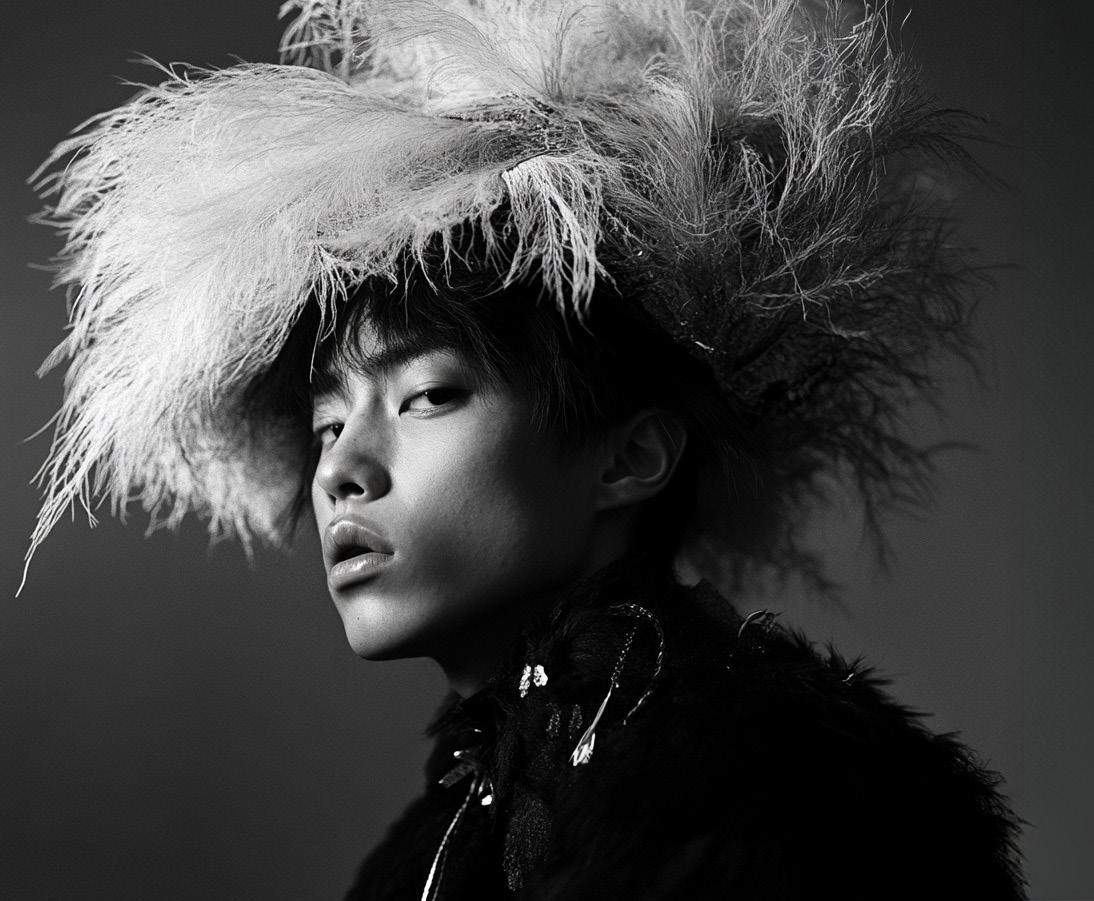
Illustration by Stéphane Marquet

Character Honors brings together individuals whose work does not simply reflect the moment, it moves it forward.
Across industries, the API community continues to redefine leadership, expanding representation through lived experience, resilience, and a deep sense of purpose.
These are voices shaped by identity, grounded in story, and driven by the decision to create on their own terms.
This is not about recognition alone. It is about the instinct to call your shot, to begin before certainty, to trust the path without a blueprint, and to keep building through every shift, every doubt, every unknown.
In partnership with Toyota, this moment honors those who move with intention, who stay in motion, and who create something that lasts beyond the moment it was made.
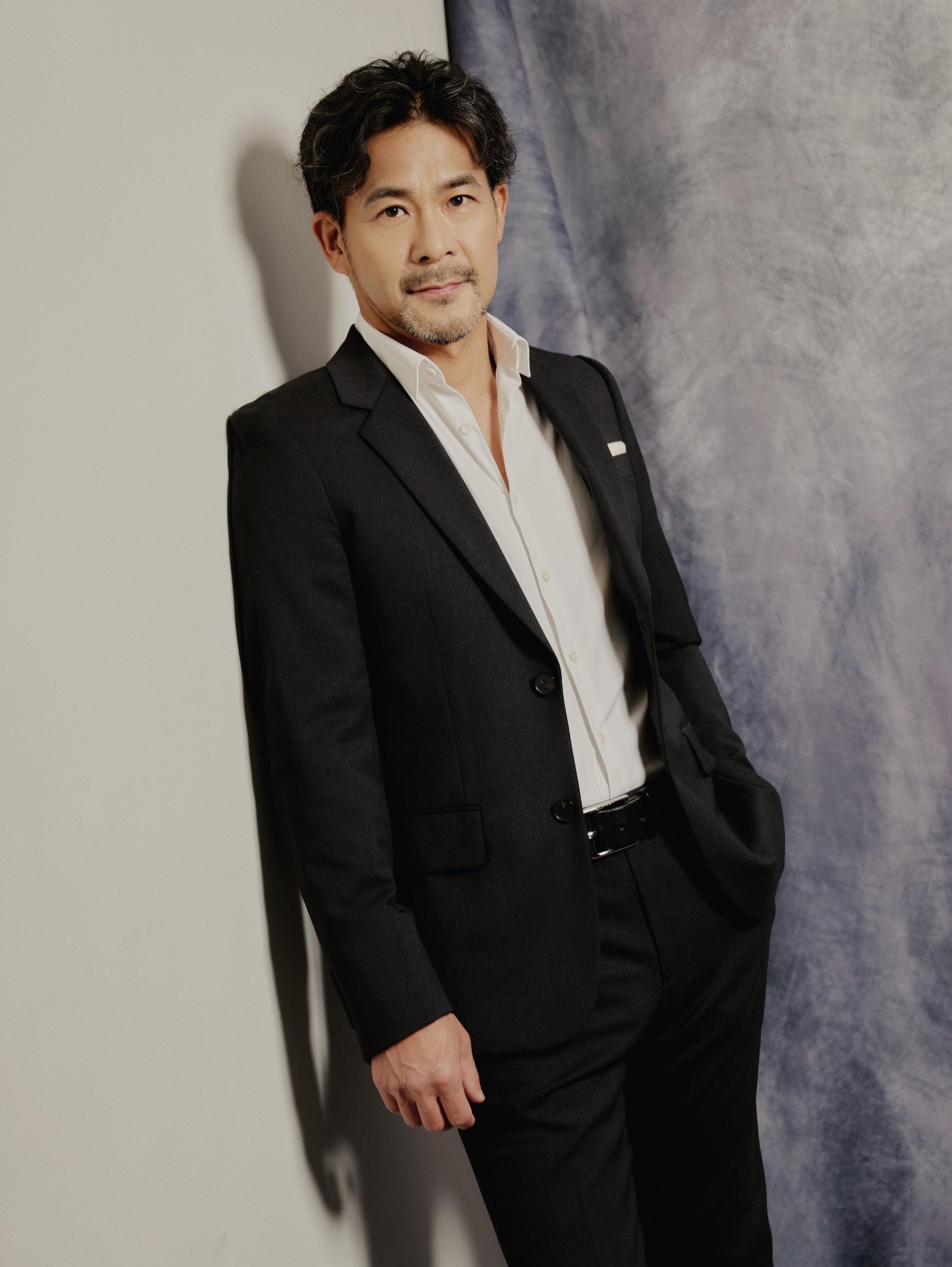
Suit Sandro
Jiro Egawa
Innovation Leadership Award
Senior Vice President, Platform Growth and Monetization, Xumo
The way we experience television has transformed quietly yet profoundly, redefining how stories reach us and how we engage with them in everyday life.
At the center of this shift is Jiro Egawa, whose work has helped shape the systems behind modern streaming, from discovery to delivery.
As platforms evolve and audiences fragment, his approach continues to focus on something more essential: how technology can create a sense of connection within an increasingly digital experience. Character speaks with Egawa about building for a new era of viewing, where innovation moves fast but the human experience remains at the core.
Photography Kenneth Medilo @kenmedilophoto
Styling + Creative Direction Benjamin Holtrop @benjaminholtrop at @thewallgroup
Hair & MUA
Brittany T, Nikki L, Kelly T, Kahn at @KellyZhangAgency
Production Aleksandar Tomovic @alekandsteph
Socials Tesia Kuh @thefirstthree.co
Production Coordinator Chalisa Phiboolsook @chalisaphi
Production Assistant Lizzie Mansour @lizzoooyo
Talent Coordinator Isabella Nuqui @_snowdust_
Location BELLO Media Group x Maison Privée @BELLOmediaGroup @maisonpriveePR_LA
The way we watch TV has shifted so quietly, it almost feels invisible. What does it mean to you to shape something that becomes part of people’s daily rhythm?
While some claim TV viewing is dying, the demand for high-quality content on the big screen is stronger than ever, and it’s exciting to be part of a team shaping the future of how we watch in an increasingly fragmented streaming landscape. Whether through our FAST (Free Ad-Supported Streaming Television) service or on our streaming devices, our focus is on delivering a dynamic and personalized viewing experience that makes content discovery easy and seamless.
Your work lives between technology and storytelling. Where do you feel the real magic happens?
The real magic happens when we create serendipitous moments that inspire users to connect with content, making the underlying technology feel completely invisible.
Streaming has redefined attention, choice, and access. What do you think this new era is asking of us as viewers?
As content options grow, the viewing experience becomes increasingly fragmented. Viewers want a TV operating system that simplifies discovery by unifying all services into a single, content-first interface. That’s what we solve for at Xumo. We’ve made discovery smarter and more intuitive, and we will continue to reduce friction by leveraging AI and machine learning.
You’ve built across markets and cultures. How has that global lens shaped the way you think about connection and audience?
Working across different cultures has cultivated new perspectives and a deep sense of empathy for me and my team, allowing us to embrace new ideas and remain adaptable and agile in an ever-changing environment.
In an industry that moves at constant speed, how do you stay clear on what actually matters?
When engaging with leadership, I frequently reference Simon Sinek’s Golden Circle. Starting with the ‘why’ ensures that we align on our core purpose and beliefs, which not only guides the team toward a shared vision but also empowers members to discover their own passion for the work. Defining your ‘why’ provides a north star that you can return to for guidance with every business decision you make. The best user experiences often go unnoticed.
What does an experience feel like when it’s truly working?
It’s when users go straight to the content they want to watch – an experience that’s so intuitive that they feel the value immediately and effortlessly. We discovered from our study that providing this level of experience early in the user journey makes it highly likely that those users will become stickier and, ultimately, loyal customers.
Free streaming opens the door to wider access. Who do you think is finally getting a seat at the table because of that shift?
There’s so much amazing content out there focused on diverse cultures, and FAST is opening new doors for them. For too long, they were kept on the sidelines of the media landscape. Now, with the barrier to entry lowered by free streaming, these underrepresented groups are finally getting a seat at the table and a chance to share their stories with a global audience.
When you imagine the future of media, what kind of world are you hoping to help build?
My goal is to build a media landscape where equality of opportunity is the standard. I want to create a world where anyone, regardless of their background, can access high-quality, personalized content that entertains, engages, and informs every aspect of their lives. By unlocking the full potential of every individual and delivering truly valuable experiences, we can move beyond being just a service and become an integral part of people’s lives for generations to come.
What’s your ‘Call Your Shot’ moment, when did you decide to go after something and refuse to let uncertainty stop you?
Starting a new business is challenging when multiple factors drive success. For our streaming platform, these were distribution, content, monetization, and technology. Without a shortcut or playbook, I chose to lead with distribution, creating a flywheel that accelerated our growth across all other areas. Success requires trusting your starting point and focusing your resources and energy on a single goal to maximize your outcome.
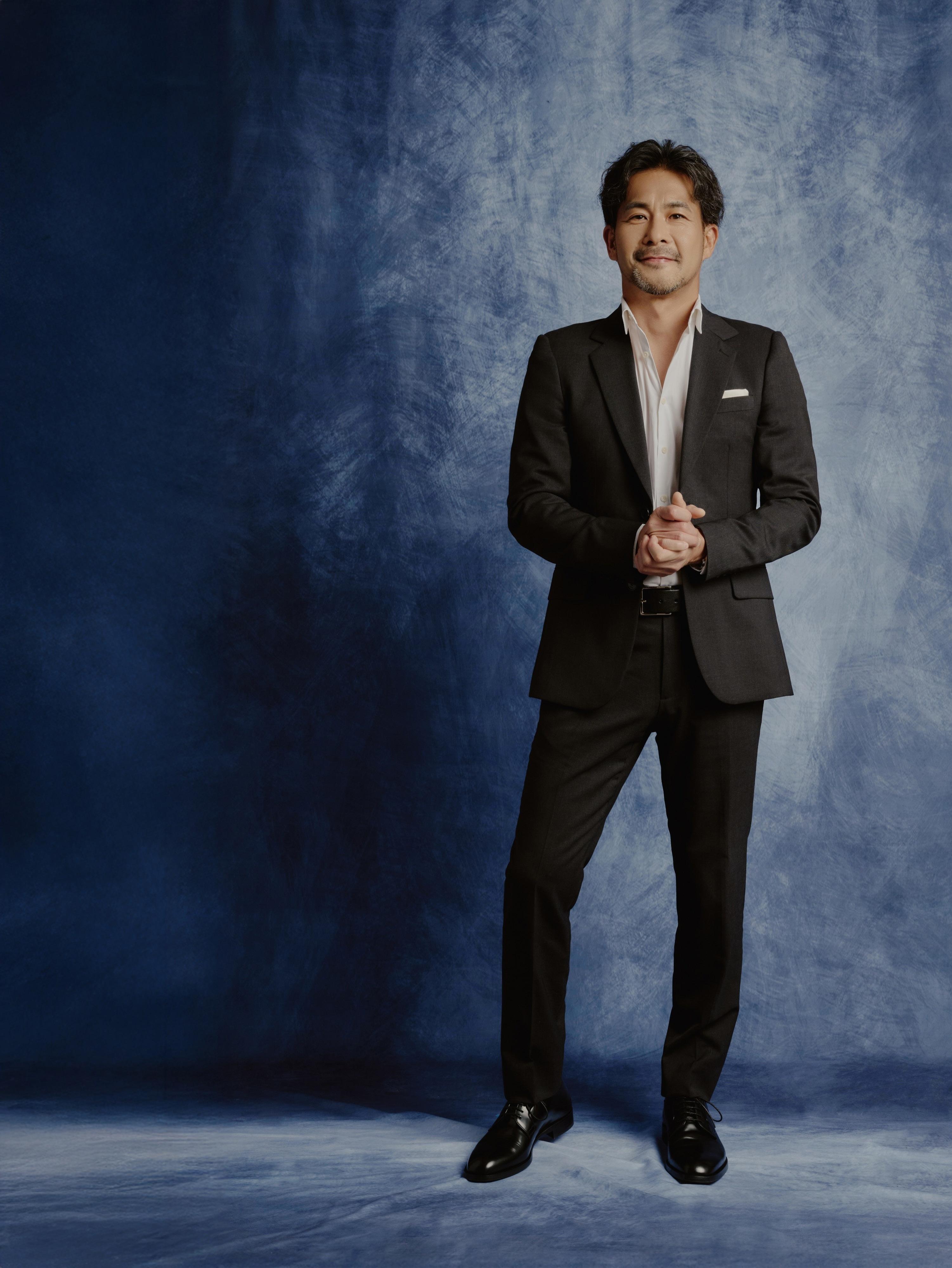
“The real magic happens when we create moments that inspire people to connect with content, making the technology feel invisible.”
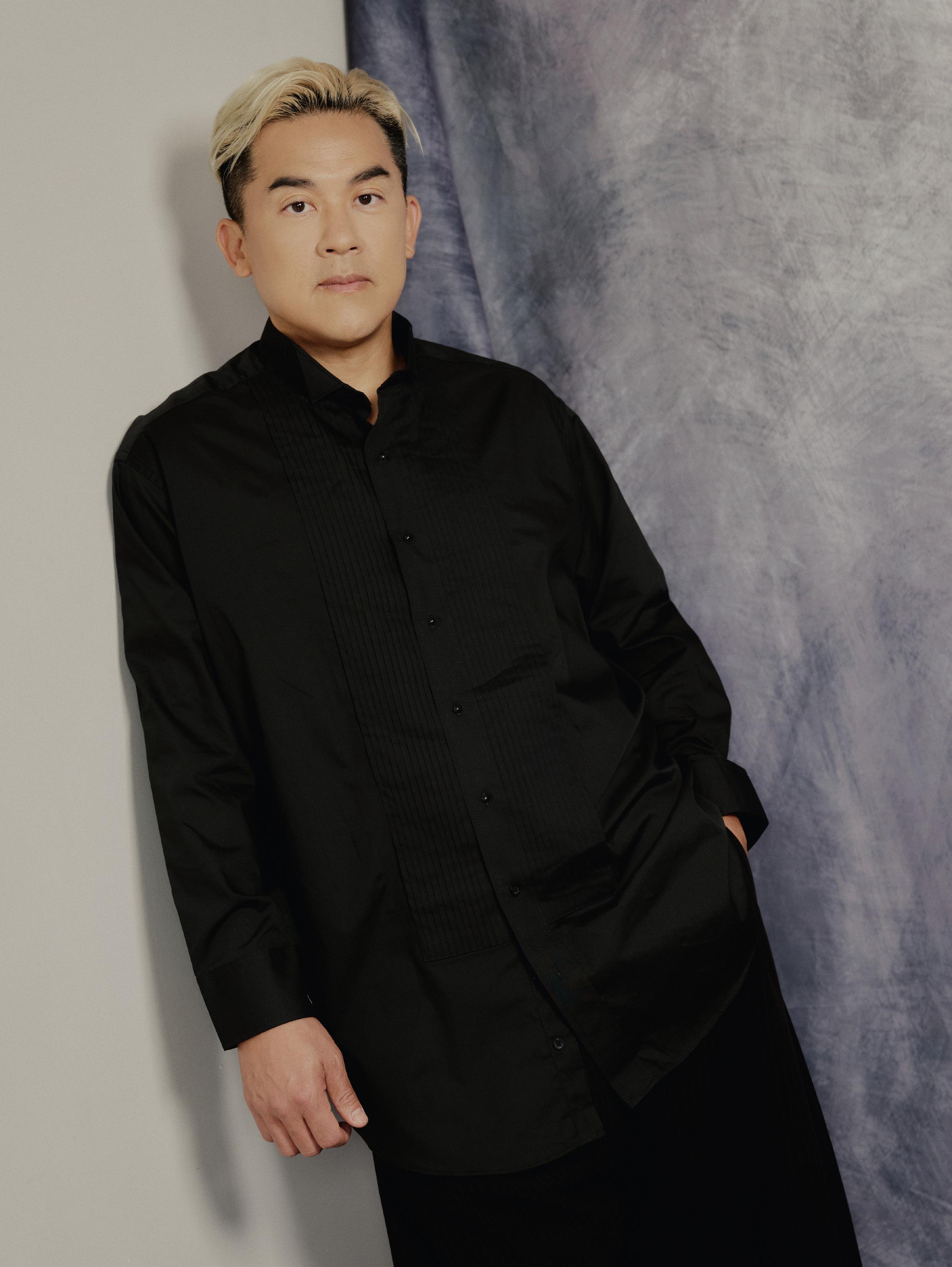
Shirt Balmain Pants Tell The Truth
Bobby Hundreds
Global Trailblazer Award
Global Creative Director, Disney Consumer Products & Co-Founder, The Hundreds
Bobby Hundreds has long worked at the intersection of creativity and conviction, building a career that moves between streetwear, storytelling, and cultural commentary, with a voice that has helped shape an entire generation of independent brands.
As the co-founder of The Hundreds, he has spent decades building not just a label, but a way of thinking about culture, identity, and community.
Character sits down with one of the industry’s most influential and reflective voices to talk about what it really takes to build something that lasts, how curiosity continues to guide his work, and why creation today feels more urgent than ever.
Bobby Hundreds @ bobbyhundreds
Photography Kenneth Medilo @kenmedilophoto
Styling + Creative Direction Benjamin Holtrop @benjaminholtrop at @thewallgroup
Hair & MUA
Brittany T, Nikki L, Kelly T, Kahn at @KellyZhangAgency
Production Aleksandar Tomovic @alekandsteph
Socials Tesia Kuh @thefirstthree.co
Production Coordinator Chalisa Phiboolsook @chalisaphi
Production Assistant Lizzie Mansour @lizzoooyo
Talent Coordinator Isabella Nuqui @_snowdust_
Location BELLO Media Group x Maison Privée @BELLOmediaGroup @maisonpriveePR_LA
What’s something you’ve learned about building a brand that you didn’t expect in the beginning?
Many entrepreneurs, especially those who are creative-minded and passion-led, often neglect exit strategies or other long-term goals. They are so focused on getting their dreams off the ground that the conclusion is the last thing they’re thinking about. In their defense, this makes sense. Nobody wants to think about the break-up on the first date.
But, as in life, death is not only inevitable but a fundamental part of living. Death shapes life, it heightens urgency, gives structure to scale, gives purpose to journeys. I know it seems unnatural to do so, but play the narrative out in your head. By no means are you held to that outcome, but it helps to have a north star to shoot for. It gets you in “Drive” and out of a parked space. Once you’re in motion, you can use that momentum to propel you wherever you wanna go.
You’ve built The Hundreds from the ground up and helped shape what streetwear looks like today. When you’re starting something new, what’s the first instinct or feeling you follow?
I chase my curiosity, every time. If there’s ever a superpower that I have, it’s that I’m forever curious about the world, of the people around me, of phenomenon that confuses me and even scares me. I have a voracious creative appetite and want to learn about everything. I think of people as books. I want to know how they did what they did. And I want to do it too.
What would you want younger Asian American creatives to understand about building something of their own?
There’s a balance. Own it and invest your everything into it. But also, be conscious of divorcing the work from your own personal self-worth and value. You are so much bigger than one idea, one project, or brand. You contain multitudes (of creative ideas!). The project is bound to go up and down, experience success and loss. It’s critical that you don’t attach your moods and outlook to that rollercoaster. It’s a strategy for survival and longevity in a very turbulent and unpredictable ride.
What’s something you would do differently if you built your brand today?
Nothing. Being an entrepreneur and business owner in 2026, you must reinvent yourself every single morning. There’s a new algorithm churning, a fresh competitor in the making, a trend that’s developing on the other side of the world. It’s important to be reactive but also be proactive. I like to say, “Stay true, but don’t stay put.” Maintain your ideals and stick to your philosophy but be fluid and adaptive as culture moves around you.
What’s something about how you create, whether it’s designing or writing, that people might not realize?
That it’s hard. It’s rigorous and often painful. Writing, especially, is like going into combat with yourself every day, and it requires a great deal of energy. Some days, I just can’t hang and I procrastinate. Others, I’m motivated to dive in. But the results are always the same: an honest and open dialogue with myself and my point of view on the world. As much as I love design, I’ve grown to appreciate writing much more from a cathartic lens. The world has become so confusing and uncertain, that storytelling through narratives has helped me to best understand it.
What has it meant to you to be an Asian American voice in spaces like streetwear and now global entertainment?
I hope it helps. Representation is important. When I saw skateboarding in TV and movies for the first time, I felt seen. When Turnstile plays at Coachella, having come from the hardcore community, that’s validation that the art I appreciate matters. And me being an Asian-American face that’s typically underrepresented in some of these rooms can go a long way for an Asian-American creator who wants to know that it’s possible for them also.
What pushed you to tell your story in a book, and was there anything difficult about putting that out there?
It was always a dream of mine to have a published book. My agent told me to begin with writing what I know, but most importantly, “Write what people look to you for.” I enjoy mentoring young designers and letting them know they’re not alone in their
“There is only one of you. There is a shortage of your ideas in the marketplace.”
entrepreneurial journey. So, the book came from a place of support and sharing. I get so many DMs from people seeking advice and leadership. If I have a book, I can answer them all at once.
There are some very uncomfortable truths in that book. I remember when it first debuted, a friend of mine teased me by asking, “So, what is this? Your success story?” And I replied, “It’s a failure story.”
I’m grateful to have a lot of wins under my belt, but there are far more failures that often go unremembered. In fact, if I look at the timeline, it’s been nothing but losses, punctuated by an occasional victory. But that’s the work. That’s life. And I have the battle scars and wisdom to show for it.
If you could give one piece of advice to young creatives coming up right now, what would it be?
They’re gonna tell you that there are too many “X.” That we have enough “Y.” And, we don’t need another “Z.” They’re wrong. There is only one of you. There is a dearth of you. There is a shortage of your ideas in the marketplace. So, you are in HIGH demand. Sure, you may be mimicking trends as you get your brand started. But along the way, if you invest yourself earnestly into your creations, it will reflect the patina of you: Your perspective on the world, your opinions, and your personality. The longer you stick around, the deeper those proprietary roots will take hold.
One of the differences I see between those who make it and those who don’t? Perseverance. Patience. Nobody is a competitor. Everyone eventually takes themselves out of the game. So, how long can you keep the ball in the air? How bad do you want it? That will be instrumental to your success and impact.
What’s your ‘Call Your Shot’ moment, when did you decide to go after something and refuse to let uncertainty stop you?
Oh, I must make countless choices like this a day! And I understand, it’s exhausting. All bets are off, all rules have been broken, there is no guaranteed path anymore. Everything has become so destabilized and scary, that the safe and comfortable life is beckoning. But I urge you to swim upstream. Fight for your life, fight for your brand, fight to exist. Now is the time to strike. Now is the time to speak up and insert your voice into the conversation. The world needs to hear it.
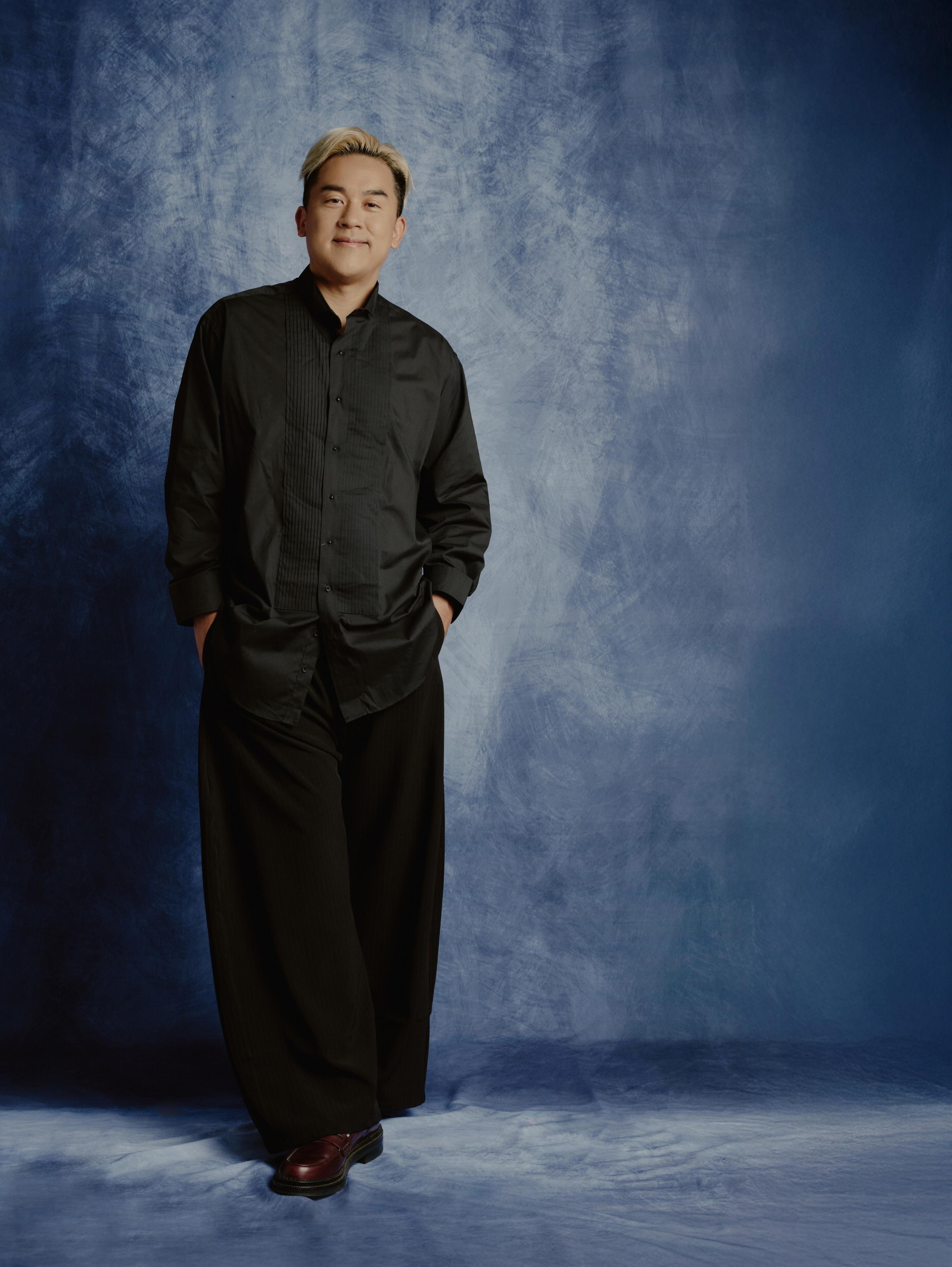
Shirt Balmain Pants Tell The Truth Shoes Jean Baptist Rautureau
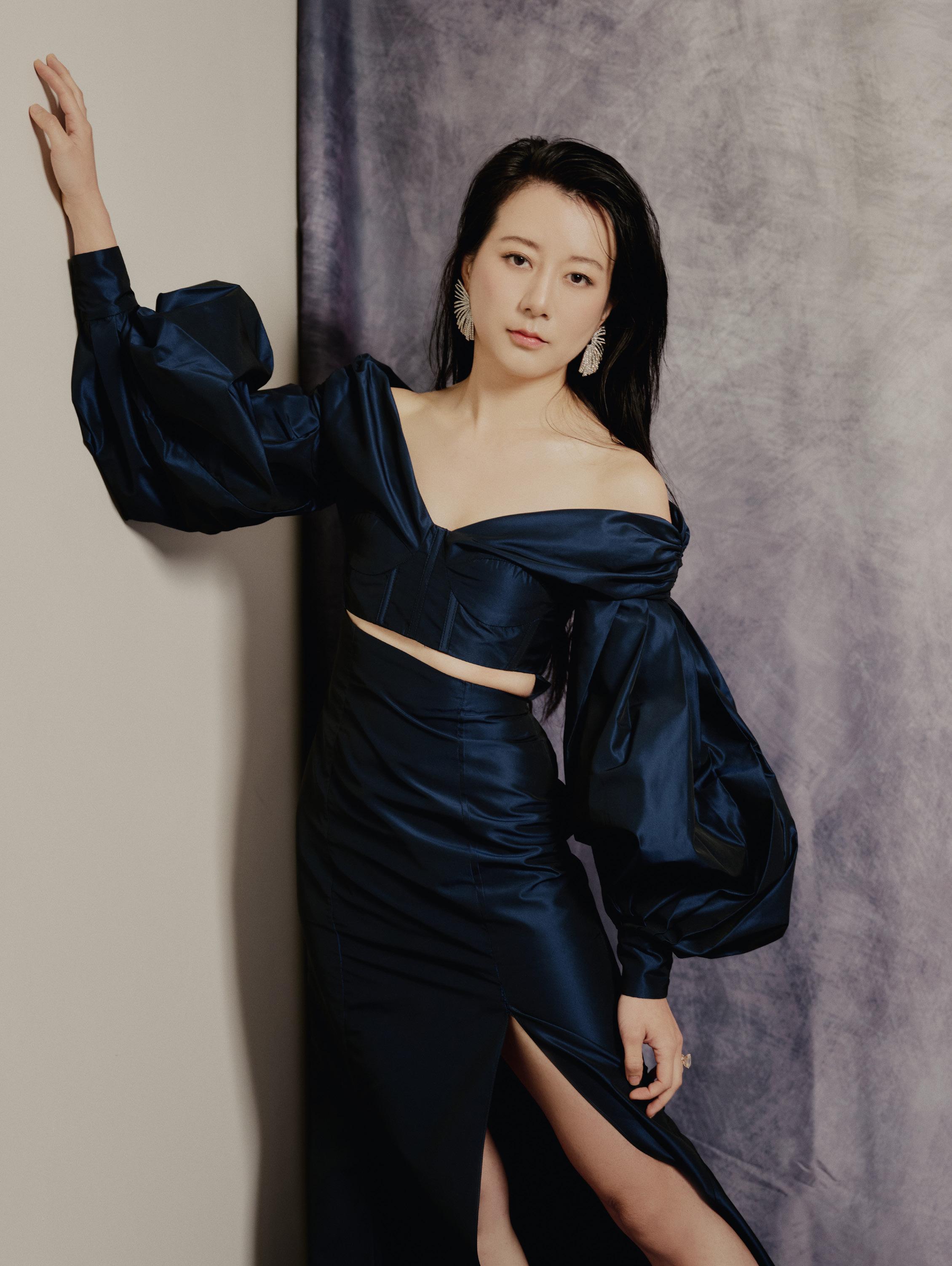
Dress April & Alex
Ring Adiba Earrings Burkinabae
Nanxi Liu
Emerging Visionary Award
Co-CEO & Co-Founder, Blaze.tech
Nanxi Liu moves between worlds that rarely overlap, from software and biotech to entertainment and storytelling, building companies and creative projects with the same instinct for clarity, speed, and purpose.
A serial entrepreneur and producer, she has co-founded and led multiple ventures across technology and healthcare, while also stepping into film and television as a co-producer on Emmy-winning work like The Bay. Her career reflects a rare ability to translate vision across industries that operate on very different rules, yet are united by one core challenge: creating something people actually care about.
Nanxi Liu @nanxiliu
Photography Kenneth Medilo @kenmedilophoto
Styling + Creative Direction Benjamin Holtrop @benjaminholtrop at @thewallgroup
Hair & MUA Brittany T, Nikki L, Kelly T, Kahn at @KellyZhangAgency
Production Aleksandar Tomovic @alekandsteph
Socials Tesia Kuh @thefirstthree.co
Production Coordinator Chalisa Phiboolsook @chalisaphi
Production Assistant Lizzie Mansour @lizzoooyo
Talent Coordinator Isabella Nuqui @_snowdust_
Location BELLO Media Group x Maison Privée @BELLOmediaGroup @maisonpriveePR_LA
You move between worlds that don’t often intersect, technology and storytelling. What connects those two spaces for you on a deeper level?
I’ve always been drawn to working in very different worlds. Learning about different industries has helped me be more creative. It’s been fun to be part of and lead organizations in software, entertainment, automotive, sports, and biotech.
What connects technology and storytelling for me is the need to create both an excellent product and being able to monetize it. I can build an incredible software that solves some big problems, but I won’t be able to sustain it if nobody knows it exists. Similarly, my show can be available on the biggest streaming platform, but if it’s not a good story, people won’t watch beyond the first episode or even the first few minutes. This dual product and monetization challenge is what I love.
Winning an Emmy for The Bay marked a defining creative moment. How did that experience reshape your understanding of what impact-driven storytelling can be?
I have to give all credit to The Bay’s cast and crew, and especially Gregori Martin, the creator and director. I worked with Gregori on another project before The Bay where I could see his grit and drive to create great stories. When The Bay came along, there were no fancy pitch decks or lofty financial projections. I got involved as a co-producer because I was making a bet on the leader and the team. When I met the cast and crew at one of our screening events, you could absolutely feel that every single person wanted to create a successful show. That kind of collective commitment is rare, and winning the Emmy was really a celebration of our team’s dedication.
As the CEO of Blaze.tech, you operate in a space defined by speed and innovation. How do you stay grounded while leading in an environment that never slows down?
Speed and innovation aren’t just how we operate, they are the outcome Blaze.tech gives our customers. Blaze.tech is the AI-era’s app builder for healthcare organizations. Instead of spending months or years building software, our customers can literally launch a HIPAA-compliant app in minutes. To deliver that, our team has to be incredibly agile and stay on the cutting edge of AI. What keeps us grounded is that adapting and pivoting quickly has always been part of our culture and DNA - it’s not something we’re adjusting to, it’s who we’ve always been. Our leadership team takes on the heavy lifting of constantly identifying ways to build and strengthen moats around our business, so that our team members can stay focused and grounded in their day-to-day responsibilities.
Your career reflects both precision and creativity. Do you approach building a company the same way you approach producing a story?
Yes, largely the same way. It comes down to two things. First, I have to believe in and trust the people I’m working with. The single most important factor of when I work on anything is who my co-founders and co-creators are. Second, I have to see a credible path to achieving my objective on that company or project. For a company, it’s that I can see it being highly profitable. For a story, it means that I know that there is an audience who will be entertained or moved. At the end of the day, if I trust the team and believe in the high-level vision of what we’re building together, everything else can be figured out.
Travel seems to play an important role in your life. How has experiencing different cultures influenced the way you lead and create?
I love immersing myself in new places and cultures. It reminds me of the richness of our world; that people carry very different perspectives shaped by their own experiences. That awareness directly influences how I lead. It’s taught me that it’s not just about the content I’m sharing with my team, but the context each person brings when receiving that information. For example, if I tell my sales team that trade shows are an excellent place to find customers, but someone on that team came from a company where that strategy didn’t work, I would communicate our strategy plan differently. Meeting new people on my travels always reinforces the importance of trying to understand someone’s context when communicating.
Being a mother while leading at a high level adds another dimension to ambition. How has motherhood shifted your perspective on success and legacy?
Six hours after coming home from the hospital after giving birth to my first child, I was co-hosting a founders and CEO dinner in full cocktail attire. Two hours after coming home with my second child, I was in an investor pitch meeting, and the investor invested. Motherhood has brought out the best in me and underscores my internal drive. All the years of juggling multiple companies were really preparation for the ultimate time management challenge: making time for my family. Honestly, motherhood hasn’t so much changed my perspective as reinforced it. I’m on the same mission, which is to provide as much value as I can to the people and organizations I’m a part of. I feel even more of that passion for family – trying to be the best mother and wife as I can.
You’ve worn a lot of hats across industries. Was there ever a moment where you had to let go of one version of yourself to grow into the next?
Ever since I was a kid, I loved trying to test my capabilities in different areas whether it was music or science or sports. I carried my curiosity into my career, but early on I worried that my involvement in different industries would come across as unfocused. Over time I’ve embraced that this is who I naturally am, and it’s a strength, not a weakness. But with that comes a discipline: every time I get involved in a new organization, I have to let go of the “successful” version of myself. I don’t come in with assumptions that I’ll be correct or know the right strategy. I don’t want success in one industry to breed overconfidence in another. So I reset every time. I embrace being a student, asking questions, and learning as much as I can in each new venture.
What’s your ‘Call Your Shot’ moment, when did you decide to go after something and refuse to let uncertainty stop you?
Starting Blaze.tech. After the successful sale of my last company, I could have taken a break or accepted an offer to be CEO at an established company. Instead, I dove straight into the unknown: building a new company from scratch. I saw AI app builders popping up, but none of them were addressing the compliance, security, and enterprise complexity required to build real healthcare solutions. We believed we could be the better answer with a platform purpose-built for healthcare organizations to create revenue-driving, HIPAA-compliant applications. We now get to have some of the largest healthcare organizations and healthcare startups in the world as customers. But when we started, it was a world of uncertainty, which I think is quite exciting.
“I don’t want success in one industry to breed overconfidence in another . I reset every time.”
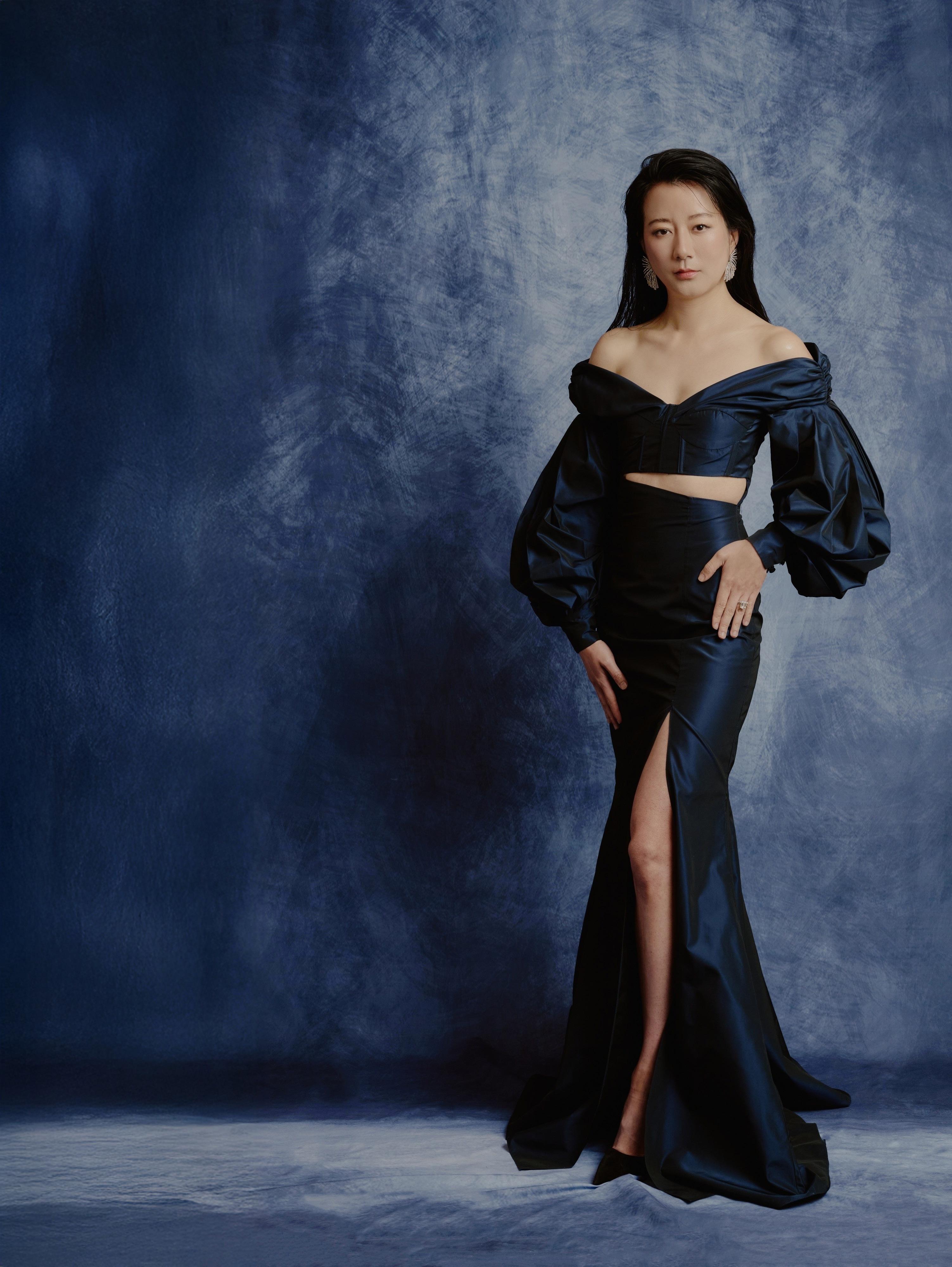
Dress April & Alex Ring Adiba Earrings Burkinabae Shoes Christian Louboutin
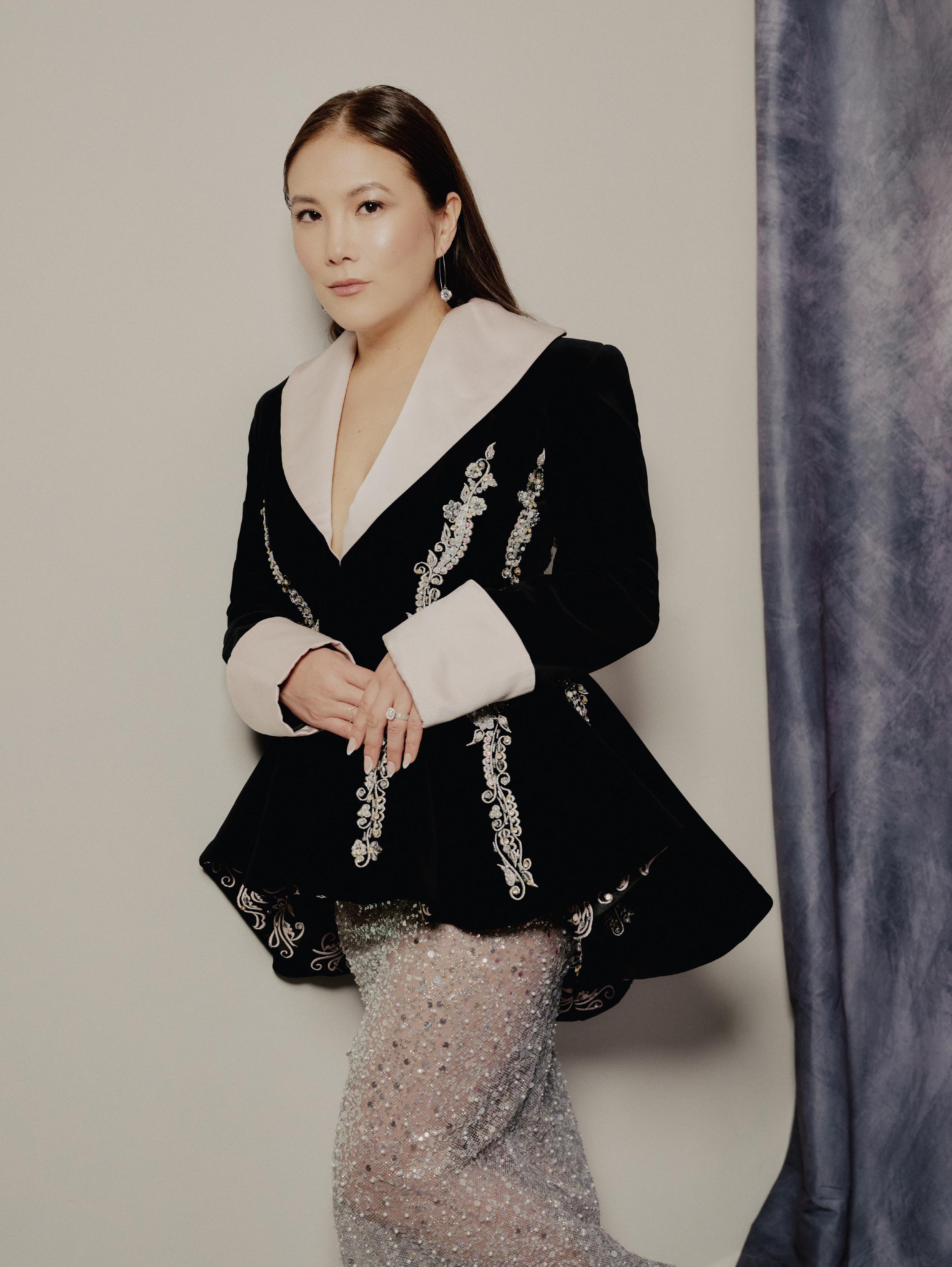
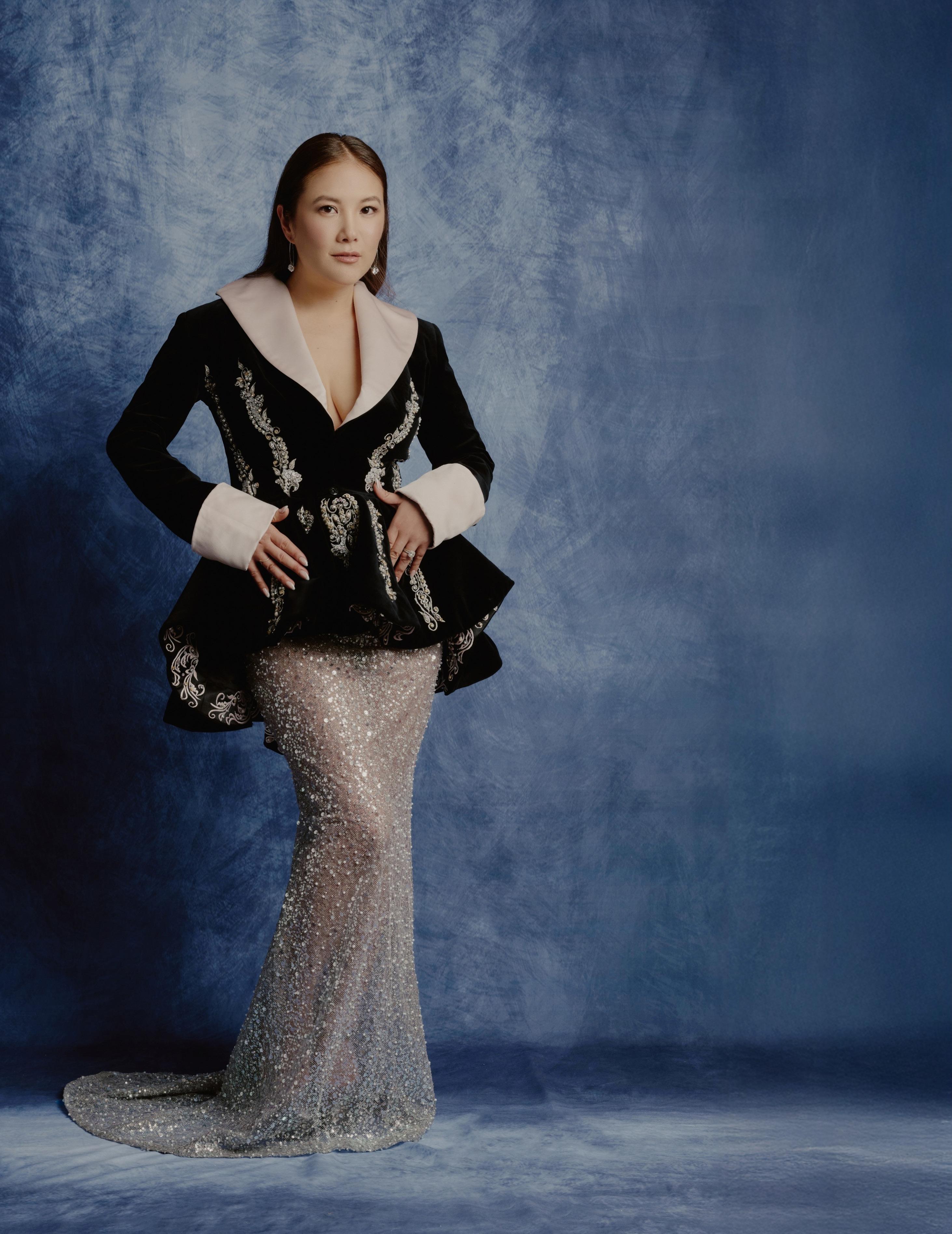
Look Arabesque Boudoir
Jewelry Astrid & Agnes
Ally Maki
Community Builder Award
Founder & CEO, Asian American Girl Club
Ally Maki is having a quietly powerful run.
The actress and creative has moved between film, television, and producing with an ease that feels less like reinvention and more like expansion, building a body of work defined by both range and intention.
Alongside her career in entertainment, she has also grown the Asian American Girl Club into a cultural community that now spans generations, shaping how people see themselves and each other in their everyday lives.
Character caught up with one of today’s most thoughtful multi-hyphenates to talk about building something that lasts, what continues to inspire her, and where she is dreaming of going next.
Ally Maki @allymaki
Photography Kenneth Medilo @kenmedilophoto
Styling + Creative Direction Benjamin Holtrop @benjaminholtrop at @thewallgroup
Hair & MUA
Brittany T, Nikki L, Kelly T, Kahn at @KellyZhangAgency
Production Aleksandar Tomovic @alekandsteph
Socials Tesia Kuh @thefirstthree.co
Production Coordinator Chalisa Phiboolsook @chalisaphi
Production Assistant Lizzie Mansour @lizzoooyo
Talent Coordinator Isabella Nuqui @_snowdust_
Location BELLO Media Group x Maison Privée @BELLOmediaGroup @maisonpriveePR_LA
The Asian American Girl Club has built such a strong following. What has it been like watching it grow in real time?
It’s been one of the great joys of my life. I remember sending out the very first shirts with the original logo on them, having no idea what would happen next. Since then, AAGC has grown alongside me through so many phases of my life, and now into motherhood. What’s been most meaningful is seeing how it’s done the same for so many others. I love hearing how it’s stayed with people through different seasons of life, whether that’s going off to college, starting their first jobs, or moms sending their kids to their first day of school. I’ve always wanted people to know that AAGC will be there for them in a consistent way, and that sense of continuity means a lot to me.
When you think about AAGC today, what excites you most about where it’s headed?
Seven years ago, I never would have imagined where AAGC would be today. What excites me most now is how we’re expanding and finding new ways to show up in different parts of people’s lives. The more we see and hear something, the more it starts to shape how we see ourselves and the world around us. It becomes part of our communities and how we connect with each other.
It also feels very full circle to be building this alongside people I’ve grown up with in the industry. Jenna Ushkowitz, our incredible COO, and I auditioned side by side for over a decade, supporting each other from afar. Being able to build something together now feels really special.
Your work brings together style, culture, and community. How do you approach blending all of those elements?
For me they’ve never felt separate. When I was a kid, playing dress-up and doing musical theater were entry points for me as a really shy girl who found it hard to express herself. Style was one of the first ways I learned how to show people who I was.
Now I see that same feeling happen with AAGC. Wearing it proudly can be an icebreaker. It gives people a way to recognize each other and feel connected right away. I remember a friend telling me she was traveling alone and felt nervous one night, but she saw someone wearing AAGC and instantly felt safe. That meant a lot to me.
To me, style has always been a way for people to tell their stories and recognize each other. When that happens, community naturally follows.
What’s been your favorite moment so far since starting the Asian American Girl Club?
Seeing young girls choose to wear AAGC on their first day of school is something that will always stay with me. When I hear that, my first reaction is sometimes, “Are you sure?” because when I was younger I would have been nervous to wear our shirts. Seeing their confidence is incredible. Building that foundation of self-worth early on, and helping it stay with them as they grow up, is really what AAGC is all about.
You’ve created something that a lot of people connect to. What do you think makes it resonate?
It really came from a genuine feeling of being alone and not knowing if anyone would connect. I think a lot of us were having the same feelings but didn’t realize anyone else was too. AAGC helped open that up. Suddenly it felt like we were all saying, “Wow, you feel that too?” That was exciting, because it meant this was something everyone could be part of together.
AAGC has its own distinct voice and aesthetic. How did you develop that identity?
We’ve always let the community guide where it goes. From shirt designs to events, we’ve asked people directly what this space means to them and even simple questions like, “Would you wear this?” That kind of feedback has shaped AAGC from the very beginning.
I love that so many different types of people wear AAGC, from dads and grandparents to kids and people from all different countries. I think people understand they can proudly exist here.
What inspires you most right now, whether creatively or culturally?
My daughter. This tiny human has taught me so much. Every day she wakes up with pure imaginative joy and discovers the world minute by minute. I see it even in the small things, what she picks out to wear, the music she responds to, the toys she plays with, the movies she watches. It makes me think even more about how important it is to create characters and stories so she grows up in a world where she sees herself reflected and knows she belongs at the center of it. I think about that a lot.
“Sometimes you don’t wait. You just start.”
What are you most excited for audiences to experience with the release of your new podcast AAGC Originals?
We are having so much fun. I think of AAGC as something that becomes part of your everyday life, in what you wear, what you watch, and what you listen to. When a community can live across those touchpoints, they start to reinforce each other in a powerful way.
One of the most surreal moments for me was having Kristi Yamaguchi, my childhood hero, come on the podcast. I remember watching her win Olympic gold and realizing a Japanese American woman like me could do something like that. It was life-changing. Hearing her share that she was shy and uncoordinated growing up, just like I was, really stayed with me. I still have moments sitting behind the monitor where I can’t believe we actually get to bring these conversations to life.
What’s your ‘Call Your Shot’ moment, when did you decide to go after something and refuse to let uncertainty stop you?
I always go back to my younger self, the girl who was so uncertain but had huge dreams. I moved to Los Angeles when I was 14 and didn’t know what was going to happen, but I trusted that instinct to keep going. Starting AAGC came from that same place. Sometimes you don’t wait until something exists. You just start and trust that people will help build it with you.
Look Arabesque Boudoir Jewelry Astrid & Agnes Shoes Jonak
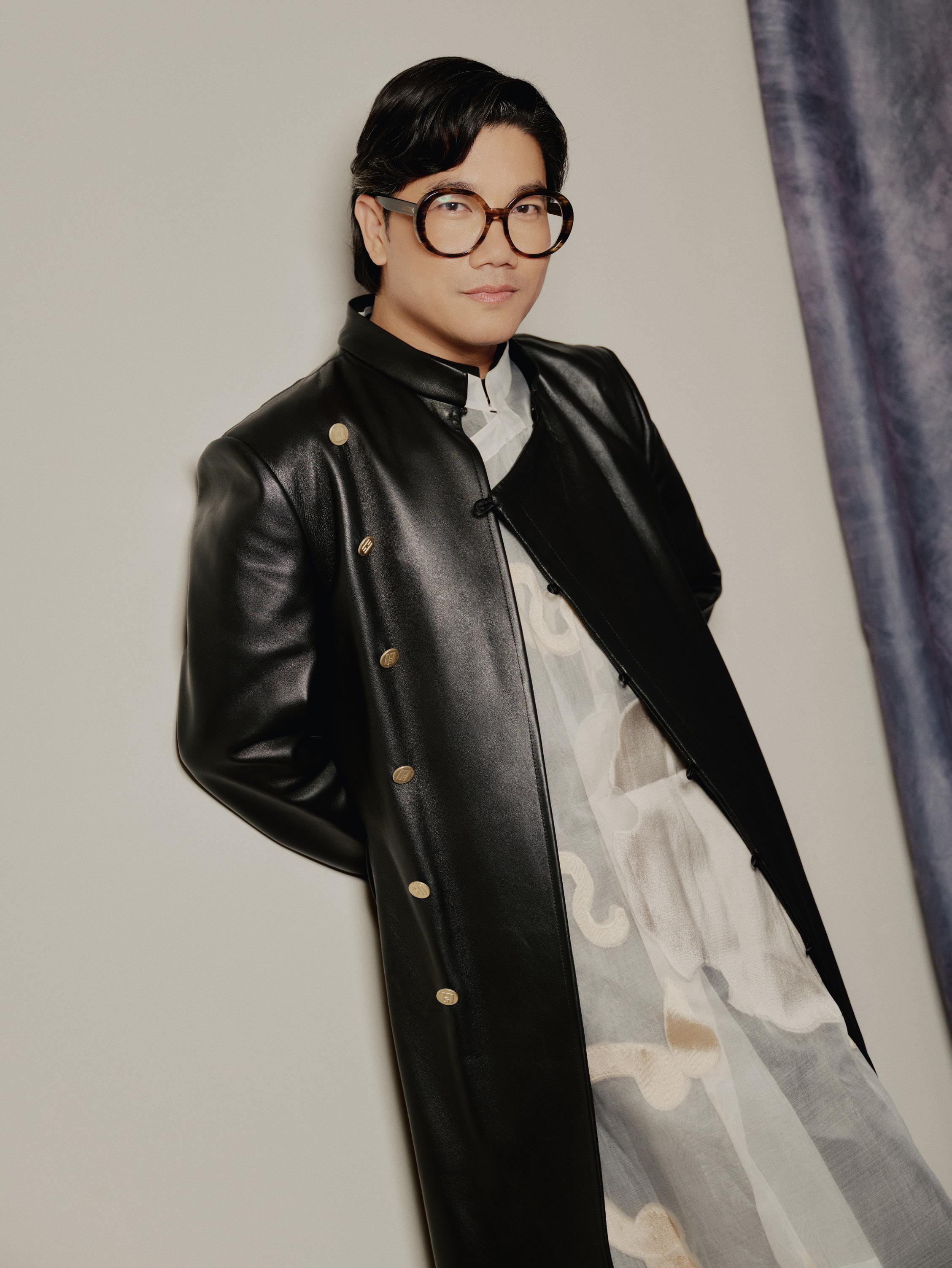
Look Thai Nguyen Atelier
Thai Nguyen
Design & Culture Award
Couture Designer
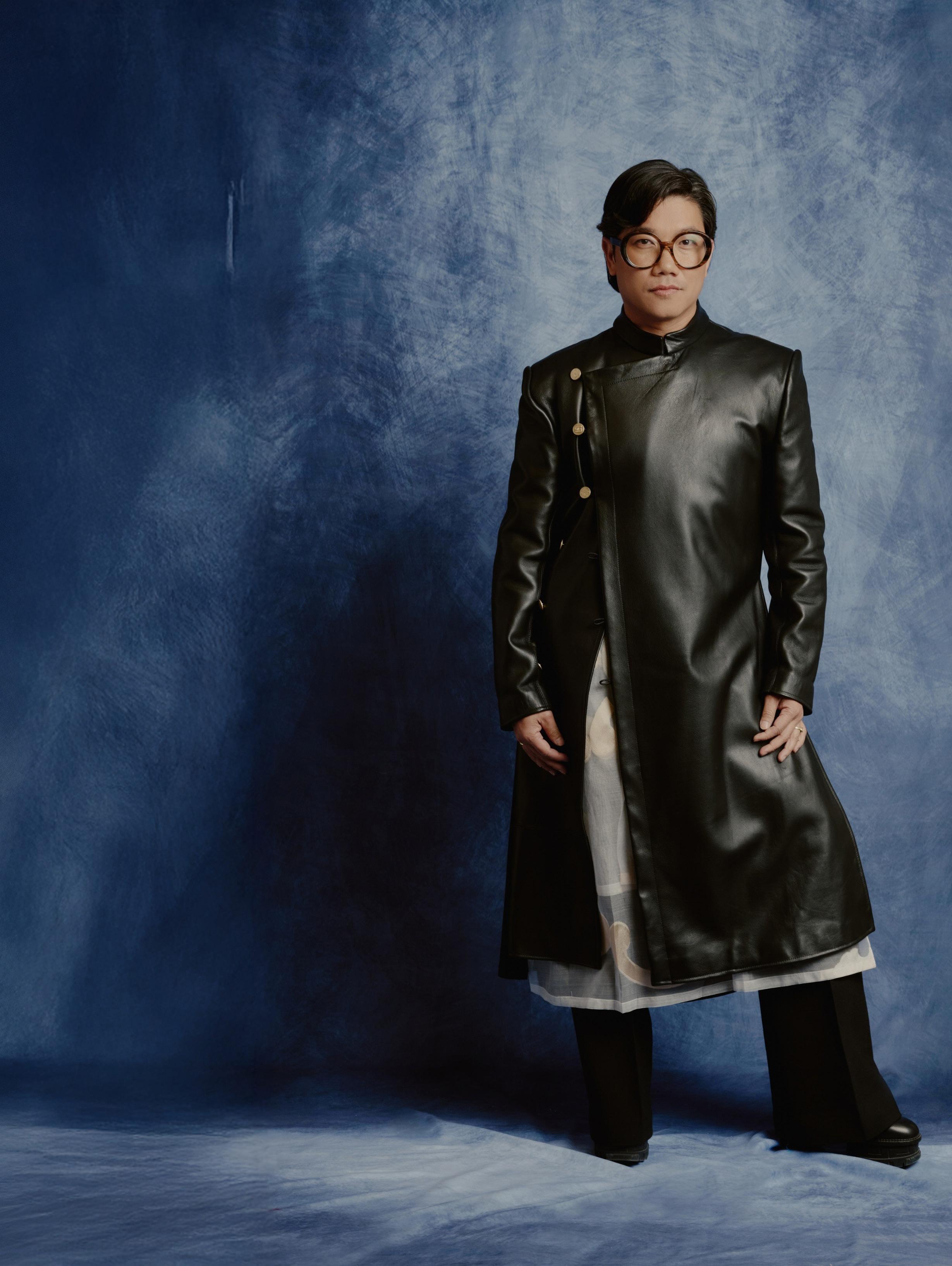
Thai Nguyen’s work exists at the intersection of memory and modernity, where craftsmanship becomes a form of storytelling, and every garment carries the weight of heritage, identity, and intention.
A queer Vietnamese American designer who began sewing at just nine years old in his parents’ sewing school in Vietnam, he has built a practice rooted in tradition while continuously reimagining what couture can mean today.
Character sits down with a designer whose journey spans continents and cultures to talk about the language of clothing, the intimacy of custom design, and how staying true to one’s identity can itself become a legacy.
Thai Nguyen @ thainguyenatelier
Photography Kenneth Medilo @kenmedilophoto
Styling + Creative Direction Benjamin Holtrop @benjaminholtrop at @thewallgroup
Hair & MUA Brittany T, Nikki L, Kelly T, Kahn at @KellyZhangAgency
Production Aleksandar Tomovic @alekandsteph
Socials Tesia Kuh @thefirstthree.co
Production Coordinator Chalisa Phiboolsook @chalisaphi
Production Assistant Lizzie Mansour @lizzoooyo
Talent Coordinator Isabella Nuqui @_snowdust_
Location BELLO Media Group x Maison Privée @BELLOmediaGroup @maisonpriveePR_LA
Your designs often feel deeply personal, almost like chapters of a larger story. When did fashion become your language for expressing identity and emotion?
I was very fortunate to discover my passion for fashion at a young age. I learned how to sew at nine years old at my parents’ private sewing school in Vietnam. I watched them teach their students how to become tailors and seamstresses—not just to make clothes, but to build a livelihood and serve their community. Each garment had purpose. Each color, fabric, and silhouette carried meaning for different occasions and different lives.
When my family immigrated to the United States in 1993, I already knew I wanted to attend fashion school and become a designer. From the beginning, my vision was never about mass production. I wanted to continue the tradition I grew up with—telling stories through custom-made clothing and celebrating identity through craftsmanship.
Even though my school encouraged a more commercial path, I followed my heart. To this day, I’m doing exactly what I dreamed of as a child: creating garments that express people’s emotions, heritage, and individuality through design.
You’ve dressed some of the most visible names in entertainment, yet your work always carries a sense of intimacy. How do you maintain that personal connection at scale?
Fast fashion is made for everyone, and because of that, it’s often quickly forgotten. What I create is couture— custom-made, limited, often one-of-a-kind pieces designed specifically for one person. That instantly creates a meaningful connection between the garment and the wearer.
True luxury isn’t about producing more. It’s about creating something rare and intentional. When something is made just for you, it becomes part of your story and can last a lifetime.
I don’t feel the need to design for everyone. Instead, I strive to create work that people dream of owning one day. Couture has been respected for centuries, and today it feels more important than ever as we rethink sustainability and our responsibility to the planet.
Craftsmanship is at the core of what you do. In a world driven by speed, what does true luxury mean to you today?
Time is true luxury.
In today’s world, everything moves so quickly. I believe we need to slow down—to be present with our families, with ourselves, and with our work.
When I invest time in my family, it strengthens my foundation in life. When I invest time in myself, I
care more deeply for my mind, body, and spirit. And when I invest time in my work, I create designs that are more thoughtful and more lasting.
For me, luxury is the ability to slow down and create something meaningful that will live beyond the moment.
Your journey into fashion wasn’t conventional. What challenges shaped your perspective as both a designer and a storyteller?
There were many challenges as a queer Vietnamese American designer entering one of the most competitive industries in the world—especially as an immigrant without connections or financial inheritance.
One of the biggest challenges I faced was identity. Early in my career, I was encouraged to change my name to something more “marketable” and easier to pronounce. I was told to adjust my designs to fit industry expectations. I was even advised not to include too many Vietnamese cultural elements because they were considered “too ethnic.”
For a long time, I felt I had to hide parts of myself to succeed. Even when I received recognition, I sometimes felt disconnected from my heritage and my truth.
Everything changed during the pandemic. That moment gave me the clarity to reset and fully embrace who I am. Today, I proudly stand as a queer Vietnamese American designer and storyteller who independently carved his own path and celebrates his culture and community unapologetically through his work.
There’s a strong sense of cultural influence woven into your work. How do you balance honoring heritage while creating something undeniably modern?
Culture is my foundation.
I was born and raised in Vietnam for the first 13 years of my life, and later professionally trained in the United States. That naturally created an East-meetsWest perspective in my design process.
But the most important part of my work is the individual. Every person I design for has a unique story. When I listen carefully to who they are and what they represent, we create something together. When heritage meets personal storytelling, the result becomes timeless—and naturally modern. That is where the magic happens.
Dressing someone for a defining moment, whether a red carpet or a personal milestone, comes with responsibility. How do you approach designing for moments that live on beyond the garment?
Every opportunity to dress someone for an important moment is a responsibility, and I never take that trust lightly.
The most important step in my process is listening. If it’s an award show, I want to understand what the award represents. If it’s a film premiere, I want to understand the story behind the film. If it’s a personal milestone, I want to understand what the moment means in their life.
Once I truly listen, I begin to see colors, fabrics, and silhouettes come together in my mind. From there, the garment becomes a collaboration between their story and my interpretation as a designer.
The most meaningful result is when someone wears the finished piece and still fully sees themselves in it. That’s when the garment becomes part of their legacy—not just something they wore.
As your visibility grows, have you had opportunities that pulled you away from your brand and how do you protect your design identity?
At this stage in my life, I believe strongly in the power of saying no.
My path is clear. The DNA of my brand is clear. And I am very happy both personally and professionally. Today, I choose opportunities that align with my values and my vision. Earlier in my career, I often worked nonstop trying to prove myself. Now I understand that protecting my time also protects my creativity.
I want to invest my energy in people and projects that truly value what I bring. That allows me to create stronger work and remain authentic to who I am as a designer.
What’s your ‘Call Your Shot’ moment, when did you decide to go after something and refuse to let uncertainty stop you?
My “Call Your Shot” moment happened during the pandemic about five years ago.
That was a turning point in my life. Everything paused, and I had the opportunity to reset and reflect deeply on my purpose. I realized I wanted to dedicate the rest of my career to creating work that would leave a lasting cultural impact.
Since the first day I learned to sew at nine years old in my parents’ sewing school in Vietnam, I have been on this path. But during that moment, I became fully clear about my legacy.
I hope that future generations will remember me as Thái Nguyễn—a queer Vietnamese American designer who lived a joyful life doing what he loved every day: creating garments for beautiful people while celebrating culture and heritage through the timeless language of the áo dài.
“Time is true luxury.”
Look Thai Nguyen Atelier
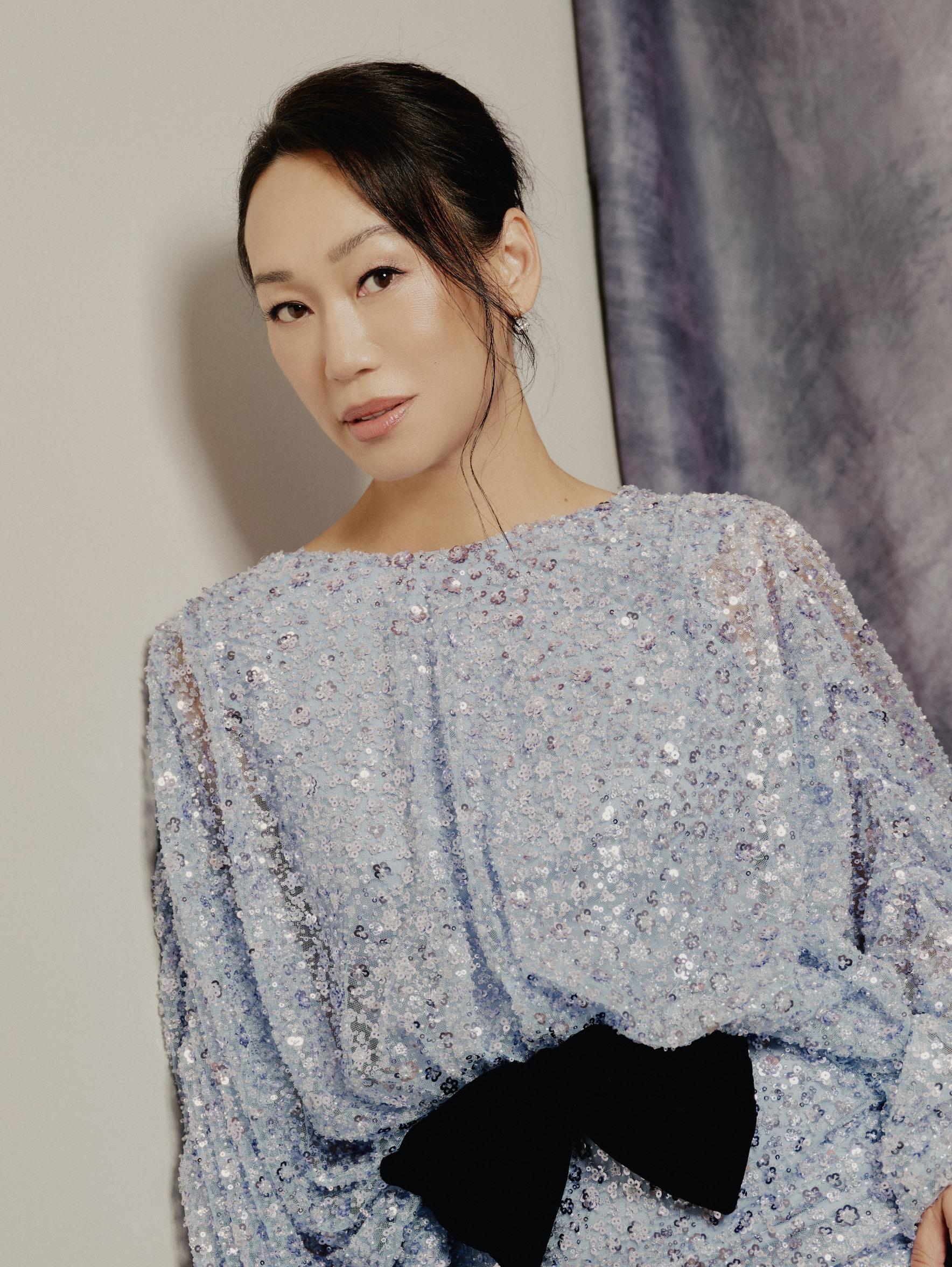
Dress Eman Alajlan
Vicky Tsai
Toyota Call Your Shot Award
Founder of Tatcha, A Modern Ritual of Care
Vicky Tsai’s path to founding Tatcha is rooted in transformation, shaped by personal health struggles, cultural rediscovery, and a search for meaning that ultimately redefined her relationship to beauty itself. After leaving a high-pressure corporate career that took a toll on her physical and emotional well-being, she found healing in Japan, where ritual, philosophy, and tradition offered a radically different way of understanding care and self-worth. What began as a personal journey evolved into a global brand built on heritage, mindfulness, and intentional living. This conversation explores how she turned vulnerability into vision, and how Tatcha became both a reflection of identity and a reimagining of what beauty can stand for today.
Photography Kenneth Medilo @kenmedilophoto
Styling + Creative Direction Benjamin Holtrop @benjaminholtrop at @thewallgroup
Hair & MUA Brittany T, Nikki L, Kelly T, Kahn at @KellyZhangAgency
Production Aleksandar Tomovic @alekandsteph
Socials Tesia Kuh @thefirstthree.co
Production Coordinator Chalisa Phiboolsook @chalisaphi
Production Assistant Lizzie Mansour @lizzoooyo
Talent Coordinator Isabella Nuqui @_snowdust_
Location BELLO Media Group x Maison Privée @BELLOmediaGroup @maisonpriveePR_LA
You’ve spoken about leaving a successful corporate career because it lacked meaning. Looking back, what did that decision teach you about honoring your own instincts over outside expectations?
After years of working in the corporate world, city life, stress and heavy travel took a toll on my physical and mental health. I wore my stress on my skin, which took the form of dermatitis on my face as well as eczema and hives on my body. I realized that in order for my life to feel meaningful, my work also needed to have meaning. Like many people, I began to travel to find myself. I began traveling in search of inspiration. I found it in Japan’s cultural and spiritual center, Kyoto. Not only did the beautiful ingredients and timeless rituals heal my skin, but the philosophies around living in harmony with self, community and nature gave me practices that uplifted my soul.
Early on, I was told “Asian beauty is not aspirational in the U.S.” But my team and I believed in what we were doing and just focused on our craft, our clients and in building a company that we could be proud of. We built a brand rooted in heritage and the beauty rituals, proving that honoring your instincts can be a strength in business. I learned that anchoring your work in purpose is what creates lasting impact. When your business or career is driven by a deeper mission—whether it’s representation, community, or well-being—it not only fuels your passion but also inspires and uplifts those around you.
Tatcha was born from a deeply personal struggle with your own health and skin. How did that vulnerability shape the way you built the brand, not just as a business, but as a philosophy?
For so long, the beauty industry has taught women to see themselves as something to be fixed—an endless project, never quite enough. It creates a quiet adversarial relationship with our own bodies.
In Japan, I encountered a completely different philosophy. I learned to see my skin not as a problem to be fixed, but as something precious that reflects and affects our inner health. The Japanese approach to holistic health healed my skin and reshaped my mindset, showing me the power of balance and intentional living. I was finally convinced to slow down and reconnect with myself—and I knew I needed to share that feeling with others.
That’s how Tatcha was born: with the purpose of inspiring self-love through ritual, care and education. I wanted the brand to be able to take care of people through their skin, and help people see skincare as a catalyst for health and wellbeing. The Japanese have a phrase, hinou-dokon, that translates to “skin-mind same root” and describes the belief that caring for the skin is caring for the mind. Your skin actually reflects and affects your mental state. Our research into the
skin-mind connection and the power of presence has greatly impacted our approach to formulations, and I’m constantly inspired by ingredients that are proven to deliver multiple benefits for our overall well-being, whether they’re mental, physical, or emotional. Since Day One, our scientists at the Tatcha Institute in Tokyo have been constantly innovating within tradition, committing to crafting formulas that address the whole person, not just the surface.
Your work bridges heritage and modernity, especially through Japanese rituals and your own cultural identity. How has your perspective on identity evolved since launching Tatcha?
For a long time, I didn’t see myself represented in the beauty world. Previously working in the beauty industry, I was constantly surrounded by messaging that created and capitalized on insecurities—telling women that they needed to fix themselves to be beautiful. Over time, I internalized these messages and felt like I was never enough. It eroded my sense of self-worth.
The irony is the more I bought into the conventional beauty, the worse my skin health was. It wasn’t until I began studying with geisha in Japan that I realized that beauty is about health, and that beauty rituals can be healing and not harmful.
The modern geisha I met in Kyoto introduced me to the gentle, time-tested ingredients based on the Japanese diet that she used on her own skin. I ended up at a little store, where I saw geisha filing in and out with their beauty necessities: these bell jars full of waxes and oils and powders that I had never seen before in the Western world. So of course I bought some of them, and after about eight weeks, my skin had completely healed. At the time, I thought the ingredients were the secret to my transformation, but now almost fifteen years later, I realize it was much deeper than that.
As an Asian American woman, I’ve often struggled with my identity. In Asia, I’m seen as American; in the United States, I’m seen as Asian. I’ve been asked, in many ways, “What are you? —because the world often wants you to fit in a box. Tatcha has lived in that same space. Rooted in Japanese traditions and craftsmanship, created with a Japanese founding team, made in Japan—yet founded by me, an American of Taiwanese descent. Like me, the brand doesn’t fit neatly into a single category.
But over time, I’ve come to see that not as something to resolve, but as something to honor. Human beings are so multifaceted and are not meant to be one thing. We are shaped by the cultures we come from, the ones we step into, the people we meet, and the experiences that stay with us. Our identities are not singular—they are layered, evolving, and deeply personal. I’m proud
to be Chinese-American and proud for Tatcha to be a modern luxury Japanese beauty brand, inspired by a meeting of worlds. That duality has shaped who I am, and who we are as a brand.
As a daughter of immigrants, I once believed belonging meant fitting into a single box. Life has taught me otherwise. We are not meant to be reduced, and our identities are a rich tapestry of our cultures and lived experiences. The more you live and learn, our duality and complexity make us who we are.
Building a company of that scale often comes with invisible costs. How do you define success today compared to when you first started in your early 30s?
There is an invisible cost to creating something out of nothing. When I first started out, I had always worked 80 to 100-hour weeks—there’s no question about that, but it was simply what the work required. That comes at a cost.
But for me, it was never a question of whether it was worth it. Tatcha was never just a career, or a way to make money—it has always been my life’s work. It’s rooted in a deeper purpose: the honor of helping people feel cared for through their skin, of building a company where incredible people can grow and thrive, and of knowing that, if we do our jobs well, we can help change futures through our partnership with Room to Read. So yes, there were sacrifices, but there is also profound meaning in being able to do this work.
What I didn’t expect when starting Tatcha was how deeply it would help me understand my own identity and purpose. In Japanese, there’s this word, ikigai, that speaks to the things that fuel you and fill your life with meaning. Historically, the beauty industry has diminished a woman’s sense of self-worth.
I wanted Tatcha to be a platform for change—a source of care, authenticity and empowerment. That’s why we created our Beautiful Faces, Beautiful Futures program in partnership with Room to Read in support of girls’ education. As of February, our clients have helped us fund over 14 million days of school for girls around the world. Every time clients care for their skin with Tatcha, they are making the most positive impact possible. My hope is that Tatcha continues to be a force for good — not only in how we care for skin, but in how we uplift communities and redefine what beauty can stand for in the future.
You’ve been open about burnout, healing, and redefining leadership. What does a sustainable version of ambition look like for you now?
I started my career on Wall Street and was in a building adjacent to the Twin Towers on 9/11 when the planes hit. After that, I had to return to the area day after day for work. It took a toll on my well-being. My husband at the time was also in the same office building and developed an auto-immune disease that wreaked havoc on his health for three years. I soldiered on not realizing the toll that the experience had on my mind and body. It was compounded by a decade of high stress work in corporate America. Eventually, the stress presented as inflammation in my body, most notably my skin. I developed acute dermatitis, which meant bleeding and blistering on my face, lips and eyelids unless I used almost daily oral and topical steroids and antibiotics.
For a long time, my instinct was to treat the symptom and not look inward to find the root cause. I was always pushing forward, without pausing to check in with myself. But what I learned—through healing and the Japanese approach to holistic health—is that true well-being requires balance and intentional living. I was finally convinced to slow down and reconnect with myself—and I knew I needed to share that feeling with others. Sustainable ambition, for me, is no longer about pushing harder, but about creating space for that presence—understanding that caring for yourself is not separate from your work, but essential to it.
That experience really reshaped how I think about how I define ambition. When I was younger, it was all about what I could achieve, defined by traditional achievement metrics of one’s career— title, compensation, climbing up the corporate ladder. Now, I couldn’t care less about those things, but I find myself more ambitious than I’ve ever been—just in a deeper, more purposeful way.
Ambition to me, now, is about what I can help achieve in my lifetime. I’m honored to be on the global board of Room to Read, whose mission is to end illiteracy and gender inequality in our lifetime. That’s the kind of ambition that calls you forward—the kind that asks not just what you can accomplish, but what you can contribute. In this case, it’s to make sure that children have a chance at a beautiful life.
What makes this ambition sustainable is a quiet understanding: that the greater the challenge, the more it asks of your presence, patience, and care for yourself along the way. It’s a balance of urgency and grace—a willingness to move forward with intention, one day at a time.
You launched Tatcha at a moment when the industry told you it was “too niche” and “too exotic.” What gave you the conviction to move forward anyway?
As an Asian American, I could feel the weight of cultural biases in corporate America. Investors didn’t believe that a luxury skincare brand rooted in Japanese heritage—founded by an Asian American woman—could succeed. I heard things like, “Asian brands don’t sell in the U.S.,” or that there wasn’t a market for what we were doing. Even though I had a Harvard Business School degree, a business background, a product, press and two acquisition offers within months of launching the brand, I could not raise capital from the investment community for years. But I knew what I had seen in Kyoto, and I believed in the beauty and wisdom of these traditions. So I sold everything I could—my engagement ring, my car, my home—to build it without institutional capital.
I founded Tatcha alongside a team of Japanese skincare scientists, geisha, monks and cultural advisors that are still with us to this day. They showed me a philosophy of care that healed my skin and spirit. One of the concepts that stayed with me is wa, or harmony—the idea of living in balance. Balance between body and mind, between yourself and others.
I don’t think that it’s a coincidence that, as the world becomes more complex and overwhelming, so many people feel drawn to places like Japan—cultures that are deeply rooted in tradition and wisdom. In moments where we feel that we’re in crisis or lost, we instinctively seek out something that feels grounding, cultures that seem to be steeped in wisdom.
For me, that experience created a quiet, but unwavering conviction. I believe–because I had lived it–that these philosophies could help others, too. I’ve always considered myself fairly ordinary in what I’ve gone through and what I’ve searched for as a human being. I felt if something could reach me in that way, it had the potential to reach and resonate with so many others.
You became a mother at the same time your business was coming to life. How has motherhood influenced the way you lead, create, and prioritize today?
Motherhood has made me a better leader. Early in my career, I believed leadership was about control–knowing everything, having all the answers. But over time, I’ve come to understand that true leadership is not about control, but about influence—about inspiring, guiding, and teaching in a way that allows others to grow.
As your company gets bigger, and there’s more people, you naturally just lose control, so all you can do is influence. That’s what motherhood is. Sure, when your child is a newborn, you have a certain level of control, but as any mother will tell you, you start losing control when they’re toddlers. As they grow, they begin to reveal who they are—independent, strong-willed, and entirely their own person. And you realize that control was never the point. What’s required instead is empathy. Learning to see the world through their eyes, meeting them where they are. At the end of the day, my role as a mother is not to shape every outcome, but to help instill a value system in my kid–to nurture resilience and self-love–so they can navigate the world on their own.
That’s how I think about my role at Tatcha. I can’t control this company any more than I can control my 16 year old daughter, but I can help remind our team why we exist and of our value system. I can return us to our purpose, to what gives us ikigai–our sense of purpose. I can offer guidance when it’s needed, encouragement when it’s helpful, and space when it’s not. To me, motherhood and leadership are identical. Both ask you to lead with patience, with humility, and with love—and to trust that what you nurture will find its own way.
What’s your ‘Call Your Shot’ moment, when did you decide to go after something and refuse to let uncertainty stop you?
In my early 30s, I remember sensing an invisible ceiling above me—though at the time, I didn’t have the language or explanation for it. In 2021, when doing research in support of the AAPI community, I would come to understand the concept of the “bamboo ceiling.” But back then, I simply assumed the limitation was something wrong with me–that I simply wasn’t enough. I knew that being in an environment where there was no opportunity for success, there was a 100% chance that I’d be unhappy. I could contort myself to fit in, but the better my resume looked, the more disconnected I felt from my own authenticity and self-worth. If I stayed, the outcome felt guaranteed.
If I bet on myself to create something of my own–something rooted in purpose–there was uncertainty, yes, but also possibility. There was a 50% chance that I would fail, but there was also a 50% chance that I would find happiness and a deeper sense of fulfillment. In that moment, the choice became clear. The unknown, even with its risks, held more hope than the path I was on. So in the simplest way, the odds were in my favor, and I took the leap.
“Human beings are so multifaceted and are not meant to be one thing. Our identities are layered, evolving, and deeply personal.”
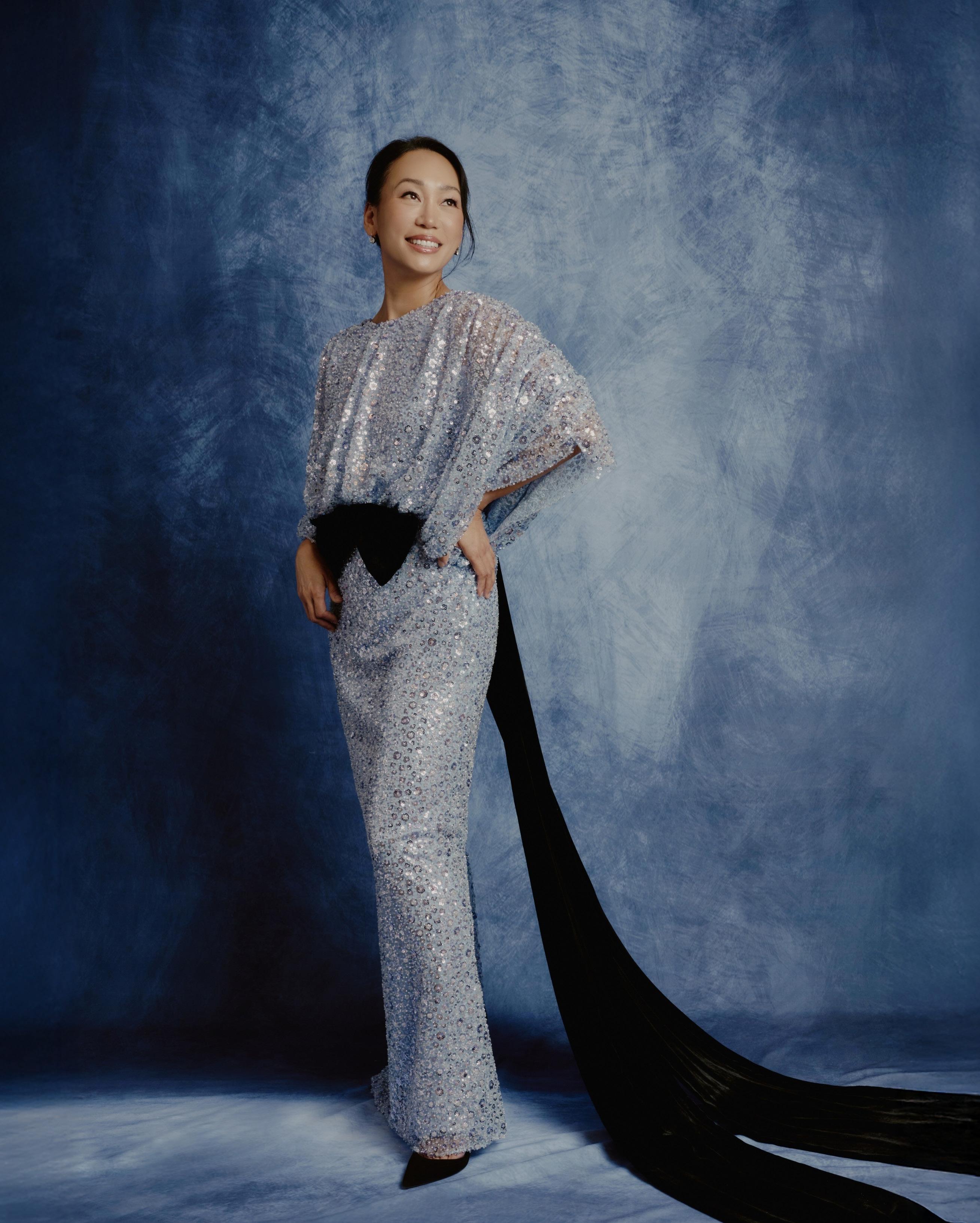
Dress Eman Alajlan Shoes Altuzarra
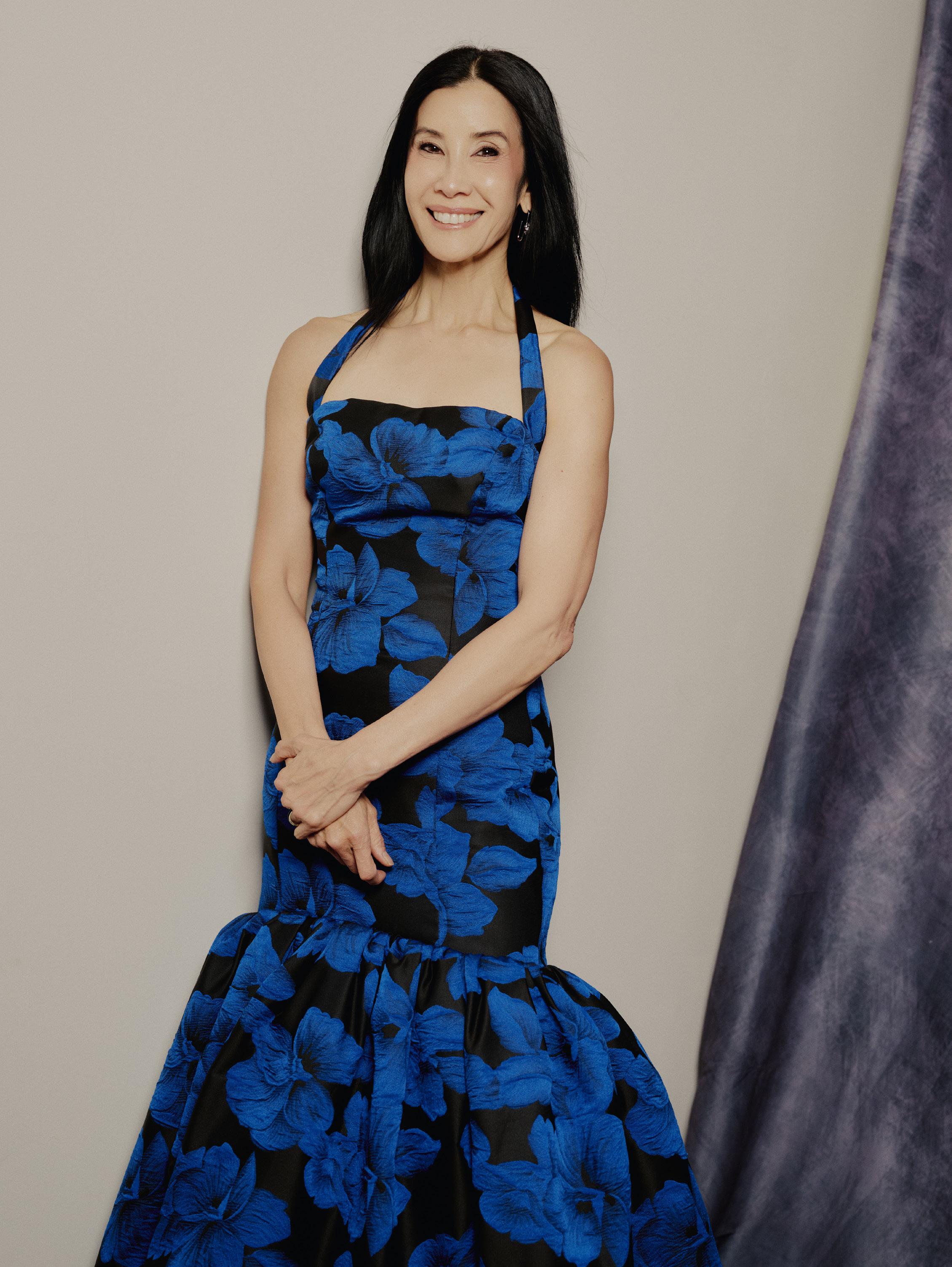
Dress Samuel Gartner
Earrings Astrid & Agnes
Lisa Ling
Global Impact Award
Journalist & Media Personality
Lisa Ling has spent her career moving through some of the most complex and often unseen corners of the world, approaching storytelling with a blend of curiosity, empathy, and unwavering presence.
From mainstream broadcast journalism to deeply immersive documentary work, she has built a body of work focused on people whose stories are rarely told with care or depth.
Across decades of reporting, her lens has remained consistent: a commitment to understanding the human condition in all its nuance.
This conversation turns to what drives that instinct, how she holds space for others while telling difficult truths, and what meaningful storytelling looks like in a fractured media landscape.
Lisa Ling @lisalingstagram
Photography Kenneth Medilo @kenmedilophoto
Styling + Creative Direction Benjamin Holtrop @benjaminholtrop at @thewallgroup
Hair & MUA Brittany T, Nikki L, Kelly T, Kahn at @KellyZhangAgency
Production Aleksandar Tomovic @alekandsteph
Socials Tesia Kuh @thefirstthree.co
Production Coordinator Chalisa Phiboolsook @chalisaphi
Production Assistant Lizzie Mansour @lizzoooyo
Talent Coordinator Isabella Nuqui @_snowdust_
Location BELLO Media Group x Maison Privée @BELLOmediaGroup @maisonpriveePR_LA
Your career has taken you into some of the most complex and often unseen parts of the world. What first drew you to stories that live beyond the surface?
I have always been insatiably curious about the world around me, particularly about people and cultures different from mine. And having grown up feeling like an outsider as an Asian American girl in a totally non-diverse community, I feel like I’ve been able to identify with others who have felt on the margins, or those who feel their stories haven’t been told.
There’s a strong emotional undercurrent in the way you tell stories. How do you navigate the balance between journalistic objectivity and human connection?
I think it’s a misconception to think that just because one becomes emotional while reporting a story, that he or she isn’t being objective. My reporting is different from a lot of mainstream reporting because I’m not just reporting facts, but allowing people into the worlds and the lives of the people I profile.
From The View to This Is Life with Lisa Ling, your journey reflects a constant evolution. What does purpose mean to you now compared to when you started?
It is true, my journey has been a circuitous one, but I have always strived for people to better understand the human condition in all of the work I’ve done and all of the outlets for which I have worked. Now more than ever as we have increasingly resorted to our silos and are so influenced by the almighty algorithm, it’s more important than ever to try to tell and understand human stories.
You’ve given a voice to communities that are often overlooked. What responsibility do you feel when you step into someone else’s reality to tell their story?
I feel a huge responsibility to tell stories responsibly, which is why I try hard not to make myself the story, but to just be the vehicle through whom people can get to know others and even walk in other people’s shoes. People have really come to trust that when they share their stories with me, that I will be ultra cautious telling their stories with the utmost level of responsibility.
Storytelling at your level often requires confronting difficult truths. How do you protect your own emotional well-being while staying fully present in your work?
I have been fortunate to work with incredible people who feel as strongly and passionately as I do about telling these kinds of stories. We are all sounding boards for one another and make efforts to talk through how we are all feeling about what we’re doing. We have cried together on many occasions and made sure to support one another whenever we’ve needed it.
As a mother, how has your perspective on the world, and the stories you choose to tell, changed?
As a parent, it’s become even more important to me to tell stories of our shared humanity. We have become so divided that it’s hard to see past the vitriol and noise. It’s also increasingly more difficult to discern fact from fiction these days so seeking out truth during these times of uncertainty has been a crucial aspect of what I have been trying to do.
In today’s media landscape, where attention is fragmented, what does meaningful storytelling look like to you now?
Meaningful storytelling is truthful and sincere. It really resonates when people allow themselves to be vulnerable and remove artifice.
What’s your ‘Call Your Shot’ moment, when did you decide to go after something and refuse to let uncertainty stop you?
I can’t put my finger on a single moment because I feel like I’ve always at least tried to go after things I’ve wanted to do. I haven’t always succeeded but I’ve never wanted to have regrets. If there has been something I’ve wanted to do, I feel like I’ve always made an effort to make it a reality.
“I’ve always been able to identify with those who feel their stories haven’t been told.”
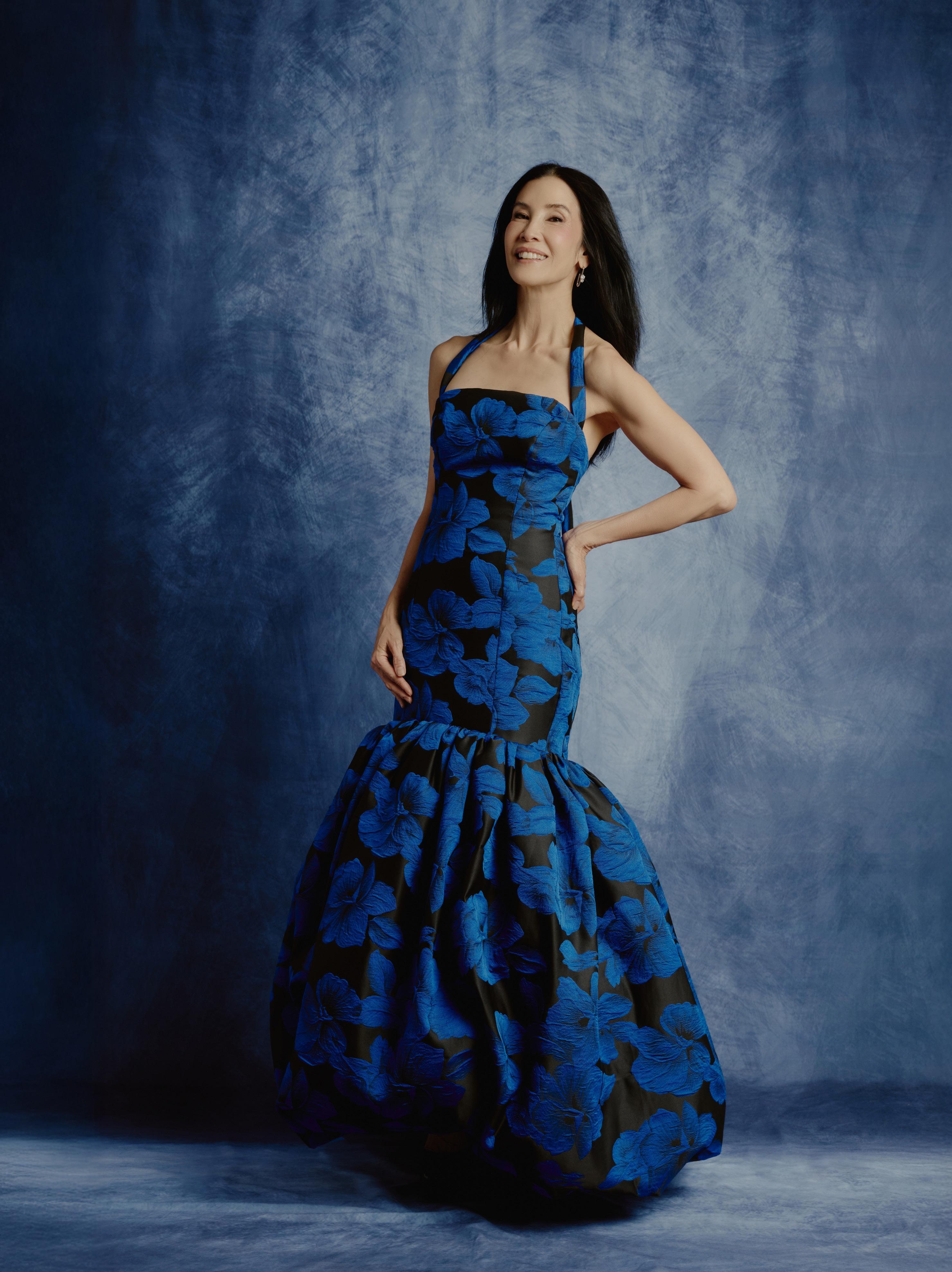
Dress Samuel Gartner Earrings Astrid & Agnes Shoes Jonak
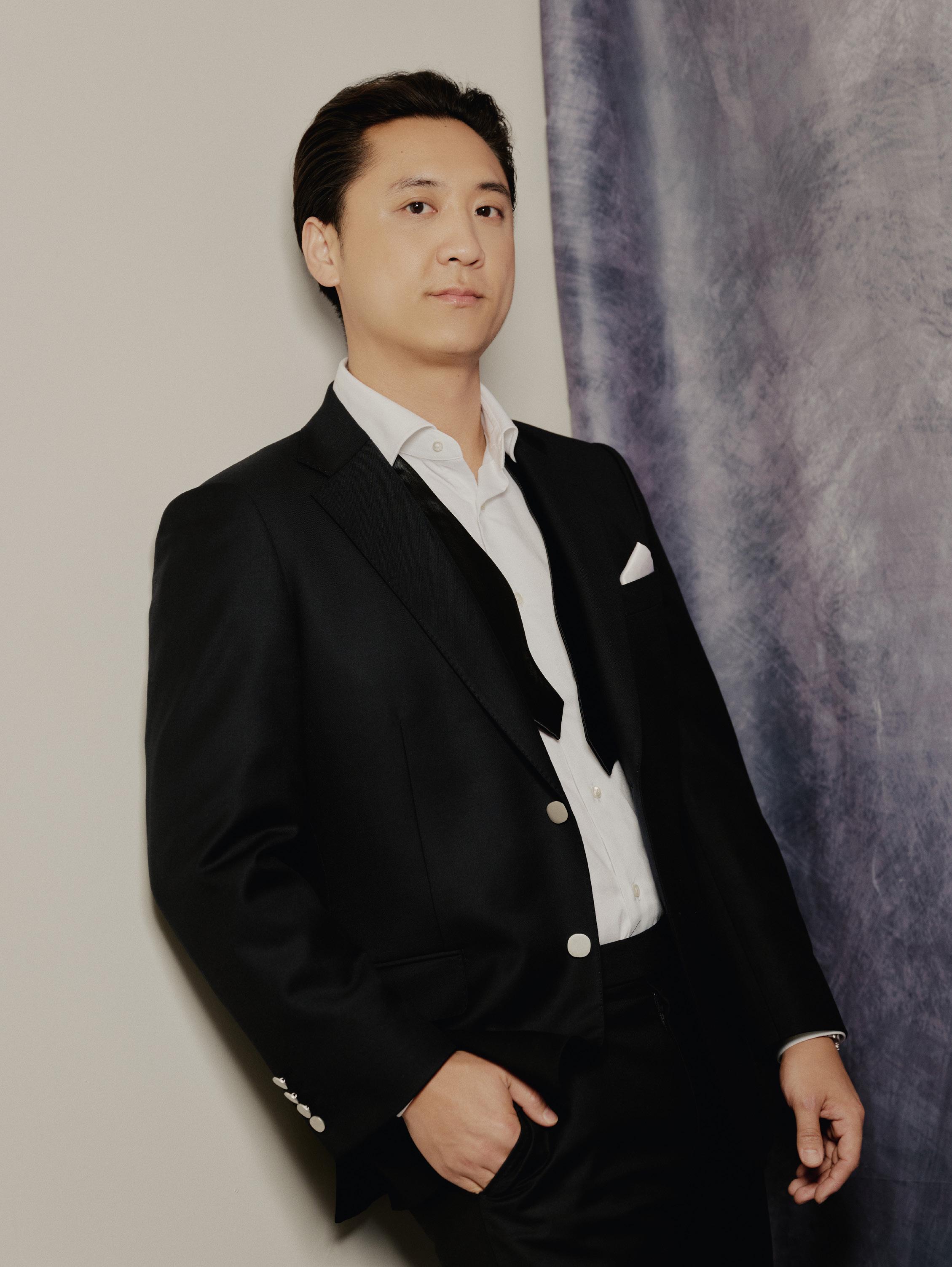
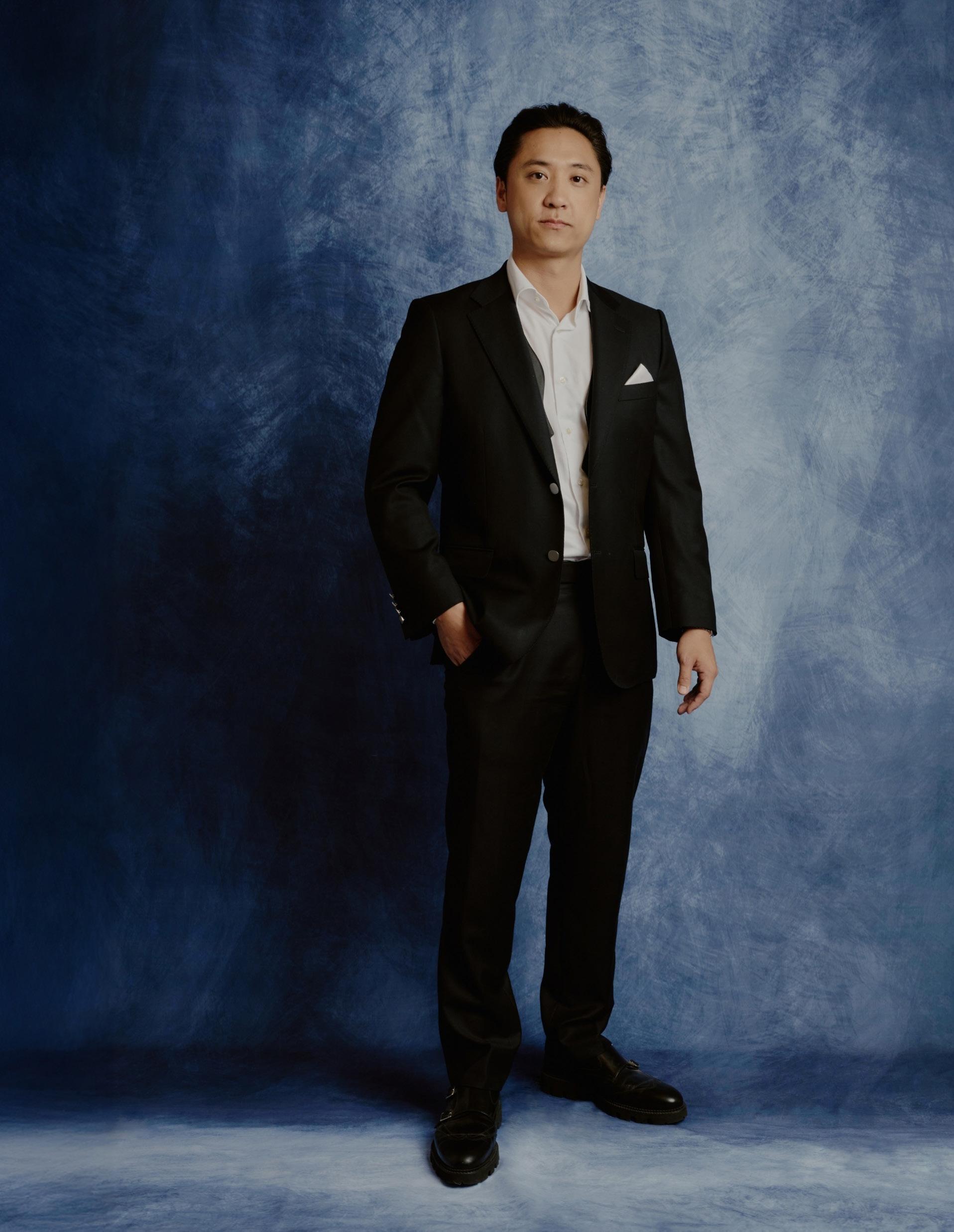
Suit Zegna
Albert Yang
Cultural Game Changer Award
Chief Operating Officer, Din Tai Fung North
America
Albert Yang has helped shape Din Tai Fung’s evolution in the United States, carrying forward a family legacy that began in his parents’ kitchen and has since expanded into one of the most recognized hospitality brands in the world.
From early days learning to make xiaolongbao as a child to leading major expansion efforts across North America, his approach is rooted in precision, culture, and an unwavering commitment to consistency at scale.
As the brand continues to grow across new markets, this conversation looks at how he balances heritage with innovation, instinct with strategy, and what it takes to build excellence into every layer of a global operation.
Photography Kenneth Medilo @kenmedilophoto
Styling + Creative Direction Benjamin Holtrop @benjaminholtrop at @thewallgroup
Hair & MUA Brittany T, Nikki L, Kelly T, Kahn at @KellyZhangAgency
Production Aleksandar Tomovic @alekandsteph
Socials Tesia Kuh @thefirstthree.co
Production Coordinator Chalisa Phiboolsook @chalisaphi
Production Assistant Lizzie Mansour @lizzoooyo
Talent Coordinator Isabella Nuqui @_snowdust_
Location BELLO Media Group x Maison Privée @BELLOmediaGroup @maisonpriveePR_LA
You stepped into a family legacy that is both deeply rooted and globally recognized. What did it mean to you personally to join Din Tai Fung in 2015, beyond the business itself?
Joining Din Tai Fung in 2015 felt less like entering a business and more like stepping into a responsibility. My parents were immigrants, and growing up I watched how hard they worked every day in the restaurant. I always felt a strong responsibility to support them—to help carry forward what they built and to make sure they didn’t have to keep working as hard while we took Din Tai Fung to the next level in the U.S.
As I began working full time, I quickly realized that Din Tai Fung represents more than just our family. So many people feel emotionally connected to what we do and look to us as a reflection of a certain type of food and culture. That created a deeper sense of purpose for me. It’s important that we continue to grow in a way that makes our team, our guests, and our community proud.
Growing up around the kitchen and now leading operations at scale, how has your understanding of hospitality evolved from something intimate to something systemic?
Growing up around the kitchen, hospitality felt very direct and personal. I watched how small details— how a dumpling was folded, how a table was greeted, how issues were handled in the moment—shaped the guest’s experience immediately. It depended a lot on the people in the room.
As we expanded, I realized that kind of instinct-driven hospitality doesn’t scale on its own. One example for me was dumpling training. When I started making dumplings at about 12 years old, there was no formal training, and it often took six months to a year for someone to make a xiaolongbao up to standard through trial and error. Even after we introduced trainers, consistency still depended heavily on who happened to be teaching that day.
As we opened more locations, we needed something more structured and repeatable. Building a training system helped translate what had once been passed down informally into something that could be taught consistently across teams.
Din Tai Fung is known for an almost obsessive commitment to precision, from technique to service. How do you translate that philosophy across multiple locations without losing its soul?
Translating precision across multiple locations without losing its soul comes down to culture and caring for people. One of our core values is modesty, which isn’t always common in corporate America. That sense of humility creates openness—to feedback, improvement, and learning—which is essential when you’re trying to maintain very high standards across many teams.
We also care deeply about our people, because we understand that we are nothing without them. When team members feel supported and respected, they take real ownership of their work, and that ownership shows up in our food and service.
Precision can be built through training and clear expectations, but without a strong culture behind it, it can start to feel mechanical. When people feel connected to the purpose of what they’re doing, consistency can be achieved while still feeling human.
You’ve played a key role in expanding the brand across North America. What have been the most important lessons in adapting a heritage-driven concept to new markets like Los Angeles and Las Vegas?
One of the most important lessons has been learning how to stay true to authenticity while adapting to the expectations of each market. The core of Din Tai Fung—the portions, flavors, and techniques—comes directly from what was established in Taiwan, and preserving that consistency is essential to who we are.
At the same time, operating in places like Los Angeles and Las Vegas means adapting to different service expectations. Guest expectations of service in the U.S. are different compared to Asia, so we’ve had to thoughtfully rethink the service experience while protecting the integrity of the food and the craft behind it.
Another important lesson has been how critical infrastructure is to responsible growth. When I first started working full time after college, we didn’t have a corporate team in the U.S. I still remember taking turns with my brother posting and responding
to job ads on Craigslist every weekend just to support hiring. Experiences like that made it clear that expansion isn’t just about opening restaurants—it’s about building the systems and teams behind them. Creating that foundation has been essential to making sure each new location delivers the same experience guests expect from Din Tai Fung.
Under your leadership, operational excellence and food safety have become defining strengths. What does excellence mean to you on a daily basis, beyond metrics and reviews?
For me, one of the most important indicators of excellence is maintaining a goal of 70% five-star reviews. It’s an extremely demanding standard, and something we were only able to achieve consistently in the past couple of years. If we can sustain that level while continuing to expand, it tells me we’re holding ourselves accountable to the same expectations across every location.
But beyond metrics, excellence is about maintaining a relentless drive to improve every day. I expect every department to keep refining and building on what they do—even when things already seem to be running smoothly.
Over time, that mindset becomes part of the culture. Excellence stops being something you measure and becomes something the organization works toward every day.
The brand’s purpose, “Celebrate Culture, Inspire Community,” feels especially relevant today. How do you bring that mission to life in a way that goes beyond words?
The best way Din Tai Fung can celebrate culture is by presenting the highest-quality representation of Taiwanese/Chinese cuisine possible while staying true to who we are as a brand. For us, food is the starting point—it’s the most meaningful way we share our heritage with our guests. Celebrating culture also means sharing our story in ways that feel genuine and accessible. During Chinese New Year, we give red envelopes to all of our team members and invite their families to dine with us, which is a meaningful way to share the traditions behind the holiday. Our dumpling ornaments during the holidays may seem like a small detail, but seeing dumplings on Christmas trees is especially
meaningful to me because it blends Taiwanese/ Chinese and American traditions.
Inspiring community shows up in how we support people beyond the restaurant. During COVID, we donated thousands of meals to hospitals, and more recently during the Los Angeles fires we supported small local businesses affected by the disruption.
For us, celebrating culture and inspiring community isn’t something separate from the business—it’s part of how we operate every day.
Coming from a background in hospitality at Cornell, combined with a family lineage in the business, how do you balance instinct versus formal strategy when making decisions?
Growing up in Din Tai Fung, our instinct has always centered on the guest experience. The number one priority is to provide a consistently excellent experience, and that perspective comes from being close to the restaurants from an early age. That instinct hasn’t changed.
Formal strategy helps us scale those decisions responsibly. Data plays an important role in validating those instincts and helping us prioritize our efforts. In practice, instinct helps set the direction, and strategy helps confirm that direction while ensuring we execute consistently as we expand.

What’s your ‘Call Your Shot’ moment — when did you decide to go after something and refuse to let uncertainty stop you?
Opening our New York City restaurant was that moment for me. At 27,000 square feet, it was by far the most ambitious project we had taken on, especially as our first location on the East Coast.
I still remember visiting potential sites during COVID—it felt like a scene out of an apocalypse movie. We walked through Times Square and saw empty streets. We took the subway and again it was empty. Seeing the city during those months should have given me uncertainty, but I was confident New York City would come back.
When the restaurant finally opened, I lived there for three months to be fully present and committed to making it successful. At the time, our corporate infrastructure wasn’t yet strong enough to support an opening at that scale so far from our base, so there was a lot of hands-on problem solving and last-minute decision-making on site. It also meant helping set the culture directly—bussing tables, running food, and making dumplings alongside the team.
That experience proved to me that we can succeed even in very uncertain conditions. Opening a restaurant of that scale in Midtown Manhattan with limited support gave me confidence in what’s possible as we continue building the organization for the next stage of growth.
“When people feel connected to the purpose of what they’re doing, consistency can be achieved while still feeling human.”
HonorsPerformer
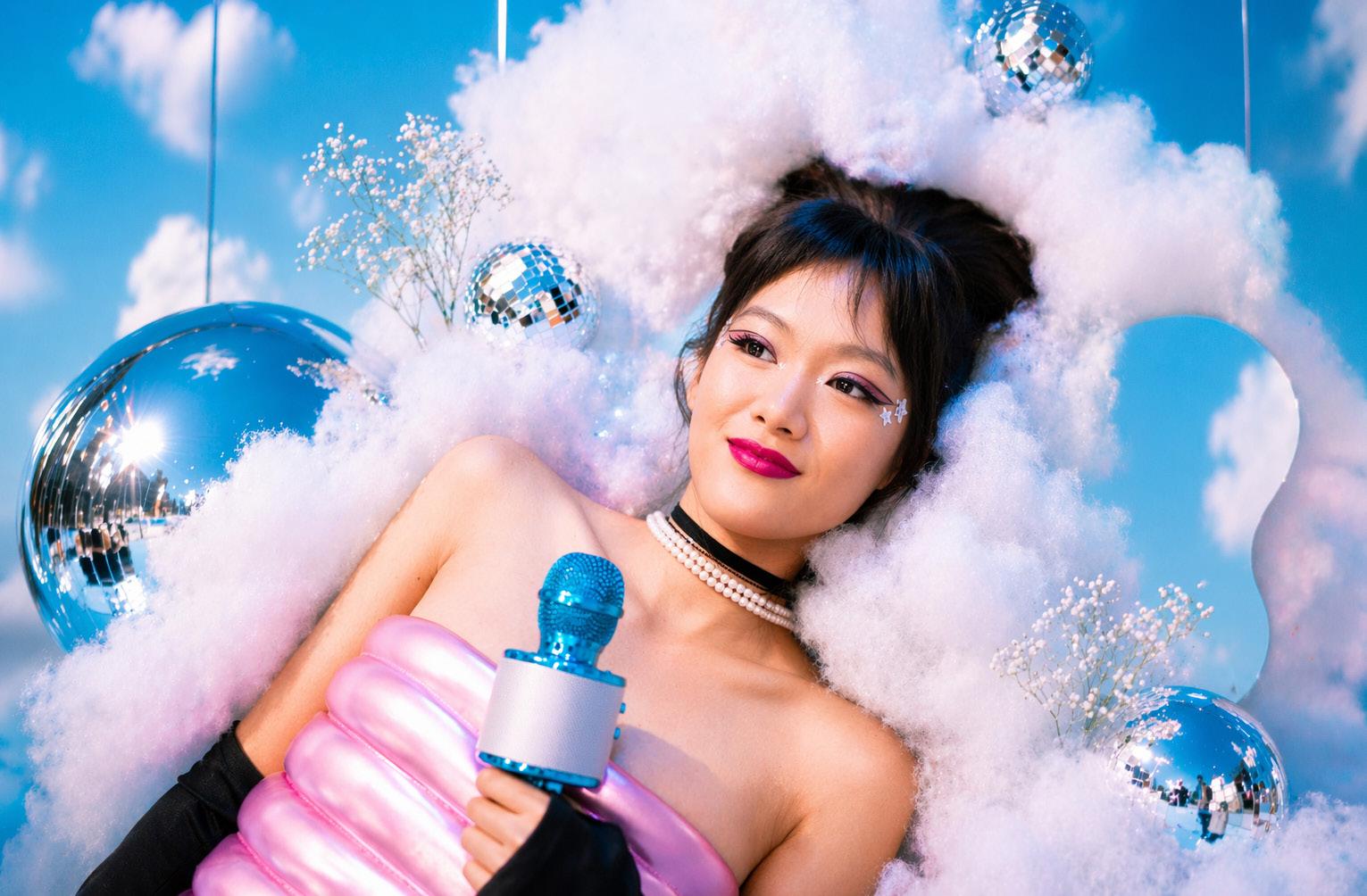
Katherine Ho
PhotographyLindaWang
“I very much feel like I’m still figuring it all out, and music remains a therapeutic outlet for me to be my most authentic self, especially in moments of doubt and uncertainty.”

Katherine Ho’s voice first entered the cultural conversation through Crazy Rich Asians, where her Mandarin rendition of “Yellow” became an unexpectedly defining moment in a landmark film. Since then, she has continued to evolve far beyond that early introduction, building a body of work that bridges languages, genres, and identities with a quiet emotional clarity. Moving between Mandarin pop, Western influences, and original songwriting, she has carved out a space that feels both deeply personal and culturally expansive. This conversation looks at how she has grown since that first breakthrough, what it means to create across cultures, and how she is shaping the next chapter of her sound on her own terms.
Katherine Ho’s voice first entered the cultural conversation through Crazy Rich Asians, where her Mandarin rendition of “Yellow” became an unexpectedly defining moment in a landmark film. Since then, she has continued to evolve far beyond that early introduction, building a body of work that bridges languages, genres, and identities with a quiet emotional clarity. Moving between Mandarin pop, Western influences, and original songwriting, she has carved out a space that feels both deeply personal and culturally expansive. This conversation looks at how she has grown since that first breakthrough, what it means to create across cultures, and how she is shaping the next chapter of her sound on her own terms.

Your voice became part of a defining moment in Crazy Rich Asians. When you hear that song now, do you still feel like the same person who recorded it?
I recently heard the original recording because my partner was playing it, and I remember thinking, “Wow, I sound so young!” I was 18 when I recorded for the soundtrack, and I’m 26 now. Getting to sing for Crazy Rich Asians really changed my life - I feel so much more confident in my artistic and personal identity than when I was first recording for the soundtrack. But as much as I’ve grown, I still relate to many of the emotions, insecurities, and questions that I had at 18. I very much feel like I’m still figuring it all out, and music remains a therapeutic outlet for me to be my most authentic self, especially in moments of doubt and uncertainty.
Your version of Yellow turned something familiar into something deeply personal. What did that reinterpretation mean to you at the time?
“Yellow” was one of my favorite songs growing up, so getting to put a Mandarin twist on it felt like the perfect fusion of the two worlds that raised me. At the time, it meant a lot to be able to express both sides of my identity in a way that felt natural and honest. Artistically and personally, it was an incredibly special experience.
You were balancing school and music when everything shifted for you. How did that moment change the way you saw your future?
I went to college for biology/healthcare (totally separate from music!) but a career path that I was, and still am, genuinely passionate about. At the time, I was content with seeing music more as a hobby/side-thing, but singing for Crazy Rich Asians opened the door to so many amazing musical opportunities and professional collaborations that I never could have imagined. It made me start to see music as something that could actually be a real part of my future in a more serious way, not just something I did on the side.
Your work often moves between cultures and languages. How has growing up between those worlds shaped the way you express yourself?
My Asian-American identity is a central piece of my artistic expression these days. Growing up between cultures (and especially singing for Crazy Rich Asians) made me really drawn to finding ways to bridge those worlds through music, and to express parts of myself that don’t always fit neatly into one or the other. That shows up in things like east-west fusion mashups of Mandarin pop and Taylor Swift songs, Mandarinlanguage covers of western hits, and original music that explores AAPI identity.
There’s a quiet intimacy to your voice that people connect to. Where does that emotional honesty come from for you?
Maybe it comes from my background in acting and theater growing up, but I try to connect each song I perform to a personal experience or feeling, and let that guide how I sing it. In that way, it always feels like I’m singing about myself rather than telling someone else’s story, even if I haven’t lived the exact experiences in the lyrics, which helps with that sense of emotional honesty.
You’ve been building your own sound beyond the song people first discovered you through. What feels different about the artist you are now?
I think these days I’m braver to experiment and explore different sides of myself. When Crazy Rich Asians first came out, I felt this pressure to only create music or content that was similar to my work on the soundtrack. My Mandarin rendition of “Yellow” has a classic, timeless polish to it, which definitely represents one side of my artistry and still influences my focus on highlighting AAPI identity in my work. But over the years, I’ve really enjoyed incorporating more Western Gen Z influences into what I make - like mashing up classic Mandopop songs with my favorite Taylor Swift songs, or creating a boba/Asian dessert-themed rewrite of Sabrina Carpenter’s “Espresso.” In recent years, I’ve also started writing and releasing my own original music. I feel less pressure now to create in a way that aligns with others’ expectations, and more empowered to make things that feel authentic and fun to me.
What’s something about your experience as an Asian American artist that has surprised you the most over time?
I’ve honestly been really heart-warmed and surprised when people who don’t understand Mandarin (or aren’t even Asian) tell me that they love my Mandarin rendition of “Yellow” from Crazy Rich Asians. Moments like that remind me how powerful music can be in transcending cultural and language barriers. I feel really honored that my music has helped people connect with and appreciate the beauty of the language.
When you think about the next chapter of your career, what kind of stories or feelings do you want your music to hold?
I feel really grateful for the platform that Crazy Rich Asians has given me, and highlighting Asian-American identity will continue to be a central part of my work. In this next chapter, I’m excited to explore more personal aspects of my life as well. I recently moved to San Francisco after spending my whole life in Southern California, and now split my time between Northern and Southern California. I’ve been really inspired to write about that experience - navigating change, being on my own for the first time, and dating and making friends in a new city.
HonorsHost
Helen Hong
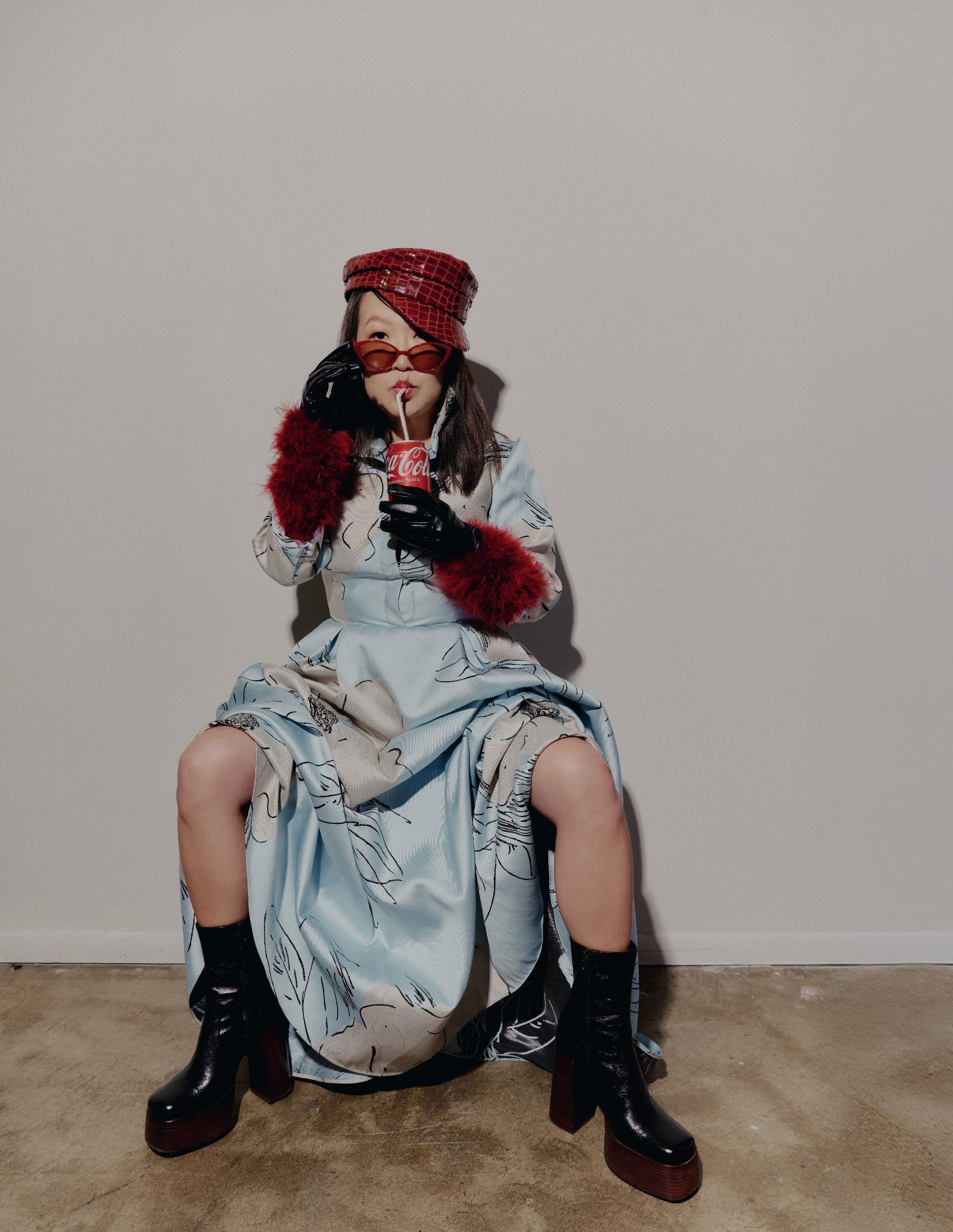
Helen Hong has built a comedy career defined by sharp honesty, emotional range, and an instinct for finding humor in life’s most unexpected and personal places. From early stand-up stages to appearances across television, radio, and voice work, she has carved out a voice that moves easily between irreverence and vulnerability, often within the same breath. Her work reflects a deep commitment to connection, using comedy not just to entertain, but to open up space for shared experience and recognition. This conversationlooksathowsheturns real-life struggle into material, what she has learned from years onstage,andwhylaughter,forher, is ultimately about making people feellessalone.
Photography Kenneth Medilo @kenmedilophoto
You’ve built your voice in comedy by being sharp, honest, and very real. What first pushed you to get on stage and speak your truth?
I first tried out standup because I was depressed. I was working in a field that was not fulfilling and I was like “is this all there is to life?” I stumbled onto a standup comedy class and the first time I got onstage, BOOM that was it. I knew immediately that it was what I wanted to do for the rest of my life. Those first years all I wanted was to get a laugh. But over the years I realized I could get laughs while also sharing my struggles and making a human connection. I’ve joked about my challenges with mental illness and my experience with breast cancer, and found that I can make people laugh and also touch people who are struggling in their own lives. It’s so fulfilling when people wait to speak to me after my shows and hug me and say “thank you for sharing that!”
Your humor often calls out everyday moments people don’t always talk about. How do you decide what’s worth turning into a joke?
Anything that I find funny is worth trying out as a joke. I keep my antennae up constantly for anything that makes me chuckle, from something I see in traffic or an interaction that I overhear on the plane. Or some random silly idea that just pops into my head. I was sitting in a public bathroom stall and saw a sex-traffic hotline notice and thought “I’m in my 40’s, I’m officially too old to get sex-trafficked.” And that was a premise that I developed and teased out and now it’s a bit that’s been doing really well lately. And it all came from letting my mind wander while sitting on the loo. Anything is worth trying out, and the audience will let me know immediately if it’s working or if it’s only funny in my head.
What’s something about your journey in comedy that people wouldn’t expect?
My standup is generally not “clean comedy,” considering the F-bomb is practically my favorite word. But I’ve made a career being on NPR (Wait Wait Don’t Tell Me and Go Fact Yourself) and also having a long-running role on a Nickelodeon kids’ series (The Thundermans). Sometimes people are surprised that the same comedian can be both dirty or squeaky clean depending on the situation. When I started, I never thought my career would include being on a kids show, but I’ve heard that Bob Saget,
the dad on Full House, is very dirty on stage and probably thought the same thing.
When you think about the audiences you’re speaking to, what do you hope they walk away with after watching you perform?
Yes absolutely. When I started, the only Asian comic that most people knew of was Margaret Cho. I got compared to Margaret all the time because she was literally the only example. Over the years we’re seeing more and varied Asian voices and perspectives and we’re not a novelty anymore. It’s fantastic that everyone has such a different flavor. Margaret is different from Ali who’s different from Atsuko who’s different from me.
What’s your process like after a set, are you replaying everything or letting it go?
Ugh, I suffer from the same mental disease that a lot of people can relate to which is when things go well, I forget it immediately, but when things go wrong I obsess about it for dayyyyyys. There are bad shows from 2 years ago that I’m still thinking about.
If you could leave audiences with one feeling after your set, what would it be?
I just want people to walk out after my shows in a great mood because they’ve had a great time. I don’t set out to be preachy or polarizing or try to have an agenda other than making people laugh. I do a lot of crowd work but I’m not mean or negative. I’m proud to say that people are just in a great mood when they leave my shows, and even if I’ve done a ton of crowd work, none of it was mean spirited and everyone leaves unscathed.
HonorsHost

Gene Kang
Gene Kang has become a familiar presence in Los Angeles mornings, guiding audiences through news, weather, and human stories with a warmth that feels both immediate and deeply personal. As a broadcaster, he moves fluidly between reporting and reflection, bringing emotion and clarity to a format often defined by speed. His work is grounded in a belief that television is at its most powerful when it feels human, when it can offer comfort, connection, and a sense of shared experience at the very start of the day. This conversation looks at how he carries that responsibility, what it means to show up with authenticity on screen, and the personal history that continues to shape his voice as a storyteller.
You’re a familiar face in Los Angeles mornings. What does it mean to you to be part of people’s daily routines in such an intimate way?
Thank you for asking that because it genuinely moves me. Morning television is one of the most intimate spaces that exists. People let you into their homes before they’ve said a word to anyone. Before the day has asked anything of them yet. And I think about that every single time I step in front of a camera. My mission has always been to make people feel something good before the world gets loud. To spark a little joy. To remind someone that they’re not alone in whatever they’re carrying. If I can do that before 9am, then I’ve done something meaningful. That is the whole point for me.
Your work blends reporting with personality, balancing serious moments alongside lighter ones. How do you find that balance on camera?
I think it comes from genuinely loving people. Not as a concept but as a practice. When a story is devastating, I feel it. When something is joyful, I let that be real too. Storytelling at its best doesn’t just inform people. It connects them. It reminds them that other human beings are out there feeling the same things they feel. That’s what I’m always reaching for. The laughter and the tears. Sometimes in the same live shot.
As both a weatherman and reporter, you move between facts and feelings. What draws you more, the data or the human story behind it?
The human story, always. I am so grateful for the access this job gives me to people’s real lives. Someone lets a camera crew into their home after a tragedy. A stranger trusts you with their truth on the worst day of their life. That’s not a given. That’s a gift. Whether I’m tracking a storm system or sitting across from someone rebuilding after a loss, I want people to walk away feeling something. Feeling seen. Feeling hopeful. That’s the only data point that matters to me.
Los Angeles is a city of constant change. What stories here do you feel still are not being told enough?
The quiet stories. The immigrant families holding it together with two jobs and a prayer. The elders in Koreatown and Little Tokyo and Boyle Heights who remember what this city was and are still here shaping what it becomes. The people who survived the fires and are rebuilding from nothing with so much grace it takes your breath away. I grew up around people like that. I am who I am because of people like that. LA gets so much coverage for its glamour. I want to spend my career honoring its heart.
You share parts of your life beyond the newsroom, including your relationship, your community, and your voice. How do you decide what to keep personal and what to make public?
The filter for me is always: will this help someone feel less alone? My husband and best friend Dan Nevez and I have been together for more than 25 years and I’m so grateful we get to be open about our life together. Not to perform visibility but because I know there’s a kid out there watching the morning news who feels different, who has never seen themselves reflected back, who just wants to be seen and valued for exactly who they are. I needed that when I was younger and didn’t have it. Sharing our life is an act of love for that person. It always has been.
What has your experience been like as an Asian American working in broadcast media?
It’s been hard and it’s been worth it. There were rooms I walked into where I could feel people deciding what I was before I opened my mouth. There were years I spent shrinking myself so I’d be easier to accept. I don’t do that anymore. And I’m grateful I lived through that chapter because it made me unshakeable. My presence on screen is a statement that Asian Americans and people of diverse backgrounds belong in this industry. Not at the margins. At the center. I think about the next generation coming up and I want them to walk into those rooms fully themselves. That drives everything I do.
Being visible on screen and online comes with expectations. How do you stay grounded in who you are behind the camera?
My SGI-USA Buddhist practice is my foundation. I chant Nam-myoho-renge-kyo every day for world peace and everyone’s happiness, to overcome obstacles, and to help and encourage others to reach their limitless potential. It genuinely centers me and connects me to something deeper than social media likes or ratings or whether a story goes viral. I practice because I believe my life has a deep purpose. We all do. That purpose is to use whatever platform I have to bring people joy, to touch hearts, to make the world feel a little more connected and a little less scary. When I remember that, the noise falls away completely.
When you think about your career so far, what kind of impact do you hope your presence leaves, not just as a reporter, but as a person?
My mom passed away after battling cancer, not long ago. As a Korean American immigrant, she gave up so much so our family could stand up today. She was a grandmother, a retired ICU nurse, and an artist. Her last words to me were “너무 사랑해”(I love you so much). I carry those words into everything I do. Every story. Every broadcast. Every time I look into that camera. I want people to feel that love coming through the screen. Not the love of a journalist or tv personality doing his job. The love of a human being who has lost things, who has fought hard, and who wakes up every morning genuinely wanting to touch your heart and remind you that life is beautiful and worth it. That’s the legacy I’m after. That’s everything.
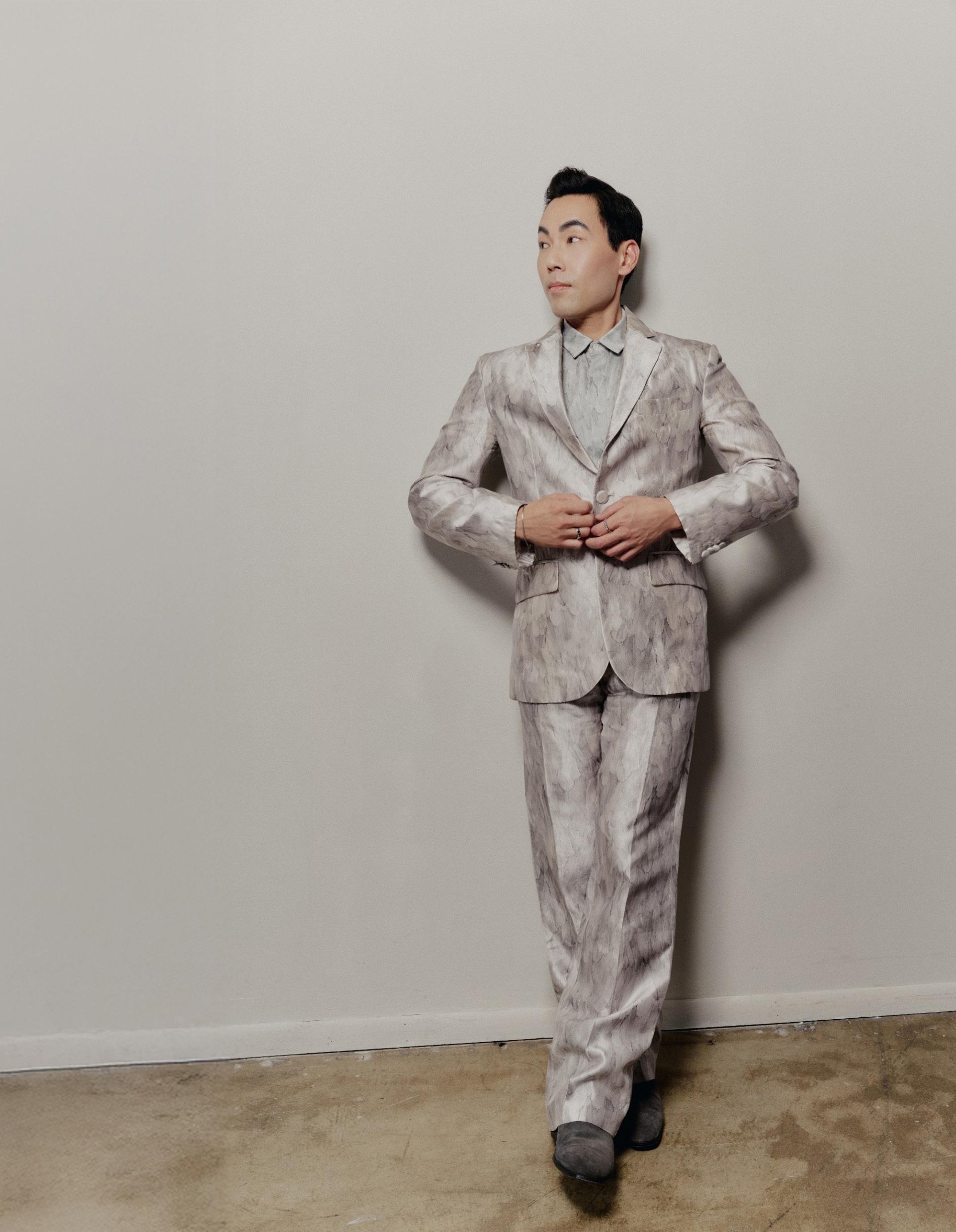
Photography Kenneth Medilo @kenmedilophoto
Styling + Creative Direction Benjamin Holtrop @benjaminholtrop at @thewallgroup Hair & MUA Brittany T, Nikki L, Kelly T, Kahn at @KellyZhangAgency
Paris Berelc
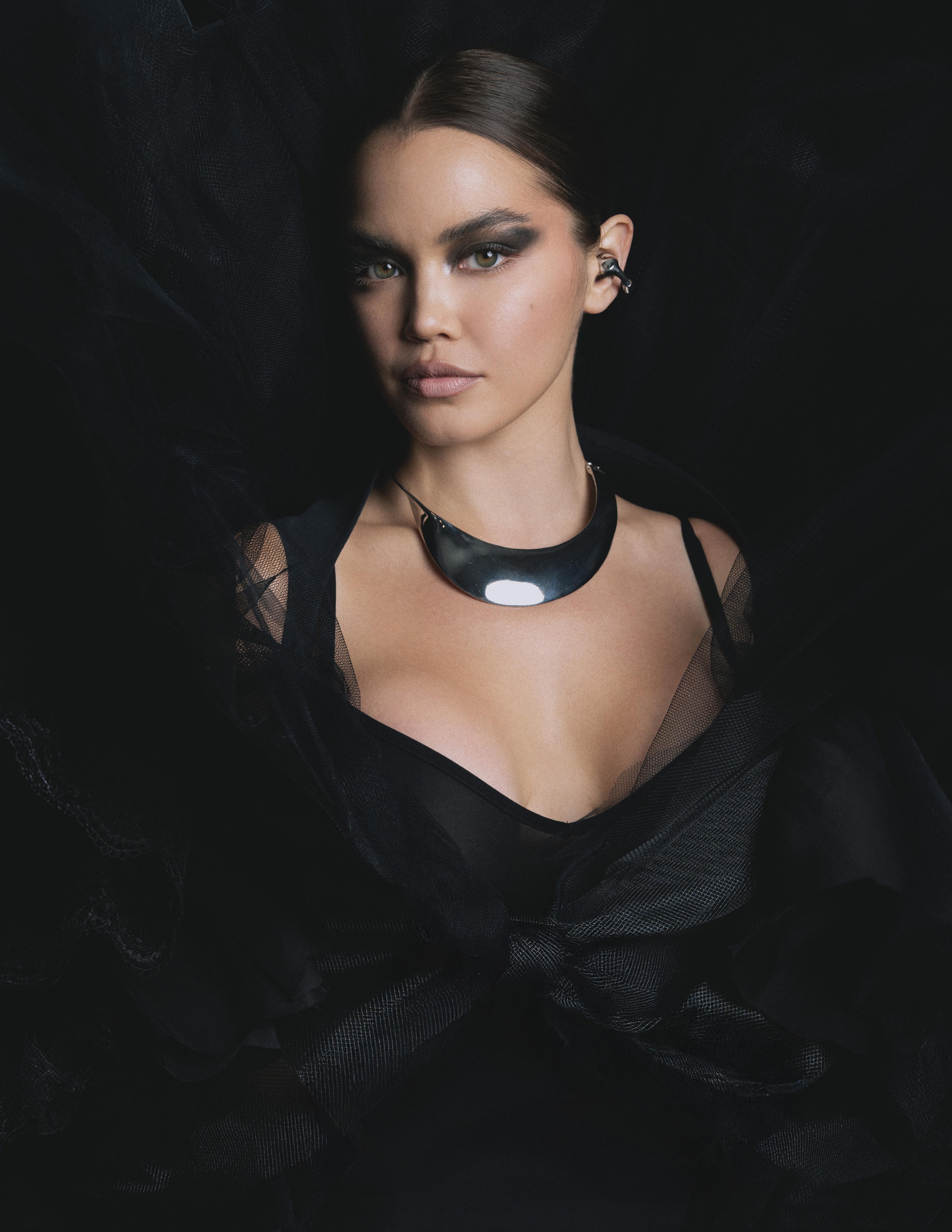
Bolero Atelier 7474 Earbuds Buttons Necklace & Ring Cybele Bertin
We’llAlwaysHaveParis
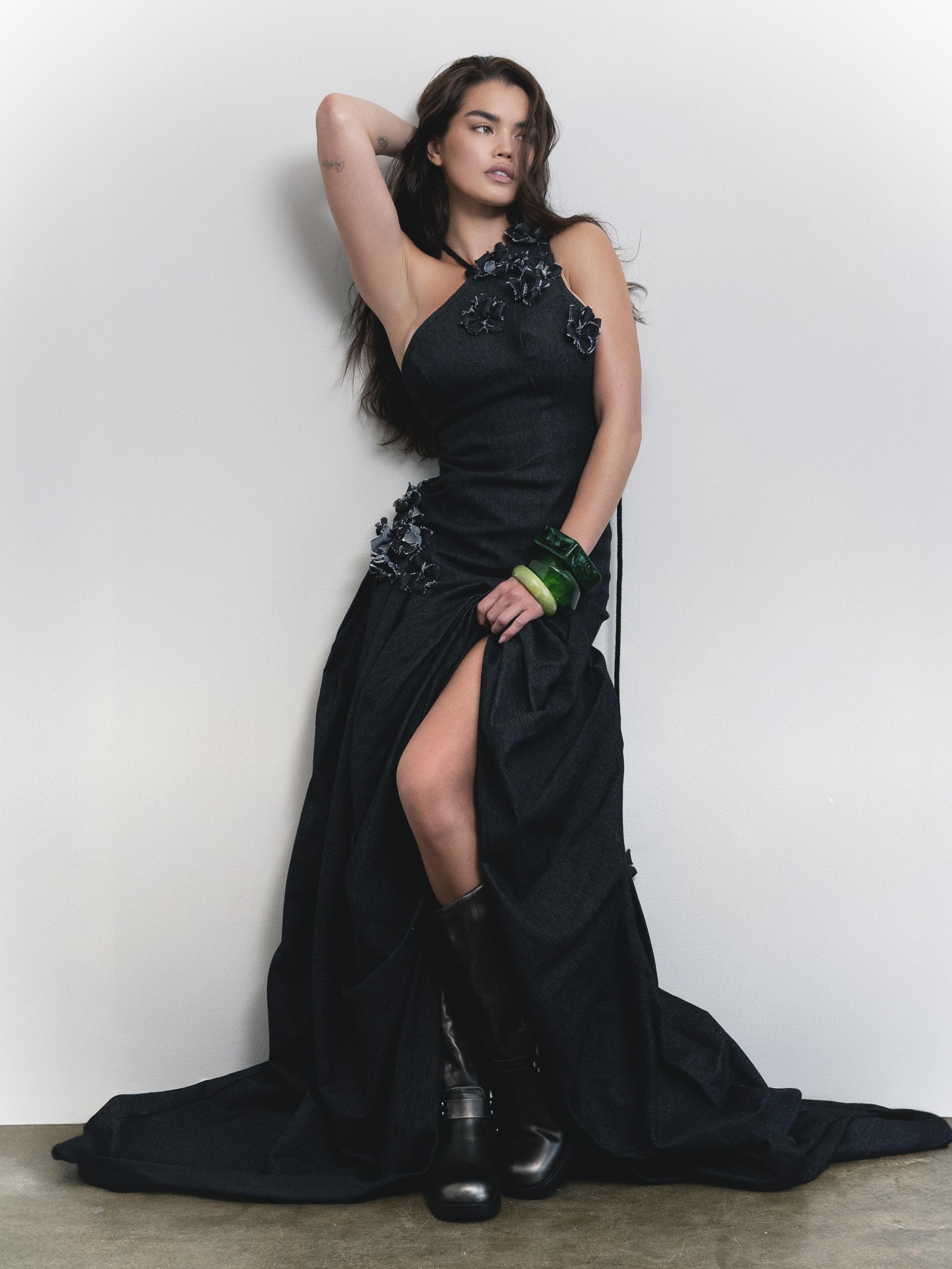
Dress Samuel Gärtner Bracelets Cybele Bertin Boots Dream Pairs
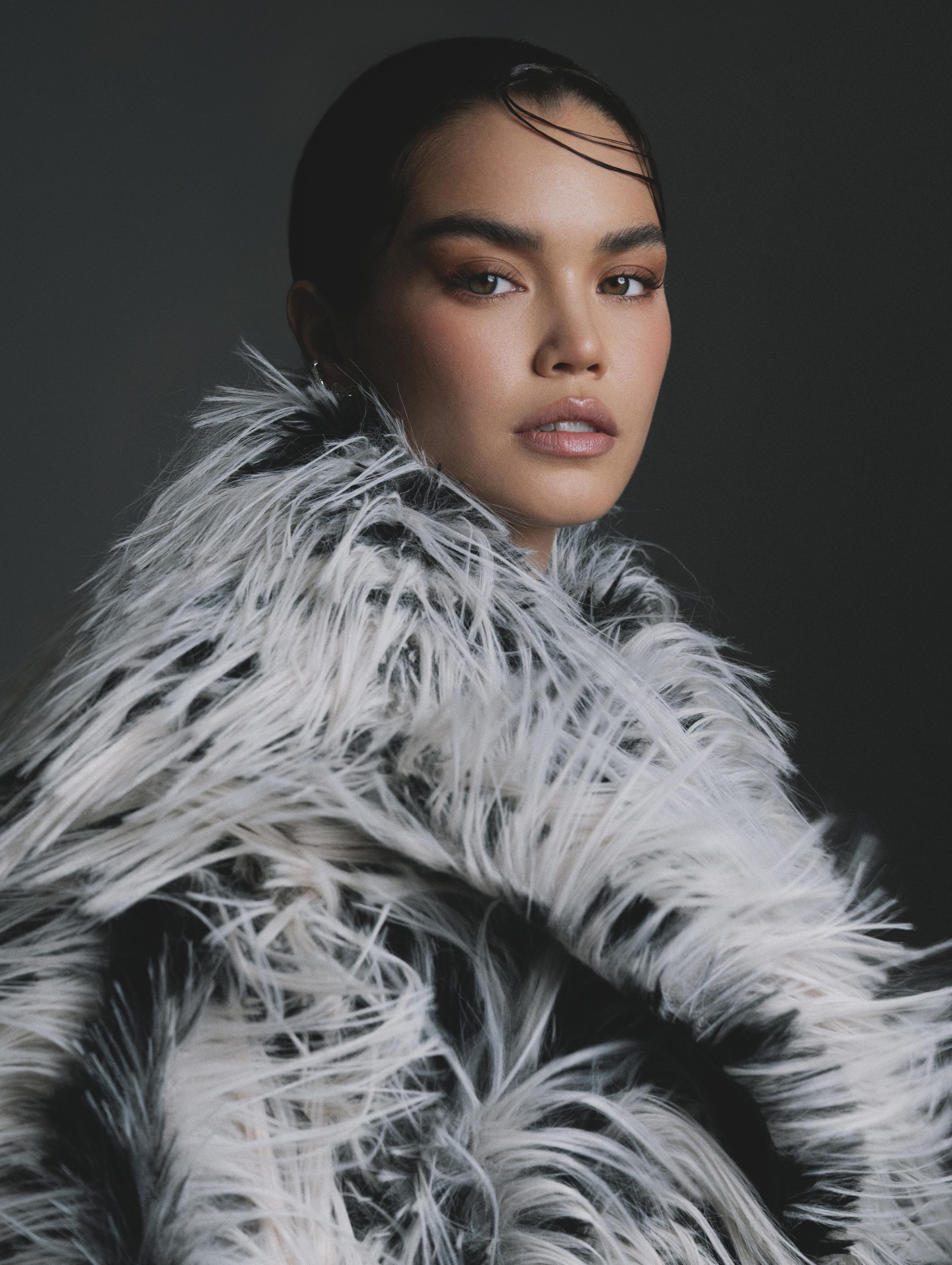
Coat Akira Earrings Burkinabae
Paris Berelc has been working in front of the camera for over a decade, but what defines her today is not where she started, it is how consciously she is choosing what comes next.
Having grown up on screen, she is now navigating a shift that many young actors face, evolving beyond the roles that first introduced them to audiences, while still carrying the weight of that visibility. “The hardest part is the mindset,” she says. “I started when I was 14, and because of streaming, there are people who watch me who are my age now, and people who are four discovering me for the first time. It’s about giving myself the space to try new things, to do something edgier, and still feel like I’m allowed to grow.” That balance extends beyond the screen.
With a large young audience following her, Berelc is aware of the responsibility that comes with visibility, while also protecting her sense of self. “There are so many young girls that follow me, so I try to present myself as a role model. But at the same time, there’s my authentic self. It’s a weird balance. Sometimes there’s a mask, but in certain situations, everyone wears one.”
filming, when co-star Hayley Festeryga surprised the cast with handmade friendship bracelets. “I still have mine. I still wear it. That was a really special moment.” Not every memory was sentimental.
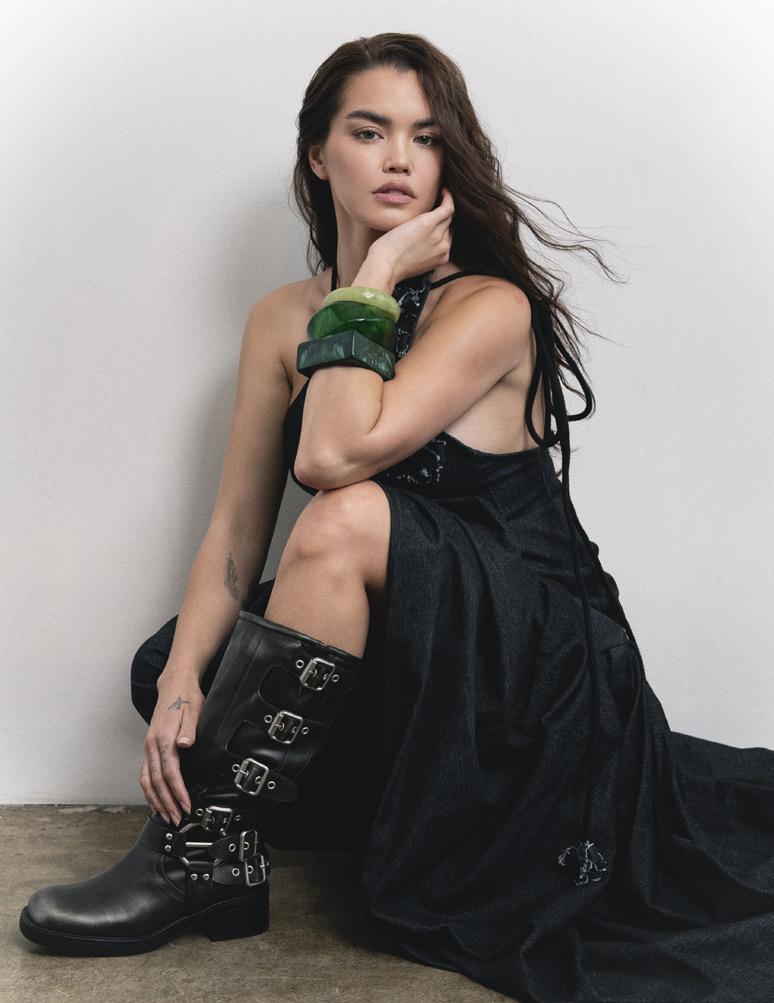
Comedy has become one of her most natural spaces, something she approaches with instinct rather than calculation. “I love rom-coms. Comedy is just so fun to me, and I love improvising,” she says. That energy carries into Kissing Is the Easy Part, now available on Tubi, where she stars alongside Asher Angel. The film leans into lightness, but the experience behind it stayed with her.
“We shot it in the summer, and it felt like it came out of nowhere,” she says. “Asher is like family to me. He was so easy to work with.” Off camera, the atmosphere was just as memorable. She recalls the final day of
Between takes, she found herself sharing a wall with Angel’s relentless workout routine. “Our trailers were connected, and I could feel mine shaking,” she laughs. “I texted him like, ‘Are you working out right now?’ He was doing hundreds of pushups and sit-ups. I was like, ‘You’re insane.’” Berelc’s physical discipline comes from a background in gymnastics, something that naturally transitioned into stunt training. It is an area she approaches with precision and respect. “You have to commit to it. It’s not just fun, you have to do it right so no one gets hurt. I love the discipline and the trust, trusting yourself and the other person.” That physicality feeds into a clear goal. “I want to do an action movie,” she says. “That’s the one thing I still want. My Angelina Jolie or Scarlett Johansson moment. I grew up watching them do their own stunts.”
At the same time, her ambitions extend far beyond acting. With Kissing Is the Easy Part, she stepped into a producing role, a move that reflects a long-term vision. “I want to have my own production company,” she says. “That’s the dream. Producing is similar to acting in a way. You’re still selling something, just in a different way.”
That mindset has already started to shape her creative decisions. She recently directed a music video for a close friend, an experience that introduced her to a different kind of storytelling. “I loved the problemsolving part of it,” she says. “Things go wrong, and
you just have to figure it out with what you have. I would love to direct a film one day.” Even within her acting work, Berelc looks for ways to bring more of herself into the characters she plays. Whether it is small details or cultural references, she sees those moments as essential rather than decorative. “If I can, I’ll add things like Filipino food or suggest a Filipino last name. That’s part of me, and I’m not separate from the character.”
Off-set, her interests move toward something more introspective. She has become a certified Reiki practitioner, something she describes as a personal exploration rather than a professional pursuit. “I’ve always been interested in energy and things like that,” she says. “Reiki helped me understand what I already felt growing up. I never wanted to make it a business. It’s just for me.” That same curiosity carries into how she prepares for roles. Before filming, she builds a world around her characters through music and grounding rituals. “I make a playlist for every character,” she explains. “And I do breathing exercises to get out of my head and into my body.” Travel also plays a role in that sense of grounding. Over the past year, she has moved between Punta Cana, Paris, Slovenia, and the Philippines, reconnecting with both new places and personal roots. Visiting Iloilo, where her grandmother is from, became a particularly meaningful experience. “It was the first time I really saw where my family comes from. That was special.”
Looking ahead, Berelc’s trajectory feels less about reinvention and more about expansion. She is not stepping away from what audiences know her for, she is building around it, adding layers, taking control, and moving with intention.
“We’re manifesting,” she says, half-joking, half-serious about the future she is aiming toward.
And this time, it is entirely on her terms.
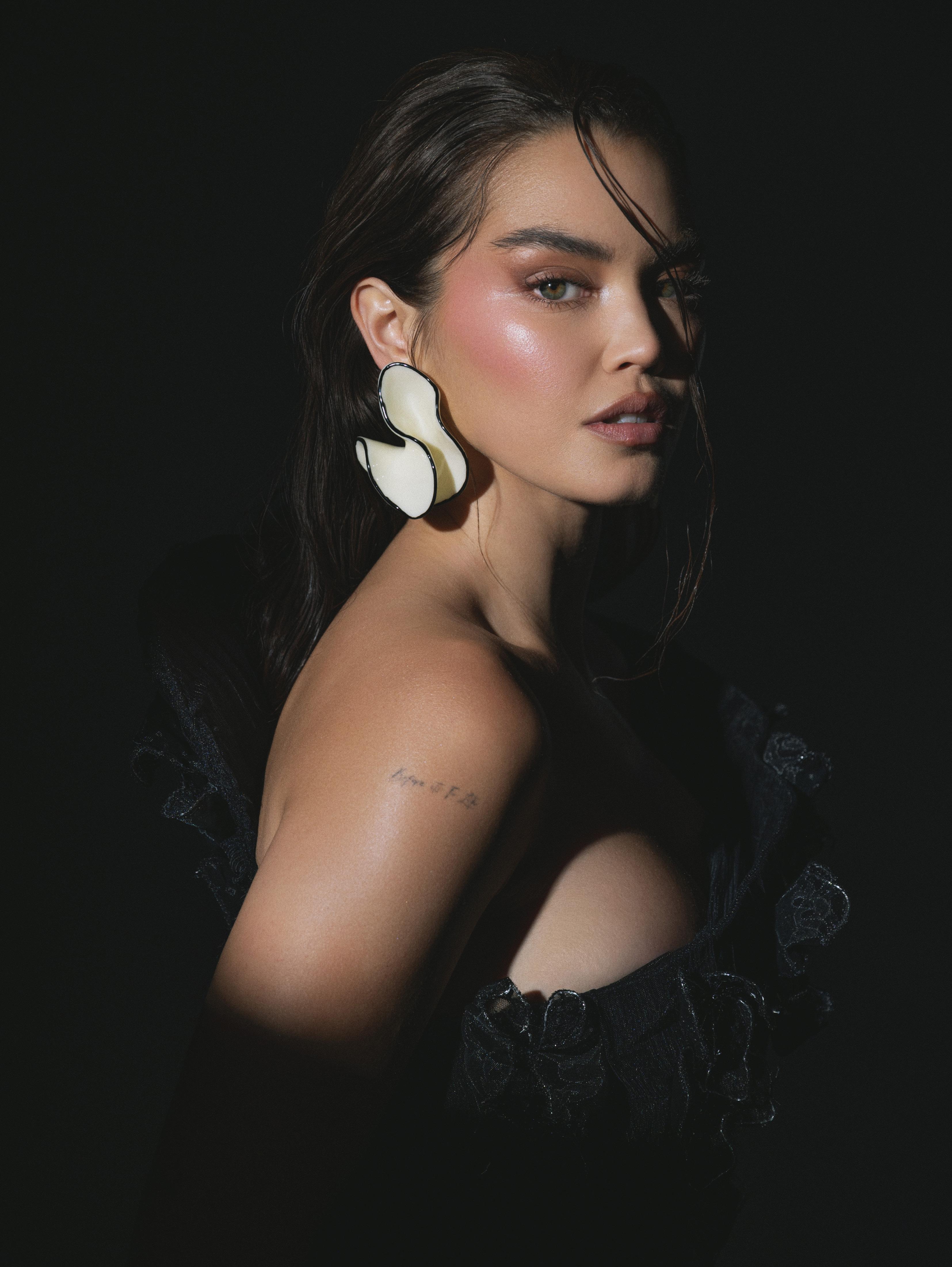
“If I can, I’ll bring my Filipino heritage into the character. Even in small ways, it matters.”
Dress Eman Alajlan Earrings Cybele Bertin
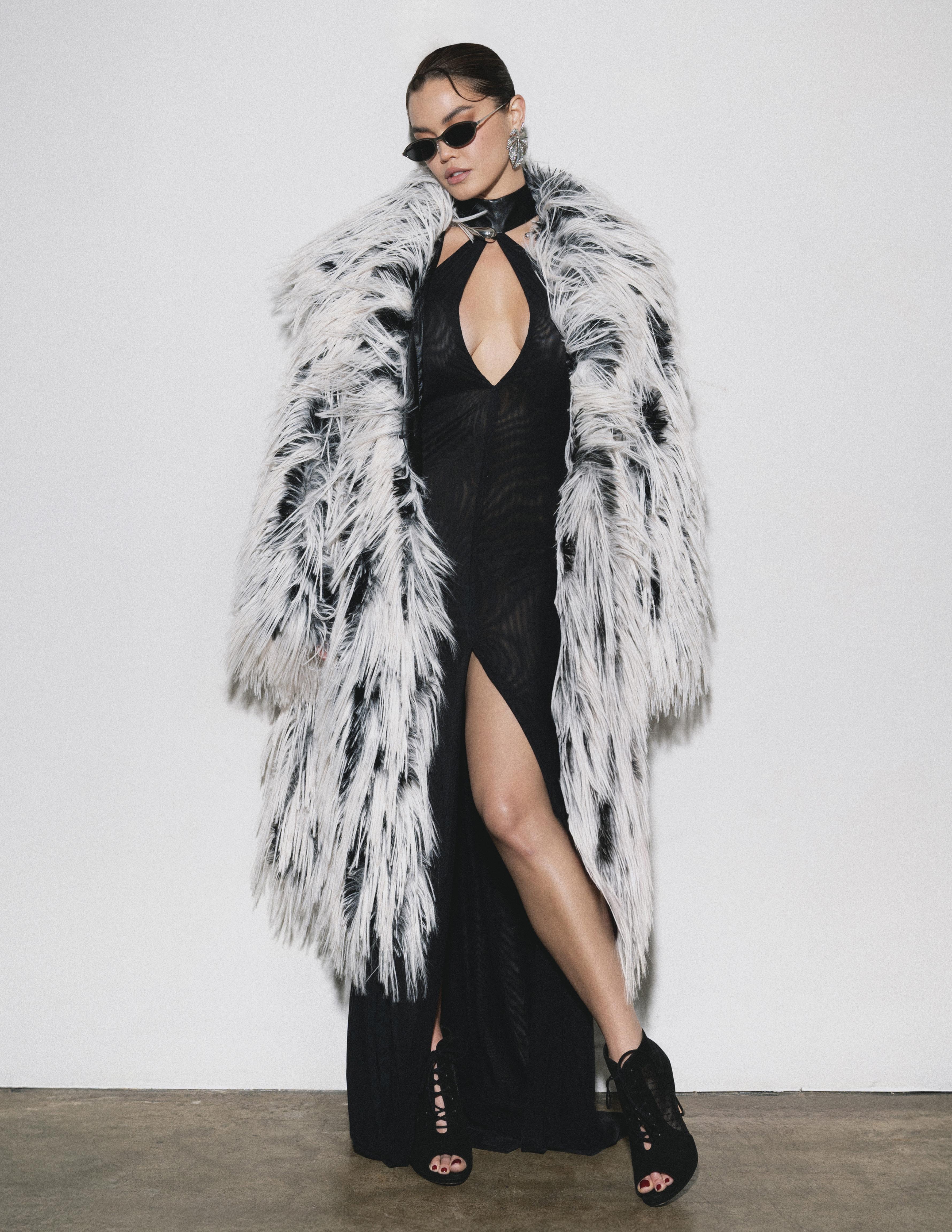
Dress Formidable Sunglasses Sojos
Coat Akira Earrings Burkinabae
Necklace Cybele Bertin
Shoes Elizée
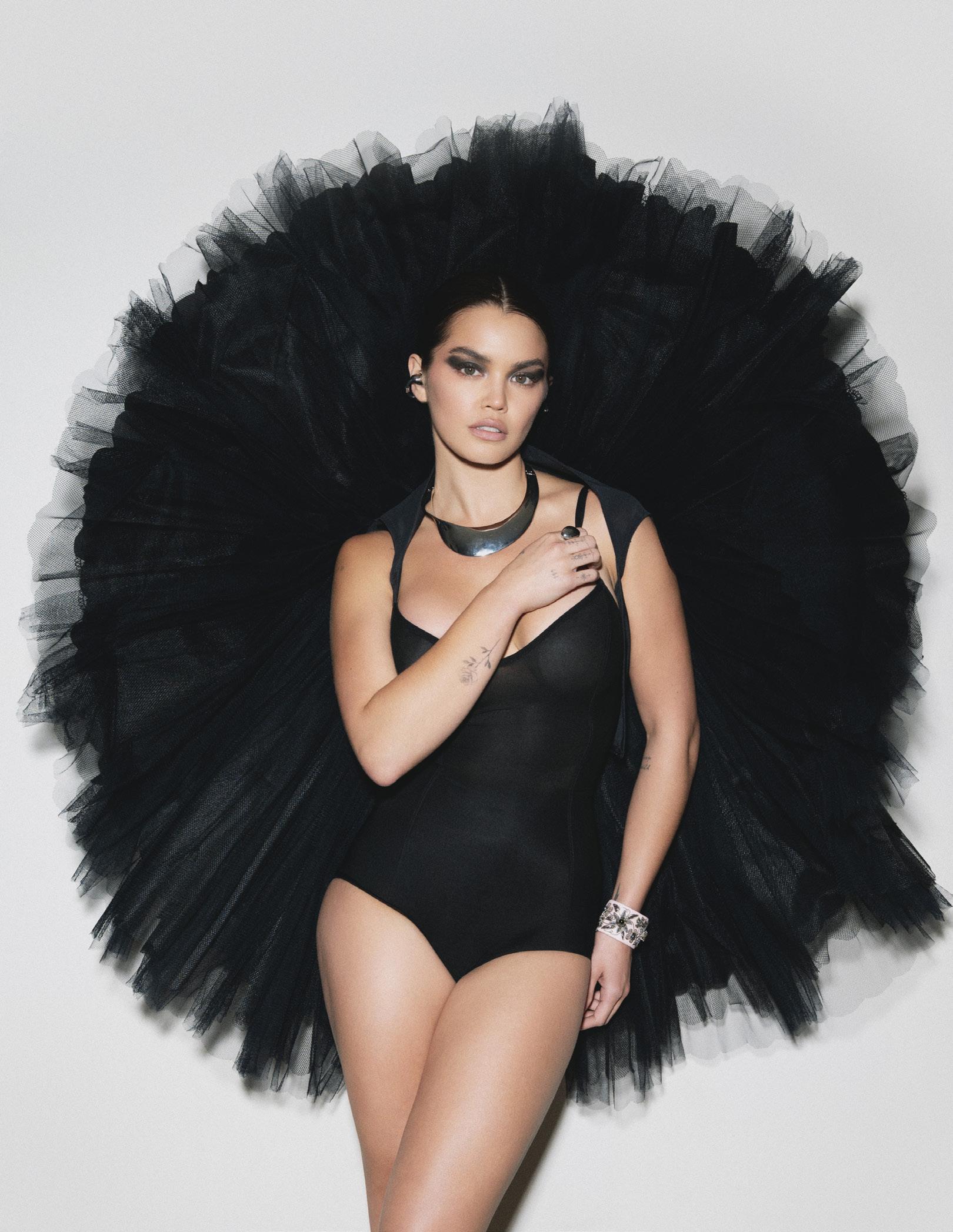
Bolero Atelier 7474 Earbuds Buttons Necklace & Ring Cybele Bertin
“I try to make sure that I’m presenting myself as a role model, but also being my authentic self.”
Photography Raen Badua @raenbadua
Styling Sky Naval @sky_is_dlimit
Make Up Carol Park @1carolpark Hair Jennifer @kellyzhangagency
Interview Daphne Mangin @dddaphne
Production + Location Maison Privée @maisonpriveepr_la + Bello Media Group @bellomediagroup
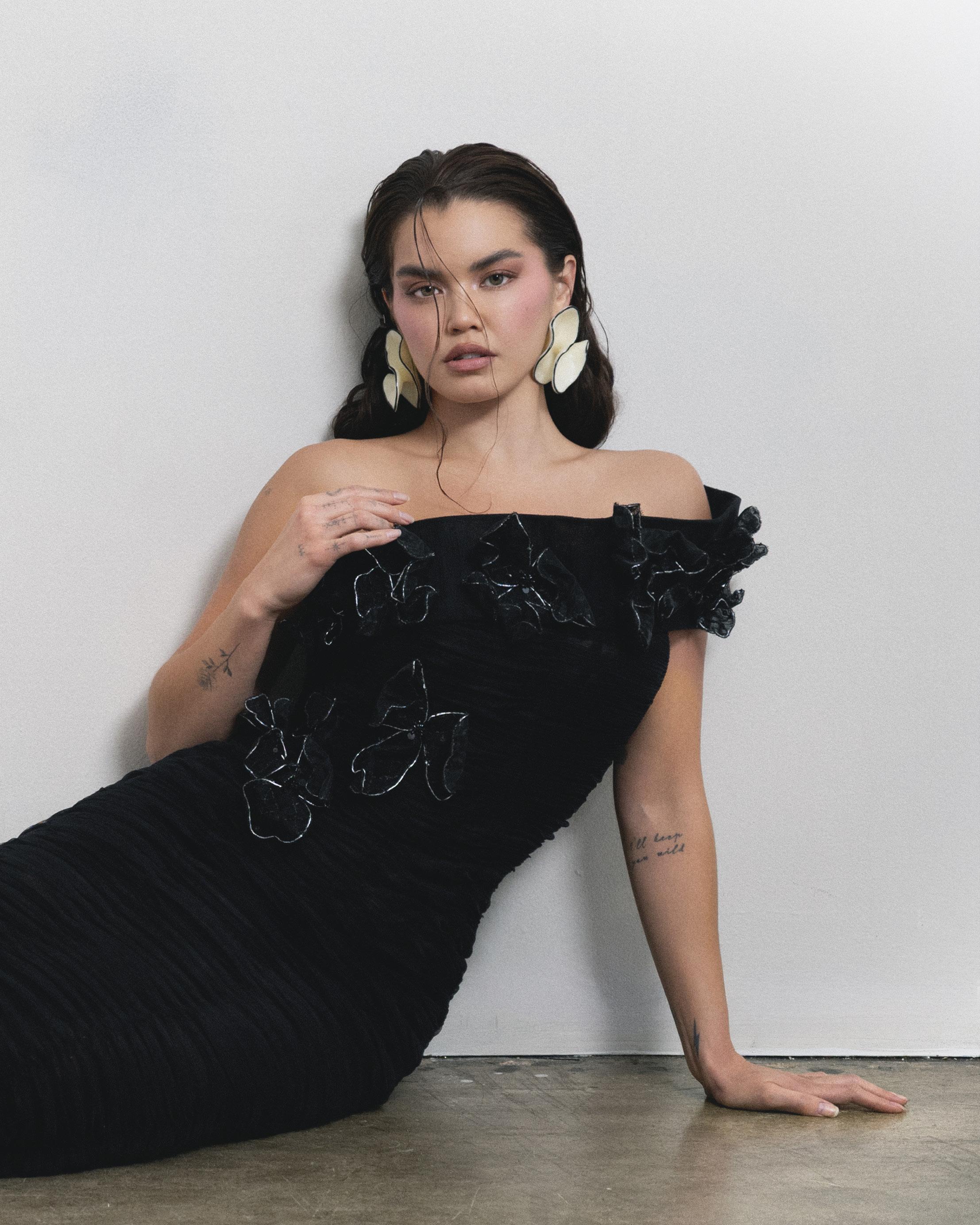
Dress Eman Alajlan Earrings Cybele Bertin Shoes Elizée
Henwick
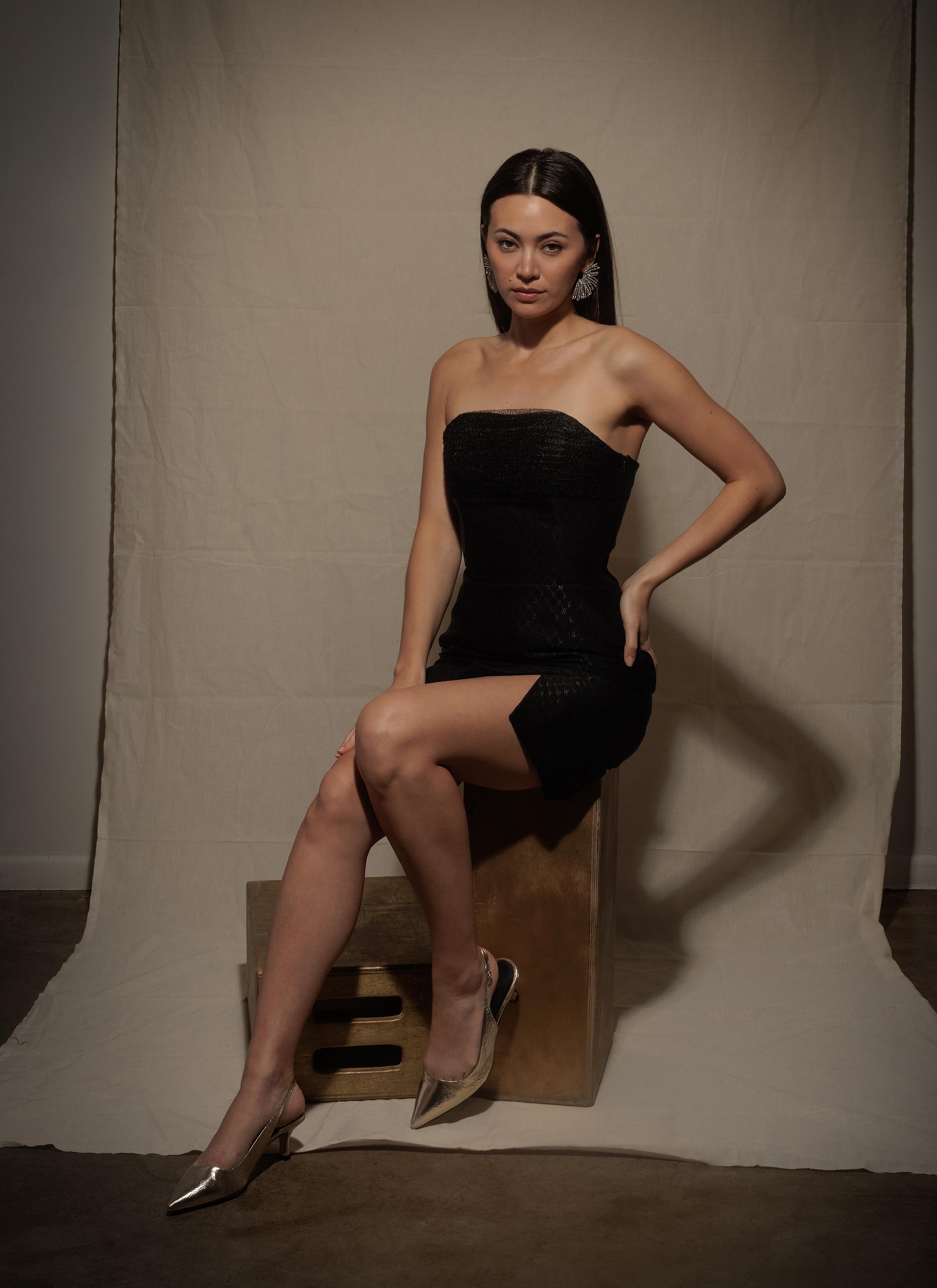
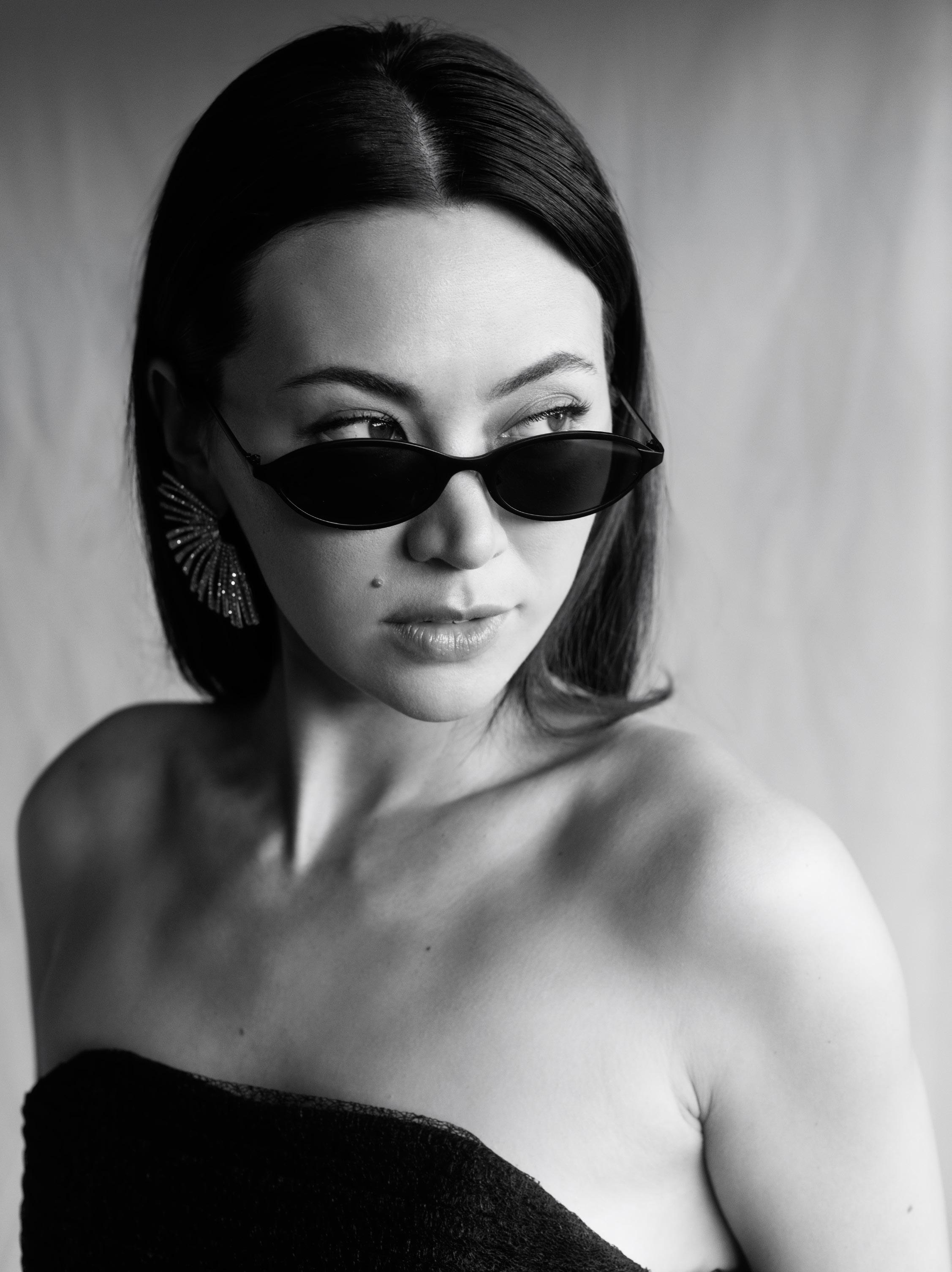
JESSICA HENWICK @jhenwick
Photography CHRISTOPHER PARSONS @parsons
Styling PEIWEN WANG @p3iwenwang
Make Up KELLY ZHANG @kellyzhangagency
Hair MACIEL ANYSSA @stylebymaciel
Assistant Photography JUSTIN WARD @jward.18mm Assistant Stylist SYUAN HUANG @loraismexx
PR MARIA CANDIDA and SARAH WORKMAN IMPRINT PR @imprintpr
Production MAISON PRIVÉE X BELLO MEDIA GROUP @maisonpriveepr_la @bellomediagroup
Dress Valerian Hugues Earrings Burkinabae Sunglasses Sojos
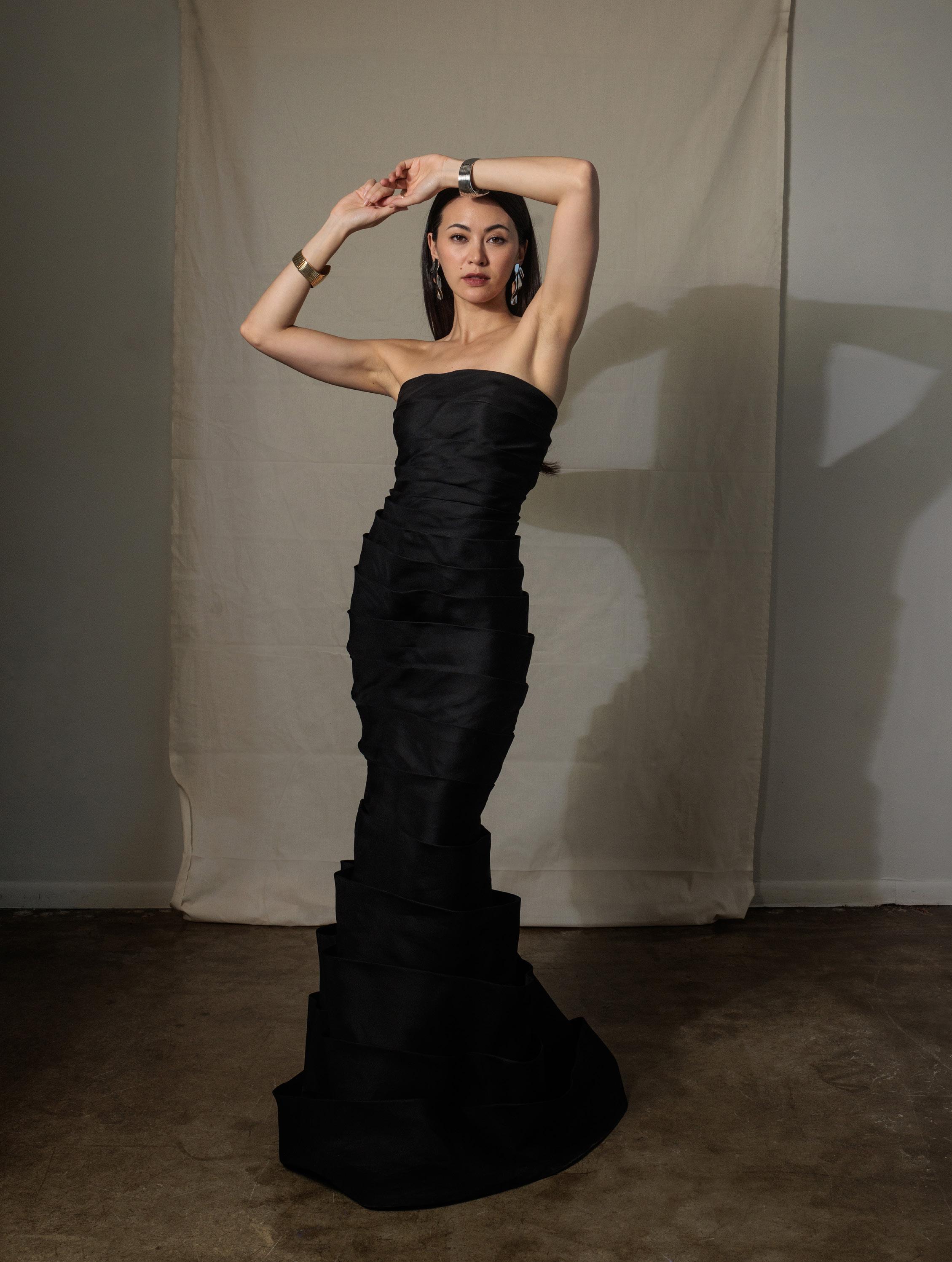
Dress Maison Olivia Paris Jewelry Cybele Bertin
Jessica Henwick is having a very good run. The British-Singaporean actress has gone from action blockbusters to prestige television without missing a beat, picking up a BAFTA nomination along the way for a short film she wrote, directed, and poured herself into. With Vladimir now turning heads, Character caught up with one of the industry’s most versatile and grounded talents to find out what drives her, what grounds her.
You have worked across so many genres, from action to thrillers to comedy. What excites you most about the roles you’re choosing right now? It’s so rare to be surprised by scripts these days, if a project can do that, then that’s already 90% of the battle for me.
You are currently starring in Vladimir. What drew you to Cynthia and her place in this very complex story? I was a huge fan of the book and loved the idea of working with the author, Julia, who was stepping into the role of showrunner for the first time. Supporting new voices is really important to me. Cynthia also felt like a fresh take on the “other woman” trope. There’s a line where she talks about wishing her husband would have an affair, and I found that psychology fascinating—it’s such an unexplored headspace.
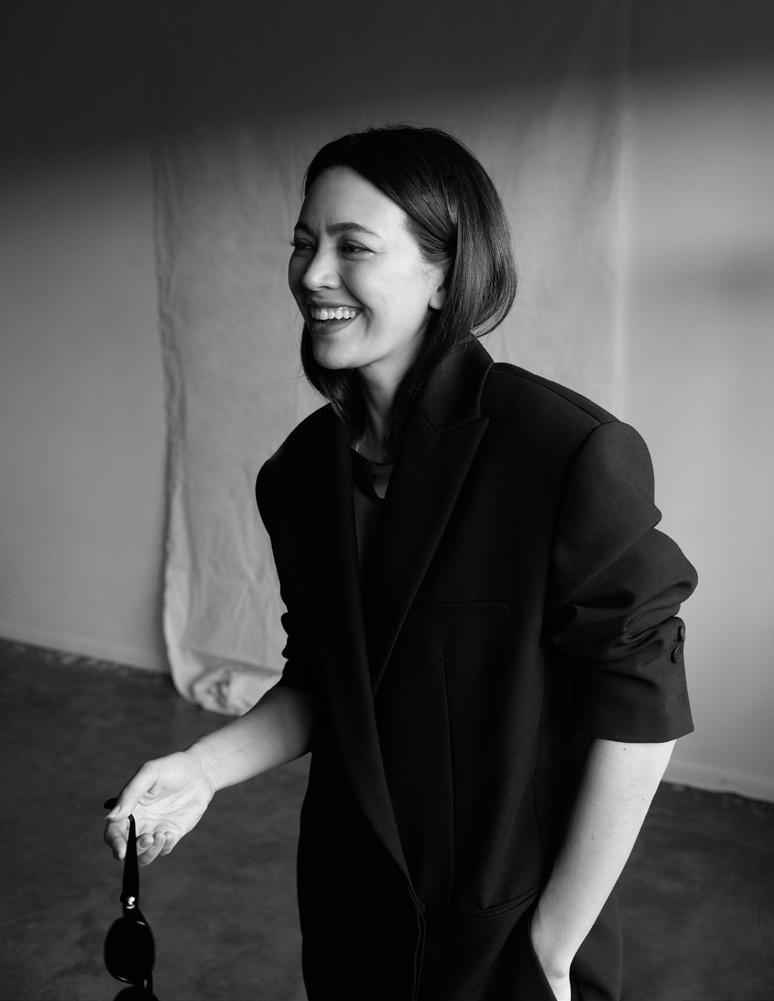
You have had such a global career. Do you feel your perspective as a British-Singaporean artist shapes the stories you are drawn to? Definitely. Being between two cultures draws me toward stories about characters who exist in that in-between space, people who feel slightly out of place.
How would you describe the tone of Vladimir in three words? Sticky, funny, challenging.
You’ve been part of massive productions like The Matrix: Resurrections and Knives Out 2. How do you stay grounded creatively on such large-scale projects? It’s not something I consciously think about. I think you’re either someone who is grounded or not. I’m very close with my family, and they would absolutely call me out if anything ever went to my head.
You were the first East Asian actress to lead a British TV series with Spirit Warriors. Looking back, what does that milestone mean to you now? It feels quite surreal when I think about it. It sounds wild when you say it out loud, but it really wasn’t that long ago and it was a very different time in terms of representation. This was before Crazy Rich Asians shifted the landscape. I’m really glad things have evolved since then.
As someone who acts, writes, and directs, how do those different creative roles influence each other? They’re all part of the same drive, I just want to tell stories. I would go a bit mad otherwise. Practically speaking, they complement each other so well. Writing has made me a better actor, acting has made me a better director, it all feeds into itself.
Your short film Bus Girl earned you a BAFTA nomination. What inspired you to tell that story? I actually wrote it very quickly, without overthinking it. Looking back, I can see how much of my own experience made its way into it. There are interesting parallels between the food and film industries, both are about creating an experience. People walk into a space knowing it’s constructed, and behind the scenes there’s this intense, almost chaotic process making it all happen. It’s all storytelling.
What is something about directing that surprised you? How little actors actually know about what’s happening on set.
When you’re not on set, what does a perfect day off look like for you? Spending time with my family, ideally outdoors somewhere green. A bit of exercise, a good book, and just feeling present and connected.
Is there a role or genre you haven’t explored yet that you’d love to try next? Period dramas and romance. That’s the dream!
What is a piece of advice you’ve received in your career that has really stuck with you? Don’t eat the tilapia on set.
If you could describe this current chapter of your career in one sentence, what would it be? Getting back to basics, what matters to me, what I want in my life, and what truly makes me happy. Everything else is just noise.
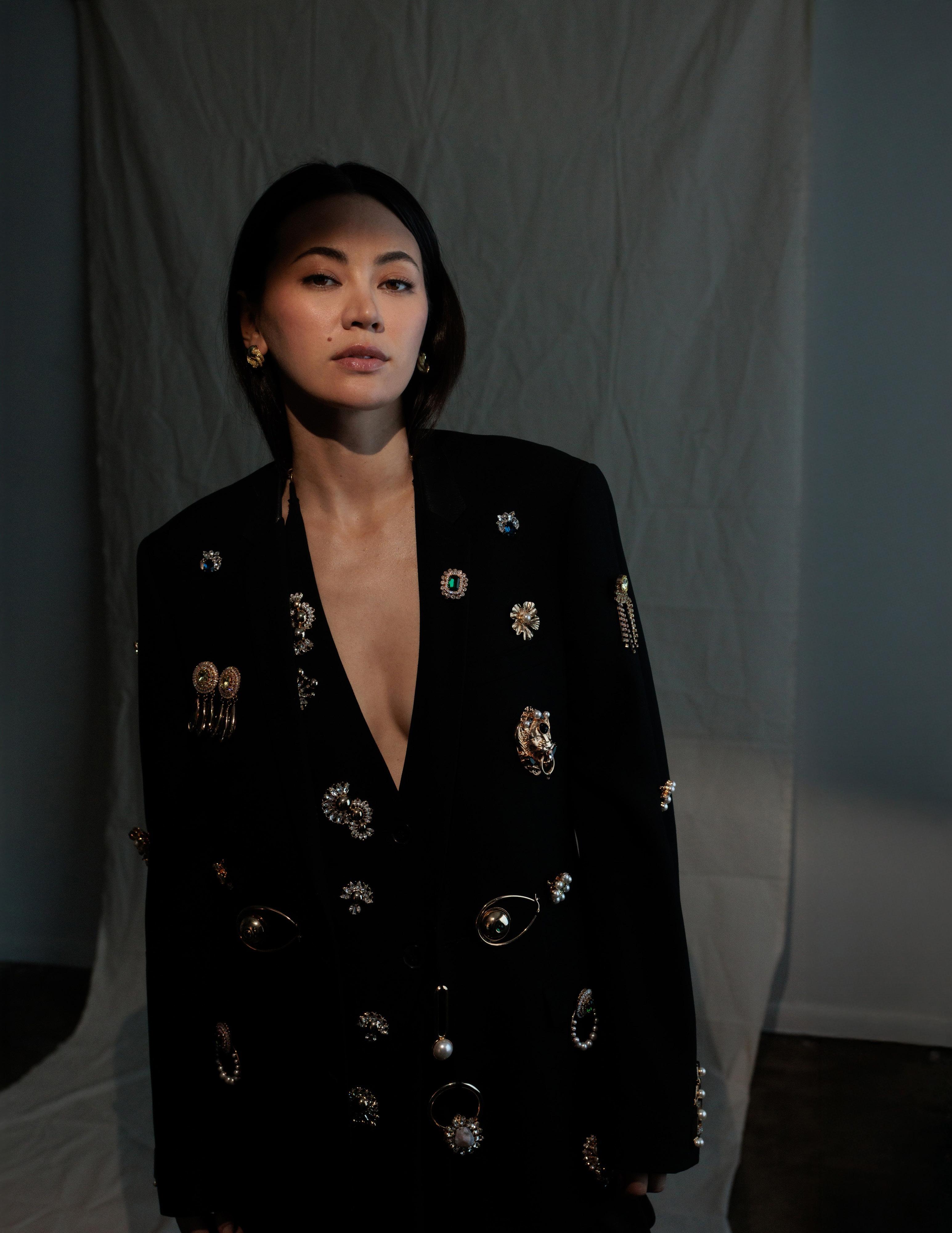
Jacket Weisheng Paris x Anto Heunis
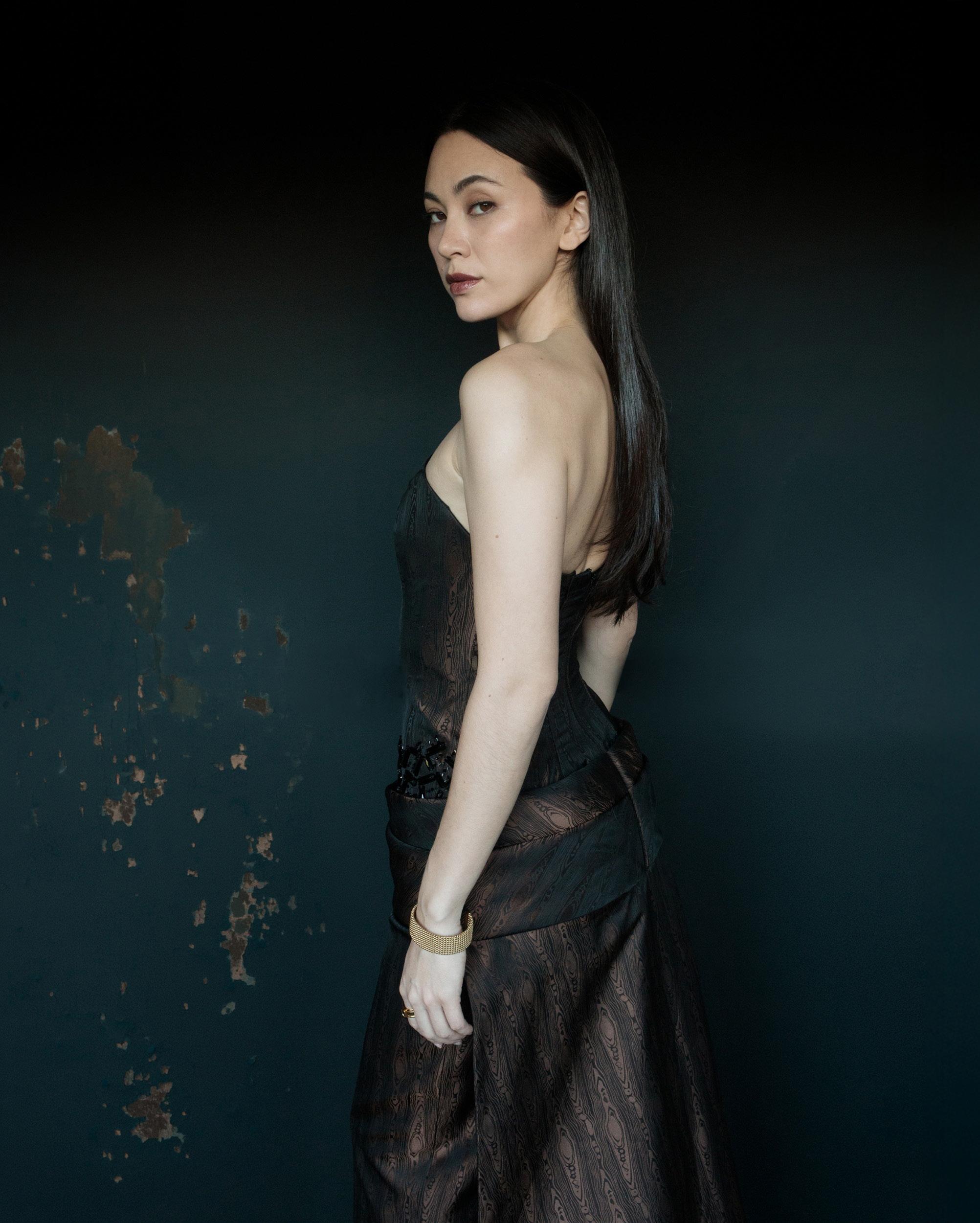
“Being between two cultures draws me toward stories about characters who exist in that in-between space, people who feel slightly out of place.”
The Unforgettable Awards 2026: A Night of Passion and Cultural Impact
Photography Phil Sakanashi
The 23rd Annual Unforgettable Awards brought together a defining cross-section of Asian and Pacific Islander talent, honoring the artists, creators, and leaders shaping today’s cultural and entertainment landscape. Held on March 7 at the Fairmont Century Plaza in Los Angeles, this year’s ceremony embraced the theme “Passion”, a tribute to the force driving innovation, storytelling, and representation forward.
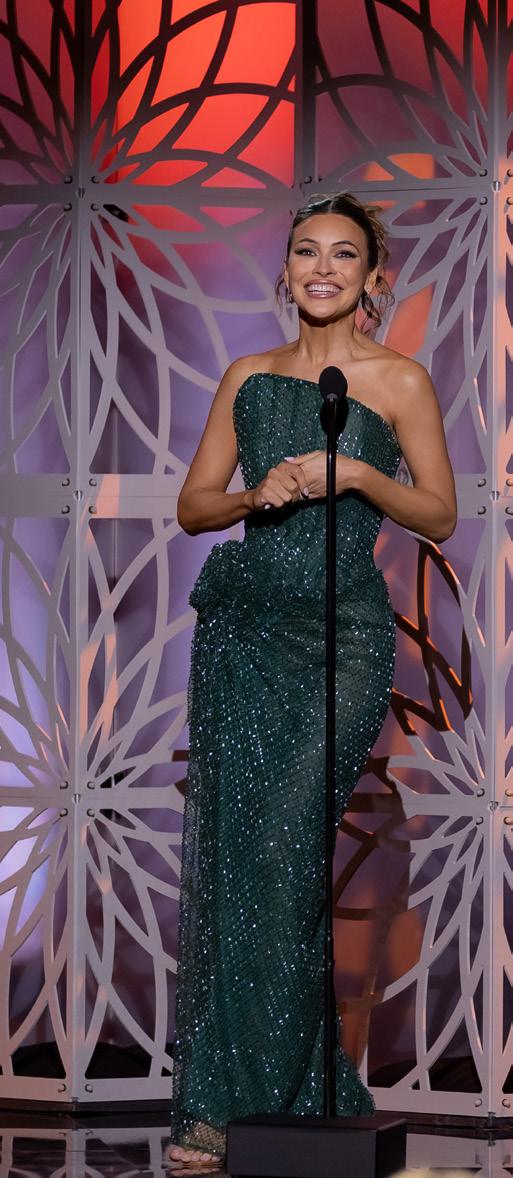
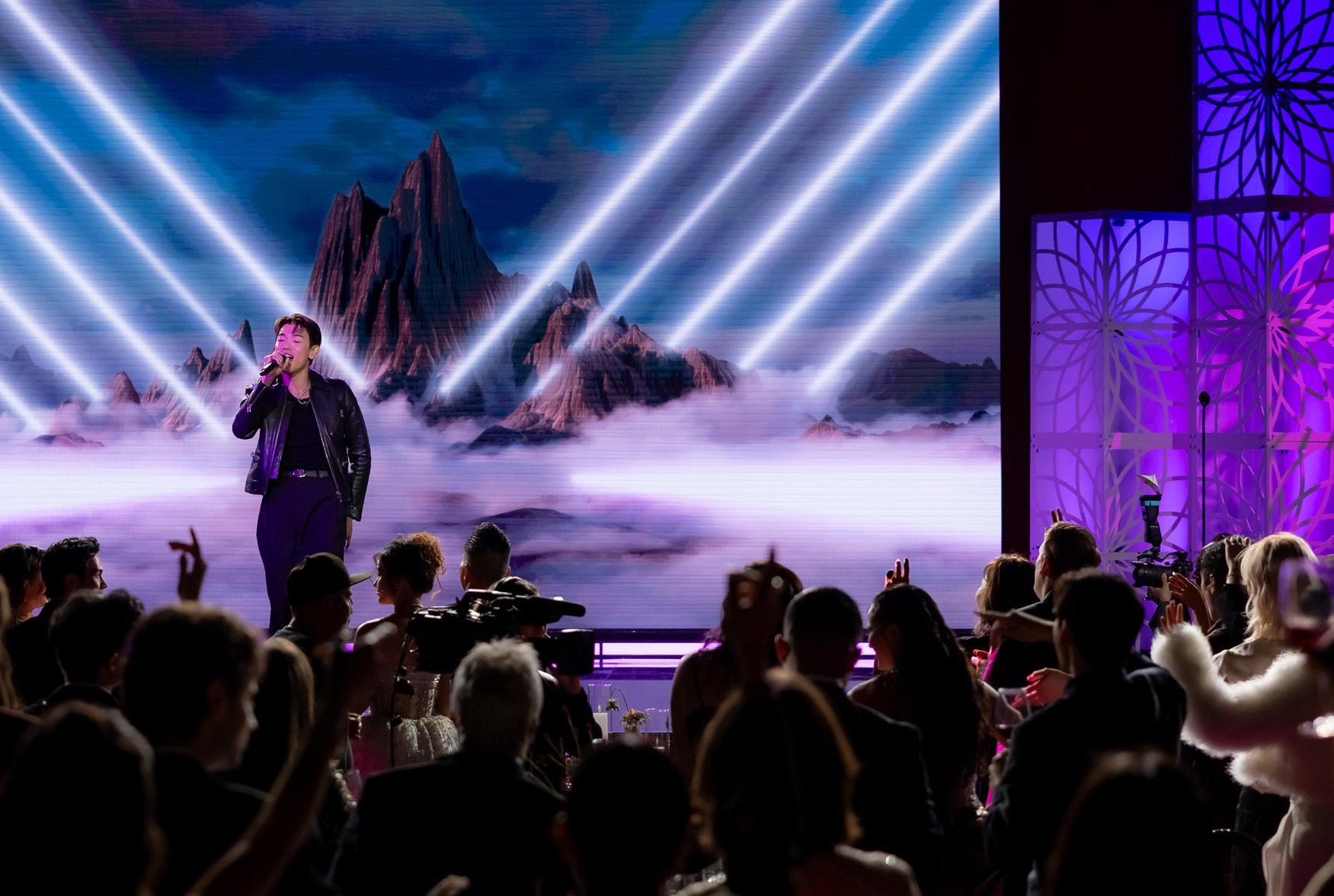
Produced by GoldenTV and Character Media, the Unforgettable Awards continue to stand as a major platform recognizing excellence across film, television, digital media, and culture. The 2026 honorees reflect a spectrum of achievement, from globally recognized icons to emerging voices redefining the industry.
At the forefront of the evening, filmmaker Chloé Zhao received the Global Icon Award, recognizing her visionary impact on contemporary cinema. Bowen Yang was honored as Actor in Film for his performance in The Wedding Banquet, while Daniel Dae Kim earned Actor in Television recognition for Butterfly.
UNFO2026
The night also highlighted rising talent, with Lawrence Shou receiving Breakout in Film for Rosemead, and Te Ao o Hinepehinga named Breakout in Television for Chief of War. Acclaimed director Park Chan-wook was recognized for No Other Choice, while Lloyd Lee Choi received the Writer honor for Lucky Lu.
Expanding beyond traditional categories, the ceremony acknowledged the evolving landscape of influence and storytelling. Netflix’s K-Pop Demon Hunters received the Vanguard Award, Leenda Dong was recognized as Digital Influencer, and Jet Tila was honored for Culinary Excellence in Media. With a distinguished selection committee and a growing global audience, the Unforgettable Awards continue to elevate API voices, celebrating not only achievement, but the cultural momentum shaping the future of entertainment.
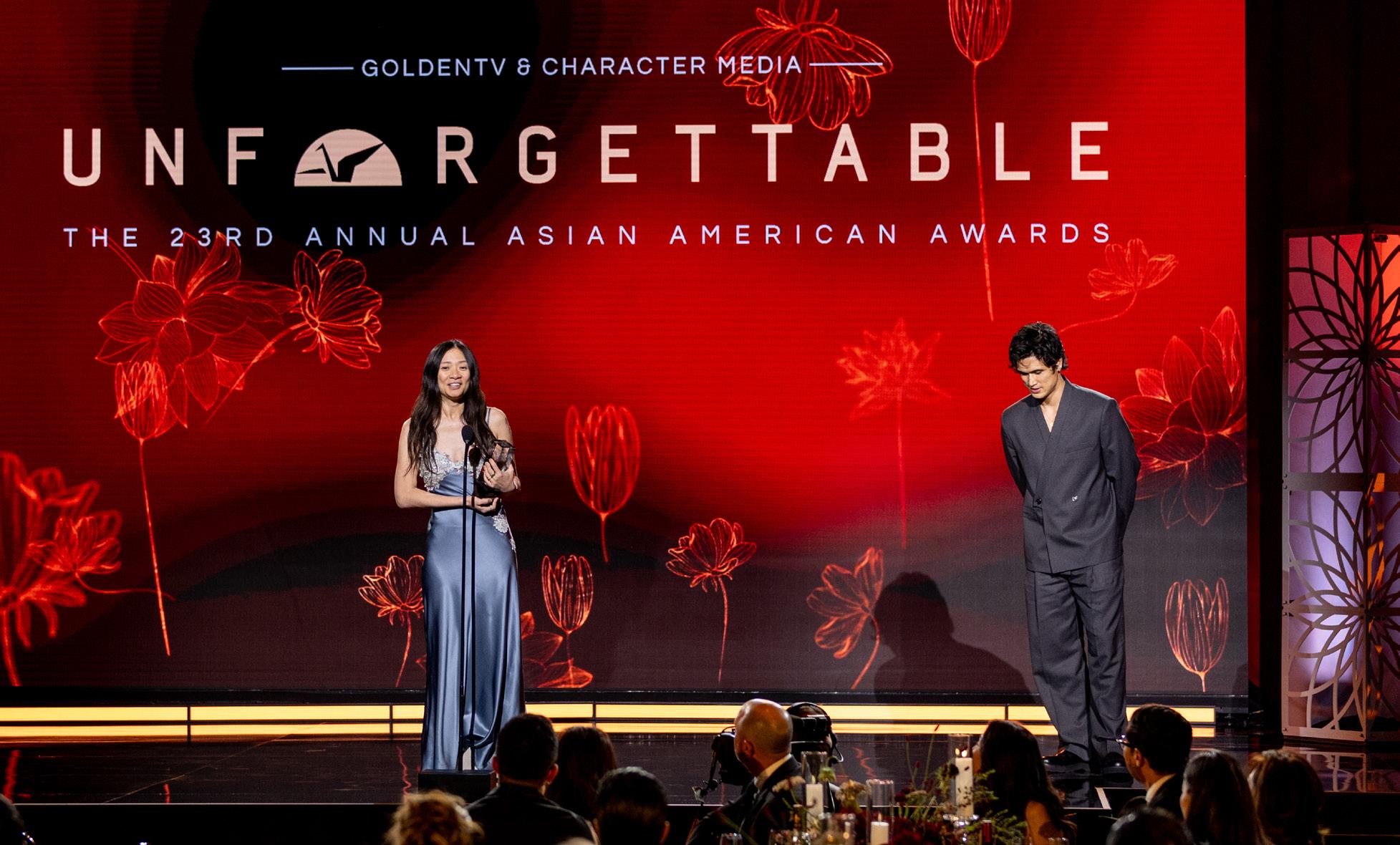

The 2026 Selection Committee is co-chaired by Simu Liu and Fala Chen, and includes Agnes Lew, Adele Lim, Awkwafina, Bao Nguyen, Benedict Wong, Bing Chen, Brandon Rieggs, Bretman Rock, Celine Song, Daniel Henney, Daniel Wu, Domee Shi, Janet Yang, Jeanne Yang, Jennifer Yuh Nelson, Jeremy Tran, Jessica Gao, Jessica Henwick, Jinny Howe, Joan Chen, Jodi Long, Joseph Lee, Julia Cho, Julia Gouw, Ken Jeong, Kevin Kwan, Leonardo Nam, Maitreyi Ramakrishnan, Miranda Kwok, Nico Santos, Nina Yang, Norman Chen, Phil Wang, Phillip Sun, Randall Park, Rebecca Sun, Samantha Quan, Shannon Lee, and Takashi Cheng.
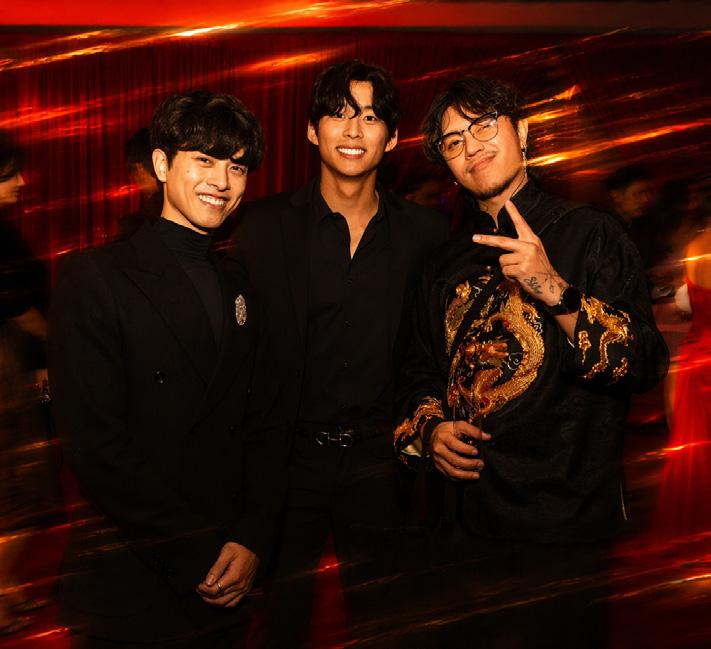
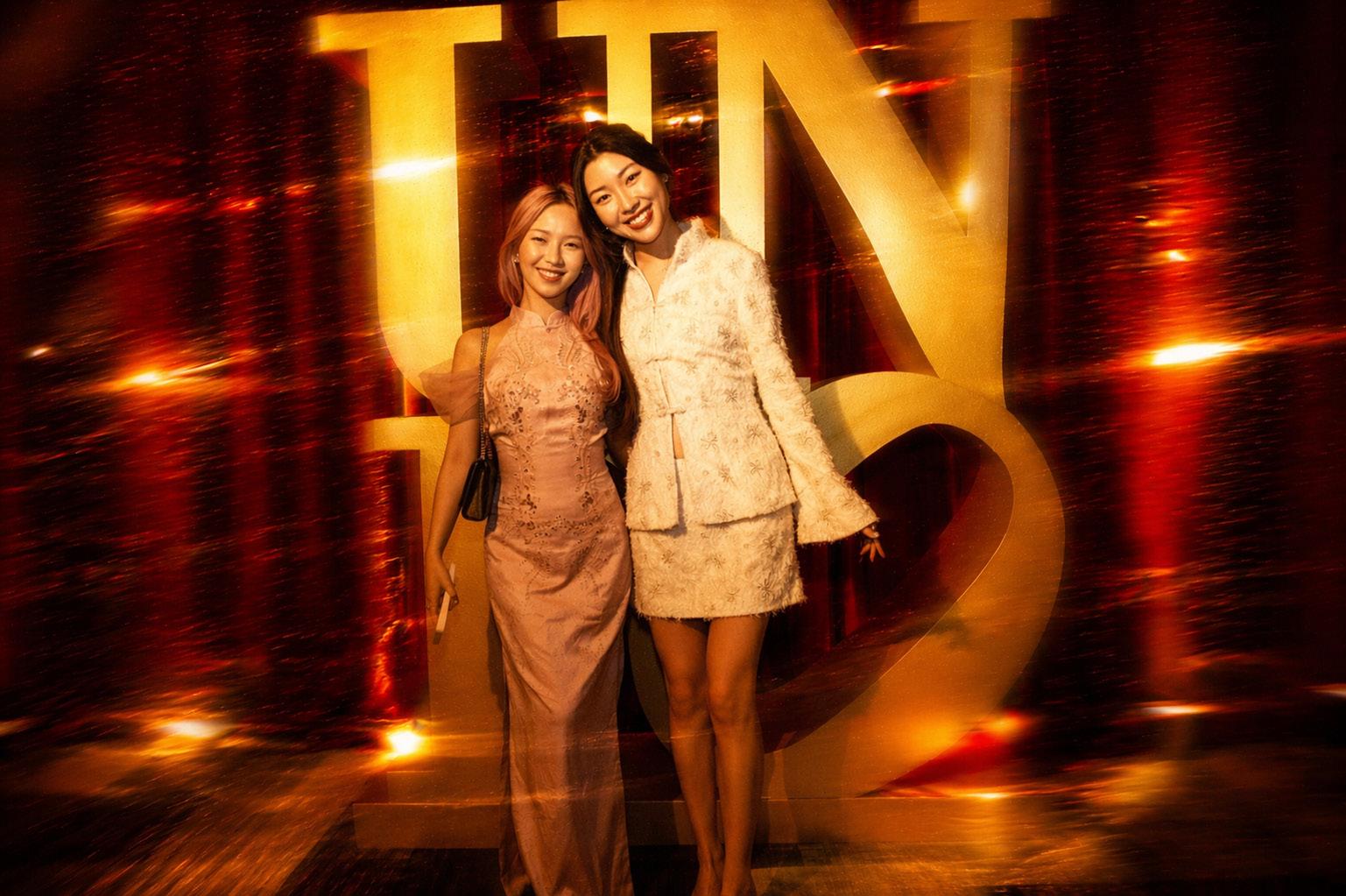
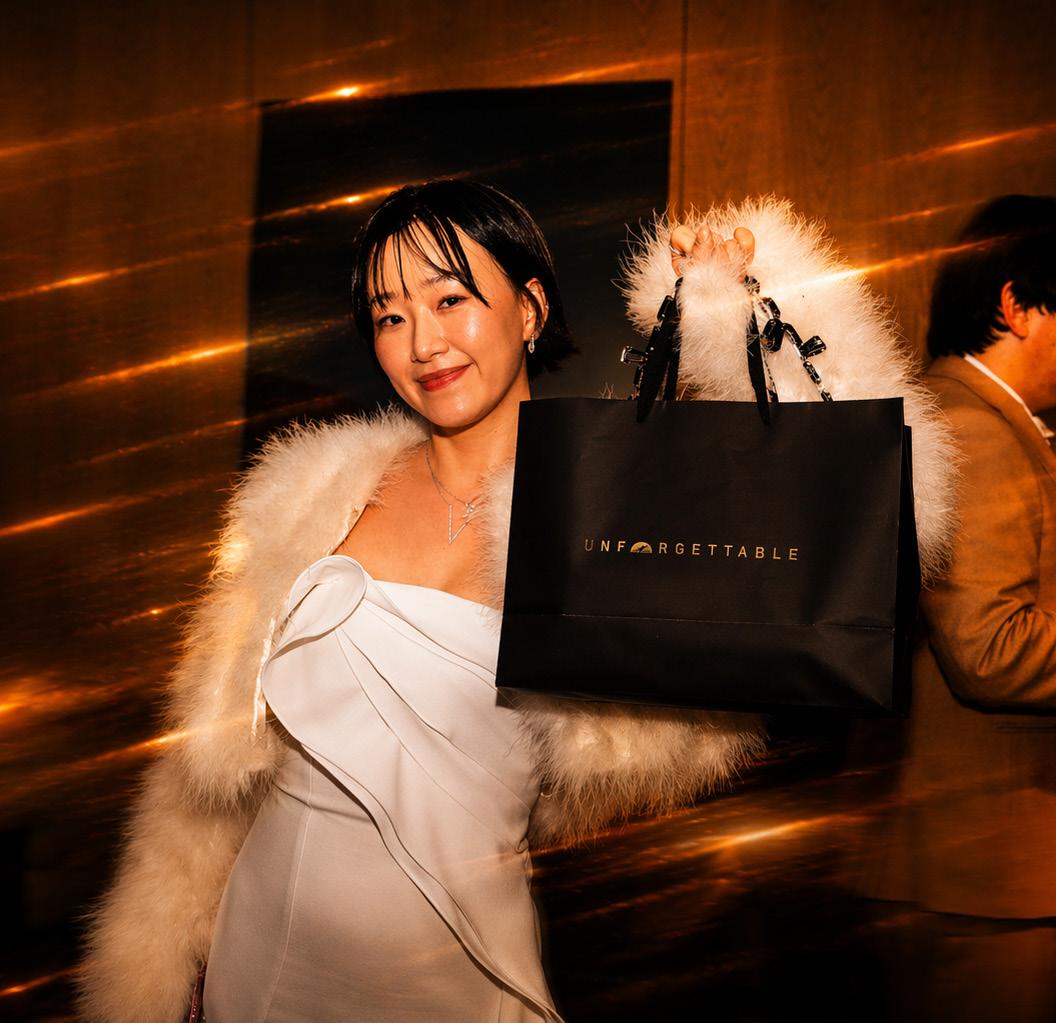
character captured
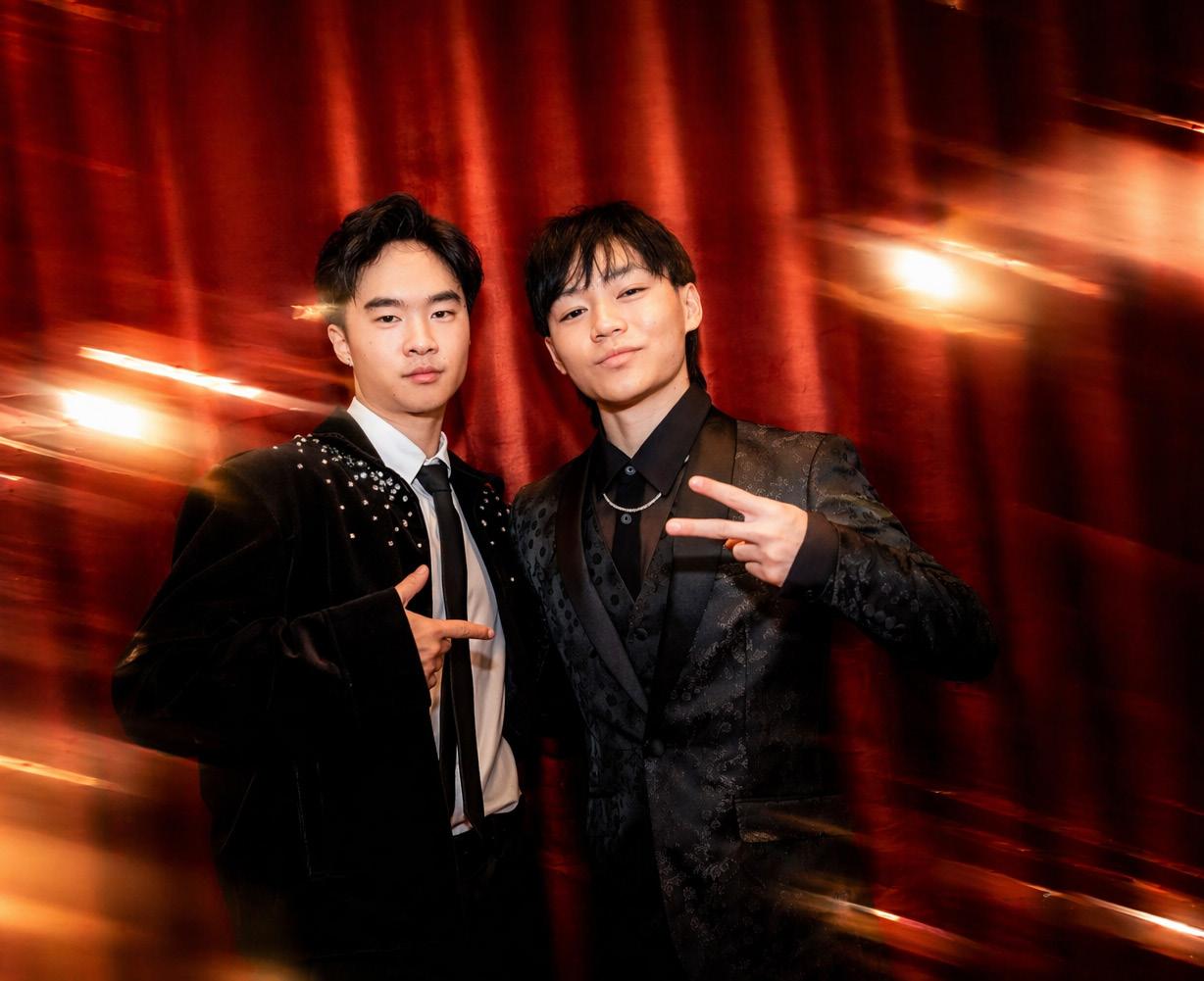
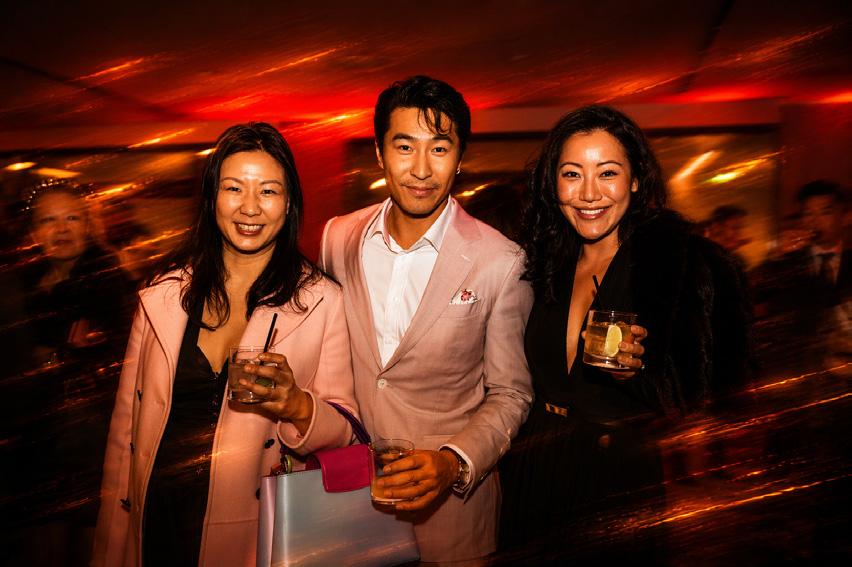
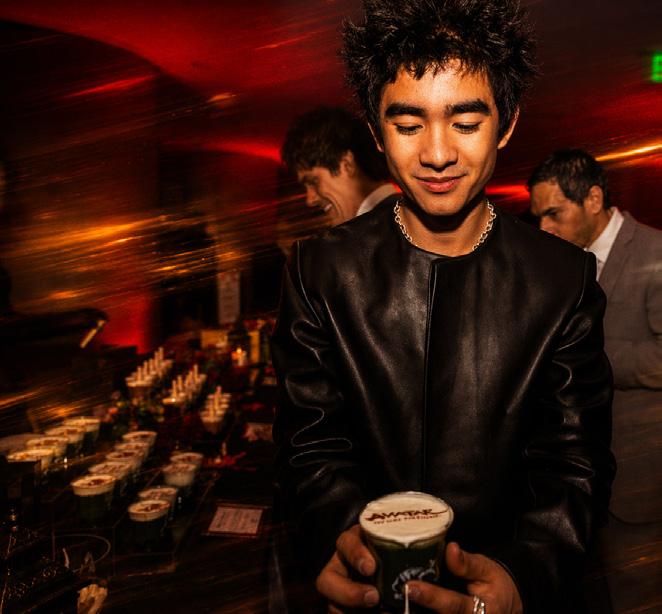

Photos by Vinh Pham, John Salangsang for Shutterstock
Phil Sakanashi, Sthahlee B Mirador
Photo editing by Stéphane Marquet
Alan Chikin Chow
Brandon Yoo, Michael Le
JR De Guzman, Atsuko Okatsuka, Bowen Yang
Alice Han, Chris Pang, Esther Yang
Gordon Cormier
Dolly Ave, Mika Shin Ashley Mehta
Charles Kim, Michelle Kim
Helen Kim, Samuel Hyun
Lawrence Shou Dallas Liu
Gia Kim
Helen Peng Hannah Cho

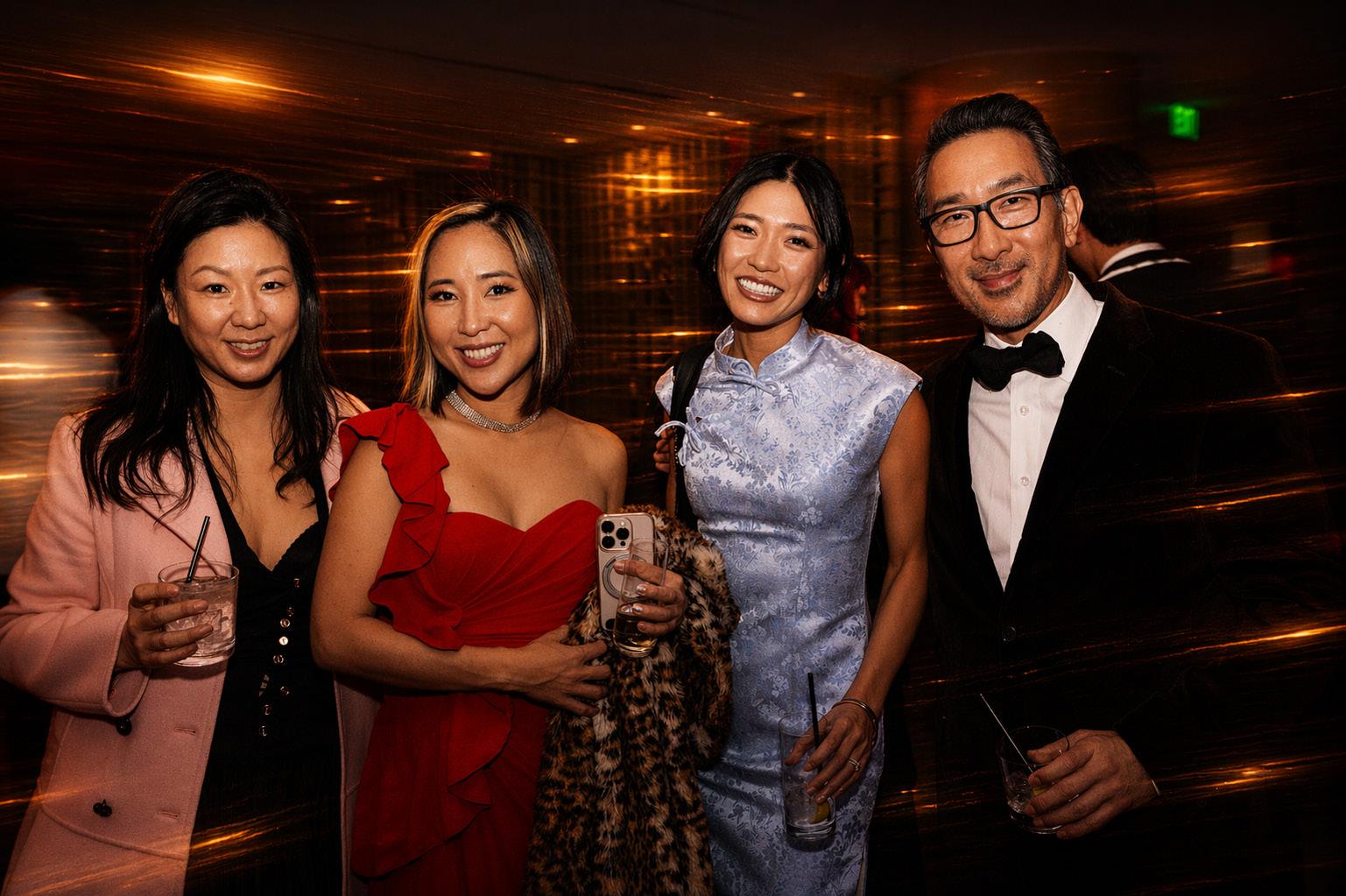
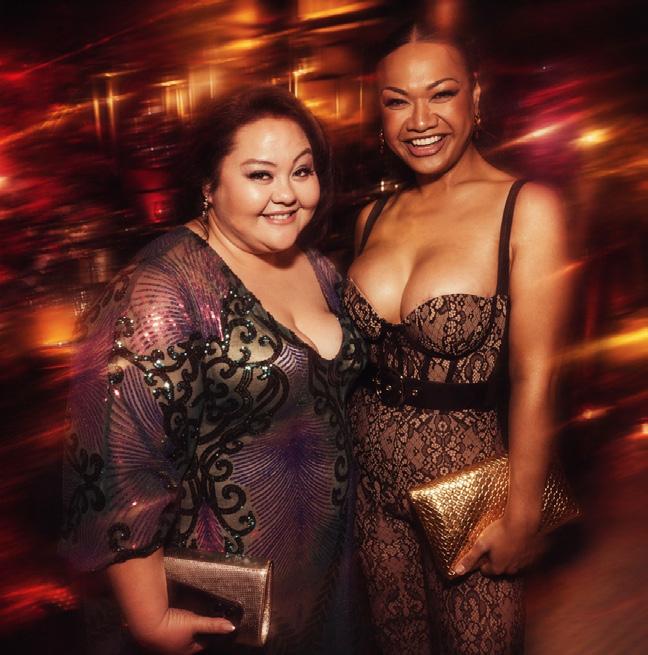
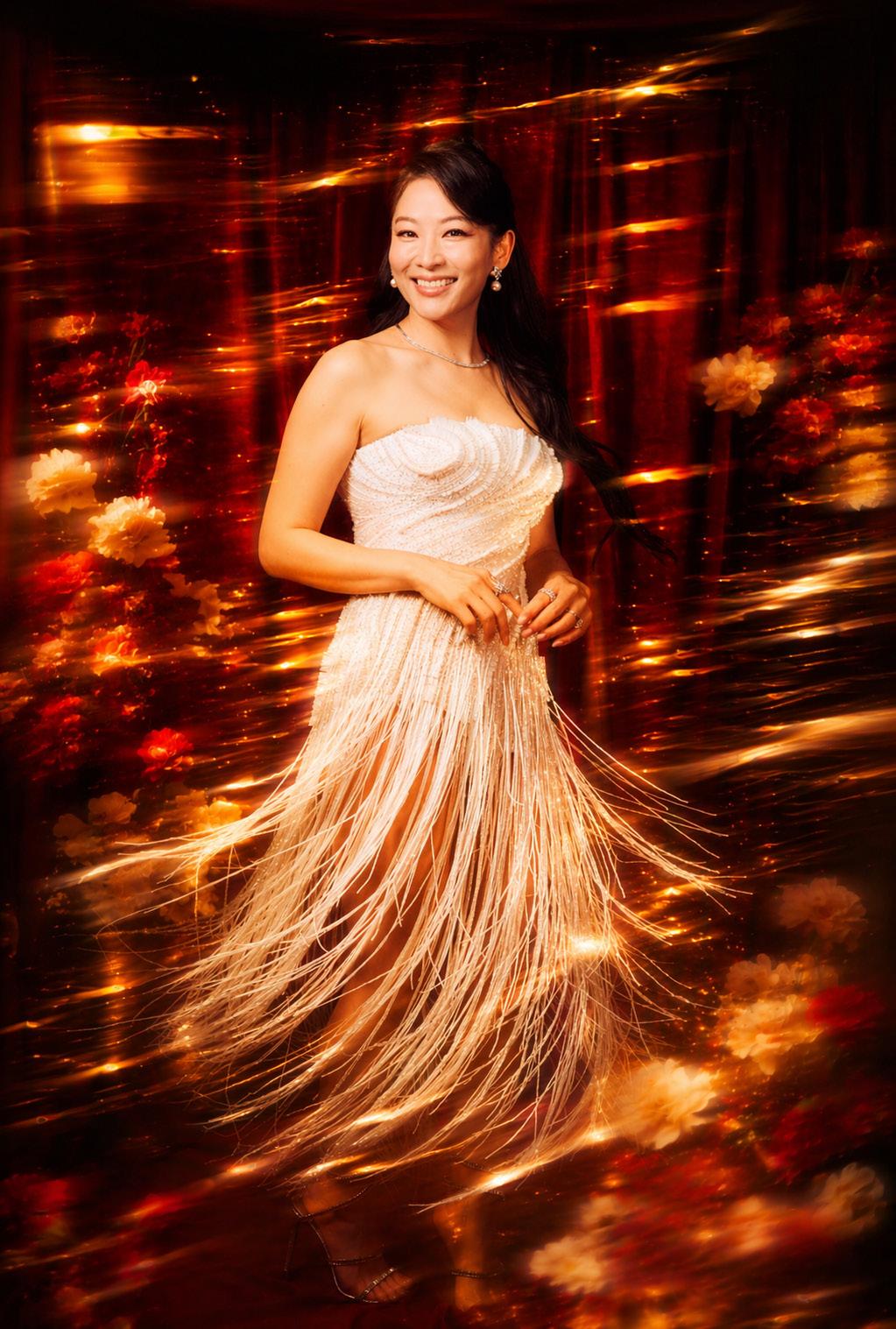
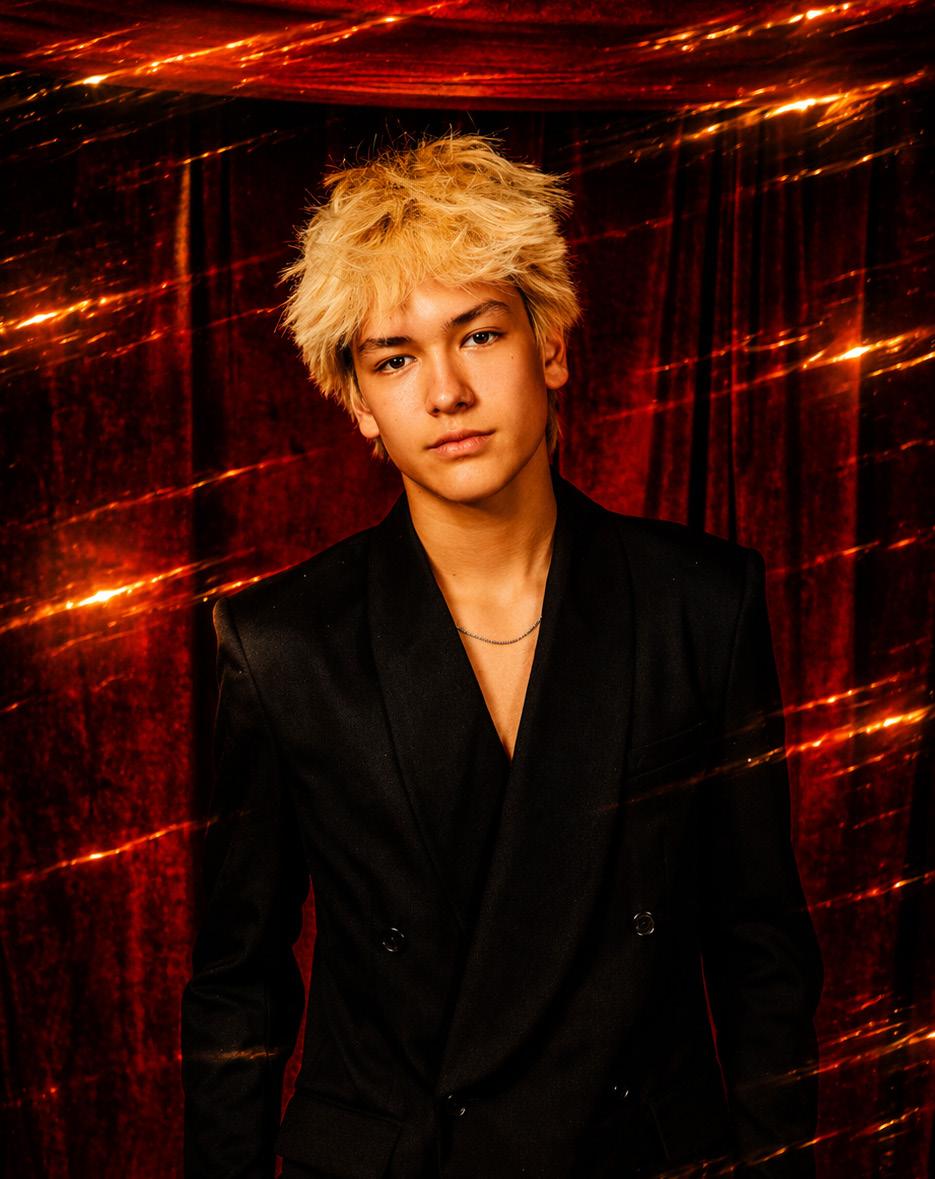
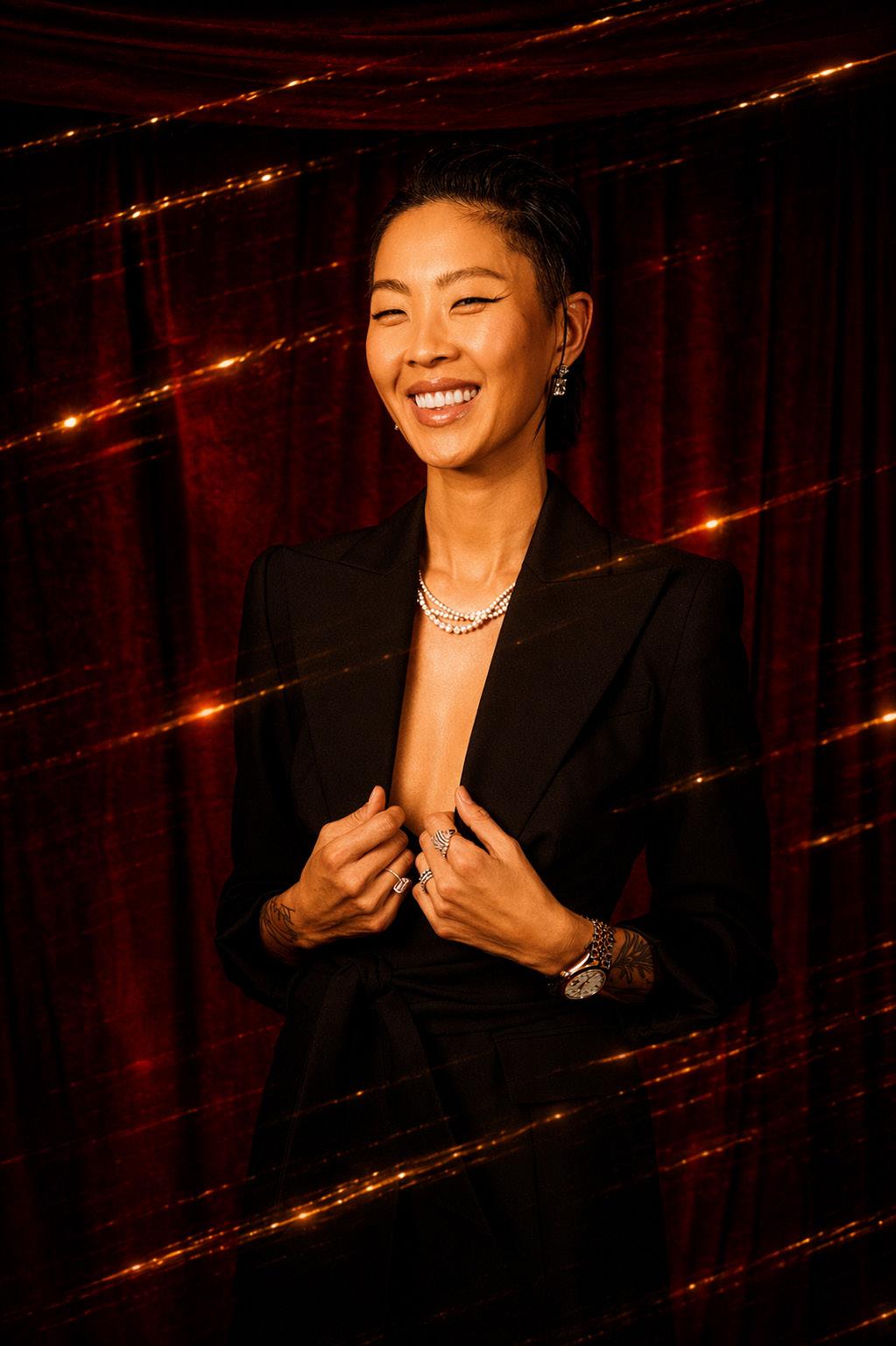
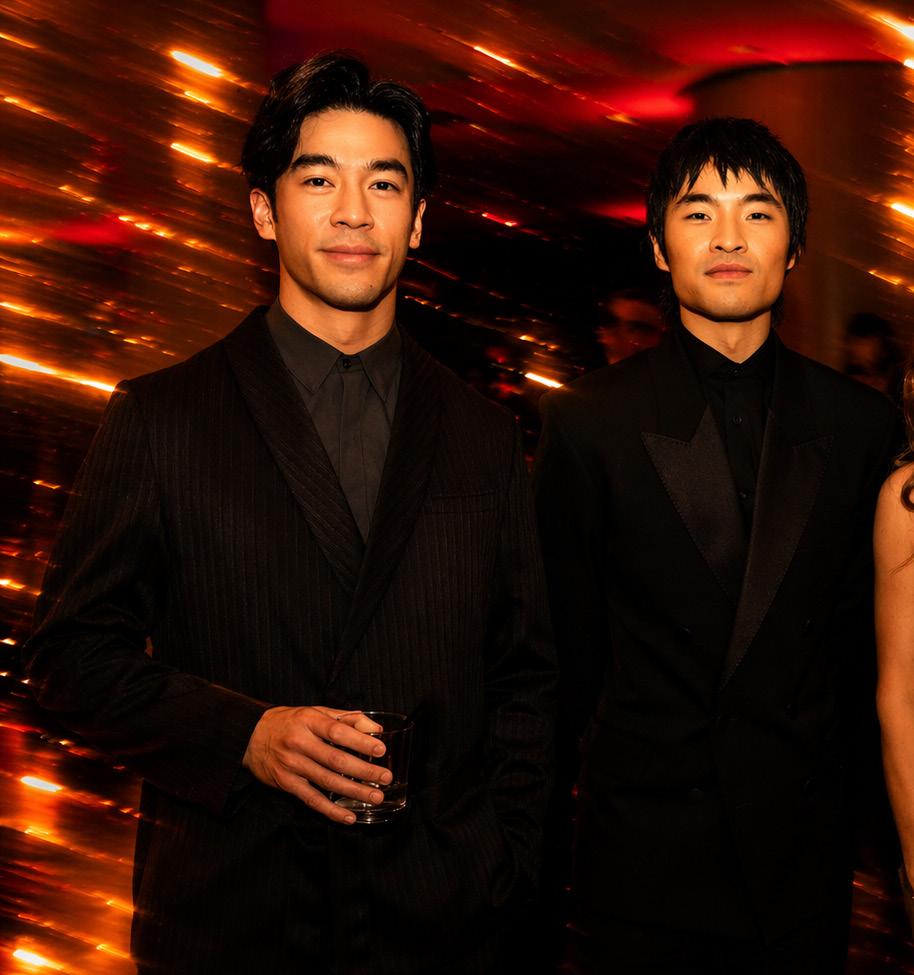
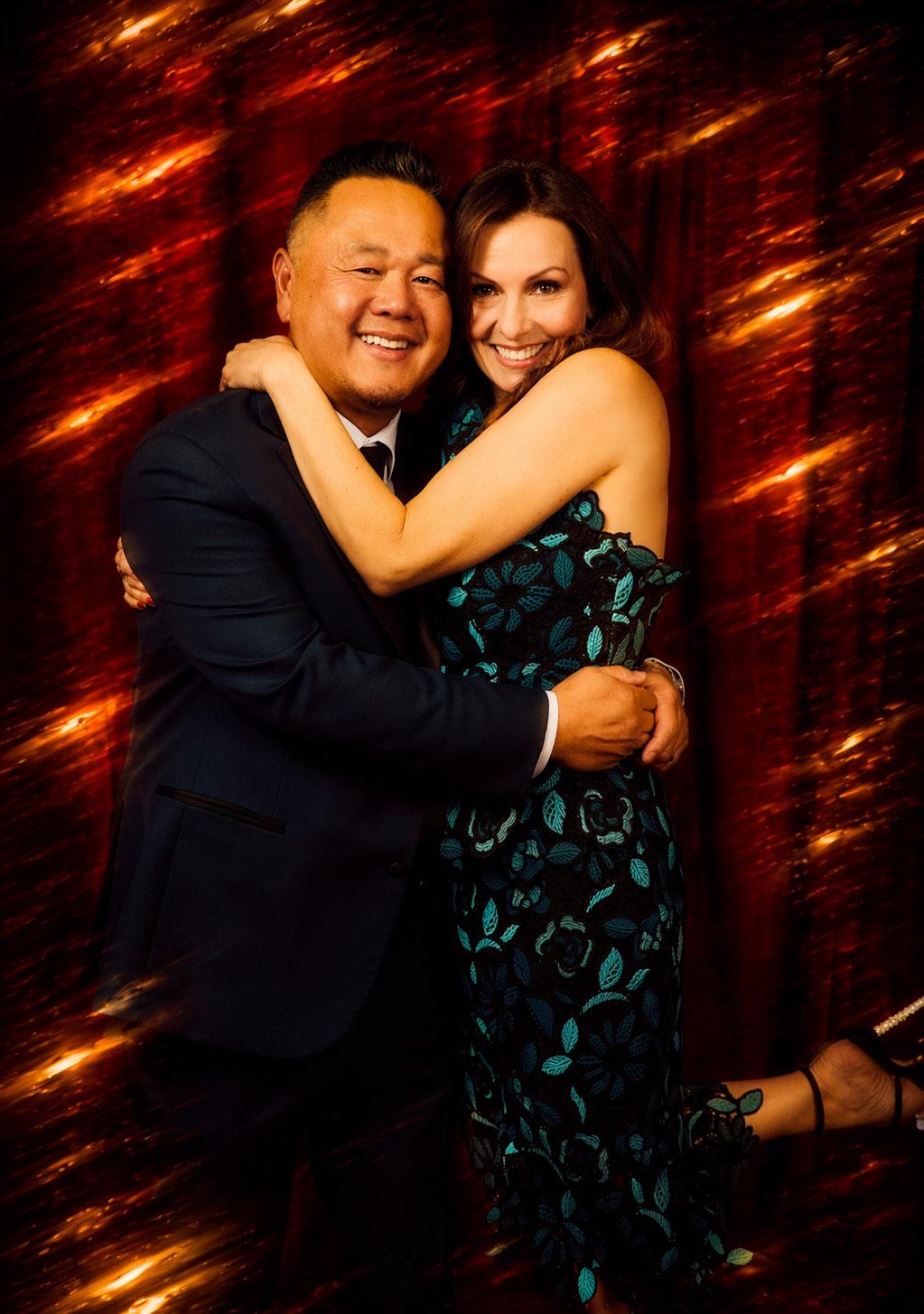
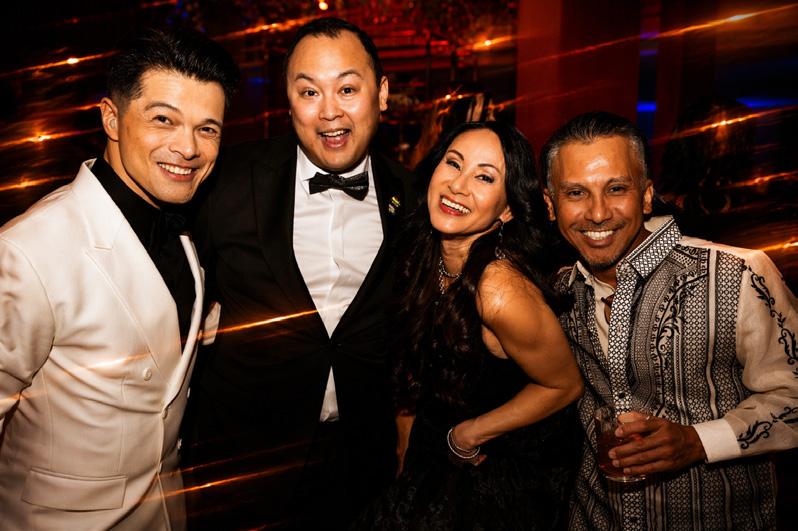
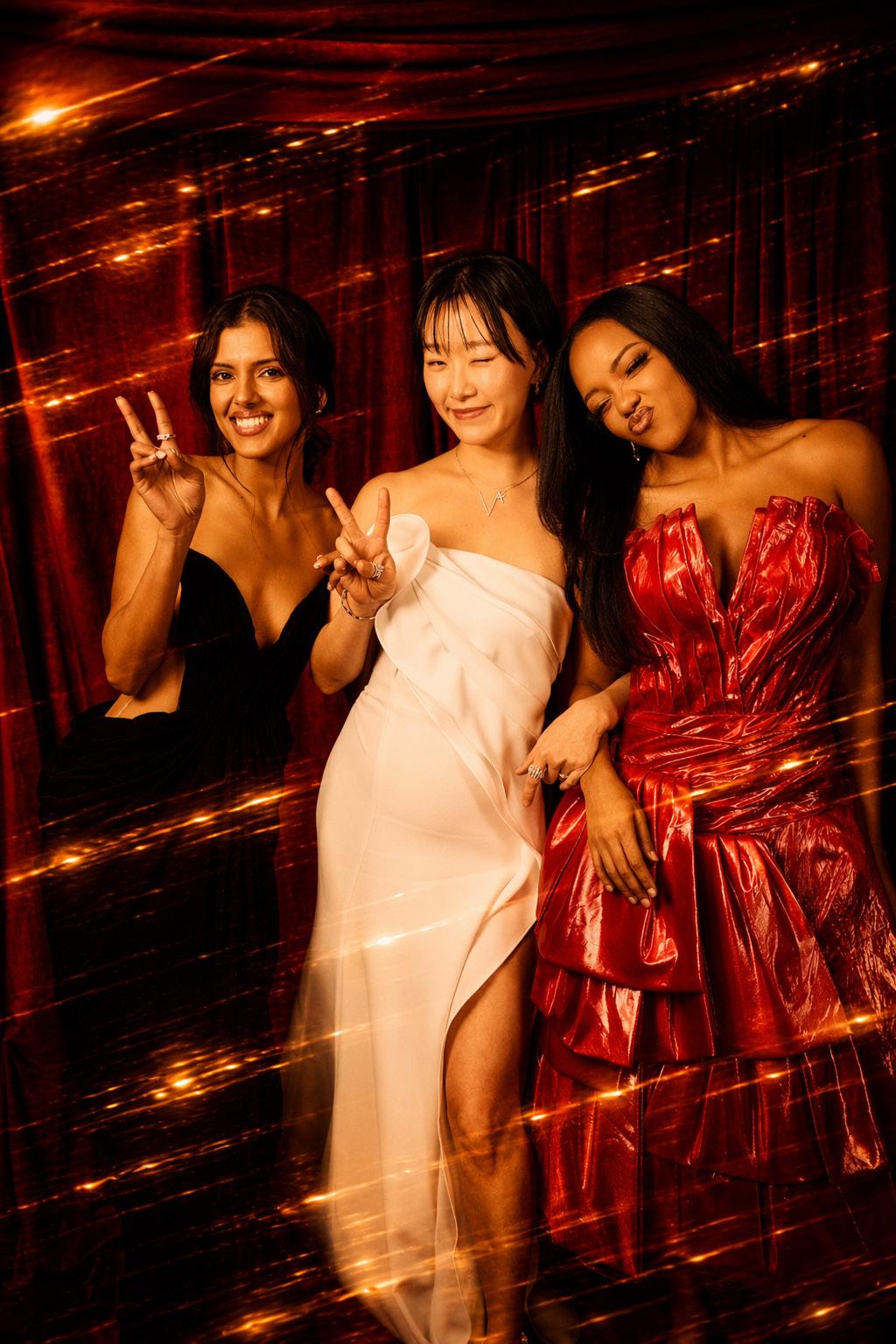
Alice Han, Michelle Kim, Joelle Park, Dave Park
Jolene Purdy, Donato Fatuesi
Justin Chien, Dallas Liu
Vincent Rodriguez, Don Mike, Hodreal Mendoza, Miranda Kwok Jeff Francisco
Arden Cho
Hudson Stone
Jet Tila, Ally Tila
Kristen Kish
Sasha Bhasin, Gia Kim, Regan Aliyah

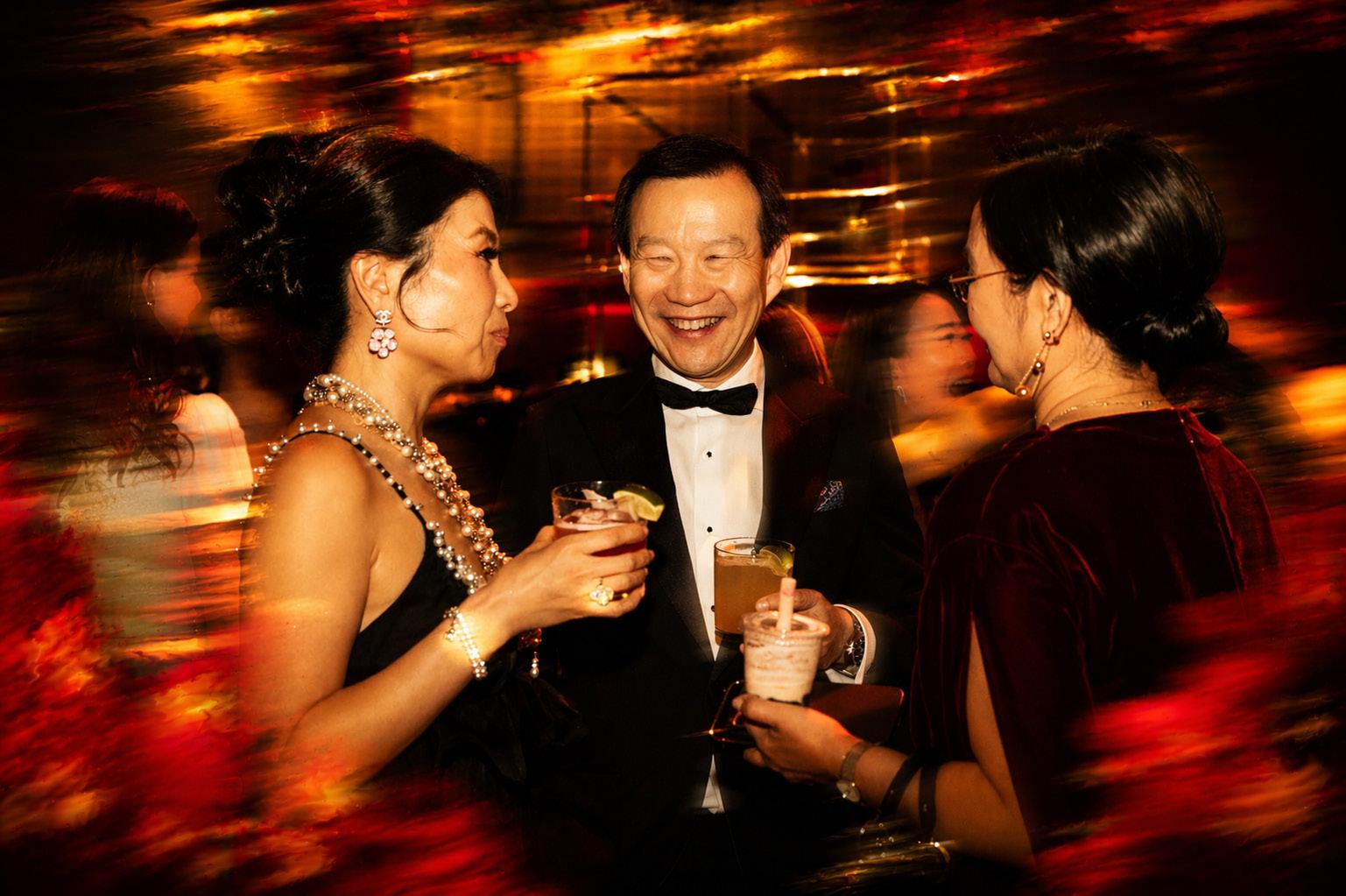
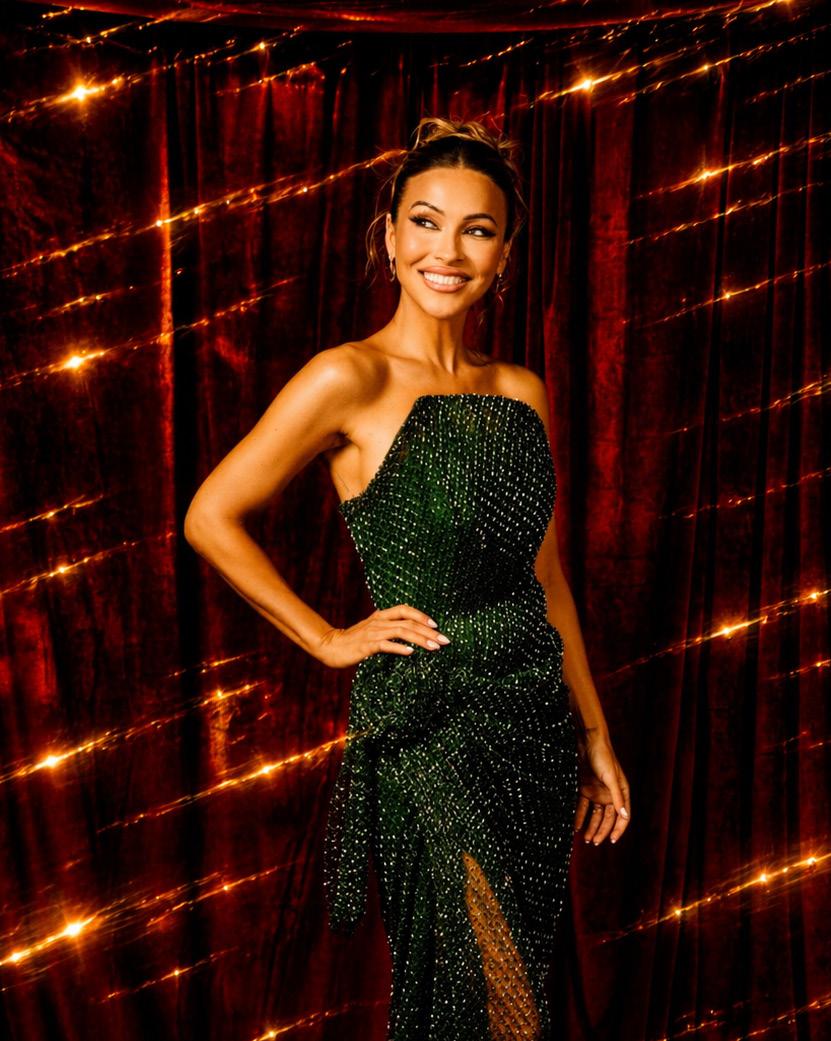
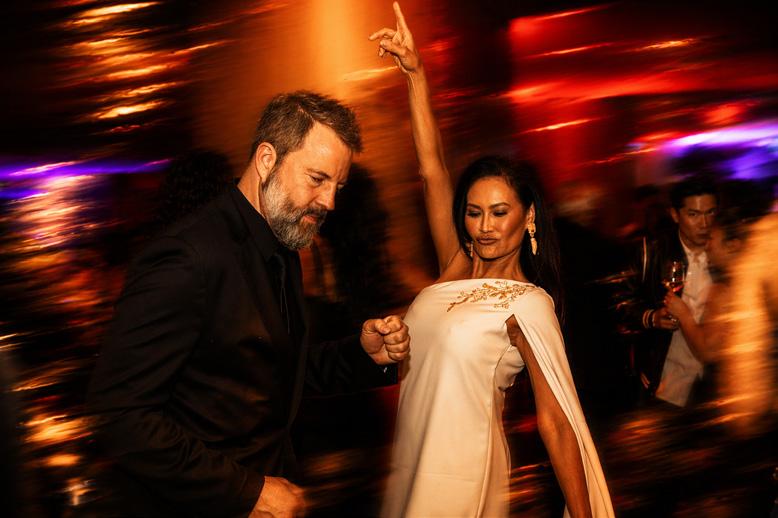
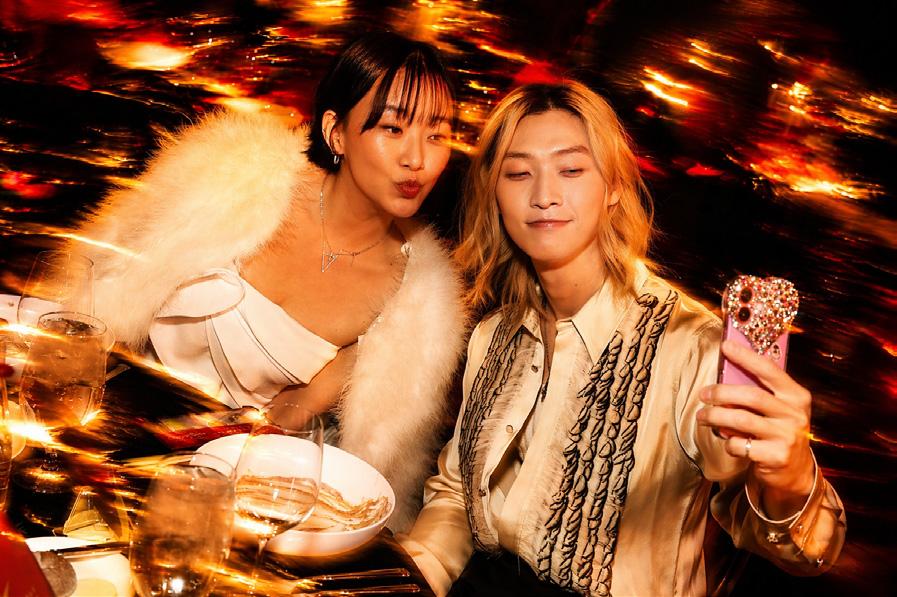
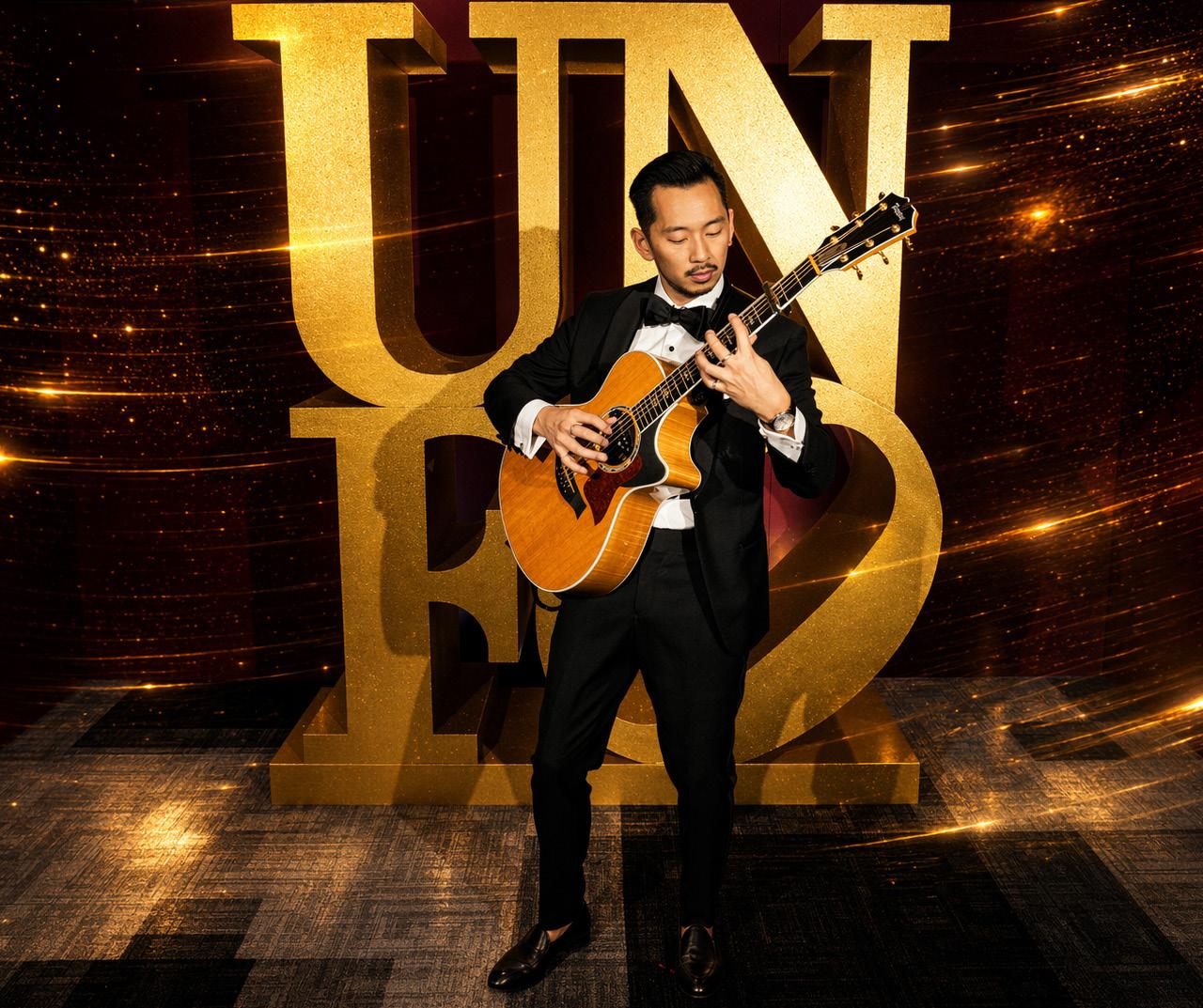
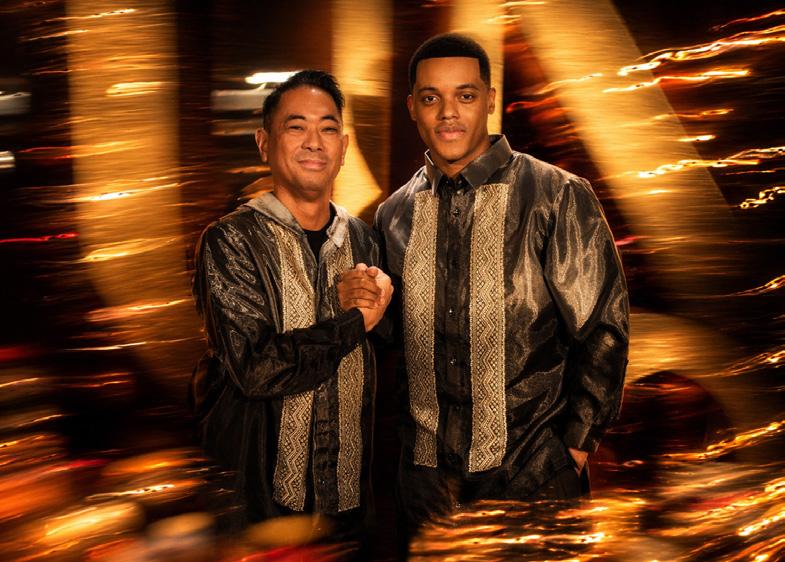
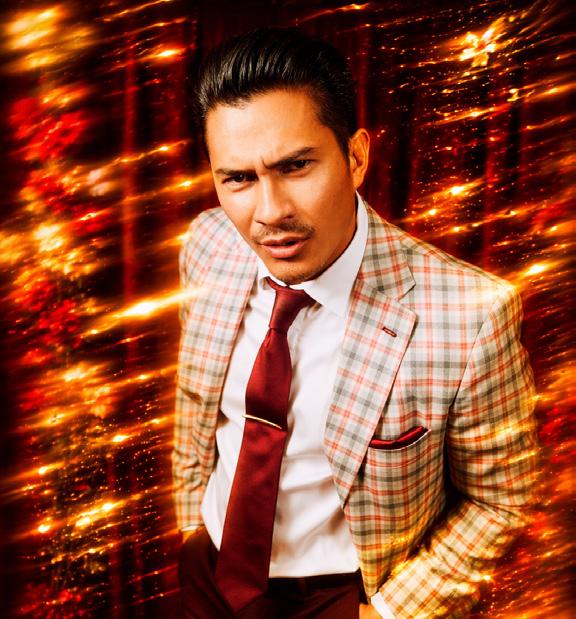

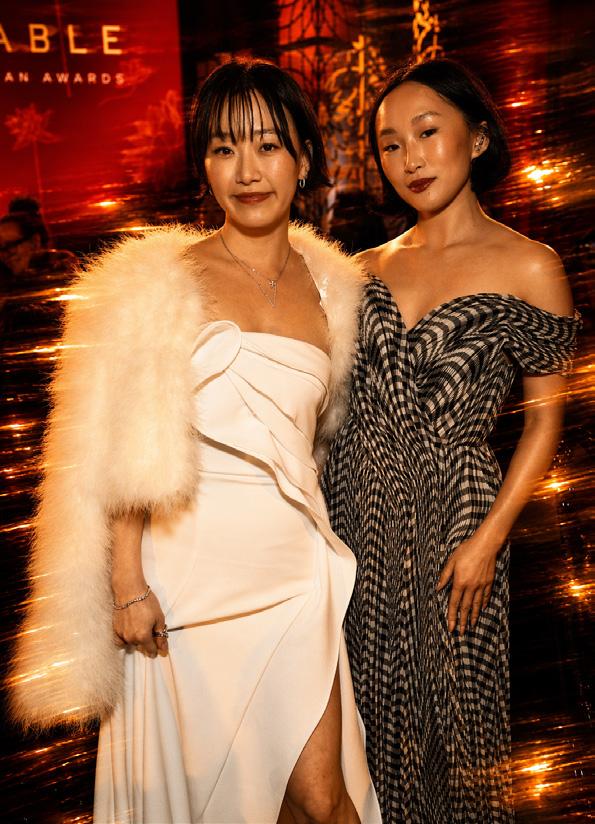
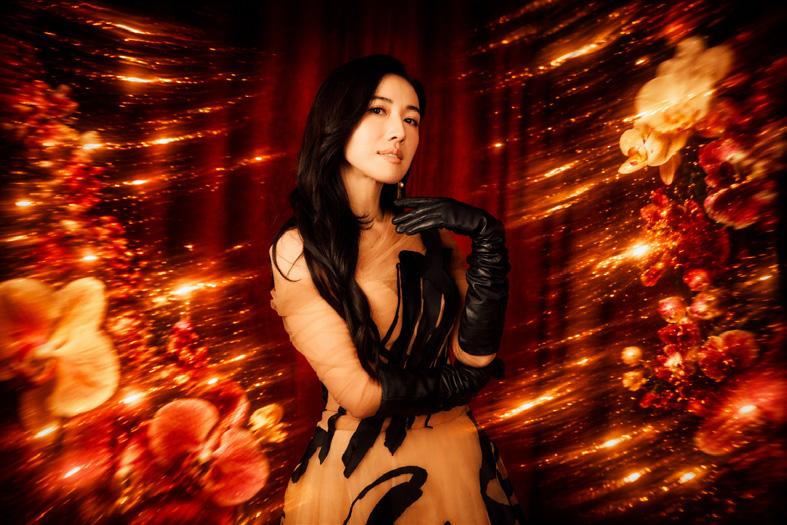
Sally Yu, Jeff Shen
Paul Debevec, Tia Carrere
Moses Lin
Chrishell Stause
Brandon Finn
Gia Kim, Ji-young Yoo
Selena Lee
Gia Kim, Sang Heon Lee
Lyle Del Mundo, Jabari Banks
Maria Zhang
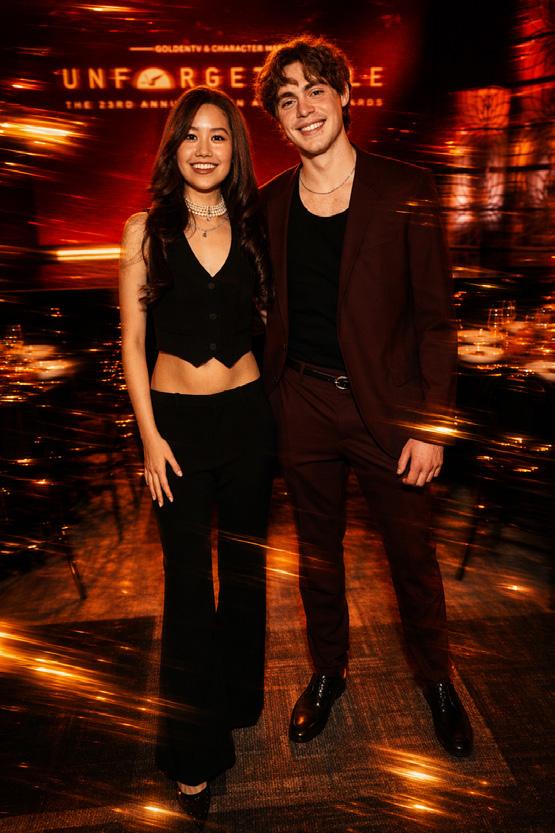
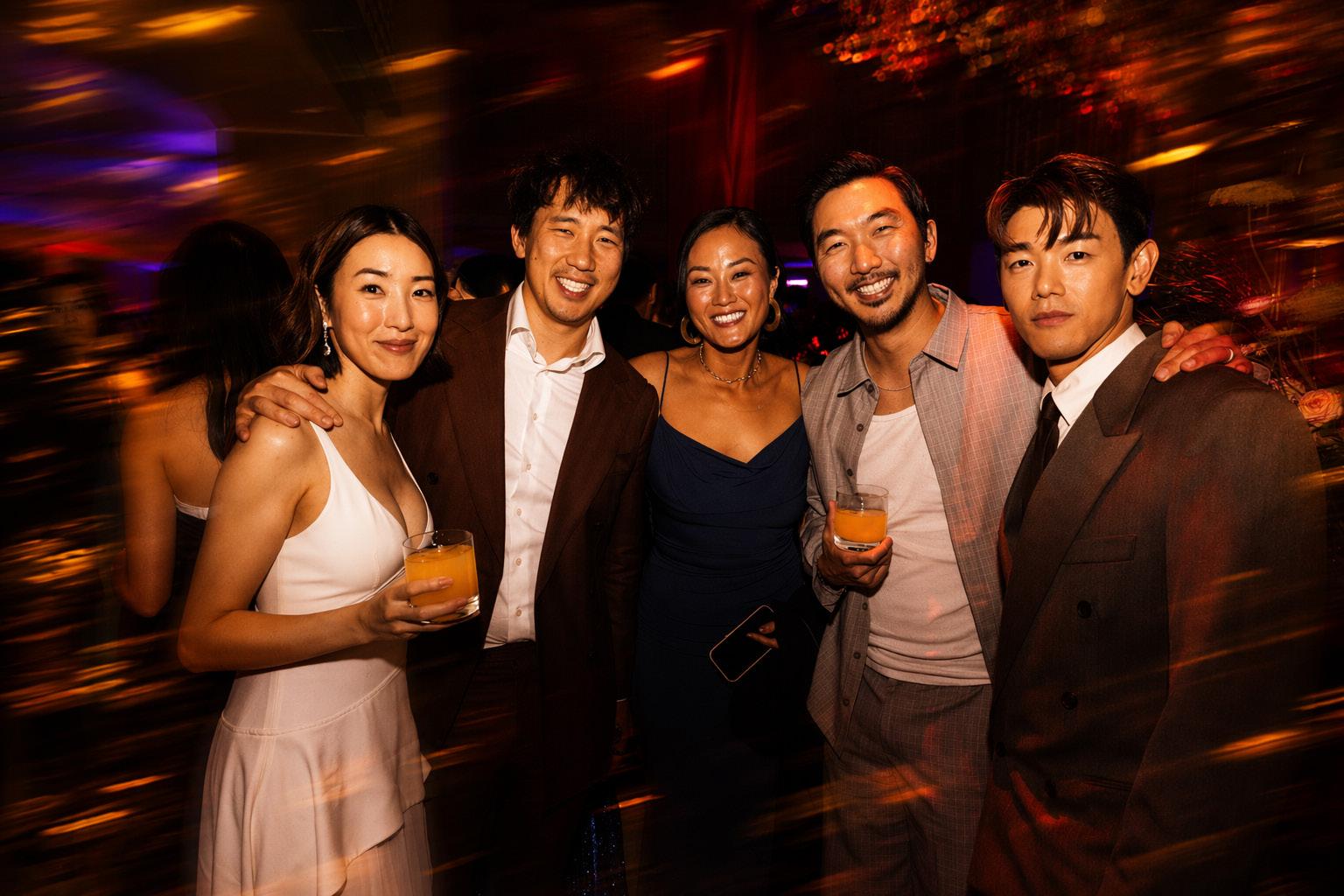
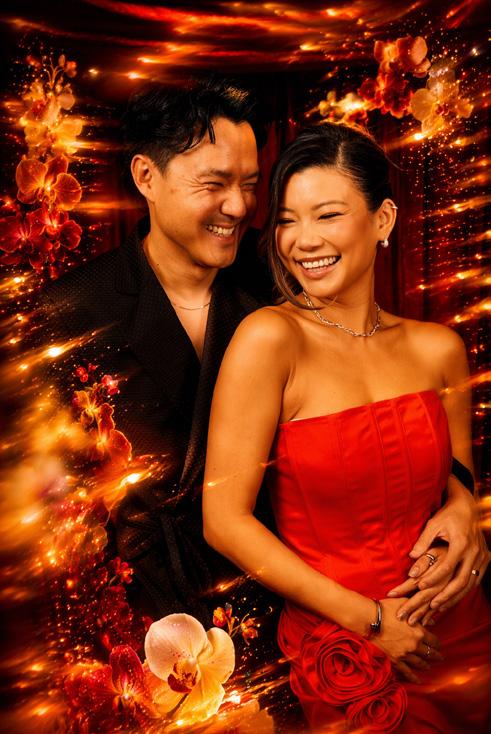
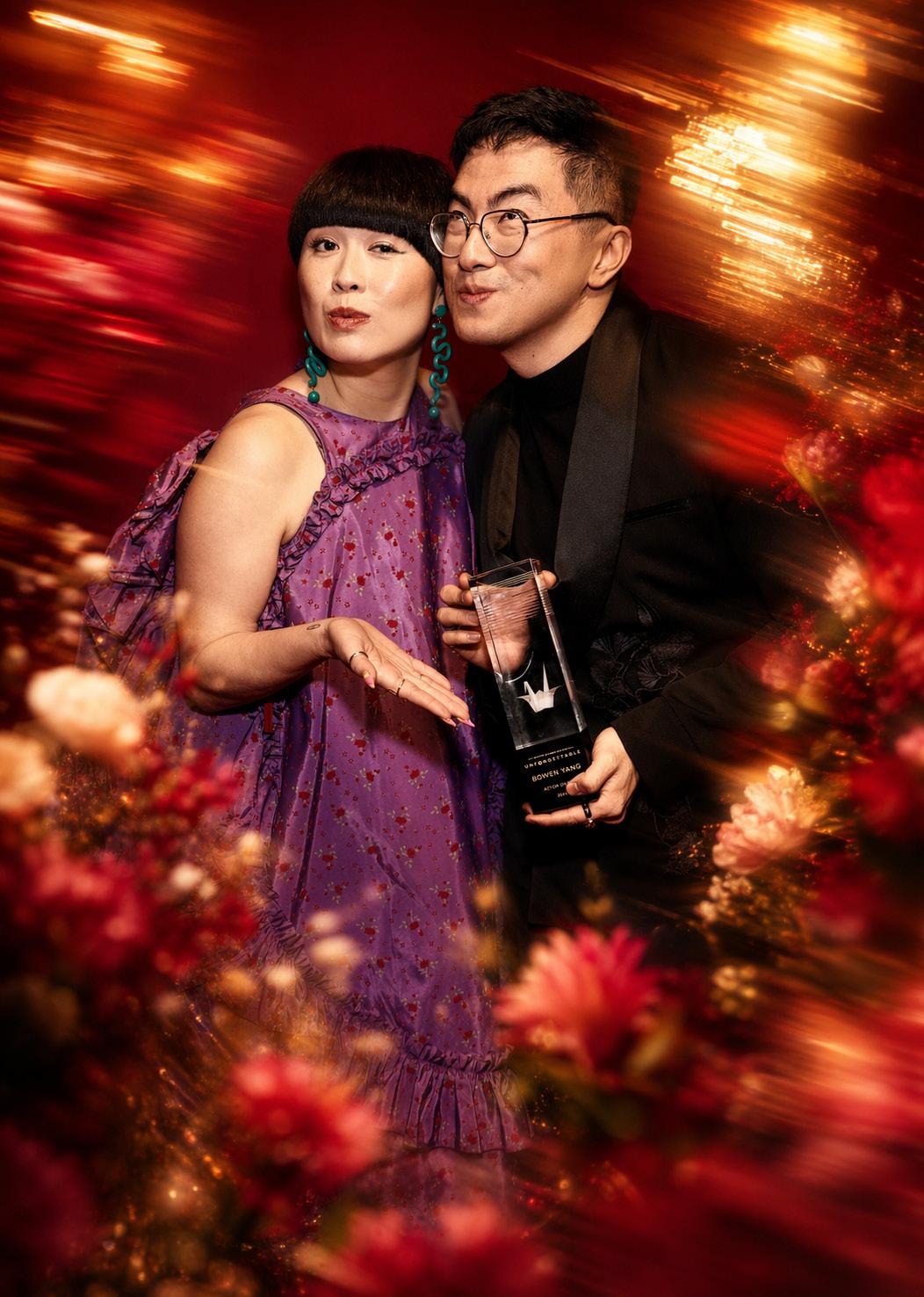
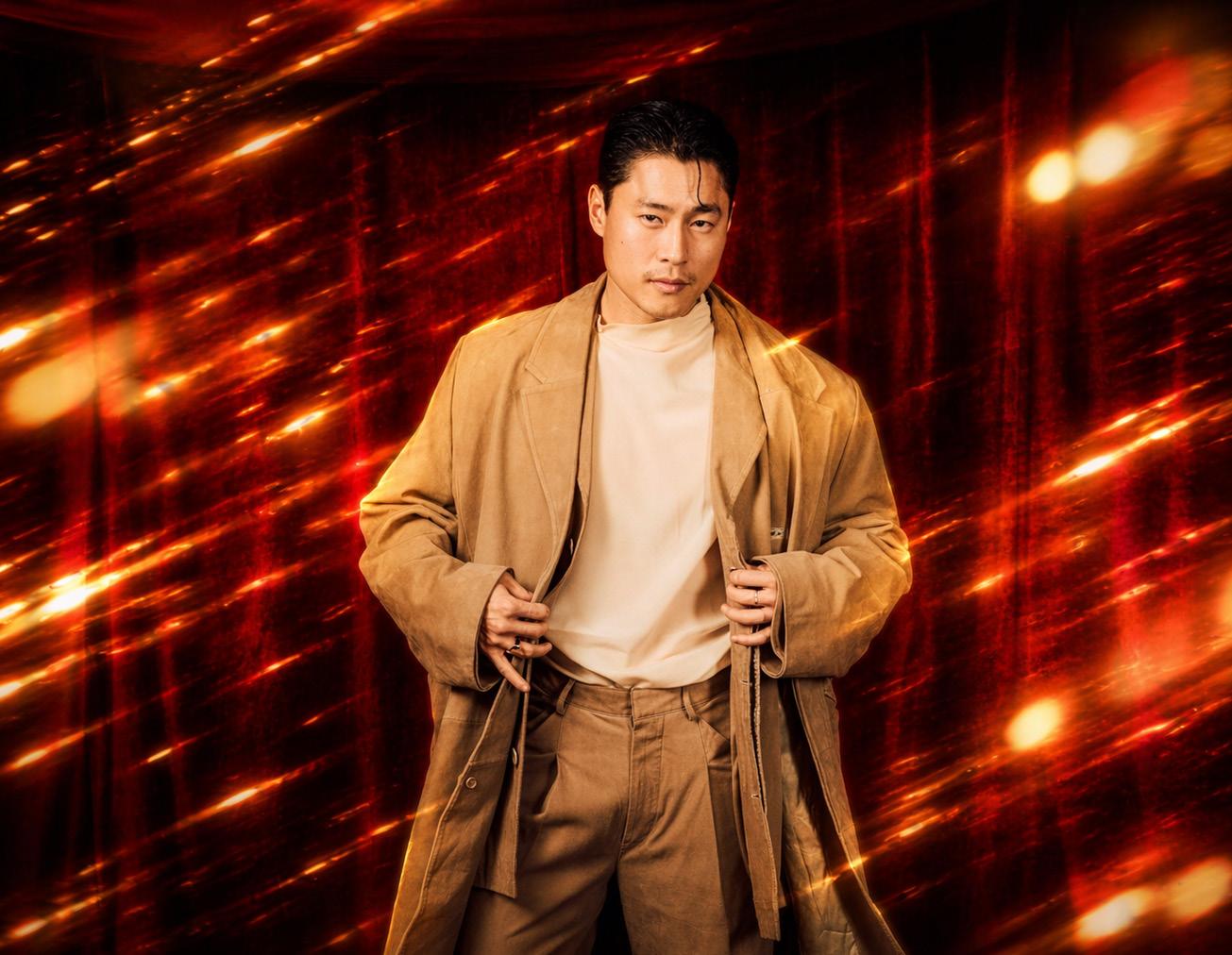
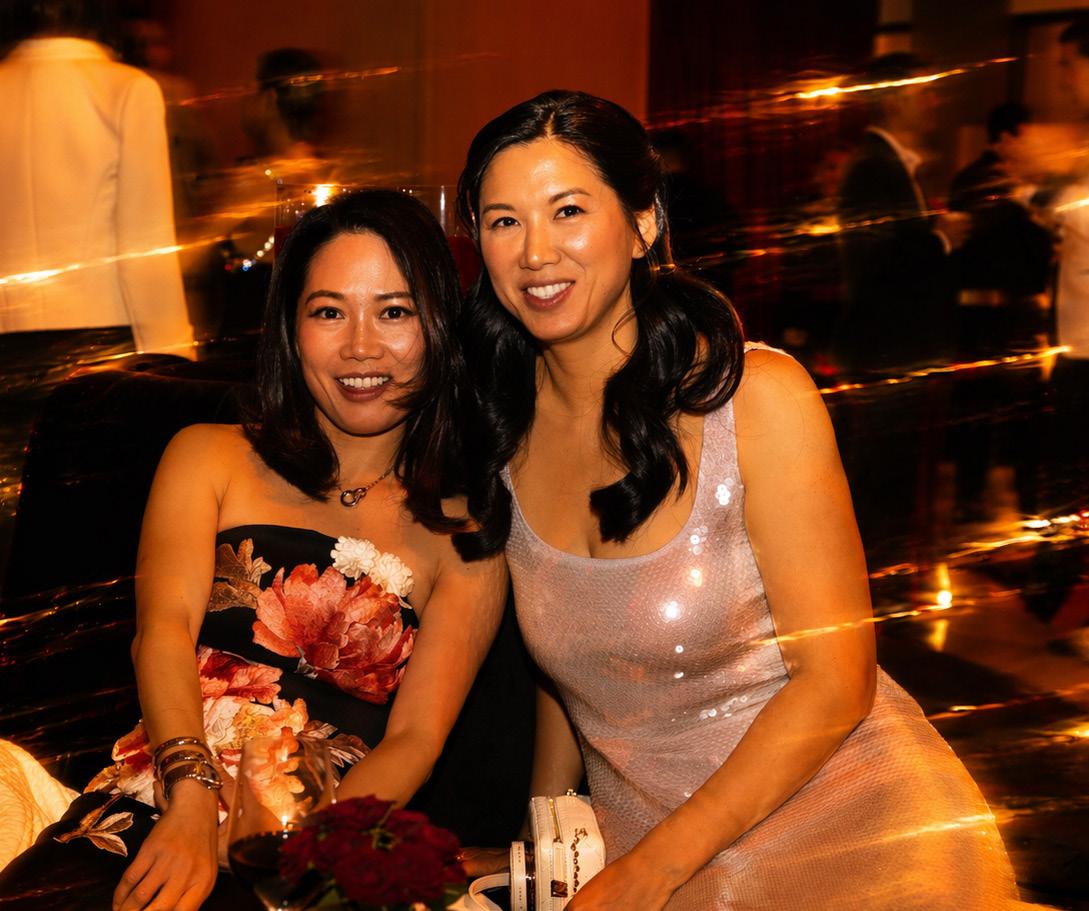
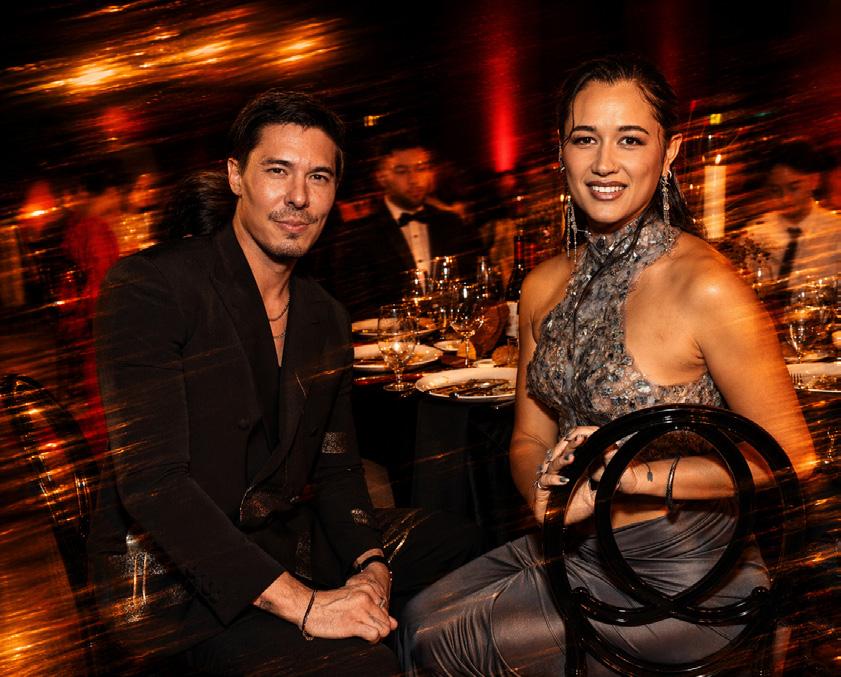
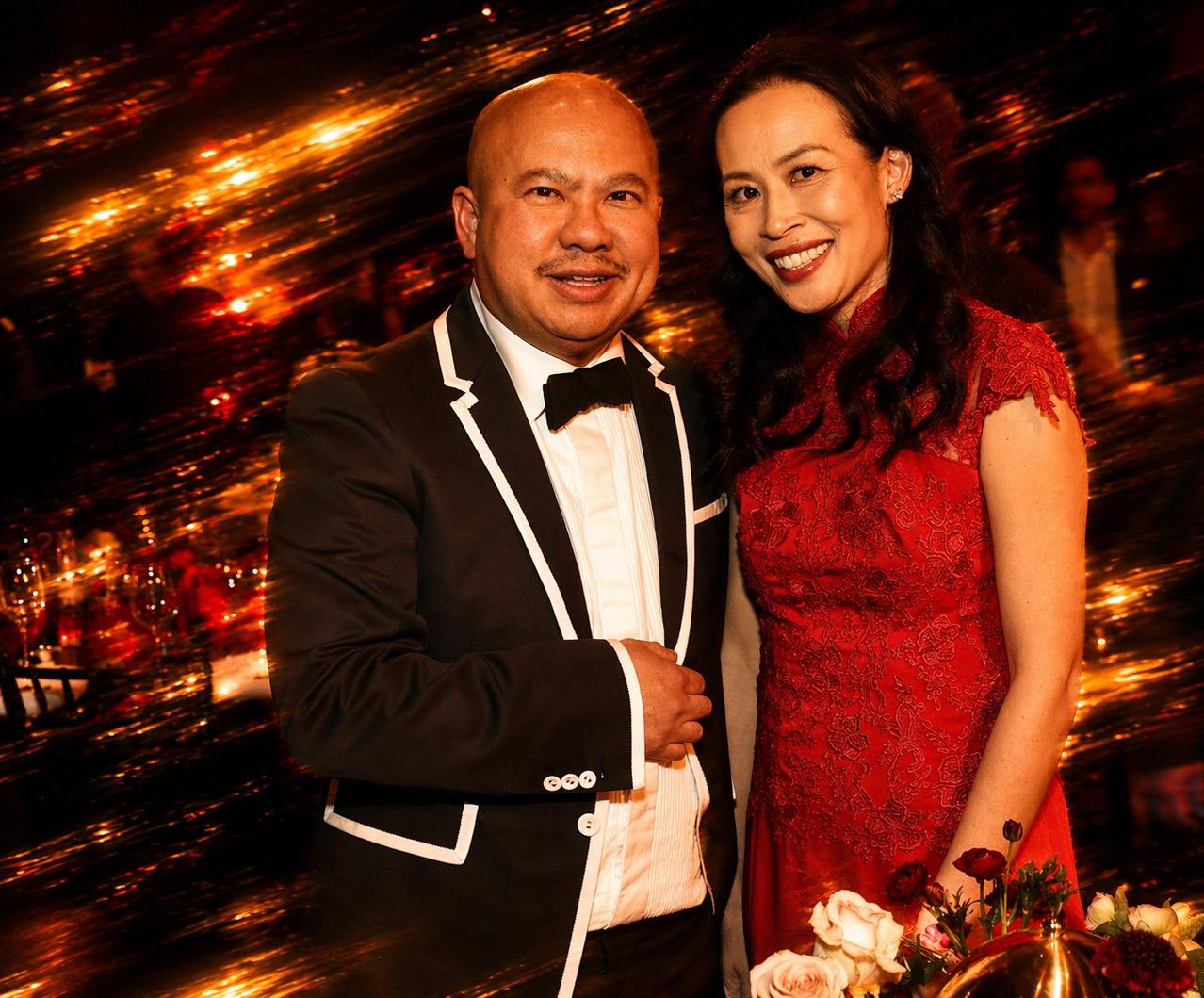
Tammy Cho, Steven Lim, Melody Hahm, Jason Lee, Eric Nam
Trinity Jo-Li Bliss
Jack Champion
Sophie Liao, Emily Hu
Atsuko Okatsuka, Bowen Yang
Lewis Tan, Te Ao o Hinepehinga
Helen Wu
Phil Wang
Jon Moon
Takashi Cheng, Dorenda Wong
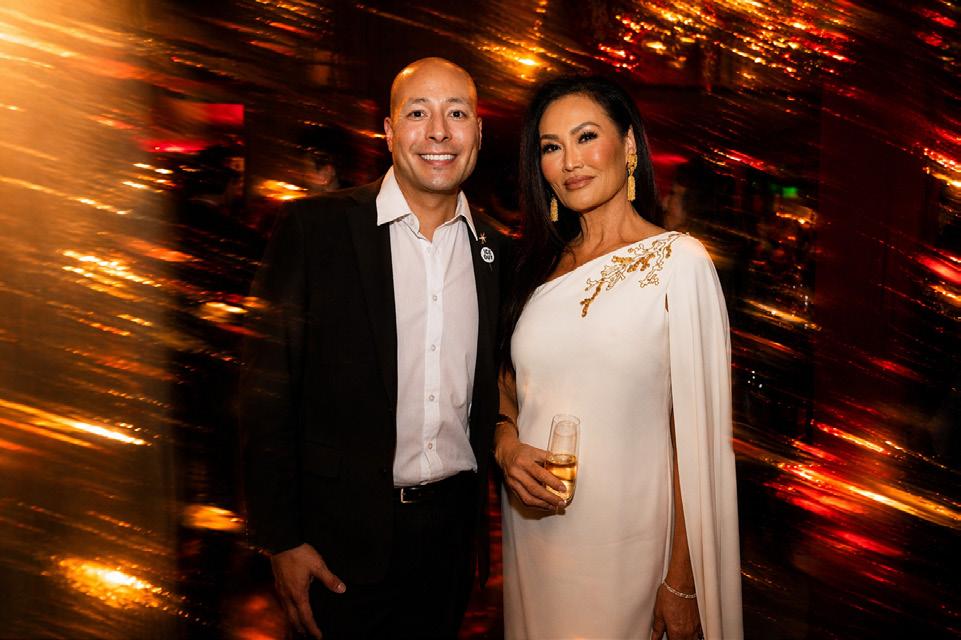
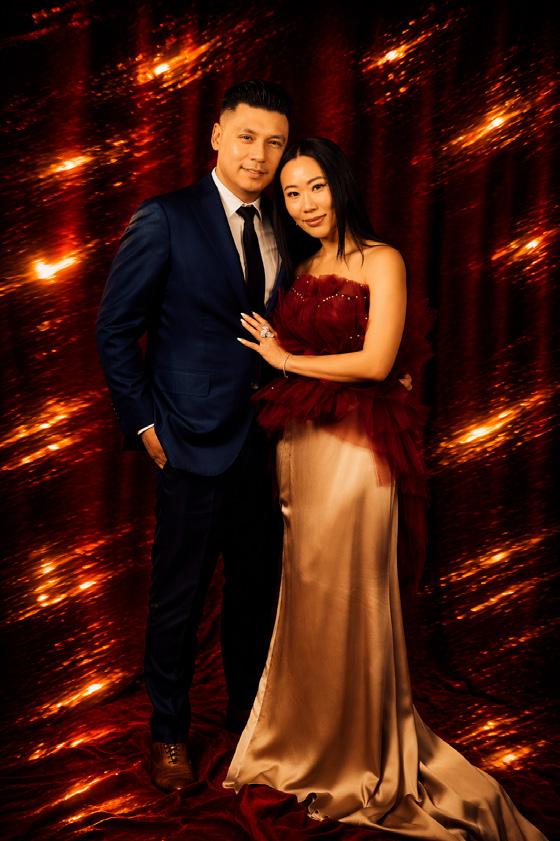
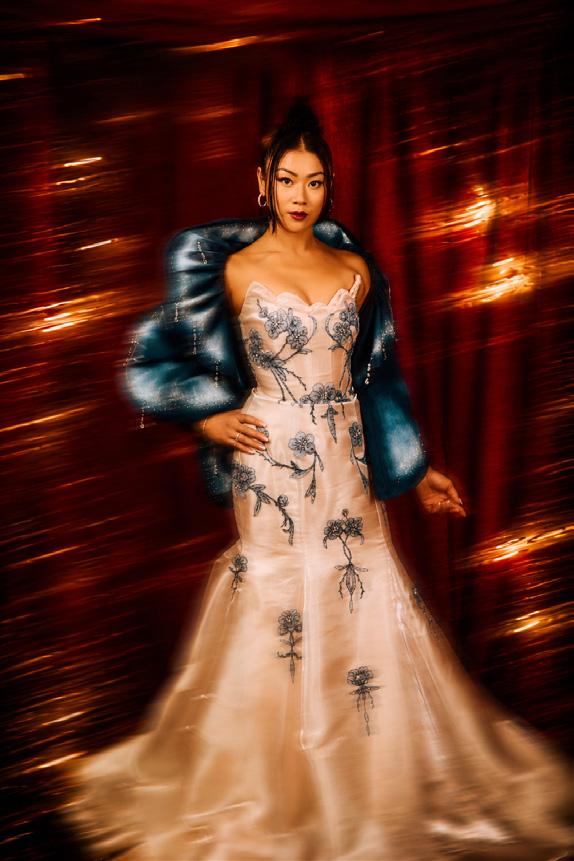
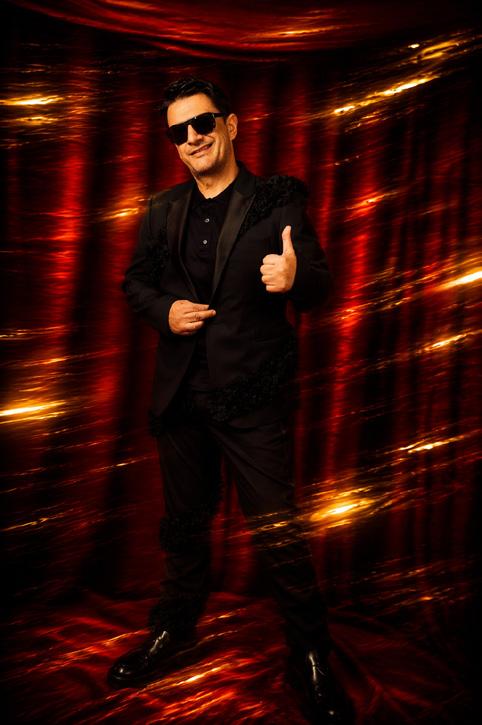
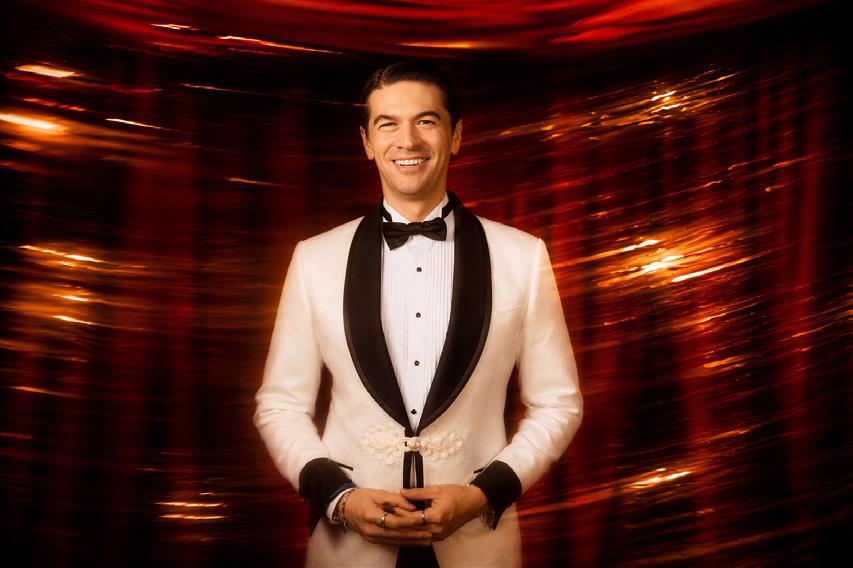
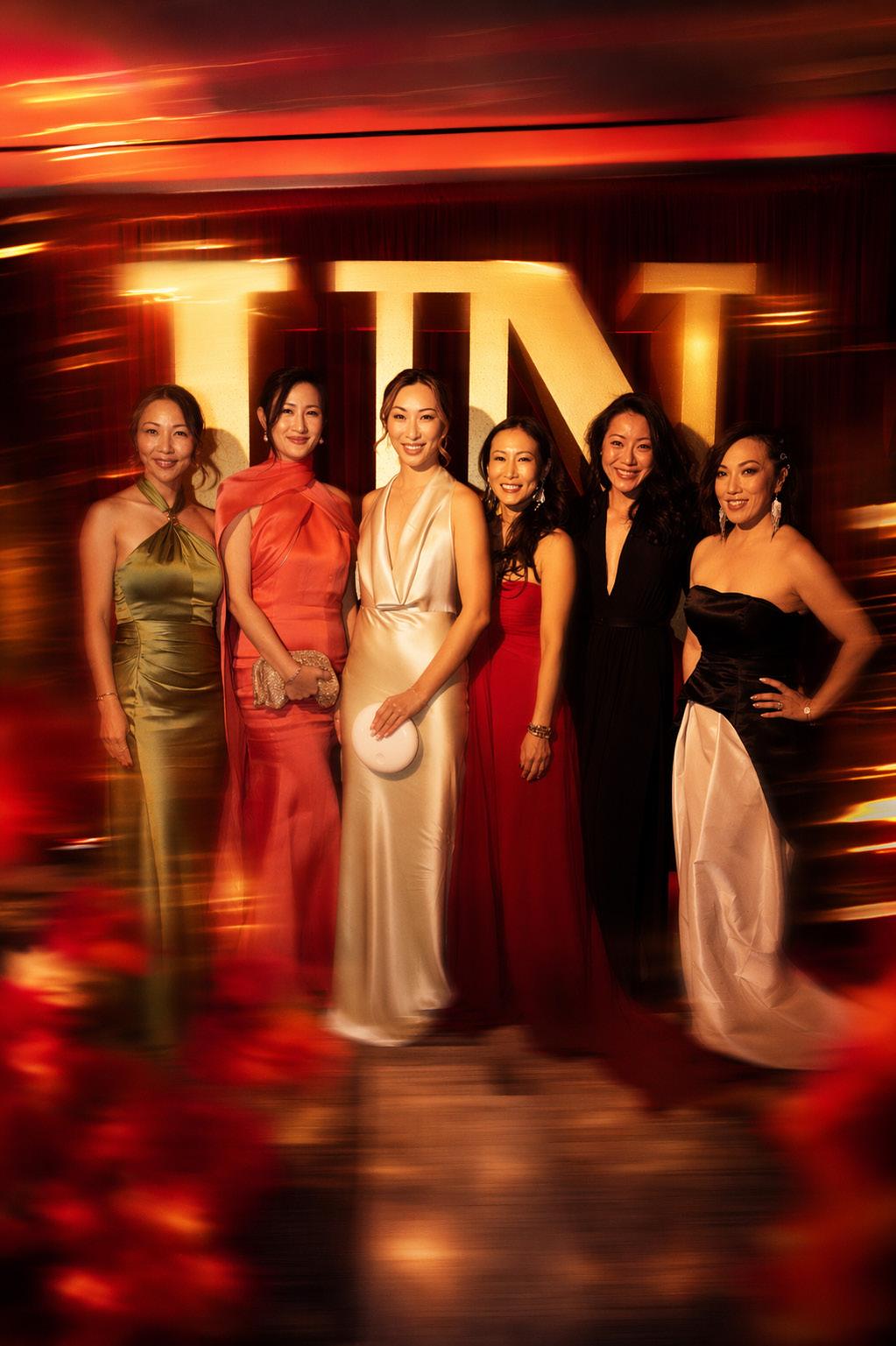
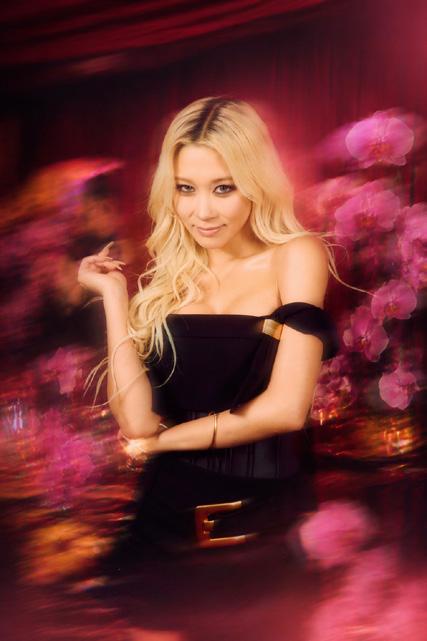
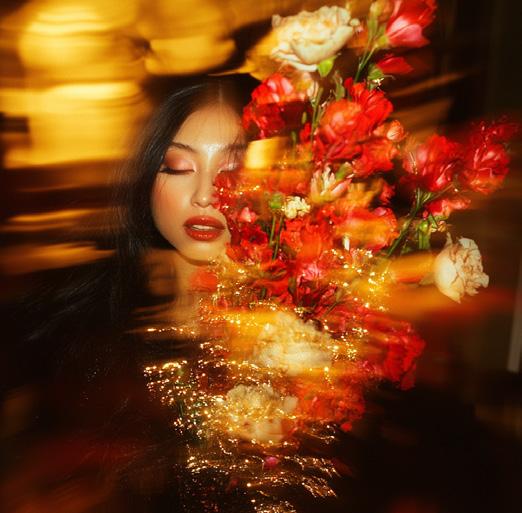
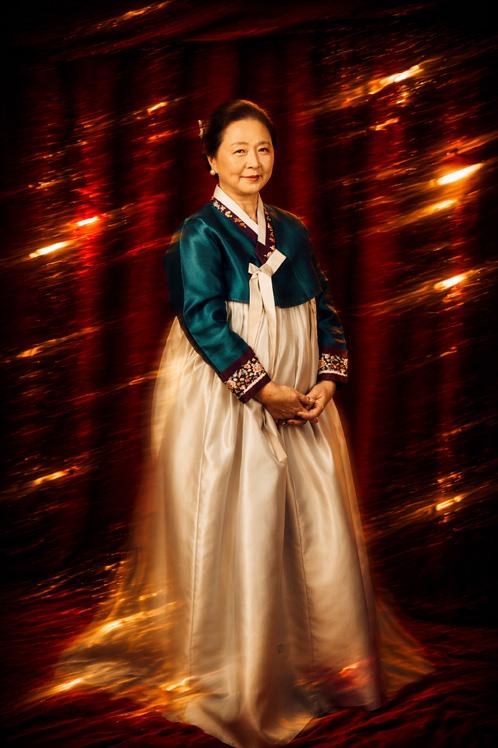

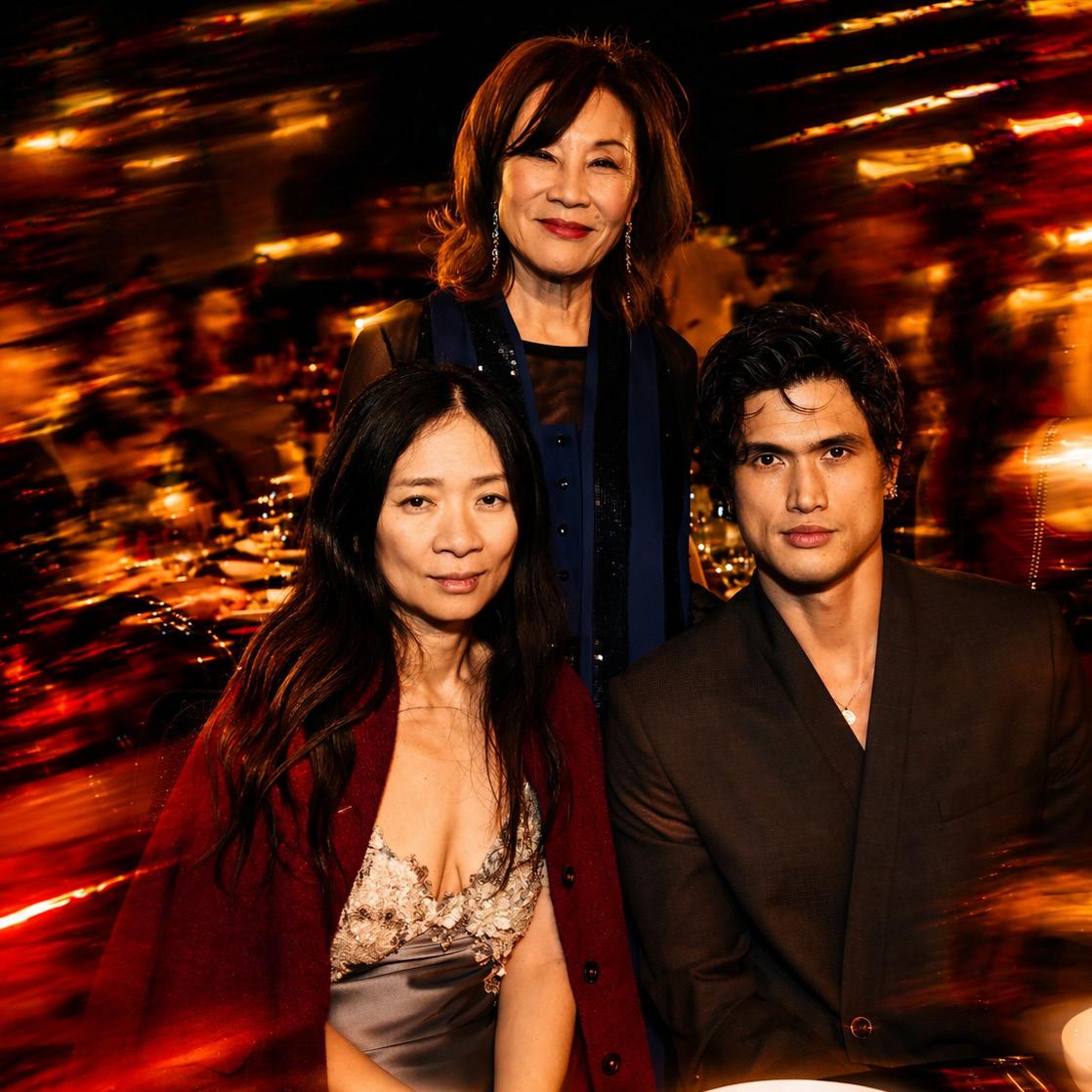
Tia Carrere, Paul Debevec
Devin Kawaoka
Da Young
Chloé Zhao Janet Yang Charles Melton Denise Yi
Karen Park
Kelly Mi Li, William Ma
Stacey Litam
Aleksandar Tomovic
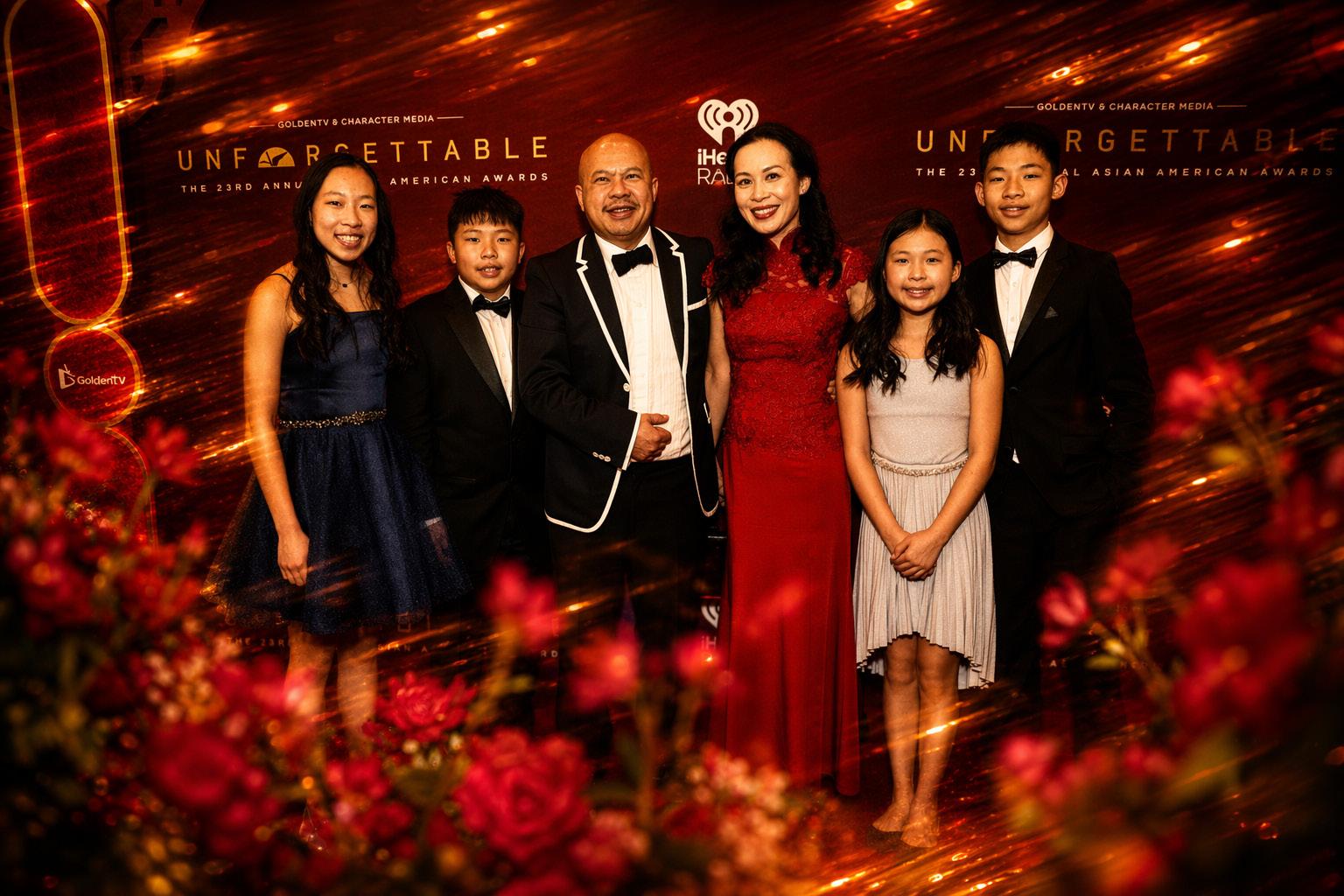
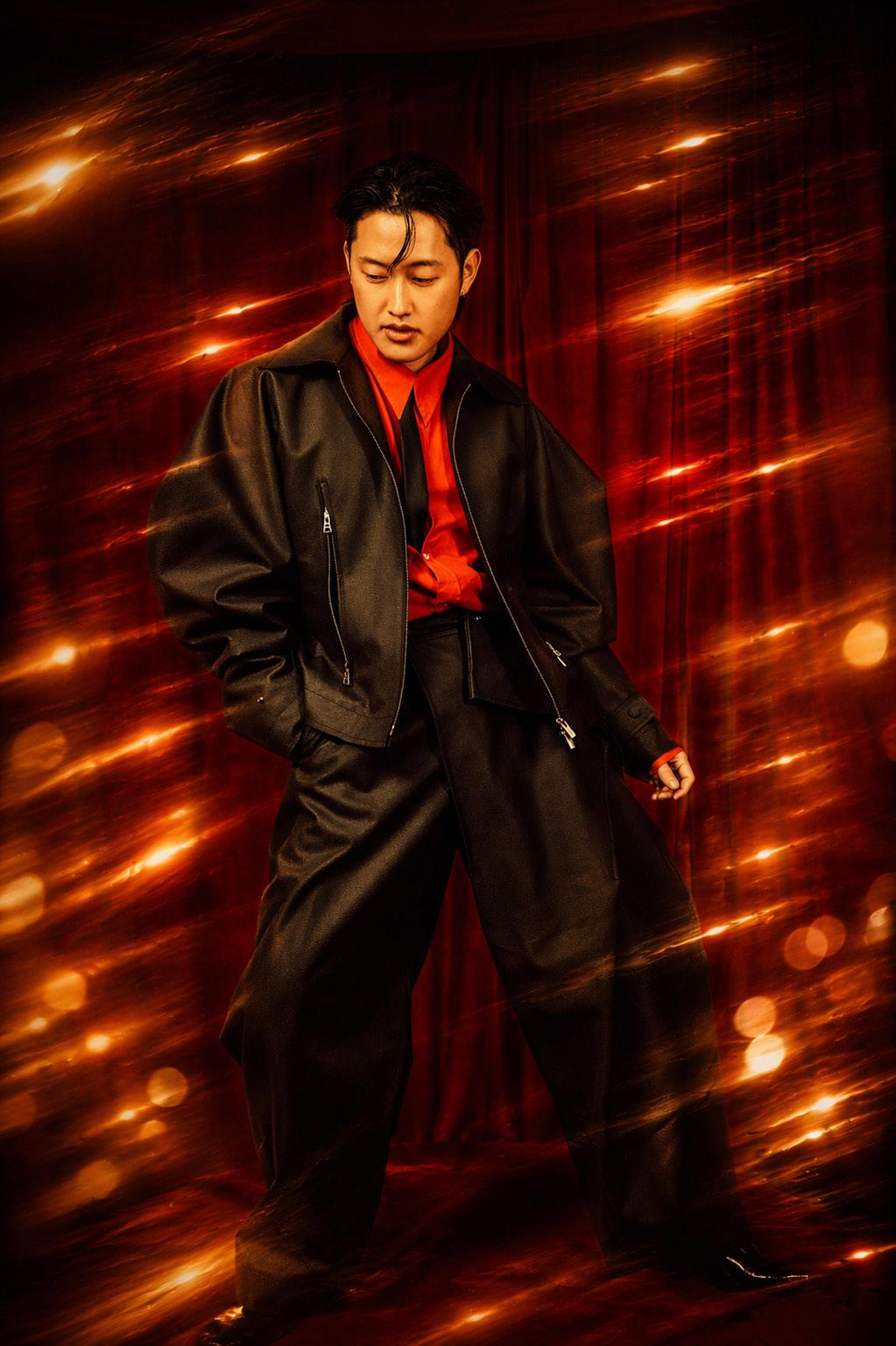
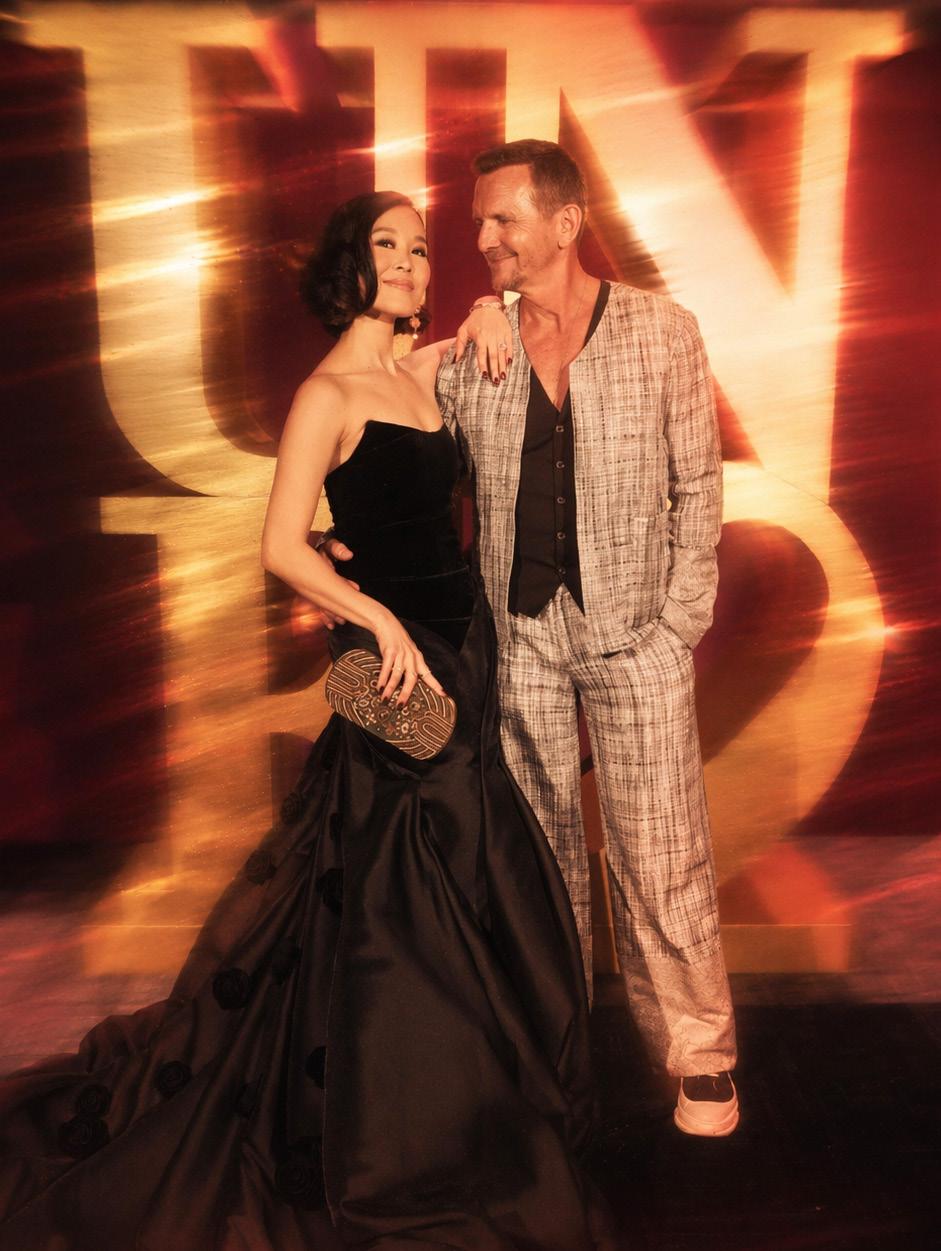
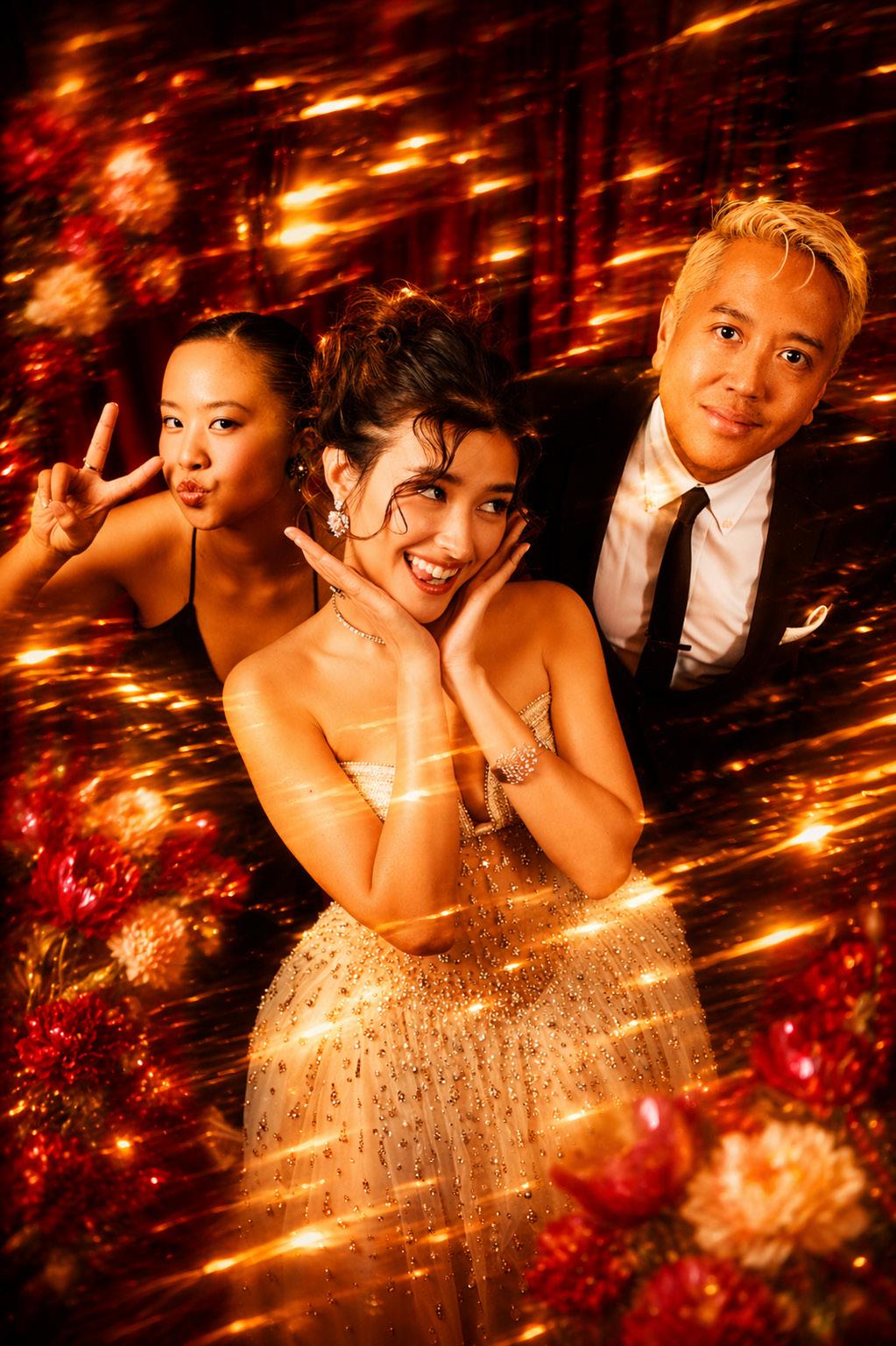

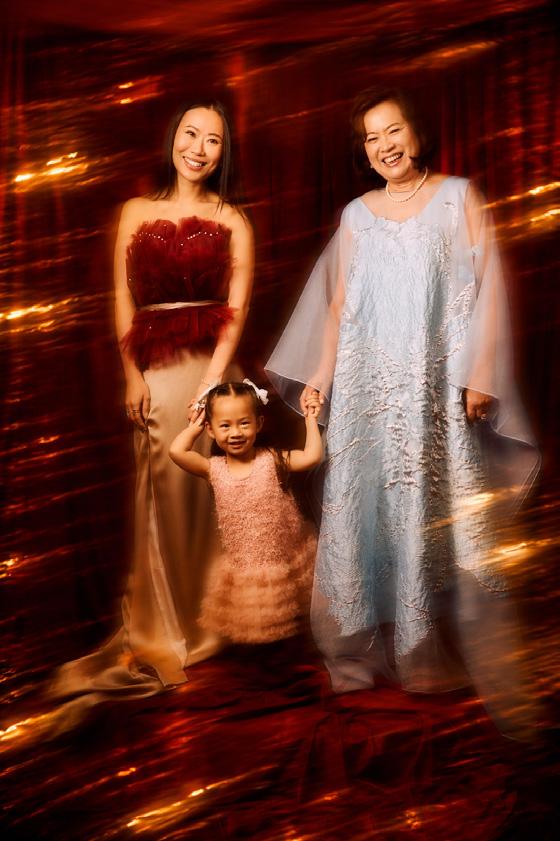
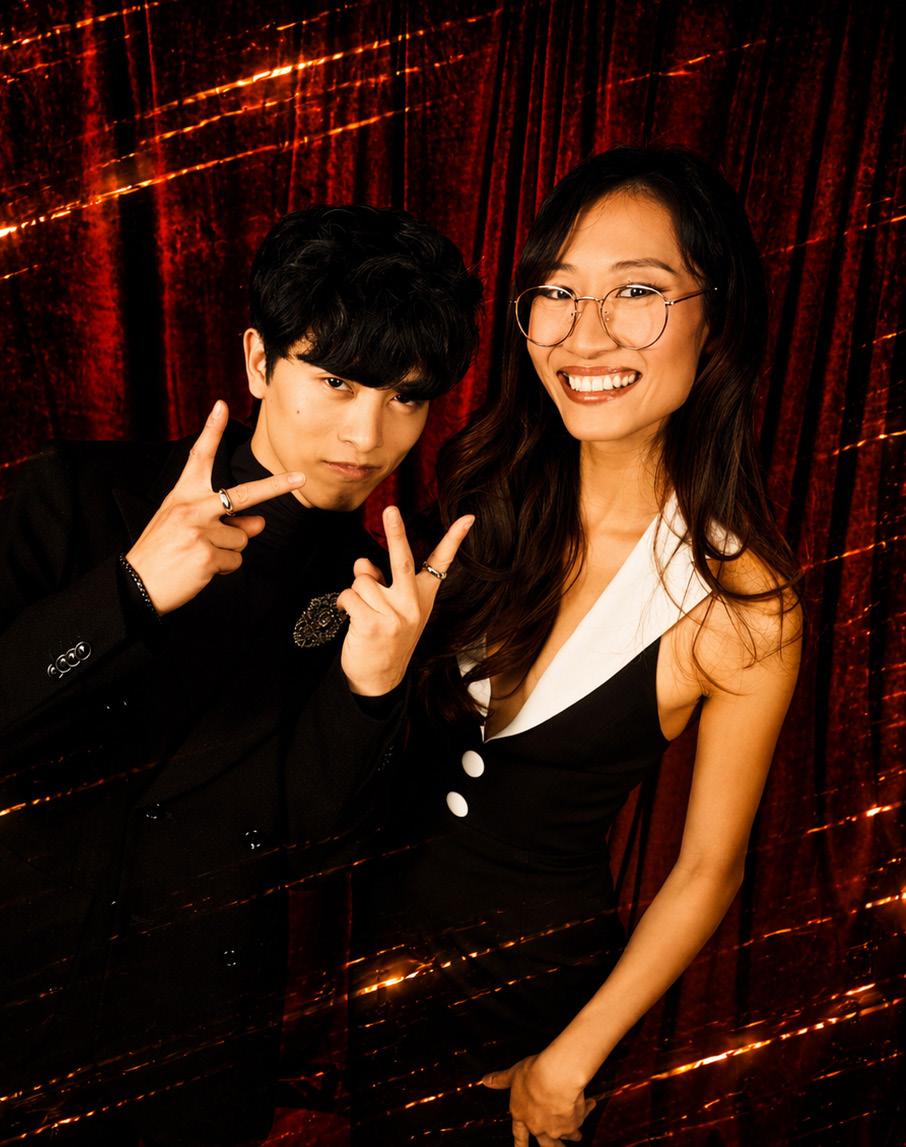
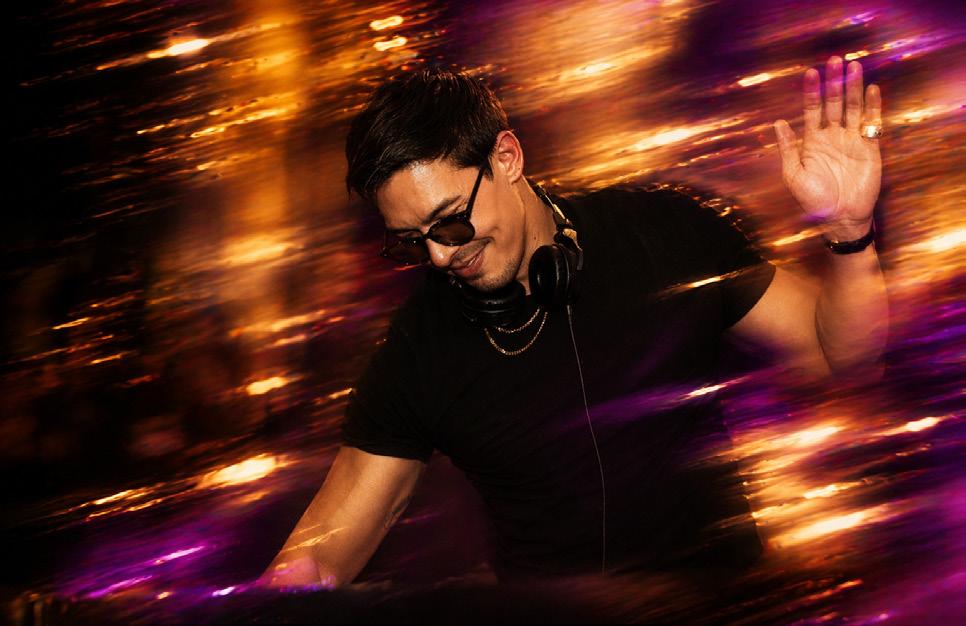
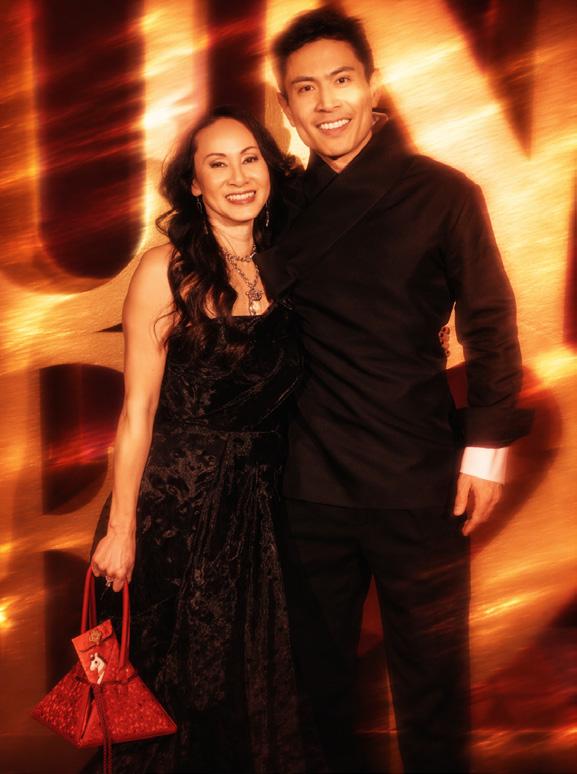
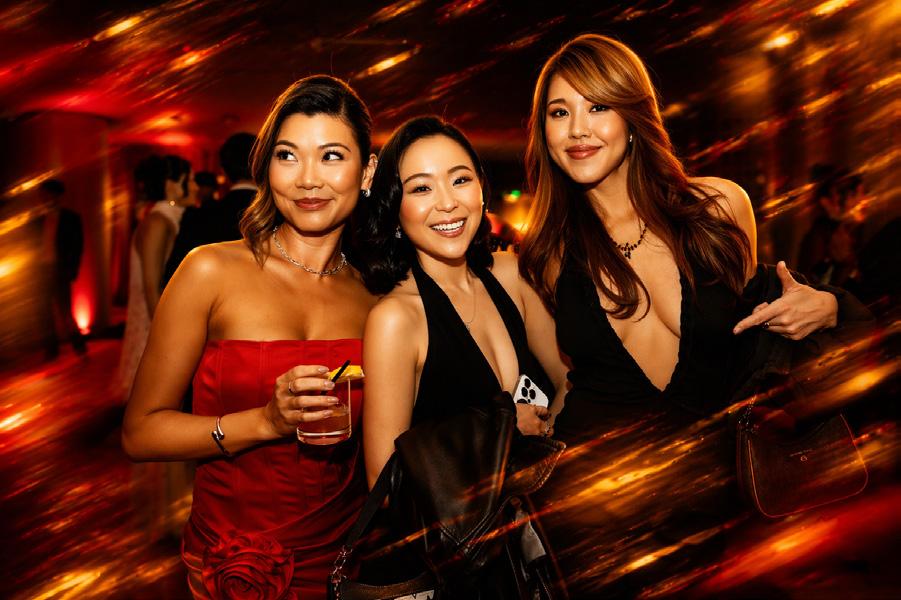
Alicia Hanna-Kim Sebastian Roché
Lewis Tan
Miranda Kwok Bing Chen
David Suh
Kimi Felices
Liza Soberano
Rembrandt Flores
Kelly Mi Li & Family
Alan Chikin Chow
Leenda Dong
Takashi Cheng, Dorenda Wong & Family
Helen Wu, Michelle Park, Chelsea Sik
Matthew Choy
Executive Director of Strategy & Creative at Intertrend Communications
Interview by Tesia Kuh
The Call Your Shot initiative is built around a simple but powerful idea: that the most remarkable thing you’ve ever done doesn’t have to be behind you. The campaign is actively championing Asian Americans to boldly chase their goals, at any age, in any arena, at any stage of life. Intertrend Executive Director of Strategy and Creative, Matthew Choy, one of the architects of the Toyota Call Your Shot campaign, hopes it will move people who feel like their window has closed to reach beyond the extraordinary things they’ve already accomplished. “Everybody, to me, hits middle age having already done something extraordinary,” Choy said. “Now’s the time you can do that next extraordinary thing.” That belief sits at the heart of everything Toyota’s Call Your Shot campaign represents. Across athletics, culinary arts, entrepreneurship, and entertainment, the campaign shines a light on Asian Americans who are rewriting what midlife looks like. Not as a finish line, but as a launching pad. Somewhere along the way, a voice crept in and told you that your moment had passed. Toyota’s Call Your Shot campaign is here to tell you otherwise. So to every Asian American who has immigrated, rebuilt, sacrificed, and shown up, this one’s for you. You’ve already proven you can do the impossible. Now it’s time to call your shot again.
The Call Your Shot initiative encourages people to define their own path and take bold steps toward their goals. What does that philosophy mean to you personally?
Call Your Shot was originally targeted for people of, dare I say, middle age. I was doing the demographic breakdown and millennials fall in this, but Gen X as well. What does Call Your Shot mean? For all of us to reach where we are in life, whether we’re immigrants, or working at a job, we’ve all had to really pour ourselves into something. Do something that was difficult but that really helped define our lives. Immigration’s a big one for me because to leave your home country and go to somewhere that you don’t have any friends or know very few people is this moment in time where it’s like calling your shot. It’s doing something that’s almost impossible when you look at it from the outside. Immigration is one of those big things that feel like you’re doing something that’s so impossible. People sometimes think when you get to middle age, that’s all you have. Like you had your one shot and you did it. I’m in that boat too, that we can still do it. We’ve done it before, and we still have what it takes to do it again. We still have the ability to do what’s impossible.
My kids call me old all the time, but when I close my eyes at night, I still think I’m young, and I still think I still got it. That in all of us, that opportunity and chance for us to do the impossible again. This campaign is really about that. Not only do you still have it, but there are people out there that are just like you, doing the impossible still. We want to encourage that philosophy. The game’s not over yet.
Many of your projects sit at the intersection of culture, storytelling, and brand collaboration. How did the idea behind Call Your Shot come together, and what message did you want it to communicate?
So Call Your Shot is interesting. As I get older and I think about doing the impossible again, the first hurdle that you come to is the physicality of doing the impossible. I don’t
know about your friend group, but my friend group, we’re all kind of older. All we talk about is health. All we talk about is, “What pill did you buy at Costco?” Or, “do you go to the gym enough?” Ninety-nine percent of conversations will revert back to some kind of health topic. “Did you get the new massage chair because you have aches and pains?” Or something like that. So Asian-American people love talking about health. So we thought, when you’re calling your shot, the first place that you look to is this idea of physicality and do you have what it takes to do it again, so we start going down this road. LeBron James just had an amazing game, and he’s 41 years old, and he’s been playing in the league forever. So there’s a lot of people in their mid-age still doing it. The idea of health, the idea of doing the impossible. All these things blend together to get to this project of Call Your Shot.
The campaign highlights Asian Americans across different verticals from athletes to culinary arts and entertainment. Why was it important for you to spotlight this story and this community as part of your broader initiative?
Within our audience, physicality is where we started the conversation. But in different aspects of your life, you are still calling your shot. It’s like the chef who wants to open a new restaurant. It’s about the mother of two kids who wants to become an influencer. In our society, we’ve seen in different verticals outside athletics, people really making this Call Your Shot moment in their midlife. Of redefining what their life was all about. When you’re hitting midlife, you think your narrative is almost done, right? But Vera Wang did it way back when she became a top line designer in her late forties. And we’re seeing all these people really take hold of their own narrative and make it very different than the first part of their lives. So we want to highlight these things for these people, not just in athletics, but in culinary, entertainment. So this campaign will be highlighting a wide breadth of places where people decide to call their shot again. Maybe they’ve already done
something remarkable in their life and now they’re gonna do the second act, which is maybe even more remarkable than their first act. I just love the narrative about it.
Representation in sports and creative spaces has been evolving in recent years. How do initiatives like Call Your Shot help expand the narrative around who gets to compete and lead in these spaces?
If I look back on life, you know so much more now than you knew before when you were first trying it for the first time, and now you take all that knowledge of what you know now and apply it to doing the next thing. It puts you at an even greater advantage than you’ve ever had before. The only thing that was missing is that inspiration to do it again. With this campaign, we hope to ignite that inspiration, to push people to that next level.
Your work often blends culture and storytelling in ways that resonate with younger audiences. How does Call Your Shot reflect the mindset of a new generation that wants to challenge expectations and define success on their own terms?
I speak about this campaign from my own eyes, but if I were to see my dad do something or my mom do something amazing, I would be then inspired to do a similar thing. A lot of second-gen Asian Americans in this country didn’t necessarily know how hard the immigration story was. They hear a lot about it from their parents, but they don’t necessarily know the grind of that. By watching your parents do something else or watching elders do something else, it really is an inspirational moment. If I were watching my dad run a marathon when he was in his forties, me as a young watcher, I would think “What the hell am I doing with my life?” I couldn’t even do that in my twenties, and my dad’s out here doing it in his forties. Maybe that’s something I can do. Maybe that’s something I can try and strive for as well. So there’s a big inspirational piece to this that is not age-related even.
Looking beyond this campaign, how do you see storytelling continue to shape how brands engage with culture, sports, and communities in meaningful ways?
The story with this campaign and a lot of campaigns that we’ve done is how deeply you resonate with audiences. Sometimes it’s not the obvious ways. A lot of times when a company or people talk to us about messaging to Asian Americans, they say “throw a dragon on it, make it red, and boom, you’re in Asian American zone.” But as Asian Americans, we know that there’s so much more to being Asian American than just what’s stereotypical. Finding those next things that resonate is always gonna be at the forefront and what we strive to do and do it in a meaningful way. We have friends that live in India, and the funniest thing they say to us all the time is that if you walk down a street in Mumbai, all you see is gimbap stands, people selling gimbap on the streets. And if I were to show you a campaign for Asian Indians that was premised around Korean food, you’d think that I was crazy. You’re only crazy until you understand the insight and until you understand the resonance of it. Then you stop believing that that’s a crazy thought. So what we continue to do to connect to these communities is take the unobvious. What
may not be obvious to the general audience, but for the specific audience resonates deeply. That’s the greater trick in this.
So how do you actually go in there and find those topics that resonate?
The way to actually get that job done is to know the audience, speak to the audience, live in their shoes. Not just talk to them across a clinic table kind of thing. You have to live in the house for a little while to start understanding it, rather than try to piece together pieces of research information. That’s where the hard work is.
For middle-aged Asian American creators, athletes, and entrepreneurs who might feel hesitant about taking risks, what would you hope they take away from the idea of calling your shot?
You still got time. You still got the energy. Do it. The hardest step is always the first one, and it sounds so cliché, but I do think that it’s absolutely true. I can give you a quick story. When I was young, although I was Asian-American, I’d never been to Asia before, and I always wanted to go. But I already had a job, and I had all these responsibilities, rent and whatever. One day I was coming home, and I saw this ad on a bus. It was a small ad. All it said is “Now’s the moment to go teach in Asia.” And I said, “Yeah, why isn’t now the moment to do that?” Mind you, I didn’t go teach in Asia, but I did go to Asia. But it’s kind of rhetorical, and that’s the power of advertising. People think it’s all about just selling someone a good, but sometimes it’s about inspiring people to do something different.
What we hope this campaign will elicit is for people to feel hopeful about where they are and where else they can go in life, beyond the extraordinary things that they’ve probably already done. Everybody, to me, hits middle age, you’ve already done something extraordinary. Now’s the time you can do that next extraordinary thing. You still got it.
For Choy, the message is simple and it is personal. Midlife is not the end of the story. It is the part where you already know what you are made of, and that knowledge is the greatest advantage you have ever had. Toyota’s Call Your Shot campaign exists to remind Asian Americans of exactly that. You have already done the impossible once, the only thing left to do is believe you can do it again. The game is not over. Not even close.


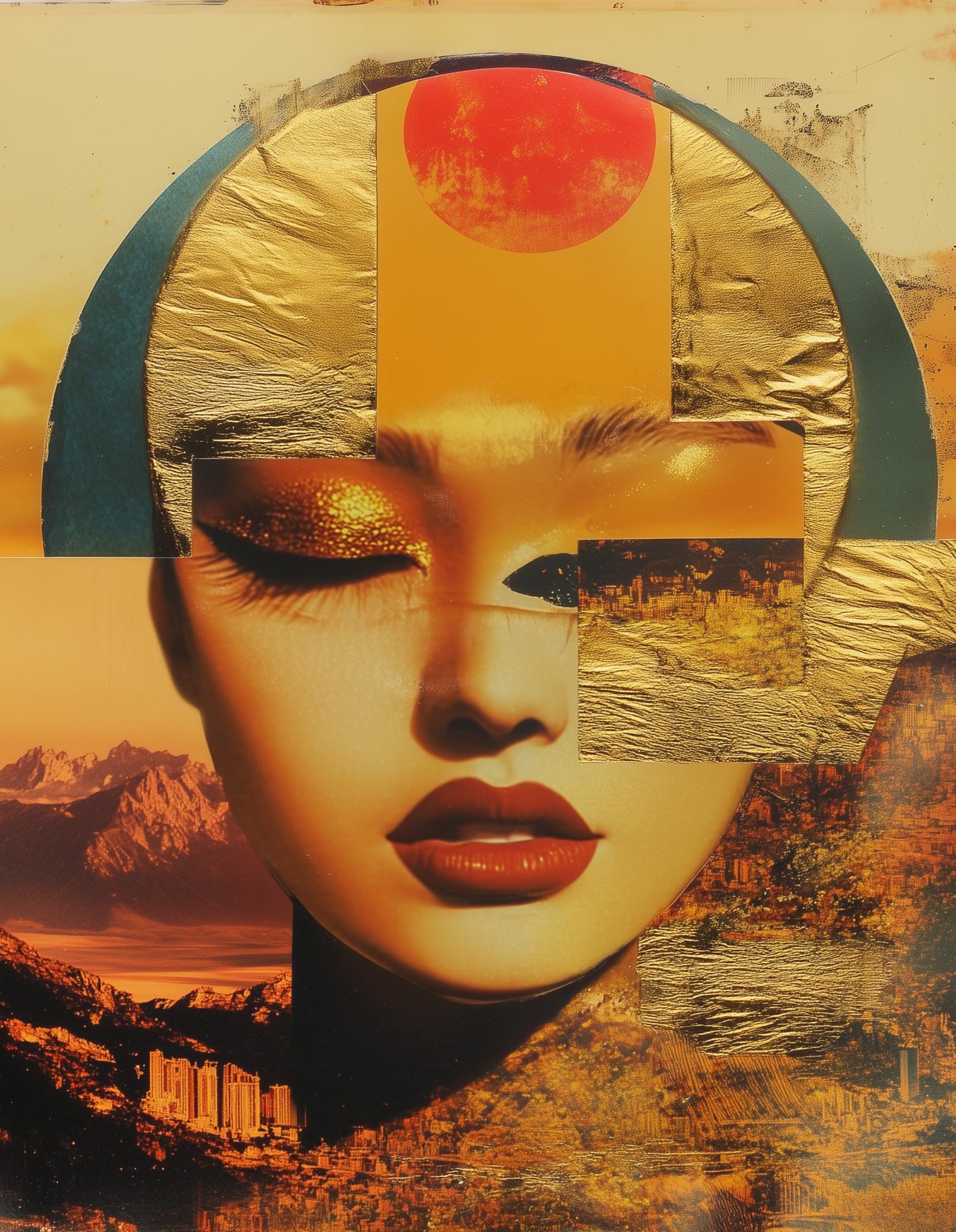
character
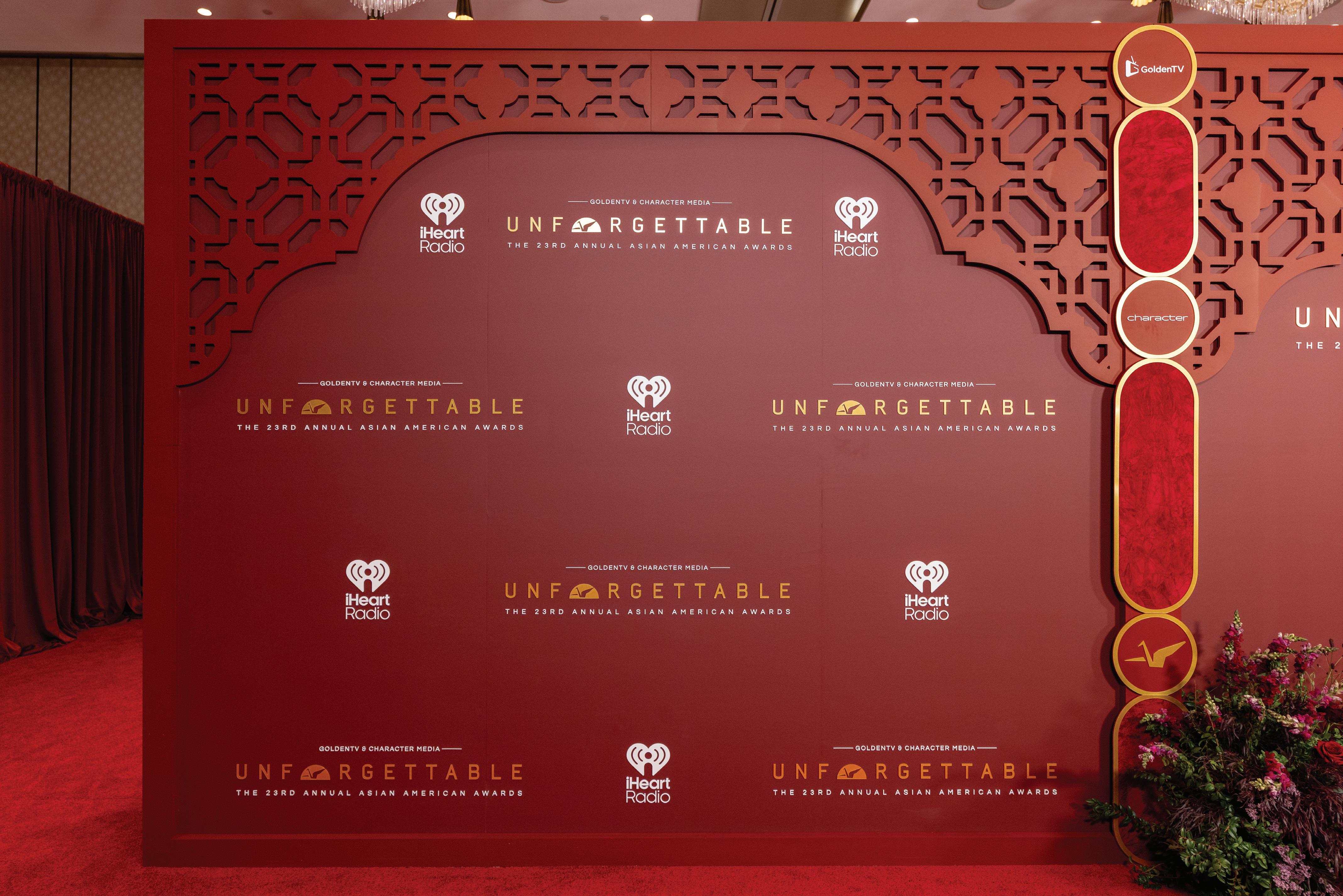
Designed for the Unforgettable Awards , this custom red carpet environment transforms arrival into experience.
For couples, clients, and creatives across Southern California and beyond.
We’re award-winning, creatively uncompromising, and known for crushing the boundaries.
We’re here for those who crave something unexpected. Who believe in style with substance. And who know that done right, the details make all the difference.