



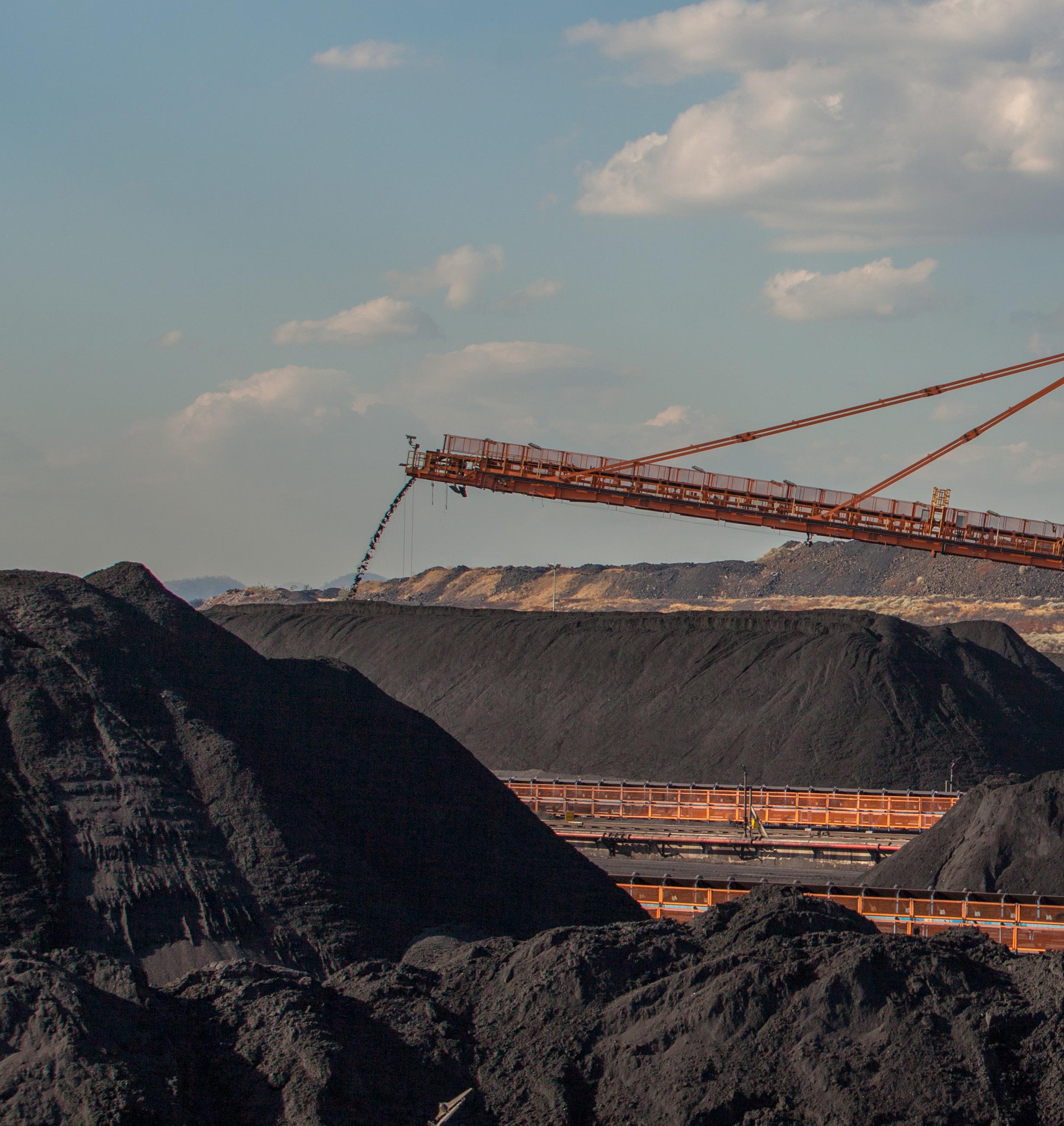
Despite 2025 being a demanding year for the global coal industry – with both coking and thermal coal prices under pressure – for Vulcan Mozambique (Vulcan), it was a year of strategic progress.
Since we last spoke in 2024, Vulcan’s activities have progressed as the company capitalised on the recent downturn to sharpen efficiency, accelerate technology adoption, and deepen its commitment to responsible growth.
As a result, Vulcan was able to increase its exports and further strengthen its position as the world’s largest integrated pit-to-port coking coal operation, with run-ofmine (ROM) production capacity now exceeding 42 million tonnes per annum (Mtpa).
The company has also advanced a new operating model built around resource efficiency and the circular economy, guided by ‘the six R’s’; reduce, reuse, recycle, recover,
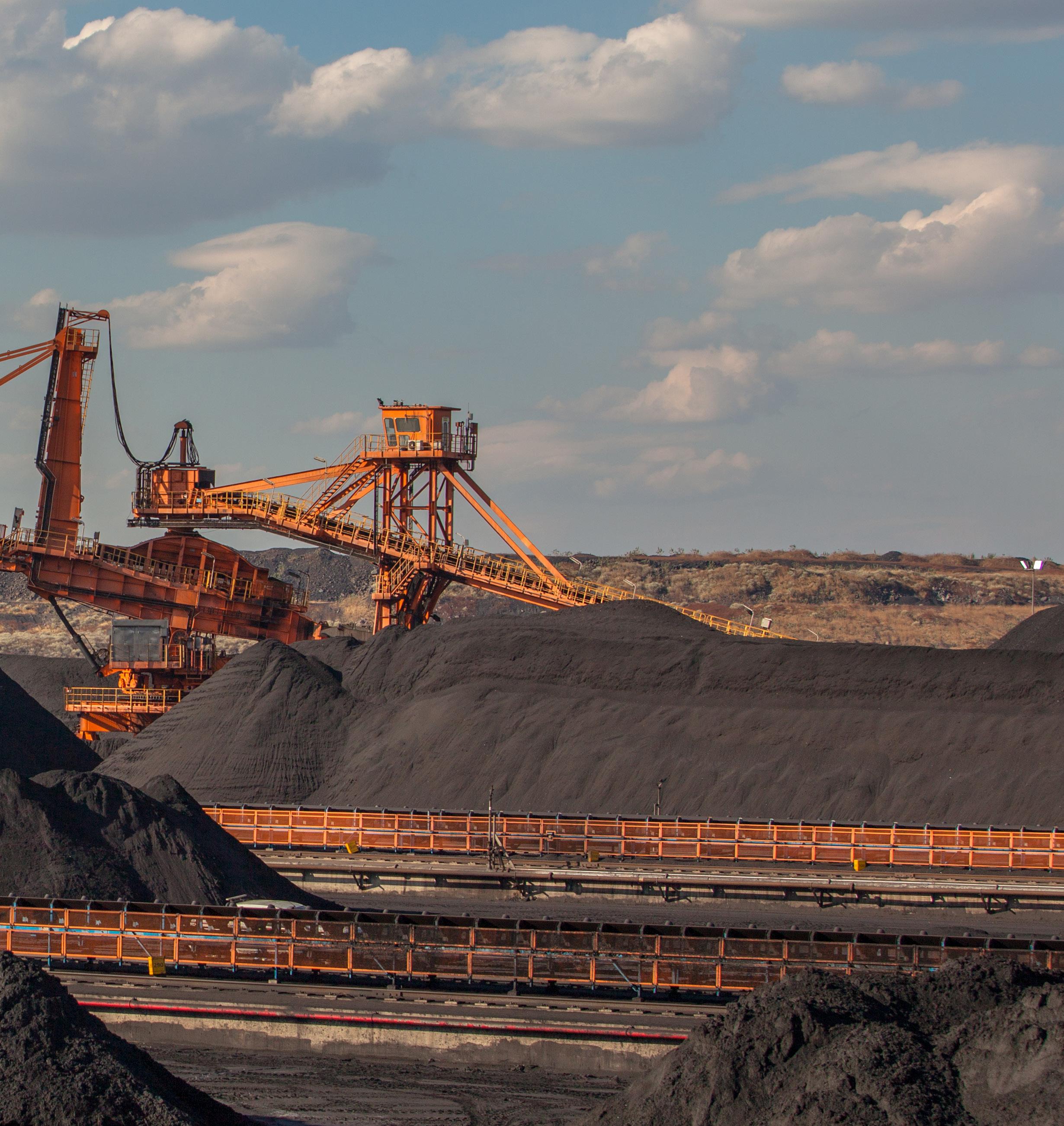
On a mission to be the world’s leading integrated green coal mining operation, Vulcan Mozambique continues to drive the country’s mining space. A year since we last spoke to the business, we catch up with Dr Mukesh Kumar, CEO, who reflects on the company’s ambition to provide efficient logistics solutions, strengthen regional energy security, and improve connectivity
Writer: Lily Sawyer | Project Manager: Josh Whiteside redesign, and remanufacture.
“This is how we translate our commitment to zero discharge, zero waste, and zero harm into practical action,” introduces Dr Mukesh Kumar, CEO.
Amongst Vulcan’s most important milestones in the past year was strong progress on its first 300-megawatt (MW) waste-to-energy project, which will consume more than 1.5 million tonnes (t) of rejects annually.
In parallel, the company advanced Section 3 – one of the distinct operational or concession blocks within the massive Moatize Coal Mine in the Tete province, Mozambique –which is expected to become Africa’s first fully electric mine.
In this context, the company is also progressing its broader transition from diesel-based transportation to electrified operations, reducing fuel dependency, lowering emissions, and improving long-term resilience.
“Our ambition is clear – to remain a leader in mining and processing, provide efficient logistics solutions, strengthen regional energy security, and improve connectivity across Southern Africa,” Kumar asserts.
As Mozambique’s maturing mining sector enters a strategic phase, it is seeing more than just growth in its output – greater expectations, higher regulation standards, and stronger local content requirements can also be felt.
Such developments are accompanied by a national push to capture more value in-country rather than simply exporting raw materials.
This has created major opportunities for companies willing to invest in the long-term, build local capability, and partner seriously with government and communities.
“At Vulcan, we believe Mozambique has the potential to become one of Africa’s most compelling mining and industrial growth stories,” Kumar
He believes the government’s efforts to make the investment framework more competitive and investor-friendly send the right signal to the market.
As these reforms continue to take effect, Kumar expects Mozambique to attract increasing attention from serious global investors looking for scale, stability, and long-term potential.
Having refreshed its stance on electrification since we last spoke to the company, he outlines how Vulcan’s decision was rooted in both
environmentalism and operationality.
“For us, the environmental and operational case go hand in hand. Our operations generate large volumes of rejects because steelmakers require low-ash coking coal, and historically, that material created both a waste burden and long-term liability,” he details.
Vulcan chose to turn that challenge into an opportunity by converting rejects into power and using this to create strategic value in its mining and transportation activities.
As the largest mining company in Mozambique, how important is local employment to Vulcan?
Dr Mukesh Kumar, CEO: “At Vulcan, local employment is not a tick box – it is central to how we create value in Mozambique.
“With around 20,000 people working across our operations and 97 percent of them Mozambican nationals, we are proud to be the country’s largest private employer.
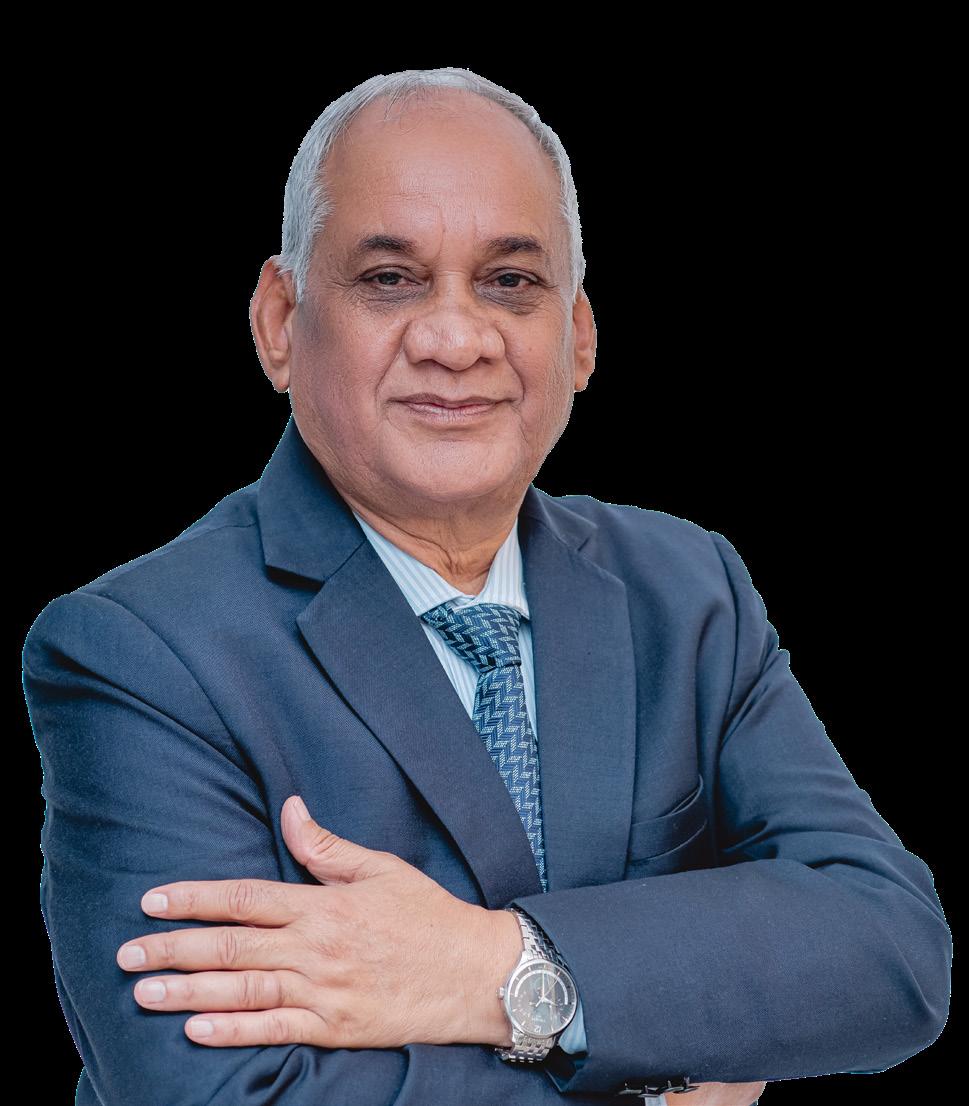
“Today, 83 percent of our managers are Mozambican, which reflects our long-term investment in local talent, leadership, and decision-making.
“Our impact goes far beyond jobs. Along the Nacala corridor, we have provided school meals to more than 51,000 children across 32 schools and supported over 17,300 families through agricultural programmes.
“In healthcare, we are upgrading the Moatize District Hospital project into a fully equipped district hospital that will serve more than 345,000 people. We are also strengthening the wider mining ecosystem by purchasing run-ofmine coal from local operators for processing, directly supporting more than 500 additional jobs in Tete province.
“For us, development is not separate from the business – it is built into the way we operate, invest, and grow.
“We have also developed a model resettlement and rehabilitation township covering approximately 800 hectares for around 200 families, with modern schools, healthcare facilities, a market complex, playgrounds, administrative buildings, places of worship, potable tap water, and electricity.
“It reflects our commitment to dignified rehabilitation and inclusive growth.”
“AT VULCAN, WE BELIEVE MOZAMBIQUE HAS THE POTENTIAL TO BECOME ONE OF AFRICA’S MOST COMPELLING MINING AND INDUSTRIAL GROWTH STORIES”
–
DR MUKESH KUMAR, CEO, VULCAN MOZAMBIQUE
As such, for Vulcan, electrification is not only about lowering emissions – it’s a major business decision that reduces reliance on imported diesel, lowers exposure to oil-price volatility, strengthens its long-term cost base, and improves operating resilience.
At the same time, electrification supports the company’s wider carbon reduction agenda and responds to the rising expectations of customers and investors when it comes to cleaner and more efficient production.
STRATEGIC ASSET
Having established Africa’s first Coal
Research Centre (CRC) in Moatize, the centre is a strategic asset for Vulcan that helps it to maintain quality, optimise resources, and create greater value from regional coal deposits.
The CRC is equipped with unique facilities such as pilot oven capabilities and advanced laboratories that are normally found only in major steelmaking environments.
“Mozambique’s coal has distinct characteristics compared to coal from Australia, China, or the US, so continuous work on washability, blending, and product validation is essential,” Kumar observes.
More importantly, the centre is an important national knowledge platform for Mozambique’s mining sector and helps Vulcan to train Mozambican engineers and scientists for the field.
Through the CRC, the company is also able to collaborate with universities, support smaller operators, and build a centre of excellence that benefits the wider industry.
“In our view, knowledge infrastructure is just as important as physical infrastructure in building a sustainable mining economy,” he adds.
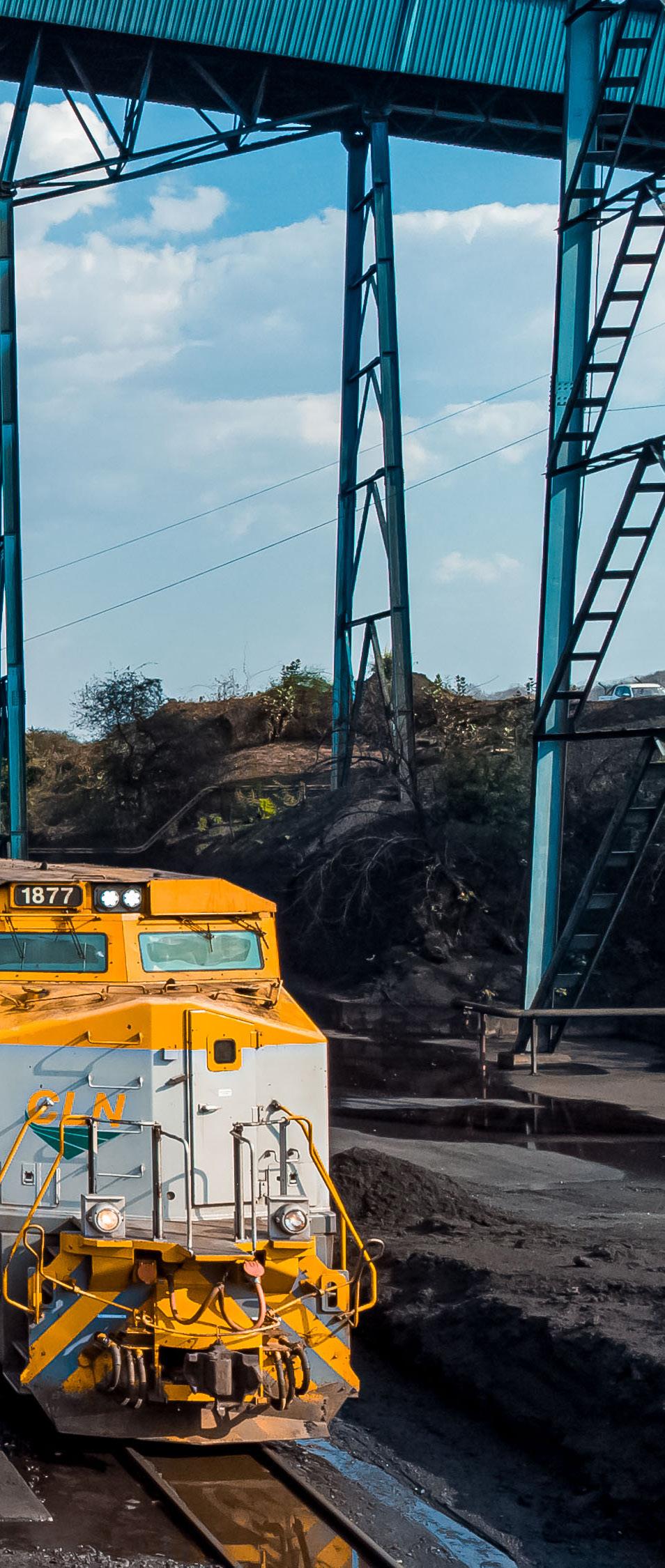
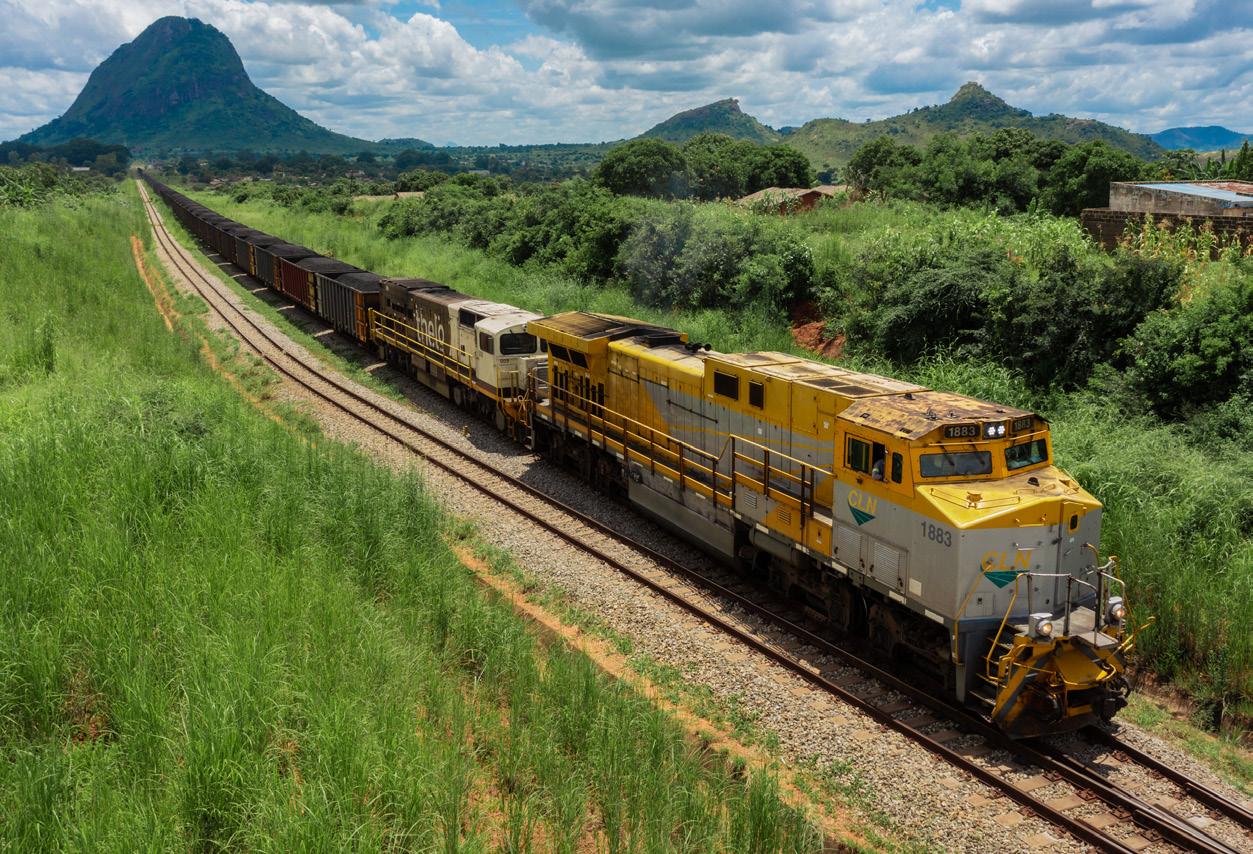
Elsewhere, Vulcan is looking to expand the rail side of the business, with Nacala Logistics (Nacala) – the company’s dedicated transportation and supply chain subsidiary –emerging as a platform for regional integration, not just a transport corridor.
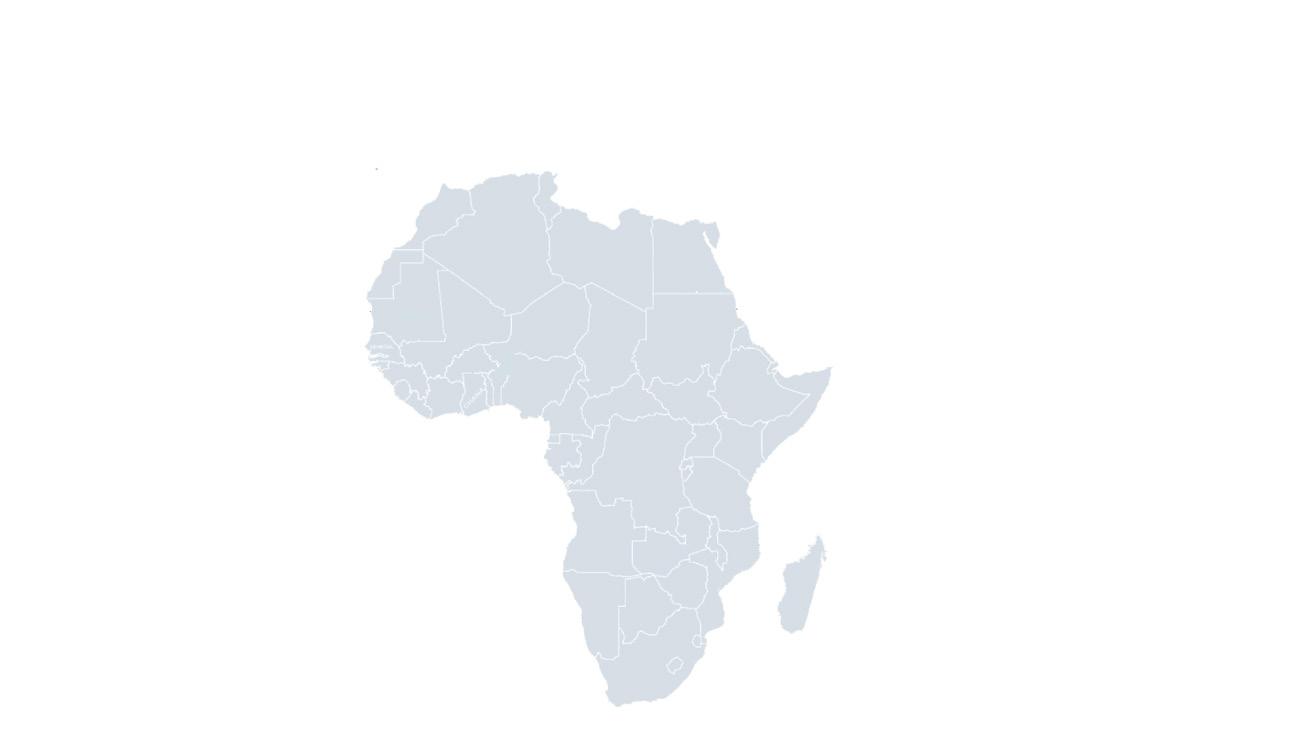



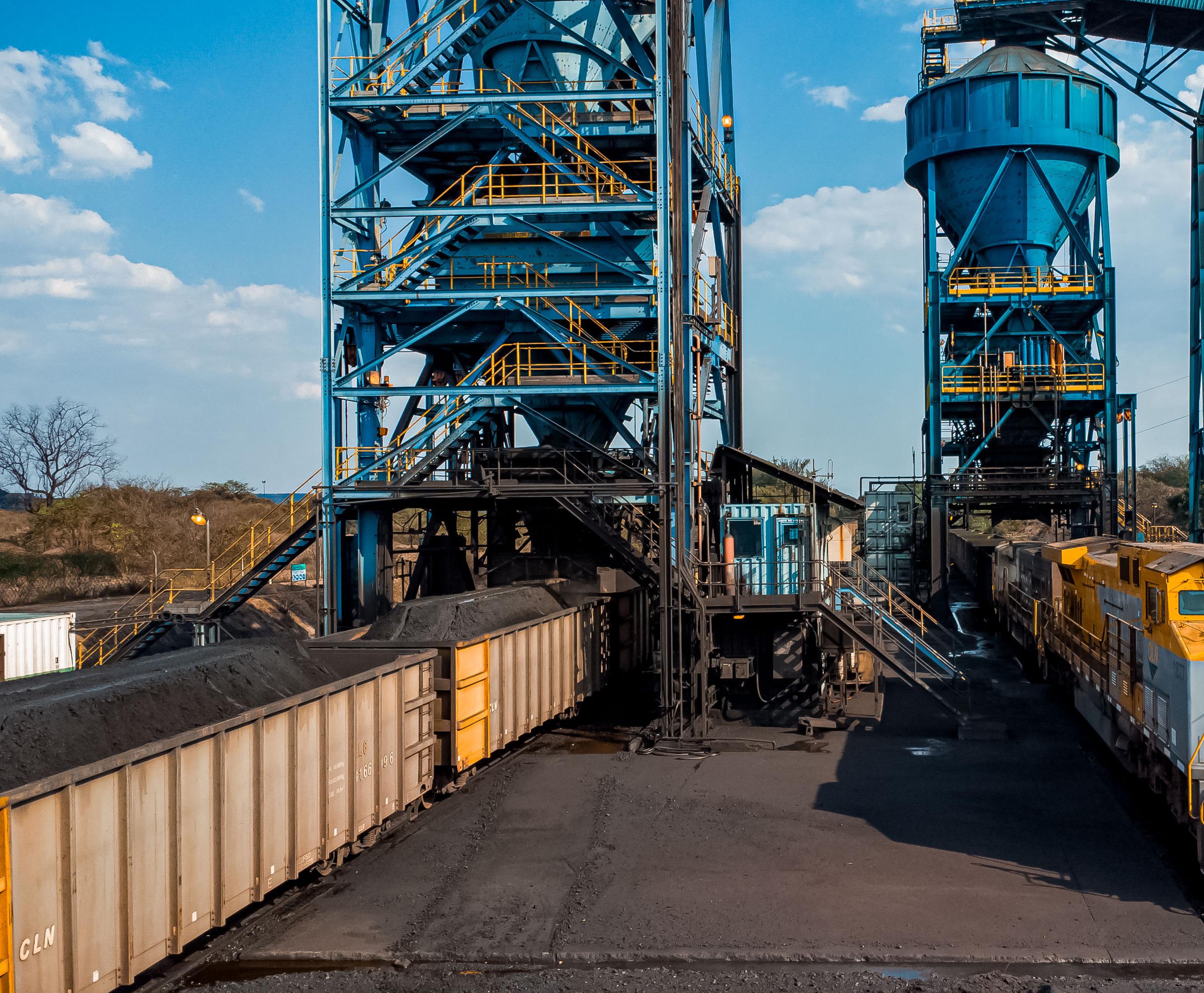
Connecting Mozambique, Malawi, and Zambia into a single export route, Nacala’s system strengthens access to global markets and reduces logistics costs around the region.
“We continue to invest in capacity and efficiency, including rolling stock, crossing yards, and operational systems, to increase throughput along the corridor,” Kumar outlines.
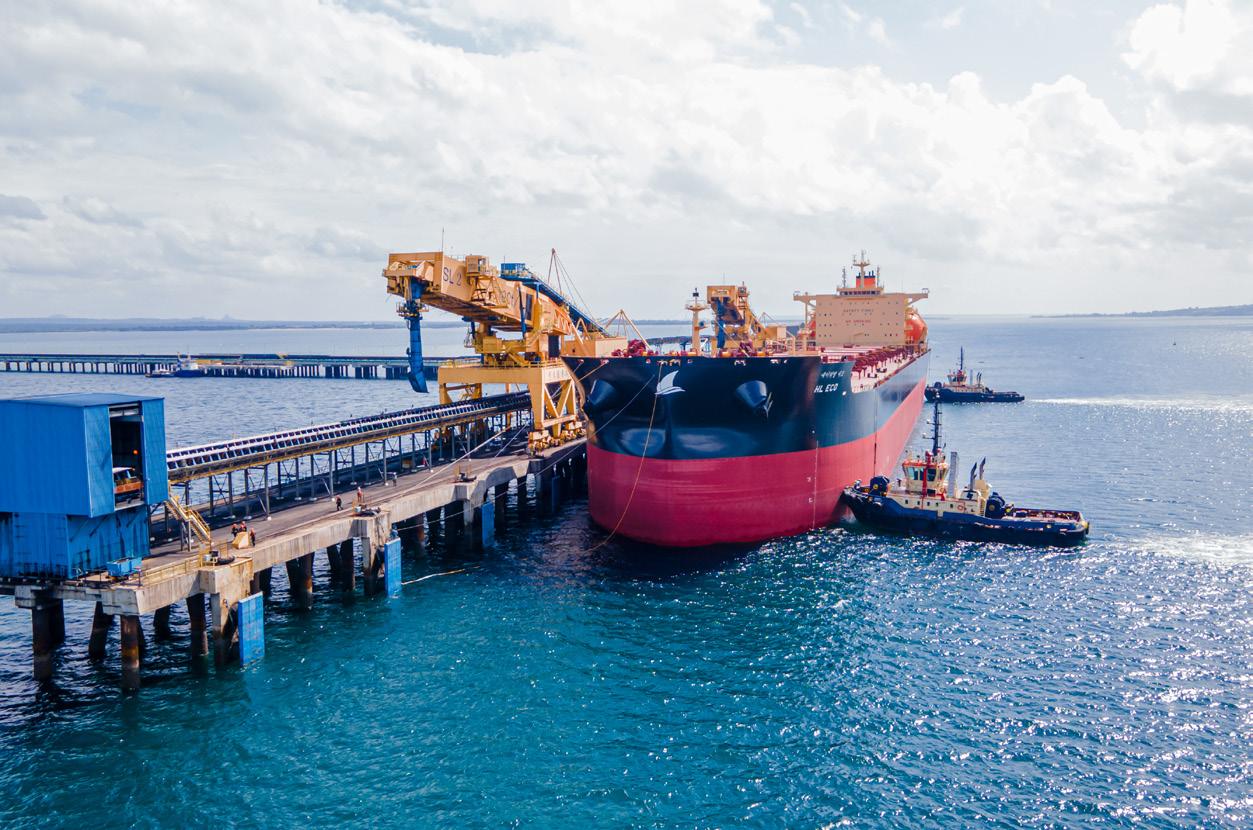
At the route’s ports, Nacala benefits from a natural deep-water harbour with no draft restrictions, capable of
accommodating any vessel class in the world.
“Our ambition is to ensure rail capacity matches that port potential. Rail is not a support function at Vulcan; it is a strategic asset,” he emphasises.
As such, through closer coordination with rail and port partners, Vulcan is improving reliability, harmonising operations, and building a more integrated system from mine to vessel that
supports long-term regional competitiveness.
When it comes to significant projects, there are various ongoing that are anticipated to define the next chapter of Vulcan’s growth.
The most innovative is the company’s 300 MW waste-to-energy plant in Tete, which will convert coal rejects currently treated as waste into electricity.
“It is a powerful circular-economy solution addressing a waste challenge whilst also helping respond to Mozambique’s chronic power deficit,” Kumar highlights.
The project represents an investment of approximately USD$300 million and is expected to create more than 2,000 jobs during construction.
Vulcan’s long-term vision is to scale this platform to 1,500 MW, positioning Tete as a regional energy hub.
In addition, the company’s Green
Cement Plant is a flagship circular economy project that converts fly ash from power operations into geopolymer cement.
“The plant enables us to eliminate industrial waste and produce a high-demand construction material without relying on limestone,” he explains.
The Moatize District Hospital project is equally important as it addresses Vulcan’s commitment to the community.
“Mining companies are often judged by what they extract; I want Vulcan to be judged by what we leave behind. A district hospital serving more than 345,000 people is the kind of legacy that matters,” Kumar prides.
Vulcan also plans to invest close to USD$1 billion in its electrification programme, including the conversion of nearly 1,000 kilometres of rail logistics to electric systems through dedicated high-tension transmission lines and substations.
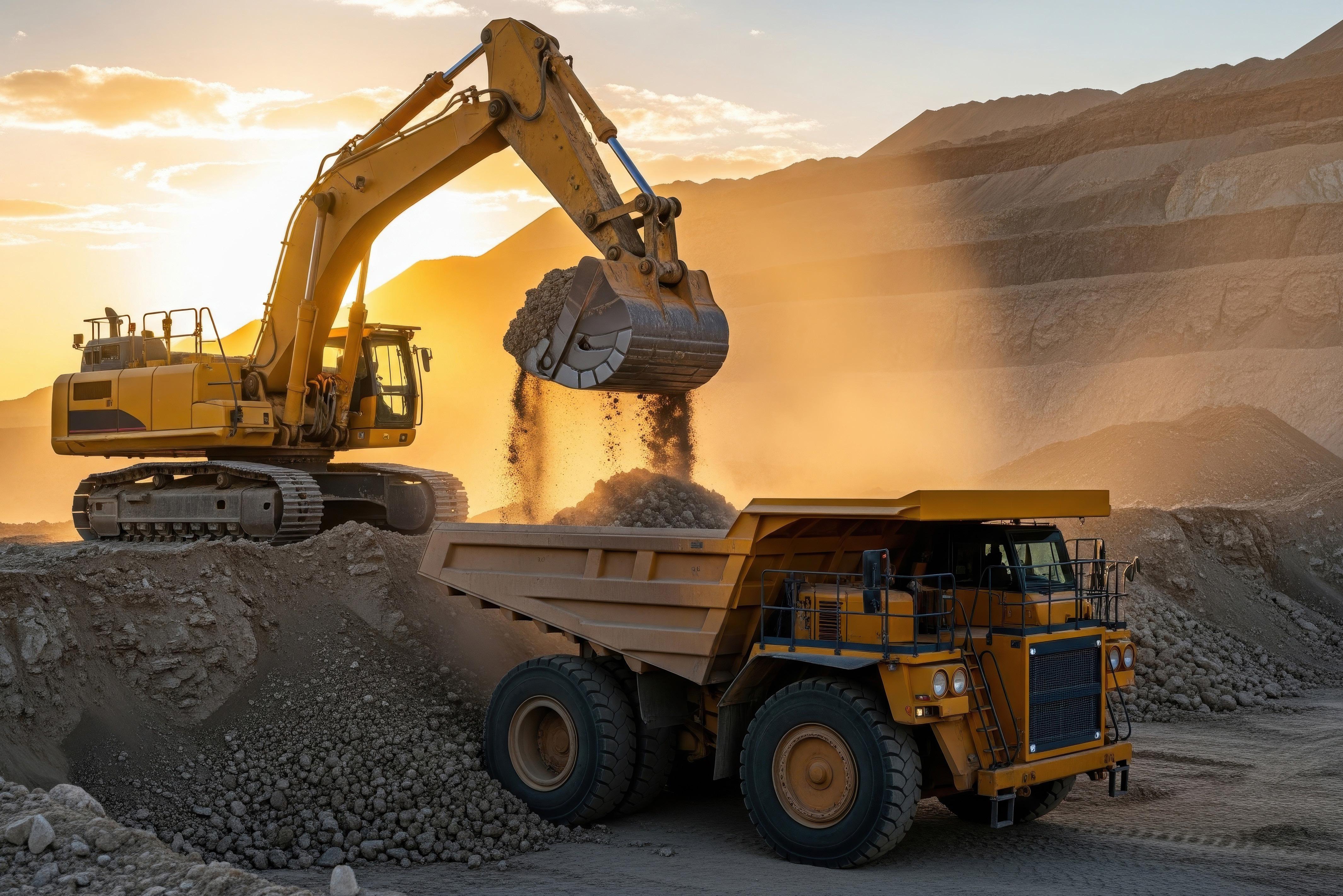

MIIC Invest LDA is a Mozambique-based company operating in Tete Province, supporting mining, heavy equipment, industrial, and operational projects. The company recruits skilled professionals including dump truck operators, mechanics, accountants, and multilingual translators to support large-scale industrial and mining-related operations.
“In parallel, we are investing heavily in new mining pits to extend our production horizon and in Nacala port infrastructure to further increase export capacity,” he points out.
Together, these projects are designed to reshape Vulcan’s cost base, strengthen competitiveness, and support Mozambique’s wider industrial development.
Last time we spoke, Kumar highlighted the establishment of a robust environmental recovery plan, the Degraded Areas Recovery Programme, which aims to recover mined areas and restore natural ecosystems.
“WE OPERATE AS CUSTODIANS OF THE LAND AND AIM TO LEAVE IT IN BETTER CONDITION THAN WE FOUND IT”
– DR MUKESH KUMAR, CEO, VULCAN MOZAMBIQUE
Today, the programme is progressing as planned, with the company starting rehabilitation as soon as each pit section is exhausted as opposed to at the end of mine life.
“We re-profile land, replace topsoil, and restore vegetation using native species suited to the Tete biome,” Kumar says.
Vulcan is also strengthening tailings and reject management procedures, and, once operational, will eliminate
future tailings from wash plant rejects via its waste-to-energy project.
Indeed, the company’s environmental framework includes eight active programmes covering areas such as water quality, air, biodiversity, and land rehabilitation.
“We manage these under ISO 14001, which requires continuous improvement, not minimum compliance,” he specifies.
Although rehabilitation at this scale is technically complex and results take time to mature, Vulcan remains focused on the long-term.
“We operate as custodians of the land and aim to leave it in better condition than we found it,” Kumar adds.
Vulcan’s efforts have not gone unnoticed as the company was voted Mozambique’s Best Mining Company at the Mozambique Mining and Energy Conference (MMEC) last year.
“Recognition from MMEC matters because it comes from those who understand this industry best, including government, regulators, peers, and civil society,” he reflects.
Kumar goes on to point out how the acknowledgement reflects how the company operates – not just what it produces.
Vulcan’s continuous recognition as one of Mozambique’s largest exporters at Feira Internacional de Maputo (FACIM) – Mozambique’s largest annual, multisectoral trade and investment event – reinforces that view.
Kumar is also keen to highlight how awards are backwards-looking, and that Vulcan’s focus today is on what comes next.
“The standards we set today in safety, environment, localisation, and community impact will determine whether that recognition is still earned in five years. We do not take it for granted.”
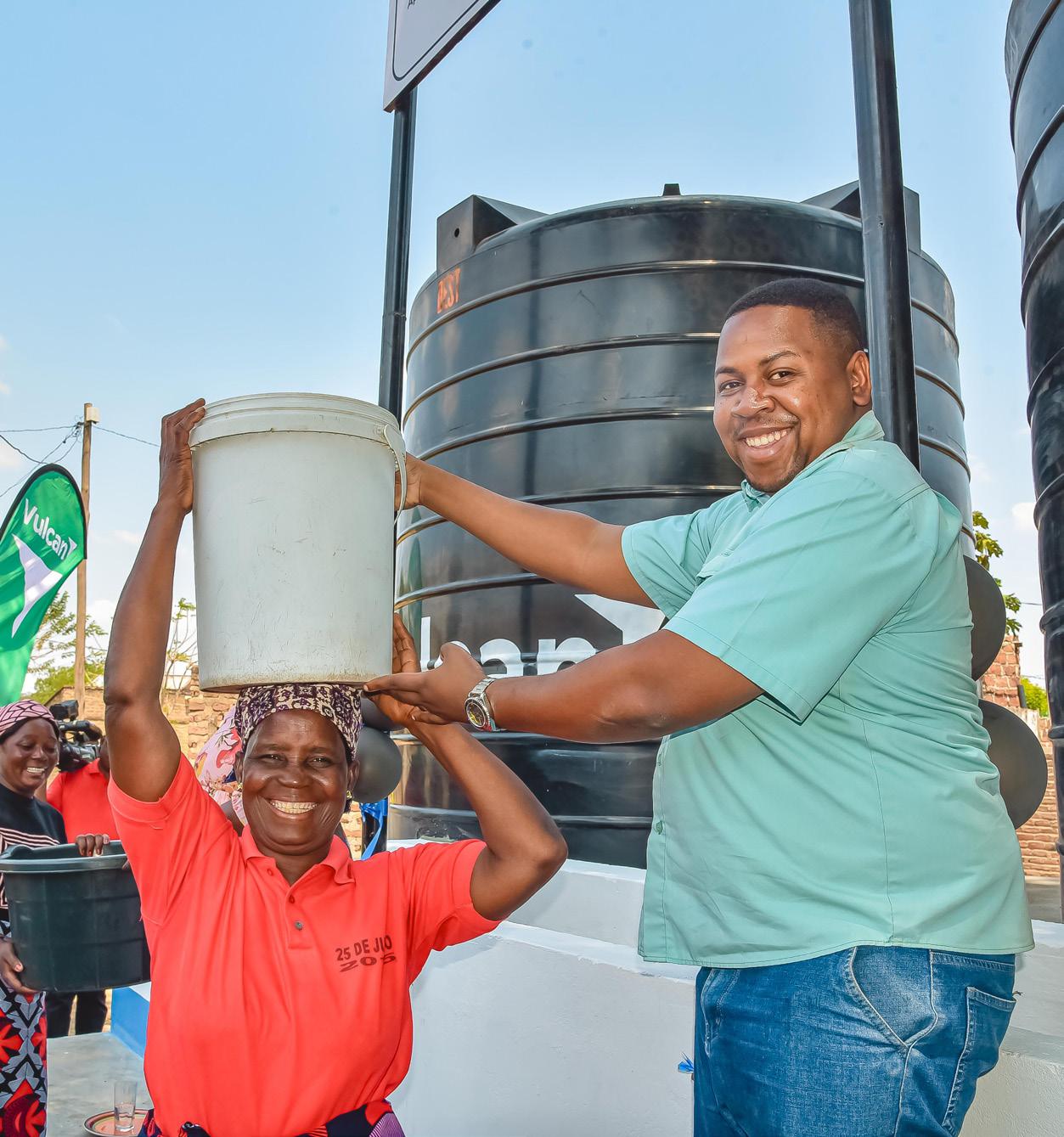
A specific example of Vulcan’s deeprooted dedication to the communities it operates in is its recent work to strengthen water supplies in Moatize, which expanded access to water for more than 70,000 people.
Through the project, the company took a decisive step to improve quality of life for the population of Moatize.
Contributing three new potable water supply systems, Vulcan officially inaugurated the systems in a
For Vulcan, responsible mining means creating economic value whilst protecting people, ecosystems, and future generations.
It is ultimately about earning and retaining the company’s social licence to operate through the way it works every day – not through slogans, but through hard work.
In 2025, Vulcan achieved simultaneous certification of ISO 9001, ISO 14001, and ISO 45001 for quality, environmental management, and health and safety respectively.
“These certifications are not symbolic; they define the operating discipline of our business,” Kumar asserts.
In addition, Vulcan actively runs eight environmental programmes to address air quality, water resources, biodiversity, waste management, noise and vibration, and land rehabilitation.
Safety, meanwhile, sits at the centre of every operation, and the company’s overall goal is zero harm.
“We focus strongly on leading indicators so that risks are managed before incidents occur,” he assures us.
In addition, Vulcan’s innovation culture has also been recognised externally, with the company having won first place in the African Kaizen Award (AKA) and being nominated for the Global KAIZEN™ Award.
“That recognition reflects a business culture that is disciplined, innovationdriven, and uncompromising on quality, safety, and community commitment.”
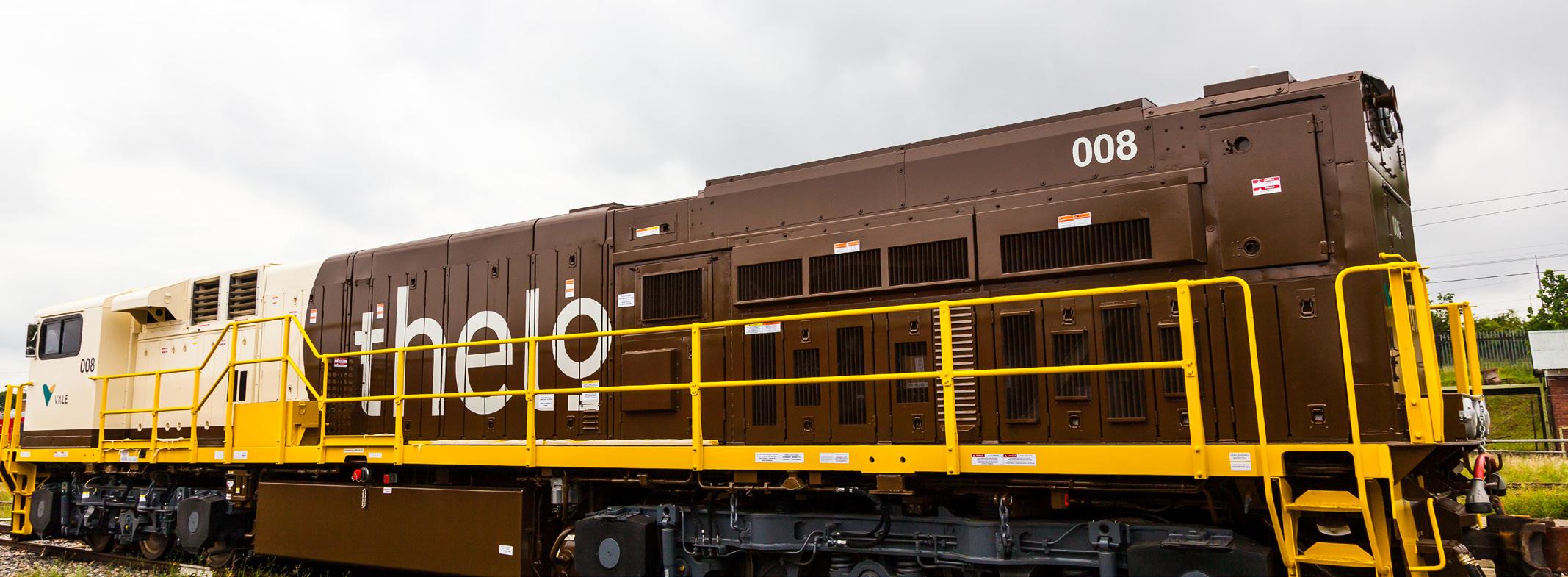
At Thelo Group (Thelo), we are not just part of Africa’s infrastructure story but active architects shaping its future. With the rise of Africa’s rail renaissance, we take pride in leveraging our experience, partnerships, and comprehensive infrastructure solutions to efficiently transport freight and promote regional integration.
Our strategic partnerships offer us world-class technical and financial expertise, along with innovative solutions. With a bold vision for Africa and a strong record of execution, Thelo is shaping the future of rail infrastructure across the continent.
Our business is designed to address the entire rail value chain. Our service offering includes:
• Customised locomotive and wagon leasing solutions
• Railway corridor infrastructure development
• Rail operations and management (infrastructure and trains)
By combining these features, we provide our clients with comprehensive solutions, from asset supply to corridor management, guaranteeing smooth and efficient freight movement throughout the process.
We recognise that obtaining reliable locomotives and wagons is a significant challenge in Africa’s rail industry. Through Thelo Rolling Stock Leasing, our solid partnerships with original equipment manufacturers (OEMs) enable us to offer competitive leasing solutions that include after-sales maintenance and spare parts support. This approach helps prolong and safeguard the lifespan of the rolling stock. By doing this, we guarantee that rail operators have the necessary equipment to deliver a consistent and efficient service.
Through Thelo Infrastructure Development, we lead rail and logistics initiatives across various jurisdictions. We close early funding gaps and prepare projects for investment by reducing risks and enhancing bankability. We support these projects throughout the full development process, from preparation and implementation to operations and maintenance.
We consider this essential for building modern, sustainable railway systems that support industrial growth, facilitate trade, and improve regional connectivity.

Infrastructure alone is not enough; it must be operational. Thelo Operations handles the delivery of long-term concessions, manages infrastructure operations, operates trains, and ensures comprehensive service across key corridors. This strategy improves the ability to activate infrastructure and provide train and infrastructure services throughout Africa.
Alongside infrastructure development and rolling stock activities, this initiative enables Thelo Group to deliver a complete, end-to-end transportation solution for freight owners. Thelo has partnered with reputable international technical experts in this field.
Partnerships are central to our strategy. By working with key global technical partners, including Deutsche Bahn (DB), we combine international best practices with African implementation. This enables us to offer superior technical expertise and innovative solutions.
Thelo’s project footprint facilitates the development and connection of major rail corridors, boosting cross-border trade and opening new economic opportunities across regions. By improving the flow of goods, lowering trade barriers, and reinforcing intra-African supply chains, we support the goals of the African Continental Free Trade Area (AfCFTA).
Our portfolio includes completed and ongoing projects across Africa’s major rail markets, highlighting our growth and commitment to regional integration and corridor development. From South Africa to Mozambique, Eswatini, Malawi, Tanzania, the Democratic Republic of the Congo, and Ghana, we play an active role in developing and connecting rail corridors that drive Africa’s trade and economic progress.
Thelo Group is strategically placed to spearhead the revitalisation and commercialisation of rail and logistics infrastructure across Africa. As we expand our presence in the capital equipment leasing sector, we continue to prioritise delivering optimised infrastructure development, rail transportation, and comprehensive logistics services to assist freight owners and operators.
By integrating commercial discipline with a development-focused approach, we develop solutions that are robust, sustainable, and deliver tangible economic benefits. This includes supporting trade, enhancing efficiency, and fostering growth in Africa’s key markets.

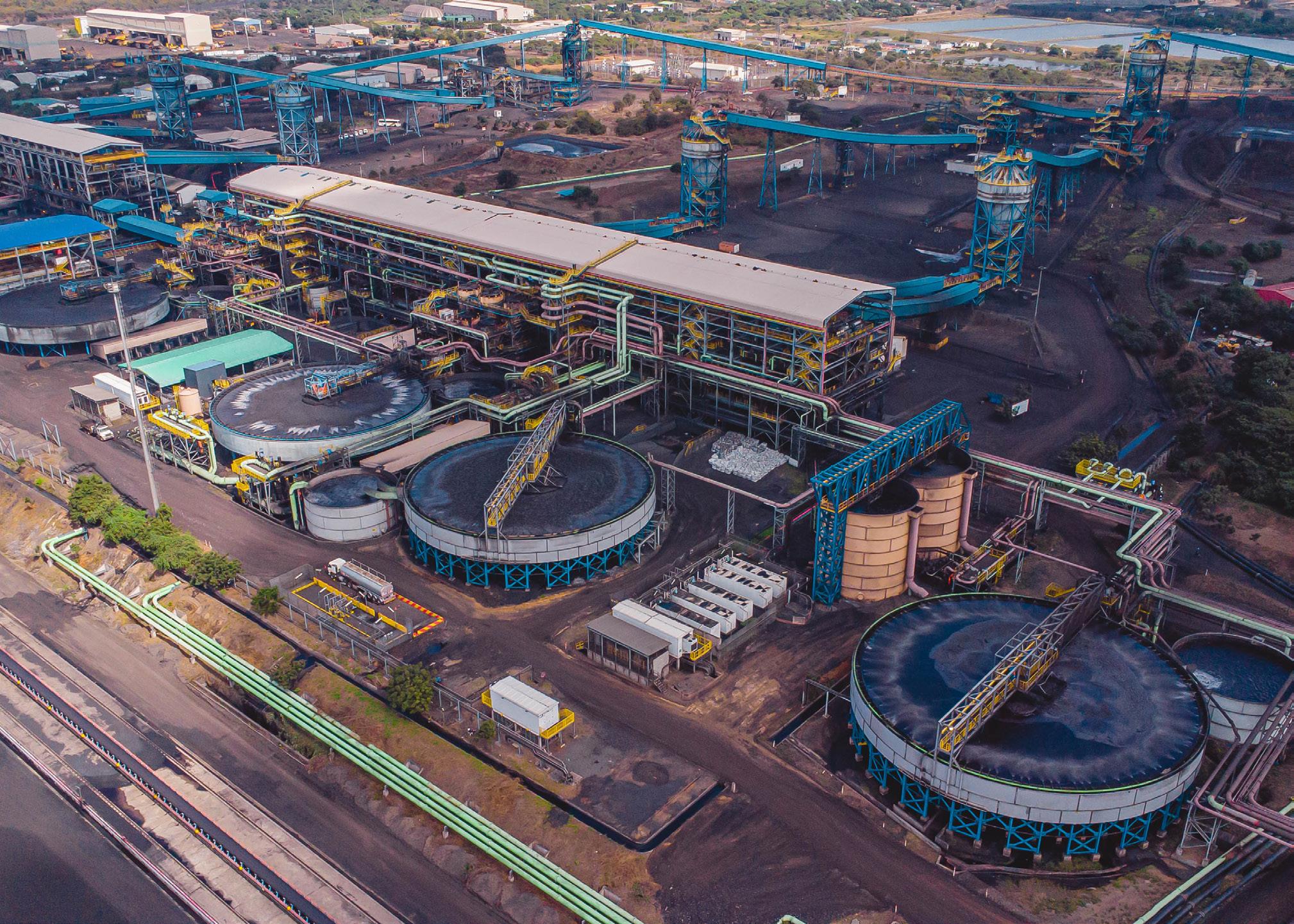
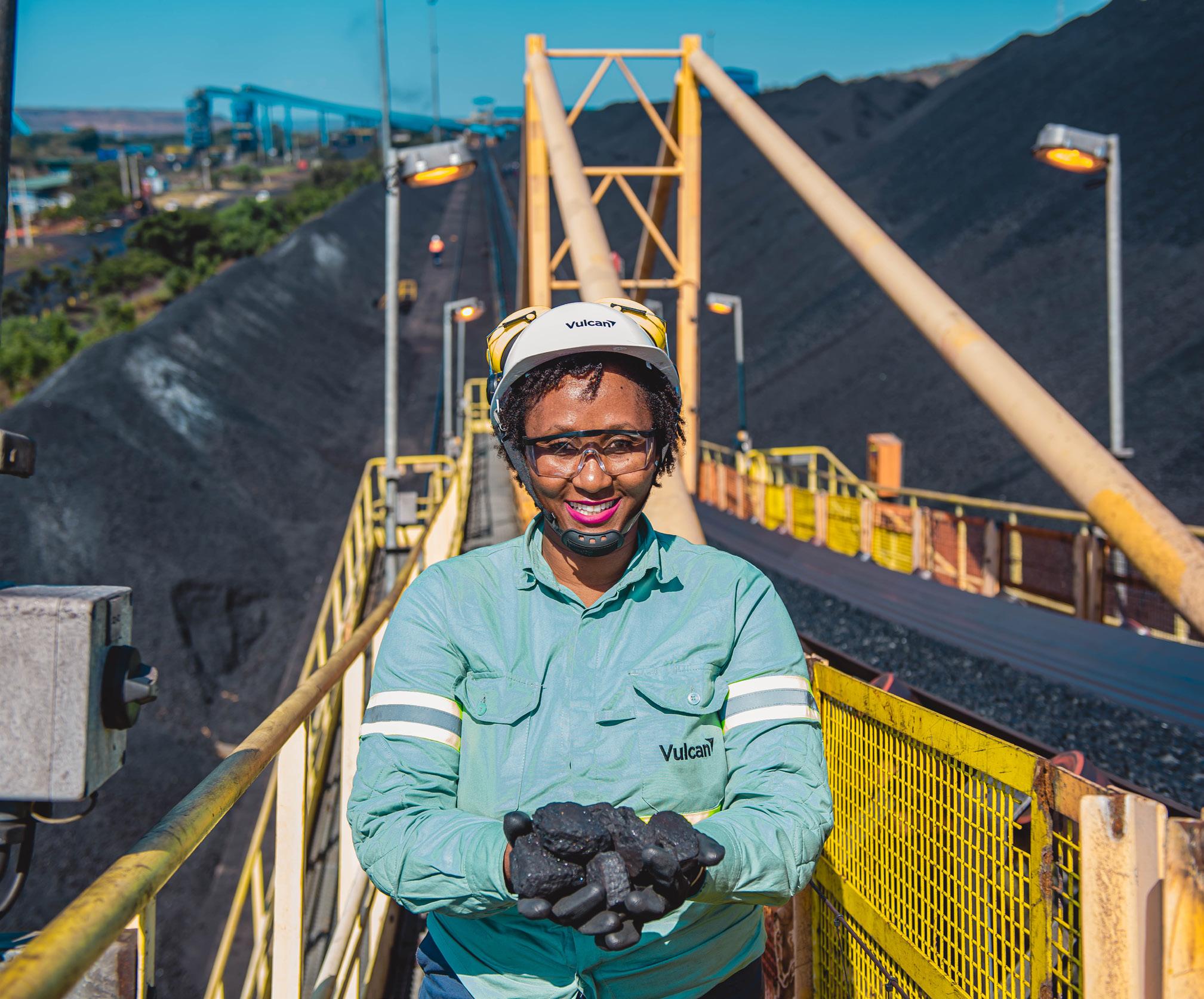
Vulcan boasts a raw coal processing capacity of 22 Mtpa. From this, it produces both metallurgical and thermal coal through its processing methods.
• Two coal plants each comprise four 1,000 t per hour (tph) modules, with a total capacity of 4,000 tph per plant.
• 60 percent of the water used is recycled out of the plant’s operations.
• 50 percent of the sprinkler systems are used to avoid particulate emissions
ceremony held in February led by the Governor of Tete Province, Domingos Juliasse Viola.
The initiative reinforces access to water as one of the company’s key pillars of social investment, promoting dignity, public health, and sustainable development.
Installed in the 25 de Setembro, Bagamoio, and 1.º de Maio
neighbourhoods, the systems are operated by submersible pumps powered by solar panels – a sustainable solution that ensures energy autonomy and continuous supply.
Each system has a storage capacity of 20,000 litres, enabling a continuous supply of water to thousands of residents.
The investment comes at a pertinent time in the region’s fight against waterborne diseases –particularly cholera. Infrastructure of this nature is contributing directly to improved public health and preventing outbreaks.
The installation of the pumps confirms the company’s commitment to expanding water supply solutions and ensuring access to safe water. This helps to reduce health risks, support education, stimulate economic activities, and improve family well-being.
The handover of the new systems
forms part of a broader Vulcan social investment programme in the water sector, which has already produced significant results in Moatize.
The installation of two additional industrial submersible pumps is currently underway, along with the extension of piping to the main Fundo de Investimento e Património do Abastecimento de Água (FIPAG) transmission line – the region’s primary municipal water pipeline.
This intervention will increase network supply capacity, benefit thousands of additional consumers, and reinforce Vulcan’s commitment to sustainable, long-term solutions for the development of Moatize.
Looking ahead, Vulcan’s ambition is to transform from the leading coking coal exporter into one of the world’s most responsible,

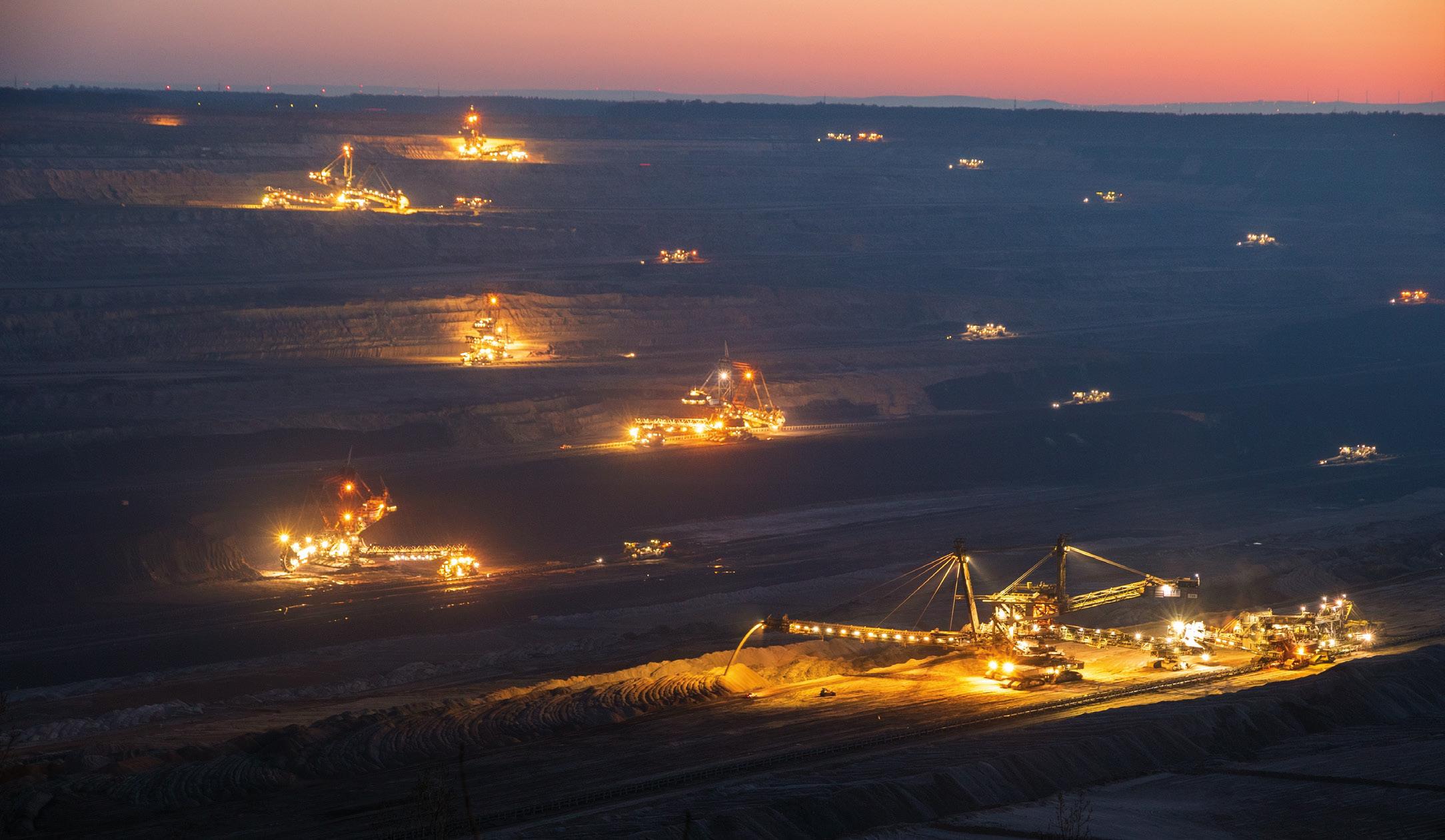
benchmarked, and diversified integrated resource companies operating in Southern Africa.
“This is more than a statement of intent – it is a clear strategic roadmap,” Kumar boldly states.
In the near term, the company is focused on commissioning the 300 MW waste-to-energy plant, advancing railway electrification, and expanding wash capacity to 24 mtpa of product coal.
In the medium term, Vulcan’s USD$1.2 to 1.4 billion infrastructure investment across the power and rail sectors will materially change both its cost structure and environmental profile.
“We are also investing in new pits and port capacity to extend corridor life and throughput,” he adds.
When it comes to its people, Vulcan is looking to maximise Mozambican representation in its leadership and significantly increase the number of women in operational
Phone: +918823974357 | Email: operation.ho@tyretechnocrats.com
Website: www.tyretechnocrats.com
Tyre Technocrats Limitada (TTL) is a comprehensive tyre management company based in Benga, along Estrada Nacional 7, Moatize District, Tete Province, Mozambique. Originally established in India, TTL has expanded its footprint into Southern Africa, with operations in Zambia since 2008 and continued growth across the region.
TTL provides a complete range of tyre management solutions, particularly for the mining sector, including both open-cast and underground operations. The company specialises in delivering high-performance, reliable, and cost-effective tyre services tailored to heavy-duty environments.
Core Services and Products:
• Total Tyre Management for open-cast and underground mining operations
• Tyre Sales across multiple categories, including OTR (Off-The-Road), PCR, TBR (Truck & Bus Radial), industrial, and agricultural tyres
• Tyre Repair Materials, such as patches, rubber compounds, and chemical repair solutions
• Tyre Management Tools, including tyre pressure gauges, tyre cages, bead breakers, O-rings, and various tyre valve systems
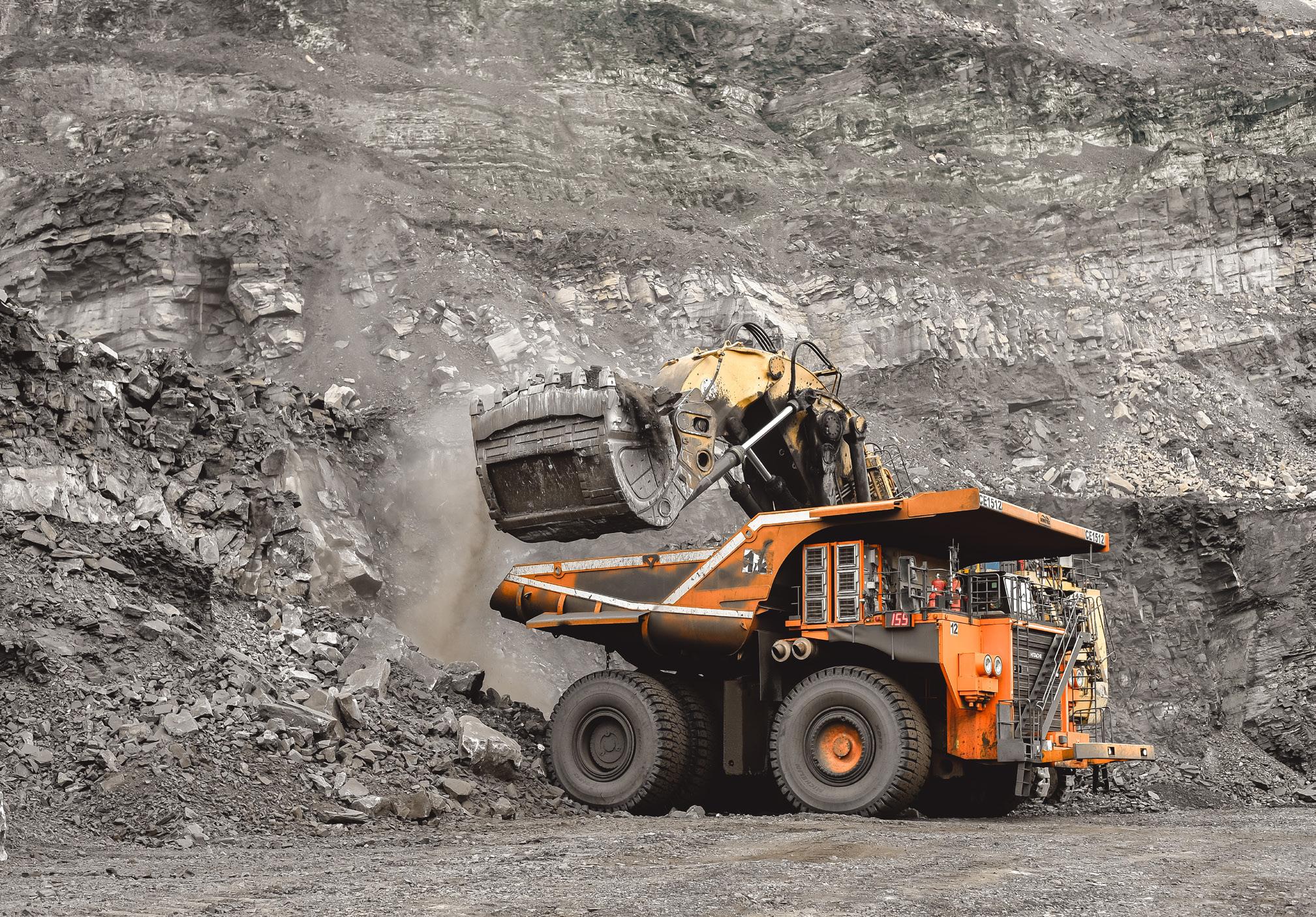
TTL currently holds service and tyre repair contracts for some of the largest tyres in the world, including operations at Vulcan Mozambique, one of the country’s major mining companies. The company has built a strong reputation for its world-class tyre repair quality.
Its tyre repair facility is certified by Monaflex, a globally recognised authority in tyre repair systems, reflecting TTL’s commitment to quality, safety, and industry standards.
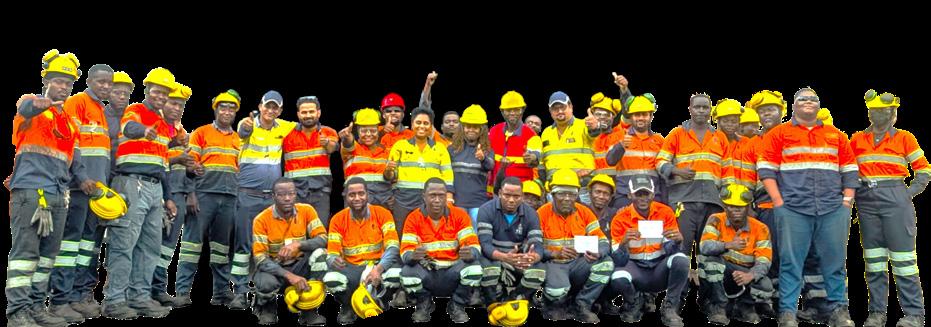
and supervisory roles.
On environmental, social, and governance (ESG) practices, the company is aligning its reporting with Global Reporting Initiative (GRI) standards and working towards science-based emissions reduction targets.
In short, Vulcan is living proof that mining investment in Africa can be done differently – it is not an enclave operation that extracts and leaves.
“We are an integrated, nationally anchored business that is helping build Mozambique’s industrial base, contributing to GDP, paying taxes, creating jobs, training talent, building hospitals, and investing in long-term infrastructure.”
Vulcan’s parent company, the Jindal Group – headed by Naveen Jindal – brings the long-term capital and technical depth needed to support that vision.
“I also think it is important to address the global coking coal
narrative directly. Too often, all coal is treated as if it were the same. It is not.
“Coking coal remains an essential input for steelmaking, and steel is fundamental to building hospitals, bridges, transport systems, and renewable energy infrastructure,” Kumar clarifies.
As such, until a commercially viable alternative exists at scale, responsible production of this resource is part of the solution.
“Our commitment is to produce coking coal as cleanly, efficiently, and responsibly as possible,” he passionately concludes.
Tel: +258 25 227618