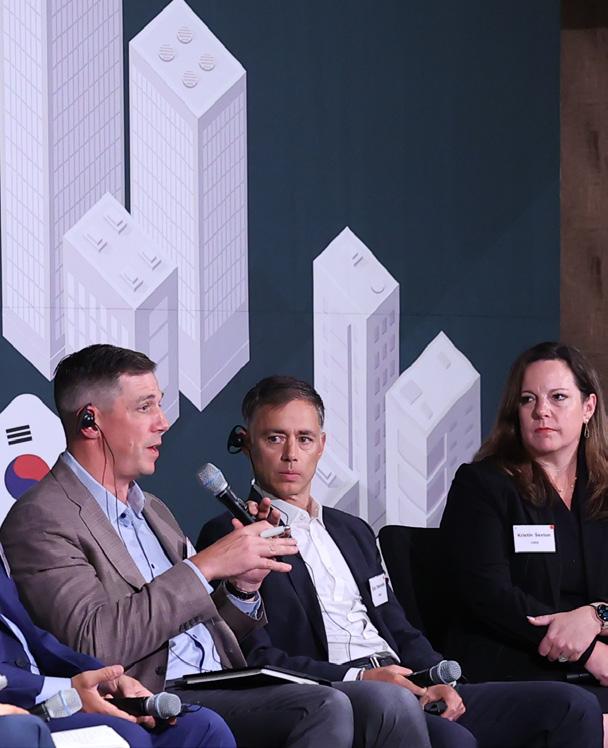
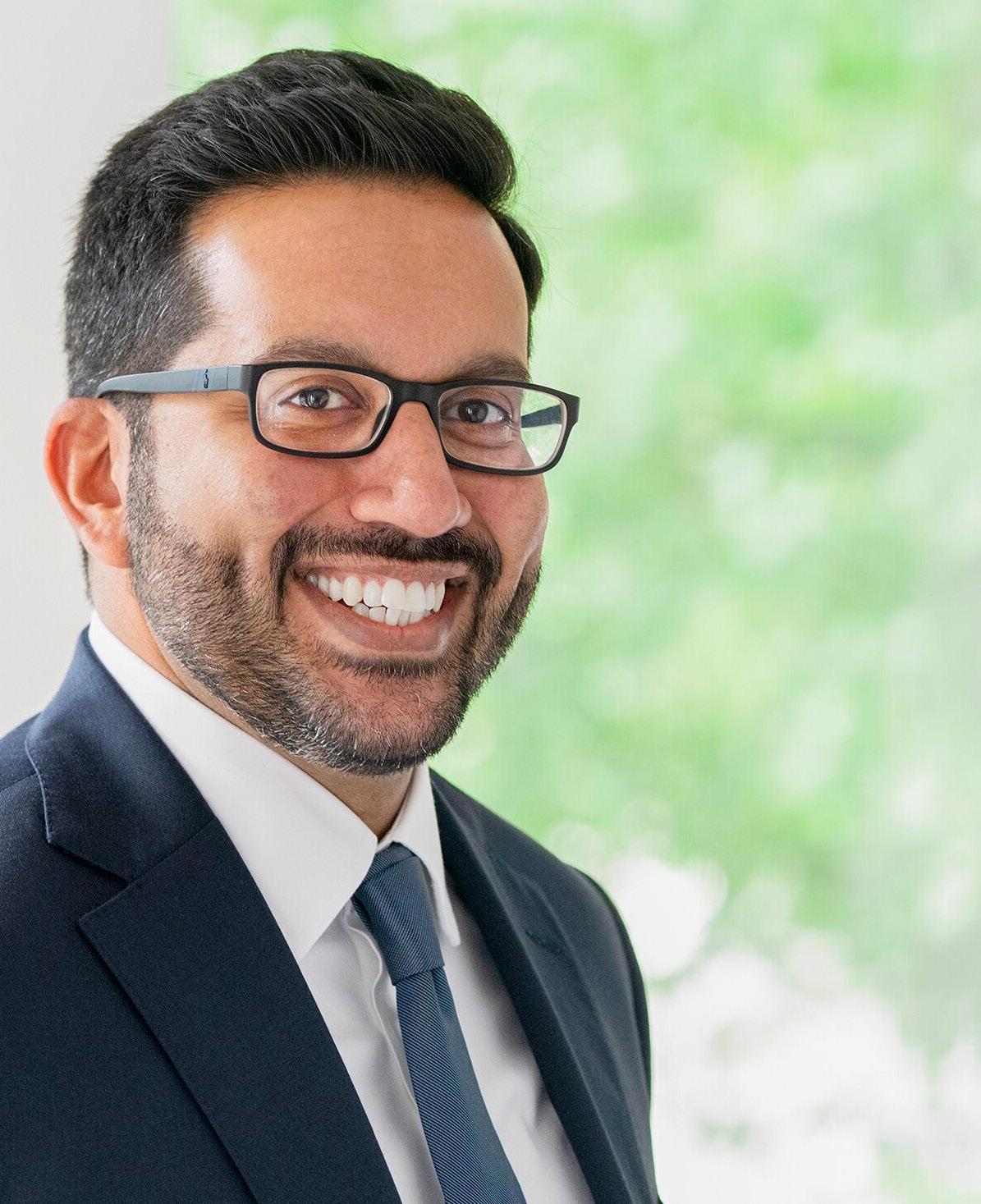
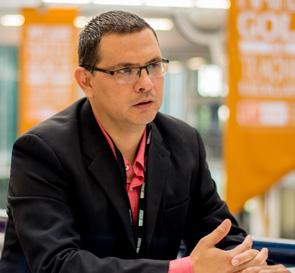
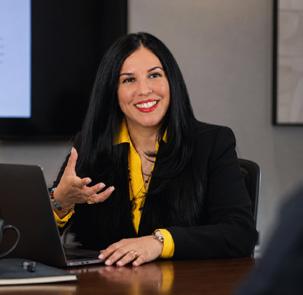
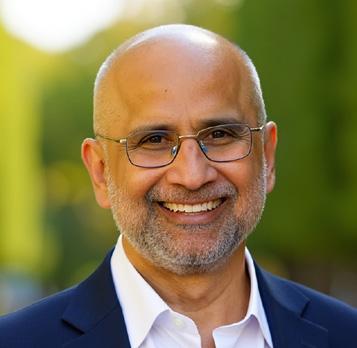
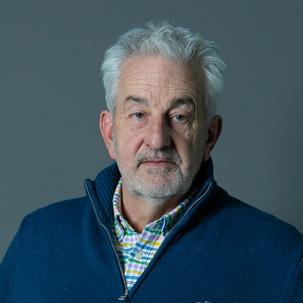
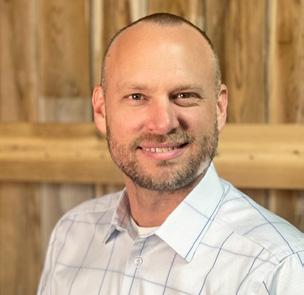
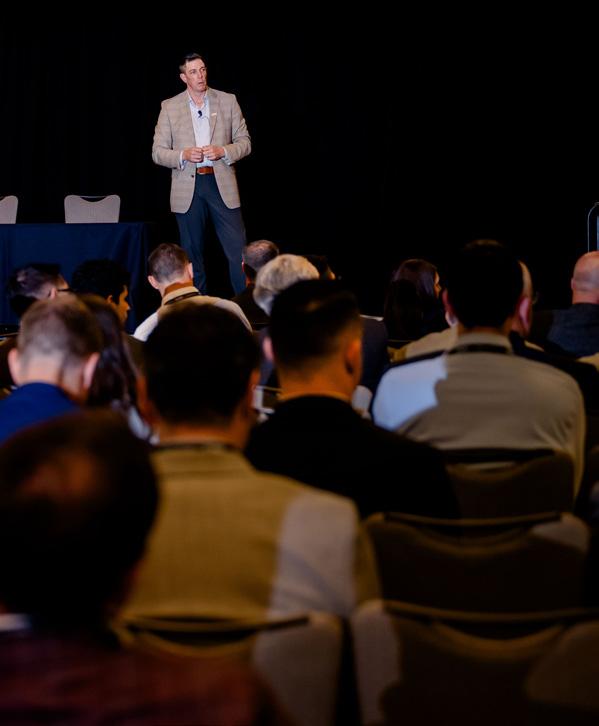
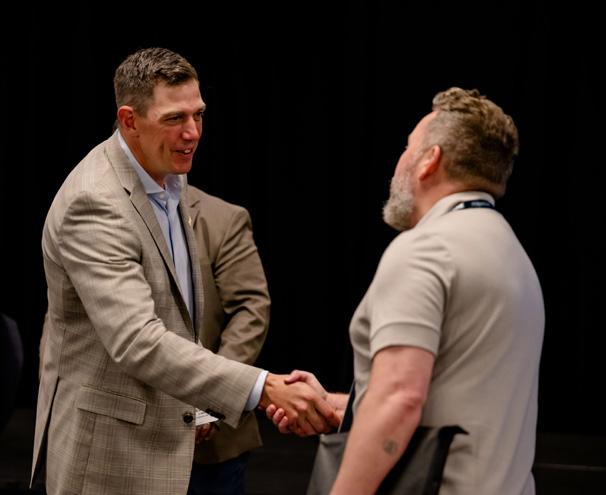
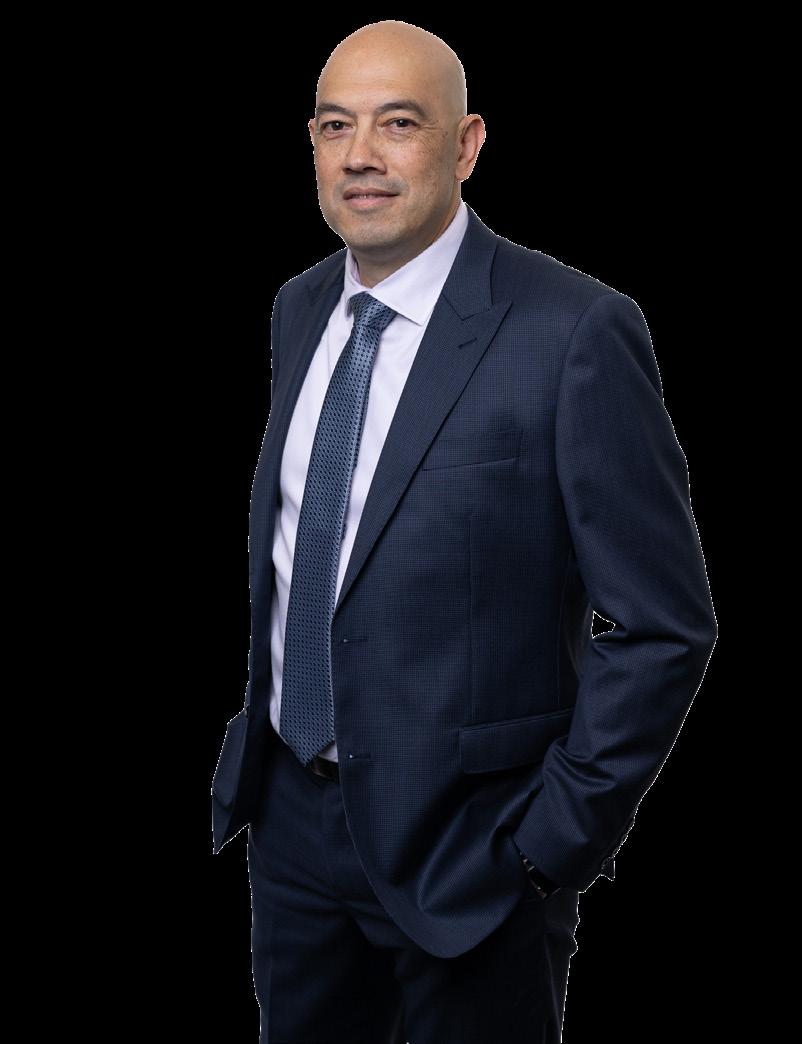
Céline Vuillequez – Vice President of Amazon Business Europe, talks procurement, resilience, sustainability, visibility, and true customer obsession.
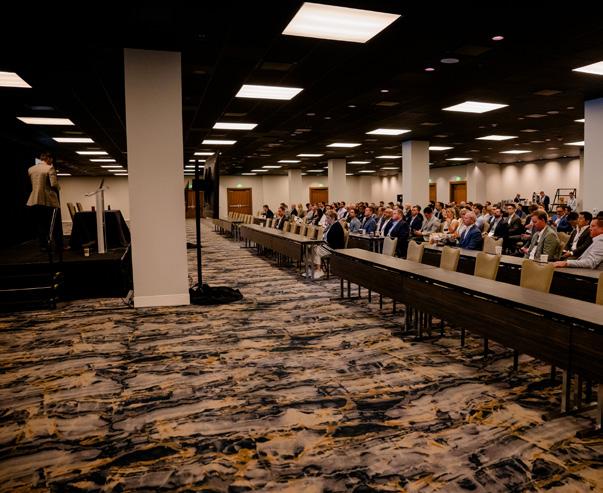
Recorded live from the Amazon Business Exchange at London’s QEII Centre, Neil Perry sits down with Céline Vuillequez, Vice President of Amazon Business Europe, to explore the trends redefining procurement and supply chain strategy.
EDITORIAL
Head of Editorial: Jack Salter jack.salter@outpb.com
Deputy Head of Editorial: Lucy Pilgrim lucy.pilgrim@outpb.com
Finance Manager: Victoria McAllister victoria.mcallister@outpb.com
CONTACT
Supply Chain Outlook
Norvic House, 29-33 Chapelfield Road
Norwich, NR2 1RP, United Kingdom
Sales: +44 (0) 1603 904 445
Editorial: +44 (0) 1603 904 431
SUBSCRIPTIONS
Tel: +44 (0) 1603 904 431 jack.salter@outpb.com
www.supplychain-outlook.com
Follow us on Linkedin: @supplychainoutlook
REAL RESILIENCE
Welcome to our 10th edition of Supply Chain Outlook magazine.
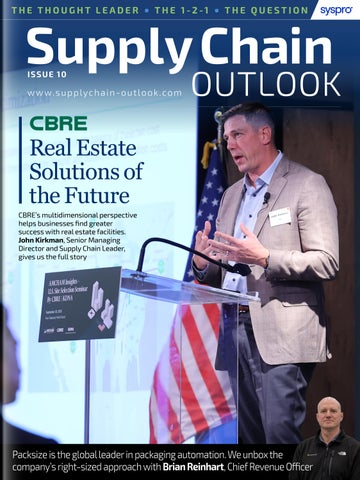
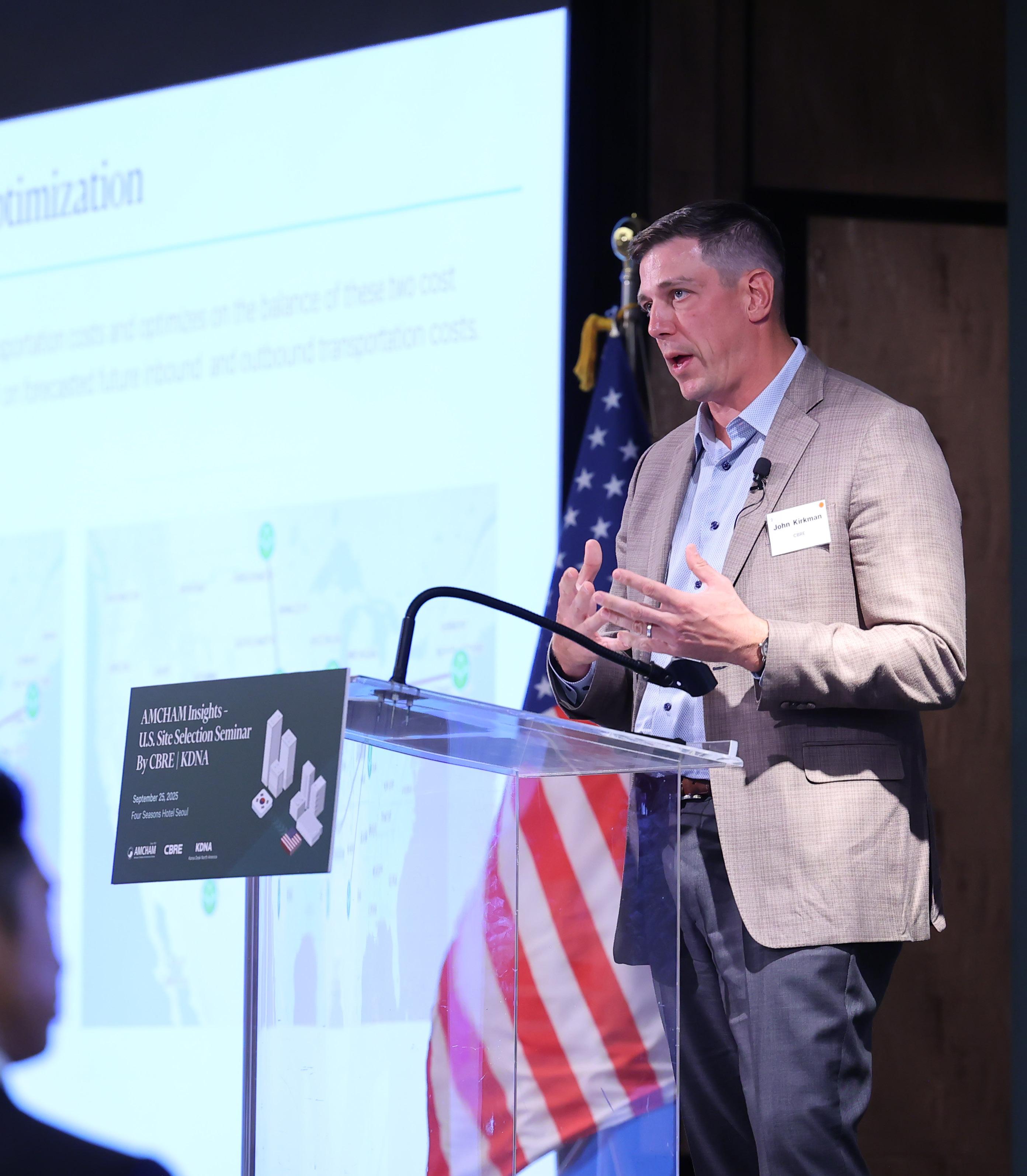
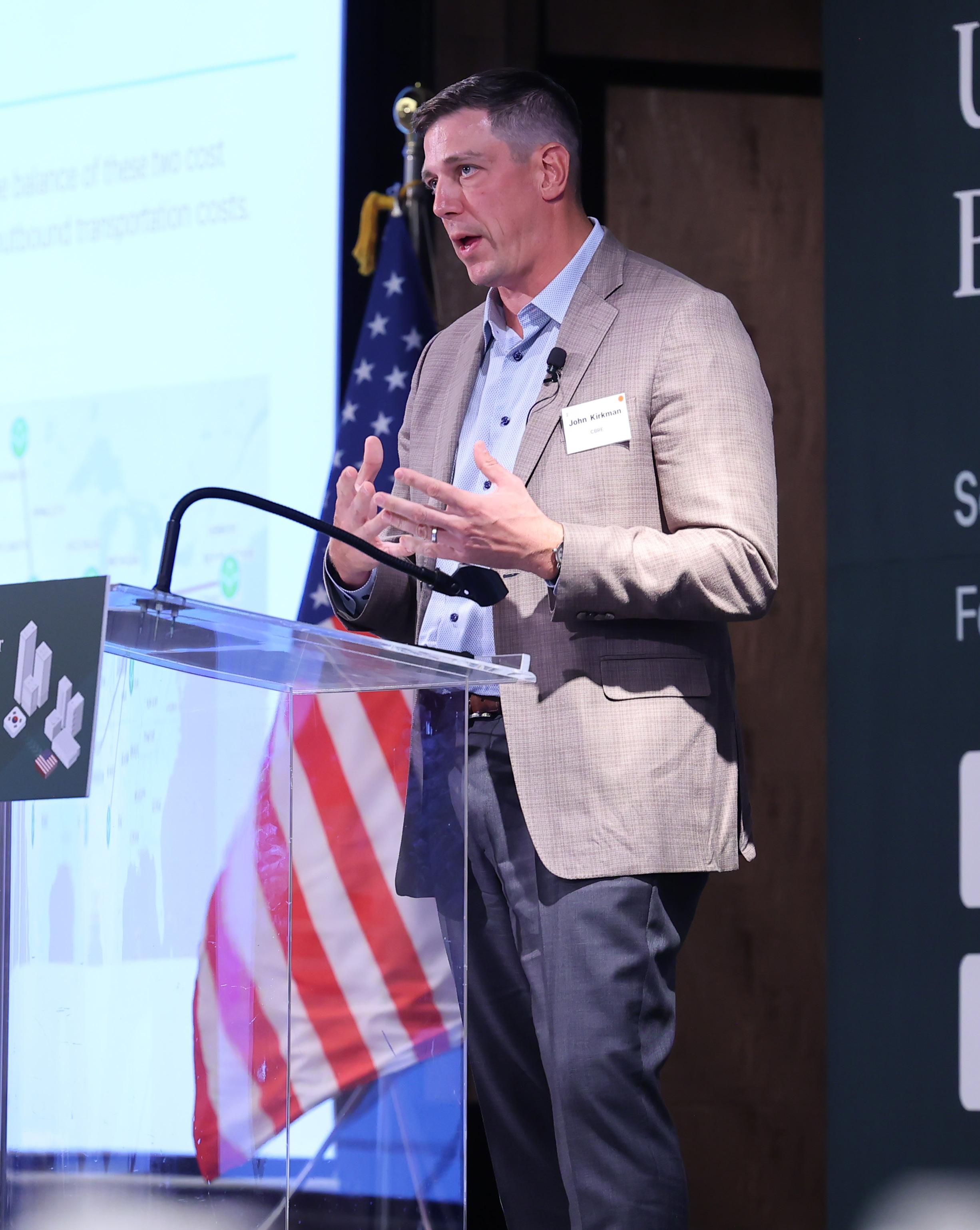
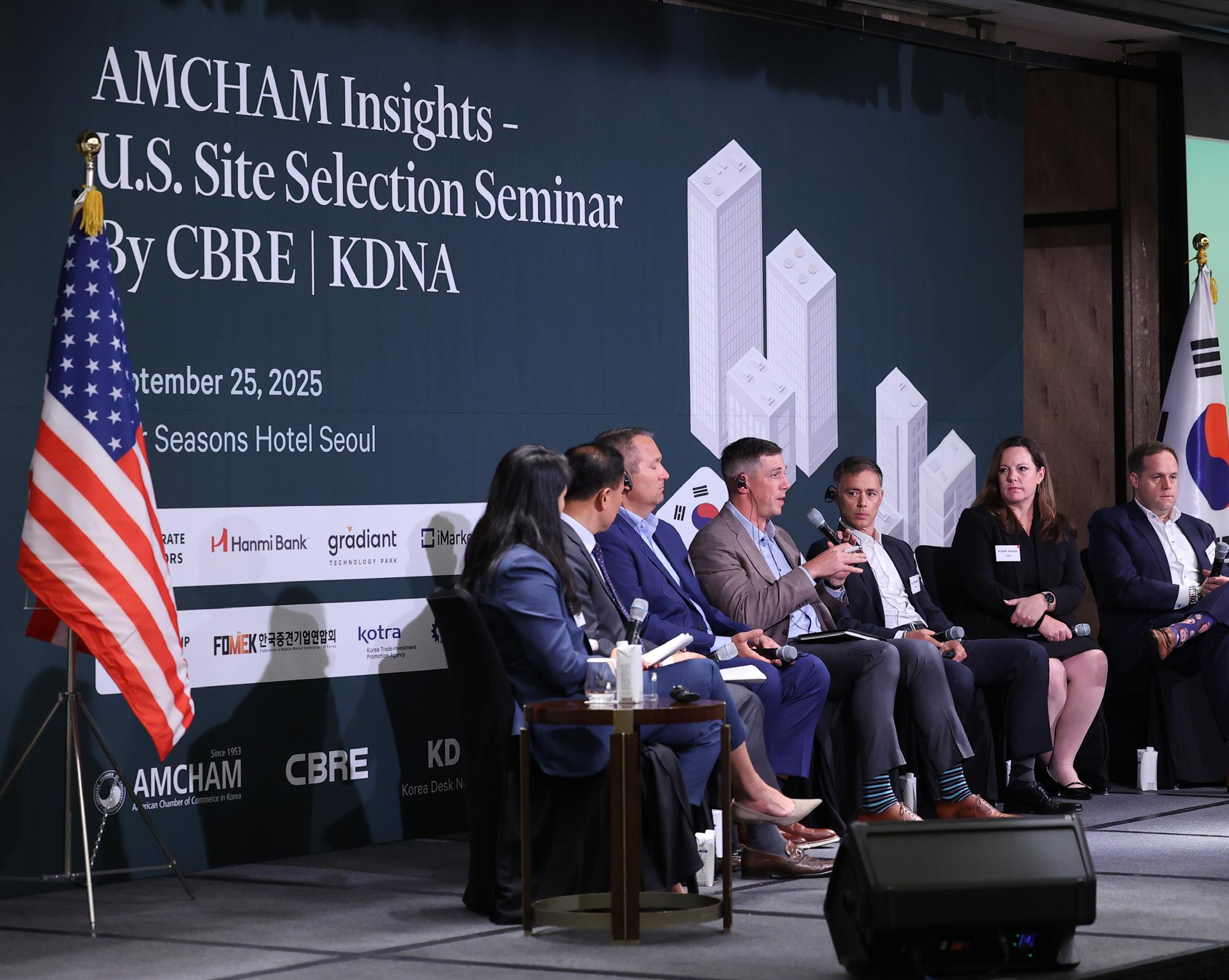
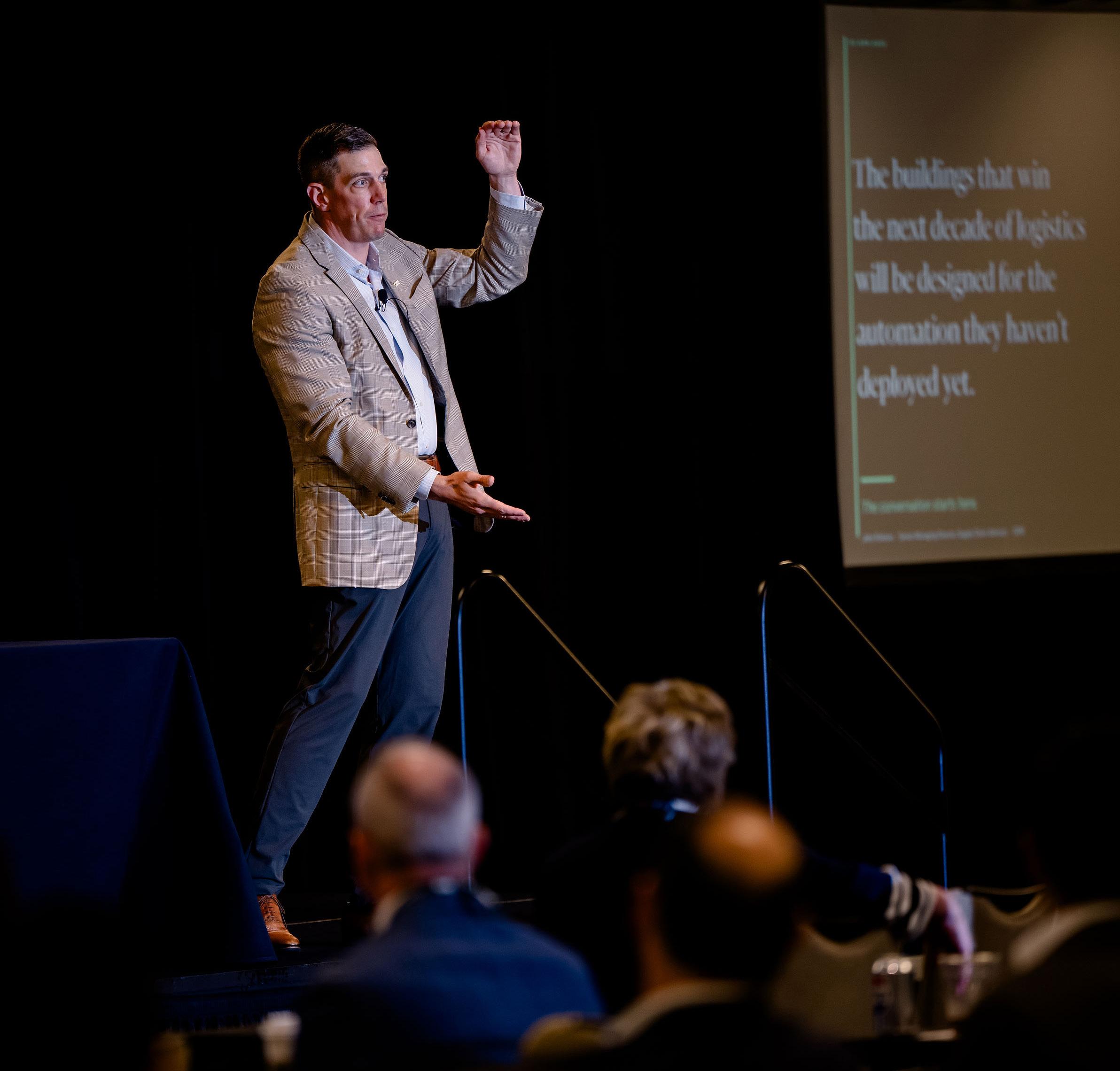
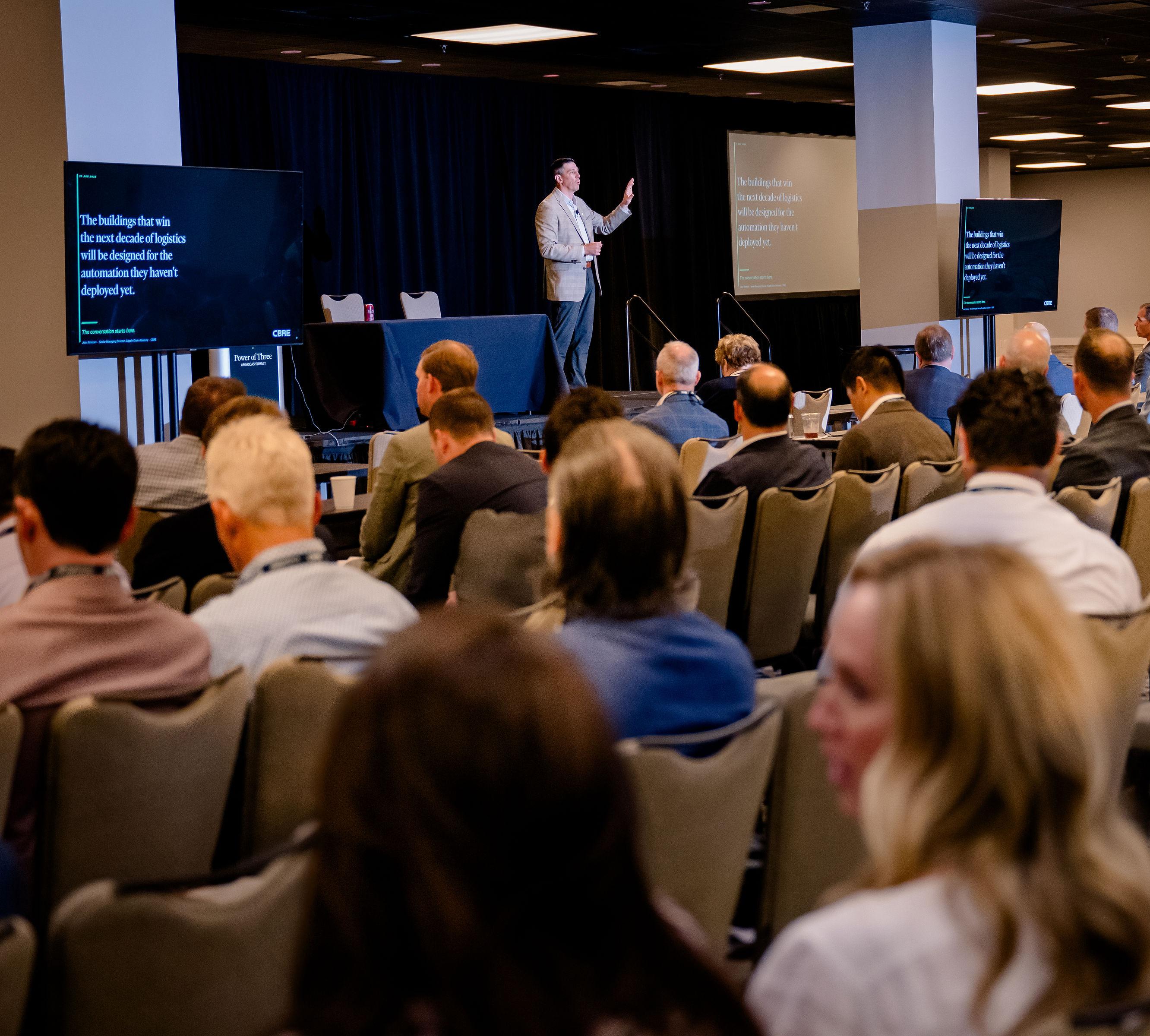
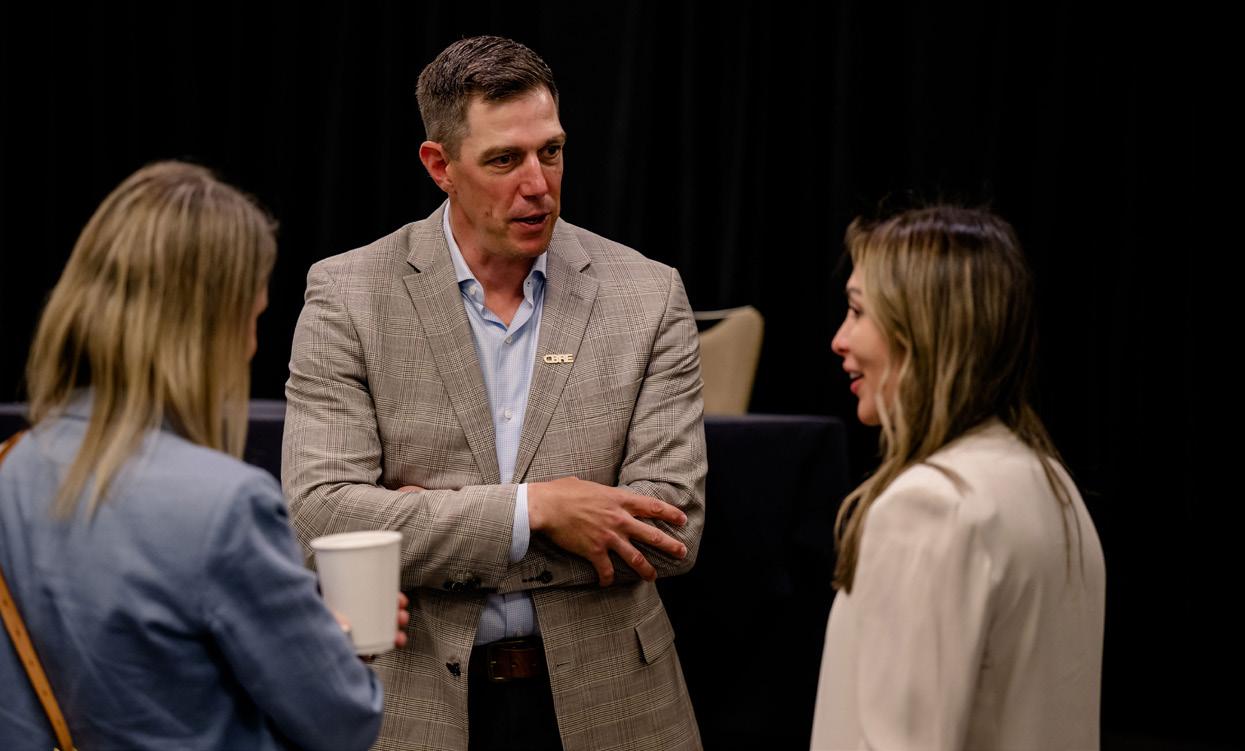
John Kirkman, Senior Managing Director and Supply Chain Leader at CBRE, speaks on this issue’s front cover.
CBRE is the global leader in commercial real estate services and investment and a premier provider of critical infrastructure services.
The legacy that Kirkman hopes to cement for CBRE is that it becomes synonymous with helping companies build supply chains that are truly durable.
“We’re not just building systems that are optimised for a single point in time, but networks that are resilient, automation-ready, and designed around where commerce is heading – not just where it is today,” he clarifies.
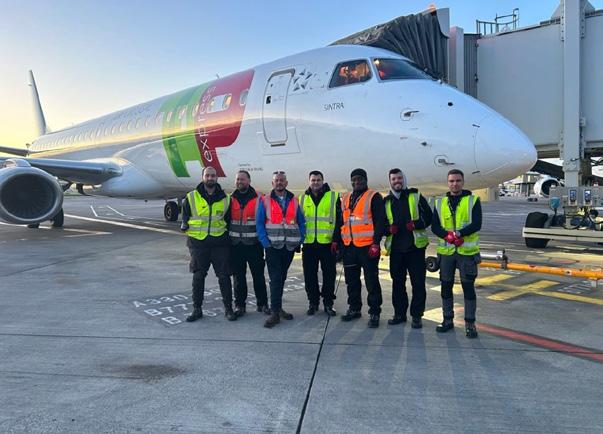
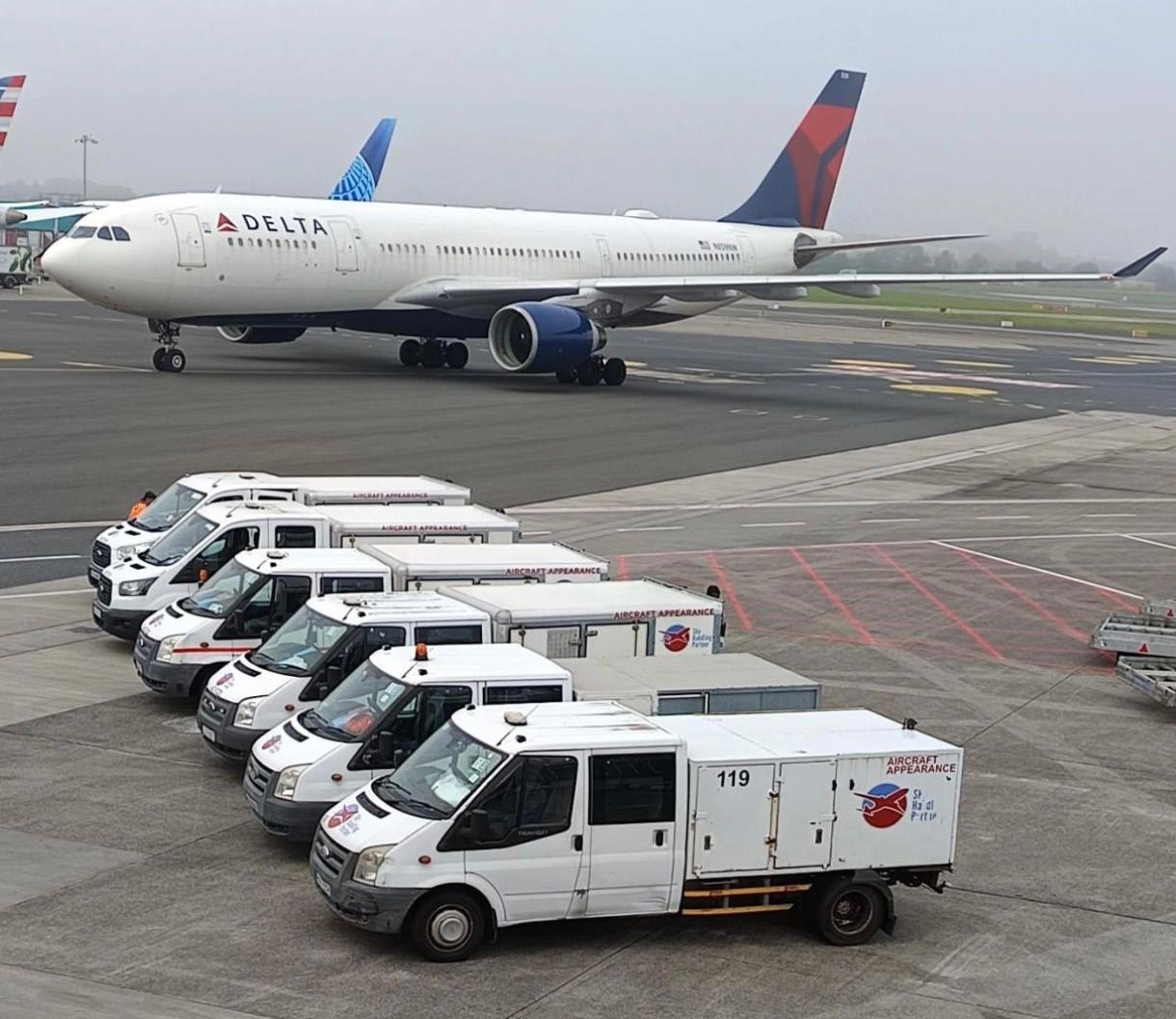
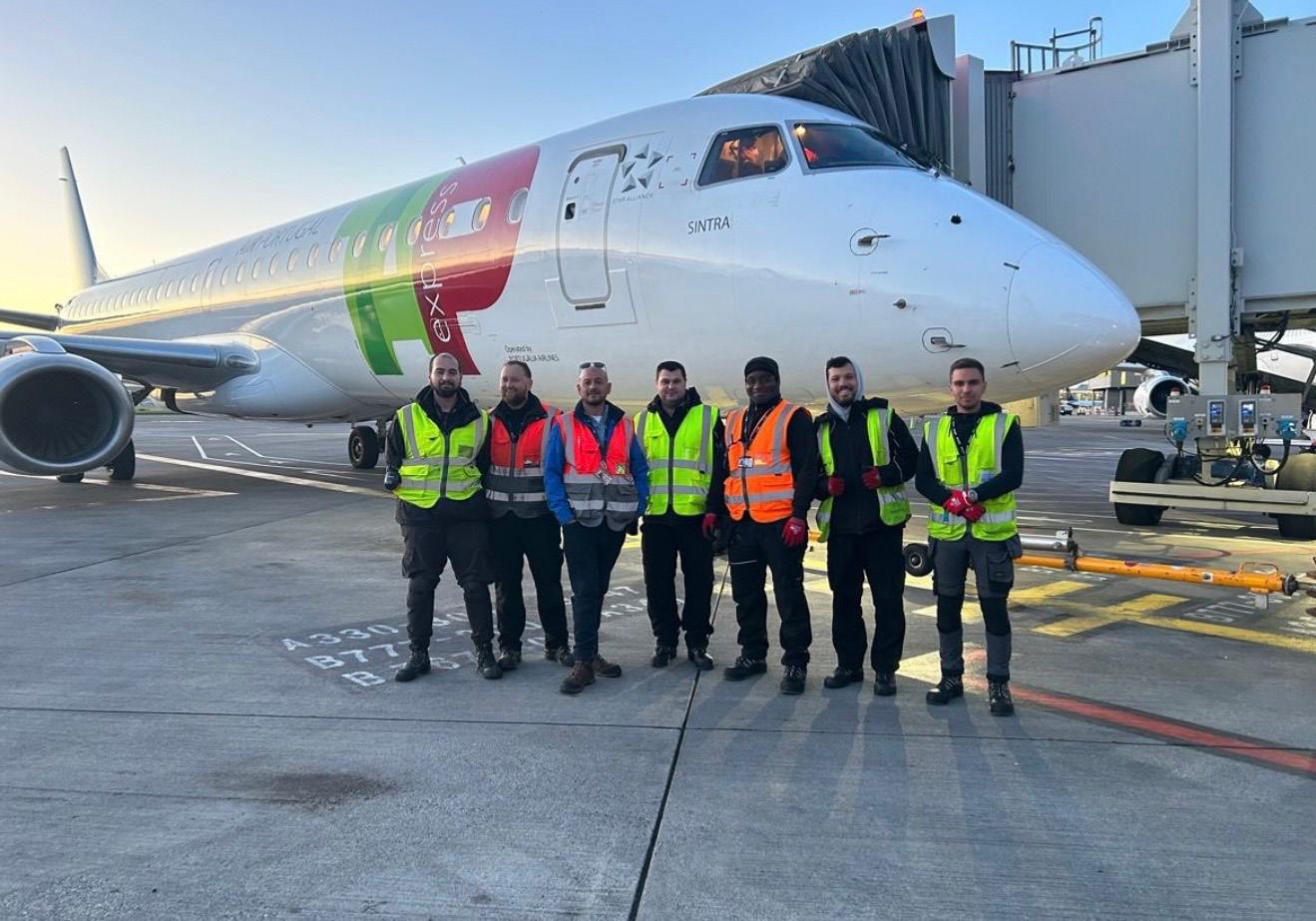
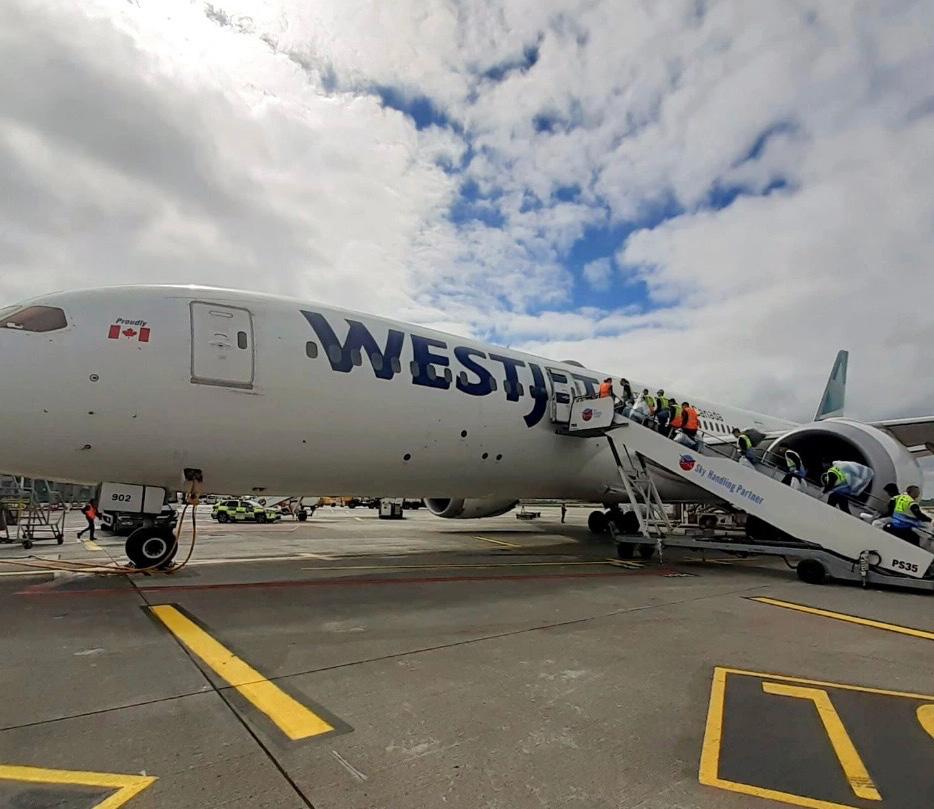
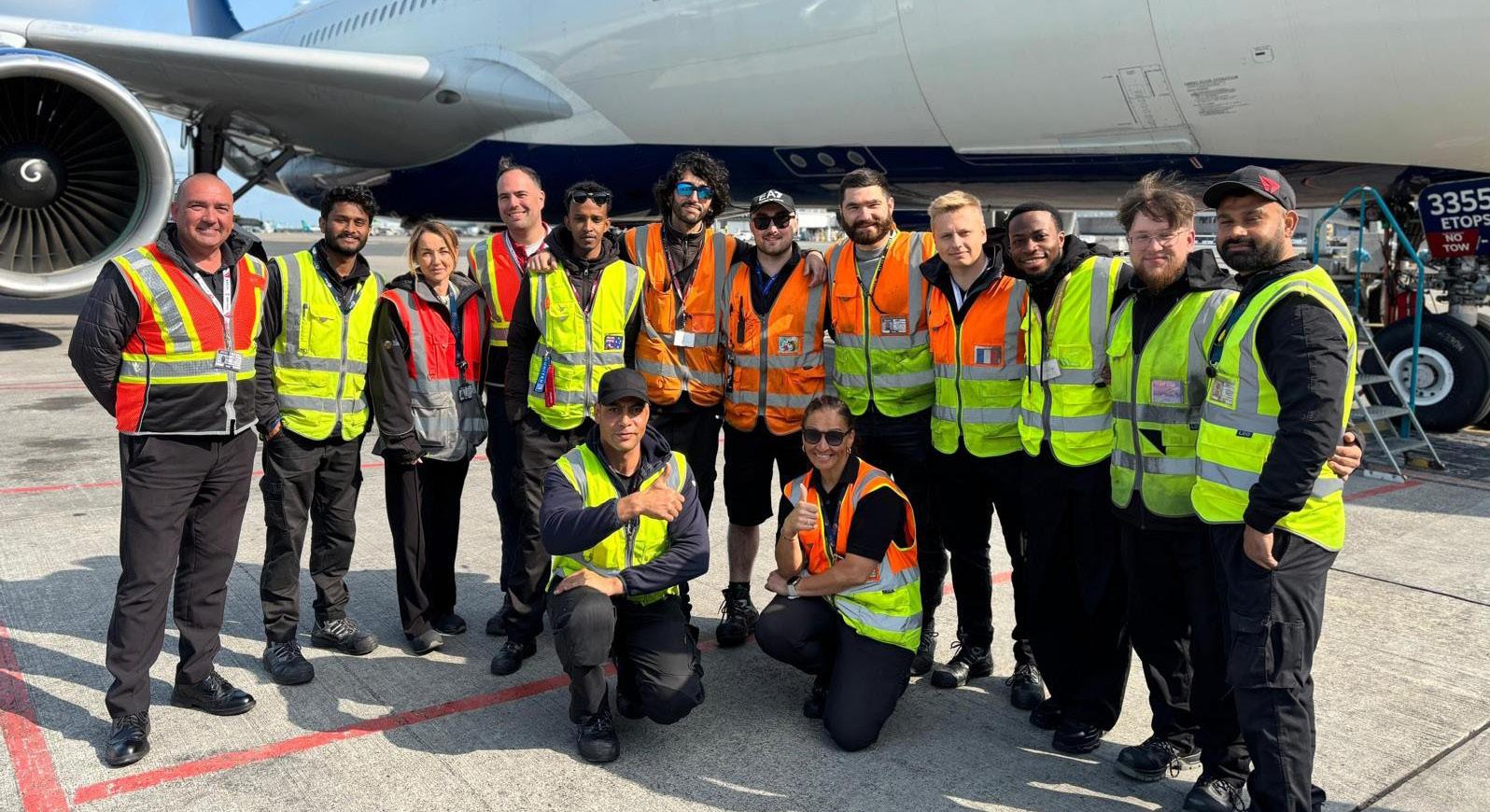
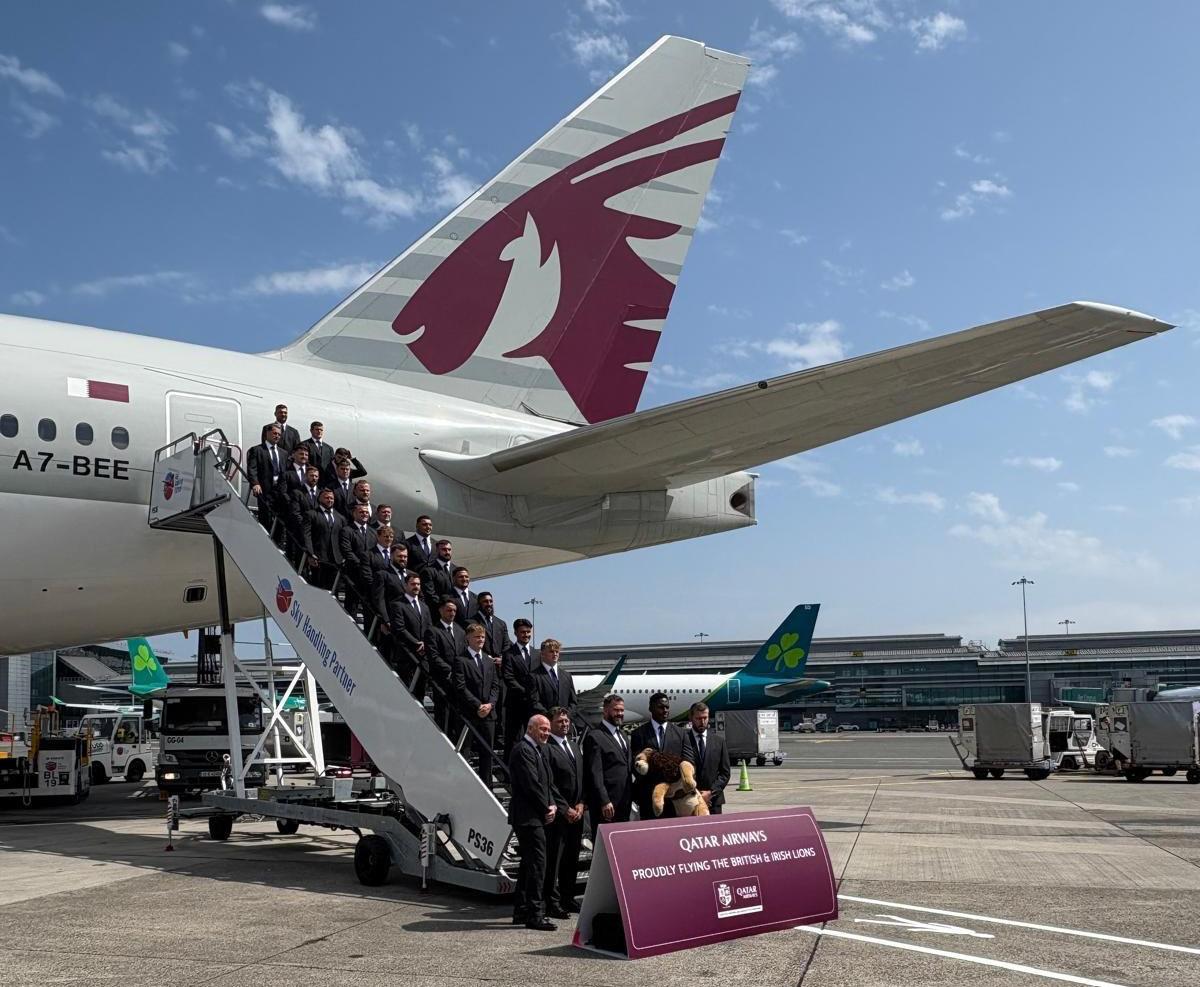
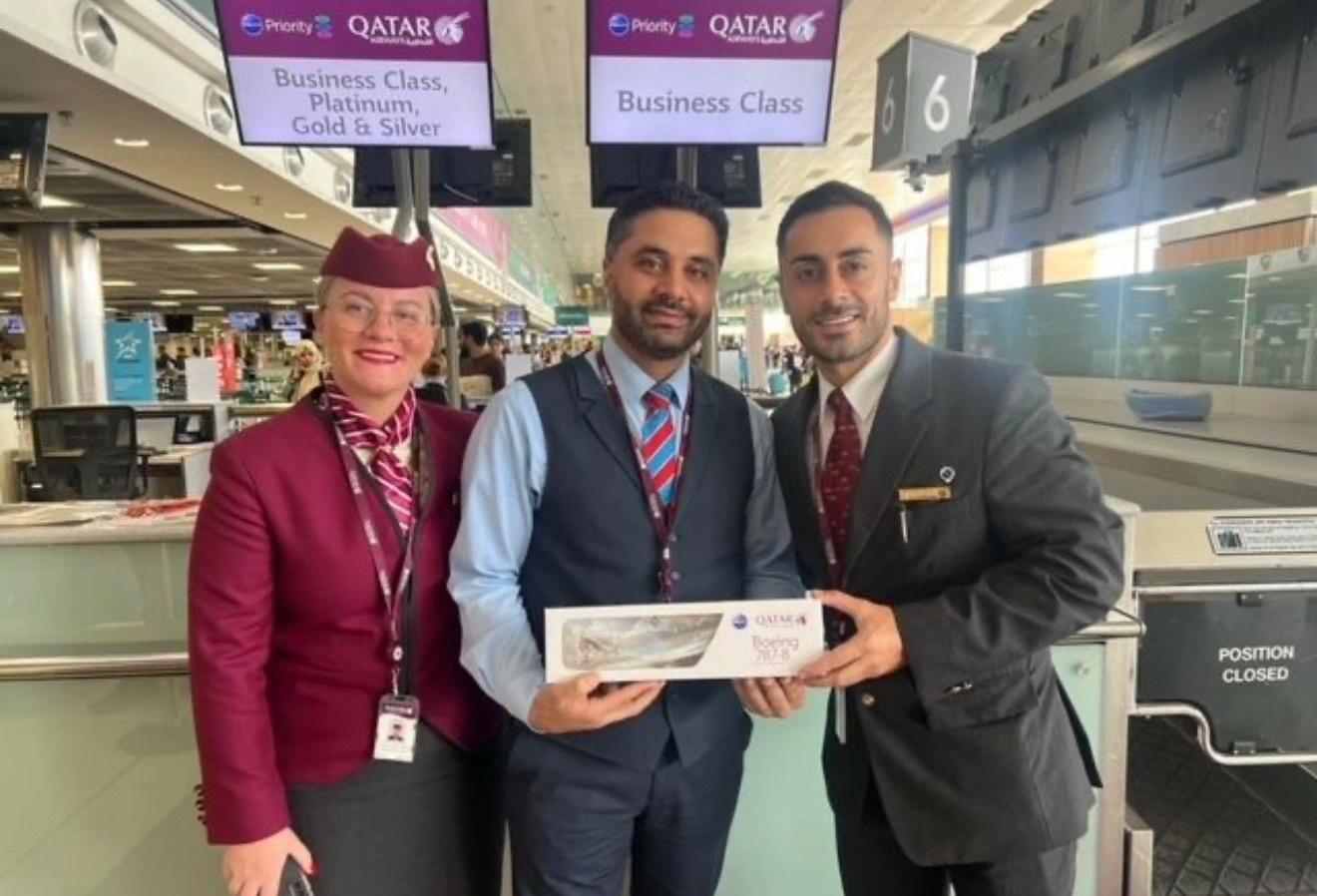
As airport operations evolve, Sky Handling Partner (SHP) is a prominent player within Groupe CRIT’s global ground handling division, setting new benchmarks in the ground services sector.
The company provides essential aircraft turnaround services to major airlines, including passenger handling, ramp, and load control, prioritising safety, reliability, and the customer experience.
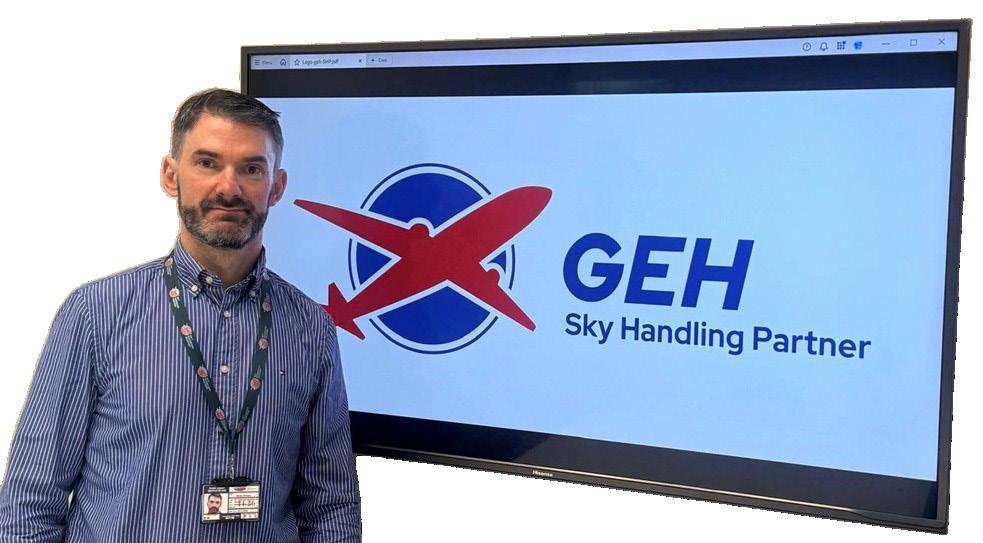
“Safety, security, and service are cornerstones of our performance. All our stations have dedicated on-site safety and security teams who collaborate closely with airport community stakeholders,” introduces Darren Maloney, General Manager of SHP.
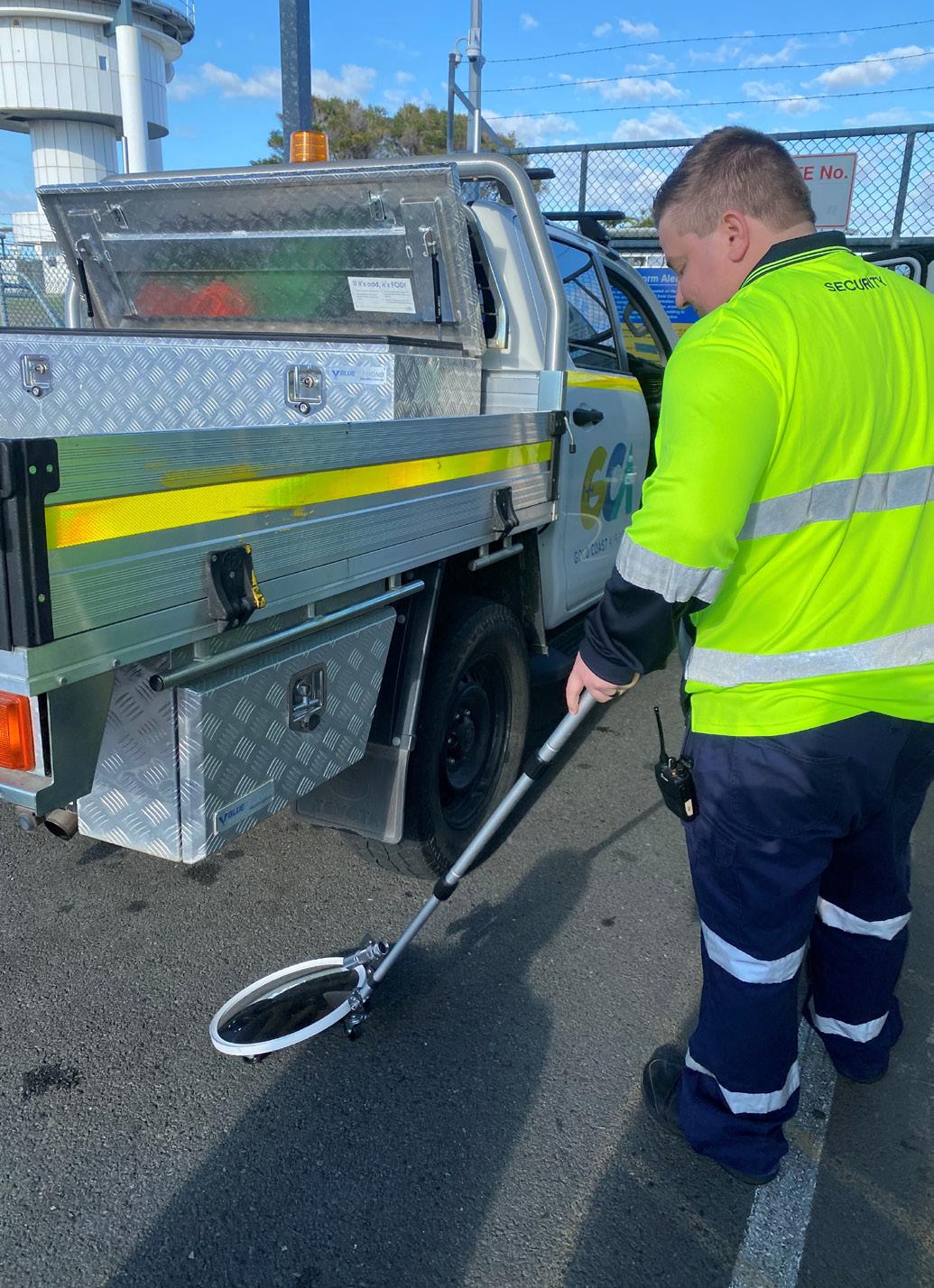
Transport security remains a buoyant market in Australia, as both federal and commercial regulation ensure the efficient and streamlined protection of the nation’s borders, supply chains, and property.
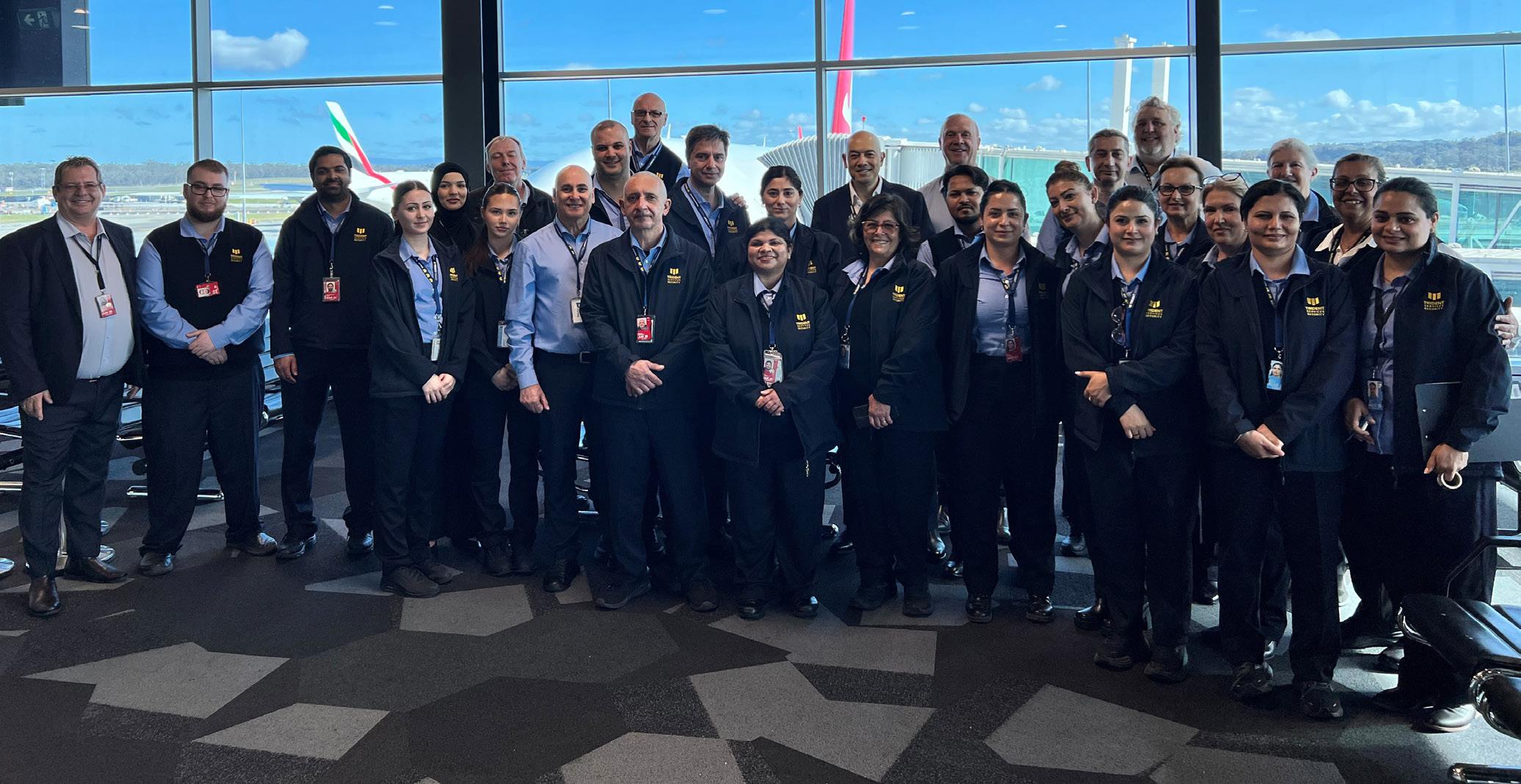
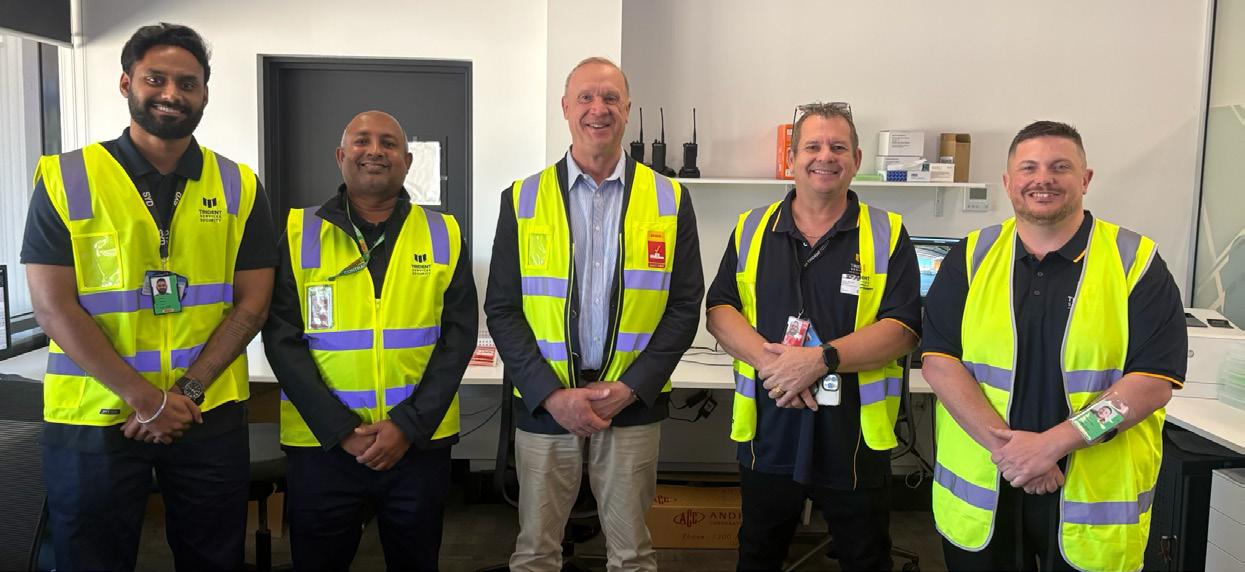
The latter remains a key priority for Trident Services Australia (Trident), who we last spoke to in June 2024 and has since maintained a proactive stance on threat intelligence.
“By deepening our integration of intelligence-led, data-driven systems across all business streams, we have reinforced our position as a trusted partner to government and industry – continuing to mitigate risks ranging from terror to serious crime and ensuring the resilience of the transport systems we protect,” affirms David Wilkinson, who was recently promoted to CEO.
We likewise deepen our supply chain insights with three brand-new regulars –The Thought Leader, The 1-2-1, and The Question – from some of the industry’s most influential voices.
We hope that you enjoy your read.
Jack Salter Head of Editorial, Outlook Publishing
FEATURES
NORTH AMERICA
38 CBRE
Real Estate Solutions of the Future
A new multidimensional perspective
EUROPE & MIDDLE EAST
62 Sky Handling Partner
Elevating Aviation Standards
Secure and efficient airport ground services
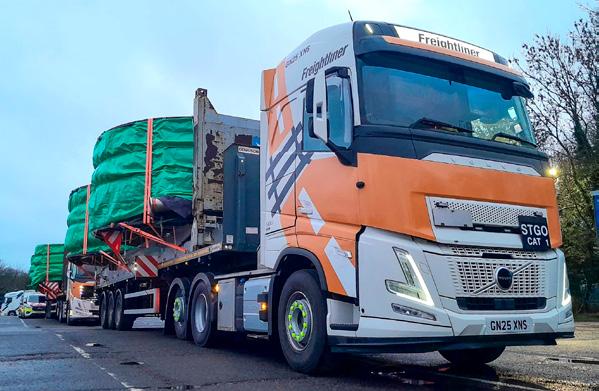
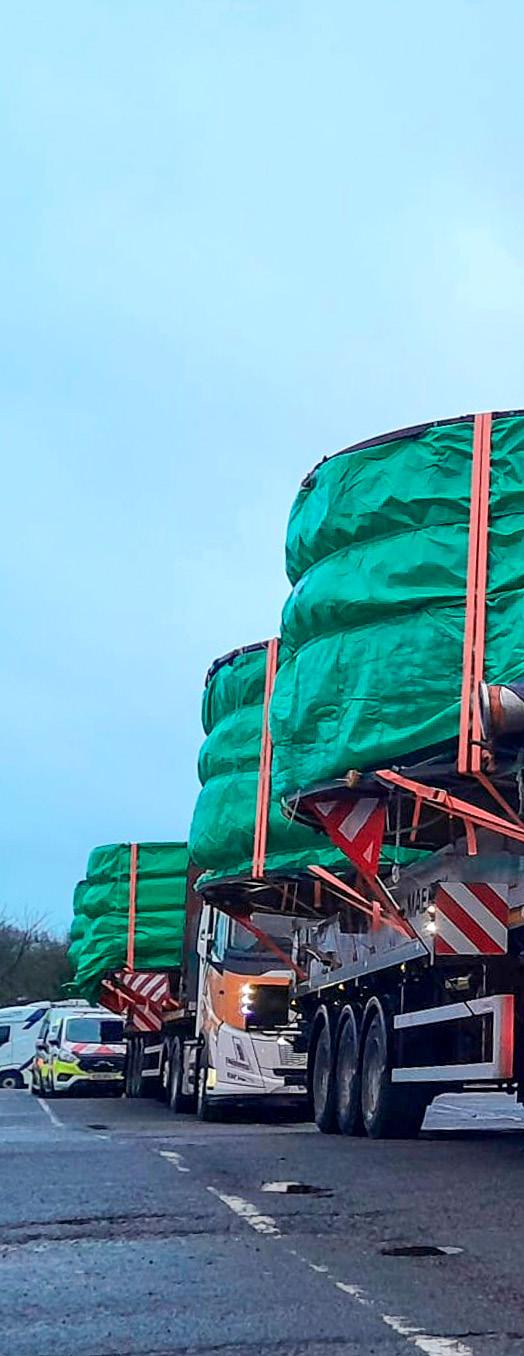
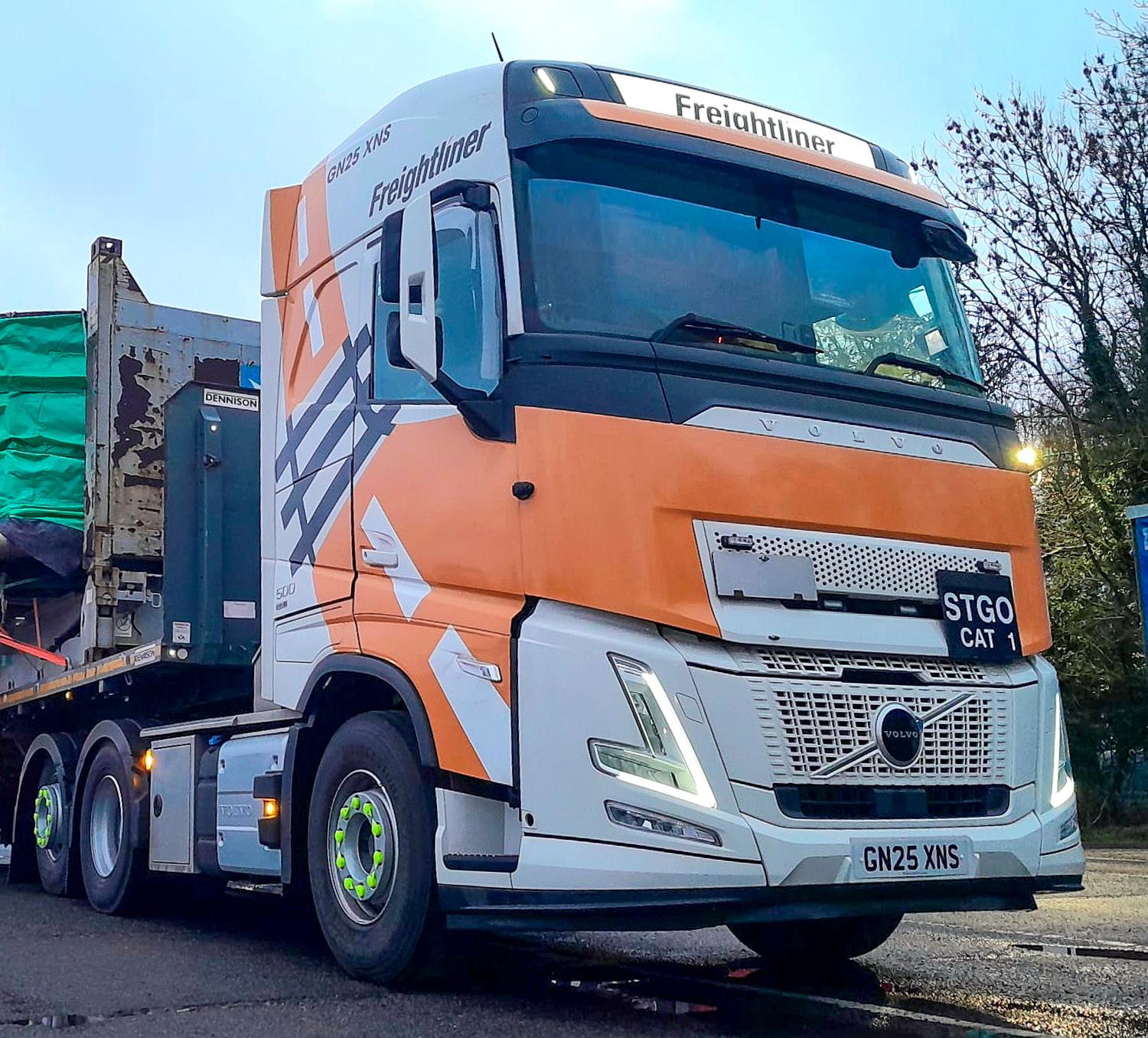
68 Freightliner
Innovation in Motion
Turning knowledge, ideas, and technology into logistics solutions
ASIA PACIFIC
74 Trident Services Australia
Trusted Security Intelligence Partner
Safeguarding people and property, no matter the complexity or scale
AFRICA
80 Nucleus Mining Logistics
Cargo at the Core
On a mission to transform African mine supply chains
48 Packsize
Smart Packaging for a Healthy Planet
Every product deserves a box that fits perfectly
56 Sheer Logistics
Transforming Mid-Market Supply Chain Performance
Orchestrating transportation ecosystems through a
Shaping Intelligent Supply Chains
We sit down with Dr Omera Khan, Chief of Staff, Strategy and ESG Lead at DHL Supply Chain Asia Pacific, who discusses the rise of artificial intelligence in today’s supply chain sector, the resilience required to thrive, and why human judgement remains crucial
Writer: Lily Sawyer
As artificial intelligence (AI) rapidly reshapes global supply chains, businesses across the Asia Pacific (APAC) region face a new challenge – how to balance intelligent automation with human adaptability, ethical judgement, and resilience. From predictive analytics and digital twins to increasingly complex geopolitical and environmental disruptions, the supply chain and logistics sector is evolving faster than ever before.
However, whilst technology is transforming operational capabilities, many organisations are still grappling with the skills, leadership, and cultural shifts required to fully realise its value. At the forefront of these conversations is DHL Supply Chain Asia Pacific, who continues to help businesses design more responsive, resilient, and sustainable supply chains through digital innovation, customer centric strategies, and forward-thinking operational models.
Instrumental to this effort is Dr Omera Khan, Chief of Staff, Strategy and ESG Lead, whose career spans academia, design procurement, and global supply chain risk management.
Today, she works closely with DHL Supply Chain Asia Pacific’s leadership teams and customers to develop strategies that balance resilience, responsiveness, sustainability, and long-term business performance in an increasingly volatile environment. From developing workforce capabilities to embedding ethics into AI-powered systems, DHL Supply Chain Asia Pacific is helping organisations move beyond traditional operational models and prepare for the next era of supply chain excellence.
We speak with Dr Khan about what she calls a growing ‘skills paradox’, the evolving relationship between humans and intelligent systems, and how businesses can build resilient, future-ready supply chains across the APAC region.
Supply Chain Outlook (SC): Firstly, could you tell us about your career to date and how you became a leading professor in supply chain risk management?
Dr Omera Khan, Chief of Staff, Strategy and ESG Lead (OK): At first glance, my path to logistics may have seemed unlikely. I began by studying textiles with the intention of joining the family business, before later undertaking a Master of Philosophy (MPhil) in Design Procurement. But, in many ways, the foundations of my career in supply chain were being laid from the very beginning.
Whilst writing a chapter on creativity and product innovation at the University of Manchester Institute of Science and Technology (UMIST), my curiosity began to shift.
“AT DHL SUPPLY CHAIN ASIA PACIFIC, WE CONTINUE TO PARTNER AND DESIGN CUSTOMER-CENTRIC SUPPLY CHAINS, INTEGRATING PREDICTIVE ANALYTICS,
DIGITAL TWINS, AND OPERATIONAL PLAYBOOKS WITH CLEAR SUSTAINABILITY GOALS”
–
DR OMERA KHAN, CHIEF OF STAFF, STRATEGY AND ESG LEAD, DHL SUPPLY CHAIN ASIA PACIFIC
I found myself asking bigger questions: where does innovation really come from? How do we procure design in a way that truly meets customer demand? And how can we know, at the earliest design stage, whether the product designs we commit to will succeed in the marketplace 12 to 18 months later?
Long before the hype of fast fashion and Zara, we had lengthy fashion lifecycles and seasons!
That work led to recognition, and I was awarded a fully funded scholarship for my PhD at Alliance Manchester Business School. There, I was able to explore questions that were, in essence, about designing end-to-end supply chains, risk and sustainability, and, eventually, customer-centric supply chains.
A key contribution of my PhD was the recognition that supply chains
begin on the drawing board, and that the decisions we make at that early stage have a profound impact on risk, resilience, and responsiveness.
Looking back, I can see that I was connecting these dots all along: why certain products succeed, how customer-centric cycles work, and, crucially, how resilience underpins it all. Having grown up in a family of textile manufacturers, I was closer to supply chains than I first realised.
My creative side was drawn to design, but I wanted to understand the systems behind it: the logistics, supply chain decisions, and operational disciplines that bring ideas to market successfully and ultimately improve business performance.
At the time, I did not set out to build a career in supply chain risk management; I simply followed that curiosity.
It eventually led me to become a professor in the field and is the same perspective I now bring to DHL Supply Chain Asia Pacific: helping to shape responsive, customer-backed strategies that balance resilience, reliability, responsiveness, and sustainability in a far more volatile world.
SC: Can you explain the ‘skills paradox’ in the context of the APAC region, and how some organisations still lag when it comes to preparing people to guide, interpret, and challenge intelligent technology systems today?
OK: Despite the promises of AI, I’m detecting a growing unease beneath the surface, something I call the ‘skills paradox’.
On the one hand, AI is streamlining and automating many of the technical tasks that once defined supply chain expertise: data cleansing, forecasting, and even scenario modelling. However, on the other, it’s creating new demands for capabilities that few organisation are truly prepared for, such as data fluency, critical interpretation, and the ability to collaborate effectively with intelligent systems.
In many ways, our education and training models haven’t kept up.
We’re still equipping professionals to do the work that AI is increasingly automating, rather than equipping them to direct and amplify it.
In the APAC region, the pace of digitalisation is extraordinary, but capability-building hasn’t always kept up. We continue to prize experience over adaptability and technical knowhow over conceptual thinking; the result is a widening gap between what our systems can do and what our people understand about them.
DHL SUPPLY CHAIN
ASIA PACIFIC –AT A GLANCE
A leading provider of contract logistics and supply chain solutions, DHL Supply Chain Asia Pacific helps businesses build more resilient, responsive, and sustainable operations across one of the world’s fastest-evolving regions.
Combining deep sector expertise with advanced digital capabilities, the company supports customers through integrated warehousing, transport fulfilment, and end-to-end supply chain management solutions tailored to increasingly complex global trade environments.
With a growing focus on AI, predictive analytics, digital twins, and sustainably led operations, DHL Supply Chain Asia Pacific helps organisations to navigate disruption, strengthen operational visibility, and future-proof their supply chains.
Through customer-centric strategies and continuous innovation, the company continues to balance efficiency, resilience, and responsible growth in an increasingly interconnected world.
The gap is not only technical, but also cultural. Many organisations still promote based on the old metrics of mastery rather than curiosity, when the real advantage now lies with those who ask better ‘what if’ questions, translate complex insights, and balance efficiency with ethics.
Left unaddressed, this creates fragility – a sophisticated tech stack guided by insufficiently prepared human judgment.
SC: Could you provide us with insight into the next era of supply chain excellence, where you anticipate adaptability, critical thinking, and ethical judgement become competitive advantages?
OK: We’re at an inflection point. Excellence used to be measured by accuracy, efficiency, and control; more recently, it’s by speed, resilience, and alignment to strategic goals like sustainability.
Yet, with AI embedded, what now sets organisations apart is how effectively their people adapt, interpret, and challenge intelligent systems.
AI can surface patterns and possibilities, but only humans can determine priorities, weigh tradeoffs, and make decisions that balance efficiency with responsibility.
In practice, that means the future supply chain professional must bridge algorithmic insight with business judgment – part analyst, part strategist, and part storyteller, translating digital intelligence into meaningful action.
Technology is no longer the differentiator – it’s people who can guide, question, and shape technology that will define true supply chain excellence.
SC: Given APAC’s rapid digitalisation and ongoing talent transformation in logistics, how can businesses best use AI to elevate – not replace – the human role?
OK: The goal isn’t a purely human or purely digital supply chain – it’s a thoughtful partnership. AI should push humans up the value chain, from executing tasks and making shortcycle decisions to shaping systems for long-horizon design.
This requires three habits:
1. Treating AI as a co-pilot that we routinely interrogate.
2. Using predictive and prescriptive analytics to augment planner foresight.
3. Hard-wiring ethics and purpose into decision frameworks so optimisation never outpaces responsibility.
At DHL Supply Chain Asia Pacific, we design with our customers in mind, building networks that are responsive, not just efficient.
Resilience and efficiency go hand-in-hand – diversify where it matters, standardise processes to avoid complexity, leverage real-time visibility to act early, and scale capacity flexibly.
AI strengthens each lever, but humans set the objectives, define acceptable risk, and choose when to bend and when to build buffers.
SC: What practical guidance do you have for businesses looking to build an AI-ready workforce, including rethinking education models, capability development, and leadership culture?
OK: To build an AI-ready workforce, organisations need to rethink how people learn, develop, and lead. It starts with modernising education – moving beyond pre-AI process training to curricula that blend technical fluency, such as data ethics, bias, and model limitations, with strategic skills like problem framing and scenario design. The goal is to teach people to interrogate intelligent systems, not merely operate them.
Learning must also shift from theory to experience by employing immersive methods such as digital simulations, AI sandboxes, and scenario planning exercises.
The aim isn’t to create data scientists everywhere, but to build confidence and fluency in engaging with intelligent tools.
At the organisational level, businesses need to replace rolebased training with capability-based development. Skills like curiosity, critical thinking, and ethical reasoning enable people to adapt as technology evolves.
This must be supported by leaders who model AI literacy, reward thoughtful questioning, and foster a culture of continuous learning.
“TECHNOLOGY IS NO LONGER THE DIFFERENTIATOR –IT’S PEOPLE WHO CAN GUIDE, QUESTION, AND SHAPE TECHNOLOGY THAT WILL DEFINE TRUE SUPPLY CHAIN EXCELLENCE”
–
DR OMERA KHAN, CHIEF OF STAFF, STRATEGY AND ESG LEAD, DHL SUPPLY CHAIN ASIA PACIFIC
Finally, organisations should embed clear ethical governance. That means checking models for bias, ensuring transparency, defining when humans must override automated outputs, and maintaining accountability for decisions, no matter how intelligent the system becomes.
SC: Lastly, what does the future hold for DHL Supply Chain Asia Pacific? How do you plan to continue enabling a both a more digital and sustainable future?
OK: Supply chains now operate in a polycrisis world with interconnected geopolitical, environmental, social, and technological risks.
Our strategy is to build networks that can bend without breaking by diversifying intelligently, standardising globally, and leveraging real-time visibility to act before risks become crises.
When the Red Sea crisis forced rerouting via the Cape of Good Hope
in 2023, it was a vivid example of how geopolitics cascades into cost, lead time, and emissions challenges, underscoring why resilience and sustainability must advance together.
At DHL Supply Chain Asia Pacific, we continue to partner and design customer-centric supply chains, integrating predictive analytics, digital twins, and operational playbooks with clear sustainability goals.
In practical terms, this means scenario-ready capacity, multi-user facilities for flexible scaling, and governance that balances speed with responsibility.
Trade, like water, will always find a way. Our role is to build the channels, both digital and physical, that keep it flowing – reliably and responsibly.
Amir Khoshniyati, Vice President of Wiliot,
explores how physical artificial intelligence is closing the gap between digital systems and physical reality
Enabling supply chains to move beyond static visibility and build continuously aware networks powered by real-time operational truth
Physical AI is Giving Supply Chains Their Missing Sense of Reality
Amir Khoshniyati, Vice President of Wiliot, explores how physical artificial intelligence is closing the gap between digital systems and physical reality, enabling supply chains to move beyond static visibility and build continuously aware networks powered by real-time operational truth
In 1974, a cashier in Troy, Ohio scanned a pack of Wrigley’s gum and changed commerce.
The barcode gave products a machine-readable identity meaning retailers could price faster, replenish more accurately, and support modern supply chains.
Radio frequency identification (RFID) advanced that foundation by giving supply chains a faster, more automated way to identify goods and assets at key points across the network.
It helped reduce dependence on manual scanning and created new levels of visibility. Yet, RFID, like the barcode, is still largely tied to specific read events and fixed points of interaction.
Half a century after the first barcode scan, supply chains face another inflection point. The barcode made products identifiable. RFID made that identification more automated. Physical artificial intelligence (AI) is
now making products continuously knowable.
That distinction is critical because most supply chains still operate on a snapshot-based sense of reality: a scan confirms that a pallet left a warehouse, a receiving event confirms it arrived, and a system records that inventory exists. But between those events, reality moves faster than the systems meant to represent it.
Products can sit in the wrong zone, pallets can dwell too long at a dock, and fresh food can be exposed to temperature conditions that compromise quality.
Reusable assets can disappear into a partner’s network, whilst store inventory may appear available in software even when the shelf is empty.
The industry has invested heavily in digitisation, automation, analytics, and now AI. Yet, each investment depends on accurate, timely data about what is actually happening in physical operations.
That is where physical AI becomes critically important.
THE DATA GAP BETWEEN SYSTEMS AND REALITY
AI is only as useful as the signals it receives and in many supply chains, those signals still come from manual scans, periodic audits, transactional records, and delayed reconciliations.
These inputs are valuable, but they create a partial picture, often telling systems what was recorded
minutes, hours, or days after reality changed.
Physical AI addresses this gap by applying AI to data generated by physical objects and environments.
It combines persistent object identity, low-cost sensing, wireless connectivity, machine learning, and contextual reasoning.
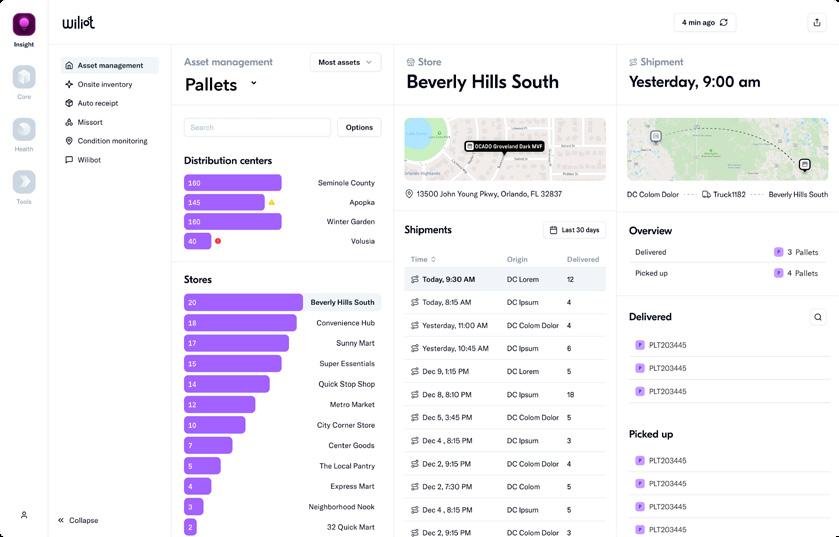
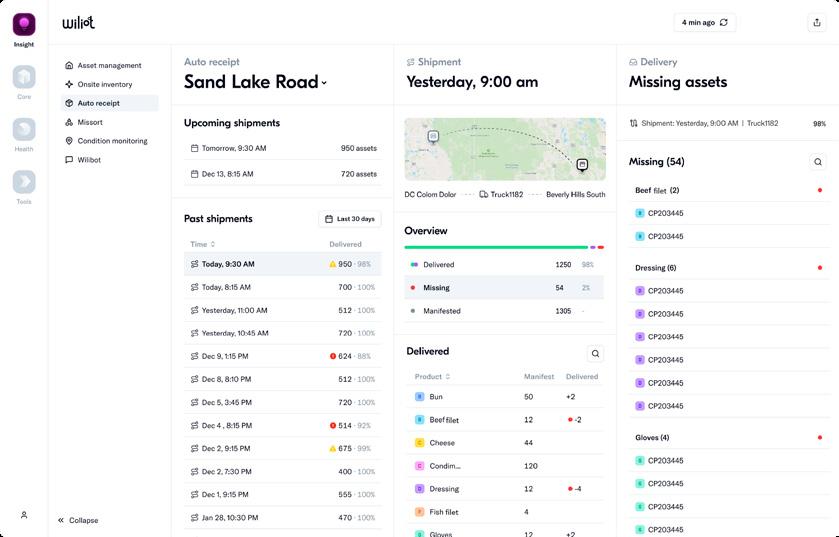
The result is a live operational data layer that understands location, motion, temperature, humidity, dwell time, proximity, and chain-of-custody.
Whilst AI can forecast demand, optimise routes, and analyse historical patterns, physical AI gives those systems a real-time connection to the physical conditions shaping outcomes right now.
For retailers, it means knowing whether an item is truly on the shelf, in the back room, in transit, or exposed to conditions that make it unsellable.
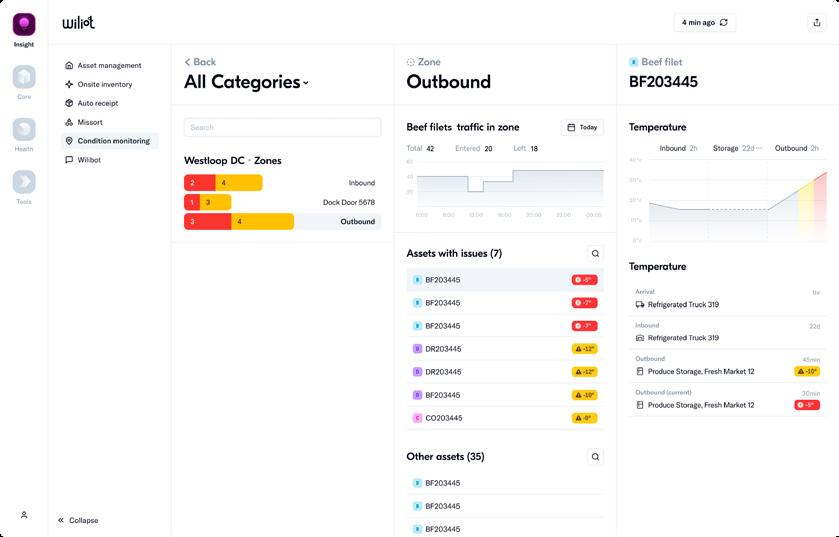
For grocers, it means identifying specific shipments affected by a temperature excursion.
For logistics operators, it means seeing where assets are idle, missing, or moving inefficiently.
The operational value comes from replacing assumption with real-time observation.
WHY THE MOMENT HAS ARRIVED
The idea of connected objects has existed for decades, but economics and infrastructure limited its reach.
Traditional RFID created value at fixed read points and battery-powered trackers enabled richer visibility, especially for high-value assets – but cost, maintenance, and battery replacement constrained item-level scale.
Several conditions have now converged: wireless infrastructure is more pervasive, cloud systems can ingest and process streaming data, AI models can interpret large volumes of physical signals, and energyharvesting and battery-free sensing architectures make it viable to attach intelligence to lower-cost goods, packaging, pallets, totes, and returnable assets.
At the same time, volatility has increased the cost of weak visibility. In retail, inaccurate inventory undermines omnichannel fulfilment, in logistics, lost assets and misshipments consume labour and capital, and in healthcare and pharmaceuticals, poor condition visibility can become a compliance and safety issue.
Companies increasingly need supply chains that can sense continuously, interpret conditions quickly, and guide action before small exceptions become larger failures.
WHAT PHYSICAL AI CHANGES IN DAILY OPERATIONS
Physical AI is best understood through the workflows it improves.
Companies increasingly need supply chains that can sense continuously, interpret conditions quickly, and guide action before small exceptions become larger failures”
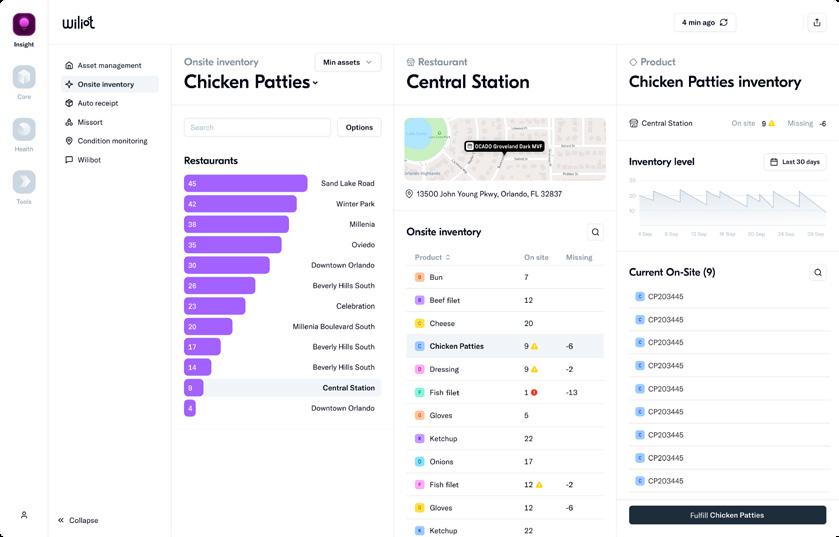
In inventory management, continuous sensing can support automated cycle counts across storage areas, backrooms, cross docks, vehicles, and stores.
Workers gain a more current view of what exists and where it is located, improving replenishment accuracy.
In receiving, tagged goods can be identified automatically as they arrive, accelerating dock-to-stock workflows.
In outbound operations, shipment verification can detect mis-loads before a truck leaves the facility, preventing costly downstream corrections.
In cold chain operations, temperature and environmental data can travel with the case or pallet, creating a precise exposure record and enables faster decisions about quality, routing, replenishment, and claims.
In reusable asset networks, continuous visibility can show where pallets, totes, racks, carts, or cages are sitting, how long they dwell, and whether they are circulating efficiently.
Treating them as intelligent participants in the network reduces replacement costs and improves utilisation.
Across these use cases, the physical world becomes a continuous data source that supply chain systems can interpret and act on in real time.
AI NEEDS GROUND TRUTH
As autonomous AI agents reach deeper into supply chain operations, it becomes easy to imagine systems that reorder goods, reroute shipments, or adjust inventory flows with limited human input.
But that future will depend on ground truth data. An AI agent operating on stale or incomplete inventory records will optimise a representation of the supply chain rather than the supply chain itself.
An AI system that receives continuous data about movement, condition, and context can make more reliable recommendations and eventually support higher levels of automation.
The near-term opportunity is for physical AI to surface exceptions, prioritise work, recommend actions, and strengthen decisions.
It can help associates focus on judgment and problem-solving whilst routine verification, monitoring, and alerting become more automated.
A NEW OPERATING MODEL FOR SUPPLY CHAINS
The next great supply chain advantage will come from synchronising digital systems with physical reality, and the companies that succeed will know the state of goods and assets as conditions unfold.
The barcode gave commerce a common language for product identity, whilst RFID extended that identity with faster, more automated visibility at key points across the supply chain.
Physical AI builds on that progression by adding continuous awareness of movement, condition, and context — giving supply chains a more accurate understanding of how goods and assets behave in the real world.
For decades, supply chain leaders have tried to make better decisions with better systems.
The next step is making those systems aware of the real world they are meant to manage.
Physical AI gives supply chains something they have always needed: a continuous source of operational truth.
THE 1-2-1
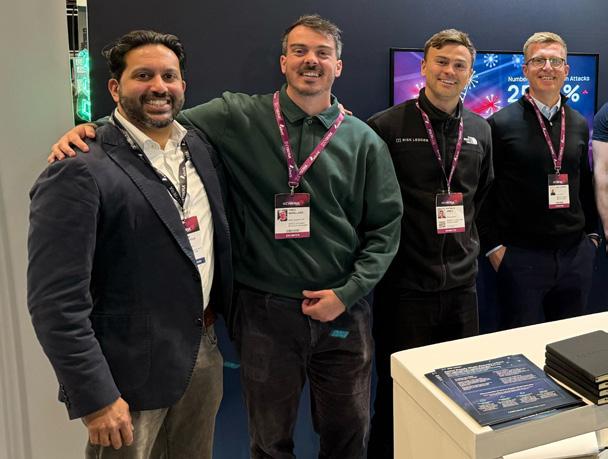
AN IN-DEPTH INTERVIEW WITH JUSTIN KURUVILLA , CYBERSECURITY STRATEGIST, RISK LEDGER
Technology like Risk Ledger’s helps organisations respond by giving them a much clearer view of the risks across their extended supply chain”
Why Third-Party Risk is No Longer Enough
Why Third-Party Risk is No Longer Enough
We speak to Justin Kuruvilla, Cybersecurity Strategist at Risk Ledger, about the evolution of cyber threats across global supplier ecosystems, the decreasing significance of third-party risk management, and why continuous visibility, collaboration, and automation are now critical to reducing duplication
Justin Kuruvilla, Chief Cybersecurity Strategist at Risk Ledger, has had an extensive career in cybersecurity. Before joining Risk Ledger, he supported the US government in cybersecurity and worked as Technical Director for cybersecurity operations at the US Department of Defense (DoD), which included a secondment to the UK National Cybersecurity Centre.
Most recently, Kuruvilla advised senior executives of top global corporations and investment firms on enhancing their management of cyber risk.
Equipped with extensive experience and expertise, Kuruvilla offers his informed perspective on the importance of cybersecurity across global supply chains.
Supply Chain Outlook (SC): Firstly, how have cyber threats developed within supply chains over the last decade?
Justin Kuruvilla, Chief Cybersecurity Strategist (JK): 10 years ago, many organisations focused their cybersecurity efforts on protecting their own perimeter.
Today, businesses are becoming more dependent on a complex ecosystem of cloud infrastructure, softwareas-a-service (SaaS) vendors, and artificial intelligence (AI)-driven solutions that make critical business services increasingly dependent on supply chains that extend to multiple tiers.
Since successful attacks provide actors with an incredible return on investment, attackers have recognised this shift and the value of targeting the supply chain.
Exploiting one shared dependency can provide access to numerous victims, whilst taking advantage of trusted relationships within the supply chain can be a more effective route into a well-defended organisation than attacking them directly.
SC: Why is traditional third-party risk management (TPRM) no longer fit for purpose?
JK: Traditional TPRM is no longer fit for purpose – and the term itself explains why: managing third parties is no longer enough. Organisations’ risk exposure does not stop at the third party; it extends across the entire supply chain ecosystem.
In a practical sense, rigid, point-in-time spreadsheets lack the ability to help organisations understand the dynamic and constantly evolving risks that exist at the fourth party, fifth party, and beyond.
A supplier may itself depend on numerous subcontractors and other vendors to deliver their service to clients, making supply chain ecosystems more complex, interconnected, and harder to oversee.
Currently, very few organisations have visibility beyond their third parties – and that’s a concern.
SC: When working with a new client, what are the most common mistakes you see people making in this area of cyber defence?
JK: One of the most common mistakes is to assume that simply obtaining completed risk assessments from third parties results in robust security and operational resilience.
Whilst these assessments can play an important role in an initial analysis of a supplier’s security posture, they
Automation plays an important role because it allows organisations to identify, analyse, and respond to risk at a scale that manual processes simply cannot match”
rarely provide a view of the risks that exist across the wider supply chain ecosystem.
This can create blind spots when it comes to operational resilience planning. Too often, organisations fail to properly assess the importance of suppliers further down the supply chain or to understand the role they play in enabling critical business services.
The suppliers that organisations spend the most money on and with which they have direct contracts might not represent the greatest risk factors.
In many cases, smaller and less well-known suppliers can be just as critical – if not more so – because of the access they have, services they support, or dependencies they rely on.
SC: In reality, what does a ‘Defend-as-One’ model look like?
JK: Defend-as-One recognises that no single organisation can gain a complete view of its supply chain risk on its own – every organisation sees a different part of the ecosystem.
One organisation may understand a supplier’s role in delivering a critical service, another may have visibility into that supplier’s subcontractors, and a third may identify emerging risk indicators.
Defend-as-One recognises that no single organisation can gain a complete view of their supply chain risk on its own – every organisation sees a different part of the ecosystem”
When that intelligence remains isolated, everyone operates with an incomplete picture. True visibility comes through collaboration.
By sharing supply chain intelligence across trusted networks, organisations can build a much fuller picture of the risks they are exposed to and respond to them more effectively.
That is the core principle behind Defend-as-One: a collective defence model that reflects the complexity of the threat landscape we now operate in.
SC: Visibility is always difficult to maintain through multi-tier supply chains. How do you overcome the cyber risks this poses?
JK: You cannot manage risks you cannot see, so visibility has to come first. But that does not mean trying to map every supplier in the ecosystem. Instead, the priority should be to understand the suppliers and dependencies that support your most important business functions.
With better visibility, organisations can understand their exposure much faster when incidents do occur; they can quickly understand which critical business services may be affected, assess the potential impact, and respond accordingly.
This allows organisations to make faster, more confident decisions when time is of the essence.
SC: How can technology such as that provided by Risk Ledger stay ahead of the bad actors looking for gaps in supply chain cybersecurity?
JK: Bad actors already have a head start when it comes to finding security gaps in organisations’ supply chains. They are constantly looking for weak points across supplier ecosystems and increasingly using tools such as AI to process information faster, identify potential vulnerabilities more easily, and decide where to focus their attacks.
Technology like Risk Ledger’s helps organisations respond by giving them a much clearer view of the risks across their extended supply chain.
Its network is built on trusted relationships between organisations and suppliers, helping businesses understand not just who they work with, but how those relationships and dependencies could affect their security and resilience.
That insight allows organisations to prioritise their efforts where they will have the greatest impact. Rather than treating every supplier risk in the same way, they can focus on the areas that matter most, reduce risk more effectively, and strengthen operational resilience.
The continuous monitoring element is also critical. Supply chains are constantly evolving, so organisations need to make sure their view of their risk landscape is equally dynamic rather than a point-in-time assessment.
SC: How is it possible to identify the highest-risk suppliers?
JK: The highest-risk suppliers are not always the ones with the weakest security controls. A mature supplier may still represent a significant risk if it supports a critical business service, is difficult to replace, or sits at the centre of a wider ecosystem.
This means organisations need to look beyond traditional security assessments. Compliance with a regulation is important, but it only tells part of the story and doesn’t equate with better security.
To understand real risk, organisations also need to consider how critical a supplier is, how dependent the business is on them, how widely they are used across the ecosystem, and whether there is a realistic alternative if something goes wrong.
This also means challenging some common assumptions – spend does not always equate to criticality. A high-value contract may be important commercially, but a smaller supplier could be far more critical from an operational resilience perspective if they support a core system, hold sensitive access to data, or provide a service that cannot be quickly replaced.
The question is not simply “How secure is this supplier?”, but recognising when, not if, an incident occurs for a supplier what the downstream ramifications would be.
SC: What role does automation play in improving operational resilience?
JK: Automation plays an important role because it allows organisations to identify, analyse, and respond to risk at a scale that manual processes simply cannot match.
Supply chains are large, complex, and constantly changing, so relying on manual reviews alone makes it difficult to keep pace.
In that sense, automation acts as a force multiplier. Organisations with limited resources need to focus their time on where it matters most.
In short, automation makes those limited resources go further, helping security teams identify which risks need to be escalated and discussed with senior leadership and where mitigation should be focused.
This means senior leaders can make more confident decisions, resources can be directed more effectively, and teams can respond faster as risks change.
SC: What are the biggest emerging threats facing the security of supply chains?
JK: One of the biggest emerging threats is concentration risk, particularly around cloud and AI technologies. These tools are being adopted quickly and becoming critical to how many organisations deliver key business services.
The challenge is that these dependencies often sit beyond the immediate third party. An organisation may understand the supplier it works with directly, but not the cloud platform, AI tool, or technology provider the same supplier also depends on.
If one of those underlying services is disrupted, the impact can spread quickly across multiple organisations in the supply chain.
SC: What is the future of this kind of technology?
JK: The future is active supply chain security, which means moving away from one-off supplier security assessments and static assurance processes towards a live view of how risk is changing across the ecosystem in real time.
Supplier relationships shift, new dependencies emerge, and risks can develop quickly, so organisations need technology that can keep pace.
The aim is to make supply chain security more proactive, collaborative, and continuous.
Organisations should be able to understand where risk is building, act before issues become incidents, and share intelligence in the same way they already do with cyber threats.
In the end, this is about giving organisations the visibility and confidence to Defend-as-One.
riskledger.com
Legacy Systems: What is the secret of transitioning from legacy systems to a modern supply chain solution?
In each edition, we invite business leaders from across the supply chain sector to give their views on the same question
LEANNE TAYLOR CEO, Syspro
Most supply chain failures come down to one thing: the people closest to the problem are working with outdated information. That’s the real cost of a legacy system. Not the software, but the lag between what’s happening and what you can act on.
The instinct is to replace everything, but a full enterprise resource planning (ERP) overhaul disrupts the operations you’re trying to improve. The better move is a phased transition that protects what you’ve built whilst moving towards a platform that can do more.
This is where artificial intelligence (AI) earns its place, and where the choice of ERP matters. The best platforms build AI directly into the workflow so that it already understands your data, processes, and business context. Demand shifts surface as recommendations before a planning meeting is called. Supplier risk triggers a response before a report flags it. The system stops recording what happened and starts telling you what to do next.
But technology only delivers if people can act on it. AI handles signal at scale. Your team handles context: the relationship that changes how you manage a shortfall, the supplier you know is struggling before the numbers show it. The right ERP brings both together.
www.syspro.com
RICHARD JONES
Vice President of Sales for Northern Europe, Confluent
Richard Jones is Vice President of Sales for Northern Europe at Confluent, with more than two decades of experience leading technology sales organisations. Previously, Jones held senior leadership roles at Oracle and Astute Solutions, specialising in go-to-market strategy, sales growth, and customer engagement across international markets.
Many businesses think that transitioning away from legacy systems means ripping everything out and starting again. That approach creates more disruption than it solves. Supply chains must be able to respond to changing demand, supplier disruption, geopolitical pressure, and rising customer expectations. If teams are working from outdated information, they’re always going to be behind the problem.
Many assume AI will automatically solve supply chain challenges. But AI requires context, and context is data. Modern supply chains increasingly depend on data in real
ALEX SARIC
Smart Procurement Expert, Ivalua
The secret is treating the
time, whilst it’s relevant, rather than hours after the event. Successful transitions will therefore prioritise visibility and access to data first. Once businesses can see, control, and trust the data moving through the organisation, they’re in a much stronger position to modernise gradually and make faster decisions.
Confluent research has found that 85 percent of decisionmakers believe they’d make better decisions if they were able to base them on real-time data. Many legacy systems still play an important role, but they were built for a slower pace of business, where data could be processed in batches.
That’s why the transition is less about replacing every system overnight, and more about creating a real-time view across operations.
Confluent
Confluent, an IBM company, is the pioneer of data streaming and the commercial leader behind Apache Kafka. Its platform enables enterprises to connect and process realtime data across applications, analytics, and AI systems, helping organisations turn data-in-motion into business value.
www.confluent.io
your data and embed AI across supply chain processes, and that’s exactly what legacy systems can’t do. Businesses should start by getting the data right. An AI agent working from fragmented supplier data won’t just give you a bad answer – it could approve the wrong purchase or miss a
MARTIN TOMBS
Field CTO EMEA, Qlik
It comes down to getting the data foundations right. Businesses often rush to invest in new technology, but without connected, real-time data, even the most advanced tools struggle to deliver results.
As AI moves so fast, building a scalable, supportable platform is key. Many legacy systems operate in silos, making it difficult for organisations to respond quickly when disruption hits, whether that’s a tariff change, shipping delay, or supplier issue. The businesses adapting fastest are the ones with clear visibility across their operations and access to live data they can trust and act on confidently.
That’s where AI becomes far more valuable. With the right data in place, instead of solely reacting to disruption, businesses can use AI to identify warning signs early, test different scenarios, and understand the potential impact of changes before they happen.
The good news is that modernising a supply chain doesn’t have to mean replacing everything overnight. In many cases, the most effective approach is to start small by identifying one weak spot in the supply chain and improving the quality, accessibility, and speed of the data in that area first. From there, businesses can build a more connected and resilient supply chain over time.
www.qlik.com
ROB PETO
Vice President Operations Northern Europe, FedEx
Starting from scratch is a big mistake when moving away from legacy systems. The secret to a modern supply chain is evolution, not disruption.
Too often, transformation programmes are approached as large-scale system overhauls. The most effective approaches are incremental: evolving existing systems, improving visibility, and introducing new tools that add value. This reduces risk, maintains continuity, and delivers improvements faster.
At FedEx, we layer advanced capabilities onto our existing infrastructure. Today, we generate over a petabyte of data daily for predictive analytics to optimise operations. Implementing a common data platform has also improved visibility across our European networkfrom assets to cost-to-serve.
FedEx Surround, introduced in Europe in 2024, illustrates this. Built on existing systems, this AI-powered platform analyses real-time risks like weather disruptions, enabling teams to proactively reroute shipments and keep customers informed. This results in faster, more transparent deliveries.
Ultimately, transformation means introducing the right tools at the right time. By anticipating rather than reacting to disruption, organisations build a competitive advantage.
System transformation is as much a leadership challenge as a technological one. Whilst automation drives speed and efficiency, human judgement remains critical. Success comes from combining technology, data, and human insight to stay ahead.
www.fedex.com
TULSI NARAYAN
Executive Vice President, Commercial and New Payment Flows, Europe, Mastercard
Tulsi Narayan is Executive Vice President, Commercial and New Payment Flows, Europe at Mastercard, responsible for helping businesses modernise the way money moves through more seamless, secure, and digital business-to-business (B2B) and cross-border payment solutions, enabling more efficient operations across complex supply chains and payment ecosystems.
Transitioning from legacy systems to a modern supply chain solution starts with recognising that payments are no longer just a back-office function, but a critical enabler of supply chain performance.
Many organisations still rely on fragmented, manual processes that create friction, limit visibility, and slow cash flow. As supply chains become more digital and
CONOR BODEN
Solutions Manager, SNP Group
Conor Boden joined the SNP UKI team as a Solution Manager. A Senior SAP Consultant specialising in tax administration and public sector admin-
interconnected, these inefficiencies become more apparent.
The most effective transformations focus on integration rather than replacement. By embedding digital payment capabilities into existing procurement platforms and workflows, organisations can automate invoice approvals, accelerate settlement, and eliminate many of the manual touchpoints that can slow down operations.
Organisations making this shift are already seeing results, with 73 percent of European businesses reporting improved cash flow visibility and 71 percent achieving cost savings through embedded finance.
Equally important is bringing teams on the journey early. When they understand the benefits, from faster payments and reconciliation to enhanced security and data-driven insights, adoption becomes significantly easier.
Ultimately, with the right processes in place, modern, digital payment solutions become a lever for improving working capital, strengthening supplier relationships and helping organisations build better connected, more agile supply chains.
www.mastercard.com
with a team that’s fully committed to the outcomes – you can’t lose. The reality is businesses no longer have to choose between innovation and operational continuity.
In supply chain environments especially, downtime goes beyond inconvenience; it creates compliance exposure, operational risk, revenue loss, and customer disruption. Modern transformation strategies are designed to minimise
JOSE ARTURO GARZAREYES
Professor of Operations Management and Head of the Centre for Supply Chain Improvement, University of Derby
Professor Jose Arturo Garza-Reyes is an academic and researcher who is actively involved in industrial projects, combining knowledge, expertise, and industrial experience in operations management to help organisations achieve excellence in their internal functions and supply chains.
Transitioning from legacy to modern supply chain solutions is not just a technological upgrade, but a strategic modernisation challenge.
Organisations need a clear transformation strategy aligned with business and supply chain objectives. Rather than replacing systems all at once, organisations should adopt a phased implementation approach to minimise disruption whilst testing and refining new processes.
Data integration and quality are also critical. Legacy systems often contain inconsistent or siloed data, which can undermine decision-making and efficiency. Effective modernisation requires strong data governance, process standardisation, and integration across suppliers, warehouses, logistics providers, and customers. Technologies such as AI-driven analytics, ERP integration, cloud-based platforms, and advanced IT systems can enhance supply chain visibility, responsiveness, and decision-making.
Employees may resist new systems due to uncertainty, disruption, or lack of training, so effective change management is essential. Organisations must provide strong leadership support, invest in user training, actively engage stakeholders, and facilitate cross-functional collaboration.
Finally, companies must move away from only focusing on efficiency. To successfully transition, organisations should also prioritise agility, resilience, and scalability. Modern supply chains enable predictive analytics, real-time visibility, and faster responses to disruptions, helping companies remain competitive in increasingly volatile and digitally driven business environments.
University of Derby
The University of Derby is an ambitious, industryconnected university based in the heart of England, recognised for excellent teaching, applied research, and strong outcomes for students. The institution was awarded Gold in the Teaching Excellence Framework (TEF) 2023, highlighting high-quality student experience and outcomes.
www.derby.ac.uk
CHRIS UPKES
Principal Professional Services Consultant, Neo4j
Chris Upkes is a Principal Professional Services Consultant at Neo4j, helping organisations leverage graph technology to solve complex business challenges across a range of industries.
There is no ‘secret sauce’ to supply chain modernisation, but it is imperative that organisations understand and mitigate the ripple effects of transformation on their operational data. During the COVID-19 pandemic, when stakeholders felt the full brunt of disruption, too many made the mistake of focusing on overhauling the tech without first understanding how this may lead to wider collateral damage. As they could only estimate the impact, this created unintended consequences across supplier, logistical, and operational networks.
This decision-making was not aided by legacy manufacturing systems either. They provide rich functionality within a specific operational domain, but they tend to provide deep insight rather than broad. This means they rarely capture the cross-functional relationships required to understand how decisions, such as rerouting ships or changing suppliers, can create downstream effects elsewhere in the chain. Modern systems provide a connected data view which allows businesses to identify critical dependencies or hidden vulnerabilities and make informed decisions without excessive or unnecessary disruption elsewhere in the chain. By unifying data and providing context around how assets, suppliers, and operations interact across the supply chain, organisations can move beyond reactive firefighting to predictive decision-making.
Clearly, the lesson is that businesses are not impeded by a lack of optimisation, but they lack a complete picture of the dependencies that connect suppliers, operations, and logistics networks. Supply chain resilience cannot be achieved through upgrading individual functions in isolation – they need to thread it all together to understand how decisions will influence the wider supply chain whilst mitigating future disruptions.
Neo4j
Neo4j is a graph database and analytics leader uncovering hidden relationships and patterns across billions of data connections to solve the world’s most pressing problems.
neo4j.com
DENNIS SCHMITZ
Managing Director UK, Arvato
Dennis Schmitz is an international operations leader with expertise in supply chain services, transport management, financial services, and global account operations. As Managing Director UK for Arvato, he has led organisational development, cross-cultural teams, and omnichannel strategies, consistently improving operational performance and customer experience across markets.
Modernising legacy systems isn’t about simply getting rid of the old and replacing it with the new. The most successful transformations embed legacy process knowledge into more flexible, data-driven environments without losing stability along the way. Phased implementation, strong data governance, and close collaboration between technology and operations teams are all critical to making that happen. The starting point is a clear view of the external realities the operation must respond to, including disruption, cost pressure, and rising client expectations. That means building with flexibility in mind using tools such as automation,
robotics, data integration, and AI to create a solution that can adapt as conditions change. The strongest approach uses automation to improve resilience and maintain high quality when complexity rises. This doesn’t just mean adding more robots; the most effective solutions blend smart automation with human judgement.
Technology can take on repetitive, rules-based tasks, improve visibility, and help manage variability, whilst people stay focused on exceptions, decision-making, and continuous improvement. That combination creates operations that are more responsive, more resilient, and better prepared for what comes next.
Arvato
Arvato is a global third-party logistics (3PL) provider specialising in supply chain management and e-commerce logistics. Serving industries including consumer products, tech, healthcare, automotive, and publishing, Arvato operates over 100 locations worldwide with 20,000+ employees, delivering technology-driven fulfilment and distribution solutions. Arvato is a subsidiary of Bertelsmann.
arvato.com
procurement, inventory, and fulfilment, enabling faster decisions, improving forecast accuracy, and reducing disruption and cost. But success comes from how you approach the change.
Leading organisations modernise in phases, prioritising
NISHITH RASTOGI
CEO and co-Founder, Locus
Nishith Rastogi is the CEO and co-Founder of Locus, where he leads global strategy, innovation, and product development. Before founding Locus, Rastogi worked at Amazon, developing algorithms to combat credit card fraud, and created RideSafe, a real-time route deviation app designed to improve women’s safety.
The transition from legacy systems to a modern supply chain is a shift towards agentic, governed execution. Most enterprises continue to rely on core ERP and transport management systems because they contain years of operational logic and business processes.
Modern supply chains, however, require decisions to be made in environments that change by the minute.
Agentic orchestration provides a way to connect planning with execution. By continuously sensing conditions across the network and taking action in response, these systems allow routing, carrier allocation, and capacity decisions to
adapt in real time whilst existing systems remain in place.
Governance is equally important. Businesses need visibility into how decisions are made, clear operational guardrails, and defined points for human intervention. These controls create the trust required to deploy AI across critical supply chain processes.
Leading organisations are introducing agentic orchestration in areas where operational friction is highest, then expanding adoption as confidence grows. The result is a supply chain designed to respond continuously to changing conditions, rather than one that relies on periodic planning cycles.
Locus
Locus’ mission is to simplify logistics decision-making with deep-tech solutions. It is a provider of choice for retail, fast-moving consumer goods (FMCG)/consumer packaged goods (CPG), and other industries to drive efficiency, consistency, and transparency in their logistics operations.
locus.sh
CARLO NEBULONI
General Manager UK, Fincons Group
Carlo Nebuloni joined Fincons Group in 2025 as General Manager UK.
Nebuloni is an experienced executive with over 25 years of international expertise in leading major transformation initiatives across the insurance and financial services sectors.
Supply chain management systems are amongst the most deeply embedded legacy environments in enterprise IT. Built over decades in obsolete frameworks, they sit at the intersection of warehousing, procurement, logistics, and finance. Touching them feels risky, but leaving them untouched is becoming more dangerous still.
The core challenge with legacy modernisation was execution, but generative AI now makes the transition
genuinely viable. The key is to apply a rigorous, structured methodology rather than ad-hoc experimentation.
Before any transformation begins, the entire source codebase must be scanned, categorised, and cleansed. Dead code thus gets eliminated before migration scope is even defined. Target architecture decisions must also be locked in at this stage. Be sure to engineer prompts with precision as effective transformation requires dozens of highly complex, carefully designed prompts.
It is wiser to begin operations with a representative code subset, measuring key performance indicator (KPI) outputs (correctness, maintainability, execution efficiency), refining prompts, then scaling. Each cycle improves accuracy. Finally, it is critical to validate rigorously before go-live. Technical, functional, user acceptance, performance, and penetration testing all belong in the final phase.
www.finconsgroup.com
JOSELINA PERALTA Founder and
on replacing technology and more on clarifying decision ownership before implementation begins.
CEO, STRACTIX
Joselina Peralta is Founder and CEO of STRACTIX and a former CPO, CSCO, and COO. Peralta advises executive teams on decision governance, execution risk, and enterprise transformation, helping organisations prevent costly failures before they become visible in operational and financial
Who owns the trade-off? Where does a decision resolve? What triggers escalation?
Those questions matter more than software functionality. Technology can improve visibility, planning, and execution. It cannot resolve organisational ambiguity.
The secret is recognising that legacy systems are often not the real constraint.
Legacy decision-making is.
SHABBIR DAHOD
President and CEO, TraceLink
Shabbir Dahod co-founded TraceLink in 2009 to help transform the global life sciences and healthcare supply chain through cloud-based, networked digitalisation. With more than 40 years of experience, he has helped drive the shift from fragmented systems to intelligent business networks.
The transition from legacy supply chain systems is no longer primarily about upgrading software. It is about building an agentic supply chain operating model where humans and AI agents can coordinate work across the end-to-end network in real time.
Most legacy environments are not limited by old technology alone. They are limited by fragmented data, disconnected processes, and the operational friction created when teams must stop work to reconcile information, investigate exceptions, confirm commitments, or manually coordinate with partners before execution can move forward.
Modernisation begins by integrating existing systems and trading partners into a shared digital and operational foundation. That foundation combines standardised business transactions, trusted real-time network data, metadata, and semantic reasoning capabilities that allow AI agents to operate with business context and governed decision-making.
In this model, AI agents can monitor conditions, validate transactions, identify risks, recommend actions, and advance approved next steps within defined operational and compliance boundaries whilst working alongside human teams.
The real secret is that modern supply chain execution does not come from adding more disconnected systems. It comes from removing the friction that prevents work from moving across partners, processes, and enterprises – and creating the foundation for intelligent, agentic orchestration at scale.
TraceLink
TraceLink is the world’s largest agentic business network, enabling life sciences and healthcare companies to build and manage a scalable digital workforce of governed, no-code AI agents that execute and coordinate mission-critical supply chain operations alongside human teams.
www.tracelink.com
RICHARD STEWART
EVP of Product and Industry Strategy, Infios
As EVP of Product and Industry Strategy, Richard Stewart helps Infios transform supply chain execution through intelligent, adaptable solutions. With 25 years’ industry experience, Stewart drives growth, innovation, and performance, using deep expertise and an entrepreneurial approach to deliver results for customers, partners, and teams.
Transitioning from legacy systems to a modern supply chain solution is less about replacing technology and more about transforming how decisions and execution happen across the business. The most successful organisations focus on connecting and orchestrating existing systems to create an intelligent execution environment that is more responsive, adaptive, and resilient.
Many supply chains still operate across disconnected order, warehouse, and transportation systems, creating visibility gaps, delays, and manual effort. Modernisation begins with establishing a trusted, real-time view of operations, enabling teams to see what is happening and act with greater speed and confidence.
AI and automation are accelerating this shift, but their value comes from being embedded within workflows. Rather than adding AI on top of siloed systems, organisations should use intelligence to support a continuous sense-decide-act-learn cycle: identifying disruptions earlier, recommending next best actions, and coordinating responses as conditions evolve.
A modular, phased approach is often most effective. By modernising incrementally, organisations can reduce risk, realise value faster, and scale capabilities in line with changing needs, without large-scale disruption.
Most importantly, modern supply chains keep people at the centre. AI should augment human expertise, enabling better decisions, greater precision, and resilience in constant change.
Infios
Infios is a global leader in intelligent supply chain execution, trusted by 5,000+ customers across 70 countries. Its order, warehouse, and transportation management solutions, powered by Infios AI, help businesses simplify operations, improve efficiency, and respond in real time. Infios is a joint venture between Körber and KKR.
www.infios.com/en
ALAIN BEJJANI
Business
Leader, Investor, and Author
Alain Bejjani was named Gulf Business CEO of the Year in 2020 and ranked among Forbes Middle East’s Top 100 CEOs in 2022. Bejjani’s book, Next: Leading Through the New Realities, is out now.
Legacy systems are rarely the problem – legacy thinking is. You can install the most modern supply chain solution on the market and still run a legacy company: same incentives, same caution, same reflexes.
The shift that matters is one of paradigm, not product. A modern supply chain is no longer faster software bolted onto an old operating model; it is becoming intelligent, autonomous, and increasingly self-directing. You are not upgrading – you are changing the nature of the work.
Legacy systems endure because they are good enough until a shock, or a competitor, proves they were not. So the answer is not, “which platform?” – it is simpler, and far harder: migrate the thinking before the data.
Redesign how the work should be done – around judgment, around resilience – then choose the system that forces that new way rather than one that quietly preserves the old. A modern platform running a legacy operating model is just a faster way to repeat the same outdated thing.
Let go first. The technology follows. That, not the software, is the transition.
alainbejjani.com
MICHAEL DELGADO
Co-Founder and CEO, Canals
Michael Delgado is co-Founder and CEO of Canals, an AI platform automating key workflows for wholesale distributors. Previously, Delgado led Vested and held leadership roles at Willing before its acquisition by MetLife. A former Wall Street attorney, he holds degrees from Harvard and University of Miami.
The secret to a successful transition is not replacing all your legacy systems all at once. The companies that struggle are the ones that treat modernisation as a single, sweeping project. A more effective approach is to build around what you already have, layering in new capabilities incrementally rather than ripping out existing infrastructure and rebuilding from scratch.
ADAM COVENTRY
Executive Director, SCALA
The secret is to start with the desired business outcome, not the system. Before choosing a new platform or AI capability, organisations need to be clear on what they are trying to improve, whether that is service, cost, agility, or resilience.
From there, a phased transition is usually more effective than a full ‘rip and replace’. It reduces disruption, proves value earlier, and helps build confidence across the business.
Technology must also be matched with the right operating model. Legacy processes, poor governance, and siloed decision-making can be just as limiting as outdated systems, so these need to be addressed at the same time.
SCALA’s latest report found that over half (57 percent) of businesses could not continue sales order processing or purchasing if their main system failed, which shows why system modernisation needs to be approached with care and as a priority business continuity issue. Finally, businesses should make better use of the data they already have and improve iteratively. Once the foundations are in place, new capabilities can be scaled, with human judgement and technology working together to support faster, smarter supply chain decisions over time.
www.scalagroup.co.uk
The best entry point is a single, high-volume workflow. Accounts payable works well because the pain is immediate, the process is manual, and the results are quantifiable and obvious to individual users. Once you can show measurable improvement for a single workflow, those results become a highly persuasive case for bringing the rest of the organisation along.
Identify employees who are genuinely excited to try new tools and get them involved early. As they experience the benefits of modernisation first-hand they will share their results with the rest of the business organically. Those early champions are key to establishing peer credibility.
Each success compounds. When the organisation sees what is possible at a small scale, resistance diminishes and an appetite for broader modernisation grows.
www.canals.ai
ANDREW GRAHAM
Business Development Manager, PFU (EMEA) Limited
Andrew Graham is a recognised industry voice on intelligent document processing and information governance, with longstanding involvement in industry bodies including AIIM and IRMS. He regularly advises organisations on AI-ready data, digital transformation and the operational challenges of managing information at scale.
When organisations talk about legacy system transformation in supply chains, the conversation often focuses too heavily on the software itself and not enough on the processes sitting underneath it.
In reality, many supply chain operations are still heavily reliant on manual workflows, paper documentation and disconnected systems. Whether it’s invoices, proof of delivery, customs paperwork or warehouse records, poor information capture at the start of a process creates problems that follow the business all the way through the supply chain.
One of the biggest mistakes organisations make is
MARK
BECKER
CEO
and co-Founder, G10 Fulfillment
Mark Becker is the CEO and coFounder of G10 Fulfillment (G10), a
assuming that simply replacing a legacy platform will solve the issue. If inefficient workflows and poor-quality data are carried into a new environment, the same operational problems remain - just on newer technology.
Successful modernisation starts with visibility and process improvement. Businesses need to understand how information moves through the organisation, where bottlenecks exist and how data can be captured more accurately and consistently from the outset.
The organisations seeing the greatest success are those treating transformation as an operational improvement project rather than simply an IT migration exercise. The goal should be a supply chain that is faster, more resilient, and built around reliable, accessible information.
PFU (EMEA) Limited
PFU Limited was founded in Japan in 1960. Building on expertise developed through computer engineering, the company develops document imaging products and services, including image scanners, alongside IT infrastructure support services that help organisations improve operational efficiency, resilience, security, and long-term digital transformation capabilities. www.pfu-emea.ricoh.com
retail sales channels into a unified ecosystem.
Not every company has the means to make that type of investment. It’s the kind of decision that can be financially and operationally painful in the short term but transformational in the long term. Our success came
ARTURO TORRES ARPI ACERO
Founder and CEO, Ventagium
Arturo Torres Arpi Acero is the Founder and CEO of Ventagium, a supply chain analytics consultancy trusted by US manufacturers, logistics providers, and consumer brands navigating disruption and operational complexity.
Most legacy transition attempts fail because businesses make the mistake of trying to modernise their operations by treating it like just another software update. In reality, it requires significant operational redesigns with the intent of creating a unified connected ecosystem where data can flow freely amongst all areas of the company, such as procurement, logistics, inventory, finance, and operations. Vendors will often jump into this transition process without first clearly mapping out what their processes are. This will ultimately lead to the creation of multiple disconnected ERPs, several parallel spreadsheets, and
JASON MURPHY
Managing Director - Global Retail, IMS Evolve
The secret to modernising legacy supply chain systems is recognising
reporting mechanisms that don’t agree on what is or isn’t correct.
The best way for companies to overcome poor performance related to progressive strategies such as automation, predictive analytics, or AI is to establish a unified data platform before initiating the transition process. First, perform a master data audit. Second, establish a clear stock-keeping unit (SKU) hierarchy. Last, identify any gaps in all of your data. If the first three actions aren’t performed before creating confidence in your new system, people won’t trust that system and won’t trust the data contained within it either.
Incremental transitions will be successful. Technology can’t solve broken processes; it brings broken processes to light.
Ventagium
Ventagium is a supply chain analytics consultancy trusted by US manufacturers, logistics providers, and consumer brands navigating disruption and operational complexity.
www.ventagium.com
to proactively optimise performance, reduce energy consumption, identify maintenance issues before failure occurs, and respond faster to operational risks.
In cold chain environments, for example, this means critical infrastructure, such as refrigeration and heating, ventilation, and air conditioning (HVAC), can be monitored,
CRAIG POWELL Managing Director, Balloon One
Many businesses still rely on supply chain systems designed for a very different world. In fact, our recent research found the average warehouse or inventory management system in use today was last upgraded nearly six years ago.
The key to a smooth transition from a legacy system to a modern supply chain is keeping people at the heart of the process. Modernisation should be about enhancing workers, not replacing them, giving warehouse teams better visibility, better data, and stronger decision-making tools.
This is especially important when it comes to AI. It has huge potential to transform warehouse efficiency, but it needs to be implemented intentionally and responsibly – that’s the secret to making sure it works. The focus should always be on measurable outcomes, whether that’s keeping shelves stocked, reducing inefficiencies, or improving customer service.
What many organisations also underestimate is that the transition itself can unlock value beyond efficiency gains. Reinvesting savings from tackling operational inefficiency into sustainability initiatives or further innovation projects is a powerful way to bring stakeholders on the journey that takes the warehouse from a cost centre into a genuine strategic advantage for the business.
balloonone.com
CAROLYN PARK
Vice President Group Product and Supply Chain Transformation, RS Group
The secret to successfully transitioning from legacy systems to a modern supply chain solution is balancing transformation with business continuity. Legacy systems are often deeply embedded in day-today operations, housing critical data, workflows, and institutional knowledge that cannot simply be switched off. Whilst modernisation is essential to improve agility, integration, and resilience, organisations must avoid introducing unnecessary disruption.
A phased approach is often the most effective route. Rather than attempting a complete overhaul in a single step, businesses should identify priority areas where modern
NITHIN MUMMANENI CEO, Infinity Loop
The secret to successfully transitioning from legacy systems to a modern supply chain solution is understanding that modernisation is not just a technology project - it’s a data and operational alignment project. Many companies fail because they try to replace everything at once instead of modernising in phases whilst preserving business continuity.
A strong starting point is creating a clean, connected data foundation. In many organisations, critical information is fragmented across ERP systems, procurement platforms, supplier databases, contracts, spreadsheets, and emails. Without visibility into that data, even the best new software will struggle to deliver meaningful value.
Modern supply chain solutions should prioritise interoperability and real-time visibility rather than simply adding another disconnected platform. AI can help organisations extract insights, obligations, and risks trapped inside legacy systems, but it only works effectively if the underlying data is accessible and reliable. Equally important is organisational alignment. Procurement, finance, legal, and supply chain teams need shared visibility and common objectives. The companies seeing the most success are the ones modernising incrementally, improving decision-making step by step, and reducing operational friction without disrupting the business.
www.infinityloop.ai
solutions can deliver immediate value, whilst establishing a clear roadmap for broader transformation over time. This allows for stronger change management and reduces implementation risk.
Data should be a central focus from the outset. New technology will not solve existing data challenges, and legacy systems frequently contain valuable operational intelligence. Robust data governance, quality controls, and migration planning are therefore critical to preserving accuracy, security, and continuity whilst unlocking the full value of a modern platform.
Ultimately, successful transformation depends as much on people as technology. Engaging stakeholders early, investing in change management, and equipping teams with the skills to embrace new ways of working are essential to maximising adoption and long-term ROI.
www.rsgroup.com
The global resource for supply chain professionals and organisations
As supply chain organisations worldwide confront unprecedented change, embracing technological innovations and incorporating critical environmental sustainability agendas, now more than ever is the time to showcase the strides being taken in this dynamic sector.
A multi-channel brand, Supply Chain Outlook brings you the positive developments driven by organisations across the global supply chain industry through its various platforms. Discover exclusive content distributed through its website, online magazine, social media channels, and dispatches delivered straight to your inbox with a bi-weekly newsletter.
Through these compelling media channels, Supply Chain Outlook will continue to foreground the movers and shakers of the industry.
To participate as a featured company and join us in this exciting endeavour, contact one of our Project Managers today.
Real Estate Solutions of the Future
With deep market knowledge, the largest dataset in the industry, and proprietary technologies at its fingertips, CBRE’s multidimensional perspective helps businesses find greater success with real estate facilities. John Kirkman, Senior Managing Director and Supply Chain Leader, gives us the full story
Writer: Ed Budds | Project Manager: Michael Sommerfield
The global supply chain is one of the most dynamic and consequential fields in today’s economy.
Historically – particularly in the US – supply chain infrastructure was built around reliability and predictability.
However, the sector is currently enduring a period of significant change marked by frequent disruptions and growing uncertainty.
Typically, distribution networks have been designed around the demographic center of the country, with the assumption that goods could reach virtually anywhere within five to seven business days.
This model contained a degree of built-in slack, but consumer behavior has since shifted dramatically.
Today, delivery expectations are closer to two to three days, and if consumers do not receive products quickly enough, they are increasingly
willing to choose alternatives or even lower-quality products.
This shift has forced organizations to deploy inventory more widely and position themselves closer to end consumers, which, in turn, exposes them to greater levels of disruption and complexity.
Within this vast and complex field, CBRE provides a platform and the resources for businesses to tackle these challenges in ways that genuinely matter.
“Our company builds real estate solutions of the future to help clients, professionals, and business partners realize their potential,” introduces John Kirkman, Senior Managing Director and Supply Chain Leader at CBRE.
“From instilling confidence in today’s decisions to reimagining tomorrow’s spaces, we thrive in complex and ever-changing environments,” he establishes.
UNMATCHED CAPABILITIES
CBRE is the world’s largest commercial real estate services and investment firm and a premier provider of critical infrastructure services, operating in more than 100 countries with approximately 155,000 employees globally.
The business provides a comprehensive range of services across multiple disciplines including advisory and transactions, property management, valuation, and capital markets.
A key differentiator for CBRE is its ability to deliver end-to-end solutions
through fully integrated, in-house capabilities, meaning it can support clients across the entire real estate lifecycle.
“My current role sits within the company’s supply chain advisory practice, a capability within our industrial and logistics platform. We operate at the strategic level, helping businesses design distribution networks, select optimal sites, and assess automation investments,” Kirkman explains.
“At its core, our work focuses on aligning real estate decisions with
operational requirements and the customer experience our clients aim to deliver,” he adds.
From an investor and developer perspective, CBRE also advises on how assets should be designed and positioned to meet market demand and attract the right tenants over the long term.
“Having insight across both occupier and investor needs enables us to bring a more holistic view of the market.”
In what is an extremely competitive sector, another of the company’s key differentiators is the depth
of its technologies and analytical capabilities combined with the breadth of its market perspective, built over many years in the industry.
Unlike some competitors who rely on outsourcing or external specialists for network study services, CBRE hosts these capabilities in-house, enabling seamless collaboration across the platform and ensuring clients receive consistent, high-quality advice.
SHAPING OUTCOMES
Kirkman believes there is an incredible amount happening in the global
“At its core, our work focuses on aligning real estate decisions with operational requirements and the customer experience our clients aim to deliver”
– JOHN KIRKMAN, SENIOR MANAGING DIRECTOR AND SUPPLY CHAIN LEADER, CBRE
supply chain right now, and a growing recognition of just how critical the industry is to business’ success is emerging.
“What makes this moment particularly exciting is the convergence of
traditional real estate leadership and supply chain leadership. Those conversations are happening in a much more integrated way than before, creating a real alignment between strategy and execution,” he sets out.
CAN YOU TELL US ABOUT YOUR WORK IN THE FIELD OF AUTOMATION AND THE GROWING IMPORTANCE THIS TECHNOLOGY HOLDS?
John Kirkman, Senior Managing Director and Supply Chain Leader: “Automation-ready site selection has become a critical focus – it has become essential to creating density, improving throughput, and moving products faster – but it brings additional requirements that must be understood upfront.
“One of the most significant constraints is power. The US is widely underinvested in energy infrastructure, and power availability is becoming a gating factor when it comes to site selection.
“Companies now need to evaluate not only labour and location, but whether sufficient power exists to support both current operations and future automation. It’s why CBRE has an in-house Energy team with experts skilled at helping to navigate power procurement for large energy requirements.
“Automation itself is no longer a question of if, but when. The real challenge is ensuring that companies select buildings, locations, and assets that are durable enough to support automation over time.
“This consideration is equally important on the investor side of the market. Many are shifting away from speculative development and toward build to suit strategies, and there is a growing need to ensure assets remain relevant through multiple leasing cycles.
“Moreover, investors who continue to build to older standards risk rendering their assets obsolete.
“We are approaching a period where inventory obsolescence will become a real issue across the US market. Designing assets for next-generation occupier requirements – not just today’s standards – is critical to preserving long-term value.”
Navigating the Pain of Ever-Changing Tariff Rates?
IMS Worldwide Inc. provides solutions to help companies impacted by the current administration’s “tariff pain”. These tariffs must be paid, but IMSW can assist in providing tariff relief using the FTZ process.
Tariffs can be partially mitigated in an FTZ through:
• Duty deferral until goods enter US commerce (HUGE benefit now)
• Duty elimination on all goods scrapped or re-exported
• Use of weekly entry process
• Enhanced import velocity
(APRIL 7, 2026) HOUSTON, TX:
The current administration’s implementation of a variety of significant additional tariffs on imports from all US’s trading partners is causing serious tariff pain for US companies. The pre-2025 average tariff into the country was 2.5%. The average today is over 25% all in, and that can pose too much to handle. Chinese goods currently have a 55% +/- (stacked) tariff rate. Steel, aluminum, and many other products are higher and can be projected to last well into the next 3+ years.
Negotiations with numerous countries are underway, and even with the elimination of the IEEPA tariffs, these rates are
going to stay high. Such measures will impact almost all US businesses, leading to increased costs for manufacturers and consumers. Importers will face higher costs of goods sold, affecting their profitability.
IMSW offers 45+ years of expertise in establishing and operating foreign-trade zones (FTZs), which can provide significant benefits to importers. By utilizing FTZs, companies can defer, reduce, or even eliminate customs duties on imported goods. This can result in improved cash flow, lower overall tariff pain, and reduced overall costs.
With our extensive experience in the FTZ industry, IMSW has assisted clients with FTZ applications, activations, and operator training, zone operating services, and ensured compliance with regulations to help optimize the advantages of FTZs. The IMSW team has completed over 535 FTZ projects to date and assisted clients in navigating the complex trade environments and mitigating the impact of tariffs and other trade barriers.
In 2002, IMSW teamed up with CBRE to introduce FTZ services to CBRE clients on a discounted basis. This professional resource partnership has been excellent for CBRE Brokers, their tenants, and developers who rely on CBRE to bring FTZ expertise to the table.
Today, IMSW and CBRE celebrate 24 years of working together to assist customers, tenants, and occupiers lower their overall costs of doing business.
Please visit www.imsw.com to complete a FREE cost-benefit analysis and introductory call to determine if the benefits of an FTZ outweigh the costs of operating within an FTZ environment.
“From instilling confidence in today’s decisions to reimagining tomorrow’s spaces, we thrive in complex and ever-changing environments”
– JOHN KIRKMAN, SENIOR MANAGING DIRECTOR AND SUPPLY CHAIN LEADER, CBRE
“We are seeing a confluence of decisions coming together at once, which is creating a unique opportunity to help shape outcomes in a meaningful way.”
Therefore, CBRE’s role is increasingly about translating a business’ strategy into a physical footprint.
A company’s infrastructure – its assets on the ground and supply chain network – is ultimately a tangible representation of its customer promise.
“How you design and operate that footprint directly determines how you meet customer expectations,” Kirkman muses.
“Being able to help clients make that leap from strategy to execution is incredibly rewarding. It’s challenging, impactful, and very real, which is what makes working in this space so energizing,” he excites.
SUSTAINABILITY AT THE CORE
Sustainability is a focus for CBRE, both internally as a business and in the
way it advises its clients.
As such, the company has made a public commitment to achieve net zero emissions by 2040 – a target supported by tangible programs across its global portfolio and value chain.
These include renewable energy initiatives, sustainable procurement practices, and ongoing improvements in resource and operational efficiency.
“For our clients, sustainability has increasingly become a value creation lens rather than simply a compliance requirement,” Kirkman tells us.
MKE Air
Milwaukee
International Airport (MKE)
era in
“Through our energy and sustainability services, we help organizations reduce costs, mitigate risk, and create value through practical decarbonization strategies, resource optimization, and energy management and procurement, including renewables,” he expands.
Moreover, this work is becoming especially relevant as power availability emerges as a major constraint when it comes to site selection and operational planning. CBRE’s in-house Energy team helps clients navigate power procurement
From a supply chain perspective, sustainability also needs to be considered holistically, and as transportation represents the largest component of total cost of ownership for most facilities, reducing miles traveled can have a direct and measurable impact on carbon emissions.
“By helping clients rethink network design and inventory placement, we can reduce emissions while simultaneously improving service levels and operational resilience.”
Similarly, automation readiness and sustainability are also highly
facilities tend to be more energy efficient, with more precise resource usage and fewer variables in day to day operations.
“This makes it easier to monitor performance in real-time and to track, manage, and reduce operational carbon emissions. Together, these factors allow clients to build supply chains that are more efficient, resilient, and sustainable over the long-term,” Kirkman asserts.
FUTURE SOLUTIONS
Ultimately, the legacy that Kirkman
becomes synonymous with helping companies build supply chains that are truly durable.
“We’re not just building systems that are optimized for a single point in time, but networks that are resilient, automation-ready, and designed around where commerce is heading –not just where it is today,” he clarifies.
“As delivery expectations continue to compress and businesses move away from five to seven day fulfilment models and toward greater immediacy, it becomes essential to anticipate future needs rather than react to current pressures.”
Recent global disruptions have exposed how brittle much of the existing supply chain infrastructure really is.
That has reinforced the need to think beyond short term fixes and focus instead on long-term
performance – how assets function over time, adapt to change, and continue to serve occupiers and capital partners through multiple cycles.
“The legacy I would like us to leave is one of helping companies and investors build something better – supply chains and assets that are resilient, future proofed, and thoughtfully designed for what comes next, rather than solutions that simply address today’s challenges,” Kirkman concludes optimistically.
SMART PACKAGING FOR A HEALTHY PLANET
As the global leader in packaging automation, Packsize empowers businesses to transform their packaging processes while driving operational efficiency and reducing their environmental impact. We unbox the company’s right-sized approach with Brian Reinhart, Chief Revenue Officer
Writer: Jack Salter | Project Manager: Michael Sommerfield
The cardboard box has become one of the most visible symbols of global commerce.
Every day, millions of packages arrive on doorsteps across the US, each one representing a complex supply chain journey that begins in a warehouse somewhere in the world.
Yet, for decades, one critical step in that journey remained surprisingly inefficient – the box itself.
That inefficiency is exactly what Brian Reinhart, Chief Revenue Officer, and the Packsize team are working to change.
Reinhart is helping to lead a shift in how businesses think about packaging, moving away from standardized boxes and excess filler materials toward intelligent, automated systems that create the right sized box for every shipment.
In an era defined by e-commerce growth, rising transportation costs, labor shortages, and increasing sustainability expectations, Reinhart believes packaging can no longer be treated as an afterthought in the fulfillment process.
“For a long time, packaging in distribution centers was treated as a commodity step at the very end of the fulfillment process. Companies
invested heavily in optimizing picking, robotics, and shipping networks, but the box itself was often an afterthought. Yet, packaging sits right at the intersection of cost, sustainability, labor, and the customer experience,” Reinhart opens.
“That realization is what drew me into the space. When you start looking closely at packaging operations, you see enormous inefficiencies: oversized
boxes, wasted corrugate, excess filler material, higher shipping costs, underutilization of labor, and unnecessary transportation emissions.”
Now, packaging is becoming a strategic lever for improving efficiency across the entire supply chain.
“At Packsize, that’s exactly the challenge we focus on. Our goal is to transform packaging from a static
commodity into a dynamic, intelligent system that adapts to every order,” explains Reinhart.
“Being at the forefront of an industry transformation like that is incredibly exciting.”
THE PERFECT FIT
Packaging has a surprisingly large impact on the overall efficiency of the supply chain.
Small improvements at the packaging stage can ripple through the entire logistics network –from warehouse productivity to transportation efficiency to the customer’s unboxing experience.
As companies continue to modernize their operations, packaging will increasingly be recognized as an area where technology and innovation can deliver meaningful improvements.
“The box may be the last thing a company touches before shipping a product, but it is the first thing a customer touches when receiving a product, and it has the power to
influence everything that happens before and after,” explains Reinhart.
Packsize was founded on a simple but powerful idea – every product deserves a box that fits perfectly.
“Instead of stocking dozens of premade box sizes, our systems create the exact box needed for each order in real time,” he informs.
The company provides a broad range of automated packaging solutions for some of the world’s largest retailers, manufacturers, and third-party logistics providers.
Its technology integrates directly into fulfillment operations and can scale from smaller pack stations to highly automated packaging lines capable of handling high-volume e-commerce environments.
Operating globally with a presence across North America and Europe, Packsize serves over 3,000 customer facilities.
The team includes engineers, supply chain specialists, software developers, and operations experts who work together to help customers rethink packaging as part of a broader operational strategy.
HOW PROUD ARE YOU OF PACKSIZE’S SUSTAINABILITY VALUE CREATION?
Brian Reinhart, Chief Revenue Officer: “We’re extremely proud of our sustainability value creation. If you go to our website, you’ll see a ticker across the top of the screen showing the number of boxes being created (somewhere around two billion) and the associated amount of carbon dioxide (CO2) saved, just over 1.2 billion pounds.
“What’s amazing about sustainability as it pertains to packaging, though, is that it makes sense. Too often, sustainable initiatives are business-prohibitive and require subsidies or profit erosion to do the right thing.
“This is one of the cases where doing the right thing increases profits and improves the bottom line. I had a customer say, “We’re doing well by doing good”, and I couldn’t have said it better myself.”
“What makes Packsize unique is that we’re not just delivering machines – we provide an integrated solution that combines automation, software, packaging design, and corrugate supply to optimize how packaging functions within the fulfillment process,” Reinhart highlights.
PACKAGING AS A SYSTEM
Whereas traditional packaging solutions often only focus on one element of the process, Packsize looks at the entire workflow, from the moment an order is picked to the moment it leaves the facility.
“We approach packaging as a system, not just a piece of equipment,” affirms Reinhart.
“Our systems dynamically determine the optimal box size, create it on demand, and integrate directly
into the picking or packing process.”
This approach delivers benefits across several dimensions, such as reducing material usage, lowering shipping costs, improving labor efficiency, increasing throughput, and enhancing the customer experience.
Another differentiator is the depth of Packsize’s technology platform, as the company combines advanced machinery, intelligent software, and a global corrugate supply network to create solutions that are both scalable and highly adaptable.
“We provide technology to support oversized items, operations electing to pick directly into the box with automated lidding and closing systems, or operations that would prefer to package last, and we’re the only packaging provider in the world that can say that,” Reinhart acclaims.
“RIGHT-SIZING ISN’T JUST ABOUT REDUCING WASTE – IT’S ABOUT BUILDING SMARTER SUPPLY CHAINS”
– BRIAN REINHART, CHIEF REVENUE OFFICER, PACKSIZE
Most importantly, Packsize has developed deep expertise after years working with large operations to understand the realities of modern logistics.
That experience allows it to design packaging systems that solve real operational challenges rather than theoretical ones.
“Packaging isn’t just a box anymore – it’s becoming a datadriven system inside the fulfillment operation. Packsize not only understands that, but also knows
how to maximize its value,” outlines Reinhart.
RIGHT-SIZED APPROACH
Sustainability has always been a central part of Packsize’s mission and, interestingly, often goes hand in hand with operational efficiency.
“When you reduce excess packaging, you’re not just helping the environment – you’re also reducing material costs, shipping expenses, and transportation emissions,” Reinhart sets out.
“In other words, doing the right thing environmentally often turns out to be the right thing economically as well.”
One of the most visible examples of this is the reduction of void fill and unnecessary packaging material. When a company ships a product
in a box that is much larger than it needs to be, that extra space often requires plastic fillers or additional packing materials.
Right-sizing – creating packaging that fits the product as closely as possible – eliminates much of that waste.
WHAT MAJOR FORCES ARE SIMULTANEOUSLY RESHAPING THE US PACKAGING INDUSTRY?
Brian Reinhart, Chief Revenue Officer: “First, e-commerce continues to fundamentally change fulfillment operations. Distribution centers are shipping more SKUs, more frequently, and with higher expectations around speed and cost. That puts strain on every step in the fulfillment process, including packaging.
“Second, companies are under increasing pressure to reduce waste and improve sustainability. Consumers are more aware of packaging than ever before; nobody enjoys opening a small product inside a large box filled with unnecessary filler.
“Companies that over-box are becoming a punchline between friends and families. Businesses are recognizing that packaging decisions directly impact their brand equity and environmental footprint.
“In addition, with states implementing legislation around extended producer responsibility (EPR), the responsibility for managing the environmental impact of a product is shifting to the companies that produce and sell the products and packaging. Therefore, utilizing packaging that promotes recycling and sustainability is more valuable than ever before.
“Third, there is a significant labor challenge across logistics and manufacturing. Automation is no longer just about efficiency – it’s becoming essential for maintaining consistent operations.
“Warehousing automation is almost always focused on product movement or picking as that is historically where you could see the most labor savings. Today, however, Packsize can do over 1,000 automated packages per hour with two operators – that’s a 10:1 operator efficiency gain, substantially more than most picking technologies provide.
“All of these pressures converge in packaging. As a result, we’re seeing a shift from traditional packaging methods toward automated, data-driven packaging systems that optimize each shipment in real time.
“For those of us in the industry, it’s a fascinating moment. Packaging is moving from being a back-of-house function to becoming a strategic lever in supply chain performance. For years, companies optimized every part of the warehouse except the box – that’s starting to change.”
“Packaging has historically relied on a limited number of standard box sizes, which meant products were often shipped in boxes that were significantly larger than necessary,” Reinhart tells us.
“Right-sizing changes that approach. Our systems analyze the dimensions of each product and each order to produce a custom box in real time.”
Packsize can do this in several different ways; if the operation has stock-keeping unit (SKU) data available, it can pre-size the box based on that data.
If, however, the data is unavailable, the system can perform a 3D scan of the products or order on the fly and build the box in real time.
This ability to remove data hygiene as a barrier to entry for right-sizing has been key to adoption across the marketplace.
“THE BROADER VISION IS SIMPLE: A FUTURE WHERE PACKAGING IS NO LONGER WASTEFUL, INEFFICIENT, OR STATIC, BUT INSTEAD DYNAMIC, AUTOMATED, AND OPTIMIZED FOR EVERY SHIPMENT”
– BRIAN REINHART, CHIEF REVENUE OFFICER, PACKSIZE
“The key for us is making the process simple. Businesses are more likely to adopt a technology that minimizes disruption and provides its value without headaches,” emphasizes Reinhart.
“Ease of installation, system performance, uptime, and throughput are all metrics we commit to as part of our partnerships. We understand that packaging is critical to an operation, and our commitment is a baseline requirement for any level of embrace.
“Right-sizing isn’t just about
reducing waste – it’s about building smarter supply chains,” he states.
SPARCK ACQUISITION
Packsize now has the full suite of high-volume, right-sized-on-demand packaging technology having acquired Sparck Technologies (Sparck) last year.
Sparck has built an exceptional reputation in the industry for highly automated packaging systems designed for high-volume fulfillment environments.
“We evaluated numerous technologies and companies for potential acquisition and, after exploring Sparck’s CVP Impack and CVP Everest technologies, it became apparent they were best-in-class.”
The acquisition represents an important step in Packsize’s
“PACKAGING IS MOVING FROM BEING A BACK-OF-HOUSE FUNCTION TO BECOMING A STRATEGIC LEVER IN SUPPLY CHAIN PERFORMANCE. FOR YEARS, COMPANIES OPTIMIZED EVERY PART OF THE WAREHOUSE EXCEPT THE BOX – THAT’S STARTING TO CHANGE”
– BRIAN REINHART, CHIEF REVENUE OFFICER, PACKSIZE
long-term growth strategy, strengthens its global footprint, and accelerates its ability to innovate across the automated packaging space.
“Sparck has a lot of exciting R&D initiatives and new products in the pipeline that we’ve continued to develop and are excited to bring to market in the coming months and years,” shares Reinhart.
With a combined offering of both
box-first and box-last solutions, and low and high-automation technology, the combination of Packsize and Sparck creates the most comprehensive portfolio of automated packaging technologies. Customers today have very different operational needs depending on their order profiles, fulfillment volumes, and facility designs.
By bringing these capabilities
together, Packsize is able to support a much broader range of packaging scenarios.
“It also allows us to continue investing in innovation. Automation is evolving rapidly, and the integration of packaging technology with warehouse software, robotics, and data analytics will play an increasingly important role in the future of fulfillment,” Reinhart insights.
“Together, our organizations are well-positioned to lead that next phase of development.”
For Packsize’s customers and partners, it shows the company’s commitment to their long-term success and growth.
“Our goal is to be their one-stop shop for automated packaging, but we understand that to become that level of partner, we must continue to build our portfolio of technologies and internal expertise and maintain and expand our position as the industry leader,” he acknowledges.
THREE FOCUS AREAS
The first of Packsize’s three focus areas moving forward is to continue helping customers rethink packaging as a strategic part of their supply chain operations, rather than a final step in the fulfillment process.
“I still believe we as an industry have a lot of work to do here. Every time I get an overpacked box at my front door, I consider it a failure on my part. We won’t rest until every organization sees right-sizing as a baseline for packaging,” Reinhart asserts.
Second, Packsize is continuing to invest in automation and intelligent packaging solutions that integrate more deeply with warehouse technologies and order management systems.
“Ease of integration and ease of use are critical. Once the market is aware of the technology and the benefits, we must ensure the barrier to entry is as low as possible,” he elaborates.
Lastly, the company is focused on executing successfully upon the adoption of right-sized packaging as companies pursue both operational efficiency and sustainability goals.
“We continue to see adoption rise and substantial year-on-year growth, but that will only continue if we have success in the field.
“The broader vision is simple: a future where packaging is no longer wasteful, inefficient, or static, but instead dynamic, automated, and optimized for every shipment,” concludes Reinhart passionately.
Sheer Logistics orchestrates leading transportation ecosystems through a highly integrated approach, applying technology, data, and processes in ways that drive measurable outcomes for mid-market shippers. Joel Gard, CEO, outlines how this continues to distinguish the fourthparty logistics organization
Writer: Lucy Pilgrim | Project Manager: Michael Sommerfield
The US freight and logistics industry has experienced meaningful growth over several years, driven by a confluence of structural and macroeconomic forces.
The continued expansion of e-commerce has fundamentally reshaped fulfillment expectations, while nearshoring trends and geopolitical dynamics – particularly evolving trade relationships as the result of a shifting geopolitical order –have prompted companies to rethink where and how they source, produce, and distribute goods.
“Layer on top of that the volatility we’ve seen across transportation markets, and it’s clear supply chains are no longer static systems; they’re dynamic, constantly evolving networks that require far more active
management than in the past,” opens Joel Gard, CEO of Sheer Logistics (Sheer) – a leading technologyenabled fourth-party logistics (4PL) and managed transportation provider.
What makes this such an exciting space to be in is the elevation of the supply chain category from a backoffice function to a true board-level priority.
“For decades, transportation and logistics were largely viewed as cost centers – necessary, but not strategic. That mindset has shifted dramatically; the disruptions of the COVID-19 pandemic exposed just how critical supply chain performance is to revenue, customer experience, and overall business continuity,” he notes.
Today, the freight and logistics industry has seen significant
investment in technology, data, and network design, along with a growing recognition that the right partners can unlock real competitive advantages – granting the ability to build supply chains that are not just efficient, but also resilient, predictable, and scalable.
However, this growth has simultaneously introduced a new level of complexity as the transportation ecosystem remains highly fragmented across carriers, systems, and service providers, which makes coordination and visibility inherently challenging.
“Ultimately, the industry’s growth is very real, but so is the complexity that comes with it.
“The organizations that will lead in this next phase won’t simply be the ones that move freight efficiently, but
those that can simplify the ecosystem, integrate disparate systems and partners, and orchestrate their supply chains end-to-end,” Gard adds.
PLANNING, EXECUTION, AND ANALYTICS
At the forefront of technologyenabled 4PL, Sheer supports midmarket shippers to build and operate more efficient, resilient, and intelligent supply chains.
“Our vision is to be the logistics integrator of choice for this segment, bringing enterprise-grade capabilities together with an intelligencepowered, human-led experience.
“At our core, we’re on a mission to make transportation radically easier to run and manage so our clients can grow profitably,” states Gard.
“At Sheer, our focus is on practical innovation, applying technology, data, and process in ways that drive measurable outcomes, not just theoretical improvements”
– JOEL GARD, CEO, SHEER LOGISTICS
Sheer is differentiated by its ability to bring together disparate data sources, systems, and operational dynamics into a cohesive model that allows clients to gain clarity, make better decisions, and ultimately facilitate more effective and durable supply chain programs.
“Rather than operating in silos, we integrate planning, execution, and analytics into a single, orchestrated approach,” he highlights.
Sheer’s core offerings reflect this approach, providing managed transportation and 4PL services that oversee the full transportation lifecycle, supported by its Transportation Management System (TMS) platform for execution and visibility.
A noteworthy example is the company’s SheerExchange™ integration software, which enables seamless connectivity across
enterprise resource planning (ERP), warehouse management systems (WMS), and external partner systems, ensuring clean data flows.
Building on this foundation, Sheer also offers logistics consulting and execution, freight auditing and payment, advanced analytics, and continuous optimization, alongside multimodal capacity and value-added logistics services when and where clients need it.
The company primarily serves mid-market manufacturers, consumer product companies, food and beverage organizations, and chemical producers – which all require sophisticated logistics capabilities but often lack the scale or internal resources to build and manage them independently.
Sheer reaches its clients through a vast regional footprint across North America, with offices in Chicago, Illinois; St. Louis, Missouri; and Atlanta, Georgia, operating alongside a distributed team and additional resources supporting cross-border operations in Laredo, Texas and Guadalajara, Mexico.
INTEGRATION-FIRST APPROACH
Sheer expertly optimizes the supply chains of mid-market businesses by taking an integration-first approach to managed transportation –something the company believes is fundamentally different from how many providers in the market operate today.
“At its core, our model is built around the idea that you don’t need to rip and replace your existing systems to achieve a step change in performance. Instead, we integrate across them,” Gard emphasizes.
and other data sources through an integration layer, creating a unified and actionable view of their networks.
From there, the company orchestrates an entire transportation ecosystem where planning, execution, carrier management, visibility, and analytics are all brought together into a cohesive operating model that is continuously monitored and improved.
This orchestration continues to drive meaningful outcomes, improve service performance, and provide end-to-end visibility and governance, allowing mid-market leadership teams to manage their supply chains proactively with reliable data.
In fact, many of these businesses
are underserved by traditional 4PL providers that tend to focus on large global enterprises, while also being overwhelmed by a fragmented landscape of point solutions that don’t work cohesively.
“This is what distinguishes Sheer. We don’t just plug into a supply chain and operate within its existing constraints – we integrate, orchestrate, and continuously optimize it.
“In an increasingly saturated market where many providers are either transactional or narrowly focused, our ability to bring cohesion to complexity is what allows us to deliver sustained, measurable value,” explains Gard.
WHAT CLEAR SET OF VALUES IS SHEER’S CULTURE GROUNDED IN?
“At Sheer, our culture shapes how we show up for our clients and each other every day. In an industry like logistics, where the pace is fast and the stakes are high, we believe culture is a real differentiator in how consistently we deliver results.
“At a foundational level, we emphasize openness and accountability, encouraging our teams to share the truth early and directly, take ownership of outcomes, and see things through.
“We’re deeply focused on making life easier for our clients, carriers, and teammates, whether that’s with better processes, smarter use of technology, or simply being proactive in how we solve problems.
“Technology plays an important role in our model, but our philosophy is that it should empower people, not replace them. We expect our teams to think critically, act decisively, and operate as an extension of our clients’ organizations.
“We move quickly, but with discipline, and bring a level of energy and perspective that helps sustain performance in what can be a demanding environment.
“Recognition at Sheer is closely tied to how our people live our guiding principles day-to-day. It shows up in proactive problem-solving, stepping up to support teammates during highpressure moments, and delivering meaningful, measurable outcomes for our clients.
“Ultimately, we expect a high level of ownership from our teams, but we also provide the transparency, tools, and trust they need to succeed. Logistics can be a challenging space, but we believe that how we support each other and partner with our clients is a true competitive advantage.”
MERGING MODERNITY AND TRADITION
Sheer has built the business around the belief that meaningful supply chain transformation doesn’t come from technology or operations alone, but a deliberate combination of both.
“Our model brings together deep execution expertise, a purpose-built technology layer, and a modern analytics and data foundation to deliver outcomes that neither could achieve independently,” Gard details.
Indeed, the company utilizes its decades of experience in carrier procurement, freight brokerage, and day-to-day transportation operations to ensure strict operational discipline.
Layered on top of that is Sheer’s technology stack, including its TMS for planning and execution and SheerExchange integration platform.
Above this sits the company’s data and analytics services, where it provides real-time dashboards, carrier and lane benchmarking, and increasingly, predictive insights that help clients move from reactive to proactive decision-making.
Underpinning all of this is a modern data program built on scalable data infrastructure, warehousing, and science capabilities that enable Sheer to deploy practical artificial intelligence (AI) and machine learning (ML) solutions that deliver tangible value.
With the conviction that technology is only as effective as the people and processes behind it, the company ensures its capabilities are both practical and impactful, offering real-time visibility across clients’ entire network, structured exception management workflows, and predictive analytics that inform better planning and execution.
“Ultimately, we’re not a technology company trying to learn logistics, nor are we a traditional broker trying to bolt on technology.
“We’re purpose-built to bring these elements together, combining human expertise with modern
ORCHESTRATION AND EXECUTION
Recognizing the importance of how a network is structured, governed, and integrated across the region, Sheer operates as a 4PL orchestrator – offering a diverse portfolio of logistics solutions, including third-party logistics (3PL) services, depending on the clients’ needs.
The company’s 4PL model sees it act as an orchestrator of the transportation network – designing, sourcing, and managing a portfolio of vetted carriers on behalf of its clients. This includes everything from carrier selection and procurement to performance management and continuous optimization.
Sheer’s role as a 3PL provider complements that orchestration capability by acting as the carrier of record, partnering directly with its network of carriers to execute its clients’ freight operations.
“This gives us the flexibility to provide multimodal capacity and step in where it makes sense, whether that’s filling gaps, supporting surge demand, or delivering specific service requirements,” Gard comments.
Across this integrated operating model, Sheer maintains a robust multimodal carrier network that spans US domestic transportation and the rest of North America, supporting robust network design and execution.
“Ultimately, we’ve built a carrier network that is not only broad, but intelligently managed and fully integrated into our operating model.
“Whether we’re orchestrating on behalf of a client as a 4PL or executing as a 3PL, the goal is the same: to create a seamless, high-performing transportation network that delivers consistency, flexibility, and control across the US, Mexico, and Canada,” says Gard.
platforms and data-driven insights to deliver solutions that help our clients grow profitably while continuously improving their supply chain performance,” notes Gard.
BACKBONE OF SUPPLY CHAIN MOBILITY
With this steadfast mission in mind, Sheer is investing heavily in agentic AI capabilities and the ways in which it can address underlying data and integration challenges often experienced across the industry.
“This isn’t a single, standalone ‘AI project’ – it’s the foundational architecture that makes agentic AI in supply chains actually possible,” Gard elaborates.
A key component of this effort is the development of SheerExchange, which serves as the backbone of how data moves across its clients’ supply chains.
“We see the prospect of AI not as a novel feature, but as the true basis for a fundamentally different orchestration model”
– JOEL GARD, CEO, SHEER LOGISTICS
As such, the company has invested heavily in creating a clean, normalized, and continuously synchronized data environment that connects ERP, WMS, and TMS platforms, along with carrier systems and third-party visibility providers.
“By automating data orchestration and eliminating manual inputs, we’re able to ensure information is accurate, timely, and consistent across the network.”
Therefore, Sheer has developed the foundation for an agentic AI system that not only provides insights but ensures data is connected and can be trusted.
“Our point of view is simple: before AI can act, your data has to be ready. That’s why we’ve spent so much time building what we often refer to as the ‘plumbing’ – the integration and data infrastructure that allows intelligent systems to operate across the supply chain.
“We see the prospect of AI not as a novel feature, but as the true basis for a fundamentally different orchestration model,” Gard sets out.
SUSTAINABILITY OVERSIGHT
Sustainability has become an important priority for Sheer’s clients, and with that, the company has taken
a practical, data-driven approach to helping them measure and reduce their environmental impact, particularly when it comes to Scope 3 carbon dioxide equivalent (CO2e) emissions.
A pioneer in Scope 3 reporting, Sheer continues to support clients with detailed greenhouse gas (GHG)
SHEER’S ACCOLADES
emissions reporting, giving them a clear, defensible view of their carbon impact across their networks.
“That visibility is critical, not just for internal decision-making, but also for meeting growing expectations from customers, regulators, and investors around transparency and accountability,” says Gard.
SheerExchange is a key enabler of this capability, allowing the company to capture the underlying shipment data needed to calculate emissions accurately and consistently.
Therefore, rather than relying on estimates or disconnected datasets, Sheer’s clients benefit from a continuously synchronized, auditready data foundation that supports both reporting and optimization.
From there, the company puts these insights into action, using the data to help clients identify opportunities to reduce emissions intensity through smarter network design, whether that’s shifting modes from truckload to intermodal where appropriate, consolidating loads to
Sheer has achieved multiple awards in recognition of its innovative approach to the logistics industry, with two of the most meaningful being its inclusion in both the Gartner® Market Guide for 4PL and Gartner® Magic Quadrant™ for 4PL.
“These recognitions are significant not just in their own right, but also in what they represent about how the market is evolving and where we fit within it,” Gard explains.
Notably, Sheer is one of a small group of providers globally to be recognized in the Gartner® Magic Quadrant™ for 4PL and the only provider with a true, dedicated focus on the mid-market.
This distinction matters because the 4PL space has traditionally been dominated by large, enterprise-focused organizations on one end of the spectrum and a fragmented set of point solutions on the other. For many mid-market companies, that leaves a gap – either solutions that are too complex and costly or too narrow to deliver meaningful, end-to-end impact.
“That’s the gap Sheer was built to solve. We deliver enterprise-grade capabilities, including integrated technology, network orchestration, analytics, and governance in a model that is purpose-built for the realities of mid-market shippers. That means speed, flexibility, and cost efficiency, with enhanced control.”
Your org chart from ‘93 doesn’t run your operation. Your people do.
When your operation depends on a few key individuals, you’re one departure away from a service failure.
That’s why TMS implementations stall, margins leak, and culture erodes under pressure. Rooted Advisory works with mid-market logistics companies and TMS partners to align operating model, process, and execution so the business holds up when it’s tested.
Because in the supply chain industry, transformation doesn’t happen in the boardroom.
It happens on the floor.
Schedule
a complimentary consultation
Learn more at bemorerooted.com
reduce empty miles, or optimizing routing and carrier selection.
“In many cases, these initiatives don’t just lower carbon output; they also reduce cost, reinforcing our belief that sustainability and efficiency are fundamentally aligned.
“What this approach enables is confidence – our clients aren’t just reporting numbers; they understand where these numbers come from, how they’re calculated, and what actions they can take to improve them,” Gard outlines.
FOUNDATIONS FOR GROWTH
Sheer sees a very strong runway for growth in the coming years, driven by a multitude of internal investments and the evolution of the wider market.
One of its top priorities includes laying the right supply chain foundations for the increasing influence of agentic AI.
“There’s a lot of momentum in the industry around AI, but our
perspective is that many organizations are moving hastily to apply it without first addressing the underlying architecture,” Gard observes.
By building on a solid foundation, the company can ensure its AI applications deliver on the promise of accelerating and improving execution.
Over time, this foundation will enable more intelligent exception management, greater automation in decision-making, and coordinated multi-agent orchestration across the supply chain.
Sheer is also continuing to invest in advancing its integration and automation capabilities through SheerExchange – expanding its analytics and control tower functionality while also building AI-enabled workflows on top of a strong, scalable foundation.
Additionally, Sheer is focused on deepening its presence within core verticals like manufacturing, consumer packaged goods (CPG),
food and beverage, and chemicals, while expanding its ability to support increasingly complex, multi-region supply chains.
“Ultimately, we’re entering a period where supply chain complexity, advanced technology adoption, and broader market dynamics are all converging.
“Because of where we’ve invested and how we’re positioned, we believe Sheer is uniquely equipped to help mid-market shippers navigate that complexity, which creates a significant opportunity for continued growth,” Gard closes.
Tel: 866.200.5884
ELEVATING AVIATION STAN DAR DS
As airport operations evolve, Sky Handling Partner is setting new benchmarks in the ground services sector. Managing Director, Darren Moloney, discusses how the company is focusing on safety, security, and efficiency amidst rising challenges and opportunities in a dynamic travel landscape
Airports are hives of activity where ground services play a crucial role in orchestrating logistics that are as essential as aviation itself.
In this dynamic environment, the individuals working in these vital roles often operate behind the scenes but are fundamental to ensuring the smooth flow of air travel.
These interconnected hubs depend on a complex network of support operations that guarantee every aspect, from baggage handling to passenger assistance, runs efficiently amongst the hustle and bustle of arrivals and departures.
During peak travel times, demand for these services increases significantly, highlighting the airline
industry’s most visible responsibilities.
Known for its efficiency and reliability, Sky Handling Partner (SHP) is a prominent player in the airport ground handling sector, operating within Groupe CRIT’s global ground handling division.
The company provides essential aircraft turnaround services to major airlines, including passenger handling, ramp, and load control, prioritising safety, reliability, and the customer experience.
Established in Ireland in 2000, SHP expanded its operations to the UK in 2011, specifically at London City Airport (LCY) and London Heathrow Airport (LHR), before launching the Cobalt Ground Solutions brand in 2016.
At present, SHP boasts a dedicated workforce of over 1,850 employees spread across its primary operational hubs in Dublin, Shannon, and London.
“Safety, security, and service are the cornerstones of our performance. All our stations have dedicated on-site safety and security teams who collaborate closely with airport community stakeholders,” introduces Darren Moloney, General Manager.
“The coordination of these teams at all levels facilitates a safety-first approach to every aspect of our ground handling activities.”
Moreover, to strengthen and nurture its partnerships with major airline clients, the company implements a range of strategic initiatives to enhance collaboration and ensure mutual growth.
With a comprehensive range of services, Cobalt Ground Solutions collaborates with SHP to ensure consistent operational standards across various locations, whilst also leveraging Groupe Europe Handling’s expertise.
“Groupe Europe Handling, Cobalt Ground Solutions, and SHP share many of the same airline customers across our network. The adoption of resource and planning technologies safeguards alignment with airline standards and requirements,” Moloney adds.
EMBRACING INNOVATION
Key challenges currently facing the aviation industry include operational disruptions, rising fuel costs, customer demands, sustainability compliance, and delays in hiring processes, with the latter being particularly problematic for SHP.
However, the company is preparing to address these issues through strategic investments and enhanced customer service initiatives.
“Seasonality remains a primary challenge for our Dublin operations, coupled with the necessity to scale resource bases accordingly,” Moloney acknowledges.
COULD YOU TELL US ABOUT SHP’S SUPPLY CHAIN AND HOW YOU MANAGE TO HARMONISE
OPERATIONS ACROSS AIRPORTS?
DARREN MOLONEY, MANAGING DIRECTOR: “GSE fleet procurement, aviation insurance, and a departure control system are examples of material input components to the business that are managed and coordinated at group level, with Groupe Europe Handling in Paris taking the lead.
“This supports engagement with strong, reliable service partners who deliver consistent standards and are key contributors to SHP’s overall service performance.”
“The enhanced security vetting process dictates a longer recruitment timeline, with onboarding for summer operations commencing in early Q1 annually.”
To achieve this, SHP needs to streamline the recruitment process whilst maintaining rigorous standards, balancing efficiency with quality in attracting talent.
“Ensuring the ground handling sector is an attractive career option for a workforce that appears more transitory. This requires a strong focus on recruitment policies, training, and development, and it must clearly highlight a career development path,” he emphasises.
“Additionally, SHP offers competitive packages to new entrants with various opportunities to adopt flexible roster options for team
members that provide a good and predictable work-life balance whilst ensuring sufficient flexibility to cover airline operations in a dynamic and fluid environment.”
As SHP implements competitive employment packages to ensure a balanced work-life environment for team members, it is also committed to advancing the electrification of its fleet across Europe, recognising that the availability of charging infrastructure at each airport will be crucial to this transition.
“The electrification programme is airport-dependent and heavily influenced by the electric charging capacity available within each station.
“The class of ground support equipment (GSE) that has already commenced the transition to electric includes baggage tractors, belt
loaders, and our car fleet. Over the next few years, we will accelerate electrification across our fleet at all stations,” Moloney details.
OPTIMISING OPERATIONS
Airport ground handling services have undergone a significant transformation in recent years, primarily driven by technological advancement and integration.
As a result, the sector is increasingly embracing automation and data-driven approaches to improve operational efficiency and safety.
This evolution has introduced innovative tools and systems that streamline and improve the overall passenger experience, fundamentally changing how ground services are delivered at airports worldwide.
Indeed, SHP is exploring specific enhancements to its IT infrastructure and software to boost operations and customer service with a versatile technology solution.
“WorkBridge is currently being introduced to stations in the UK and Ireland to provide enhanced operational visibility in real-time,” Moloney tells us.
This solution is designed to support all types of airport services, including baggage and cargo handling, passenger check-in, boarding, security, and maintenance.
“The platform facilitates accurate resource planning across service delivery teams and enables controllers to optimise our response to off-schedule airline activity on any given day,” he informs.
“It also provides oversight on skill set requirements, so our planning teams can factor this into our seasonal planning programmes.”
In addition to improving resource management, customer services, and overall efficiency with WorkBridge’s sophisticated system capabilities, SHP has introduced integrated compliance, safety, and risk management.
Providing Exclusive Logistics & Transport Services for You
Established in Dublin Airport in 1993, Sky Couriers International began as a delivery company that provided same-day delivery for airlines’ delayed baggage.
Over the years, as our business has grown, so has our fleet. With over 40 vehicles, we now service many different industry types, including medical supplies, freight, AOG parts, delayed baggage for airlines, printing supplies, and other ad hoc work.
In recent years, we have expanded outside of Dublin Airport to include delivery hubs in Belfast, Cork, and Shannon. Sky Couriers International’s reliability, strong focus on customer service, and personal approach have contributed to our success and our long-standing customer base. We take great pride in our service, and we have our customers’ stories to prove it.
Our services
Airline Baggage & Oversized Luggage Delivery
We specialise in same-day delivery of delayed luggage for airlines and have done so for over 30 years. Since expanding our bases to Cork, Shannon, and Belfast, we make the delivery of your lost luggage our priority and ensure it is delivered straight to your door as soon as possible.
We provide secure and exclusive transport for excess luggage and oversized items, including:
• Golf clubs
• Bicycles
• Buggies
• Oversized or additional cases
We collect directly from the airport or any location and deliver straight to your accommodation or chosen destination.
Logistics
Our logistics services include:
• Same-day deliveries 24/7 (weekends and out-of-hours)
• Local and national
• Collections nationwide
• Airport drop-offs and collections
• Multidrop specialists Freight
Our same-day freight delivery service ensures your time-sensitive goods reach their destination on time. We service several freight and shipping companies daily, and understand the challenges they face.
Our strong focus on customer service and providing up-to-date information on pick up, collection, and proof of delivery, provides our freight customers with peace of mind that their delivery is in safe hands.
Our freight services include:
• National and local delivery
• Direct and groupage
• Express deliveries
• Airport pick and deliveries
• Experienced drivers, all garda vetted
• Wide range of vehicles
• 24/7 service
• Transport management systems for PODs and tracking + label printing
• Each customer gets their own portal
Pharma
Sky Couriers International’s 24/7 service ensures all your healthcare and pharma deliveries are taken care of, whether it’s urgent or scheduled deliveries, we’re here to help.
Our Healthcare and pharma delivery services Include:
• Pharma supplies
• GP and hospital collection and delivery
• Medical supplies and equipment
• Tailored services to suit your requirements
Deliveries are arranged by our specialist team, who will ensure your delivery reaches its destination on time.
All drivers are experienced and hold licensed GDP passports.
Direct dedicated vehicles of all sizes available
Express service local and nationwide 24/7 (out-of-hours and weekends)
Storage & Warehousing
Our storage and warehousing services include:
• Secure warehouse beside Dublin Airport
• Pallet handling
• Picking and packing
• Out-of-hours and weekend accessibility
• Collections and storage from Dublin Airport
Digital Printing
Our digital printing service includes:
• Experience in nationwide campaigns
• For time-sensitive deliveries
• Out-of-hours and weekend deliveries
• Real-time PODs and tracking
• Transport management systems
“In February, we moved to Centrik by Trustflight, an integrated safety management system (SMS) designed to streamline compliance, risk management, reporting, and operational safety processes within the aviation industry,” Moloney outlines.
“The transition to the new SMS was carried out using a structured approach to minimise disruption to operations and maintain compliance with safety requirements.”
To facilitate this transition, SHP conducted a thorough assessment to inform decisions on how to proceed.
“The project began with a review of the existing system and a gap analysis to identify requirements and reporting needs that needed to be replicated or improved within the new platform. Existing safety data, including reports, risk registers, audits, and corrective actions from the outgoing system, were retained and archived,” states Moloney.
ENHANCING THE EMPLOYEE EXPERIENCE
Several critical factors make SHP an appealing workplace for employees – these elements foster a supportive and engaging environment that promotes professional growth and job satisfaction.
“MANY TEAM MEMBERS HIGHLIGHT SUPPORTIVE COLLEAGUES AND A STRONG TEAMWORK CULTURE AS AMONGST THE BEST PARTS OF WORKING FOR THE COMPANY. COLLABORATION IS ESSENTIAL IN AVIATION OPERATIONS, AND EMPLOYEES OFTEN BUILD STRONG WORKING RELATIONSHIPS”
–
DARREN MOLONEY, MANAGING DIRECTOR, SKY HANDLING PARTNER
SHP – IN NUMBERS
• 31 MILLION passenger movements a year
• 30,000 tonnes of cargo moved annually
• 30 airlines in the portfolio
• 400,000 flights handled yearly
• 16 stations in eight countries
• 4,200 employees
“Our employees are part of frontline airport operations where no two days are the same. Working closely with airlines, passengers, and flight operations creates an energetic and rewarding atmosphere,” Moloney explains.
“Many team members highlight supportive colleagues and a strong teamwork culture as amongst the best parts of working for the company. Collaboration is essential in aviation operations, and employees often build strong working relationships.”
As SHP’s feedback indicates, employees seem to appreciate this way of working, which further enhances team dynamics and individual development.
The company not only promotes internal progression but also provides exposure to different operational areas within aviation handling services.
Employees therefore gain valuable industry experience and practical skills that support long-term career growth.
“SHP is dedicated to investing in operational and safety training to ensure staff are confident and prepared in their roles. This helps them develop professionally whilst maintaining high service standards,” Moloney optimistically concludes.
“Meanwhile, in terms of priorities
for the coming year, our two main objectives are to complete the rollout of WorkBridge and appoint a Culture Learning and Development Manager for our operations in Ireland.”
By leveraging technology and implementing strategies that address industry challenges, SHP demonstrates its commitment to improving operational standards and building strong relationships with airline clients.
Furthermore, as the company advances electrification and innovative solutions, it delivers a smoother travel experience for
passengers and positions itself as a leader in the sustainable and efficient management of airport services.
As a result, SHP is set to raise the standards of airport ground handling across Europe and beyond.
INNOVATION IN MOTION
Proudly turning knowledge, ideas, and technology into pioneering logistics solutions, Freightliner is an unparalleled industry stalwart. We put on our conductor’s hat and embark on a journey with Nick Matthews, COO, to learn more about the organisation
As the largest maritime intermodal operator in the UK and a multi-award-winning provider of logistics solutions, Freightliner has made a name for itself and its services as one of the most sustainable, efficient, and advanced within the entire industry.
Through dedication, expertise, and ever-evolving rail and logistics solutions, the company is committed to getting the job done safely and responsibly, allowing businesses to rely on Freightliner when needed most.
The combination of the company’s locomotive fleet, strategically-located UK terminals, and road vehicles allows for the sustainable and seamless journey of goods. Freightliner operates over 30 different rail freight routes running almost 400 services per week, moving over one million twenty-foot equivalent units (TEUs) annually.
“Our operations are broad, and often people don’t realise we don’t just move containers – we also operate night trunking services for large distribution companies, have a
specialist haulage team, and a cargo handling team,” introduces Nick Matthews, COO.
“Our client base is varied – we support all the major shipping lines as well as freight forwarders, individuals, and beneficial cargo owners (BCOs). We can support and move goods for anyone, regardless of business size.”
Recently, in 2025, Freightliner celebrated its 60th anniversary.
To honour this achievement, the company reflected on its rich history and continuous innovation. What started as a division of British Rail – as
the first operator of container trains within the UK – soon developed into a deep-sea freight intermodal business offering its own end-to-end proposition.
“Building a reputation for reliable service that meets specific customer needs and delivers great supply chain efficiencies has been key to our success. Six decades on, we are still laser-focused on delivering for our customers and ensuring they get the best possible service,” expands Matthews.
This anniversary was also an
excellent opportunity to celebrate the people who make Freightliner, as achieving this milestone would be impossible without those who deliver daily, ensuring customers are provided with reliable, efficient, and safe services.
THE INDUSTRY STANDARD
With his career in the supply chain industry beginning in the late 1990s, Matthews first joined Taylor Barnard Container Services in Felixstowe, which acted as an introduction to containerised freight and the broader
supply chain landscape.
From there, he moved to other companies, gaining exposure across several functions before being offered the opportunity to relocate to Cape Town, South Africa, in the role of International Transport Manager.
Eventually moving back to the UK, Matthews stepped into the role of COO for Freightliner in 2024, assuming accountability across all operations, including rail and road transportation terminal operations, alongside health, safety, and workforce welfare.
“Inadvertently, I fell into the industry – but the variety, complexity, relationships, and opportunity it offered kept me here,” he comments.
The business differentiates itself through a variety of means, including its ability to provide end-to-end services for customers whilst owning all assets critical to ensuring reliability. Through constant innovation and dedication, the company manages approximately 60 percent of the intermodal rail freight market within the UK and possesses extensive rail freight path rights.
“We are an award-winning provider and have consistently been named Multimodal’s ‘Rail Freight Provider of the Year’, an award which is particularly pertinent as it is voted for by the industry and its customers,” Matthews details.
HOW
HAS FREIGHTLINER AND ITS TEAM OF EXPERTS TURNED KNOWLEDGE, IDEAS, AND TECHNOLOGY INTO PIONEERING LOGISTICS SOLUTIONS BUILT AROUND CUSTOMERS’ BUSINESSES?
Nick Matthews, COO (NM): “Constant innovation has kept us at the forefront of the competition. One clear example is the £24 million investment into our terminal operations linked to sophisticated technology and our vehicle booking system, which has been successfully rolled out across all 10 of our terminals.
“This award-winning terminal optimisation was designed to enhance the customer experience and provide clear visibility to users. Our terminal turnaround times have consistently averaged under 20 minutes for over two years.
“We have also been working on developing a new and exciting customer portal, MY HUB, which will streamline bookings, save time, and reduce a process that previously entailed a lot of administration. MY HUB will make it easier for customers to access our wide range of services and choose rail freight to move their goods.”
WHAT SORT OF CORPORATE SOCIAL RESPONSIBILITY INITIATIVES DOES FREIGHTLINER PARTICIPATE IN?
“We are committed to being a responsible business to the communities we serve. We believe our services can enhance the environment and provide an opportunity to have a positive impact. We are also invested in ensuring our employees can thrive whilst working at Freightliner by providing charity funding and sponsorship matching for employeenominated charities.
“Additionally, we sponsor employeeconnected grassroots sports teams, which often means we are supporting the younger generation in our key operational areas.
“We are committed to working towards a 55 percent reduction of our direct carbon emissions by 2033 against a 2020 baseline. We are also dedicated to the Science Based Targets initiative (SBTi) and have committed to being a net zero organisation by 2050.”
Freightliner responded by rapidly reorganising its inland rail operations to support the change. Meeting the subsequent demand surge at London Gateway, it mobilised additional resources and doubled its daily intermodal services from the port, implementing a revised, faster train plan, and reallocated assets across the network – all of which was completed in under five months.
“The mobilisation required coordination with infrastructure providers, terminal operators, and stakeholders to ensure a seamless transition. We highlighted the effort as a testament to the capability and flexibility of our staff, network, and assets,” explains Matthews.
Freightliner is also committed to helping customers reduce carbon emissions. Rail freight is already the sustainable choice, emitting
“Building a reputation for reliable service that meets specific customer needs and delivers great supply chain efficiencies has been key to our success. Six decades on, we are still laser-focused on delivering for our customers and ensuring they get the best possible service”
– NICK MATTHEWS, COO, FREIGHTLINER
76 percent less greenhouse gases (GHG) compared with diesel road transportation, but the company is determined to push the boundaries by operating the largest electric locomotive fleet in the market and providing customers with the option to use hydrotreated vegetable oil (HVO) fuel.
LEADING EXPERTS ON HAND
Freightliner’s core purpose is to be the safest and most respected transportation service provider in the world.
“We believe that everyone at Freightliner has the right to get home safely after their shift – our group motto we always work to is ‘work safe, go home safe’,” asserts Matthews.
“We work tirelessly to stay at the forefront of personnel safety and welfare. Recently, we showed our dedication to our staff’s wellbeing by signing the Rail Safety and Standards Board’s Welfare Facilities Charter, which further reinforces our commitment to ensuring staff are provided with suitable and dignified welfare facilities.”
Customers choose to work with the company because they are confident that at Freightliner, safe working practices are non-negotiable and goods are delivered on time. The company is proud to offer ongoing safety training to ensure it remains the highest priority across all operational sites.
“Everything we do at Freightliner is underpinned by our unwavering dedication to safety,” Matthews prides.
Equally, the company currently has three key investment focus areas, including its wagon strategy, enhancing its locomotive fleet, and the expansion of its terminal business in strategic locations.
“We believe that everyone at Freightliner has the right to get home safely after their shift – our group motto we always work to is ‘work safe, go home safe’”
– NICK MATTHEWS, COO, FREIGHTLINER
Specifically, Freightliner’s wagon strategy comprises removing a number of 60-foot (ft) platforms and replacing them with 40-ft ‘Shortliner’ wagons, allowing it to grow its
commercial capability by 20 percent whilst reducing carbon emissions along the way.
Freightliner is additionally the freight leader in operating electric
THE UK’S NO.1 INDEPENDENT EARTHMOVER TYRE SPECIALIST
traction on the network with the Class 90 locomotives. The company is investigating if it can further enhance its fleet to reduce emissions on the network using new bi-mode locomotives.
“Furthermore, we are looking to expand our terminal operations in key locations in order to increase our volumes and grow in line with customer demand,” informs Matthews.
DELIVERING CONTINUED SUCCESS
Recently, Freightliner launched new services at Daventry – a key distribution hub within the UK. These will be used for routes often serviced by road, so the launch of the rail freight support will remove heavy goods vehicles (HGVs) from the already busy road and motorway network.
“It will help customers who have not previously used rail move towards our services, which are the
T&C Site Services Ltd is the UK’s leading independent earthmover and Off-The-Road (OTR) tyre specialist. With over 45 years of industry experience, the Stoke-on-Trent-based company offers comprehensive tyre management solutions across the UK designed to extend tyre lifespan, minimise operational costs, and maximise fleet productivity.
“Rail freight only really works at its best when it’s backed by a smooth, efficient road operation, and the truth is our supply chain functions strongest when rail and road play to their individual strengths rather than being seen as rivals. Our ability, as Freightliner, to offer a tailored solution is important for our customers.”
The company is witnessing an increase in model shift for several reasons, the first of which is sustainability, as customers are reducing their carbon footprint by taking road miles out of the supply chain.
Secondly, there is the industry-wide problem of the increasing average age of truck drivers. To address this, Freightliner is working to attract younger people, especially women, to road transport.
“As an industry, we have to make these roles more attractive to future
Our depots are located in:
- Stoke-on-Trent
- Coatbridge - Chelmsford
- Scunthorpe
- Middlesbrough
- Newport
- Peterborough - Warrington
Our core services rest on three main pillars: tyre sales, proactive maintenance, and reliable breakdown support.
As an independent stockist, we supply a wide range of new, remoulded, and part-worn tyres tailored to both economic and operational needs. Our preventative maintenance services include inspections, pressure checks, vulcanisation, and tyre filling. Furthermore, we provide a nationwide, sevenday breakdown support service to address sudden failures.
What sets T&C Site Services apart is our highly qualified team. Backed by over 215 years of combined fitter experience and IMI-qualified technicians, we operate one of the largest and most sophisticated maintenance fleets in the UK to keep heavy machinery moving efficiently.
generations. That’s why rail should be seen as part of the solution, because by taking on the long-distance work, it allows the fleet to focus on shorter trips to and from terminals, which means drivers are home every night, and the job becomes a more enticing career option,” concludes Matthews. Ultimately, as Freightliner looks ahead, the company is focused on delivering customer commitments, growing its business with its customer base, and continuing to provide fantastic customer service to all.
Trusted Security Intelligence Partner
Transport security remains a highly buoyant market in Australia, as both federal and commercial regulation ensure the efficient and streamlined protection of the nation’s borders, supply chains, and, ultimately, property. It is the latter that remains a key priority for Trident Services Australia
(Trident), who continues to prove its dedication to safeguarding people and property.
Since last speaking to the company in June 2024, Trident has maintained a proactive stance on threat intelligence, ensuring its operational frameworks are agile enough to meet both evolving regulatory mandates
and the specific needs of its clients.
“By deepening our integration of intelligence-led, data-driven systems across all business streams, we have reinforced our position as a trusted partner to government and industry – continuing to mitigate risks ranging from terror to serious crime and ensuring the resilience of
Going beyond simple security solutions, Trident Services Australia provides critical security intelligence that continues to safeguard both people and property, no matter the complexity or scale. Having been recently promoted to CEO, David Wilkinson, updates us on the company’s evolution into a technology-first enterprise
Writer: Lucy Pilgrim | Project Manager: Ben Weaver
the transport systems we protect,” proudly opens David Wilkinson, CEO.
TURNING CLIENTS’ VISIONS INTO REALITY
For Trident, a deep commitment to meeting the needs of its clients and partners continues to underpin its operations as it overcomes key
industry challenges.
“Whilst our main points of difference are our people and agility to respond, we differentiate ourselves through authenticity and an unwavering focus on our clients’ vision. We don’t simply provide security – we provide intelligence,” Wilkinson highlights.
The company has witnessed substantial growth of late – it has secured 16 new contracts across 40 new sites, including five major aviation contracts, and grown its workforce to nearly 3,000.
“This expansion has significantly enhanced our operational depth, cross-training capabilities, and overall
business resilience – positioning us to deliver consistent, high-quality service across a broader national footprint,” he adds.
Key to the company’s development and overcoming industry obstacles such as rising labour costs and economic volatility, Trident is transitioning from a labour-centric model to a technology-enhanced enterprise.
“It is vital to remember that whilst artificial intelligence (AI) and technology are powerful tools, our people remain the heart of our business,” Wilkinson reflects.
“Data is business gold. By embedding AI-driven systems into our service delivery, we furnish our clients with live data analysis and actionable insights, transforming operational data into a strategic asset that drives measurably better security outcomes.
“This means we can deliver superior security and facilities management outcomes through innovation that rationalises costs whilst enhancing compliance,” he emphasises.
“WHILST OUR MAIN POINTS OF DIFFERENCE ARE OUR PEOPLE AND AGILITY TO RESPOND, WE DIFFERENTIATE OURSELVES THROUGH AUTHENTICITY AND AN UNWAVERING FOCUS ON OUR CLIENTS’ VISION. WE DON’T SIMPLY PROVIDE SECURITY – WE PROVIDE INTELLIGENCE”
– DAVID WILKINSON, CEO, TRIDENT SERVICES AUSTRALIA
The company’s recent success in guaranteeing flight security services for the national carrier Qantas at Sydney and Melbourne Airports is a testament to this strategy, demonstrating the company’s ability to deliver detailed, meaningful, and timely information.
REDEFINING SECURITY PARAMETERS
In pursuit of meeting clients’ needs, Trident leverages its AI-enhanced technology suite to export its expertise into the South Pacific,
IN YOUR NEW ROLE AS CEO, WHAT AREAS OF THE BUSINESS ARE YOU MOST HOPING TO DRIVE CHANGE AND EVOLUTION?
David Wilkinson, CEO: “My focus has been on rigorous capability mapping – evaluating our business units against customer value and risk intelligence to establish a clear roadmap for our future. We are resetting leadership expectations to emphasise accountability, decisive action, and strategic resource allocation.
“Whilst we will continue to build on our core strengths, we are actively pivoting towards a model that de-risks the inevitability of human error, shifting to enterprise-scale and technology-enabled risk management.”
with a clear goal of uplifting regional compliance and security standards.
“We intend to bring the same sophisticated, data-driven protection we have pioneered in the Australian market to new territories across the region,” Wilkinson sets out.
To this end, Trident maintains strategic partnerships with three technology leaders, which are seeing transformative results.
“We are currently integrating internal AI, advanced aviation training systems, and world-class 3D digital twinning and spatial mapping technologies to redefine what is possible in security management,” he outlines.
Elsewhere, the company is particularly proud of its first national air cargo contract with DHL Express Australia, which required the mobilisation of a complex, multi-state operation and was completed with precision at scale.
Recognising the criticality of business continuity, Trident’s supply chain is at the centre of its continued success.
Viewing its suppliers as strategic partners rather than mere vendors, the company prioritises transparent communication, collaborative innovation, and shared technological goals.
As a result, Trident can effortlessly maintain a resilient and efficient supply chain that enables the company to consistently uphold the high standards its clients expect.
Bunzl ANZ is a specialist distribution and services company. We provide a one-stop-shop, on-time and in-full specialist distribution service across the facilities management sector.
Our purpose is to deliver essential business solutions and create long-term sustainable value for the benefit of our customers. Our customers trust us to deliver the innovative products, solutions and insights that help them run their businesses more efficiently and sustainably.
We source, consolidate and deliver quality products that are essential to the running of your business. Leveraging our global bulk-buying power and distribution network, we help you simplify your supply chain.
Offering an extensive range of chemicals, cleaning equipment, janitorial supplies, washroom supplies, kitchen and catering, and safety and PPE.
Our value-added services are our differentiator.
• Global governance with local presence
• Supply chain resilience
• End-to-end category management
• Service-orientated distribution
• Trans-Tasman scale with local account management
Combined with our specialist knowledge backed by an experienced team, we are the experts in this field.
SETTING INDUSTRY BENCHMARKS
When last speaking to Trident in June 2024, it was in the throes of launching its Screener Development Programme – a highly advanced platform providing comprehensive oversight, structure, and tools for staff considering a long-term screening career at the company.
Fast forward two years later, and the programme has set the industry benchmark for regularly compliance.
“Innovation only succeeds when you foster a culture that empowers employees to explore and embrace new ideas. We remain deeply committed to recognising and valuing the human element that underpins every aspect of our success,” Wilkinson considers.
Despite its achievements, the company is not standing still. In the same period, it has also spent considerable time establishing its own registered training Organisation (RTO), Key Training Academy. Projected to open its doors in August 2026, the state-of-the-art facility will be strategically located in a complex that is designed to showcase its technology products and systems.
“The RTO has an obvious symbiotic
“INNOVATION ONLY SUCCEEDS WHEN YOU FOSTER A CULTURE THAT EMPOWERS EMPLOYEES TO EXPLORE AND EMBRACE NEW IDEAS. WE REMAIN DEEPLY COMMITTED TO RECOGNISING AND VALUING THE HUMAN ELEMENT THAT UNDERPINS EVERY ASPECT OF OUR SUCCESS”
– DAVID WILKINSON, CEO, TRIDENT SERVICES AUSTRALIA
relationship with our core business streams and will elevate our recruitment and induction standards to an unprecedented level, ensuring our people are the best-trained professionals in the sector,” he insights.
Hand-in-hand with its staff’s expertise, corporate citizenship is fundamental to Trident’s identity, demonstrated by the fact that its employees generously dedicate their time to a number of different volunteer initiatives.
COMPREHENSIVE SUSTAINABLE STRATEGY
Trident upholds a deeply holistic approach to sustainability. This is typified by its Triple Bottom Line framework – people, profit, and planet – where economic performance is carefully balanced with social and environmental responsibility.
“From sustainable procurement to energy-efficient site management, we integrate sustainability into every facet of our operations –creating long-term value for our clients, people, and communities we serve,” Wilkinson affirms.
Additionally, Trident upholds strict adherence to Australia’s Modern Slavery Act, and is also deeply committed to First Nations engagement, ethical supply chain management, and active support for community programmes.
“We believe a successful business must be a force for good, and we hold ourselves accountable for the social and ethical impact of everything we do,” Wilkinson maintains.
ACHIEVING SUSTAINABLE GROWTH
As it continues on an upward trajectory, Trident’s initial focus remains the launch of its RTO and the seamless integration of workflows across all business units.
“The interest from our partners has been extremely encouraging for this
initiative and we envisage broader scope driven by future industry demand,” Wilkinson tells us.
The company will simultaneously continue to deploy its new AI product suite – both internally and as a marketleading solution for its clients.
“Our overarching commitment is to quality, innovation, and sustainable growth,” he concludes.
From point of origin to consumption, Nucleus Mining Logistics is on a mission to transform African mine supply chains by providing precise, end-to-end cargo solutions. Claire Clark, CCO, reflects on the group’s ability to provide stability and its continued focus on controlled growth
Writer: Lily Sawyer | Project Manager: Ryan Gray
Having transformed dramatically in recent years, Southern Africa’s logistics environment has shifted from a state of critical, fragmented infrastructure towards a more integrated, digitalised ecosystem designed to boost regional trade.
“When I first entered the industry,
logistics was largely transactional –moving cargo from A to B – whereas today it is strategic and integrated,” introduces Claire Clark, CCO of Nucleus Mining Logistics (NML).
A mine is often seen as a single operation, but in reality, it functions like a complex machine made up of many interconnected parts.
“If one component stops, everything stops – and the supply chain is one of the most critical components,” Clark adds. Today, mining companies require partners who understand regulatory frameworks, border dynamics, infrastructure constraints, and risk management across multiple countries.
“The supply chain has become just as critical as the mine itself; if you cannot move equipment, reagents, or products reliably, production stops,” she outlines.
The industry has also seen a shift from siloed service providers to fullsolution logistics partners, with clients placing greater emphasis on visibility,
accountability, and predictably.
As such, logistics is no longer just support function – it’s a production enabler.
LOGISTICS LIFECYCLE
As a specialised mining supply chain group, NML supports complex African trade corridors, linking international
suppliers to inland mining operations and onward to global markets.
NML’s involvement in the supply chain begins at the order placement stage, assisting with supplier expedition, consolidation, and coordination of project cargo and mining reagents across sea, road, air, and multimodal transport.
Cargo moves through NML’s regional network into the mine’s central warehouse for distribution across site operations, and the cycle continues outbound, turning trucks around with exportable metals such as copper, zinc, cobalt, and tin, to name just a few.
The group also manages escorts where required, coordinating port offloading and distributing products internationally.
“In simple terms, we support the entire logistics lifecycle from supplier to mine to the world,” Clark surmises.
NML employs over 100 people, with teams positioned strategically along the corridors it serves.
“Our client base includes mining houses, construction and engineering contractors, engineering, procurement, and construction management (EPCM) firms, equipment manufacturers, project developers, industrial suppliers, and international trading companies operating within the resources sector,” she outlines.
To achieve this, the group operates through a structured regional network comprising several resources which, together, create an integrated corridor solution.
“We’re not simply moving cargo across borders – we’re building stable supply chains across the region,” Clark prides.
In addition, NML is a member of the CrossTrades Network, enabling global access to trusted logistics partners in key origin countries and seamless coordination of international supplier movements into African corridors.
“Our business supports both long-term operational mine supply chains and large-scale project cargo movements, with structured teams across commercial, operational, compliance, and border management functions,” she details.
TRUSTED ECOSYSTEMS
With a strong customer-focused model, collaborative and strategic partnerships enable NML to solve the challenges facing today’s supply chain.
NML
PARTICIPATED IN
AFRICAN MINING INDABA IN FEBRUARY. HOW DID THE GROUP RESONATE WITH THIS YEAR’S THEME, ‘STRONGER TOGETHER: PROGRESS THROUGH PARTNERSHIP’?
Claire Clark, CCO: “This theme reflects exactly how mining supply chains operate in Africa. No project succeeds in isolation.
“Mines, logistics providers, governments, communities, and suppliers all depend on one another. At NML, partnership is not marketing language – it is our operating model.
“African Mining Indaba provides a rare opportunity for the entire industry to meet in one place. It allows us to engage directly with clients, service providers, and new market participants, strengthen existing relationships, and develop new ones through meaningful discussions rather than formal presentations.
“For our business, it is one of the most valuable platforms for visibility and collaboration because decisions in mining are built on trust, and trust is built through engagement.”
“Africa cannot be serviced through a single company alone – success here is built on trusted ecosystems,” Clark emphasises.
As such, the group partners with transporters, clearing agents, regulators, local operators, and clients themselves.
“By integrating these relationships rather than competing against them, we remove friction points in the supply chain,” she insights.
According to Clark, mining operations are like large machines –highly sophisticated, but dependent on many smaller moving parts working together.
“Logistics is one of those essential cogs. When it functions correctly, production flows; when it doesn’t, the entire operation feels it. Our role is to ensure this critical hub keeps on turning.
“Our philosophy is simple: we don’t just manage cargo – we manage it responsibly,” Clark asserts.
As such, partnerships allow NML to proactively solve problems such as border congestion, permit delays, and infrastructure constraints before they become operational disruptions.
With a proven track record, quality resources, strategic planning abilities,
“OUR ROLE IS TO MAKE THESE OPERATIONS PREDICTABLE IN ENVIRONMENTS THAT ARE INHERENTLY UNPREDICTABLE”
– CLAIRE CLARK, CCO, NUCLEUS MINING LOGISTICS
and 25+ years of experience, the group is able to deliver best-in-class logistics solutions.
“Our experience allows us to anticipate problems rather than react to them,” Clark says.
NML builds supply chain strategies around border realities, regulatory compliance, infrastructure limitations, risk exposure, and contingency planning.
“Instead of promising speed, we promise reliability – which ultimately delivers speed,” she adds.
In this way, the group has supported large mine construction projects as well as long-term operational supply chains.
This combination grants NML the ability to design logistics that work both during ramp-up and steadystate production.
OWNERSHIP MENTALITY
Standing out from the competition, NML operates with an ownership mentality.
“Whereas many logistics companies simply execute instructions, we challenge them if they introduce risk,” Clark points out.
The group also maintains an operational presence in the regions it services, with Africa unable to be manged entirely remotely.
Thus, its teams are strategically
positioned along trade corridors, enabling real-time intervention where required.
“Clients trust us because we communicate honestly – even when the answer is not convenient,” she reveals.
As it continues to support supply chains into the Central African Copperbelt – one of the world’s most important critical mineral regions –NML is keen to showcase its work in the area.
These projects are significant because they directly contribute to the global energy transition; copper and cobalt supply chains must be suitable for electrification and renewable energy development worldwide.
“Our role is to make these operations predictable in environments that are inherently unpredictable,” Clark outlines.
NML’S STRUCTURED REGIONAL NETWORK
NUCLEUS MINING LOGISTICS (PTY) LTD – SOUTH AFRICA – South African operations form the backbone of the group. From NML’s Johannesburg cross-docking hub and Durban bonded warehouse, it manages consolidation, compliance, documentation control, and cargo coordination before freight enters inland corridors. Full loads and abnormal cargo are loaded directly from suppliers or the port to minimise on handling.
NML ZAMBIA LTD – NML’s Zambia entity mirrors the group’s South African structure and provides bonded storage and in-country coordination within the Copperbelt, stabilising deliveries closer to mine sites and reducing crossborder pressure.
NUCLEUS LOGISTICS NAMIBIA (PTY) LTD – The Walvis Bay operation provides a bonded transit facility through Namibia, supporting both inbound mining equipment and outbound mineral exports and enabling efficient movement in and out of the region.
CONGO PROJECT LOGISTICS SARL – NML’s in-country execution arm in the Democratic Republic of the Congo (DRC) provides local operational capability and direct support to mine sites through receiving, staging, and distribution activities.
CONGO SUPPLY CHAIN DNM SARL – Manages compliant in-country procurement and Regulatory Authority for Subcontracting in the Private Sector (ARSP)-aligned supply within the DRC, allowing mining companies to meet local content requirements whilst maintaining international standards of quality and traceability.
PEOPLE BUSINESS
As it seeks to empower staff and recognise their important contributions, NML understands that logistics is a ‘people business’.
“We invest strongly in training and upskilling because our industry evolves constantly,” Clark informs.
As such, NML’s team is encouraged to understand the full supply chain – not just their individual role – when it comes to growing within the business.
Indeed, many staff have been with the group since its earliest days and grown alongside it.
A focus on teamwork and a positive working environment means individuals feel trusted to take ownership and make important decisions.
“At NML, recognition is not only formal; it comes through responsibility, inclusion, and knowing your contribution keeps a mine running,
“If our people grow, our group grows – simple as that,” Clark asserts.
Elsewhere, NML participates in corporate social responsibility (CSR) practices, particularly around education, as it recognises longterm economic participation is fundamentally linked to access by quality learning.
For this reason, its corporate social investment (CSI) initiatives are coordinated at group level, which has seen NML partner with Masibambane College and Community Centre in Johannesburg and Education Africa – an organisation specialising in early childhood development and marimba music programmes.
“Research consistently demonstrates that early cognitive stimulation is one of the most effective interventions for improving lifelong learning ability, curiosity, and ultimately employability and entrepreneurship,” she observes.
“Our approach is therefore not charity-driven, but capability-driven.”
Supply Sphere Solutions (SSS): Your Strategic Partner in Procurement and Logistics Across Africa
Based in South Africa, Supply Sphere Solutions (SSS) provides comprehensive procurement and logistics services tailored for clients across the African continent. Our expertise lies in sourcing high-quality materials and finishes, while expertly managing supply chains with transparency, consistency, and precision.
Leveraging an extensive network of trusted suppliers and strategic purchasing strategies, we coordinate every aspect of procurement, warehousing, and distribution to ensure seamless movement of products from source to site. Our robust cross-border logistics capabilities enable clients to access competitive offerings while maintaining reliable timelines and cost certainty.
By handling the complexities behind the scenes, Supply Sphere Solutions empowers our clients to concentrate on design, project delivery, and execution, confident that their sourcing and logistics needs are managed with care, accuracy, and long-term reliability.
You envision it. We source it. We deliver it.
“WE’RE NOT SIMPLY MOVING CARGO ACROSS BORDERS – WE’RE BUILDING STABLE SUPPLY CHAINS ACROSS THE REGION”
– CLAIRE CLARK, CCO, NUCLEUS MINING LOGISTICS
FUTURE FOCUS
As it looks to the future, NML’s focus is on controlled growth.
Over the past three years, the group has experienced significant expansion across its corridors and service offerings, and its objective now is to continue this trajectory in a structured and sustainable way.
“We aim to strengthen our African corridor presence, expand our infrastructure support capabilities, deepen strategic partnerships with mines and original equipment manufacturers (OEMs), and continue building predictable supply chains in complex jurisdictions,” Clark details. The group has also recently
undergone a rebranding process, which reflects the maturity of the business and the integrated structure it has built.
“Our rebrand is not simply visual – it represents clarity of identity, alignment across our regional entities, and our commitment to operating as a unified supply chain partner across Africa,” she excites.
“Growth for us is measured in reliability, not just volume.”
One of the most humbling parts of NML’s journey so far is that its growth has been driven by people.
“Our clients have trusted us, our service providers have supported us, our employees have carried the
business forwards, and the countries we operate in have welcomed us. Relationships, partnerships, and service have been fundamental to our success,” Clark acknowledges.
With Africa increasingly at the centre of global supply chains, particularly with a growing international focus on critical minerals from both Eastern and Western markets, its mining sector is booming.
“Regardless of where investment originates, these mines need stable supply chains – and that is where experienced regional partners are essential.
“We don’t believe we operate in Africa – we operate Africa,” Clark confidently concludes.
TRUCK COUNTRY IS PROUD TO SUPPORT OUR DEDICATED BUSINESS PARTNER, RUAN TRANSPORTATION. RUAN IS A DYNAMIC CUSTOMER THAT IS DEVOTED TO BEING THE BEST IN THE TRANSPORTATION INDUSTRY.
Our partnership with Truck Country began in 2015 with the acquisition of Freightliner trucks. Since then, they have been a strategic partner, providing exceptional vehicles and support. Their involvement includes driver and technician training and keeping our team proficient and up-to-date, which has been vital to our operational efficiency and overall growth.
At Truck Country, we take a different approach to marketing trucks through our Corporate Fleet Sales program. We are not here to simply sell you trucks. We are here to build long, sustaining business partnerships. We deliver:
• Expert account management
• Dedicated uptime support
• Quality delivery process
Scan to learn more about Truck Country’s Corporate Fleet Team and what we can do for your fleet.