Africa Outlook, APAC Outlook, EME Outlook, North America Outlook, Mining Outlook, Healthcare Outlook, Manufacturing Outlook, Supply Chain Outlook, Food & Beverage Outlook, Construction Outlook, and Sustainability Outlook are digital publications aimed at boardroom and hands-on decision-makers, reaching an audience of more than 800,000 people around the world.
With original and exclusive content compiled by our experienced editorial team, we look to promote the latest in engaging news, industry trends, and success stories from across the globe.
Your company can join the leading industry heavyweights enjoying the free exposure we provide across our platforms with a free marketing brochure, extensive social media saturation, enhanced B2B networking opportunities, and a readymade forum to attract new investment and help you grow your business.
Visit www.outpb.com/work-with-us for details on how your company can feature for free in one of our upcoming editions.
EDITORIAL
Head of Editorial: Jack Salter jack.salter@outpb.com
Deputy Head of Editorial: Lucy Pilgrim lucy.pilgrim@outpb.com
Finance Manager: Victoria McAllister victoria.mcallister@outpb.com
CONTACT
North America Outlook
Norvic House, 29-33 Chapelfield Road
Norwich, NR2 1RP, United Kingdom
Sales: +44 (0) 1603 804 445
Editorial: +44 (0) 1603 804 431
SUBSCRIPTIONS
Tel: +44 (0) 1603 804 431 jack.salter@outpb.com
www.northamericaoutlookmag.com
Follow us on LinkedIn
Follow us on X: @OutlookPublish
SPIRIT OF FREEDOM
Welcome to our 35th edition of North America Outlook.
As the US approaches its 250th year of independence, Lippert is celebrating the spirit of freedom in two powerful ways – by empowering adventure and honoring the craftsmanship that makes it possible.
“There is nothing more American than open highways, mountain air, and families gathered under a wide sky. The ability to explore this country, move freely across it, and build memories in its landscapes is part of what independence represents,” prides Ryan Smith, Group President of this issue’s cover star, who we last spoke to in November 2024.
A leading manufacturer and supplier of premium recreational vehicle (RV), automotive, and marine products, Lippert is commemorating its own milestone anniversary this year, with a legacy of quality and innovation since 1956.
“Our legacy is not simply that we’ve been in business for 70 years – it’s that, for 70 years, we’ve helped power the experiences that matter to people. From time on the water to miles on the road, our products have quietly supported moments of connection, exploration, and opportunity,” Smith reflects.
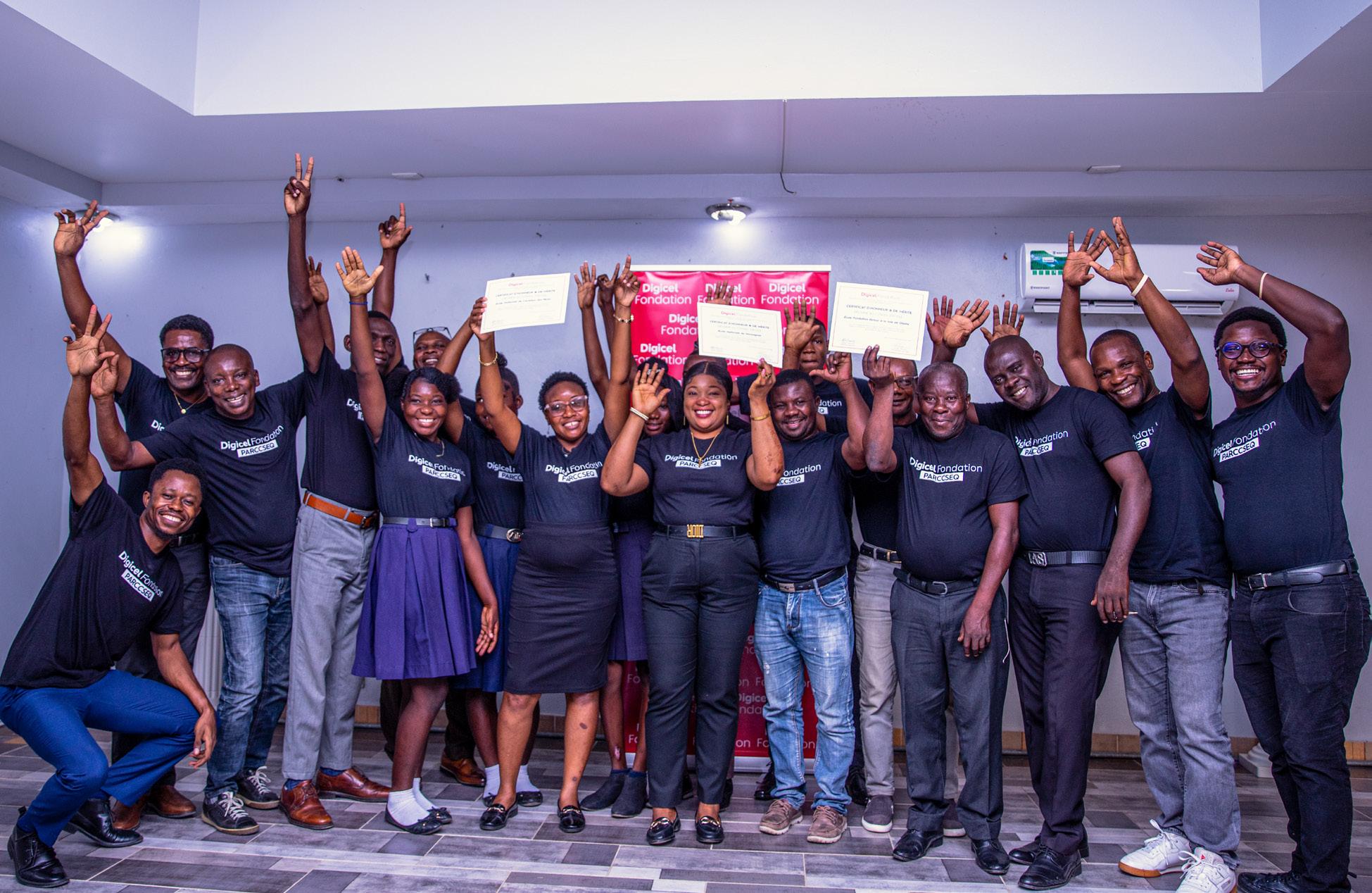
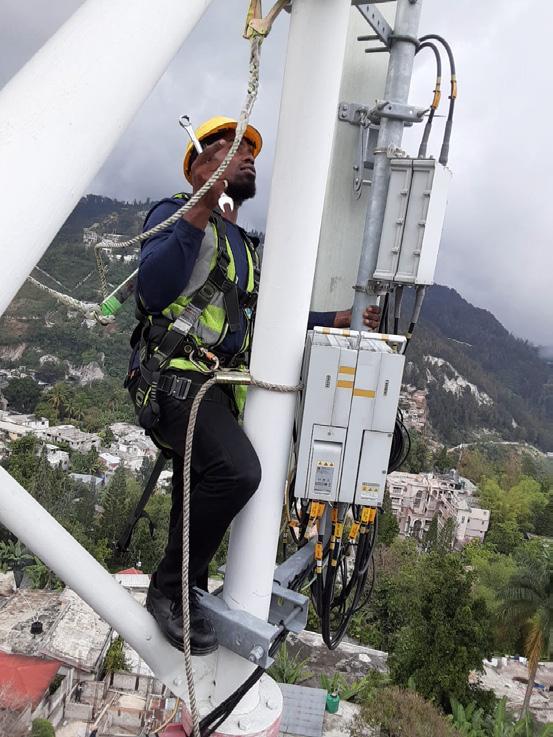
Similarly, Digicel Haiti aims to create what it calls “real connections” – bonds between people that help them live their day-to-day lives through their work, education, and relationships with loved ones.
The company’s role goes well beyond simply providing data, SMS, or voice services, which are the basic expectations of a telecommunications operator.
“Instead, our purpose is to bring people together and be a genuine, contributing part of the communities we serve,” Jean Philippe Brun, CEO, sets out.
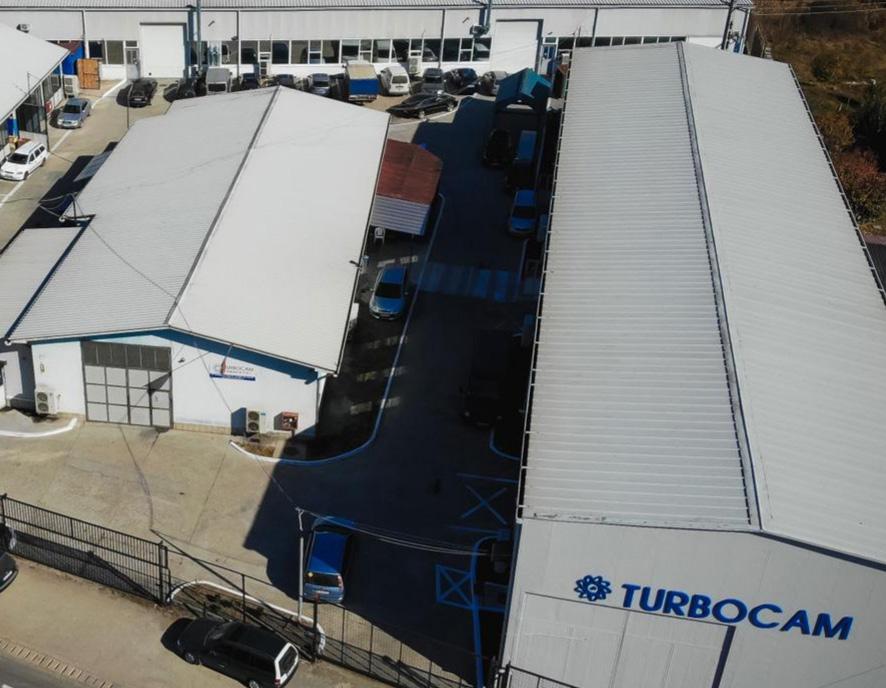
For TURBOCAM, shifting focus from the automotive to the aerospace industry is opening the door to innovative possibilities.
This pivot necessitated a significant long-term investment into aerospace technology and infrastructure.
“Our goal in diversifying was to stabilize financial performance and seek further growth,” Michael Noronha, President, considers.
Elsewhere on our adventure across North America, we journey to the likes of Rochester Gas & Electric, CBRE, and Forterra.
We hope that you enjoy your read.
Jack Salter Head of Editorial, Outlook Publishing
FEATURES
MANUFACTURING
40 Lippert
Built for the Journey Ahead
Enhancing all outdoor recreation adventures
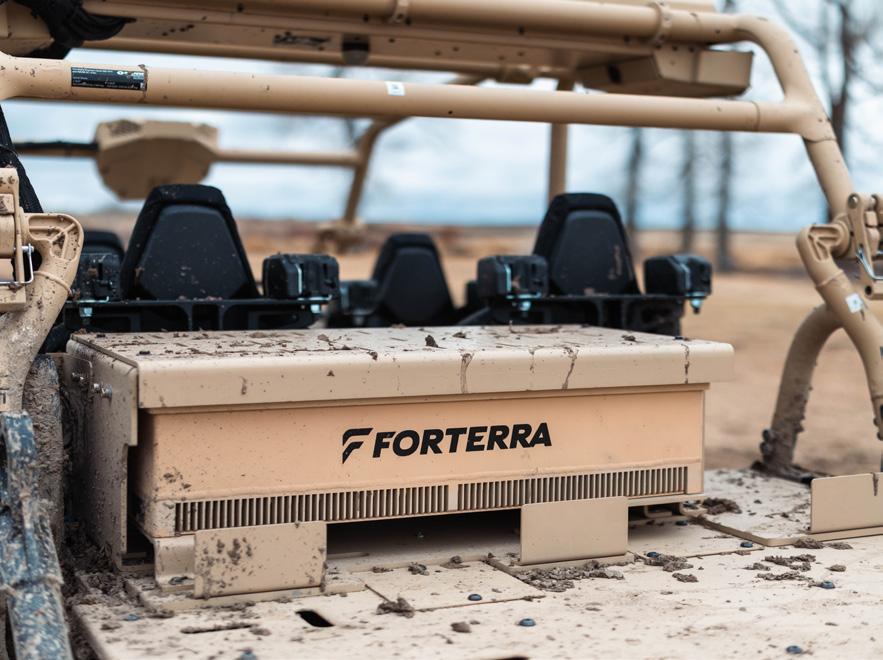
62 Forterra
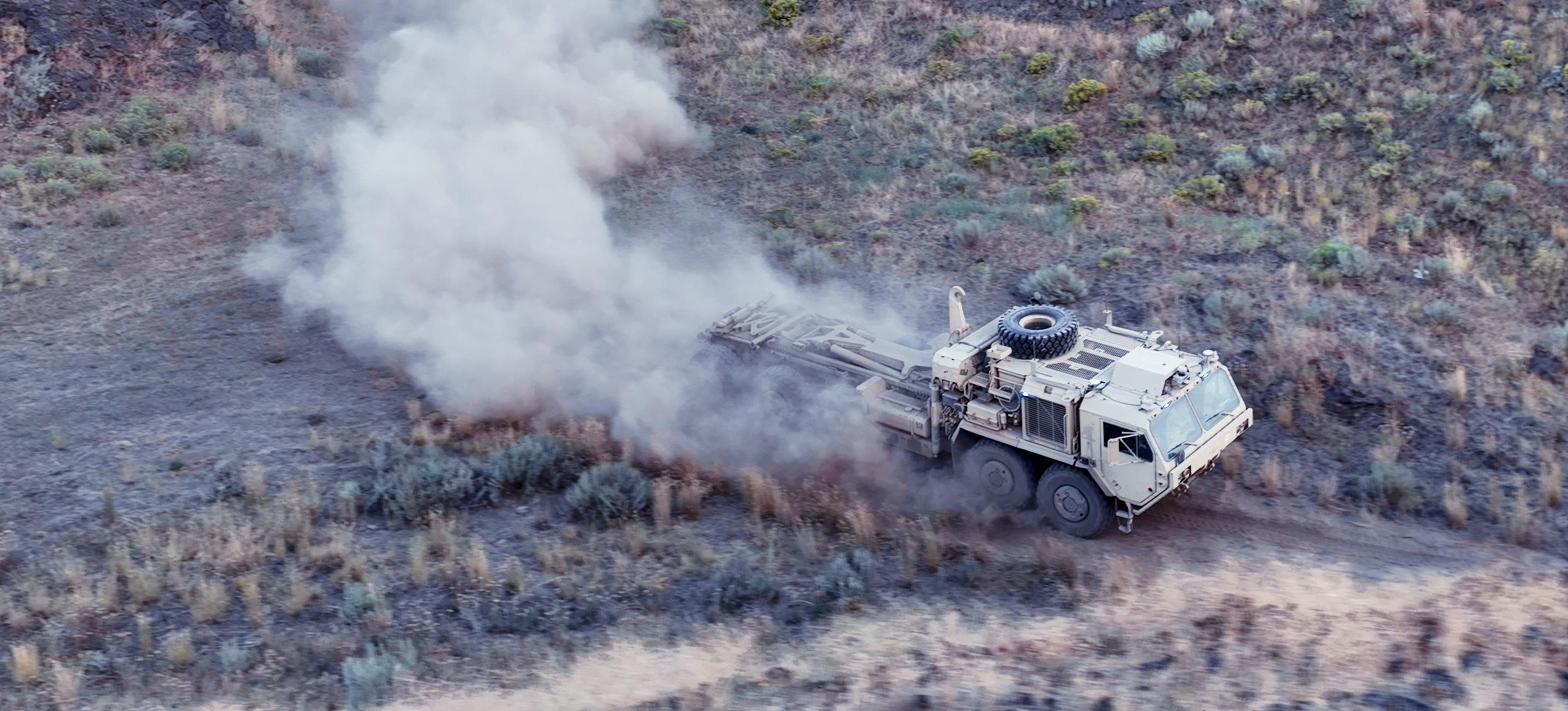
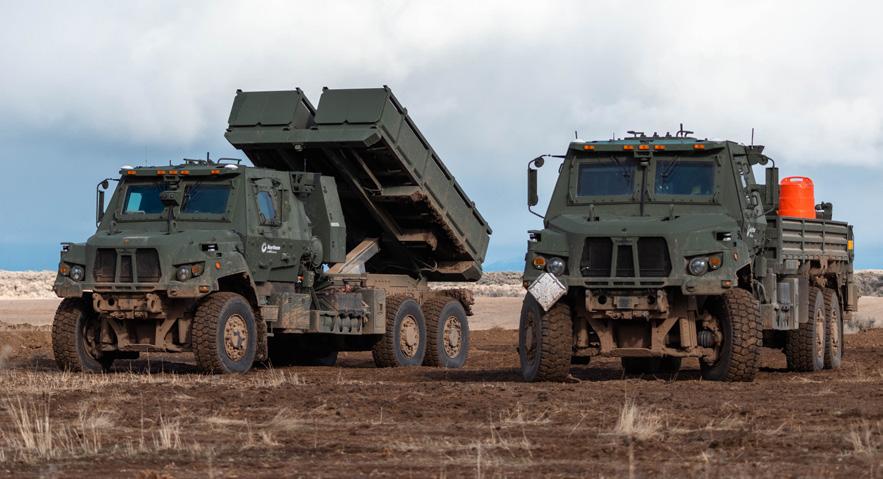
Fortifying the Future Frontiers of Defense
Where technology meets tenacity
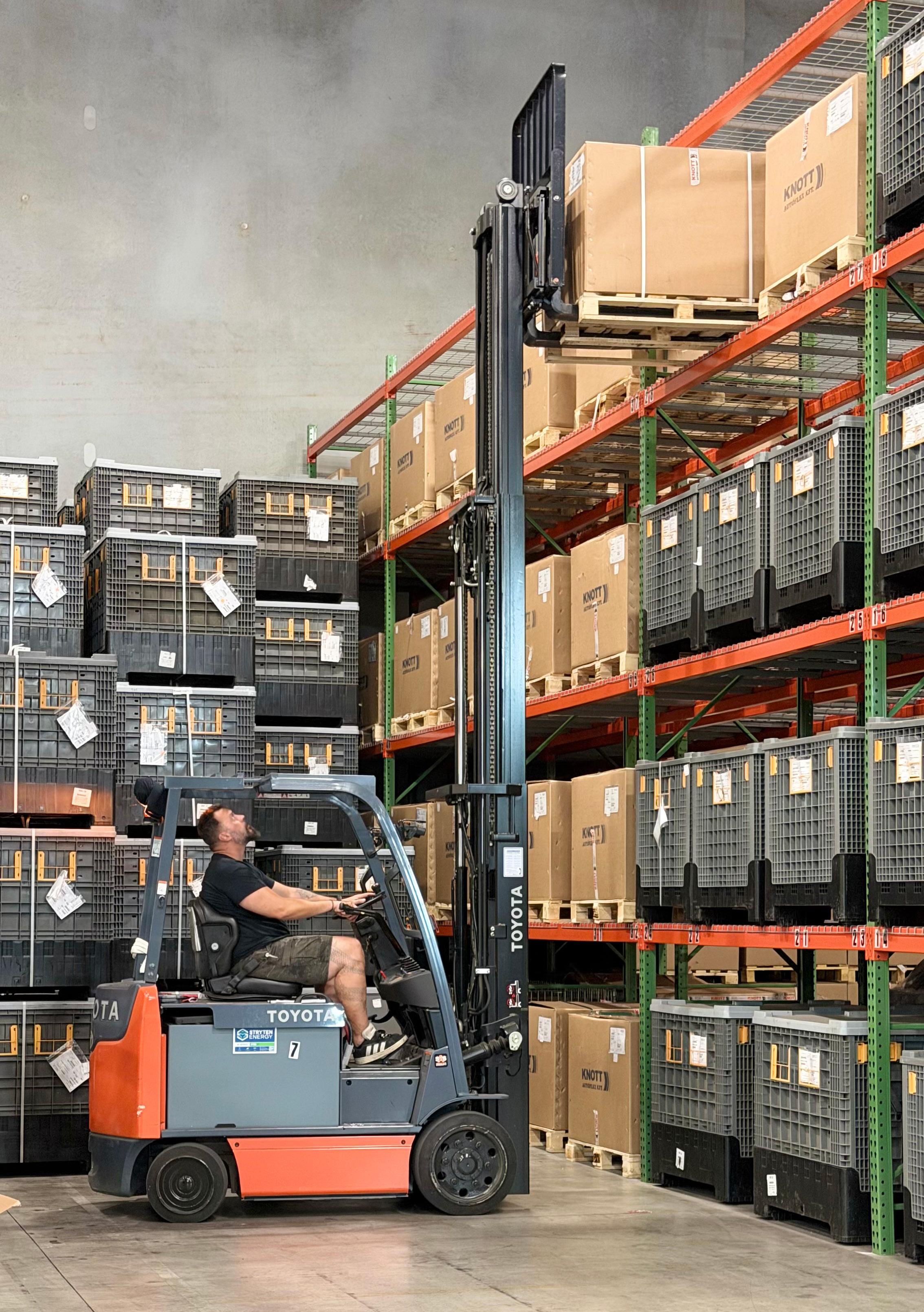
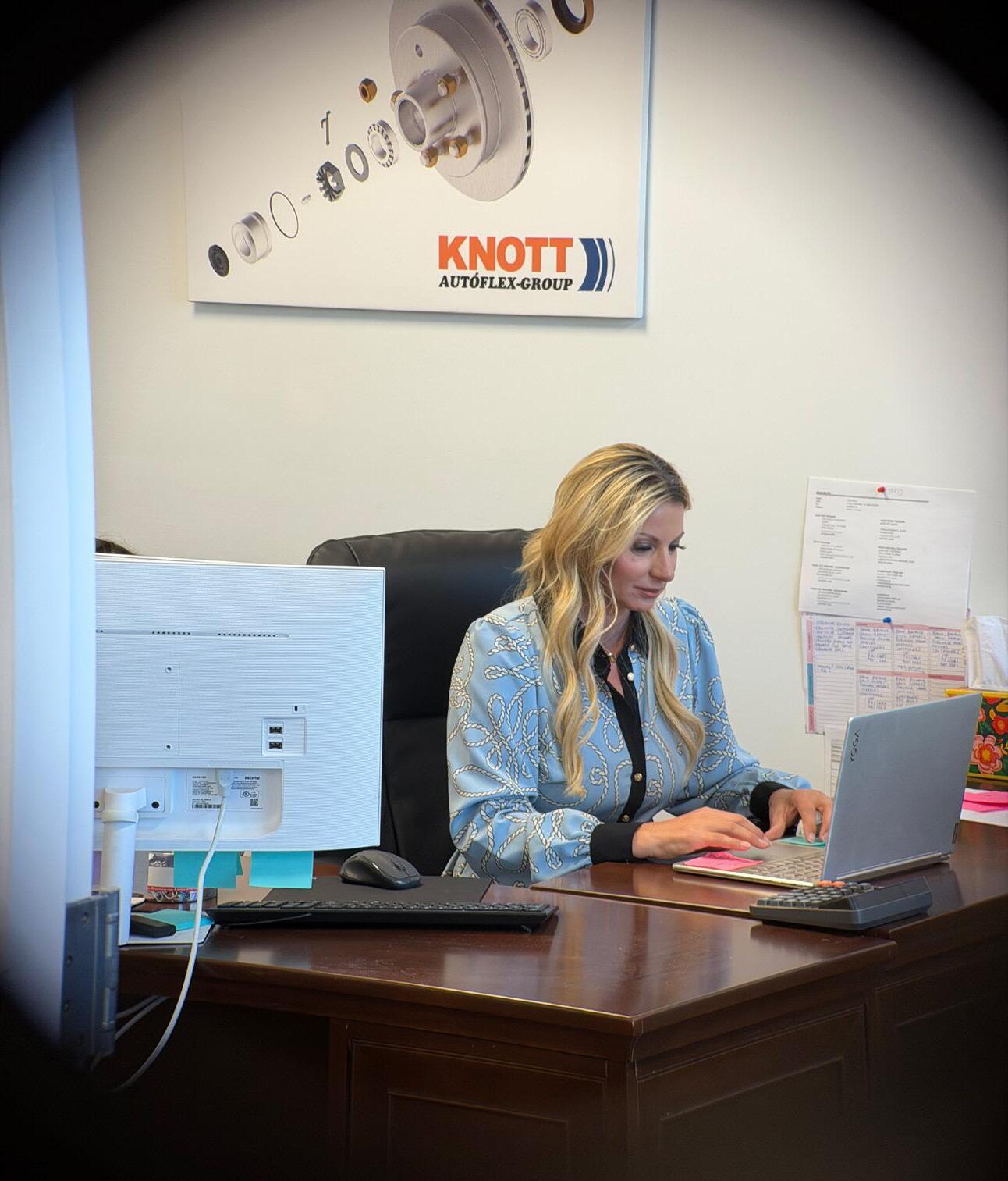
70 Autoflex-Knott
From Hungarian Roots to Global Roads: The Autoflex-Knott Expansion Story
Advanced towing operations and global growth
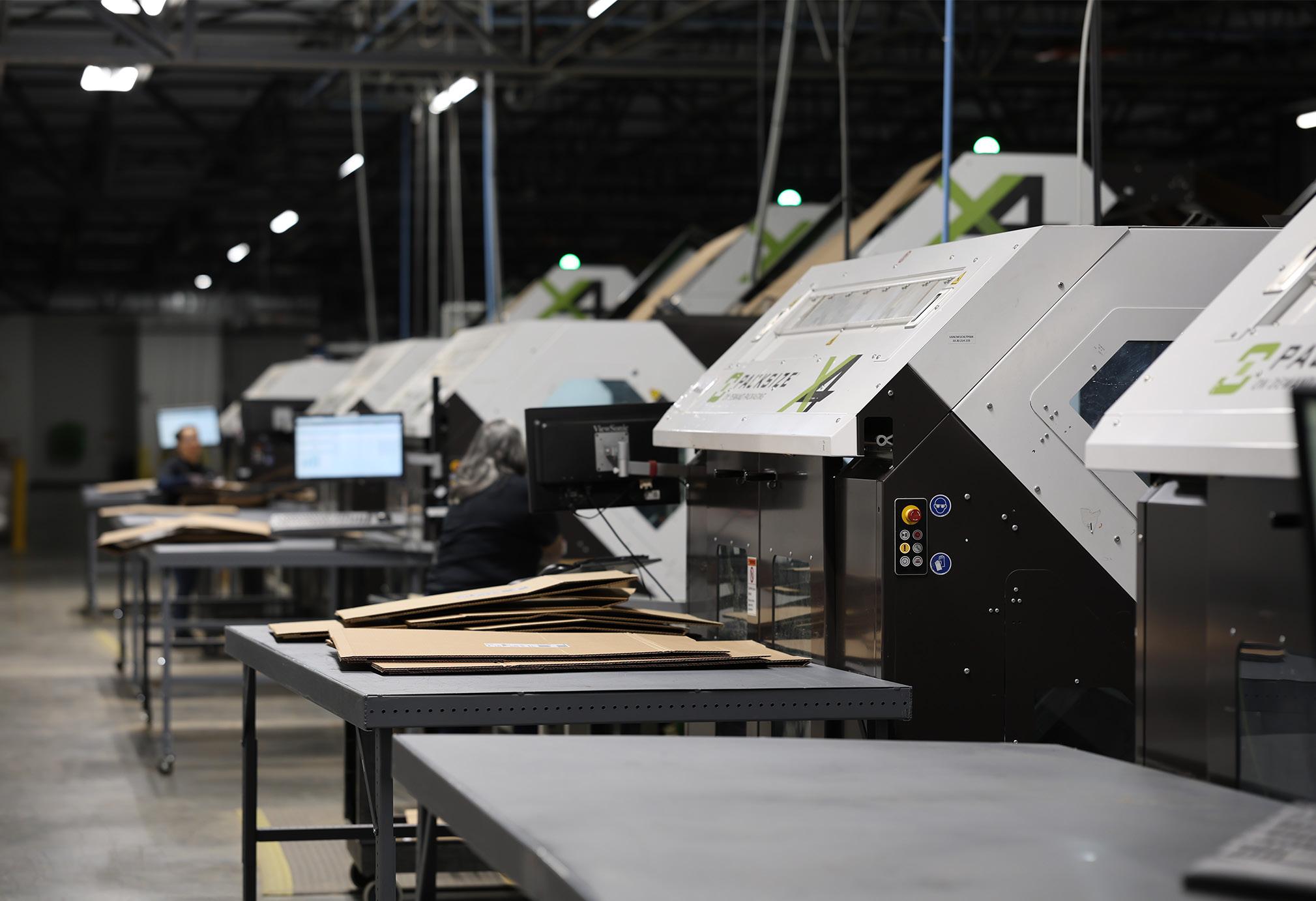
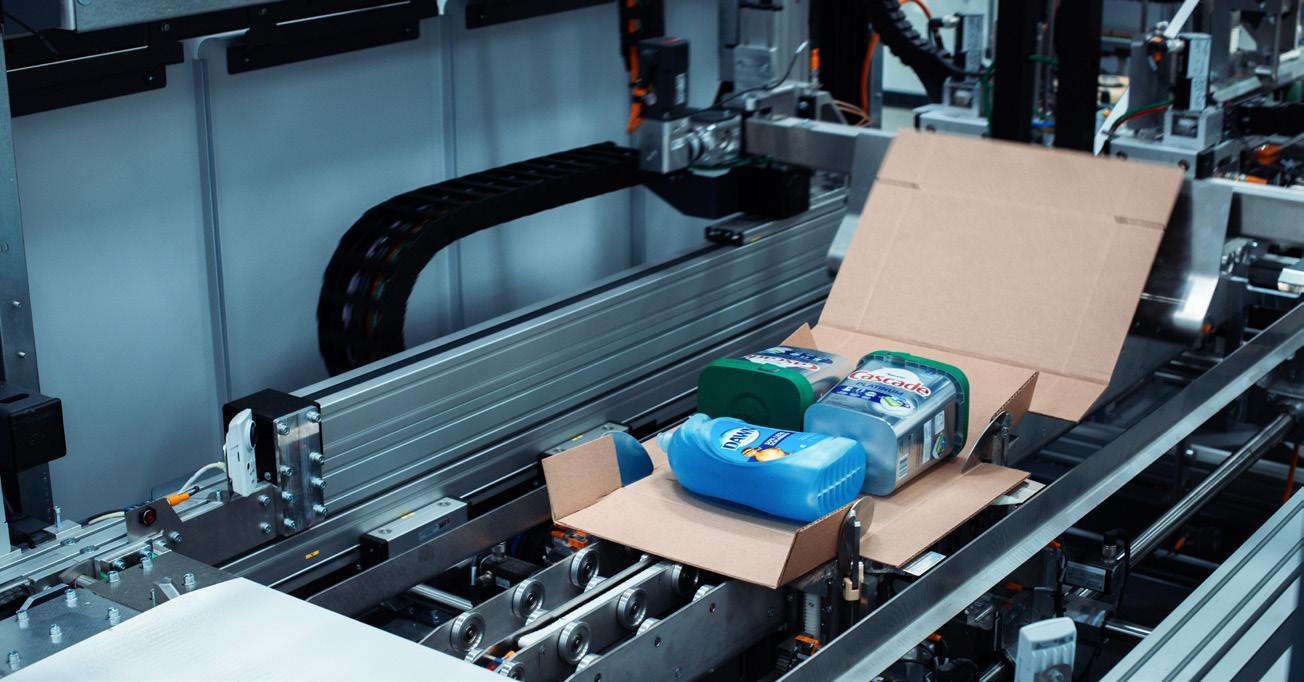
78 Packsize
Smart Packaging for a Healthy Planet
Every product deserves a box that fits perfectly
ENERGY & UTILITIES
86 Rochester Gas & Electric
Powering Upstate New York
A new era of transformation defined by operational evolution
108 VECA Electric & Technologies
Current Innovations Spark a Timeless Legacy
A meaningful partner in project delivery
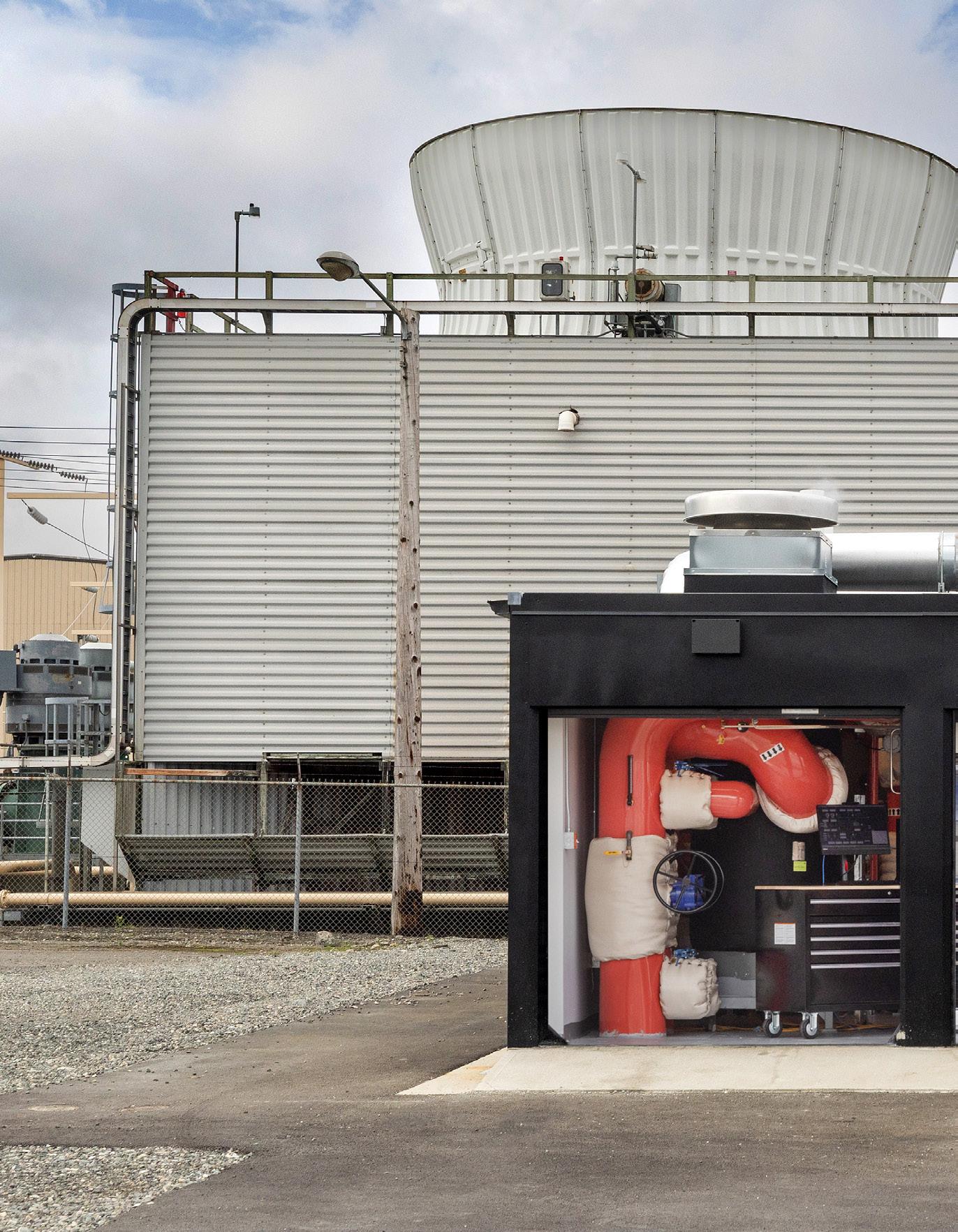
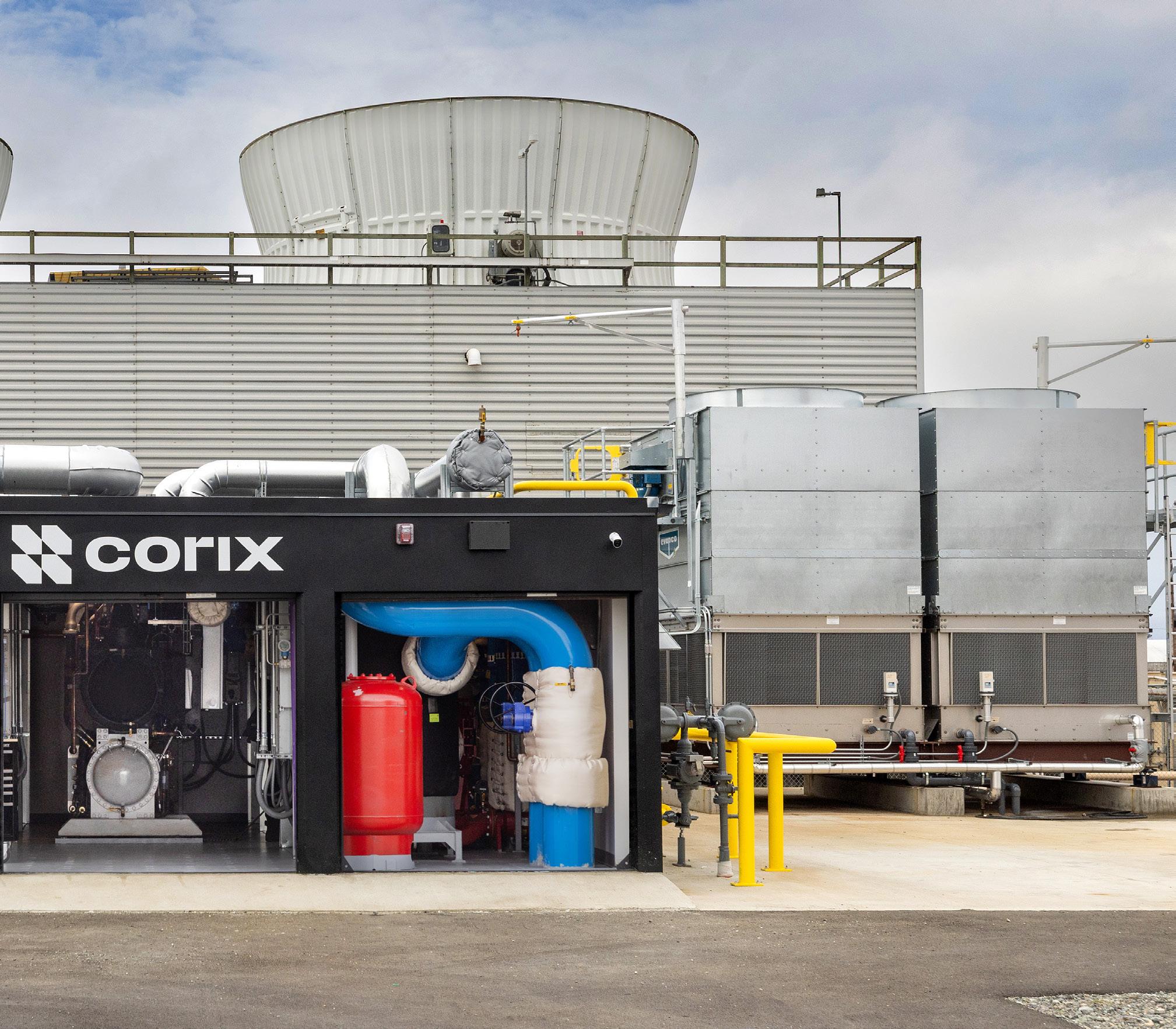
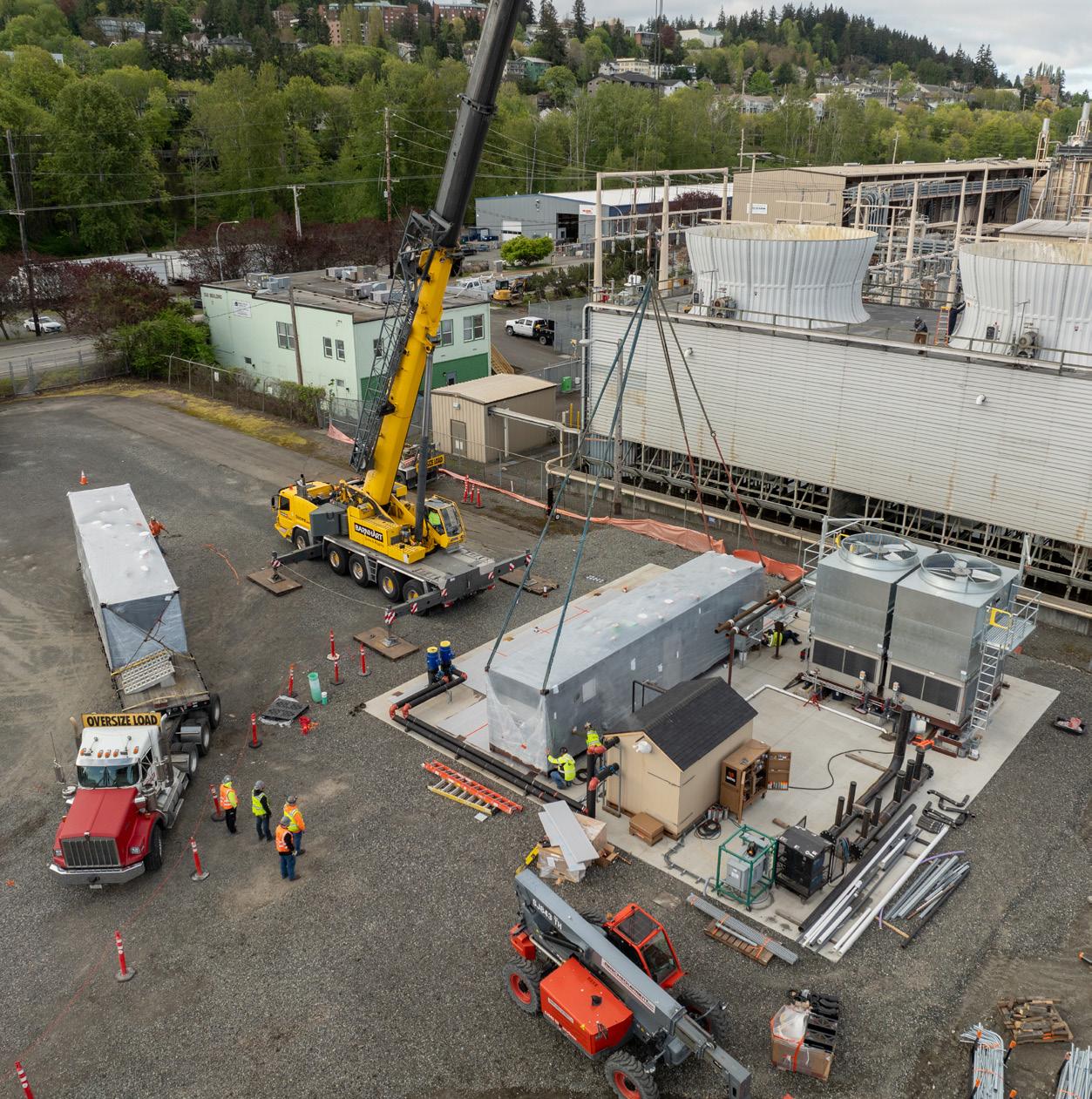
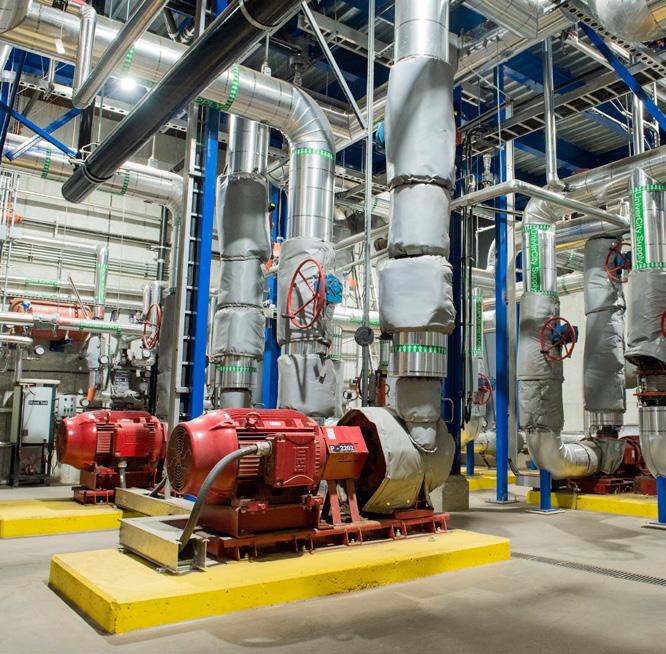
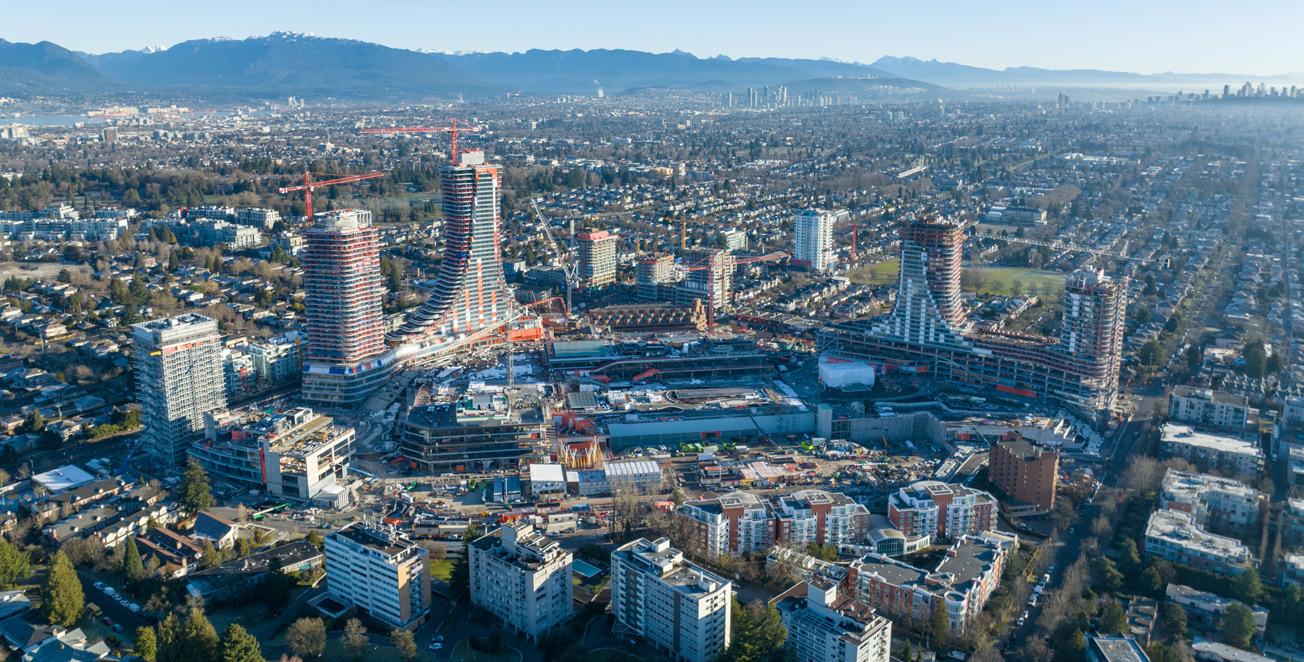
116 Corix
Cultivating Tomorrow’s Low-Carbon Energy Infrastructure
Bringing low-carbon energy systems to life across Canada and the US TECHNOLOGY
122 Digicel Haiti
The Haitian Connection
Togetherness for Haiti
142 TURBOCAM
A Strategic Shift from Wheels to Wings
Propelling innovative possibilities
FOOD & BEVERAGE
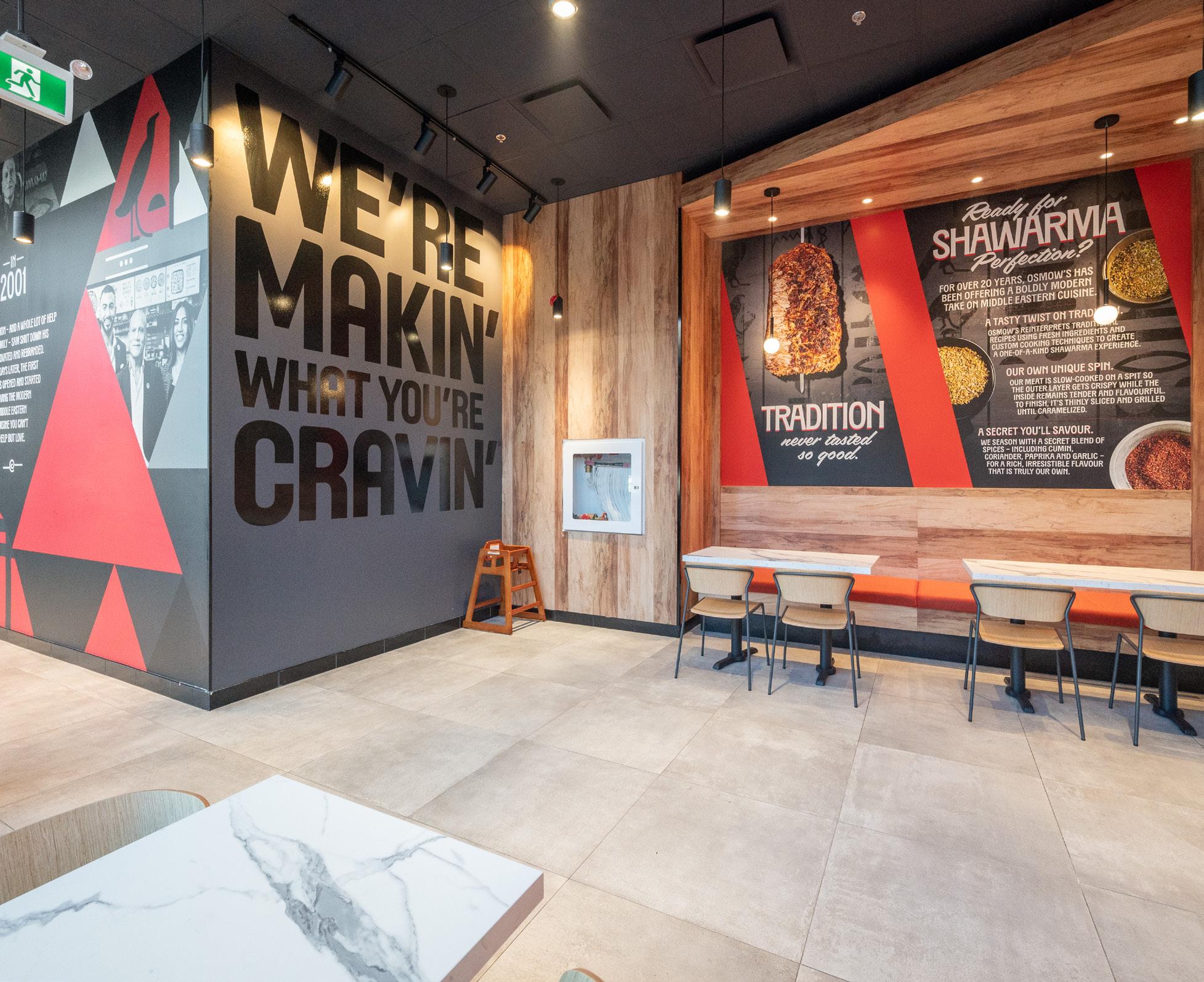
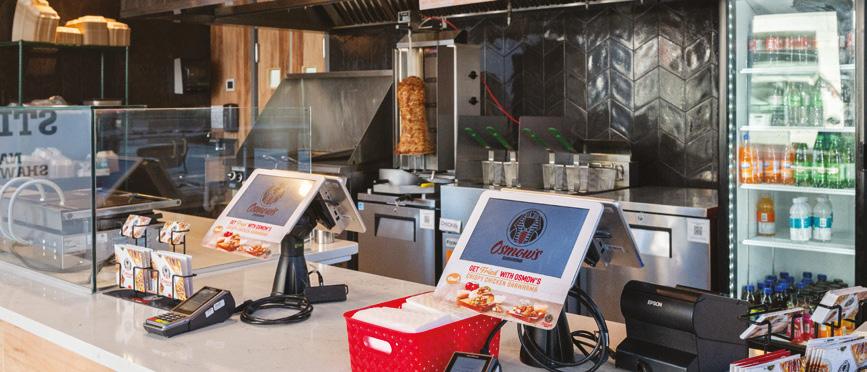
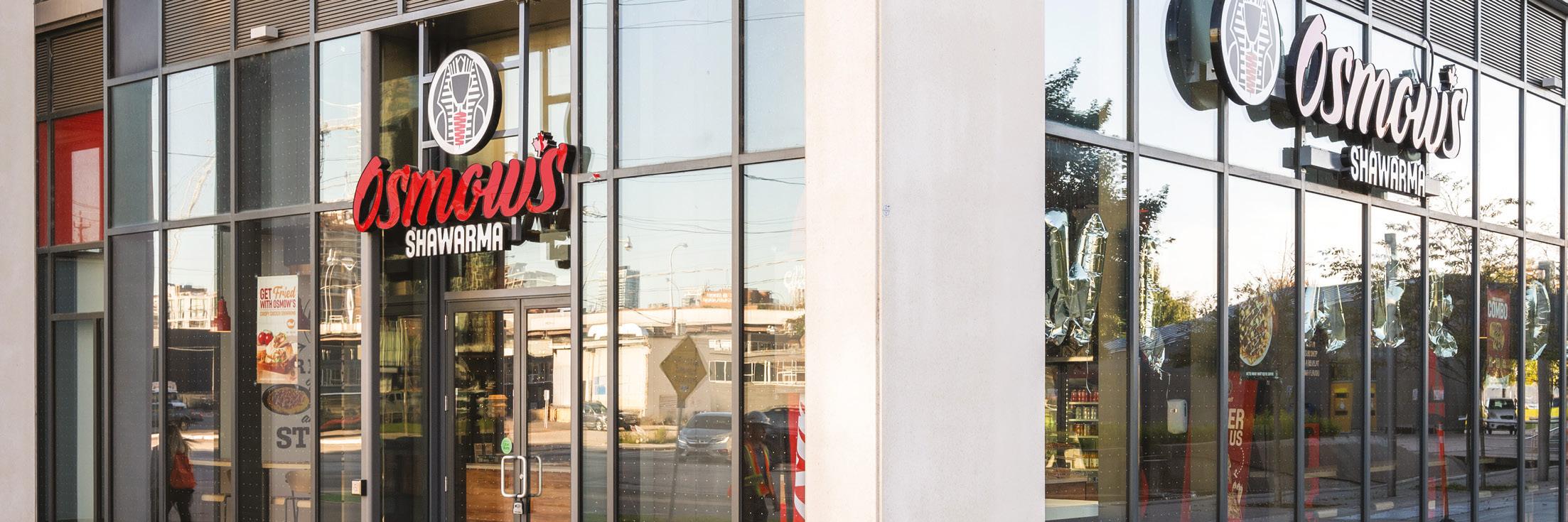
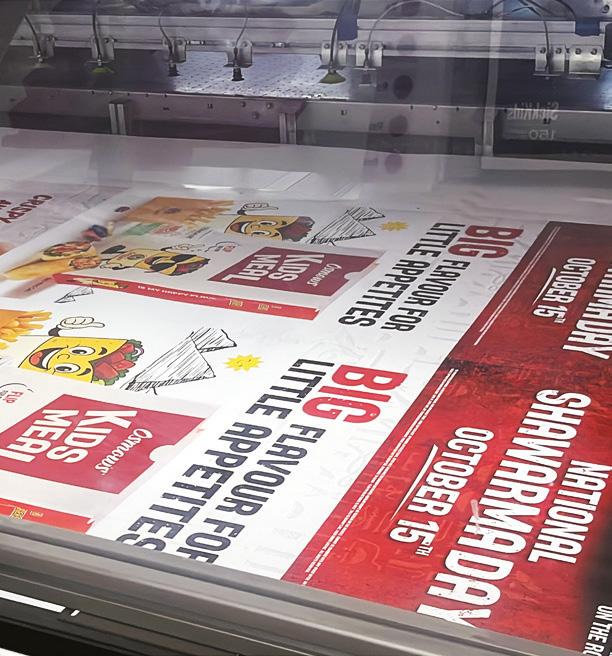
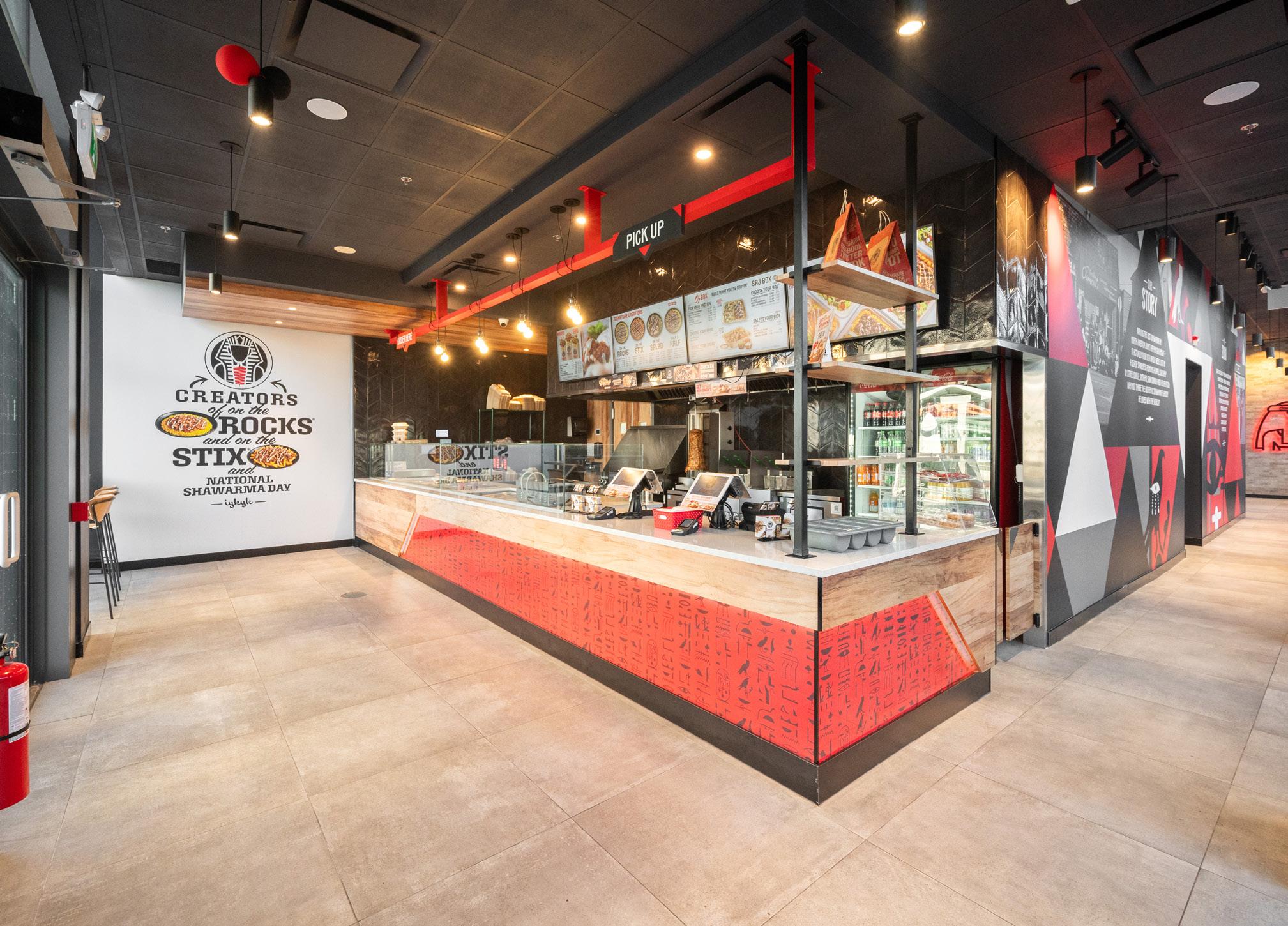
166 Osmow’s Shawarma
Delicious Scenes for Shawarma
Family-run, proudly Canadian
MINING
174 Ausenco
Masters of Minerals and Metals
From complex challenges to sustainable solutions
178 Atlas Salt Inc.
North America’s Premier Undeveloped High-Grade Salt Project
Developing the Great Atlantic Salt Project
FINANCE
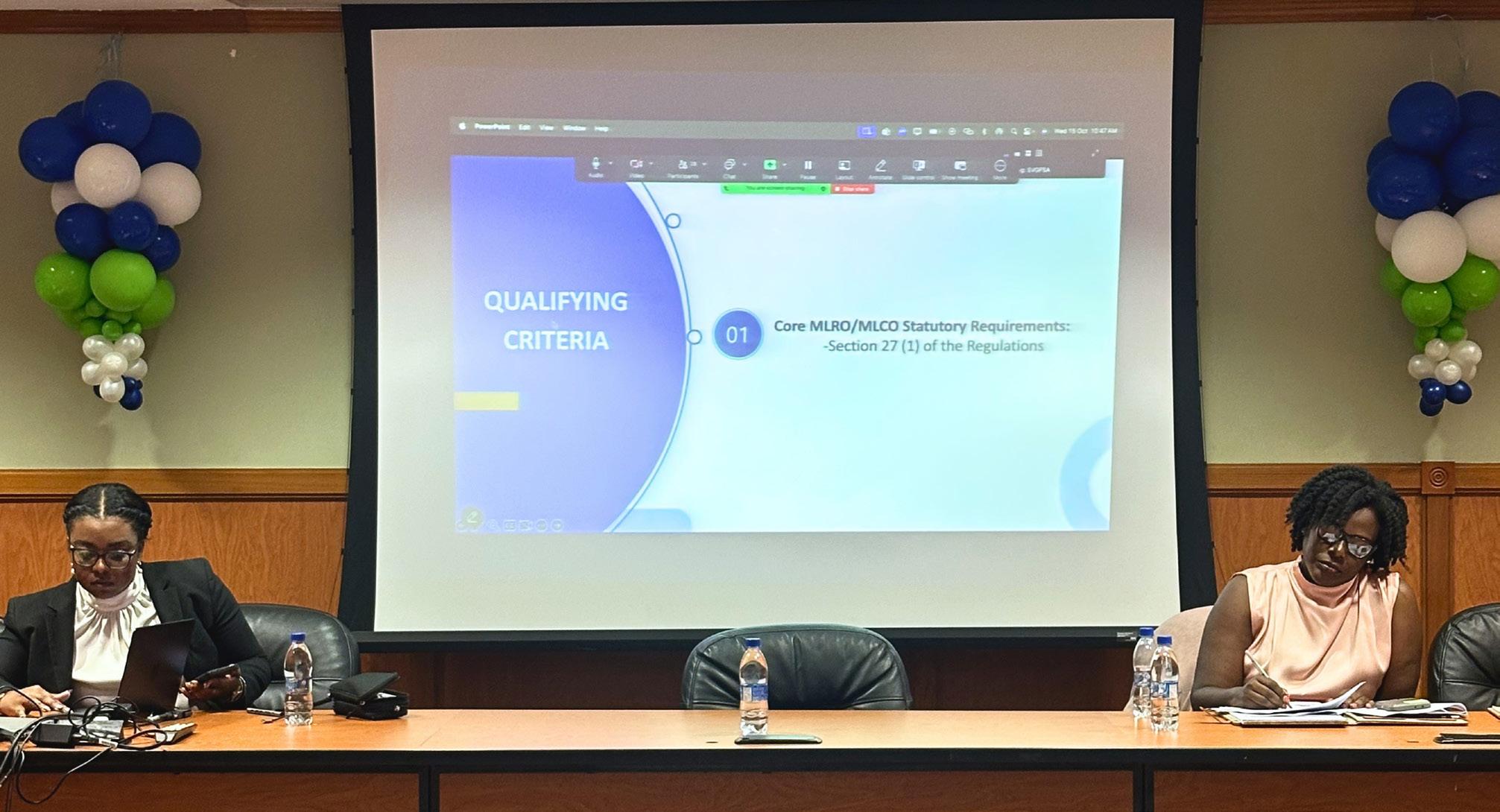
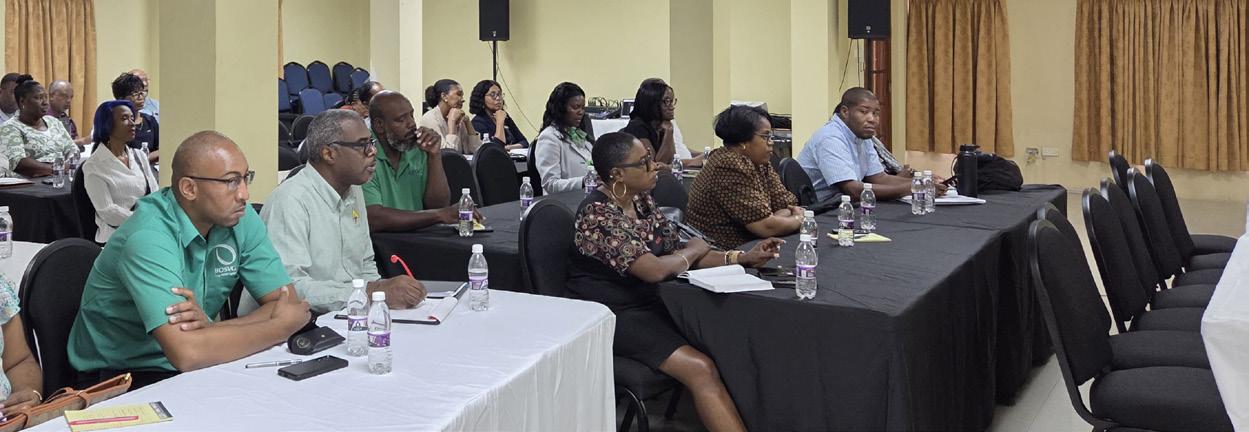
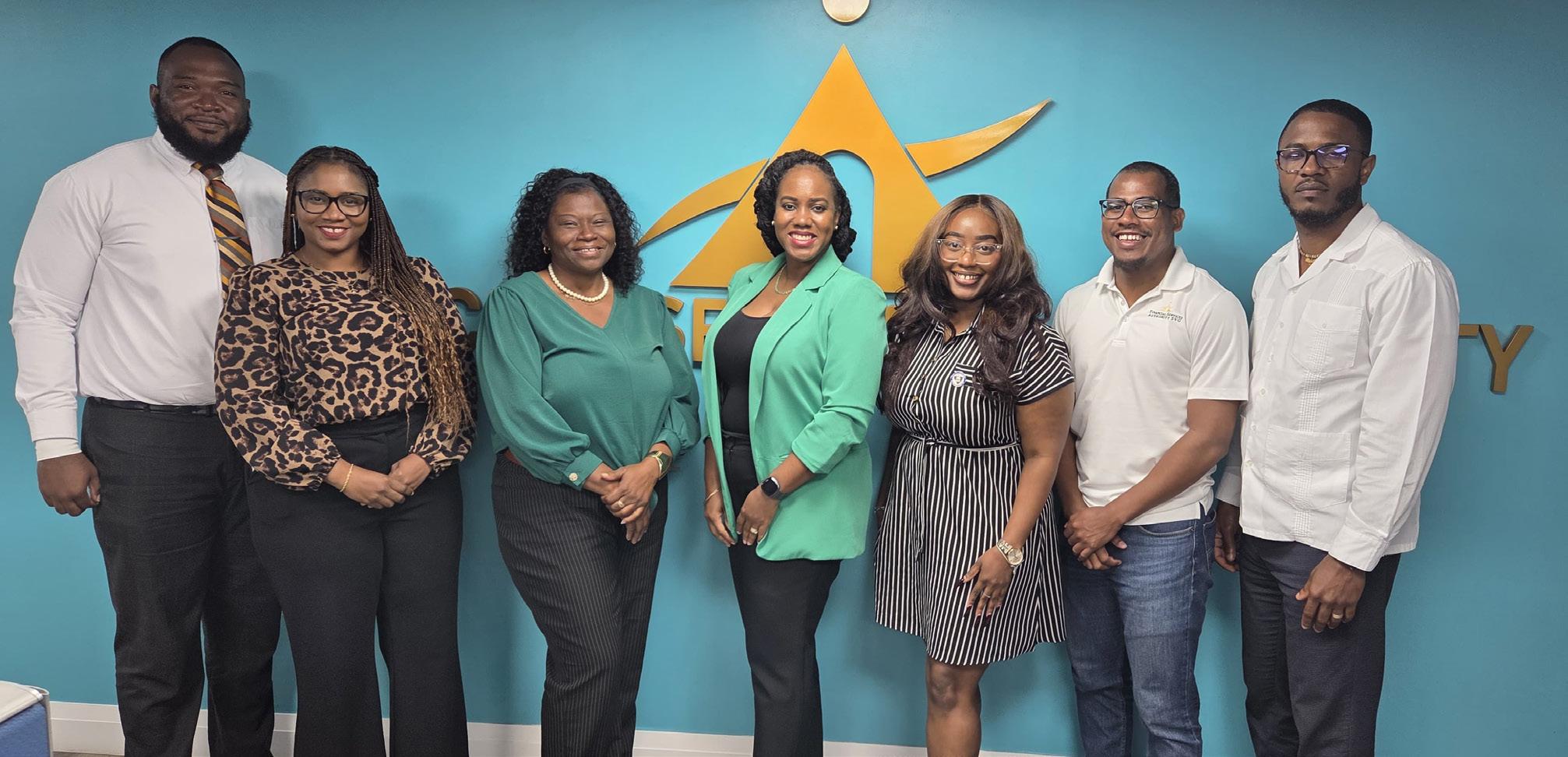
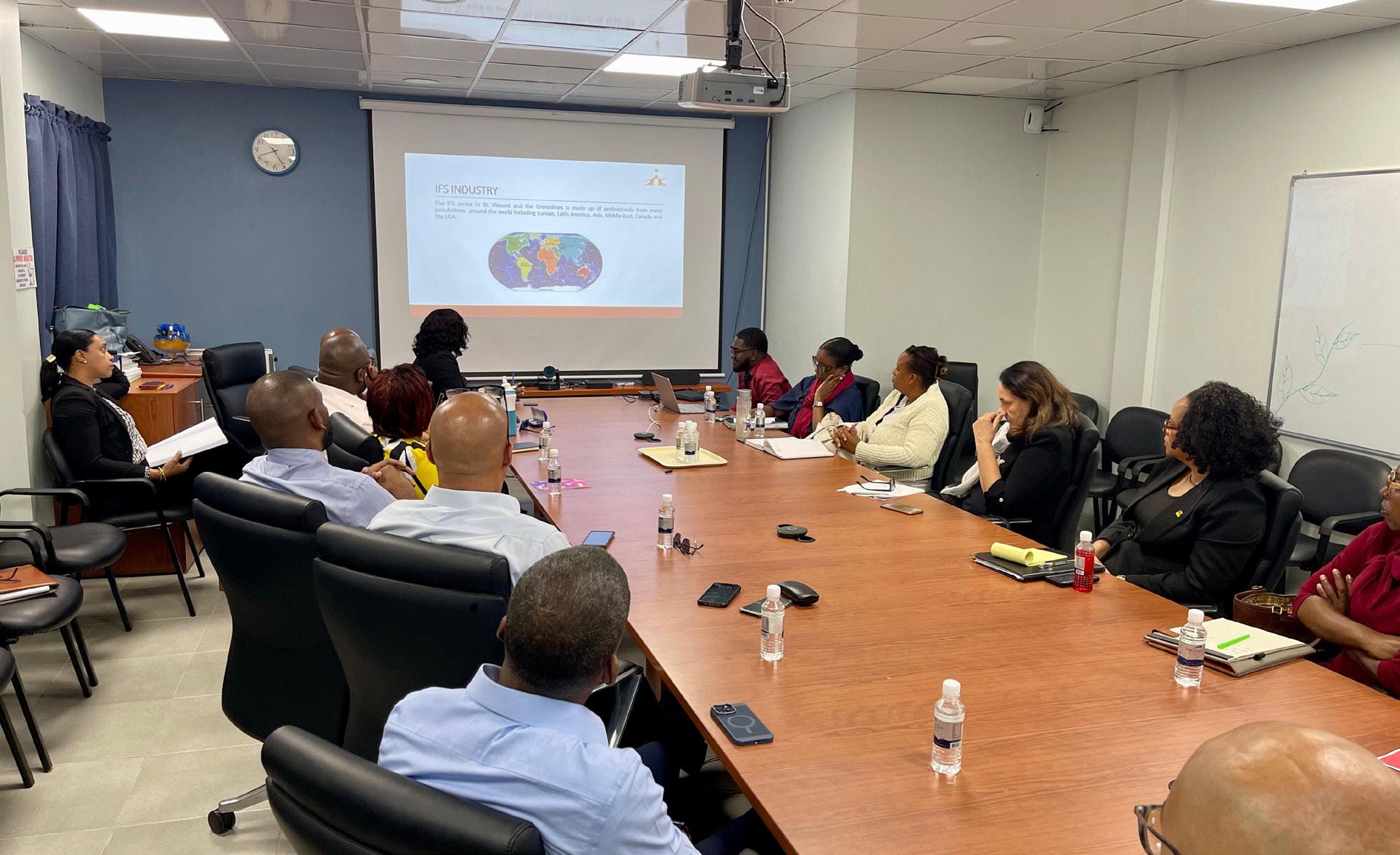
184 SVG Financial Services Authority
Financial Resilience in Saint Vincent and the Grenadines
Risk-based supervision, market oversight, and international cooperation
HEALTHCARE
190 Newport Healthcare
Mental Health Matters
Supporting patients at every stage of their mental health journey
Real Estate Solutions of the Future
A
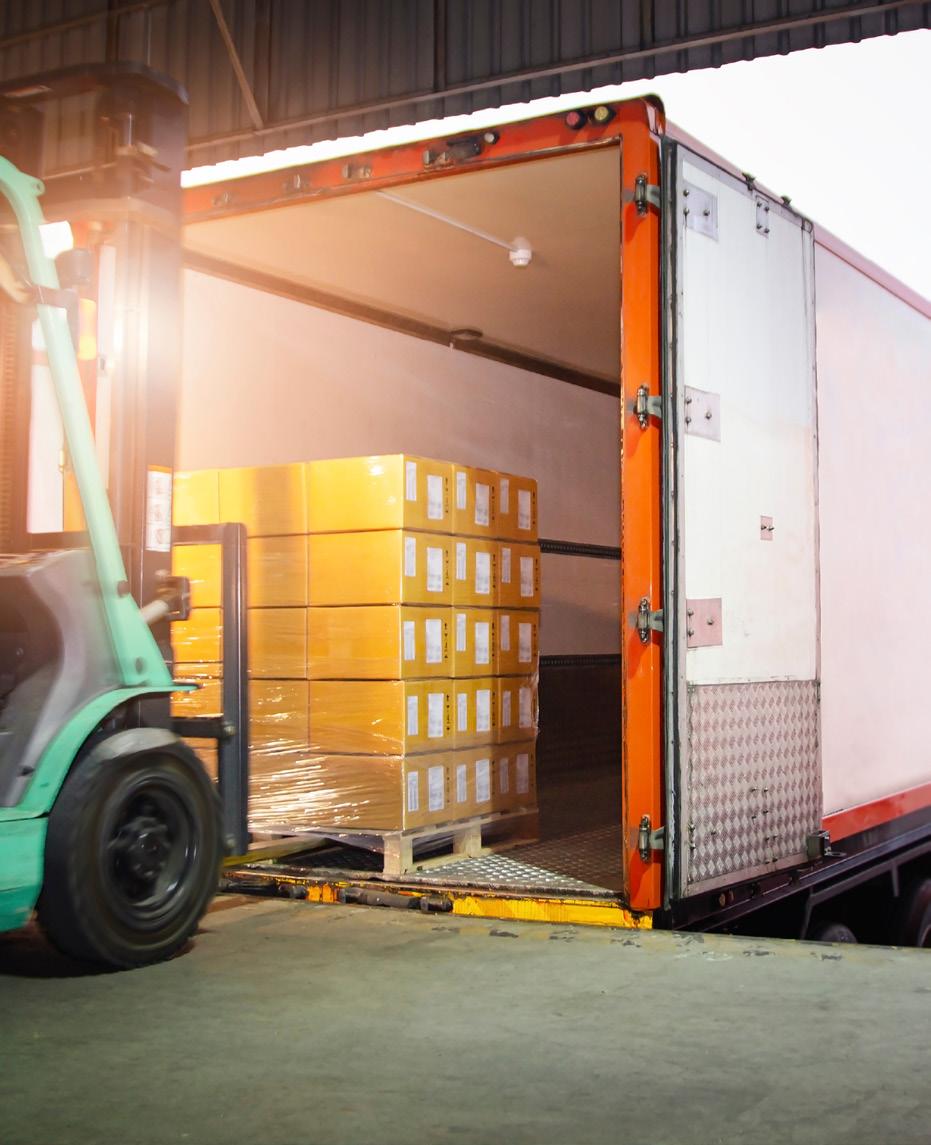
160 Sheer Logistics
Transforming Mid-Market Supply Chain
Performance
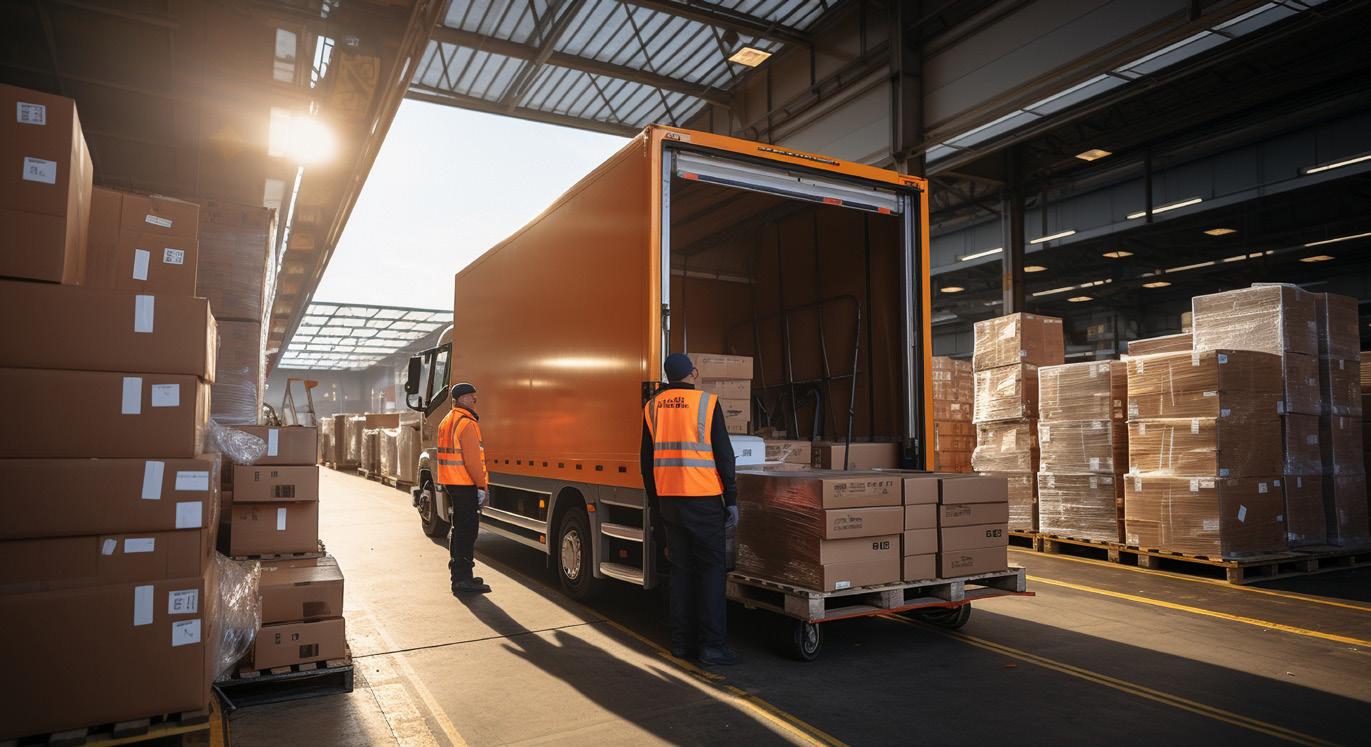
Orchestrating transportation ecosystems through a highly integrated approach
Retail’s Next Competitive Advantage Isn’t Media Spend
– It’s Infrastructure
Jeff Strauss, Head of Imaging at Photoroom, provides key insights into the evolution of product imaging and its impact on the content production and commercial value of major retail brands
Writer: Jeff Strauss, Head
of Imaging, Photoroom
Across North America, the retail sector is entering a new phase of competition as marketplaces, retail media networks, and paid social media become more automated, meaning the advantage is no longer defined by access to better tools or more advanced artificial intelligence (AI); most retailers are now operating with broadly similar capabilities across bidding, targeting, and optimization.
This is shifting the point of difference into the assets these systems rely on, where product imagery, listing quality, and the ability to adapt creatively and quickly are becoming decisive factors in performance.
Therefore, the constraint is no longer how efficiently retailers can
spend, but how quickly and consistently they can produce content that converts.
In my experience, the biggest industry shifts are not driven by access to technology, but how businesses adapt their operating models around it.
This is not a new dynamic, as previous waves of change in retail imaging were not won by those who simply adopted new tools first, but those who reworked how they operated around them, and the same pattern is now playing out again at a much faster pace, where once a gap opens, it compounds quickly.
THE SHIFT FROM SPEND TO PRODUCTION
For many retailers, creative production has not evolved at
the same pace as performance marketing. While media infrastructure has become highly automated, content production often remains manual, fragmented, and slow. This creates a disconnect where advanced distribution systems are limited by inconsistent or delayed inputs.
At enterprise scale, the challenge has never been creating images, but maintaining consistency, speed, and control across thousands of products moving through the system. From experience, this is where things start to break. Small inefficiencies do not stay small for long; they compound across categories, campaigns, and markets.
For example, Wolt, operating across more than 30 countries, processes images with fewer than 100 defects per 100,000 products monthly, a standard only achievable when production is embedded into the workflow from the start.
Delays or inconsistencies can prevent listings from going live on time, directly impacting revenue and campaign performance. In an environment where timeliness and visibility drive conversion, production is no longer a back-end function; it is directly tied to commercial outcomes.
COMPETING WITH THE SAME TOOLS
The conversation around AI in retail often focuses on the capability of the models themselves; however, in practice, most retailers are working with broadly similar tools. The difference is not what technology they have access to, but how that technology is used.
In many cases, what appears to be a limitation of AI is actually a limitation of infrastructure: fragmented workflows prevent organizations from realizing the value of the tools they already have. AI only delivers value when it is embedded into how production actually happens, rather than applied as a layer on top of existing processes.
Competitive advantage now comes from integration – embedding AI into
workflows, standardizing production, and creating systems that can deliver consistent output at scale.
Many organizations are still in transition. Photoroom Intelligence, which draws on analysis across more than seven billion images processed annually, finds that 87 percent of shoppers say product visuals are the most important factor in a purchase decision, yet 64 percent of retailers remain in experimentation or pilot phases with AI. The gap between consumers and production infrastructure represents the single-largest performance opportunity in retail right now.
THE REAL COMMERCIAL RISK
The cost of producing product imaging has fallen significantly, but this is no longer the primary constraint. The greater commercial risk sits in delay. Retail operates in defined windows of demand, driven by seasonality, promotions, or external factors. If imaging is not ready when those windows open, the opportunity is missed.
From an operational perspective, this is where the real cost shows up; it’s not just what is spent producing an image, but what is lost when production cannot keep up with demand.
This is already being reflected in the market. Retailers such as Decathlon have reduced production timelines while improving consistency by embedding structured image workflows, allowing products to go live faster and respond more effectively to demand.
GoodBuy Gear, a recommerce platform, recorded a 23 percent uplift in conversion after making the same shift. In these environments, 51 percent of shoppers say they would switch to another marketplace if product information and visuals are clearer and more reliable elsewhere.
Retail still operates on a simple principle: customers buy with their eyes. The goal was never a beautiful image – it was an image that sells. The quality of what a customer sees shapes
trust, selection, and performance. Poor imaging does not just reduce conversion; it increases returns, which remains one of the fastest ways to erode margin in e-commerce. Speed is no longer just an operational metric – it is a commercial one.
CONSISTENCY IS NOW A COMMERCIAL REQUIREMENT
As content volume increases, consistency becomes critical. Customers are comparing products across multiple sellers and platforms in seconds and, within that environment, inconsistency in imaging quickly signals risk and reduces trust.
Effective product imaging follows three fundamentals: fidelity, realism, and consistency. Products must be represented accurately, placed naturally within their environment, and presented in a way that aligns across listings. When those conditions are met, conversion improves; when they are not, hesitation increases, and return rates often follow.
From my experience, this is where many systems fail - not in producing images, but in maintaining standards across volume. AI does not remove that requirement; it amplifies it.
SCALE OVER OUTPUT
When integrated properly, production shifts from a one-to-many system, where a single input can generate multiple outputs, variations, and formats without adding complexity or decreasing speed. This is what allows retailers to scale without losing control.
Product visuals can no longer be treated as a downstream creative task; they are not simply outputs. Images are part of the infrastructure that underpins how retail operates. This shift also changes the role of merchandising teams, moving focus away from repetitive production and toward setting standards, direction, and quality at scale. This is what visual commerce infrastructure means in practice, not
a tool applied to images, but a system embedded into how retail operates. Platforms such as Photoroom are increasingly being used for this reason, embedding directly into retail workflows to remove production friction and enable consistent output across channels. The broader trend extends beyond any single provider. It reflects a move toward treating content production as a core system rather than a supporting function.
The retailers that recognize this shift early will define the next phase of competition. Those that do not find their ability to scale are constrained, not by demand or budget, but by how effectively they have built the systems required to produce quality visuals at speed, scale, and with consistency. From what we have seen across previous cycles, once that gap opens, it becomes difficult to close.
ABOUT THE EXPERT
Jeff Strauss is Head of Imaging at Photoroom, with more than three decades of experience across retail imaging, creative production, and global marketplace operations. His career spans the transition from film to digital and now AI-driven imaging, having managed imaging teams at brands including Gap, Amazon, and Wolt, a subsidiary of DoorDash.
At Gap, Strauss helped launch a large-scale digital photo studio on the West Coast of the US. While at Amazon, he worked across imaging operations in more than 30 countries, including studio systems producing over 500,000 on-model images annually.
Today, Strauss focuses on how AI can improve workflow efficiency, visual consistency, and trust in e-commerce imaging across both small and medium-sized business and enterprise environments.
AUTONOMOUS SUPPLY CHAINS IN ACTION
As artificial intelligence reshapes the pace and precision of modern supply chains, Blue Yonder is helping organizations transition from reactive planning to autonomous, AI-driven operations. Chief Innovation Officer, Andrea Morgan-Vandome, discusses how the company is transforming decision-making across global industries
Writer: Lily Sawyer
As supply chains continue to face mounting complexity, businesses across myriad industries are turning to artificial intelligence (AI) to improve speed, accuracy, and resilience.
From demand planning and inventory management to warehouse execution and logistics coordination, AI is increasingly becoming a central component of modern supply chain strategies.
At the forefront of this transformation is Blue Yonder, whose AI-powered platform is helping organizations move away from manual processes and siloed operations toward more connected and autonomous supply chain ecosystems.
“We are seeing AI adoption across retail, consumer packaged goods (CPG), logistics service providers, and manufacturers. The goals of
companies adopting AI are speed, precision, and positive outcomes,” opens Andrea Morgan-Vandome, Chief Innovation Officer.
“To give you an idea of volume, Blue Yonder does 27 billion AI predictions a day. Adoption of AI for inventory deployment, transportation, and fulfillment operations is now mainstream across industries, and we are seeing growing interest in endto-end supply chain automation as
opposed to siloed thinking.”
With businesses increasingly recognizing the benefits of intelligent automation, Blue Yonder is continuing to build momentum as organizations shift toward more integrated, datadriven supply chain models.
POWERED BY PARTNERSHIPS
Strategic partnerships also play a key role in Blue Yonder’s continued growth and innovation.
By collaborating with leading technology providers, the company is able to accelerate the development and deployment of advanced supply chain capabilities for its customers.
Among these partnerships is Blue Yonder’s collaboration with Microsoft, which recently saw it named Microsoft’s 2025 Global Independent Software Vendor (ISV) Partner of the Year.
“Strong partnerships are central to the company’s growth strategy, and recognitions such as this reinforce both our momentum and market leadership,” Morgan-Vandome explains.
“Our collaboration with Microsoft goes beyond technology integration; it fuels co-innovation,” she adds.
By combining its deep supply chain and AI expertise with Microsoft’s cloud and AI capabilities, Blue Yonder is transforming how work gets done, embedding intelligent automation and autonomous agents into core workflows.
In this way, the two companies are helping to accelerate the shift toward a more autonomous supply chain, allowing systems to sense changes, make decisions, and act in real time.
“This enables organizations to operate with greater agility and resilience,” Morgan-Vandome emphasizes.
PLANNING IN REAL TIME
An area where AI is having a particularly profound impact is demand and supply planning.
Traditionally reliant on manual processes and periodic updates, planning functions are now evolving into continuous, real-time decision environments.
Blue Yonder’s latest enhancements are designed to support this recent shift by integrating AI directly into daily decision-making.
“Our latest demand and supply planning enhancements enable organizations to move away from reactive responses and toward proactive ones.
ABOUT ANDREA MORGAN-VANDOME
As Chief Innovation Officer, Morgan-Vandome leads product strategy, roadmap direction, and acquisition strategy for Blue Yonder. She also works closely with the company’s product management team and oversees its supply chain advisory, which is focused on driving growth, speed, and value for customers.
Armed with more than 25 years of leadership experience, MorganVandome was named among RETHINK Retail’s 2024 Top AI Leaders in Retail list – specifically the Growth Stage Tech category –which celebrates individuals and companies pioneering the integration of AI within the sector.
“OUR LATEST DEMAND AND SUPPLY PLANNING ENHANCEMENTS ENABLE ORGANIZATIONS TO MOVE AWAY FROM REACTIVE RESPONSES AND TOWARD PROACTIVE ONES”
– ANDREA MORGAN-VANDOME, CHIEF INNOVATION OFFICER, BLUE YONDER
“In some cases, we’ve enabled more autonomous, resilient operations by embedding AI directly into everyday workflows,” Morgan-Vandome notes.
Blue Yonder’s AI continuously senses changes across demand, supply, and capacity, evaluates tradeoffs in real time, and recommends the best course of action.
“Instead of manually analyzing spreadsheets and emailing and calling tracing partners, planners receive prioritized insights, scenario
simulations, and impact assessments that support faster, more confident decisions,” she outlines.
Intelligent agents are also playing an increasingly important role in streamlining operations by actively monitoring performance indicators and triggering workflows where necessary.
“They monitor key performance indicators (KPIs) and conditions both within the organization and across the network, trigger workflows, and can
autonomously execute actions within defined guardrails, reducing manual effort and compressing decision cycles,” Morgan-Vandome assesses.
Together, these capabilities allow businesses to transition from periodic planning cycles to a continuous, predictive, and adaptive approach, building more agile and resilient supply chains.
“Blue Yonder’s strength lies in unifying planning, logistics, operations, and customer experience on a single AI-enabled platform, eliminating the traditional gap between planning and execution,” she explains.
SMARTER WAREHOUSE OPERATIONS
Beyond planning, AI is also reshaping day-to-day warehouse operations, where the need for speed, accuracy, and coordination continues to grow.
As such, Blue Yonder has introduced a range of AI-driven capabilities, advanced resource orchestration tools, and expanded robotics integration within its warehouse management solutions.
With more than 1,000 warehouse management systems operating in the cloud, Blue Yonder’s AI continuously evaluates operational
conditions and adjusts priorities accordingly.
“We arrange priorities based on demand, labor availability, congestion, and carrier schedules, coordinating people and automation seamlessly,” Morgan-Vandome details.
In addition, the company’s AI-powered platform provides warehouse operators with clear and actionable insights that support faster issue resolution and ongoing improvement, the impact of which is felt directly on the warehouse floor.
“We have seen that, on the ground, this approach reduces travel time, balances workloads across teams and robotics, and offers an alternative to slotting through stock keeping units (SKUs) and order affinity analysis,” she reflects.
AI agents further enhance operational performance by identifying improvement opportunities instantly.
“They flag focus areas and process improvements in real time, helping warehouses run more efficiently, stay aligned with transportation and supplier networks, and continuously self-optimize to maintain throughput and service levels,” Morgan-Vandome adds.
THE FUTURE OF AUTONOMOUS SUPPLY CHAINS
As supply chain networks grow increasingly complex, Blue Yonder’s long-term vision is centered around providing a sense of autonomy where AI and human decision-makers work together to drive measurable outcomes.
Looking ahead, the company remains focused on helping customers solve their most pressing operational challenges while balancing performance, cost efficiency, and sustainability.
“Our AI-powered platform is evolving toward greater independence and growth for our customers, enabling them to balance service levels, cost efficiency, and environmental responsibility while also driving profits, margins, and inventory availability,” MorganVandome assesses.
By removing silos and automating routine execution, for example, organizations are able to focus their efforts on strategic decision-making while AI systems handle complex operational processes.
“In this way, humans can focus on what matters, while the system acts faster, more precisely, and in an outcome-driven way,” she tells us.
Ultimately, the goal is a fully integrated and self-optimizing supply chain ecosystem.
“Going forward, we see AI and humans working together seamlessly to solve problems, improve performance, and deliver results that matter to our customers,” MorganVandome confidently concludes.
Many children are captivated by the idea of adventure, and as they gaze up at the stars, they often nurture dreams of exploring the vastness of space.
However, only a select few ever transform those aspirations
Moon maven, Skyler Chan, has ambitious designs on Earth’s celestial companion. The Founder and CEO of GRU Space reveals his plans for the first lunar hotel, establishing a new era of space tourism and charting an exciting course for humanity’s continued expansion into the cosmos
Writer: Rachel Carr
into reality. One such exceptional individual is Skyler Chan, the visionary Founder and CEO of GRU Space.
With relentless determination and a pioneering spirit, Chan is pushing the boundaries of what is possible by creating the first lunar hotel, inspired
by the Greco-Roman architecture of San Francisco’s Palace of Fine Arts.
“I started GRU Space because, like many others growing up, I aspired to become an astronaut and even had the opportunity to learn to fly gliders at an Air Force base in Canada.
“OUR FIRST STEP IS TO DEVELOP TECHNOLOGY TO AUTONOMOUSLY DEPLOY AN INFLATABLE HABITAT ON THE MOON, AS TRADITIONAL CONSTRUCTION METHODS AREN’T FEASIBLE. WE NEED A CONOPS TO TEST IT EFFECTIVELY, AS THIS IS GROUNDBREAKING WORK”
– SKYLER CHAN, FOUNDER AND CEO, GRU SPACE
“However, I realized that rather than just going to space myself, it would be more meaningful for everyone to have the chance to experience it,” he shares passionately.
Chan became obsessed with understanding what it would take to make space travel accessible to all – this may seem impossible, but as technology progresses, it’s inevitable.
“Humanity has always explored new frontiers, and the Moon is just the next step, followed by Mars. It’s exciting to witness this new era of exploration!”
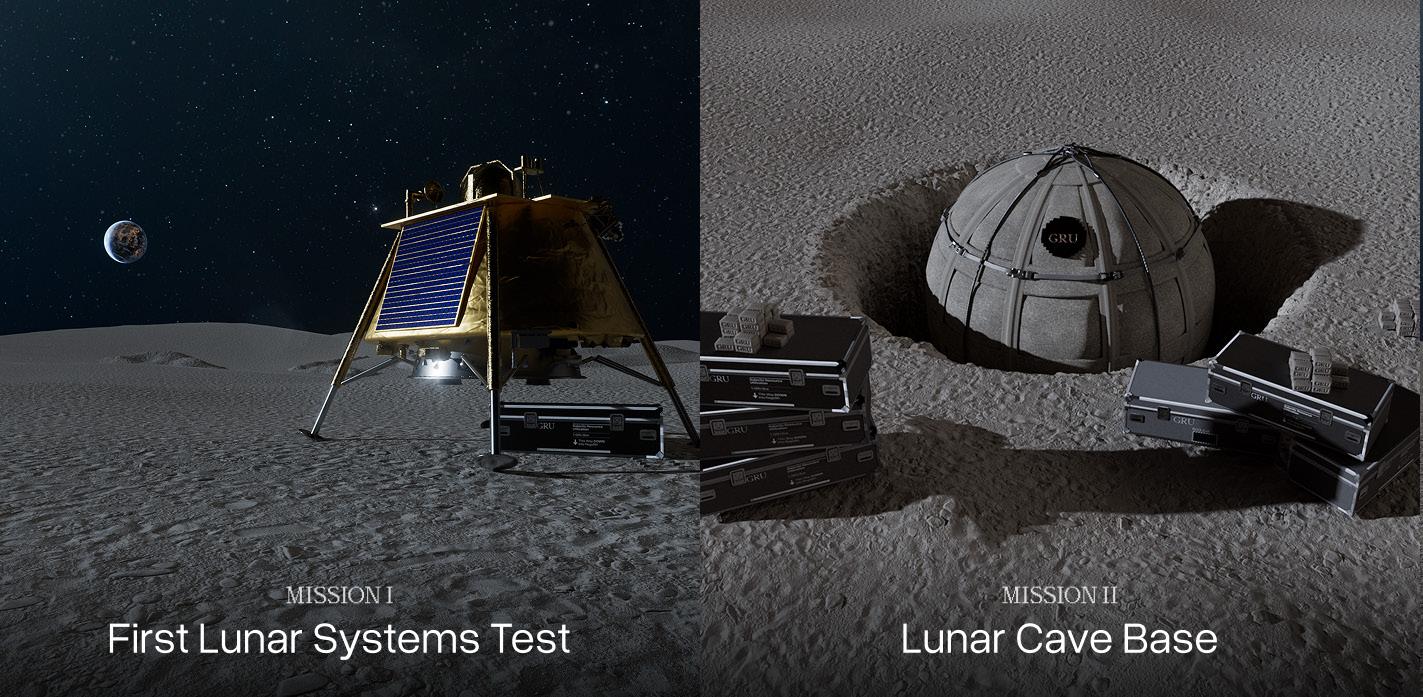
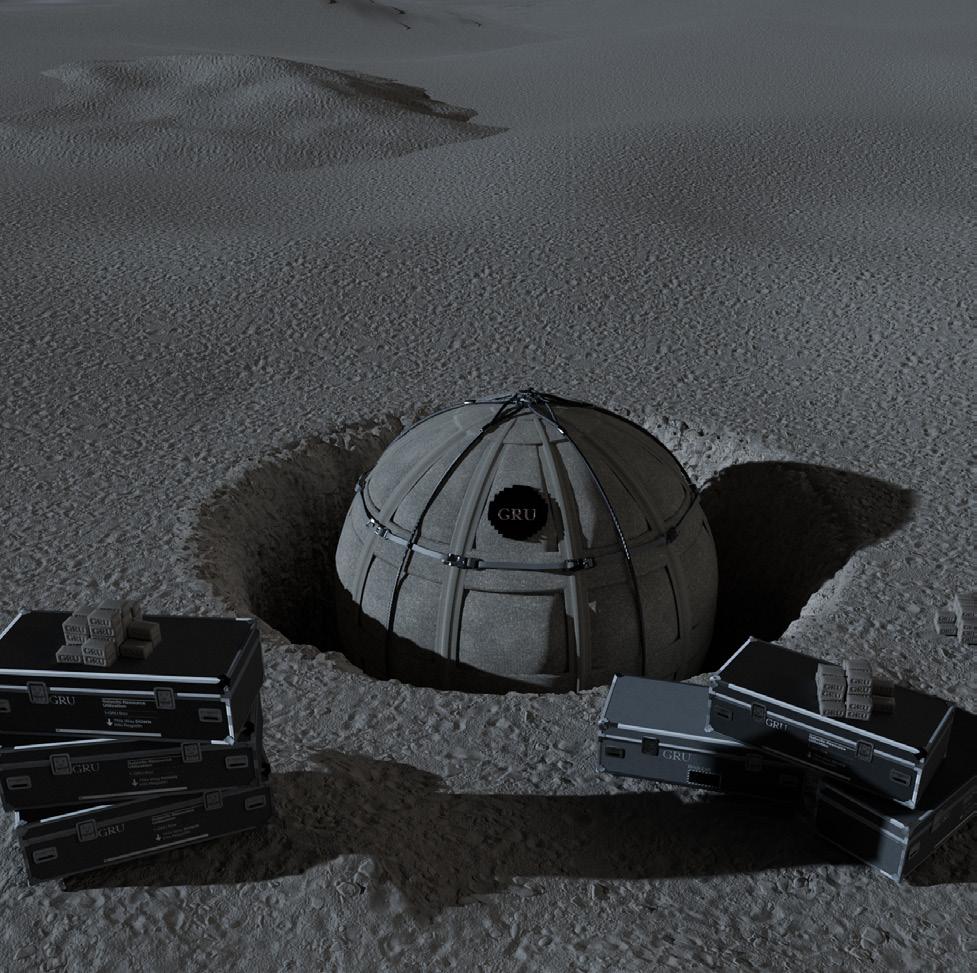
GRU’s current aim is to launch the hotel in 2032, the innovative inflatable accommodation will be built on Earth, then transported
to the lunar surface, facilitating four guests for a five-night stay.
“We envision new urban landscapes on the Moon, comparable to New York, Hong Kong, or London. Imagine what the next great city on the Moon could look like!” Chan exclaims.
“We’ve been developing a brick made from lunar regolith simulant in our lab, using a technology we plan to test during our demonstration mission on the Moon, where we will combine lunar regolith and our proprietary geopolymer mixture, which acts as a binding agent.”
Influenced by his mom’s
career as an architect and his own engineering background, Chan aims to create a lunar structure that future generations will regard as a significant landmark, similar to Stonehenge or the Pyramids.
“I want the hotel to be something that signifies an important moment in our exploration of the universe,” he contemplates.
CONSIDERATIONS FOR MOON HABITATION
Humans cannot become interplanetary without solving the problem of off-world sustainable habitation, which is essential for long-term living and crucial for transforming human history –allowing billions to thrive on the Moon and Mars.
“Successful off-world habitation hinges on overcoming several key challenges, including ensuring safe living environments amid radiation, extreme temperature fluctuations, and lunar dust hazards.
“The hotel will incorporate advanced systems for air recycling, water conservation, and radiation shielding, alongside robust safety features to protect guests from solar storms and micrometeoroids.”
To ensure survival on the Moon, several key issues must be addressed.
“Firstly, removing a spacesuit after leaving the rocket risks exposure to the vacuum of space. Secondly, temperature fluctuations are extreme because a lunar day lasts about 14 Earth days, followed by 14 days of darkness,” Chan explains.
“The third challenge is radiation from galactic cosmic rays (GCRs) and solar particle events. A warning system and radiation shielding are essential, including the installation of safe areas with thicker walls. Lastly, we must consider orbital debris.”
In addition, GRU Space is actively developing specialized materials to shield inflatable habitats from meteorite impacts, ensuring guests’ safety.
These considerations are vital for catering to adventurous early adopters.
PIONEERING LUNAR LIVING
Following the lunar hotel’s announcement, Chan was astounded by the overwhelming global interest.
“It felt uniting, bringing together various organizations and experts from architecture to science, and there are abundant collaboration opportunities, such as maintaining communication between the hotel’s inhabitants and Earth.”
DO YOU HOPE THAT GRU SPACE WILL ONE DAY BE INTEGRAL TO DISCOVERING EXTRATERRESTRIAL LIFE FORMS BEYOND OUR GALAXY, NO MATTER HOW PRIMITIVE?
Skyler Chan, Founder and CEO: “Yes! With great joy, I believe there’s much debate around this topic, and it’s a fun subject to explore.
“There’s a distinction between objective and subjective truth. It’s like a graph with an asymptote.
“Imagine that the objective truth represents what exists in the universe, while subjective truth is our perception – something we can never fully align with objective truth.
“Consider our senses – our eyes can detect only a specific wavelength of light. Evidently, we have inherent limitations as a species; we can’t measure everything with empirical evidence and scientific precision.
“In the context of extraterrestrial life, we can’t 100 percent guarantee that it doesn’t exist. We can formulate theories, but we can’t be completely certain. I tend to lean towards the idea that extraterrestrial life might not exist, although I hope it does, as that would be exciting.
“To validate the existence of extraterrestrial life, we need to explore beyond Earth. Humans have an inherent curiosity. Our brains are uniquely positioned for exploration, and it is that indomitable spirit of humanity that drives us.”
“WE ENVISION NEW URBAN LANDSCAPES ON THE MOON, COMPARABLE TO NEW YORK, HONG KONG, OR LONDON. IMAGINE WHAT THE NEXT GREAT CITY ON THE MOON COULD LOOK LIKE!”
– SKYLER CHAN, FOUNDER AND CEO, GRU SPACE
System power and technical details also need to be considered, and GRU Space will be selecting partners to address them.
Chan’s journey as the founder of GRU Space has changed his perspective on humanity’s place in the universe and he hopes to expand this passion to potential collaborators and team members.
“I feel like I’m finally doing my life’s work. I remember drawing the solar system at age five, and sketching what habitats may look like on the Moon and Mars.
“I’ve always loved space, from dressing up as an astronaut for Halloween and geeking out over facts. It brings me immense fulfillment; despite the workload, I feel blessed that the universe is urging me to go all in.
“My role is to rally partners, investors, and our team around this mission. Many space companies struggle to connect with people, but I believe our approach will unite everyone in a shared part of human evolution – looking up at the Moon.
“It’s a universal experience ingrained
in our DNA, something our ancestors have appreciated for generations.”
Chan plans to visit the lunar hotel, expecting the experience to be emotional, scientific, and fulfilling.
“I believe that space travel should be accessible to everyone, and I think it will become more available to a wider audience over time,” he states.
“Just as the invention of the airplane was initially for the wealthy, many new technologies today rely on funding from those with capital. However, with progression, air travel became more affordable, allowing us all to enjoy inexpensive transatlantic flights.”
GRU Space shares similar hopes for the future of space exploration, especially with In-Situ Resource Utilization (ISRU) technology, which uses local resources on the Moon to produce construction materials.
This approach can significantly reduce costs by avoiding the need to transport materials from Earth.
“Creating affordable, liveable spaces on the Moon will become increasingly feasible over time, making it an exciting prospect!” Chan enthuses.
A GIANT LEAP IN INNOVATION
GRU Space is utilizing and developing new technologies to enhance its operations and improve guest experiences.
“As a start-up, we focus on our end goal of building a lunar hotel. We break this down to identify the specific engineering requirements for such a venture,” outlines Chan.
“Our first step is to develop technology to autonomously deploy an inflatable habitat on the Moon, as traditional construction methods aren’t feasible. We need a concept of operations (CONOPS) to test it effectively, as this is groundbreaking work.”
Another essential element of space engineering is ‘flight heritage’ – demonstrating technology in the environment where it will be used, such as creating bricks on the Moon. Achieving this supports technology maturation and fosters partnerships.
“Our initial payload minimizes extra components, using a geopolymer from Earth to produce bricks from lunar materials, as energy-intensive methods like sintering are not
practical given the Moon’s high energy costs,” he enlightens.
“There’s also growing interest among brands in being the first to have their logos on the Moon, similar to Formula 1 marketing. We’re designing our payload to incorporate these elements, generating excitement as we aim to mark a monumental step in lunar construction.”
EXPLORING STELLAR SUSTAINABILITY
Utilizing specialist resources, such as lunar regolith and ice, for building materials raises important questions about environmental sustainability.
Indeed, incorporating solar energy into the project is crucial for promoting eco-friendly practices and minimizing the Moon’s impact.
While solar is one option, nuclear power and developing orbiting systems to beam energy also present exciting possibilities.
“Feasibility is key as we assess
potential partners for power services. We need to evaluate their capabilities and track records to create closedloop systems that reuse resources. This approach is essential not only for cost savings but also for environmental sustainability.
“We aim to establish a strong presence on the Moon, similar to the Industrial Revolution in the UK. While some disruption to the lunar environment is inevitable, we strive to mitigate our impact,” Chan strategizes.
Methods for traversing the Moon’s surface, primarily for goods transportation, are also being explored, with discussions on lunar agriculture ongoing.
“We have opportunities to test various crops in the lunar
environment, which may attract scientific labs.
As a construction and development company, we can adapt our technology and build facilities such as power plants and greenhouses,” he points out.
“Our main challenge is developing pressure vessels for safe off-world habitats, which are essential for conducting Earth-like activities in space. Additionally, there is potential for space tourism by integrating scientific payloads into private astronaut missions, appealing to those interested in contributing to research.”
AN INTERGALACTIC FUTURE
The lunar hotel’s development is poised to greatly influence the future of space tourism, while GRU Space has established long-term objectives for exploration beyond this initiative.
WILL THERE BE TRAINING AND PSYCHOLOGICAL SUPPORT FOR MOON TOURISTS?
Skyler Chan, Founder and CEO:
“The overview effect is incredible, witnessing an Earthrise from the Moon is astonishing and profound.
“A full Moon can appear larger during events like a supermoon, but looking back at Earth from the lunar surface makes it look at least 10 times brighter in comparison.
“The sheer scale is surreal, and while Apollo mission photos capture the moment, they don’t do justice to Earth’s beauty – the camera doesn’t fully convey it.
“On the Moon, with one-sixth of Earth’s gravity, you might find yourself hopping around, doing jumping jacks, or even playing golf. Those are all potential activities, and it’s an important factor to consider, especially when it comes to training for such missions.”
“The Moon represents the pinnacle of this exciting experience. Once the lunar hotel is built, it will truly be the flagship attraction for space tourists,” anticipates Chan.
“Visiting the Moon is a significant step up from just orbiting Earth for five minutes. The experience of walking on the lunar surface and witnessing events like the Earthrise is unlike anything else.”
Chan is enthusiastic about the future of space exploration and his company’s ambitious plan. While some may see the venture as outrageous, he’s determined to make it a reality.
“This is just the starting point. We’re building a hotel on the Moon to demonstrate off-world habitation. Once established, we can accelerate lunar living by constructing the necessary infrastructure, like
roads and warehouses, laying the foundation for a city.”
As rocket technology advances, humanity will inevitably turn its attention to Mars, drawing on the experience gained from lunar exploration to establish the first cities on the red planet.
The discussion within the space community revolves around which should be prioritized. However, GRU
Space acknowledges the unique advantages of both and aims to replicate its lunar initiatives on Mars by developing essential infrastructure.
“Long-term, we need to consider the Kardashev scale and how to utilize resources efficiently. This involves leveraging technology to expand our capabilities.”
The Kardashev scale measures a civilization’s technological
advancement based on its ability to harness energy, ranging from planetary to galactic levels. Proposed extensions of the scale even consider the hypothetical existence of multiple universes.
The ultimate goal for GRU Space is to enable resource utilization on the Moon, Mars, and beyond, facilitating a deeper journey into the solar system and, eventually, the galaxy.
The strategy will be economically beneficial and promote innovative solutions that people value.
“Achieving galactic resource utilization is our ultimate goal – that’s why our company is named after it.
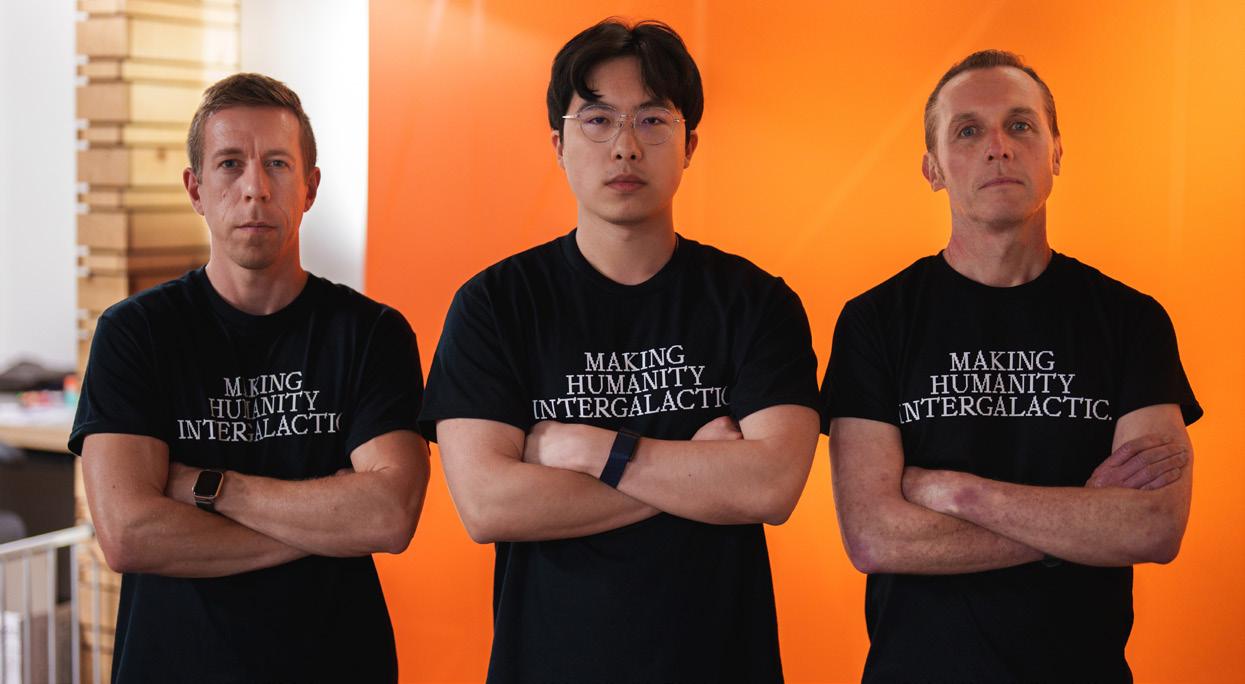
“Our vision extends beyond the lunar hotel; it heralds a new era of intergalactic space travel that includes all of humanity,” Chan emphatically concludes.
ON DEMAND Sleep
Elemind is pioneering read-write neurotechnology – the first wearable that can actively improve health in real time, not just measure it. Meredith Perry, co-Founder and CEO, tells us more about redefining what’s possible in neurotechnology and sleep science
Writer: Lauren Kania
Foundational to both physical and emotional health, sleep is crucial to the ability to perform at your best. Not only does it play a critical role in cognitive functions, but it also aids in tissue repair, muscle growth, and immune system strengthening – making high-performance sleep essential for overall well-being.
Elemind is here to help people take back control of their sleeping patterns.
As a neurotechnology company building the first clinically validated, non-invasive platform that can read and write to the brain in realtime, Elemind combines advanced neuromodulation algorithms and artificial intelligence (AI) to guide the brain from one state to another just using acoustic neurostimulation.
“We launched commercially in 2024 with a wearable
electroencephalogram (EEG) headband designed to help people fall asleep and fall back to sleep significantly faster without drugs,” introduces Meredith Perry, co-Founder and CEO.
“WHEREAS EVERY OTHER WEARABLE JUST READS, ELEMIND READS AND WRITES. WE DON’T JUST TRACK THE BRAIN – WE CHANGE IT DIRECTLY”
– MEREDITH PERRY, CO-FOUNDER AND CEO, ELEMIND
“Whereas every other wearable just reads, Elemind reads and writes. We don’t just track the brain – we change it directly,” she asserts.
Elemind’s industry-changing product is built on direct, real-time interface with the brain. Using high-fidelity EEG, the company continuously reads neural activity and applies precisely timed acoustic stimulation individualized to each person’s brain dynamics.
The system models a user’s neural state moment by moment
and intervenes at exactly the right phase of ongoing brain activity. This closed-loop approach, grounded in peer-reviewed clinical research and protected by patents, allows Elemind to influence sleep at the level where it naturally occurs – the brain itself.
The company views this as a new class of non-invasive medicine, one that uses sound, timing, and neuromodulation to produce measurable physiological effects.
“Elemind is building infrastructure, not a gadget,” emphasizes Perry.
“We are laying the foundation for how humans will interact with their own brains safely, non-invasively, and intelligently. Sleep is where that journey begins, but it’s not where it ends.”
THE FUTURE OF SLEEP
Elemind has pioneered a practical, wearable implementation of closedloop neuromodulation, combining high-fidelity EEG, low-latency signal processing, AI, and precisely phaselocked acoustic stimulation in a consumer-ready device.
“Critically, our stimulation is not static. It is timed to the user’s own brainwaves, down to the millisecond,” Perry details.
This real-time phase targeting allows Elemind to influence sleep onset and other neural transitions effectively and is supported by multiple peer-reviewed studies. No other consumer-available system operates at this level of temporal and physiological precision.
The company is demonstrating that sleep can be treated as a modifiable neural process rather than something one merely observes or sedates.
“By gently intervening at the right time, we can help people fall asleep faster, improve sleep continuity, and potentially enhance deeper stages of sleep without pharmaceuticals,” expands Perry.
Beyond sleep quality, the implications include better next-day performance, improved recovery, and reduced reliance on sleep medications. More broadly, Elemind is helping shift health and wellness toward targeted, non-invasive, and adaptive interventions.
BEYOND SLEEP
Elemind’s vision of ‘beyond sleep’ exemplifies its ambition to unlock the brain’s potential, pushing the boundaries of what’s possible in neurotechnology and sleep science.
“Sleep is our entry point, not our
WHY ELEMIND?
• Proven to start and restart sleep on demand.
• Clinically studied and backed by five years of research, testing, and clinical trials.
• No side effects, allowing users to wake up refreshed and energized.
• Drug-free and works as well as the leading sleep aids.
endpoint. We chose sleep because it gives us long, high-quality neural data every night and a clinically meaningful problem where real-time modulation matters,” Perry informs.
Beyond sleep, the vision is a platform for the brain. Clinical trials using Elemind’s technology show efficacy in improving memory and improves over time.
To achieve this, the company is working on a variety of projects to expand its capabilities. One such initiative is the Deep Sleep Stimulation, which builds on Elemind’s work on sleep onset and targets slowwave activity during rest. Its goal is to enhance sleep depth and the brain’s
natural restorative and memoryrelated processes.
“This work is also being extended into clinical research. We recently received a USD$6.3 million grant from the Medical Research Council (MRC) to study how enhancing deep sleep may support memory consolidation in people with dementia,” details Perry.
“It’s an important step in understanding how targeted, non-invasive brain modulation during sleep could have meaningful neurological benefits beyond sleep quality alone.”
WHERE THE JOURNEY BEGINS
Elemind is proudly built by a small, deeply technical team that spans neuroscience, electrical engineering, machine learning (ML), and applied clinical research. The team includes industry engineers and world-class academic collaborators, and has multiple peer-reviewed clinical trials published in top scientific journals.
Its scientific co-Founders include Dr. Ed Boyden from the Massachusetts Institute of Technology (MIT), a pioneer in neurotechnology, and Dr. Nir Grossman from Imperial College London, whose work has helped define modern non-invasive brain stimulation.
Co-Founder and CTO, Dr. David Wang, also holds a PhD in AI from MIT and leads the development of the company’s real-time neural modeling and closed-loop systems.
“I come from a background in
CAN YOU TELL US MORE ABOUT ELEMIND’S RECENT EXHIBIT AT THE CES 2026 TRADE SHOW?
MEREDITH PERRY, CO-FOUNDER AND CEO: “At CES 2026, we exhibited as part of the AgeTech Collaborative™ from AARP.
“Within their booth, we set up two full beds and invited attendees to experience Elemind first-hand. Over the course of the show, we helped hundreds of people fall asleep for 15-minute naps, right on the CES 2026 show floor, in public.
“Watching people genuinely fall asleep in that environment was remarkable. It made the technology immediately tangible and underscored what real-time, brain-responsive sleep intervention can do, even in one of the most chaotic and stimulating environments imaginable.”
astrobiology and wireless power, which has helped shape how we think about building precise, scalable technology for complex biological systems,” explains Perry.
Elemind also works closely with Dr. Heather Read, a professor at the University of Connecticut, whose expertise in sleep and neurophysiology informs the company’s clinical direction.
Supporting the science behind Elemind is a lean, highly effective team of engineers, operations leaders, and marketers who focus on translating rigorous research into products people can actually use.
“Together, our team is pushing the boundaries of what non-invasive neurotechnology can do, while staying grounded in real-world impact,” prides Perry.
“SLEEP IS OUR ENTRY POINT, NOT OUR ENDPOINT. WE CHOSE SLEEP BECAUSE IT GIVES US LONG, HIGH-QUALITY NEURAL DATA EVERY NIGHT AND A CLINICALLY MEANINGFUL PROBLEM WHERE REAL-TIME MODULATION MATTERS”
– MEREDITH PERRY, CO-FOUNDER AND CEO, ELEMIND
As Elemind continues to look ahead towards a successful future of promoting deep, regenerative sleep, its priorities comprise expanding clinical validation, launching new sleep-stage specific features, and scaling access to the technology responsibly.
“We are also deepening partnerships across healthcare, wellness, and performance, while investing heavily in our core neuromodulation platform,” she concludes.
Beverage Revolution – The Future of Flavor
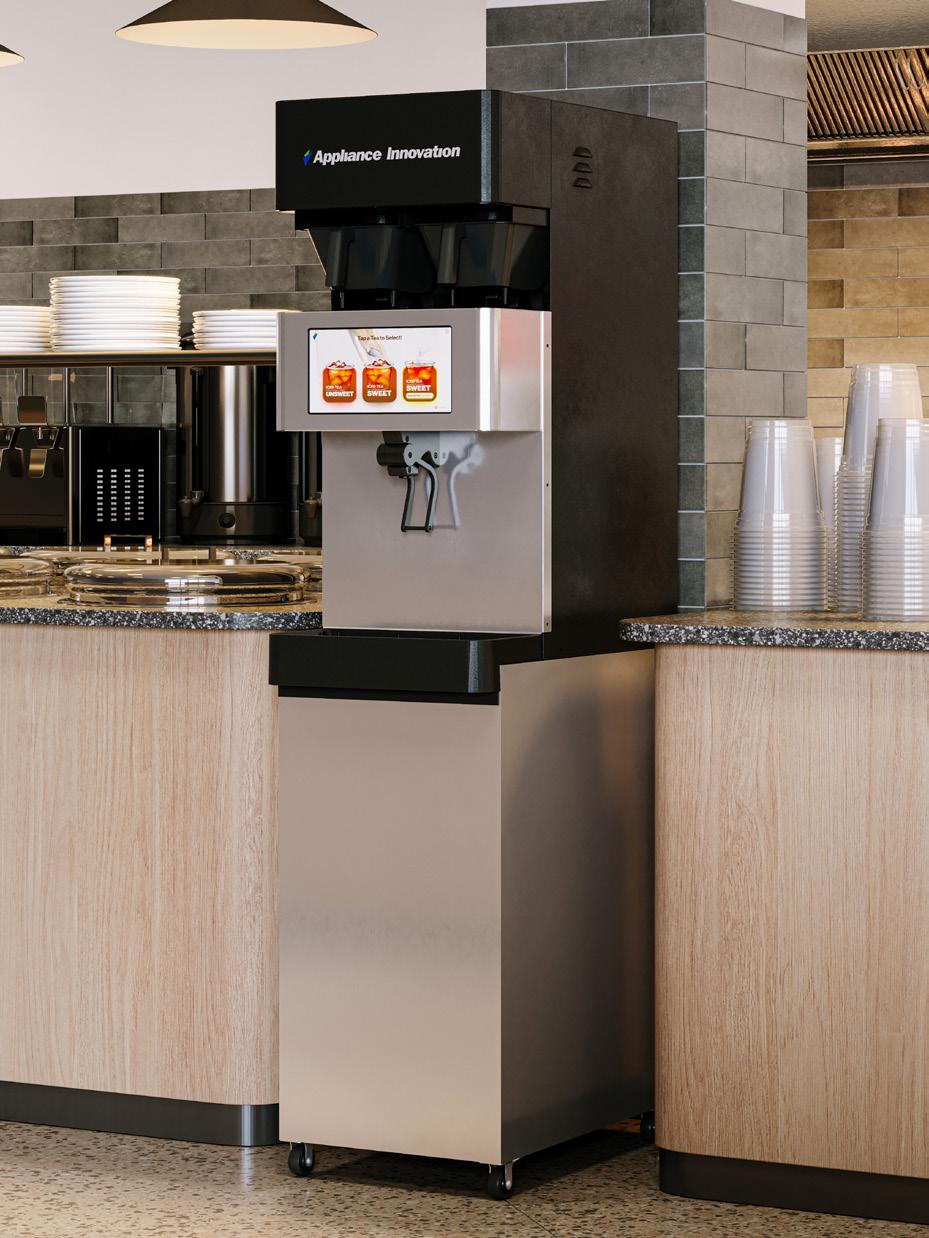
Phil McKee, Chairman and Founder of Appliance Innovation, explores the company’s approach to automation, driven by a commitment to solving operational challenges in the foodservice sector. We discover how the development of products like TurboChef, COFU, and SimpliciTea reflects an ever-evolving environment
Writer: Rachel Carr
North America Outlook (NA): Firstly, could you introduce Appliance Innovation and explain how your vision has influenced the development of products such as TurboChef, COFU, and SimpliciTea?
Phil McKee, Chairman and Founder (PMK): Appliance Innovation was built around a simple principle: meaningful innovation in foodservice comes from solving real operational challenges, not just advancing technology for its own sake.
My vision has always been grounded in understanding how kitchens and beverage programs actually function under pressure, and then engineering systems that simplify those processes while improving performance.
Over the course of my career, that philosophy has guided the development of technologies such as TurboChef ovens and Vector cooking platforms, and more recently, beverage systems like COFU and SimpliciTea.
Each of these innovations began with a practical question: how can we help operators serve faster, maintain consistency, and manage labor more effectively in increasingly demanding environments?
At Appliance Innovation, we bring together engineering expertise, operator collaboration, and data-driven design
to create scalable solutions that work reliably in highvolume settings.
What has remained consistent throughout my career is the belief that innovation must be both technically advanced and operationally practical. If technology doesn’t make life easier for the operator, it ultimately doesn’t succeed.
Today, that same mindset continues to drive our work as we focus on the next generation of beverage automation.
We see a significant opportunity to rethink how fresh beverages are produced and served, particularly as labor constraints and consumer expectations continue to reshape the foodservice landscape.
NA: What motivated you to pivot from the world of cooking to focus on beverages?
PMK: The shift into beverages wasn’t something we set out to do initially; it was driven directly by our customers.
For much of my career, our work focused on cooking technology, where innovations like TurboChef were developed through what I would call a technologypush model – where we identified an opportunity and engineered a solution.
Revolution Flavor
However, the move into beverages was different. Operators clearly understood their challenges and were actively demanding solutions – it was a true technology pull.
Large operators began coming to us with very specific challenges that existing equipment couldn’t solve.
Around the same time, both 7-Eleven and QuikTrip approached us with separate needs: one focused on modernizing coffee programs, the other on improving the production and service of fresh tea.
These weren’t abstract ideas; they were operational pain points that were affecting speed, waste, labor, and product consistency.
That demand fundamentally changed our direction. We recognized that beverages were becoming one of the fastest-growing and most operationally complex areas in foodservice, as customer expectations increased while labor constraints intensified.
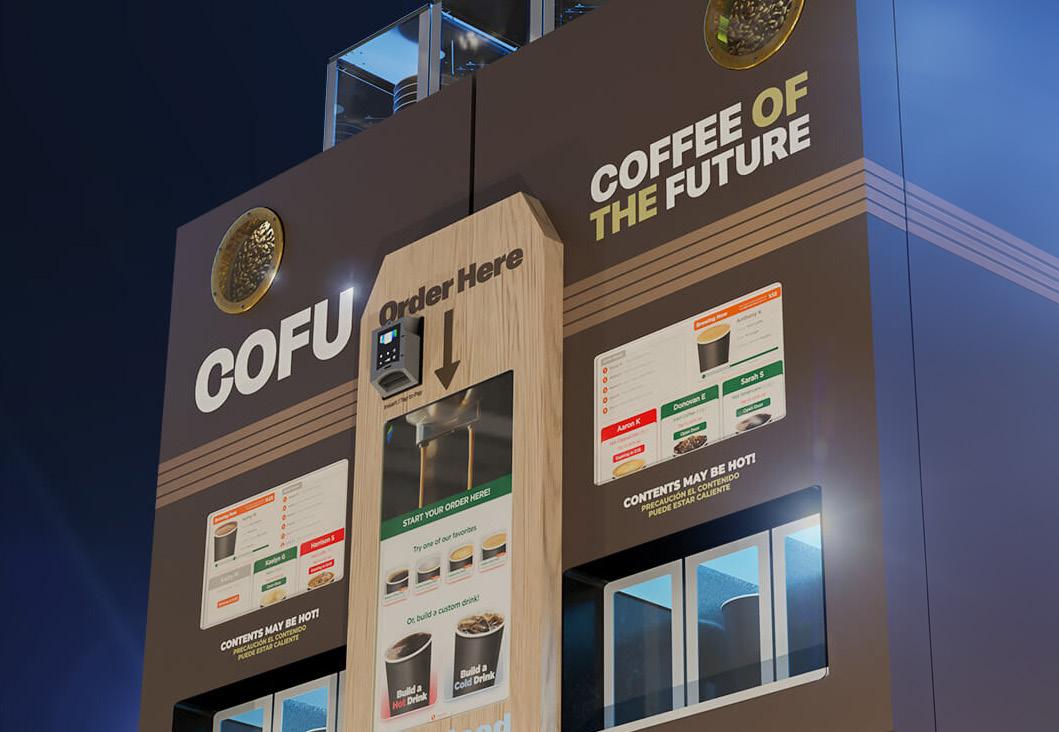
COFU and SimpliciTea were born directly out of those real-world requests. They represent a shift from simply introducing new technology to solving specific customer-driven challenges at scale. In many ways, that pivot reinforced a core belief I’ve held throughout my career.
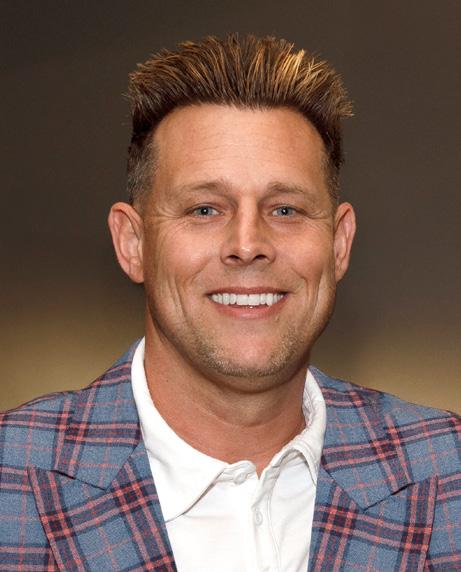
Phil McKee, Chairman and Founder of Appliance Innovation, is driven by a commitment to solving operational challenges
The most meaningful innovation happens when you listen carefully to operators and design solutions around the realities they face every day.
NA: In what ways are beverage programs evolving in response to trends in wellness and flavor expectations?
PMK: Beverage programs today are evolving rapidly as consumer expectations shift toward greater personalization, freshness, and wellness-conscious choices.
What we’re seeing, particularly among younger consumers, is that beverages are no longer just functional; they’ve become a form of expression and experience.
Customization has become an expectation rather than a premium feature. Consumers want the ability to control sweetness levels, experiment with flavors, and create combinations that feel unique to their preferences.
At the same time, there is a growing demand for beverages that feel fresher and more aligned with wellness, whether that means lower sugar content, cleaner ingredients, or options that support hydration and energy without sacrificing taste.
These changes are also reshaping how operators think about beverage programs. Operational flexibility
“The most meaningful innovation happens when you listen carefully to operators and design solutions around the realities they face every day”
– PHIL MCKEE, CHAIRMAN AND FOUNDER, APPLIANCE INNOVATION
is becoming critical – instead of fixed menus, operators need platforms that allow them to introduce new flavors, respond to trends quickly, and execute their programs profitably at scale.
Ultimately, beverage programs are moving toward greater variety, control, and freshness, and operators that can deliver those experiences consistently will be best positioned to meet evolving consumer expectations.
NA: How does SimpliciTea improve operational efficiency for businesses, simplify beverage preparation for operators, and enhance the customer experience?
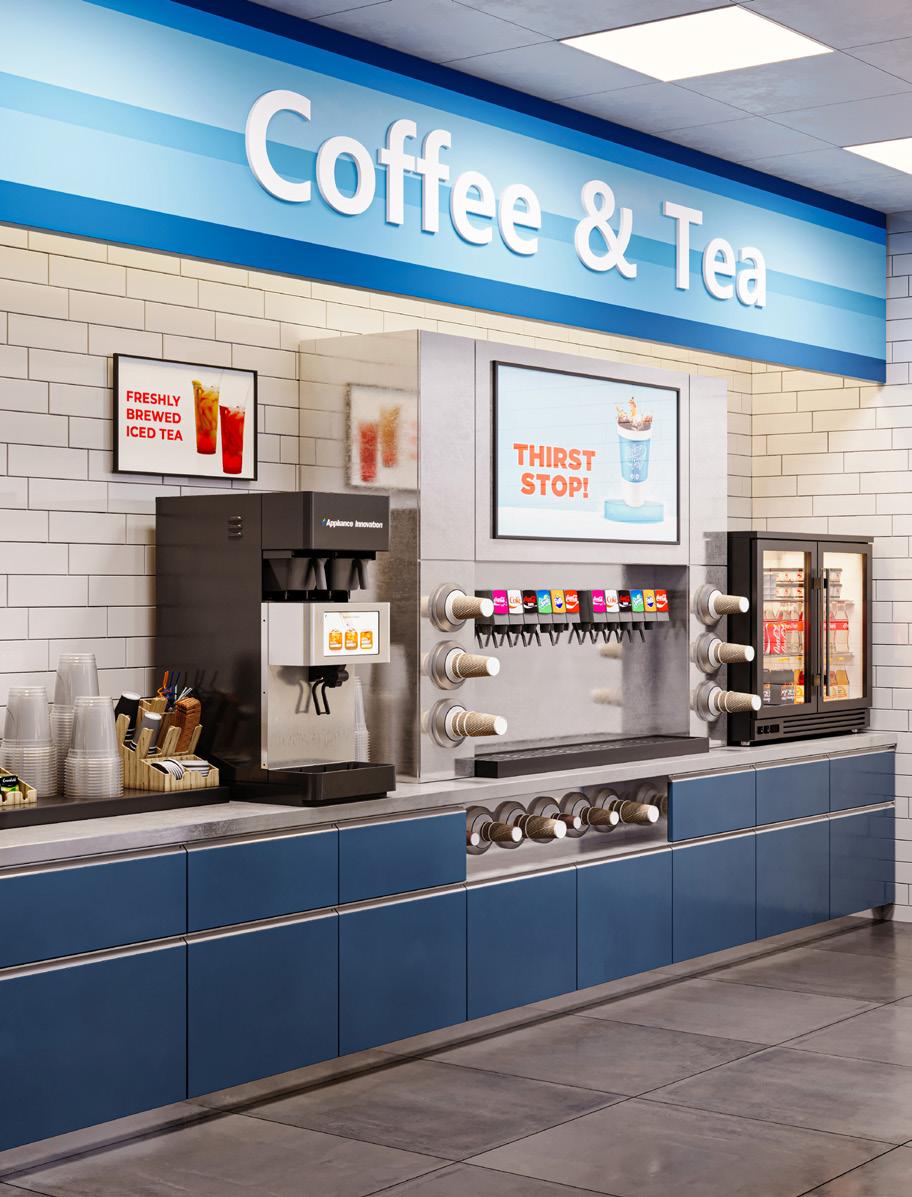
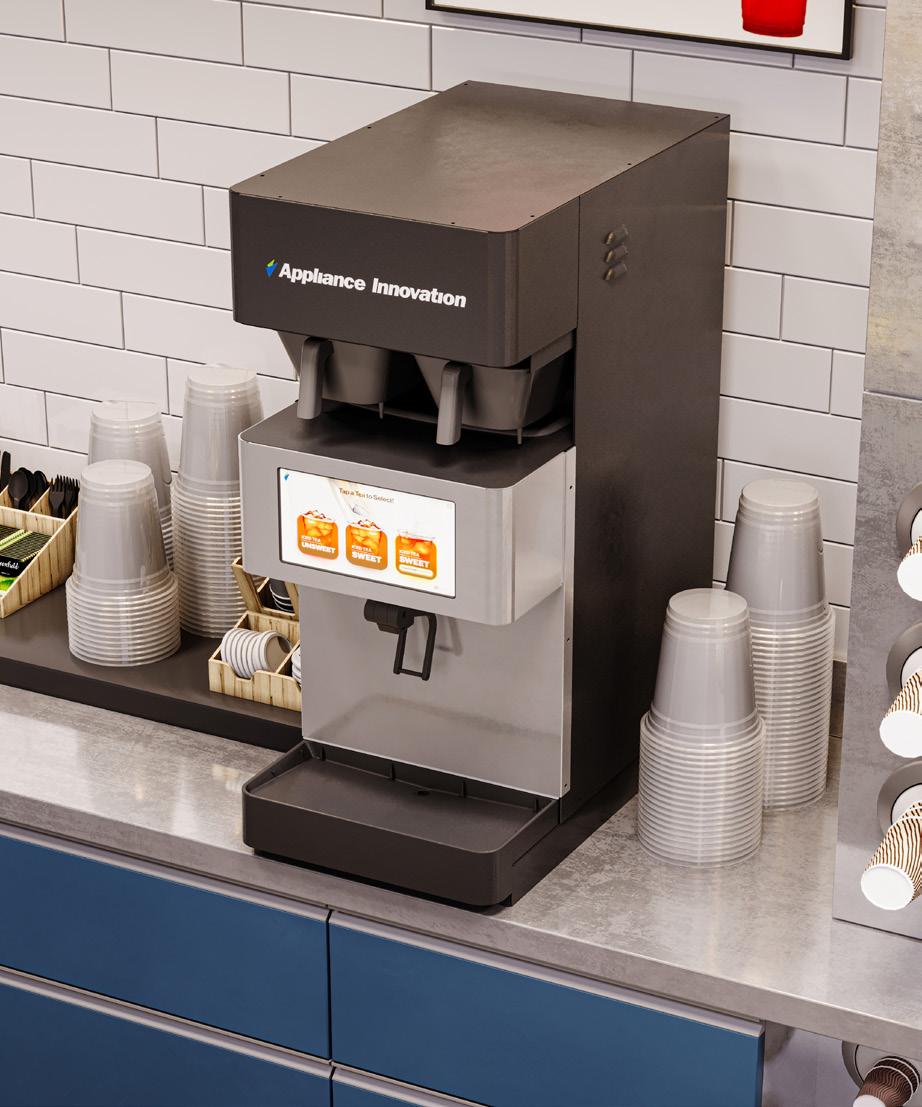
PMK: SimpliciTea was designed to address some of the most persistent challenges operators face with traditional tea programs — product waste, inconsistent quality, and operational complexity.
Traditional batch brewing creates a constant trade-off between maintaining freshness and minimizing waste, so we set out to rethink that process entirely.
By automating the brewing process and ensuring consistent output, SimpliciTea helps operators deliver reliable beverage quality without the variability that often comes with manual preparation.
From an efficiency standpoint, the system eliminates the need to discard stale product. It also reduces the footprint required for traditional urn setups, translating into less waste, improved reliability, and greater flexibility in managing beverage programs.
At the same time, the customer experience improves because beverages are freshly brewed and customizable, creating a more engaging and reliable experience for guests.
NA: What challenges related to labor constraints does SimpliciTea aim to alleviate?
PMK: Labor constraints are one of the most pressing challenges facing foodservice operators today.
Traditional tea programs require frequent monitoring, batch brewing, cleaning, and costly product disposal, all of which consume valuable staff time.
SimpliciTea was developed to remove much of that manual workload. By automating brewing, monitoring supply levels, and incorporating self-cleaning functionality, the system significantly reduces the hands-on time required from staff.
Instead of managing equipment and checking product freshness throughout the day, employees can focus on serving customers and maintaining overall service quality.
“By automating the brewing process and ensuring consistent output, SimpliciTea helps operators deliver reliable beverage quality without the variability that often comes with manual preparation”
– PHIL MCKEE, CHAIRMAN AND FOUNDER, APPLIANCE INNOVATION
Another important benefit is simplifying training. Automated systems reduce the need for specialized knowledge and help ensure consistent results, even in environments with high staff turnover.
NA: Can you explain how SimpliciTea addresses consumer preferences for customization and freshness in tea?
PMK: At the point of service, consumers expect beverages to feel fresh and tailored to their preferences, with greater control over flavor, sweetness, and beverage style. SimpliciTea supports that shift by brewing tea fresh at the point of service rather than relying on pre-brewed
batches that degrade over time. This approach preserves flavor integrity while enabling flexible beverage customization.
For operators, that level of customization creates opportunities to expand menu variety and respond more quickly to changing consumer preferences.
NA: Following on from this, what are some of the technological features and innovations of SimpliciTea?
PMK: Tea has been brewed the same way for thousands of years – it’s simply hot water poured over tea leaves. While we are not reinventing the brew process itself, our proprietary dispense technology introduces a capability that hasn’t previously existed in traditional tea service.
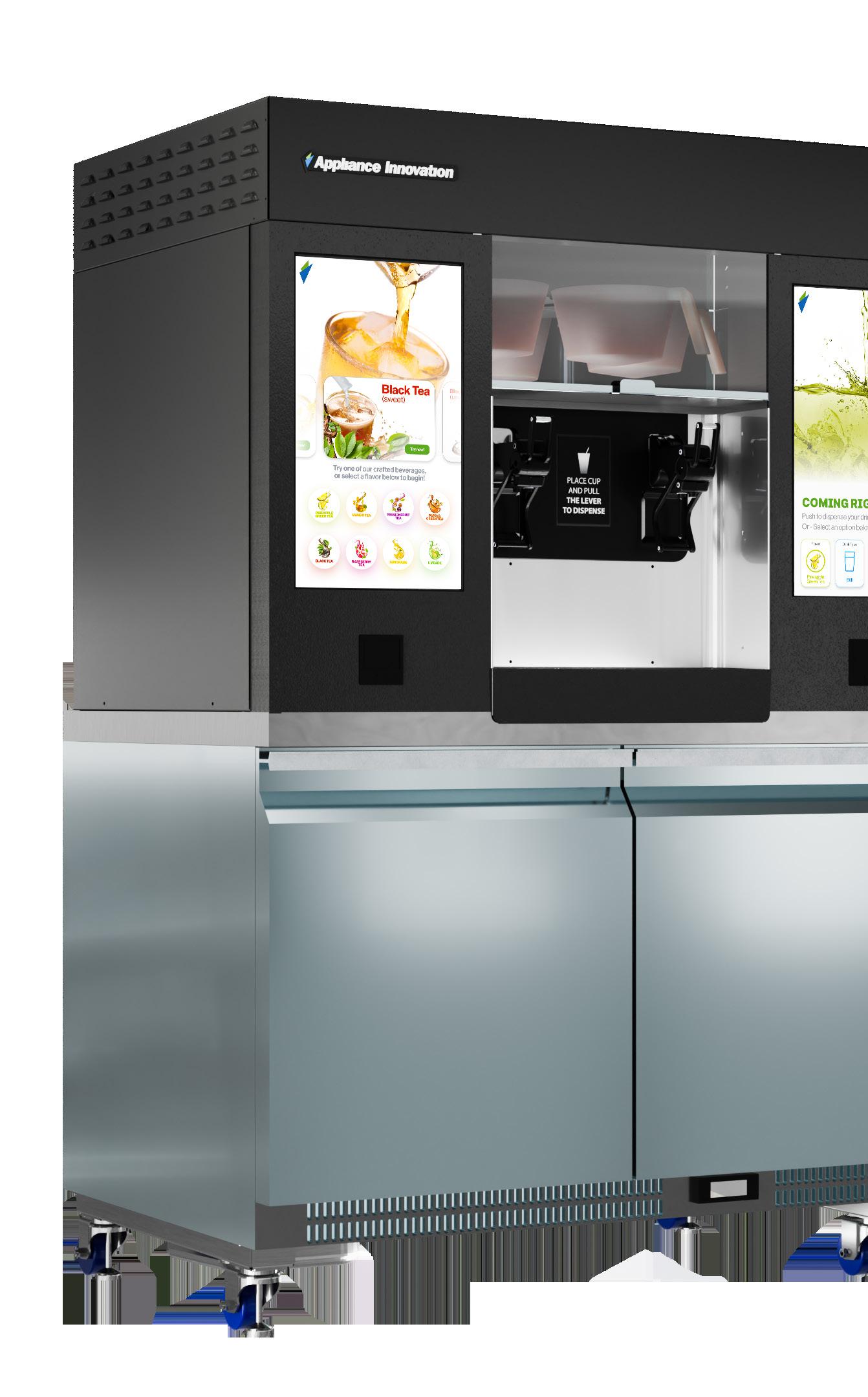
With SimpliciTea, tea remains fresh and stable after brewing, while allowing consumers to customize sweetness levels and add flavors to create a beverage tailored to their preferences.
In addition, SimpliciTea incorporates a fully self-cleaning system and automated brewing functions that reduce manual maintenance and simplify day-to-day operations.
Together, these innovations create a more reliable and efficient platform that delivers consistent beverage quality at scale.
NA: What emerging technologies do you believe will have the biggest impact on the beverage industry in the next few years?
PMK: Automatic fresh-brew technology for coffee and tea will have one of the biggest impacts on the beverage industry in the coming years.
As consumer expectations shift toward customization and freshness, operators will increasingly rely on systems that enable precise control over flavor, sweetness, and product consistency.
We are also seeing rapid growth in technologies that combine automation with personalization, enabling consumers to create beverages that match their individual preferences while maintaining operational efficiency. Platforms like SimpliciTea and COFU reflect this broader shift, expanding what’s possible and allowing operators to deliver a more personalized beverage experience at scale.
NA: Finally, what insights can you provide on the future of the beverage industry?
PMK: The future of the beverage industry will be shaped by how effectively manufacturers respond to rapidly changing consumer expectations.
As preferences shift — particularly with the rise of self-service and consumer-facing machines — those expectations are increasingly shaping how equipment is designed and deployed.
Manufacturers must create systems that are intuitive, reliable, and easy to operate. Beverage technology, in particular, will continue to evolve at the pace of consumer tastes.
The greatest opportunity for manufacturers lies in developing machines that not only serve beverages efficiently but also influence how consumers discover and engage with new beverage options. Tel: 214-750-2355
DELAWARE BANKING SPOTLIGHT
The incorporation destination of choice for corporations worldwide, Delaware has earned its place as the preeminent hub of American business – a status reinforced by a sophisticated financial ecosystem anchored by major banks, trust companies, and a broad range of financial services firms
Writer: Lily Sawyer | Project Manager: Alfie Wilson
Over the years, Delaware has refined its status as a premier hub for banking, wealth management, and financial services generally, marked by a series of historic moments.
In 1981, for example, the Financial Center Development Act (FCDA) permitted the establishment of out-of-state holding companies, ushering in the state’s modern era of banking and increasing jobs in the sector by over 740 percent.
Fast forward 45 years to March 2026, the state’s lawmakers have unveiled a major update to the banking code to modernize the infrastructure, setting the regulatory stage for digital assets, including stablecoins.
As such, Delaware today is undoubtedly a leading financial center, alongside being the administrative headquarters of major banking institutions such as JPMorgan Chase and Barclays.
The wider economic landscape in the state is transitioning from being historically centered around manufacturing and agriculture toward a more serviceoriented landscape, largely driven by financial services, including FinTech firms, and life sciences, including BioTech firms.
In this way, the financial services sector, especially with the advance of FinTech players, is considered a major contributor to the local economy, experiencing
explosive growth well beyond the realms of traditional banking.
Thus, Delaware has long been a first-choice destination for many modern corporations, with more than 60 percent of Fortune 500 companies incorporated in the state. GDP has climbed as a result, showing a steady upward trend over the past decade.
In addition, the Delaware Court of Chancery – which is built on more than 200 years of experience in corporate law – offers specialized resolutions of complex corporate, fiduciary, and business disputes.
As a court of equity, cases at the Court of Chancery are heard by chancellors rather than a jury, each
well-versed in handling complex corporate litigation, offering a predictable legal environment and swift decision-making.
To continue growing both its banking sector and the wider economy, the state is actively fostering an environment that champions start-ups and small to medium-sized enterprises (SMEs) – particularly in highgrowth sectors – offering attractive investment and venture capital opportunities.
With a continued focus on regulatory adaptability and its growing FinTech ecosystem, Delaware seeks to remain an ideal environment for corporations to grow their businesses.
DELAWARE BANKERS ASSOCIATION INTERVIEW:
Karyn Polak, President, CEO, and Treasurer of the Delaware Bankers Association, discusses the evolution of the local financial services landscape and how advocacy, education, and collaboration will be key to supporting the banking industry moving forward
North America Outlook (NA): Firstly, could you introduce us to the Delaware Bankers Association and how you provide member institutions with the tools to support their communities?
Karyn Polak, President, CEO, and Treasurer (KP): The Delaware Bankers Association is a non-profit, private trade association of tax-paying international, national, and statechartered banks, savings banks, trust companies, and banks with operations in Delaware.
We also welcome associate members such as community development financial institutions (CDFIs), FinTech companies, chambers of commerce, education institutions, law firms, other non-profits, and vendors and partners to our member banks and trust companies.
Our sister entity, the Delaware Financial Education Alliance (DFEA), is a non-profit entity focused on financial education for the public and professional development for the industry.
Together, the Delaware Bankers Association and DFEA exist to advance financial access, education, and opportunity for all. We work through federal and state advocacy, financial literacy and professional development, and collaboration across sectors and geographies to help our members and partners navigate toward a stronger, more stable future.
NA: What did the Delaware Bankers Association initially set out to achieve when you were established in 1895, and how have you evolved since?
KP: In 1895, the Delaware Bankers Association’s founding mission was “to promote the general welfare and usefulness of financial institutions and to secure uniformity of action, together with practical benefits derived from personal acquaintance and from discussion of subjects of importance when it comes to the banking and commercial interests of the state of Delaware”.
In many ways, that mission hasn’t changed – we continue to seek input from and convene our bank and trust company members to understand and address what’s most important to them.
We share with our legislators, regulators, anchor institutions, and others in our community the value our industry contributes to Delaware, and we learn from each other and teach through training, education, and networking.
That said, the evolution of the Delaware Bankers Association since 1895 – and indeed since 1981 when Delaware enacted the FCDA, which encouraged out-ofstate banks to move their headquarters to Delaware – has been truly remarkable.
It hasn’t always been a steady upward trajectory, but there has certainly been a meaningful increase for the
industry and the Delaware Bankers Association and DFEA in both the depth and breadth of our impact.
For example, in 2015, Delaware banks employed almost 38,000 individuals in the state – last year, they employed 50,000.
This evolution continues. Earlier this year, we stood beside the Governor of Delaware, Chairs of the State House and Senate Banking Committees, and many others to announce the proposal of legislation to modernize the state’s banking code, which has not been updated holistically since the FCDA in 1981.
As I said on that day, this bill updates the very foundation on which Delaware’s banking industry – and the trust placed in it – is built.
We at the Delaware Bankers Association were proud to work closely on crafting this proposal and are advocating for its passage into law alongside our members.
NA: What is your current take on Delaware’s economy today? What recent challenges or opportunities have you encountered?
KP: I’m not an economist, though in this role I certainly listen to many who are – from our individual members to other industry groups like the American Bankers Association (ABA) and our regulators.
I believe there is currently a deeply troubling dichotomy in economic perspectives and realities – there are individuals and institutions doing exceptionally well, but there are also too many who cannot afford to buy a home or pay for healthcare, childcare, or a $400 emergency expense.
I believe Delaware is uniquely positioned – intentionally so – to ameliorate this dynamic.
First, as the Governor of Delaware shared in his recent State of the State address, and as we see in remarks from his administration leaders and our state and federal legislators, those with the ability to drive change are keenly aware of these challenges and focus their attention and assets on doing so.
“WE PROVIDE A WIDE VARIETY OF PROGRAMS THAT SERVE OUR MEMBERS THROUGH PROFESSIONAL DEVELOPMENT, PIPELINE DEVELOPMENT, NETWORKING, AND COLLABORATION”
– KARYN POLAK, PRESIDENT, CEO, AND TREASURER, DELAWARE BANKERS ASSOCIATION
Second, because of the size and culture of our state, there is strong momentum toward collaboration and collective action.
We in the financial industry are key players in that work because we are investors, lenders, grantors, board members, and of course, bankers – I sometimes say we’re the glue bringing disparate parts together through finance, and we are most certainly stronger together.
At the Delaware Bankers Association, we are working on challenges that are also opportunities – like convening around financial education, the future of banking, housing and small business lending, and workforce and pipeline development – all of which we believe will ultimately benefit our state.
NA: Can you provide more details on the educational and developmental programs you are involved in and how they benefit your members and the community?
KP: We provide a wide variety of programs that serve our members through professional development, pipeline development, networking, and collaboration.
We also provide financial education to the broader community, primarily through Teach Children to Save Day (TCTSD) events at the end of April each year.
Our members often volunteer to teach grade school classrooms a special course on financial literacy, where each child receives a copy of that year’s bespoke comic book, The Great Investo, developed by our very own Senior Vice President of Marketing and Communications, Greg Koseluk. Beyond TCTSD, we support a high school elective class on ‘Keys to Financial Success’, through which participating students enter an essay contest on what financial literacy means to them.
Together with the University of Delaware’s Center for Economic Education and Entrepreneurship, we select two winners, who receive a David G. Bakerian Scholarship worth $2,500 – named after the late former President of the Delaware Bankers Association.
Thanks to the advocacy of the Delaware Bankers
Association and others over the last several years, in 2025, Delaware passed into law a requirement to teach financial literacy in high schools, which will broaden the population of contest-eligible students and give us an opportunity to expand the scholarship program to advance networking and pipeline development for the industry.
We take the member education element of our mission very seriously. For 20 years, we’ve hosted the country’s pre-eminent trust conference.
The Delaware Trust Conference is a two-day, jam-packed professional development and networking opportunity for all the functions involved in the trust and wealth
DELAWARE BANKERS ASSOCIATION MEMBER BENEFITS
As an effective advocate for Delaware’s banking industry, becoming a member of the Delaware Bankers Association provides businesses with access to our dynamic financial community. Benefits include:
• Input into state and federal legislative and regulatory agendas.
• Opportunity to serve on the board of directors.
• Access to the quarterly Delaware Banker Magazine and weekly Delaware Bankers Association Digest
• Opportunities to submit content to Delaware Banker magazine and Delaware Bankers Association Digest newsletter
• Discounted advertising rates in Delaware Banker magazine.
• Additional tiered membership discount packages.
• Participation in Delaware Bankers Association committees and task forces and eligibility to chair committees.
• Inclusion on the Delaware Bankers Association website as a financial institution or non-depository trust member.
• Invitation to exclusive Delaware Bankers Association member events with networking and sponsorship opportunities.
• Reduced rates for all Delaware Bankers Association functions.
• Invitation to Delaware Bankers Association educational programs, many of which are eligible for continued professional education credits.
• Opportunity to host and/or speak at professional development forums.
management industry, such as trust executives, officers and administrators, professional services firms, compliance and risk professionals, and investment advisors, among others.
Preceding the conference, we offer a series of webinars on foundational trust issues, which are available live or on demand.
We also facilitate an incredible breadth of training via the Federal Deposit Insurance Corporation (FDIC) Directors’ College, FoxPointe Solutions’ Cyber Forum, ABA, OnCourse Learning, Compliance Alliance, and more.
To help build the pipeline of talent joining the industry, we partnered with the University of Delaware’s Lerner College of Business and Economics, members of the Delaware Bankers Association, and the state of Delaware to develop the nation’s only accredited trust management minor program.
It includes a mentoring element and an internship benefit and, since its launch in 2019, more than half of the students graduating with the degree have gone on to fulltime employment in the trust industry.
Networking and collaboration are equally important to us, and we offer a wide variety of ways to take advantage of the wisdom and thought leadership of members.
Late last year, and already this year, we supported events hosted by the Center for Accelerating Financial Equity (CAFE), housed at the University of Delaware’s FinTech Innovation Hub, specifically focused on the intersection of traditional banking and FinTech, which is a complex, critical current topic of conversation and analysis across the financial industry.
We host a day for members to meet with Delaware legislators and a two-day visit to Washington DC to meet with banking regulators.
Our Women Connect network within our membership hosts two half-day events each year, and we co-sponsor the ABA’s Women Lead Symposium.
We also launched a CEO Roundtable series to give member executives an opportunity to meet with each
other and key industry leaders. We typically host over 250 attendees at our annual dinner in mid-May.
And, of course, we also host ad hoc webinars and gatherings depending on the issues and needs of the moment. It’s a packed calendar for our members and the Delaware community!
NA: Finally, as the Delaware Bankers Association anticipates an upcoming rebrand, what will this achieve in terms of modernizing the association and focusing on the future?
KP: Much like how the financial landscape itself has changed significantly over the last 10 years, the needs, size, and shape of our financial industry have changed too.
Consequently, it’s imperative for the Delaware Bankers Association to look inward with a critical eye at how we’re positioned to navigate this moment, seeking input from not only our members but all our stakeholders – the people and organizations we work alongside to deliver for our neighbors.
We’re asking not only where our best value is today, but how we can ensure we’re equipped with versatility and nimbleness to meet the uncertainties of tomorrow.
This work of developing our next strategic plan while also refreshing our communications and member interaction approach is what we call “Fortifying for the Future”.
We expect this integrated stream of work to both reinforce our foundations of advocacy, education, and collaboration, and strengthen our ability to best serve our members into the future.
Tel: 302-678-8600
debankers@debankers.com www.debankers.com
A production-line of exclusive content, delivered straight to your inbox
As manufacturing organisations worldwide confront unprecedented change, embracing technological innovations and incorporating critical environmental sustainability agendas, now more than ever is the time to showcase the strides being taken in this dynamic sector.
A multi-channel brand, Manufacturing Outlook brings you the positive developments driven by organisations across the global manufacturing industry through its various platforms.
Discover exclusive content distributed through its website, online magazine, social media campaigns and digital dispatches, delivered straight to your inbox with a bi-weekly newsletter.
Through these compelling media channels, Manufacturing Outlook will continue to foreground the movers and shakers of the industry.
To participate as a featured company and join us in this exciting endeavour, contact one of our Project Managers today.
Built for the Journey Ahead
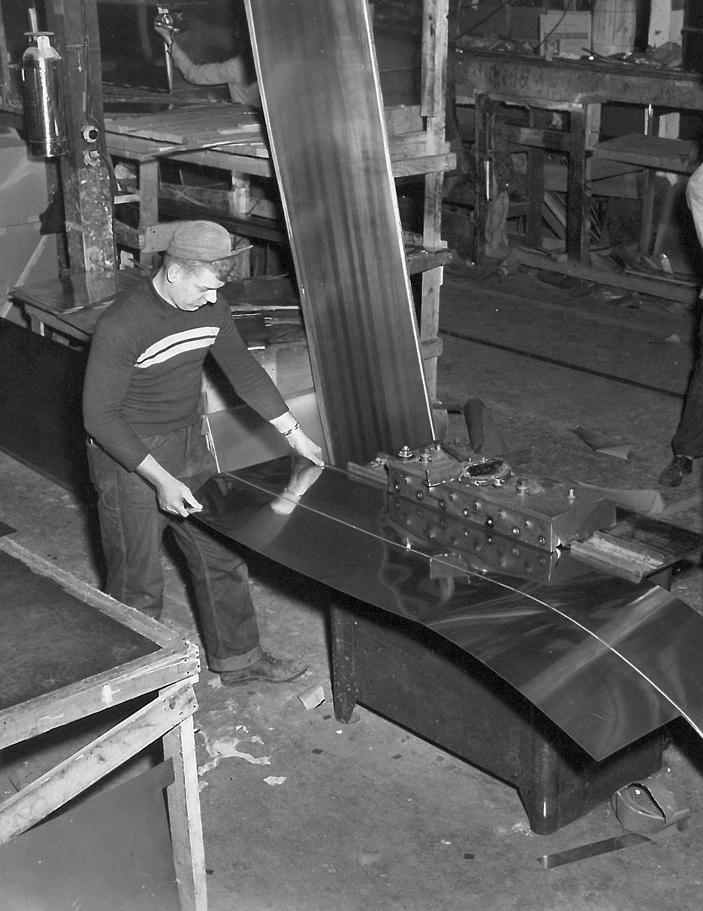
With a legacy of quality and innovation since 1956, Lippert has been setting the tone for improving the customer experience since its very first product seven decades ago.
As a leading global manufacturer and supplier of highly engineered products and customized solutions dedicated to shaping, growing, and bettering the recreational vehicle (RV), marine, automotive, commercial vehicle, and building products industries, Lippert is an industry stalwart continuing to make waves in the ever-growing sector.
“We’ve built our reputation on an innovative culture, advanced manufacturing capabilities, and a strong commitment to enhancing the customer experience,” introduces Ryan Smith, Group President, who we last spoke to in November 2024.
Whether on the road or on the water, Lippert enhances all outdoor recreation adventures. We celebrate the company’s 70th anniversary with Ryan Smith, Group President, and learn more about how it continues to push the possibilities of products and services
Writer: Lauren Kania | Project Manager: Michael Sommerfield
“It’s those guiding principles that have positioned Lippert as a trusted partner to both original equipment manufacturers (OEMs) and aftermarket customers.”
For the broad array of aftermarket segments the company serves, it supplies best-in-class products designed to enhance recreational pursuits, regardless of whether they’re winding down the road or splashing on the water.
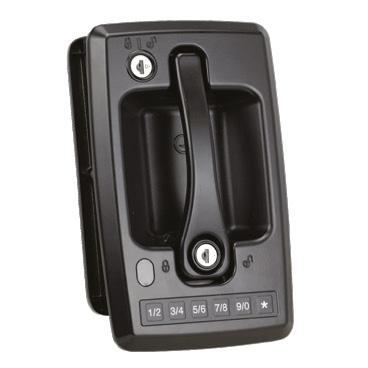
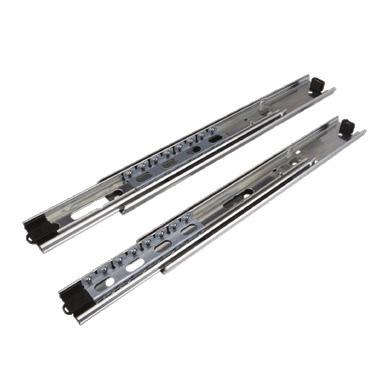
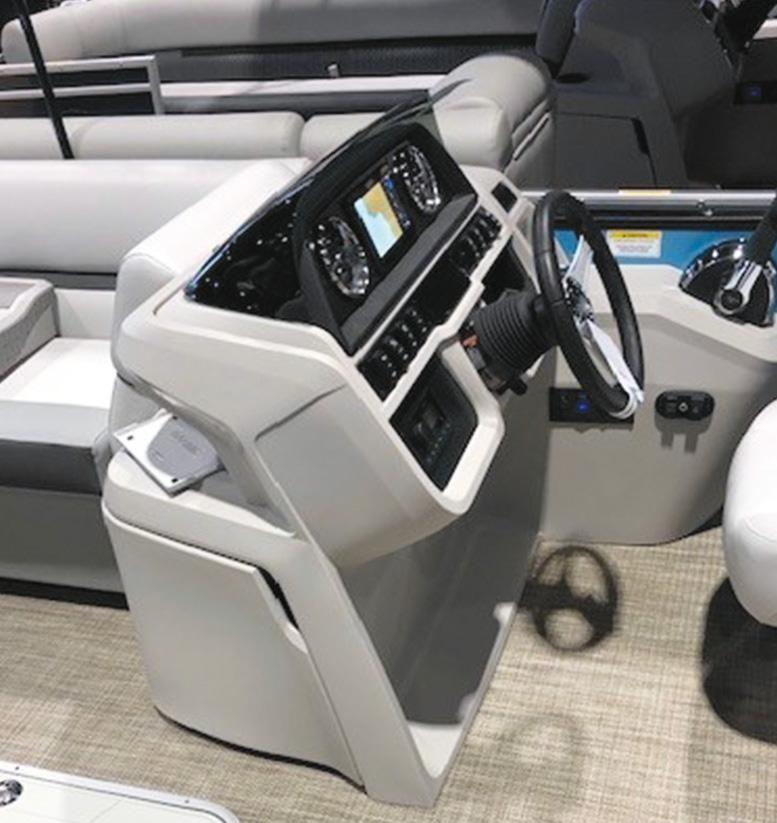
Offering everything from powerful towing technology and automated RV leveling systems to boating furniture and one-of-a-kind shade solutions, Lippert proudly merges strategic manufacturing capabilities with the strength of its dedicated team to provide unparalleled customer service, award-winning innovation, and premium products to each individual industry and person it serves.
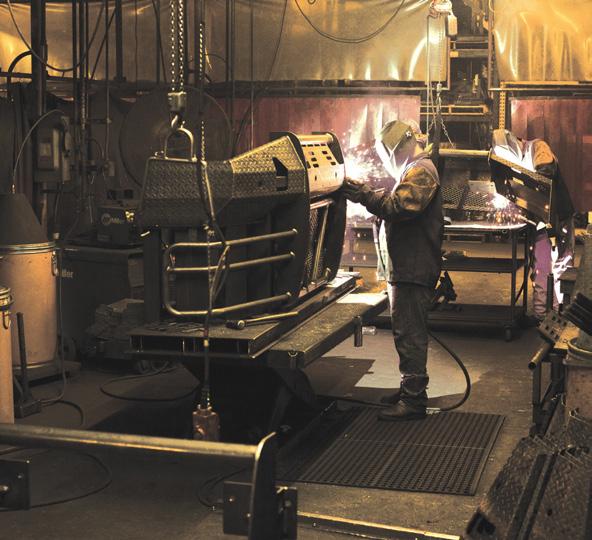
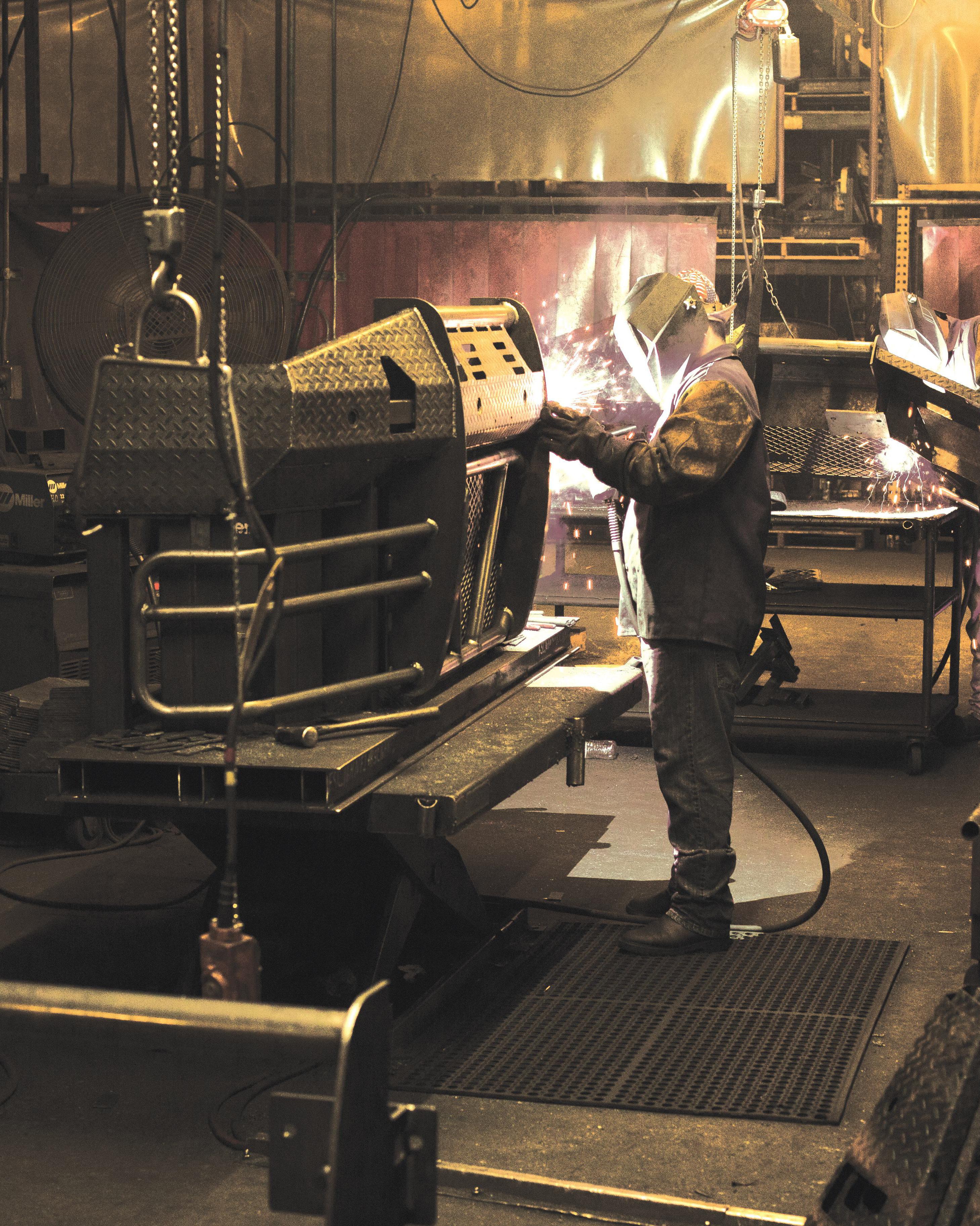
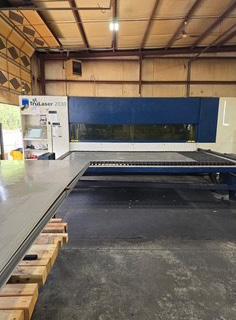
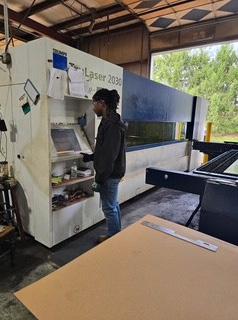
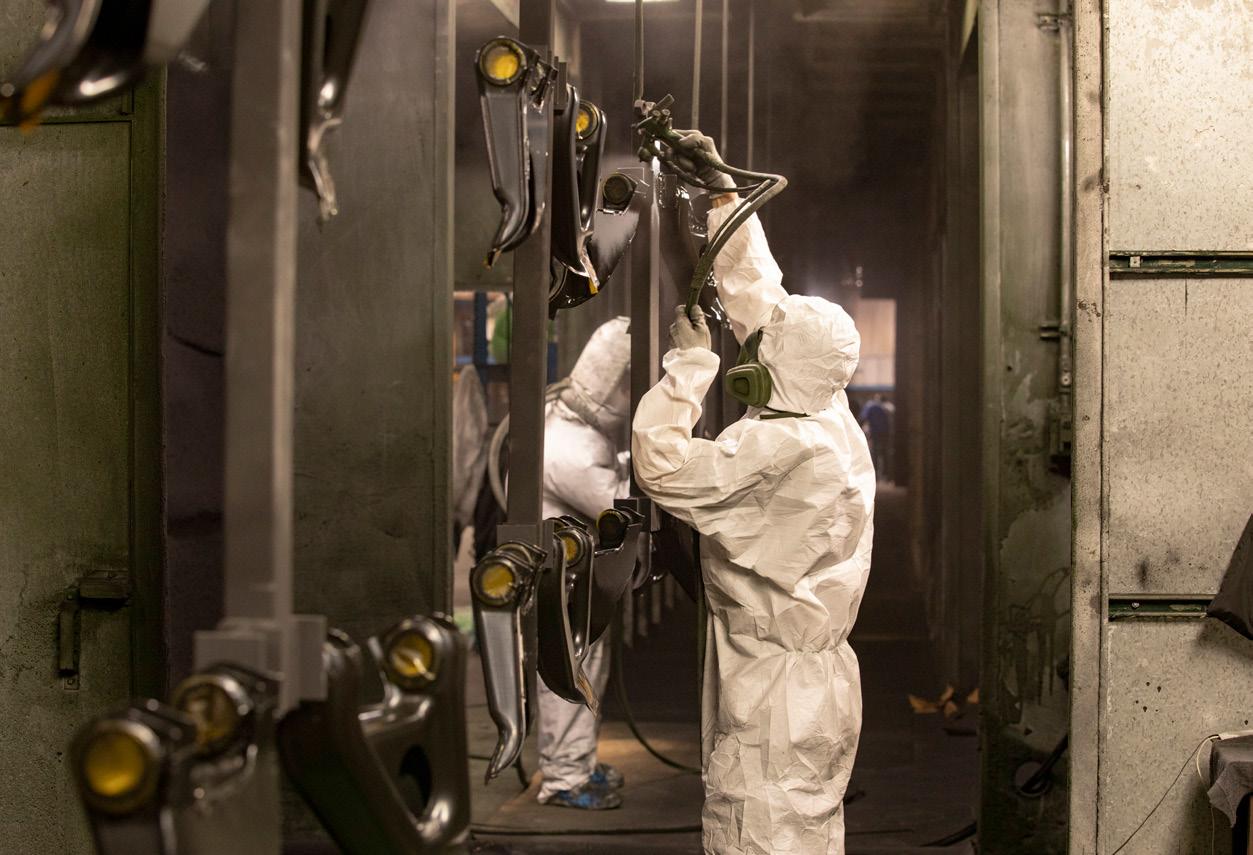
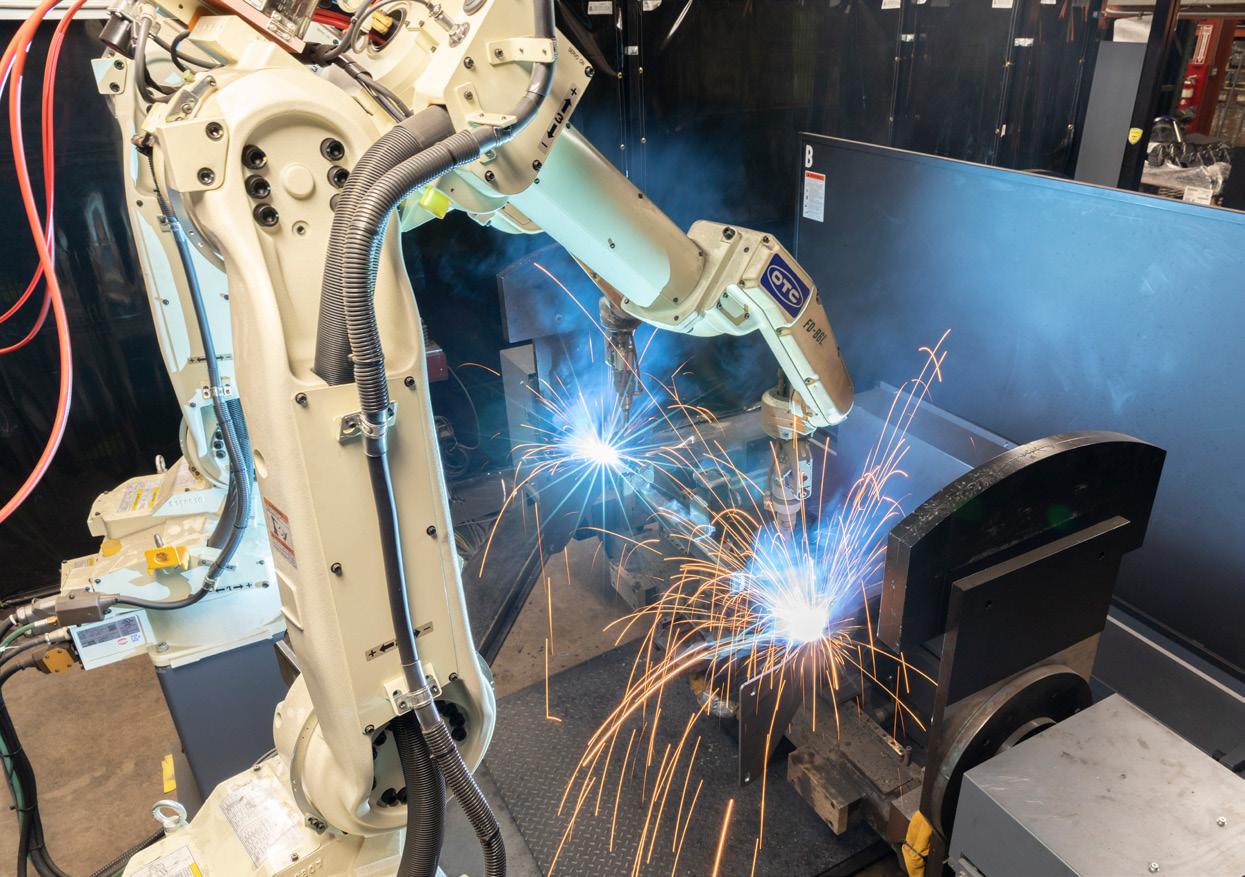
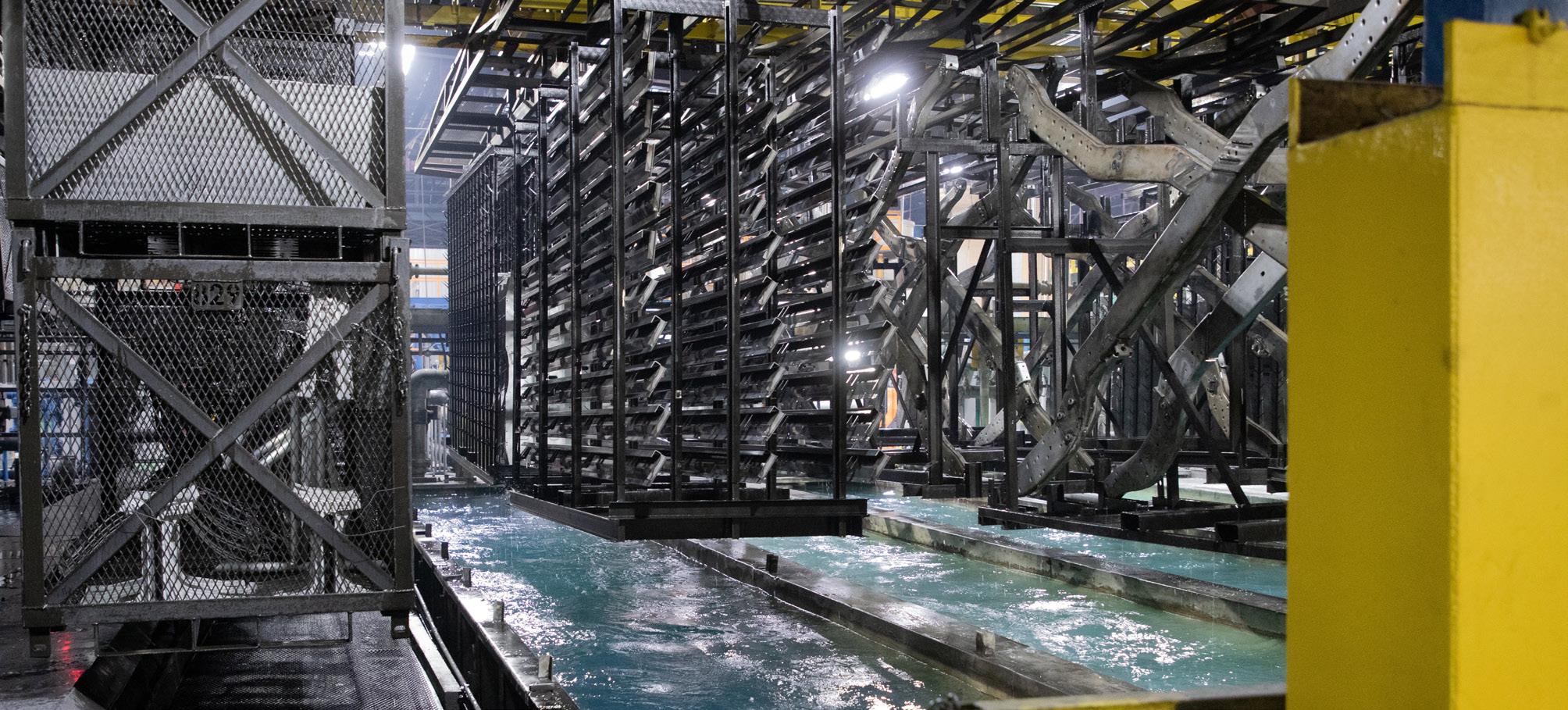
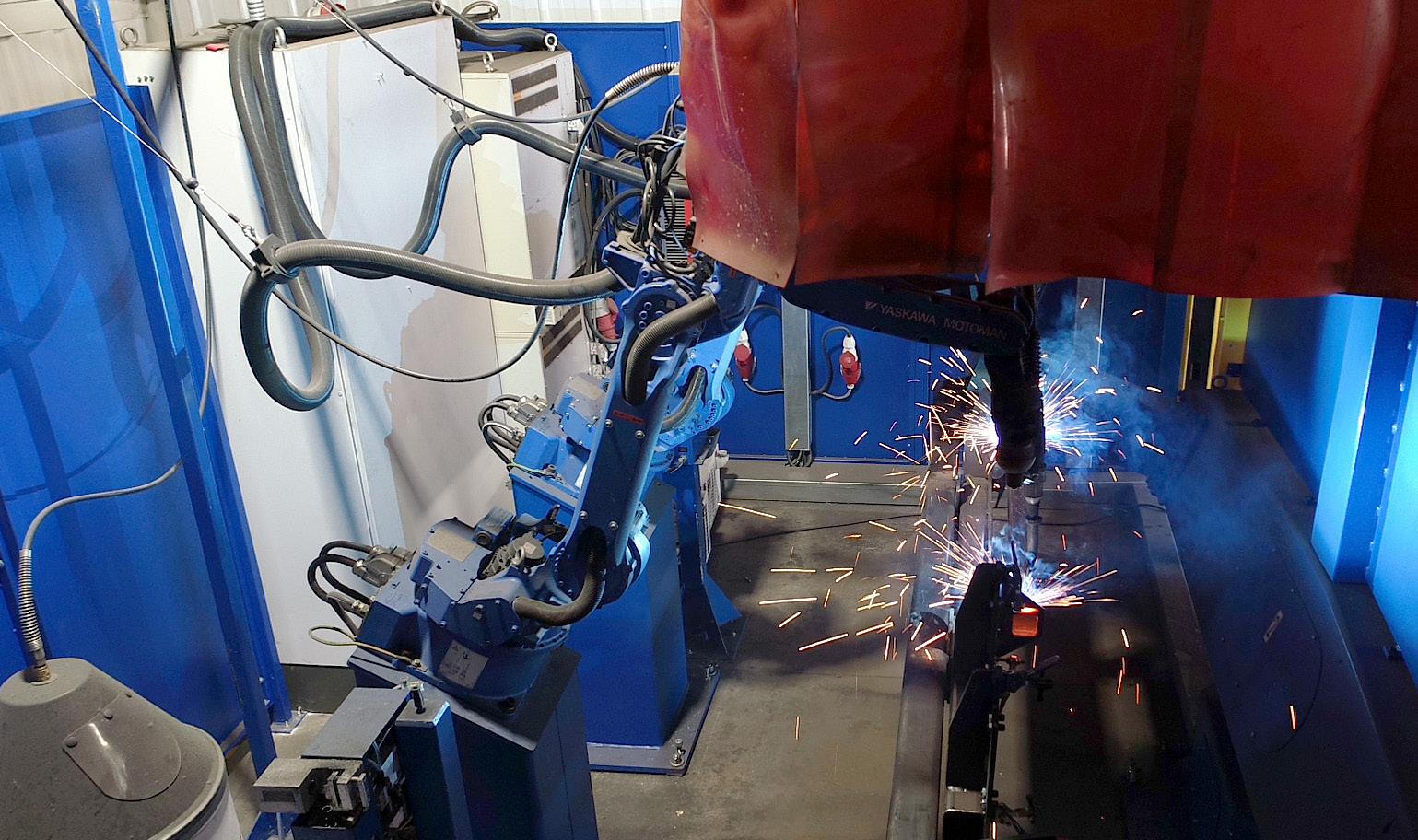
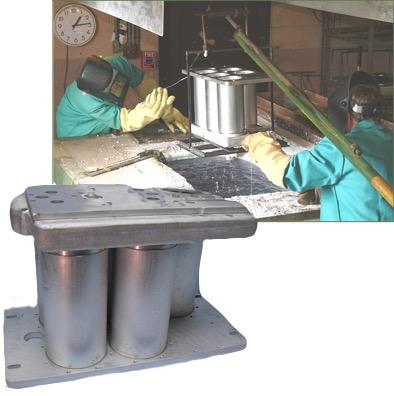
Lippert’s highly skilled welders
“Headquartered in Elkhart, Indiana, we support customers across North America, Europe, and Africa with more than 140 manufacturing and distribution facilities and approximately 14,000 team members worldwide,” details Smith.
The Lippert team is dedicated to always thinking about its customers’ next journey, proudly pushing the possibilities of its products and services to better people’s time spent outdoors, whenever and wherever, for years to come.
WHERE TRADITION MEETS TRANSFORMATION
Guided by three generations of family leadership, with CEO Jason Lippert at the helm, the company has seen exponential growth since its inception, having evolved into a
confident industry pioneer.
“Lippert’s roots as a family-led organization continue to shape the expectations we operate under today. Family-led leadership instills a longterm view; you do not build for the next quarter – you build for the next generation,” Smith expands.
“You invest in your people, open doors to opportunity, develop leaders from within, and never lose sight of your responsibility to the community.”
For Lippert, this philosophy is not just words – it shows up inside its facilities each and every day. Many of the company’s leaders started on the production floor and understand the work because they have put in the time and effort required to succeed. This sort of credibility builds trust, and trust is what influences overall performance.
IN WHAT WAYS DOES LIPPERT UPHOLD ITS MOTTO, ‘BUILT FOR THE JOURNEY AHEAD’?
Ryan Smith, Group President: “‘Built for the Journey Ahead’ is our commitment to durability in a disposable world. In a time when planned obsolescence is all too common, we do not design for breakdown cycles or short replacement windows – we build with the expectation that what leaves our facilities will endure real usage, real miles, and real demands over time.
“For us, durability is where innovation and quality come together to shape the customer experience. Innovation pushes us to develop smarter designs and better solutions, while quality ensures those advancements deliver reliability customers can trust over the long haul.
“What we create does more than perform; it becomes part of someone’s story. We’re privileged to design products that stand behind the adventures families retell around campfires and dinner tables, present in milestones, traditions, and the ordinary moments that become unforgettable. Long after the journey ends, the memories remain.
“We build with that responsibility in mind.”
Ultimately, the company is driven by a culture of caring and focused on serving people by developing their personal and professional growth. Guided by its core values and leader qualities, Lippert actively empowers its team members through a variety of initiatives, including individual goal setting, listening sessions, engagement surveys, operational improvement programs, health and well-being initiatives, community impact events, and more.
This directly aligns with its mission of making lives better by developing meaningful relationships while continuously shaping the business as a force for good.
“Our growth, resilience through market cycles, and ability to innovate trace back to that foundation. We have remained disciplined in putting people first and building a culture of ownership,” Smith explains.
“When leadership is grounded, visible, and accountable, the organization moves with clarity and confidence, and that foundation continues to guide us as we grow.”
CRAFTING A RESILIENT FUTURE
With over 140 manufacturing and distribution facilities located throughout North America, Africa, and Europe, Lippert supplies a broad range of highly engineered components for leading manufacturers of RVs, automobiles, watercraft, and prefabricated homes.
The company also operates in adjacent markets, such as hospitality, transportation, construction, and agriculture.
Currently, Lippert finds itself in a particularly thrilling time within the industry.
“Manufacturing is more exciting than ever; we’re witnessing a true resurgence in American manufacturing. Investment in domestic production is rising, supply chains are strengthening, and skilled trades are back in the spotlight,” enthuses Smith.
At the same time, Lippert is operating in an unprecedented era as artificial intelligence (AI) moves from concept to reality across the business. Specifically, the company is focusing its AI efforts on enhancing the customer experience, streamlining service interactions, delivering faster answers, and resolving issues more efficiently than ever before.
“At Lippert, we see this moment not as a dichotomy, but as a powerful convergence. The renewed push for US trades and the rapid rise of agentic AI are not competing forces – they represent a meaningful juxtaposition of human craftsmanship and intelligent systems, each strengthening the other,” Smith insights.
The company is leaning into this convergence thoughtfully and responsibly. As it explores how agentic AI can support its manufacturing environments alongside its customers, Lippert remains firmly grounded in the skill,
discipline, and pride of its workforce.
The company maintains the mantra that technology expands capability and craftsmanship ensures excellence.
“This is where tradition meets transformation. It’s not human versus machine – it’s human expertise amplified by intelligent systems, working together to build a stronger, more resilient future for American manufacturing,” asserts Smith.
REPUTATION FOR SUCCESS
There are a plethora of ways in which Lippert has continued to differentiate itself from the competition over the past 70 years.
Primarily, it is through the proudly established culture and team members who dedicate themselves to the success and innovation of the company on a daily basis.
“Hands down, our people and the way we invest in them are how we set ourselves apart,” Smith highlights.
“Our purpose as a company is to make lives better through meaningful relationships with our co-workers, customers, and communities. That purpose drives how we develop and support our team every single day.”
Lippert builds leaders from the inside out. Through intentional leadership development frameworks, it reinforces core values such as honesty, integrity, trust, and genuine care for people. The company’s commitment does not end on the clock; it invests in people as individuals, supporting who they are out of work just as intentionally as who they are in it. Every team member completes an annual Leadership Action Plan that includes both personal and professional goals, because the company recognizes growth outside of work directly impacts performance inside of it.
TaylorMade Plant, Robotic Glass
ADVANCED EXPANDED POLYSTYRENE SOLUTIONS
Since being established in 1978, Arvron Inc has built a solid, award-winning reputation on two key things: quality expanded polystyrene (EPS) products and exceptional customer service.
We control every step of the EPS manufacturing process in our Grand Rapids, MI facility. From raw material, block molding, block drying, and precision hot wire cutting, along with delivery of the finished product to our customers. Our in-house capabilities ensure consistent quality, performance and reliable lead times.
EPS is one of the most versatile materials available, and our foam is used across many different industries. Various construction industry applications, Geo Foam, protective packaging and custom shapes to meet your project needs are just a few examples. We specialize in roof foam, wall, floor, and door insulation, and other EPS needs within the RV industry.
Arvron extends our sincere congratulations to Lippert on their 70th anniversary. This milestone is a testament to your enduring commitment to excellence and innovation. We are proud to supply EPS to your organization and value the trust you place in our partnership. We look forward to many more years of collaboration and shared success.
“Manufacturing is more exciting than ever; we’re witnessing a true resurgence of American manufacturing. Investment in domestic production is rising, supply chains are strengthening, and skilled trades are back in the spotlight”
– RYAN SMITH, GROUP PRESIDENT, LIPPERT
“We also listen deeply. Our CEO conducts regular listening sessions across the organization, and we respond with actionable, measurable steps. This is not lip service; it’s a disciplined commitment to following through,” dictates Smith.
Lean manufacturing programs such as Lippert’s Just Fix It (JFI) further empower Lippert’s team members to raise their hands and improve what is in front of them without waiting for permission. Innovation happens at the grassroots level because people feel valued, heard, and capable of driving meaningful change.
Such ownership ultimately shows up in the experience customers have with Lippert’s products. Innovation pushes capability forward, while quality ensures those innovations perform consistently in the real-world environments customers depend on.
“You can buy machines, you
can buy automation, but you can’t buy a culture where people feel known, respected, supported, and encouraged to grow. That is the real differentiator,” Smith prides.
A TRUE RESURGENCE OF US MANUFACTURING
As the US approaches its 250th year of independence, Lippert is celebrating the spirit of freedom in two powerful ways – by empowering adventure and honoring the craftsmanship that makes it possible.
“There is nothing more American than open highways, mountain air, and families gathered under a wide sky. The ability to explore this country, move freely across it, and build memories in its landscapes is part of what independence represents,” celebrates Smith.
Lippert’s products are designed to make those experiences better by
helping customers travel farther, stay longer, and explore the outdoors with confidence and comfort.
At the same time, the company recognizes that this freedom to explore is built on something deeper. It is built on skilled trades.
“Through our Rooted in Trades campaign, we are shining a light on the welders, fabricators, designers, and technicians whose work forms the backbone of American manufacturing. Their craftsmanship makes innovation real, and their skill turns raw materials into products that power outdoor living,” Smith explains.
Rooted in Trades is more than just an initiative for Lippert – it represents the company’s wider commitment to the future of hands-on careers and its desire to help the next generation of skilled tradespeople find their path, connect with mentors, and build lasting careers.
Celebrating 250 years of independence is not about a single moment for Lippert; it’s about honoring both the journey and the people who make the journey possible.
By pushing the possibilities of its products while championing the tradespeople behind them, the company is living out that spirit every day.
Chassis manufacturing
We want to congratulate Lippert on their 75th anniversary. This is truly a tribute to excellent leadership over the years.
Frye Fabrication, Inc. has been privileged to be a part of the Lippert team since 2017. At Frye, we don’t just fabricate metal; we build partnerships with our customers. From custom proto builds and one-offs to high-volume production runs, we ensure that your project is done right the first time, and on time. We are a one-stop shop that values long-term relationships with a focus on high quality, reliability and superior customer service.
Equipment
• Cad/Cam Software
o Trumpf Tru-Boost
o Autodesk Fusion
o AutoCad
o RADAN
• Lasers
o (2) Trumpf TruLaser 2030 Fiber Lasers
• Punch
o Amada Vipro 345
• Press Brakes
o Amada and Pacific Press Brakes
- Up to 12ft Bed for Long Parts
- 240-Ton Capacity
• Shear
o LVD Shear
- 10ft Length with ¼” Max Thickness
• Welding
o Lincoln and Hobart Mig/Tig Welders
CONTACTS:
Chad Frye – President
Chad@FryeFab.com
Office: 317-982-5952 | Cell: 317-999-7350
Clint Bucher – CFO
cbucher@legacyadvllc.com Office: 317-581-3905
CAN YOU TELL US MORE ABOUT THE SIGNIFICANCE OF YOUR SUPPLY CHAIN OPERATIONS AND HOW THESE RELATIONSHIPS ARE CRUCIAL TO LIPPERT’S SUCCESS?
Ryan Smith, Group President: “Our supply chain relationships are absolutely critical to our success. In today’s environment, the supply chain is not just about sourcing materials – it’s about resilience, alignment, and trust.
“When you operate at our scale across the RV, marine, and transportation markets, you need partners who understand your standards, pace, and commitment to quality and safety. We spend a lot of time cultivating those relationships because they directly impact our ability to deliver for our OEM and aftermarket customers.
“One area we are particularly proud of is the strength of our domestic manufacturing footprint. In segments like our glass operations, for example, we have zero overseas dependencies, which gives us greater control over quality, lead times, and continuity.
“It also allows us to be more responsive to customer demand and less exposed to global disruption. That level of vertical integration and domestic capability is a strategic advantage.
“At the same time, even where we do source globally, we are intentional. We prioritize long-term partnerships over transactional relationships, aligning on quality expectations, innovation goals, and continuous improvement. When our suppliers innovate, we innovate. When they improve efficiency, it strengthens our entire value chain.”
COMMITMENT TO DURABILITY
Alongside the 250th anniversary of the US, Lippert is commemorating 70 years of its own successful operations.
For the company, this celebration is less about looking back and more about reaffirming who it is and what it stands for in the industries it serves. It’s also about honoring the trust partners have placed in the business for decades and committing to being an even stronger innovator and steward for the next generation.
“Our legacy is not simply that we’ve been in business for 70 years – it’s that, for 70 years, we’ve helped power the experiences that matter to people. From time on the water to miles on the road, our products have quietly supported moments of connection, exploration, and opportunity,” prides Smith.
The best way Lippert knows how to honor this milestone is to keep building. The company is doubling down on product development, advanced manufacturing, and leadership development to ensure it continues delivering innovative solutions that enhance experiences and ultimately do good in the world.
At the same time, Lippert’s legacy extends beyond products; it lives in the communities where it operates.
“As we mark 70 years, we are placing renewed emphasis on community engagement, supporting local initiatives, and investing in the people and places that have supported our growth. Being a good corporate citizen is not separate from our mission – it is central to it,” Smith declares.
“70 years is a milestone, but more importantly, it’s a reminder of our responsibility to keep innovating, keep investing in people, and keep making a positive impact in the industries and communities we serve.”
WHERE INNOVATION AND QUALITY INTERTWINE
To continue its decades of success and growing international footprint,
Chassis coating
Behind every journey is a system of components engineered for uncompromising reliability. From locking systems and precision fasteners to functional & decorative hardware, Global Link Distribution supplies the critical parts trusted by leading RV manufacturers like Lippert. Because every adventure begins with what holds it together.
LIPPERT’S TOP CATEGORIES
• RV awnings
• Laminated entry and cargo doors
• Slide-out and bed lift mechanisms
• Towable chassis and metal fabrication
• Windows, glass, and glazing systems
• Leveling and stabilization systems
• Automotive hitches
• Towing accessories
• Towing electrical
• Trailer axles and running gear
• Boat shades
• RV, marine, and transportation vehicle furniture and seating
“We’ve built our reputation on an innovative culture, advanced manufacturing capabilities, and a strong commitment to enhancing the customer experience”
– RYAN SMITH, GROUP PRESIDENT, LIPPERT
Lippert is currently engaged in a strategic expansion into the broader transportation space.
“While we have strong roots in the RV and marine industries, we are intentionally growing our presence in commercial and specialty transportation, where safety and reliability are absolutely missioncritical. They quite literally keep the world moving, and we see a clear opportunity to contribute at a higher level,” expands Smith.
The company resides as a leading manufacturer and supplier to myriad industries due to its diverse capabilities, unwavering commitment to quality, and world-class solutions that meet the unique demands of each sector and company.
With its extensive manufacturing capabilities, Lippert serves industries
and specialized sub-sectors beyond its core product offering. Whatever the requirements, Lippert’s team is ready to work together to provide a customized solution tailored to each client’s needs.
“Our focus is on delivering engineered solutions that perform consistently in demanding environments and raise the bar for safety and dependability,” Smith highlights.
“At the same time, we are accelerating game-changing innovation across all segments by bringing in engineering expertise from outside our traditional industries.”
Talent and perspective from other highly engineered sectors help Lippert rethink durability, systems integration, and manufacturing processes. The company is not
Cut & Sew department, Plant 91, Marine Furniture Division
Plain talk in modern times
As members of the Amish faith, we strive to live lives that are plain and simple, centered on God and family. That same commitment shapes the way we do business.
As a supplier, put plain and simply, we provide a competitive product — built to spec and delivered on time.
Since 1988, our family has been crafting quality pallets and crating solutions for customers both large and small. We proudly serve the Automotive, Solar, Glass, and Food Grade industries, where precision, durability, and reliability matter every day.
When you choose Graber Box and Pallet, you’re not just purchasing pallets or crates — you’re partnering with a family committed to craftsmanship, integrity, and doing the job right for generations to come.
For more details see www.graberboxandpallet.com or call 260-657-5657.
merely content with incremental improvement – it is combining deep industry roots with a fresh technical perspective to position the company as a leader in both transportation and recreation.
“That’s how we continue to innovate, strengthen safety and reliability, and build products that make a real difference in how people travel, work, and explore,” affirms Smith.
COMMITTED TO CARING
For Lippert, every decision rests on whether or not it’s improving the lives and experiences of its people and the surrounding communities.
The company prioritizes innovating and rethinking the possibilities of its products and services, fostering and building relationships, and highlighting social impact initiatives to serve the areas in which it lives, works, and plays.
LIPPERT INSIDERS
Lippert Insiders is an all-access pass to epic events, secret drops, surprise merchandise, membersonly discounts, and more, with no strings attached. It’s fast, fun, and built for people who hate complicated sign-ups and boring perks.
Specifically, those who join the circle are the first to know about new gear, are able to attend festivals, bull-riding, and exclusive giveaways, receive limited-edition swag, get their hands on discounts before anyone else, and receive a special birthday treat to help celebrate the occasion.
This opportunity is open to anyone who wants to be part of the Lippert circle, with great rewards and no fees.
“You can buy machines, you can buy automation, but you can’t buy a culture where people feel known, respected, supported, and encouraged to grow. That is the real differentiator”
– RYAN SMITH, GROUP PRESIDENT, LIPPERT
These priorities can be directly observed through Lippert’s five pillars, which comprise culture, innovation, quality, safety, and leadership.
“For us, the five pillars are not separate initiatives – they are a single integrated foundation that supports everything we do and anchors how we make decisions, invest, and grow,” Smith details.
“It starts with culture; if you get culture right, everything else becomes possible.”
Lippert asserts that when team members feel valued, developed, and trusted, they innovate more freely, take ownership of quality, and prioritize safety without being told. Culture creates alignment and resilience during market cycles, building leaders who think long-term rather than quarter-to-quarter.
From that cultural foundation, innovation and quality become natural outcomes rather than forced objectives. The company continually asks how it can improve the customer experience, simplify complexity, and build products that last. Innovation introduces new capabilities, while quality ensures those capabilities perform consistently over time.
“When those two disciplines work together, they ultimately translate into a better customer experience. Innovation pushes what’s possible, and quality ensures those ideas deliver dependable performance in the real-world environments our customers operate in,” expands Smith.
For Lippert, safety reinforces that discipline, both within the company’s facilities and in the products it brings to market, whilst leadership sustains it.
Robotic welder
Molders of Custom, Flexible (Soft) Polyurethane Foam,
Cushions and Cushioning Materials
MFP is an ISO-certified business, efficiently located in Bristol, IN to serve the United States from coast to coast and operates out of a 100,000 square foot modern facilty.
The company runs multiple carousel molding lines to produce a diverse mix of products, from small to very large parts.
We mold flexible polyurethane foam (mostly cushions and cushioning) for many “high compliance” industries including Medical, Military, Transportation, Office, Marine, and RV.
Additional parts and inserts such as hook and loop, plastics, metals, wood, fabric, and other foams can
be “over-molded” as part of our manufacturing process. This can reduce inventory for customers, eliminate secondary labor, and integrate the components into a strong bond with the foam.
Secondary operations such as sub-assembly, cover insertion, and packaging are also provided.
We will package the way you want it – boxed, bagged, or in returnable packaging.
We can assist you with the design and development of your molded foam requirements to provide the look, feel, and performance you desire while keeping your cost as low as possible.
As the company grows, strong leadership ensures it scales without losing who it is at the core and remains focused on doing the right things the right way.
“Our continued growth is the result of anchoring ourselves to these principles and allowing them to guide our strategy. When you align culture, innovation, quality, safety, and leadership around a shared purpose, you build more than products – you build trust, which drives sustainable growth,” prides Smith.
CULTURAL JOURNEY
Approximately 10 years ago, the leadership team at Lippert recognized the crucial role of its front-line team members and the impact a company can have on its people, the surrounding community, and the world as a whole.
The company then committed itself to creating a winning team culture
that would inspire other businesses to make positive changes and improvements as well.
One of the primary ways in which Lippert has been enabling a better workplace experience for its team is through the Lippert Academy of Leadership.
The academy builds upon the leadership development fundamentals the company worked hard to embed in its daily activities, serving external businesses, nonprofits, and individuals with a variety of programs and offerings. These include on-site training and leadership development programs, executive coaching, speaking engagements, and in-house leadership development experience.
Ultimately, the Lippert Academy of Leadership is human-centered, mission-driven, and performancefocused. Its mission is to come together with other organizations
LIPPERT’S FEATURED BRANDS
• LIPPERT – A leading, global manufacturer and supplier of highly engineered products dedicated to shaping the RV, marine, and automotive industries.
• CURT – The leading manufacturer of US-made custom-fit trailer hitches and supplier of a complete line of towing products.
• RANCH HAND – A leading name in the truck accessories industry, known for meticulously engineered, highly durable, US-made steel bumpers and grill guards.
• FURRION – A purveyor of RV and marine technology, enabling people to live outdoors and off-the-grid through premium, energy-efficient products.
• TAYLOR MADE – One of the most trusted, versatile leaders in US-made, premium marine products and accessories, with more than 100 years of experience.
• FREEDMAN BY LIPPERT – Designs and manufactures seating and safety products for the transit, coach, rail, marine, and paratransit markets.
• LEWMAR – A premier marine equipment supplier that designs, manufactures, and distributes innovative, high-quality control solutions worldwide.
• UWS – A leading manufacturer of US-assembled truck tool boxes, offering reliable storage solutions for professional tradesmen and truck enthusiasts.
that are on a leadership and culture journey in order to help make their businesses a force for good.
Building and sharing what Lippert has learned over its seven decades of business success, the academy’s primary goal is to help others establish a self-sustaining model of leadership and culture by creating their own internal resources dedicated to stewarding their vision and mission.
Specifically, what is offered in the leadership program is a red carpet roll-out, where on-site experiences enable participants to see behind the curtain by touring facilities, speaking with leaders, and engaging with Lippert’s internal leadership and executive teams.
Additionally, a consortium membership provides access to an exclusive leadership community for executive leaders at any stage of their cultural journey. This annual subscription offers academy coaches, content, and on-site support.
There are also memorable keynote speakers who provide customized, unforgettable experiences for events and are experts in keeping audiences engaged, educated, and inspired.
As Lippert has grown, evolved, and refined its own leadership training and development programs, it recognized that offering this program was a prime opportunity to take some of that knowledge and expertise to support the leadership, culture, and business goals of other organizations.
MOVING WITH CLARITY AND CONFIDENCE
Looking after its employees and promoting the next generation of Lippert team members is not only important to the company’s longevity, but central to who it is at its foundation.
“You can have strong supply chain partnerships and advanced manufacturing capabilities, but none of it works without engaged, capable team members,” Smith asserts.
“Our legacy is not simply that we’ve been in business for 70 years – it’s that, for 70 years, we’ve helped power the experiences that matter to people. From time on the water to miles on the road, our products have quietly supported moments of connection, exploration, and opportunity”
– RYAN SMITH, GROUP PRESIDENT, LIPPERT
“Our team members are the engine behind everything we do. The quality of our products, strength of our customer relationships, and pace of our innovation all start with our people. The goal is for people to see a future at Lippert, not just a job.”
With over 14,000 team members spread across North America, Europe, and Africa, the company has proven time and again that by putting people first, the possibilities are truly endless.
Lippert believes its business can be a force for good in the world if leaders take hold of their responsibility to create a culture that cares for people and allows them to grow into their best selves. As the company sparks
the heads, hearts, and hands of team members, it hopes to inspire the purpose and passion that lead to high performance in both business and life.
“Leadership development is a big part of this goal. As we expand into transportation and continue innovating in the RV and marine industries, we need leaders who understand both our legacy and where we are headed,” states Smith.
“We invest in training, mentorship, and real opportunities to step up and lead. Growth only works if your people grow with you; if we continue to invest in them in the right way, the next 70 years will be even stronger than the first.”
DRIVING MEANINGFUL CHANGE
Those at Lippert proudly live the outdoor lifestyle and are constantly pushing to enhance the customer experience by offering superior, innovative products made by trusted and reliable brands.
However, the company recognizes the only way to ensure the outdoors continue to be enjoyed for generations to come is to implement sustainability initiatives and a mindset that encourages their growth.
This can be observed through Lippert’s ever-evolving mission to put real resources behind culture, philanthropy, and sustainability, underscoring its commitment to making business a force for good in the world.
As an industry leader in the outdoor recreation space, the company is dedicated to driving positive environmental and social change. It acts boldly to understand, manage, and mitigate its environmental impact across value chains while bringing innovative, energy-efficient products to market. This is in parallel to the company’s efforts to reduce energy consumption, water usage, and waste generation.
A passion for environmental stewardship and resource conservation is at the core of everything Lippert does. Since its inception in 1956, the company has committed itself to being a strong manufacturing partner and responsible corporate citizen.
Lippert believes in the power of sustainable materials and production processes to shape a better future for its team members, community, and the environment.
In alignment with leading global standards, such as the Global Reporting Initiative (GRI), Sustainability Accounting Standards Board (SASB), and the UN’s Sustainable Development Goals (SDGs), the company is actively taking concrete steps to protect the environment.
Plant 45, Axles
Hydraulic Adapters & Fittings
For example, it continuously invests in eco-friendly practices, strives to establish new benchmarks in corporate sustainability, especially in packaging, and works to improve its recycling and sustainability programs every year.
Through adherence to internationally recognized standards, Lippert ensures transparency and accountability in its efforts to create positive change in the long-term.
EMPOWERING ADVENTURE
Lippert has proven itself to be dedicated to creating transformative social change. From student mentorship to park clean-ups and corporate sponsorships, the company supports organizations and causes that make its surrounding communities a better place for all.
“We believe in using business as a force for good in the world. Our corporate social responsibility (CSR) efforts are simply how we live that out,” details Smith.
Through initiatives like Lippert Cares and seRV™, Lippert’s team members actively serve in their neighborhoods, from environmental efforts to supporting local non-profits.
Given the company’s connection to outdoor recreation and
transportation, protecting the environments and communities where people live, work, and explore is a natural extension of its mission.
“We are also deeply committed to student mentorship and workforce development. By partnering with schools and trade programs, offering plant tours, internships, and hands-on mentorship, we are helping build the next generation of skilled professionals. That investment strengthens both our company and the industries we serve,” Smith explains.
At its core, Lippert’s CSR approach is about stewardship. If it wants to enhance experiences and do good in the world, that responsibility extends beyond its products to local communities and individuals because, at Lippert, everyone matters.
Ultimately, caring about people is at the core of the company’s sustainable strategy. It provides the resources necessary to support team members’ holistic well-being, empowering them to reach their full potential regardless of where they are.
Finishing and coating
Plant 119, Automated Glass
THAILAND TAIWAN
Khan’s provides integrated manufacturing and sourcing services to fulfill various customer requirements:
• Metals Polymers Electrical and technological solutions
KHAN’S ENTERPRISE CO., LTD.
• OEM and ODM Electronics and PCBA Multiple applications
1921 Chun Ri Road, Taoyuan, Taiwan
Email: sales1@khans.com.tw
Tel: +886 3 358 8181 | Fax: +886 3 357 8181
PARTNERS IN EVERY STEP
For nearly 20 years, we’ve partnered with Lippert as their national provider for material handling equipment and fleet solutions. Our services include lift trucks and attachments, fleet management programs, and advanced technology solutions designed to optimize productivity and reduce downtime.
“Ultimately, the coming year is about discipline and momentum – being thoughtful about expansion, intentional about execution, and confident in where we can lead. If we do that well, growth will follow as a result, not just as a target”
– RYAN SMITH, GROUP PRESIDENT, LIPPERT
Additionally, the company takes a collective impact approach to fostering shared value generation. Recent targeted efforts to support this include updating its policies, increasing diversity on the board of directors, and the formal addition of board oversight of sustainability.
STEWARDSHIP FOR THE NEXT GENERATION
Equally as crucial to the continuation of Lippert’s success and innovative future prospects are its environmental, social, and governance (ESG) initiatives.
Since the company’s inception, it has strove to create a name for itself as a strong manufacturing and corporate partner for its team members, customers, community, and the environment.
Its sustainability approach was first inspired by the company’s passion to protect and invest in the regions it calls home, having evolved over time to represent more holistic ideologies
and goals. Lippert has since worked to incorporate various sustainability practices and processes into all facets of its business operations.
At the production level, the company aims to protect the environment and save resources by using sustainable materials and reducing the environmental impact of its production process.
It emphasizes using environmentally friendly materials and processes wherever possible, alongside consistently improving and evolving its pre-established programs to best suit current research and ESG goals.
In Lippert’s day-to-day business operations, it has become cognizant of natural resource usage and waste generation, having started to track such data in order to establish a concrete baseline that will enable the company to set realistic targets while searching for added process efficiencies.
This inclusive ideology and goals
also directly align with the company’s belief that everyone matters. To achieve this, it has made strides to improve retention, encourage physical and mental health, and provide resources to support team members and their loved ones. While Lippert acknowledges it is still early in its diversity, equity, and inclusion (DEI) journey, the company is massively proud of the magnitude of its achievements in such a short period of time and actively celebrates its plans for the future.
THE BACKBONE OF AMERICAN MANUFACTURING
As a global leader in supplying engineered components to the outdoor recreation and transportation markets, Lippert is confident that its innovative culture, advanced manufacturing capabilities, and dedication to enhancing the customer experience enable it to be a reliable partner for both OEM and aftermarket customers.
Business partners proudly invest in Lippert for myriad reasons, such as the company’s 67 percent growth in towable RV content since 2020, 11 percent compound annual growth rate (CAGR) from 2015 to 2025, and 90 percent historical conversion of robust operating cash flow.
The company is also proud to call brands like CURT, Ranch Hand, Furrion, and others its own – names
Finishing and coating
MIRM-Lipperts-PRPDF.indd 1
that its customers trust for quality, dependability, and service.
Lippert thrives on innovation, and building customized solutions that fall outside of its traditional product lines is standard procedure for the team. No matter the industry, Lippert finds and builds personalized solutions.
This dedication to success can be traced back to the very beginning of the company’s journey seven decades ago. Founder Larry Lippert used his grit and determination to lay a strong foundation that has enabled the company to develop a plethora of innovative technologies and improve industry processes.
His vision, integrity, hard work, and valuation of team members continue to inspire and guide Lippert today.
A LEGACY BEYOND PRODUCTS
As Lippert looks ahead, one of its biggest priorities is sharpening its focus. Having built meaningful scale over the years, the company is now
being more intentional with where its bets are placed.
3/11/26 1:45 PM
That means prioritizing the segments and product categories where it can truly differentiate, especially in transportation and highly engineered solutions.
“We are also focused on simplification; as organizations grow, complexity can creep in. Over the next year, we are working to streamline processes, align teams more tightly, and ensure we are operating with clarity and speed,” informs Smith.
Another priority for Lippert is strengthening integration across its portfolio and connecting its capabilities more seamlessly so customers experience Lippert as a cohesive, solutions-driven partner rather than a collection of individual products.
“Ultimately, the coming year is about discipline and momentum –being thoughtful about expansion, intentional about execution, and confident in where we can lead. If
we do that well, growth will follow as a result, not just as a target,” Smith proudly concludes.
Regardless of whether a customer is embracing the freedom of the open road or feeling the breeze across their face as they jet across the water, Lippert is here to reliably and securely provide premium products designed to make outdoor recreation activities fun, safe, and accessible for generations to come.
70 years of enabling outdoor journeys down, and with many more to come, Lippert is primed to lead the way.
Lippert led the way in fabrication back in the 1950s
FORTIFYING THE FUTURE FRONTIERS OF DEFENSE
We dive into Forterra’s innovative spirit with insights from its executive team, exploring how the company’s mission-driven ethos is transforming the battlefield into a realm where technology meets tenacity
Writer: Rachel Carr | Project Manager: Jakub Tyl
In a world where the dynamics of warfare are ever-evolving, Forterra stands at the cutting edge, redefining what it means to be a leader in autonomous defense solutions.
Headquartered in Clarksburg, Maryland, with additional offices in Arlington County, Virginia; Winter Park, Florida; Ketchum, Idaho; and Palo Alto, California, the company boasts over 500 employees who are pushing the boundaries of defense technology.
The future of mission autonomy is not just a vision for Forterra, it’s a reality, providing advanced modular
solutions designed for independent operation or seamless integration.
This enables multiple vehicles to operate autonomously, with the ability to allow an operator to intervene, if necessary, to ensure resilience and mission intent in challenging environments.
“From self-driving land systems to robotic swarms, we create scalable, robust hardware and software platforms that enable our customers to utilize autonomy effectively, enhancing reach, survivability, and mission success,” proudly introduces Josh Araujo, CEO.
“Our mission is warfighterfocused; we develop technology that minimizes risks for those who serve. With a high concentration of veterans on our team, we understand the challenges and gaps faced in combat.”
Forterra specializes in key technologies, differentiating its products through unique platforms and systems that set it apart in the market. These comprise modules for compute, data, communications, mobility, and sensing, enhancing defense capabilities while prioritizing warfighter safety on the battlefield.
“We focus on creating autonomous systems that function in real-world, offroad environments. For example, our core platform, AutoDrive, is designed to operate in unpredictable conditions without relying on perfect maps, adapting in real time to rough terrain, dynamic obstacles, and degraded GPS environments,” he details.
“Moreover, Vektor is an edgedeployed, software-defined communication and smart databrokering layer designed for operations in disrupted, degraded, intermittent, and low-bandwidth environments. It enables real-time
data flow and situational awareness across autonomous, manned, and hybrid vehicles, even when disconnected or GPS-denied.”
However, unlike conventional systems that require constant, high-quality network access, Vektor maintains data and command flows without it.
“To enhance resilience, we acquired the mobile mesh networking company goTenna in 2025. All these solutions operate concurrently on Fabric, our integration layer that allows communication with thirdparty software and hardware,”
explains Araujo.
This is significant because Fabric offers an open software architecture for plug-and-play interoperability across vendors and platforms, ensuring seamless interoperability among autonomous systems, payloads, and command and control (C2) infrastructure.
INNOVATING AT AN INTERSECTION
Although each Forterra product has unique features, the company’s main differentiator is its proven and actively deployed solutions.
“Many companies remain in R&D or prototyping, but in the national security sector, real-world deployment with the US Department of War (DoW) is where impact is made,” Araujo outlines.
“Forterra has been the DoW’s leading autonomy provider across numerous ground programs, with our products in active use in combat zones worldwide. In this field, it’s clear: you’re either proven and deployed or you’re not.”
The company’s approach to R&D involves pairing two perspectives: deep technical expertise and direct operational experience; bringing together engineers who understand what is technically possible with former operators who understand the demands of missions in the field.
“The intersection of engineers and operators is where true innovation occurs. Focusing solely on technology may lead to capabilities in search of a problem, while concentrating only on the mission risks means missing new solutions to longstanding challenges,” Scott Philips, Chief Innovation Officer, imparts.
Forterra’s R&D philosophy focuses on aligning mission needs with technical maturity to provide robust, deployable capabilities relevant to modern conflict.
One area where that approach is especially visible is the company’s work with the electromagnetic spectrum.
“In modern conflict, the spectrum is both a vulnerability and an opportunity. We are enhancing our autonomous infrastructure, sensors, compute, and radios to optimize communications and increase awareness of adversary activity.
“By developing techniques to map the radio frequency (RF) environment dynamically, we can reposition assets to create the optimal geometry needed to support mission objectives,” Philips states.
Additionally, Forterra’s innovation strategy centers on technologies
that enhance edge autonomy and resilience in denied environments, improving operators’ awareness and control during critical situations.
By leveraging artificial intelligence (AI)-driven software, the company boosts operational efficiency, allowing small teams to process data
beyond human limits, leading to quicker, more informed decisions and greater force multiplication.
Combining technical expertise with operational experience means Forterra’s mature technologies offer real advantages in the contested environments of modern conflict.
need to address honestly and directly.
HOW DO YOU SEE THE FUTURE OF DEFENSE TECHNOLOGY EVOLVING, AND HOW WILL FORTERRA POSITION ITSELF TO ADAPT TO THESE CHANGES?
Scott Sanders, Chief Growth Officer: “The near-term trajectory of the battlefield is best understood as humanmachine teaming rather than autonomous systems operating independently.
“The practical value of autonomy in the immediate term is force multiplication, giving individual operators and small units access to autonomous mobility, persistent sensing, fires, and communications reach that would previously have required far greater manpower.
“The goal is to extend the effective capability of the warfighter, not to replace it.
“Looking further ahead, the question of how much decisionmaking authority will ultimately reside with autonomous systems is one that the industry and the government will
“The competitive environment, particularly with respect to nearpeer adversaries, cannot afford the luxury of deferring those conversations indefinitely.
“Forterra’s response to that uncertainty is architectural. By building an open, modular, and interoperable platform rather than a closed point solution, the company is not committing to a single vision of how autonomous operations will evolve.
“Rather, it is building foundational infrastructure that remains relevant across a range of futures and can absorb new capabilities as the operational and policy landscape evolves.”
“IT’S CRUCIAL FOR DEFENSE TECHNOLOGY TO PROVIDE EMERGING SYSTEMS FOR LARGESCALE, LONG-TERM USE, RATHER THAN JUST PILOT PROGRAMS, TO VALIDATE THE NEW OPERATING MODELS WITH AUTONOMOUS SYSTEMS”
– SCOTT SANDERS, CHIEF GROWTH OFFICER, FORTERRA
“We focus on maintaining resilient C2 infrastructure in the electromagnetic spectrum, optimizing communications and adversary awareness. Our innovation agenda emphasizes autonomy, resilience in denied environments, and enhanced operator adaptability in critical situations,” urges Philips.
COLLABORATIVE STRATEGIES
The most significant challenge facing the industry is not technological but structural.
“There is often a persistent institutional tendency to pursue the most technically sophisticated solution rather than the most
deployable one,” voices Scott Sanders, Chief Growth Officer.
In general, the defense sector is now more willing to expedite the prototyping of new technologies. The DoW has vigorously worked to secure initial access to the Pentagon and has invested significantly in emerging companies.
“The journey to secure scalable production contracts often highlights successful prototypes that struggle to transition to practical use. A significant increase in efforts is needed to facilitate this process and deploy new technologies en masse.
“It’s crucial for defense technology to provide emerging systems for
large-scale, long-term use, rather than just pilot programs, to validate the new operating models with autonomous systems,” Sanders discusses.
Forterra’s partnership strategy emphasizes an open, interoperable platform that incorporates top-tier capabilities rather than developing everything internally, and collaborations with Aeva and Nominal exemplify this approach.
As such, Forterra has integrated 4D light detection and ranging (LiDAR) technology into the AutoDrive platform with Aeva, allowing for simultaneous detection of velocity and position.
“BUILDING SYSTEMS THAT MEET CERTAIN STANDARDS AT PRODUCTION SCALE FOR THE US MILITARY IS AN EXTRAORDINARY ENGINEERING CHALLENGE, AND FORTERRA HAS BEEN DOING THIS FOR 20 YEARS”
–
SCOTT PHILIPS, CHIEF INNOVATION OFFICER, FORTERRA
This capability ensures highresolution awareness in challenging conditions, which is essential for autonomous vehicles operating in GPS-denied environments.
Equally important is the partnership with Nominal, which addresses the need for robust testing and validation as Forterra scales production for US Army and Marine Corps programs.
“Nominal offers a unified data platform that supports consistent regression testing and fleet analytics, ensuring anomalies are swiftly identified and resolved, thereby
CAN YOU PROVIDE EXAMPLES OF SPECIFIC MISSIONS OR TASKS WHERE FORTERRA’S SYSTEMS HAVE BEEN SUCCESSFULLY IMPLEMENTED?
Scott Philips, Chief Innovation Officer: “Our systems have been applied across various mission sets, enhancing safety for personnel, extending operational reach, and improving the tempo in challenging environments.
“A prime example is autonomous logistics, where unmanned ground systems transport personnel and equipment through risky areas without exposing additional warfighters to danger. This remains a key focus for the defense community.
“Engineering support, especially for tasks such as breaching and route clearance, is another critical area. Autonomous systems expedite mission execution while minimizing soldier exposure to hazardous situations, altering the risk dynamics of these missions.
“Forterra’s technologies are also vital for distributed operations that require resilient communications and reliable C2 infrastructure in GPS-denied environments. Success relies on systems operating effectively in conditions where typical connectivity doesn’t apply.
“These are not just theoretical applications; our systems have advanced beyond controlled settings and are now actively utilized in real defense programs and combat situations.
“The true value of autonomous systems lies in their effectiveness in contested, uncertain circumstances.”
aiding program timelines and delivery confidence,” acknowledges Sanders.
These partnerships aim to ensure every layer of the stack meets the standards for autonomous systems in demanding environments.
“We’ve also teamed up with both emerging technology companies and traditional defense primes like RTX and BAE Systems, believing that the warfighter needs both to succeed,” says Sanders.
SETTING STANDARDS AND NAVIGATING FRONTIERS
The ethical framework for autonomous systems in defense begins with a principle that many in the industry stand by, there will always be a human in the loop.
These systems, however capable, are intended to enhance human decision-making rather than replace it.
“Autonomy improves information processing, lessens cognitive load, and safeguards personnel. Human accountability in the use of lethal force is essential. As autonomous systems evolve, human oversight must keep pace.
“The key question is whether these systems provide meaningful human authority at critical moments. Transparent, auditable, and interruptible designs can ensure this,” Philips reinforces.
Furthermore, companies operating in this space have a broader obligation to engage this question seriously and early enough, rather than treating it as a compliance exercise.
“Technology is advancing faster than the policy frameworks designed to govern it, placing real responsibility on the developers and operators of these systems to help define what responsible use looks like,” he continues.
Developing and scaling groundbased autonomy is particularly challenging, especially in the battlefield domain. According to
Philips, this complexity makes the work compelling.
“Building systems that meet certain standards at production scale for the US military is an extraordinary engineering challenge, and Forterra has been doing this for 20 years.”
Moreover, the company is continuing to invest heavily in the development of integrated combat systems.
“We’re focused on filling gaps and expanding our capabilities while developing new solutions based on demand,” Sanders points out.
WHAT WERE THE MAJOR ACHIEVEMENTS AND DEVELOPMENTS FOR FORTERRA IN 2025, PARTICULARLY REGARDING CONTRACTS, PARTNERSHIPS, AND FUTURE INITIATIVES?
Josh Araujo, CEO: “2025 was a massive year for Forterra in terms of validated operational demand. We secured the first ground-autonomy production contract awarded by the former Department of Defense, delivering ROGUE-Fires autonomous systems to the US Marine Corps.
“That milestone alone represents a meaningful inflection point for the industry, not just Forterra, as it demonstrates that autonomous ground systems have crossed from prototype and pilot into production and fielding.
“Beyond that, Forterra was awarded a $114 million prime contract to deploy autonomous breaching systems for the Army, advanced to Phase II of the Army’s Ground Expeditionary Autonomous Retrofit System (GEARS) program, and undertook a $4.8 million contract under the Army’s Unmanned Systems (UxS) program.
“On the partnership side, the company has built a growing ecosystem of strategic relationships that reinforce its interoperability positioning.
“Current partners include Volvo Defense, BAE Systems, CHAOS Industries, Oshkosh Defense, Raytheon, Aeva, and Nominal, spanning platform integration, sensing, communications, and mission systems.
“There is considerable activity planned for the future across both programs and partnerships.
“Given the nature of Forterra’s work with the US government, specific initiatives cannot be disclosed at this time, but the contracting momentum and partner ecosystem built over the past year provide a strong foundation for what comes next.”
The Premier General Contractor for Commercial Interiors
“OUR
– JOSH ARAUJO, CEO, FORTERRA
“As Forterra has grown rapidly this past year, we’re committed to hiring the right people and forming partnerships to ensure our infrastructure supports our growth, which for us is about readiness, not
Meanwhile, the company’s number one priority remains being a strong and reliable partner to
“We will continue to show up consistently, fulfill our commitments,
and ensure the solutions we provide effectively address the real problems faced by warfighters in the field. You can’t ignore what’s happening on the global stage right now. There’s a lot of conflict, and that’s a sobering reality, but it also reinforces why this work matters.
“We hope to play a bigger role in protecting American soldiers wherever they’re deployed, ensuring they have the tools, connectivity, and support they need to return home safely. That’s what drives us; everything else follows from that,” Araujo inspiringly concludes.
In a rapidly changing world, Forterra isn’t just keeping pace. It is setting the standard for what’s possible in defense technology by actively shaping its future.
FROM HUNGARIAN ROOTS TO GLOBAL ROADS: THE AUTOFLEX-KNOTT EXPANSION STORY
From its beginnings as a Hungarian manufacturer to becoming a globally recognized supplier of trailer components, Autoflex-Knott has built its success through engineering expertise, strategic partnerships, and a long-term vision for growth. By expanding beyond Europe and establishing two companies in the US, the company has strengthened its international presence and positioned itself as a key player in the global trailer technology industry, as we find out from the leadership team
Writer: Rachel Carr | Project Manager: Cameron Lawrence
Specializing in the development and production of trailer components and towing systems, Hungarian manufacturer Autoflex-Knott operates as part of the international Knott Group – a well-known, German family-owned business.
Headquartered in Kecskemét, Hungary, Autoflex-Knott supplies braking systems and trailer technologies worldwide from large production plants equipped with modern machining, assembly, and testing capabilities.
By expanding its infrastructure to include multiple production halls,
engineering and development units, logistics centers, and quality-control laboratories, the company has enabled a comprehensive production process, from design and prototyping to serial manufacturing and global distribution.
Serving trailer manufacturers and distributors across Europe and internationally, AutoflexKnott supports industries like transportation, agriculture, construction, and recreational vehicles (RVs).
Originally manufacturing complete trailers and tow bars, the company has shifted its focus to components
and systems, including axles, brakes, couplings, and suspension parts, primarily for light- and medium-duty trailers.
A significant turning point in its journey was the strategic partnership and later integration with Knott Group, which strengthened the company’s technological capabilities and international reach, combining local manufacturing expertise with advanced German engineering.
Autoflex-Knott subsequently diversified into the US market, where it designs products for trailers with capacities of up to 10,000 pounds (lbs), compared to 7,000 lbs in Europe.
Since 2007, President, Anita Monti, has been instrumental in US market research and navigating the various regulatory standards for trailer components.
“Our journey in the country began in 2006 when one of our major European trailer manufacturers expanded operations in the Chicago area,” opens Anita reflectively.
“We were asked to support our client’s US operations as they lacked familiarity with local axle and trailer suppliers, which created our opportunity to enter the US market.”
Today, Autoflex-Knott is a recognized international supplier in the trailer industry, known for
its investments in automation, product development, and quality management that ensure reliability and safety.
FORGING STRONG TIES
The US division of the company, led by Owner and Executive Director, Sándor H. Szabó, expanded its customer base six months after starting operations.
“In 2008, we relocated to Wisconsin to partner with a major boat trailer manufacturer, helping them expand into Europe,” Anita reveals.
From there, Autoflex-Knott soon developed products for the US market, such as axle systems, jacks, winches, and rollers, which attracted
more trailer manufacturers and led to significant growth, including the purchase of a warehouse in Wisconsin that later tripled in size.
“With rapid growth in Florida, we recognized the need for an additional Southeast warehouse to reduce shipping costs, and developed our own fleet of trucks for faster, reliable delivery,” she adds.
The two US locations now collaborate on sales and manufacturing to support global operations, and what began as a one-person operation has since grown into a team of over 15 employees.
When Autoflex joined forces with
WHAT DOES THE 20TH ANNIVERSARY OF AUTOFLEX-KNOTT’S OPERATIONS IN THE US MEAN FOR THE COMPANY AND ARE THERE ANY PLANS TO CELEBRATE?
Anita Monti, President: “Celebrating 20 years in the country is an important milestone for Autoflex-Knott.
“Over the past two decades, the US market has become one of our most important regions and has played a significant role in the company’s international growth.
“Our US operations originally started in Fox Lake, Wisconsin, close to one of our largest partners. In the early years, Autoflex-Knott’s focus was mainly on sales and distribution. Over time, however, our activities expanded to include manufacturing and assembly.
“During these 20 years, we have built strong, long-term partnerships and successfully combined European engineering expertise with the specific needs of the American market.
“We plan to celebrate this milestone together with our customers and sister company, which is also an important supplier to our operations.
“Together, we will organize a customer event to present our newest products and review the key milestones in the company’s growth over the past two decades.”
Knott Group in 1994, it had already built a solid reputation in Hungary and Russia. However, the company sought acceptance in Western markets; therefore, it needed a strong, respected partner.
“A genuine friendship with Valentin Knott was formed, which, along with mutual respect, has accompanied us throughout our careers, and we remain trusted partners and confidants,” Sándor smiles.
“Every Sunday we share a traditional Hungarian chicken soup, virtually, of course, speaking on the phone, discussing the week’s news, and exchanging our thoughts about business and the world.”
This personal trust and the independence maintained within the partnership have played an important role in supporting global growth.
Knott Group, with over 80 years of experience, is renowned for manufacturing high-quality braking systems.
“By integrating these brakes into our axles, we can guarantee reliable, proven quality that has facilitated access to Western markets,” he states.
The collaboration has also improved Knott Group’s entry into Eastern European markets by leveraging its established presence through Autoflex-Knott.
“OUR GROWTH HAS BEEN DRIVEN BY CLOSE COOPERATION WITH TRAILER MANUFACTURERS, CONTINUOUS PRODUCT DEVELOPMENT, AND THE ABILITY TO RESPOND QUICKLY TO CUSTOMER NEEDS”
– ANITA MONTI, PRESIDENT, AUTOFLEX-KNOTT
“The Autoflex-Knott partnership has truly been mutually beneficial, built on trust, quality, and a shared long-term vision,” enthuses Sándor.
BUILDING A GLOBAL IDENTITY
Autoflex-Knott’s identity in the US market is built on reliability, engineering quality, and long-term partnerships.
“As part of Knott Group, we bring European engineering and manufacturing expertise to the market, while adapting our solutions to the specific requirements of the North American trailer industry.
“Our growth has been driven by close cooperation with trailer manufacturers, continuous product development, and the ability to
respond quickly to customer needs,” Anita emphasizes.
A global presence, combined with a strong European supplier base, gives Autoflex-Knott important advantages in coordinating its supply chain and staying competitive in the market.
“Being present in different regions allows us to select the best strengths from each location and integrate them into our operations,” insights Zita H. Szabó, CEO.
“For example, in Asia, we benefit from cost-effective raw materials, which is why we source many castings and metal components there. In Europe, however, we can ensure the high technical standards and strict quality requirements that are essential for our products.”
Most of Autoflex-Knott’s key manufacturing processes and final assembly take place in Europe, allowing it to maintain control over engineering quality and production standards.
“Working with reliable European suppliers maintains a high level of quality and stability in our supply chain through long-standing partnerships that encourage trust and efficient communication,” Zita outlines.
“A vertically integrated structure with multiple manufacturing subsidiaries improves production coordination, minimizes reliance on external sources, and enhances
lead times and cost efficiency. This well-coordinated approach boosts our flexibility and long-term competitiveness.”
In the US, meanwhile, the company strategically positions its logistics and distribution points close to its customers, enabling faster delivery, better service, and support for its partners.
INNOVATIONS FOR LONG-TERM SUCCESS
Sándor strongly believes the best strategies for a company’s long-term success not only include horizontal growth, such as establishing sales offices, but also vertical integration.
COULD YOU SHARE AN INSIGHT INTO YOUR CAREER PATH AND INTEREST IN THE MANUFACTURING INDUSTRY?
Sándor H. Szabó, Owner and Executive Director:
“For me, Autoflex-Knott is more than a workplace; it’s a lifelong journey.
“When I started, it was a small operation with big ambitions. Over the years, we grew together, learning from challenges, celebrating successes, and overcoming difficulties. In many ways, the Autoflex-Knott narrative is also the story of my professional life.
“As a founder, you form a personal connection to the business. I often say I know and care about the company down to the last bolt. Every product, development, and investment carries memories of decisions, challenges, or milestones we experienced as a team.
“Autoflex-Knott has 14 subsidiaries, nine of which are manufacturing companies. Our headquarters purchases around 80 percent of raw materials and components from within the group.
“This structure enhances our control over quality, lead times, and flexibility, benefiting both original equipment manufacturers (OEMs) partners and aftermarket customers who expect quick responses and consistent performance.”
The majority of production takes place in Autoflex-Knott’s facilities, where automation plays a key strategic role.
“What motivates me most is creating tangible products, building factories, and seeing how our colleagues’ work turns into real solutions for customers globally.
“Manufacturing is demanding yet rewarding as it reflects decades of effort in the company’s strength and reputation.”
Zita H. Szabó, CEO: “Growing up, I had the unique opportunity to observe how my father built an entire company group from the ground up.
“Autoflex-Knott is more than just a business; it represents a life’s work and long-term vision that developed over decades. As the next generation, it was both an honor and a challenge.
“While my father’s instincts for business and leadership came naturally to him, I had to learn and develop those skills step by step.
“My father has always been a strong role model, teaching me the values of strategic thinking and sustainable growth. His emphasis on trust, direct communication, and mutual respect in building relationships has shaped my views on leadership.
“As I became more involved in the company, my goal has been to build on the strong foundation my father created, while implementing systems with a data-driven approach that support continued growth and stability.
“Ultimately, my ambition is to preserve the values, culture, and relationships that built Autoflex-Knott, while adapting to the demands of a modern, international manufacturing environment.”
ABOUT US:
FUJIAN JINPU AUTO SUSPENSION CO., LTD. is located at Xiayang developing area, Guokeng town, Longwen Zhangzhou city, in the Fujian province. The company was established in 1993, covers 26,000 square metres, and has over 150 workers, including more than 10 senior engineers and technicians.
The company specialises in the manufacuturing of auto leaf springs, but also makes a full range of multi-leaf springs, parabolic leaf springs, and Z-type leaf spring products, which are used in heavy-duty trucks, trailers, and light vehicles. All products are exported overseas to over 30 countries, in regions including: Asia, the Middle East, Europe, and North America.
“BEING PRESENT IN DIFFERENT
REGIONS
ALLOWS US TO SELECT THE BEST STRENGTHS FROM EACH LOCATION AND INTEGRATE THEM INTO OUR OPERATIONS”
– ZITA H. SZABÓ, CEO, AUTOFLEX-KNOTT
“We continuously upgrade and modernize machinery to ensure that our manufacturing processes remain fast, efficient, and competitive,” Sándor assures.
“Labor shortages are a major challenge, prompting us to focus on automation and robotics for our high-volume product lines. These advancements help maintain efficiency and the high quality our partners expect.”
Focusing on lightweight and durability improvements in its products, innovation is one of Autoflex-Knott’s core principles.
“We have an exceptional engineering team that is constantly working on developing new products and bettering our existing solutions to meet the evolving needs of customers.
“Our hydraulic actuator, developed without compromises, significantly enhances braking performance when paired with our disc brake system, surpassing many competing products,” Sándor explains.
This strong performance has helped the company become a leading supplier in the US marine trailer industry.
“Our innovation does not stop at axles and overrun braking systems. We are also developing and refining other key trailer components, including winches, jockey wheels, and fenders.
“The goal is to provide complete, reliable solutions that set us apart in the market through quality, durability, and performance,” states Sándor.
STRATEGIC GROWTH VENTURES
While many projects are underway across Autoflex-Knott, one major completed work is the opening of the Florida facility in the US.
“For several years, we had been considering establishing a presence in Florida, as many of our customers are in that region. Logistics costs within the US can be quite high, so having a location there allows us to
optimize our distribution,” Sándor observes.
Logistics primarily drove the decision to open the facility. By bringing containers directly to Florida and distributing from there to smaller customers, the company can significantly reduce transportation costs and improve delivery efficiency.
“The project required extensive planning and preparation – we designed the facility with the future in mind. Beyond logistics, we prepared the site to accommodate assembly operations and smaller-scale manufacturing if needed.
“This gives us flexibility and brings us even closer to our customers, which is a key part of our long-term strategy in the US market,” Sándor divulges.
The market is becoming increasingly open to trailers, particularly in the RV segment, which has been growing steadily in recent years.
By combining production capabilities with a stronger market presence, Autoflex-Knott believes it can respond more effectively to local demand and support the continued growth of the trailer and RV industries in the region.
“For us, this would represent another important step in strengthening our global network while adapting our operations to the
Zita H. Szabó, CEO
specific needs and opportunities of each market,” informs Zita.
MARKET EXPANSION PLANS
Autoflex-Knott’s key priority for the year ahead is to continue strengthening its global presence while maintaining a high level of quality and reliability.
The US market is highly dynamic, requiring constant innovation and fast response times, and one of the company’s main goals is to serve its customers faster and more flexibly.
“Since container shipments from Europe typically take four to five weeks to arrive in the US, it is important for us to respond quickly to local demand,” notes Anita.
“As a result, we developed a new bolt-on axle system specifically for the nation’s market. This solution allows us to supply smaller customers and special orders within one or two days.”
Additionally, Autoflex-Knott is introducing several new products in the US. Among them is a new universal fender, designed for easy installation, high durability, and
integrated safety features.
The company has also expanded its winch product line, which now ranges from 900 lbs to 2,500 lbs in capacity.
“We’ve introduced a versatile axle with an adjustable drop-arm design, allowing for individual arm replacement and a reduction in maintenance costs. We’ve also developed a new actuator to enhance our trailer product offerings.
“Currently, 90 percent of our US business is in the boat trailer industry, but we plan to expand into additional segments, including utility trailers, the RV market, and horse trailer applications,” details Anita.
Furthermore, Autoflex-Knott is constantly evaluating opportunities to move closer to its customers and support regional growth.
“We are focusing on improving operational efficiency across our facilities, further developing our product portfolio, and expanding our presence in strategic markets,” Zita sets out.
“One of our main goals is to optimize our global supply chain and manufacturing capability to stay
competitive and respond quickly to market demand.
“Innovation and product development will also remain central, particularly in areas where we can improve performance, durability, and efficiency.”
Following the successful opening of its Florida facility, Autoflex-Knott will continue to seek strategic locations to strengthen logistics and service capabilities and expand its long-term market presence.
“Overall, our objective is steady and sustainable growth – building on the strong foundation we have developed over the past decades while continuing to adapt to the changing needs of the global trailer industry,” Zita passionately concludes.
Tel: 941-479-4005
sales@autoflexknottinc.com
autoflex-knott.com
Hungary facilities
SMART PACKAGING FOR A HEALTHY PLANET
As the global leader in packaging automation, Packsize empowers businesses to transform their packaging processes while driving operational efficiency and reducing their environmental impact. We unbox the company’s right-sized approach with Brian Reinhart, Chief Revenue Officer
Writer: Jack Salter | Project Manager: Michael Sommerfield
The cardboard box has become one of the most visible symbols of global commerce.
Every day, millions of packages arrive on doorsteps across the US, each one representing a complex supply chain journey that begins in a warehouse somewhere in the world.
Yet, for decades, one critical step in that journey remained surprisingly inefficient – the box itself.
That inefficiency is exactly what Brian Reinhart, Chief Revenue Officer, and the Packsize team are working to change.
Reinhart is helping to lead a shift in how businesses think about packaging, moving away from standardized boxes and excess filler materials toward intelligent, automated systems that create the right sized box for every shipment.
In an era defined by e-commerce growth, rising transportation costs, labor shortages, and increasing sustainability expectations, Reinhart believes packaging can no longer be treated as an afterthought in the fulfillment process.
“For a long time, packaging in distribution centers was treated as a commodity step at the very end of the fulfillment process. Companies
invested heavily in optimizing picking, robotics, and shipping networks, but the box itself was often an afterthought. Yet, packaging sits right at the intersection of cost, sustainability, labor, and the customer experience,” Reinhart opens.
“That realization is what drew me into the space. When you start looking closely at packaging operations, you see enormous inefficiencies: oversized
boxes, wasted corrugate, excess filler material, higher shipping costs, underutilization of labor, and unnecessary transportation emissions.”
Now, packaging is becoming a strategic lever for improving efficiency across the entire supply chain.
“At Packsize, that’s exactly the challenge we focus on. Our goal is to transform packaging from a static
commodity into a dynamic, intelligent system that adapts to every order,” explains Reinhart.
“Being at the forefront of an industry transformation like that is incredibly exciting.”
THE PERFECT FIT
Packaging has a surprisingly large impact on the overall efficiency of the supply chain.
Small improvements at the packaging stage can ripple through the entire logistics network –from warehouse productivity to transportation efficiency to the customer’s unboxing experience.
As companies continue to modernize their operations, packaging will increasingly be recognized as an area where technology and innovation can deliver meaningful improvements.
“The box may be the last thing a company touches before shipping a product, but it is the first thing a customer touches when receiving a product, and it has the power to
influence everything that happens before and after,” explains Reinhart.
Packsize was founded on a simple but powerful idea – every product deserves a box that fits perfectly.
“Instead of stocking dozens of premade box sizes, our systems create the exact box needed for each order in real time,” he informs.
The company provides a broad range of automated packaging solutions for some of the world’s largest retailers, manufacturers, and third-party logistics providers.
Its technology integrates directly into fulfillment operations and can scale from smaller pack stations to highly automated packaging lines capable of handling high-volume e-commerce environments.
Operating globally with a presence across North America and Europe, Packsize serves over 3,000 customer facilities.
The team includes engineers, supply chain specialists, software developers, and operations experts who work together to help customers rethink packaging as part of a broader operational strategy.
HOW PROUD ARE YOU OF PACKSIZE’S SUSTAINABILITY VALUE CREATION?
Brian Reinhart, Chief Revenue Officer: “We’re extremely proud of our sustainability value creation. If you go to our website, you’ll see a ticker across the top of the screen showing the number of boxes being created (somewhere around two billion) and the associated amount of carbon dioxide (CO2) saved, just over 1.2 billion pounds.
“What’s amazing about sustainability as it pertains to packaging, though, is that it makes sense. Too often, sustainable initiatives are business-prohibitive and require subsidies or profit erosion to do the right thing.
“This is one of the cases where doing the right thing increases profits and improves the bottom line. I had a customer say, “We’re doing well by doing good”, and I couldn’t have said it better myself.”
“What makes Packsize unique is that we’re not just delivering machines – we provide an integrated solution that combines automation, software, packaging design, and corrugate supply to optimize how packaging functions within the fulfillment process,” Reinhart highlights.
PACKAGING AS A SYSTEM
Whereas traditional packaging solutions often only focus on one element of the process, Packsize looks at the entire workflow, from the moment an order is picked to the moment it leaves the facility.
“We approach packaging as a system, not just a piece of equipment,” affirms Reinhart.
“Our systems dynamically determine the optimal box size, create it on demand, and integrate directly
into the picking or packing process.”
This approach delivers benefits across several dimensions, such as reducing material usage, lowering shipping costs, improving labor efficiency, increasing throughput, and enhancing the customer experience.
Another differentiator is the depth of Packsize’s technology platform, as the company combines advanced machinery, intelligent software, and a global corrugate supply network to create solutions that are both scalable and highly adaptable.
“We provide technology to support oversized items, operations electing to pick directly into the box with automated lidding and closing systems, or operations that would prefer to package last, and we’re the only packaging provider in the world that can say that,” Reinhart acclaims.
“RIGHT-SIZING ISN’T JUST ABOUT REDUCING WASTE – IT’S ABOUT BUILDING SMARTER SUPPLY CHAINS”
– BRIAN REINHART, CHIEF REVENUE OFFICER, PACKSIZE
Most importantly, Packsize has developed deep expertise after years working with large operations to understand the realities of modern logistics.
That experience allows it to design packaging systems that solve real operational challenges rather than theoretical ones.
“Packaging isn’t just a box anymore – it’s becoming a datadriven system inside the fulfillment operation. Packsize not only understands that, but also knows
how to maximize its value,” outlines Reinhart.
RIGHT-SIZED APPROACH
Sustainability has always been a central part of Packsize’s mission and, interestingly, often goes hand in hand with operational efficiency.
“When you reduce excess packaging, you’re not just helping the environment – you’re also reducing material costs, shipping expenses, and transportation emissions,” Reinhart sets out.
“In other words, doing the right thing environmentally often turns out to be the right thing economically as well.”
One of the most visible examples of this is the reduction of void fill and unnecessary packaging material. When a company ships a product
in a box that is much larger than it needs to be, that extra space often requires plastic fillers or additional packing materials.
Right-sizing – creating packaging that fits the product as closely as possible – eliminates much of that waste.
WHAT MAJOR FORCES ARE SIMULTANEOUSLY RESHAPING THE US PACKAGING INDUSTRY?
Brian Reinhart, Chief Revenue Officer: “First, e-commerce continues to fundamentally change fulfillment operations. Distribution centers are shipping more SKUs, more frequently, and with higher expectations around speed and cost. That puts strain on every step in the fulfillment process, including packaging.
“Second, companies are under increasing pressure to reduce waste and improve sustainability. Consumers are more aware of packaging than ever before; nobody enjoys opening a small product inside a large box filled with unnecessary filler.
“Companies that over-box are becoming a punchline between friends and families. Businesses are recognizing that packaging decisions directly impact their brand equity and environmental footprint.
“In addition, with states implementing legislation around extended producer responsibility (EPR), the responsibility for managing the environmental impact of a product is shifting to the companies that produce and sell the products and packaging. Therefore, utilizing packaging that promotes recycling and sustainability is more valuable than ever before.
“Third, there is a significant labor challenge across logistics and manufacturing. Automation is no longer just about efficiency – it’s becoming essential for maintaining consistent operations.
“Warehousing automation is almost always focused on product movement or picking as that is historically where you could see the most labor savings. Today, however, Packsize can do over 1,000 automated packages per hour with two operators – that’s a 10:1 operator efficiency gain, substantially more than most picking technologies provide.
“All of these pressures converge in packaging. As a result, we’re seeing a shift from traditional packaging methods toward automated, data-driven packaging systems that optimize each shipment in real time.
“For those of us in the industry, it’s a fascinating moment. Packaging is moving from being a back-of-house function to becoming a strategic lever in supply chain performance. For years, companies optimized every part of the warehouse except the box – that’s starting to change.”
“Packaging has historically relied on a limited number of standard box sizes, which meant products were often shipped in boxes that were significantly larger than necessary,” Reinhart tells us.
“Right-sizing changes that approach. Our systems analyze the dimensions of each product and each order to produce a custom box in real time.”
Packsize can do this in several different ways; if the operation has stock-keeping unit (SKU) data available, it can pre-size the box based on that data.
If, however, the data is unavailable, the system can perform a 3D scan of the products or order on the fly and build the box in real time.
This ability to remove data hygiene as a barrier to entry for right-sizing has been key to adoption across the marketplace.
“THE BROADER VISION IS SIMPLE: A FUTURE WHERE PACKAGING IS NO LONGER WASTEFUL, INEFFICIENT, OR STATIC, BUT INSTEAD DYNAMIC, AUTOMATED, AND OPTIMIZED FOR EVERY SHIPMENT”
– BRIAN REINHART, CHIEF REVENUE OFFICER, PACKSIZE
“The key for us is making the process simple. Businesses are more likely to adopt a technology that minimizes disruption and provides its value without headaches,” emphasizes Reinhart.
“Ease of installation, system performance, uptime, and throughput are all metrics we commit to as part of our partnerships. We understand that packaging is critical to an operation, and our commitment is a baseline requirement for any level of embrace.
“Right-sizing isn’t just about
reducing waste – it’s about building smarter supply chains,” he states.
SPARCK ACQUISITION
Packsize now has the full suite of high-volume, right-sized-on-demand packaging technology having acquired Sparck Technologies (Sparck) last year.
Sparck has built an exceptional reputation in the industry for highly automated packaging systems designed for high-volume fulfillment environments.
“We evaluated numerous technologies and companies for potential acquisition and, after exploring Sparck’s CVP Impack and CVP Everest technologies, it became apparent they were best-in-class.”
The acquisition represents an important step in Packsize’s
“PACKAGING IS MOVING FROM BEING A BACK-OF-HOUSE FUNCTION TO BECOMING A STRATEGIC LEVER IN SUPPLY CHAIN PERFORMANCE. FOR YEARS, COMPANIES OPTIMIZED EVERY PART OF THE WAREHOUSE EXCEPT THE BOX – THAT’S STARTING TO CHANGE”
– BRIAN REINHART, CHIEF REVENUE OFFICER, PACKSIZE
long-term growth strategy, strengthens its global footprint, and accelerates its ability to innovate across the automated packaging space.
“Sparck has a lot of exciting R&D initiatives and new products in the pipeline that we’ve continued to develop and are excited to bring to market in the coming months and years,” shares Reinhart.
With a combined offering of both
box-first and box-last solutions, and low and high-automation technology, the combination of Packsize and Sparck creates the most comprehensive portfolio of automated packaging technologies. Customers today have very different operational needs depending on their order profiles, fulfillment volumes, and facility designs.
By bringing these capabilities
together, Packsize is able to support a much broader range of packaging scenarios.
“It also allows us to continue investing in innovation. Automation is evolving rapidly, and the integration of packaging technology with warehouse software, robotics, and data analytics will play an increasingly important role in the future of fulfillment,” Reinhart insights.
“Together, our organizations are well-positioned to lead that next phase of development.”
For Packsize’s customers and partners, it shows the company’s commitment to their long-term success and growth.
“Our goal is to be their one-stop shop for automated packaging, but we understand that to become that level of partner, we must continue to build our portfolio of technologies and internal expertise and maintain and expand our position as the industry leader,” he acknowledges.
THREE FOCUS AREAS
The first of Packsize’s three focus areas moving forward is to continue helping customers rethink packaging as a strategic part of their supply chain operations, rather than a final step in the fulfillment process.
“I still believe we as an industry have a lot of work to do here. Every time I get an overpacked box at my front door, I consider it a failure on my part. We won’t rest until every organization sees right-sizing as a baseline for packaging,” Reinhart asserts.
Second, Packsize is continuing to invest in automation and intelligent packaging solutions that integrate more deeply with warehouse technologies and order management systems.
“Ease of integration and ease of use are critical. Once the market is aware of the technology and the benefits, we must ensure the barrier to entry is as low as possible,” he elaborates.
Lastly, the company is focused on executing successfully upon the adoption of right-sized packaging as companies pursue both operational efficiency and sustainability goals.
“We continue to see adoption rise and substantial year-on-year growth, but that will only continue if we have success in the field.
“The broader vision is simple: a future where packaging is no longer wasteful, inefficient, or static, but instead dynamic, automated, and optimized for every shipment,” concludes Reinhart passionately.
Building on nearly two centuries of success serving the electricity and gas needs of Upstate New York, Rochester
Gas & Electric is entering a new era of transformation defined by operational evolution. As it continues to modernize its networks and strengthen community connections, the utility company is repositioning itself not only as a service provider, but as a true partner to the communities it serves
Writer: Lily Sawyer | Project Manager: Molly Foss
Established in 1848 as a subsidiary of leading US sustainable energy company, Avangrid, Rochester Gas & Electric (RG&E) operates 8,800 miles (mi) of electric distribution lines and 1,100 mi of electric transmission lines across a nine-county region in New York State, centered around its fourth-most populous city, Rochester. RG&E also operates approximately 10,600 mi of natural gas distribution pipelines and 105 mi of gas
transmission pipelines.
Faithfully serving its electricity and natural gas customers alike, RG&E plays a central role in powering homes, businesses, and communities across upstate New York, forming a critical part of the state’s wider energy ecosystem.
Alongside its sister company, New York State Electric & Gas (NYSEG), RG&E’s significant operational footprint underscores both its scale
and responsibility.
Part of Avangrid’s wider portfolio, both companies benefit from the strength of a national energy leader whose operations span 24 states.
Combining localized utility experience with the vast financial, technical, and innovative resources of Iberdrola Group – a global energy leader and benchmark in electrical networks and renewable energy – specialized advantages in
sustainability, grid modernization, and risk management can be keenly felt by Avangrid customers.
LEADING THROUGH CHANGE
Since 2022, RG&E and NYSEG have been led by Patricia Nilsen, CEO – the first woman in the companies’ 175+ year history to serve in this role. An experienced leader focused on delivering great outcomes for RG&E’s customers and communities, Nilsen
embodies a shift in culture for the companies as they continue to break the glass ceiling.
Having originally joined RG&E more than three decades ago, Nilsen’s appointment represents not only a personal milestone but a defining moment in the company’s history as it places growing emphasis on diversity and inclusion at the highest levels.
Prior to stepping into the CEO role, she held senior positions focused on
system resilience and emergency preparedness – areas that have become increasingly critical as utilities contend with more frequent extreme weather events.
This experience has proven particularly valuable in an industry where reliability and responsiveness are paramount.
From early roles in human resources to leadership positions in customer services, communications, and emergency preparedness, Nilsen has developed a well-rounded perspective on both the operational and cultural dynamics of the utilities sector –both of particular importance as the sector contends with extreme weather events and rising customer expectations.
Today, her leadership is defined by delivery of safe, reliable services while guiding the organization through a period of significant transformation.
SHIFTING ENERGY LANDSCAPE
As the demand for energy increases – driven by rapid population growth and digital transformation – the environment in which RG&E operates is changing.
A significant contributor is the recent expansion of data centers and artificial intelligence (AI)-driven technologies.
These facilities require vast amounts of power, placing additional pressure on infrastructure that was not designed to support such intensive usage.
The advanced testing and maintenance of battery systems, such as those offered by Battery Research and Testing, Inc., supports safer integration of storage technologies into increasingly complex grid environments and compliance with North American Electric Reliability Corporation (NERC) protocol. (continued on page 94)
JOHN D. MANNING, PE PRESIDENT Earth Sensitive Solutions, LLC
“ From a utility’s perspective, supporting a non-pipe alternative can be seen as a forward-looking investment. Rather than committing significant resources to new gas pipelines or a semi-permanent gas injection facility, NYSEG, as the local utility, embraced a strategy focused on reducing demand at the household level through electrification, energy efficiency, and incentives. In New York, NPAs are designed to defer, reduce, or even avoid traditional gas system expansion while still maintaining reliability. In Lansing, that vision came to life through a collaborative effort that lowered community gas demand while advancing broader clean energy goals. ”
& Gas) played the critical final role in transforming the Lansing NPA Program from a promising idea into a proven success. By offering generous financial incentives through a results-driven structure, NYSEG helped create the momen-
ACHIEVING COMMUNITY
tum that turned community interest into real action.
Just as important, the utility’s participation brought something money alone cannot buy: trust. A co-branded message from NYSEG gave home-owners confidence that the program was legitimate, credible, and designed with their best interests in mind. That sense of assurance proved invaluable in helping families take the important step toward adopting cleaner, more efficient heat pump technology.
The ESS partnership with NYSEG leadership also underscored the importance of Measurement and Verification (M&V). NYSEG needed clear, documented proof of demand reduction, which is why every completed project included a oneyear post commissioning energy analysis report. That commitment to accountability helped demonstrate real performance and measurable community impact.
When NYSEG’s incentives were layered with other funding sources, including NY Clean Heat, Federal
HISTORIC COMMUNITY-WIDE
IRA tax credits, and additional state programs, the result was a dramatically reduced financial burden for household ratepayers. More than that, it created a once-in-a-generation opportunity for the community to modernize home comfort systems, reduce reliance on
The ESS headquarters
COMMUNITY HEAT PUMP CONVERSIONS FROM THE GROUND UP
LANSING, NEW YORK NPA (Non-Pipe Alternative) PROGRAM
Constant communication with the contractors in the field allowed progress tracking of household conversions from first energy audit to final installation. This allowed the Earth Sensitive Solutions team up-tothe-minute program reporting to NYSEG management.
The Town of Lansing is located on the Eastern shore of Cayuga Lake in the Finger Lakes region of Upstate New York, just north of the City of Ithaca, population 11,565.
HISTORIC COLLABORATION FUELS A COMMUNITY-WIDE TRANSFORMATION
fossil fuels, and move toward a cleaner energy future.
Taken as a whole, the program achieved a favorable Benefit-Cost Analysis (BCA) when environmental impacts and consumer benefits were fully considered.
In the end, the Lansing NPA Program showed what is possible when a progressive utility, community leaders, contractors, and home-owners come together around a common purpose: a model in which the utility, the consumer, and the community all reap rewards.
headquarters is located in Auburn, NY, about a 30-minute drive from Lansing, NY.
JARED FORTNA, VP OF ALTERNATIVE ENERGY Earth Sensitive Solutions, LLC
“ Long before the Lansing NPA Program began, its contractor partners—Dailey Geothermal, Halco Home Solutions, and Van Hee Mechanical—were already leading this transformation on the ground in Lansing and across Tompkins County. Home by home, they were helping families move toward a cleaner, more sustainable energy future.
What changed with the NPA Program was momentum.
Backed by NYSEG’s financial support and guided by Earth Sensitive Solutions in combining and maximizing available incentives, these trusted local contractors gained the tools to make heat pump projects not only environmentally meaningful, but financially compelling.
Read on to discover the extraordinary achievements made possible through this remarkable collaboration.”
HAL SMITH, CEO Halco Home Solutions
Participating Contractor
For more than 40 years, Halco Home Solutions has earned the trust of homeowners through a thoughtful, whole-home approach to comfort, efficiency, and well-being. Serving Tompkins County from its Ithaca office, the company is widely respected for bringing deep expertise and lasting value across heating, cooling, plumbing, electrical, and renewable energy solutions. HalcoEnergy.com
LANSING NPA PROGRAM OUTREACH
At the Lansing Community Center, by special invitation, Lansing homeowners discovered the incentives, technologies, and local support making clean energy upgrades more accessible than ever presented by a team of professional renewable energy experts.
ONE HOUSE AT A TIME:
“ The ground game for green energy attempted before. Participating contractors, stack of NYSEG NPA, local, state, and opportunity directly to homeowners based outreach effort.
Partner contractors worked one-on-one out the measures needed to improve and insulation. In many cases, those New York State grant programs. Only pump systems home, layered
From neighborhood doorsteps to community energy experts encouraged residents to renewable energy transformation beginning for a no-cost energy audit through the website portal. As a bonus, homeowners that danced in the sunlight!
TIME: LANSING’S HEAT PUMP TRANSFORMATION
LANSING, NEW YORK NPA (Non-Pipe Alternative) PROGRAM
energy in Lansing was unlike anything contractors, backed by a powerful and federal incentives, brought the homeowners through an ambitious, community-
one-on-one with homeowners to map improve efficiency first, including air sealing those upgrades were fully covered by Only then were properly sized heat systems designed and priced for each with every available incentive layered in.
The result was a renewable energy pathway that felt both practical and achievable—sometimes lowering the homeowner’s investment to as little as 25 percent of total project cost.”
JOHN D. MANNING, PE PRESIDENT
Earth
Sensitive Solutions, LLC
community gatherings, home to take the first step toward beginning with signing up Earth Sensitive Solutions homeowners received a free solar toy
RYAN & LEAH DAILEY, Owners Dailey Geothermal/Participating Contractor
For more than 20 years, Ryan and Leah Dailey have built Dailey Geothermal on personal service, trusted expertise, and a genuine commitment to their community. Renewable energy has been central to their mission from the beginning, and their close-knit team continues to stand out for its hands-on approach and exceptional attention to each homeowner’s needs. DaileyElectricInc.com
FRANK SANTELLI, Lansing NY Homeowner
“I learned about the Lansing NPA Program either through a flyer in the mail or left at the door. I went to an Open House at the Lansing Community Center and decided to move forward with a ground-source heat pump.
My furnace was 30 years old and my home had no air conditioning. The geothermal ground source heat pump delivered both heating and cooling, and with the available incentives the $66,725.00 project netted down to $24,408.04—and I’ve eliminated my natural gas bill forever. I’m very happy, I believe my home value has increased and I’m doing my part to save the polar bears!”
At the same time, the number of connected devices in the average US household is growing – from smart appliances to electric vehicles (EVs) and charting points – which has also increased baseline consumption.
RG&E – AT A GLANCE
For utility companies like RG&E, this shift presents a complex balancing act – the company must expand capacity and modernize its network while maintaining affordability for customers.
• Serves Upstate New York alongside NYSEG and as part of Avangrid.
• Provides electricity and natural gas to approximately 383,592 electricity customers and 317,661 natural gas customers across a nine-county region centered around Rochester.
• Operates a physical network of around 12,000 mi of electric distribution and transmission lines and approximately 11,000 mi of natural gas distribution and transmission pipelines.
• Maintains 150+ substations supporting local grid reliability and system switching across Western New York.
• Serves a population of roughly one million across urban, suburban, and rural communities.
• Employs a large staff base across field operations, engineering, and customer support functions.
• Manages a regional energy system with regulated utility asset infrastructure supporting long-term service delivery.
• Focuses on maintaining safe, reliable energy delivery while upgrading aging distribution networks and improving system resilience.
It must also align with statewide climate goals such as those set by the Climate Leadership and Community Protection Act (CLCPA), which calls for significant emissions reductions and a transition to clean energy.
Indeed, the traditional energy model is subsequently evolving as mounting pressures continue to reshape the utility model, and companies aligned with RG&E must leverage technology, data, and innovation to keep pace.
RELIABILITY AT THE HEART
In response, RG&E, alongside NYSEG, has developed a comprehensive strategy to future-proof their operations.
Powering NY is a multi-year investment plan designed to rebuild aging infrastructure, enhance grid resilience, and support economic growth across the region.
Spanning five years and with billions allocated to upgrading critical assets and expanding system capacity, the plan represents a significant financial commitment.
One of Powering NY’s key priorities is addressing legacy infrastructure, much of which has been in place for decades and is increasingly vulnerable to failure given modern demands.
As such, RG&E and NYSEG are on a mission to create a more robust and adaptable grid by replacing outdated equipment, reinforcing transmission networks, and introducing more advanced technologies.
This has become particularly important in the face of extreme weather events, such as Winter Storm Hernando in February 2026, which have become increasingly frequent.
Ultimately, reliability is at the heart of the initiative, with investments being directed toward reducing outage frequency, improving response times, and ensuring power can be restored quickly when disruptions occur.
At the same time, the plan seeks to support economic development by enabling new businesses and industries to connect to a reliable energy supply.
Powering NY also reflects significant input from a wide range of stakeholders, including local communities, businesses, and policymakers.
This collaborative approach ensures investment priorities align with the needs and expectations of the regions served.
PARTNERSHIP ECOSYSTEM
A critical enabler of RG&E’s ability to deliver on its long-term infrastructure and service commitments is its wider ecosystem of specialist partners.
These collaborations play an essential role in supporting the technical, operational, and environmental dimensions of grid modernization, ensuring investment translates into tangible improvements to reliability, safety, and performance across the network.
Among these partners is Battery Research and Testing, Inc., which supports RG&E in advancing energy storage capabilities and testing frameworks.
COLLIERS ENGINEERING & DESIGN PARTNERSHIP
Colliers Engineering & Design is working alongside Rochester Gas & Electric and its parent company, Avangrid, as they advance critical infrastructure investments across upstate New York.
As energy demand grows and systems become more complex, delivering accurate, actionable data and integrated technical expertise is essential to building resilient, future-ready networks.
The Colliers Engineering & Design team provides specialized survey and geospatial services that reinforce the planning and execution of transmission, substation, and distribution projects.
Supported by advanced 3D modeling and mapping technologies, this work helps inform decision-making across diverse environments, including water-adjacent and hydro-focused infrastructure where precision and coordination are critical.
Beyond surveys, Colliers Engineering & Design offers a comprehensive suite of in-house services that support the full project lifecycle – from civil engineering, including bridge and roadway design and landscape architecture, to construction inspection, environmental services, and permitting.
The team also brings expertise in hydroelectrical engineering and owner’s representation, helping guide projects from early planning through execution while maintaining a strong focus on quality, safety, and regulatory alignment.
Through this integrated approach, Colliers Engineering & Design supports RG&E’s long-term investment strategy by helping deliver infrastructure improvements that enhance reliability, strengthen resilience, and meet evolving energy demands.
The companies’ collaboration reflects a shared commitment to building systems that not only serve today’s communities but also support the energy transition ahead.
Colliers Engineering & Design supports RG&E and Avangrid across the region, as well as other utility providers including Central Maine Power, United Illuminating, Connecticut Natural Gas, Southern Connecticut Gas, and Berkshire Gas Company, delivering expertise that supports safe, reliable energy infrastructure across their networks.
Engineering & Design
Powering resilient infrastructure for the future of energy
Colliers Engineering & Design is proud to support Rochester Gas & Electric and Avangrid as they invest in the future of energy across upstate New York.
As infrastructure evolves to meet increasing demand, electrification, and sustainability goals, utilities require more than design. They need dependable advisors who can deliver the data, insight, and technical expertise that drive informed decision-making.
Our teams provide integrated engineering, survey, and environmental services that support complex infrastructure projects from early planning through construction. By combining advanced technologies, field expertise, and a collaborative approach, we help utilities modernize their systems, strengthen resilience, and deliver reliable service to the communities they serve.
From grid upgrades to water-adjacent and hydrofocused infrastructure, we are proud to play a role in advancing solutions that support both today’s needs and tomorrow’s energy landscape.
Colliers Engineering & Design delivers a full suite of in-house services that support the planning, design, and execution of complex energy and infrastructure projects.
Our multidisciplinary approach ensures seamless coordination, improved efficiency, and consistent quality from concept through completion.
Our services include:
Survey and geospatial services supported by advanced 3D modeling and drone mapping
Civil engineering, including bridge and roadway design and landscape architecture
Construction inspection and program management
Environmental services, permitting, and regulatory compliance
Geotechnical and structural engineering
Hydropower electromechanical and dam safety engineering for water-related infrastructure
Owner’s representation and project advisory services
For more information contact: Donald P. Nims, Jr., PE
National Market Lead – Hydropower Donald.Nims@collierseng.com | (585) 498-7871 Accelerating success.
As battery technologies become increasingly important to grid stability and renewable integration, its expertise helps ensure RG&E’s systems are rigorously evaluated for safety, performance, and long-term resilience.
This contribution is particularly important today as utilities continue to adapt to changing electrification demands.
Bell Lumber & Pole also plays a vital role in the supply and treatment of utility poles, supporting RG&E’s largescale infrastructure renewal programs.
By providing durable, treated wood products designed to withstand extreme weather conditions, the company helps enhance the longevity and reliability of distribution assets – an essential factor in terms of strengthening storm response capabilities.
“Utilities like RG&E are rebuilding the grid for the next 50 years while keeping the lights on. That takes a robust partner ecosystem – engineers, suppliers, and crews –that move in sync.
“Bell Lumber & Pole is proud to support that ecosystem – delivering poles and engineered structures when and where they’re needed, even showing up at 4 a.m. when the storm won’t wait. The relationship is the product,” Dan Imholte, VP of Sales, Bell Lumber & Pole.
In the engineering and design space, both Colliers Engineering & Design and OHM Engineers provide critical technical expertise across planning, infrastructure design, and project delivery.
Their involvement supports the safe and efficient execution of complex grid upgrades – from transmission enhancement to substation modernization.
Environmental stewardship is accelerated at the community level through Earth Sensitive Solutions’ innovative outreach approach to clean heat conversion in natural gasconstrained areas.
TransGard, meanwhile, provides innovative wildlife protection solutions, helping to reduce outages caused by animal entry into substations and subsequent contact with sensitive electrical infrastructure.
TransGard’s technology supports system reliability and uses animal species’ own instincts to deter their interest in substations.
Then there’s WEG Transformers USA, whose critical transformer technology underpins the stability and efficiency of RG&E’s grid.
As demand increases and infrastructure is modernized, reliable transformer capacity is essential to maintaining consistent service and enabling future growth.
Together, these partnerships form a deeply integrated support
Delivery of Meyer Substation Installation
Strength in Supply. Power in Partnership.
For over 115 years, we’ve helped utility companies strengthen their grids with reliable pole supply and unmatched services:
Diversity of pole options
Custom warehousing + nationwide logistics
24/7 emergency response programs
World-class safety and environmental standards
See how we can help strengthen your grid.
network that enables RG&E to deliver efficiency, resilience, and environmental responsibility for its customers.
RESILIENCE AND EFFICIENCY
As it upgrades thousands of miles of electricity lines, substations, and utility poles to meet current and future requirements, it’s clear that modernization is a critical component of RG&E’s strategy.
Indeed, a notable initiative the company is currently undertaking involves the replacement and reinforcement of aging utility poles. With a significant proportion of existing poles approaching or exceeding their intended lifespan, upgrading these assets is essential to improving system resilience.
Durable, treated utility poles from Bell Lumber & Pole support long-term resilience across RG&E’s infrastructure renewal programs, complete with 24/7 emergency response and compliance with world-class safety and environmental standards.
SOCIALLY RESPONSIBLE
RG&E’s community focus and corporate social responsibility (CSR) efforts are built around its long-standing local presence and direct involvement in the communities it serves.
As part of Avangrid and working closely with NYSEG – who maintains similar values – the company emphasizes practical, hands-on community engagement.
A major element of its approach is employee-led volunteering, with staff regularly participating in local initiatives – from food insecurity programs to housing projects and disaster response support.
RG&E works closely with organizations such as the American Red Cross and Habitat for Humanity to ensure it’s able to consistently uphold these ideals.
The company also works with regional non-profits to support affordability and access to its essential services, including partnerships with community agencies that help customers navigate energy assistance and payment support options.
Beyond formal community support programs, RG&E’s workforce is deeply embedded in the region, with many employees living within the communities they serve.
Because of the strong community roots RG&E and NYSEG have established, local homeowners are more responsive to the door-to-door outreach programs implemented by Earth Sensitive Solutions, which promote clean heat technologies as a solution to easing natural gas usage restraints.
As such, the company frames its role within the community around long-term continuity, with a focus on being a stable utility partner that supports its people and communities.
Can help you with:
OHM Engineers is a full-service engineering consulting firm, providing practical and transformative services for utilities throughout North America.
Our scope of services includes electrical engineering studies, transmission and substation planning, upgrades, expansions and Grid modernization projects.
Our in-house team of experts has decades of experience and collaborates with clients throughout inception to the close-out phase of projects.
Electrical System Studies
• Transient Studies
• Steady State Studies
• BES Facility Rating, FAC-008
Conceptual and Detail:
• Civil, Below and Above Ground
• Electrical Engineering and Design
• Equipment Technical Specifications
• Protection and Control Engineering and Design
• Automation and Integration Engineering and Design
• Telecom Engineering and Design
info@OHMengineers.com | www.OHMengineers.com
“Being a good partner to a utility like RG&E means transparent communication, flexible delivery when space or timing is tight, and proactive guidance toward achieving certainty of supply,” says Dan Imholte, VP of Sales, Bell Lumber & Pole.
Stronger, more durable materials are therefore being deployed to better withstand high winds, ice, and other environmental pressures.
Engineering expertise from Colliers Engineering & Design underpins complex transmission upgrades and substation modernization efforts, providing the engineering and surveying expertise required to help RG&E update their infrastructure.
OHM Engineers, meanwhile, provides technical support across system design and planning, strengthening grid reliability and operational performance supported by an in-house team of experts who collaborate with RG&E throughout, from inception to close-out.
OHM Engineers performs Electrical System and Transient Studies at the conceptual stage to assist RG&E in the selection of Primary Equipment.
OPERATIONAL PRIORITIES
RG&E’s operating approach is defined by a set of clear priorities that guide investment, service delivery, and customer engagement across its network.
At its core, both RG&E and NYSEG are structured around six guiding principles which they believe to be key to achieving success:
• Safe operations – Consistently meet or exceed applicable safety regulations, policies, and procedures at all times.
• Adequate and reliable service – Maintain adequate and reliable delivery and energy supply to all customers, particularly on the coldest days.
• Energy affordability – Plan and operate networks, acquire energy supplies, and pursue environmental objectives as efficiently as possible to maintain affordability for customers.
• Greenhouse gas (GHG) emissions reductions – Propose, design, and execute climate actions to achieve responsible, meaningful, and sustained GHG emissions reductions.
• Customer choice – Preserve customer choice regarding energy investments and usage, consistent with legislative and regulatory mandates.
• Energy resilience – Promote energy system resilience by anticipating threats posed by climate change and global warming, as well as avoiding and minimizing the impact and duration of outages.
These priorities are reflected in ongoing system upgrades, including grid monitoring improvements and targeted infrastructure replacement programs across high-demand areas.
RG&E also places emphasis on regulatory alignment, operating within state oversight frameworks while balancing affordability and system investment requirements.
Together, these principles and partnerships define a utility model focused on continuity of service and incremental system improvement rather than rapid transformation – ensuring stability for customers while gradually modernizing critical energy infrastructure across upstate New York.
It’s your substation: we’re here to protect it
Animals are cute. But not when they disable, damage, or destroy critical components of your substation. Not when they’ve interrupted power to homes and businesses across your service area. And not when they’ve cost you thousands of dollars in repairs and reputation management.
That’s a lot less cute.
TransGard understands animals – and how to keep them away. We’ve spent more than 35 years creating, installing, and fine-tuning the protection of sensitive, critical substation equipment against animal intrusion. We continue to expand our solutions to address evolving risks, including bird-related challenges, across utility systems.
It’s why NYSEG and RG&E have remained partners in substation protection for nearly 30 years. It’s also why more than 5,200 substations across North America rely on TransGard to keep the animals out and the power on.
If your substations’ reliability is important to you, and you’ve got concerns about animal incursions, we can help. Visit us at transgardsolutions.com.
During the detailed engineering stage, OHM Engineers – together with experienced Northeast and Avangrid teams – collaborate with RG&E engineers for efficient and timely delivery of projects.
OHM Engineers has proven to be a reliable and dependable partner to RG&E, demonstrating a solid understanding of Avangrid’s operating environment, standards, and internal practices.
Its familiarity with these
requirements has allowed efficient coordination and reduced the need for rework or extensive oversight. These upgrades, however, are about more than just durability – they also support increased capacity when it comes to carrying higher loads without compromising on performance or safety.
By investing in modern materials and design standards, RG&E is laying the foundation for a more resilient and efficient system.
In parallel, the company is rolling out advanced metering infrastructure, including smart meters, which enables real-time monitoring of energy usage and faster identification of outages.
By providing greater transparency and control, this has enhanced both operational efficiency and the customer experience.
MAINTAINING GRID STABILITY
Beyond its distribution networks, RG&E is investing in large-scale transmission projects.
Among these is the Rochester Area Transmission Line Enhancement Project – a major initiative designed to improve reliability and capacity within a critical part of the network.
The project involves the construction of a new transmission line alongside the upgrade of existing infrastructure, creating an additional pathway for electricity to flow across the region.
By strengthening connections between key substations, it is hoped the project will enhance system redundancy and ensure power can be rerouted in the event of disruption.
This type of investment is essential when it comes to maintaining grid stability – particularly as demand grows and energy sources become more widely distributed.
High-performance transformer technology from WEG Transformers USA supports grid efficiency and capacity during system upgrades.
It also supports compliance with evolving regulatory standards such as those set by NERC, which require utilities to demonstrate higher levels of reliability and resilience.
Scheduled for completion in 2028, this project represents a long-term commitment to infrastructure excellence which, once complete, will deliver tangible benefits to RG&E and NYSEG customers, reducing the threat of outages and improving overall service quality.
WEG was founded in 1961, by Werner Ricardo Voigt, Eggon Joao da Silva and Geraldo Werninghaus in the city of Jaraguá do Sul, Brazil. WEG operates mainly in the sector of capital goods and is one of the largest world manufacturers of electric-electronic equipment, having five main businesses: Motors, Energy, Transmission and Distribution, Automation and Coatings. WEG has manufacturing units in 12 countries and is present in more than 100 countries, servicing all Utility and Industrial segments, including oil and gas, mining, infrastructure, steel, pulp and paper, renewable energy, among many others.
WEG Transformers USA located in Washington, Missouri specializes in the manufacturing, assembly, supervision and commissioning services of Power and Distribution Transformers. Since WEG’s acquisition in 2017, WEG Transformers USA has proven to be a reliable manufacturer of transformers across North America, and many overseas countries. WEG Transformers USA excels in manufacturing of three phase small and medium power transformers through 80 MVA / 161kV as well as three phase pad-mounted transformers and secondary substation unit transformers up to 10 MVA / 46kV.
WEG is committed to creating quality products and efficient solutions. To achieve this there is continuous investment in innovation and team work. Helping people reach their goals by living the values of the company is a passion shared by everyone at WEG.
WTU Manufacturing Plants: Washington, MO USA
Huehuetoca, MX
Tizayuca, MX
Atotonilco de Tula, MX
WTU Product Scope: Power & GSU : up to 300 MVA – 500 kV
Autotransformer: up to 300 MVA – 500 kV Unit Substations: 5 to 80 MVA – 161 kV
Padmounts: 45 – 7500 kVA – 46 kV
DIGITAL EVOLUTION
As expectations evolve, RG&E is committed to improving the customer experience as it invests in new systems and tools designed to make interactions more intuitive and transparent.
Digital platforms such as advanced metering infrastructure (AMI) – more commonly known as smart meters – are being enhanced to provide customers with better visibility into their energy usage, billing, and account management.
These tools empower users to make more informed decisions, helping them to manage costs and reduce consumption where possible.
At the same time, improvements are being made to customer support services, including call centers and response systems.
By increasing staffing and upgrading technology, RG&E aims to ensure customers can access timely and accurate assistance when they need it most.
RG&E’s growing focus on service delivery reflects a broader shift within the wider industry.
Utilities are no longer solely seen as providers of essential infrastructure; they’re increasingly expected to deliver a high-quality customer experience that can compete with that of other service sectors.
LONG-TERM SUSTAINABILITY
Part of the Avangrid family, RG&E is deeply committed to advancing environmental stewardship – a commitment which is embedded in both its day-to-day operations and long-term planning.
As such, a key priority for the company is building resilience in the face of climate change, which it is achieving by strengthening its infrastructure and adopting forwardlooking design standards.
Today, the company is better equipped to withstand extreme weather and environmental
challenges than ever before.
Elsewhere, RG&E is supporting the transition to cleaner energy, with initiatives in place to support this outlook.
For example, it is enabling customer-owned renewable energy generation, promoting energy efficiency programs, and facilitating the adoption of EVs to reduce emissions.
Efforts to preserve natural resources also play an important role
– from wildlife protection measures to vegetation management programs, the company is working to minimize its environmental impact.
TransGard reduces animal-related outages by using climbing animals’ own behavior to humanely reinforce that the substation environment is not an advantageous source of food and shelter.
TransGard has enhanced grid stability and service continuity for both RG&E and NYSEG, and
NEAR ZERO water loss Recombination Vents for Stationary Batteries
Recombine hydrogen and oxygen gas that is always being created when a vented lead-acid or vented nickel-cadmium battery is being charged to reduce watering and hydrogen evolution.
As of October 2022, the newly revised IEEE1635/ASHRAE21 now fully substantiates the benefits of the use of recombiners.
The benefits of using recombiners to reduce maintenance and improve safety have been recognized throughout Europe for over 50 years.
has remained partners with both companies for nearly 30 years.
Elsewhere, RG&E’s environmental goals are supported by Earth Sensitive Solutions, which brings innovation and specialized expertise in geothermal and other clean heat technologies to advance environmental stewardship.
RG&E is currently focused on reducing emissions through the replacement of aging pipelines and implementation of more efficient technologies.
These efforts have contributed to a broader strategy that balances the state’s current energy needs with long-term sustainability goals.
ENERGY SYSTEM OF TOMORROW
With Avangrid consistently recognized as one of the world’s most ethical companies, RG&E has a proven model to follow in terms of its own commitment to ethical and
40 Years of Continuous Service
Incorporated in 1982, Battery Research and Testing, Inc. is the oldest independent stationary battery service company in America with over 40 years of experience. We specialize in stationary battery maintenance, which includes but is not limited to, PM Programs and Load Testing, keeping your DC systems and batteries NERC-compliant.
As an independent stationary battery service company, we have no allegiance to any battery manufacturer and concentrate on doing what is best for the end user.
Scan our QR Code to learn more
responsible business practices.
Avangrid’s recognition underscores the importance it places on consistently maintaining high standards of integrity, compliance, and transparency.
For RG&E, this means prioritizing long-term value over short-term gain – from governance and risk management to community engagement.
As trust and reliability are fundamental in the utilities sector, this approach is particularly important, with customers dependent on consistent service and stakeholders expecting accountability and performance.
As it looks to the future, RG&E’s priorities are clear – continued investment in infrastructure, a commitment to customer service, and focus on sustainability will remain central.
At the same time, it will prepare for future growth and diversification
as new technologies continue to emerge and energy systems become increasingly interconnected.
Ultimately, RG&E’s role extends beyond delivering power – it’s about enabling communities to thrive by supporting economic development, improving quality of life, and contributing to a more sustainable future.
Under Nilsen’s leadership, the company is poised to navigate the challenges ahead.
With a strong foundation, clear vision, and commitment to progress, RG&E is not only powering upstate New York – it is shaping the energy system of tomorrow.
www.rge.com www.nyseg.com
Current Innovations Spark a Timeless Legacy
As VECA Electric & Technologies celebrates 80 years of progress, it has evolved by adapting to the dynamic demands of modern industries. Chief Operations Officer, Jesse Chapman, and Chief Administration Officer, Laura Rannow, discuss the company’s journey to honor the past while embracing the future
Writer: Rachel Carr | Project Manager: Molly Foss
1943 was a pivotal year in US history; the country’s shift from a defensive to an offensive stance in World War II (WWII) significantly impacted the economic and social landscape, shaping industries during the conflict and beyond.
As a result, many companies eagerly contributed to the war effort; however, one notable enterprise subsequently emerged in 1946 – VECA Electric & Technologies (VECA).
The company took a proactive stance in supporting veterans as they transitioned back to civilian life by creating meaningful opportunities that focused on securing stable employment for returning service members.
Since its inception, VECA has evolved into a full-service electrical contractor serving a wide range of industries, including commercial construction, healthcare, transportation, data centers, manufacturing, as well as service and maintenance.
“This year marks VECA’s 80th anniversary, a milestone that reflects both longevity and our ability to adapt. The story begins with two brothers, Jeff and Bruce Pavey, who had a vision to create jobs for veterans returning home from WWII.
“The foundation of opportunity and purpose they established is still a core part of who we are today,” proudly opens Laura Rannow, Chief Administration Officer.
VECA currently operates throughout Washington and Idaho and has approximately 1,800 employees, including field electricians, project management, and office staff.
“Our services span the full lifecycle of electrical construction, from preconstruction and design support to installation, service, and long-term maintenance.
“We have strong capabilities in low-voltage systems, technology integration, and alternative project delivery methods, but what truly sets us apart is our ability to scale while still maintaining our culture and values,” Jesse Chapman, Chief Operating Officer, emphatically adds.
NAVIGATING NEW PATHS
In 1987, Executive Chairman, Tom Fairbanks, purchased VECA with a commitment to carry forward its legacy.
His guiding principle – treating others the way he would want to be treated – continues to shape the company’s culture and business practices.
“We initially started as a traditional electrical contractor but have since expanded into complex, technology-driven environments. The biggest shift has been moving from installing electrical systems to becoming a strategic partner in project delivery,” Rannow explains.
“Presently, we’re heavily involved in preconstruction, coordination, and optimization, well before anything is built in the field. Therefore, rather than reacting to industry changes, we’ve tried to stay ahead of them, especially in areas like prefabrication, virtual design and construction (VDC), and workforce development.”
Consequently, VECA is well-positioned to leverage its experience to foster innovation in future projects.
“Many companies struggle to navigate the area of innovation. They can get caught up in ‘that’s how we’ve always done it’ and stagnate, or be in such a rush to innovate that they abandon the core of what made them great in the first place.
“History can either anchor you or slow you down,” she cautions.
In the context of innovation and improvement, Chapman highlights what’s important, underscoring what drives VECA’s success.
“For us, experience gives us pattern recognition. We’ve seen what works,
what doesn’t, and where risk tends to surface. This understanding enables us to innovate more confidently, not just experiment.
“We couple our experience with investment in new tools like artificial intelligence (AI), processes, and people. Innovation at VECA isn’t just about technology; it’s about improving outcomes in all areas of the business,” he tells us.
INNOVATION IN ELECTRIFICATION
VECA employs innovative approaches in its VDC processes to streamline complex electrical projects, thereby improving project outcomes.
“In particular, our VDC team plays a critical role in reducing risk and improving coordination before construction begins. Moreover, we’ve built an in-house team of more than 40 VDC professionals, led by individuals with over 20 years of industry experience.
“That depth of knowledge allows us to go beyond modeling. Thus, we’re applying real-world constructability insight at the earliest stages of a project,” affirms Chapman.
Furthermore, VECA leverages the latest technology, including platforms like Trimble and Autodesk, as well as emerging AI-driven tools to enhance coordination and decision-making.
GIVEN VECA’S EMPHASIS ON A PEOPLE-CENTRIC CULTURE, HOW DO YOU ENSURE ONGOING EMPLOYEE GROWTH AND ENGAGEMENT IN SUCH A RAPIDLY EVOLVING INDUSTRY?
Laura Rannow, Chief Administration Officer:
“We’re very intentional about being a people-first organization, but that has to go beyond just a catchy tagline.
“We’ve built structured development pathways through our VECA Academy, offering over 1,000 courses and defined career tracks, from entrylevel roles to senior leadership. Our Foreman Development Program alone has reached hundreds of field leaders.
“Additionally, we focus heavily on leadership development, coaching, and creating internal growth opportunities. The challenge in construction is always balancing production with development, but if you don’t prioritize people, you stall in the long-term.”
VDC example
“We’re committed to developing our next generation of leaders, strengthening operational excellence in both the office and field, and continuing to invest in technology and training that support our people and projects”
– LAURA RANNOW, CHIEF ADMINISTRATION OFFICER, VECA ELECTRIC & TECHNOLOGIES
Ultimately, these tools allow the company to create detailed models that identify conflicts early and improve overall installation efficiency.
“By doing this work upfront, we’re able to shift more scope from the field into controlled environments like prefabrication, which improves safety, increases productivity, and reduces on-site variability,” he outlines.
“The true value lies not only in the technology itself but also in how early and effectively we integrate VDC into the project. When embedded from the beginning, it drives better outcomes across the board, from schedule and cost to quality and field execution.”
Incorporating advanced technologies such as building information modeling (BIM) and VDC into project management processes offers VECA numerous advantages. By investing in these internal systems and tools, the company enhances visualization, facilitates better decision-making, and fosters collaboration.
“We fully integrate BIM and VDC into our project workflows, not as standalone functions but as part of how we deliver work. This improves coordination with other trades, schedule reliability, cost predictability, and overall field efficiency.
“Additionally, it allows our teams to make better decisions earlier in the process, where the biggest impact occurs,” Chapman confirms.
The company is also collaborating with emerging companies like Vibework to develop AI workflows specific to VECA and automate repetitive tasks, while generating reports that provide rapid insights into the business.
CONQUERING A COMPLEX LANDSCAPE
Challenges often arise in VECA’s projects; however, the company is always one step ahead.
“Sourcing sustainable materials and implementing new technologies is not always straightforward. Availability, cost volatility, and changing standards can create real obstacles,” Chapman notes.
Moreover, while business owners are interested in sustainability, they also require cost security and schedule reliability.
VECA workers prepare for their day
Officer,
“We couple our experience with investment in new tools like AI, processes, and people. Innovation at VECA isn’t just about technology; it’s about improving outcomes in all areas of the business”
– JESSE CHAPMAN, CHIEF OPERATING OFFICER, VECA ELECTRIC & TECHNOLOGIES
“Our approach is to stay aligned with suppliers, evaluate new products carefully, and integrate sustainable solutions where they provide overall value. We don’t want to go down the path of just chasing the latest trends; we’re looking for solutions that actually perform,” assures Chapman.
As VECA navigates these challenges, its commitment to continuous improvement and staying ahead of technological advancements is crucial.
“Over the last several years, we have seen significant growth in the data center market, driven by increasing demand for cloud computing, AI, and digital infrastructure. It’s a space that requires a high level of precision, reliability, and expediency.
“Our teams are supporting projects that involve complex power distribution, redundancy systems, and highly coordinated installations,” he informs.
These environments require technical expertise, and there is a growing emphasis on energy efficiency and sustainability within data centers, adding an additional layer of complexity.
“We have numerous opportunities in this market, but it requires disciplined execution. We need to remain focused on delivering systems that are both innovative and dependable,” highlights Chapman.
COMMITMENT TO CORE CONVICTIONS
Currently, VECA’s focus is on sustainable growth, aiming to expand while preserving the culture and quality that define the company.
“We’re committed to developing our next generation of leaders, strengthening operational excellence in both the office and field, and continuing to invest in technology and training that support our people and projects.
Laura Rannow, Chief Administration
and Jesse Chapman, Chief Operations Officer
DELIVERING EXCELLENCE LOCALLY WITH SERVICE, INTEGRITY, AND RELIABILITY: YOUR TRUSTED PARTNER FOR ELECTRICAL SOLUTIONS.
CEDUSA, the national platform of CED, connects more than 800 locations across the country to deliver coordinated electrical distribution
Through its ownership of Stusser Electric, a long-time partner to VECA, CED combines national scale with trusted local relationships. Stusser has supported VECA projects for years, providing reliable supply and field expertise. CEDUSA strengthens this foundation by aligning inventory, logistics, and relationships across regions, helping VECA expand efficiently into new markets while maintaining consistency, responsiveness, and dependable project execution at scale nationwide with confidence.
Tel: 206.623.1501 | stusser.portalced.com
VECA’S IMPACT
VECA has been involved in several impactful projects showcasing the diversity and complexity of its work:
TRANSPORTATION – VECA has completed the N Concourse Modernization and Baggage Optimization projects at Seattle-Tacoma International Airport (SEA). The company is currently engaged in upcoming work on the new S Concourse Evolution, an essential project for long-term regional growth that requires careful coordination in active, high-security environments.
HEALTHCARE – Projects like the Providence Swedish Hughes Tower expansion and the company’s work at the Western State Hospital (WSH) Forensic Center of Excellence highlight the level of precision and reliability required in critical care settings. The complexity of WSH, as a hospital and secure psychiatric facility, demands heightened coordination and compliance to ensure safety, security, and continuity of care during construction.
COMMERCIAL – VECA is proud to have contributed to the Washington State Convention Center Summit Building expansion, a large-scale, highly visible project in downtown Seattle that required extensive coordination with multiple trades, strict site constraints, and careful phasing to minimize disruption. The complexity of the electrical systems and need for seamless integration into the urban environment exemplified collaborative planning and disciplined execution.
INDUSTRIAL – Continued work at various Boeing facilities reflects the company’s long-standing relationships and ability to perform in highly technical, continuously operating environments where precision and scheduling are critical.
TECHNOLOGY – VECA is expanding its presence in the data center market with projects across Eastern Washington and Idaho that demand speed, scalability, and technical expertise, representing a key area of growth.
INVESTMENTS – The company is making intentional investments in workforce development, technology, and leadership, positioning the company to continue delivering at a high level.
“For us, sustainable growth also means ensuring our teams are supported, equipped, and positioned for success,” asserts Rannow.
Safety is foundational to that culture and remains VECA’s number one priority across every part of the business.
“It’s not just a program – it’s how we operate day to day, from preconstruction planning to field execution,” states Chapman.
“Our current experience modification rate (EMR) of 0.35 reflects that commitment and the
Washington State Convention Center
Summit Building expansion
Western State Hospital
discipline of our teams in consistently doing the right things the right way. We believe when our people go home safe every day, everything else we do is stronger as a result.”
Equally important is the company’s commitment to making its values –empowering each other to succeed, creating value for customers, and accountability, appreciation, and abundance – tangible.
“Our values need to be more than just words on a wall and reflected in how we work every day. Our Executive Chairman often says we need to
ensure “the water gets to the end of the row”, meaning our values must be understood and lived at every level of the organization, from the CEO to our newest hire,” Rannow maintains.
To achieve this, VECA recognizes the importance of aligning its daily practices with its core beliefs.
“This year, under the leadership of our CEO, Dave Reed, we launched an initiative focused on ‘making our values tangible’, where each department is actively defining and demonstrating what those values look like in action in their day-to-day work.
“Growth is important, but not at the expense of our identity or how we deliver,” Rannow concludes, emphasizing the significance of integrity in VECA’s journey and the need to uphold its legacy.
Tel: 206-436-5200 info@veca.com www.veca.com
Cultivating Tomorrow’s Carbon Energy Infrastructure
Bringing low-carbon energy systems to life across North America, Diego Mandelbaum, CDO of Corix, discusses the company’s worldclass district energy infrastructure and how this transforms communities across Canada and the US
Writer: Lucy Pilgrim
Project Manager: Molly Foss
Diego Mandelbaum, CDO
LowInfrastructure
The electric and utilities sector in North America is experiencing an unprecedented convergence of forces, including electrification, decarbonization, and digitization, which coincide with a renewed focus on affordability.
Despite creating new avenues of opportunity, this environment has also placed considerable pressure on existing infrastructure.
Increasingly recognized as the
missing bridge between all these elements together, district energy systems connect heat and power markets with buildings, data centers, and other large energy-intensive categories –providing a viable solution.
“The district energy sector is really community-scale, demandside management (DSM) for entire districts,” opens Diego Mandelbaum, CDO of Corix – a leader in low-carbon energy infrastructure.
Bellingham project
“More and more, we’re seeing electric utilities view district energy not only as a pathway to meet their own DSM requirements, but in many cases, the only true scalable way to manage upcoming energy demands.”
Corix develops, finances, owns, and operates district energy systems to provide heating and cooling to neighbourhoods, campuses, and large mixed-use developments.
TECHNOLOGY-AGNOSTIC APPROACH
Corix’s presence currently spans two Canadian provinces and four US states, driven by a workforce of over 100 people across engineering, finance, operations, development, and other professions.
The company’s client base ranges from municipalities and universities to large real estate developers and
institutional partners.
“What ties them all together is the need for reliable, long-term energy infrastructure that supports sustainability and affordable development,” Mandelbaum informs.
Corix utilizes a range of technologies including heat recovery, geothermal exchange, heat pumps, biomass processing, and more.
“We’re a technology agnostic type of business – we put together the platform and deliver the infrastructure,” he surmizes.
The company consistently uses the right mix of tools and infrastructure to meet its clients’ economic and environmental objectives.
With this in mind, Corix is committed to cultivating enduring energy systems for communities to thrive – a mission that is built on two fundamental principles.
“The first is that energy infrastructure should be built to serve communities for generations and district energy systems are long-lived assets that often operate for 100 years or more, so we approach everything with a long-term perspective,” Mandelbaum outlines.
The company’s second principle is continually striving to facilitate energy better for its communities, customers, and the environment, which drives its mission of developing resilient, worldclass district energy systems.
“District energy is often viewed as the invisible infrastructure – people tend to see buildings, roads, and power lines, but you don’t see the piping networks underground that make these communities function.
“Our work is all about building the backbone of infrastructure and systems that quietly operate in the background but play a critical role in enabling sustainable communities,” he surmizes.
SUSTAINABLE, CUSTOMIZED TECHNOLOGY AT SCALE
Heating and cooling systems represent a major proportion of urban energy use and greenhouse gas (GHG) emissions, often times equating to more than 50 percent.
The needs of these systems have historically been met through individual boilers, chillers, and heat pumps with large electricity and natural gas connections fitted in clients’ buildings.
The district energy sector takes a slightly different approach – rather than installing individual equipment for thermal energy needs, energy is produced centrally and then distributed through a shared network of underground pipes.
“This allows Corix to integrate sustainable technologies at scale in a far more efficient manner by allocating scarce resources, ensuring the efficient use of capital, electricity, physical space, and energy commodities,” Mandelbaum sets out.
Bellingham project
As such, the company can ‘plugand-play’ the right technology for the job, whether it be a geoproject, biomass, heat recovery, heat pump, or electric boilers, therefore creating specialist platforms depending on what’s required.
“What I think distinguishes Corix’s approach to the market is not only our ability to develop these platforms from concept all the way through to long-term operations, but also how seamlessly we integrate the engineering, finance, construction, regulatory expertise, and operations together from inception.
“This is all executed with an unwavering focus on creating value for our communities, customers, and partners,” he prides.
POWERING UTAH CITY
Positioned as one of the fastestgrowing states in the US, Utah has an increasing need for new
“Utah City is a really great example of how thoughtful urban planning infrastructure and environmental stewardship can work together to create something that’s truly transformative”
– DIEGO MANDELBAUM, CDO, CORIX
infrastructure, particularly in the energy industry.
With this in mind, Corix is developing a district energy system for Utah City in Vineyard, Utah, comprising a 350-acre mixed-use community with a shared network of heating and cooling.
This follows a recently received positive precedent regulatory decision from the Utah Public Service Commission, making it the first modern, regulated district energy system in the state to provide both heating and cooling.
This decision sets a brand-new regulatory framework for how energy infrastructure will be developed across Utah, with surrounding states looking to replicate it.
“Our collaboration with the project partners is one of the things that makes this such a unique and special project,” Mandelbaum expands.
“It is a giant masterplan development on the eastern shore of Utah Lake, which will be a vibrant, walkable urban center that integrates residential, retail, commercial, and medical research space.
BMDEU project
Oakridge Energy project
UBC project
Cleveland thermal project
“Our work is all about building the backbone of infrastructure and systems that quietly operate in the background but play a critical role in enabling sustainable communities”
– DIEGO MANDELBAUM, CDO, CORIX
“Utah City is an entirely new city that’s getting built out, and it’s one of a kind in North America,” he adds.
Once the district energy system is complete, it will serve nearly 20 million square feet (sqft) of residential, commercial, and institutional space with an interconnected piping network and central energy plants that combine to create a reliable heating and cooling system.
The project being built from the ground up also provides a unique opportunity to integrate district energy infrastructure from the very beginning.
Corix’s real estate partners can save hundreds of millions of dollars across the project lifecycle as a result, with the project saving over 70 megawatts of electric capacity from
an already-constrained power grid.
“The system will integrate a huge amount of heat recovery that will be both incredibly efficient and help reduce emissions.
“For us, this development is not just an asset milestone in our growth – at its core, we believe it will set a precedent for the way infrastructure continues to develop across the entire state,” Mandelbaum shares.
“Utah City is a really great example of how thoughtful urban planning infrastructure and environmental stewardship can work together to create something that’s truly transformative.”
TRANSFORMING WASTE HEAT
Elsewhere, Corix is also proud to play a key role in the Port of Bellingham’s
Waterfront District Redevelopment in Whatcom County, Washington, US.
The port is developing approximately two million sqft of mixed-use real estate and identified an opportunity for a district energy network to support the build-out from both an economic and environmental perspective.
The project is co-located with an existing power plant that provides energy to the grid; however, the facility generates a tremendous amount of waste heat that is dispelled into the surrounding environment.
Corix has worked with Puget Sound Energy, the local electric utility, to put the by-product to good use.
“Through the project, we run a pipe to the power plant, tap into their cooling tower, and take all the waste heat that would have otherwise just gone into the atmosphere.
“We run that energy through a heat pump, which is then used to heat the entire build-out of the project,” Mandelbaum explains.
This process provides clean, sustainable, and efficient heating and cooling for Corix’s customers – improving efficiency in some cases by 800 percent –it also makes the adjacent power plant more effective as it helps cool down the waste heat generated.
“It’s a real win-win scenario for the developer, customers, and the power plant that we’re actually taking waste heat from.”
DEVELOPING DISTRICT ENERGY
Corix has a vast operational presence, emphasized by its wealth of projects across North America.
For instance, it is working on the Burnaby Mountain District Energy Utility (BMDEU) project, which serves Simon Fraser University’s (SFU) Burnaby campus. The company’s role in the development involves taking wood waste and converting it into thermal energy at a biomass plant located on campus.
Utah City
•
• Concrete Restoration
• Caulking and Sealants
• Chemical Grouts
• Epoxy Injection
• Parking DeckRestoration
• Vehicular Coating Systems
• Plaza Deck Restoration
• Wall and Deck Waterproofing
Masonry Restoration
• Building Cleaning/ Sealer
• Epoxy Injection
• Exterior Wall Coating
• Historic Restoration
• Tuck Pointing
• Caulking and Sealants Concrete Restoration
Phone: 440-564-7362
E-mail: marty@rrcle.com
•
• Concrete and Decorative Block
• Precast and Cast Stone
• Natural Stone
• Glass Block
This is subsequently used to heat the majority of the campus, helping SFU reduce its GHG emissions by around 90 percent. The thermal energy is also used to heat a nearby residential community.
Meanwhile, through its Oakridge Energy project, Corix is co-developing a low-carbon district energy system that will be one of the largest geoprojects in North America. It will serve 14 residential towers, a one-million-sqft mall, and a nearly five-million-sqft mixed-use real estate complex.
The company’s recent projects additionally include the development of a district energy system beside the University of British Columbia (UBC), which serves a residential district currently being built out into a big master plan community.
“The system happens to be beside a very large particle accelerator, and there are future plans in place to tap into that accelerator and utilize
it to both decarbonize the district energy system and provide immense efficiencies to benefit our customers,” Mandelbaum expands.
Finally, the company has accelerated system modernization and transformed the existing coal-fired district energy utility in downtown Cleveland into a highefficiency gas plant, cutting air emissions by 84 percent.
“We plan to use a lot of the footprint we have in Cleveland to springboard into surrounding states, as well as looking at eastern Canada as well,” he sets out.
LOOKING FORWARD
In order to continue its trajectory of success, Corix has a simple list of priorities that put both existing and future customers at the center.
First, this means is developing its existing portfolio of district utilities to ensure the company continues to deliver safe, clean, reliable,
and affordable energy to all the communities it serves.
Corix’s second priority is execution discipline, such as ensuring it completes projects that are already in flight in a way that’s timely, on budget, and meets the specified objectives.
“Our third priority is looking at how we replicate the success we’ve already had across North America to both scale the company and bring the benefits of district energy to communities across Canada and the US,” Mandelbaum concludes.
Tel: 1.888.390.5027
info@corix.com www.corix.com
Oakridge Energy project
The Haitian Connection
Digicel Haiti is transforming the telecommunications landscape on the Caribbean nation. CEO, Jean Philippe Brun, tells us more about how the company is facilitating
togetherness for Haiti
Writer: Ed Budds | Project Manager: Jakub Tyl
The fascinating and ever-fluctuating field of telecommunications (telecoms) forms the global backbone of modern communication, providing essential voice, data, and internet services via fiber optics, radio networks, and satellites.
Digicel Haiti (Digicel) aims to create what it calls “real connections” – bonds between people that help them live their day-to-day lives through their work, education, and relationships with loved ones.
“Our role goes well beyond simply providing data, SMS, or voice services, which are the basic expectations of a telecoms operator. Instead, our purpose is to bring people together and be a genuine, contributing part of the communities we serve,” introduces Jean Philippe Brun, CEO.
That sense of connection and community is what defines Digicel today.
The telecoms sector poses a constant slew of challenges and is one that continues to excite Brun greatly.
“At its core, it’s a technology-driven industry, and technology is constantly evolving. Over the years, we’ve moved from offering basic voice and SMS services to launching data, 3G, and long-term evolution (LTE) in Haiti,” he divulges.
“We’ve also introduced mobile financial services and were among the Caribbean pioneers of electronic recharge.”
While many prepaid markets around the region still rely heavily on scratch cards, which requires a high level of logistics management, Digicel is now approximately 99 percent electronic.
These kinds of innovations, which are now considered the norm for the market, highlight how the company continues to transform itself to find new and better ways of operating.
YOU’RE IN THE BUSINESS OF CONNECTION, BUT WHEN IT COMES TO YOUR PEOPLE, HOW DO YOU PROMOTE TOGETHERNESS AND THE KIND OF SUCCESSFUL WORK CULTURE THAT HAS ALLOWED YOU TO ACHIEVE SO MUCH?
Jean Philippe Brun, CEO: “I believe it all starts with the pride we have in our country. When employees join and work with us, they develop a strong sense of purpose.
“That purpose comes from knowing they can make a positive difference in the lives of fellow Haitians by keeping them connected. This sits at the centre of everything we do and is perhaps the most important element of our culture.
“Regardless of where we are originally from, we all describe ourselves as fully Haitian. There is a deep level of pride in being able to contribute to the well
A JOURNEY THROUGH THE INDUSTRY
A native of Haiti, Brun’s vast and varied career in telecoms spans nearly 20 years in a variety of roles.
After finishing school in Pittsburgh, US, he attended Duquesne University, where he studied supply chain management and finance.
“Shortly after graduating, I was preparing to start a new role in South Florida when I received a call from the Director of Sales at Comcel, a Haitian telco later acquired by the Digicel Group in 2012,” he recalls.
“They asked me to support their logistics operations in Haiti. Digicel had just launched there and the company was looking to reinvent itself to stay competitive. This opportunity allowed me to return to Haiti, which I was very excited about, so I accepted immediately.”
In 2012, after joining Digicel, Brun’s focus shifted more toward the consumer sales side of the business.
From there, he held several commercial roles across products, mobile financial services, and consumer sales, before becoming CCO in 2018 and COO the following year.
“Ultimately, I was appointed CEO in 2021 and have held that role ever since.”
Moreover, when the Digicel Group entered Haiti, there were already high expectations. However, the speed at which things have transformed has far exceeded those initial expectations.
“At launch, the expectation was to reach one million subscribers within five years – the company achieved that milestone within just one year and, soon after, grew to the millions we know today,” he elaborates.
“While the vision and ambition were certainly there from the start, the pace of growth dramatically surpassed what anyone in the market had anticipated.”
GEOGRAPHIC VOLATILITY
If there is one defining characteristic of the telecoms industry in Haiti, it is the exceptionally high level of volatility.
Haiti is a severe multi-hazardous environment where over 96 percent of the population is at risk from two or more hazards, primarily earthquakes, tropical storms, and landslides.
The nation is located on a major plate boundary, making it susceptible to earthquakes and tsunamis, and positioned within the Caribbean hurricane belt.
“Since joining Digicel, we have also experienced significant currency fluctuations, increasingly challenging security conditions, periods of social unrest, and the impacts of constant environmental change,” highlights Brun.
Undoubtedly, Haiti is unique within the Caribbean in terms of the intensity and frequency of these tough challenges.
“Over the past seven to eight years in particular, we have had to adjust our operations dramatically and continuously in response to this changing environment.
“This level of volatility is markedly different from what we see across the rest of the region, where markets tend to be more stable and predictable,” he expands.
BACK STRONGER
The fast-changing nature of the telecoms landscape keeps everyone on their toes – environments change, countries evolve, and consumer expectations continue to grow.
As a result, the likes of Digicel must continuously reinvent themselves to meet those customer demands while navigating the realities of the operating environment.
First and foremost, the company’s number one focus is always safety – in everything it does throughout the nation’s gradual rebuilding process, the safety of its employees, contractors, and partners comes before anything else.
“We work closely with a number of security companies to assess different geographical areas and determine where it is safe to rebuild as conditions gradually improve,” Brun outlines.
That said, Digicel is still in a situation where there is a long way to go in the country, as there have been significant impacts over the past couple of years.
Digicel sponsored march
SOGEBANK: 40 Years of Trust, Transformation, and Partnership
As a leading financial institution in Haiti, SOGEBANK marks its 40th anniversary by reflecting on four decades of commitment to the country’s economic development and to the clients and partners who have shaped its journey. This milestone represents not only longevity but also resilience, adaptability, and a sustained dedication to delivering value in a complex and evolving environment.
Since its inception, SOGEBANK has built its identity on a strong foundation of trust, proximity, and financial expertise. Over the years, the bank has consistently supported individuals, businesses, and institutions at every stage of their growth – facilitating access to financial services, enabling investment, and contributing to the dynamism of Haiti’s economic fabric. Whether accompanying entrepreneurs in the early stages of their ventures, supporting companies in their expansion, or helping families manage their financial aspirations, SOGEBANK has played a meaningful role in the daily lives of its clients.
Through changing economic cycles and shifting market conditions, the bank has demonstrated its ability to adapt while maintaining a clear sense of direction. This continuity has been essential in building long-term relationships based on reliability and confidence. Beyond products and services, SOGEBANK has established itself as a partner that understands context, anticipates needs, and delivers solutions with rigor and professionalism.
Celebrating 40 years is, above all, a tribute to the relationships of trust that have been cultivated over time. It is these relationships – with clients, employees, and partners – that have allowed the bank to grow, evolve, and maintain its relevance. This anniversary provides an opportunity to recognize that collective journey, while reaffirming a clear ambition for the future.
Beyond reflecting on the past, this anniversary also marks a decisive step forward. SOGEBANK is entering a new phase of its evolution, marked by strengthened governance, a renewed strategic focus, and a clear ambition to accelerate its transformation. In a rapidly changing financial landscape, where expectations around speed, accessibility, and simplicity continue to rise, the bank is committed to delivering a seamless, modern, and accessible banking experience.
Central to this transformation is a sustained investment in digital capabilities. As customer behaviors evolve and demand for convenient, secure, and intuitive solutions increases, SOGEBANK is enhancing its digital platforms to provide more fluid and
Gaëlle Rivière Wulff - Chairperson
integrated experiences. This includes the ongoing development of online and mobile banking services, the introduction of new functionalities designed to simplify everyday transactions, and the continuous improvement of user experience across all digital touchpoints.
At the same time, the bank is optimizing its internal processes to improve responsiveness, reduce processing times, and ensure a higher level of service consistency. The objective is not only to increase efficiency, but also to enable clients to interact with the bank in a way that is both autonomous and supported – combining the benefits of digital convenience with the reassurance of human expertise.
SOGEBANK also recognizes that transformation is not solely technological – it is equally organizational and cultural. The bank is strengthening its internal capabilities, fostering collaboration across teams, and promoting a client-centric mindset at all levels of the organization. This involves equipping teams with the tools, skills, and frameworks necessary to deliver high-quality service, while encouraging accountability and agility in decision-making.
By aligning its people, processes, and technology around a shared vision, SOGEBANK is building the foundations for sustainable performance and long-term value creation. This holistic approach to transformation ensures that progress is both meaningful and enduring.
Partnerships have always played a key role in SOGEBANK’s development, and this remains true today. The bank firmly believes that strong, strategic alliances are essential to expanding access to financial services, fostering innovation, and addressing evolving customer needs. In this context, the relationship with Digicel stands out as a tangible illustration of this approach.
This partnership is built on a comprehensive and evolving collaboration that goes beyond a single service offering. By combining financial expertise with widely used telecommunications infrastructure, SOGEBANK and Digicel are contributing to a more connected and accessible financial ecosystem in Haiti. Together, they have developed solutions that facilitate the seamless interaction between digital wallets and banking services, enabling clients to move funds easily between platforms and access financial services with greater flexibility.
This long-standing partnership has been built on everyday utility. In SogeXpress service centers, Digicel-related services – such as Pap-Padap recharges and MonCash operations – support the rhythms of daily life. For many communities, these points of service are where a phone is recharged, wallet is funded, bill is paid, and transfer is received. That practical presence is what turns partnership into experience, and experience into trust.
In practical terms, SogeXpress is a key “last-mile” enabler of this collaboration. Through its service centers, clients can carry out MonCash transactions in a secure environment and access services seven days a week across the country. SogeXpress also supports the Digicel ecosystem through Pap-Padap operations, which
include services for consumers as well as for the retailer and wholesaler networks that help distribute airtime and recharge services across neighborhoods and local markets. As one of Digicel’s largest distribution partners in Haiti, SogeXpress plays a central role in ensuring the reach, reliability, and continuity of these services.
SogeXpress’s role in this partnership goes beyond distribution. With an extensive network of service points and a long-standing experience in transfers and payments, SogeXpress helps connect international and domestic flows –supporting the smooth conversion between digital value and cash, and reinforcing the everyday reliability that mobile money depends on.
This multi-dimensional collaboration reflects a shared commitment to expanding access, simplifying financial transactions, and supporting greater financial inclusion across Haiti.
Looking forward, SOGEBANK intends to build on these partnerships while continuing to explore new avenues for collaboration. In an increasingly interconnected world, the ability to work effectively with partners – across sectors and industries – will be a key driver of innovation and growth. The bank is therefore committed to developing relationships that create mutual value and deliver tangible benefits to clients and communities alike.
As it enters this new chapter, SOGEBANK remains guided by a clear sense of purpose: to be a trusted partner in the financial lives of its clients and a contributor to Haiti’s economic development. This purpose is reflected not only in its strategic priorities but also in its day-to-day operations and interactions.
The road ahead will undoubtedly bring new challenges – whether technological, economic, or regulatory. However, it will also present new opportunities to innovate, strengthen resilience, and rethink how financial services can better serve individuals and businesses. With a solid legacy, clear vision, and commitment to continuous improvement, SOGEBANK is well-positioned to navigate this evolving landscape.
The bank will continue to invest in its capabilities, enhance its service offering, and deepen its understanding of client needs. At the same time, it will remain anchored in the values that have defined its identity over the past 40 years – trust, proximity, and excellence.
Ultimately, celebrating this anniversary is not only about honoring the past – it is about reaffirming a commitment to the future. A future in which SOGEBANK continues to grow alongside its clients and partners, supports economic activity, and contributes meaningfully to the development of Haiti.
After 40 years, the ambition remains unchanged: to build lasting relationships, deliver forward-looking financial solutions, and play an active role in shaping a more inclusive and resilient financial ecosystem in Haiti.
However, the company remains very pleased with the direction it is moving in.
“More infrastructure is being rebuilt and brought back on air, and we are also strengthening resilience across the network so that we can reduce future impacts as we move forward,” he assures.
TRANSFORMATION FOR THE NATION
When evaluating the impact Digicel has had across Haiti, it’s important to start with how its journey began.
The company launched in 2006 and has fundamentally revolutionised the telecoms sector.
At that time, telecoms services were largely accessible to just a small, elite segment of the population – a landscape Digicel has changed by transforming telecoms into a true
“MORE THAN ANYTHING, OUR 20TH ANNIVERSARY IS AN OPPORTUNITY TO TAKE A STEP BACK AND MAKE SURE WE SHOW OUR GRATITUDE – FIRST TO OUR EMPLOYEES, BUT ALSO OUR CUSTOMERS WHO HAVE BEEN LOYAL FOR SO LONG”
– JEAN PHILIPPE BRUN, CEO, DIGICEL HAITI
mass market service.
“Prior to our launch, Haiti had fewer than half a million subscribers in a country of nearly 12 million people. Since then, we’ve helped bring telecoms and other digital services to millions of Haitians, a milestone we are extremely proud of,” Brun prides.
Beyond traditional voice and data services, Digicel has played a pivotal role in launching mobile financial
services in Haiti, with a strong focus on financial inclusion.
“Today, our mobile financial services platform MonCash, with over 6,000 agent locations nationwide, supports close to two million accounts, many of which belong to individuals who were previously unbanked. Enabling this level of financial inclusion has been a major achievement for the company,” he tells us.
Digicel staff development training program
Talkpool and Digicel’s Two-Decade Partnership in Haiti
Talkpool AG is an international telecommunications company, currently operating in 10 countries across Europe, South and North America, and the Middle East. Digicel Haiti has been the country's leading mobile operator since 2006.
For nearly twenty years, a powerful partnership has kept Haiti securely connected to the world. Through earthquakes, hurricanes, political violence, and chronic instability, international telecommunications company Talkpool has stood alongside operator Digicel to build, maintain, and repeatedly restore mobile communications for millions of subscribers in Haiti and the Caribbean. It is a partnership forged in one of the most challenging operating environments on earth — and one that has grown into a cornerstone of both companies’ strategies.
Building Haiti’s First Mobile Network
Digicel began operations in Haiti in May 2006, entering a market where mobile penetration was extremely low, and phones were largely unaffordable for ordinary citizens. The arrival of Digicel transformed this landscape dramatically. As one Haitian observer noted at the time, before Digicel arrived, handsets cost $300–$400. Within a handful of years of the operator’s launch, the price of a phone dropped to approximately $20, placing connectivity within reach of street vendors and farmers alike.
Together with Swedish telecom vendor Ericsson, Talkpool built the first mobile network for Digicel Haiti in 2006. Starting from scratch, Talkpool began with 100 GSM sites and has been Digicel’s largest provider of mobile network services in Haiti ever since. This initial deployment laid the foundation for what would become one of the most important and enduring telecoms service relationships in the Caribbean region.
A Decade of Steady Growth and Network Expansion
Through the 2010s, Talkpool’s role in Haiti steadily expanded. Digicel consistently expanded and upgraded the network in what it considered its most important market, growing from a basic GSM network to a nationwide, state-of-the-art 4G network. Talkpool’s role throughout was to support Digicel in expanding and upgrading the system step by step, ensuring the mobile network remained operational and available for all subscribers.
By 2012, Digicel had also significantly consolidated its position in Haiti, acquiring Comcel/Voila, its main competitor in the Haitian market, making it by far the biggest mobile operator in the country. This consolidation made the Digicel-Talkpool relationship all the more consequential: with one operator effectively serving the entire Haitian mobile market, keeping that network running was equivalent to keeping the country’s communications infrastructure alive.
A Vote of Confidence: The 2017 Contracts
By 2017, the Talkpool-Digicel relationship had matured into something remarkable. After more than 11 years of close collaboration between Digicel Haiti and Talkpool, Digicel expanded the relationship by signing a 10-year global framework agreement with Talkpool AG. At the same time, Digicel Haiti signed a new five-year Operations and Maintenance contract with Talkpool. The scope of work was expanded from 950 mobile sites to 1,450 — encompassing Digicel’s complete network in Haiti — as Talkpool took over the 500 sites in northern Haiti from a competitor. The five-year agreement, effective from June 2017, had an estimated value of $35 million USD.
In competition with four major regional service providers, Talkpool proudly won the contract. In announcing the deal, Talkpool’s Group CEO Erik Strömstedt highlighted what made the Haiti operation special: “Talkpool’s longstanding team in Haiti has been working close to Digicel’s organization for many years, under sometimes tough conditions.”
Haiti as a Cornerstone
Despite the difficulties, the Haitian operations remained one of Talkpool’s cornerstones, a label that speaks volumes about how central the country has been to the company’s identity and revenue. Operating in Haiti has never been straightforward — currency volatility, political instability, gang violence, and natural disasters have all created operational challenges. Yet Talkpool has consistently chosen to maintain and deepen its commitment rather than retreat.
Today, Talkpool operates in approximately 15 countries across Europe, Latin America, the Middle East, and Africa. Haiti’s place in that portfolio is distinctive: nowhere else has Talkpool operated continuously for so long, under such difficult conditions, for a single client.
Overcoming the toughest challenges
Surviving the 2010 Earthquake
Just four years into the partnership, Haiti was struck by one of the most catastrophic natural disasters in modern history. On January 12th, 2010, a 7.0-magnitude earthquake devastated Port-au-Prince and surrounding areas, killing over 200,000 people and destroying much of the country’s infrastructure. Around 30 percent of Digicel’s base stations went down, concentrated precisely in the Port-au-Prince area, where the disaster was most severe.
Talkpool helped Digicel rebuild its networks following the devastating earthquake. Restoring communications in those weeks was not merely a commercial imperative — it was a matter of life and death. Digicel’s network data would later prove invaluable to humanitarian agencies. Researchers from Flowminder used anonymized location data from Digicel’s 1.9 million active SIM cards to track the displacement of over 600,000 people fleeing Port-au-Prince, and that crucial data informed relief operations and helped predict the spread of the cholera outbreak that followed months later.
The 2021-2026 Crises
If 2010 had tested the partnership’s resilience, 2021 to 2026 would test it again — this time with multiple simultaneous crises. The civil unrest in Haiti, which had started in the spring of 2021, escalated with Haitian president Moïse’s assassination on July 7th. While areas and access were blocked, and the insecurity of countries increased, Talkpool managed to reorganize the teams to respond and maintain the network, and have the Haitian people and Digicel’s communications infrastructure remain operational. Then, the colossal 2021 earthquake, reaching 7.2 on the Richter scale in the south, and subsequent tropical storms, put the Haitian people and Digicel’s communications infrastructure to the test.
For Talkpool’s team on the ground, the response was without hesitation. Immediately after the earthquake, Talkpool’s staff managed to restore the network in only two days. When the following storms hit, teams were mobilized again. The company framed this resilience not as exceptional, but as part of its long-standing commitment to the country.
“Talkpool has supported Digicel Haiti through many difficult times and will continue standing by their side in supporting the recovery and restoration of the vital communication infrastructure. We have done it several times before, and we will do it again.”
A Partnership That Defines Both Companies
The Talkpool-Digicel relationship in Haiti is, in many ways, a story about what happens when two organizations commit to a difficult market and to each other over the long term. What began as a contract to build 100 GSM base stations in 2006 evolved into a nationwide 4G network covering 1,450 sites, a 10-year global framework agreement, and a track record of post-disaster restoration that few companies in the world can match.
Talkpool has been a trusted service partner of Digicel for two decades and boasts a proven track record of supporting post-disaster network restoration. In a country where communications are not just commercially valuable but literally life-saving — enabling families to find one another after disasters, allowing aid organizations to track displaced populations, and keeping emergency services coordinated — that track record carries a weight that goes beyond any single contract.
As Talkpool CEO Erik Strömstedt has said: “Connectivity is the backbone of recovery.” In Haiti, for twenty years, Talkpool and Digicel have worked together to ensure that backbone holds.
Remise des prix du Concours RSE et Bonne Gouvernance
Talkpool and Digicel collaborated during the Remise des prix du Concours RSE et Bonne Gouvernance (Édition Jeunesse 15–30 ans), highlighting their shared commitment to youth empowerment, corporate social responsibility (CSR), and good governance. Through their presence and support, both organizations reinforced the importance of responsible business practices and encouraged young leaders to drive positive impact in their communities. Digicel CEO Jean-
Hurricanes and Recovery Work
As Talkpool’s response was always present in major hurricanes (Irma, Maria, Mathieu…) for quick recovery of the Digicel networks, again when Hurricane Melissa struck Jamaica in October 2025, thousands lost connectivity—but Talkpool was ready. Our teams quickly mobilized across the North Coast to support network recovery for Digicel, deploying fiber, performing precision splicing, and restoring critical OSP infrastructure. More than repairs, this work helped reconnect communities and restore a vital lifeline when it mattered most.
RAN Technicians and Riggers Working on Site During a Project for Digicel
Radio network technicians and riggers are key to any successful project for Digicel. Technicians handle configuration, integration, and testing of network equipment, while riggers install antennas and fiber infrastructure at height, ensuring safe and precise deployment. Together, they enable higher network capacity, improved reliability, and stronger connectivity through advanced technology.
Digicel Entrepreneur of the Year 2016
Talkpool proudly participated in the Digicel Entrepreneur of the Year 2016, reinforcing its commitment to innovation, entrepreneurship, and local economic growth.
Through its continued presence, Talkpool supports emerging business leaders and celebrates the impact of entrepreneurship in driving sustainable development alongside Digicel.
RESILIENCE AND LEGACY
Looking ahead, Digicel’s number one priority is resiliency above all else.
“We are continuing to invest heavily in our network to build greater capacity and continuity, ensuring we can meet our customers’ growing needs,” Brun sets out.
Despite the broader challenges facing Haiti, the company continues to see rising demand for both data and voice services, as well as sustained growth in its mobile financial services business.
“Our focus is on making sure external environmental challenges do not become barriers for our customers. Instead, we aim to design our network and services in a way that allows us to work around these obstacles and ensure customers can continue to connect, communicate,
“WE HAVE CREATED A NETWORK AND COMPANY THAT FORM AN ESSENTIAL PART OF HAITI’S NATIONAL INFRASTRUCTURE AND ARE INTEGRAL TO PEOPLE’S EVERYDAY LIVES”
– JEAN PHILIPPE BRUN, CEO, DIGICEL HAITI
and transact in the ways that matter most to them,” he reveals.
Operating in a country like Haiti, Digicel places strong importance on ethics, governance, and compliance as core pillars of the business.
The company has strict compliance standards aligned with both local regulations and best international practices, supported by internal controls, supplier due diligence, and anti-corruption policies. Employees
are trained regularly in ethical conduct, data protection, and customer privacy. Digicel strives to be open and transparent to facilitate providing the best possible services to its customers.
Brun believes the company’s enduring legacy – what it has been, what it is today, and what he hopes it continues to be for many years to come – is that it has built something far greater than a traditional telecoms operator.
Digicel has created a network that forms an essential part of Haiti’s national infrastructure
Groupe Capital Driving growth across Haiti’s key sectors
FINANCIAL SERVICES
FUEL IMPORT AND DISTRIBUTION
REAL ESTATE INVESTMENT
Built on trust, performance and long-term vision, Groupe Capital is a leading Haitian business group committed to supporting economic growth and innovation.
Through its companies – Capital Bank at its core, CapInvest, operator of the Capital Gaz stations network, and Capital Immobilier - the Group plays an active role within the Haitian community through financial services, energy distribution and real estate investment.
our
“We have created a network and company that form an essential part of Haiti’s national infrastructure and are integral to people’s everyday lives.
“The past couple of years have really been about grit and determination for us. Given the broader security situation in the country, we’ve faced some real challenges, but it has remained clear that we need to keep investing –and make sure those investments genuinely strengthen the network for our customers and the country as a whole,” Brun assesses.
ADAPT AND OVERCOME
Over the past year alone, Digicel has rolled out 125 solar-powered sites to significantly reduce its reliance on fuel, which has become increasingly difficult to transport.
The company has also solarized its headquarters, which houses its main data center, as part of that same effort to lower fuel dependency.
“On the network side, we’ve built hundreds of additional kilometers of fiber, improving both redundancy and capacity to meet rapidly growing data demand,” Brun acclaims.
“At the same time, we’ve upgraded over 200 sites with our latest technology – Massive MIMO, an advanced evolution of 4G – and that roll-out is continuing as we move into next year,” he affirms.
Digicel is extremely proud to keep investing, strengthening resilience, and building a network that can support its customers both now and into the future.
“We’ve faced quite a few challenges, whether it’s currency
pressures or, more recently, major logistical constraints that affect our operations. With the ongoing security crisis, some national roads have been completely cut off, and movement has become much more difficult,” Brun notes.
As a result, Digicel had to find creative ways to keep both the network running and customers connected every day.
For example, the company uses barges to transport fuel trucks by water to bypass blocked roads.
In certain areas, it also relies on smaller vehicles – motorcycles and light trucks – for easier access, while in some hard-to-reach locations, it even uses donkeys and horses to get people and equipment to sites.
Whatever it takes to keep customers connected, the company finds it.
Digicel has rolled out 125 solar-powered sites
Haiti’s Leader in Office Supplies
Built on Resilience, Driven by Service
For over three decades, Office Star has stood as a pillar of the Haitian business community - a testament to resilience, dedication, and an unwavering commitment to customer satisfaction. Founded in 1995 by Georges Farah, a Florida International University graduate with a double major in Finance and Management Information Systems, Office Star began as a modest 1,000 square foot store with three employees and a clear mission: to bring world-class office solutions to Haitian businesses.
What started as a single storefront in Port-au-Prince has grown into Haiti’s undisputed leader in office supplies distribution. Today, Office Star serves over 1,200 businesses and home offices, employs a dedicated team of 60 professionals, and operates a distribution network spanning all major cities of Haiti - a remarkable achievement in one of the most challenging business environments in the Caribbean.
Resilience in the Face of Adversity
The road to leadership has not been without obstacles. In January 2010, Haiti was devastated by a catastrophic 7.0 magnitude earthquake that killed over 300,000 people and disrupted virtually every institution in the country. Office Star was not spared - a full floor of its warehouse building was damaged. Yet driven by an unwavering commitment to its customers, the company resumed operations in less than two weeks. When others stepped back, Office Star stepped forward.
In 2018, the company’s Delmas 30 retail location was destroyed during civil unrest. Again, Office Star adapted, consolidated, and continued serving its customers without pause. This spirit of perseverance is not incidental - it is the foundation of who we are.
One, making Office Star one of the few companies in Haiti to leverage enterprise-level technology for sales force and inventory management. This investment in systems ensures accuracy, speed, and transparency - qualities that our customers depend on.
A Commitment That Never Wavers
Office Star’s strength lies in its people, its values, and its vision. Led by a seasoned, multicultural management team, the company is built on transparency, respect for employees and business partners, and a deep commitment to the community it serves. Despite the security and economic challenges Haiti continues to face, Office Star remains open, operational, and fully dedicated to helping Haitian businesses thrive.
At Office Star, the customer always comes first - not just in good times, but especially in the difficult ones. That promise has never changed, and it never will.
“Alongside these day-to-day operational adaptations, we’re looking to reduce our exposure to the factors that make operations harder.
“That’s why we’ve invested heavily in solar infrastructure across the country and will continue to do so going forward – so we can lower
our dependence on transport and movement as much as possible and provide more reliable service for our customers overall,” Brun expresses.
INVESTING IN THE FUTURE OF HAITI
Beyond its core business activities, it is
also important to highlight the work of the Digicel Foundation, through which the company has made substantial social investments in Haiti with a strong focus on education, community grants, and partnerships with local and international organisations, such as the Special Olympics.
“We recently reached an important milestone, launching construction of our 200th school in the country.
“As a result, Digicel is now responsible for school infrastructure that supports more than 60,000 children nationwide – an accomplishment we are incredibly proud of,” says Brun.
The foundation recently shared a compelling comparison – the number of children now in education because of the schools it has built is equivalent to 30 percent more the population of a territory like the Turks and Caicos Islands, where the Digicel Group also operates.
“There is a great deal we can be proud of, and if I had to describe Digicel in a nutshell, this impact is exactly how I would define who we are,” he enthuses.
From the beginning, it was decided that the best people to drive the foundation were Digicel staff members themselves.
“It was important that communities benefit not only from the financial support of the Digicel Foundation but also the skills, teamwork, and dedication of the company’s extraordinary staff.
“As such, the foundation’s board is constituted primarily of Digicel employees dedicated to making a difference in Haitian communities,” Brun explains.
Additionally, in order to give staff an opportunity to contribute, each employee is afforded paid days off annually to volunteer in the foundation’s activities.
Initiatives appealing to different interests are organized across the country on a regular basis to allow for greater staff participation.
Digicel is now responsible for school infrastructure that supports more than 60,000 children nationwide
Ribbon-cutting at Collège Jean XXIII – Annexe, the 195th school built by the Digicel Foundation
What began as a core security and logistics function has evolved into a fully integrated, intelligence-led operation. Today, we operate a 24/7 operations center, delivering real-time oversight and rapid response capabilities. Our GPS platform - originally developed to
20 Years. One Partnership. Every Step of the Journey.
For two decades, our success in Haiti has not been built alone - it has been built through partnership.
From the earliest days of Digicel’s entry into the market, we have stood alongside them as a security and logistics management provider. Together, we overcame the complexities of a new operating environment, laying the foundations for what would become a remarkable 20-year success story.
We were there at the beginning - and we have been there every step since.
As Digicel grew, so did we.
meet Digicel’s needs - has grown into a sophisticated system, built in close collaboration and powered through their telecommunications network.
Innovation has always been driven by partnership.
By combining deep local knowledge with advanced technologies, including drone-enabled intelligence gathering, we provide timely, actionable insights that allow Digicel and our clients to operate with confidence and clarity. Our approach is proactiveanticipating challenges, mitigating risk, and enabling progress before obstacles arise.
At the heart of everything we do is a commitment to integrity.
We operate to the highest standards of compliance and governance, ensuring that every solution we deliver is not only effective, but accountable and sustainable.
As Digicel celebrates 20 years in-country - marked by growth, diversification, and ambition - we are proud to have played a role in that journey. More importantly, we are ready for what comes next.
Because our future is here.
In Haiti.
In partnership.
And in the continued success of a relationship that has already stood the test of time.
Together, we build. We evolve. We lead.
And together, we look forward to the next 20 years.
“OUR ROLE GOES WELL BEYOND SIMPLY PROVIDING DATA, SMS, OR VOICE SERVICES, WHICH ARE THE BASIC EXPECTATIONS OF A TELECOMS OPERATOR. INSTEAD, OUR PURPOSE IS TO BRING PEOPLE TOGETHER AND BE A GENUINE, CONTRIBUTING PART OF THE COMMUNITIES WE SERVE”
– JEAN PHILIPPE BRUN, CEO, DIGICEL HAITI
“I’m extremely proud of what we have achieved so far and of the role Digicel continues to play in the lives of so many people,” he smiles.
TWO DECADES OF EXCELLENCE
Across 2026, Digicel is celebrating two decades of service in Haiti.
“This is an extremely special milestone for us as no telecoms company in the nation’s history has ever reached 20 years, so this will be a first again,” Brun excites.
“More than anything, our 20th anniversary is an opportunity to take a
step back and make sure we show our gratitude – first to our employees, but also our customers who have been loyal for so long,” he adds.
The company has a range of exciting activities and celebrations planned over the next few months to thank everyone who works alongside Digicel, including its employees, customers, partners, and suppliers.
“From the very beginning, we set out to make telecoms services available to the entire Haitian population – something that didn’t exist before.”
That vision has always been
manifested by Digicel. Making incoming calls free and devices more affordable were just the beginning. The company was and remains clear that it needs to build itself to address the lower purchasing power across the market.
“Those elements are part of the broader goal of making telecoms accessible to the whole country and, above all else, has been our key differentiator,” Brun reflects.
“With that vision comes a real sense of purpose for our people – you see it in everyone who works at Digicel, and it’s a sense of pride they carry every day,” he closes.
Tel: (509) 37.11.34.44
salesinfo@digicelgroup.com digicelgroup.com/ht/en
A Strategic Shift from Wheels to Wings
As a global leader in innovative manufacturing solutions, TURBOCAM specializes in high-performance turbomachinery flow-path components.
Focusing on aviation, space transport, automotive turbocharging, power generation, and industrial gas compression, the company incorporates prototyping, integrated product development, high-volume production, enhanced surfaces, advancing metals technologies, and supply chain management into its operations.
However, TURBOCAM has undergone a significant transformation since its establishment in 1985, refocusing its attention away from a heavy reliance on the automotive industry.
“A decade ago, we relied on a single commercial vehicle (CV) engine
For TURBOCAM, shifting focus from the automotive to the aerospace industry is opening the door to innovative possibilities, propelling the company toward a future where groundbreaking technology takes flight. Michael Noronha, President, tells us more
Writer: Rachel Carr | Project Manager: Jakub Tyl
manufacturer for over 70 percent of our business; today, it’s about 25 percent,” introduces Michael Noronha, President, reflectively.
“Our customer expressed concerns about this reliance, emphasizing the need to diversify our revenue streams. We were also motivated by the risk of the CV turbocharger market emulating the passenger vehicle (PV) market, which was both capitalintensive and low-profit.”
CV turbo parts are lower in rate, complex, and expensive, whereas PV turbo parts are comparatively high in rate, simple, and cheap.
“The manufacturing processes have a lot of overlap. We were afraid that manufacturers with leftover PV capacity, as electric vehicles (EVs) took over the market, would start moving into the CV space to fill their shops. That proved somewhat true,” he adds.
This pivot necessitated a significant long-term investment from TURBOCAM’s automotive profits into aerospace technology and infrastructure, which proved particularly challenging in 2020 amid the COVID-19 pandemic, when the company experienced a temporary 85 percent decline in its commercial aviation business.
While the automotive industry is cyclical and predictable over threeyear timeframes, aerospace is more volatile due to complex components and limited sourcing options.
Market conditions within specific aircraft programs can change suddenly in response to supply chain shortages or safety incidents, affecting orders and production rates. In contrast, the automotive supply chain is more resilient, with clearer market demand.
“Our goal in diversifying was to stabilize financial performance and seek further growth,” Noronha considers.
“While our automotive segment grew amid rising US heavy-truck emissions requirements in the 2000s, the market has since leveled off, requiring us to defend against global competition.”
Currently, there’s significant interest in electric vertical takeoff and landing (eVTOL) vehicles, which could replace helicopters in some use cases and shift demand from luxury cars to aviation.
“Initially, we avoided the eVTOL crowded space due to uncertainty in identifying winners and doubts about airspace management in the US and Europe,” Noronha acknowledges.
“However, it appears that eVTOL products may launch first outside the West, benefiting from self-driving technology to reach more consumers.
“Our expertise in heating, ventilation, air conditioning, and refrigeration (HVACR) chillers aligns well with the needs of eVTOL manufacturers for electric motor cooling as they scale up operations.”
THE EVOLVING LANDSCAPE OF AVIATION AND ROCKETRY
From TURBOCAM’s manufacturing perspective, there’s a decreasing variety at the component level for turbopump designs in the rocketry sector.
Furthermore, design engineers are in short supply and move between major launch providers, sharing design approaches and manufacturability know-how to optimize costs and expand supply chain access as production volumes increase.
“Rocketry is losing its niche status in the aerospace manufacturing industry. As more of the general public travels to space, we expect many engines to be held to stricter
quality requirements, similar to those in commercial aviation.
“This regulatory shift will likely slow the rapid design iterations currently seen in the sector, making rocketry feel more like commercial aviation. We’re excited about this trend as we already apply stringent process controls from aircraft manufacturing to rocket parts,” Noronha enthuses.
In both aviation and rocketry, original equipment manufacturers (OEMs) are moving away from relying on fragile global supply chains and are prioritizing suppliers who deliver on
time and maintain quality.
Noronha states that people are increasingly hearing the mantra: ‘cost matters, but the most expensive part is the one you don’t have’.
“Reliable performance and a de-risked supply chain are more critical than achieving marginal improvement in fuel efficiency, which is why OEMs are pushing out timelines for new aircraft and engines.
“Adapting the supply chain is slow and reactive, requiring validation support from OEMs, with initial focus on critical parts,” he highlights.
WHAT IMPACT HAS THE AI DATA CENTER BOOM HAD ON TURBOCAM’S OPERATIONS?
Michael Noronha, President: “It has massively increased our demand for compressors in gas turbines, diesel generators, and large HVACR chillers.
“Data center hardware has grown from about two percent of our business before the COVID-19 pandemic to approximately 15 percent today, with forward three-year projections nearing 20 percent.
“Our growth will depend on OEM customers opening new assembly lines and securing other critical hardware. In 2026, we expect to supply compressor wheels for around 10 million tons of HVACR chilling and tens of gigawatts of diesel generators.
“To meet increased demand, TURBOCAM built a new 33,000 sqft facility in the US, expanded the UK facility from 20,000 sqft to 48,000 sqft, and we are also adding a wing to our India plant for gas turbine production.
“This expansion has been capital-intensive and challenging to our ability to onboard and train staff. The current market pressures require us to add capacity while facing skyrocketing costs for new machines and buildings.
“A small market-share loss could jeopardize our financial stability given the growing dominance of fixed costs, so we’ve dedicated engineers to create global best-in-class processes and maintained some older equipment to control fixed costs.”
OEMs aim to use digital design tools to speed up the transition from concept to production.
However, many start-ups struggle to achieve quick production due to supply chain constraints.
Those bringing the supply chain in-house often face even greater delays due to inexperience, despite potential cost savings in theory.
ADAPTING MANUFACTURING STRATEGIES
TURBOCAM adapts its manufacturing processes to meet changing demands in various sectors by focusing on advanced technologies for its turbomachinery products.
“The volatility and macro risks in some markets have made us reconsider our long-term market strategy,” Noronha cautions.
“Many end customers, such as rocket launch providers and artificial intelligence (AI) companies, are experiencing negative cash flow and
“Our goal in diversifying was to stabilize financial performance and seek further growth”
– MICHAEL NORONHA, PRESIDENT, TURBOCAM
short-term losses to gain market share, which will lead to significant exits.”
As a result, the company is investing more capital up front and accepting lower short-term profitability to ensure it has adaptable resources.
“We’re standardizing processes and selecting identical machining centers across business units to quickly reallocate capacity as needed, even if it sometimes means using machines in less-than-optimal ways.”
Establishing itself in 5-axis milling, electrochemical machining, and airfoil metrology, TURBOCAM continues to explore innovations in these areas. However, the industry has seen little improvement in these processes over the past seven years.
To maintain a competitive edge, TURBOCAM is enhancing its turning and grinding capabilities, which are crucial for ensuring smooth part integration at the assembly level.
“With a shortage of skilled lathe and grind machinists in the US, we’re shifting toward processes that enable operators with basic technical skills to manage multiple machines and produce complex components efficiently.
“We also focus on cutting tool technologies and leveraging our in-house manufacturing capabilities to reduce this key driver of variable cost. By iterating on carbide grade, coatings, and geometry available within the public domain, we aim
to minimize consumables usage, especially in nickel or titaniumbased aerospace alloys,” Noronha emphasizes.
Getting the cutting science right is essential to TURBOCAM’s competitiveness at scale. While AI can provide initial insights, it cannot replace thorough trial-and-error in real applications.
“We’re expanding into challenging materials and shapes this year, with a limited 5-axis milling offering for ceramic workpieces. We’re also seeking partners to explore machining ceramic matrix composites – our technology excels with delicate features like those on blades and vanes,” he enlightens.
“Additionally, we’re introducing multi-axis electrochemical machining for non-line-of-sight passages in metal, and our goal is to tackle ‘impossible to machine’ components, unlocking material and geometry combinations that could lead to more efficient engine designs.”
TURBOCAM is also exploring the potential of supercritical carbon dioxide (CO2) to transform turbomachinery sectors, including geothermal energy, cooling systems, micro-nuclear reactors, and energy storage, partnering with design companies to bring this technology to market.
CULTIVATING A COMPANY CULTURE
A cooperative mentality shapes TURBOCAM’s company culture and operations, creating financial wealth for its employees.
“We foster a culture of stewardship where employees feel like owners and can make decisions independently. This enables a flatter structure, allowing us to react quickly to changes without rigid approvals,” explains Noronha.
“Our approach allows us to make multi-million-dollar decisions in real-time, focusing on learning from
REACHING FOR THE STARS
In the vastness of space, TURBOCAM plays a vital role aboard the International Space Station (ISS), making air cycle machine parts and rocket engine parts that ferry people and equipment to and from the ISS.
The company ventured into the challenging realm of rocketry in the 1990s, embarking on an ambitious project to develop a set of liquid oxygen pumps for the RS-25 Space Shuttle Main Engine (SSME) –establishing it as a formidable player in the aerospace industry.
Just two years later, TURBOCAM pioneered the machining of shrouded liquid hydrogen turbines specifically for the Delta IV rocket engines, highlighting the company’s technical expertise and innovative spirit.
Over the years, the company has crafted a variety of critical components essential for space exploration.
For example, TURBOCAM’s refrigerant pump impellers help maintain a habitable environment on the ISS, and large rocket turbopumps are being developed to facilitate ambitious missions to Mars, along with smaller upper stages that skillfully maneuver spacecraft into precise orbits.
In 2019, NASA representatives honored TURBOCAM with an award for excellence in the manufacturing of liquid oxygen and fuel turbopumps.
Recently, the company has garnered recognition for its contributions to NASA’s Space Launch System (SLS) program, cementing its status as a key supplier. For the Artemis I mission, it supplied ten unique components for each of the four RS-25 engines.
Members of NASA and astronauts have commended TURBOCAM for ensuring the safe return of everyone to Earth.
Supplier for Titanium and solutions around it
From Ti sponge to Ti bars to die forgings
Since 1996 we are supplying the industry with Ti alloy bars and dieforged parts.
We have supplied the industries with a total over 4 mio. parts.
We are thankful for being selected as a supplier of Tubocam
Hanseatische Waren Handelsgesellschaft mbH & Co. KG Am Wall 127 28195 Bremen / Germany www.tibar.de
outcomes. We prioritize employee well-being by promoting a supportive work environment, valuing voluntary overtime, and maintaining extra inventory to reduce stress.”
TURBOCAM aims to create financial wealth for employees through competitive pay and benefits while minimizing the risk of job loss.
Customer commitments take priority, with investments in R&D and infrastructure made before allocating surplus budget to compensation and benefits. Notably, the owning family comes last, which would be unacceptable in most company structures.
There is a performance bonus of 10–12.5 percent for all employees as long as the company is meeting modest targets.
“We consistently increase total compensation above inflation for our staff by leveraging business capital and employee skills, instead of burdening customers with large price hikes.”
“Rocketry is losing its niche status in the aerospace manufacturing industry. As more of the general public travel to space, we expect many engines to be held to stricter quality requirements, similar to those in commercial aviation”
– MICHAEL NORONHA, PRESIDENT, TURBOCAM
Despite being located outside traditional hubs, TURBOCAM focuses on workforce development by providing foundational training at its New Hampshire center for operators, inspectors, and engineers.
The company’s site in India, meanwhile, offers a year-long leadership training program for developing leaders, resulting in nearly 50 graduates who now serve as managers and supervisors.
“Our efforts have resulted in positive outcomes, with over 100 engineers joining from college, advancing their responsibilities, and many machinists progressing from operators to developing complex production processes.
“We retain talent through strong culture, competitive compensation, and skills development. We incorporate digital learning and on-the-job training with
apprentice-style tracks in machine maintenance, machining, and inspection,” Noronha details.
OPTIMIZING OPERATIONS AND EXPANDING CAPABILITIES
TURBOCAM’s new 75,000-squarefoot (sqft) rocketry facility offers a range of specialized products and services, reflecting the sector’s advancing capabilities.
Your Microwave Solution Center
Coleman Microwave Company (CMC) began ALUMINUM DIP BRAZING operations in 1985.
We feature a large 24” x 40” x 30” deep Upton dip braze tank and Trent pre-heat treatment ovens.
Work processed in our facility includes a large variety of items ranging from small intricate waveguide assemblies to large complex chassis.
Additionally, the increased HVACR output in data centers has had a notable impact on both production levels and market demand.
“Our new rocketry facility will support two to three long-term OEM partners who are committed to using us instead of establishing their own production lines. These customers, from the rocketry and aero-engine sectors, are willing to pay a premium for a reliable supply of critical components,” informs Noronha.
The need for this facility arose as surging data center demand quickly
CMC is an industry approved source for aluminum dip brazing, welding, heat treating, and chemical film coating. Aluminum dip brazing is the preferred means of fabricating aluminum assemblies, offering superior joints as strong as the base metal. Dip brazing utilizes uniform heating, resulting in little or no physical distortion. Depending on fixturing and method of fabrication, complex assemblies can achieve tolerances as low as +/- .005, though typical tolerances are +/-.010.
The Coleman Quality System has been MIL-I-45208 approved since 1973.
“Our business supplying power generation and back-up has been our fastest-growing segment in the last three years, closely followed by HVACR.”
Another strategic move for the company is the recent transition to dip brazing in-house in India, as every HVACR compressor it produces is a brazed assembly.
The cost and quality of brazing in the US are challenging – labor is a major cost driver, and air freight costs are minimal compared to the savings from labor.
The US brazing supply chain is often tied to cost-insensitive military contracts, making it less competitive globally for commercial products.
“This year, we’re completing industry certifications to expand our capabilities and rapidly grow our HVACR market share.
www.colemanmw.com
“We’re focused on meeting customer delivery commitments, achieving eight percent global topline growth, maintaining flat variable costs against inflation, and pursuing fiscal deleveraging goals to protect stakeholders.
“We aim to grow by partnering with customers to address their total supply challenges. Additionally, we have goals for improving employee experience, growth, and retention in place, though quantifying these targets is still in progress,” Noronha closes optimistically.
With deep market knowledge, the largest dataset in the industry, and proprietary technologies at its fingertips, CBRE’s multidimensional perspective helps businesses find greater success with real estate facilities. John Kirkman, Senior Managing Director and Supply Chain Leader, gives us the full story
Writer: Ed Budds | Project Manager: Michael Sommerfield
The global supply chain is one of the most dynamic and consequential fields in today’s economy.
Historically – particularly in the US – supply chain infrastructure was built around reliability and predictability.
However, the sector is currently enduring a period of significant change marked by frequent disruptions and growing uncertainty.
Typically, distribution networks have been designed around the demographic center of the country, with the assumption that goods could reach virtually anywhere within five to seven business days.
This model contained a degree of built-in slack, but consumer behavior has since shifted dramatically.
Today, delivery expectations are closer to two to three days, and if consumers do not receive products quickly enough, they are increasingly
willing to choose alternatives or even lower-quality products.
This shift has forced organizations to deploy inventory more widely and position themselves closer to end consumers, which, in turn, exposes them to greater levels of disruption and complexity.
Within this vast and complex field, CBRE provides a platform and the resources for businesses to tackle these challenges in ways that genuinely matter.
“Our company builds real estate solutions of the future to help clients, professionals, and business partners realize their potential,” introduces John Kirkman, Senior Managing Director and Supply Chain Leader at CBRE.
“From instilling confidence in today’s decisions to reimagining tomorrow’s spaces, we thrive in complex and ever-changing environments,” he establishes.
UNMATCHED CAPABILITIES
CBRE is the world’s largest commercial real estate services and investment firm and a premier provider of critical infrastructure services, operating in more than 100 countries with approximately 155,000 employees globally.
The business provides a comprehensive range of services across multiple disciplines including advisory and transactions, property management, valuation, and capital markets.
A key differentiator for CBRE is its ability to deliver end-to-end solutions
through fully integrated, in-house capabilities, meaning it can support clients across the entire real estate lifecycle.
“My current role sits within the company’s supply chain advisory practice, a capability within our industrial and logistics platform. We operate at the strategic level, helping businesses design distribution networks, select optimal sites, and assess automation investments,” Kirkman explains.
“At its core, our work focuses on aligning real estate decisions with
operational requirements and the customer experience our clients aim to deliver,” he adds.
From an investor and developer perspective, CBRE also advises on how assets should be designed and positioned to meet market demand and attract the right tenants over the long term.
“Having insight across both occupier and investor needs enables us to bring a more holistic view of the market.”
In what is an extremely competitive sector, another of the company’s key differentiators is the depth
of its technologies and analytical capabilities combined with the breadth of its market perspective, built over many years in the industry.
Unlike some competitors who rely on outsourcing or external specialists for network study services, CBRE hosts these capabilities in-house, enabling seamless collaboration across the platform and ensuring clients receive consistent, high-quality advice.
SHAPING OUTCOMES
Kirkman believes there is an incredible amount happening in the global
“At its core, our work focuses on aligning real estate decisions with operational requirements and the customer experience our clients aim to deliver”
– JOHN KIRKMAN, SENIOR MANAGING DIRECTOR AND SUPPLY CHAIN LEADER, CBRE
supply chain right now, and a growing recognition of just how critical the industry is to business’ success is emerging.
“What makes this moment particularly exciting is the convergence of
traditional real estate leadership and supply chain leadership. Those conversations are happening in a much more integrated way than before, creating a real alignment between strategy and execution,” he sets out.
CAN YOU TELL US ABOUT YOUR WORK IN THE FIELD OF AUTOMATION AND THE GROWING IMPORTANCE THIS TECHNOLOGY HOLDS?
John Kirkman, Senior Managing Director and Supply Chain Leader: “Automation ready site selection has become a critical focus – it has become essential to creating density, improving throughput, and moving products faster – but it brings additional requirements that must be understood upfront.
“One of the most significant constraints is power. The US is widely underinvested in energy infrastructure, and power availability is becoming a gating factor when it comes to site selection.
“Companies now need to evaluate not only labour and location, but whether sufficient power exists to support both current operations and future automation. It’s why CBRE has an in-house Energy team with experts skilled at helping to navigate power procurement for large energy requirements.
“Automation itself is no longer a question of if, but when. The real challenge is ensuring that companies select buildings, locations, and assets that are durable enough to support automation over time.
“This consideration is equally important on the investor side of the market. Many are shifting away from speculative development and toward build to suit strategies, and there is a growing need to ensure assets remain relevant through multiple leasing cycles.
“Moreover, investors who continue to build to older standards risk rendering their assets obsolete.
“We are approaching a period where inventory obsolescence will become a real issue across the US market. Designing assets for next-generation occupier requirements – not just today’s standards – is critical to preserving long-term value.”
Navigating the Pain of Ever-Changing Tariff Rates?
IMS Worldwide Inc. provides solutions to help companies impacted by the current administration’s “tariff pain”. These tariffs must be paid, but IMSW can assist in providing tariff relief using the FTZ process.
Tariffs can be partially mitigated in an FTZ through:
• Duty deferral until goods enter US commerce (HUGE benefit now)
• Duty elimination on all goods scrapped or re-exported
• Use of weekly entry process
• Enhanced import velocity
(APRIL 7, 2026) HOUSTON, TX:
The current administration’s implementation of a variety of significant additional tariffs on imports from all US’s trading partners is causing serious tariff pain for US companies. The pre-2025 average tariff into the country was 2.5%. The average today is over 25% all in, and that can pose too much to handle. Chinese goods currently have a 55% +/- (stacked) tariff rate. Steel, aluminum, and many other products are higher and can be projected to last well into the next 3+ years.
Negotiations with numerous countries are underway, and even with the elimination of the IEEPA tariffs, these rates are
going to stay high. Such measures will impact almost all US businesses, leading to increased costs for manufacturers and consumers. Importers will face higher costs of goods sold, affecting their profitability.
IMSW offers 45+ years of expertise in establishing and operating foreign-trade zones (FTZs), which can provide significant benefits to importers. By utilizing FTZs, companies can defer, reduce, or even eliminate customs duties on imported goods. This can result in improved cash flow, lower overall tariff pain, and reduced overall costs.
With our extensive experience in the FTZ industry, IMSW has assisted clients with FTZ applications, activations, and operator training, zone operating services, and ensured compliance with regulations to help optimize the advantages of FTZs. The IMSW team has completed over 535 FTZ projects to date and assisted clients in navigating the complex trade environments and mitigating the impact of tariffs and other trade barriers.
In 2002, IMSW teamed up with CBRE to introduce FTZ services to CBRE clients on a discounted basis. This professional resource partnership has been excellent for CBRE Brokers, their tenants, and developers who rely on CBRE to bring FTZ expertise to the table.
Today, IMSW and CBRE celebrate 24 years of working together to assist customers, tenants, and occupiers lower their overall costs of doing business.
Please visit www.imsw.com to complete a FREE cost-benefit analysis and introductory call to determine if the benefits of an FTZ outweigh the costs of operating within an FTZ environment.
“From instilling confidence in today’s decisions to reimagining tomorrow’s spaces, we thrive in complex and ever-changing environments”
– JOHN KIRKMAN, SENIOR MANAGING DIRECTOR AND SUPPLY CHAIN LEADER, CBRE
“We are seeing a confluence of decisions coming together at once, which is creating a unique opportunity to help shape outcomes in a meaningful way.”
Therefore, CBRE’s role is increasingly about translating a business’ strategy into a physical footprint.
A company’s infrastructure – its assets on the ground and supply chain network – is ultimately a tangible representation of its customer promise.
“How you design and operate that footprint directly determines how you meet customer expectations,” Kirkman muses.
“Being able to help clients make that leap from strategy to execution is incredibly rewarding. It’s challenging, impactful, and very real, which is what makes working in this space so energizing,” he excites.
SUSTAINABILITY AT THE CORE
Sustainability is a focus for CBRE, both internally as a business and in the
way it advises its clients.
As such, the company has made a public commitment to achieve net zero emissions by 2040 – a target supported by tangible programs across its global portfolio and value chain.
These include renewable energy initiatives, sustainable procurement practices, and ongoing improvements in resource and operational efficiency.
“For our clients, sustainability has increasingly become a value creation lens rather than simply a compliance requirement,” Kirkman tells us.
MKE Air
Milwaukee
International Airport (MKE)
era in
“Through our energy and sustainability services, we help organizations reduce costs, mitigate risk, and create value through practical decarbonization strategies, resource optimization, and energy management and procurement, including renewables,” he expands.
Moreover, this work is becoming especially relevant as power availability emerges as a major constraint when it comes to site selection and operational planning. CBRE’s in-house Energy team helps clients navigate power procurement
From a supply chain perspective, sustainability also needs to be considered holistically, and as transportation represents the largest component of total cost of ownership for most facilities, reducing miles traveled can have a direct and measurable impact on carbon emissions.
“By helping clients rethink network design and inventory placement, we can reduce emissions while simultaneously improving service levels and operational resilience.”
Similarly, automation readiness and sustainability are also highly
facilities tend to be more energy efficient, with more precise resource usage and fewer variables in day to day operations.
“This makes it easier to monitor performance in real-time and to track, manage, and reduce operational carbon emissions. Together, these factors allow clients to build supply chains that are more efficient, resilient, and sustainable over the long-term,” Kirkman asserts.
FUTURE SOLUTIONS
Ultimately, the legacy that Kirkman
becomes synonymous with helping companies build supply chains that are truly durable.
“We’re not just building systems that are optimized for a single point in time, but networks that are resilient, automation ready, and designed around where commerce is heading –not just where it is today,” he clarifies.
“As delivery expectations continue to compress and businesses move away from five to seven day fulfilment models and toward greater immediacy, it becomes essential to anticipate future needs rather than react to current pressures.”
Recent global disruptions have exposed how brittle much of the existing supply chain infrastructure really is.
That has reinforced the need to think beyond short term fixes and focus instead on long-term
performance – how assets function over time, adapt to change, and continue to serve occupiers and capital partners through multiple cycles.
“The legacy I would like us to leave is one of helping companies and investors build something better – supply chains and assets that are resilient, future proofed, and thoughtfully designed for what comes next, rather than solutions that simply address today’s challenges,” Kirkman concludes optimistically.
Transforming Mid-Market Supply Chain Performance
Sheer Logistics orchestrates leading transportation ecosystems through a highly integrated approach, applying technology, data, and processes in ways that drive measurable outcomes for mid-market shippers. Joel Gard, CEO, outlines how this continues to distinguish the fourthparty logistics organization
Writer: Lucy Pilgrim | Project Manager: Michael Sommerfield
The US freight and logistics industry has experienced meaningful growth over several years, driven by a confluence of structural and macroeconomic forces.
The continued expansion of e-commerce has fundamentally reshaped fulfillment expectations, while nearshoring trends and geopolitical dynamics – particularly evolving trade relationships as the result of a shifting geopolitical order –have prompted companies to rethink where and how they source, produce, and distribute goods.
“Layer on top of that the volatility we’ve seen across transportation markets, and it’s clear supply chains are no longer static systems; they’re dynamic, constantly evolving networks that require far more active
management than in the past,” opens Joel Gard, CEO of Sheer Logistics (Sheer) – a leading technologyenabled fourth-party logistics (4PL) and managed transportation provider.
What makes this such an exciting space to be in is the elevation of the supply chain category from a backoffice function to a true board-level priority.
“For decades, transportation and logistics were largely viewed as cost centers – necessary, but not strategic. That mindset has shifted dramatically; the disruptions of the COVID-19 pandemic exposed just how critical supply chain performance is to revenue, customer experience, and overall business continuity,” he notes.
Today, the freight and logistics industry has seen significant
investment in technology, data, and network design, along with a growing recognition that the right partners can unlock real competitive advantages – granting the ability to build supply chains that are not just efficient, but also resilient, predictable, and scalable.
However, this growth has simultaneously introduced a new level of complexity as the transportation ecosystem remains highly fragmented across carriers, systems, and service providers, which makes coordination and visibility inherently challenging.
“Ultimately, the industry’s growth is very real, but so is the complexity that comes with it.
“The organizations that will lead in this next phase won’t simply be the ones that move freight efficiently, but
those that can simplify the ecosystem, integrate disparate systems and partners, and orchestrate their supply chains end-to-end,” Gard adds.
PLANNING, EXECUTION, AND ANALYTICS
At the forefront of technologyenabled 4PL, Sheer supports midmarket shippers to build and operate more efficient, resilient, and intelligent supply chains.
“Our vision is to be the logistics integrator of choice for this segment, bringing enterprise-grade capabilities together with an intelligencepowered, human-led experience.
“At our core, we’re on a mission to make transportation radically easier to run and manage so our clients can grow profitably,” states Gard.
“At Sheer, our focus is on practical innovation, applying technology, data, and process in ways that drive measurable outcomes, not just theoretical improvements”
– JOEL GARD, CEO, SHEER LOGISTICS
Sheer is differentiated by its ability to bring together disparate data sources, systems, and operational dynamics into a cohesive model that allows clients to gain clarity, make better decisions, and ultimately facilitate more effective and durable supply chain programs.
“Rather than operating in silos, we integrate planning, execution, and analytics into a single, orchestrated approach,” he highlights.
Sheer’s core offerings reflect this approach, providing managed transportation and 4PL services that oversee the full transportation lifecycle, supported by its Transportation Management System (TMS) platform for execution and visibility.
A noteworthy example is the company’s SheerExchange™ integration software, which enables seamless connectivity across
enterprise resource planning (ERP), warehouse management systems (WMS), and external partner systems, ensuring clean data flows.
Building on this foundation, Sheer also offers logistics consulting and execution, freight auditing and payment, advanced analytics, and continuous optimization, alongside multimodal capacity and value-added logistics services when and where clients need it.
The company primarily serves mid-market manufacturers, consumer product companies, food and beverage organizations, and chemical producers – which all require sophisticated logistics capabilities but often lack the scale or internal resources to build and manage them independently.
Sheer reaches its clients through a vast regional footprint across North America, with offices in Chicago, Illinois; St. Louis, Missouri; and Atlanta, Georgia, operating alongside a distributed team and additional resources supporting cross-border operations in Laredo, Texas and Guadalajara, Mexico.
INTEGRATION-FIRST APPROACH
Sheer expertly optimizes the supply chains of mid-market businesses by taking an integration-first approach to managed transportation –something the company believes is fundamentally different from how many providers in the market operate today.
“At its core, our model is built around the idea that you don’t need to rip and replace your existing systems to achieve a step change in performance. Instead, we integrate across them,” Gard emphasizes.
and other data sources through an integration layer, creating a unified and actionable view of their networks.
From there, the company orchestrates an entire transportation ecosystem where planning, execution, carrier management, visibility, and analytics are all brought together into a cohesive operating model that is continuously monitored and improved.
This orchestration continues to drive meaningful outcomes, improve service performance, and provide end-to-end visibility and governance, allowing mid-market leadership teams to manage their supply chains proactively with reliable data.
In fact, many of these businesses
are underserved by traditional 4PL providers that tend to focus on large global enterprises, while also being overwhelmed by a fragmented landscape of point solutions that don’t work cohesively.
“This is what distinguishes Sheer. We don’t just plug into a supply chain and operate within its existing constraints – we integrate, orchestrate, and continuously optimize it.
“In an increasingly saturated market where many providers are either transactional or narrowly focused, our ability to bring cohesion to complexity is what allows us to deliver sustained, measurable value,” explains Gard.
WHAT CLEAR SET OF VALUES IS SHEER’S CULTURE GROUNDED IN?
“At Sheer, our culture shapes how we show up for our clients and each other every day. In an industry like logistics, where the pace is fast and the stakes are high, we believe culture is a real differentiator in how consistently we deliver results.
“At a foundational level, we emphasize openness and accountability, encouraging our teams to share the truth early and directly, take ownership of outcomes, and see things through.
“We’re deeply focused on making life easier for our clients, carriers, and teammates, whether that’s with better processes, smarter use of technology, or simply being proactive in how we solve problems.
“Technology plays an important role in our model, but our philosophy is that it should empower people, not replace them. We expect our teams to think critically, act decisively, and operate as an extension of our clients’ organizations.
“We move quickly, but with discipline, and bring a level of energy and perspective that helps sustain performance in what can be a demanding environment.
“Recognition at Sheer is closely tied to how our people live our guiding principles day-to-day. It shows up in proactive problem-solving, stepping up to support teammates during highpressure moments, and delivering meaningful, measurable outcomes for our clients.
“Ultimately, we expect a high level of ownership from our teams, but we also provide the transparency, tools, and trust they need to succeed. Logistics can be a challenging space, but we believe that how we support each other and partner with our clients is a true competitive advantage.”
MERGING MODERNITY AND TRADITION
Sheer has built the business around the belief that meaningful supply chain transformation doesn’t come from technology or operations alone, but a deliberate combination of both.
“Our model brings together deep execution expertise, a purpose-built technology layer, and a modern analytics and data foundation to deliver outcomes that neither could achieve independently,” Gard details.
Indeed, the company utilizes its decades of experience in carrier procurement, freight brokerage, and day-to-day transportation operations to ensure strict operational discipline.
Layered on top of that is Sheer’s technology stack, including its TMS for planning and execution and SheerExchange integration platform.
Above this sits the company’s data and analytics services, where it provides real-time dashboards, carrier and lane benchmarking, and increasingly, predictive insights that help clients move from reactive to proactive decision-making.
Underpinning all of this is a modern data program built on scalable data infrastructure, warehousing, and science capabilities that enable Sheer to deploy practical artificial intelligence (AI) and machine learning (ML) solutions that deliver tangible value.
With the conviction that technology is only as effective as the people and processes behind it, the company ensures its capabilities are both practical and impactful, offering real-time visibility across clients’ entire network, structured exception management workflows, and predictive analytics that inform better planning and execution.
“Ultimately, we’re not a technology company trying to learn logistics, nor are we a traditional broker trying to bolt on technology.
“We’re purpose-built to bring these elements together, combining human expertise with modern
ORCHESTRATION AND EXECUTION
Recognizing the importance of how a network is structured, governed, and integrated across the region, Sheer operates as a 4PL orchestrator – offering a diverse portfolio of logistics solutions, including third-party logistics (3PL) services, depending on the clients’ needs.
The company’s 4PL model sees it act as an orchestrator of the transportation network – designing, sourcing, and managing a portfolio of vetted carriers on behalf of its clients. This includes everything from carrier selection and procurement to performance management and continuous optimization.
Sheer’s role as a 3PL provider complements that orchestration capability by acting as the carrier of record, partnering directly with its network of carriers to execute its clients’ freight operations.
“This gives us the flexibility to provide multimodal capacity and step in where it makes sense, whether that’s filling gaps, supporting surge demand, or delivering specific service requirements,” Gard comments.
Across this integrated operating model, Sheer maintains a robust multimodal carrier network that spans US domestic transportation and the rest of North America, supporting robust network design and execution.
“Ultimately, we’ve built a carrier network that is not only broad, but intelligently managed and fully integrated into our operating model.
“Whether we’re orchestrating on behalf of a client as a 4PL or executing as a 3PL, the goal is the same: to create a seamless, high-performing transportation network that delivers consistency, flexibility, and control across the US, Mexico, and Canada,” says Gard.
platforms and data-driven insights to deliver solutions that help our clients grow profitably while continuously improving their supply chain performance,” notes Gard.
BACKBONE OF SUPPLY CHAIN MOBILITY
With this steadfast mission in mind, Sheer is investing heavily in agentic AI capabilities and the ways in which it can address underlying data and integration challenges often experienced across the industry.
“This isn’t a single, standalone ‘AI project’ – it’s the foundational architecture that makes agentic AI in supply chains actually possible,” Gard elaborates.
A key component of this effort is the development of SheerExchange, which serves as the backbone of how data moves across its clients’ supply chains.
“We see the prospect of AI not as a novel feature, but as the true basis for a fundamentally different orchestration model”
– JOEL GARD, CEO, SHEER LOGISTICS
As such, the company has invested heavily in creating a clean, normalized, and continuously synchronized data environment that connects ERP, WMS, and TMS platforms, along with carrier systems and third-party visibility providers.
“By automating data orchestration and eliminating manual inputs, we’re able to ensure information is accurate, timely, and consistent across the network.”
Therefore, Sheer has developed the foundation for an agentic AI system that not only provides insights but ensures data is connected and can be trusted.
“Our point of view is simple: before AI can act, your data has to be ready. That’s why we’ve spent so much time building what we often refer to as the ‘plumbing’ – the integration and data infrastructure that allows intelligent systems to operate across the supply chain.
“We see the prospect of AI not as a novel feature, but as the true basis for a fundamentally different orchestration model,” Gard sets out.
SUSTAINABILITY OVERSIGHT
Sustainability has become an important priority for Sheer’s clients, and with that, the company has taken
a practical, data-driven approach to helping them measure and reduce their environmental impact, particularly when it comes to Scope 3 carbon dioxide equivalent (CO2e) emissions.
A pioneer in Scope 3 reporting, Sheer continues to support clients with detailed greenhouse gas (GHG)
SHEER’S ACCOLADES
emissions reporting, giving them a clear, defensible view of their carbon impact across their networks.
“That visibility is critical, not just for internal decision-making, but also for meeting growing expectations from customers, regulators, and investors around transparency and accountability,” says Gard.
SheerExchange is a key enabler of this capability, allowing the company to capture the underlying shipment data needed to calculate emissions accurately and consistently.
Therefore, rather than relying on estimates or disconnected datasets, Sheer’s clients benefit from a continuously synchronized, auditready data foundation that supports both reporting and optimization.
From there, the company puts these insights into action, using the data to help clients identify opportunities to reduce emissions intensity through smarter network design, whether that’s shifting modes from truckload to intermodal where appropriate, consolidating loads to
Sheer has achieved multiple awards in recognition of its innovative approach to the logistics industry, with two of the most meaningful being its inclusion in both the Gartner® Market Guide for 4PL and Gartner® Magic Quadrant™ for 4PL.
“These recognitions are significant not just in their own right, but also in what they represent about how the market is evolving and where we fit within it,” Gard explains.
Notably, Sheer is one of a small group of providers globally to be recognized in the Gartner® Magic Quadrant™ for 4PL and the only provider with a true, dedicated focus on the mid-market.
This distinction matters because the 4PL space has traditionally been dominated by large, enterprise-focused organizations on one end of the spectrum and a fragmented set of point solutions on the other. For many mid-market companies, that leaves a gap – either solutions that are too complex and costly or too narrow to deliver meaningful, end-to-end impact.
“That’s the gap Sheer was built to solve. We deliver enterprise-grade capabilities, including integrated technology, network orchestration, analytics, and governance in a model that is purpose-built for the realities of mid-market shippers. That means speed, flexibility, and cost efficiency, with enhanced control.”
Your org chart from ‘93 doesn’t run your operation. Your people do.
When your operation depends on a few key individuals, you’re one departure away from a service failure.
That’s why TMS implementations stall, margins leak, and culture erodes under pressure. Rooted Advisory works with mid-market logistics companies and TMS partners to align operating model, process, and execution so the business holds up when it’s tested.
Because in the supply chain industry, transformation doesn’t happen in the boardroom.
It happens on the floor.
Schedule
a complimentary consultation
Learn more at bemorerooted.com
reduce empty miles, or optimizing routing and carrier selection.
“In many cases, these initiatives don’t just lower carbon output; they also reduce cost, reinforcing our belief that sustainability and efficiency are fundamentally aligned.
“What this approach enables is confidence – our clients aren’t just reporting numbers; they understand where these numbers come from, how they’re calculated, and what actions they can take to improve them,” Gard outlines.
FOUNDATIONS FOR GROWTH
Sheer sees a very strong runway for growth in the coming years, driven by a multitude of internal investments and the evolution of the wider market.
One of its top priorities includes laying the right supply chain foundations for the increasing influence of agentic AI.
“There’s a lot of momentum in the industry around AI, but our
perspective is that many organizations are moving hastily to apply it without first addressing the underlying architecture,” Gard observes.
By building on a solid foundation, the company can ensure its AI applications deliver on the promise of accelerating and improving execution.
Over time, this foundation will enable more intelligent exception management, greater automation in decision-making, and coordinated multi-agent orchestration across the supply chain.
Sheer is also continuing to invest in advancing its integration and automation capabilities through SheerExchange – expanding its analytics and control tower functionality while also building AI-enabled workflows on top of a strong, scalable foundation.
Additionally, Sheer is focused on deepening its presence within core verticals like manufacturing, consumer packaged goods (CPG),
food and beverage, and chemicals, while expanding its ability to support increasingly complex, multi-region supply chains.
“Ultimately, we’re entering a period where supply chain complexity, advanced technology adoption, and broader market dynamics are all converging.
“Because of where we’ve invested and how we’re positioned, we believe Sheer is uniquely equipped to help mid-market shippers navigate that complexity, which creates a significant opportunity for continued growth,” Gard closes.
Tel: 866.200.5884 info@sheerlogistics.com
DELICIOUS SCENES FOR SHAWARMA
Canada’s fast-casual shawarma restaurant chain, Osmow’s Shawarma, continues to take the North American culinary industry by storm as it celebrates a quarter century of success. We catch up with CEO, Ben Osmow, and hear more about the brand’s scrumptious updates
Writer: Ed Budds | Project Manager: Ben Weaver
The North American foodservice landscape has faced its fair share of volatility over the past few years, particularly since the COVID-19 pandemic.
However, it is a sector defined by its resilience and is returning to prosperity.
Ben Osmow, CEO of Osmow’s Shawarma (Osmow’s), the rapidly growing Canadian fast-casual restaurant chain specializing in modern Mediterranean and Middle Eastern cuisine, believes that being adaptable and open-minded is a
“We move quickly as a company and, during what has been a few challenging years for many, we have actually experienced some of our strongest growth,” updates Ben, who we previously interviewed in November 2023.
“Working closely with our franchise partners is a responsibility we take very seriously. For the past 10 years, we’ve averaged over 25 percent sales growth annually, which is something very few can say. One brand we closely observe is Chipotle, and
we often describe ourselves as the Mediterranean or Middle Eastern equivalent,” he explains.
Mediterranean food and diets are gaining significant traction globally, and that trend strongly favors Osmow’s. Customers today are far more health-conscious, which has always been part of the company’s DNA.
For Ben and his family, who are Egyptian, becoming larger in North America than any shawarma brand globally is both surprising and deeply exciting.
Despite shawarma being a household staple across the Middle East, there is no single chain in the region approaching this scale, which
makes Osmow’s growth in North America even more remarkable.
“Our menu is built around quality ingredients, with no genetically modified organisms (GMOs) or preservatives, and our food is something parents feel good about serving their families,” Ben acclaims.
By modernizing the category, Osmow’s has become the largest global shawarma franchise, an achievement Ben sees as only the beginning.
“We’ve started our growth journey and are also working toward international expansion beyond Canada and the US. Hopefully, one day, we’ll make our way to the UK as well,” he lays out.
PASSION FOR PERFORMANCE
Ben has recently embraced a keen focus on new areas of the business along with his sister Bernadette, who is also part of the family business, taking on a larger role overseeing operations and the smooth running of the company’s production plant.
“There has been a lot of change over the past couple of years – I’m still CEO of the organization, but I’ve taken a much more hands-on role in marketing.
“We made some key changes to our marketing team and brought in new people, with a strong focus on keeping the brand top-of-mind and ensuring our franchise partners remain profitable and successful,” he recalls.
DO
YOU FIND THE FOOD AND BEVERAGE INDUSTRY EXCITING AND REWARDING TO BE A PART OF?
Ben Osmow, CEO: “There’s never a dull moment, especially when you’re opening nearly one restaurant a week. We’re entering new regions and countries right now, which means more travel and excitement.
“It’s incredibly humbling to visit a new destination and be there in-person because you’re opening one of your own restaurants. Seeing the local excitement and reception from communities we’ve never been part of before is truly special.
“It’s a powerful feeling to watch the family name grow into something bigger while building a legacy that everyone in the organization can be proud of.
“There’s truly nothing in the world I’d rather be doing. Growing up, many of us admired legacy brands like McDonald’s and Starbucks. For us, the excitement comes from building an entirely new category and watching it grow.
“Shawarma was traditionally a ‘mom-and-pop’ offering, but we’ve introduced hundreds of thousands of people to their first-ever shawarma experience, which is something I find very fulfilling.”
Like most restaurant businesses, Osmow’s remains nimble – everyone at leadership level wears multiple hats and, while they each have areas of focus, these vital members of the team stay involved in all aspects.
“The difference now is we’re at a size where we can hire experts in specific disciplines, but we’ll never step away from being hands-on,” Ben assures.
Osmow’s continues to grow at a strong pace and, since featuring in 2023, has opened approximately 70 new restaurants.
“June also marks our 25th anniversary as a brand. While we’ve only been franchising for about 10 or 11 years, it’s been a quarter of a century since Osmow’s first began,” Ben sets out proudly.
“OUR RESTAURANTS ARE CLEAN, CONTEMPORARY, AND OPERATIONALLY TIGHT, AND WE OFFER STRONG CUSTOMER SERVICE AND CONSISTENCY ACROSS EVERY LOCATION”
– BEN OSMOW, CEO, OSMOW’S SHAWARMA
Osmow’s plans to celebrate primarily with its franchise partners and internally as a family. Then, later this year, it aims to introduce a special in-store initiative across all locations to mark the milestone.
“It’s about honoring our journey and the people who helped us get here, rather than creating a big media spectacle.”
SHAWARMA WITH A DIFFERENCE
The biggest differentiator for Osmow’s is how it has modernized shawarma – a cuisine that has historically been associated with inconsistent service, questionable hygiene, and small-scale operators.
“We have completely changed that perception. Our restaurants are clean,
contemporary, and operationally tight, and we offer strong customer service and consistency across every location,” Ben acclaims.
“As such, we took a category that was never seen as franchisable and scaled it successfully. In Canada, shawarma is now a mainstream, household option, and Osmow’s has played a major role in making that happen,” he excites.
Having overcome the stigma that surrounds shawarma, Osmow’s operations strive to hit the highest possible levels of consistency at every store.
A CLEAR PURPOSE – DCM AND OSMOW’S
For decades, DCM has worked behind the scenes of large, complex companies to streamline their communications and operations – ultimately helping them achieve more with less time, effort, and worry.
DCM currently serves numerous major brands in every vertical through its 16 locations across Canada and the US, one of which is Osmow’s, in a partnership that continues to flourish.
The company is incredibly proud to call 70 of Canada’s top 100 businesses its customers.
“DCM has been a valued print solutions partner to our organization, consistently supporting our growth and innovation across Canada and more recently as we’ve expanded into the US,” Ben highlights.
Osmow’s, the recipe for success.
A perfect mix of aspiration, experience, and excellence.
From the location in Mississauga that started it all, to a thriving network of more than 200 locations, Osmow’s is now a household name — and DCM is thrilled to help support that growth by reliably and consistently bringing the Osmow’s brand to life.
Powering national campaigns, new restaurant openings, and local activations, we’re proud to be part of the Osmow’s journey by providing our own recipe of marketing technology, proven production, seamless scalability, and distribution at every level.
This way, customers can trust they’re going to get the same meal across its entire geographic footprint, whether in Canada, the US, or new regions and countries the company expands to in the future.
“Our approach in the US has been deliberately slow and organic. We receive thousands of franchise applications annually, but quality and sustainability always come first,” Ben
“We test new markets through corporate locations before opening them up to franchise partners.”
This year, Osmow’s already has seven US locations signed, including Texas, New Jersey, and Ohio.
“A major milestone for us was opening our first US production plant – a facility which allows us to control quality, improve margins for franchisees, and support expansion more confidently,”
INNOVATION AND PARTNERSHIPS
In addition to the company’s ongoing expansion, Ben highlights the brand’s partnerships as another major source of pride.
“Osmow’s has collaborated with several NBA and NHL athletes, as well as prominent national soccer players, but one of the most significant milestones has been our partnership with Doritos,” he expands.
As one of the brand’s first major collaborations, Osmow’s worked with Doritos’ parent company, PepsiCo, to create a unique, co-developed product which will be launching in June this year.
The result of this exciting collaboration is the ‘Walking Shawarma’ – a bag of Doritos prepared in-store and filled with a choice of shawarma, toppings, cheese, and Osmow’s’ signature sauces to create a fully handheld meal.
“Following a successful soft
launch last year and strong customer demand, the product is set to return nationally in June 2026.
“These kinds of partnerships are a powerful reminder of how far the company has come – from a small, struggling ‘mom-and-pop’ shop to a brand capable of attracting household names and global partners,” Ben reflects.
With the FIFA World Cup taking place in North America this summer, Osmow’s sees this as a massive commercial opportunity, and the company is aligning the launch of Walking Shawarma with the tournament.
“Capitalising on such a global platform, we’ve secured locations near stadiums and planned activations well in advance. You can expect Osmow’s to be very visible during the tournament,” he reveals.
“We never miss an opportunity to market ourselves during one of
the world’s largest events, and the World Cup is definitely something we’ve been excited about since it was announced.”
HOPE AND LEGACY
Giving back has always been part of who Osmow’s is as a brand, and corporate social responsibility (CSR) has always been vital to its identity.
As the company has grown, its charitable efforts have expanded at the same pace.
“Beyond the business, we’re deeply committed to giving back through the Osmow’s Hope Fund. This year, our goal is to provide meals for over 8,000 children across several developing countries,” Ben elaborates.
“Within this, 100 percent of donations go directly to feeding children as we cover all administrative costs ourselves,” he tells us.
work, Osmow’s has transformed shawarma into a truly scalable and desirable food category.
The brand has now grown to surpass 225 restaurants, an achievement that is virtually unheard of within the shawarma space.
“With a strong operating system now firmly in place and improving year after year, we’re excited to begin engaging with future international franchise partners and taking the next step in Osmow’s’ evolution,” Ben concludes.
Alongside its commendable CSR osmows.com
Masters of Minerals and Metals
Global consulting, engineering, and project delivery leader Ausenco transforms complex challenges into sustainable solutions. We showcase the company’s work on minerals and metals projects across the continent with Rob Medley,
President of
Minerals and Metals – North America
Writer: Jack Salter | Project Manager: Scarlett Burke
Ausenco has been part of the mining industry for over 35 years and, with the growing demand for minerals and metals, the possibilities ahead have never been broader or more diverse.
In North America – where Ausenco has major offices in Canada (Vancouver, Toronto, Calgary), the US (Tucson, Denver), and Mexico (Hermosillo) – the sector is gaining momentum.
Once viewed with a slightly negative perception, mining is having a breakthrough moment and has become part of daily conversation.
“People are now understanding the crucial role mining plays in driving the new economy and decarbonization of the world. From data centers to electrification, batteries, and national security – it all depends on mining,” emphasizes Rob Medley, President of
Minerals and Metals – North America at Ausenco.
“We’re also seeing governments across Canada and the US create significant programs to advance critical mining projects.”
Focused on building lasting value and ensuring clients’ operations are sustainable, Ausenco tackles the most complex technical challenges in mining.
The company delivers integrated, end-to-end solutions across the entire project lifecycle, from discovery to development, production, and remediation.
“We provide engineering and project delivery solutions in all major engineering disciplines, supporting projects through every phase,” Medley acclaims.
For example, in 2024, Ausenco delivered close to 30 percent of
all National Instrument (NI) 43-101 studies on advanced projects.
This reflects the breadth of experience in the company’s growing team in North America, which includes over 800 experts in project studies, execution, and consulting.
“Our clients range from global majors and mid-tiers, with one-to-several operating assets and development projects, to those bringing their first asset to development or acquisition,” notes Medley.
COPPER TRACK RECORD
Ausenco has a remarkable track record in copper; the company partnered with Capstone Copper (Capstone) to deliver the Mantoverde project in 2024 – an open-pit copper mine in Chile.
This project was recognized industry-wide for its capital-efficient
and sustainable design, reached full nameplate capacity within a short ramp-up period, and was delivered on-time and on-budget while meeting the highest safety standards.
“Our focus is on optimizing performance, maximizing return on investment, and bringing lasting value to each operation,” Medley outlines.
Another element contributing to the company’s success is a deep commitment to building long-term relationships with clients.
Following its work on the Mantoverde project, Capstone partnered with Ausenco on the feasibility study for the nearby Santo Domingo copper-iron-gold project,
which aims to create a world-class copper district.
Elsewhere, Generation Mining (Generation) recently awarded Ausenco the engineering, procurement, and construction management (EPCM) contract for their Marathon copper-palladium project in Ontario, Canada.
Las Chispas
Mantoverde project
“We’ve worked with Generation for several years and have built a great deal of trust with them through earlyphase studies,” highlights Medley.
“After optimizing an existing feasibility study to save capital expenditure and provide a more efficient, fit-for-purpose execution plan, we look forward to partnering with Generation to deliver this exceptional project.”
CRITICAL MINERALS AND METALS
Alongside its track record in copper, Ausenco’s strongest capabilities are in base, precious, and critical minerals, with decades of experience in gold and silver.
In North America, the company has partnered with Coeur Mining to design and build Las Chispas, a top silver-gold producer.
Impressively, it is also currently working with Skeena Gold + Silver (Skeena) to design and build Eskay Creek, one of the largest gold and silver projects in Canadian mining history.
“Eskay Creek is a fantastic story. We have a decade-long history with this project and have built a strong partnership with Skeena over the years,” Medley tells us.
“They brought us on board early to help develop a strong business case and kept the project moving forward. Thanks to the team’s hard work over multiple phases, and our technical expertise in similar cold-climate conditions, we’re happy to support the execution of Eskay Creek.”
Ausenco is also engaged with top-tier clients in critical metals such as nickel, zinc, tungsten, lithium, and uranium, where the company is working with Paladin on their Patterson Lake South project in Saskatchewan, Canada.
This uranium project is in the front-end engineering design (FEED) phase, and Ausenco is supporting the team to deliver an executable project
YOU’RE RESPONSIBLE FOR LEADING AUSENCO’S MINERALS AND METALS BUSINESS ACROSS CANADA, THE US, AND MEXICO. COULD YOU PROVIDE US WITH SOME INSIGHT INTO THIS ROLE?
Rob Medley, President of Minerals and Metals – North America (RM):
“The best part of the role is the people I get to work with every day. I feel very privileged to lead such a phenomenal group of highly skilled engineers and technical teams, all experts in their field, toward a common goal: delivering exceptional value to our clients.
“I’ve seen the team deliver some incredible outcomes, from earlyphase study all the way through to execution. My role is to support them so they can do what we do best – build innovative, costeffective plants, delivered on-time and on-budget.
“This role is a career highlight for me. I get to work with exceptional people, partner with clients on groundbreaking projects and be inspired by the next generation of leaders.”
WHAT ARE THE MOST EXCITING ASPECTS OF YOUR JOB?
RM: “The people – I truly enjoy working with our people and clients. We’re all passionate about what we do, and that shows in the way we approach projects, challenge one another, and show up at work.
“It’s particularly rewarding to support the professional growth of individuals and see them build a career here at Ausenco, all while having fun.”
concept as part of the pathway to a final investment decision and project readiness.
“It’s rewarding to play a role in providing the materials that power the clean energy transition while also delivering lasting value for our clients, local communities, and all of Canada,” prides Medley.
Tin is also having a comeback, primarily used in small-scale electronics like chips, mobile phones, cars, data centers, and more.
As demand for electronics continues to surge, tin is becoming increasingly important, and Ausenco is right at the heart of this shift, working closely with Cornish Metals on their South Crofty project – a tin mine poised to become a global producer.
UNLOCKING VALUE
Medley anticipates another year of growth for Ausenco as the company continues to deliver creative
“ESKAY CREEK IS A FANTASTIC STORY. WE HAVE A DECADE-LONG HISTORY WITH THIS PROJECT AND HAVE BUILT A STRONG PARTNERSHIP WITH SKEENA OVER THE YEARS”
– ROB MEDLEY, PRESIDENT OF MINERALS AND METALS – NORTH AMERICA, AUSENCO
engineering solutions and partner with clients to advance critical mining projects to production.
In the studies space specifically, the company is committed to maximizing returns, shortening payback periods, and delivering designs that are sustainable for the environment and surrounding communities.
“What matters to our clients and the industry matters to us. Right now, clients are focused on the time value of money, given the current commodity market,” concludes Medley.
“That means it is paramount to maximize and unlock value quickly with execution plans that optimize schedules and are set up to execute in the shortest period – this is what we do best.”
Tel: +001 (403) 889-1663
megan.clavelle@ausenco.com ausenco.com
Magino project
NORTH AMERICA’S PREMIER UNDEVELOPED HIGH-GRADE SALT PROJECT
With a focus on innovation and efficiency, Atlas Salt Inc. is poised to make significant contributions to the North American salt market. We speak to Nolan Peterson, CEO and Director, to learn more about the company’s endeavors
Writer: Lauren Kania
Project Manager: Scarlett Burke
As simple as it may seem, salt plays a crucial role in the everyday lives of people across the globe, boasting a magnitude of uses throughout history. With its strategic location, innovative design, and sustainable mining practices, Atlas Salt Inc. (Atlas
Salt) sits at the heart of the modern salt mining industry, upholding values of environmental stewardship and community engagement.
“Atlas Salt is developing the Great Atlantic Salt Project, an undeveloped, shallow, high-grade, homogenous, and thick salt (NaCl) deposit in
St. George’s, on the west coast of Newfoundland,” introduces Nolan Peterson, CEO and Director.
The company is targeting initial commercial production in 2030 and full production in 2032, where it will ship four million tons per annum of road de-icing salt destined for major
markets in Eastern Canada and the Northeastern US.
Salt mines differ from traditional metal mines in several key respects.
“In underground salt mines, the product is mined using continuous mining equipment and is typically crushed and screened underground
and shipped as-is. Metal mines usually require drilling and blasting, crushing and grinding, flotation or chemical leaching, and smelting and refining,” details Peterson.
Additionally, traditional metal mines require processing plants, reagent handling systems, and water treatment
plants, whereas salt mining has a lower environmental risk profile without chemical reagents or tailing dams.
“That is one of the main reasons the Great Atlantic Salt Project was released from its environmental assessment in less than two months,” Peterson expands.
Equally, salt mining is comparatively simpler than metal mining. Salt deposits are typically uniform and predictable, while metal deposits are geologically complex and variable. In salt mining, approximately 100 percent of the mined material is sellable, whereas in traditional metal mining, 90+ percent of the mined material becomes waste.
ROAD TO DISCOVERY
Peterson’s background in mining and minerals dates back to childhood. Having grown up in Nunavut in the Canadian Arctic in a small community called Cambridge Bay, he was exposed to mineral development projects looking to get started in the region and the economic benefits they could provide to communities from a young age.
HOW WILL THE GREAT ATLANTIC SALT PROJECT REALIZE YOUR VISION OF CREATING THE MOST TECHNOLOGICALLY ADVANCED UNDERGROUND SALT MINE IN NORTH AMERICA?
Nolan Peterson, CEO and Director: “We often refer to this project as being a state-of-the-art ‘salt factory’. Our deposit is unusually shallow, enabling the construction of inclined access ramps. This design reduces development time, lowers capital costs, and allows continuous movement of equipment and salt without shaft hoisting systems.
“Salt extraction will be done with continuous mining machines using a room-and-pillar method. These machines mechanically cut salt without blasting, improving safety and efficiency. All underground equipment is expected to be battery-electric, reducing diesel use, ventilation costs, and greenhouse gas emissions.
“Electrification and advanced equipment support cleaner operations, aligning with the goal of being one of the greenest mining operations in the world. The project plans to run entirely on clean electricity from Newfoundland’s hydroelectric grid, further supporting low emissions.
“A covered conveyor system will move crushed salt from the underground mine to port facilities, minimizing dust, truck traffic, and environmental disturbance. Integration with nearby deep-water ports and tailored logistics planning aims for efficient export to North American markets.”
“When I went to school at the University of British Columbia, I chose engineering because of the opportunity to advance these types of projects while working in an interesting field that would take me around the world,” he explains.
In his career, Peterson has had the opportunity to be involved in the construction of multiple major assets at a senior level. He also later acquired an MBA and Chartered Financial Analyst® (CFA®) qualification, giving him a strong financial background that enabled him to transition into the finance and executive management side of the mining industry.
Currently, Peterson finds the mining sector to be particularly exciting.
“Industry and investor sentiment seem to be at an all-time high, unsurprising given today’s commodity prices. My challenge –and opportunity – is educating the market on the fundamentals of the salt industry,” he insights.
“When the prices for other commodities inevitably pull back, salt
pricing will likely continue its historical trend, meaning rising at or above the inflation level.”
An interesting observation Peterson noticed when speaking with investors is that many are now overweight in gold and silver and looking to diversify, leading them to seek other minerals they may not have otherwise considered – including salt.
ONCE-IN-A-LIFETIME OPPORTUNITY
For Atlas Salt, there are two categories of competitors it differentiates itself from: foreign imports and North American domestic suppliers.
Foreign competitors stem primarily from Egypt and Chile and produce salt at a relatively low cost, but then must bear international shipping rates to bring their product to the North American market, which are rising due to instability in the Middle East.
“Due to our favorable geographic positioning on the coast and relatively low cost of mining, we can be competitive with foreign imports from an all-in cost perspective,” Peterson details.
“WE BELIEVE THE GREAT ATLANTIC SALT PROJECT WILL BE ONE OF THE GREENEST MINING OPERATIONS IN THE WORLD”
– NOLAN PETERSON, CEO AND DIRECTOR, ATLAS SALT INC.
“More importantly, we can reach major markets in just three days, whereas foreign imports can take two to three weeks.”
With respect to domestic competition, the Great Atlantic Salt Project will deliver salt at a significantly lower cost than any other existing North American salt mine. The project’s deposit is unconventionally shallow, allowing the salt to be mined using
conventional drift mining.
Equally, many of the company’s domestic competitors are located inland, or on the Great Lakes system for transportation, which adds additional costs compared with Atlas Salt’s ability to ship directly from its deep-water ocean port access.
Finally, the project is designed efficiently with environmental aspects at the forefront.
“At four million tons per annum, which is roughly 10 percent of the North American market, we are not looking to displace domestic production, and we believe that our production will easily be absorbed into the market,” asserts Peterson.
Looking at the Great Atlantic Salt Project more closely, it is located only three kilometers from an existing deep-water port and in close proximity to the Trans Canada Highway, and is well-placed to supply Eastern Canada and the Northeastern US with a stable, lowrisk source of de-icing salt.
The project incorporates forwardlooking design features aimed at efficiency and cost-effectiveness. Rather than traditional vertical shafts, the mine will use inclined ramp access, enabling easier movement of equipment and salt to the surface. The mine is designed around electric and battery-electric equipment, reducing reliance on
“THE GREAT ATLANTIC SALT PROJECT REPRESENTS A ONCE-IN-A-LIFETIME OPPORTUNITY TO CONTRIBUTE MEANINGFULLY TO THE CANADIAN ECONOMY, WHILE ADDING A SIGNIFICANT AMOUNT OF GOOD-PAYING JOBS FOR MULTIPLE GENERATIONS OF NEWFOUNDLANDERS AND LABRADORIANS”
– NOLAN PETERSON, CEO AND DIRECTOR, ATLAS SALT INC.
diesel and cutting ventilation needs.
Plans also include conveyor systems, from underground crushing through surface handling and to port transfer, streamlining logistics and minimizing environmental impact.
“We believe the Great Atlantic Salt Project will be one of the greenest mining operations in the world,” enthuses Peterson.
One independent study confirms the project will generate the
equivalent annual greenhouse gases of just four Newfoundland households, owing largely to electrification and efficient design.
A GREEN FUTURE
Environmental stewardship and community engagement are of the utmost importance to Atlas Salt, having been embedded in the company’s foundations since its inception.
Atlas Salt receives $1 million funding from the Atlantic Canada Opportunities Agency (ACOA)
Empowering Change, Electrifying Solutions
•
•
Provide
We aim to not just provide refurbished equipment, but also supply the right field services to ensure equipment is safely and properly installed, integrated and commissioned to meet the customer’s specific needs and ensure optimal performance.
• Equipment Sales and Brokerage Services (new and used)
• Field Services (Commissioning, Testing, and Start-up)
• Electrical Equipment Installation and Maintenance
• Engineering Support and Design Services
• Project Management and Site Supervision
These values are central to how it operates and develops the flagship Great Atlantic Salt Project, making both pillars part of its corporate strategy rather than afterthoughts in planning and development.
“In our environmental, social, and governance (ESG) report, we
GREAT ATLANTIC SALT PROJECT –AT A GLANCE
• Large-scale global relevance
• Strategic location
• World-class resource de-risked project
• Compelling economics
• Substantial upside potential
explicitly highlighted environmental stewardship as one of our core sustainability priorities, showing our intent to operate responsibly and sustainably,” Peterson insights.
Atlas Salt sees itself as an active community member, always seeking engagement from the local community, including Indigenous groups. It hosts local meetings and provides presentations and updates aimed at open dialogue to address any concerns before they escalate.
“We support numerous community initiatives and pride ourselves on being one of the largest employers in the region for generations to come,” furthers Peterson.
As the company looks ahead toward future success, it recognizes that 2026 has already been a milestone year, commencing with site preparation activities in February.
Atlas Salt plans to continue its early works efforts throughout the spring and summer, alongside working
with Endeavour Financial to focus on securing project financing. The company has had several meetings with interested senior secured lenders during PDAC in Toronto, and is confident it will be in a good position to close on its project finance package by the end of 2026.
“The Great Atlantic Salt Project represents a once-in-a-lifetime opportunity to contribute meaningfully to the Canadian economy, while adding a significant amount of good-paying jobs for multiple generations of Newfoundlanders and Labradorians,” proudly concludes Peterson.
Financial Resilience in Saint Vincent and the Grenadines
Carla James, Executive Director of the
SVG Financial
Services
Authority, talks us through the organization’s role in managing non-bank financial institutions through risk-based supervision, market oversight, and international cooperation
Writer: Lucy Pilgrim
Project Manager: Joshua Mann
In the past five years, the nonbank financial services sector in Saint Vincent and the Grenadines (SVG) has undergone a significant transformation, marked by a stronger regulatory framework, diversification of entities, and closer alignment with global standards.
The sector has experienced a greater adoption of risk-based supervision as SVG has moved decisively toward a risk-based approach to anti-money laundering (AML), countering the financing of terrorism (CFT), and prudential regulation, therefore ensuring supervisory resources are directed to areas with the greatest vulnerabilities.
This shift has enhanced the resilience of non-bank financial institutions and reinforced compliance with recommendations from the Financial Action Task Force (FATF) and Caribbean Financial Action Task Force (CFATF).
As the single regulatory body responsible for overseeing the country’s non-bank and international financial services sectors, the SVG Financial Services Authority (FSA) now applies structured methodologies for both off-site monitoring and on-site inspections,
embedding risk assessment into its supervisory cycle.
This is in response to the increasing prioritization of AML/ CFT compliance, capacity building of personnel, and push for greater adherence to international standards.
REGULATORY OVERSIGHT
The FSA was established in 2012 as a unified regulator, driven by a founding mission to strengthen oversight, consolidate regulatory functions, and ensure financial integrity.
“Its creation marked a historic milestone, consolidating several separate supervisory bodies into a single autonomous statutory authority. The amalgamation allowed SVG to optimize resources, improve efficiency, and enhance credibility in both domestic and international financial markets,” begins Carla James, Executive Director.
Today, the FSA’s core mandate comprises the regulation and supervision of non-bank and international financial institutions, including insurance companies and intermediaries, credit unions, building societies, friendly societies, pension funds, international banks, mutual funds companies, money services
businesses, registered agents, and more recently, virtual asset service providers (VASPs).
Headquartered in the capital, Kingstown, the Authority possesses a lean but specialized 23-person workforce of regulatory professionals, legal experts, and supervisory officers with strong technical expertise.
The FSA works hard to assist various sector participants with a leading repertoire of products and services, including the licensing and registration of non-bank financial entities, risk-based supervision of AML/CFT and prudential entities, consumer protection and market conduct oversight, and international cooperation and compliance reporting.
Recognizing the rapid growth of digital finance, the FSA has also established regulatory frameworks
“BY WORKING TOGETHER, THE FSA AND ECCB PROMOTE CONFIDENCE IN THE FINANCIAL SYSTEM, ENCOURAGING INVESTMENT AND PARTICIPATION ACROSS THE CARIBBEAN”
for VASPs, ensuring virtual asset businesses are registered, supervised, and compliant with global AML/CFT standards.
The introduction of these frameworks has positioned the Authority as a forward-looking jurisdiction that embraces innovation while mitigating risks of misuse in digital finance.
A STRONG FINANCIAL HUB
The FSA plays a central role in ensuring SVG remains a credible
and resilient financial hub, which it achieves through active international cooperation and continuous alignment with standards worldwide.
The Authority engages with numerous global industryleading bodies, working with organizations like the CFATF, International Association of Insurance Supervisors (IAIS), and International Organization of Securities Commissions (IOSCO). This ensures the FSA’s frameworks are benchmarked against global best practices.
The FSA is also an active participant in global and regional financial organizations such as the Caribbean Association of Insurance Regulators (CAIR) and Caribbean Association of Pensions Supervisors (CAPS), among others, providing access to technical guidance, peer learning, and best practices.
THE FSA’S DIGITIZATION AND MODERNIZATION INITIATIVES
The Authority is actively pursuing digitization and modernization initiatives to strengthen its supervisory reach and effectiveness. These efforts are designed to ensure it remains agile in overseeing a diverse and evolving financial sector.
DIGITIZATION AND MODERNIZATION INITIATIVES
• INVESTMENT IN REGTECH
– Prioritizing the adoption of RegTech solutions to enhance compliance monitoring, reporting, and risk assessment.
– Automated tools will allow for real-time data analysis, improving the detection of AML/CFT risks and prudential vulnerabilities.
• SYSTEMS MODERNIZATION
– Upgrading supervisory systems to enable integrated risk-based supervision across insurance, credit unions, pensions, money services businesses, and VASPs.
– Modernized platforms will streamline licensing, reporting, and examination processes, reducing administrative burdens for regulated entities.
• DIGITALIZATION OF PROCESSES
– Moving toward fully digital submission and review systems, enabling faster turnaround times and greater transparency.
– Enhanced digital channels will improve stakeholder engagement, allowing members to access guidance, updates, and compliance tools more efficiently.
IMPACT ON REACH AND EFFECTIVENESS
• BROADER COVERAGE – Digital tools expand the Authority’s ability to monitor diverse institutions, including Fintech and VASPs.
• EFFICIENCY GAINS – Automation reduces manual workloads, allowing supervisory staff to focus on high-risk areas.
• TRANSPARENCY AND ACCESSIBILITY – Digitalization improves communication with stakeholders, ensuring regulated entities remain informed and compliant.
• GLOBAL ALIGNMENT – RegTech adoption positions SVG alongside leading jurisdictions, reinforcing its credibility as a modern financial hub.
In addition, the Authority participates in colleges of regulators, particularly for cross-border insurance and financial groups.
“Participation in these organizations allows for information sharing, coordinated supervision, and
harmonized responses to emerging risks across jurisdictions,” James adds.
The Authority also participates in FATF and CFATF mutual evaluations and peer reviews conducted by the Organization for Economic Co-operation and Development
(OECD), using it as an opportunity to strengthen its AML/CFT and international tax regimes and demonstrate compliance with global obligations.
The FSA is also deeply committed to safeguarding the region’s financial standing through risk-based supervision, ensuring supervisory resources are focused on higher-risk institutions and activities, therefore enhancing the Authority’s efficiency and credibility.
In recognition of the ever-evolving financial landscape, the FSA ensures its supervised institutions remain resilient and well-informed by combining outreach and consultation, international engagement, capacity building, and continuous legislative development.
Indeed, regular stakeholder outreach, seminars, compliance briefings, and public education ensure institutions remain informed and prepared.
The FSA also keeps its members up to date by continuously reviewing and updating legislation to reflect global standards and emerging financial technologies, which guarantees the Authority remains competitive while simultansously safeguarding financial integrity.
Additionally, the FSA invests in training, workshops, and technical cooperation to ensure its staff and supervised institutions remain equipped to address emerging risks and evolving international standards.
WORKING COLLABORATIVELY
To further strengthen the resilience and credibility of the region’s financial services industry, the FSA works closely with the Eastern Caribbean Central Bank (ECCB).
“This partnership is vital because it bridges the regulation of non-bank financial institutions in line with our mandate with the oversight of the banking sector – which is ECCB’s
mandate – ensuring a more integrated and stable financial system across the Eastern Caribbean Currency Union (ECCU),” James explains.
The collaboration is key for regulatory alignment, as the FSA and ECCB, along with other regional authorities, coordinate to harmonize supervisory practices, ensuring consistency across banks and nonbanking institutions.
“This helps to reduce regulatory gaps and strengthens the overall integrity of the financial system,” James expands.
Furthermore, both organizations emphasize risk-based approaches to AML/CFT and prudential regulation, enhancing the region’s ability to detect and mitigate vulnerabilities.
The collaboration additionally supports ongoing legislative modernization, aligning SVG’s framework with regional and international standards.
“By working together, the FSA and ECCB promote confidence in the financial system, encouraging investment and participation across the Caribbean,” James prides.
The partnership provides the
“AS ADULTS BECOME FINANCIALLY EMPOWERED, DEMAND FOR DIVERSE FINANCIAL SERVICES INCREASES, DRIVING INNOVATION AND DIVERSIFICATION IN THE INDUSTRY”–
jurisdiction with numerous tangible benefits, including strengthening regional credibility by demonstrating unified regulatory oversight.
The combined force of the two organizations also encourages innovation while maintaining safeguards, particularly in areas like financial technology (FinTech) and virtual assets. Additionally, it supports financial inclusion by ensuring both banks and non-bank financial institutions operate under robust, modern frameworks.
GROWING AWARENESS AND PARTICIPATION
In order to pave the way for future industry growth, the FSA has made financial literacy for younger
generations a strategic priority, as it recognizes how early education in financial matters can build resilience and support long-term economic stability.
The Authority’s main focus areas include school outreach programs where it delivers interactive lessons on areas of finance like budgeting, saving, insurance, and digital finance, making the world of money more accessible and engaging.
The FSA is equally partnering with the Ministry of Education’s Adult and Continuing Education (ACE) unit to host interactive sessions that educate older generations on financial matters, encouraging advancements and greater participation in the financial industry.
This, in turn, expands the customer base for non-bank institutions such as credit unions, insurance companies, and pension funds, and encourages uptake of modern financial tools, therefore supporting the sector’s modernization and strengthening the integrity of the system.
“Enhanced financial knowledge helps households manage risks, save effectively, and plan for retirement, reducing vulnerability and supporting long-term stability.
“As adults become financially empowered, demand for diverse financial services increases, driving innovation and diversification in the industry,” James attests.
REAFFIRMING ITS POSITION
Continuing its upward trajectory, the FSA has a clear set of priorities to strengthen its role as a modern, credible regulator and expand the reach of the non-bank financial services sector.
The Authority’s key targets for the coming year include strengthening its risk-based approach to supervision, which can be achieved by embedding risk-based methodologies across AML/CFT and prudential oversight, therefore ensuring supervisory resources are focused on high-risk institutions and activities.
The FSA will also roll out new regulatory technology (RegTech) solutions and modernized supervisory systems to improve efficiency, datadriven decision-making, and real-time monitoring, as well as expand digital channels for licensing, reporting, and stakeholder engagement.
The Authority is additionally seeking to strengthen its VASPs framework, positioning SVG as a forward-looking jurisdiction for digital finance and encouraging responsible innovation.
“The FSA will also scale its youthfocused financial literacy initiatives, embedding financial education in
schools and community programs, while also using digital platforms to broaden outreach and improve public awareness of financial services,” James concludes.
These priorities feed into the Authority’s overall targets to expand supervisory coverage, diversify the sector by encouraging new entrants in pensions, insurance, and digital finance, and strengthening the jurisdiction’s standing on the global financial stage.
Tel: +1 (784) 456-2577
+1 (784) 457 2328
+1 (784) 485 6031
info@svgfsa.com fsasvg.com
Mental Health Matters
Mental Health Awareness Month is here, but for Newport Healthcare, supporting patients at every stage of their mental health journey is a year-round responsibility. The executive team discusses providing compassionate, individualized care that empowers young people to heal and grow
Writer: Jack Salter | Project Manager: Callum Ovenstone
Mental health is deeply connected to every aspect of a person’s life, from physical health to relationships, education, and workforce productivity.
Promoting it is therefore critical, especially amid the ongoing mental health crisis in the US, for which Mental Health Awareness Month serves as an important reminder each May.
However, the reality is that mental health and wellness should be a national priority every single day.
Meaningful progress has been made in reducing the stigma
surrounding mental health issues, but too many individuals and families still face barriers to accessing care or feel hesitant to seek help.
“National awareness efforts play a vital role in normalizing conversations, encouraging early intervention, and reinforcing the importance of evidence-based mental health care,” emphasizes Brian Setzer, Chief Executive Officer of Newport Healthcare (Newport) – a leading provider of evidence-based behavioral health treatment for youth, young adults, and families.
“At a broader level, promoting mental wellness strengthens communities; when people have access to the right support at the right time, outcomes improve for individuals and families. Mental Health Awareness Month helps shine a light on that collective responsibility and the work that still needs to be done.” Newport supports Mental Health Awareness Month by sharing resources throughout May with its audience of mental health professionals, past and current patients, and families.
The company conducts continuing education webinars and promotes the awareness month on its social media channels to highlight specific mental health trends and share inspirational stories of hope.
Various events are also held at Newport programs across the country for employees and patients to celebrate mental health and well-being.
“But really, every month is Mental Health Awareness Month at Newport,” acknowledges Setzer.
“We are focused year-round on
sharing information, reducing stigma around treatment, and increasing access to care for young people and families.”
CONTINUUM OF CARE
The full continuum of care at Newport includes nationwide residential services, partial hospitalization programs (PHPs), and intensive outpatient programs (IOPs) for mental health and substance use disorders, as well as psychiatric inpatient services.
Newport’s family-centered,
integrated approach fosters sustainable healing from a foundation of compassionate care and clinical expertise.
“Our stated mission is to provide results-driven, clinically integrated behavioral healthcare to individuals and families – creating hope, sustainable healing, and resiliency,” Setzer outlines.
Newport’s vision is to be the transformative leader in behavioral healthcare, focused on increasing access, driving innovation, and fostering authentic connections that inspire hope.
The company currently has residential treatment programs in eight states: California, Connecticut, Massachusetts, Minnesota (MN), North Carolina, Utah, Virginia, and Washington.
It also has outpatient treatment programs in each of those states, along with Georgia, Maryland, Pennsylvania, and Wisconsin, as well as an inpatient hospital in Brooklyn Park, MN.
“We have over 3,500 dedicated employees across the US. Our workforce of skilled and compassionate individuals is integral to the important, life-changing work we do,” Setzer says.
INNOVATIVE TECHNOLOGIES
Newport has expanded into new markets and added to its service offerings over the past few years.
This includes developing a learning health system, using valuable data gathered over many years to improve care quality as the company grows –by infusing best practices at scale and improving reliability in its outcomes.
“We continue to expand our service offering with a commitment to excellence and leading with innovation as patient needs evolve in each region across the US,” affirms Jameson Norton, MBA, FACHE, Chief Operating Officer.
Moreover, Newport is leaning into various technologies both in the delivery of care and the care itself.
For adult patients with treatmentresistant depression, the company’s PrairieCare division in Minnesota has deployed transcranial magnetic stimulation (TMS), a US Food and Drug Administration (FDA)-approved intervention that gives patients who have struggled for years an opportunity for relief.
Newport’s outcomes data shows that more than half of their TMS patients experience 50 percent improvements in their depression symptoms.
“We have also built out technologies that allow us to analyze data, patterns, and outcomes, providing us with tailored approaches to treatment at the individual level,” says Chief Innovation and Optimization Officer, Dr. Brent Nelson, MD.
In addition to offering innovative services like TMS, Newport is embracing the artificial intelligence (AI) revolution – to assist rather than
replace humans.
“There is more demand for mental health services than can be possibly managed by our existing workforce. We must work smarter to be able to let our workforce focus on human connection, interaction, and healing, and use our AI assistants to help us get the busy work of healthcare accomplished in automated ways,” insights Nelson.
WHAT IS YOUR TAKE ON THE BEHAVIORAL HEALTHCARE SYSTEM IN THE US AT THE MOMENT?
Brian Setzer, Chief Executive Officer: “One of the biggest challenges continues to be access to timely, high-quality care. Long wait times, geographic disparities, and workforce shortages remain real barriers for many families.
“From a policy standpoint, continued focus on mental health parity and reimbursement is key to expanding access and ensuring sustainability.”
Jameson Norton, MBA, FACHE, Chief Operating Officer: “In the US, we have a broken system of care for young people where depression and anxiety prevalence are at historic levels, but only 50 percent of adolescents with a diagnosable mental health disorder receive any treatment.
“Our emergency rooms are over-utilized, and first-line treatments are too often blunt and invasive. At Newport, we hope to bring meaningful change with improved access to high-quality services, delivering the right level of care when families need it.”
Dr. Brent Nelson, MD, Chief Innovation and Optimization Officer: “The US healthcare system is inefficient and scattered, which makes access to care difficult.
“Each step in a patient’s journey involves a myriad of uncertainties. Where should they seek services? Are those services covered? What is the wait time for these services? What is the recommendation? These questions leave people feeling unsure and unsupported.
“Organizations like Newport are designed to fill that gap with access, predictability, and support each step of the way.”
“We can deploy innovations around data gathering, writing documentation, providing assistants to facilitate real-time, continuous communication, and automated tracking of things that need to be accomplished in the context of care.”
The goal is to make the experience even more of a human connection, with AI working in the background to ensure Newport is meeting the highest levels of quality and safety.
This has also provided the company with significant insight into its data around outcomes and measures.
“In the past, it would have taken an army of statisticians to manage and analyze our data. Now, with AI assistants, we can put that power directly in the hands of our healthcare experts to allow them to find actionable patterns in their data,” Nelson enthuses.
“At a broader level, promoting mental wellness strengthens communities; when people have access to the right support at the right time, outcomes improve for individuals and families. Mental Health Awareness Month helps shine a light on that collective responsibility and the work that still needs to be done”
– BRIAN SETZER,
CHIEF EXECUTIVE
OFFICER,
NEWPORT HEALTHCARE
CLINICAL COMPLEXITY
Mental health treatment is not onesize-fits-all, and the populations Newport serves are increasing in clinical complexity.
“Expanding our capabilities allows us to meet people where they are, with care that is clinically appropriate and proven to be effective,” Norton notes.
Newport residential site
Newport residential site
As the demand for mental health services continues to grow, so does the responsibility to ensure care is accessible and adaptable.
That means investing in a full continuum of care, developing specialized programming, and being intentional about addressing gaps that have historically limited access to quality treatment.
“Accessibility and affordability are essential to expanding care in this country. Whereas mental health treatment 15 years ago was prominently private pay – meaning it was paid directly out of pocket by families – they are increasingly turning to their insurance provider to pay for
care,” observes Norton.
“Partnering with insurance providers helps families access quality healthcare much more easily. We currently accept most major insurances and are actively adding more – this is a priority for families and for Newport.”
Adapting to the changing mental health landscape in the US is essential. The needs of children, teenagers, and young adults are evolving rapidly, influenced by factors like technology, social dynamics, academic pressure, and broader societal uncertainty.
At the same time, there is increased acuity, earlier onset of symptoms, and more complex co-occurring conditions.
“If we don’t evolve alongside those changes and diversify our capabilities, we risk falling short of what patients and families truly need,” Norton warns.
“That means continuously reassessing how care is delivered, expanding access points, and integrating new, evidence-based approaches that reflect both clinical advancements and real-world challenges.”
This also requires a willingness to listen to patients, families, and clinicians on the front lines and use that insight to inform innovation.
Whether it’s enhancing specialized programming, strengthening early intervention, or leveraging data to guide treatment, adaptability is what allows Newport to stay effective and relevant.
WHAT MAKES
NEWPORT A LEADING PROVIDER OF BEHAVIORAL HEALTHCARE FOR CHILDREN, TEENAGERS, AND YOUNG ADULTS?
Brian Setzer, Chief Executive Officer: “What sets Newport apart is our unwavering commitment to delivering clinically sophisticated, outcomes-driven care tailored specifically for children, teenagers, and young adults. This is a population with unique and evolving needs, and we’ve built our entire model around understanding and addressing those complexities.
“We offer a comprehensive continuum of care, from our inpatient hospital and residential programs to our IOP and PHP services, designed to support patients at every stage of their mental health journey.
“But it’s not just about the levels of care – it’s about how we deliver that care. Our multidisciplinary teams integrate evidence-based clinical practices with a deep focus on family involvement, recognizing that lasting healing happens within the context of strong support systems.
“Equally important is our investment in quality, outcomes, and innovation. We continuously measure and refine our approach to ensure the care we provide is making a meaningful, lasting difference in the lives of the young people and families we serve.
“Ultimately, our leadership in this space comes down to a singular focus: providing compassionate, individualized care that empowers young people to heal and grow.”
“By staying responsive to the changing mental health landscape, we can ensure the care we provide remains impactful, accessible, and aligned with the realities families are facing right now,” Norton sets out.
OUTCOMES RESEARCH
Newport is proud of its focus on measurement-based care programs and long-standing commitment to outcomes research.
The company has a dedicated Center for Research and Innovation focused on tracking and analyzing its treatment outcomes.
Recent data highlights the effectiveness of the company’s treatment programs, showing patients experience measurable improvements in depression, anxiety, suicide risk, well-being, family attachment, general functioning, and other measures.
“Independently reviewed by a third-party academic consultant, this research is evidence that our comprehensive treatment model creates transformative, lasting results for adolescents and young adults in both residential and outpatient care,” acclaims Norton.
“Outcomes studies are essential because they ensure we’re not just providing care – we’re delivering care that truly makes a difference.
“In behavioral healthcare, it’s critical to move beyond intention and rigorously measure impact. Our outcomes data allows us to evaluate what’s working, identify opportunities to improve, and hold ourselves accountable to the patients and families we serve,” he adds.
The data is used to inform every aspect of treatment and helps Newport to refine clinical models, tailor interventions to better meet the needs of specific populations, and ensure its approaches are grounded in evidence.
This continuous feedback loop allows the company to adapt in real time and stay aligned with best practices in the field.
“We also track how patients are doing after they leave our care, and we can see they maintain
“There is more demand for mental health services than can be possibly managed by our existing workforce. We must work smarter to be able to let our workforce focus on human connection, interaction, and healing, and use our AI assistants to help us get the busy work of healthcare accomplished in automated ways”
– DR. BRENT NELSON, MD, CHIEF INNOVATION AND OPTIMIZATION OFFICER, NEWPORT HEALTHCARE
improvements months later and are functioning better in multiple aspects of their daily lives, such as relationships, school, work, and family connection,” Norton states proudly.
Just as important, outcomes data builds trust. For families making incredibly important decisions about care, having transparency into proven
results provides confidence that they are choosing a program dedicated to quality, accountability, and long-term success.
“Ultimately, our focus on outcomes is about ensuring every young person who comes to us has the best possible opportunity to heal and thrive,” Norton says.
Newport residential site
ALUMNI AFTERCARE
Newport views treatment as just one part of a much longer journey, which is why its commitment to patients doesn’t end at discharge.
The company’s alumni aftercare program is designed to provide ongoing connection, support, and a sense of community as young people transition back into their daily lives.
Newport’s alumni team stays actively engaged with former patients through a variety of touchpoints, including regular check-ins, virtual and in-person events, and opportunities for peer connection.
These gatherings, whether they’re local meet-ups, larger events, or online support groups, create a space where alumni can share experiences, celebrate progress, and continue building the relationships that were so meaningful during treatment.
Recovery is not a linear process, and having a strong, connected alumni network can make a meaningful difference in sustaining long-term outcomes.
SPECIALIZED OCD CARE
For children and adolescents struggling with obsessive-compulsive disorder (OCD), Newport has developed specialized care, recognizing both the complexity of the condition and profound impact it can have on a young person’s development and daily life.
About 20 percent of people with OCD experience onset at age 10 or earlier. It is also often misunderstood or misdiagnosed, which can delay effective treatment, so early identification and the right clinical approach are critical.
“Our programs are grounded in evidence-based practices, particularly exposure and response prevention (ERP) therapy, which is widely considered the gold standard for treating OCD,” Norton tells us.
“By staying responsive to the changing mental health landscape, we can ensure the care we provide remains impactful, accessible, and aligned with the realities families are facing right now”
“What sets our approach apart is how we integrate this modality into a broader, individualized treatment plan that also addresses co-occurring conditions, family dynamics, and the unique developmental needs of each patient.”
Newport also places a strong emphasis on family involvement, equipping parents and caregivers with the tools and understanding they need to support their child’s progress outside of treatment.
“Ultimately, our goal is not just symptom reduction, but helping young people regain a sense of control, confidence, and the ability to fully engage in their lives,” he assures.
CLINICALLY CREDIBLE
Clearly, Newport is uniquely positioned to serve adolescents and
young adults on a national basis across the full continuum of care.
“We are heavily focused on refining our care delivery models to create a partnership with our patients, their families, and their insurance providers to ensure treatment accessibility, affordability, and best-in-class outcomes,” Setzer informs us.
Looking ahead, the company is committed to improving timely and efficient access to care in every market while advancing its clinical outcomes and its position as a trusted and clinically credible leader in behavioral healthcare.
“Part of fulfilling this promise is ensuring Newport is a great place to work for our employees, allowing them to grow as professionals in our teambased care model, career ladders, and training opportunities,” Norton shares.
Newport’s central focus is to deliver the highest quality of care through understanding and respect for the individual’s journey.
“We utilize deep connections, teambased approaches, and focused treatments based on modern, researchproven techniques,” Nelson closes.
“The goal is to get the individual back to health and back to their life in a way that supports their full recovery.”
To round off each issue, we ask our contributing business leaders for their views on the same question
WHY DO STAFF MEMBERS ENJOY WORKING FOR YOUR COMPANY?
Ryan Smith
Group President,
Lippert
“Honestly, I think people are happy at Lippert because they feel consistently valued.
“When I talk to team members across the company, what I hear over and over is that they’re trusted, not micromanaged, and given room to lead in their area, be the expert, and take ownership. That kind of autonomy makes work more fulfilling; it creates confidence and pride because people know their contributions truly matter.
“There’s also a genuine sense of balance here. We understand that our team members have full lives outside of work – they’re parents, spouses, friends, caregivers. Life does not fit neatly into a schedule, and we do our best to lead with understanding. When someone needs flexibility or has to prioritize family, there’s support instead of skepticism. That kind of trust makes people feel secure, and security allows people to thrive.
“The other piece is recognition.
Wins are noticed, effort is acknowledged, and leaders are approachable. People feel seen, not just as team members, but as individuals. That positive environment makes a difference in how people show up every day.
“Happiness at work comes down to feeling respected, appreciated, and trusted. When you combine meaningful work with real autonomy and a culture that supports the whole person, you create a place where people don’t just work – they belong.”
Josh Araujo CEO, Forterra
“When people choose to join Forterra, it’s not just to be employed. They join because they know they'll see their work come to life, and there’s something powerful about seeing what you've built protect real people in real environments.
“Beyond the mission, the company is made up of a team of people who are sincere and really care deeply about what they do and who they do it alongside. They care about it as much as we do.
“What’s also unique about Forterra is that no matter your title or where you sit on the organizational chart, every employee has a voice. We strongly emphasize a culture of trust and transparency; people feel respected and heard, and that’s not something you find everywhere. Once you experience it, it’s really hard to walk away from.”
Laura Rannow Chief Administration Officer, VECA Electric & Technologies
“People stay at VECA Electric & Technologies because they’re given real opportunities to grow and are supported every step of the way.
“However, what truly sets us apart is our culture – our ‘secret sauce’. It’s why I have been here for over 23 years! We like to say that we’re the “largest small family business” in the area, and while we’ve grown significantly, we’ve worked hard to hold onto that connection and accountability.
“There’s a strong sense of teamwork, and employees know their contributions matter. We invest in our people and expect a lot from them, but we also make sure they have the tools, training, and support to succeed.
“We have our VECAversary program, where we celebrate both field and office employees for their years of service. That kind of longevity says something about who we are as a company.
“No workplace is perfect because it’s made up of humans, but our people can build meaningful, longterm careers, be part of something bigger than themselves, and know they’re valued along the way.”
Michael Noronha President, TURBOCAM
“As an international network, everyone is working toward one common goal from all over the world, and it really feels like a sense of community –there’s always someone to lend a hand.
“For example, if someone wants to help out with a charitable cause, tons of people come out of the woodwork to offer tremendous support. There’s also a good work-life balance, and the meaningful culture coupled with our willingness to develop and train people is why staff enjoy working at TURBOCAM.”
Are you a CEO/Director with a company story to tell? Contact North America Outlook now!
Now, why not tell yours? Our bi-monthly magazine North America Outlook is essential reading for business executives wanting to keep up with the latest in global news and trends affecting US and Canada businesses across all industries.
Reaching ever increasing audiences across the continent and beyond, your company can take advantage of this global exposure with a FREE article and FREE digital brochure, as well as access to further digital and print-based marketing tools that could transform your business.
To share in this unrivalled opportunity, contact one of our Project Managers today!