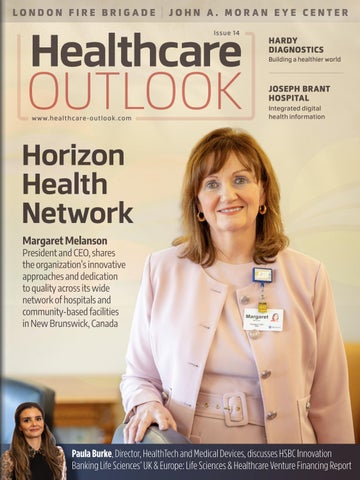
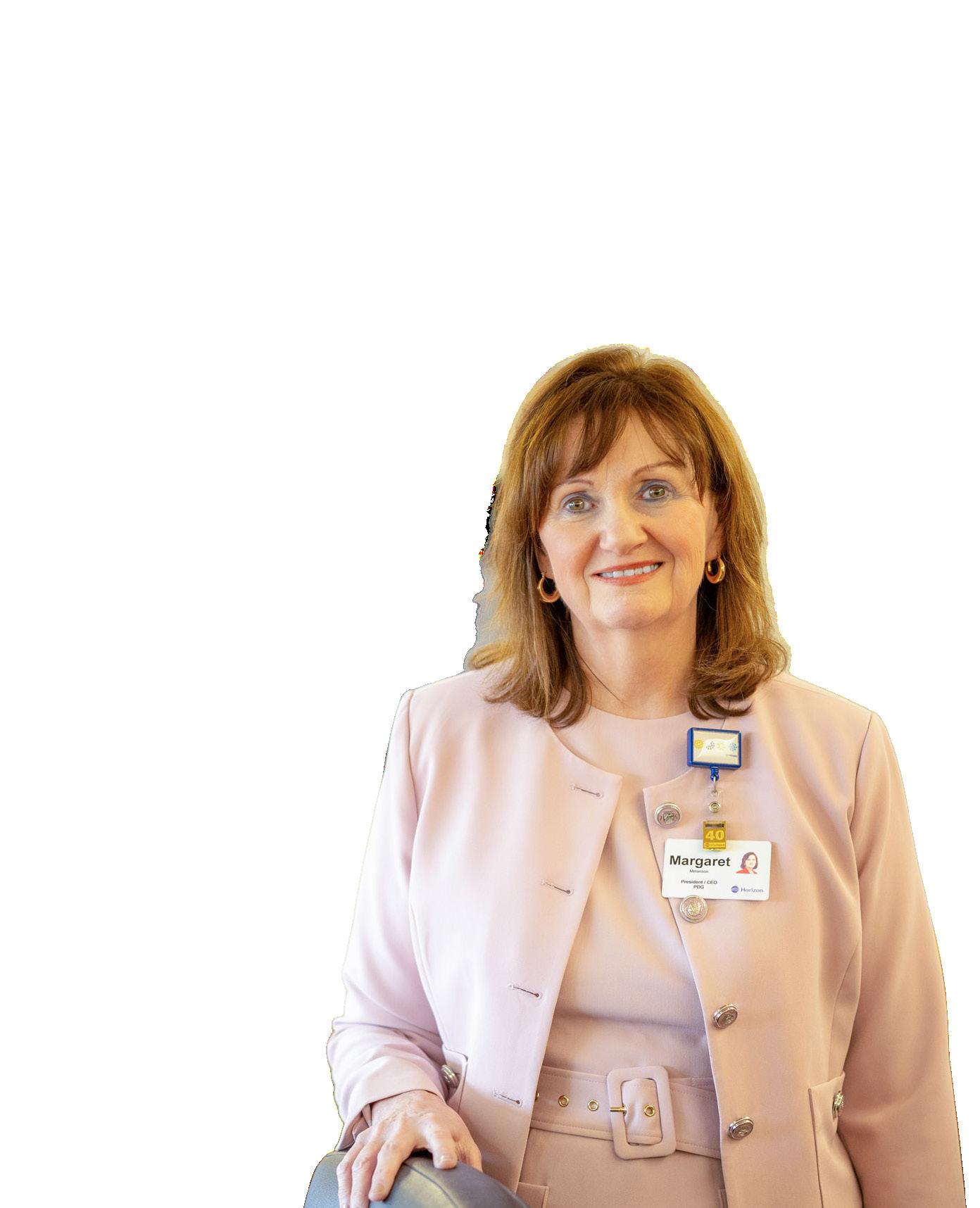
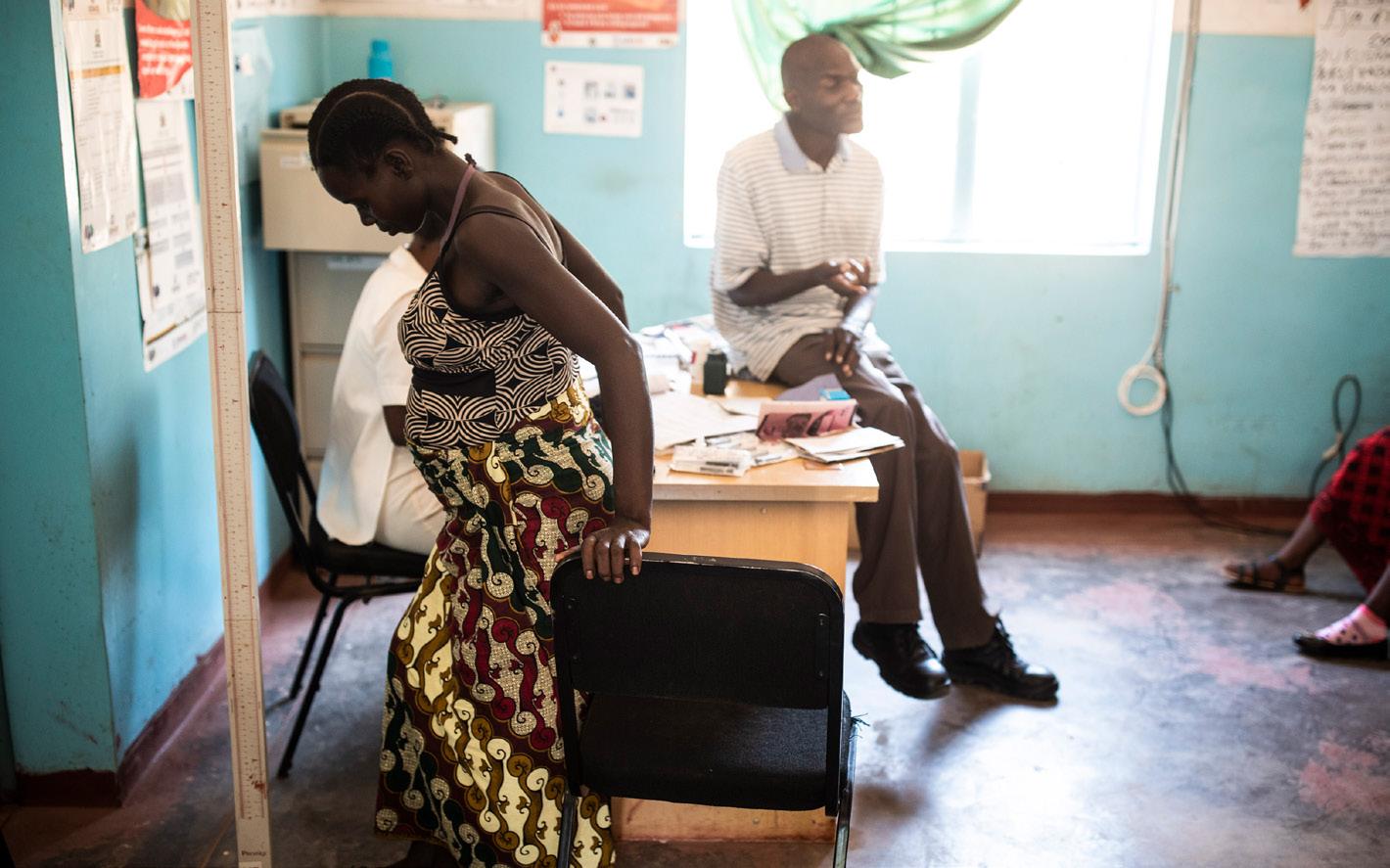
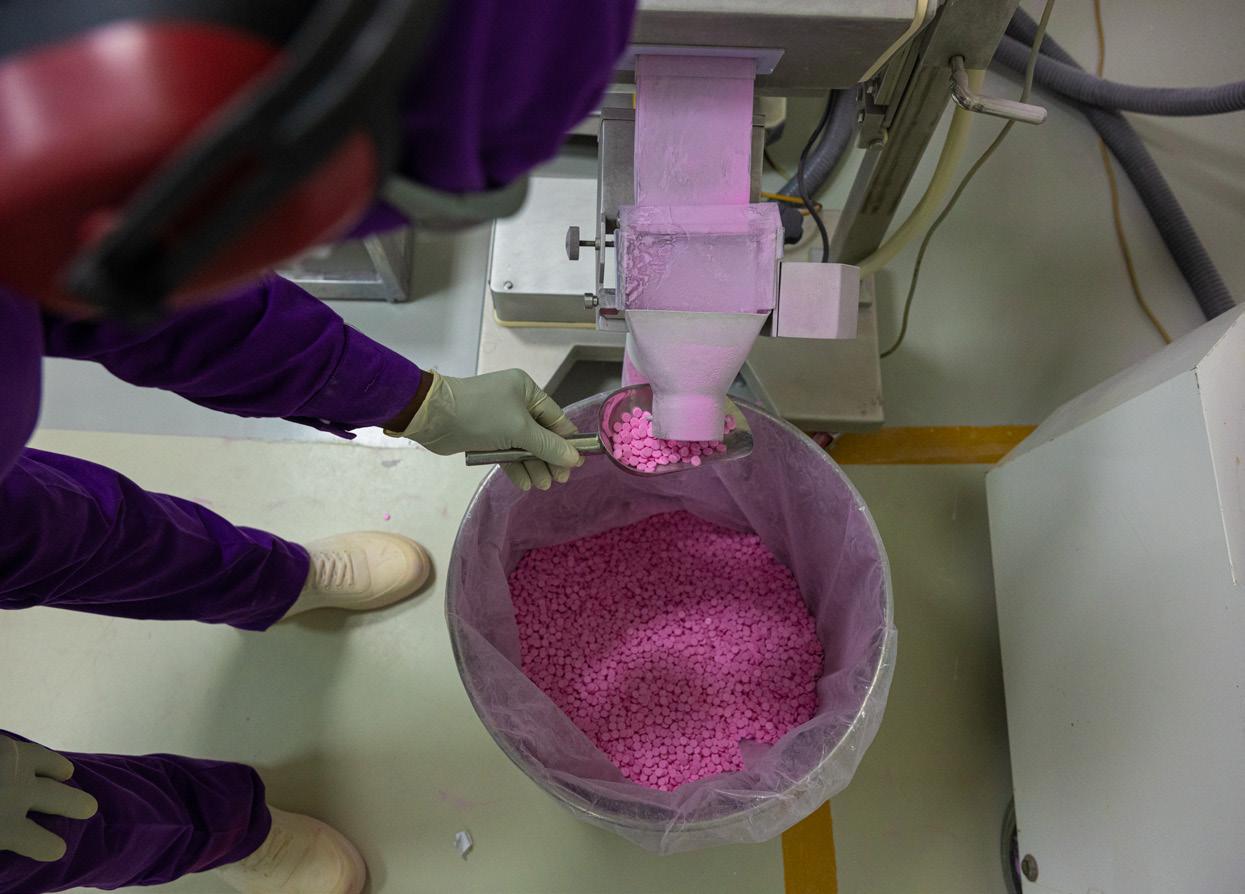
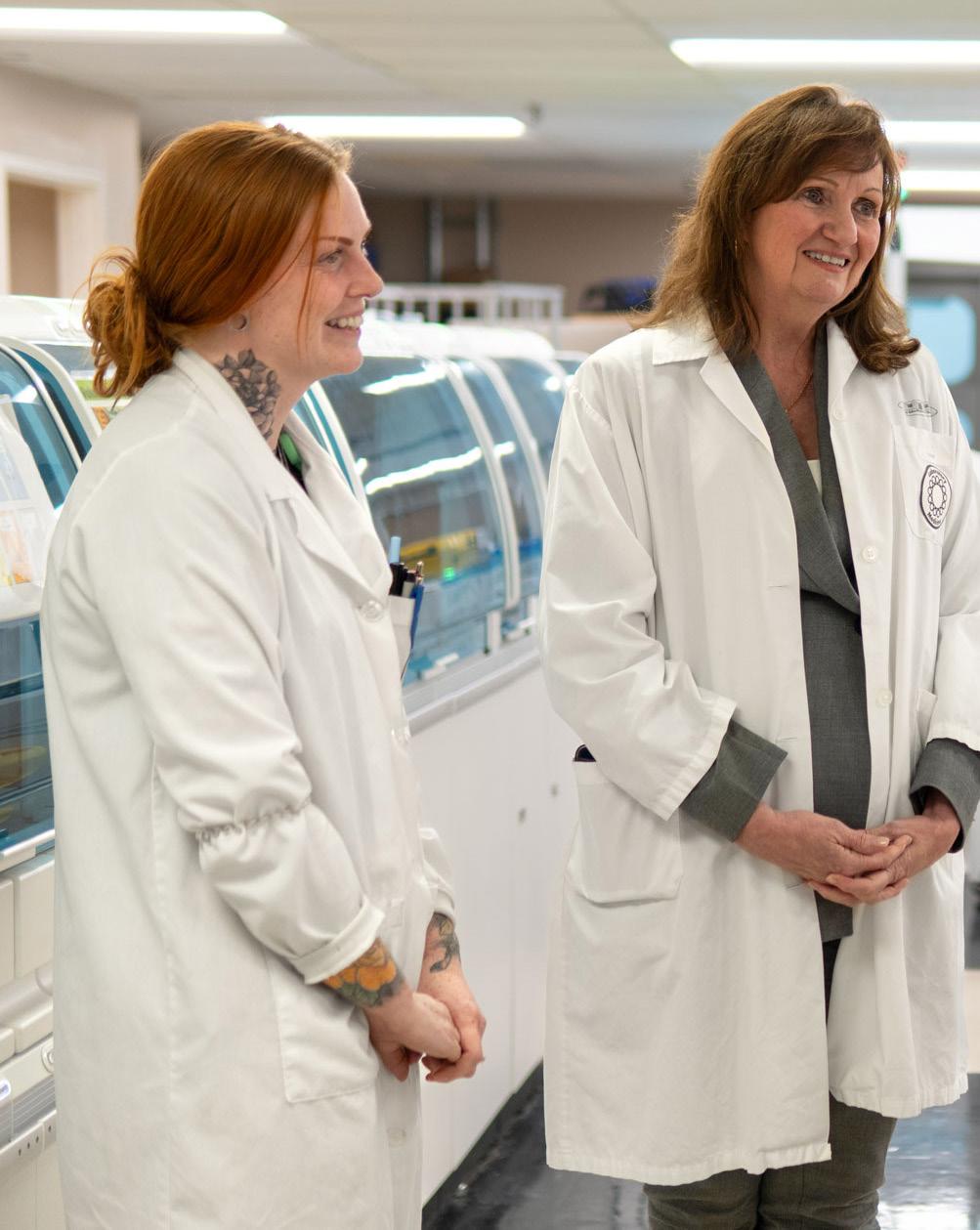
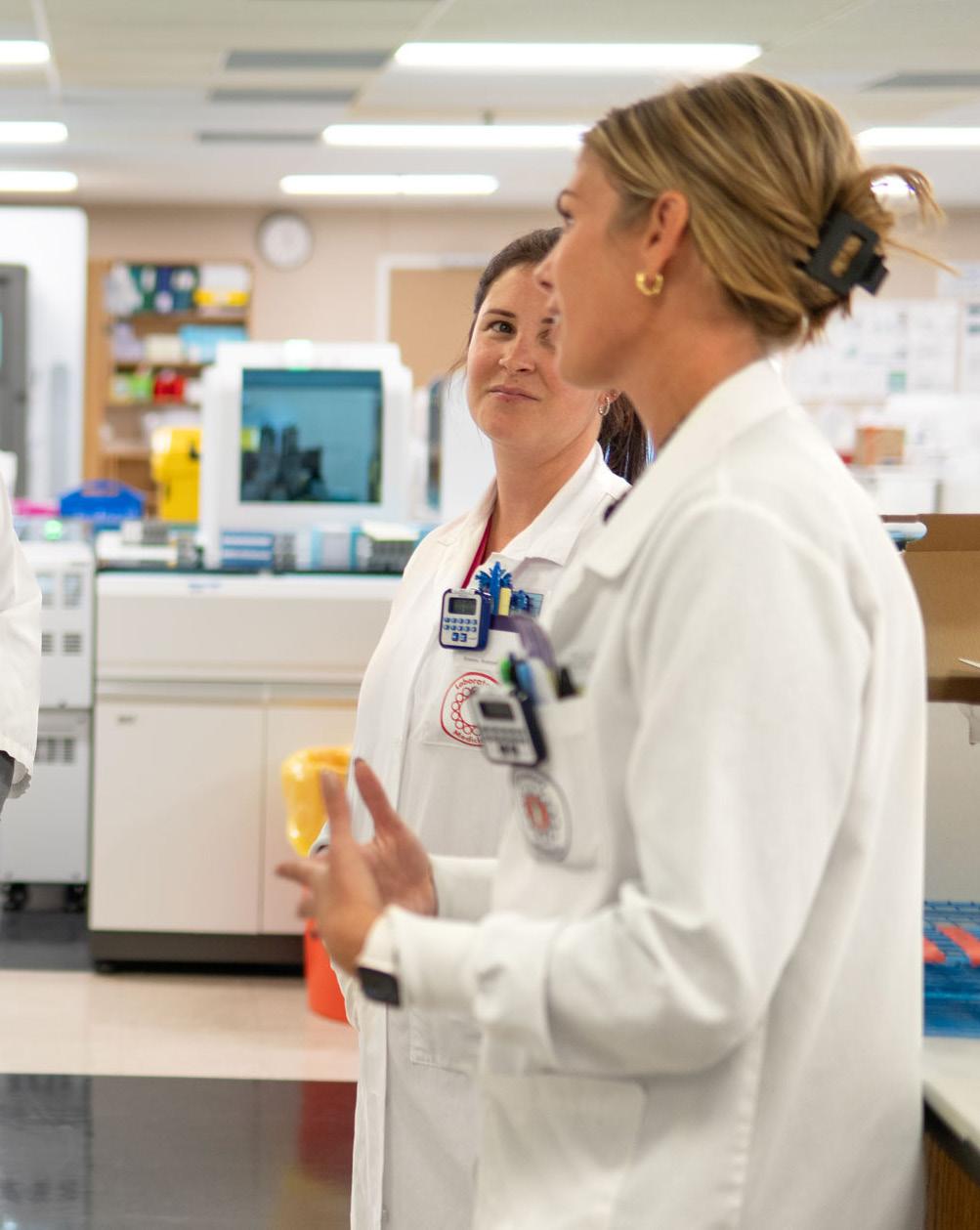
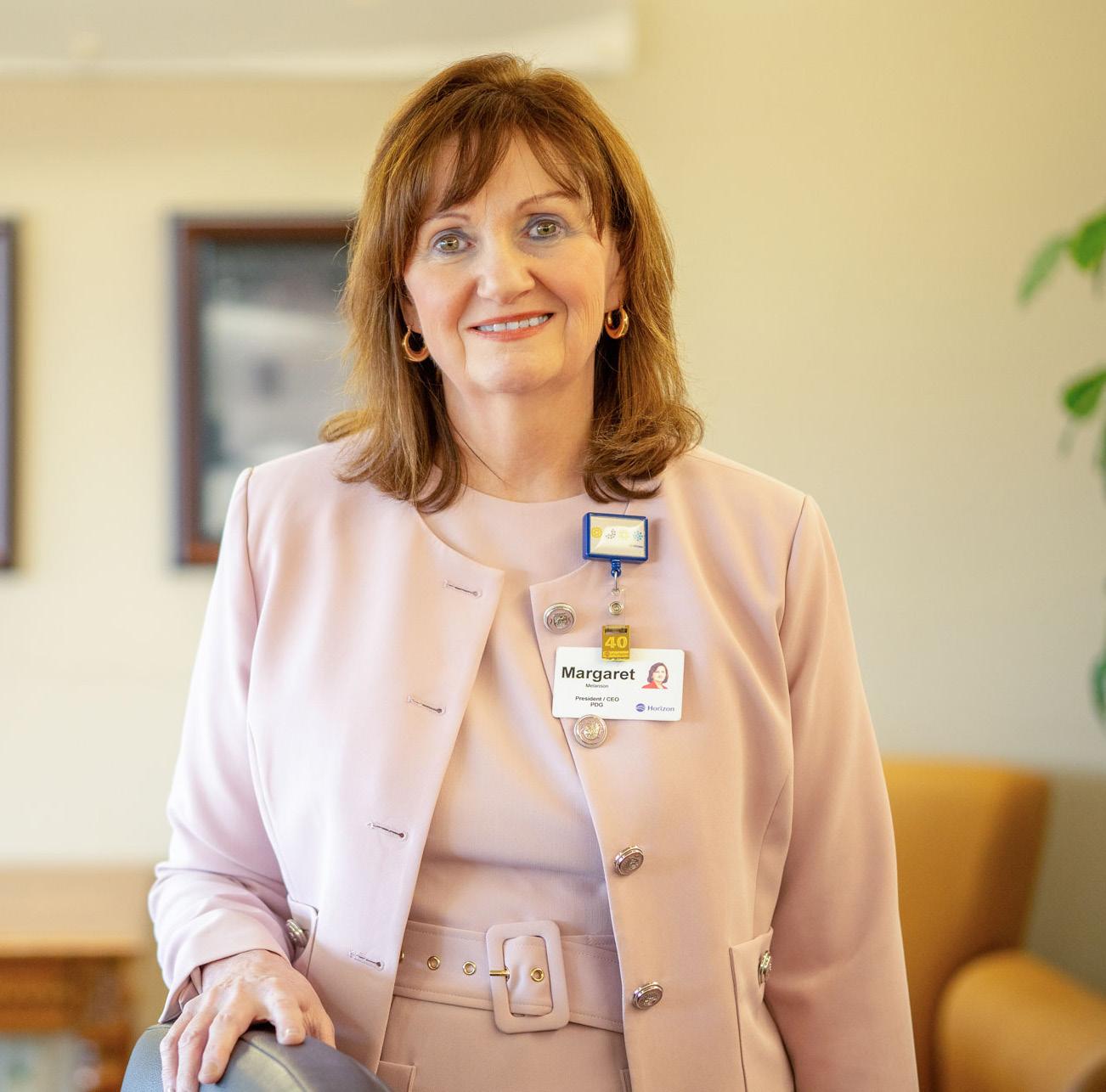
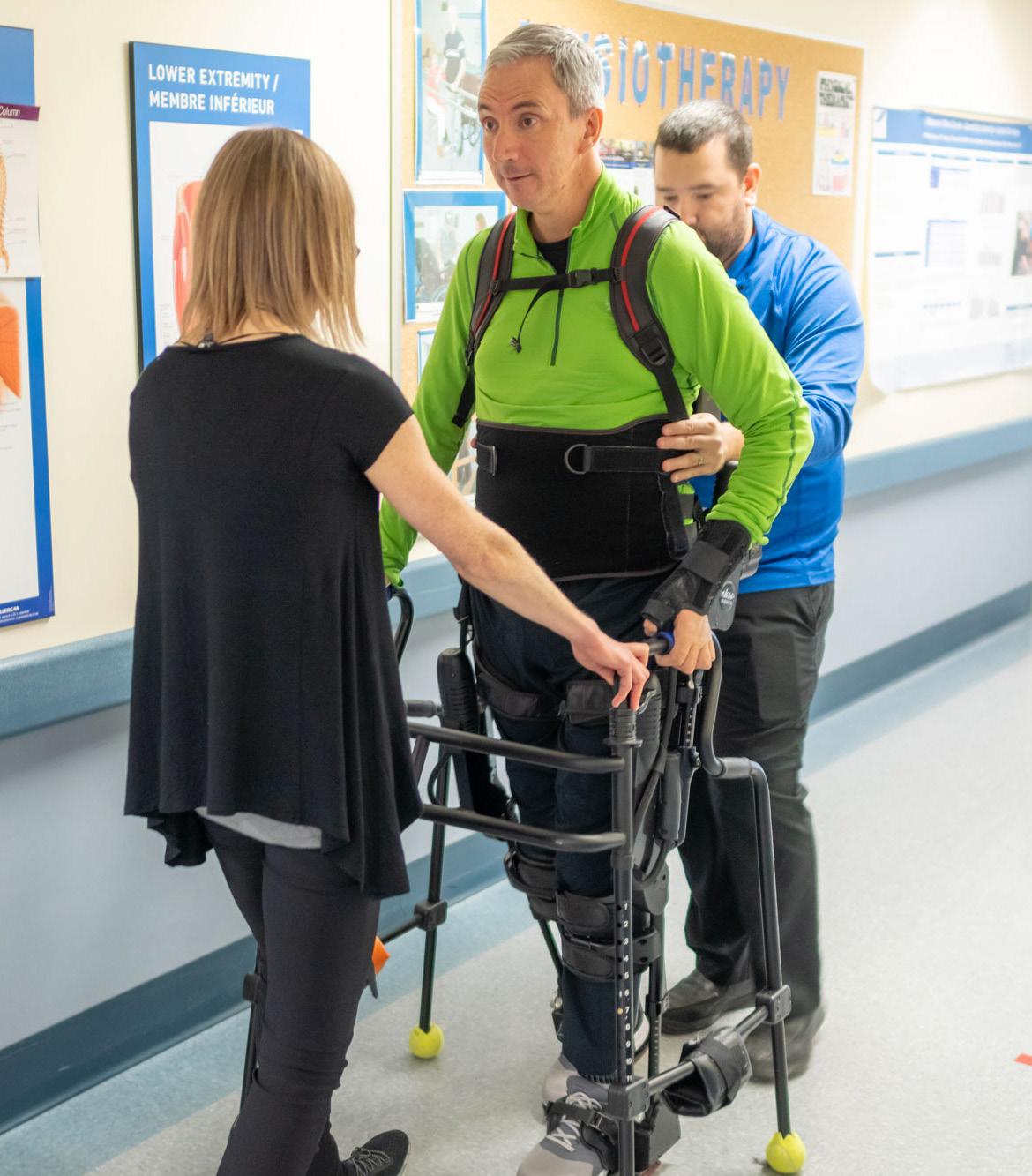
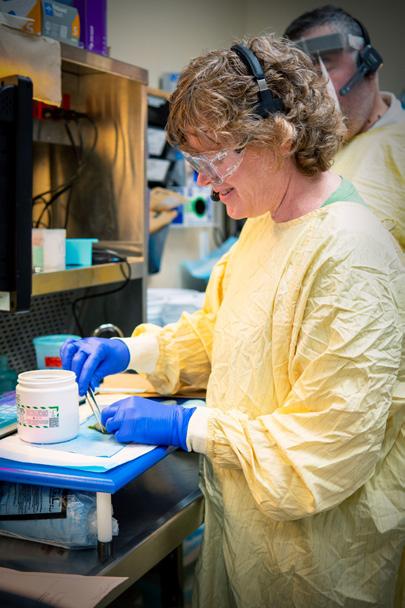
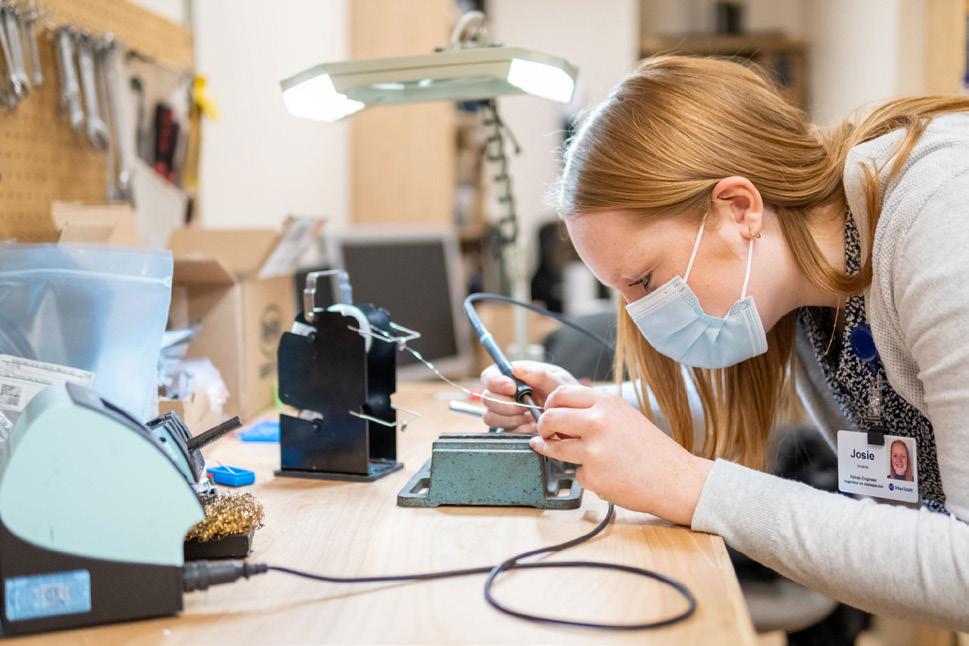
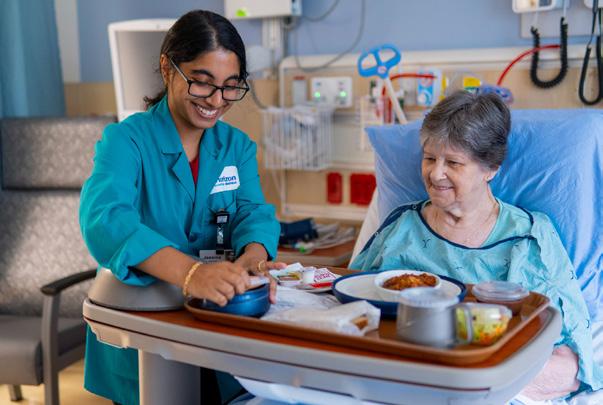
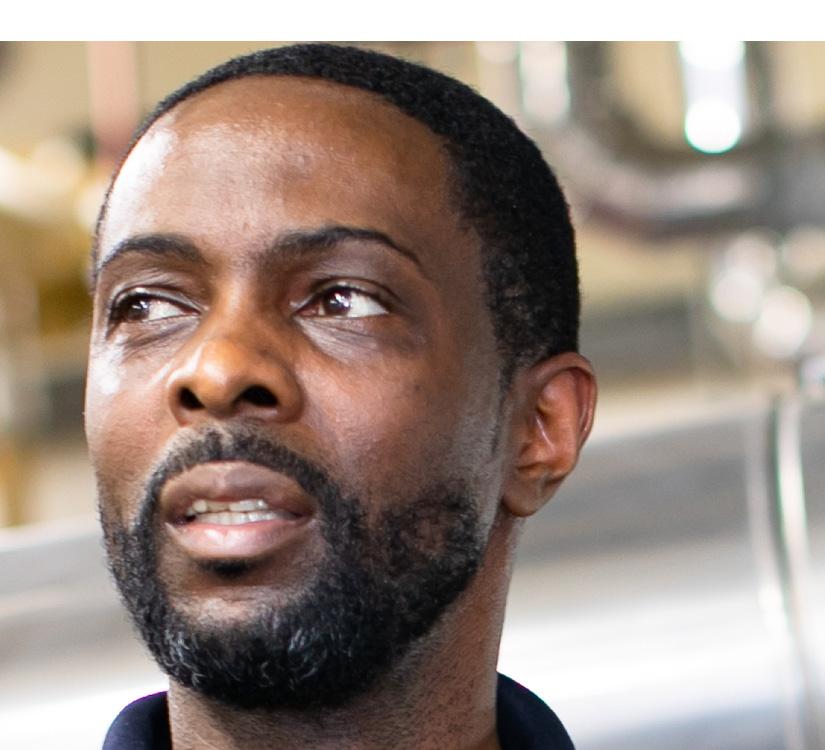
Margaret Melanson President and CEO, shares the organization’s innovative approaches and dedication to quality across its wide network of hospitals and community-based facilities in New Brunswick, Canada
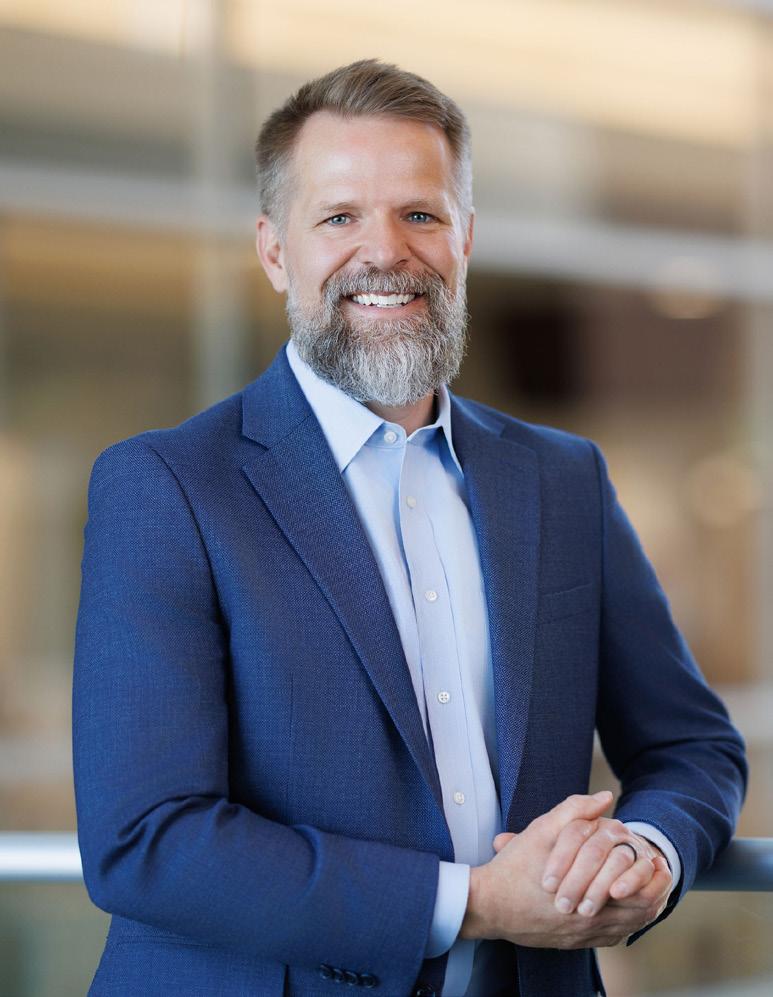
Paula Burke, Director, HealthTech and Medical Devices, discusses HSBC Innovation Banking Life Sciences’ UK & Europe: Life Sciences & Healthcare Venture Financing Report
Africa Outlook, APAC Outlook, EME Outlook, North America Outlook, Mining Outlook, Healthcare Outlook, Manufacturing Outlook, Supply Chain Outlook, Food & Beverage Outlook, Construction Outlook, and Sustainability Outlook are digital publications aimed at boardroom and hands-on decision-makers, reaching an audience of more than 800,000 people around the world.
With original and exclusive content compiled by our experienced editorial team, we look to promote the latest in engaging news, industry trends, and success stories from across the globe.
Your company can join the leading industry heavyweights enjoying the free exposure we provide across our platforms with a free marketing brochure, extensive social media saturation, enhanced B2B networking opportunities, and a readymade forum to attract new investment and help you grow your business.
Visit www.outpb.com/work-with-us for details on how your company can feature for free in one of our upcoming editions.
EDITORIAL
Head of Editorial: Jack Salter jack.salter@outpb.com
Deputy Head of Editorial: Lucy Pilgrim lucy.pilgrim@outpb.com
Welcome to our 14th edition of Healthcare Outlook magazine.
New Brunswick stands out not only for its natural beauty, but also its unique status as Canada’s only officially bilingual province.
Offering services in both English and French, Horizon Health Network (Horizon) is one of the two regional health authorities in the ‘Picture Province’, which has a population of approximately 868,000.
Our cover star delivers sustainable, safe, and quality healthcare services to residents of New Brunswick, as well as nearby provinces such as Prince Edward Island and the northern part of Nova Scotia.
Horizon is the second-largest regional health authority in Atlantic Canada and recently launched its new five-year strategic plan, centred on four main pillars.
“We are very focused on our initiatives across all four priority areas, and we’re moving quickly into the future,” affirms Margaret Melanson, President and CEO.
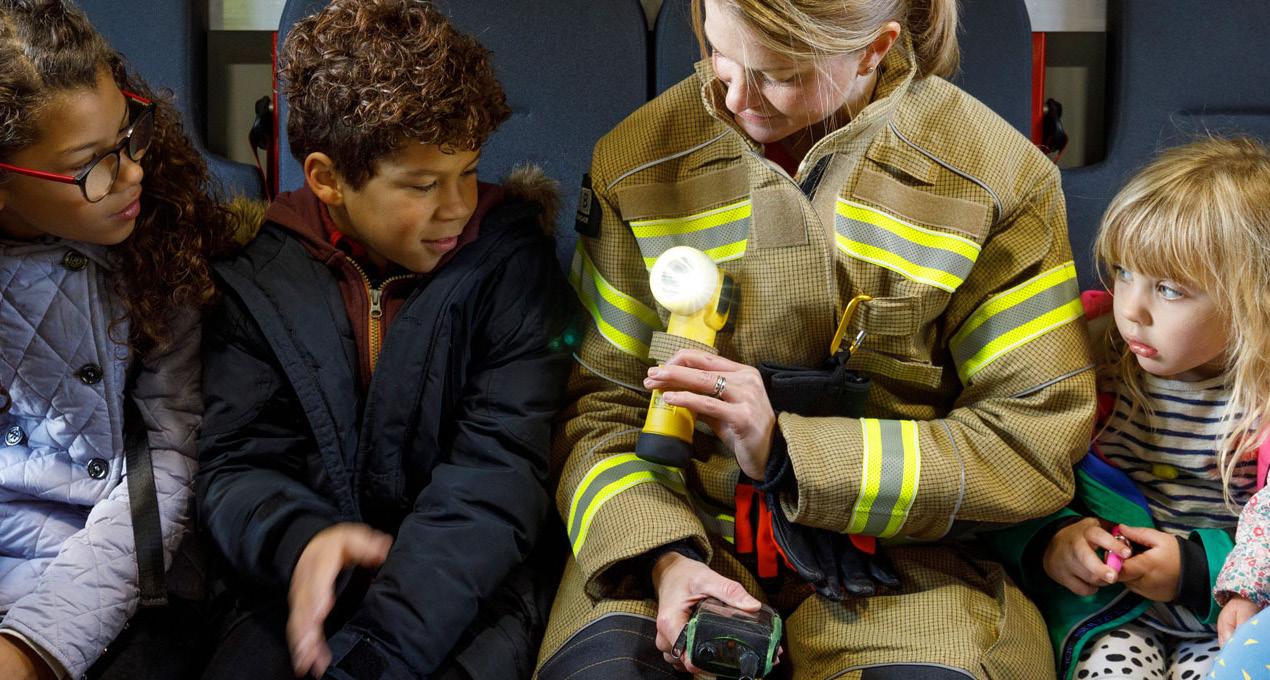
Across the pond, the fire service operating environment has changed at a pace London Fire Brigade (LFB) is working hard to tackle.
Some of the most serious risks LFB is grappling with – including summer wildfires and e-bike and e-scooter fires – have only recently emerged as pressing issues.
In response to this evolving threat profile, the Brigade has made significant changes, including improved training and new equipment.
“We have to adapt in response to these risks to ensure we are ready and prepared to protect Londoners,” states Jonathan Smith, Commissioner, who we previously spoke to in March 2025.
Alongside one of the world’s largest firefighting and rescue organisations, we showcase a global force in microbiology.
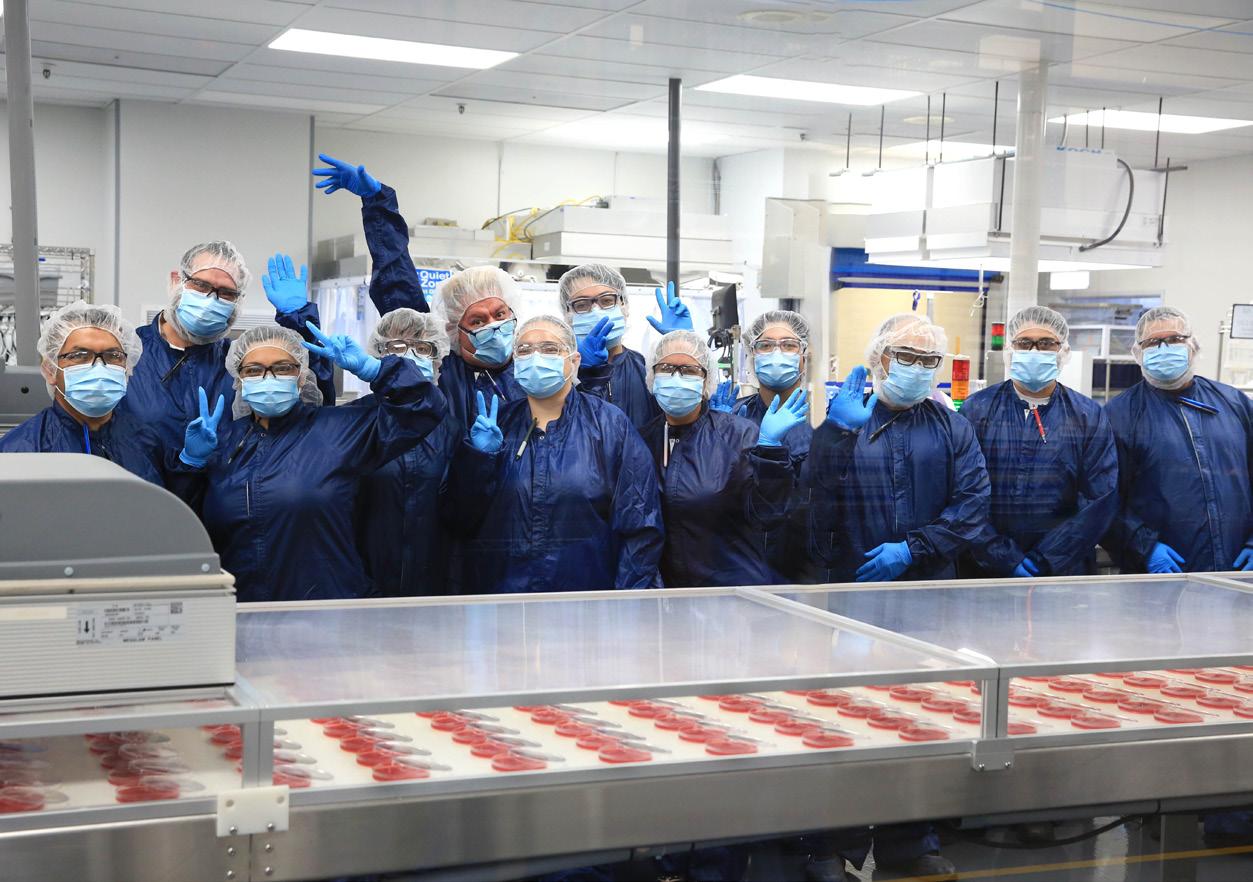
Hardy Diagnostics manufactures over 2,700 different products for use in the microbiology laboratory across its California and Ohio plants.
“As we reflect on our journey, we stand at the forefront of microbiology, with a rich history shaping our commitment to quality, innovation, and social responsibility,” CEO, Chris Catani, sets out.
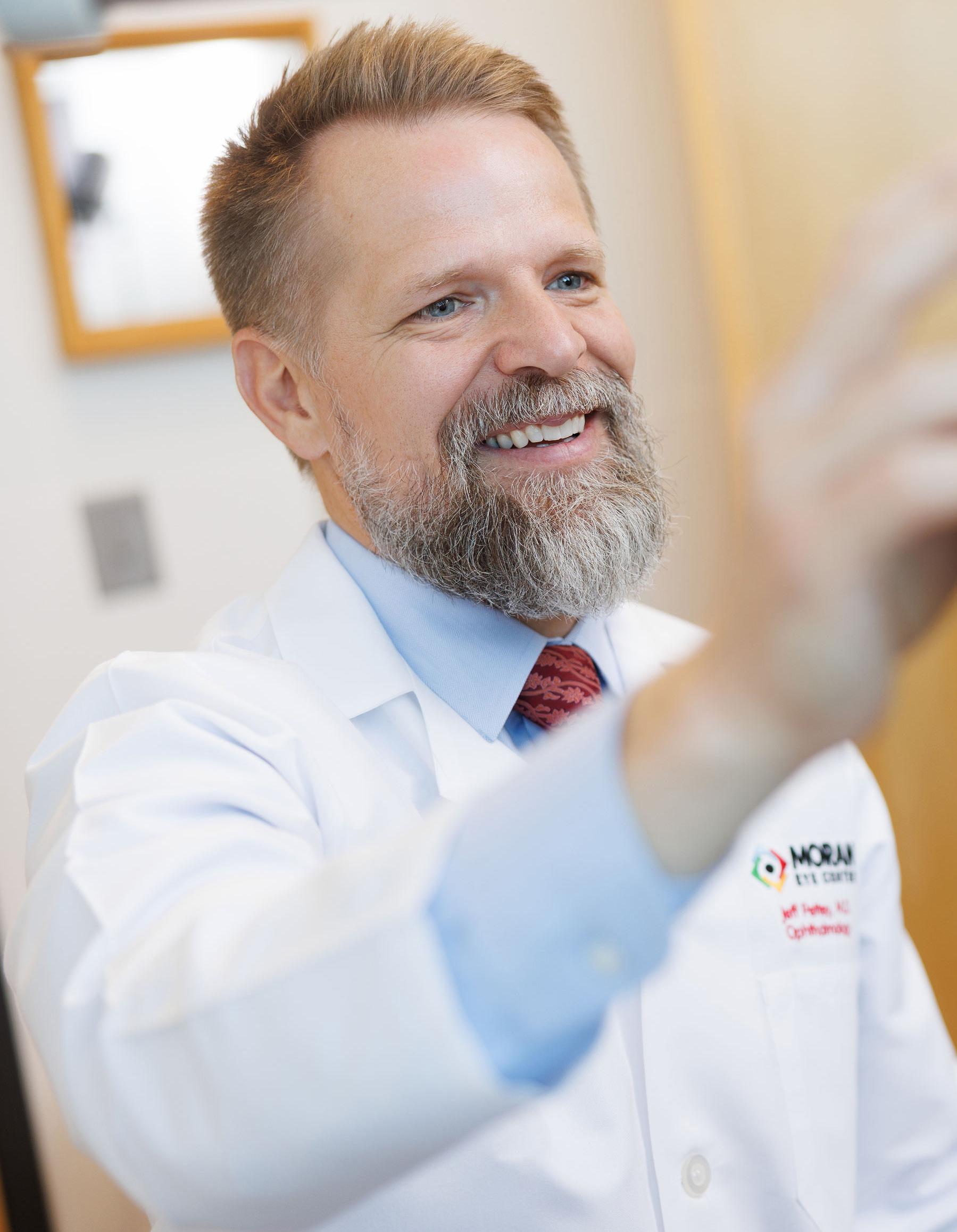
Broaden your horizons even further with exclusives from the John A. Moran Eye Center, Joseph Brant Hospital, and Newport Healthcare.
We hope that you enjoy your read.
Jack Salter Head of
Editorial, Outlook Publishing
Why the Next Decade of MedTech Belongs to Infrastructure
The MedTech industry has spent decades obsessed with incremental product tweaks – a slightly sharper scalpel or more flexible stent. Today, the market is no longer rewarding standalone devices, but infrastructure. Paul Tomasic, Managing Director and Head of European Healthcare at Houlihan Lokey, outlines why the sector’s financial prize has shifted from hardware to the underlying digital and physical plumbing of healthcare
Writer: Paul Tomasic, Managing Director and Head of European Healthcare, Houlihan Lokey
For years, the MedTech industry has been defined by a cycle of incremental clinical improvement. Success was measured by the “better mousetrap” – a slightly sharper scalpel, more flexible stent, or marginally more accurate sensor.
As we move into 2026, it is becoming clear that this era of standalone product excellence is no longer the primary driver of market value.
This fundamental shift isn’t accidental; it’s being driven by a powerful convergence of forces. On the one hand, relentless economic
pressure and the transition to valuebased care are forcing healthcare operators to seek not just incremental clinical gains, but also radical operational efficiency. They are now looking to MedTech as a core strategy to address their largest and most strained resource: their workforce.
On the other hand, this is only possible because technology has reached a tipping point. The convergence of cloud computing, artificial intelligence (AI), and a growing mandate for interoperability means we can finally move beyond isolated devices. We can now build
connected systems that don’t just generate data, but also analyse, interpret, and seamlessly integrate into the clinical workflow.
RISE OF THE PROCEDURAL PLATFORM
The most immediate manifestation of this shift is the rise of the procedural platform.
For most hospitals today, operational complexity is staggering. During a single complex procedure – whether in orthopaedics or interventional cardiology – a hospital’s procurement and clinical teams are often forced to manage an incredibly fragmented supply chain.
They may juggle relationships with up to 15 different vendors for a single operating room, resulting in 15 different contracts, 15 sets of inventories, and 15 potential points of failure on any given day. It is profoundly inefficient and, frankly, unsustainable.
Hospitals are now demanding simplicity over variety. The key question for new equipment is no
longer just “What does this product do?”, but “How does this product fit into our existing system?”.
The market is moving towards a model where hospitals buy outcomes and efficiency rather than individual tools. This transition from fragmentation to integrated platforms is where the significant financial prize now lies.
Our analysis shows that MedTech companies with a clear platform strategy are not only growing faster, but also commanding exit multiples that are, on average, two to three turns higher than standalone product companies in the same vertical.
FROM HARDWARE SALES TO DATA INFRASTRUCTURE
Perhaps the most profound change is the shift in the value of these workflows.
We are seeing a transformation of devices from simple hardware to data infrastructure. The buyer’s priorities are shifting accordingly; for many new device categories, seamless integration into the electronic medical record now outranks incremental clinical features as the top purchasing criterion.
This is act one of a larger story, where the data becomes more valuable than the device itself. MedTech firms are responding by transforming from industrial manufacturers into technology companies, aggressively retooling their talent base to hire for software and data science roles, whilst hardware hiring remains flat.
The financial markets are rewarding this pivot with enormous premiums, valuing a recurring dollar of data revenue significantly more than a one-time dollar of hardware revenue.
The goal is no longer just to build a device, but to build an ecosystem where the data infrastructure makes the system indispensable to both patients and clinicians.
AUTOMATION AS A STRUCTURAL SOLUTION
Whilst data solves digital complexity, automation is addressing the crises of the physical world.
A hidden cost in healthcare is the burden on labs and factory-floor workforces. Recent analysis suggests that, in many quality control labs, more than 60 percent of a skilled technician’s time is spent on manual sample handling, tracking, and documentation rather than valueadded analysis. This is the primary source of human error and costly compliance deviations.
In this context, automation is no longer an optional upgrade; it is a structural necessity. By deploying modular robotics and automated genomic sequencing workflows, companies are delivering step-change improvements in productivity and speed.
These systems are increasingly underwritten as long-lifecycle infrastructure with high switching costs and deeply embedded, recurring revenue. They are not merely machines; they are the compliant, high-uptime manufacturing infrastructure that the entire life sciences sector relies on to function.
REANCHORING CARE BEYOND THE HOSPITAL
Finally, we are seeing a reanchoring of the healthcare system away from the hospital as the default centre of gravity.
Driven by constrained capacity and the maturation of remote monitoring and AI-enabled triage, high-acuity care is migrating down the acuity curve.
This shift is durable because outcomes and economics are finally aligned; hospital-at-home models are associated with lower readmissions and improved patient satisfaction.
For MedTech, the implication is that value increasingly accrues to companies that enable care beyond
the four walls of the acute setting.
This is not about replacing hospitals, but expanding the infrastructure of care through monitoring networks, connected devices, and analytics layers.
The highest value is being created not by the device that goes into the home, but by the physical, financial, and digital plumbing that makes decentralised care operationally viable in the first place.
As we look to the next decade, the single thread that ties these strategies together is that the landscape no longer rewards companies that simply sell better products – it rewards those who build indispensable infrastructure.
These assets become embedded in daily operations, create deep competitive moats, and ultimately command the strategic valuations that define market leadership.
The infrastructure mindset is no longer just a strategic advantage; it is the primary driver of value creation in our industry.
ABOUT THE EXPERT
Tomasic has more than two decades of healthcare investment banking experience and has managed a wide variety of projects, from mergers and acquisitions to equity and debt capital raises for the broader healthcare sector, including work with medical technology, life sciences, and healthcare services companies.
Paul Tomasic is Managing Director and Head of European Healthcare at Houlihan Lokey.
Following the release of HSBC Innovation Banking Life Sciences’ UK & Europe: Life Sciences & Healthcare Venture Financing Report for FY25, we sit down with Paula Burke, Director, HealthTech and Medical Devices, and Dominick Kennerson, Director, Business Development, Life Sciences and Healthcare, who highlight renewed investor confidence in the sector, evolving funding strategies, and the growing role of artificial intelligence in shaping the future of healthcare
Writer: Lily Sawyer
INNOVATION An Ecosystem of
With the release of HSBC Innovation Banking Life Sciences’ UK & Europe: Life Sciences & Healthcare Venture Financing Report, which presents key findings from the 2025 financial year, a renewed sense of momentum can be felt across life sciences in the UK and Europe, bolstered by increasing deal activity and larger funding rounds.
For Dominick Kennerson, Director, Business Development, Life Sciences and Healthcare, these signals indicate not just recovery, but a more resilient and sustainable funding environment.
“There are a few things that point to a very healthy market – first is the sheer size and scale of funding,” Kennerson opens.
In 2025, a number of mega-rounds took place, with significant activity across the BioTech, BioPharma, and TechBio fields.
Notably, many of these rounds are occurring at the pre-clinical and Phase 1 stages, reinforcing investor confidence in early-stage innovation.
This pipeline of funding activity is complemented by strong investor appetites around emerging technologies, particularly artificial intelligence (AI).
“We are also witnessing strong investor appetite for TechBio platforms – particularly those built around AI-driven models.
“Investors don’t want to miss the opportunities presented by these technologies,” he outlines.
CRITICAL RELATIONSHIPBUILDING
Beyond capital availability, Kennerson highlights relationship-building as one of the most underutilised opportunities for scaling companies within the HealthTech sector.
As companies progress into later funding stages – particularly Series B and C – the need for international investor syndicates and collaboration becomes more pronounced.
“A best practice for companies looking to raise larger scale-up rounds is to start building those relationships well before they need capital,” Kennerson explains.
This is a dynamic that’s reinforced by how deals are sourced within the sector.
“I spoke recently with a US investor who said 95 percent of their inbound deal flow is referral-led, meaning one investor introducing another,” he reveals.
As such, relationship-building at this level is not just beneficial – it’s critical to unlocking capital.
MAJOR GROWTH DRIVER
As it continues to emerge as a major growth driver within the UK healthcare market, HealthTech tends to fall into two categories.
These are businesses focused on improving NHS efficiency statistics, as well as those aimed at treating patients’ needs as early as possible through preventative and consumerled care – a dual approach reflected in recent high-profile funding rounds.
“Some of the largest HealthTech rounds in 2025 came from companies such as Neko Health, which is building an expanded clinic model and now operates more than a half-dozen clinics across the UK, having raised around £210 million to build out this infrastructure,” Kennerson highlights.
Another major funding round came from Cera Care (Cera), which is focused on home health services, demonstrating the importance of treating people at home where possible to reduce pressures on the NHS, whilst supporting the UK’s demographic trend to ageing.
Elsewhere, Kennerson has noticed an important shift taking place at the early stage.
“We are seeing companies operating something close to a bootstrap-blitzscale model,” he insights.
Indeed, rather than raising capital early on, many have found themselves building revenue and strengthening fundamentals before seeking institutional investment – a shift reflected at early-stage funding.
“The average first financing in HealthTech in FY25 was £5.8 million. The year before that it was around £3.7 million, and in 2023 it was around £3.3 million,” Kennerson points out.
As a result, companies are entering Series A rounds with stronger fundamental financial metrics and larger sums, contributing to the emergence of what Kennerson calls the “new Series A company”.
This evolution has also given rise to the possibility of a ‘one-and-done’
“At scale, AI has the potential to democratise healthcare by extending better care outcomes to communities that have historically been underserved”
– PAULA BURKE, DIRECTOR, HEALTHTECH AND MEDICAL DEVICES, HSBC INNOVATION BANKING LIFE SCIENCES
funding round where a single, wellcapitalised raise may be efficient to scale to profitability and potential exit.
COLLABORATION AT SCALE
For Paula Burke, Director, HealthTech and Medical Devices at HSBC Innovation Banking Life Sciences, collaboration is defining the next phase of healthcare innovation –particularly where AI, data, and biology intersect.
“The partnerships I’m most excited to see are those bringing together data, AI, and biology with clinical workflow at scale,” she tells us.
These collaborations are becoming increasingly sophisticated, with recent examples including Tempus, AstraZeneca, and Pathos AI’s multi-year, strategic partnership to accelerate cancer drug discovery and precision medicine, and Isomorphic Labs’ partnerships with both Eli Lilly and Novartis to revolutionise drug discovery using AI.
“What’s interesting is these kinds of partnerships are no longer centred around a single asset but increasingly focused on AI platforms and data systems that can be applied across multiple programmes,” Burke adds.
AI is becoming increasingly embedded in everyday healthcare operations. For example, Burke cites Novo Nordisk’s collaboration with OpenAI to integrate advanced intelligence across the entire pharmaceutical value chain.
Developments such as these point to a broader shift in how innovation is being delivered.
FROM POTENTIAL TO IMPACT
With AI-enabled drug discovery and precision medicine already translating into real-world impact –albeit at different stages of maturity.
This is particularly evident in oncology, where genomic profiling and liquid biopsies are helping guide diagnoses and treatments.
Advances are also being seen in reducing treatment-related risks, with genetic testing to reduce avoidable side effects – including from typically invasive treatments such as chemotherapy.
AI-driven drug discovery, meanwhile, is gaining traction. Whilst still in its early stages, AI’s impact on trial speed, selection, and execution is already being keenly felt, with stronger clinical evidence expected in the near future.
“If precision medicine helps us choose the right treatment, AI can create more precise treatments in the first place,” Burke insights.
“The major advantage for the UK and Europe is their university systems. For example, UK’s ‘Golden Triangle’ – including Oxford, Cambridge, and London universities –offers an exceptional pipeline of talent”
– DOMINICK KENNERSON, DIRECTOR, BUSINESS DEVELOPMENT, LIFE SCIENCES AND HEALTHCARE, HSBC INNOVATION BANKING LIFE SCIENCES
Indeed, AI can support target selection, the design of biomarker-led or mutation-specific therapies, and the identification of patient subgroups more likely to respond to treatment.
INNOVATING INTELLIGENT SOLUTIONS
Alongside HealthTech, MedTech is also undergoing rapid recent change, driven by advances in AI, connectivity, and data integration.
“MedTech devices are becoming more intelligent and connected to continuous patient data whilst being less invasive,” Burke outlines.
In neurology, for example, innovation is already improving outcomes, with AI-enabled stroke imaging tools improving early diagnosis and treatment decisions, helping clinicians detect issues earlier and intervene faster.
At the same time, continuous monitoring is reshaping care delivery, with long-term monitoring moving beyond the hospital.
“This helps support earlier intervention, better chronic disease
management, and more care delivered at home,” she emphasises.
This shift is also evident in the convergence of consumer and clinical health technologies.
“Wearable fitness technology companies such as Oura and Whoop have evolved beyond fitness tracking into broader health platforms capable of generating continuous health data,” informs Burke.
Another area of rapid advancement is surgical robotics, with a new generation of robotics companies entering the market, making surgery more precise, less invasive, and more accessible.
STRUCTURAL STRENGTHS
Looking ahead, both Kennerson and Burke emphasise the structural strengths of the UK and Europe, particularly their academic ecosystems and talent base.
“The major advantage for the UK and Europe is the university system.
The UK’s ‘Golden Triangle’ – including Oxford, Cambridge, and the London universities – offer an exceptional pipeline of talent.
“This is why innovative drug discovery companies such as Google DeepMind and Isomorphic Labs were created here in the UK – both of which are the brainchild of Sir Demis Hassabis, who graduated from
University College London in 2019,” Kennerson details.
With funding options improving for start-ups and scale-ups – particularly in the £20 million to £50 million range – Q1 2026 has also seen healthier
UK & EUROPE: LIFE SCIENCES & HEALTHCARE VENTURE FINANCING REPORT – KEY TRENDS
MARKET RECOVERY AND FUNDING
• The US and Europe’s venture funding in life sciences and healthcare rose 10 percent year-over-year (YoY) to USD$60 billion.
DEAL DYNAMICS
• Average deal size rose by 22 percent in Europe and 20 percent in the UK.
• Investors increasingly focused their funding into businesses using new technologies such as AI.
BIOTECH
• Investment was highly selective, focusing on differentiated platforms and megadeals, particularly in the UK.
• First financings were resilient, led by AI and platform technologies, whilst preclinical companies dominated top deals.
• Oncology investment moderated, whilst neuroscience and metabolic disease research saw renewed momentum.
• Mergers and acquisitions activity accelerated, with fewer but larger deals spurred by UK policy changes, which improved long-term visibility.
MEDTECH
• European MedTech financing hit a three-year high, driven by large, later-stage rounds rather than more deals.
• AI was increasingly embedded in top deals, and funding favoured companies closer to approval.
HEALTHTECH
• HealthTech funding expanded 29 percent YoY in Europe, led by mega-deals.
• The UK market shrank 17 percent YoY but saw significant deployments.
• Early-stage companies are raising larger rounds, often with meaningful revenues pre-funding.
REGIONAL AND THEMATIC HIGHLIGHTS
• The UK’s education system, especially the ‘Golden Triangle’, remains a leading hub for BioTech.
• AI-driven platforms and cross-border licencing (notably with China) are shaping new investment models.
• These trends reflect a maturing, selective, and innovation-driven ecosystem, with capital concentrating in high-conviction, scalable opportunities.
BioTech and BioPharma fundraising.
Burke notes how alternative financing structures are increasingly prominent, with more companies leveraging alternative financing alongside equity rounds to extend runway, support hiring, and accelerate commercial build-out.
As HSBC Innovation Banking is Europe’s most active debt provider in this space, supporting companies as they scale and helping regional players to thrive is deeply important.
REASON FOR OPTIMISM
Despite ongoing challenges, both Kennerson and Burke remain optimistic about the future of the sector.
For Kennerson, the emergence of a new generation of companies adopting more sophisticated funding strategies is part of a broader shift towards capital efficiency and optionality.
“The companies that are increasingly asking about non-dilutive financing and bank financing are thinking differently about growth and looking for smarter ways to fund it,” he observes.
Burke’s optimism, meanwhile, lies in the transformative potential of AI in what is one of the largest data generating industries in the world.
“The healthcare industry produces enormous volumes of data through electronic health records, wearable sensors, sequencing, and clinical trials.
“Historically underutilised, this data is now becoming actionable, with AI changing our ability to turn data into scalable insight,” she states.
From personalised medicine to preventative care and faster drug development, the implications are far-reaching.
“At scale, AI has the potential to democratise healthcare by extending better care outcomes to communities that have historically been underserved,” Burke confidently concludes.
ON DEMAND Sleep
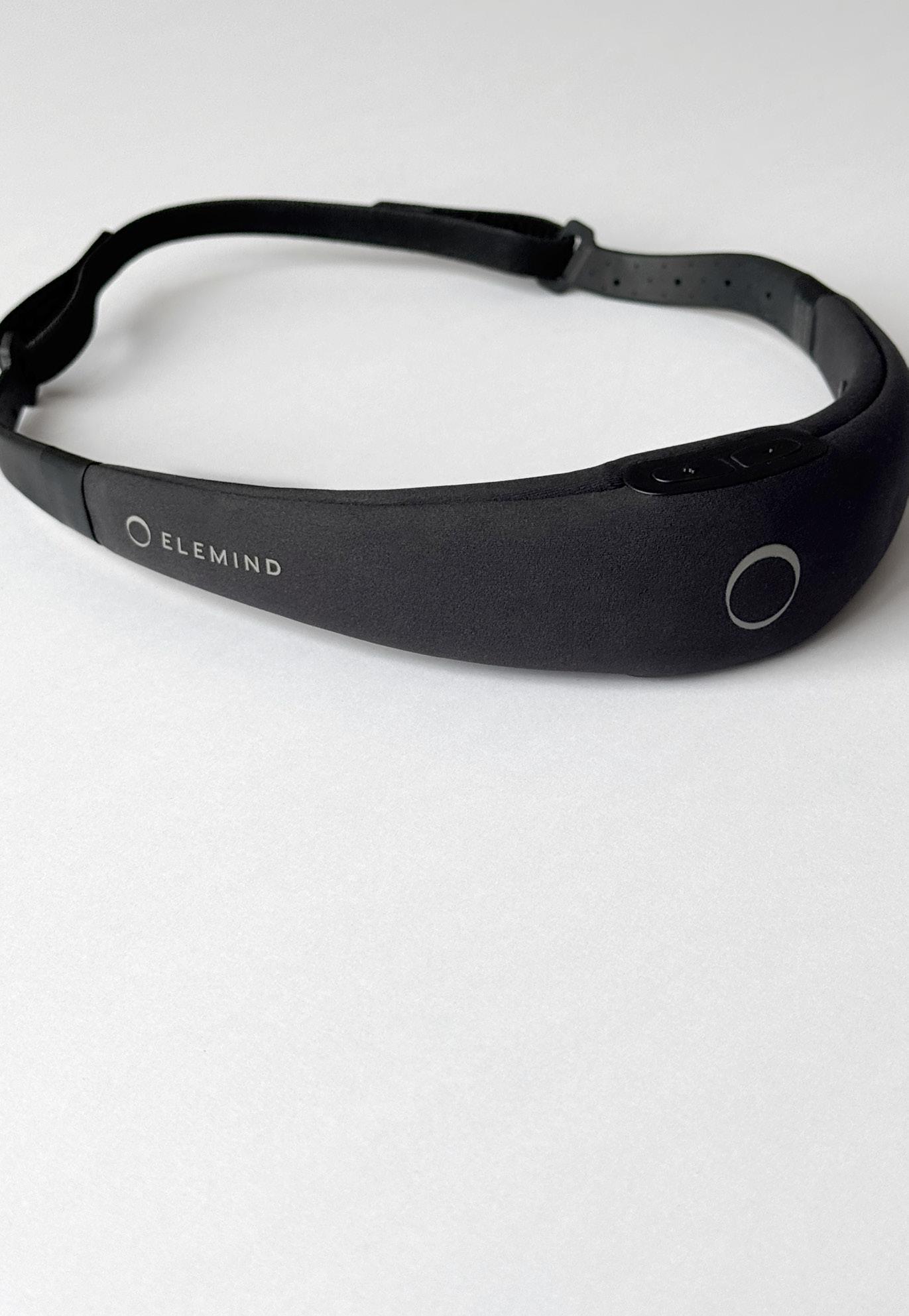
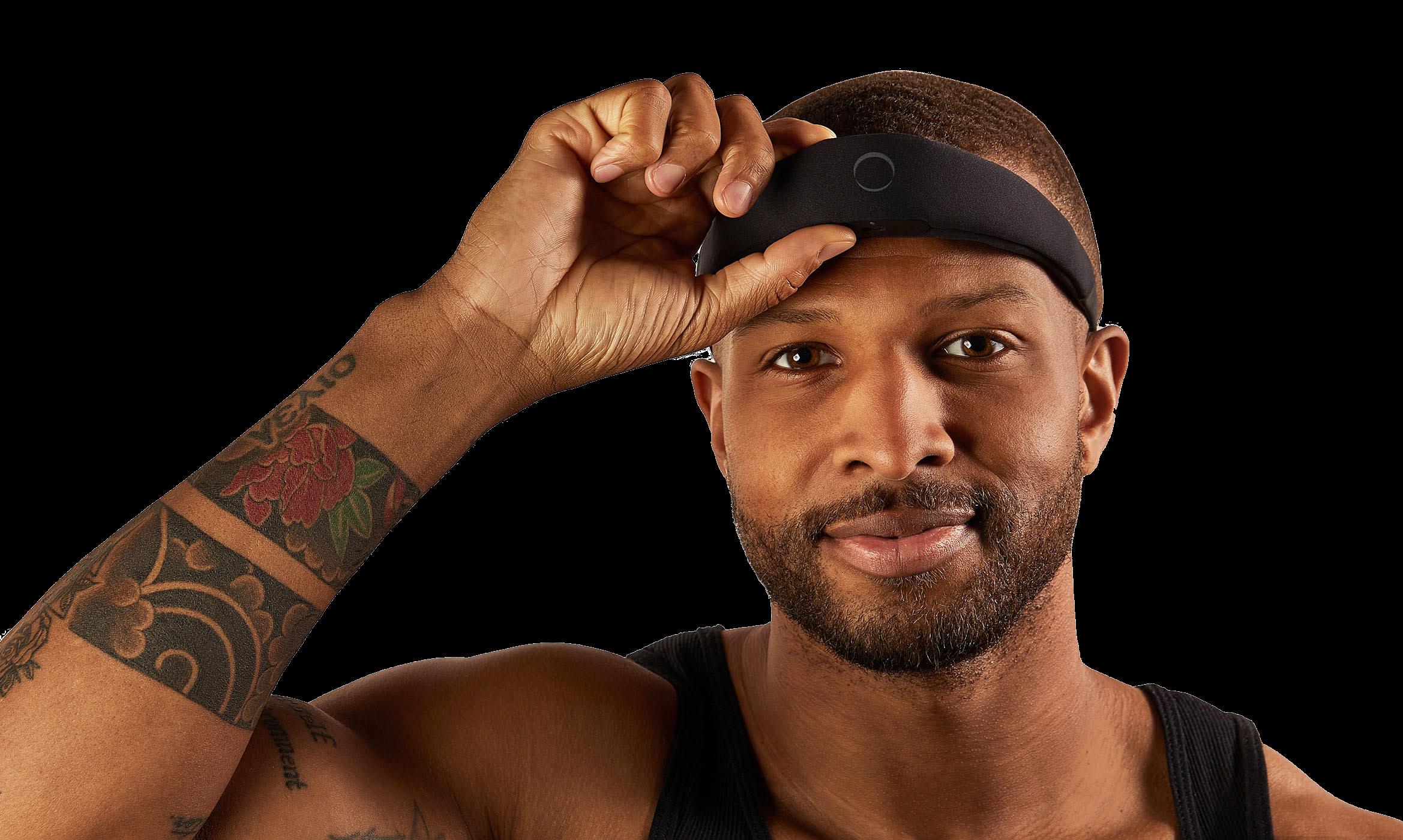
Elemind is pioneering read-write neurotechnology – the first wearable that can actively improve health in real time, not just measure it. Meredith Perry, co-Founder and CEO, tells us more about redefining what’s possible in neurotechnology and sleep science
Writer: Lauren Kania
Foundational to both physical and emotional health, sleep is crucial to the ability to perform at your best. Not only does it play a critical role in cognitive functions, but it also aids in tissue repair, muscle growth, and immune system strengthening – making high-performance sleep essential for overall well-being.
Elemind is here to help people take back control of their sleeping patterns.
As a neurotechnology company building the first clinically validated, non-invasive platform that can read and write to the brain in realtime, Elemind combines advanced neuromodulation algorithms and artificial intelligence (AI) to guide the brain from one state to another just using acoustic neurostimulation.
“We launched commercially in 2024 with a wearable
electroencephalogram (EEG) headband designed to help people fall asleep and fall back to sleep significantly faster without drugs,” introduces Meredith Perry, co-Founder and CEO.
“WHEREAS EVERY OTHER WEARABLE JUST READS, ELEMIND READS AND WRITES. WE DON’T JUST TRACK THE BRAIN – WE CHANGE IT DIRECTLY”
– MEREDITH PERRY, CO-FOUNDER AND CEO, ELEMIND
“Whereas every other wearable just reads, Elemind reads and writes. We don’t just track the brain – we change it directly,” she asserts.
Elemind’s industry-changing product is built on direct, real-time interface with the brain. Using high-fidelity EEG, the company continuously reads neural activity and applies precisely timed acoustic stimulation individualized to each person’s brain dynamics.
The system models a user’s neural state moment by moment
and intervenes at exactly the right phase of ongoing brain activity. This closed-loop approach, grounded in peer-reviewed clinical research and protected by patents, allows Elemind to influence sleep at the level where it naturally occurs – the brain itself.
The company views this as a new class of non-invasive medicine, one that uses sound, timing, and neuromodulation to produce measurable physiological effects.
“Elemind is building infrastructure, not a gadget,” emphasizes Perry.
“We are laying the foundation for how humans will interact with their own brains safely, non-invasively, and intelligently. Sleep is where that journey begins, but it’s not where it ends.”
THE FUTURE OF SLEEP
Elemind has pioneered a practical, wearable implementation of closedloop neuromodulation, combining high-fidelity EEG, low-latency signal processing, AI, and precisely phaselocked acoustic stimulation in a consumer-ready device.
“Critically, our stimulation is not static. It is timed to the user’s own brainwaves, down to the millisecond,” Perry details.
This real-time phase targeting allows Elemind to influence sleep onset and other neural transitions effectively and is supported by multiple peer-reviewed studies. No other consumer-available system operates at this level of temporal and physiological precision.
The company is demonstrating that sleep can be treated as a modifiable neural process rather than something one merely observes or sedates.
“By gently intervening at the right time, we can help people fall asleep faster, improve sleep continuity, and potentially enhance deeper stages of sleep without pharmaceuticals,” expands Perry.
Beyond sleep quality, the implications include better next-day performance, improved recovery, and reduced reliance on sleep medications. More broadly, Elemind is helping shift health and wellness toward targeted, non-invasive, and adaptive interventions.
BEYOND SLEEP
Elemind’s vision of ‘beyond sleep’ exemplifies its ambition to unlock the brain’s potential, pushing the boundaries of what’s possible in neurotechnology and sleep science.
“Sleep is our entry point, not our
WHY ELEMIND?
• Proven to start and restart sleep on demand.
• Clinically studied and backed by five years of research, testing, and clinical trials.
• No side effects, allowing users to wake up refreshed and energized.
• Drug-free and works as well as the leading sleep aids.
endpoint. We chose sleep because it gives us long, high-quality neural data every night and a clinically meaningful problem where real-time modulation matters,” Perry informs.
Beyond sleep, the vision is a platform for the brain. Clinical trials using Elemind’s technology show efficacy in improving memory and improves over time.
To achieve this, the company is working on a variety of projects to expand its capabilities. One such initiative is the Deep Sleep Stimulation, which builds on Elemind’s work on sleep onset and targets slowwave activity during rest. Its goal is to enhance sleep depth and the brain’s
natural restorative and memoryrelated processes.
“This work is also being extended into clinical research. We recently received a USD$6.3 million grant from the Medical Research Council (MRC) to study how enhancing deep sleep may support memory consolidation in people with dementia,” details Perry.
“It’s an important step in understanding how targeted, non-invasive brain modulation during sleep could have meaningful neurological benefits beyond sleep quality alone.”
WHERE THE JOURNEY BEGINS
Elemind is proudly built by a small, deeply technical team that spans neuroscience, electrical engineering,
machine learning (ML), and applied clinical research. The team includes industry engineers and world-class academic collaborators, and has multiple peer-reviewed clinical trials published in top scientific journals. Its scientific co-Founders include Dr. Ed Boyden from the Massachusetts Institute of Technology (MIT), a pioneer in neurotechnology, and Dr.
CAN
YOU TELL US
MORE ABOUT ELEMIND’S RECENT EXHIBIT AT THE CES 2026 TRADE SHOW?
MEREDITH PERRY, CO-FOUNDER AND CEO: “At CES 2026, we exhibited as part of the AgeTech Collaborative™ from AARP.
“Within their booth, we set up two full beds and invited attendees to experience Elemind first-hand. Over the course of the show, we helped hundreds of people fall asleep for 15-minute naps, right on the CES 2026 show floor, in public.
“Watching people genuinely fall asleep in that environment was remarkable. It made the technology immediately tangible and underscored what real-time, brain-responsive sleep intervention can do, even in one of the most chaotic and stimulating environments imaginable.”
Nir Grossman from Imperial College London, whose work has helped define modern non-invasive brain stimulation.
Co-Founder and CTO, Dr. David Wang, also holds a PhD in AI from MIT and leads the development of the company’s real-time neural modeling and closed-loop systems.
“I come from a background in astrobiology and wireless power, which has helped shape how we think about building precise, scalable technology for complex biological systems,” explains Perry.
Elemind also works closely with Dr. Heather Read, a professor at the University of Connecticut, whose expertise in sleep and neurophysiology informs the company’s clinical direction.
Supporting the science behind Elemind is a lean, highly effective team of engineers, operations leaders, and marketers who focus on translating rigorous research into products people can actually use.
“Together, our team is pushing the boundaries of what non-invasive neurotechnology can do, while staying grounded in real-world impact,” prides Perry.
“SLEEP IS OUR ENTRY POINT, NOT OUR ENDPOINT. WE CHOSE SLEEP BECAUSE IT GIVES US LONG, HIGH-QUALITY NEURAL DATA EVERY NIGHT AND A CLINICALLY MEANINGFUL PROBLEM WHERE REAL-TIME MODULATION MATTERS”
– MEREDITH PERRY, CO-FOUNDER AND CEO, ELEMIND
As Elemind continues to look ahead towards a successful future of promoting deep, regenerative sleep, its priorities comprise expanding clinical validation, launching new sleep-stage specific features, and scaling access to the technology responsibly.
“We are also deepening partnerships across healthcare, wellness, and performance, while investing heavily in our core neuromodulation platform,” she concludes.
Delightful Making Health
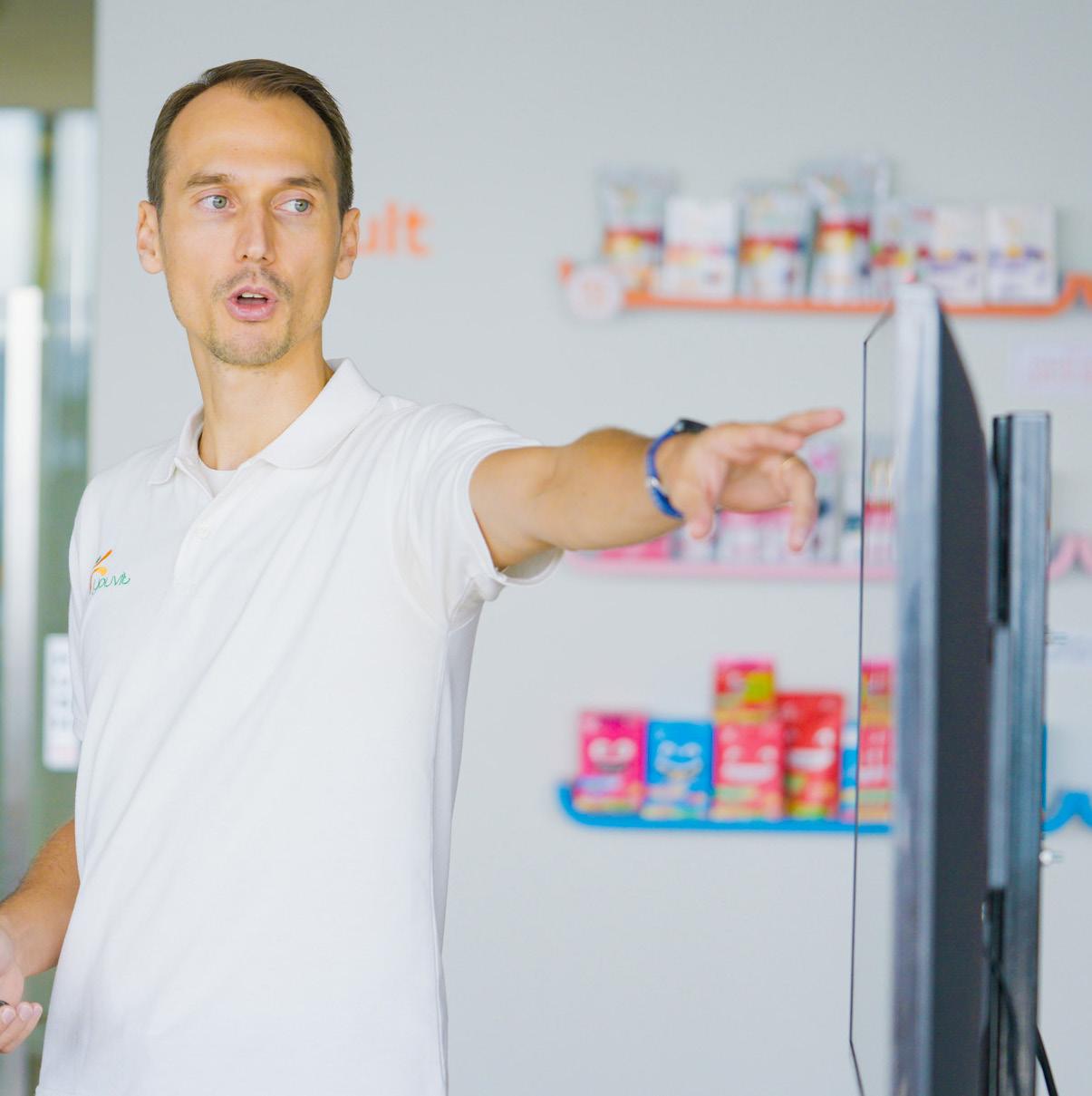
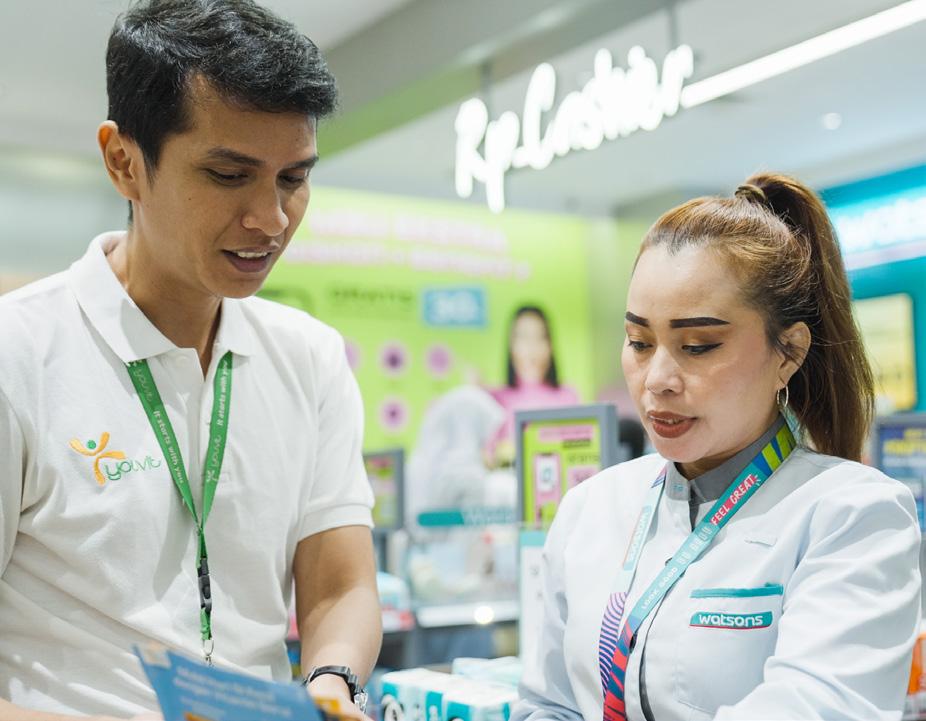
Striving to redefine preventative health and wellness, Youvit has pioneered a lifestyle supplement brand built around delightful, one-aday gummy vitamins tailored to meet the needs of millennial and Gen-Z customers across Southeast Asia. Wouter van der Kolk, co-Founder and CEO, shares how the company is scaling a category-defining brand across the region
Writer: Lily Sawyer
As the consumer economy in Southeast Asia (SEA) matures, a structural shift is unfolding across the health and wellness landscape. Where supplements were once predominantly associated with responding to illness, today’s consumers are increasingly embracing preventative,
lifestyle-oriented solutions designed to support everyday health and long-term vitality. The pace of this evolution varies across the region –Indonesia, for example, is accelerating from a historically curative mindset towards prevention, whilst markets such as Malaysia and Thailand
are progressing further into holistic wellness.
In response, leading brands are moving away from medicinal cues and towards formats that integrate seamlessly into daily life.
Amongst them is Youvit, an Indonesia-born lifestyle supplement company that has helped redefine how vitamins are consumed.
Since launching its first products in 2017, the company has witnessed customers becoming more open-minded towards the format of supplements and helped shape growing consumer openness to alternative formats.
“Where pills, tablets, and syrups once dominated legacy brands, new formats such as gummies and functional drinks have rapidly gained
popularity – in some cases overtaking traditional forms,” explains co-Founder and CEO, Wouter van der Kolk.
SPARKING DELIGHT
Across SEA, consumers consistently rank health as a top priority – yet sustaining healthy habits remains a daily challenge.
“At Youvit, we believe healthy habits only stick when they spark delight”
–
WOUTER VAN DER KOLK, CO-FOUNDER AND CEO, YOUVIT
Millennial and Gen Z consumers are balancing careers, families, and social responsibilities, often leaving little room for consistency in preventative health routines – leading to a startstop relationship with healthy habits.
This tension between intention and execution is precisely where Youvit positions itself.
From its inception, the company chose not to compete within the
traditional medicinal narrative catering to customers with a curative mindset, but to reframe vitamins as a daily essential in a busy life.
Rather than asking consumers to adopt clinical-feeling regimens that customers experience as a chore, the company focused on making it easy and enjoyable to make healthy habits part of their busy lives.
“At Youvit, we believe healthy habits
only stick when they spark delight,” van der Kolk explains.
“Enjoyment and simplicity is not a marketing afterthought – it is the mechanism that drives daily compliance.
“We wanted to move the narrative away from a pill or tablet you take when you’re sick, and towards a delightful form factor that you take every day as part of a healthy lifestyle,” he reflects.
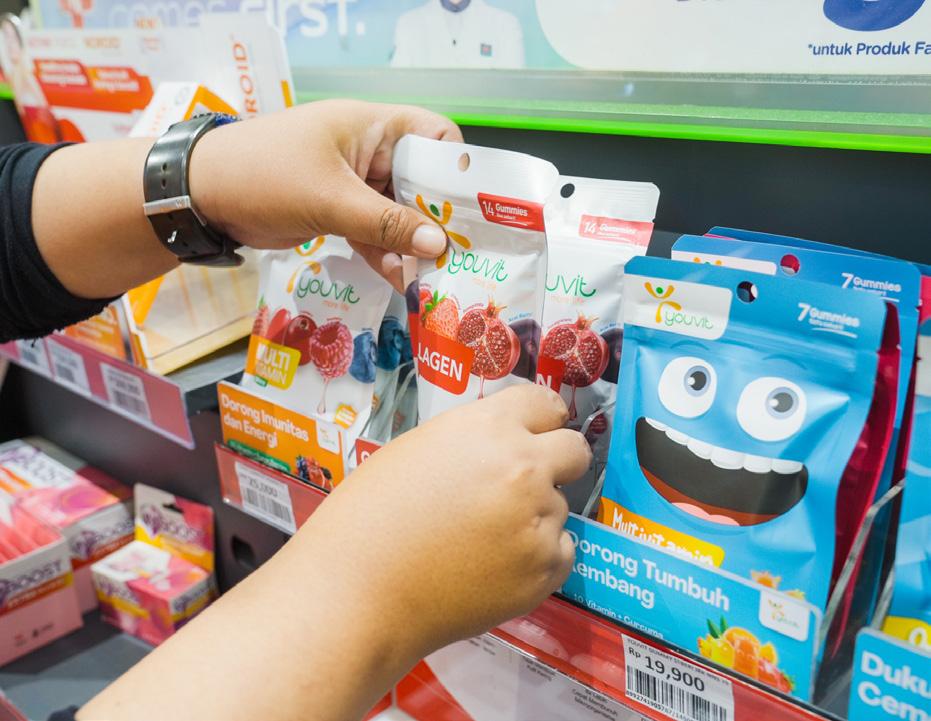
To translate that philosophy into practice, Youvit developed a unique, one-a-day, chewable gummy format that makes daily micronutrient intake both simple and enjoyable.
Formulated with carefully calibrated active ingredients tailored to meet the needs of Southeast Asian consumers, each product is designed to fit seamlessly into a one-a-day routine – reducing friction whilst reinforcing consistency.
The gummy became more than a delivery mechanism – it became a symbol of that repositioning.
The brand recognised that many consumers were hesitant to adopt daily supplement routines that felt medicinal or overly synthetic. A more approachable format reduced that psychological barrier.
Youvit can be seen as a breath of fresh air in this context, standing out
as a positive, cheerful, and trendy brand that resonates with a new generation.
In doing so, Youvit carved out space as a culturally relevant, optimistic brand aligned with the aspirations of younger Southeast Asian consumers.
This brand equity has translated into industry recognition. In 2024, Guardian Indonesia recognised Youvit as the best children’s vitamin and supplement brand, whilst Watsons Malaysia awarded it with the Star Brand Award in 2025.
OMNICHANNEL APPROACH
Underpinning Youvit’s growth is an omnichannel model designed for scale across emerging SEA. What began as a format innovation has evolved into a tightly integrated commercial platform spanning retail, e-commerce, and social commerce.
“Youvit products are now available in over 35,000 retail points across SEA,” van der Kolk explains.
“This physical footprint is critical in building both accessibility and trust, particularly in markets where retail remains central to consumer purchasing behaviour.”
At the same time, digital has become an increasingly powerful growth engine. Online sales now account for approximately 25 percent of the business, supported by in-house capabilities such as content creation and marketplace optimisation.
Rather than operating retail and e-commerce as separate channels, Youvit integrates them – using online channels to generate awareness and education, whilst retail reinforces trust and drives impulse purchases.
This balanced approach has proven replicable beyond Indonesia. The company is scaling rapidly in Malaysia and has established early footholds in Singapore, Brunei, and Thailand, with broader Southeast Asian expansion on the roadmap.
The model is supported by disciplined unit economics. An
asset-light structure, strong gross margins, and accessible price points position the business for sustainable growth in emerging markets.
This scalability contributed to Youvit becoming the leading gummy vitamin brand in Indonesia and the fastest-growing children’s vitamin brand in any format, with significant headroom remaining in both distribution and online penetration.
Beyond distribution scale, competitive advantage lies in brand equity and local insight. Deep understanding of emerging market consumers, combined with a full-stack distribution and marketing infrastructure, enables Youvit to build durable retail partnerships whilst continuously strengthening customer loyalty.
CONSUMER SATISFACTION
Whilst Youvit serves adults and children alike, its growth has been anchored in a clear understanding of who ultimately controls health purchasing decisions within Southeast Asian households.
In urban Indonesia and Malaysia, women – particularly millennial mothers – act as health gatekeepers,
balancing budget, credibility, taste preferences, and long-term well-being for the family.
“These consumers are juggling many responsibilities,” van der Kolk explains.
“They want something that they can trust, actually works, and their children will happily take without resistance.”
This dynamic shapes the company’s portfolio strategy. Children’s gummies are designed to reduce daily resistance and support routine building, whilst adult and beauty supplements tap into the broader self-care movement amongst young Southeast Asian women, who view wellness as an extension of lifestyle rather than a reactive intervention.
Trust is the non-negotiable foundation. All Youvit products are halal-certified by Majelis Ulama Indonesia (MUI), a critical differentiator in a category where many global gummy alternatives rely on non-halal gelatine.
In Muslim-majority markets, certification is not merely compliance – it is a signal of cultural alignment and brand integrity.
“Our halal certification has been instrumental in building long-term trust,” van der Kolk notes.
“It ensures that delight never comes at the expense of credibility.”
Beyond halal certification, Youvit reinforces trust through independent third-party lab testing in Singapore and the use of globally sourced, quality-assured ingredients.
Strict quality control processes ensure each gummy delivers safe, consistent, and reliable daily supplementation – combining delight with dependable standards.
COMMITTED TO COMMUNITIES
Purpose has been embedded in Youvit’s strategy since its founding. Beyond commercial growth, the company views access to daily micronutrition as part of a broader responsibility to contribute positively to SEA’s long-term well-being.
“We have a long-standing collaboration with the Peduli Anak Foundation, which supports underprivileged children across Indonesia,” van der Kolk shares.
Through this partnership, Youvit provides a continuous supply of vitamins to children and staff at its welfare centres – extending the company’s preventative health
HEALTH BENEFITS AFFORDED BY YOUVIT
A first-mover in lifestyle supplements, Youvit has pioneered a new product format in a traditional market, creating a category-defining brand and product range.
Leveraging a proprietary formulation tailored to local nutritional needs, Youvit is proud to utilise globally sourced, certified ingredients optimised for daily use.
This has led the company to become the leading vitamin gummy brand in Indonesia, active across three supplement sub-categories serving the needs of health, beauty, and child audiences:
• HEALTH – Comes in a gummy format, with ingredients to support everyday health, immunity, sleep, and digestive health.
• BEAUTY – Available in both a gummy and powder format to address hair loss, acne, and skin blemishes.
• CHILDREN – Can be taken in a gummy or powder format, supplementing brain development and appetite alongside eye, bone, and everyday health.
mission beyond retail shelves.
“The responses we get from both our partners and the children we donate to are truly heartwarming and humbling,” shares van der Kolk.
The company was founded on the belief that many Indonesians struggle to meet their daily nutritional needs through diet alone – a staggering 90 percent of Indonesians do not eat enough fruits or vegetables, with wide-ranging health consequences.
That reality inspired van der Kolk and co-Founder and COO, Maarten Vrouenraets, to build a brand focused on making consistent micronutrient intake more accessible and enjoyable.
Today, Youvit’s products support millions of Indonesians in building simple daily health routines that complement balanced diets and active lifestyles.
“It has always been important to me that our core business creates meaningful impact,” van der Kolk reflects.
“That commitment continues to guide how we grow.”
EXCITING PIPELINE
Looking ahead, Youvit’s innovation pipeline is focused on strengthening its leadership in lifestyle supplements alongside deepening its core promise of making daily health accessible.
“Where pills, tablets, and syrups once dominated legacy brands, new formats such as gummies and functional drinks have rapidly gained popularity – in some cases over taking traditional forms”
– WOUTER VAN DER KOLK, CO-FOUNDER AND CEO, YOUVIT
These include some truly innovative products that will push the boundaries of what has been done so far in SEA’s supplement category, whilst remaining true to itself and ensuring it continues to ‘make health delightful’.
At the same time, geographic expansion remains a key priority.
“Indonesia alone offers significant headroom,” van der Kolk notes.
“Whilst we are present in more than 30,000 retail locations, distribution across the archipelago is far from saturated.”
The company continues to scale in Malaysia and is steadily building its footprint in Singapore, Brunei, and Thailand as part of a broader Southeast Asian growth roadmap.
Digital acceleration is another major growth lever. Online sales are currently the company’s fastestgrowing channel, supported by a full in-house team with expertise across performance marketing, social commerce, affiliate partnerships, live streaming, content, and design.
Platforms such as TikTok have become increasingly important in driving discovery and conversion, particularly amongst younger consumers.
By combining disciplined innovation with regional expansion and digital capability, Youvit is positioning itself not just for incremental growth, but for sustained category leadership across SEA.
LASTING LEGACY
As Youvit scales across SEA, van der Kolk is quick to acknowledge the ecosystem that has supported its growth.
“We would not be where we are today without the backing of partners such as DSG Consumer Partners and Unilever Ventures,” he notes.
“Their support has enabled us to build a disciplined, long-term business whilst continuing to challenge and redefine the consumer health category.”
Beyond capital, Youvit’s progress has been driven by a team built for emerging market execution – agile, locally attuned, and comfortable operating at the intersection of brand, retail, and digital.
From product innovation to full-stack distribution and in-house marketing capabilities, the organisation has been structured to scale with focus and speed.
Internally, the company emphasises transparency and accountability as much as ambition.
“We celebrate wins, but we are equally honest about what needs improvement,” van der Kolk concludes.
“That combination of optimism and operational discipline is what will sustain us over the long-term.”
For Youvit, legacy is not defined simply by market share, but by reshaping how everyday health is approached across SEA – embedding preventative habits into daily life in a way that feels both accessible and enjoyable.
Autonomous Delivery Across Rwanda
Adecade ago, Rwanda became the first country in the world to launch Zipline’s national autonomous medical delivery service.
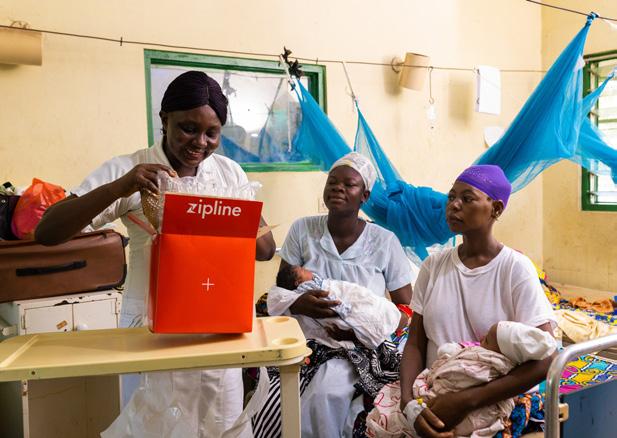
Zipline, an artificial intelligence (AI) and robotics company, designs and operates autonomous logistics systems that enable on-demand delivery of blood, vaccines, and essential medicines, fully integrated into national health systems.
In Rwanda, the network supports nationwide coverage and has contributed to improvements in access to healthcare, including a reported 51 percent reduction in maternal deaths.
Now, under a historic expansion agreement between the government and Zipline, Rwanda will also become the first country with full nationwide autonomous logistics coverage.
It will deploy Zipline’s urban delivery system, known as Platform 2 (P2), starting in the capital, Kigali, where a large share of the country’s healthcare demand is concentrated.
“In addition, Rwanda will host Africa’s first AI and robotics testing and research centre, strengthening its position as a leader in advanced technology and innovation on the continent,” acclaims Pierre Kayitana, Country Director of Zipline Rwanda.
“The expansion also includes the construction of a third longrange distribution hub in Karongi, complementing existing hubs in Muhanga and Kayonza.”
The network will support
Rwanda is to become the first country in the world with nationwide autonomous delivery, including Africa’s first urban drone delivery network. We learn about this historic expansion agreement with Pierre Kayitana, Country Director of Zipline Rwanda
Writer: Jack Salter
approximately 350 local jobs and further integrate delivery data into Rwanda’s national health information and emergency response systems.
Importantly, the model reflects a strong government-led approach. The US government is providing upfront infrastructure funding, whilst the Rwanda government is committed to financing ongoing operations.
“This ensures the system is financially sustainable, nationally operated, and embedded within Rwanda’s broader strategy for resilient, technology-driven healthcare,” Kayitana affirms.
ADVANCED LOGISTICS LEADER
By scaling what began as an innovative pilot into permanent
Pierre Kayitana, Country Director
national infrastructure, Rwanda has cemented its position as a global leader in advanced logistics.
What started as a targeted effort to improve access to blood in a handful of hospitals has evolved into a nationwide autonomous delivery network embedded in the public health system.
“Today, Zipline is responsible for delivering approximately 75 percent of Rwanda’s national blood supply outside of Kigali,” highlights Kayitana.
This next phase goes further; by hosting Zipline’s first overseas R&D hub, Rwanda is positioning itself not only as a user of frontier technology, but as a place where the next generation of AI, robotics, and autonomous logistics systems will be developed. In doing so, the country is helping shape the future of global supply chains.
A decade of operational data shows the tangible impact of this
“Introducing P2 in Rwanda means the country will be the first in Africa to deploy this type of urban autonomous logistics system”
– PIERRE KAYITANA, COUNTRY DIRECTOR, ZIPLINE RWANDA
approach, as Zipline’s system has reduced medical waste by enabling centralised inventory and on-demand delivery.
It has also dramatically improved emergency response times for timecritical treatments such as blood for maternal haemorrhages.
This demonstrates that high-tech logistics can be both effective and economically efficient when deployed at national scale.
“Independent studies consistently find that Zipline’s network ranks amongst the highest-impact and most cost-effective health system
interventions studied in recent years – improving outcomes across immunisation, maternal health, nutrition programmes, and emergency care whilst strengthening the reliability of national supply chains,” Kayitana highlights.
AUTONOMOUS DELIVERY SYSTEM
Zipline’s next-generation autonomous delivery system, P2, is designed for fast, quiet, and highly precise deliveries in dense urban environments.
THE WORLD’S LARGEST AND MOST EXPERIENCED AUTONOMOUS DELIVERY SERVICE
Zipline completes a delivery somewhere in the world every 30 seconds.
The company has flown over 120 million autonomous miles and served more than 5,000 hospitals and health facilities globally.
Whilst the drones get all the glory, the real innovation is the holistic system: centralised cold chain storage, digital track and trace, and on-demand delivery.
Together, these enable a shift from a push-based system, which depends on imperfect forecasts, to a pull-based system where healthcare workers can get what they need, exactly when they need it.
Zipline partners with governments to build reliable logistics infrastructure that is embedded into their healthcare systems, supporting them to transform health outcomes and grow economies.
Unlike earlier systems built primarily for long-range medical deliveries, P2 is designed to operate within cities, enabling items to be delivered directly to homes, hospitals, offices, and public spaces with very high accuracy.
“The system uses a new aircraft design with a smaller delivery droid that lowers packages gently to the ground, allowing for maximum accuracy, which makes it well-suited for urban settings like Kigali,” explains Kayitana.
This progress has been championed by Rwandan authorities, notably the Minister of Health, Dr Sabin Nsanzimana, who was recently named to the TIME100 Next list for his work in strengthening Rwanda’s health system through data-driven decisionmaking and innovation.
Under his leadership, Rwanda has benefitted from the impact of the integration of technology into healthcare delivery, allowing for improved and more reliable access to essential services.
The introduction of the urban delivery system in Kigali will address the high concentration of healthcare demand in the capital, enabling fast and precise deliveries within dense city environments.
“Introducing P2 in Rwanda means the country will be the first in Africa to deploy this type of urban autonomous logistics system,” Kayitana tells us.
“It will expand the range of deliveries that can be supported, improve response times in cities, and further integrate autonomous delivery into everyday healthcare and commercial logistics.”
LONG-RANGE COVERAGE
The new long-range distribution centre in Karongi is built on the border between Rwanda and the Democratic Republic of the Congo (DRC), intended as a symbol of peace between the two countries.
Its overall goal is to expand delivery capacity, expected to serve
approximately 200 health posts and 60 major health facilities, reaching more than 2.9 million people.
“Together with the other hubs, it will help deliver full nationwide coverage, allowing Zipline’s network to support more than 11 million people across Rwanda,” informs Kayitana.
The addition of a third hub guarantees the provision of longrange coverage across the country, ensuring even remote and hard-toreach communities can receive critical medical supplies quickly.
By integrating this connected network into national health systems, Rwanda is building a logistics infrastructure that ensures essential medicines and supplies can reach communities quickly and reliably, regardless of location.
The new AI and robotics testing facility, meanwhile, will serve as Zipline’s first R&D hub outside the US.
“This facility will allow us to test our technology in a range of realworld conditions, including different climates and terrain, helping improve the reliability and performance of aircrafts and systems globally,” Kayitana insights.
“Independent studies consistently find that Zipline’s network ranks amongst the highest-impact and most cost-effective health system interventions studied in recent years – improving outcomes across immunisation, maternal health, nutrition programmes, and emergency care whilst strengthening the reliability of national supply chains”
– PIERRE KAYITANA, COUNTRY DIRECTOR, ZIPLINE RWANDA
“It will also support the development of local talent by creating opportunities to work directly on advanced robotics and AI systems.”
INFLUENCE BEYOND LOGISTICS
Rwanda is demonstrating that autonomous delivery works at national scale, and in real-world conditions, as part of a governmentled system.
“Independent research has increasingly validated the transformative power of this system, demonstrating that its influence extends far beyond mere logistics,” notes Kayitana.
“By optimising the delivery of
critical goods, it has fundamentally reshaped supply chain efficiency –drastically reducing waste and theft whilst virtually eliminating the risk of stockouts.”
The impact on public health is even more profound, representing some of the most significant outcomes ever documented through a supply chain intervention.
Data confirms a staggering 56 percent reduction in maternal mortality and a 42 percent decrease in zero-dose prevalence.
Zipline is the most cost-effective immunisation intervention and one of the most cost-effective maternal health interventions on record.
Beyond these clinical milestones,
the system serves as a powerful engine for economic stability.
“By creating hundreds of local jobs and safeguarding the health of the workforce, it generates tens of millions in annual economic growth, proving that a resilient supply chain is the essential foundation for a thriving society,” Kayitana closes.
www.zipline.com
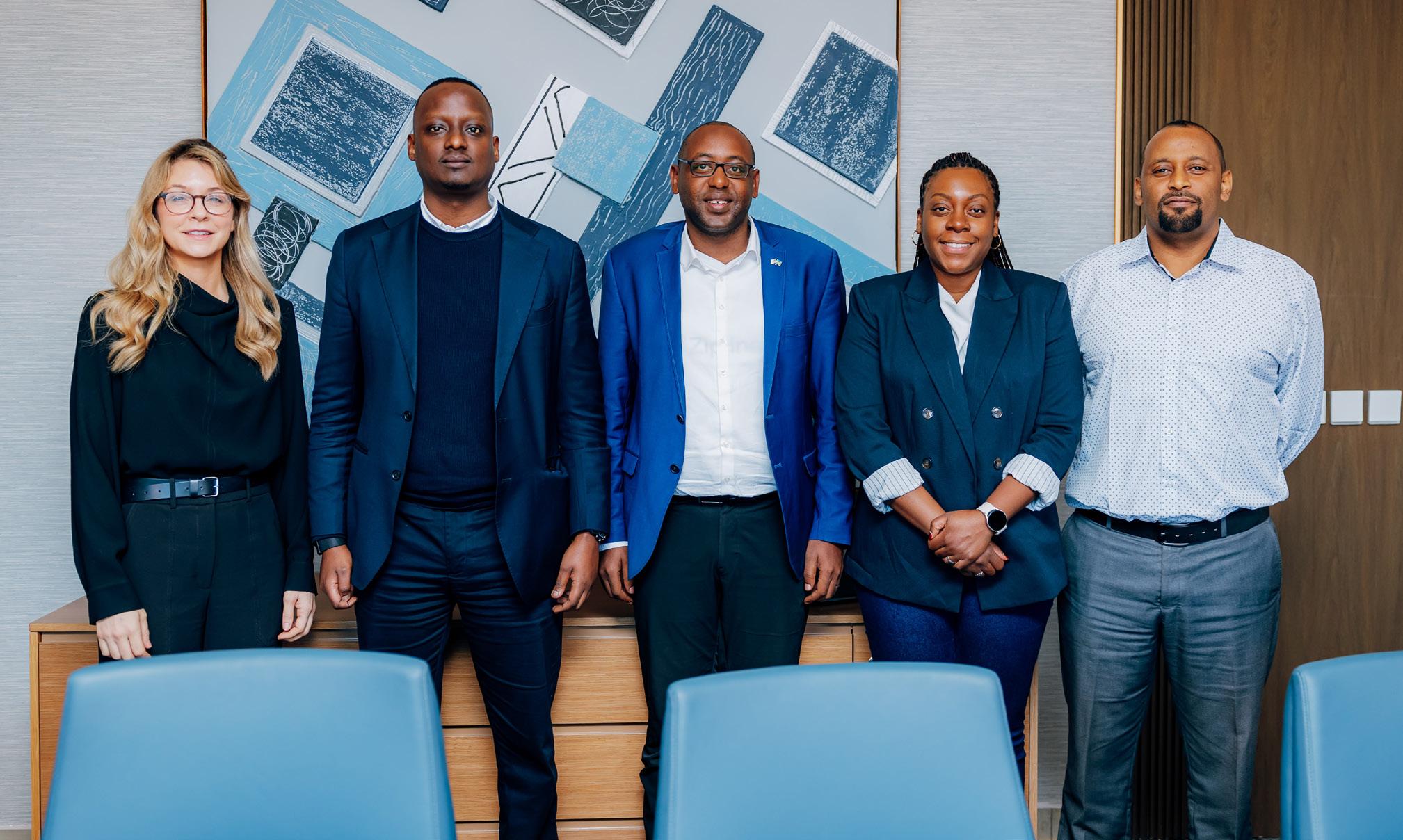
L-R: Caitlin Burton, CEO, Zipline Africa; Dr Yvan Butera, Minister of State, Ministry of Health; Pierre Kayitana, Country Director, Zipline Rwanda; and Jeanne Umuhire, Deputy Director, Rwanda Biomedical Centre
ENDING MALARIA, REWRITING THE FUTURE
With a sincere belief that sustained investment in drug development is key to uncovering the next generation of antimalarials, Medicines for Malaria Venture is continuing to innovate its R&D pipeline, collaborate with stakeholders, and refine its product development partnership model.
Dr Martin Fitchet, CEO, tells us more
Writer: Lily Sawyer
Founded in 1999, Medicines for Malaria Venture (MMV) is a leading not-for-profit product development partnership (PDP) dedicated to the discovery, development, and delivery of affordable, innovative antimalarial drugs, particularly for vulnerable populations.
Following recent economic analysis published in a Lancet Global Health study – which revealed a 13-fold return in monetised health benefits for every USD$1 invested in MMV –the case for sustained investment in malaria drug development is garnering increased attention.
“Findings of this kind change the tone of the funding conversation,” opens Dr Martin Fitchet, CEO of MMV.
Whilst donors have historically faced competing priorities, as drug development can appear a high-risk investment with long timeframes, the economic analysis published in the report allows drug development to be more widely discussed in terms of return on investment (ROI).
“This is ultimately how a lot of funding decisions are made,” Fitchet adds.
These figures, analysing MMV’s impact between 2000 and 2023, tangibly reflect that investing in drug development through the PDP model – which MMV believes to be the most efficient way to bridge the gap in new drugs for malaria – delivers exceptional value, resulting in fewer deaths across high-burden malariaendemic countries.
“For decision-makers facing difficult budget choices, this kind of independent study matters as it demonstrates credible evidence that provides a basis for multi-year funding commitments that promise sustained and measurable results,” insights Fitchet.
As drug development requires long timelines and steady backing, evidence like this helps make the case for sustained funding so the
discovery, development, and delivery of the next generation of antimalarials continues.
TRUST THE PROCESS
With the study accounting for both successful and failed R&D projects undertaken by MMV, Fitchet notes the importance of acknowledging the risks inherent to drug development when advocating for sustained investment.
“It is fundamental to acknowledge these risks as drug development is inherently uncertain. Any robust assessment must account for the fact not every candidate succeeds,” he says.
At the same time, Fitchet points out how failed R&D projects can also be a sign of success.
“If we didn’t have failures, it would mean we were not being ambitious enough.”
As such, analysis that truly acknowledges risk by including the costs of both successful and failed projects is integral.
“We also applied conservative assumptions when estimating realised returns and only calculated the number of deaths averted between 2000 and 2023, not considering future deaths that will be averted from MMV-supported products,” Fitchet reflects.
The organisation manages a portfolio of drugs, as opposed to a single drug candidate, which means over the period assessed, it was overseeing the clinical development of more than 45 products – of which just 16 reached the market.
As such, by spreading risk across a diversified pipeline and working in partnership with both public and private actors, MMV is reducing the impact of individual failures.
“Being open and transparent about risk strengthens rather than weakens the case for sustained investment as it corroborates trust in the development process,” he confirms.
“Our focus is on closing the most urgent gaps in treatment. Existing medicines remain effective in many settings, but antimalarial drug resistance is advancing and poses a clear threat to global elimination efforts”
– DR MARTIN FITCHET, CEO, MEDICINES FOR MALARIA VENTURE
BROADENING HORIZONS
According to the World Health Organization (WHO) World Malaria Report, malaria cases reached 282 million annual cases in 2024, whilst drug resistance continues to advance in Africa.
As such, MMV is adapting its R&D pipeline to stay ahead of emerging resistance and safeguard the efficacy of current treatments.
“Our focus is on closing the most urgent gaps in treatment. Existing medicines remain effective in many settings, but antimalarial drug resistance is advancing and poses a clear threat to global elimination efforts,” Fitchet warns.
Without sustained investment, MMV faces the risk of losing hard-earned gains – which would, in turn, mean losing many more lives each year.
Together with its partners, the organisation is actively broadening the range of available treatments so programmes are not reliant on a narrow set of options.
MMV has already seen progress in this regard, with Coartem® Baby – the first antimalarial approved to treat newborns and young infants – and ganaplacide-lumefantrine – the first novel-acting non-artemisinin therapy in 25 years which recently completed late-stage clinical trials – both developed with Novartis.
“These are important steps, but our pipeline must continue to innovate as malaria and its risks also adapt,” he outlines.
From discovery through to delivery, the organisation works end-to-end in collaboration with partners across sectors and regions.
REDUCING THE STRAIN ON HEALTH SYSTEMS
The Lancet Global Health paper, which analysed MMV’s impact between 2000 and 2023 in 36 countries, found that MMV-supported products averted more than 1.5 million deaths in the countries included in the study.
“These figures speak to the real benefits we can provide for malaria-impacted communities,” Fitchet observes. Beyond direct patient impact, effective medicines – whether for treatment or prevention – help reduce the strain on health systems on the ground in malaria-endemic regions, enabling health workers to focus on other pressing needs.
“Our emphasis on child-friendly formulations and treatments suitable for pregnant women address those at greatest risk,” he highlights.
MMV’s transmission-blocking therapies also support national control efforts by helping to curb onward spread.
In short, primary healthcare systems need to deliver timely access to quality medicines. In this way, MMV contributes an important element by helping to strengthen national healthcare delivery.
“Our aim is to align R&D with evolving epidemiology and country needs. By advancing new compounds and optimised combinations, and by prioritising affordability and access, we seek to protect the effectiveness of current treatments whilst preparing credible alternatives for the future,” Fitchet details.
DISCOVERY, DEVELOPMENT, AND DELIVERY
In recent years, the strength of PDP models has become clear, particularly when it comes to lowering risk and accelerating innovation – MMV’s own PDP differentiates the organisation from traditional pharmaceutical R&D models.
“Along with other PDPs, we were formed off the back of market failure
GENDER EQUITY –ANTIMALARIALS FOR PREGNANT WOMEN
In recent years, it’s become clear that women and girls experience the effects of malaria in distinct and often disproportionate ways across health, economic, and social dimensions.
For those who are pregnant, the disease significantly increases the risk of illness and death for both mother and child.
These impacts can limit access to education and employment, reinforcing existing gender disparities in schools and the workplace and deepening broader imbalances in societal power structures.
As such, MMV is dedicated to the development of antimalarial treatments for pregnant women, with efforts underway through the Malaria in Mothers and Babies (MiMBa) strategy to firmly address these challenges.
“Our aim is to align R&D with evolving epidemiology and country needs. By advancing new compounds and optimised combinations, and by prioritising affordability and access, we seek to protect the effectiveness of current treatments whilst preparing credible alternatives for the future”
– DR MARTIN FITCHET, CEO,
MEDICINES FOR MALARIA VENTURE
in delivering necessary lifesaving medicines,” Fitchet informs.
Driven by public health needs as opposed to commercial return, MMV pools both donor funding and industry expertise to coordinate the discovery, development, and delivery of its medicines for a disease that disproportionately affects the poorest communities.
“Our model lowers risk by sharing costs and capabilities and managing a balanced portfolio,” he adds.
Since its inception, MMV – with its pharmaceutical and research partners – has brought forward 19 medicines that were distributed to around 1.48 billion people.
Independent ROI analysis suggests
this type of partnership model can deliver strong health and economic value whilst remaining accountable to its funders and the communities it serves.
AHEAD OF THE CURVE
Looking ahead, there are many challenges MMV faces when it comes to sustaining its momentum in the fight against malaria.
“Funding is constrained, cases remain high, and resistance is fastevolving,” Fitchet exemplifies.
Further to this, drug development cycles are typically long and interruptions to support can delay promising candidates from getting to market.
“This is why positive findings like the ones published are so important – they show material benefits for sustained investment in critical R&D for malaria elimination,” he shares.
Elsewhere, MMV continues to innovate to stay ahead of emerging threats.
“No single organisation can do this alone. We see MMV’s role as convening private and public actors to ensure innovation is aligned around shared public health goals and treatment reaches those most at risk,” Fitchet assesses.
This includes working with both academia and industry to recognise their need to protect intellectual property, whilst negotiating terms that allow new medicines to be supplied through public sector channels at affordable prices –typically on a no-profit, no-loss basis.
“Sustained commitment from governments, industry, and funding partners is therefore vital to continue to build on the important groundwork,” he passionately concludes.
Brand new exclusive content, delivered safely to your inbox
As organisations worldwide navigate the new healthcare landscape, defined by technological innovation in the wake of the COVID-19 pandemic, now is the time to showcase the strides being taken in this critical sector.
A multi-channel brand, Healthcare Outlook brings you the positive developments driven by organisations across the healthcare industry through its various platforms. Discover exclusive content distributed through its website, online magazine, social media campaigns and digital dispatches, delivered safely to your inbox with a bi-weekly newsletter.
Through these compelling media channels, Healthcare Outlook continues to foreground the movers and shakers of the industry.
To participate as a featured company and join us in this exciting endeavour, contact one of our Project Managers today.
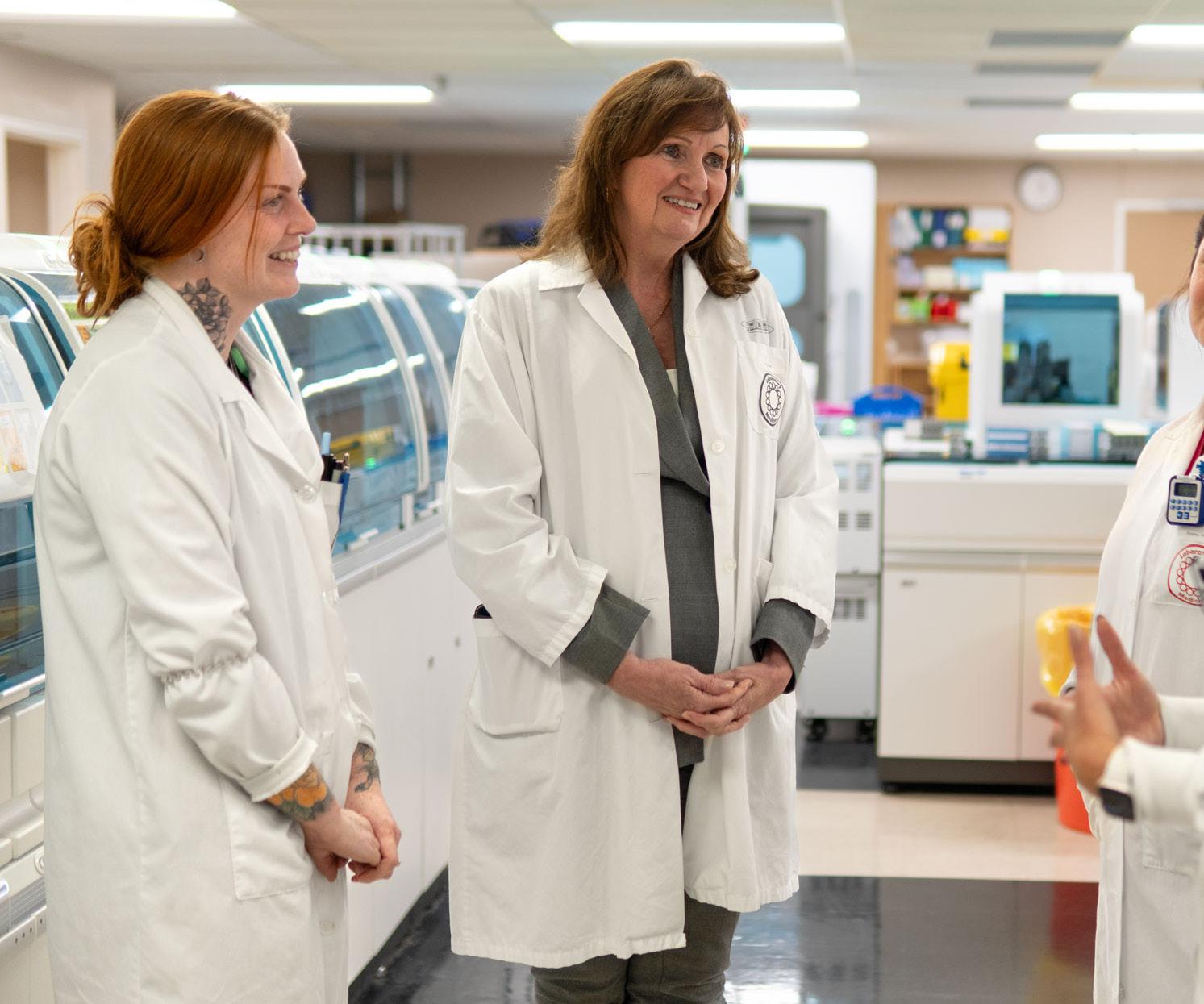
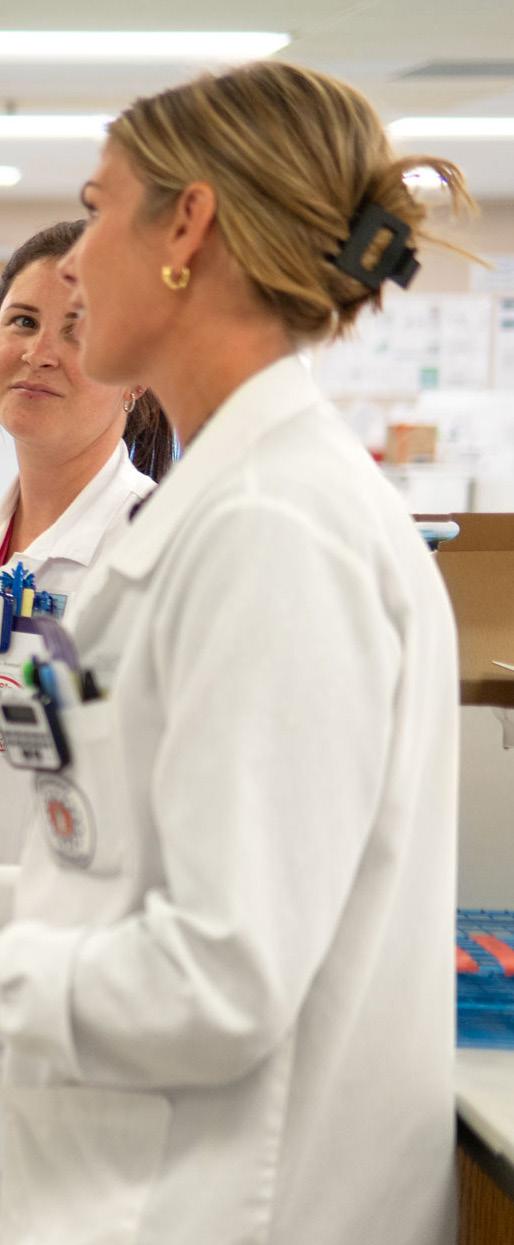
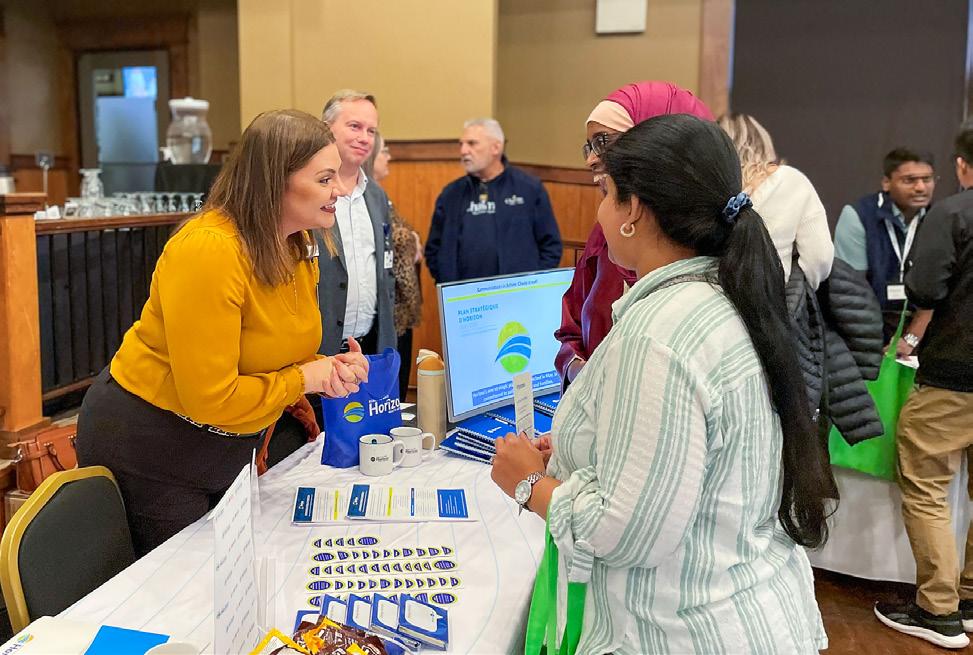
President and CEO, Margaret Melanson, (second from left), chatting to colleagues
PATHWAYS TO PATIENT-CENTERED PROGRESS
Horizon Health Network stands out as a leader in Canadian healthcare. President and CEO, Margaret Melanson, shares the organization’s innovative approaches and dedication to quality across its wide network of hospitals and community-based facilities in New Brunswick
New Brunswick, often referred to as the ‘Picture Province’ due to its stunning coastline and aesthetically pleasing landscapes, stands out not only for its natural beauty but also for its unique status as Canada’s only officially bilingual province.
With a population of approximately 868,000, Horizon Health Network (Horizon), one of the province’s two regional health authorities, manages two-thirds of New Brunswick’s healthcare services.
With a collaborative team approach to offering services in English and French, Horizon delivers sustainable, safe, and quality healthcare services to residents of New Brunswick, as well as nearby provinces such as Prince Edward Island and the northern part of Nova Scotia.
“As the second-largest regional health authority in Atlantic Canada, Horizon employs over 15,000 staff and around 1,500 physicians, providing diverse services to about half a million people,” opens Margaret Melanson, President and CEO.
“We also offer tertiary care services, including cardiac surgery for the entire province.”
Horizon operates 12 hospitals, including the province’s two largest, along with 95 small health centers, public health offices, and mental health and addiction facilities spread across larger cities and small communities.
“We provide a full range of care, including primary and community health services, mental health and addiction support, and public health for mothers, newborns, and the general public regarding infectious diseases,” Melanson explains.
“Our hospitals offer both acute and specialized services, such as cancer care, emergency services, and chronic disease management, with larger facilities handling more specialized cases.”
A COMMITMENT TO QUALITY
Horizon ensures the highest quality, patient-centered care tailored to the diverse health needs of its residents, which Melanson is extremely dedicated to.
“In 2014, during my time as Vice President, I launched an initiative to promote patient-centered care throughout our organization. This approach is now integrated into everything we do.
“We established the Horizon Patient and Family Advisory Council that participates with many of our project teams, which helps us design our care around patients’ values, preferences, and individual circumstances.”
The organization has adopted various technologies to improve patient care, quality, and team education.
“Our complex quality and safety strategy establishes teams within clinical and non-clinical service areas that report to vice presidents, highlighting the significance of quality and safety.
“I chair Horizon’s Quality and Safety Committee, overseeing all initiatives and addressing incidents,” Melanson expands.
Medication safety is essential across all services, and Horizon prioritizes transparency and accountability in every interaction. Its commitment to SeamlessMD – a digital patient engagement platform that gives patients access to a variety of helpful resources from their mobile device, improving their treatment experience.
“Patients scheduled for cardiac surgery receive tailored information on their mobile devices in the days
WHAT FACTORS DO YOU THINK HAVE CONTRIBUTED
TO HORIZON’S INCREASED RECRUITMENT OVER THE PAST 12 MONTHS?
Margaret Melanson, President and CEO: “Despite a competitive landscape, we have excelled in securing healthcare staff, particularly nurses and physicians.
“Our talent acquisition team actively participates in domestic and international events, attracting professionals globally.
“We remain focused on fostering a workplace culture of diversity, equity, and inclusion. After successfully recruiting international nurses from the Philippines and Africa in 2022, we partnered with local organizations to support their integration into our workplace and communities.
“Currently, over 85 percent of our employees plan to stay with Horizon for at least the next year, with a voluntary turnover rate of 6.2 percent – well below the industry average of around 14 percent.
“We create welcoming environments by organizing annual mix-and-mingle events. We also celebrate and appreciate our team members throughout the year by hosting annual events that foster a sense of value and support.
“To support mental health, especially after ‘Blue January’, we like to uplift spirits by bringing in comedian James Mullinger for evening events, for example, which our staff react positively to.”
“OUR PARTNERSHIP WITH YOUTUBE IS A GREAT EXAMPLE OF BRINGING EVIDENCE-BASED HEALTH CONTENT DIRECTLY TO OUR PATIENTS, HELPING US TO BECOME A TRUSTED RESOURCE”
– MARGARET MELANSON, PRESIDENT AND CEO, HORIZON HEALTH NETWORK
leading up to the procedure through the SeamlessMD platform. This includes guidance on stopping anticoagulants and what to expect on surgery day,” she outlines.
“They can also share this information with family and reach out with questions, reducing the need for unnecessary calls or emergency visits. This is an example of the patientcentered technology we are eager to leverage and implement widely. It is very reassuring for patients to know
exactly what will happen in advance and what to expect postoperatively.”
REVOLUTIONIZING THROUGH INNOVATION
By transitioning to a digital care model, Horizon is enhancing care and improving the overall patient experience.
“We are currently implementing six artificial intelligence (AI) initiatives this fiscal year, including accelerating stroke diagnosis through automated
medical imaging and reducing administrative burdens on our physicians by providing hundreds of licenses for an AI scribe program,” Melanson discloses.
During a physician visit, the patient discusses their symptoms while the doctor inquires about the duration of those symptoms, prior treatments, medications, and tests.
A computer system listens to this exchange, capturing key information such as demographics, symptoms, and potential diagnoses.
Much of this information is predocumented, allowing the doctor to quickly review and edit clinical notes, thereby enhancing efficiency and enabling more face-to-face time with the patient.
Additionally, AI technologies are being used for early cancer detection through passive screening of routine scans.
“We’ve introduced passive screening for lung cancer; anyone who’s getting a chest X-ray will automatically undergo a scan for precancerous cells or other concerns – allowing for early detection of potential issues,” Melanson optimistically tells us.
“With a strategic approach, we aim to ensure our investments have the desired impact. We are collaborating closely with technology partners such as Google and Microsoft, as well as other major organizations, to explore potential innovations and incorporate their recommendations.”
TRANSFORMING CANCER CARE
Horizon is placing a strong emphasis on research and its expected impact
“IT’S EXCITING TO CREATE NEW SPACES AND TEAMS THAT LEVERAGE OUR PHYSICIAN RESOURCES AND NURSE PRACTITIONERS. BY SURROUNDING PEOPLE WITH ALLIED HEALTH TEAMS, PHYSIOTHERAPISTS, DIETICIANS, AND SOCIAL WORKERS, WE CAN PROVIDE CARE CLOSE TO HOME”
– MARGARET MELANSON, PRESIDENT AND CEO, HORIZON HEALTH NETWORK
on innovation, particularly in areas such as injectable chemotherapy.
“In November, we launched our new institute dedicated to research, innovation, and better health,” Melanson sets out.
“This initiative highlights our commitment to accelerating research that directly improves health outcomes and helps us provide advanced medical knowledge and treatment options for New Brunswick residents.”
The institute has already established major partnerships that will directly benefit patients, including a strategic partnership with the University of New Brunswick. Furthermore, a partnership
with biopharmaceutical company AbbVie is showing great promise by collaborating on treating inflammatory bowel disease, ovarian cancer and post-stroke spasticity.
“The institute is focused on improving patient care. For instance, healthcare company Roche Canada has introduced a new injectable medication for a specific type of lung cancer, replacing the previous chemotherapy infusions that required lengthy visits to treatment centers,” she specifies.
“To expedite access to this, we partnered with the New Brunswick Extra-Mural Program through which nurses visit patients’ homes to administer medication, ensuring
they receive advanced care while minimizing travel.”
This approach alleviates the challenges of attending chemotherapy treatments, such as arranging childcare and managing work commitments.
“We are utilizing the institute for more than academic purposes. While affiliated with our universities and involved in numerous applied research studies, our main goal is to turn innovation into practical improvements in patient care.
“We are examining the evidence to determine how we can leverage our findings and advance our initiatives and other ongoing projects,” Melanson says.
Behind every hospital is a team keeping critical systems running.
In healthcare facilities, systems must perform without interruption. Carmichael Engineering (Carmichael) has supported hospitals and healthcare facilities across New Brunswick and Atlantic Canada since 1995, building on more than a century of experience in Canada in critical building systems.
From patient comfort to medication storage, building system performance may play a quiet role in care delivery, but the outcomes are essential. Carmichael’s reliability is built on disciplined preventative maintenance, informed emergency response, and service teams who understand the seriousness of their responsibilities. That reliability comes from craftsmanship, accountability, and a commitment to doing the work properly. The company’s technicians work closely with facilities to ensure systems remain stable, predictable, and ready to support patient care 24/7, because when a system fails in a hospital, waiting until morning is not an option.
QUIETLY SUPPORTING PATIENT CARE
In hospital environments, Carmichael provides specialized service and maintenance, including preventative maintenance, seasonal start-ups, repairs, and emergency response for both comfort cooling and mission-critical chiller systems.
In specialized clinical environments, Technicians service MRI unit cooling systems and laboratory HVAC systems requiring 100 percent fresh air, where temperature stability, air quality, and uptime are critical to patient safety and clinical accuracy.
Beyond HVAC, Carmichael maintains and sanitizes hospital ice machines to support
“With more than a century of experience, Carmichael understands how equipment behaves over decades, not just years”
Your Hospital Equipment. Our Expertise
Carmichael Engineering has built a reputation for doing work the right way, supporting those who rely on critical building systems, and earning trust over time.
In healthcare, that experience, familiarity, and consistency make all the difference.
“Our approach is straightforward and proven. Know the equipment, maintain it properly, respond when needed, and build long-term relationships based on trust”
hygiene, patient hydration, and infection prevention. The team also performs calibration and service on ultra-low temperature freezers, incubators, and other scientific and medical refrigeration equipment, including vaccine refrigerators.
PERFORMANCE WITHOUT INTERRUPTION
Expert technicians such as Rocky, Josh, and Scott are part of Carmichael’s New Brunswick team performing critical work every day, bringing hospital-specific training, regulatory awareness, and deep technical expertise to each site.
Their understanding of healthcare environments, combined with a disciplined approach to maintenance and response, allows facilities to operate with confidence.
Much of this work takes place outside regular hours, in mechanical rooms and service corridors, ensuring systems are stable and ready long before patients and staff ever notice a concern.
Even the best-maintained systems can encounter unexpected issues, hence why informed, reliable emergency response remains essential. Carmichael’s team of highly trained technicians, engineers, and support staff arrive with system knowledge, site familiarity, and a clear understanding of how each system is
meant to perform, allowing for issues to be addressed efficiently, safely, and with minimal disruption.
PARTNERSHIPS BUILT ON TRUST
Carmichael is proud to support healthcare facilities across New Brunswick, including work performed for both Horizon Health Network and Vitalité Health Network.
These partnerships reflect long-standing relationships built on trust, accountability, and a shared understanding of what healthcare environments require. Carmichael’s role is to support facilities teams by helping ensure building systems perform reliably, efficiently, and predictably, day after day.
ROOTED IN RESPONSIBILITY
Carmichael’s presence in New Brunswick is supported by branches in Moncton and Fredericton, alongside depots throughout the province, including Saint John, Bathurst, and surrounding communities. This structure ensures responsive service and strong site familiarity for healthcare facilities across the region.
Founded in 1922, Carmichael now operates from 25 locations across Canada and employs more than 850 skilled professionals specializing in HVAC, refrigeration, mechanical, and building systems service.
The company performs services for numerous healthcare facilities and health authorities nationwide; from Fraser Health in British Columbia through to Newfoundland and Labrador Health Services, reflecting extensive experience in regulated, mission-critical environments.
For healthcare organizations, this means local accountability backed by national depth. Reach out to our teams today.
EMPOWERING EDUCATION
To enhance healthcare education, Horizon is using social media channels as a means of engaging the public.
“Our partnership with YouTube is a great example of bringing evidencebased health content directly to our patients, helping us to become a trusted resource. It provides a credible and reliable source for healthcarerelated education in a world where there’s both a lot of good and bad out there on the internet,” Melanson establishes.
“We started with general health topics, then expanded to mental health, teen mental health, and first aid content, creating over 246 videos and totaling around 11 million views – our channel has nearly 11,000 subscribers!”
This is the modern approach for Horizon to reach people outside traditional healthcare settings, ensuring education and support occur before people get sick.
ELEVATING PHYSICIAN LEADERSHIP
Last year, Horizon adopted a program management model in which physician and administrative leaders co-led to drive strategy and operations.
“A cooperative approach has harmonized the program – in terms of care for women and children, for example, if strategies are shared, people can participate in creating a better experience across all our major centers,” imparts Melanson.
“It has also increased involvement where previously, many physicians were on the periphery of strategy and leadership. Now, we’ve allocated funding for dedicated leadership time, allowing them to actively participate.”
This change has strengthened the team’s credibility, reputation, and leadership, enabling team members to come together to create their own policies.
This shift grants authority, responsibility, and accountability to all staff for the programs and service delivery, as well as their impacts and outcomes, promoting consistency and standardization.
“As a large, geographically diversified organization, reducing silos helps us work collaboratively,” assures Melanson.
“This initiative promotes well-being by offering education and tools for better health. The way we deliver information is rapidly evolving; newspapers are no longer the main source, while platforms like YouTube are gaining trust.
“We’re excited about how this partnership went and are open to exploring similar opportunities as we move forward, given the success and positive response from patients and their families.”
BETTER PATIENT OUTCOMES
One of Horizon’s major projects is expanding collaborative care clinics –also known as family health teams – in its communities.
“In addition to our existing primary care locations, we have introduced seven new clinics and are planning to add more within the next 12 to 15 months. Having timely access to primary care is exceptionally important for our citizens, making this an extremely significant and high-priority project,” impassions Melanson.
“It’s exciting to create new spaces and teams that leverage our physician resources and nurse practitioners. By surrounding people with allied health teams, physiotherapists, dieticians, and social workers, we can provide care close to home.”
A significant transformation project underway for Horizon is to ensure that when individuals move to a community, their children can attend a local school, and the community health clinic is available to the entire family.
“We’re also working at relocating services currently in a hospital that would work better at another location. Traditionally, blood collection services and ambulatory clinics have been located in hospitals due to space constraints,” Melanson notes.
“Focusing on provider needs can be convenient for clinicians; however, patients benefit more from
Women’s Gut Health: The Missing Link in Hormones, Energy, Skin, and Metabolism
For decades, women’s health conversations have centered on cycles: puberty, pregnancy, perimenopause, and menopause. But behind these hormonal shifts lies another system quietly influencing everything from mood to metabolism - the gut.
Researchers have uncovered important differences between men’s and women’s microbiomes, revealing unique ways the gut influences hormonal balance, inflammation, and reproductive wellness. Yet this connection remains overlooked in traditional care.
Medavie Blue Cross is leading the way in closing that gap.
As the first benefit provider in Canada to make professional-grade microbiome testing accessible to members, Medavie Blue Cross is helping members take a proactive step toward better digestive, immune, and mental health. The launch underscores Medavie Blue Cross’s ongoing commitment to transforming preventive care through innovation and accessibility.
That transformation includes embarking on a greater understanding of the unique factors that impact womens’ health, and Gutcheck VIVO is one tool that supports this quest.
Hormones and gut bacteria communicate constantly. One key player is the estrobolomegut microbes that regulate estrogen levels. When functioning well, it supports healthy estrogen metabolism. When imbalanced, estrogen may be reabsorbed rather than eliminated, contributing to:
• Heavy or irregular periods
• PMS and mood swings
• Hot flashes
• Weight fluctuations
• Sleep issues
• Bloating
As women transition through life stages, estrogen naturally shifts. A healthy gut buffers these changes; an unhealthy gut amplifies them.
Energy and inflammation
Many women experience chronic fatigue unexplained by iron or thyroid levels alone. The gut may be the missing piece. A healthy microbiome breaks down nutrients efficiently, producing metabolites that support cellular energy. When diversity is low, nutrient absorption suffers - along with stamina, clarity, and mood.
Inflammation, often gut-driven, also saps energy by diverting resources toward immune response rather than daily functioning, leaving women depleted.
Skin health
Skin conditions like acne, rosacea, eczema, and dryness often reflect internal inflammation. The gut is the body’s largest immune organ. When healthy, it prevents unwanted particles from entering the bloodstream. When compromised, inflammation spreads - often appearing on the skin before other symptoms. For women navigating hormonal shifts, skin changes can be frustrating and unexpected.
Supporting the microbiome helps stabilize inflammatory responses and improve skin clarity and texture.
Weight management
Many women find weight harder to manage in their 30s, 40s, and 50s. While hormones play a major role, gut bacteria influence metabolism through blood sugar regulation and fat storage.
A diverse microbiome helps:
• Stabilize appetite signals
• Improve insulin sensitivity
• Reduce cravings
• Support healthy weight maintenance
When imbalanced, it contributes to bloating, water retention, and metabolic slowdowns that diet or exercise alone may not solve.
Emerging research also shows connections between gut health and reproductive function.
Gut bacteria influence inflammation levels, nutrient absorption, and hormonal regulationall key factors for women planning pregnancies, recovering postpartum, or navigating perimenopause.
Women deserve care that reflects the complexity of their biology. Gut health is a powerful - and long-neglected - component of that care. By integrating microbiome testing into preventive health, programs like Medavie Blue Cross’s GutCheck and GutCheck Vivo help women better understand their bodies and give them greater confidence in taking care of their health.
community-based care. Hospitals often represent illness, but we aim to promote wellness. We’re looking at leasing space for various services off-site to improve accessibility and parking.”
Horizon is transforming surgical care by significantly reducing wait times. Since 2023, the organization has reduced them by approximately 35 percent which means that today, almost 92 percent of patients receive surgery within one year or sooner.
“Urgent surgeries are now more efficient, often performed on an ambulatory basis or requiring only an overnight stay. Many hip and knee replacement patients go home the next day, showcasing advancements in patient care technology,” Melanson states.
PRESCRIBING A NEW COURSE
Horizon recently launched its new five-year strategic plan in the spring of
2025, centered on four main pillars.
Firstly, advancing community care by ensuring that mental health services are more readily available in communities. This includes building on existing recruitment efforts, maintaining momentum, and continuing to capitalize on staff retention initiatives.
Additionally, Horizon has introduced a new culture commitment through the Our Promise initiative, which aims to foster a safe workplace that recognizes the value of its people and offers educational opportunities.
“We have several initiatives aimed at achieving excellence in hospital care, involving ongoing transformation, introducing new technologies, and a robust research and innovation portfolio.
“We are very focused on our initiatives across all four priority areas, and we’re moving quickly into the future.”
New Brunswick has a significant senior population and is facing patient flow challenges.
“The dedication of our staff and the work of our leaders is evident in the high retention rates we continue to achieve.
“While we have numerous patient flow challenges, people are happy and keen to collaborate. That’s a testament to what we have achieved as leaders within our organization,” Melanson concludes earnestly.
Tel: 1-888-820-5444
Horizon@Horizonnb.ca www.HorizonNB.ca
Defining the Future, Transcending the Ordinary
Hardy Diagnostics is the third-largest microbiological culture media manufacturer in the US, with a reputation for supplying quality products at a fair price with great customer service for the clinical, pharmaceutical, and food industries. We learn more from CEO, Chris Catani
Writer: Ed Budds | Project Manager: Callum Ovenstone
Since its inception in 1980, the company has transcended the ordinary, growing from a tworoom motel suite into a respected, global force in microbiology.
Initially, Founders Jay Hardy and Rob Shibata, worked tirelessly to
develop the business by night while working as microbiologists and medical technologists by day, before eventually dedicating themselves full-time to their exciting new endeavor.
“We believe in the power of
partnership, with our dedicated team and valued customers uniting to make a positive impact, one test at a time,” introduces CEO, Chris Catani.
Hardy’s story is one of resilience, partnership, and a relentless pursuit
of a healthier future for all.
“As we reflect on our journey, we stand at the forefront of microbiology, with a rich history shaping our commitment to quality, innovation, and social responsibility,” he sets out.
Over the last ten years, the US
healthcare industry has made a strong push toward automation, but so far, adoption has proven a slow and expensive process for hospitals and pharmaceutical manufacturers.
Following the direction of these trends, Hardy is evolving to establish
itself as both a supplier of traditional microbiology solutions as well as automation.
“Right now, the healthcare industry is a fast-moving, dynamic business with a plethora of opportunities,” Catani excites.
RISING THROUGH THE RANKS
After moving from Chicago to Solvang, California, in 1996, Catani was searching for employment when a friend recommended working for Hardy.
He was swiftly hired as a salesperson, beginning his 30-year association and journey with the company.
Before relocating, he was a licensed medical technologist, managing a medical laboratory associated with Northwestern University’s hospital.
“In high school, I remember always being interested in biology,” he recalls fondly.
INVESTING IN THE FUTURE OF TESTING
Hardy has recently invested in three outside technology companies, becoming shareholders in:
• Gradientech – A Swedish technology company that developed a rapid antimicrobial susceptibility machine for hospitals, QuickMIC®, transforming the time for test results from days to hours. The product is currently undergoing the FDA’s approval process.
• Mango – The US technology start-up that has developed a rapid platform for testing pharmaceutical drugs for sterility. This is increasing the turnaround time for a test from two weeks to just a few hours.
• NEMIS Technologies – A Swiss technology company that makes rapid tests for the environmental monitoring of food processing factories, thus improving food safety and providing protection from deadly pathogens like Listeria and Salmonella.
Hardy not only invests in these companies but has also become a true partner, manufacturing their products in the US and utilizing experienced sales strategies to sell them.
“As we reflect on our journey, we stand at the forefront of microbiology, with a rich history shaping our commitment to quality, innovation, and social responsibility”
– CHRIS CATANI, CEO, HARDY DIAGNOSTICS
Beginning a sales role was a different landscape at first, but Catani soon learned that being versed in the language of the lab gave him credibility with the customers.
“Back then, there were only four salespeople – me being one of them –and we have now grown to a current sales force of 25.”
During his years at Hardy, Catani has furthered his skillset and earned further certifications, such as becoming a registered microbiologist at the American College of Microbiology, specializing in pharmaceutical, medical device, and personal care microbiology.
“There has been plenty of on-thejob training throughout my career, where I’ve learned about customer care, enterprise resource planning (ERP) systems, websites, sales techniques, project management, accounting, income statements, balance sheets, and cash flow.
“Overall, I don’t attribute my success to being the smartest person in the room; I was always a very hard worker who got satisfaction through getting things done,” Catani passions.
CULTIVATED EXPANSION
Today, Hardy manufactures over 2,700 different products for use in the microbiology laboratory.
Alongside this, the company has grown to accommodate 420 employees, with two manufacturing sites – one in Santa Maria, California,
and another in Springboro, Ohio, as well as eight further distribution warehouses.
“Our main manufactured product is prepared culture media for the cultivation of microorganisms,” Catani explains.
“We manufacture around 2,000 different prepared culture media and reagents for manual microbiology, as well as being a distributor for approximately 30 other microbiology supply companies to fill gaps in our product offering portfolio,” he illustrates.
Some of the automated platforms Hardy offers include automated blood staining instruments, matrixassisted laser desorption/ionization
(MALDI) for rapid bacterial and fungal identification, rapid antimicrobial susceptibility testing (AST) platforms, and viable air samplers.
“We are committed to producing and distributing the finest products for the detection of microorganisms as we partner with our laboratory customers to diagnose and prevent disease.”
In terms of distributing its products, Hardy has access to a network of 10 distribution warehouses across the US – a distribution network that took 15 years to build.
As such, the company’s growing logistics network now includes facilities in Arizona, Washington, California, Utah, Texas, Iowa, Florida, North Carolina, Ohio, and New York.
Vision & Innovation
A Paradigm Shift in Media Production
Since 2004, TriForest Enterprises has been the packaging partner behind the polycarbonate containers used on Hardy Diagnostics products. More than 134 Hardy Diagnostics SKUs use TriForest autoclavable, non-leachable containers designed for microbiology. By introducing Tryptic Soy Broth in TriForest’s polycarbonate bottles, Hardy Diagnostics redefined its product offering and set a new industry benchmark. TriForest established the standard for safety, sterilization, and automation in regulated environments by replacing glass with purpose-built polycarbonate systems. Bottles, tubes, jars, vials. We make it all.
Engineering the Foundation for Growth
TriForest high performance containers provided the structural integrity that helped Hardy Diagnostics scale with distinctive, patented and trade dress protected packaging. Replacing fragile glass with shatter resistant, autoclavable polycarbonate delivered more than growth.
Eliminate bottlenecks. Precision geometries enable high speed automation.
Standardize logistics. Uniform, lightweight, and leakproof systems support global distribution.
Improve safety. Impact resistant resins remove glass related injuries.
Reduce cost and waste. Reusable systems lower breakage and scrap.
A Comprehensive Ecosystem
TriForest designs precision solutions that bridge R&D and industrial scale production.
Erlenmeyer & Culture Flasks: Optimized oxygen transfer with the patented DuoCAP® for sterile gas exchange in aerobic and anaerobic workflows.
Boston Round & Wide Mouth Bottles: Space efficient, impact resistant designs for high-speed filling and storage. These are the only polycarbonate bottles on the market that can be autoclaved with the cap fully tightened while achieving SAL 10-6 sterility assurance.
Serum Vials & Culture Tubes: Shatter resistant polycarbonate with glass like clarity for sampling and centrifugation.
Specialized Material Expertise
We select high performance resins to meet specific chemical and thermal needs.
Polycarbonate: Non leaching, reusable, heavy duty, inert, and autoclavable for reliable aqueous solution production.
PETG: Gamma sterilized with tamper evident options for single use applications.
PET: Lightweight with high optical clarity.
Polypropylene: Engineered for chemical resistance.
“This provides 90 percent of the country with next-day ground service of our products, lowering shipping costs for the end user, and increasing speed of delivery,” Catani continues.
“It is a logistical challenge as our products are temperature sensitive, fragile, Food and Drug Administration (FDA)-regulated, and with a short shelf life, but somehow, we get the products where they are needed at the right time,” he prides.
POWER IN THE PEOPLE
For Hardy, integrity always comes first when consulting with laboratory customers and distribution partners.
“We strive to grow business by providing superior service in the industry, and building lasting, fruitful partnerships,” expresses Catani.
“With an organization of Hardy’s size and complexity, you must also internally empower your managers to make decisions that help propel the business forward,” he adds.
As such, the company’s leadership comprises a team of individual experts, each bringing a unique set of skills and deep expertise in their respective fields.
Petri plate manufacturing team in California
Petri plates being poured in Hardy’s cleanroom
“It is truly an honor for me to lead Hardy and fill the shoes left by our Founder, Jay Hardy. My job is to set the vision and make sure we stay on track throughout the next stages of our strategic plan”
– CHRIS CATANI, CEO, HARDY DIAGNOSTICS
“Our executive leadership team has approximately 200 years of combined experience in our market.”
In this way, Hardy knows the value of its trusted team members and seeks to both reward and empower them.
The company is 100 percent employee-owned by the people who work at the business, and shares are distributed annually to each employee.
WHO HARDY SERVES
The company serves a wide variety of labs across the world, including:
• Hospitals
• Medical clinics
• Research laboratories
• Reference laboratories
• Colleges and universities
• Pharmaceutical manufacturing
• Pharmacy compounders
• Food and beverage processors
• Personal care and cosmetics
• Water and wastewater testing
• Environmental laboratories
• Veterinarians
• BioTech
Additionally, if the company does well, employees’ share value increases, thus proving a substantial nest egg for retirement.
“We also offer quarterly profit sharing and a wonderful benefits package including medical assistance, vision care, a company gym, and numerous opportunities for recreation and exercise.”
“At Hardy, we’re dedicated to fostering an outstanding work environment that extends globally to diagnose and prevent disease, making a meaningful impact worldwide,” Catani acclaims.
EXECUTING THE VISION
Looking to the future, Hardy has set some ambitious sales targets for 2026 and is investing millions in expanding its manufacturing footprint in California by building more cleanrooms for culture media manufacturing and other projects requiring cleanrooms.
“This exciting expansion is needed in our California manufacturing campus as we have grown out of our existing manufacturing space,” Catani confirms.
In 2025, the company ended the year with $108,000,000 in sales revenue, and in 2026, the new goal is to eclipse this by reaching $116,000,000 in sales.
“That is a lot of petri plates to sell,
and we plan on capturing more sales revenue by increasing our market penetration, adding more sales specialists, and leveraging our distribution partners such as VWR, ThermoFisher, Medline, Thomas Scientific, and Cardinal Health,” he elaborates.
Elsewhere, Hardy also plans to introduce new products across its three main markets: clinical, pharmaceutical, and food microbiology.
“It is truly an honor for me to lead Hardy and fill the shoes left by our Founder, Jay Hardy. My job is to set the vision and make sure we stay on track throughout the next stages of our strategic plan,” he finishes boldly.
Tel: 800-266-2222
Sales@HardyDiagnosics.com
COMMITTED TO HOPE, UNDERSTANDING, AND TREATMENT
The John A. Moran Eye Center at the University of Utah is recognized for delivering compassionate, comprehensive, and highquality care. Jeff Pettey, MD, MBA, CEO and Chair of the Department of Ophthalmology and Visual Sciences at the University of Utah, reflects on his path to medicine and shares how the center is shaping the future of eye care
Jeff Pettey, MD, MBA says his path to a career in medicine started with an unexpected discovery.
“At the age of 19, I was living in Southern Russia, a place I’d only heard about through the lens of Cold War narratives,” he says.
“What I discovered was the people I’d been taught to see as different from me weren’t different at all. They had the same hopes, insecurities, and capacity for joy and love that I experienced in my own life.”
WHY IS THE MORAN EYE CENTER CONSISTENTLY RANKED AMONG THE TOP 10 BEST HOSPITALS FOR OPHTHALMOLOGY BY US NEWS & WORLD REPORT?
Jeff Pettey, MD, MBA, CEO, Moran Eye Center and Chair, Department of Ophthalmology and Visual Sciences, University of Utah: “Our ranking is based on one question posed to ophthalmologists nationwide: where would you send your patients with the most complex eye conditions? The magazine only publishes rankings for high-performing institutions that receive at least five percent of votes over a three-year period. We have ranked among the Top 10 Best Hospitals for Ophthalmology in the nation for four years running now.
“This recognition reflects profound national trust in our expertise, excellent outcomes for our patients, and dedication to managing cases where sight is most at risk. It’s a remarkable ranking when you consider we are competing with much larger, much older academic institutions on the East and West Coasts.”
“MEDICINE IS THE PERFECT SYNTHESIS – A WAY TO UNDERSTAND HOW THE WORLD WORKS AT A BIOLOGICAL LEVEL WHILE REMAINING DEEPLY CONNECTED TO THE HUMAN EXPERIENCE”
– JEFF PETTEY, MD, MBA, CEO, JOHN A. MORAN EYE CENTER AND CHAIR, DEPARTMENT OF OPHTHALMOLOGY AND VISUAL SCIENCES, UNIVERSITY OF UTAH
The experience of shared humanity proved formative for Pettey, now CEO of the John A. Moran Eye Center (Moran Eye Center) and Chair of the Department of Ophthalmology and Visual Sciences at the University of Utah. While studying Russian literature, he found himself increasingly drawn to medicine. The field combined two things inspiring him: scientific discovery and people.
In medicine, Pettey gained an opportunity to care for his patients and empower others in the field through teaching and mentoring. Throughout his career, he has recognized opportunities to make a difference and stepped through doors to see where they lead.
“Medicine is the perfect synthesis – a way to understand how the world works at a biological level while remaining deeply connected to the human experience,” he says.
This ethos is crucial as healthcare is at a pivotal moment. With unprecedented advances in technology, data, and connectivity, the potential exists to deliver highquality care more broadly than ever before.
However, significant challenges remain as systems haven’t kept pace. The US, specifically, still faces fragmented access, complex insurance systems, and a heavy administrative burden for physicians.
“If we don’t tackle these structural issues, disparities in health outcomes
will only increase, but what gives me hope is that we know the problems and can redesign the system to be better for both patients and caregivers,” details Pettey.
One of the biggest opportunities he sees is removing non-care-related burdens from physicians’ daily work. When doctors can focus on what they were trained to do, they become more engaged, fulfilled, and effective.
“Thoughtful leadership that emphasizes purpose, trust, and empowerment instead of pressure or financial incentives can fundamentally change how care is delivered. We have the chance to build something better, and that’s what drives me every day,” he says.
Iqbal Ike K. Ahmed, MD, FRCSC, Director, CCGI
Brandi L. Williams, Scientist, SCTM
Gregory S. Hageman, Director, SCTM
SIGHT-SAVING SERVICES
The Moran Eye Center is a premier US academic vision center and the largest ophthalmology clinical care, education, and research facility in the Mountain West.
It is guided by a clear goal: that no person with a blinding condition, eye disease, or visual impairment should be without hope, understanding, or treatment. Its work falls into four pillars, namely clinical care, research, education, and outreach.
“Our vision statement guides everything we do, including how we care for our patients, design research programs, train future ophthalmologists, and extend sightsaving services to communities in need,” says Pettey.
Specifically, the center operates 11 satellite locations, employs more than 500 faculty and staff, and in the last fiscal year provided 188,582 patient visits and performed 10,786 surgeries. Additionally, it supports 20 research laboratories and centers, with its robust research enterprises boasting $9.8 million in research grants, 90 clinical trials, and over 175 scientific
publications in 2025.
What distinguishes the Moran Eye Center is the integration of clinical care excellence and research, supported by internationally recognized physicians and a unique research infrastructure that enables innovation on a rare scale.
These unique resources include its four key centers driving discoveries – the Sharon Eccles Steele Center for Translational Medicine (SCTM), Intermountain Ocular Research Center (IORC), Utah Retinal Reading Center (UREAD), and Alan S. Crandall Center for Glaucoma Innovation (CCGI).
“Beyond these four centers, the Moran Eye Center itself is an ideal environment for discovery: two towers connected by bridges house both clinical care and research labs in one building,” explains Pettey.
INNOVATION AT SCALE
Three initiatives exemplify the Moran Eye Center’s commitment to translating innovation into meaningful improvements in patients’ lives.
How the AMD Gene Therapy Works
A surgeon injects a protective gene into cells in the eye to provide protection against AMD.
gene
Ian Pitha, MD, Scientist, CCGI
The first such effort is underway at the SCTM, which has developed a gene therapy for the most prevalent form of age-related macular degeneration (AMD). The disease is a leading cause of blindness for adults 60 and over worldwide.
The therapy is now in clinical trials. If successful, it stands to change the treatment landscape for millions of people worldwide at risk of blindness from AMD.
A second initiative to change how another major blinding disease is diagnosed, monitored, and treated is underway at the CCGI, led by Iqbal Ike K. Ahmed, MD, FRCSC.
“This work is critically important since people often permanently lose vision to glaucoma before it is even diagnosed,” says Pettey.
The third effort is what Pettey calls the Polaris project, or the center’s commitment to ensuring everyone,
regardless of where they live or their ability to pay, can experience life at its fullest through the highest possible level of eye health.
The initiative was inspired by the work of Moran Eye Center outreach teams conducting pediatric vision screenings for students in schools on the Navajo Nation. During the screenings, teams discovered children had high rates of vision issues but no access to eyeglasses. This had impacted crucial years for childhood learning and development.
“Polaris aims to change that by making a shift from existing care models into a population-based approach focusing on quality, value, and access,” says Pettey.
The center is deploying pediatric vision screening devices throughout Utah, alongside building a teleophthalmology network. It is also integrating artificial intelligence
(AI)-assisted diagnosis and risk stratification to identify who needs care and provide it faster.
“The only way to meaningfully improve eye health at scale is through integrated public health networks supported by new technologies. Polaris enables us to extend our clinical excellence beyond our clinics while upholding the highest standards of care,” says Pettey.
This reflects the Moran Eye Center’s broader responsibility not just to treat disease when people make it to their door, but to systematically improve eye health outcomes for entire populations.
SHAPING THE FUTURE OF VISION AND CARE
The Moran Eye Center has long been committed to helping underserved communities and extending access to high-quality eye care.
HOW DO YOU EMPOWER
YOUR STAFF AND RECOGNIZE THE CONTRIBUTIONS THEY MAKE TO YOUR SUCCESS?
Jeff Pettey, MD, MBA, CEO, Moran Eye Center and Chair, Department of Ophthalmology and Visual Sciences, University of Utah: “I believe talented people want to do meaningful work and do it well. My role as a leader isn’t to micromanage or motivate through pressure – it’s to create the conditions that enable people to bring their best selves to work every day.
“It begins with listening and transparency. I strive to give people real ownership of their work, support them when challenges arise, and ensure contributions are acknowledged – even those that happen behind the scenes.
“Recognition isn’t just about awards or titles; it’s about consistently recognizing effort, impact, and shared success that might otherwise go unnoticed: the clinical excellence that doesn’t make the headlines, the mentorship shaping the next generation, the operational leadership maintaining smooth operations, and the collaborative research advancing the field.
“The strength of the Moran Eye Center lies in its people. When individuals feel trusted, supported, and unified around a common mission, remarkable things happen. That’s not just talk – I see it every day. My job is to protect that culture and ensure everyone knows their contribution matters.”
“WE ARE IN A PERIOD OF EXTRAORDINARY CHANGE FOR EYE CARE, AND THE MORAN EYE CENTER IS UNIQUELY POSITIONED TO SHAPE THE FUTURE OF VISION RESEARCH AND CARE”
–
JEFF PETTEY, MD, MBA, CEO, JOHN A. MORAN EYE CENTER AND CHAIR, DEPARTMENT OF OPHTHALMOLOGY AND VISUAL SCIENCES, UNIVERSITY OF UTAH
In 2012, Pettey co-founded the Operation Sight program, which provides free, sight-restoring cataract surgery to uninsured and underinsured Utahns. Today, the Moran Eye Center’s Global Outreach Division serves underserved patients in Utah and works to teach and train new physicians to expand access to care in more than 20 low-resource countries.
In Utah, Moran Eye Center volunteer physicians and medical personnel make regular visits to provide care on the Navajo Nation. At community clinics in Salt Lake City and Park City, they provide care and charitable, no-cost surgeries for the unhoused and new Americans through Project Homeless Connect and the Hope in Sight Clinic.
In low-resource countries, volunteers conduct eye care missions in places such as Tanzania to train ophthalmologists and nurses. At the Moran Eye Center, international
observers can spend six months training. The center also provides a free, online ophthalmology education resource (morancore.utah.edu).
As the center looks ahead to a continued future of research excellence, world-class care, and community service, the stakes have never been higher.
“We are in a period of extraordinary change for eye care, and the Moran Eye Center is uniquely positioned to shape the future of vision research and care,” says Pettey.
With global visual impairments projected to reach 1.8 billion by 2050, researchers need to develop new ways to fight increasing rates of sight loss, and the Moran Eye Center is rising to this international challenge.
The center is expanding access to care, accelerating research that changes the course of eye diseases, and reimagining what it means to deliver hope and healing on a global
scale. Specifically, it is working to enhance early disease detection and diagnosis; personalized treatment plans; remote screening and teleophthalmology; continuous monitoring and home-based care; drug development and clinical trials; accessibility and affordability; and education and training.
Pettey is confident he has the right team for the job.
“Our greatest strength is our people – faculty, staff, trainees, donors, and partners. Together, we are shaping a better future with hope, understanding, and treatment for all,” he concludes.
Tel: 801-581-2352
moran.info@hsc.utah.edu
moraneyecenter.org
PROJECT HARMONY
A new integrated digital health information system will enable more seamless care for patients and improved experiences for healthcare providers at Joseph Brant Hospital, whose President and CEO, Eric Vandewall, reveals more about the implementation of Epic
Writer: Jack Salter | Project Manager: Callum Ovenstone
Work is currently underway to implement a shared integrated health information system, an essential component of our digital transformation.”
Project Harmony reflects how Joseph Brant Hospital (JBH) is blending its proud history of compassionate care with the power of modern technology.
Located along the picturesque banks of Lake Ontario, JBH is a full-service academic community teaching hospital in Burlington, Canada that also serves the surrounding communities of Halton Region, Hamilton, Waterdown, Flamborough, and Stoney Creek – a referral population of around 250,000.
The modern, state-of-the-art facility proudly provides comprehensive care across a wide range of clinical programs and services, including
emergency and critical care, mental health, oncology, diagnostic imaging, maternal, and childcare.
To digitize and modernize care across the entire hospital, JBH is working on Project Harmony in partnership with St. Joseph’s Healthcare Hamilton (St. Joe’s), a premier academic and research healthcare organization and leader in innovative technology implementation, to adopt their award-winning version of Epic, called Dovetale.
It represents a huge step forward in JBH’s digital journey, according to Eric Vandewall, President and CEO of JBH.
“This is a large-scale transformation that will connect our patients to the care they need, when they need it, and where they need it,” he adds.
“Work is underway, and we’re planning to go live with the new system in November this year.”
Mike Heenan, President of St. Joe’s, and Eric Vandewall, President and CEO (right), at partnership agreement signing
SEAMLESS CARE
The partnership between JBH and St. Joe’s on a shared Epic platform will enable more seamless care for patients.
The implementation of Dovetale will provide patients with access to more of their health information through an online patient portal called MyDovetale.
“We mostly rely on paper patient records right now, so with Dovetale, we’re going to transition to a modern digital health information system,” notes Vandewall.
“Patients and their families are at the center of our care, yet when we’re working with a paper chart, they can’t always be a true partner in the process because they can’t readily see or access the same information as the care team,” he says.
“With this new system, patients will have access to parts of this information to support their decision-making.”
COULD YOU TELL US ABOUT YOUR RELATIONSHIP WITH MEDLINE CANADA?
Eric Vandewall, President and CEO:
“We’re currently participating in about 40 contracts with Medline Canada (Medline) through group purchasing organization, Mohawk Medbuy.
“We use Medline products hospital-wide, including surgical blades, sponges, gloves, underpads, and casts.
“We’re also currently trialing medical exam tables to be used in our ambulatory care area.”
The partnership will also allow healthcare providers from each organization to better connect and collaborate with each other, as they will be able to easily access patients’ medical histories and ensure they are receiving the most appropriate care.
“For our healthcare providers, I think this will be truly transformational to their work because they will have more seamless access to patient records. This will result in more coordinated care, a far better provider experience, and clarity in terms of having one source of truth,” says Vandewall.
“Dovetale’s auto-cancel feature, for example, will reduce the likelihood of physicians ordering duplicate tests. It also has an electronic symptom management tool that will help oncologists track their patients’ symptoms over time without clinic visits.
“A lot of these built-in benefits will ultimately support providers in their care journey and result in better care and an improved experience for patients and their family members,” he adds.
PATIENT SAFETY
The new system will also strengthen JBH’s ability to create healthier communities.
According to Vandewall, Project Harmony is the largest quality improvement project that the hospital has ever undertaken.
“When a health information system such as Epic is introduced, we see measurements that predict safety and improvement, and we’re actively looking at those,” he says.
An important indicator of patient safety and the quality of care in Canadian hospitals such as JBH is the hospital standardized mortality ratio (HSMR).
The HSMR adjusts for factors that affect in-hospital mortality rates –such as age, sex, diagnosis, length of stay, comorbidities, and admission status – then compares the actual number of deaths in a hospital with the average Canadian experience.
The ratio provides a starting point to assess mortality rates and identify areas for improvement.
“An HSMR of 100 indicates the hospital’s mortality rate is no different to the national average in terms of the predicted number of deaths that would occur,” Vandewall explains.
“If it’s higher than 100, that suggests there are opportunities for the organization to improve in terms of patient safety, while an HSMR of less than 100 indicates that fewer deaths have occurred than expected.”
JBH has been monitoring its ratio for the past 10 years and has seen steady improvements, recording an HSMR of 72 in the last fiscal year.
“This is huge progress, and although we are already trending strongly, the introduction of Dovetale
may open up opportunities for continued improvements in patient safety,” Vandewall says.
“Another good example is the introduction of computerized prescriber order entry, which will reduce errors and enhance efficiency by allowing prescribers to submit orders electronically. This will mean faster receipt of patient care orders to multiple health care practitioners,” he adds.
“When Cambridge University in the UK introduced their Epic system, it also saw around 850 significant adverse reactions prevented each year thanks to electronic allergyrelated prescribing alerts and a 42 percent reduction in sepsis mortality with electronic sepsis alerts built in, so we are super excited about the impact of Epic in terms of improvements to patient safety.”
“THIS IS A LARGE-SCALE TRANSFORMATION THAT WILL CONNECT OUR PATIENTS TO THE CARE THEY NEED, WHEN THEY NEED IT, AND WHERE THEY NEED IT”
– ERIC VANDEWALL, PRESIDENT AND CEO, JOSEPH BRANT HOSPITAL
ALIGNING BEST PRACTICES
The partnership between JBH and St. Joe’s is transformative because it goes beyond just helping JBH adopt Dovetale.
“This is a real opportunity we have with St. Joe’s in terms of aligning best practices and working together to improve the provider experience,” Vandewall says.
“It’s showcasing a new way for us to work together as two hospitals
in Ontario. Their expertise and experience with Epic makes our implementation possible.”
JBH is among a small but growing number of hospitals in Canada adopting Epic using what it calls a Joint Connect Model. Once Dovetale is implemented at JBH, the two hospitals will continue to refine the shared system together and build enhancements as their needs evolve.
“Our partnership is especially meaningful because it’s a way for small to medium-sized hospitals to implement a digital health information system like Dovetale without having to shoulder the cost or infrastructure burden alone,” Vandewall emphasizes.
“We’ve heard from the Ontario government, and they’ve expressed their support for our approach because it offers a scalable and sustainable way to modernize health information systems across the province.
“We’re building a shared system, shaping a stronger patient and provider experience, and creating a model that others across Ontario can follow,” he tells us.
TIGHT-KNIT CULTURE
One of JBH’s greatest strengths is its culture. When people at the hospital
describe the organization as tightknit, it’s not just a sentiment – it’s truly a lived experience.
“We know through research that the patient experience is directly tied to the provider and staff experience. If you have a vibrant, supportive culture and healthy workplace, that translates directly over to the patient experience,” Vandewall says.
“Our staff come to work every day with purpose, and our physicians and clinicians are devoted to exceptional care. Patients and their families trust us during some of their most important moments.”
When JBH launched Project Harmony, it was important to not lose sight of this identity.
While tools and technologies are changing, the hospital’s commitment to compassionate, high-quality care
remains steadfast.
The project brings together JBH’s people-first culture and the innovative digital maturity of St. Joe’s.
“It’s not about becoming something entirely new – it’s about elevating who we already are and working alongside one of our partners to lift each other up and continuously improve,” says Vandewall.
“The collaboration with St. Joe’s allows us to integrate the best of both worlds – our deep community roots and people-first culture with their proven success, experience, and leadership in digital transformation.”
JBH and St. Joe’s will share a system that reflects not only the best practices of two respected organizations, but also the spirit of partnership, trust, and mutual respect that’s defined the project right from the very beginning.
Erin Doherty, Chief Clinical Information Officer and Clinical Program Director Critical Care and Emergency Services, St. Joe’s
Do you need a specialized glove for a specific task?
From operating rooms to examination rooms, Medline is a trusted global leader in glove manufacturing. With literally thousands of varieties, we can help ensure you get the right glove for the right task, exactly when they’re needed.
Worldwide Responsible Accredited Production (WRAP) Certification
Our manufacturing partners are certified by WRAP, an internationally recognized social compliance certification body It independently and objectively verifies a factory’s compliance with ethical labor standards
For more information contact: Kathy Lebo, Director of Surgical Solutions, Acute Care 416-606-4891
Klebo@medline.com
“We’re moving into this next chapter in a way that honors where we’ve come from and confidently embracing where we’re going, and our culture is at the root of that success,” Vandewall asserts.
OVERCOMING CHALLENGES
Prior to Project Harmony, JBH learned a great deal from the COVID-19 pandemic, which was an extraordinary challenge.
“When hospitals were essentially closed and elective cases deferred, it reinforced the need to look beyond traditional ways of managing occupancy and length of stay to make sure we could still meet the needs of our community,” Vandewall reflects.
JBH has subsequently had a significant focus over the past couple of years on successfully eliminating its backlog of around 2,200 surgical procedures.
Another real challenge in Ontario has been alternative level of care (ALC), a designation used in hospitals to describe patients who occupy a bed but no longer require acute hospital care.
In some cases, such as elderly patients, an extended stay in an unfamiliar setting like a hospital can lead to complications such as functional decline and incontinence. A safe transition home, with supports in place based on the patient’s individual needs, is critical to their recovery and allows for longer-term decision-making to be made from home.
“There’s been ALC rates as high as 17 to 20 percent of acute beds in hospitals being occupied by patients waiting to go elsewhere. I’m proud to say that we’ve reduced our ALC rate by almost 75 percent over the past few years,” says Vandewall.
“It’s really this idea of ‘Home First’ – when a patient comes into the hospital, we start the conversation around our plan to get them back home or to their long-term care facility and the steps we’re taking to get them ready.”
JBH leaders focused on educating staff and physicians on the Home First philosophy and providing them with the resources to successfully put it into action.
The hospital also worked closely with Ontario Health@Home (which coordinates publicly funded home and long-term care) to develop several key standardized processes to ensure consistent, supportive discharge messaging by all care providers.
Coming out of the pandemic, demand for community mental health and addiction services has also continued to grow.
STANDARDIZED WORKFLOWS
Work on Project Harmony is progressing well ahead of the Dovetale system going live in November, with JBH currently in the building stage and standardizing workflows with St. Joe’s.
“We may have a workflow or best practice that St. Joe’s hasn’t adopted yet – and vice versa – so we’re asking, “Would this be of interest to our partner?”,” Vandewall says.
“Now that the project build is underway, we’re seeing this commonality of standard practices and workflows coming together. It’s a huge change, though, and I wouldn’t want that to be underestimated.”
“WE’RE BUILDING A SHARED SYSTEM, SHAPING A STRONGER PATIENT AND PROVIDER EXPERIENCE, AND CREATING A MODEL THAT OTHERS ACROSS ONTARIO CAN FOLLOW”
–
ERIC VANDEWALL, PRESIDENT AND CEO, JOSEPH BRANT HOSPITAL
Indeed, the digital platform will transform people’s work in a way that they haven’t been exposed to in the past at JBH.
“Some of our physicians have hospital privileges at St. Joe’s and have worked on the Dovetale system, and they can’t wait for it to become a
reality here at JBH,” shares Vandewall.
“Having said that, there is a change process, so we’re spending a lot of time on change management and engaging our physicians and staff to mitigate the impacts as much as possible.
“What we put into it is what we get out of it, so our people are fully
embracing what’s before them because they know the system is going to be with us for decades to come. Investing now will only serve everybody, including our patients, better as we go forward,” he concludes.
Tel: 905-632-3737
info@josephbranthospital.ca
www.josephbranthospital.ca
Mental Health Matters
Mental Health Awareness Month is here, but for Newport Healthcare, supporting patients at every stage of their mental health journey is a year-round responsibility. The executive team discusses providing compassionate, individualized care that empowers young people to heal and grow
Writer: Jack Salter | Project Manager: Callum Ovenstone
Mental health is deeply connected to every aspect of a person’s life, from physical health to relationships, education, and workforce productivity.
Promoting it is therefore critical, especially amid the ongoing mental health crisis in the US, for which Mental Health Awareness Month serves as an important reminder each May.
However, the reality is that mental health and wellness should be a national priority every single day.
Meaningful progress has been made in reducing the stigma
surrounding mental health issues, but too many individuals and families still face barriers to accessing care or feel hesitant to seek help.
“National awareness efforts play a vital role in normalizing conversations, encouraging early intervention, and reinforcing the importance of evidence-based mental health care,” emphasizes Brian Setzer, Chief Executive Officer of Newport Healthcare (Newport) – a leading provider of evidence-based behavioral health treatment for youth, young adults, and families.
“At a broader level, promoting mental wellness strengthens communities; when people have access to the right support at the right time, outcomes improve for individuals and families. Mental Health Awareness Month helps shine a light on that collective responsibility and the work that still needs to be done.” Newport supports Mental Health Awareness Month by sharing resources throughout May with its audience of mental health professionals, past and current patients, and families.
The company conducts continuing education webinars and promotes the awareness month on its social media channels to highlight specific mental health trends and share inspirational stories of hope.
Various events are also held at Newport programs across the country for employees and patients to celebrate mental health and well-being.
“But really, every month is Mental Health Awareness Month at Newport,” acknowledges Setzer.
“We are focused year-round on
sharing information, reducing stigma around treatment, and increasing access to care for young people and families.”
CONTINUUM OF CARE
The full continuum of care at Newport includes nationwide residential services, partial hospitalization programs (PHPs), and intensive outpatient programs (IOPs) for mental health and substance use disorders, as well as psychiatric inpatient services.
Newport’s family-centered,
integrated approach fosters sustainable healing from a foundation of compassionate care and clinical expertise.
“Our stated mission is to provide results-driven, clinically integrated behavioral healthcare to individuals and families – creating hope, sustainable healing, and resiliency,” Setzer outlines.
Newport’s vision is to be the transformative leader in behavioral healthcare, focused on increasing access, driving innovation, and fostering authentic connections that inspire hope.
The company currently has residential treatment programs in eight states: California, Connecticut, Massachusetts, Minnesota (MN), North Carolina, Utah, Virginia, and Washington.
It also has outpatient treatment programs in each of those states, along with Georgia, Maryland, Pennsylvania, and Wisconsin, as well as an inpatient hospital in Brooklyn Park, MN.
“We have over 3,500 dedicated employees across the US. Our workforce of skilled and compassionate individuals is integral to the important, life-changing work we do,” Setzer says.
INNOVATIVE TECHNOLOGIES
Newport has expanded into new markets and added to its service offerings over the past few years.
This includes developing a learning health system, using valuable data gathered over many years to improve care quality as the company grows –by infusing best practices at scale and improving reliability in its outcomes.
“We continue to expand our service offering with a commitment to excellence and leading with innovation as patient needs evolve in each region across the US,” affirms Jameson Norton, MBA, FACHE, Chief Operating Officer.
Moreover, Newport is leaning into various technologies both in the delivery of care and the care itself.
For adult patients with treatmentresistant depression, the company’s PrairieCare division in Minnesota has deployed transcranial magnetic stimulation (TMS), a US Food and Drug Administration (FDA)-approved intervention that gives patients who have struggled for years an opportunity for relief.
Newport’s outcomes data shows that more than half of their TMS patients experience 50 percent improvements in their depression symptoms.
“We have also built out technologies that allow us to analyze data, patterns, and outcomes, providing us with tailored approaches to treatment at the individual level,” says Chief Innovation and Optimization Officer, Dr. Brent Nelson, MD.
In addition to offering innovative services like TMS, Newport is embracing the artificial intelligence (AI) revolution – to assist rather than
replace humans.
“There is more demand for mental health services than can be possibly managed by our existing workforce. We must work smarter to be able to let our workforce focus on human connection, interaction, and healing, and use our AI assistants to help us get the busy work of healthcare accomplished in automated ways,” insights Nelson.
WHAT IS YOUR TAKE ON THE BEHAVIORAL HEALTHCARE SYSTEM IN THE US AT THE MOMENT?
Brian Setzer, Chief Executive Officer: “One of the biggest challenges continues to be access to timely, high-quality care. Long wait times, geographic disparities, and workforce shortages remain real barriers for many families.
“From a policy standpoint, continued focus on mental health parity and reimbursement is key to expanding access and ensuring sustainability.”
Jameson Norton, MBA, FACHE, Chief Operating Officer: “In the US, we have a broken system of care for young people where depression and anxiety prevalence are at historic levels, but only 50 percent of adolescents with a diagnosable mental health disorder receive any treatment.
“Our emergency rooms are over-utilized, and first-line treatments are too often blunt and invasive. At Newport, we hope to bring meaningful change with improved access to high-quality services, delivering the right level of care when families need it.”
Dr. Brent Nelson, MD, Chief Innovation and Optimization Officer: “The US healthcare system is inefficient and scattered, which makes access to care difficult.
“Each step in a patient’s journey involves a myriad of uncertainties. Where should they seek services? Are those services covered? What is the wait time for these services? What is the recommendation? These questions leave people feeling unsure and unsupported.
“Organizations like Newport are designed to fill that gap with access, predictability, and support each step of the way.”
“We can deploy innovations around data gathering, writing documentation, providing assistants to facilitate real-time, continuous communication, and automated tracking of things that need to be accomplished in the context of care.”
The goal is to make the experience even more of a human connection, with AI working in the background to ensure Newport is meeting the highest levels of quality and safety.
This has also provided the company with significant insight into its data around outcomes and measures.
“In the past, it would have taken an army of statisticians to manage and analyze our data. Now, with AI assistants, we can put that power directly in the hands of our healthcare experts to allow them to find actionable patterns in their data,” Nelson enthuses.
“At a broader level, promoting mental wellness strengthens communities; when people have access to the right support at the right time, outcomes improve for individuals and families. Mental Health Awareness Month helps shine a light on that collective responsibility and the work that still needs to be done”
– BRIAN SETZER,
CHIEF EXECUTIVE
OFFICER, NEWPORT
HEALTHCARE
CLINICAL COMPLEXITY
Mental health treatment is not onesize-fits-all, and the populations Newport serves are increasing in clinical complexity.
“Expanding our capabilities allows us to meet people where they are, with care that is clinically appropriate and proven to be effective,” Norton notes.
Newport residential site
Newport residential site
As the demand for mental health services continues to grow, so does the responsibility to ensure care is accessible and adaptable.
That means investing in a full continuum of care, developing specialized programming, and being intentional about addressing gaps that have historically limited access to quality treatment.
“Accessibility and affordability are essential to expanding care in this country. Whereas mental health treatment 15 years ago was prominently private pay – meaning it was paid directly out of pocket by families – they are increasingly turning to their insurance provider to pay for
care,” observes Norton.
“Partnering with insurance providers helps families access quality healthcare much more easily. We currently accept most major insurances and are actively adding more – this is a priority for families and for Newport.”
Adapting to the changing mental health landscape in the US is essential. The needs of children, teenagers, and young adults are evolving rapidly, influenced by factors like technology, social dynamics, academic pressure, and broader societal uncertainty.
At the same time, there is increased acuity, earlier onset of symptoms, and more complex co-occurring conditions.
“If we don’t evolve alongside those changes and diversify our capabilities, we risk falling short of what patients and families truly need,” Norton warns.
“That means continuously reassessing how care is delivered, expanding access points, and integrating new, evidence-based approaches that reflect both clinical advancements and real-world challenges.”
This also requires a willingness to listen to patients, families, and clinicians on the front lines and use that insight to inform innovation.
Whether it’s enhancing specialized programming, strengthening early intervention, or leveraging data to guide treatment, adaptability is what allows Newport to stay effective and relevant.
WHAT MAKES NEWPORT
A LEADING PROVIDER OF BEHAVIORAL HEALTHCARE FOR CHILDREN, TEENAGERS, AND YOUNG ADULTS?
Brian Setzer, Chief Executive Officer: “What sets Newport apart is our unwavering commitment to delivering clinically sophisticated, outcomes-driven care tailored specifically for children, teenagers, and young adults. This is a population with unique and evolving needs, and we’ve built our entire model around understanding and addressing those complexities.
“We offer a comprehensive continuum of care, from our inpatient hospital and residential programs to our IOP and PHP services, designed to support patients at every stage of their mental health journey.
“But it’s not just about the levels of care – it’s about how we deliver that care. Our multidisciplinary teams integrate evidence-based clinical practices with a deep focus on family involvement, recognizing that lasting healing happens within the context of strong support systems.
“Equally important is our investment in quality, outcomes, and innovation. We continuously measure and refine our approach to ensure the care we provide is making a meaningful, lasting difference in the lives of the young people and families we serve.
“Ultimately, our leadership in this space comes down to a singular focus: providing compassionate, individualized care that empowers young people to heal and grow.”
“By staying responsive to the changing mental health landscape, we can ensure the care we provide remains impactful, accessible, and aligned with the realities families are facing right now,” Norton sets out.
OUTCOMES RESEARCH
Newport is proud of its focus on measurement-based care programs and long-standing commitment to outcomes research.
The company has a dedicated Center for Research and Innovation focused on tracking and analyzing its treatment outcomes.
Recent data highlights the effectiveness of the company’s treatment programs, showing patients experience measurable improvements in depression, anxiety, suicide risk, well-being, family attachment, general functioning, and other measures.
“Independently reviewed by a third-party academic consultant, this research is evidence that our comprehensive treatment model creates transformative, lasting results for adolescents and young adults in both residential and outpatient care,” acclaims Norton.
“Outcomes studies are essential because they ensure we’re not just providing care – we’re delivering care that truly makes a difference.
“In behavioral healthcare, it’s critical to move beyond intention and rigorously measure impact. Our outcomes data allows us to evaluate what’s working, identify opportunities to improve, and hold ourselves accountable to the patients and families we serve,” he adds.
The data is used to inform every aspect of treatment and helps Newport to refine clinical models, tailor interventions to better meet the needs of specific populations, and ensure its approaches are grounded in evidence.
This continuous feedback loop allows the company to adapt in real time and stay aligned with best practices in the field.
“We also track how patients are doing after they leave our care, and we can see they maintain
“There is more demand for mental health services than can be possibly managed by our existing workforce. We must work smarter to be able to let our workforce focus on human connection, interaction, and healing, and use our AI assistants to help us get the busy work of healthcare accomplished in automated ways”
– DR. BRENT NELSON, MD, CHIEF INNOVATION AND OPTIMIZATION OFFICER, NEWPORT HEALTHCARE
improvements months later and are functioning better in multiple aspects of their daily lives, such as relationships, school, work, and family connection,” Norton states proudly.
Just as important, outcomes data builds trust. For families making incredibly important decisions about care, having transparency into proven
results provides confidence that they are choosing a program dedicated to quality, accountability, and long-term success.
“Ultimately, our focus on outcomes is about ensuring every young person who comes to us has the best possible opportunity to heal and thrive,” Norton says.
Newport residential site
ALUMNI AFTERCARE
Newport views treatment as just one part of a much longer journey, which is why its commitment to patients doesn’t end at discharge.
The company’s alumni aftercare program is designed to provide ongoing connection, support, and a sense of community as young people transition back into their daily lives.
Newport’s alumni team stays actively engaged with former patients through a variety of touchpoints, including regular check-ins, virtual and in-person events, and opportunities for peer connection.
These gatherings, whether they’re local meet-ups, larger events, or online support groups, create a space where alumni can share experiences, celebrate progress, and continue building the relationships that were so meaningful during treatment.
Recovery is not a linear process, and having a strong, connected alumni network can make a meaningful difference in sustaining long-term outcomes.
SPECIALIZED OCD CARE
For children and adolescents struggling with obsessive-compulsive disorder (OCD), Newport has developed specialized care, recognizing both the complexity of the condition and profound impact it can have on a young person’s development and daily life.
About 20 percent of people with OCD experience onset at age 10 or earlier. It is also often misunderstood or misdiagnosed, which can delay effective treatment, so early identification and the right clinical approach are critical.
“Our programs are grounded in evidence-based practices, particularly exposure and response prevention (ERP) therapy, which is widely considered the gold standard for treating OCD,” Norton tells us.
“By staying responsive to the changing mental health landscape, we can ensure the care we provide remains impactful, accessible, and aligned with the realities families are facing right now”
“What sets our approach apart is how we integrate this modality into a broader, individualized treatment plan that also addresses co-occurring conditions, family dynamics, and the unique developmental needs of each patient.”
Newport also places a strong emphasis on family involvement, equipping parents and caregivers with the tools and understanding they need to support their child’s progress outside of treatment.
“Ultimately, our goal is not just symptom reduction, but helping young people regain a sense of control, confidence, and the ability to fully engage in their lives,” he assures.
CLINICALLY CREDIBLE
Clearly, Newport is uniquely positioned to serve adolescents and
young adults on a national basis across the full continuum of care.
“We are heavily focused on refining our care delivery models to create a partnership with our patients, their families, and their insurance providers to ensure treatment accessibility, affordability, and best-in-class outcomes,” Setzer informs us.
Looking ahead, the company is committed to improving timely and efficient access to care in every market while advancing its clinical outcomes and its position as a trusted and clinically credible leader in behavioral healthcare.
“Part of fulfilling this promise is ensuring Newport is a great place to work for our employees, allowing them to grow as professionals in our teambased care model, career ladders, and training opportunities,” Norton shares.
Newport’s central focus is to deliver the highest quality of care through understanding and respect for the individual’s journey.
“We utilize deep connections, teambased approaches, and focused treatments based on modern, researchproven techniques,” Nelson closes.
“The goal is to get the individual back to health and back to their life in a way that supports their full recovery.”
Now more than ever, London Fire Brigade must go above and beyond to protect the UK capital, which is witnessing fire risk levels like never before. Jonathan Smith, Commissioner, updates us on the Brigade’s plan of action to uphold the city’s safety and embrace technological advancements
Writer: Lucy Pilgrim Project Manager: Cameron Lawrence
Since speaking to London Fire Brigade (LFB) in March last year, the fire service operating environment across the city has changed at a pace the Brigade is working hard to tackle.
Some of the most serious risks LFB is grappling with – including summer wildfires and 200+ e-bike and e-scooter fires in 2025 – have only recently emerged as pressing issues.
“We have to adapt in response to these risks to ensure we are ready and prepared to protect Londoners,” attests Jonathan Smith, Commissioner.
In response to this evolving threat profile, the Brigade has made significant changes, including improved training and new equipment.
Yet, Smith anticipates this high-risk environment will remain for the next five to 10 years, emphasising how LFB must be relentless in how it continues to adapt and improve the provision of fire services across London.
COULD YOU TELL US MORE ABOUT YOUR HEADQUARTERS PROJECT AND HOW THIS WILL REGENERATE THE FIRE STATION?
Jonathan Smith, Commissioner:
“Our headquarters project is hugely significant for LFB. There is so much history in our original headquarters building on Albert Embankment, so the fact we will be returning there is a massive lift for the organisation culturally.”
“I’m personally really excited about the plans which will mean we have a quality, modern office space for our headquarters, as well as an upgraded fire station.
“I’m confident the project is going to set us up for the future and provide a symbolic base that reflects our function as a critical and historic London institution.”
NAVIGATING AN UNPRECEDENTED ENVIRONMENT
In the last 18 months, LFB’s firefighters have come up against an unprecedented variety of hazards, including issues in the built environment, impacts of climate change, threats from terrorism and hostile state actors, or even the pace of technological change.
These factors all point to the fact firefighting has evolved to become a highly complex and multifaceted role.
This is compounded by the fact LFB operates in a national context with pressures on public finances, causing the Brigade to think carefully about how it can operate as efficiently as possible when responding to risk.
Promoted to the role of Commissioner in July last year, Smith is hoping to overcome such unparallelled and extensive challenges by first looking inwards.
“As Commissioner, my focus is on continuing to develop a culture of high professional standards across every part of the organisation, which will underpin how we respond to the
challenges we face,” he states.
Indeed, LFB strives to tackle these obstacles head on in a number of ways.
Firstly, the Brigade is being more intelligent about how it delivers fire services and improving how it deploys its resources towards areas of higher risk.
On top of this, the organisation is continuing to refine its training offerings to better reflect the scale of risk its staff face.
“We are also further developing our professional infrastructure to ensure we have modern systems that are effective and support staff who are delivering our service across communities.
“This has to be the priority as it is the only way we can keep pace with the complex and changing environment our firefighters operate in,” Smith urges.
KEEPING LONDONERS SAFE
LFB has worked diligently over the last two years to deliver significant, urgent change.
For instance, in March 2024, the
Integrated Hard Services for High‑Performance Environments
Comprehensive engineering, maintenance and intelligent building management that keep complex estates safe, efficient and operating at their best.
ABM delivers integrated hard services that keep complex buildings running safely and efficiently. From mechanical and electrical engineering to HVAC, plumbing, fabric and critical systems, we provide resilient, compliant support for high-demand environments.
Discover what’s possible at abm.co.uk
organisation completed the last of the recommendations from Phase 1 of the Grenfell Tower Inquiry (GTI), which transformed how the fire service sector nationwide responds to incidents in high-rise buildings.
This included changes to firefighter training, improved processes for managing major incidents, and the introduction of innovative technology.
More broadly, LFB’s progress has also been recognised by His Majesty’s Inspectorate of Constabulary and Fire & Rescue Services (HMICFRS), which found the Brigade had improved in 10 out of 11 required areas in a report published in November 2024.
“As well as identifying that we are outstanding in how we respond to major incidents, HMICFRS also acknowledged improvements across areas like our operational response and how we understand risk, prevent fires, and make best use of our resources,” Smith says.
“THERE IS STILL A HUGE AMOUNT OF TECHNOLOGICAL POTENTIAL WE ARE EXPLORING, AND WE WANT TO WORK COLLABORATIVELY WITH COLLEAGUES ACROSS THE PUBLIC SECTOR TO UNDERSTAND HOW WE CAN SAFETY MAKE USE OF AI TO DELIVER THE GREATEST OUTCOMES”
– JONATHAN SMITH, COMMISSIONER, LONDON FIRE BRIGADE
“We are committed to being a learning organisation and must maintain our focus on continuing to drive positive improvement.”
This will include completing recommendations directed towards LFB in Phase 2 of the GTI, which is expected to conclude later this year.
TRUST
AND TRANSPARENCY
Maintaining
the trust of local communities across London is central
to LFB’s ability to carry out its role in serving and protecting the public.
“A huge part of what we do is trying to prevent fires and other incidents from occurring in the first place,” says Smith.
“The only way to do this is by meeting our communities where they are, understanding their concerns, and providing them with the information they need to help keep themselves safe in an accessible way.”
We‘re there for you!
For over 130 years, we have been driven by a deep commitment to strengthening national resilience and ensuring that countries, communities and critical industries are prepared, protected and able to respond when it matters most. By combining proven technology, inhouse manufacturing and full lifecycle support, our advanced engineering techniques and cutting-edge technology create highperformance products & solutions tailored to meet the specific needs of the UK Fire and Rescue Service. Every day, our solutions support those on the front line of national infrastructure and public safety.
In recent years, LFB has made real strides in the way it achieves this.
For example, it created a central team equipped with specialist community engagement experience that supports the delivery of outreach initiatives across boroughs.
LFB is likewise supported by its Community Forum, which comprises local volunteers with a diverse range of backgrounds, some of which have lived experience of fires.
“They provide us with critical scrutiny and support to improve the work we do,” Smith states.
The Brigade also measures its performance through trust gained from local communities, which it tracks using polling methods.
“I am pleased to say that public trust in LFB is in a good place. However, we cannot be complacent; we must continue to improve the way in which we engage and deliver our services,” Smith acknowledges.
SMARTER PUBLIC SERVICE
LFB stands at a pivotal moment as it considers how best to take advantage of technology to make its service more effective and efficient.
“Our use of artificial intelligence (AI) is part of this, and we have tracked productivity improvements in
“I AM PLEASED TO SAY THAT PUBLIC TRUST IN LFB IS IN A GOOD PLACE. HOWEVER, WE CANNOT BE COMPLACENT; WE MUST CONTINUE TO IMPROVE THE WAY IN WHICH WE ENGAGE AND DELIVER OUR SERVICES”
– JONATHAN SMITH, COMMISSIONER, LONDON FIRE BRIGADE
some areas where it is being used.
“There is still a huge amount of technological potential we are exploring, and we want to work collaboratively with colleagues across the public sector to understand how we can safely make use of AI to deliver the greatest outcomes,” Smith states.
However, improvements in technology go far beyond the realms of AI as LFB also considers what kind of kit and equipment it can introduce to best support its firefighters.
For instance, it recently rolled out a frontline drone capability which provides measurable benefits in situational awareness for incident commanders.
“That is just the start of what we might be able to use drones for in the future, and we’re continuing to explore what is currently in use by public services both in the UK and internationally.”
The Brigade is likewise reviewing the personal protective equipment (PPE) it provides to firefighters, as it strives to take advantage of the developments in protection from contaminants – a hazard which firefighters regularly face.
“The pace of technological change presents huge opportunities, and we must continuously assess what we can adopt to best equip our people to do their jobs, which will ultimately result in improved outcomes for the people of London,” Smith closes.
General enquiries and non-emergency assistance. Tel: 020 8555 1200 info@london-fire.gov.uk www.london-fire.gov.uk
The Approachable Alternative
Sanderson Weatherall are proud to support and advise the London Fire Commissioner, providing specialist property consultancy and professional services across a diverse and operationally critical estate for over four years. We are multi-disciplinary property consultants, delivering expert advice with commercial insight across numerous disciplines, including property management, valuation, agency, building services, rating, and
architecture; to produce measurable results. From public sector partnerships to private sector portfolios, we provide informed, accountable advice that safeguards value and supports longterm performance, out of twelve offices nationwide. Whether supporting investors, developers, lenders or occupiers, we provide strategic guidance built on market intelligence, technical expertise and trusted relationships.
Established in 2003, Abaris International Ltd is a UK supplier of specialist height safety, rope access, and water rescue equipment for professionals operating in demanding environments. Providing a nationwide supply and technical support to organisations requiring reliable safety and rescue equipment, Abaris has a strong focus on the Blue Light sector, supporting Fire and Rescue Services, Police units, and
and water operations. At Abaris International Ltd, our qualified technicians are here to provide comprehensive servicing and inspections of your PPE.
To keep your gear in top condition, contact our team at info@abaris.co.uk for more details.