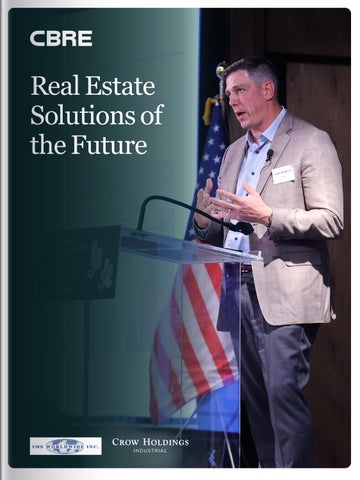

Real Estate Solutions of the Future

Real Estate Solutions of the Future
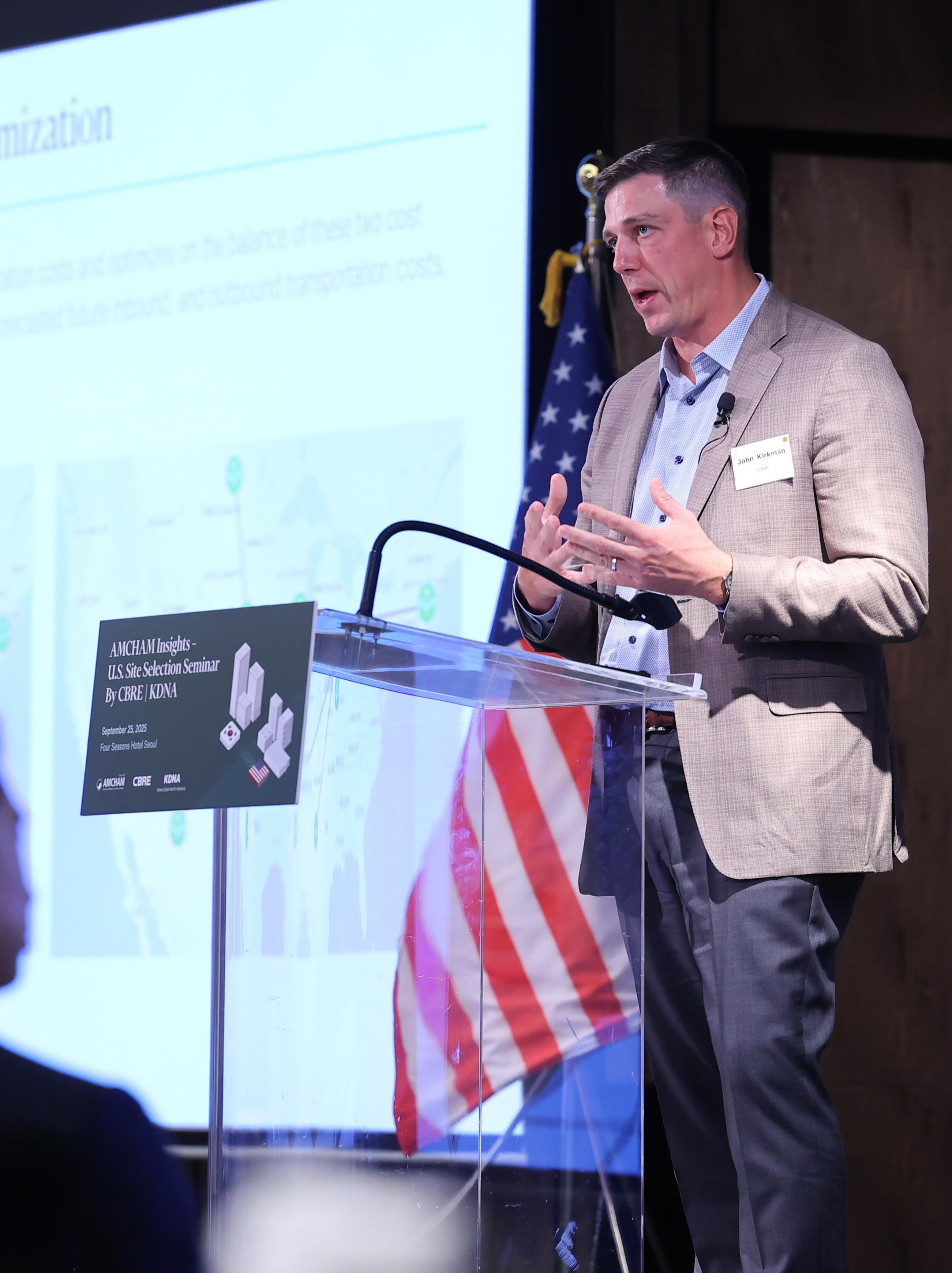
With deep market knowledge, the largest dataset in the industry, and proprietary technologies at its fingertips, CBRE’s multidimensional perspective helps businesses find greater success with real estate facilities. John Kirkman, Senior Managing Director and Supply Chain Leader, gives us the full story
Writer: Ed Budds | Project Manager: Michael Sommerfield
The global supply chain is one of the most dynamic and consequential fields in today’s economy.
Historically – particularly in the US – supply chain infrastructure was built around reliability and predictability.
However, the sector is currently enduring a period of significant change marked by frequent disruptions and growing uncertainty.
Typically, distribution networks have been designed around the demographic center of the country, with the assumption that goods could reach virtually anywhere within five to seven business days.
This model contained a degree of built-in slack, but consumer behavior has since shifted dramatically.
Today, delivery expectations are closer to two to three days, and if consumers do not receive products quickly enough, they are increasingly
willing to choose alternatives or even lower-quality products.
This shift has forced organizations to deploy inventory more widely and position themselves closer to end consumers, which, in turn, exposes them to greater levels of disruption and complexity.
Within this vast and complex field, CBRE provides a platform and the resources for businesses to tackle these challenges in ways that genuinely matter.
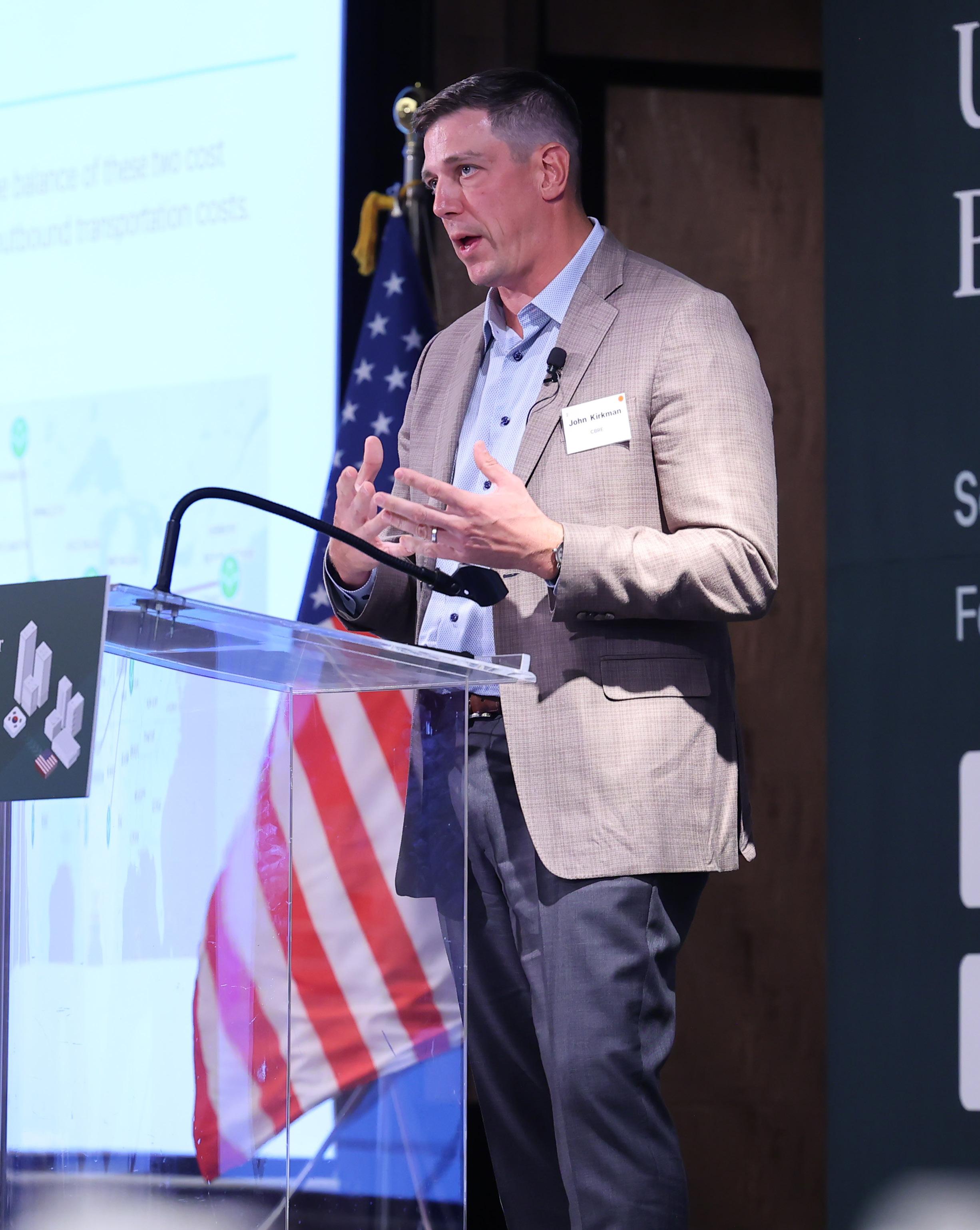
“Our company builds real estate solutions of the future to help clients, professionals, and business partners realize their potential,” introduces John Kirkman, Senior Managing Director and Supply Chain Leader at CBRE.
“From instilling confidence in today’s decisions to reimagining tomorrow’s spaces, we thrive in complex and ever-changing environments,” he establishes.
UNMATCHED CAPABILITIES
CBRE is the world’s largest commercial real estate services and investment firm and a premier provider of critical infrastructure services, operating in more than 100 countries with approximately 155,000 employees globally.
The business provides a comprehensive range of services across multiple disciplines including advisory and transactions, property management, valuation, and capital markets.
A key differentiator for CBRE is its ability to deliver end-to-end solutions
through fully integrated, in-house capabilities, meaning it can support clients across the entire real estate lifecycle.
“My current role sits within the company’s supply chain advisory practice, a capability within our industrial and logistics platform. We operate at the strategic level, helping businesses design distribution networks, select optimal sites, and assess automation investments,” Kirkman explains.
“At its core, our work focuses on aligning real estate decisions with
operational requirements and the customer experience our clients aim to deliver,” he adds.
From an investor and developer perspective, CBRE also advises on how assets should be designed and positioned to meet market demand and attract the right tenants over the long term.
“Having insight across both occupier and investor needs enables us to bring a more holistic view of the market.”
In what is an extremely competitive sector, another of the company’s key differentiators is the depth
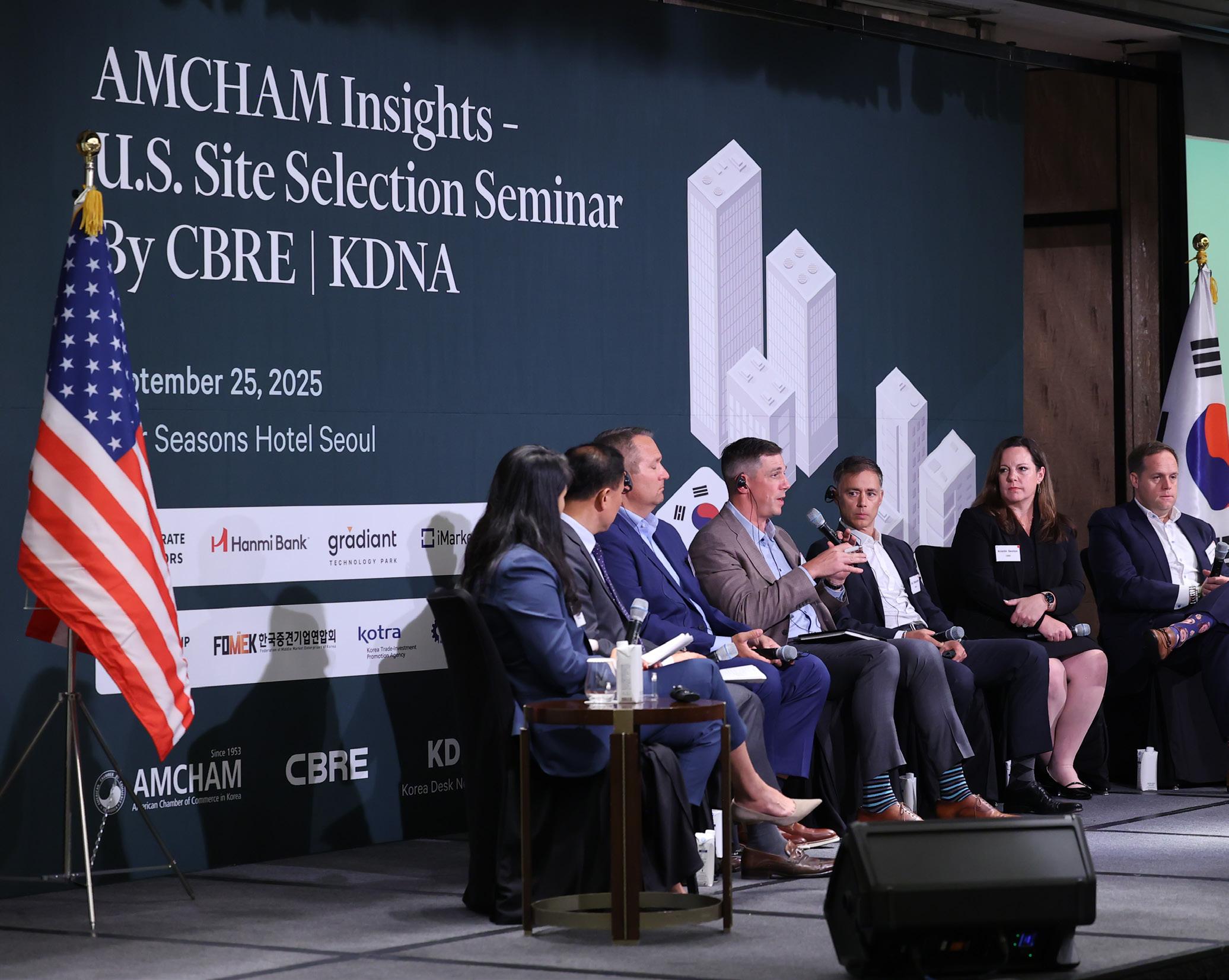
of its technologies and analytical capabilities combined with the breadth of its market perspective, built over many years in the industry.
Unlike some competitors who rely on outsourcing or external specialists for network study services, CBRE hosts these capabilities in-house, enabling seamless collaboration across the platform and ensuring clients receive consistent, high-quality advice.
SHAPING OUTCOMES
Kirkman believes there is an incredible amount happening in the global
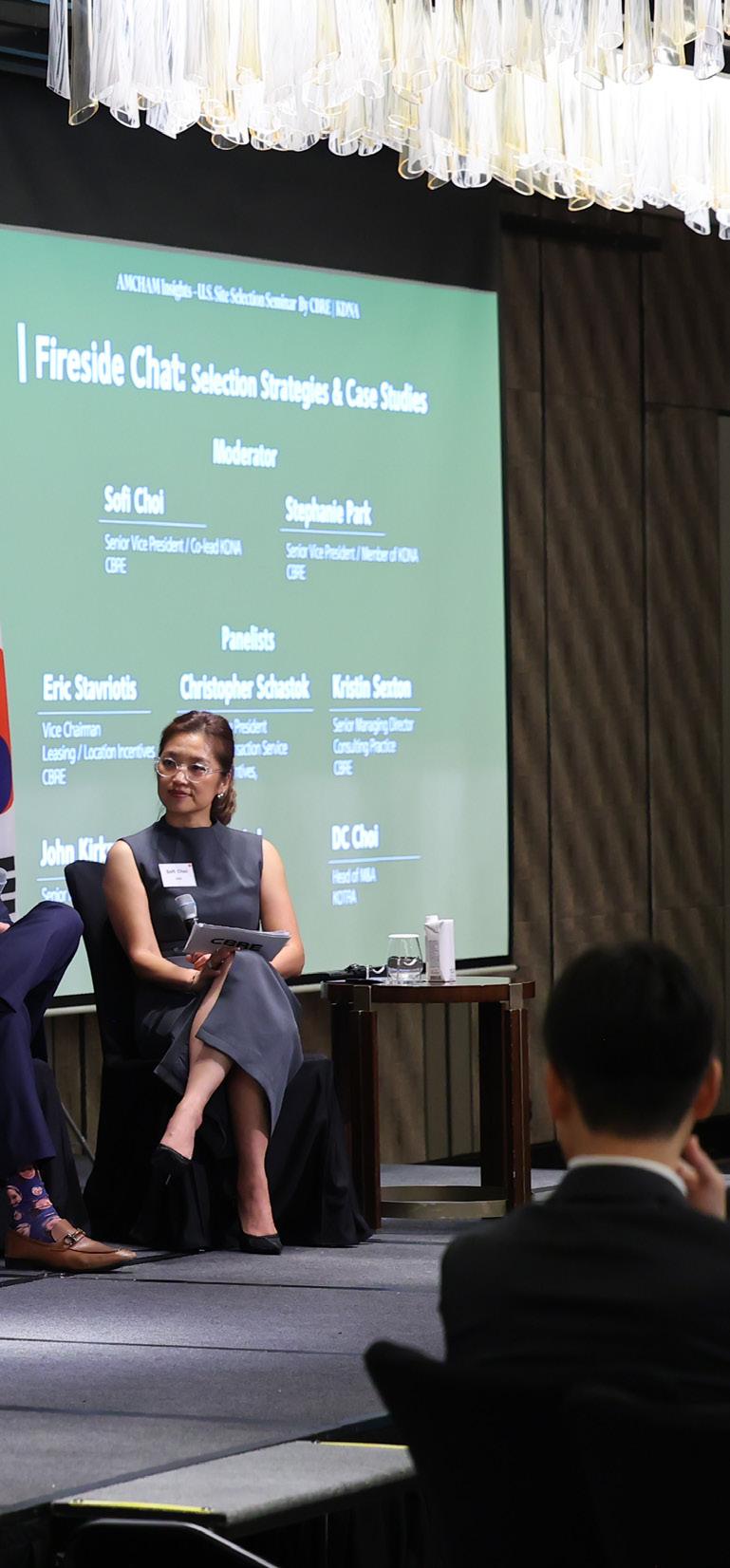
“At its core, our work focuses on aligning real estate decisions with operational requirements and the customer experience our clients aim to deliver”
– JOHN KIRKMAN, SENIOR MANAGING DIRECTOR AND SUPPLY CHAIN LEADER, CBRE
supply chain right now, and a growing recognition of just how critical the industry is to business’ success is emerging.
“What makes this moment particularly exciting is the convergence of
traditional real estate leadership and supply chain leadership. Those conversations are happening in a much more integrated way than before, creating a real alignment between strategy and execution,” he sets out.
CAN YOU TELL US ABOUT YOUR WORK IN THE FIELD OF AUTOMATION AND THE GROWING IMPORTANCE THIS TECHNOLOGY HOLDS?
John Kirkman, Senior Managing Director and Supply Chain Leader: “Automation ready site selection has become a critical focus – it has become essential to creating density, improving throughput, and moving products faster – but it brings additional requirements that must be understood upfront.
“One of the most significant constraints is power. The US is widely underinvested in energy infrastructure, and power availability is becoming a gating factor when it comes to site selection.
“Companies now need to evaluate not only labour and location, but whether sufficient power exists to support both current operations and future automation. It’s why CBRE has an in-house Energy team with experts skilled at helping to navigate power procurement for large energy requirements.
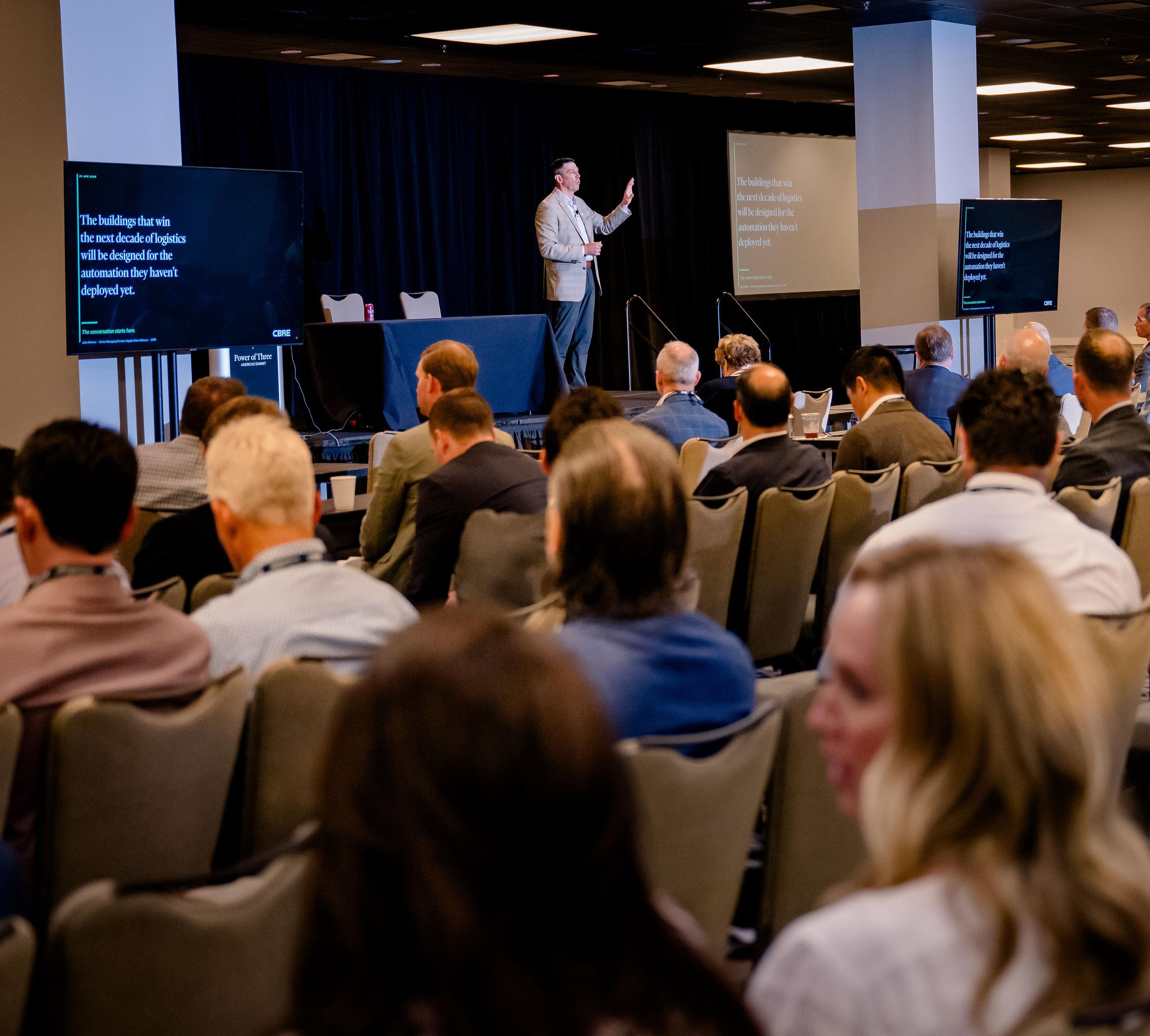
“Automation itself is no longer a question of if, but when. The real challenge is ensuring that companies select buildings, locations, and assets that are durable enough to support automation over time.
“This consideration is equally important on the investor side of the market. Many are shifting away from speculative development and toward build to suit strategies, and there is a growing need to ensure assets remain relevant through multiple leasing cycles.
“Moreover, investors who continue to build to older standards risk rendering their assets obsolete.
“We are approaching a period where inventory obsolescence will become a real issue across the US market. Designing assets for next-generation occupier requirements – not just today’s standards – is critical to preserving long-term value.”

Navigating the Pain of Ever-Changing Tariff Rates?
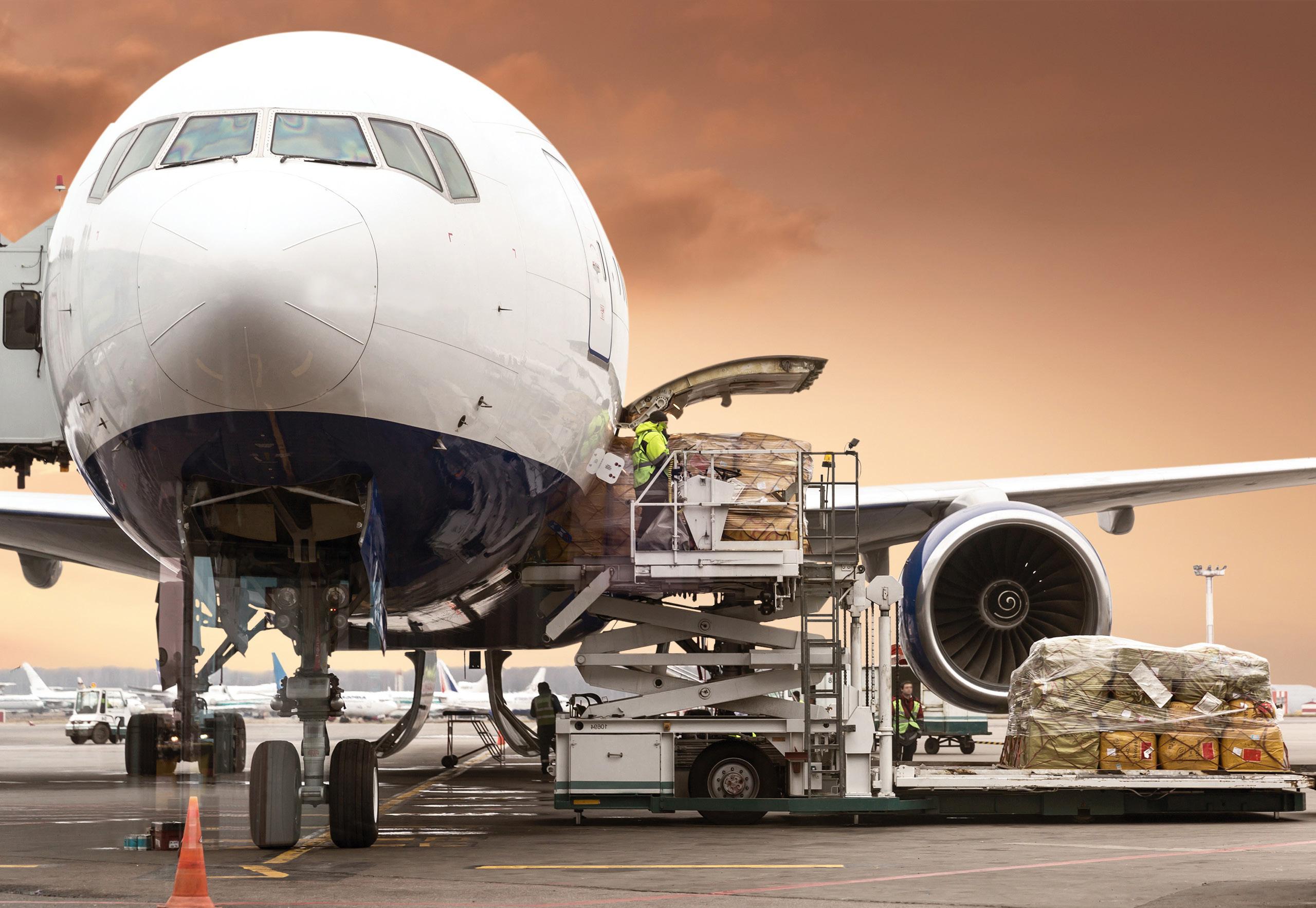
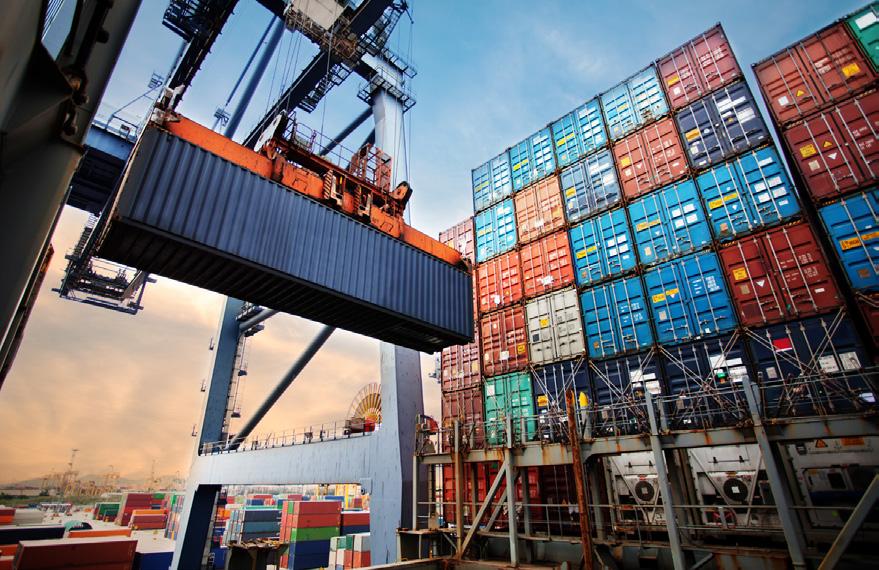
IMS Worldwide Inc. provides solutions to help companies impacted by the current administration’s “tariff pain”. These tariffs must be paid, but IMSW can assist in providing tariff relief using the FTZ process.
Tariffs can be partially mitigated in an FTZ through:

• Duty deferral until goods enter US commerce (HUGE benefit now)
• Duty elimination on all goods scrapped or re-exported
• Use of weekly entry process
• Enhanced import velocity
(APRIL 7, 2026) HOUSTON, TX:
The current administration’s implementation of a variety of significant additional tariffs on imports from all US’s trading partners is causing serious tariff pain for US companies. The pre-2025 average tariff into the country was 2.5%. The average today is over 25% all in, and that can pose too much to handle. Chinese goods currently have a 55% +/- (stacked) tariff rate. Steel, aluminum, and many other products are higher and can be projected to last well into the next 3+ years.
Negotiations with numerous countries are underway, and even with the elimination of the IEEPA tariffs, these rates are
going to stay high. Such measures will impact almost all US businesses, leading to increased costs for manufacturers and consumers. Importers will face higher costs of goods sold, affecting their profitability.
IMSW offers 45+ years of expertise in establishing and operating foreign-trade zones (FTZs), which can provide significant benefits to importers. By utilizing FTZs, companies can defer, reduce, or even eliminate customs duties on imported goods. This can result in improved cash flow, lower overall tariff pain, and reduced overall costs.
With our extensive experience in the FTZ industry, IMSW has assisted clients with FTZ applications, activations, and operator training, zone operating services, and ensured compliance with regulations to help optimize the advantages of FTZs. The IMSW team has completed over 535 FTZ projects to date and assisted clients in navigating the complex trade environments and mitigating the impact of tariffs and other trade barriers.
In 2002, IMSW teamed up with CBRE to introduce FTZ services to CBRE clients on a discounted basis. This professional resource partnership has been excellent for CBRE Brokers, their tenants, and developers who rely on CBRE to bring FTZ expertise to the table.
Today, IMSW and CBRE celebrate 24 years of working together to assist customers, tenants, and occupiers lower their overall costs of doing business.
Please visit www.imsw.com to complete a FREE
analysis and introductory call to determine if the benefits of an FTZ outweigh the costs of operating within an FTZ environment.
“From instilling confidence in today’s decisions to reimagining tomorrow’s spaces, we thrive in complex and ever-changing environments”
– JOHN KIRKMAN, SENIOR MANAGING DIRECTOR AND SUPPLY CHAIN LEADER, CBRE
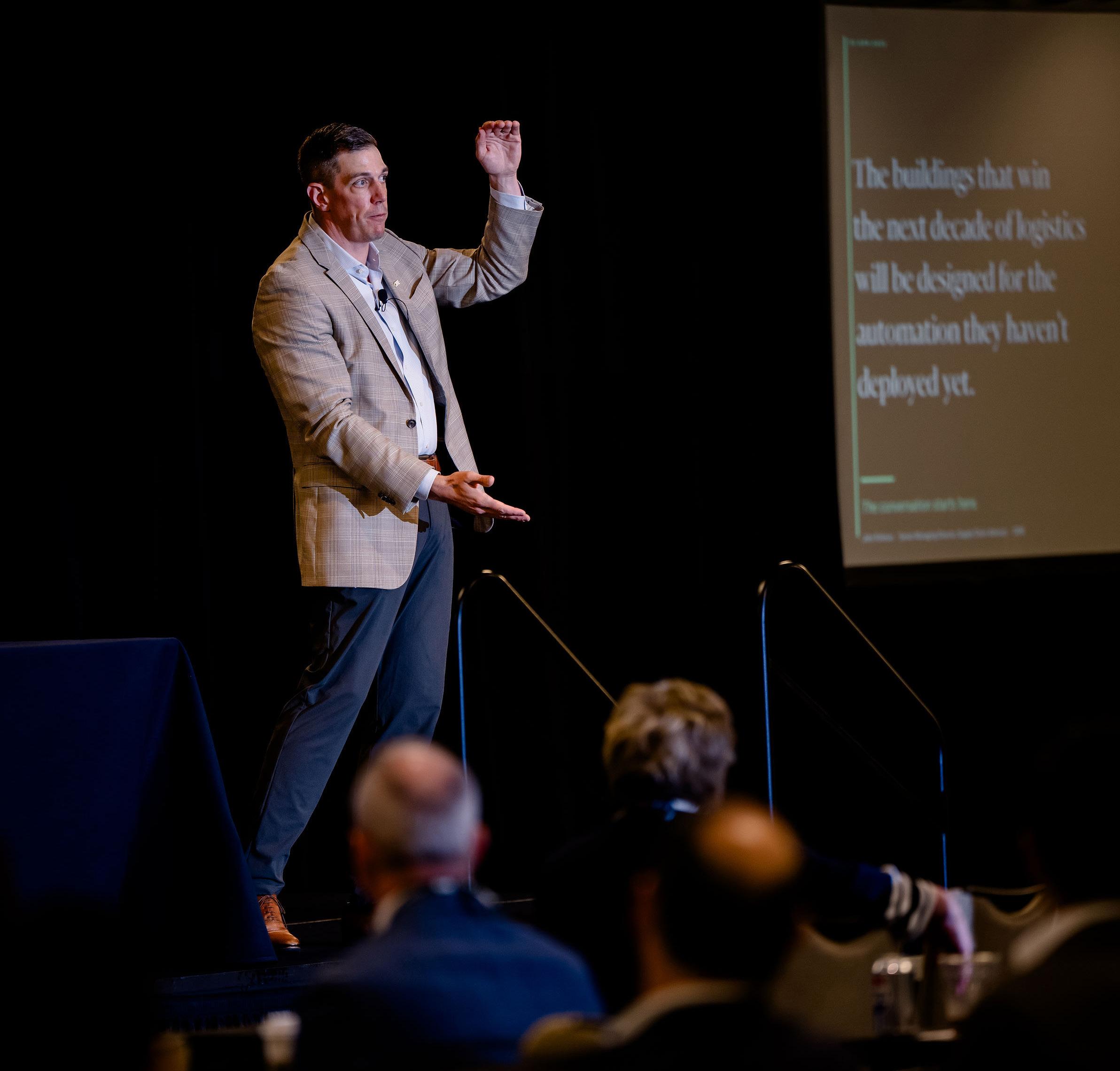
“We are seeing a confluence of decisions coming together at once, which is creating a unique opportunity to help shape outcomes in a meaningful way.”
Therefore, CBRE’s role is increasingly about translating a business’ strategy into a physical footprint.
A company’s infrastructure – its assets on the ground and supply chain network – is ultimately a tangible representation of its customer promise.
“How you design and operate that footprint directly determines how you meet customer expectations,” Kirkman muses.
“Being able to help clients make that leap from strategy to execution is incredibly rewarding. It’s challenging, impactful, and very real, which is what makes working in this space so energizing,” he excites.
SUSTAINABILITY AT THE CORE
Sustainability is a focus for CBRE, both internally as a business and in the
way it advises its clients.
As such, the company has made a public commitment to achieve net zero emissions by 2040 – a target supported by tangible programs across its global portfolio and value chain.
These include renewable energy initiatives, sustainable procurement practices, and ongoing improvements in resource and operational efficiency.
“For our clients, sustainability has increasingly become a value creation lens rather than simply a compliance requirement,” Kirkman tells us.
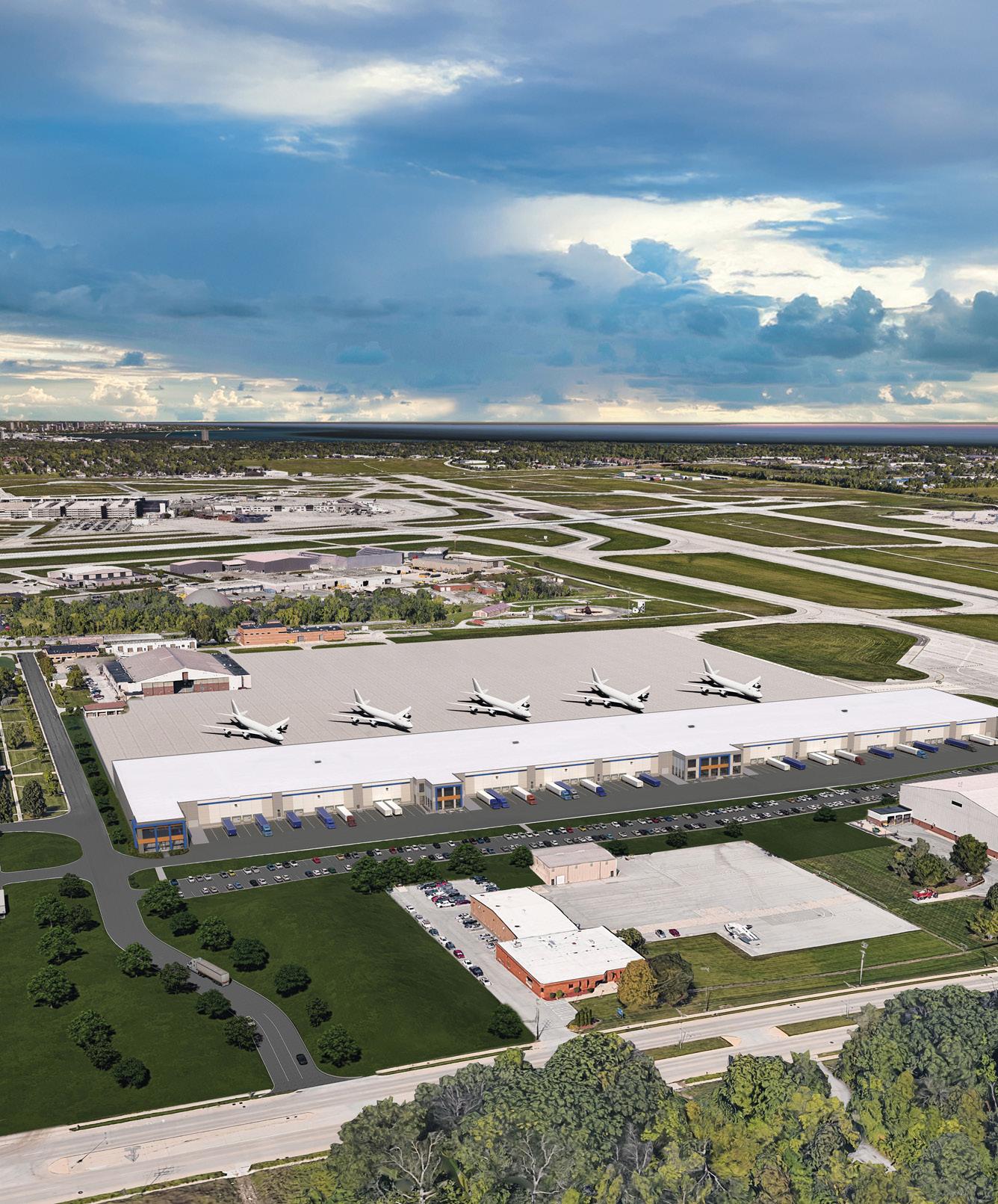
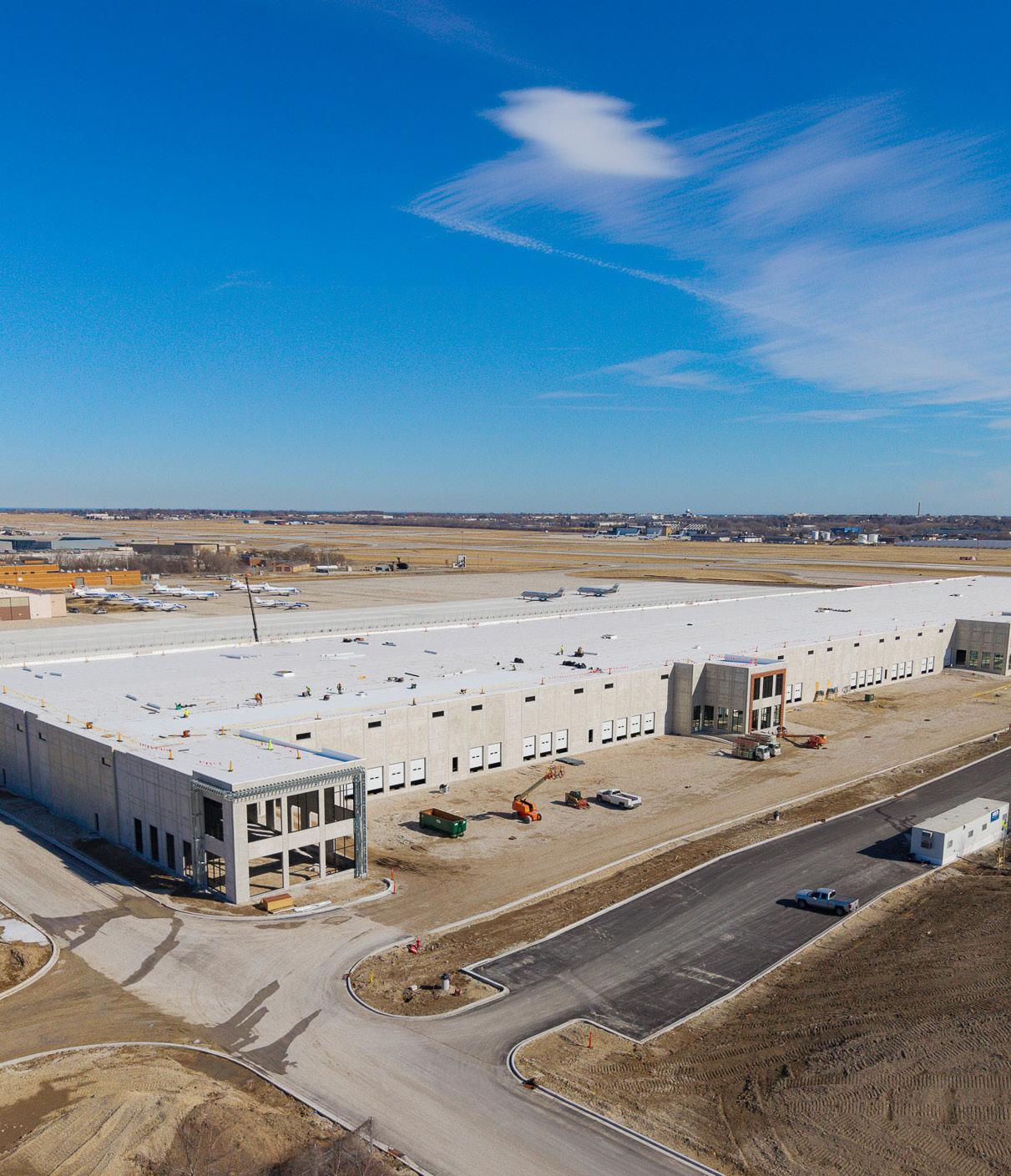
MKE Air
Milwaukee
International Airport (MKE)
era in
“Through our energy and sustainability services, we help organizations reduce costs, mitigate risk, and create value through practical decarbonization strategies, resource optimization, and energy management and procurement, including renewables,” he expands.
Moreover, this work is becoming especially relevant as power availability emerges as a major constraint when it comes to site selection and operational planning. CBRE’s in-house Energy team helps clients navigate power procurement
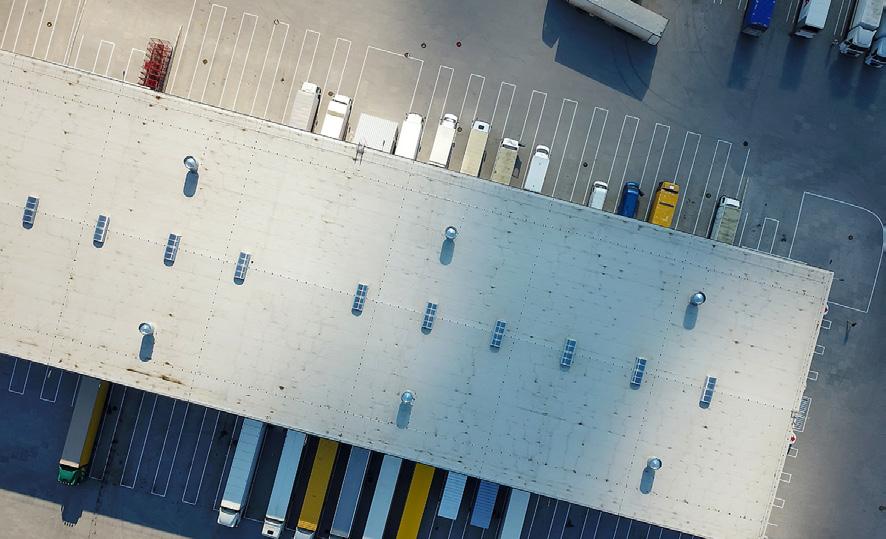
From a supply chain perspective, sustainability also needs to be considered holistically, and as transportation represents the largest component of total cost of ownership for most facilities, reducing miles traveled can have a direct and measurable impact on carbon emissions.
“By helping clients rethink network design and inventory placement, we can reduce emissions while simultaneously improving service levels and operational resilience.”
Similarly, automation readiness and sustainability are also highly
facilities tend to be more energy efficient, with more precise resource usage and fewer variables in day to day operations.
“This makes it easier to monitor performance in real-time and to track, manage, and reduce operational carbon emissions. Together, these factors allow clients to build supply chains that are more efficient, resilient, and sustainable over the long-term,” Kirkman asserts.
FUTURE SOLUTIONS
Ultimately, the legacy that Kirkman
becomes synonymous with helping companies build supply chains that are truly durable.
“We’re not just building systems that are optimized for a single point in time, but networks that are resilient, automation ready, and designed around where commerce is heading –not just where it is today,” he clarifies.
“As delivery expectations continue to compress and businesses move away from five to seven day fulfilment models and toward greater immediacy, it becomes essential to anticipate future needs rather than react to current pressures.”
Recent global disruptions have exposed how brittle much of the existing supply chain infrastructure really is.
That has reinforced the need to think beyond short term fixes and focus instead on long-term
performance – how assets function over time, adapt to change, and continue to serve occupiers and capital partners through multiple cycles.
“The legacy I would like us to leave is one of helping companies and investors build something better – supply chains and assets that are resilient, future proofed, and thoughtfully designed for what comes next, rather than solutions that simply address today’s challenges,” Kirkman concludes optimistically.