

Imagine having the skills and ambition to grow a business or start a career, but being unable to reach new customers, access markets, or take advantage of opportunities because the tools and systems around you are not designed with your needs in mind.
For many young women with disabilities, these barriers continue to limit participation in Uganda's growing digital economy. Through the 10X Program, partners are working to change this reality by ensuring that digital skills, entrepreneurship support, and economic opportunities are accessible to everyone. Through inclusive learning approaches and accessibility features such as screen readers like JAWS, adapted training materials, and accessible digital platforms, the program is creating pathways for young women with disabilities to participate fully in the digital economy.
Through Intervention 1, young women are equipped with basic, intermediate, and advanced digital skills that prepare them for employment, entrepreneurship, and other opportunities in the digital economy. Through Intervention 2, young women entrepreneurs are supported to adopt digital tools such as social media marketing, digital financial services, e-commerce platforms, and digital record-keeping systems that help them reach more customers, improve business efficiency, and grow their enterprises.
Together, these interventions are helping to remove barriers, unlock opportunities, and empower young women with disabilities to build sustainable livelihoods and participate meaningfully in Uganda's digital future.
By Richard Zulu, Team Principal, Outbox




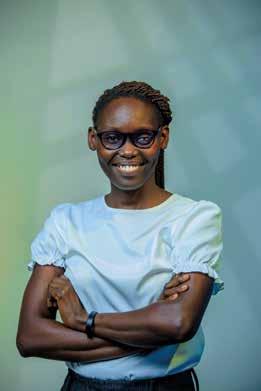
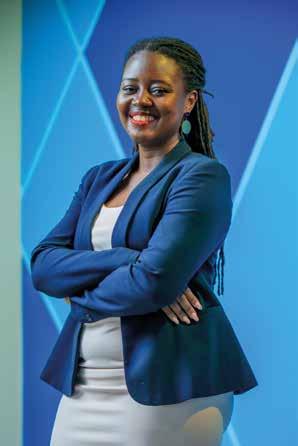
For many young women with disabilities, participating in the digital economy goes beyond having access to technology. It also depends on whether learning environments, business support services, financial products, and digital platforms are designed to accommodate their different needs based on their impairments. The 10X Program is responding to this challenge by embedding disability inclusion across its interventions to ensure that young women with disabilities have equitable opportunities to stimulate business growth through the digital economy.
Rather than treating disability inclusion as an independent component, the program fully integrated it throughout the program cycle and throughout the participant journey. This starts right from mobilisation and onboarding to skills development, enterprise support, and access to digital services.
conducted accessibility assessments of its digital platforms, including the 10X Foundation Course and partner applications such as Xente, EzyAgric, and ChapChap. Young women with disabilities have participated in user testing, providing feedback that has informed improvements to enhance accessibility for people with different types of impairments. Beyond digital platforms, the program has also assessed the accessibility of partner and Enterprise Support Organisation (ESO) facilities to identify and address barriers within physical and virtual learning spaces. These assessments have been undertaken in partnership with Light for the World and disability inclusion facilitators (DIF) to ensure that accessibility is built into program delivery.
The 10X Program provides reasonable accommodation to ensure that young women with different disabilities can participate
When Brenda, a young woman with a visual impairment, enrolled on the 10X Foundation Course, she expected to face challenges navigating the learning platform because many digital platforms lack compatibility with the JAWS screen reader on her laptop. Instead, she was able to navigate
The 10X Program provides reasonable accommodation to ensure that young women with different disabilities can participate fully and equitably in program activities. Support is tailored to individual needs and has included facilitating personal assistants, providing sign language interpretation, producing communication
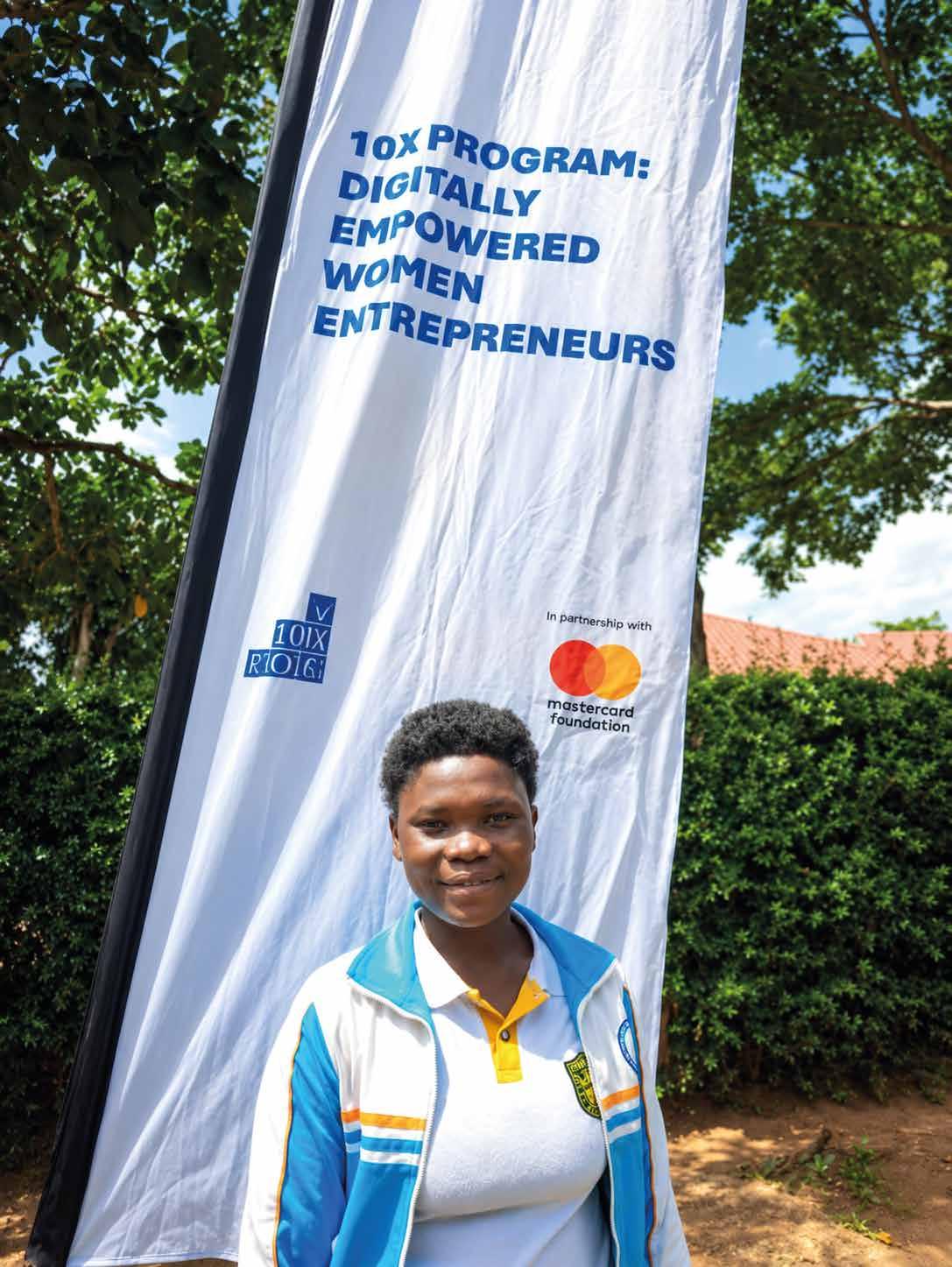

adjustments enable participants to engage with confidence and dignity while reducing barriers to participation.
For example, following a needs assessment conducted by the Enterprise Support Organisation (ESO), MUBS Entrepreneurship, Innovation and Incubation Centre (MUBS EIIC) worked with Akech, a young woman with a physical impairment in Busia, to address challenges affecting her business operations. In addition to supporting her transport to and from program activities, the ESO recognised that she depended on the same boda boda rider to transport raw materials and deliver customer orders due to her mobility limitations. Rather than providing temporary transport assistance alone, the team supported Akech to develop a sustainable logistics plan by formalising her working arrangement with the rider, helping ensure reliable transport for both her business operations and continued participation in the program.
Recognising that many young women with disabilities may not
actively seek out business growth opportunities, the 10X Program has invested in community outreach and strong partnerships with Organisations of Persons with Disabilities (OPDs). This has brought services closer to participants. Working with partners like NUDIPU, NUWODU, UNAD, district disability unions, and community-based organisations has strengthened participant mobilisation. It has further established referral pathways, promoted positive perceptions of the digital economy, and provided continuous feedback to improve the program's inclusion approaches. These partnerships have also built trust and confidence among young women with disabilities to participate in the program.
For example, Devine, a young woman with short stature in Kampala, learnt about the 10X Program through NUWODU and enrolled in the Foundations in Software Development course. The program has complemented these partnerships with digital activation roadshows that provide opportunities for women with disabilities to register on the various platforms, receive practical guidance on digital tools, and access one-on-one
support. Together, these community-based approaches ensure that outreach is informed by lived experience and responsive to the priorities and needs of persons with disabilities.
The 10X Program combines practical self-empowerment techniques with safeguarding to ensure that young women including those with disabilities adopt technology confidently and safely in their businesses. Through hands-on and peer-peer learning, participants build skills in digital record keeping, online marketing, e-commerce and the use of business management. As they are introduced to digital platforms and digital credit, the program also integrates guidance on online safety, fraud prevention, responsible use of digital platforms, data privacy, and respectful digital engagement. This approach not only equips young women with disabilities to leverage the digital economy for business growth but also to recognise and manage the safeguarding risks that can arise as they increasingly participate in the digital economy.

With continued mentorship and hands-on support, Esther steadily strengthened her online presence, increasing the visibility of her business and connecting with customers from neighboring trading centres and towns.
ingredients for business success. Yet for many young women entrepreneurs with disabilities, growth remains out of reach because of barriers that limit access to markets, customers, and economic opportunities.
Esther Nambozo, a young entrepreneur with a partial visual impairment from Bulambuli District, knows this challenge firsthand. Although she has built a thriving snack business, her market remains confined to her immediate community, limiting her ability to reach new customers, increase sales, and realize the full potential of her enterprise.
Through the 10X Program, implemented by dfcu Foundation, Esther was supported to adopt digital tools that helped her reach customers beyond her local community. By integrating platforms such as WhatsApp Business and TikTok into her business operations, she was able to promote her products, share
through simple but effective digital content. With continued mentorship and hands-on support, Esther steadily strengthened her online presence, increasing the visibility of her business and connecting with customers from neighboring trading centres and towns.
Within seven months of participating in the program, her business is thriving and reaching neighboring trading centres and communities. Her daily earnings have increased sixfold, creating greater financial stability and opening new opportunities for growth. Esther's journey demonstrates how inclusive entrepreneurship support and the adoption of digital tools can help young women with disabilities overcome barriers, expand their market reach, and build sustainable livelihoods within Uganda's digital economy.
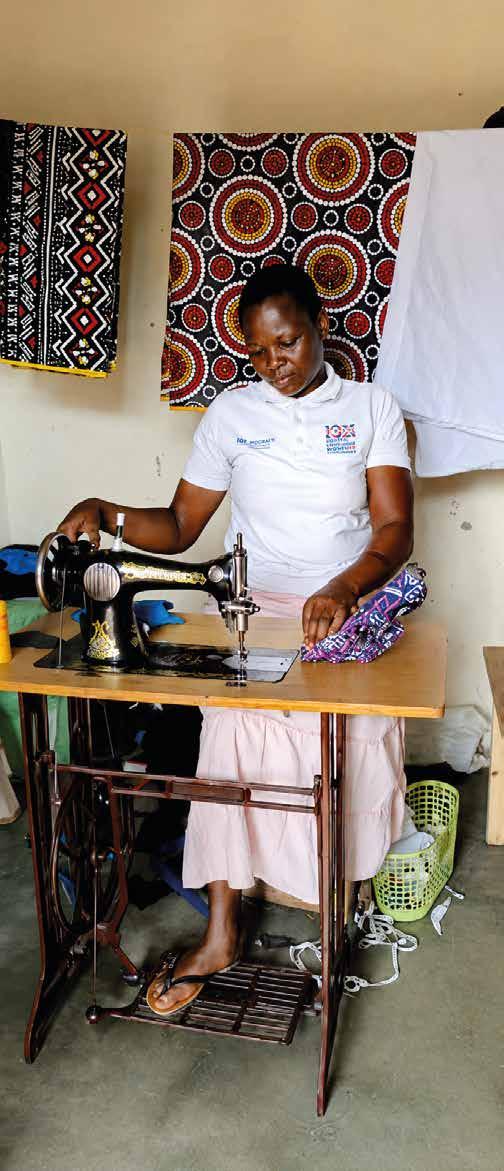
these challenges all too well. After losing one of her legs, she
found it difficult to travel in search of customers, purchase tailoring materials, and market her services beyond her local community. As a result, her business growth remained limited despite her determination and talent.
Through the 10X Program, Caro received practical digital skills training, entrepreneurship support, and business mentorship that helped her integrate technology into her tailoring business. She learned
how to use WhatsApp Business to showcase completed garments, share new designs, communicate with customers, and coordinate orders remotely. She also adopted Mobile Money to receive payments securely, making it easier for customers to transact with her.
The results have been significant. Before joining the program, Caro's tailoring business generated an average of UGX 150,000 in monthly sales. Since applying the digital and business skills acquired through the program, her average monthly sales have more than doubled to UGX 320,000. The increased income has enabled her to purchase more tailoring materials, better support her household, and confidently plan for the future.
"Losing my leg did not mean losing my dreams," says Caro. "The 10X Program showed me that technology can help overcome many of the barriers I face every day. I now receive customer orders on my phone, communicate with clients easily, and receive payments through Mobile Money. My business has grown, and I am confident it will continue to grow."
Caro's journey demonstrates how digital skills, inclusive entrepreneurship support, and access to the right tools can empower women entrepreneurs with disabilities to overcome barriers, strengthen their businesses, and build more sustainable livelihoods.

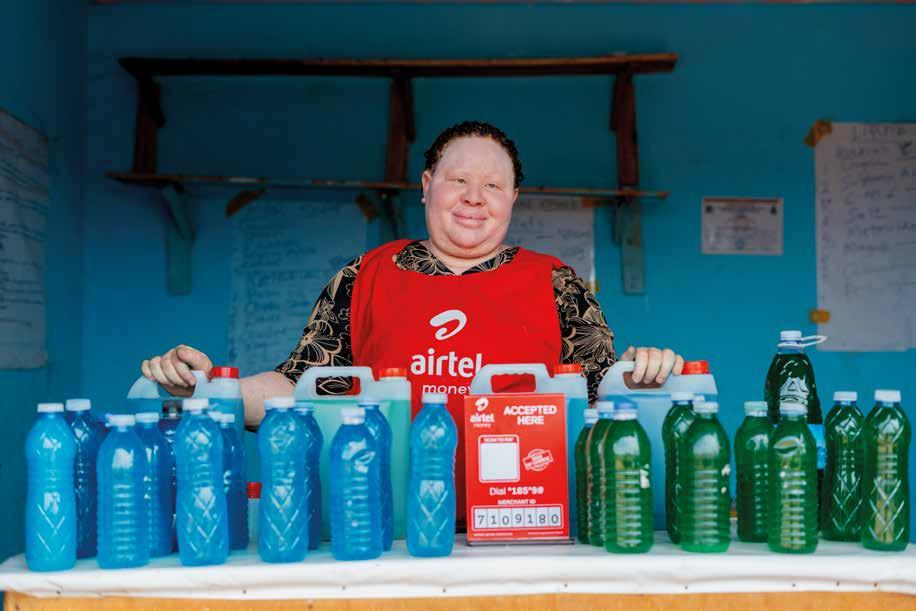

By embracing online marketing, Mirembe has expanded her customer reach, strengthened her brand presence, and transformed the way she does business. Today, she has better visibility into her business operations and is better equipped to grow sustainably in an increasingly digital economy.
What happens when determination meets digital opportunity? For Mirembe, the answer has been a thriving business, growing confidence, and the ability to reach customers far beyond her immediate community.
As the founder of Mukisa Multipurpose Detergent, Mirembe joined the 10X Program seeking ways to strengthen her business. Through practical digital skills training, she learned how to market her products online, use digital platforms to increase her visibility, and connect with more customers. By embracing online marketing, Mirembe has expanded her customer reach, strengthened her brand presence, and transformed the way she does business. Today, she has better visibility into her business operations and is better equipped to grow sustainably in an increasingly digital economy.
Watch Mirembe's inspiring story to see how digital skills are helping women entrepreneurs build resilient businesses, reach new markets, and turn ambition into lasting impact through the 10X Program: https://youtu.be/_l6LTfjRUlo
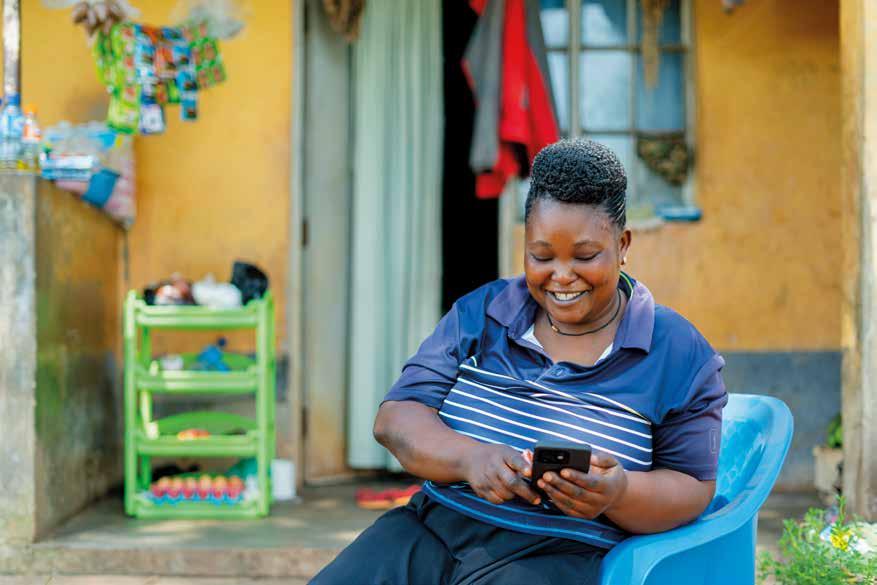
Running a small retail business often means relying on customers who pass by your shop. For Jackline Namwezi, that changed after joining the 10X Program. Through practical digital skills training, she discovered how social media and digital payments could help her reach more customers and make her business more convenient for those she serves.
Jackline, who operates Jacky's Shop, learned how to market her products on TikTok and use Mobile Money to receive payments and coordinate deliveries. Today, customers simply browse the products she shares online, place their orders
Jackline's story demonstrates how digital skills can help small businesses move beyond traditional selling methods, connect with new customers, and create more convenient ways of doing business.
remotely, and pay digitally before delivery. Since joining the program, Jackline says she has gained new customers, grown her confidence as a business owner, and seen noticeable improvements in her business.
Jackline's story demonstrates how digital skills can help small businesses move beyond traditional selling methods, connect with new customers, and create more convenient ways of doing business. Watch her inspiring journey to discover how the 10X Program is helping entrepreneurs embrace technology to grow stronger, more resilient businesses. https://youtu.be/r2mnrkr08mg

For many young graduates, transitioning from university to employment can be challenging. While academic qualifications provide a strong foundation, practical digital skills, career guidance, and professional confidence are often what employers are looking for.
Musimenta experienced this reality firsthand. Eager to launch her career but seeking practical experience to complement her education, she enrolled in the Data Analytics course under the Women in Technology Uganda (WITU) 10X Program.
Although she participated in the program for only one month, her journey took an exciting turn when she secured employment as a Digital Sales Graduate Trainee at Jubilee Insurance
Uganda. During her time at WITU, she gained practical skills in data cleaning, data analysis, and the use of digital tools such as Google Sheets and Microsoft Excel. The program also strengthened her analytical thinking and equipped her with the practical skills needed to thrive in a professional work environment.
Beyond the technical training, Musimenta benefited from career mentorship and professional development sessions that boosted her confidence, sharpened her workplace readiness, and prepared her to pursue new opportunities. She also became part of a vibrant community of young women who continue to inspire, encourage, and support one another in their personal and professional growth.
The knowledge, confidence, and networks she gained through the 10X Program continue to shape her career as she begins her professional journey.
Musimenta's
story
demonstrates how equipping young women with practical digital skills, mentorship, and career support can accelerate their transition into meaningful employment and unlock new opportunities within Uganda's growing
digital economy.

For many small businesses, producing quality products is only part of the journey. Without digital skills and an online presence, reaching customers and growing beyond local networks can remain a significant challenge.
Byakatonde Re-Divine and Byakatonde Divine, the co-founders Essen Cakes and Snacks, experienced this firsthand. Although they have built a business, they are passionate about, limited digital knowledge made it difficult to market her products and expand their customer base. Without a physical shop, attracting customers depended largely on word of mouth, limiting opportunities for growth.
Through the 10X Program, they gained practical digital skills that transformed the way they run their business. They learnt how to integrate technology into their daily operations by creating a business website using HTML and CSS, while also leveraging digital marketing platforms such as TikTok and WhatsApp to promote their products, engage customers, and receive orders online.
Today, digital platforms have become the primary way Essen Cakes and Snacks connects with customers. The skills acquired through the program have enabled the business to increase its visibility, strengthen customer engagement, and lay the foundation for future growth.
They now envision expanding the business, establishing a permanent location, attracting investment, and creating employment opportunities for others.
Beyond the technical skills, the program strengthened their confidence and reinforced their belief that technology is essential for the future of entrepreneurship. Through the support of the 10X Program, they have embraced digital innovation as a pathway to building a more sustainable and competitive business.
"The 10X Program helped us understand how to use technology in our business," says Re-Divine. Today, we market our products through our website, TikTok, WhatsApp, and other digital platforms where we get our customers. I encourage every woman, especially women with disabilities, not to limit themselves. Keep moving forward because every step brings you closer to your dreams.
Essen Cakes and Snacks’ journey demonstrates how equipping women entrepreneurs with practical digital skills can unlock new markets, strengthen business resilience, and create opportunities for sustainable growth in Uganda's digital economy.
By Barbara Alupo, Gender and Inclusion Analyst, UNCDF
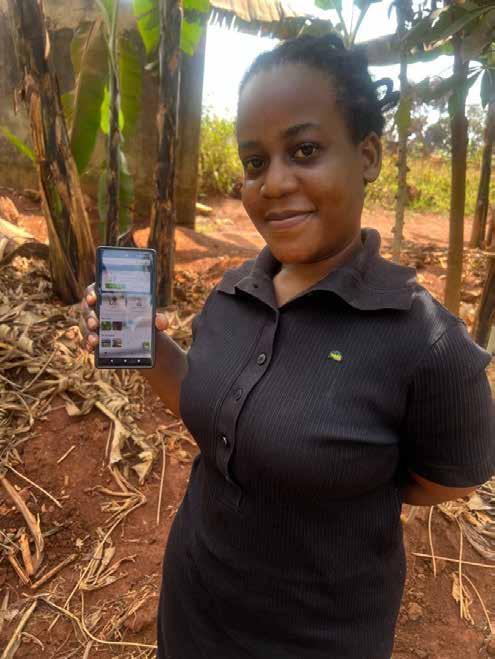
Christine Namisango is balancing two demanding responsibilities, pursuing a university education and running a growing poultry business. As a young woman entrepreneur with a disability, she has had to navigate challenges that extend beyond the farm, while finding ways to grow her business and plan.
Christine started her poultry business at the end of secondary school, using UGX 450,000 that she had earned through ‘success cards.’ In Uganda, it is common for friends and family to send students cards ahead of major exams: cards of encouragement that sometimes come with cash tucked inside. That was Christine's first capital.
She had a choice to make. Spend the money or turn it into something that would keep paying her back so she could afford to get herself to university. She chose poultry, partly because her mother had run a small poultry operation successfully years earlier, “we would eat eggs every day," she remembers, and partly because it promised a faster return than the other options she considered.
She hired a young man to run the farm while she started her studies. For a while, that held. Then he left, following an incident of theft. Christine's father stepped in, and the two of them have run the farm together since: Christine managing things remotely between classes, her father handling the daily work on the ground.
Record-keeping was one of the harder adjustments. With Christine away, her father kept notes the way she always had, informally, and mistakes crept in. Christine says of the early gaps in the records. Over time, she and her father built a steadier habit, one that later carried over to a farming app called EzyAgric, developed by UNCDF's partner Akorion. Through the 10X programme, in partnership with Outbox and with support from the Mastercard Foundation, UNCDF backed Akorion with a $150,000 grant to scale EzyAgric to thousands of underserved small businesses, most of them women-led. The app bundles
input supply, farm management, and credit-scoring tools into one place for entrepreneurs like Christine. She uses it now mostly for tracking expenses, feed purchases, vaccinations, and sales, a lighter-touch version of what she and her father used to piece together by hand.
Her father's own farm work extends beyond poultry. He is a commercial farmer who also keeps livestock and grows coffee. When his coffee plants developed unusual patches and discoloration, he assumed disease and bought pesticides that didn't fix the problem. Christine, drawing on the same app, helped identify the actual issue and the right treatment.
"We identified the exact problem affecting the coffee and the right pesticide to use," Christine says. "It solved what we couldn't fix before."
His involvement has a limit, though: he cannot read or write in English, and most of the tools available to him, including the app, aren't accessible in Luganda. "My father really wants to use the app, but because it is only in English, he cannot use it on his own," Christine says. "Having local language options would make it user-friendly for many more farmers."
While digital tools have supported her business, Christine continues to face challenges related to her disability in her day-to-day work. Buying supplies sometimes means carrying heavy items herself when no vehicle is available. "If I carry very heavy things, my legs can start to fail and hurt," she says, describing jerry cans she's had to haul by hand. Selling at the market means standing for a full day to attract buyers, a physical toll that doesn't disappear even on a good day. "Sometimes you actually sell it all, so your standing pays off," she says. "But then sometimes you still have three or four trays of eggs left, and you have been standing the whole day."
Managing the farm through EzyAgric means fewer trips she has to make in person: she can check stock, log vaccinations, and review sales from her phone on campus, rather than travelling to the farm or standing over paper records, cutting down on the physical strain.
Since Christine took a more active role in the farm's planning, and adopted digital record-keeping through EzyAgric, monthly sales have grown from UGX 65,000 to UGX 100,000 an increase of almost 50 percent. She now wants to raise about UGX 2 million to expand further, but like many young Ugandan entrepreneurs, she may face challenges accessing the financing needed to grow her business. In fact, an estimated 70 percent of the country's MSMEs
have unmet demand for credit.
Through the 10X programme, UNCDF is working with digital platform providers like Akorion to equip entrepreneurs such as Christine with digital tools that help them manage production, record sales, track transactions and strengthen their business operations, while also building the transaction history that could eventually help them access financing. This reflects UNCDF's approach to digital finance, strengthening digital finance ecosystems to help more MSMEs build the digital footprint and financial connections they need to access formal financial services and grow their businesses.
"Christine's journey shows what the right investment can unlock," said Samantha Malambo, FinWise Project Coordinator, UNCDF. "With our partners, we're not just supporting a platform, we're helping young women entrepreneurs build the track record they need to access formal financing and grow their businesses. That's what helps small businesses get the finance they need, and it's why this work
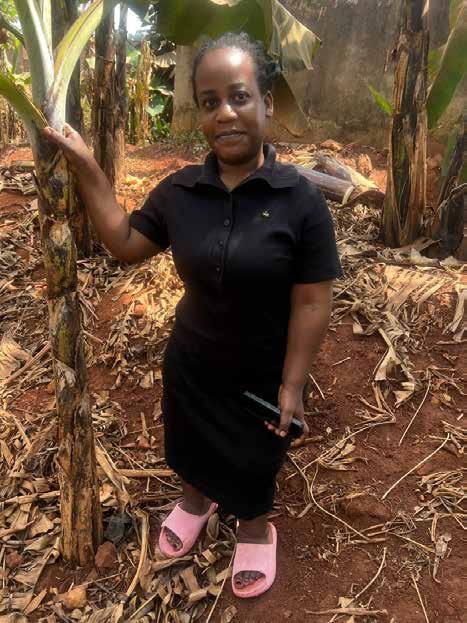
Christine’s plans extend beyond the farm. She's currently pursuing a course at the university and hopes to go on to a master's in counselling psychology. She wants to grow the poultry business enough to support her family properly, and sees herself, in the next ten to fifteen years, married with children. She also plans to volunteer with disability organizations, advocating for the rights of persons with disabilities.
"I encourage fellow young women with disabilities to accept themselves and believe in their abilities," Christine says. "When opportunities such as digital innovation come, embrace them, because they can transform your business and your future. There is hope for our businesses to grow, reach new markets, and improve our lives."
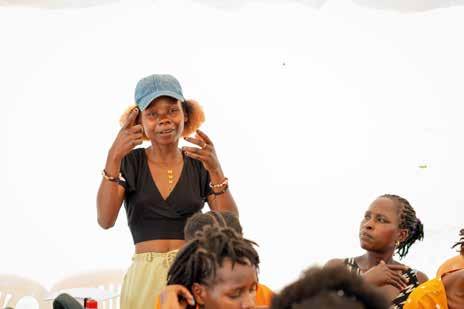
Even so, there is a silver lining.
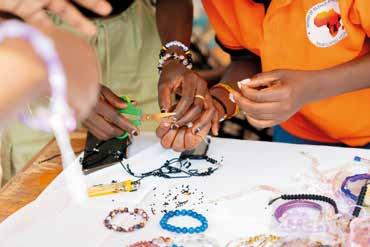


When I joined the university in 2023, I never imagined that financial challenges would force me to put my education on hold. My parents could no longer afford my tuition, and with no choice but to earn a living, I moved to Kampala and began working in a factory. Although I was grateful to have a job, I knew deep down that I wanted more for my future.
Everything changed when I came across a call for applications to Refactory under the 10X Program. I saw it on a website and decided to apply, believing it was an opportunity worth investing my time in.
Before joining the program, I already had basic skills in making handcrafted jewelry using locally available materials. Together with a friend who also has a hearing impairment, we dreamed of turning our craft into a business. The 10X Program gave us the opportunity to combine our creativity with digital skills, showing us how technology could help us reach more customers and grow our business.
Inspired by what we learned, we made the bold decision to leave factory work and focus on building our business. Today, we create and sell handmade
earrings, waist beads, and other jewelry, while also producing custom-made pieces for our clients. We have embraced digital technology by creating a business website that allows customers to place orders and make payments online, helping us reach a wider market than we ever imagined.
The journey has transformed my life. Through my business, I can now earn an income, support my mother, and plan with confidence. My next goal is to expand beyond working from home and establish a physical workspace where our business can continue to grow.
The 10X Program gave me more than digital skills, it gave me the confidence to pursue entrepreneurship and the belief that my circumstances did not have to define my future. I hope my story encourages other young people, especially those whose education has been interrupted by financial challenges, to embrace opportunities that can help them build a better future. Sometimes, one opportunity is all it takes to change the direction of your life.

When I graduated from university, I was excited to begin my career. Like many graduates, I was eager to join the job market, but I quickly realized that I needed more practical, hands-on skills to confidently take the next step.
My journey with Women in Technology Uganda (WITU) under the 10X Program began unexpectedly. I came across the January 2026 intake advertisement on a friend's WhatsApp status and decided to apply, although I was unsure what to expect. I remember thinking, "If this is a scam, we'll see, but at least I gave it a shot." A few weeks later, I received a call informing me that I had been awarded the scholarship. I was beyond excited.
From my very first day at orientation, I knew I had found something special. As a person living with cerebral palsy, I rarely experienced a space where I felt completely accepted. At WITU,
everyone learned together regardless of ability, and for the first time, I felt I belonged. I didn't have to apologise for being slower, for my hands shaking, or for simply being myself.
I enrolled in the Graphic Design course, where I discovered that design is much more than combining colours and shapes. I gained practical skills in design principles, branding, and visual communication while learning to use industry-standard tools such as Adobe Illustrator, Photoshop, InDesign, and Canva. The program also equipped me with Digital Entrepreneurship and Life Skills, giving me the confidence and business mindset needed to succeed beyond the classroom.
The impact has been life changing. Since completing the three-month course, I have successfully worked on four freelance graphic design projects, applying the skills I gained through the program alongside the knowledge I
acquired at university. Today, I am job-ready, confident in my abilities, and excited about the future.
The 10X Program gave me more than technical skills,it gave me confidence, practical experience, and the opportunity to believe in myself.
As I continue building my career, I look forward to specialising in motion graphics and animation, knowing that I now have a strong foundation to pursue my dreams.

Creating an inclusive digital economy requires more than innovative programs, it requires strong partnerships. From improving digital accessibility to equipping young women with disabilities with the skills, they need to thrive, meaningful inclusion is only possible when organizations work together towards a common goal.
For Mr. Binasali Kyebagadha of the Innovation Disability Centre (IDC), collaboration has been central to advancing disability inclusion through the 10X Program. As a disability inclusion partner, IDC has worked alongside Outbox, UNCDF, WITU, Refactory, and other partners to ensure that digital platforms, learning materials, and services are accessible to young women with disabilities.
Through this partnership, IDC conducted accessibility audits for digital platforms such as Xente,
Chap Chap, and EzyAgric, helping developers identify and remove barriers that have limited access for persons with disabilities. The organization also supported user testing with young women with disabilities, improved the accessibility of online learning materials, trained participants to use assistive technologies such as JAWS, and provided technical guidance on inclusive communication and accessible digital design.
These efforts have enabled more young women with disabilities to independently access digital learning, use smartphones and digital financial services, and confidently participate in entrepreneurship and the digital economy.
According to Mr. Kyebagadha, the greatest lesson from the partnership is that no single organization can achieve disability inclusion on its own.
"Collaboration brings together different expertise and perspectives," he says. "When partners work together, we identify barriers more effectively, design practical solutions, and create greater impact for the young women we serve."
Looking ahead, he believes there is an opportunity to deepen collaboration by embedding accessibility into the design of digital products and services, expanding access to affordable assistive technologies, strengthening peer learning networks, and increasing linkages between disability inclusion experts, technology providers, and entrepreneurship support organizations.
The partnership between IDC and the 10X Program demonstrates that lasting impact is built through collaboration. By combining expertise and working towards a shared vision, partners are creating an ecosystem where more young women with disabilities can access opportunities, build sustainable businesses, and participate fully in Uganda's growing digital economy.
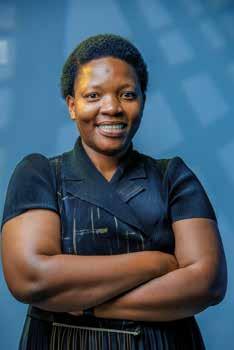
“The digital economy matters for women with disabilities because it turns access into agency: opening pathways to learning, income, enterprise growth, confidence, and fuller participation in their communities. From my work alongside women with disabilities, I have seen how one accessible digital tool can shift a person from being included in theory to participating with confidence in practice.”
Susan Sabano
Disability Inclusion Associate, Outbox
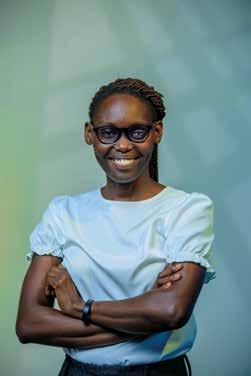
"For digital adoption to be truly meaningful and inclusive, all digital solutions must be accessible. Disability inclusion organizations should also foster strong networks of young digital experts with disabilities to share experiences, inspire others, and champion inclusive digital transformation in the digital economy."
Gloria Osutaru
Gender, Safeguarding and Inclusion Associate, Outbox
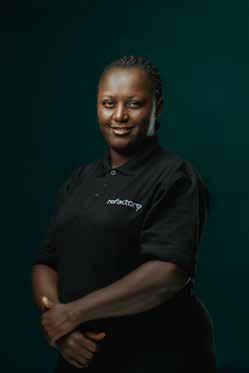
"The digital economy is opening new opportunities for women with disabilities to learn, work, grow their businesses, and earn an income with greater independence. When women with disabilities are included in the digital economy, everyone benefits from stronger families and communities to a more inclusive economy."
Susan Aciro
Disability Inclusion Officer, Refactory
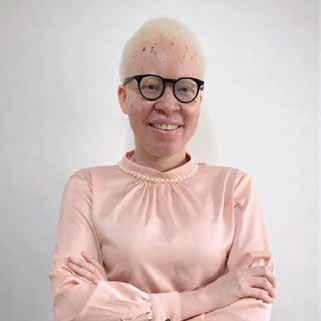
Adoption of the digital economy by persons with disabilities is changing perceptions, showcasing their skills, and creating new opportunities for employment and economic empowerment. The faster we embrace inclusive digitalization across all sectors, the closer we move toward disability inclusion and sustainable development.
Betty Akwi
Disability Inclusion Officer, WITU
How well do you know about Disability Inclusion in the Digital Economy?