
If the 10X Program were a flight, then this is the moment we have reached cruising altitude steady, clear, and moving with purpose. As we close Quarter 3, what began as deliberate groundwork is now translating into real traction not just in numbers, but in visible shifts in behavior and confidence among the young women we serve.
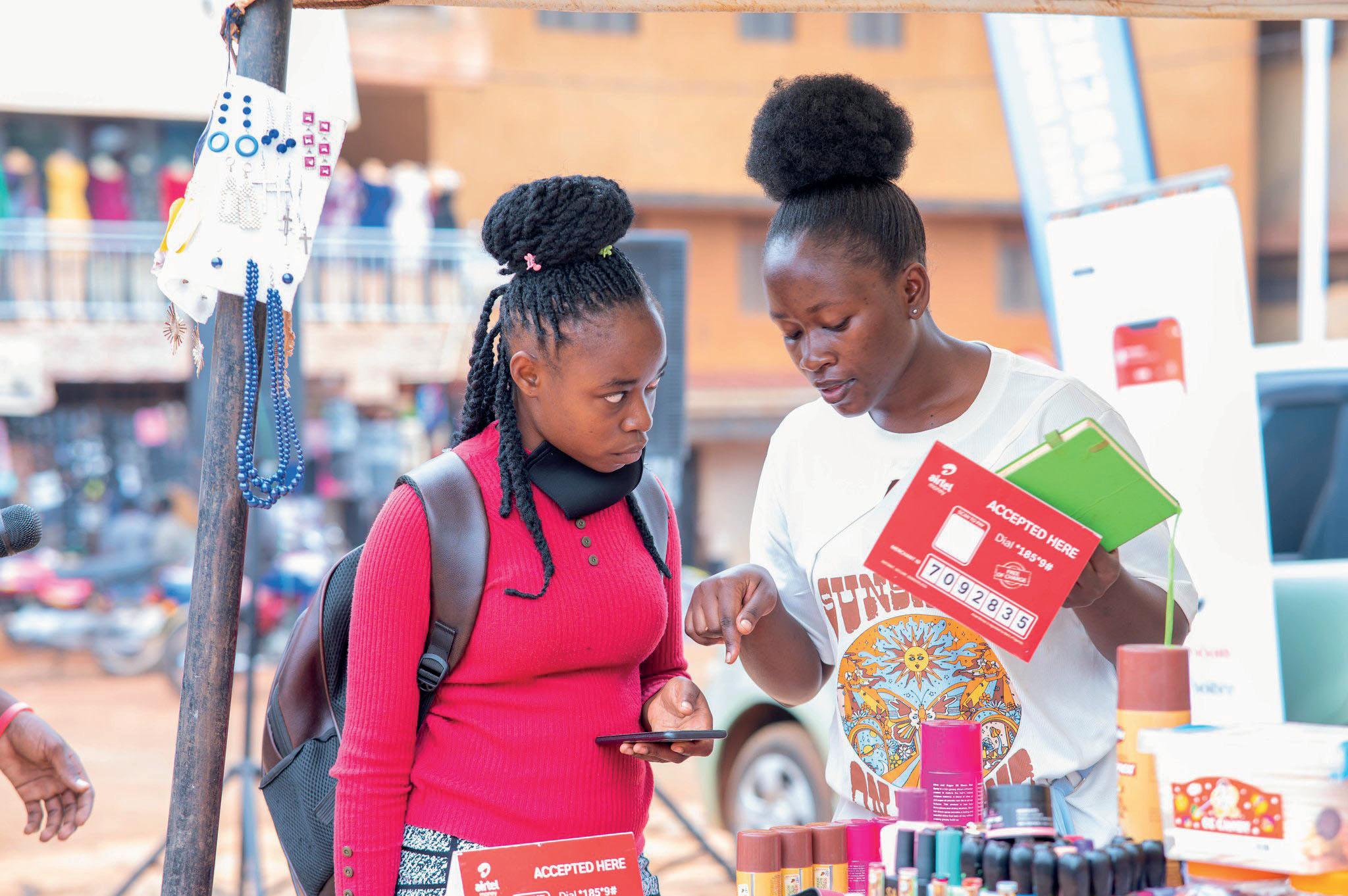
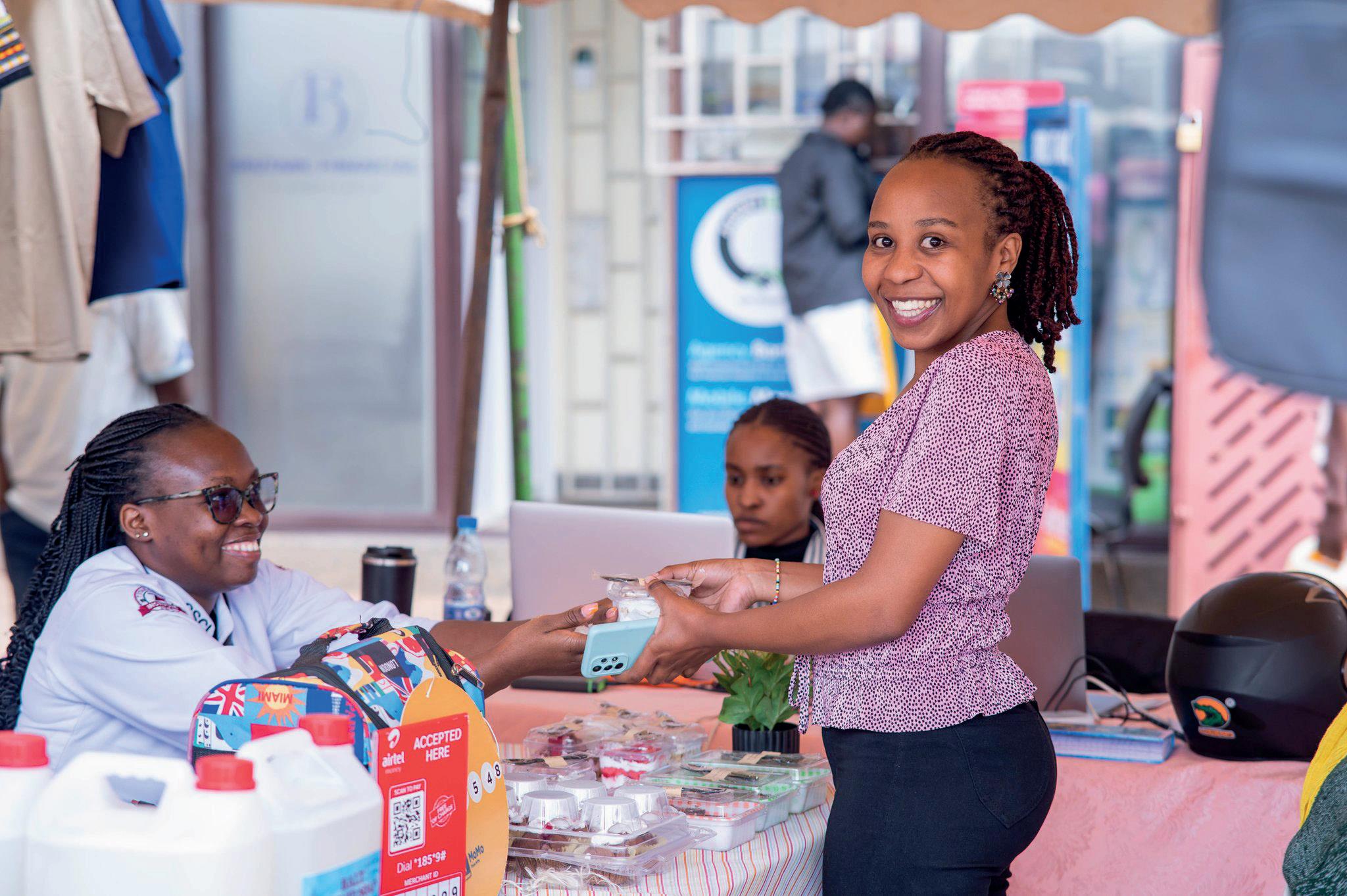
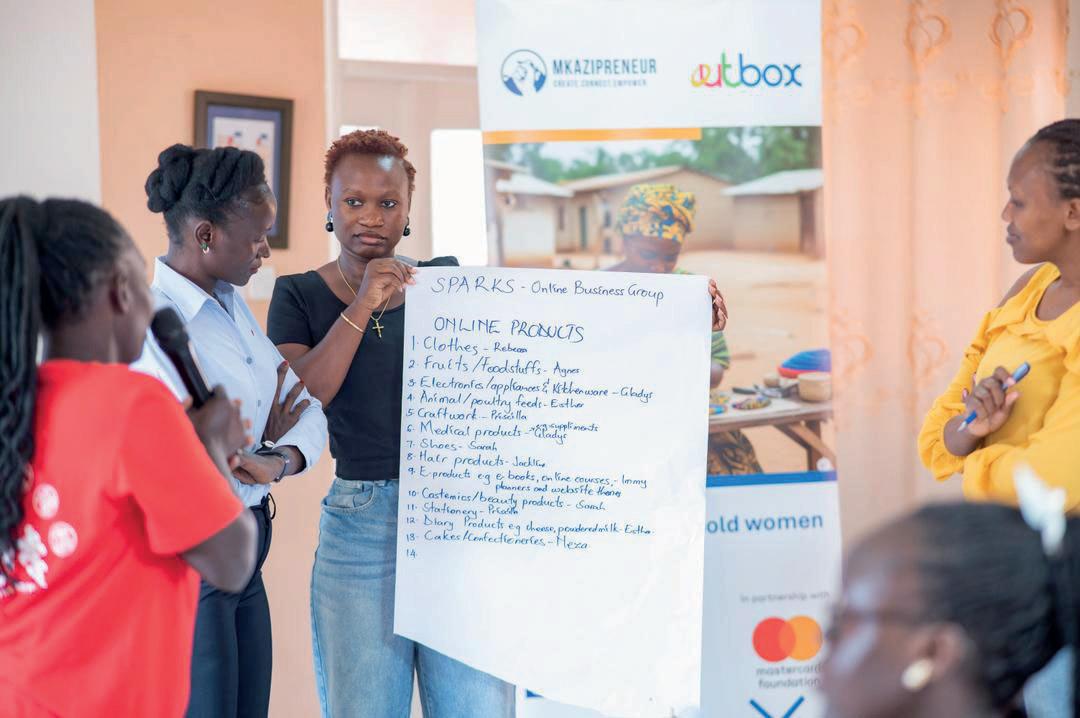
One of the most important insights this quarter has been the shift in how young women entrepreneurs are engaging with digital platforms, we have had the opportunity to see this transformation firsthand not just in reports, but on the ground, in how businesses are being run day to day. Tools and platforms that were previously underutilised are now becoming part of daily business operations. Participants are applying these tools selling, tracking income, engaging customers, and making more informed business decisions. The feedback coming through is clear: when digital skills are practical and relatable, adoption follows.
We have also learned that language plays a critical role in this journey. Among refugee communities, we are seeing that the way we communicate directly influences whether digital tools are understood and used. This has been reinforced through direct engagement with participants and partners in the field, making it clear that localisation is not optional. It is central to adoption. If digital inclusion is the goal, then language cannot be an afterthought.
Furthermore on direct skilling, we are seeing meaningful impact from addressing practical barriers that often limit women’s participation like intentional support—such as transport, meals, and leveraging existing community infrastructure through models like the “hire the school” approach enables more consistent participation and deeper engagement.
As we look ahead to the next quarter, our focus is intensifying the usage of digital platforms among young women, moving beyond access to sustained and confident use. At the same time, we are beginning to explore stronger integration of the 10X Program with other development initiatives that recognise digital tools not just as an add-on, but as a core pathway to economic participation and growth.
By Richard Zulu, Team Principal, Outbox

Today, these women are doing more than producing metal products. They are building businesses, supporting their households, and contributing to the growth of their community.
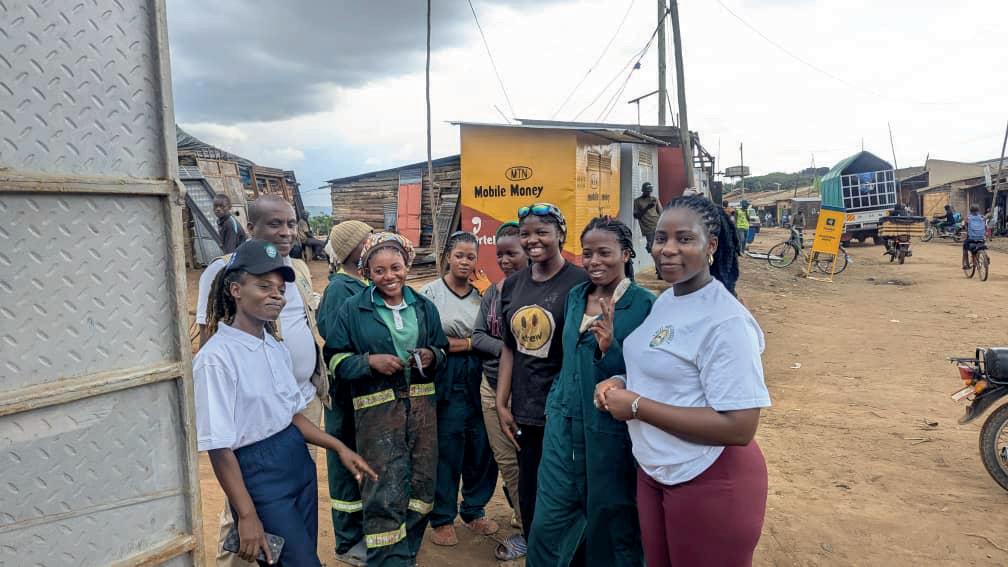
In the Nakivale Refugee Settlement, a group of young women is redefining what is possible in the light manufacturing sector. Through welding and metal fabrication, they are producing doors, windows, gates, and other metal products while building sustainable businesses that support their families and communities.
While their technical skills have enabled them to create quality products, it is digital adoption that is transforming the way they do business. Through the 10X Program, these young women have gained practical digital and business skills that are helping them move beyond traditional ways of working and embrace technology as a tool for growth.
The training introduced them to digital marketing techniques that allow them to showcase their products online, engage with customers, and expand their reach beyond Nakivale Refugee Settlement into surrounding host communities. By using platforms such as WhatsApp, they can now share photos of completed projects, respond to customer inquiries more efficiently, and promote their services to a wider audience.
In addition, the young entrepreneurs have learned how
to use digital tools to manage their businesses more effectively. They are applying skills in financial record keeping, tracking income and expenses, separating personal finances from business finances, and monitoring business performance. These practices help them make informed decisions, improve profitability, and plan for future growth.
One participant shared that before joining the program, their focus was mainly on completing welding jobs and receiving payment. Today, they understand the value of maintaining business records, marketing their products digitally, and building relationships with customers online. The ability to combine technical expertise with digital business skills has opened new opportunities for growth and sustainability.
Today, these young women are embracing the digital economy, running more organized businesses, reaching new customers, and creating pathways to greater economic independence. Their success is inspiring other young women in the settlement to pursue opportunities in sectors traditionally dominated by men and to leverage technology to grow their enterprises.
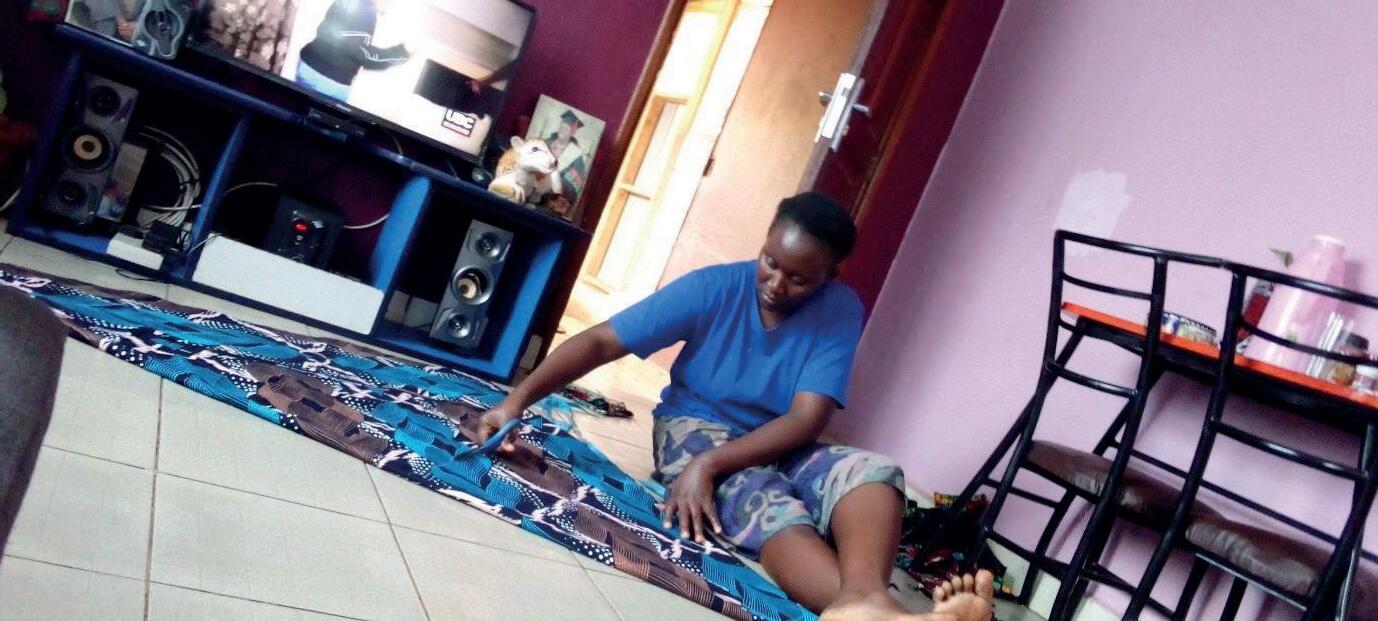
Before joining the 10X Program Foundation Course, Hilda Aluka, a 29-year-old tailor from Wakiso Sub County, operated her business from her living room and earned about UGX 200,000 a month. Although she had tailoring skills, her business was still small, and she had limited knowledge of financial management. She also relied mostly on repetitive designs, which limited her ability to attract more customers and grow her income.
Hilda’s turning point came when she enrolled in the 10X Program Foundation Course. Through the training, she gained practical financial literacy skills that helped her understand how to better manage her income, plan her savings, and make more informed business decisions. This gave her a stronger foundation to begin treating tailoring not just as a side activity, but as a growing business.
The course also introduced her to opportunities within the digital economy. By learning how to use digital platforms such as YouTube, Hilda was able to explore new fashion trends, improve her skills, and create more appealing designs for her customers. This exposure helped
her move beyond the styles she had been used to and respond better to changing customer preferences.
As she adopted new designs and improved the quality of her work, demand for her products increased. Her tailoring business began attracting customers from regions such as Karamoja and Teso, significantly expanding her market reach. With this growth, her monthly income increased from about UGX 200,000 to approximately UGX 600,000.
The progress Hilda has made has also strengthened her financial discipline. She joined a savings group in her neighbourhood, where she now serves as the secretary and regularly saves part of the income she earns from her tailoring business.
Reflecting on her journey, Hilda says, “Before the 10X Program, tailoring was just something I did to earn a little extra money. The course taught me how to manage my income and use YouTube to learn new designs. Now I save regularly, and my business has grown beyond my expectations.”
Hilda’s story shows how access to the right skills and opportunities can transform a small
home-based business into a growing enterprise. Through the 10X Program, she has not only improved her financial management and design skills but also embraced digital tools that are helping her reach wider markets and build a more sustainable future.
“Before the 10X Program, tailoring was just something I did to earn a little extra money. The course taught me how to manage my income and use YouTube to learn new designs. Now I save regularly, and my business has grown beyond my expectations.”
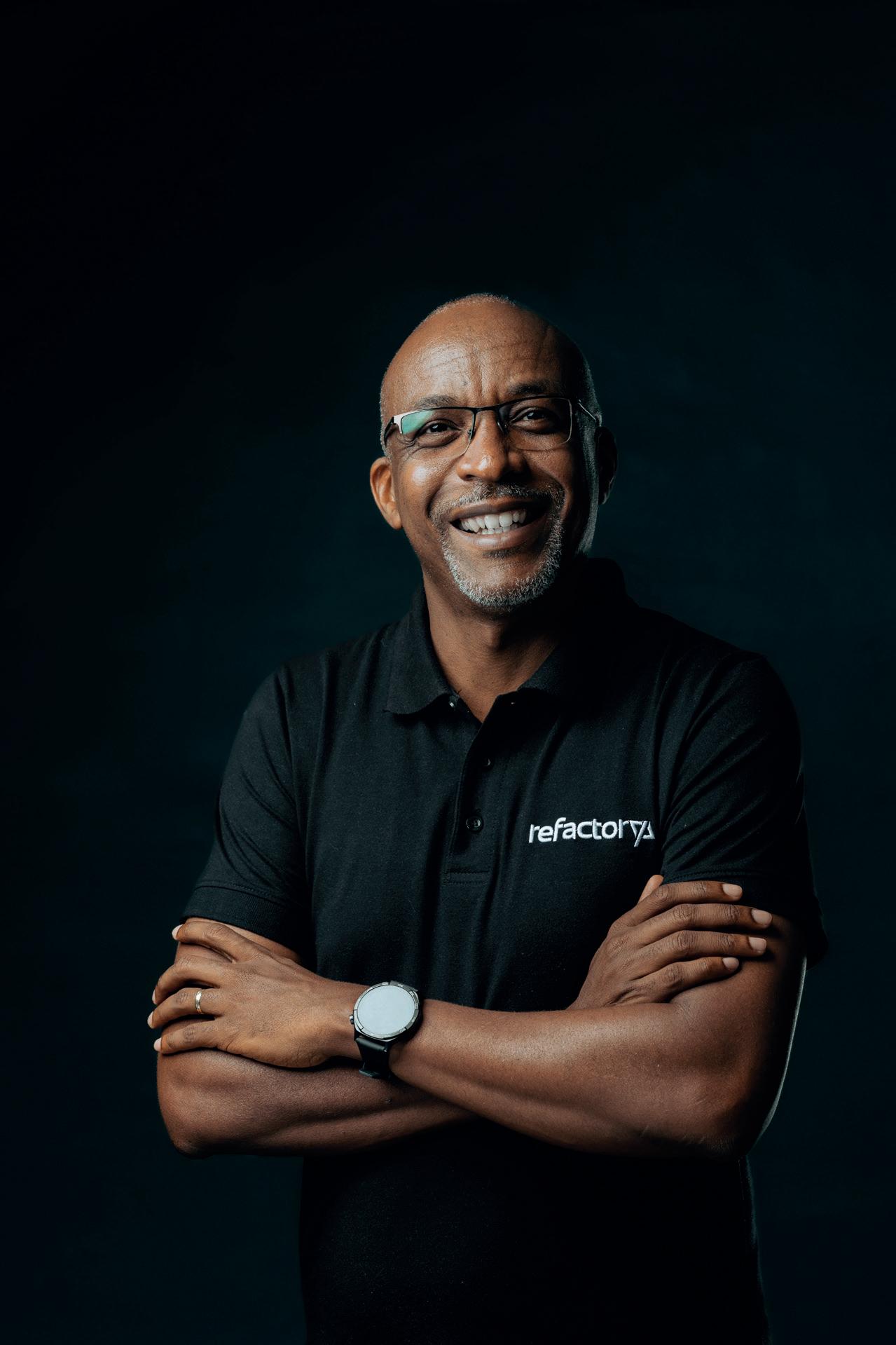
Michael Niyitegeka Executive Director, Refactory Academy
A growing number of young women in Uganda are turning digital skills into real income, and the results are beginning to show.
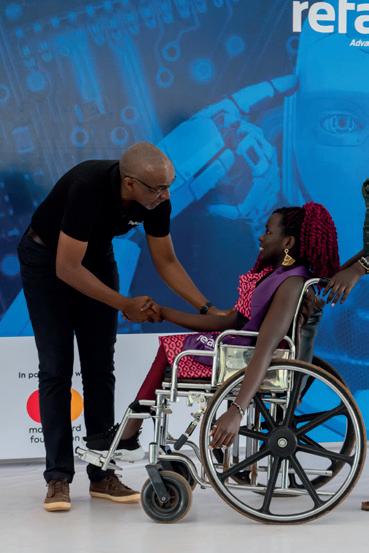
At Refactory, the 10X Program has reached 1,572 young women, including refugees and persons with disabilities. Of these, 960 have completed training and 345 are already in work, marking a
significant step in linking skills to opportunity. But beyond the numbers are real stories of change.
Take Daphne Ahebwa from Pallisa. Without a university education, she enrolled in the program and quickly applied what she learned in her community. Starting with popcorn, then liquid soap, and later perfumes, she built a small business using skills in branding, customer engagement, and basic entrepreneurship.
Her journey reflects a wider shift: for many young women, the first impact is not formal employment, but the ability to earn, adapt, and start something of their own.
The program has also reshaped how training is delivered. Feedback from refugees and persons with disabilities has led to more inclusive, flexible learning approaches ensuring that access to digital skills is not just available, but practical and supportive.
A key moment came during the 2026 Career Expo, where 53 employers conducted 128 on-site interviews, connecting learners directly to real job opportunities. The lesson is clear: impact comes from depth, not just numbers. Skills matter but so does confidence, communication, and real-world exposure.
As the program evolves, one thing stands out—this is not just about training. It’s about creating pathways for young women to earn, grow, and redefine what their futures can look like.
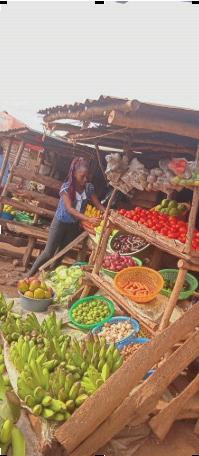
Nambuya Brenda once ran a small grocery stall using traditional methods, which meant she had limited customers, kept no clear records, and experienced slow business growth. That changed when she joined the 10X Program through the Private Education Development Network (PEDN).
With simple digital tools, everything shifted. Brenda adopted Xente to manage transactions and record finances, and started using WhatsApp Business to market her products. She also explored better suppliers online, improving the quality and packaging of what she sells.
Today, Brenda reaches more customers, tracks her money with ease, and makes smarter business decisions while her sales have also grown. As she puts it: “I can now reach more customers, keep proper records, and grow my business.”


Nambalirwa Teddy runs a hardware shop in Buvvi. Previously, she relied solely on walk-in clients and struggled to separate her personal and business money, which limited her ability to know if she was making profits.
Her business journey changed when Stanbic Business Incubator supported her through the 10X Foundation Course. For the first time, Teddy started keeping proper records. She tracked her income and expenses, separated her finances, and began to understand how her business was performing.
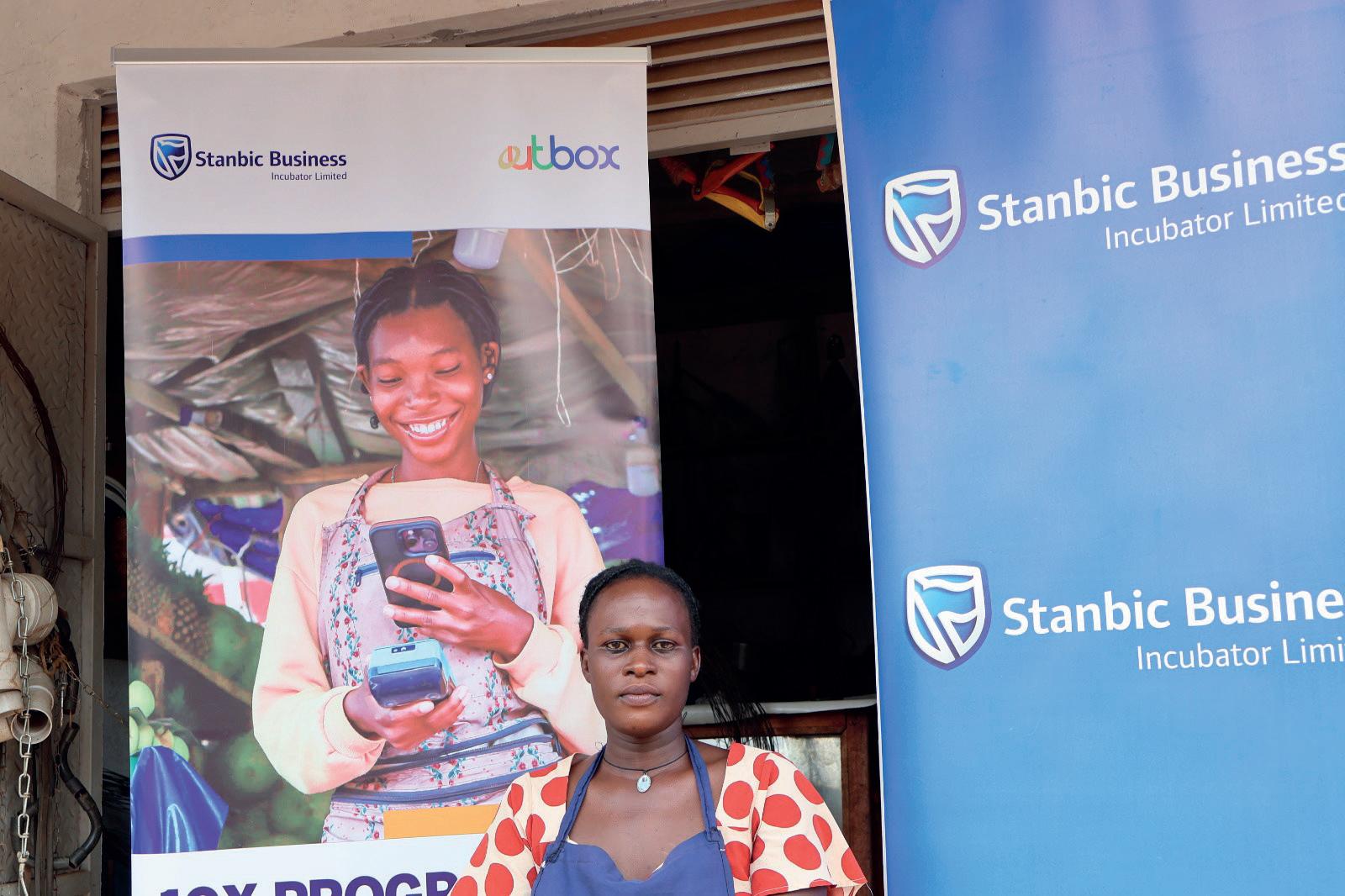
By using social media to market products like cement, nails, and iron bars, Teddy reached customers beyond her usual walk-ins, some
even placing orders from outside her area. “I now keep proper records, and I can clearly see how my business is doing, and my mindset has changed,” she shares.
At Refactory, digital skills are opening doors for young people who once had limited access to opportunity. Adok Antoinette Marie from Gulu is using what she learned to grow her fashion business online, exploring tools like digital platforms and even 3D sizing to better serve her customers.
Catherine Amiya took a different path. While caring for her 5-month-old baby, she completed training in web development and e-commerce. Today, she runs a branding business supported by an online platform. “I completed the course successfully, even nursing mothers can do it,” she shares.
For Yvonne Kabaheesi, a social worker with visual impairment, the journey meant overcoming accessibility barriers. Now, she has the skills and confidence to compete in the digital space and is exploring content creation as a new opportunity.
These stories reflect a bigger shift, young people gaining practical digital skills and turning them into real income, businesses, and careers.
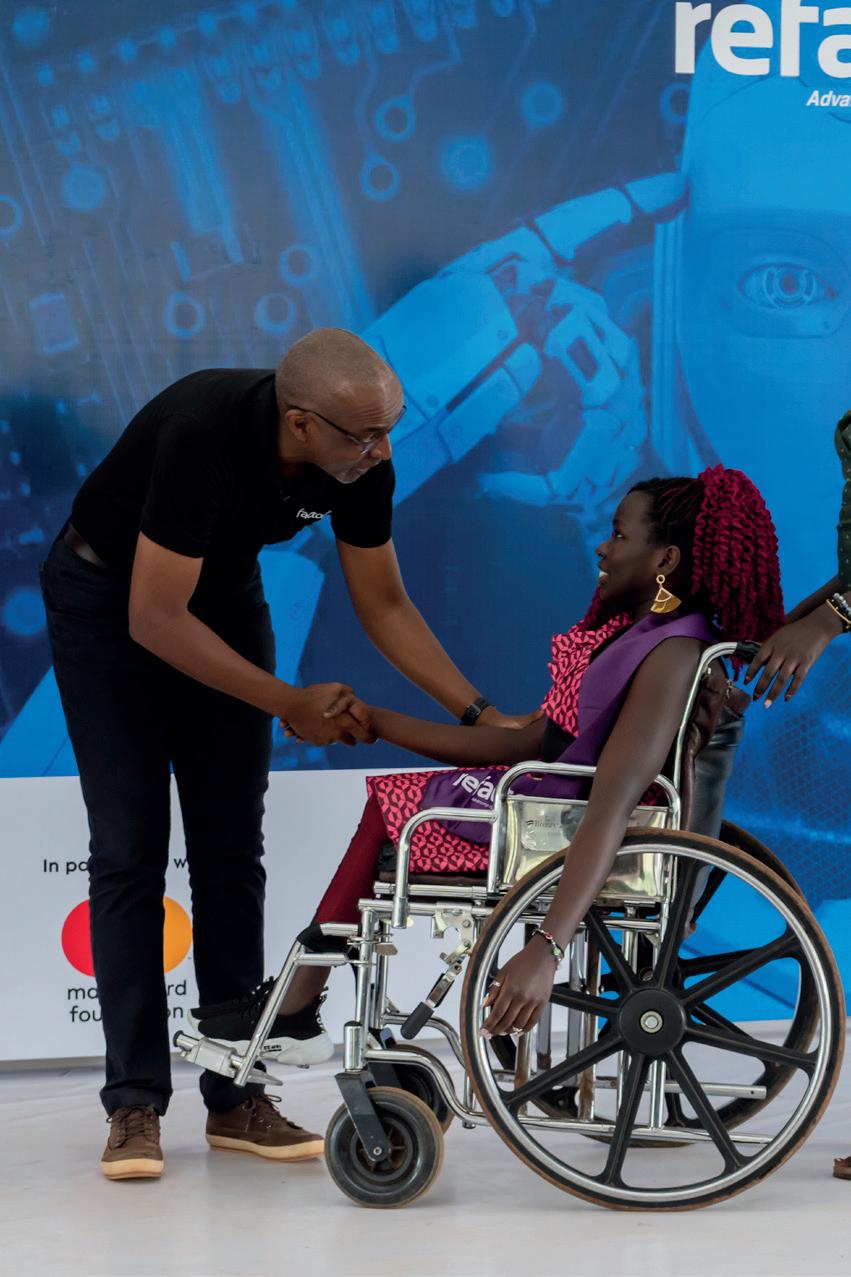
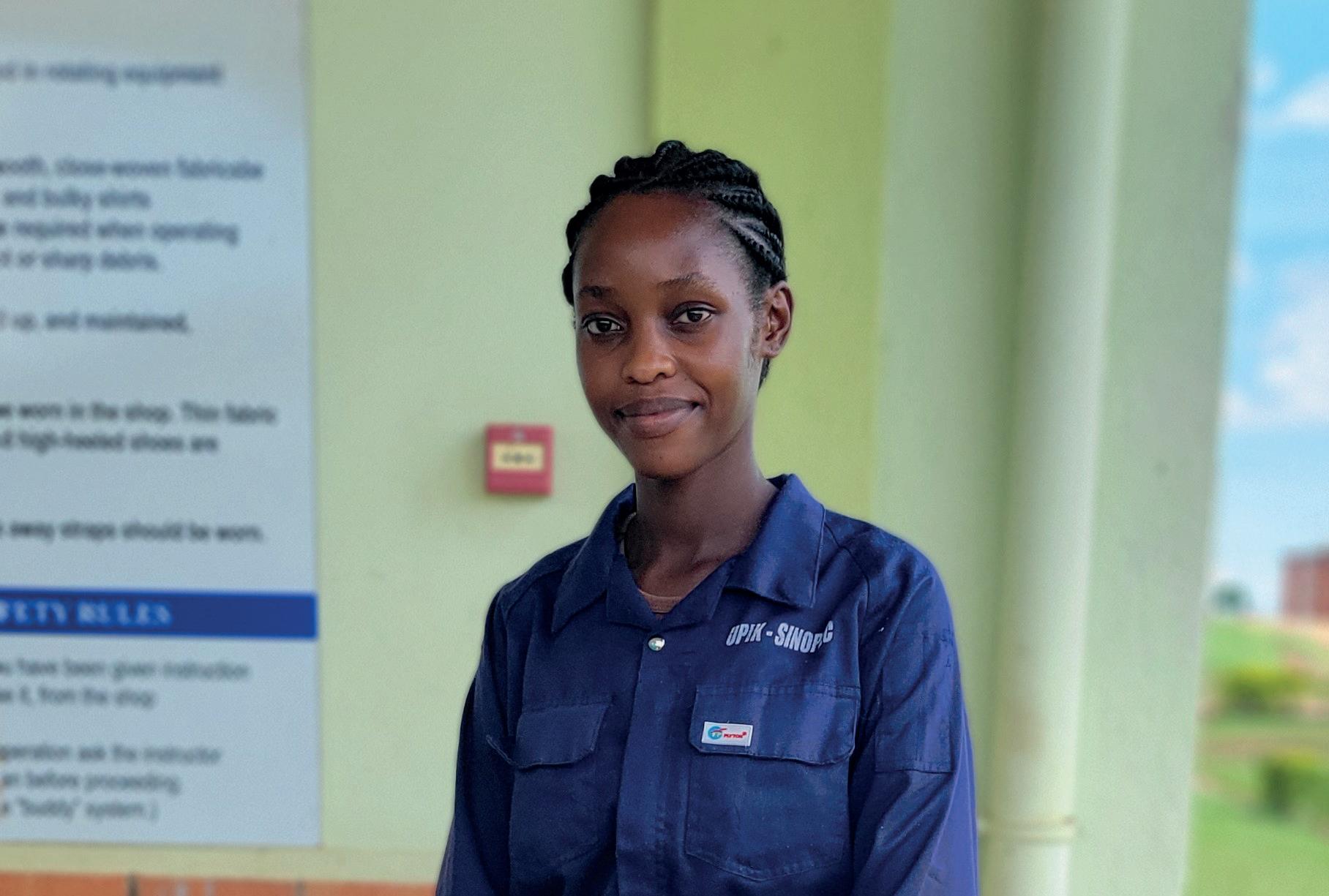
Kagoya Shivan didn’t always plan for a future in tech. After finishing Senior Six in 2020, during the uncertainty of the COVID-19 pandemic, she found herself unsure of what came next, until she saw a friend successfully transition into tech through Refactory. That moment changed everything.
In 2025, she took a bold step and joined Refactory through the 10X Scholarship Program, diving into Data Science and Machine Learning. What began as curiosity quickly turned into confidence, as she built real, practical skills to solve problems.
Today, Shivan is applying those skills in the energy sector. Through her instrumentation training with Sinopec at UPIK Oil and Gas, she’s working at the intersection of data, technology, and engineering —supporting smarter, safer industrial systems.
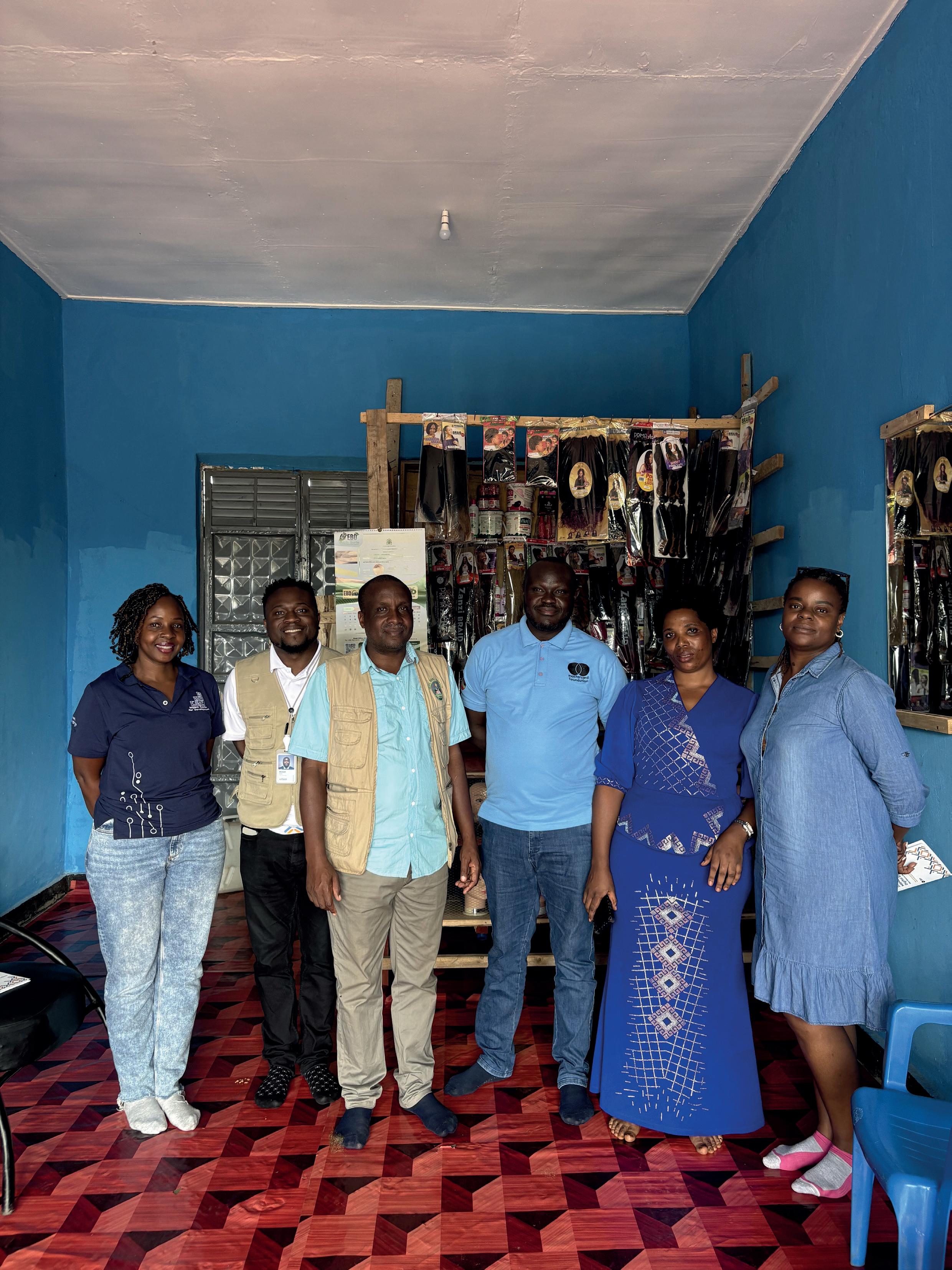
Faith was expected to follow a traditional path—her family saw a future for her in nursing. But she had a different dream: to pursue a career in graphic design. Choosing that path wasn’t easy. She faced doubt, financial strain, and even worked unpaid at times.
When she joined the 10X Program through Women in Technology Uganda, she had no technical background and didn’t even own a computer.
Through hands-on training and mentorship, Faith built her design skills step by step. What began as interest quickly turned into real, paid work.
Today, Faith is financially independent. She supports her family, contributes to her siblings’ education, and has proven that success doesn’t have to follow a single path.
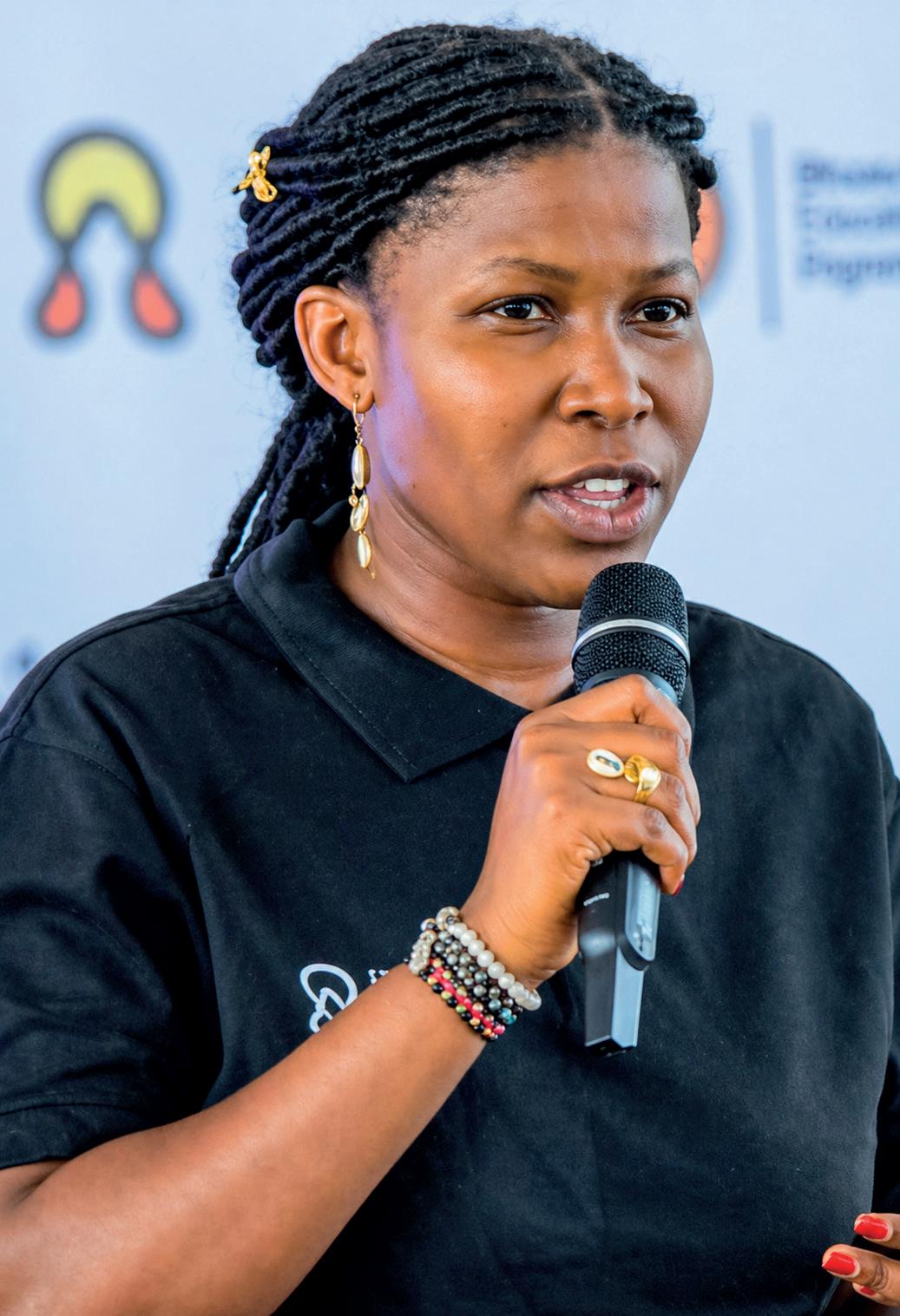
At 23, Mutamba Esther Murungi joined the 10X Program through Women in Technology Uganda to learn digital marketing, just a skill, or so she thought. Through the training, she learned how to build an online presence, connect with customers, and communicate value effectively.
After completing the course, she launched Umande Adorn, a jewelry brand inspired by African culture that blends heritage with modern style. Using her digital marketing skills, Esther began promoting her products online, engaging customers, and steadily growing her brand. What started as learning quickly became daily practice—and real business growth.
Today, Umande Adorn is more than an idea. It is a growing business built on skill, confidence, and the courage to start. Esther’s journey is simple but powerful: one skill can change everything.
designed to impact. This quarter, the 10X Program took a deliberate step to bridge that gap.
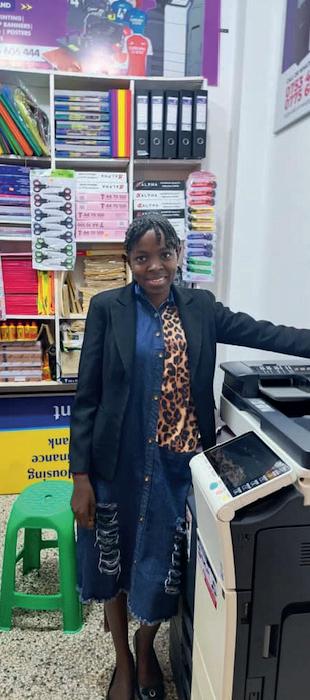
In Western Uganda, what began as a Pilot Steering Committee meeting evolved into a valuable learning journey. Together with the Steering Committee members Prof. David Kabasa, Tafadzwa Chiganga, Patricia Amito, and Innocent Tushabe, the visit moved beyond presentations and reports to provide a firsthand view of how the program is being implemented and experienced by participants on the ground.
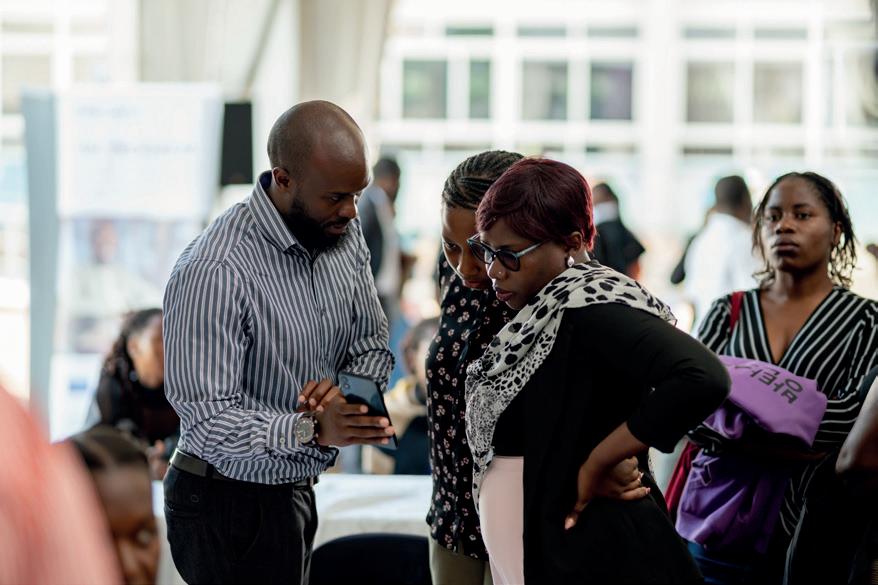
Over the course of the visit, conversations shifted from numbers to lived experiences. Steering Committee members engaged with implementing partners driving program delivery and, more importantly, with young women entrepreneurs navigating the realities of building businesses within their communities.
Through these interactions, the story behind the data became clearer. Progress was not only
reflected in enrolment figures and completion rates, but in how participants were applying digital tools to market their businesses, improve operations, and access new opportunities. The engagements also surfaced challenges that do not always appear in reports, including barriers related to access, language, and sustained participation.
Progress was not only reflected in enrolment figures and completion rates, but in how participants were applying digital tools to market their businesses, improve operations, and access new opportunities.
The visit created space for deeper reflection on inclusion and impact. Discussions around how effectively the program is reaching young women, refugees, and persons with disabilities
moved beyond theory and into reality. Safeguarding, too, was experienced not as a compliance requirement, but as a shared responsibility reflected in the experiences of participants and partners alike.
What stood out most was the balance between affirmation and learning. There were clear signs of progress through strong partner delivery, growing participant confidence, and tangible business outcomes. At the same time, the visit encouraged honest conversations about areas for improvement, from refining delivery approaches to strengthening participant support systems.
By the end of the journey, the value of staying close to implementation was evident. The visit strengthened accountability, grounded decision-making in real experiences, and provided practical insights to inform the continued refinement of the pilot.
More importantly, it reinforced a simple but powerful principle: the closer we stay to the people we serve, the better the program becomes.
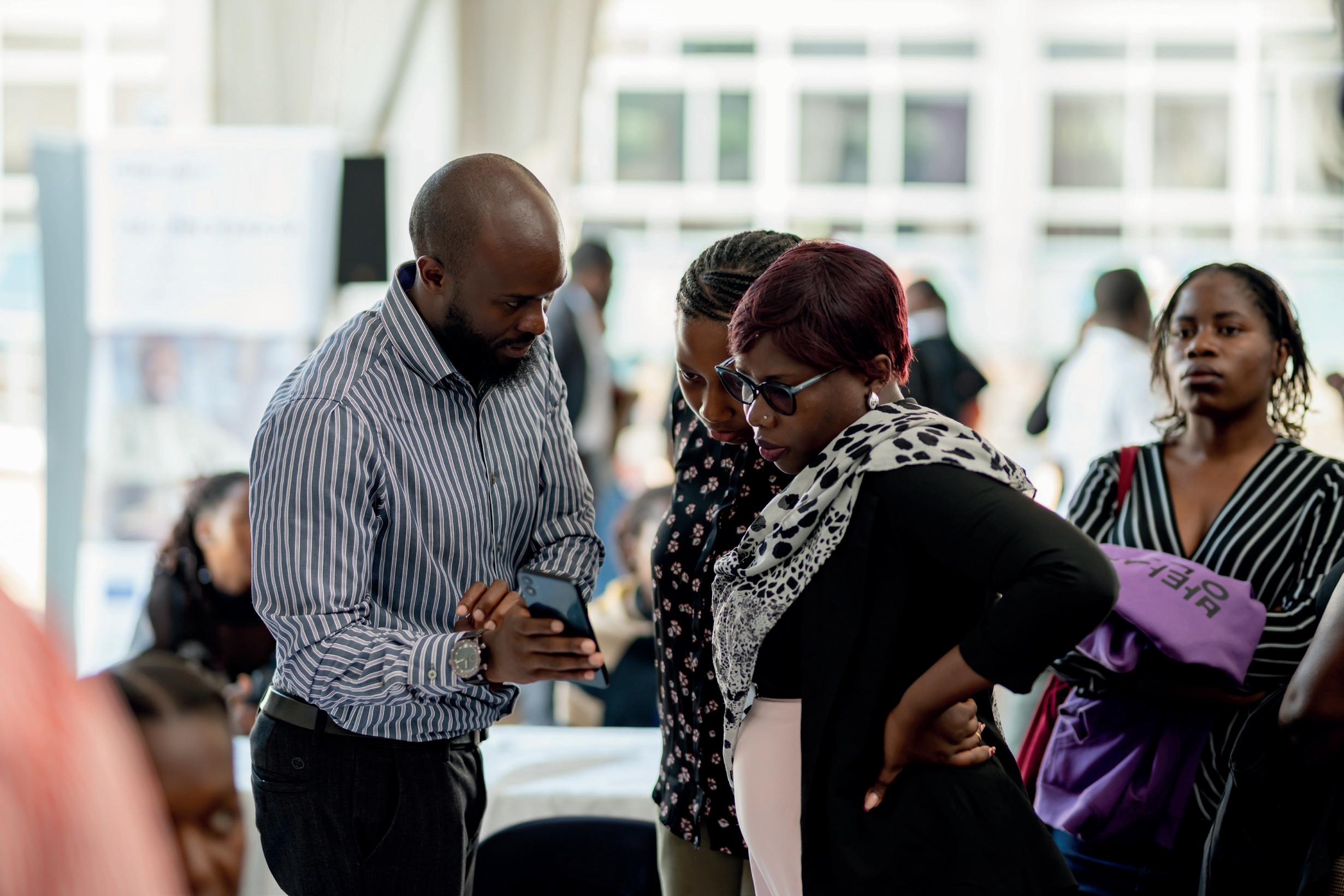
By mid-morning, the room was already alive with energy. Small clusters of young professionals stood confidently beside their screens, walking employers through code, dashboards, and live project demos. Across the room, hiring managers leaned in—not just scanning CVs, but asking questions, challenging ideas, and testing how candidates think.
This was the 10X Program Career Expo 2026, hosted by Refactory and it felt less like a traditional career fair and more like a working session between talent and industry.
Over 260 participants showed up, not just to be seen, but to engage. More than 50 employers from technology and consulting to media, education, and development came ready to do more than observe. Conversations quickly turned into opportunities, with 128 on-site interviews happening in real time.
What made the difference was the format. Instead of long queues and paper CVs, participants demonstrated what
they could actually do. Employers assessed candidates through live problem-solving, technical discussions, and one-on-one exchanges that revealed both skill and mindset. It was practical, direct, and refreshingly honest.
At the center of it all were six standout projects—spanning agriculture, tourism, health, finance, and social impact. Each one told a story of how digital skills can be applied to real-world challenges, and each one gave employers a clearer sense of the talent pipeline emerging from the program.
Beyond recruitment, there was also guidance. Mentorship clinics ran alongside the main sessions, helping participants think through their next steps—whether in software development, data science, AI, or product design. For many, it was the moment when ambition began to take shape into a clear path.
A key milestone of the day was the launch of Refactory’s Job Board as an important step in ensuring that these connections don’t end when the event does. It creates an