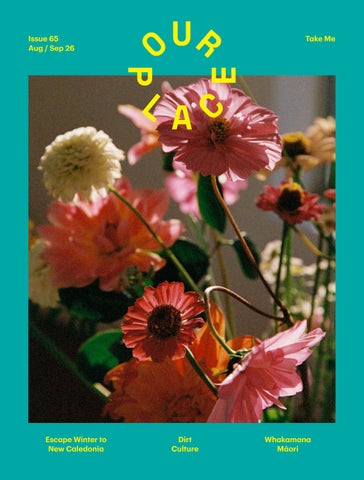
Dirt Culture
Escape Winter to New Caledonia
Whakamana Māori



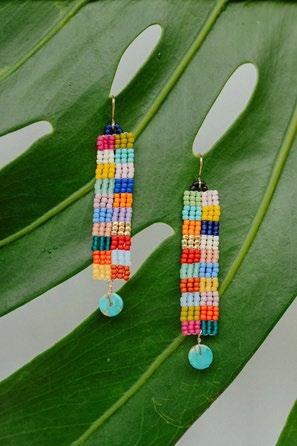
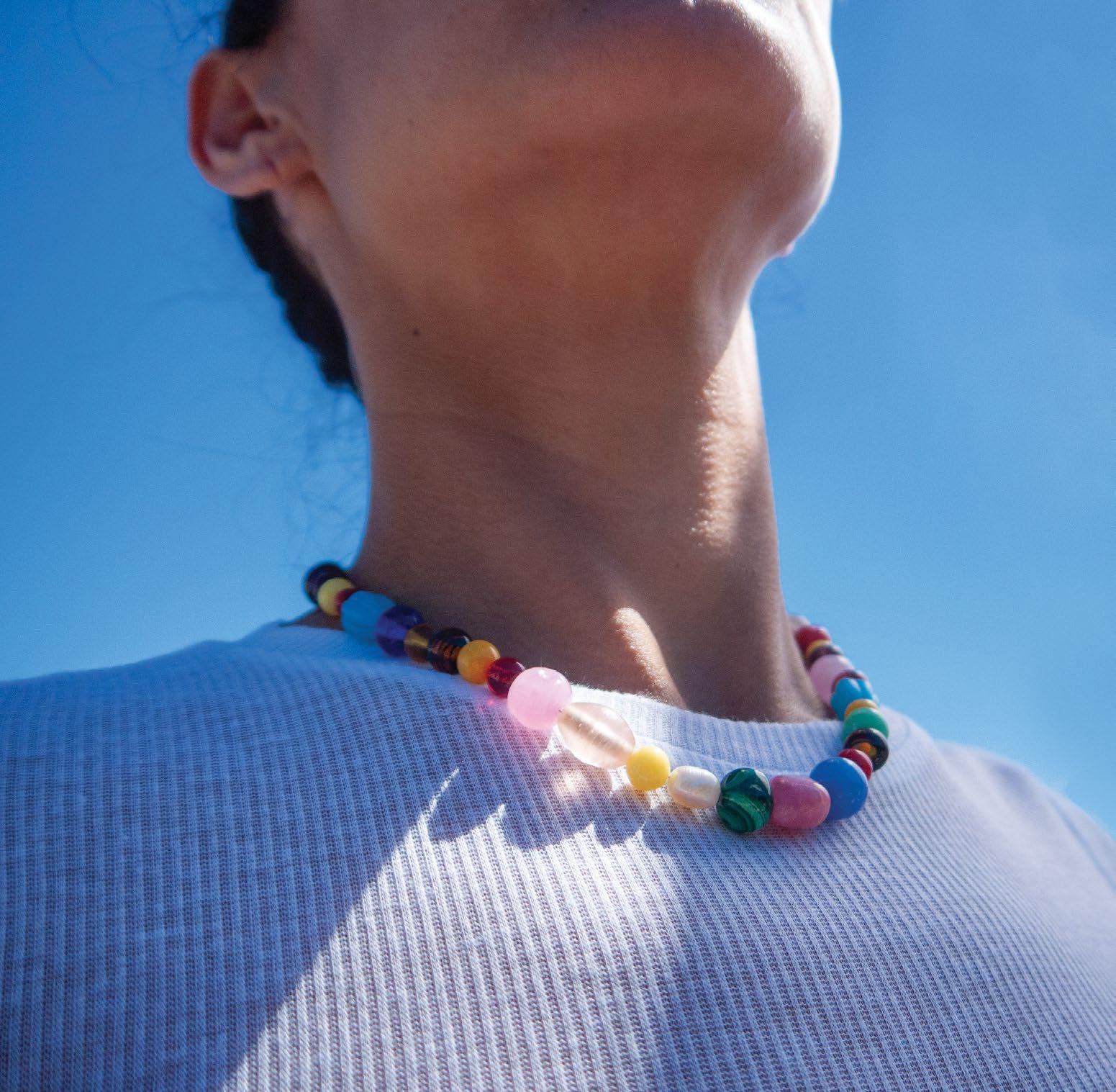
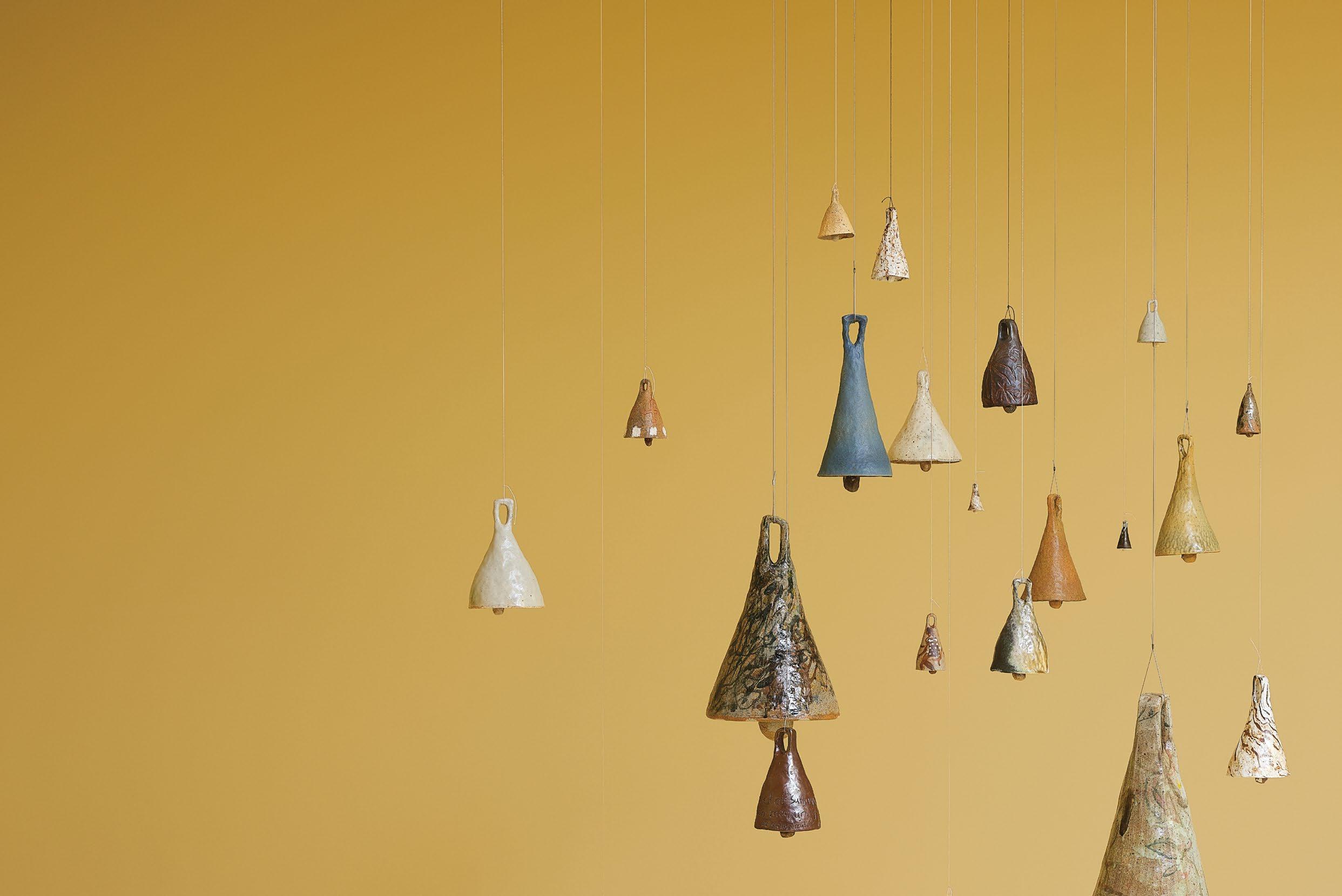
Jaime Jenkins, Bells , 2016–2026, courtesy of the artist and Jhana







NATURAL RESULTS. EXPERT CARE.

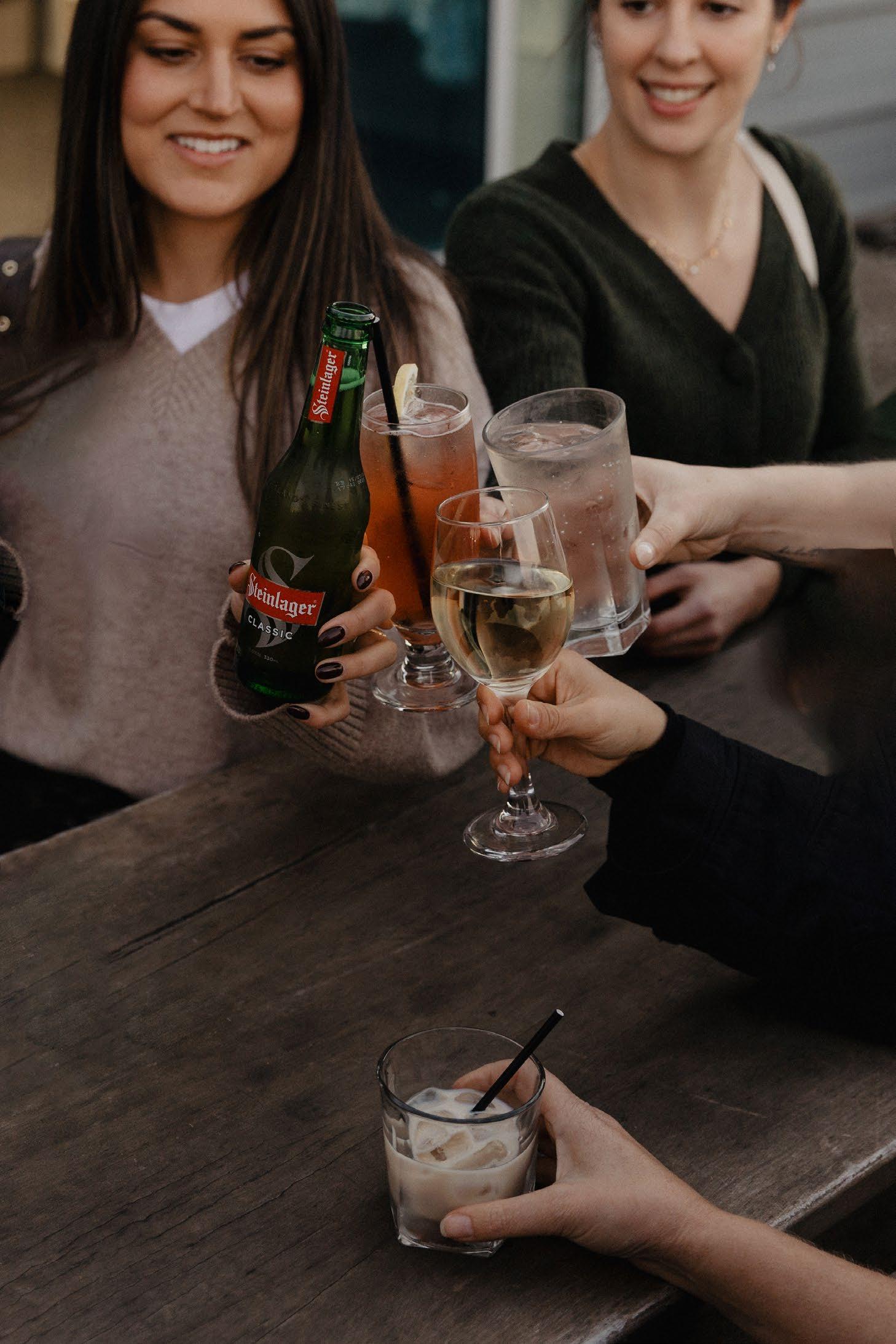

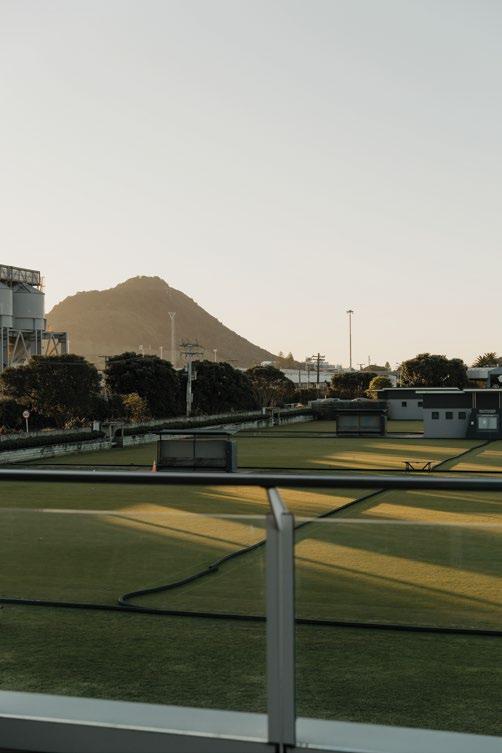
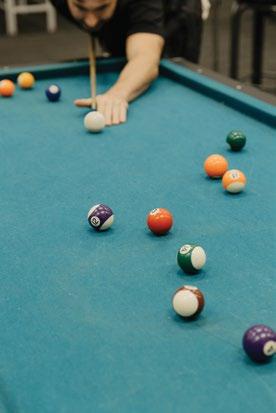
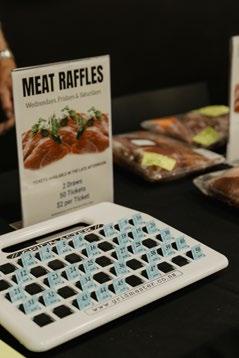
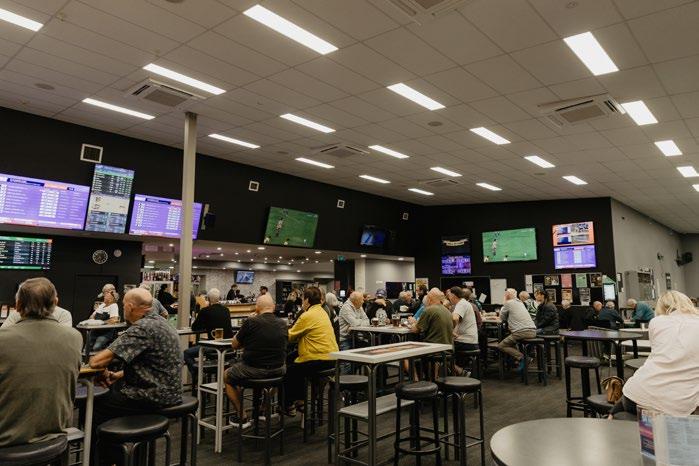
Step inside Club Mount Maunganui and you’ll find more than great facilities — you’ll find friends, fun, and a place where everyone feels at home. Whether you’re here for bowls on the green, a quiet pint, a game of pool, family meals, quiz nights, or live music, there’s always something happening. A sports bar with heart, a restaurant with flavour, and a calendar full of ways to connect — this is your club, your way.
Full membership is just $45 per year and comes with plenty of benefits. Members enjoy discounts and loyalty points, access to the sports bar, TAB, gaming lounge, eight ball, darts, and function hire, as well as a wide range of activities including bowls, pétanque, croquet, indoor bowls, fishing, and punters’ groups. With regular membership draws, raffles, a club van for group outings, and accompanying guests always welcome, Club Mount Maunganui is a place to belong.
New faces always welcome. Come join the fold.
29—30 August 2026
eventfinda.co.nz/2026/clay/tauranga
Founders Rachelle & Christopher Du y
Creative director Christopher Du y
Editor Rebecca Lee rebecca@ourplacemagazine.co.nz
Social manager Millie Guest social@ourplacemagazine.co.nz
Advertising inquiries Rachelle Du y 021 032 7873 rachelle@ourplacemagazine.co.nz
Contributors
Zoe Hunter, Kristin Macfarlane, Cira Olivier, Mary-Rose Norton, Rachelle Du y, Tegan Church, Jenha Phillips, Stuart Whitaker, Madeleine Hughes, Cherie Metcalfe, Cam Neate, Christopher Du y, Charlie Rahiri
Photographers
Naera Ohia, Erin Cave, Cam Neate, Jane Keam, Ross Campbell, Joe Hammond, Kevin Clarke
Pick up your copy from The Little Big Markets, plus at selected cafes, restaurants, shops and businesses.
Want to receive regular copies of Our Place for your business to distribute? Email rachelle@ourplacemagazine.co.nz
To tell us about anything happening in your area right now, email rebecca@ourplacemagazine.co.nz
Cover & contents
Cover photography: bouquet by Cam Neate (page 50). Contents photography: Naera Ohia.
Follow us @ourplacemagazine ourplacemagazine.co.nz
ISSN 3142-1091 (Print) · 3142-1105 (Online)
As the seasons change, so do we. The transition from winter to spring is an important one. We see flowers bloom in unlikely places, newborn lambs spring around in nearby paddocks, and we set our sights toward warmer, longer days.
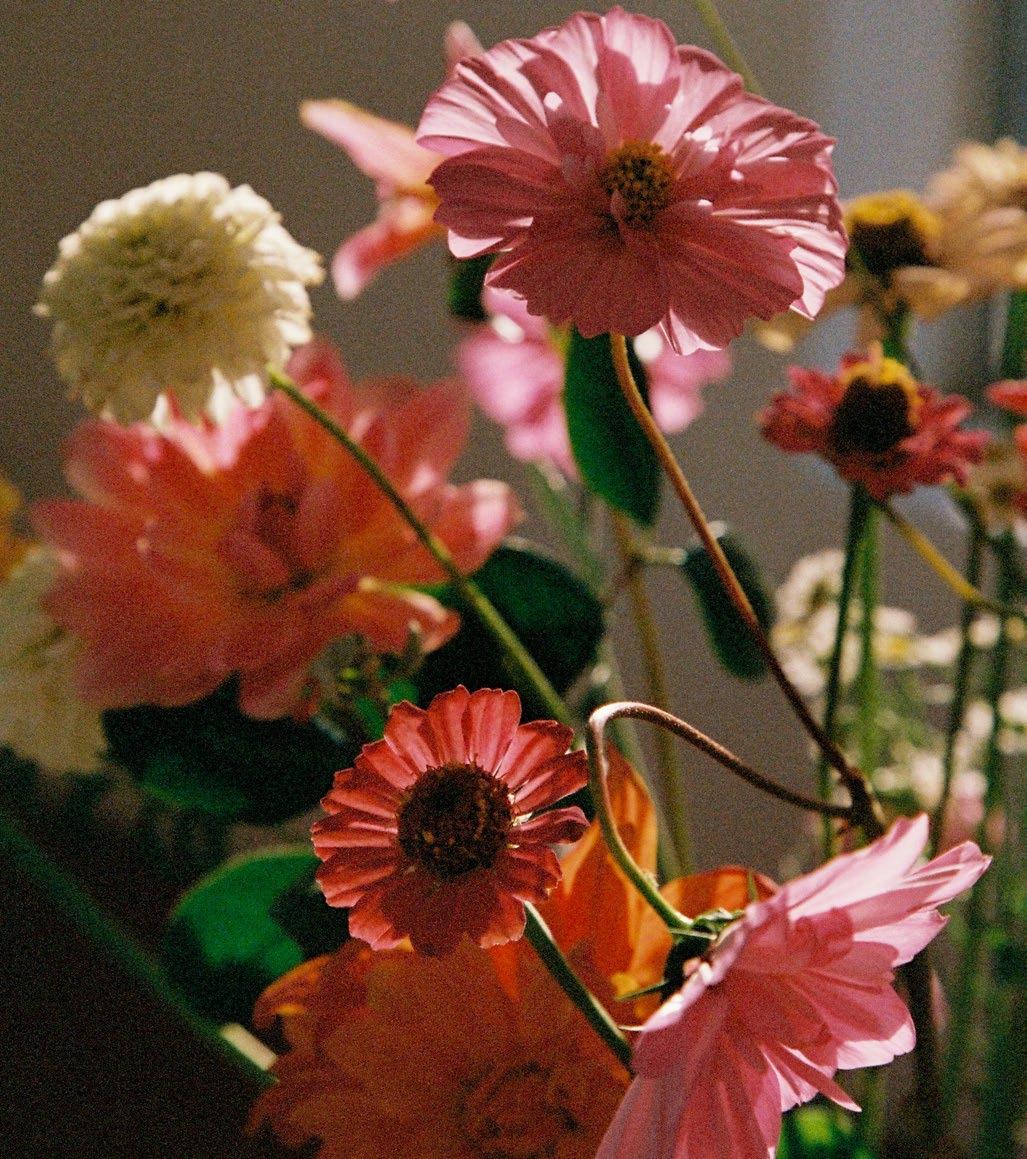
There’s one thing every gardener knows: good things take time. On the cover is a beautiful bouquet captured by Cam Neate. Flip to page 50 for his photo essay and thoughts on the metamorphosis from Teams meetings to dirt culture.
Throughout these pages you’ll meet more incredible people changing the Bay of Plenty for the better. Kam Lloyd brings us into her home to talk about her charity, All For Love, which supports young children and their families (92), University of Waikato PhD researcher Natalie Prinz and the humble cockle are cleaning up our shores (70), and Mauao reminds us that the path to recovery is not always linear (40). And in our kōrero feature, Cheyjuana Doyle tells writer Kristin Macfarlane about her new mātauranga-led programme helping Māori tamariki feel more culturally connected and confident to stand firm in their mana (24).
Plus, Our Place Director Rachelle meets the locals of New Caledonia (55), Pepper & Me celebrates its tenth birthday and you're invited to the potluck (119), and the Tauranga Miniatures Club finds treasure in trash (75).
We hope this issue leaves you inspired to be the change you want to see in the world.
Ngā mihi nui and happy reading, The Our Place team
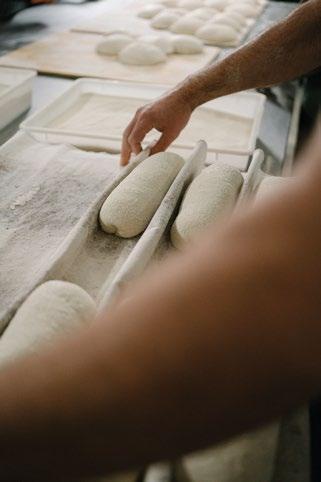
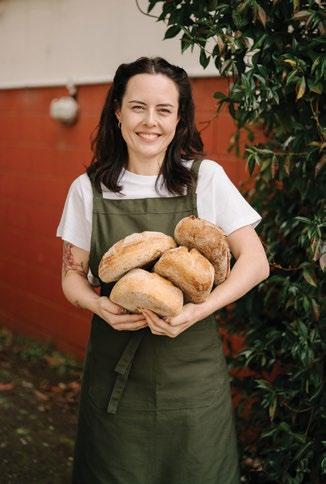
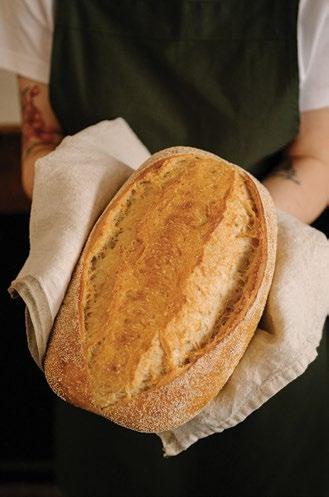
At Volare, we believe every great loaf starts with three things: passionate people, quality ingredients sourced locally where possible, and the patience to bake the traditional way.
Baked in the Waikato and delivered daily across the Bay of Plenty, we’re proud to supply stores including Vetro Tauranga, Be. Organics Mount Maunganui, and Bin Inn Papamoa. Alongside local cafés and restaurants, our stockists help bring Volare into the heart of the community.
Great baking brings people together, and we love knowing our baked goods play a small part in life’s everyday moments, from morning pastries and lunchtime loaves to weekend gatherings with family and friends.
Find your nearest stockist online, or when home delivery suits better, enjoy fresh Volare bread and baked goods delivered the same day, straight from our ovens to your door.











































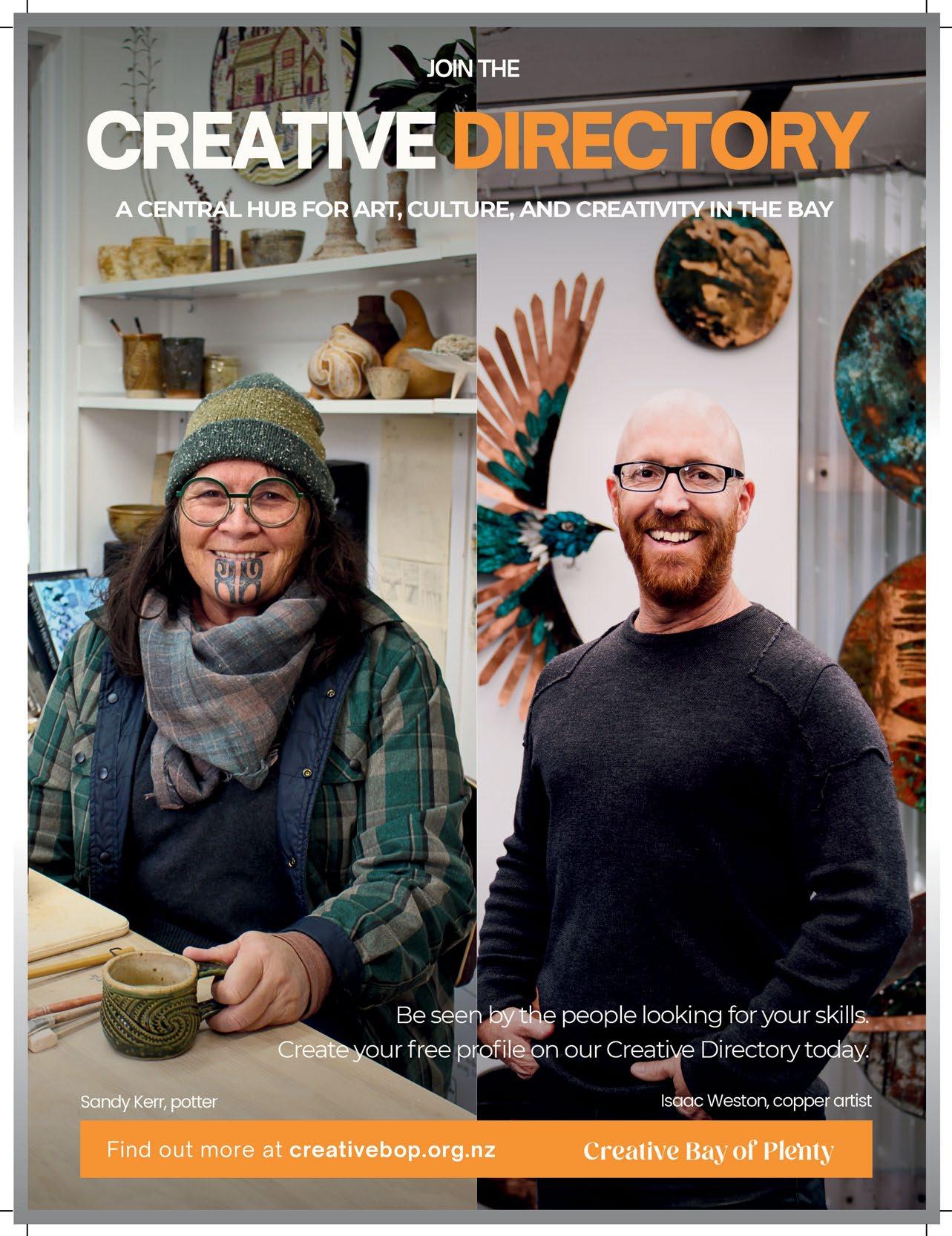
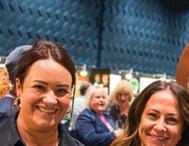




Get ready Tauranga, a brand-new art event is coming – The Tauranga Art Show! Meet inspiring artists, immerse yourself in breathtaking works, and find that perfect piece to take home and love forever. Thousands of artworks will fill the space – vibrant wall art, stunning ceramics, object art, jewellery, textiles, and large-scale sculpture. Whether you’re an experienced collector, looking for the perfect piece for your home, or simply love art, this is the art show for you. The show lights up Mercury Bay Park Arena from Friday 28 August to Sunday, August 30th. Grab a friend (or two) and see the show with a weekend pass, children aged 16 and under go free with an adult. For something extra special, enjoy tickets to the VIP Preview giving you the first opportunity to view and purchase art, or celebrate with an arty night out at the Opening Night Event. “Art for Everyone, Tauranga!”
For tickets, visit tickets.theartshow.co.nz/buy-tauranga-tickets/
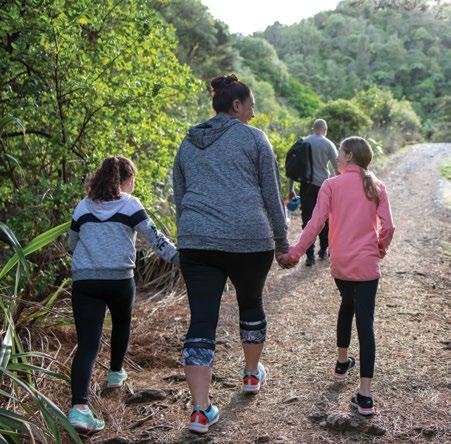
Take a stand against child sexual abuse with open conversations, shared check-ins and simple routines. Backed by the Government and ACC, “Little Matters” is a newly launched set of 10 simple, everyday actions that parents, caregivers and whānau can weave into daily life to build healthy relationships and safer environments for tamariki. From today, the toolkit will be rolled out locally through ACC’s ‘Hikitia! For Our Future’ prevention partners, and all resources are available for free online for those further afield. Many families already do some of these things—Little Matters just gives them a shared name, and a great reason to talk, connect and build together. If you’re a parent, guardian or caregiver, this is for you.
@littlemattersnz
LittleMattersNZ
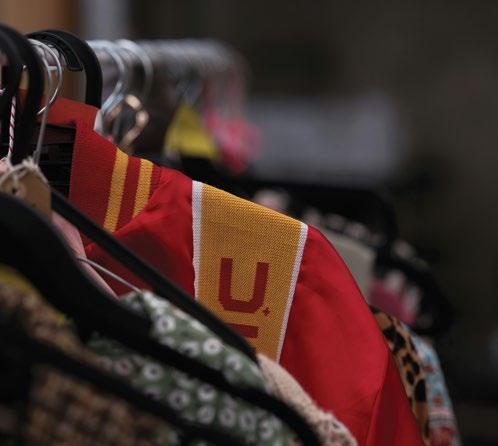
The Little Big Markets’ ever-popular pre-loved and vintage event is back this August! Thrifted Finds returns to Mount Maunganui’s Coronation Park on August 23rd. Thrifted Finds is your go-to destination for vintage shopping and thrifting. It’s so popular that all rack sale hires have already sold out, however, there are some bring-your-own rack sale spots available. Standard spots are also selling fast, so get in quick to secure your space! Get your friends together this August for an epic day of thrifting! Find lots of hidden gems and bulk out your winter wardrobe while shopping sustainability. There will be a DJ, vintage and pre-loved stalls, street food, rack sales and more. The event is free to attend.
What: Thrifted Finds. When: August 23rd, 9am-2pm. Where: Coronation Park.
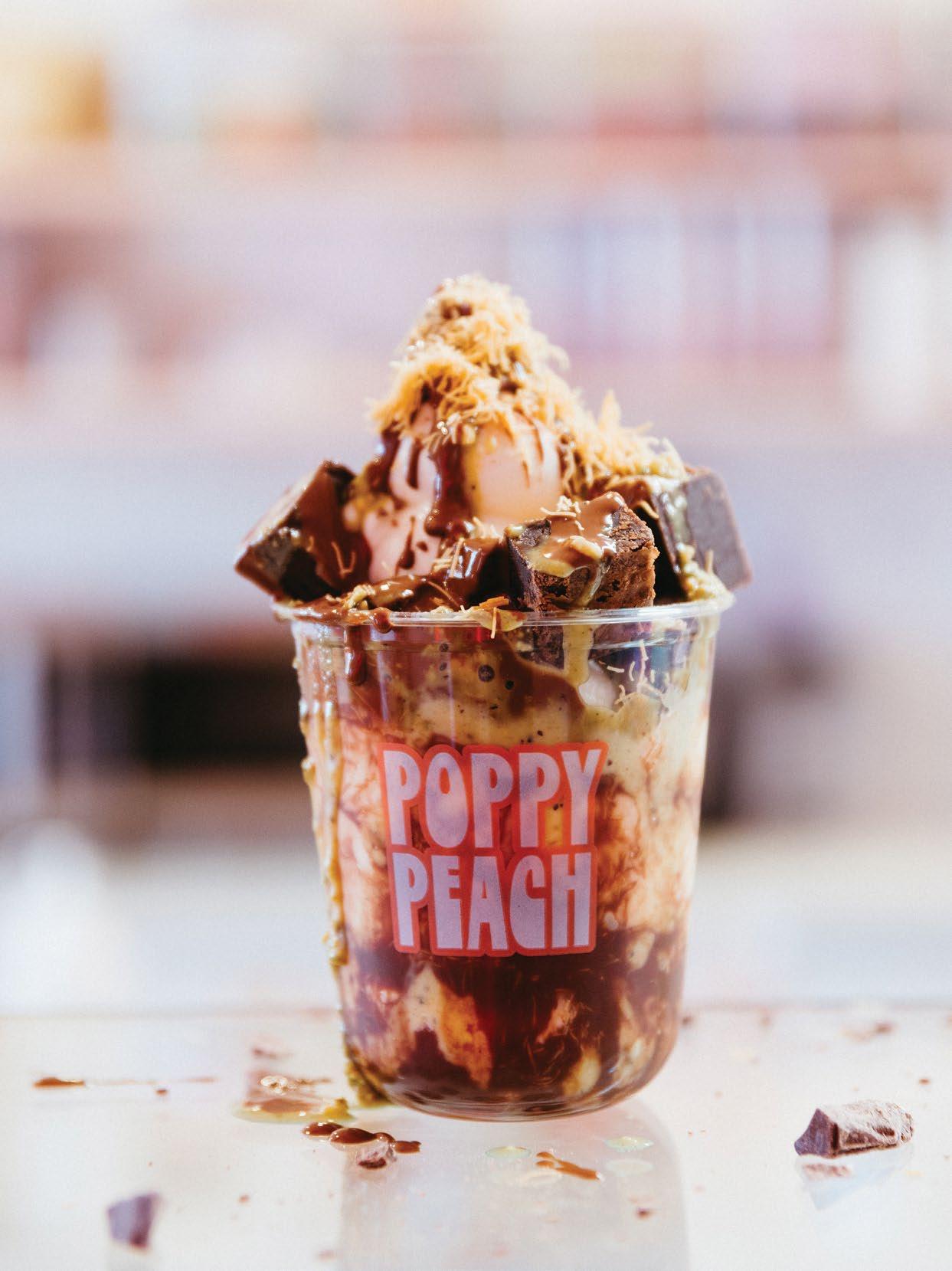
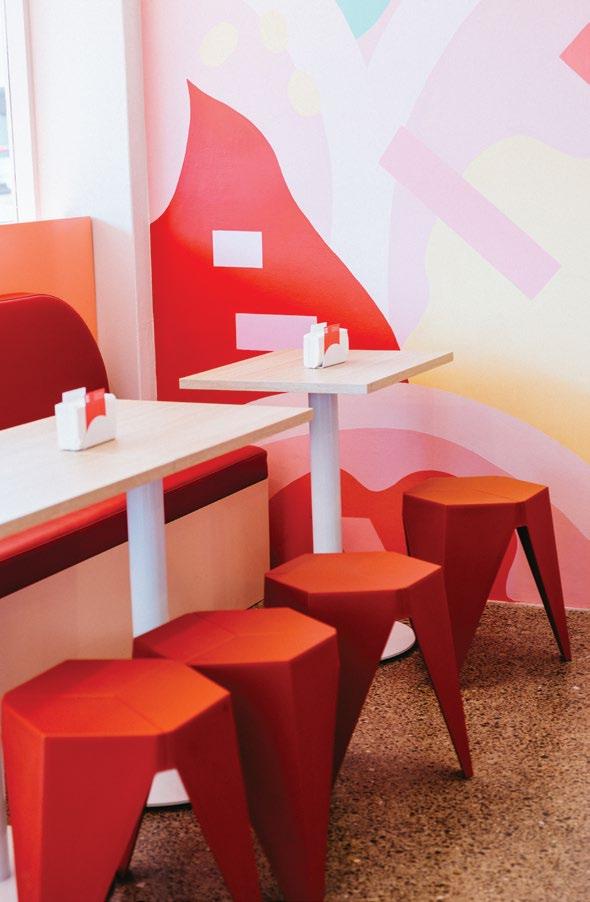
Creating feel good moments and sweet memories.
open daily 11am-10pm
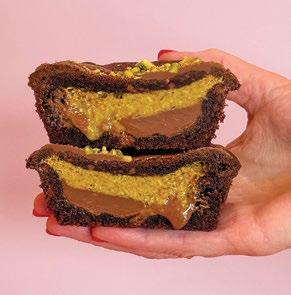
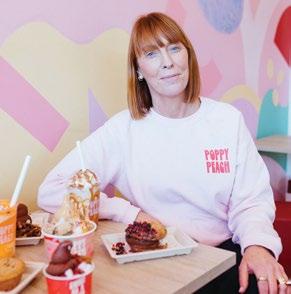
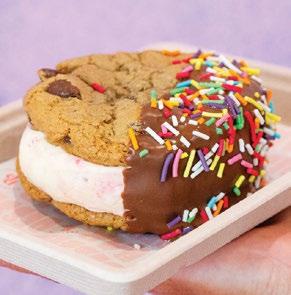
Welcome to POPPYPEACH where everything is handcrafted fresh in-house by our talented bakers using only the best of the best ingredients. From viral bakes, soft serve and froyo, to a 20+ topping bar where you can design your own, plus delicious dairy free and gluten free options available too! Build your dream dessert or just grab a classic, we can’t wait to meet you.
@poppypeach.nz | 324b maunganui rd
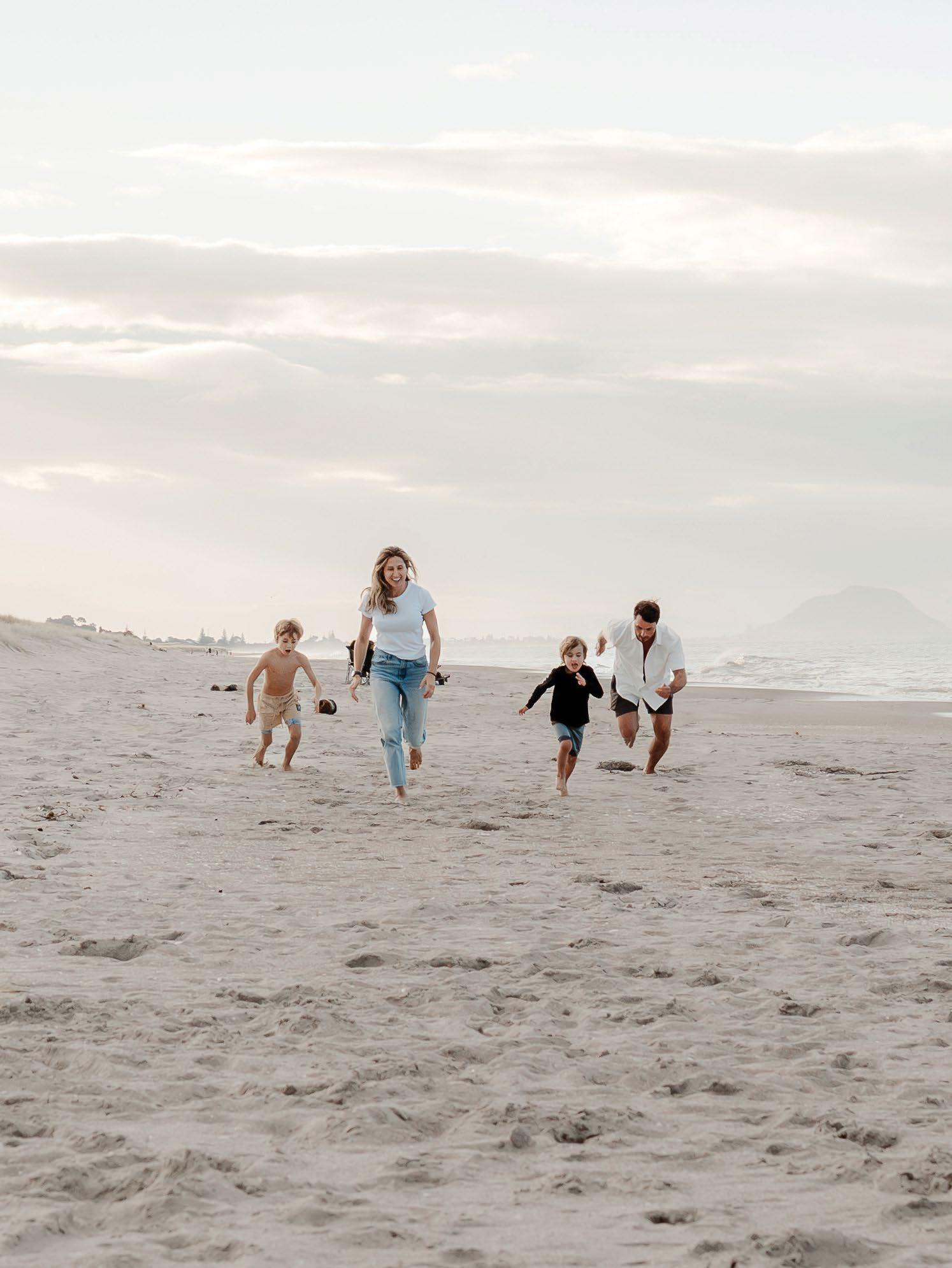
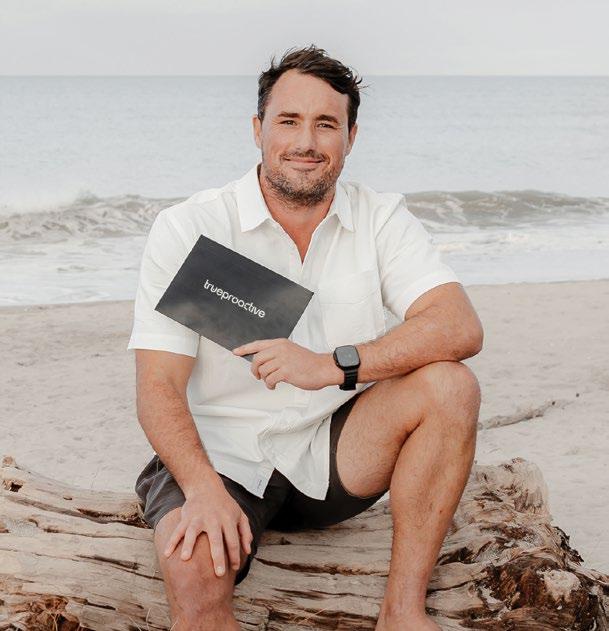
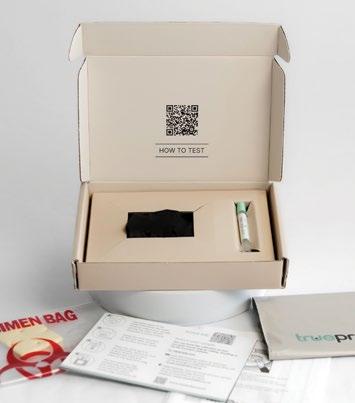

What began as a personal attempt to give Cheyjuana Doyle’s own children something she and her husband never had, has evolved into a programme changing the way young people see themselves.
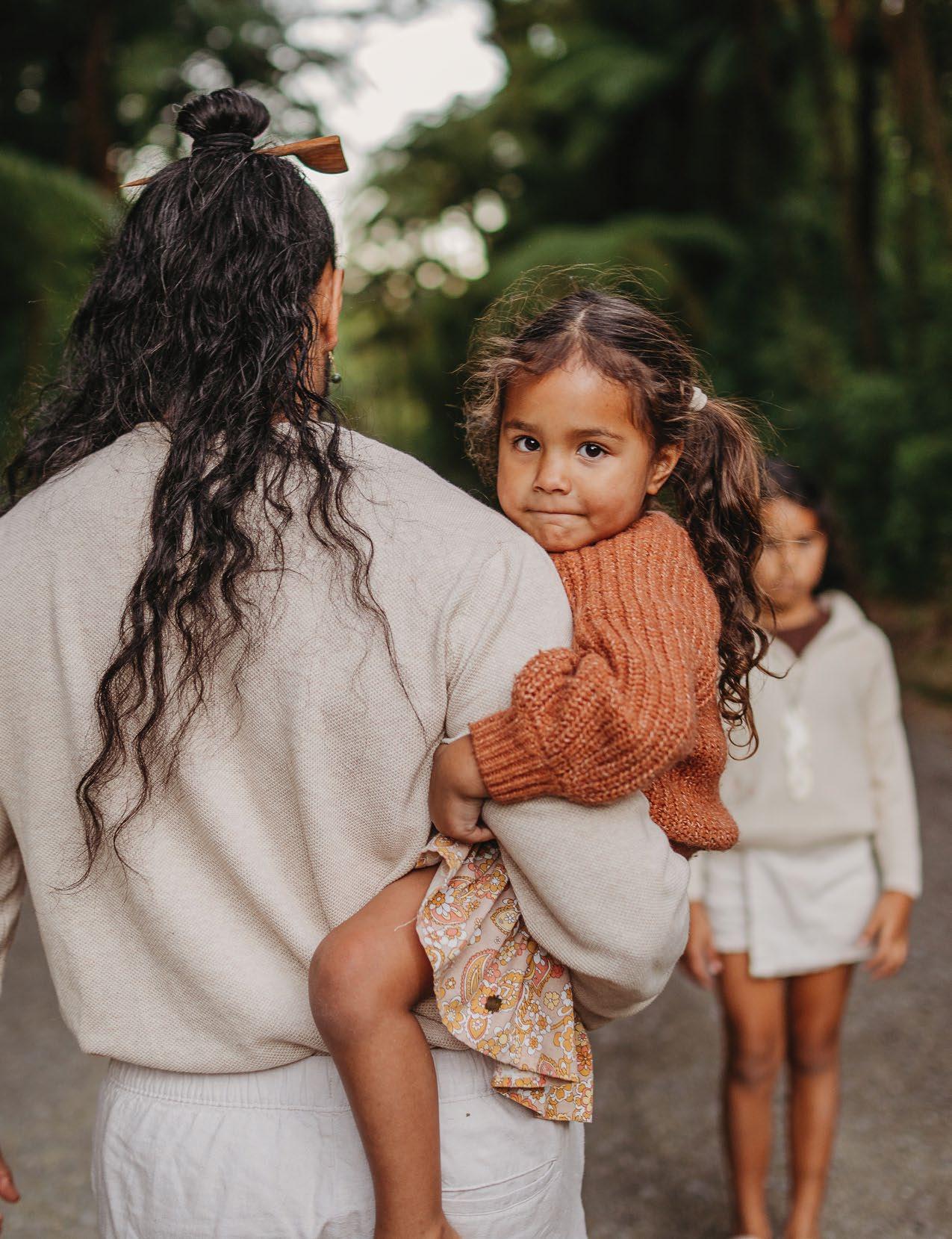
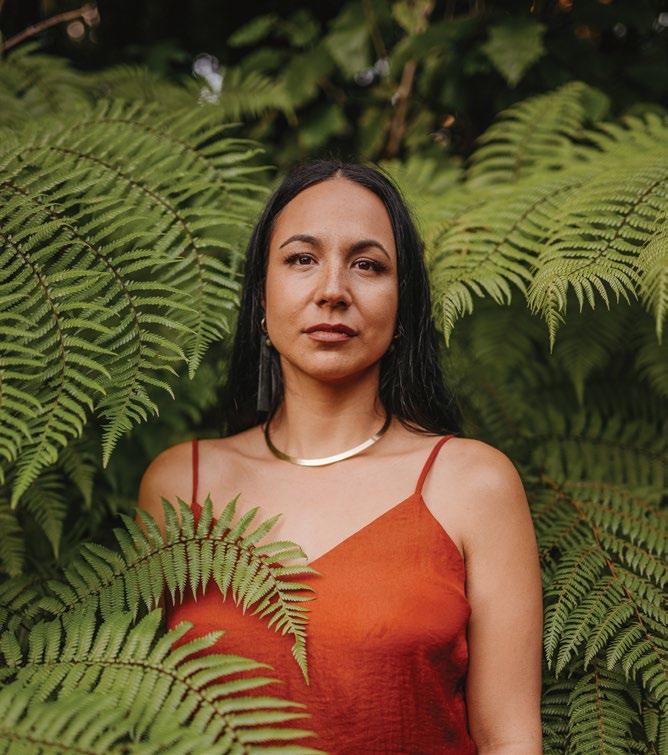
↑ Cheyjuana says when children understand who they are and where they come from, everything changes.
Cheyjuana Doyle didn’t intend to start a movement.
But that’s what she has done – through her programme Whakamana Māori, creating cultural enrichment, and building awareness, confidence, and belief among Tahatai Coast Primary School students.
What began as a personal attempt to give her own children something she and her husband never had has evolved into a programme changing the way young people see themselves.
Sitting in her children’s school hall several years ago during a community brainstorming session focused on what families wanted for their children at school, Cheyjuana found herself dreaming out loud, with ideas that resonated with a nanny of one of the students.
By the end of the session, Cheyjuana had a long list of ideas – and that nanny left her with some words that changed everything.
“She turned to me and said, ‘Okay, go and do it now’,” Cheyjuana says.
The follow-up of “if you don’t do it, it’s not gonna get done” landed heavily on Cheyjuana. While she remembers being confused and terrified by the idea of taking the next step, something eventually shifted.
Over the following school holidays, she and her husband, Mowai Smiler, began mapping out what
the programme could look like.
Together, they built the framework for Whakamana Māori, a culturally grounded leadership and wellbeing programme centred around identity, belonging and Māori values. Cheyjuana, a trained teacher, says the concept was shaped by what she believed was missing in mainstream schools for Māori children. She says three key issues stood out: under-achievement, disengagement, and a lack of cultural connection.
“They don’t always see themselves reflected back in their environment… research shows that even just our general wellbeing can suffer when we are disconnected from our identity as Māori.”
Cheyjuana says when children understand who they are and where they come from, everything changes – and this is the foundation of Whakamana Māori.
“When our tamariki are anchored in their whakapapa and cultural identity, they can stand firmly in their mana. Understanding that they come from generations of strength, resilience, and achievement becomes a source of confidence.
“They become grounded in their strengths and secure in their worth, and are empowered to move through the world with purpose, and unapologetically as Māori.”
Both Cheyjuana and her husband grew up
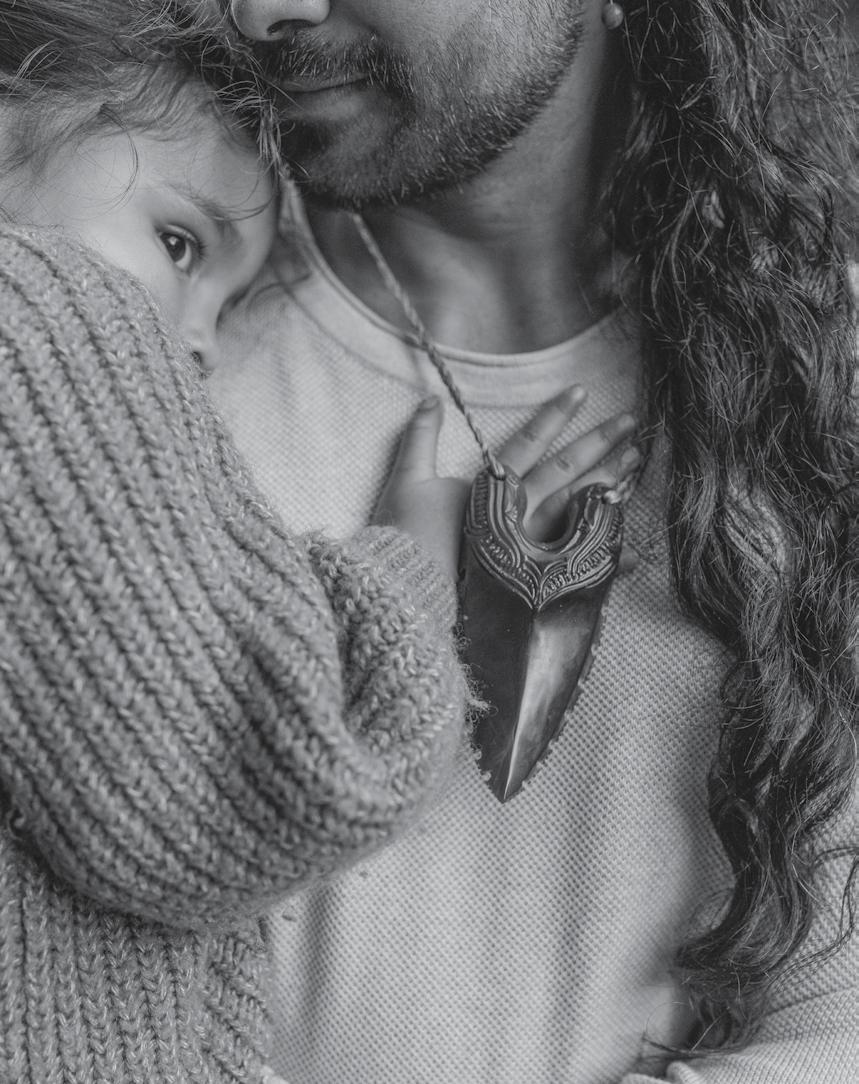
“When our tamariki are anchored in their whakapapa and cultural identity, they can stand firmly in their mana. Understanding that they come from generations of strength, resilience, and achievement becomes a source of confidence.”
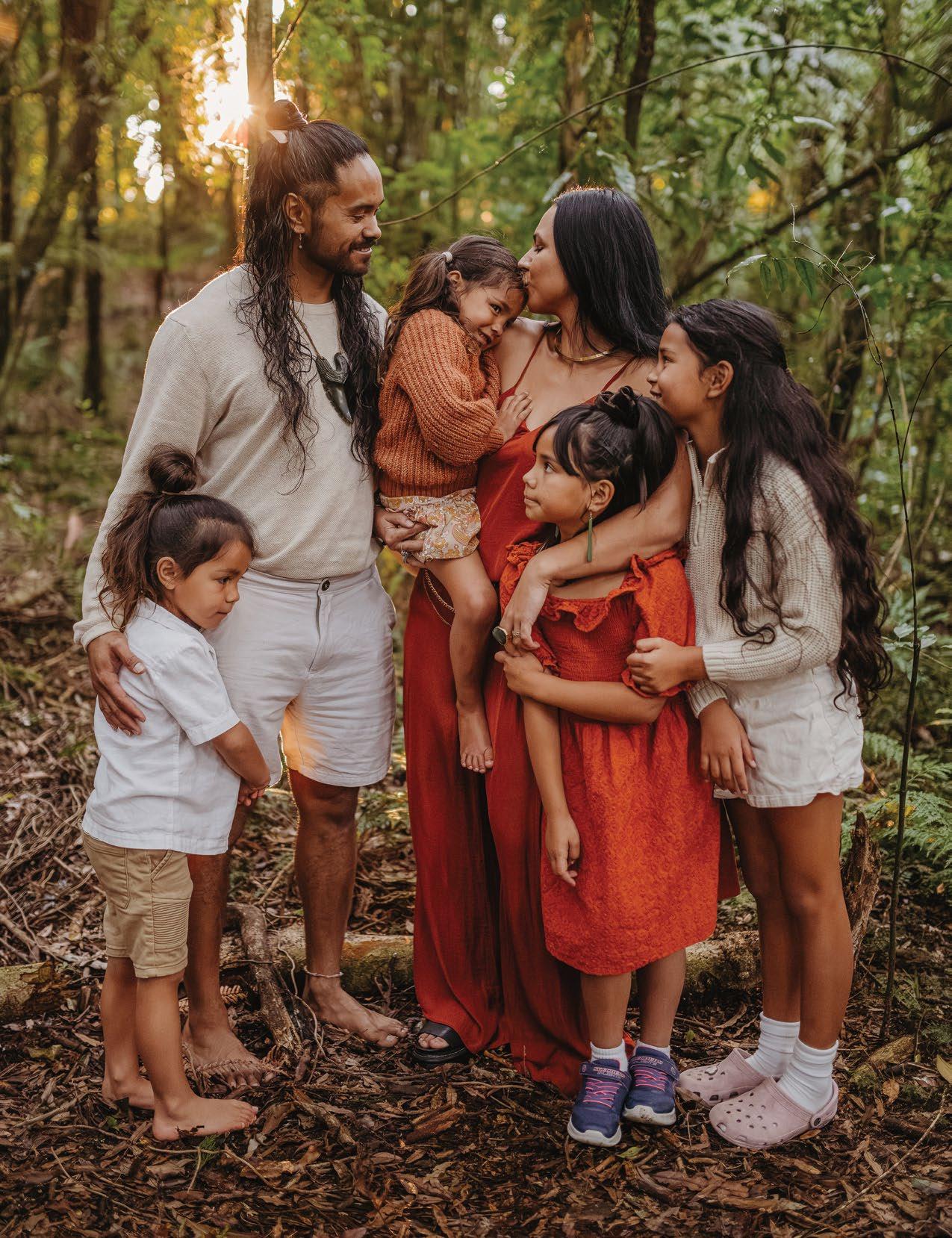
“We have high achievers and those who find school more challenging, natural leaders and quieter tamariki finding their voice, students deeply connected to their Māoritanga and others who have had little opportunity to connect with it at all.”
disconnected from aspects of their Māori identity. Cheyjuana describes spending much of her life feeling caught between worlds, academically successful in Western education spaces while also feeling like she never entirely belonged within them.
“I grew up quite apologetically Māori in a lot of the spaces that I was in.
“I was really good in a Western model of education because I’m really good at memorising and regurgitating information.”
However, Cheyjuana says there was always an underlying feeling she had to prove herself.
Creating Whakamana Māori became unexpectedly healing for both her and her husband.
“We designed the programme that we needed but didn’t have when we were at school. What started as an ode to our tamariki also became a love letter to our inner children.”
The programme launched modestly with around 15 students. By the end of the first year, demand had doubled. Teachers began identifying children who would benefit, not only students struggling academically, but also those who simply needed somewhere to belong.
“We get this really beautiful mixture of students,” Cheyjuana says.
“We have high achievers and those who find school more challenging, natural leaders and quieter tamariki finding their voice, students deeply connected to their Māoritanga and others who have had little opportunity to connect with it at all.”
Today, the programme has expanded across multiple year levels and into mainstream classrooms, weaving cultural values, leadership development and wellbeing practices together. It has also officially launched into Arataki Primary School.
One activity teaches children about uplifting others rather than competing against them. At the end of the game, the students are asked: “How did it feel to help someone else win?”
Other sessions focus on emotional regulation and confidence. The programme also includes creative projects designed to build capability.
One year, students created earrings from recycled materials, designed logos and marketed products before using their profits for an end-of-year celebration.
Another year, they created a book, with every illustration created by the children themselves.
The children’s excitement about seeing their work in a hard copy book sends a message to the children in the programme that “you’re capable of doing incredible things”.
That belief of capability is important to Cheyjuana, who becomes emotional recalling one particularly quiet boy who joined the programme in its early years. Initially too shy to volunteer for even the smallest tasks.
Slowly, through repeated encouragement and leadership opportunities, he changed.
“By the time he was in Year 6, he could stand in front of the rōpū (group) and confidently kōrero, lead karakia, and deliver mihi. Watching him grow into the rangatira (leader) he was meant to be was incredibly special.”
Stories like those are what keep Cheyjuana going, admitting the feedback she receives from whānau and the school community can make her emotional but also filled with pride.
“One of the core values of the programme is helping tamariki understand who they are, where they come from, and the potential that already exists within them.
“When our tamariki are grounded in their identity, connected to their whakapapa, and confident in their own worth, they are better equipped to navigate life’s challenges with confidence,resilience, and a strong sense of self.
“The programme became healing for us too, because the same messages of identity, belonging, and self-worth that we shared with our tamariki were the messages we needed to hear ourselves.”
Empowerment through knowledge, confidence and community – these are key factors in Whakamana Māori. Guest speakers regularly volunteer their time, including scientists, artists and musicians, exposing
“We can see what it’s doing for our tamariki. And once you see that, it becomes hard to justify keeping it to ourselves.”

students to different pathways and possibilities.
“I want our tamariki to see the richness and diversity of Māori identity.”
That includes children who may not yet speak fluent te reo or feel fully connected culturally.
Her own children – Naiya, 11, Iva, 9, Hākota, 5, and Koea Smiler, 3, – remain at the centre of what she does. Cheyjuana smiles describing her oldest daughter, who despite having dyspraxia affecting her speech and co-ordination, is never self-conscious.
That confidence is how Cheyjuana measures success. As the programme continues expanding into more schools, Cheyjuana admits growth still scares her because it is “still really much my baby”.
Her husband dreams of rolling it out nationwide, creating frameworks that could eventually be used across the country.
“We can see what it’s doing for our tamariki. And once you see that, it becomes hard to justify keeping it to ourselves.”
Tahatai Coast School principal Matt Skilton says for the past three years, Whakamana Māori has
had a huge impact on the students at his school.
“As a school, we have seen improved engagement in learning, positive shifts in attendance and achievement, and increased confidence from many of the students involved,” he says.
“The impact has extended beyond the students directly involved and has strengthened our school’s wider culture.
“Whakamana Māori has helped deepen understanding and appreciation of te ao Māori across our community and reinforced the importance of belonging, identity and connection.
“It has also strengthened relationships with whānau and helped create an environment where Māori culture is genuinely visible, valued and celebrated.”
Matt says programmes like Whakamana Māori are vital because when tamariki feel proud of who they are and know they belong, they are far more likely to engage, achieve and thrive.
To connect, email kaiako@whakamanamaori.co.nz























An article about a talkative women led Anna Elder to her life-changing ADHD diagnosis.
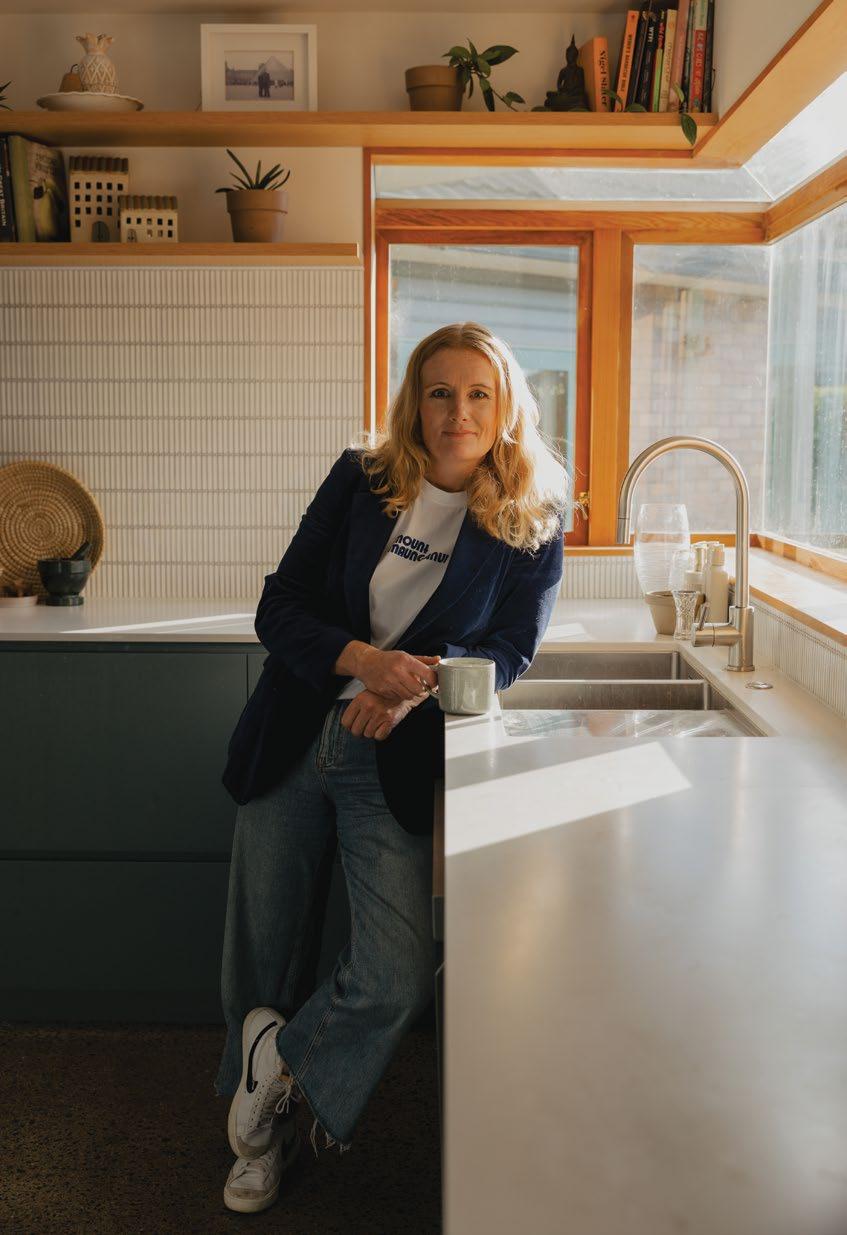
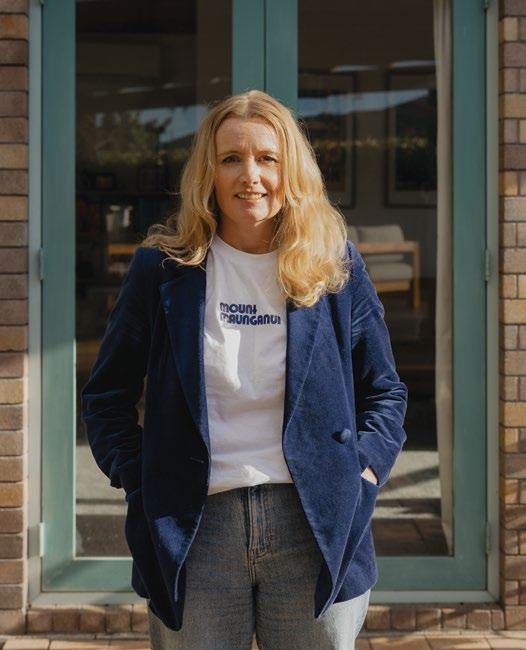
Anna Elder’s got friendly eyes, a dry sense of humour and a way of speaking like you’re already a mate.
She loves talking to people. Her husband jokes she’s on a mission to meet every person in the world.
Anna has Attention Deficit Hyperactivity Disorder, ADHD. It was actually an article about women with ADHD, who also love to talk, that made Anna realise she had it too.
Since being diagnosed and starting medication, Anna has become even more passionate about her work as a mental health nurse practitioner.
Anna has spent 10 out of her 25-year career specialising in ADHD. Everyday, she sees first-hand how life-changing a diagnosis and treatment can be for her clients.
Anna says changes to ADHD prescribing rules in February – allowing general practitioners and mental health and pediatric nurse practitioners to diagnose and prescribe stimulant medication have the potential to reduce delays and red tape in the future.
She hopes this means people with undiagnosed
“Once I started drinking, it felt so good I couldn’t stop, in the same way that if I opened a bag of pineapple lumps… it was impossible just to have one.”
When Anna found a love for nursing a stable marriage with her now husband, she tried slowing down and following routines.
But “allergic” to boredom, she started a national organisation for Cognitive Behavioural Therapy, completed a Master’s Degree, and started a business, all in her son’s first few years.
“I was like a magpie picking up shiny projects,” she laughs. “ADHD can make prioritising impossible. If an opportunity sounded exciting, I had to go for it.”
But underneath her career success, Anna wasn’t coping and she looked for food and alcohol to help her relax.
“I constantly felt like I was failing. I was stressed and overstimulated all the time, and massively struggled to regulate my emotions.
“I felt like a fraud. I was a really experienced and well-regarded therapist, yet I spent a lot of time feeling
“I constantly felt like I was failing. I was stressed and overstimulated all the time, and massively struggled to regulate my emotions, I felt like a fraud, I was a really experienced and well-regarded therapist, yet I spent a lot of time feeling anxious and guilty.”
ADHD can soon access more affordable and equitable assessment and support.
In 2022, Anna and other clinicians and professional organisations formed a multi-disciplinary advisory group to advise on changes needed to increase access to care for people living with ADHD.
Anna’s own journey with ADHD hasn’t been easy. From age five, she had a vigour for life.
But during puberty, Anna’s emotional dysregulation and risk-taking increased, and she constantly felt she was “too much”.
Struggles with impulsivity and frequently wanting to escape her insecurities meant she “ripped” through her teens, and began drinking heavily. Her mental health, she says, was a rollercoaster.
Accelerant classes in high school morphed to only passing classes she liked, bunking school and arguing with teachers, before dropping out and becoming a dairy farmer.
Her binge drinking escalated before seeking formal help at age 20.
anxious and guilty.
“It’s a vicious cycle of stress, overwhelm and pressure… and puts you into a state of hypervigilance.”
Worrying about deadlines, feeling exhausted and constantly not good enough took a toll on her mental health.
However, after being diagnosed with ADHD and starting medication, Anna says she saw immediate changes. She was no longer late, she could stick to one glass of wine, didn’t crave sugar, and felt a sense of confidence.
She was present, mindful, and calmer, which had a positive impact on her relationships.
Anna sees ADHD as a neurodevelopmental difference, and only a disorder in the face of chronic stress.
“People with ADHD possess these incredible attributes and superpowers. Minds that explore multiple ideas at once, make connections and hyperfocus to achieve incredible things.
“It’s constant high levels of stress that dial up the
“Don’t underestimate how much someone is suffering by how they appear on the outside… they might just be working super hard to mask it.”
Anna says her ADHD medication helps her to be present, mindful and calm.
downsides of these talents.”
As time passes, Anna says, people struggle with low or fluctuating moods, anxiety and self-doubt, difficulties regulating emotions and feeling like they’re completely incapable.
“Don’t underestimate how much someone is suffering by how they appear on the outside… they might just be working super hard to mask it.”
Since specialising in ADHD, Anna says the dramatic difference a diagnosis and treatment can make for people was something she’s “never seen before”.
“When you see that shift in a high percentage of people who start stimulants, you fall in love with the work. It just changes people’s lives, and often the lives of those around them.”
Anna says medication can help people with day-to-day functioning as well as improved confidence and emotional regulation.
Now she can apply for funding for stimulant treatment as a nurse practitioner, Anna says her six years of post-graduate education and endorsement as an ‘authorised prescriber’ in New Zealand has all been
worth it.
Almost everyone is relieved when they get diagnosed, says Anna.
“It’s hugely validating… they really celebrate the fact that they can understand themselves better and make sense of the struggles they’ve had across life.”
Anna says February’s changes that begin opening access to everyone was just the start. The next step, she says, is looking into funding and social investment given the proven economic benefits of addressing undiagnosed ADHD.
Anna hopes these changes would mean the results she sees from medication would become more accessible and help people with a much wider range of social and mental health challenges.
Anna works at the progressive Tauranga branch of The Psychology Group, which supports children, adolescents, adults and their whānau with a range of services including assessments and therapy through a holistic approach.
“Many of us have ADHD, so we’re a pretty friendly, authentic and innovative group of people!” tpgroup.co.nz


plentie.co.nz
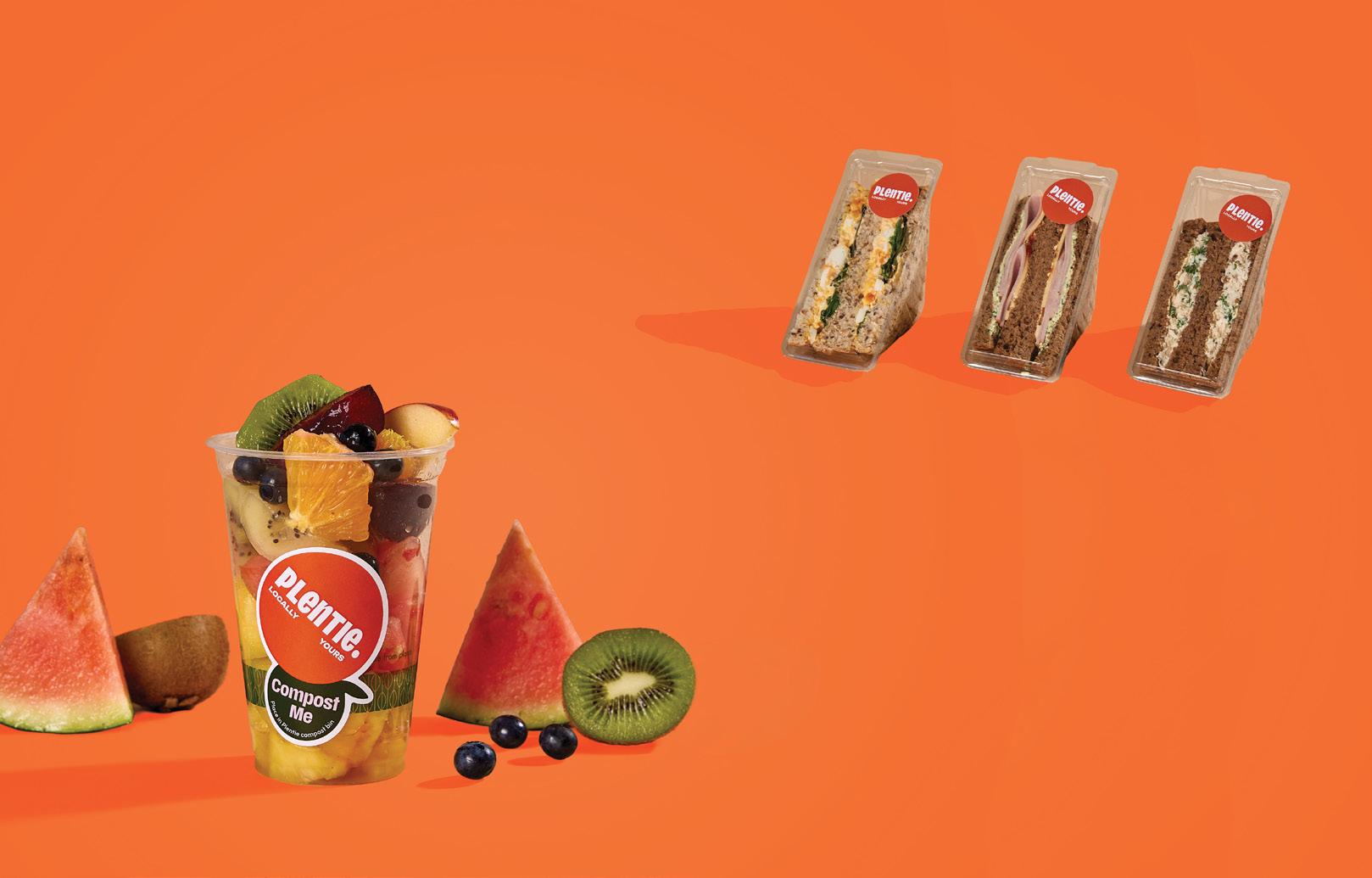
The café inside Mercury Baypark Arena has entered a bold new era. Now known as Plentie, the new space brings a fresh new energy to the heart of one of Tauranga’s busiest venues.
After years of fuelling budding athletes, sideline supporters, conference crowds and event attendees, the café inside Mercury Baypark Arena has undergone its first major upgrade to better cater to its community.
Tucked inside Mercury Baypark Arena, the new Plentie Café is designed for everyone. It is a community-focused cafe offering quick, on-the-go healthy food options such as fresh salads, wraps, sandwiches, fruit, smoothies and more.
The menu features fresh, adaptable options and uses local produce and suppliers where possible, while the coffee is roasted by Mojo.
Rest assured, however, customer favourites such as hot chips remain on the menu.
Whether it is parents grabbing a coffee between games, athletes needing a quick bite before hitting the court or conference attendees looking for a fresh lunch option, Plentie isn’t just a café – it’s a community-focused space where great food, coffee, and conscious choices come together.
Rahiri reflects on the next chapter in the Mauao recovery journey.
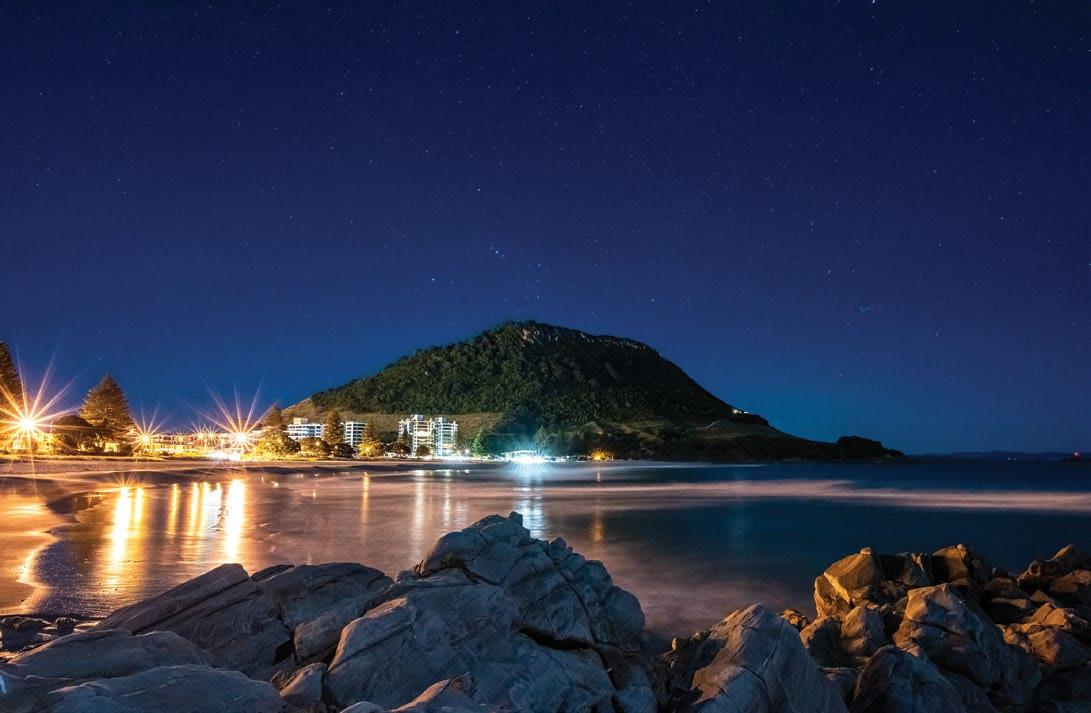
There are some places that become part of who we are. Places we don’t think about until we can’t be there. For so many of us, Mauao is one of those places.
Mauao stands majestic at the edge of our harbour and our daily lives. It greets the early risers chasing the sunrise, the dog walkers, the runners, the families with sandy feet and curious tamariki. It is where celebrations happen, where thoughts are gathered, where generations have walked the same paths and looked out across the same waters.
For tangata whenua, it is an ancestor. A living presence woven through whakapapa, stories and identity. A taonga that has watched over Tauranga Moana for centuries and continues to shape the connection people feel to this place.
Mauao is more than a landmark, it is a place of connection. When landslides scarred the maunga earlier this year and claimed the lives of six people, many of us felt the loss. Not just of access when Mauao and the tracks closed, but of that connection. While significant progress has been made over recent months, the maunga continues to remind us that recovery is not always a straight path forward.
In late July, the Beachside Holiday Park landslide reactivated moving a significant amount of material downslope. These events highlight the complexity of the recovery effort and the importance of allowing restoration work and any future reopening to proceed carefully and safely.
“The coming months will be an important part of our recovery journey,” shares Charlie. “The recent reactivation of the landslide reinforces why we need to take a careful, considered approach. We’ll continue balancing restoration, safety and care for the maunga as we work towards reconnecting people with Mauao when it is safe to do so.”
The return of safe access is about much more than reopening tracks. Healing, like recovery itself, rarely happens all at once. It happens step-by-step.
It’s about reconnecting people with a place that means so much to so many of us. It’s about creating opportunities for people to once again enjoy the spiritual, physical, cultural and emotional benefits that come from spending time on, and with, Mauao. Charlie believes that access to Mauao will need to return gradually and carefully. “Some areas will remain under active restoration, while others will reopen when it is safe to do so.”
There’ll be information on the ground to help people understand where they can go, what areas remain restricted, and why some work is still taking place. There’ll be signs, safety messaging
Mauao has long been a place where people come to connect, with nature, with each other, and with the stories of Tauranga Moana.
and ongoing updates as conditions change and more progress is made. And yes, you may still spot contractors working away while you’re there.
Charlie is planning for this reconnection to Mauao to be supported by careful planning, ongoing monitoring and clear information about what areas are open and what areas still need time to recover.
For Charlie, the goal is pretty simple: “We want people to be able to enjoy Mauao again while we continue caring for it and completing the work that still needs to happen.”
Since the closure, helicopters have buzzed overhead, diggers have dug, contractors have worked across difficult terrain, and recovery crews have carefully stabilised and prepared parts of the maunga for the future.
But Charlie says the recovery journey has always been about more than engineering, repairing tracks or stabilising slopes. “From the beginning, we’ve approached this work knowing Mauao is an ancestor and a taonga,” he says. “That understanding sits at the heart of every decision. The closure of Mauao has given us a chance to reflect on, and acknowledge, the significance of the maunga in our own lives.”
Charlie says recovery decisions have been guided by the understanding that cultural values, mātauranga Māori and tikanga must sit alongside technical and safety considerations. “At the heart of the partnership approach between Mauao Trust, iwi, hapū, mana whenua, Tauranga City Council, stakeholders, local businesses and our community is a shared commitment to protecting the maunga, while also looking ahead to how people can safely reconnect with it,” he reflects.
While machinery and restoration work will be easy to spot, Charlie says some of the most important parts of the recovery is something much less visible –talking and listening; and sharing our thoughts, ideas and hopes for the future.
As the next phase of work gets underway, he says conversations with mana whenua, residents, community groups and local businesses will continue to play an important role. “We’re not just restoring access,” says Charlie. “We’re also talking about how we care for this place into the future.”
Those conversations will help shape the future of Mauao and the space around the base of the maunga, ensuring the values that make Mauao special remain at the heart of future decisions.
“The message remains simple: we will be reopening where it is safe, while continuing to care for Mauao for the generations who will follow us”
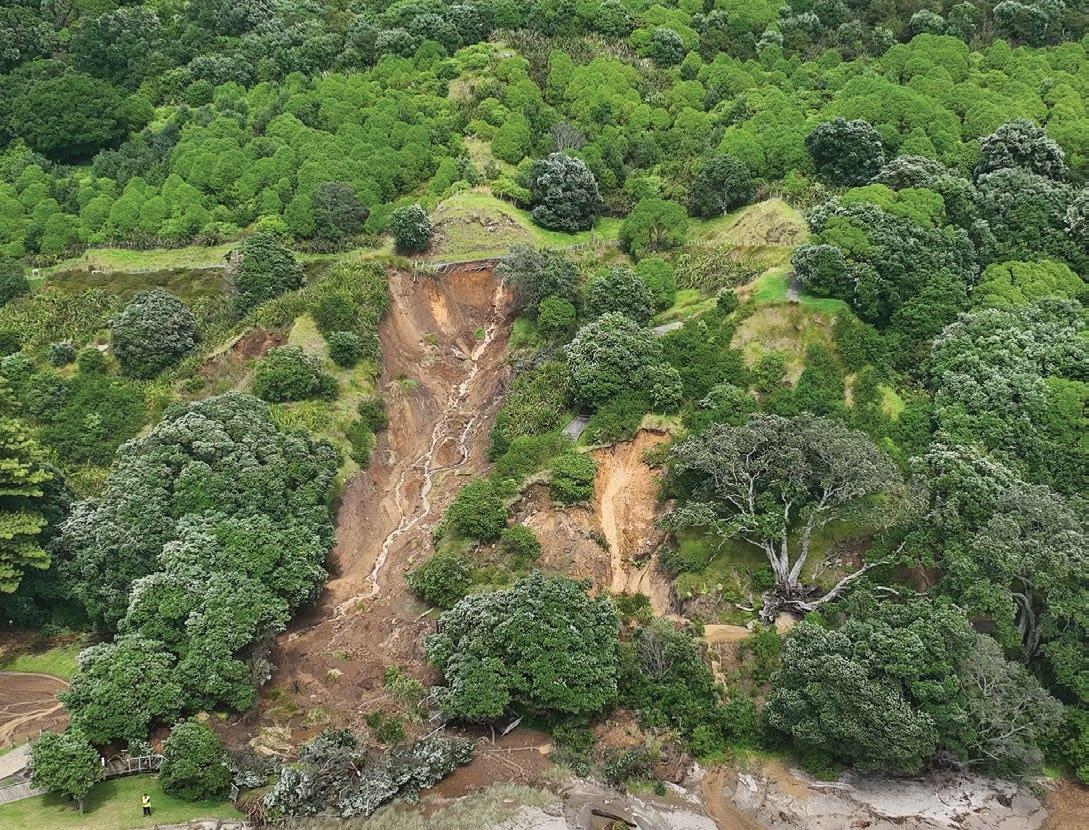
Charlie stresses the importance of patience, allowing the maunga time to heal and public access to be returned safely. “There is a whakataukī reflected in our recovery journey: we inherit Mauao from those who came before us, and we hold him in trust for those yet to come.” This speaks to the importance of respect and time.
Restoring our connections with Mauao is not simply about gaining access to a walking track. It is about restoring a relationship. A relationship between people and place, and between past and future.
For Charlie, the recovery journey can be summed up in three simple words: Remember.
Restore. Rise. “The message remains simple: we will be reopening where it is safe, while continuing to care for Mauao for the generations who will follow us,” shares Charlie.
And while there’s still work ahead, there’s also a lot to feel positive about. Because every safe step back onto Mauao represents something bigger than reopening a track. It’s a reminder that recovery is about people, place and connection.
Or, as Charlie so thoughtfully reflects: “We’re not just restoring access. We’re restoring connections.”
tauranga.govt.nz





Words by Mary-Rose Norton
Photography by Erin Cave
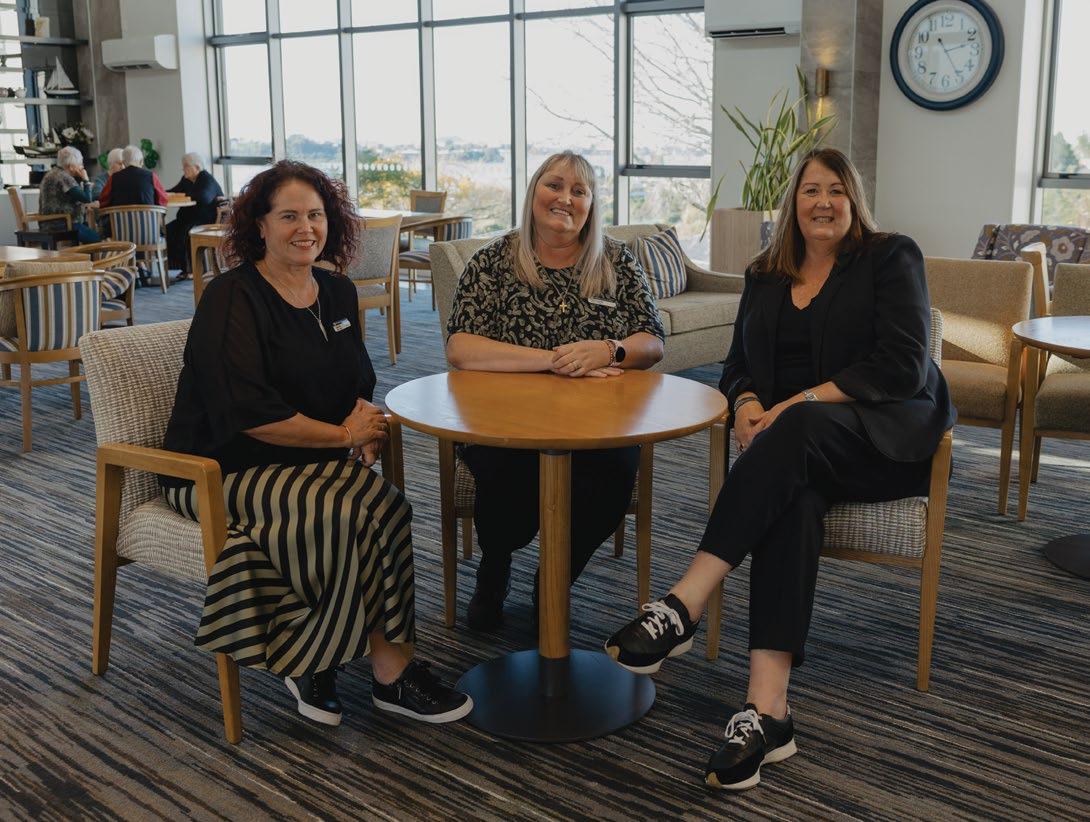
Her official title is “village sales manager,” but spend five minutes with Catherine Weedon and you’ll realise those three words don’t come close. At The Bayview, what she’s really creating is belonging.
If you ask Catherine what she does at The Bayview, “village sales manager” is the official answer.
But spend five minutes with her and you will quickly realise those three words don’t tell the whole story.
On any given day, Catherine might be an apartment matchmaker, van driver and tour guide, an interior decorator, a project coordinator, or simply a listening ear.
“Every day is slightly different, and that’s one of the things I love about this life too. I mean, it’s a massive thing for me – I love being busy.”
With a background in sales, it was the role title that initially caught her attention.
“After the first interview I really put my thinking cap on and thought, ‘I really do want this.’ It started to resonate that I would love working with retirees. I thought it would be really amazing.”
Then she arrived at The Bayview.
“I truly didn’t know how wonderful it was going to be until I got here.”
Today, she struggles to imagine being anywhere else.
“Nothing in my career prior to this has given me this real sincere fulfilment. I often talk to my mum about it and I go, ‘I didn’t know that I was going to
be working in retirement’, but I can’t imagine myself anywhere else now.”
Perhaps that’s because her love for older people was fostered from a young age.
Her father encouraged Catherine and her siblings to travel, meet people and try new things, while her grandparents played a special role in her childhood.
“My grandad and my nana from my mum’s side were the coolest grandparents in the world. They were just amazing with us kids.”
More recently, Catherine experienced retirement living from the other side. Not long before joining The Bayview, she helped navigate the journey of her mother moving into a retirement village and her late father entering care.
“When you’ve got ageing parents, you have very different conversations with them and it’s not always easy.”
The experience gave her a deep understanding of the emotions families face when considering retirement living.
It’s one reason she approaches every conversation with empathy.
“I listen well, I am very empathetic and I really enjoy talking to people. This age group, they’ve got
such incredible stories. Hearing their life journeys, it’s a privilege to potentially be part of it for their next years to come.”
While helping people find the right home is part of the role, Catherine believes the real decision is about something much bigger than square metres and specs.
“I think that it really boils down to community and friendship and feeling safe, feeling secure, and feeling happy.
“When I’m doing viewings, I talk about how I can show you an apartment, but in reality the biggest thing I can possibly do is be an advocate for our community. It’s showing how we care for each other, how our residents do things together.
“Coming into retirement village living, you’re
creating your new tribe, and that’s hugely important as you get older. It’s about finding friendship, connection and a place where you truly belong.”
It’s also why Catherine often finds the lines between work and life becoming pleasantly blurred.
She plays twilight bowls at the Matua Bowling Club with a group of girlfriends, where friendly rivalry with The Bayview residents is all part of the fun. She also joins village outings to local rugby games, a passion that runs in her family through their long-standing connection with Bay of Plenty Steamers and the Chiefs.
Her nieces and nephews have been welcomed into the community like family.
Her six-year-old nephew, Cole, has become something of a favourite.
“It’s like having 100 friends and family at your fingertips every day, I love the good mornings and their hellos and hugs.”
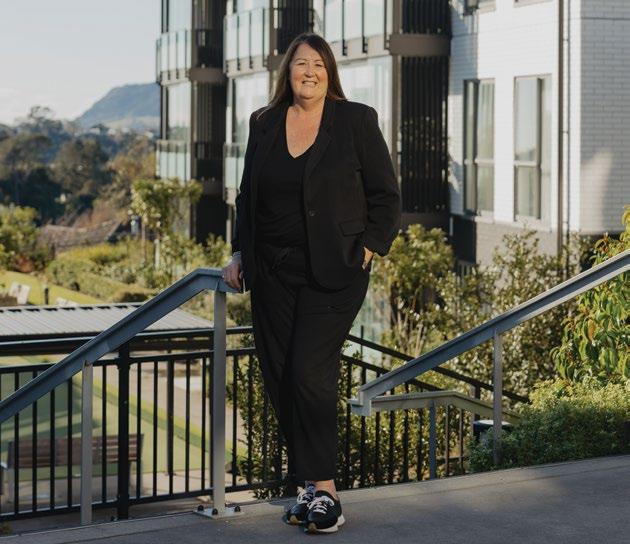
For Catherine, the best part of the job is watching people settle in: “Seeing confidence return. Seeing friendships form.”
“He goes when the residents are down having afternoon tea and has a yarn with them. It’s like his own personal audience.”
The connections she builds with residents often extend to their families too.
“It’s like having 100 friends and family at your fingertips every day. I love the good mornings and their hellos and hugs.”
For Catherine, one of the most rewarding parts of the job is helping people overcome the barriers that can make a move feel overwhelming, particularly the prospect of downsizing.
At The Bayview, practical downsizing and moving support through Sort My House helps make the transition easier, allowing new residents to focus on the possibilities ahead.
“The relief is phenomenal to witness.”
And then comes her favourite moment.
Seeing people settle in. Seeing confidence return. Seeing friendships form.
“Getting here, getting a new tribe, trying new things – it builds your confidence back up and that’s really important.”
It’s those moments that remind Catherine why she loves what she does.
“I do go above and beyond, but the rewards are really high, not only for me but for our residents.”
Maybe that’s why “village sales manager” doesn’t quite fit.
Because while Catherine helps people find their next home, what she’s really helping them find is connection, confidence, friendship and a sense of belonging.
At The Bayview, those things matter far more than bricks and mortar.
They’re what make a community feel like home.
thebayviewvillage.co.nz
The Bayview Village, 159 Waihi Rd, Tauranga


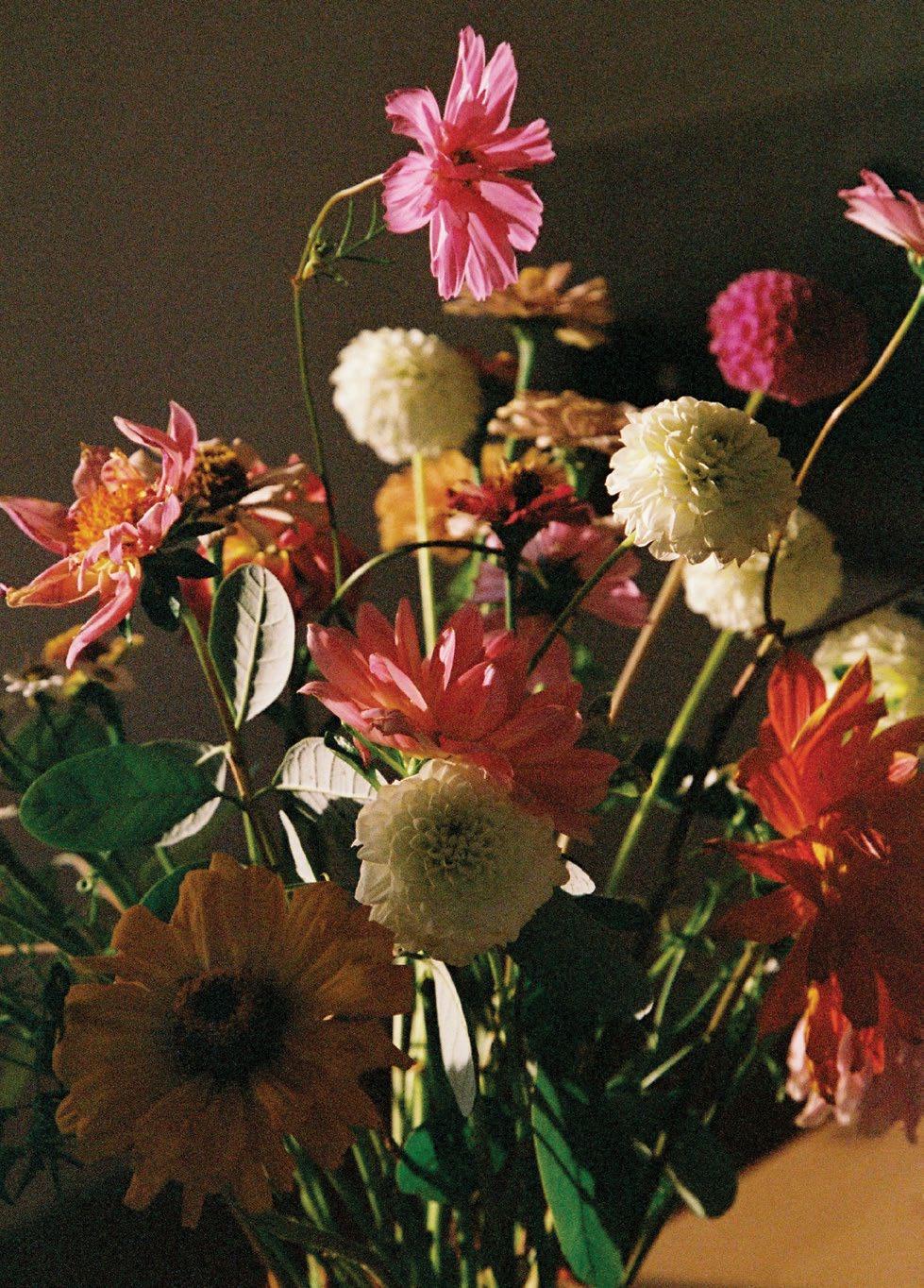
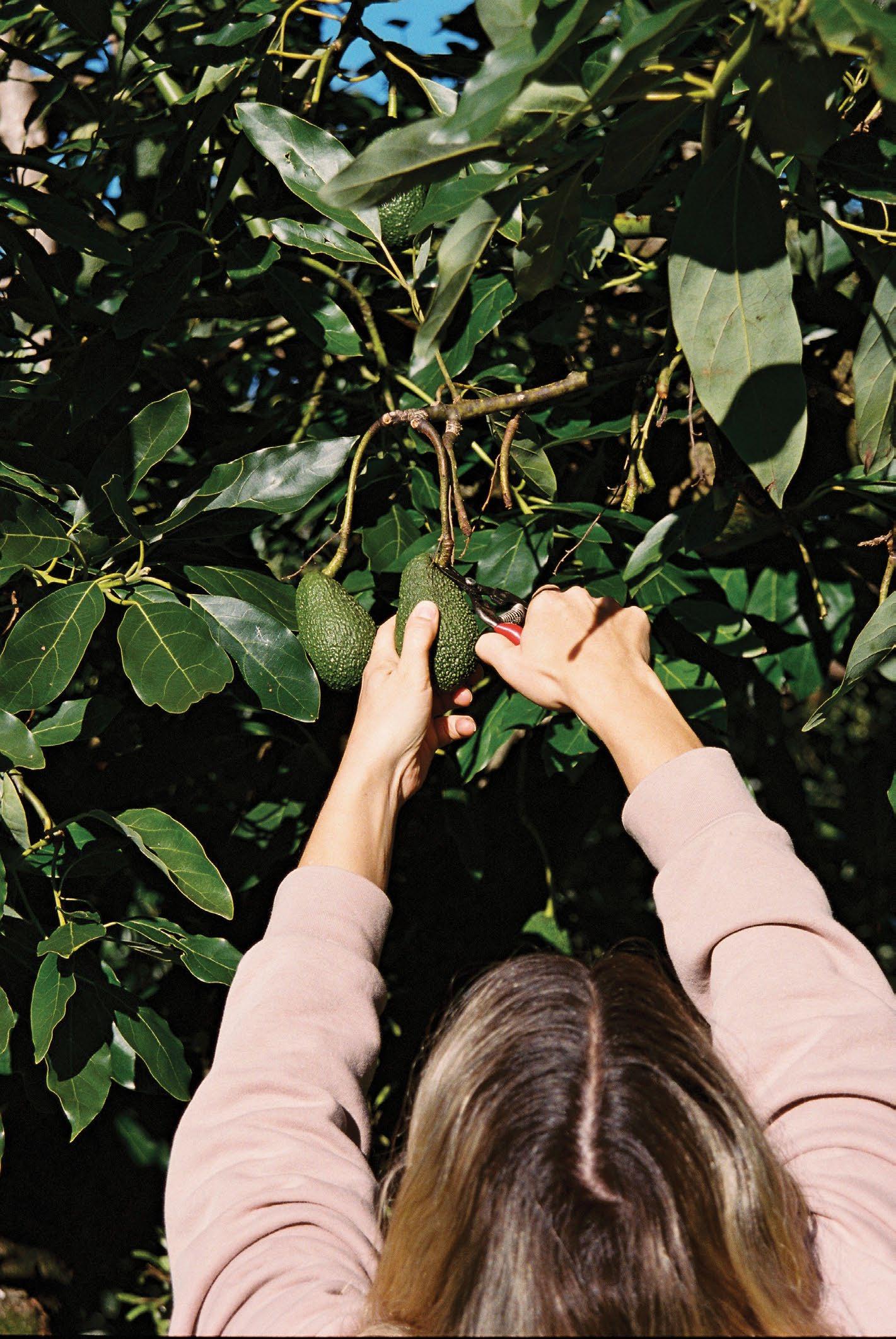
Somewhere between the Teams meetings, the constant flow of bills and trying to keep up with the general admin of life, we’ve edged closer to 40 and drifted back into the garden. “Dirt culture” is about getting your hands off the keyboard and into the earth. It gives us a rare reason to slow down and grow something to eat, something to admire, or simply somewhere to breathe.
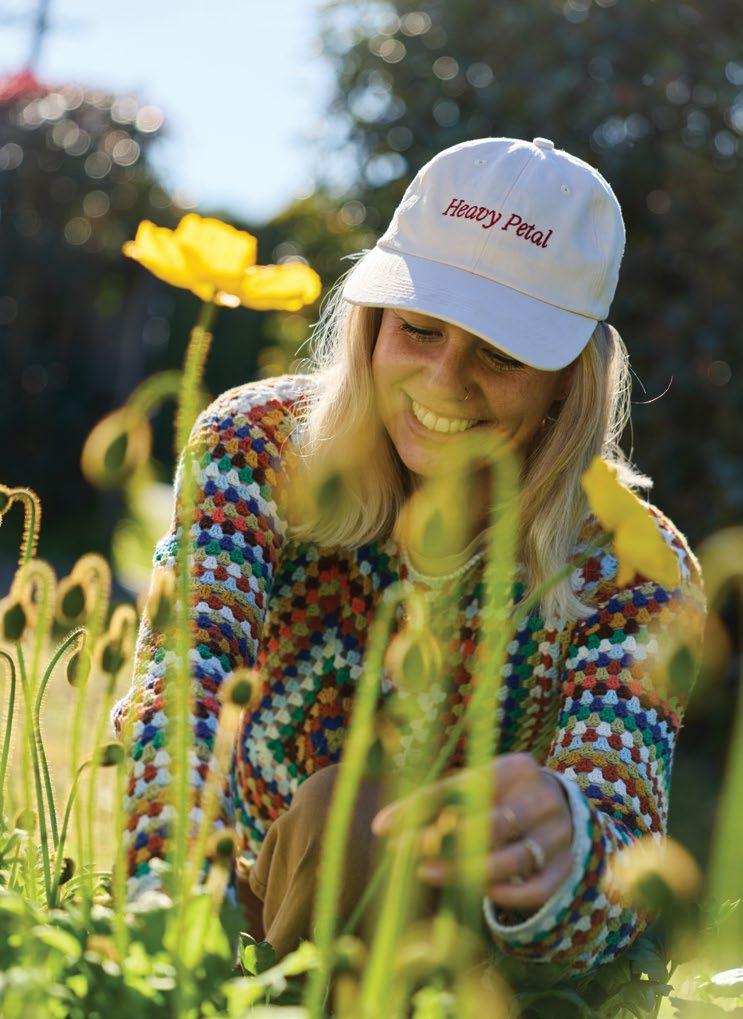
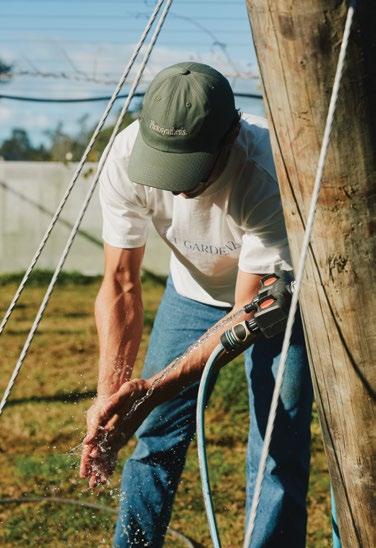
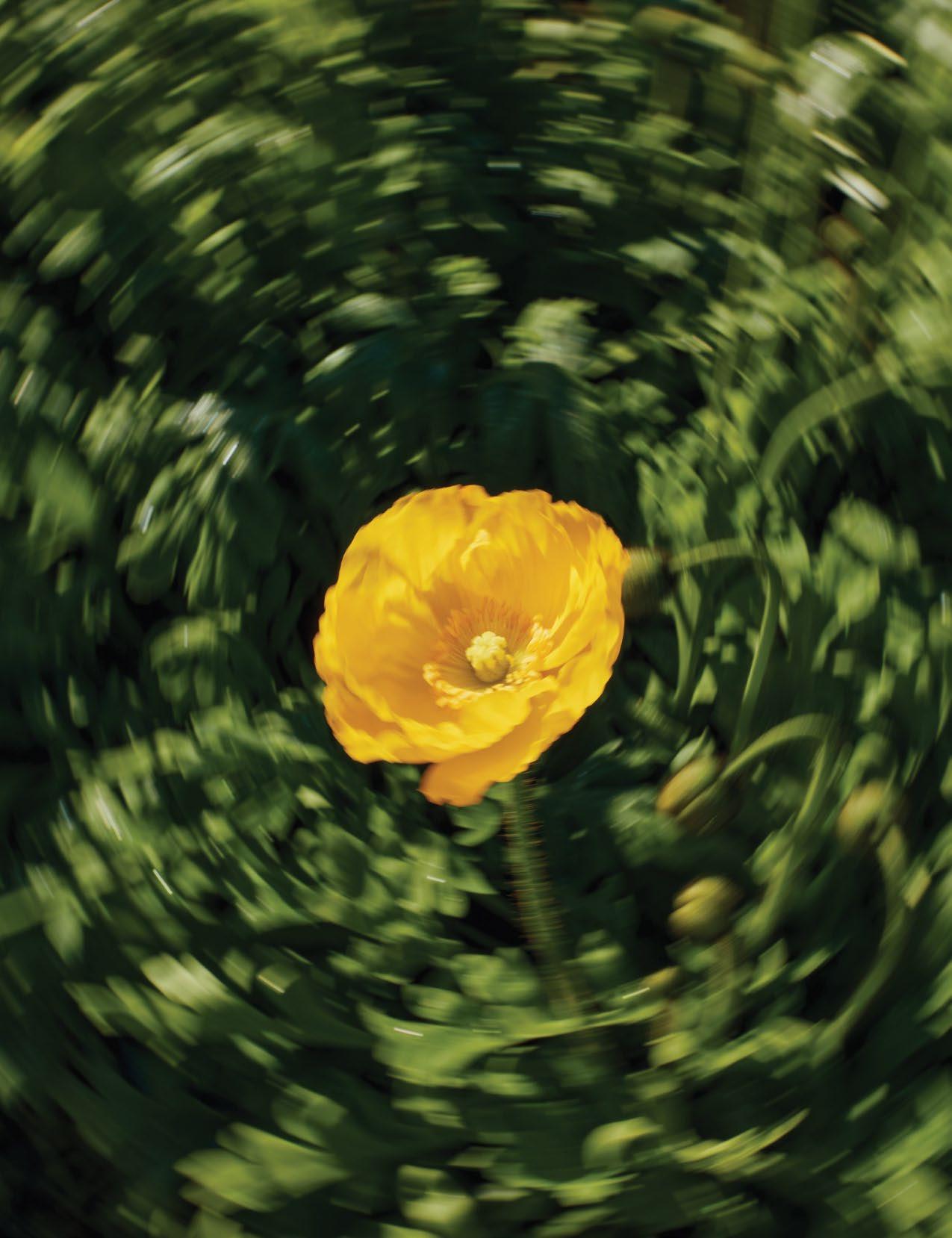
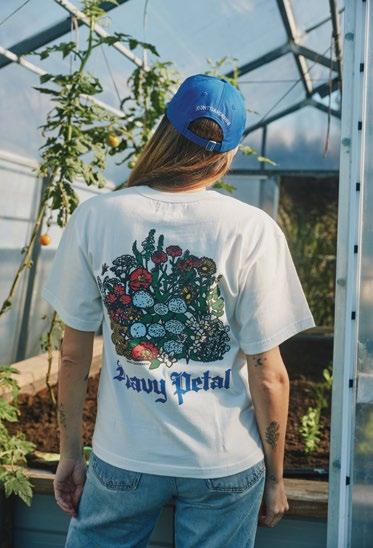
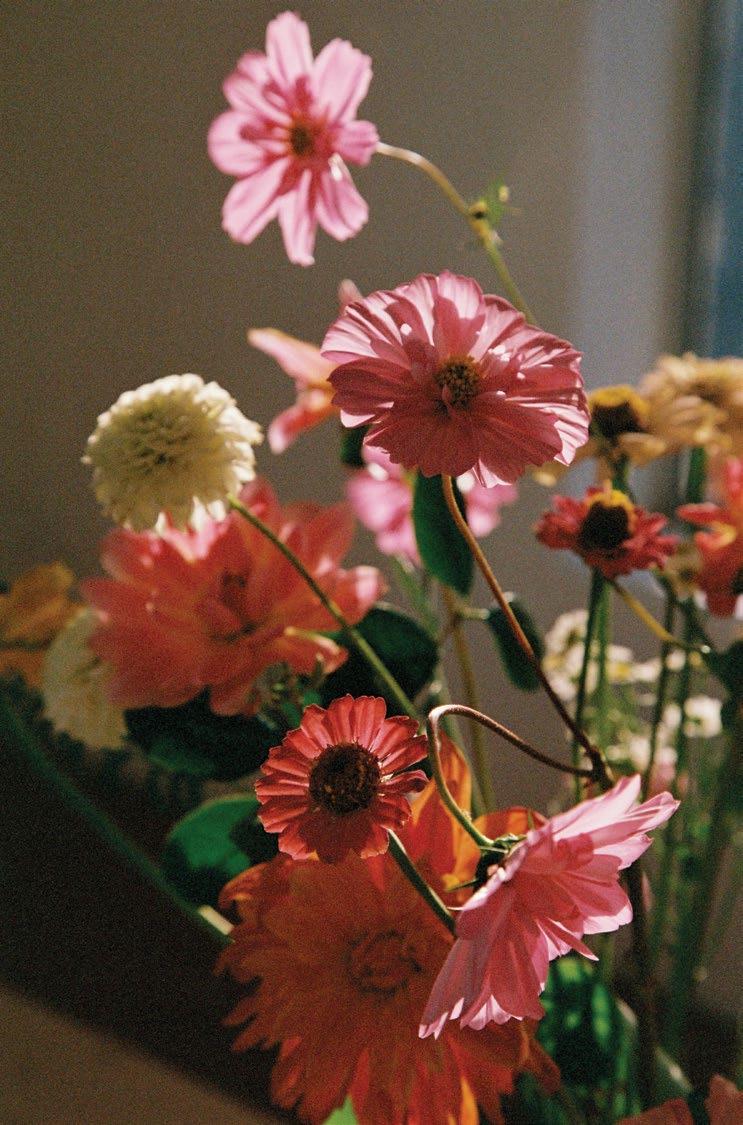
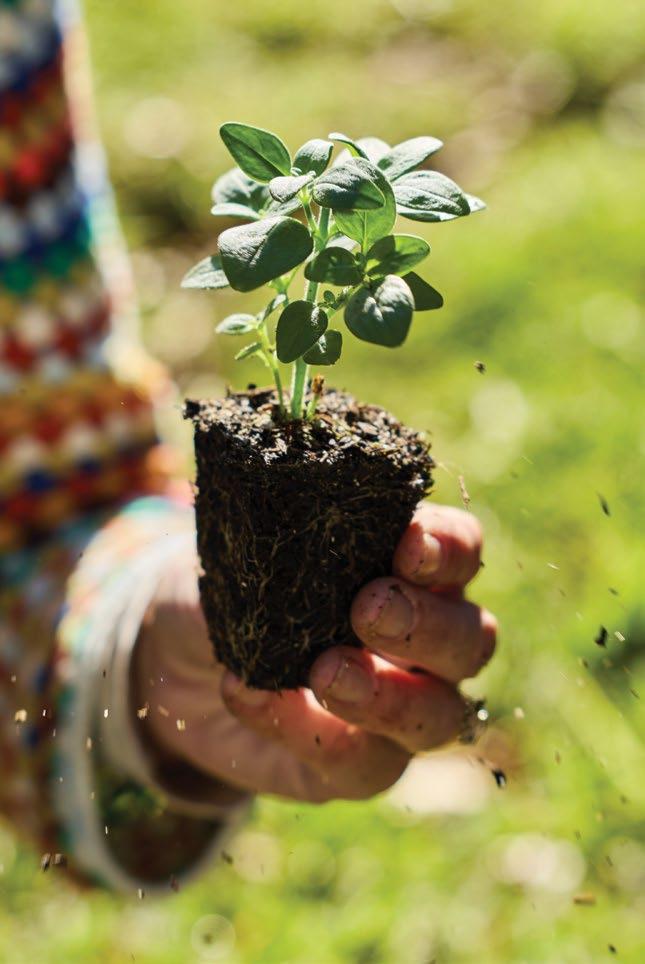
There’s one thing every gardener knows; good things take time. Whether it’s a single pot on the balcony or a backyard full of vegetables, the reward isn’t what you harvest. It’s in the ritual of showing up, getting your hands dirty and creating something worth sharing. Maybe that’s what growing up looks like after all.
Pictured: Sarah Neate, floral gardener, Matapihi. Viarni & Patrick Torr, orchardist & food growers, Te Puke.

Words by Rachelle Duffy
You may come to New Caledonia for the white-sand beaches and Instagram-worthy moments, but it was the local legends who captured the heart of Our Place director Rachelle Duffy.
Wherever I travel, it’s the people who always capture my attention first.
Landscapes can be spectacular and beaches postcard-perfect, but it’s the locals who are the storytellers, custodians of tradition and characters who give a place its heartbeat and make a destination memorable.
Arriving in New Caledonia during the first week of a New Zealand winter, I quickly discovered this South Pacific paradise is defined as much by its people as its turquoise lagoons and white-flour sand beaches.
From the moment we arrived, after a simple three-hour flight from Auckland to Tontouta International Airport with Aircalin – the international airline of New Caledonia – there was a genuine warmth. From village markets to waterfront cafes, a cheerful “Bonjour” and genuine warmth followed us wherever we went.
Every corner of New Caledonia seemed to introduce us to another local legend. Boatmen shared stories about life on the water, tour guides preserved generations of cultural knowledge and Kanak tribes welcomed us into their communities.
As the week unfolded, I found my most memorable moments had everything to do with the people I met.
Axelle Boullet
We first met Axelle Boullet, the founder of eco-friendly tour company Toutazimut, who led us on a guided tour of Blue River Park. Axelle explained how every tour is designed around sustainability, protecting local communities, biodiversity and cultural heritage. Toutazimut is well-known for operating unique excursions punctuated by numerous stops at must-see sites including the great Kaori at Lake Yaté.
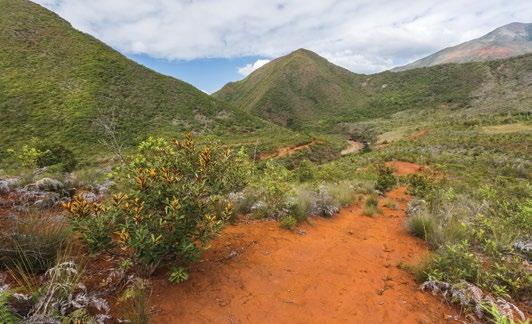
The first thing that struck me was the deep-red soil of the Great South. New Caledonia’s metal-rich landscape is unlike anywhere else in the Pacific.
Axelle tells us while the soil is heavily concentrated with iron and other metals, the territory’s economy relies almost exclusively on mining nickel.
The Great South is also a destination dedicated to green tourism. While hiking through the rainforest, we spotted several cagou (or kagu) birds. Like the kiwi is to Aotearoa, the cagou is an endangered and virtually flightless bird endemic to New Caledonia.
On our second day, we took the BETICO ferry to the Isle of Pines where we discovered another gem in one of the five islands bordering the mainland. After checking into a bungalow at Oure Lodge Beach Resort, we headed to Upi Bay for a private outrigger tour.
There, we met a piroguier (boatman) Onri, who took us through Saint-Joseph Bay or Plage de la baie de Saint Joseph where we weaved through the bays followed by turtles and stingrays. The traditional outrigger is the only way to navigate Upi Bay. Onri says only 10 people know how to skipper these boats, with the knowledge passed through generations. It was then free time snorkelling the natural swimming pools and tribal land of Oro Bay. After paying a small koha, I put on my mask, flippers and a snorkel and immersed myself in this open-air aquarium between the towering columnar pines. The fish life is insane!
We then cooled off in the White and Blue River valleys. It doesn’t take much to get me in the water. I mean we were in the bluest of waters, so why the heck not?!
New Caledonia has one of the largest lagoons in the world, spanning roughly 24,000 square kilometers. It’s also home to the second-largest double-barrier coral reef on the planet, stretching 1,600 kilometers.
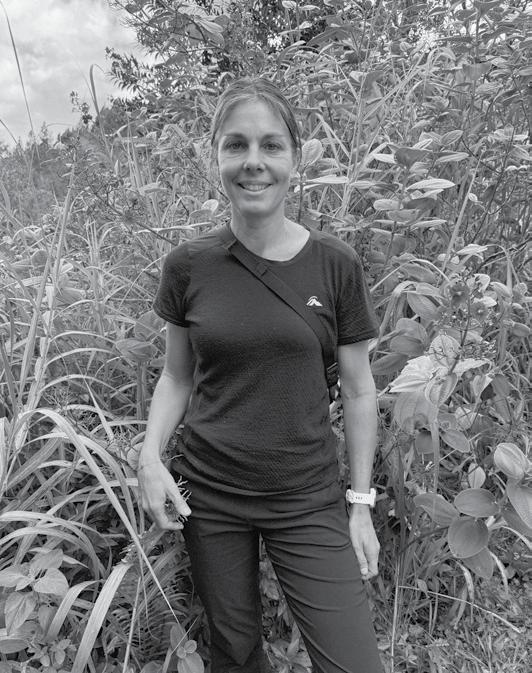
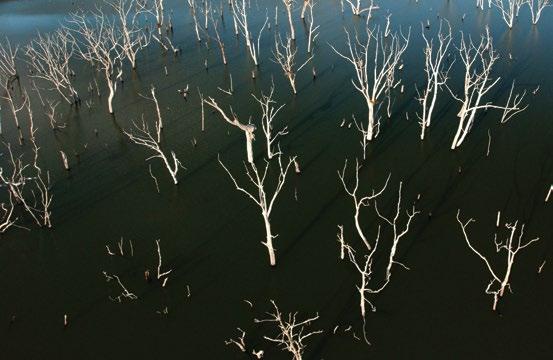
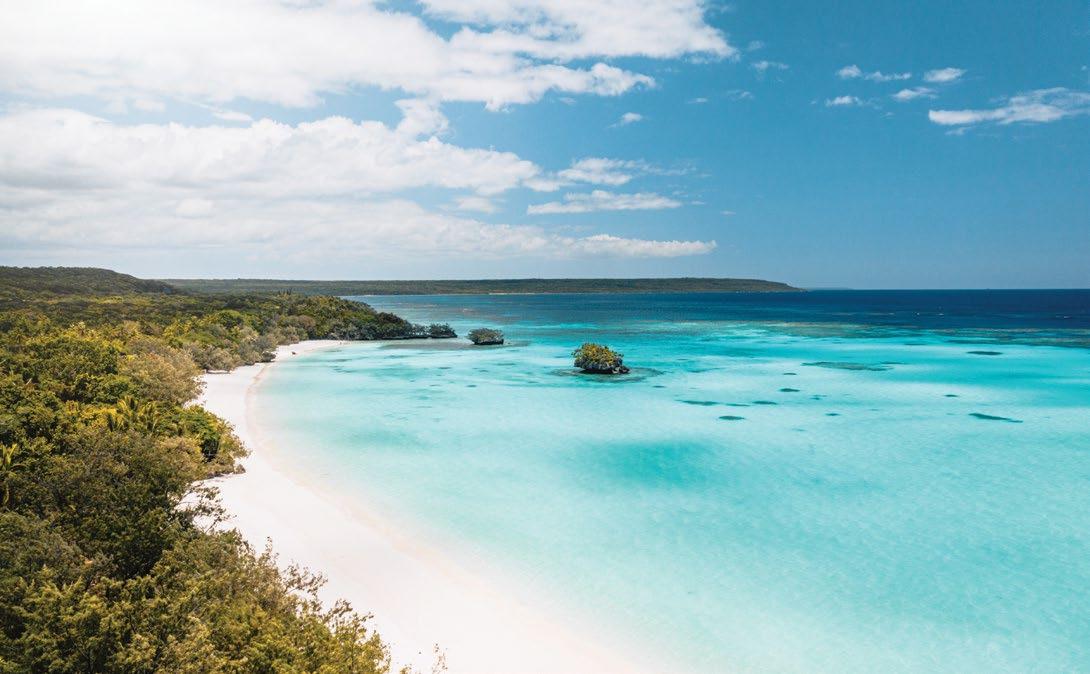
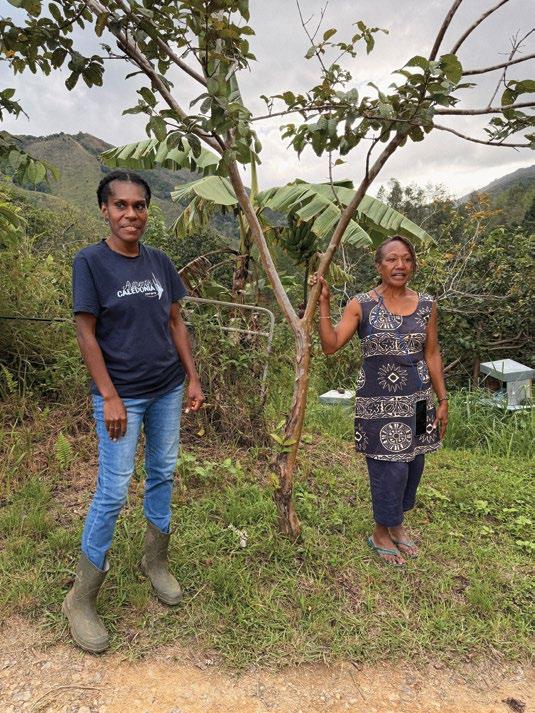
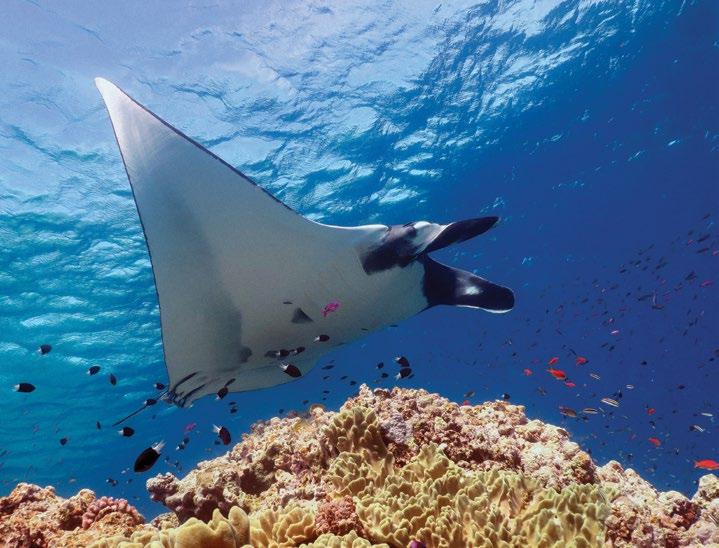
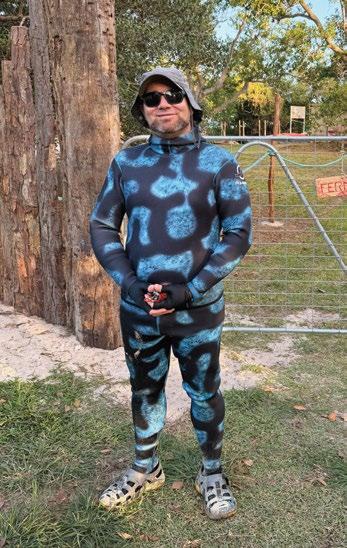
Above: A manta ray glides over the reef. Right: Philippe, who guides snorkellers across the lagoon with Quest Corail.
I was lucky enough to experience the best of both worlds. I relished in the comforts of five-star luxury beach resorts, as well as diving deeper into New Caledonia’s tribal history. The real luxury came from encounters with Kanak families, whose connection to the land, traditions and each other remain at the heart of island life. It was those moments that left the deepest impression.
A visit to the Koindé tribe in La Foa was one of the highlights of the trip for me. Although much of the 271,000 population lives a “Western way of life”, with French being the official language, the Kanak traditions are still very present throughout the entire territory, particularly within the tribes.
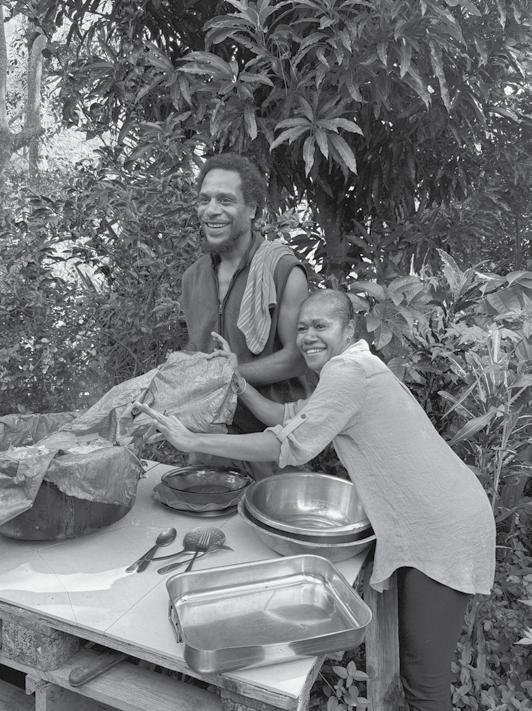
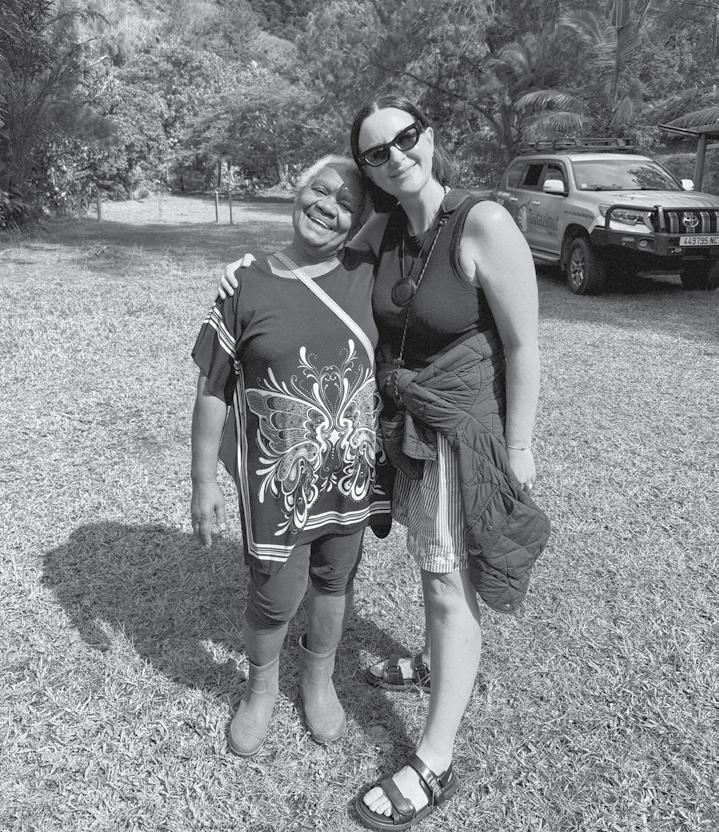
We were welcomed by the beautiful Marie Claud. As a sign of respect, we greeted the families with a small gift and a few words. Us Kiwis on the tour offered a bag of good ol’ Whittaker’s hokey pokey chocolate, which was warmly received.
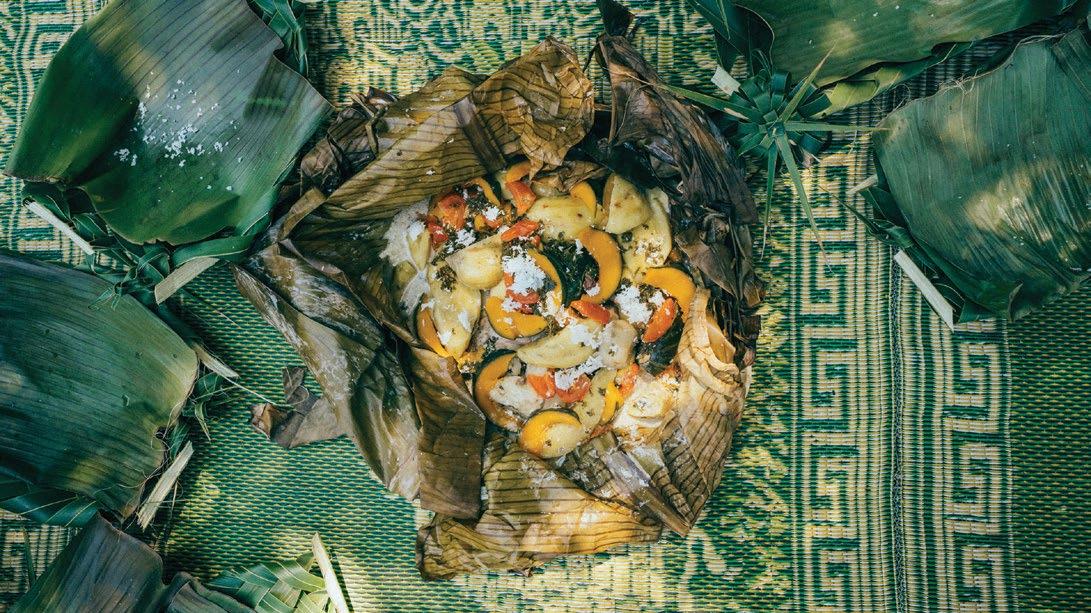
Here, we enjoyed a tribal immersion in the heart of the Chaîne centrale (central range) – a 40-minute drive down a winding road towards a total disconnection in nature. We shared a bougna lunch with Marie and Kanak family members Rosanna, Patrick, and Tita. Lunch – which took three hours to prepare – was a traditional Kanak dish made with vegetables, yams, taro (so much taro!) sweet potato, chicken and coconut milk all wrapped in banana leaves cooked in the earth. It’s very similar to a traditional Māori hāngī.
A day trip to the local villages offered a rare glimpse into everyday life. Meals became opportunities for conversation rather than simply dining. These are the experiences no travel brochure can promise and money can’t buy.
We met another local legend, Marion Berge, while horse riding with Far West Ranch in Domaine de Déva. Marion, who owns Far West Ranch, took us on a guided tour. But, rather than focus on riding techniques, Marion taught us how to connect with the horses. No phones allowed for any horse riding selfies, just pure connection with the animal. My horse, Boy, was gentle and endlessly thirsty. Marion told me she started out as a blacksmith before her former employer gifted her a horse. That’s what started her career in horse riding. Seeing the island on horseback and through Marion’s eyes was pretty special. I’d love to take my kids back to experience this.
After a morning on the land, it was time for another quick dip. First, we fuelled up on a lunch of burgers and beers at a cool surf shack along the coastline called Blue Pearl. This local hangout had such a vibe! Sitting on the beach with our toes in the sand, overlooking an amazing coral reef we were about to snorkel, this cruisy beach bar was welcome
→ Hotel Noumea Resort & Spa
→ Oure Lodge Beach Resort, the Isle of Pines
→ Sheraton New Caledonia Deva Spa & Golf Resort
→ Chateau Royal Beach Resort & Spa
Where we ate:
→ Marmite & Tire Bouchon restaurant
→ Elysium restaurant
→ Blue Pearl beach restaurant
→ Le Chai de l’hippodrome
→ Panorama Cafe
Our flight:
→ Auckland International Airport to La Tontouta International Airport in Noumea, New Caledonia with Aircalin
downtime before our next adventure.
After watching many kite surfers glide across the waters, it was our turn to explore the reef. This is when we meet our tour guide Philippe from Quest Corail. With our snorkels and flippers on, we swam past sharks and other colourful marine life as Philippe shared his extensive knowledge of the lagoon ecosystem. He says there are 2,500 species of fish and 600 different types of coral under the waters. So many Nemos!
Our final day was a lovely send-off to New Caledonia, exploring the city of Noumea with Soufyane Askouban from Manelya Transport and Caroline Marlier from Tourism New Caledonia. We visited the local markets, the stunning Catholic landmark of St Joseph’s Cathedral and the charming colonial neighbourhood of Faubourg Blanchot. That was before a guided visit of the amazing Tjibaou Cultural Centre, which offered insights into the customs and traditions of the Kanak tribes.
The complex is dedicated to Kanak and Oceanic arts and cultures. It encompasses an art centre, museum, performance venues and wooded
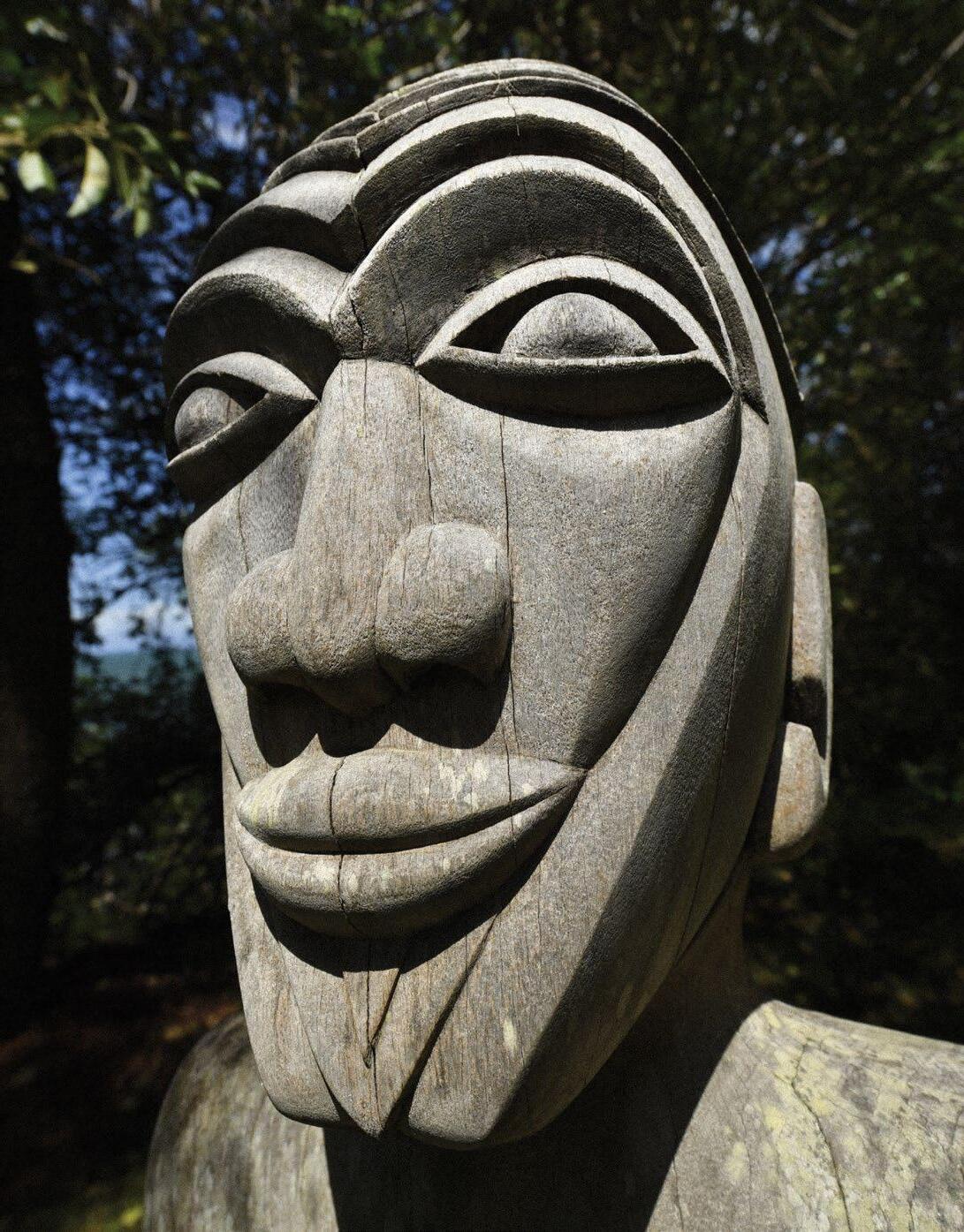
park bordering the mangrove swamp – all among towering columnar pines and 10 monumental cases designed by renowned architect Renzo Piano. It was a captivating journey into Melanesian culture. I even spotted some Kiwi artists inside the museum, which was pretty cool!
In a world where travel often revolves around ticking off attractions and chasing the perfect social media shot, these moments felt refreshingly authentic. Don’t get me wrong, as a water-lover who grew up surrounded by beaches, it’s impossible to ignore New Caledonia’s natural shimmering lagoons, pristine beaches and spectacular landscapes.
But long after the photographs fade, it’s the people I will remember the most: the boatmen, tour guides, tribal hosts and children waving from the villages. New Caledonia offered plenty of postcard moments, but it was the people who brought the destination to life.
newcaledonia.travel aircalin.co.nz
Words by Tegan Church
by Ross Campbell
After 25 years as a compliance officer at Bay of Plenty Regional Council, John Morris has become known as a trusted problem solver whose approach has never changed: do things with honesty and integrity, and treat people with respect.
If you ask John Morris what he does for a living, you’ll quickly realise there isn’t a simple answer.
One day he’s working to improve air quality at the Port of Tauranga and nearby industrial areas. The next he’s training coastal communities to prepare for an oil spill or coordinating patrols in marine protected areas.
After 25 years as a compliance officer at Bay of Plenty Regional Council, John has become known as a trusted problem solver. The kind of person who believes the best outcomes come from building relationships and treating people with respect.
If there’s one phrase that sums him up, it’s the one he comes back to again and again.
“Do things with honesty and integrity. Be honest in your conversations and do what you say you’re going to do.” It’s a simple approach, but one that’s shaped his career.
John grew up in Hinuera, on the other side of the Kaimai range. Life revolved around the family farm, and for a long time he imagined he would spend his future as a farmer himself. He eventually decided farming wasn’t the path he wanted to take.
“I’m not particularly academic,” he admits. “I’ve always been more of a practical person.”
Looking for something different, John spotted an advertisement for the New Zealand Police. Unsure whether his school qualifications were enough, he rang to ask. He was encouraged to sit the pre-entry test the same day. Despite his initial hesitation, he passed and in 1983 went on to join the police and serve for 16 years.
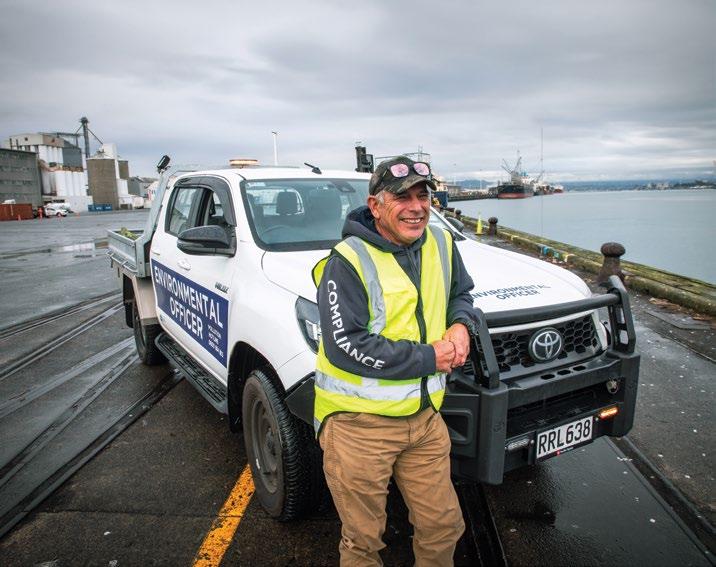
→ John on patrol at the Port of Tauranga, where much of his compliance work centres on improving air quality.
When police restructuring led him to consider a new direction, he saw a job pop up at Rotorua Lakes Council as a resource management compliance officer.
“At the time, I didn’t even know what resource management meant. While waiting for the interview, I picked up a book about Rotorua’s resources and tried to memorise a few key points,” he laughs.
That began his career in local government and led him to Bay of Plenty Regional Council, where he has now worked for the past quarter century.
John’s role is difficult to define because it stretches across so many different areas.
Based at the Port of Tauranga since 2018, an achievement he’s particularly proud of is the improvement in air quality.
He says what were once challenging compliance conversations have increasingly become collaborative discussions about what businesses are willing to do to keep improving environmental outcomes.
“We’ve made a big difference, and that’s rewarding,” he says.
But air quality is only one piece of the puzzle. John works closely with Regional Council’s maritime team, helping manage everything from marine patrols and oil spill preparedness through to public education around coastal protection.
No two days are ever the same and he
embraces the description “jack of all trades.”
A defining moment in John’s career was the Rena oil spill disaster in 2011. He was involved in the early response and helped pull together information used in the prosecution that followed.
“It’s what really got me involved in maritime work. The experience highlighted the importance of preparation and prevention,” he says.
Today, much of John’s work is focused on making sure communities are prepared before an incident occurs. While another event on the scale of the Rena is unlikely, he says smaller but more common incidents can still have serious consequences.
“A tanker carrying up to 30,000 litres of fuel rolling on a remote road is a much more likely scenario, and could have major environmental impacts,” he says.
His focus on preparedness recently took him to Te Kaha, where he worked alongside local iwi to build relationships and discuss how they could help if an oil spill were to happen.
“Rather than delivering a one-size-fits-all programme, it was important to work alongside the communities to understand what would work best for them.”
The training equipped 16 iwi representatives with response skills, and seven spill kits are now positioned at marae around the East Cape.
“Whether I’m patrolling protected marine areas,
“I’m not going to change the world overnight. It’s about doing my bit to improve air quality, protect our coastlines, and help communities prepare for emergencies, it’s about taking the time to have a conversation and answering the phone when someone needs help.”
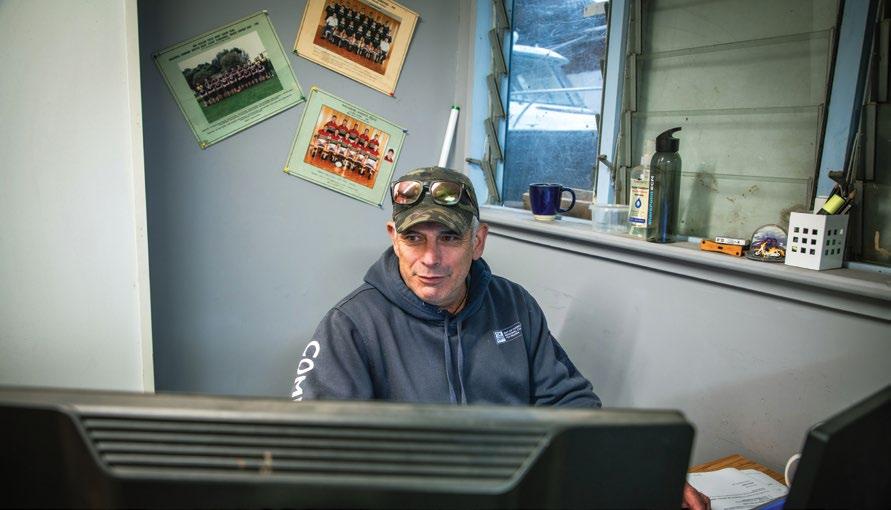
↑ Much of John’s work now focuses on preparing communities before an incident occurs, from Motiti’s protected reefs to oil spill training around the East Cape.
or providing training, my first approach is always to engage with people.”
At the three offshore reefs making up the Motiti Protection Area, that often means stopping to chat with boaties about the rules and why they matter.
“We’re not there to argue. In most cases, people just need information and will take on board what they’re told if they understand the reasons behind it,” he says.
Outside his day-to-day work, John has spent 15 years involved in emergency management and Civil Defence responses.
His deployments have taken him across New Zealand. He has assisted communities during major events including the Christchurch earthquakes, weather events in Franz Josef and Invercargill, slips in Richmond and Nelson, and the aftermath of Cyclone Gabrielle.
“It feels good to help people and I’m at a stage in life where I can drop everything and go. If a
community needs me, I’ll go and help.”
When he’s not working, you’ll often find him with his family. He and his wife have a blended family with nine children and many grandchildren.
Fishing, boating, and golf are favourite pastimes, and he enjoys escaping to Papa Aroha on the Coromandel Peninsula. These days it’s more likely to be a booked unit than a campsite, but he enjoys being by the water as much as ever.
John credits much of who he is to his upbringing and is modest about the impact he’s had over the past 25 years.
“I’m not going to change the world overnight. It’s about doing my bit to improve air quality, protect our coastlines, and help communities prepare for emergencies. It’s about taking the time to have a conversation and answering the phone when someone needs help.”
boprc.govt.nz
Photography by Joe Hammond
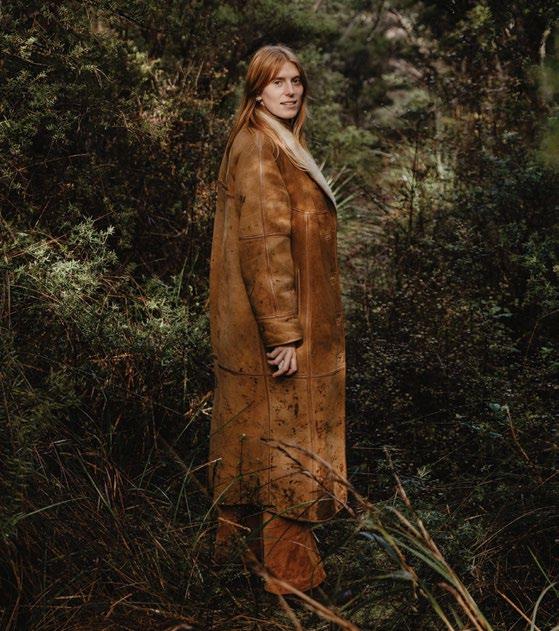
When Jackie Lee created tahi skincare, she wasn’t trying to launch another skincare brand. She was searching for something much simpler: A way to care for her skin that felt nourishing, uncomplicated, and deeply connected to nature.
Today, tahi is proudly made in Aotearoa, with every ingredient sourced and every product crafted here in New Zealand.
Built on the belief that healthy skin begins with healthy foundations, the brand has become known for its thoughtful formulations, native botanicals, and rituals that invite people to slow down.
Jackie’s own skin was what inspired her to create tahi skincare.
In her early 20s, she struggled with persistent skin issues and found herself constantly chasing products that promised to “fix” her.
“Instead of helping, they often left my skin feeling stripped and overwhelmed,” she says.
That experience led her to study natural and herbal medicine, where she developed a completely different understanding of skin.
“I realised our skin isn’t something to battle against, but it reflects what’s happening within us.
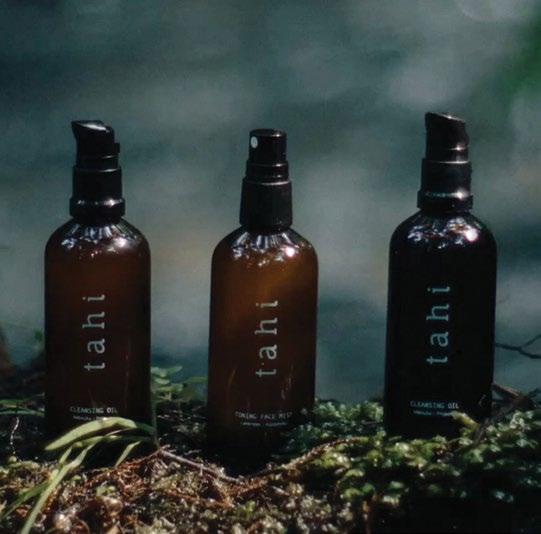
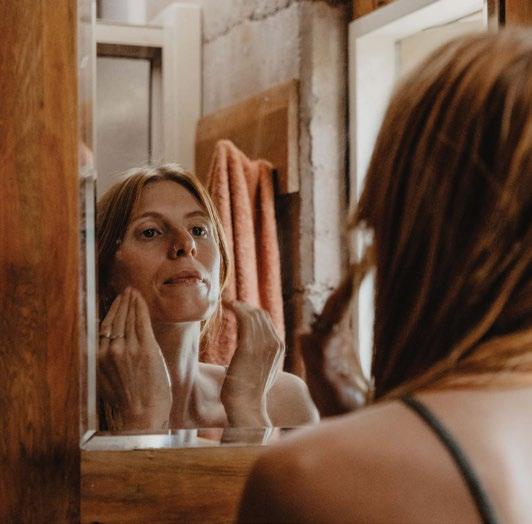
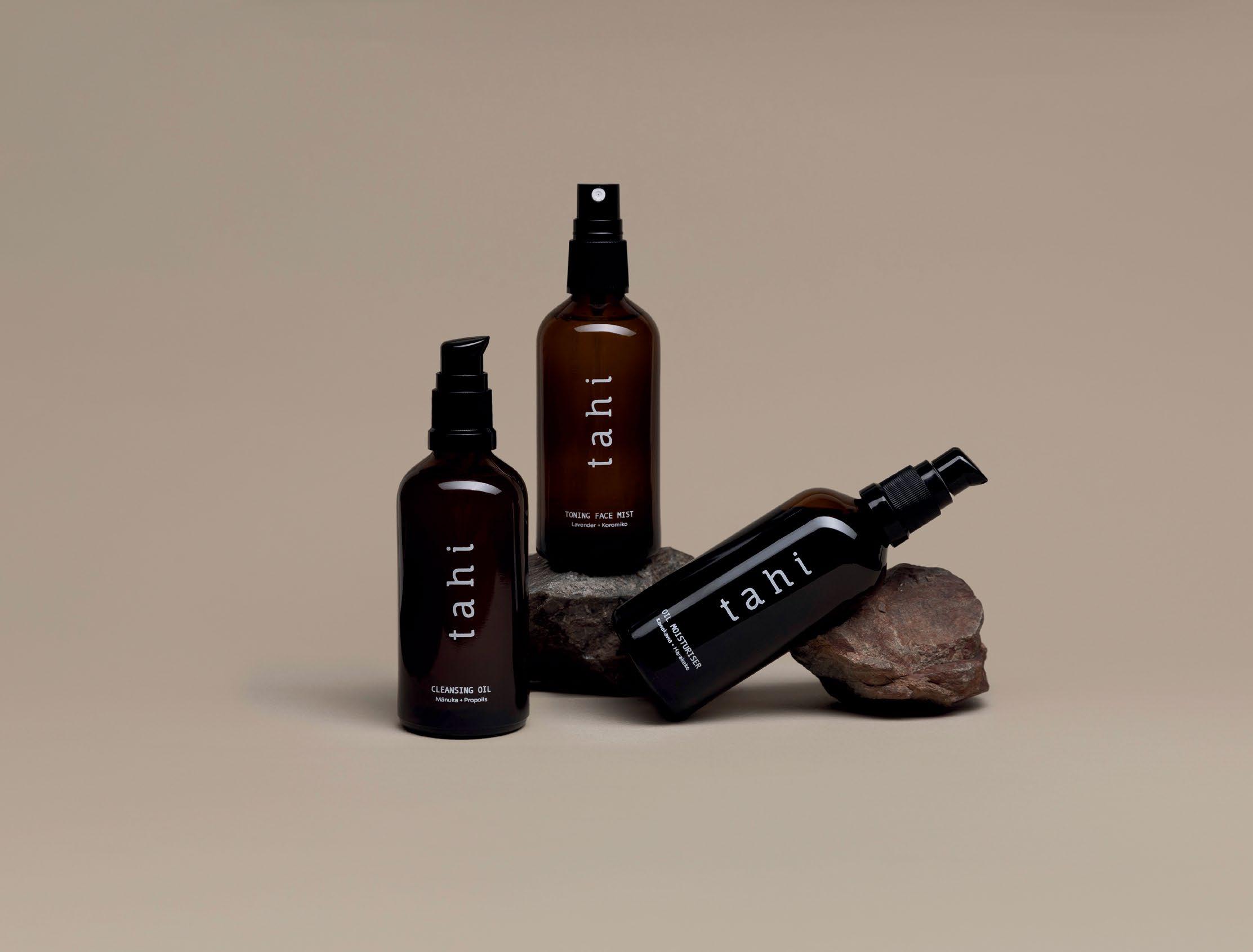
↑ Made in New Zealand from native botanicals, skincare designed as a grounding daily ritual, not a routine.
Skin is not separate from the rest of our health.
“I began blending my own botanical oils at home, creating simple formulations that supported the skin rather than trying to correct it.”
Those early blends became the foundation for tahi skincare.
Tahi means “one” in te reo Māori, and that single word is what Jackie says captures everything the brand believes.
“It represents the connection between our skin, our bodies, our minds, and the natural world around us.
“Rather than creating long routines with endless steps, we wanted to return to what really matters: A few beautiful products used consistently and intentionally.”
Tahi skincare’s philosophy is about ritual over routine, nourishment over correction, and remembering that skin is never separate from overall wellbeing.
We often say we’re Aotearoa to our core, and we genuinely mean it – that’s what makes tahi skincare different.
Every product is made in New Zealand using ingredients sourced from New Zealand wherever possible.
“We work with local growers, harvesters and innovators to showcase the incredible botanicals that thrive here,” Jackie says.
“Our formulations feature native ingredients
such as kawakawa, harakeke, koromiko, mānuka and New Zealand propolis – plants that have been valued for generations for their restorative and protective properties.”
From ingredient sourcing to formulation and manufacturing, every stage happens here.
“Supporting local communities and celebrating the unique botanicals of Aotearoa isn’t simply part of our story – it’s the foundation of our business.”
Jackie hopes people feel permission to slow down when using tahi skincare products.
“Skincare has become so focused on perfection, trends and fixing flaws. We wanted to create something that feels grounding instead. Just a few moments each day to reconnect with yourself.”
Tahi skincare products are designed to support the skin’s natural function while creating a sensory experience that reflects New Zealand itself.
“The scent isn’t floral or heavily perfumed. It reminds people of walking through native bush after rain. It’s earthy, calming and unmistakably Aotearoa,” Jackie says.
“At the end of the day, tahi skincare is about returning to one. One ritual. One moment. One connection to yourself and the land that inspires everything we create.”
tahiskincare.com
@tahiskincare
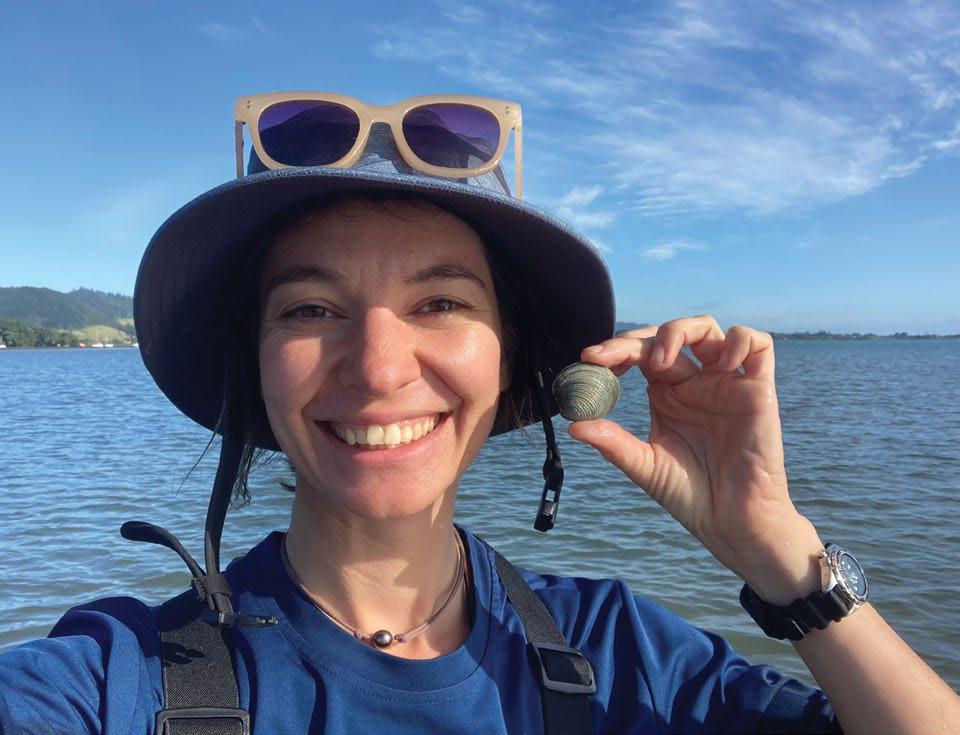
Best known for being tasty, this tiny taonga could be the missing ingredient to waterway restoration.
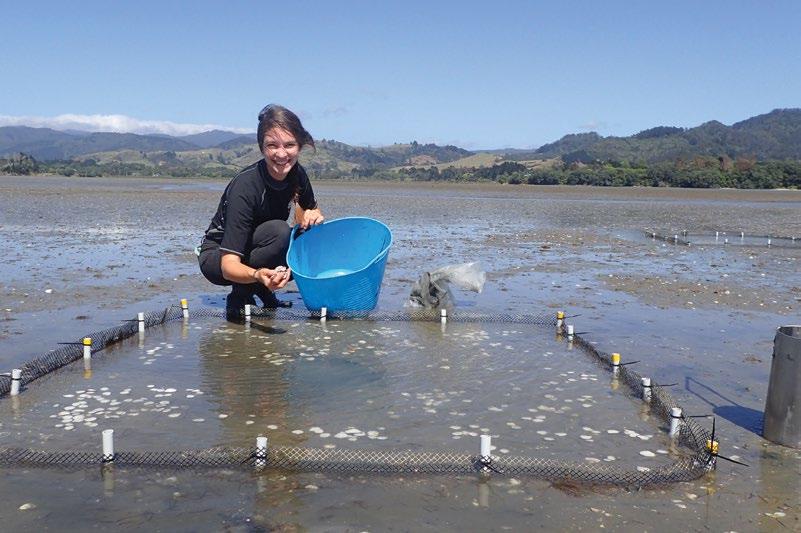
& above: PhD researcher
Tuangi, cockle, little-neck clam.
Whatever you call it, this taonga of Aotearoa is best known for being a tasty shellfish you can gather at low tide for your kai.
Maybe you’ve watched in awe as a bucket of freshly harvested tuangi (cockle) is placed in salt water and tricked into slowly cleaning itself as it spits out sand from its shell, unwittingly preparing for its own delicious demise.
Or perhaps you’ve noticed the deep tracks in the Bay of Plenty’s estuaries at low tide, left behind by a travelling tuangi as they burrow and crawl across the sand.
Something you may not have considered, however, is how this self-cleaning skill could be more than a simple hack for home cooks, and more than an interesting pattern on our sandflats.
They could also help save our harbour.
Research from the Tauranga campus at University of Waikato has shown the tuangi could be a hero of Te Awanui, Tauranga Harbour, capable of altering the quality of its surrounding marine ecosystem.
Natalie Prinz, who made this discovery as part of her PhD research, observed the tuangi’s ability to improve the health of the seafloor in degraded parts of the estuary for one year.
Reintroducing tuangi meant the sediment
started to breathe again, and seafloor productivity improved by 20 per cent, she says.
“This means the seafloor was cycling nutrients and oxygen more effectively, creating healthier conditions for marine life. This can lead to more animal life, including worms and snails, and the more different animals and diversity it has, the healthier an ecosystem becomes.
“At a larger scale, the potential flow-on effects of this could lead to improving the clarity of water, which is good for the animals living in the estuary and humans.”
Natalie explains how the tuangi is a “bulldozer” of the seafloor, and this personality trait combined with its ability to filter water is what makes it so valuable.
“Tuangi ‘bioturbate’, which means they bulldoze through the first five centimetres of the seafloor to move around. In doing so, they enhance both the amount of oxygen that goes into the sediment, and the amount of other chemicals that are expelled from the sediment.
“They are ecosystem engineers: They shape the sediment, interact with other animals, stir up nutrients and keep the seafloor healthy. Their presence makes a big difference to the seafloor.”
So why is this “bioturbating” and movement of oxygen and chemicals necessary?
“In a time where bad news about the ocean and the environment prevail, I am always on the lookout for the positive. That’s why my research project centred around how we can make Aotearoa’s estuaries healthy again,”
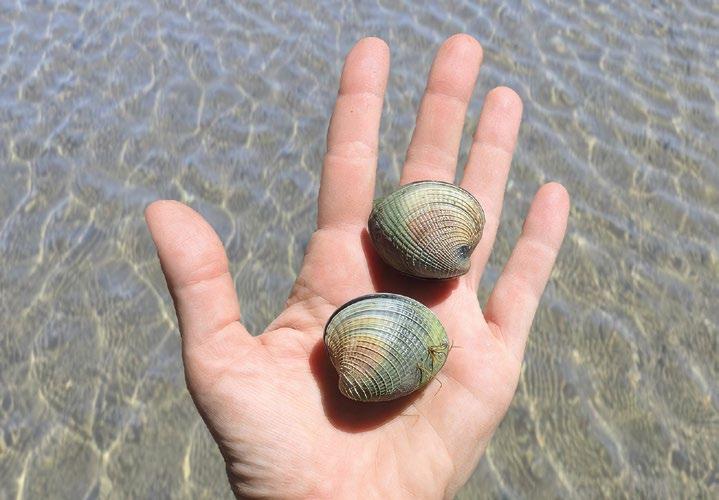
↑ Small but mighty: tuangi bulldoze through the top five centimetres of sediment, cycling oxygen and nutrients as they go.
Estuaries, such as Te Awanui, form a natural point where water runs into the sea, which exposes it to external environmental factors that come off the land like silt, fertilisers, and other contaminants. These smother the sandflat, which causes the quality of the marine environment to deteriorate.
Along with their inherent ability to improve seafloor health, Natalie says it is timely to research the capabilities of tuangi. A recent Bay of Plenty Regional Council study identified shellfish as being at risk of declining due to climate change in the region, Natalie says.
“Cockles are taonga – treasured by iwi, valued as kai, and symbolic of our connection to the coast.”
Overall, Natalie says the repopulation trial was a success, highlighting a clear potential to use tuangi to support the ecosystem to recover.
In particular, she says estuaries like Te Awanui – which are less degraded than other sites in Aotearoa – have the most potential.
This includes helping to repopulate the shellfish in degraded parts of the region’s estuaries.
“Densities of the tuangi were higher than they had been before they were re-added, meaning they survived even in areas that were slightly less healthy,” Natalie says.
“Their presence also improved the amount of baby cockles that settled.”
Community and local empowerment were
other drivers behind Natalie’s research.
“I wanted any solutions to be accessible, easily implemented, and empowering for local people. My project included field work that was actively communicated with iwi and hapū, and local stakeholders, as well as outreach events to ensure the findings were communicated.”
In 2025, Natalie received the Coastal Restoration Trust Postgraduate Scholarship to help her achieve this.
She used the funds to host a Superheroes in Marine Restoration Day during Seaweek 2025 and Sustainable Backyards event in collaboration with the local environmental charity Tauranga Envirohub.
She also plans to host a two-day wānanga with local iwi and hapū, scientists and community members later this year.
Natalie looks to the future of our marine ecosystems with optimism.
“In a time where bad news about the ocean and the environment prevail, I am always on the lookout for the positive. That’s why my research project centred around how we can make Aotearoa’s estuaries healthy again,” she says.
“I would love to be able to contribute to active restoration where everyone feels like they could be supporting their local estuary.”
waikato.ac.nz


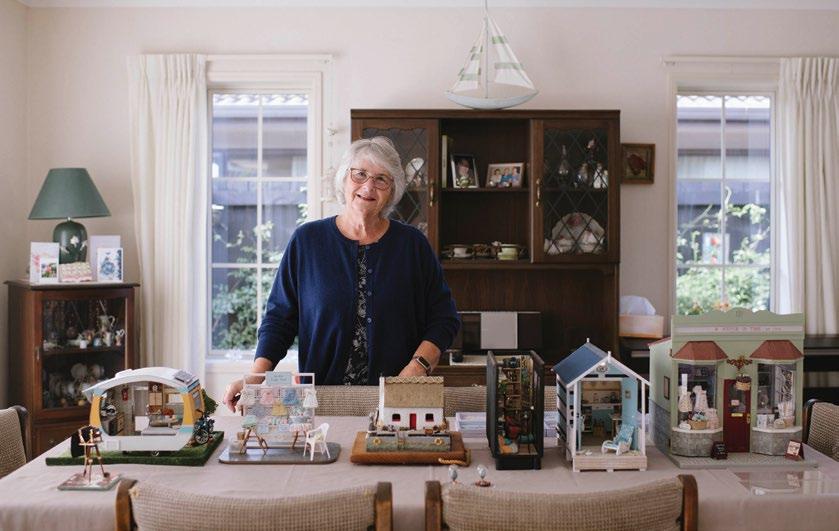
Most people see rubbish. The members of the Tauranga Miniatures Club see possibility. Armed with patience, creativity and an eye for detail, they transform everyday objects into tiny worlds overflowing with character, craftsmanship and stories.
It’s a world so small that you might miss it if you’re not paying attention.
From the outside looking in, you’ll see a group of talented people making scale-model scenes. Look a little closer and you’ll discover a group of people who can see the beauty in absolutely anything and bring out its hidden potential.
Meet the Tauranga Miniatures Club.
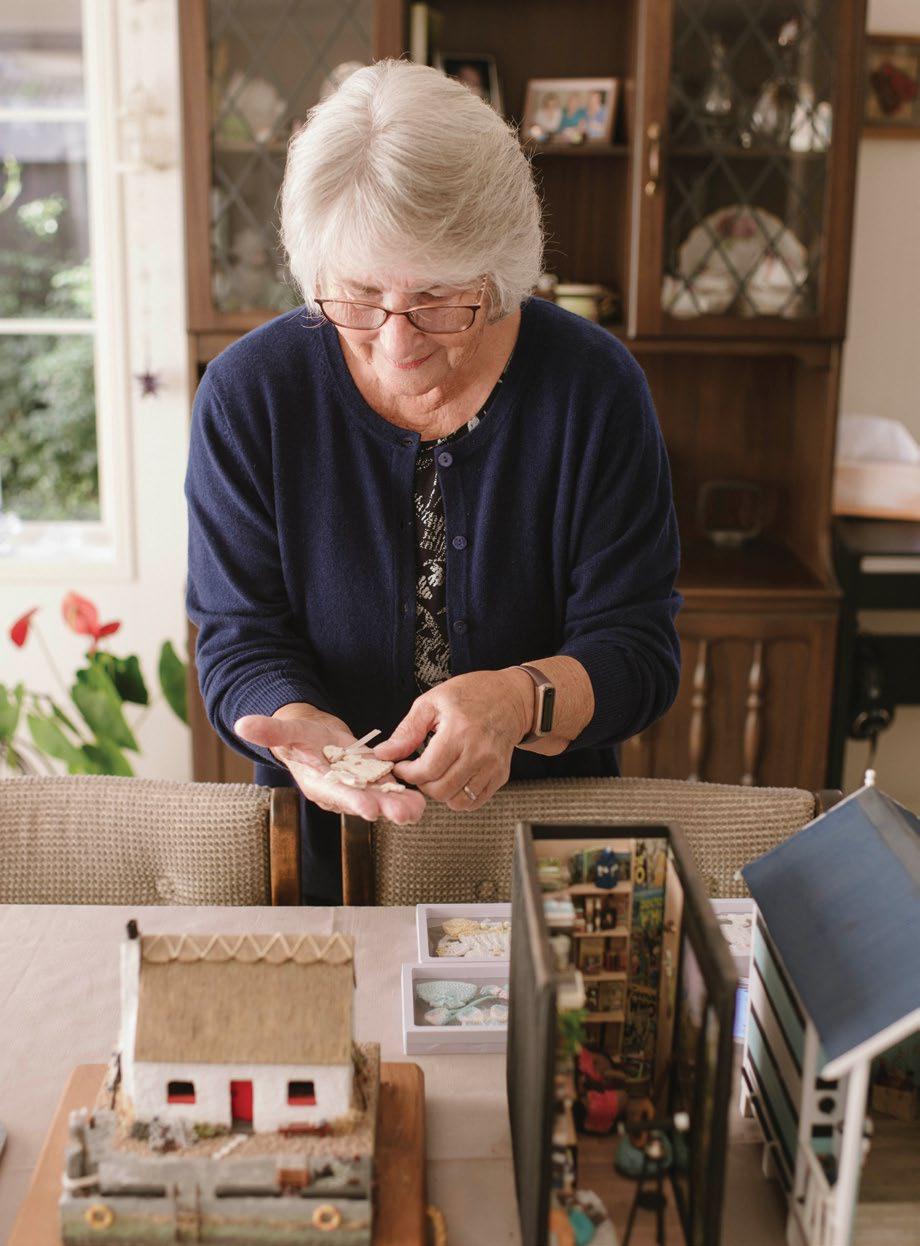
A group of women sit around Janette Gee’s dining room table, with dozens of intricate worlds laid out before them. If they weren’t all sitting together, you’d be forgiven for thinking they were real.
One section of the room has caravans lined up. Inside one, pink dishwashing gloves hang from the wall while the blinds are half open. In another, sandwiches and a stereo rest on a picnic table, with a ring toss game waiting on the grass outside.
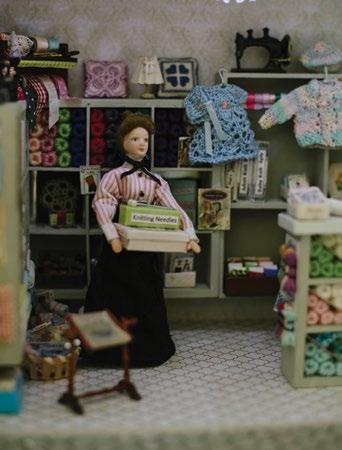
Elsewhere are themed market stalls small
enough to fit in the palm of your hand: One stocked with tiny jars of lollies, another laden with sliced salamis, and another displaying miniature jerseys knitted with head pins.
There’s also a boathouse, a bach, a wizard’s library, a shop and a Hobbit dwelling, each looking as though it has simply been shrunk from real life.
Miniatures are scale models, with 1:12 being the most common size. Some, however, are as small as 1:144, and the time it takes to complete a project can range from a single afternoon to many years.
Jan and friends founded the Tauranga Miniatures Club 10 years ago and has been president for the past eight years, having joined as a founding member after attending a New Zealand Association of Miniature Enthusiasts convention at Classic Flyers, where her husband was volunteering.
“I had never made a miniature in my life, but I always loved little things, and he said, ‘You better go have a look.’”
“I walked in and said, ‘Oh my God, this is so me’,” she laughs. Marilyn, who would go on to found the club, simply told her to put her name down.
“By the end of the week, there was a club.”
Today, the club has around 25 active members from all walks of life. They gather on the second Sunday of every month at the Tauranga Arts and Crafts Centre, where the day is fuelled by generous cups of tea, homemade snacks from whoever is on roster, and the shared joy of creating alongside friends.
“We love little things. You just have a look at little things, and it makes your knees go like jelly,” Jan says, as the ladies around her burst into laughter. It’s more than just a club. Around the table,
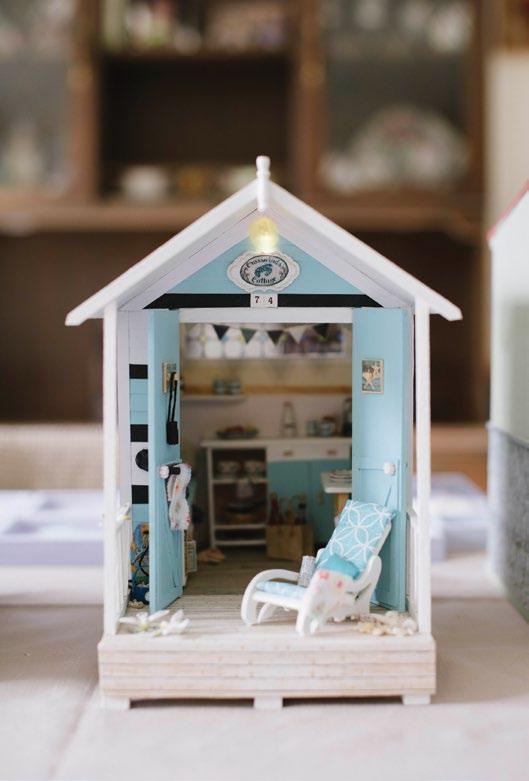
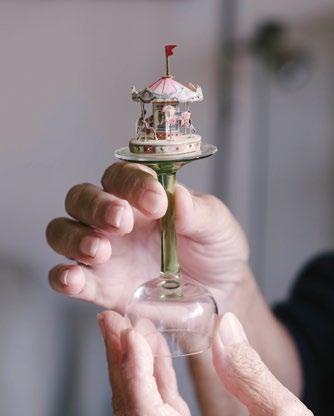
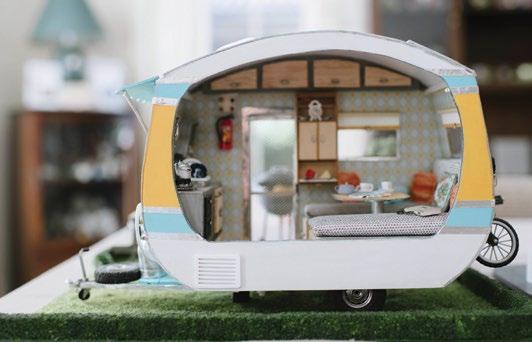
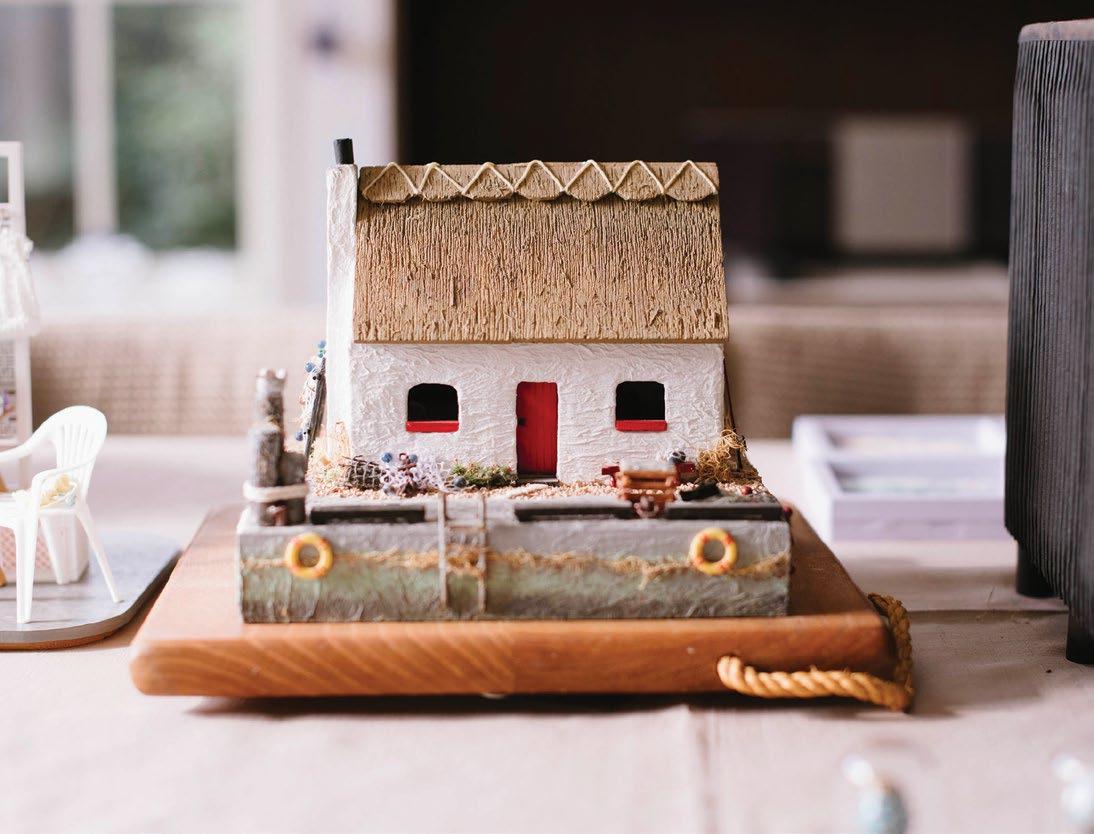
Opener: A miniature thatched cottage created by Tauranga Miniatures Club members. Opposite: Janette Gee at home in Tauranga. Above and clockwise from left: A miniature beach bach. Janette examines a tiny carousel. A miniature caravan.
members laugh together, swap ideas, offer tips and admire each other’s work.
“It’s just really nice being in a club with likeminded people.”
Scale model artists. Inventors. Crafters. Creatives. Problem solvers.
There are plenty of ways to describe them, but nothing quite captures their remarkable ability to find beauty and possibility in almost anything.
A bottle lid becomes a woven basket. A Kinder Surprise plastic egg transforms into a barbecue gas bottle. Egg cartons become textured brick walls.
“You look twice at a piece of rubbish.”
The impressive part is that you would never guess.
The members joke — only half seriously — that some of their best discoveries come from gutters and rubbish bins.
Jan remembers waiting in Hamilton while her husband underwent triple bypass surgery when inspiration struck.
She spotted something lying in the gutter.
“I can cut them in half and they can be gas cylinders,” she remembers saying excitedly as she picked them up for her caravan project.
“Mum, they’re drug things,” her daughter replied after recognising the discarded nitrous oxide canisters.
Jan wasn’t bothered. She was also right — they made perfect gas bottles.
“It’s challenging... think of every emotion, and you’ve got it,” she says.
Concentration, patience, persistence and a few words that probably need censoring are all part of the toolkit required to reach the satisfying moment when a project is finally complete.
Each year the club tackles a shared project. Last year it was a miniature caravan park for their biennial exhibition. Every member started with exactly the same caravan shell, yet each one ended up completely unique, reflecting its maker’s own imagination and personality.
For member Margie Denniston, who also works as a genealogist, every miniature tells a story worth more than a thousand words.
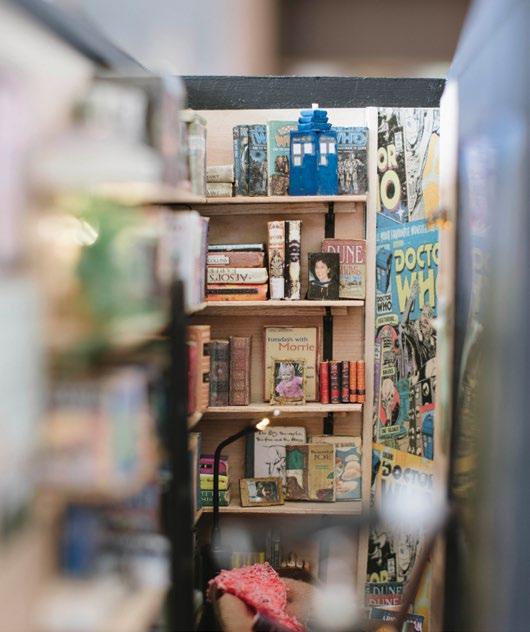
One piece is a tiny secret box, no taller than a mobile phone. Open it up and you’re transported to the outside of an Italian motel, where her husband of more than 60 years stands waving — a cherished memory recreated from their younger days travelling together.
As she describes it, she smiles as though she can still feel the Italian sun warming her face, and somehow you’re standing there with her.
The stories extend beyond the finished scenes and into the materials themselves. Margie incorporates sentimental pieces from her own life, whether it’s fabric from her children’s baby clothes or miniature copies of treasured certificates hanging on tiny walls.
“I want it all to tell a story about the people I love,” she says, rather than leaving those memories hidden away in a box.
Margie discovered miniatures after her mother
“I want it all to tell a story about the people I love, rather than leaving those memories hidden away in a box.”
passed away in 1990, and admits the hobby quickly became addictive.
She recalls becoming so engrossed in one project that, when she eventually decided it was probably time for a cup of tea, she realised it was already 6am.
While miniature making enjoys a much larger following overseas, complete with an industry producing tiny furniture, food and accessories, New Zealand’s distance from those markets has made buying ready-made items expensive.
Instead, necessity has made these makers remarkably resourceful.
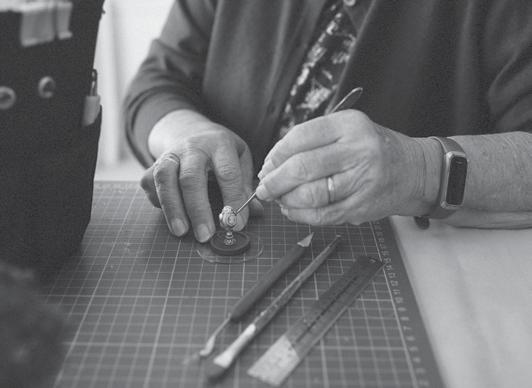
If they’re not upcycling everyday objects, they’re teaching themselves entirely new skills: knitting tiny clothing with head pins, wiring electricity, carpentry, sculpting and just about everything in between.
“Everything in the big, wide world, we can do it mini.”
Tauranga Miniatures Club

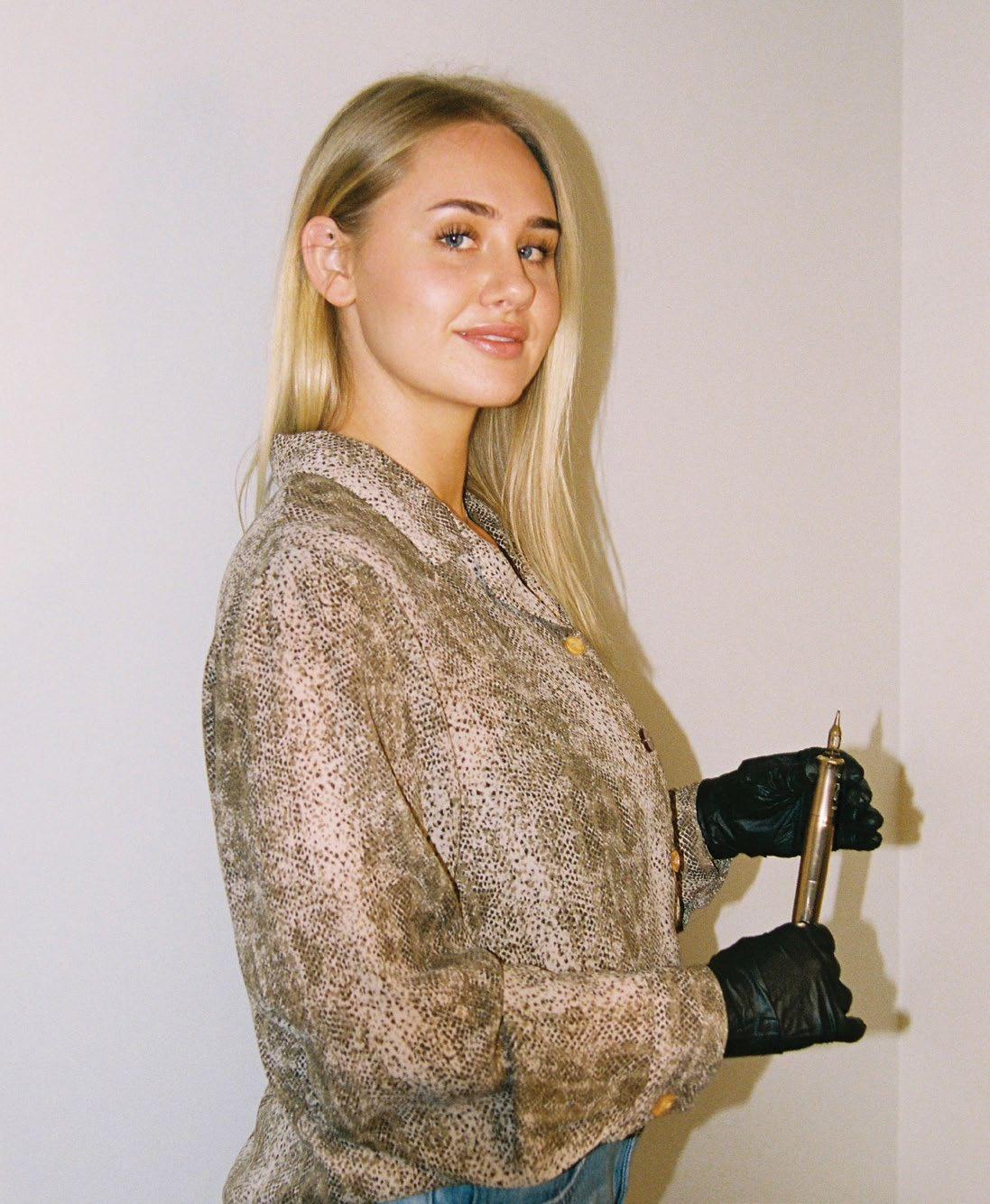
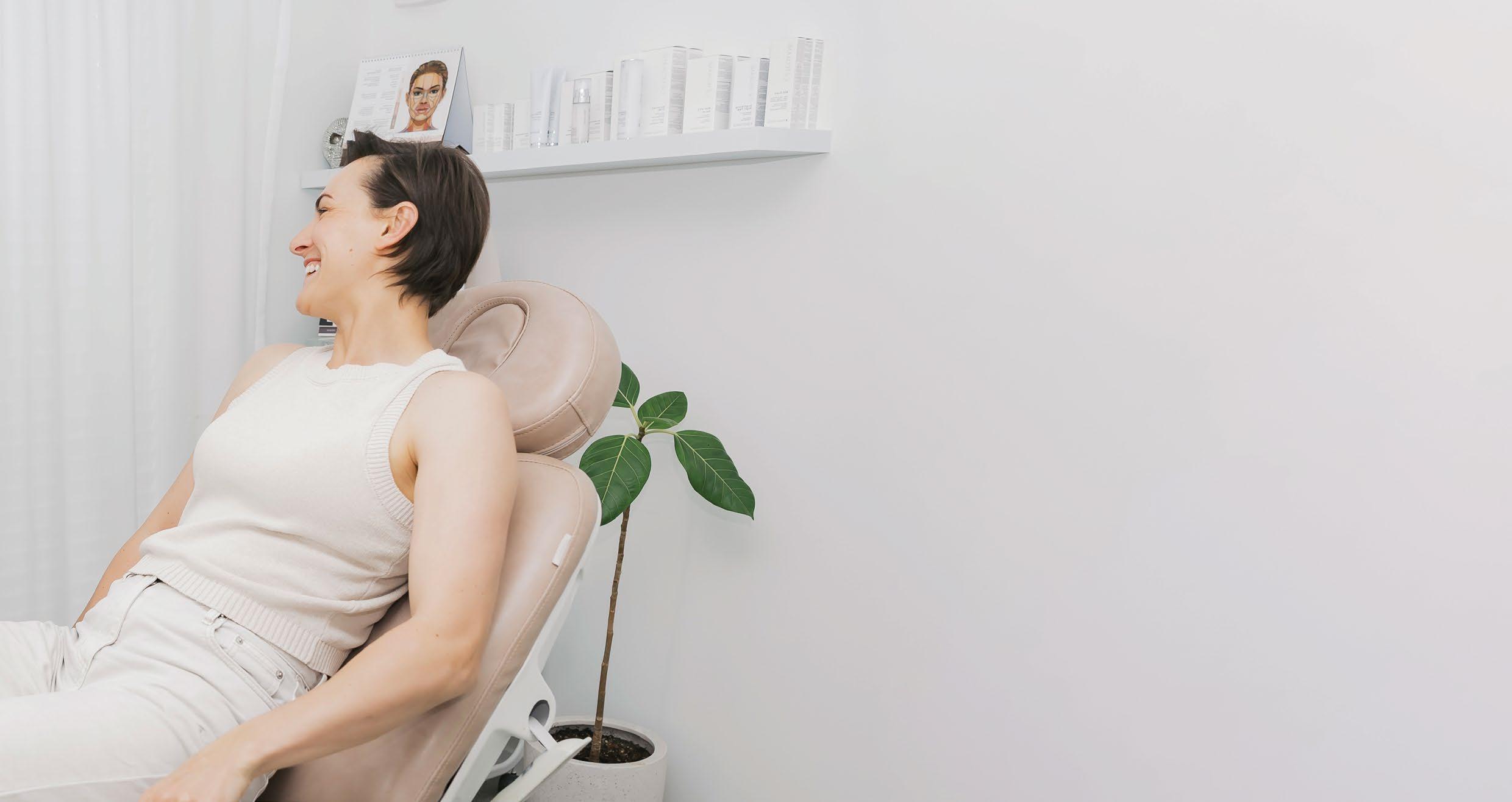
For India Bevin, brows are an art form. The cosmetic tattoo artist has brought her bespoke, no-two-faces-the-same approach to Bevin Cosmetic, her new studio inside The Beauty HQ, in the heart of Mount Maunganui.
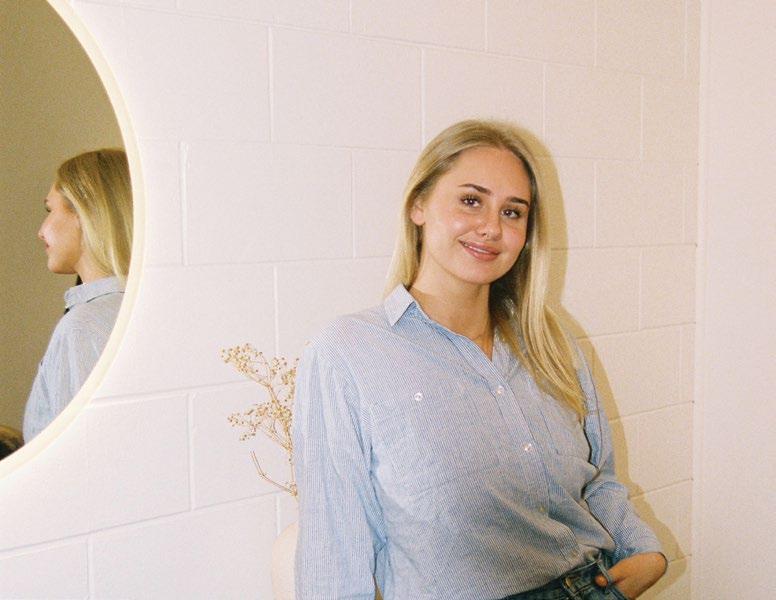
India Bevin has always been an artist.
“Painting and drawing were a huge part of my childhood. I’ve always been someone who enjoys making things with my hands and bringing ideas to life,” she says.
Today, that creativity has found a different outlet.
India is a cosmetic tattoo artist and brow specialist, who has recently opened Bevin Cosmetic within The Beauty HQ in the heart of Mount Maunganui.
Every appointment with India is unique. She doesn’t believe there’s one perfect brow or lash treatment that suits everyone. Instead, she starts every appointment simply with the person in front of her.
“No two faces are the same, so no two sets of brows should be either,” the 25-year-old says.
“I love working with each person’s natural
features to create something that feels completely their own. Every face is different, so every result should be bespoke too.”
Whether it’s soft ombré brows, a Korean lash lift or a brow sculpt and tint, India’s goal is always the same: to create subtle, natural enhancements that complement a person’s features without taking away what makes them unique.
And her clients have to agree. Bevin Cosmetic boasts a perfect five star Google rating from more than 100 happy clients. Julia, who recently had a Korean lash lift and tint plus brow tidy, says India’s artistry helped her feel more put together.
“India is highly skilled and experienced - she slays my brows while providing banter every time! My most recent booking was a Korean lash lift and tint plus brow tidy. I had people complimenting my lashes and brows for weeks!”
While Bevin Cosmetic is relatively new to the
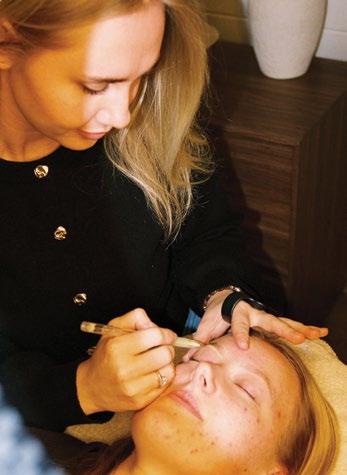
India Bevin at work inside her new studio, Bevin Cosmetic, where every set of brows is shaped to suit the person in the chair.
Mount, India has been a cosmetic artist and brow specialist for more than five years, previously serving clients in Hamilton East and Waihi Beach.
Born in Auckland, India moved around a bit as a child.
“My father’s an international rugby coach, so I was lucky enough to spend a lot of my childhood in Portugal and Spain,” she says.
Fluent in both English and Spanish, India now welcomes clients in both languages, ensuring Spanish-speaking clients feel completely at ease throughout their appointment.
Since relocating just three months ago, India is just as passionate about building connections as she is about growing her business.
Outside the treatment room, she loves collaborating with local businesses, organising pop-up events and sharing what life is really like as a small business owner.
“One of my favourite parts of running Bevin Cosmetic has been meeting people,” she says, “I’ve loved collaborating with other local businesses and becoming part of the community. There’s such a supportive network here, and I’m excited to keep creating alongside it.”
While opening her own clinic has been an exciting milestone, India is the first to acknowledge she didn’t get there alone.
“My mum has been my biggest supporter and my rock throughout my whole life. She’s always
believed in me, even when I haven’t believed in myself. Without her, I genuinely wouldn’t have this clinic. She’s been there through every idea, every challenge and every milestone, and I’m incredibly grateful for everything she’s done to help me get here.”
Behind the finished clinic is countless hours of work from the people closest to her. Her partner, Caleb, helped build the clinic from the ground up, bringing her vision for the space to life, while her brother-in-law generously contributed his time to paint the studio before opening.
“It really was a team effort. Watching it all come together made opening the doors even more special.”
India is equally grateful to Fiona, owner of The Beauty HQ, who welcomed her into the space from day one.
“From the moment we met, Fiona has been incredibly supportive. I’m so grateful to be part of The Beauty HQ and surrounded by such talented business owners.”
India says she’s only just getting started, with more collaborations, community events and creative projects already in the works.
“I’m excited to continue growing Bevin Cosmetic into a creative space where clients feel welcome, comfortable and completely themselves.” Bevin Cosmetic, The Beauty HQ, 276 Maunganui Road, Mount Maunganui.
Words
The last edition of Our Place magazine featured the story of Grant Marunui, Tumu (head) of Wānanga Whakairo Rākau o Aotearoa –The National Wood Carving School – at the New Zealand Māori Arts and Crafts Institute (NZMACI). While sharing the journey that led him from forestry worker to master carver, a significant research programme emerged: Kāore te Ngahere, Ka Mate te Whenua (If the forest dies, the land dies). We dive deeper into the science behind the kaupapa.
Every generation of Māori carvers has relied on tōtara. The taonga species has been the timber of choice for pou, kūwaha, wharenui and more for centuries.
However, when Grant Marunui began searching for tōtara to carve pou and kūwaha for his hapū, he was told those days were over.
It raised the question: If tōtara becomes increasingly difficult to source, what will the future of whakairo look like for the next generation of carvers?
At the time, Grant was carving from a workshop at Bioeconomy Science Institute Maiangi Taiao (Scion).
Conversations with scientists led to deeper discussions about sustainability, innovation and the future of carving traditions. This evolved into a groundbreaking research programme.
In 2023, Grant’s business Te Taonga Māori Art partnered with Bioeconomy Science Institute portfolio leader Jonathan Kilgour, to secure funding through the Ministry of Business, Innovation and Employment’s Vision Mātauranga Capability Fund.
Supported by tangata whenua – Ngāti Hurungaterangi, Ngāti Taeotu and Ngāti Te Kahu – and NZMACI, the research programme Kāore te
Ngahere, Ka Mate te Whenua was born. Its kaupapa is to reduce pressure on tōtara while ensuring carving traditions remain strong for future generations.
Over two years, seven master carvers, 10 NZMACI tauira (students) and scientists came together through wānanga and practical trials.
Their work explored five key areas, including alternative timber species, lamination techniques, residue utilisation, carving maintenance and longevity, as well as four-dimensional design technologies.
These kaupapa represent a toolkit to help carving traditions thrive in a changing world.
Jonathan Kilgour says innovation is at the heart of Māori culture.
“Our practices adapt and innovate as we work with different species and materials.
“Science creates new possibilities, while our kawa and values keeps us grounded as Māori – making new spaces for mātauranga to flourish as a living body of knowledge.”
The research acknowledges every carver and hapū carries their own tikanga and practices relating to tapu and noa, with the toolkits intended as resources.
“Our practices adapt and innovate as we work with different species and materials, science creates new possibilities, while our kawa and values keeps us grounded as Māori – making new spaces for mātauranga to flourish as a living body of knowledge.”
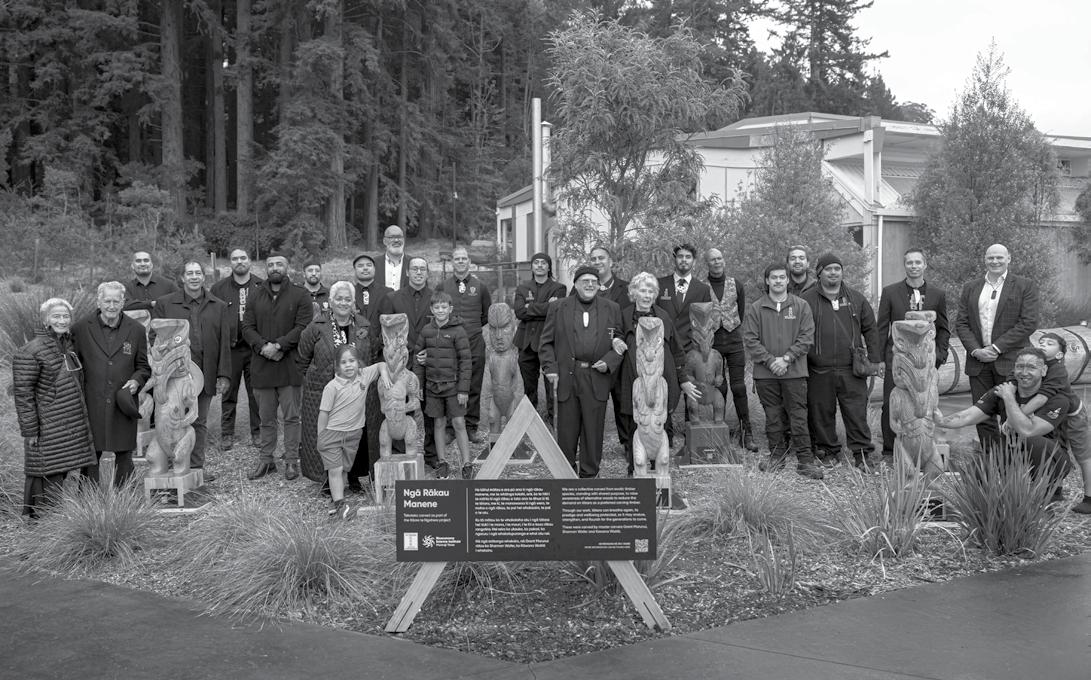
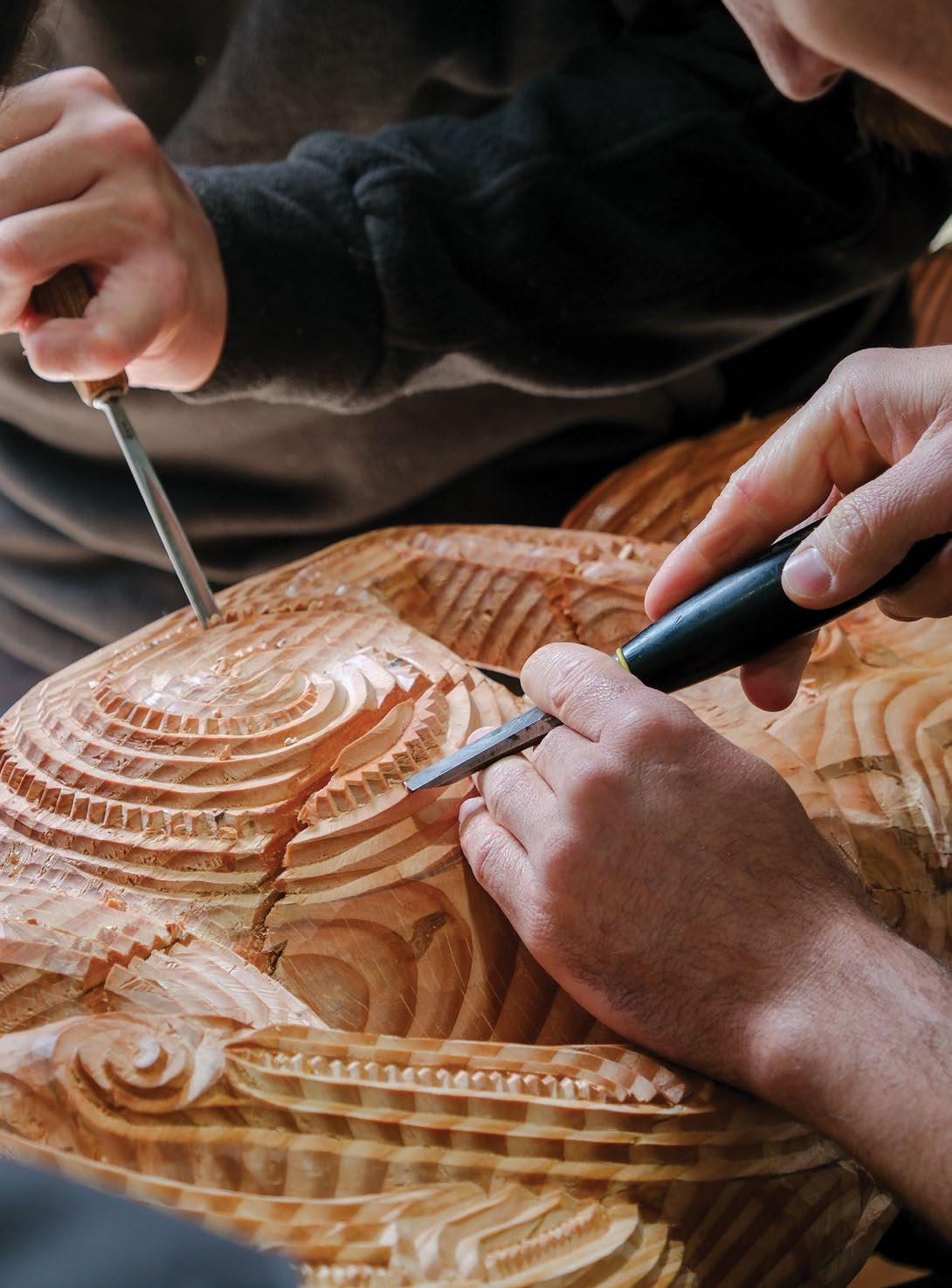
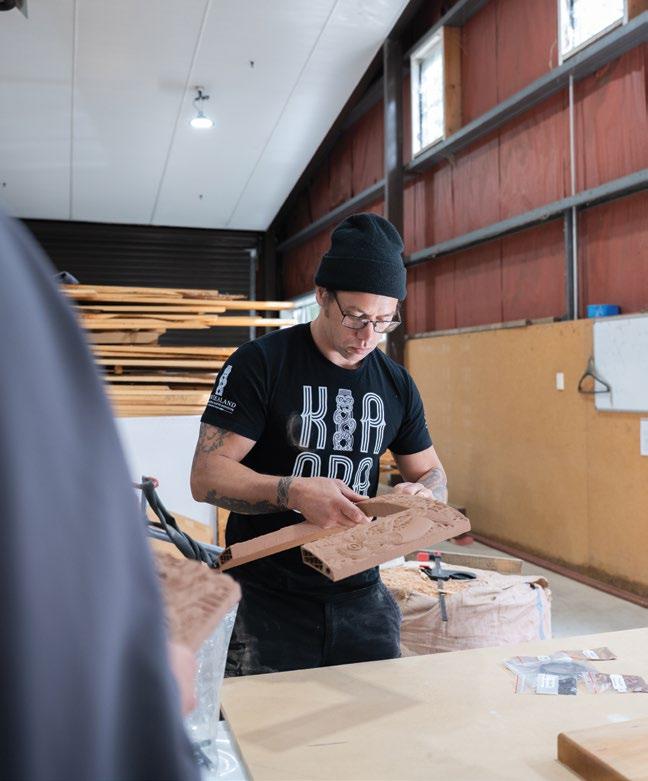
Opener: NZMACI tauira and pouako chipping away at a Douglas Fir tekoteko. Opposite: Grant Marunui assembles a 3D printed prototype of the Kūwaha of Tuteata and Hapuriri. Above: Alternative timber species tekoteko at the Bioeconomy Science Institute. Standing with the carvings: NZMACI carvers, BSI and Ngāti Hurungaterangi, Ngāti Taeotu and Ngāti Te Kahu.
Ngā Rākau Manene: Rethinking Timber
Ngā Rākau Manene is a collection of tekoteko carved from alternative timber species, which visitors can see outside Rotorua’s Bioeconomy Science Institute and Eastwood Café.
Experienced carvers tested and ranked 10 timbers to find a suitable species for carving instead of tōtara, including how each timber cut, shaped and held detail, as well as its durability, availability and cultural appropriateness.
Grant Marunui says NZMACI tauira learned to think in depth about rākau for carving and the properties required for a pou or tekoteko.
Three tauira found Douglas Fir (evergreen conifer species) was soft (like Weet-Bix) with a
hard like glue between growth rings, meaning they needed to lengthen the bevel on chisels, add oil, and sometimes clean and scrape loose strands to make it easier to carve.
“The tauira found while Douglas Fir could be appropriate for big scale carvings, it wouldn’t work for finishing off designs like pakati,” Grant says.
This compared to Lusitanica, which he says was highly recommended for carving with its fairly straight grain, no spongy areas, medium density and nice design edge.
“By finding other timbers that performed well in carving, the research helps carvers to select different species according to the requirements of each project – and reduce the burden being placed on tōtara.”
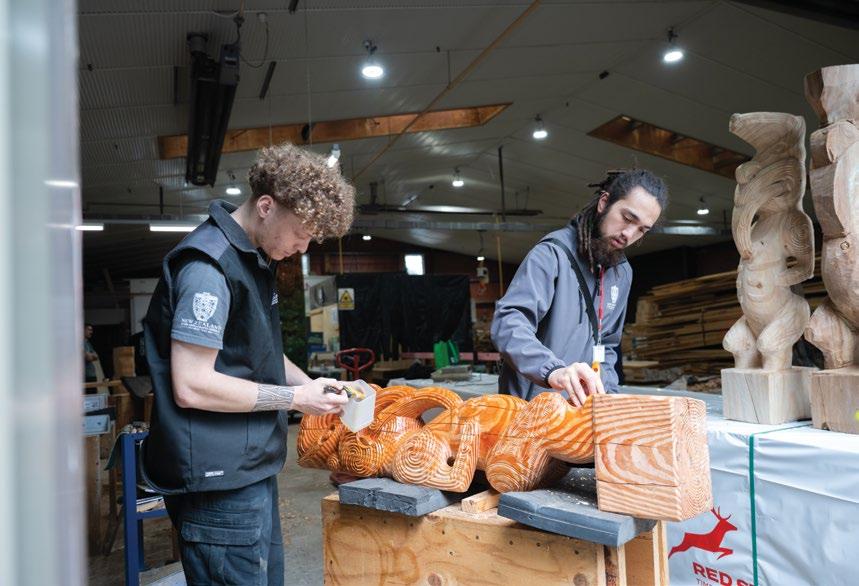
Lamination involves gluing layers of wood together to make strong, large pieces, which are usually arranged with the grain running in the same direction and pressed together until the glue sets. In carving it offers a practical solution to the challenge of sourcing large, high-quality logs including tōtara.
By using smaller sections of timber, carvers can create large-scale works while efficiently using available resources.
In the 1960s, NZMACI’s first Tohunga Whakairo Rākau (master carver), Hōne Te Kāuru Taiapa (MBE), laminated timber for carving.
“It’s evolving further in modern times with toi whakairo. We are adapting to new technologies, but still installing our kōrero to whatever medium it may be,” Grant says.
“It’s important to pass this lamination knowledge down so carvers don’t need to expensively outsource a skillset they could develop themselves.”
Every carving produces wood chips, shavings and offcuts, which are traditionally returned to the whenua. Potential future applications include bio-based products, wood vinegar and 3D printing materials.
Jonathan says it’s possible to use residues from carving to create 3D printing filament.
“The main advantage of wood-filled filament is that the colouring and texture have a similar
aesthetic appeal to wood and carvers might want to create something that has a similar whakapapa to the original tree.”
For example, during the carving of the kūwaha of Tūteata and his wife Hapuriri, wood chips and shavings were collected and incorporated into a tōtara-based filament and used for 3D printing a 1.5m version of the 6m tall kūwaha.
Trustee for Ngāti Hurungaterangi, Ngāti Taeotu and Ngāti Te Kahu, Veronica Butterworth, says:
“Witnessing the transformation of the carving of our ancestors into a 3D print was a deeply significant moment for our hapū, symbolising our commitment to research and innovation.”
Maintaining taonga to stand for generations is just as important as creating them.
The research developed practical guidance on monitoring carvings, understanding timber durability and selecting suitable coatings and treatments.
By combining traditional knowledge with scientific tools for monitoring decay, weathering and environmental impacts, the project supports better long-term care of carved taonga.
Grant says ideally this will involve annual checks.
“It’s important to ensure the wood continues to repel moisture and to check for any signs of decay. In general, carvers should expect to re-coat the carving every one-to-two years depending on what sealant is being used. In our research, we used oil-based.”
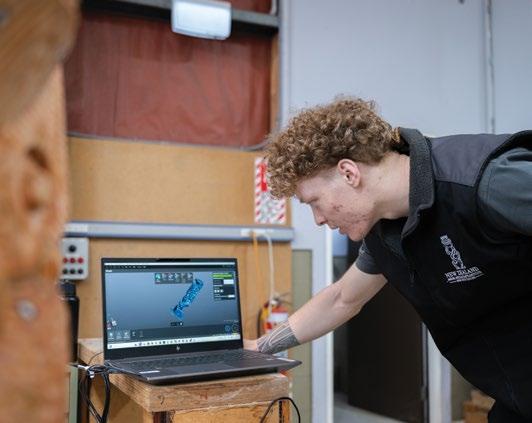
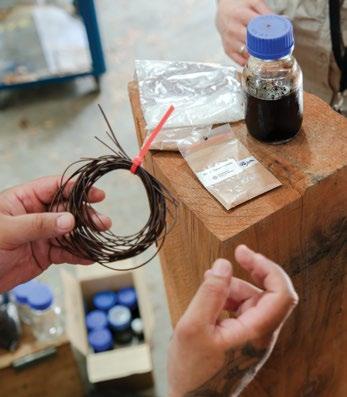
Opposite: Tiaan Greig and Tamaiti Anderson sealing a Douglas Fir tekoteko. Clockwise from top: Tiaan Greig with a 3D scan of the tekoteko. Grant Marunui with the 3D printed prototype of the Kūwaha of Tuteata and Hapuriri. Tōtara wood filament made for 3D printing.
“The
main advantage of wood-filled filament is that the colouring and texture have a similar aesthetic appeal to wood and carvers might want to create something that has a similar whakapapa to the original tree.”
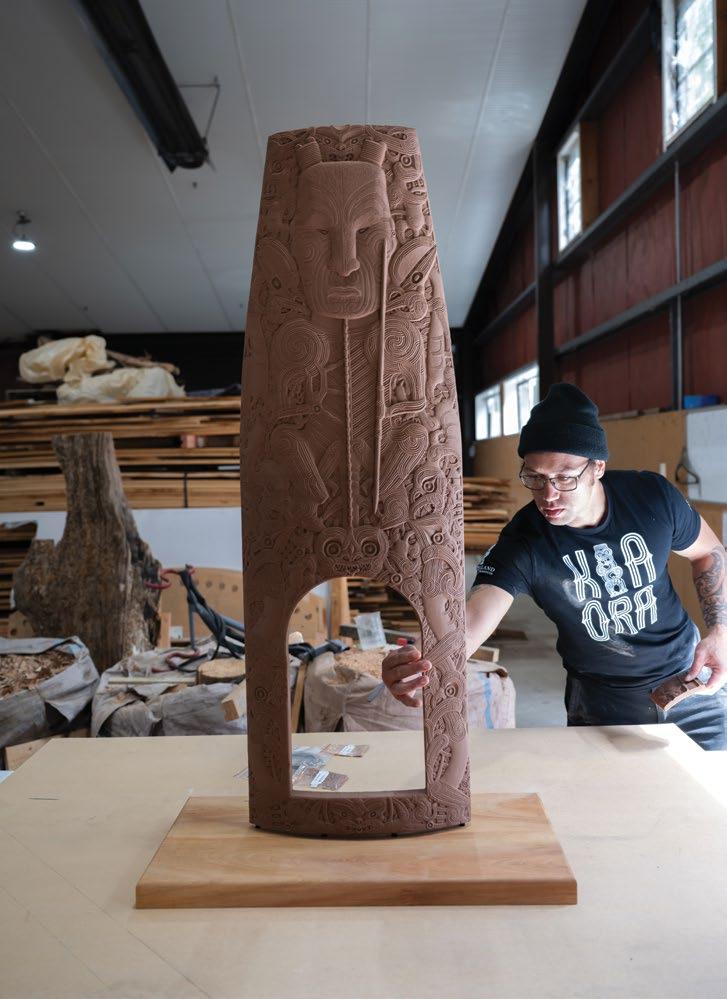
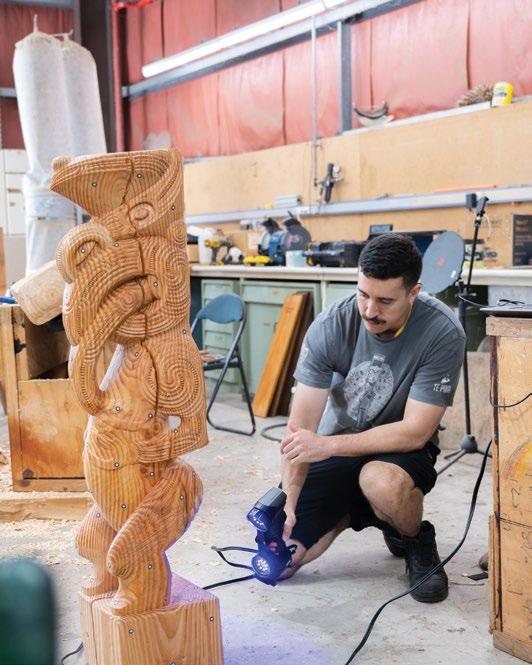
While still in its early stages, 4D design investigates how carvings and cultural narratives might be enhanced through smart materials that move, change colour or state over time.
This area opens possibilities for dynamic ways of sharing stories with future generations.
The intention is not to replace traditional carving practices, but asks how new technologies might complement them.
For example, NZMACI Kaihoahoa Auaha, Tipene Oneroa did a pounamu carving, inspired by historical papa kōiwi, pushed the translucency to represent life and rebirth.
While NZMACI tauira Sonny Ngeheu used a chamber in a waka huia to house a device to emit steam.
Jonathan says technologies, including smart materials can create new ways of expressing Māori practices.
“Traditionally, many forms of toi Māori have been physically static, yet the tūpuna and stories they represent are alive.
“Smart materials that change appearance or form create opportunities for our tūpuna and kōrero tuku iho to be experienced in more dynamic ways.”
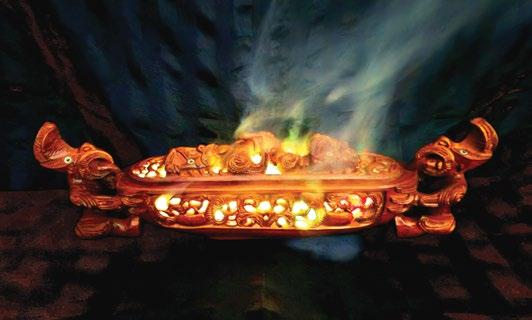
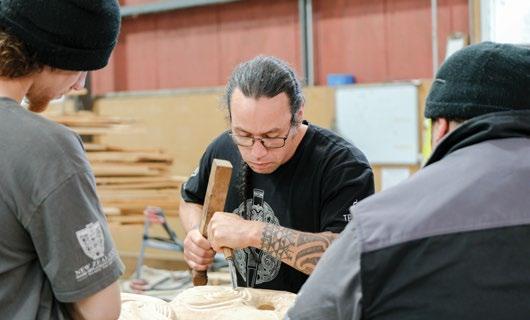
Many technologies are developing rapidly, he says.
“By investigating them through a Māori lens we can proactively determine how they are applied in our practices with cultural integrity, rather than risk being excluded from or be redefined by them.”
Kāore te Ngahere, Ka Mate te Whenua demonstrates what can happen when mātauranga Māori and science work together in a shared space.
The result is a collection of tools, knowledge and opportunities that can help support carving traditions into the future.
For Grant, that future remains the most important outcome.
“The aspiration is not simply to preserve whakairo, but to ensure future generations of carvers have the knowledge, materials and confidence to continue evolving the practice while remaining grounded in tikanga.
“As history tells us, while tradition guides and maintains the integrity of our wood carving, innovation and science will continue to help shape the future.”
bioeconomyscience.co.nz nzmaci.com
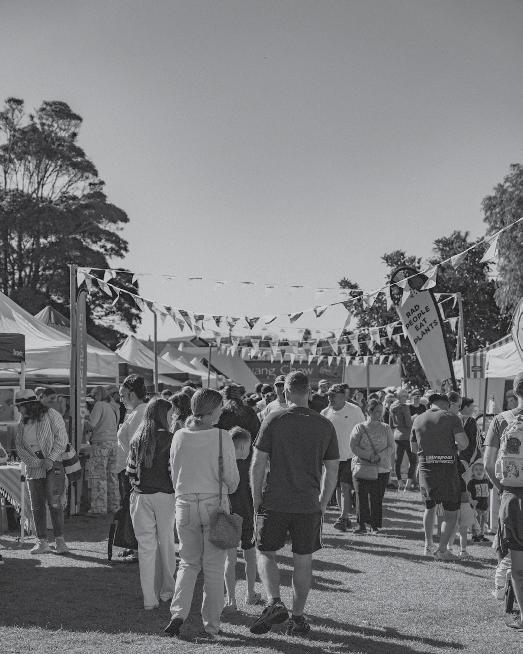
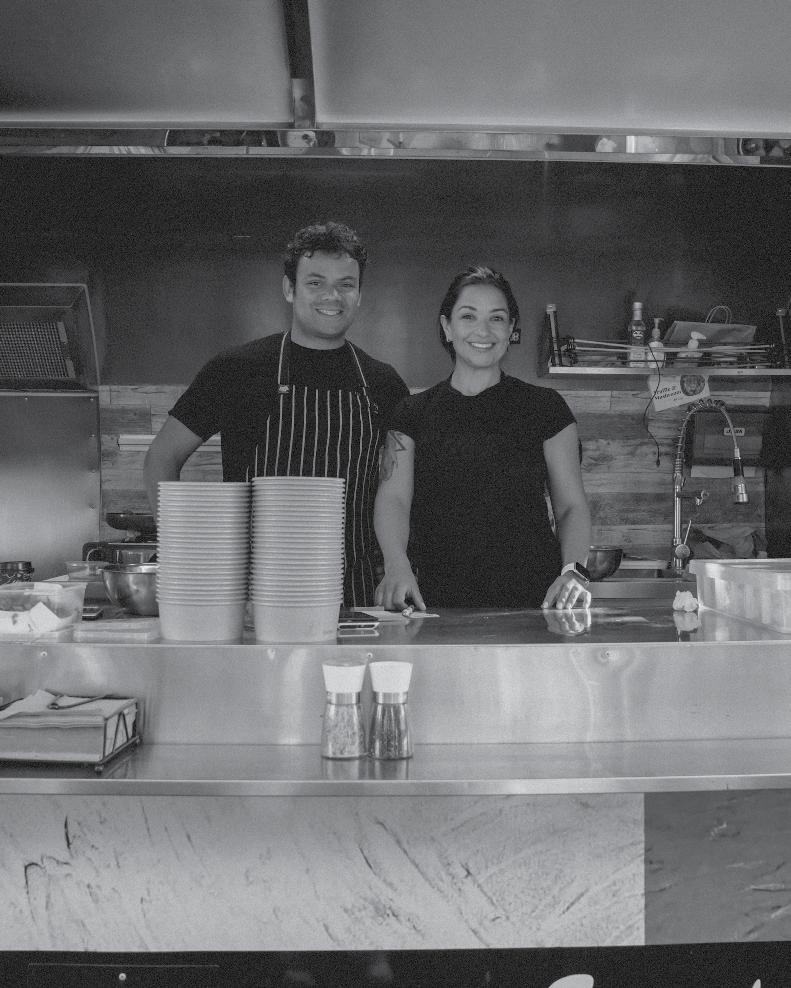
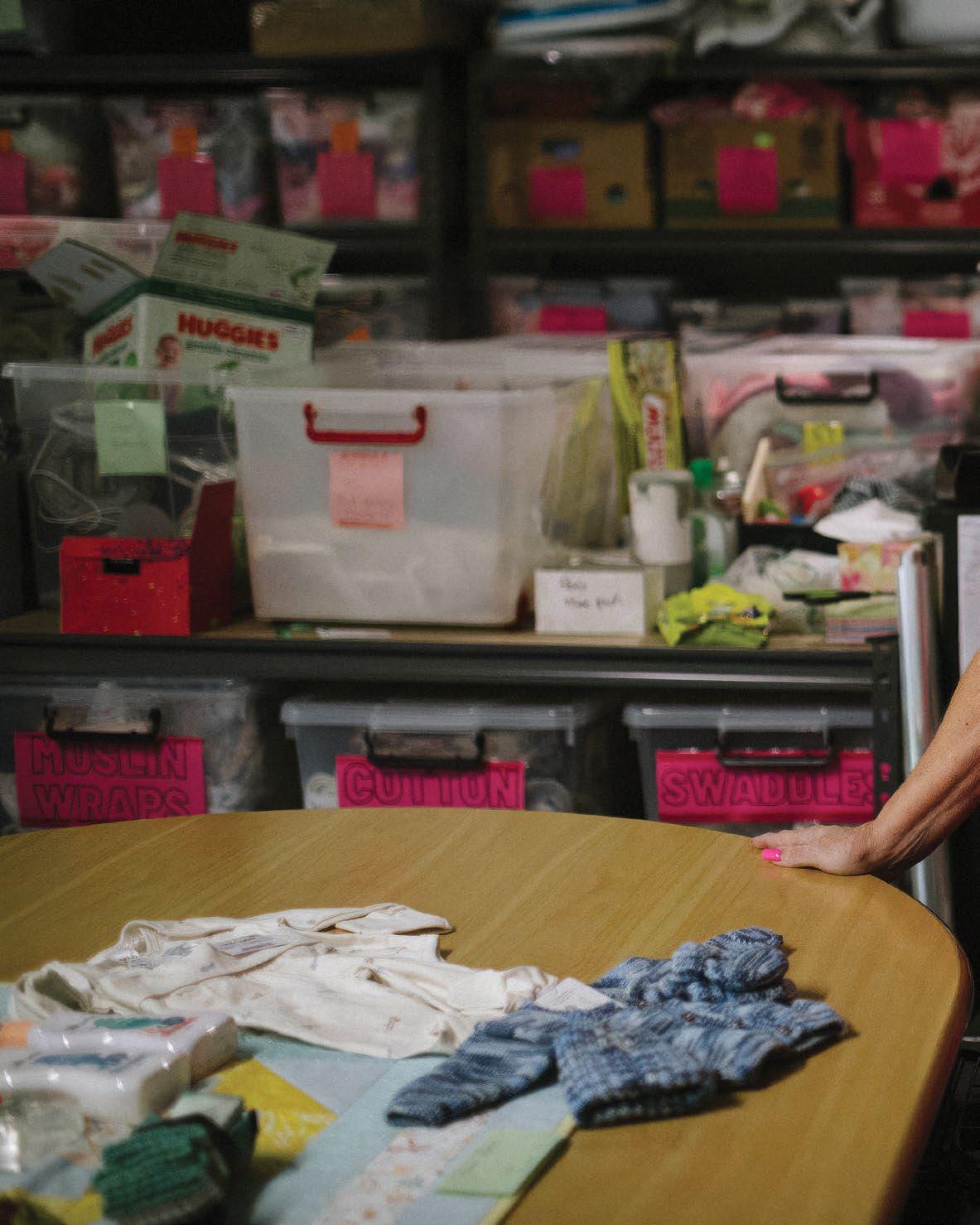
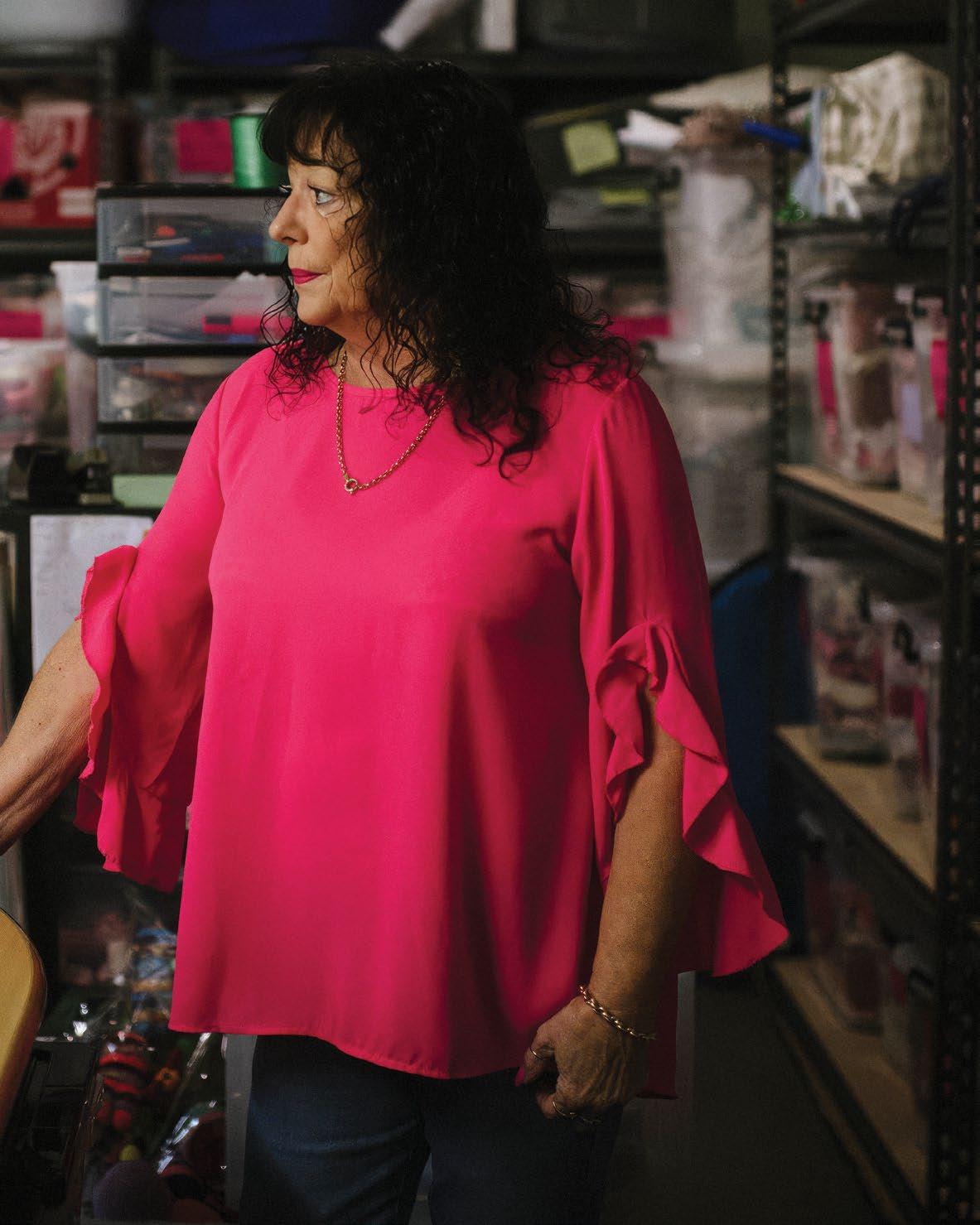
As Kam Lloyd gushed over her new grandchild, she was shocked to hear not every new mum had support. So, she instinctively told the midwife she could help. The rest, as they say, is history.
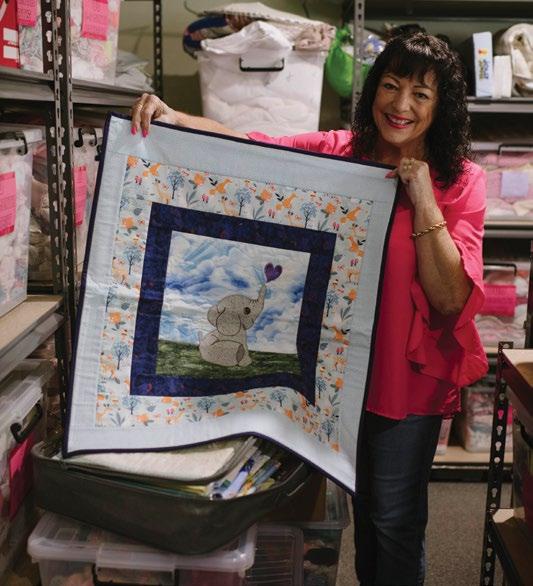
Every week, families are welcoming a precious new baby while in the depths of extreme hardship.
And every week, the heaviness of that is made a little bit lighter for some local families by a small charity called All for Love Tauranga.
“It’s for each family to feel they are special and that someone cares,” founder Kam Lloyd says from her refurbished shed.
Kam’s wearing a hot pink shirt and matching lipstick, both as bright as her bubbly personality. Her phone is constantly dinging with messages and emails about referrals or donations.
“There’s a lot of people out there with absolutely nothing. A lot of people are really struggling.”
The not-for-profit started after the first Covid-19 lockdown in May 2020. As Kam gushed over her new grandchild, she
was “shocked” to hear from the midwife that not everyone had support, and instinctively told the midwife she could help.
A few months later, the midwife desperately called to take her up on that offer.
Kam’s eyes well up as she retells the story, nearly six years later, of the midwife calling after a surprise homebirth where she saw the woman had “nothing”. The midwife’s husband even had to rush in towels during the birth.
“I dropped everything,” Kam recalls.
She filled a trolley at the supermarket buying as many baby items as she could, trying to think of what mum and bub could need.
The rest is history.
She’d never done anything like it before, having previously done bookwork for the family business before working in pharmacy retail.
When Our Place visits, Kam’s working on a delivery for a family in need with a newborn girl.
As she does with every family, she’s making up something for the siblings, too, which in this case included a banana box for a one-year-old and a backpack filled with toys and treats for a six-year-old.
“We only go up to five years old, usually… but imagine being that six-year-old and getting nothing,” she says.
Her heart is clearly calling a lot of the shots, as it has from the beginning.
The boxes for each child have a hand-knitted blanket draping over the sides, with the contents neatly tucked in, including more blankets, clothes for now and two sizes up, new knits, towels, toys, toiletries, and anything else a baby might need. For the mum, there are essentials and treats.
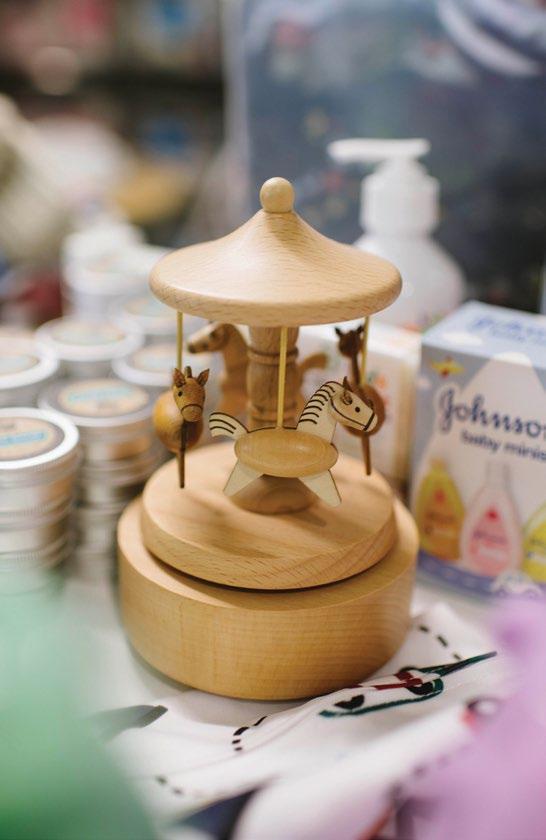
It’s all either new or likenew. She’s very particular about the standard.
She originally set out to help newborns, scouring Facebook Marketplace in the beginning as she put out calls for donations, which started rolling in.
The age of recipients quickly increased, as Kam couldn’t fathom the thought of an older child in one of the households watching their newborn sibling getting an overflowing parcel along with the mum care packs, and they weren’t.
To ensure the support gets to those most in need, she only accepts referrals from reputable agencies, like Plunket, midwives, health services or social workers, including Community Health 4 Kids. One of those recent cases
Kam’s shed is lined with shelves filled to the ceiling of storage boxes with either pink or blue labels stating the contents.
There’s gorgeous knits in one, postpartum supplies in another – everything kindly donated by the community.
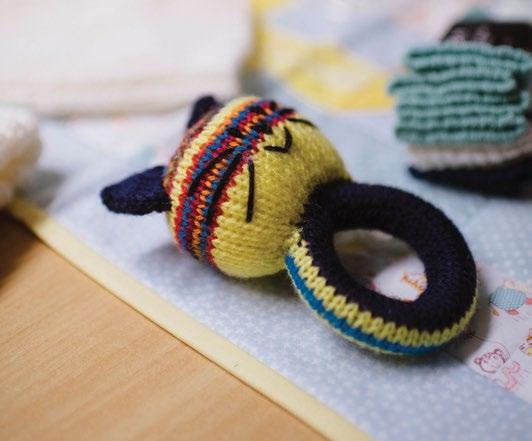
was a midwife reaching out after she did a home visit for the first time, and saw the newborn wearing her two-year-old brother’s clothes as her mum couldn’t afford anything else.
“It breaks my heart.”
Her face saddens as she explains she’s only getting busier, and more referrals are coming through for family harm reasons with babies involved.
“I didn’t realise it would get so big.”
Each parcel takes several hours to create, as she specially puts them together based on any information she gets in the referral. At the moment, she’s sending out parcels for about 22 children a month.
“I love it… I love making it look nice and thinking about them
opening it up,” she says, while showing some finishing touches – cellophane, ribbon, a small note – which she buys out of her own pocket. Once they’re ready, the referer collects it, or her husband drops it off.
She never meets the families. She can’t, she says, as she won’t stop thinking and worrying about the family. She’s also had to ask for the referrals not to go into too much detail about the scenarios for the same reason.
It’s come a long way since the first delivery.
“I’m a bit of a nutter,” she jokes, standing in the middle of her refurbished shed. The walls, lined with shelves, are filled to the ceiling with storage boxes with either pink or blue labels stating the contents.
Kam loves making up the parcels and thinking about the families who will open it up.
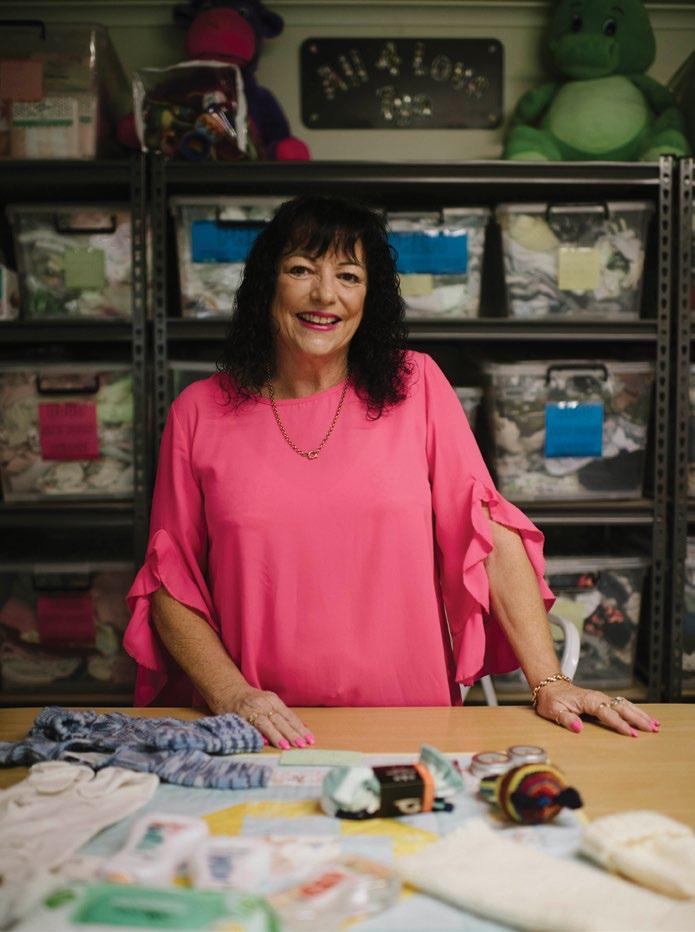
She flutters around her cosy space flooded with natural light to show the gorgeous knits in one container, the mother goodies or postpartum supplies in the corner, or the cot blankets on the top side wall. Everything is in its place.
There are also a lot of new people keen to help now, with support for the families coming solely from the community, and some keen sewers, knitters and hobbyists providing regular donations.
“Some have become more like friends,” Kam says.
Among the many one-off donations, some have joined in her crusade as regular donors,
and Kam can’t help but gush over everything.
“Just look at these,” she says, holding up tiny knitted matching jersey and beanie sets, toys, homemade breastpads and stunning bassinet quilts.
“It really makes a difference,” she says.
One generous woman frequently buys what would have easily amounted to hundreds of items, of everything from new clothes on clearance and books, to baby towels and special treats for mums. “She’s so naughty,” Kam says, though admitting she does the same.
The growth has also meant
she now has three volunteers who help collect and sort through donations in different areas in the community, which has made a huge difference in what’s able to be completed.
“I love coming in here,” she says about her shed full of kind donations.
Like the countless knitting donations, Kam’s charity has woven together individuals, hobby groups, and local businesses for the babies in the community.
Anyone keen to donate new or like-new condition items can contact her through her Facebook page.
All 4 Love Tga

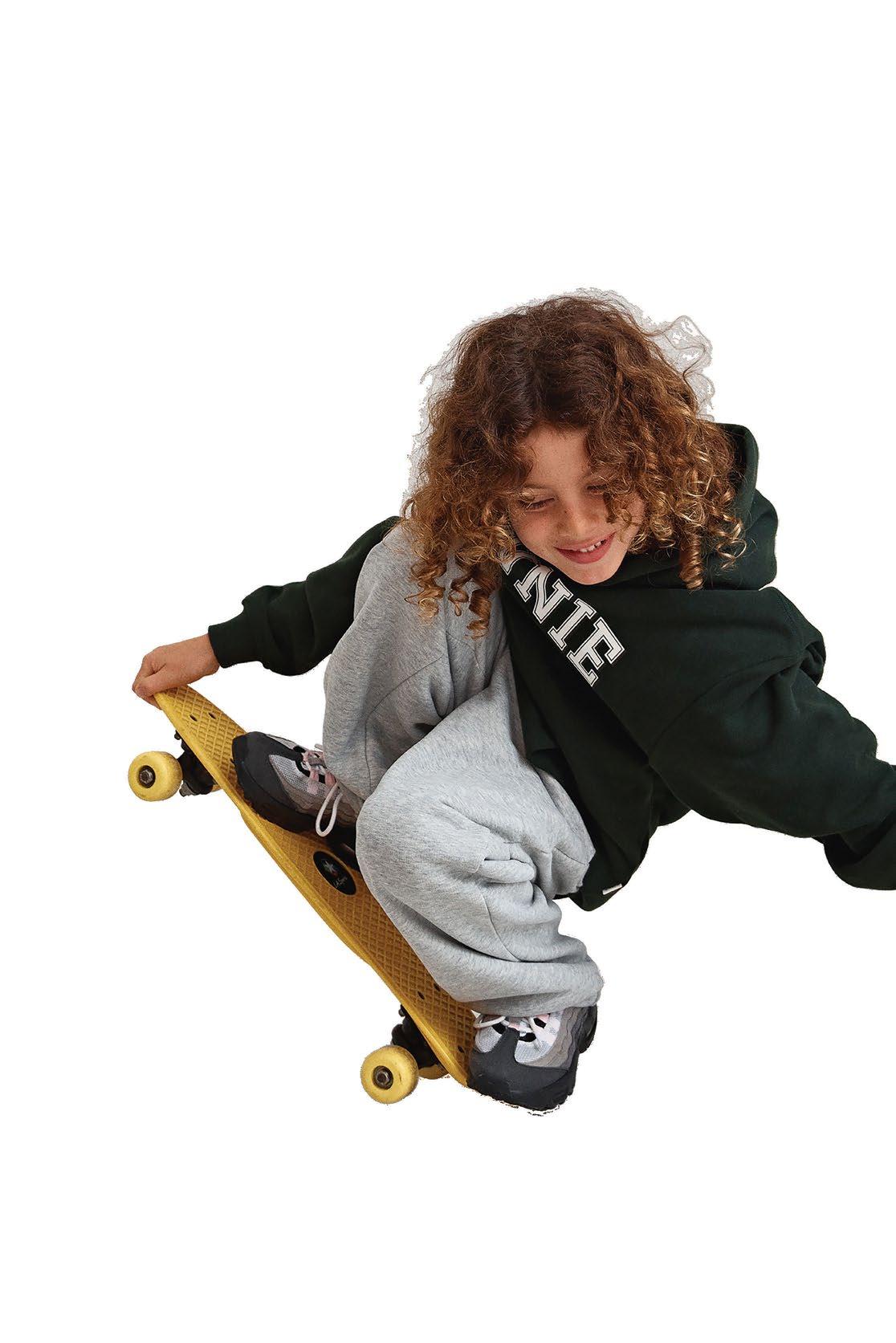
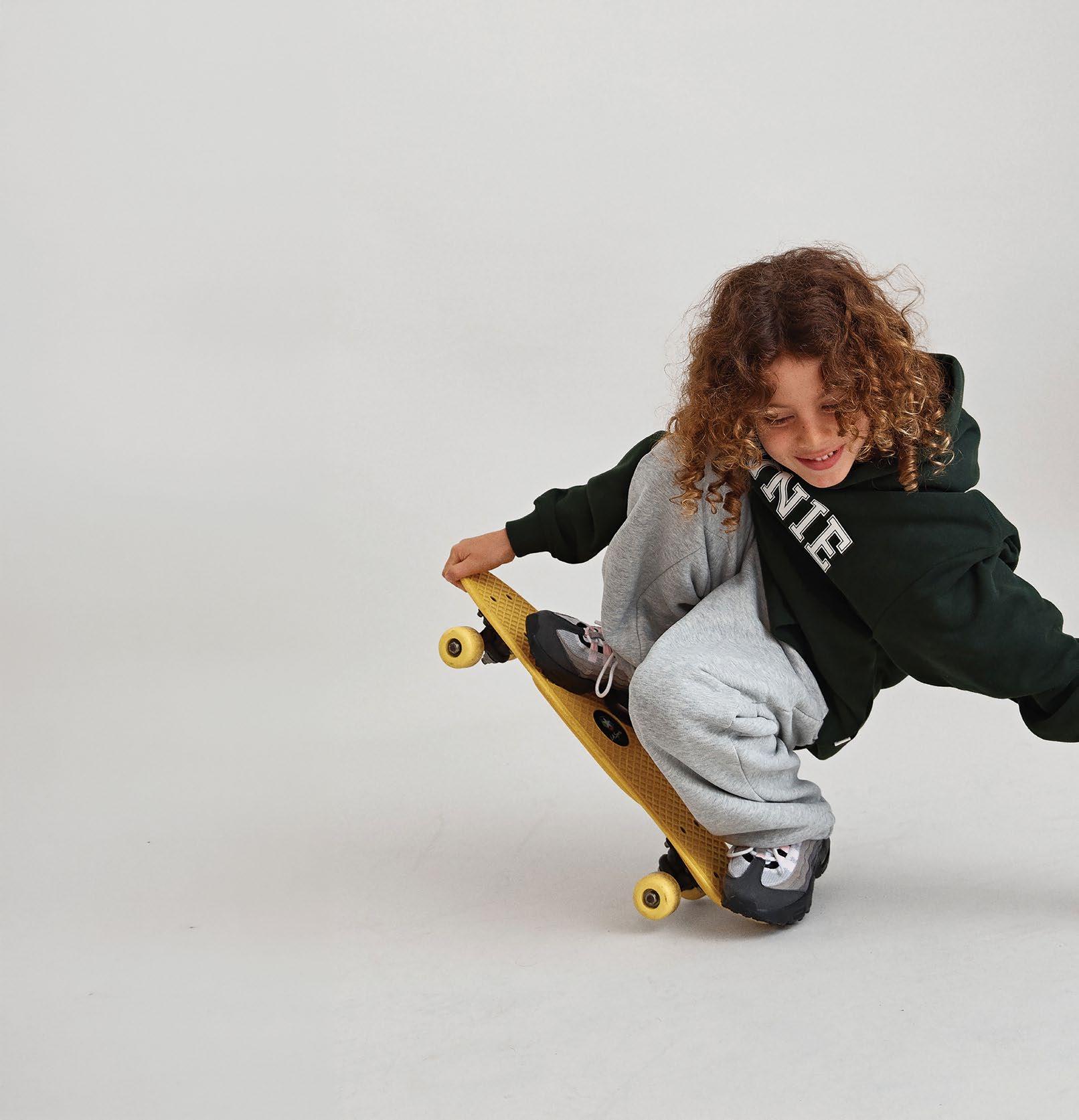
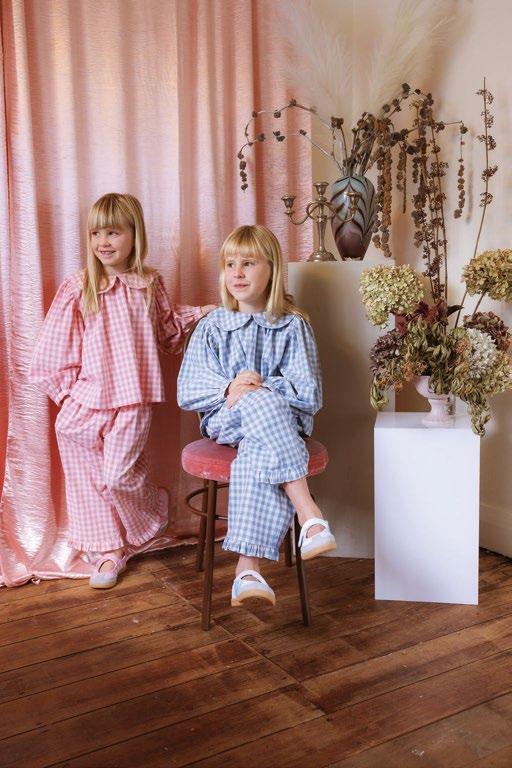
Astrology has actually only been around 5000 years. It survived the Renaissance, the Industrial Revolution, and so far, the sixth National Government – a three-way that I would rather take a pass on. The idea that the position of celestial bodies at the moment of your birth has any bearing on whether you will have a difficult week is fascinating to me and, as always, I am here to report what the stars are telling me and accept no responsibility for the consequences.
Aries (March 21 – April 19)
Mars is doing something assertive in your chart this month, which will manifest as an inexplicable confidence in your ability to reverse a trailer. The stars also suggest a financial opportunity is approaching, though on closer inspection it will turn out to be a Pak’nSave special on bulk canned goods that you will convince yourself counts as an investment strategy. Someone in your immediate circle is harbouring a secret. It is almost certainly about you, and it is almost certainly about that thing you did at the work function. It would be wise to clean the photocopier before Monday. Physically, you are fine. Emotionally, you’re a skip bin.
(April 20 – May 20)
Venus is moving through your house this month, which the universe intends as a gift. But it will feel considerably more like an uninvited guest who has strong opinions about your soft furnishings. Your appetite for comfort remains impressive, though the stars are gently suggesting that what you are describing as self-care is, by most clinical definitions, laziness. A financial matter you have been avoiding will resurface mid-month with the quiet persistence of afternoon scattered showers that were supposed to clear by midday. Deal with it. Someone will offer you unsolicited life advice this week. They mean well. They are well off the mark.
(May 21 – June 20)
Both of your personalities are present this month, which is two more than most situations require. Mercury is encouraging communication, so naturally you will send a message you immediately regret and spend the following 48 hours analysing the reply for tone. The stars suggest you have recently taken up a new hobby with considerable enthusiasm and will abandon it before the end of the month, possibly before the equipment arrives. Romantically, Venus is applying some gentle pressure in a direction you have been avoiding, and the stars strongly recommend you lean into it with more conviction than you brought to your last attempt.
(June 21 – July 22)
The moon is stirring your domestic instincts, so you will embark on a reorganisation of a space in your home that did not need reorganising, and leave it in a condition that is objectively worse. Emotionally, you are processing something significant, though the processing largely consists of thinking about it intensely while standing in the shower until the hot water runs out. A conversation you have been putting off cannot be delayed much longer. Choose your moment carefully, and for everyone’s sake, choose a better opening line than “hey babe,” or “so I have been thinking,” or “can you just put the towels in the wash instead of leaving them lying all over the floor”.
Leo (July 23 – August 22)
The sun is your ruling planet and you would like everyone to know it. This month, your natural magnetism will draw people toward you at social gatherings, where you will hold court with a story that is approximately 60 per cent longer than it needs to be. The good news is that people are genuinely fond of you, even when they are quietly checking their phones while you talk. You are going to feel some pressure in your financial sector this week, but the stars suggest you take it like a Thai massage and quietly sob into your face hole. A romantic development mid-month will catch you entirely off guard, which is unusual for someone who considers themselves intuitive.
Virgo (August 23 – September 22)
You will spend a considerable amount of time this month identifying problems that do not strictly require solving, and solving them anyway to an impressive standard. Nobody will notice. Your eye for detail will surface in your personal life too, where you will notice something about a close relationship that has technically always been there but which you have only just discovered. For your sake, I hope you have a thing for six toes or three nipples. The stars suggest you bring this up carefully and at an appropriate moment, not, for example, during a meal, or immediately before one.
(September 23 – October 22)
Balance is your governing principle, which is why it is somewhat concerning that you have spent the better part of this month tipping dramatically in one direction and calling it progress. Venus is encouraging romance, and your interpretation of this has been to present a version of yourself online that requires considerable creative licence. The stars do not judge. The stars are, however, suggesting that the gap between your profile and your reality has reached a width that will eventually require some explaining in person. A decision that has been hovering unresolved since at least the previous issue of this magazine needs to be made before the end of the month. Pick a lane, Libra. Any lane.
(October 23 – November 21)
Your intensity remains one of your most compelling qualities, though this month it has been primarily directed at a council policy. Pluto is stirring
something deep in your subconscious, which will surface as either a profound personal insight or it might just be flatulence. The stars cannot tell yet. Financially, things are looking more stable, which you will immediately destabilise by treating yourself to something that requires 12 months interest free.
(November 22 – December 21)
Jupiter is expanding your sense of possibility this month. It sounds like it could be a little unformfortable. Your enthusiasm for new ideas continues to outpace your enthusiasm for completing existing ones, and a quick survey of your half-finished projects would suggest you have enough material to keep a small team occupied for the better part of the year. Some light exercise wouldn’t go amiss either.
(December 22 – January 19)
Saturn is firmly in your corner this month, which will feel less like cosmic support and more like herpes simplex virus. Your productivity will reach impressive levels though mid-week, largely because you have confused exhaustion with purpose and kept going anyway. In your personal life, someone is trying to get your attention in a way that a dripping tap does, you are technically noticing but practically finding it highly irritating.
(January 20 – February 18)
Mercury is sharpening your communication this month, which means your ideas will land with more precision than usual, but the response will still be a polite nod followed by a subject change. A community matter will pull you in this week, and your instinct to offer pointed commentary to members of local government is well meant, but the stars suggest you focus your energy on cultivating mindfulness, calm, and clarity instead. Your police record will thank you for it.
(February 19 – March 20)
Neptune is doing its usual work in your subconscious this month, which means the boundary between what actually happened and what you think happened is becoming increasingly porous. You will have a vivid dream mid-month that you will attempt to recount in full to someone who did not ask and who will struggle to maintain appropriate eye contact throughout. Financially, the stars suggest you have a talent for generosity that occasionally tips into behaviour your bank would categorise as a pattern of concern.
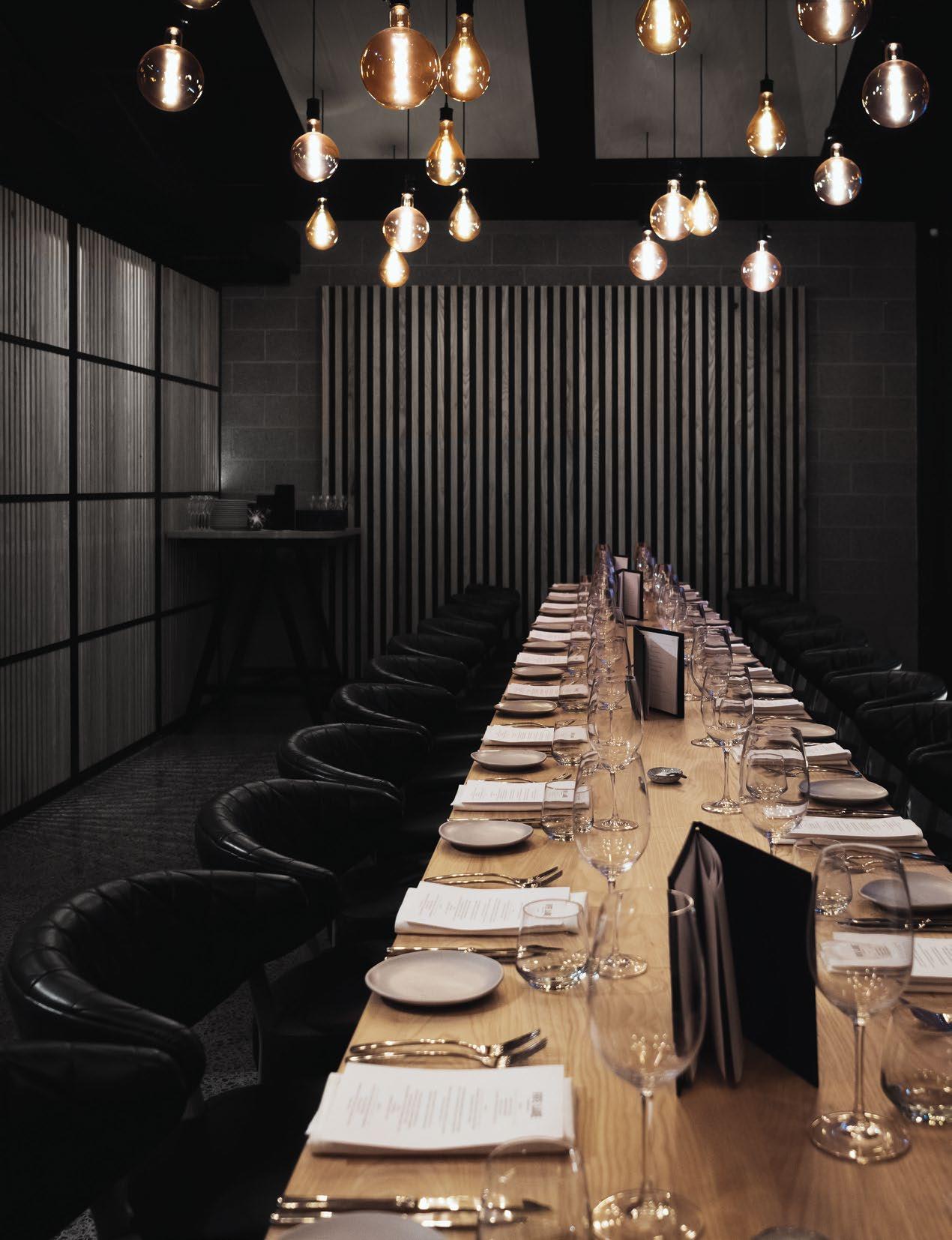
Words by Madeleine Hughes Photography by Erin Cave
We are in the thick of winter now, and at this stage I always start craving fresher summery foods, while still embracing the cold weather with soulful comfort dishes. These two recipes hit the mark perfectly – balancing cosiness with wholesome goodness.
This is such a great side dish when you’re ready for a change from steamed winter veggies. I love this on the side of a roast chicken or lamb, or served with crispy skinned salmon. This makes more red pepper salsa than you need, but the leftovers are great to keep in the fridge to toss through pasta or to spread on your avo toast.
SERVES 4-6 AS A SIDE
2 heads of broccoli, cut into florets
200g halloumi, grated
20 dates, chopped
1/2 cup flat leaf parsley
Quarter of of a red onion, finely sliced
2 Tbsp olive oil
1 Tbsp red wine vinegar
1 Tbsp honey
Salt & pepper
Red Pepper salsa
1 jar roasted red peppers, drained
2 cloves garlic
1 Tbsp red wine vinegar
1 tsp sugar
Salt & pepper
Method
Preheat the oven to 200 degrees fan bake.
Toss broccoli with olive oil, honey, vinegar, salt and pepper. Spread onto the oven tray and cook 8-12 minutes until charred but still crunchy.
On a separate lined tray spread the grated halloumi into a thin layer and bake until deep golden, tossing occasionally.
Once the broccoli and halloumi are both cooked and cooled, toss with dates, red onion and parsley plus a little more olive oil.
For the salsa, blitz all ingredients in the food processor until smooth and spread onto the base of a serving platter, and pile the salad on top.
@themadeleineproject
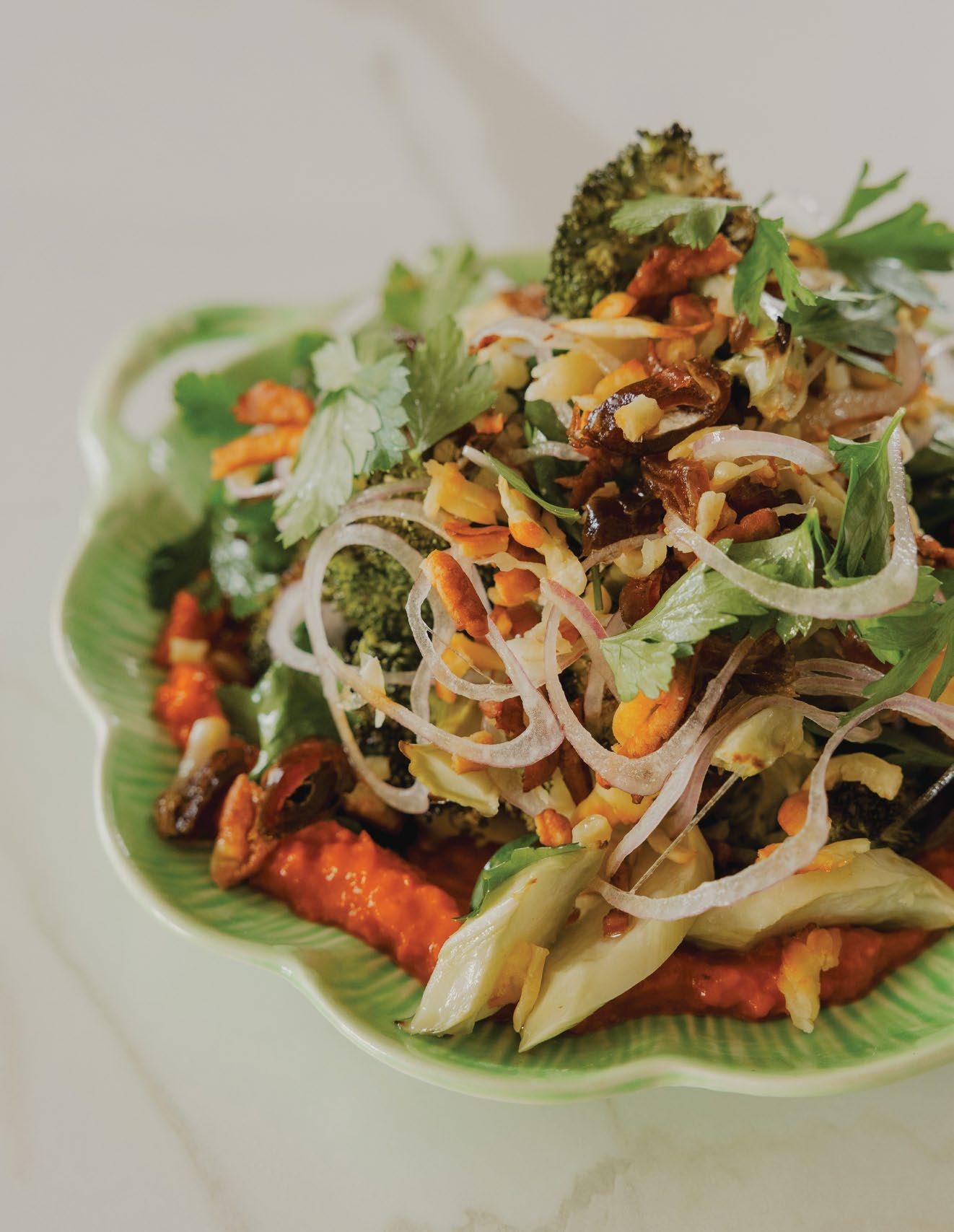
These are the perfect wintery treat: equal parts comforting and nourishing. They are full to the brim with toasted almonds and chewy oats, and loads of dark chocolate. I personally love the bitterness of at least 70 per cent dark chocolate, but if you prefer something sweeter and creamier go for milk chocolate.
MAKES 24 COOKIES
150g whole almonds, toasted & roughly chopped
200g plain flour
150g jumbo rolled oats
1/2 tsp salt
225g butter, softened
100g brown sugar
100g white sugar
1 tsp vanilla
1 egg
200g dark chocolate, chopped
Method
In a stand mixer fitted with the paddle attachment, beat butter and sugars for around 2 minutes until lightened and creamy.
Add egg and vanilla and beat for a further minute. Using a rubber spatula, scrape down the bowl once or twice throughout this process.
Add the flour, oats, almonds and salt. Mix until just combined. Add chocolate and mix again until incorporated.
Roll mixture into tablespoon-sized balls. Pop balls into a container and into the fridge for at least an hour but up to three days.
When ready to bake, preheat the oven to 180 degrees. Line a baking tray with baking paper. Pop 6 dough balls on the tray and press down to make discs about 1cm thick. Cook for 12-15 minutes until deep golden. Enjoy warm straight from the oven!
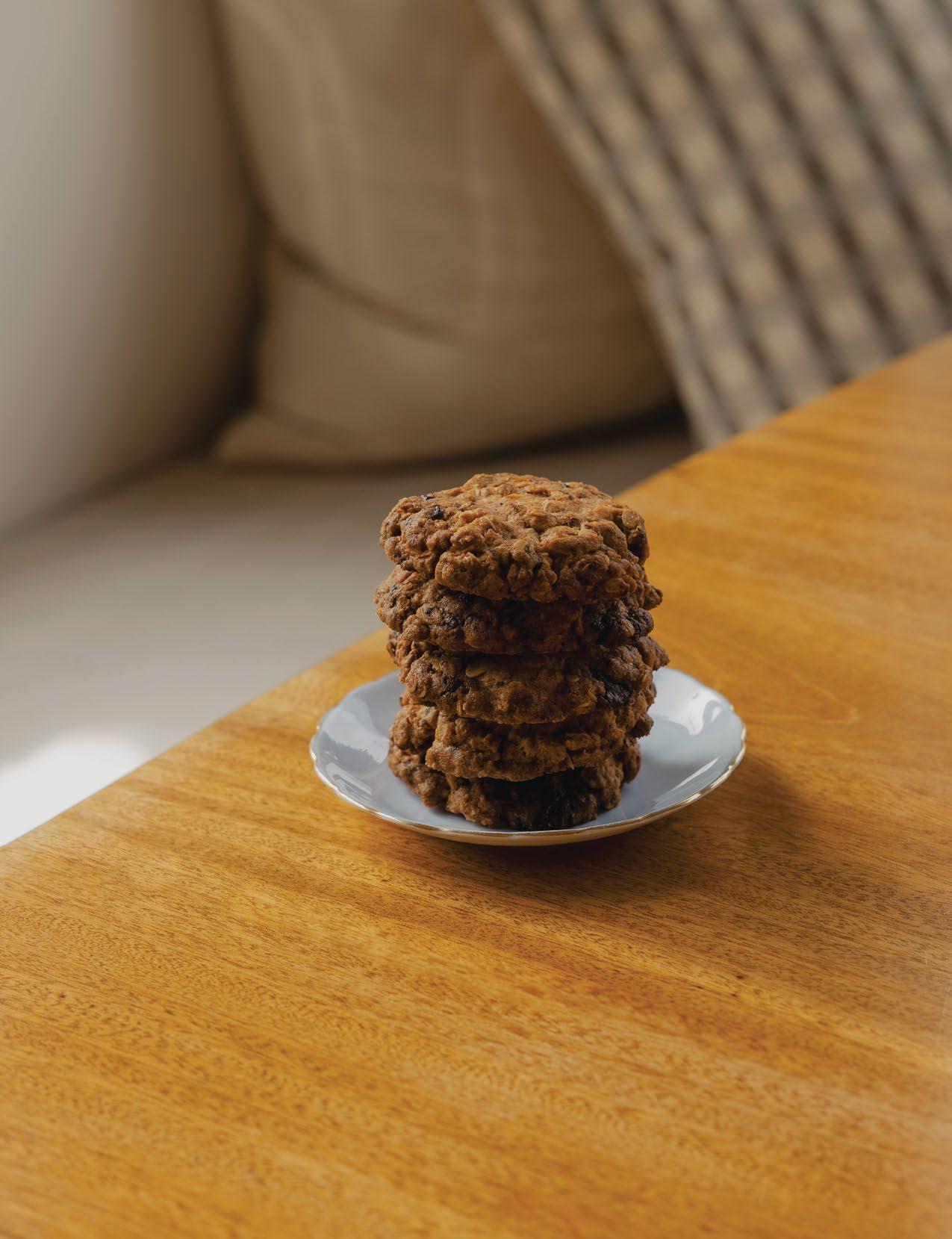


The word ‘probiotic’ has done a lot of heavy lifting in recent years. It appears on yoghurt, on capsules sold in pharmacies, and now, increasingly, on drinks that are actually worth having.
Pāpāmoa-based, Symbiota, has been fermenting kefir soda seriously for long enough to know what they are doing. Their sodas are built around the idea that what
unpleasant.
I came in as
Symbiota Lychee
Probiotic Kefir Soda
is good for your gut does not have to taste
Switzerland,
Lychee is the kind of flavour that divides judgement, and those who distrust it are operating on incomplete information. The Symbiota lychee kefir soda opens with that distinctive floral sweetness that lychee does so well. It’s the sort of flavour that belongs somewhere warm, unhurried, and entirely unconcerned with deadlines. But it doesn’t stop there.
The fermentation process gives it a gentle tartness underneath, a kind of structural honesty that stops it from tipping into confection. It is lightly e ervescent and finishes clean, which is more than can be said for several decisions I have made in warmer climates. What the live cultures are doing in there covers quite a lot of ground: supporting gut flora, improving absorption, and generally making themselves useful in ways that most beverages cannot claim. There is also something quietly satisfying about a drink that requires no explanation to enjoy, yet rewards you for reading the label. The overall e ect is a drink that feels both indulgent and defensible, which is a combination I actively seek out in all areas of life.
but left with a high opinion.
Symbiota’s watermelon kefir soda begins with a ripe, fleshy sweetness that is immediately convincing. That is before the fermentation asserts itself underneath with a gentle tartness that keeps the whole thing honest, rather than something sickly sweet.
The natural carbonation is light and alive, which is an accurate description because that is literally what it is. Live probiotic cultures are in there working on your behalf, quietly and without fanfare. The ingredient list is short in the way that ingredient lists used to be before the industry discovered that complexity could be manufactured as easily as flavour, and that restraint is exactly what makes this worth paying attention to. At around 3 per cent sugar, it sits well below most things you would reach for on an afternoon that has not quite gone the way you planned. A convincing argument for drinking something that is doing you good while tasting like it probably is not. In fact, it is the kind of drink that makes you wonder why you were ever reaching for anything else.
The raspberry and mint arrives with an immediate sense of purpose, which I find both reassuring and slightly intimidating in a beverage. The raspberry is bright and genuine, not the synthetic approximation you get in a drink that has never seen actual fruit. Mint arrives a beat behind, cool and clean, functioning less as a flavour and more as a counter punch to anything too sweet.
The carbonation is light, the kind that suggests fermentation rather than industrial gassing. What is quietly impressive is that the live cultures do their work without announcing themselves, no vinegary edge, no kombucha sharpness, just a clean finish that leaves you feeling like you made a reasonable decision for once. It is a drink that takes itself seriously without requiring you to do the same. The ingredient list is short and the intention is clear: real fruit, live cultures, and nothing that requires a chemistry qualification to pronounce, which is convenient given that my experience with that branch of science ended the same year I had to repeat my 6th form year.
symbiota_fermenting

Cherie’s Foodie Finds
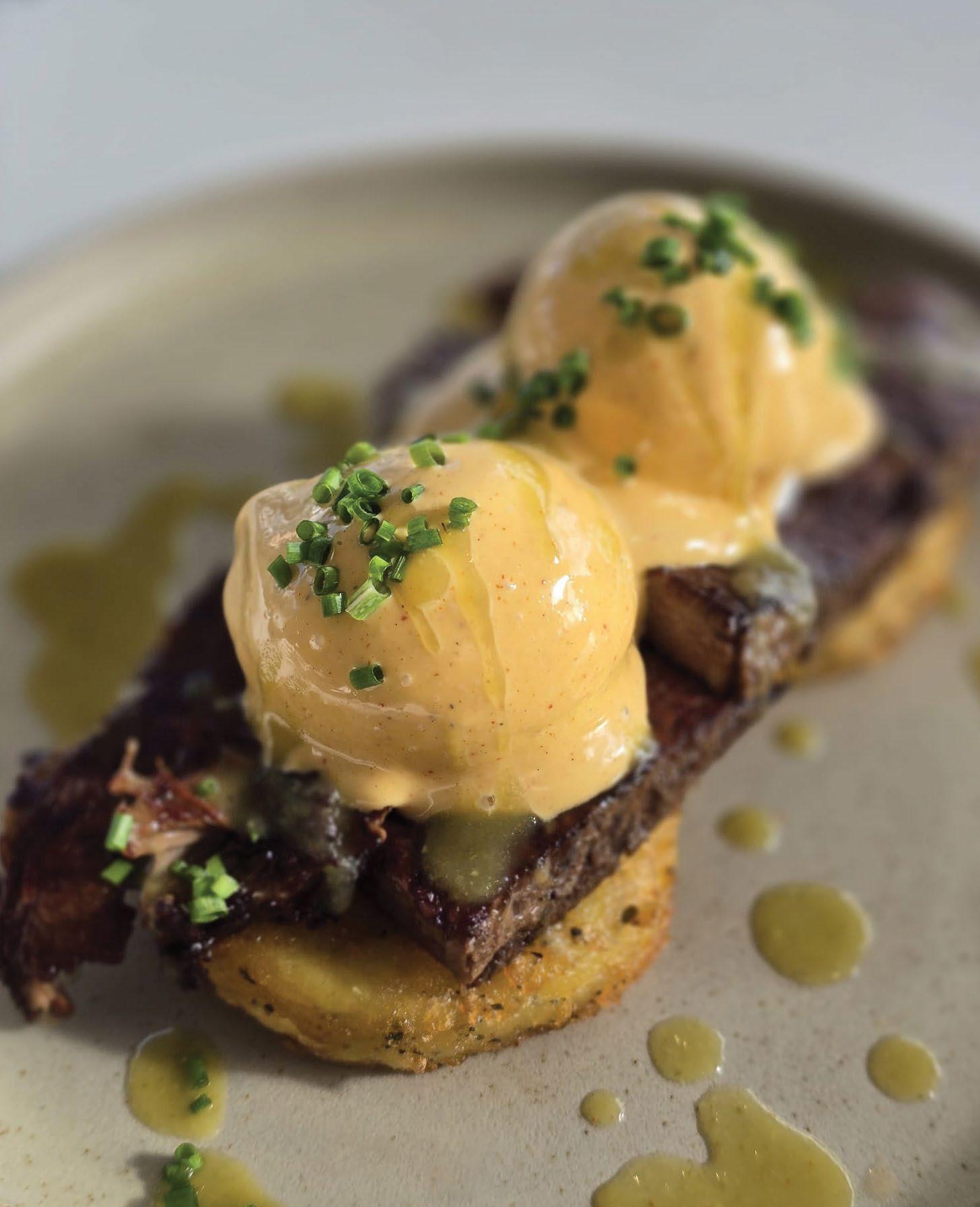
Kiwis love a good eggs benedict. So, in honour of the much-loved breakfast treat, Pepper & Me’s founder Cherie Metcalfe went in search of the best eggs bennys in the Bay of Plenty.
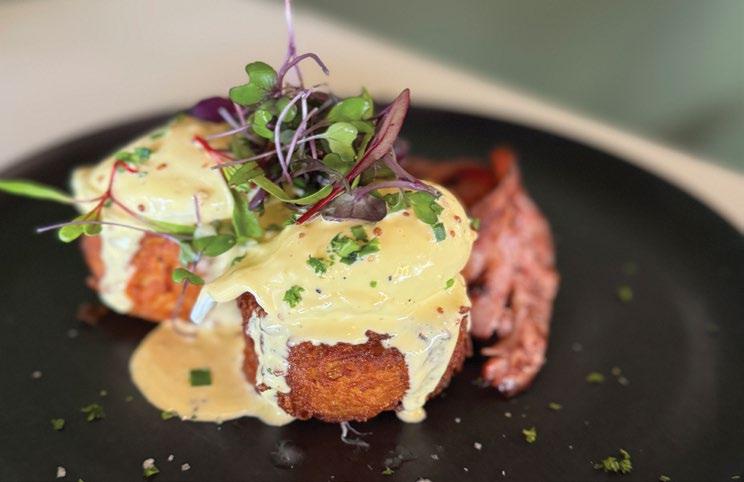
Eggs benedict. The most stock-standard café breakfast of all time.
It’s on every menu, in every town, usually wedged between the big breakfast and something involving smashed avo. Yet here we are ordering it again like we haven’t had it 400 times before.
Is it a bit boring seeing Eggs Benny on every single café menu? Absolutely. It’s the Toyota Corolla of café breakfasts. Reliable, everywhere, in all different colours or styles. Some really epic and some… tragic.
But, can cafés take it off the menu? Absolutely not. Kiwis would lose it. We are a nation that loves a poachie, a bit of bacon or salmon, and a proper generous slathering of hollandaise.
Take away the benny and half of the town would be up in arms. They don’t want your chilli scramble, your breakfast tacos or your ancient grains.
So, because I respect the chokehold eggs benedict has on this country – and I’m not ashamed to admit I’ve been spotted ordering one before – I’ve rounded up the cafés I reckon are doing the best bennys in town.
Some classics, some crispy potato-based
delights, and lovely new twists on the OG.
It’s interesting to note, pretty much all the top ones are using a really good hash base now. There’s not many soggy ol’ English muffins about anymore.
The criteria I’ve used to judge what qualifies as the “top” eggs benny in town is as follows…
The eggs should be top quality, and poached perfectly. We want an egg money shot, but don’t under cook it. The hollandaise is thick, but not too thick – and nicely seasoned.
If we are having wilted spinach, it better be patted dry so as to not ruin the whole plate with a puddle of pond water. Nice presentation, nice flavour, fresh, and yum.
Elizabeth Cafe & Larder 247 Cameron Rd, Tauranga
A solid contender for top benny. Elizabeth Cafe & Larder uses their famous homemade hash cakes. (I heard the secret is to poach the potatoes gently in chicken stock before grating, which gives them the extra tasty edge). The hollandaise is nice and drizzly.

Pearl Kitchen
20 Coast Boulevard, Pāpāmoa
Also running one of the best hash cakes in town, Pearl Kitchen has a signature statement piece of proper thick cut, glazed bacon. Perfect hollandaise, nice warm plates and they also do a half size, which I love.
Somethin’ Somethin’
2 Heath St, Mount Maunganui
These guys know their way around a good breakfast! And that includes a STUNNING benedict. The holy grail if you ask me: Another perfect, crispy hash base topped with tender braised brisket and green chilli sauce in the hollandaise – a dish balanced to perfection.
Another perfect, crispy hash base. They also have the best drinks in town, with all the boujee matcha what nots all the way through to a divine bloody mary.
Florence Bistro
90 Devonport Rd, Tauranga
They call it a florentine, but I’m adding it to the list as it fits all the criteria.
A house cured salmon on a long hash, nicely wilted spinach, perfect eggs and a lovely hollandaise. Quite classic, but really well-presented. Yum.
Pearl Kitchen in Pāpāmoa’s eggs benny is also in the running for its best hash cakes in town.
The Med Cafe
62 Devonport Rd, Tauranga
This is one of those reliable Tauranga classics that people keep going back to. Two poached eggs on a toasted house-made sesame bagel, with hollandaise and bacon. A bagel base is a nice little twist – still benny, but with a bit more chew. Classic. Good.
Nourish Cafe
4 Te Puna Rd, Te Puna
This one has been solid for 10 years! Take a Sunday drive out to Te Puna and enjoy their house hot smoked salmon benny. This is a spot I always forget about as it’s just off the beaten track, but I used to take the kids all the time when they were smaller as there’s loads of room for them to run wild while you enjoy brunch.
Capers Cafe & Store
1181 Eruera St, Rotorua
This big dog is worth branching out of Tauranga for – three poached eggs! And a solid pork belly option. Capers Cafe is a great gem for Roto-Vegas, always worth a visit.
So, that’s my eggs benny round up. Enjoy your next Toyota Corolla of a breakfast! @cheries_chat
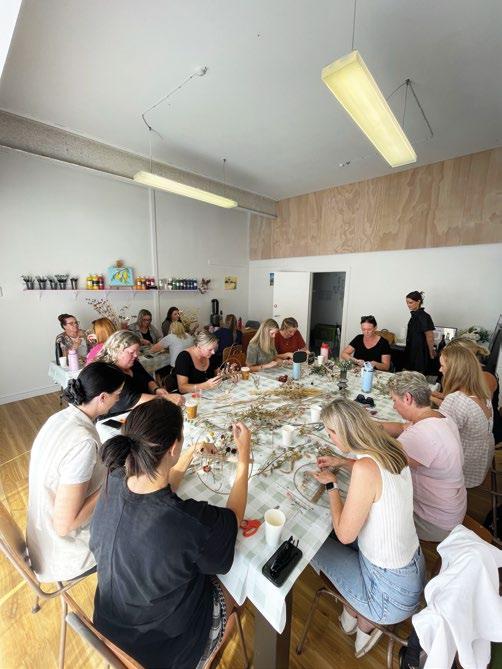
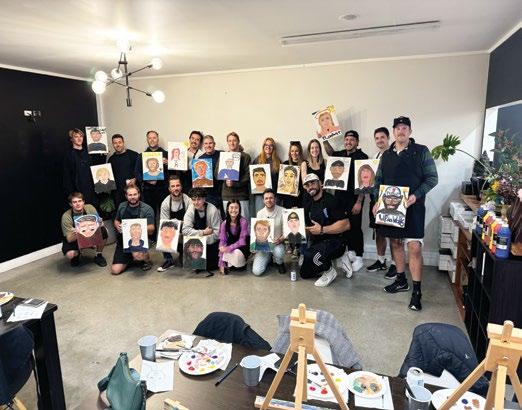

Our Community
Words by Stuart Whitaker
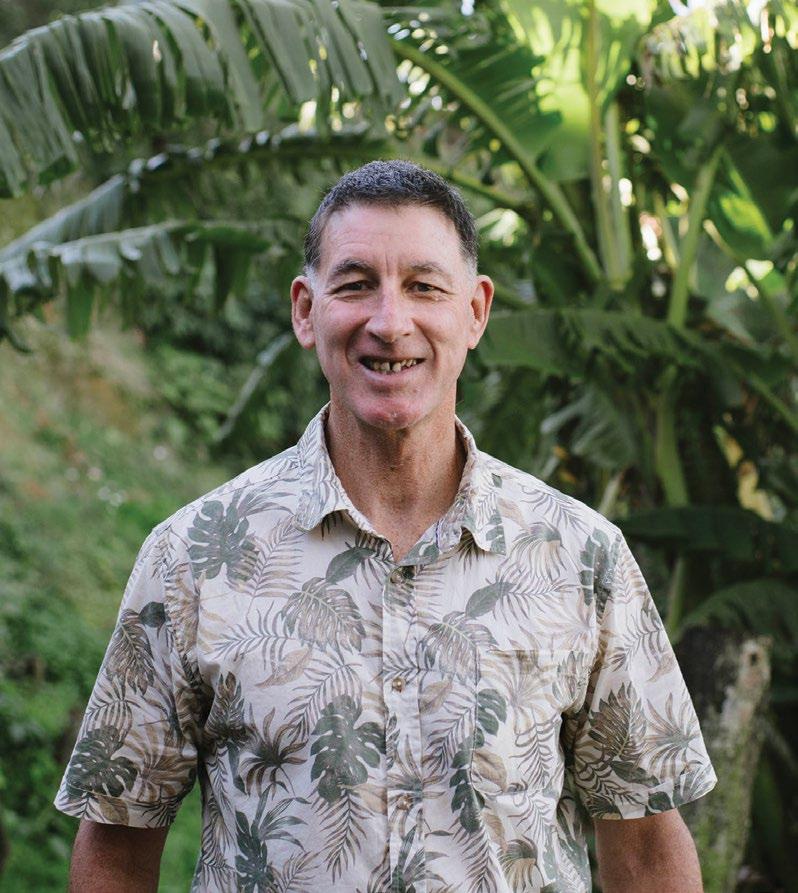
Travel, chance encounters, life decisions, a willingness to try new things and a love for the Bay of Plenty have all played a part in Don Allardice’s boutique side hustle.
It’s an unlikely combination, but somehow adventure tourism and artisan food production have become comfortable bedfellows for Don Allardice and his family.
Under the name Aroha Kai, he, his Germanborn wife Sabine Ullrich and their teenage son Oscar, produce a selection of ferments – sauerkraut, kimchi and two kinds of pesto – which he sells at selected markets around the Bay of Plenty and Waikato.
Travel, chance encounters, life decisions, a willingness to try new things and a love of the Bay of Plenty have all played a part in the boutique side hustle.
Don met Sabine while he was working in tourism in the South Island. Since then, they have lived in New Zealand, Germany, Austria and Venezuela and visited many other countries. In Austria, they set up their own tourism operation on single-seat
River Bugs –manoeuvrable, lightweight inflatable river rafts. In Europe, Don was introduced to sauerkraut and discovered kimchi in South Korea.
“I went there through tourism, but I also got to go out into the country where there were these little tea houses, and there was always a kimchi, so I had to try it. You’d go there and there were low tables and cushions, and I’ll never forget it because it’s pretty spicy.”
more, so they decided to stay and set up a River Bug business here.
“We loved it here. Our son went to the Steiner School, which started our connection with the area, and we met some German-speaking people who are now our best friends.”
The school proved to be a catalyst that helped start Aroha Kai.
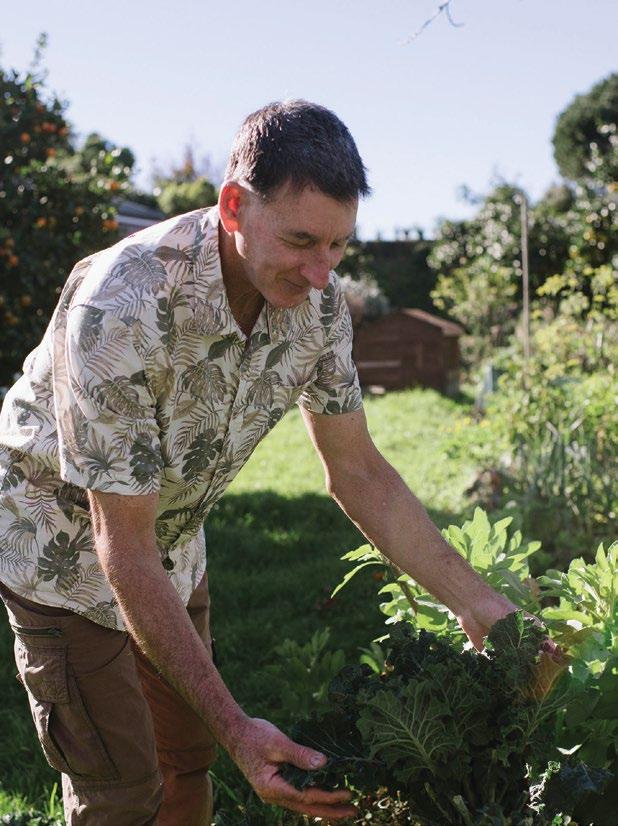
They returned to New Zealand in 2017, moving to a house, sight unseen, in Welcome Bay.
They had no links to Tauranga when they moved here and had only intended to have a 12-month break from their life in Austria. But a year quickly became
“They started a Friday market and, at that stage, I was dabbling a little bit with fermentation for something to do,” says Don. “I started taking some jars down to the market and people were liking it.”
He was selling sauerkraut and kimchi.
“Then someone said, ‘What about fermented pesto?’ and I looked at them as though they had come from Mars. But then I looked into it, got some basil and fermented some pesto.
“It wasn’t the best first up, but then I refined it.
“I don’t have a background in food technology, but I would also say that fermentation’s not rocket science – it’s just a natural process. Once you’ve got a handle on some basic rules, then you have a foundation for working out your recipes, because that’s the key: the ingredients, how long you ferment them and at what temperature. The rest is common sense.”
Don had adopted a vegan lifestyle before the family returned to New Zealand. It led to a quest to create kimchi without the pungent fish sauce traditionally used.
“I stumbled on a blog with a nice Korean lady explaining how she made vegan kimchi, and that gave
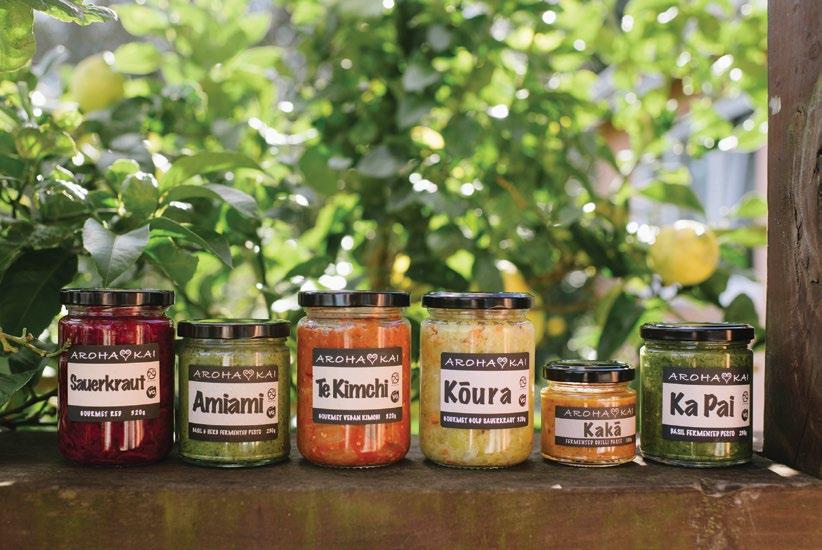
Opener: Don Allardice. ↑ Don has brought his whakapapa into the business through its name and those of some of the products he makes, including Te Kimchi, Amiami and Ka Pai.
me ideas. Te kimchi, I would say, is our most creative and definitely the most complex product and, for me, the most satisfying to make.”
He says it garners a lot of feedback from those who “know their kimchi” and those for whom it is a new taste experience.
“Pesto came later. It’s probably our best seller. You can use it exactly like you would a store-bought pesto that’s conserved either using preservatives or pasteurisation. You need a shelf life, and that’s the beauty of fermentation – you’ve got a natural process that creates an awesome shelf life without adding any preservatives whatsoever.”
While the kimchi ingredients are all bought, the basil in the two pesto varieties is grown at home.
“Because we can grow it ourselves, we don’t feel the need to use fillers like kale or spinach. They are bulky and cheap, and they fill up the jar, but they don’t have a lot of flavour. I guess I’m a bit fussy about that, and I can be because we grow kilos of it.”
Harvested roughly once a week during summer, the picking and plucking of the basil is where the family members work together.
The whole process is carried out in the home, with the fermentation machine working perfectly in summer temperatures.
“In winter, we wrap it in a little electric blanket.”
While the ferments are based on traditional
German, Italian and Korean recipes, the business has a distinctive Māori flavour.
Don’s iwi is Ngāti Kahungunu, although he says he “never grew up Māori as such”.
“It was a missed opportunity, as a youngster, to learn the language and a bit more about where I came from. But I am pleased to be learning this later in life.”
He has brought his whakapapa into the business through its name and those of some of the products –Te Kimchi, Amiami (the te reo Māori word for herb) and Ka Pai.
Don and Sabine sell their ferments at markets in Cambridge, Waihī, Katikati, Matamata and various Little Big Markets, through a small number of specialist shops and online.
“I feel the real connection is through the markets because it’s front-facing – customer and producer. You’re talking to the person who actually makes it and it’s an authentic experience.
“Whether we are making the stuff, buying the stuff or selling the stuff, we are all part of that market community. I enjoy meeting new people and realising we have a lot of things in common in who we are, how we think and our values. It’s really cool to get that feeling and it’s important to be a part of it.”
Don intends to continue encouraging people to explore fermented food.
arohakai.nz

Pepper & Me turns 10 this year, and they’re marking it with Potluck, a new cookbook built from their community’s most-loved dishes.
With the launch landing at The Little Big Markets on 22 August, we’ve pulled two crowd favourites straight from its pages.
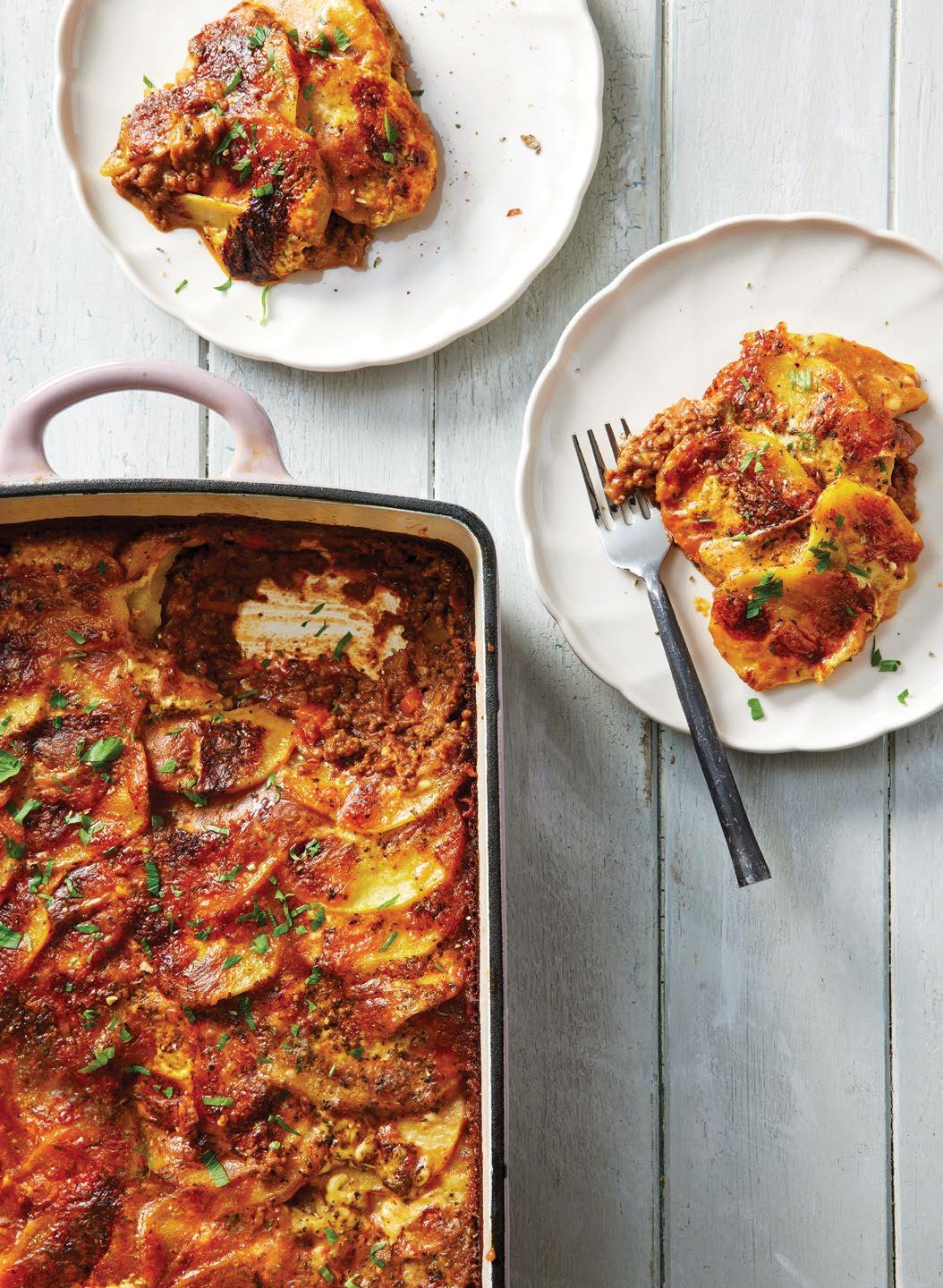
SERVES 4–6
We’ve got this amazing Facebook friend, Graeme, who cooks with Pepper & Me pretty much every day and shares his creations in the Addicts group. The man can cook. This one’s his, adapted slightly to fit the seasonings in this book. As always, make it your own.
Beef filling
Drizzle of oil
800g beef mince
1 brown onion, diced
3 cloves garlic, crushed
2 carrots, finely diced
2 tablespoons tomato paste
1 tablespoon Blow My Coals
2 tablespoons Worcestershire sauce
1 tablespoon soy sauce
400g tin crushed tomatoes
1 ½ cups beef stock
1 tablespoon cornflour mixed with 1 tablespoon cold water, if needed
Fresh parsley, finely chopped
Man Grind Flakes, to taste
Scalloped potato topping
¾ cup cream
¼ cup milk
1 tablespoon Italian Stallion
Man Grind Flakes, to taste
3 large potatoes, peeled and very thinly sliced
¾ cup tasty cheese, grated
1. Preheat the oven to 180°C fan bake.
2. Heat a drizzle of oil in a large ovenproof casserole dish over medium-high heat. Add the beef mince and cook until browned, breaking it up well so you get nice caramelised bits.
3. Add the onion, garlic, and carrot. Cook for 4–5 minutes until softened and fragrant.
4. Stir in the tomato paste and Blow My Coals. Cook for 1–2 minutes to deepen the flavour.
5. Add the Worcestershire sauce, soy sauce, crushed tomatoes, and beef stock. Stir well and bring to a gentle simmer.
6. Reduce the heat and simmer for 15–20 minutes until thickened. You want it rich and spoonable, not dry. Add the cornflour slurry only if needed.
7. Stir through the parsley and season with Man Grind Flakes. Remove from the heat.
8. In a jug, mix the cream, milk, Italian Stallion, and a pinch of Man Grind Flakes.
9. Arrange the sliced potatoes over the beef in an even, slightly overlapping layer, about 1cm thick.
10. Pour the cream mixture evenly over the potatoes, letting it seep through the layers. Sprinkle with grated cheese.
11. Bake uncovered for 30 minutes until the potatoes are tender and the top is golden and bubbling. If it starts browning too quickly, loosely cover with foil.
12. Rest for 10 minutes before serving so everything settles. Finish with extra parsley if you like.
This sweet kūmara loaf from the amazing Messie Jessie is the kind of baking that never goes out of style. Soft, lightly spiced, and just the right amount of sweet, it’s perfect with a thick spread of butter and a hot cuppa. One of those simple, reliable bakes you’ll keep coming back to.
Loaf
2 eggs
¼ cup milk
½ cup vegetable oil
1 ½ cups mashed orange kūmara, cooled
1 ¾ cups plain flour
1 ¼ cups brown sugar
2 tablespoons cinnamon
1 teaspoon baking soda
1 teaspoon Bakers Blend
½ cup chocolate chips or chopped nuts (e.g. pecans, walnuts)
Maple Cream Cheese Icing
100g cream cheese, softened
½ cup icing sugar
1 tablespoon maple syrup
1. Preheat the oven to 150°C fan bake and line a loaf tin.
2. In a large bowl, whisk together the eggs, milk, oil, and cooled mashed kūmara.
3. Add the flour, brown sugar, cinnamon, baking soda, and Bakers Blend. Fold together with a spatula until just combined. Do not overmix or the loaf will become tough.
4. Stir through the chocolate chips or nuts, then transfer the mixture to the prepared loaf tin.
5. Bake for 70–80 minutes, or until a knife inserted into the centre comes out clean.
6. While the loaf is baking, remove the cream cheese from the fridge to soften. To make the Maple Cream Cheese Icing, combine the cream cheese, icing sugar, and maple syrup, and beat until smooth.
7. Allow the loaf to cool completely before icing, otherwise the icing will melt.
8. Spread the icing over the loaf using the back of a spoon to create swirls.
9. Serve thick slices with a good cuppa and enjoy.

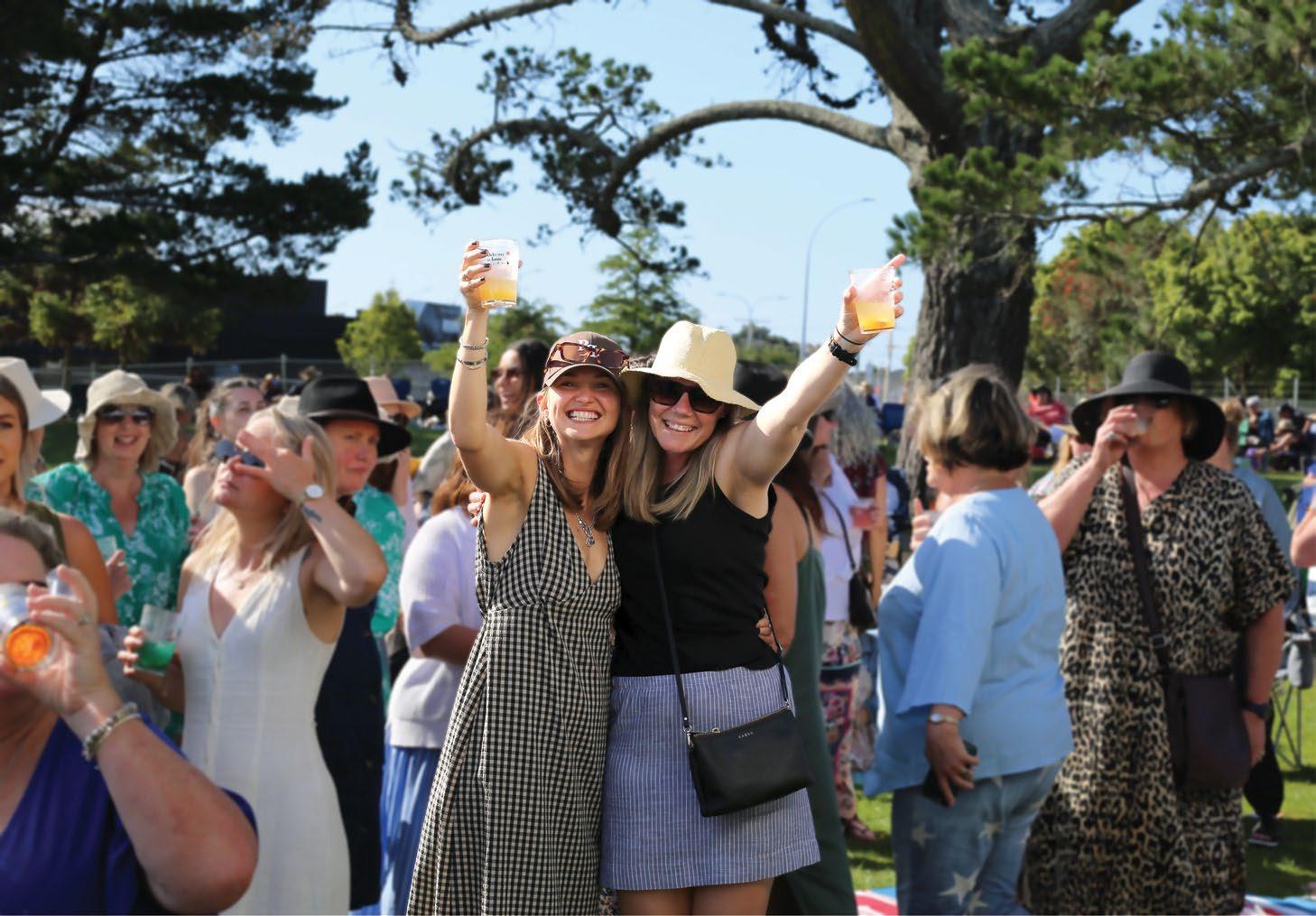


We don’t just clean homes… we give you your time back. From weekly cleans to full home presentations and Airbnb services, our professional team delivers a consistently high standard every time.
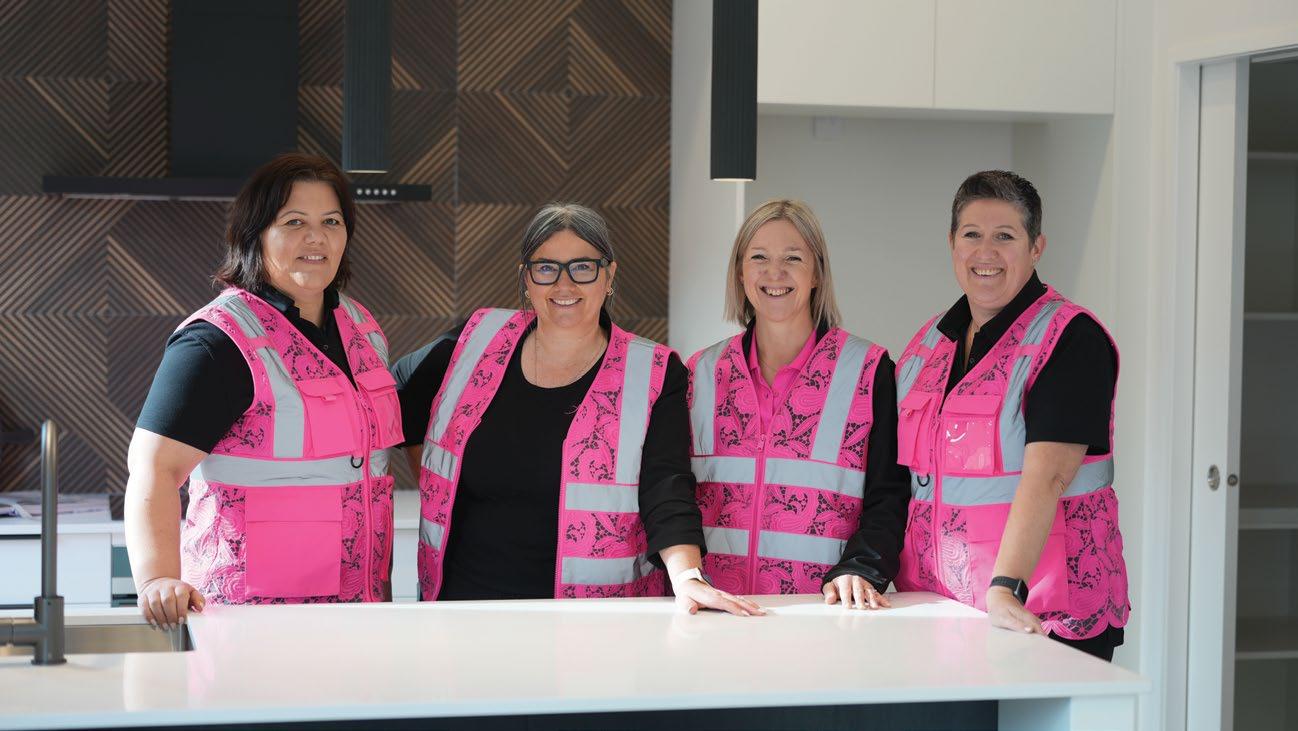

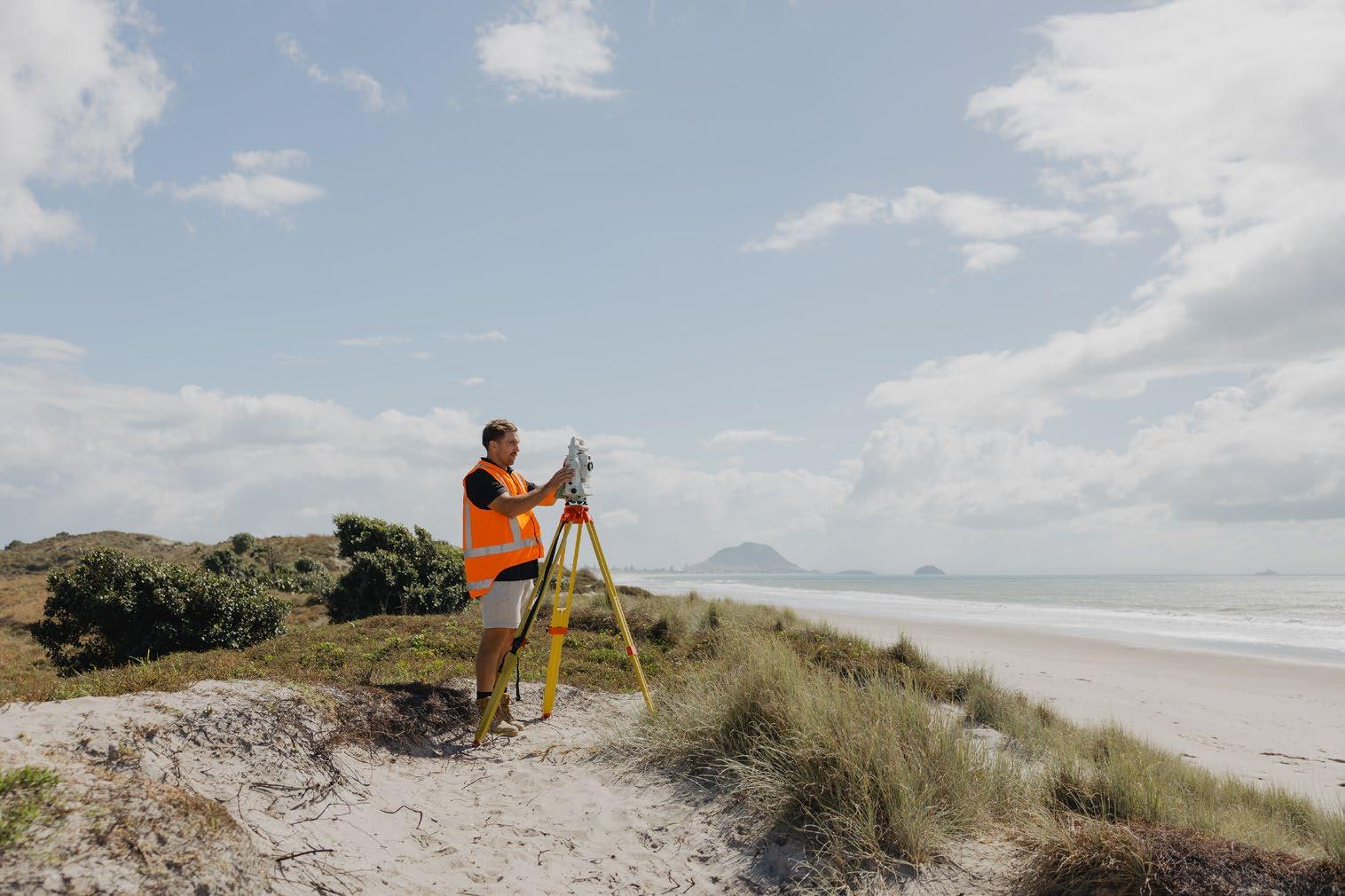
Sat Tauranga Farmers Market
7.45am–12pm, Tauranga Primary School, 5th Ave, Tauranga
August 2O26
3–4. Alan Davies - Think Ahead Tour
7.30pm, Baycourt Addison Theatre eventfinda.co.nz
5–8. The Sound of Music 7-9pm, Bethlehem College Performing Arts Centre, eventbrite.com
6–7. Canvas Careers Expo 2026 Various times, Mercury Baypark Arena
7. Tofiga – Fresh Since Ages Ago 7.30pm, Baycourt Addison Theatre eventfinda.co.nz
8. Salon Risqué - ReVulva a Spy Story
6.30-8.30pm, Baycourt X Space eventfinda.co.nz
Rolling In The Deep – Songs Of Adele – Sung by Caitriona Fallon
8-10.15pm, Baycourt Addison Theatre eventfinda.co.nz
Thrift Shop Ball
7.30-12.55am, Totara St, 11 Totara St, Mount Maunganui, Buy tickets – 021743738
9. The Little Big Markets 10am-2pm, The Strand, Tauranga Waterfront
The Music of Leonard Cohen - That's How the Light Gets In 4.30-7.30pm, Baycourt Addison Theatre eventfinda.co.nz
New Zealand String Quartet presents: Transform | Tauranga
5.30-7.30pm, Toi Tauranga Art Gallery eventfinda.co.nz
11. Quiz Night at Miss G's 6.30-8.30pm, Miss Gee's, 3/59 The Strand, Tauranga
12. Pubble - Escape Room meets Pub Quiz 7pm, The Mill House Bar, 2 Taurikura Dr, Tauranga
14. Hayley Sproull – Sproull on the Prowl 6.30-8.30pm, Baycourt Addison Theatre eventfinda.co.nz
15– Food Show
16. 10am, Mercury Baypark Arena Door sales only
15. The Little Big Markets 9am-2pm, Coronation Park, Mount Maunganui
16. EPIC Families LIVE 1-4pm, Baycourt Addison Theatre eventfinda.co.nz
19. Bare Minimum Life Drawing Group 6-8pm, The Creative Campus, The Historic Village, Buy tickets – 07 5713232
20. Queer Crafts
6.30-8.30pm, The Creative Campus, The Historic Village, Buy tickets – 07 5713232
21. Print Club 1-3pm, The Creative Campus, The Historic Village, Buy tickets – 07 5713232
22. The Little Big Markets 9am-2pm, Coronation Park, Mount Maunganui
23. Thrifted Finds 9am-2pm, Coronation Park
28. Dip, Flick, & Dine In 4pm, Tasman Holiday Park, 535 Papamoa Beach Rd
29– CLAY
30. 10am-4pm, Toi Tauranga Art Gallery
30. Aroha String Quartet 4-6pm, Baycourt X Space eventfinda.co.nz
September 2O26
4–5. Barrels By the Bay Whisky Fest Various times, The Cargo Shed barrelsbythebay.flicket.co.nz
5. Comedy Improv with The Honest Liars
7.30-9.30pm, 16th Avenue Theatre eventfinda.co.nz
The Little Big Markets (AIMS Games) 9am-2pm, Coronation Park, Mount Maunganui
Catan Championship 11am, Card Merchant Tauranga Fraser Cove Door sales only
8. Quiz Night at Miss G's 6.30-8.30pm, Miss Gee's, 3/59 The Strand, Tauranga
In Your Neighbourhood: Flute & Strings
6.45-7.45, St Peter's Church Tauranga Buy tickets – 09 623 1052
11. Chopper Gala and Charity AuctionTauranga
6pm, Classic Flyers, 9 Jean Batten Dr, Mount Maunganui, app.galabid.com
Kids $20 pizza class
3-4pm, 19 Bethlehem Rd, Bethlehem stargroup.nz
Maker Festival 10am-6pm, 148 Durham St, Tauranga makerfest.nz
13. The Little Big Markets 10am-2pm, The Strand, Tauranga Waterfront
@ourplacemagazine
16. Bare Minimum Life Drawing Group 6-8pm, The Creative Campus, The Historic Village, Buy tickets – 07 5713232
17– Wicked
30. Various times, Baycourt Addison Theatre eventfinda.co.nz
17. Queer Crafts
6.30-8.30pm, The Creative Campus, The Historic Village, Buy tickets – 07 5713232
18. Print Club 1-3pm, The Creative Campus, The Historic Village, Buy tickets – 07 5713232
19. The Little Big Markets 9am-2pm, Coronation Park, Mount Maunganui
Latin American Spring Festival 11am-11.45pm, Queen Elizabeth Youth Centre, Tauranga, eventbrite.com
19– Tauranga Women’s Lifestyle Expo
20. 10am-4pm, Mercury Baypark iticket.co.nz
20. FLAME: Reconnect with What Matters 5.30-7.50pm, Baycourt X Space eventfinda.co.nz
25. Dip, Flick, & Dine In 4pm, Tasman Holiday Park, 535 Papamoa Beach Rd
Stars of Stage and Screen 11am-12.45pm, Holy Trinity Church Buy tickets – 0508 266 237
26. The Little Big Markets X Vegan Vibes 9am-2pm, Coronation Park, Mount Maunganui
Autofest 12-9.30pm, Mercury Baypark